


Most Famous Hollywood Actors of the 1990s

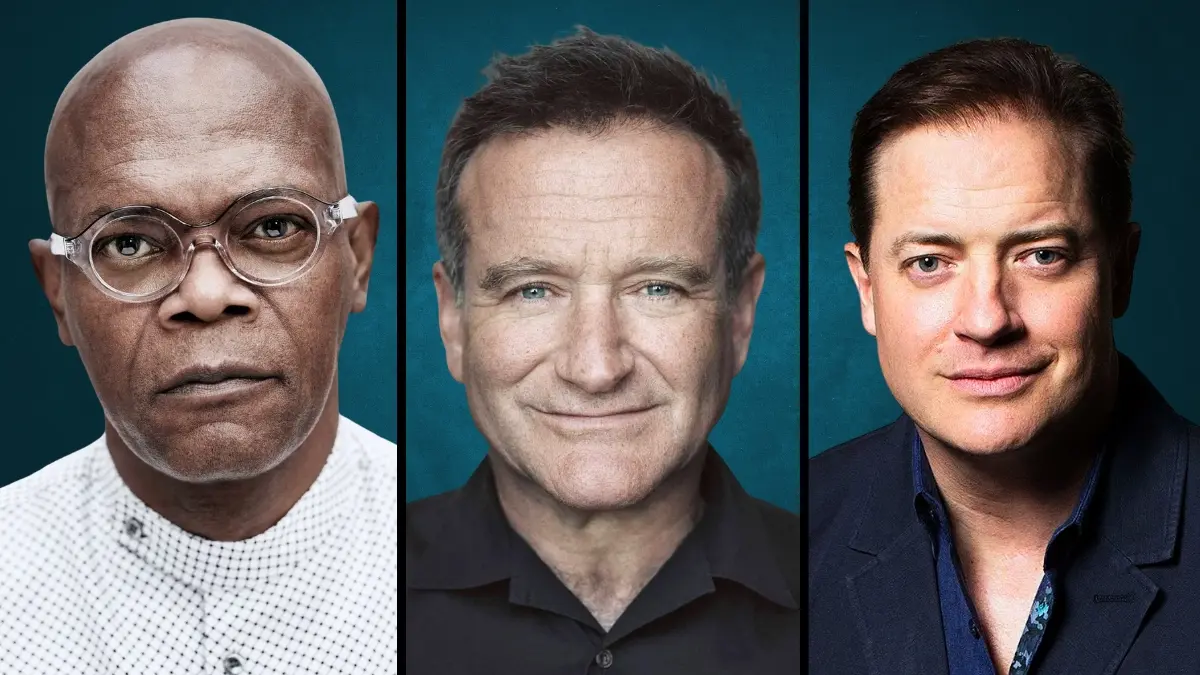


The 1990s were packed with star power, chart-topping blockbusters, and award-winning performances that turned certain leading men into global icons. From prestige dramas to high-octane action and breakout comedies, these actors headlined films that helped define the decade’s style and ambition. Many expanded their range, crossed between genres, and built enduring franchises that still resonate. Here are forty-five male actors whose bodies of work and cultural impact made them synonymous with ’90s Hollywood.
Tom Hanks
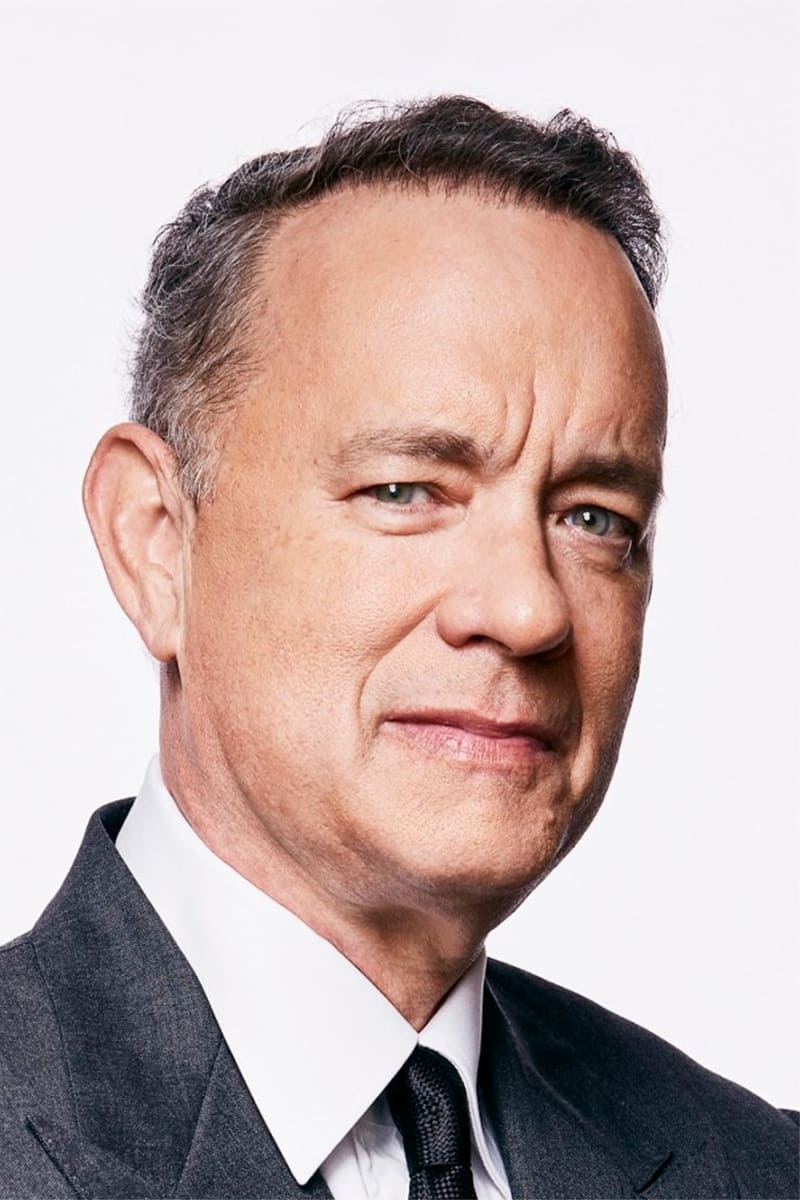
Tom Hanks dominated the decade with acclaimed performances that connected with mass audiences and critics alike. He won consecutive Best Actor Oscars for roles in ‘Philadelphia’ and ‘Forrest Gump’. His run also included audience favorites like ‘Sleepless in Seattle’, ‘Apollo 13’, ‘Toy Story’, and ‘Saving Private Ryan’. Hanks became a reliable lead for drama, comedy, and family films, anchoring several of the decade’s biggest hits.
Tom Cruise
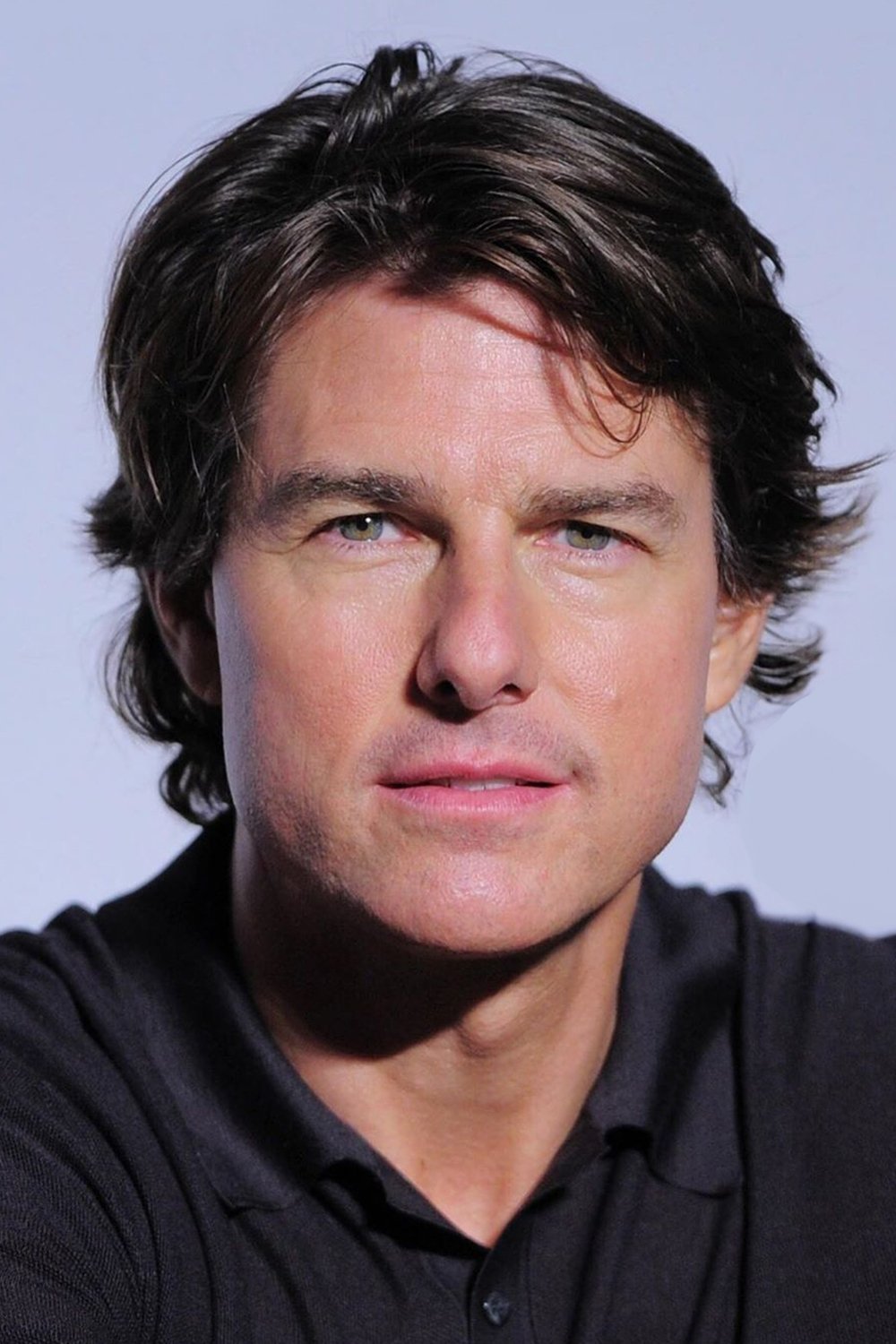
Tom Cruise balanced prestige projects with blockbuster appeal, becoming one of the decade’s most bankable stars. He led ‘A Few Good Men’, ‘Jerry Maguire’, and ‘Eyes Wide Shut’ while launching the ‘Mission: Impossible’ franchise. His work earned multiple Oscar nominations and consistent box-office success across genres. Cruise’s collaborations with top directors and producers helped shape action and drama trends throughout the era.
Brad Pitt
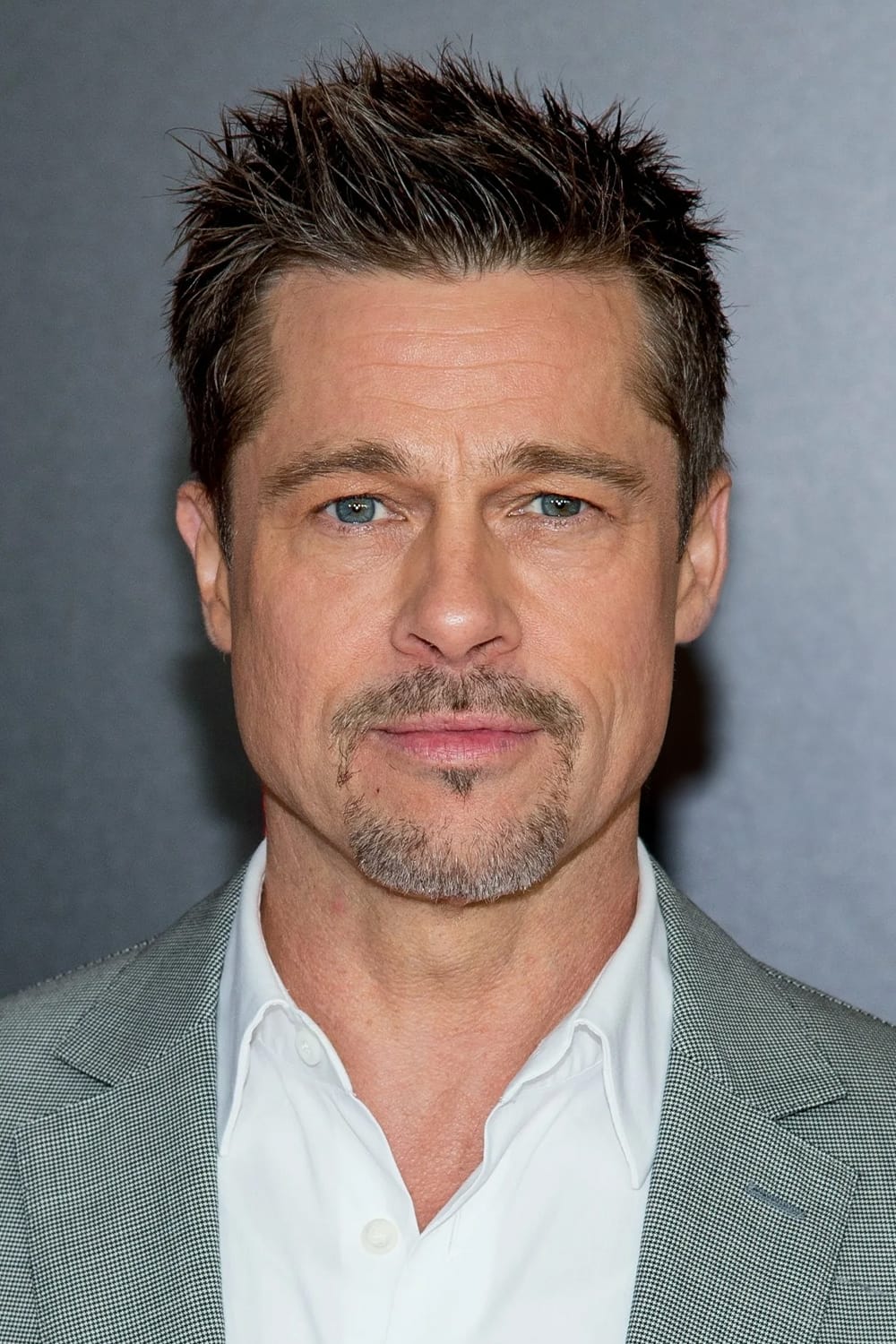
Brad Pitt moved from breakout heartthrob to acclaimed leading man through varied, challenging roles. He starred in crime thrillers like ‘Se7en’ and cult classics such as ‘Fight Club’. His performances in ’12 Monkeys’, ‘Legends of the Fall’, and ‘Interview with the Vampire’ showcased range across drama, romance, and genre fare. By decade’s end, Pitt had a firm hold on both critical recognition and blockbuster drawing power.
Leonardo DiCaprio
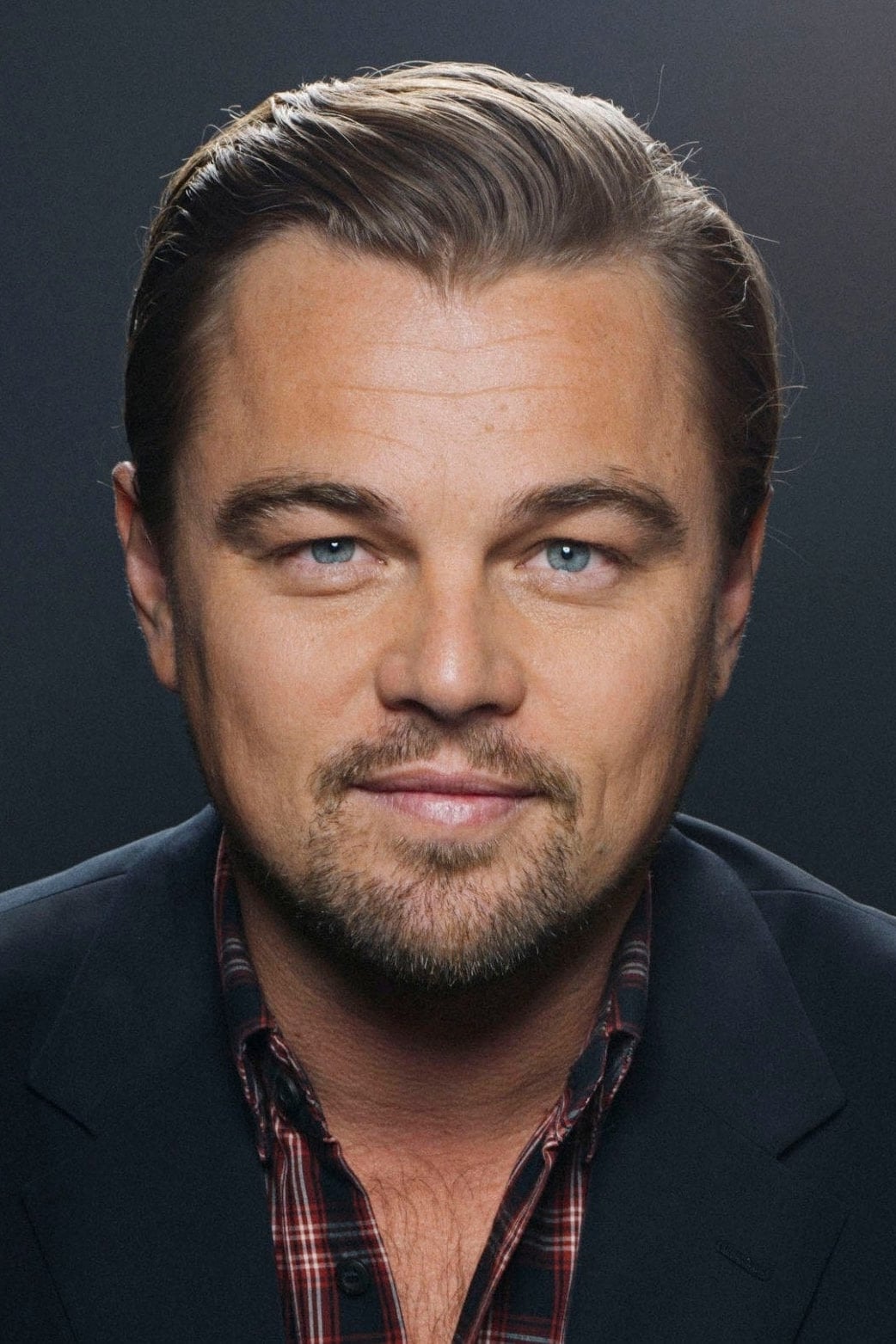
Leonardo DiCaprio rose rapidly with standout work in independent and studio films. He earned early acclaim for ‘What’s Eating Gilbert Grape’, then expanded his reach with ‘Romeo + Juliet’ and ‘Titanic’. He followed with ‘The Man in the Iron Mask’ and other projects that kept him in constant spotlight. DiCaprio’s mix of critical respect and popular appeal made him one of the decade’s defining young leads.
Denzel Washington

Denzel Washington delivered authoritative, nuanced performances across biographical drama, legal thrillers, and action. He earned major awards recognition for ‘Malcolm X’ and ‘The Hurricane’, and anchored hits like ‘Crimson Tide’ and ‘The Pelican Brief’. Washington’s screen presence and precise character work drew strong critical and audience response. His projects regularly paired prestige storytelling with wide commercial reach.
Will Smith
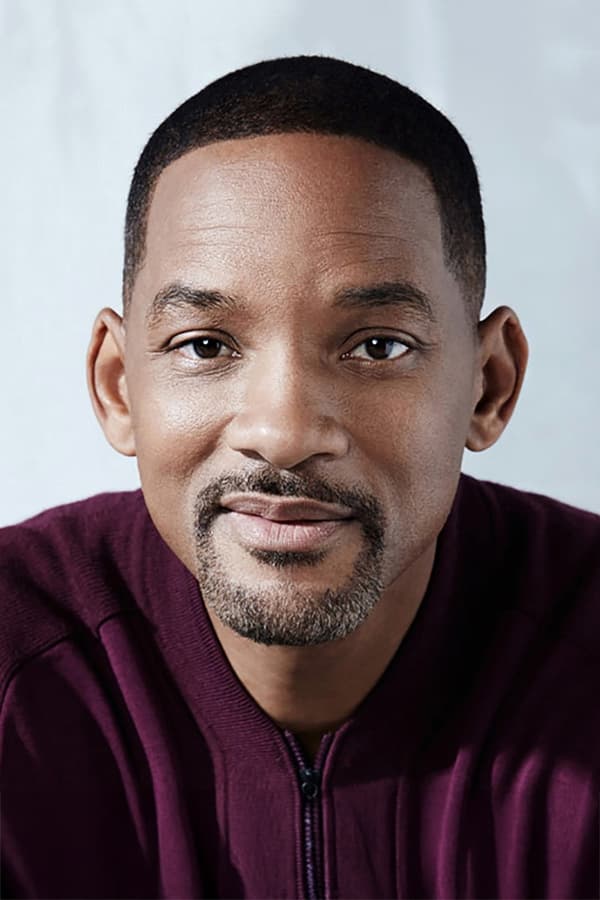
Will Smith transitioned from TV stardom to blockbuster lead with an impeccable run. He headlined ‘Independence Day’ and ‘Men in Black’ while keeping his charm visible on ‘The Fresh Prince of Bel-Air’. Films like ‘Enemy of the State’ showcased his action credentials alongside charismatic comedy. Smith’s consistent box-office momentum made him one of the decade’s most reliable headliners.
Keanu Reeves
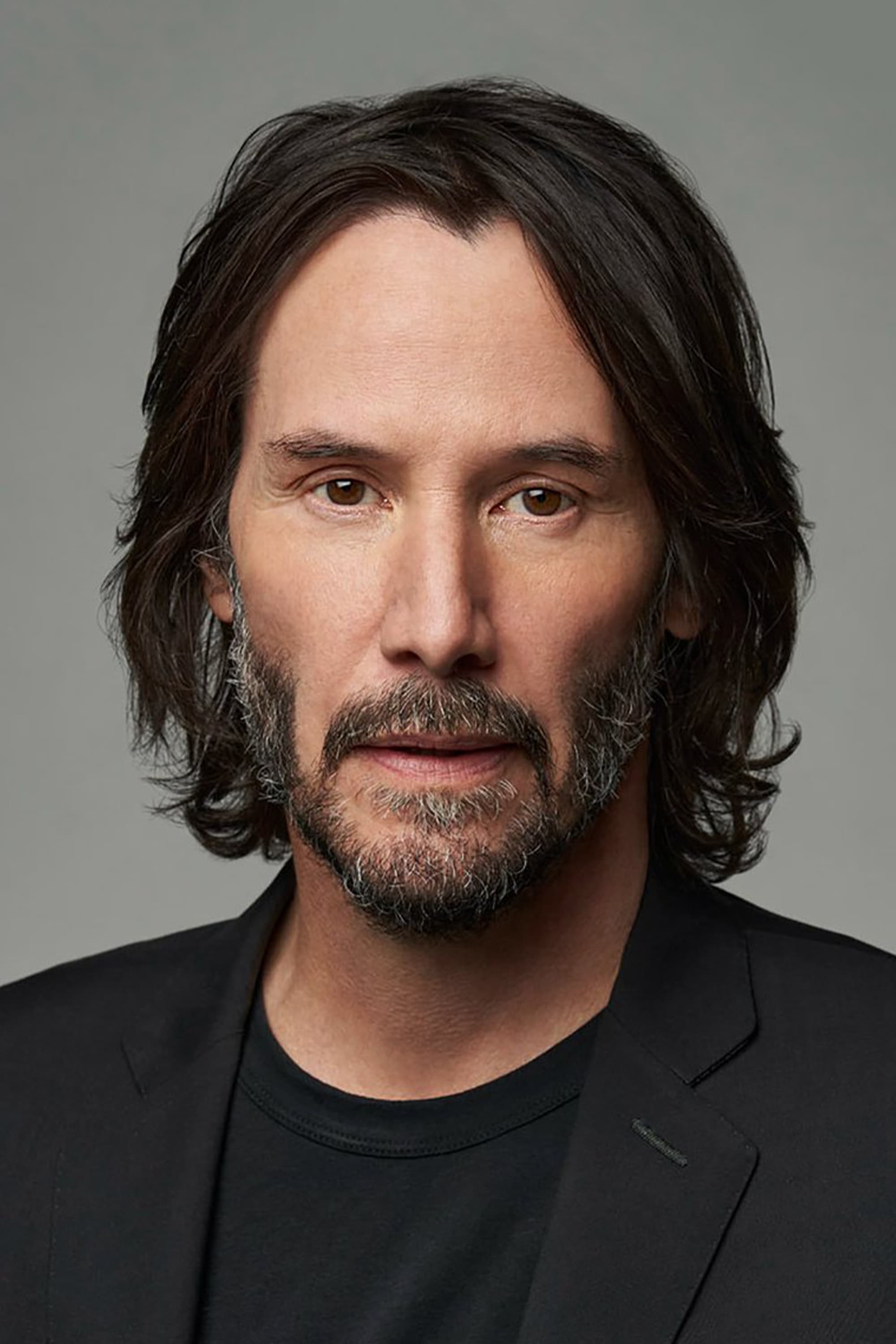
Keanu Reeves became an action mainstay and genre favorite through smart, kinetic choices. He scored big with ‘Speed’ and redefined sci-fi action with ‘The Matrix’. Reeves also appeared in dramas and period pieces such as ‘A Walk in the Clouds’ and ‘Much Ado About Nothing’. His calm intensity and willingness to tackle demanding physical roles cemented his ’90s legacy.
Johnny Depp
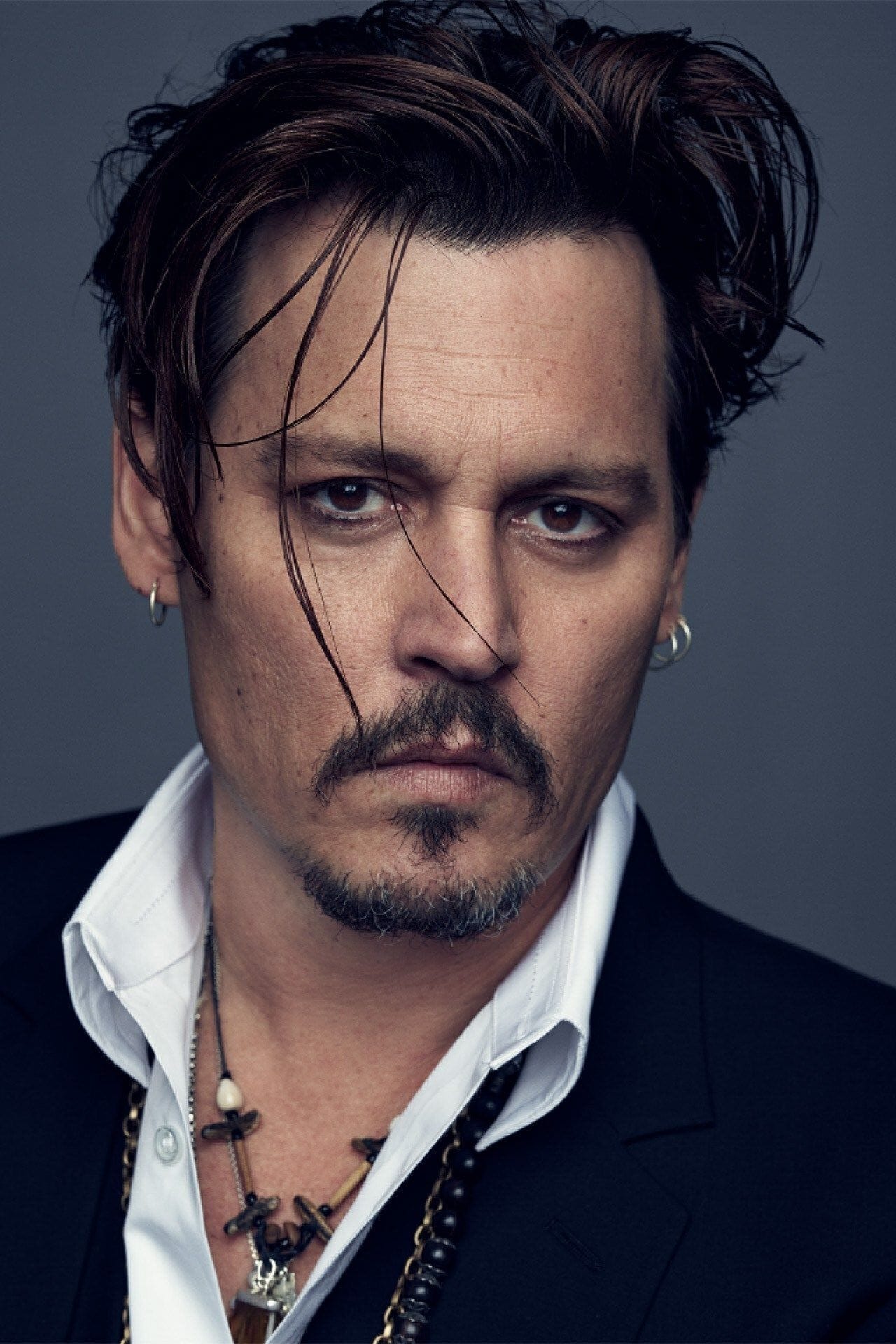
Johnny Depp built a reputation for eccentric, inventive characters in collaborations with major auteurs. He led ‘Edward Scissorhands’, ‘Ed Wood’, and ‘Sleepy Hollow’, and delivered a grounded turn in ‘Donnie Brasco’. Depp often chose stylized or offbeat roles that still connected with broad audiences. This mix of creative risk and star visibility made him a singular presence in the decade.
Jim Carrey
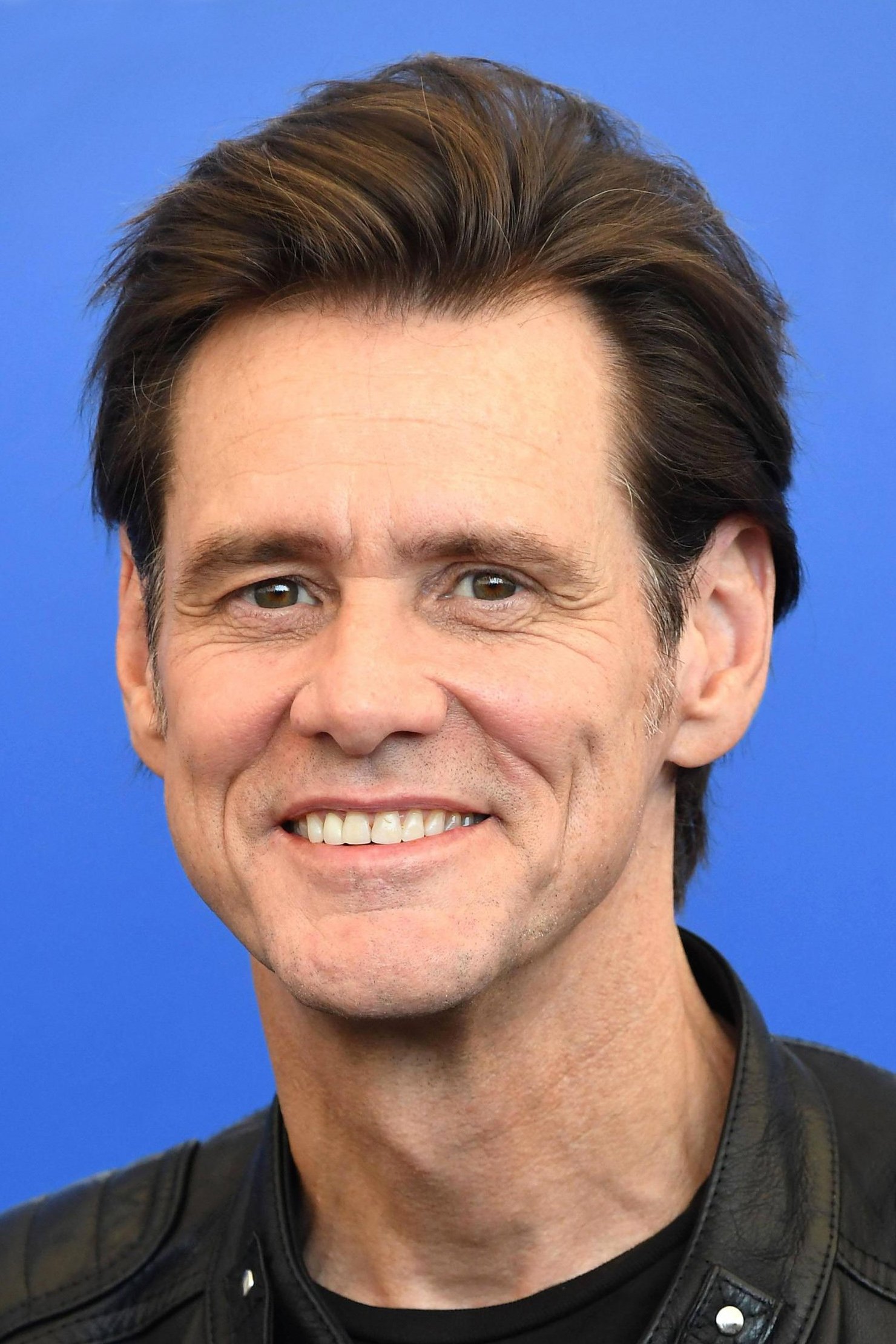
Jim Carrey reshaped studio comedy with high-energy leads and surprising dramatic depth. He dominated multiplexes with ‘Ace Ventura: Pet Detective’, ‘The Mask’, ‘Dumb and Dumber’, and ‘Liar Liar’. He also earned critical praise for ‘The Truman Show’ and ‘Man on the Moon’. Carrey’s run combined box-office streaks with prestige turns that broadened his profile.
Nicolas Cage
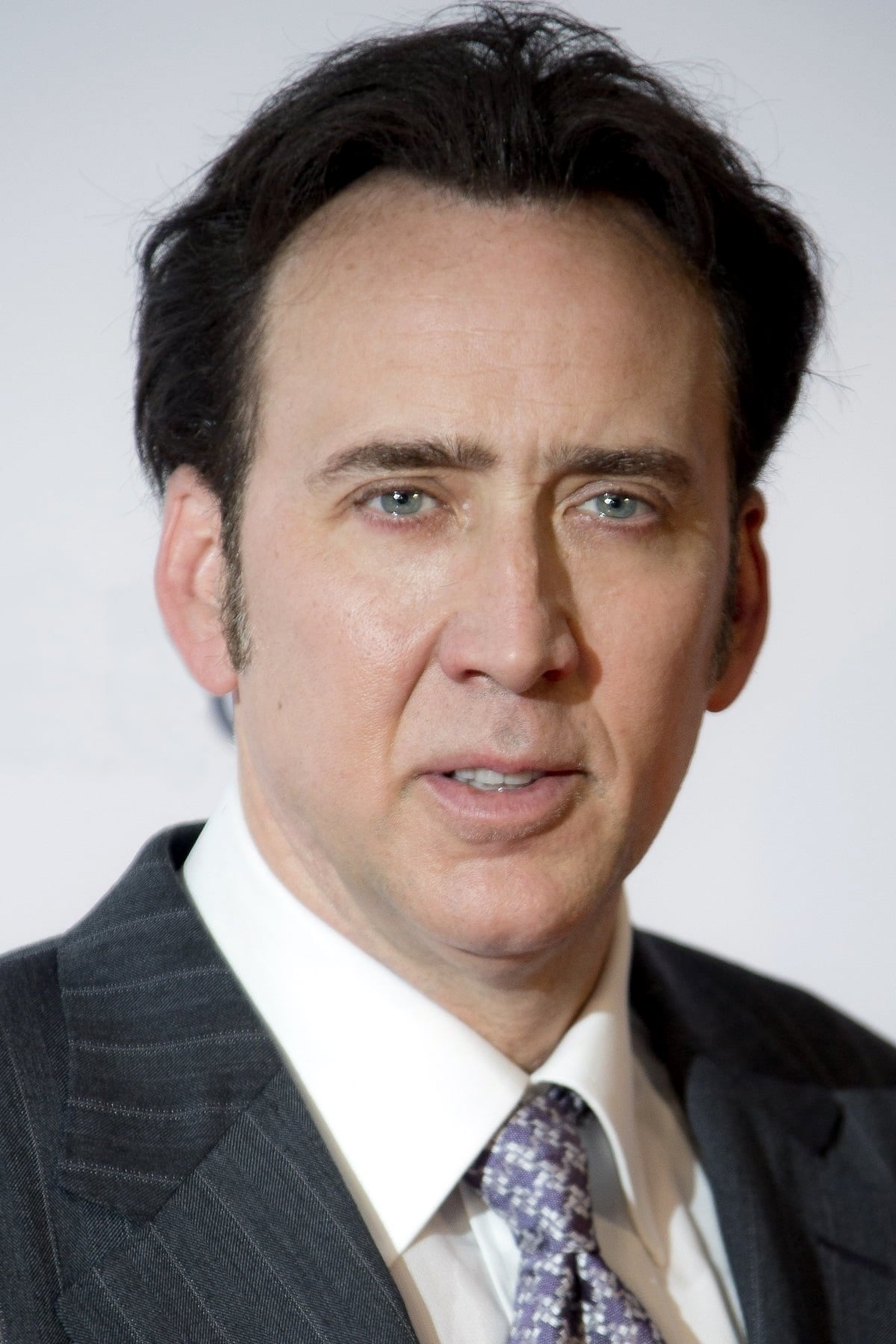
Nicolas Cage combined art-house credibility with major action triumphs. He won Best Actor for ‘Leaving Las Vegas’ and then led ‘The Rock’, ‘Con Air’, and ‘Face/Off’. Cage’s unpredictable intensity made him compelling in both intimate drama and large-scale spectacle. His choices kept him in constant view across awards circuits and summer lineups.
Robin Williams
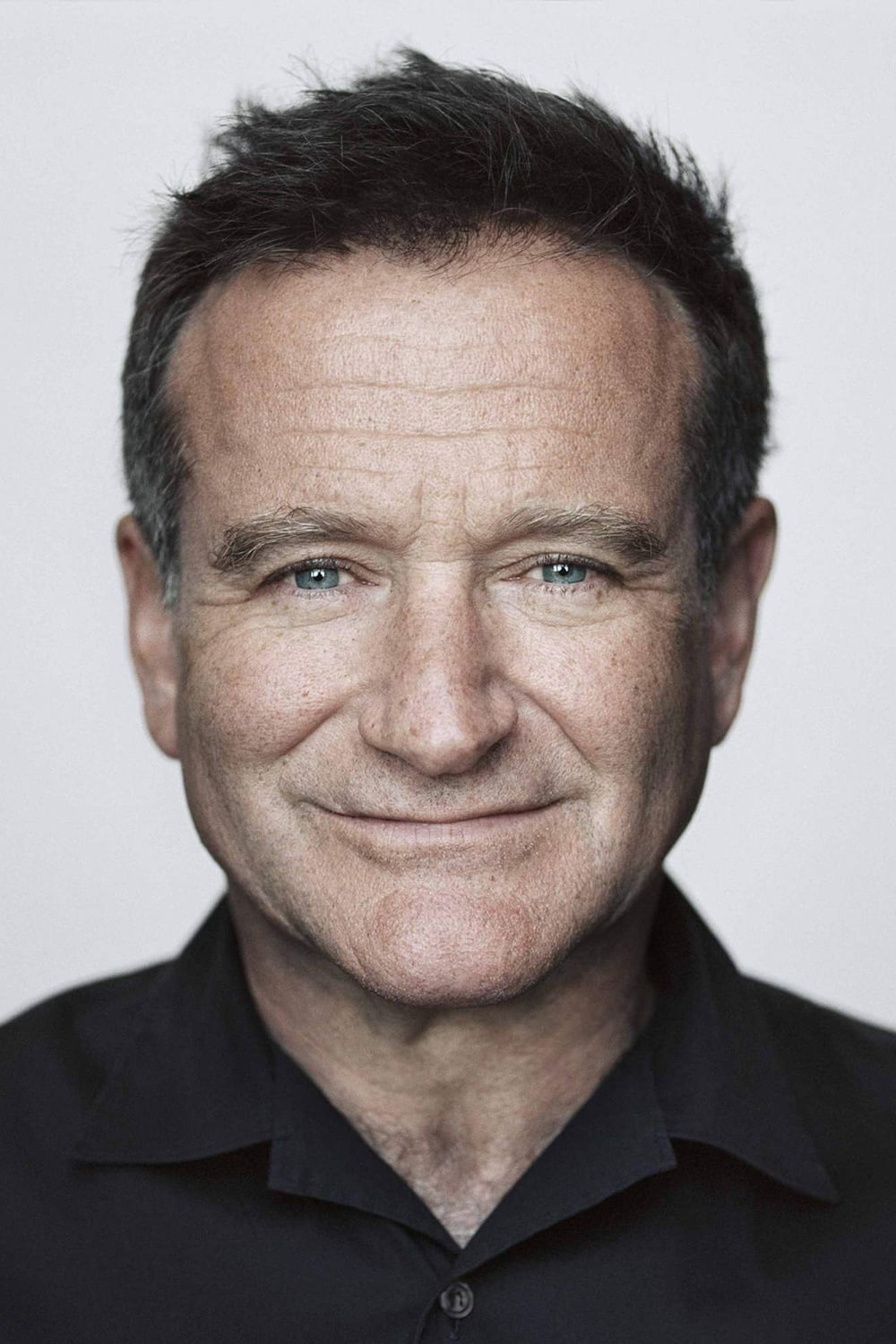
Robin Williams balanced family hits with acclaimed dramatic roles. He earned an Academy Award for ‘Good Will Hunting’ and charmed global audiences in ‘Mrs. Doubtfire’ and ‘Jumanji’. His voice performance as the Genie in ‘Aladdin’ became widely celebrated. Williams’ versatility allowed him to headline comedies, dramas, and family films with equal success.
Arnold Schwarzenegger
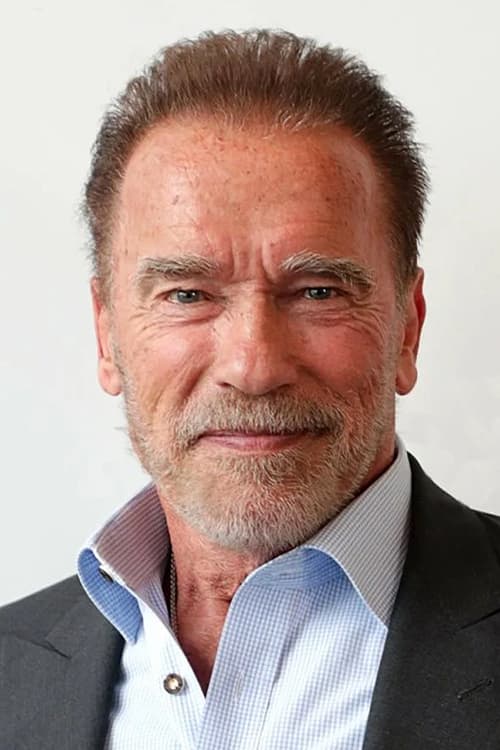
Arnold Schwarzenegger remained a top action draw, pairing spectacle with franchise power. ‘Terminator 2: Judgment Day’ set a benchmark for effects-driven filmmaking, while ‘True Lies’ and ‘Last Action Hero’ kept him in blockbuster territory. He also showed comedic timing in ‘Kindergarten Cop’ and ‘Junior’. Schwarzenegger’s star persona and high-concept vehicles defined much of the decade’s action landscape.
Mel Gibson
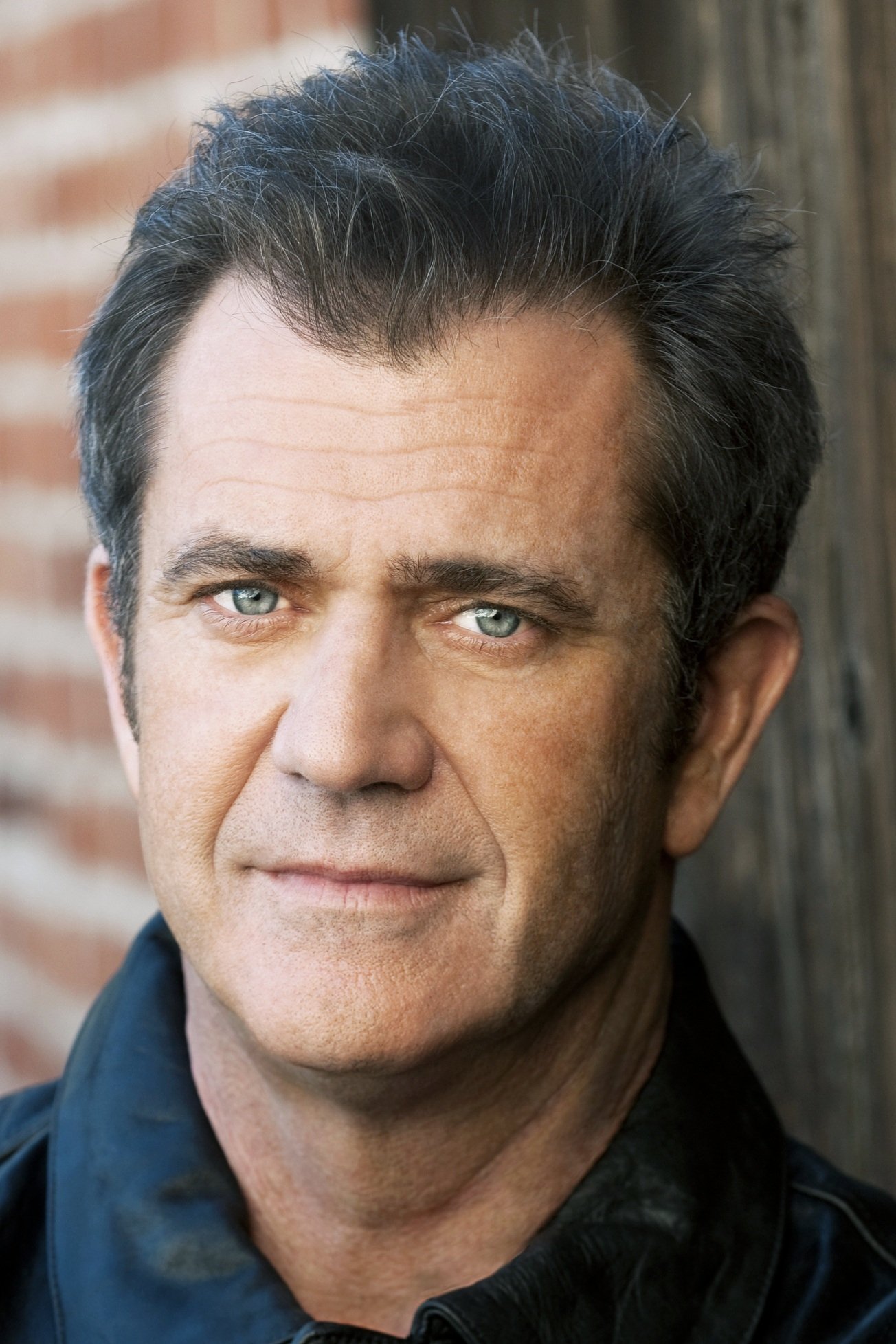
Mel Gibson split time between front-of-camera stardom and acclaimed directing. He led ‘Braveheart’ to major awards while continuing action success with the ‘Lethal Weapon’ series and thrillers like ‘Ransom’. He navigated historical epic, buddy-cop action, and suspense within the same era. His projects were fixtures in both awards seasons and box-office charts.
Bruce Willis

Bruce Willis anchored action and thriller hits while embracing ensemble storytelling. He returned to his signature role in ‘Die Hard with a Vengeance’ and earned strong notices for ‘Pulp Fiction’. Roles in ’12 Monkeys’ and ‘The Sixth Sense’ highlighted his range and dramatic instincts. Willis’ steady presence across tentpoles and prestige films made him a dependable ’90s lead.
Harrison Ford
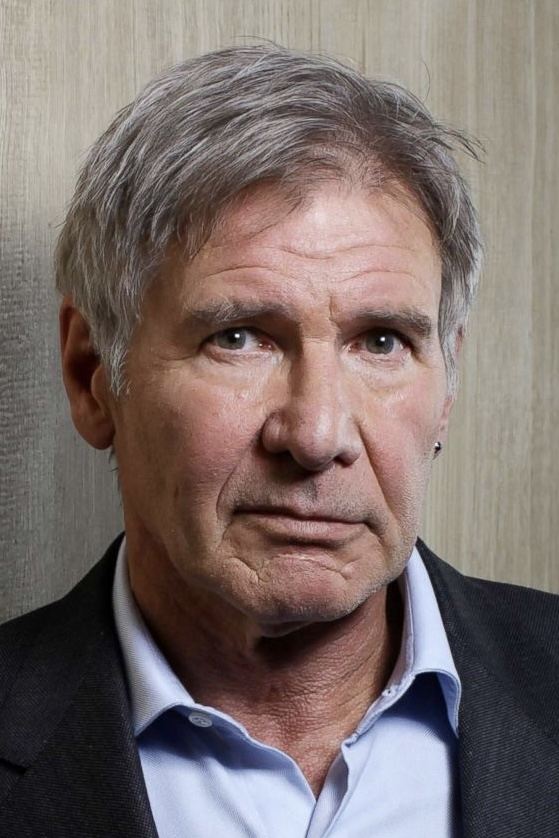
Harrison Ford sustained leading-man prominence with crowd-pleasing thrillers and franchise entries. He earned acclaim for ‘The Fugitive’ and commanded the screen in ‘Air Force One’. As Jack Ryan in ‘Patriot Games’ and ‘Clear and Present Danger’, he delivered grounded, high-stakes espionage. Ford’s sturdy, authoritative performances kept him central to the decade’s biggest studio films.
Samuel L. Jackson
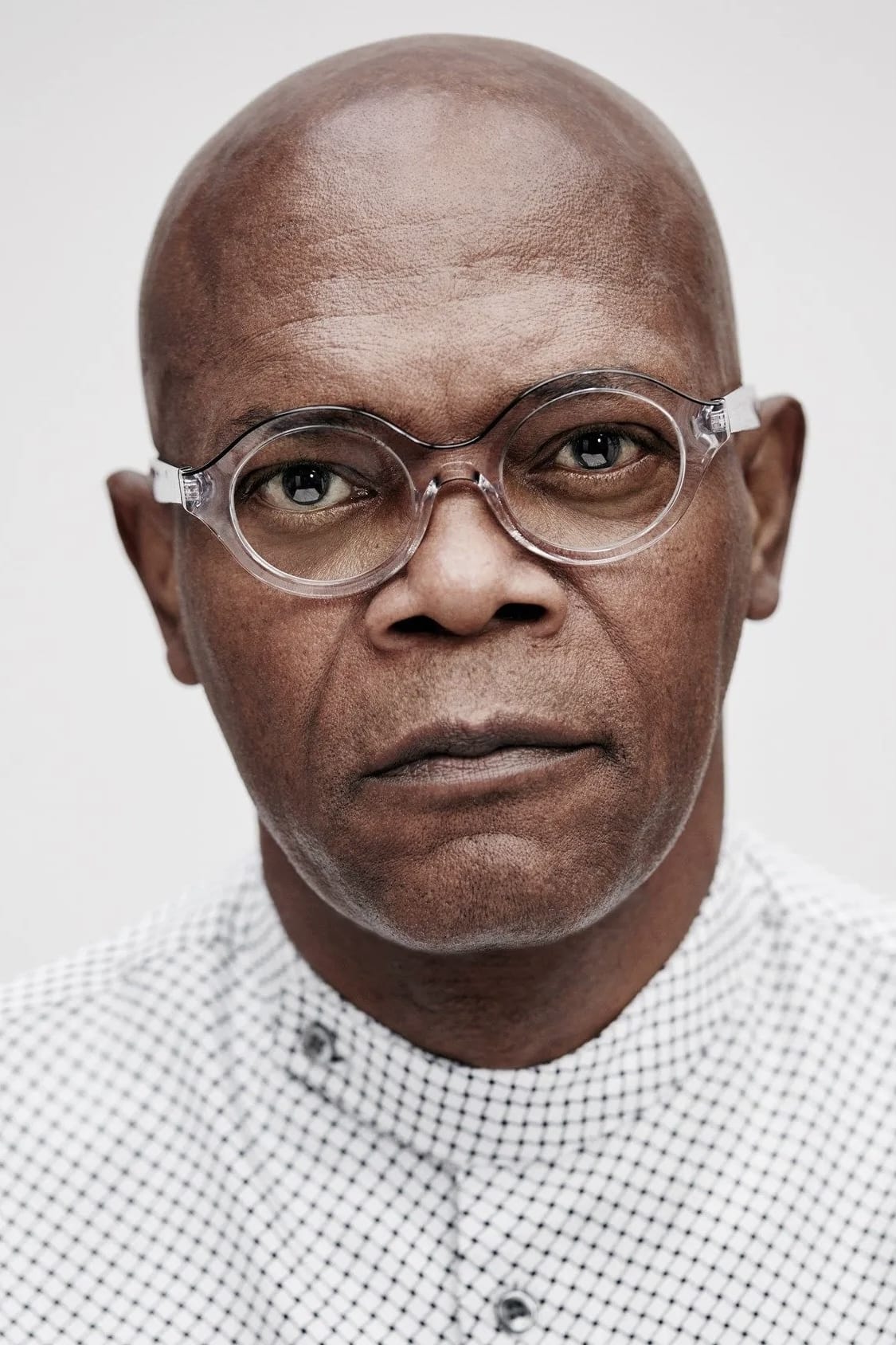
Samuel L. Jackson became one of the decade’s most prolific and recognizable stars, moving seamlessly between auteur projects and box-office hits. He delivered standout turns in ‘Pulp Fiction’ and ‘Jackie Brown’, and appeared in franchise entries like ‘Star Wars: Episode I – The Phantom Menace’ and ‘Jurassic Park’. Audiences also saw him headline action thrillers such as ‘Die Hard with a Vengeance’ and courtroom drama in ‘A Time to Kill’. His distinct voice work and commanding presence kept him in constant demand across genres.
Pierce Brosnan
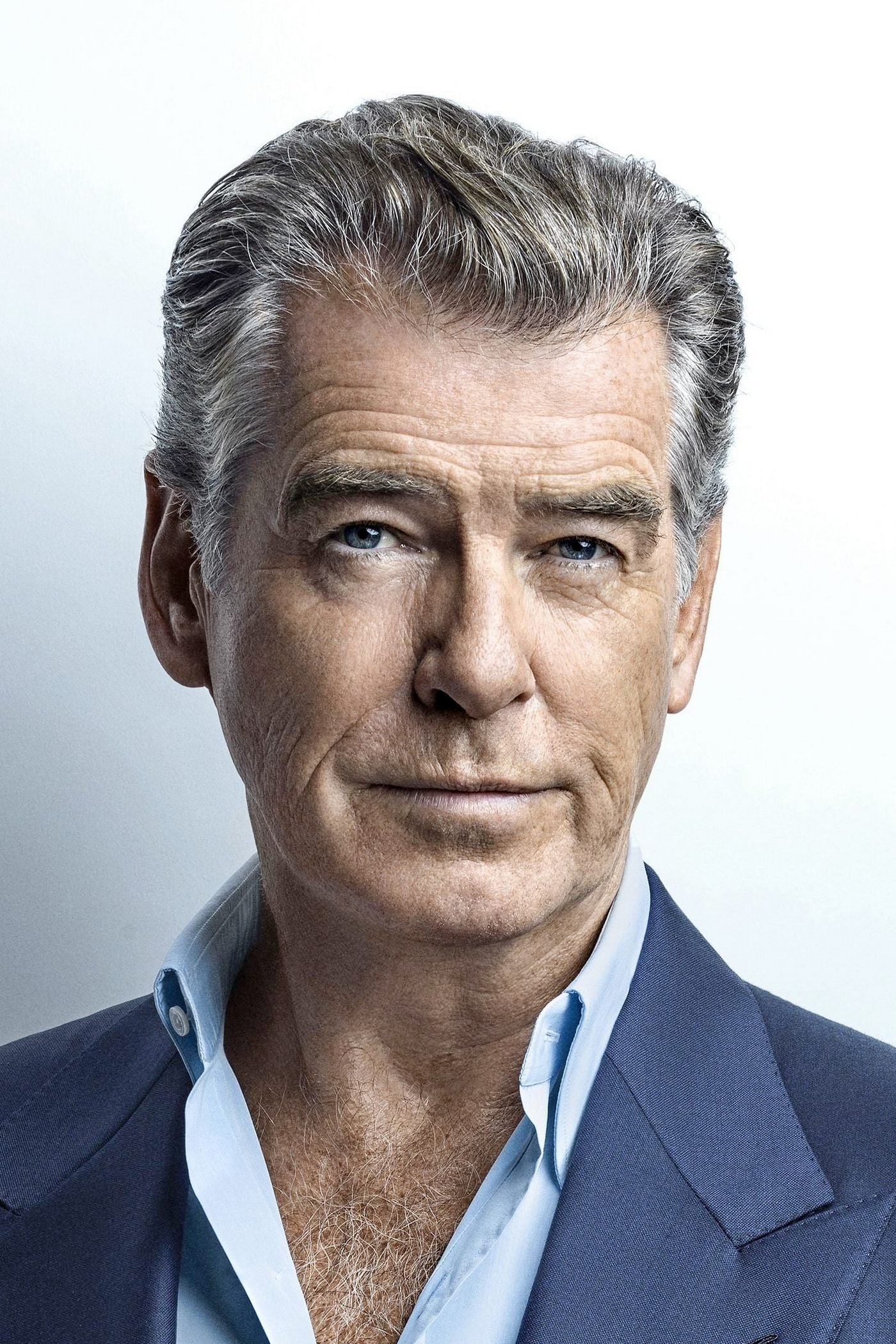
Pierce Brosnan defined the Bond mantle for a new generation with ‘GoldenEye’, ‘Tomorrow Never Dies’, and ‘The World Is Not Enough’. He balanced spy action with crowd-pleasers like ‘Mrs. Doubtfire’ and disaster adventure ‘Dante’s Peak’. A suave caper lead in ‘The Thomas Crown Affair’ showed his ease with sophisticated crime stories. This mix of franchise leadership and versatile mainstream roles sustained his status throughout the decade.
Matt Damon
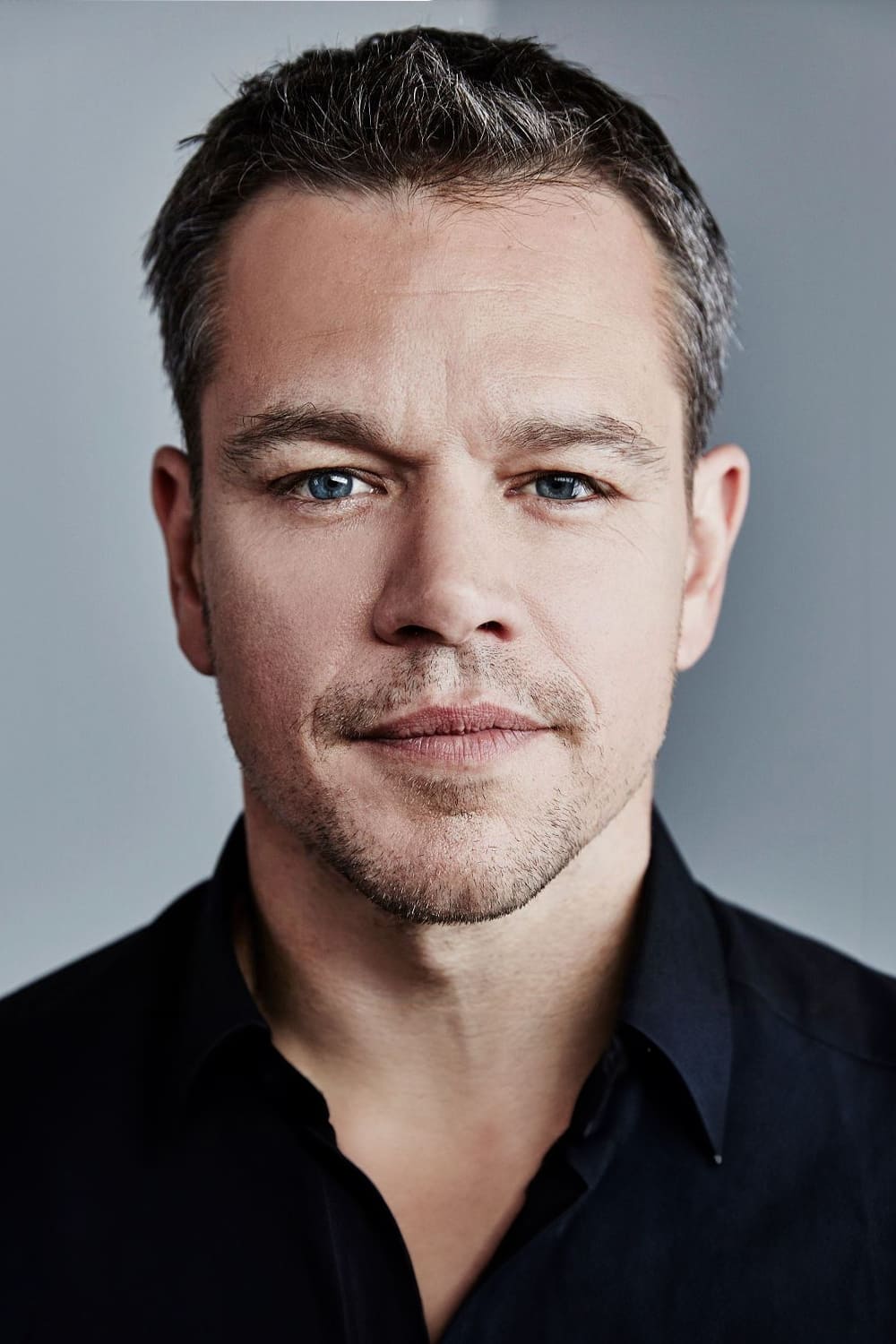
Matt Damon broke through with ‘Good Will Hunting’, earning industry attention for writing and acting. He followed with war drama impact in ‘Saving Private Ryan’ and psychological intrigue in ‘The Talented Mr. Ripley’. His work in ‘Rounders’ helped popularize poker culture on screen. By the end of the decade, Damon had established a foundation for a durable leading-man career.
Ben Affleck
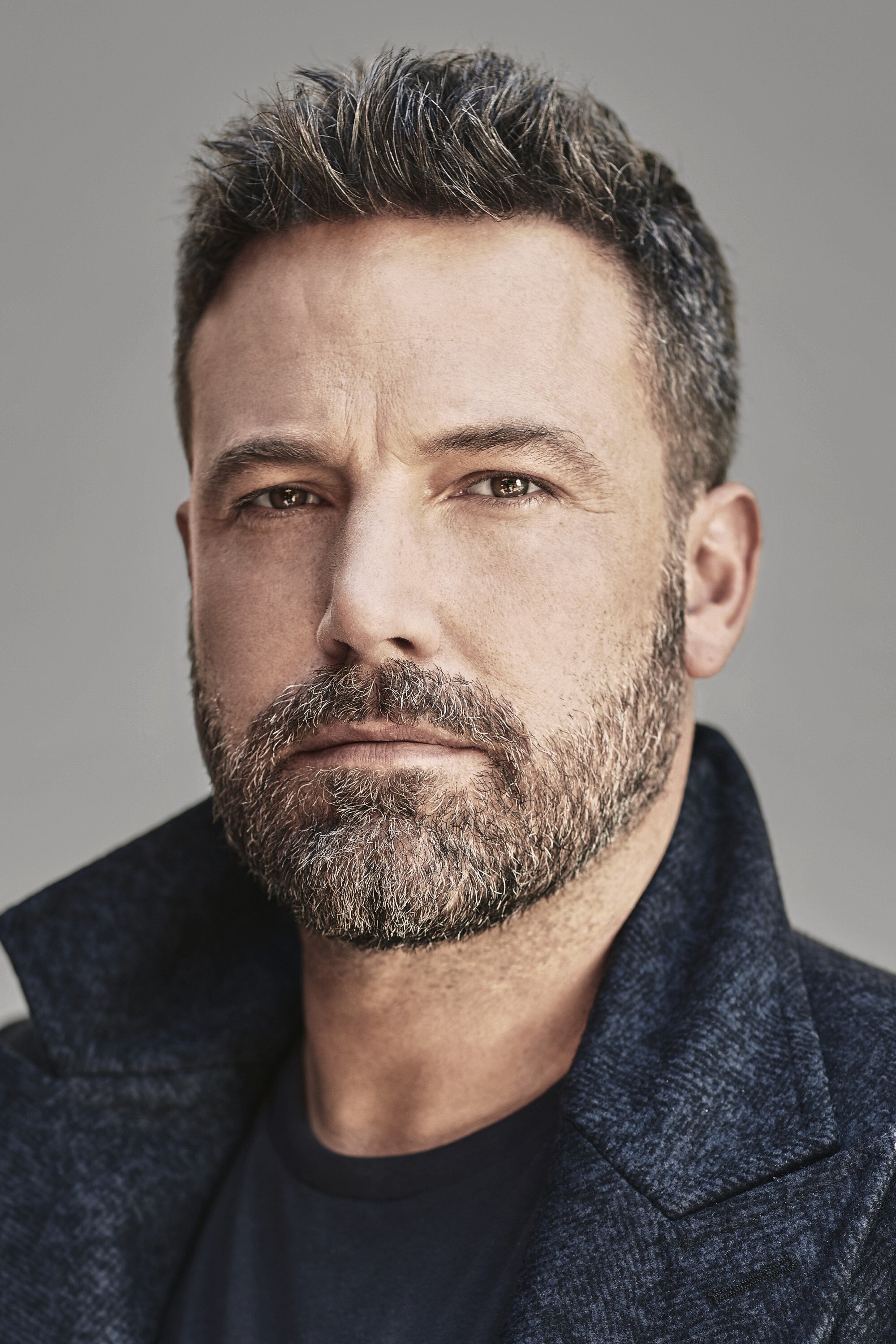
Ben Affleck surged into the spotlight alongside ‘Good Will Hunting’, which opened doors to major studio projects. He fronted summer spectacle with ‘Armageddon’ and joined ensemble prestige in ‘Shakespeare in Love’. Collaborations with Kevin Smith, including ‘Chasing Amy’ and ‘Dogma’, showcased indie credibility and range. The combination of blockbuster scale and character-driven work set up his long-term trajectory.
Morgan Freeman
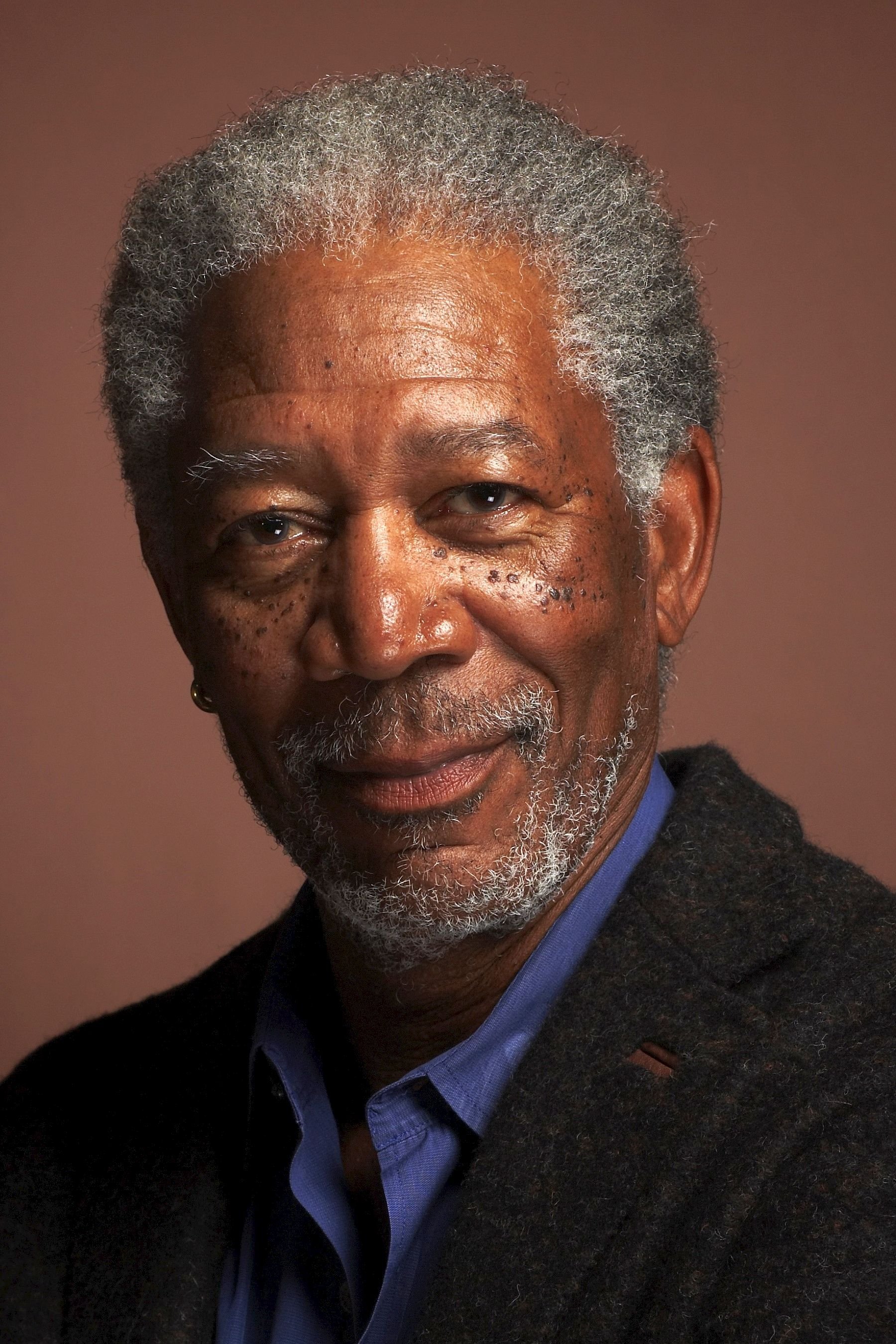
Morgan Freeman brought gravitas and calm authority to a string of acclaimed films. He anchored ‘The Shawshank Redemption’ and partnered in neo-noir crime with ‘Se7en’. Western reinvention in ‘Unforgiven’ and disaster drama ‘Deep Impact’ broadened his reach. With medical thriller ‘Outbreak’ and other titles, he became a go-to figure for thoughtful, grounded leadership on screen.
Kevin Costner
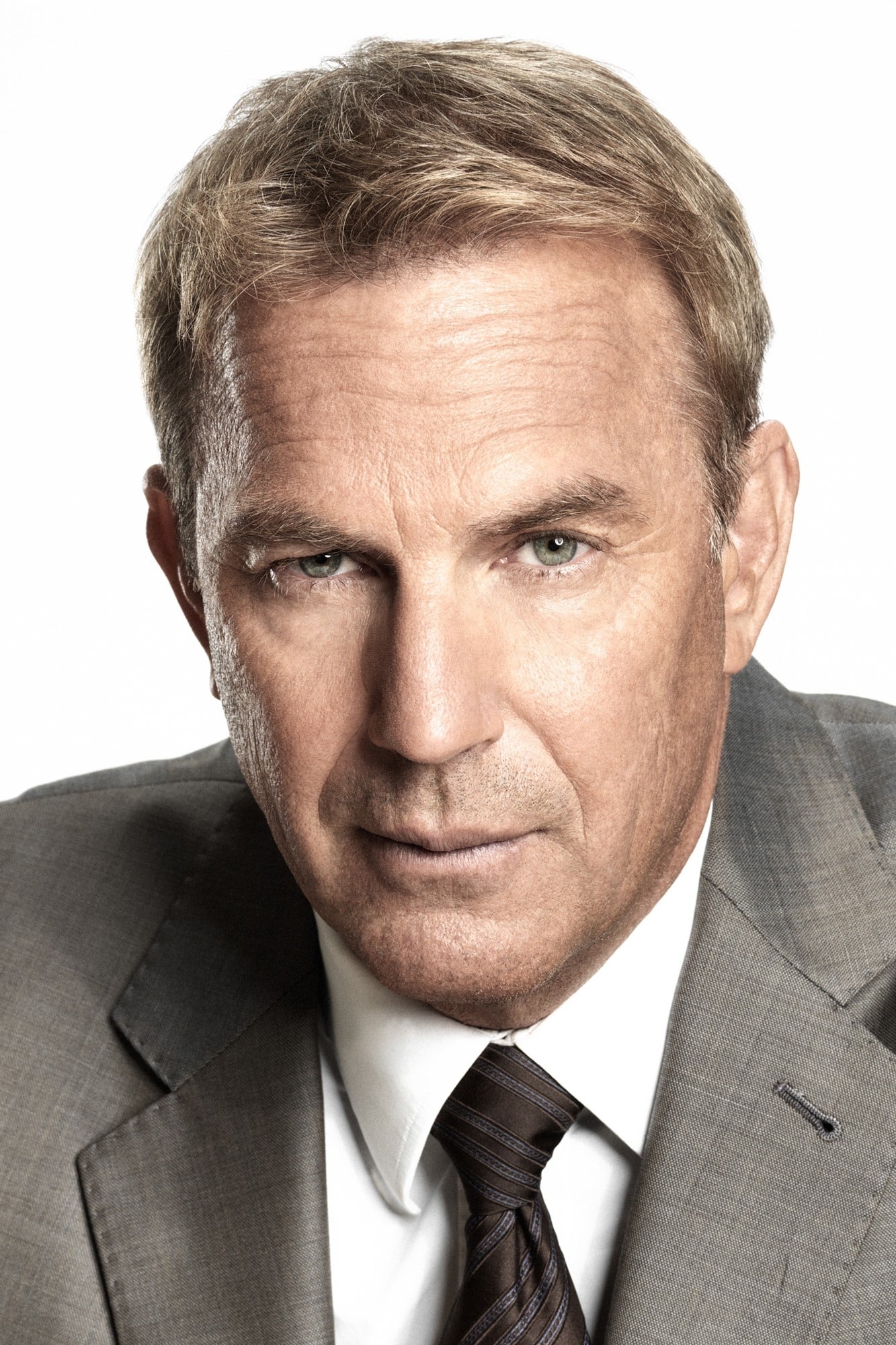
Kevin Costner opened the decade with expansive frontier storytelling in ‘Dances with Wolves’. He sustained marquee status through historical intrigue in ‘JFK’ and adventure romance in ‘Robin Hood: Prince of Thieves’. Musical-tinged drama in ‘The Bodyguard’ and sports charm in ‘Tin Cup’ showed breadth beyond action. Ambitious gambles like ‘Waterworld’ kept him central to the era’s big-canvas filmmaking.
Richard Gere
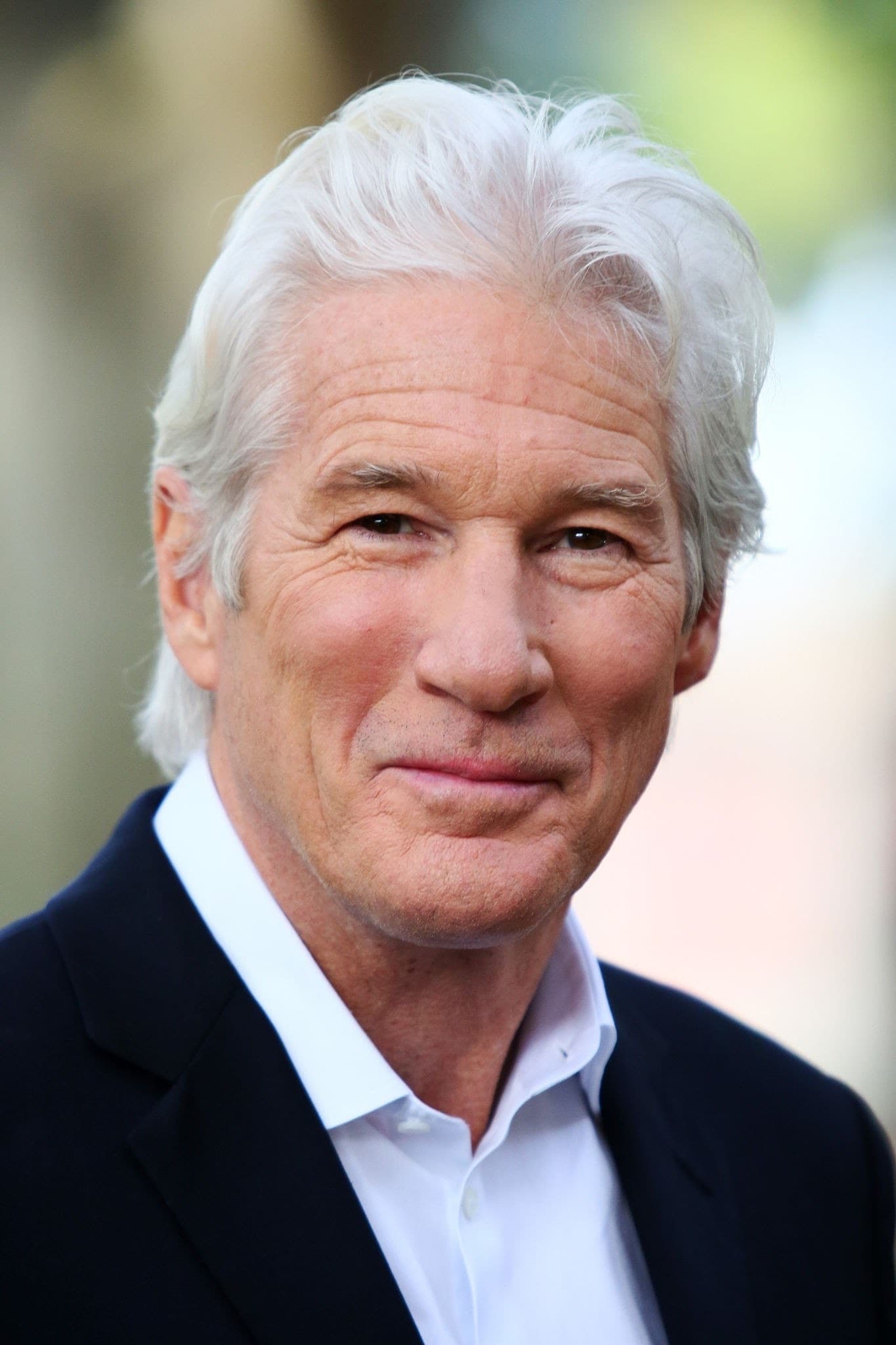
Richard Gere blended romantic leads with legal and thriller roles that drew wide audiences. He became a household name through ‘Pretty Woman’ and later reunited with a co-star for ‘Runaway Bride’. Courtroom tension in ‘Primal Fear’ demonstrated an appetite for darker material. Period action in ‘First Knight’ added mythic adventure to his ’90s filmography.
Russell Crowe
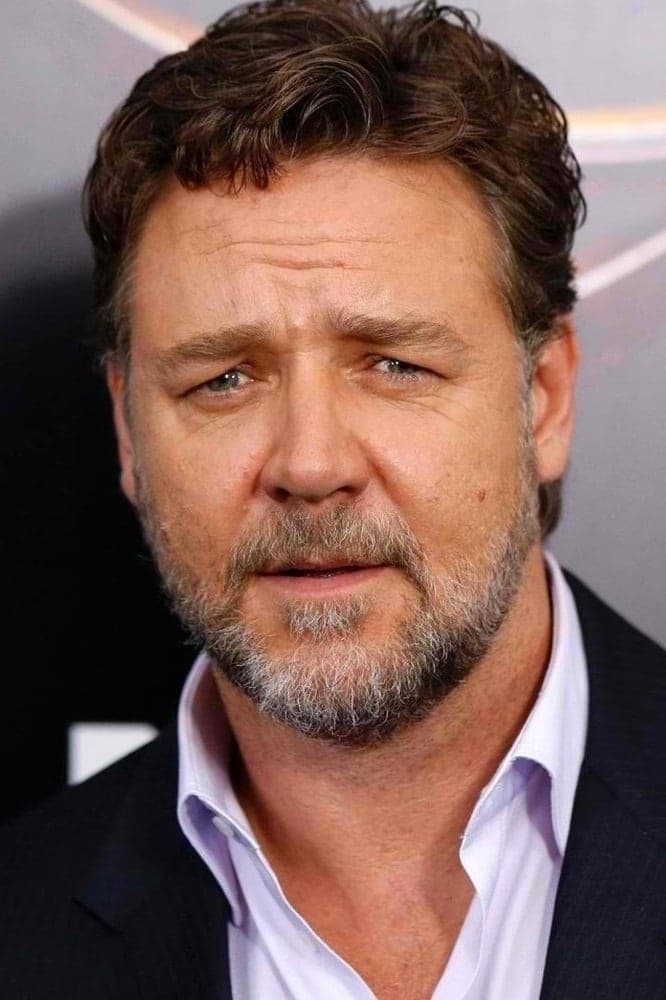
Russell Crowe emerged as a major presence in late-decade American cinema. He delivered hard-edged noir credibility with ‘L.A. Confidential’ and investigative intensity in ‘The Insider’. Earlier work like ‘Romper Stomper’ showcased the physical commitment that became a hallmark. These performances positioned him for sustained prominence in the years that followed.
Val Kilmer
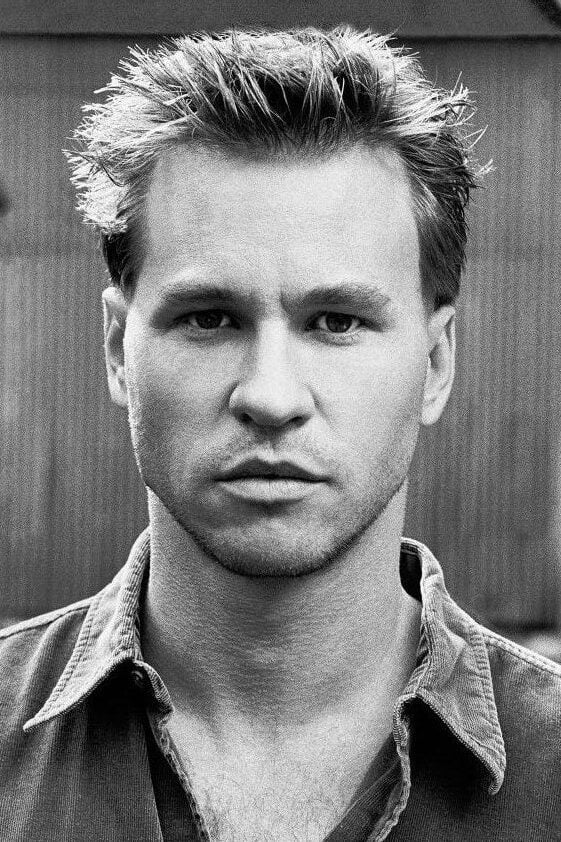
Val Kilmer moved from music-biopic transformation in ‘The Doors’ to Western legend in ‘Tombstone’. He contributed to ensemble crime excellence with ‘Heat’ and took on superhero spectacle in ‘Batman Forever’. Stylish espionage adventure ‘The Saint’ reinforced his leading-man versatility. Kilmer’s choices kept him present across prestige, franchise, and genre filmmaking.
John Travolta
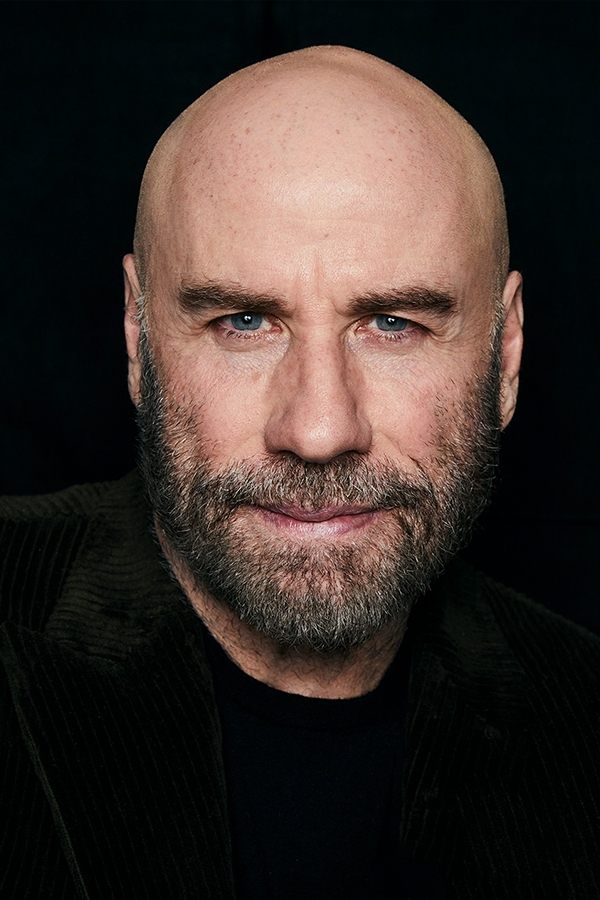
John Travolta staged a resurgence with ‘Pulp Fiction’, leading to a stream of high-profile roles. He brought comic cool to ‘Get Shorty’ and traded identities in action standout ‘Face/Off’. Military-tech thrills in ‘Broken Arrow’ and political drama in ‘Primary Colors’ showed range. The comeback became one of the decade’s most notable career turnarounds.
Sylvester Stallone
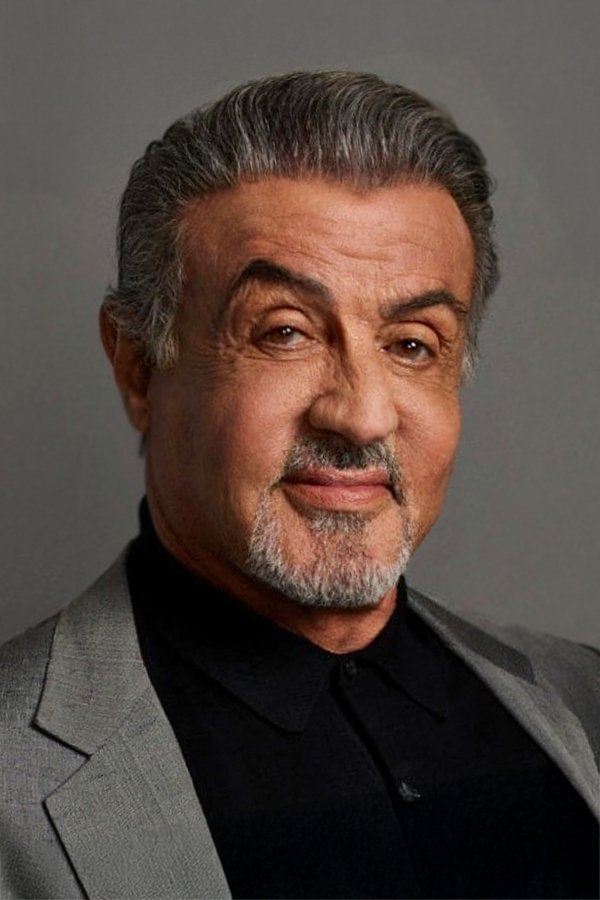
Sylvester Stallone remained a durable action cornerstone while exploring character-driven work. Mountain-set action in ‘Cliffhanger’ and futuristic thrills in ‘Demolition Man’ sustained his blockbuster reputation. He turned to genre-blending with ‘Judge Dredd’ and disaster survival in ‘Daylight’. Critical recognition for ‘Cop Land’ highlighted dramatic weight within his filmography.
Michael Douglas
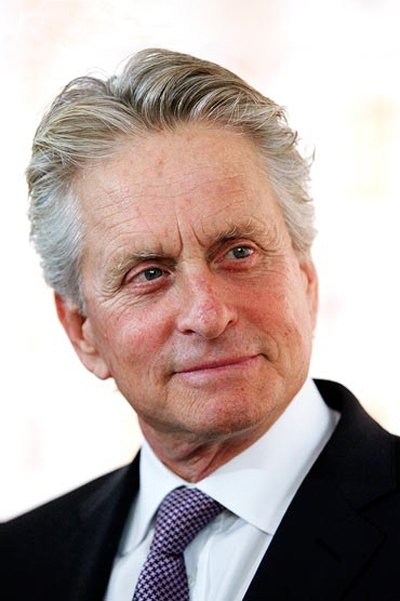
Michael Douglas led provocative and suspenseful titles that defined the era’s adult thrillers. He drew global attention with ‘Basic Instinct’ and explored urban pressure in ‘Falling Down’. Psychological gamesmanship in ‘The Game’ and corporate intrigue in ‘Disclosure’ kept audiences engaged. He also revisited classic thriller dynamics in ‘A Perfect Murder’, maintaining consistent visibility.
Hugh Grant

Hugh Grant became synonymous with smart romantic comedies while branching into ensemble drama. Breakout success came with ‘Four Weddings and a Funeral’, followed by London-set charm in ‘Notting Hill’. He explored family-friendly territory with ‘Nine Months’ and appeared in literary adaptation ‘Sense and Sensibility’. Crime-tinged comedy in ‘Mickey Blue Eyes’ rounded out a distinctly British star run.
Brendan Fraser
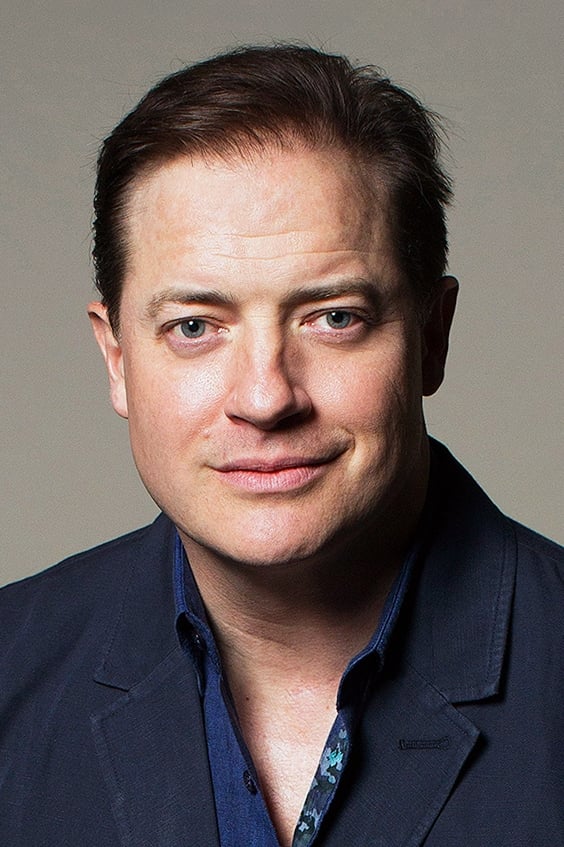
Brendan Fraser balanced broad comedy with adventure and prestige projects. He broke out with ‘Encino Man’ and ‘Airheads’, then charmed family audiences in ‘George of the Jungle’. Gothic drama ‘Gods and Monsters’ brought critical acclaim. Globe-trotting action and humor in ‘The Mummy’ made him a bankable lead at decade’s end.
Kevin Spacey
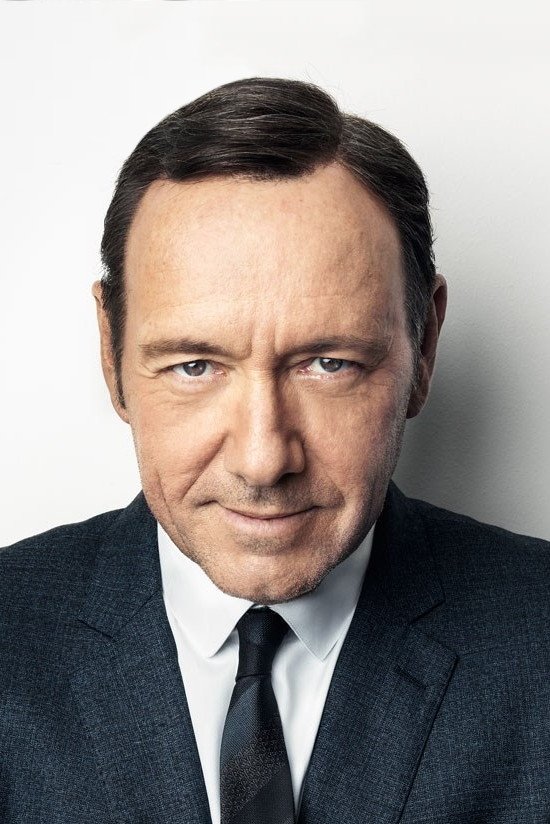
Kevin Spacey became a fixture of acclaimed ensembles and award-winning dramas. He delivered chilling precision in ‘The Usual Suspects’ and contributed to serial-killer procedural impact in ‘Se7en’. He helped anchor neo-noir prestige with ‘L.A. Confidential’. Domestic suburban drama in ‘American Beauty’ capped a commanding late-’90s run.
Tommy Lee Jones
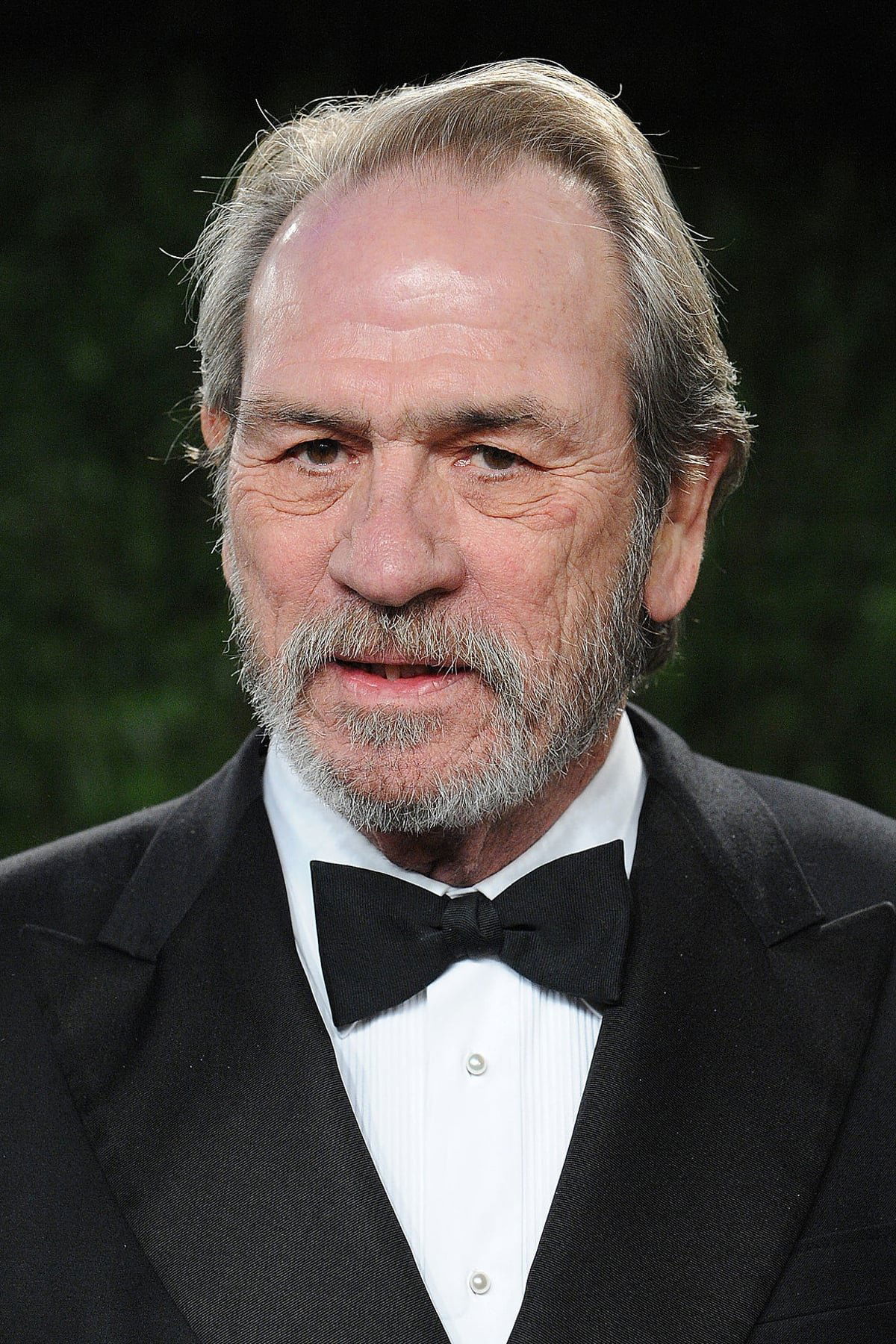
Tommy Lee Jones combined character-actor precision with mainstream appeal across thrillers and sci-fi hits. He earned major awards recognition for his turn in ‘The Fugitive’ and later partnered in blockbuster comedy with ‘Men in Black’. Political and historical dramas like ‘JFK’ kept him close to prestige filmmaking. His steady presence in crime, action, and government-themed stories made him a dependable draw throughout the decade.
Anthony Hopkins
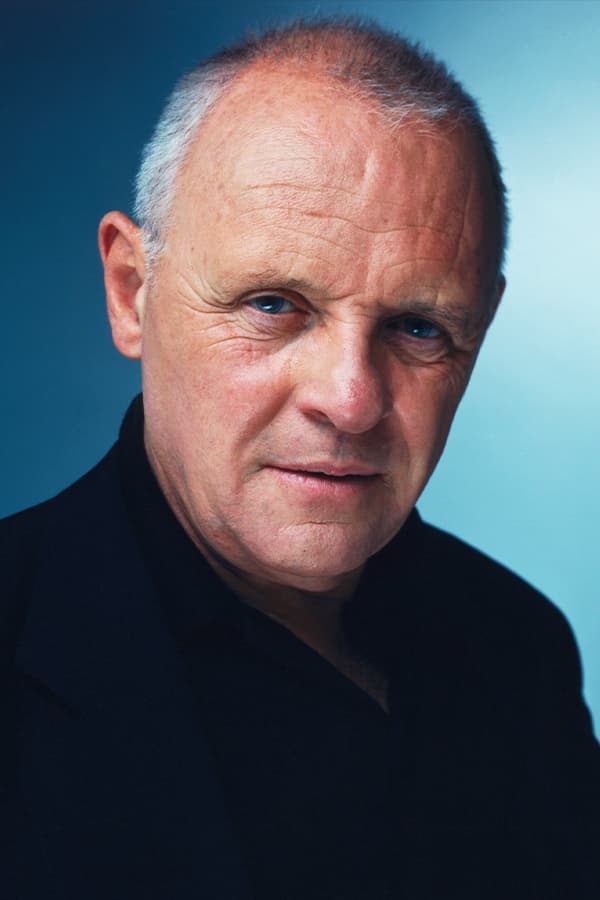
Anthony Hopkins became closely associated with chilling psychological drama after ‘The Silence of the Lambs’. He balanced that notoriety with historical and literary projects such as ‘Howards End’ and ‘Nixon’. Large-scale epics and melodramas like ‘Legends of the Fall’ expanded his visibility with general audiences. His work with top directors kept him at the forefront of awards conversations and box-office success.
Gene Hackman
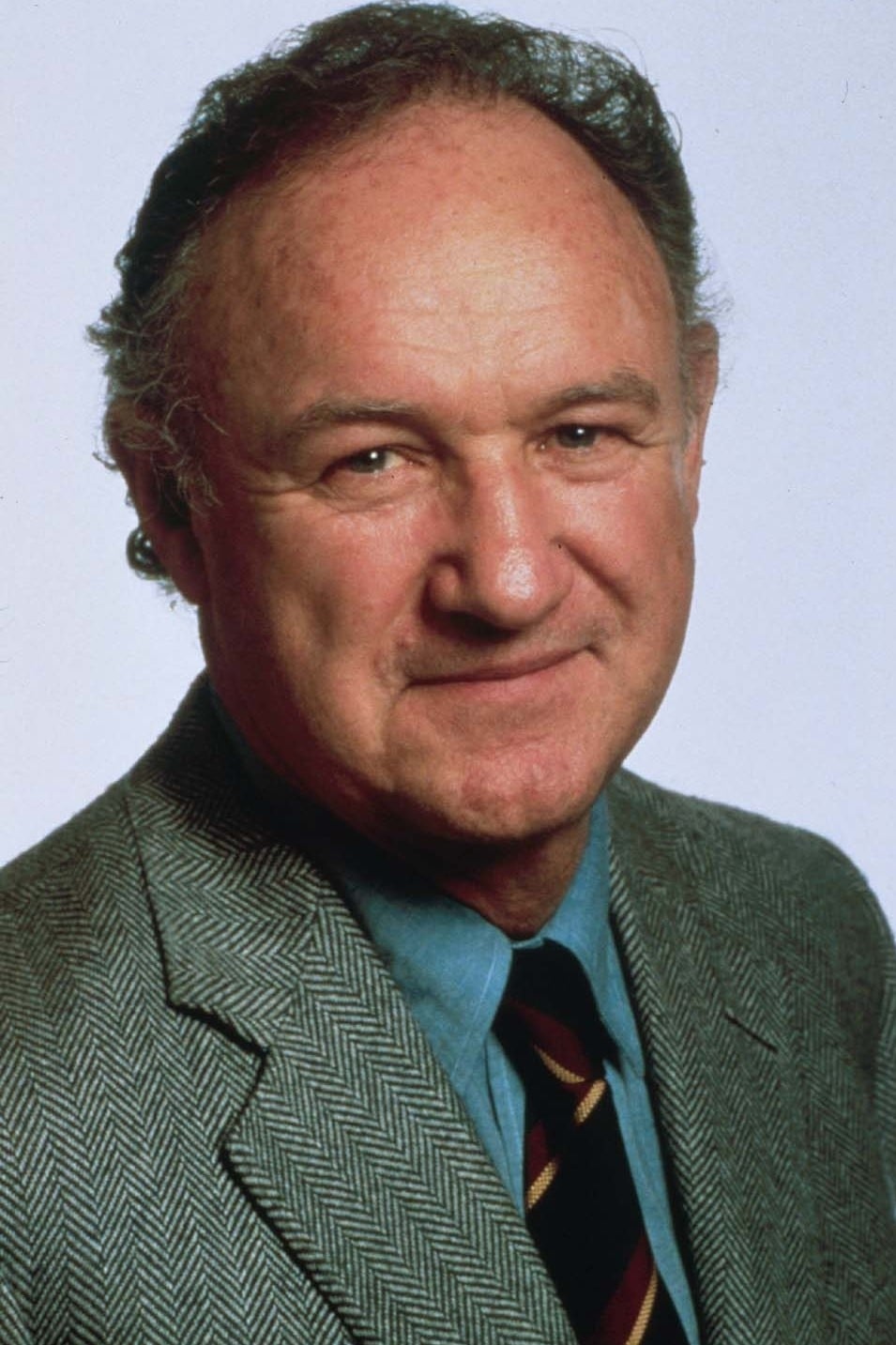
Gene Hackman sustained a late-career surge with acclaimed roles across Westerns, legal thrillers, and military dramas. He delivered gravitas in ‘Unforgiven’ and followed with high-stakes tension in ‘The Firm’ and ‘Crimson Tide’. He also ventured into comedy with ‘The Birdcage’. Hackman’s versatility and authoritative screen presence anchored a wide range of successful projects.
Eddie Murphy
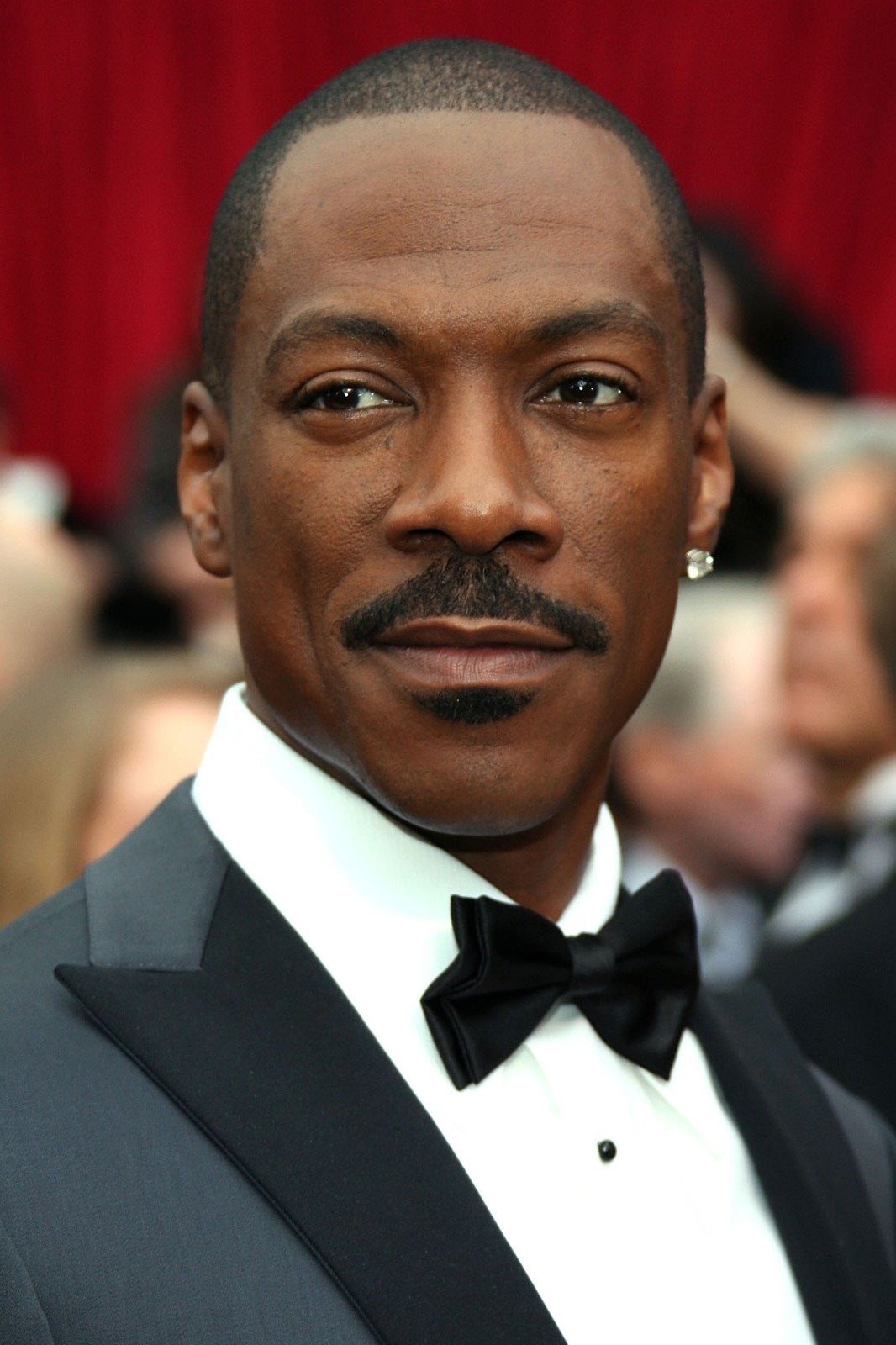
Eddie Murphy reasserted his star power by headlining broad comedies and family hits. He showcased transformative character work in ‘The Nutty Professor’ and reached new audiences with ‘Dr. Dolittle’. Action-comedy roots continued with franchise entries like ‘Beverly Hills Cop III’. Voice and character-driven performances reinforced his status as a leading box-office draw.
George Clooney
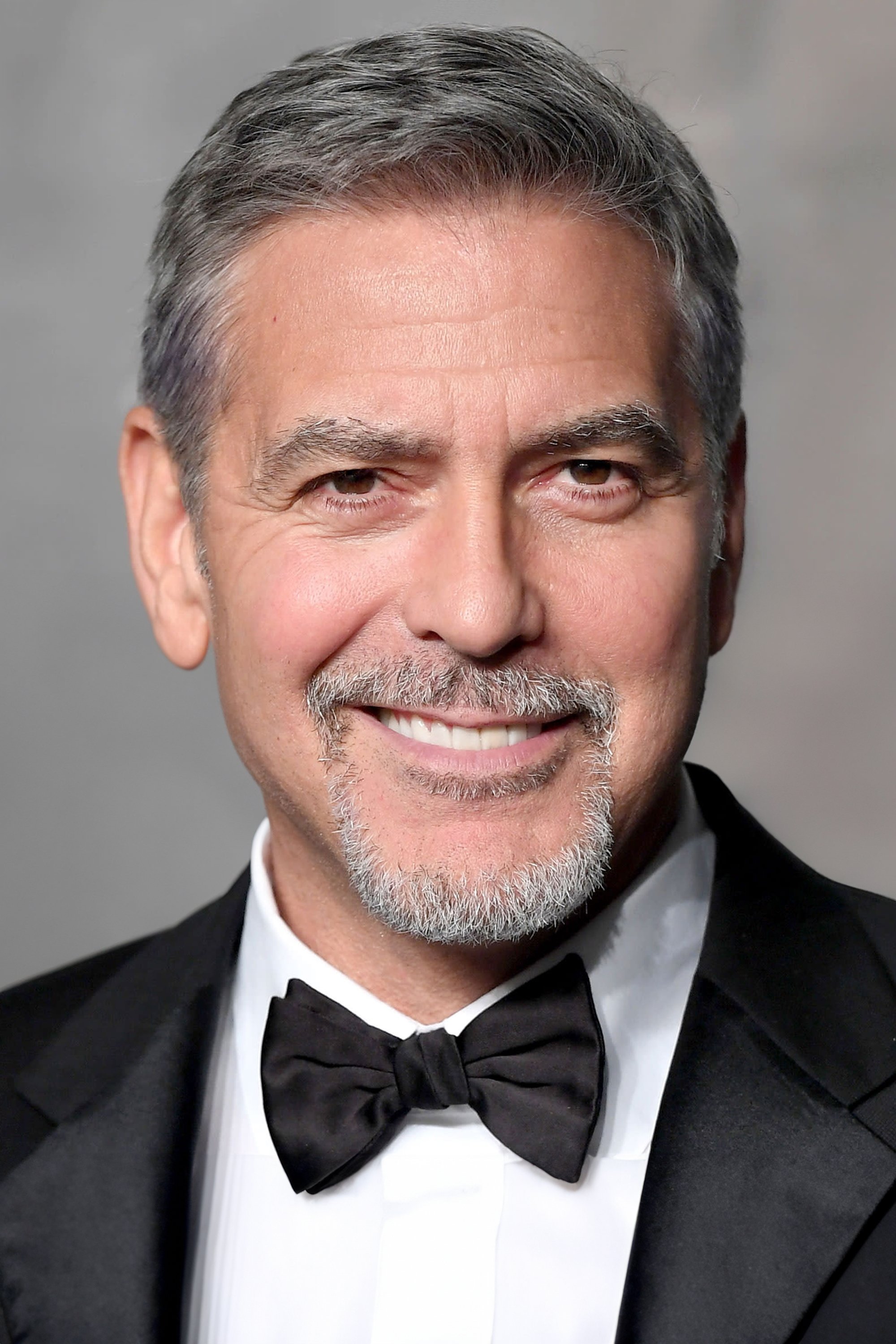
George Clooney parlayed television fame on ‘ER’ into a steady run of feature leads. He explored crime and romance in ‘Out of Sight’ and genre action in ‘From Dusk Till Dawn’. Superhero spectacle in ‘Batman & Robin’ kept him in franchise territory. By decade’s end, he had established a durable film career alongside continued small-screen acclaim.
Wesley Snipes
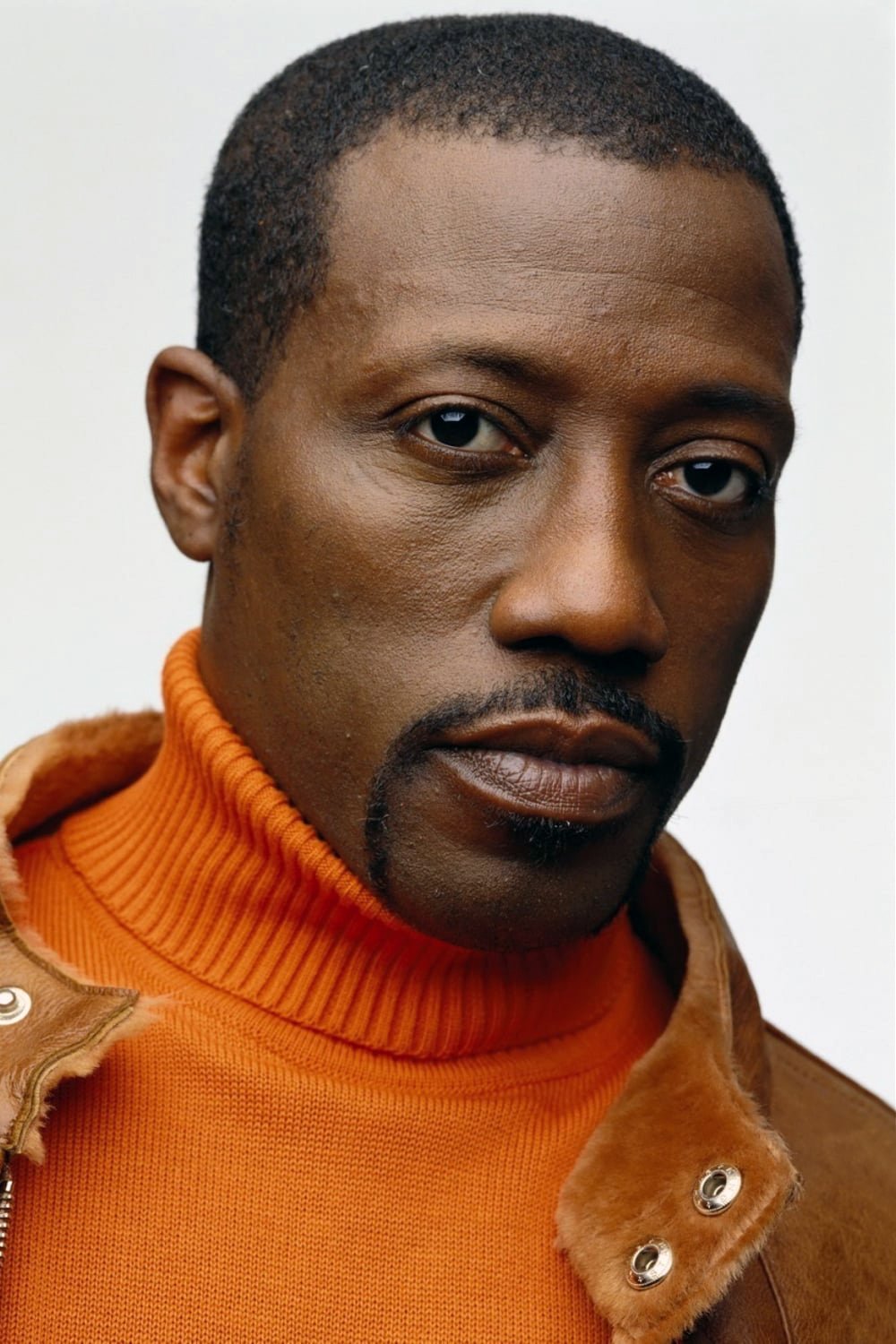
Wesley Snipes combined athletic action with sharp comedic timing across a string of hits. He led high-octane thrillers such as ‘Passenger 57’ and scored with sports and heist-tinged fare like ‘White Men Can’t Jump’. Later in the decade, he helped reinvigorate comic-book cinema with ‘Blade’. His filmography spanned action, comedy, and crime stories that performed strongly worldwide.
Gary Oldman
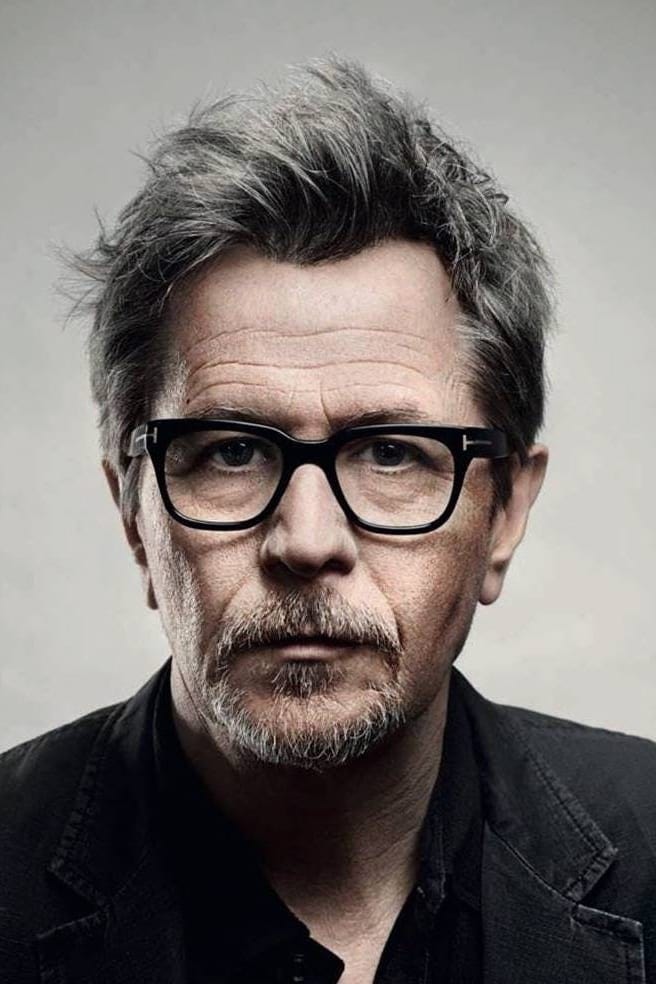
Gary Oldman became a go-to figure for intense, transformative roles across crime, sci-fi, and political drama. He delivered memorable antagonists in ‘Léon: The Professional’ and ‘The Fifth Element’. Audiences also saw him play a formidable adversary in ‘Air Force One’. His willingness to tackle ethically complex characters kept him in high-profile productions.
Jeff Goldblum
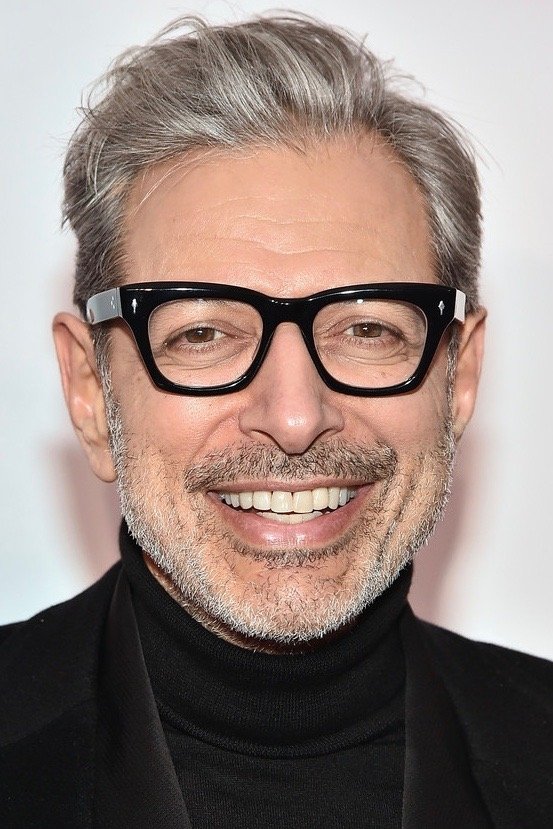
Jeff Goldblum brought cerebral charm to large-scale science adventures and quirky comedies. He fronted major effects-driven blockbusters with ‘Jurassic Park’ and ‘Independence Day’. Ensemble comedies and thrillers, including ‘Nine Months’ and ‘The Lost World: Jurassic Park’, kept him prominent with mainstream audiences. His distinctive delivery and scientist roles became part of the decade’s pop-culture fabric.
Liam Neeson
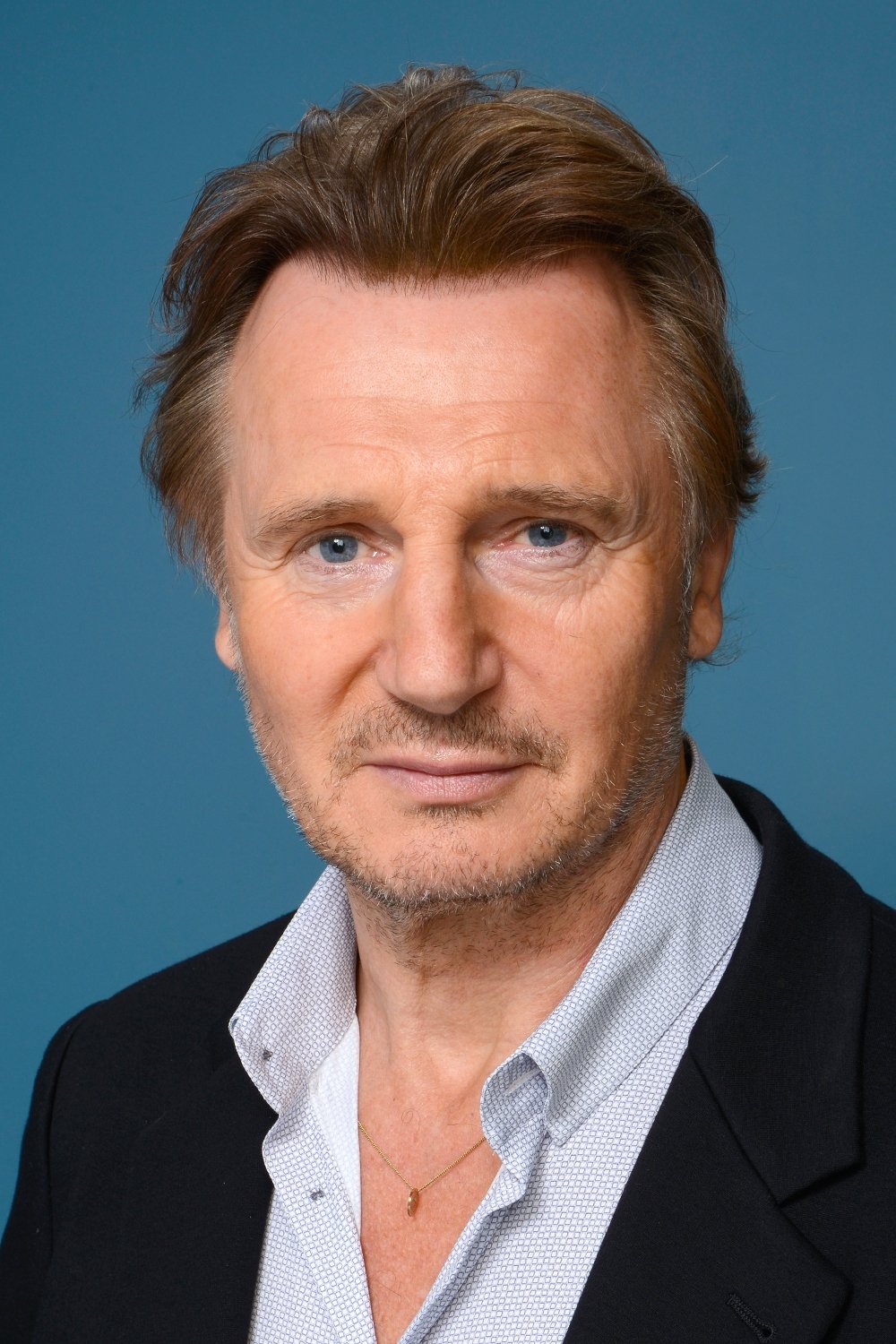
Liam Neeson earned global recognition with historical drama in ‘Schindler’s List’. He followed with period epics and biographical roles such as ‘Michael Collins’, reinforcing his reputation for principled, commanding characters. Franchise work began with ‘Star Wars: Episode I – The Phantom Menace’, expanding his reach to new audiences. He balanced prestige scripts with large-scale adventure across the decade.
Ralph Fiennes
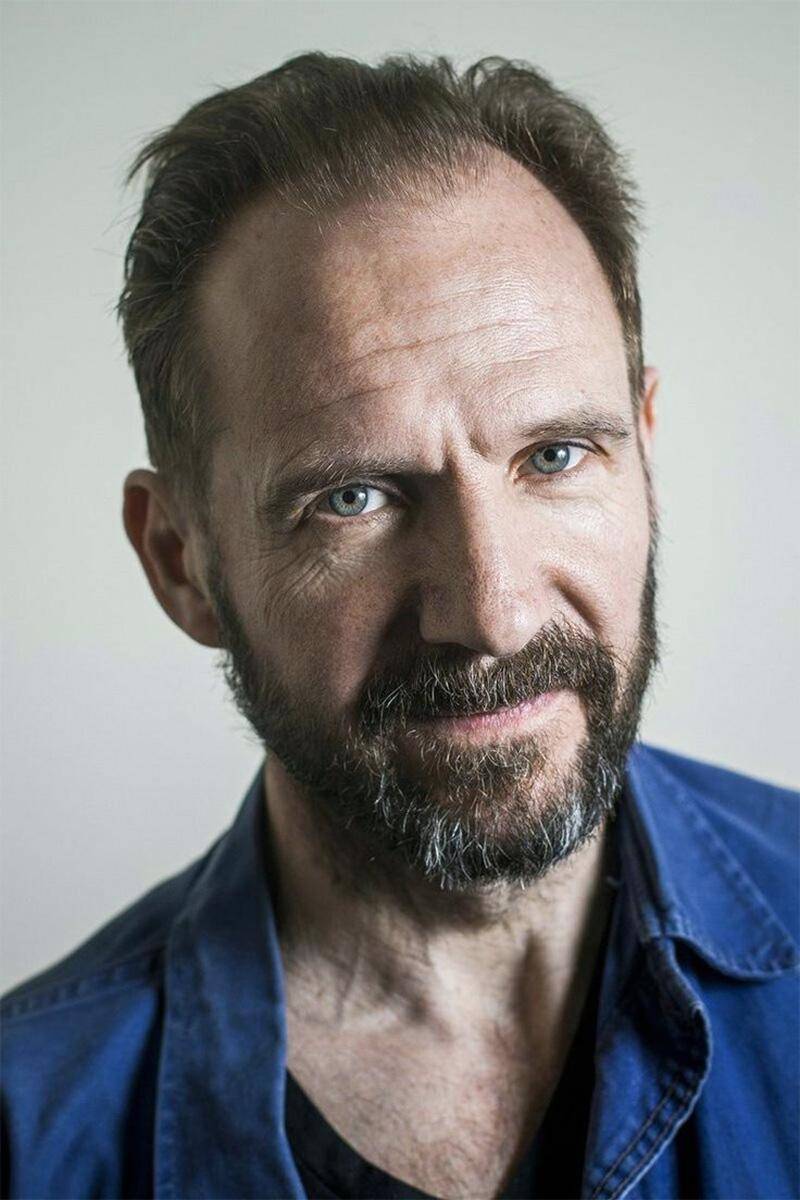
Ralph Fiennes broke through with a chilling turn in ‘Schindler’s List’ and sustained momentum with sweeping romance in ‘The English Patient’. He explored espionage and drama in projects like ‘The End of the Affair’. His choices frequently paired literary adaptations with visually ambitious filmmaking. This combination secured a steady presence in awards-season lineups and international releases.
Cuba Gooding Jr.
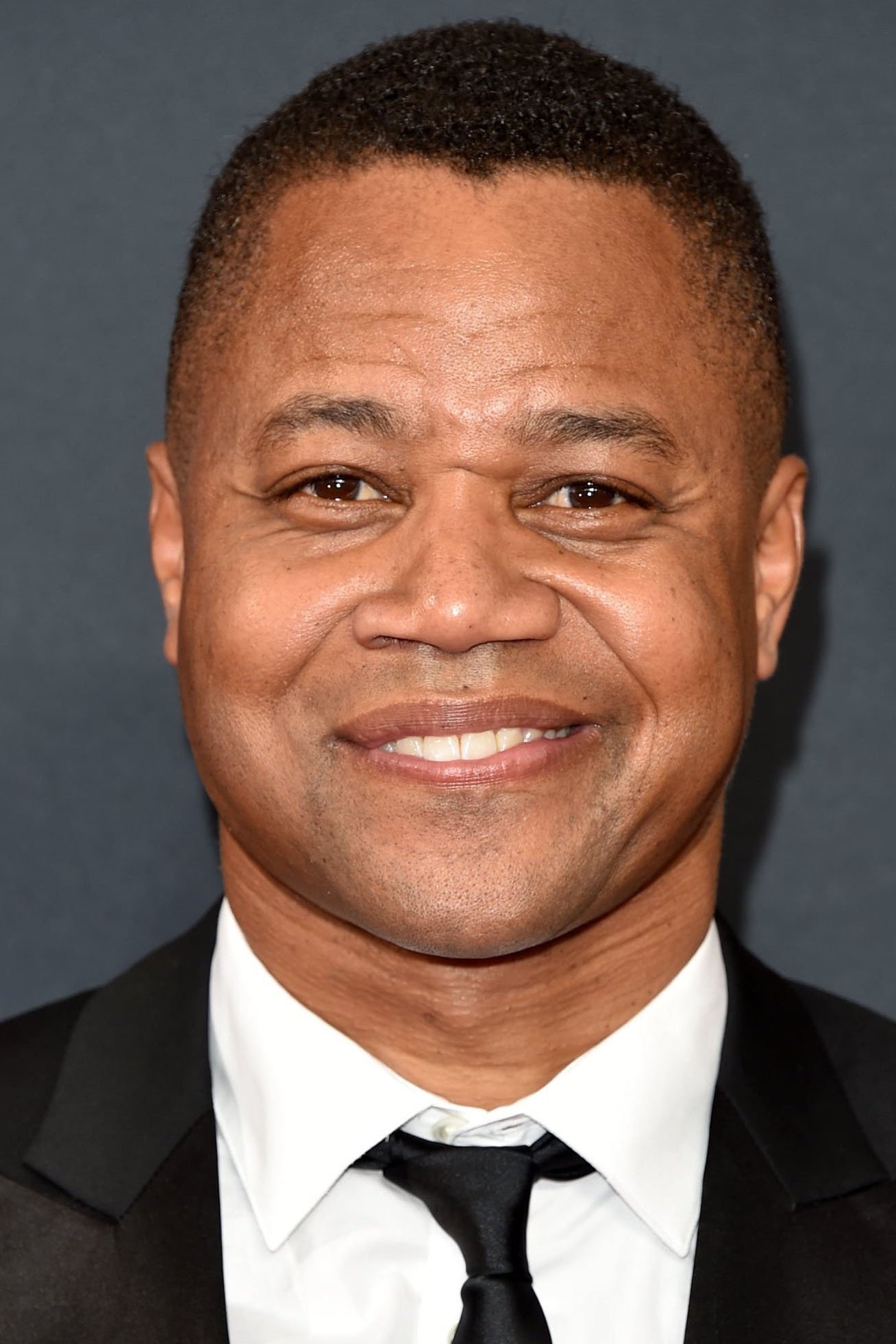
Cuba Gooding Jr. moved from impactful ensemble drama to high-profile leading roles. He delivered a breakout in ‘Boyz n the Hood’ and achieved awards recognition with ‘Jerry Maguire’. Action and thriller titles like ‘Outbreak’ and ‘A Murder of Crows’ broadened his portfolio. His energetic performances connected across sports drama, crime, and medical suspense.
Jackie Chan
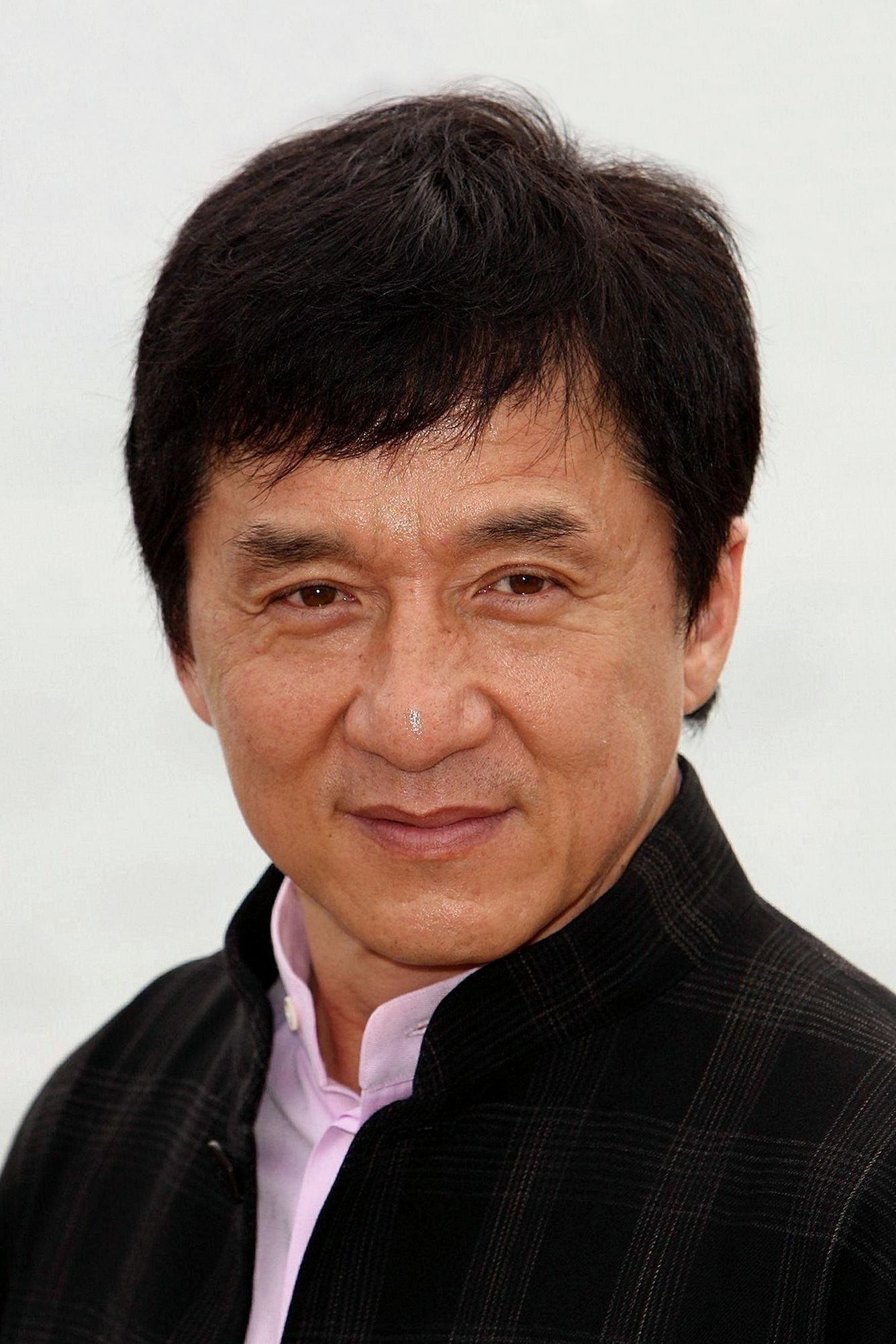
Jackie Chan leveraged Hong Kong stardom into a major North American crossover. He introduced his stunt-driven style to wider audiences with ‘Rumble in the Bronx’ and later paired with buddy-cop comedy in ‘Rush Hour’. Additional action comedies such as ‘Police Story 4: First Strike’ showcased intricate choreography and physical comedy. His films became staples of international action distribution during the decade.
Antonio Banderas
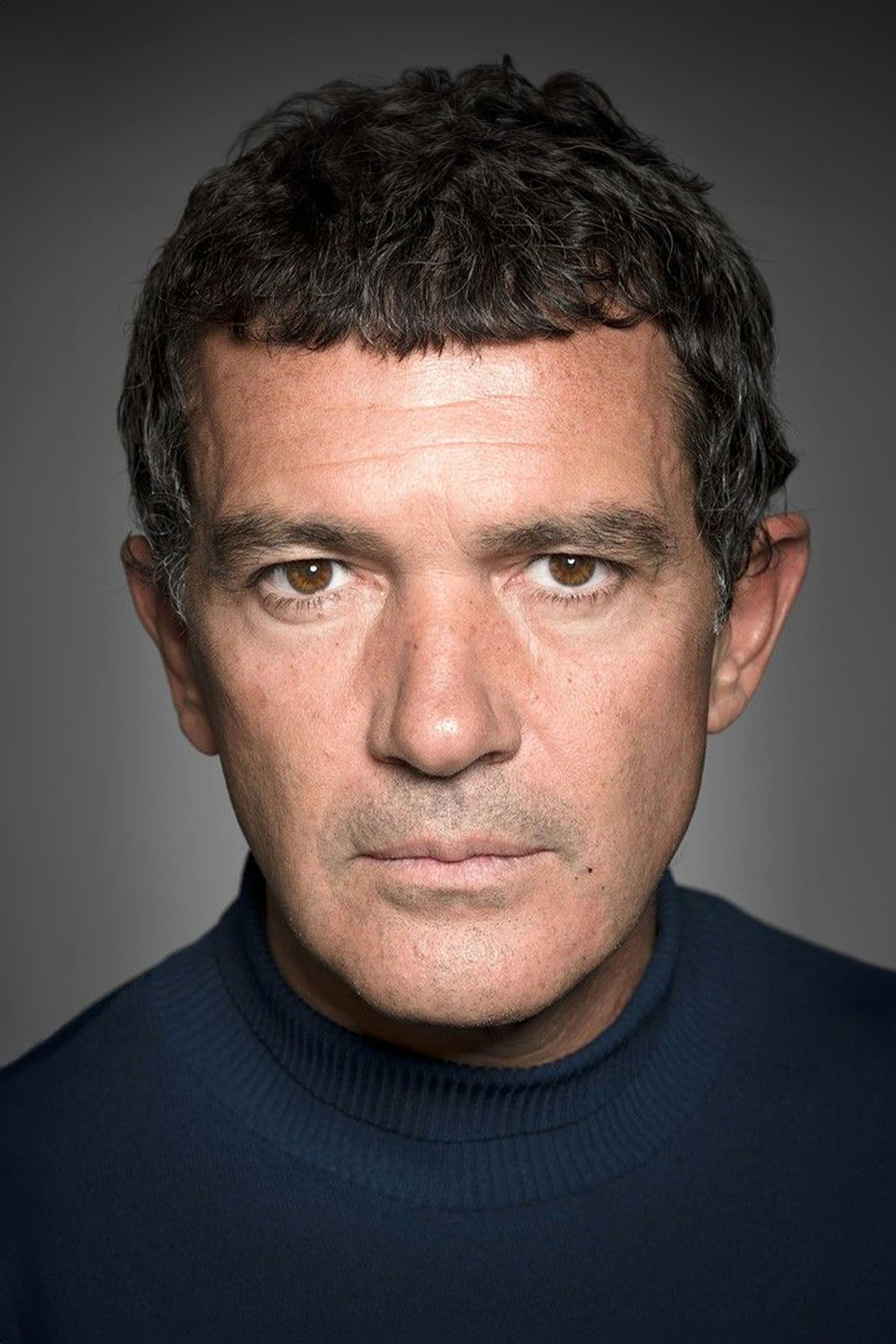
Antonio Banderas expanded from Spanish-language cinema into Hollywood leads across action, romance, and adventure. He collaborated with auteur directors in ‘Desperado’ and ‘Four Rooms’, then headlined swashbuckling spectacle in ‘The Mask of Zorro’. Family and fantasy-tinged projects like ‘The 13th Warrior’ added variety. His bilingual career helped broaden mainstream interest in international talent.
Ethan Hawke
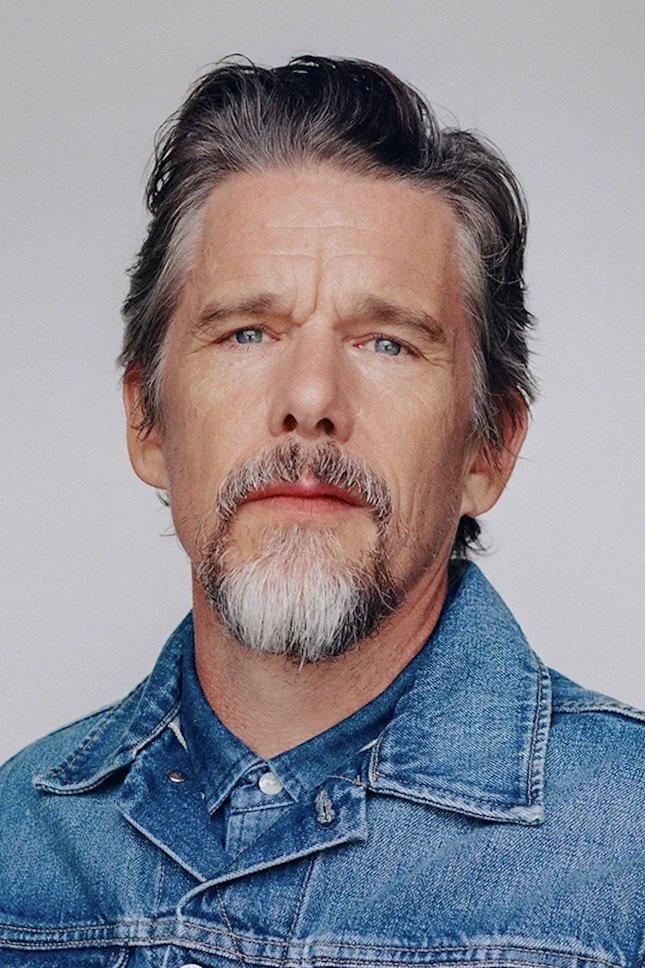
Ethan Hawke became a defining face of Gen-X storytelling while branching into sci-fi and thriller territory. He connected with coming-of-age audiences in ‘Reality Bites’ and delivered cerebral futurism in ‘Gattaca’. Romantic drama took a conversational turn with ‘Before Sunrise’. Hawke’s slate mixed indie credibility with studio releases that amplified his range.
John Cusack
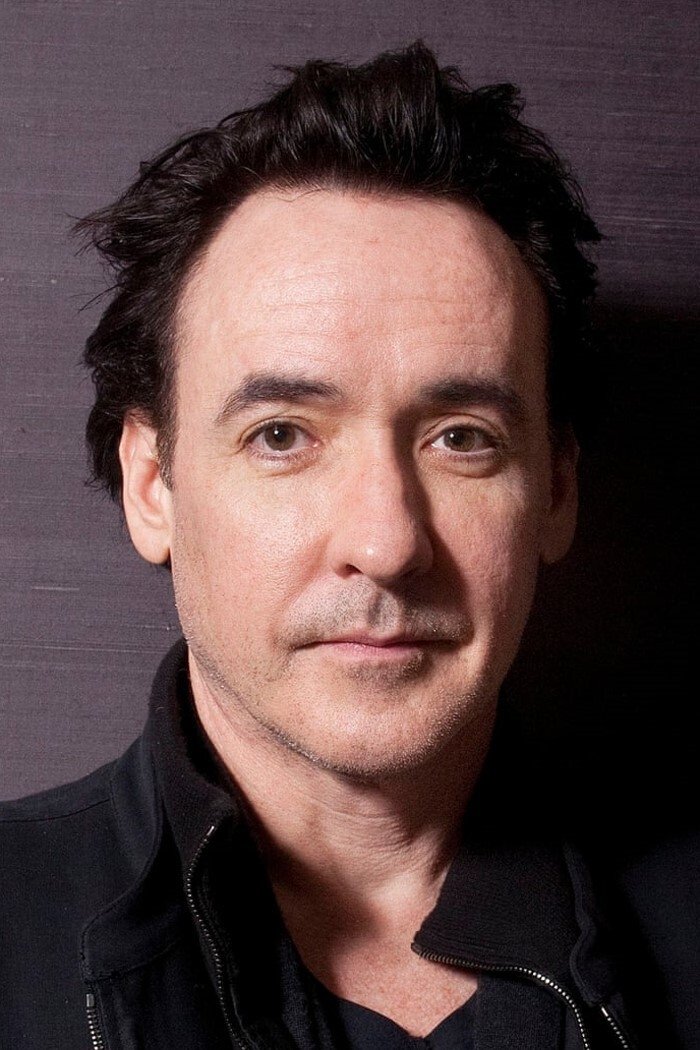
John Cusack balanced sharp comedies with off-beat thrillers and acclaimed ensembles. He co-wrote and starred in the pop-culture-savvy ‘Grosse Pointe Blank’ and later joined the surreal meta-drama ‘Being John Malkovich’. Earlier in the decade, he appeared in noir-flavored pieces like ‘The Grifters’. This blend of writerly projects and genre variety kept him a fixture across arthouse and mainstream spaces.
Share your picks for the most era-defining ’90s stars in the comments!

