


Most Famous Hollywood Actresses of the 1990s




From blockbuster thrillers to era-defining romantic comedies, the 1990s launched and solidified the careers of a generation of actresses who dominated the box office and awards conversation. They headlined studio tentpoles, anchored auteur-driven dramas, and helped shape what audiences came to expect from star-powered storytelling. Below are forty-five names whose filmographies from that decade remain essential viewing and cultural touchstones for movie fans. Their work spans action, romance, comedy, and prestige drama, and many of their titles still circulate widely on streaming and cable today.
Julia Roberts

Julia Roberts became a global star with a run of romantic comedies and dramas that turned into massive box-office hits. Key titles include ‘Pretty Woman’, ‘My Best Friend’s Wedding’, and ‘Notting Hill’, plus thrillers like ‘The Pelican Brief’. She earned multiple Golden Globe wins and Academy Award nominations during the decade. Roberts also moved fluidly between studio projects and character-driven pieces, reinforcing her status as a reliable lead across genres.
Sandra Bullock
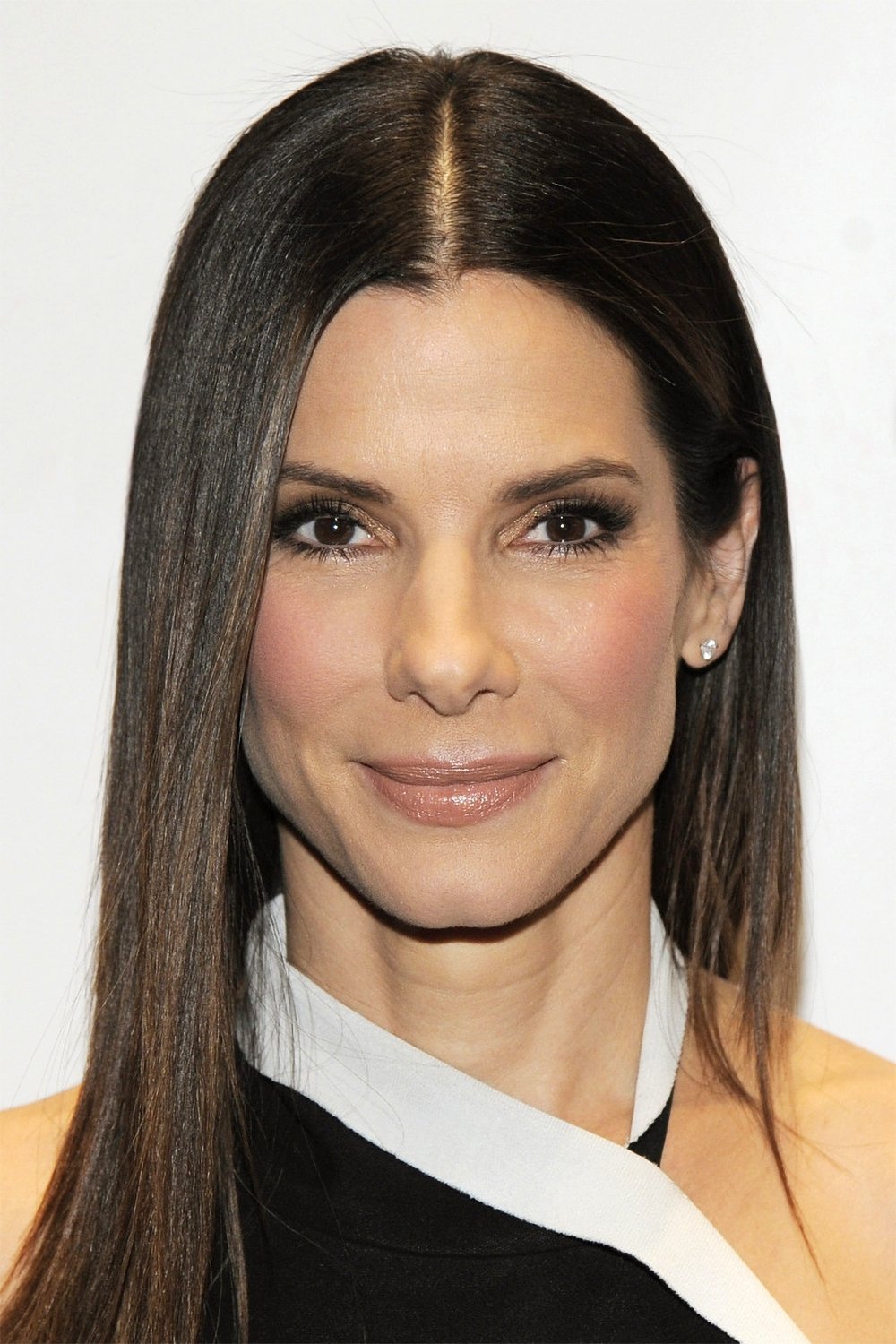
Sandra Bullock broke out with the action hit ‘Speed’ and quickly proved her range with comedies such as ‘While You Were Sleeping’ and legal-drama work in ‘A Time to Kill’. She became known for grounded, relatable performances that connected with mainstream audiences. Bullock’s slate included tech thrillers like ‘The Net’ and ensemble comedies, making her one of the decade’s most bankable leads. Her consistent openings and strong international appeal kept her at the center of studio schedules.
Meg Ryan

Meg Ryan defined the modern romantic comedy with roles in ‘Sleepless in Seattle’ and ‘You’ve Got Mail’, building on earlier acclaim from ‘When Harry Met Sally…’. She also took on dramas like ‘Courage Under Fire’ and ‘City of Angels’, showing range beyond her rom-com identity. Ryan’s collaborations with prominent directors and writers helped shape the genre’s witty, heartfelt tone. Her films maintained strong rewatch value on home video and television throughout the decade.
Nicole Kidman
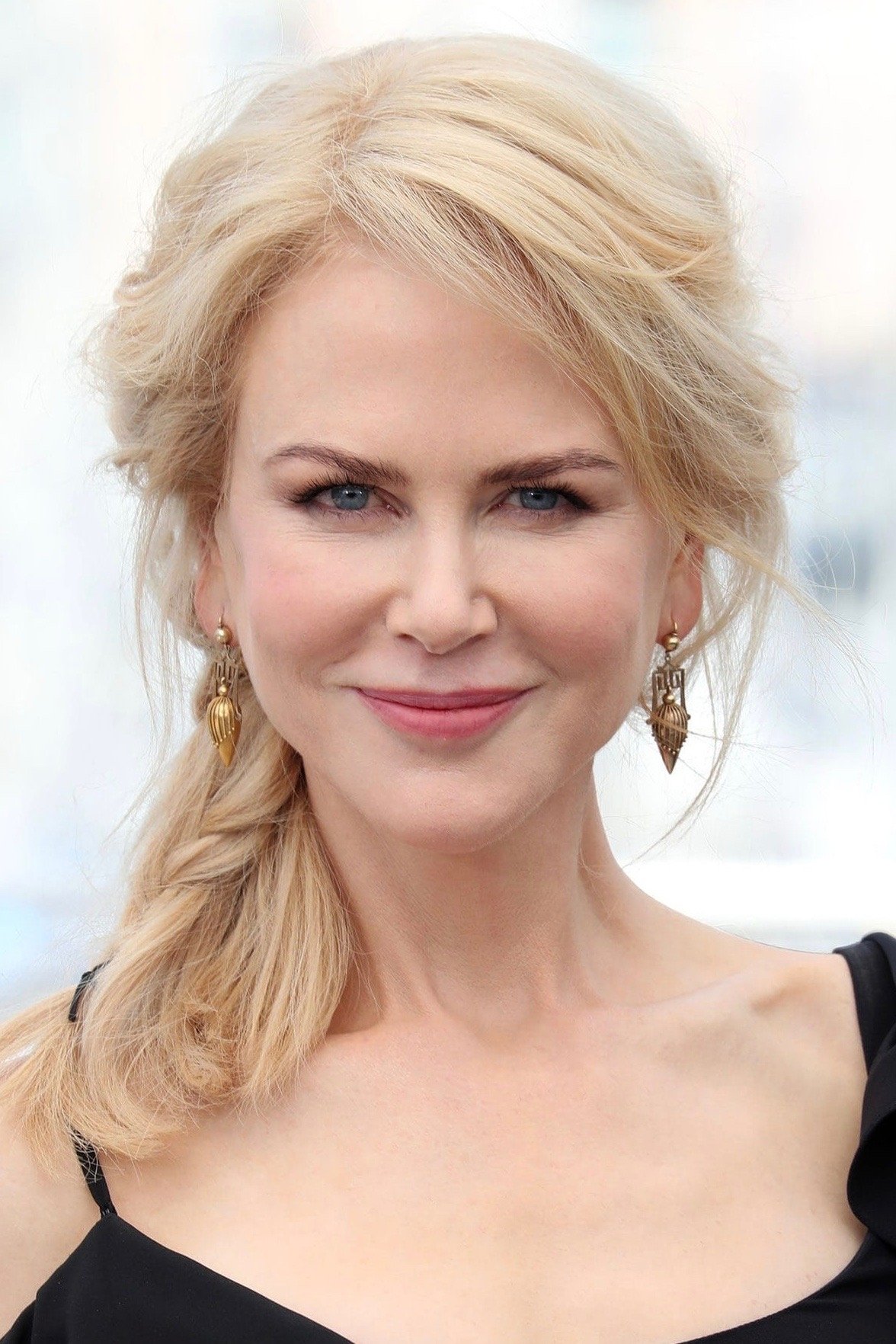
Nicole Kidman transitioned from early attention-grabbing roles to a varied slate that included ‘To Die For’, ‘Batman Forever’, and ‘Eyes Wide Shut’. She balanced large-scale studio releases with character-centric dramas that drew critical notice. Kidman’s performances during the decade earned awards recognition and positioned her for even more ambitious projects that followed. Her collaborations with major directors broadened her reputation beyond blockbuster fare.
Jodie Foster
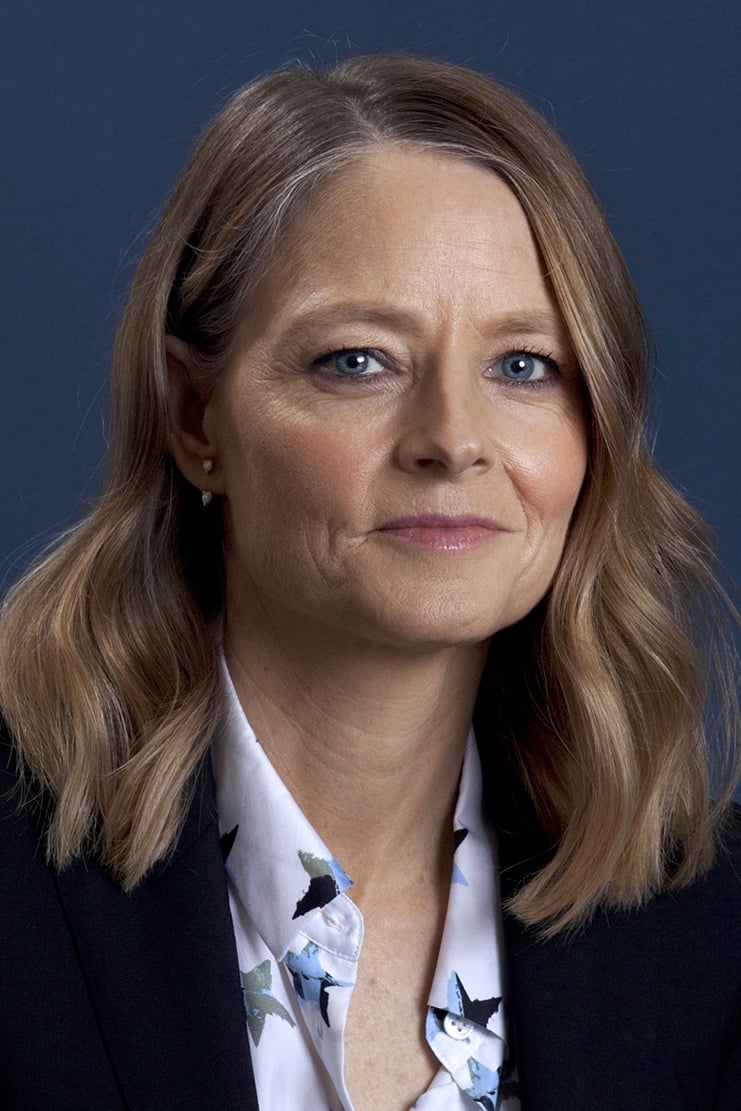
Jodie Foster anchored prestige dramas and psychological thrillers, most notably ‘The Silence of the Lambs’. She won Academy Awards for her performances and also directed features, expanding her influence behind the camera. Titles like ‘Nell’ and ‘Contact’ underscored her commitment to complex, intellectually driven material. Foster’s ability to carry challenging narratives made her a go-to choice for high-stakes roles.
Demi Moore
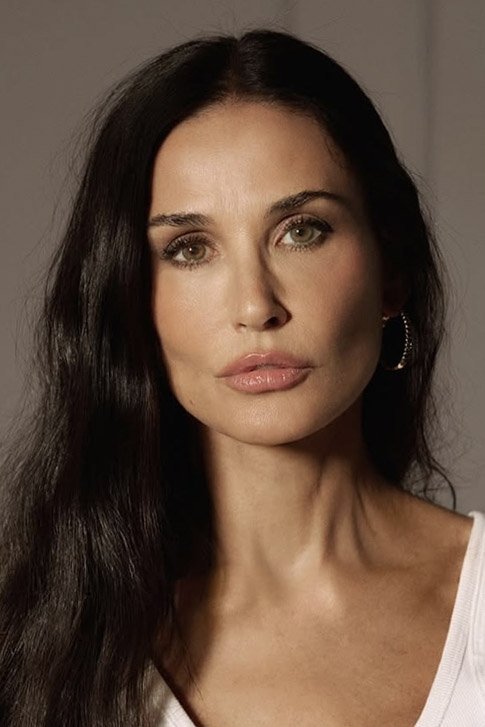
Demi Moore combined box-office clout with headline-making roles in films such as ‘Ghost’, ‘A Few Good Men’, ‘Indecent Proposal’, and ‘Disclosure’. She also led action and military dramas like ‘G.I. Jane’. Moore’s films regularly ranked among the decade’s highest earners, and she negotiated historic salaries that reflected her draw. Her choices helped push more female-led studio projects into production.
Sharon Stone
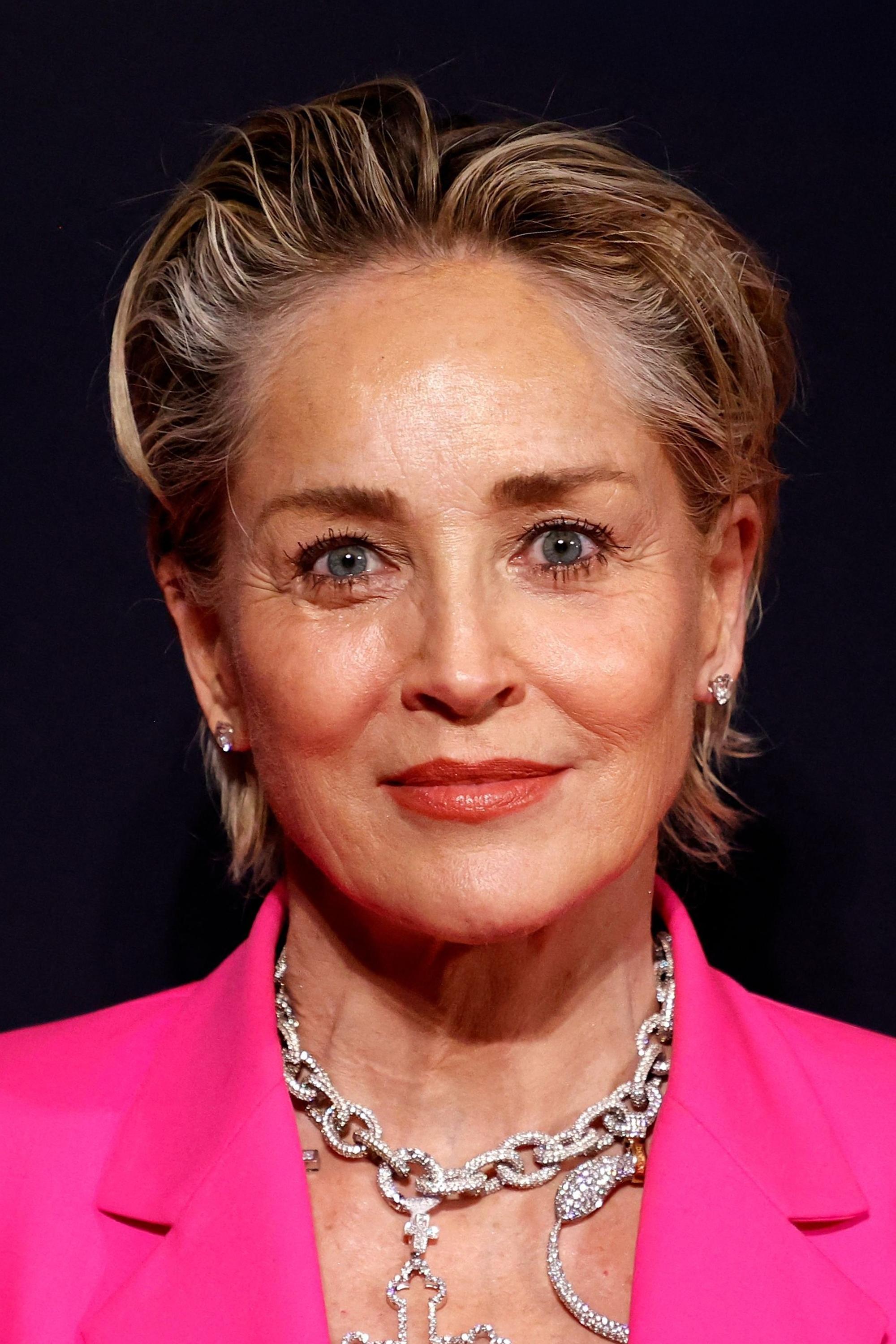
Sharon Stone rose to international fame with ‘Basic Instinct’ and followed with acclaimed work in ‘Casino’, earning major awards recognition. She maintained a strong presence in thrillers and dramas throughout the decade. Stone’s performances combined star charisma with bold character choices that kept her in the cultural conversation. She also served as a producer on select projects, shaping material from development onward.
Winona Ryder
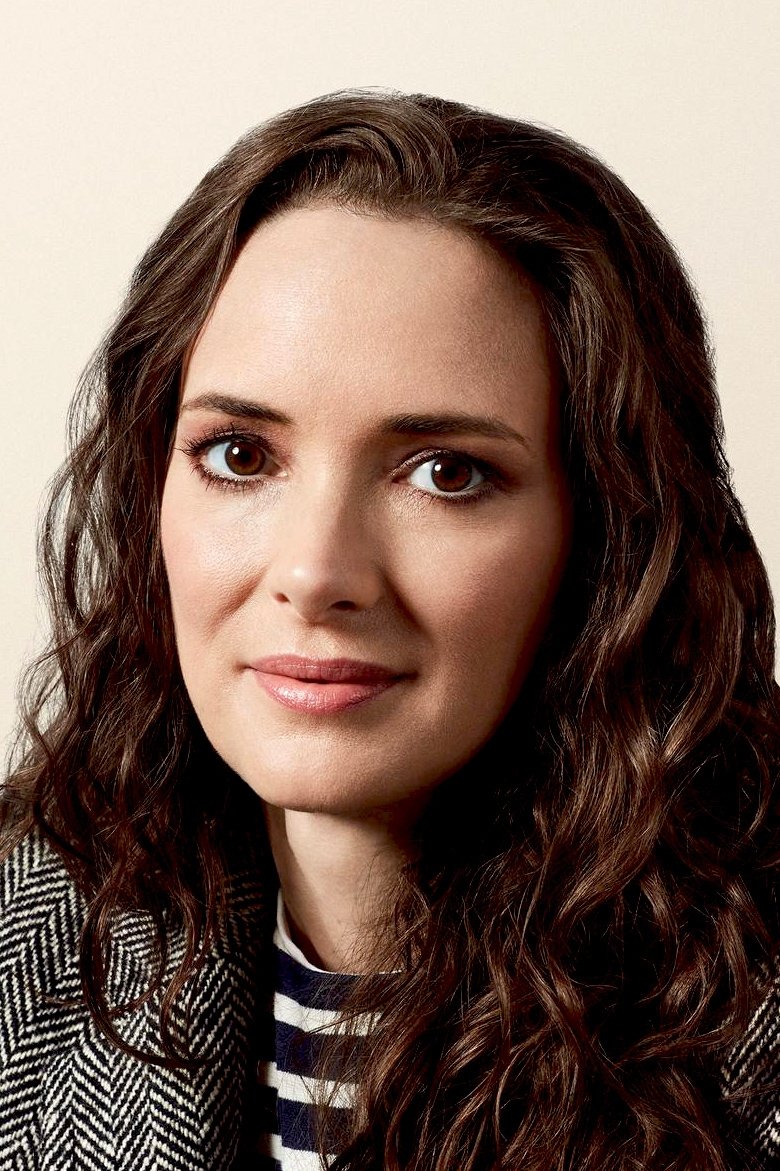
Winona Ryder balanced offbeat indies and studio releases, appearing in ‘Edward Scissorhands’, ‘Bram Stoker’s Dracula’, and ‘Reality Bites’. She earned awards recognition for ‘The Age of Innocence’ and an Academy Award nomination for ‘Little Women’. Ryder’s filmography captured the decade’s alternative spirit while still performing strongly at the box office. Her work with major directors cemented her reputation as a versatile, in-demand lead.
Uma Thurman
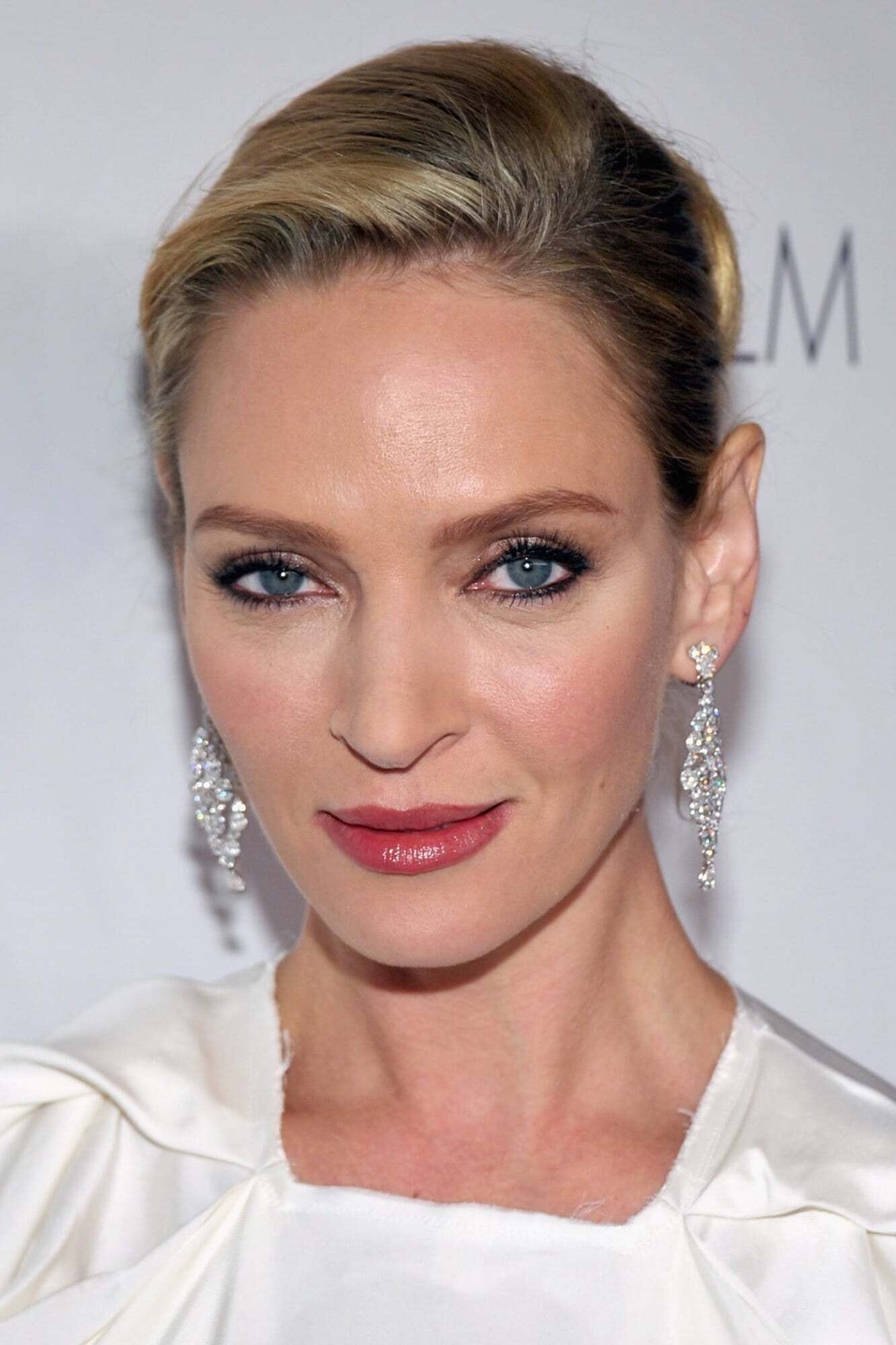
Uma Thurman earned an Academy Award nomination for ‘Pulp Fiction’, a performance that became a pop-culture landmark. She mixed arthouse and studio roles with titles like ‘Gattaca’, ‘The Truth About Cats & Dogs’, and ‘Batman & Robin’. Thurman’s collaborations with noted filmmakers kept her on the radar for ambitious projects. Her distinctive screen presence helped define the decade’s blend of style and substance.
Cameron Diaz

Cameron Diaz debuted in ‘The Mask’ and quickly became a comedy standout with ‘There’s Something About Mary’. She also embraced offbeat fare like ‘Being John Malkovich’, which earned an Academy Award nomination for her. Diaz frequently joined ensemble casts and held her own opposite established stars. Her combination of comedic timing and willingness to take risks made her a fixture of late-decade releases.
Drew Barrymore
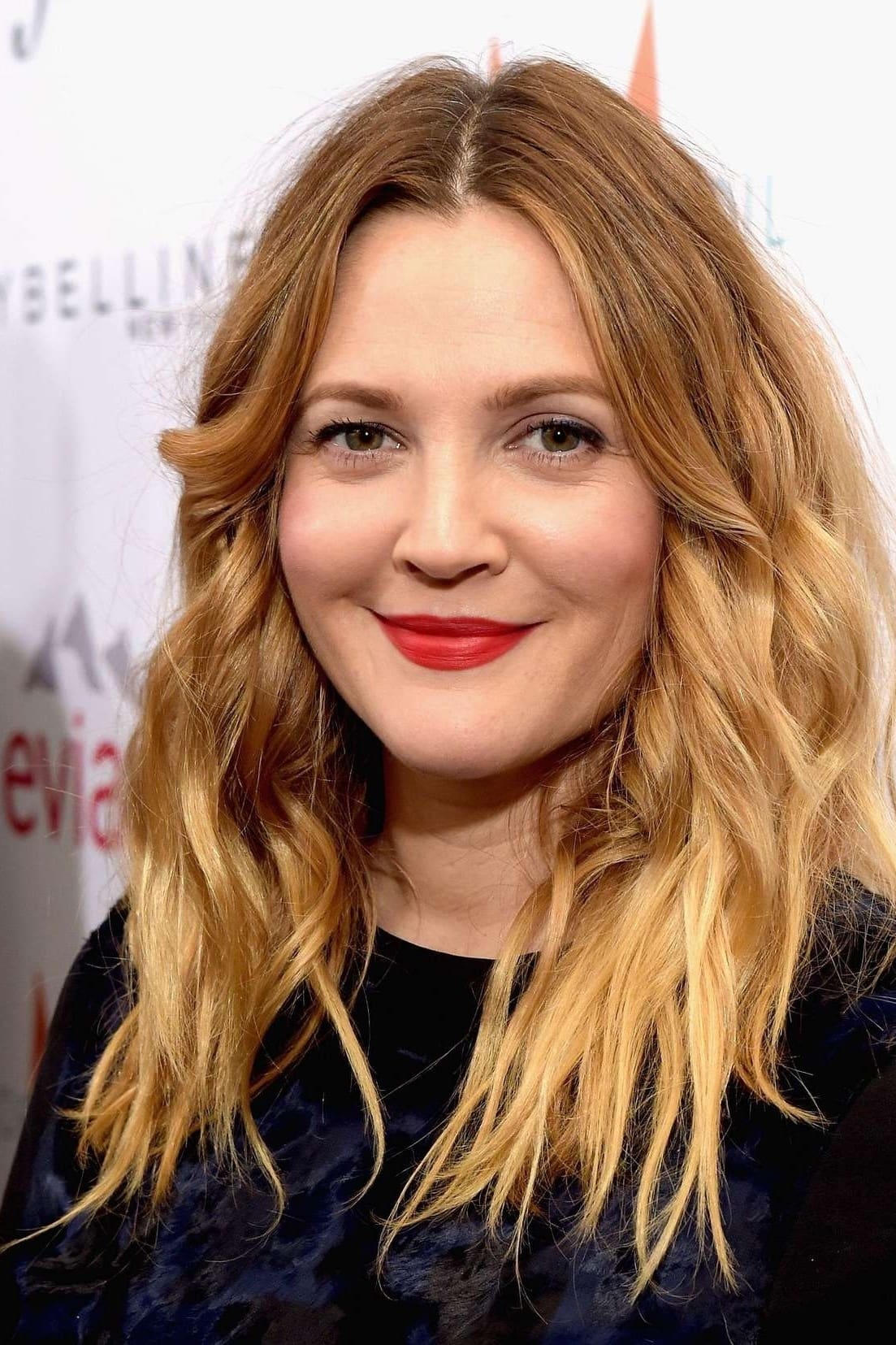
Drew Barrymore reintroduced herself to audiences with roles in ‘Poison Ivy’, ‘Scream’, ‘The Wedding Singer’, and ‘Ever After’. She co-founded Flower Films, producing projects that she also headlined, including ‘Never Been Kissed’. Barrymore balanced teen and adult audiences with accessible, upbeat performances. Her behind-the-scenes work expanded opportunities for female-led comedies and genre pieces.
Michelle Pfeiffer

Michelle Pfeiffer delivered memorable performances across genres, from ‘Batman Returns’ to ‘The Age of Innocence’ and ‘Dangerous Minds’. She collected multiple Academy Award nominations around this period and remained a critical favorite. Pfeiffer’s ability to elevate both prestige and mainstream titles kept her in constant demand. Her roles often blended elegance with intensity, making her a standout in ensemble and lead vehicles alike.
Gwyneth Paltrow
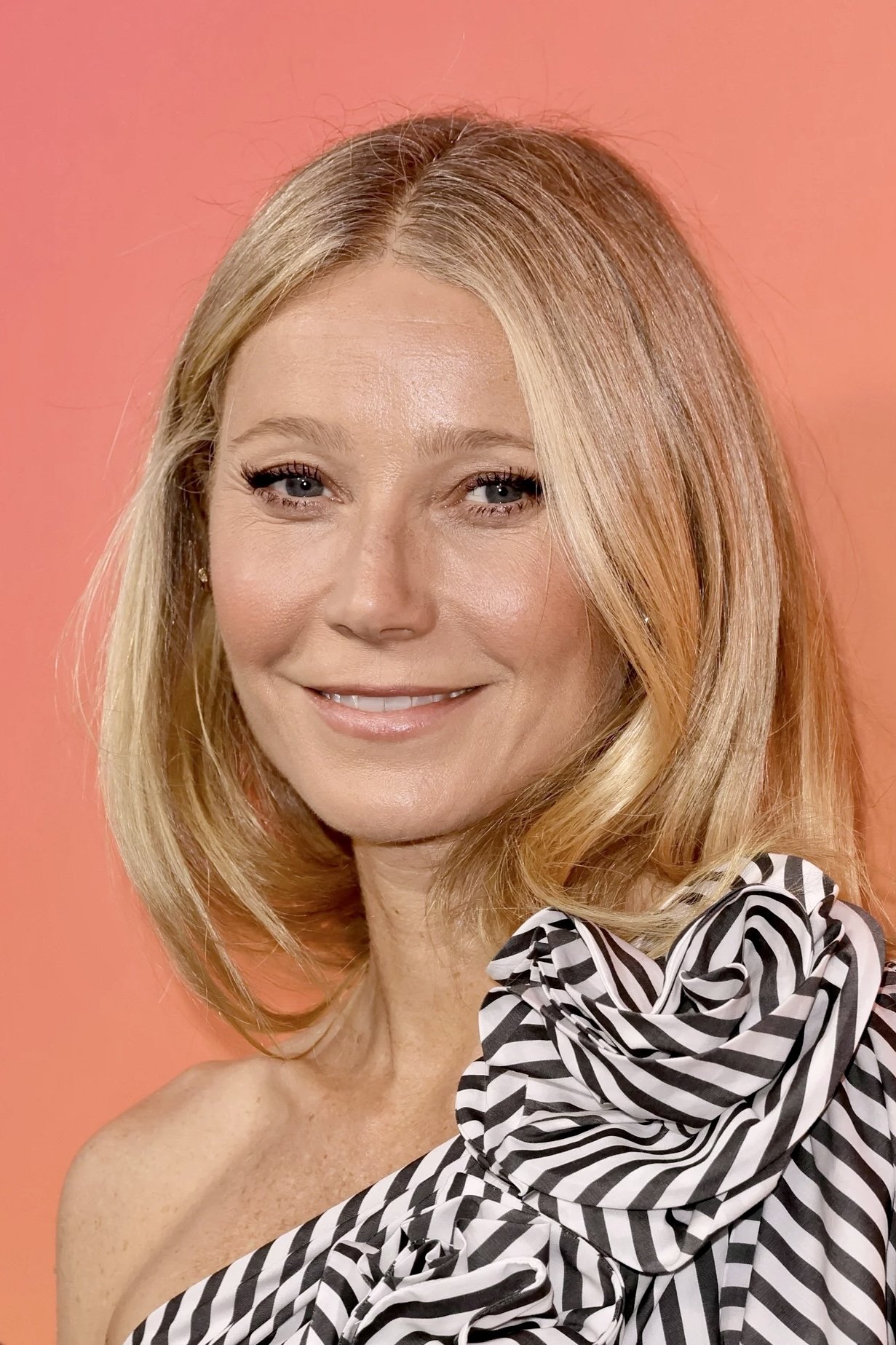
Gwyneth Paltrow rose rapidly with ‘Se7en’ and ‘Emma’, then secured an Academy Award for ‘Shakespeare in Love’. She moved easily between period pieces and contemporary dramas. Paltrow’s collaborations with top directors and co-stars put her at the center of awards-season conversations. She also appeared in ensemble projects that widened her audience and critical profile.
Halle Berry
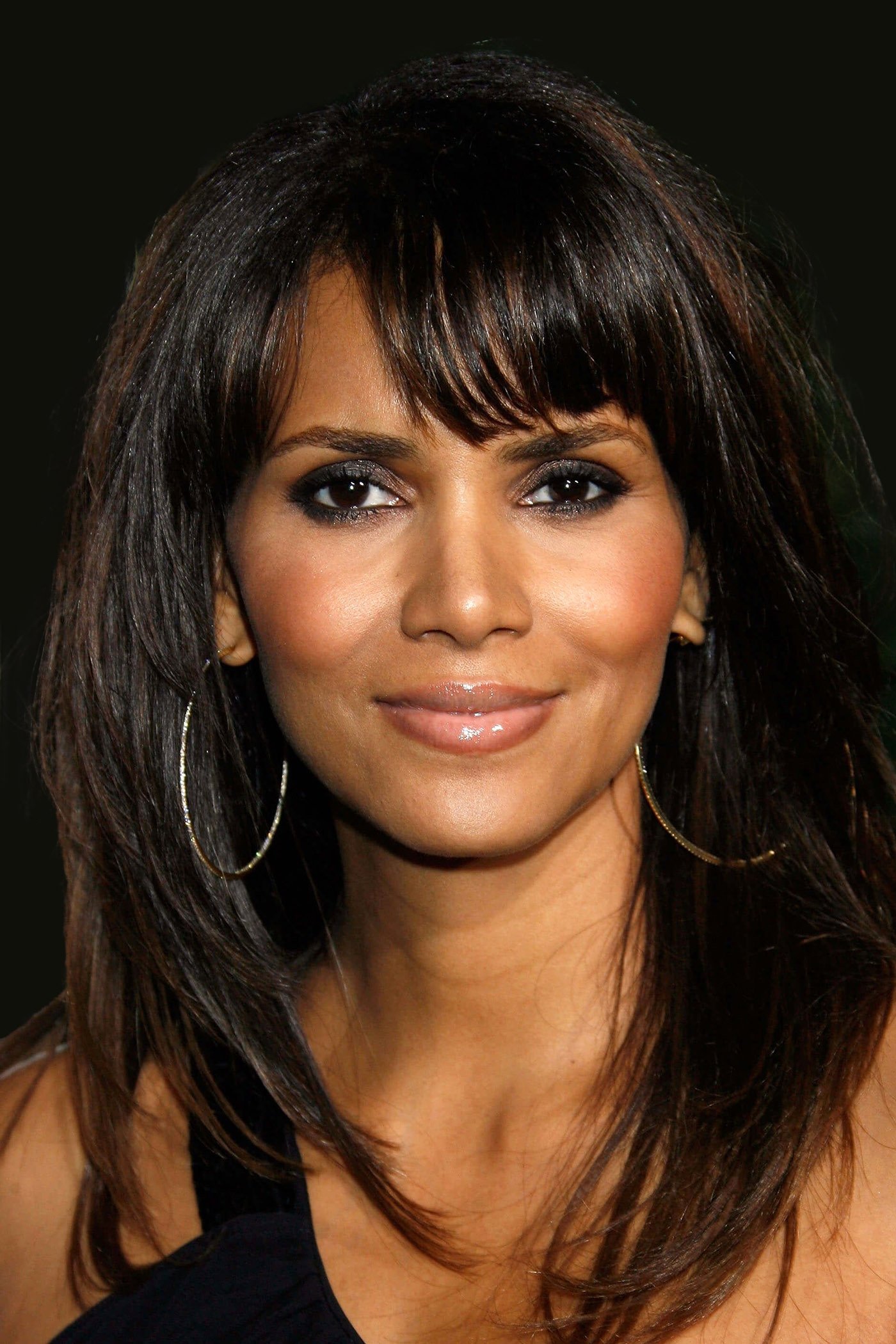
Halle Berry built momentum with roles in ‘Boomerang’, ‘The Flintstones’, and ‘Bulworth’, while also earning acclaim for the HBO film ‘Introducing Dorothy Dandridge’. She showed range across comedy, drama, and biographical work. Berry’s performances in this period set the stage for later franchise and awards successes. Her growing visibility helped diversify leading roles for women of color in studio films.
Angelina Jolie

Angelina Jolie broke through with ‘Hackers’, then earned raves for the HBO film ‘Gia’, followed by an Academy Award for ‘Girl, Interrupted’. She demonstrated a strong commitment to layered, volatile characters. Jolie’s high-profile performances led to rapid ascent into top-tier roles and future action franchises. Her work from this decade remains a reference point for intense, character-driven storytelling.
Meryl Streep
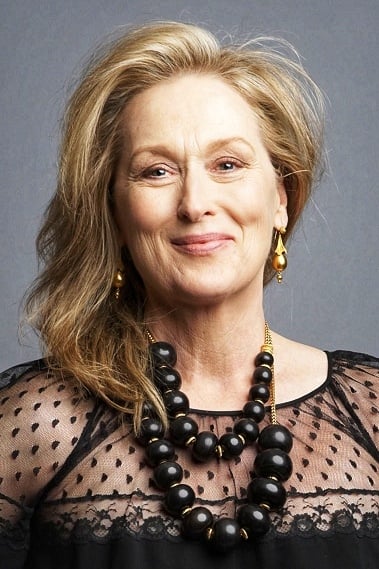
Meryl Streep sustained elite status through the decade with leading roles in dramas like ‘The Bridges of Madison County’ and ‘The River Wild’. She continued to collect major awards nominations for nuanced character work. Streep also explored ensemble pieces such as ‘Marvin’s Room’, reinforcing her adaptability across intimate and large-scale productions. Her consistent critical praise kept her at the forefront of prestige filmmaking.
Kate Winslet
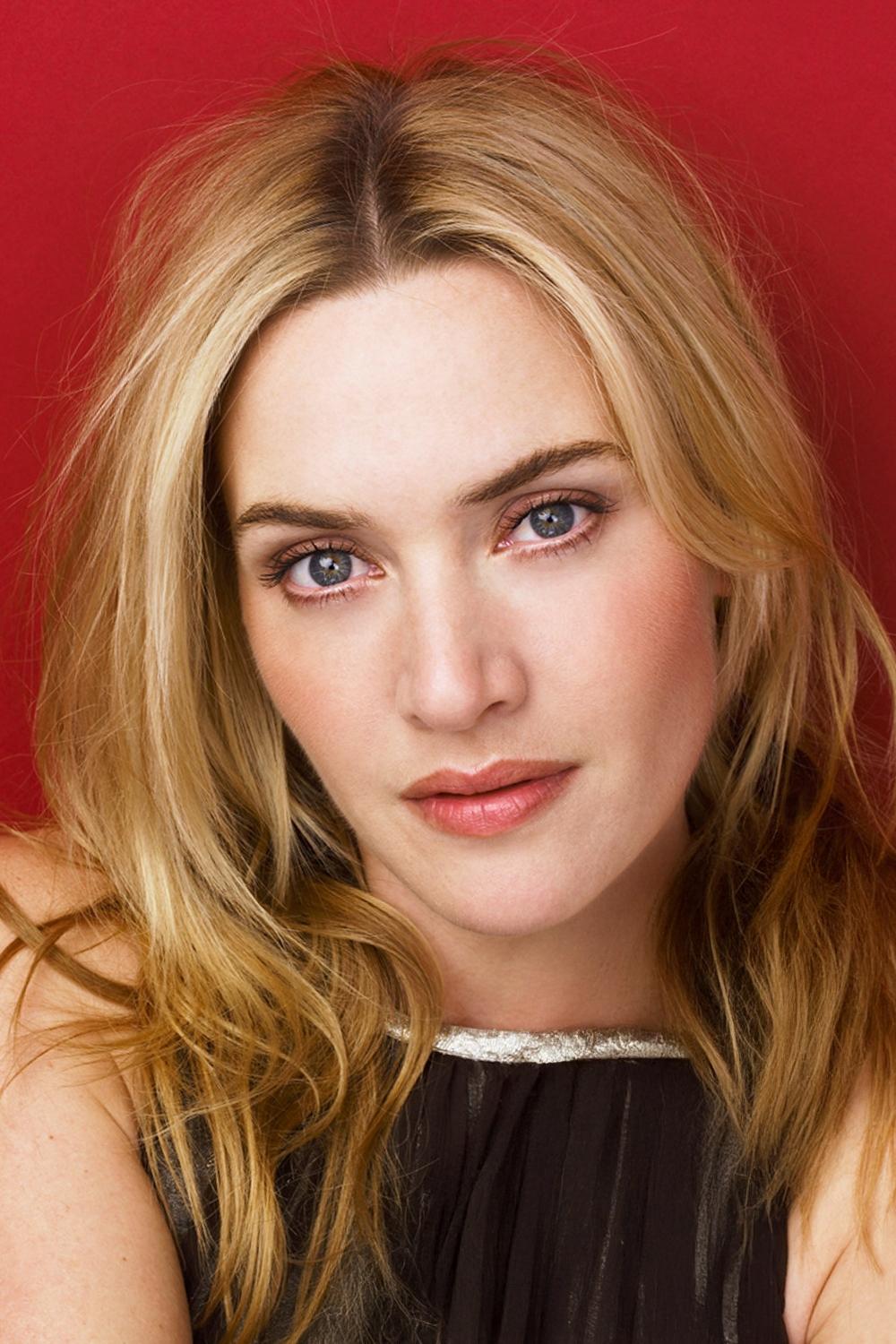
Kate Winslet emerged as a major talent with period dramas and epics including ‘Sense and Sensibility’ and ‘Titanic’. She balanced blockbuster visibility with smaller character studies like ‘Heavenly Creatures’. Winslet’s performances drew significant awards attention, marking her as a dependable lead for emotionally complex roles. Her international profile grew rapidly thanks to strong box-office performance and festival acclaim.
Cate Blanchett
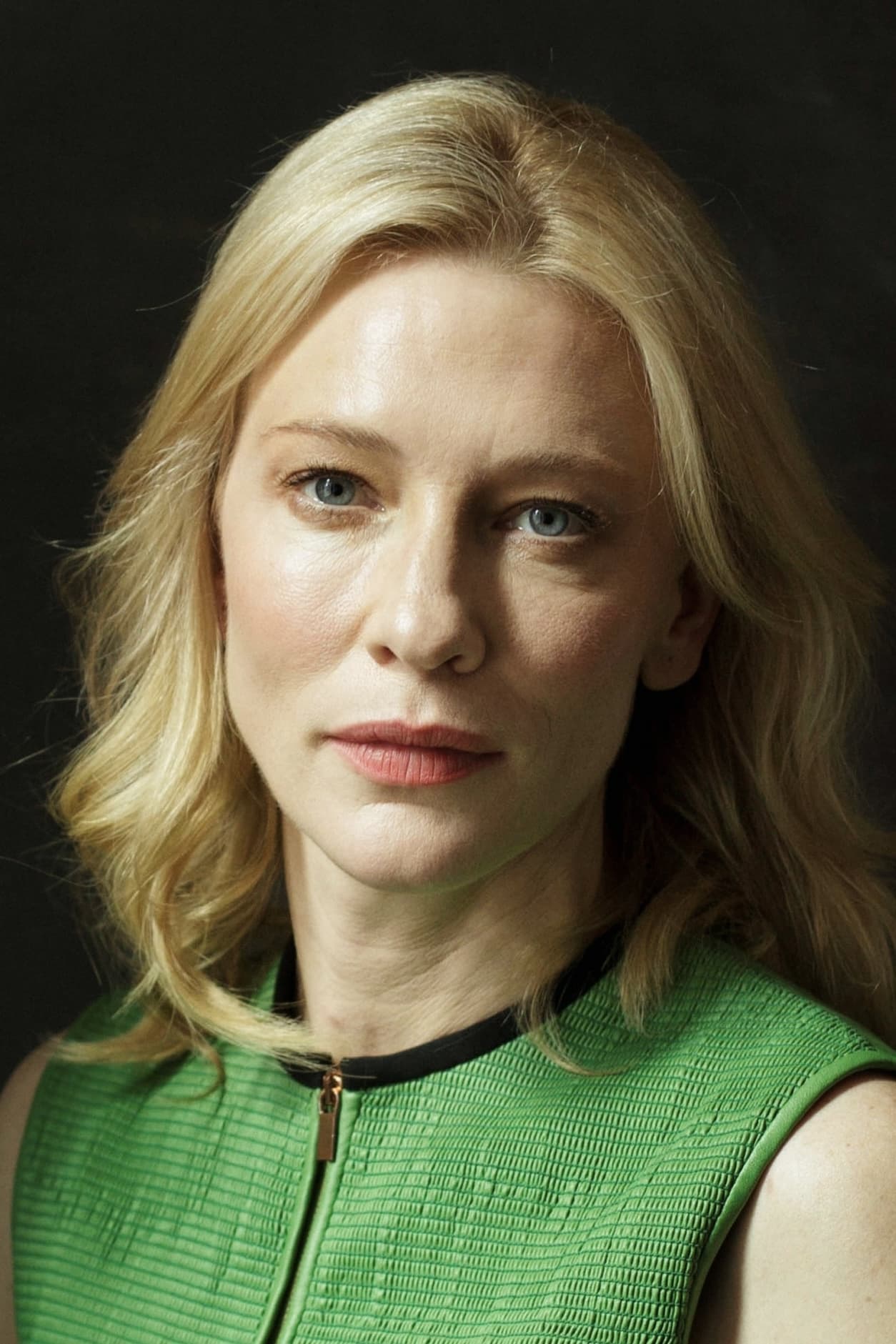
Cate Blanchett broke through in biographical and period roles, notably with ‘Elizabeth’, which brought widespread recognition. She alternated between independent films and studio-backed dramas, building a reputation for precision and range. Blanchett’s work earned major nominations and festival prizes, accelerating her ascent in global cinema. Her collaborations with acclaimed directors positioned her for long-term prominence.
Renée Zellweger

Renée Zellweger gained attention with character-driven turns in ‘Jerry Maguire’ and ‘One True Thing’. She demonstrated an ability to anchor both romantic and family-centered dramas. Zellweger’s grounded performances connected with mainstream audiences and critics alike. This period laid the groundwork for future franchise and awards success.
Salma Hayek

Salma Hayek expanded her reach in Hollywood with roles spanning action, comedy, and drama, including ‘Desperado’, ‘From Dusk Till Dawn’, and ‘Dogma’. She became a visible advocate for diverse storytelling while building her production profile. Hayek’s bilingual career helped her cross over to wider audiences. Her choices in the decade opened doors for more Latin American representation in studio films.
Jennifer Lopez
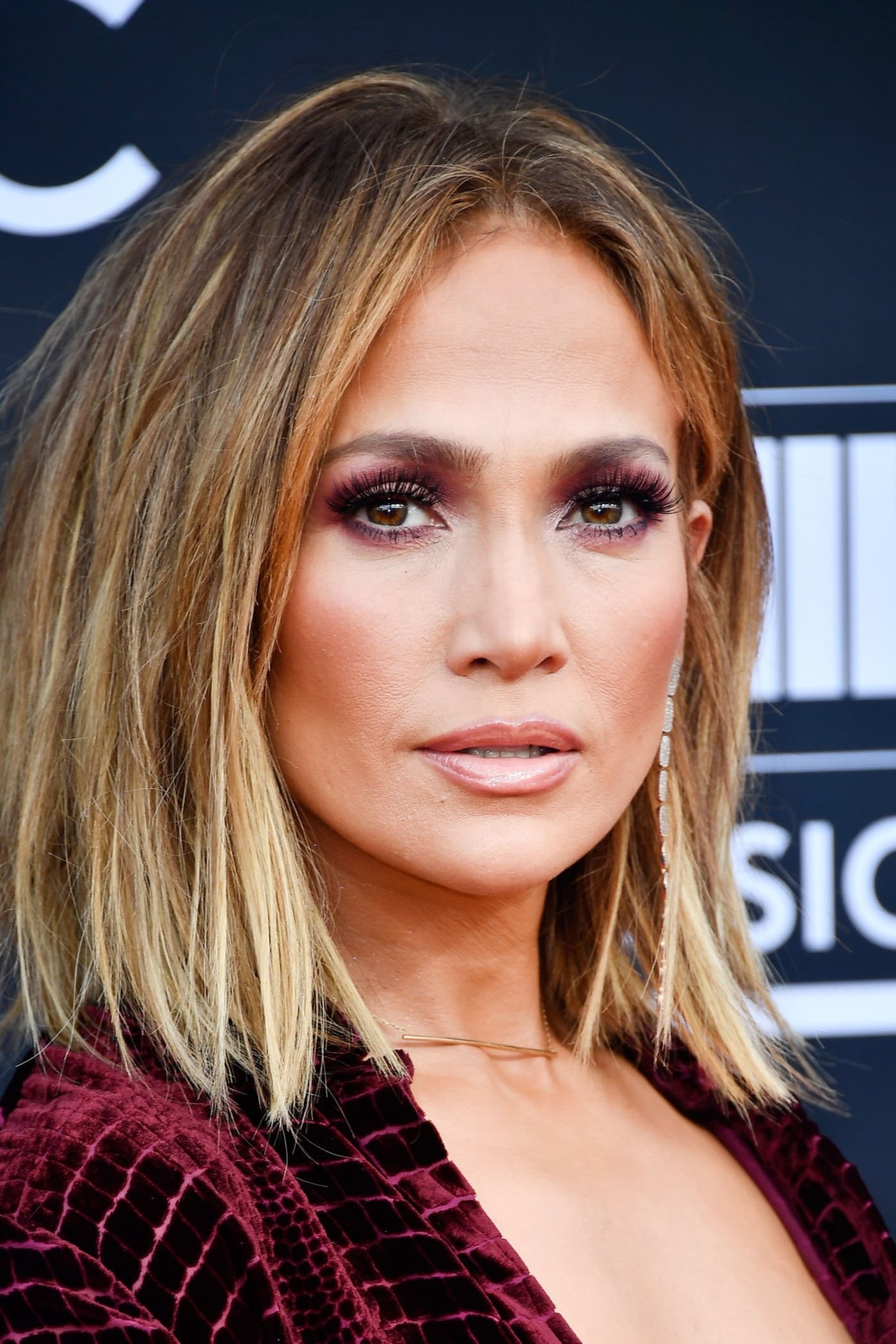
Jennifer Lopez transitioned from dance and television work to major film roles, breaking out with ‘Selena’. She followed with thrillers and romantic dramas like ‘Out of Sight’ and ‘The Cell’. Lopez built a multifaceted career that paired on-screen performances with a growing music profile. Her star power expanded rapidly across media by the decade’s end.
Catherine Zeta-Jones
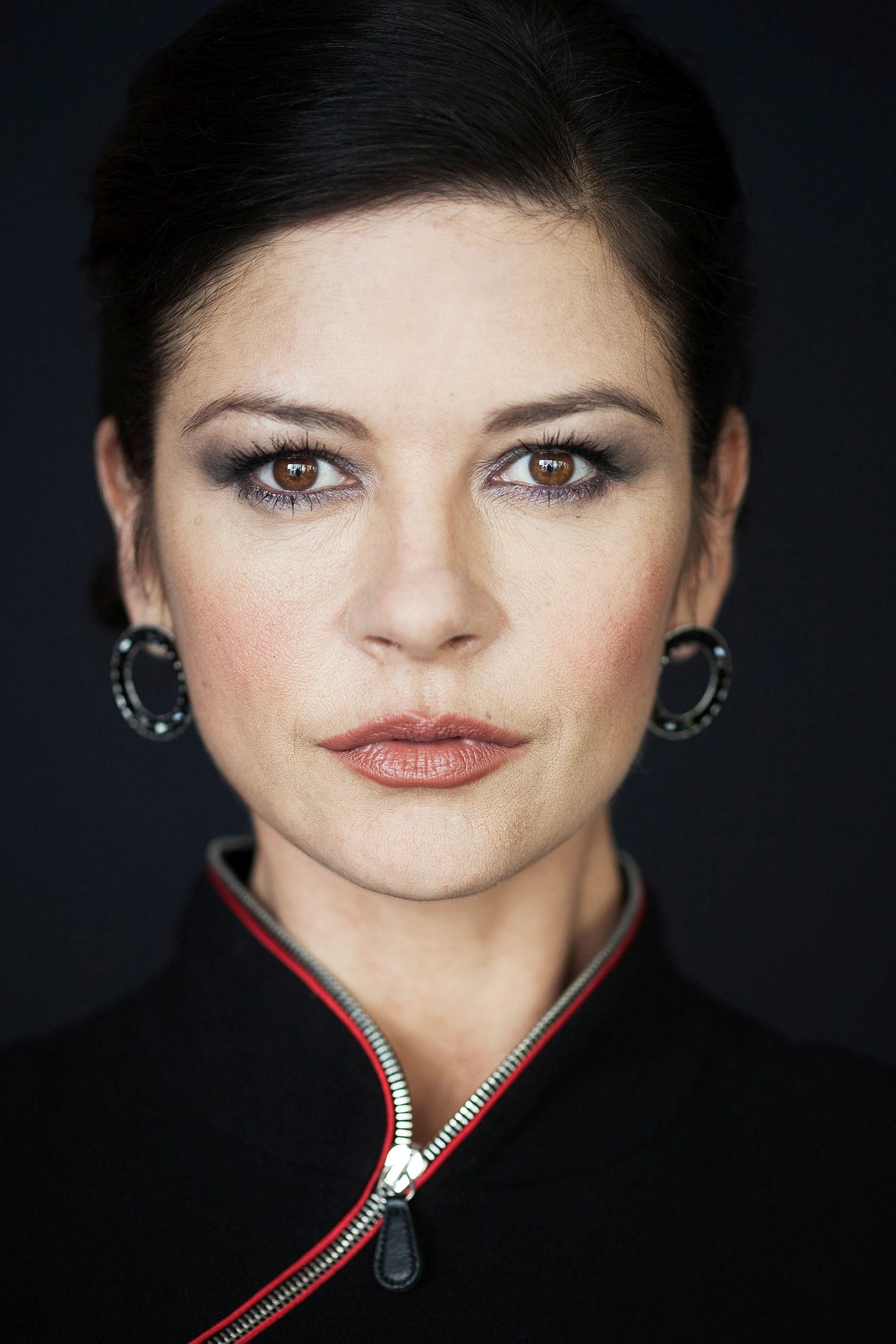
Catherine Zeta-Jones rose to fame in Hollywood with adventure and crime capers such as ‘The Mask of Zorro’ and ‘Entrapment’. She displayed strong screen presence opposite established leading men. Zeta-Jones’s roles mixed physicality with glamorous, classic-movie charisma. The momentum from these projects led to significant awards recognition in the following years.
Julianne Moore
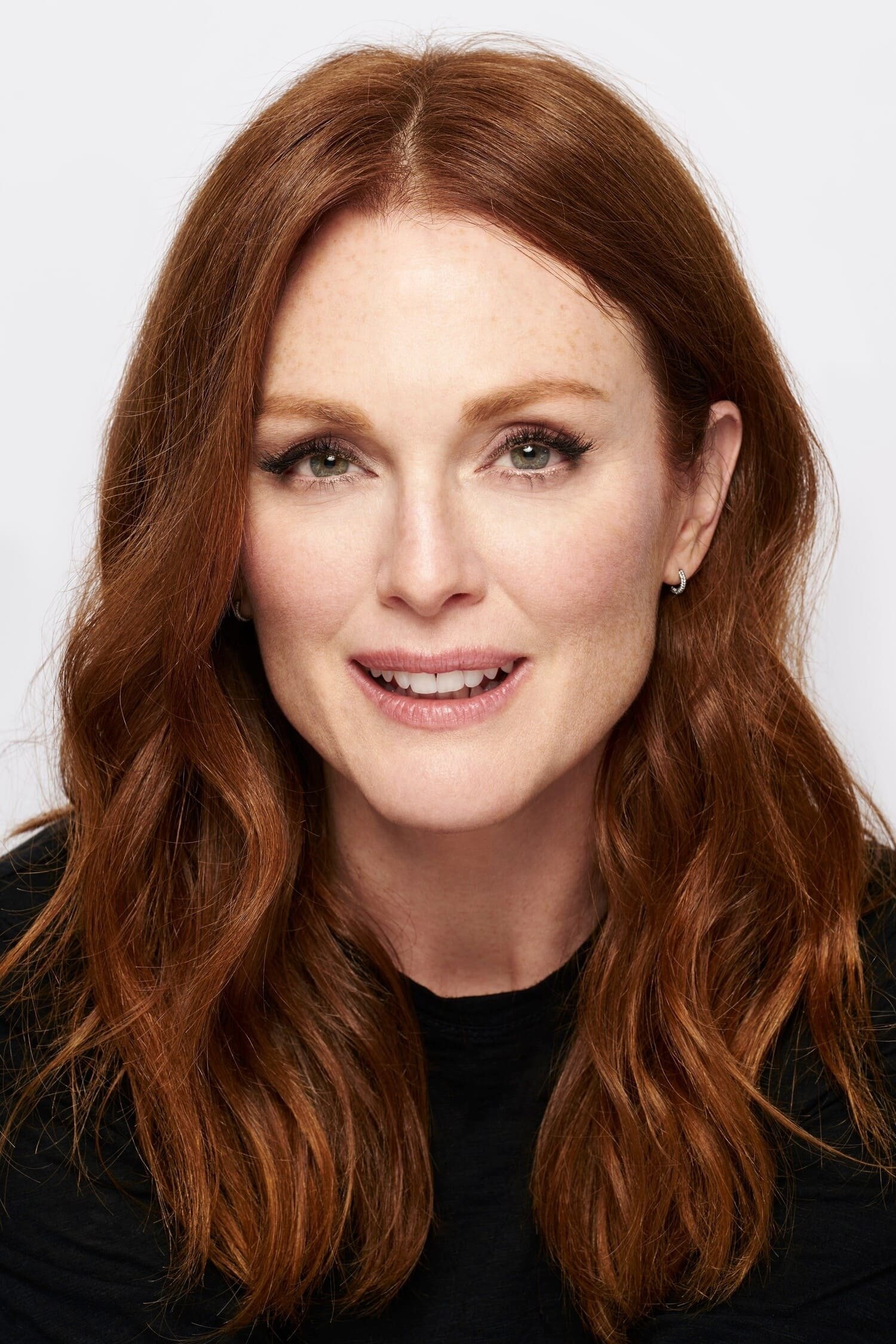
Julianne Moore earned acclaim in both independent cinema and studio films, including ‘Boogie Nights’, ‘Safe’, and ‘The Big Lebowski’. She became known for layered, emotionally precise performances. Moore’s collaborations with auteur directors cemented her reputation as a critical favorite. Her work bridged art-house credibility and mainstream visibility.
Helen Hunt
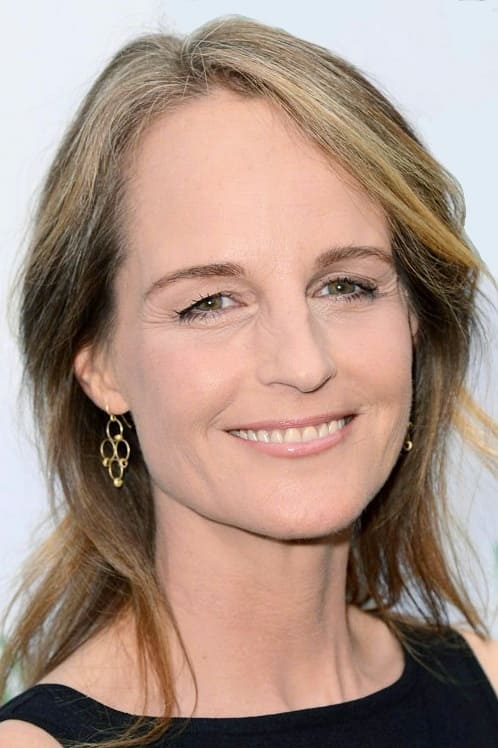
Helen Hunt bridged television and film success with ‘Mad About You’ while reaching big-screen heights in ‘Twister’ and ‘As Good as It Gets’. She earned top industry awards for her film work. Hunt’s roles often paired comedy with grounded emotional stakes. Her cross-medium profile made her one of the decade’s most familiar faces.
Geena Davis
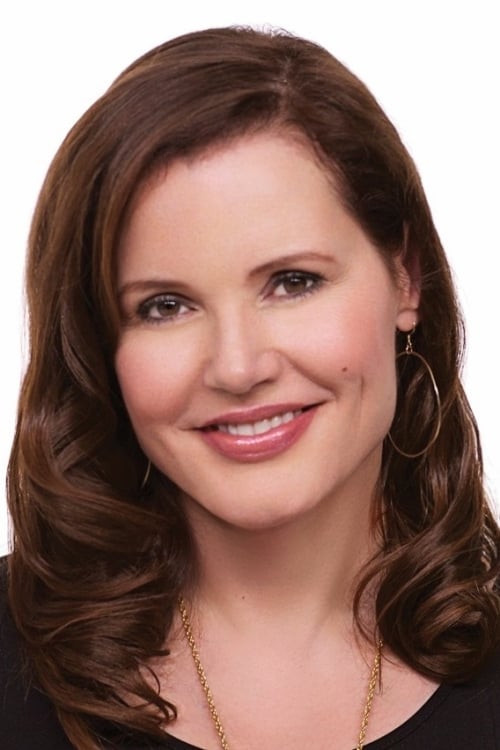
Geena Davis headlined influential titles like ‘Thelma & Louise’ and led action efforts with ‘The Long Kiss Goodnight’. She continued building a reputation for strong, independent characters. Davis’s performances sparked cultural conversations about female friendship and agency on screen. She also became a vocal advocate for gender equity in media, shaping industry dialogue.
Sigourney Weaver
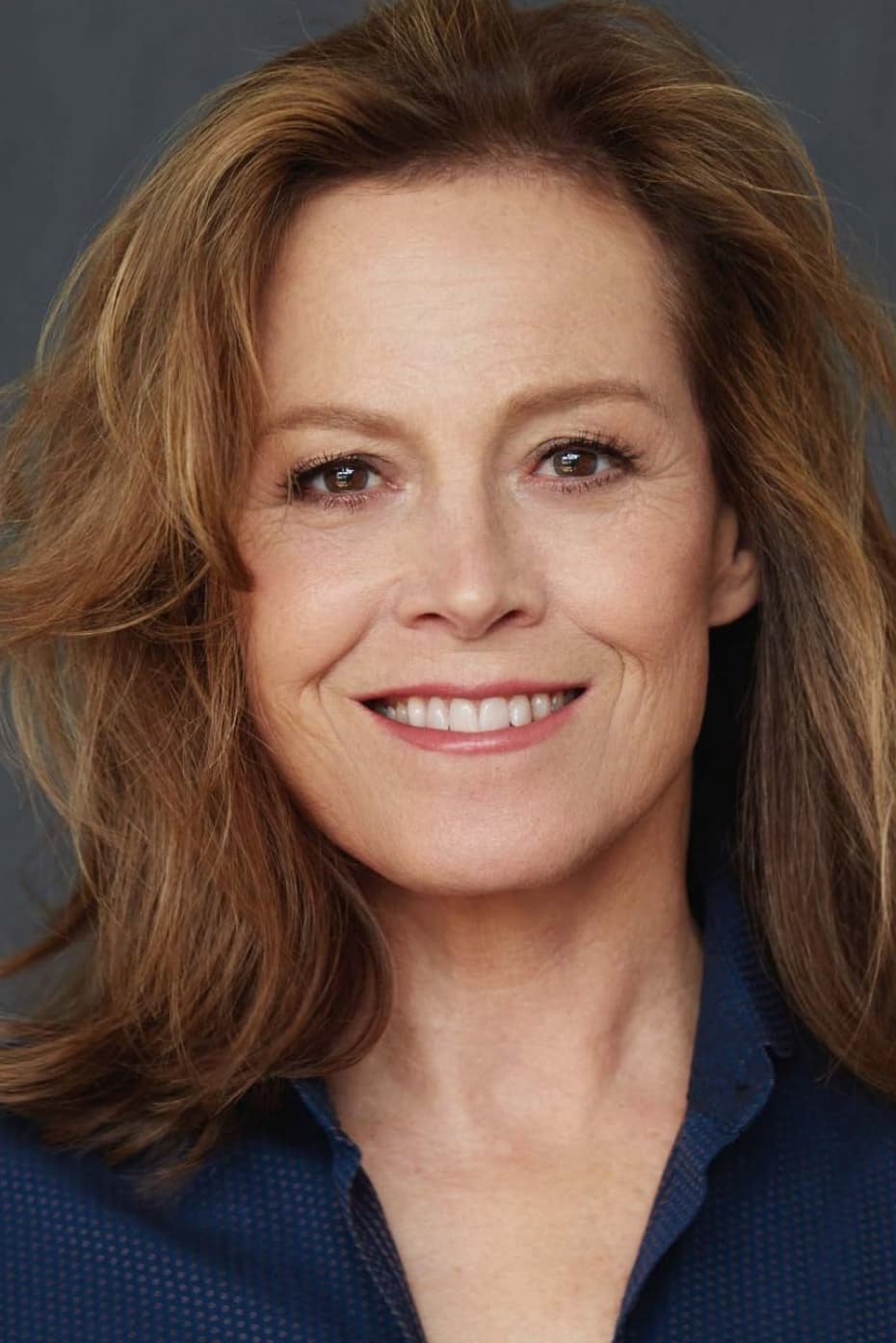
Sigourney Weaver maintained iconic status with franchise entries and cerebral dramas, including ‘Alien’ installments and ‘The Ice Storm’. She balanced genre leadership with prestige ensemble work. Weaver’s roles emphasized intelligence and authority, expanding the range of mainstream female leads. Her continued awards recognition reflected sustained critical respect.
Neve Campbell
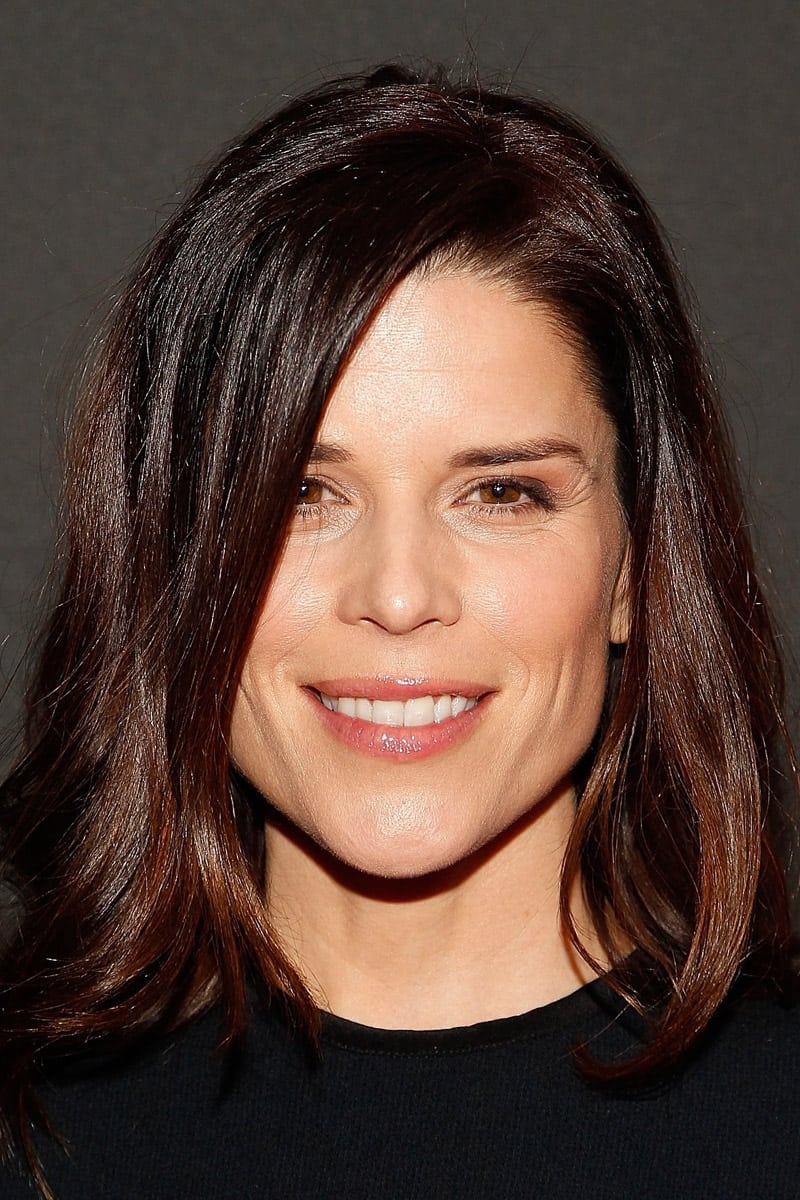
Neve Campbell moved from television success to horror stardom with ‘Scream’ and its sequel, revitalizing the genre. She also appeared in ensemble dramas like ‘Wild Things’. Campbell’s performances anchored commercially successful films aimed at younger audiences. Her profile in the late decade made her a key figure in teen and horror cinema.
Alicia Silverstone
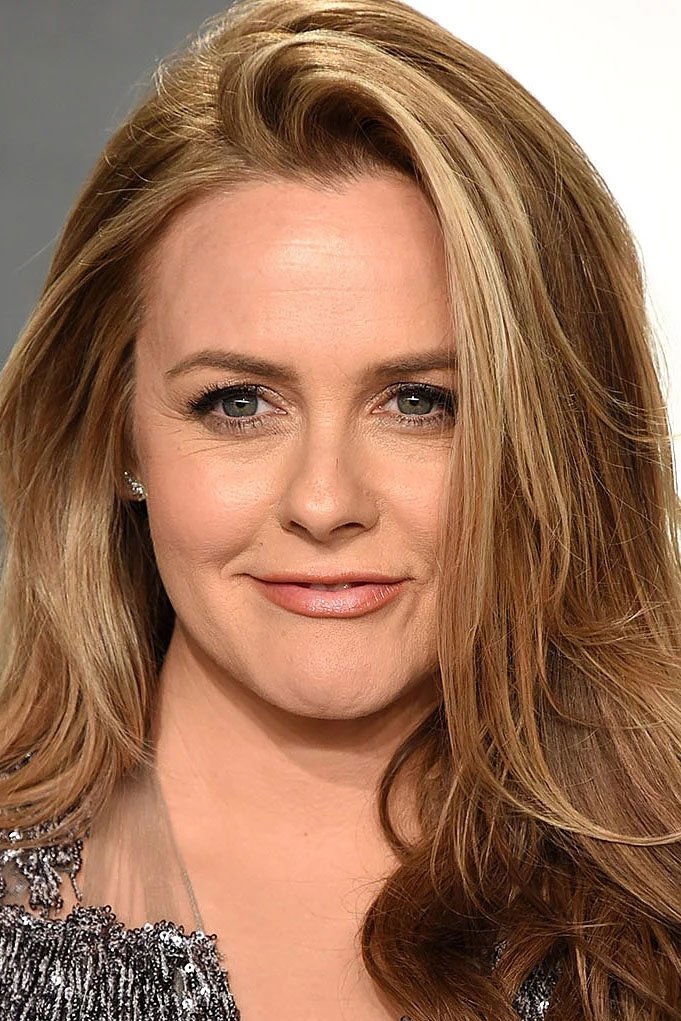
Alicia Silverstone became a cultural touchpoint with ‘Clueless’, which defined a wave of teen comedies. She took on additional studio projects including ‘Batman & Robin’ and family-friendly titles. Silverstone’s fashion and comedic timing shaped the era’s pop-culture lexicon. Her rapid ascent illustrated the power of breakout high-school-centered stories.
Kirsten Dunst
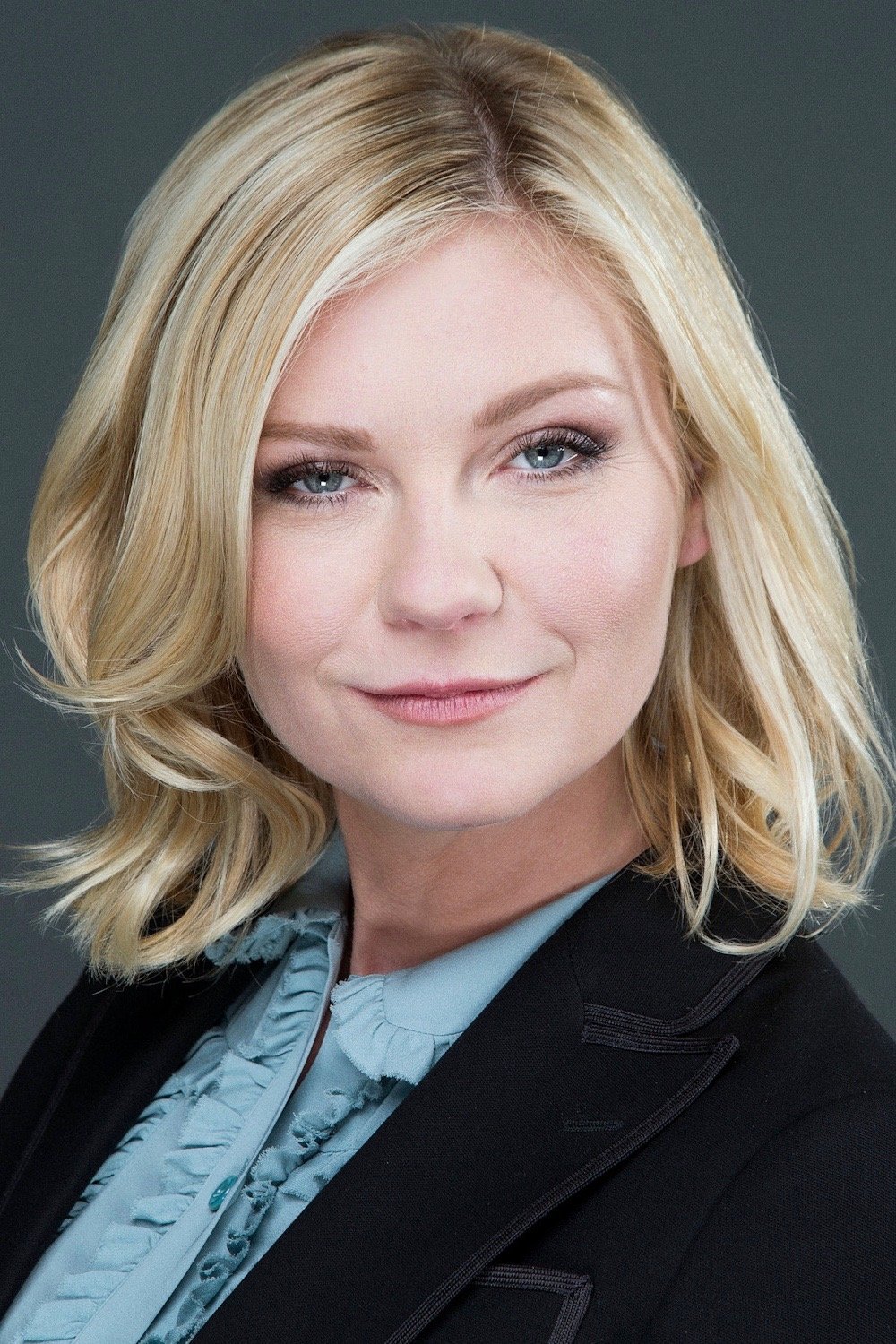
Kirsten Dunst transitioned from child and teen roles into more mature parts with films like ‘Interview with the Vampire’, ‘Little Women’, and ‘The Virgin Suicides’. She showed early range across period pieces, satire, and drama. Dunst’s performances earned critical notice well beyond her age group. This foundation supported her shift into leading roles in the next decade.
Gillian Anderson

Gillian Anderson became internationally known through television with ‘The X-Files’, then expanded into film projects like ‘The House of Mirth’. She cultivated a reputation for intelligent, composed performances. Anderson’s work drew awards and a dedicated global fanbase. Her crossover between TV and film exemplified the era’s evolving star pathways.
Reese Witherspoon
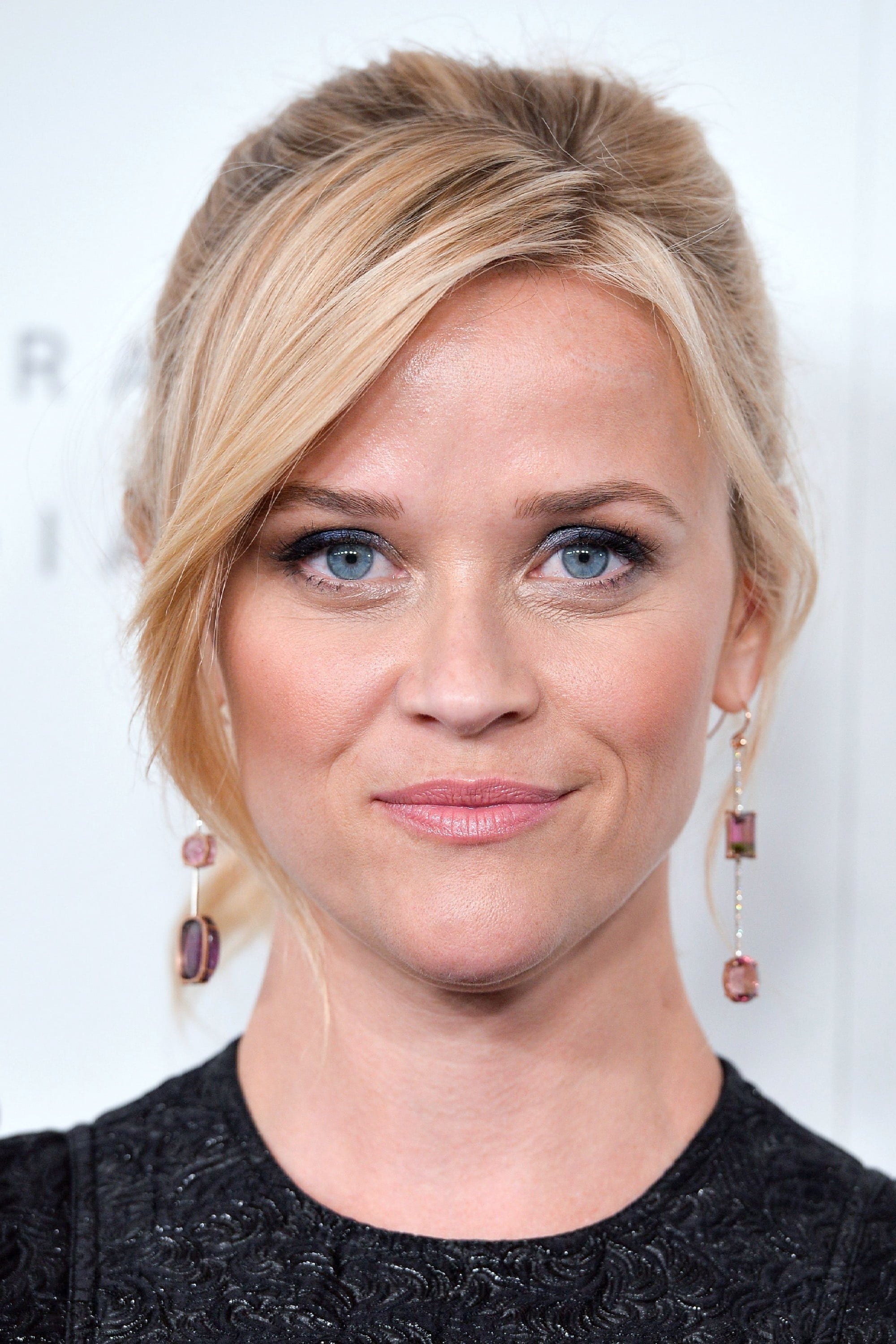
Reese Witherspoon built a solid ’90s foundation with roles spanning teen thrillers, coming-of-age dramas, and sharp satires like ‘Election’. She moved between indie productions and studio projects, showing ease with both character pieces and commercial fare. Witherspoon’s early collaborations with notable directors boosted her credibility for leading roles. This period set up her transition into top-billed comedies and later producer-driven ventures.
Jennifer Aniston
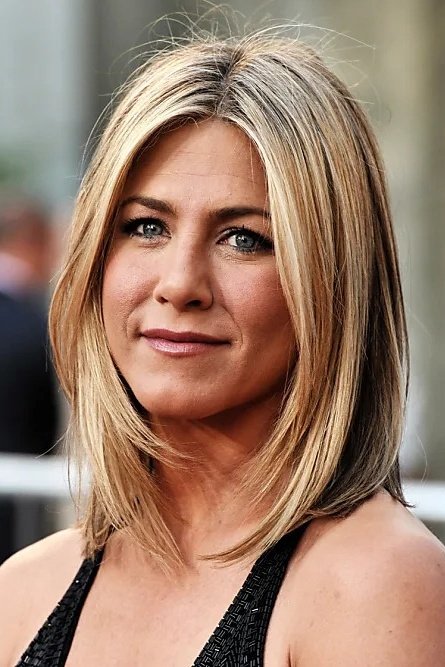
Jennifer Aniston became a household name through ‘Friends’ while branching into films such as ‘She’s the One’ and ‘Picture Perfect’. Her television visibility translated into reliable opening-weekend interest for her movie work. Aniston used mid-budget comedies and romances to build a bankable screen persona beyond sitcom success. The momentum from this decade positioned her for larger studio projects and prestige ensembles.
Sarah Michelle Gellar

Sarah Michelle Gellar’s breakout on ‘Buffy the Vampire Slayer’ coincided with leads in youth-oriented films like ‘I Know What You Did Last Summer’ and ‘Cruel Intentions’. She leveraged television acclaim to headline genre features that drew strong teen and young-adult audiences. Gellar’s action and horror credentials helped revive interest in high-concept, character-driven franchises. Her cross-platform presence made her a fixture of late-decade pop culture.
Ashley Judd
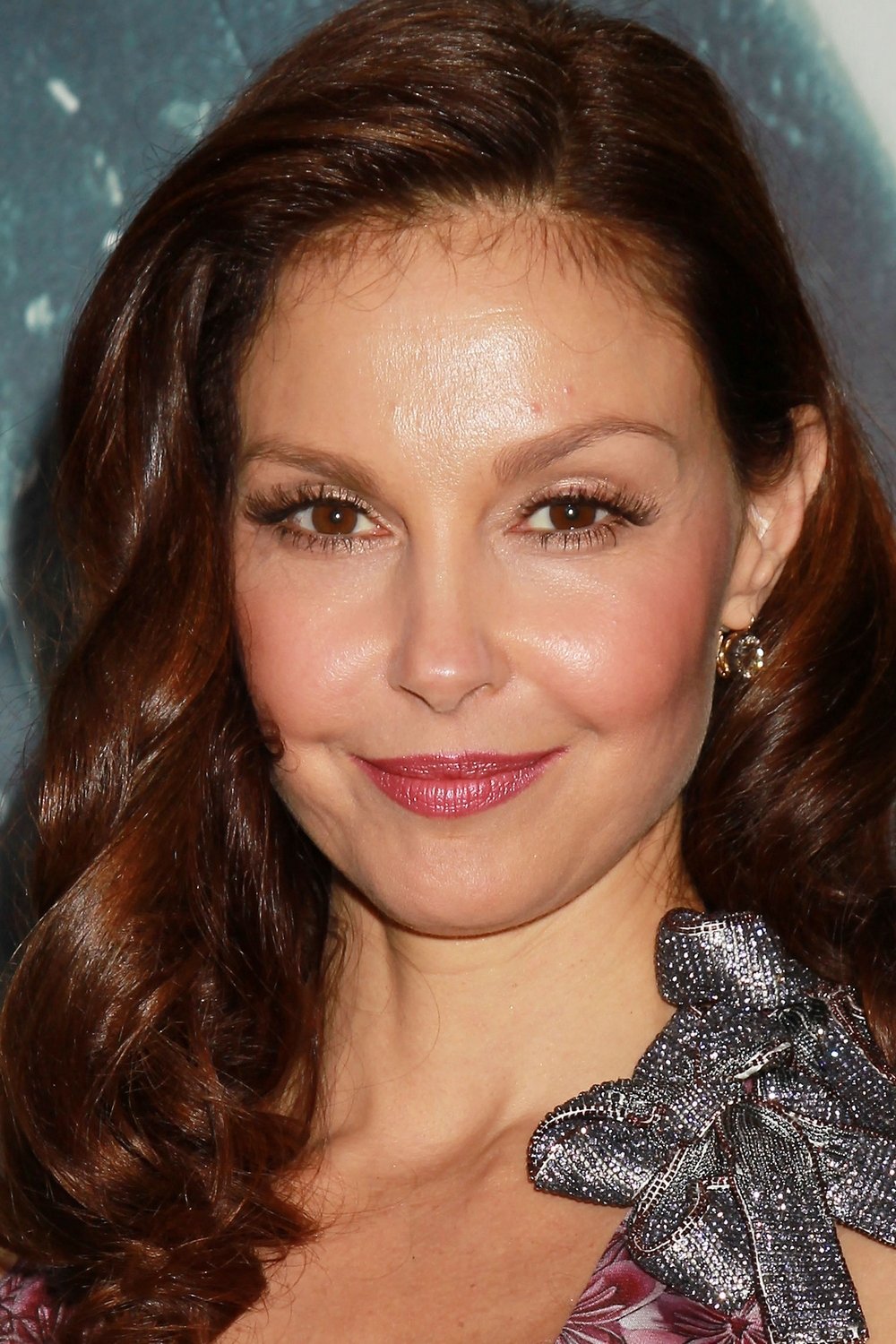
Ashley Judd emerged as a prominent lead in thrillers such as ‘Kiss the Girls’ and ‘Double Jeopardy’, alongside dramatic turns in ‘Ruby in Paradise’ and ‘A Time to Kill’. She frequently anchored narratives built around determined, resourceful protagonists. Judd’s films performed well in domestic and international markets, strengthening her box-office reliability. The decade established her as a go-to star for suspense and courtroom dramas.
Helena Bonham Carter
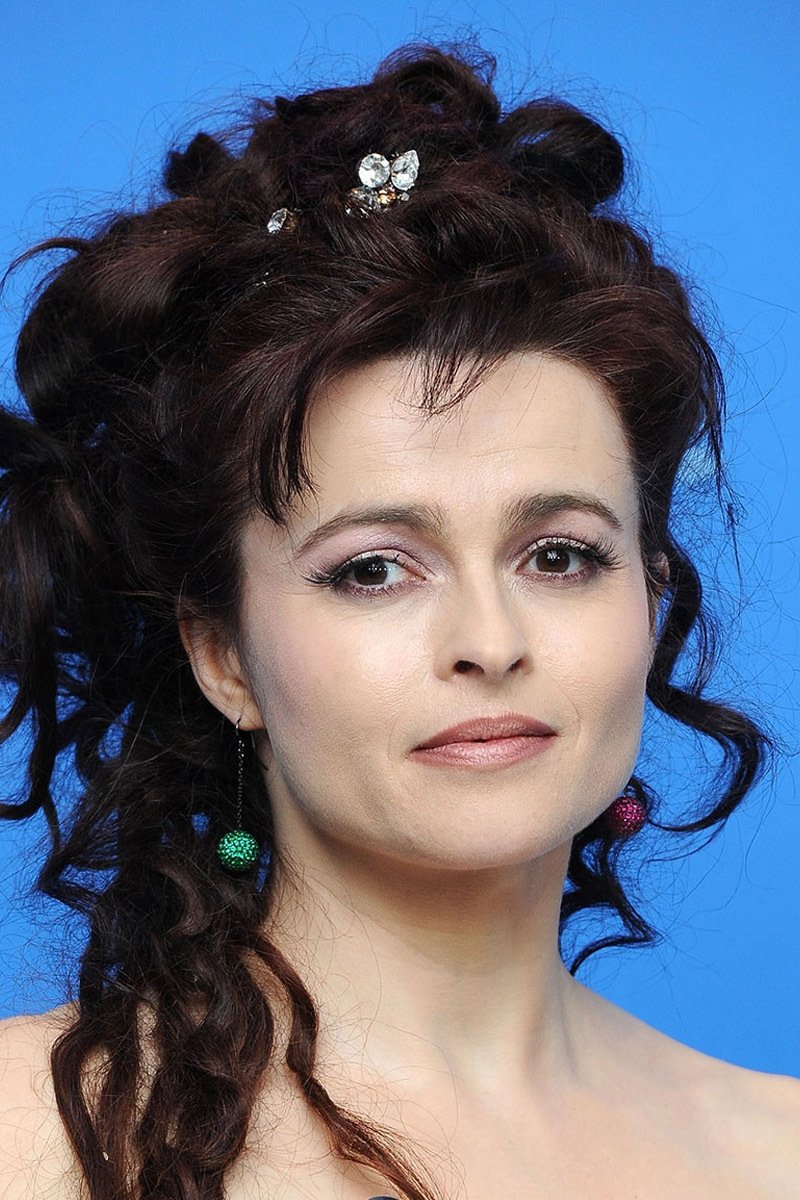
Helena Bonham Carter balanced period dramas like ‘Howards End’ and ‘The Wings of the Dove’ with contemporary projects including ‘Fight Club’. She became a frequent collaborator with auteur directors, earning extensive awards recognition. Bonham Carter’s roles often involved complex psychological portraits within literary or stylized settings. Her ’90s choices broadened her reach from heritage cinema to edgy modern storytelling.
Minnie Driver
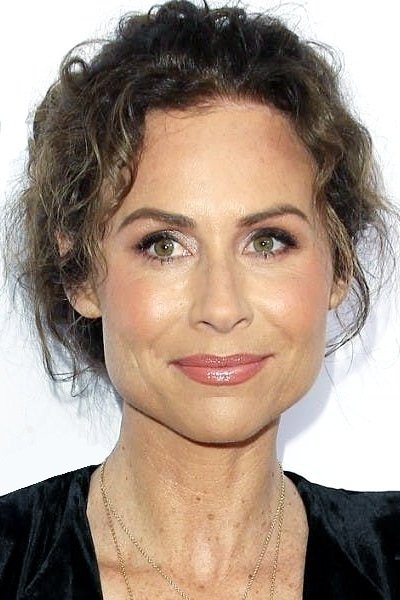
Minnie Driver gained wide attention through ‘Circle of Friends’ and further elevated her profile with ‘Good Will Hunting’ and ‘Grosse Pointe Blank’. She proved adept at both prestige ensembles and offbeat comedies. Driver’s filmography showcased transatlantic appeal, working across British and American productions. This run secured her as a dependable supporting and leading presence across genres.
Charlize Theron

Charlize Theron entered Hollywood with a mix of thrillers and dramas, including ‘The Devil’s Advocate’ and ‘Mighty Joe Young’. She combined physical presence with roles that demanded emotional range. Theron’s late-decade appearances set up bigger opportunities in the following years. Her early work signaled a capacity for both mainstream spectacle and character-centered narratives.
Rachel Weisz
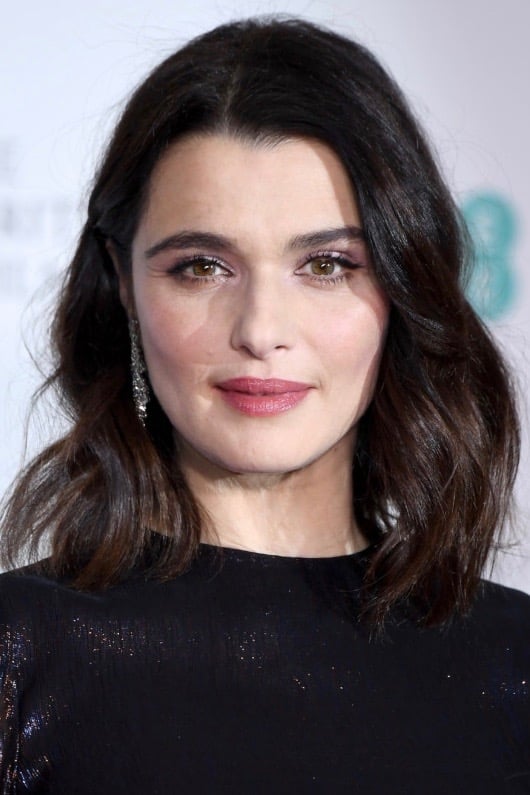
Rachel Weisz broke through to global audiences with ‘The Mummy’ after building credits in dramas and dark comedies. She paired adventure filmmaking with stage and indie experience, grounding large-scale roles in classical training. Weisz’s projects from this period emphasized intelligence and wit within genre frameworks. That mix paved the way for award-winning roles in the next decade.
Laura Dern
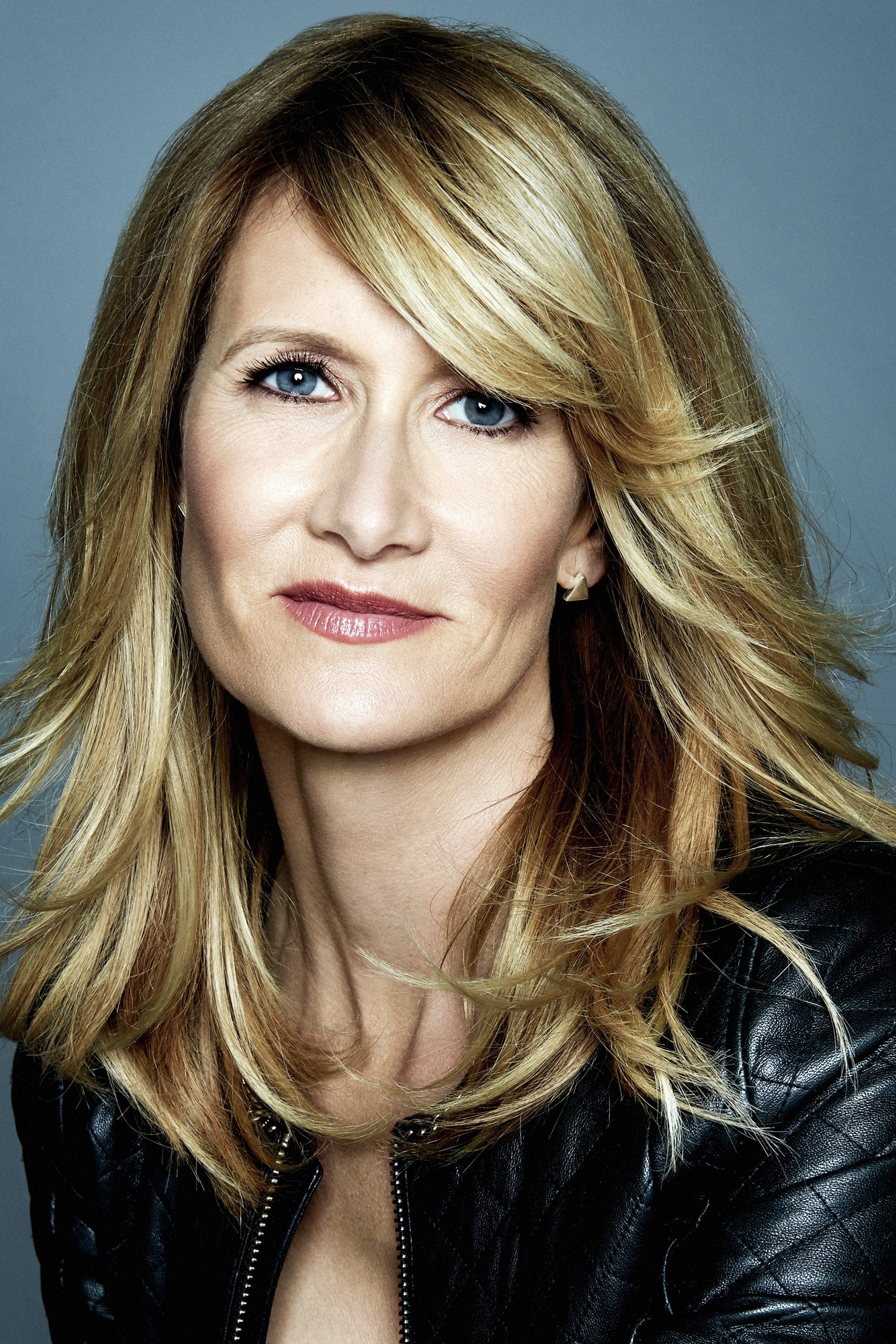
Laura Dern delivered notable performances in ‘Jurassic Park’, ‘Wild at Heart’, and ‘Citizen Ruth’, aligning with major auteurs and blockbuster directors. She maintained a steady presence in character-driven films while contributing to franchise-level hits. Dern’s work highlighted versatility across satire, drama, and adventure. These choices kept her in demand for both independent and studio productions.
Mira Sorvino
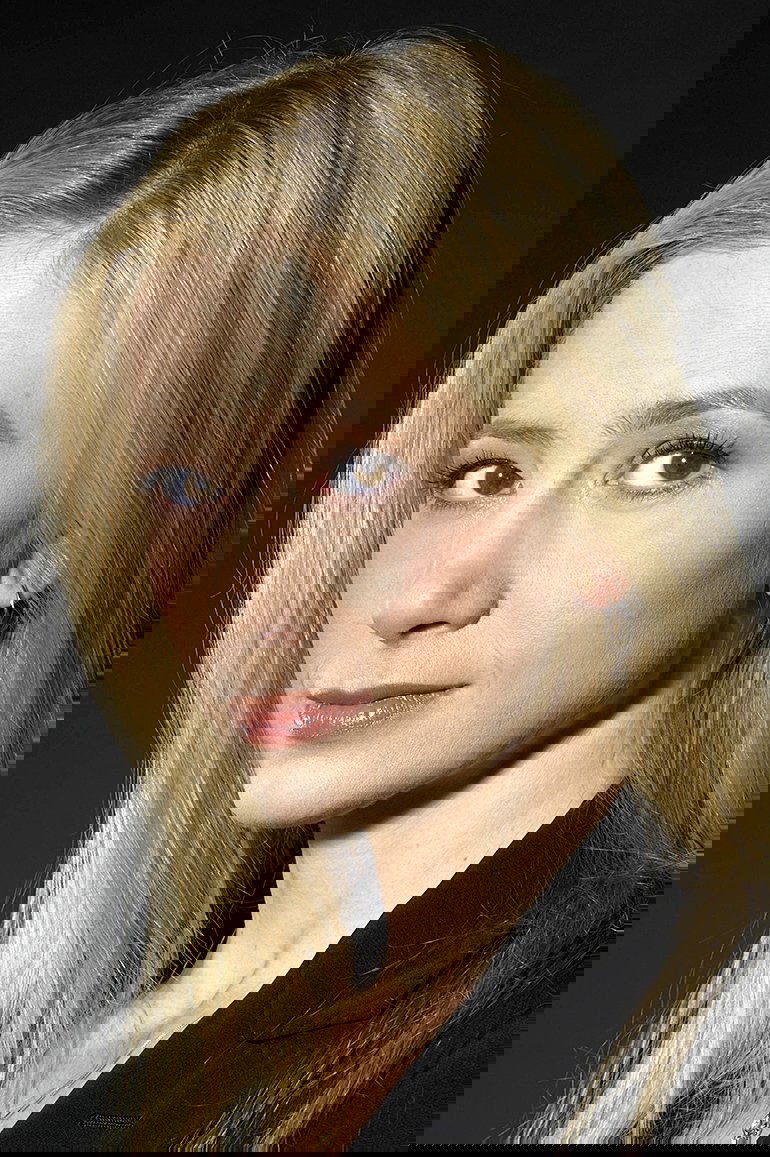
Mira Sorvino earned major acclaim with ‘Mighty Aphrodite’ and broadened her portfolio with ‘Romy and Michele’s High School Reunion’ and ‘The Replacement Killers’. She moved fluidly between comedic and action-oriented material. Sorvino’s linguistics background and international projects added range to her career profile. Her ’90s output combined awards visibility with mainstream recognition.
Naomi Watts

Naomi Watts worked steadily in the ’90s across independent features and international productions before a major early-2000s breakout. She accumulated experience in genre films and dramas that circulated on festival and cable circuits. Watts’s persistence and varied choices built a strong craft foundation. That groundwork enabled her rapid ascent once larger projects arrived.
Thandiwe Newton

Thandiwe Newton gained attention with ‘Interview with the Vampire’, ‘Jefferson in Paris’, and ‘Beloved’, taking on historically set and contemporary roles. She often collaborated on projects exploring identity, power, and social dynamics. Newton’s filmography spanned studio dramas and auteur-led pieces, raising her profile with critics. These performances established her as a thoughtful, versatile lead and supporting player.
Parker Posey
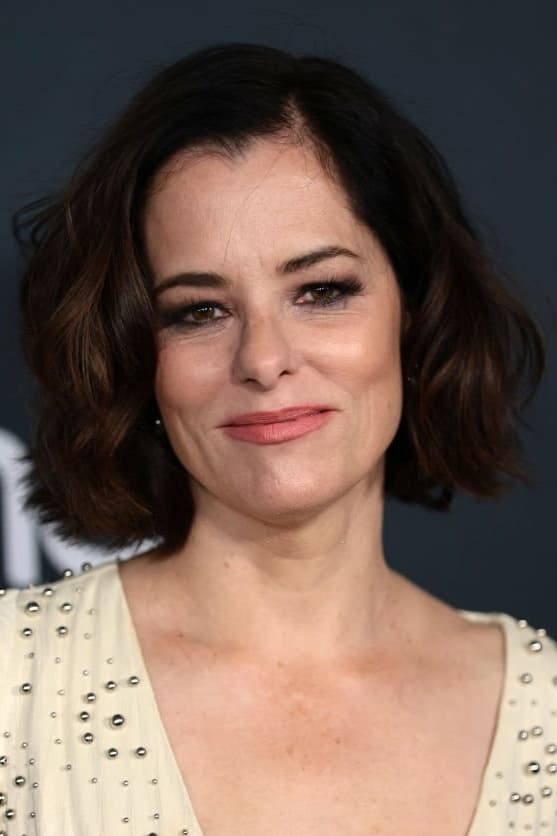
Parker Posey became known as the “queen of the indies” through ‘Party Girl’, ‘The House of Yes’, and ‘Dazed and Confused’. She collaborated frequently with independent directors, contributing to the decade’s American indie boom. Posey’s films thrived on festival circuits and specialty distributors. This body of work influenced casting trends for quirky, character-centric comedies and dramas.
Courteney Cox
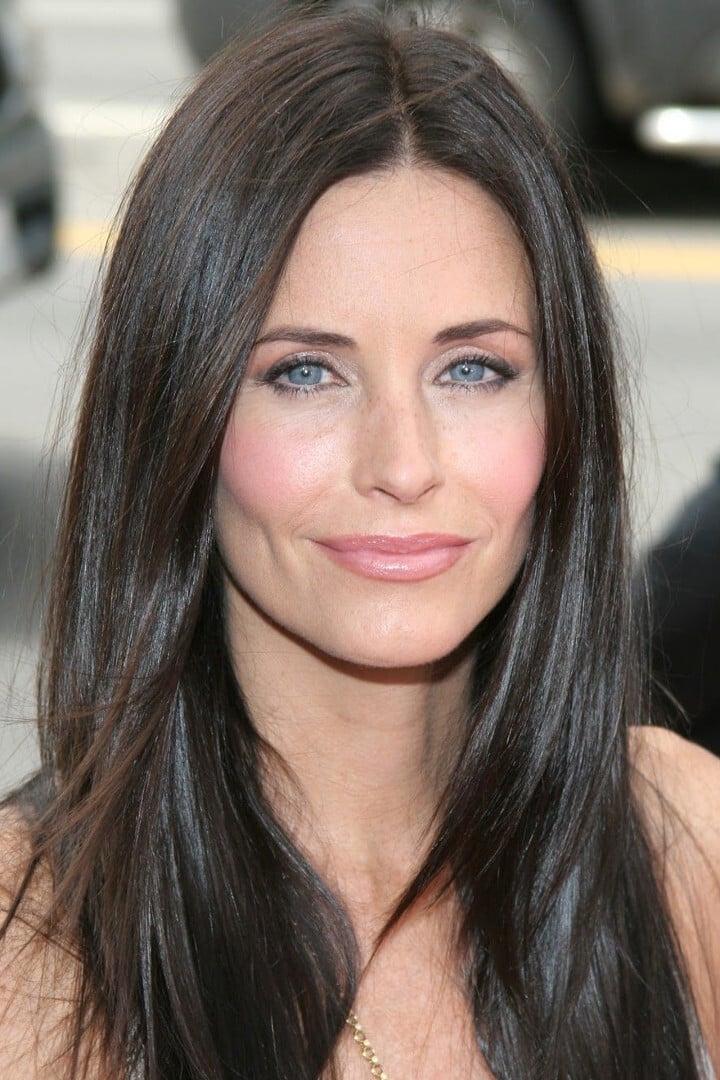
Courteney Cox’s prominence on ‘Friends’ supported film appearances in titles like ‘Scream’ and ‘Ace Ventura: Pet Detective’. She leveraged sitcom fame into genre projects with strong commercial appeal. Cox maintained a steady dual presence across television and cinema. Her roles during the decade helped define the era’s ensemble-driven comedy and horror landscape.
Lucy Liu

Lucy Liu broke out late in the decade with ‘Ally McBeal’ while taking film roles that showcased action and comedy chops. She brought martial-arts-inflected physicality and sharp timing to mainstream projects. Liu’s visibility contributed to broader Asian and Asian American representation in studio releases. The platform she built in this period led to major action franchises in the following years.
Share your favorite ’90s performances from these stars in the comments and let us know which films you revisit most!

