


Most Famous Hollywood Actresses of the 2000s

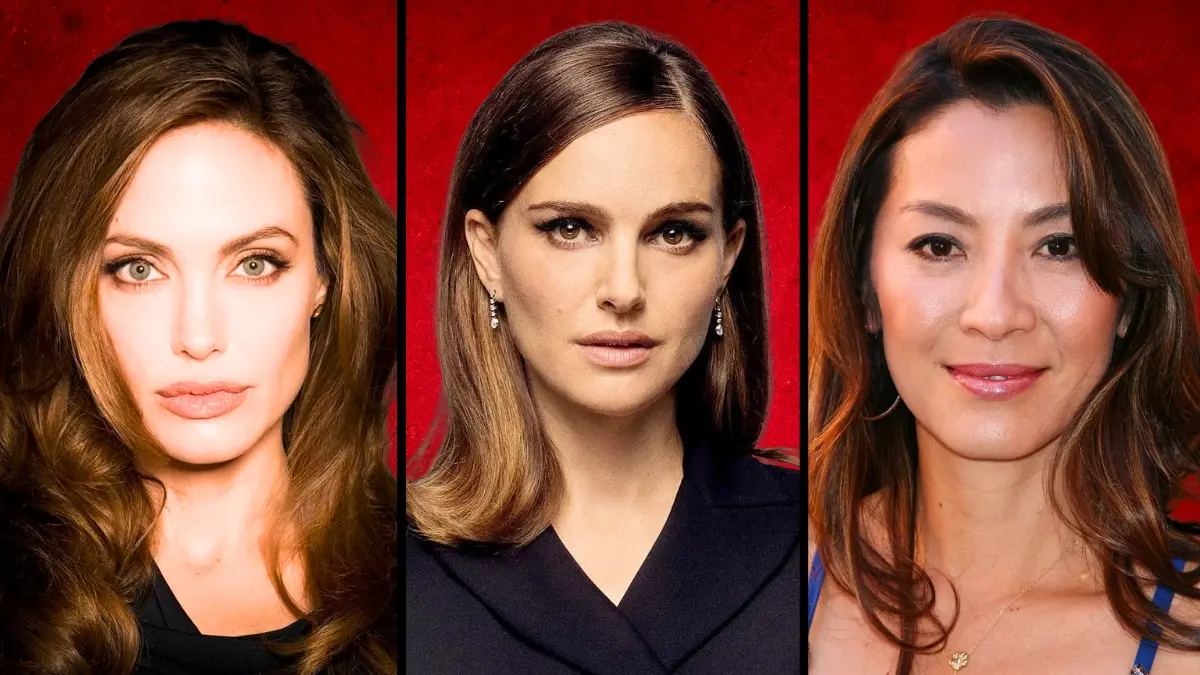


The 2000s were packed with star-making roles, franchise launches, and award-winning performances, and a number of actresses became global household names in the process. From action leads and romantic-comedy icons to dramatic powerhouses, these performers headlined box-office hits and anchored prestige projects that defined the decade. Many balanced blockbuster tentpoles with acclaimed indies, while others dominated television and then crossed into film. Here are the actresses whose work and visibility shaped Hollywood throughout the 2000s.
Angelina Jolie

Angelina Jolie surged into mainstream superstardom with action hits like ‘Lara Croft: Tomb Raider’ and ‘Mr. & Mrs. Smith’, while also earning critical recognition for dramas such as ‘A Mighty Heart’ and ‘Changeling’. She won major industry awards earlier in her career and sustained momentum with high-profile roles throughout the decade. Jolie became one of Hollywood’s bankable leads and a central figure in global entertainment coverage. She also expanded into directing and humanitarian work with international organizations.
Scarlett Johansson
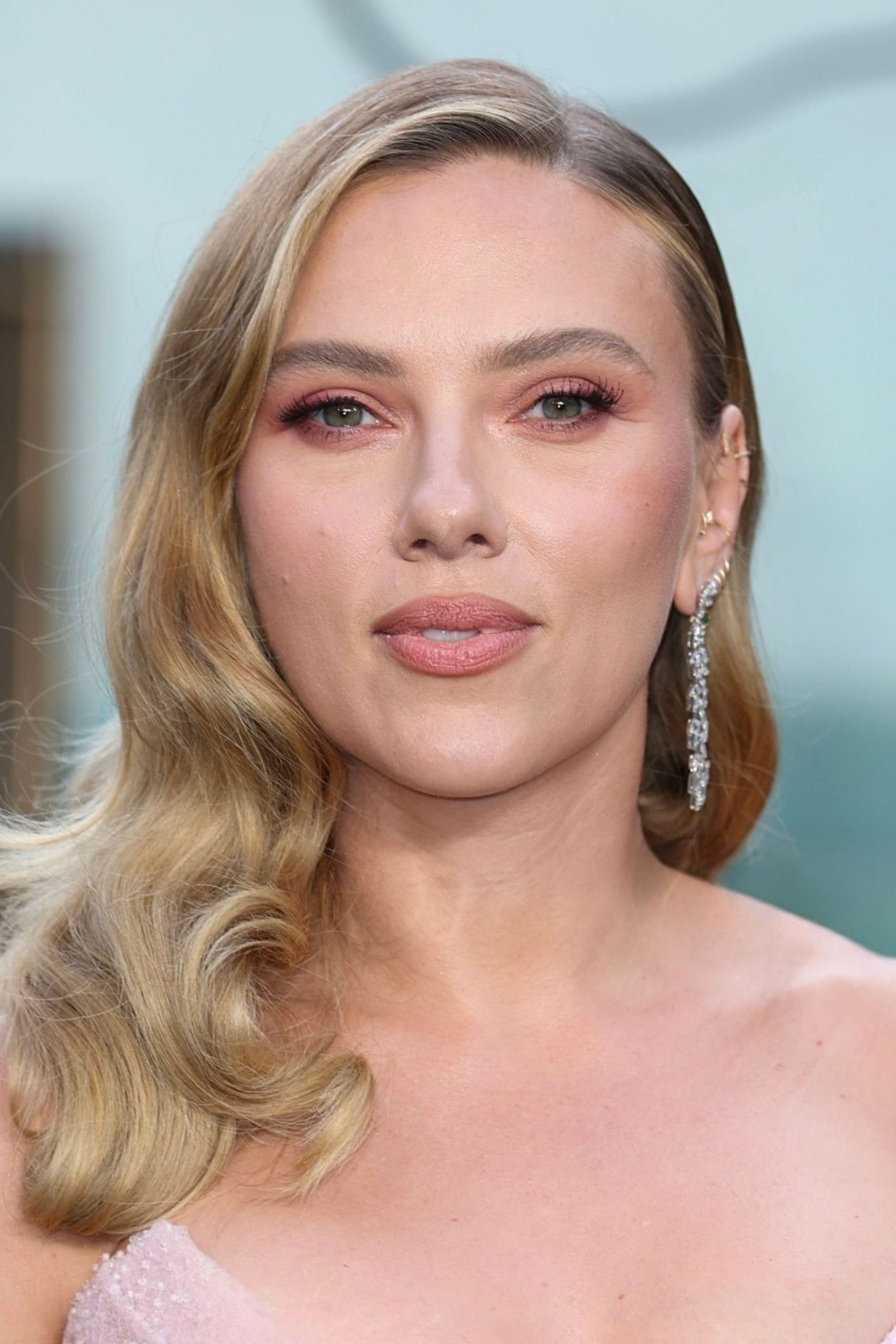
Scarlett Johansson balanced acclaimed dramas like ‘Lost in Translation’ and ‘Match Point’ with large-scale franchises that broadened her audience. Collaborations with noted directors showcased range from intimate character studies to genre films. She added stage and voice work that complemented her screen presence. Ensemble blockbusters amplified her international profile and sustained box-office strength.
Nicole Kidman
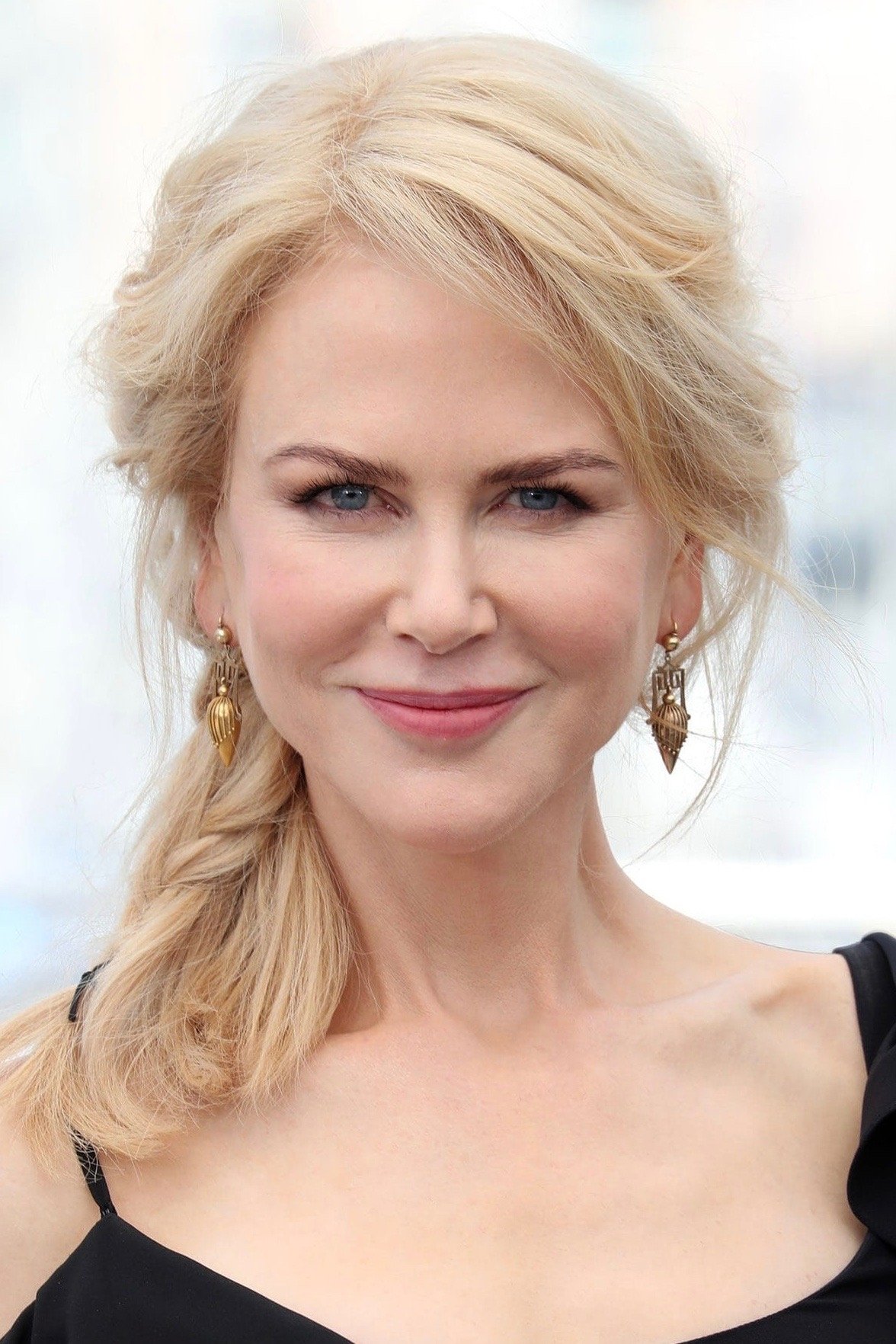
Nicole Kidman’s 2000s output ranged from the musical spectacle ‘Moulin Rouge!’ to intense dramas like ‘The Hours’ and ‘Dogville’. She earned top industry honors and continued working with auteur directors across continents. Kidman mixed genre pieces such as ‘The Others’ with prestige projects. Her consistent critical reception and global box-office presence kept her at the forefront of leading actresses.
Reese Witherspoon
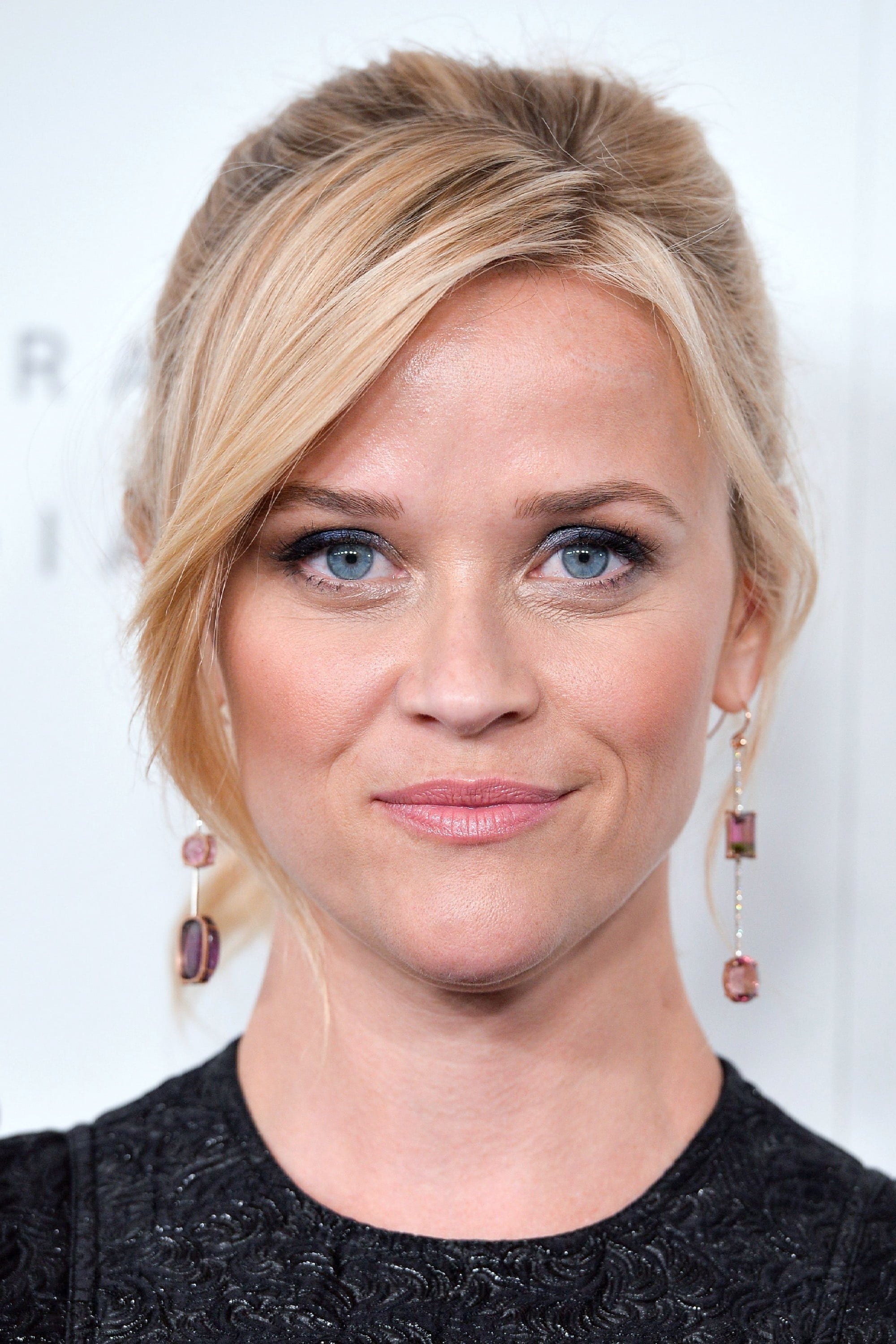
Reese Witherspoon defined the decade with hits like ‘Legally Blonde’, a celebrated biographical turn in ‘Walk the Line’, and character-driven dramas such as ‘Election’. She earned major awards for her dramatic work while sustaining commercial appeal in mainstream comedies. Witherspoon also moved into producing, championing projects with strong female leads. Her roles from the decade remain frequent reference points in industry retrospectives.
Natalie Portman
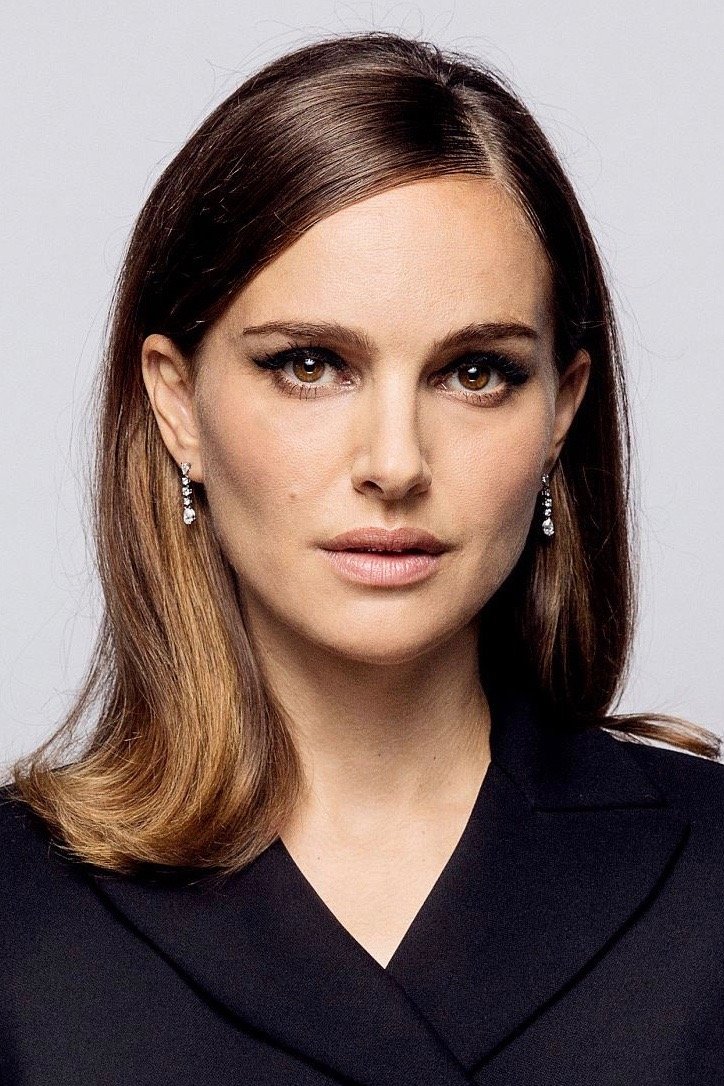
Natalie Portman moved from early acclaim to widely recognized stardom through performances in ‘Closer’, ‘V for Vendetta’, and the ‘Star Wars’ prequels. She balanced franchise commitments with challenging independent films. Portman’s academic pursuits and multilingual background drew media interest alongside her screen work. By the end of the decade, she was positioned for major awards and further auteur collaborations.
Keira Knightley

Keira Knightley became an international name through the ‘Pirates of the Caribbean’ franchise while earning critical praise for period dramas like ‘Pride & Prejudice’ and ‘Atonement’. She frequently worked on literary adaptations and historical pieces. Knightley’s filmography shows a mix of prestige and adventure that traveled well globally. Her performances helped introduce classic stories to new audiences.
Halle Berry
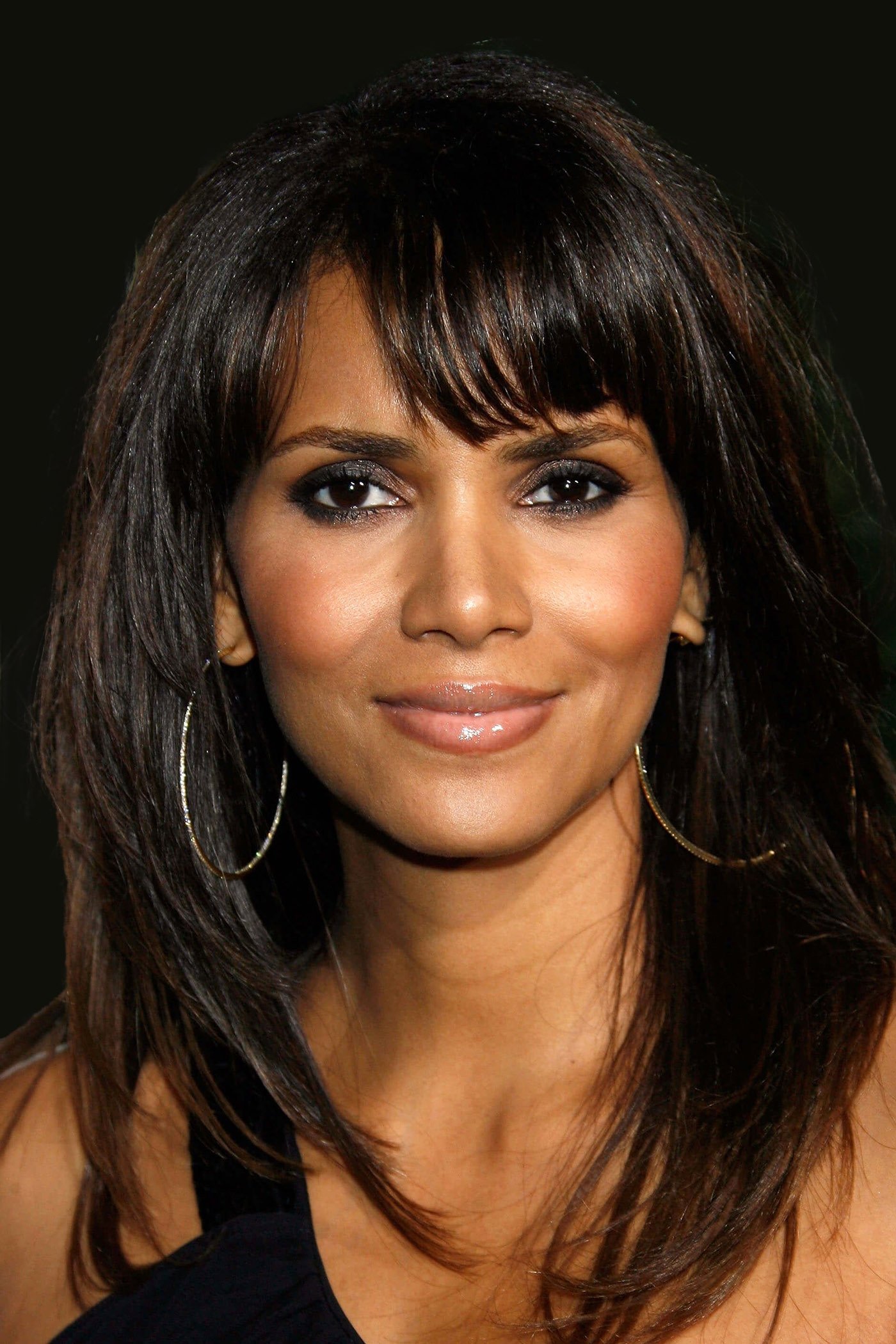
Halle Berry made history with a lead acting Oscar for ‘Monster’s Ball’ and fronted genre and action projects including ‘Die Another Day’ and ‘X-Men’. She remained a prominent spokesperson for major brands and a staple of entertainment media. Berry’s roles ranged from thrillers to dramas, underscoring broad audience appeal. She also used her platform to highlight representation and opportunity in the industry.
Jennifer Aniston
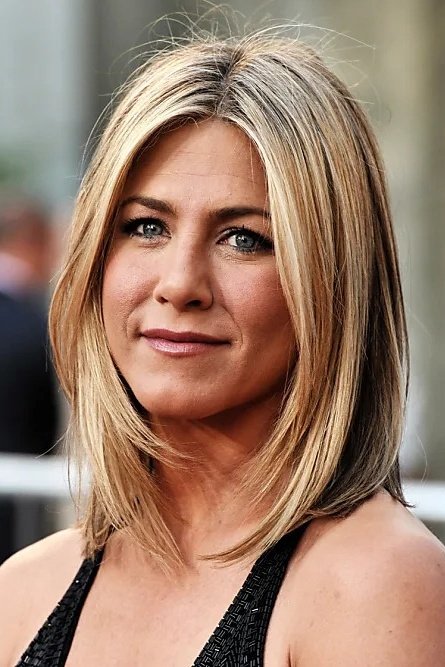
Jennifer Aniston dominated television with ‘Friends’ and transitioned into successful film comedies like ‘The Break-Up’ and ‘Marley & Me’. Her visibility made her one of the decade’s most recognized entertainers across TV and film. Aniston’s projects consistently drew strong audiences, especially in the romantic-comedy space. She also launched production efforts that expanded her creative footprint.
Cameron Diaz

Cameron Diaz scored major box-office wins with ‘Charlie’s Angels’, ‘Shrek’, and crowd-pleasing comedies. She blended voice acting in animated hits with live-action leads across genres. Diaz’s films were frequent commercial standouts. She maintained a steady presence among top-earning stars of the period.
Julia Roberts
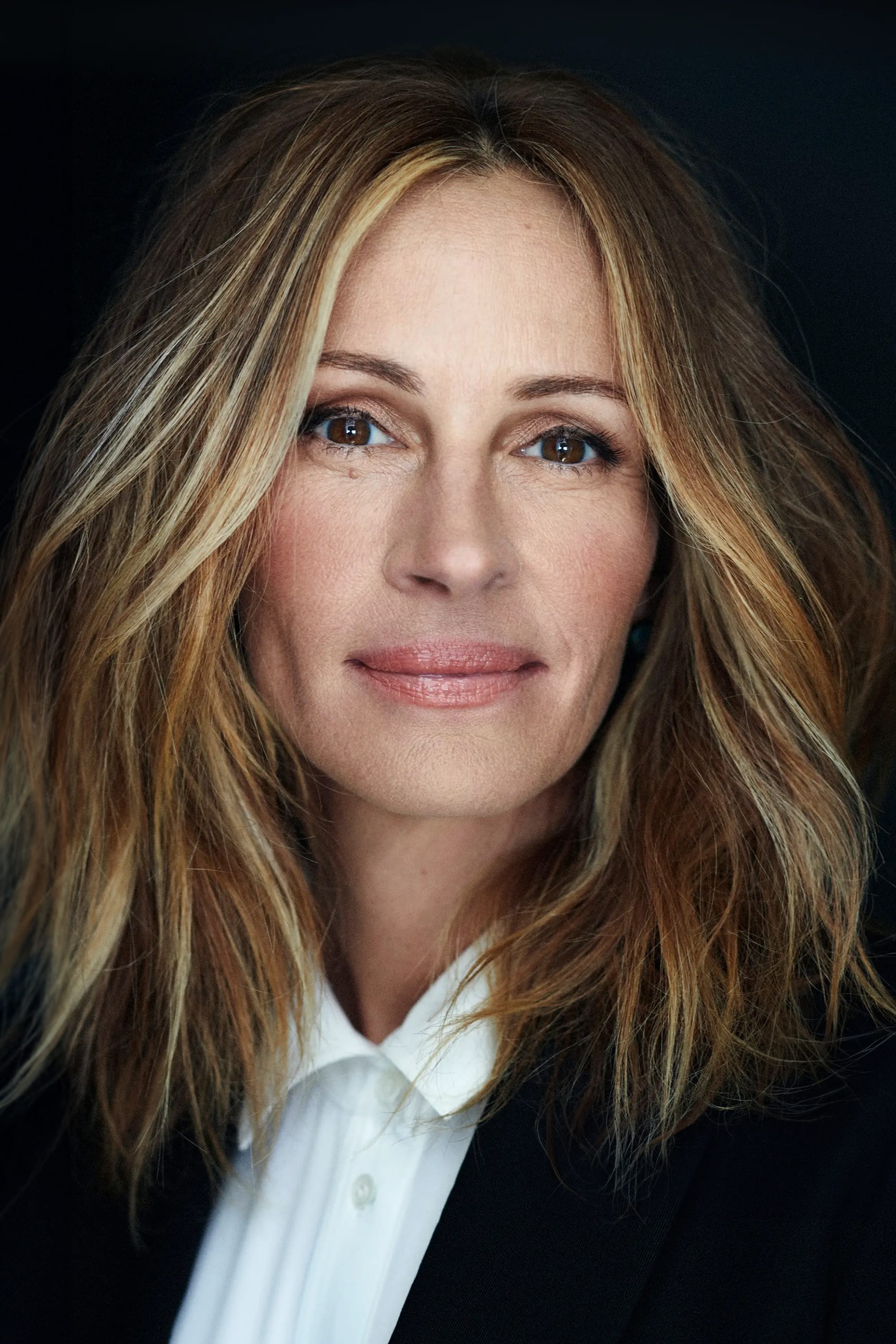
Julia Roberts remained a premier leading lady with ‘Erin Brockovich’ and standout work in ensemble films like ‘Ocean’s Eleven’ and ‘Ocean’s Twelve’. Her name continued to attract wide audiences to theaters. Roberts balanced character-driven dramas with family features. She sustained long-term collaborations with well-known directors and maintained strong international appeal.
Charlize Theron

Charlize Theron earned major awards attention for ‘Monster’ and added action, sci-fi, and drama credits like ‘The Italian Job’ and ‘North Country’. She became known for immersive roles and significant transformations when required by a part. Theron also took on producing responsibilities that developed new projects. The decade set the stage for later franchise and action leads.
Kate Winslet
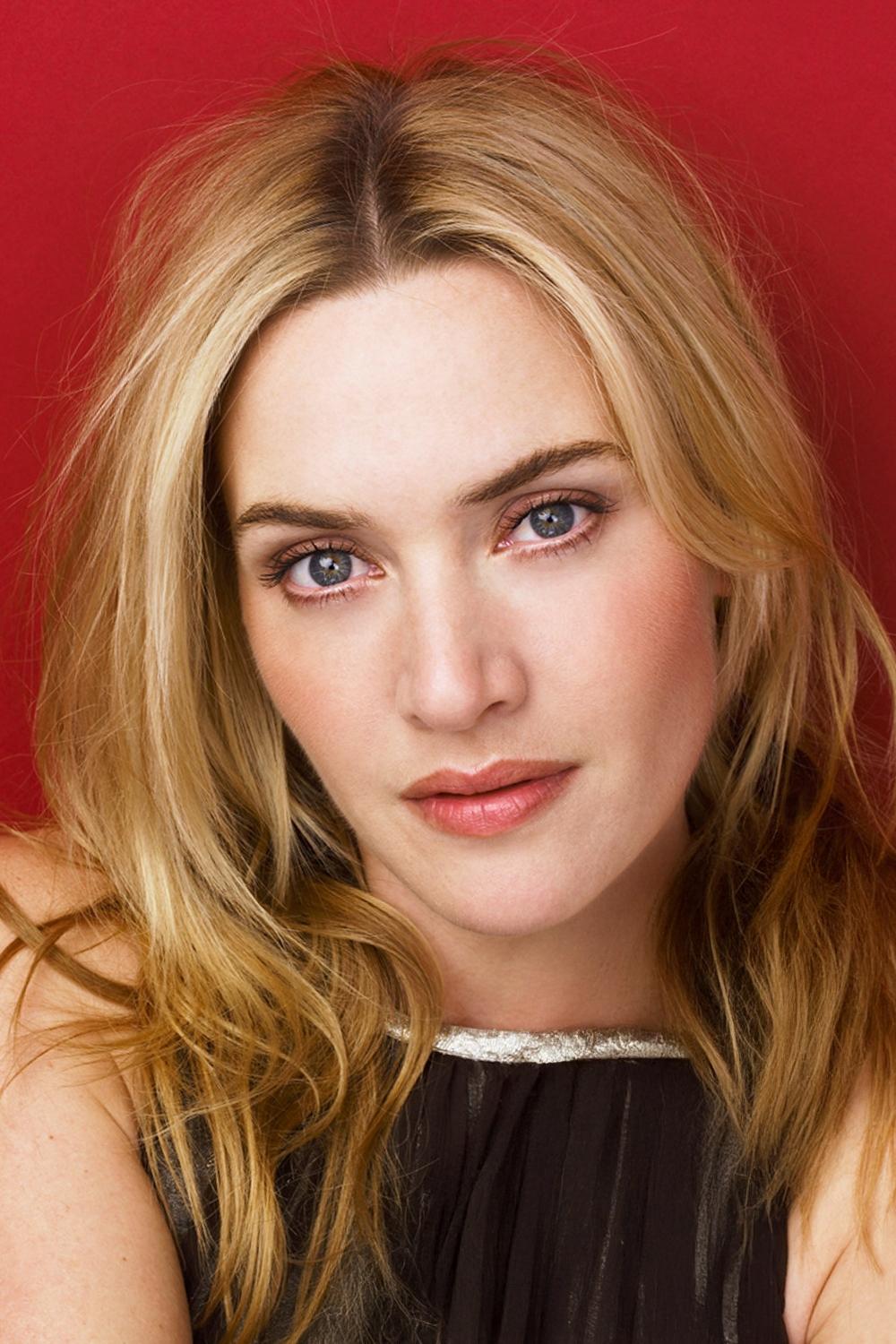
Kate Winslet built a reputation for complex performances in ‘Eternal Sunshine of the Spotless Mind’, ‘The Reader’, and ‘Little Children’. She collaborated frequently with acclaimed directors across contemporary and period settings. Winslet’s awards tally grew steadily throughout the decade. Her projects often anchored prestige slates and festival lineups.
Sandra Bullock
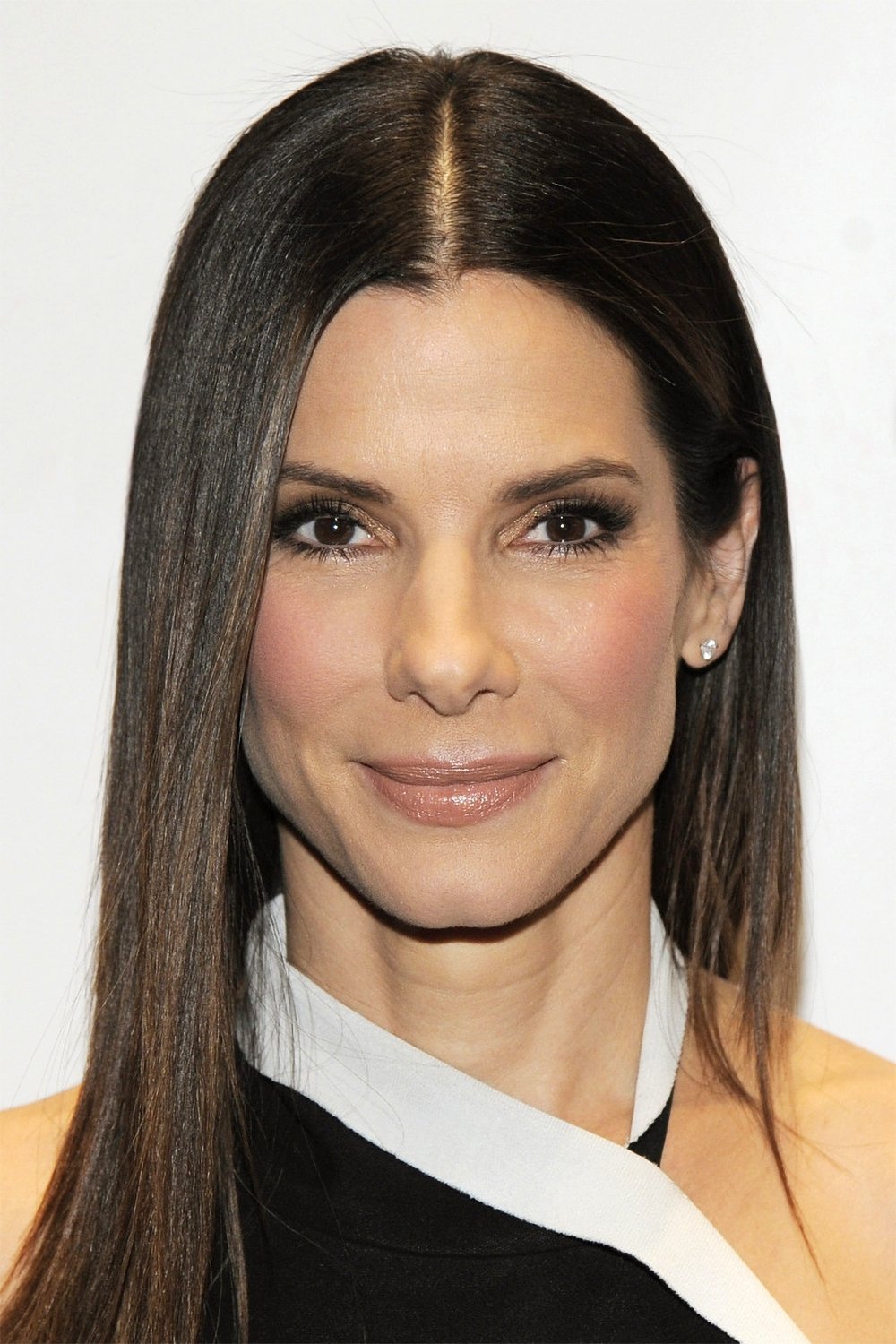
Sandra Bullock delivered hits across genres, from thrillers revisited in the public imagination to comedies like ‘Miss Congeniality’ and ‘The Proposal’. She cultivated a relatable on-screen persona that resonated with wide audiences. Bullock also produced several of her projects. Late-decade roles brought renewed awards recognition and strong box office.
Anne Hathaway
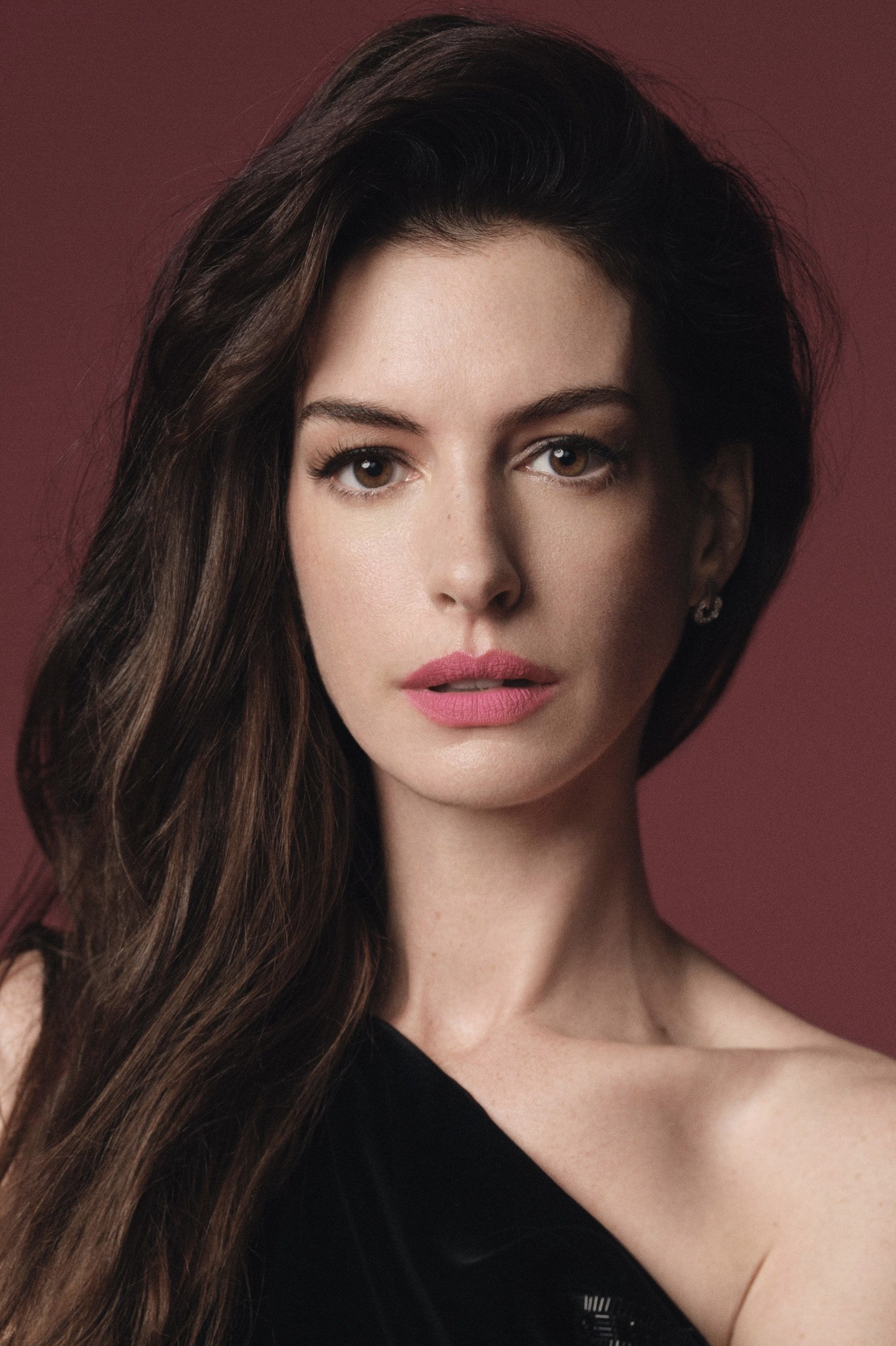
Anne Hathaway moved from breakout success in ‘The Princess Diaries’ to acclaimed roles in ‘Brokeback Mountain’ and ‘Rachel Getting Married’. She demonstrated range in comedy and drama, plus fashion-world fare like ‘The Devil Wears Prada’. Hathaway added stage experience that complemented her film work. By the close of the decade, she was firmly established as a top-tier lead.
Meryl Streep
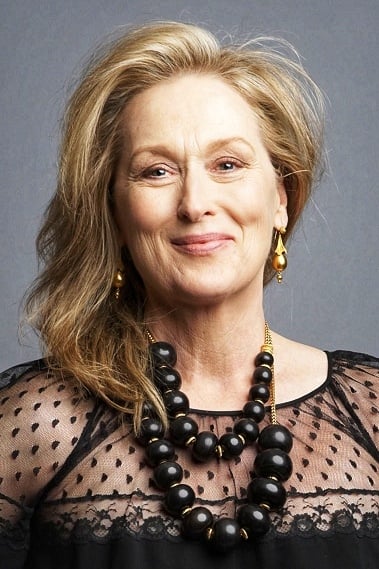
Meryl Streep dominated awards conversations with performances in ‘The Devil Wears Prada’, ‘Adaptation’, and ‘Doubt’. She continued collaborating with leading directors while taking on comedy, drama, and musical projects such as ‘Mamma Mia!’. Streep’s roles frequently generated cultural touchpoints and durable box-office returns. Her sustained excellence reinforced her status as a benchmark for screen acting.
Cate Blanchett
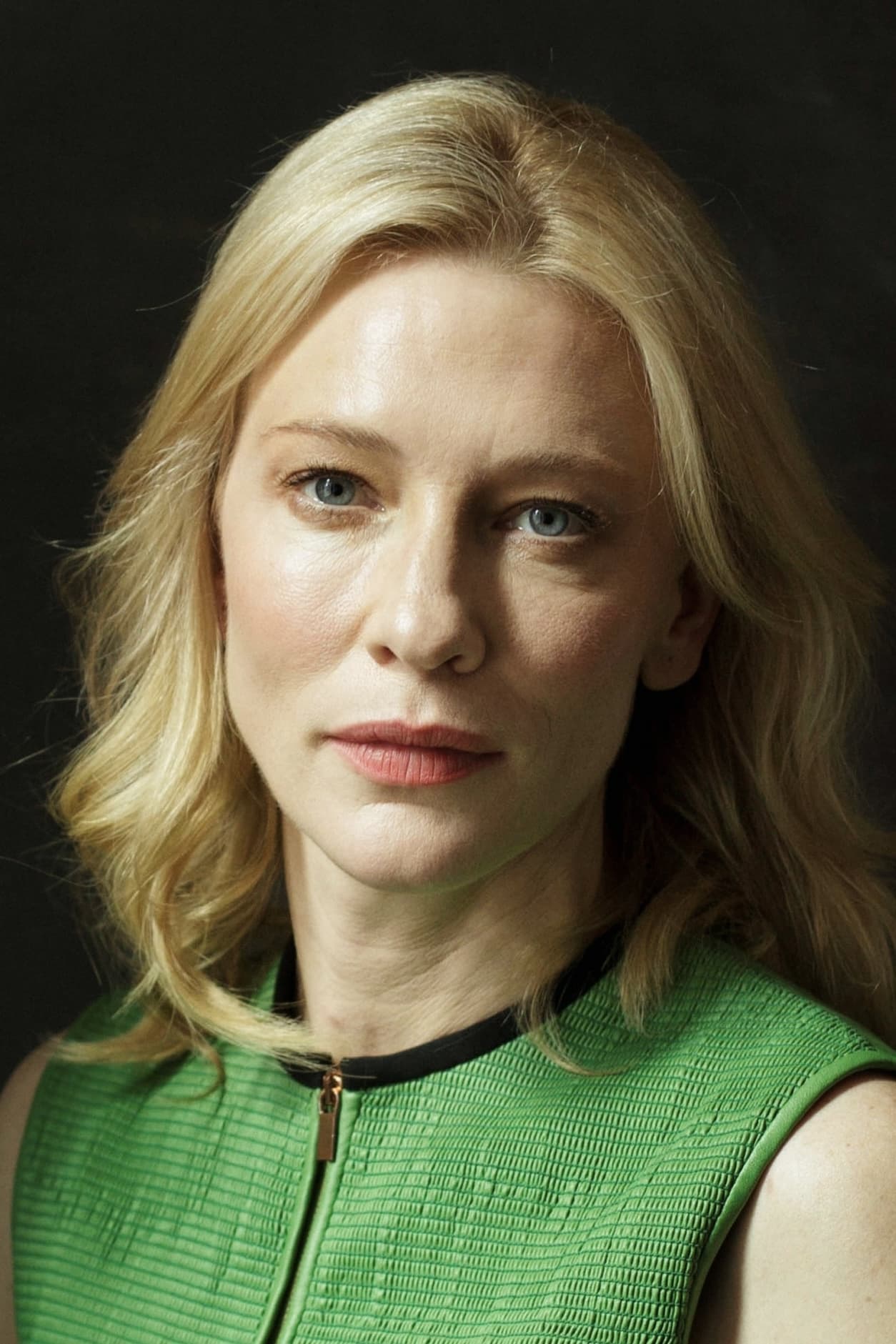
Cate Blanchett moved between large-scale franchises like ‘The Lord of the Rings’ and prestige dramas such as ‘Notes on a Scandal’. She earned top honors for transformative performances and worked closely with auteur directors. Blanchett also took on biographical roles requiring meticulous preparation. International co-productions kept her profile high across markets.
Penélope Cruz
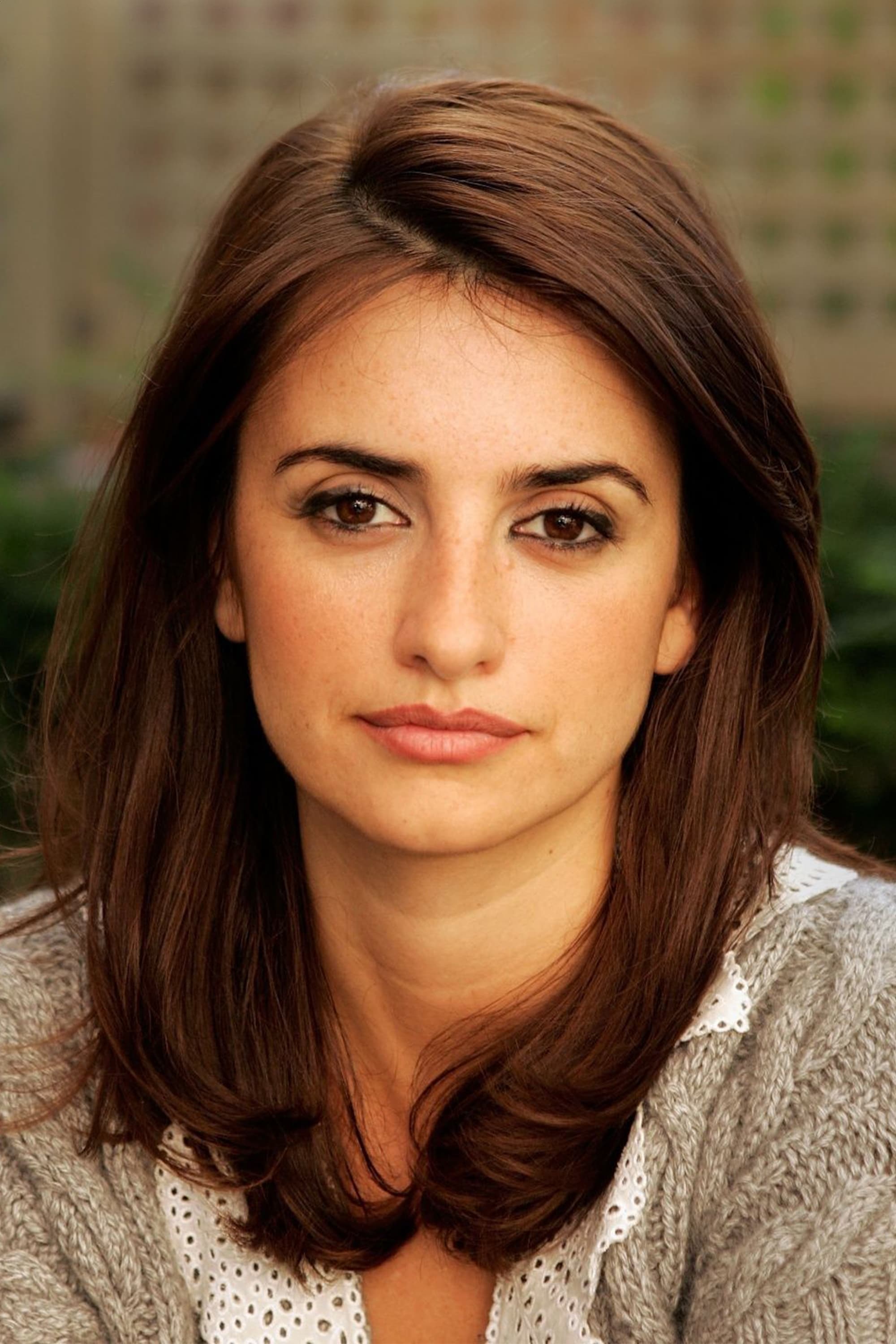
Penélope Cruz became a cross-over star in both Spanish- and English-language films, with acclaimed turns in ‘Volver’ and ‘Vicky Cristina Barcelona’. She worked often with Pedro Almodóvar while also headlining Hollywood thrillers and dramas. Cruz’s performances during the decade earned major awards and nominations. She balanced ensemble casts with standout leads that traveled well worldwide.
Renée Zellweger

Renée Zellweger anchored hit comedies and dramas, including ‘Bridget Jones’s Diary’, ‘Chicago’, and ‘Cold Mountain’. She earned multiple top awards and nominations across the decade. Zellweger’s roles spanned musical adaptations, romantic comedies, and period pieces. Her box-office reliability made her a frequent lead for studio and prestige projects alike.
Kirsten Dunst
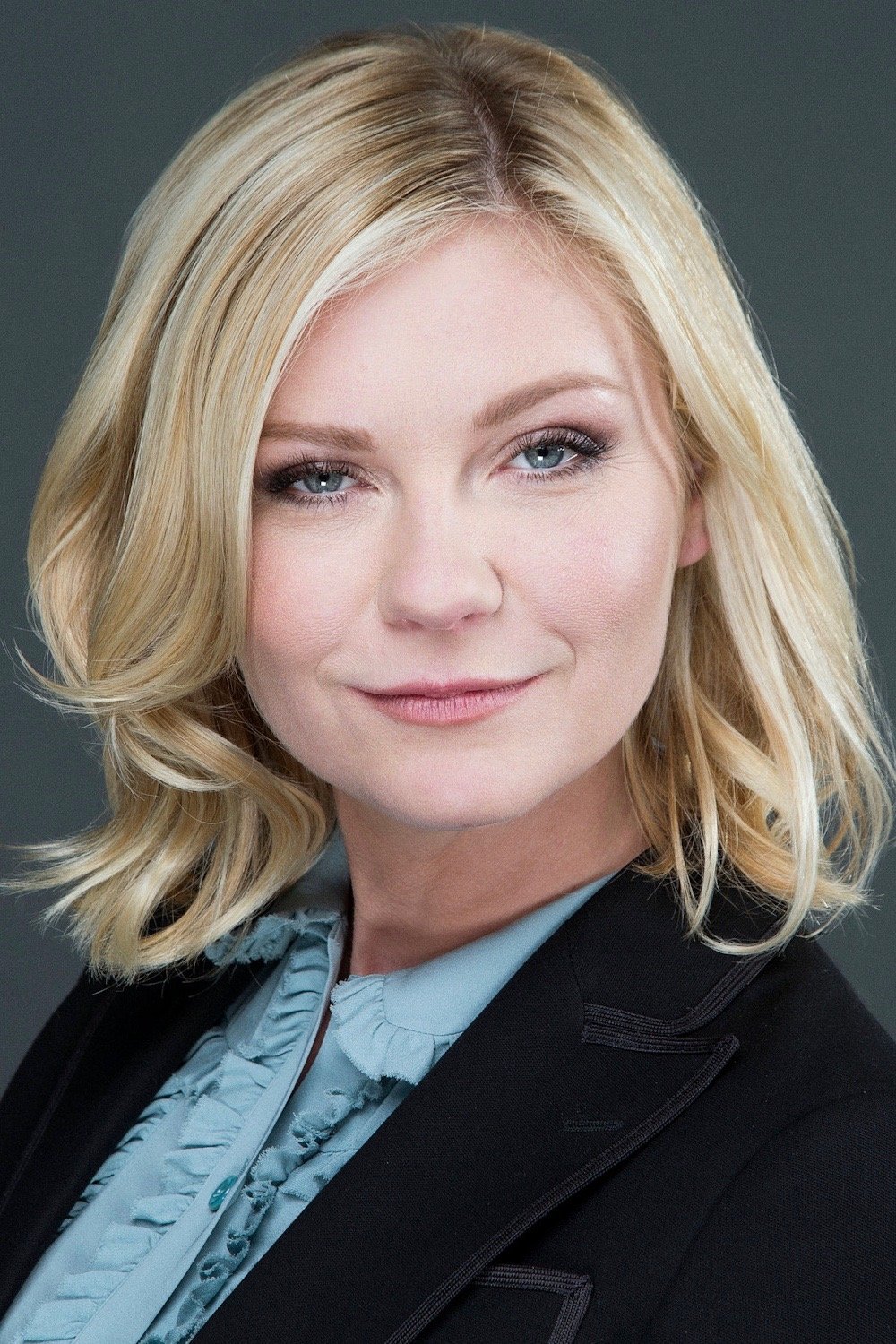
Kirsten Dunst combined blockbuster visibility in ‘Spider-Man’ with acclaimed work in films like ‘Marie Antoinette’. She moved between indie dramas and major studio releases with consistency. Dunst’s collaborations with notable directors broadened her portfolio beyond teen roles. Festival-friendly projects strengthened her critical standing.
Hilary Swank

Hilary Swank’s decade included award-winning work in ‘Million Dollar Baby’ and roles in dramas such as ‘P.S. I Love You’. She became known for intensely physical and emotionally demanding characters. Swank’s choices often highlighted true-story narratives and character studies. Her accolades kept her at the center of conversations about leading dramatic performances.
Rachel Weisz
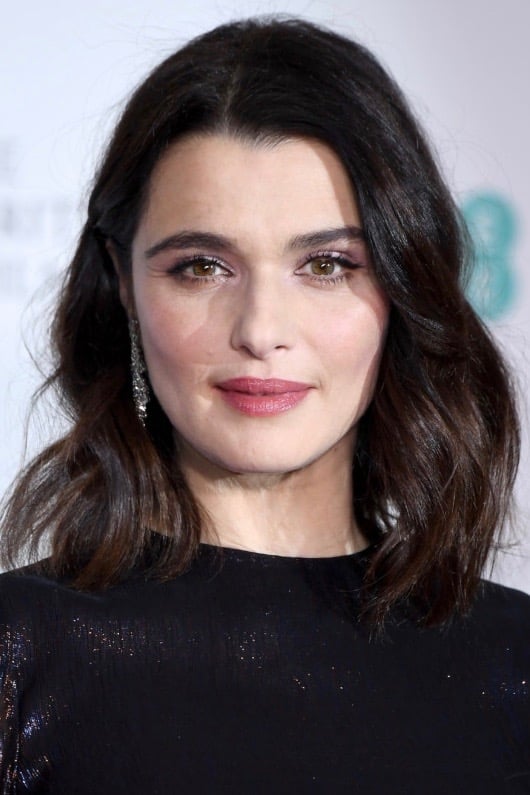
Rachel Weisz earned major recognition for ‘The Constant Gardener’ and worked across thrillers, fantasy, and period dramas like ‘The Mummy Returns’ and ‘The Fountain’. She frequently collaborated with visionary directors and writers. Weisz balanced franchise appeal with independent cinema credibility. Her performances were fixtures in awards-season lineups.
Naomi Watts

Naomi Watts drew acclaim for ‘Mulholland Drive’ and ’21 Grams’, then expanded into large-scale projects like ‘King Kong’. She became a go-to lead for psychological dramas and ambitious genre films. Watts often selected challenging roles that showcased range and resilience. Her work appeared regularly at major festivals and on year-end lists.
Salma Hayek
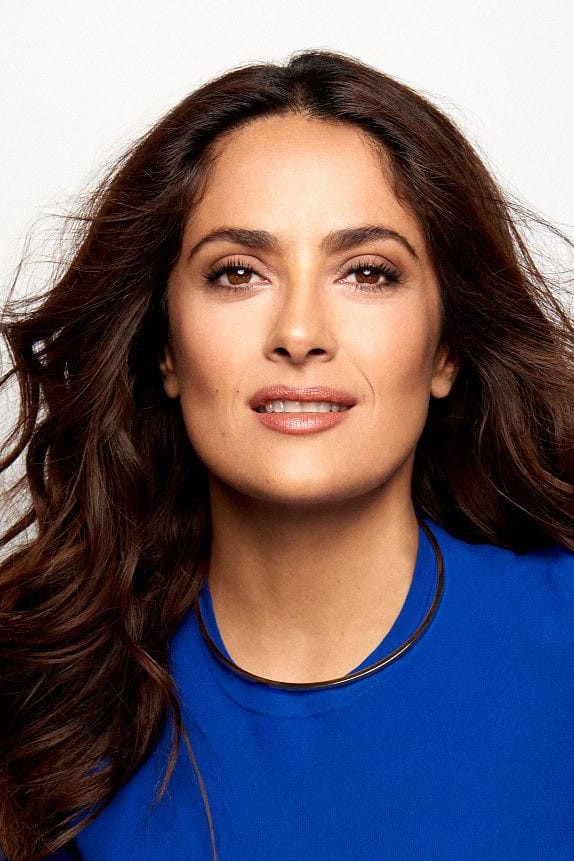
Salma Hayek earned awards attention for ‘Frida’ and also appeared in action and comedy projects that broadened her audience. She produced and starred in television, expanding representation behind the camera. Hayek’s bilingual career connected Hollywood and Latin American markets. Her public profile remained high through global red carpets and industry initiatives.
Kate Hudson
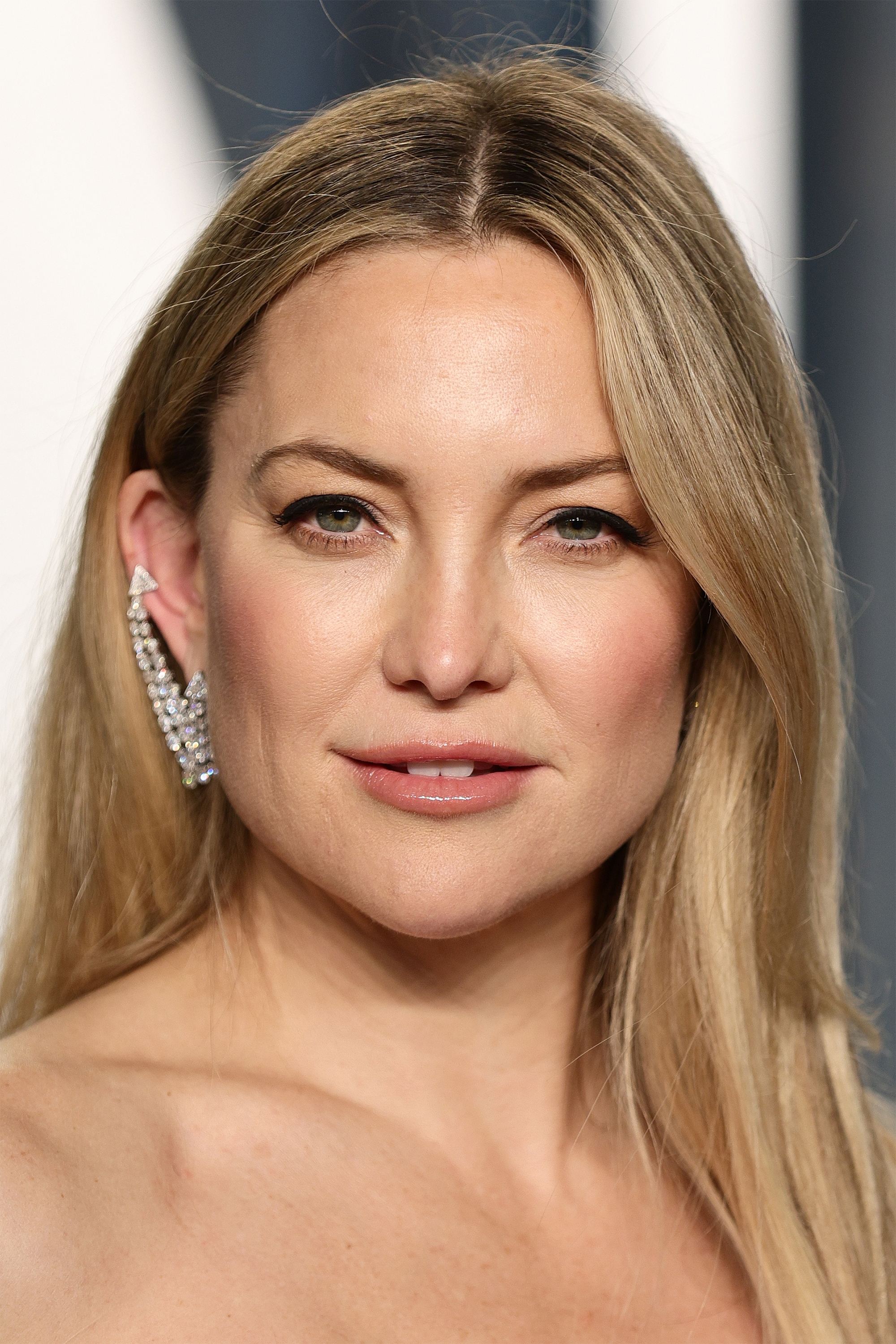
Kate Hudson rose to prominence with ‘Almost Famous’ and led popular romantic comedies like ‘How to Lose a Guy in 10 Days’. She maintained strong box-office appeal through the decade. Hudson also explored ensemble dramas and music-related projects. Her visibility extended to fashion and lifestyle ventures tied to her screen persona.
Drew Barrymore
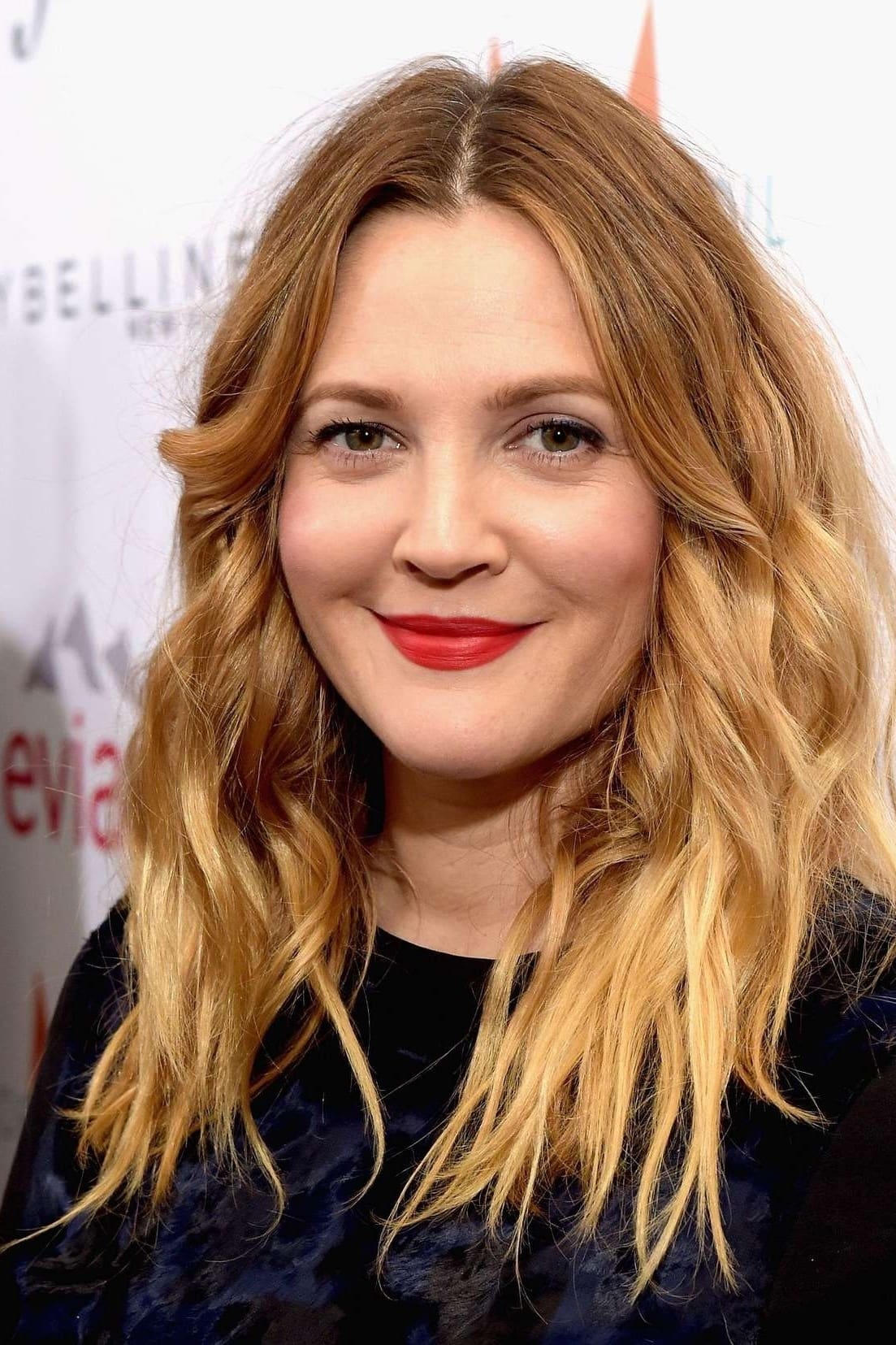
Drew Barrymore headlined ‘Charlie’s Angels’, starred in romantic comedies such as ’50 First Dates’, and built a successful production company. She moved into directing with projects reflecting her industry experience. Barrymore’s slate mixed action, comedy, and heartfelt dramas. Behind-the-scenes work helped shepherd commercially successful titles.
Julianne Moore
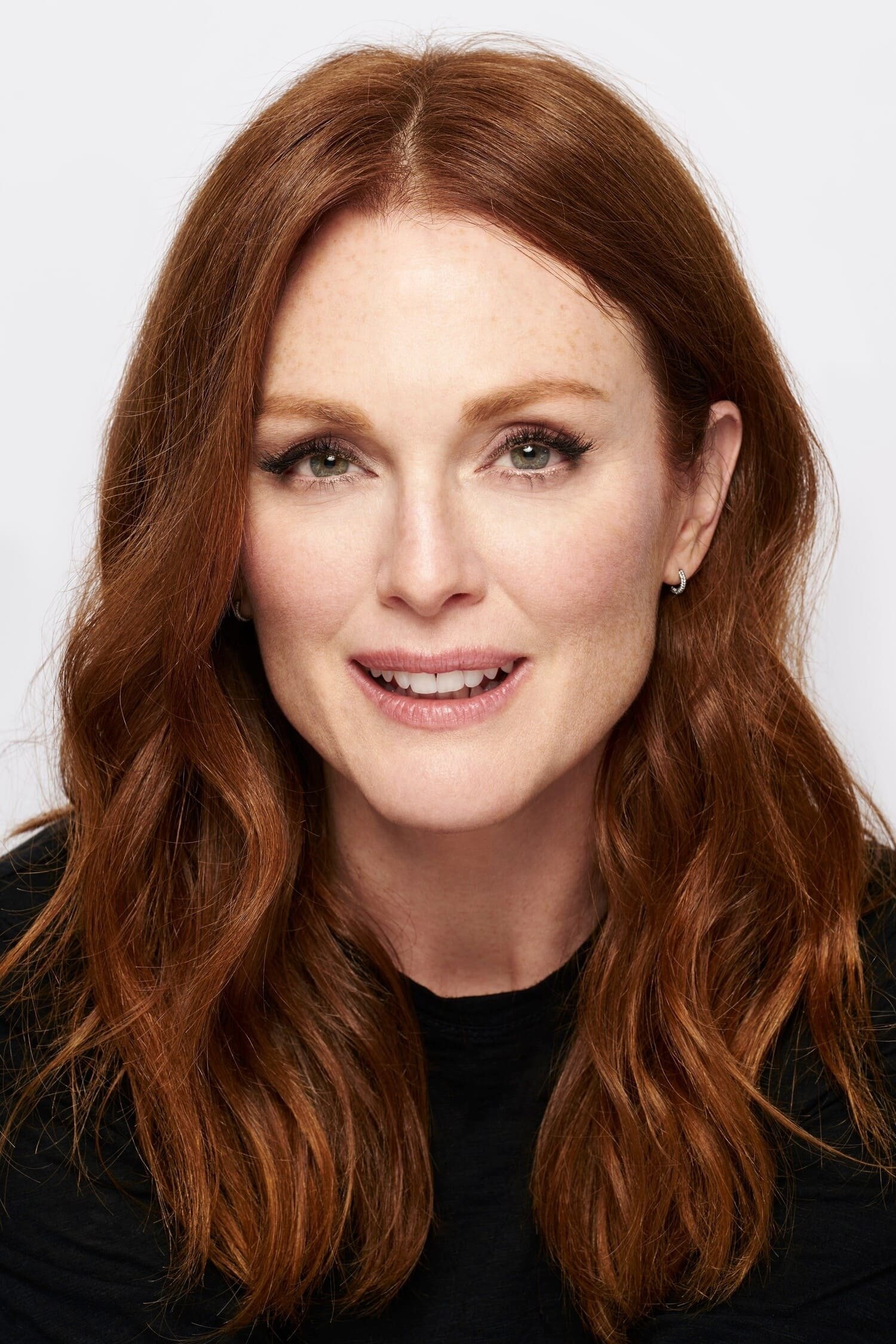
Julianne Moore delivered acclaimed performances across dramas like ‘Far from Heaven’, thrillers, and ensemble films including ‘Children of Men’. She sustained collaborations with directors known for stylistic experimentation. Moore’s roles often tackled complex themes and layered character studies. She remained a consistent presence in awards discussions and festival premieres.
Uma Thurman
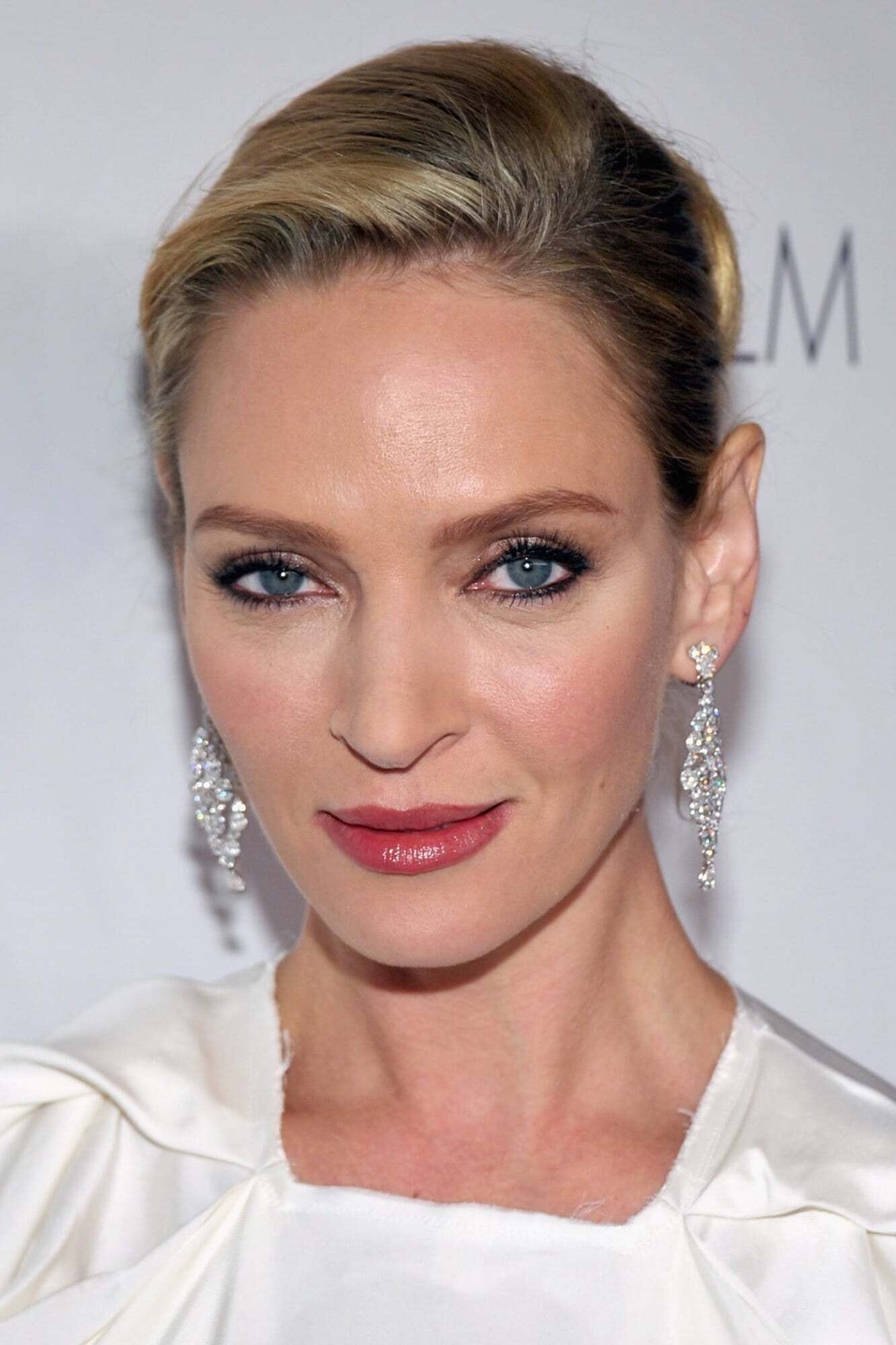
Uma Thurman’s 2000s included action milestones with ‘Kill Bill’ while also appearing in comedies and indie dramas. She worked repeatedly with distinctive auteurs and stunt-heavy productions. Thurman’s action roles influenced subsequent female-led genre films. She mixed mainstream releases with adventurous smaller projects.
Amy Adams
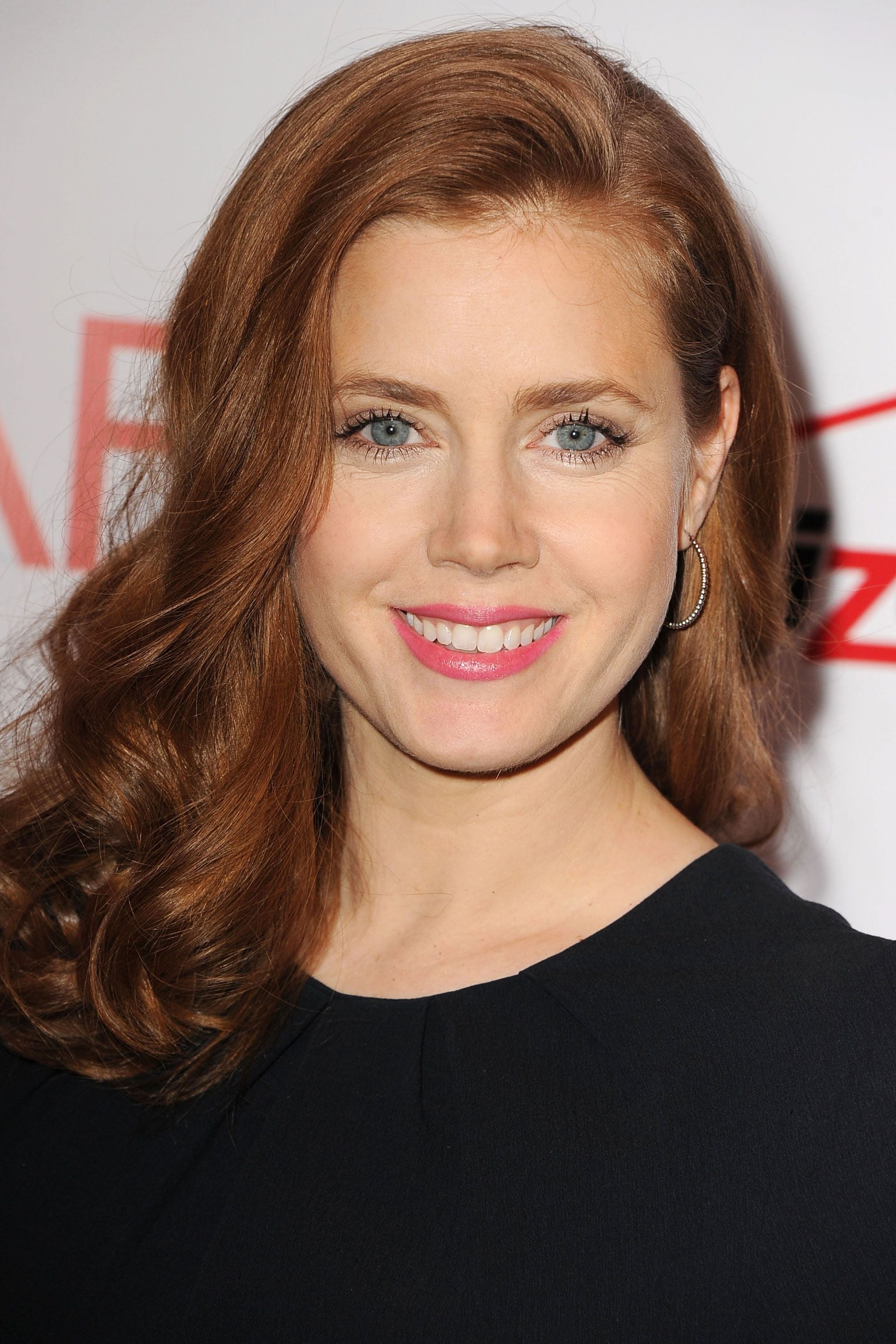
Amy Adams broke through with ‘Junebug’ and expanded her profile with ‘Enchanted’ and ‘Doubt’. She built a reputation for versatility across musical, comedic, and dramatic roles. Adams frequently joined ensembles with strong critical traction. A steady run of nominations marked her late-decade rise.
Jennifer Garner
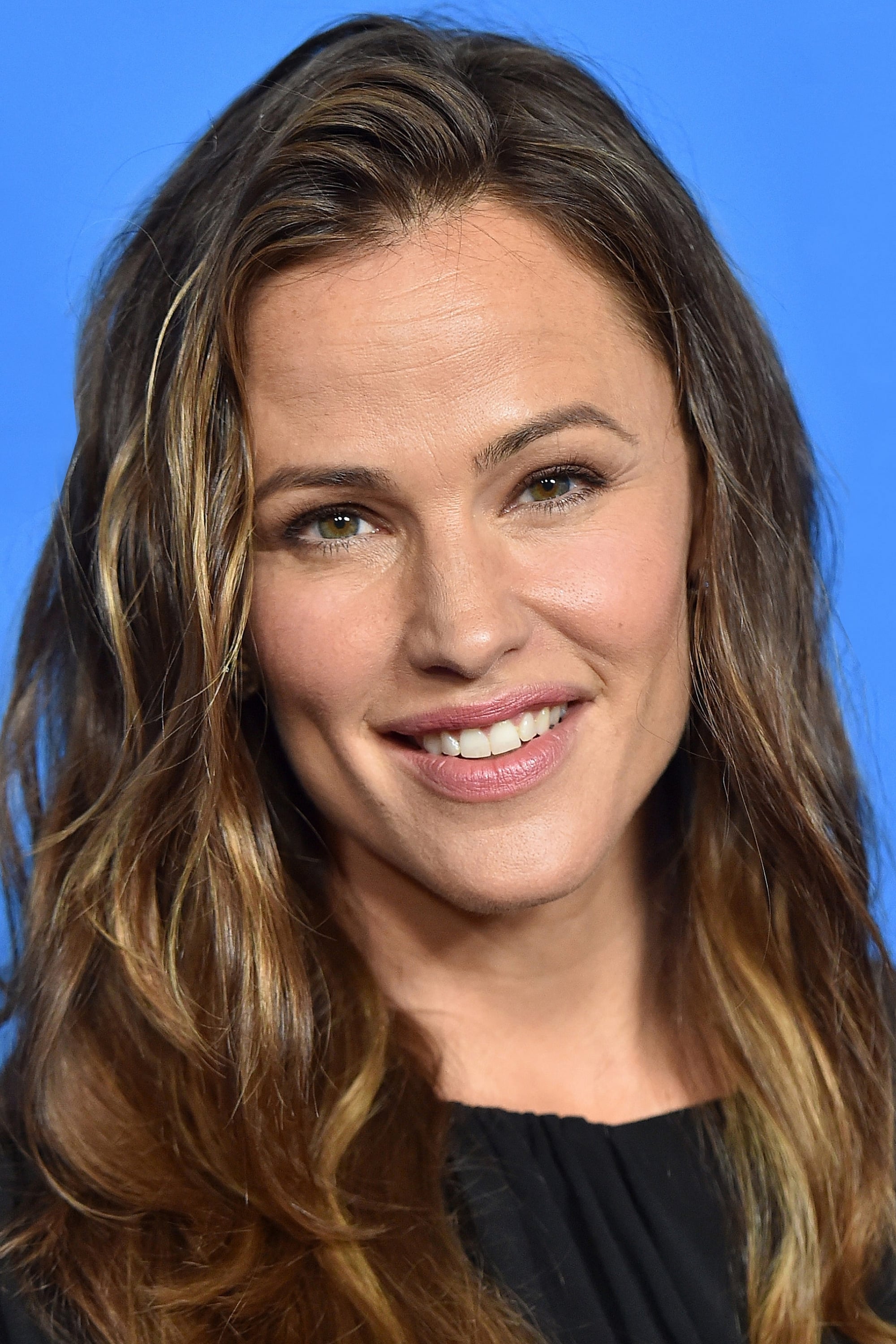
Jennifer Garner became widely known on television with ‘Alias’ and transitioned into films such as ’13 Going on 30′ and ‘Daredevil’. She leveraged action credentials from TV into family and romantic comedies. Garner also led productions appealing to broad audiences. Work across mediums kept her highly visible.
Megan Fox
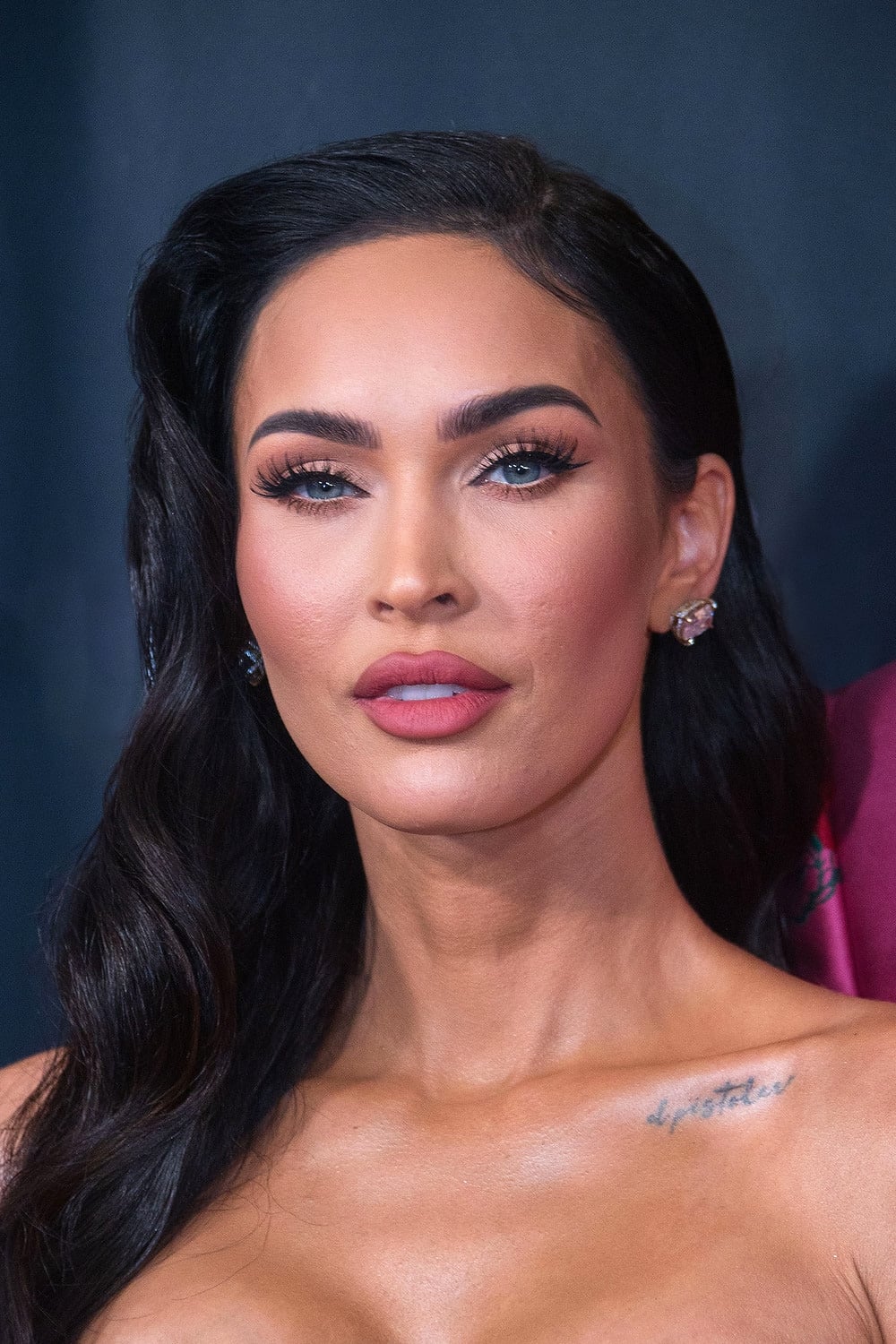
Megan Fox gained international recognition through ‘Transformers’ while also appearing in horror-comedy and indie projects like ‘Jennifer’s Body’. She became a frequent presence in franchise and genre conversations. Roles often tapped into science-fiction and action audiences. Tentpole releases sustained her pop-culture profile.
Rachel McAdams

Rachel McAdams broke out with back-to-back mainstream hits like ‘Mean Girls’ and ‘The Notebook’. She moved into thrillers and dramas including ‘Red Eye’ and ‘State of Play’. McAdams later joined acclaimed ensembles that built on her 2000s momentum. The decade established her blend of romantic leads and sharp character turns.
Emily Blunt

Emily Blunt drew wide attention with ‘The Devil Wears Prada’, pairing scene-stealing comedy with precise timing. She followed with period drama in ‘The Young Victoria’ and character-led indies. Blunt’s early career moved smoothly between British and American productions. Those titles set up later pivots into action and prestige work.
Kate Beckinsale
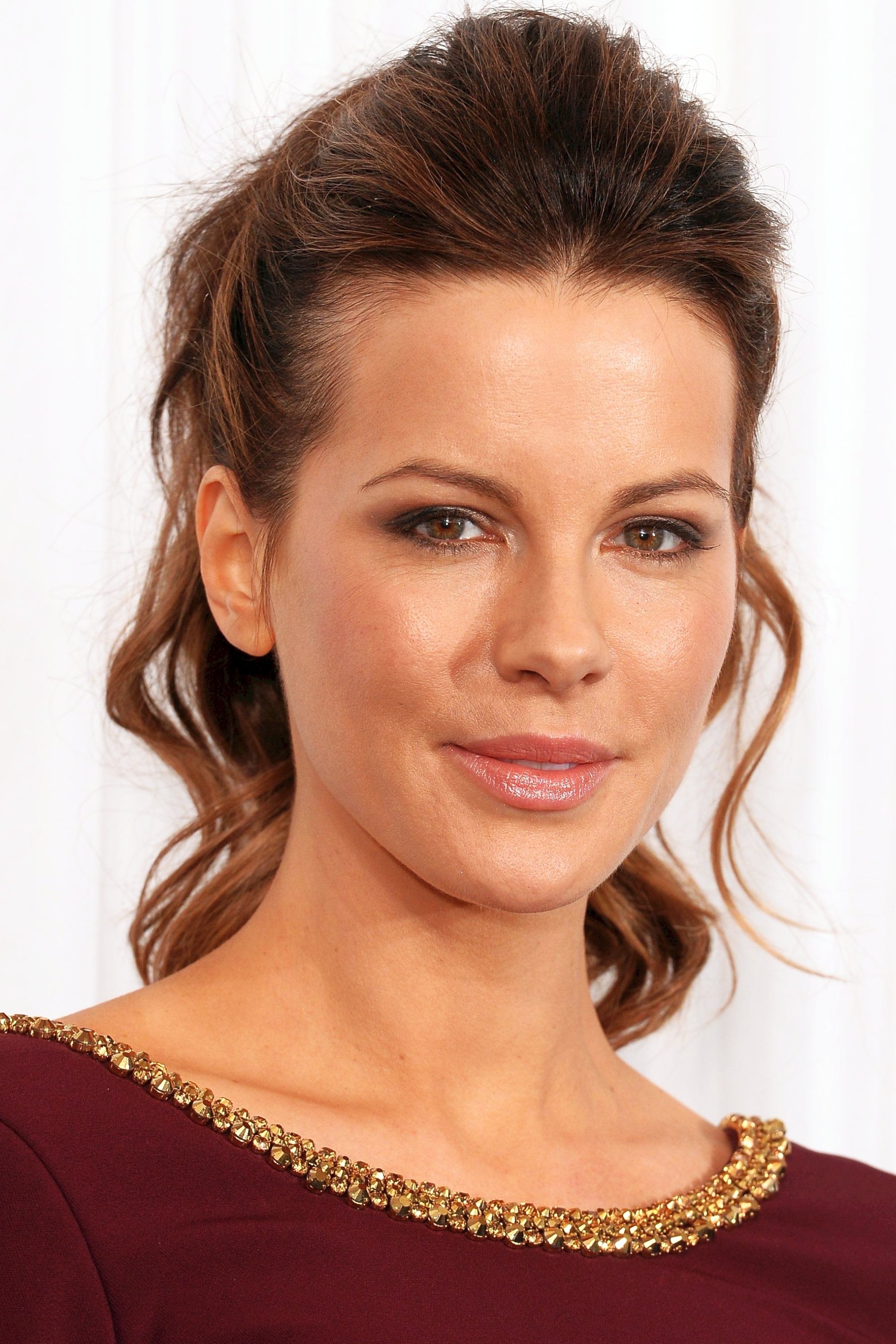
Kate Beckinsale fronted the ‘Underworld’ franchise, becoming closely associated with high-concept action-horror. She also appeared in large-scale features like ‘Pearl Harbor’ and ‘Van Helsing’. Beckinsale balanced effects-heavy tentpoles with contemporary dramas and thrillers. Genre visibility kept her consistently on theater marquees.
Marion Cotillard
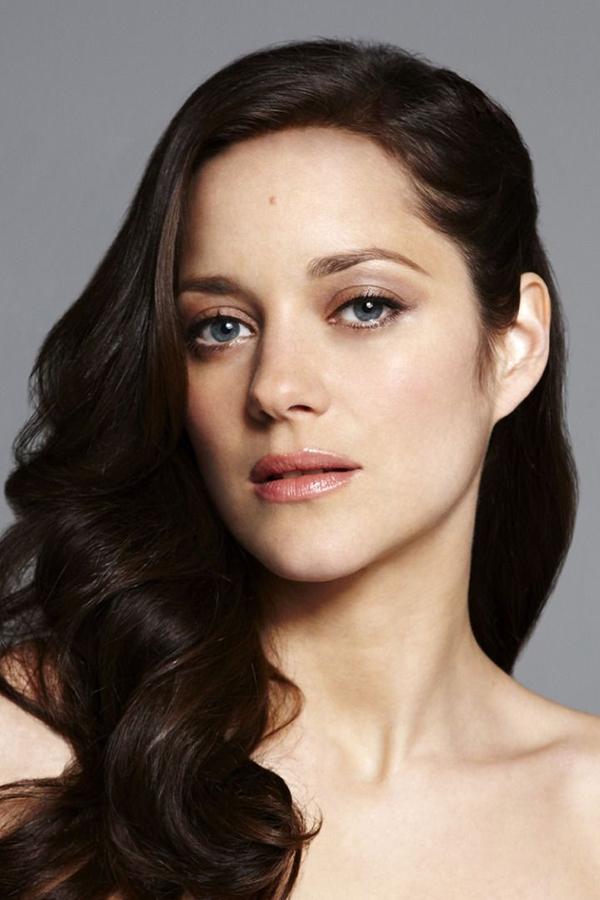
Marion Cotillard gained international recognition with ‘La Vie en Rose’, earning major awards and expanding her Hollywood profile. She joined ensembles in projects like ‘Public Enemies’ and later ‘Inception’. Cotillard maintained a dual presence in French and English-language cinema. Her 2000s roles positioned her for biographical and psychological dramas.
Michelle Williams

Michelle Williams shifted from television roots on ‘Dawson’s Creek’ to acclaimed film work in ‘Brokeback Mountain’. She continued to favor intimate dramas such as ‘Wendy and Lucy’ and ‘Blue Valentine’ soon after, reinforcing indie credentials. Williams often collaborated with filmmakers known for naturalistic storytelling. The decade marked her evolution into a respected dramatic performer.
Zoe Saldaña
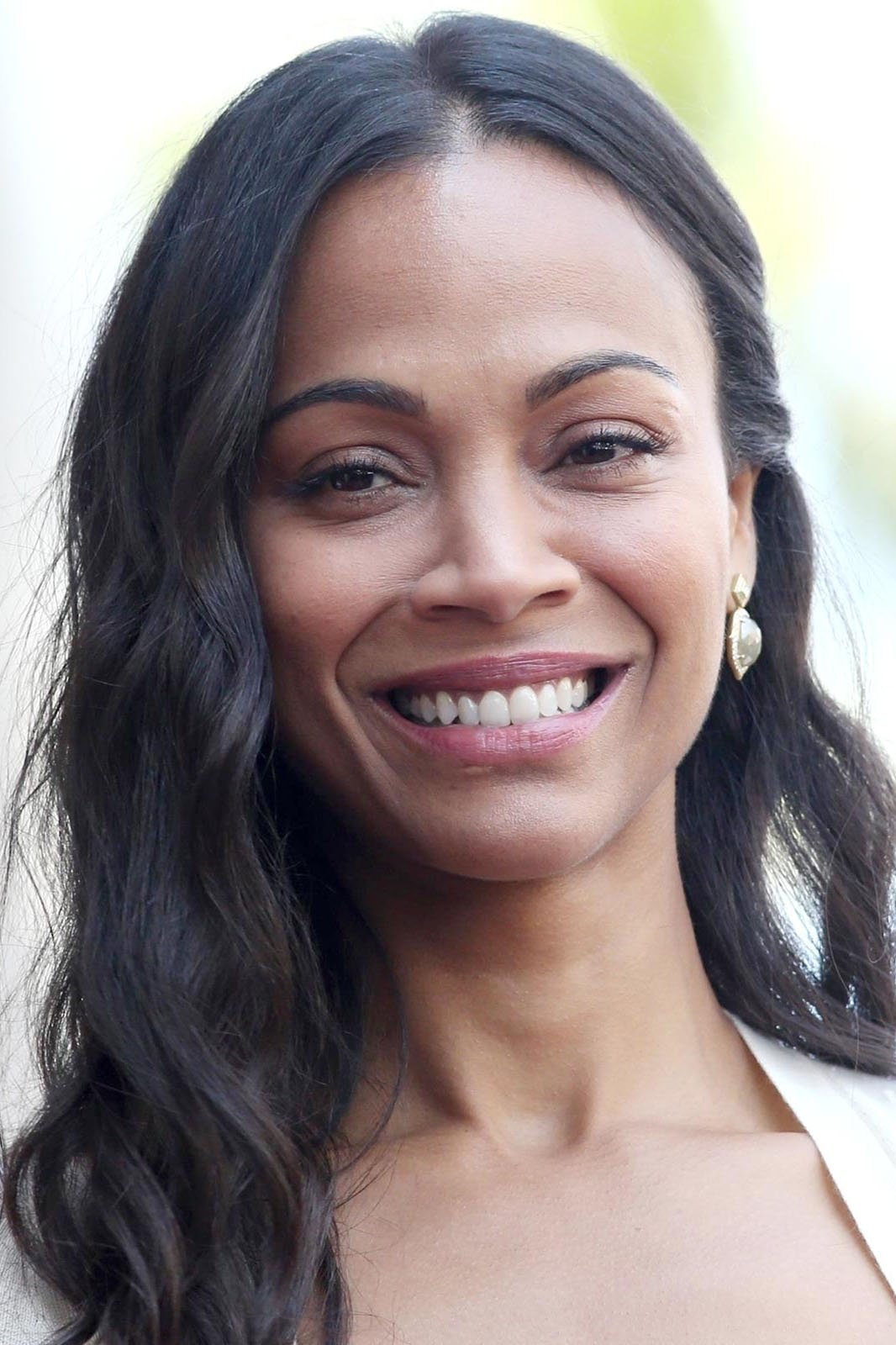
Zoe Saldana entered the blockbuster conversation with ‘Star Trek’ and ‘Avatar’ at the close of the decade. Earlier appearances in titles like ‘Drumline’ and ‘Guess Who’ built mainstream familiarity. She became associated with science-fiction and action franchises. Those projects launched a long run of leading roles in effects-driven universes.
Eva Green
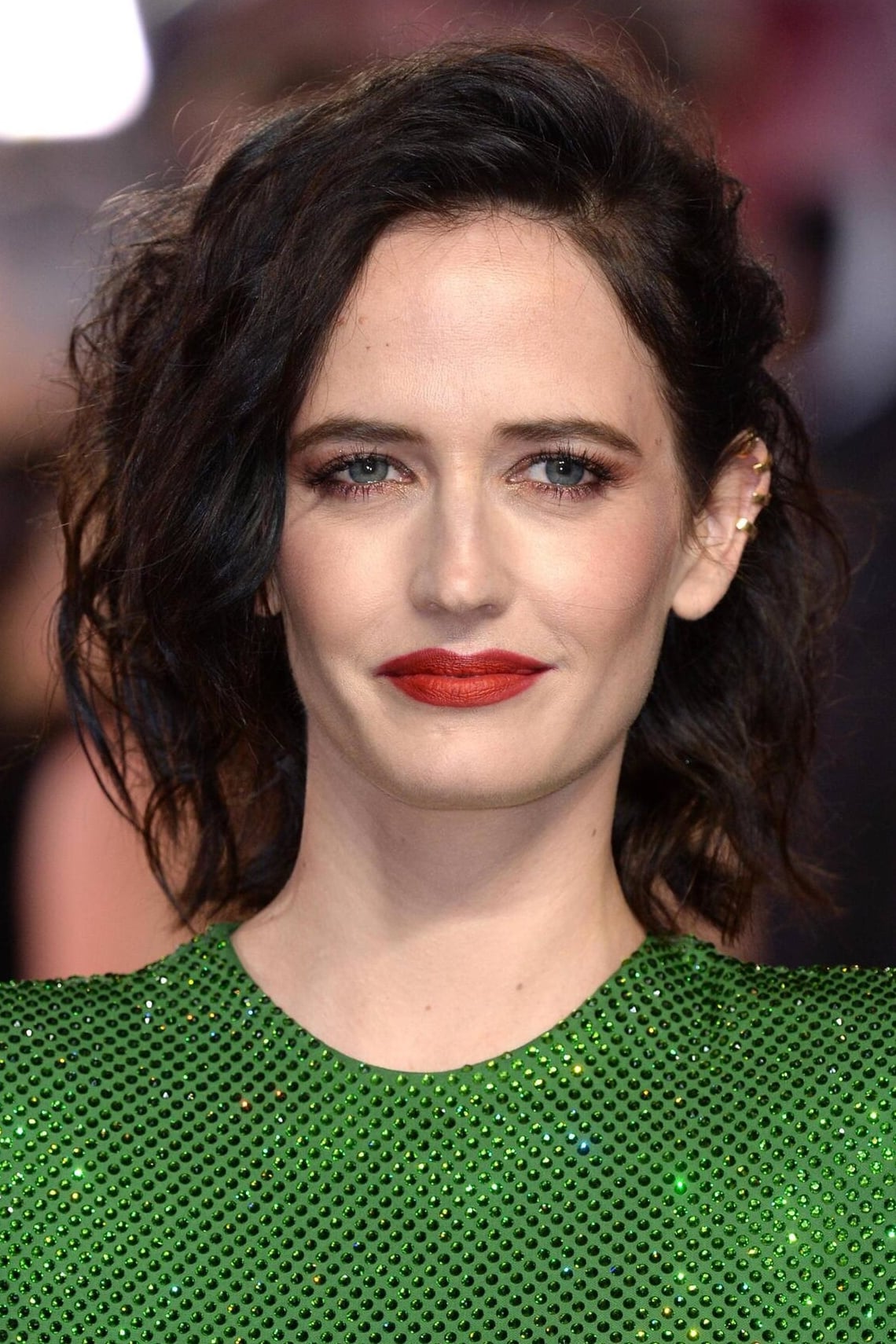
Eva Green made a striking Hollywood debut with ‘The Dreamers’ and soon joined ‘Casino Royale’ in a pivotal role. She followed with stylized projects like ‘Kingdom of Heaven’ and ‘The Golden Compass’. Green became known for complex, enigmatic characters across genres. Her 2000s choices cemented a reputation for bold collaborations with distinctive directors.
Zhang Ziyi
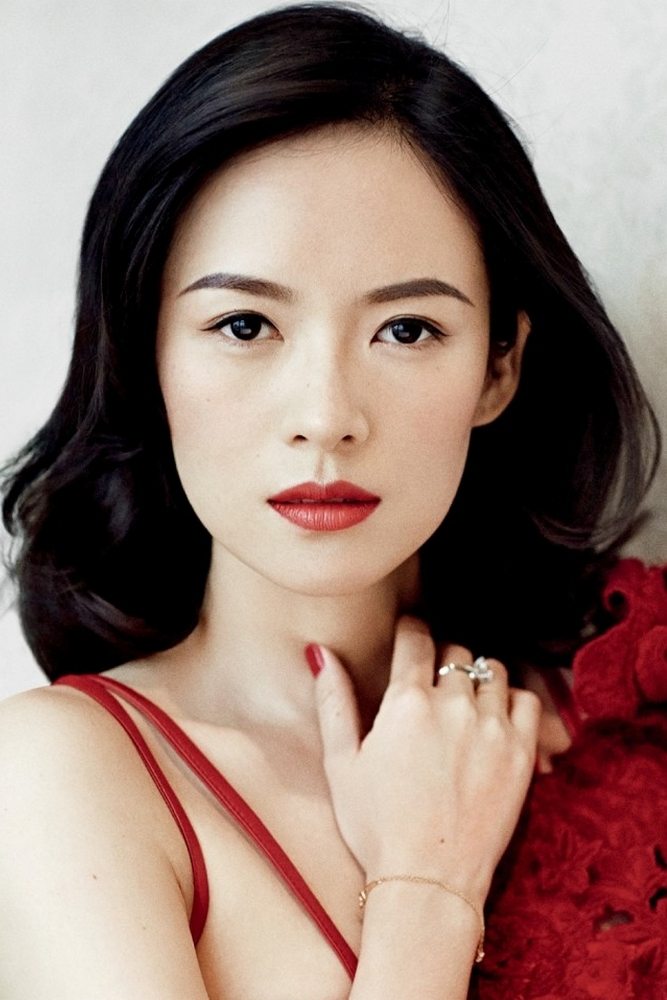
Zhang Ziyi’s global profile rose with ‘Crouching Tiger, Hidden Dragon’, then expanded through ‘Hero’ and ‘House of Flying Daggers’. Hollywood audiences saw her in cross-cultural productions such as ‘Rush Hour 2’ and ‘Memoirs of a Geisha’. She became a key figure in bringing wuxia and Chinese period epics to broader markets. Her screen presence bridged art-house acclaim and mainstream appeal.
Helena Bonham Carter
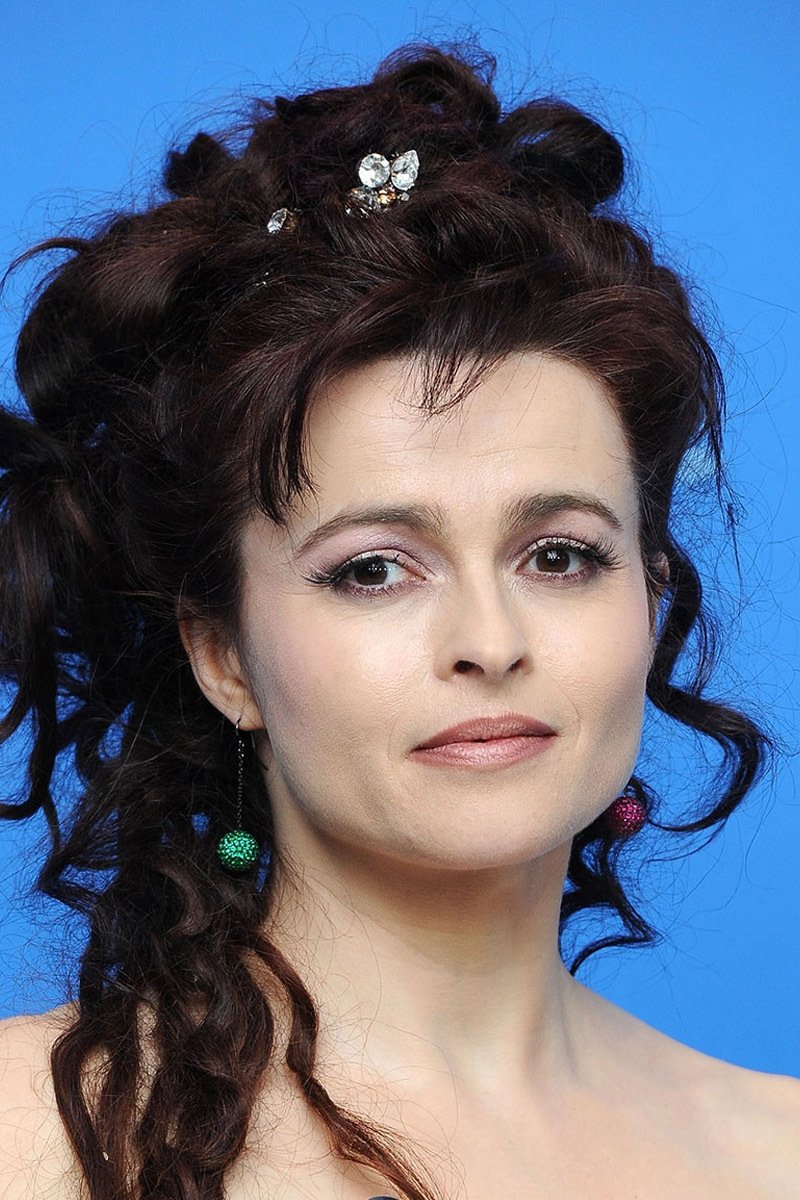
Helena Bonham Carter shifted from period dramas into stylized and fantastical fare with ‘Big Fish’, ‘Sweeney Todd’, and ‘Charlie and the Chocolate Factory’. She also gained franchise visibility with ‘Harry Potter’. Frequent collaborations with visually distinctive directors defined much of her decade. The roles highlighted range from gothic musical leads to large-scale fantasy.
Sarah Jessica Parker
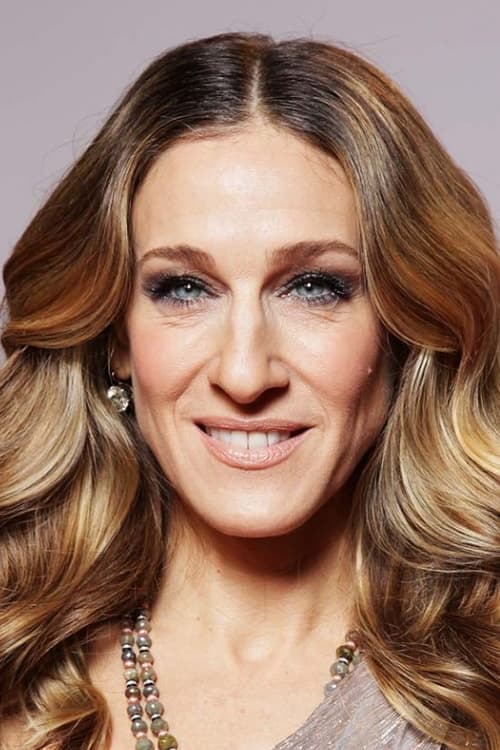
Sarah Jessica Parker led ‘Sex and the City’, turning a television phenomenon into a major cultural touchpoint and a successful film continuation. She balanced the franchise with romantic comedies and producing work. Parker’s fashion influence and New York–set storytelling became signature elements of her screen identity. The series and films anchored her status as a multi-hyphenate star of the decade.
Lucy Liu

Lucy Liu headlined action and ensemble hits like ‘Charlie’s Angels’ while appearing in genre fare including ‘Kill Bill’. She worked across film and television, adding voice roles and procedural leads. Liu’s slate blended martial-arts–inflected action with comedy. Her projects broadened mainstream representation within high-profile casts.
Jennifer Lopez
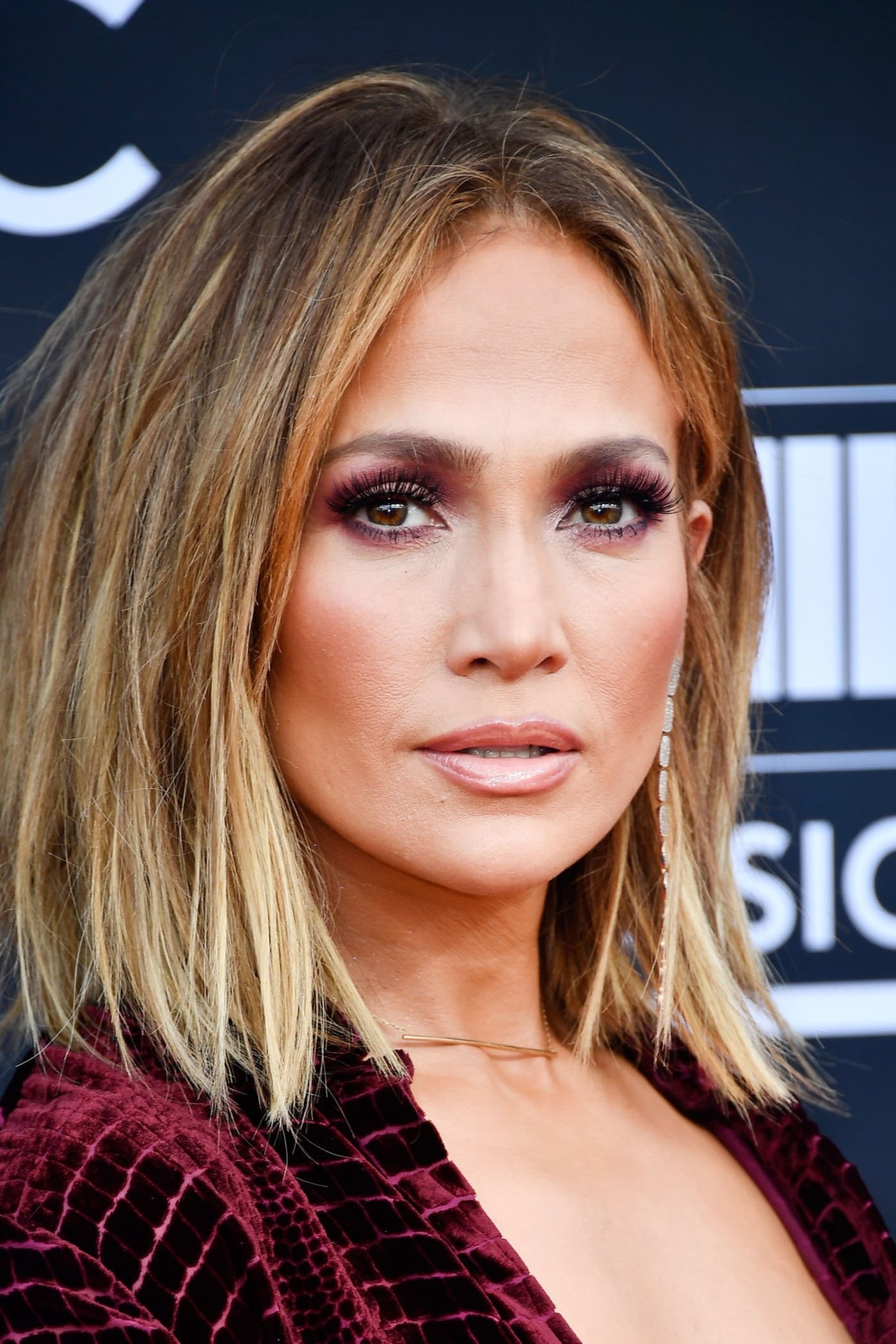
Jennifer Lopez sustained a dual career in film and music, with romantic comedies like ‘Maid in Manhattan’ and thrillers such as ‘Enough’. She took on producing roles and high-visibility judging on television. Lopez’s films performed consistently with broad audiences. Crossover success kept her among the most recognizable entertainers of the decade.
Michelle Yeoh
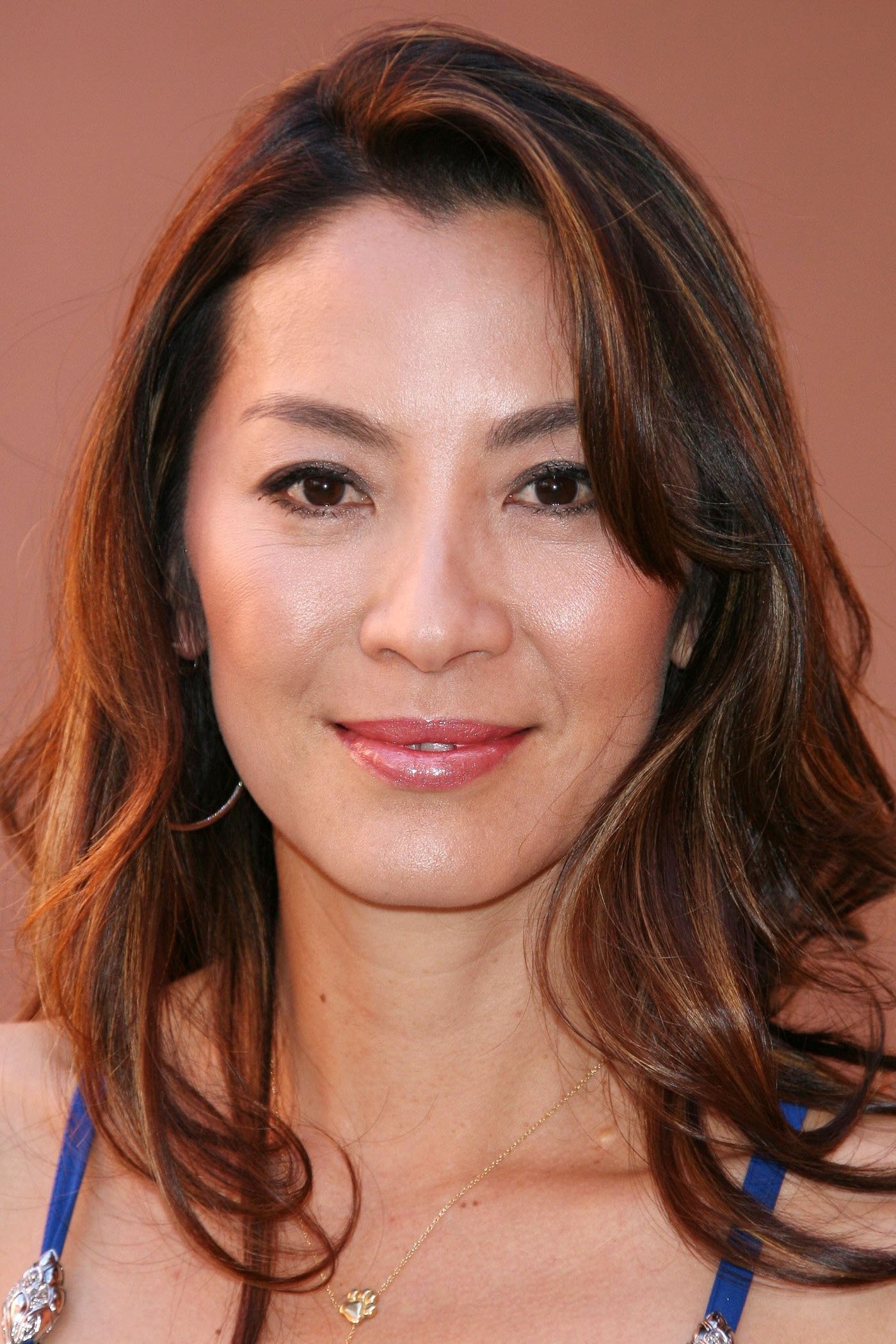
Michelle Yeoh brought balletic action and dramatic weight to international hits like ‘Crouching Tiger, Hidden Dragon’ and Hollywood titles such as ‘Memoirs of a Geisha’. She alternated between Asian and Western productions. Yeoh’s roles showcased physical precision and dignified, layered characters. Her 2000s filmography helped redefine expectations for female leads in action and period epics.
Catherine Zeta-Jones
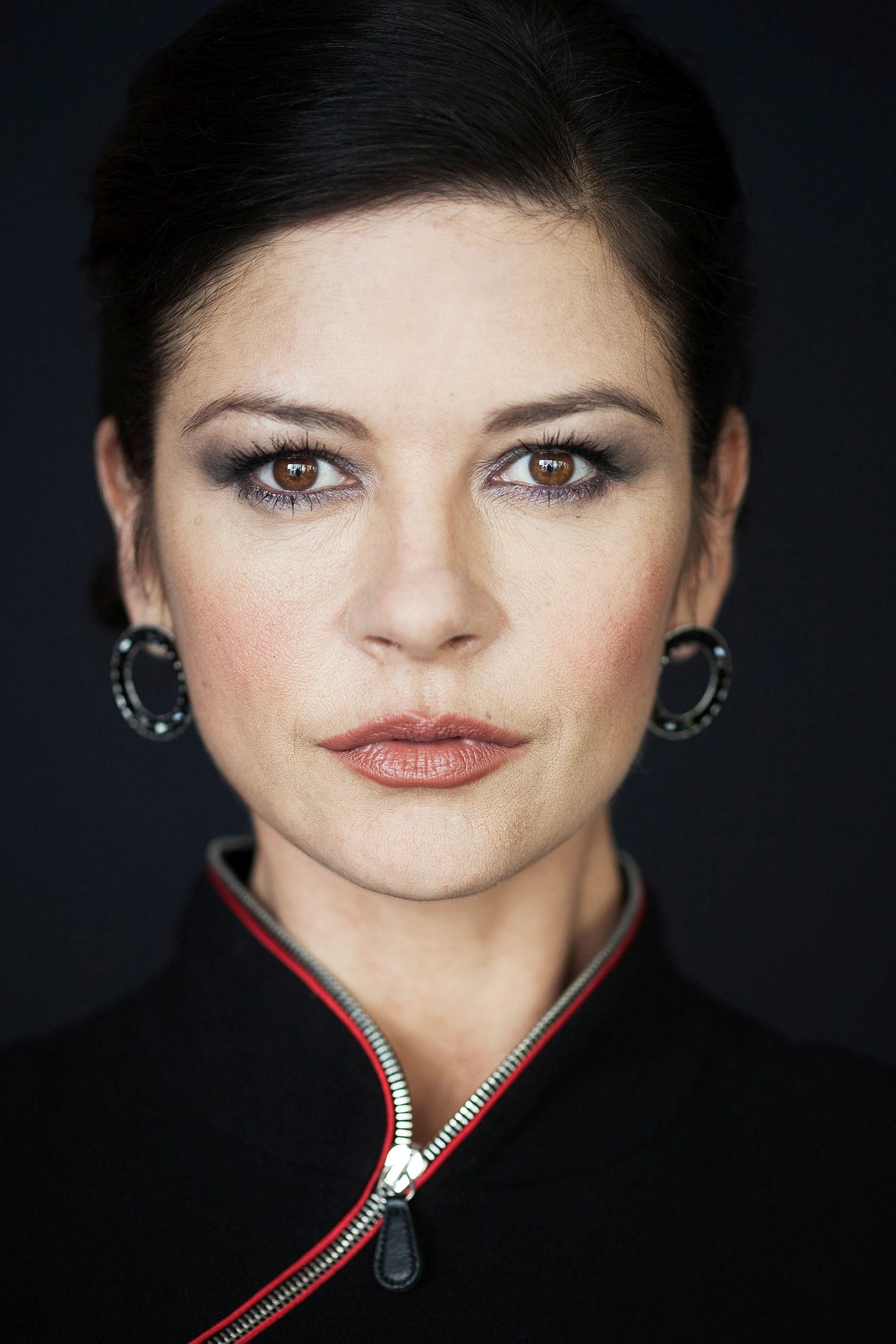
Catherine Zeta-Jones combined musical prowess in ‘Chicago’ with mainstream adventures such as ‘The Mask of Zorro’ revisited in public memory and caper films like ‘Ocean’s Twelve’. She maintained a steady presence in both prestige and commercial projects. Zeta-Jones earned significant awards recognition during the decade. Her film choices demonstrated versatility across song-and-dance, comedy, and drama.
Amanda Seyfried

Amanda Seyfried moved from television work to a breakout feature run with ‘Mean Girls’, ‘Mamma Mia!’, and later ‘Jennifer’s Body’. She navigated between musical comedy and horror-thriller territory with ease. Seyfried paired youthful leads with more mature, character-driven parts. Her 2000s output laid the groundwork for sustained film and limited-series success.
Share your picks for the most iconic 2000s performances in the comments!

