


Most Legendary Action Stars Who Have Passed Away

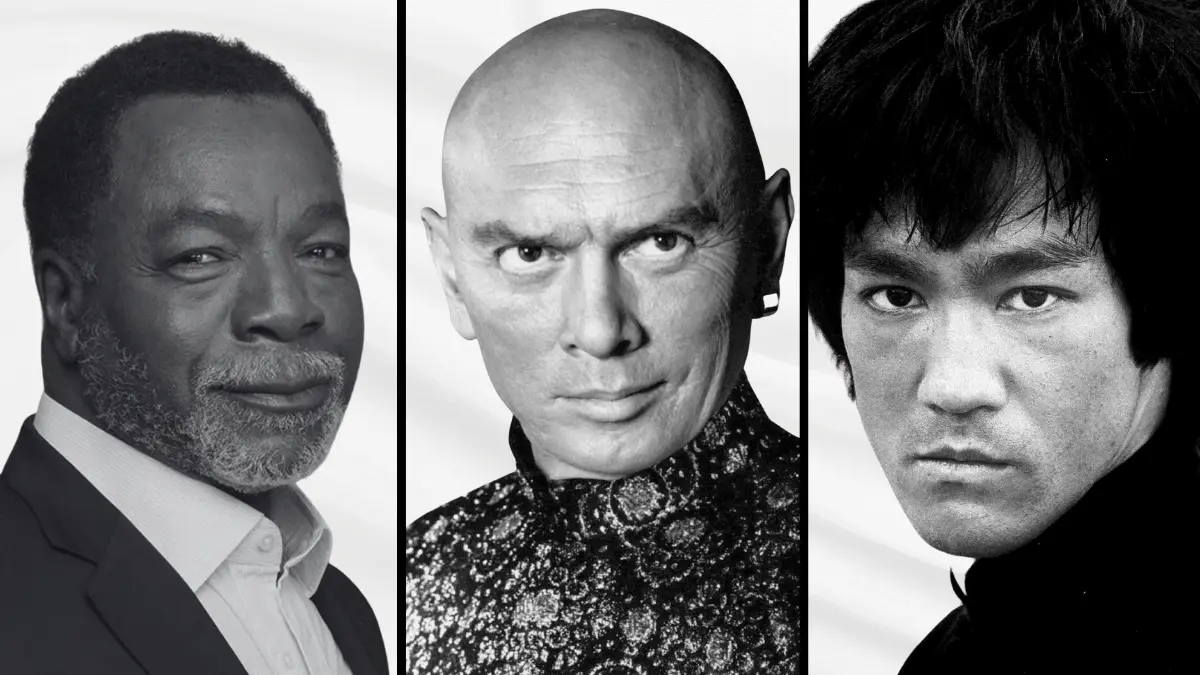


Action cinema has been shaped by performers whose skills, presence, and unforgettable roles set the standard for what big-screen thrills can be. Many of those icons are no longer with us, but their work still drives the genre forward and pulls in new fans every year. From martial-arts pioneers to steely Western gunslingers, their filmographies chart how action evolved across countries, decades, and styles. Here’s a tribute to some of the most influential action stars who left a mark that continues to ripple through movies and TV today.
Bruce Lee
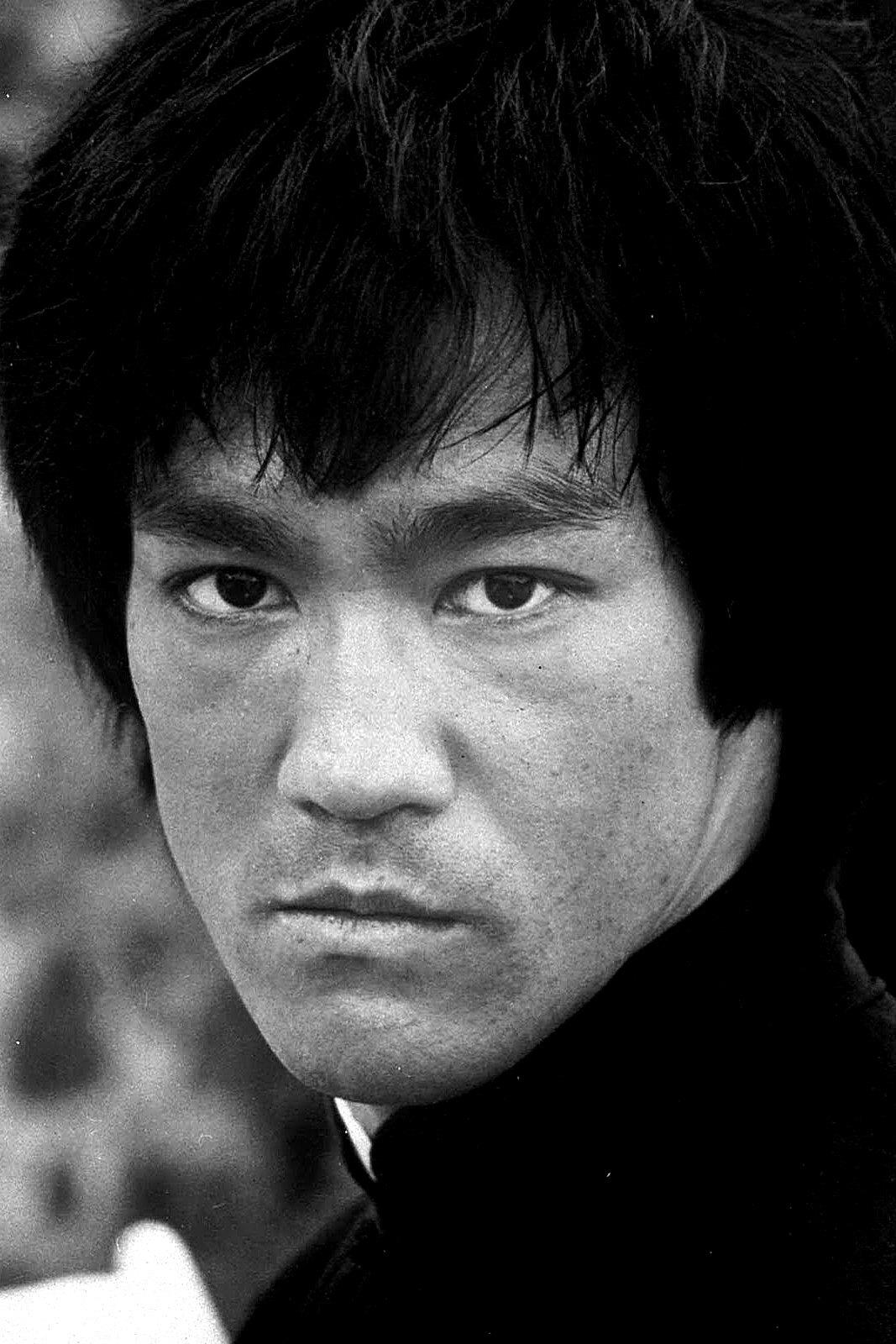
Bruce Lee revolutionized martial-arts filmmaking with landmark hits like ‘Enter the Dragon’, ‘Way of the Dragon’, ‘Fist of Fury’, and ‘The Big Boss’. He founded Jeet Kune Do, a hybrid philosophy emphasizing practicality, efficiency, and personal expression in combat. His Hong Kong and Hollywood crossover success opened doors for Asian cinema worldwide and redefined fight choreography for international audiences. Lee’s sudden death halted several in-progress projects, including the unfinished ‘Game of Death’, which was later completed using stand-ins and archival footage.
Charles Bronson
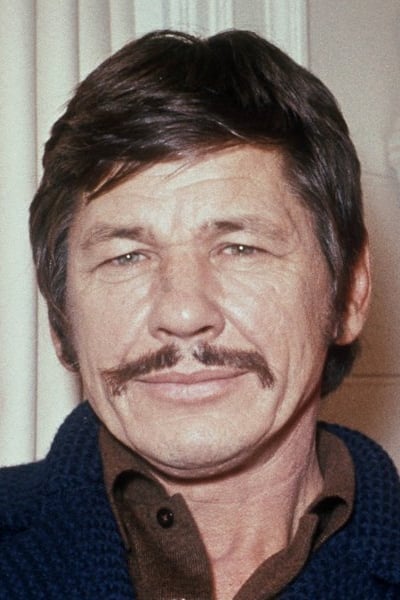
Charles Bronson became a global box-office force with vigilante saga ‘Death Wish’ and ensemble classics such as ‘The Magnificent Seven’ and ‘The Great Escape’. His taciturn screen persona and physical intensity made him a staple of crime thrillers and revenge-driven narratives. Bronson collaborated frequently with director J. Lee Thompson on action titles throughout the later stages of his career. He remained popular in international markets long after many of his contemporaries shifted genres.
Steve McQueen

Steve McQueen earned the nickname “King of Cool” through precision-crafted action vehicles like ‘Bullitt’, ‘The Getaway’, and ‘The Great Escape’. The car chase in ‘Bullitt’ set a new technical benchmark for on-location stunt driving. Known for doing many of his own stunts, McQueen brought a minimalist style that influenced later action antiheroes. His projects often paired sleek technical execution with grounded, blue-collar protagonists.
Sonny Chiba
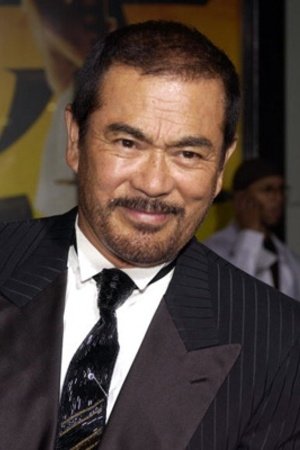
Sonny Chiba rose to fame with ‘The Street Fighter’ series, showcasing a gritty, full-contact approach to screen combat. Trained in multiple disciplines, he helped popularize realistic martial-arts action across Japanese cinema and beyond. Chiba later appeared in international productions, including ‘Kill Bill’, where his legacy was directly acknowledged on screen. He also spent time mentoring younger performers and choreographing action for film and television.
Sean Connery
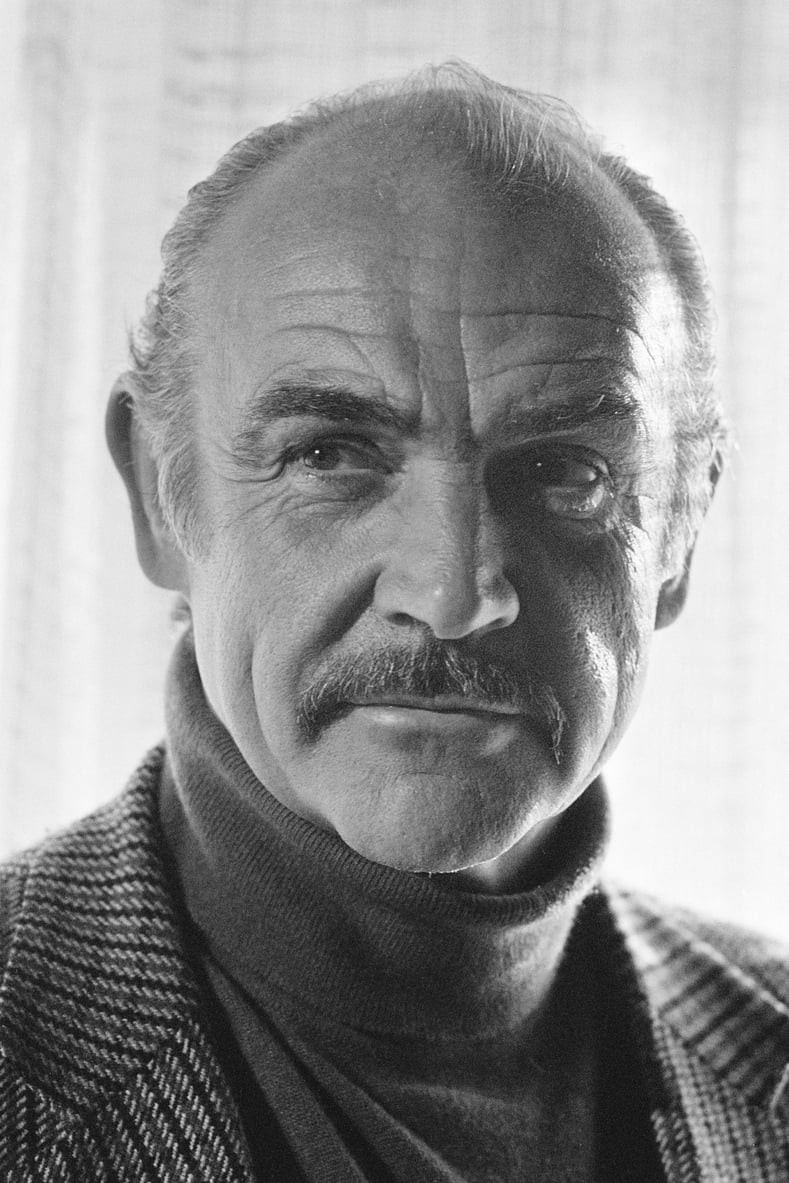
Sean Connery originated cinematic superspy James Bond in films such as ‘Dr. No’, ‘From Russia with Love’, and ‘Goldfinger’. His blend of dry wit, menace, and physicality shaped the modern espionage action template. Beyond Bond, Connery headlined muscular adventures like ‘The Rock’, proving his staying power with a new generation of action fans. His crossover stardom kept spy action at the forefront of global pop culture for decades.
Roger Moore
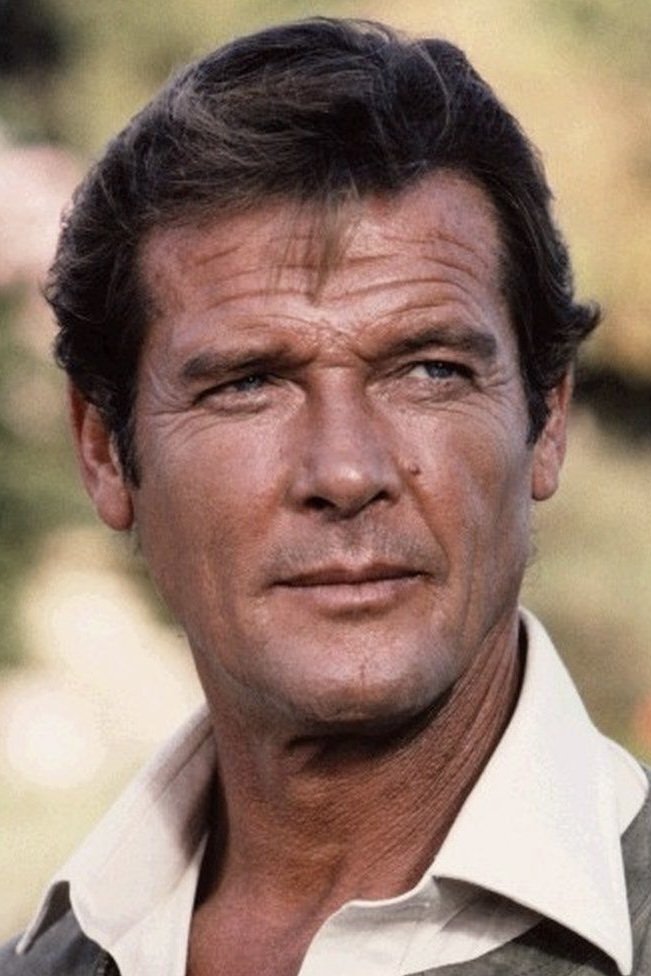
Roger Moore carried the Bond franchise through a long run that included ‘Live and Let Die’, ‘The Spy Who Loved Me’, and ‘For Your Eyes Only’. He leaned into large-scale set pieces, globe-trotting plots, and gadget-driven thrills. Moore’s tenure helped stabilize the series during major shifts in audience tastes and filmmaking technology. He continued adventure work on television and in features, maintaining a strong association with action entertainment.
David Carradine
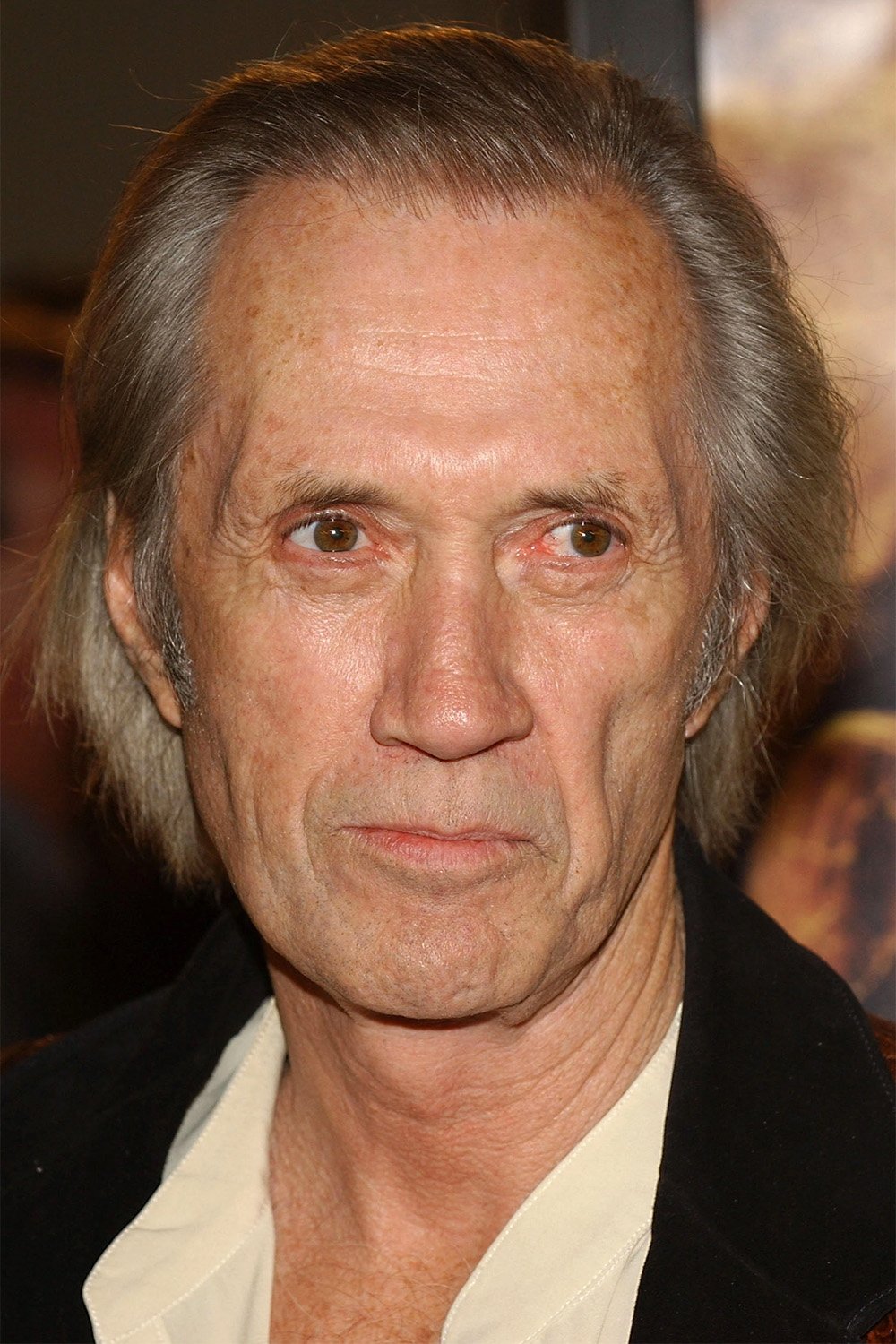
David Carradine became an international name with the TV phenomenon ‘Kung Fu’, which brought martial-arts concepts into mainstream American households. He later reintroduced himself to younger audiences through ‘Kill Bill’, playing an enigmatic antagonist central to the story’s revenge arc. Carradine’s career spanned indie films, genre b-movies, and prestige projects, reflecting the breadth of action’s footprint. He also contributed music and stage work, underscoring a multi-hyphenate presence beyond screen fighting.
Toshirō Mifune
Toshiro Mifune anchored numerous Akira Kurosawa epics, including ‘Seven Samurai’, ‘Yojimbo’, ‘Sanjuro’, and ‘Throne of Blood’. His dynamic swordplay and commanding intensity shaped the archetype of the modern screen warrior. Mifune’s samurai roles influenced Westerns and later action films, inspiring remakes and cross-genre reinterpretations. He worked internationally as well, spreading the stylistic DNA of chanbara cinema to global audiences.
Rutger Hauer
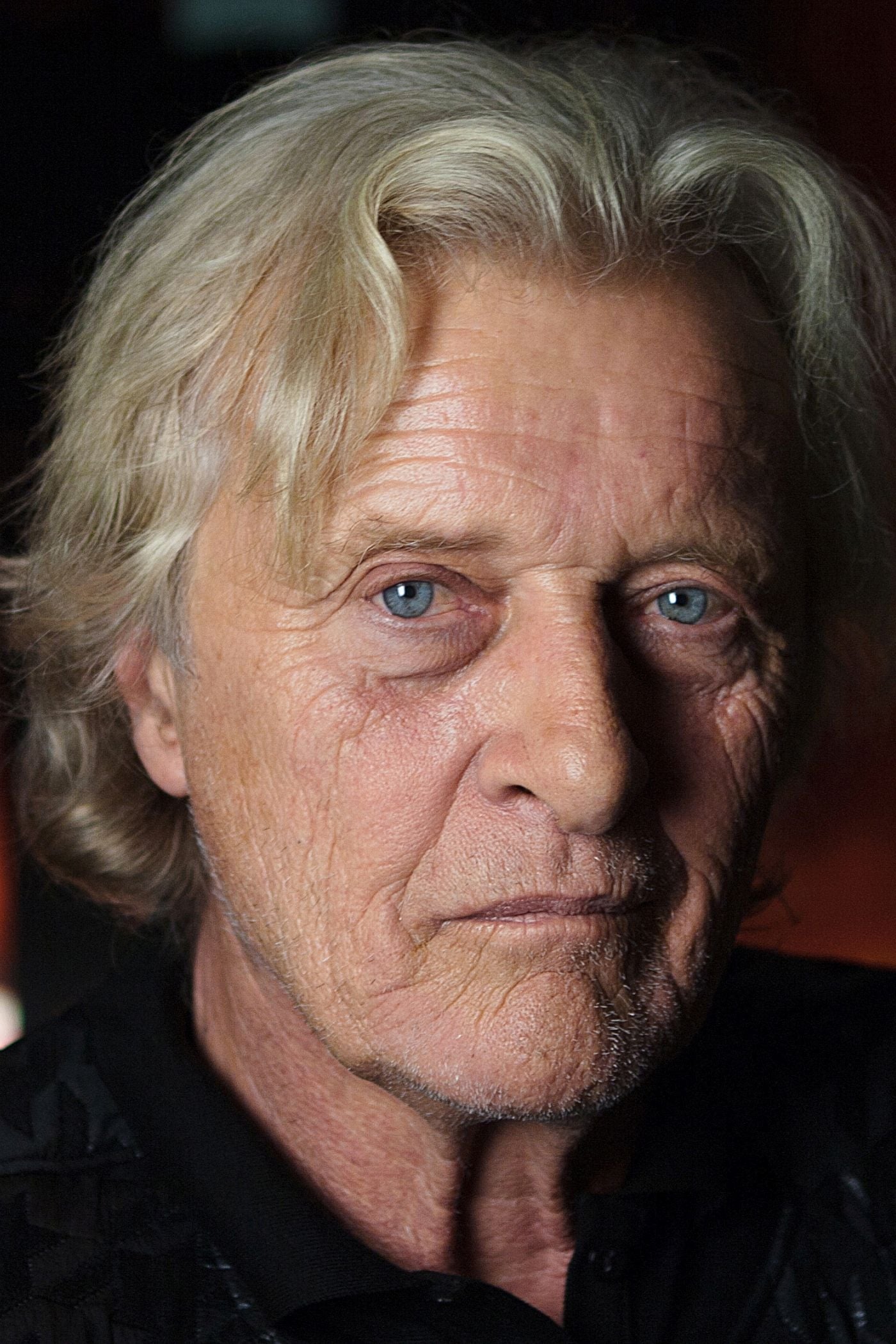
Rutger Hauer broke through internationally with ‘Blade Runner’ and sustained a varied action career with titles like ‘The Hitcher’ and ‘Nighthawks’. His performances mixed menace with unexpected vulnerability, broadening the emotional range of genre antagonists and antiheroes. Hauer moved fluidly between European productions and Hollywood projects, keeping a strong presence in thrillers and dark adventures. He also supported emerging filmmakers, frequently appearing in ambitious low-budget action and sci-fi work.
Brandon Lee
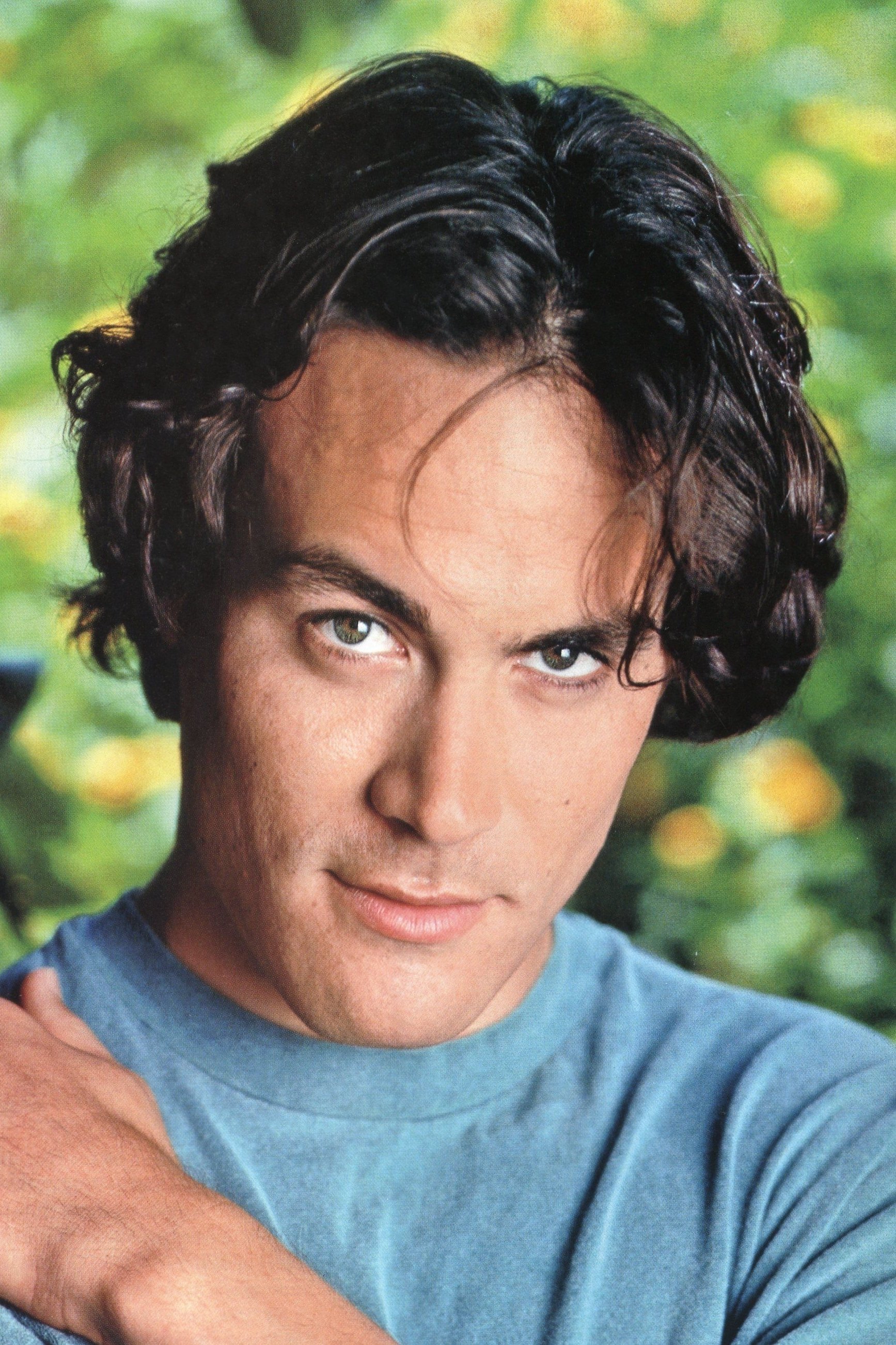
Brandon Lee headlined ‘The Crow’, a stylistically bold comic-book adaptation that became a cultural touchstone. He previously starred in action vehicles such as ‘Rapid Fire’ and ‘Showdown in Little Tokyo’. Lee’s death during production of ‘The Crow’ prompted industry-wide reviews of on-set firearm safety and stunt protocols. The completed film, assembled with visual effects and stand-in work, cemented his legacy with audiences worldwide.
Paul Walker
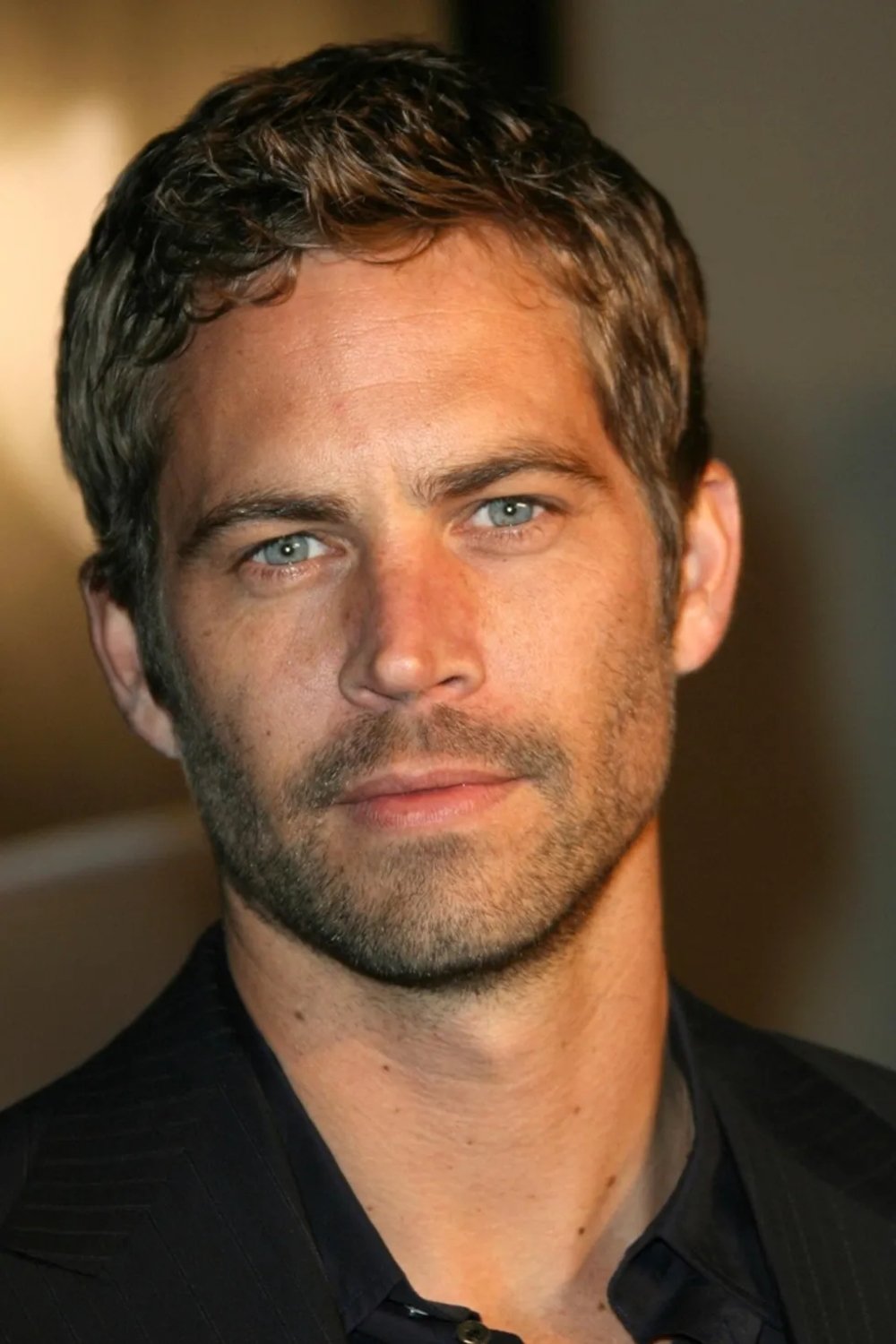
Paul Walker propelled the street-racing franchise launched by ‘The Fast and the Furious’, returning for multiple sequels that expanded into heist and globe-trotting action. His off-screen interests included motorsports and philanthropy, which connected closely with the series’ fan base. After his death, production adjusted to complete ‘Furious 7’, integrating existing footage and performance capture. The franchise’s ongoing success continues to reflect Walker’s foundational role in its identity.
Carl Weathers
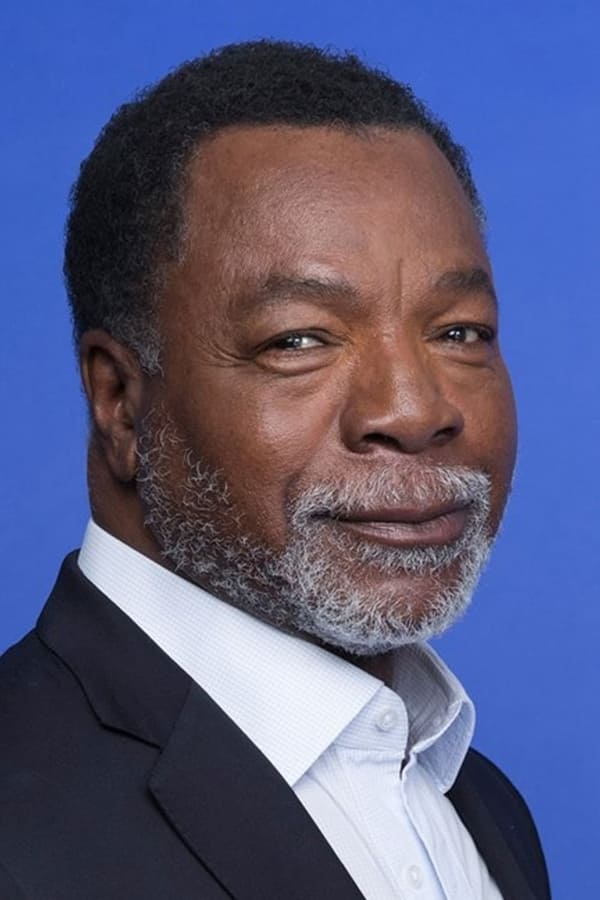
Carl Weathers made his mark as Apollo Creed in ‘Rocky’ and later joined ensemble action classics like ‘Predator’. He transitioned across film and television with ease, adding directing and producing to his résumé. Decades after his breakout roles, Weathers reconnected with action audiences through ‘The Mandalorian’. His career highlighted seamless movement between sports drama, military adventure, and sci-fi action storytelling.
Patrick Swayze
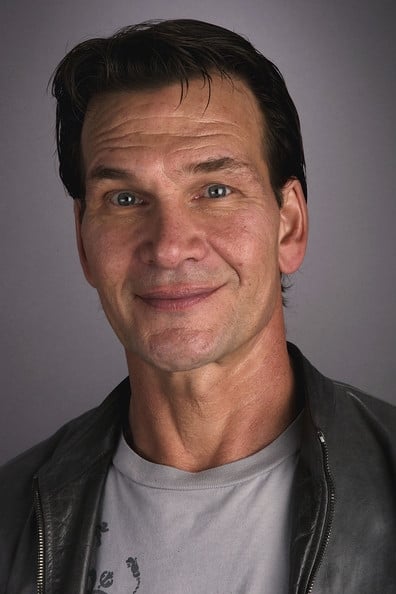
Patrick Swayze delivered iconic tough-guy turns in ‘Road House’, ‘Point Break’, and ‘Red Dawn’. He blended physical athleticism with character-driven performances, often training extensively for fight and stunt sequences. Swayze worked across dance, drama, and action, giving his genre roles a distinctive versatility. His mix of charisma and commitment left a lasting impact on action filmmaking and its portrayals of loyalty and honor.
Yul Brynner
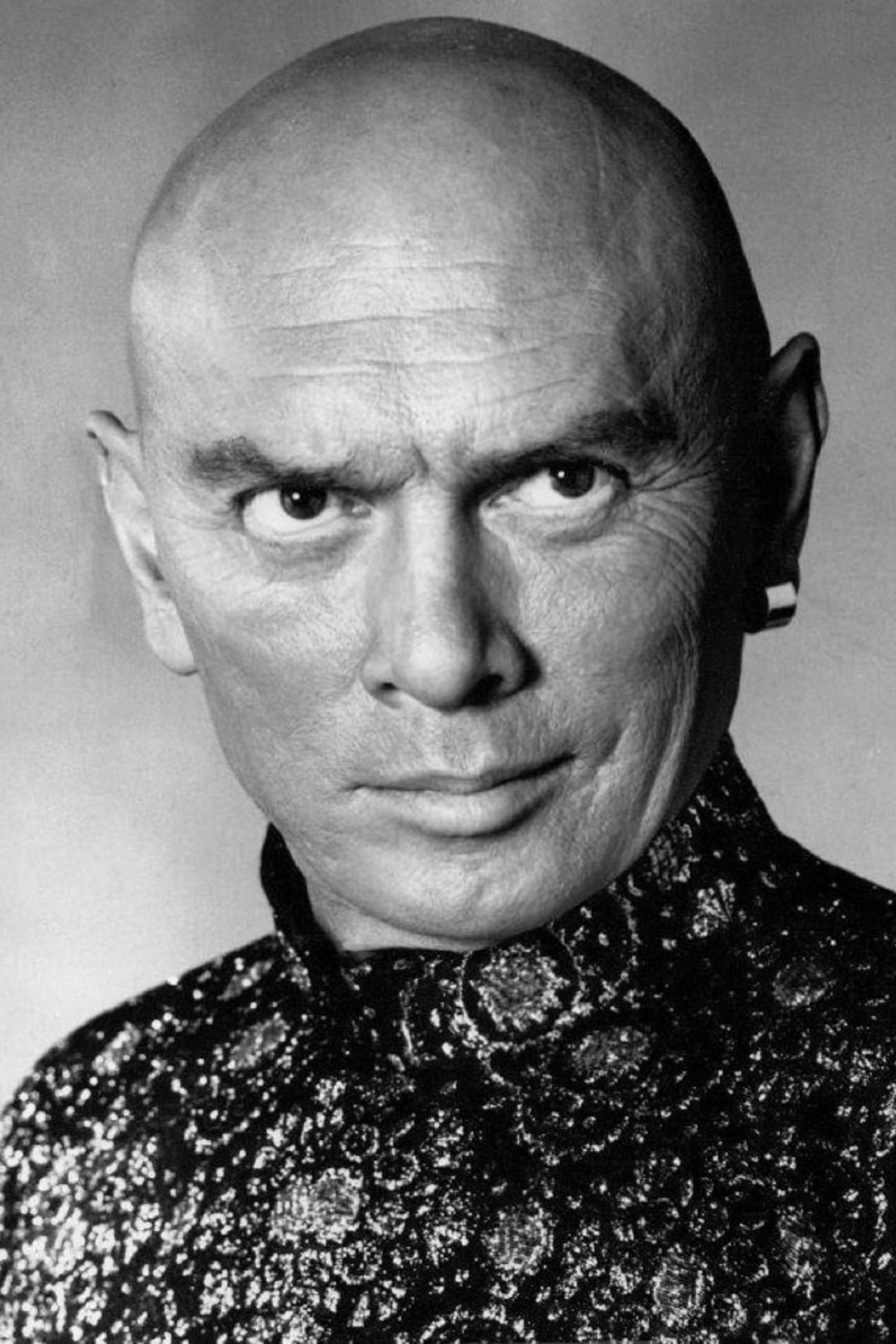
Yul Brynner headlined ensemble Western action with ‘The Magnificent Seven’ and later explored techno-thriller territory in ‘Westworld’. His shaved-head look and controlled intensity became signature elements across his screen roles. Brynner balanced film with stage work, maintaining a busy international career. His contributions helped connect classic Westerns to the broader evolution of action and sci-fi hybrids.
Share your picks and the roles you remember most in the comments!

