


Most Notable Movie Roles that Were Gender Swapped


Swapping a character’s gender can reshape a familiar story, modernize older material, and open doors for different performers to take on iconic roles. Filmmakers use this approach for many reasons—sometimes to update dated tropes, sometimes to refresh a franchise, and sometimes because a script fits a different lead better once development gets underway.
Below are notable examples where movies changed a character’s gender from the original source or earlier screen versions. Each entry highlights who played the role, what changed compared with the prior iteration, and how that change functioned within the narrative or franchise.
M – ‘GoldenEye’ (1995)
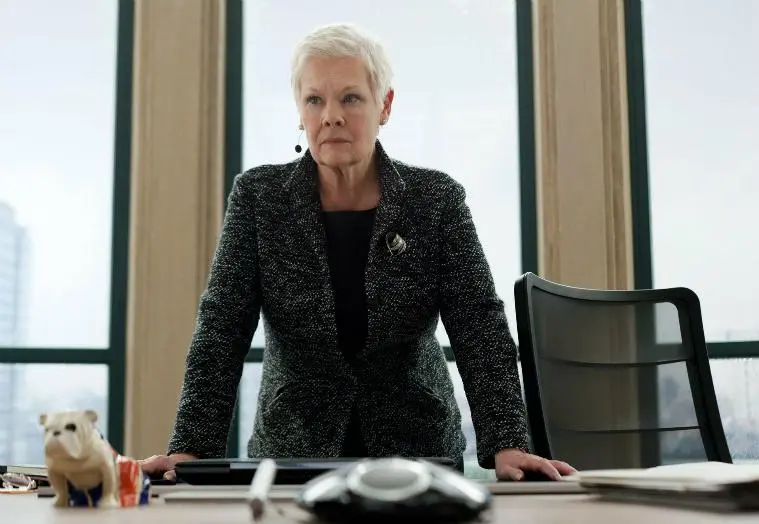
Judi Dench became the first woman to play M, the head of MI6, in the long-running James Bond series. Before this film, M had been portrayed by male actors as the agency’s top authority and Bond’s direct superior.
Dench continued to appear as M across multiple Bond entries, shaping the intelligence-service hierarchy and Bond’s briefing scenes. The films used the character to frame mission stakes, authorize operations, and provide oversight that anchored the spycraft elements.
The Ancient One – ‘Doctor Strange’ (2016)
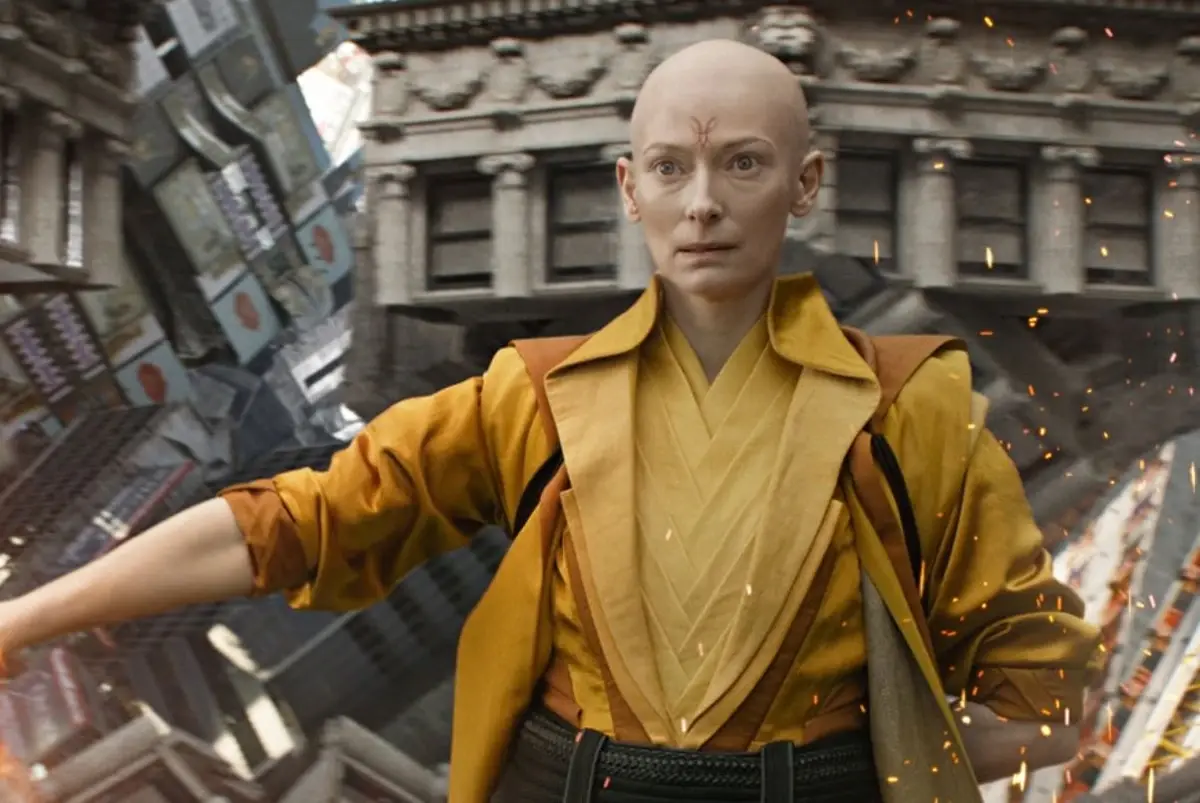
Tilda Swinton portrays the Ancient One, a mentor character introduced in Marvel comics as a male mystic. The film reconceives the role while retaining the function of training Stephen Strange and opening the story’s gateway to sorcery.
The character serves as the custodian of the Sanctums and the Mirror Dimension, guiding Strange through techniques that define the series’ visual approach to magic. The reconfiguration also establishes the rules of power that other characters follow in later appearances.
Princess Ahmanet – ‘The Mummy’ (2017)
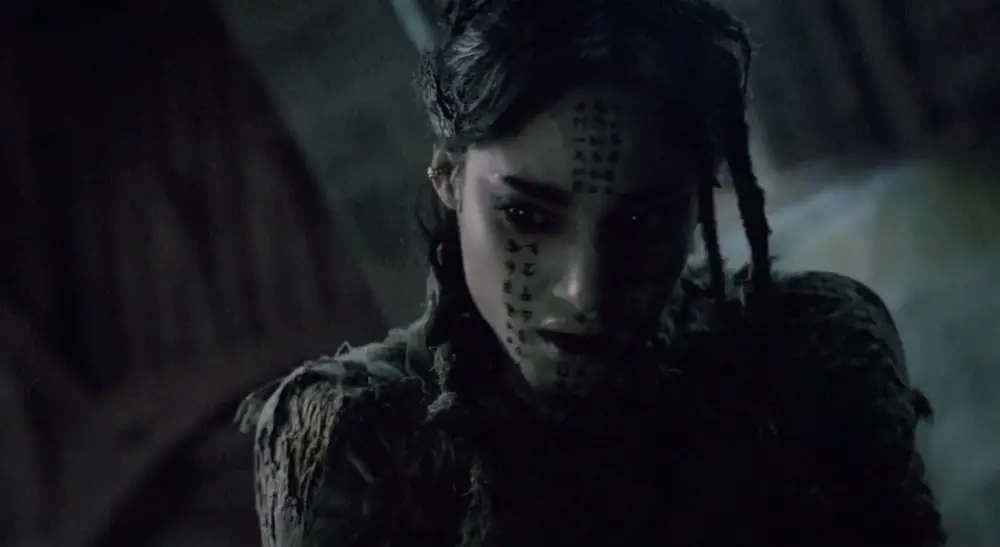
Sofia Boutella plays Princess Ahmanet, a female mummy antagonist diverging from earlier screen incarnations where the central undead figure was typically male. The narrative positions Ahmanet as an ambitious royal whose pact with dark forces carries a curse into the modern world.
Her abilities—commanding sandstorms, controlling undead servants, and marking a chosen host—drive the film’s action set-pieces. The character’s backstory is presented in prologue and vision sequences that set up the ancient origin of the threat.
Evelyn Salt – ‘Salt’ (2010)
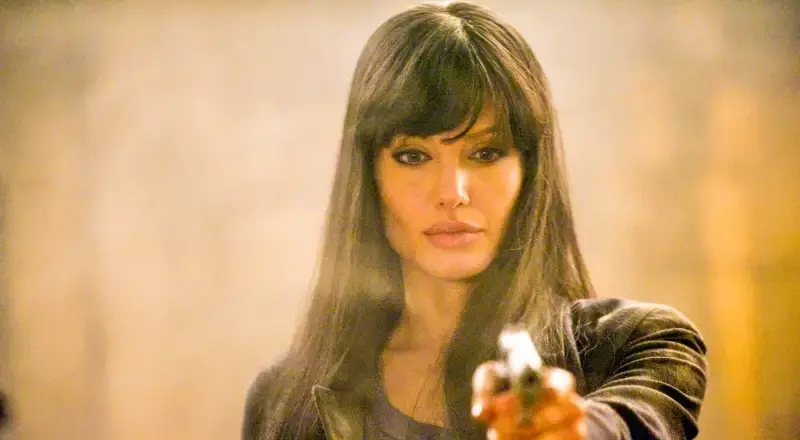
The espionage thriller began development with a male lead named Edwin A. Salt before the studio reconceived the protagonist for Angelina Jolie as Evelyn Salt. The rewrite preserved the double-agent premise while revising personal history, relationships, and operational cover identities.
On screen, Salt is a high-level CIA officer accused of being a sleeper agent, triggering a manhunt across Washington and New York. The plot relies on the character’s training, access, and contingency plans to progress through disguises, extractions, and shifting allegiances.
Fab G (Fairy Godparent) – ‘Cinderella’ (2021)
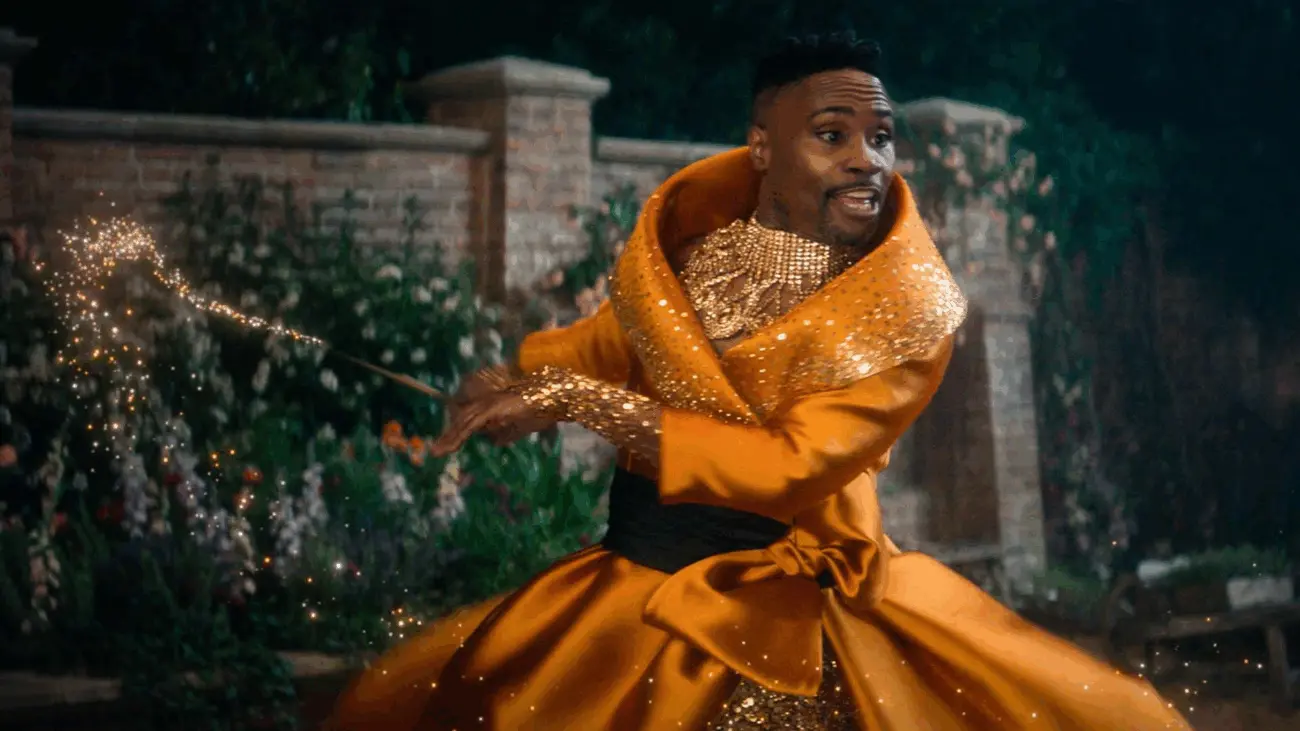
Billy Porter appears as ‘Fab G’, a gender-neutral fairy godparent role replacing the traditional fairy godmother. The character provides the transformation that enables Cinderella’s entrance into court society, using magic that aligns with the film’s contemporary pop-musical style.
‘Fab G’ arrives at a pivotal point to deliver wardrobe, transport, and time-bound conditions that structure the night’s events. The sequence integrates costume design, choreography, and comedic timing to reset the story’s momentum toward the ball.
Commander Root – ‘Artemis Fowl’ (2020)
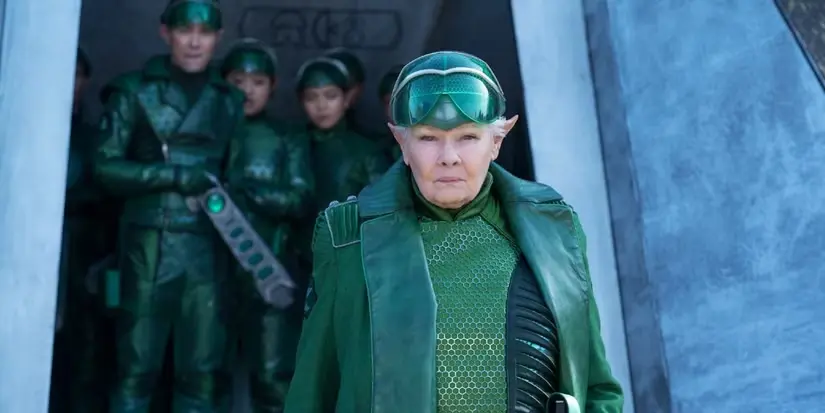
Judi Dench portrays Commander Root, the head of the Lower Elements Police, a character presented as male in Eoin Colfer’s novels. The film keeps Root’s strategic command over operations while revising the character’s presentation and manner of authority.
Root directs the response to surface-world interference, coordinating officers, setting mission parameters, and issuing stand-down or escalation orders. The role’s interactions with Holly Short and Foaly establish the command chain within the fairy underworld.
Liet-Kynes – ‘Dune’ (2021)
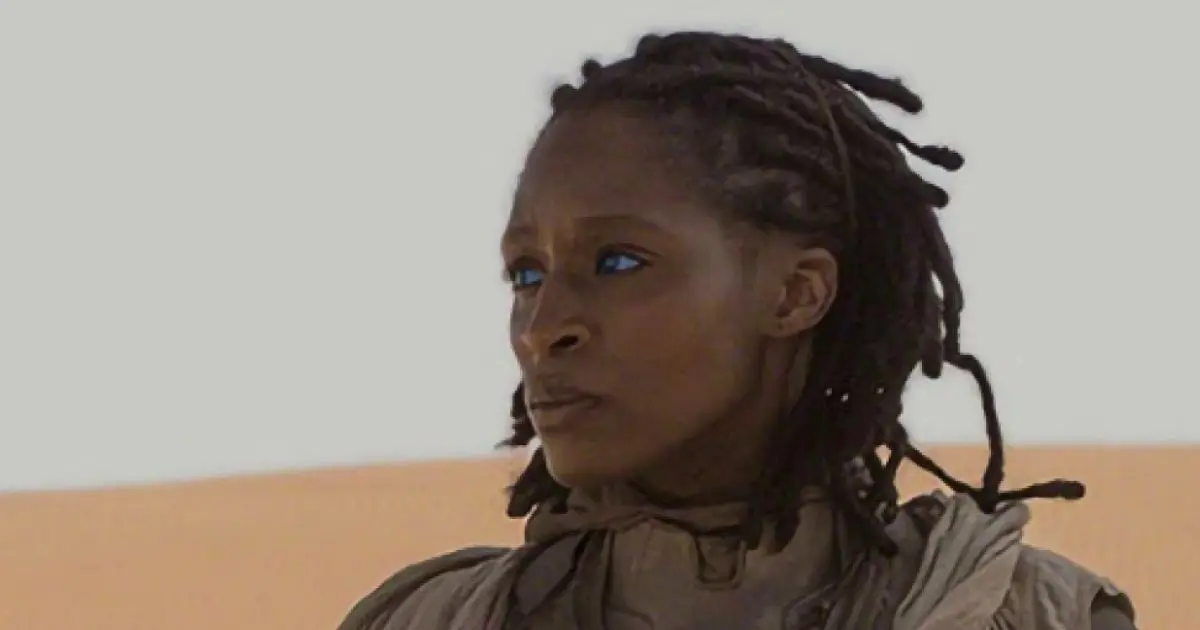
Sharon Duncan-Brewster plays Liet-Kynes, the planetary ecologist and imperial appointee introduced in Frank Herbert’s novel as a male character. The film maintains Kynes’s dual loyalty to Arrakis and the empire while reframing personal connections with the Fremen.
Kynes delivers key exposition through action—demonstrating stillsuit use, explaining desert survival, and signaling the ecological stakes of spice extraction. The character also mediates between House Atreides and local power structures during the transition of control.
Ajak – ‘Eternals’ (2021)
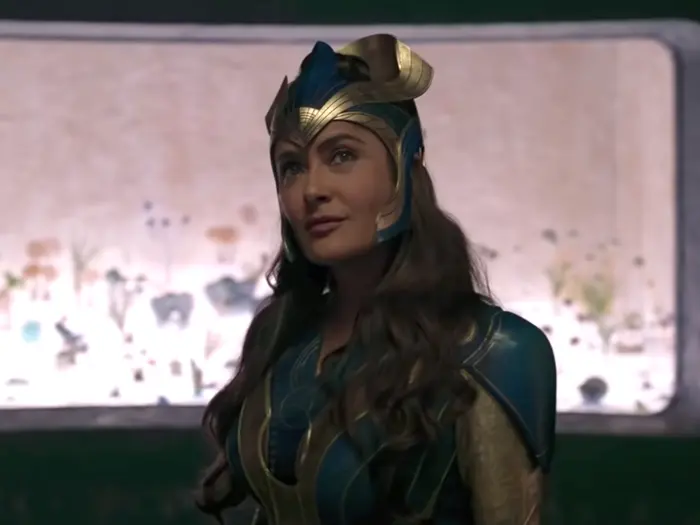
Salma Hayek plays Ajak, reimagined from a frequently male depiction in the source comics. In the film, Ajak serves as the team’s healer and spiritual leader, with the unique ability to communicate with the Celestial Arishem.
Ajak provides mission directives, interprets Celestial intentions, and oversees the Eternals’ long-term presence on Earth. The role anchors flashbacks and present-day events that explain the group’s purpose and constraints.
Makkari – ‘Eternals’ (2021)
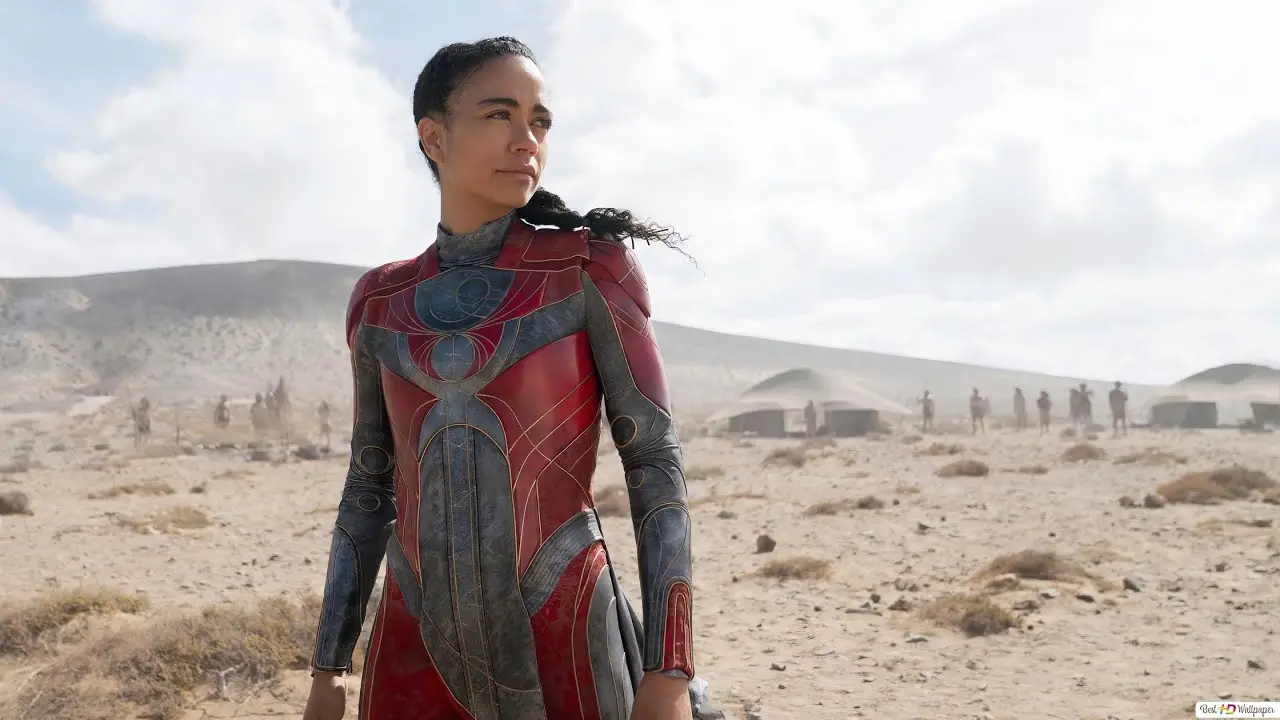
Lauren Ridloff portrays Makkari, a speedster character presented as male in many comics runs. The film also establishes Makkari as deaf, making on-screen American Sign Language a core element of team communication.
Makkari’s abilities support reconnaissance, rapid strikes, and artifact searches that move the plot between locations. The role’s scenes demonstrate speed-based combat tactics and environmental interactions that distinguish the character within the ensemble.
Gabriel – ‘Constantine’ (2005)
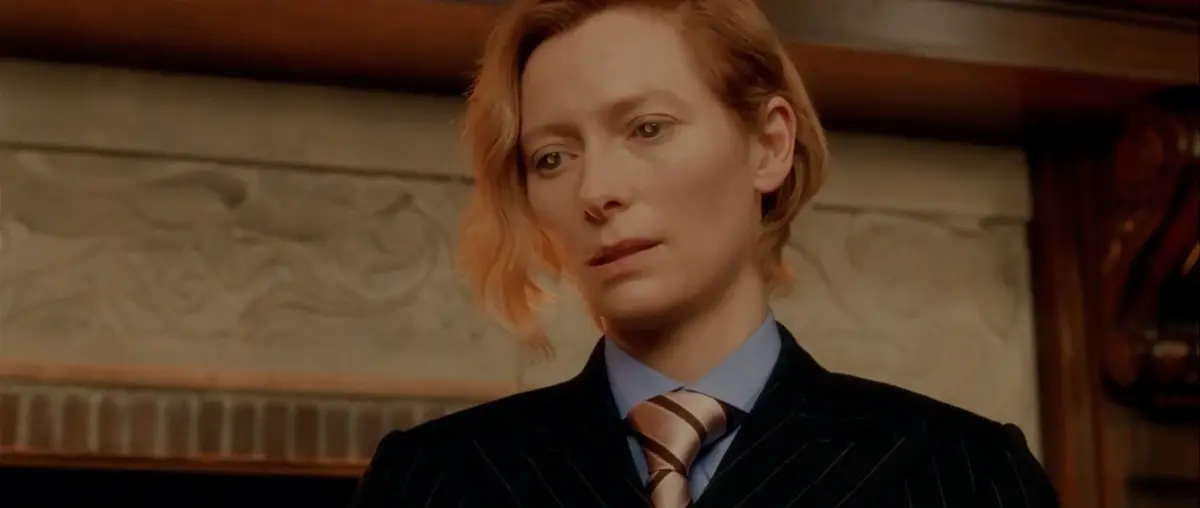
Tilda Swinton plays the archangel Gabriel with an androgynous presentation, diverging from the traditionally male depiction in DC and Vertigo comics. The character functions within the film’s heaven-and-hell framework as an authority who evaluates human worthiness.
Gabriel’s interactions with John Constantine lay out the story’s theological rules and the conditions governing intervention. The character’s choices connect pivotal hospital, church, and climactic sequences that test the protagonist’s understanding of sacrifice.
Valentina (Doc) – ‘West Side Story’ (2021)
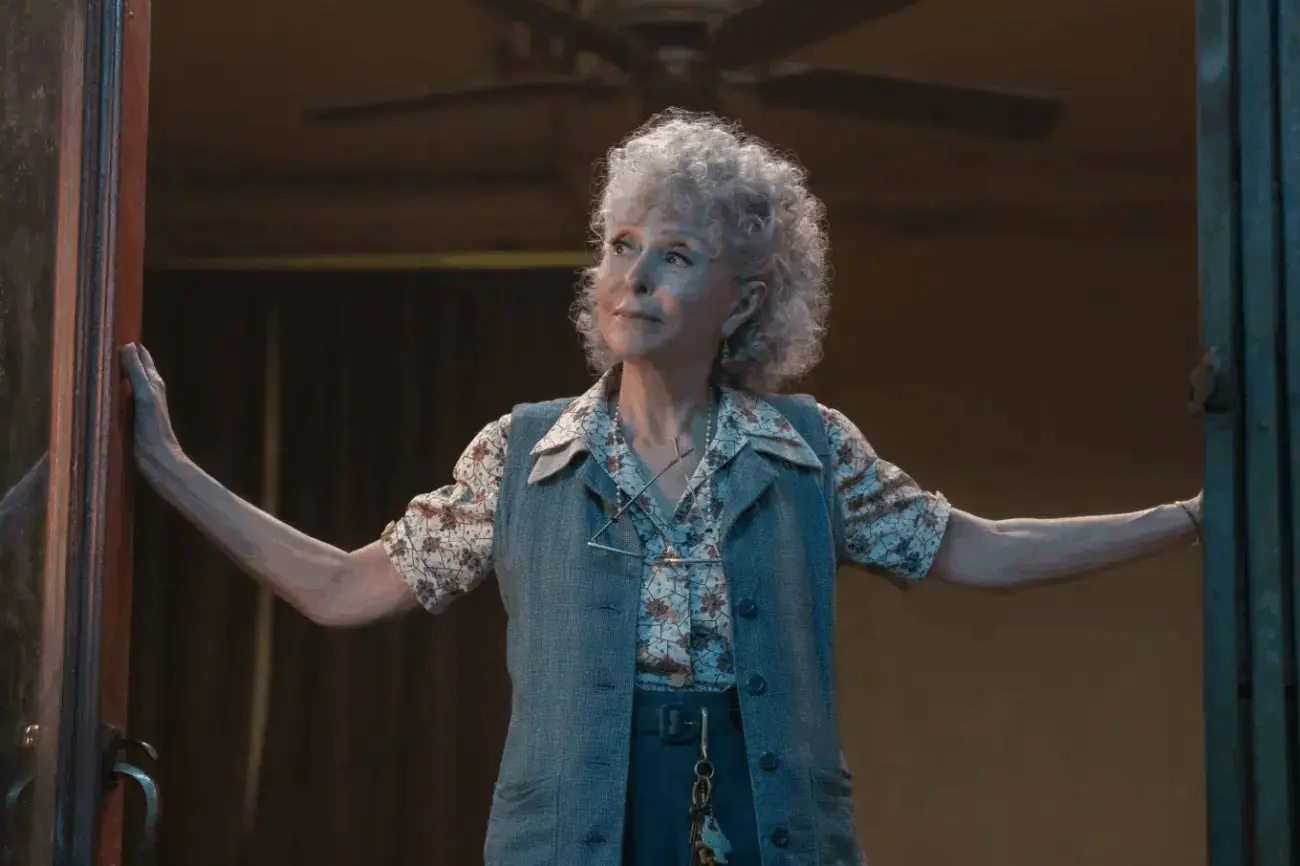
Rita Moreno plays Valentina, a reimagined version of Doc—male in the earlier film and stage musical. Valentina owns the neighborhood store and provides employment and mentorship that frame Tony’s attempt to start over.
The character bridges rival groups, mediates conflicts, and delivers guidance that affects key decisions. The film assigns a signature musical moment to Valentina, integrating the role deeply into the narrative’s emotional turning points.
Scuttle – ‘The Little Mermaid’ (2023)

Awkwafina voices Scuttle, gender-swapping the comic relief bird who was male in the classic animated version. The redesign shifts the species to a northern gannet while keeping the role as Ariel’s surface-world advisor.
Scuttle contributes information about human objects, participates in search-and-rescue beats, and teams with Sebastian and Flounder in musical and comedic sequences. The character’s dialogue and a new song are used to relay plot details at crucial moments.
Penny Rust – ‘The Hustle’ (2019)
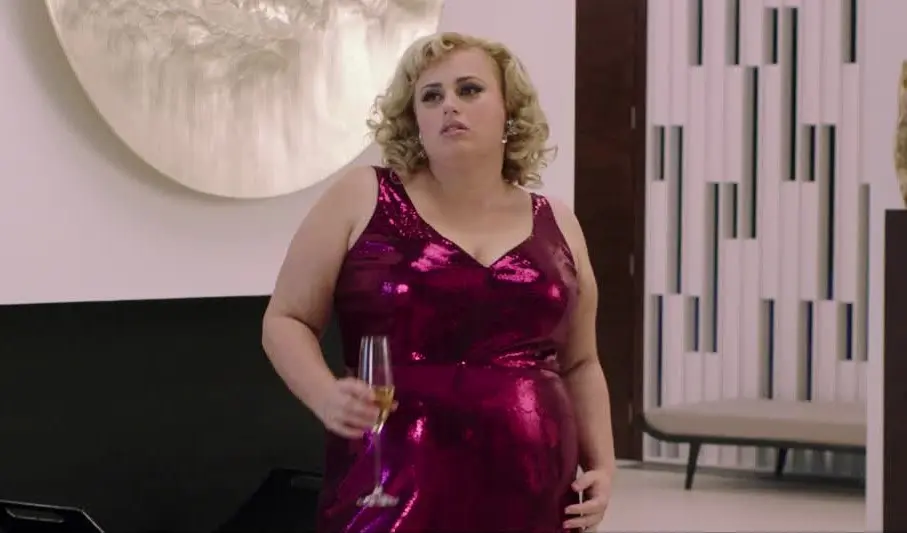
Rebel Wilson plays Penny Rust, the con-artist counterpart to Freddy Benson from ‘Dirty Rotten Scoundrels’. The film reworks the original’s mentor-protégé scheme into a partnership between Penny and Josephine Chesterfield.
Penny’s role covers recruitment gambits, confidence games, and staged reveals that echo the earlier blueprint. The character’s set-ups and reversals structure the rivalry-to-team-up rhythm that drives the con narrative.
Kevin – ‘Ghostbusters’ (2016)
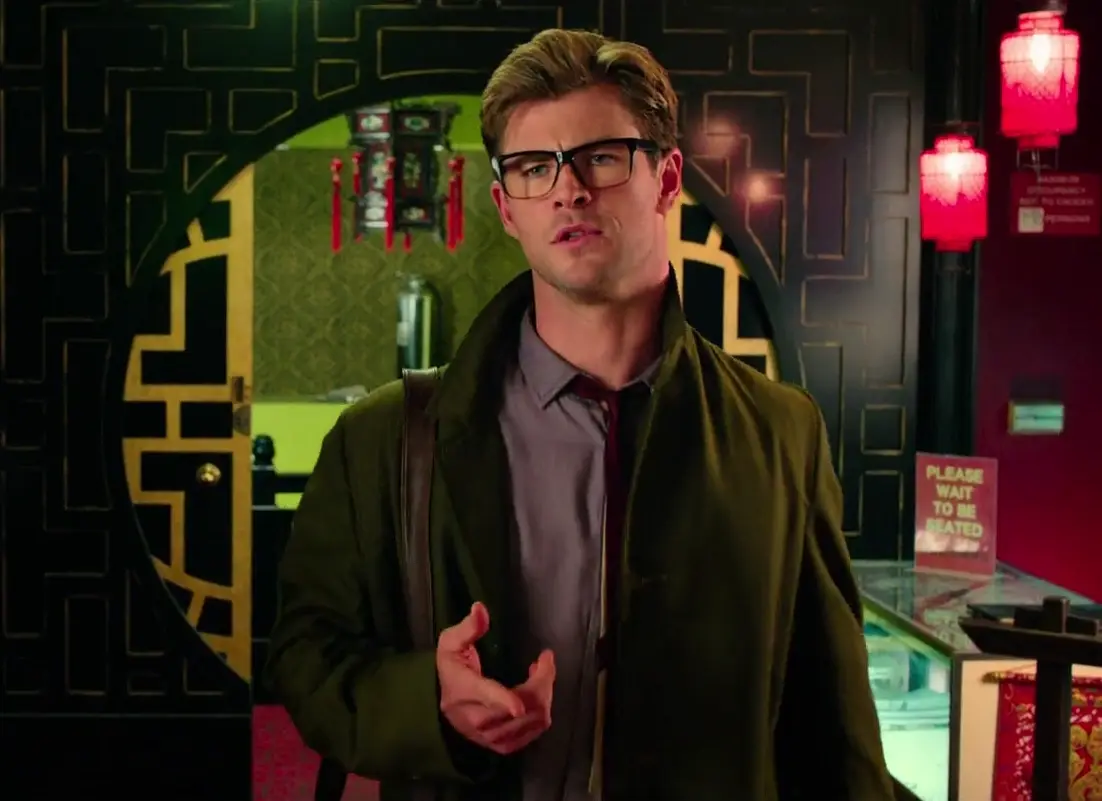
Chris Hemsworth plays Kevin, the team’s receptionist, inverting the earlier films’ dynamic where Janine held the front-desk role. The movie builds a new team of scientists while flipping the office support position traditionally associated with a woman.
Kevin fields calls, manages equipment check-ins, and becomes entangled in the main supernatural conflict, providing both plot complications and assistance. The film also includes legacy cast cameos in new roles that nod to the earlier continuity.
Prospera – ‘The Tempest’ (2010)
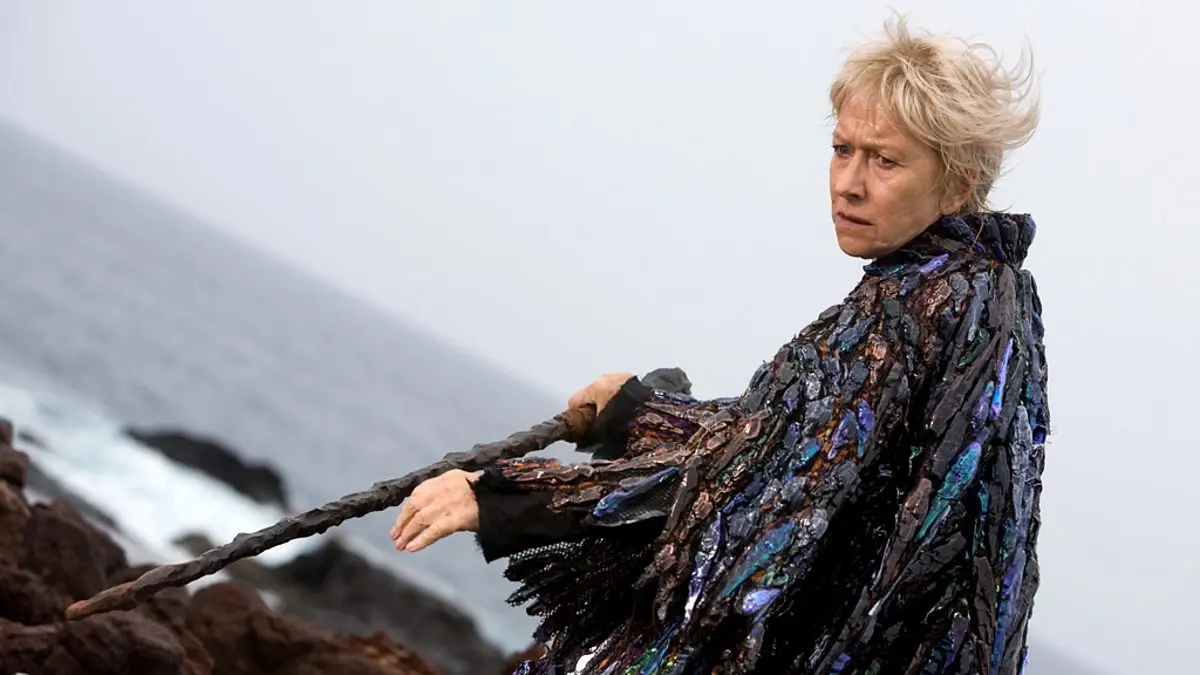
Helen Mirren portrays Prospera, a gender-swapped version of Shakespeare’s Prospero. The adaptation alters lines of succession and backstory to fit the female title while preserving the exiled ruler’s mastery of magic.
Prospera orchestrates the storm, manages the island’s inhabitants, and directs the encounters that resolve courtly conflicts. The character’s relationships with Miranda, Ariel, and Caliban mirror the original structure while reframing the central authority figure.
Share other notable gender-swapped movie roles you think belong on this list in the comments!

