


Most Romantic Non-Romance Movies Ever Filmed



Romance shows up in the most unexpected places—across battlefields, inside space stations, through time loops, and under superhero masks. This list gathers films that aren’t filed under the romance genre first, yet still build unforgettable relationships, grand gestures, and deeply felt connections as part of larger adventures, mysteries, and spectacles. You’ll find science-fiction epics, action blockbusters, fantasy quests, thrillers, and animated classics that weave love stories into their wider plots.
Each entry focuses on concrete details: who made the film, who starred in it, how it was produced, and what milestones it hit. You’ll see directors, key craftspeople, studios, release facts, awards recognition, and notable production choices, all centered on how the projects incorporate love stories—quiet or sweeping—without being categorized as traditional romances.
‘WALL·E’ (2008)
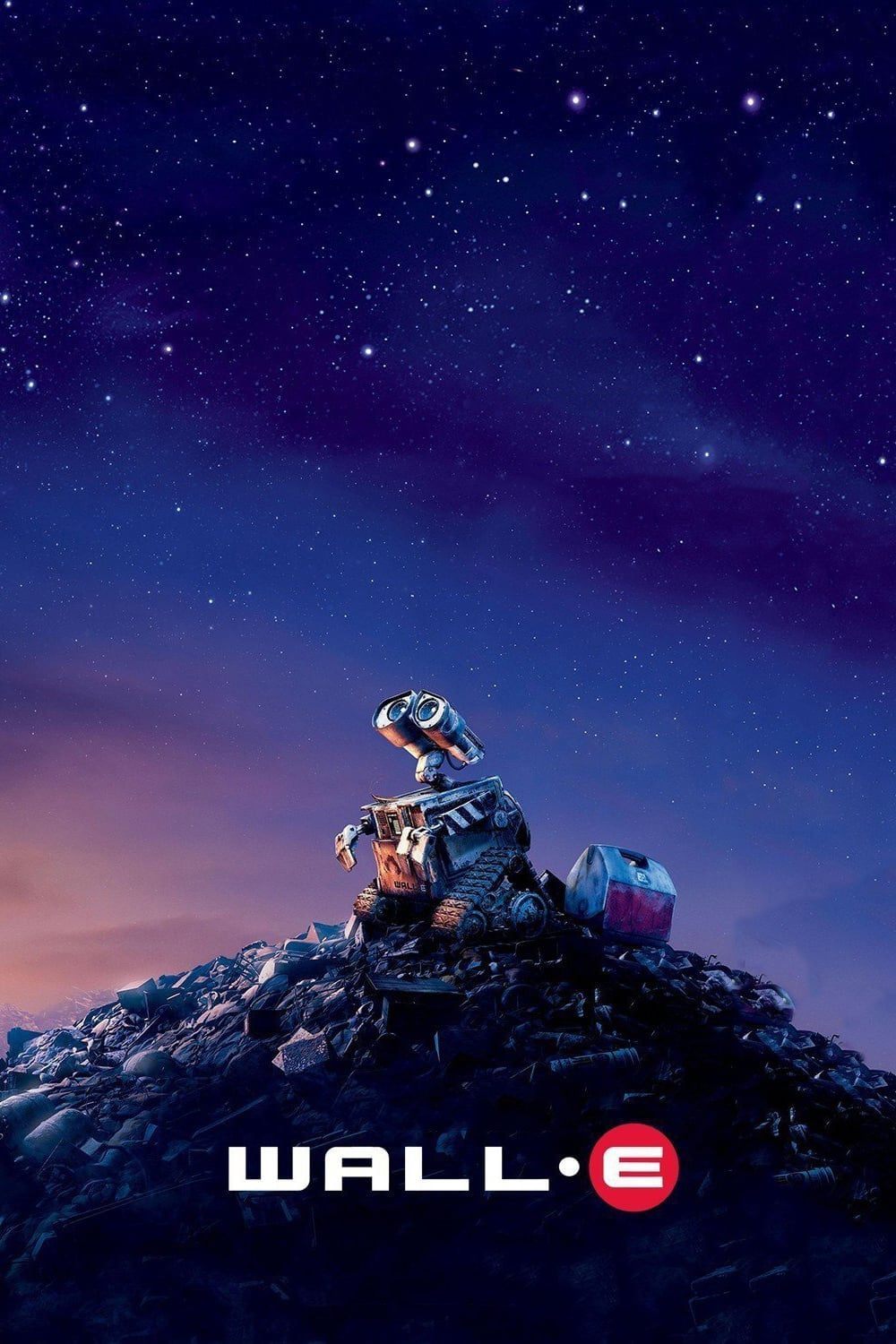
Pixar’s ‘WALL·E’ is directed by Andrew Stanton, produced by Jim Morris, and written by Stanton and Jim Reardon from a story by Stanton and Pete Docter. Ben Burtt created the vocalizations, with Elissa Knight voicing EVE. The film blends animation and live-action elements, features a score by Thomas Newman, and was released by Walt Disney Pictures after a development process that emphasized nonverbal storytelling in its opening movement.
The production used Pixar’s proprietary rendering tools to simulate realistic lighting and depth of field inspired by live-action cinematography, with Roger Deakins consulting on visual texture. ‘WALL·E’ won the Academy Award for Best Animated Feature and received nominations in categories including Original Screenplay and Score, becoming a critical and commercial success worldwide.
‘Up’ (2009)

‘Up’ is directed by Pete Docter and co-directed by Bob Peterson, who also co-wrote the screenplay with Docter; Jonas Rivera produced. Ed Asner, Christopher Plummer, Jordan Nagai, and Bob Peterson lead the voice cast, with Michael Giacchino composing an Oscar-winning score. The film opened the Cannes Film Festival in 3D and was released by Walt Disney Pictures/Pixar.
Production drew on a research trip to Venezuela’s tepui mountains to inform the Paradise Falls environment, while the animators devised a system to choreograph thousands of balloons in physically plausible ways. ‘Up’ earned Academy Award nominations including Best Picture, a rare honor for an animated feature at the time, and won Best Animated Feature and Best Original Score.
‘The Terminator’ (1984)
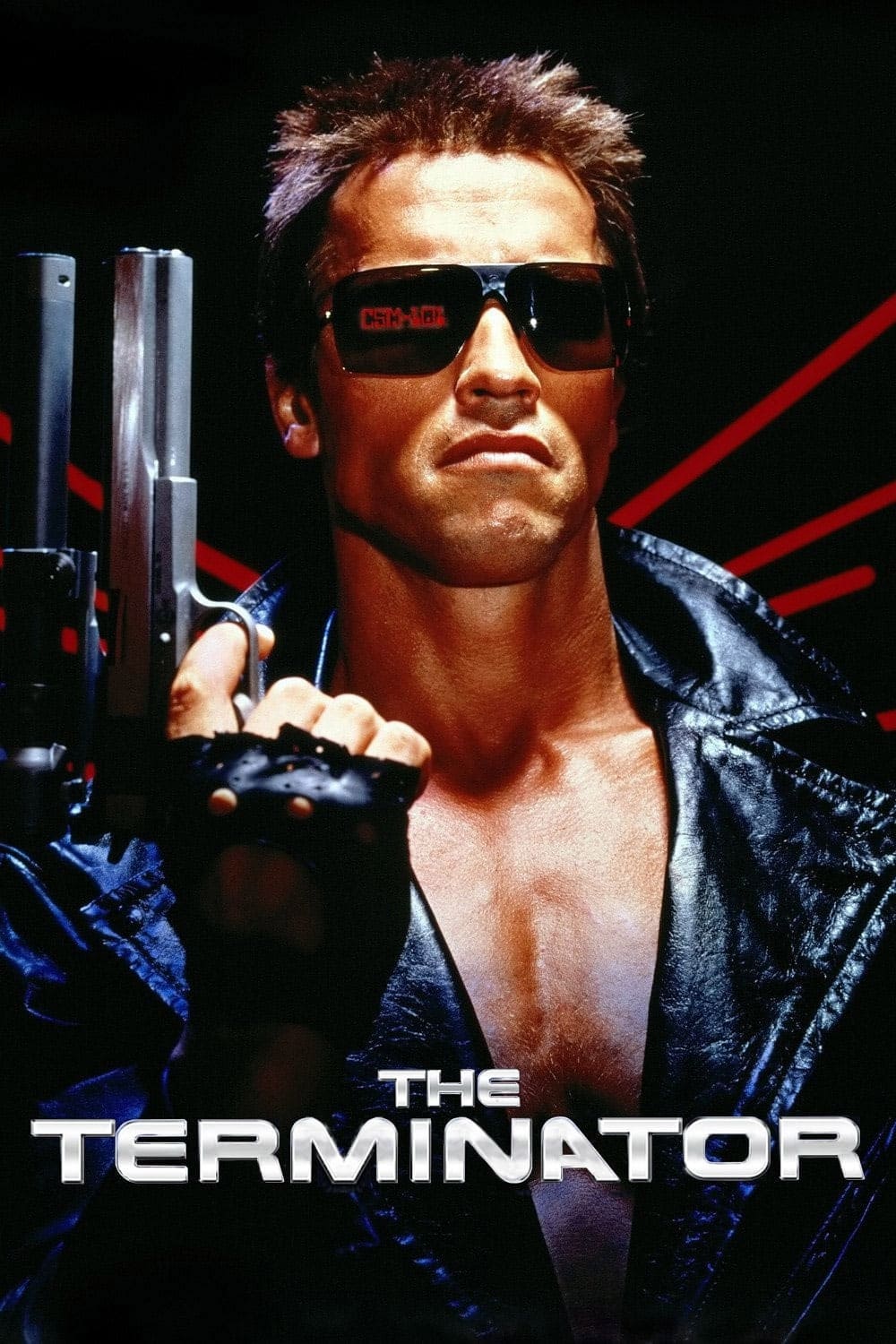
Written and directed by James Cameron and produced by Gale Anne Hurd, ‘The Terminator’ stars Arnold Schwarzenegger, Linda Hamilton, and Michael Biehn. Brad Fiedel’s synthesizer score and Adam Greenberg’s cinematography helped define its techno-noir atmosphere, and the film used practical effects from Stan Winston Studio and Fantasy II Film Effects.
Shot primarily in Los Angeles on a modest budget, the film became a sleeper hit and launched a franchise expanding into sequels, television, and video games. Its narrative about a soldier sent back in time centers on a mission that intersects with personal connection, anchoring the stakes that drive its action set-pieces.
‘Star Wars: Episode V – The Empire Strikes Back’ (1980)
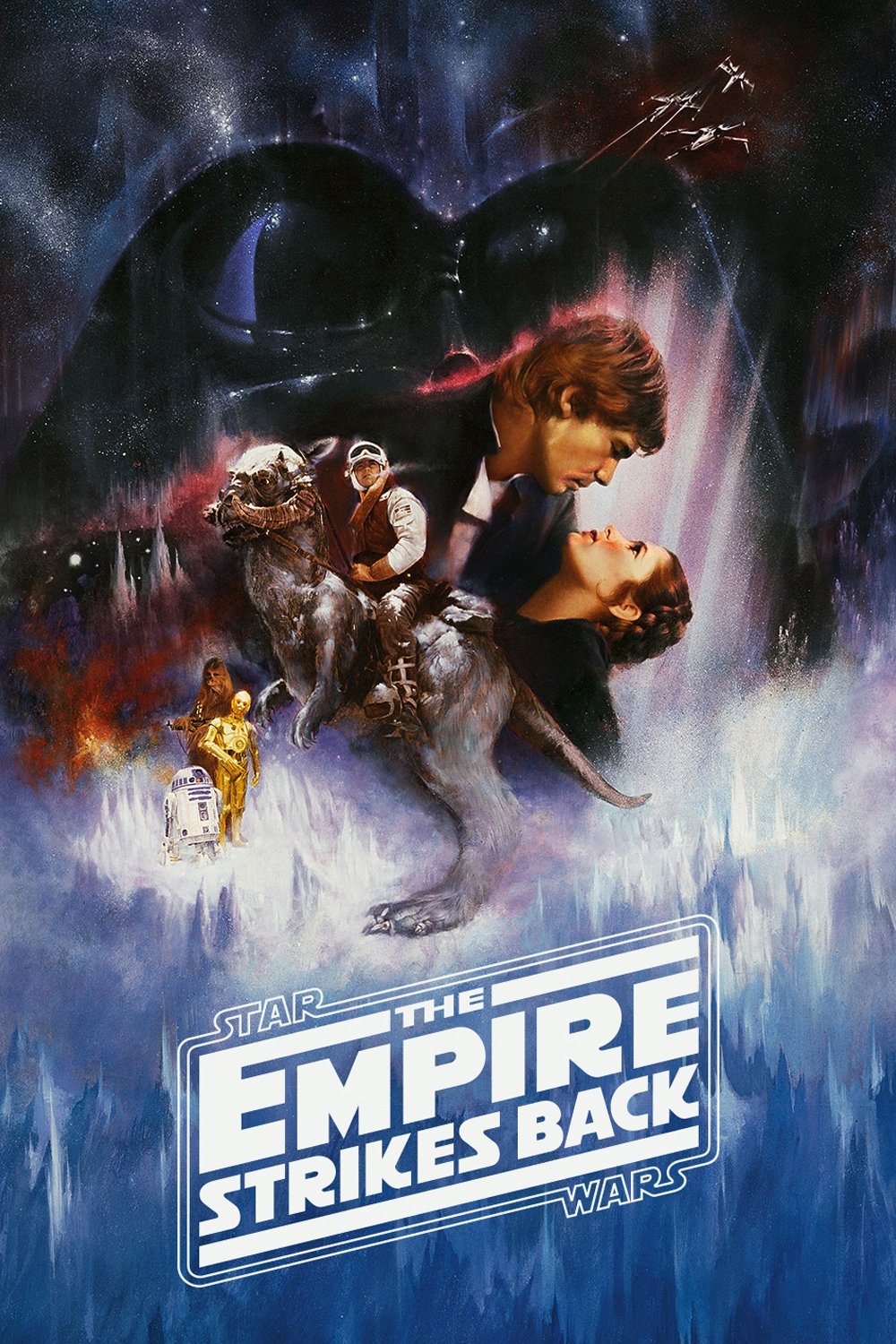
Directed by Irvin Kershner from a story by George Lucas and a screenplay by Leigh Brackett and Lawrence Kasdan, ‘Star Wars: Episode V – The Empire Strikes Back’ stars Mark Hamill, Harrison Ford, and Carrie Fisher. John Williams returned to compose, introducing themes that became franchise signatures, while Peter Suschitzky served as cinematographer.
Principal photography took place at Elstree Studios and on location in Finse, Norway, for the Hoth sequences. Released by 20th Century Fox, the film deepened character dynamics within a larger space-opera framework and has been preserved in multiple restorations and special editions that maintained its place in visual-effects and serialized storytelling history.
‘The Matrix’ (1999)
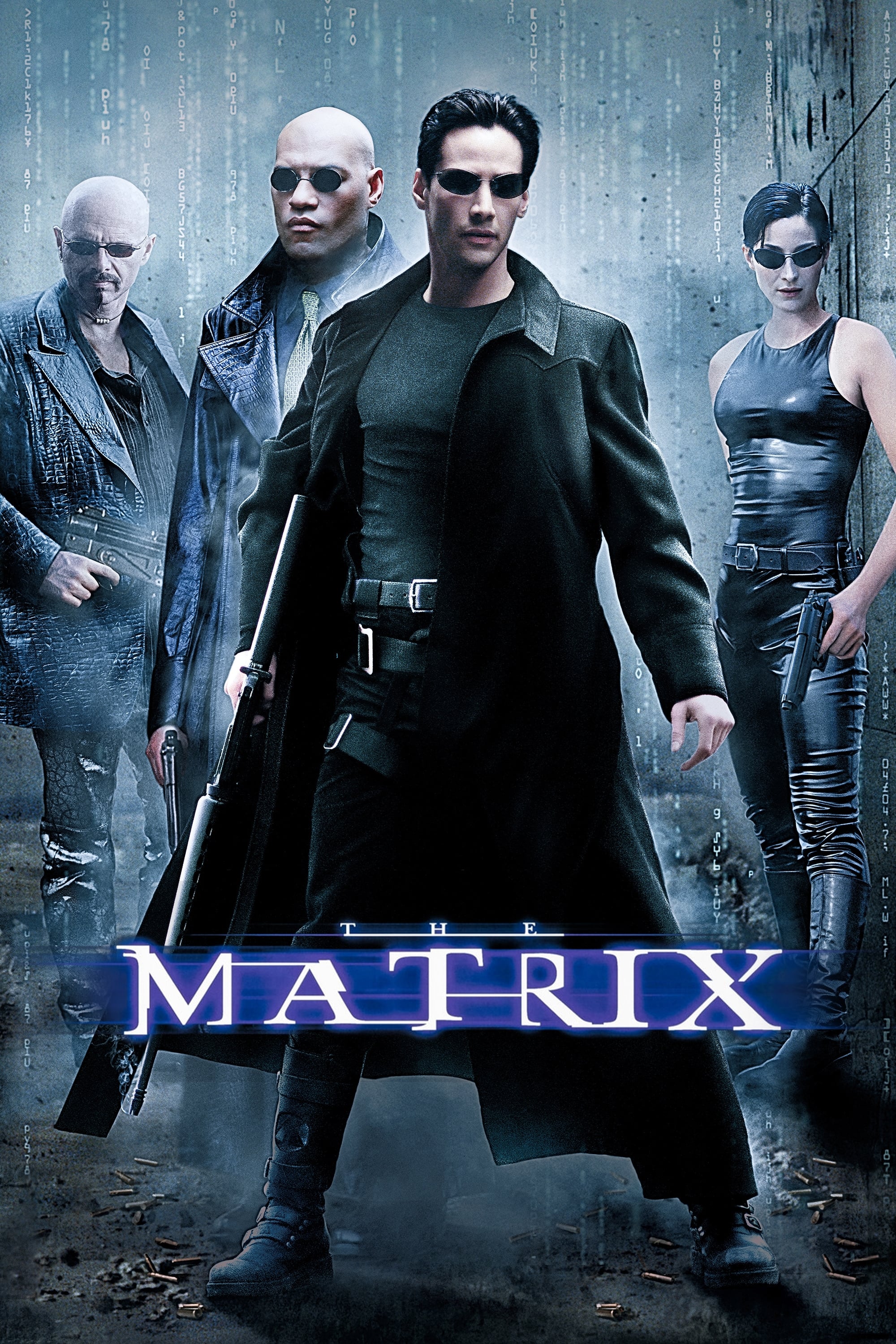
Written and directed by the Wachowskis, ‘The Matrix’ stars Keanu Reeves, Carrie-Anne Moss, and Laurence Fishburne, with Joel Silver producing. Bill Pope’s cinematography, Don Davis’s score, and fight choreography influenced by Hong Kong cinema under Yuen Woo-ping gave the film its defining style. The production popularized “bullet time,” blending motion-control photography and digital compositing.
Filmed in Sydney with sets built to maximize practical wire work, ‘The Matrix’ won multiple Academy Awards in technical categories. Its narrative integrates a rebellion against a simulated reality with a bond between central characters that shapes key choices across the trilogy and subsequent franchise entries.
‘The Lord of the Rings: The Two Towers’ (2002)
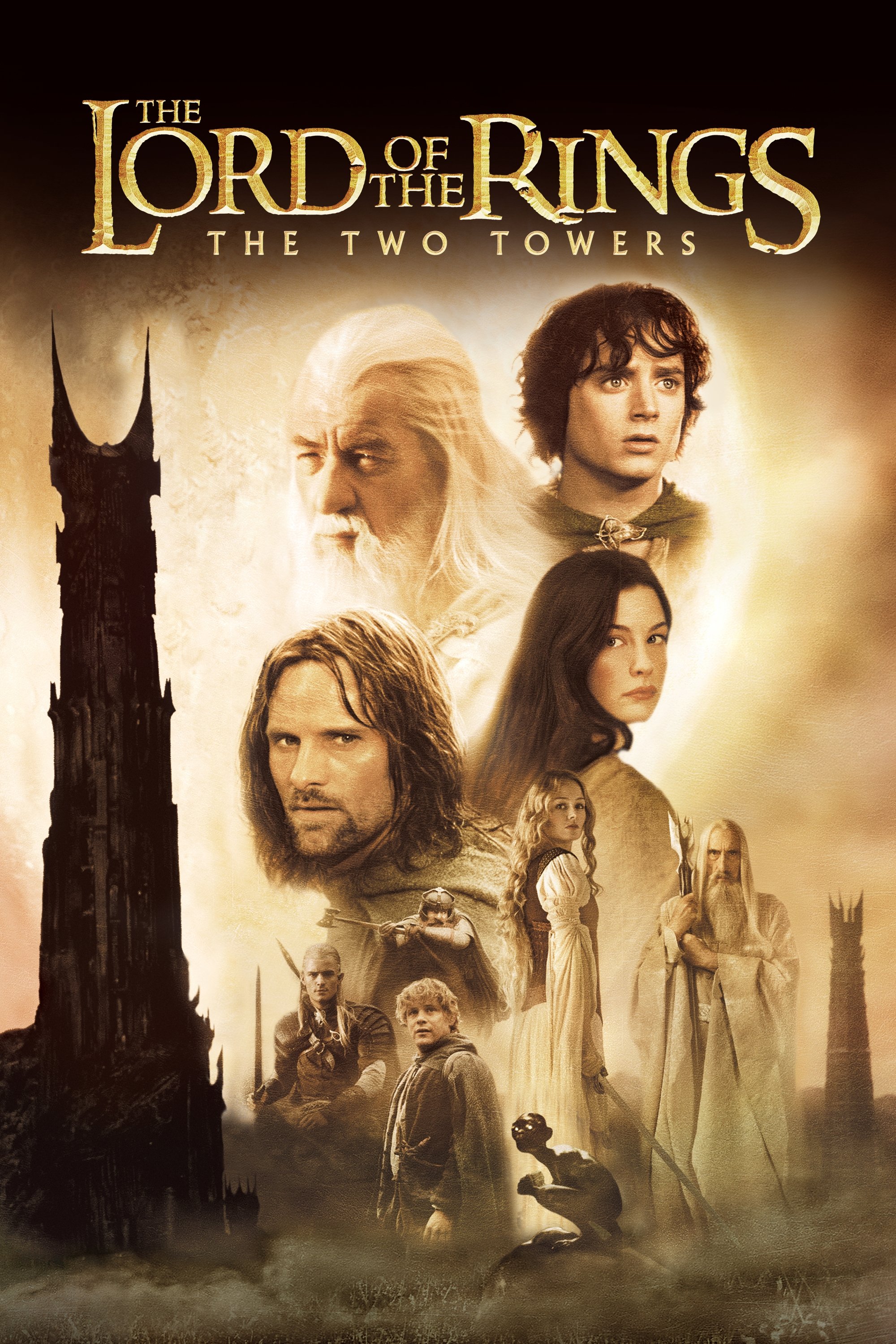
Directed by Peter Jackson and produced by WingNut Films and New Line Cinema, ‘The Lord of the Rings: The Two Towers’ adapts J.R.R. Tolkien with a screenplay by Fran Walsh, Philippa Boyens, Stephen Sinclair, and Jackson. The ensemble includes Elijah Wood, Viggo Mortensen, Liv Tyler, and Miranda Otto, with Howard Shore composing and Andrew Lesnie as cinematographer.
The film is notable for Weta Digital’s work on Gollum, performed by Andy Serkis via motion capture. Large-scale battles like Helm’s Deep combined practical stunts, miniatures (“big-atures”), and digital armies. Among its honors, the film won Academy Awards for Visual Effects and Sound Editing and continued a multi-year production that shot the trilogy back-to-back across New Zealand.
‘Pirates of the Caribbean: The Curse of the Black Pearl’ (2003)
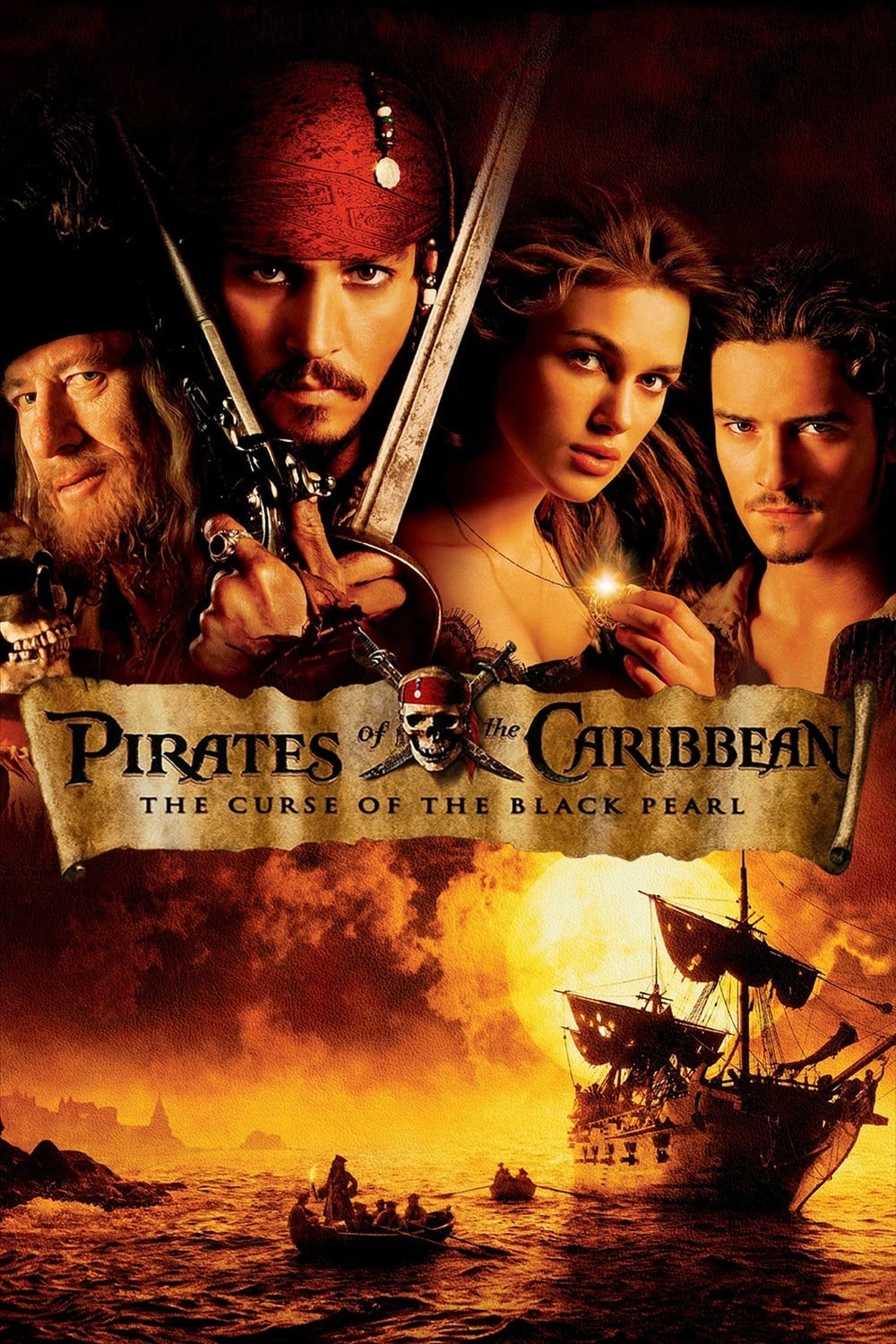
Gore Verbinski directed ‘Pirates of the Caribbean: The Curse of the Black Pearl’, produced by Jerry Bruckheimer and released by Walt Disney Pictures. The cast features Johnny Depp, Orlando Bloom, and Keira Knightley, with music by Klaus Badelt (and additional music by Hans Zimmer) and cinematography by Dariusz Wolski.
The production combined practical ship sets, extensive location work, and CG skeletal pirates created by Industrial Light & Magic. Its success revived the swashbuckler mode for modern audiences and launched a multi-film franchise, with continuing character relationships threading through subsequent sequels.
‘Spider-Man 2’ (2004)
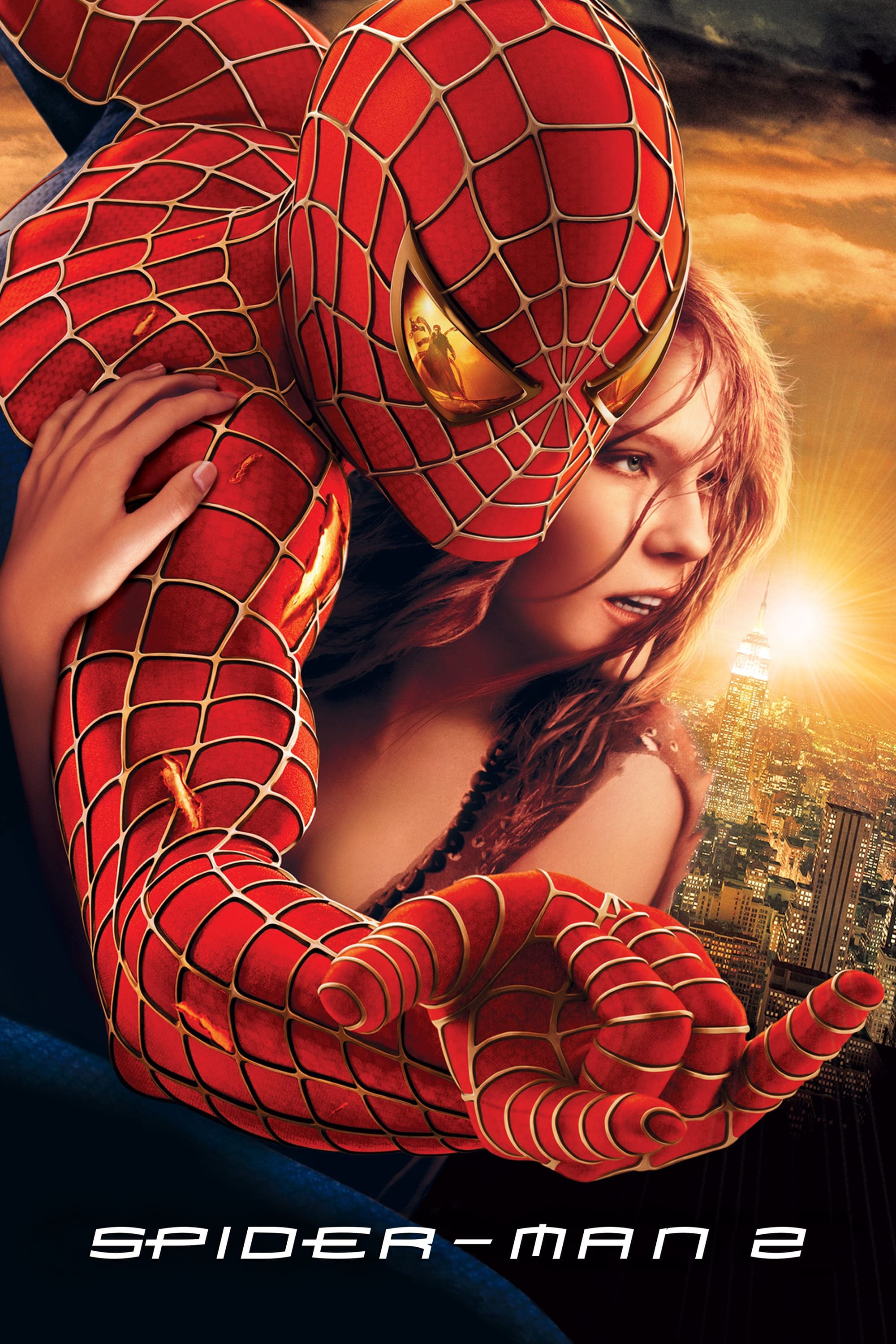
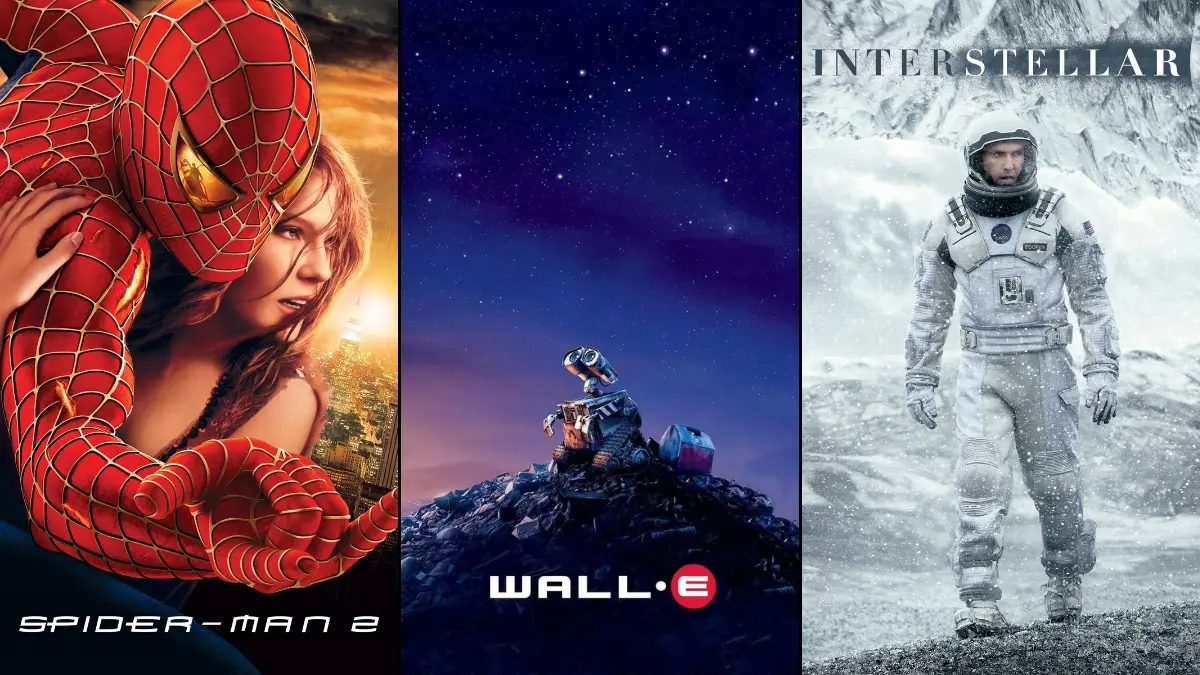
Directed by Sam Raimi and produced by Laura Ziskin and Avi Arad, ‘Spider-Man 2’ stars Tobey Maguire, Kirsten Dunst, Alfred Molina, and James Franco. Alvin Sargent penned the screenplay from a story by Michael Chabon and the writing team of Alfred Gough and Miles Millar, with Danny Elfman returning to score.
The film’s train-fight sequence integrated practical stunts, miniature work, and digital doubles, earning the production an Academy Award for Visual Effects. Shot largely in New York and on soundstages, it balanced comic-book spectacle with character arcs that span Raimi’s trilogy.
‘Inception’ (2010)
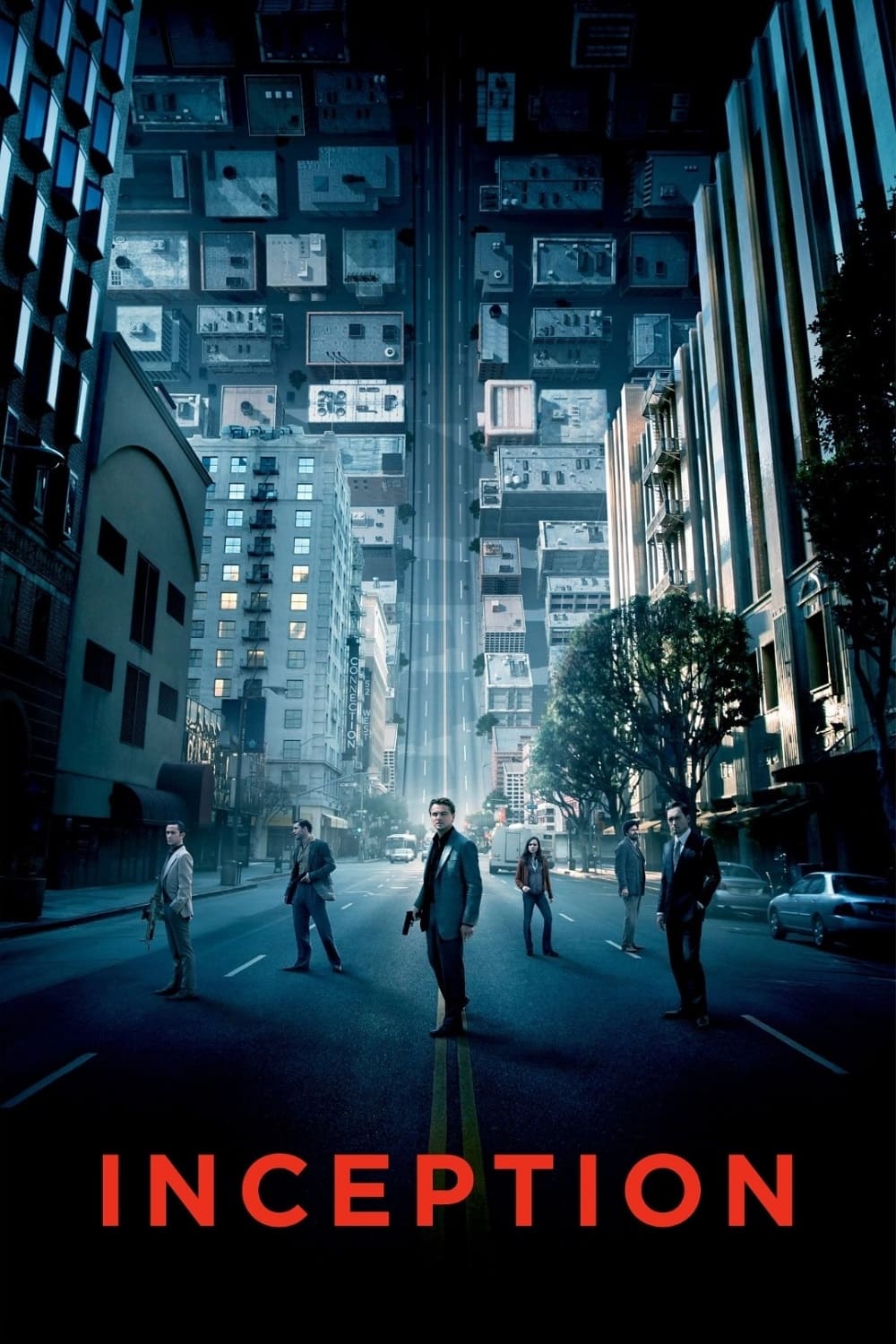
Christopher Nolan wrote and directed ‘Inception’, produced by Emma Thomas and Nolan for Warner Bros., with Leonardo DiCaprio leading a cast that includes Joseph Gordon-Levitt, Elliot Page, Marion Cotillard, and Tom Hardy. Hans Zimmer composed the score; Wally Pfister handled cinematography, receiving an Oscar for his work.
The production mounted large practical effects—spinning corridor sets, zero-gravity wire work, and large-scale city folding—augmented by CG. Global locations included Tokyo, Paris, Tangier, Calgary, and Los Angeles. The film was a worldwide box-office success and received multiple Academy Award nominations and wins for technical achievement.
‘The Dark Knight’ (2008)
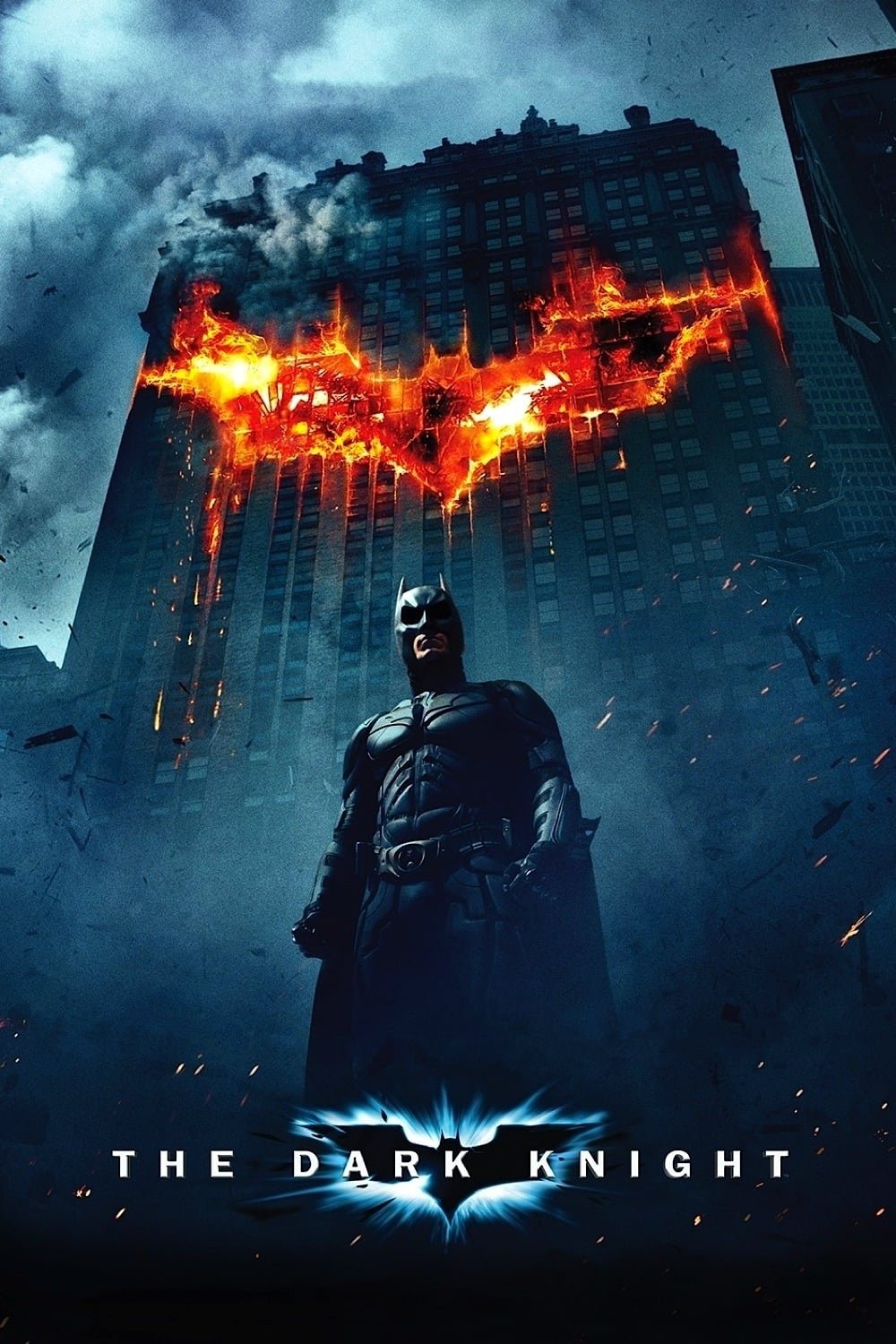
Directed by Christopher Nolan and produced by Legendary Pictures, Syncopy, and Warner Bros., ‘The Dark Knight’ stars Christian Bale, Heath Ledger, Aaron Eckhart, and Maggie Gyllenhaal. Wally Pfister’s IMAX photography expanded the scope of select sequences, and Hans Zimmer and James Newton Howard co-composed the score.
Filming took place in Chicago, Hong Kong, and London, with practical stunts such as the truck flip executed in-camera. The film crossed the billion-dollar mark worldwide, received eight Academy Award nominations, and earned Heath Ledger a posthumous Oscar for Best Supporting Actor.
‘Iron Man’ (2008)
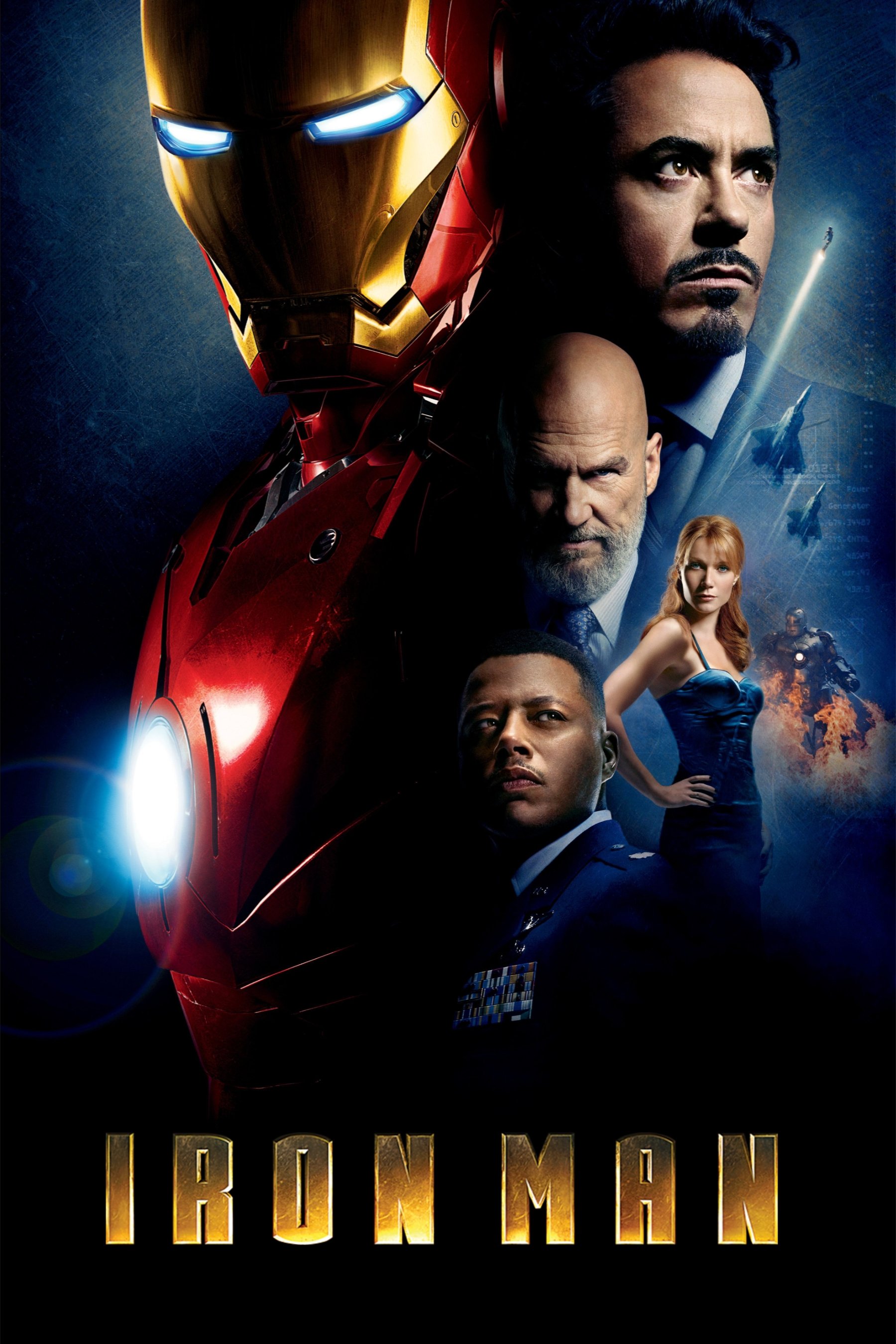
Jon Favreau directed ‘Iron Man’, produced by Marvel Studios with Kevin Feige, and starring Robert Downey Jr., Gwyneth Paltrow, and Jeff Bridges. The screenplay is credited to Mark Fergus, Hawk Ostby, Art Marcum, and Matt Holloway, and Ramin Djawadi composed the score.
Industrial Light & Magic and Stan Winston Studio collaborated on practical suits and digital effects, while the production embraced on-set improvisation to shape dialogue and character dynamics. The film’s success launched the Marvel Cinematic Universe’s Phase One and introduced continuity elements that carried into ‘The Avengers’.
‘Raiders of the Lost Ark’ (1981)
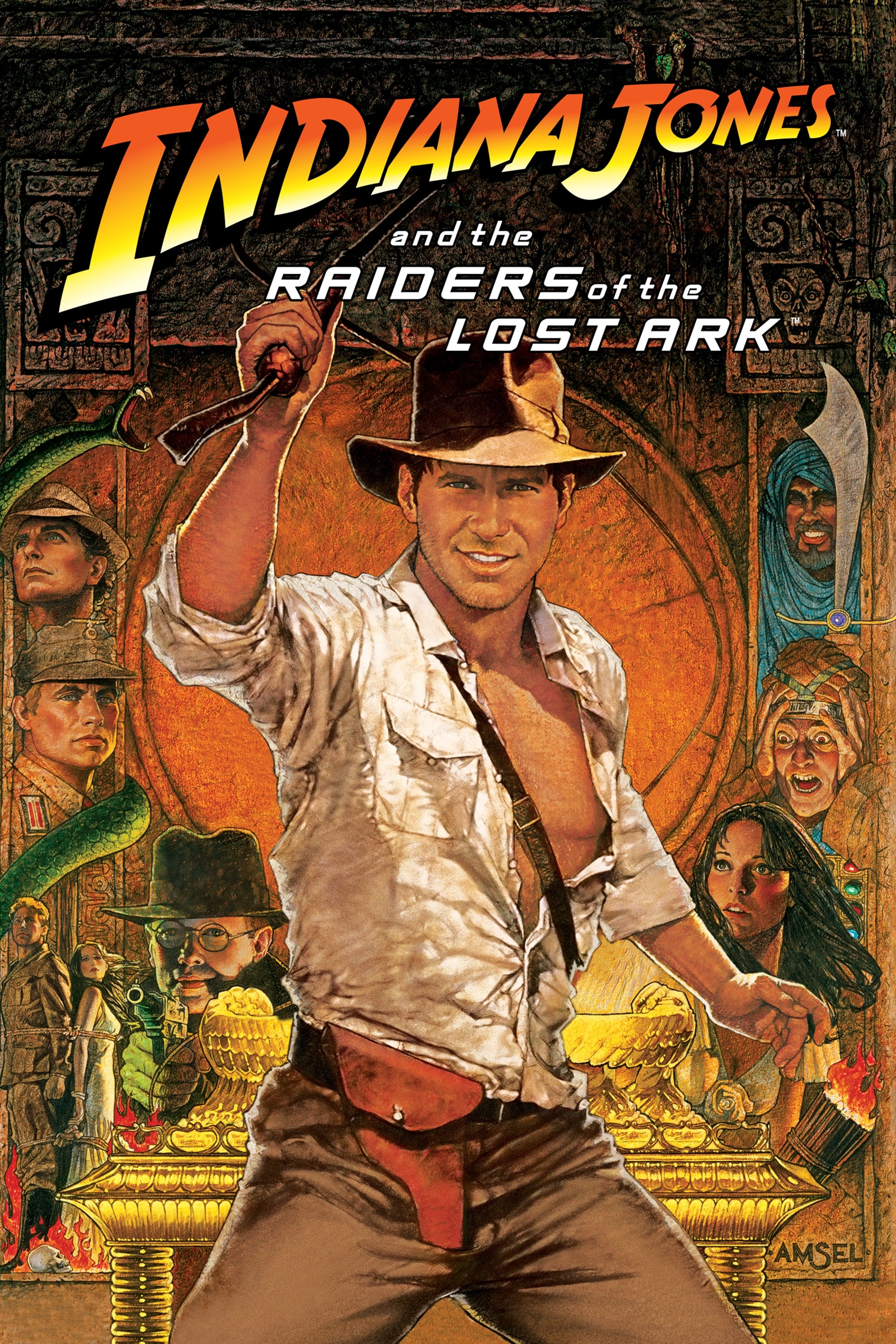
Directed by Steven Spielberg from a story by George Lucas and Philip Kaufman and a screenplay by Lawrence Kasdan, ‘Raiders of the Lost Ark’ stars Harrison Ford and Karen Allen. Douglas Slocombe’s cinematography and John Williams’s score defined the film’s pulpy adventure tone, and Frank Marshall produced.
Shot across locations in Tunisia, Hawaii, and the UK, the production used practical stunts—most famously the truck chase—coordinated by stuntman Terry Leonard. The film won five Academy Awards, including Film Editing, Sound, and Visual Effects, and inaugurated a long-running franchise of sequels, a TV prequel, and games.
‘Edge of Tomorrow’ (2014)
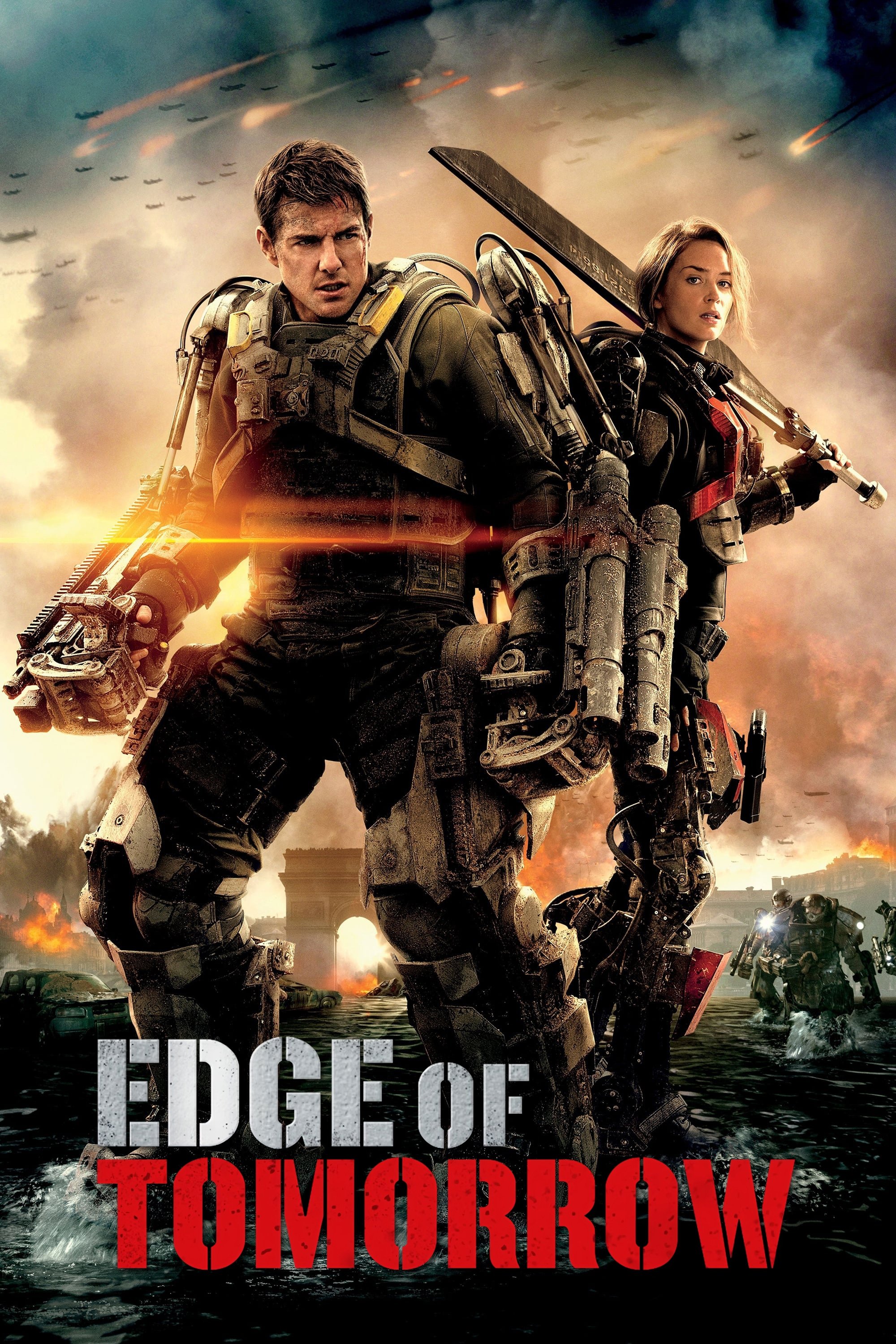
Doug Liman directed ‘Edge of Tomorrow’, produced by Erwin Stoff, Tom Lassally, Jeffrey Silver, Gregory Jacobs, and Jason Hoffs for Warner Bros. and Village Roadshow Pictures. The cast includes Tom Cruise and Emily Blunt, with a screenplay by Christopher McQuarrie, Jez Butterworth, and John-Henry Butterworth based on Hiroshi Sakurazaka’s novel ‘All You Need Is Kill’.
Extensive exosuit rigs and practical battlefield sets were built at Leavesden Studios and UK locations, supplemented with digital effects from companies including Sony Pictures Imageworks and Framestore. The film’s release strategy emphasized strong word-of-mouth, leading to rebranding in home media as ‘Live Die Repeat’.
‘Aliens’ (1986)
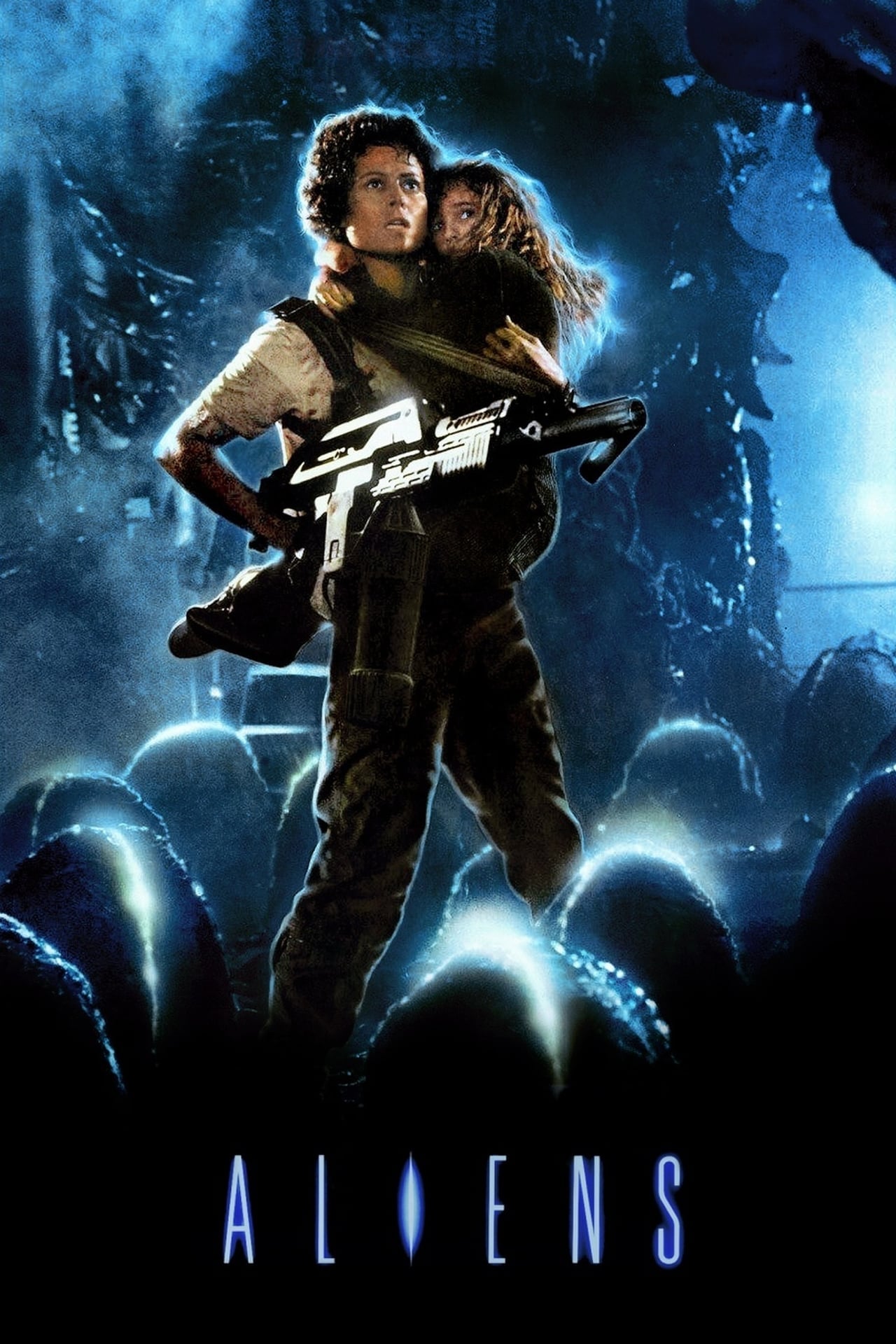
James Cameron wrote and directed ‘Aliens’, produced by Gale Anne Hurd and released by 20th Century Fox. Sigourney Weaver returned as Ellen Ripley alongside Michael Biehn and Carrie Henn, with music by James Horner and cinematography by Adrian Biddle. The film expanded the original with a military-science-fiction approach.
Shot at Pinewood Studios with miniature work and practical creature effects by Stan Winston Studio, the production earned seven Academy Award nominations and won for Visual Effects and Sound Editing. Weaver received a Best Actress nomination, a rarity for a genre performance at the time.
‘Crouching Tiger, Hidden Dragon’ (2000)
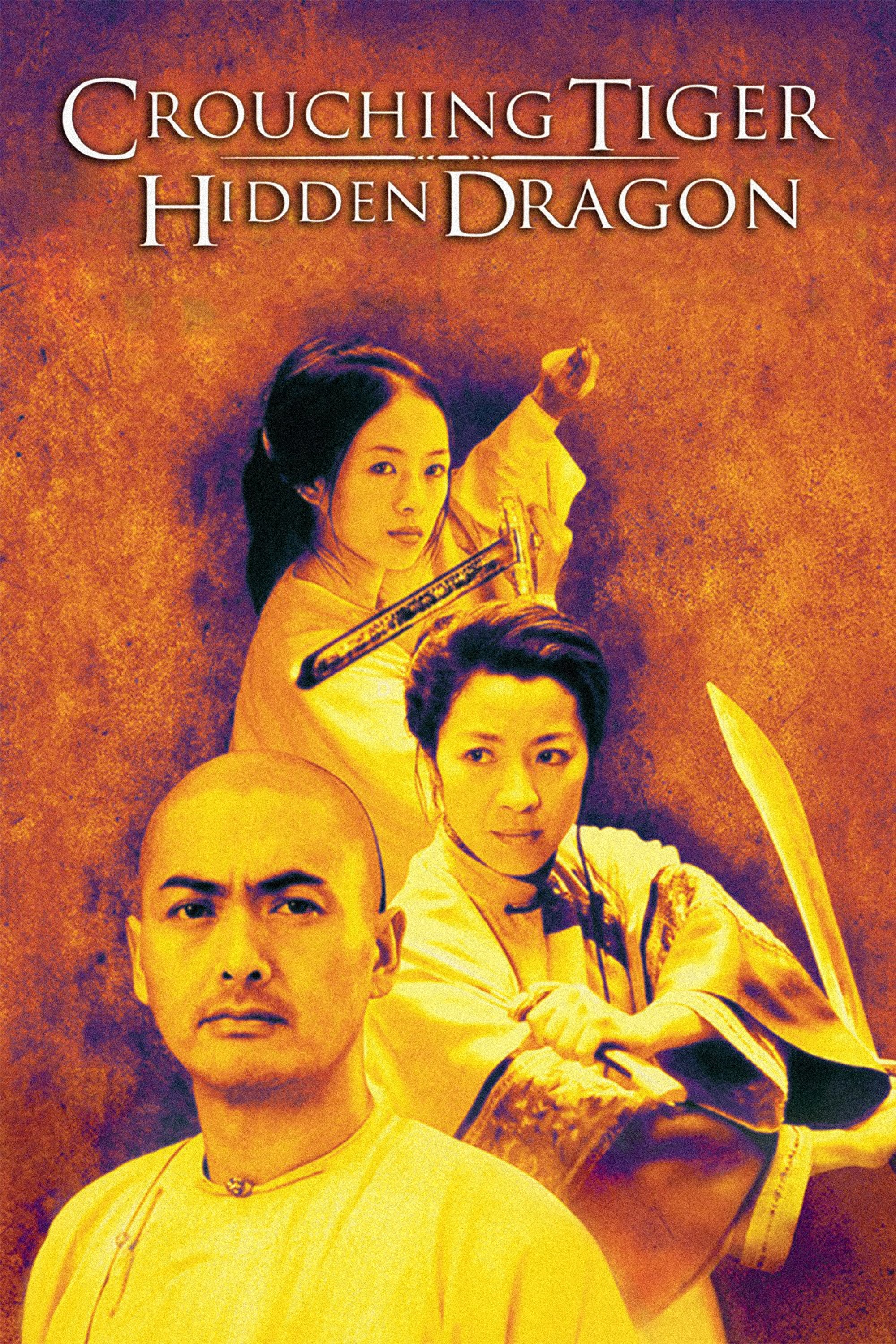
Directed by Ang Lee and produced by Edko Films, Columbia Pictures Film Production Asia, and others, ‘Crouching Tiger, Hidden Dragon’ stars Chow Yun-fat, Michelle Yeoh, Zhang Ziyi, and Chang Chen. The screenplay adapts Wang Dulu’s novel, with Peter Pau’s cinematography and Tan Dun’s Oscar-winning score featuring Yo-Yo Ma.
Principal photography took place across China, including the Gobi Desert and Anhui Province, with action choreography by Yuen Woo-ping. The film became a global hit, won the Academy Award for Best Foreign Language Film, and broadened international distribution for wuxia cinema.
‘King Kong’ (2005)

Peter Jackson directed ‘King Kong’ for Universal Pictures, with Naomi Watts, Jack Black, and Adrien Brody starring. The screenplay by Fran Walsh, Philippa Boyens, and Jackson revisits the 1933 classic, with Andy Serkis performing Kong via motion capture under Weta Digital’s supervision.
Filmed in New Zealand with large backlot sets and digital environments, the production emphasized period detail in costumes and art direction. The film won Academy Awards in Sound Mixing, Sound Editing, and Visual Effects, and extended the director’s collaboration with Weta following ‘The Lord of the Rings’.
‘Blade Runner 2049’ (2017)
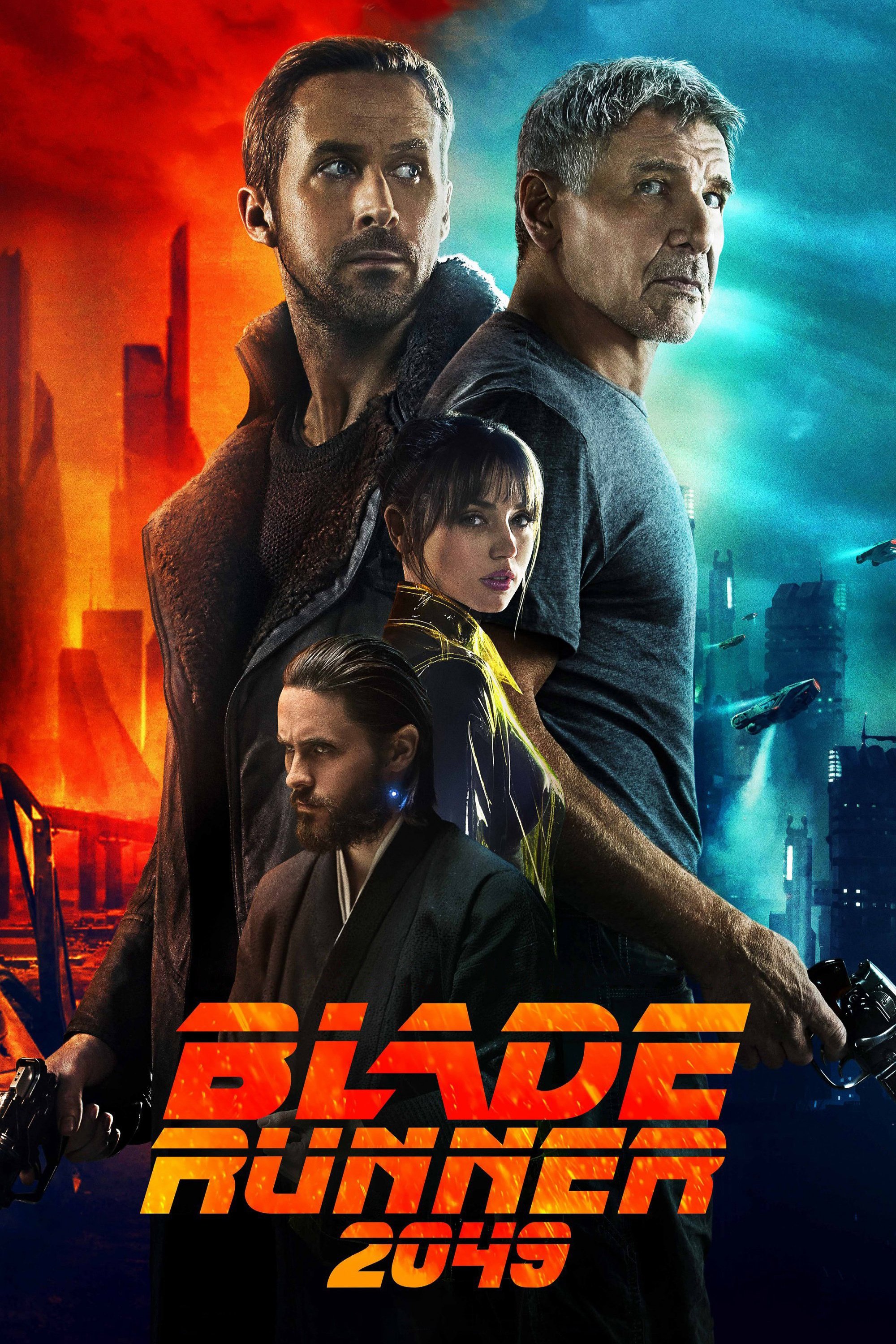
Denis Villeneuve directed ‘Blade Runner 2049’, produced by Columbia Pictures, Warner Bros., and Alcon Entertainment. Ryan Gosling and Harrison Ford star, with a supporting cast including Ana de Armas, Robin Wright, and Sylvia Hoeks. Roger Deakins’s cinematography won an Academy Award, and Hans Zimmer and Benjamin Wallfisch composed the score.
The production built large practical sets at Origo Studios and integrated in-camera techniques, with visual-effects work by DNEG and Framestore. Filming leveraged atmospheric lighting and tailored miniatures for select sequences, continuing the narrative of Ridley Scott’s ‘Blade Runner’ with new characters and mysteries.
‘Interstellar’ (2014)
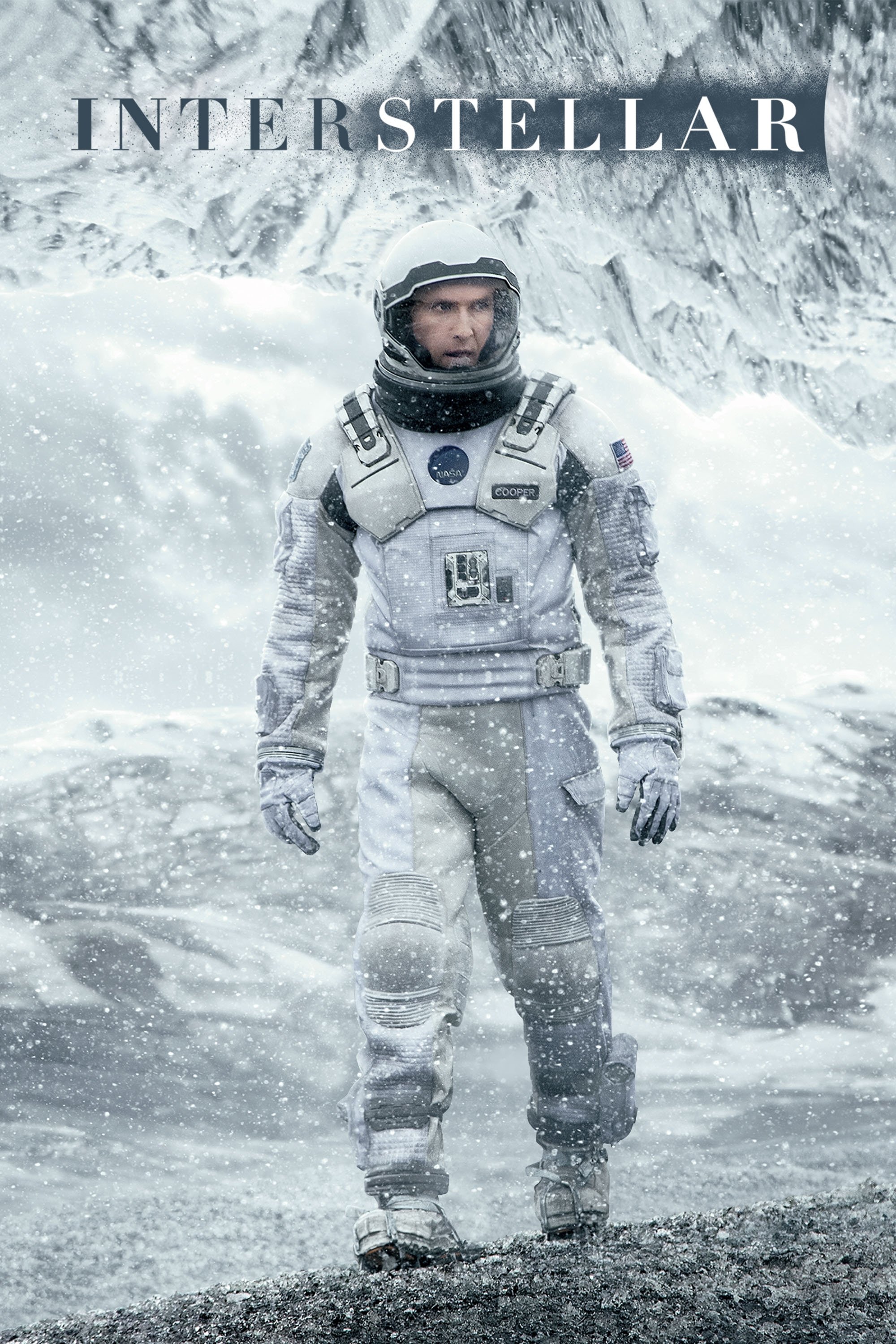
Directed by Christopher Nolan and produced by Syncopy, Lynda Obst Productions, and Paramount/Warner Bros., ‘Interstellar’ stars Matthew McConaughey, Anne Hathaway, and Jessica Chastain. The screenplay by Jonathan and Christopher Nolan was developed with input from physicist Kip Thorne, whose work informed the depiction of black holes and relativity.
The production used large-format film, practical spacecraft interiors, and location shoots in Iceland and Alberta, with rear projection to display exteriors through cockpit windows in real time. The film won the Academy Award for Visual Effects and received nominations in technical categories including Sound and Production Design.
‘Scott Pilgrim vs. the World’ (2010)
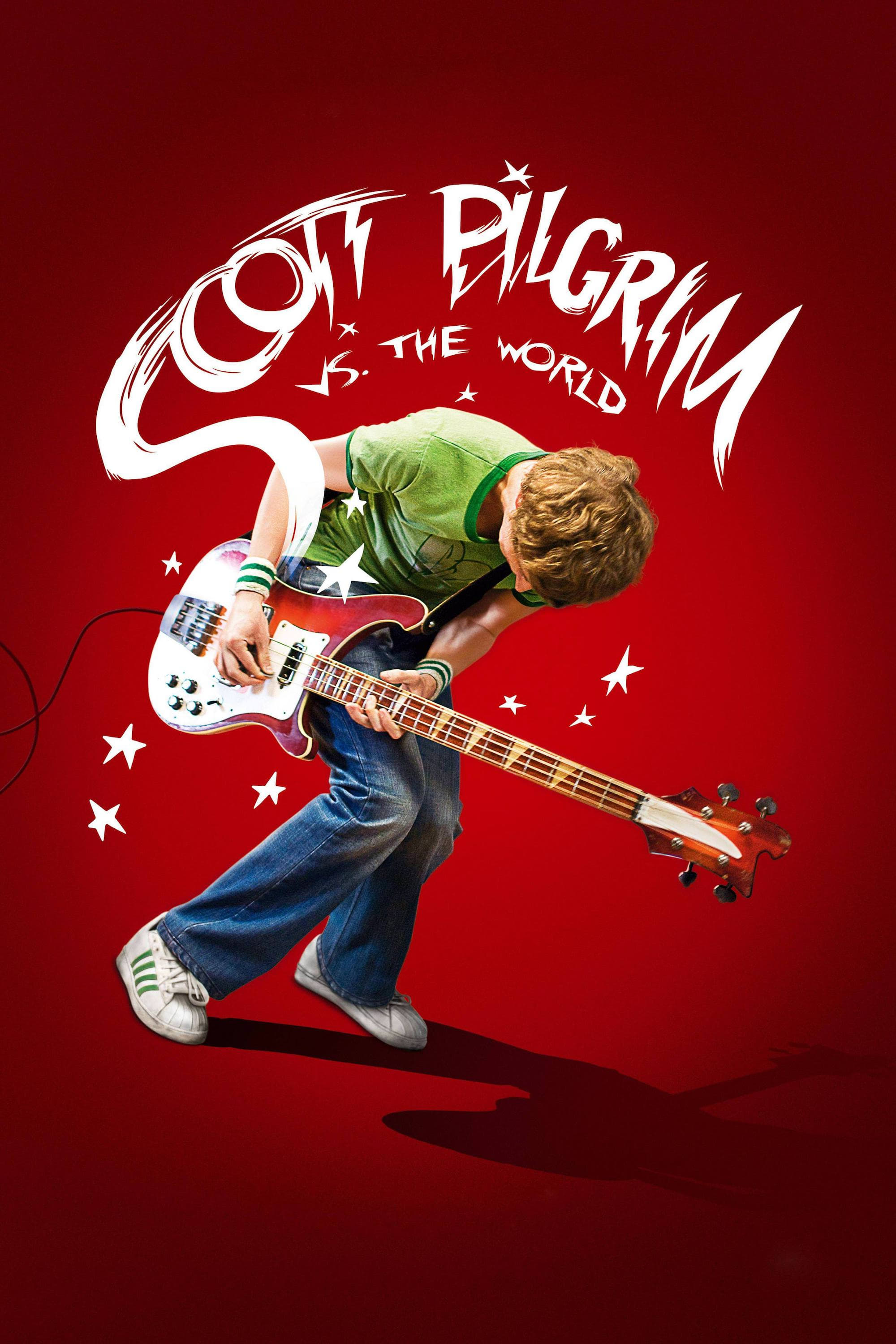
Edgar Wright directed ‘Scott Pilgrim vs. the World’, produced by Marc Platt, Eric Gitter, and Nira Park for Universal Pictures. Michael Cera, Mary Elizabeth Winstead, Kieran Culkin, and a large ensemble star, with a screenplay by Wright and Michael Bacall adapted from Bryan Lee O’Malley’s graphic novels.
Production integrated comic-panel visuals with stylized editing by Jonathan Amos and Paul Machliss, and music contributions from Beck, Broken Social Scene, and Metric to create diegetic band tracks. Shot in Toronto, the film’s home-media release broadened its reach, leading to later cast reunions and cross-media revivals.
‘Rogue One: A Star Wars Story’ (2016)
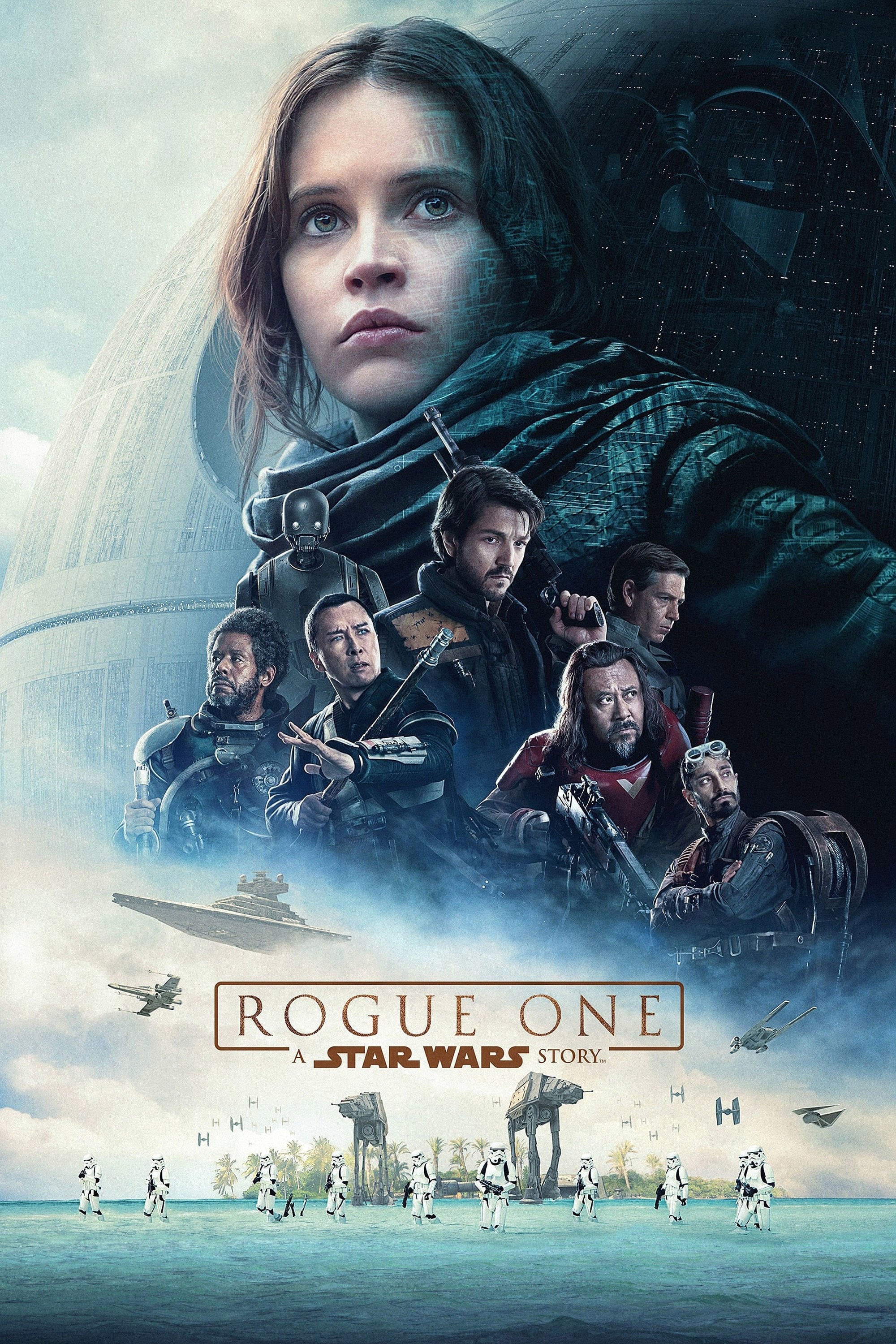
Directed by Gareth Edwards and produced by Lucasfilm, ‘Rogue One: A Star Wars Story’ stars Felicity Jones, Diego Luna, Donnie Yen, and Ben Mendelsohn. The screenplay is by Chris Weitz and Tony Gilroy based on a story by John Knoll and Gary Whitta, with music by Michael Giacchino.
Extensive reshoots and editorial revisions shaped the final structure, with Industrial Light & Magic delivering large-scale visual effects and virtual-production techniques. Filming locations included the Maldives, Iceland, Jordan, and the UK. The film bridged narrative gaps leading into the events of ‘Star Wars: Episode IV – A New Hope’.
‘Her’ (2013)
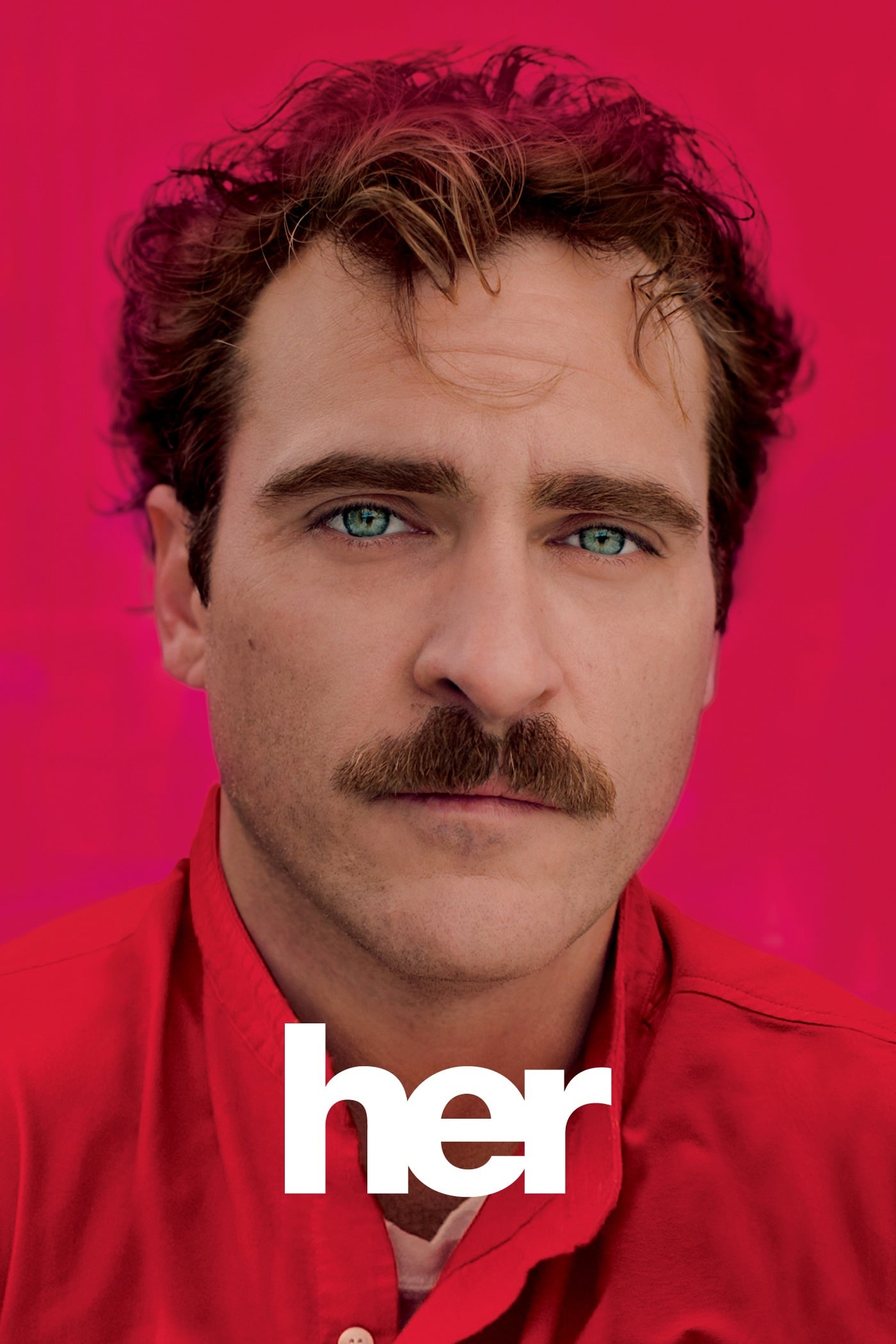
Written and directed by Spike Jonze, ‘Her’ stars Joaquin Phoenix, Scarlett Johansson (voice), Amy Adams, and Rooney Mara. The production design by K.K. Barrett and cinematography by Hoyte van Hoytema blended Los Angeles and Shanghai locations to create a near-future cityscape.
Arcade Fire and Owen Pallett provided the score, with Karen O contributing original music. The film won the Academy Award for Best Original Screenplay and received nominations including Best Picture, while its release generated wide discussion of artificial-intelligence companionship within a grounded character study.
‘Big Fish’ (2003)
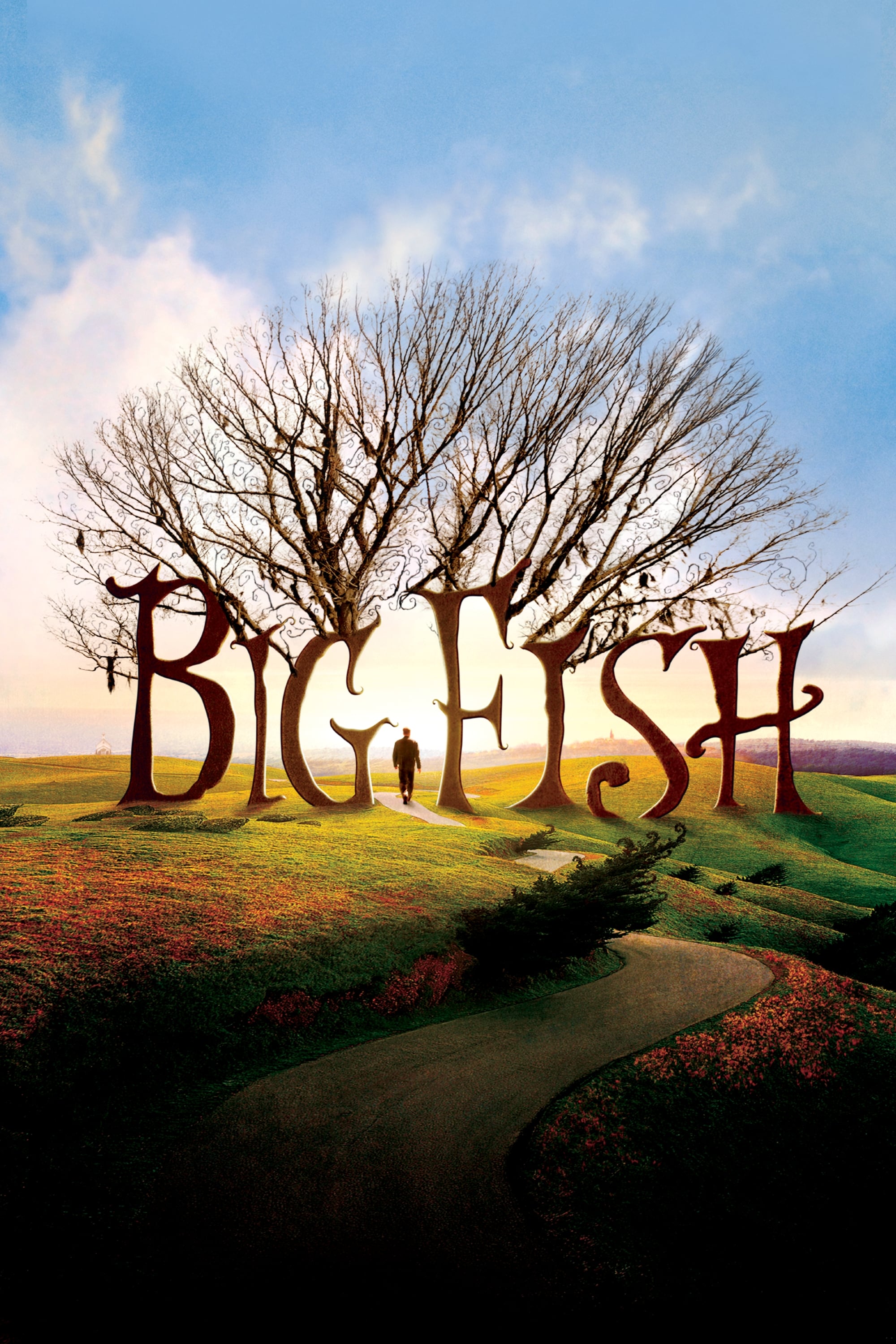
Tim Burton directed ‘Big Fish’ from a screenplay by John August, adapted from Daniel Wallace’s novel. Ewan McGregor, Albert Finney, Jessica Lange, and Marion Cotillard star, with Philippe Rousselot as cinematographer and Danny Elfman composing the score.
Production combined Southern U.S. locations with stylized sets to stage tall-tale vignettes threaded through a family story. Released by Columbia Pictures, the film later inspired a Broadway musical adaptation and has continued life through repertory screenings and reissues.
‘The Hunger Games: Catching Fire’ (2013)
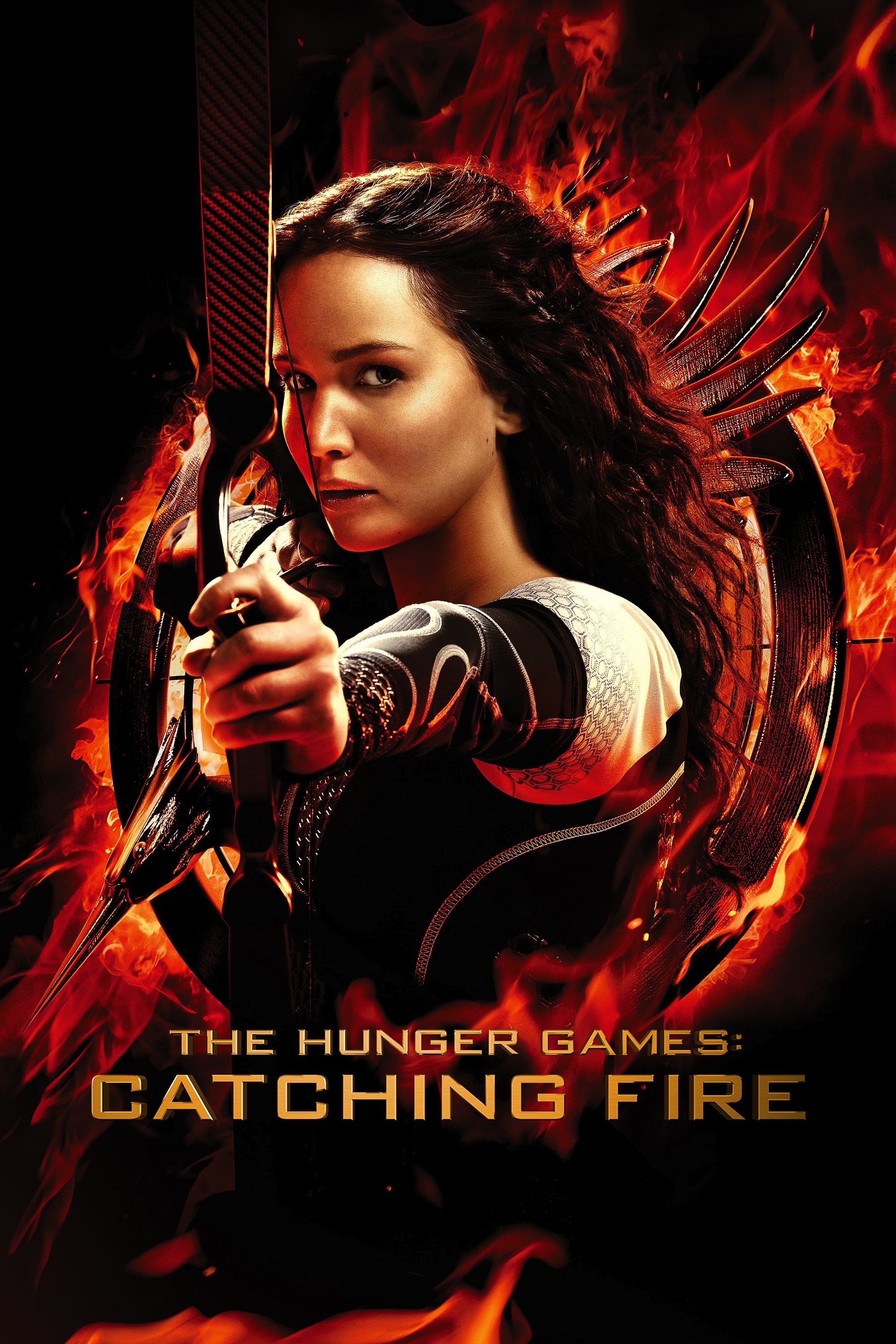
Directed by Francis Lawrence and produced by Lionsgate with Nina Jacobson and Jon Kilik, ‘The Hunger Games: Catching Fire’ stars Jennifer Lawrence, Josh Hutcherson, and Liam Hemsworth. The script by Simon Beaufoy and Michael Arndt adapts Suzanne Collins’s novel, with cinematography by Jo Willems.
The production upgraded arena design and costuming, with Trish Summerville’s wardrobe work receiving wide recognition. Filming took place in Atlanta, Oahu, and New Jersey, and the movie set franchise box-office benchmarks, paving the way for the two-part adaptation of ‘Mockingjay’.
‘The Bourne Identity’ (2002)
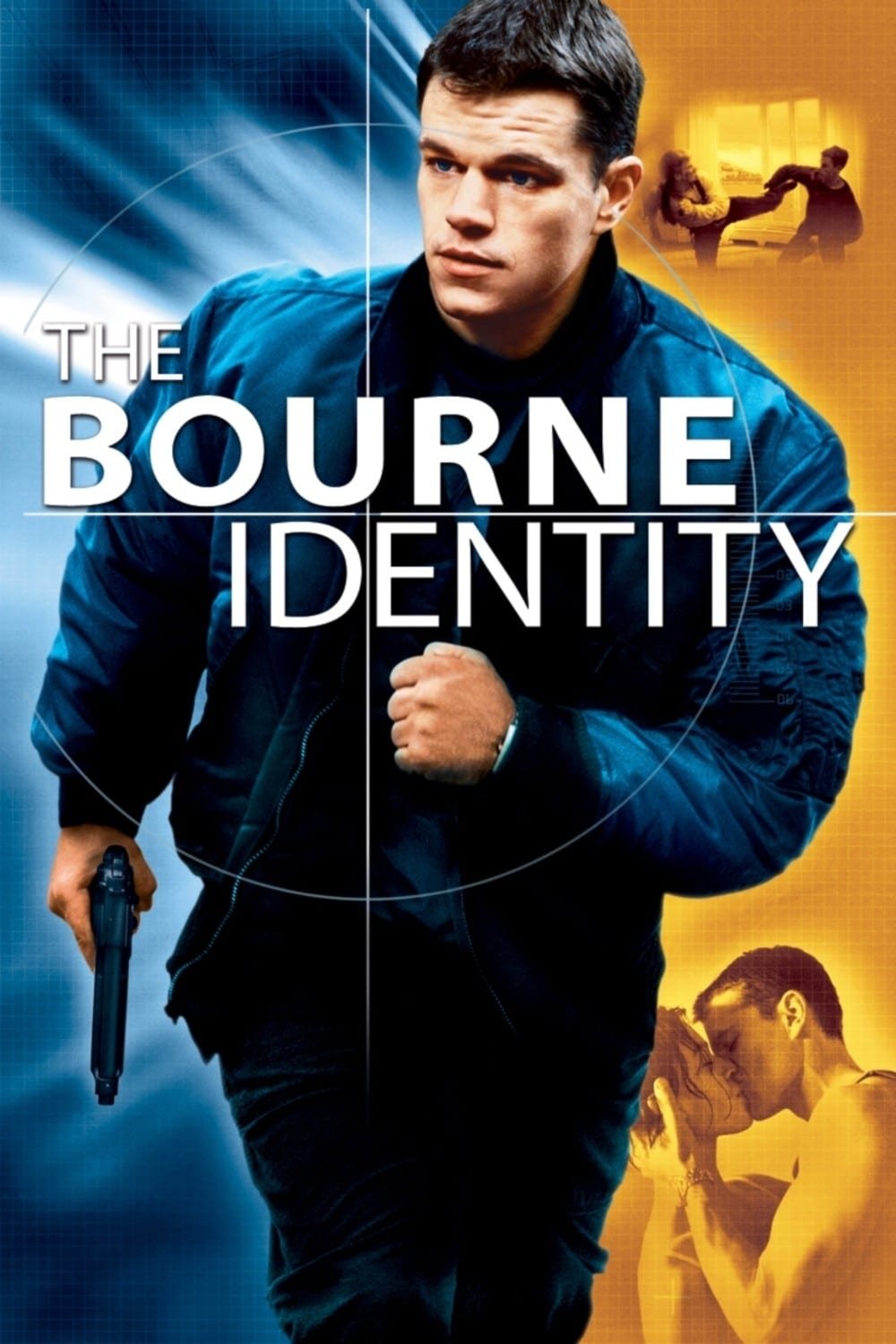
Doug Liman directed ‘The Bourne Identity’, produced by Universal Pictures and based on Robert Ludlum’s novel. Matt Damon, Franka Potente, and Chris Cooper star, with a screenplay by Tony Gilroy and William Blake Herron and music by John Powell.
Shot across Prague, Paris, and the south of France, the film emphasized grounded stunt driving and close-quarters combat, influencing action cinema in the 2000s. Its success launched a long-running series expanding the title character’s story across multiple sequels and a spin-off.
‘Princess Mononoke’ (1997)
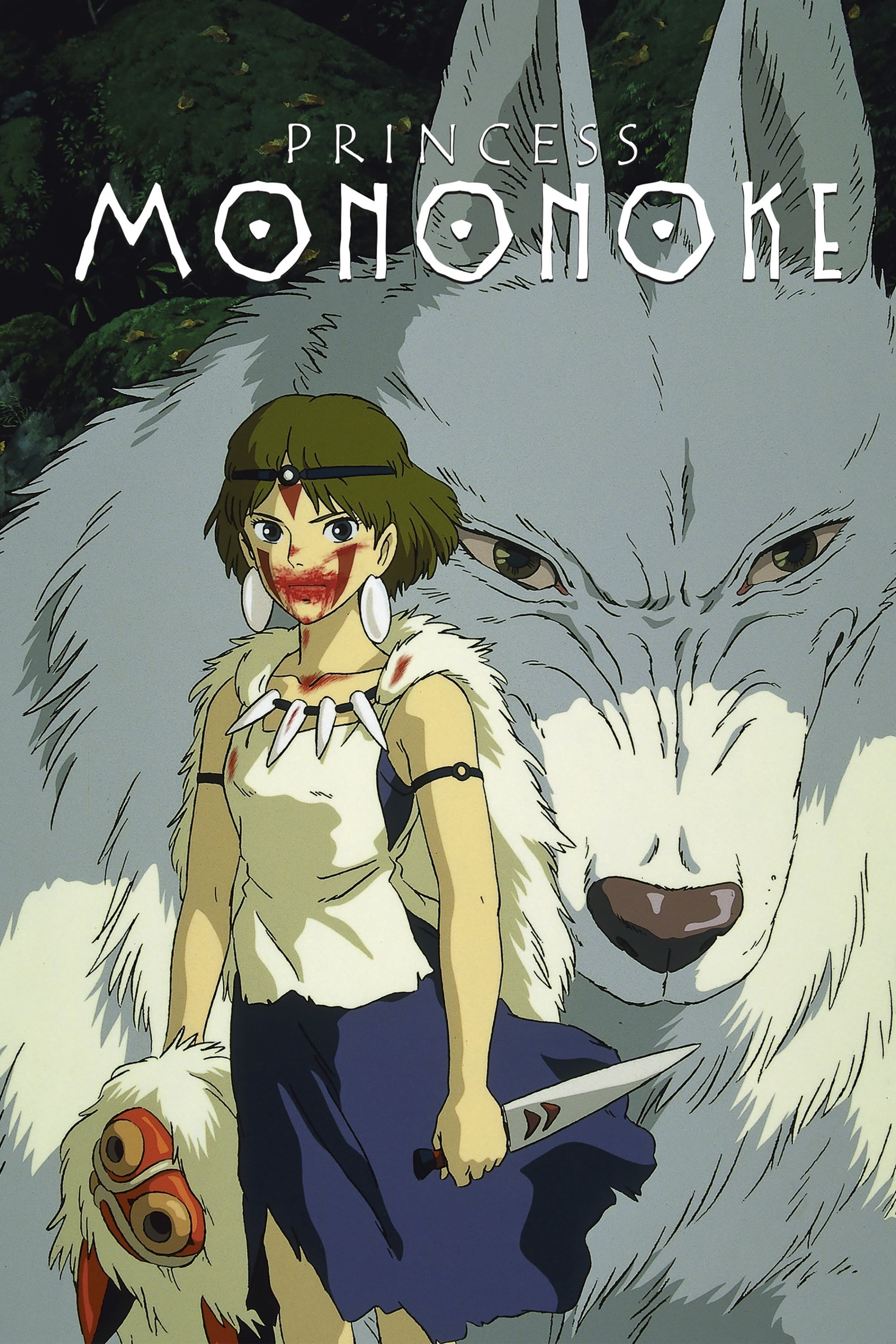
Written and directed by Hayao Miyazaki and produced by Studio Ghibli and Tokuma Shoten, ‘Princess Mononoke’ features the voices of Yuriko Ishida, Yōji Matsuda, and Yūko Tanaka in Japanese, with an English version produced by Miramax featuring Claire Danes and Billy Crudup. Joe Hisaishi composed the score, and the film used a mix of hand-drawn animation and digital assistance.
The project became one of Japan’s highest-grossing releases on its initial run and played a central role in expanding Studio Ghibli’s international profile. Its depiction of mythic forests and industrial conflict was realized through meticulous background art and detailed character animation overseen by Miyazaki’s team.
Share your own picks for romantic moments hiding in unexpected films in the comments!

