


Most Uncastable Actresses of All Time

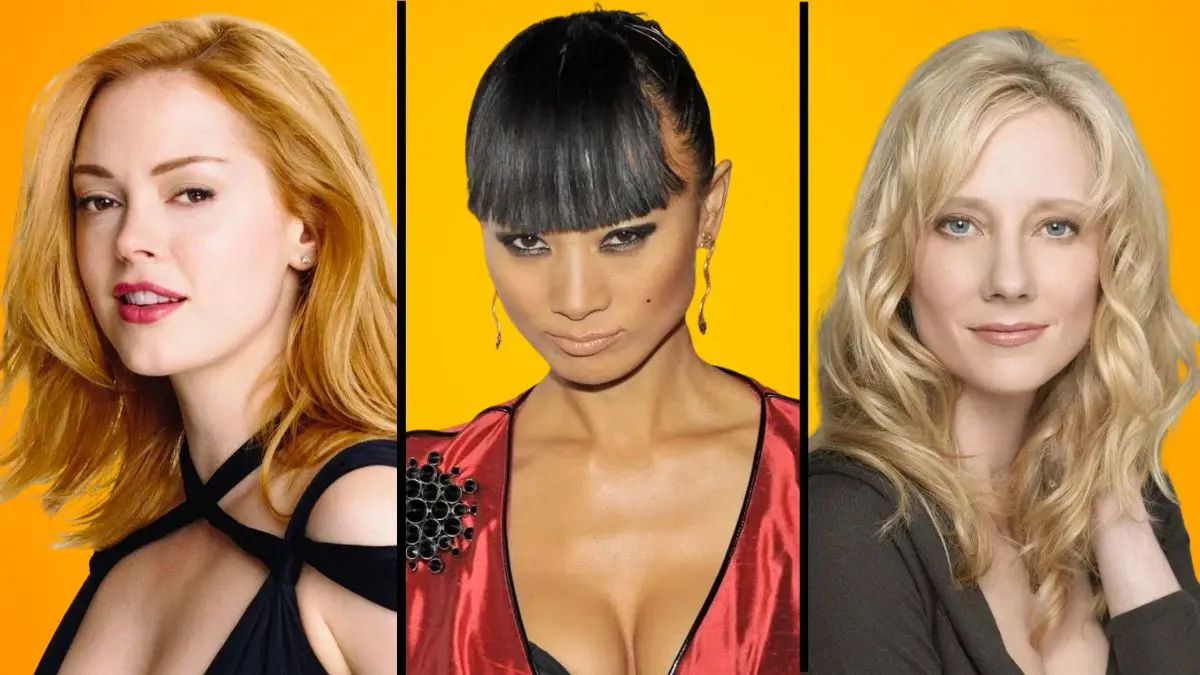


Some actresses become difficult to cast for reasons that range from industry conflicts to reputation challenges or extended career breaks. Their talent may be undeniable yet various circumstances can make major studios reluctant to hire them. This list looks at actresses who faced obstacles that limited their casting opportunities despite past successes. Each entry outlines professional factors that influenced their careers. These examples show how unpredictable the entertainment business can be.
Lindsay Lohan
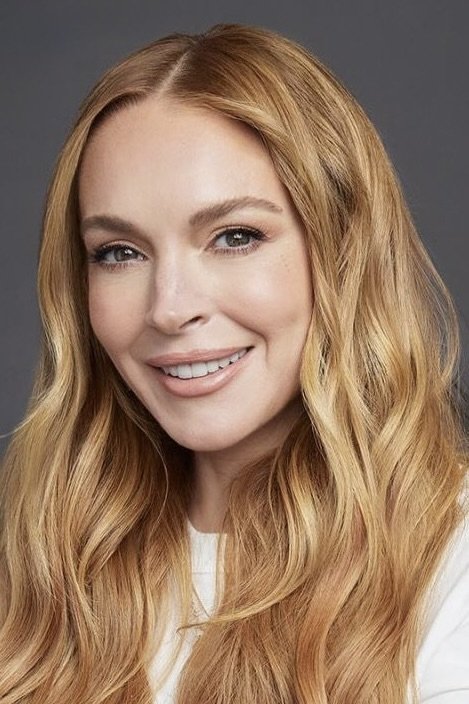
Her early success was overshadowed by legal issues and frequent production delays that made studios hesitant to sign her. Insurance costs reportedly rose on projects she joined which complicated negotiations. She later worked to rebuild her reliability within the industry. These challenges shaped her reputation for years and limited her opportunities.
Megan Fox
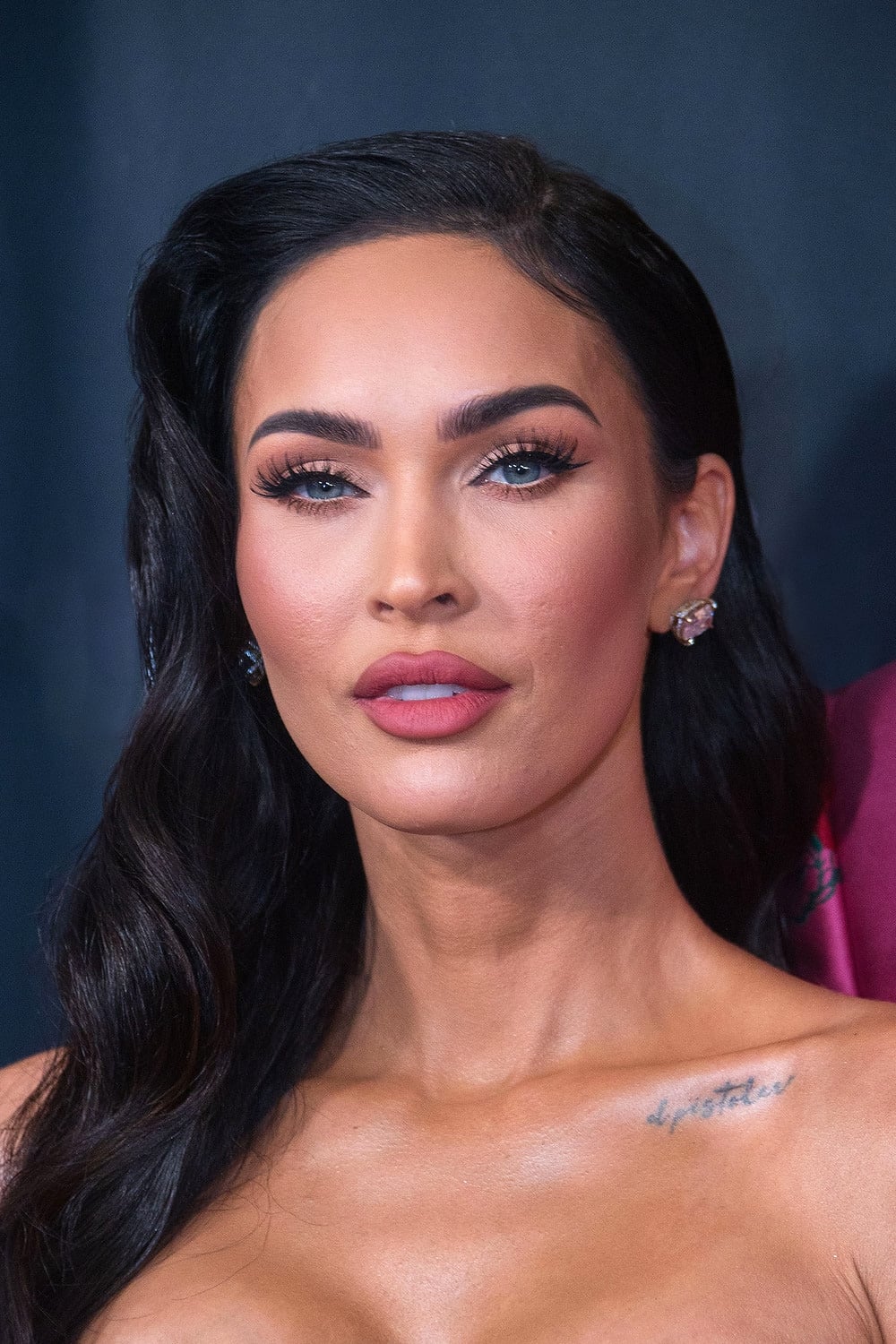
Her public conflict with a major director led to sudden removal from a major franchise which changed her casting trajectory. Studio executives viewed the dispute as risky for large scale productions. This made it harder for her to secure similar blockbuster roles. As a result she shifted toward smaller projects and independent work.
Katherine Heigl
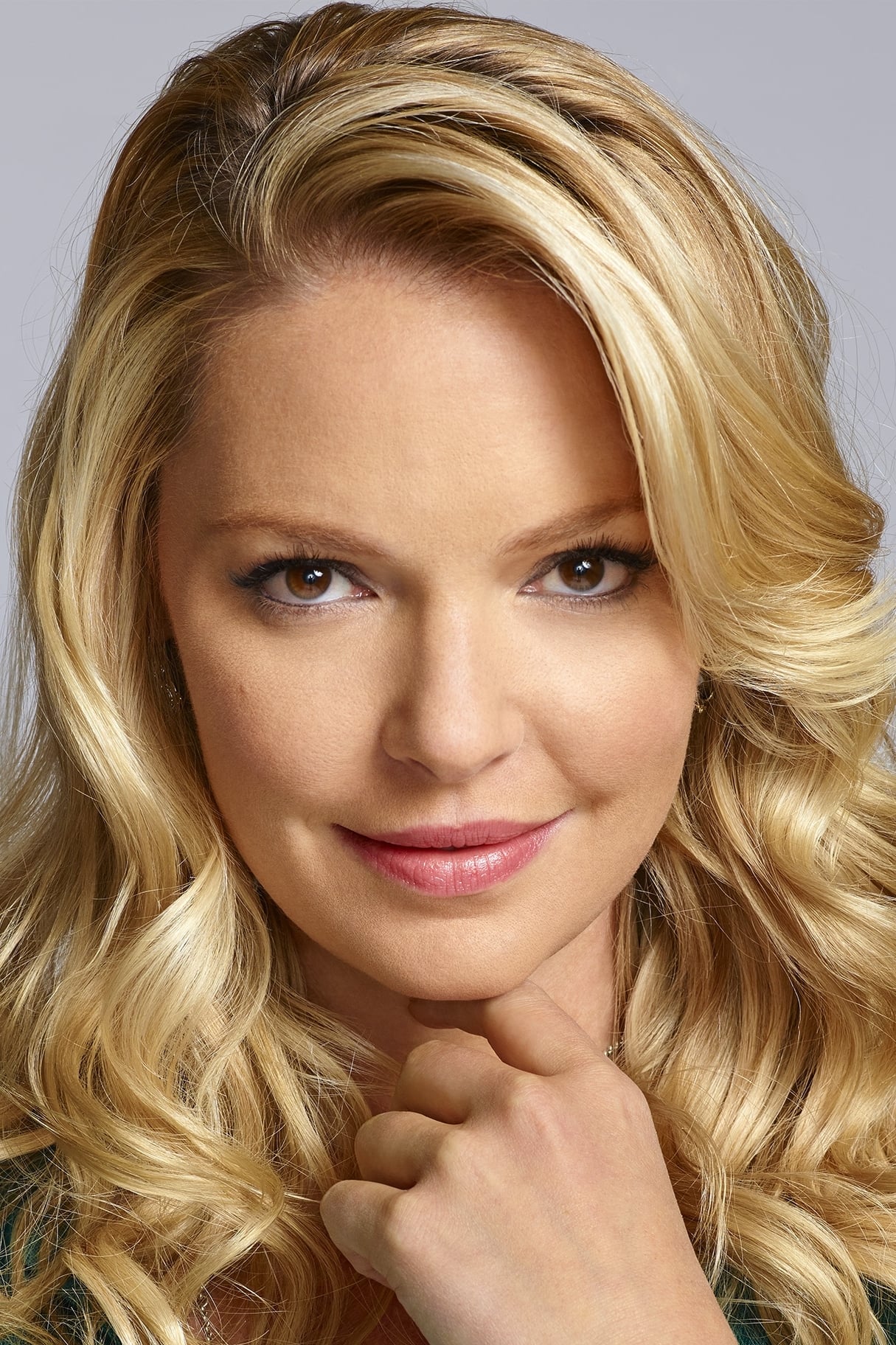
Reports of her being difficult on set spread after high profile disagreements about creative decisions. These controversies contributed to a reputation that discouraged some producers from hiring her. The perception lasted for years and affected her ability to join major ensemble casts. Her career later shifted toward television movies and streaming features.
Paz de la Huerta
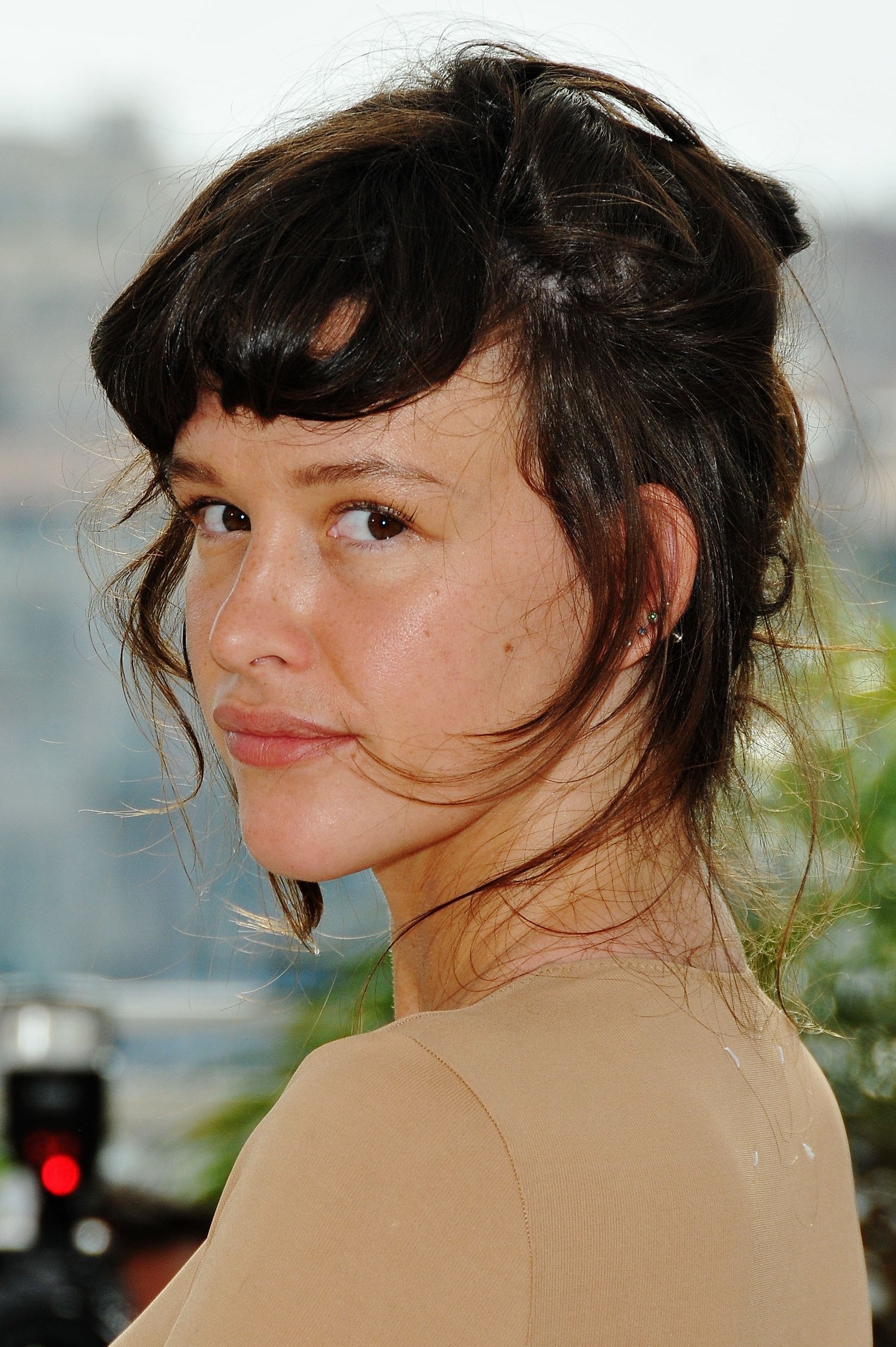
Incidents reported during filming of a prominent TV drama created concerns about her behavior on set. Studios became wary of the unpredictability surrounding her performances. Her roles became less frequent following these events. She continued to work but rarely in high profile projects.
Rose McGowan
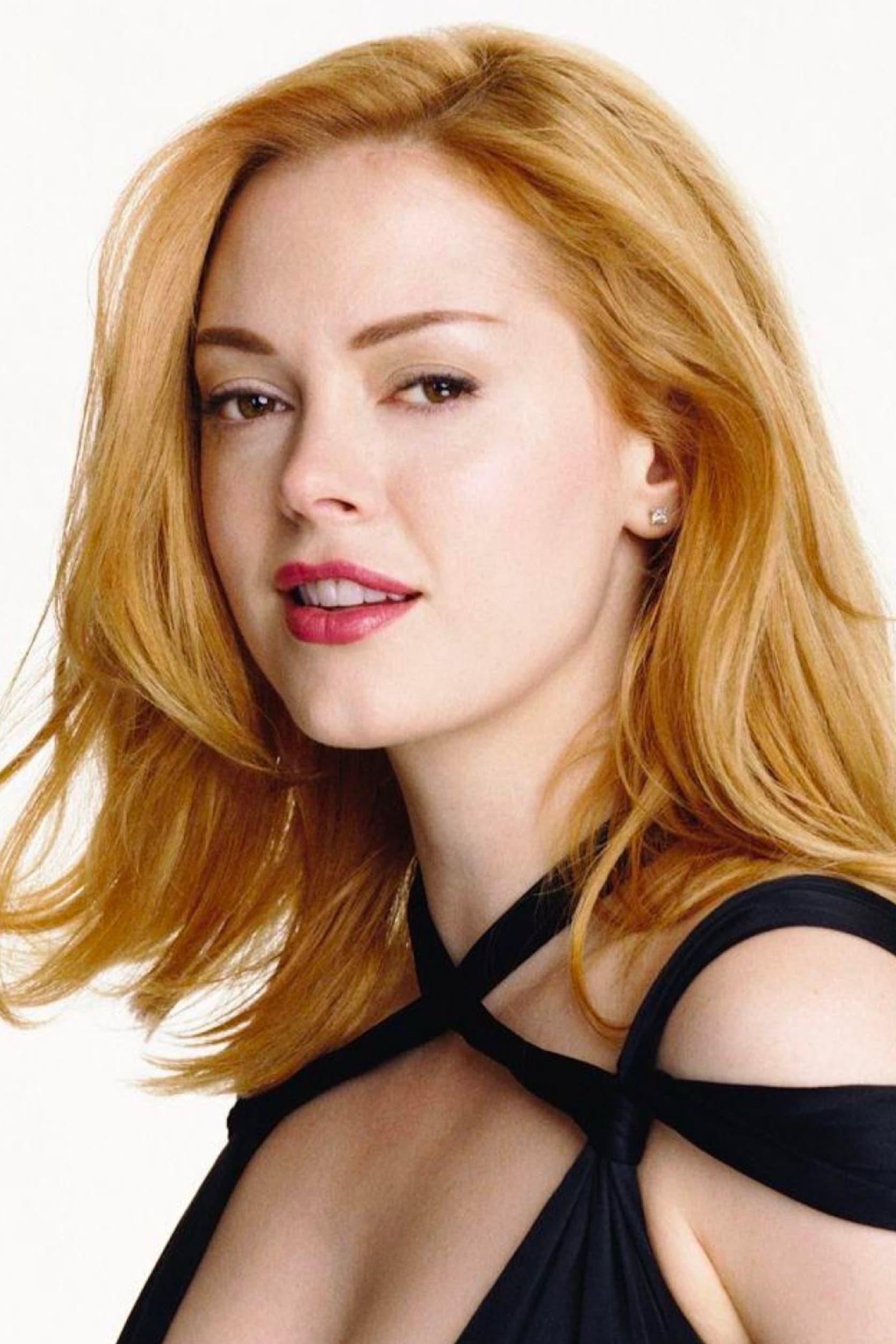
Her outspoken criticism of major industry figures led to alleged professional retaliation. This situation made it difficult for her to obtain roles within traditional studio systems. She eventually transitioned to activism and creative projects outside mainstream Hollywood. These choices further reduced her presence in studio backed films.
Tippi Hedren
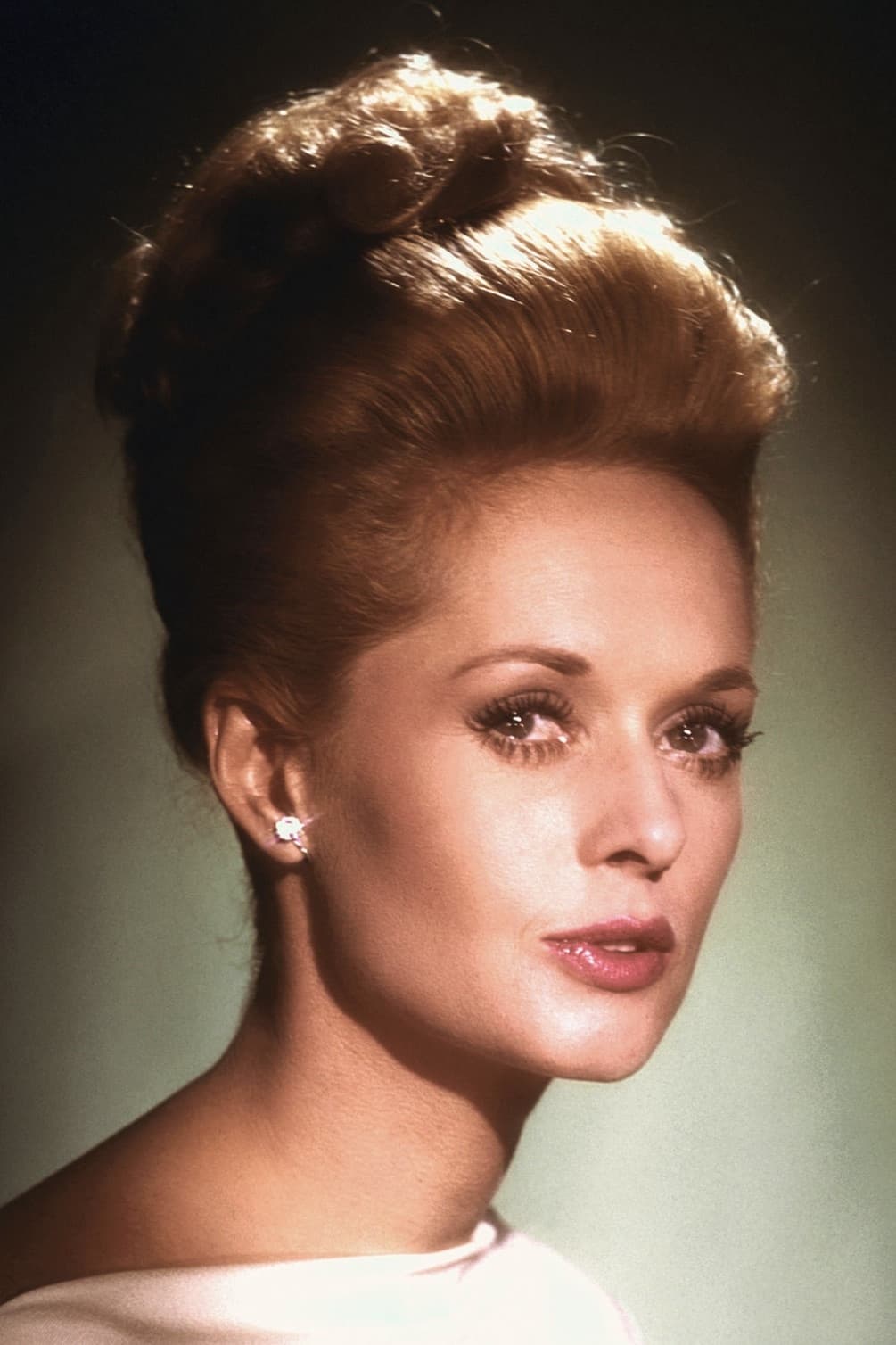
Her professional fallout with a famous director resulted in years of limited Hollywood opportunities. Despite critical praise early in her career she struggled to secure new roles after their conflict. The lack of support from powerful figures contributed to her casting challenges. She later focused on independent productions and animal advocacy.
Mo’Nique
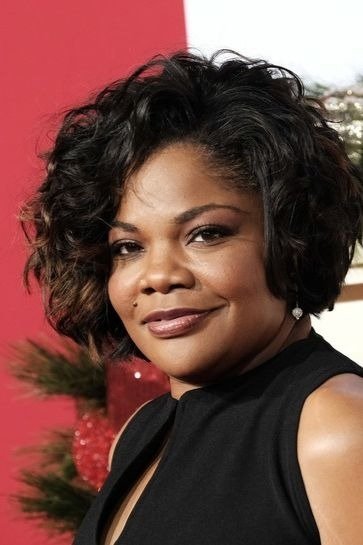
Following her award win she faced disputes over promotional expectations for a major film. Industry insiders described tensions that influenced later casting decisions. She publicly addressed these issues which sparked further debate about fairness in the industry. The conflict made it harder for her to obtain large studio roles for many years.
Sean Young
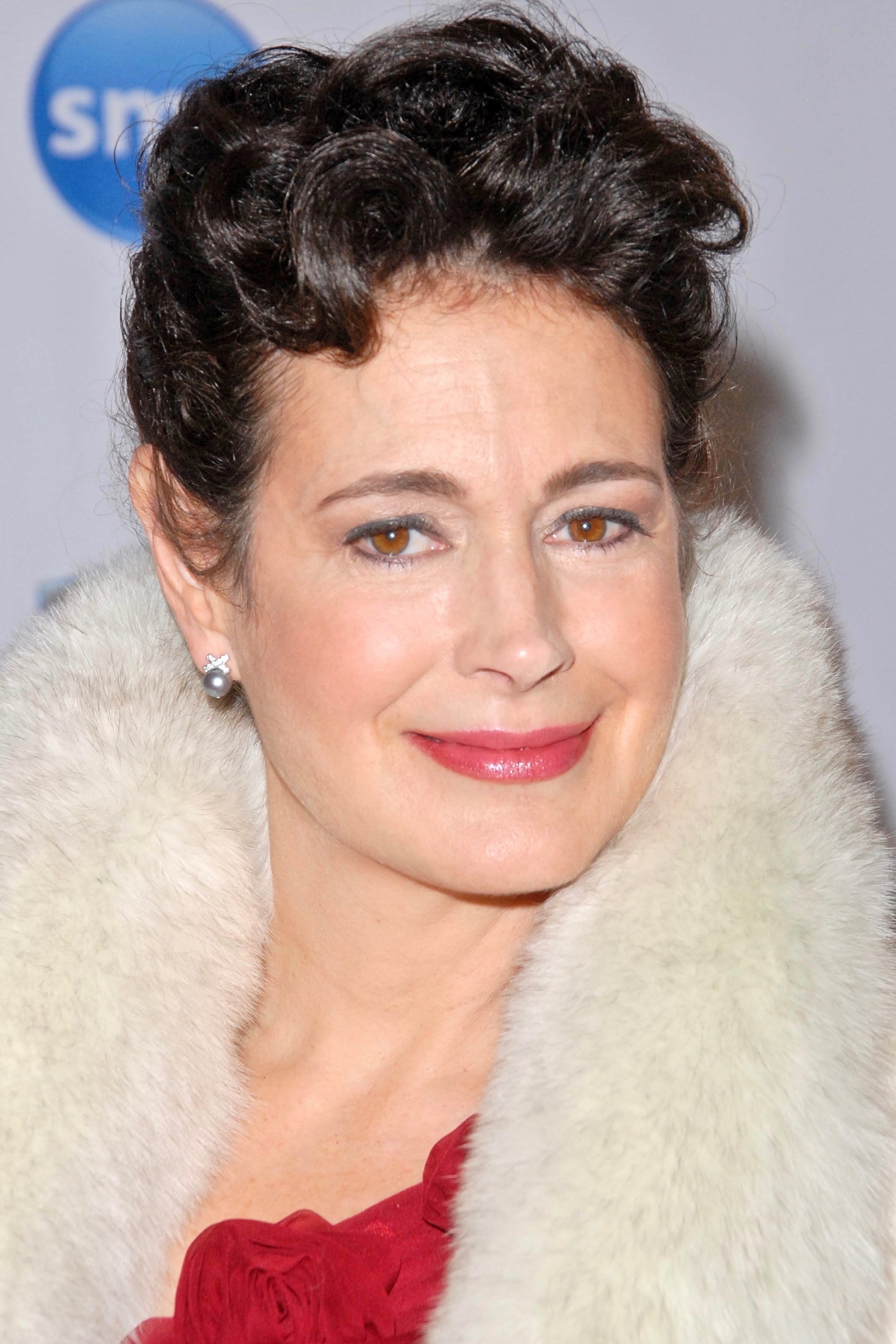
She experienced several public controversies that shaped how studios viewed her reliability. A high profile audition incident became widely discussed and affected future opportunities. Reports of unpredictable behavior limited her chances of joining major productions. She later worked mostly in smaller films and occasional television roles.
Stacey Dash
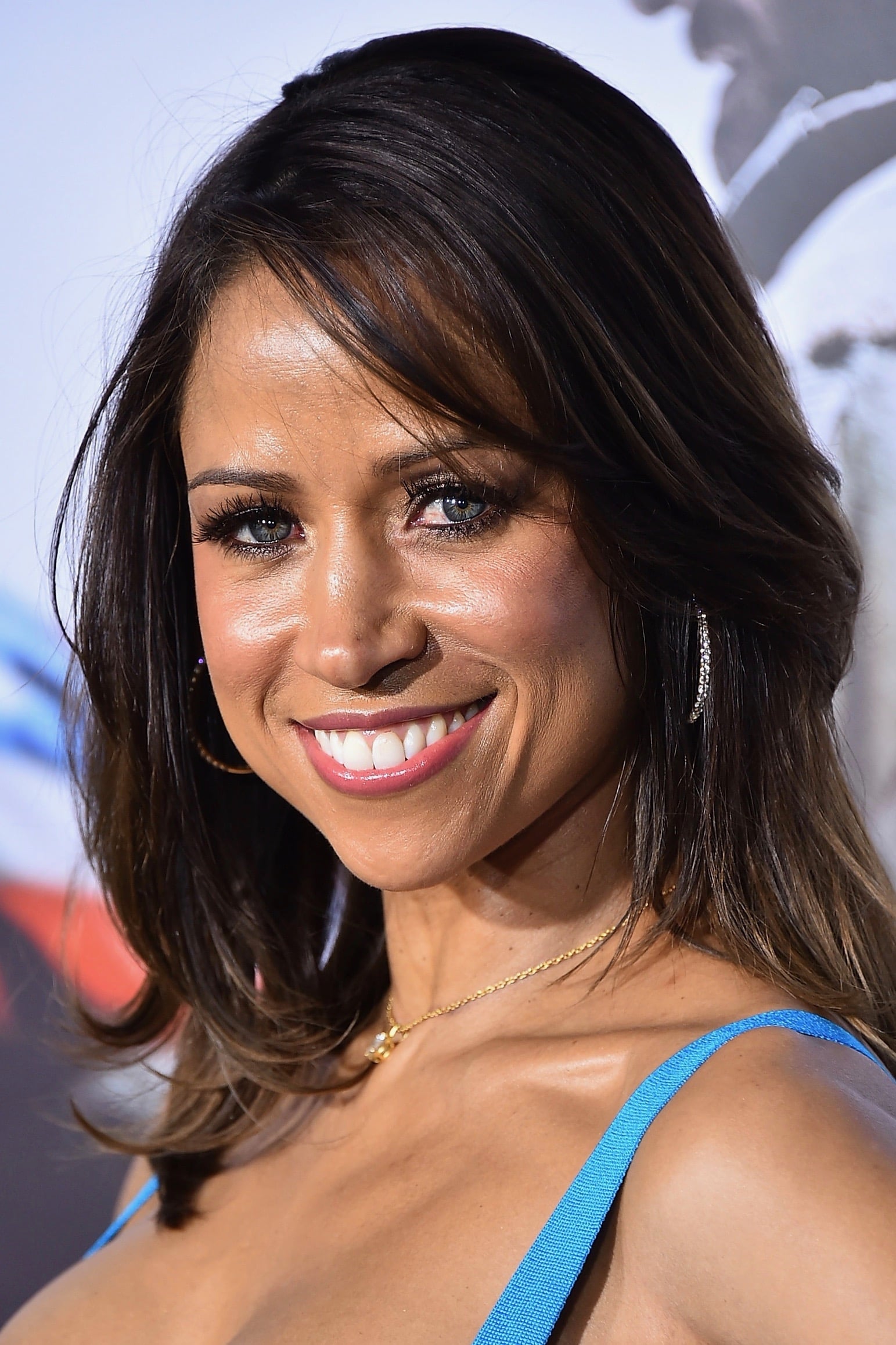
Her political commentary resulted in backlash that impacted her connection with Hollywood circles. The divisions created by her public statements affected casting decisions. This shift led to fewer opportunities in mainstream entertainment. She continued participating in media yet appeared less frequently in scripted roles.
Amanda Bynes
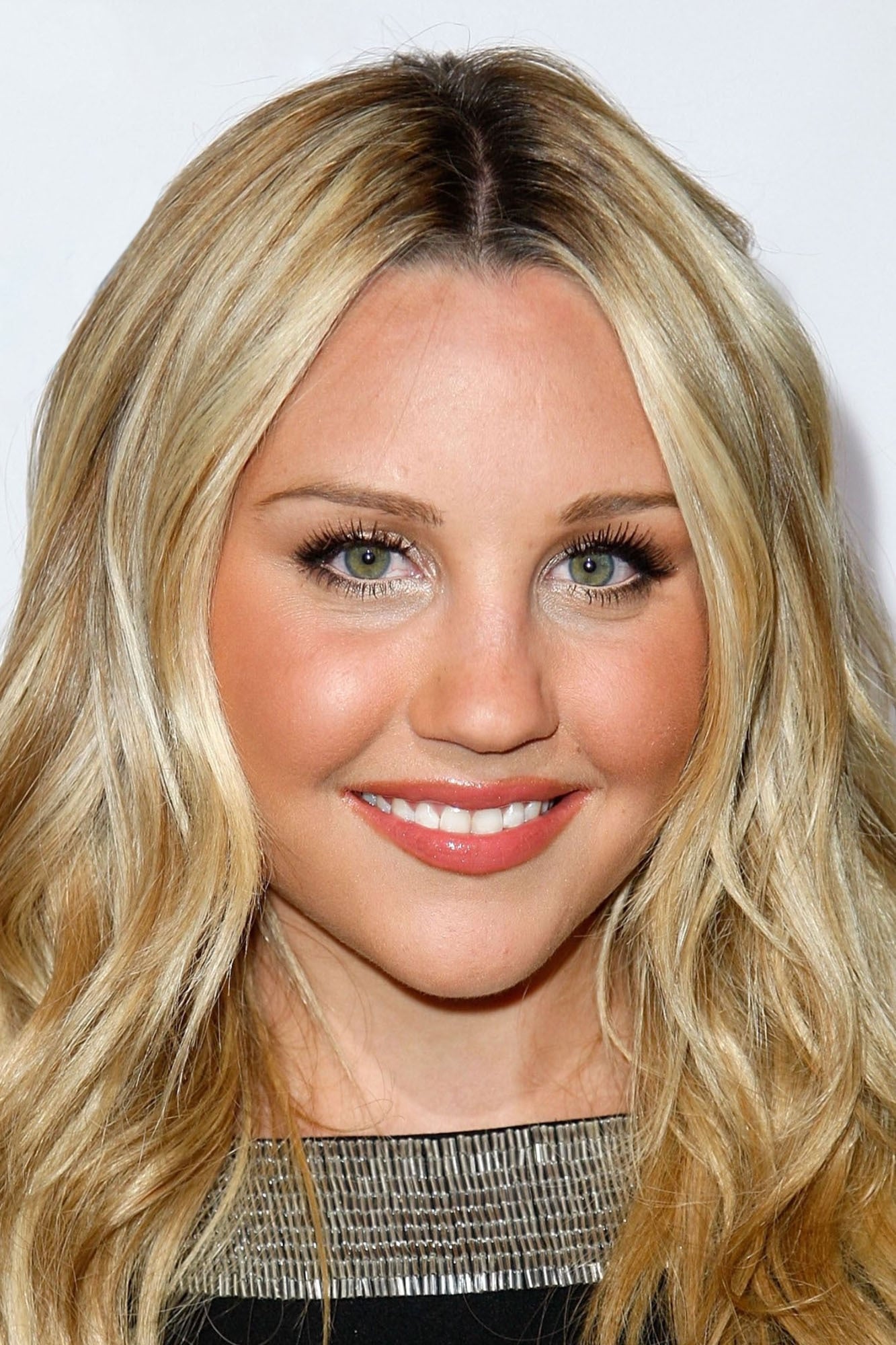
A combination of legal issues and personal challenges led to her stepping away from acting. Studios hesitated to involve her in new projects due to uncertainty about her long term availability. She worked to address these difficulties but did not fully return to the industry. The extended absence made future casting less likely.
Shelley Duvall
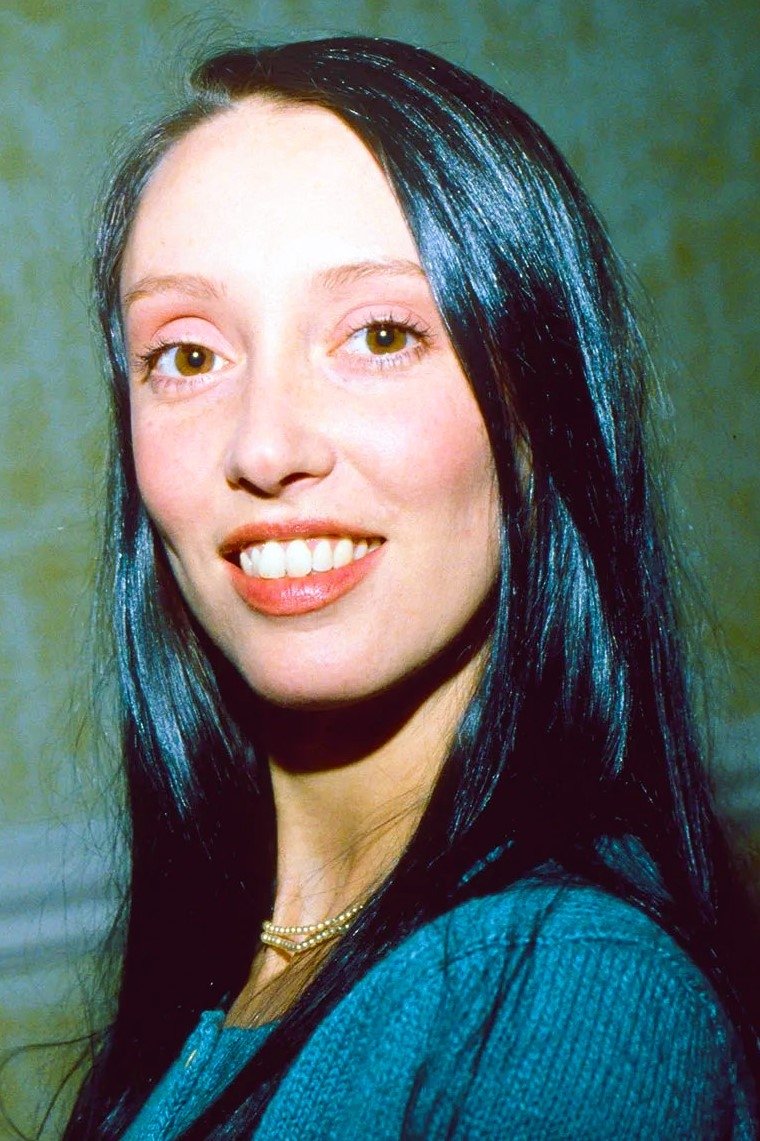
Her difficult experience on a major film set reportedly affected her mental well being. Afterward she reduced her participation in Hollywood productions. The industry showed little support in helping her reintegrate into major roles. This resulted in a long period of limited casting.
Anne Heche
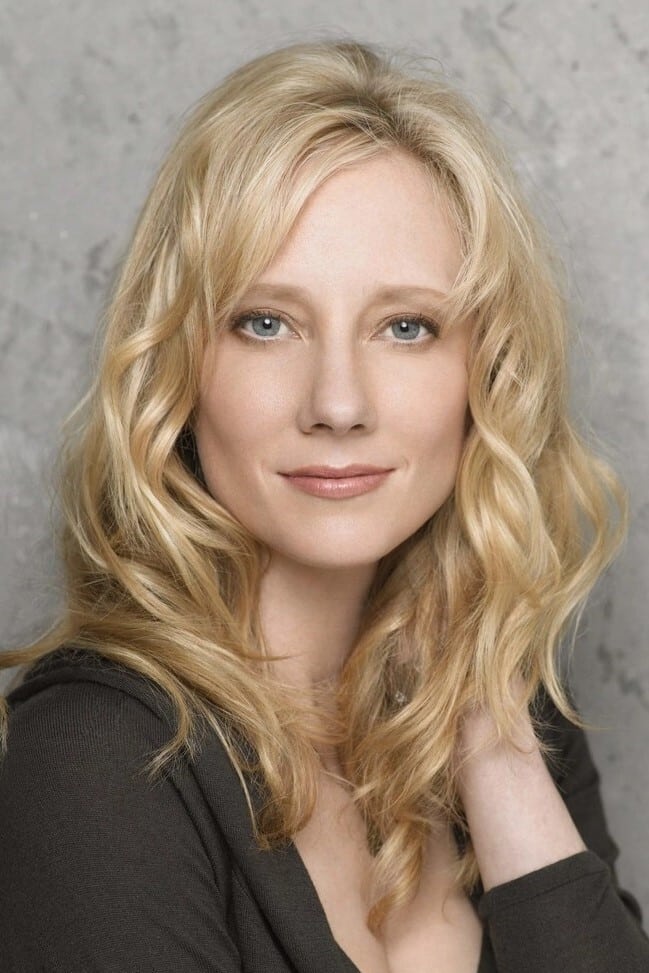
Her personal life drew heavy media scrutiny which combined with industry conflicts to affect her opportunities. Studios grew cautious about the publicity surrounding her relationships and career choices. These concerns reduced her chances for large productions. She continued to work steadily yet often outside major franchises.
Brigitte Nielsen
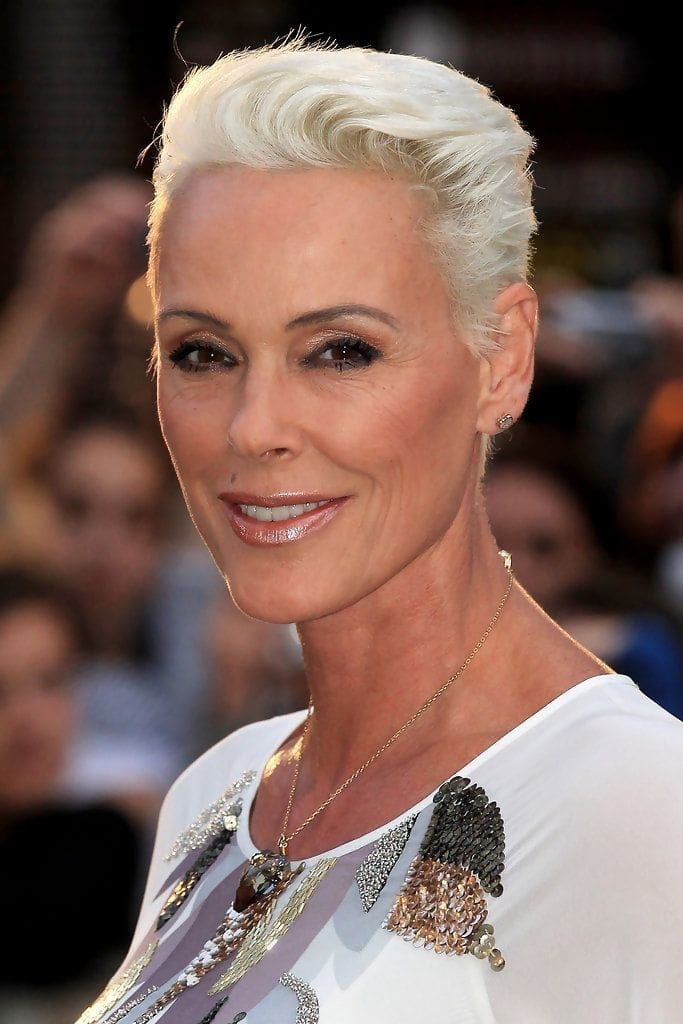
Her early fame was followed by reports of instability and public controversies. Studios became hesitant to cast her in significant roles due to these associations. She later embraced reality television which further shifted her career direction. This transition placed her outside mainstream acting circles.
Bai Ling
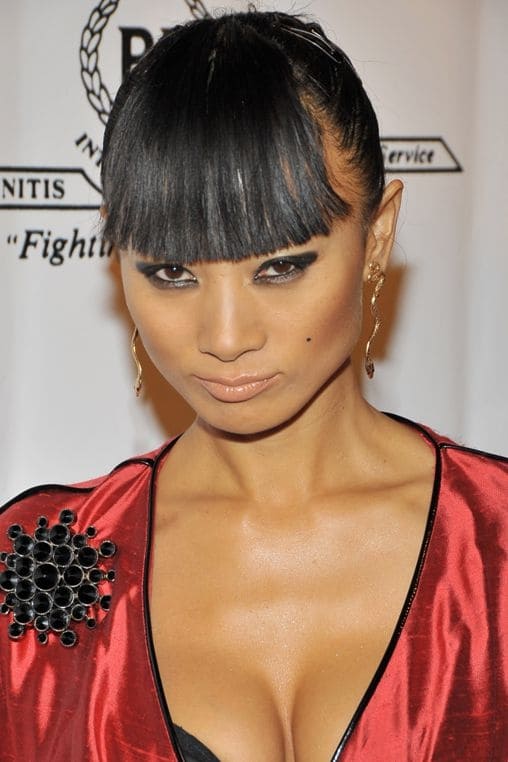
Her provocative public appearances and controversies overshadowed her film work. Studio executives questioned how audiences would respond to her on screen. These concerns influenced casting decisions that limited her opportunities. She continued acting mostly in independent productions.
Kim Basinger
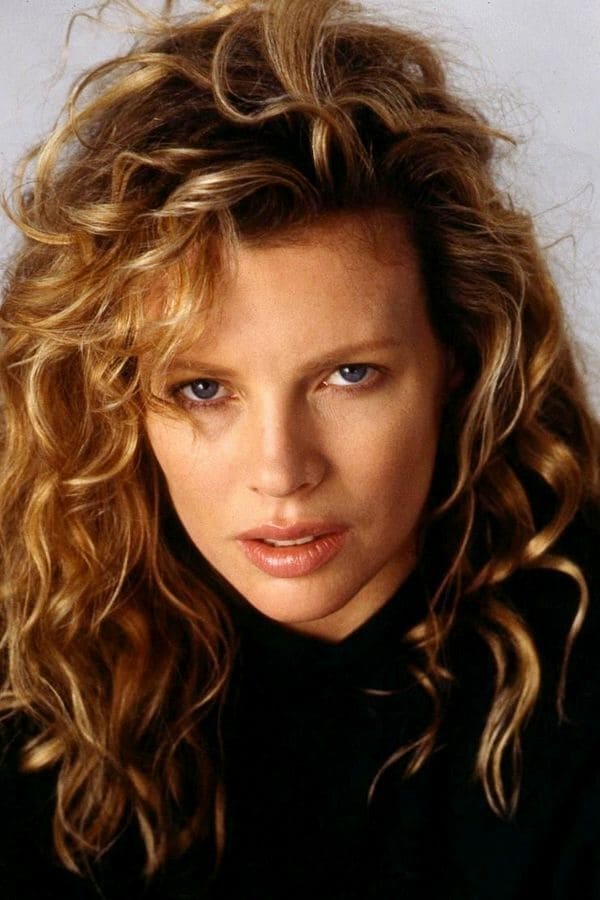
She faced significant legal disputes over withdrawing from a major film contract. The lawsuit brought financial and reputational consequences that impacted her casting options. Studios viewed the situation as a warning when considering future commitments. This period slowed her career before she eventually returned to selected roles.
Sharon Stone
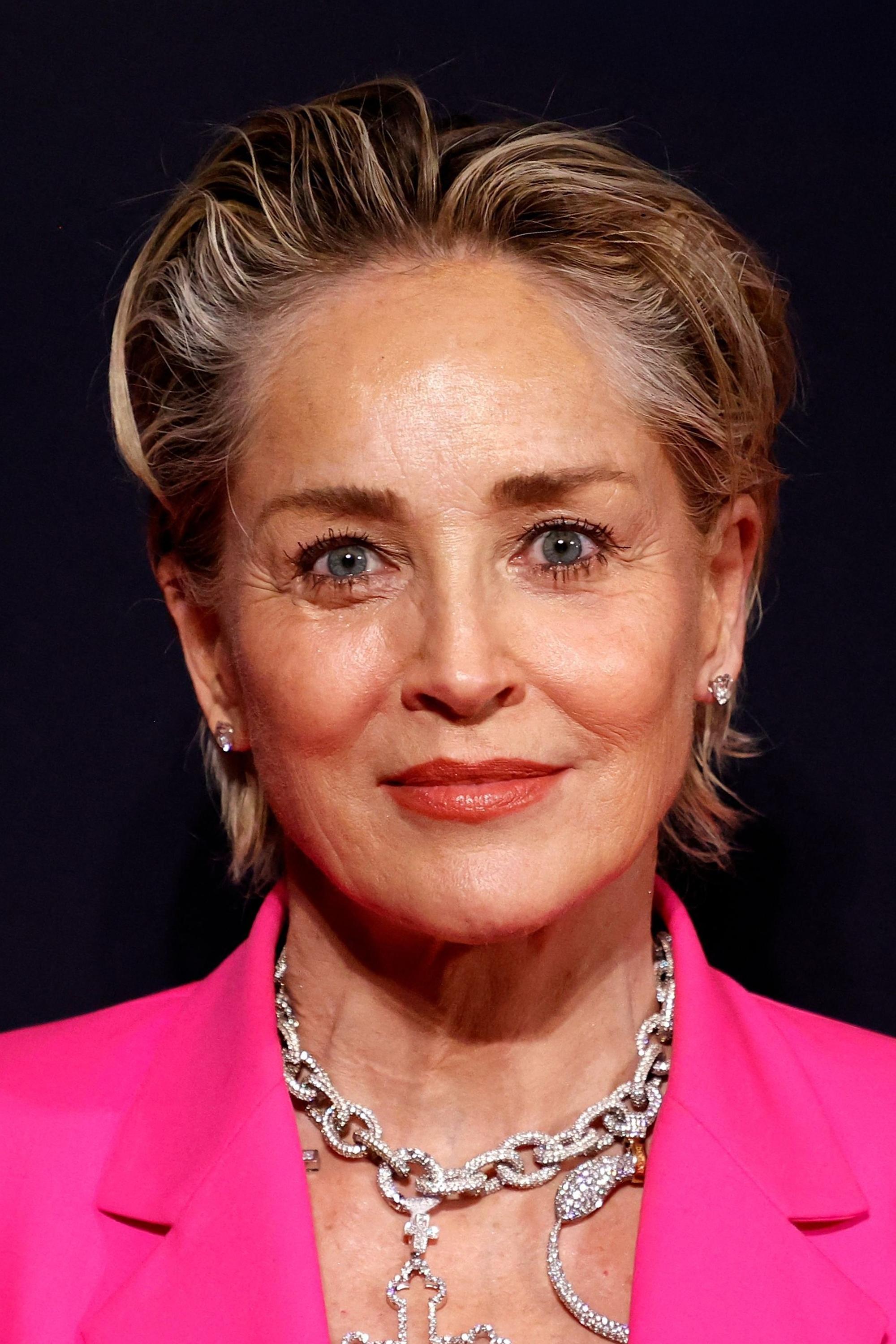
Her outspoken nature and strong on set presence reportedly caused conflicts with directors and producers. As time passed certain studios considered her participation higher risk. These factors limited her casting in major releases despite her notable accomplishments. She later found opportunities in international and independent projects.
Faye Dunaway
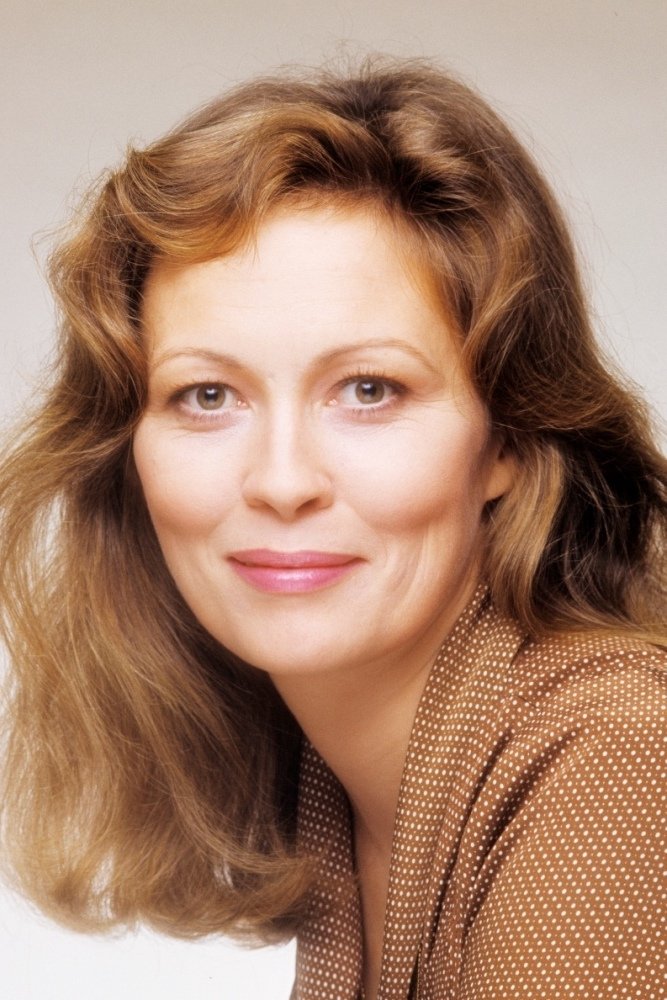
She earned a reputation for being extremely demanding during productions. Several directors shared concerns about working with her which influenced casting decisions. Her talent remained widely acknowledged yet studios minimized risk by avoiding potential conflicts. This led to fewer major roles later in her career.
Grace Jones
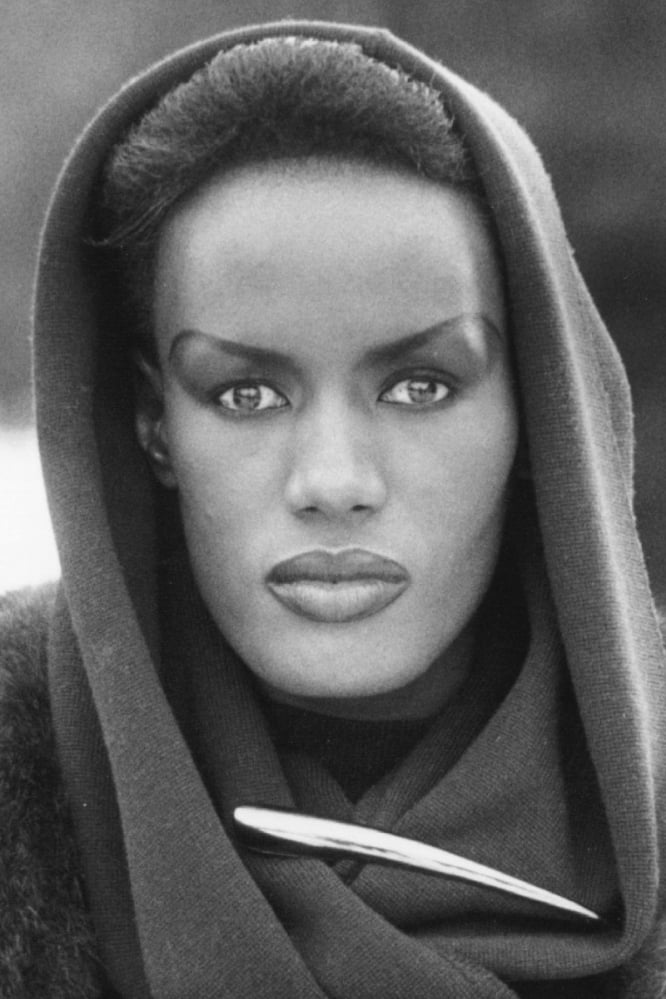
Her bold persona sometimes clashed with traditional Hollywood expectations. Producers worried about how to integrate her distinctive style into mainstream films. These challenges affected casting even though her presence was widely recognized. She ultimately focused on music and fashion where she maintained strong influence.
Sondra Locke
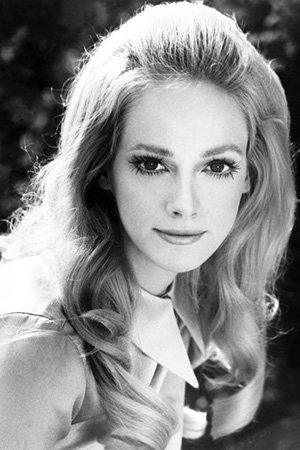
Her professional association and later legal battles with a major actor created significant obstacles. Hollywood insiders reportedly avoided hiring her due to the controversy surrounding their dispute. This left her with limited opportunities despite past acclaim. She later shifted toward writing and directing.
Brittany Murphy
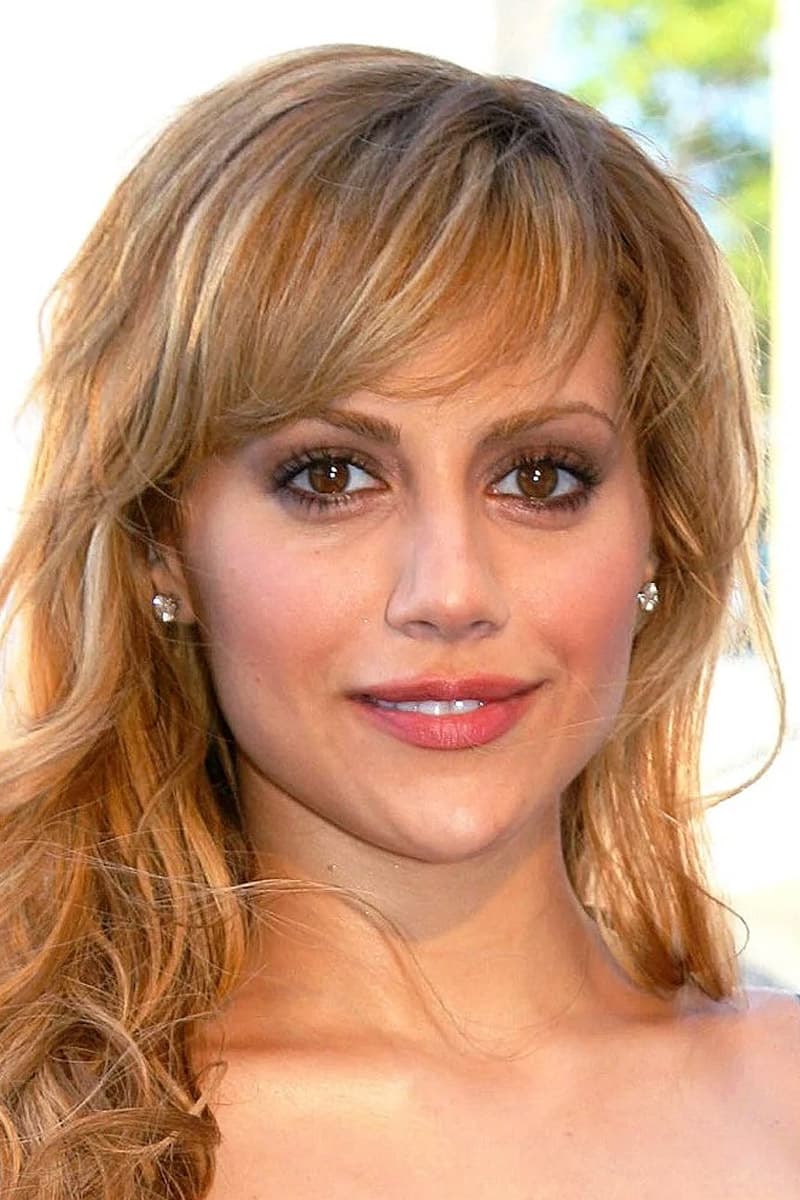
Before her passing she faced rumors and speculation that caused casting hesitation. Reports of health concerns and inconsistent behavior circulated in the industry. These stories made some studios reluctant to offer her major roles. Her career remained active but marked by diminished opportunities.
Mischa Barton

Her rise on a popular TV series was followed by legal issues and personal challenges. Producers questioned her dependability for demanding roles. This perception affected her ability to secure substantial projects. She later appeared in smaller films and independent television work.
Lori Loughlin
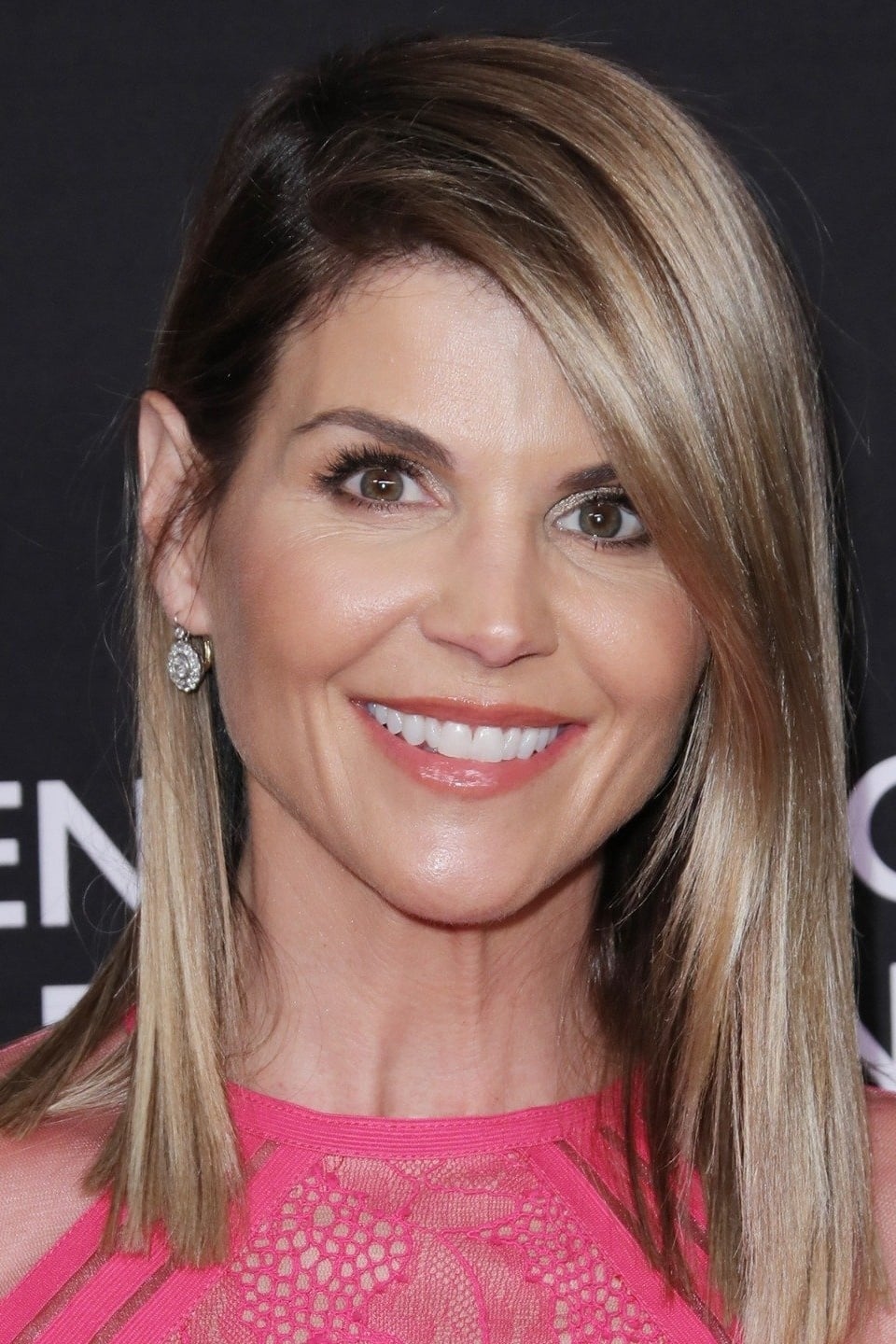
Her involvement in a widely publicized legal case dramatically affected her career. Networks severed existing contracts and paused future projects. Studios were cautious about public reaction to casting her. Her opportunities became significantly limited following the incident.
Heather Locklear

She encountered multiple legal and health issues that created uncertainty for productions. Insurance requirements reportedly increased for any project involving her. These obstacles reduced her chances to work on major sets. She continued to seek treatment and recovery while stepping back from acting.
Amanda Plummer
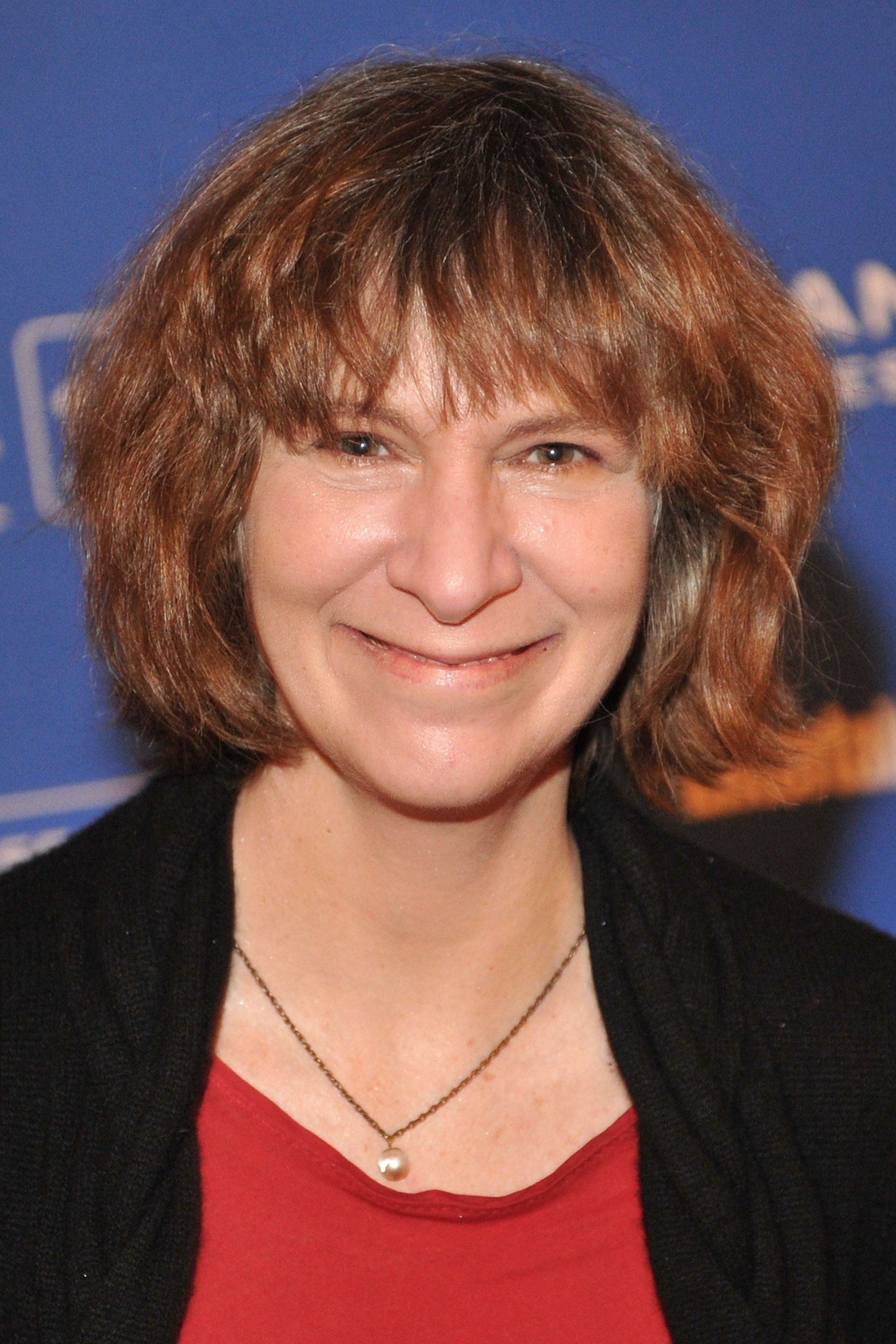
Her intense on screen style made it difficult for studios to place her in broadly marketable roles. Directors often struggled to match her unique approach with mainstream audiences. This challenge limited her access to steady high profile projects. She worked mainly in niche and character driven films.
Fairuza Balk
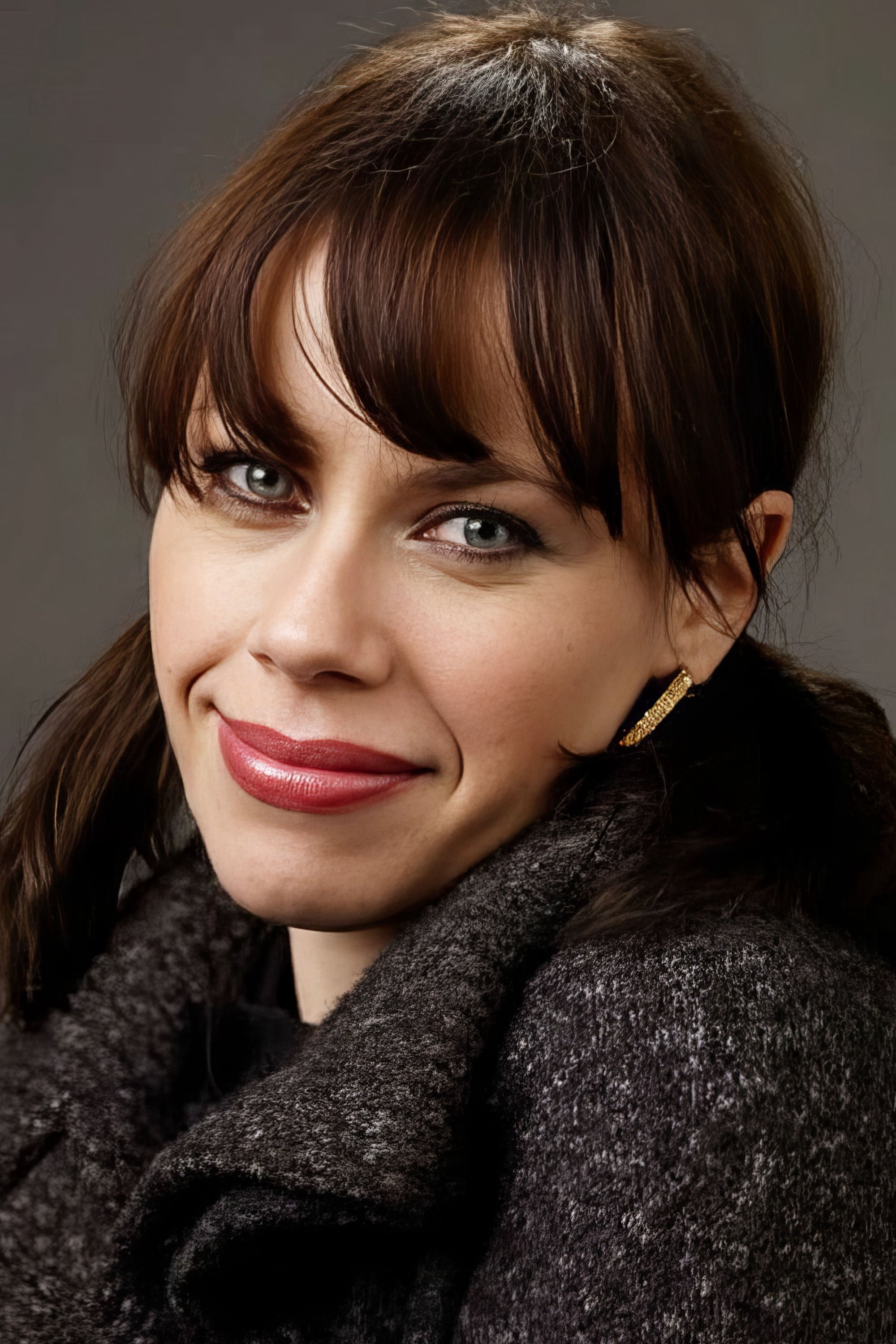
Her association with alternative and niche roles limited casting options in wide release films. Studios struggled to find marketable parts suited to her distinct presence. This created fewer mainstream opportunities despite strong performances. She continued to work consistently in smaller scale productions.
Thora Birch
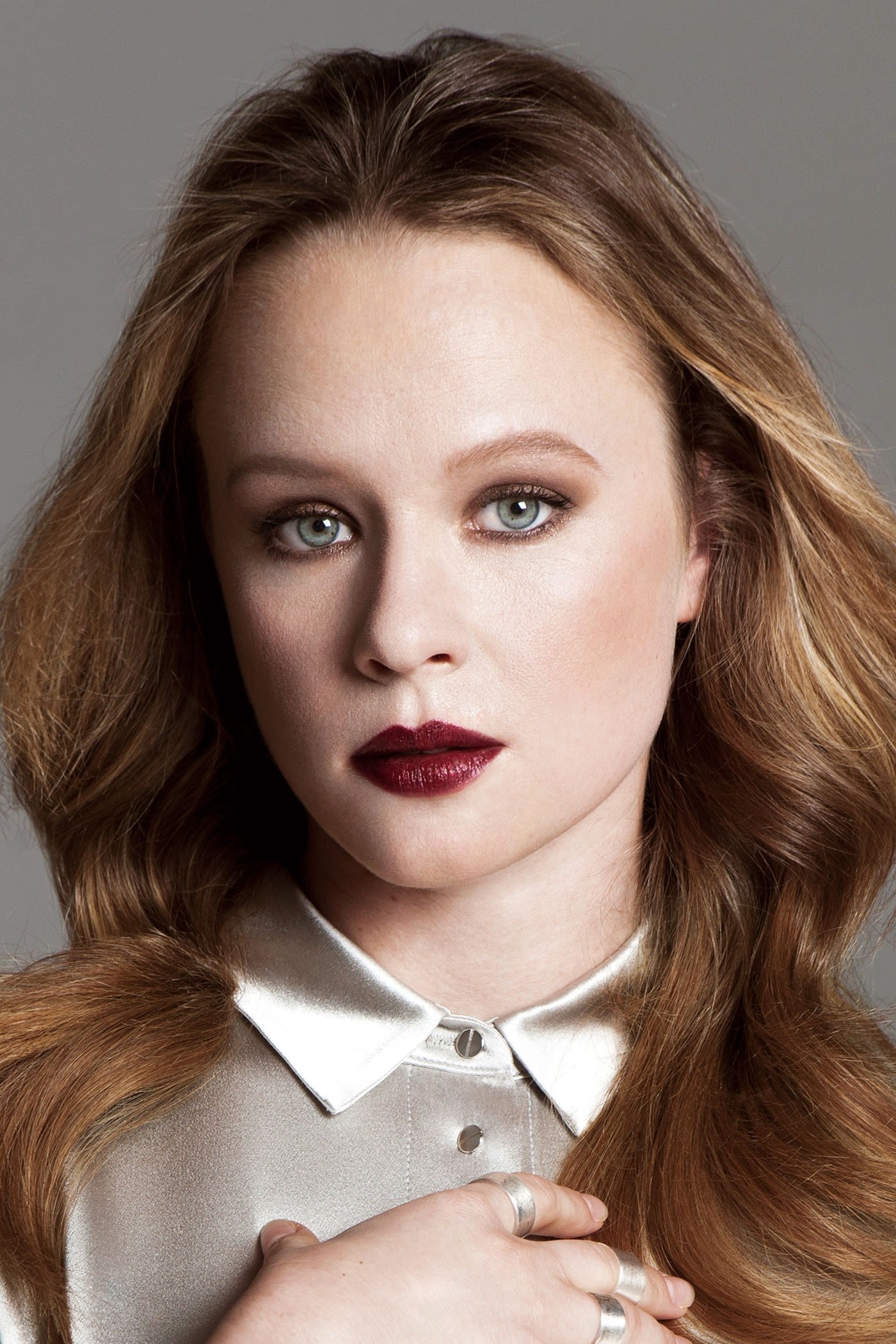
A conflict involving her management during a stage production caused concerns about her working environment. These issues influenced later casting decisions from major studios. Despite her early success she faced reduced opportunities. She worked mostly in independent film afterward.
Shannen Doherty
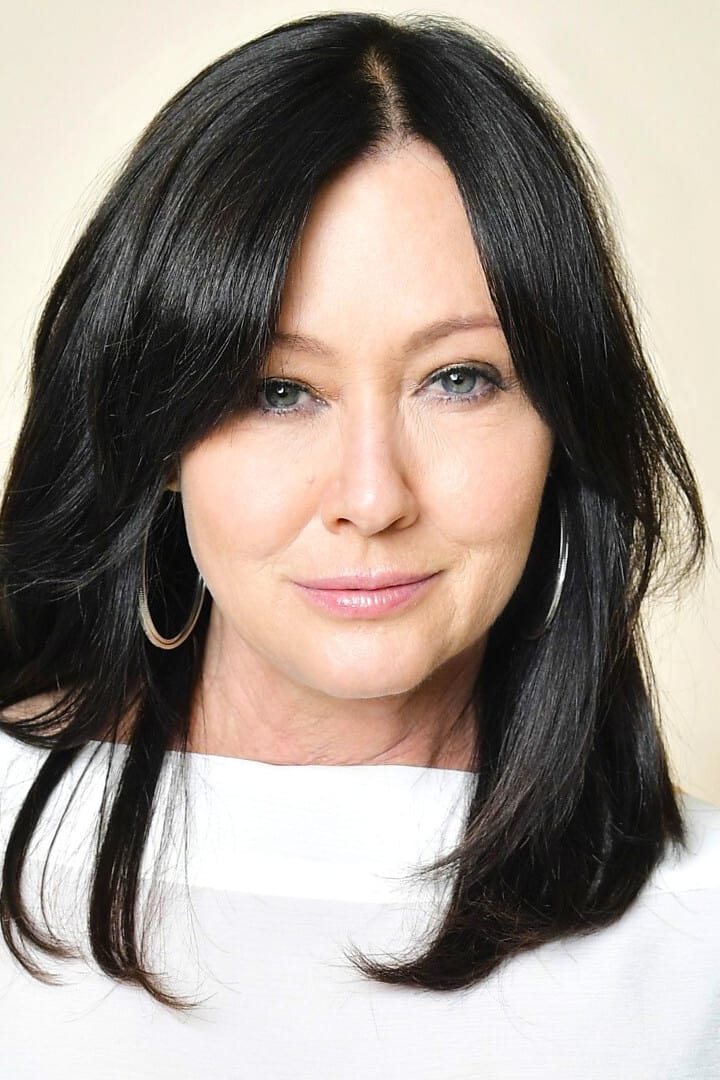
Reports of on set disagreements followed her across multiple productions. These incidents contributed to a reputation that affected future roles. Studios considered the potential for conflict too high for many projects. She remained active in select television work despite these challenges.
Joan Crawford
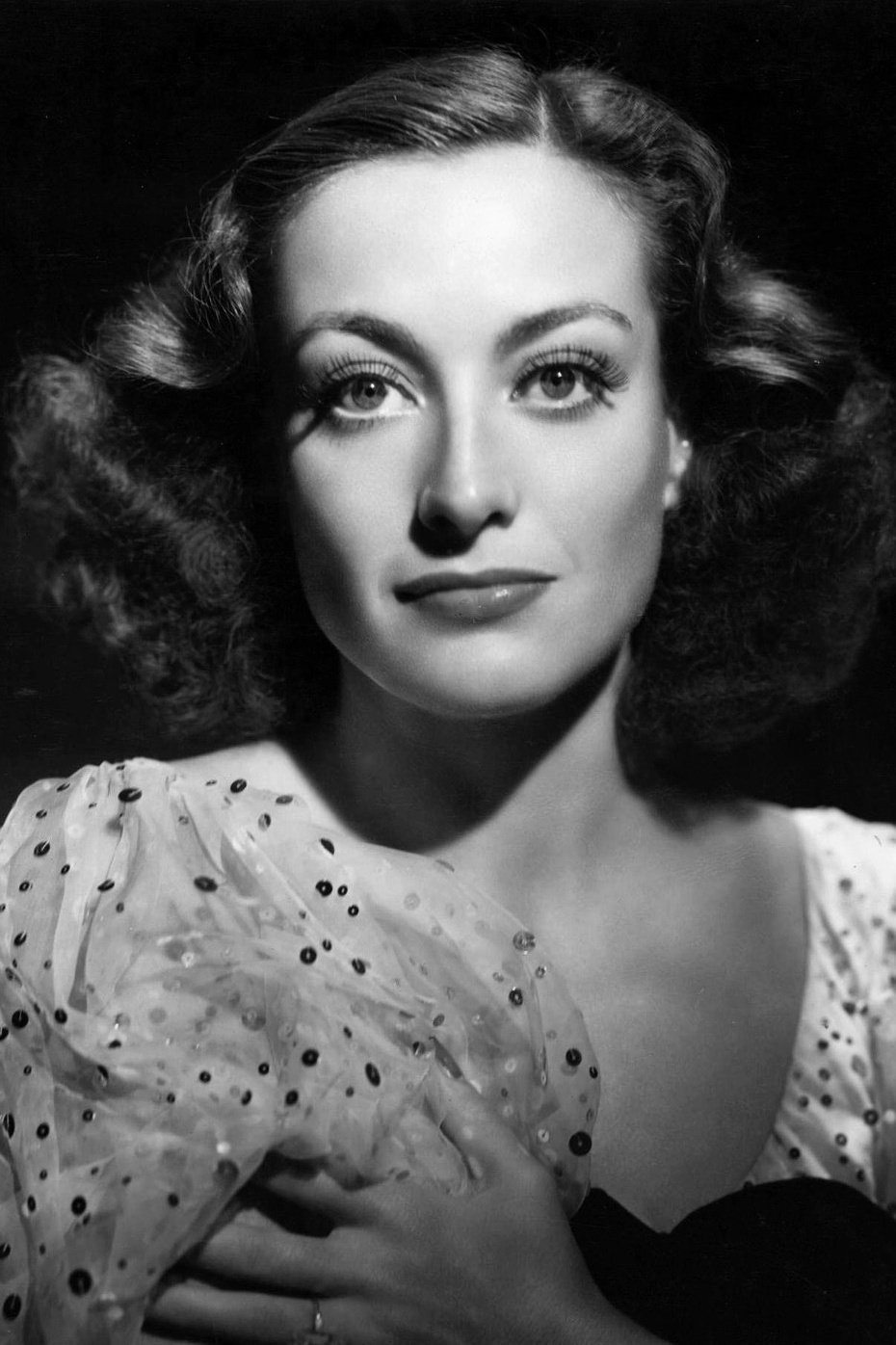
Late in her career she encountered professional conflicts and shifting industry standards. Younger stars began to replace her in roles she once dominated. Studios questioned her compatibility with modern productions. These changes reduced her visibility in major films.
Bette Davis
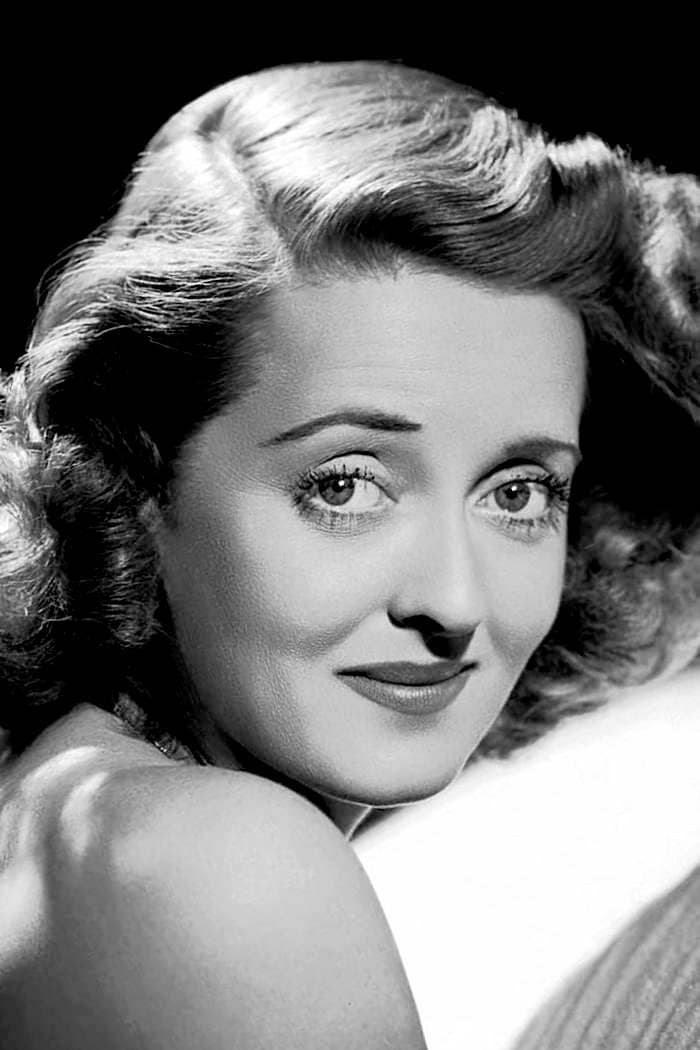
She famously battled studios for better conditions which strained her relationships with executives. Although respected her refusal to accept limiting roles caused friction. Hollywood offered fewer opportunities as younger actresses rose. She later found success in select dramatic projects.
Leelee Sobieski
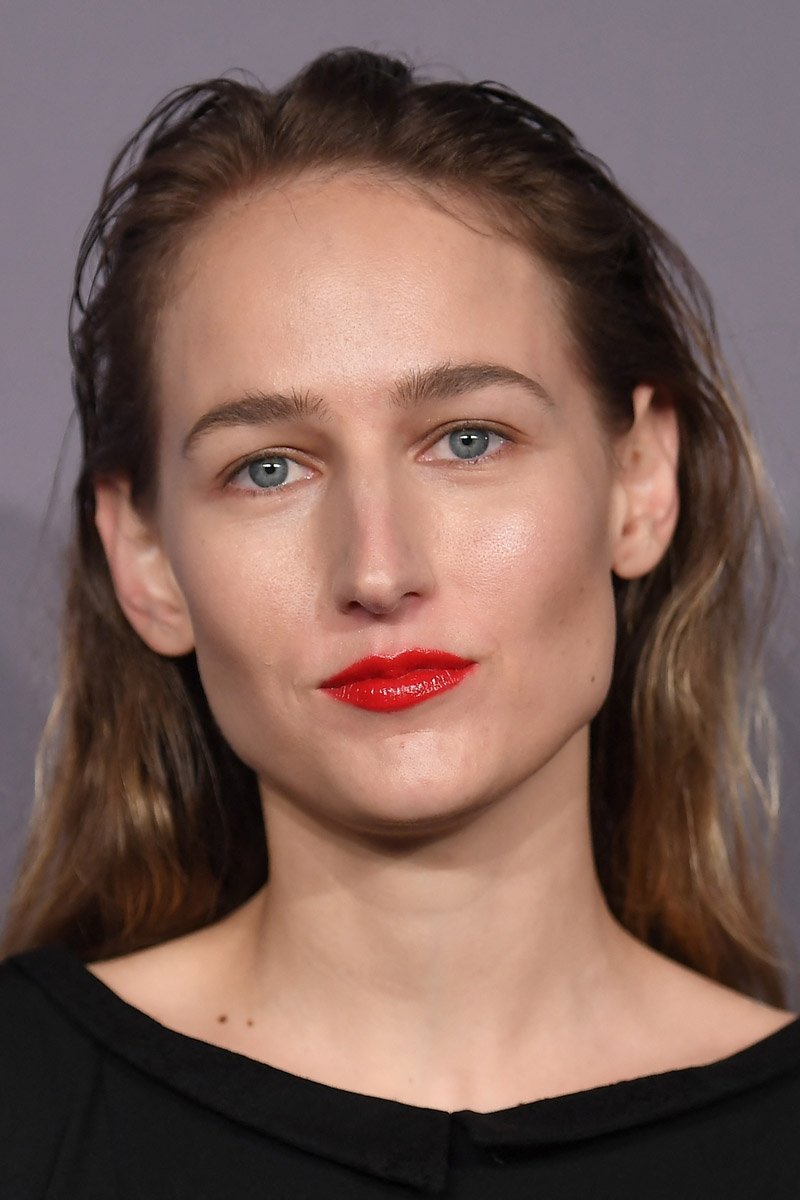
Her decision to step back from acting combined with Hollywood’s difficulty in casting her distinctive presence reduced opportunities. Studios struggled to find roles that matched her specific style. After early career momentum she transitioned away from major productions. This choice made future casting increasingly unlikely.
Lara Flynn Boyle
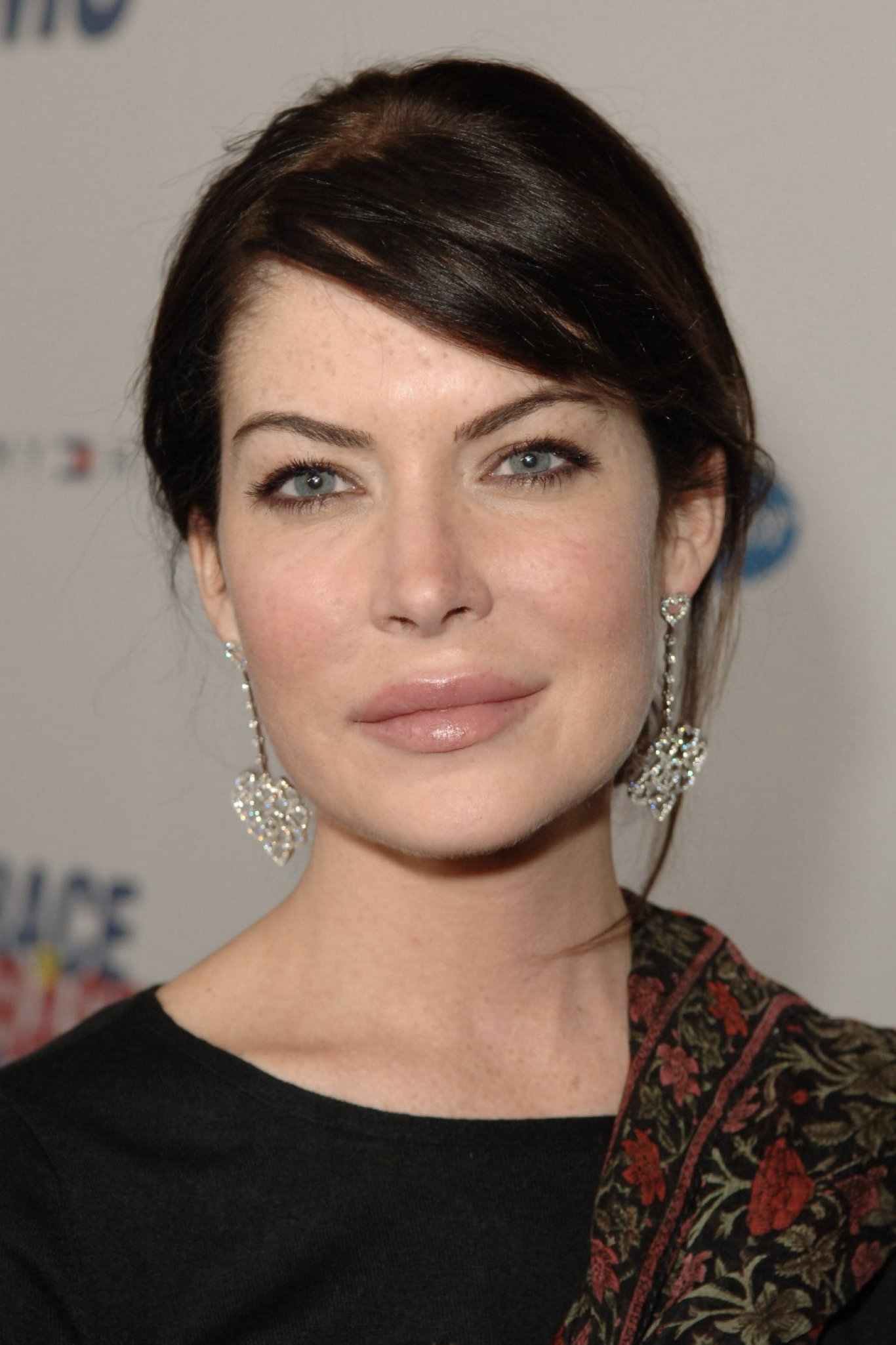
Reports of professional tension on set and personal controversies shaped industry perception. Studios worried about potential difficulties during filming. These concerns reduced her presence in major TV and film roles. She continued working but at a slower pace.
Phoebe Cates
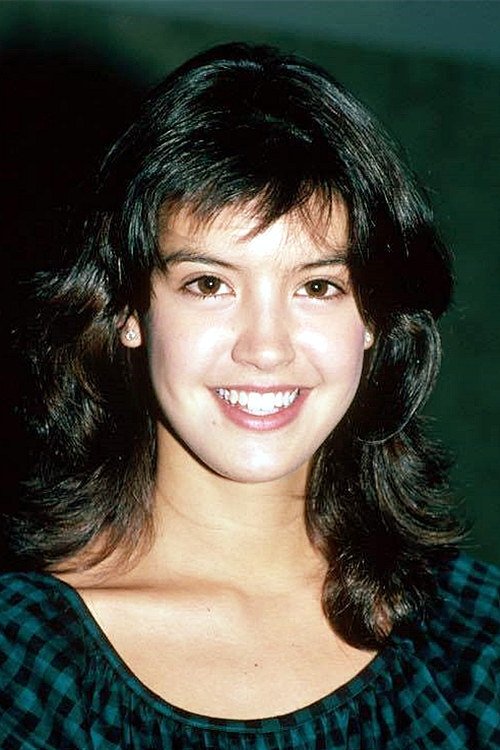
Her voluntary hiatus from acting created a long absence that made studios hesitant to cast her again. Over time she became associated with a specific era in film which limited new opportunities. Her shift toward family life reduced her industry presence. This combination made future roles rare.
Bridget Fonda

After stepping away from acting for personal reasons she became largely unavailable for casting. Studios moved on to newer talents during her long break. Her lack of recent work made major roles difficult to secure. This led to an extended departure from Hollywood.
Greta Garbo
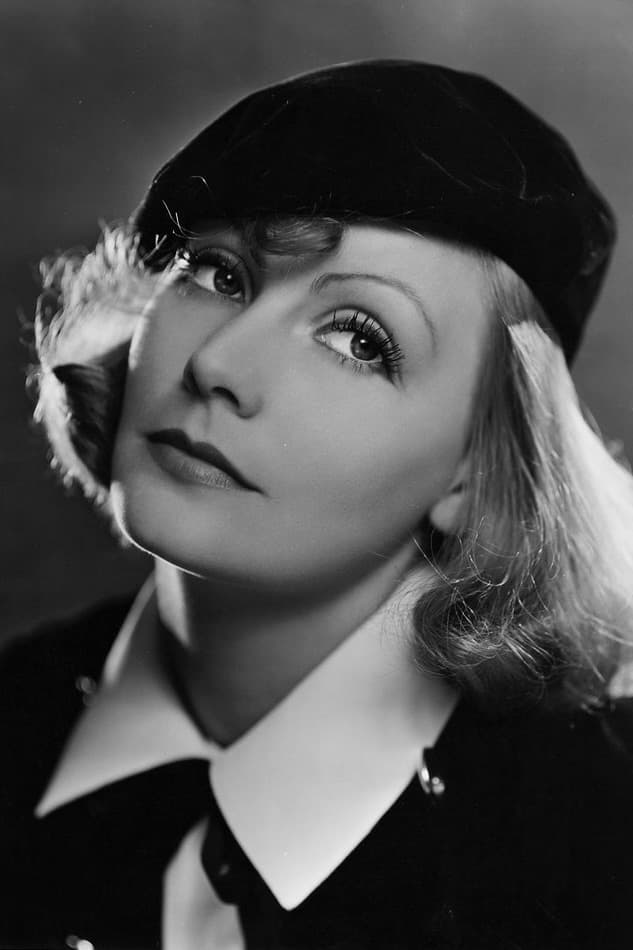
Her desire for privacy and reluctance to engage with publicity made casting difficult in a studio controlled era. Hollywood required heavy promotion which she often resisted. This conflict limited her involvement in later films. She eventually retired early from acting.
Sienna Miller
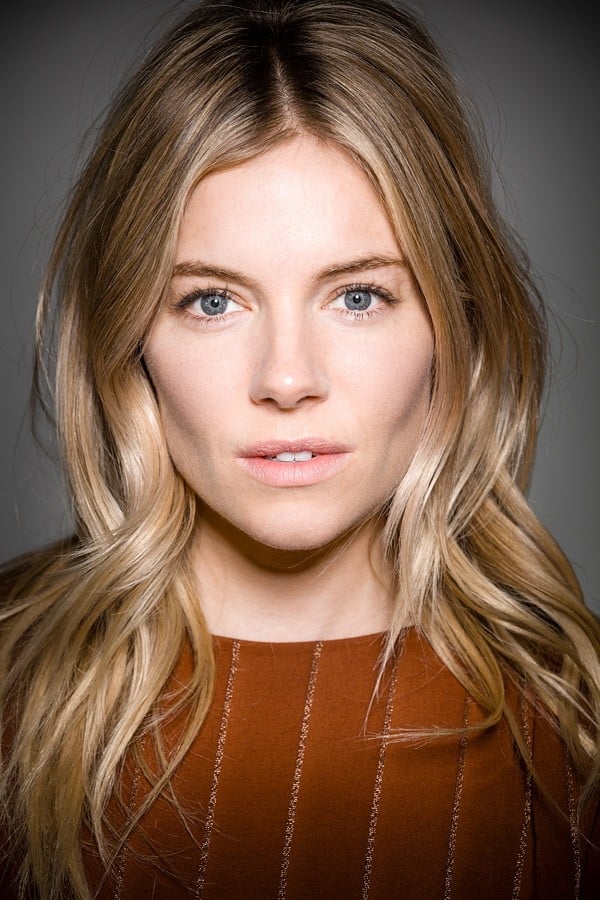
Early tabloid coverage overshadowed her professional accomplishments. Studios hesitated to cast her in large projects due to the media storm surrounding her life. This perception took years to overcome. She later rebuilt her career through acclaimed independent roles.
Ashley Judd
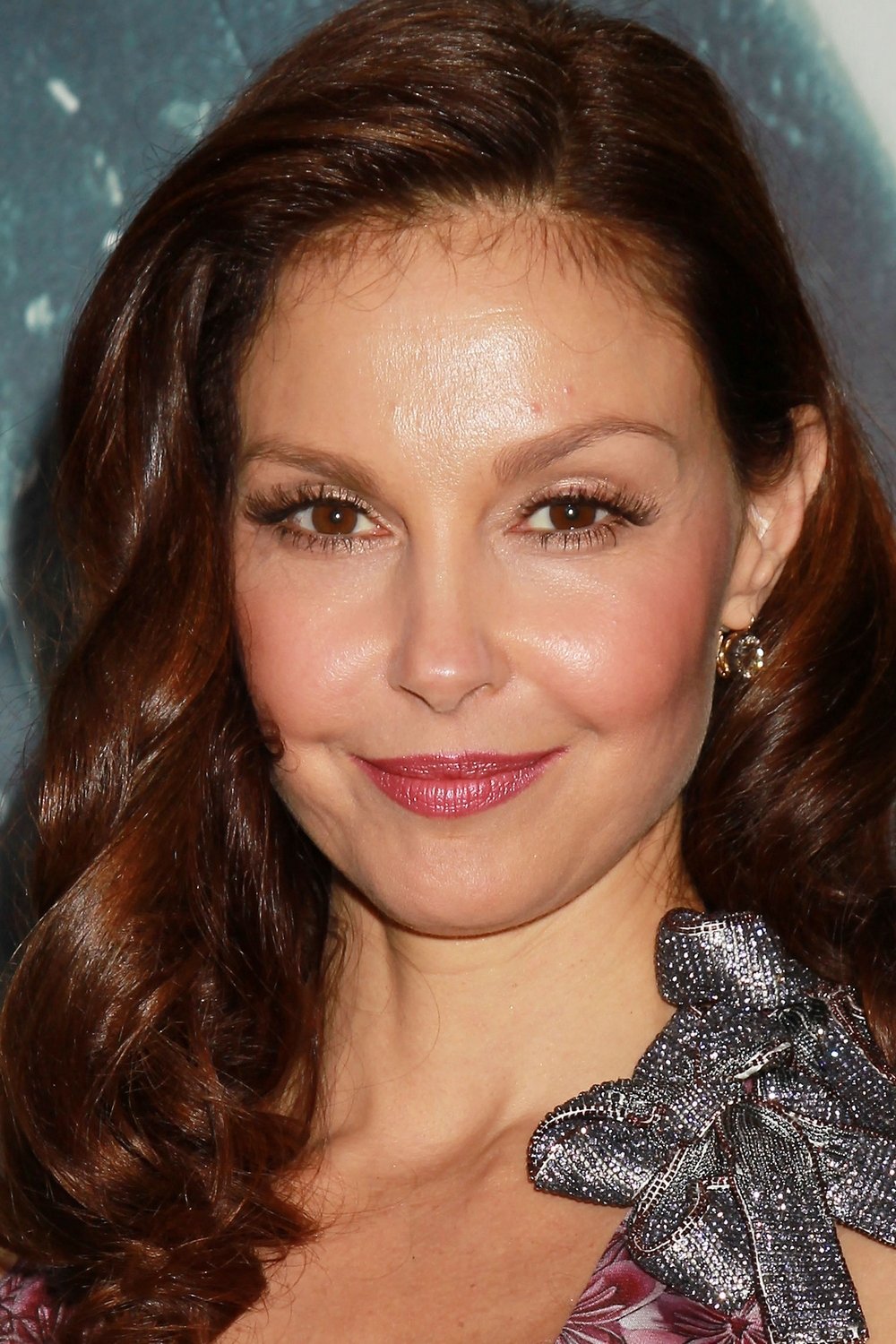
Legal and professional disputes related to industry misconduct affected her opportunities. She reported significant retaliation that limited her casting in major films. These circumstances shaped her career trajectory for many years. She focused on activism and selected film projects.
Portia de Rossi
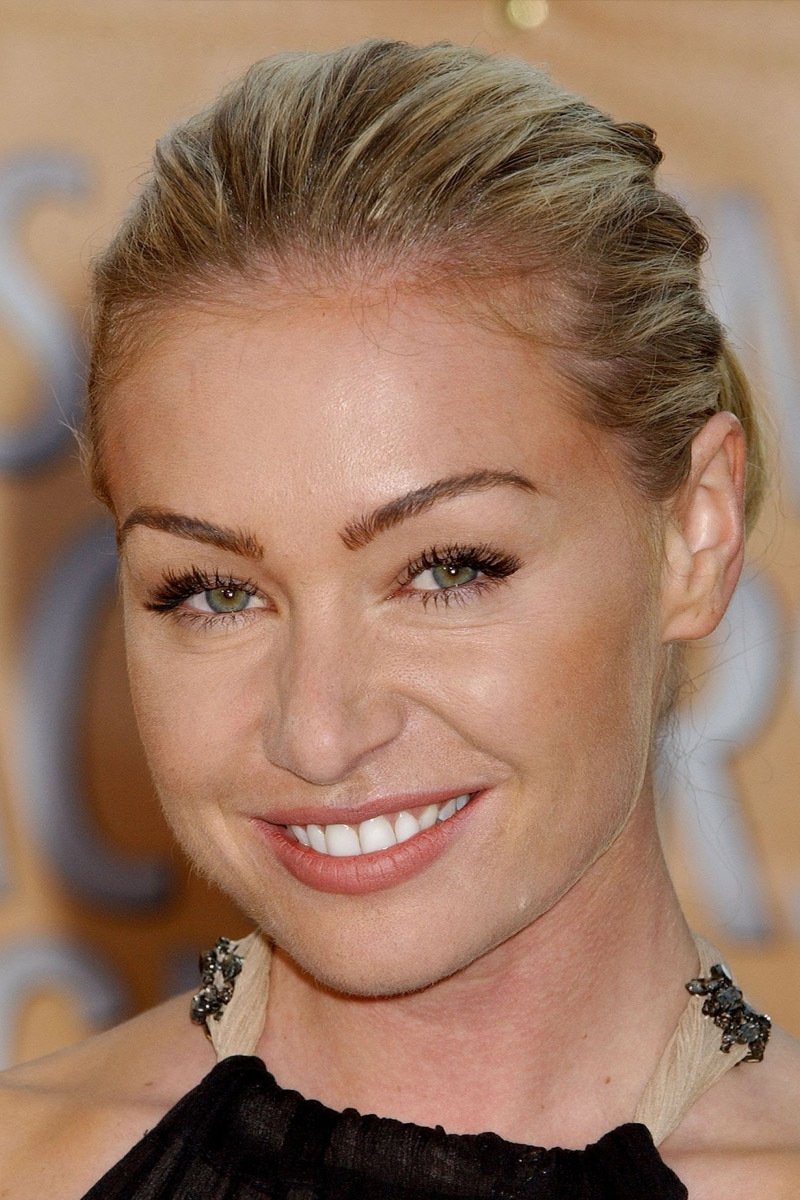
Her decision to leave acting and pursue other ventures contributed to fewer available roles. Industry changes occurred during her break which made returning more challenging. Studios were uncertain about her long term commitment to new productions. This shift minimized her casting prospects.
Geena Davis
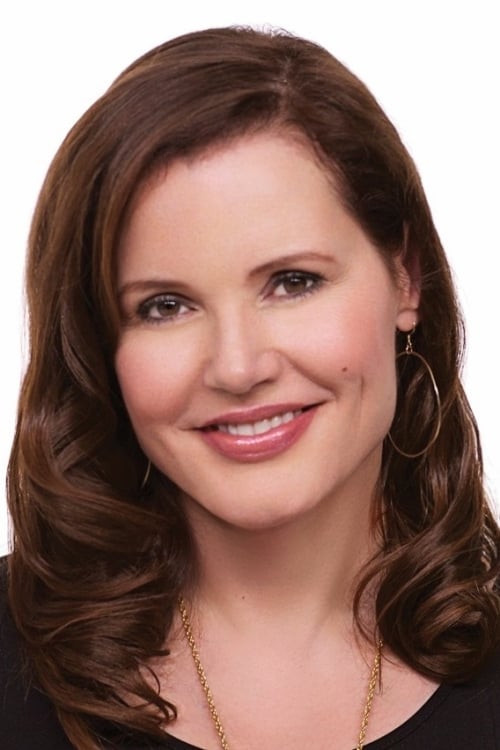
After her peak success she faced the industry’s declining interest in roles for older women. Studios offered fewer lead opportunities in her age range. She worked to advocate for better representation through research and activism. These efforts continued even as major roles became scarce.
Demi Moore
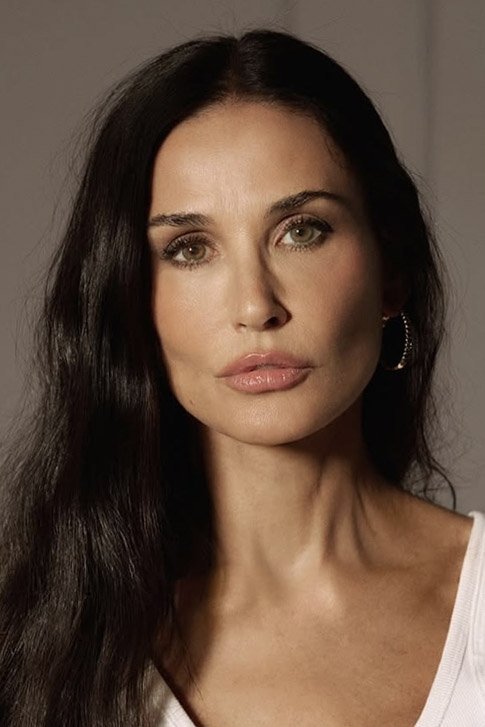
Her high salary demands during the height of her fame led to several box office disappointments. Studios grew hesitant to invest heavily in her roles afterward. This shift changed how casting directors viewed her marketability. She continued working yet received fewer lead offers.
Share your thoughts in the comments about which actresses you think faced the toughest casting challenges.

