


Movie Director Three-Film Streaks with Zero Misses

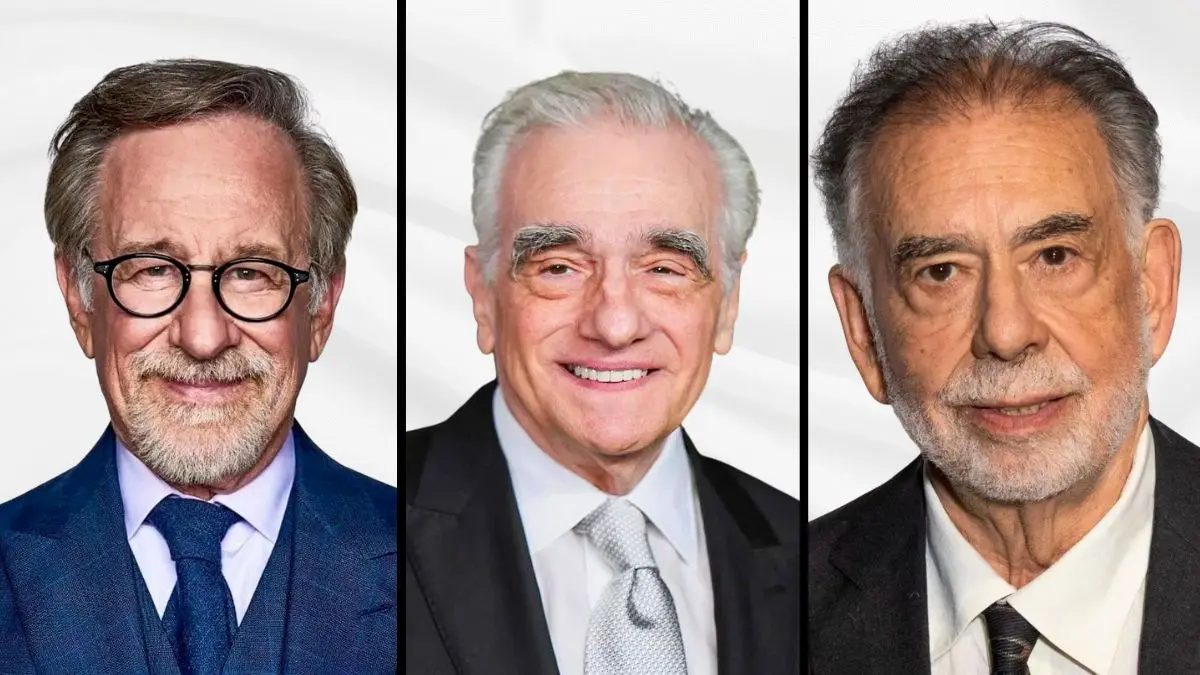


When a director strings together three excellent features in a row, it feels like watching someone hit a perfect rhythm. These streaks often span genres and budgets, and they usually mark a moment when skill, taste, and timing all line up. The runs below collect three back to back features from each filmmaker that landed with critics, audiences, awards bodies, or all three. Each entry lists the films in order with years so you can spot exactly where the hot streak happened and what made it stand out.
Alfred Hitchcock
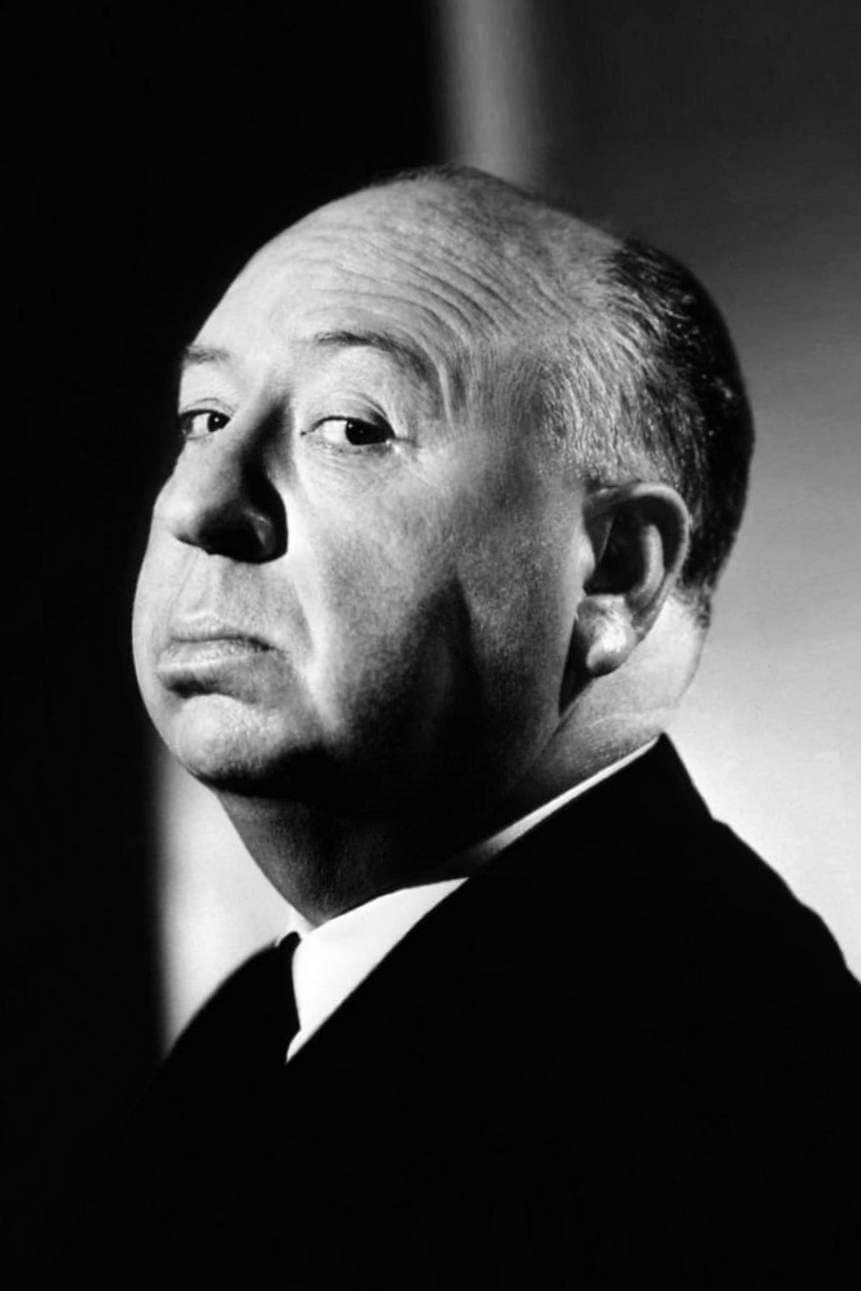
This run moves from psychological obsession to suave espionage to modern horror. It starts with ‘Vertigo’ (1958), follows with ‘North by Northwest’ (1959), and peaks with ‘Psycho’ (1960). The three films reshaped thriller grammar through point of view, set piece design, and editing. They also cemented Hitchcock’s status with major box office success and enduring influence on suspense filmmaking.
Stanley Kubrick
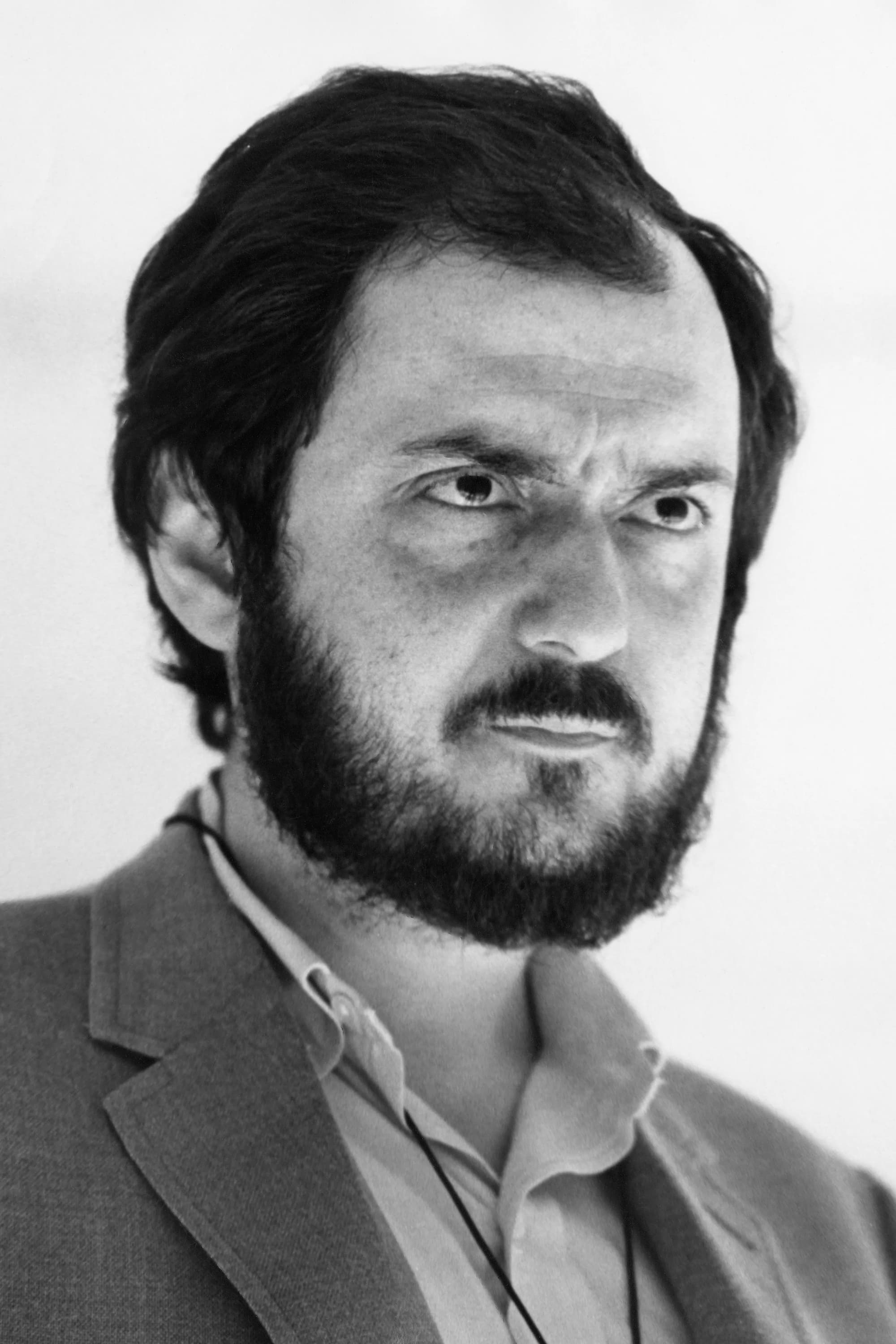
Kubrick’s streak here shows command of satire, science fiction, and dystopia. He delivered ‘Dr. Strangelove’ (1964), ‘2001: A Space Odyssey’ (1968), and ‘A Clockwork Orange’ (1971). Each film pushed technical boundaries with visual effects, production design, and bold music choices. The trio earned multiple Academy Award nominations and set new standards for ambitious studio filmmaking.
Martin Scorsese
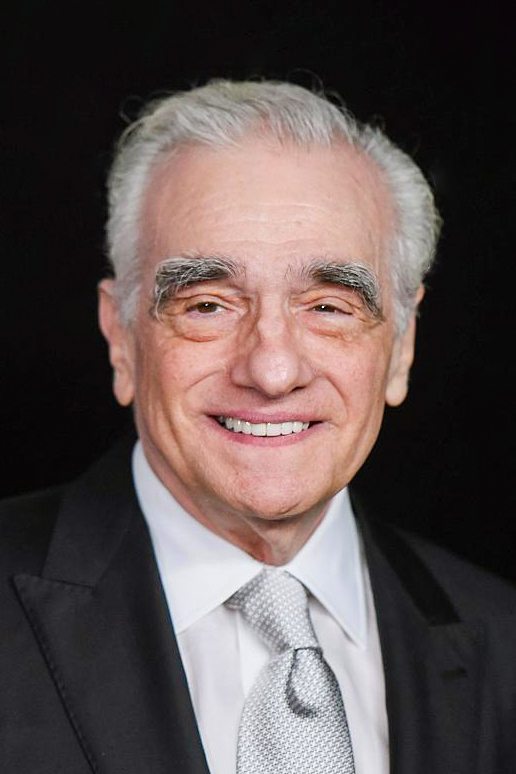
This sequence blends crime, psychological tension, and period drama with precise craft. The run is ‘Goodfellas’ (1990), ‘Cape Fear’ (1991), and ‘The Age of Innocence’ (1993). It spans kinetic editing, exacting soundtracks, and meticulous costume work. The films brought awards attention to actors and crafts while reaffirming Scorsese’s range beyond gangster stories.
Steven Spielberg
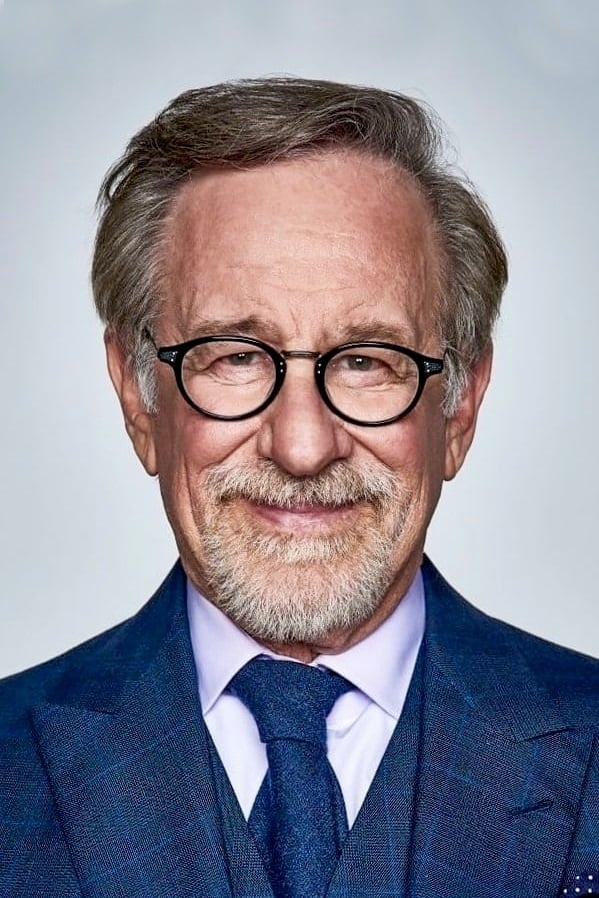
Spielberg pivoted from a breakout thriller to awe filled science fiction to a pulpy adventure icon. The streak is ‘Jaws’ (1975), ‘Close Encounters of the Third Kind’ (1977), and ‘Raiders of the Lost Ark’ (1981). These features shaped modern blockbuster pacing and spectacle while maintaining character focus. They also set records at the time and launched lasting franchises and careers.
Francis Ford Coppola
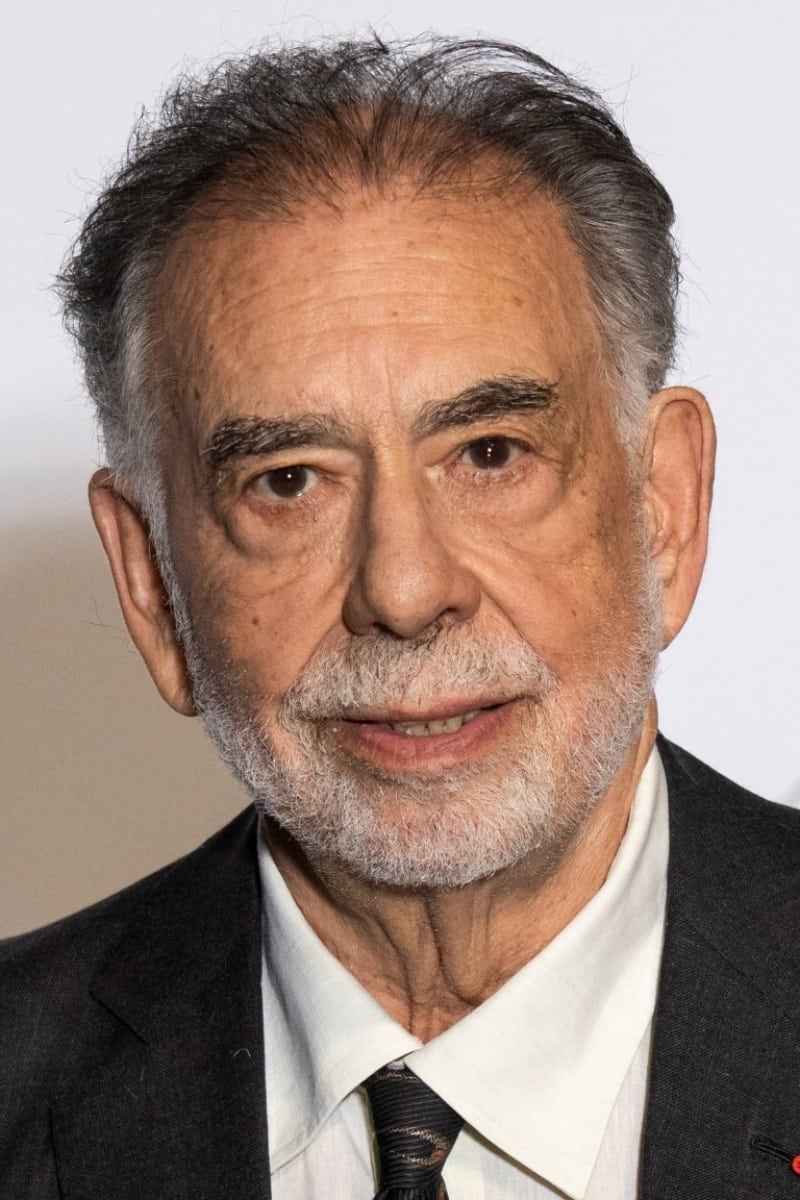
Coppola’s run pairs a crime saga with an intimate surveillance thriller before returning to crime at epic scale. The three films are ‘The Godfather’ (1972), ‘The Conversation’ (1974), and ‘The Godfather Part II’ (1974). This sequence won top prizes including Best Picture and the Palme d’Or. It also showcased innovative sound design and parallel storytelling techniques that became widely studied.
Joel and Ethan Coen
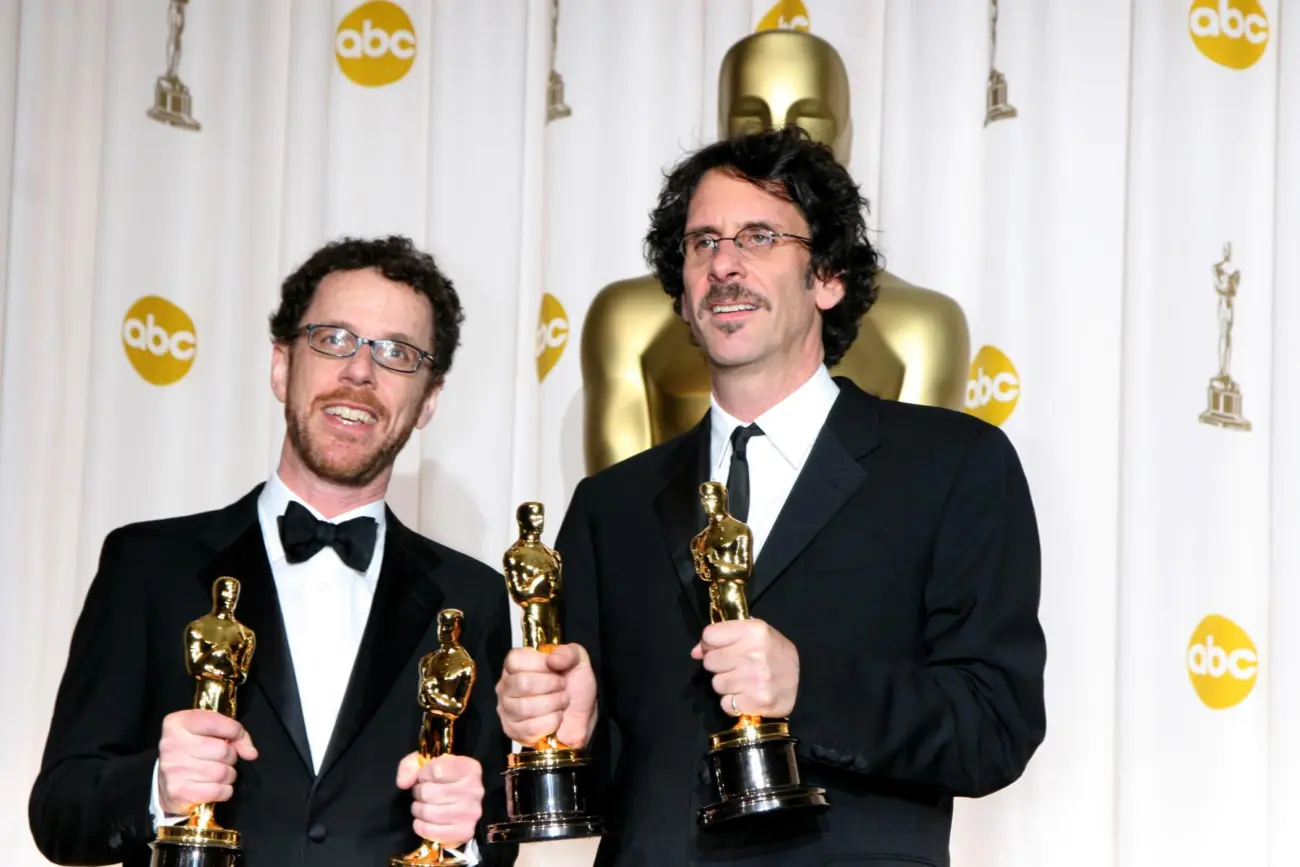
This set mixes a contemporary western noir with a spy farce and a dark suburban fable. The trio is ‘No Country for Old Men’ (2007), ‘Burn After Reading’ (2008), and ‘A Serious Man’ (2009). The films feature crisp cinematography, deadpan dialogue rhythms, and precise soundscapes. Awards recognition included Best Picture and Best Director wins for the first title.
Quentin Tarantino
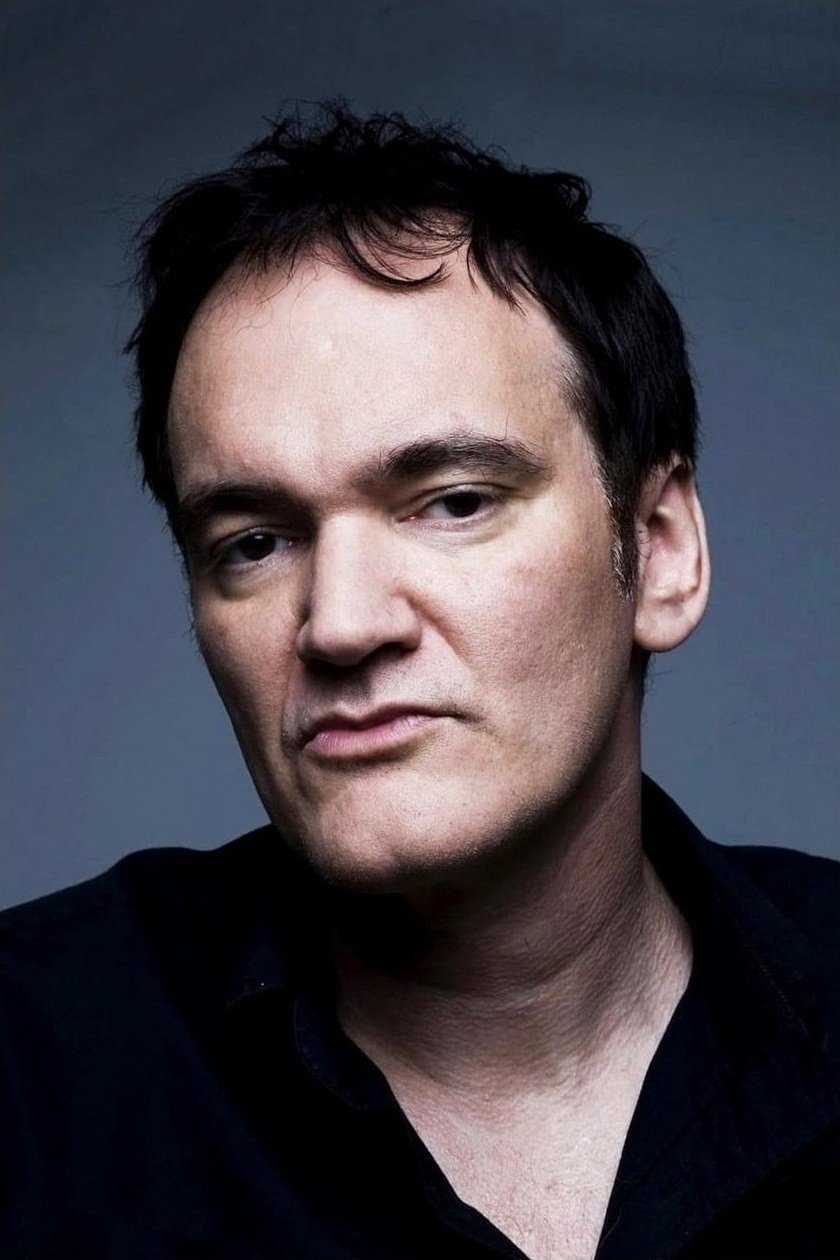
Tarantino’s opening salvo brought a heist aftermath, a cultural phenomenon, and a sly crime drama. The run is ‘Reservoir Dogs’ (1992), ‘Pulp Fiction’ (1994), and ‘Jackie Brown’ (1997). These films revived interest in non linear narratives and needle drop soundtracks. They also boosted independent cinema’s profile worldwide through festival buzz and awards attention.
Paul Thomas Anderson
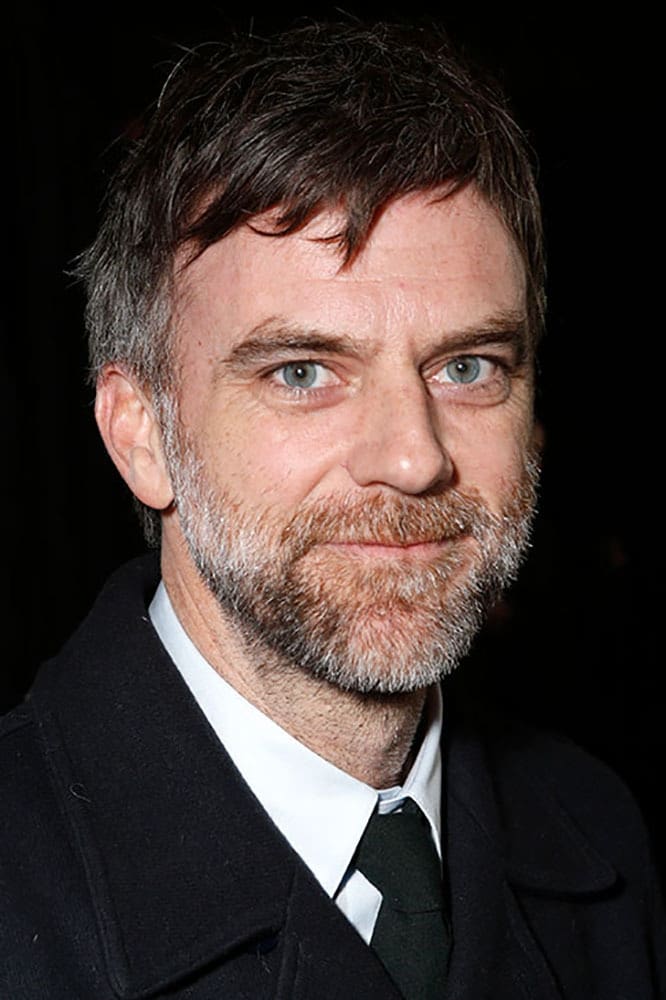
This streak explores porn industry ambition, ensemble catharsis, and a tender romance about anxiety. The films are ‘Boogie Nights’ (1997), ‘Magnolia’ (1999), and ‘Punch-Drunk Love’ (2002). Anderson refined long takes, character mosaics, and expressive music cues with Jon Brion. The run earned major festival acclaim and multiple acting nominations.
Christopher Nolan

Nolan moved from period mystery to a definitive superhero chapter to original science fiction spectacle. The sequence is ‘The Prestige’ (2006), ‘The Dark Knight’ (2008), and ‘Inception’ (2010). The films advanced practical effects, IMAX photography, and complex cross cutting. They also set box office milestones and influenced studio interest in high concept originals.
Denis Villeneuve
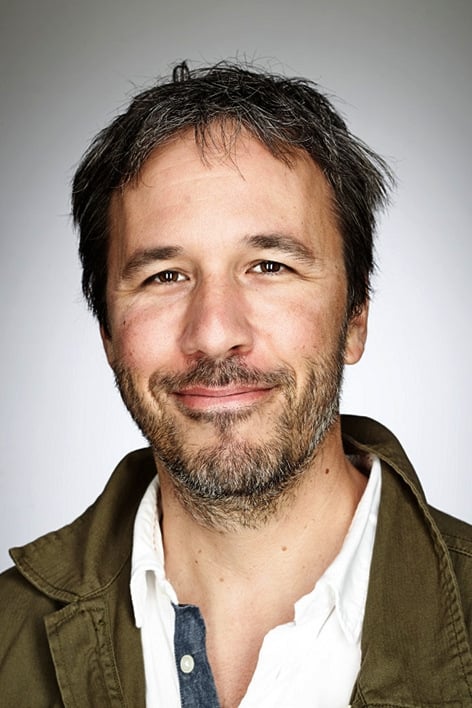
Villeneuve’s rise included a grim kidnapping drama, a doppelgänger puzzle, and a borderland cartel thriller. The streak is ‘Prisoners’ (2013), ‘Enemy’ (2013), and ‘Sicario’ (2015). It showcases controlled tension, textured sound design, and collaborations with Roger Deakins and Jóhann Jóhannsson. Strong festival receptions and award nominations broadened his path to large scale science fiction.
Bong Joon Ho
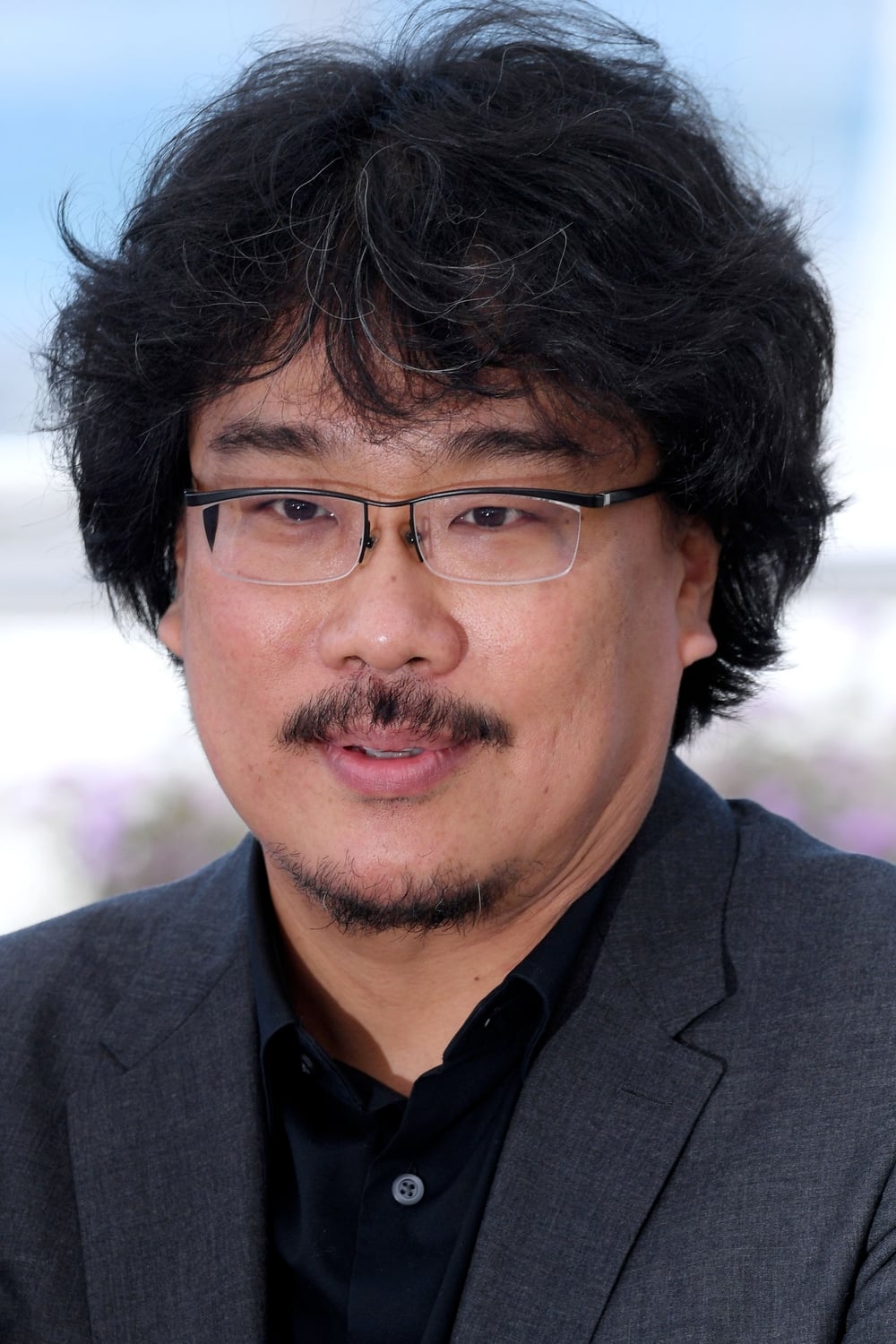
This run shows command of genre shifts and social observation. The films are ‘Memories of Murder’ (2003), ‘The Host’ (2006), and ‘Mother’ (2009). Each title blends suspense with dark humor and sharp class commentary. The streak built momentum through festival wins and robust domestic box office in Korea.
Park Chan-wook
Park’s trilogy centers on vengeance as structure and theme. The sequence is ‘Sympathy for Mr. Vengeance’ (2002), ‘Oldboy’ (2003), and ‘Lady Vengeance’ (2005). The films are known for stylized camera movement, bold color palettes, and intricate plotting. They earned international awards and expanded Korean cinema’s global profile.
David Fincher
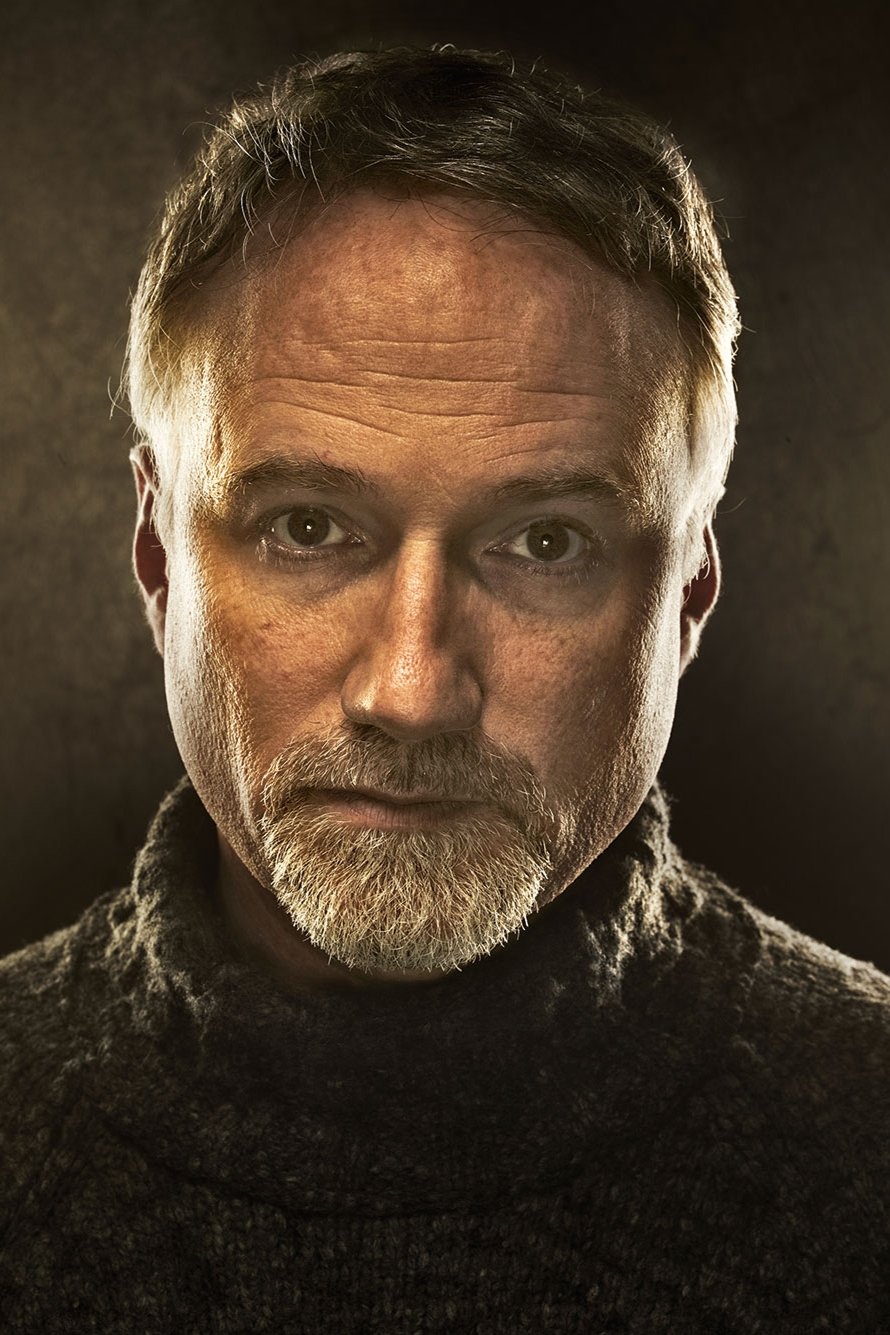
Fincher’s run sharpened a serial killer thriller, a paranoia game, and a cult favorite about identity. The trio is ‘Se7en’ (1995), ‘The Game’ (1997), and ‘Fight Club’ (1999). Precision editing and moody digital effects marked a distinctive style. The films gained enduring reputations through critical reassessment and strong home video impact.
Alejandro González Iñárritu
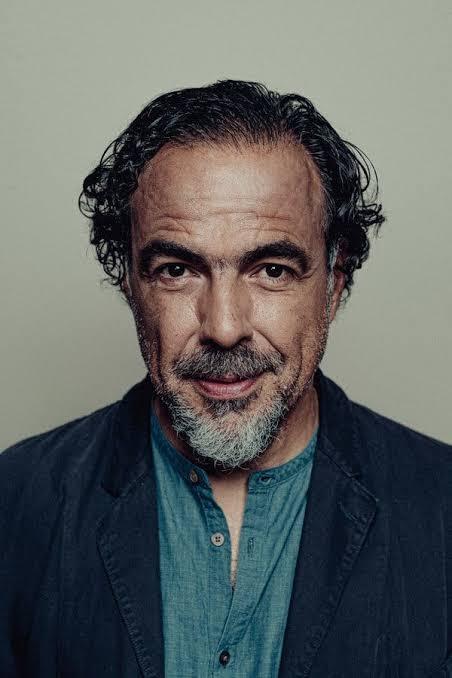
Iñárritu built a global mosaic across three linked but distinct dramas. The streak is ‘Amores Perros’ (2000), ’21 Grams’ (2003), and ‘Babel’ (2006). These works use fractured timelines, multilingual casts, and cross border production. The run collected major nominations and festival prizes while expanding international co production models.
Alfonso Cuarón
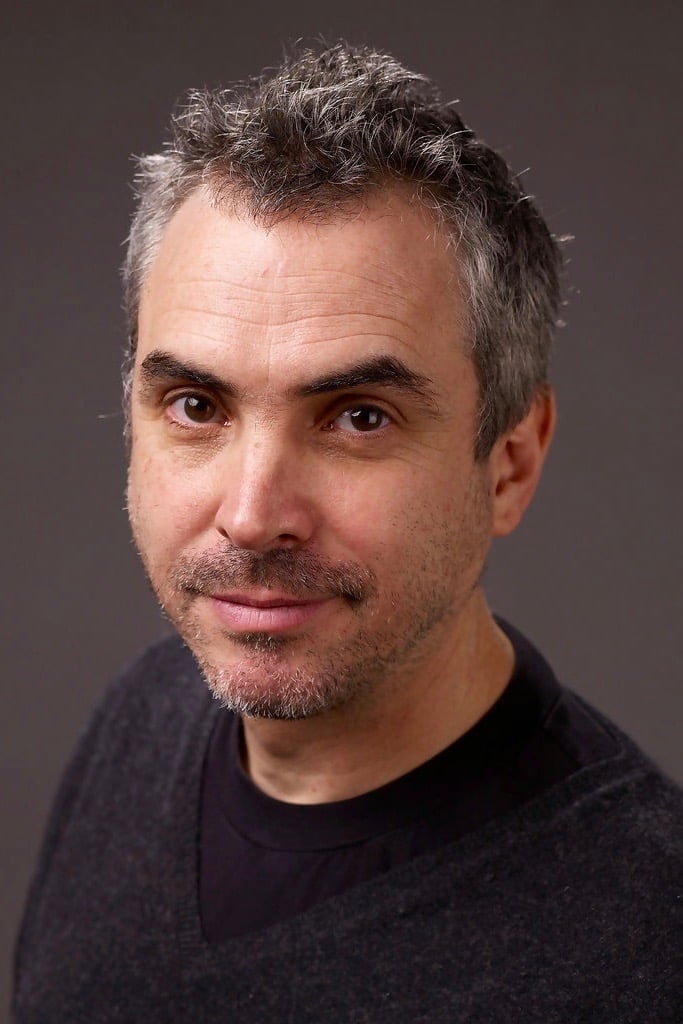
This sequence traces a coming of age road movie, a beloved franchise entry, and a visionary near future tale. The films are ‘Y Tu Mamá También’ (2001), ‘Harry Potter and the Prisoner of Azkaban’ (2004), and ‘Children of Men’ (2006). Long takes and inventive camera rigs became signatures. The trio drew wide acclaim for performances and technical innovation.
Guillermo del Toro
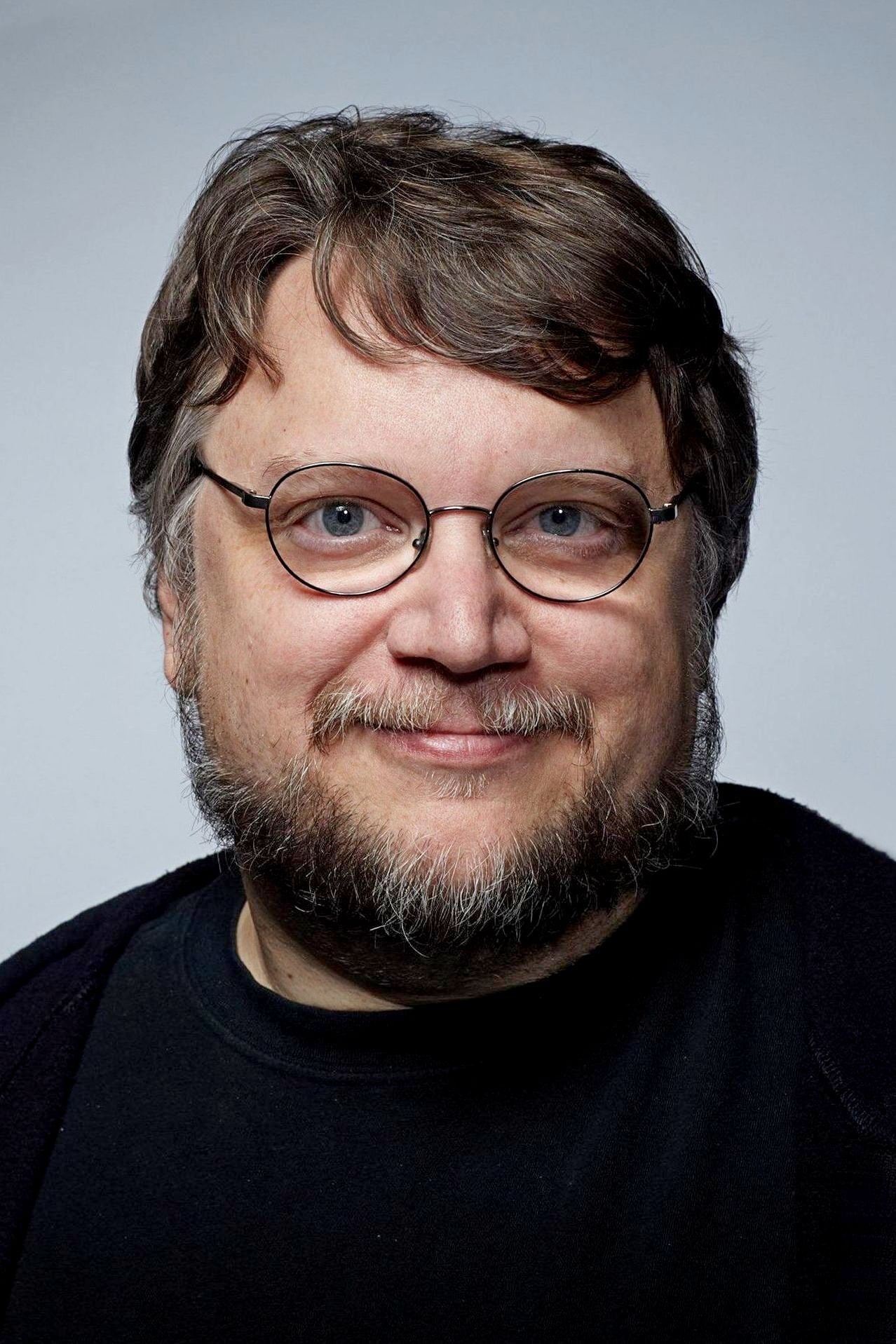
Del Toro’s early arc moves from a vampire fable to a ghost story to a dark fairy tale. The run is ‘Cronos’ (1993), ‘The Devil’s Backbone’ (2001), and ‘Pan’s Labyrinth’ (2006). The films combine practical effects, creature design, and historical context. The final entry earned multiple Academy Awards and cemented his international stature.
Ang Lee

Lee’s streak spans period drama, suburban portrait, and wuxia epic. The sequence is ‘Sense and Sensibility’ (1995), ‘The Ice Storm’ (1997), and ‘Crouching Tiger, Hidden Dragon’ (2000). He worked across languages and genres while maintaining delicate character focus. The run received major awards recognition and expanded global appetite for Chinese language cinema.
Zhang Yimou
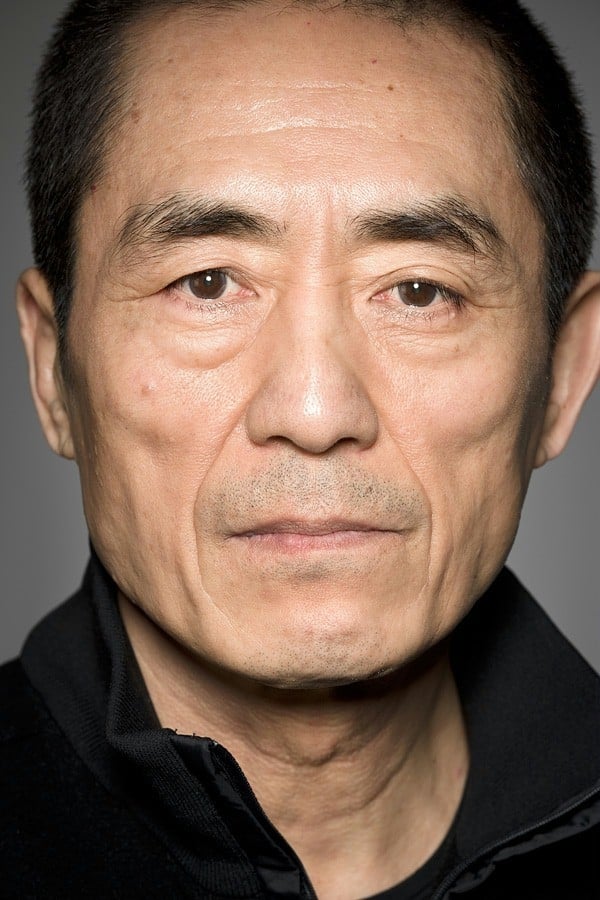
This run pairs intimate social realism with historical sweep. The films are ‘Raise the Red Lantern’ (1991), ‘The Story of Qiu Ju’ (1992), and ‘To Live’ (1994). They feature striking color design, strong central performances, and international festival success. The streak brought sustained attention to mainland Chinese filmmaking in the 1990s.
Satyajit Ray
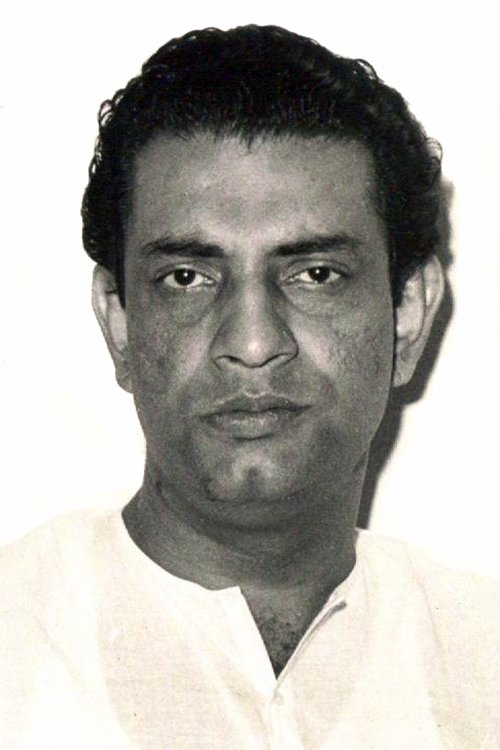
Ray’s Apu Trilogy provides a continuous arc of childhood to adulthood. The run is ‘Pather Panchali’ (1955), ‘Aparajito’ (1956), and ‘The World of Apu’ (1959). Location shooting, natural light, and Ravi Shankar’s music define the style. The films won major festival awards and opened global doors for Indian art cinema.
Akira Kurosawa
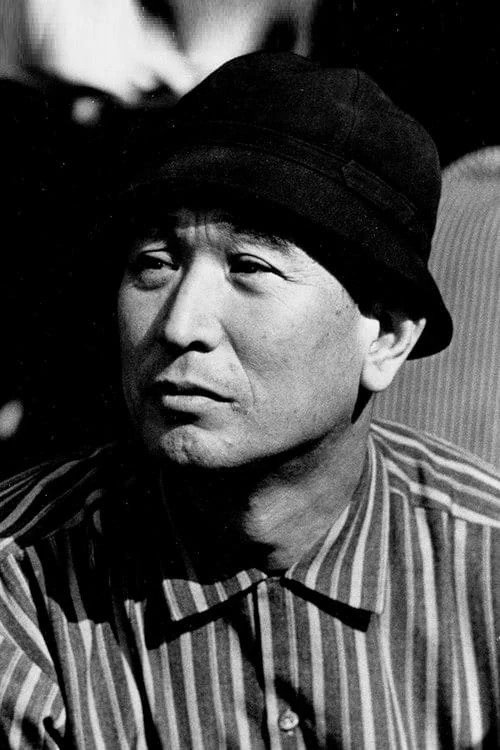
This early stretch shows Kurosawa mastering noir, procedural heat, and breakthrough acclaim. The trio is ‘Drunken Angel’ (1948), ‘Stray Dog’ (1949), and ‘Rashomon’ (1950). The last title won the Golden Lion and introduced Japanese cinema to many international viewers. The run features dynamic blocking and precise use of weather as atmosphere.
Hayao Miyazaki
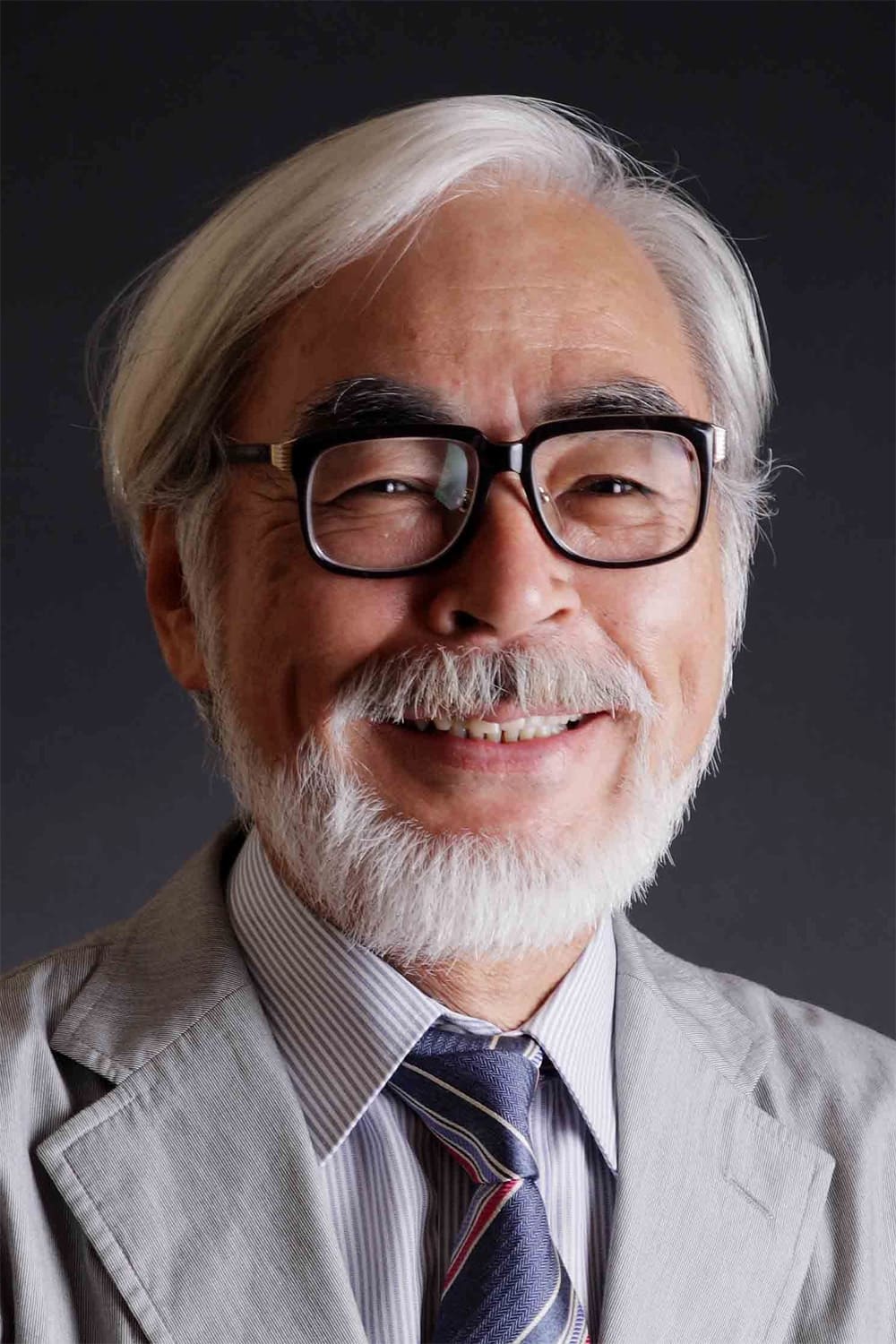
Miyazaki’s streak presents gentle fantasy, airborne independence, and a pilot’s adventure. The films are ‘My Neighbor Totoro’ (1988), ‘Kiki’s Delivery Service’ (1989), and ‘Porco Rosso’ (1992). Hand drawn animation, memorable creatures, and strong environmental themes stand out. The trio helped Studio Ghibli build global recognition through theatrical and home releases.
Isao Takahata
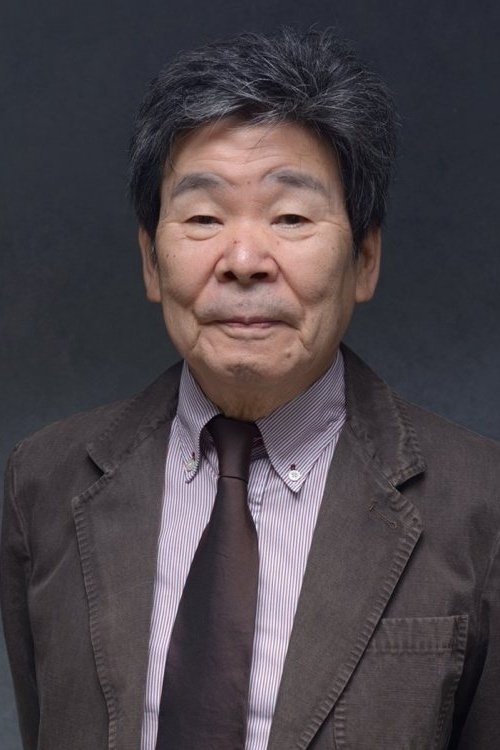
Takahata’s run blends wartime tragedy, memory, and folklore. The sequence is ‘Grave of the Fireflies’ (1988), ‘Only Yesterday’ (1991), and ‘Pom Poko’ (1994). The films favor naturalistic pacing and cultural specificity. They expanded the perceived range of animated storytelling for adult audiences.
Sergio Leone
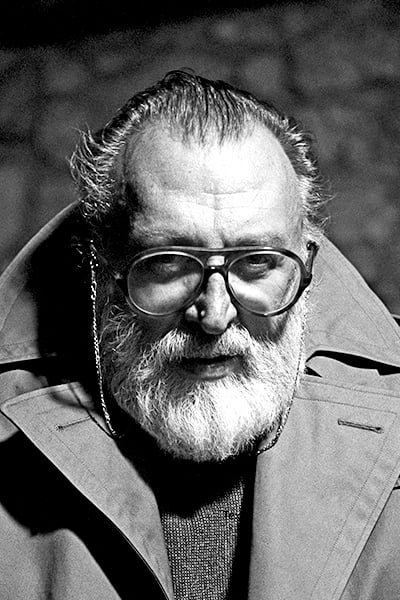
Leone’s Dollars Trilogy defined the spaghetti western boom. The streak is ‘A Fistful of Dollars’ (1964), ‘For a Few Dollars More’ (1965), and ‘The Good, the Bad and the Ugly’ (1966). It introduced tight close ups, long standoffs, and Ennio Morricone’s iconic scores. The run turned a modest production model into a global box office force.
Jean-Pierre Melville
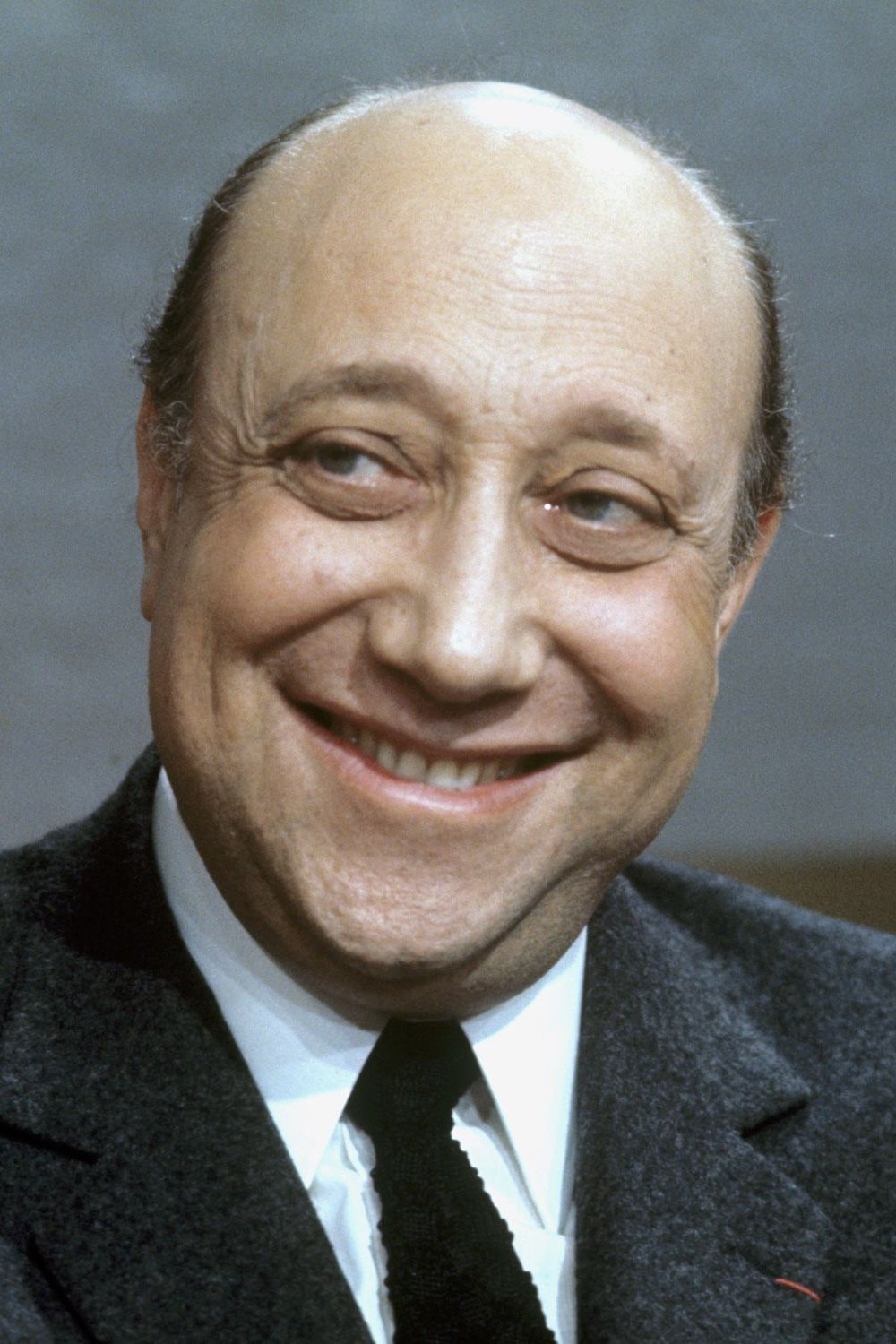
Melville’s crime set shows a cool minimalism evolving into wartime resistance drama. The three films are ‘Le Deuxième souffle’ (1966), ‘Le Samouraï’ (1967), and ‘Army of Shadows’ (1969). Sparse dialogue and meticulous framing became touchstones for later neo noir. The run gained renewed acclaim through restorations and repertory screenings.
François Truffaut
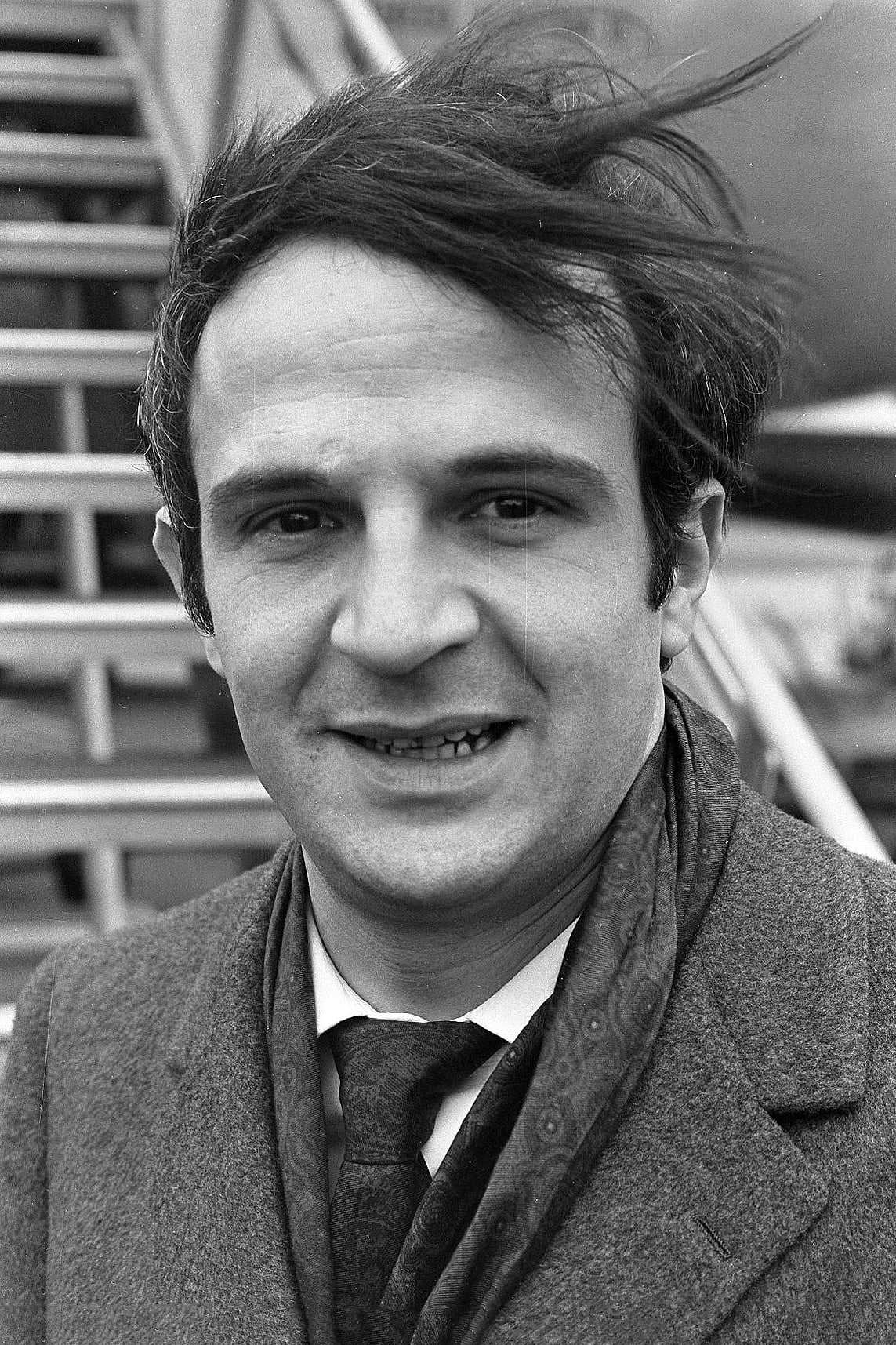
Truffaut’s early streak displays New Wave energy across youth, genre play, and romance. The run is ‘The 400 Blows’ (1959), ‘Shoot the Piano Player’ (1960), and ‘Jules and Jim’ (1962). Handheld camerawork and on location spontaneity mark the style. The films influenced modern coming of age narratives and playful editing conventions.
Jean-Luc Godard
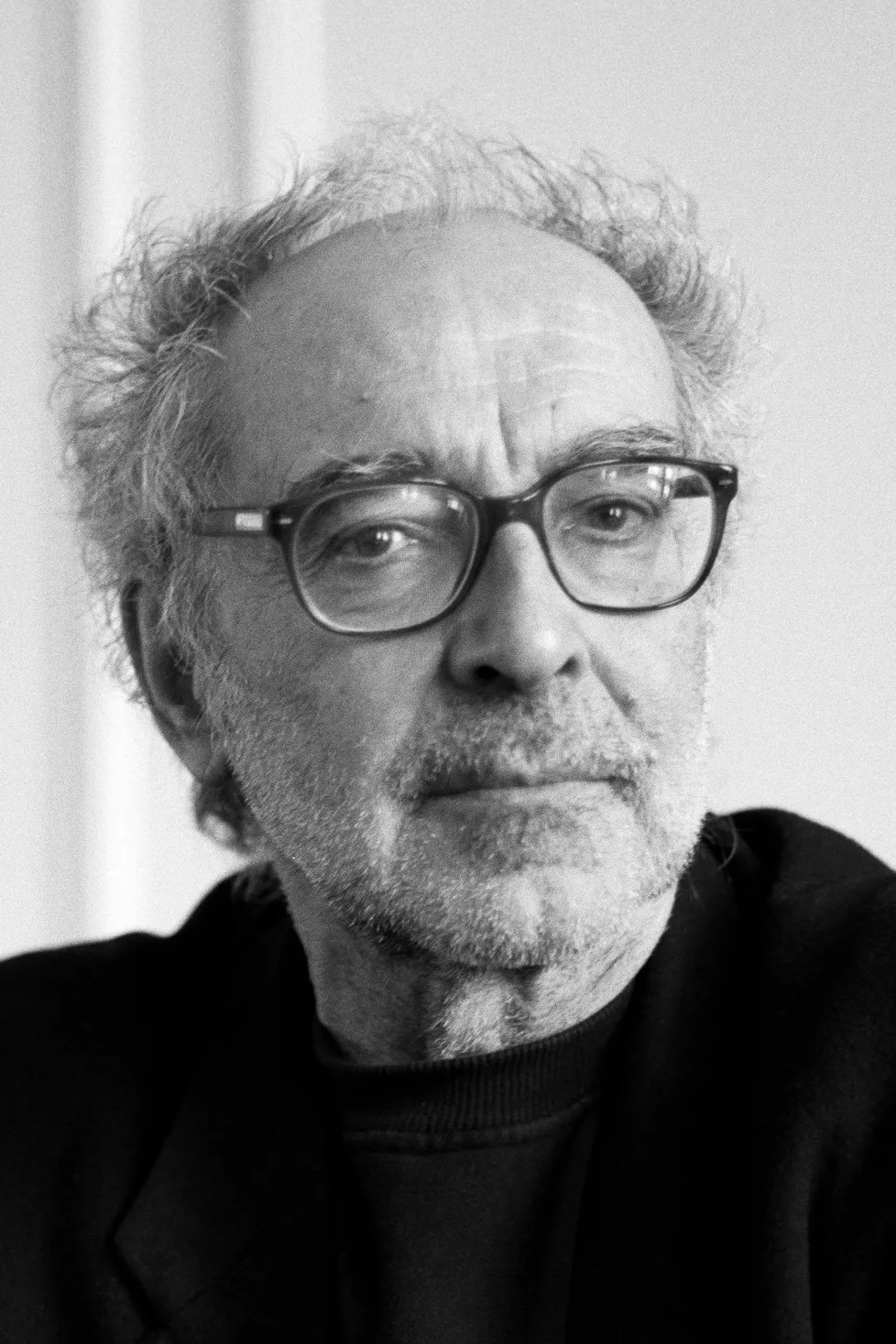
Godard’s burst of innovation retooled jump cuts and pop culture references. The sequence is ‘Breathless’ (1960), ‘A Woman Is a Woman’ (1961), and ‘Vivre sa vie’ (1962). These titles used light crews, natural light, and street shooting. The run circulated worldwide through festivals and shaped the language of independent film.
Sidney Lumet
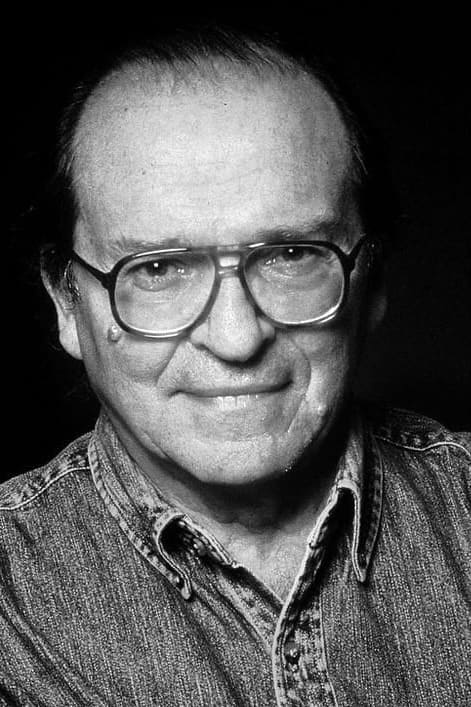
Lumet’s trio offers gritty biography, jaunty mystery, and a tense bank heist. The streak is ‘Serpico’ (1973), ‘Murder on the Orient Express’ (1974), and ‘Dog Day Afternoon’ (1975). He emphasized performance, location realism, and sharp pacing. The films earned numerous acting nominations and showcased New York as a vivid backdrop.
Billy Wilder
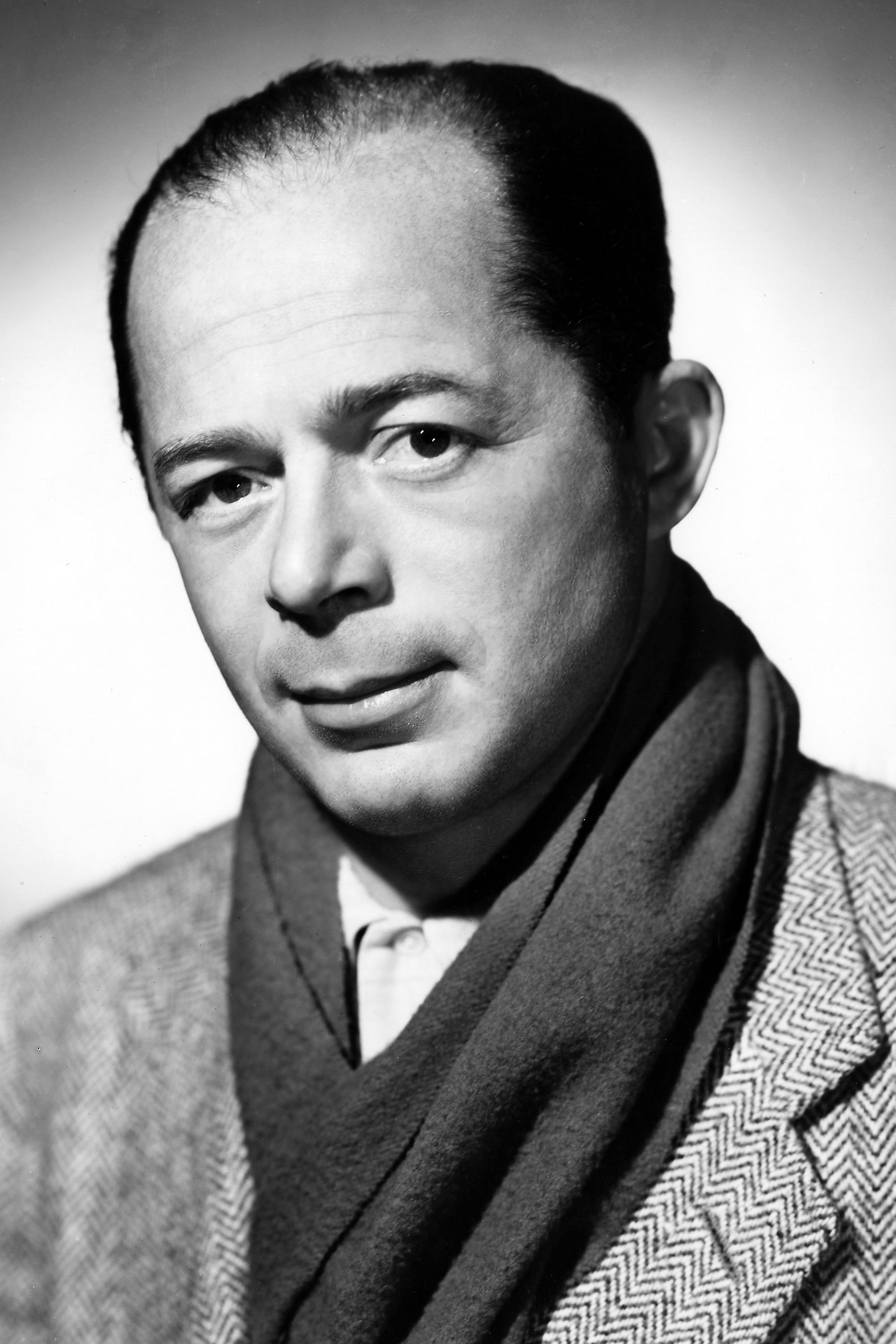
Wilder closed one golden era and opened another with this sequence. The trio is ‘Some Like It Hot’ (1959), ‘The Apartment’ (1960), and ‘One, Two, Three’ (1961). It features tight scripts, star turns, and deft tonal control. Awards success included Best Picture for the middle entry and enduring popularity for the others.
Howard Hawks
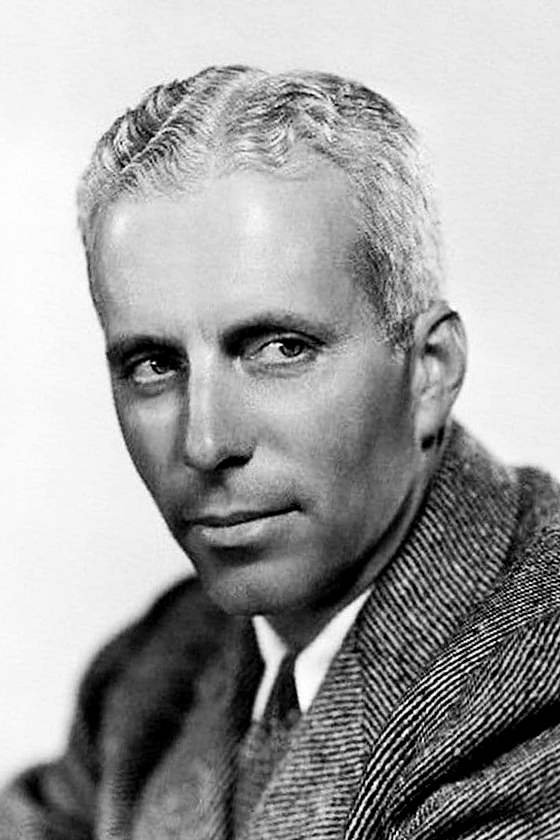
Hawks moved from aviation drama to rapid fire newsroom comedy to wartime heroism. The run is ‘Only Angels Have Wings’ (1939), ‘His Girl Friday’ (1940), and ‘Sergeant York’ (1941). He favored ensemble rhythm and crisp dialogue. The streak solidified his reputation across genres with strong box office returns.
Ernst Lubitsch
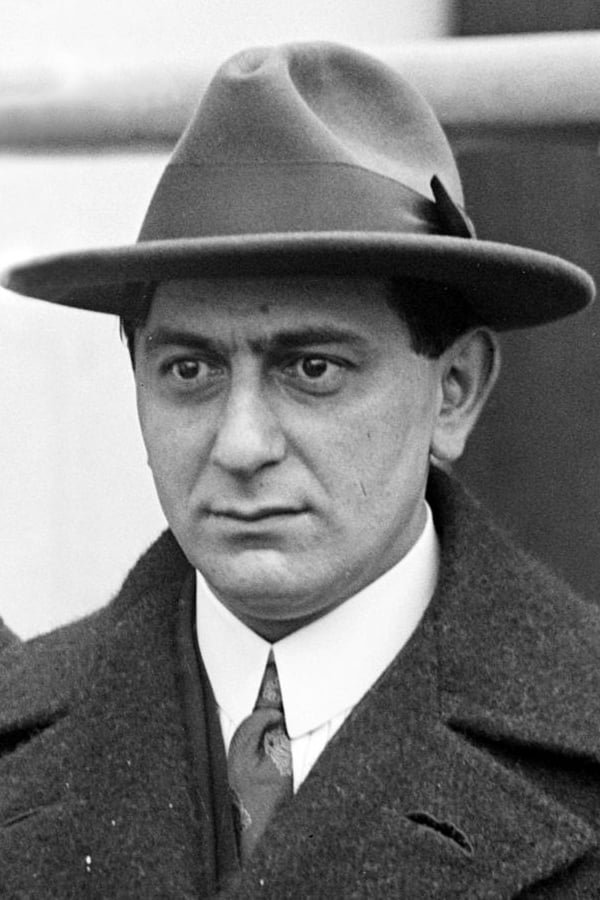
Lubitsch’s trio delivers sophisticated comedy and musical elegance. The sequence is ‘Trouble in Paradise’ (1932), ‘Design for Living’ (1933), and ‘The Merry Widow’ (1934). It showcases the famous touch through innuendo, costume detail, and precise blocking. The run influenced romantic comedy structure for decades.
Michael Mann
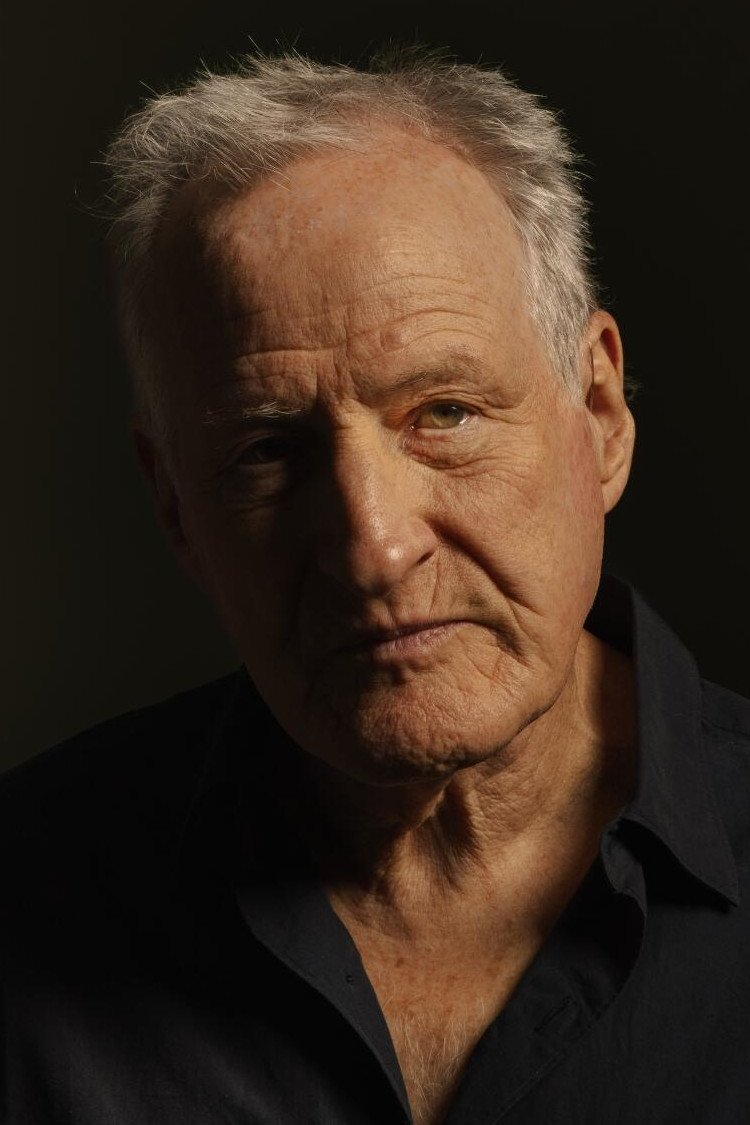
Mann’s stretch refines crime realism and modern urban style. The films are ‘Heat’ (1995), ‘The Insider’ (1999), and ‘Collateral’ (2004). They feature location sound, wide night exteriors, and immersive digital photography. The streak brought critical acclaim for acting ensembles and technical craft.
Peter Jackson
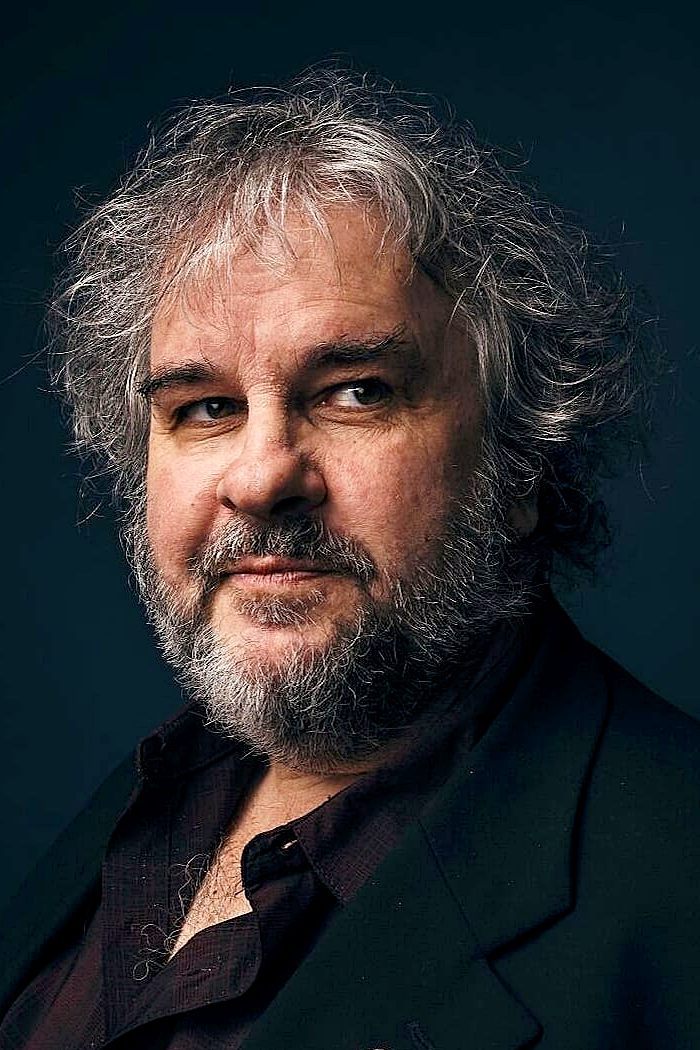
This run is a unified production that rolled out annually. The sequence is ‘The Lord of the Rings: The Fellowship of the Ring’ (2001), ‘The Two Towers’ (2002), and ‘The Return of the King’ (2003). It advanced large scale practical effects with extensive digital work from Weta. The trilogy earned sweeping awards recognition including a Best Picture win for the finale.
James Cameron
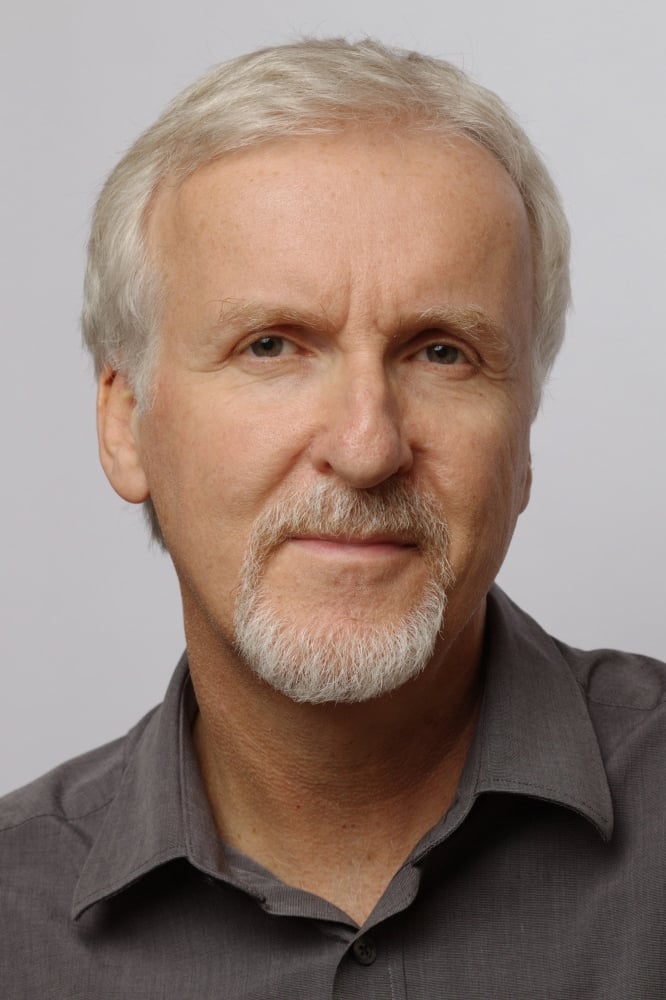
Cameron’s three films here steadily raised the bar for action and effects. The run is ‘The Terminator’ (1984), ‘Aliens’ (1986), and ‘The Abyss’ (1989). Each title brought technical innovations in animatronics, miniature work, and early CGI. The streak delivered strong box office and enduring influence on science fiction.
George Lucas
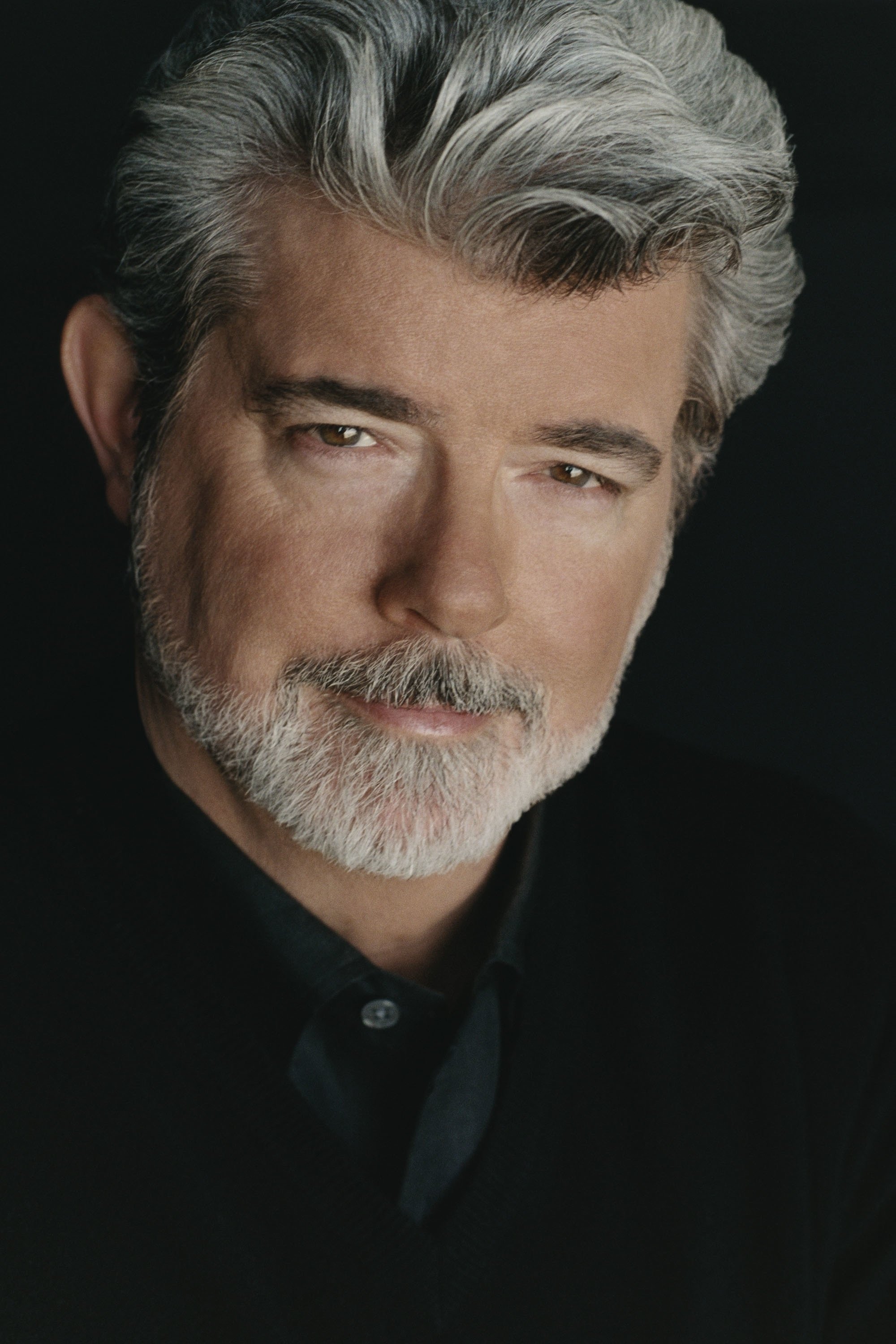
Lucas built from experimental feature to nostalgic Americana to a global franchise kickoff. The sequence is ‘THX 1138’ (1971), ‘American Graffiti’ (1973), and ‘Star Wars’ (1977). The films show leaps in editing rhythm and sound design. The final entry reshaped merchandising and blockbuster distribution.
Brian De Palma
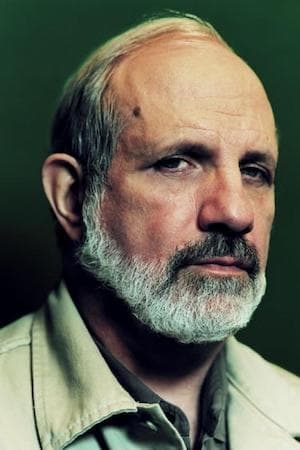
De Palma’s run moves from stylized thriller to political crime saga. The trio is ‘Dressed to Kill’ (1980), ‘Blow Out’ (1981), and ‘Scarface’ (1983). Split diopter shots, elaborate set pieces, and strong scores define the style. The streak produced star making performances and a cult legacy.
John Carpenter
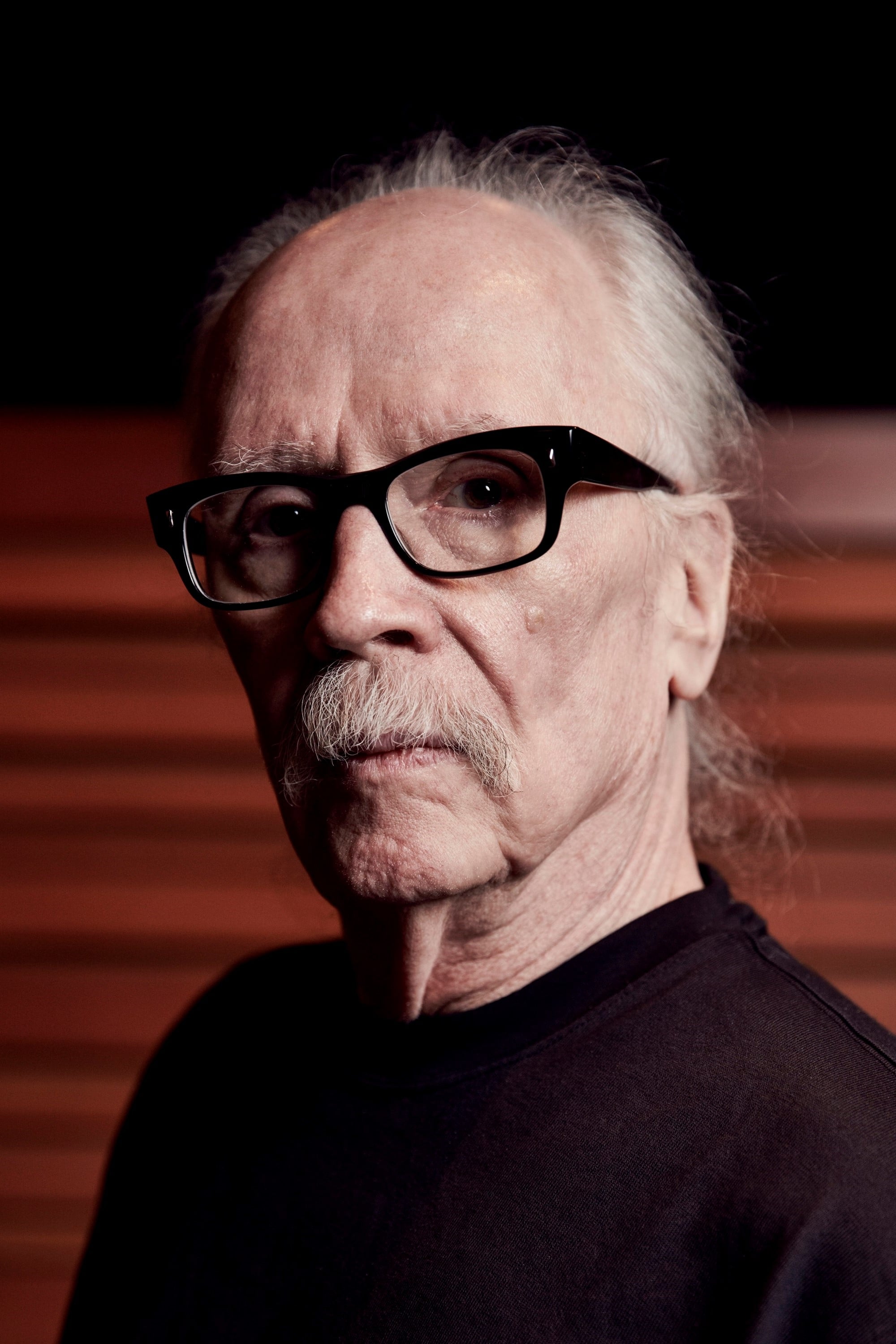
Carpenter’s sequence bridged indie horror, seaside ghost story, and dystopian action. The run is ‘Halloween’ (1978), ‘The Fog’ (1980), and ‘Escape from New York’ (1981). It features economical production, memorable synth scores, and practical effects. The films inspired decades of genre homages and franchise spinoffs.
Wes Anderson
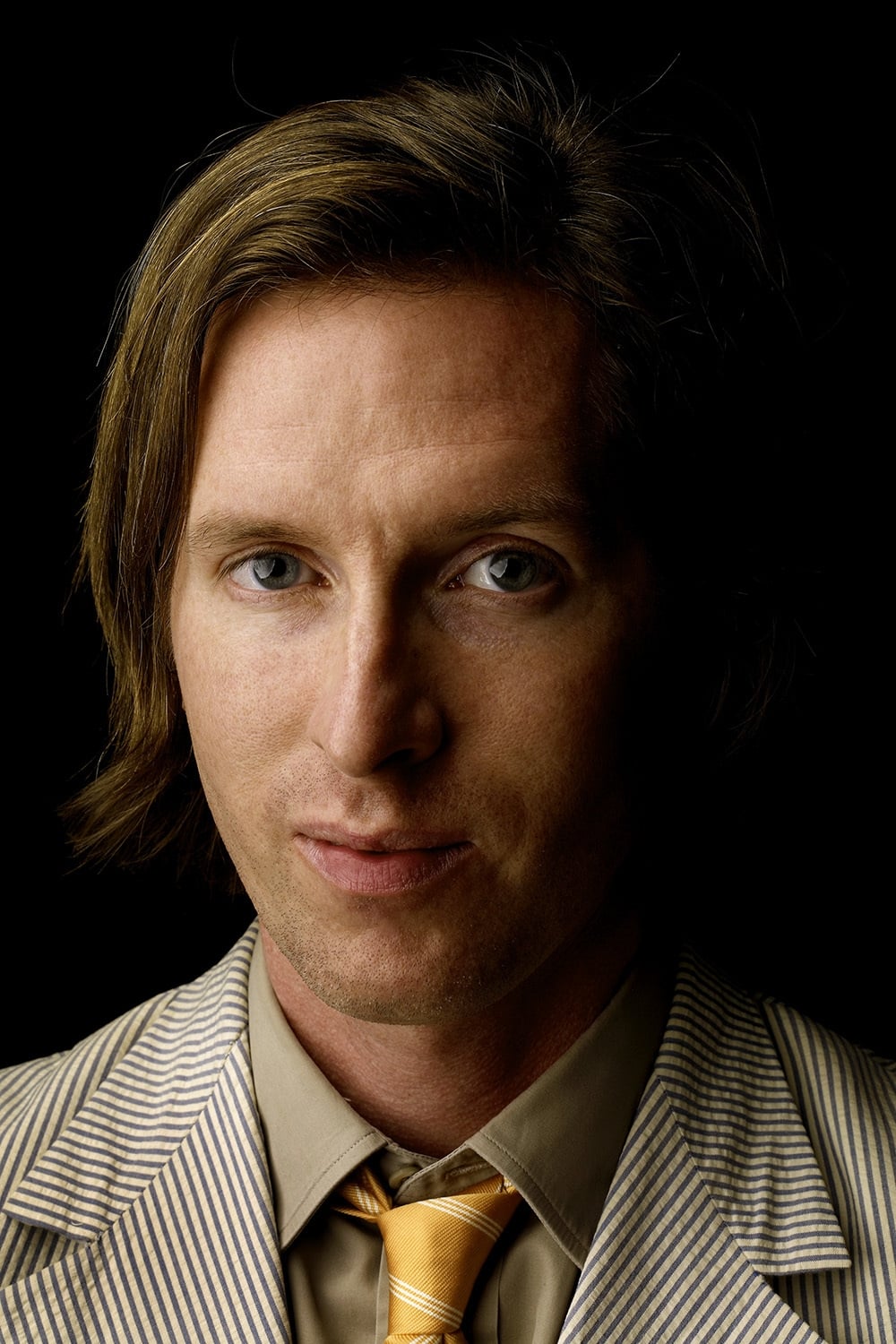
Anderson’s trio refined his visual symmetry and bittersweet humor. The films are ‘Rushmore’ (1998), ‘The Royal Tenenbaums’ (2001), and ‘The Life Aquatic with Steve Zissou’ (2004). The streak features carefully curated soundtracks and intricate production design. It also solidified a recurring troupe of collaborators across acting and crafts.
Spike Lee
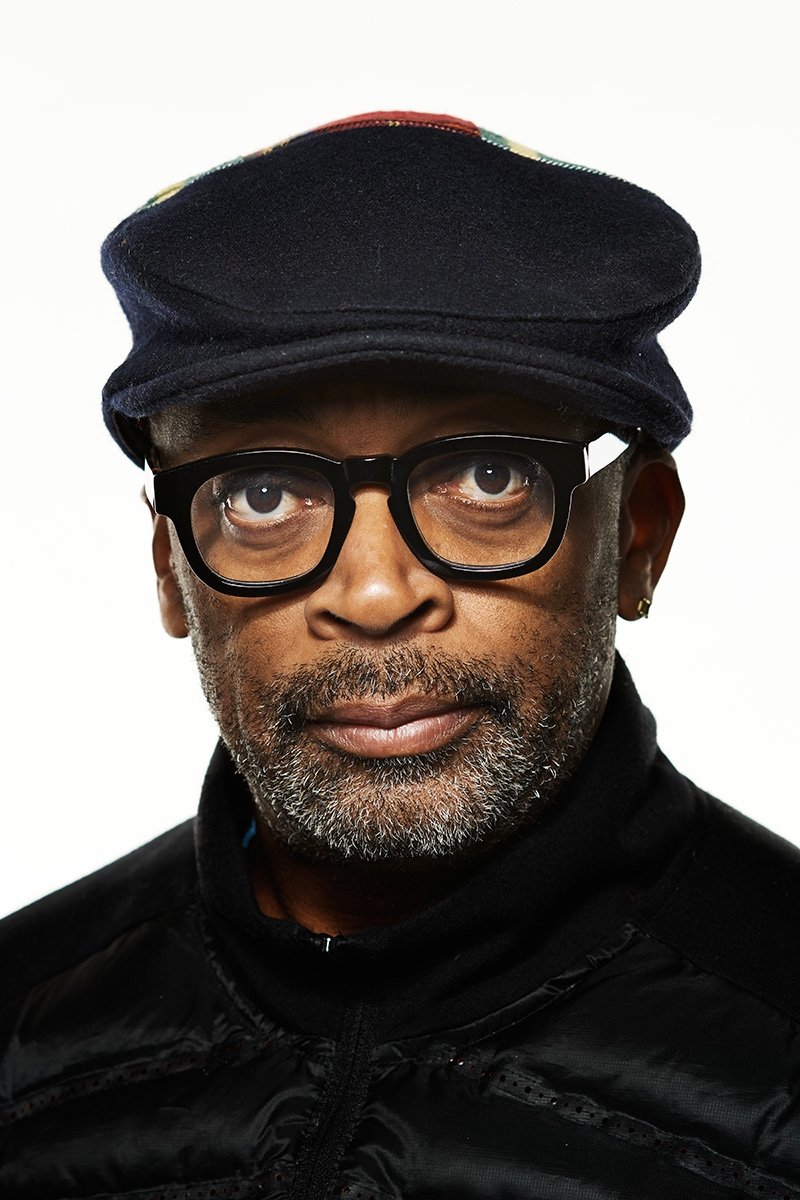
This run captures a New York summer flashpoint, a jazz world romance, and a charged relationship drama. The sequence is ‘Do the Right Thing’ (1989), ‘Mo’ Better Blues’ (1990), and ‘Jungle Fever’ (1991). Lee’s style includes bold color, direct to camera moments, and dynamic dolly shots. The films drew festival acclaim and sparked cultural conversation.
Jordan Peele
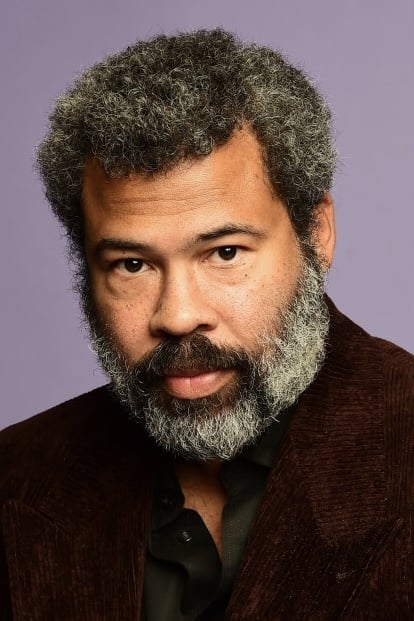
Peele’s trio delivered original genre stories with distinctive visual signatures. The run is ‘Get Out’ (2017), ‘Us’ (2019), and ‘Nope’ (2022). These films blend social themes with precise sound and image design. The streak brought strong opening weekends and significant awards recognition for a debut feature.
Greta Gerwig

Gerwig’s three films trace teenage rebellion, literary adaptation, and a cultural juggernaut. The sequence is ‘Lady Bird’ (2017), ‘Little Women’ (2019), and ‘Barbie’ (2023). She pairs sharp casting with careful production design and music choices. The run set box office records for women directors and drew widespread awards attention.
Share your favorite three film runs in the comments and tell us which streak you think still has the most staying power.

