


Movie Reboots Nobody Asked for (and Audiences Ignored)

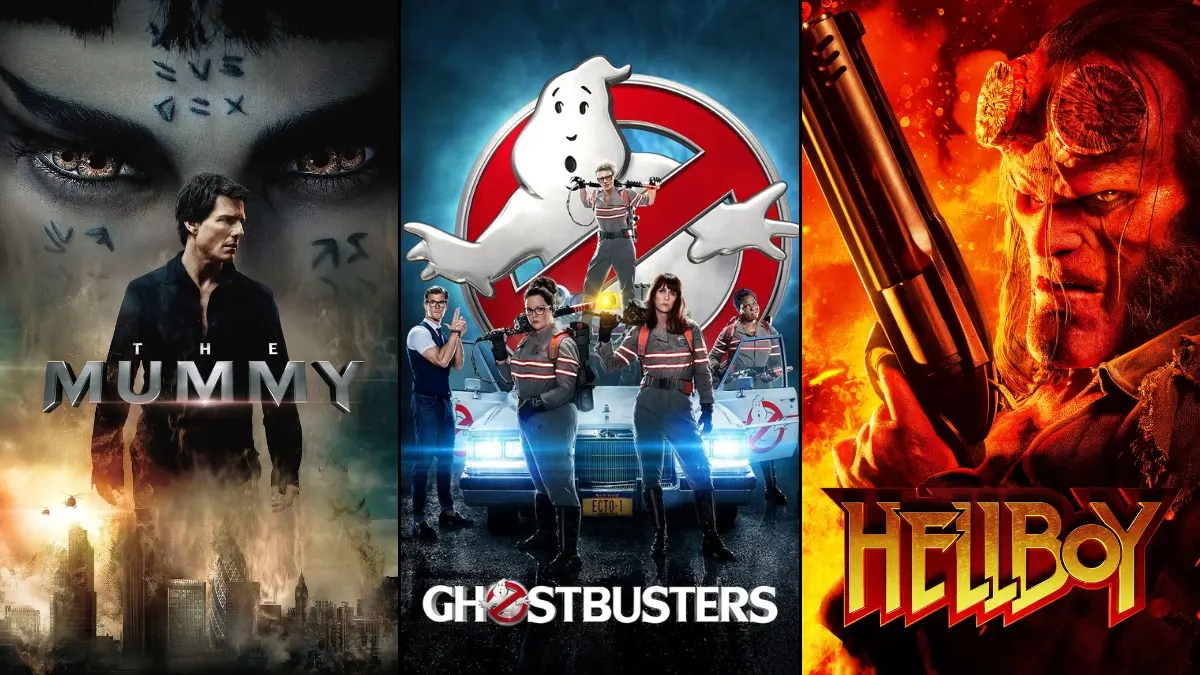


Some reboots arrive with big stars, sizable budgets, and a plan to restart well-known brands. The titles below attempted to refresh familiar stories with new casts, modern effects, or different tones while keeping core elements from the earlier versions.
To keep things practical, each entry lists the key creatives and cast, how the production was mounted, where it was shot, who financed and distributed it, and what happened next for the property. Details include release strategies, formats, and whether follow-ups using the same continuity were announced.
‘Ben-Hur’ (2016)
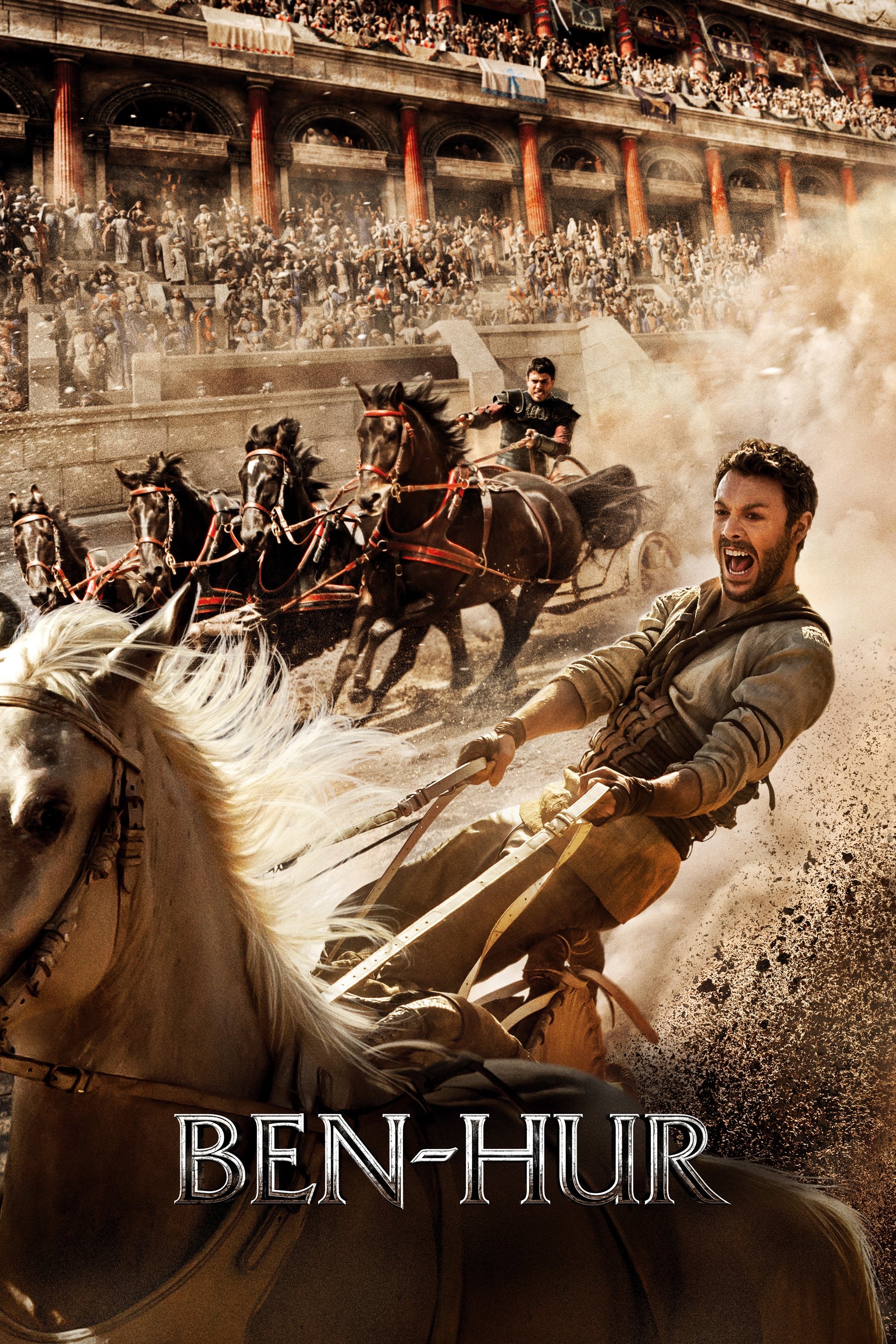
Directed by Timur Bekmambetov and produced by MGM and Paramount, ‘Ben-Hur’ starred Jack Huston, Toby Kebbell, Morgan Freeman, and Nazanin Boniadi. The production staged an extensive chariot sequence using large sets, practical rigs, and digital crowd work across multiple VFX houses.
Paramount handled a wide rollout with faith-market outreach and premium-format placements. After its theatrical run, the studio did not announce a direct continuation with the same cast and storyline.
‘The Mummy’ (2017)
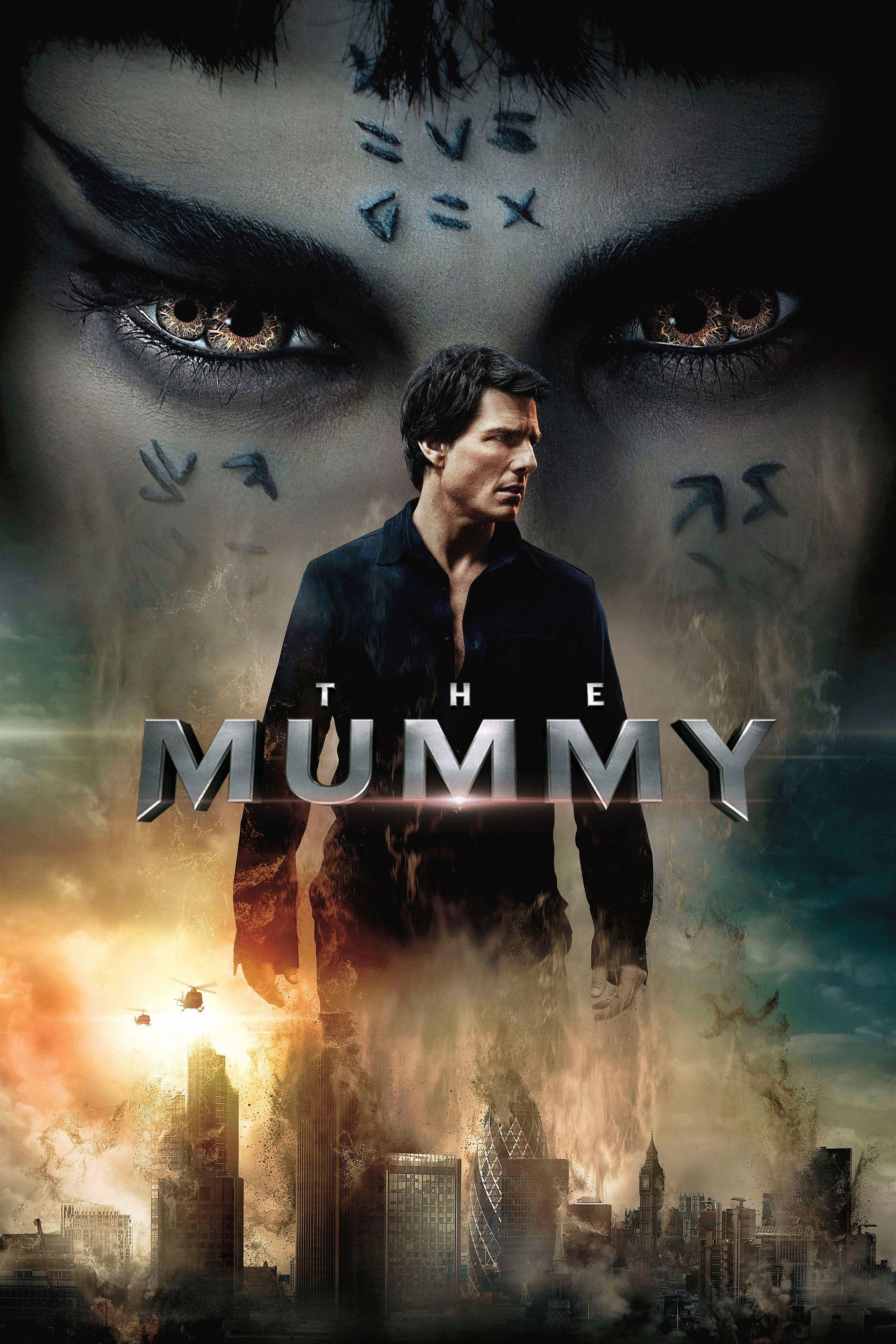
Universal positioned ‘The Mummy’, directed by Alex Kurtzman and starring Tom Cruise, Sofia Boutella, and Annabelle Wallis, as the opening chapter of its planned Dark Universe. The film combined London location work with large aircraft-set builds and creature VFX.
The release strategy included IMAX bookings and a global marketing campaign led by Universal. Following the rollout, the studio paused plans to continue the Dark Universe in the form originally outlined by this iteration of ‘The Mummy’.
‘Fantastic Four’ (2015)
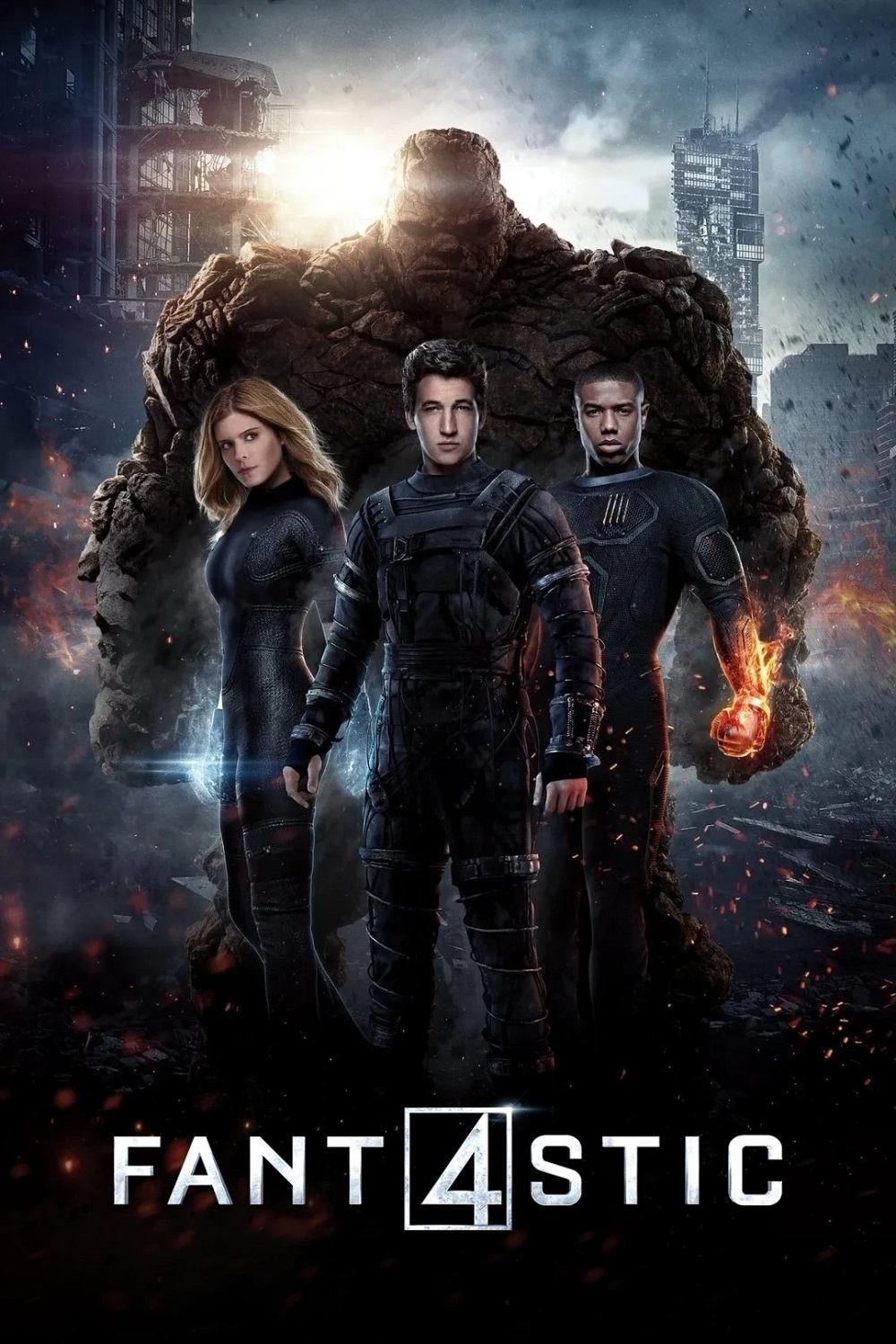
‘Fantastic Four’ was produced by 20th Century Fox with Josh Trank directing and a cast of Miles Teller, Michael B. Jordan, Kate Mara, and Jamie Bell. The production emphasized a grounded sci-fi approach with substantial stage work and later reshoots affecting structure and effects.
Fox gave the film a wide late-summer release supported by a broad campaign. The property later moved toward a separate interpretation under different rights and creative leadership rather than direct sequels to this version of ‘Fantastic Four’.
‘RoboCop’ (2014)
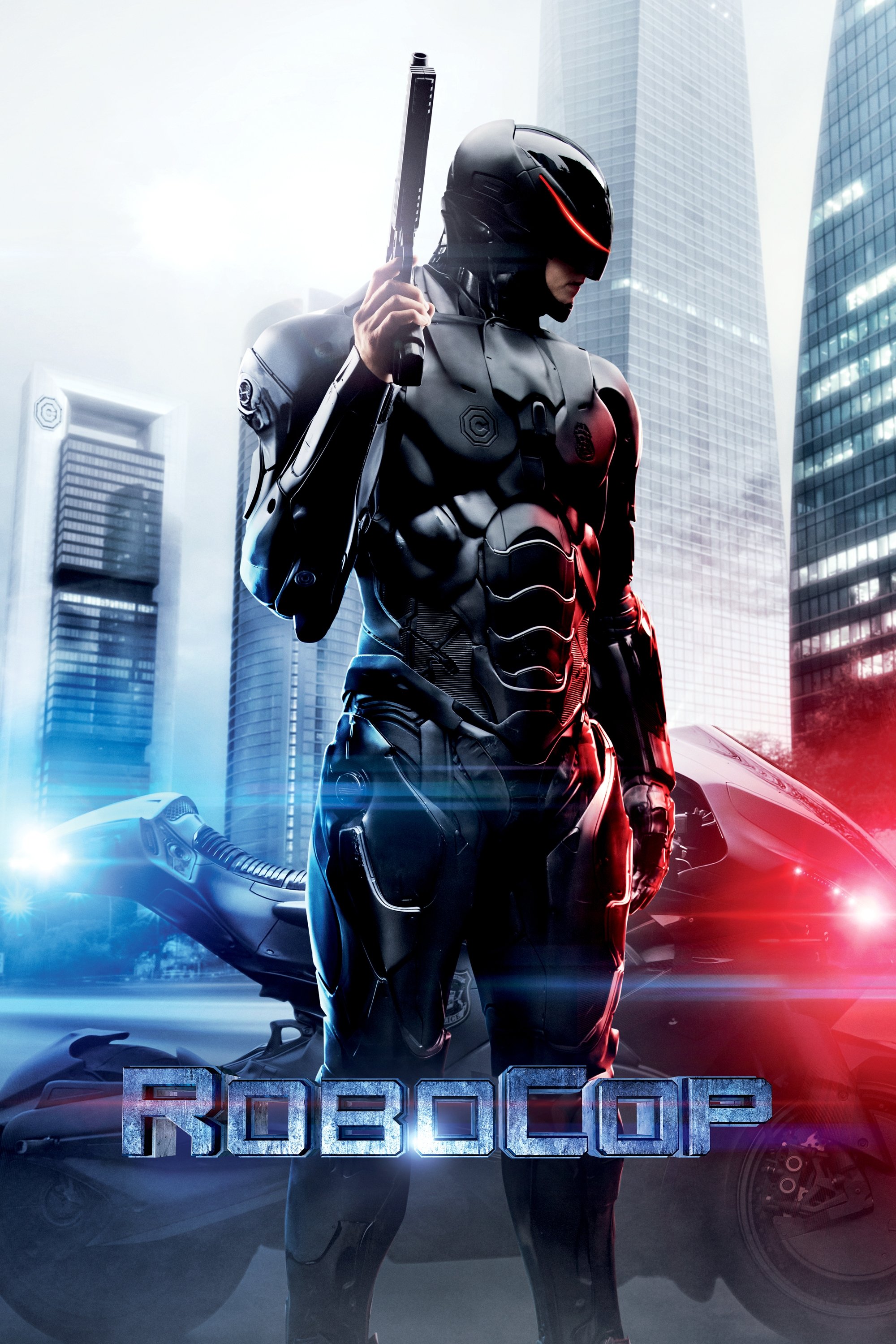
Directed by José Padilha, ‘RoboCop’ starred Joel Kinnaman, Gary Oldman, Michael Keaton, and Abbie Cornish. The shoot combined Toronto-based production with Detroit-set story elements, featuring a redesigned suit, drone concepts, and hybrid practical/digital action.
A major studio release included international distribution and premium screens. No follow-up using the same storyline and cast was put into active production after this iteration of ‘RoboCop’.
‘Total Recall’ (2012)
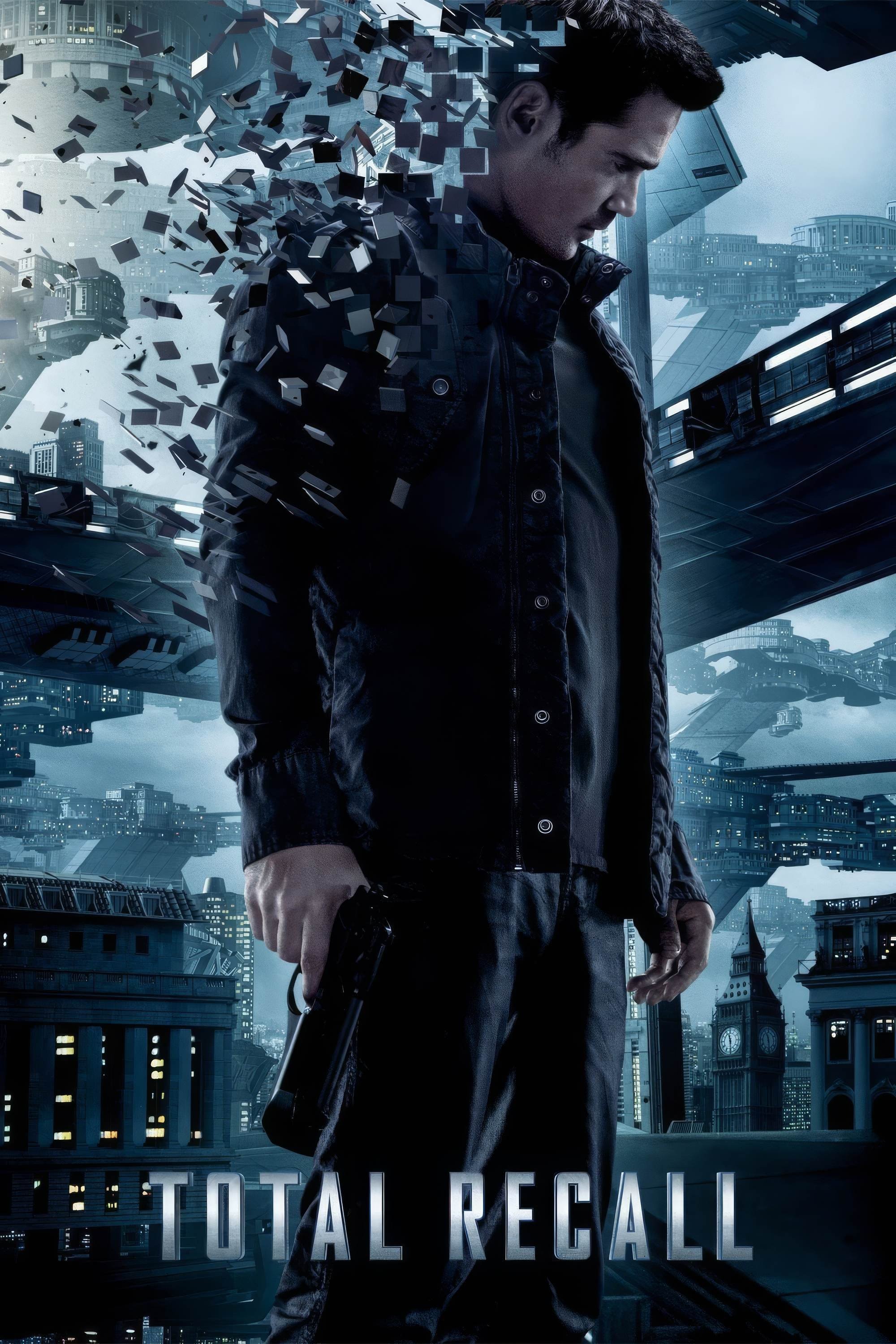
Len Wiseman’s ‘Total Recall’ featured Colin Farrell, Kate Beckinsale, and Jessica Biel. The production leaned on dense urban backlot builds, CG-augmented cityscapes, and wire-assisted fight choreography with an emphasis on vertical environments.
The studio mounted a late-summer global release with extensive advertising and international placements. Subsequent uses of the property proceeded without a direct sequel to this version of ‘Total Recall’.
‘Point Break’ (2015)
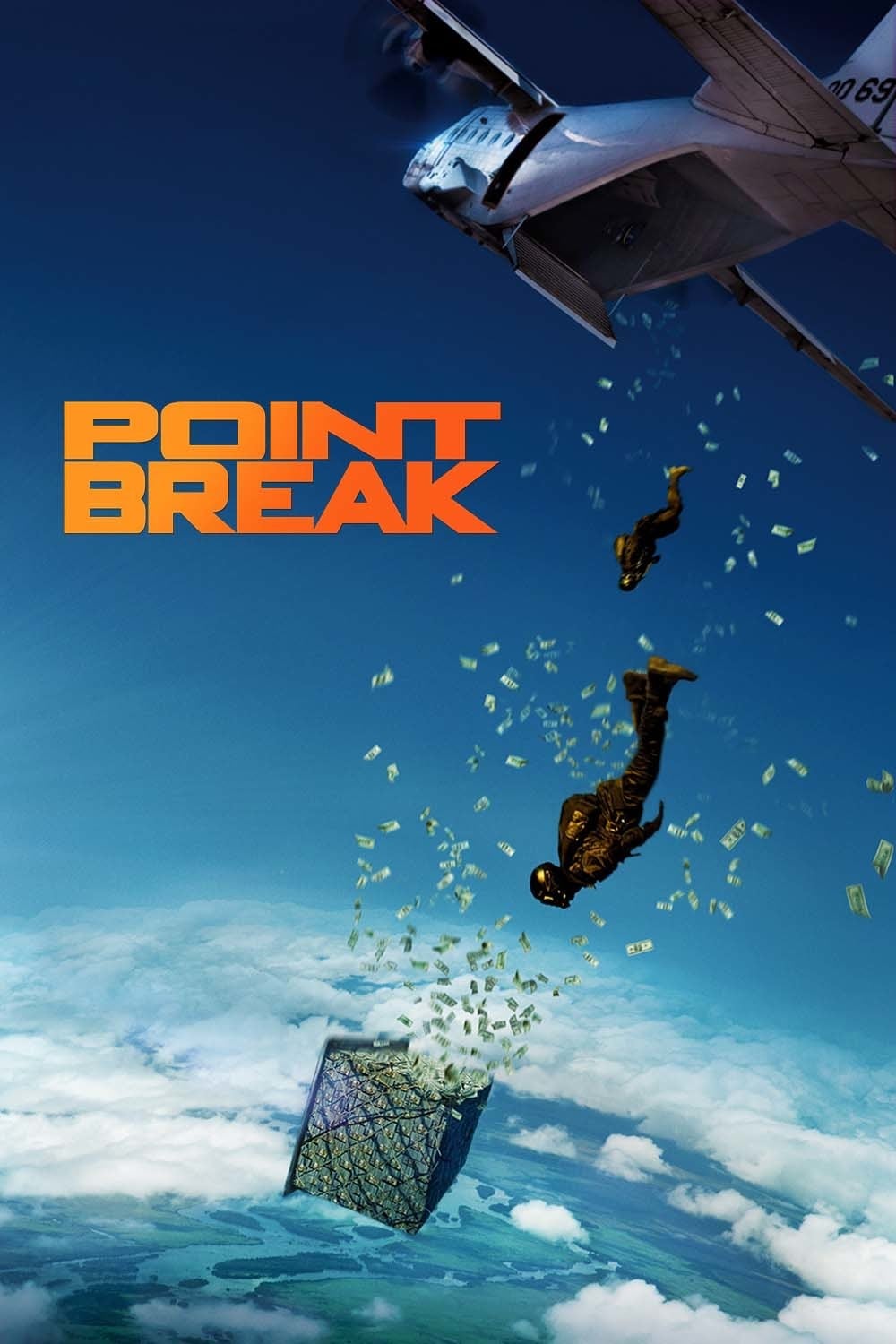
Ericson Core directed ‘Point Break’ with Luke Bracey and Édgar Ramírez, staging wingsuit proximity flights, big-wave surfing, and snow sequences with specialist athletes and a large second unit across multiple countries.
The distributor released the film during the holiday corridor with emphasis on the practical stunt component. After its run, there were no announced continuations in this continuity of ‘Point Break’.
‘Poltergeist’ (2015)

Gil Kenan’s ‘Poltergeist’ starred Sam Rockwell and Rosemarie DeWitt, rebuilding the suburban setting with updated production design and a blend of practical effects and modern CG for spectral setpieces.
The studio positioned the title as a PG-13 wide release to reach younger audiences and families. The franchise did not extend with additional films from the narrative established in this ‘Poltergeist’.
‘Flatliners’ (2017)
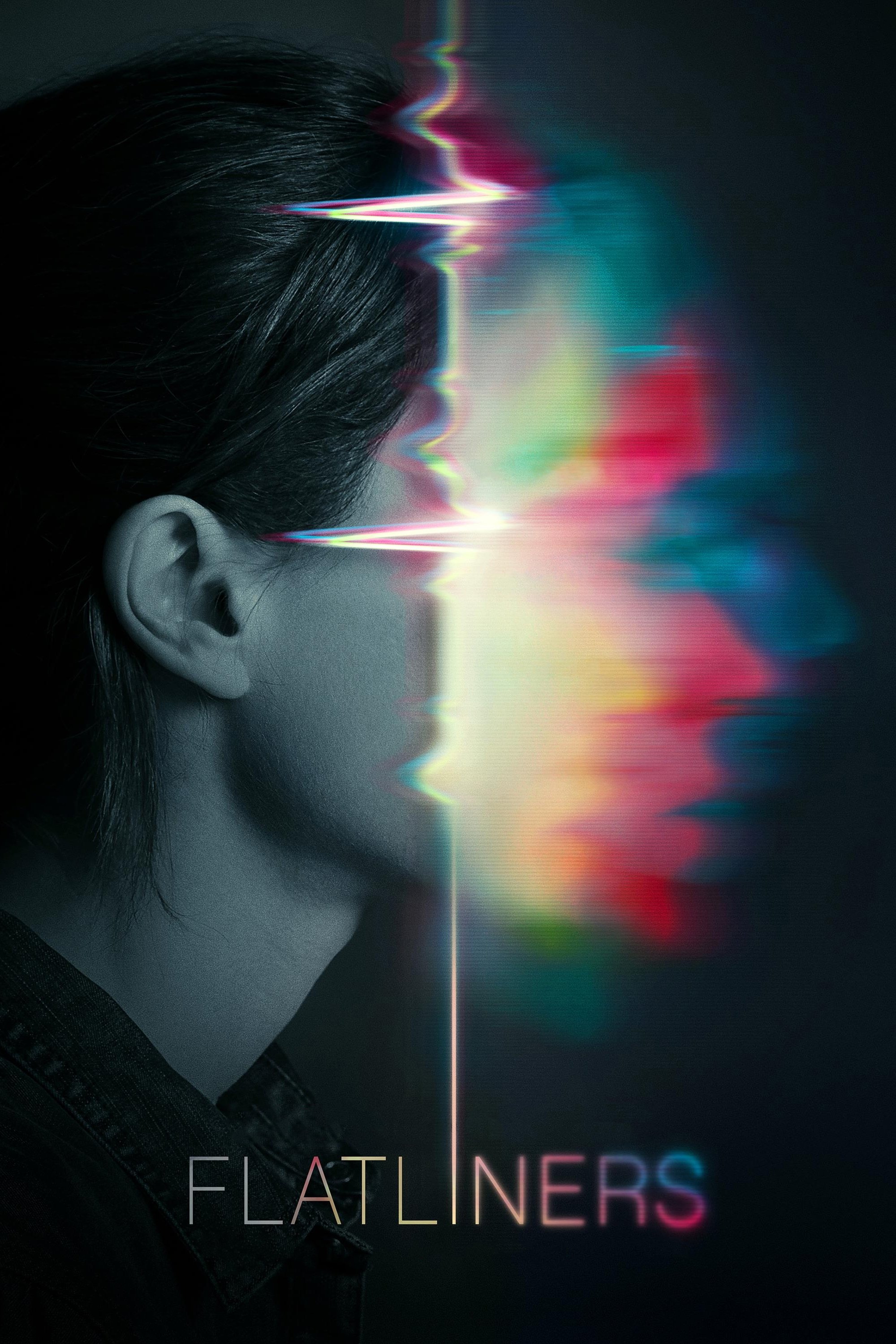
Directed by Niels Arden Oplev, ‘Flatliners’ starred Elliot Page, Diego Luna, Nina Dobrev, Kiersey Clemons, and James Norton, with Kiefer Sutherland appearing in a related role. Lab sets, stylized dream imagery, and location photography anchored the production.
A fall release targeted genre audiences with a contained budget profile. No direct sequel following this specific setup of ‘Flatliners’ was announced.
‘Hellboy’ (2019)
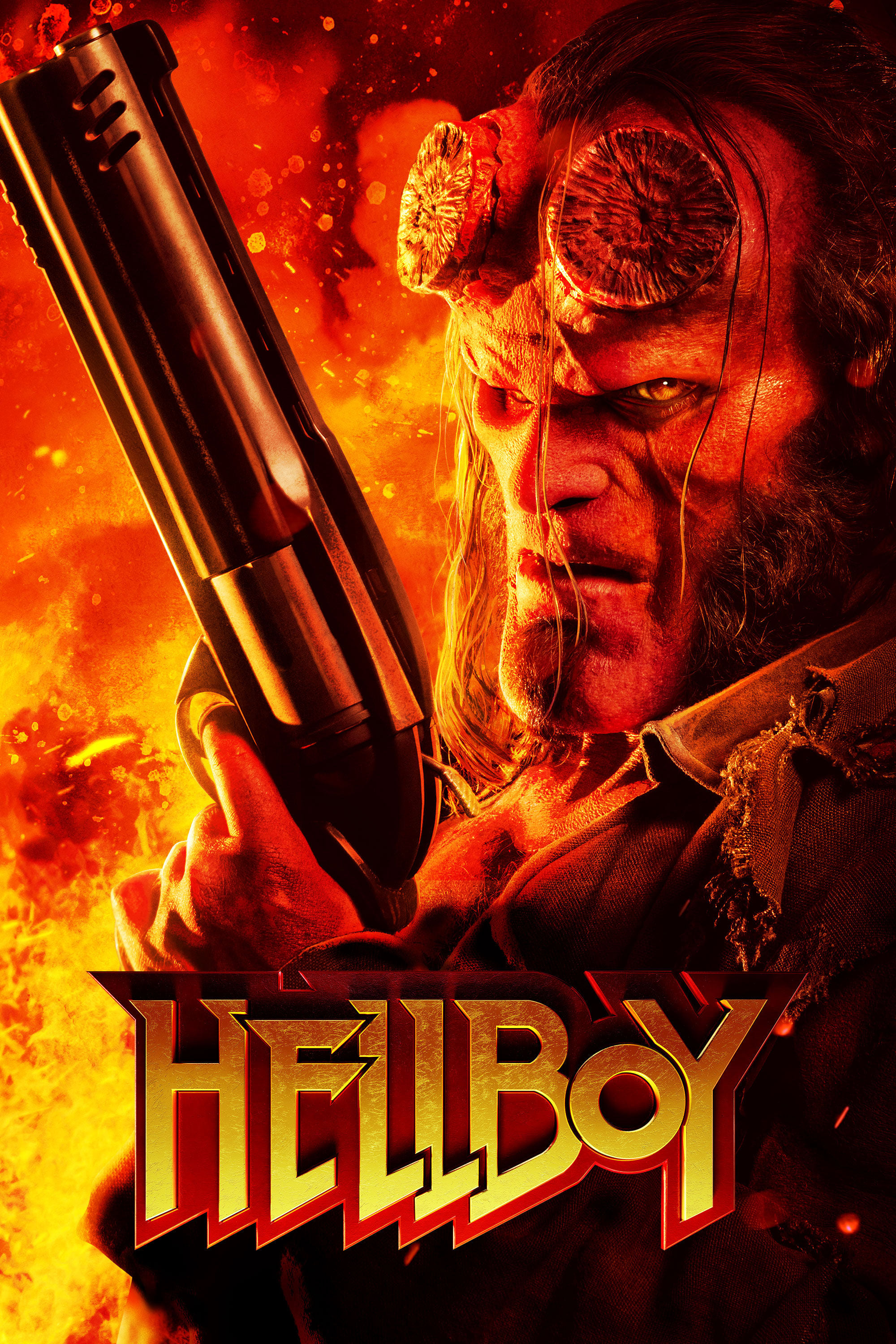
‘Hellboy’, directed by Neil Marshall and led by David Harbour with Milla Jovovich and Ian McShane, used a mix of creature prosthetics and digital augmentation, shooting primarily in the U.K. and Bulgaria.
Lionsgate supported a wide release across standard and premium formats. The series moved forward without a direct continuation of this cast-and-continuity version of ‘Hellboy’.
‘Dredd’ (2012)
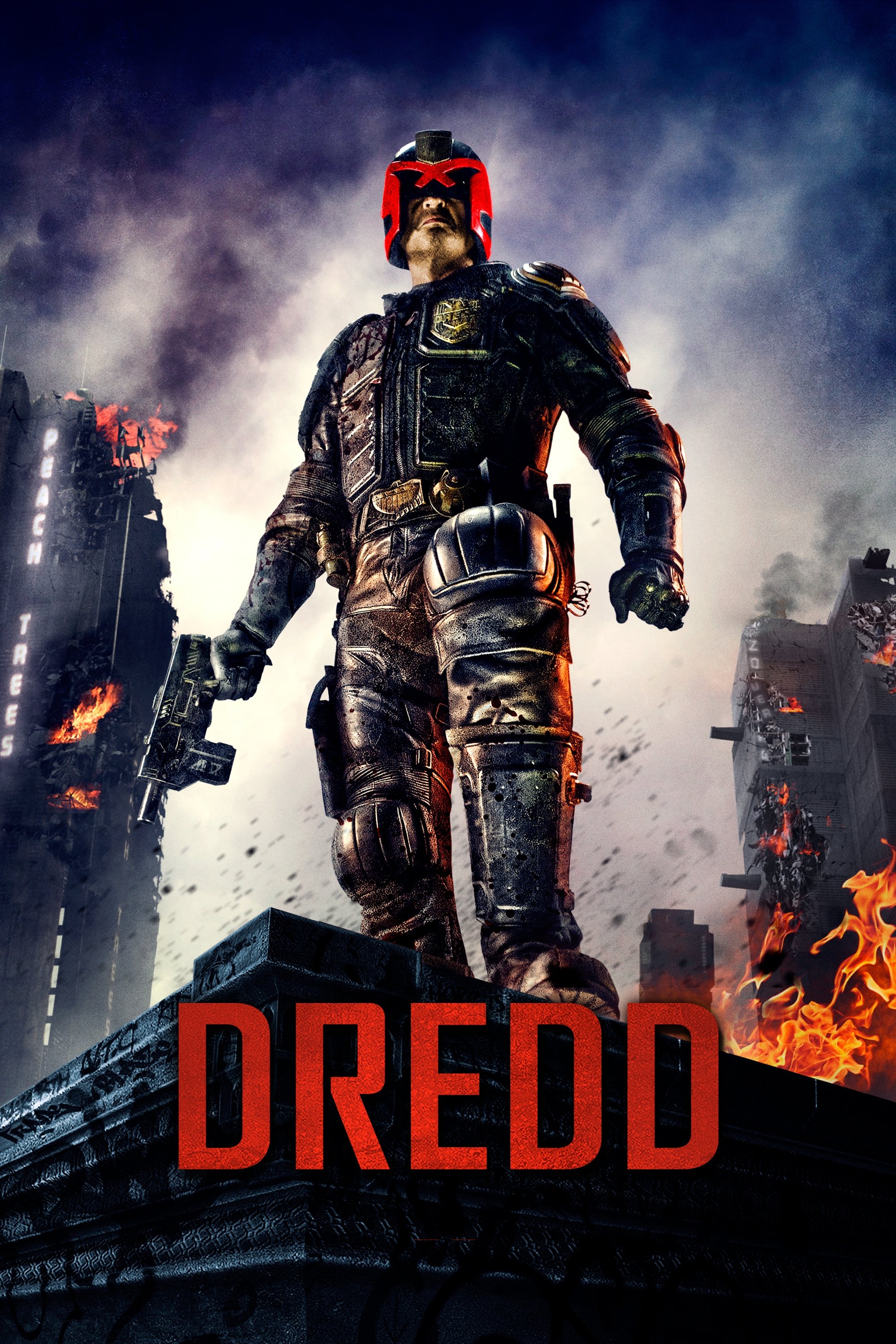
Pete Travis directed ‘Dredd’ from a script by Alex Garland, starring Karl Urban and Olivia Thirlby. The production shot natively in 3D, employing high-speed photography, practical squibs, and CG environment extensions for its megacity setting.
Despite strong post-theatrical engagement over time, the theatrical performance did not lead to a greenlit sequel in this continuity. The character has remained available for future reinterpretations outside this version of ‘Dredd’.
‘Conan the Barbarian’ (2011)
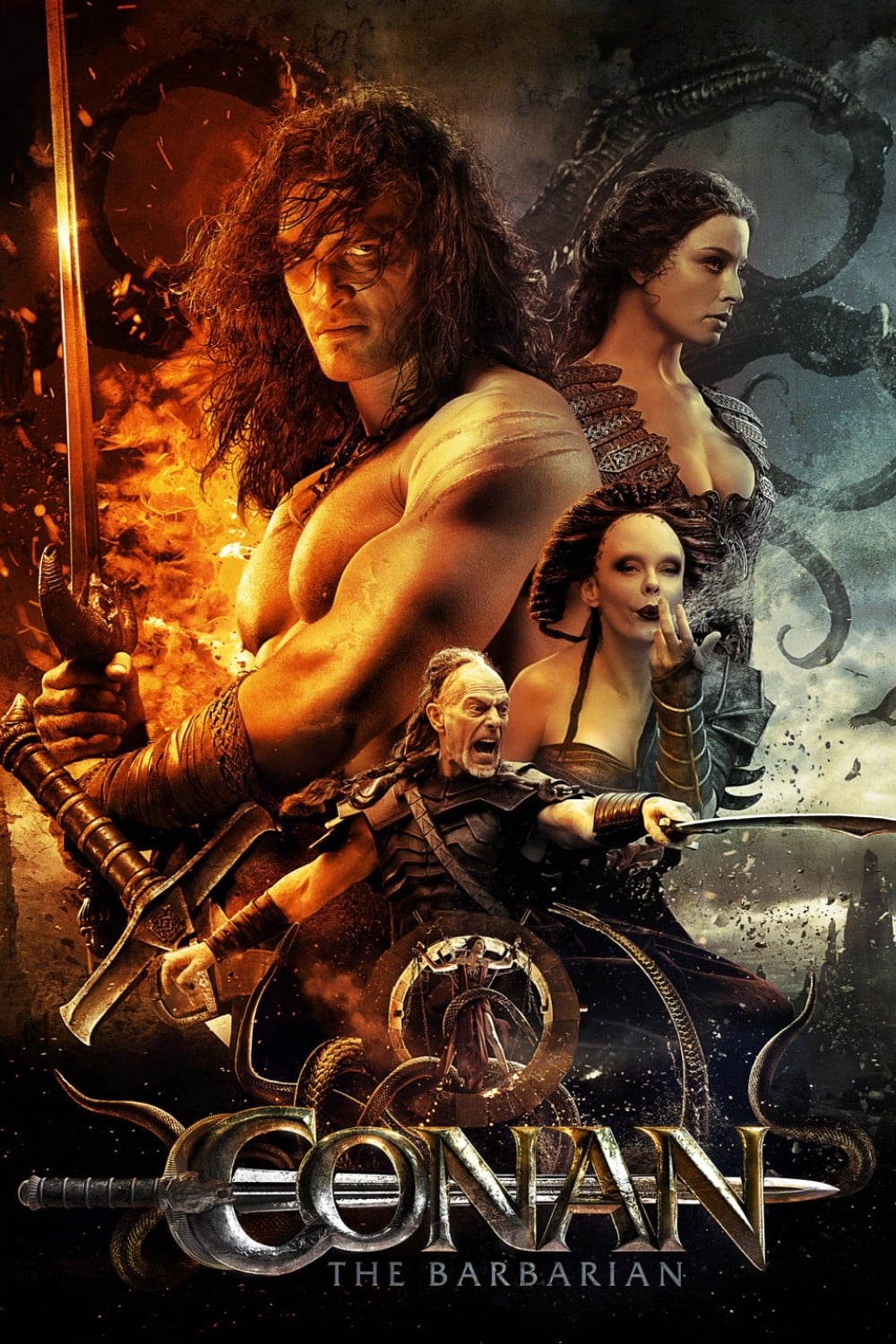
‘Conan the Barbarian’, directed by Marcus Nispel and starring Jason Momoa, Stephen Lang, Rachel Nichols, and Rose McGowan, was mounted with large village and battlefield sets and extensive location work in Eastern Europe.
The distributor gave the film a late-summer release with 3D options and international reach. No additional entries continuing this storyline of ‘Conan the Barbarian’ were announced.
‘A Nightmare on Elm Street’ (2010)
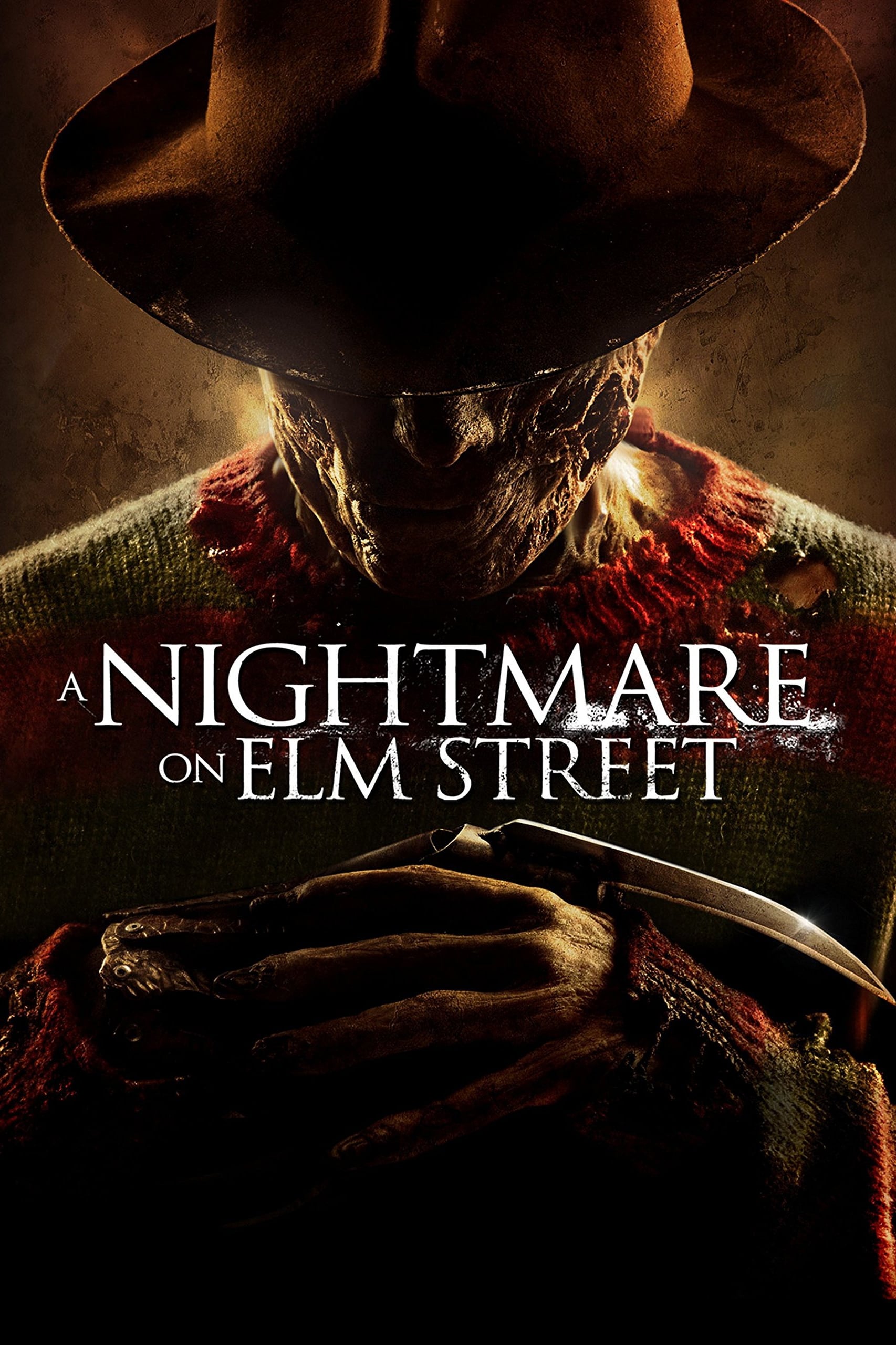
Produced by Platinum Dunes and directed by Samuel Bayer, ‘A Nightmare on Elm Street’ cast Jackie Earle Haley as Freddy Krueger with Rooney Mara and Kyle Gallner among the leads. Practical makeup effects were combined with digital techniques to restage signature dream sequences.
The studio launched the film wide in spring with strong brand recognition. The franchise did not proceed with a sequel tied to this specific iteration of ‘A Nightmare on Elm Street’.
‘The Wolfman’ (2010)
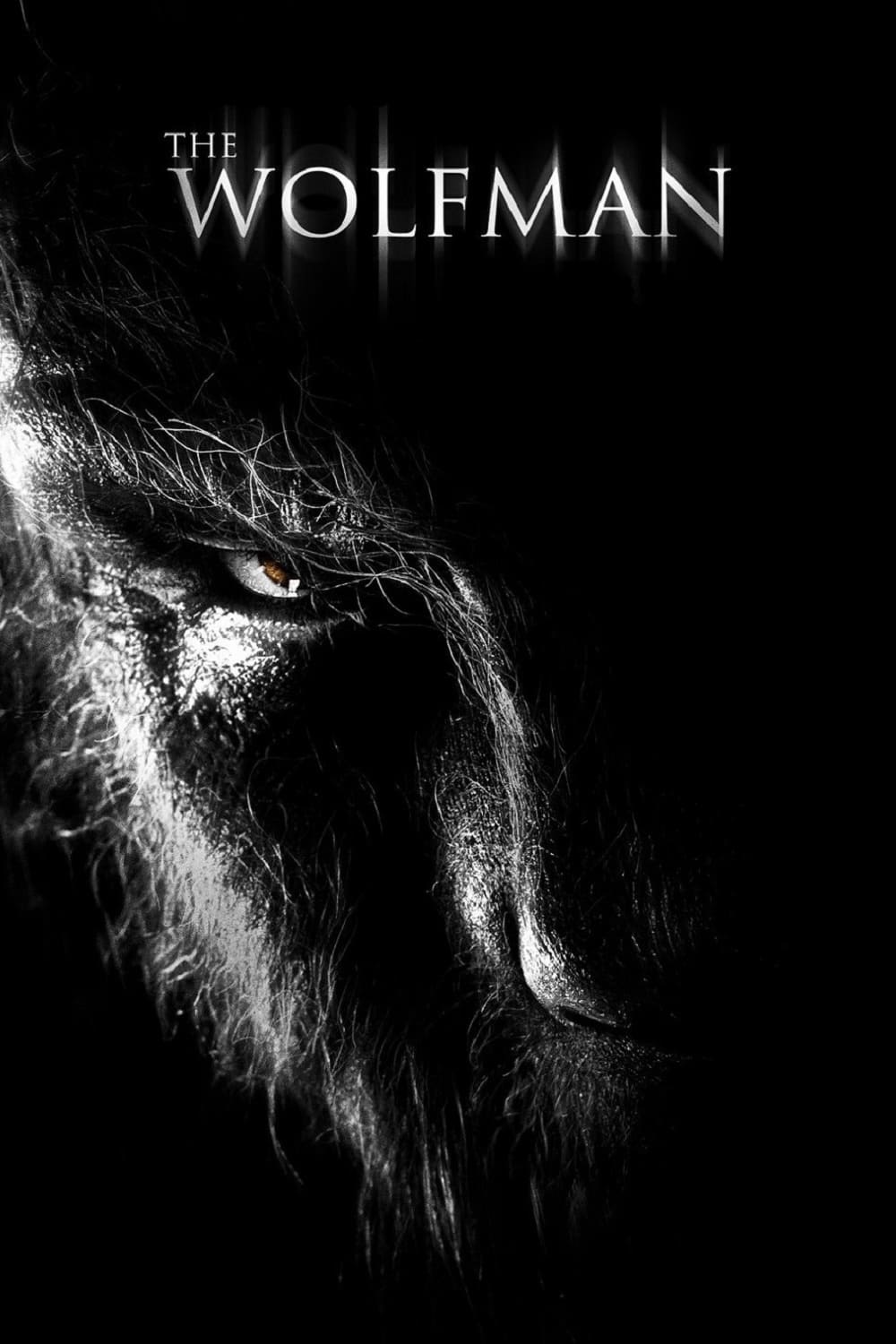
Joe Johnston’s ‘The Wolfman’ starred Benicio Del Toro, Anthony Hopkins, Emily Blunt, and Hugo Weaving. The project featured period sets, extensive prosthetic work, and atmospheric location photography, followed by a substantial post-production process.
Universal released the film in early-year slots with premium-screen availability. The studio later revised its approach to classic-monster properties rather than building from this version of ‘The Wolfman’.
‘The Wicker Man’ (2006)
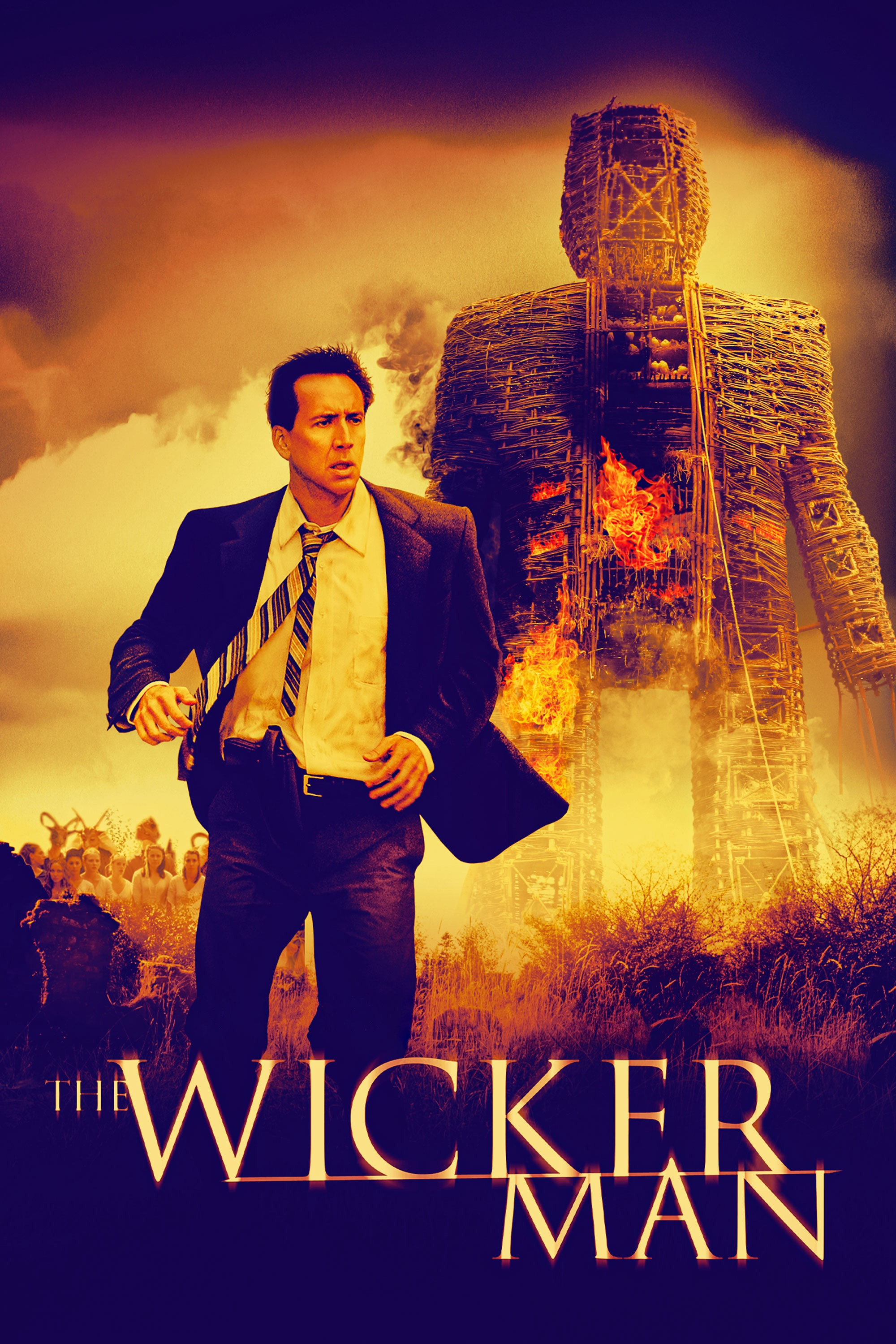
Directed by Neil LaBute, ‘The Wicker Man’ starred Nicolas Cage, Ellen Burstyn, and Kate Beahan, relocating the story to a Pacific Northwest island and designing a new matriarchal community with coastal and forest locations.
The distributor opened the film wide with a campaign centered on mystery elements. No subsequent entries continuing this storyline of ‘The Wicker Man’ were pursued.
‘Rollerball’ (2002)
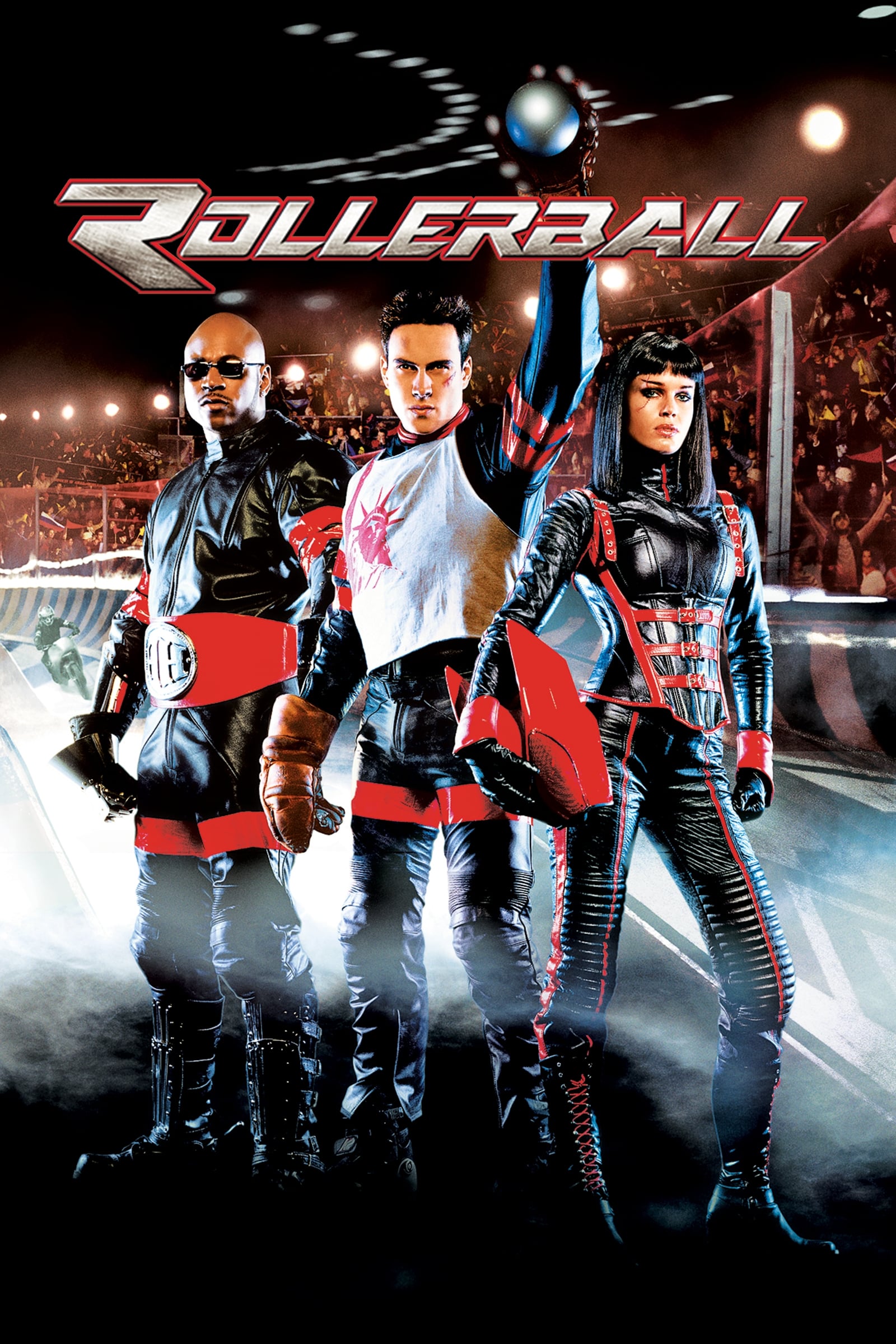
John McTiernan’s ‘Rollerball’ starred Chris Klein, LL Cool J, Rebecca Romijn, and Jean Reno. The production built large arena sets and integrated stunt-heavy sequences with early-2000s digital effects to depict the fictional sport.
A wide domestic and international rollout followed with action-focused marketing. The film did not initiate a series continuing this interpretation of ‘Rollerball’.
‘Get Carter’ (2000)
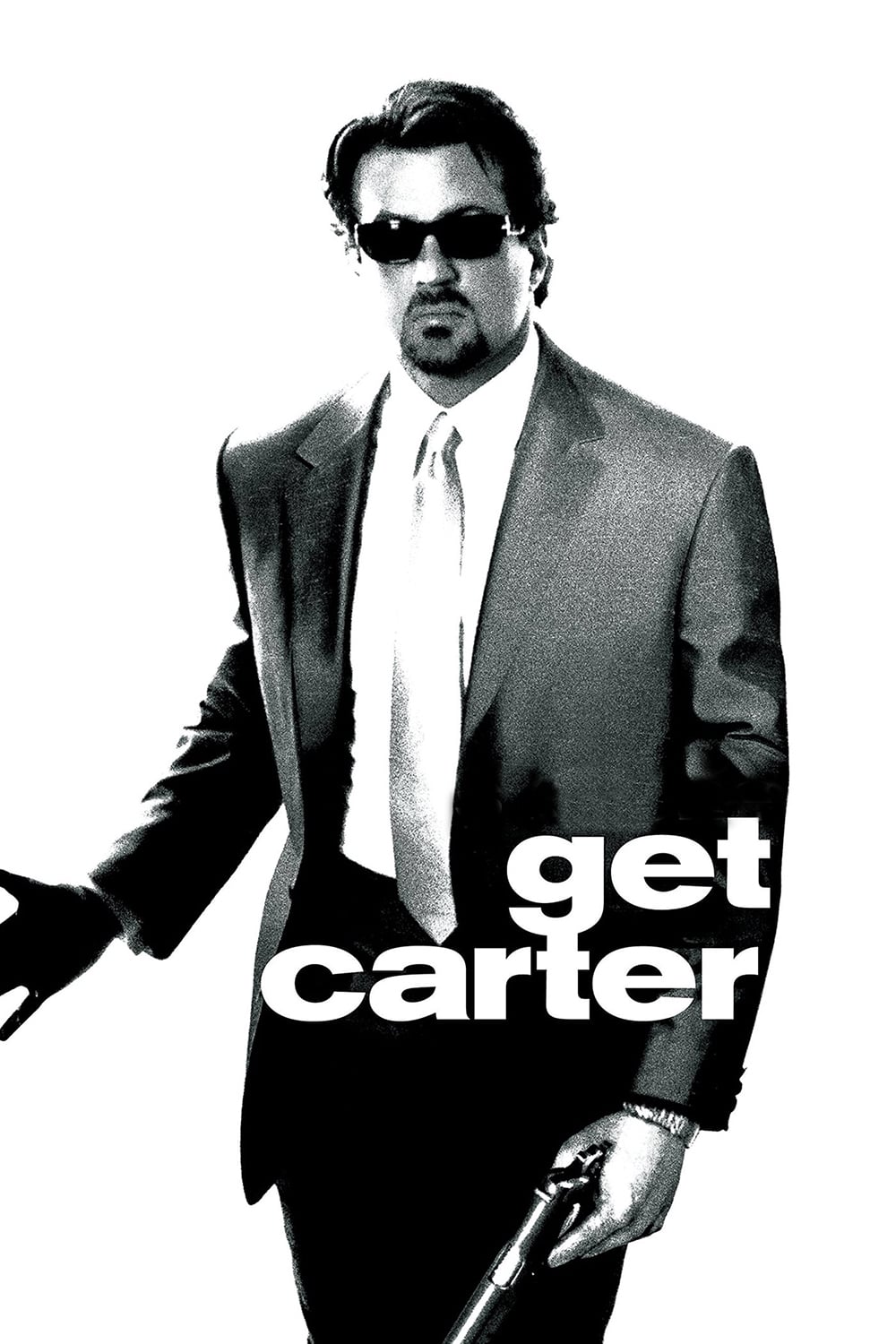
Stephen Kay directed ‘Get Carter’ with Sylvester Stallone, Miranda Richardson, Rachael Leigh Cook, Mickey Rourke, and Michael Caine in a new role. The film adopted a contemporary noir aesthetic with urban location work and high-contrast photography.
The studio released the title broadly with a national advertising campaign. After theatrical and home-media windows, there were no further films extending this continuity of ‘Get Carter’.
‘Death Wish’ (2018)
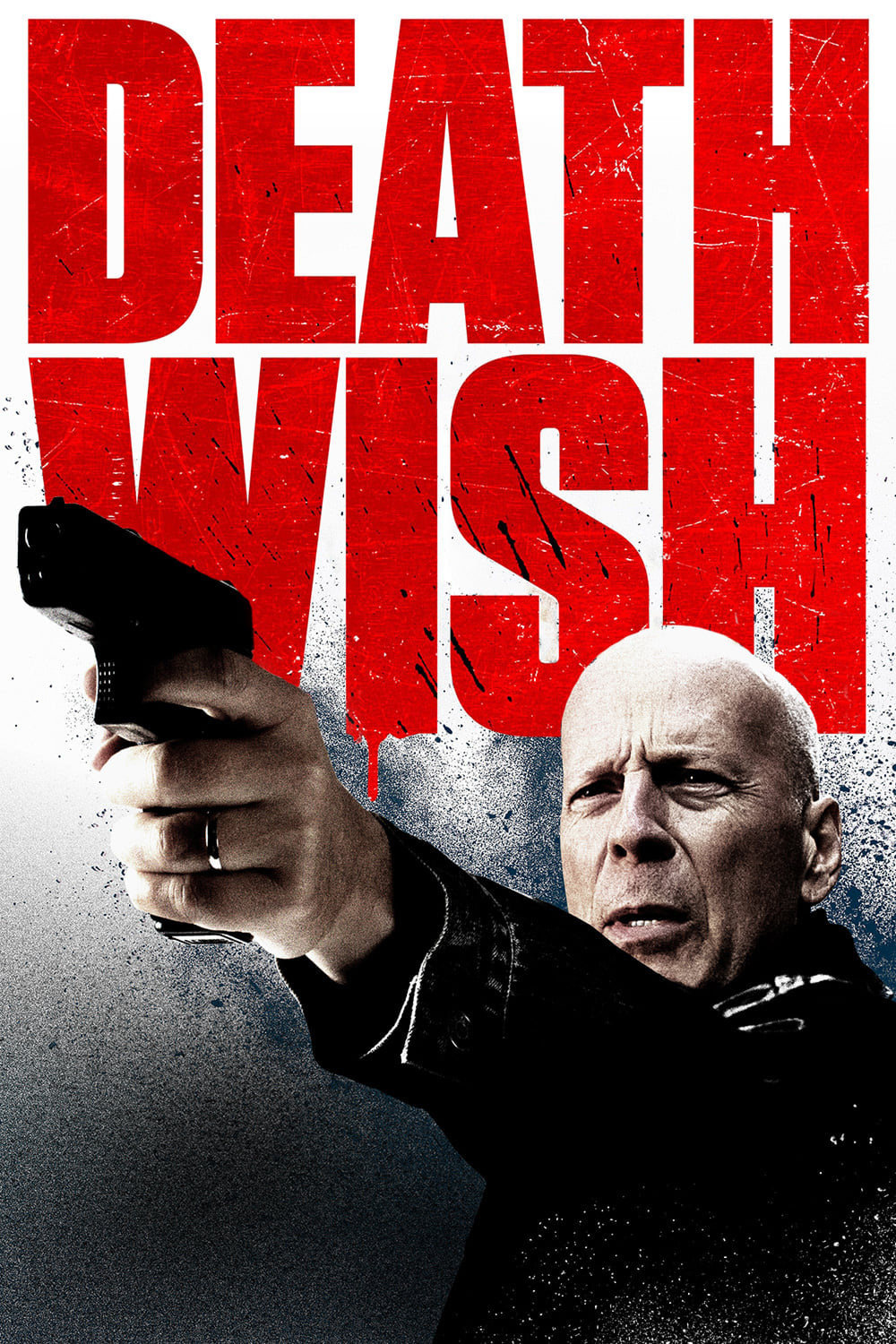
Eli Roth’s ‘Death Wish’ starred Bruce Willis, Vincent D’Onofrio, Elisabeth Shue, and Dean Norris, shifting the setting to Chicago and balancing location shooting with stage-built interiors.
MGM issued a nationwide release in early spring backed by targeted advertising. The property did not continue with additional entries following the specific approach set by this ‘Death Wish’.
‘The Grudge’ (2020)
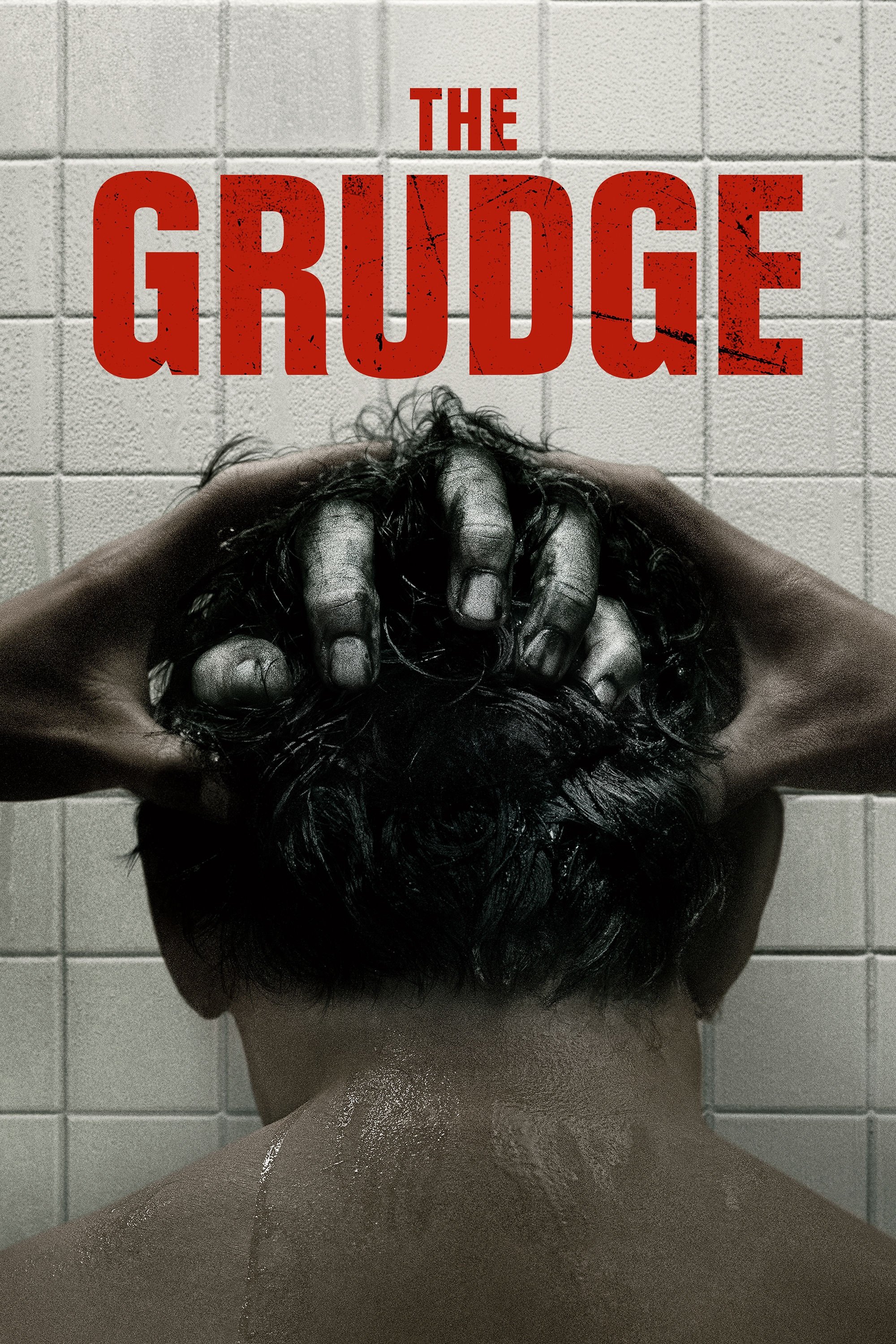
Directed by Nicolas Pesce, ‘The Grudge’ featured Andrea Riseborough, Demián Bichir, John Cho, Betty Gilpin, and Lin Shaye. The production intercut multiple timelines and used practical effects to depict the curse’s manifestations, shooting in Canada for U.S. settings.
Screen Gems released the film at the start of the year with a lean production profile. No direct sequel building on this exact storyline of ‘The Grudge’ was announced immediately after release.
‘Child’s Play’ (2019)

Lars Klevberg’s ‘Child’s Play’ starred Aubrey Plaza, Gabriel Bateman, and Brian Tyree Henry, with Mark Hamill voicing Chucky. The team employed animatronics supplemented by CG for facial articulation and action beats.
Orion Pictures launched the film with summer counterprogramming in mind. The brand’s ongoing screen presence subsequently followed a separate creative track from this feature-film version of ‘Child’s Play’.
‘Power Rangers’ (2017)
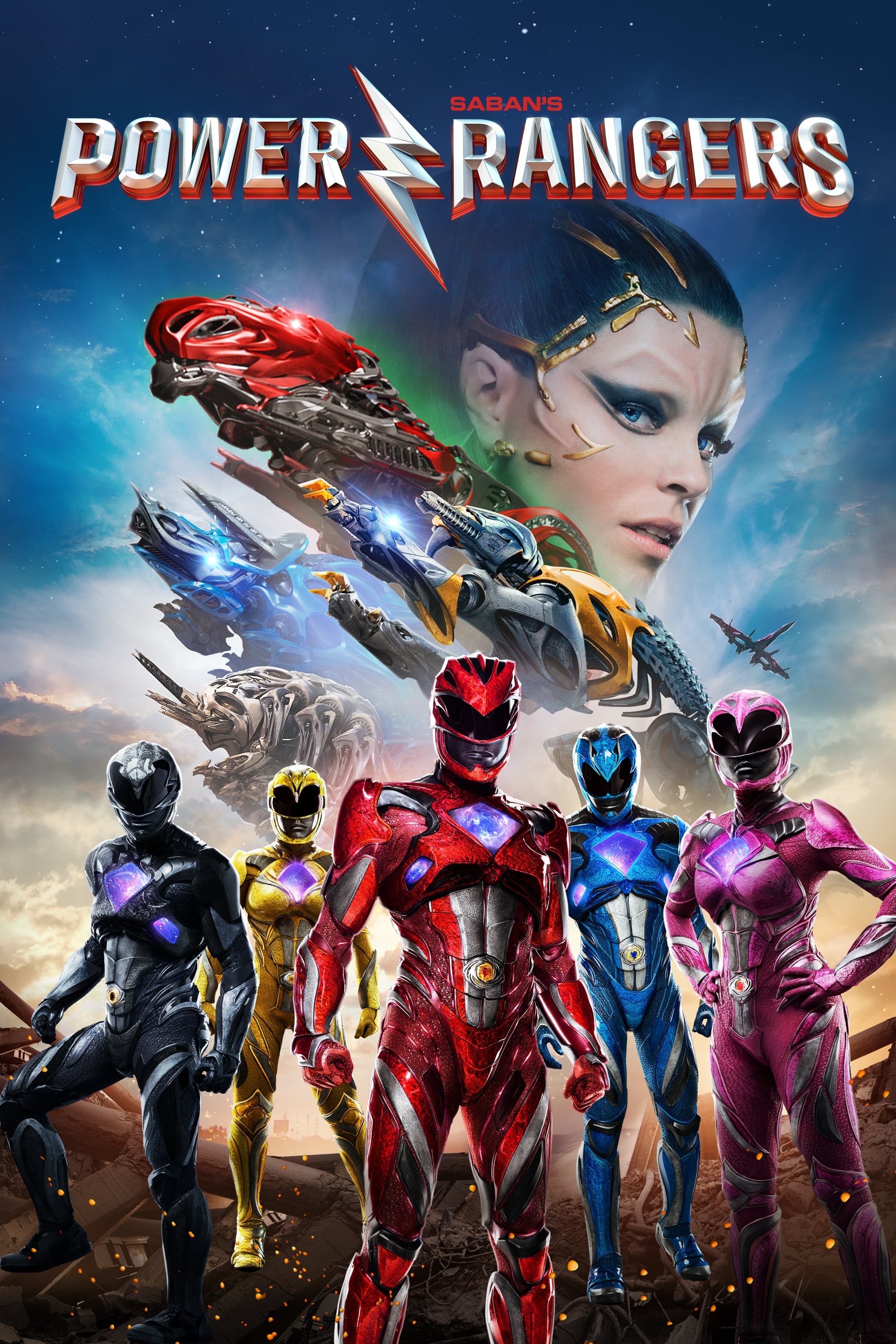
Directed by Dean Israelite, ‘Power Rangers’ introduced Dacre Montgomery, Naomi Scott, RJ Cyler, Ludi Lin, and Becky G as the team, with Elizabeth Banks and Bryan Cranston in key roles. The production built cockpit sets, town environments, and CG-assisted Zord and creature work.
Lionsgate rolled out a broad merchandising and promotional campaign aligned with a wide release. The studio did not move forward with a direct sequel continuing this interpretation of ‘Power Rangers’.
‘Baywatch’ (2017)
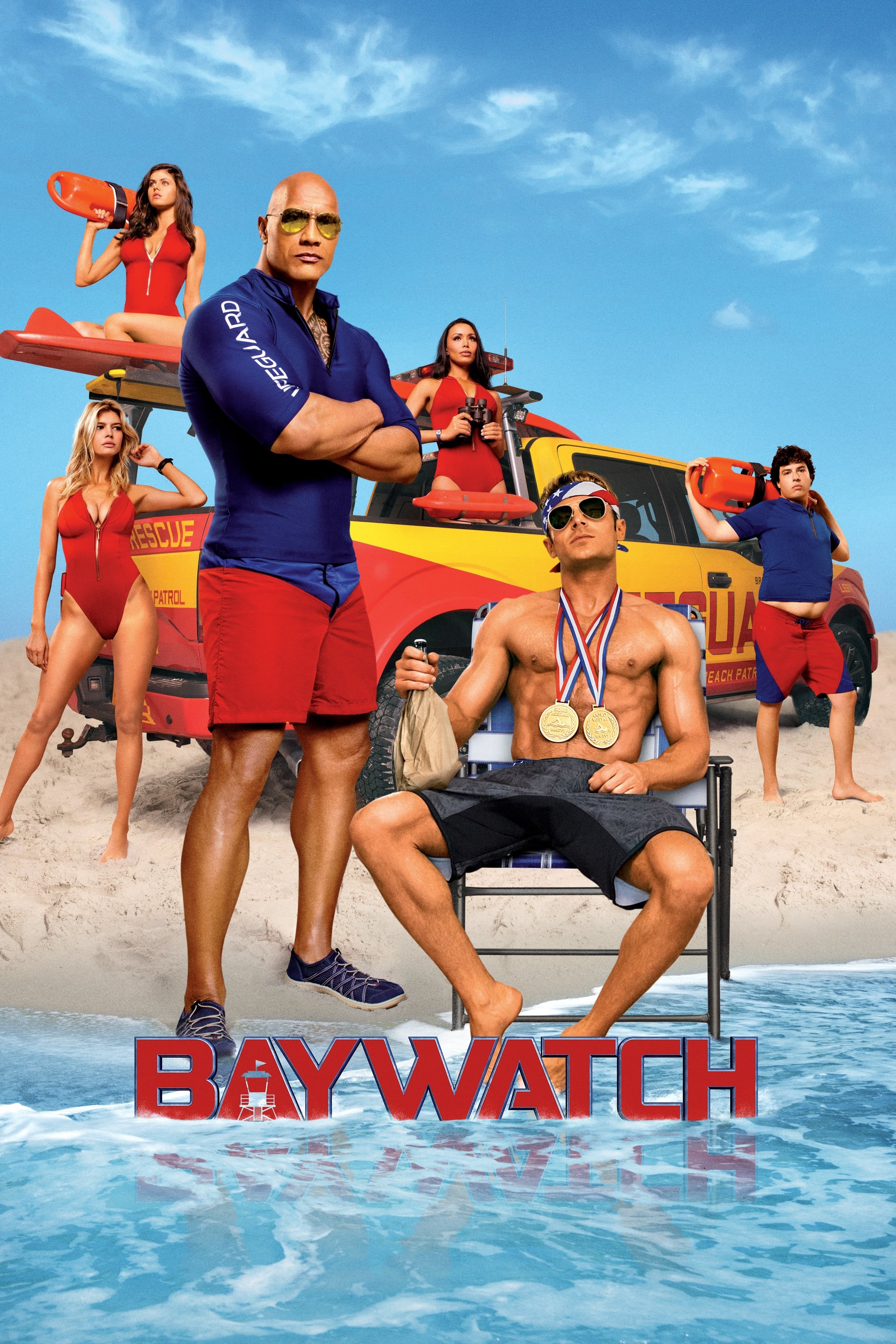
Seth Gordon’s ‘Baywatch’ starred Dwayne Johnson, Zac Efron, Priyanka Chopra, Alexandra Daddario, and Kelly Rohrbach. Coastal location work, marine second-unit photography, and large crowd coordination shaped the production.
Paramount released the film in the summer frame supported by international publicity tours. No follow-up continuing this configuration of ‘Baywatch’ was placed into production.
‘Charlie’s Angels’ (2019)
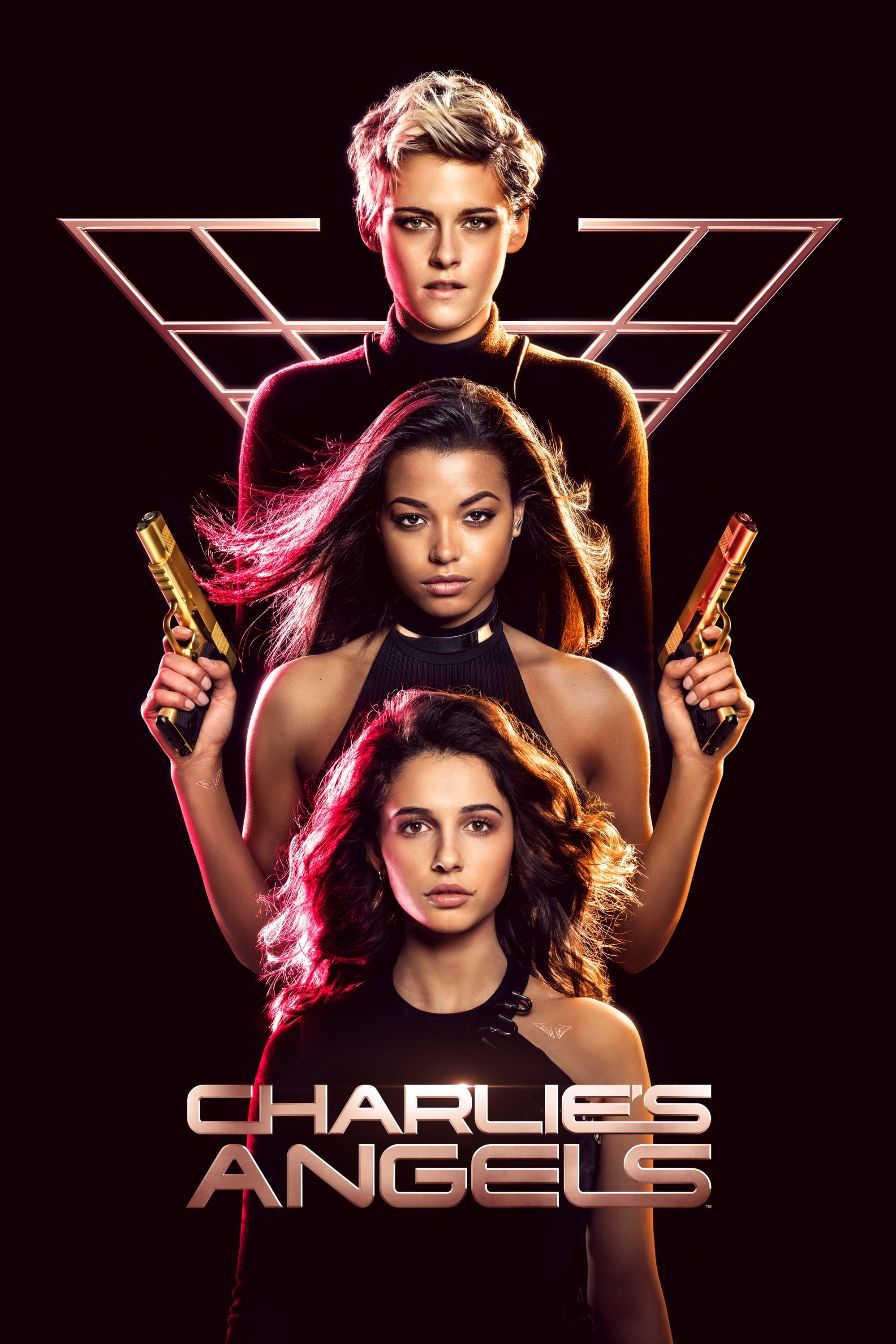
Written and directed by Elizabeth Banks, ‘Charlie’s Angels’ starred Kristen Stewart, Naomi Scott, and Ella Balinska. The production expanded the Townsend Agency into a global network, using European locations, sleek costuming, and contemporary gadget design.
Sony opened the film in the holiday period with cross-promotional tie-ins. The studio did not announce an additional installment following this specific lineup of ‘Charlie’s Angels’.
‘The A-Team’ (2010)
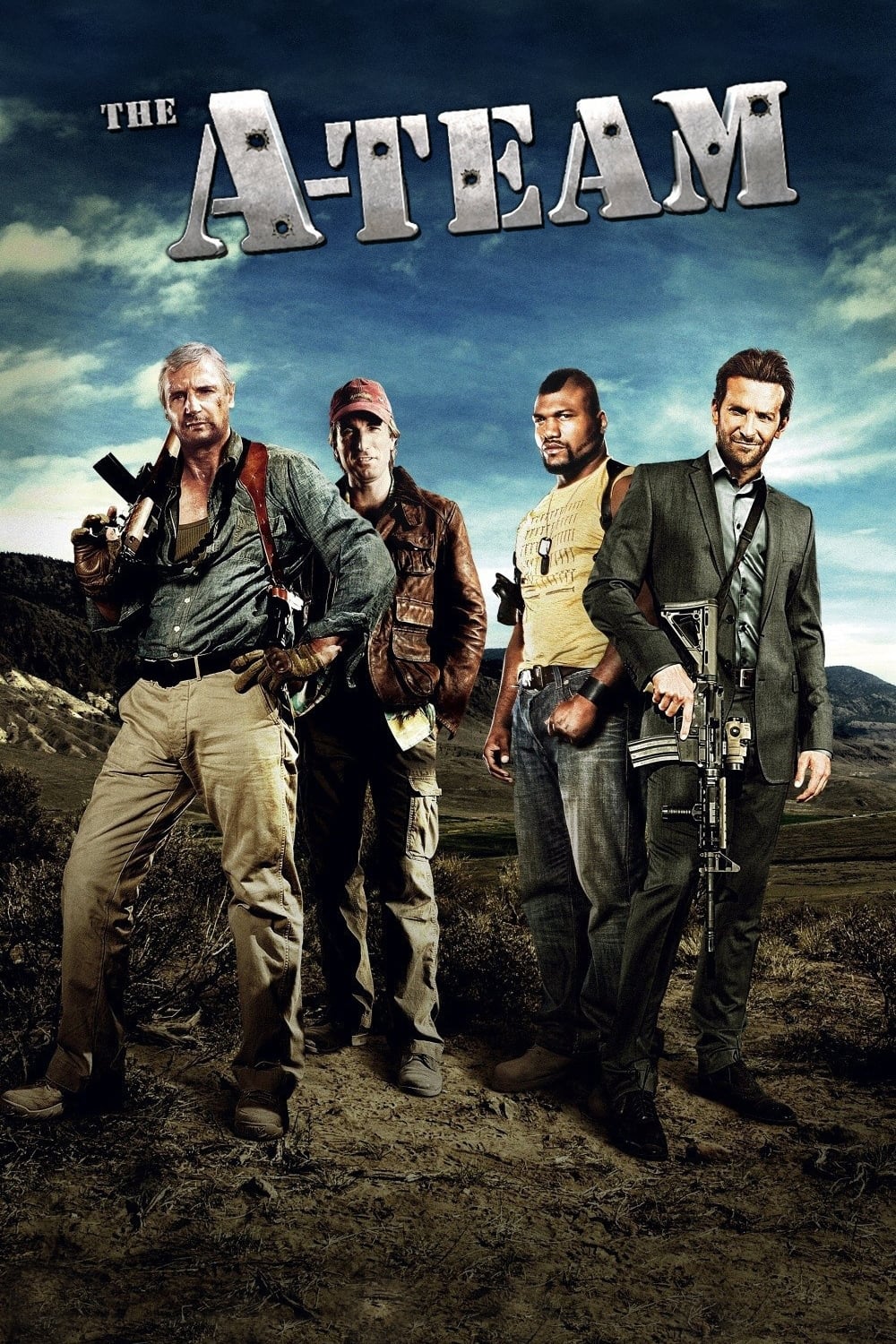
Joe Carnahan directed ‘The A-Team’ with Liam Neeson, Bradley Cooper, Sharlto Copley, and Quinton “Rampage” Jackson. Large-scale practical explosions, aerial sequences, and urban chases were mounted across Canadian and U.S. locations.
The distributor positioned the movie for early-summer audiences with international day-and-date play. A sequel using the same continuity of ‘The A-Team’ was not put into active development afterward.
‘The Legend of Hercules’ (2014)
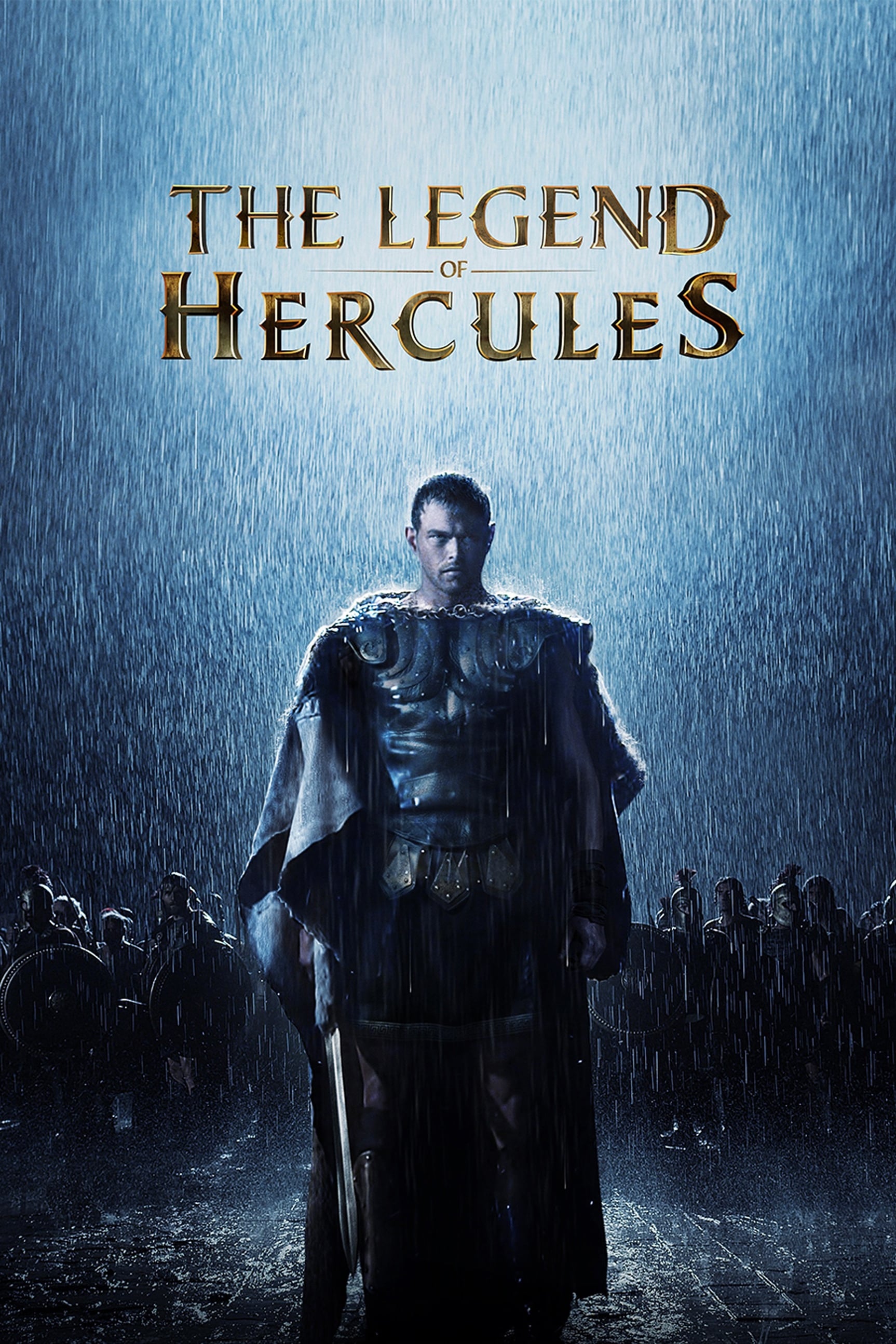
Renny Harlin’s ‘The Legend of Hercules’ starred Kellan Lutz, Gaia Weiss, Scott Adkins, and Liam McIntyre. The film used greenscreen stages and CG-heavy environment builds for stylized mythic settings, combined with 3D capture workflows.
Summit released the film with 3D availability and a global footprint. The property did not continue with additional films extending the narrative from this iteration of ‘The Legend of Hercules’.
‘Ghostbusters’ (2016)
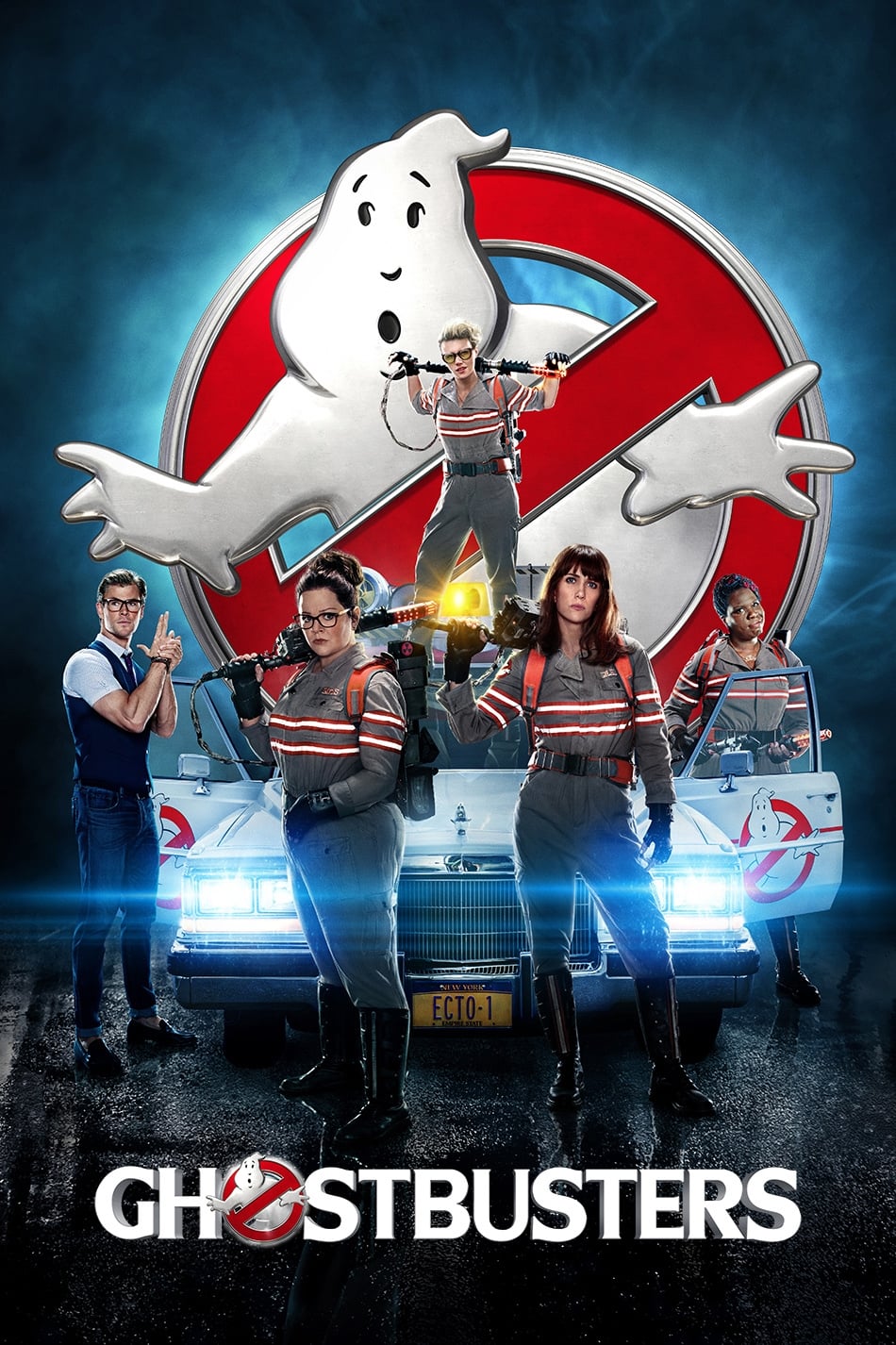
Paul Feig directed ‘Ghostbusters’ with Melissa McCarthy, Kristen Wiig, Kate McKinnon, Leslie Jones, and Chris Hemsworth, alongside appearances from legacy cast members. New proton pack designs, large New York-set builds, and extensive VFX supported the setpieces.
Sony backed the film with a large-scale marketing campaign and premium-format screenings. Subsequent ‘Ghostbusters’ projects followed a different continuity rather than direct sequels to this team.
Share which reboots you think actually earned a fresh start—and which ones should have stayed on the shelf—in the comments.

