


Movie Stars Whose Final Films Were Released Posthumously



Sometimes a performer’s final work reaches audiences after they are gone. Posthumous releases happen for many reasons: a film still in production, a studio’s release calendar, or a project completed but waiting on distribution. When that happens, the movie becomes part of the legacy the artist leaves behind, often bearing dedications or careful edits to honor their contribution.
Below are well-known actors whose final films arrived after their deaths. Each case notes what they completed, how productions adapted when needed, and how the releases ultimately presented their performances to the public.
Heath Ledger
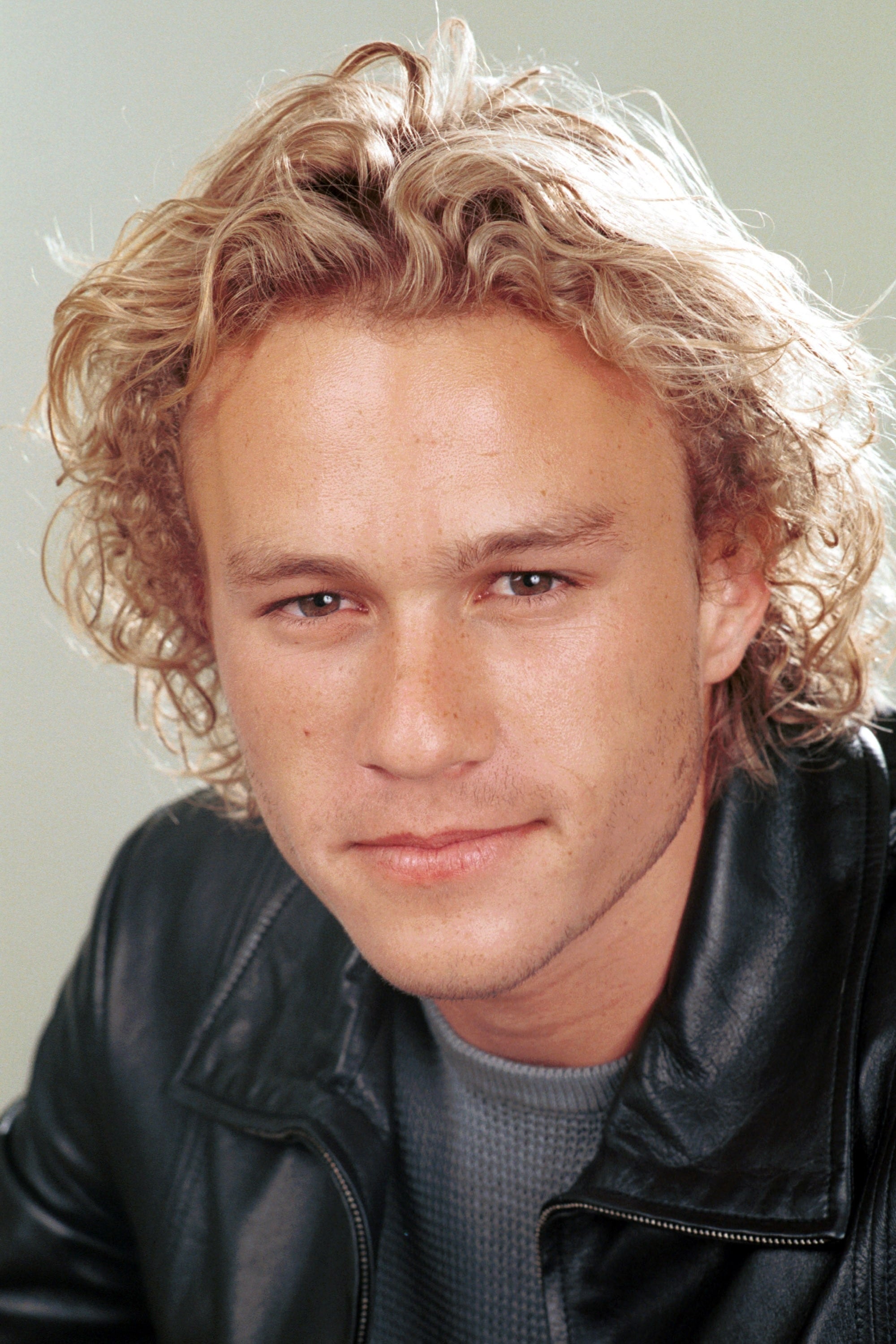
Heath Ledger died during a break from filming, with his work on ‘The Dark Knight’ already finished and his performance as the Joker fully intact. The movie was released later and featured his completed scenes without alteration. He had also begun ‘The Imaginarium of Doctor Parnassus’, and that production resumed with Johnny Depp, Jude Law, and Colin Farrell taking on transformed versions of his character to complete the story.
For ‘The Imaginarium of Doctor Parnassus’, the filmmakers used its fantasy framework to justify multiple faces for the same role, allowing existing footage of Ledger to remain central. The three guest actors donated their fees to Ledger’s daughter, and the film was dedicated to him on release.
Philip Seymour Hoffman
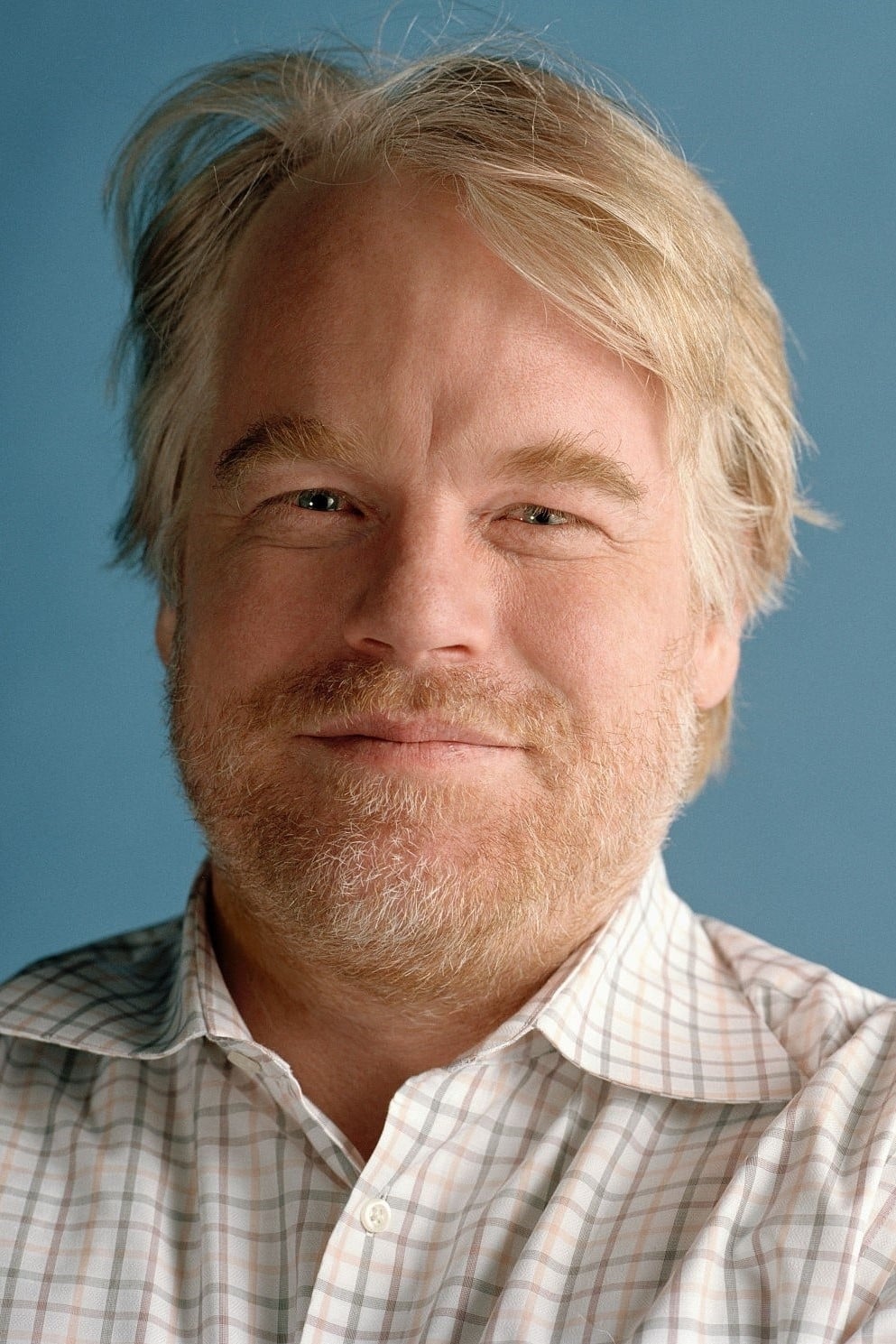
Philip Seymour Hoffman had completed his lead role in ‘A Most Wanted Man’ before his death, and the espionage drama reached theaters afterward with his performance intact. At the same time, he was in the ensemble of ‘The Hunger Games: Mockingjay – Part 1’, which was deep into post-production.
For ‘The Hunger Games: Mockingjay – Part 2’, production used existing footage and script adjustments to cover a small number of remaining moments. The studio preserved his character’s arc without employing digital recreation for dialogue-heavy scenes, and both releases carried dedications acknowledging his work.
Robin Williams
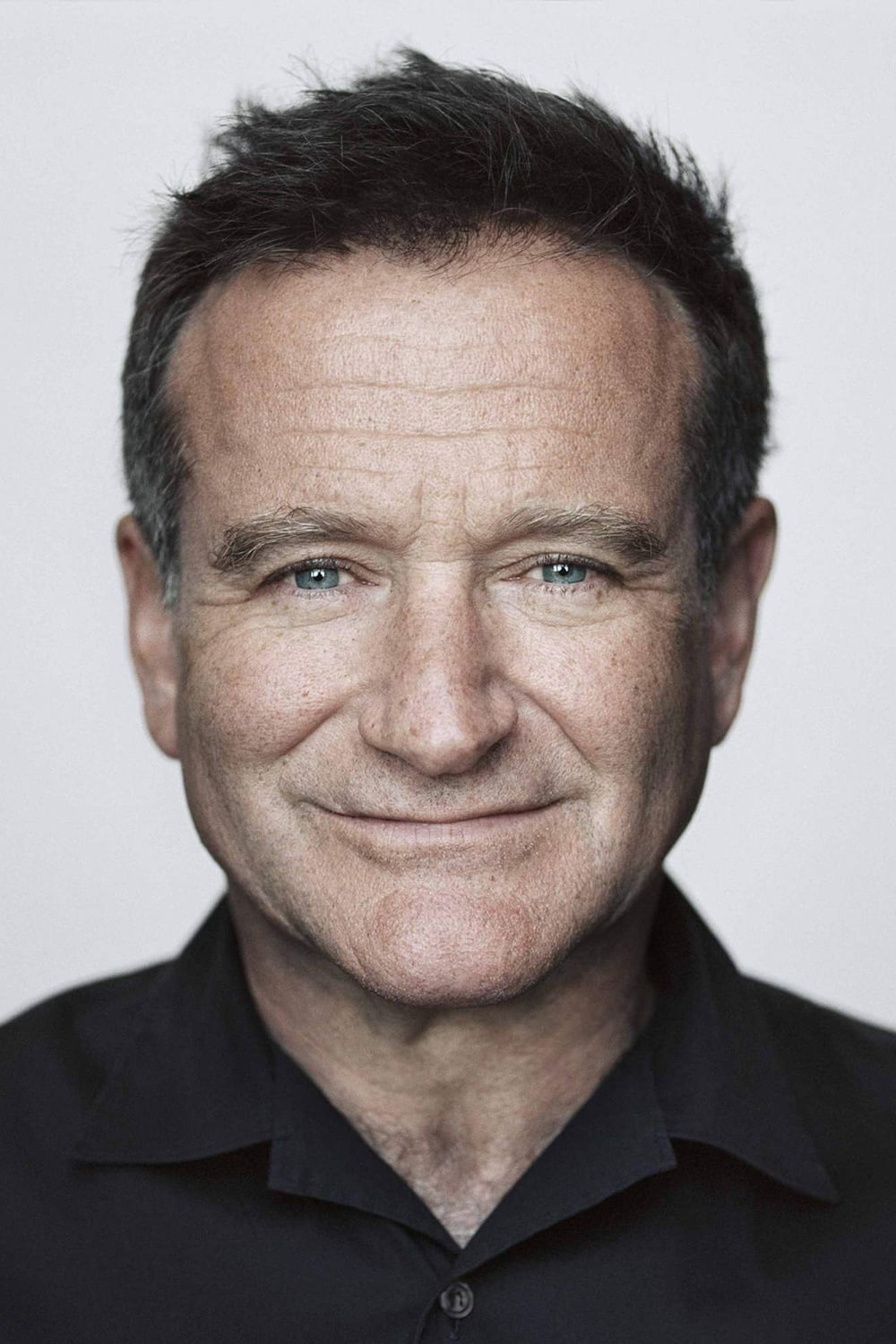
Robin Williams appeared on screen in ‘Night at the Museum: Secret of the Tomb’, which premiered after his death with his scenes as Teddy Roosevelt completed. In addition, he had recorded the lead dog’s voice in ‘Absolutely Anything’, a British sci-fi comedy that was released later.
The on-screen adventure was edited normally, with Williams featured throughout and credited as usual. The later voice role arrived with a dedication, marking his final performance in an animated capacity and concluding a long career across live action and voice work.
Paul Walker
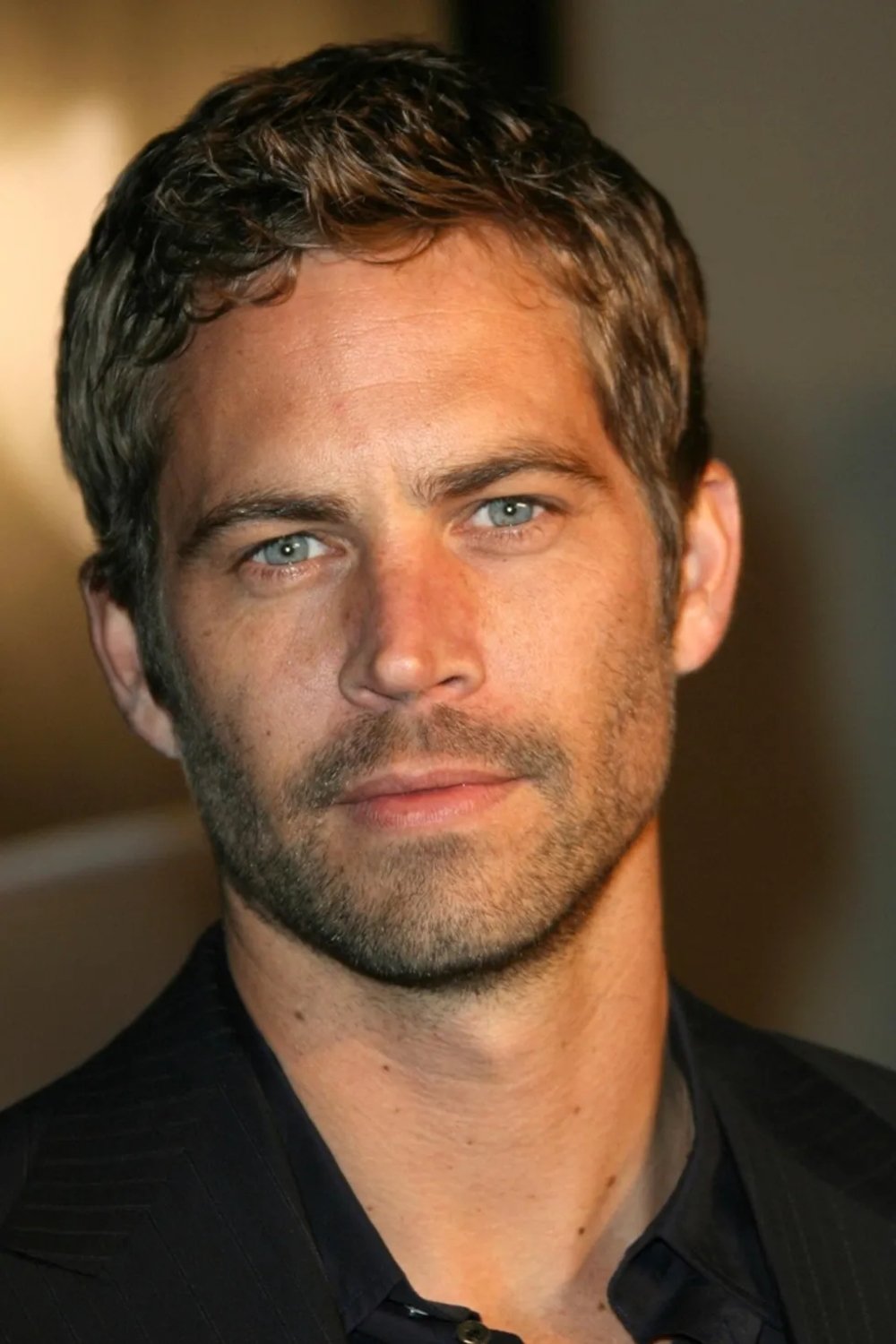
Paul Walker died during principal photography on ‘Furious 7’. Much of his footage as Brian O’Conner had been shot, and the production completed remaining scenes using his brothers Caleb and Cody Walker as stand-ins, along with facial reference materials and careful editing.
The film’s ending retired the character rather than writing him out abruptly. Visual effects blended existing footage with body doubles for select shots, and the release included a dedication to Walker that acknowledged his long-running presence in the franchise.
Chadwick Boseman
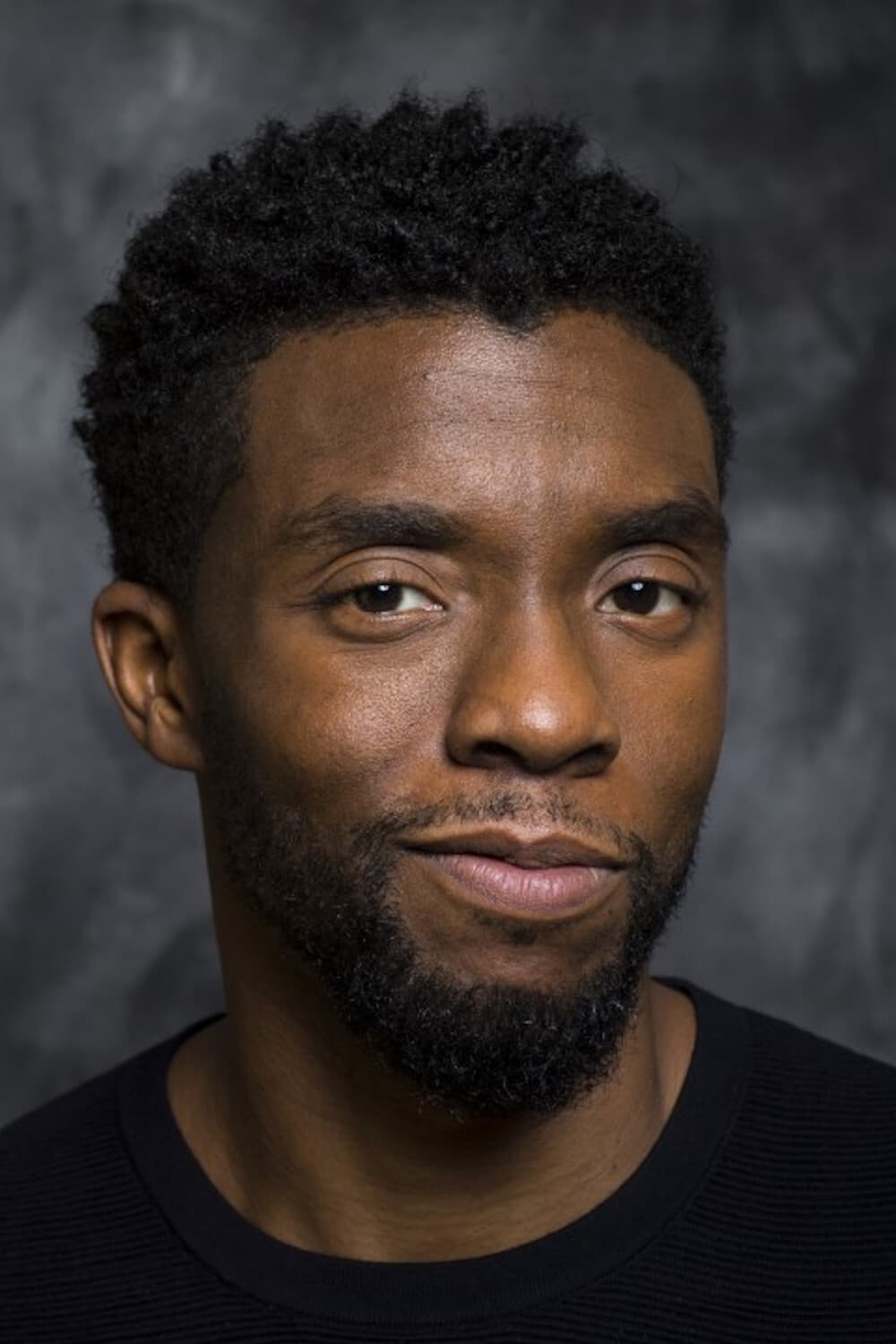
Chadwick Boseman completed ‘Ma Rainey’s Black Bottom’ before he died, and the film was released afterward with his performance presented as shot. He also recorded dialogue for T’Challa in multiple episodes of the animated series ‘What If…?’, which streamed later.
The feature received widespread recognition of his portrayal, with marketing and credits honoring his contribution. The animated appearances used his recorded lines without alteration, and the episodes were presented with dedications acknowledging his final work in the role.
Carrie Fisher

Carrie Fisher finished principal photography on ‘Star Wars: The Last Jedi’ before her death, and the film opened afterward with her scenes intact. For ‘Star Wars: The Rise of Skywalker’, the production used previously unreleased footage of Fisher to include General Leia in new sequences.
Editors and writers shaped new scenes around material shot earlier, matching lighting, wardrobe, and eyelines so the repurposed footage would fit naturally. The final cut credited Fisher prominently and included tributes recognizing her central place in the series.
Bruce Lee
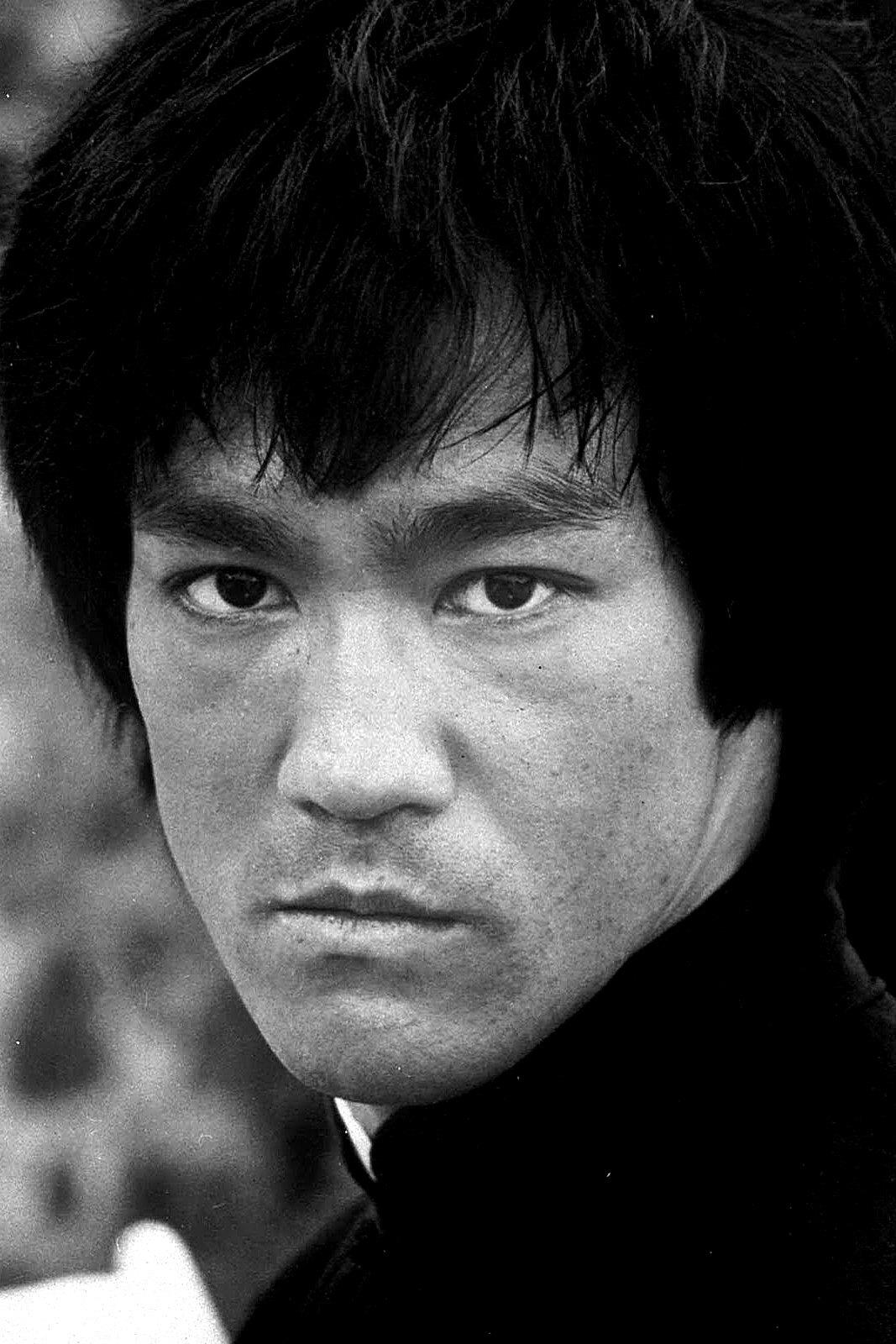
Bruce Lee died before the release of ‘Enter the Dragon’, which then arrived in theaters posthumously with his performance presented as shot. Separately, ‘Game of Death’ was assembled later from a mixture of completed fight footage, doubles, and archival material.
For ‘Game of Death’, the filmmakers integrated existing sequences Lee had choreographed with newly filmed connective scenes using stand-ins. The release explicitly acknowledged the reconstruction, while ‘Enter the Dragon’ showcased the last complete feature Lee had finished.
Brandon Lee
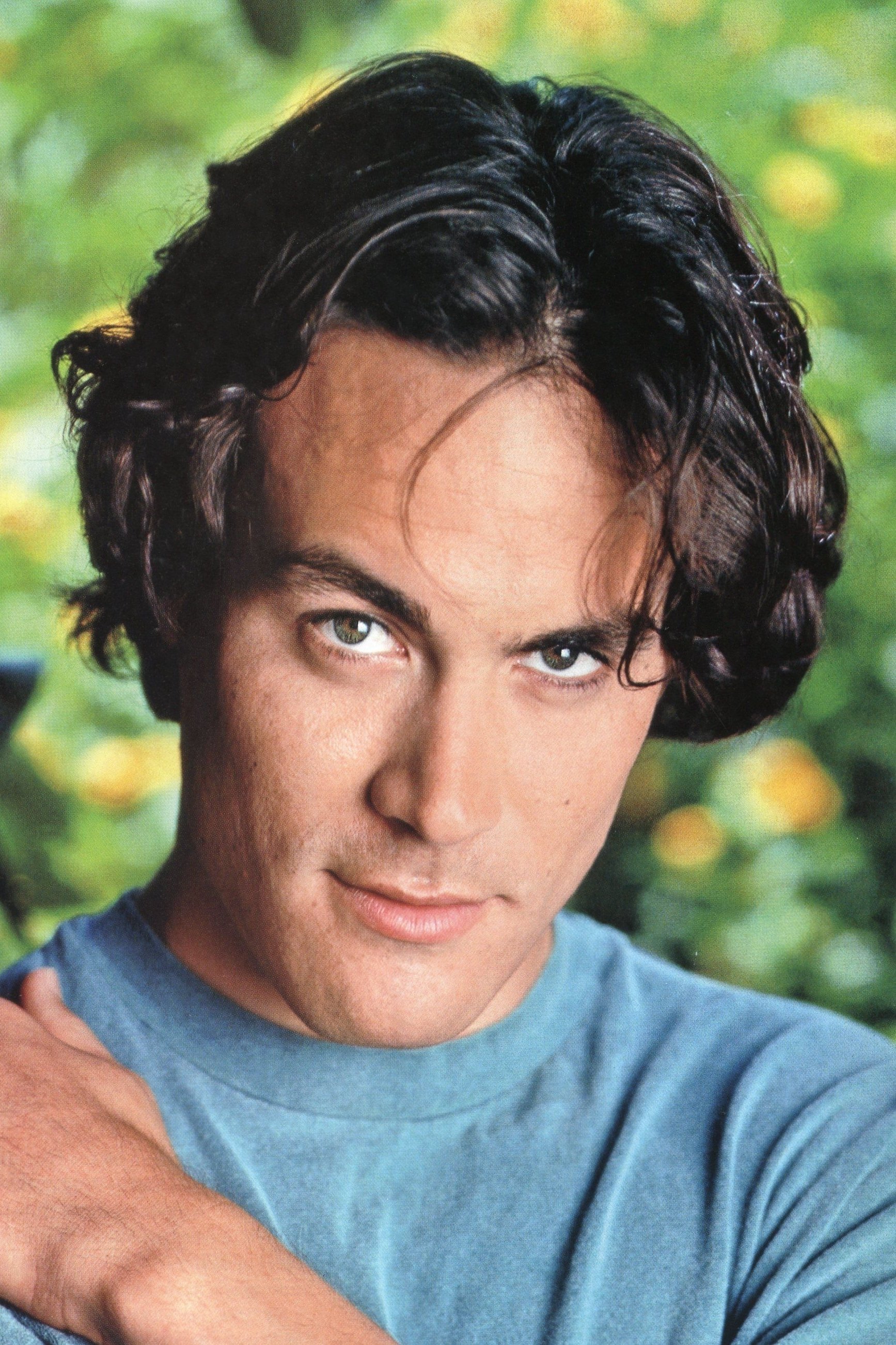
Brandon Lee died near the end of production on ‘The Crow’. The film had substantial material in place, and the team completed remaining connective scenes through script rewrites, body doubles, and select visual effects work to bridge gaps.
Editors relied on already finished action and dialogue to preserve continuity. The release carried dedications to Lee and his fiancée, and the studio made clear which portions were completed after principal photography halted, ensuring transparency about how the film reached completion.
James Dean
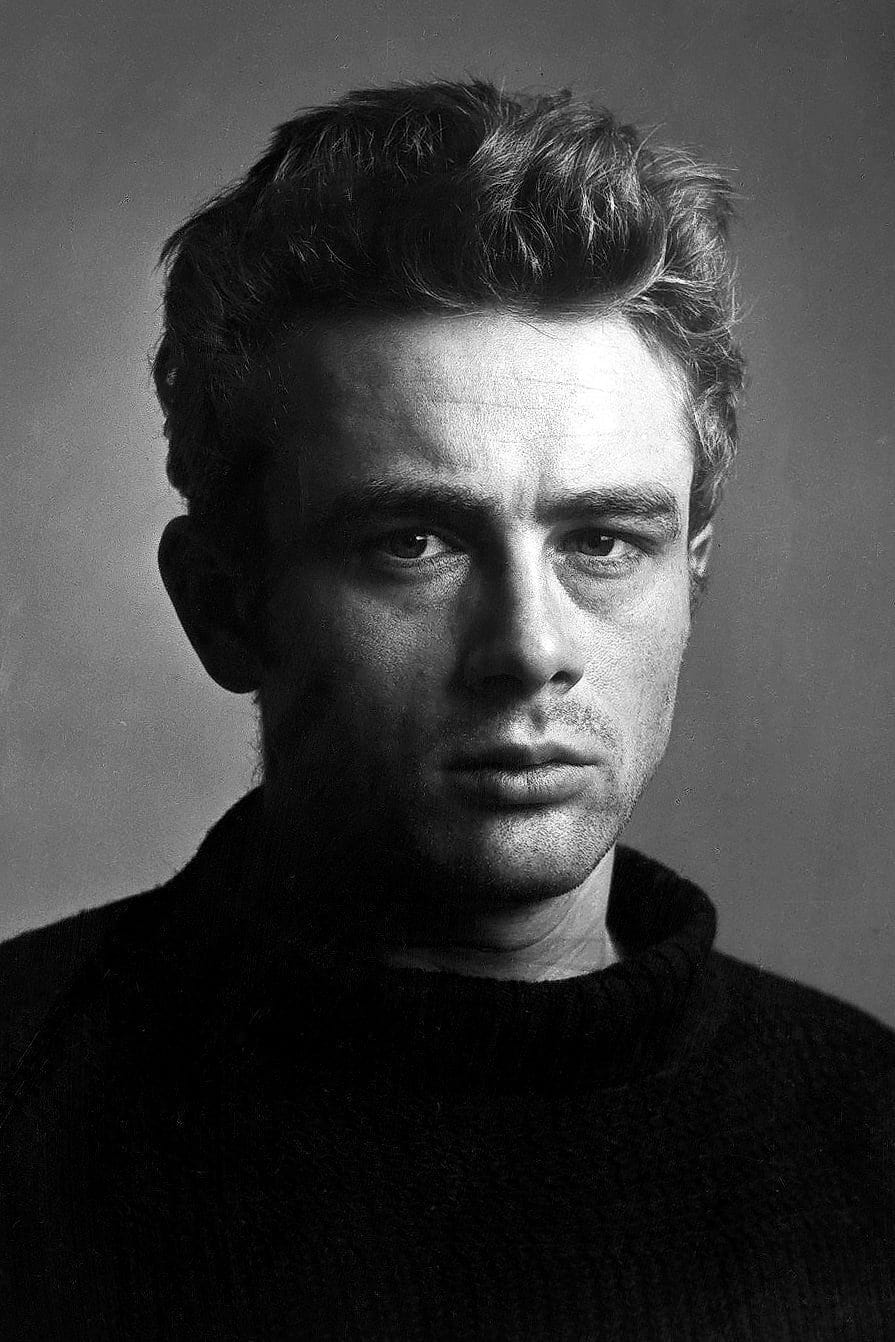
James Dean died following the completion of ‘Rebel Without a Cause’ and while ‘Giant’ was still in post-production. Both movies were released after his death, and no digital or stand-in work was needed because his principal photography had been completed.
Studios added dedications and handled publicity with sensitivity to the circumstances. The two releases solidified the body of work he left behind, presenting his performances exactly as captured on set.
Oliver Reed
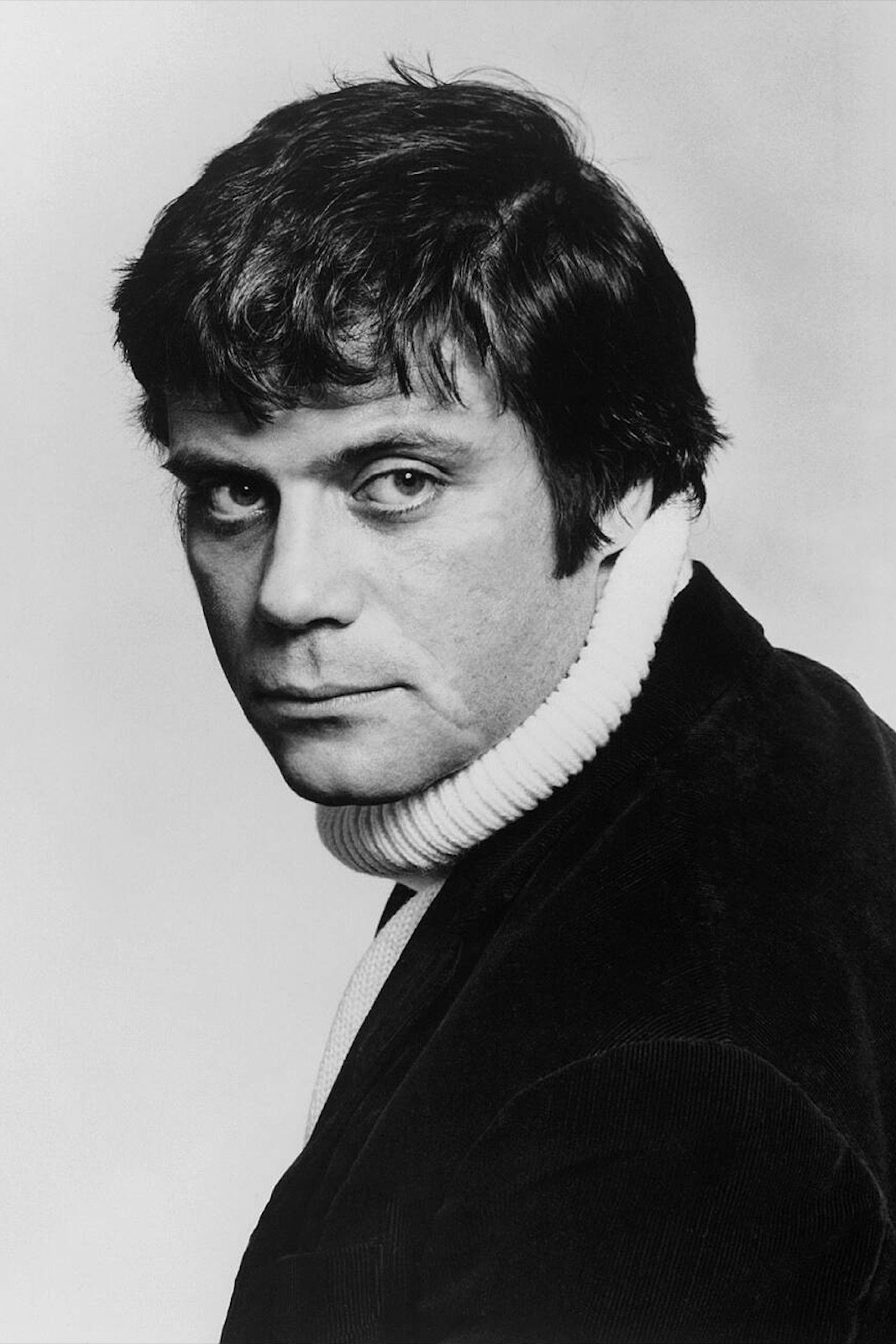
Oliver Reed died during the production of ‘Gladiator’. The filmmakers had already shot most of his scenes as Proximo, and they finished the character’s remaining moments using a body double, strategic blocking, and digital face replacement drawn from existing footage.
Dialogue was crafted from recorded lines where possible, with editing designed to shorten or reframe shots that required new material. The finished film acknowledged Reed in its end titles and preserved his character’s place in the story without expanding the digital reconstruction beyond necessity.
John Candy
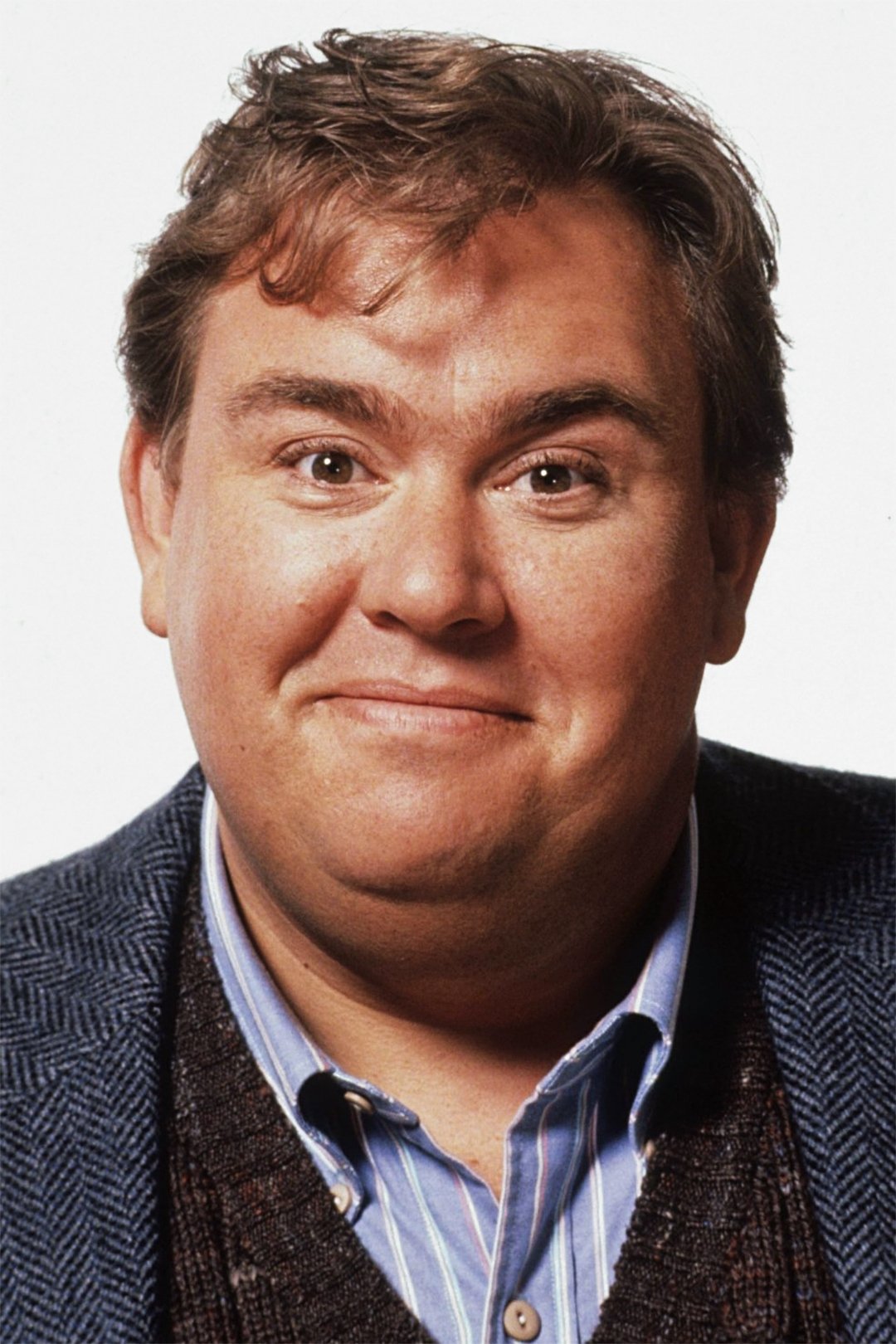
John Candy passed away while filming ‘Wagons East’, which was then completed with stand-ins and editing to cover a small number of unfinished scenes. Another project, ‘Canadian Bacon’, was already in the can and reached theaters later.
The two releases arrived in close succession, each crediting Candy normally. Promotional materials and closing cards noted the loss, and distributors coordinated messaging around the timing of both films.
Natalie Wood
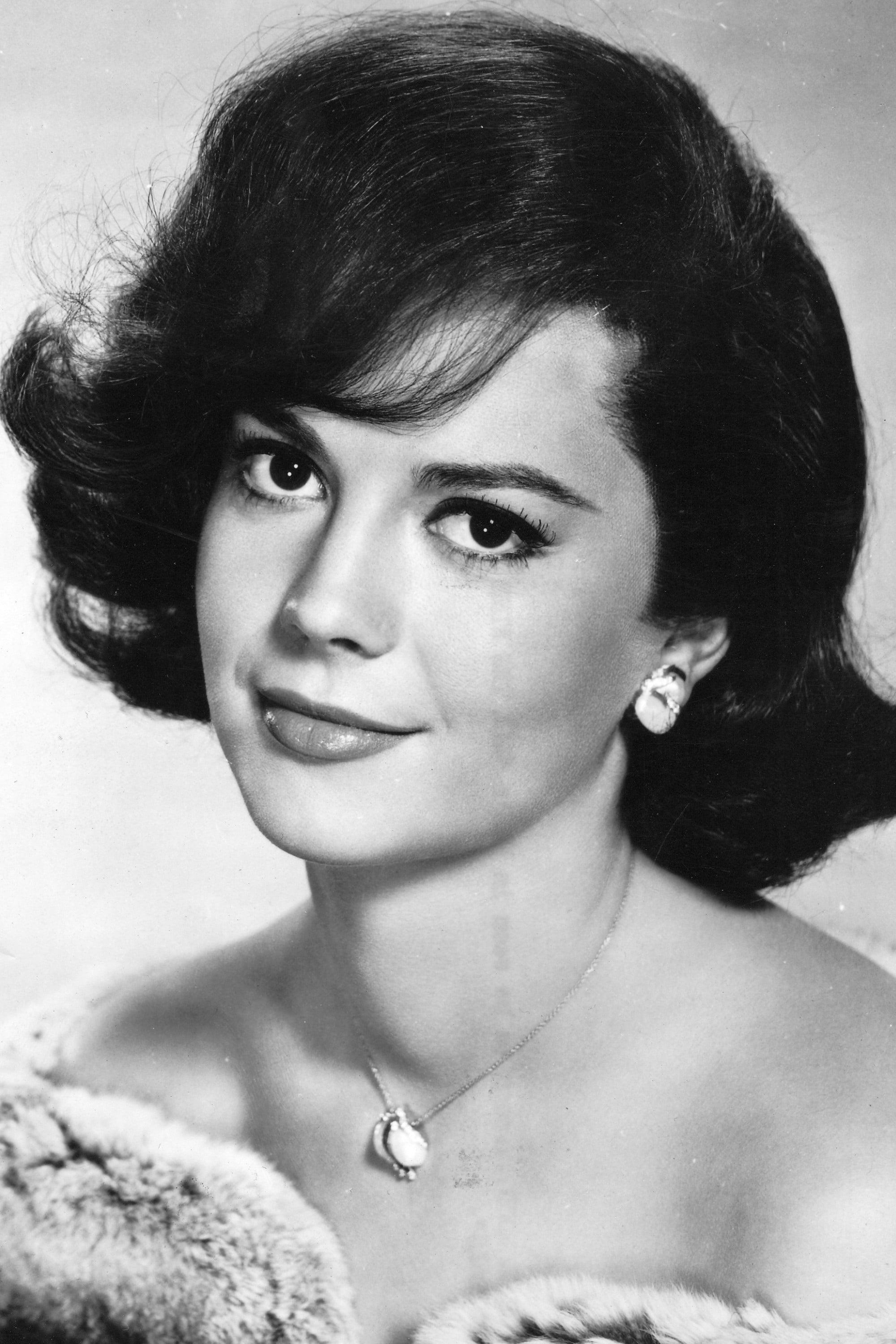
Natalie Wood died during the production of ‘Brainstorm’. The studio considered canceling the project, but the filmmakers proposed a plan to finish with body doubles, rewrites, and existing footage, allowing Wood’s work to appear as filmed.
Insurance and completion bond issues were resolved to support finishing the movie. The release highlighted her performance and opened with acknowledgments that explained the unusual path the film took to reach audiences.
Bela Lugosi
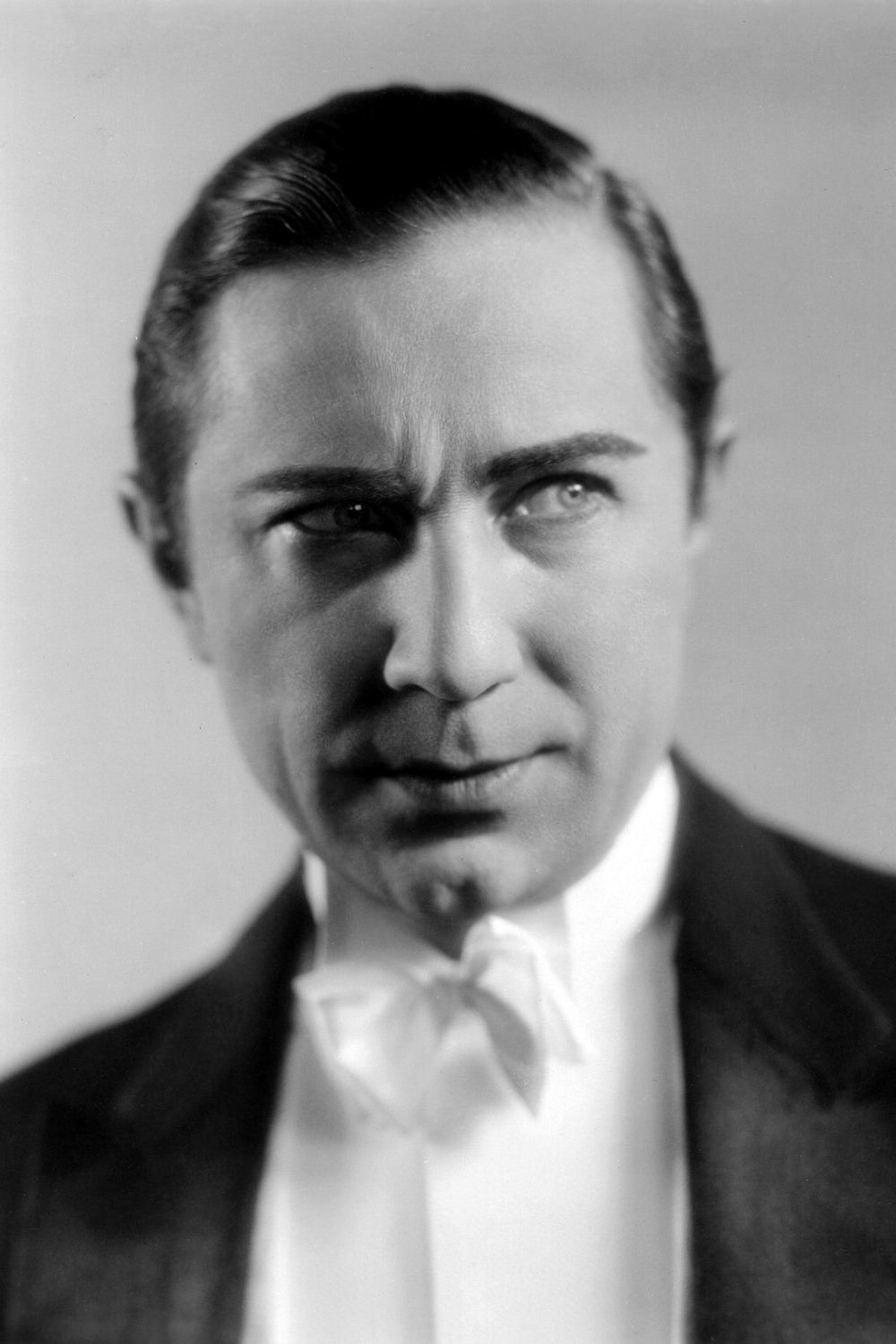
Bela Lugosi died after shooting test and home-movie-style footage with Ed Wood that was later incorporated into ‘Plan 9 from Outer Space’. Because the material captured only brief moments, Wood used a stand-in for longer scenes, often obscuring the double’s face with a cape.
The final cut intercut authentic Lugosi shots with newly staged material, and the credits listed him prominently. The release offered audiences one last glimpse of Lugosi on screen, accompanied by notes explaining how the footage had been repurposed.
Anton Yelchin
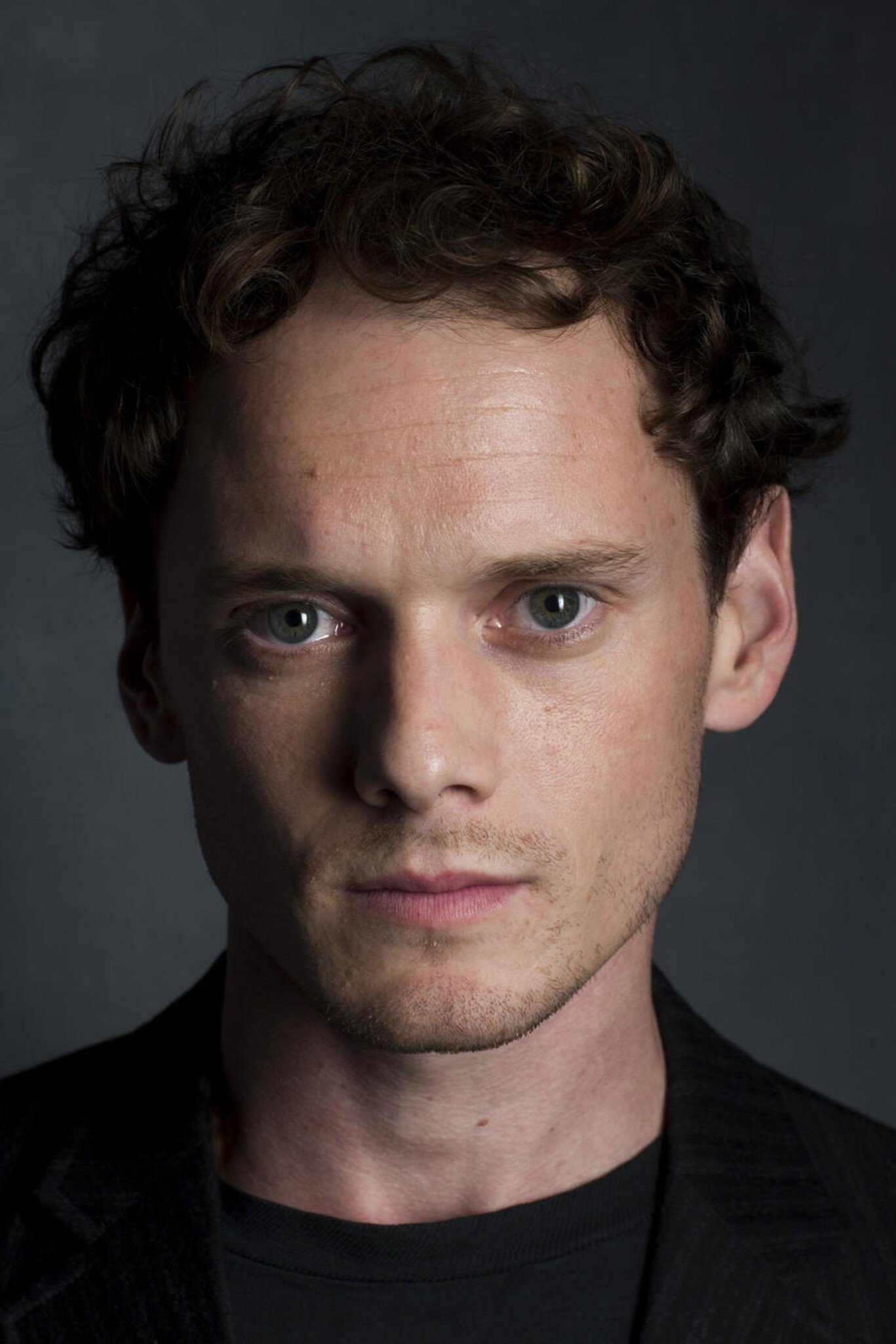
Anton Yelchin died shortly before the release of ‘Star Trek Beyond’, in which he had completed all scenes as Pavel Chekov. Subsequent releases included ‘Thoroughbreds’ and ‘Rememory’, both filmed earlier and released after his death.
The studio publicly stated that Chekov would not be recast in future entries. Each of the posthumous films carried dedications in the end credits and retained Yelchin’s performances as shot, without digital alteration.
Raúl Juliá
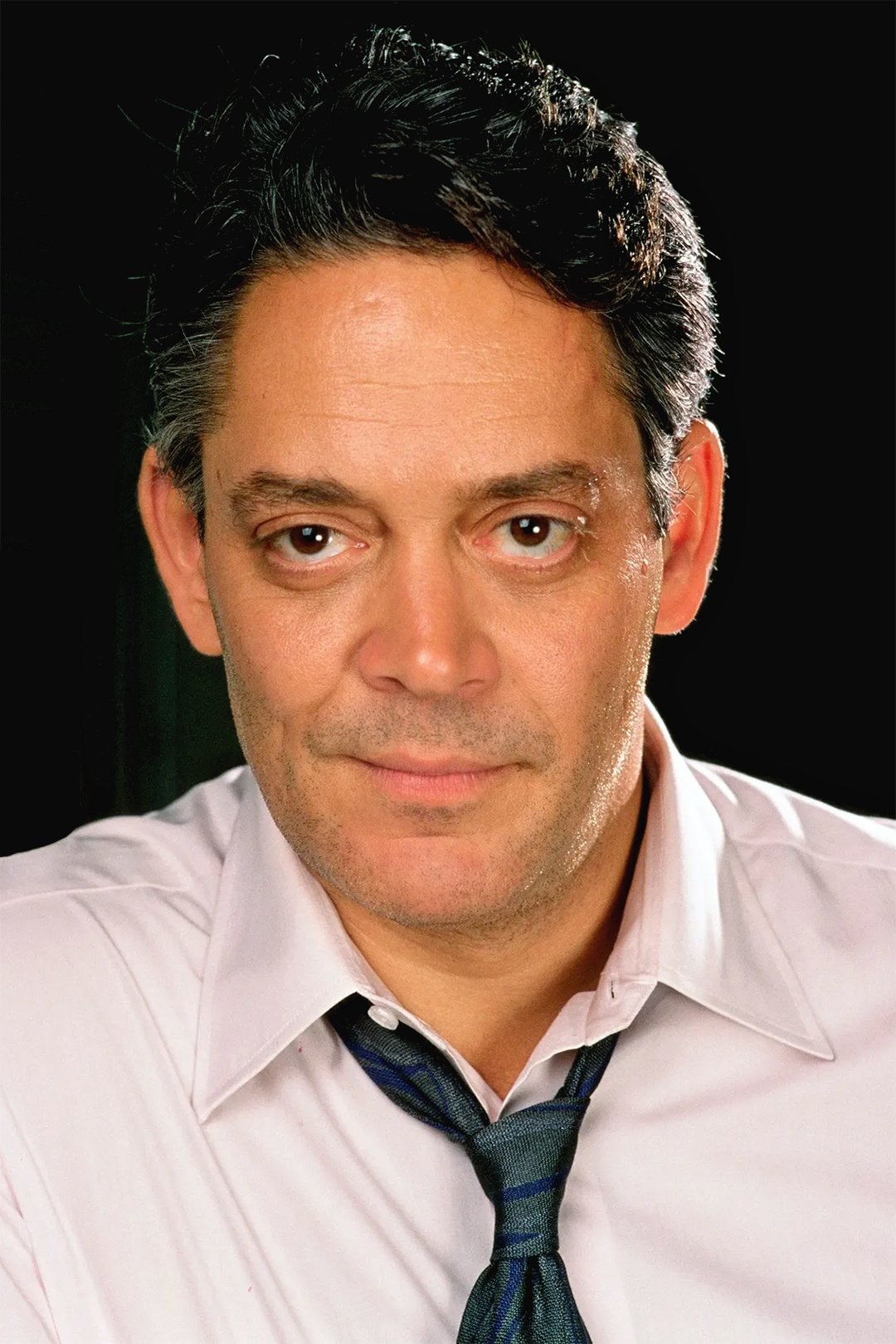
Raúl Juliá completed ‘Street Fighter’ and died before its release. The studio proceeded with the planned launch and added a dedication to the end credits in his honor.
Around the same time, the television film ‘The Burning Season’ premiered with his performance recognized at major award ceremonies. Both releases presented his work as filmed, with no need for posthumous reconstruction.
Alan Rickman

Alan Rickman’s final live-action performance appeared in ‘Eye in the Sky’, which opened after his death. He had also recorded the voice of the Blue Caterpillar for ‘Alice Through the Looking Glass’, which was released later.
Both projects carried dedications acknowledging his contribution. The live-action role required no technical adjustments, and the voice work was already completed, allowing the animated character to appear in the finished cut as intended.
Brittany Murphy
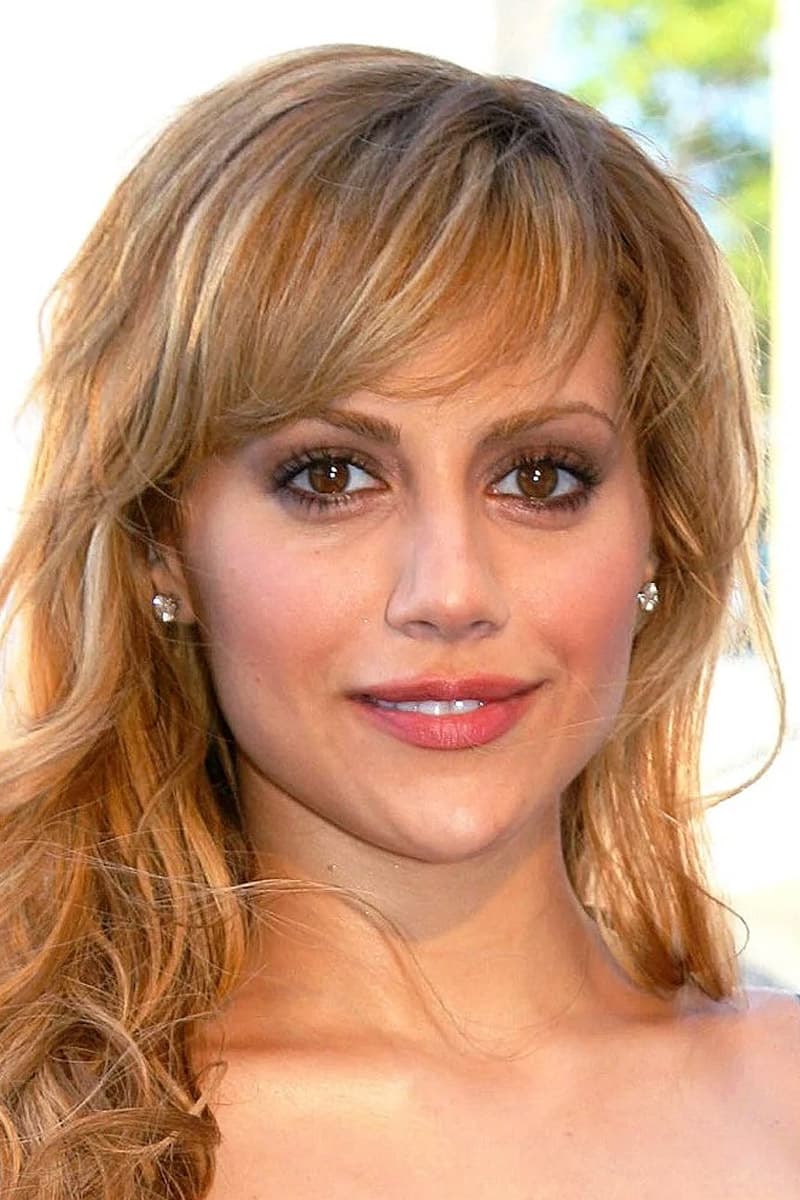
Brittany Murphy’s thriller ‘Abandoned’ reached audiences after her death, followed by ‘Something Wicked’, which had experienced distribution delays. Both titles were finished before release, so no digital stand-ins or reconstructions were necessary.
Marketing for the later release noted the gap between production and distribution. Credits and promotional materials acknowledged Murphy’s final appearances, presenting the performances as they were captured on set.
River Phoenix
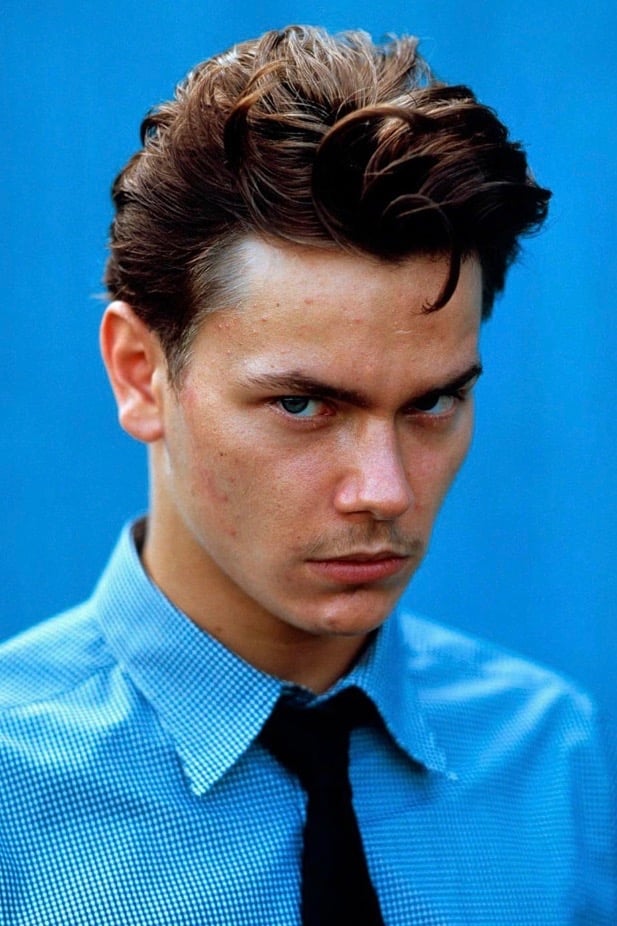
River Phoenix died while filming an independent project titled ‘Dark Blood’. Years later, the director completed the film using narration and editorial bridges to present the existing footage coherently, and it eventually screened for audiences. Another film, ‘Silent Tongue’, also arrived after his death with his role intact.
Because ‘Dark Blood’ lacked key scenes, the release explained the approach to filling in missing story beats, often through voiceover and title cards. Festival premieres and limited engagements introduced the restored material, and the credits contextualized how the film had been assembled.
Orson Welles
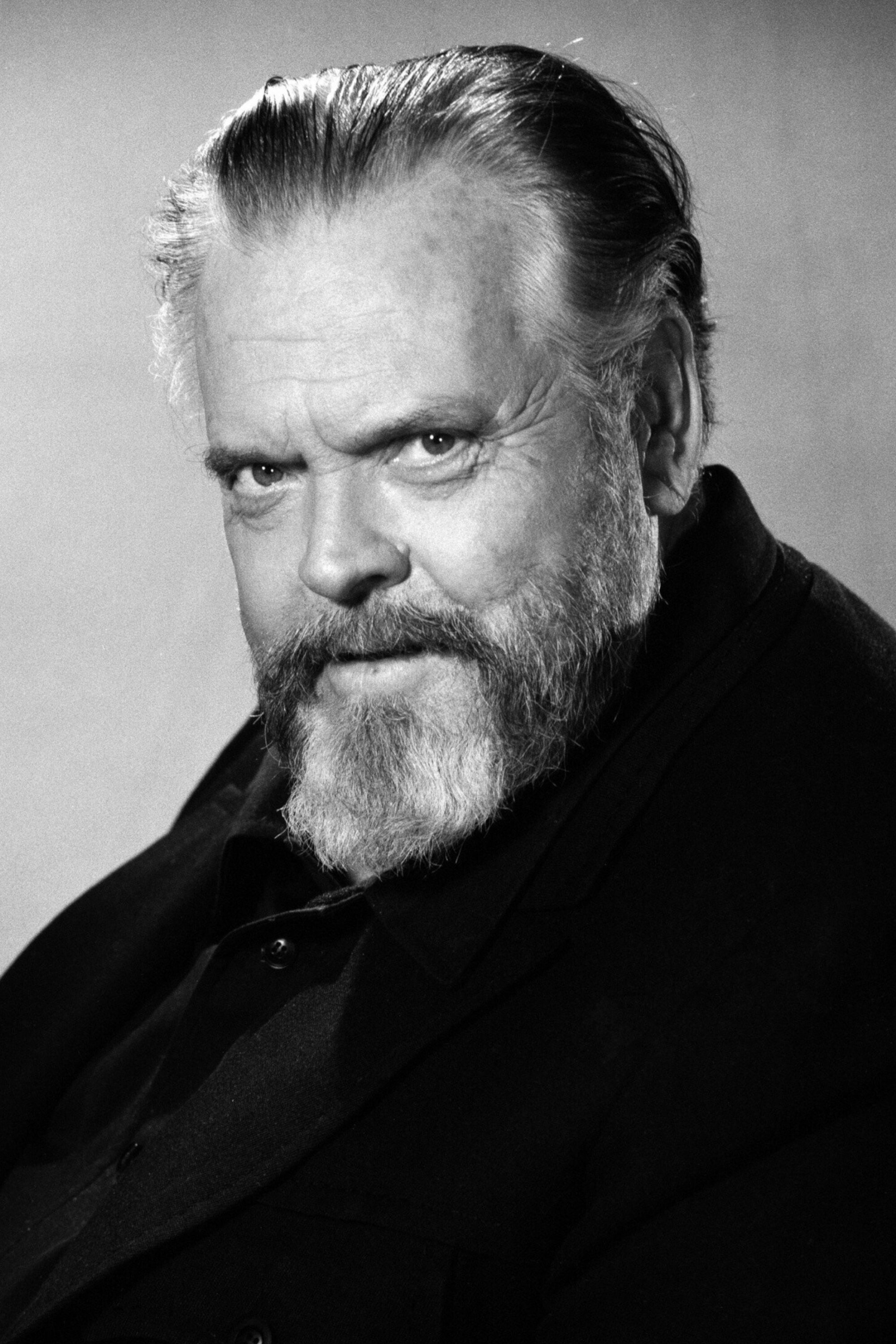
Orson Welles recorded the voice of Unicron for ‘Transformers: The Movie’ and died before the film’s release. His dialogue was mastered for theatrical exhibition, giving audiences a final credited performance.
Promotional materials and end titles acknowledged Welles by name and role. The release required only standard post-production mixing for his lines, with no reconstruction, allowing his contribution to be heard as recorded.
Share your thoughts in the comments: which posthumous final performances stood out to you, and what details did we miss?

