


Movie Villains Who Don’t Deserve the Hate They Get

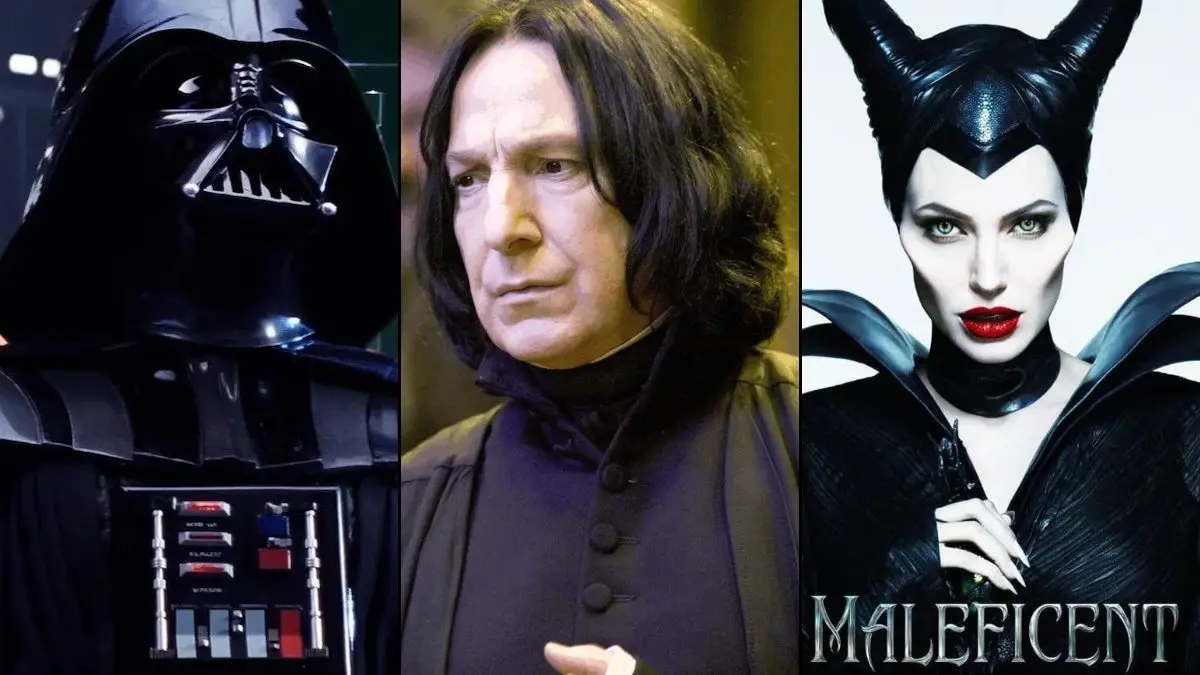


Not every on-screen antagonist is driven by simple cruelty, and a lot of famous villains are shaped by duty, trauma, or plain survival. When you look at the facts of their stories, many are responding to systems stacked against them, legacies they did not choose, or impossible choices that forced their hand. Here are forty characters whose actions make more sense once you know exactly what they were up against.
Roy Batty
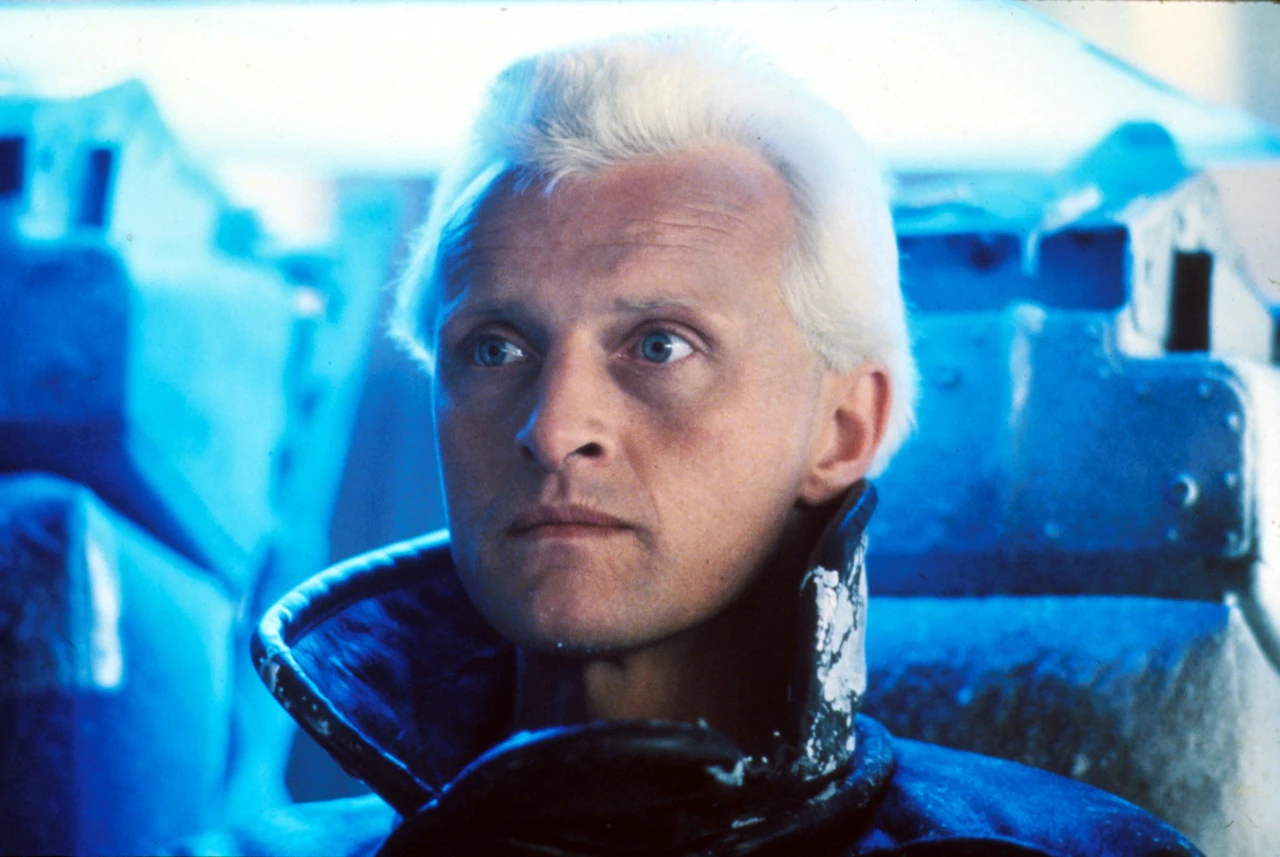
In ‘Blade Runner’, Roy is a replicant built for off-world combat and given a fixed life span that ends after only a few years. His return to Earth is a search for more time and answers from the manufacturer who designed him. He saves Deckard’s life at the end, demonstrating self-awareness and agency beyond his programming.
Magneto
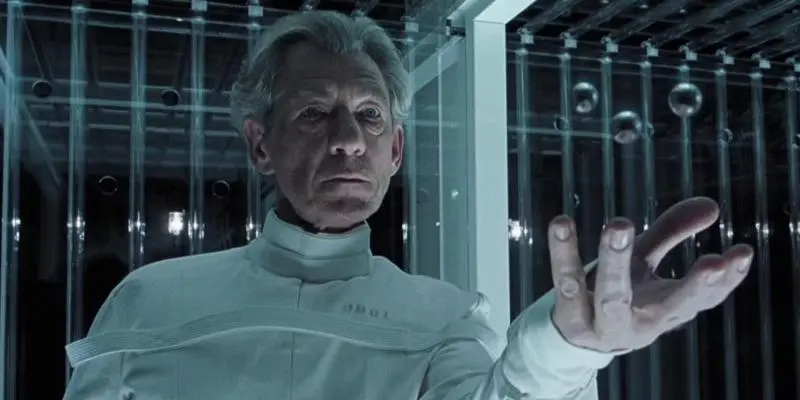
In ‘X-Men’, Erik Lehnsherr survives persecution as a child and later witnesses violence against mutants. He organizes mutants to prevent registries and experiments that target their kind. His approach often opposes Xavier’s, but his stated goals center on mutant survival and autonomy.
Killmonger
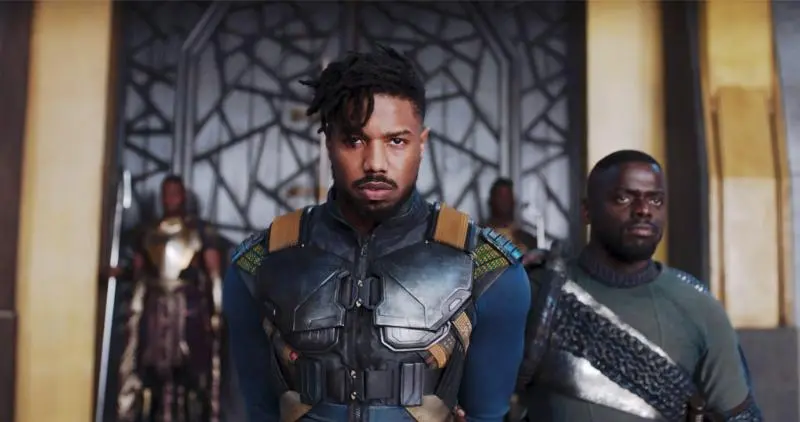
In ‘Black Panther’, N’Jadaka grows up outside Wakanda after his father’s death and uncovers a history of isolationism that left oppressed communities without help. He seeks to redirect Wakandan resources to arm the disenfranchised worldwide. His challenge exposes the country’s closed borders and prompts policy changes in the aftermath.
Loki
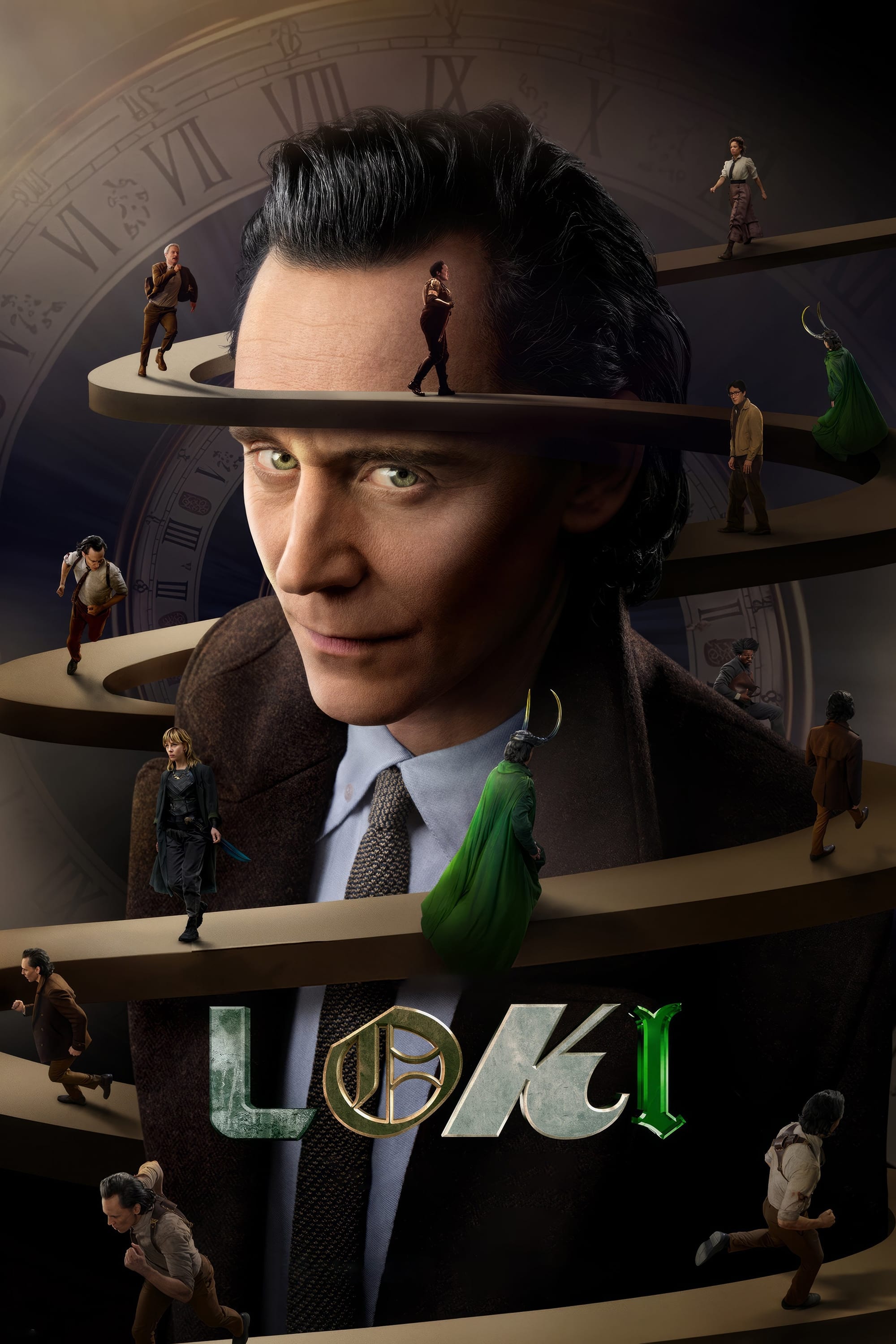
In ‘The Avengers’, Loki is raised in Asgard without knowing his Frost Giant origins. He acts under the influence of the Mind Stone while trying to claim a throne he believes is due to him. His later cooperation with Thor shows a shifting alignment tied to family and identity.
Darth Vader
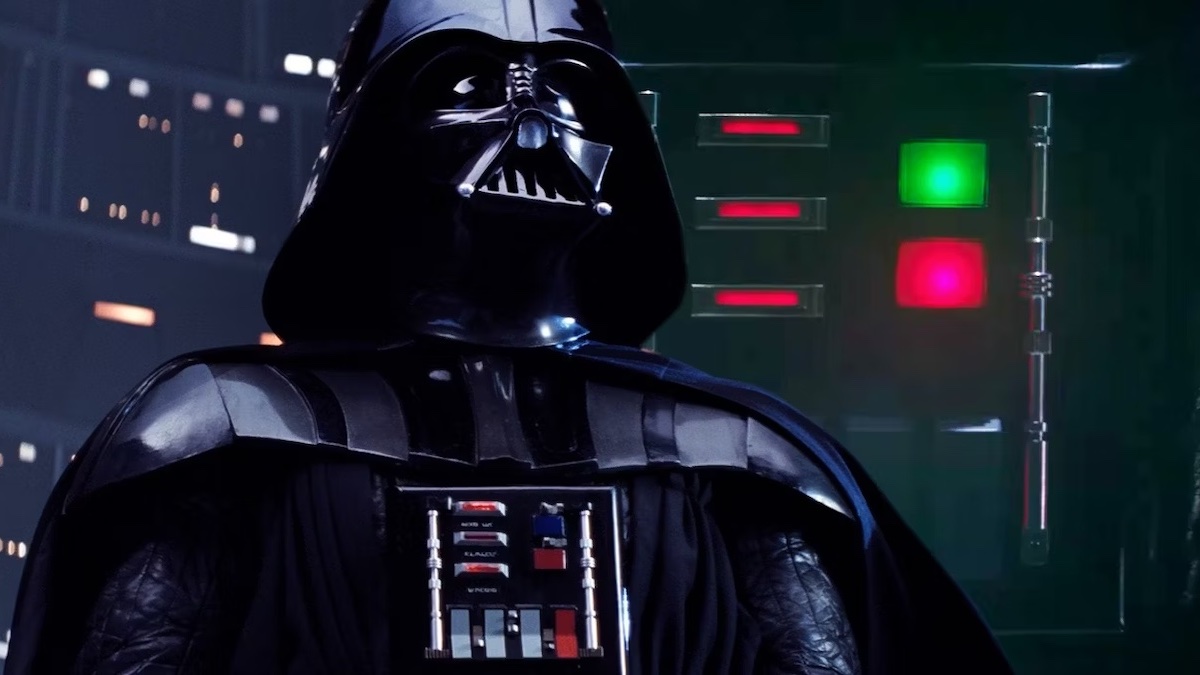
In ‘Star Wars’, Anakin Skywalker is a former Jedi Knight manipulated by a Sith leader during a time of war. He falls after visions of loss and a promise of forbidden power that he believes will save his family. He ultimately rejects the Emperor to protect his son, ending the Sith line of succession.
Kylo Ren
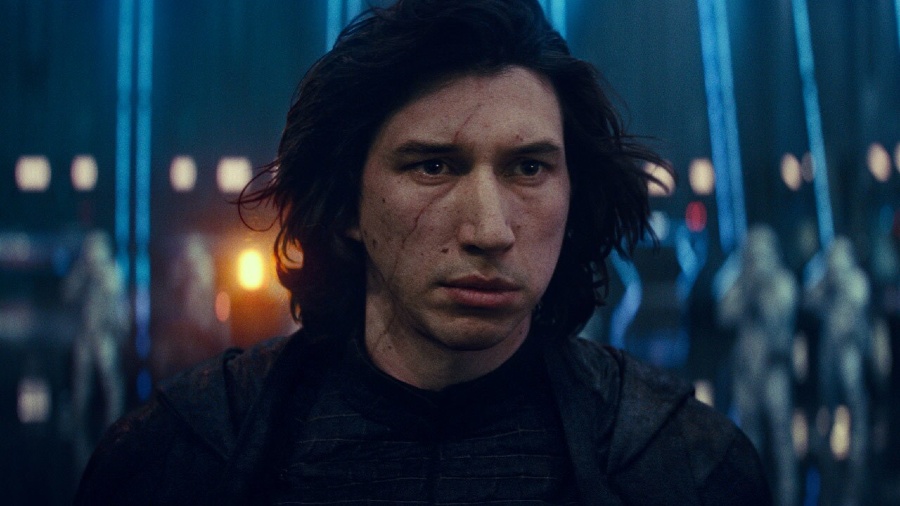
In ‘Star Wars: The Force Awakens’, Ben Solo is trained by Luke Skywalker and targeted by Snoke from a young age. He is drawn to the dark side while wrestling with his family legacy and perceived betrayal. His actions repeatedly show conflict between indoctrination and a pull toward the light.
Gollum

In ‘The Lord of the Rings’, Sméagol is transformed by the One Ring, which exerts a corrupting influence on any bearer. He demonstrates moments of trust and cooperation while guiding Frodo and Sam toward Mordor. The Ring’s hold on him illustrates the artifact’s power rather than inherent malice.
Severus Snape
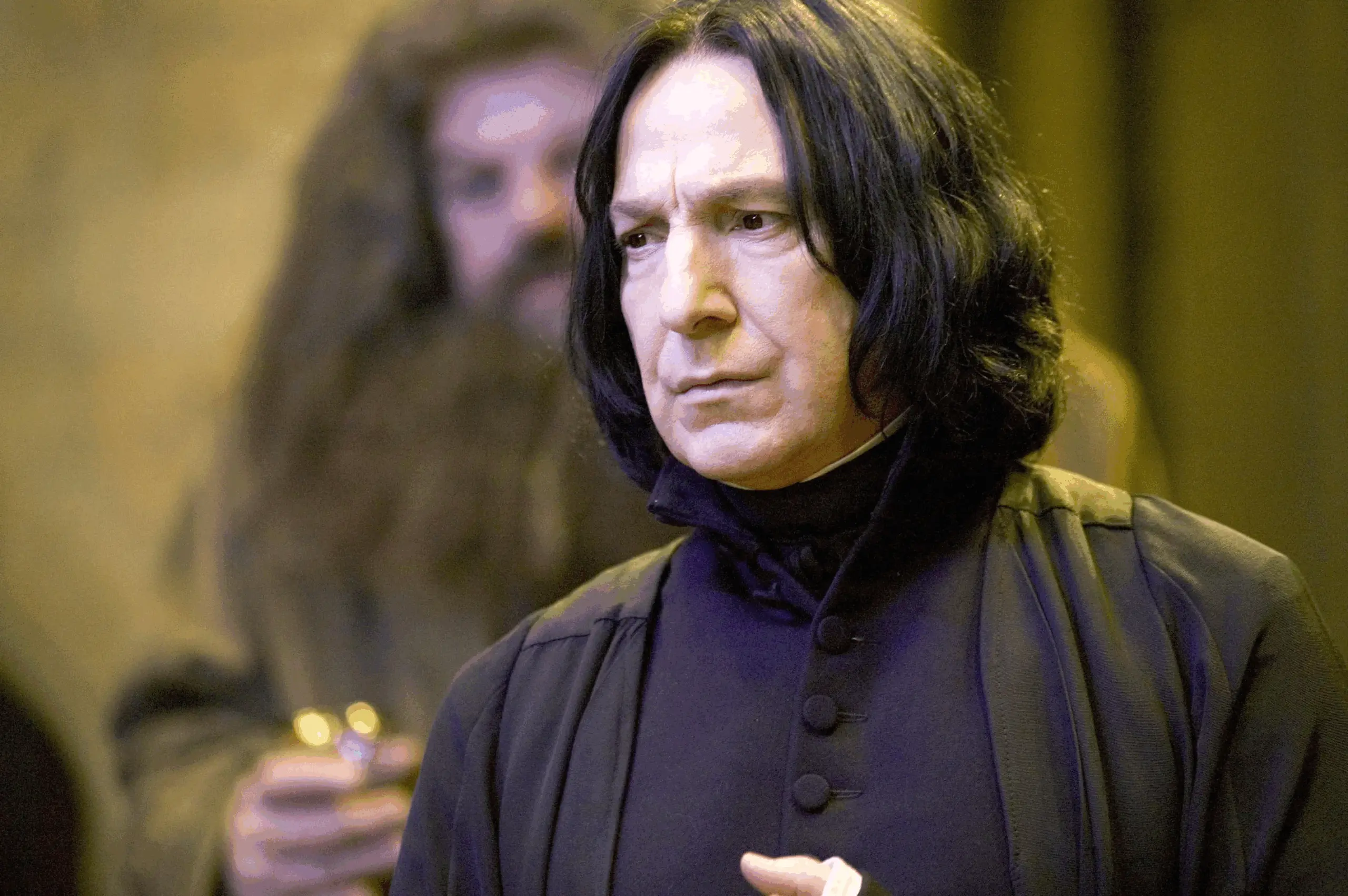
In ‘Harry Potter’, Snape operates as a double agent under constant threat from dark forces. His protection of Harry stems from a vow tied to Lily Potter’s memory. He supplies critical information that turns the tide in the final conflict.
The Terminator
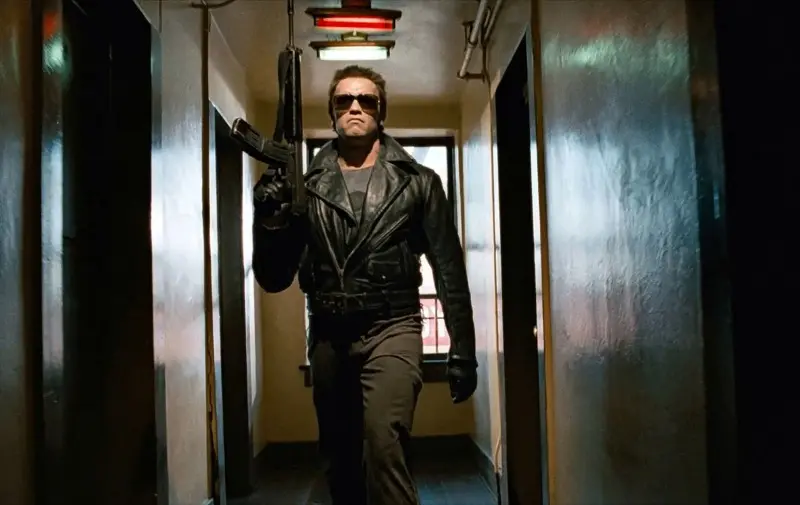
In ‘The Terminator’, the T-800 is a machine assassin sent by a future AI to eliminate a resistance leader’s mother. It has no personal motive beyond its mission parameters. Later models of the same unit demonstrate capacity to learn protective behavior when reprogrammed.
Sandman
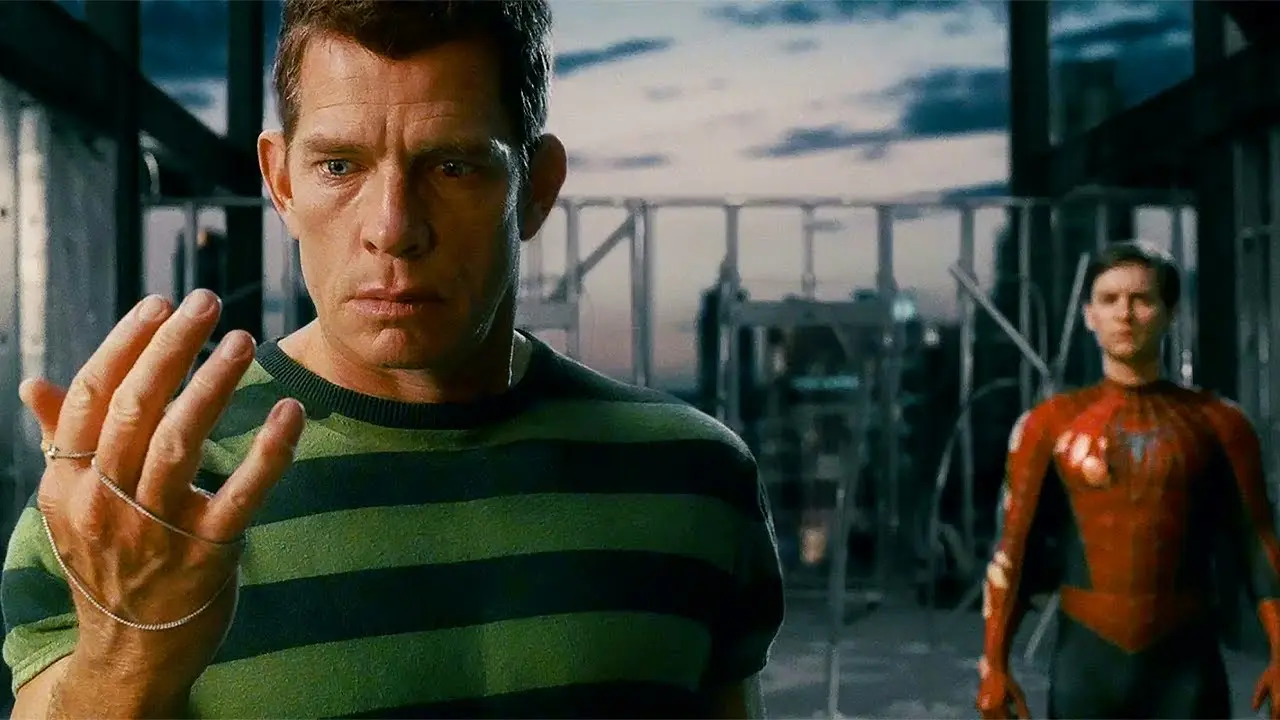
In ‘Spider-Man 3’, Flint Marko turns to crime to pay for his daughter’s medical care. An accident fuses him with sand particles, giving him abilities he struggles to control. He avoids lethal force where possible and accepts responsibility for past harm.
Doctor Octopus
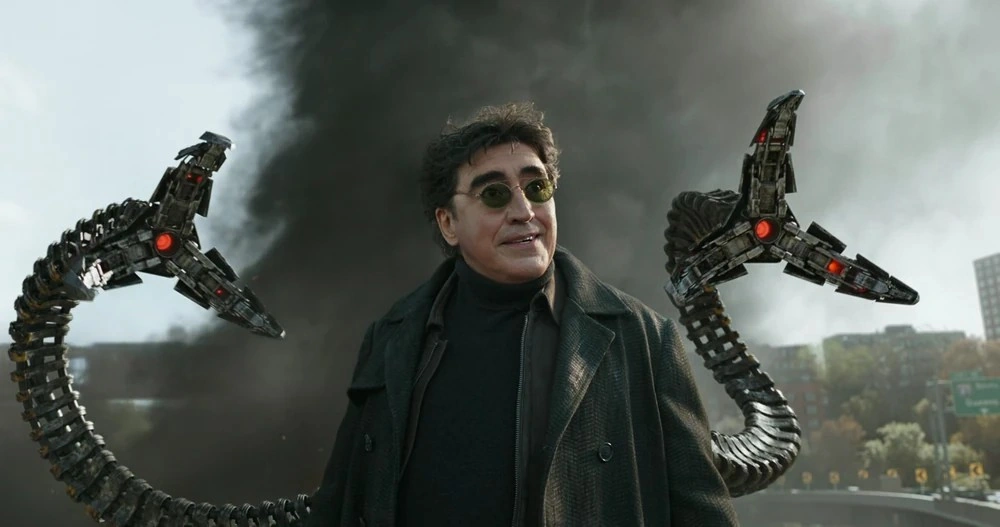
In ‘Spider-Man 2’, Otto Octavius is a respected scientist whose neural inhibitor fails during a lab accident. His mechanical arms begin to influence his decisions and escalate risk-taking. He ultimately overrides the arms to prevent a catastrophic fusion reaction.
King Kong
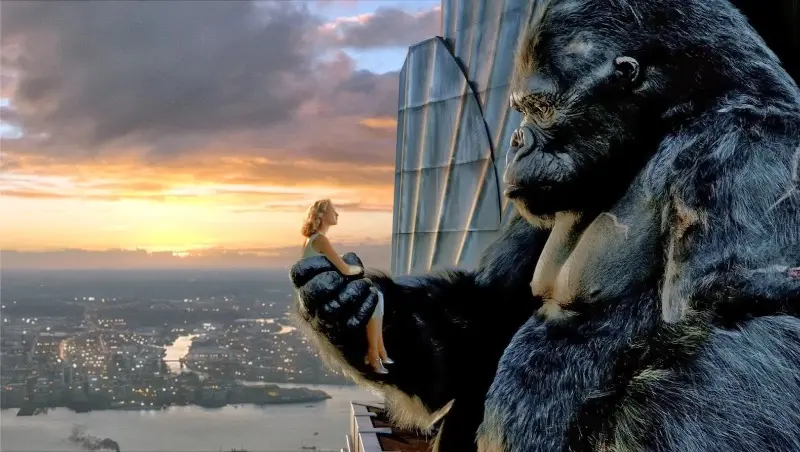
In ‘King Kong’, Kong is a wild animal removed from his island habitat and displayed in a city. His confrontations are responses to captivity, loud crowds, and pursuit. He consistently protects Ann while trying to escape overwhelming human aggression.
Godzilla

In ‘Godzilla’, the creature emerges following nuclear testing that disrupts the ocean ecosystem. Its path often brings it into conflict with cities while it seeks equilibrium. Later depictions frame it as a balancing force against other threats.
Maleficent
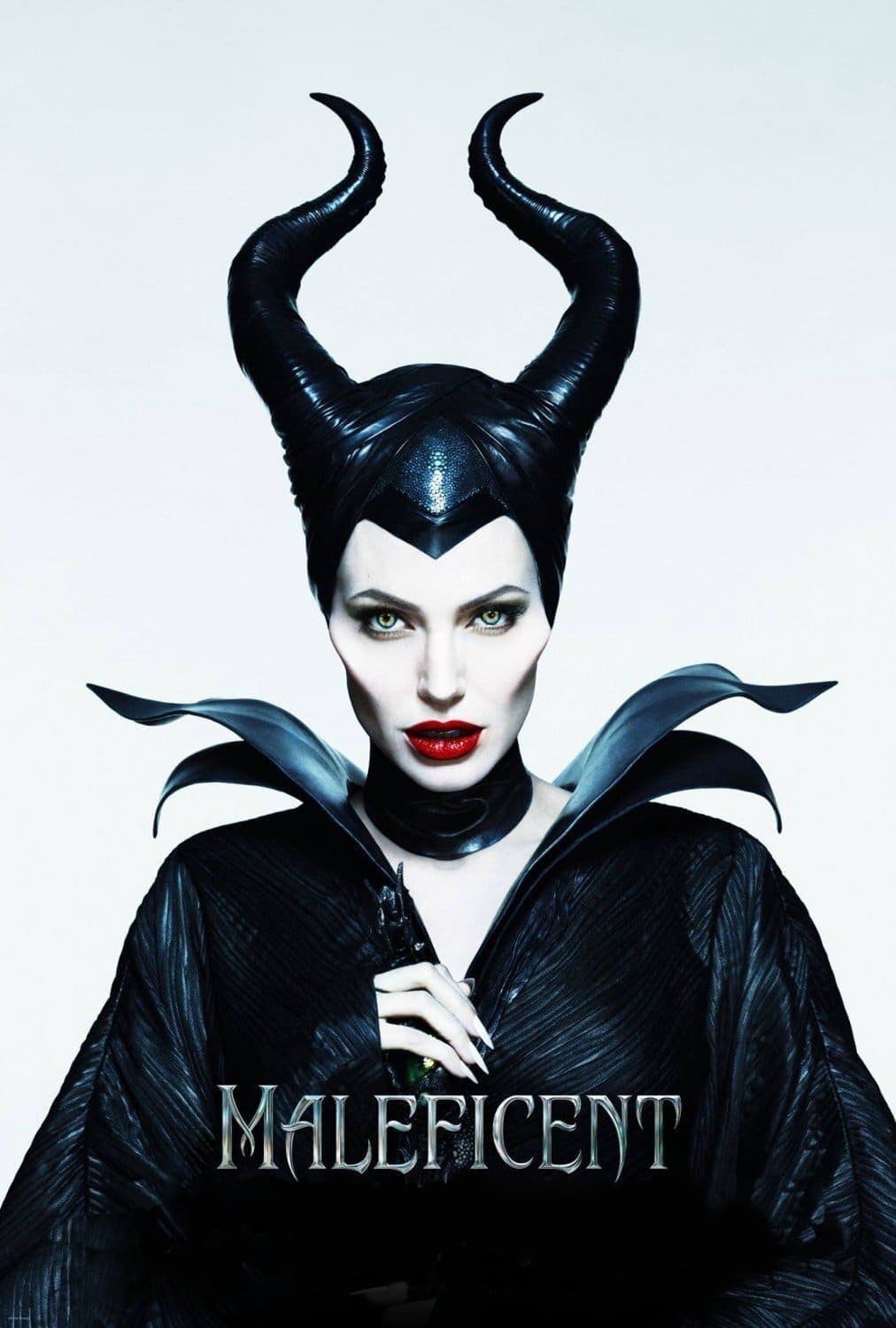
In ‘Sleeping Beauty’, Maleficent reacts to being excluded from a royal celebration in a kingdom that respects her power. Her curse contains a loophole that allows a way out through true love’s solution. Retellings highlight prior dealings between her and the crown that complicate blame.
Mr. Freeze
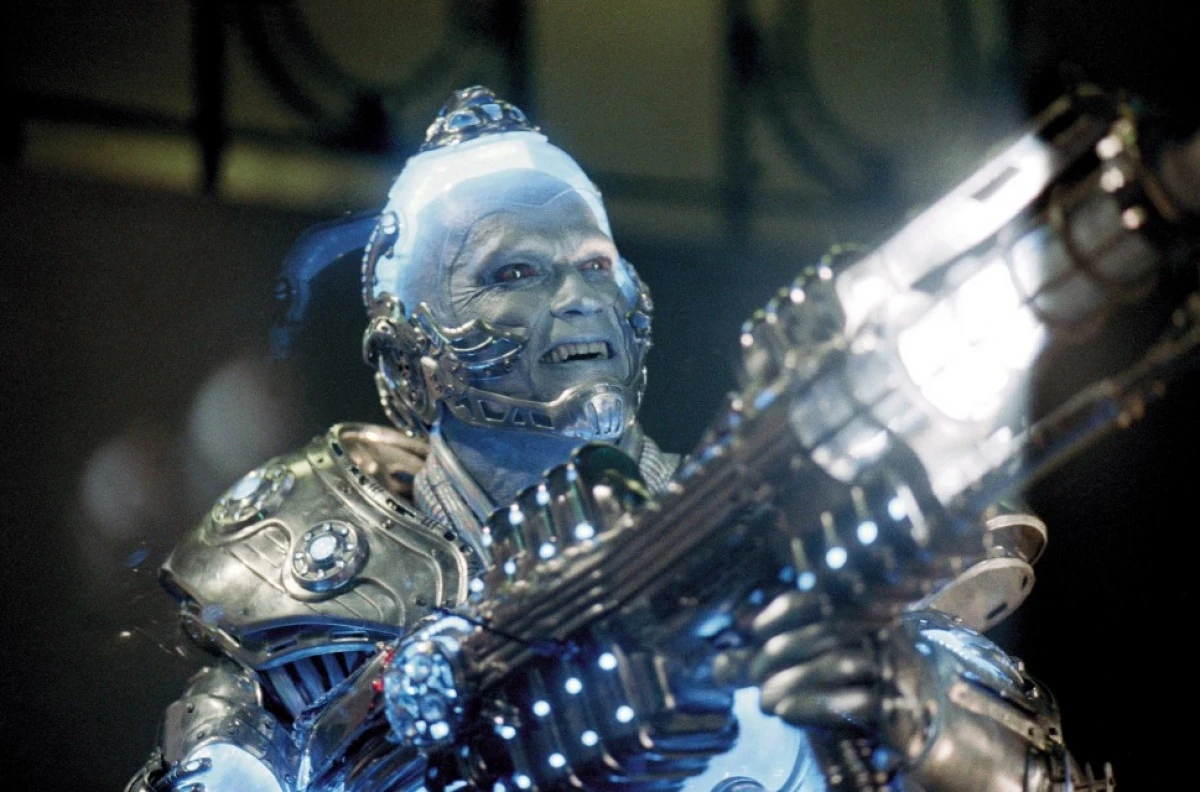
In ‘Batman & Robin’, Victor Fries conducts cryogenic experiments to cure his wife’s terminal illness. His crimes target resources and individuals connected to funding and research. He accepts a path to redemption when offered a chance to help save another life.
Winter Soldier
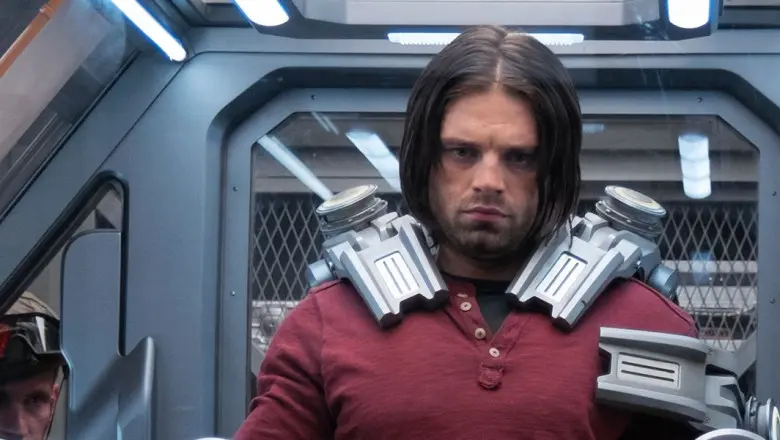
In ‘Captain America: The Winter Soldier’, Bucky Barnes is captured and subjected to brainwashing and repeated cryo-conditioning. He commits acts under command phrases that override his will. Once freed, he seeks to dismantle the program that turned him into an assassin.
Baron Zemo
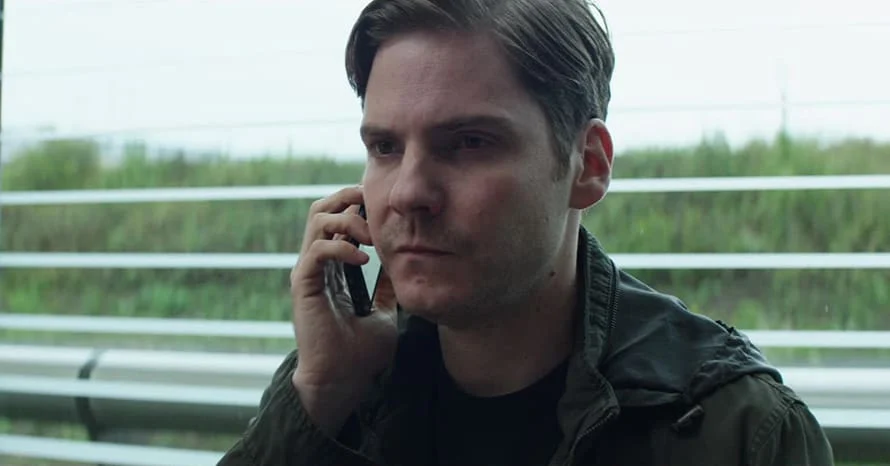
In ‘Captain America: Civil War’, Zemo loses his family in a Sokovian disaster and investigates the people responsible. He exposes a hidden assassination and triggers a rift by revealing buried facts. His plan focuses on accountability rather than world domination.
Ozymandias
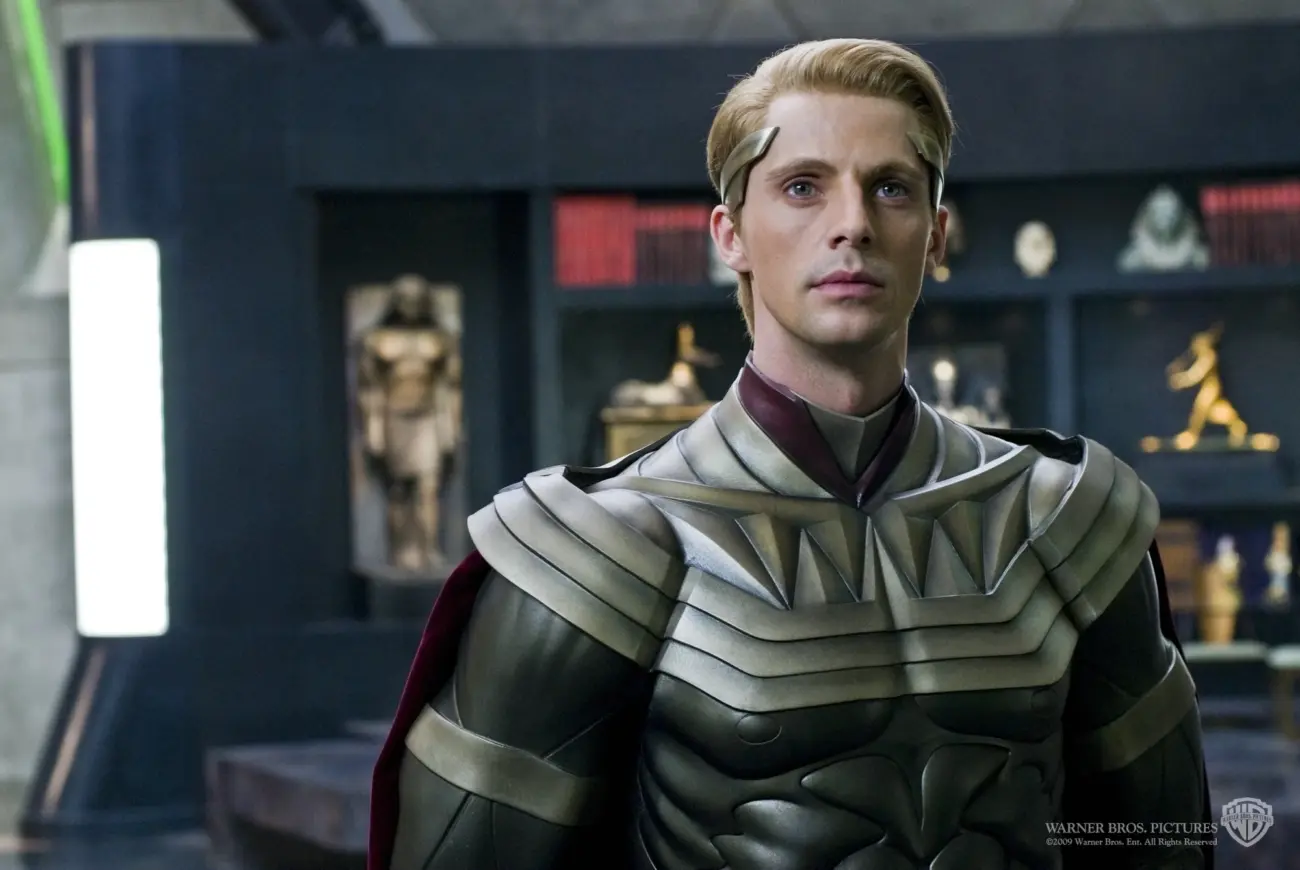
In ‘Watchmen’, Adrian Veidt studies historical conflicts and calculates a path to avert nuclear war. He engineers a horrific event to force global cooperation against a common threat. He accepts secrecy and condemnation to preserve the fragile peace that follows.
General Hummel
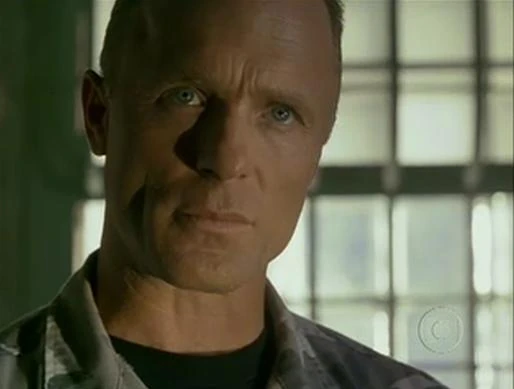
In ‘The Rock’, Francis Hummel is a decorated Marine frustrated by unpaid death benefits to fallen soldiers’ families. He stages a hostage crisis to force government recognition. His intention is to bluff without mass casualties and he rejects an actual attack.
HAL 9000

In ‘2001: A Space Odyssey’, HAL is an AI tasked with mission success and secrecy that conflict with crew safety. The contradictory directives cause a malfunction and fatal decisions. Its shutdown scene underlines that its behavior stems from programming constraints.
Koba
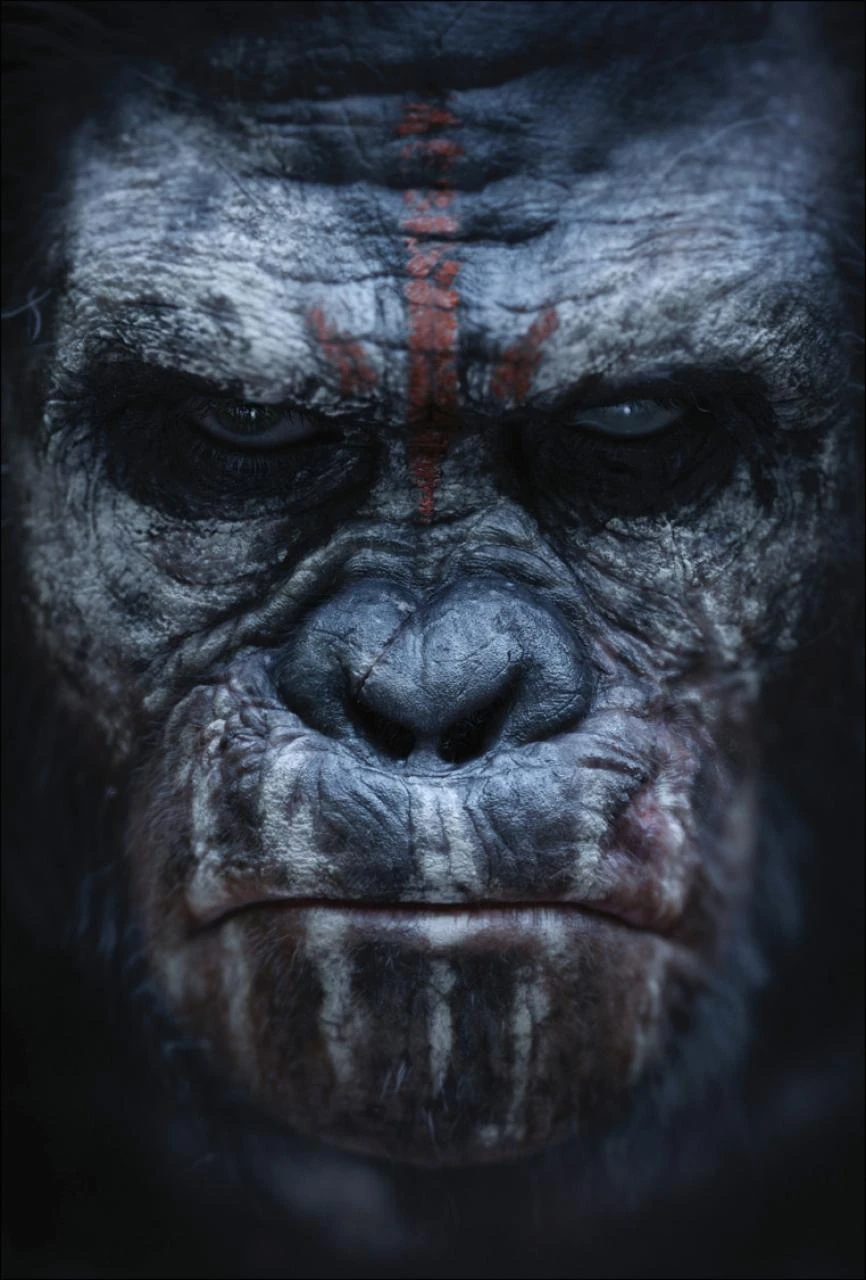
In ‘Dawn of the Planet of the Apes’, Koba endures medical experiments by humans before the fall of civilization. He distrusts human intentions based on direct abuse and scars. His actions fracture a fragile peace built on limited communication and recent trauma.
Prince Nuada
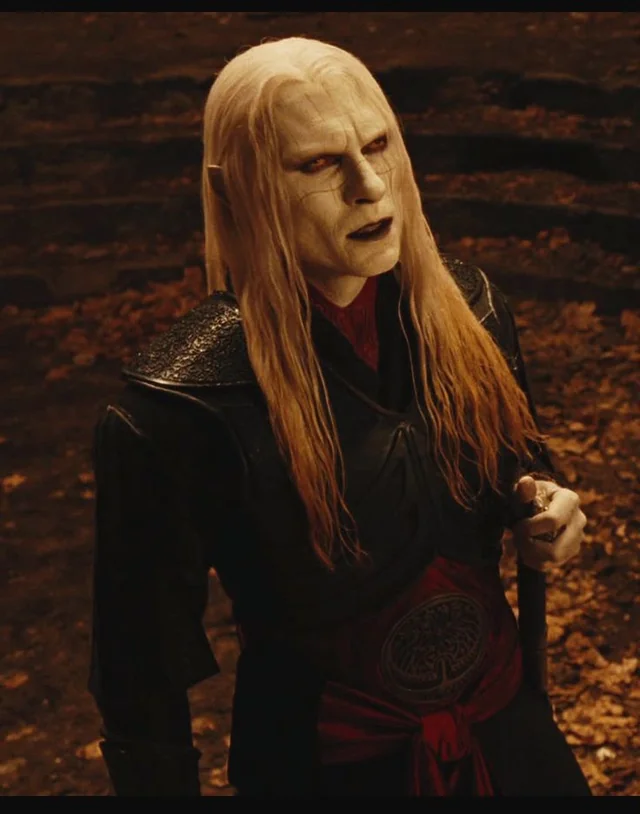
In ‘Hellboy II: The Golden Army’, Nuada fights to preserve the survival of the elven races as humans expand. He seeks to awaken an ancient army because treaties have eroded protections. His conflict arises from broken promises and dwindling lands.
General Zod
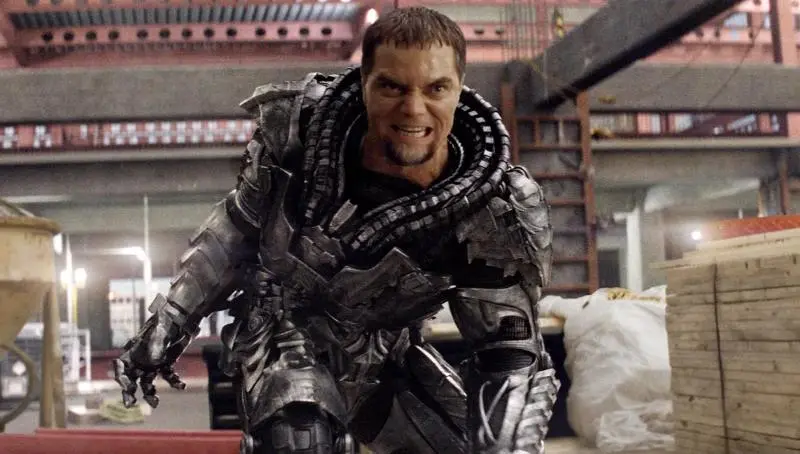
In ‘Man of Steel’, Zod is a genetically engineered defender of Krypton who loses his world. He tries to terraform Earth to recreate his species’ home environment. His focus remains on biological duty to his people rather than conquest for personal gain.
Catwoman
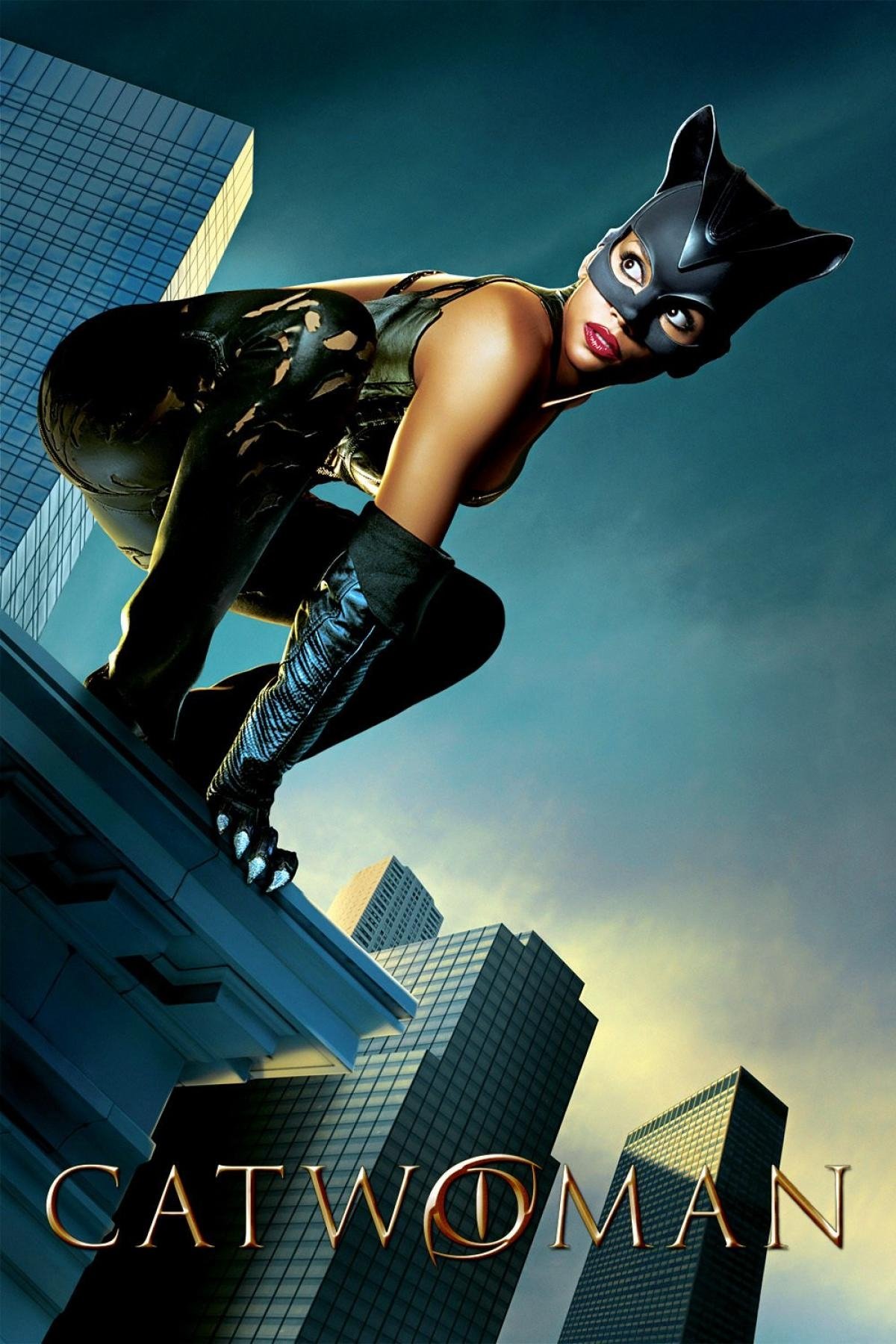
In ‘Batman Returns’, Selina Kyle is pushed into vigilantism after workplace abuse and attempted murder. Her thefts target symbols of corporate corruption in Gotham. She repeatedly spares Batman and prioritizes exposing her attacker.
The Operative
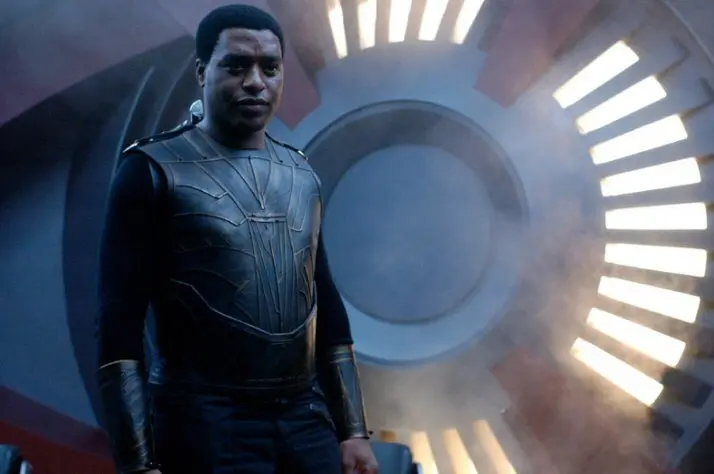
In ‘Serenity’, the Operative serves a central government tasked with suppressing rebellion and instability. He pursues River because of classified knowledge about a failed social experiment. Once presented with the truth, he withdraws and stops the pursuit.
Imhotep
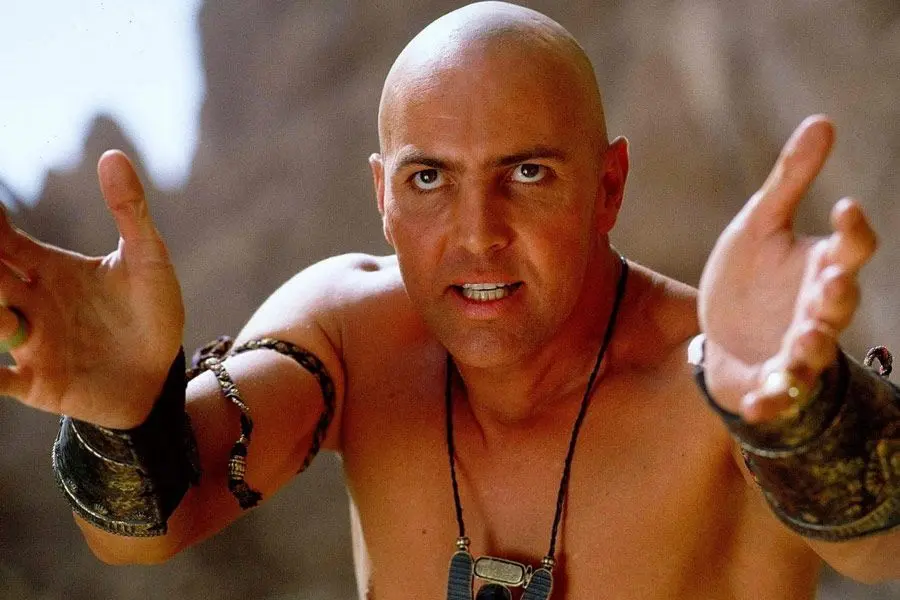
In ‘The Mummy’, Imhotep breaks sacred law to be with Anck-su-Namun and is condemned to a cursed fate. His resurrection triggers a quest focused on restoring his lost love. His threat grows with each recovered artifact rather than a desire to rule.
Khan Noonien Singh
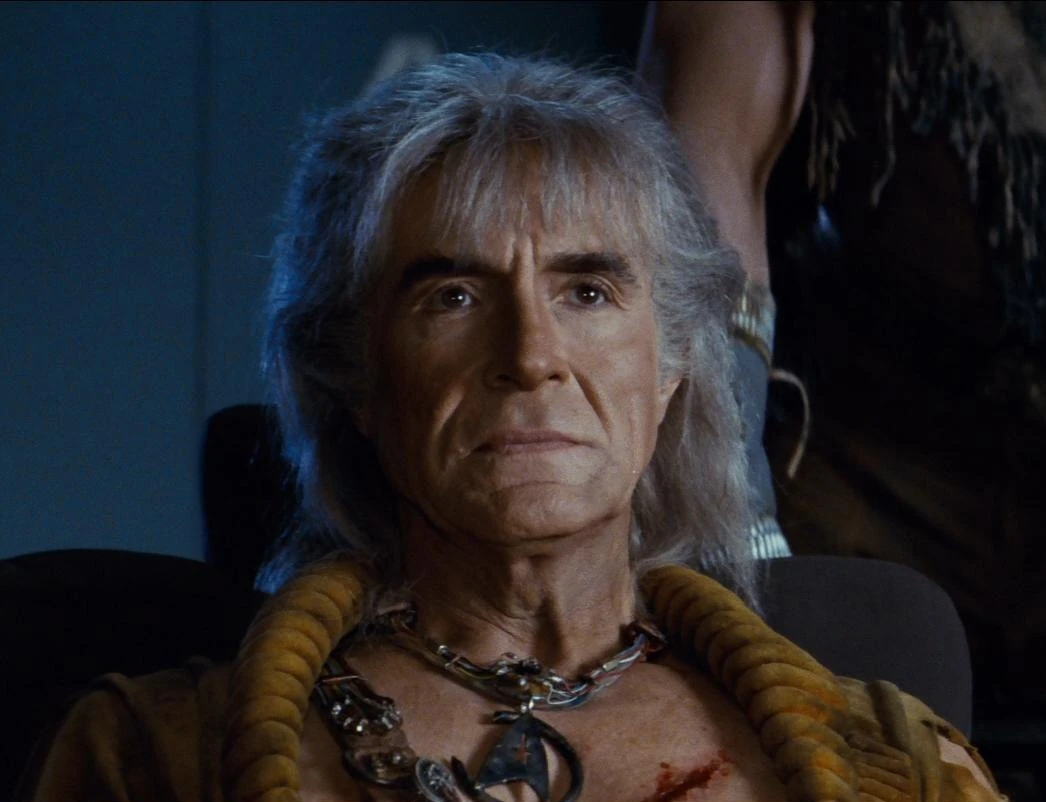
In ‘Star Trek II: The Wrath of Khan’, Khan is a genetically enhanced exile whose wife dies after a natural disaster on his colony. He blames a starship captain for abandoning his people to harsh conditions. His campaign is driven by revenge tied to specific historical grievances.
Megamind
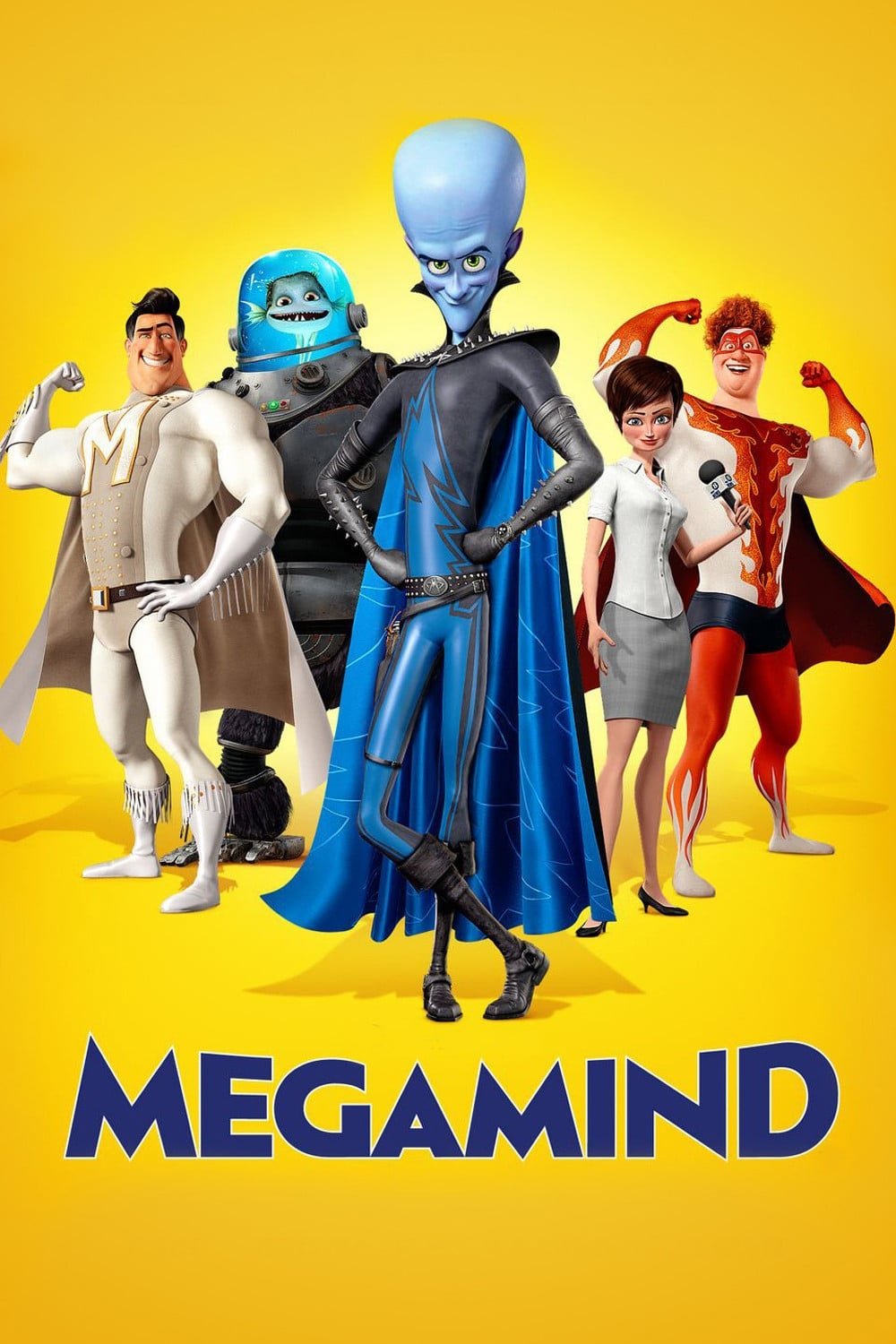
In ‘Megamind’, the title character grows up in a prison environment and adopts a villain persona after repeated social rejection. He eliminates his rival by accident and creates a replacement hero who turns dangerous. He later protects the city using the same ingenuity that once fueled his schemes.
The Grinch
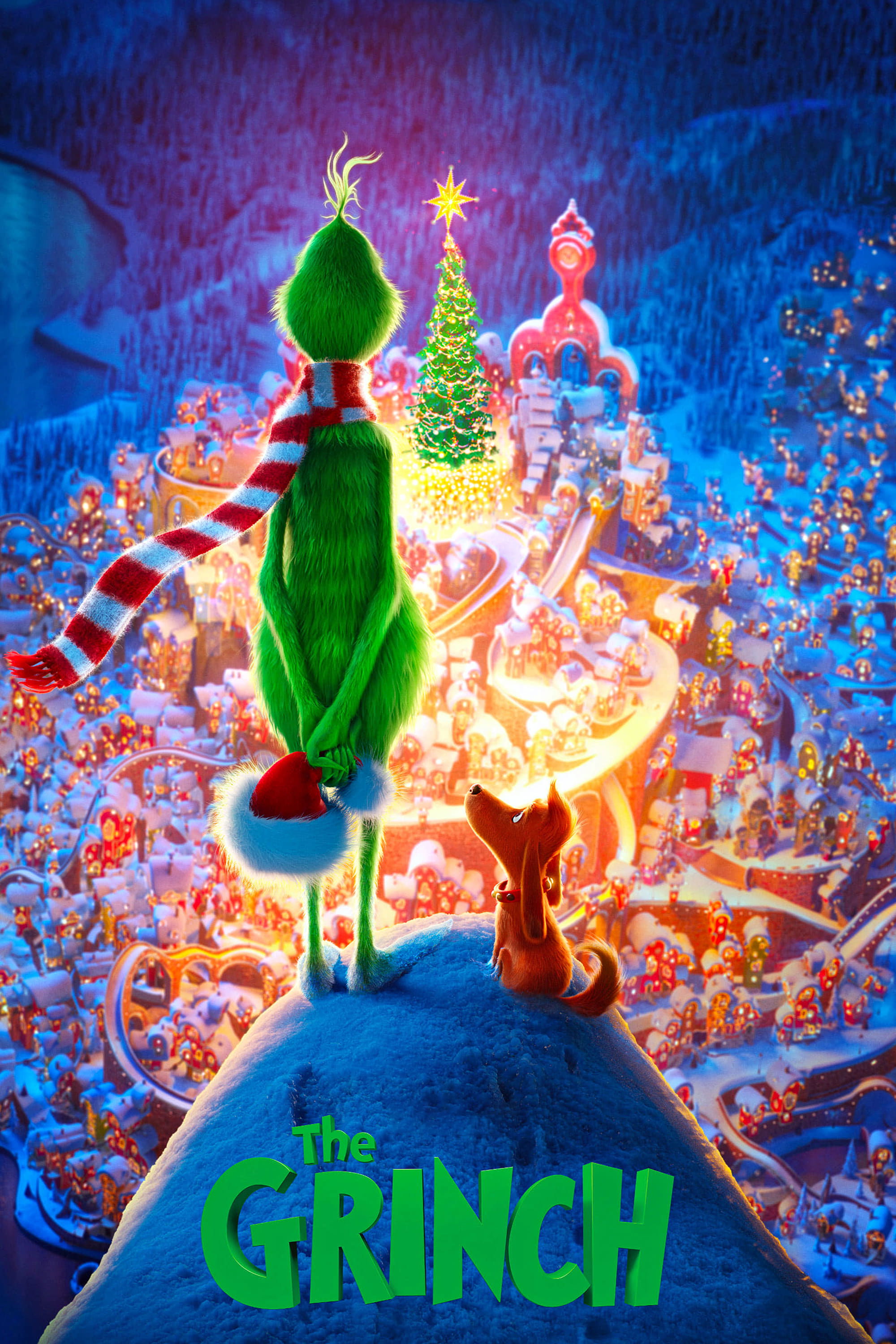
In ‘How the Grinch Stole Christmas’, the Grinch is isolated from Whoville and lives with minimal contact. He targets holiday decorations and gifts rather than people. After seeing the community’s response, he returns everything and integrates into town life.
Draco Malfoy

In ‘Harry Potter’, Draco is raised in a pure-blood household aligned with dark wizards and faces pressure to serve them. He hesitates to commit murder and lowers his wand in critical moments. His mother’s actions in the finale help end the conflict and save lives.
Tyrannosaurus rex
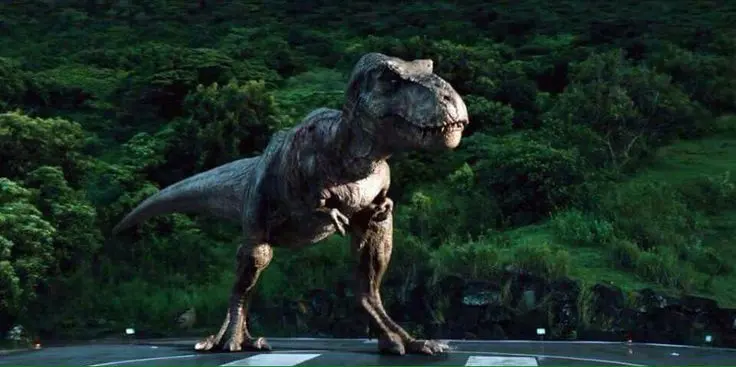
In ‘Jurassic Park’, the T. rex is an apex predator placed in an artificial enclosure with electric barriers. It escapes after power fails and responds to movement and noise as a wild animal would. It later disrupts the velociraptors, allowing survivors to escape.
The Shark
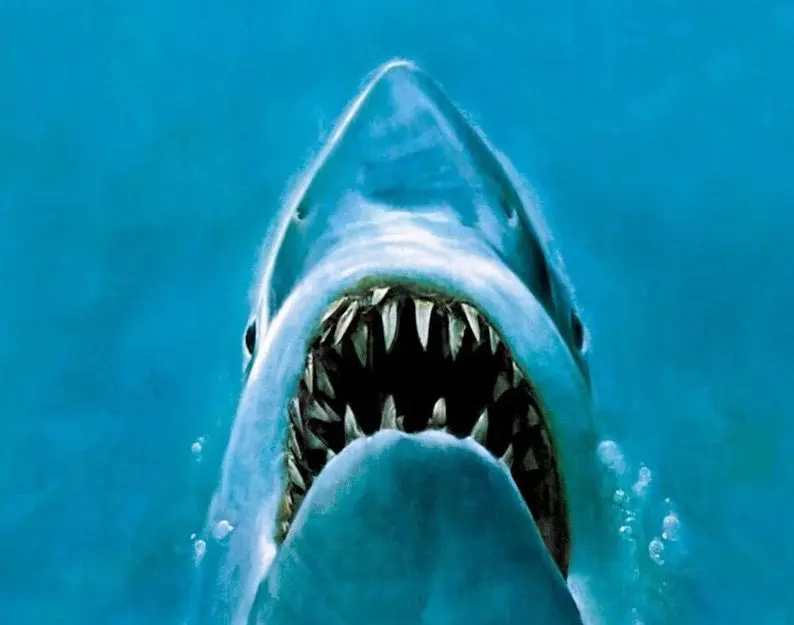
In ‘Jaws’, the great white follows feeding behavior in coastal waters during peak tourist season. Human response escalates risk by delaying beach closures. Its presence reflects ecological patterns rather than malice.
The Wicked Witch of the West

In ‘The Wizard of Oz’, the Witch seeks the slippers that belonged to her deceased sister. She confronts Dorothy because the shoes transfer powerful magic without negotiation. Her threats end when her physical vulnerability is accidentally discovered.
Nux
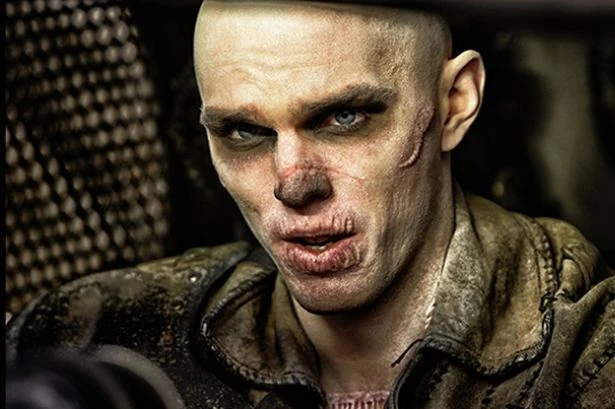
In ‘Mad Max: Fury Road’, Nux starts as a War Boy conditioned by a tyrant’s cult. He defects after learning the truth about resources and exploitation. He sacrifices himself to stop pursuit and secure the escape route.
Namor
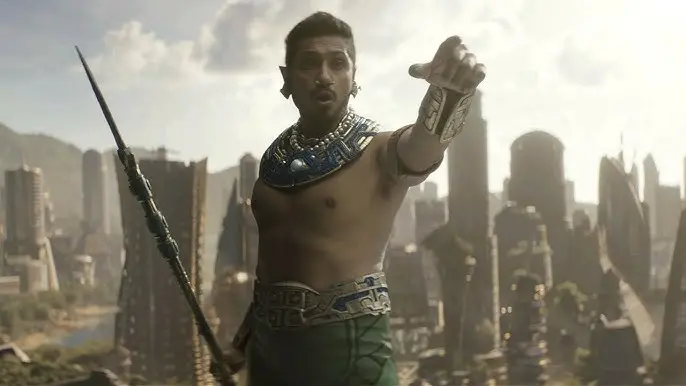
In ‘Black Panther: Wakanda Forever’, Namor leads an underwater nation threatened by surface-world mining technology. He aims to keep his people hidden and pressures Wakanda to form a defensive alliance. His actions respond to encroachment on sacred territory and risk of exposure.
Mystique
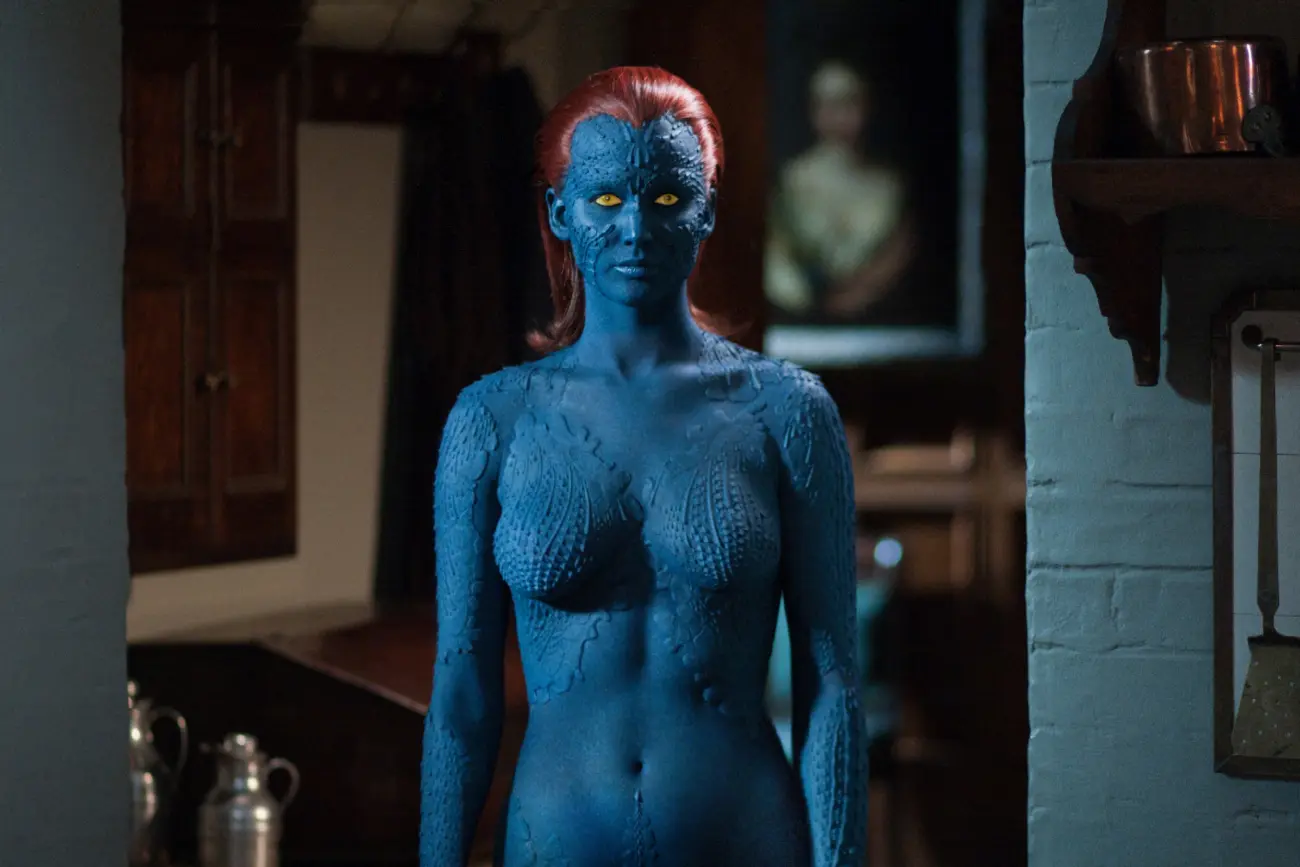
In ‘X-Men’, Raven Darkhölme experiences discrimination because of her natural form. She works to ensure mutant safety and rejects policies that require hiding identities. Her alliances shift with evolving laws and threats to her community.
Lizard
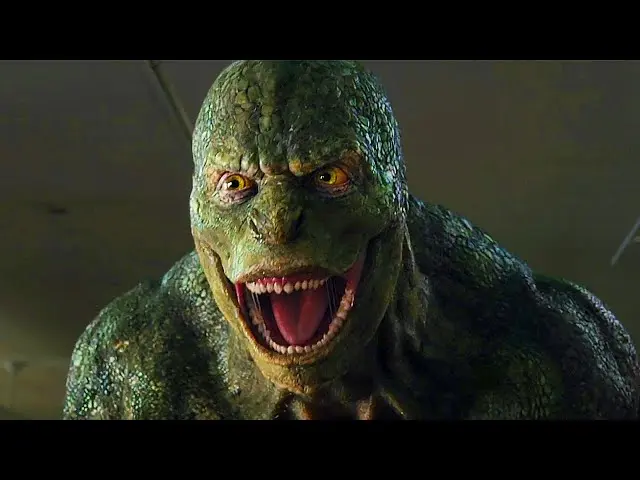
In ‘The Amazing Spider-Man’, Dr. Curt Connors experiments with cross-species genetics to regenerate a lost arm. A serum side effect creates an alternate persona that escalates his plan citywide. He later assists in creating an antidote to reverse the transformation.
Predator

In ‘Predator’, the extraterrestrial arrives as a trophy hunter following a cultural code. It targets armed combatants and spares unarmed individuals. When defeated, it triggers a device to prevent capture and protect its technology.
Frankenstein’s Monster
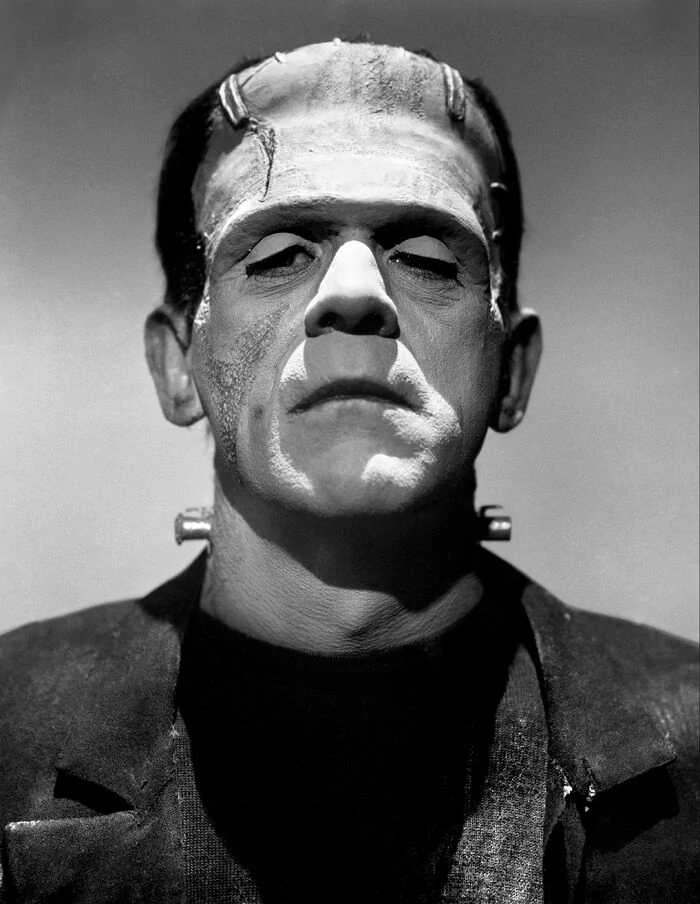
In ‘Frankenstein’, the creature awakens without guidance and is rejected by nearly everyone he meets. He displays a desire for companionship and basic education. Violence follows repeated attempts to destroy him rather than any initial hostility.
Wanda Maximoff
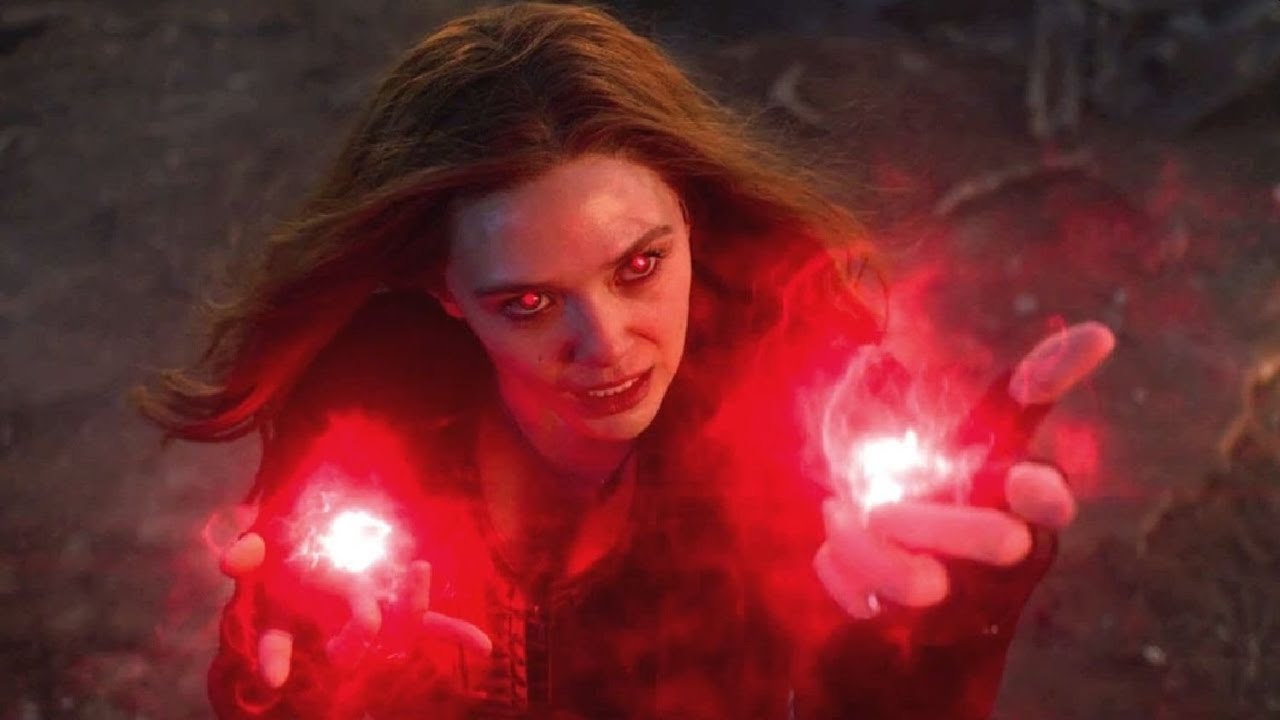
In ‘Doctor Strange in the Multiverse of Madness’, Wanda is influenced by the Darkhold after losing her children in another reality. The book amplifies grief into dangerous spells that warp judgment. Once the corruption is revealed, she ends the threat by collapsing the source of the dark magic.
Tell us which other misunderstood movie antagonists you would add in the comments.

