


Movies Cancelled by Culture War Crossfire



When politics, religion, public safety, and identity debates collide with entertainment, films can end up shelved, pulled, or drastically curtailed. Below are 40 movies that ran into that crossfire—some were fully canceled, others had releases yanked or screenings banned, and a few were later rescued—along with concise context about what actually happened in each case.
‘Batgirl’ (2022)
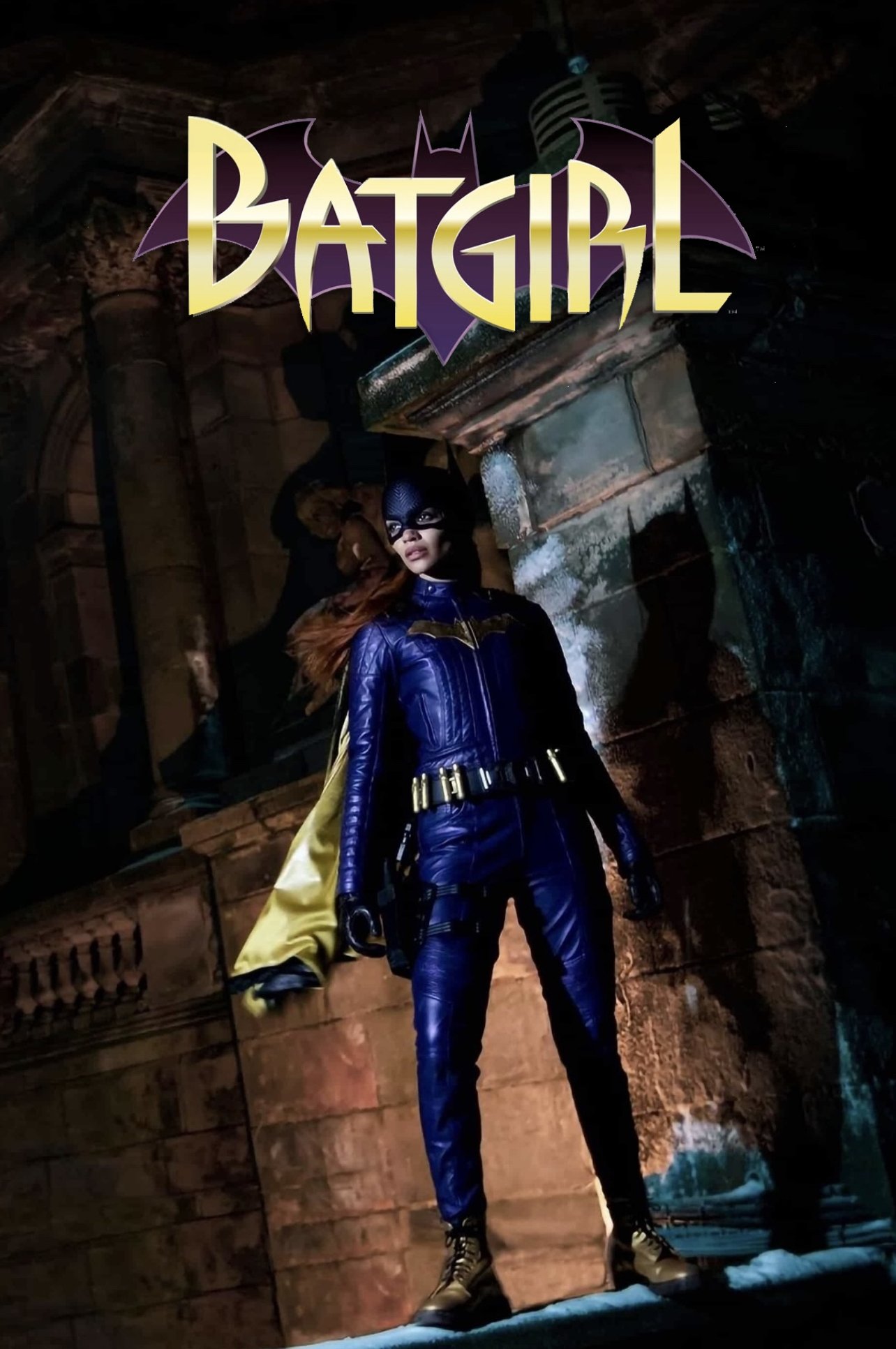
Warner Bros. Discovery scrapped the nearly finished DC feature after a corporate merger shifted its strategy. The studio opted not to release the film in theaters or on streaming following internal reviews and a financial write-down. Cast and crew confirmed the movie had been deep into post-production with substantial work completed. The decision prevents the company from commercially exploiting the title across standard platforms.
‘Scoob! Holiday Haunt’ (2022)
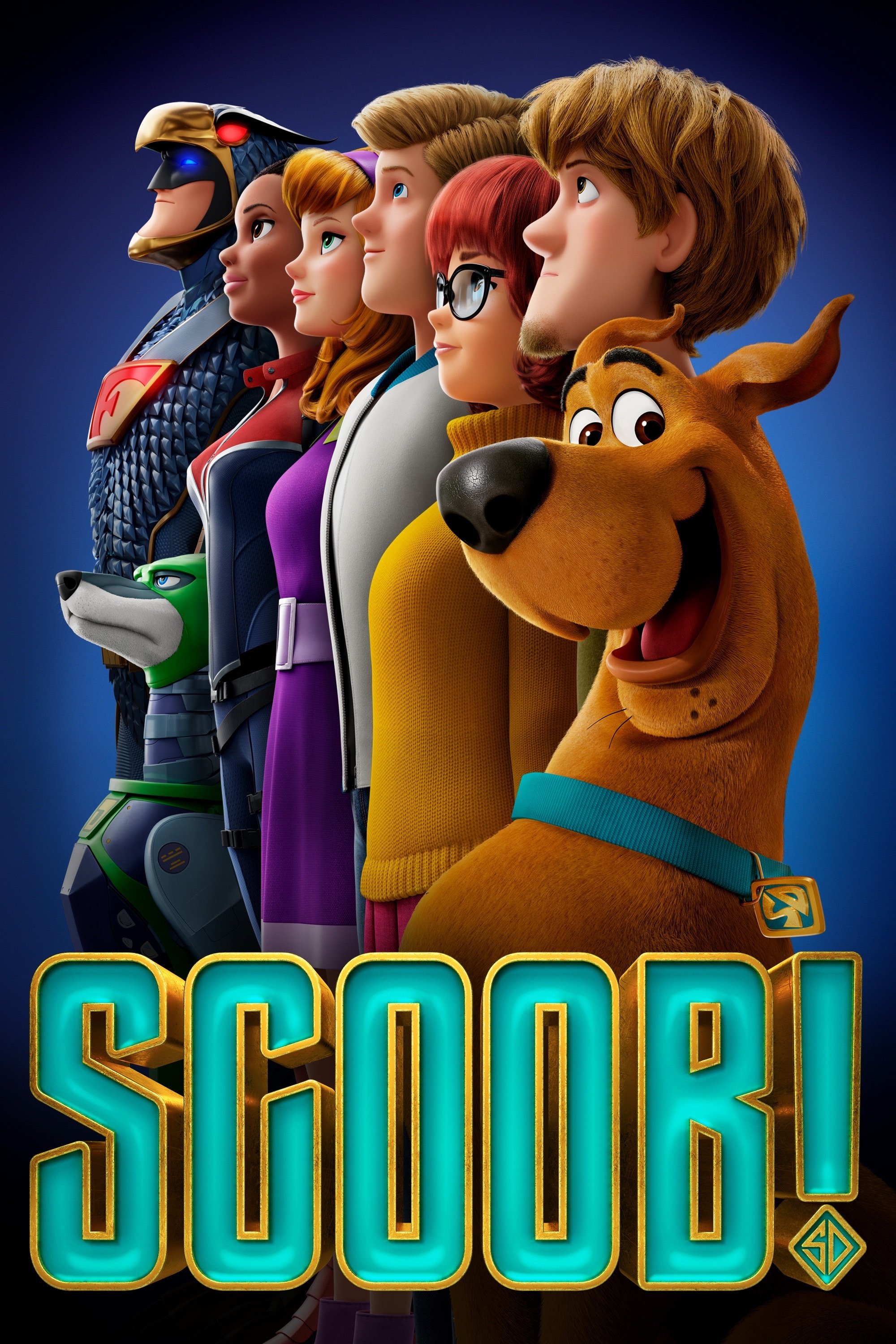
This animated prequel was canceled alongside ‘Batgirl’ during a post-merger slate reevaluation. Filmmakers later said they quietly finished the movie, but a tax write-down blocks any commercial release. Crew members shared progress details while acknowledging the contractual limitations on distribution. The production remains unreleased despite being content-complete.
‘Coyote vs. Acme’ (2026)
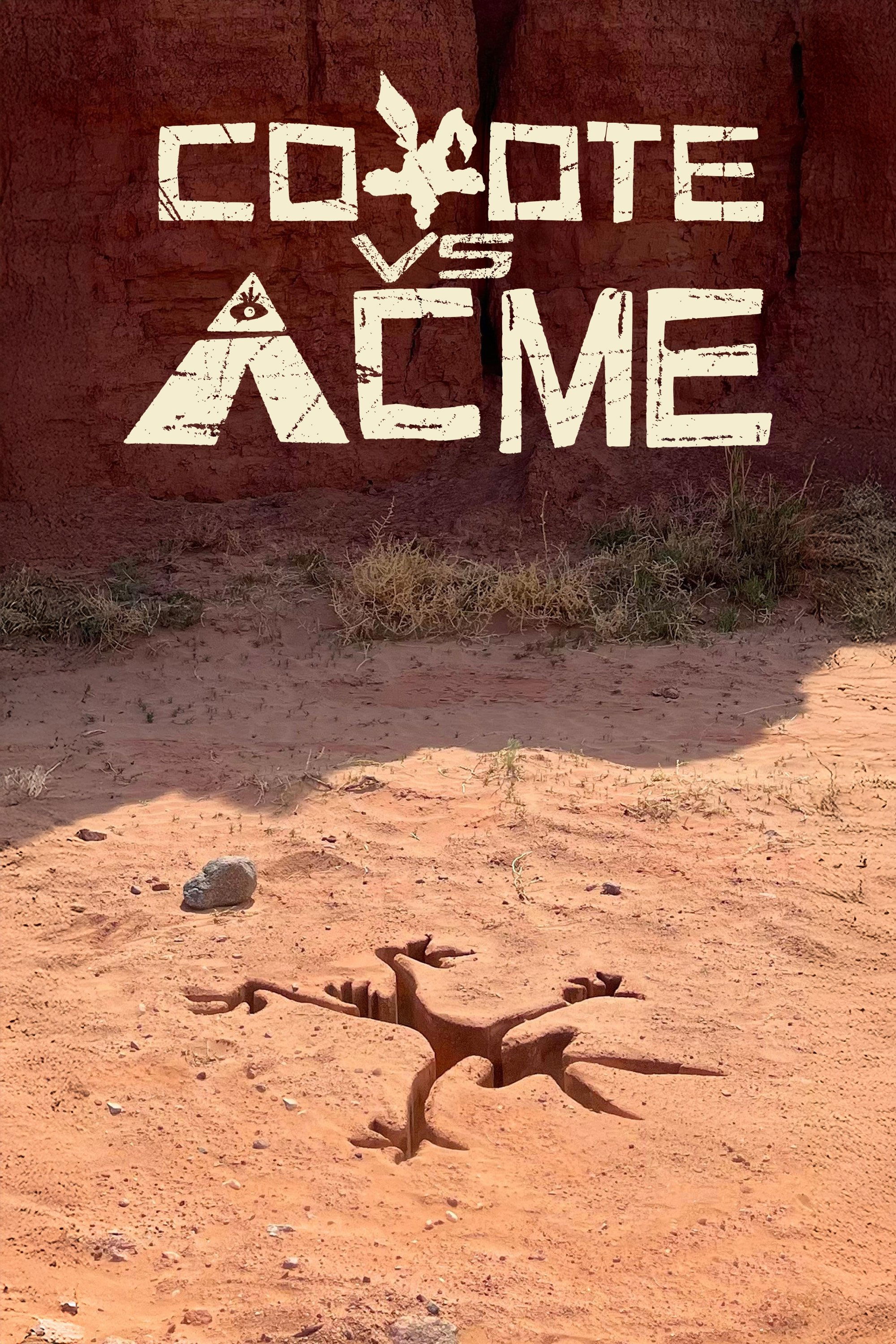
The live-action/animation hybrid was initially shelved after test screenings even though a completed cut existed. Backlash from talent, agencies, and filmmakers pushed the studio to allow the team to shop the film. An independent distributor later stepped in to plan a theatrical rollout rather than a permanent vaulting. The case has become a high-profile example of a studio reversal after public pressure.
‘The Hunt’ (2019)
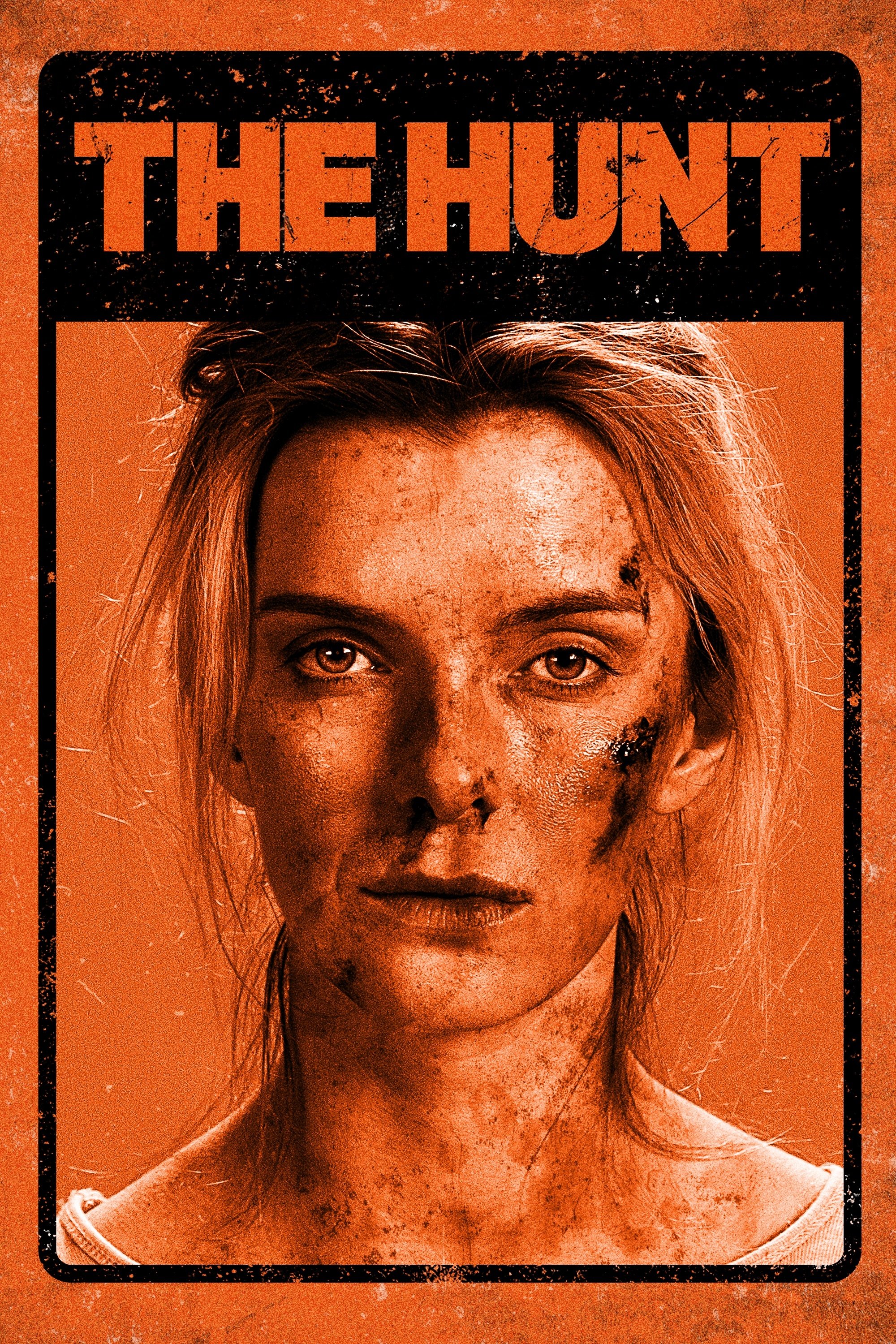
Universal pulled the planned wide release amid a heated political debate and sensitivity following violent incidents. Marketing materials were withdrawn while the studio reassessed the timing and positioning. The company eventually released the film later with a modified campaign. The episode is often cited as a rapid pivot in response to public-safety concerns.
‘The Interview’ (2014)
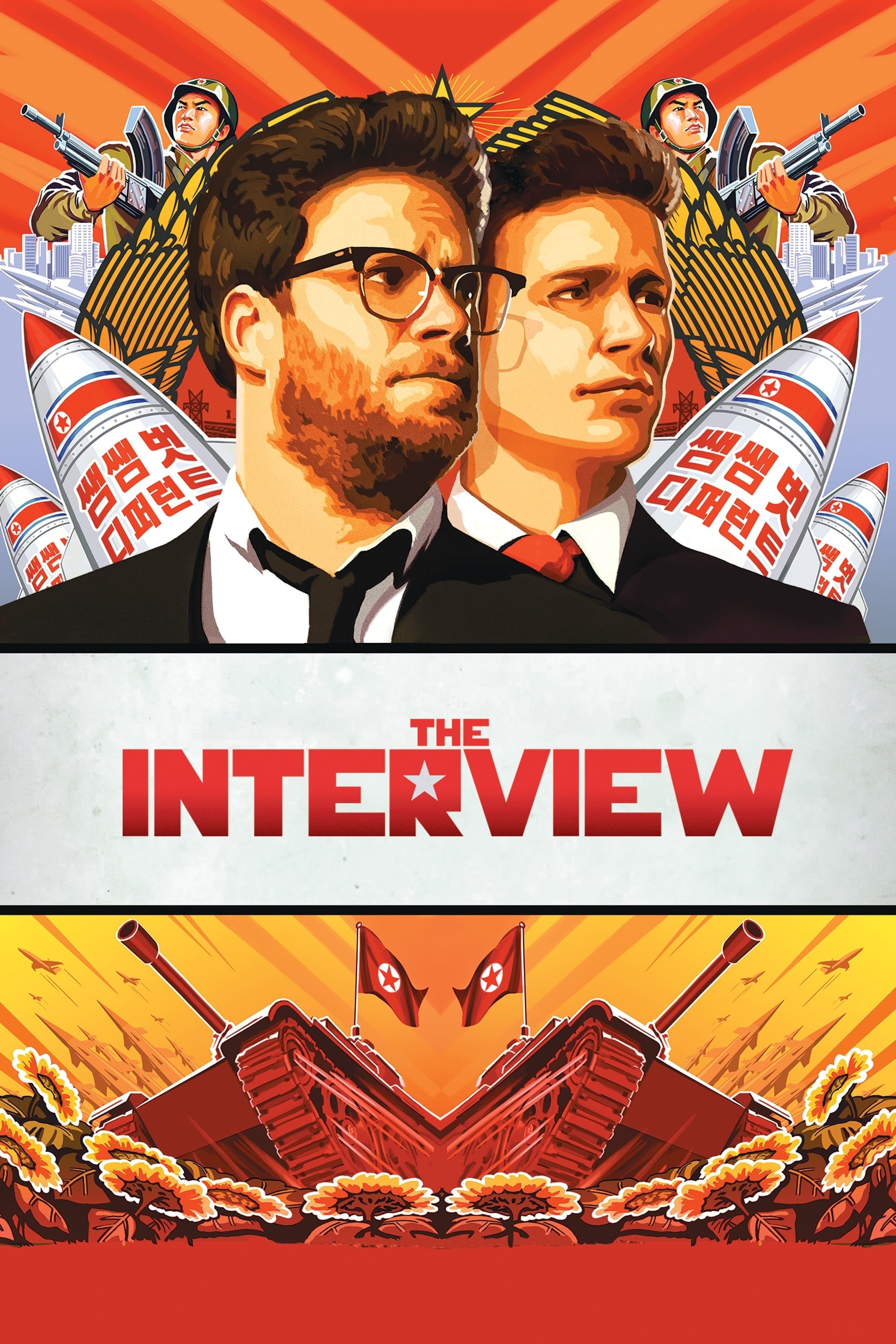
Major theater chains dropped the film following threats connected to its North Korea storyline, leading Sony to change course. The studio shifted to a digital launch with limited independent-cinema play. Law-enforcement coordination and exhibitor risk assessments shaped the rollout. The title ultimately reached audiences through video-on-demand and specialty screens.
‘Song of the South’ (1946)
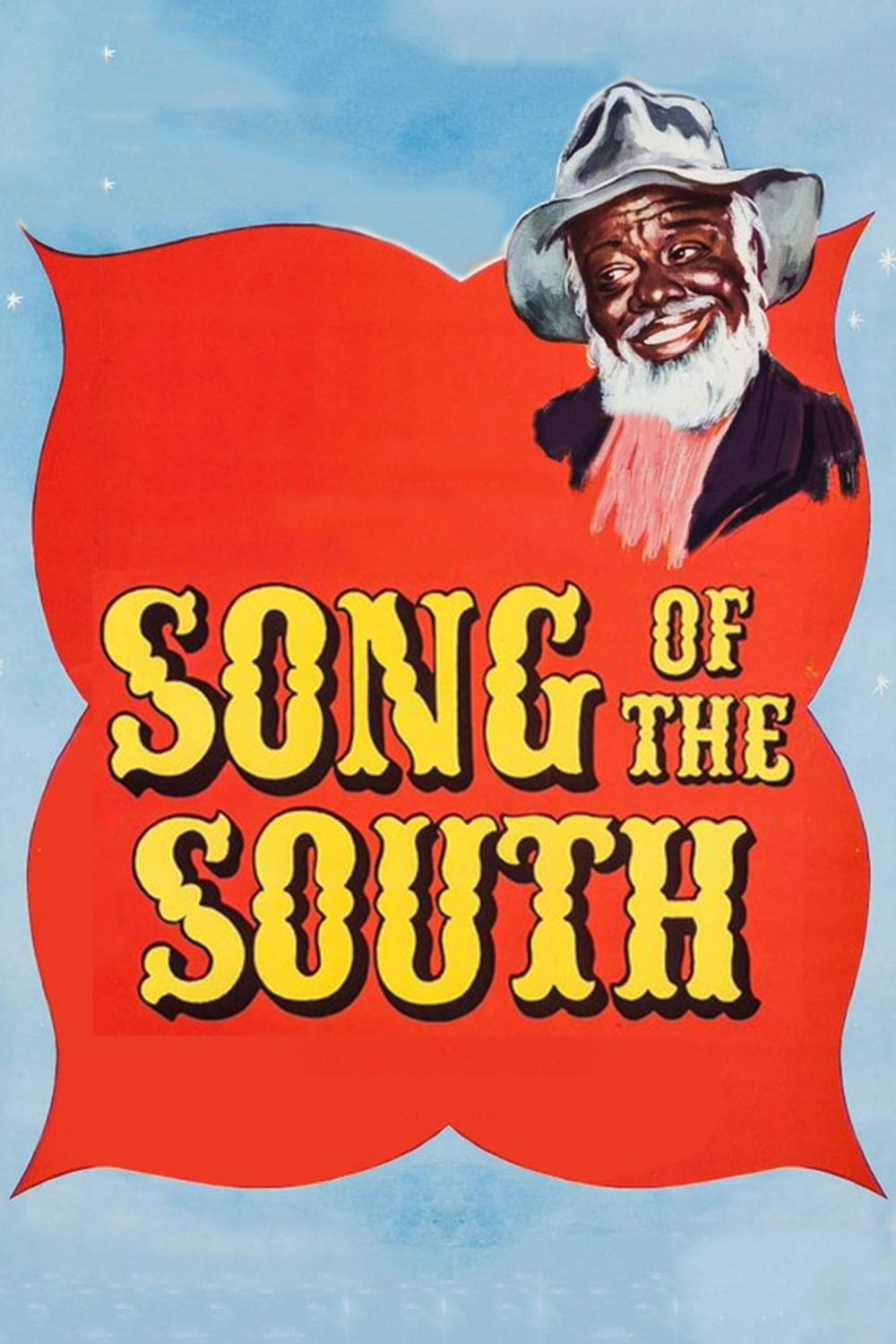
Disney continues to withhold this title from modern home-video and its streaming service due to longstanding controversy over racial depictions. Company leadership has repeatedly indicated it will not be added to the catalog. Archival and academic discussions frame it as a legacy content challenge for modern brands. Theme-park references have also been retired or re-themed in related attractions.
‘Gone with the Wind’ (1939)
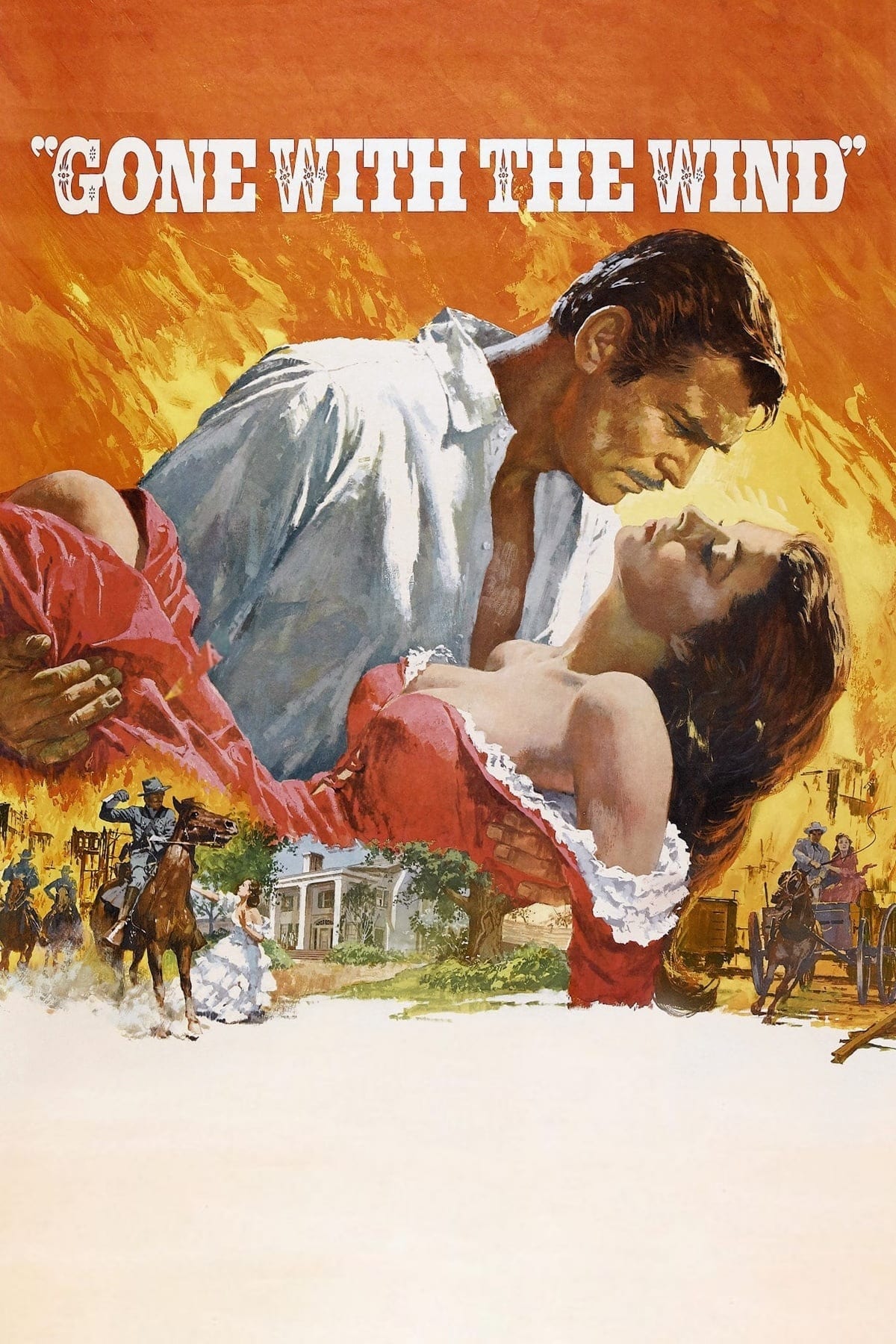
A major streaming platform temporarily removed the film to add context about its historical portrayals before restoring it. The reintroduction included an educational introduction rather than cuts. The move followed broader conversations about classic cinema and representation. The title remains available with supplemental framing material.
‘Blue Story’ (2019)
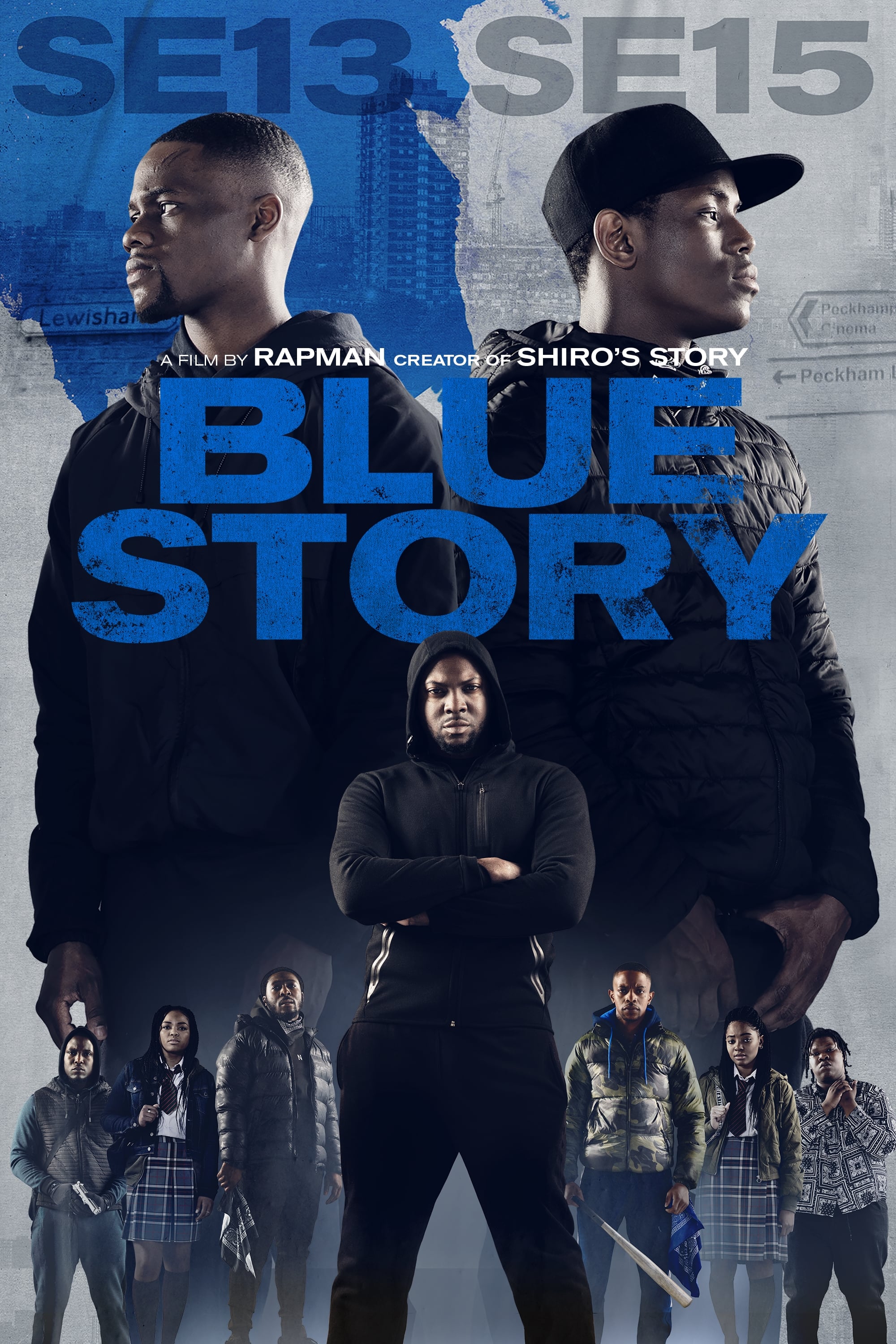
After a high-profile brawl at a U.K. cinema, a large chain pulled the film nationwide citing safety concerns. Other exhibitors continued with additional security and selective bookings. The distributor objected to blanket cancellations and coordinated with venues to resume screenings. Box-office performance recovered in locations that kept it on the schedule.
‘The Lady of Heaven’ (2021)
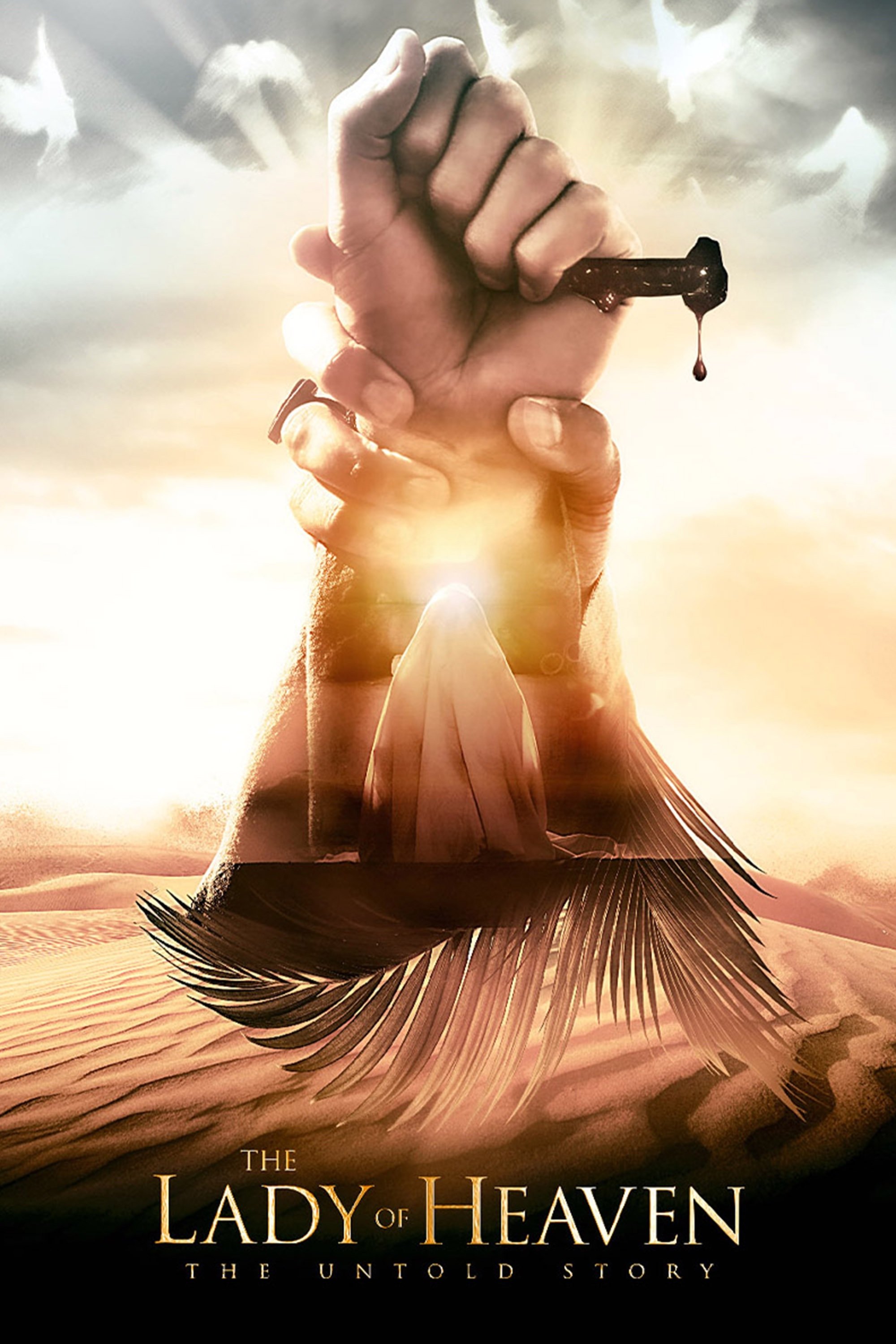
Cinemas in several cities canceled screenings amid protests from religious groups, and one major chain halted the run across the U.K. Management cited staff and customer safety when explaining the decision. The title also faced bans or refusals in multiple countries. Limited bookings continued where local conditions allowed.
‘The Death of Stalin’ (2018)
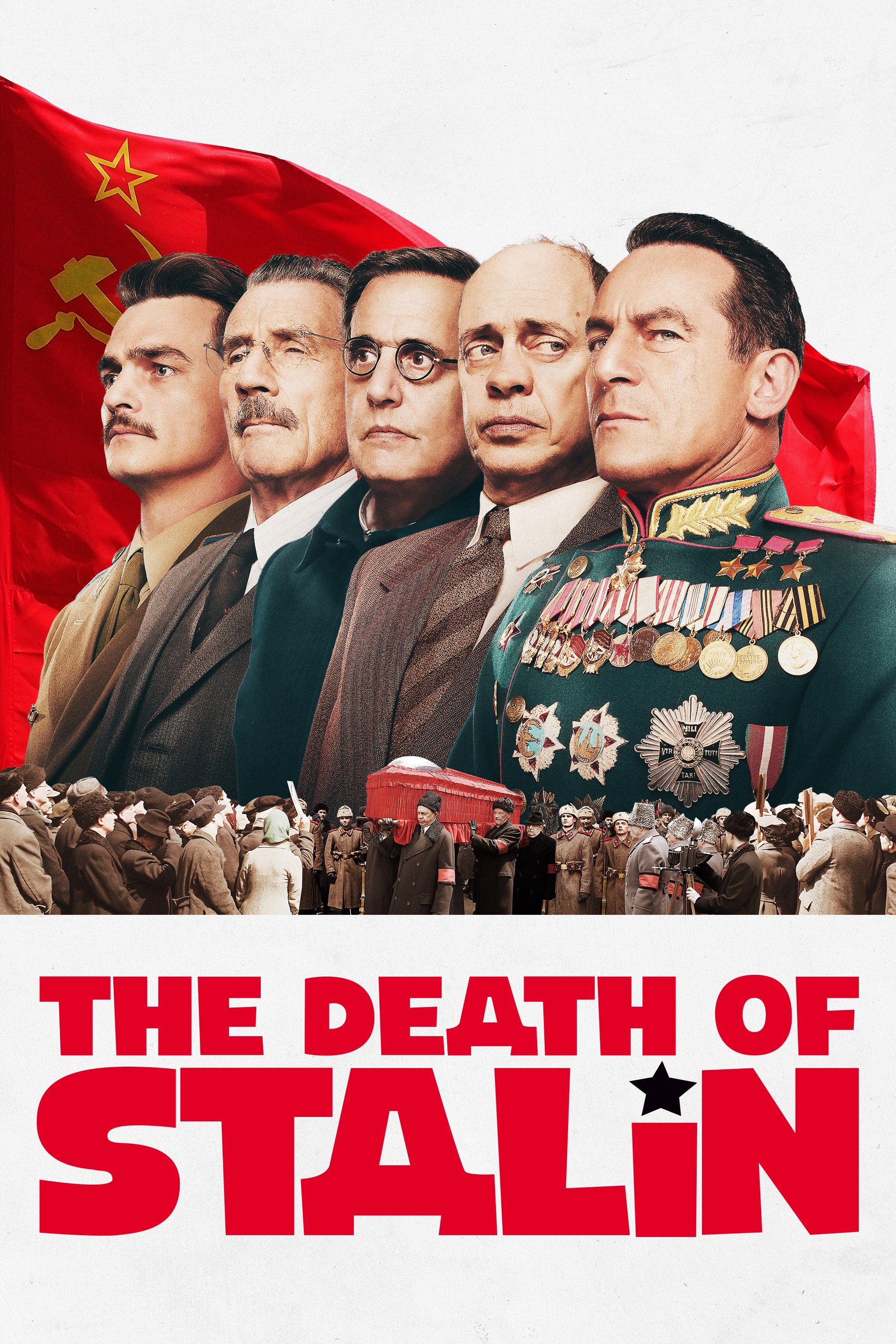
Russia’s culture ministry withdrew the film’s distribution certificate days before release after officials condemned it. The move effectively blocked theatrical play in that market. International venues proceeded without restriction, highlighting sharp territorial differences. The film’s status became a touchpoint in discussions of political sensitivities and satire.
‘Padmaavat’ (2018)
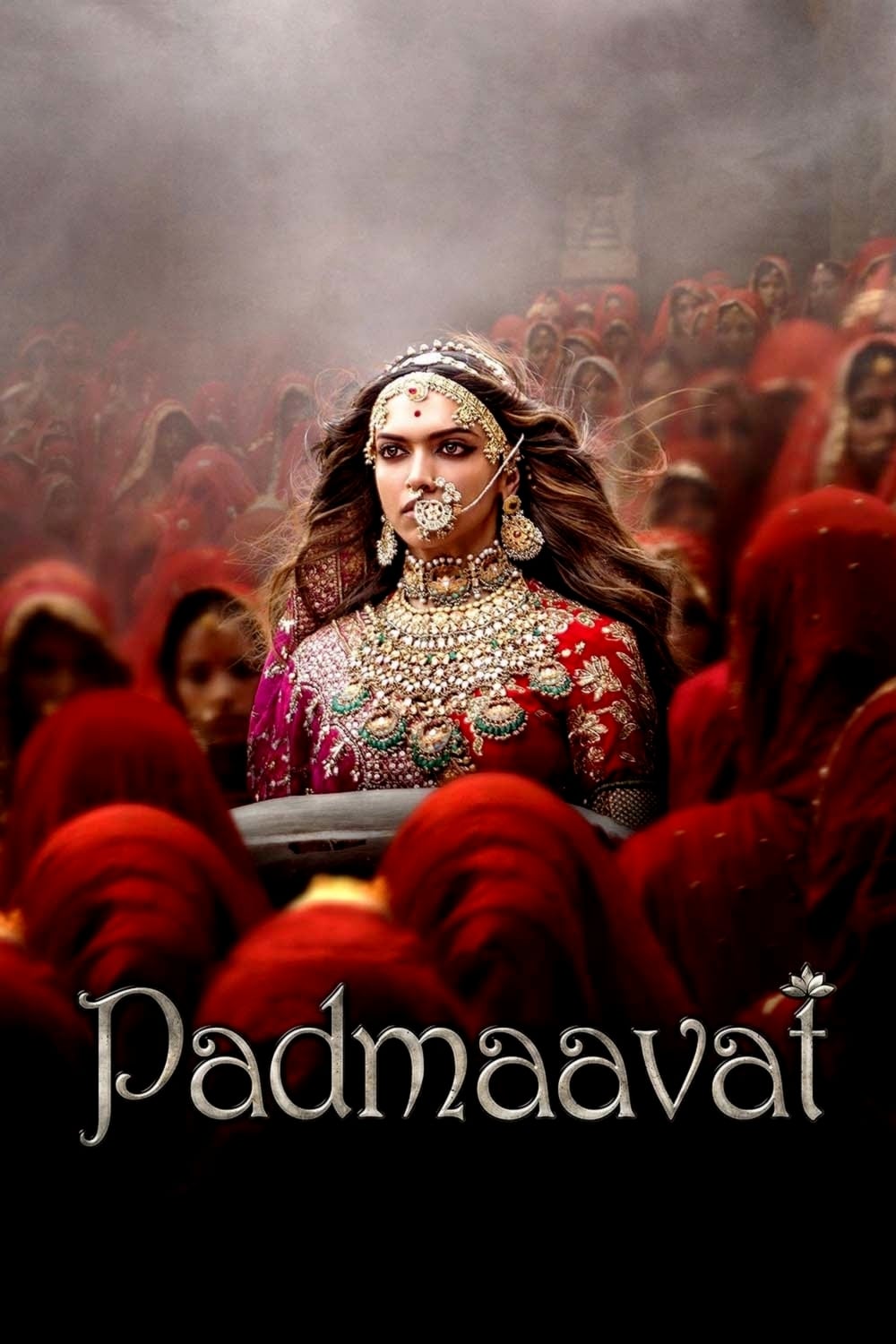
Protests preceded release, triggering security deployments, a title change, and edits mandated by the certification board. Several states attempted to block screenings until court rulings clarified nationwide exhibition. The distributor coordinated staggered openings and enhanced protocols with theaters. Despite disruptions, the film sustained a wide commercial run.
‘I Love You, Daddy’ (2017)
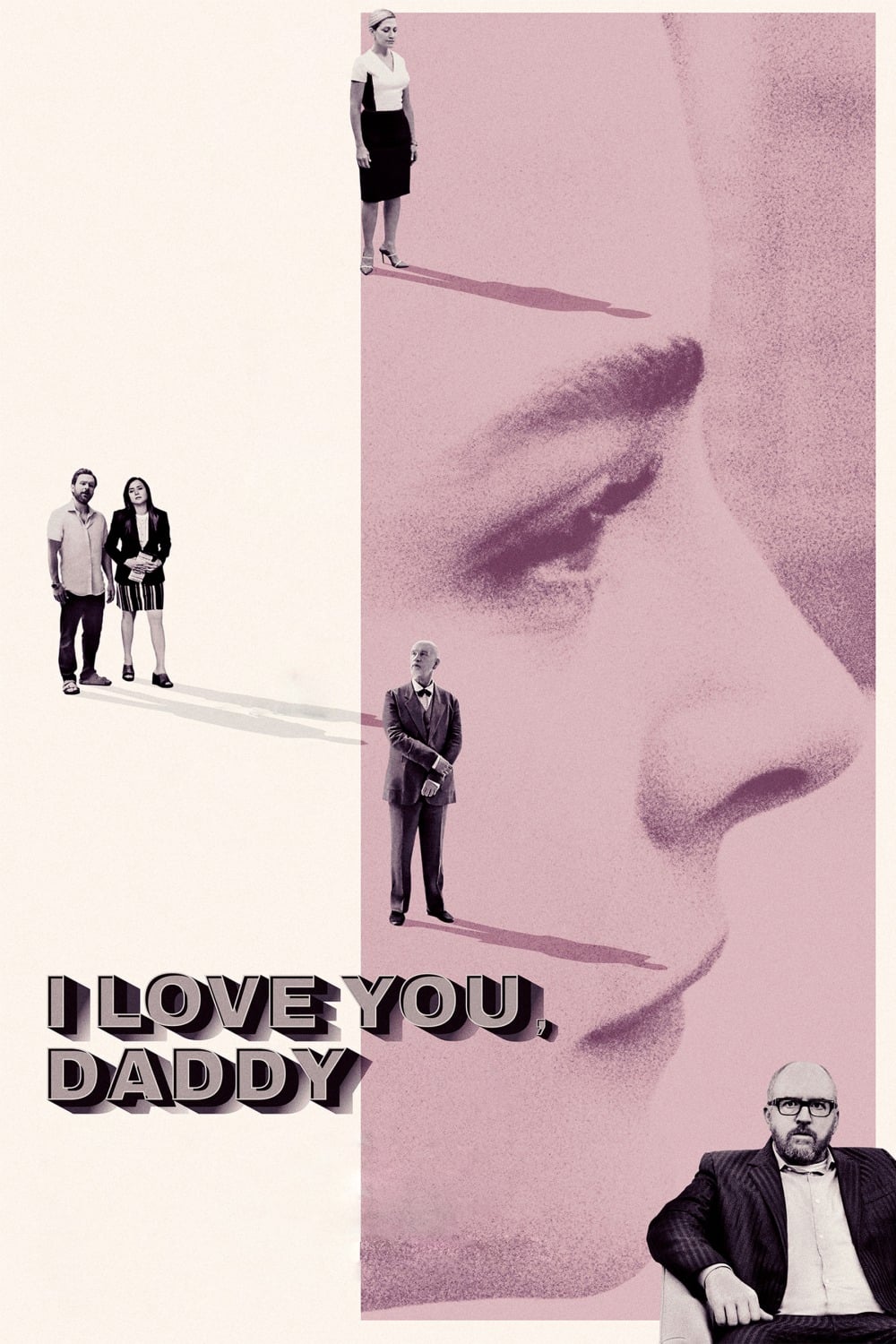
The distributor canceled its rollout after misconduct allegations against star-director Louis C.K. emerged. The film had premiered at a major festival and was days from theatrical release. Physical materials were withdrawn from exhibitors, and promotional plans were scrapped. The title has since remained commercially unavailable through standard channels.
‘Gore’ (2017)
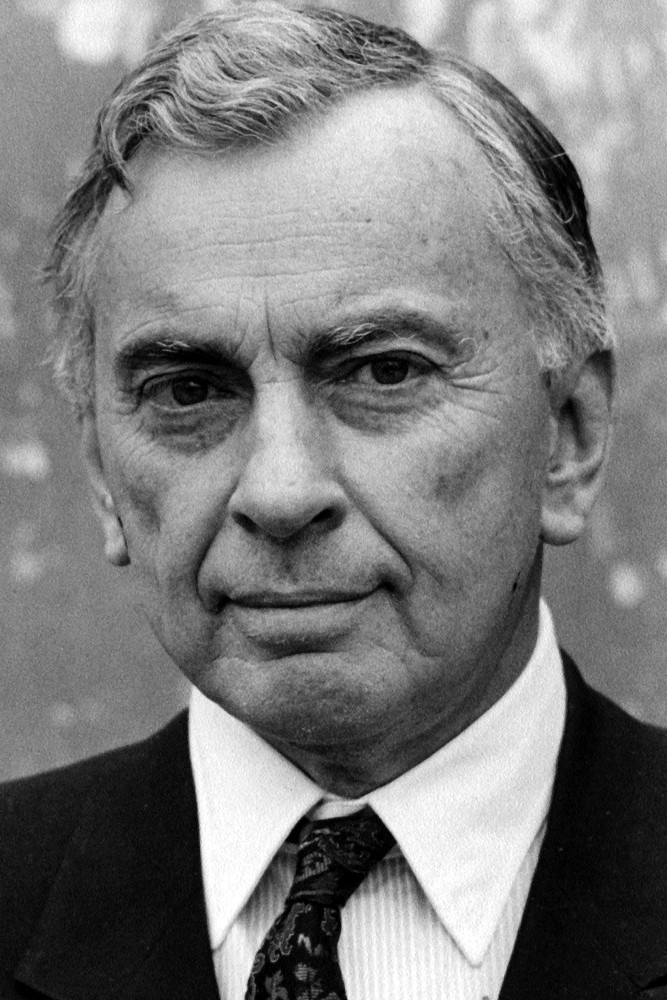
Netflix dropped this completed biopic starring Kevin Spacey following public accusations against the actor. The platform confirmed it would not release the film despite production being finished. Ancillary rights were not exploited, and no alternative distributor surfaced. The project remains unaired.
‘Innocence of Muslims’ (2012)

The short video sparked global protests, with several governments ordering blocks on access or on the platforms hosting it. Courts weighed takedown requests, briefly mandating removals connected to performer claims before later reversals. Diplomatic and security concerns shaped government responses. The case remains central to debates over speech, safety, and platform policies.
‘Kindergarten Cop’ (1990)
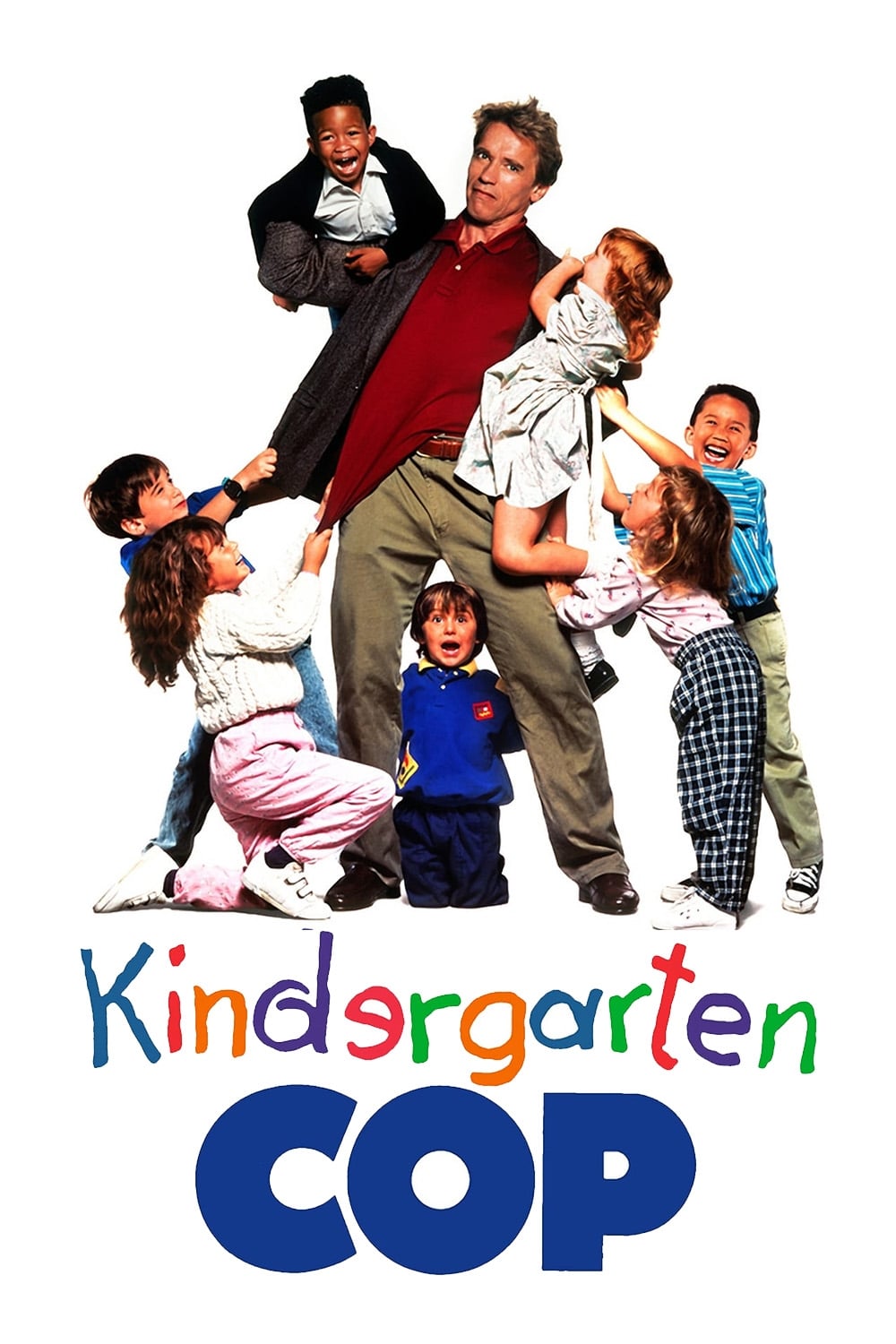
A planned outdoor anniversary screening in Portland was canceled after objections that it was unsuitable for a community event. Organizers cited the event’s purpose and public feedback in explaining the decision. The cancellation prompted local debate about programming choices for civic spaces. Other scheduled repertory screenings elsewhere went forward as planned.
‘And Then We Danced’ (2019)

Screenings in Georgia faced protests, threats, and police interventions, leading to cancellations and restricted showtimes. Exhibitors implemented ticketing checks and security controls to manage risks. Human-rights organizations monitored incidents and issued statements. Limited runs proceeded under heightened protection in select venues.
‘The Kerala Story’ (2023)
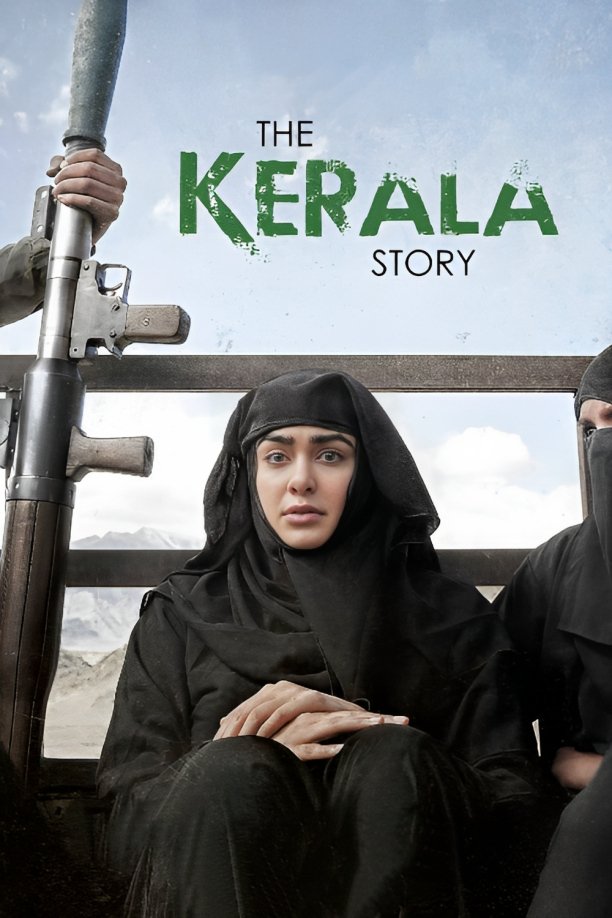
Exhibitors and state authorities in parts of India halted or limited screenings over concerns about communal tension. Legal challenges and political endorsements amplified attention around the title. Some regions promoted tax incentives while others discouraged exhibition. The patchwork responses produced a fragmented release map.
‘Vaxxed: From Cover-Up to Catastrophe’ (2016)
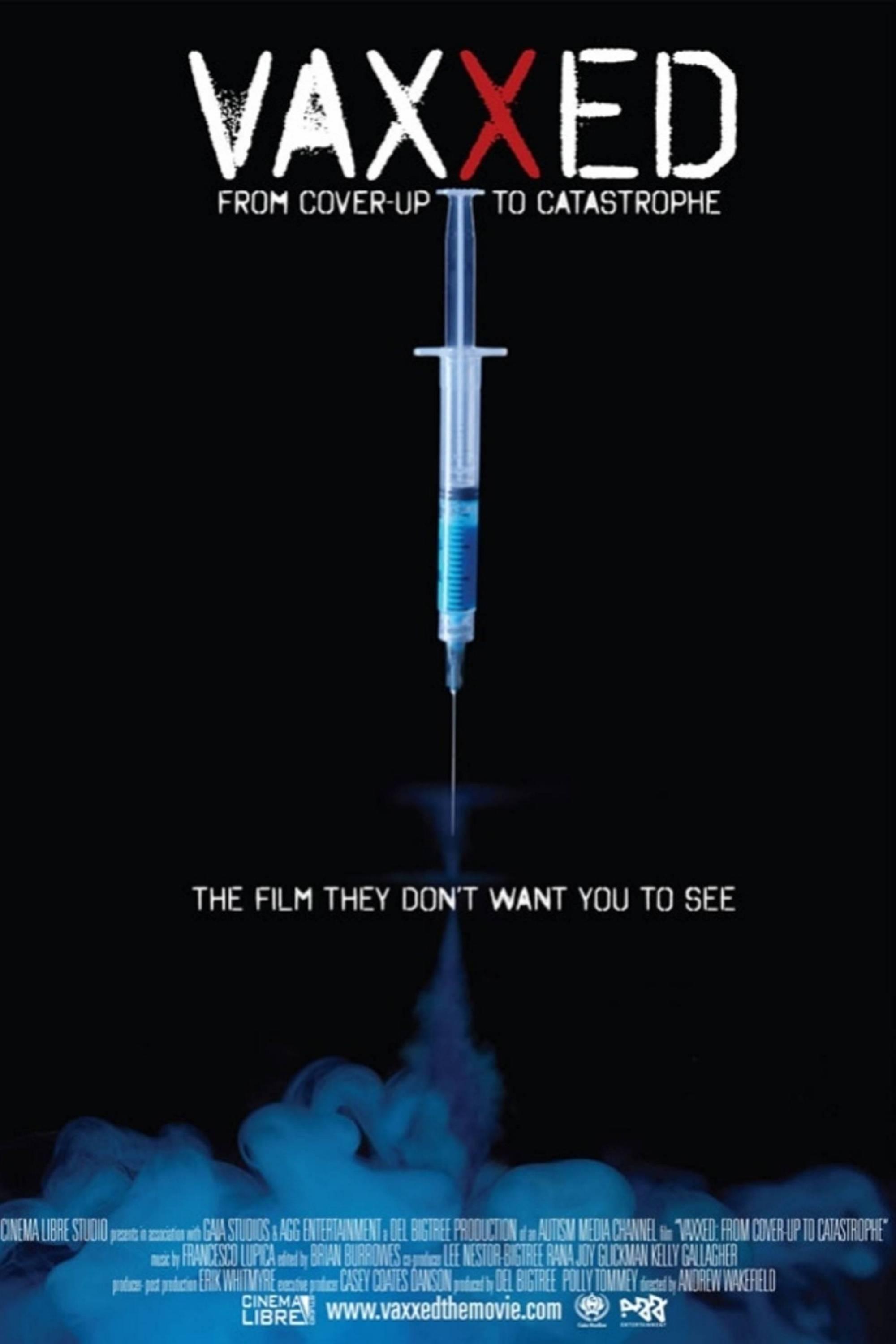
The Tribeca Film Festival withdrew the documentary after scientific and community backlash to the programming decision. Statements from organizers outlined concerns about platforming disputed claims. The film later secured alternative venues and distribution routes. Festival-level cancellation became part of the wider discourse around misinformation.
‘A Serbian Film’ (2010)
The title was banned in several countries, and a heavily cut version was required for certification in others. Classification boards published detailed rationales addressing depictions of sexual violence. At least one festival pulled a scheduled showing under pressure from authorities. Availability has varied widely by territory ever since.
‘The Devils’ (1971)
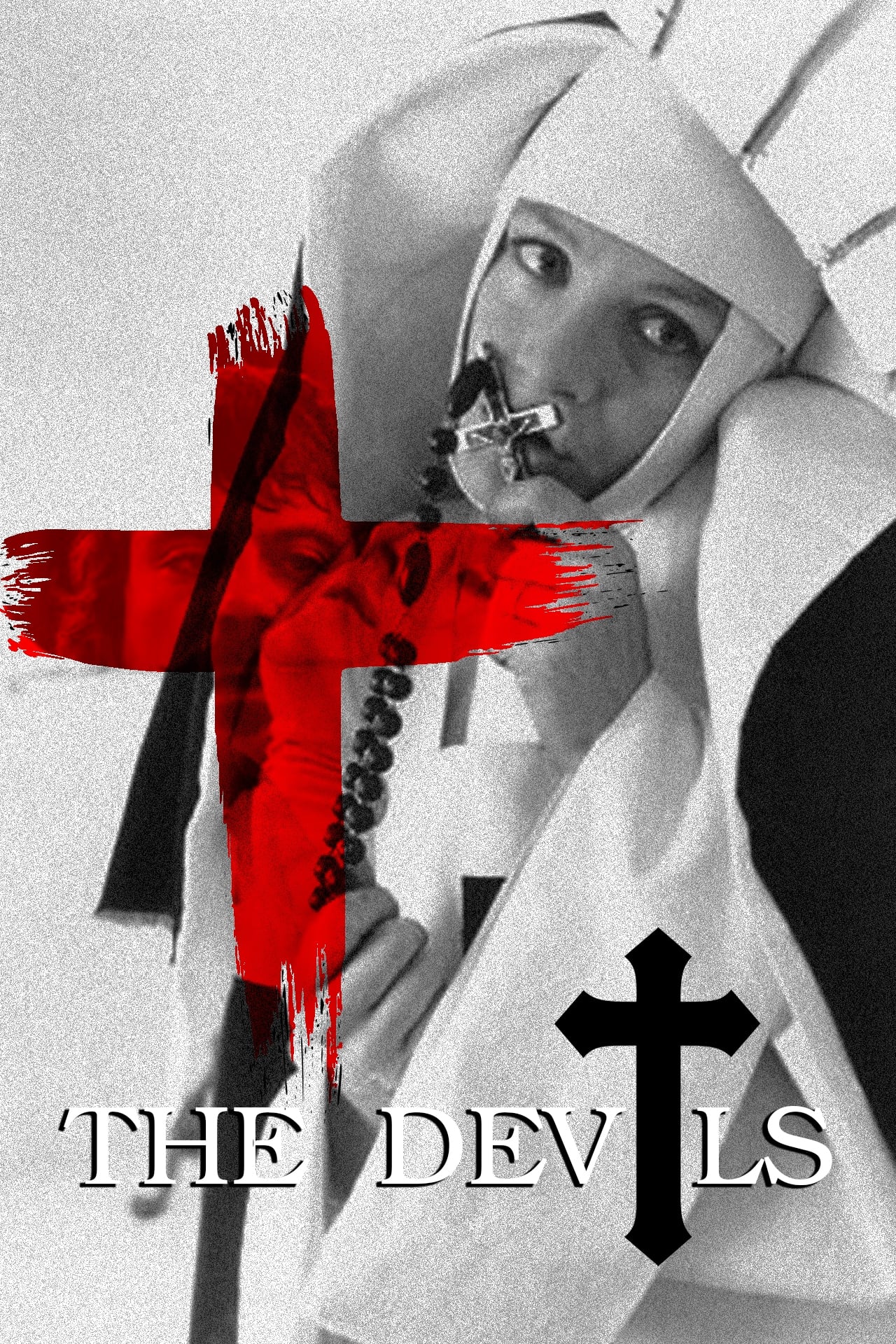
Ken Russell’s film encountered severe censorship, with multiple cuts and limited exhibition for decades. Specific scenes circulated only in unofficial forms for long periods. Restorations and retrospectives have attempted to reconstruct longer versions. Commercial availability remains constrained in several markets.
‘The Last Temptation of Christ’ (1988)
The film’s portrayal of Jesus prompted organized protests and cancellations in several locales. Some theaters pulled bookings after threats or local political pressure. Religious groups coordinated boycotts while distributors worked with venues willing to proceed. Over time, the film has been reappraised within academic and faith-and-film contexts.
‘The First Temptation of Christ’ (2019)
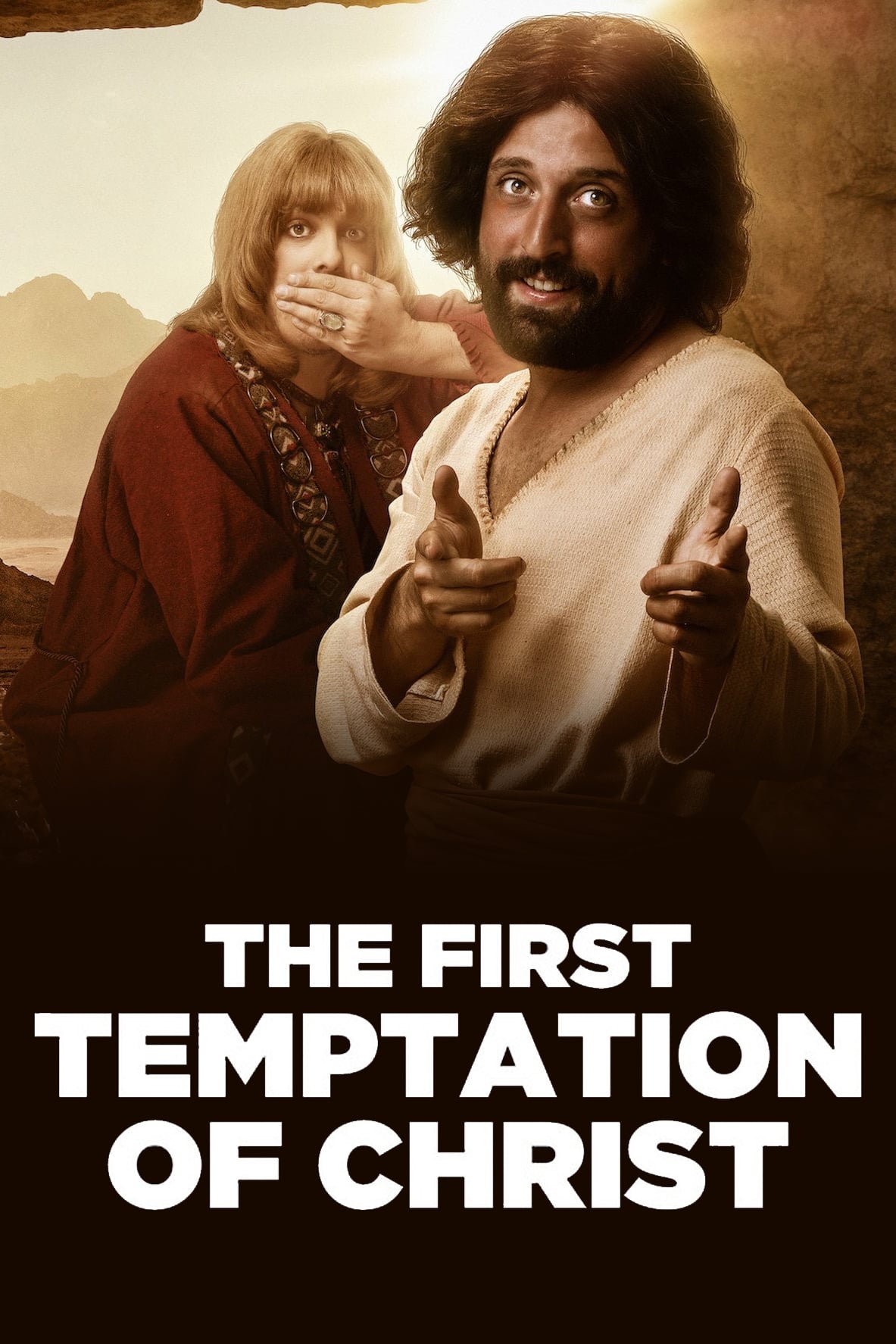
A Brazilian judge ordered Netflix to remove the satirical special before a higher court overturned the ban. The producers’ offices were attacked during the controversy, leading to criminal investigations. Civil-liberties groups defended the legality of the program. The title later toggled in regional catalogs depending on rights windows and policies.
‘The Da Vinci Code’ (2006)

Authorities in multiple countries demanded edits, imposed age restrictions, or banned the film outright following protests. Church organizations urged boycotts and issued public statements addressing perceived offense. Distributors navigated a territory-by-territory mix of approvals and rejections. The global rollout proceeded unevenly as a result.
‘Noah’ (2014)
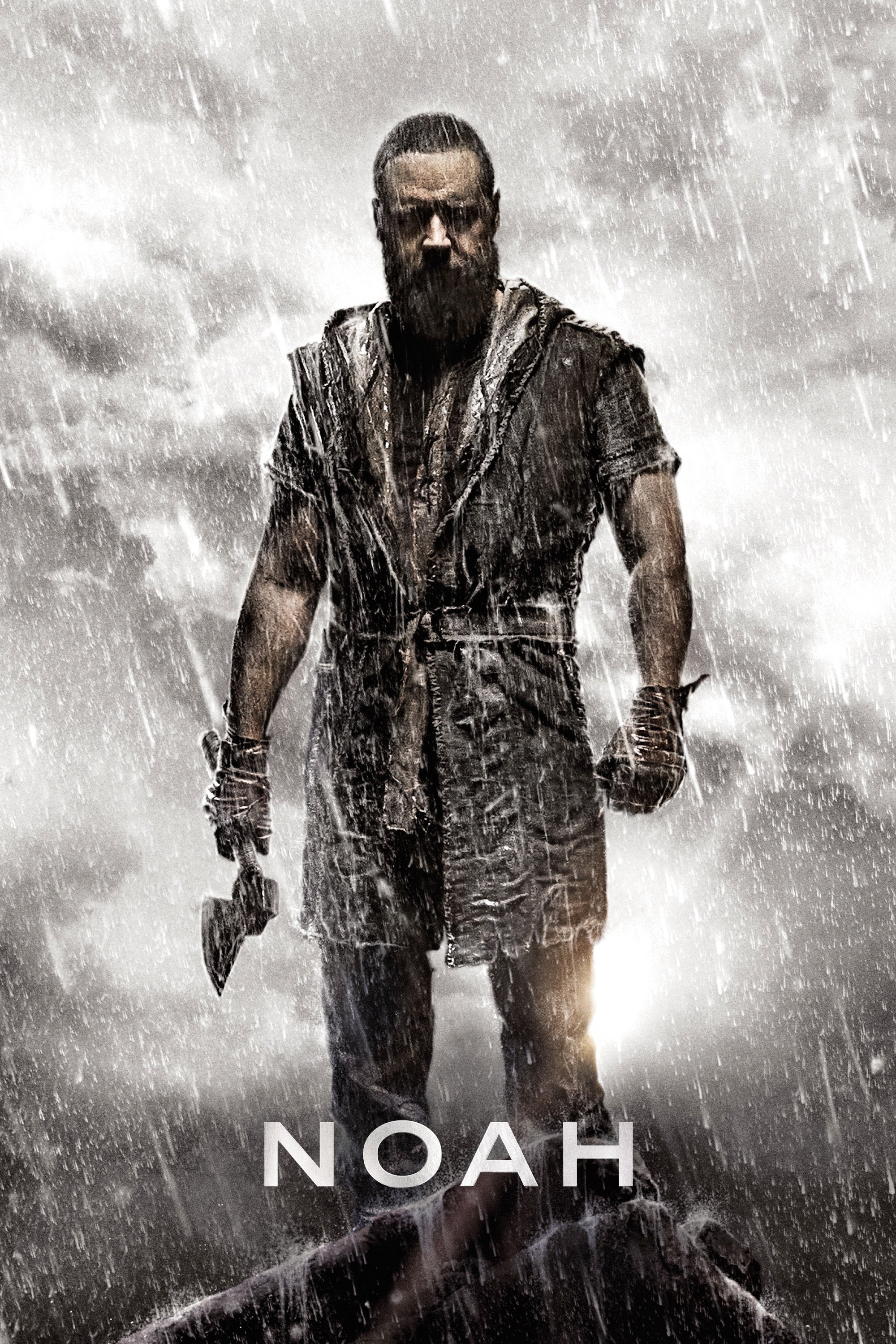
Censors in several Muslim-majority countries blocked theatrical release due to the depiction of a prophet. Statements from religious bodies and regulators explained the classification refusals. Alternative edits were not pursued by the studio for those markets. The film opened widely elsewhere with standard marketing.
‘The Kashmir Files’ (2022)
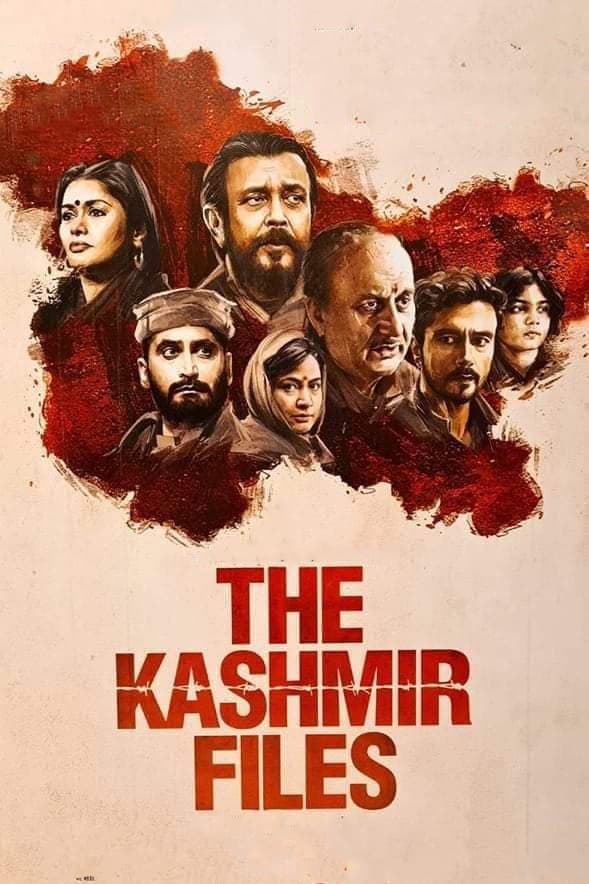
Singapore refused classification, citing risks to social cohesion and a provocative, one-sided portrayal. Other jurisdictions adjusted ratings or issued advisories while allowing exhibition. Advocacy groups and political figures weighed in on both sides of the debate. The title thus experienced sharply different outcomes across territories.
‘Team America: World Police’ (2004)
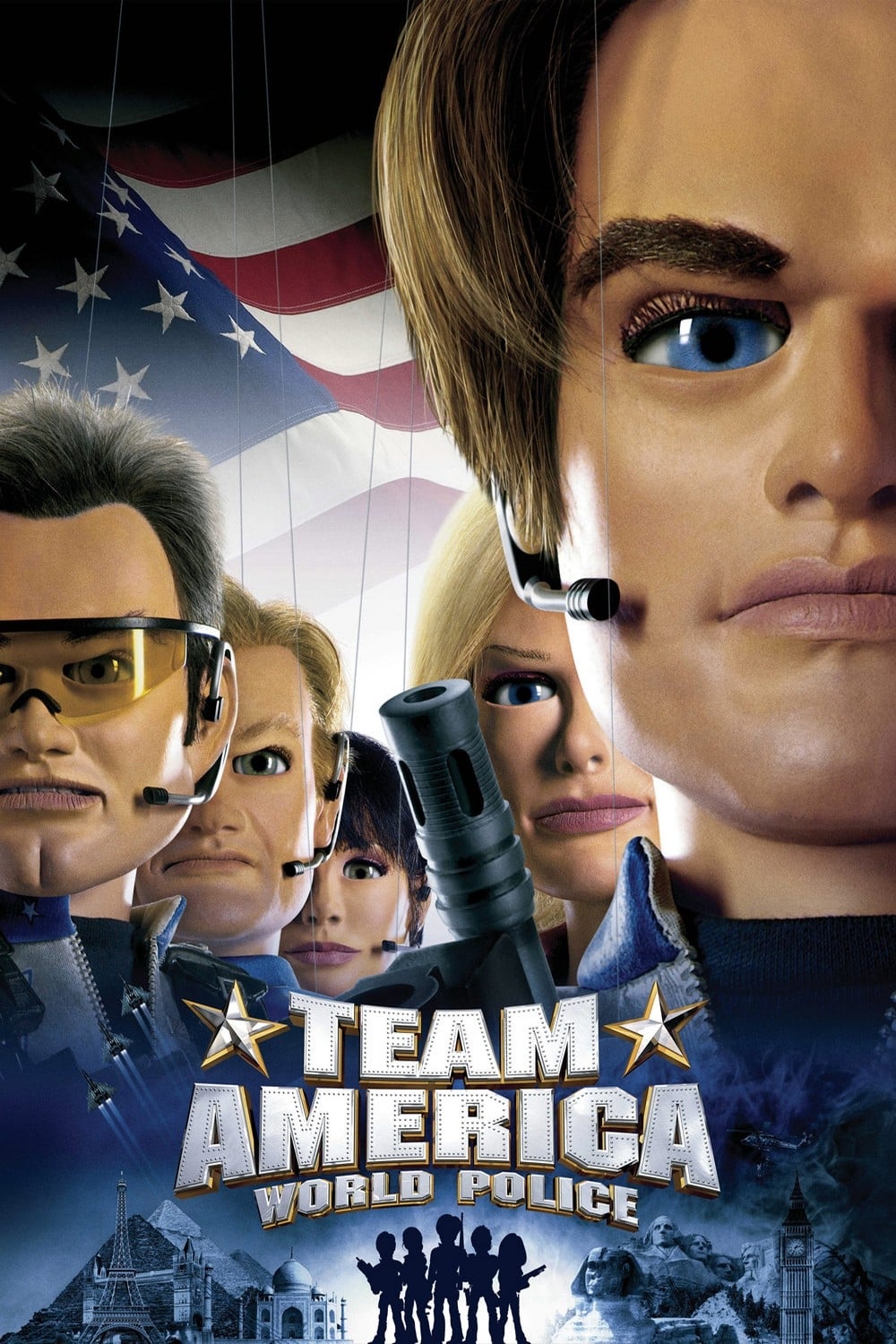
Several U.S. theaters attempted to book the film as a substitute screening during the ‘The Interview’ controversy, but approvals were not granted. Distributors and rights holders declined to authorize the emergency playdates. Exhibitors announced same-day cancellations after schedules had been posted. The episode showed how replacement programming can be curtailed during tense periods.
‘Cuties’ (2020)

Independent cinemas and community events canceled proposed showings amid threats and protests over marketing and subject matter. Organizers cited staff safety and venue pressures when pulling listings. Lawmakers and advocacy groups amplified scrutiny of the release. The title remained available on streaming even as theatrical plans were abandoned.
‘Lightyear’ (2022)

Several territories blocked the film due to a brief same-sex kiss, declining to grant classification. The studio did not supply region-specific edits to meet local requirements. Exhibition proceeded in markets without such restrictions. International box-office patterns reflected the patchwork access.
‘Eternals’ (2021)
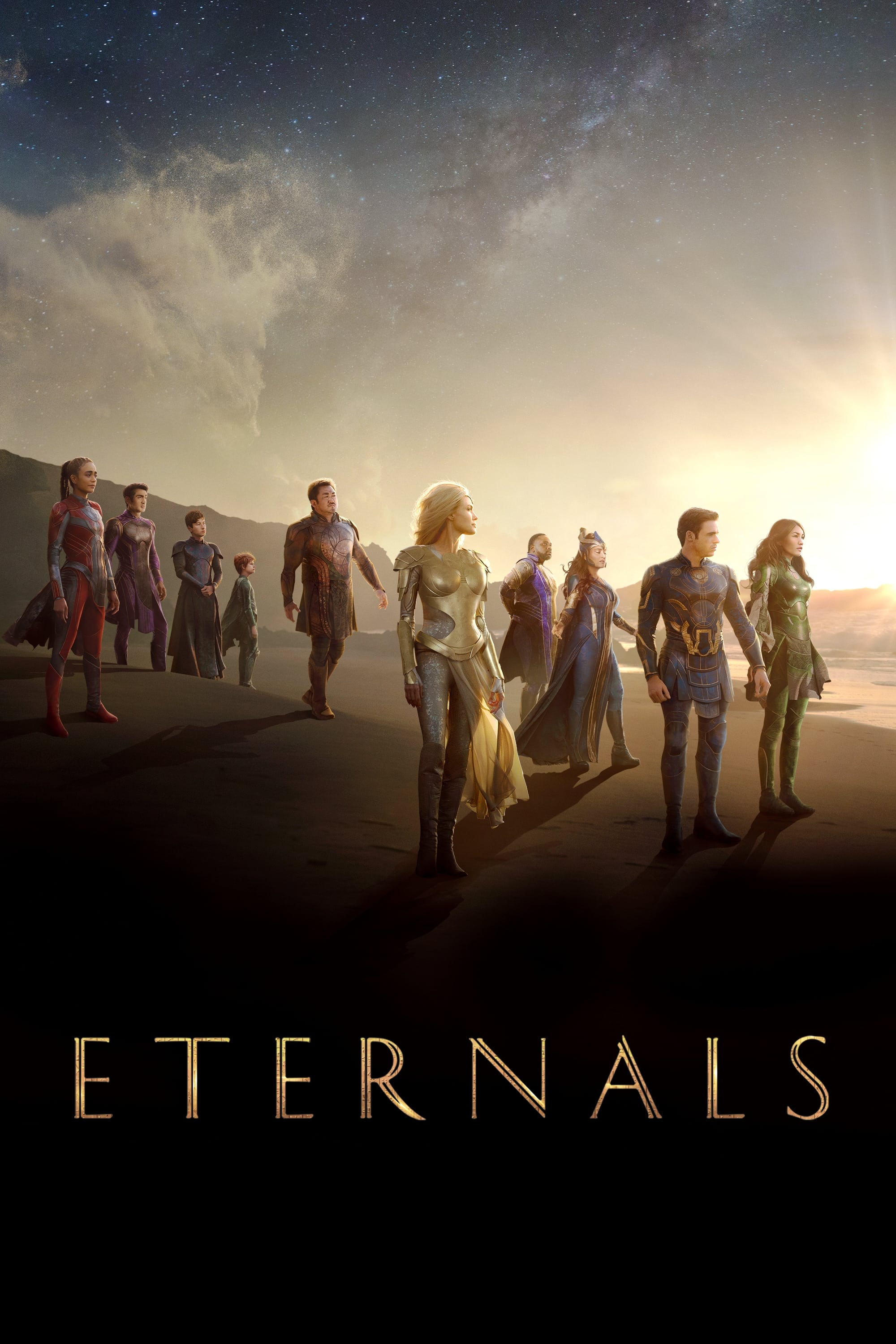
Censors in parts of the Gulf declined approval over LGBTQ+ content, resulting in canceled theatrical runs. Requests for edits were not accommodated by the distributor. Other regions released the film normally without content changes. The uneven availability mirrored broader policy differences across markets.
‘Beauty and the Beast’ (2017)

Regulators in some countries demanded edits or imposed higher age ratings because of a brief “exclusively gay moment.” One exhibitor paused bookings during a review before resuming with an adjusted classification. Another territory blocked release rather than approve the uncut version. The film’s distribution therefore varied by local standards.
‘West Side Story’ (2021)
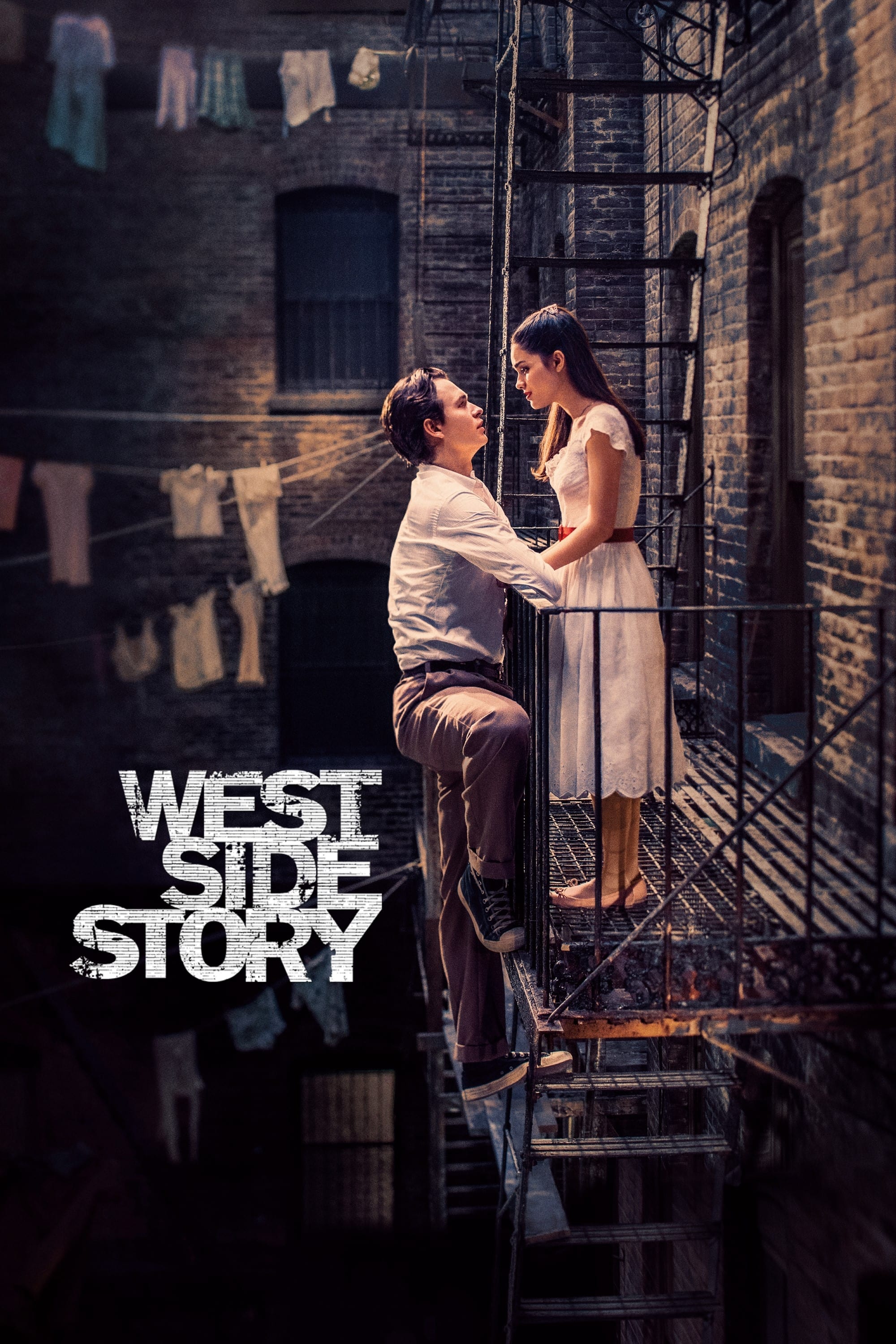
A handful of Gulf states canceled release over concerns tied to LGBTQ+ representation. The studio did not announce alternate cuts for those markets. The film screened as normal in regions without those content restrictions. Later streaming windows broadened access where theatrical play was not permitted.
‘Barbie’ (2023)
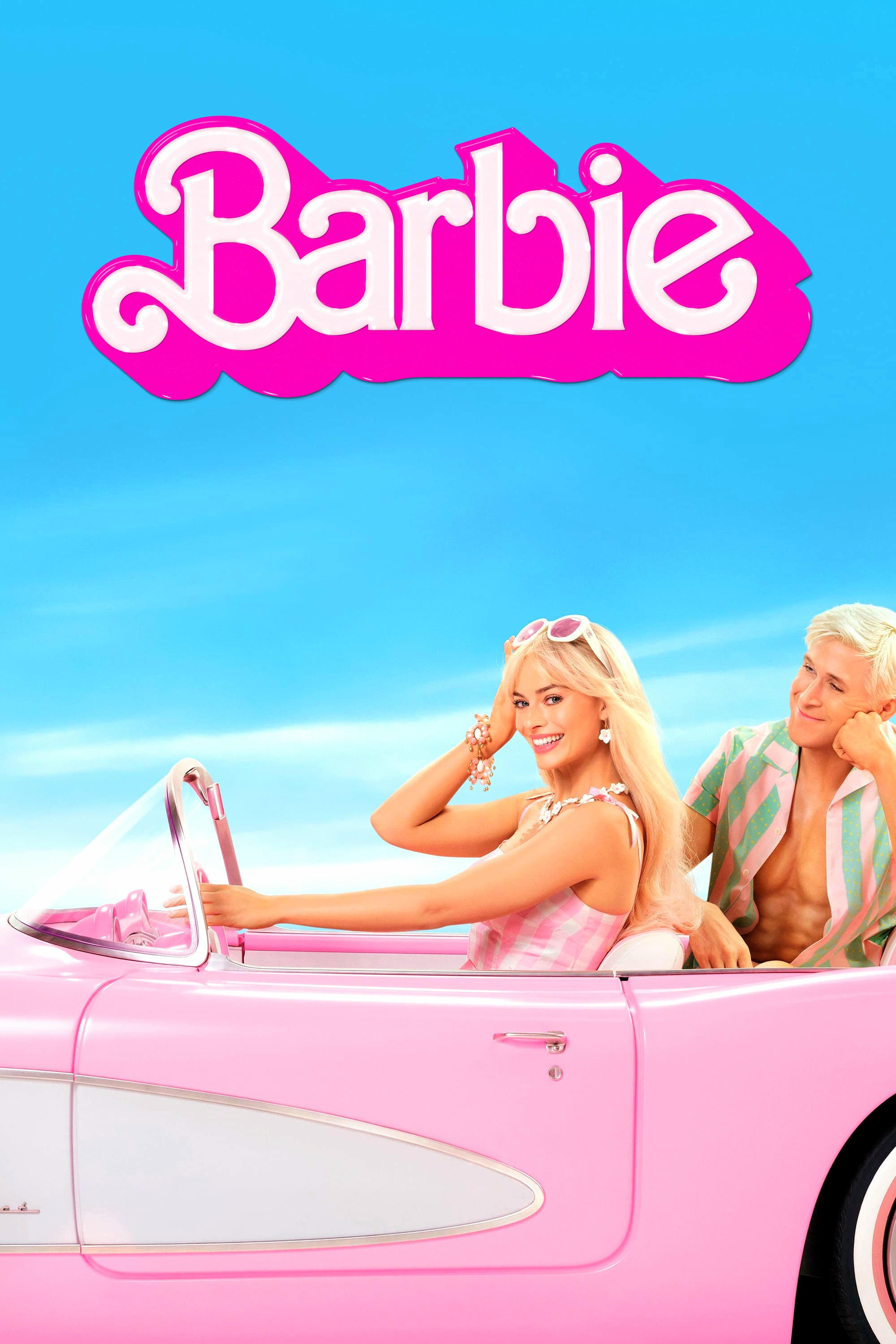
Vietnam banned the film over a map graphic interpreted as endorsing the nine-dash line, while other countries reviewed release plans. Some Middle Eastern markets withheld approval citing broader content issues. Schedules were adjusted where necessary while remaining unchanged elsewhere. The controversy highlighted how geopolitics can intersect with mainstream releases.
‘Winnie the Pooh: Blood and Honey’ (2023)
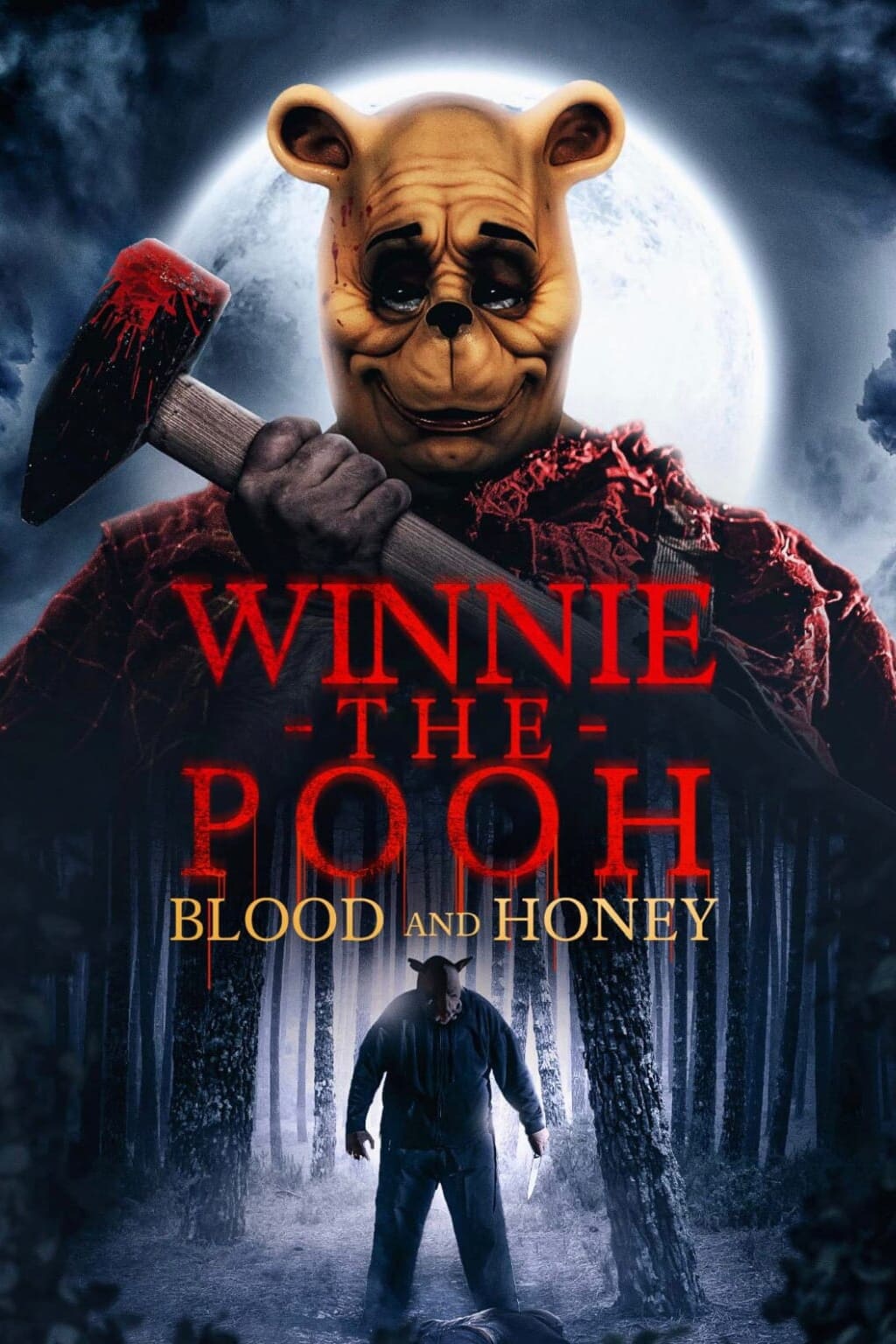
The planned Hong Kong opening was canceled after cinemas notified distributors that screenings would not proceed. Local reporting pointed to approvals not being granted for public exhibition. Political associations around the character had already drawn official scrutiny in the region. The film continued to play in other markets without interruption.
‘Joker’ (2019)
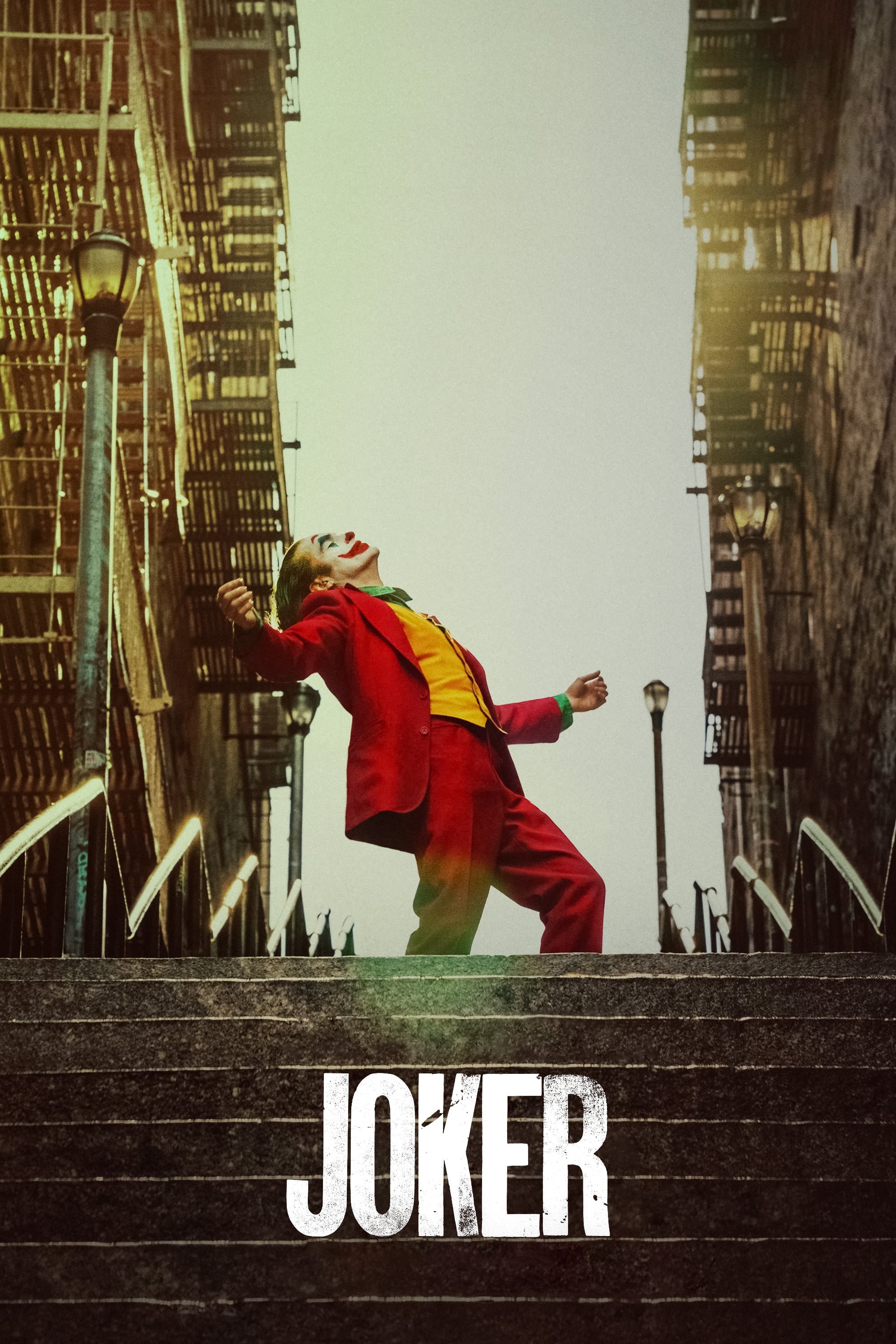
Select theaters canceled showtimes or declined bookings amid safety concerns and threat assessments. Law-enforcement agencies issued advisories to exhibitors, and chains implemented bag checks and staffing changes. One multiplex connected to a prior tragedy chose not to program the movie at all. The broader release continued with heightened security protocols.
‘Life of Brian’ (1979)
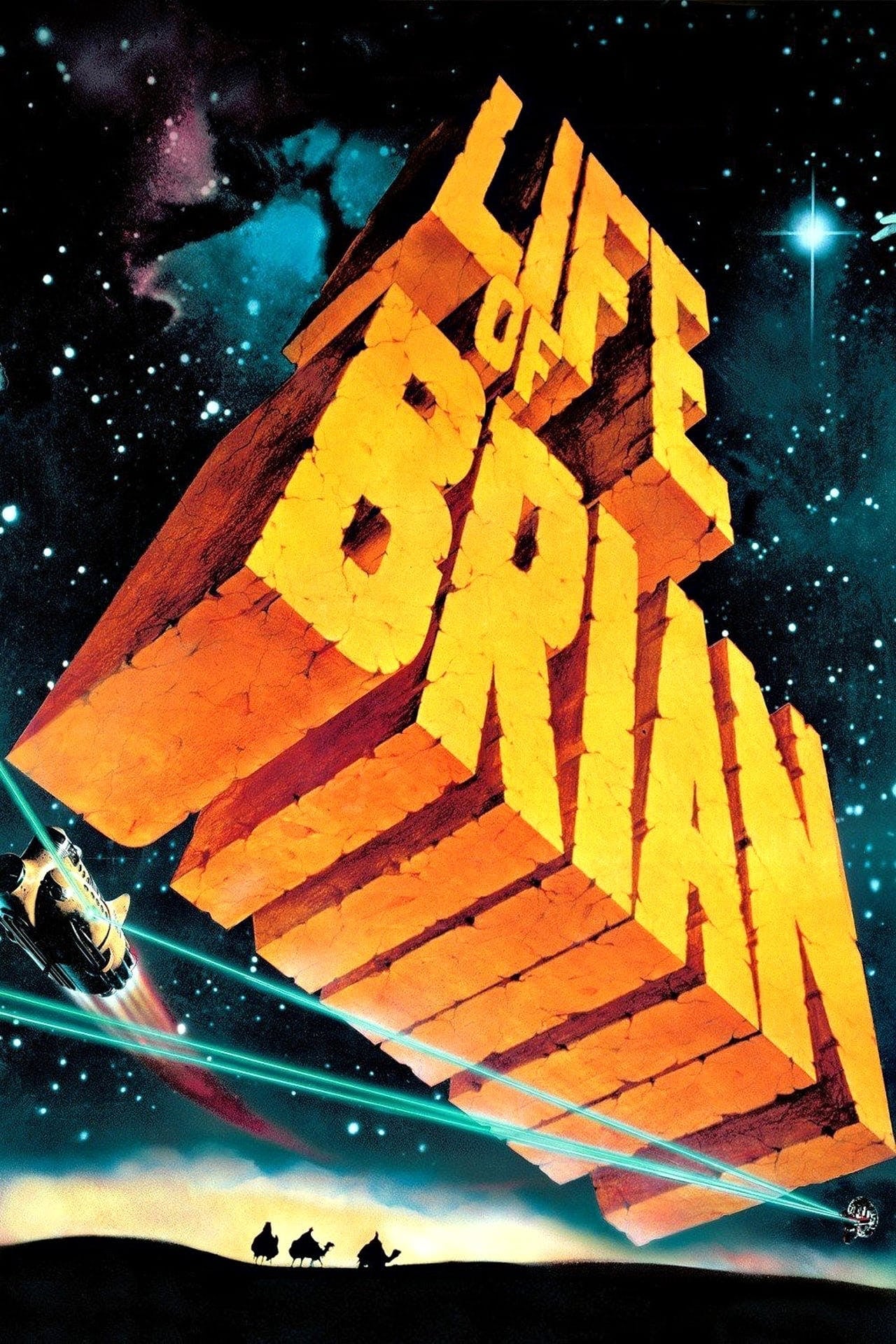
Local councils in the U.K. and national censors in Ireland and Norway banned or restricted the film on blasphemy grounds. Some jurisdictions relented years later, creating a staggered release history. Repertory cinemas have since added contextual introductions for special screenings. The title’s availability has long reflected local legal and cultural standards.
‘Benedetta’ (2021)
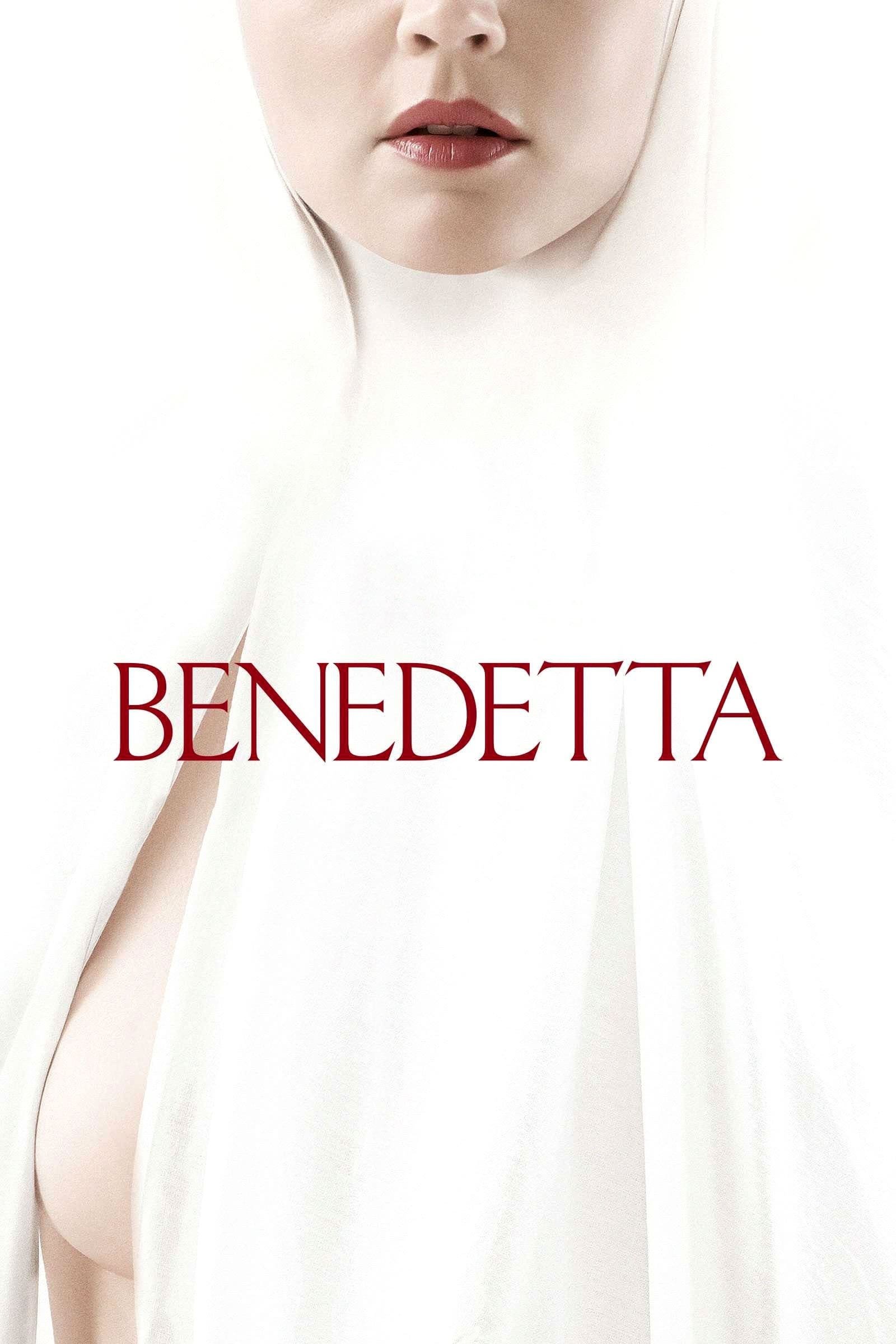
Singapore’s classification authority refused the film a rating, effectively banning it theatrically. Religious groups organized protests around festival and commercial screenings in other countries. Distributors reported different outcomes, from standard release to cancellations. Availability has depended on each market’s policies toward sexual content and religious themes.
‘Fire’ (1995)

Protesters attacked cinemas in parts of India soon after release, prompting exhibitors to halt shows temporarily. Police protection and court actions were used to restore bookings in several cities. The film’s depiction of same-sex relationships was central to the outcry. Subsequent screenings proceeded under tighter security and sustained media attention.
‘Water’ (2005)
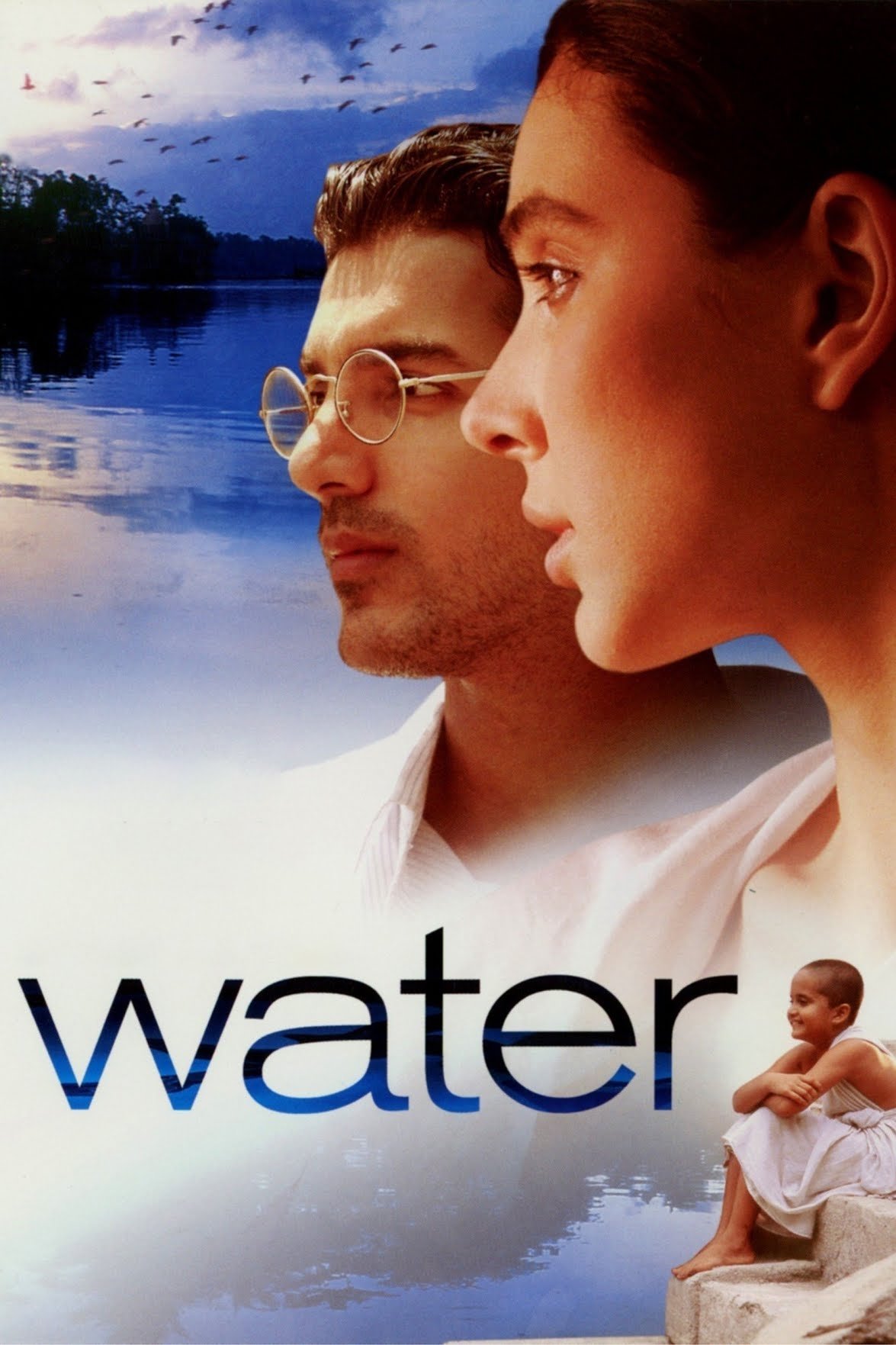
Production was shut down in India after protests and threats, forcing the filmmakers to relocate and complete the movie elsewhere. Permits were withdrawn, sets were destroyed, and cast changes were required. The project resumed with secrecy to avoid further disruption. The eventual release remained sensitive in the original market.
‘PK’ (2014)
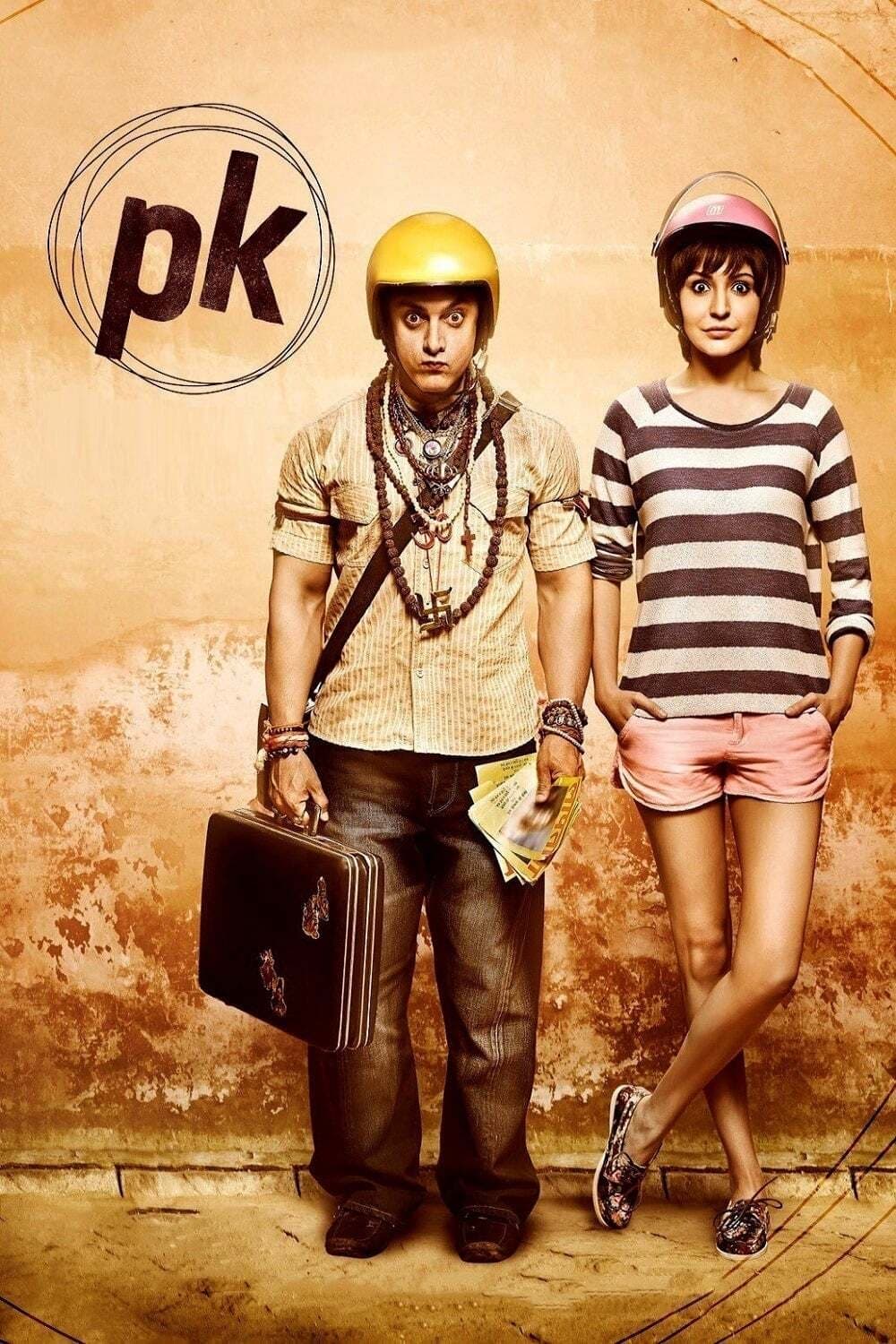
Cinemas in multiple cities reported vandalism and protests that led to canceled shows during the opening stretch. Police deployments and negotiations with exhibitors stabilized schedules over time. Complaints and petitions challenged the film on religious-offense grounds. The nationwide release continued with varying local responses.
‘My Name Is Khan’ (2010)
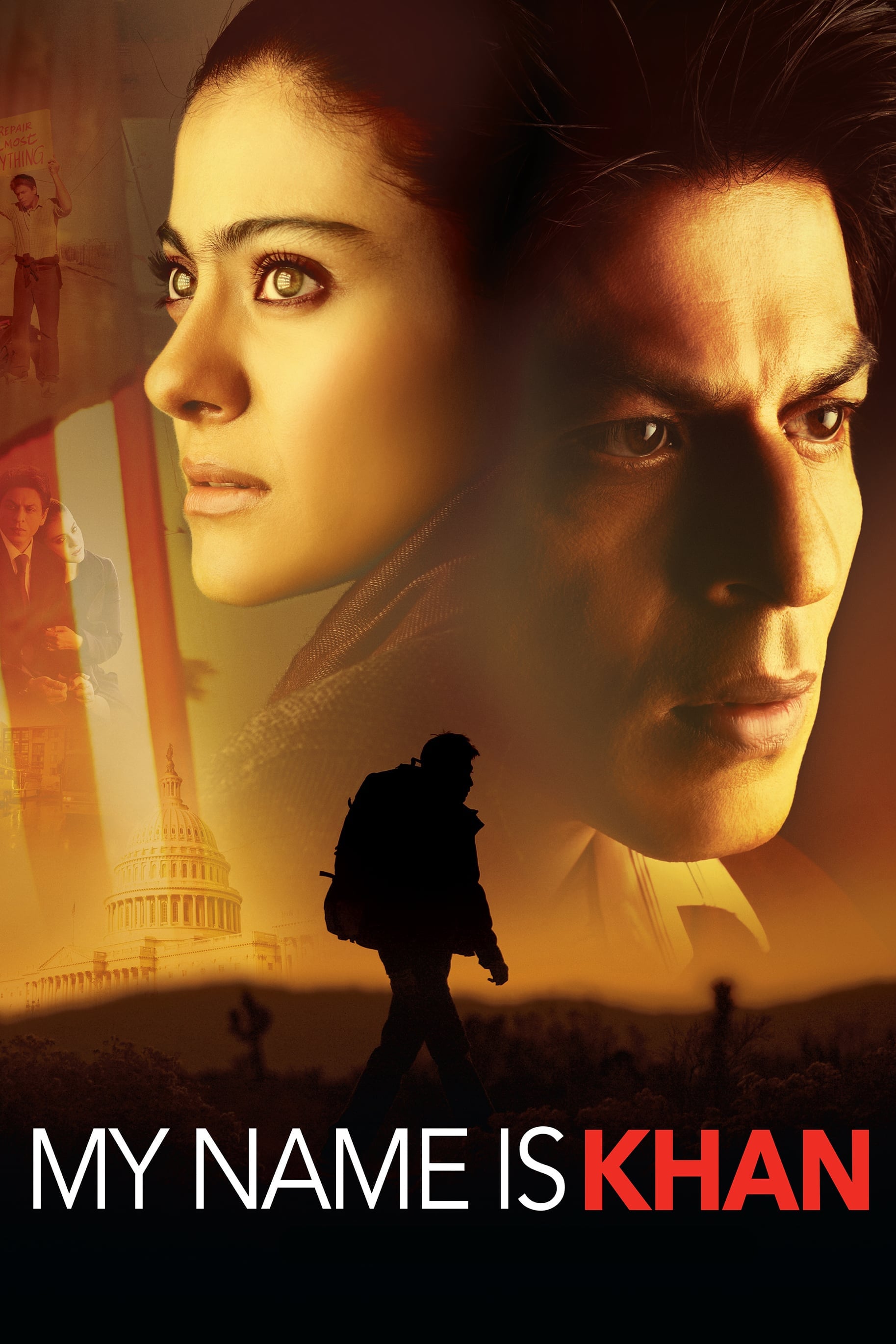
Activists staged protests at multiplexes ahead of opening, and several locations canceled or delayed screenings. Authorities coordinated with chains to restore showtimes as security increased. The distributor kept the rollout intact despite disruptions. The incident is frequently cited in discussions of political pressure on exhibition.
What other titles do you think belong on this list? Share your thoughts in the comments.

