


Movies Critics Liked —Controversy Didn’t


Some films win praise for craft, performances, or ambition while also sparking boycotts, bans, and fierce public arguments. This list spotlights titles that drew strong critical notices yet faced protests, moral panics, court fights, or political blowback. You’ll find religious flashpoints, violence debates, censorship battles, and culture-war lightning rods across genres and decades. Each entry notes what the film is, who made it, what it covers, and why it landed in hot water despite the accolades.
‘Life of Brian’ (1979)
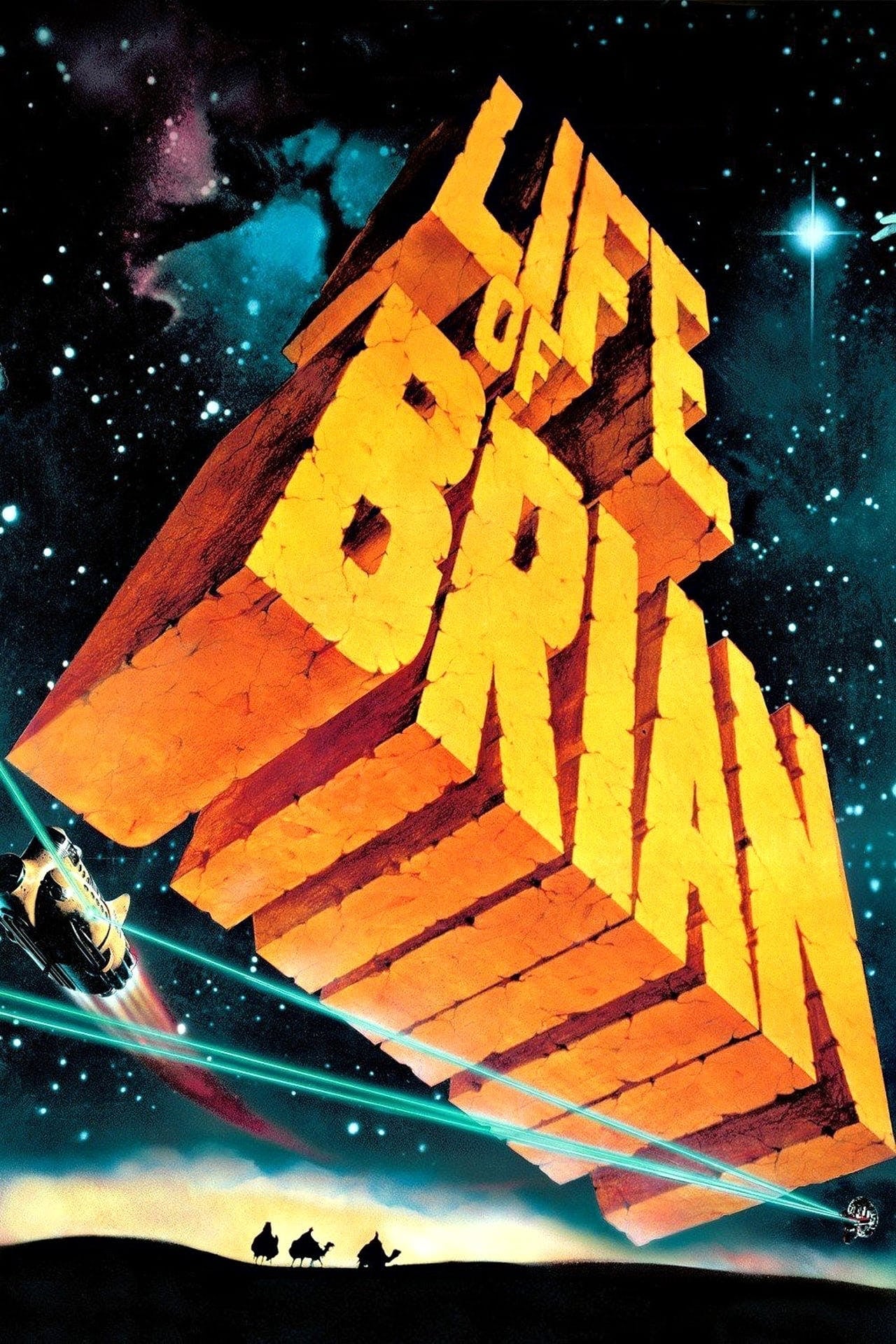
Directed by Terry Jones and created by the Monty Python team, this satire follows an ordinary man mistaken for a messiah in Roman-occupied Judea. It drew praise for sharp writing and inventive set pieces. Religious groups organized boycotts, and some local councils and countries banned or restricted screenings. The controversy centered on perceived blasphemy, even as many critics highlighted its targets as institutional hypocrisy and zealotry rather than faith itself.
‘The Last Temptation of Christ’ (1988)
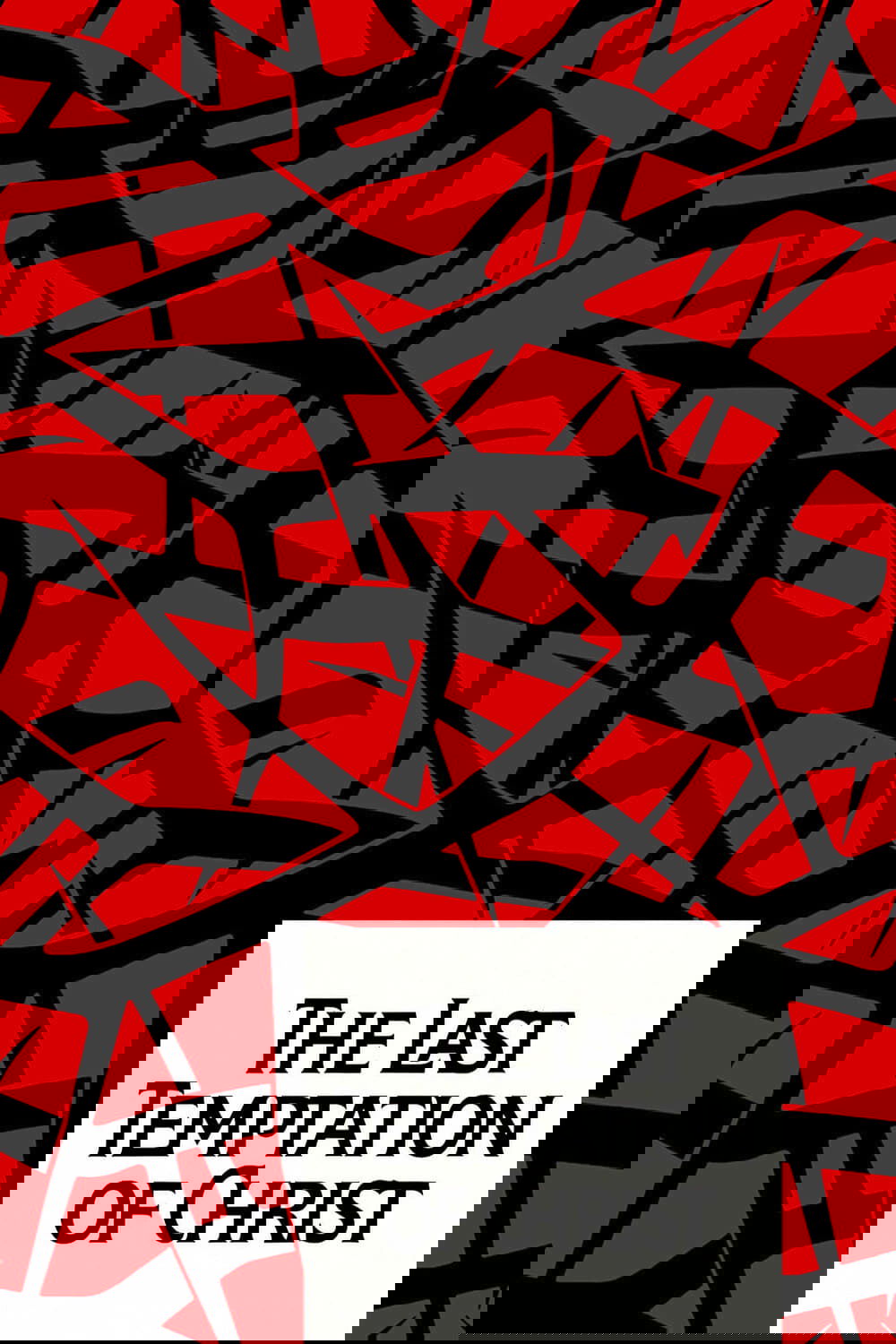
Martin Scorsese adapts Nikos Kazantzakis’s novel, with Willem Dafoe portraying Jesus in a humanized, doubt-stricken interpretation. Reviewers singled out the score, cinematography, and philosophical ambition. Religious organizations held mass protests, and several territories imposed bans or demanded cuts. The uproar focused on imagined sequences of sexuality and the film’s depiction of spiritual struggle.
‘A Clockwork Orange’ (1971)
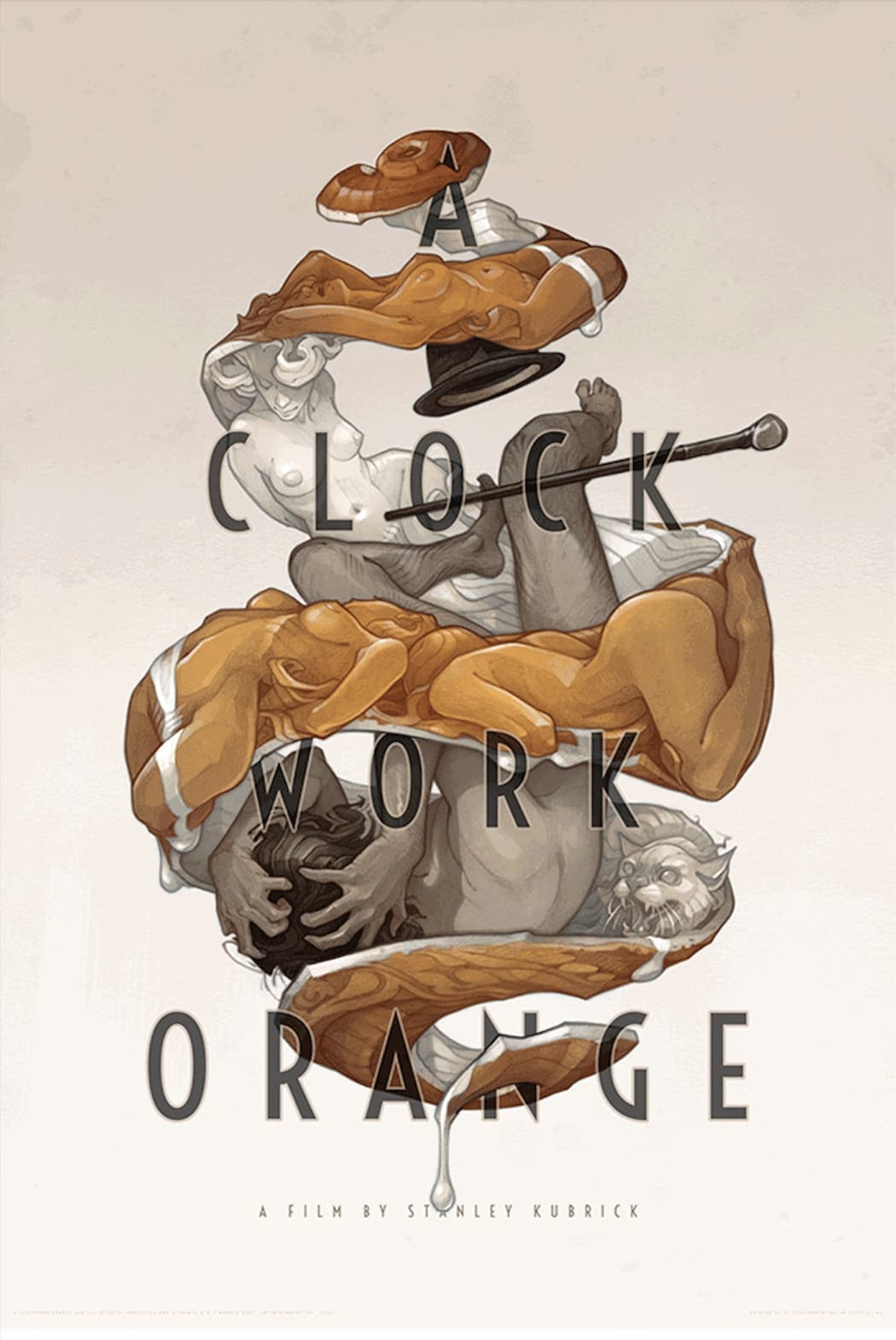
Stanley Kubrick’s adaptation of Anthony Burgess’s novel follows Alex and his gang through ultraviolence and an experimental rehabilitation program. Critics praised the formal control, soundtrack choices, and exploration of free will. Public outrage linked the film to copycat crimes, prompting intense media scrutiny. Kubrick’s team restricted distribution in parts of the United Kingdom for a long stretch, which only increased its notoriety.
‘Blue Velvet’ (1986)

David Lynch’s suburban noir stars Kyle MacLachlan, Isabella Rossellini, and Dennis Hopper in a story that uncovers brutality beneath small-town calm. Many critics lauded its controlled surrealism and bold performances. The film faced objections for sexual violence and the treatment of its lead character’s trauma. Debates erupted over whether its depiction challenged or exploited the material, even as it became a touchstone in American art cinema.
‘Blue Is the Warmest Color’ (2013)
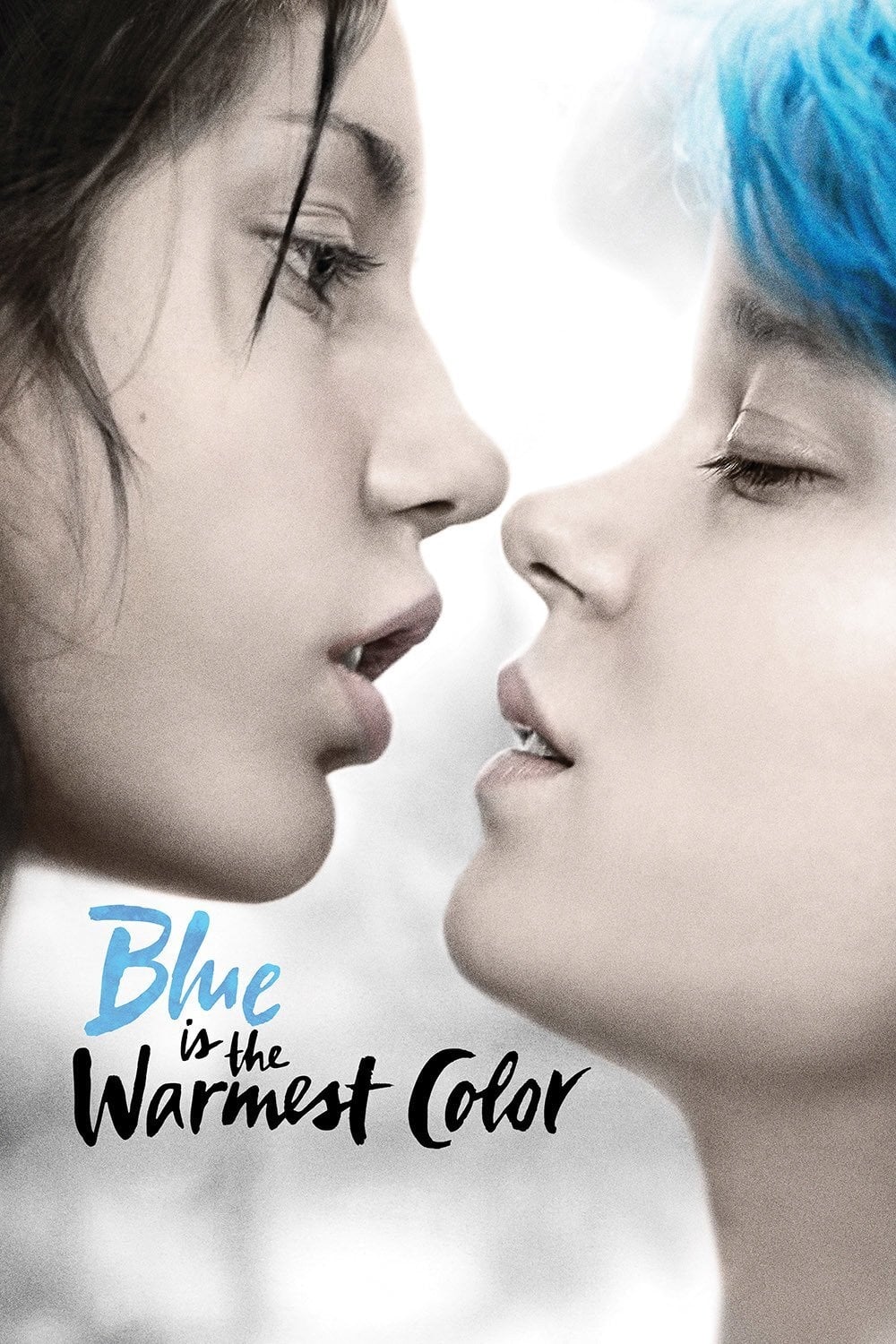
Abdellatif Kechiche’s Palme d’Or winner follows two young women through an intense romance and its aftermath. Critics praised Adèle Exarchopoulos and Léa Seydoux for emotionally layered performances. The film sparked disputes over explicit scenes, production conditions, and the male gaze in depicting queer intimacy. Some countries shifted age ratings or restricted screenings while major festivals and critics’ groups honored it.
‘Brokeback Mountain’ (2005)
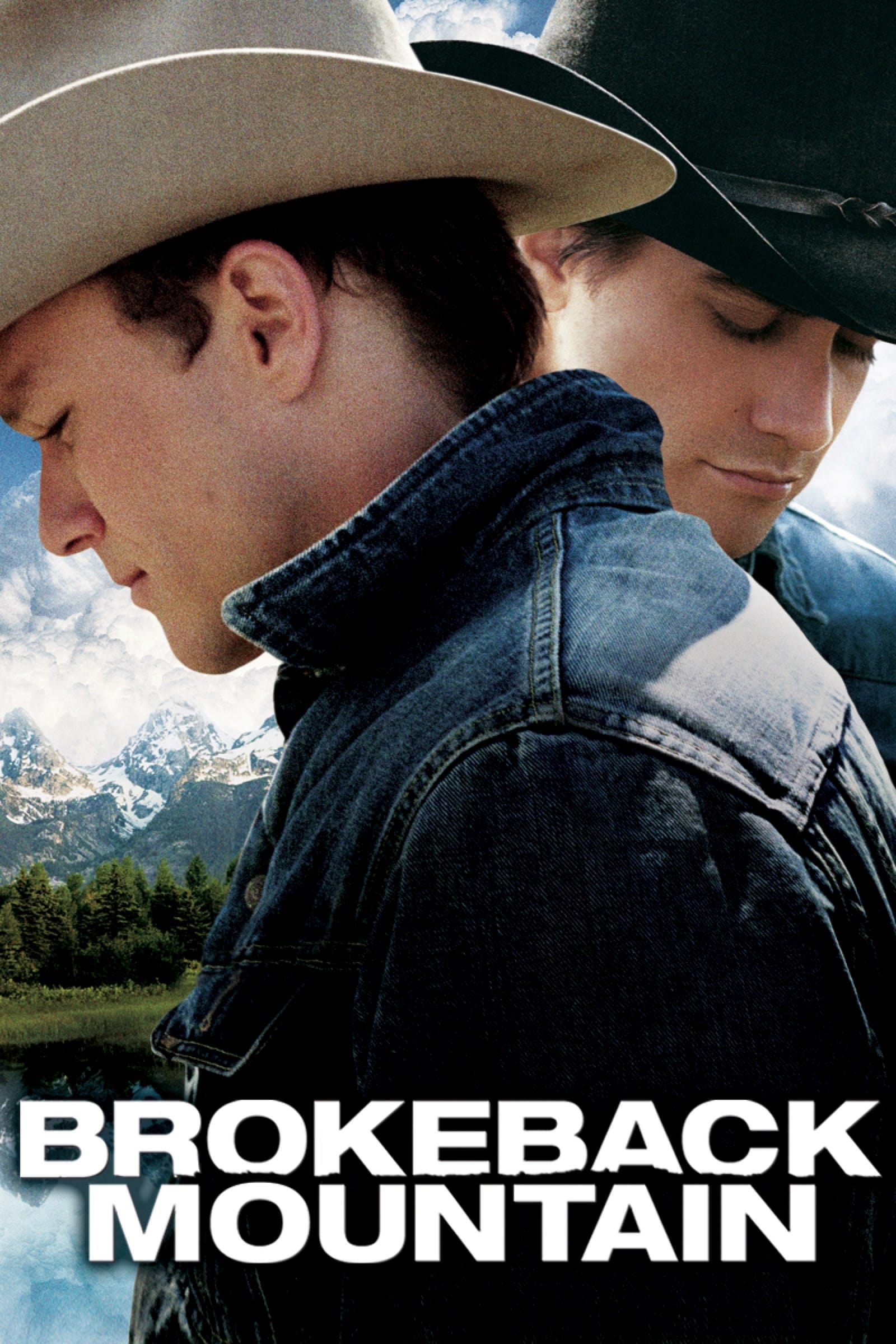
Ang Lee’s drama adapts Annie Proulx’s short story about two ranch hands whose relationship spans years of secrecy and strain. Reviewers emphasized the restrained direction and the central performances by Heath Ledger and Jake Gyllenhaal. Several theater chains declined to book the film in certain regions, citing anticipated backlash. Religious and cultural groups condemned its subject matter, while awards bodies and critics’ circles celebrated it widely.
‘The Wolf of Wall Street’ (2013)
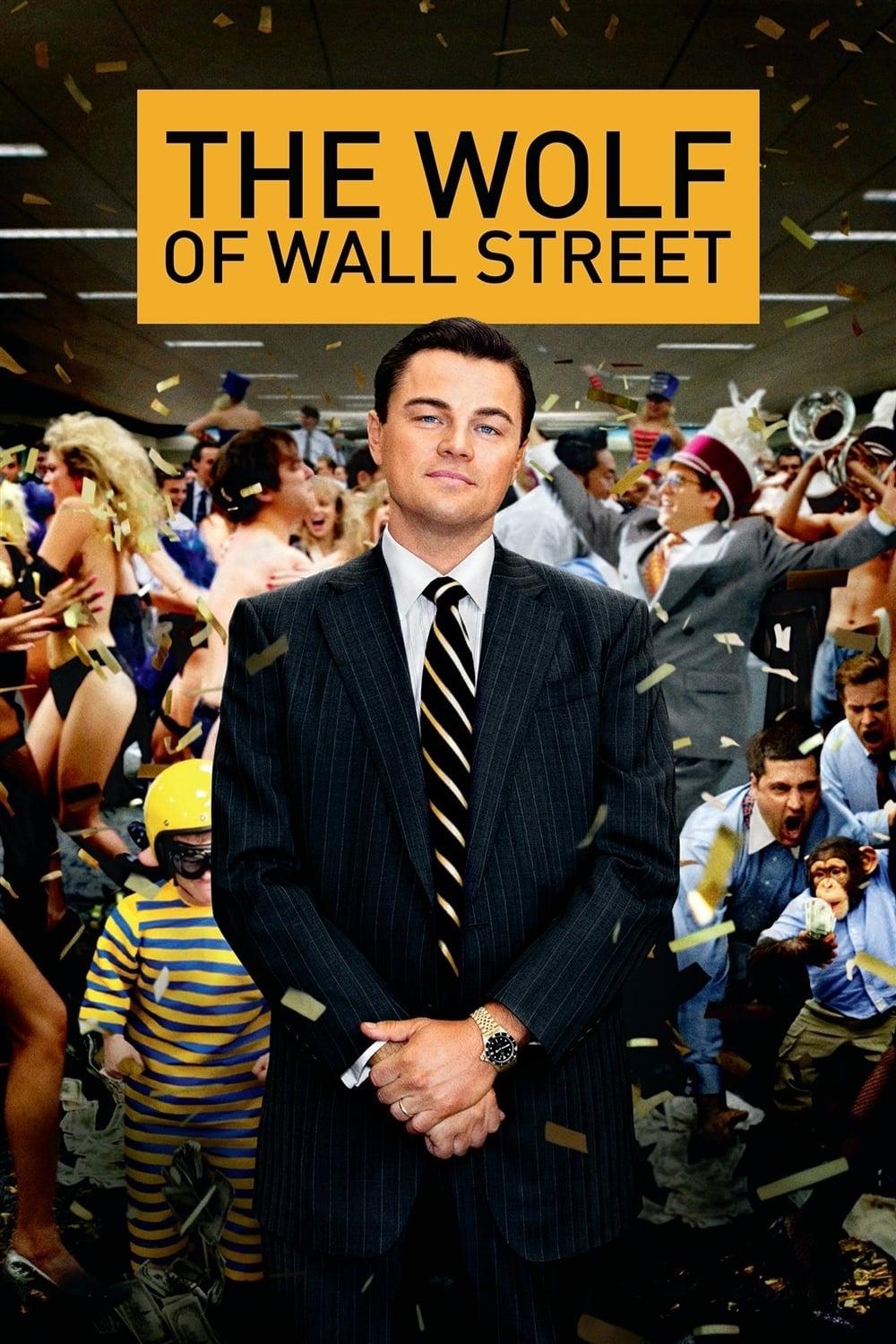
Martin Scorsese chronicles a stock swindler’s rise through fraud, excess, and chaos, with Leonardo DiCaprio leading an ensemble cast. Critics cited the film’s propulsive energy and satirical bite. It triggered arguments about glorification of criminality, onscreen drug use, and depictions of women. Regulators in some markets requested edits, and public figures debated its ethics despite awards attention.
‘Natural Born Killers’ (1994)
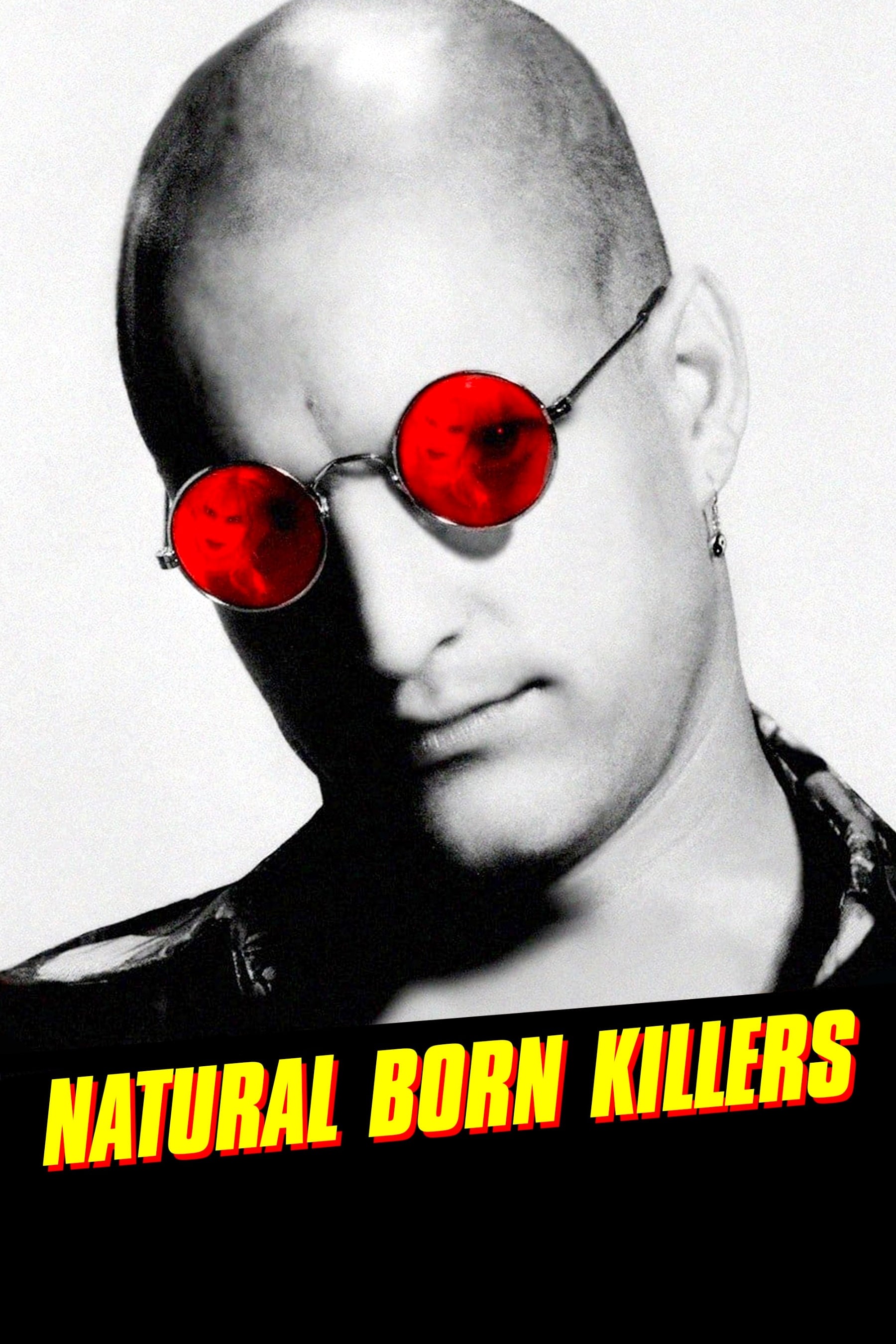
Oliver Stone’s media-satire follows a pair of lovers who become infamous through televised carnage. Many reviewers called out its collage style, mixed formats, and critique of news sensationalism. Lawsuits and headlines linked the film to real-world violence, creating a lasting moral panic. Several territories demanded cuts, and broadcasters handled it cautiously long after release.
‘The Deer Hunter’ (1978)
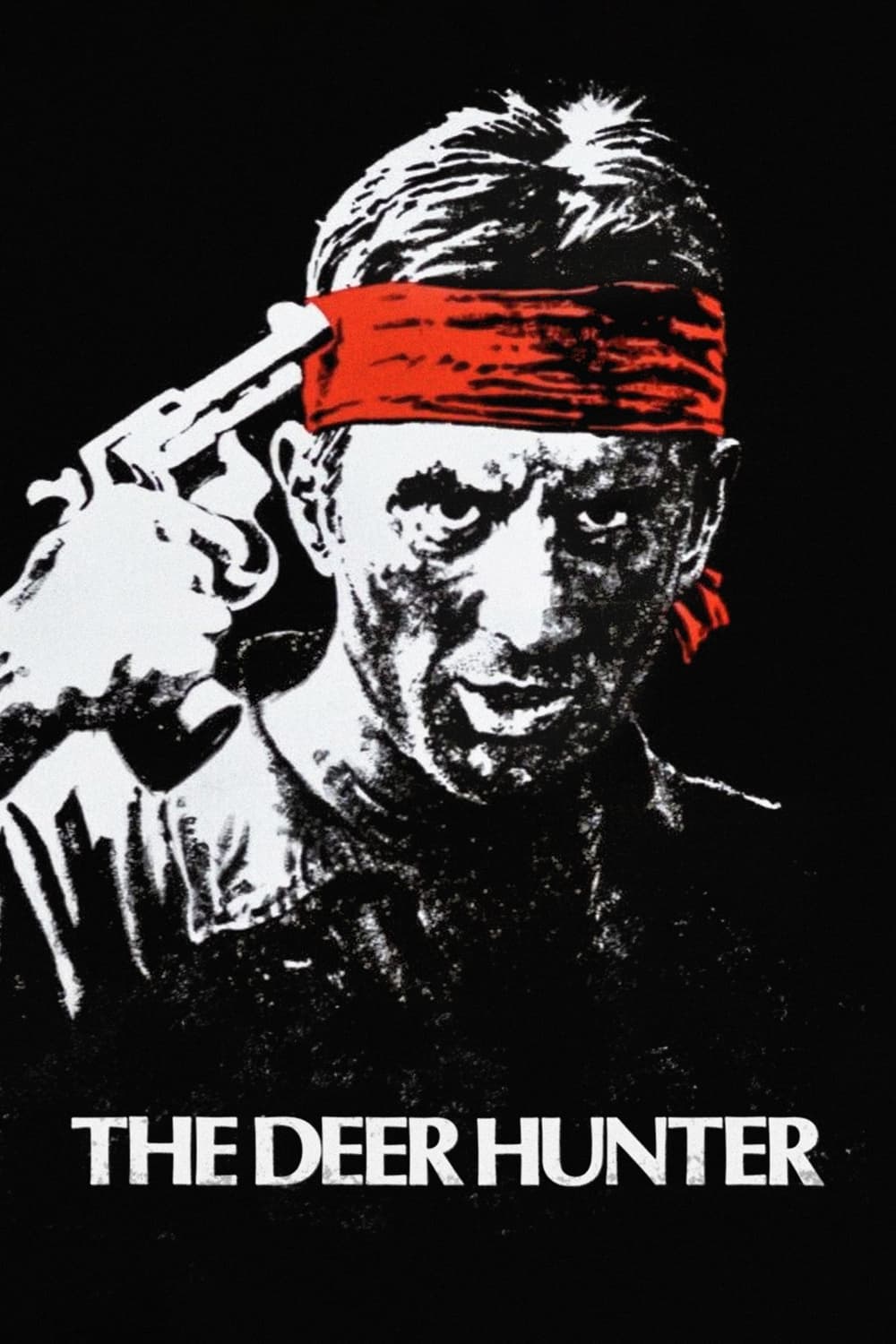
Michael Cimino’s war epic focuses on a working-class friend group across factory life, combat, and homecoming. Critics singled out the performances of Robert De Niro, Meryl Streep, and Christopher Walken. Vietnamese groups and some veterans’ organizations objected to the depiction of gambling torture and enemy combatants. While awards bodies embraced the film, community protests accompanied many screenings.
‘Kids’ (1995)
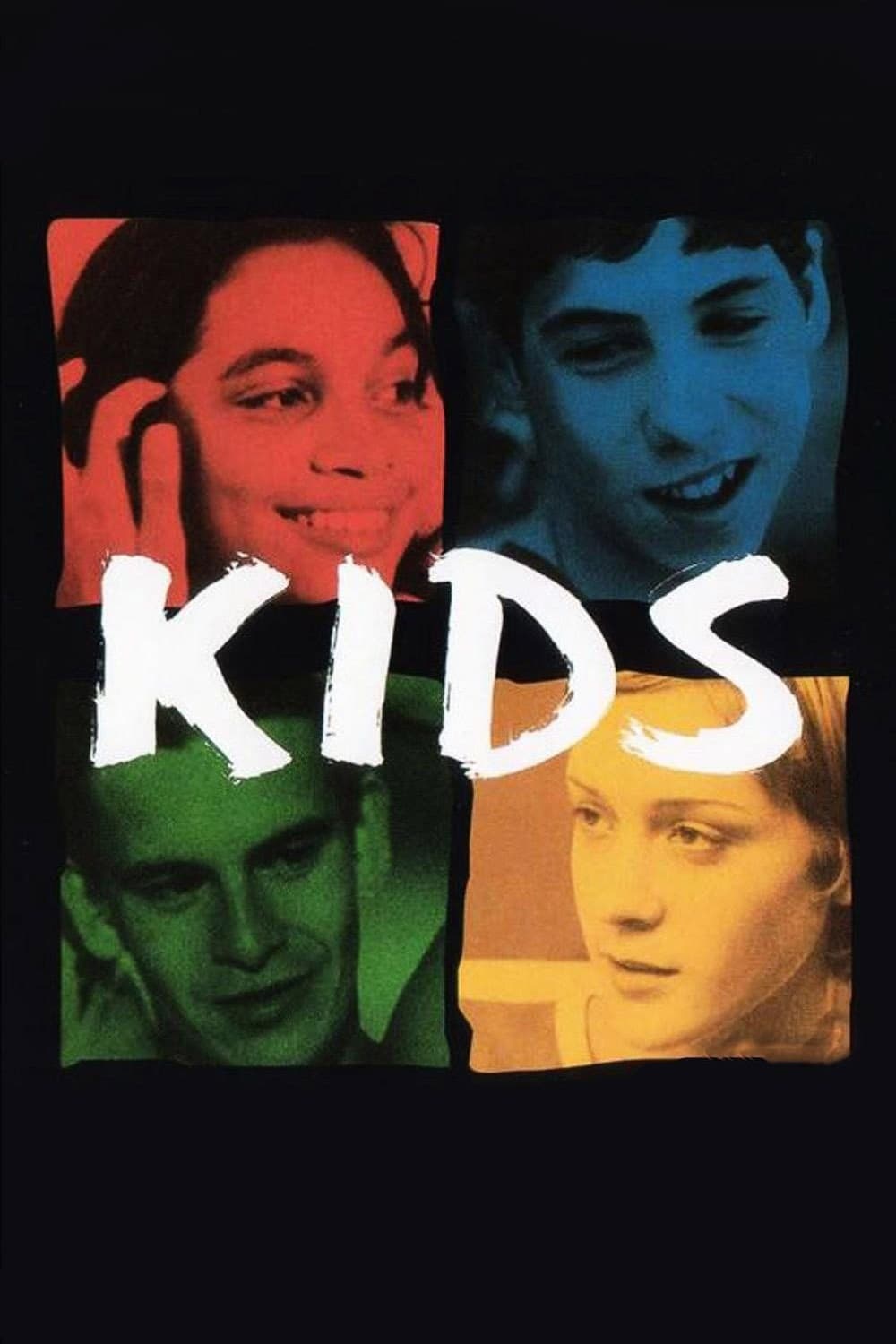
Larry Clark’s drama, written by Harmony Korine, follows New York City teens over one day of sex, skateboarding, and risky behavior. Critics highlighted its raw, documentary-like immediacy and nonprofessional cast. Advocacy groups condemned it for exploitation and harmful messaging about youth and health. The film’s distributor used an unrated release strategy after rating hurdles, amplifying the debate.
‘The Texas Chain Saw Massacre’ (1974)
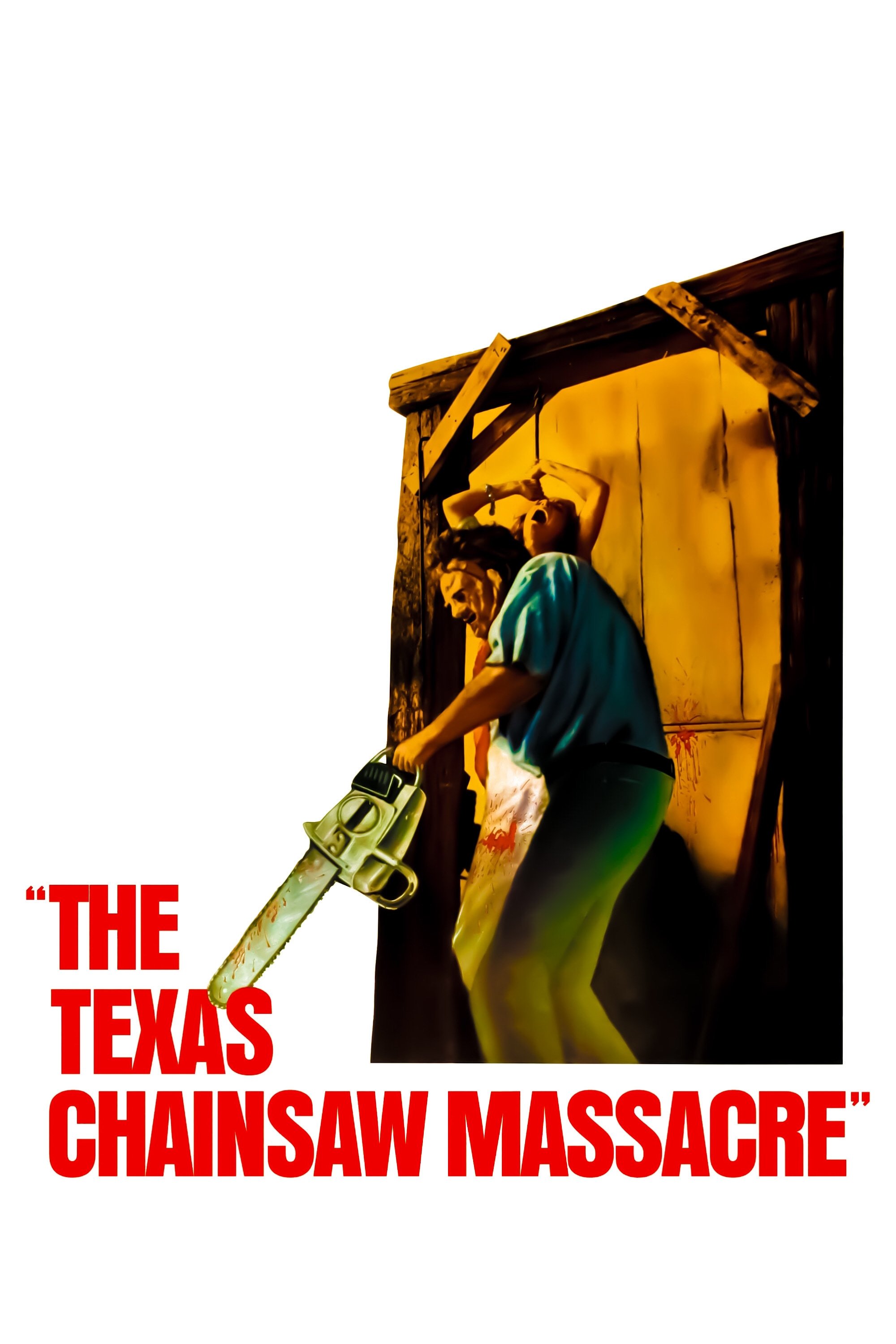
Tobe Hooper’s low-budget horror follows a group of friends who stumble into a cannibalistic family led by Leatherface. Critics noted its unnerving sound design, documentary grit, and genre-shaping influence. Censors in multiple countries banned or heavily cut the film, citing extreme menace despite relatively restrained gore. Its reputation grew through midnight screenings and critical reevaluations.
‘Freaks’ (1932)
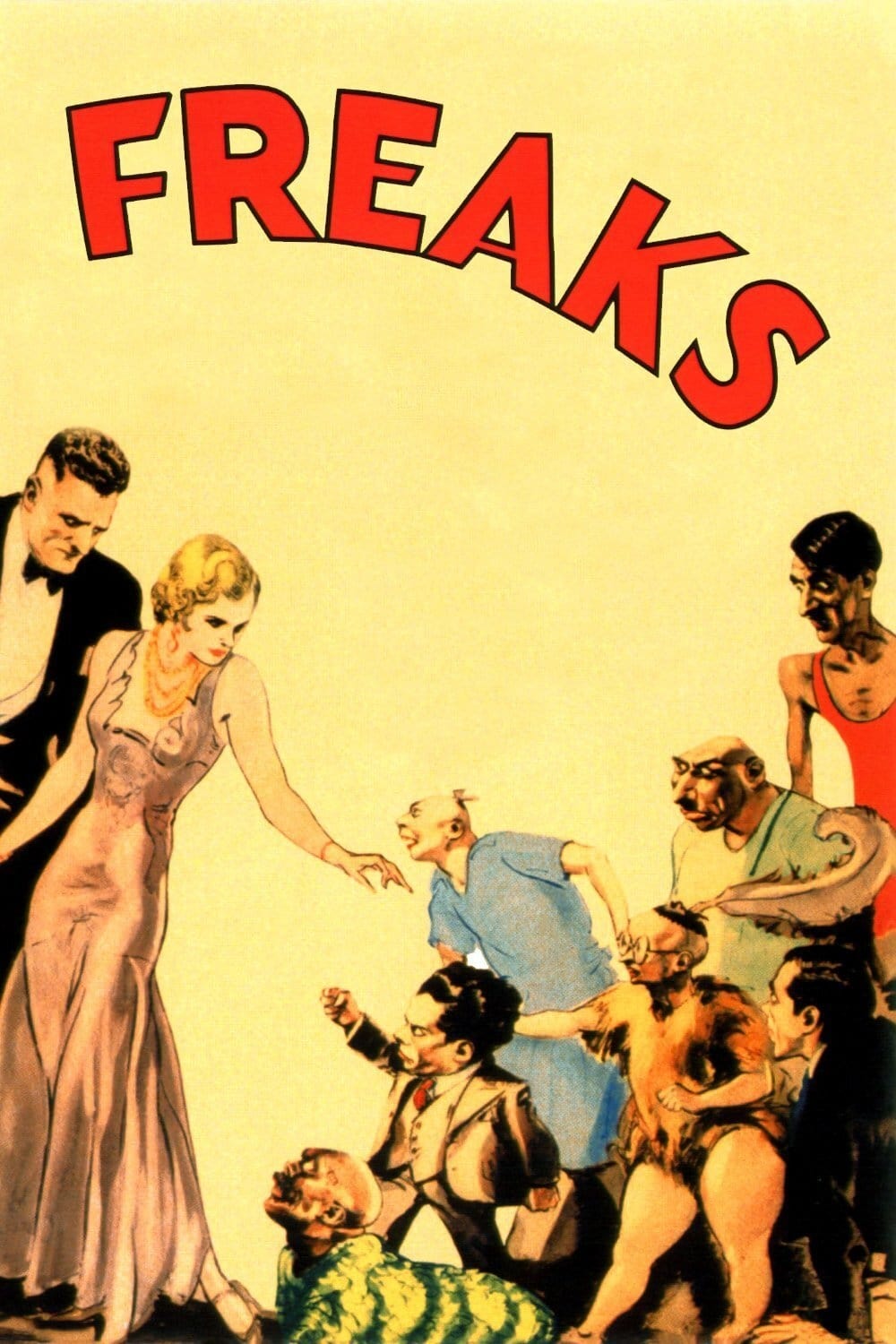
Tod Browning’s circus-set tale features performers with disabilities and centers on betrayal, community, and revenge. Early reviewers admired aspects of its empathy and atmosphere. Studio executives forced drastic edits after audience walkouts, and several markets banned it for long periods. Later critics and scholars reclaimed it as a landmark of pre-Code boundary-pushing and representation.
‘Salò, or the 120 Days of Sodom’ (1975)


Pier Paolo Pasolini adapts the Marquis de Sade into a political allegory of power, torture, and dehumanization. Critics recognized its rigorous formal design and allegorical intent. Authorities seized prints, censors banned it in multiple regions, and legal fights extended for years. The film remains a touchstone in debates over artistic freedom and the limits of depiction.
‘Irreversible’ (2002)
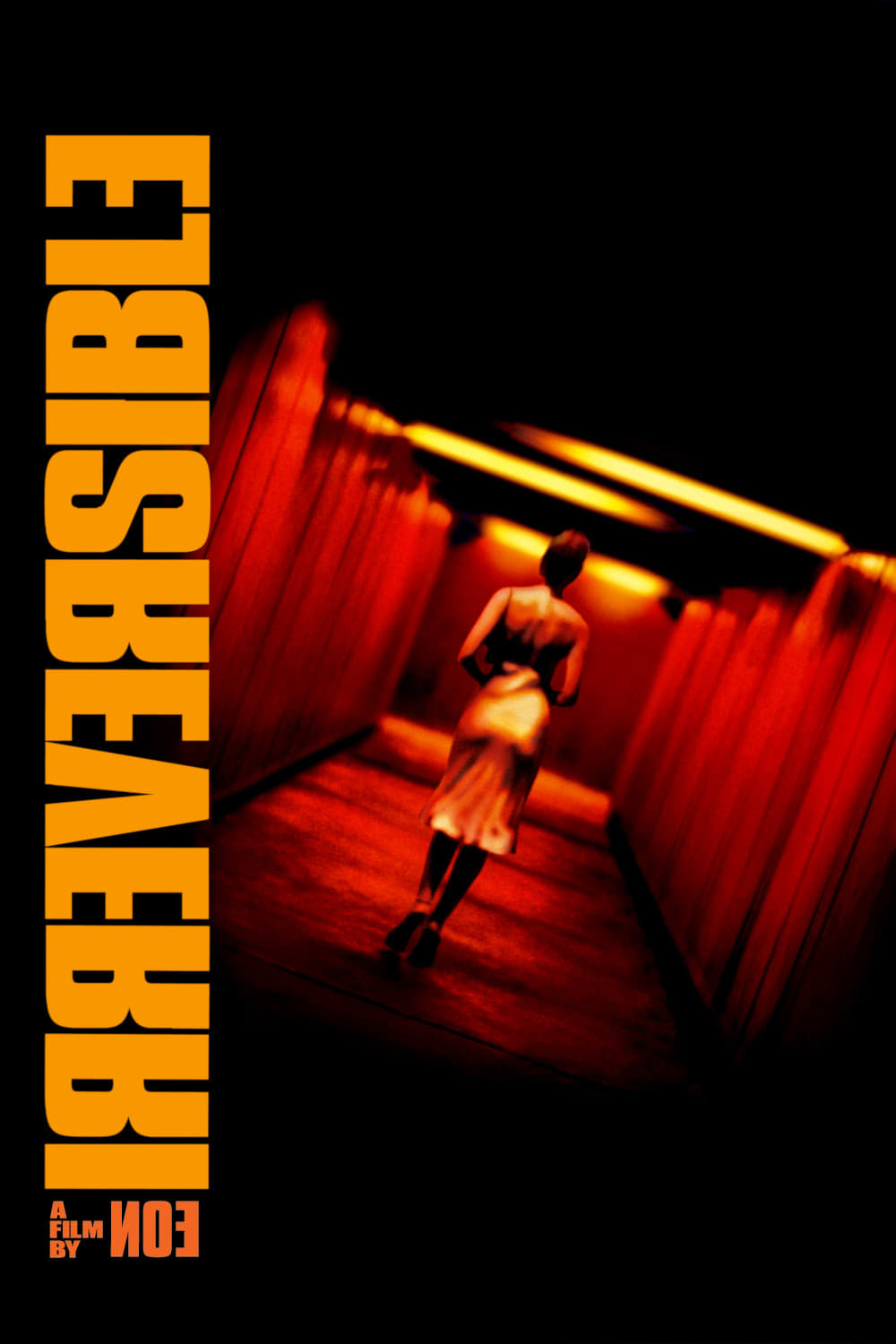
Gaspar Noé’s thriller unfolds in reverse chronology, centering on an assault and its aftermath. Reviewers remarked on the long takes, sound design, and structural experimentation. Festival screenings prompted mass walkouts and emergency medical attention claims due to intensity. Rating boards and broadcasters imposed restrictions, while arthouses programmed it with content advisories.
‘The Exorcist’ (1973)

William Friedkin’s adaptation of William Peter Blatty’s novel follows a mother seeking help for her possessed daughter. Critics praised the performances, makeup effects, and classical score. Religious leaders, parents’ groups, and some medical professionals warned about psychological impact on young viewers. Lines formed outside theaters as reports of fainting and bans in certain locales fueled the film’s cultural dominance.
‘The Silence of the Lambs’ (1991)
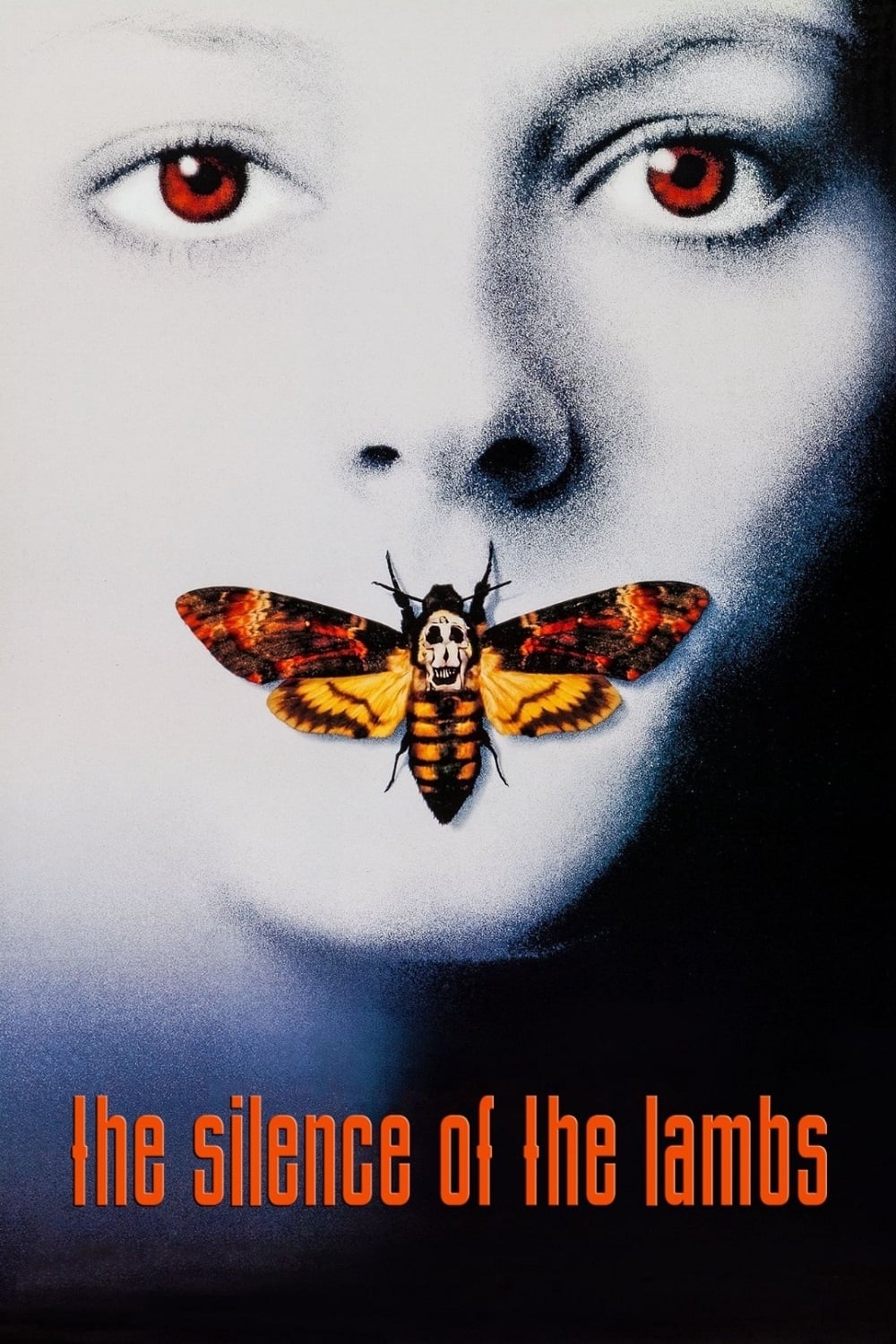
Jonathan Demme’s crime thriller pairs an FBI trainee with an imprisoned killer to catch another murderer. Critics saluted its structure, acting, and cross-genre precision. Advocacy organizations criticized the portrayal of gender variance and the villain’s construction. The film swept major awards while facing sustained protests and community dialogues about representation.
‘Last Tango in Paris’ (1972)
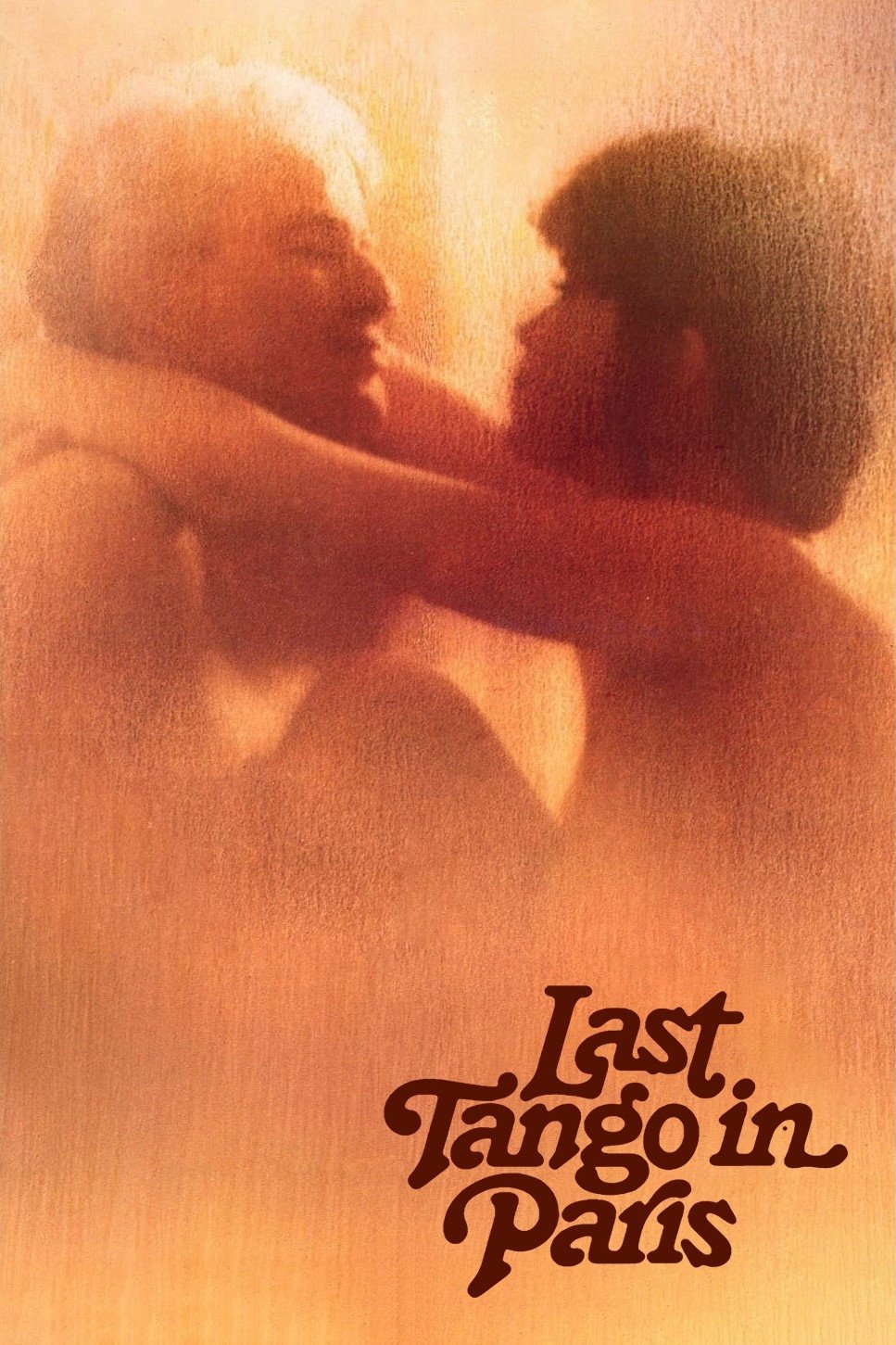
Bernardo Bertolucci’s intimate drama stars Marlon Brando and Maria Schneider in a volatile affair. Critics discussed its improvisational approach, challenging themes, and central performances. Obscenity charges, bans, and court rulings followed in multiple jurisdictions. Later revelations about on-set methods prompted renewed scrutiny and ethical debates around consent and direction.
‘Dogma’ (1999)
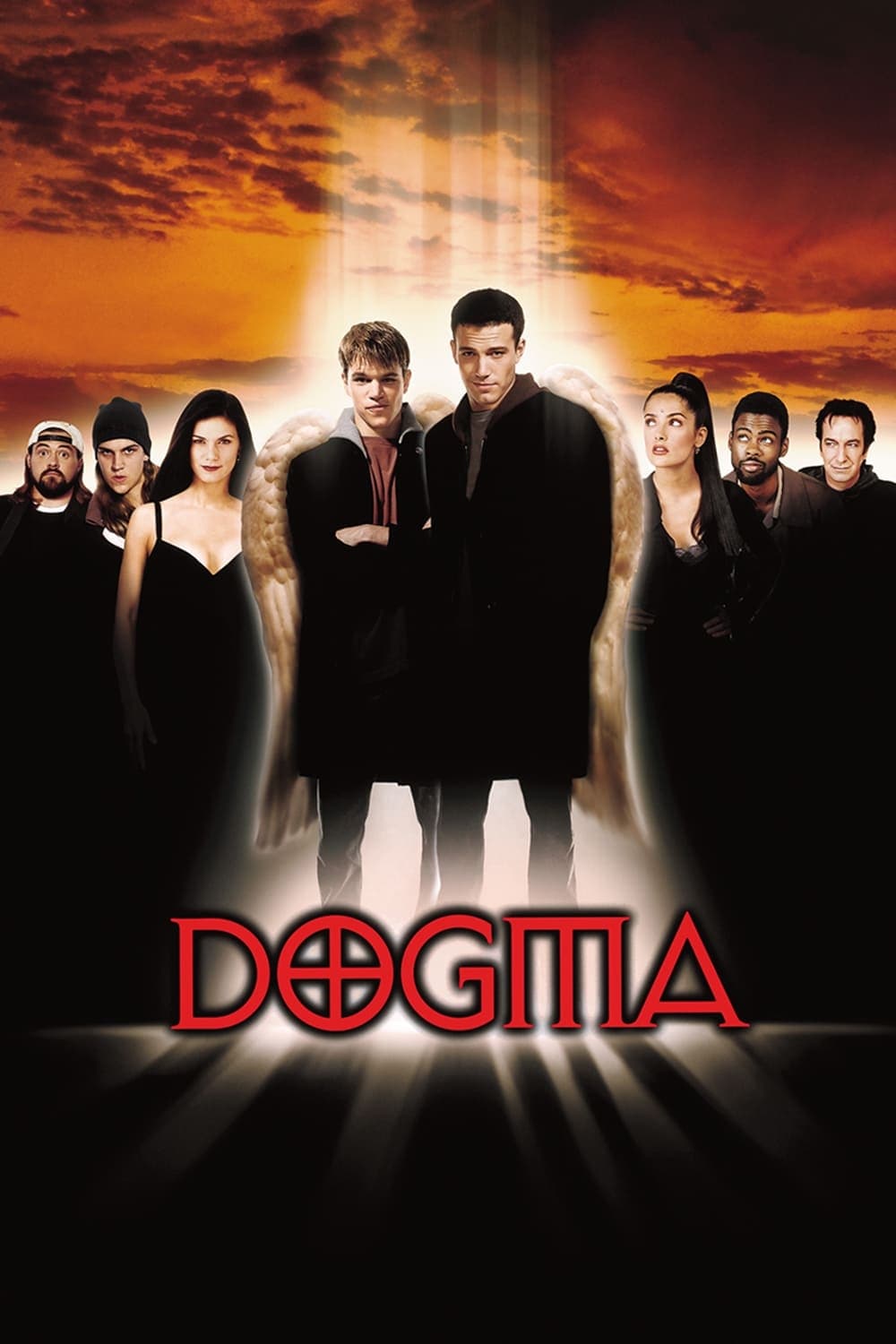
Kevin Smith’s comedy imagines fallen angels exploiting a loophole to reenter heaven, with a cast including Ben Affleck and Matt Damon. Critics noted the rapid-fire dialogue and theological playfulness. Catholic groups organized boycotts, and distributors fielded threats and pickets. The controversy led to security precautions at screenings even as the film built a loyal audience and strong reviews.
‘Zero Dark Thirty’ (2012)

Kathryn Bigelow’s manhunt procedural tracks intelligence work leading to a high-profile raid. Reviewers praised the procedural detail, pacing, and Jessica Chastain’s lead performance. Politicians, military figures, and human-rights organizations argued over the depiction of interrogation and its suggested efficacy. The film became a flashpoint in discussions of secrecy, sourcing, and national-security storytelling.
‘Antichrist’ (2009)
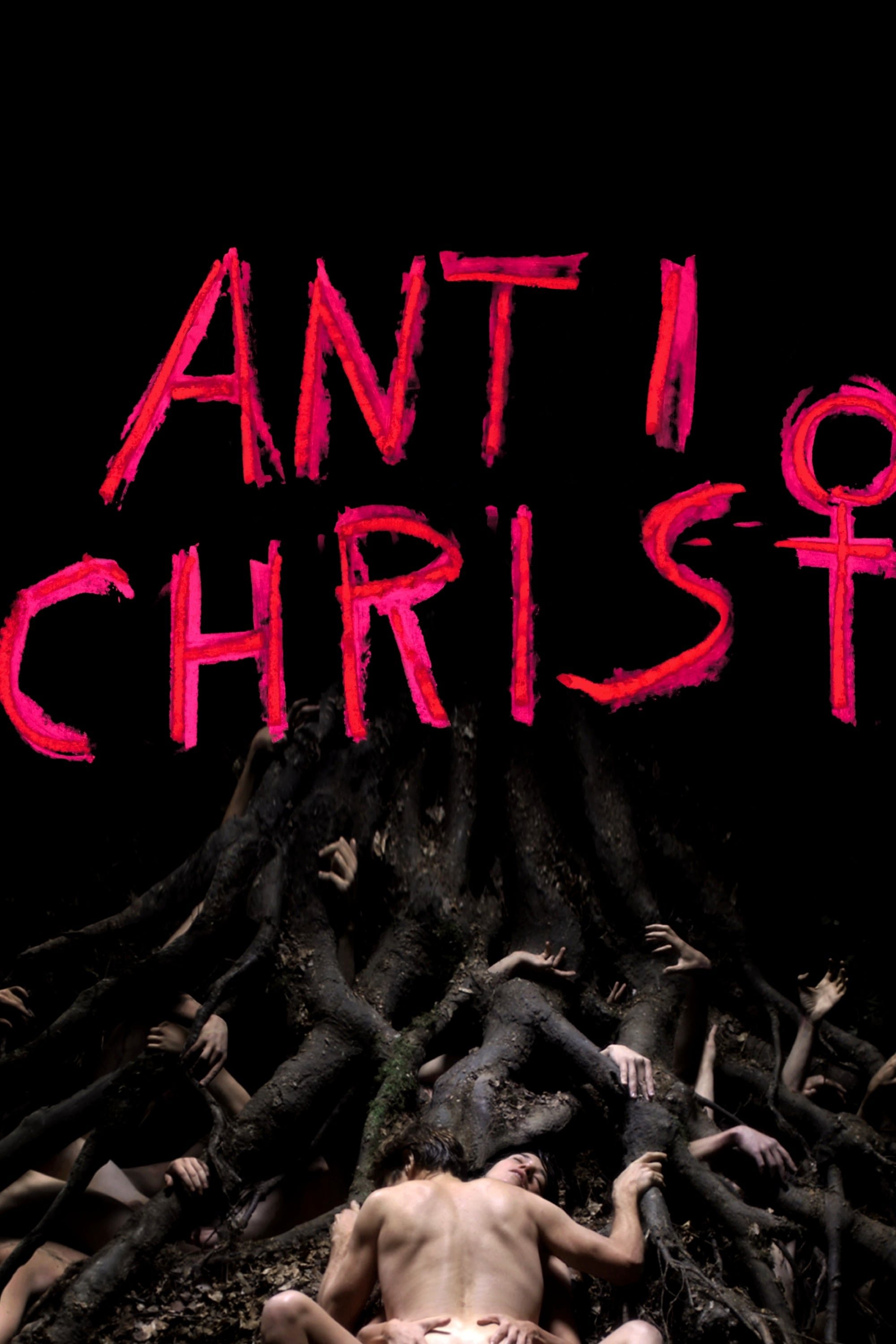
Lars von Trier’s psychological horror places a grieving couple in the woods for a harrowing ordeal. Critics cited striking imagery, sound design, and fearless performances. Festival screenings drew boos, fainting reports, and sharp condemnations for sexualized violence. Some countries demanded cuts or age-restricted releases, while cinephile circles debated its symbolism at length.
‘Django Unchained’ (2012)
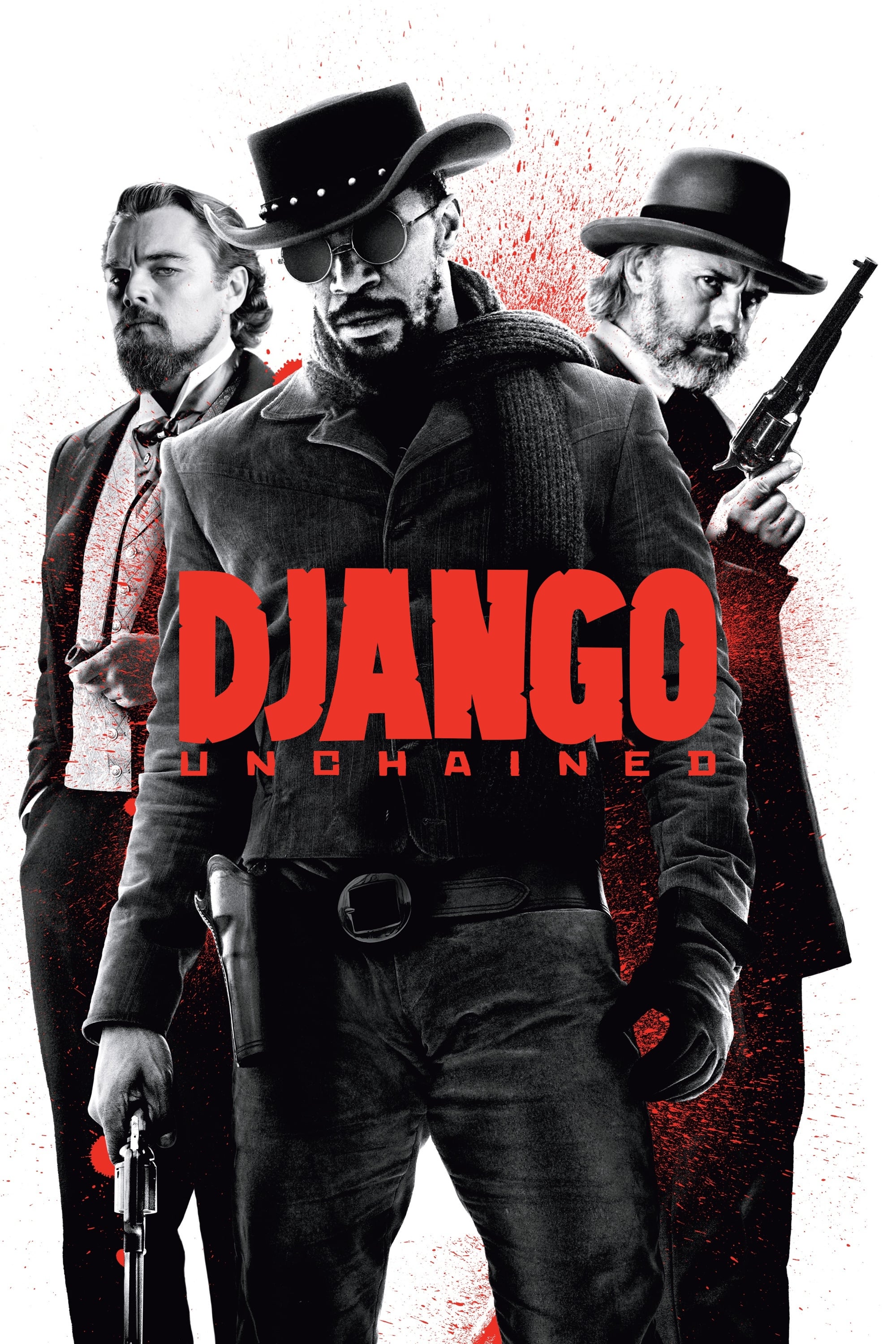
Quentin Tarantino’s revenge western follows an enslaved man and a bounty hunter on a rescue mission. Critics highlighted genre pastiche, dialogue, and the performances of Jamie Foxx, Christoph Waltz, and Leonardo DiCaprio. Public figures and scholars criticized its language, violence, and commodification of historical trauma. Despite backlash, awards recognition and box-office success cemented its mainstream impact.
‘United 93’ (2006)

Paul Greengrass reconstructs the hijacking and passenger revolt aboard a commercial flight, using a restrained, quasi-documentary style. Critics praised its disciplined craft and careful casting of real-life participants in related roles. Some audiences and commentators argued the film arrived too soon and risked retraumatization. Marketing materials and exhibition strategies were adjusted to address sensitivity concerns.
‘American Sniper’ (2014)
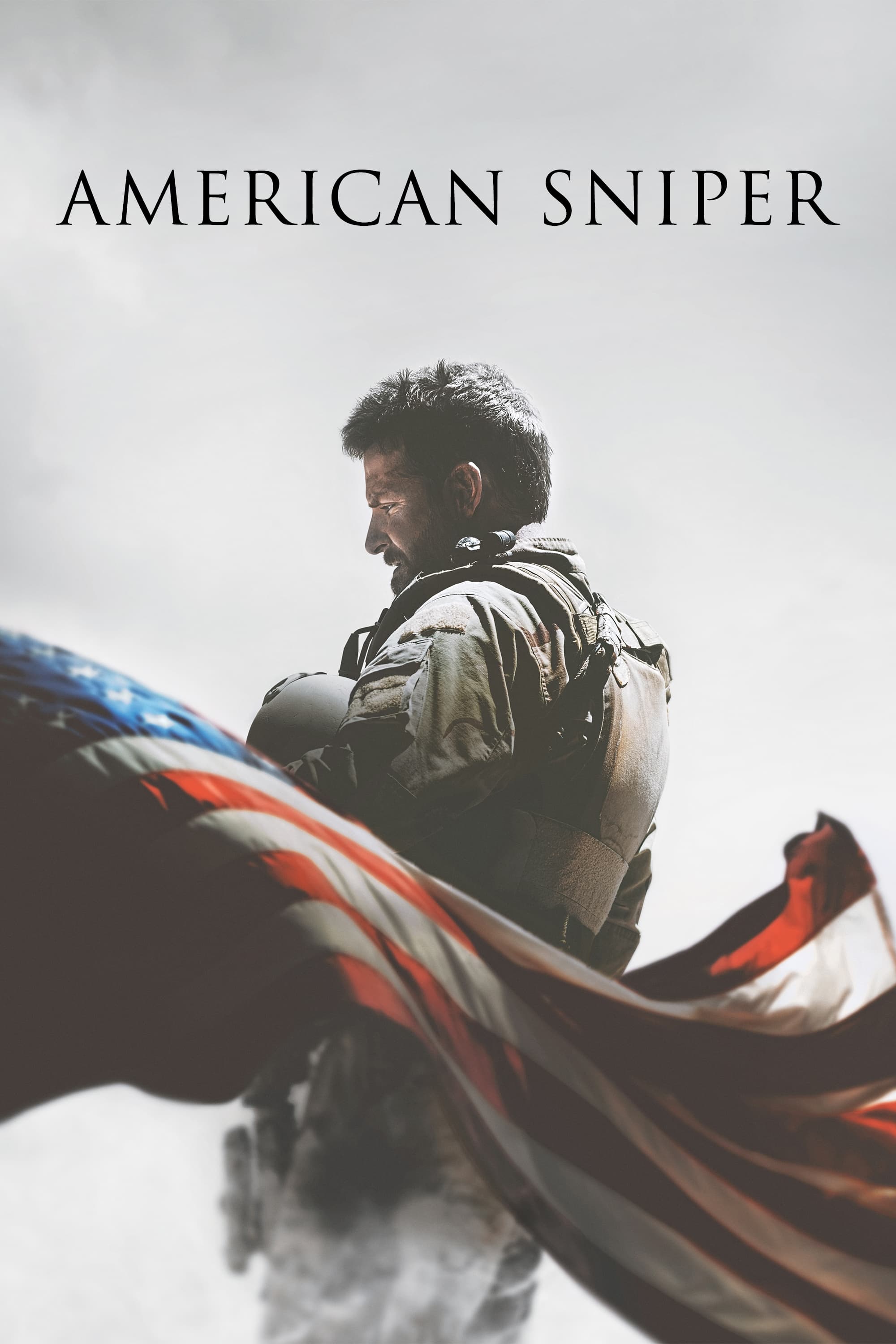
Clint Eastwood’s biographical war drama centers on Navy SEAL Chris Kyle, played by Bradley Cooper. Reviews emphasized Cooper’s performance and the film’s technical precision. Commentators and veterans debated its portrayal of conflict, politics, and the enemy, with social media intensifying the divide. The film set records for an R-rated January release while drawing protests at campuses and public venues.
‘Do the Right Thing’ (1989)
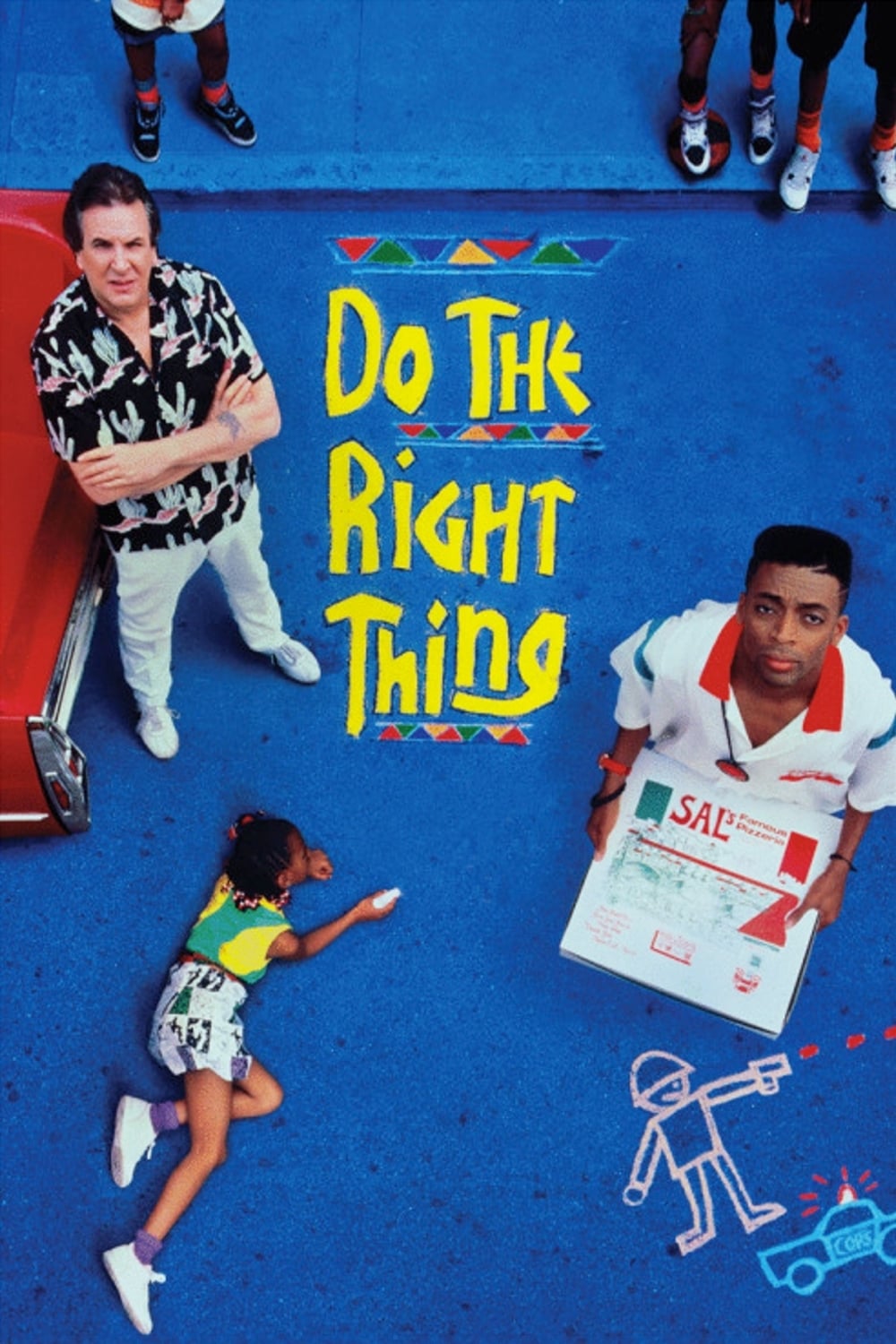
Spike Lee’s Bed-Stuy ensemble drama tracks one scorching day as tensions rise on a Brooklyn block. Critics praised its color design, music curation, and ensemble performances. Early discourse warned of potential unrest around screenings, and officials weighed in publicly. Over time it entered curricula and national registries even as debates about its ending continued.
‘Borat: Cultural Learnings of America for Make Benefit Glorious Nation of Kazakhstan’ (2006)
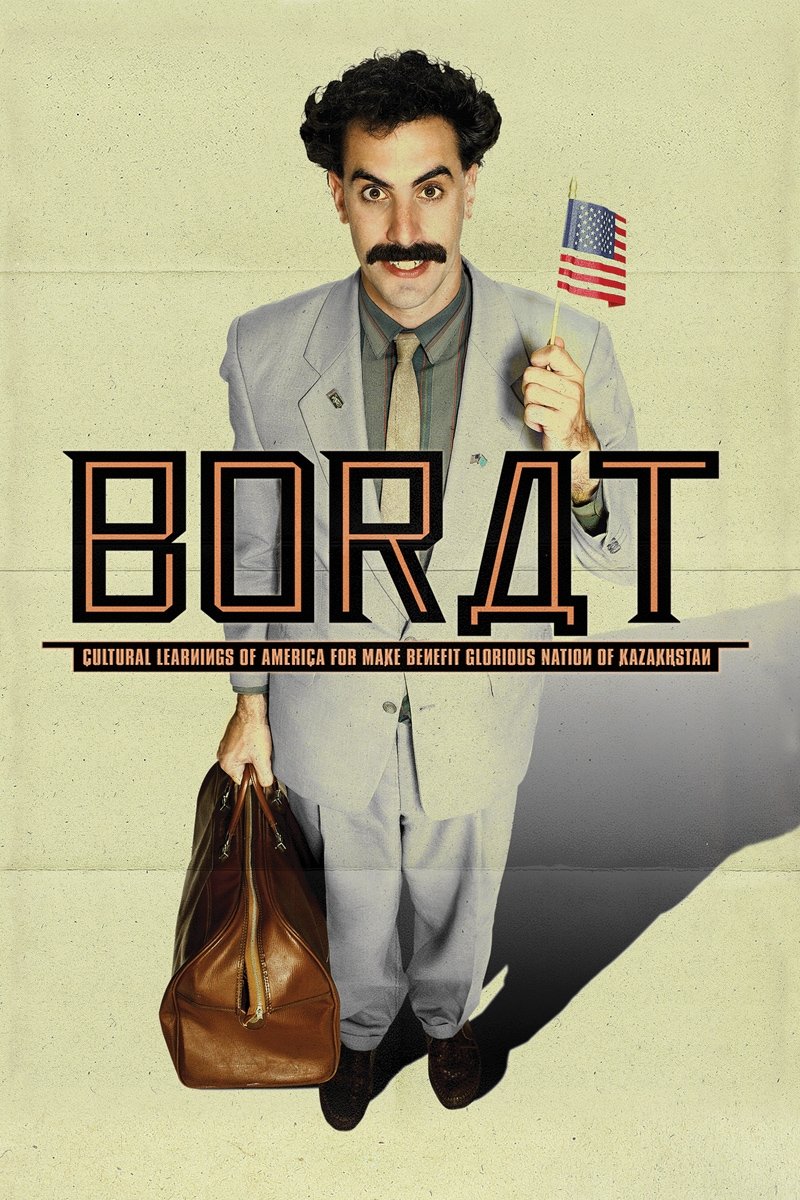
Sacha Baron Cohen’s mockumentary follows a Kazakh journalist traveling across the United States, blending staged scenes with unsuspecting participants. Critics commended its improvisational comedy and satirical exposure of social attitudes. Lawsuits, diplomatic objections, and complaints from depicted groups followed high-profile releases. The production’s release strategy emphasized anonymity and legal waivers, which became part of the public conversation.
‘The Great Dictator’ (1940)
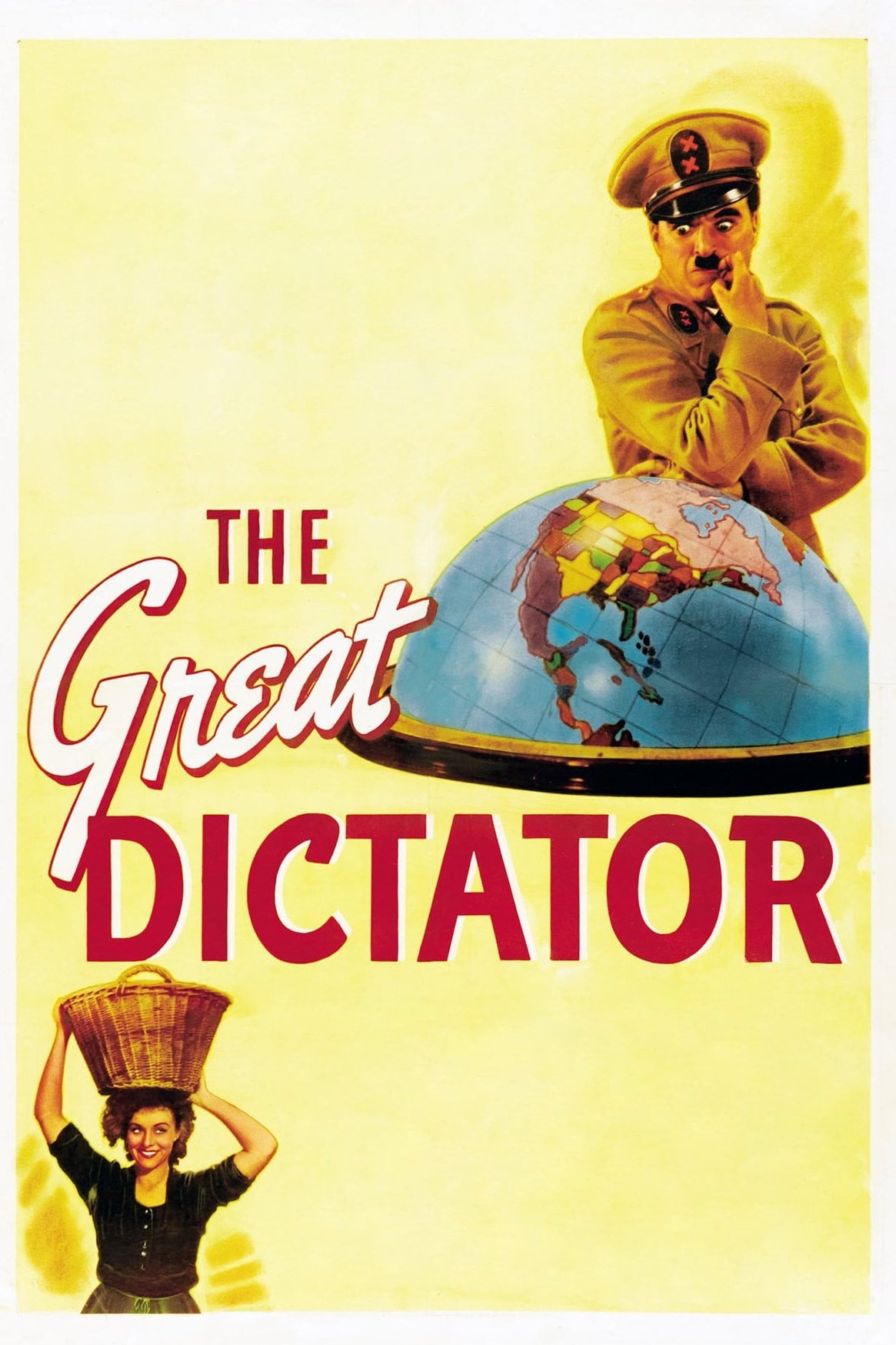
Charlie Chaplin plays both a Jewish barber and a tyrant in this political satire made as tensions escalated in Europe. Critics noted its blend of slapstick with pointed commentary and the famous closing speech. Some countries blocked or delayed release due to its direct attack on authoritarianism. The film faced diplomatic pressure and exhibition hurdles while cementing Chaplin’s shift from silent-era clown to outspoken filmmaker.
‘Gone with the Wind’ (1939)
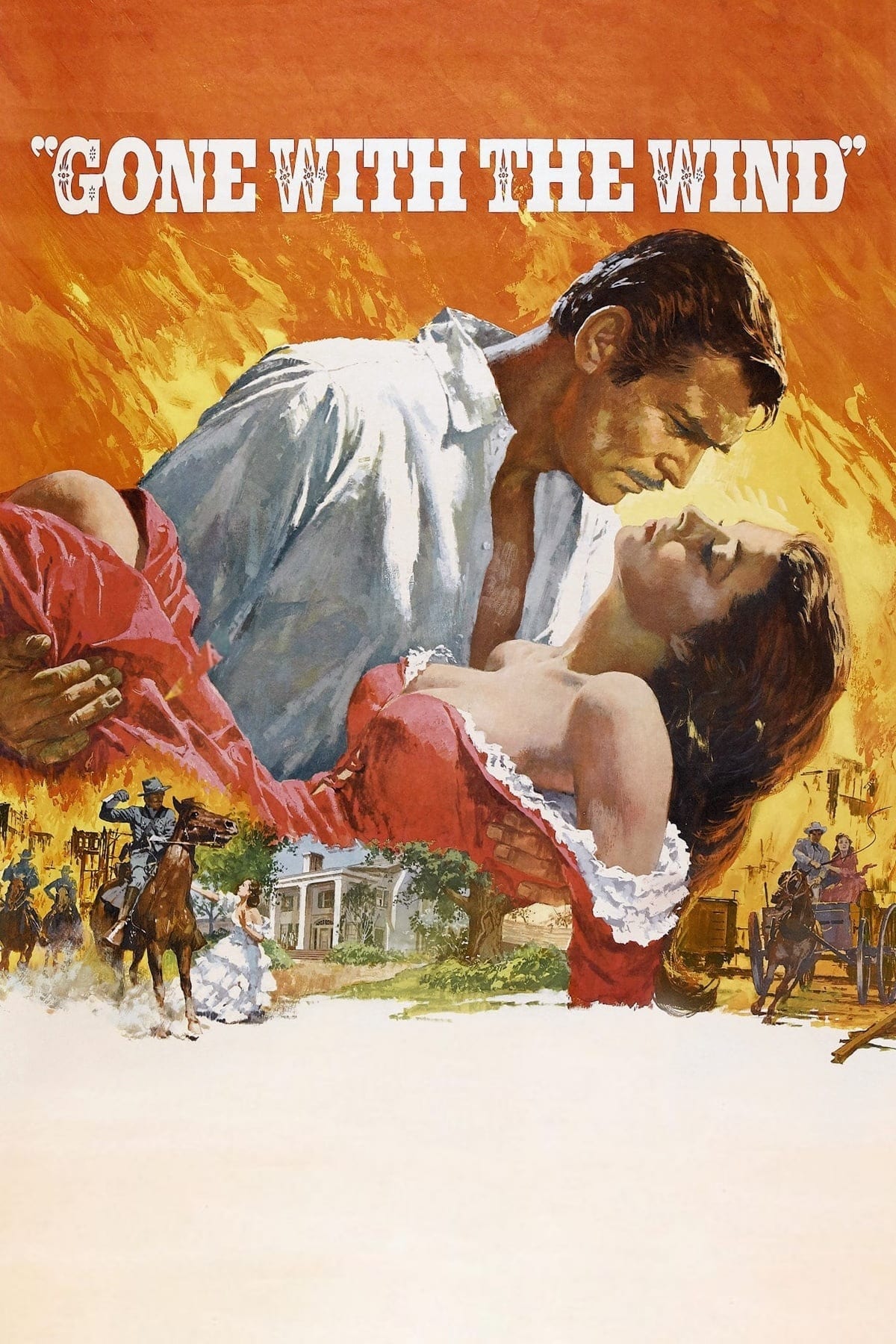
Based on Margaret Mitchell’s novel, this epic chronicles a Southern plantation family through war and reconstruction. Reviewers praised scale, production design, and star performances. Civil-rights groups and scholars have long criticized romanticization of the antebellum South and depictions of Black characters. Repertory screenings and streaming presentations now often include contextual introductions and educational framing.
‘The Birth of a Nation’ (1915)
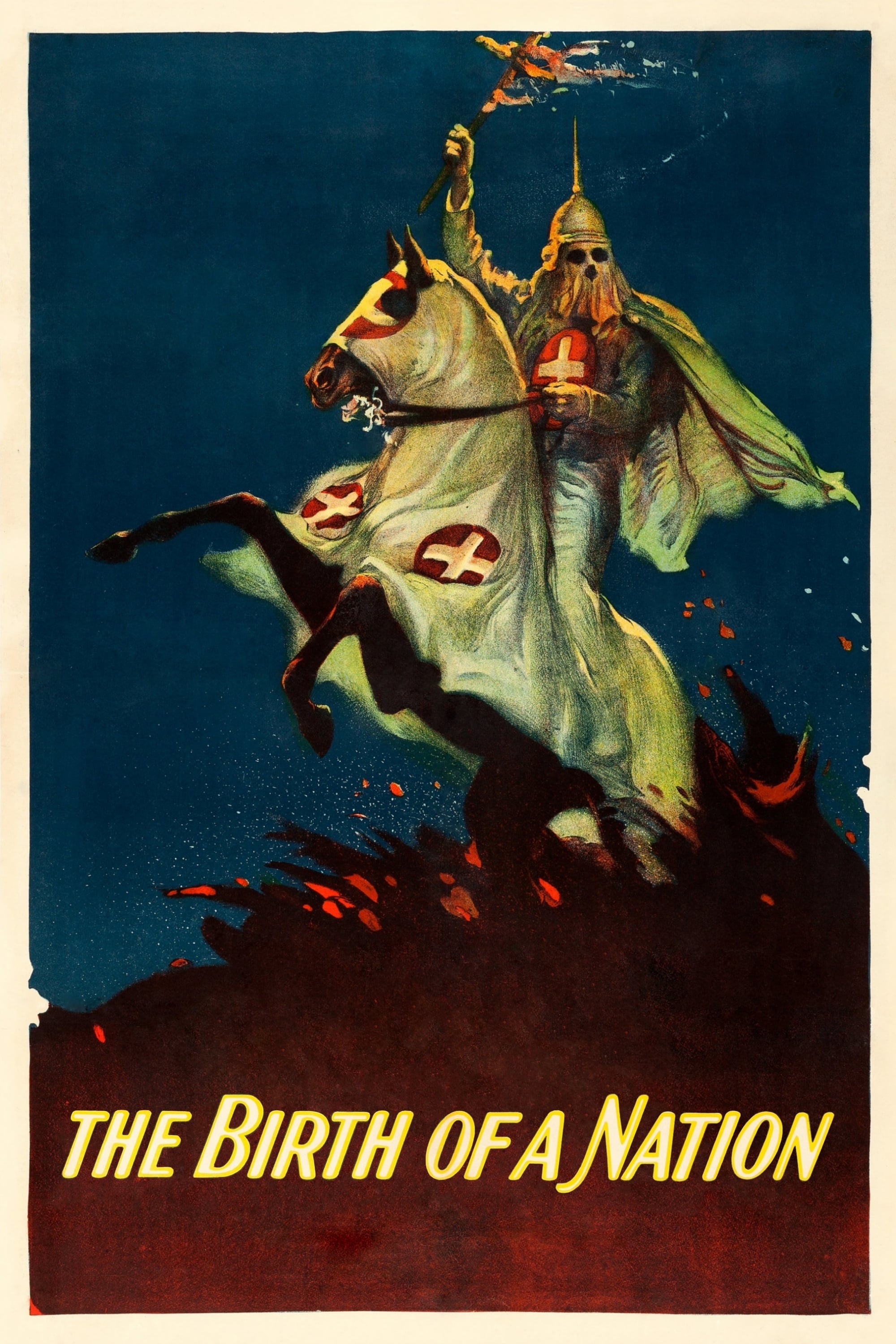
D. W. Griffith’s landmark feature advanced cinematic technique with cross-cutting and large-scale battle scenes. Early critics lauded its ambition and scope, helping it become a massive box-office success. Civil-rights leaders condemned its racist portrayal of Reconstruction and glorification of vigilante terror. Municipalities saw protests and attempted bans, and the film remains central to conversations about art and propaganda.
‘Taxi Driver’ (1976)
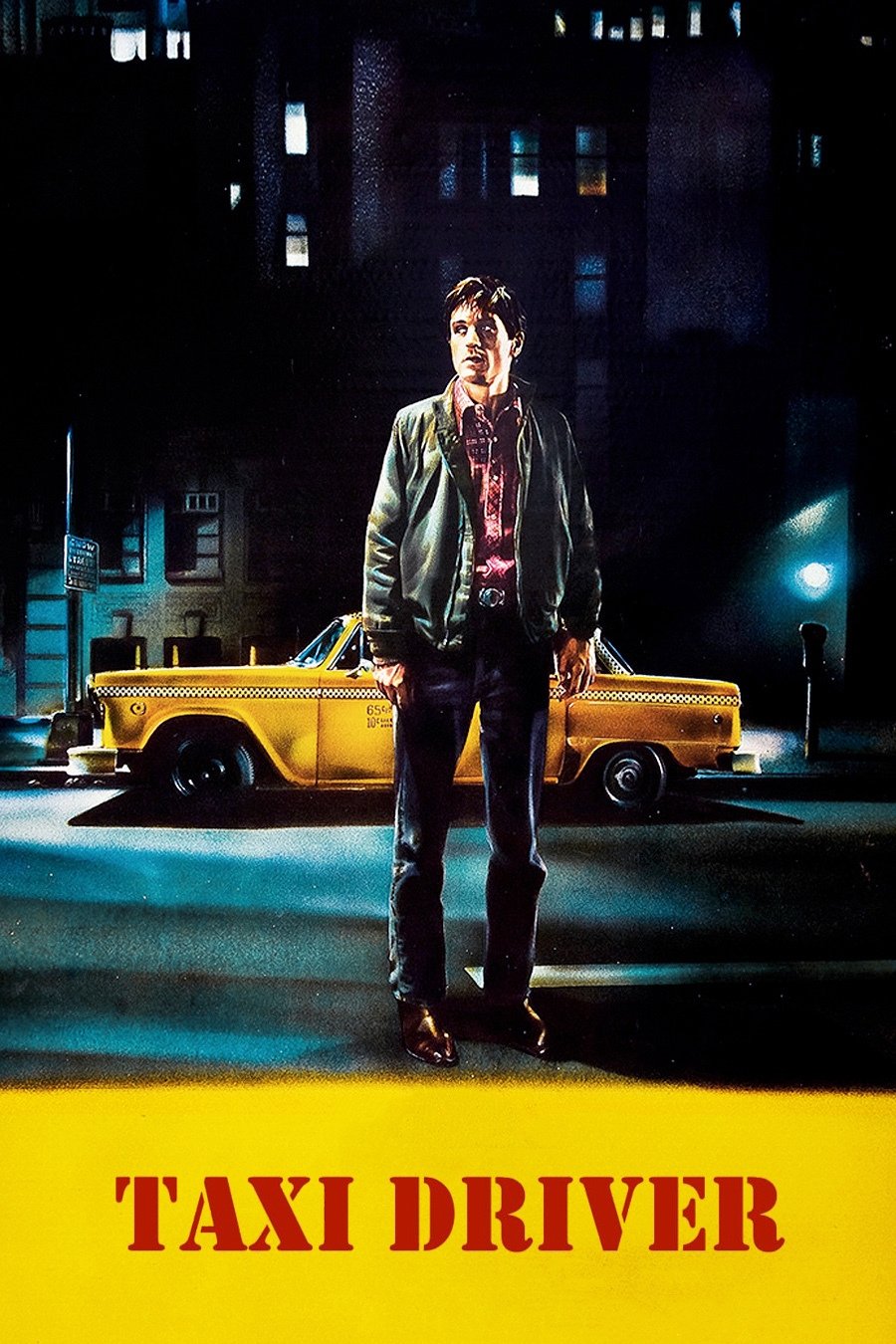
Martin Scorsese’s thriller follows a New York cabbie’s isolation, fixation, and violent turn. Critics highlighted the score, cinematography, and a breakout performance by a young actor in a supporting role. The graphic finale and portrayal of a child character drew scrutiny from advocacy groups. Later real-world events brought the film renewed attention in policy and media debates.
‘JFK’ (1991)
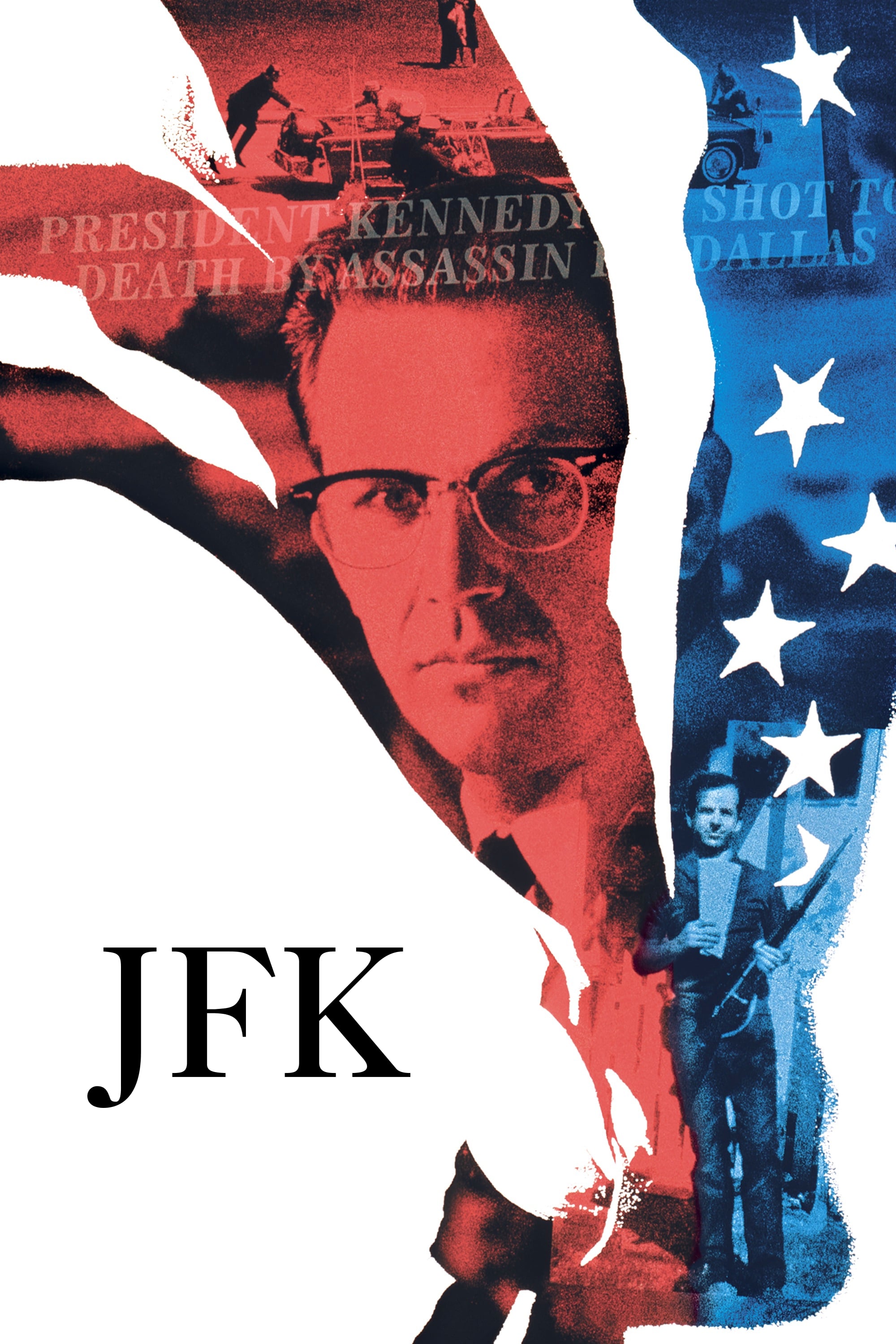
Oliver Stone reconstructs conflicting narratives around a high-profile assassination through a district attorney’s investigation. Reviewers pointed to its montage, archival interweaving, and forceful structure. Historians and journalists criticized its presentation of conjecture as persuasive storytelling, prompting official responses and media panels. The film spurred public interest in declassification and renewed scrutiny of official records.
‘Basic Instinct’ (1992)
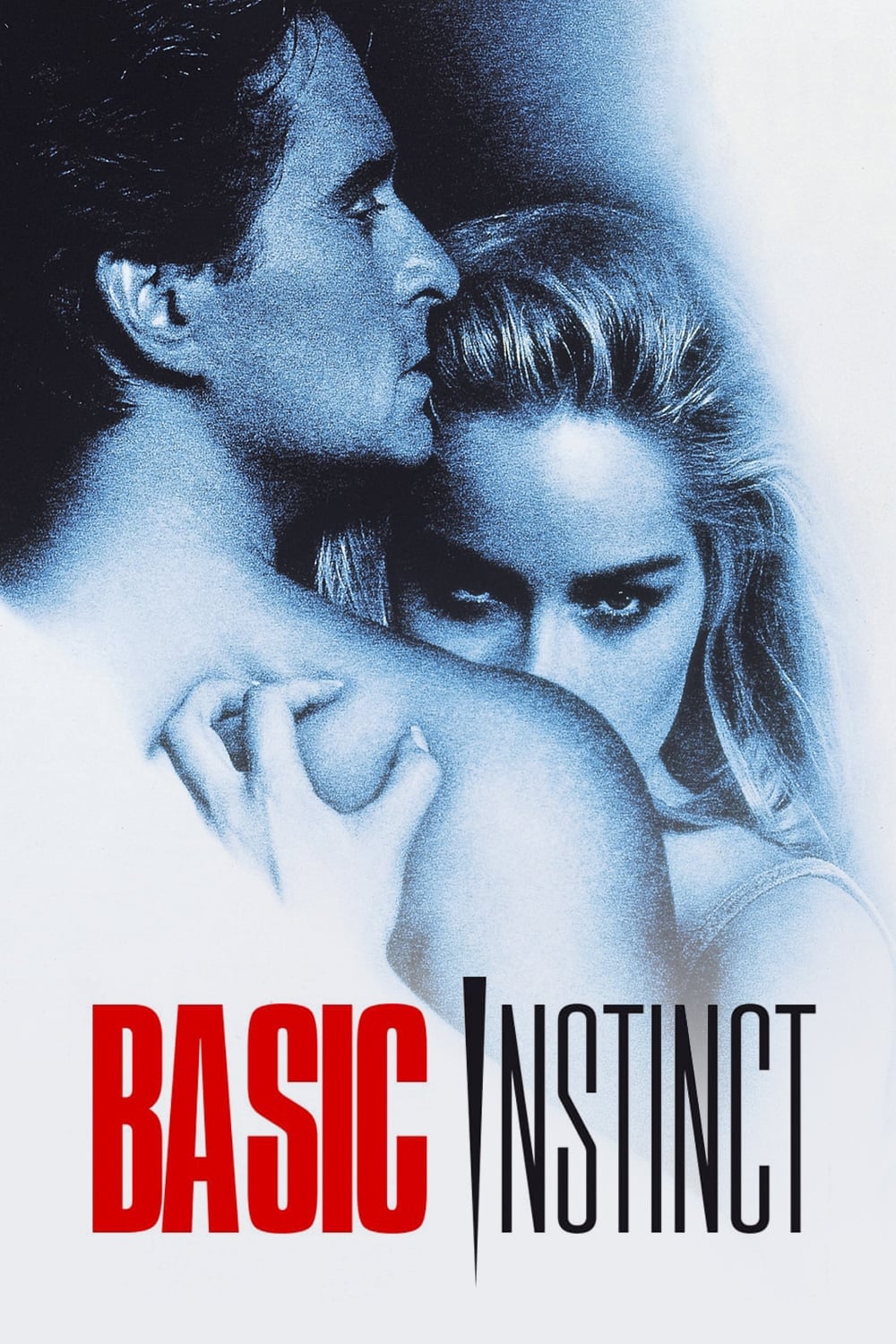
Paul Verhoeven’s neo-noir centers on a homicide detective and a bestselling author linked to a murder case. Critics remarked on the sleek direction, score, and star chemistry. LGBTQ+ activists protested alleged stereotyping and harmful tropes around sexuality and violence. Filming locations and premieres saw organized demonstrations while the film dominated popular conversation.
‘The Devils’ (1971)
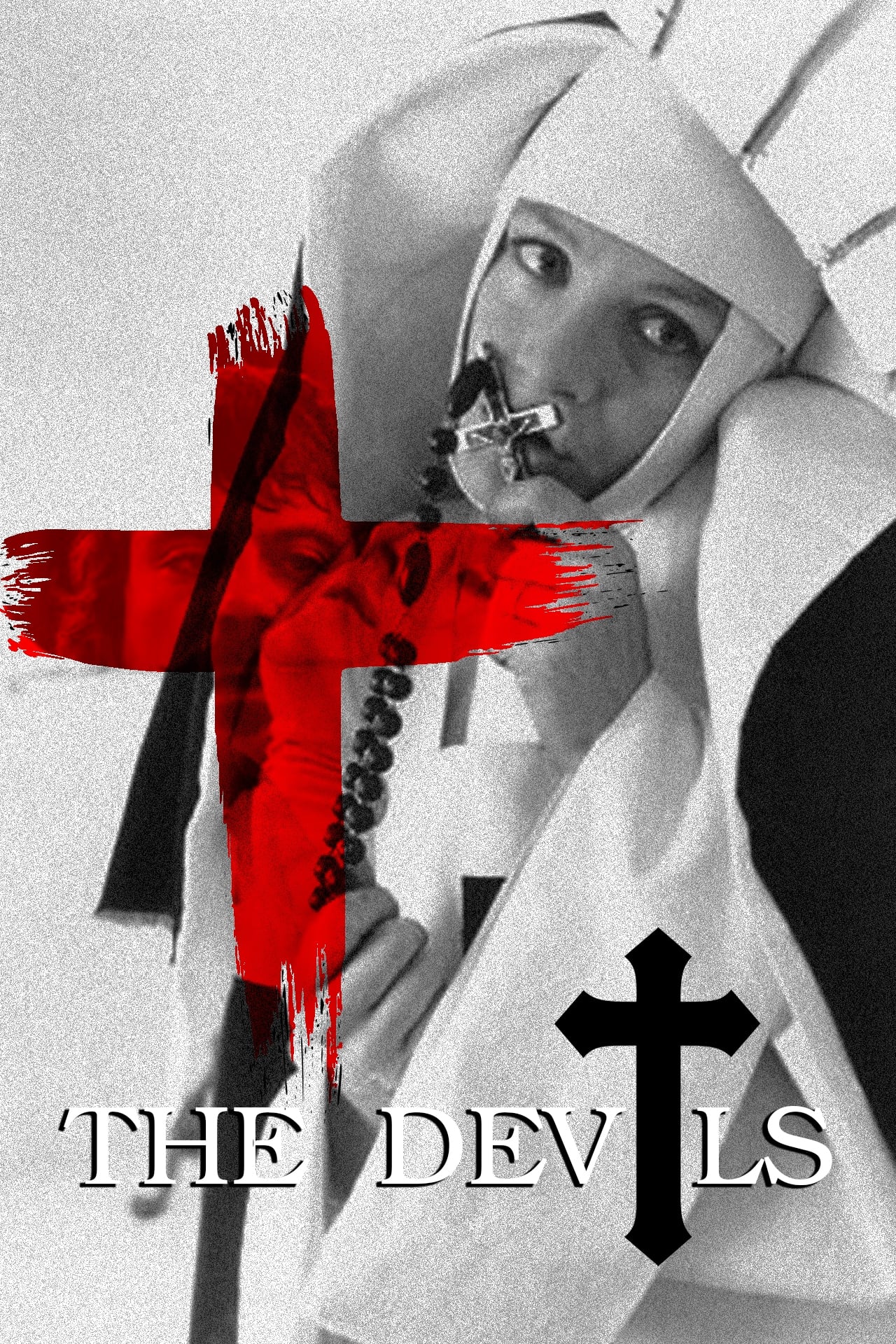
Ken Russell dramatizes a case of possession and political intrigue in a seventeenth-century French city. Reviewers singled out production design, editing choices, and committed lead performances. Censors demanded extensive cuts, and some territories banned the film outright. Archival restorations and partial reconstructions remain a recurring topic among film historians and preservationists.
‘The Piano Teacher’ (2001)
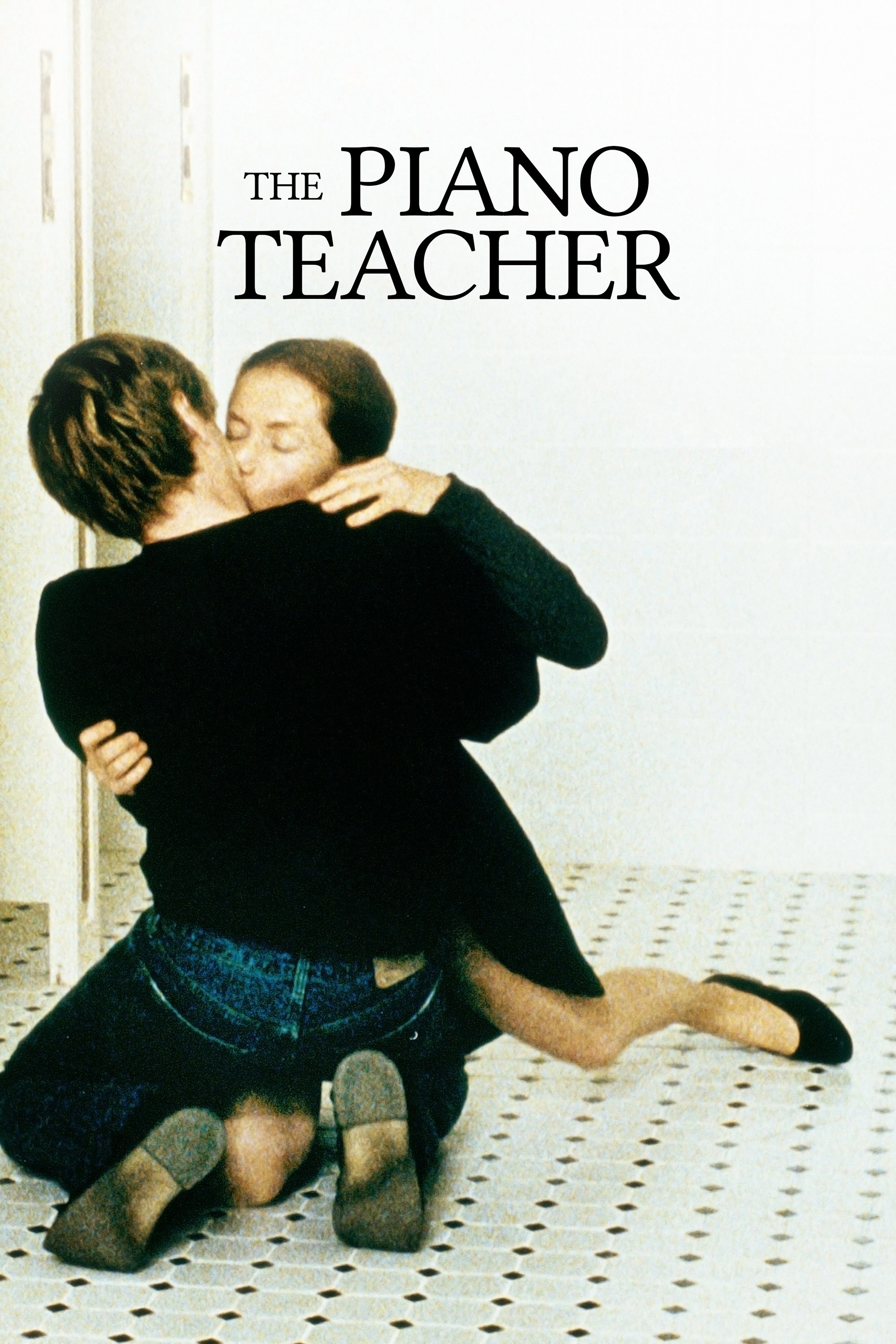
Michael Haneke adapts Elfriede Jelinek’s novel about a music instructor whose private life spirals into obsession and self-harm. Critics praised the lead performance and the film’s unflinching psychological detail. Festivals awarded top acting honors while audiences debated the depiction of consent, control, and violence. Distribution often came with strong advisories and limited runs in select venues.
‘Team America: World Police’ (2004)
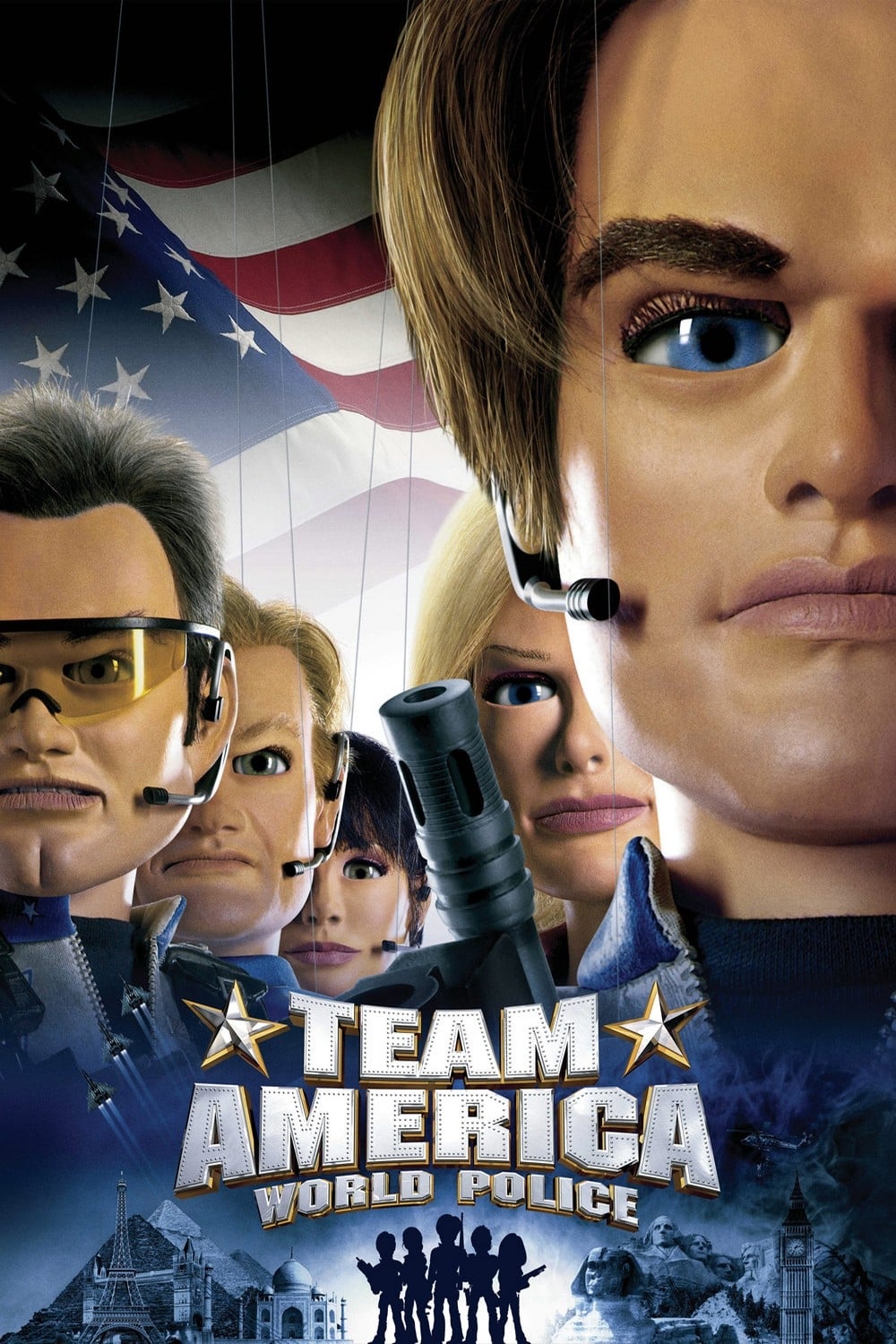
From the creators of an irreverent animated series, this marionette action satire targets geopolitics, celebrity activism, and blockbuster clichés. Reviews cited elaborate miniature work, musical set pieces, and relentless gag density. Some countries restricted screenings, and broadcasters edited sequences for language and content. Diplomatic complaints and public petitions accompanied its release window.
‘Mother!’ (2017)

Darren Aronofsky’s chamber-piece tracks an artist and his partner hosting increasingly invasive guests in a remote house. Critics discussed allegory, production design, and escalating formal experimentation. Viewers and commentators argued over graphic imagery and symbolic parallels to religious and environmental themes. The marketing emphasized mystery, which heightened confusion and fueled post-screening debates.
‘Cuties’ (2020)

Maïmouna Doucouré’s drama follows an immigrant preteen navigating family expectations and a dance troupe. Critics emphasized its social-realist approach and a child’s-eye view of peer pressure and media influence. Public backlash surged over promotional materials and perceived exploitation, leading to petitions and political statements. The conversation expanded to rating systems, distribution responsibility, and cultural context.
‘The Hunt’ (2012)
Thomas Vinterberg’s drama centers on a kindergarten worker facing a false accusation that upends his life and community. Reviewers praised the lead performance and the film’s close attention to rumor, trust, and institutional response. Educators and parent groups debated its portrayal of investigative procedures and social contagion. Screenings often included audience Q&As about safeguarding practices and due process.
‘Persepolis’ (2007)
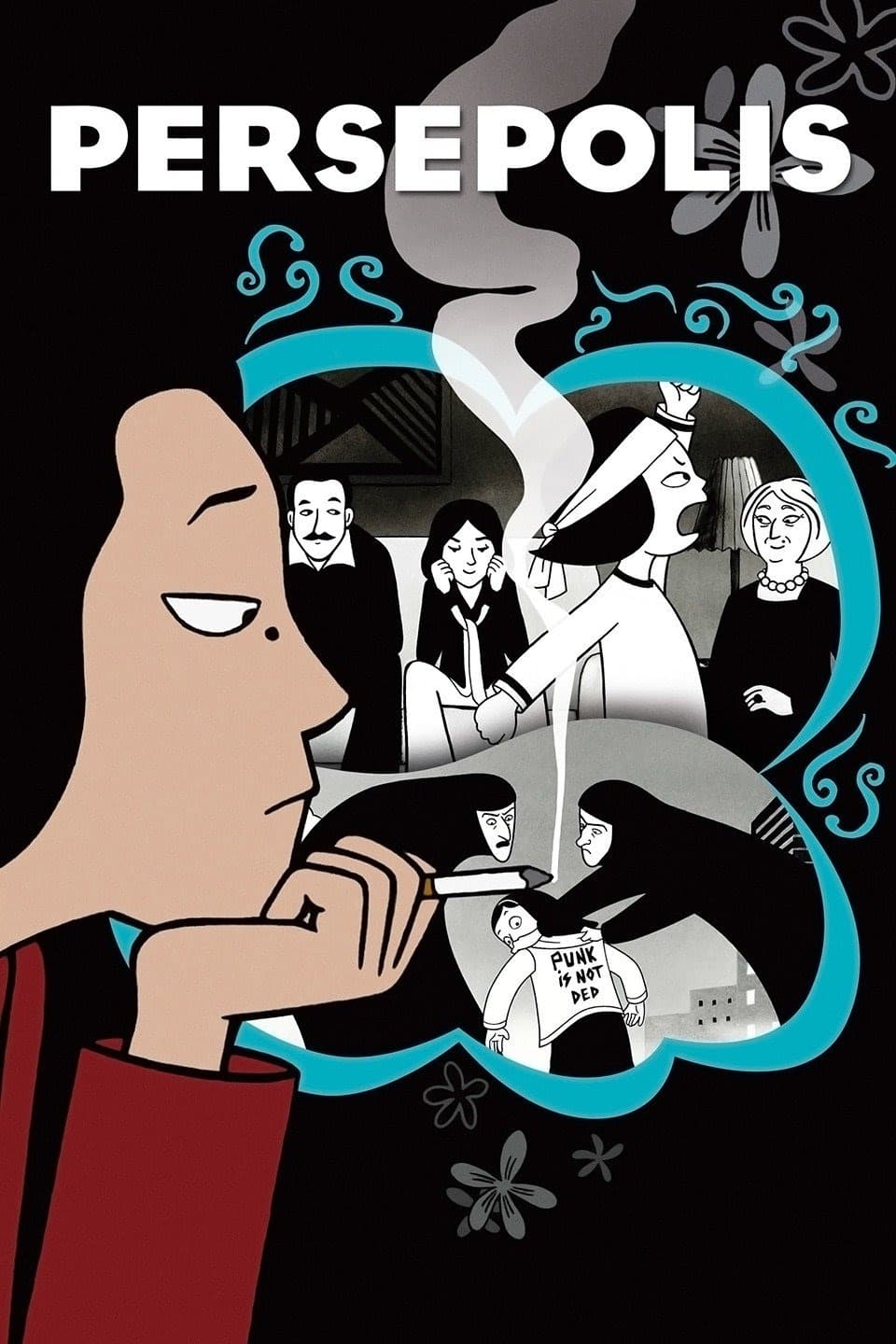
Marjane Satrapi adapts her graphic memoir about growing up during political upheaval and moving abroad. Critics noted the hand-drawn aesthetic, voice performances, and clear adaptation of complex history. Authorities and cultural officials in several places objected to its political content, prompting censorship debates. The film became a staple in classrooms while also facing intermittent bans and broadcast restrictions.
‘The Act of Killing’ (2012)
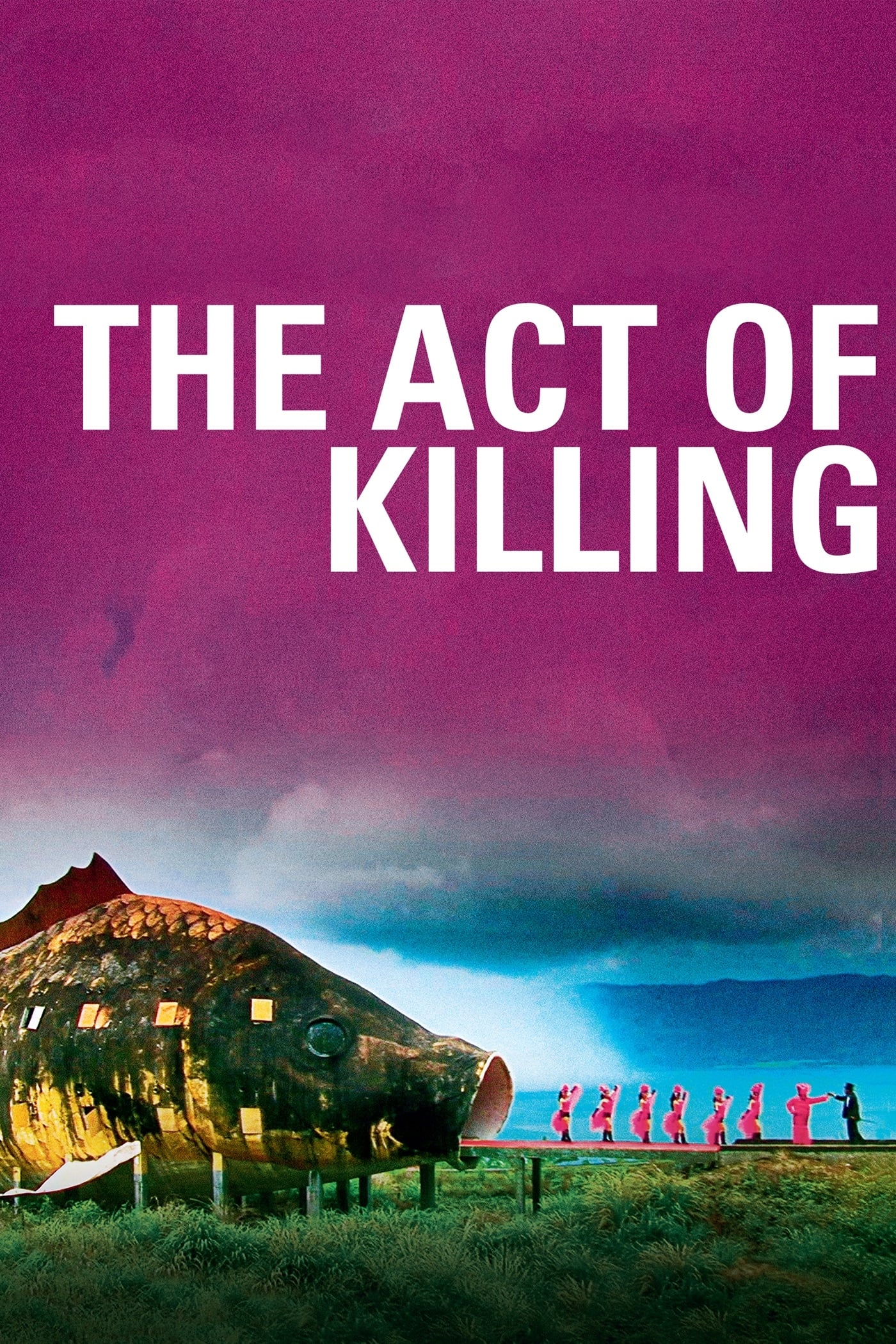
Joshua Oppenheimer’s documentary invites former paramilitary members to restage their past crimes using cinematic genres. Reviewers highlighted its audacious method and deeply unsettling testimonies. The project drew international attention to historical atrocities and prompted safety concerns for local collaborators. Screenings were limited or underground in some regions while awards bodies lauded the film.
‘Titane’ (2021)
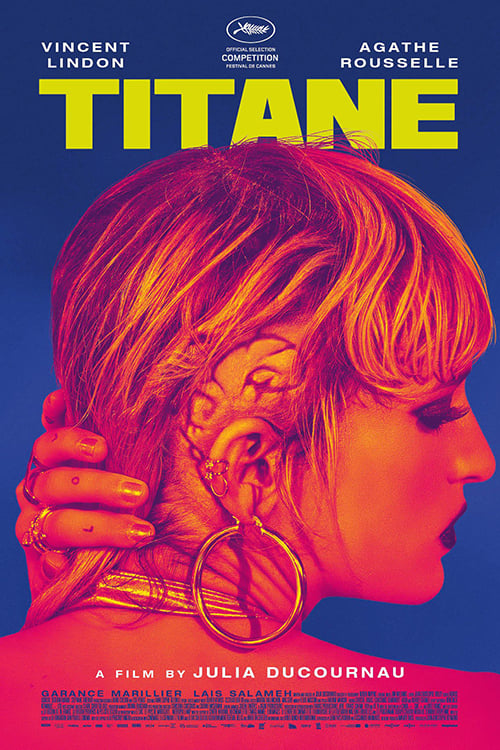
Julia Ducournau’s body-horror drama follows a woman whose path intersects with a grieving fire captain after a string of crimes. Critics focused on its physical performances, practical effects, and fearless narrative turns. Festival audiences reported walkouts alongside standing ovations, and content advisories were emphasized by exhibitors. The film’s release reignited debates about the boundaries of violence and sexuality in mainstream distribution.
If we missed a favorite or you see a title that belongs here, share your picks and why in the comments!

