


Movies from 1970 That Are Now Considered Classics


The year 1970 was a turning point for cinema. Hollywood was changing. The old studio system was fading. A new generation of filmmakers, known as “New Hollywood,” was on the rise. These directors brought a fresh and often gritty realism to the screen. Their films reflected the social and political turmoil of the time.
This era produced many movies that are now seen as classics. They broke new ground in storytelling and style. From war epics and psychological thrillers to heartfelt dramas and zany comedies, the films of 1970 were diverse and daring. They continue to influence filmmakers and captivate audiences today, more than fifty years after their original release.
Patton (1970)
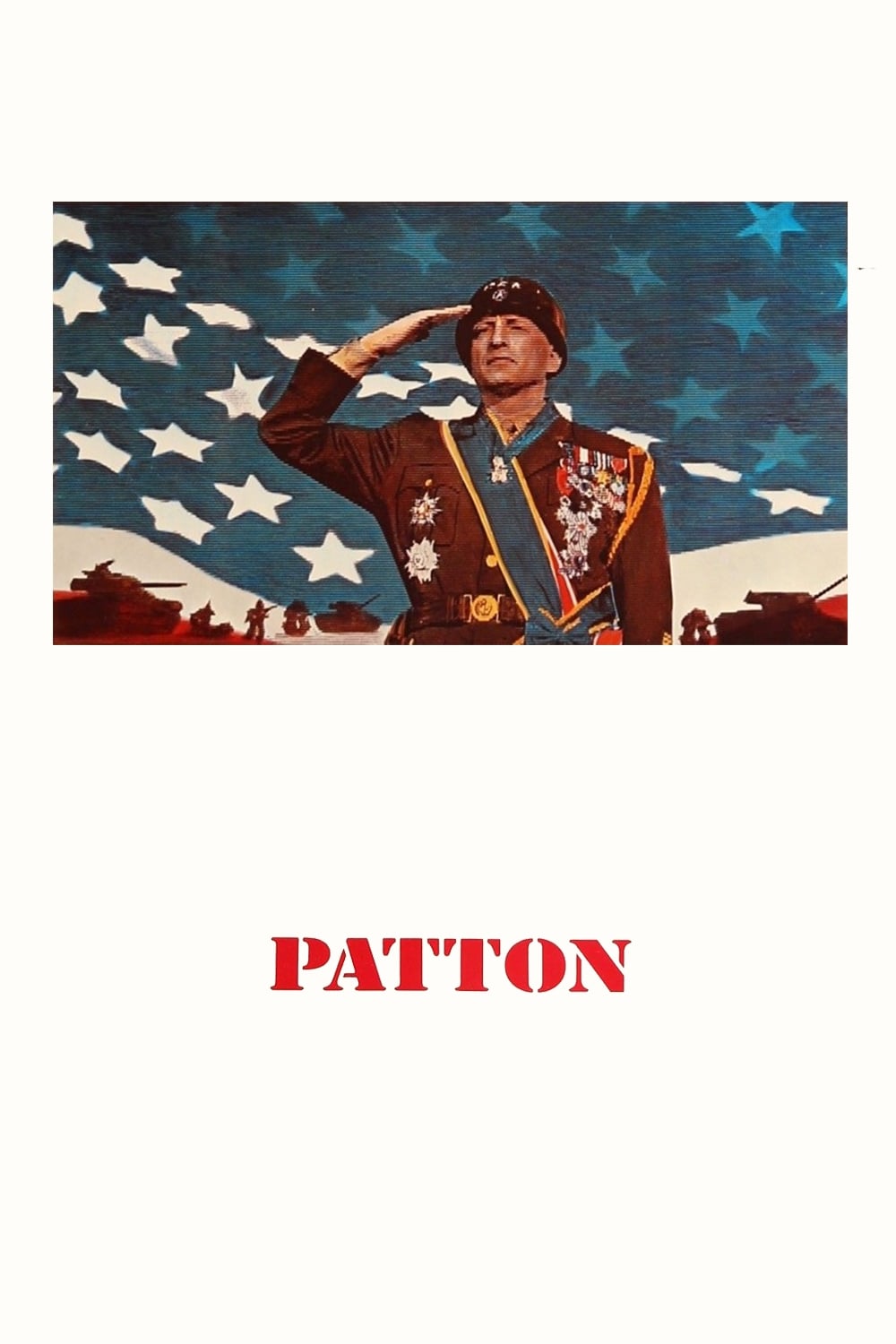
Patton is a biographical war film about U.S. General George S. Patton. The movie follows his career during World War II. George C. Scott’s powerful performance as Patton is a major highlight. He portrays the general as a complex figure: brilliant and successful, but also controversial and arrogant.
The film was a critical and commercial success. It won seven Academy Awards, including Best Picture and Best Actor for Scott. However, Scott famously refused to accept his Oscar, stating that he did not feel he was in competition with other actors. The movie’s opening scene, featuring a long monologue by Patton in front of a giant American flag, remains one of the most iconic openings in film history.
M*A*S*H (1970)
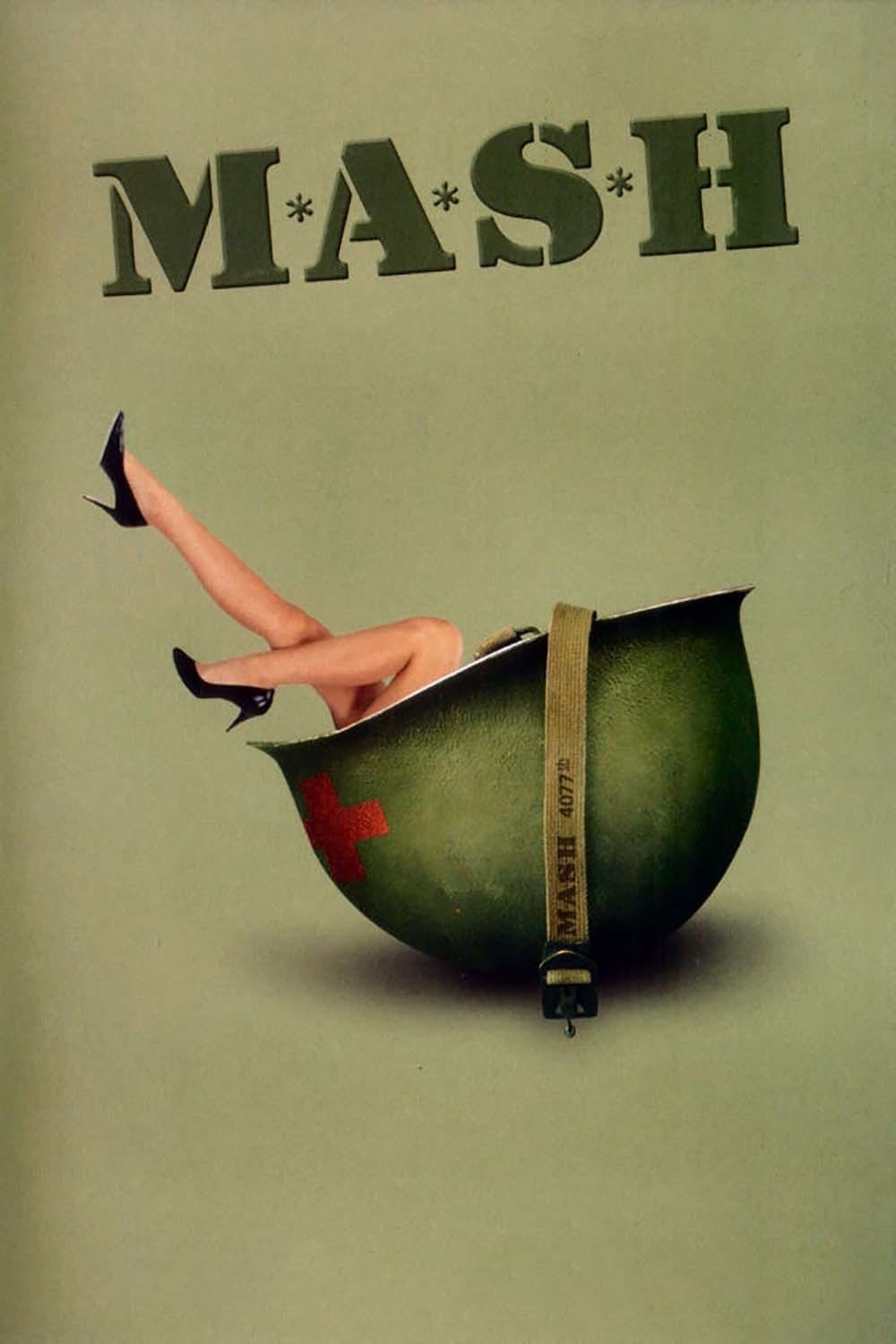
M*A*S*H is a dark comedy about a team of medical staff at a mobile army surgical hospital during the Korean War. Directed by Robert Altman, the film is known for its satirical tone and ensemble cast. It follows the surgeons as they use humor and pranks to cope with the horrors of war.
The movie was a huge success and led to a popular, long-running television series. However, the film is much darker and more cynical than the TV show. It captured the anti-war sentiment of the time and became a counter-culture classic. The film’s overlapping dialogue and improvisational style were groundbreaking and influenced many films that followed.
Love Story (1970)
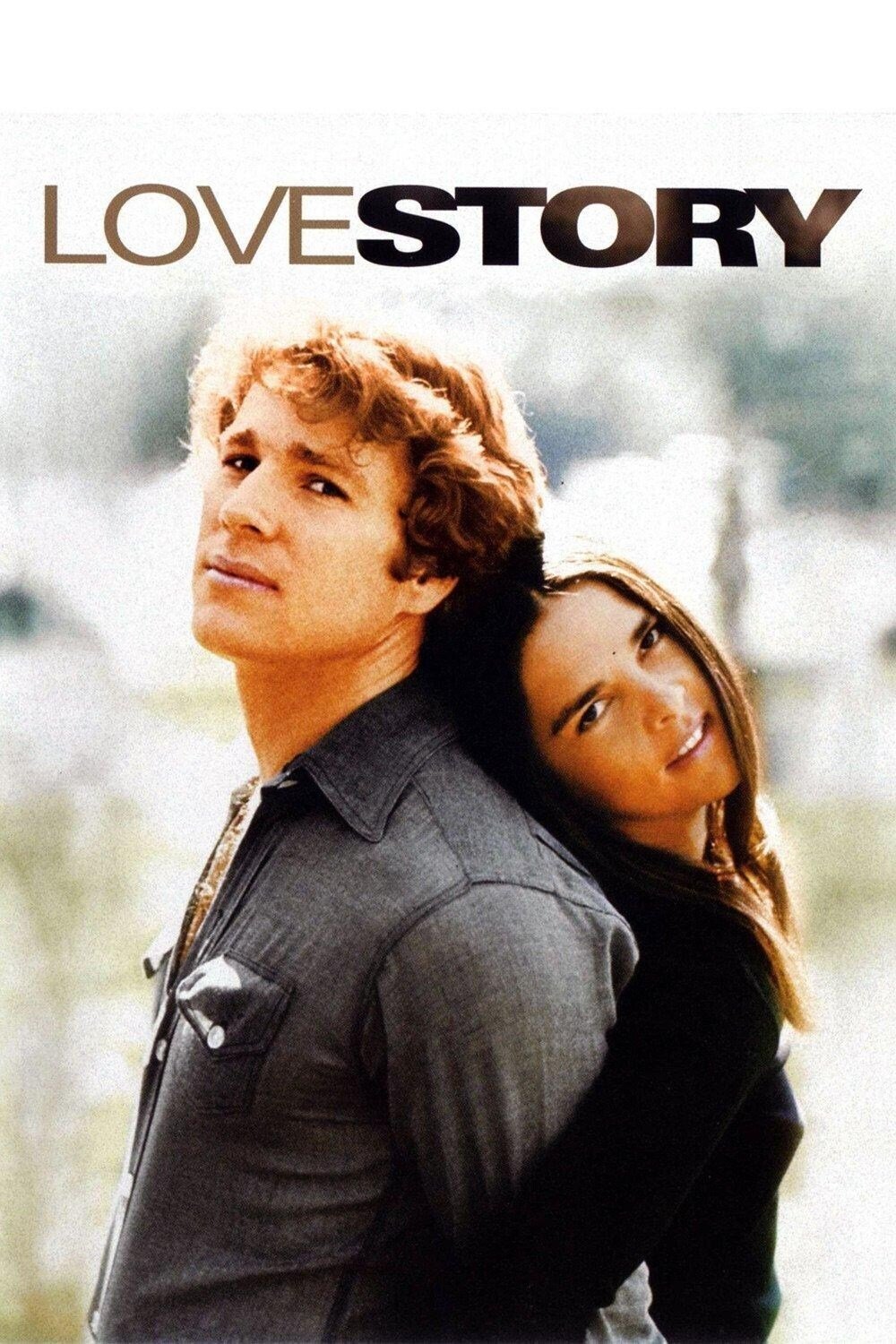
Love Story is a romantic drama that became a cultural phenomenon. The film stars Ryan O’Neal as a wealthy Harvard student who falls for a working-class music student, played by Ali MacGraw. Their love story is challenged by their different backgrounds and a tragic illness.
The film was the highest-grossing movie of 1970 and was nominated for seven Academy Awards. Its famous line, “Love means never having to say you’re sorry,” became a part of everyday conversation. Though some critics found it overly sentimental, its heartfelt story and memorable score resonated with audiences worldwide and it remains a classic romance.
The Aristocats (1970)
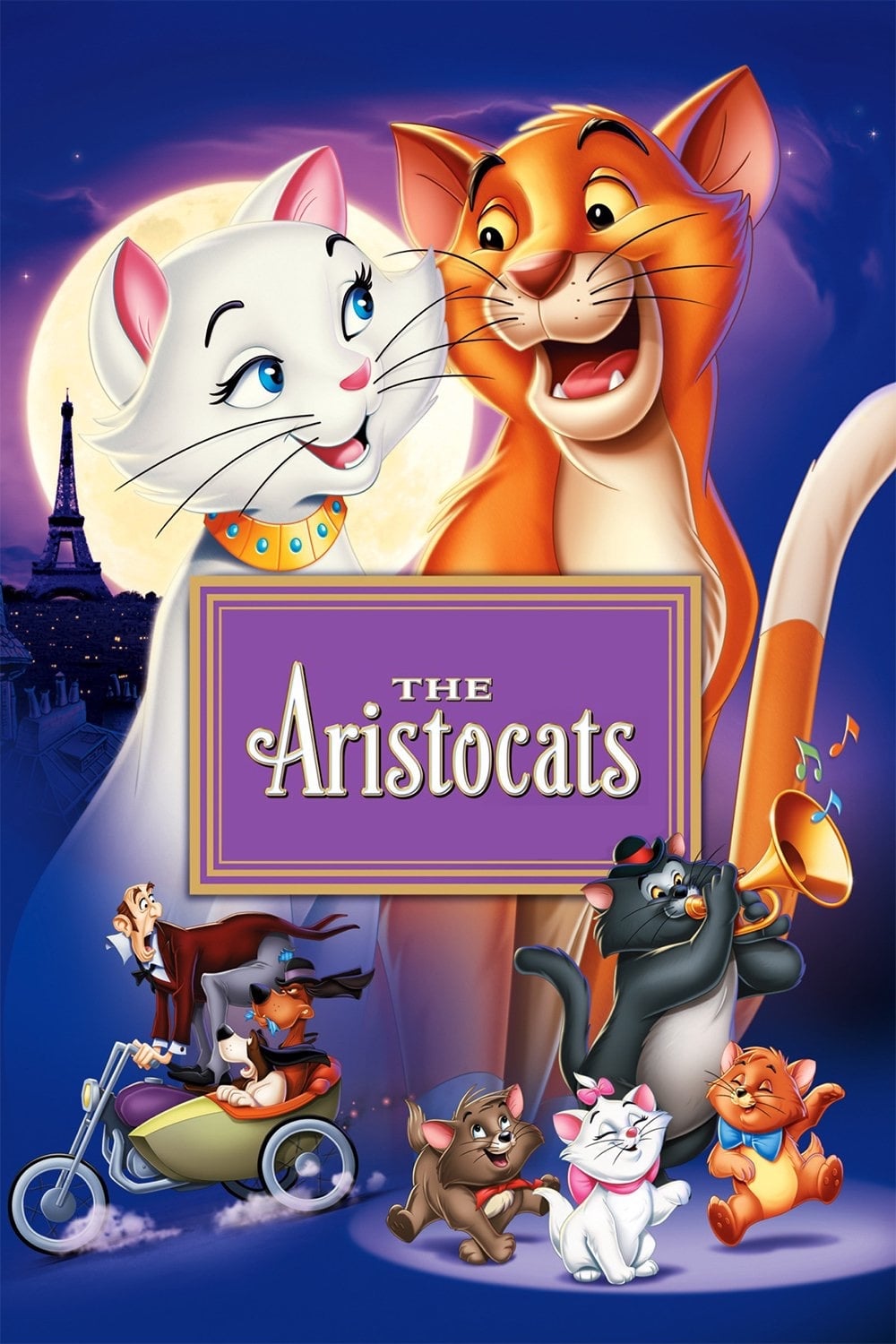
The Aristocats is an animated musical comedy produced by Disney. The story is set in Paris and follows a family of aristocratic cats. When their owner’s butler kidnaps them to inherit her fortune, they must find their way back home with the help of a street-smart alley cat named Thomas O’Malley.
This was the last animated feature to be personally approved by Walt Disney before his death. The film is known for its charming animation, jazzy score, and memorable characters, including the sassy alley cat Scat Cat, voiced by Scatman Crothers. Songs like “Ev’rybody Wants to Be a Cat” have become beloved Disney classics, making the film a favorite for generations of children and adults.
Little Big Man (1970)
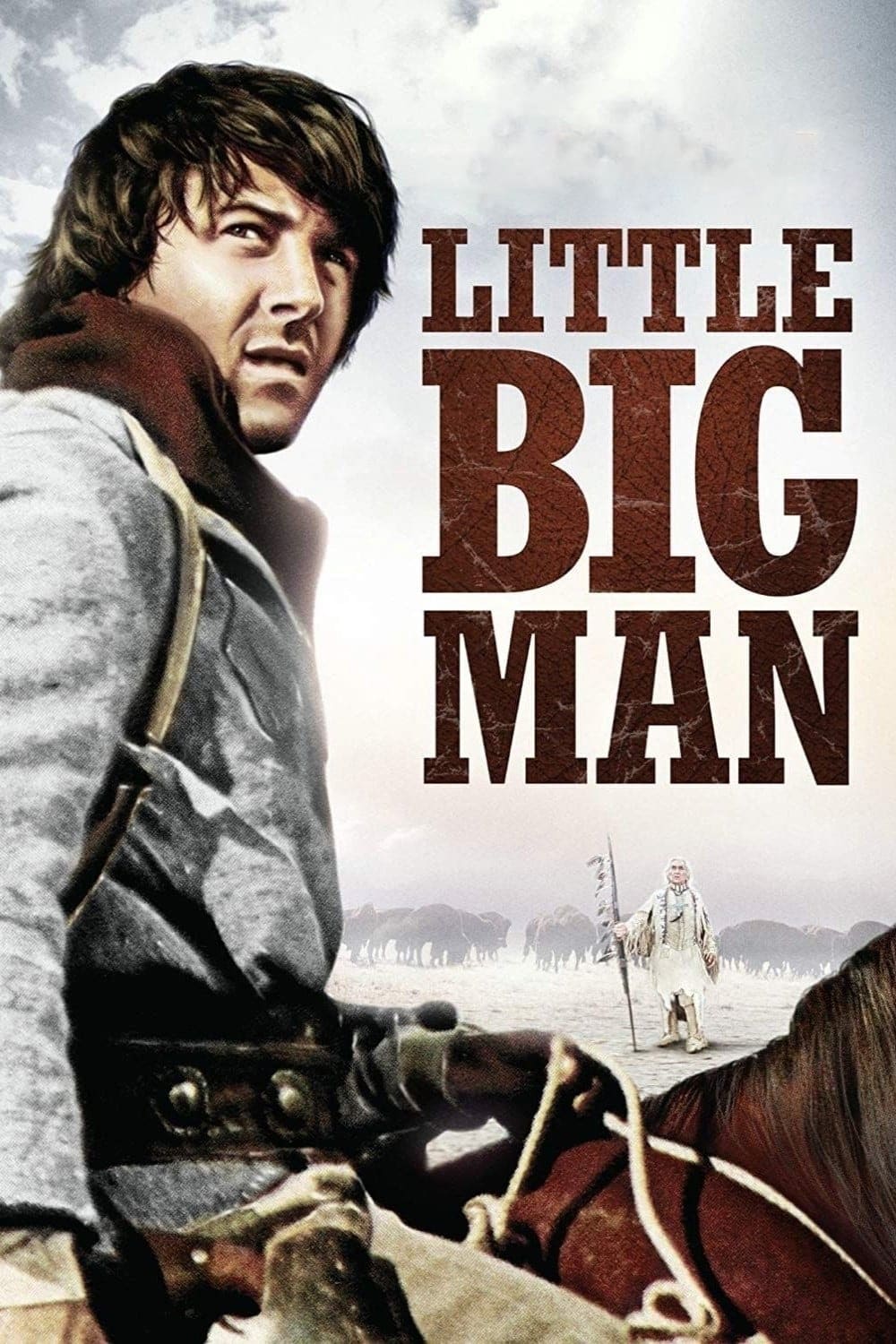
Little Big Man is a Western that turns many of the genre’s conventions on their head. The film stars Dustin Hoffman as Jack Crabb, a 121-year-old man who recounts his life story. He claims to have been captured and raised by Cheyenne Indians and later to have been the sole white survivor of the Battle of the Little Bighorn.
The film is a satire that critiques the romanticized view of the American West. It presents Native Americans with sympathy and portrays the U.S. Cavalry as villains. Directed by Arthur Penn, the movie was praised for its humor, its epic scope, and its revisionist take on history. Hoffman’s performance, which required him to portray the character at various ages, was also highly acclaimed.
Five Easy Pieces (1970)
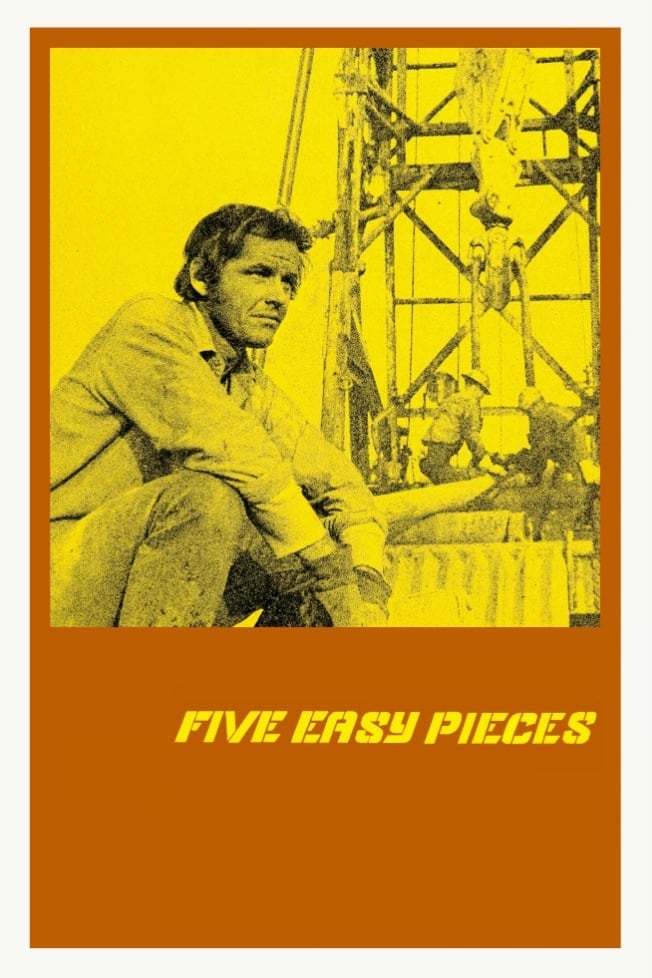
Five Easy Pieces is a drama that captures the feeling of alienation and dissatisfaction of the era. Jack Nicholson stars as Bobby Dupea, a former classical pianist from a wealthy family who has rejected his privileged background. He now works on an oil rig and lives a blue-collar life with his girlfriend, Rayette, played by Karen Black.
The film follows Bobby as he travels home to see his dying father, forcing him to confront the life he left behind. The movie is famous for its “chicken salad sandwich” scene, which perfectly encapsulates Bobby’s rebellious and anti-authoritarian nature. Nicholson’s performance earned him an Oscar nomination and solidified his status as a leading man of the New Hollywood movement.
Woodstock (1970)

Woodstock is a documentary film about the famous 1969 music festival. The movie captured the three-day event, which was a defining moment for the counter-culture generation. It features iconic performances from artists like Jimi Hendrix, Janis Joplin, The Who, and Crosby, Stills, Nash & Young.
The film used innovative techniques like split-screen to show both the performers and the massive crowd. It was more than just a concert film; it was a cultural document that captured the spirit of a generation. Woodstock won the Academy Award for Best Documentary Feature and is considered one of the greatest music documentaries ever made.
Le Cercle Rouge (1970)
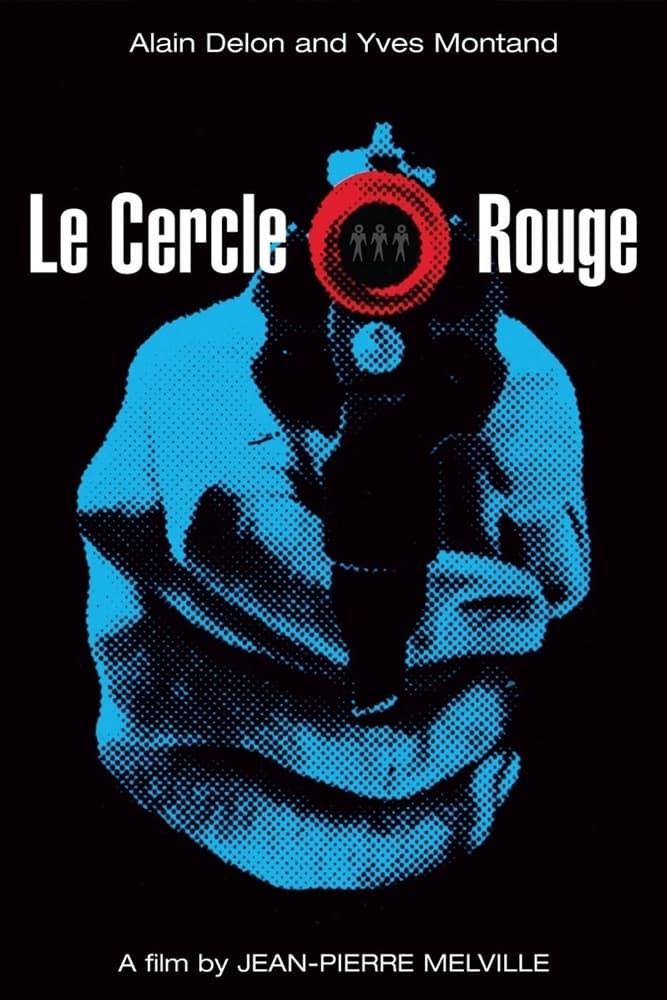
Le Cercle Rouge (The Red Circle) is a French-Italian crime film directed by Jean-Pierre Melville. The film follows a master thief, an escaped convict, and a corrupt ex-policeman who team up to plan an elaborate jewel heist. They are pursued by a determined police inspector who will stop at nothing to catch them.
The movie is known for its cool, stylish tone and its lack of dialogue. The heist scene itself is nearly 30 minutes long and is presented in almost complete silence, creating incredible tension. Le Cercle Rouge is a masterpiece of the crime genre, praised for its minimalist style, and has been highly influential on many later filmmakers.
The Conformist (1970)
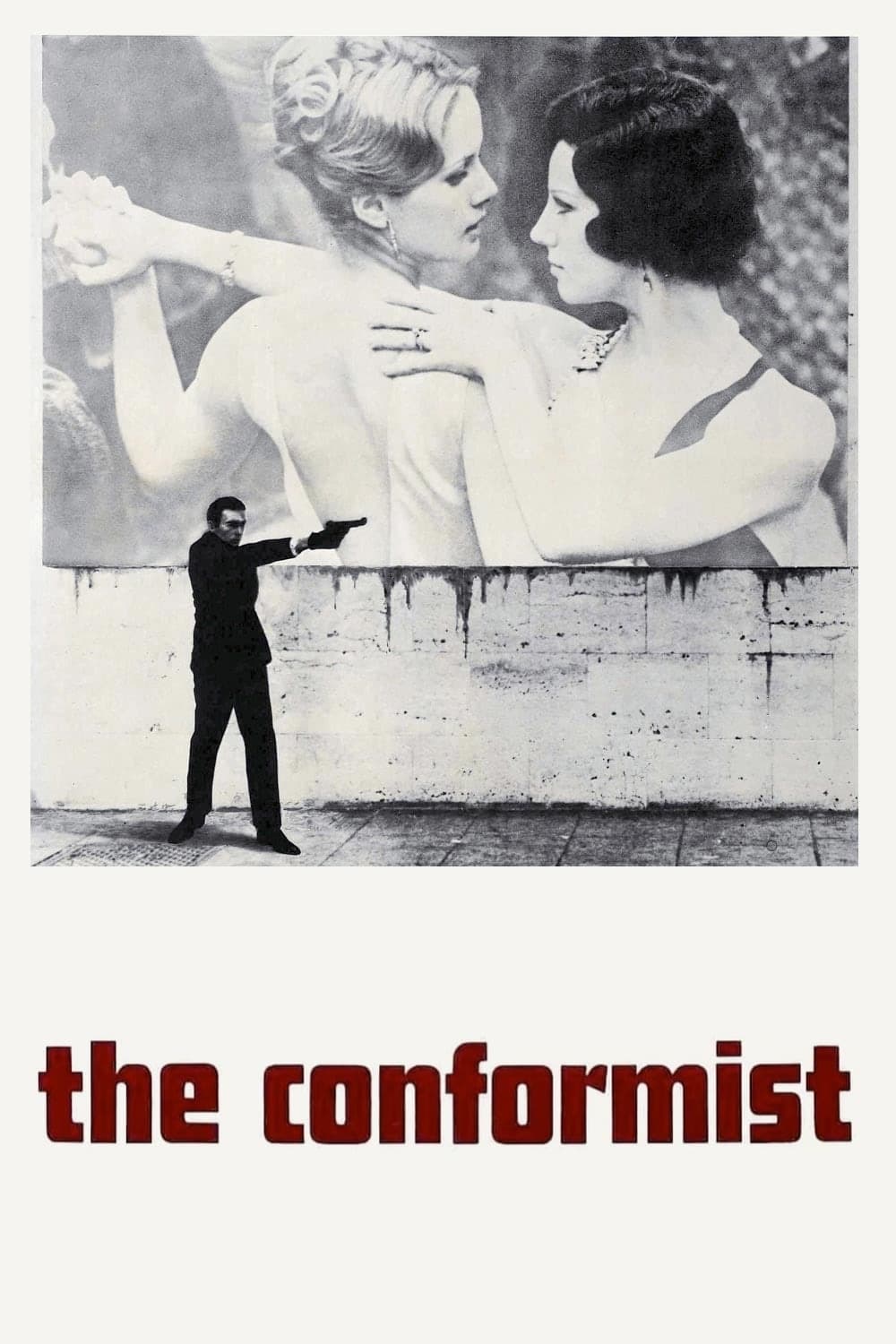
The Conformist is an Italian political drama directed by Bernardo Bertolucci. The film tells the story of an Italian man in the 1930s who becomes a fascist in order to fit in and lead a “normal” life. His desire to conform leads him to agree to assassinate his former professor, an outspoken anti-fascist living in exile in Paris.
The film is celebrated for its stunning visual style. Cinematographer Vittorio Storaro used light, shadow, and color to create a visually rich and complex world that reflects the main character’s troubled mind. The Conformist is considered a landmark of 1970s cinema, and its visual language has had a profound impact on directors for decades.
Kelly’s Heroes (1970)
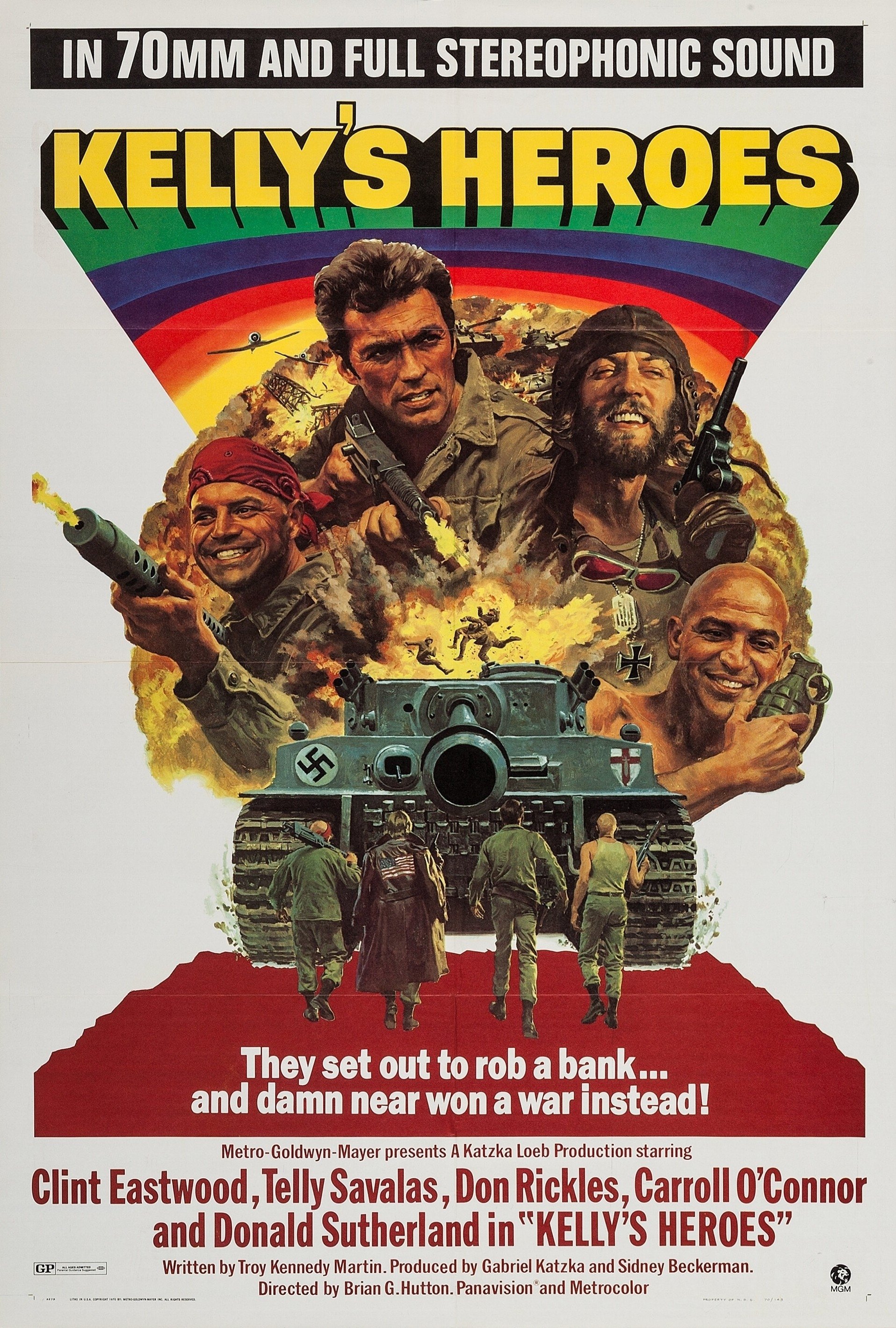
Kelly’s Heroes is a war-comedy film with an all-star cast including Clint Eastwood, Telly Savalas, and Donald Sutherland. Set during World War II, it follows a group of American soldiers who go AWOL to sneak behind enemy lines and steal a cache of Nazi gold.
The film blends action, comedy, and anti-war sentiment. Sutherland’s role as the hippie-esque tank commander “Oddball” provides much of the comic relief. While it’s a war movie filled with battles and explosions, it also carries a cynical, anti-establishment tone that was popular at the time, making it a unique and entertaining classic.
Tora! Tora! Tora! (1970)
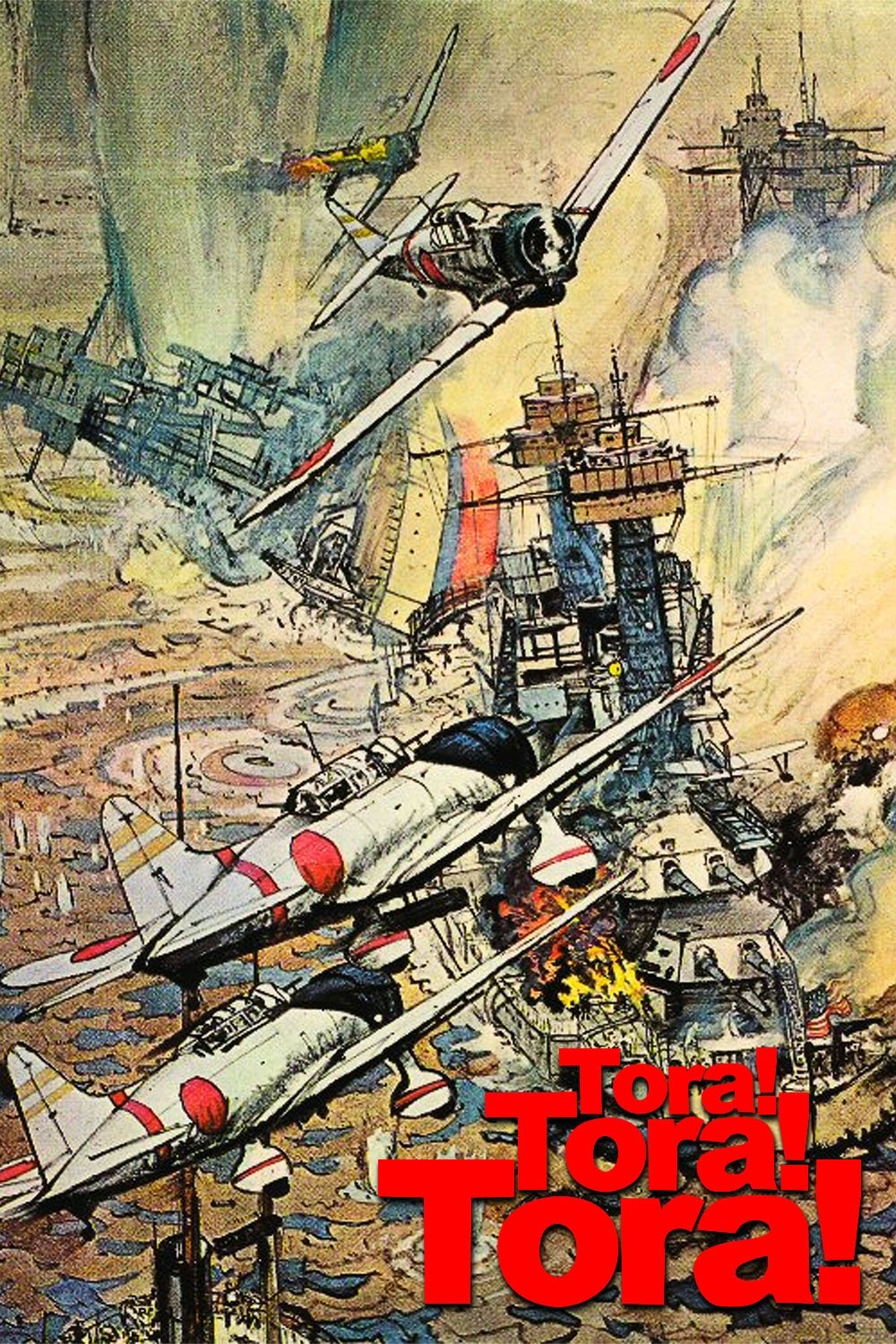
Tora! Tora! Tora! is an American-Japanese war film that depicts the attack on Pearl Harbor from both the American and Japanese perspectives. The title is the Japanese code word used to indicate that complete surprise had been achieved. The film was a massive production that aimed for historical accuracy.
The movie is unique for using different directors for the American and Japanese sequences. This approach provides a balanced view of the events leading up to the attack. Although it was not a huge box office success in the U.S. at the time, it was highly regarded for its special effects, which won an Academy Award, and its detailed and even-handed retelling of a pivotal moment in history.
Gimme Shelter (1970)
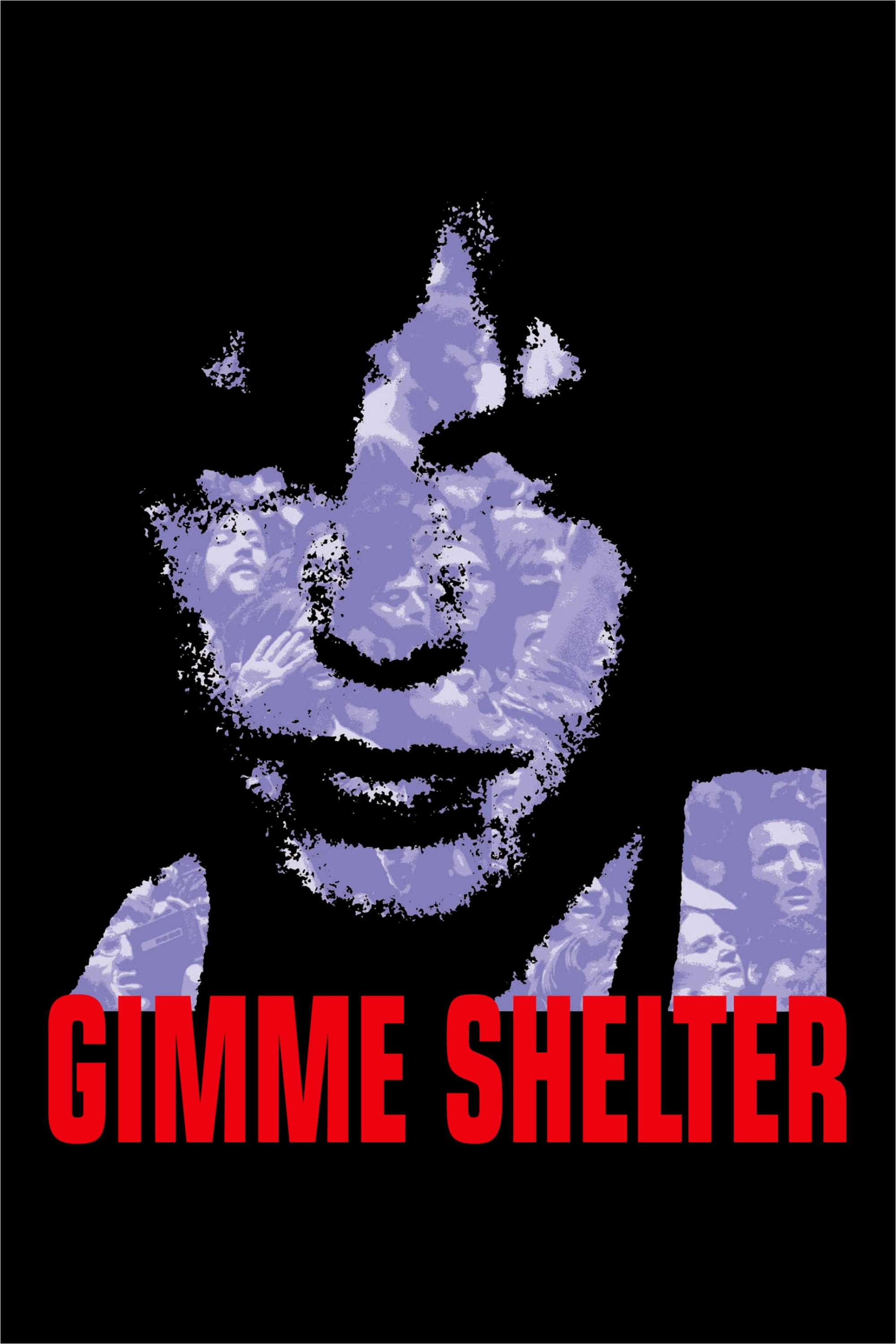
Gimme Shelter is a documentary that follows the Rolling Stones during their 1969 U.S. tour. The film is most famous for its documentation of the disastrous Altamont Free Concert. What was intended to be a “Woodstock West” descended into violence, culminating in the fatal stabbing of a concertgoer by a Hells Angels member who had been hired as security.
The film is a chilling and powerful look at the dark side of the 1960s counter-culture. It captures the chaos and violence of the Altamont concert in a raw and unfiltered way. The moment when the filmmakers show Mick Jagger watching the footage of the killing for the first time is a particularly haunting scene. Gimme Shelter stands as a stark contrast to the peace and love celebrated in Woodstock.
The Boys in the Band (1970)
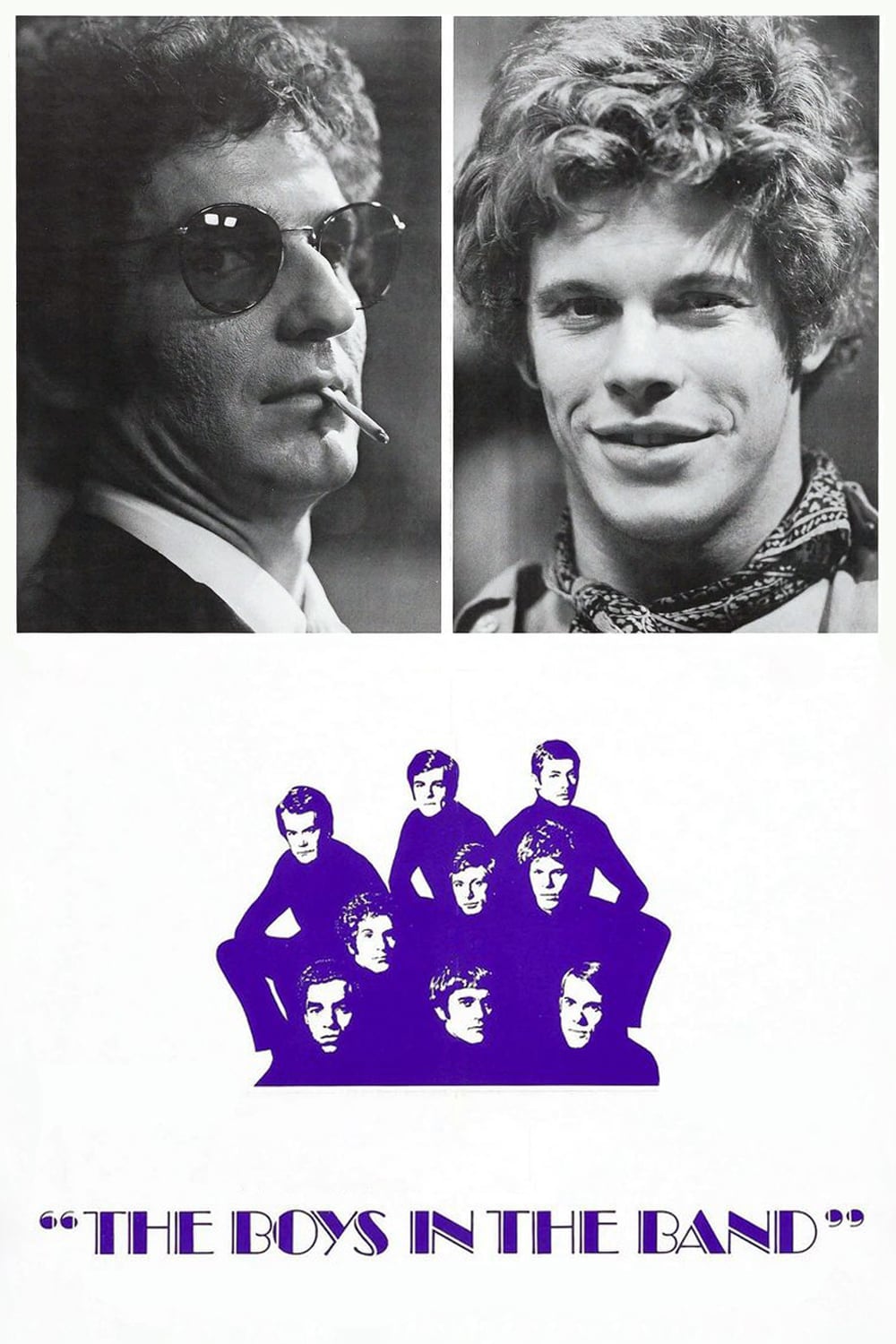
The Boys in the Band was a groundbreaking film for its portrayal of gay characters. Based on an off-Broadway play, the story takes place at a birthday party in New York City, where a group of gay men gather. The evening takes a turn when the host’s straight, and possibly closeted, college friend unexpectedly shows up.
The film was one of the first mainstream American movies to revolve entirely around gay characters. It was praised for its witty dialogue and strong performances. While some of its portrayals are now seen as stereotypical, it was a significant step forward in LGBTQ+ representation in cinema and remains an important part of film history.
Performance (1970)
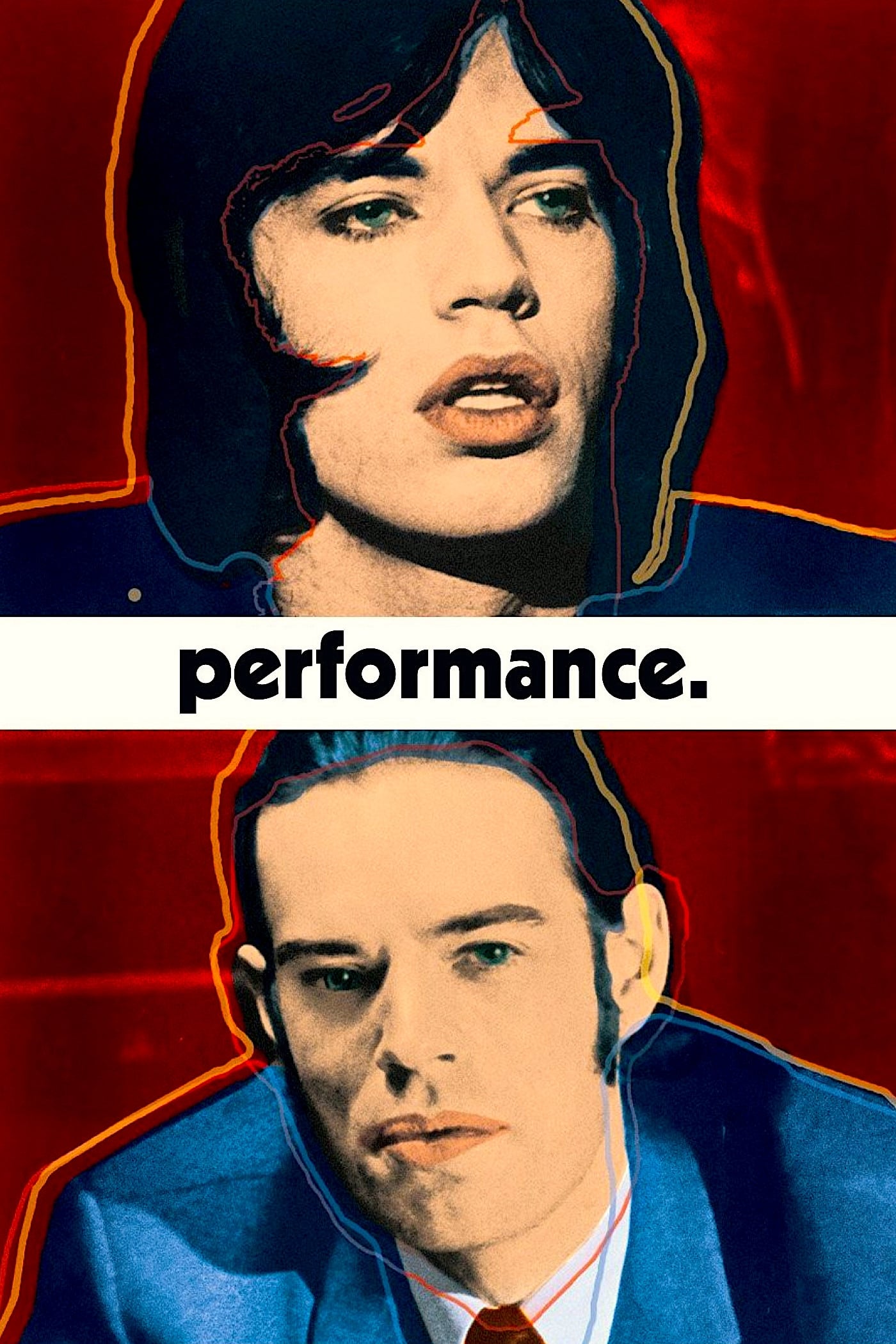
Performance is a British crime drama starring James Fox and Mick Jagger in his acting debut. Fox plays a violent London gangster who goes on the run and hides in the home of a reclusive and eccentric rock star, played by Jagger. The gangster’s world and the rock star’s bohemian lifestyle begin to merge in strange and unsettling ways.
The film was controversial when it was released due to its depiction of violence, sex, and drug use. Its experimental style, with its fragmented editing and psychedelic sequences, was also ahead of its time. Today, Performance is considered a cult classic, celebrated for its bold filmmaking and its exploration of identity and reality.
Airport (1970)
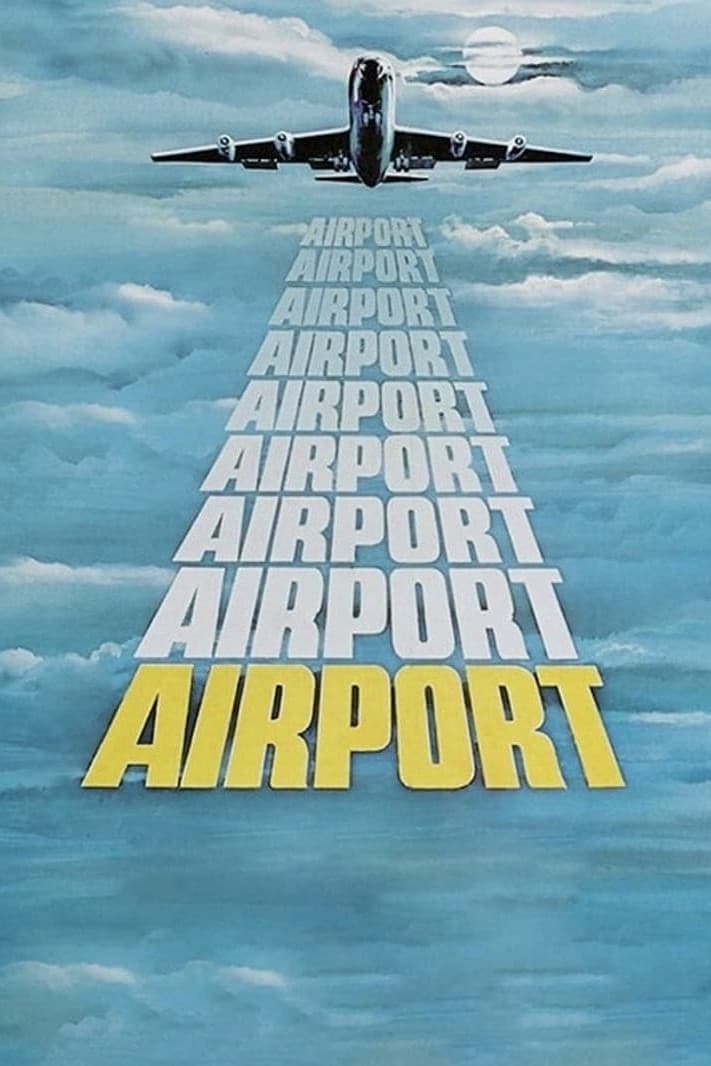
Airport was a huge commercial success that kick-started the disaster movie trend of the 1970s. Based on a bestselling novel, the film features a large ensemble cast dealing with multiple crises at a fictional Chicago-area airport. The main plot involves a desperate man who plans to blow up a Boeing 707 so his wife can collect the insurance money.
The film boasted big-name stars like Burt Lancaster and Dean Martin and was packed with suspense and personal drama. It was nominated for ten Academy Awards, including Best Picture, and Helen Hayes won Best Supporting Actress for her role as an elderly stowaway. Its formula of intertwining stories and high-stakes drama would be copied by many disaster films that followed.

