


Movies from 1973 That Are Now Considered Classics


The year 1973 was a significant time for filmmaking. Hollywood was in the middle of a creative boom, often called the “New Hollywood” era. Directors had more control, and they used this freedom to create movies that were personal, edgy, and different from what came before. These films often explored complex themes and reflected the social changes happening in the world. The result was a collection of movies that challenged audiences and pushed the boundaries of cinema.
Many films from 1973 have stood the test of time. They introduced new styles of storytelling and created unforgettable characters. This was a year of groundbreaking horror, gritty crime dramas, and thoughtful science fiction. From blockbuster hits that changed the industry to independent films that influenced future filmmakers, the movies of 1973 left a lasting mark on popular culture and are now celebrated as classics.
The Exorcist (1973)

The Exorcist tells the story of a young girl named Regan who becomes possessed by a mysterious demon. Her mother desperately seeks help, eventually turning to two Catholic priests to perform an exorcism. The film is based on a novel of the same name and is directed by William Friedkin. It stars Ellen Burstyn as the mother, Linda Blair as Regan, and Max von Sydow as one of the priests.
Upon its release, the film was a cultural phenomenon. It was so terrifying that audiences reacted with intense fear, with some people fainting or leaving the theater. The Exorcist became one of the highest-grossing films of all time and was nominated for ten Academy Awards, including Best Picture. It changed the horror genre, proving that scary movies could also be serious, well-made films that received critical acclaim.
American Graffiti (1973)
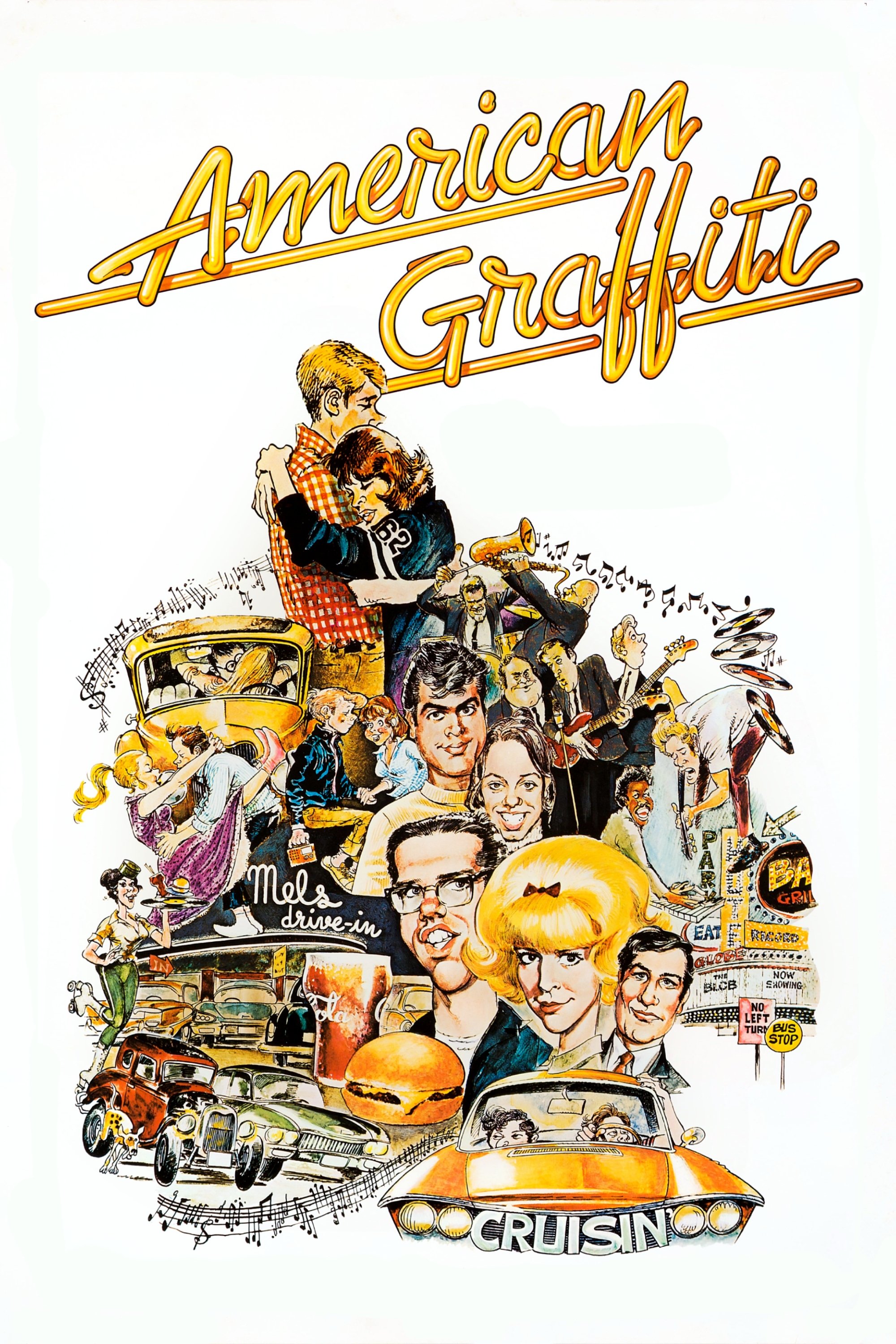
Directed by George Lucas, American Graffiti follows a group of high school graduates on their last night of summer vacation in 1962. The story is set to a non-stop soundtrack of early rock and roll hits. The characters cruise the streets of their small town, hang out at a local diner, and think about their uncertain futures. The film features a large cast of young actors who would later become famous, including Richard Dreyfuss and Ron Howard.
American Graffiti was a huge success. It captured a feeling of nostalgia for a simpler time and was praised for its use of music and its episodic storytelling. The film was made with a very small budget but became incredibly profitable, which helped George Lucas secure the funding for his next project, Star Wars. It remains a beloved coming-of-age story and a classic of American cinema.
The Sting (1973)
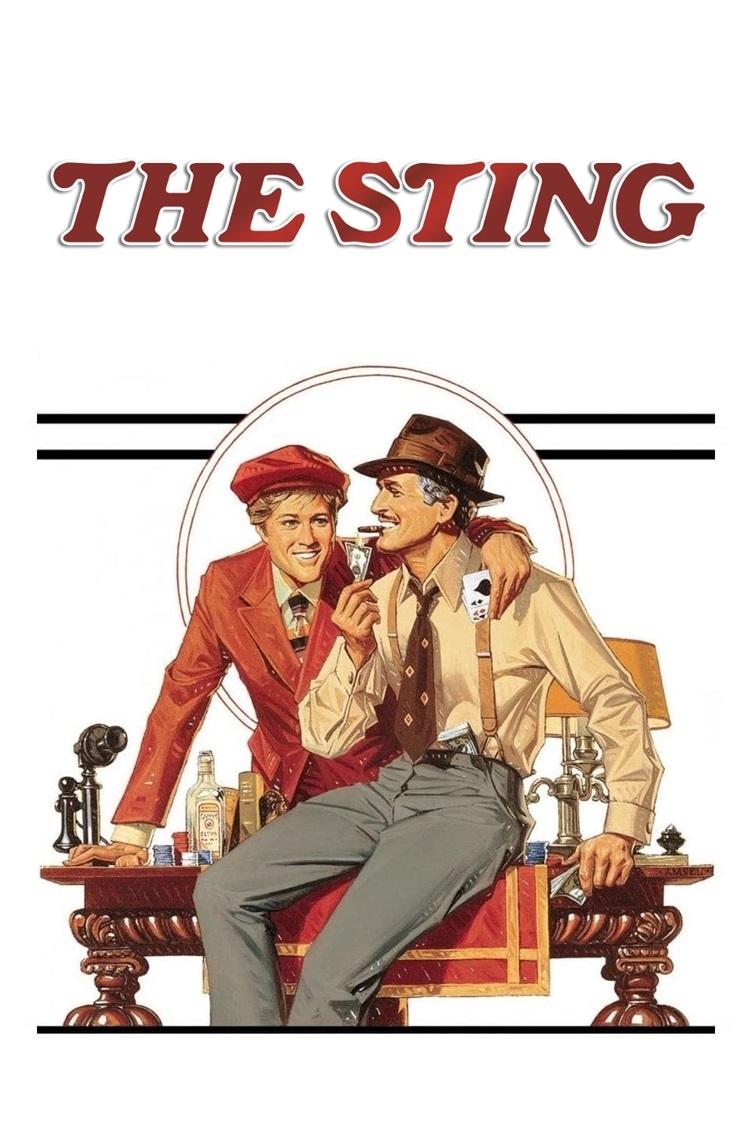
The Sting is a clever crime comedy that reunites actors Paul Newman and Robert Redford with their Butch Cassidy and the Sundance Kid director, George Roy Hill. The story is set in the 1930s and follows two con artists who team up to pull off a major scam against a ruthless mob boss. The film is known for its intricate plot, witty dialogue, and charming performances.
The movie was a massive critical and commercial success. It won seven Academy Awards, including Best Picture, Best Director, and Best Original Screenplay. Its use of ragtime music, particularly Scott Joplin’s “The Entertainer,” caused a revival of interest in the genre. The Sting is remembered as a perfectly crafted caper film, celebrated for its smart script and the undeniable chemistry of its lead actors.
Enter the Dragon (1973)
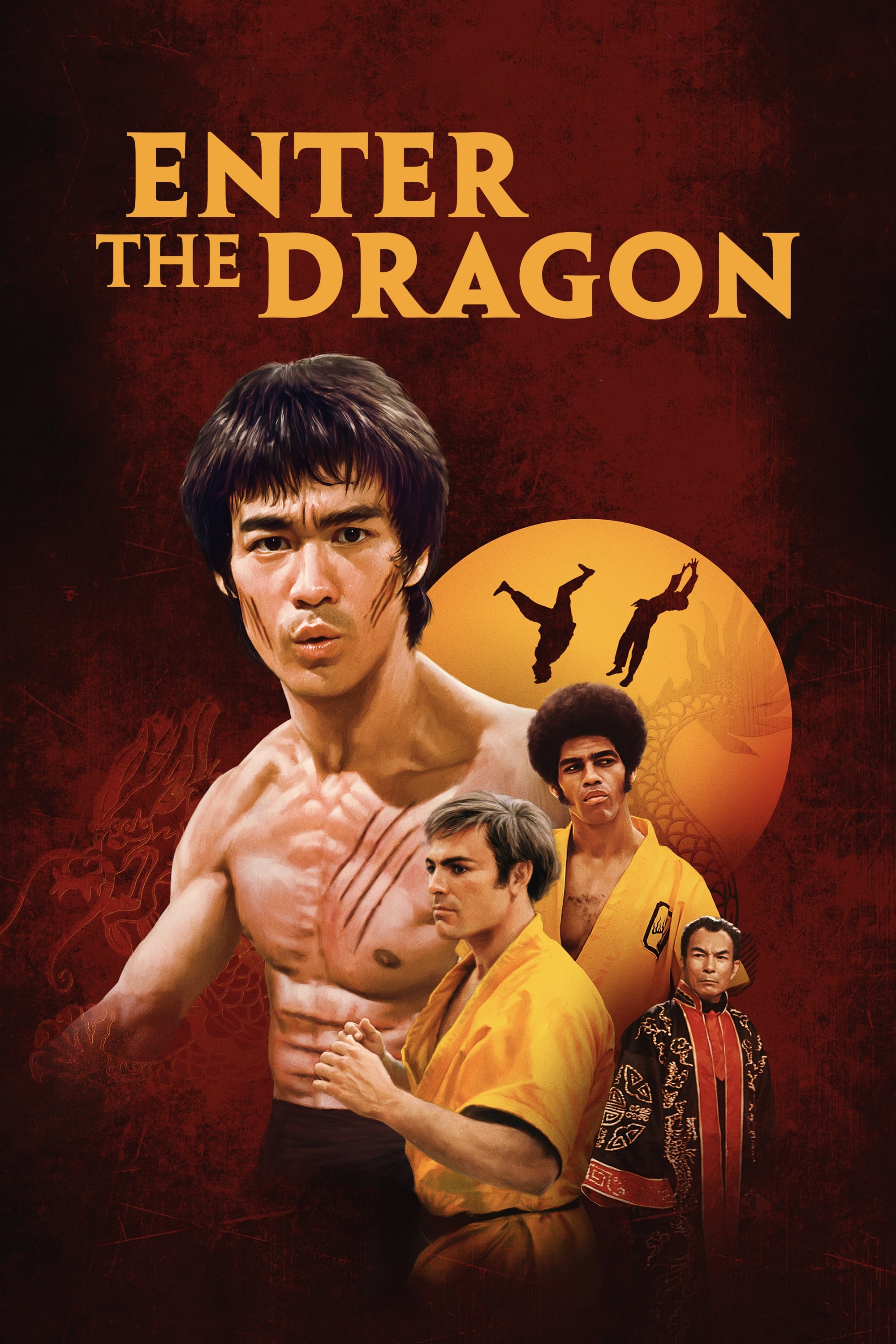
This film is the definitive martial arts movie and the final completed film of its iconic star, Bruce Lee. In Enter the Dragon, Lee plays a martial arts expert who is recruited by a British intelligence agent to go undercover on a private island. He must participate in a martial arts tournament hosted by a suspected crime lord. The film is famous for its incredible fight scenes, which were choreographed by Lee himself.
Enter the Dragon was one of the first martial arts films produced by a major Hollywood studio and it became a global hit. It brought Hong Kong martial arts cinema to a mainstream Western audience and cemented Bruce Lee’s status as an international superstar, although he sadly passed away before the film’s release. Its influence is still seen today in countless action movies and video games.
Mean Streets (1973)
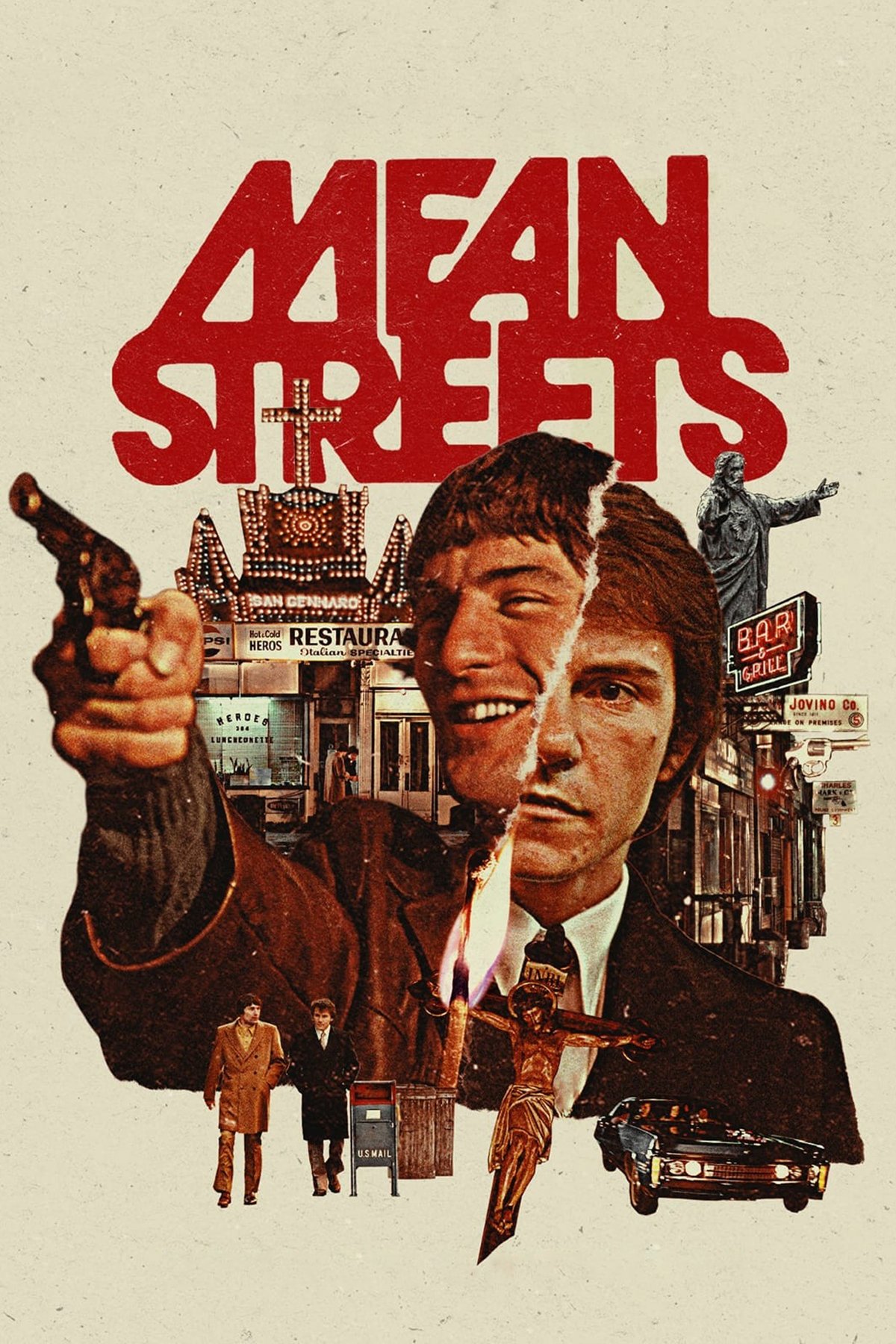
Directed by Martin Scorsese, Mean Streets is a gritty and personal film about low-level gangsters in New York City’s Little Italy. The story centers on Charlie, played by Harvey Keitel, who is trying to move up in the local mob while dealing with his sense of Catholic guilt. He also tries to protect his reckless and self-destructive friend, Johnny Boy, played by Robert De Niro.
The film established Martin Scorsese’s signature style, with its realistic portrayal of urban life, use of popular music, and themes of guilt and redemption. It also marked his first major collaboration with Robert De Niro. Mean Streets was not a huge box office hit, but it received rave reviews from critics and is now considered one of the most important films of the New Hollywood era and a blueprint for future gangster films.
Serpico (1973)
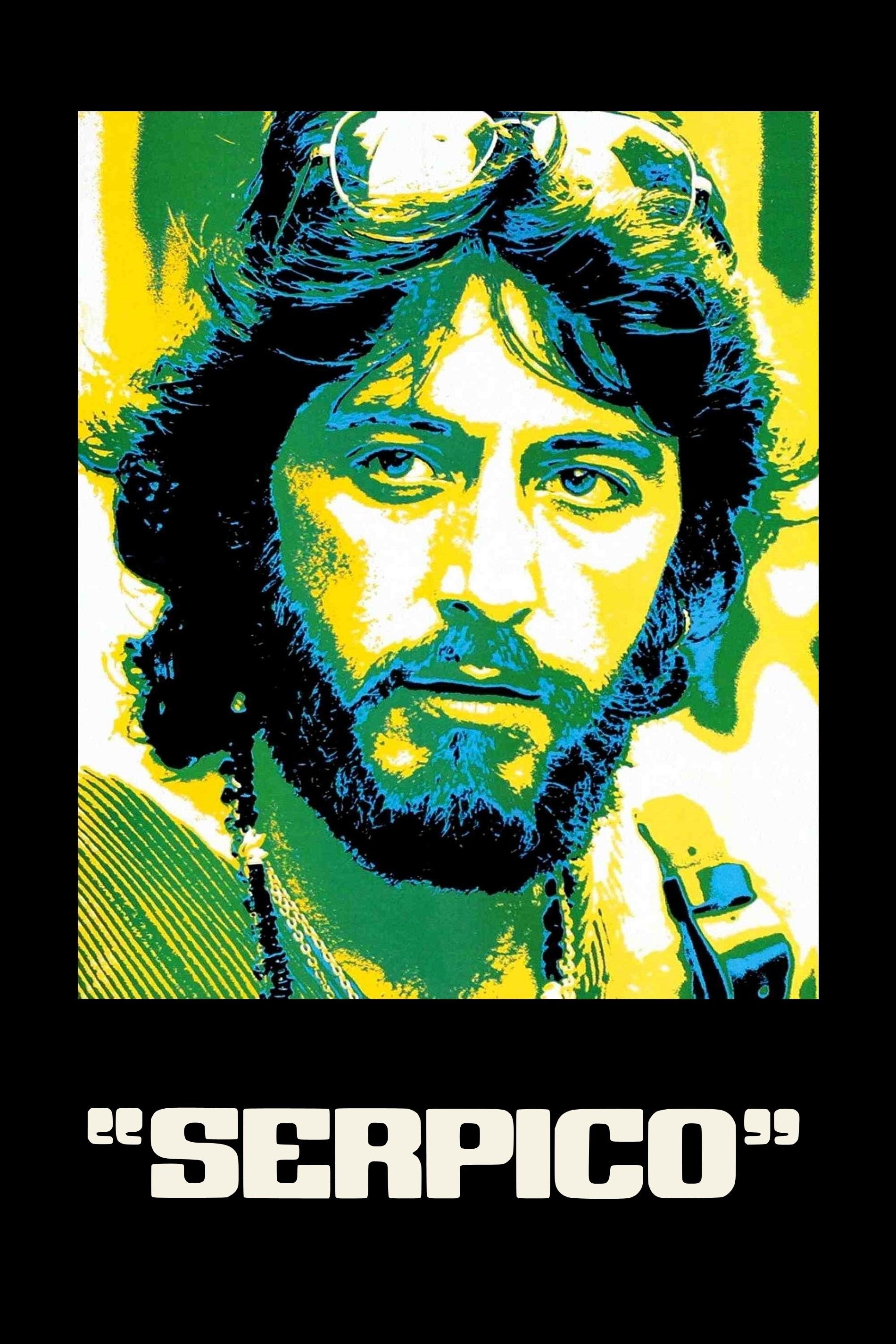
Serpico tells the true story of Frank Serpico, an honest New York City police officer who exposed widespread corruption within the police force. Al Pacino stars as Serpico, showing his transformation from an idealistic rookie to a frustrated outcast who risks his life to stand up for what is right. The film was directed by Sidney Lumet and is known for its realistic and grounded style.
Al Pacino’s performance was highly praised and earned him an Academy Award nomination. The film was part of a wave of anti-authority movies in the 1970s that questioned institutions and celebrated individuals who fought against the system. Serpico remains a powerful and relevant crime drama about integrity and the personal cost of whistleblowing.
Papillon (1973)
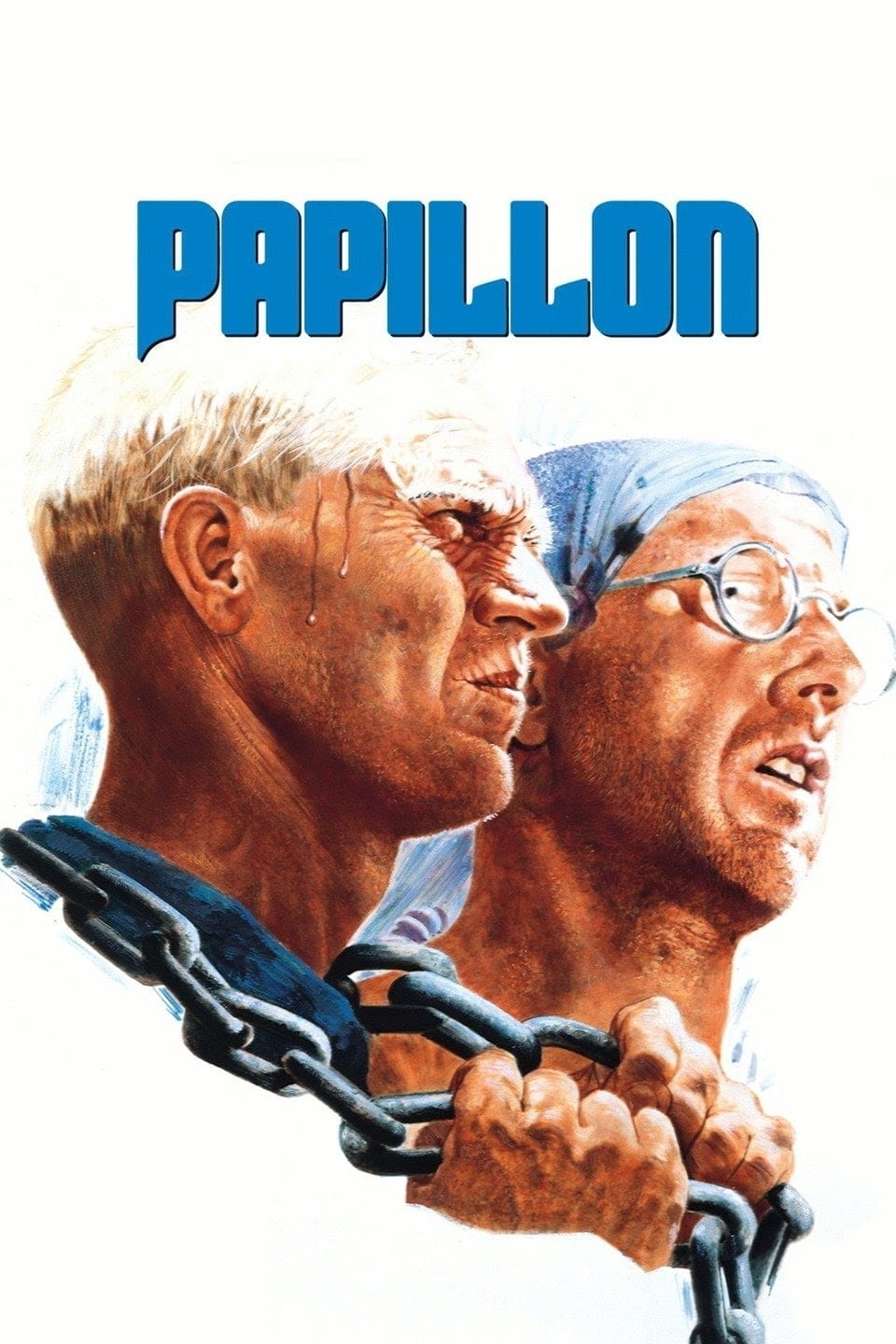
Based on a true story, Papillon stars Steve McQueen and Dustin Hoffman as two convicts in a brutal French penal colony in South America. McQueen plays Henri “Papillon” Charrière, a man convicted of a murder he claims he did not commit. He is determined to escape the inescapable prison, no matter how many times he fails. Hoffman plays his friend, a fellow prisoner named Louis Dega.
The film is an epic adventure about the endurance of the human spirit. It features stunning locations and powerful performances from its two lead actors. At the time, it was one of the most expensive movies ever made. Papillon is remembered as a classic prison escape film and a testament to the powerful will to be free.
Badlands (1973)
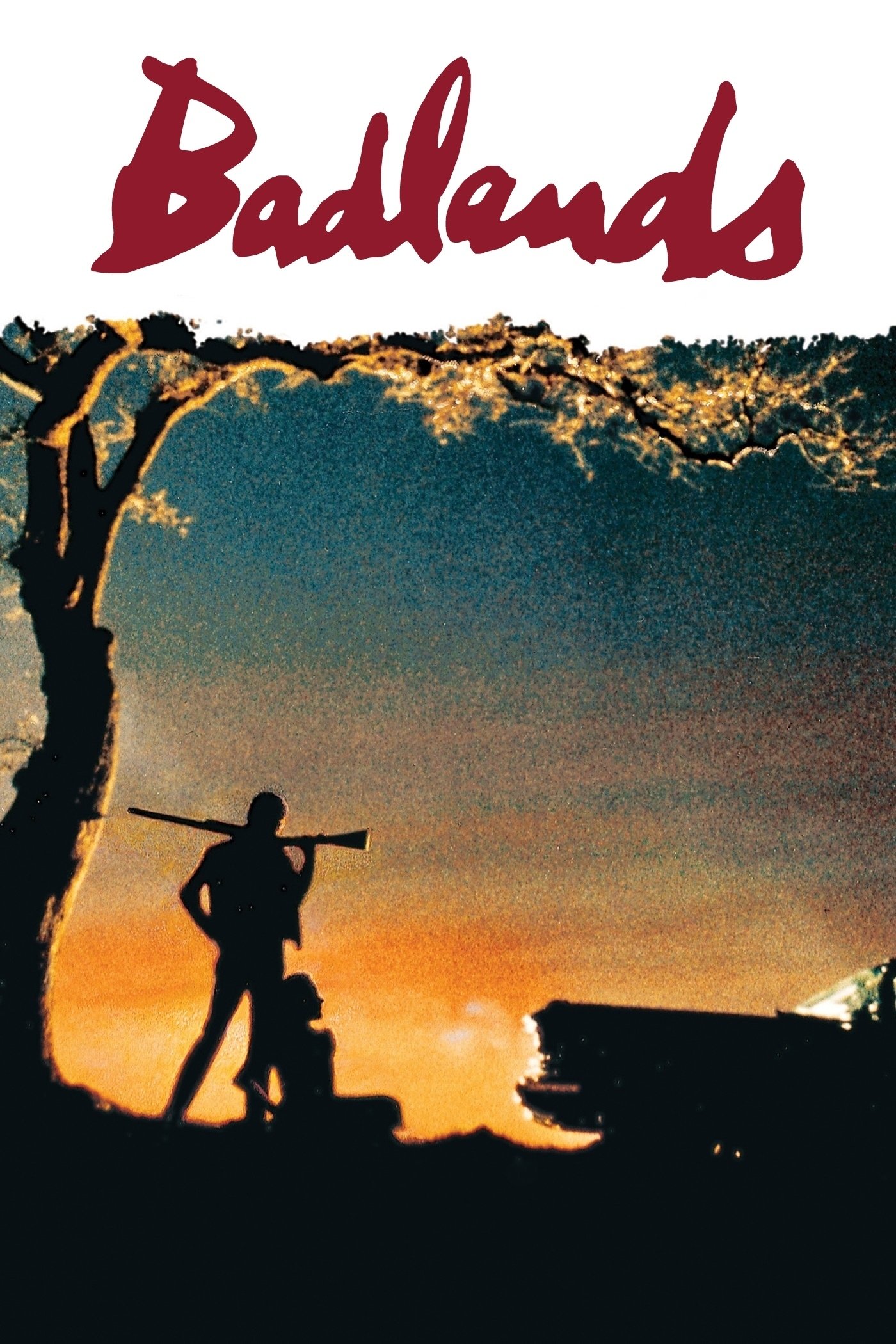
Badlands is the debut film from director Terrence Malick. It stars Martin Sheen and Sissy Spacek as a young couple who go on a crime spree in the American Midwest in the 1950s. The story is loosely based on the real-life case of Charles Starkweather and Caril Ann Fugate. The film is told from the perspective of Spacek’s character, a naive teenager who sees their violent journey as a romantic adventure.
The movie is known for its beautiful and dreamlike visual style, which contrasts with the violent events of the story. Badlands was not a commercial success at first, but it received excellent reviews and has since become a highly influential cult classic. Its poetic and detached tone has been copied by many filmmakers, and it established Terrence Malick as a unique and important voice in American cinema.
The Paper Chase (1973)
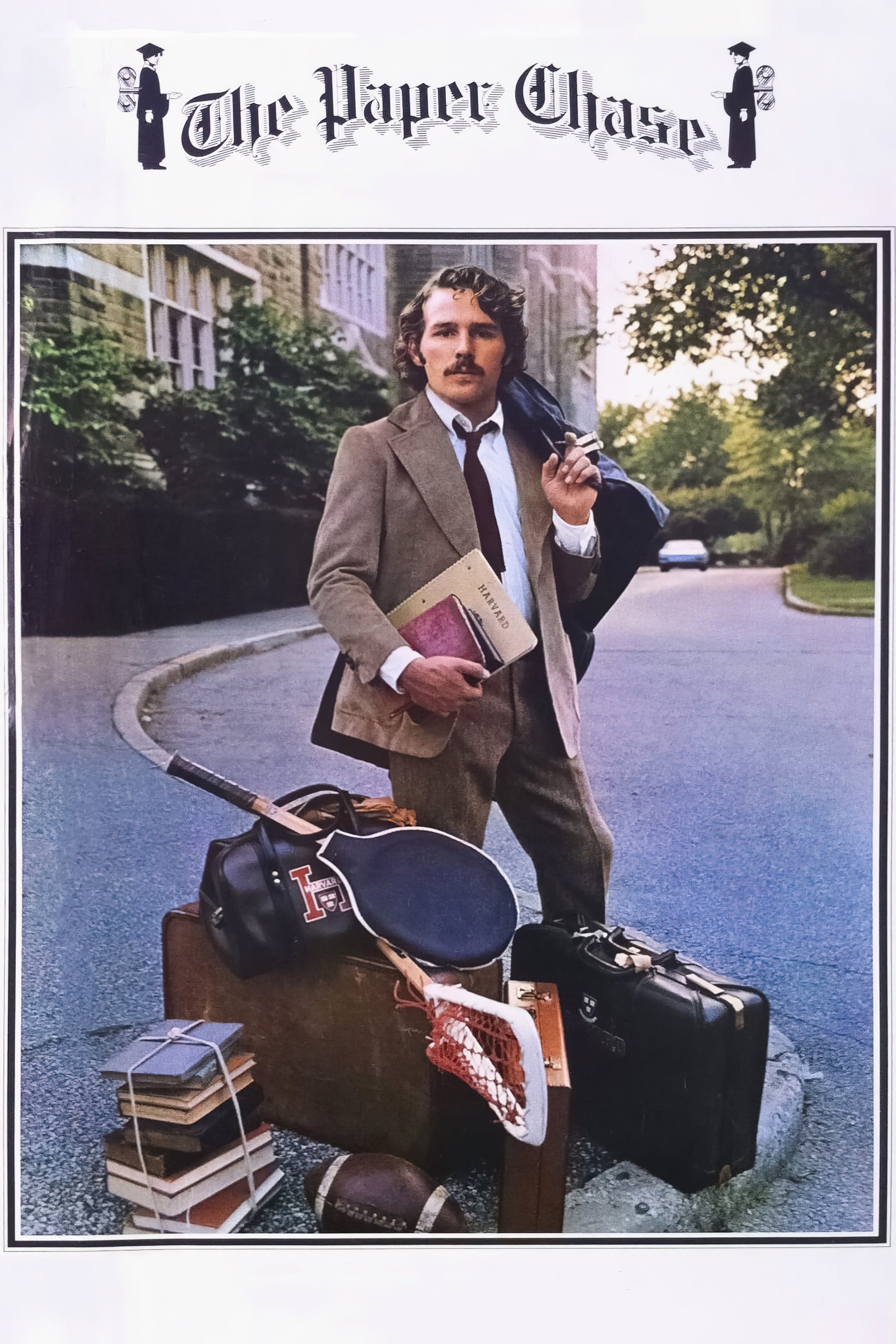
The Paper Chase follows a first-year student at Harvard Law School who struggles to keep up with the intense workload and the demanding Professor Kingsfield. The student, Hart, becomes obsessed with impressing his brilliant but intimidating contracts professor. The film explores the pressures of higher education and the relationship between a student and his mentor. John Houseman won the Academy Award for Best Supporting Actor for his role as Professor Kingsfield.
The film provides a compelling look at the competitive world of law school. It was praised for its intelligent script and strong performances. The character of Professor Kingsfield became an iconic figure, representing the ultimate tough but respected teacher. The Paper Chase was so well-regarded that it was later adapted into a successful television series.
Sleeper (1973)

Sleeper is a science fiction comedy written by, directed by, and starring Woody Allen. Allen plays Miles Monroe, a health-food store owner who is cryogenically frozen in 1973 and wakes up 200 years later in a futuristic police state. He soon finds himself caught up with a group of rebels trying to overthrow the oppressive government. The film also stars Diane Keaton.
The movie is a tribute to the slapstick comedies of the silent film era, filled with physical gags and witty one-liners. It parodies classic science fiction themes and dystopian stories. Sleeper was a critical and commercial success, praised for its clever humor and imaginative vision of the future. It is considered one of Woody Allen’s funniest and most creative early films.
Live and Let Die (1973)

Live and Let Die marked Roger Moore’s first appearance as the iconic secret agent, James Bond. In this film, Bond is sent to investigate the deaths of several British agents. His mission takes him from New York City to New Orleans and the Caribbean, where he confronts a powerful drug lord known as Dr. Kananga. The film also features Jane Seymour as the tarot card reader, Solitaire.
The movie was a box office success and introduced a new, more lighthearted tone for the James Bond series. It famously featured a theme song by Paul McCartney and Wings, which became a massive hit and was nominated for an Academy Award. Live and Let Die successfully launched a new era for the Bond franchise with Roger Moore at the helm.
The Long Goodbye (1973)
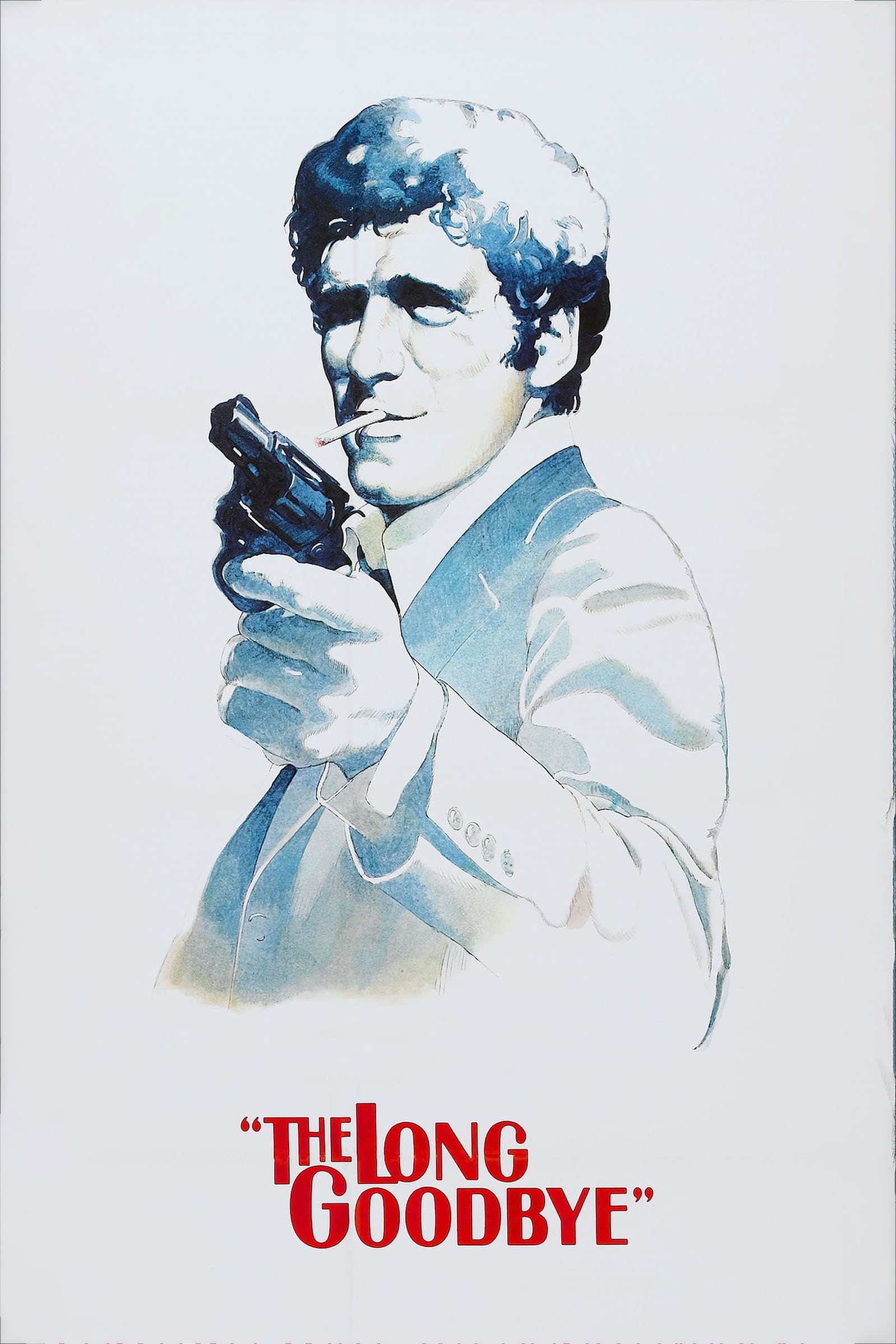
Directed by Robert Altman, The Long Goodbye is a unique take on the classic detective character Philip Marlowe, originally created by writer Raymond Chandler. Elliott Gould stars as a modern-day Marlowe in 1970s Los Angeles. He is a laid-back, chain-smoking private eye who gets drawn into a complex case involving his friend’s apparent suicide and a missing husband.
Altman’s film deconstructs the traditional detective movie. Gould’s Marlowe is a man out of time, struggling to maintain his moral code in a selfish and corrupt world. Initially, the film received mixed reviews because it was so different from previous adaptations of Chandler’s work. However, it is now considered a masterpiece of the New Hollywood era, praised for its satirical tone and innovative camera work.
High Plains Drifter (1973)
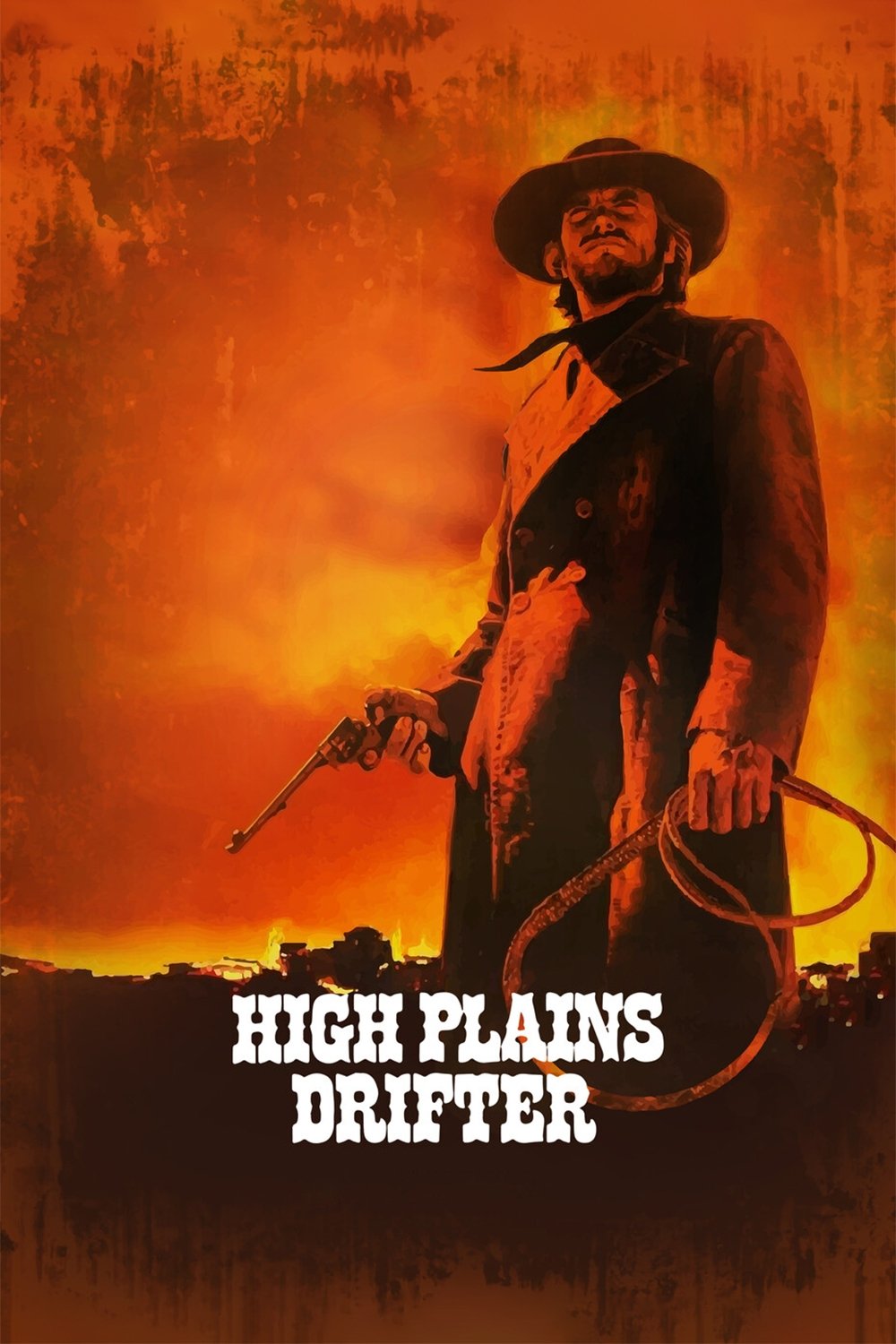
High Plains Drifter is a Western directed by and starring Clint Eastwood. Eastwood plays a mysterious stranger who rides into a small, corrupt town. The town’s leaders hire him to protect them from three outlaws who are about to be released from prison. The Stranger agrees, but he does so with his own dark and violent methods, forcing the townspeople to confront their own past sins.
The film is a dark and supernatural-tinged Western that subverts many of the genre’s conventions. It explores themes of revenge and collective guilt. The movie was a commercial success and helped solidify Eastwood’s reputation as both a major star and a talented director. It remains one of his most memorable and haunting Westerns.
The Wicker Man (1973)
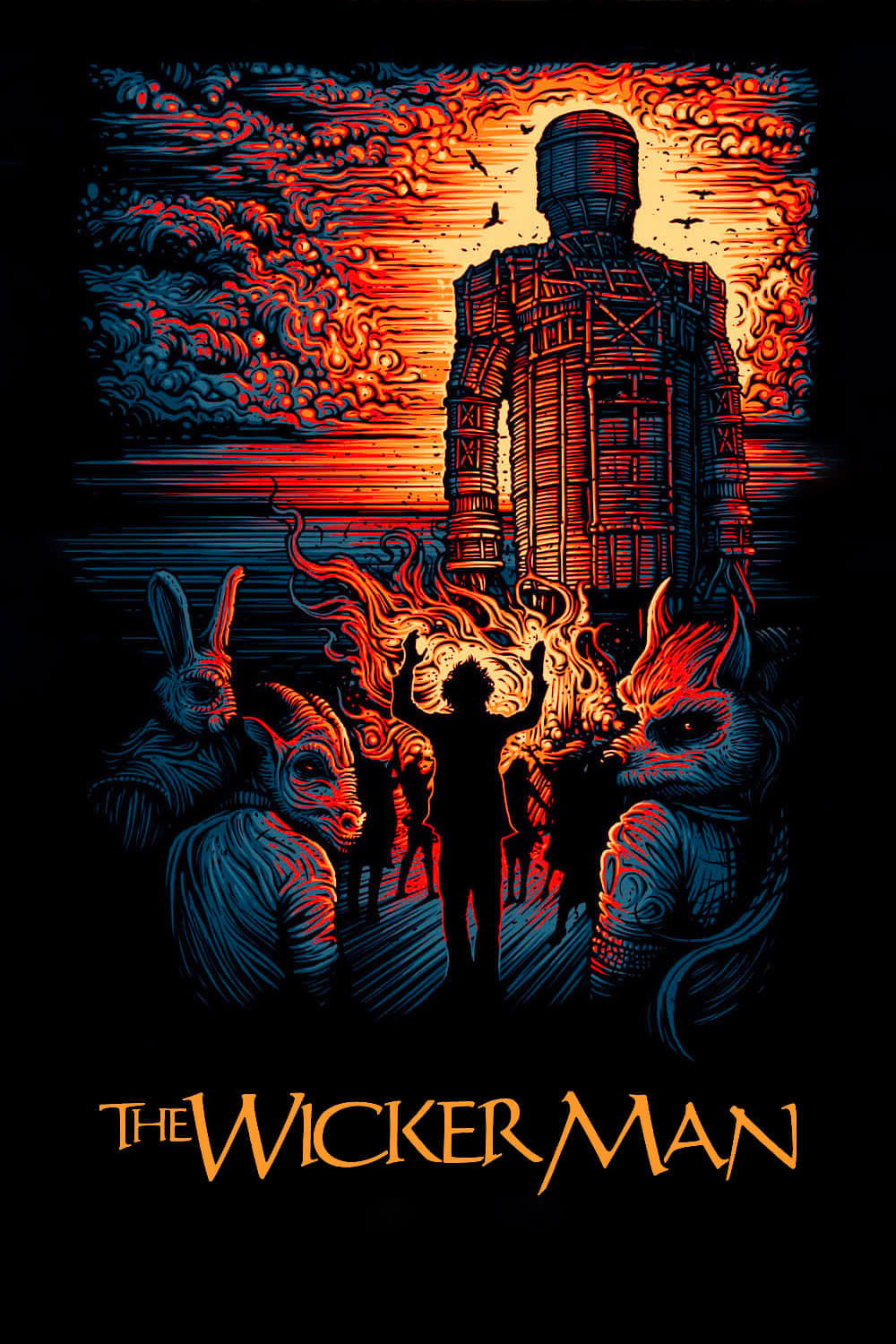
The Wicker Man is a British horror film that follows a devoutly Christian police sergeant who travels to a remote Scottish island to investigate the disappearance of a young girl. He soon discovers that the island’s inhabitants have abandoned Christianity and now practice a form of paganism. The officer’s investigation becomes increasingly strange and disturbing as he uncovers the community’s dark secrets.
Unlike many horror films, The Wicker Man builds its terror through atmosphere and psychological tension rather than jump scares. It is often described as a “folk horror” film. Upon its initial release, the movie was heavily edited and not widely seen. Over the years, however, it gained a massive cult following and is now celebrated as one of the greatest and most intelligent horror films ever made.

