


Movies from 1976 That Are Now Considered Classics


The year 1976 was a significant time in the world of cinema. It was a period when a new wave of filmmakers was making its mark, telling stories that were gritty, realistic, and often challenging. This era, frequently called “New Hollywood,” moved away from the glamour of the studio system and focused on more personal and complex themes. The films of this year reflected the social and political climate of the time, tackling subjects that were previously considered taboo.
Many of the movies released in 1976 have since become enduring classics. These films not only achieved critical and commercial success upon their release but have also stood the test of time, influencing generations of filmmakers and captivating audiences for decades. From iconic thrillers and powerful dramas to beloved sports films and groundbreaking horror, the cinematic landscape of 1976 was rich and varied, leaving a lasting legacy that is still celebrated today.
Taxi Driver (1976)
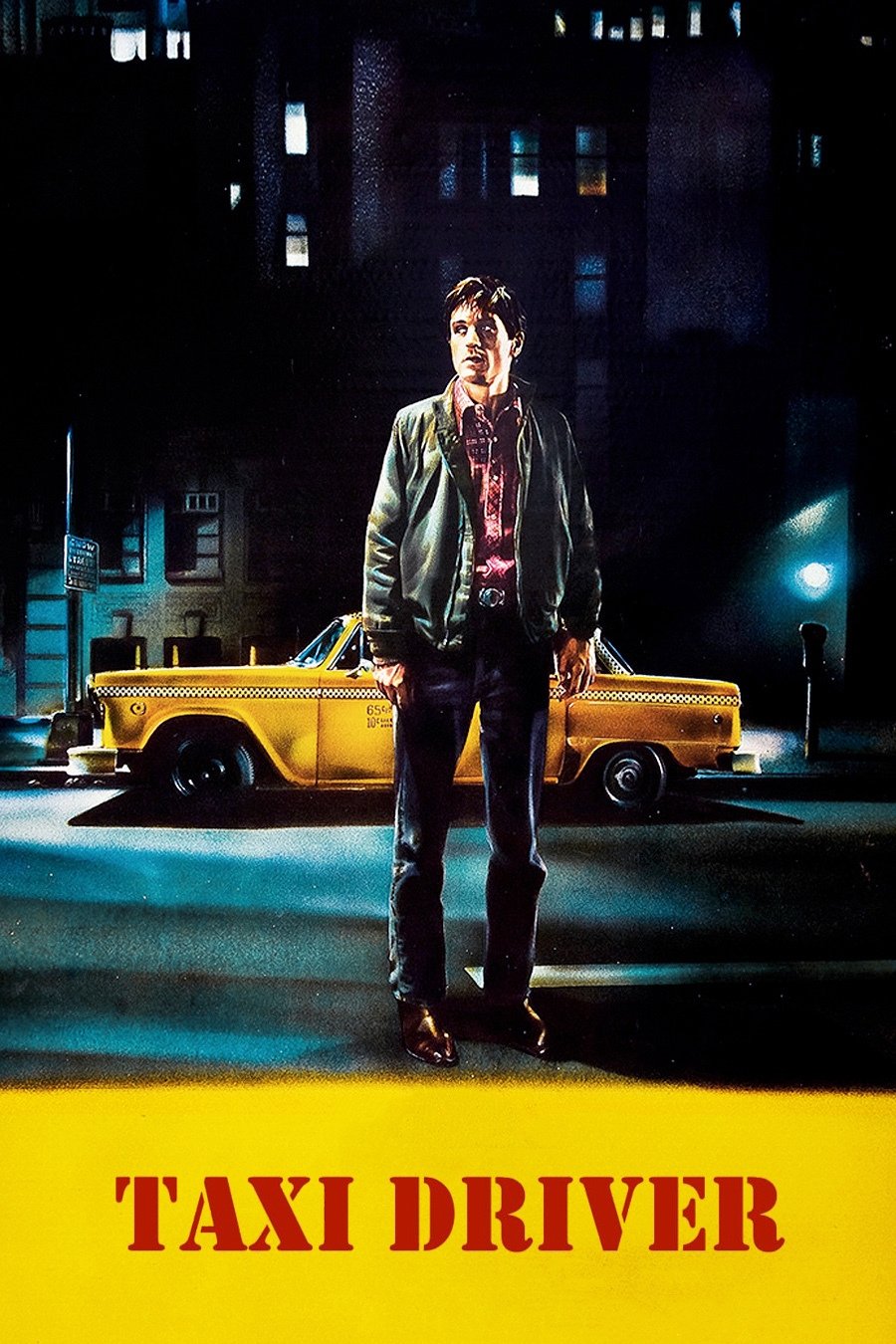
This film follows Travis Bickle, a lonely and disturbed Vietnam veteran who works as a taxi driver in New York City. The city’s dark and corrupt environment deeply affects him. As he drives through the streets at night, he becomes increasingly disgusted by the crime and moral decay he witnesses. His growing sense of alienation and his desire to clean up the “scum” lead him down a violent and obsessive path.
Taxi Driver is a powerful character study and a chilling look at urban decay and mental illness. Robert De Niro’s performance as Travis Bickle is iconic and earned him an Academy Award nomination. The film’s dark tone, gritty realism, and memorable lines have made it a landmark in American cinema. It remains a compelling and unsettling film that continues to be analyzed and discussed.
Rocky (1976)
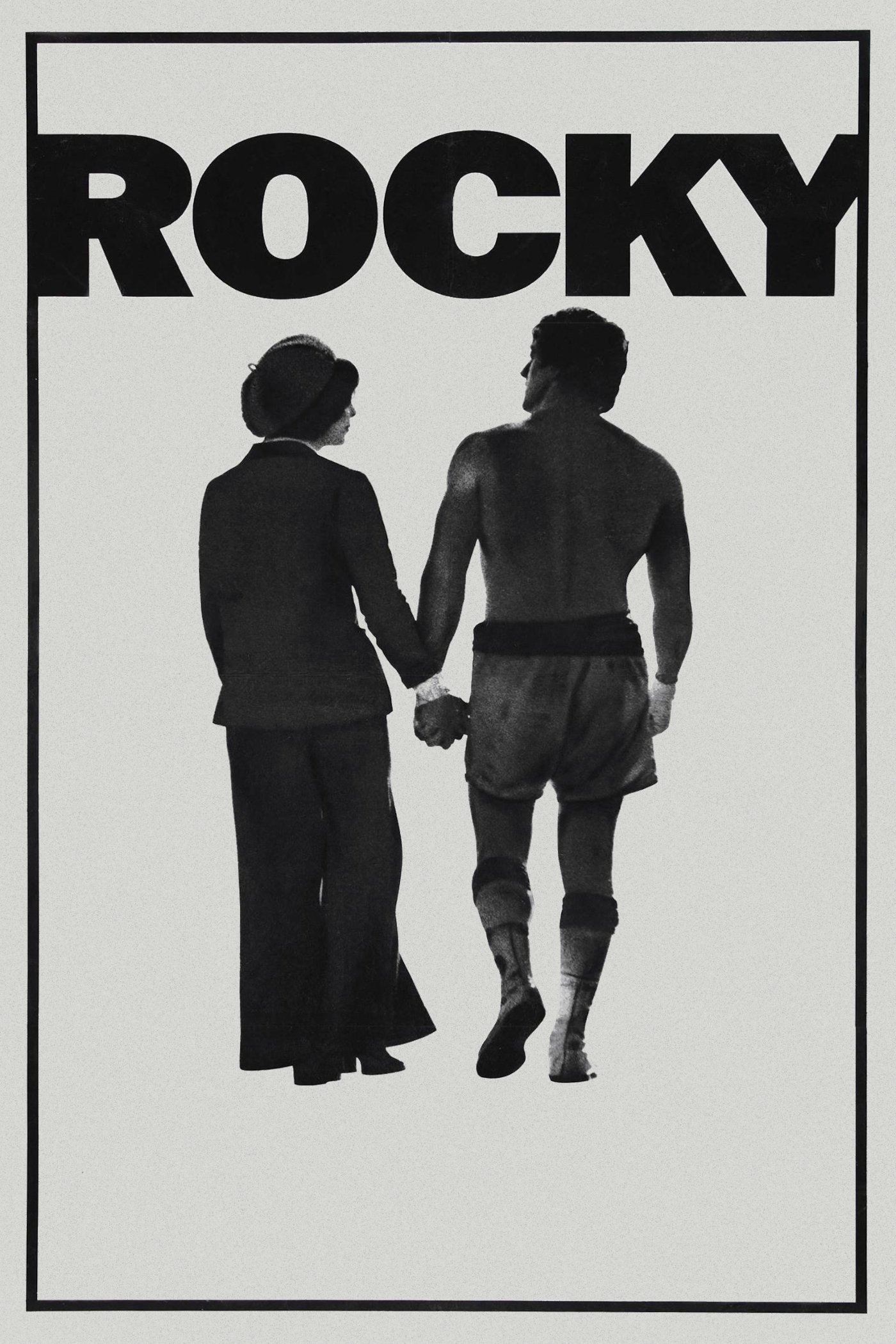
This classic underdog story centers on Rocky Balboa, a small-time boxer from Philadelphia. He gets a once-in-a-lifetime opportunity to fight the heavyweight champion, Apollo Creed. With the help of his tough but caring trainer, Mickey Goldmill, Rocky begins an intense training regimen. The film is as much about his journey of self-discovery and his budding romance with Adrian as it is about boxing.
Rocky became a cultural phenomenon and a huge box office success. Written by its star, Sylvester Stallone, the film won the Academy Award for Best Picture. Its themes of perseverance, heart, and the pursuit of the American Dream resonated with audiences worldwide. The iconic training montage and the triumphant musical score have made it an enduring and inspirational film.
All the President’s Men (1976)
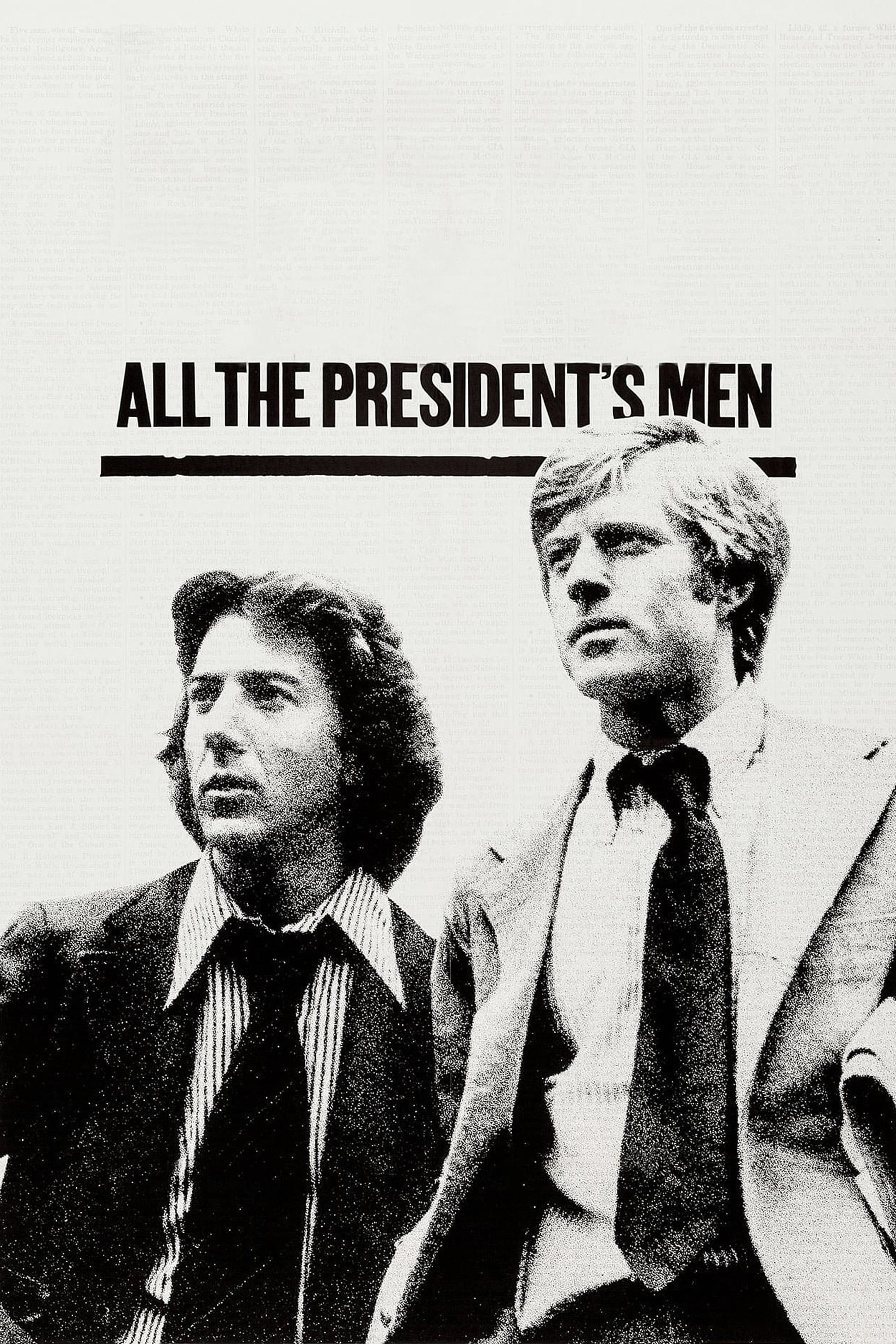
This political thriller tells the true story of the Watergate scandal. It follows two Washington Post reporters, Bob Woodward and Carl Bernstein. They investigate a seemingly minor break-in at the Democratic National Committee headquarters. Their investigation uncovers a massive conspiracy that reaches the highest levels of the U.S. government.
All the President’s Men is a gripping and suspenseful film about the importance of investigative journalism. The movie was praised for its accuracy and its tense, atmospheric direction. It won four Academy Awards and is considered one of the greatest political thrillers ever made. The film highlights the power of the press in holding leaders accountable.
Network (1976)
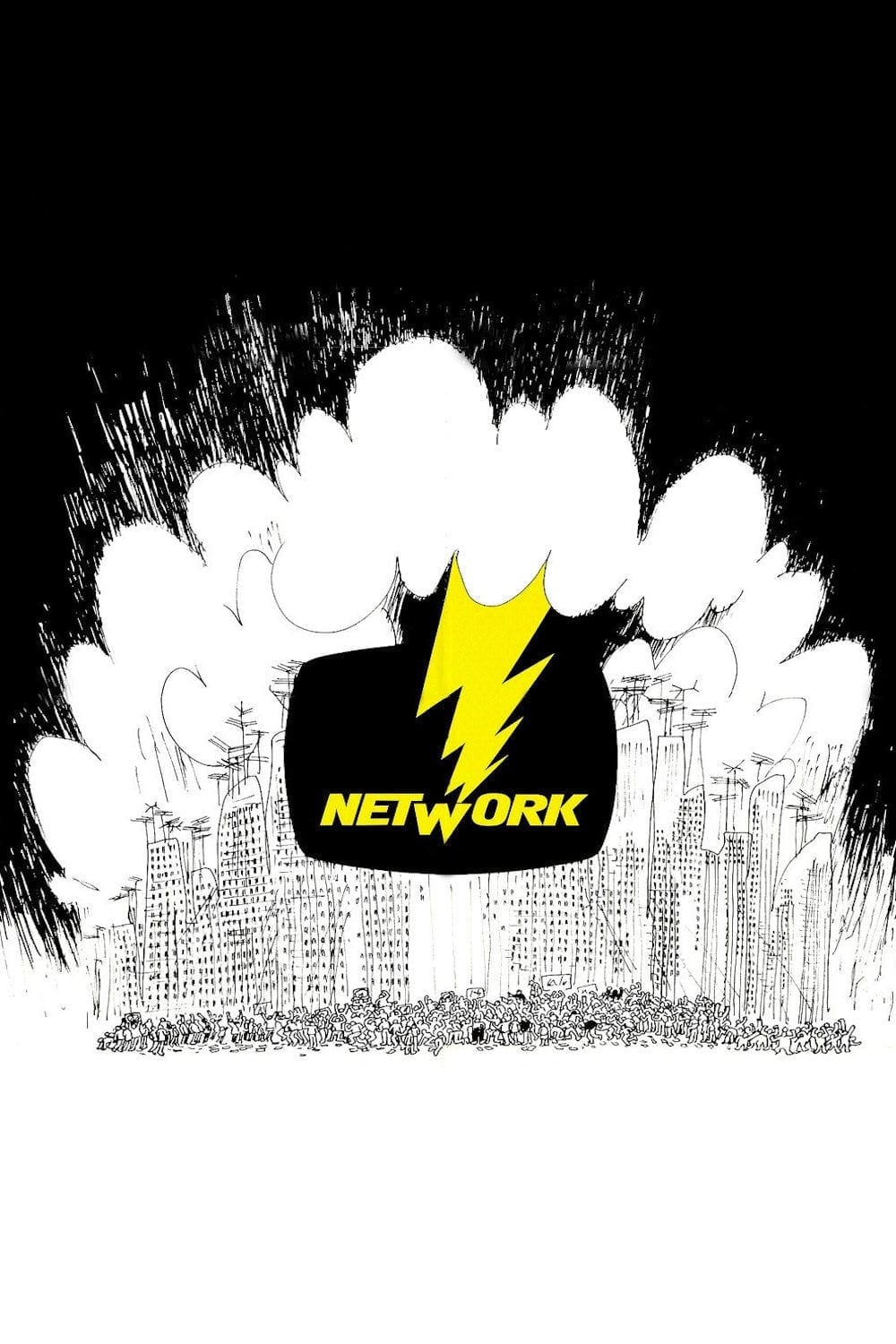
This satirical film looks at the world of television news. A major network’s news anchor, Howard Beale, is fired due to low ratings. In his final broadcast, he has an on-air meltdown, which unexpectedly boosts ratings. The network executives decide to exploit his rants for their own gain, turning the news into a form of sensationalist entertainment.
Network is a sharp and prophetic critique of the media. Its famous line, “I’m as mad as hell, and I’m not going to take this anymore!,” became a cultural catchphrase. The film won four Academy Awards, including three for acting. Its commentary on corporate greed and the corruption of news remains incredibly relevant today.
Carrie (1976)
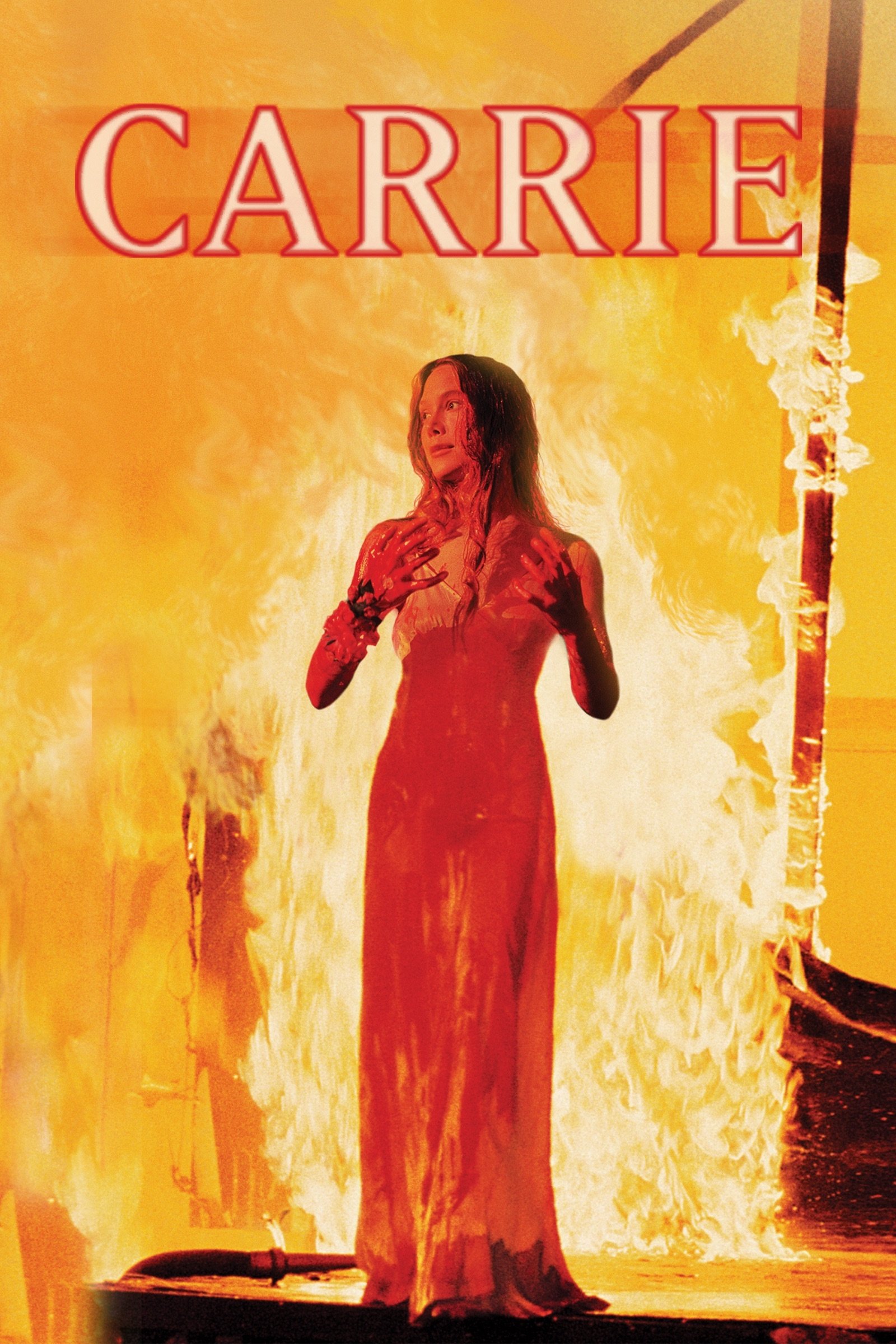
This horror film is based on Stephen King’s first novel. It follows Carrie White, a shy and bullied high school student with a fanatically religious mother. After being humiliated at her senior prom, Carrie unleashes her secret telekinetic powers. She exacts a terrifying revenge on her tormentors in a fiery and bloody climax.
Carrie was a huge commercial success and is now considered a classic of the horror genre. The film is known for its memorable and shocking final scene. Sissy Spacek’s performance as Carrie earned her an Academy Award nomination. It has had a lasting influence on horror films and pop culture.
The Omen (1976)
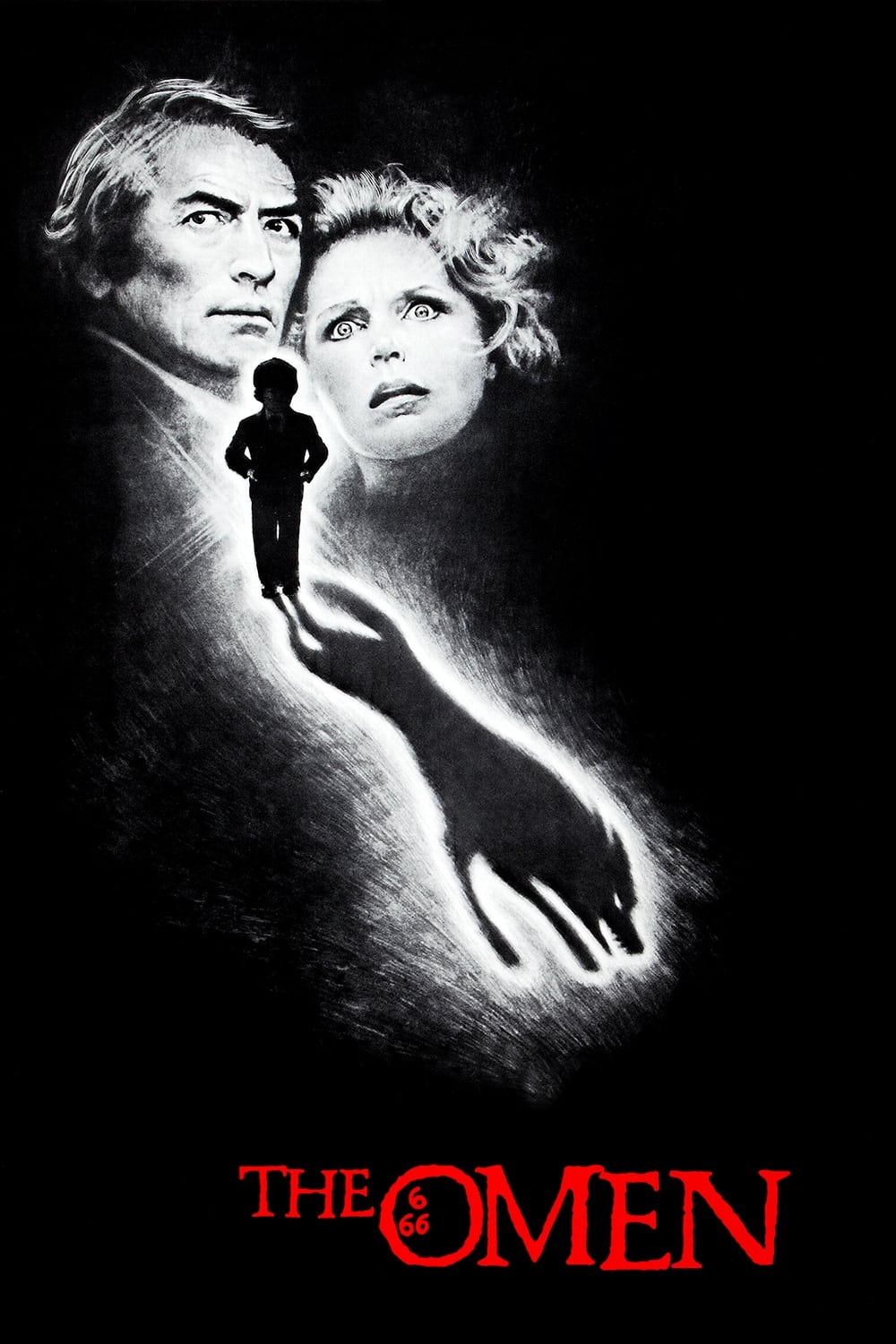
This supernatural horror film tells the story of an American diplomat, Robert Thorn, who secretly adopts an orphaned baby after his own child dies at birth. As the boy, Damien, grows up, a series of mysterious and sinister events begin to occur. Thorn comes to believe that his son is the Antichrist, the son of the Devil.
The Omen was a major box office hit and became one of the most iconic horror films of the 1970s. Its chilling atmosphere and suspenseful plot captivated audiences. The film’s score, which won an Academy Award, is particularly famous for its use of ominous choral music. It spawned a franchise and remains a staple of the horror genre.
The Outlaw Josey Wales (1976)
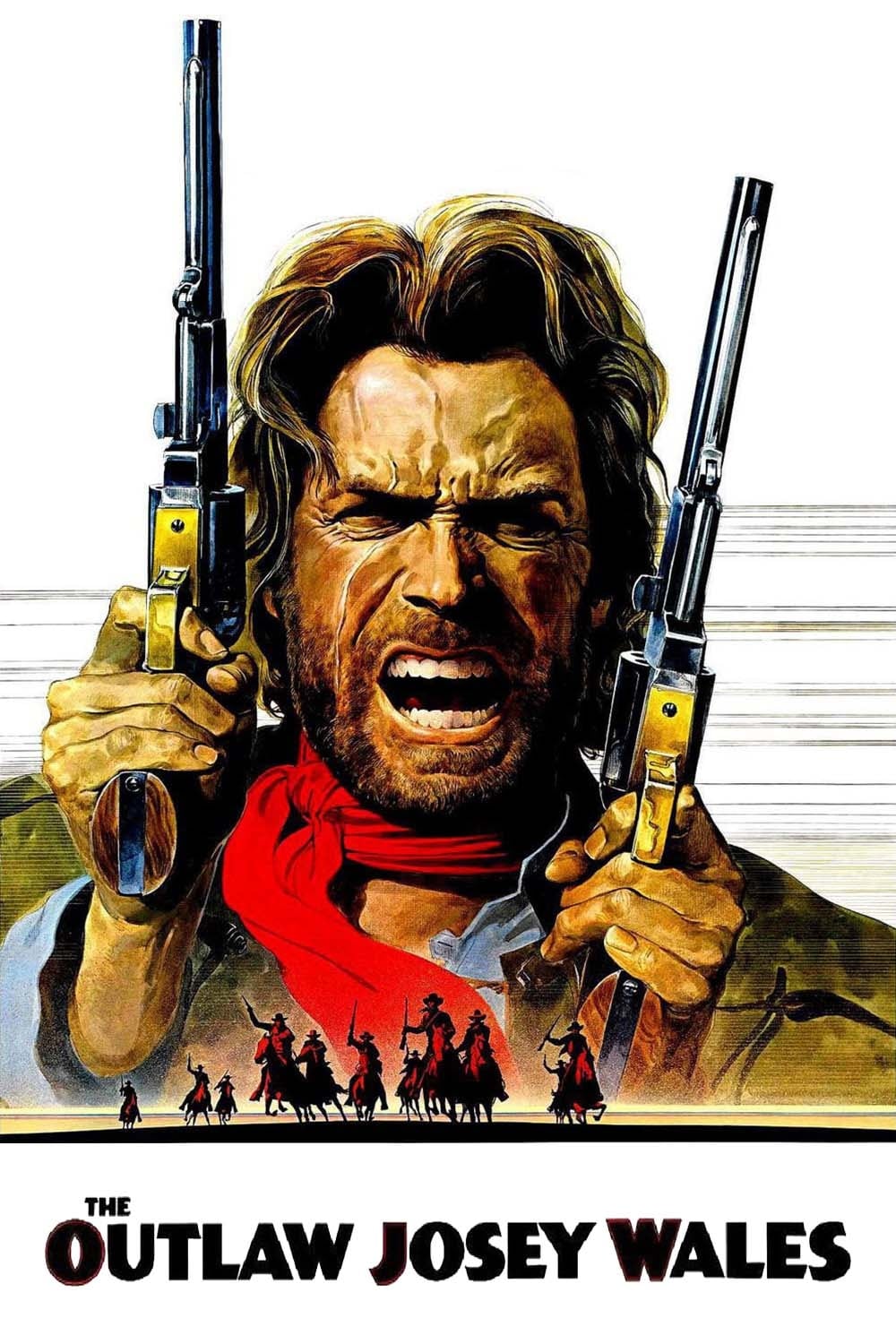
This Western is directed by and stars Clint Eastwood. He plays Josey Wales, a Missouri farmer whose family is murdered by Union soldiers during the Civil War. Seeking revenge, he becomes a notorious outlaw. He is pursued by bounty hunters and soldiers but also gathers a makeshift family of fellow outcasts along his journey.
The Outlaw Josey Wales is regarded as one of Clint Eastwood’s best films as both an actor and director. It is praised for its anti-war themes and its complex portrayal of its hero. The film was a critical and commercial success. It has been recognized for its cultural significance and is considered a classic of the Western genre.
Logan’s Run (1976)
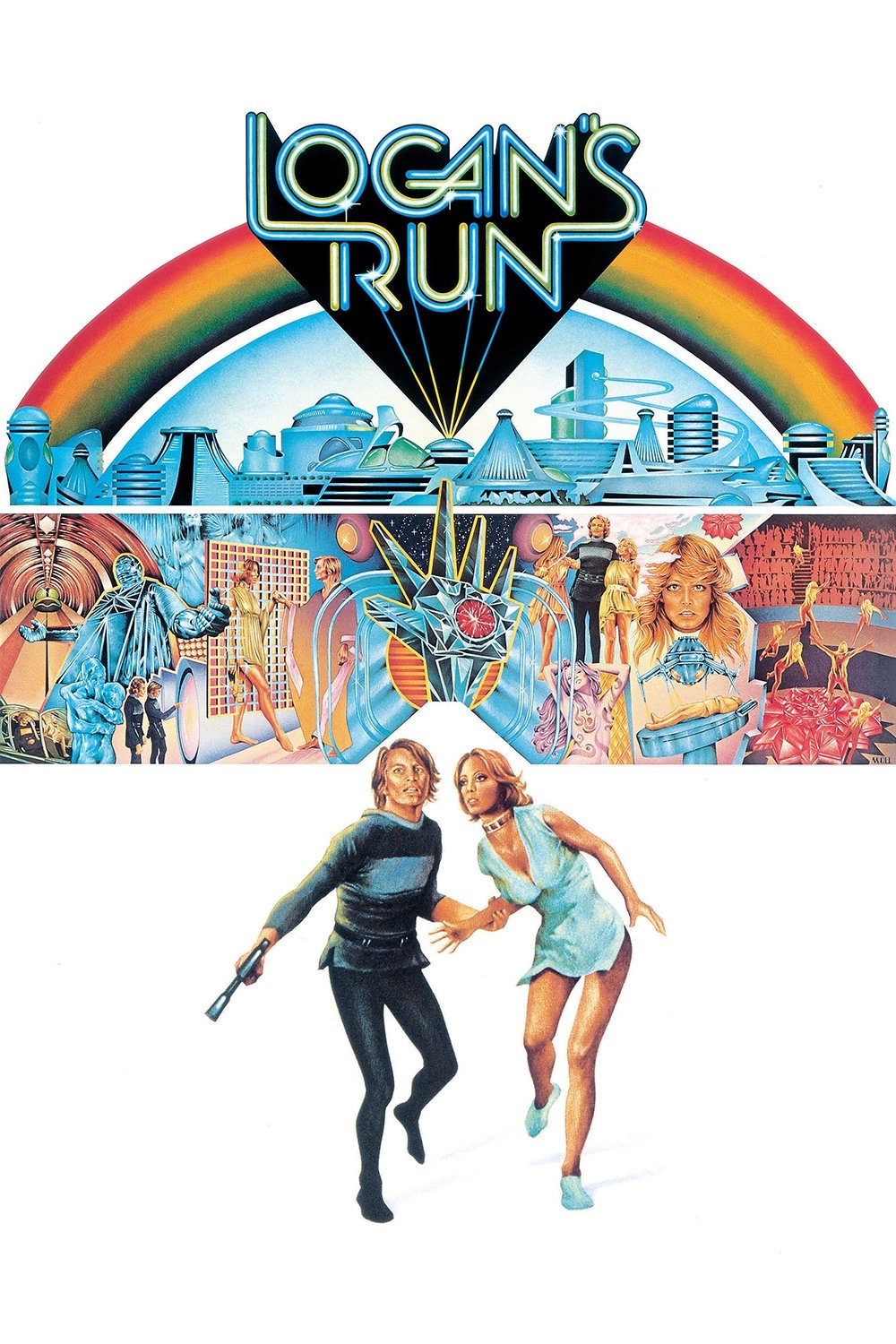
This science fiction film is set in a futuristic society where life is perfect, but with a catch. To maintain the utopian society, everyone must die at the age of 30 in a ritual called “Carrousel.” The story follows Logan 5, a “Sandman” whose job is to hunt down and terminate “Runners” who try to escape their fate. When Logan is ordered to become a Runner himself, he goes on the run to find a mythical place called “Sanctuary.”
Logan’s Run was noted for its visual effects, which earned it a Special Achievement Academy Award. The film explores themes of hedonism, rebellion, and the meaning of life. It became a cult classic and has influenced many subsequent science fiction films. Its depiction of a seemingly perfect but ultimately oppressive society continues to resonate.
The Bad News Bears (1976)
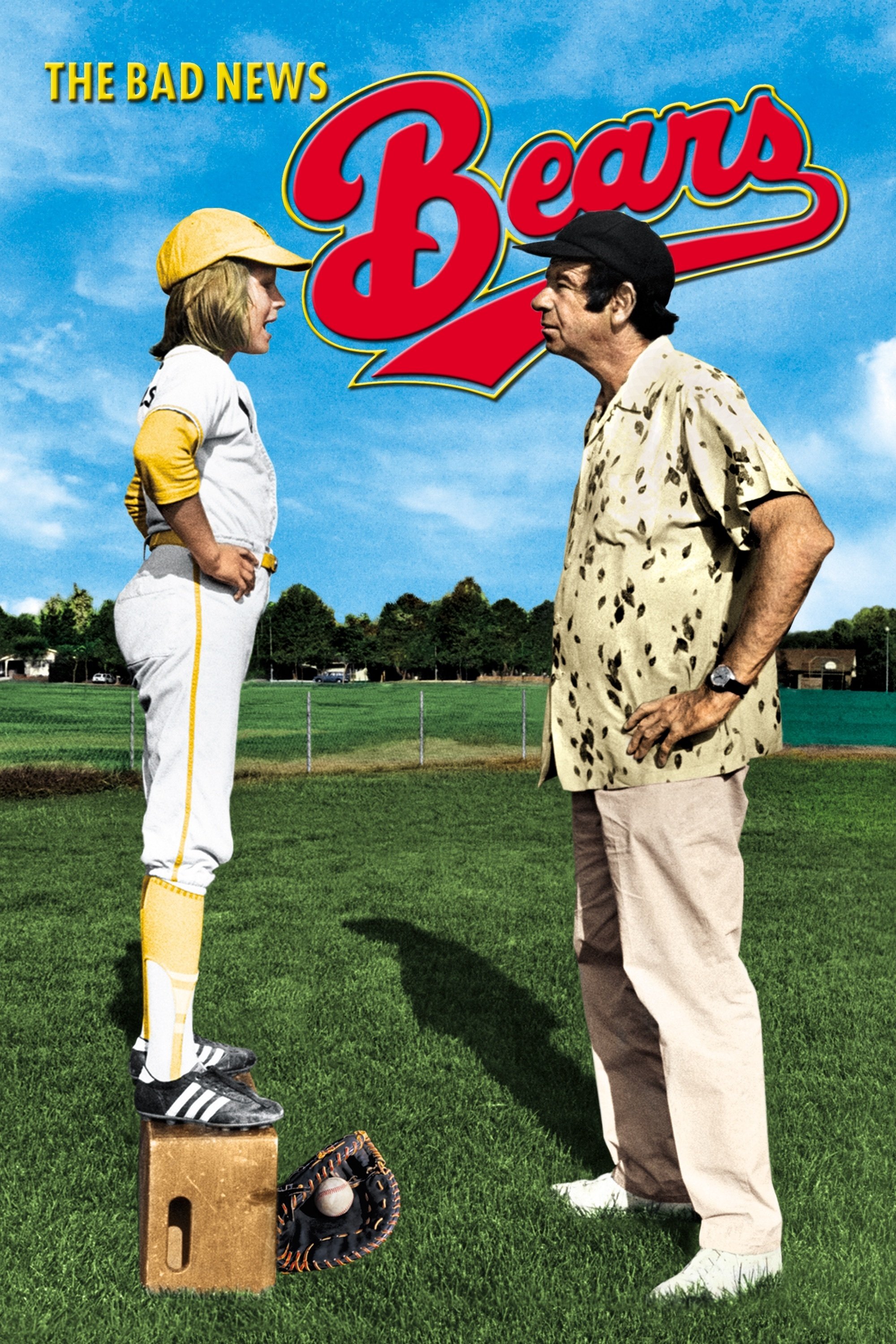
This comedy film is about a team of misfit kids in a competitive Little League. An alcoholic former minor-league pitcher, Morris Buttermaker, is reluctantly recruited to coach the team. The Bears are terrible at baseball and seem to have no hope of winning. With the addition of a skilled girl pitcher and a troublemaking slugger, the team starts to improve and challenge the league’s top team.
The Bad News Bears was praised for its humor and its realistic portrayal of kids. It was a major commercial success and became an iconic sports comedy. The film’s irreverent tone and its focus on underdogs made it a hit with audiences. It challenged the typical family-friendly sports movie formula and spawned several sequels and a remake.
Marathon Man (1976)
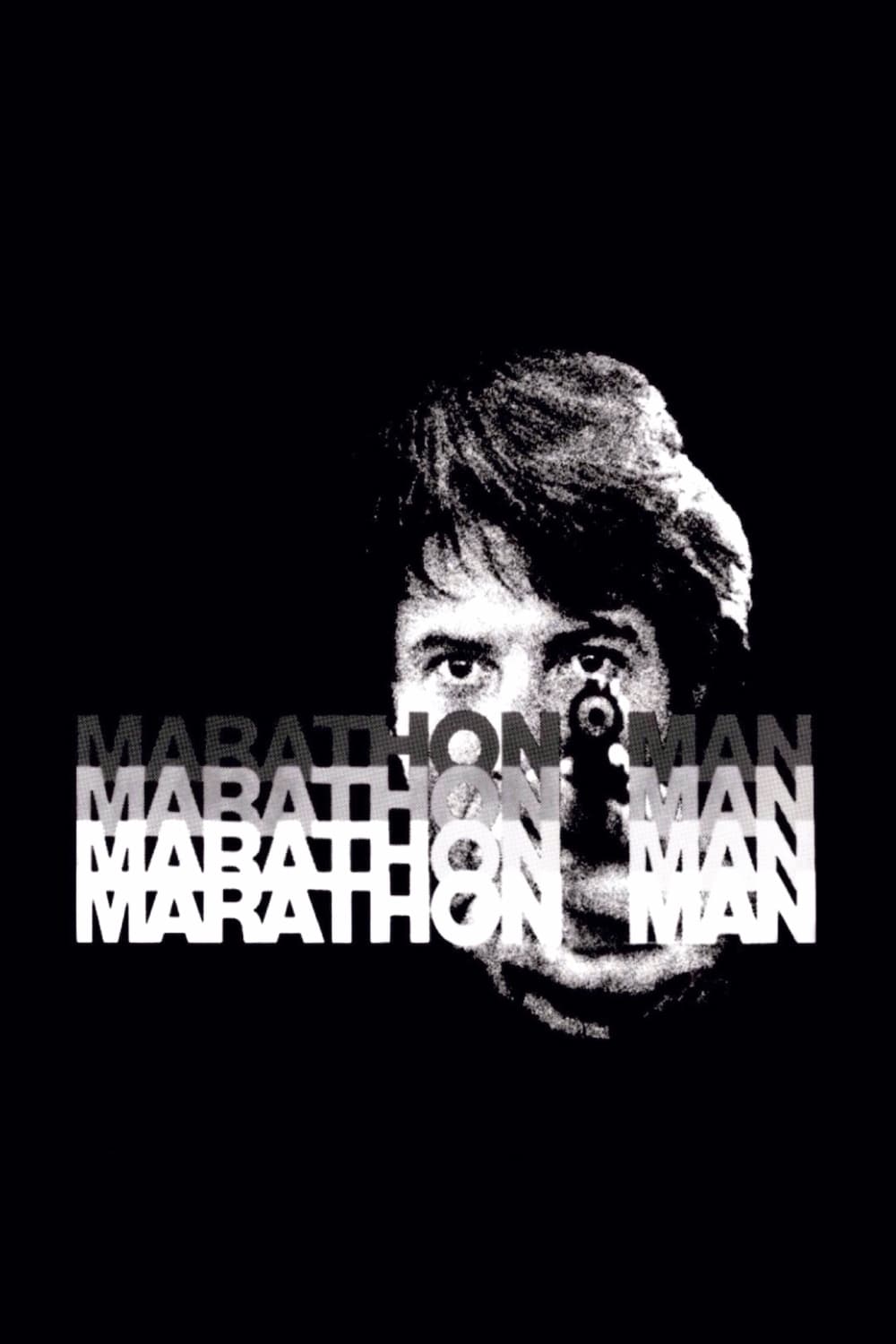
This thriller stars Dustin Hoffman as a graduate student and marathon runner named Babe Levy. He becomes entangled in a dangerous plot involving a fugitive Nazi war criminal, Dr. Szell. Szell believes Babe has information about a stash of stolen diamonds. Babe is captured and subjected to a brutal interrogation, leading to the film’s infamous dental torture scene.
Marathon Man is a tense and suspenseful film known for its gripping plot and strong performances. Laurence Olivier’s portrayal of the villainous Dr. Szell earned him an Academy Award nomination. The film’s famous question, “Is it safe?,” has become a well-known line in cinema history. It remains a classic example of a 1970s conspiracy thriller.
Assault on Precinct 13 (1976)
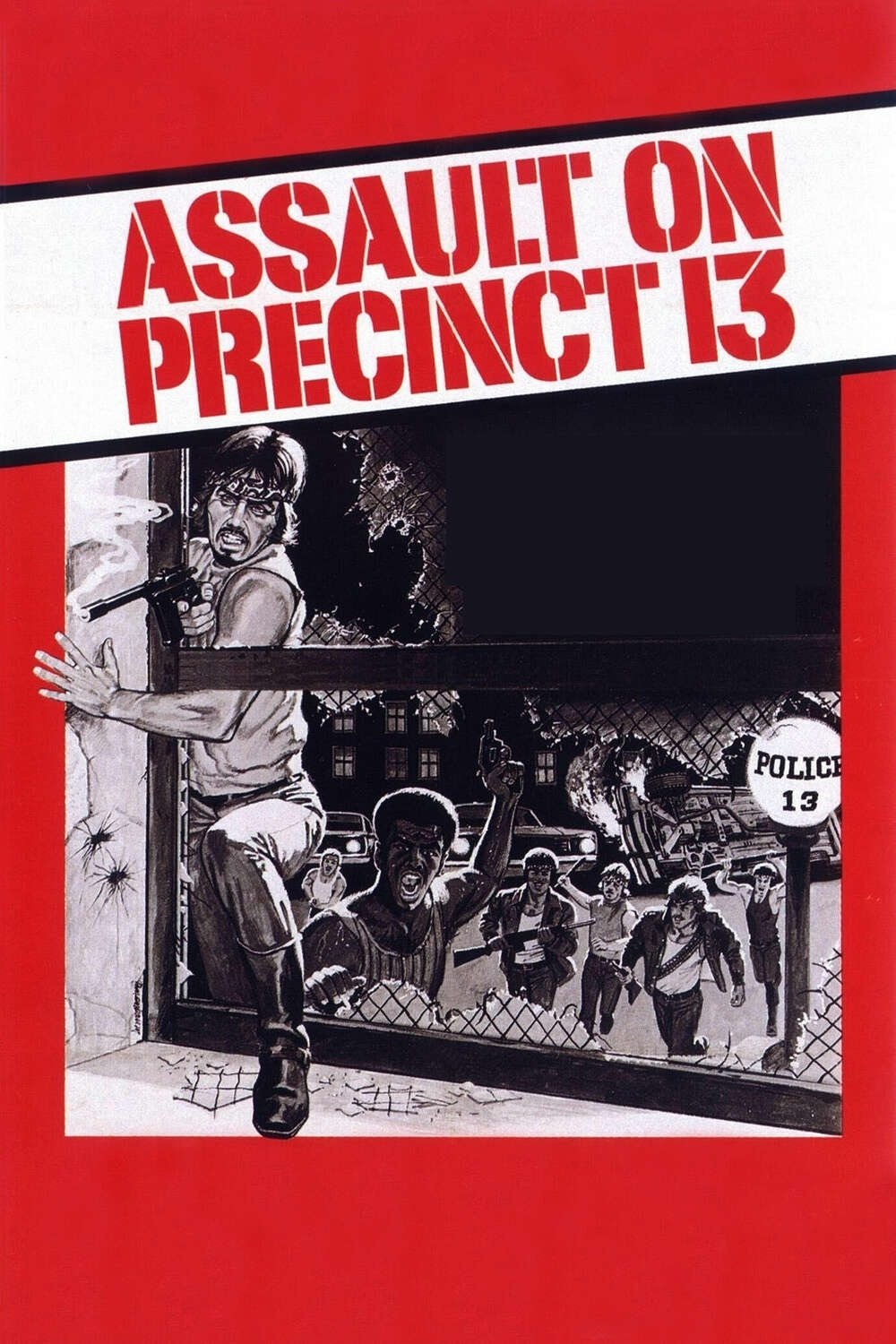
This action thriller directed by John Carpenter tells the story of a nearly-closed Los Angeles police precinct. The station comes under siege by a heavily armed street gang. A highway patrol officer and a group of prisoners must band together with the remaining staff to defend the precinct. The film is a modern-day Western, drawing inspiration from classic films like Rio Bravo.
Despite a limited initial release, Assault on Precinct 13 gained a cult following and is now considered a classic action film. It is praised for its suspense, stylish direction, and memorable score, also composed by Carpenter. The film helped establish John Carpenter as a talented and innovative filmmaker. It has been influential on many subsequent action and siege films.
The Shootist (1976)
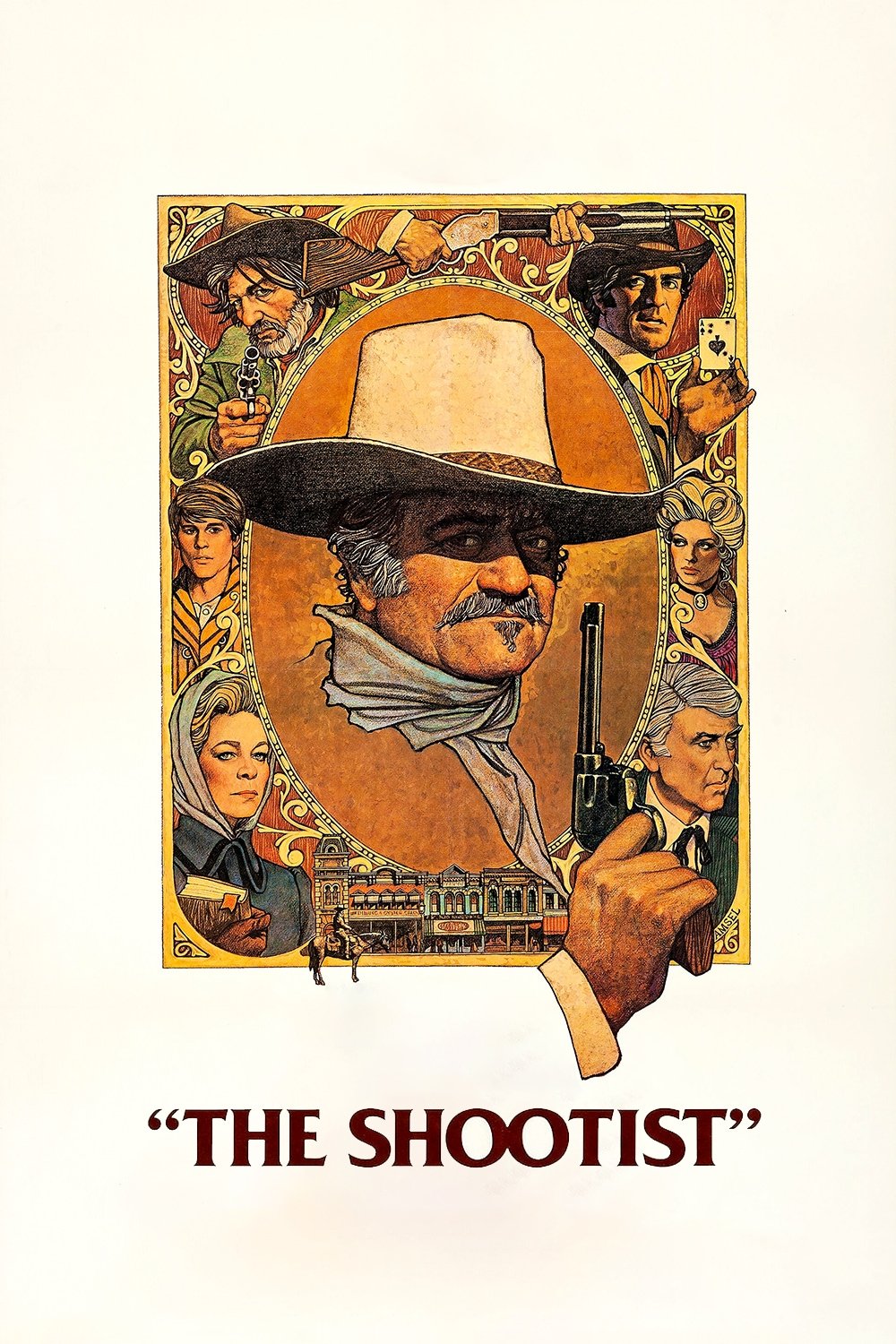
This Western is the final film role of legendary actor John Wayne. He plays J.B. Books, an aging gunfighter who is dying of cancer. He travels to Carson City, Nevada, at the turn of the 20th century to live out his final days in peace. However, his past reputation makes it difficult to escape his violent legacy, and he must confront old enemies for one last showdown.
The Shootist serves as a poignant farewell to John Wayne and the classic Western era. The film received critical acclaim, particularly for Wayne’s performance, which was seen as a fitting end to his career. It is a reflective and elegiac film that explores themes of mortality and the end of an era. The movie is a respected and beloved classic of the genre.
The Last Tycoon (1976)
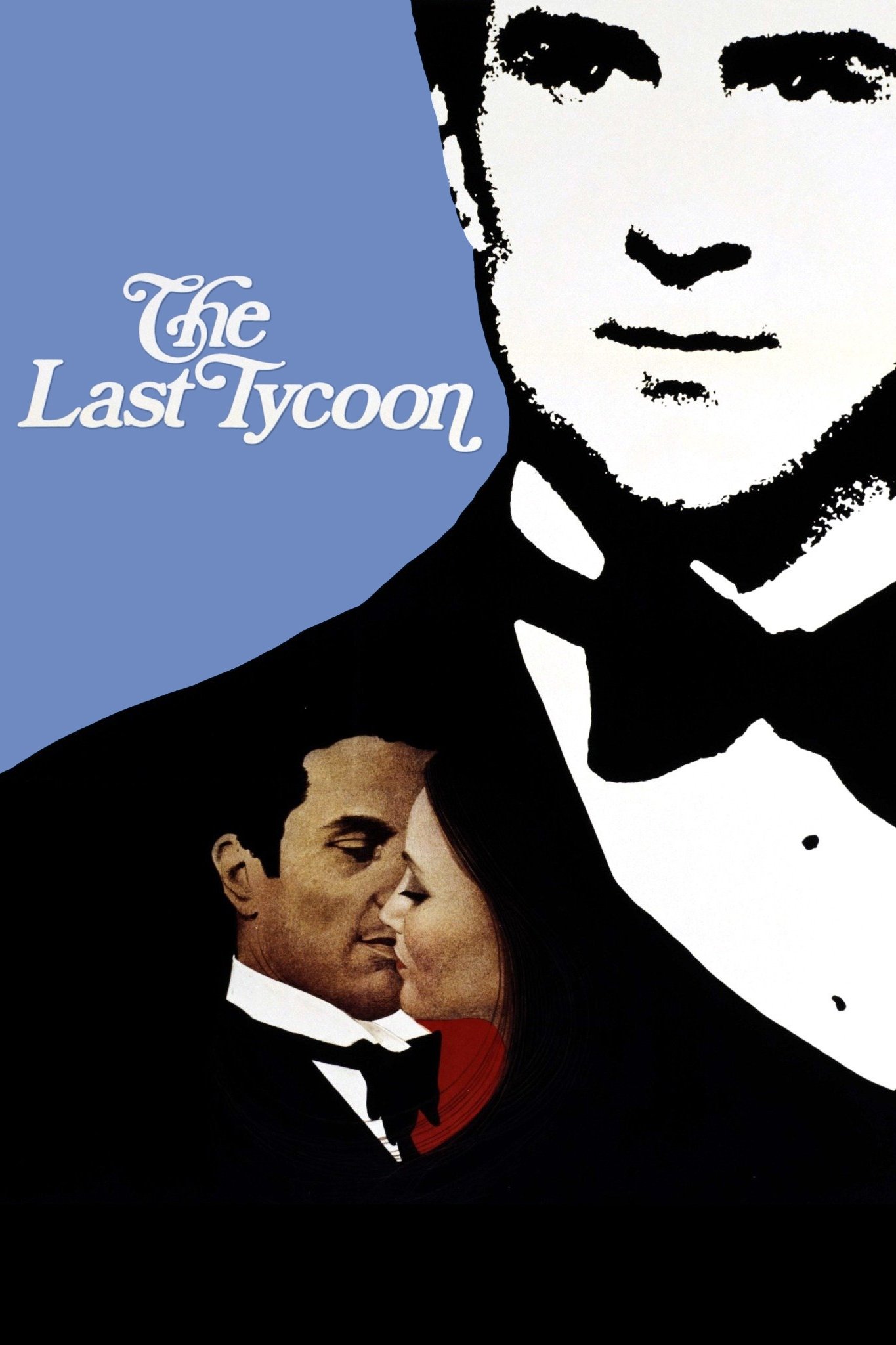
Based on F. Scott Fitzgerald’s final, unfinished novel, this film is set in 1930s Hollywood. It follows Monroe Stahr, a young and brilliant studio executive at the height of his power. The film explores his professional struggles, his creative battles with writers and directors, and his complex personal life. His world begins to unravel as he becomes obsessed with a mysterious young woman who reminds him of his late wife.
The Last Tycoon features an all-star cast and is a lavish production that captures the glamour and ruthlessness of Hollywood’s Golden Age. While it was not a major box office success, it has been re-evaluated over time and is praised for its performances and its literate screenplay by Harold Pinter. The film offers a fascinating glimpse into the studio system and the pressures of creative genius.
The Man Who Fell to Earth (1976)
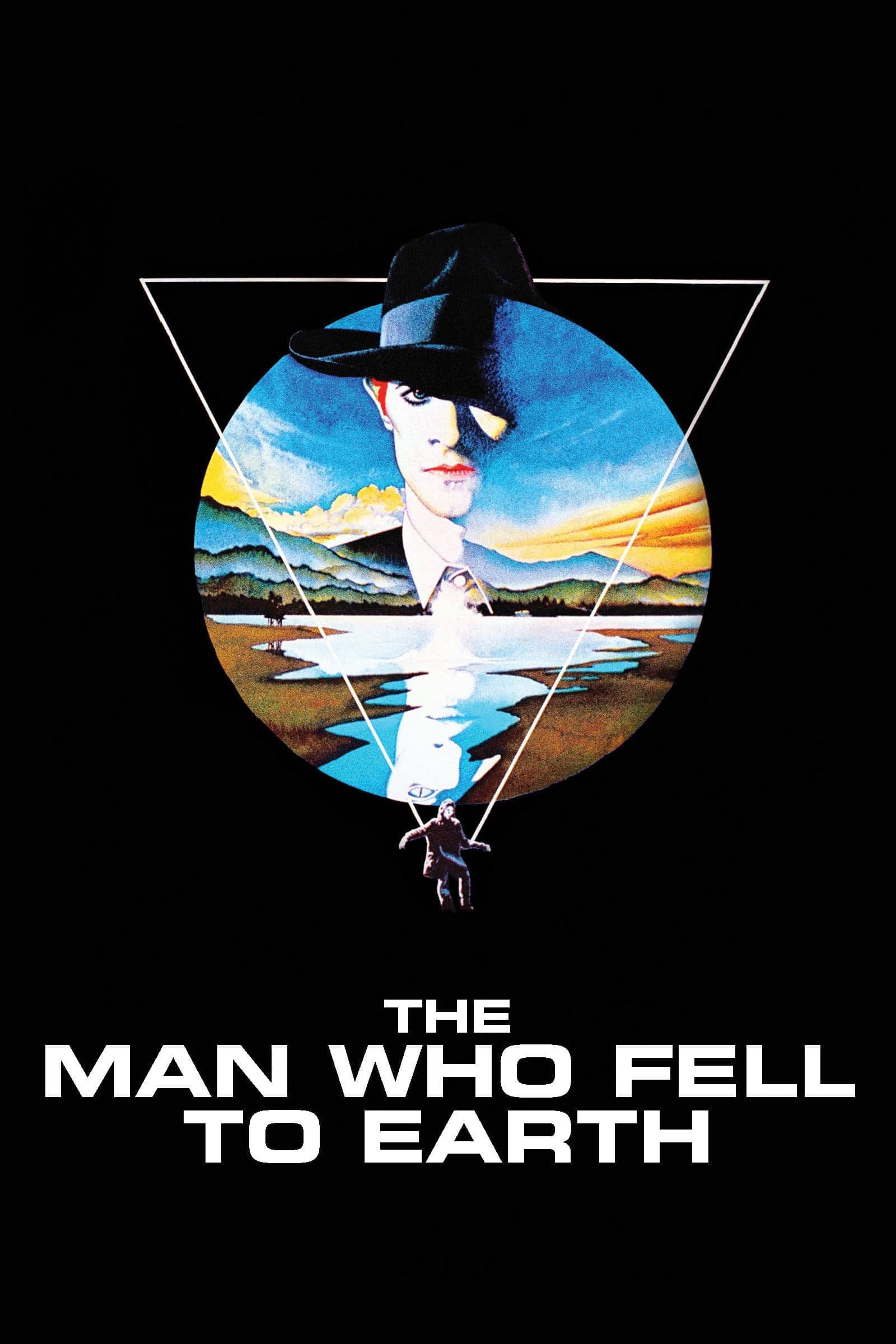
This science fiction film stars David Bowie as Thomas Jerome Newton, an alien who comes to Earth. His mission is to bring water back to his dying home planet. Using his advanced knowledge, he becomes a wealthy and powerful industrialist. However, he also becomes seduced by the pleasures and vices of human life, including alcohol and television, which ultimately threaten his mission and his sanity.
The Man Who Fell to Earth is a visually stunning and thought-provoking film. David Bowie’s performance as the alien Newton was widely praised and is considered one of his most iconic roles. The film explores themes of alienation, consumerism, and corruption. It has become a cult classic, admired for its surreal imagery and its intelligent, unconventional narrative.

