


Movies from 1978 That Are Now Considered Classics


The year 1978 was a notable one for film, offering a diverse slate of movies that have since earned a lasting impact on cinema and popular culture. From blockbuster musicals and superhero films that redefined their genres to gritty war dramas and terrifying horror flicks, the movies of this year have captivated audiences for decades. Many of these films were not only commercially successful but also critically acclaimed, winning major awards and launching the careers of several actors and directors.
Decades later, the films of 1978 continue to be celebrated for their storytelling, memorable characters, and cultural significance. Whether they broke new ground in special effects, challenged societal norms, or simply provided pure entertainment, these movies have stood the test of time. They are now regarded as classics, studied in film schools, and enjoyed by new generations of movie lovers, proving that a great story is timeless.
Superman (1978)
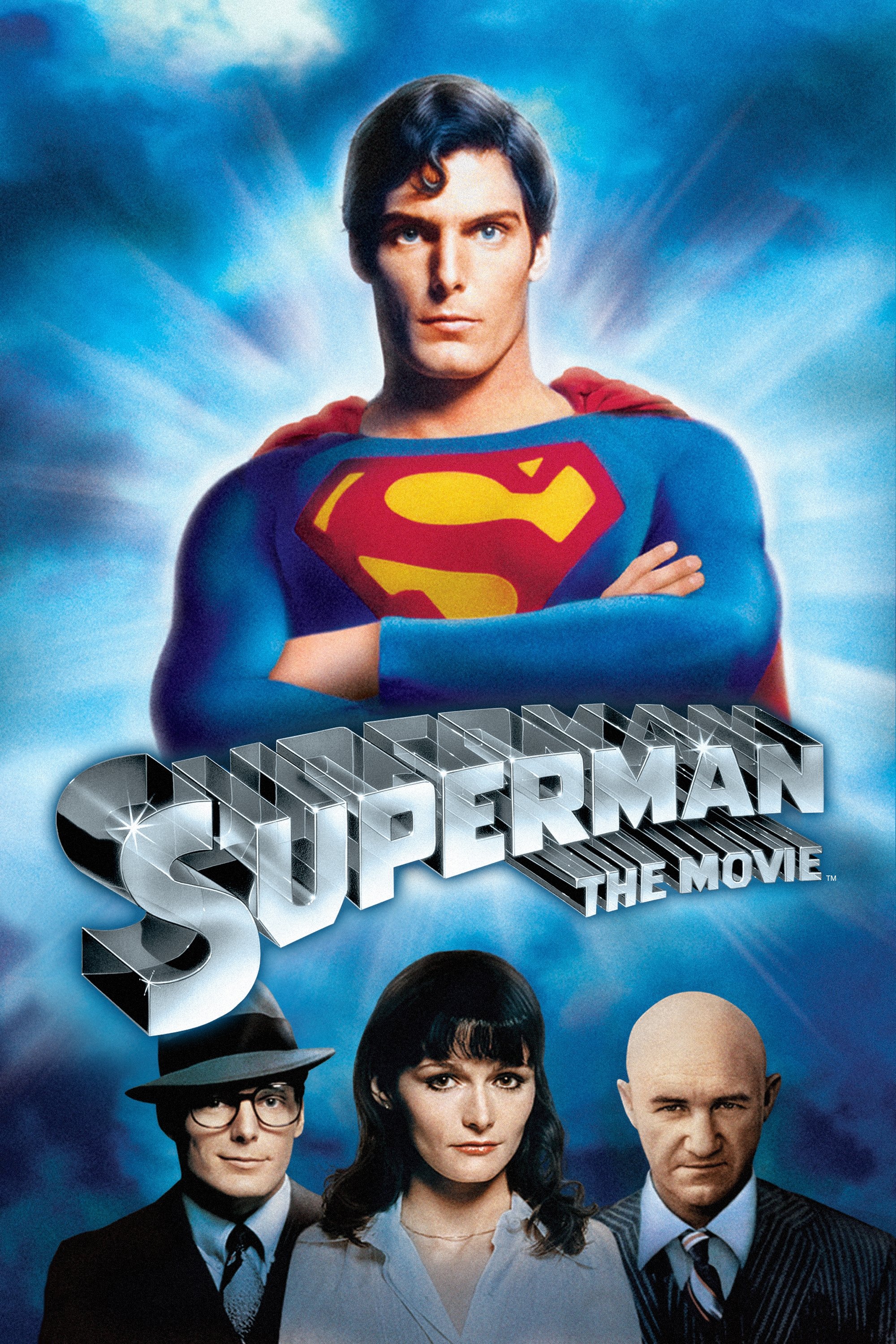
This film was the first big-budget superhero movie and set the standard for the genre. It tells the origin story of Superman, from his escape from the doomed planet Krypton to his upbringing in Smallville and his emergence as the hero of Metropolis. Christopher Reeve’s portrayal of both the powerful Superman and the mild-mannered Clark Kent became iconic.
The movie was praised for its special effects, which made audiences believe a man could fly. It also featured a star-studded cast, including Marlon Brando as Superman’s father and Gene Hackman as the villainous Lex Luthor. The film’s success proved that superhero stories could be both serious and entertaining, paving the way for the many comic book adaptations that would follow.
Halloween (1978)
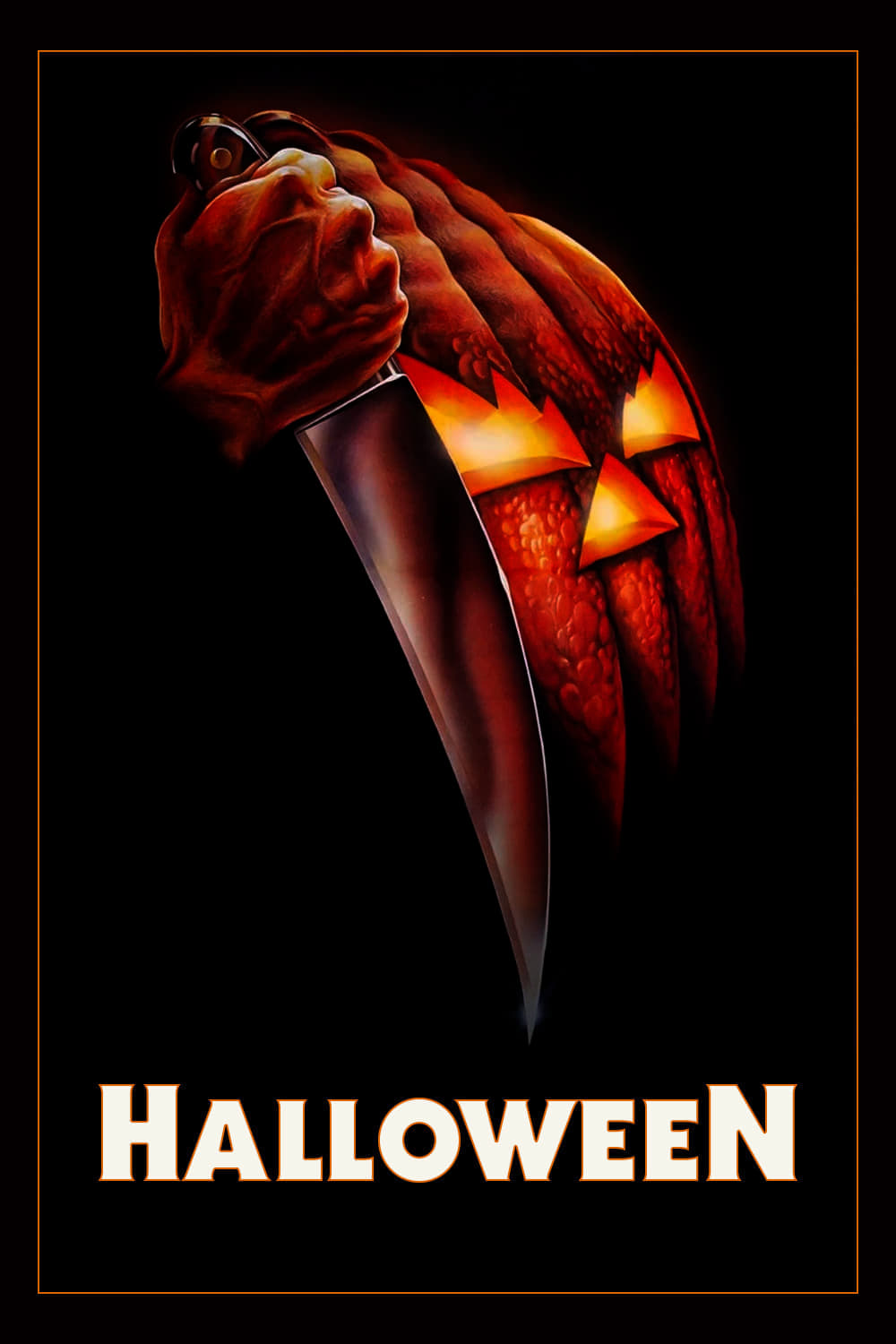
John Carpenter’s independent horror film became one of the most profitable independent movies of its time and a classic of the genre. The story follows the terrifying night of Laurie Strode, a teenage babysitter who is stalked by Michael Myers, an escaped mental patient who had murdered his own sister on Halloween night 15 years earlier.
Halloween is known for its suspense and atmosphere rather than graphic violence. Jamie Lee Curtis, in her film debut, became known as a “scream queen.” The film’s chilling musical score, also composed by Carpenter, is instantly recognizable and adds to the sense of dread. It popularized many of the tropes that would become standard in the slasher film subgenre.
Grease (1978)
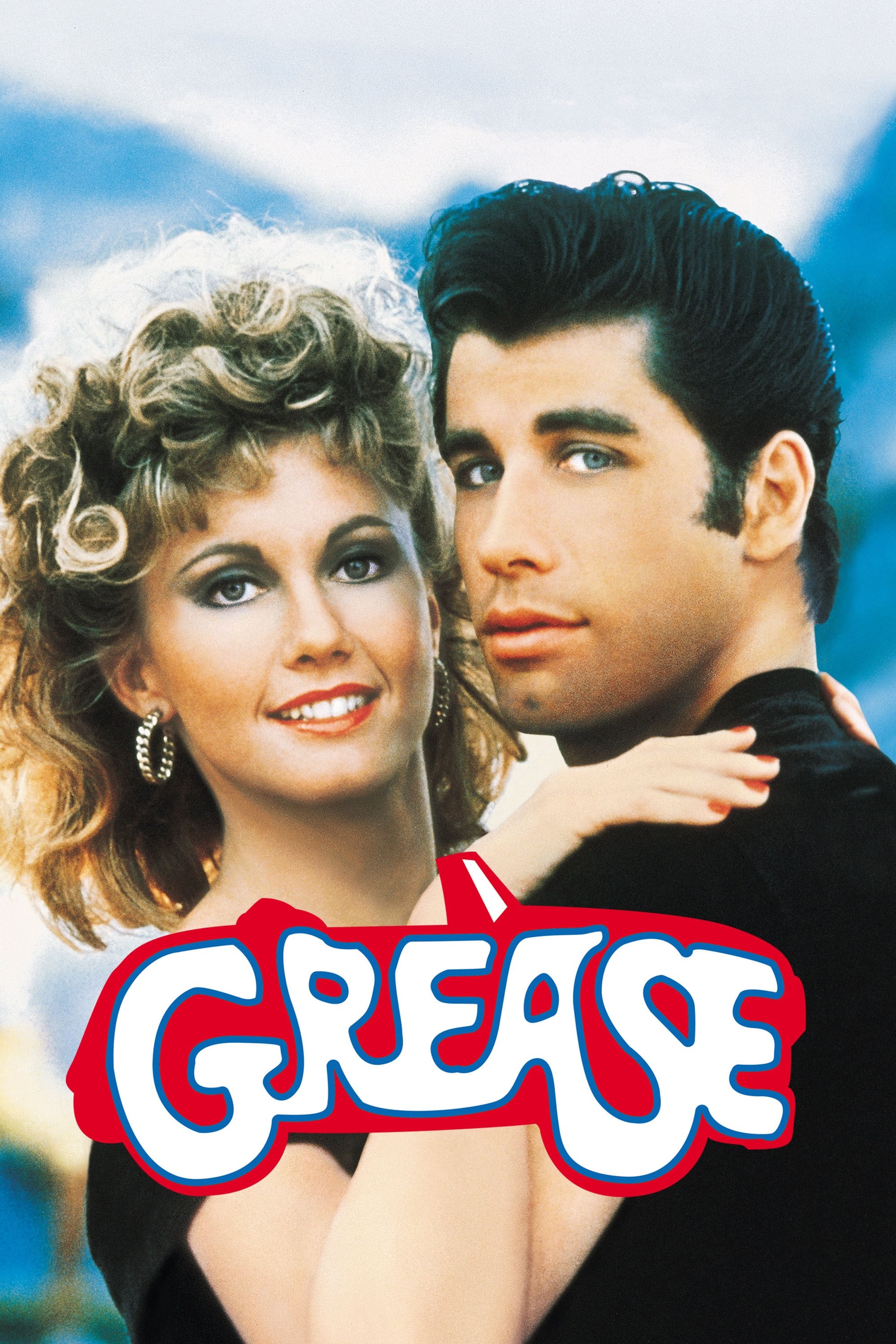
This musical film, based on the 1971 stage musical, became a cultural phenomenon and the highest-grossing musical ever at the time. Set in the 1950s, it tells the story of the summer romance between greaser Danny Zuko and the wholesome Sandy Olsson, played by John Travolta and Olivia Newton-John. When they find themselves at the same high school, they must navigate the challenges of their different social circles.
The film’s soundtrack was a massive success, with songs like “Summer Nights,” “You’re the One That I Want,” and “Greased Lightnin'” becoming chart-topping hits. The movie’s energetic dance numbers and nostalgic look at teenage life in the 1950s have made it a beloved classic that is still enjoyed at sing-alongs and parties today.
The Deer Hunter (1978)
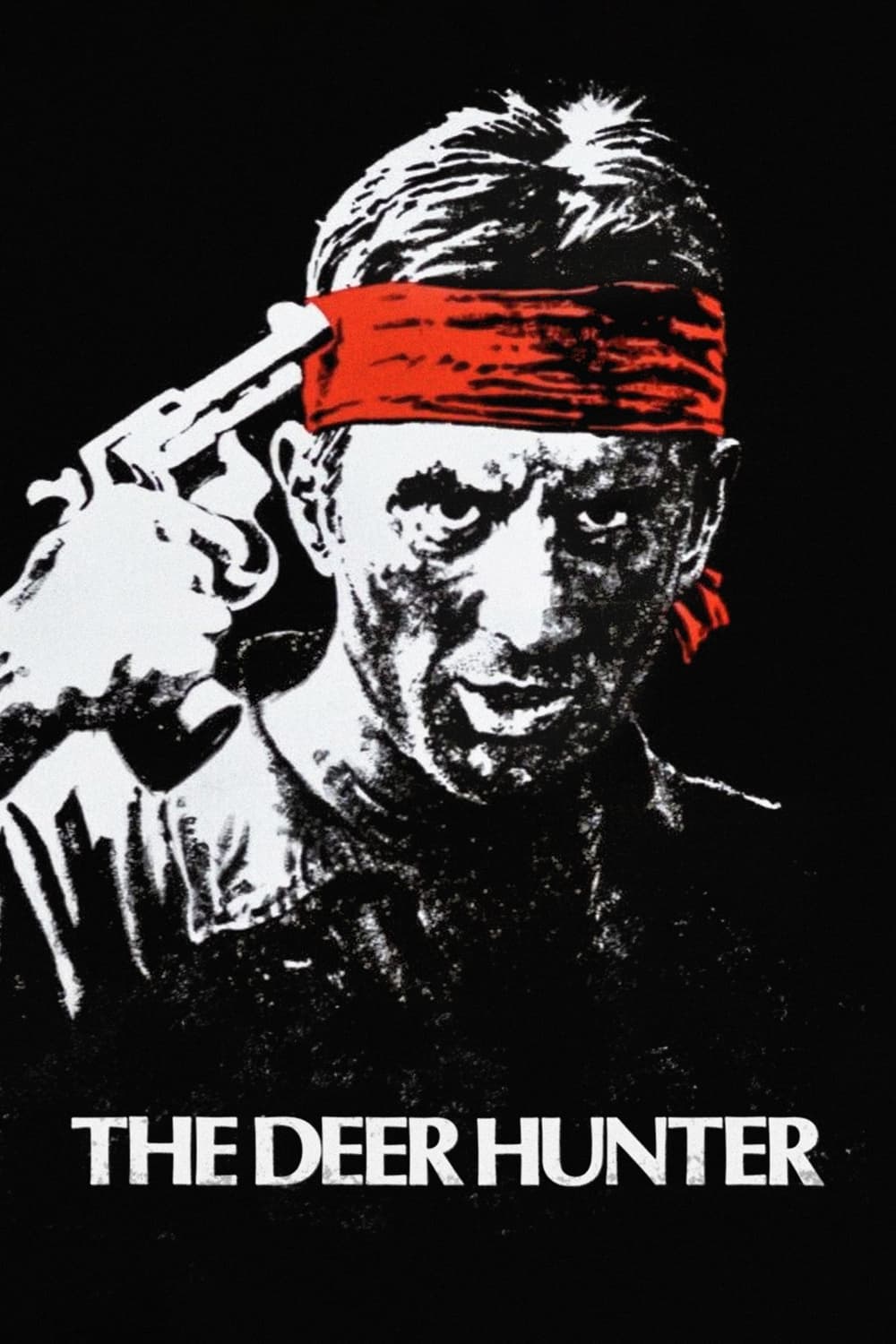
This epic war drama, directed by Michael Cimino, tells the story of three friends from a small industrial town in Pennsylvania whose lives are irrevocably changed after fighting in the Vietnam War. The film is divided into three parts: their lives before the war, their experiences as prisoners of war, and their difficult return home.
The Deer Hunter is remembered for its powerful performances, particularly from Robert De Niro, Christopher Walken, and Meryl Streep. It won five Academy Awards, including Best Picture and Best Director. The movie’s unflinching depiction of the psychological and emotional toll of war on soldiers and their communities made it a landmark film of the 1970s.
National Lampoon’s Animal House (1978)
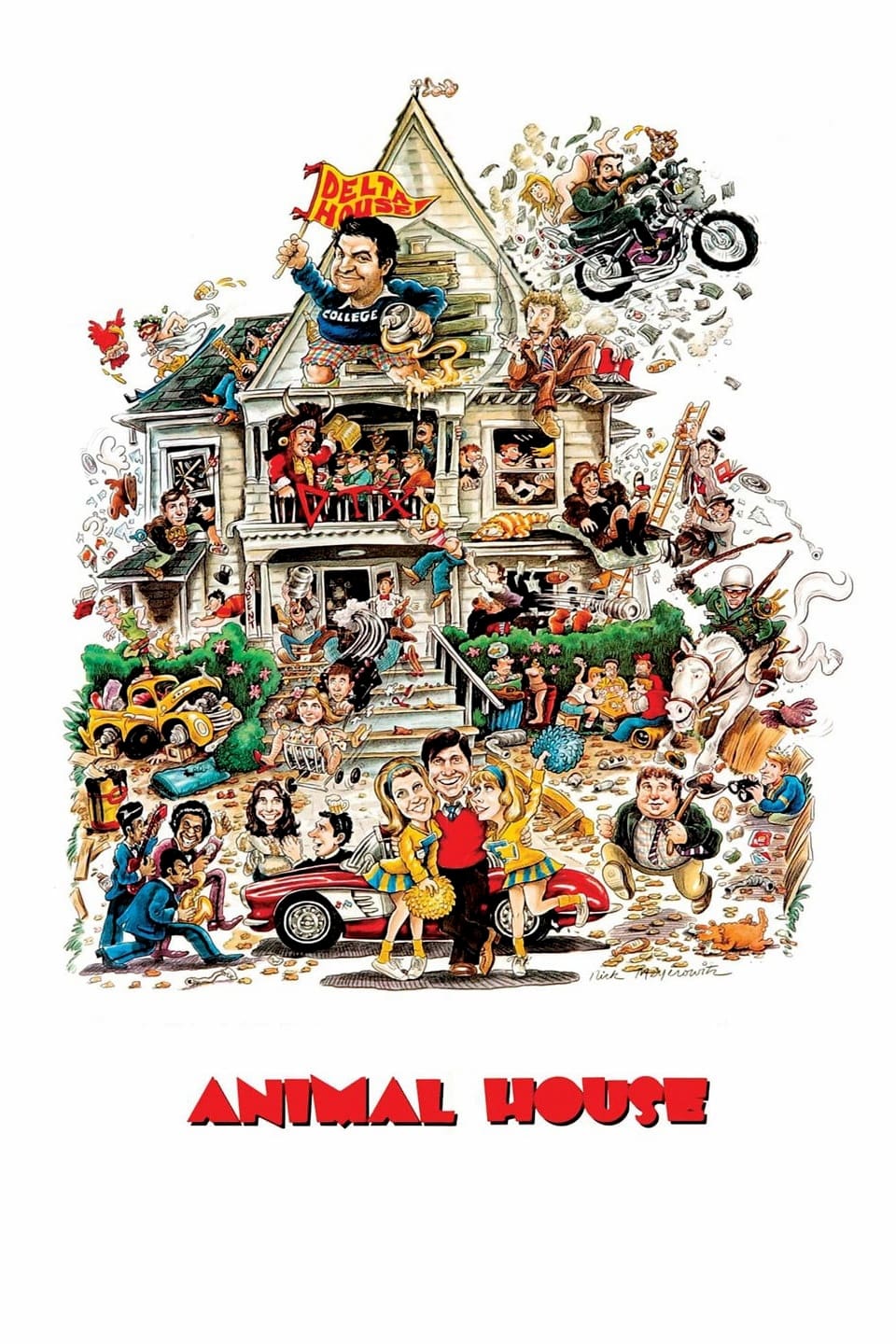
This raucous comedy directed by John Landis is about a misfit fraternity at a fictional college that takes on the uptight dean and the snobbish rival fraternity. Featuring a cast of rising comedic actors, including John Belushi in a breakout role as the chaotic Bluto, the film was a massive box office success.
Animal House is credited with launching the “gross-out” movie genre, which features crude and slapstick humor. Its irreverent and anti-establishment tone resonated with audiences and influenced countless teen comedies that followed. Despite its low-brow humor, the film is now considered a classic of the comedy genre.
Dawn of the Dead (1978)

George A. Romero’s sequel to his 1968 film Night of the Living Dead is a horror film that follows four survivors of a zombie apocalypse who take refuge in a shopping mall. The movie is not only a suspenseful and gory zombie flick but also a sharp satire on consumerism.
The film was praised for its special effects and its ability to blend horror with social commentary. It has become a cult classic and is considered by many to be one of the greatest zombie films ever made. Its influence can be seen in numerous zombie movies and TV shows that have followed.
Invasion of the Body Snatchers (1978)
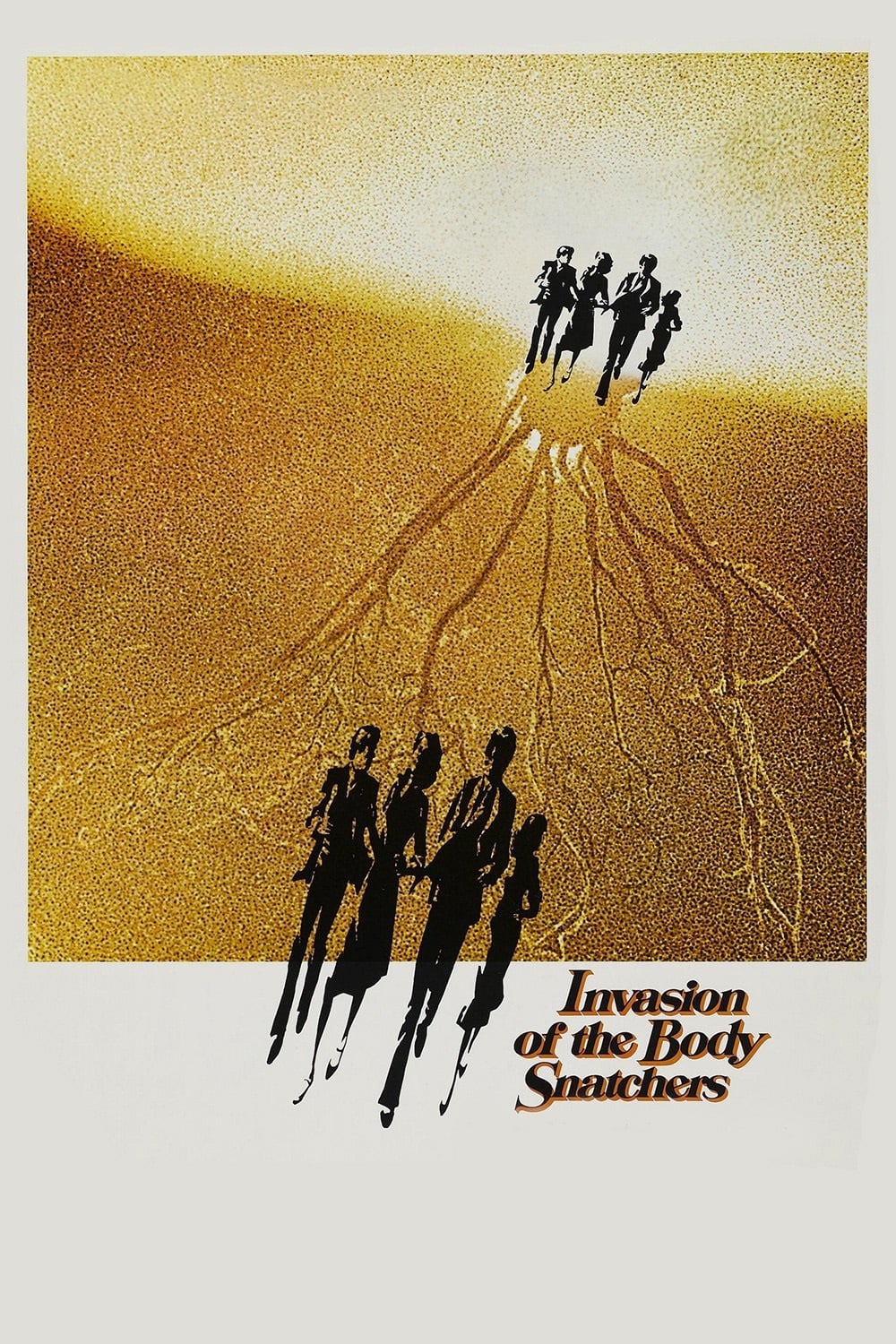
This science fiction horror film is a remake of the 1956 classic and is often cited as one of the best remakes ever made. The story follows a San Francisco health inspector and his colleagues as they discover that humans are being replaced by emotionless alien duplicates.
The film is known for its paranoid atmosphere and a sense of growing dread. It effectively captures the feeling of alienation and mistrust that was prevalent in the 1970s. The movie’s chilling ending has become iconic and has been referenced in popular culture many times.
Coming Home (1978)
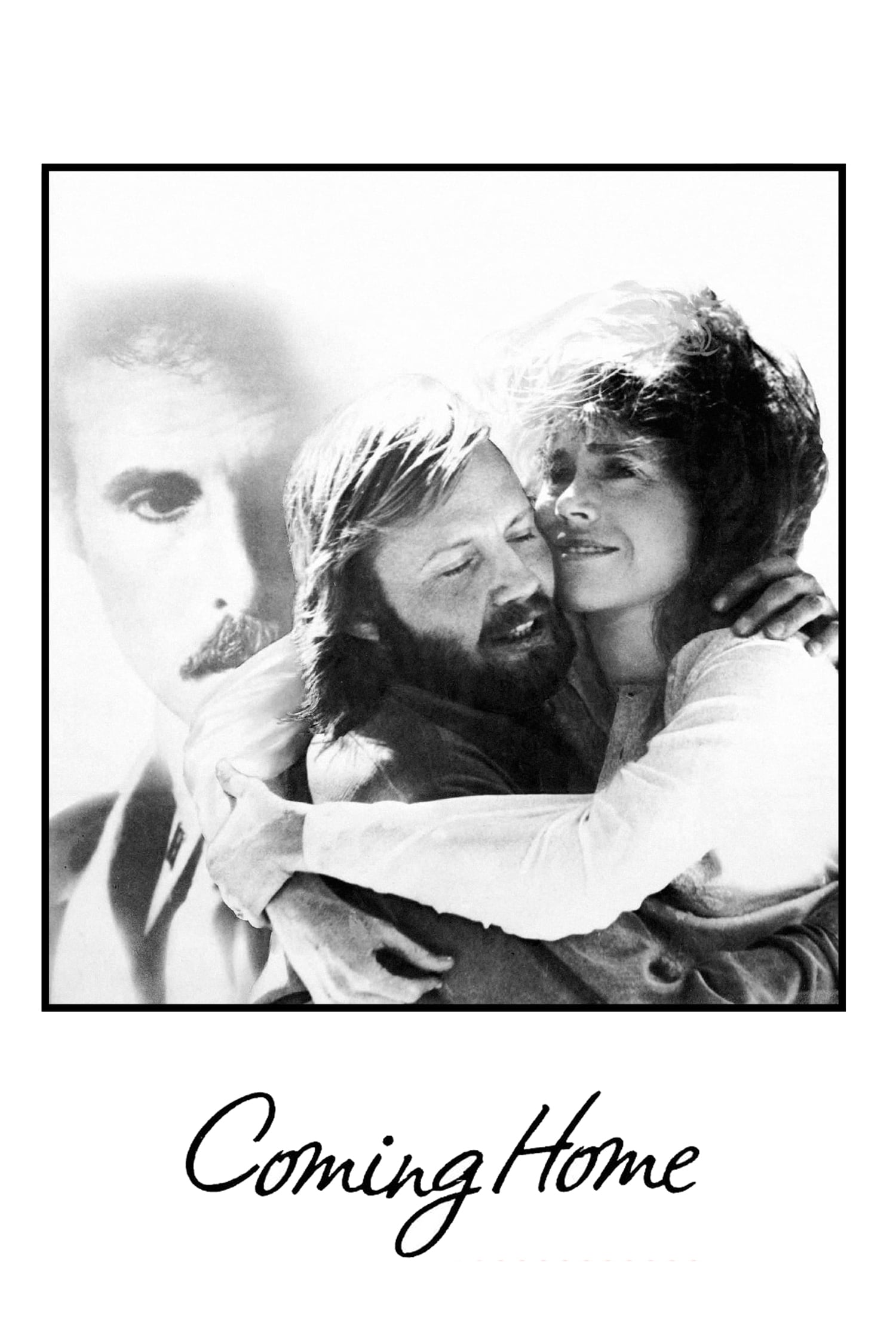
This drama focuses on the personal stories of Vietnam War veterans and their struggles to readjust to civilian life. The film centers on the relationship between a military wife, played by Jane Fonda, and a paralyzed veteran, played by Jon Voight, while her husband is still fighting in Vietnam.
Coming Home was praised for its sensitive and realistic portrayal of the physical and emotional scars of war. The film won three Academy Awards, including Best Actress for Fonda and Best Actor for Voight. It offered a different perspective on the Vietnam War, focusing on the human cost rather than the politics of the conflict.
Midnight Express (1978)
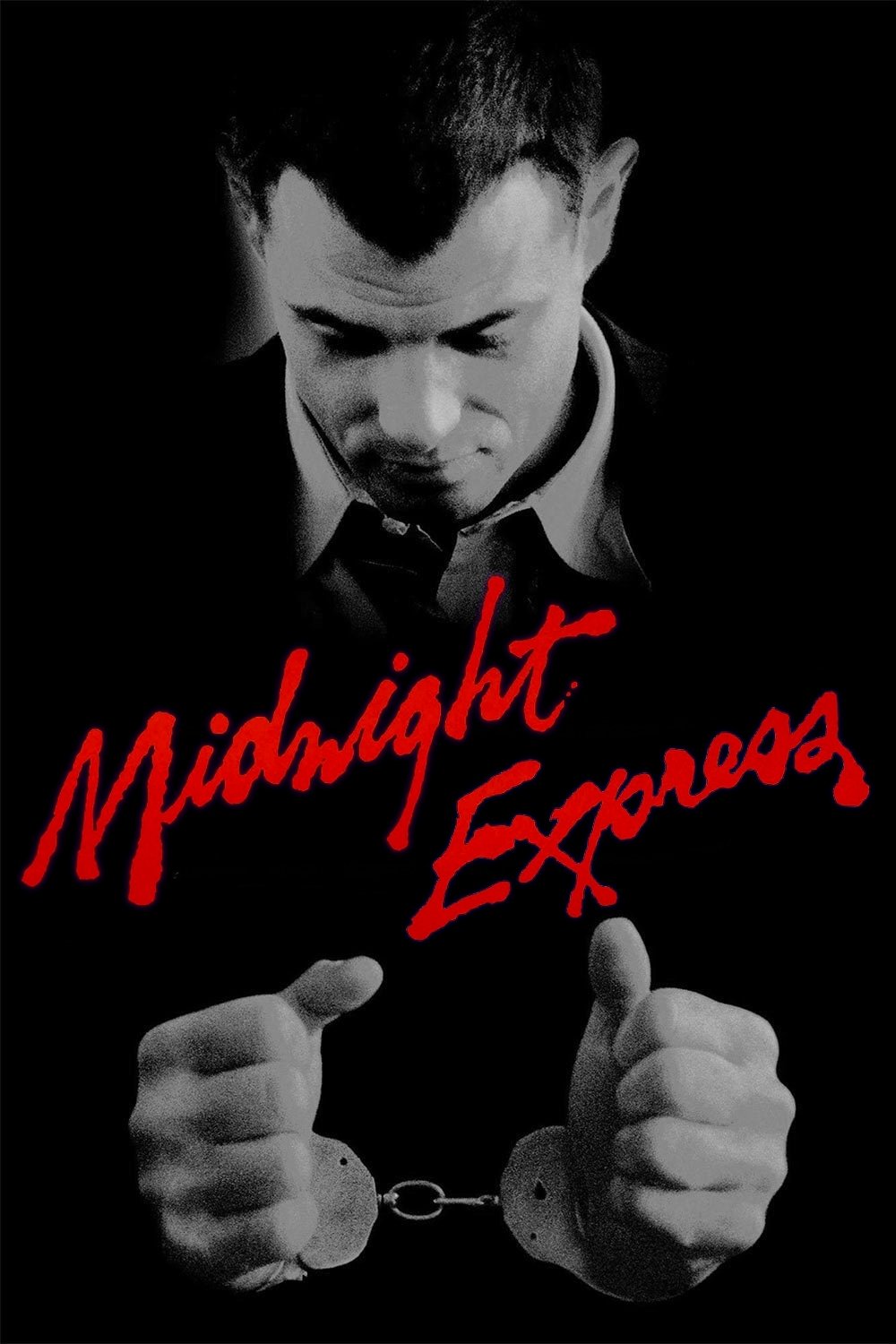
Based on a true story, this crime drama tells the harrowing tale of Billy Hayes, a young American who is arrested for trying to smuggle hashish out of Turkey and is sentenced to a brutal Turkish prison. The film depicts his nightmarish experience and his desperate attempts to survive and escape.
The movie was praised for its intense and gripping storytelling, as well as the powerful performances by the cast. However, it also generated controversy for its negative portrayal of Turkish people and its depiction of prison life. The film’s screenplay, written by Oliver Stone, won an Academy Award.
Days of Heaven (1978)
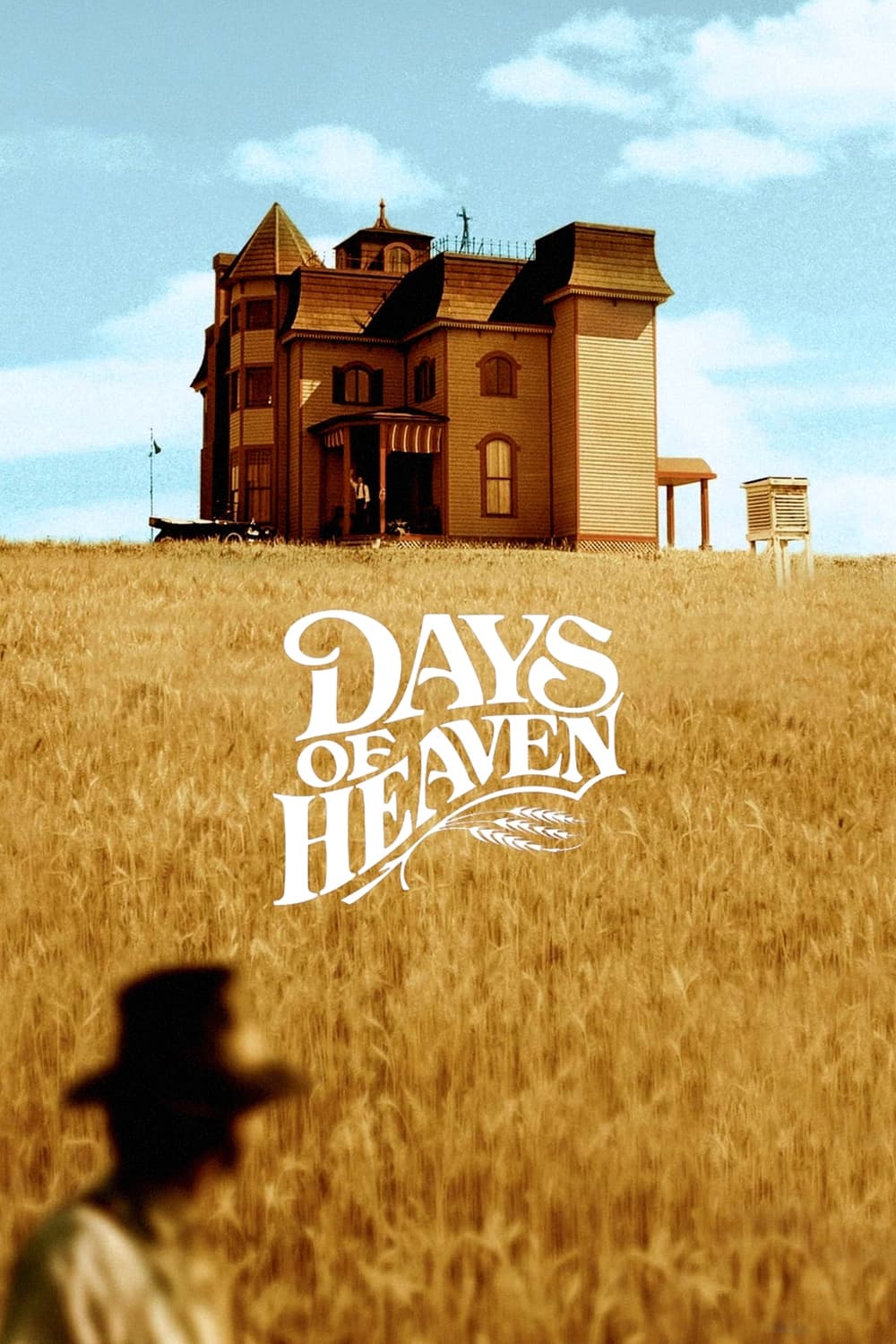
Directed by the enigmatic Terrence Malick, this film is renowned for its stunning cinematography and visual beauty. The story is set in the Texas Panhandle in 1916 and follows a young couple who pretend to be siblings to get work on a wealthy farmer’s land, leading to a tragic love triangle.
The film was shot largely during the “magic hour,” the brief period just after sunset or before sunrise, which gives it a unique and dreamlike quality. It won the Academy Award for Best Cinematography and the Best Director award at the Cannes Film Festival. Days of Heaven is considered a masterpiece of visual storytelling.
Watership Down (1978)
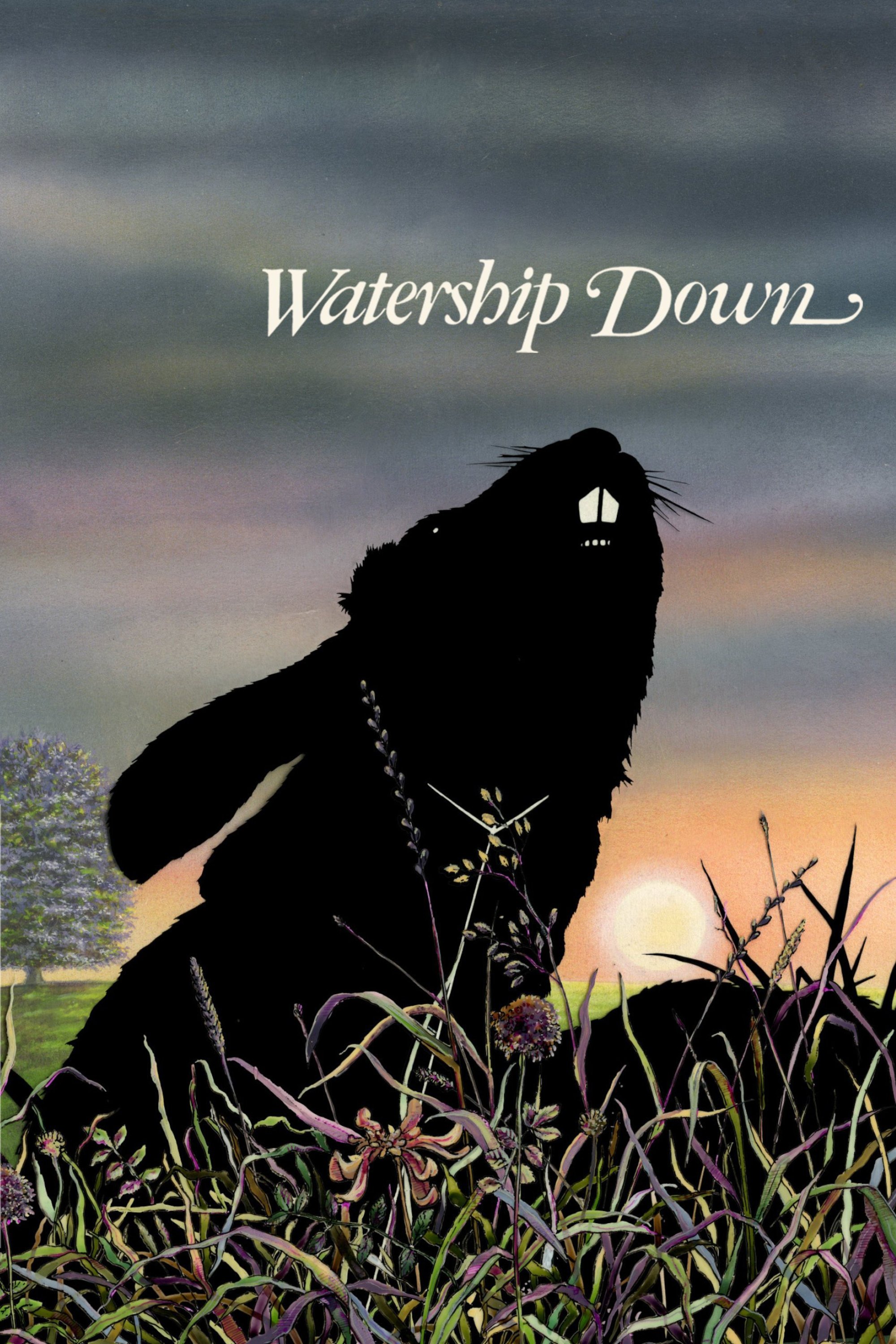
This animated adventure film is based on the popular novel by Richard Adams. It tells the story of a group of rabbits who flee their home after one of them has a vision of its destruction. Their journey to find a new, safe warren is filled with danger and hardship.
Despite being an animated film about rabbits, Watership Down is known for its mature themes and surprisingly graphic scenes of violence. The film deals with issues of freedom, community, and survival. It has become a cult classic, remembered for its powerful storytelling and emotional depth.
Heaven Can Wait (1978)

This fantasy-comedy stars Warren Beatty as a football quarterback who is accidentally taken to heaven by an overeager angel before his time. To correct the mistake, he is sent back to Earth in the body of a recently murdered millionaire. The film follows his attempts to resume his football career and his romance with an environmental activist.
The film was a critical and commercial success, praised for its charming and witty script and the performances of its cast. It was nominated for nine Academy Awards, including Best Picture. The movie is a lighthearted and touching story about second chances and the importance of living life to the fullest.
The Last Waltz (1978)
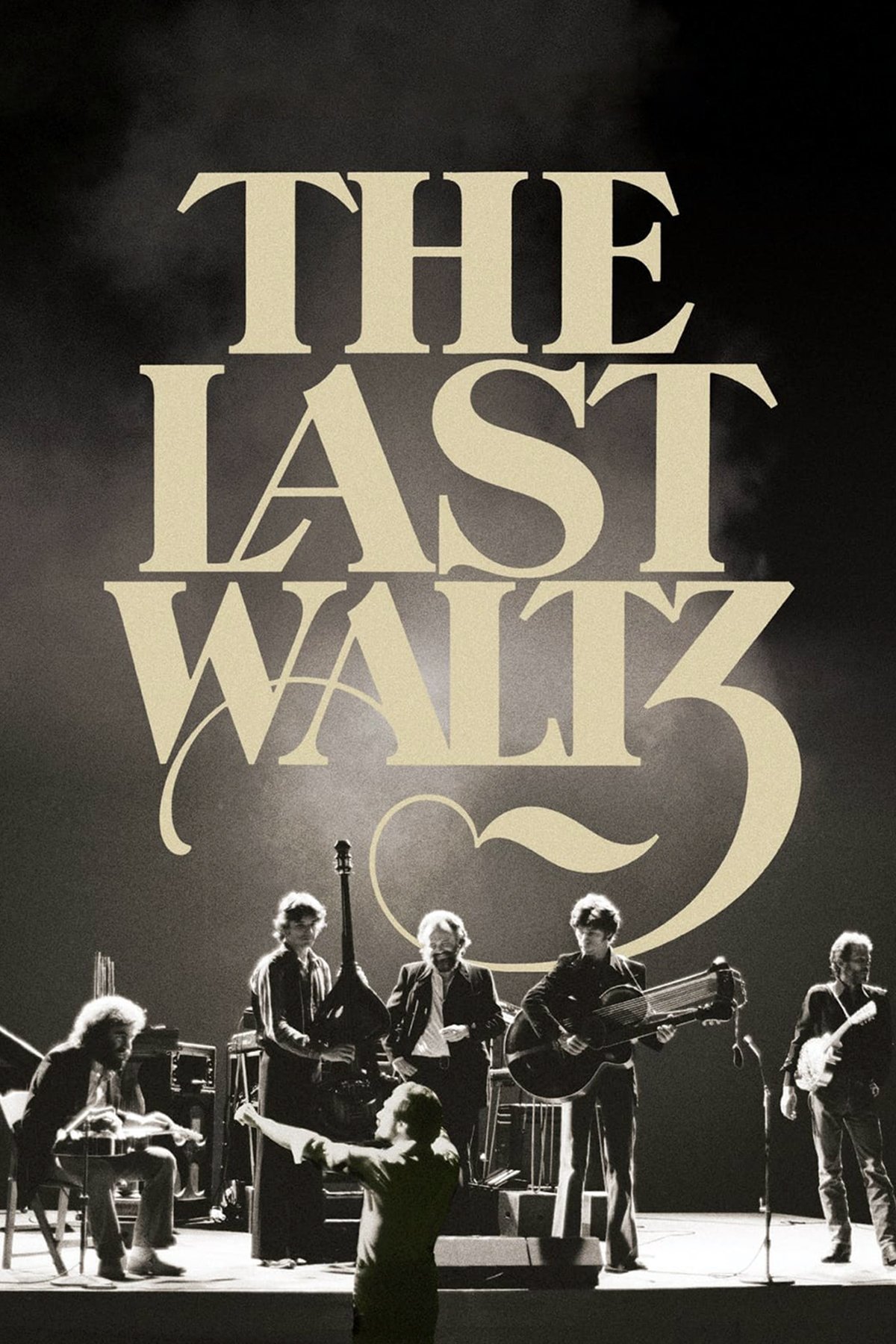
Directed by Martin Scorsese, this documentary captures the final concert of the legendary rock group The Band. The concert, held on Thanksgiving Day in 1976, featured an incredible lineup of guest artists, including Bob Dylan, Eric Clapton, and Joni Mitchell.
The Last Waltz is widely regarded as one of the greatest concert films ever made. Scorsese’s direction elevates it beyond a simple concert recording, interspersing the performances with interviews with the band members. It serves as a celebration of a specific era in rock and roll history.
Autumn Sonata (1978)

Directed by the legendary Swedish filmmaker Ingmar Bergman, this drama features a powerful confrontation between a famous concert pianist, played by Ingrid Bergman, and her neglected daughter, played by Liv Ullmann. The film takes place over a single day and night as the two women unearth years of resentment and pain.
The film is a showcase for its two lead actresses, who deliver raw and emotional performances. It explores complex themes of mother-daughter relationships, art, and regret. Autumn Sonata was Ingrid Bergman’s final theatrical film performance and earned her an Academy Award nomination.
Up in Smoke (1978)
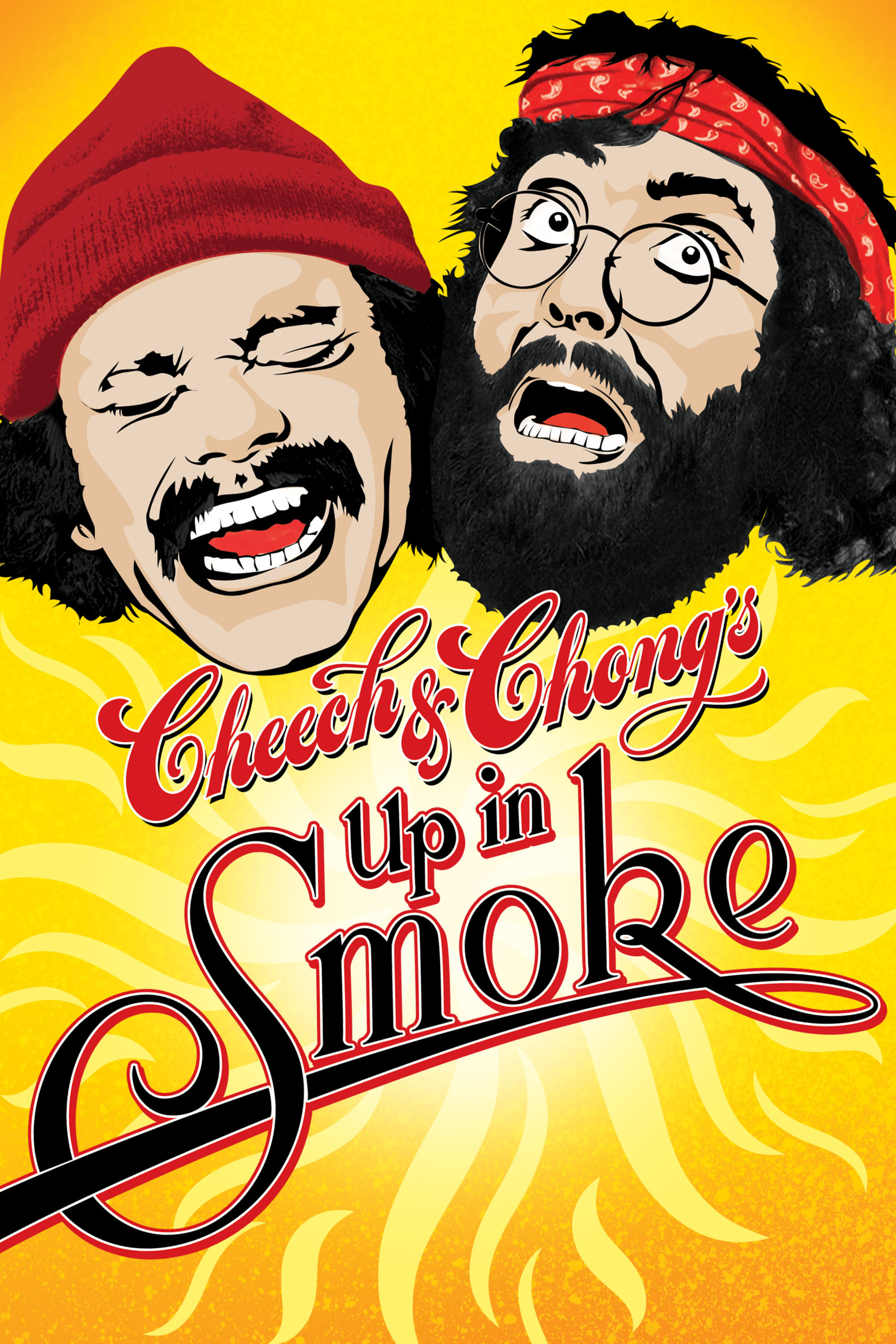
This comedy marked the film debut of the comedic duo Cheech & Chong. The movie follows the misadventures of two stoners who unknowingly smuggle a van made entirely of marijuana from Mexico to Los Angeles. Along the way, they encounter a variety of quirky characters and narrowly avoid being caught by the police.
Up in Smoke was a huge commercial success and is credited with establishing the “stoner comedy” subgenre. Its loose plot and series of comedic vignettes perfectly captured the duo’s signature style of humor. The film has become a cult classic, beloved for its irreverent and laid-back vibe.

