


Movies from 1979 That Are Now Considered Classics


The year 1979 was a major turning point for the movie industry. The era known as “New Hollywood,” where directors had great creative control, was coming to an end. At the same time, the age of the blockbuster was in full swing, with studios focusing on big-budget films that could attract huge audiences. This led to an interesting mix of movies, from personal, character-driven stories to large-scale science fiction adventures.
This unique environment produced a remarkable number of films that are now considered classics. These movies broke new ground in storytelling, special effects, and acting. They influenced countless future filmmakers and continue to be celebrated by audiences today. From terrifying space horror to intense war dramas and hilarious comedies, 1979 delivered some of the most memorable films ever made.
Alien (1979)
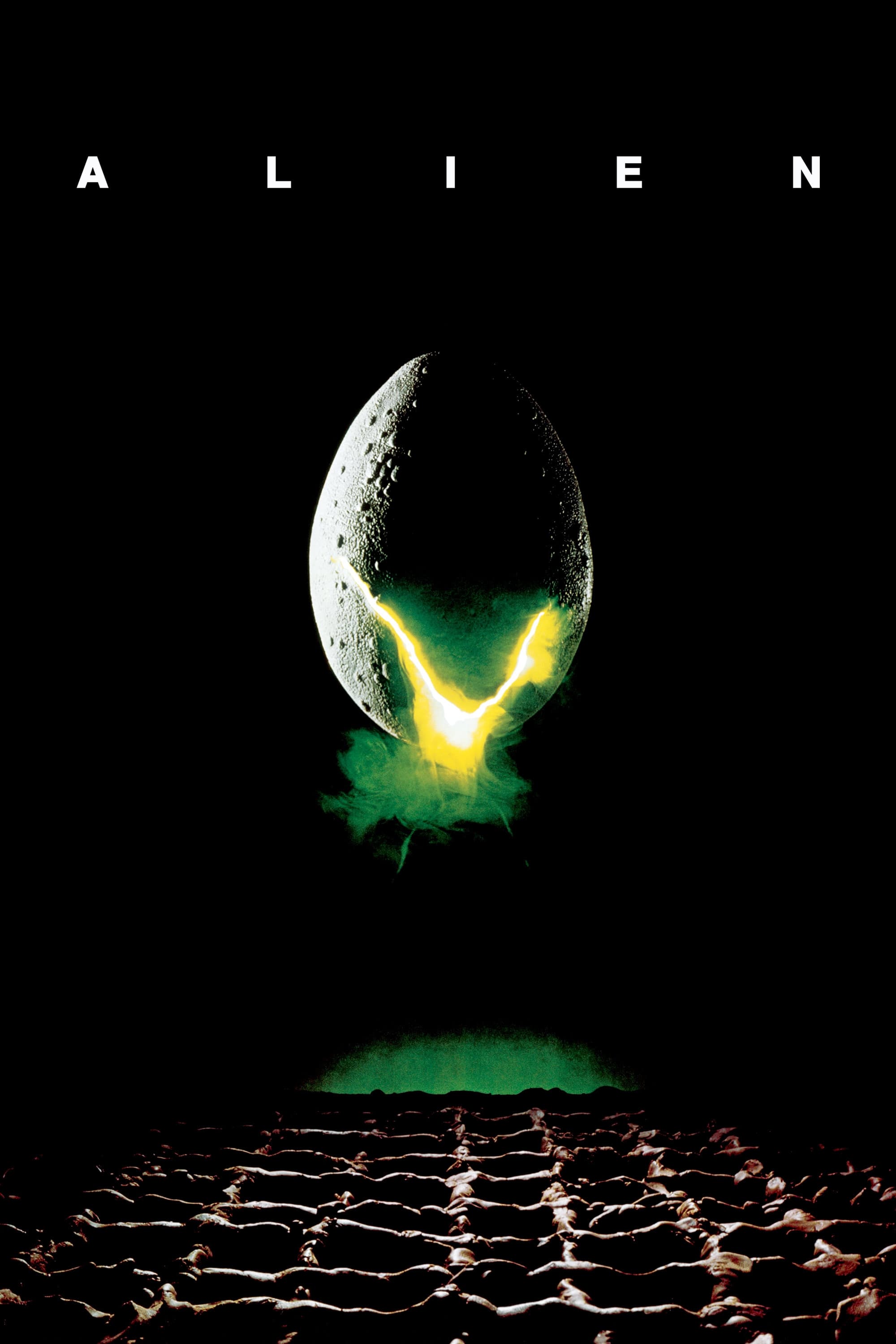
Alien is a science fiction horror film directed by Ridley Scott. It follows the crew of the spaceship Nostromo, who receive a distress signal from a nearby moon. When they investigate, one of the crew members is attacked by a strange life-form. They bring him back on board, unknowingly carrying a deadly alien that begins to hunt them one by one.
The film was praised for its suspenseful atmosphere, groundbreaking visual effects, and strong performances, especially from Sigourney Weaver as the hero Ripley. Alien was a huge box office success and won an Academy Award for its visual effects. It created a major franchise and set a new standard for both the science fiction and horror genres, with its “haunted house in space” concept being copied many times.
Apocalypse Now (1979)
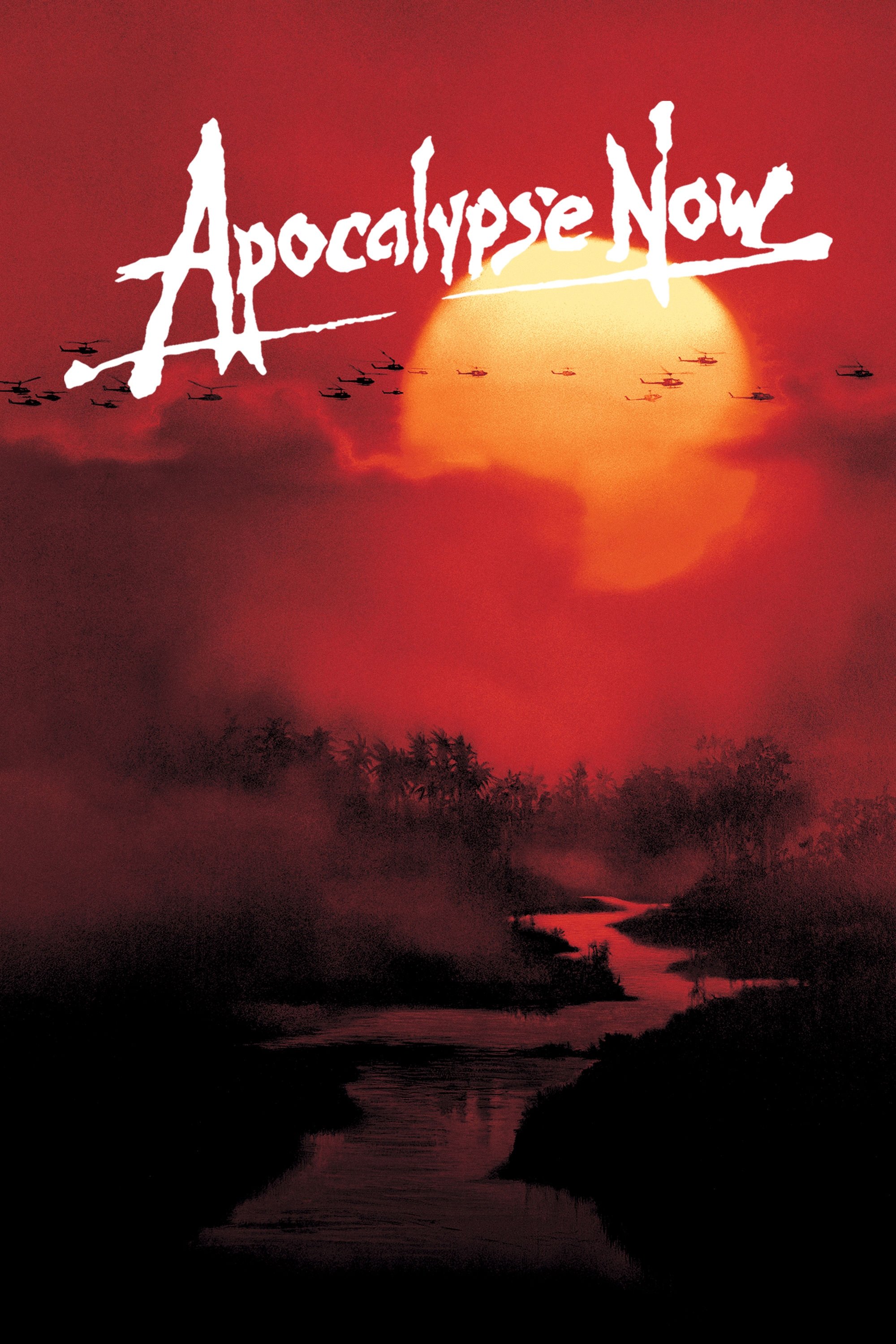
Directed by Francis Ford Coppola, Apocalypse Now is an epic war film set during the Vietnam War. It tells the story of Captain Willard, who is sent on a secret mission into Cambodia to assassinate a renegade Special Forces Colonel named Kurtz. Willard’s journey up the river becomes a descent into darkness and madness as he witnesses the horrors of war.
The movie had a famously difficult and long production, but it was worth the effort. It was praised by critics for its ambitious themes, stunning cinematography, and powerful performances by Martin Sheen and Marlon Brando. The film won the top prize at the Cannes Film Festival and is now considered one of the greatest films ever made, offering a surreal and haunting look at war.
Kramer vs. Kramer (1979)
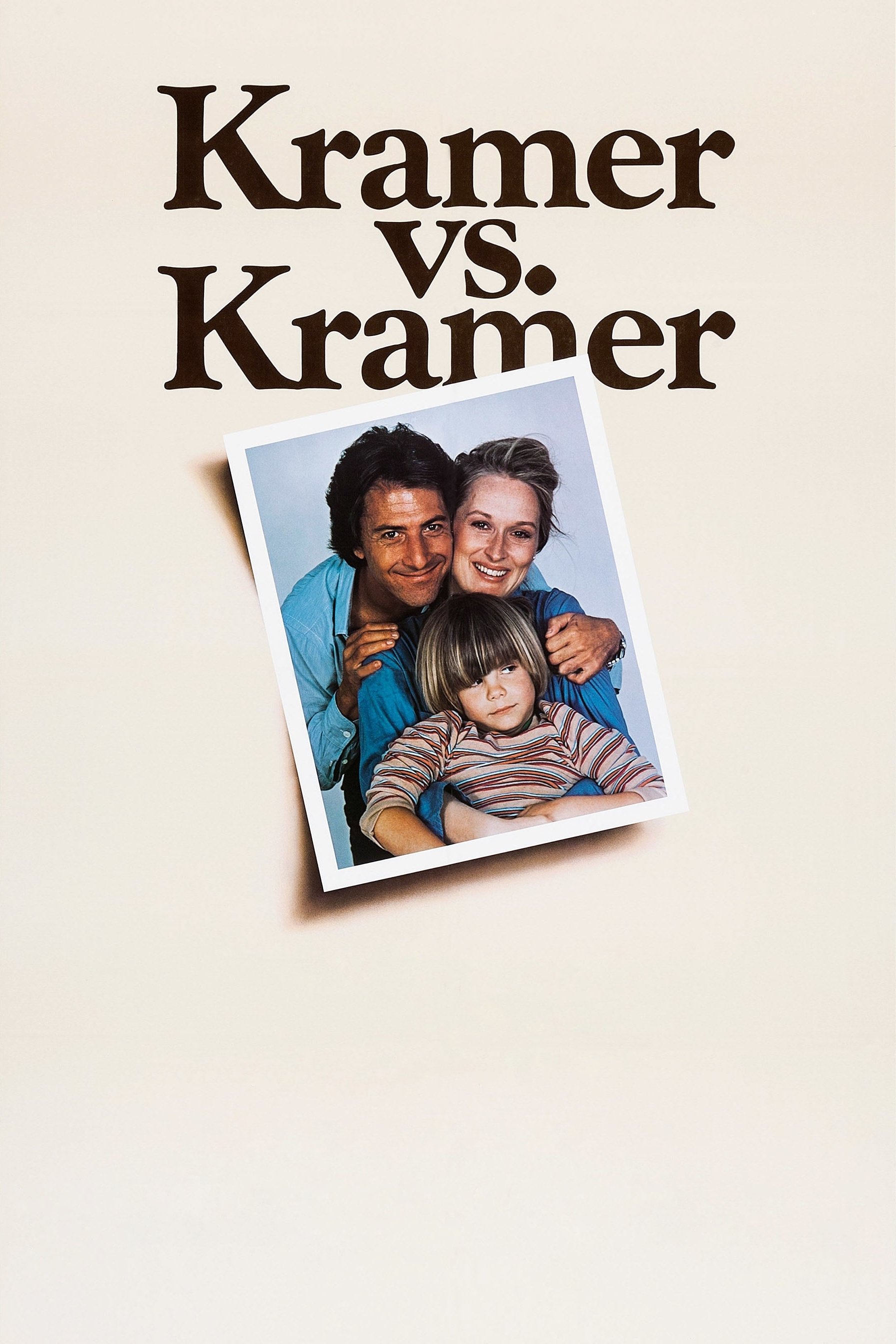
Kramer vs. Kramer is a drama that tells the story of a family falling apart. The film begins when Joanna Kramer leaves her husband, Ted, and their young son, Billy. Ted, a workaholic advertising executive, must learn how to be a single parent. Just as he and Billy form a strong bond, Joanna returns and demands custody of their son, leading to a difficult court battle.
The film was a huge critical and commercial success, praised for its honest and moving portrayal of divorce and parenthood. Dustin Hoffman and Meryl Streep both gave powerful performances that earned them Academy Awards for Best Actor and Best Supporting Actress. The movie also won Oscars for Best Picture, Best Director, and Best Adapted Screenplay, and it had a major cultural impact on how divorce was discussed.
The Muppet Movie (1979)
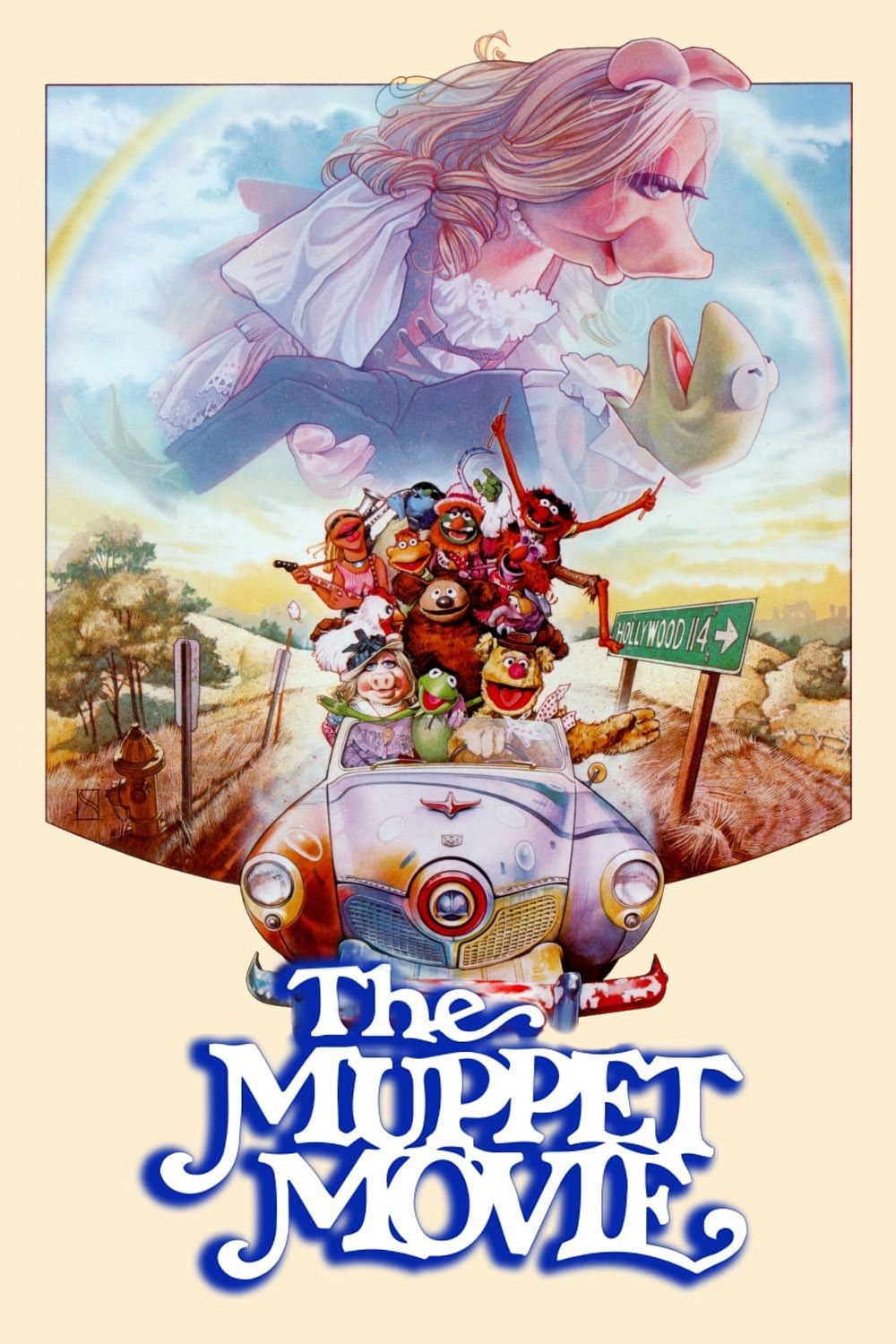
The Muppet Movie was the first feature film starring Jim Henson’s beloved characters. The movie tells a fictional origin story of the Muppets, as Kermit the Frog decides to leave his swamp and travel to Hollywood to become a star. Along the way, he meets and befriends all the other classic Muppets, including Fozzie Bear, Miss Piggy, and Gonzo, while being pursued by a villain who wants him for his frog legs restaurant.
The film was a hit with both audiences and critics, who loved its humor, heart, and catchy songs, including the Oscar-nominated “Rainbow Connection.” It proved that the Muppets could succeed on the big screen and led to many more movies. The Muppet Movie is remembered as a charming and funny road trip movie for the whole family.
Mad Max (1979)
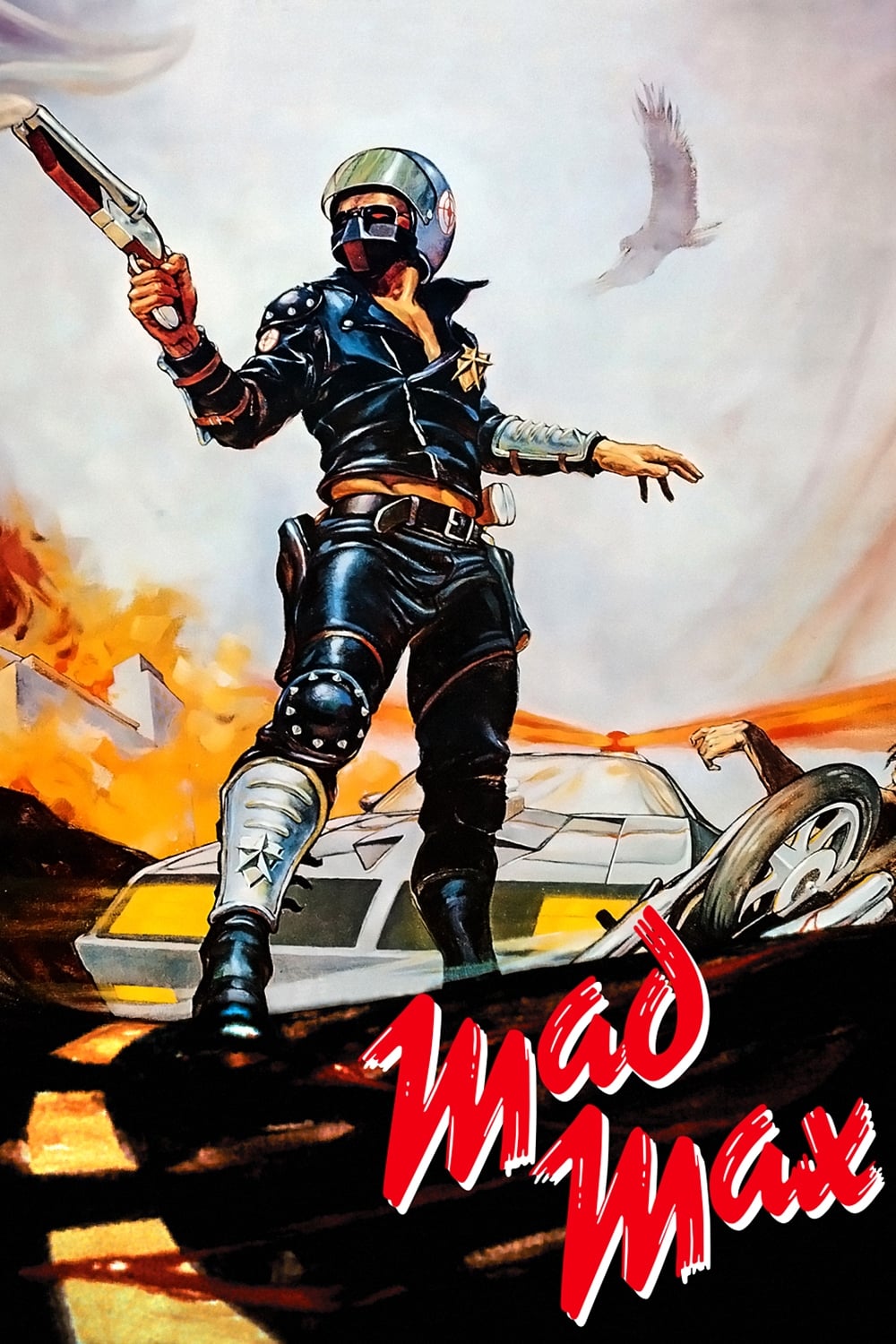
Mad Max is an Australian action film that introduced the world to director George Miller and actor Mel Gibson. Set in a near-future Australia where society is collapsing, the film follows Max Rockatansky, a police officer who tries to maintain order on the chaotic highways. After a violent biker gang harms his family, Max seeks revenge.
Made on a very low budget, the film was a massive international hit, known for its intense car chases and raw, gritty style. It held the record for the most profitable film ever made for many years. Mad Max launched a successful franchise and had a huge influence on the post-apocalyptic genre in movies and video games.
Rocky II (1979)
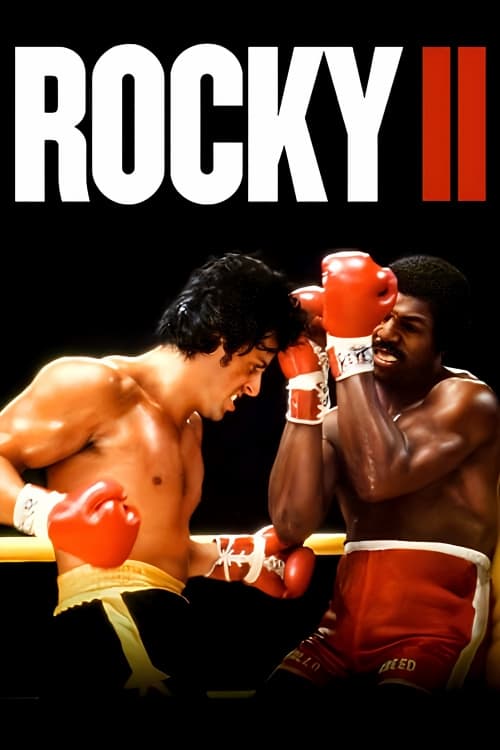
Rocky II is the first sequel to the 1976 hit Rocky. Sylvester Stallone returned to write, direct, and star in the film. After his heroic fight with Apollo Creed, Rocky Balboa tries to settle down and live a normal life with his wife, Adrian. However, he struggles to find a good job and is soon drawn back into the world of boxing for a dramatic rematch with Creed.
The movie was a huge commercial success, proving that the character of Rocky had lasting appeal. While some sequels fail to capture the magic of the original, Rocky II was praised for staying true to the heart of the story while delivering another exciting boxing finale. It continued the underdog story that so many people loved and became a fan favorite in the series.
Star Trek: The Motion Picture (1979)
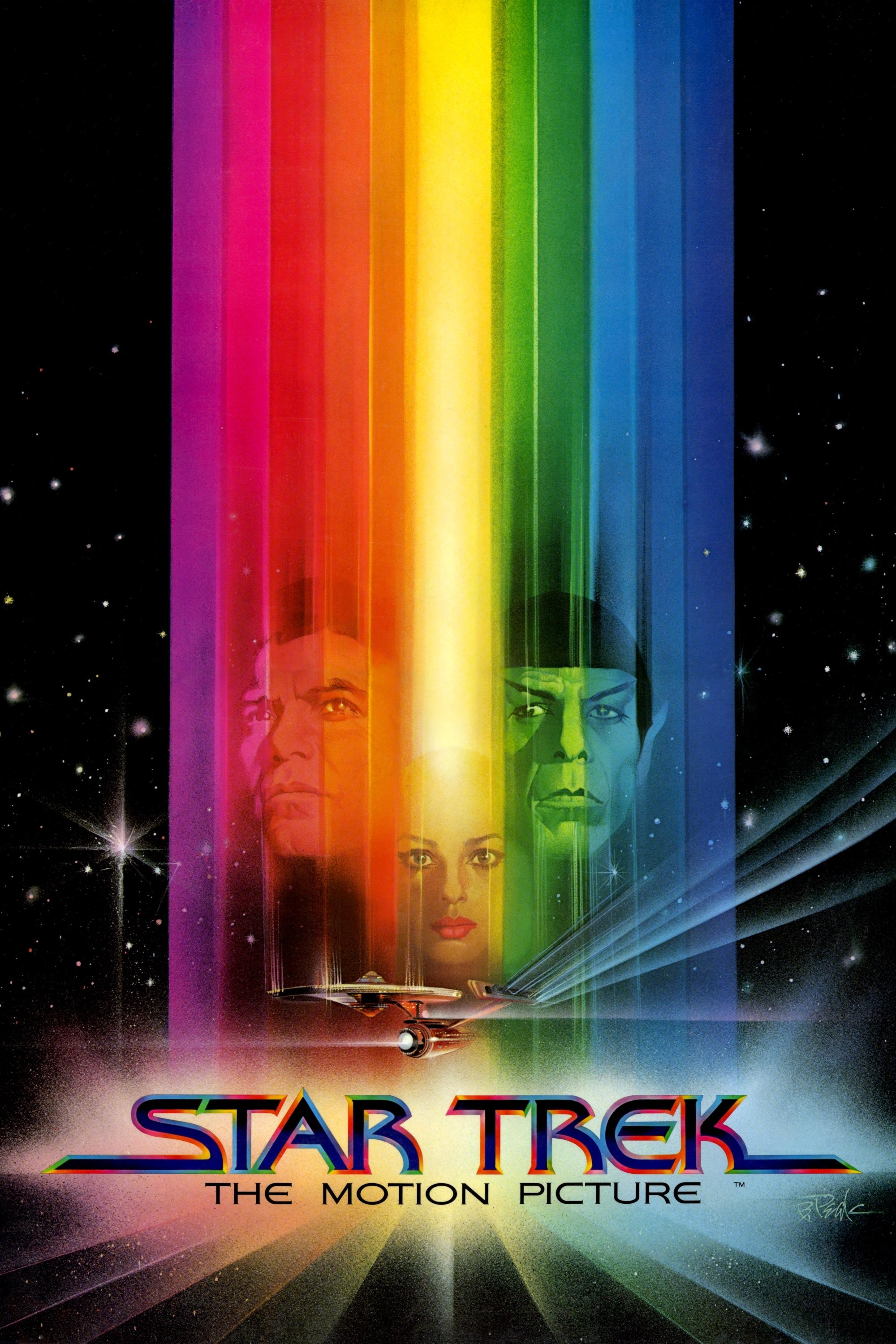
Ten years after the original television series was canceled, Star Trek: The Motion Picture brought the crew of the USS Enterprise to the big screen. Directed by Robert Wise, the film sees Admiral Kirk, Spock, and the rest of the crew reunite to stop a mysterious and powerful alien cloud that is on a direct course to Earth, destroying everything in its path.
The movie was a huge box office success and was praised for its impressive special effects and grand scale. It was a more serious and philosophical story compared to the TV show, focusing on big ideas about what it means to be human. Its success relaunched the Star Trek franchise, leading to many more movies and television series for decades to come.
The Jerk (1979)

The Jerk is a comedy that marked the first starring film role for comedian Steve Martin. He plays Navin Johnson, a kind but clueless man who was adopted by a black family. On his 18th birthday, he decides to leave home and see the world, leading him through a series of absurd jobs and adventures, from working at a gas station to inventing a popular but flawed product.
Directed by Carl Reiner, the film’s silly and often nonsensical humor was a huge hit with audiences. It established Steve Martin as a major comedy star and became a cult classic. Many of its jokes and one-liners are still quoted by fans today, and it is often ranked as one of the funniest movies ever made.
Manhattan (1979)
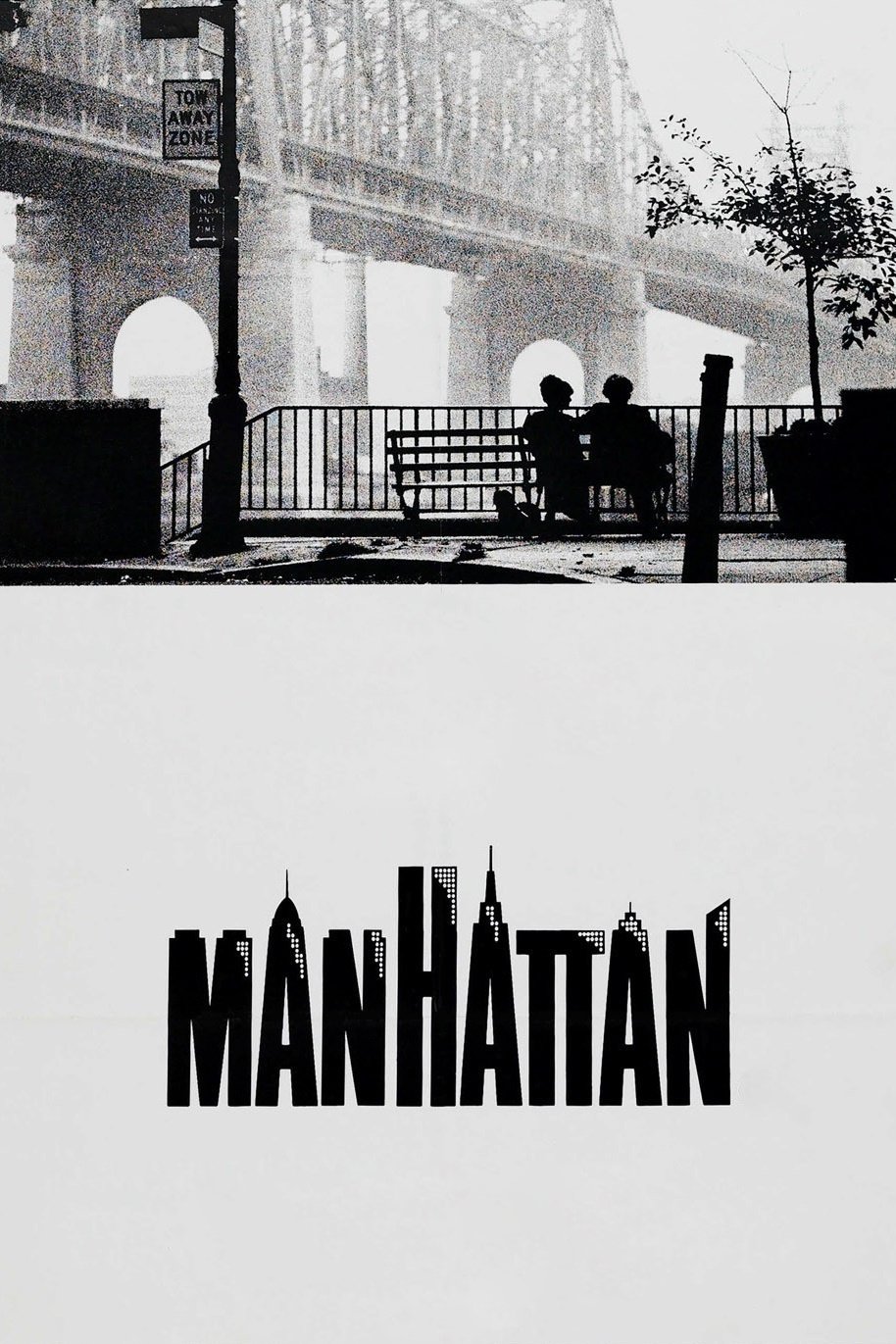
Manhattan is a romantic comedy-drama directed by and starring Woody Allen. The film follows Isaac Davis, a twice-divorced television writer who is unhappy with his life. He is dating a 17-year-old girl but soon falls for the mistress of his best friend. The story explores complex relationships, love, and life among New York City intellectuals.
The movie is famous for its beautiful black-and-white cinematography and its use of George Gershwin’s music, which creates a classic, romantic vision of New York City. It was highly praised by critics for its witty writing and strong performances. Manhattan is considered one of Woody Allen’s best films and a signature work of American cinema.
All That Jazz (1979)
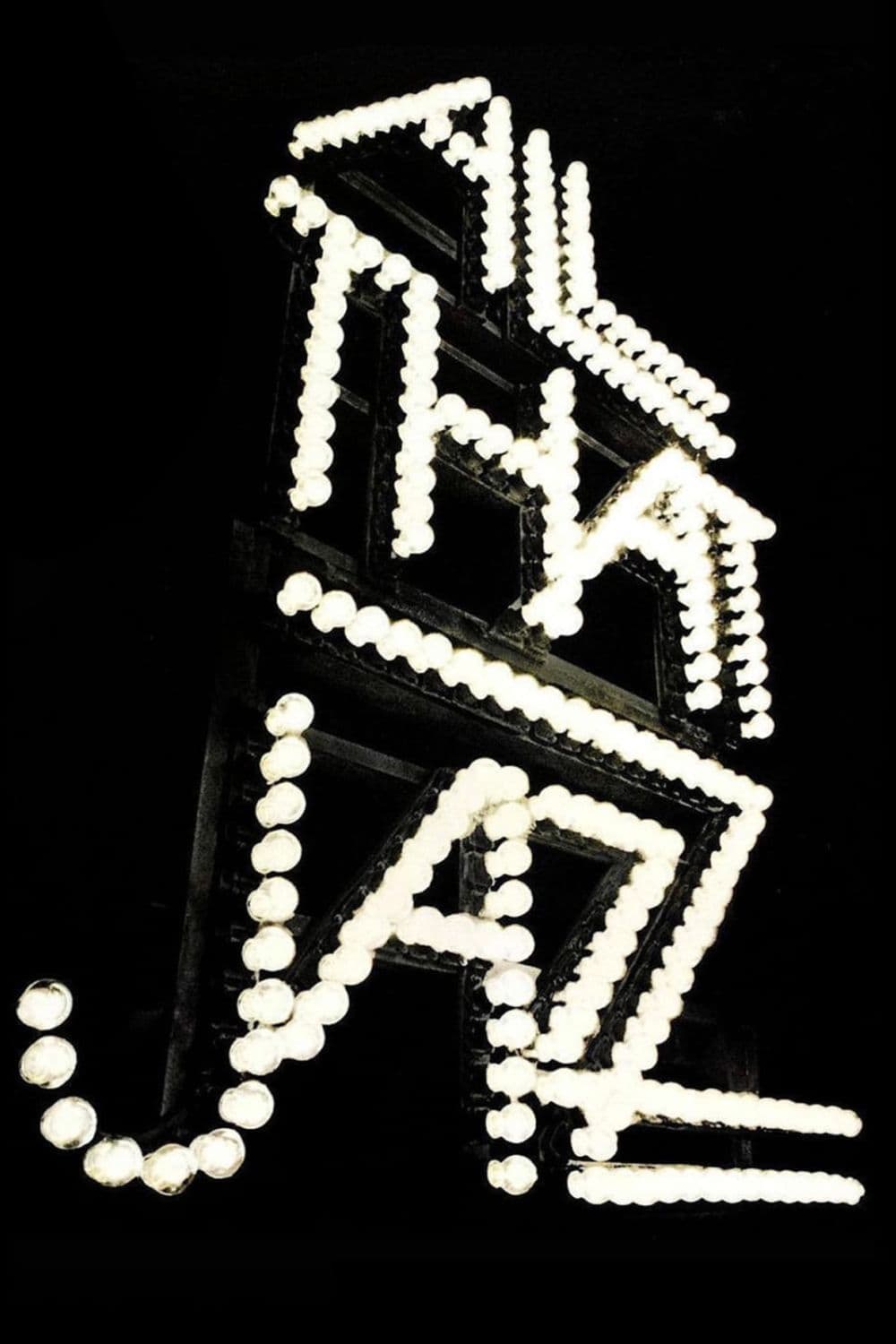
All That Jazz is a musical drama directed by Bob Fosse, who based the story on his own life. The film’s main character is Joe Gideon, a talented but self-destructive theater director and choreographer who is trying to edit his latest film while also staging a new Broadway show. He pushes himself too hard with work, smoking, and women, which leads to a serious health crisis.
The film is known for its energetic musical numbers, creative editing, and honest look at the dark side of show business and the pressure to be creative. It was a critical success and won four Academy Awards. All That Jazz also shared the top prize at the Cannes Film Festival, and it is remembered as a bold and unique film from one of Broadway’s greatest directors.
The Black Stallion (1979)
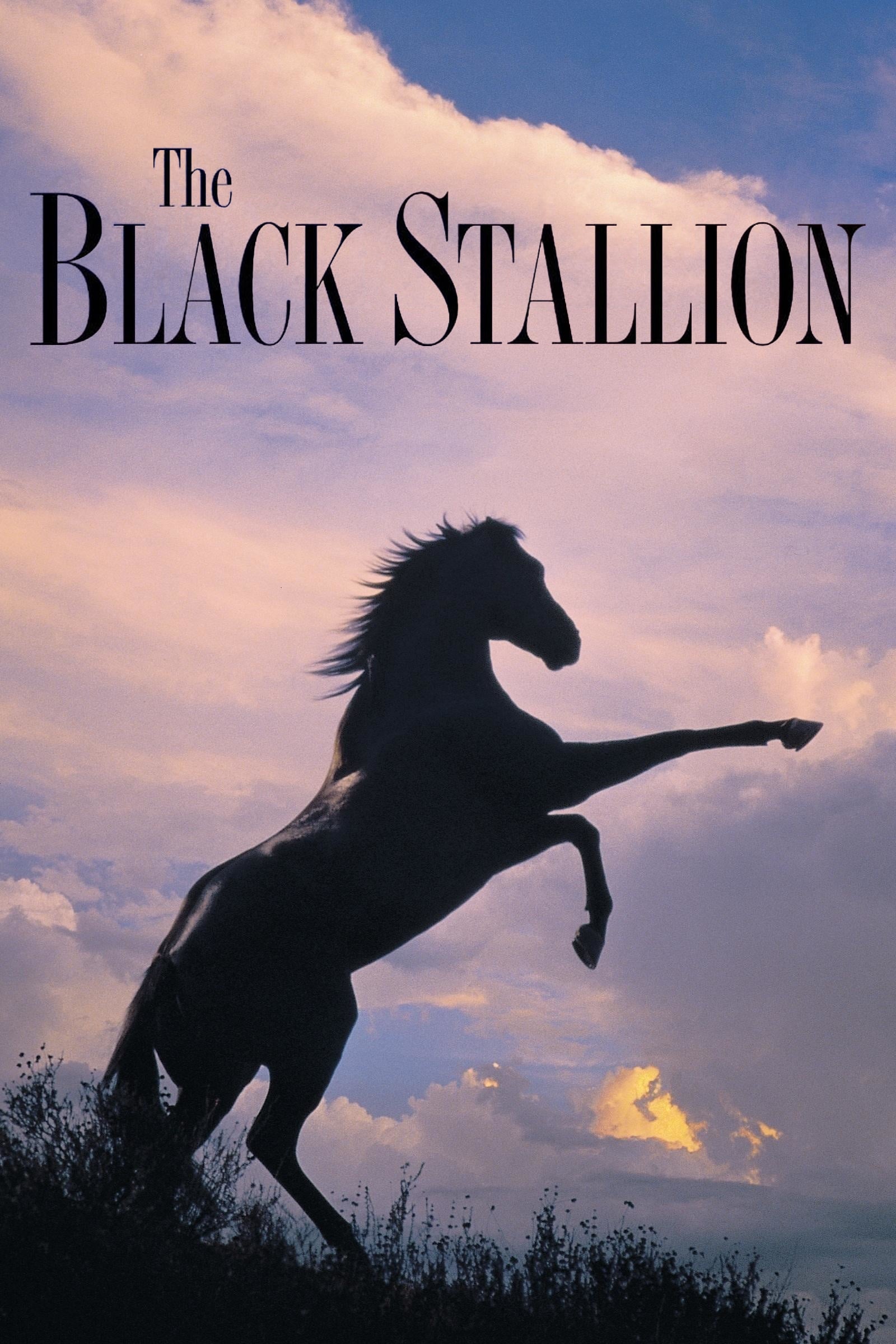
The Black Stallion is an adventure film about the bond between a boy and a horse. While traveling on a ship, a young boy named Alec Ramsey befriends a mysterious Arabian stallion. When the ship sinks, only Alec and the horse survive, stranded on a deserted island. They form a deep connection, and after being rescued, they team up with a retired horse trainer to enter a big race.
The film was highly praised for its breathtaking cinematography, especially in the first half of the movie which has very little dialogue. It captures the beauty of the relationship between the boy and the horse in a powerful, visual way. The Black Stallion was a success with both audiences and critics and is considered one of the greatest family films ever made.
Being There (1979)

Being There is a comedy-drama directed by Hal Ashby and starring Peter Sellers. Sellers plays Chance, a simple-minded gardener who has lived his entire life in a wealthy man’s house in Washington, D.C., with his only knowledge of the outside world coming from television. When his employer dies, Chance is forced to leave the house and wanders into the world, where his simple statements about gardening are mistaken for brilliant political wisdom.
Peter Sellers received an Academy Award nomination for his performance, which is considered one of the best of his career. The film is a clever satire on politics and media, showing how people can project their own ideas onto a blank slate. Being There was praised for its originality and sharp humor and has become a celebrated classic.
Nosferatu the Vampyre (1979)

Nosferatu the Vampyre is a German horror film from director Werner Herzog. It is a remake of the classic 1922 silent film Nosferatu, which was an unofficial adaptation of Bram Stoker’s Dracula. The film follows real estate agent Jonathan Harker, who travels to Transylvania to sell a property to Count Dracula. He soon discovers the Count is a vampire and must try to stop him from spreading a plague to his hometown.
Herzog’s version is known for its eerie atmosphere, beautiful visuals, and the unsettling performance of Klaus Kinski as Count Dracula. Unlike many vampire films, it has a sad and somber tone, focusing on the loneliness of the immortal vampire. The film was an international success and is regarded as one of the best and most artistic vampire movies ever made.
The China Syndrome (1979)
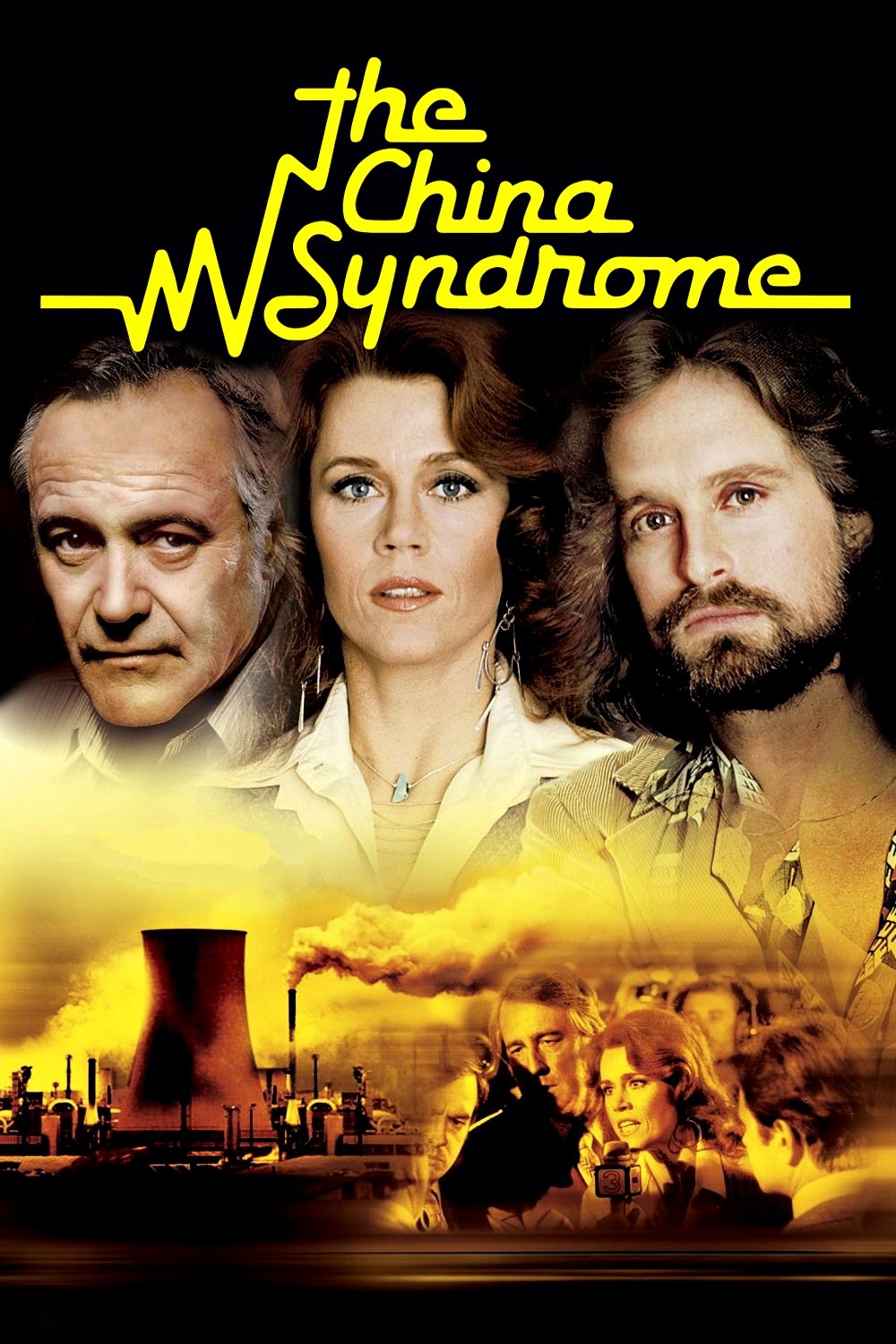
The China Syndrome is a thriller about the dangers of nuclear power. Jane Fonda stars as a television reporter who, along with her cameraman, is filming a story inside a nuclear power plant. They secretly film an incident where the plant almost has a meltdown. When the TV station refuses to air the story, they team up with a concerned plant employee, played by Jack Lemmon, to expose the truth.
The film was praised for being a tense and intelligent thriller. It became incredibly relevant when, just 12 days after its release, the Three Mile Island nuclear accident occurred in Pennsylvania, making the movie’s plot seem frighteningly real. The performances from Fonda, Lemmon, and Michael Douglas were all highly acclaimed, and the film helped to fuel the public debate over nuclear energy.
Monty Python’s Life of Brian (1979)
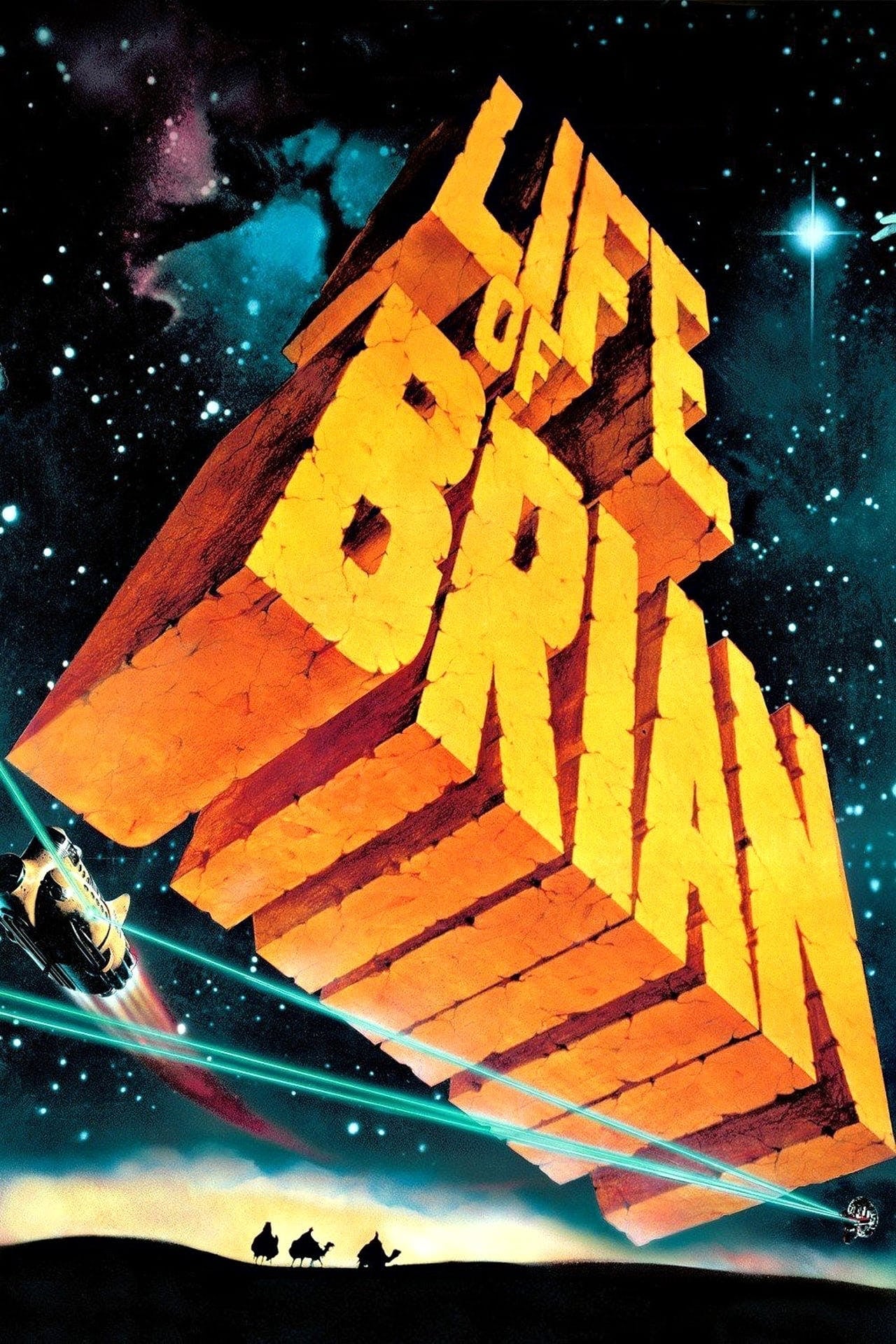
Monty Python’s Life of Brian is a comedy film from the British comedy group Monty Python. The story is about Brian Cohen, a young Jewish man who is born on the same day as, and right next door to, Jesus Christ. Through a series of absurd events, he is mistaken for the messiah and gains a following of devoted but clueless disciples, which leads to trouble with the Romans.
When it was released, the film was very controversial, with some religious groups protesting that it made fun of Christianity. However, the filmmakers argued it was a satire of religious fanaticism and blind faith, not of Jesus himself. Despite the controversy, the film was a major financial success and is now widely considered to be a comedy masterpiece and the best film Monty Python ever made.

