


Movies from 1980 That Are Now Considered Classics


The year 1980 was a significant one for cinema, producing a variety of films that have since been celebrated as classics. These movies have stood the test of time, influencing filmmakers and captivating audiences for decades. From sprawling space operas to intimate family dramas, the films of 1980 showcase a breadth of storytelling and filmmaking that continues to be recognized and appreciated.
What makes a movie a “classic” is its ability to remain relevant and impactful long after its initial release. These are the films that are not only remembered but are also frequently revisited, studied, and referenced in popular culture. They often feature groundbreaking techniques, unforgettable performances, and timeless themes that resonate with viewers across generations. The movies on this list represent the pinnacle of their respective genres and have earned their place in cinematic history.
The Empire Strikes Back (1980)
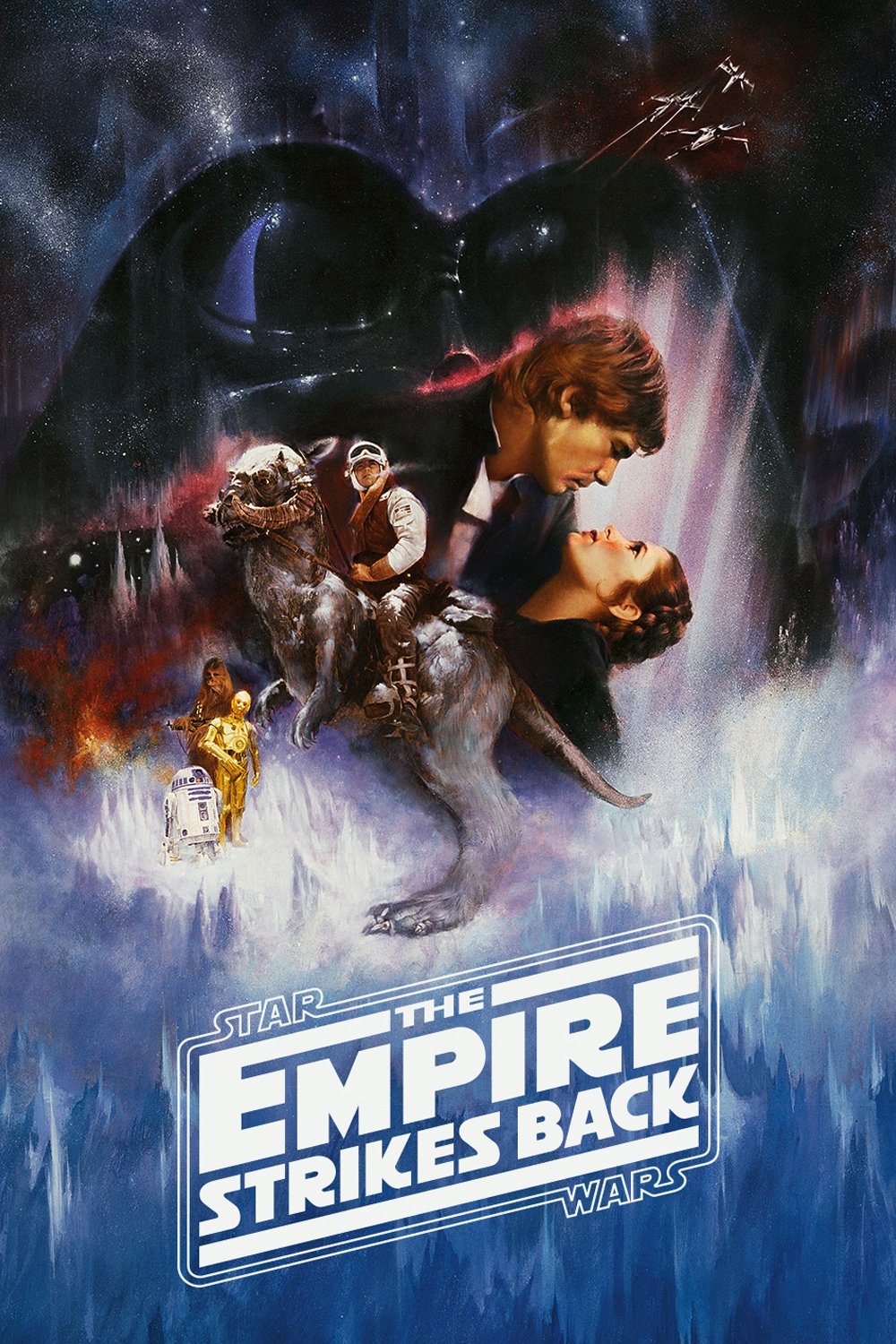
The second film in the original Star Wars trilogy, The Empire Strikes Back is often considered the best in the series. The film expands on the universe introduced in the first movie, delving deeper into the characters’ journeys and the overarching conflict between the Rebel Alliance and the Galactic Empire. The movie is known for its darker tone and one of the most famous plot twists in film history: the revelation that Darth Vader is Luke Skywalker’s father.
Financed by George Lucas himself, the film was a massive box office success. To keep the pivotal “I am your father” scene a secret, the director, Irvin Kershner, only shared the information with a select few. The film also introduced iconic characters like Yoda and Lando Calrissian, as well as John Williams’ memorable “Imperial March.”
The Shining (1980)
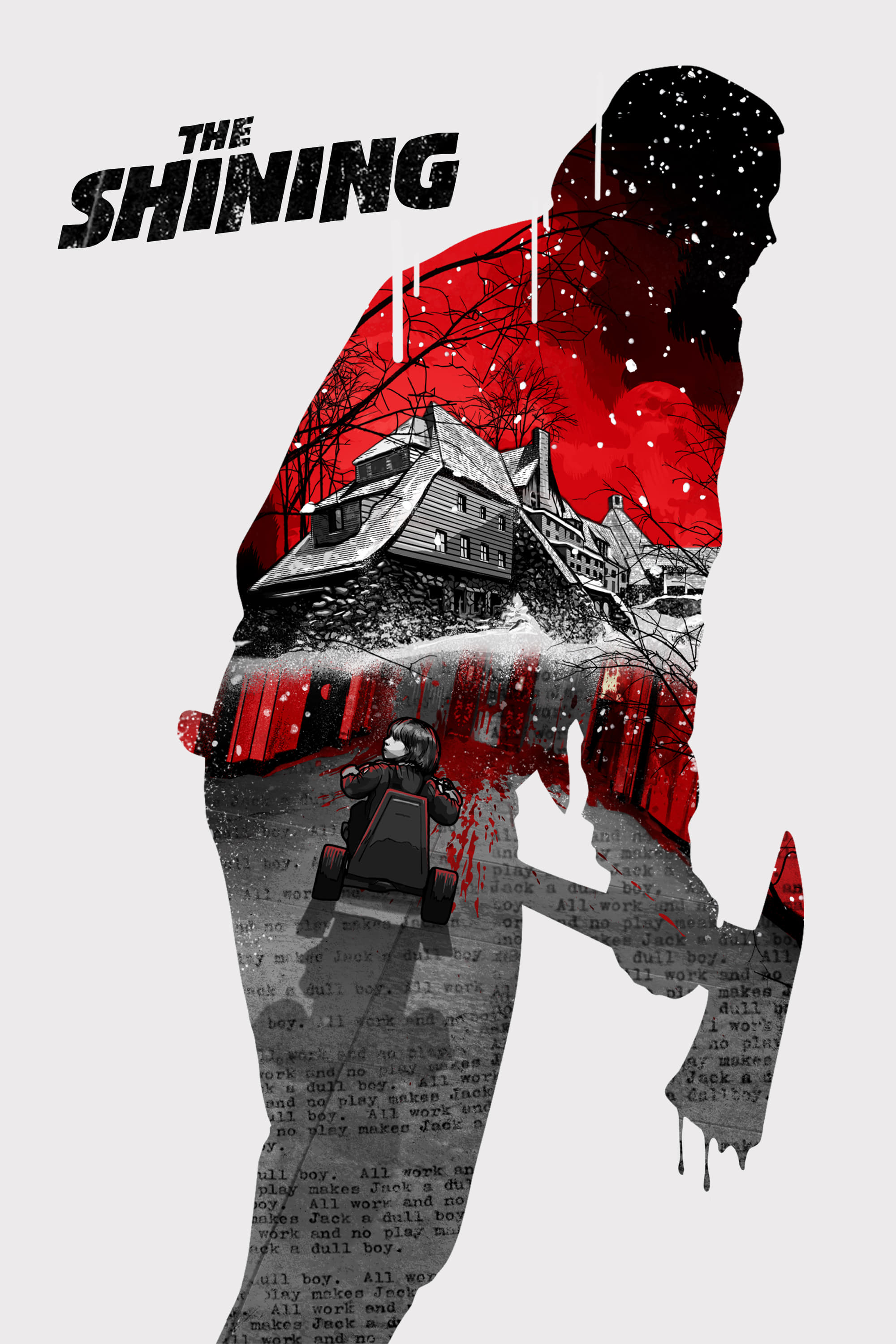
Directed by Stanley Kubrick, The Shining is a psychological horror film based on Stephen King’s novel. The movie follows Jack Torrance, a writer who takes a job as the winter caretaker at the isolated Overlook Hotel. Along with his wife and son, Jack becomes influenced by the hotel’s supernatural forces, leading to his descent into madness.
While now regarded as a horror masterpiece, the film initially received mixed reviews. The film is known for its unsettling atmosphere, innovative camerawork, and Jack Nicholson’s intense performance. Kubrick was meticulous in his filmmaking, famously shooting the “Here’s Johnny!” scene numerous times to get the perfect take.
Raging Bull (1980)
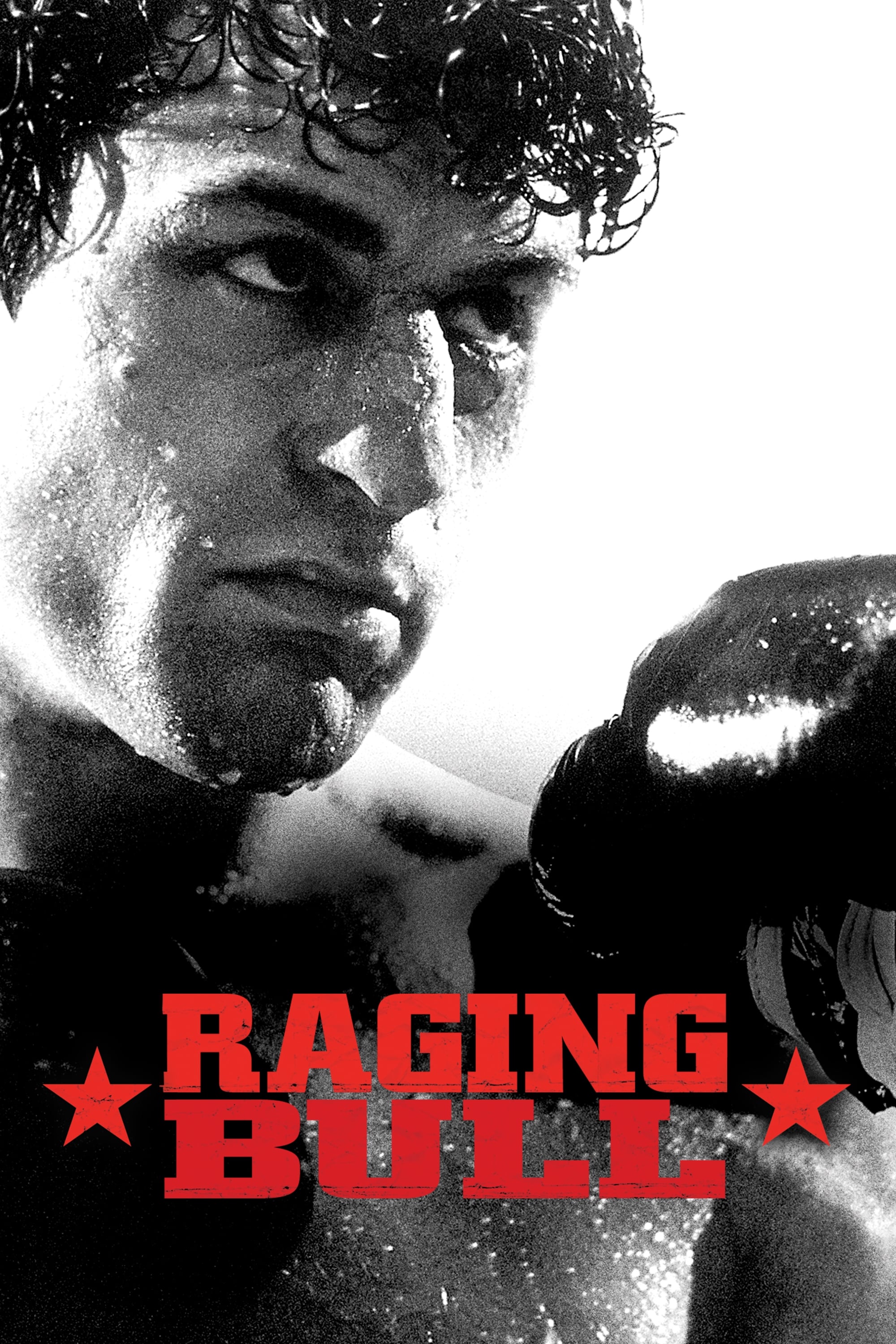
Martin Scorsese’s biographical film Raging Bull tells the story of middleweight boxer Jake LaMotta. Shot in black and white, the film is a raw and unflinching look at a self-destructive man whose inner demons were as formidable as any opponent he faced in the ring. Robert De Niro’s performance as LaMotta is widely considered one of the greatest in cinema history, earning him an Academy Award.
De Niro’s dedication to the role was extraordinary; he gained 60 pounds to portray the older, overweight LaMotta. The boxing scenes, which make up only about 10 minutes of the film, took ten weeks to shoot and were carefully choreographed. Though not a box office hit upon its release, Raging Bull is now praised by critics as a cinematic masterpiece.
Airplane! (1980)
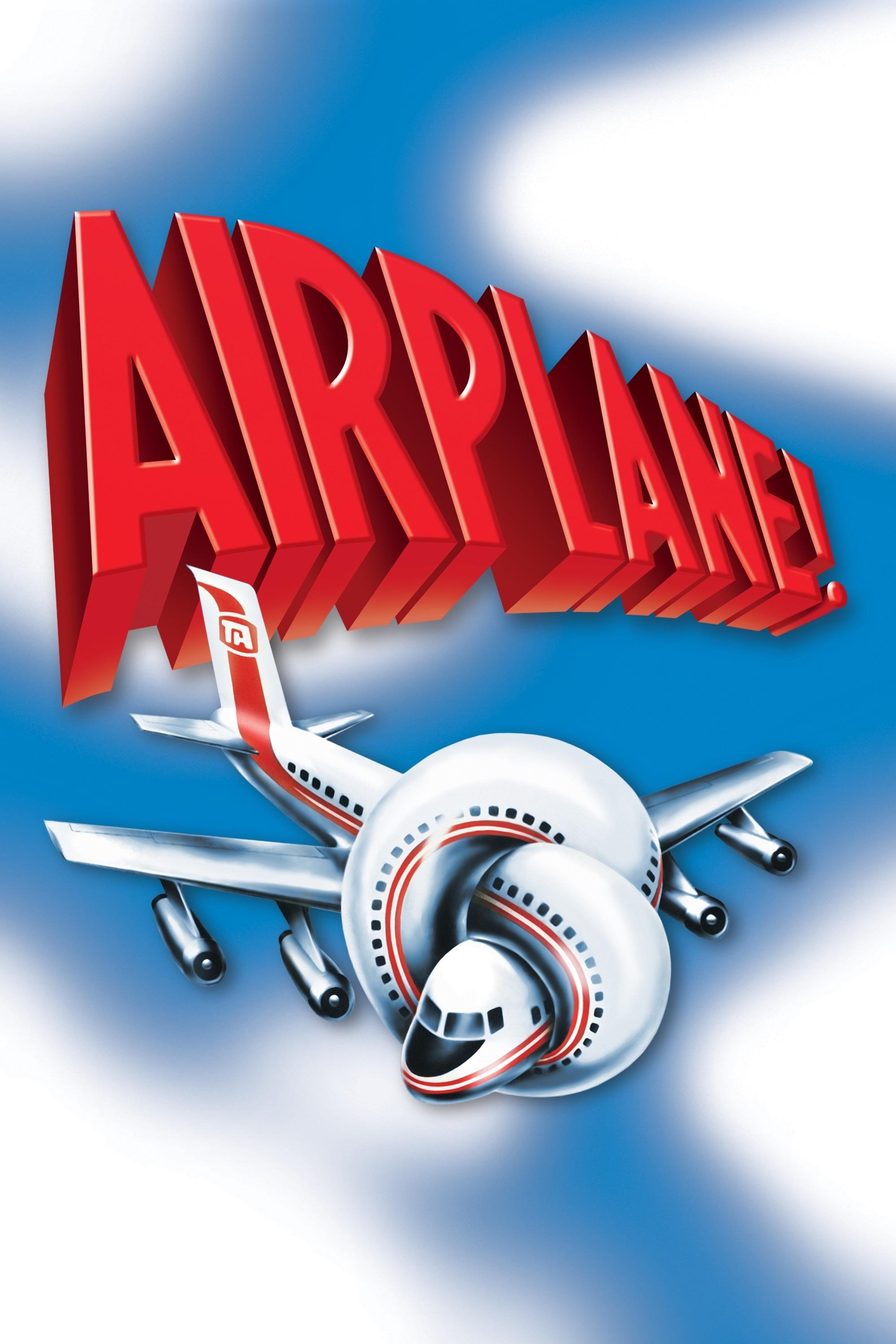
A parody of disaster films, Airplane! is a comedy filled with slapstick, puns, and surreal humor. The story follows a former pilot who is forced to land a plane after the crew becomes ill. The film’s rapid-fire jokes and deadpan delivery from actors known for serious roles, like Leslie Nielsen and Peter Graves, made it a huge success.
The filmmakers, Jim Abrahams, David Zucker, and Jerry Zucker, based the script on the 1957 drama Zero Hour!, even using some of the original dialogue. Many of the film’s most memorable lines were improvised. The movie launched the comedy careers of many of its stars and remains a benchmark for the parody genre.
Caddyshack (1980)
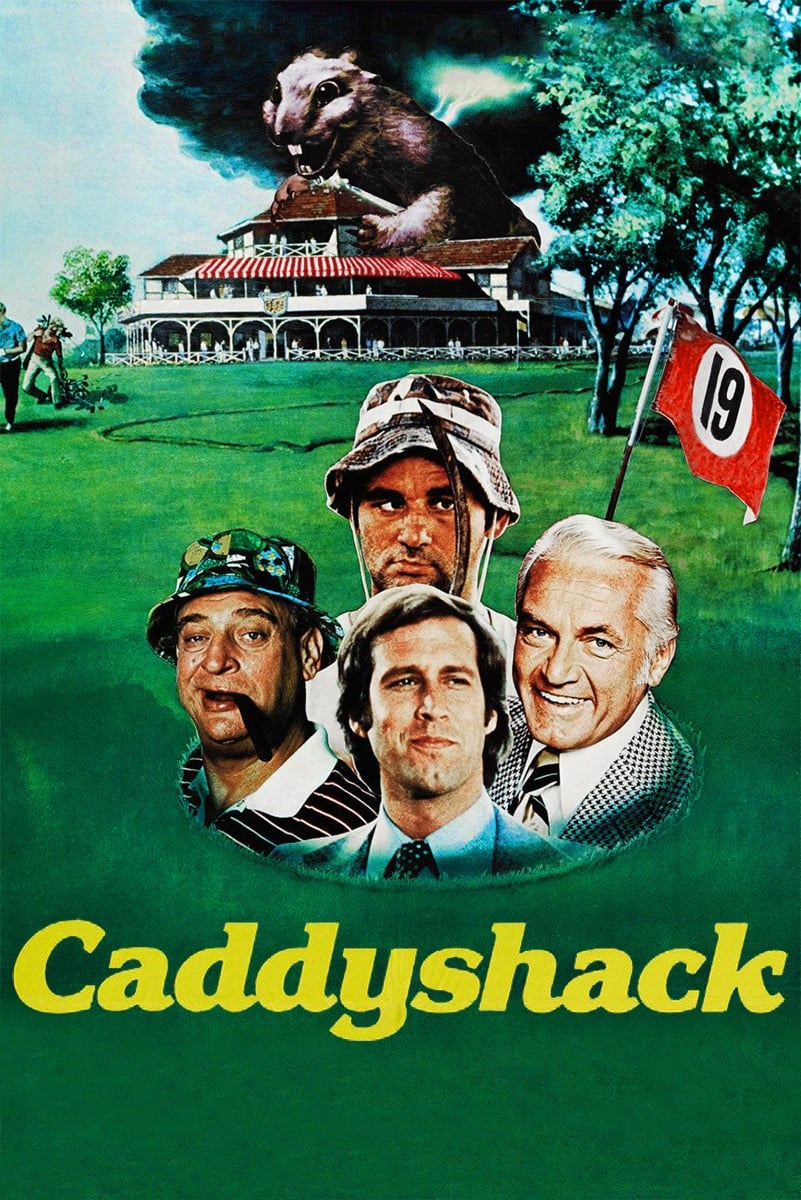
This comedy classic revolves around the antics at a stuffy golf and country club. The film features an ensemble cast, including Chevy Chase, Rodney Dangerfield, Ted Knight, and Bill Murray. The story loosely follows a young caddie trying to win a scholarship, but the film is best remembered for the hilarious and often improvised performances of its comedic stars.
Caddyshack was Harold Ramis’s directorial debut and was inspired by his and co-writer Brian Doyle-Murray’s experiences working as caddies. Much of the dialogue from Bill Murray, who played the unhinged groundskeeper Carl Spackler, was improvised. The film was a box office success and has gained a large cult following over the years.
The Blues Brothers (1980)
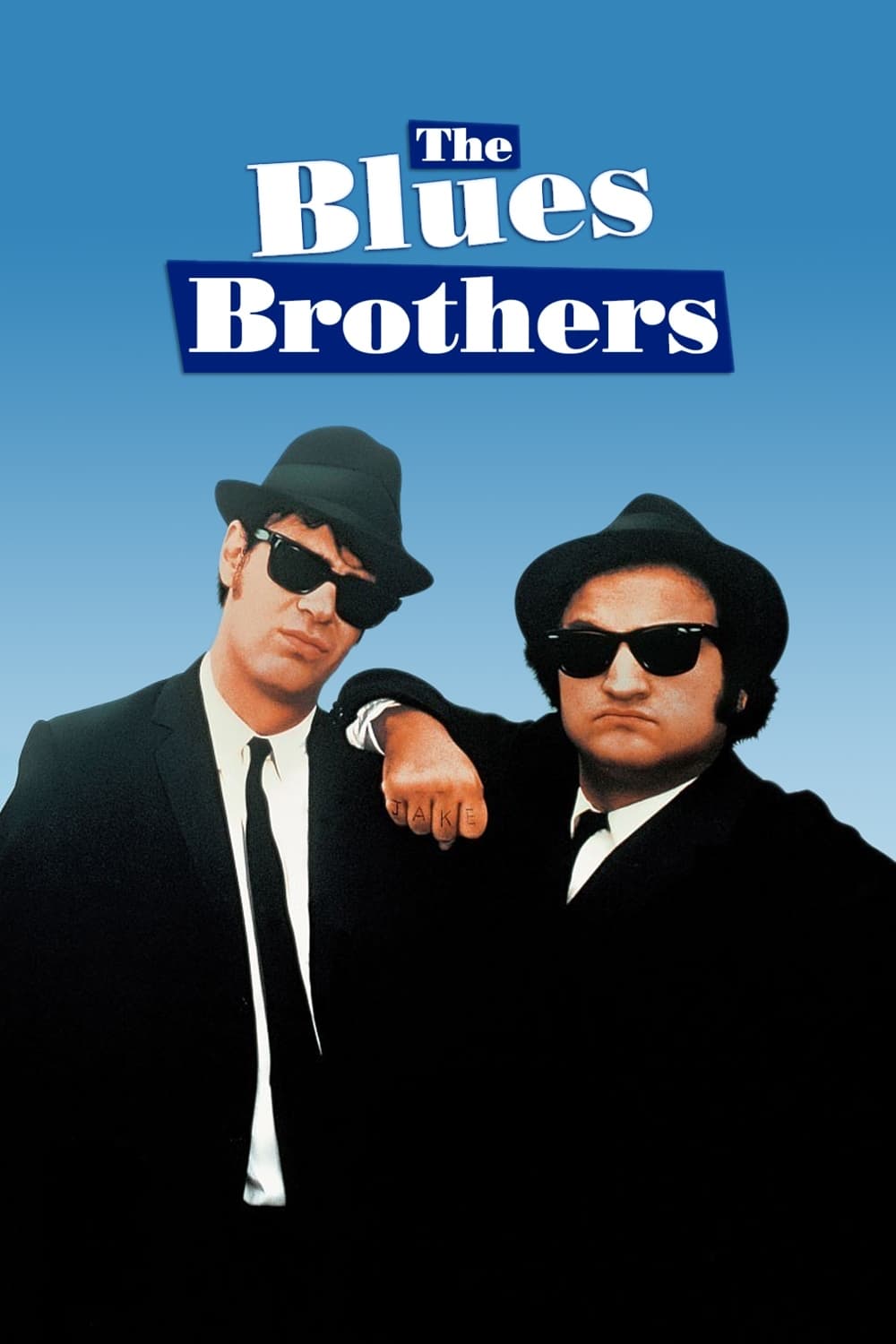
Based on a recurring musical sketch from Saturday Night Live, The Blues Brothers is a musical comedy starring John Belushi and Dan Aykroyd as “Joliet” Jake and Elwood Blues. On a “mission from God,” the brothers set out to reunite their old band to save the Catholic orphanage where they were raised. The film is famous for its high-energy car chases and musical numbers featuring legendary artists like James Brown, Aretha Franklin, and Ray Charles.
The initial script, written by Dan Aykroyd, was over 300 pages long. The production was known for its large-scale stunts, and the city of Chicago created its own film office to accommodate the shoot. Despite a difficult production, the film became a cult classic and helped introduce a new generation to blues and soul music.
9 to 5 (1980)
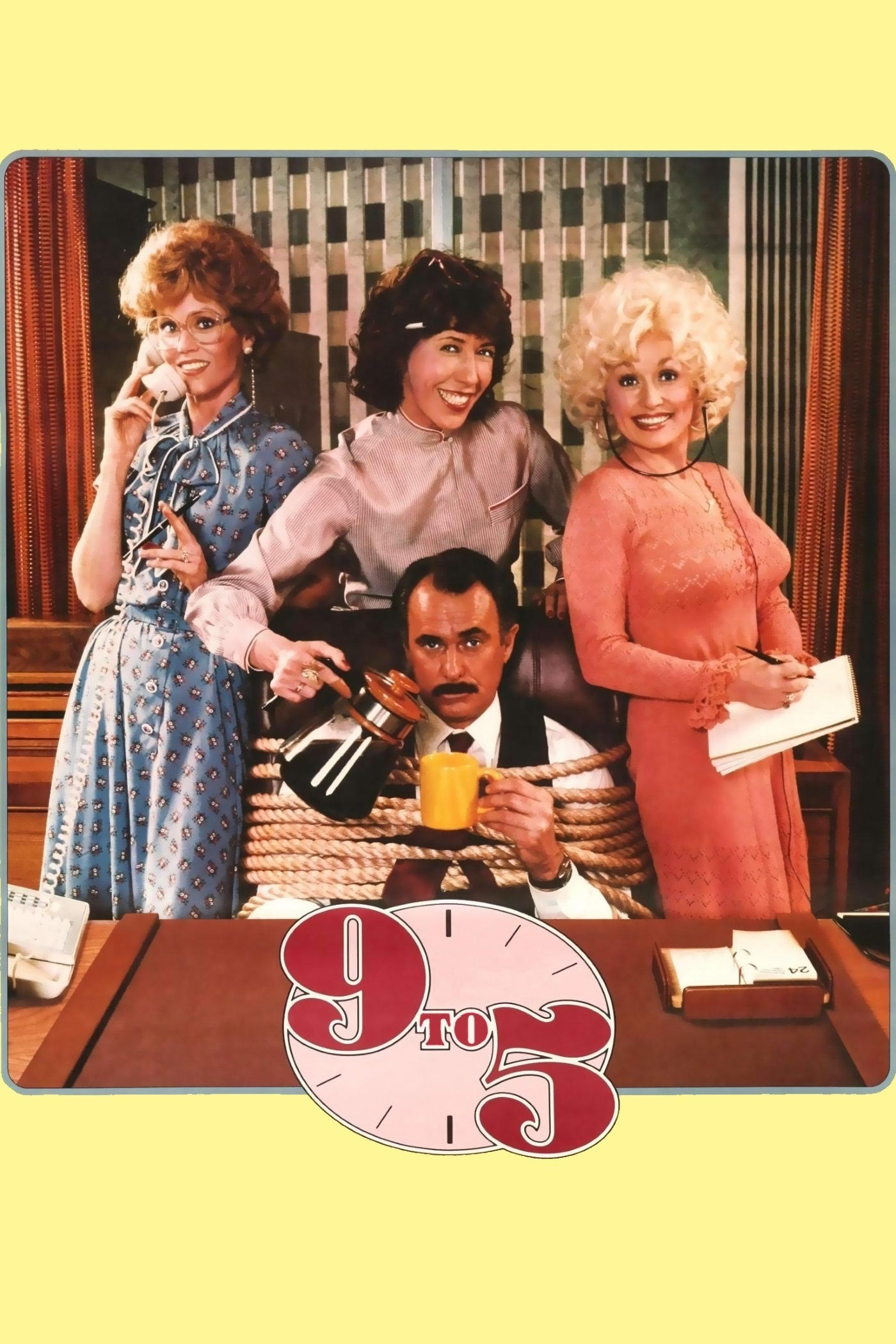
This workplace comedy stars Jane Fonda, Lily Tomlin, and Dolly Parton as three secretaries who get revenge on their “sexist, egotistical, lying, hypocritical bigot” of a boss. The film was a huge commercial success and was praised for its humor and its timely message about workplace inequality.
The movie was originally conceived by Jane Fonda as a drama, but the tone shifted to comedy to make its feminist message more accessible. It was Dolly Parton’s film debut, and she agreed to do the movie only if she could write the theme song. The resulting title track became a massive hit and earned Parton an Academy Award nomination.
Private Benjamin (1980)
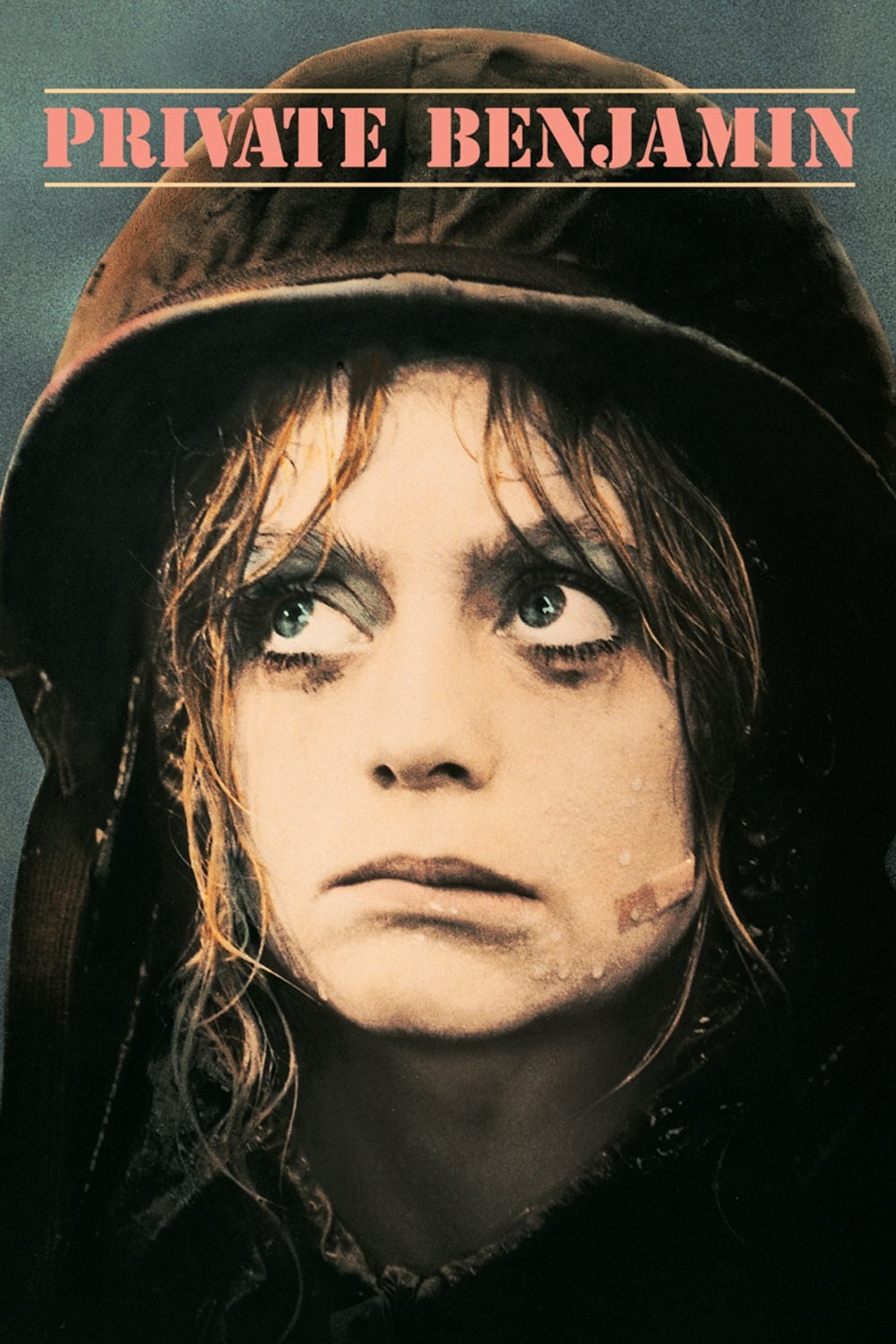
Private Benjamin is a comedy starring Goldie Hawn as a sheltered woman who joins the U.S. Army after her husband dies on their wedding night. The film was a critical and commercial success, with Hawn’s performance earning her an Academy Award nomination for Best Actress.
The movie challenged stereotypes by showing a woman’s journey of self-discovery and empowerment within a male-dominated environment. It was one of the first films to portray a female protagonist in the military in a comedic yet respectful way. The success of the film led to a short-lived television series of the same name.
The Elephant Man (1980)
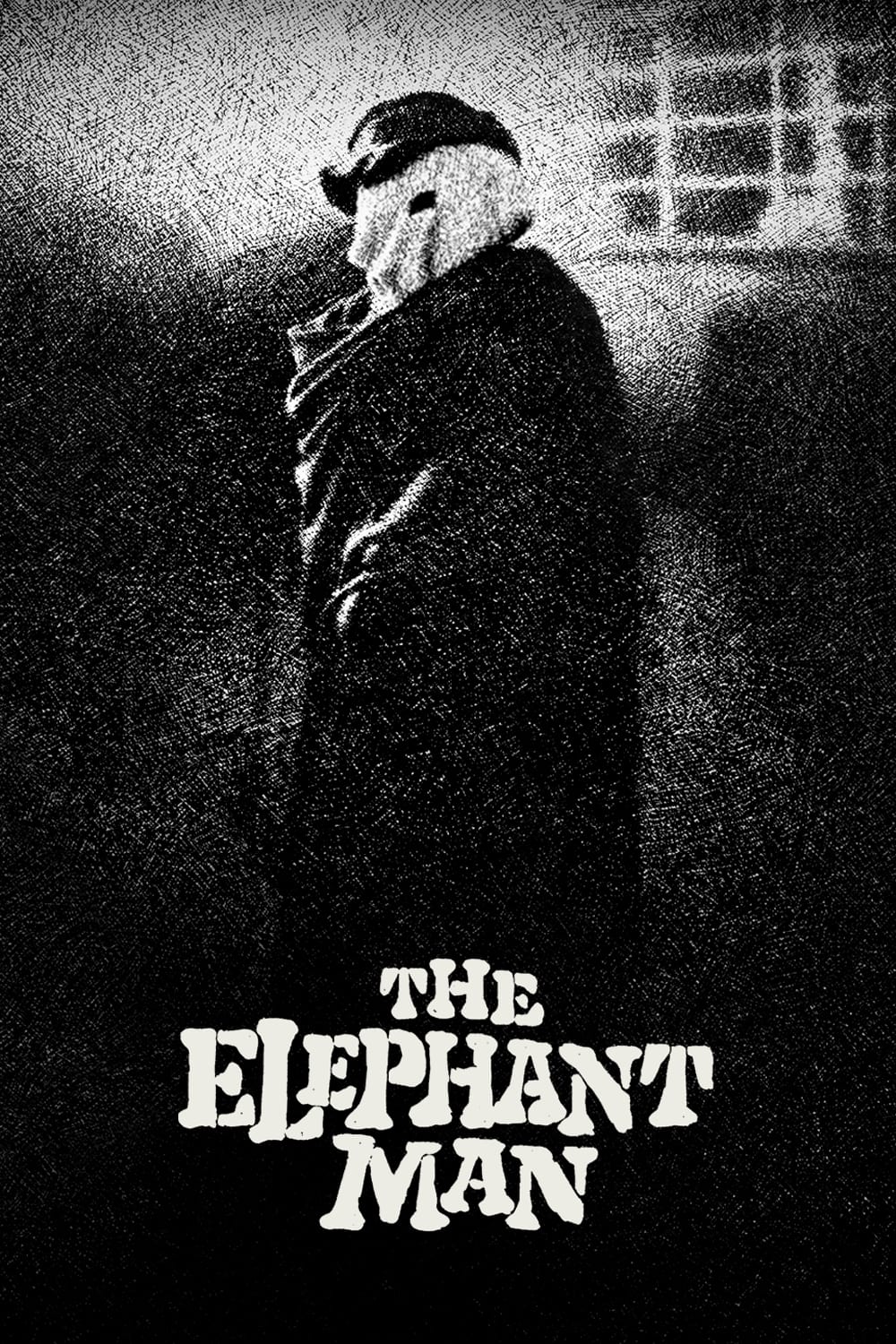
Directed by David Lynch, The Elephant Man is a biographical film about Joseph Merrick (named John Merrick in the film), a man with severe deformities in late 19th-century London. The film, shot in black and white, stars John Hurt as Merrick and Anthony Hopkins as the surgeon who brings him to a London hospital.
The makeup for Merrick, created by Christopher Tucker, was based on actual casts of Merrick’s body and took seven to eight hours to apply each day. The incredible makeup effects led to the creation of the Academy Award for Best Makeup and Hairstyling the following year. Mel Brooks, one of the film’s producers, deliberately kept his name out of the marketing to avoid audiences thinking it was a comedy.
Coal Miner’s Daughter (1980)
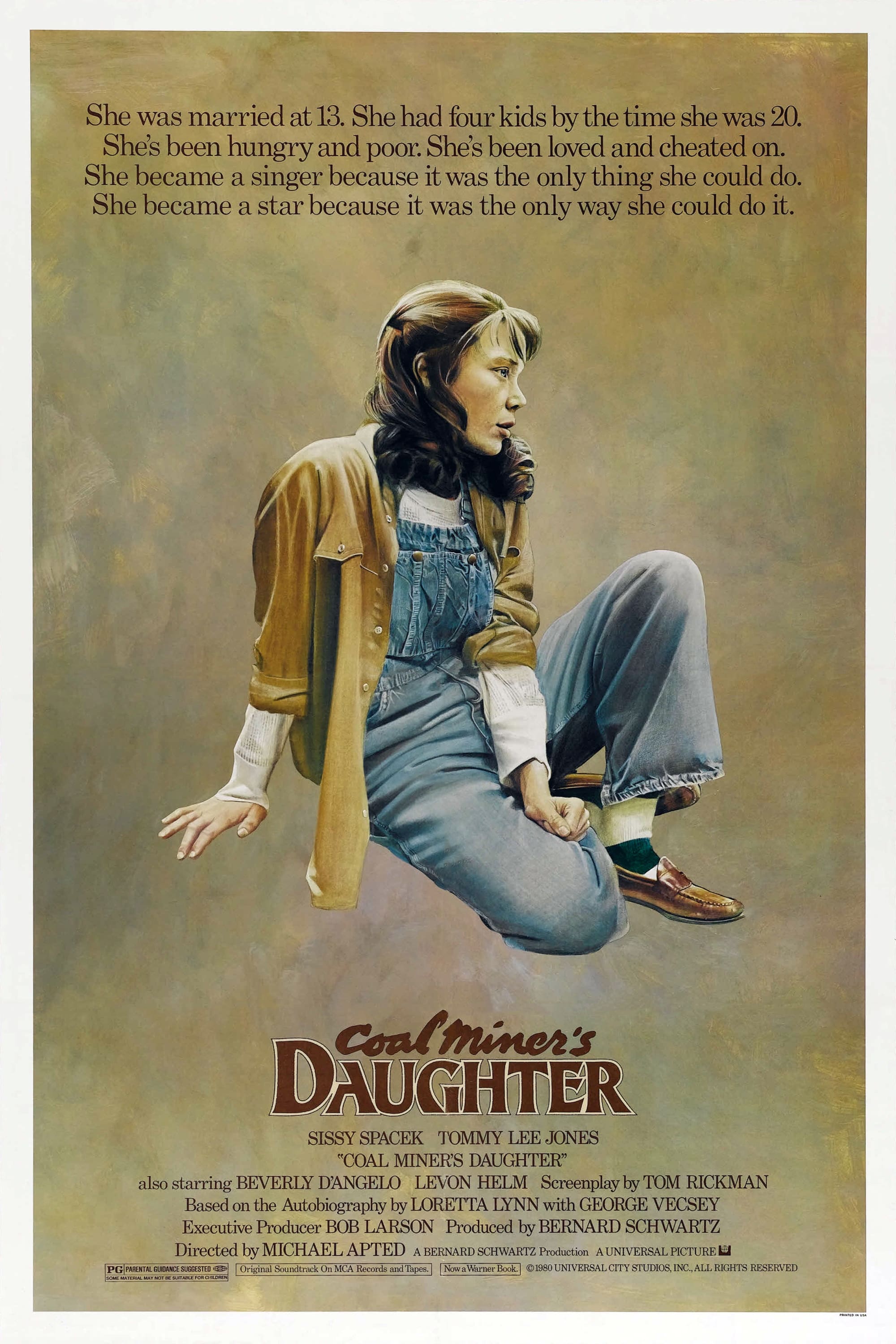
This biographical film tells the life story of country music legend Loretta Lynn, from her poor childhood in Kentucky to her rise to stardom. Sissy Spacek won the Academy Award for Best Actress for her portrayal of Lynn, and she did all of her own singing in the film.
The film was a critical and commercial success, praised for its authentic depiction of Lynn’s life and the country music world. Tommy Lee Jones co-starred as Lynn’s husband, Doolittle. The film was adapted from Lynn’s autobiography of the same name and received seven Academy Award nominations, including for Best Picture.
Ordinary People (1980)
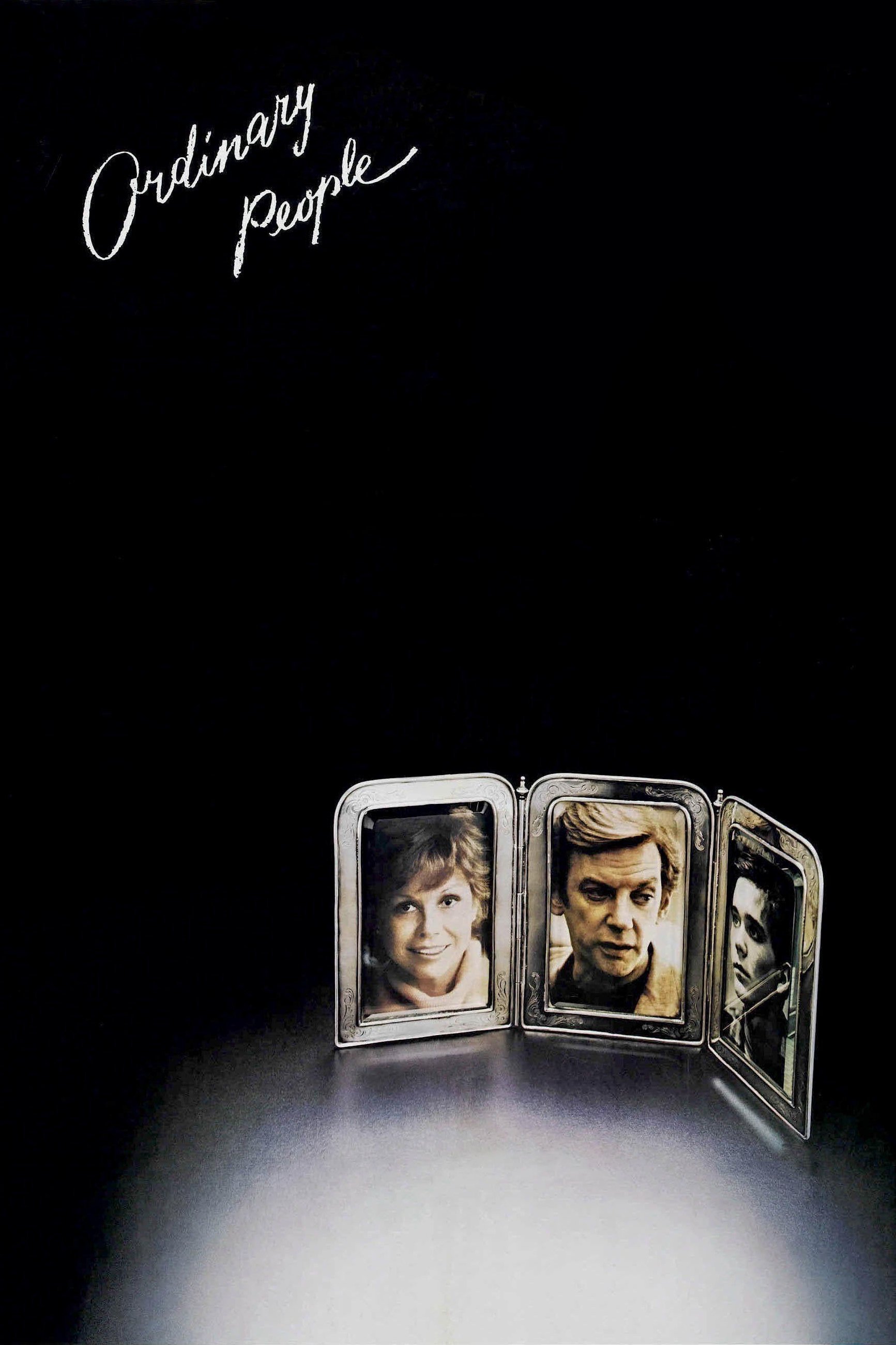
Robert Redford made his directorial debut with this powerful family drama. The film explores the emotional fallout within a wealthy family after the accidental death of their oldest son and the subsequent suicide attempt of their younger son, Conrad. The film stars Donald Sutherland, Mary Tyler Moore, and Timothy Hutton.
The movie was a critical success and won four Academy Awards, including Best Picture and Best Director for Redford. Timothy Hutton, in his film debut, became the youngest actor to win the Oscar for Best Supporting Actor at age 20. The film is praised for its realistic portrayal of grief, family dynamics, and the benefits of therapy.
Fame (1980)
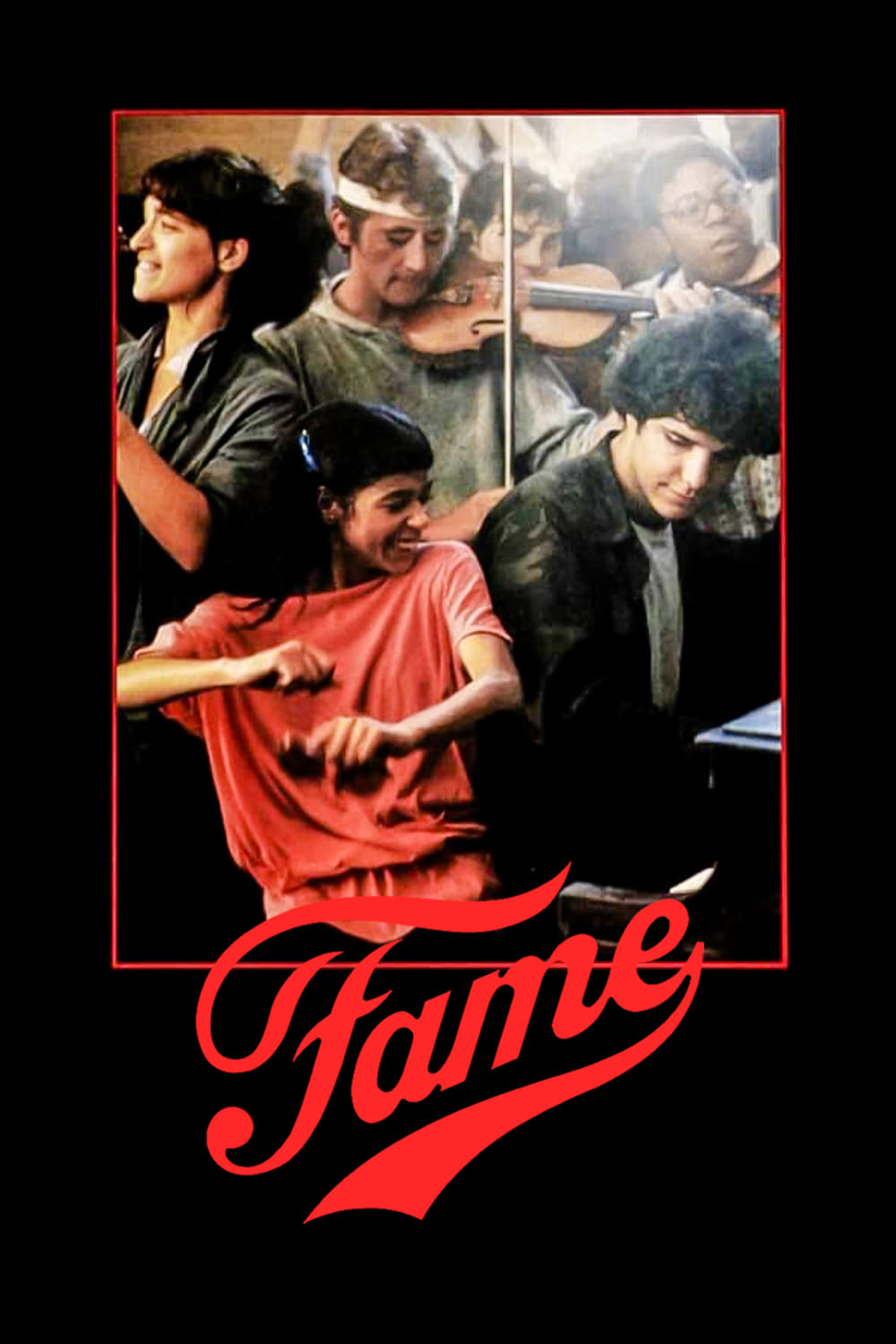
This musical drama follows a group of students at the New York High School of Performing Arts from their auditions to their graduation. The film explores their struggles, triumphs, and the harsh realities of pursuing a career in the arts. Fame is known for its energetic musical numbers, including the Oscar-winning title song.
The original title for the movie was Hot Lunch, but it was changed after the filmmakers discovered it was a slang term for oral sex. Several of the actors who played students were actual students of the performing arts high school the film is based on. The movie’s popularity led to a successful television series, a stage musical, and a 2009 remake.
Altered States (1980)
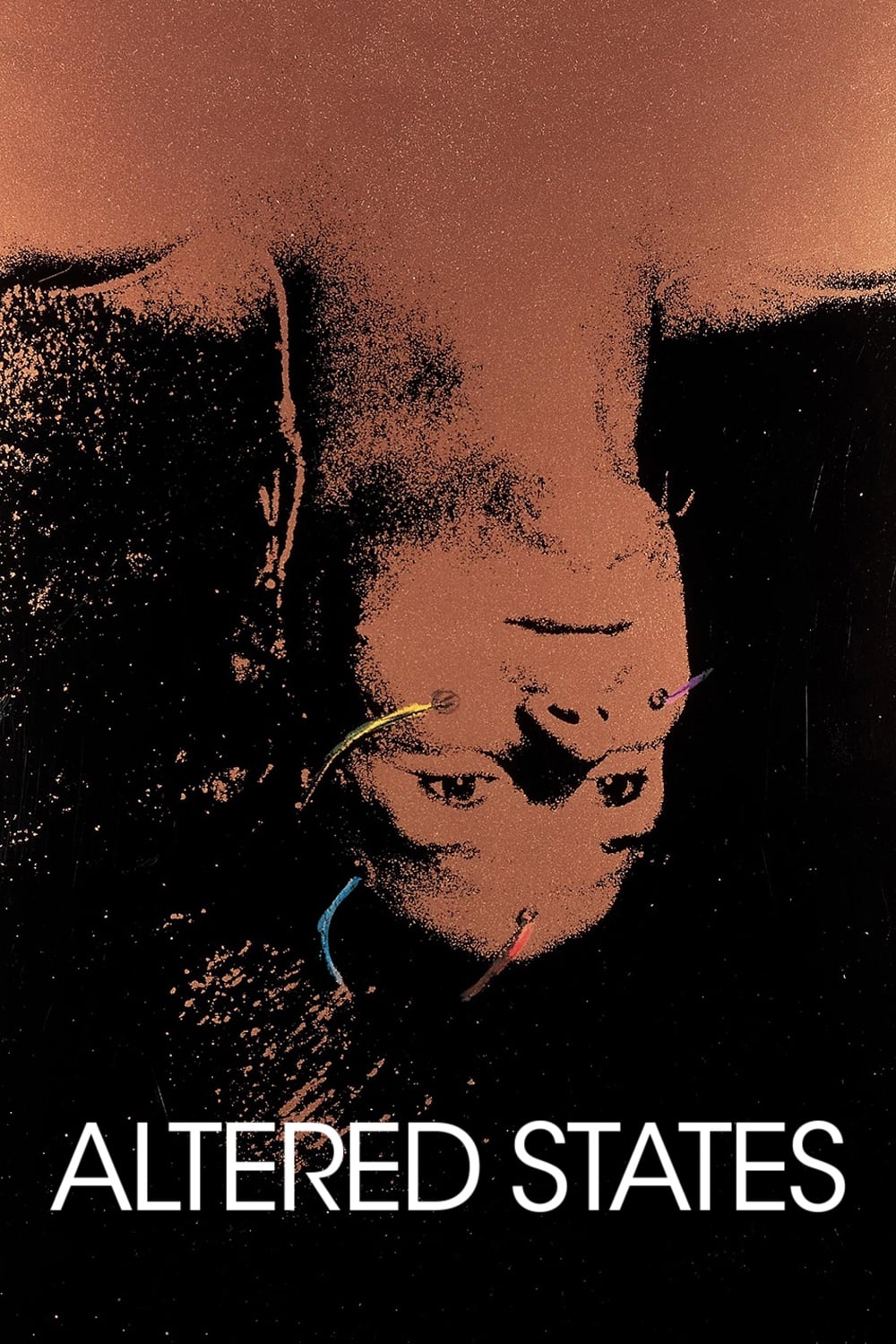
Directed by Ken Russell, Altered States is a science fiction horror film about a university professor who conducts experiments on himself with a sensory deprivation tank and hallucinogenic drugs. His experiments lead to him experiencing physical and mental devolution. The film is based on a novel by Paddy Chayefsky.
The film is noted for its surreal and often disturbing visual effects, which were groundbreaking for their time. It marked the film debut of both William Hurt and Drew Barrymore. Chayefsky was unhappy with the direction of the film and had his name removed from the credits, using a pseudonym instead.
The Long Riders (1980)
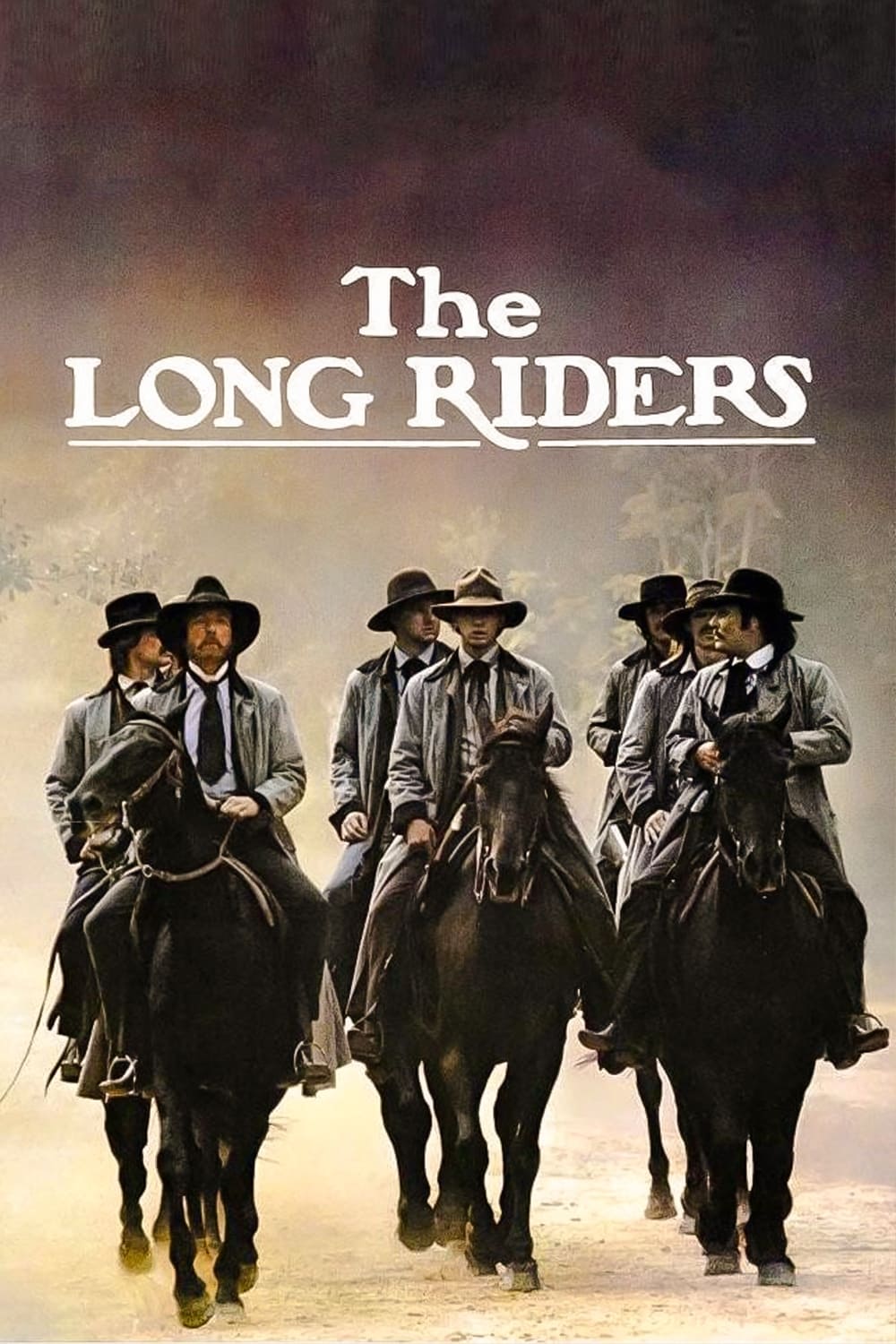
This Western film tells the story of the James-Younger Gang, a group of famous outlaws in the American West. What makes this film unique is that the four sets of acting brothers in the cast (the Carradines, Keaches, Quads, and Guests) portray real-life outlaw brothers.
The film was praised for its historical accuracy in depicting the era and the outlaws’ lives. The casting of real brothers was seen as a clever way to add another layer of authenticity to the story. The movie features several intense and well-choreographed action sequences, including a dramatic slow-motion shootout.
Atlantic City (1980)
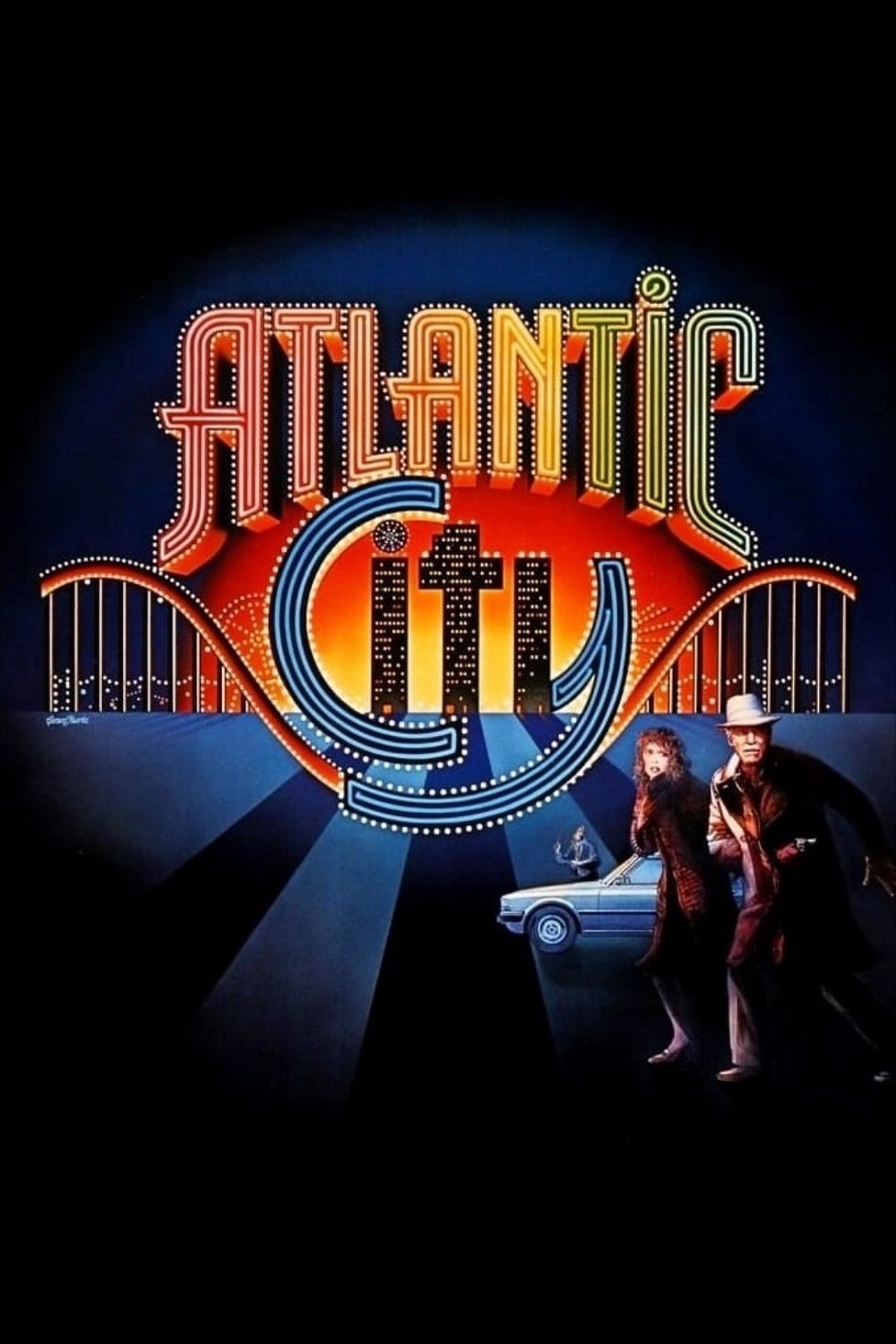
Directed by Louis Malle, Atlantic City stars Burt Lancaster as an aging small-time gangster who gets involved with a younger woman, played by Susan Sarandon. Set against the backdrop of a city in transition, the film is a character study of people trying to reinvent themselves.
The film received five Academy Award nominations, including Best Picture, Best Director, Best Actor for Lancaster, and Best Actress for Sarandon. Atlantic City was a French-Canadian co-production and was praised by critics for its poignant story and strong performances.
Friday the 13th (1980)
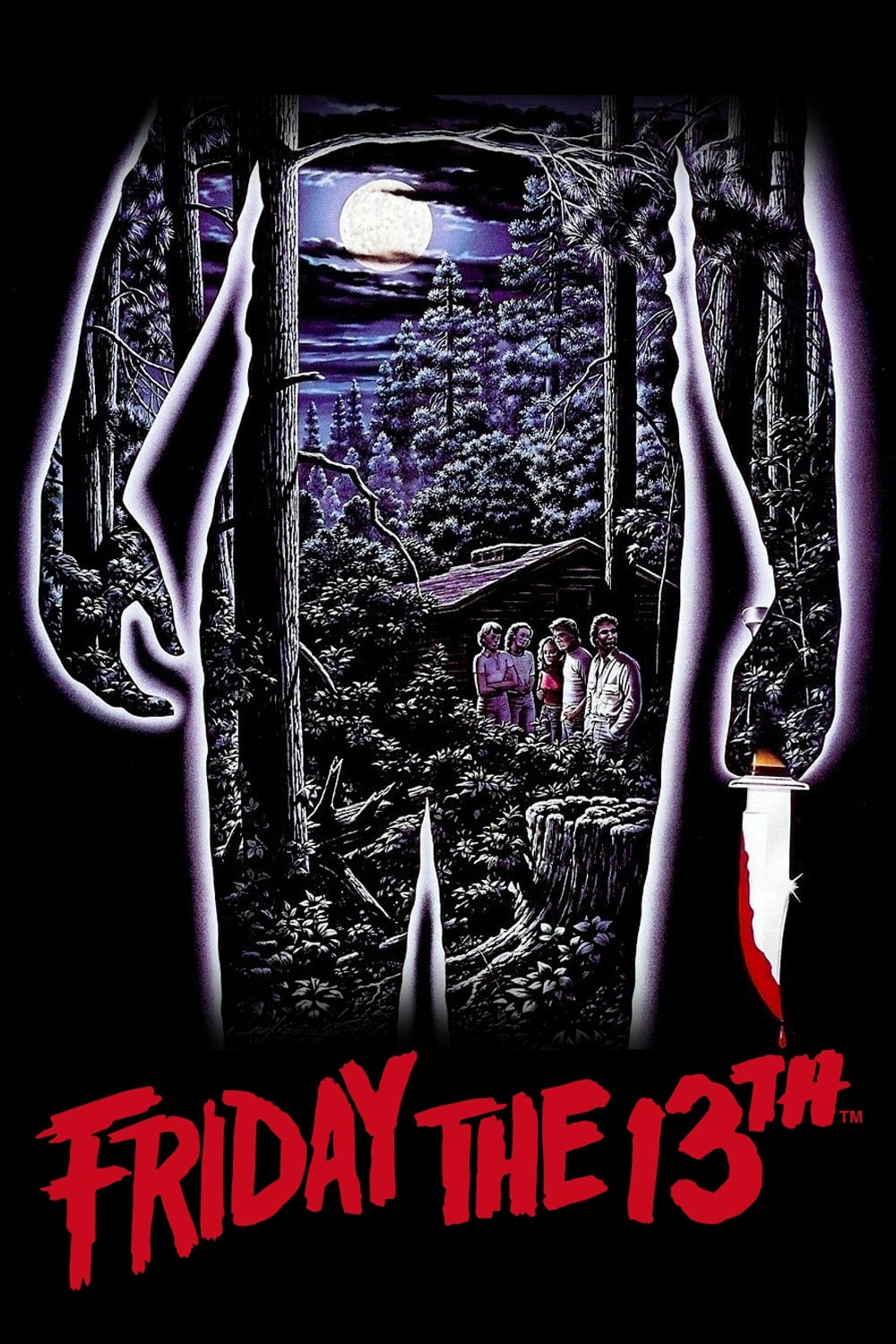
This low-budget horror film became a box office smash and kickstarted the slasher genre craze of the 1980s. The story follows a group of camp counselors as they are stalked and murdered at the infamous Camp Crystal Lake. Inspired by the success of Halloween, the film uses a similar formula but adds a significant amount of graphic violence, which was shocking to audiences at the time.
While now considered a classic of the genre, the film was not well-received by critics upon its release. The film’s major twist is that the killer is not the legendary Jason Voorhees, but his vengeful mother. The success of Friday the 13th led to one of the longest-running horror franchises in history, eventually making the hockey mask-wearing Jason a pop culture icon.
The Fog (1980)

Director John Carpenter followed up his classic Halloween with this atmospheric ghost story. The Fog tells the tale of a small California coastal town that is visited by a mysterious, glowing fog on its 100th anniversary. The fog brings with it the vengeful ghosts of mariners who were wronged a century before. The film stars Adrienne Barbeau and Jamie Lee Curtis.
Carpenter was famously dissatisfied with the first cut of the film, so he went back and shot new footage to make it more frightening. He added more graphic scenes and a prologue to better establish the backstory of the ghostly mariners. The film’s moody score, also composed by Carpenter, and its old-fashioned ghost story elements have made it a beloved horror classic.
Flash Gordon (1980)
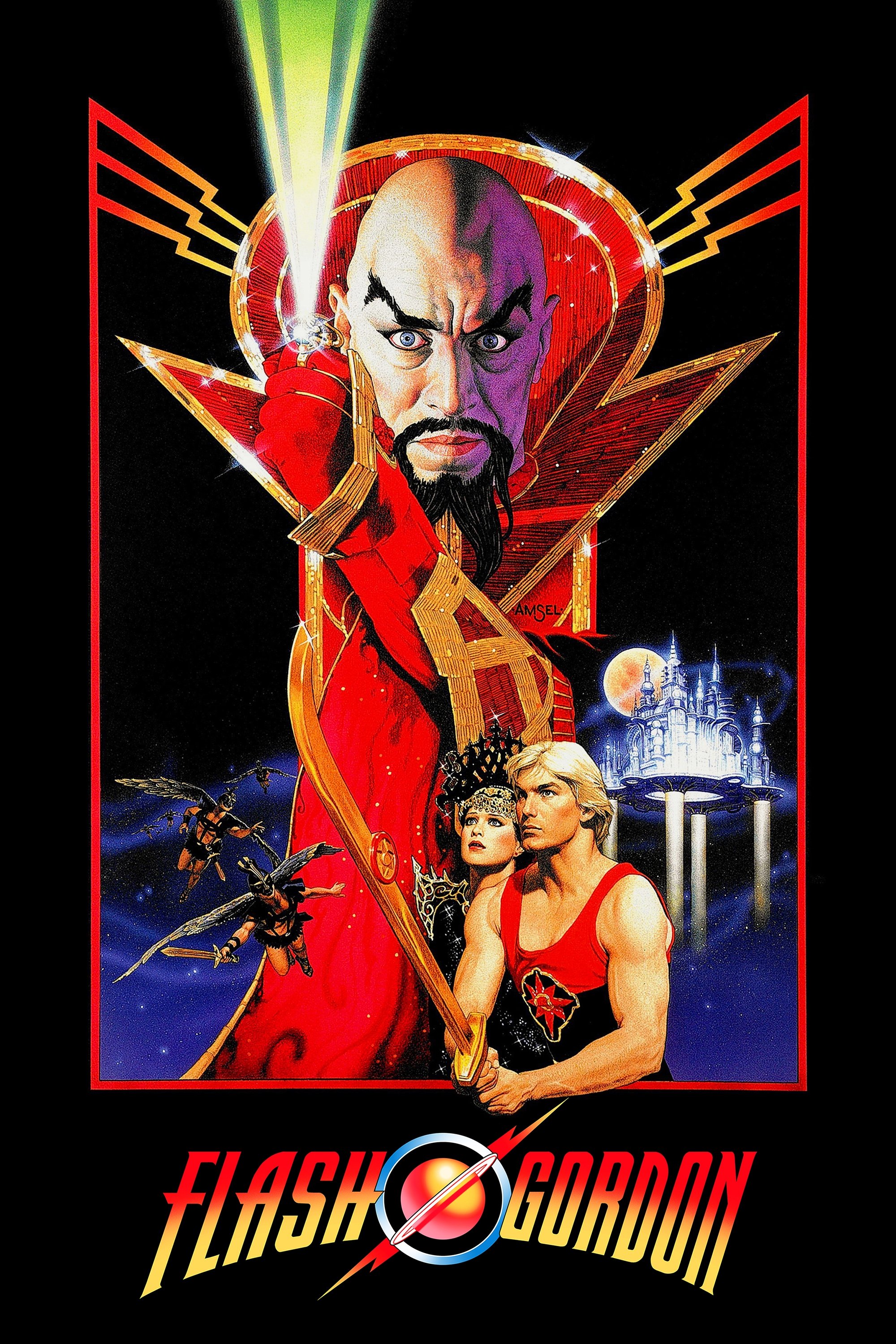
This science fiction adventure film is celebrated for its campy style, vibrant and colorful visuals, and iconic soundtrack by the rock band Queen. The plot follows football star Flash Gordon, who is transported to the planet Mongo. There, he must unite warring factions to defeat the tyrannical Emperor Ming the Merciless and save Earth from destruction.
Though it was not a major box office success in the United States, the film was a hit in the United Kingdom and has since earned a large international cult following. Its over-the-top aesthetic and famous catchphrases like “Gordon’s alive!” have made it an enduring piece of pop culture. The film’s ending teases a sequel that never materialized, but its influence can be seen in many later films.
Superman II (1980)
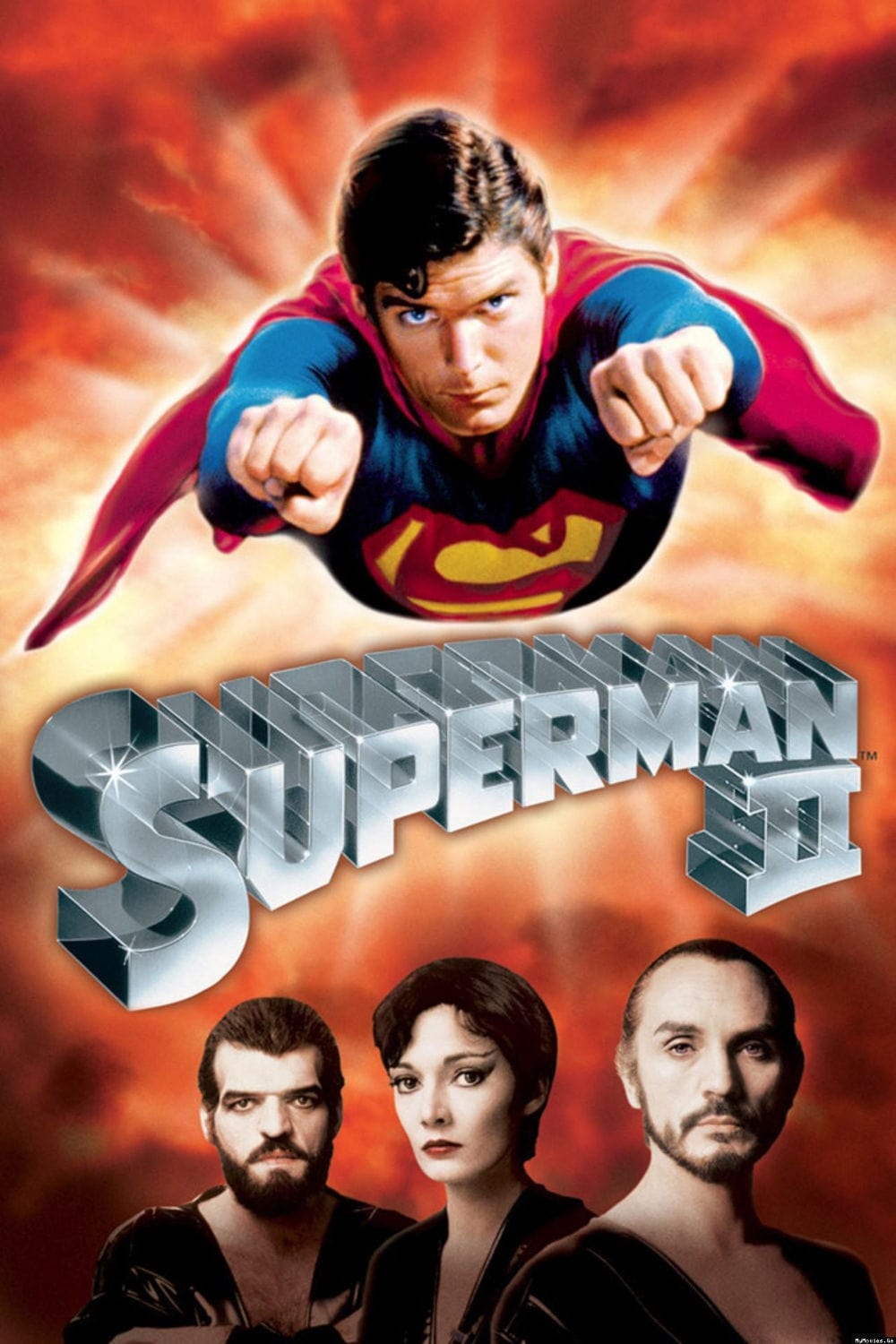
In this sequel, Superman faces a new threat when three Kryptonian criminals, led by the ruthless General Zod, are accidentally freed from the Phantom Zone. The film also deepens the relationship between Superman and Lois Lane, as he contemplates giving up his powers to live a normal life with her. The film was a huge box office success, with many fans preferring it to the original.
The production of Superman II was famously troubled. Director Richard Donner, who had filmed a large portion of the sequel at the same time as the first film, was fired and replaced by Richard Lester. Lester re-shot much of the movie to get a directing credit, resulting in a different tone. Years later, in 2006, Superman II: The Richard Donner Cut was released, restoring Donner’s original vision.
American Gigolo (1980)
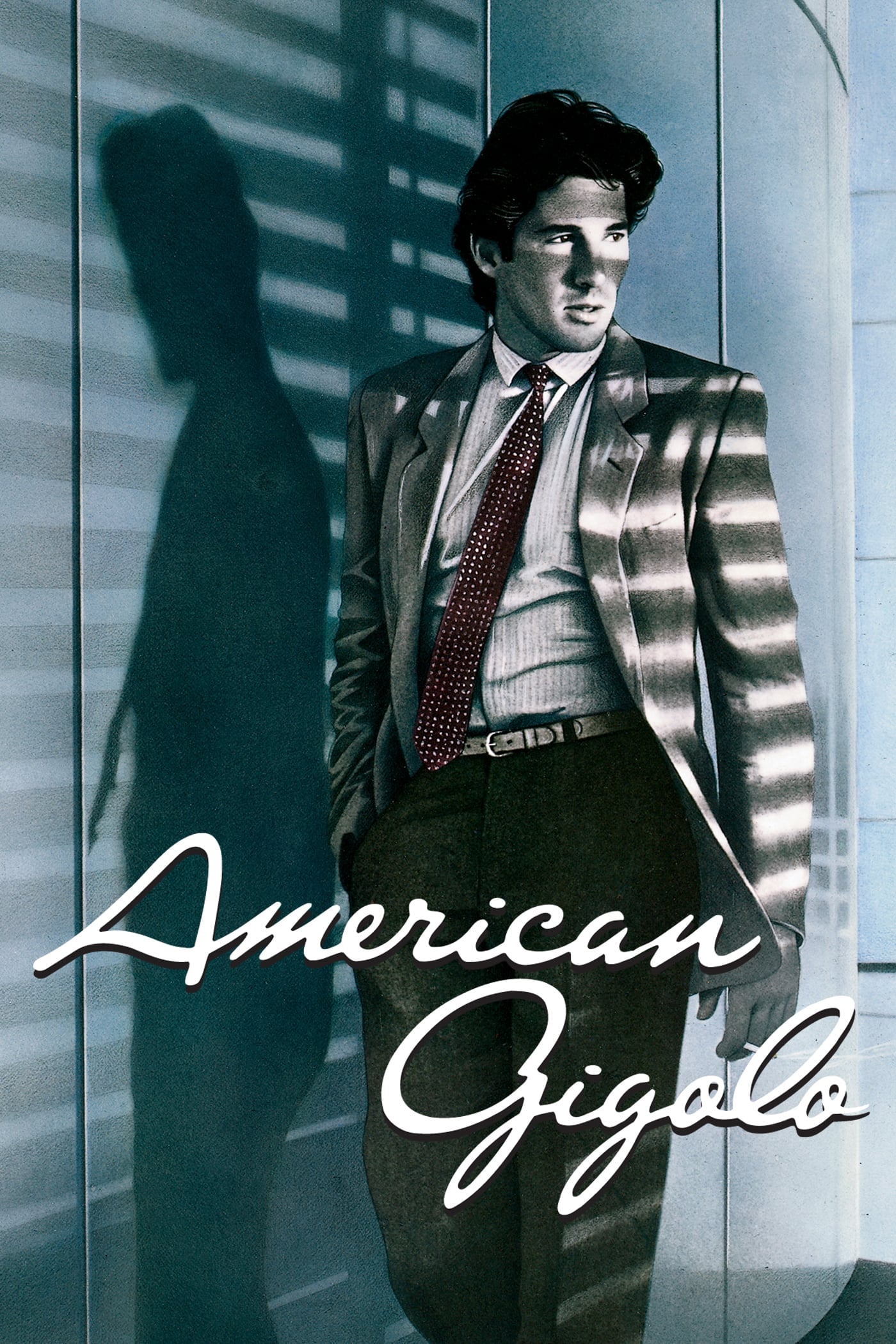
This stylish neo-noir drama cemented Richard Gere’s status as a leading man. Gere plays Julian Kaye, a high-priced male escort in Los Angeles whose life of luxury is upended when he becomes the primary suspect in a murder case. At the same time, he finds himself falling for a politician’s wife, played by Lauren Hutton.
The film was notable for its fashion, with Gere’s wardrobe being supplied by designer Giorgio Armani, which helped launch the designer’s brand in the U.S. The movie’s look and feel were highly influential on the style of the early 1980s. The theme song, “Call Me” by the band Blondie, became a major international hit and one of the defining songs of the era.

