


Movies from 1982 That Are Now Considered Classics


The year 1982 was a remarkable time for cinema, delivering a diverse range of films that have since become iconic. From heartwarming science fiction to intense action and thought-provoking drama, the movies of this year left a lasting impact on audiences and critics alike. Many of these films not only achieved commercial success but also pushed creative boundaries, influencing genres for decades to come.
What made 1982 particularly special was the sheer number of films that have stood the test of time. It was a year that saw the release of box office smashes that are still quoted and celebrated today, as well as cult classics that found their audience over the years. The variety and quality of the movies from 1982 demonstrate a pivotal moment in filmmaking, producing a lineup of films that continue to be recognized as classics.
Blade Runner (1982)
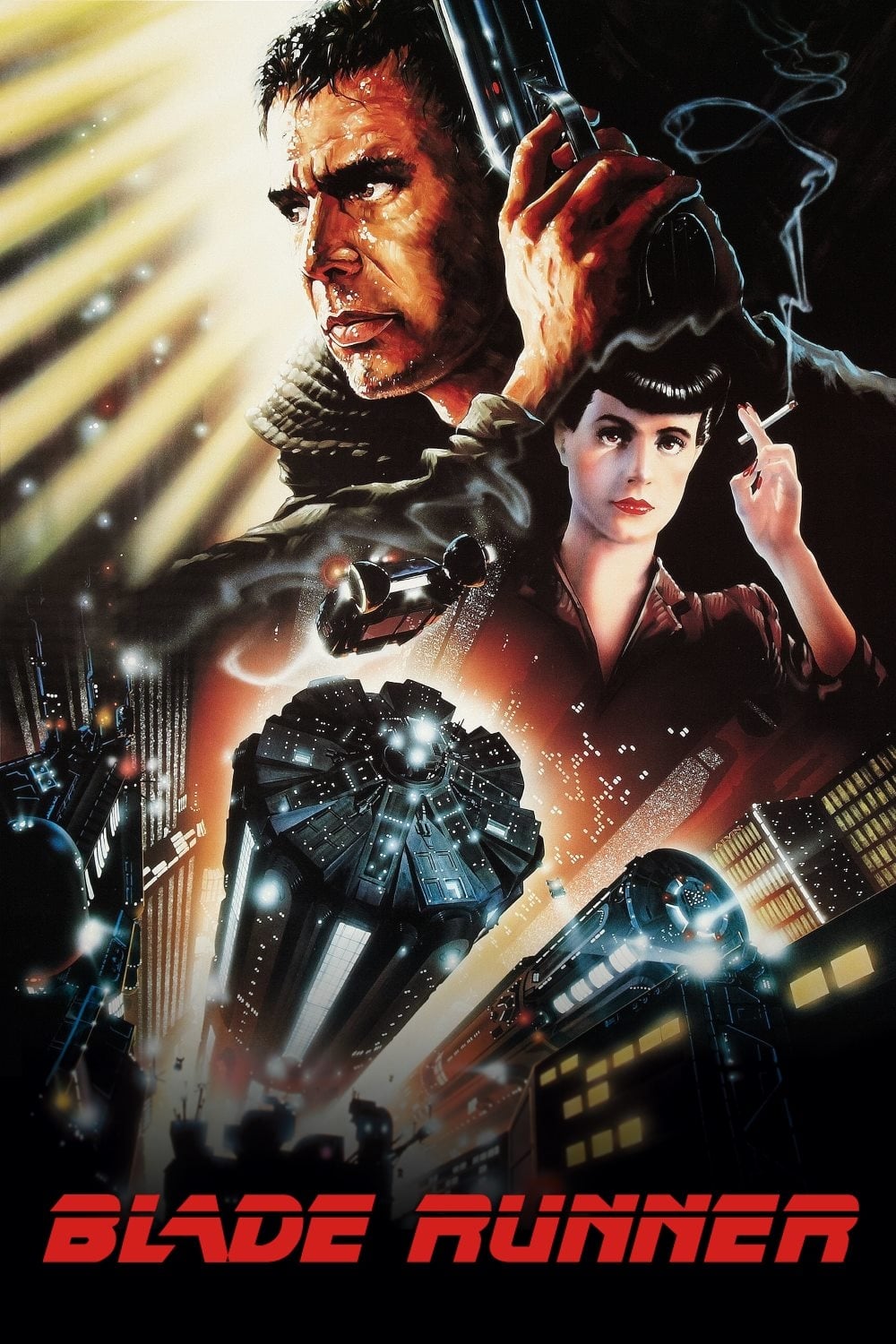
Ridley Scott’s “Blade Runner” is a science fiction film set in a rainy, dystopian Los Angeles of 2019. Harrison Ford stars as a “blade runner,” a special police officer tasked with hunting down and “retiring” rogue bioengineered androids known as replicants. The film is based on Philip K. Dick’s novel “Do Androids Dream of Electric Sheep?” and explores themes of humanity, memory, and identity.
Upon its initial release, “Blade Runner” was not a box office success and received mixed reviews, with some critics finding its pacing slow. However, it has since become a major cult film and is now considered one of the greatest science fiction movies ever made. Its stunning visual style has had a profound influence on the sci-fi genre, and the film is praised for its complex themes and ambiguous ending.
E.T. the Extra-Terrestrial (1982)
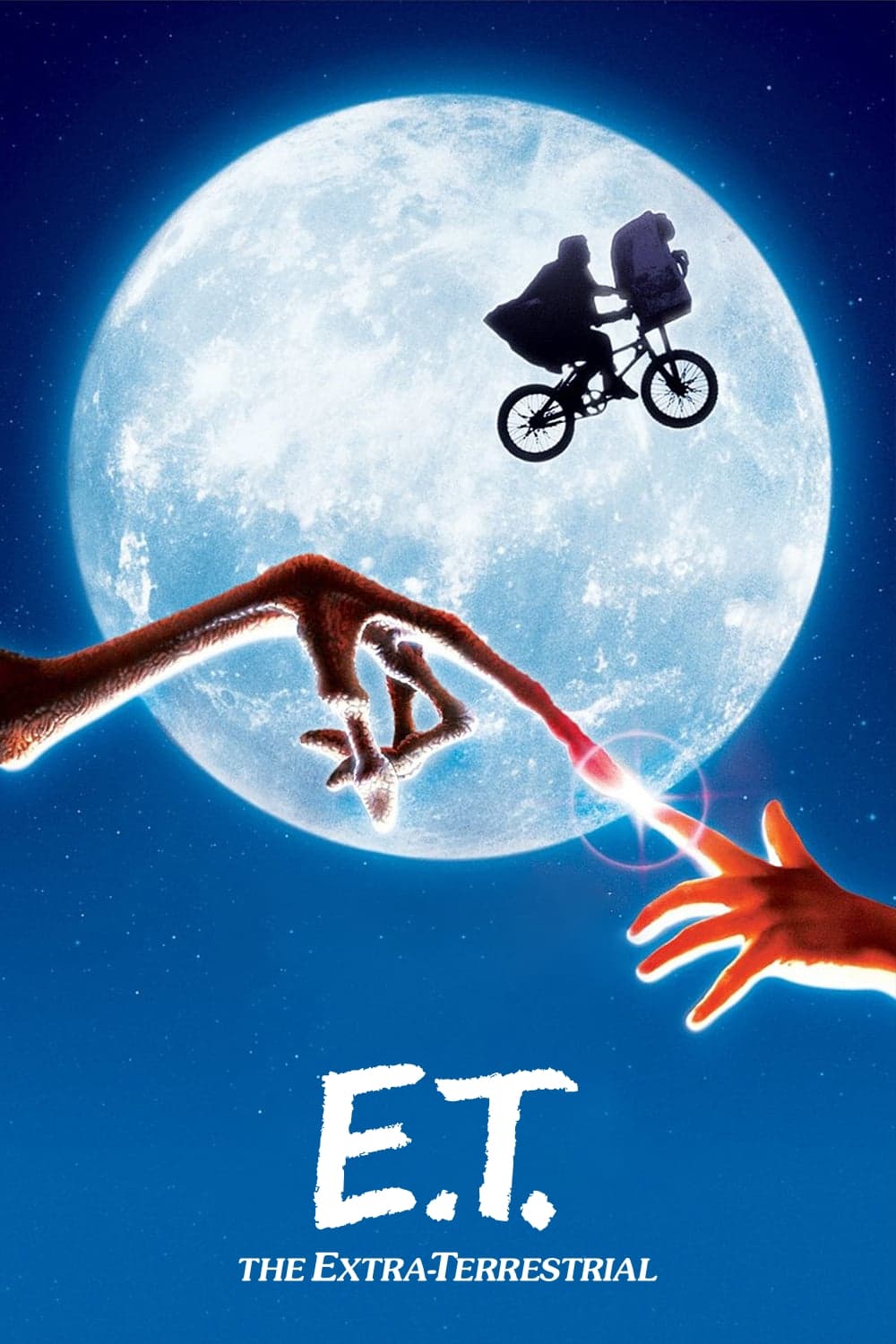
Directed by Steven Spielberg, “E.T. the Extra-Terrestrial” is a heartwarming science fiction fantasy about a lonely young boy named Elliott who befriends a gentle alien stranded on Earth. Elliott and his siblings help their new friend, whom they name E.T., hide from government agents and ultimately try to help him return to his home planet. The film quickly became a cultural phenomenon and one of the highest-grossing films of all time.
“E.T.” is celebrated for its emotional storytelling and its ability to capture the wonder of childhood. It won four Academy Awards and continues to be a beloved family classic. The movie’s themes of friendship, compassion, and home have resonated with audiences for generations, solidifying its place as one of Spielberg’s most iconic and personal films.
The Thing (1982)
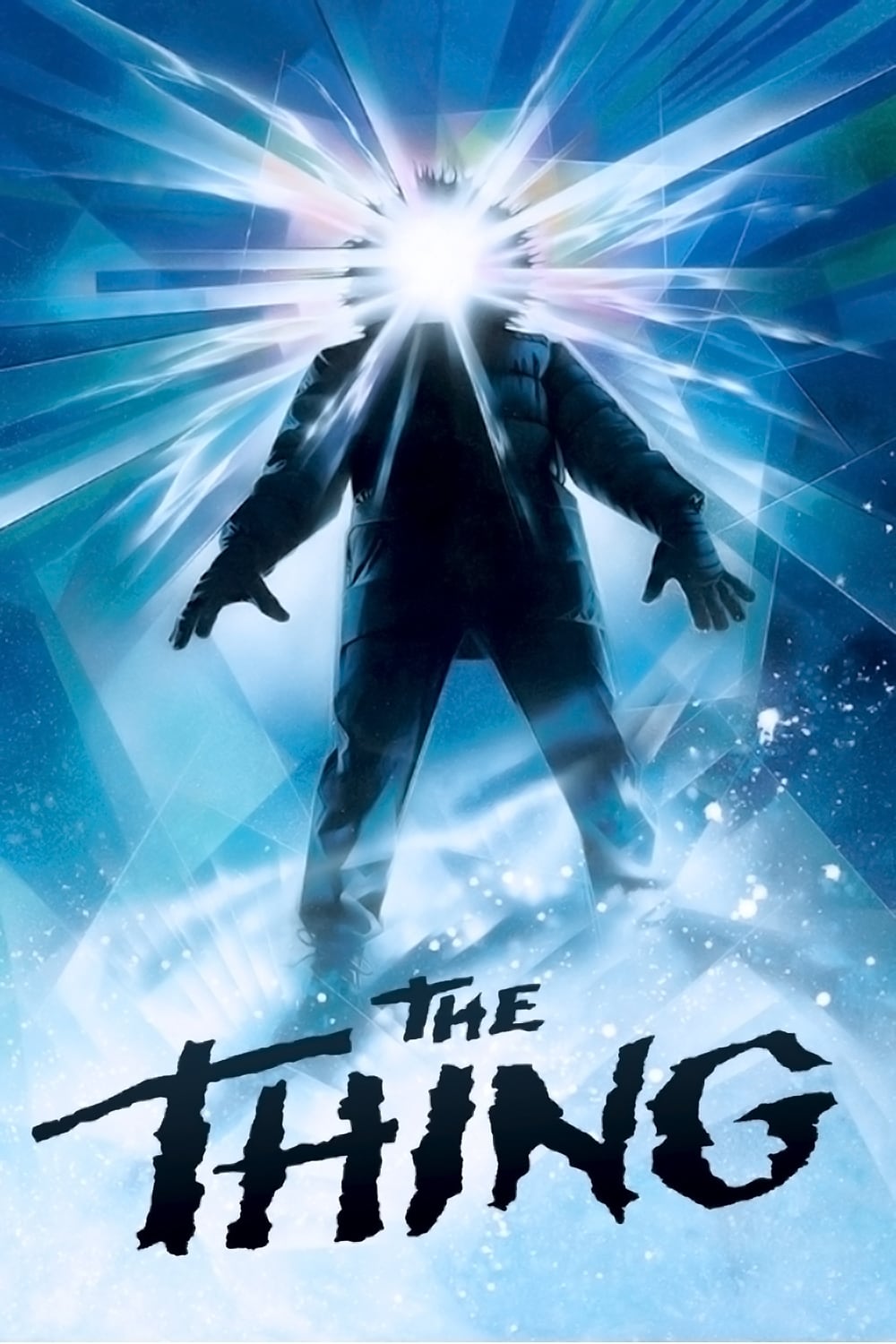
John Carpenter’s “The Thing” is a science fiction horror film about a group of American researchers in Antarctica who encounter a parasitic alien life-form that can imitate other organisms. The team is plunged into a state of paranoia and distrust, as they realize any one of them could be the creature. The film is known for its tense atmosphere and groundbreaking practical special effects.
While “The Thing” was met with negative reviews and performed poorly at the box office upon its release, it has since been re-evaluated as a masterpiece of the horror genre. Its claustrophobic setting, sense of dread, and incredible creature effects have made it a cult classic. The film is now praised for its suspenseful storytelling and its exploration of paranoia and identity.
Poltergeist (1982)
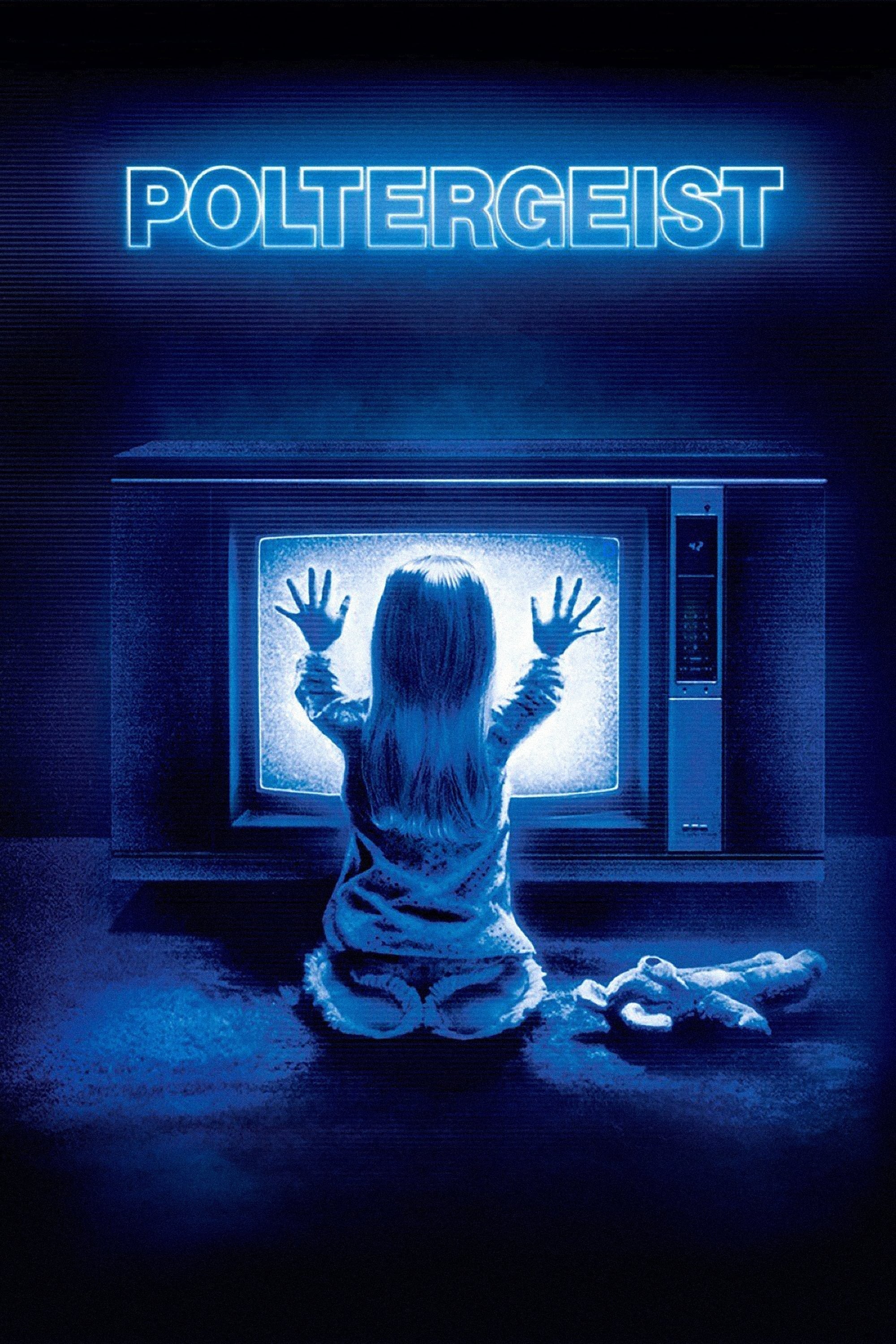
“Poltergeist” is a supernatural horror film about a suburban family whose home is invaded by malevolent ghosts. When their youngest daughter, Carol Anne, is abducted by the spirits and trapped in a spiritual plane, the family must seek the help of paranormal investigators and a spiritual medium to bring her back. The film was a major commercial success and received three Academy Award nominations.
Directed by Tobe Hooper and produced by Steven Spielberg, “Poltergeist” is often cited as a classic of the horror genre. Its combination of relatable family life with terrifying supernatural events struck a chord with audiences. The film’s memorable scares and iconic lines have made it a staple of popular culture, and it is considered one of the scariest films of its time.
Star Trek II: The Wrath of Khan (1982)
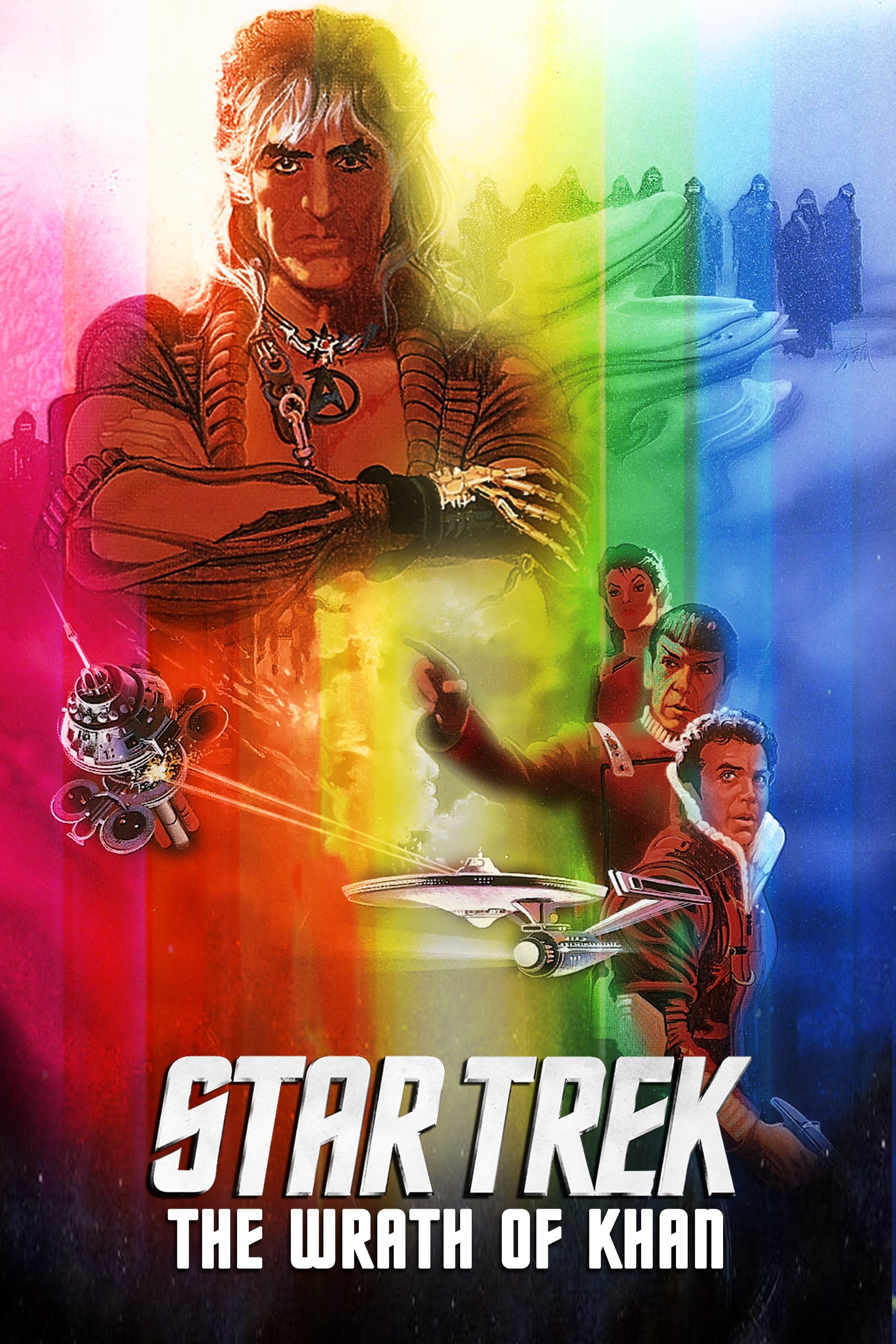
“Star Trek II: The Wrath of Khan” is the second film in the “Star Trek” movie series and a direct sequel to the 1967 television episode “Space Seed.” The film sees Admiral James T. Kirk and the crew of the USS Enterprise face off against the genetically engineered tyrant Khan Noonien Singh, who seeks revenge on Kirk for marooning him and his followers on a desolate planet.
Considered by many fans and critics to be the best film in the “Star Trek” franchise, “The Wrath of Khan” was a critical and commercial success. It is praised for its strong character-driven story, emotional depth, and Ricardo Montalbán’s memorable performance as Khan. The film’s themes of aging, sacrifice, and friendship resonated with audiences and revitalized the “Star Trek” film series.
First Blood (1982)
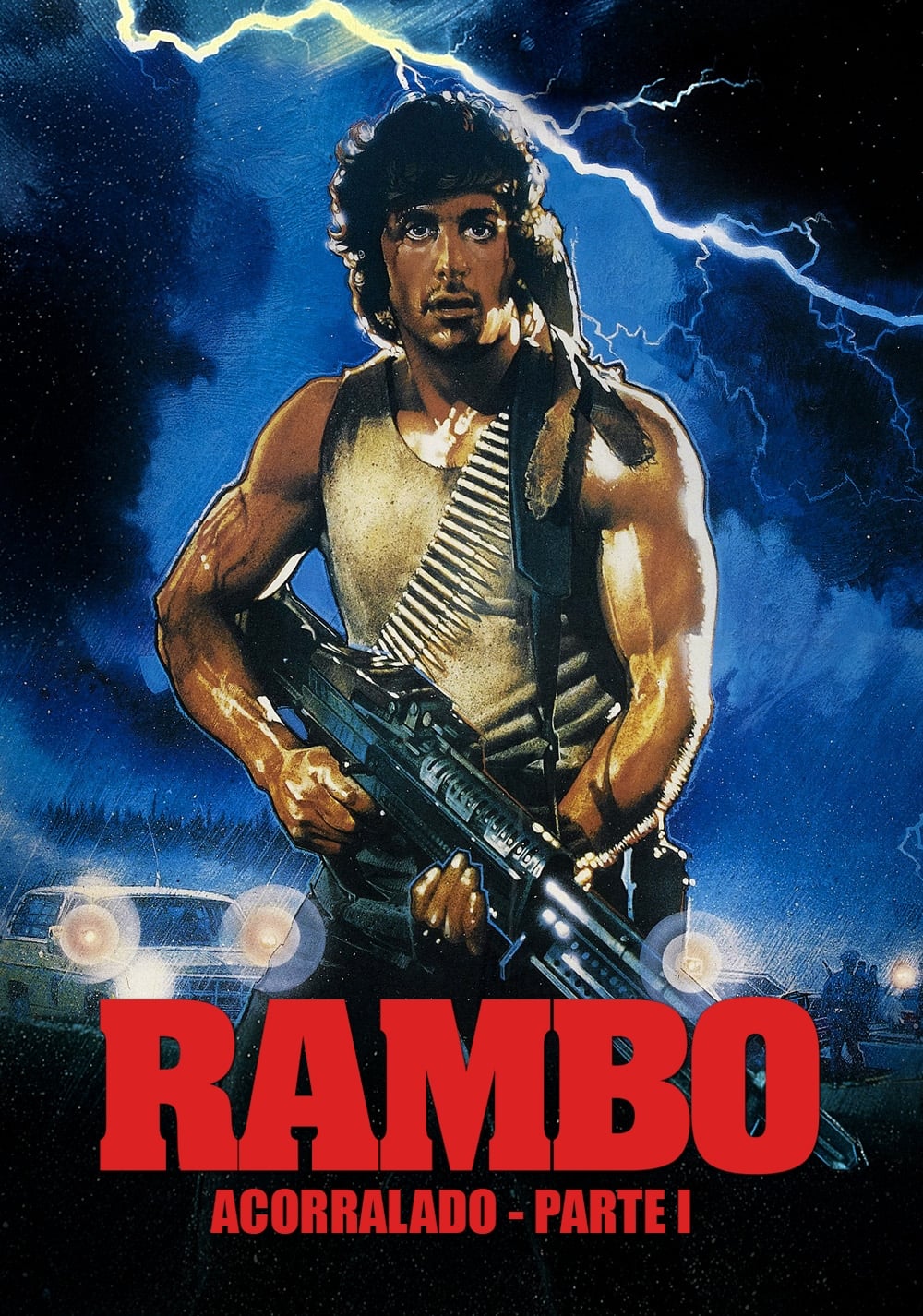
“First Blood” introduced the world to John Rambo, a troubled Vietnam War veteran played by Sylvester Stallone. After being harassed by the sheriff of a small town, Rambo’s survival skills and combat training are put to the test as he wages a one-man war against the local law enforcement. The film is an action-packed thriller that also explores the psychological scars of war.
As the first installment in the Rambo franchise, “First Blood” was a box office hit and established Sylvester Stallone as a major action star. The film is notable for its more serious tone and character-driven story compared to its sequels. It provided a commentary on the treatment of Vietnam veterans and has since become a classic of the action genre.
An Officer and a Gentleman (1982)
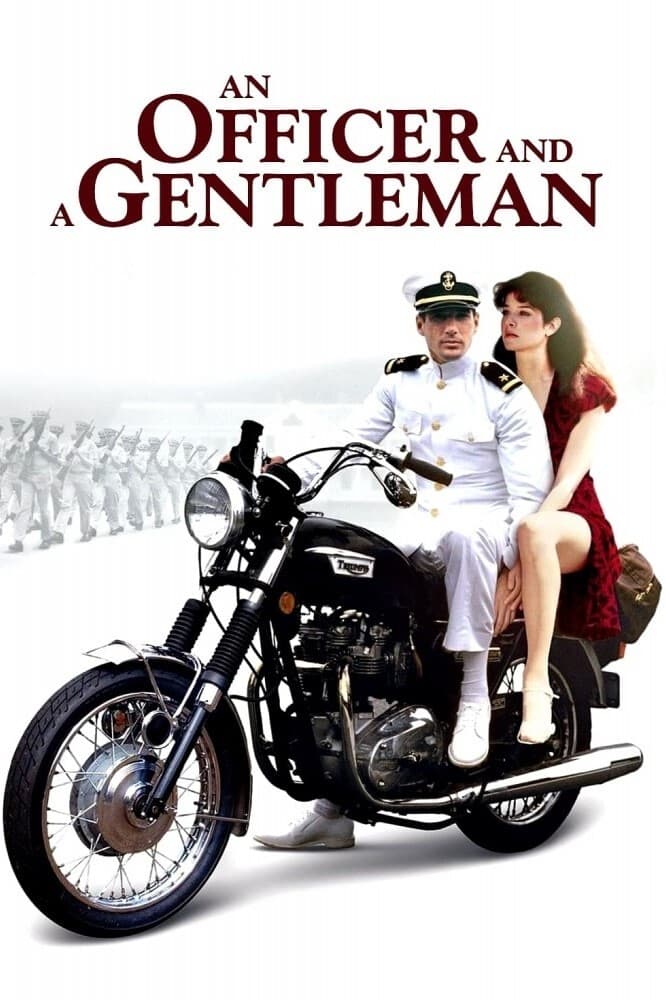
“An Officer and a Gentleman” is a romantic drama starring Richard Gere, Debra Winger, and Louis Gossett Jr. The film follows a young man who enrolls in the Navy’s Aviation Officer Candidate School to become a pilot. He clashes with his tough drill instructor and falls for a local factory worker, forcing him to confront his own character and past.
The film was a major box office success and received critical acclaim, including two Academy Awards. Louis Gossett Jr. won for Best Supporting Actor, becoming the first African American actor to win in that category. The movie’s iconic ending and romantic storyline have made it a beloved classic of the 1980s.
Tootsie (1982)
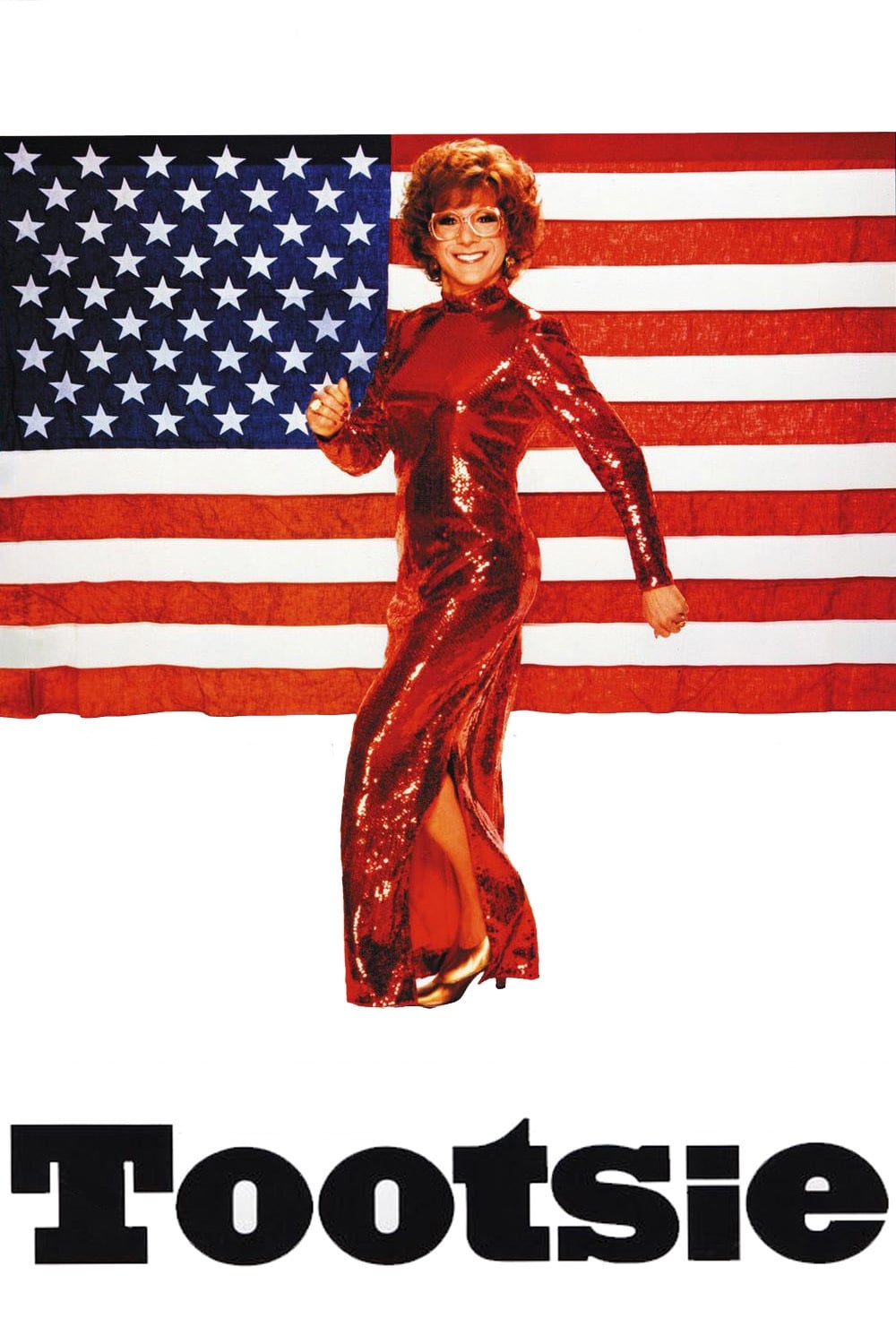
“Tootsie” is a comedy starring Dustin Hoffman as a talented but difficult actor who adopts a female identity to land a role on a popular soap opera. His new persona, Dorothy Michaels, becomes a national sensation, but he must navigate the complications of his double life, including falling in love with a female co-star who knows him only as a woman.
Directed by Sydney Pollack, “Tootsie” was a huge critical and commercial success. It was nominated for ten Academy Awards, with Jessica Lange winning for Best Supporting Actress. The film is praised for its clever script, Hoffman’s performance, and its humorous yet insightful commentary on gender roles and sexism in the workplace.
Fast Times at Ridgemont High (1982)
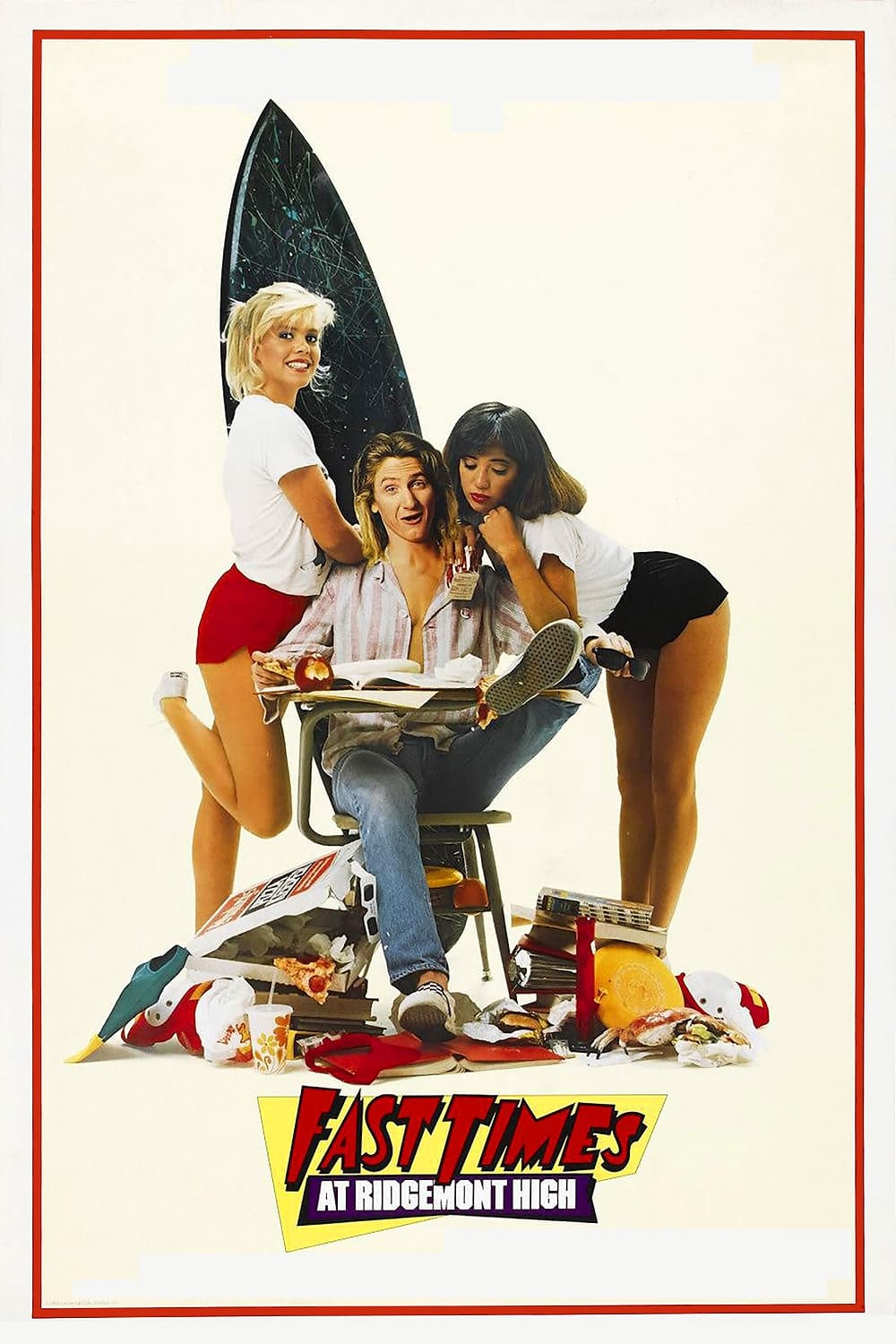
This coming-of-age comedy follows the lives of a group of high school students in Southern California. The film explores their experiences with friendships, romance, and part-time jobs. It features a large ensemble cast, including early roles for future stars like Sean Penn, Jennifer Jason Leigh, and Nicolas Cage.
“Fast Times at Ridgemont High” has become a cult classic for its honest and humorous depiction of teenage life. Based on a book by Cameron Crowe, who went undercover at a high school, the film is known for its realistic portrayal of adolescent concerns and its memorable characters, particularly Sean Penn’s slacker surfer, Jeff Spicoli.
The Dark Crystal (1982)
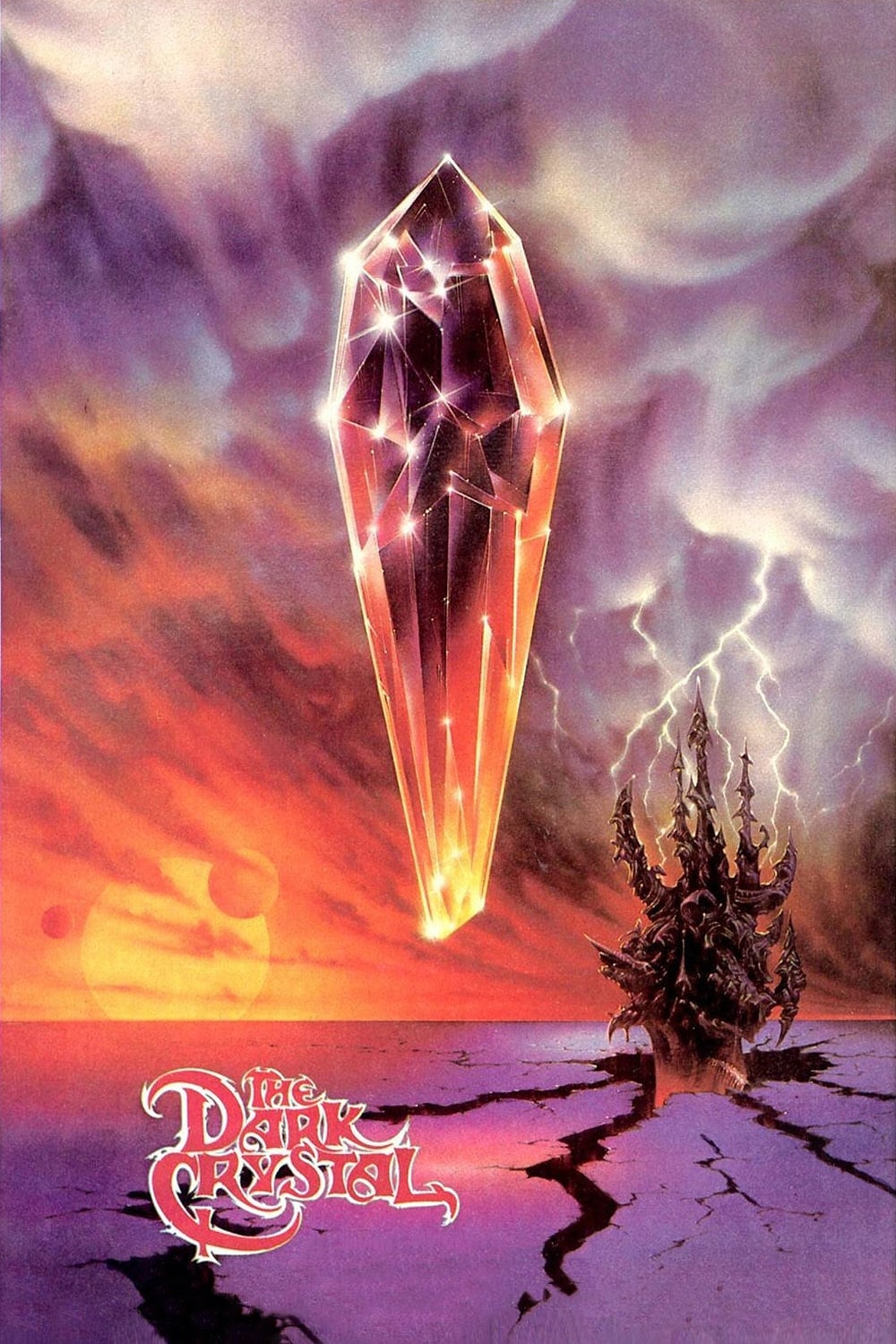
From the minds of Jim Henson and Frank Oz, “The Dark Crystal” is a fantasy adventure film that takes place in a world populated entirely by puppets. The story follows a young Gelfling named Jen who must embark on a quest to find a missing shard of a powerful crystal to restore balance to his world. Along the way, he faces the villainous Skeksis and befriends another Gelfling, Kira.
“The Dark Crystal” was a notable departure from the lighthearted tone of The Muppets, featuring a darker and more complex story. The film is celebrated for its groundbreaking animatronics and creature designs, creating a unique and immersive fantasy world. It has since gained a significant cult following and is recognized for its ambition and artistic achievement.
Rocky III (1982)
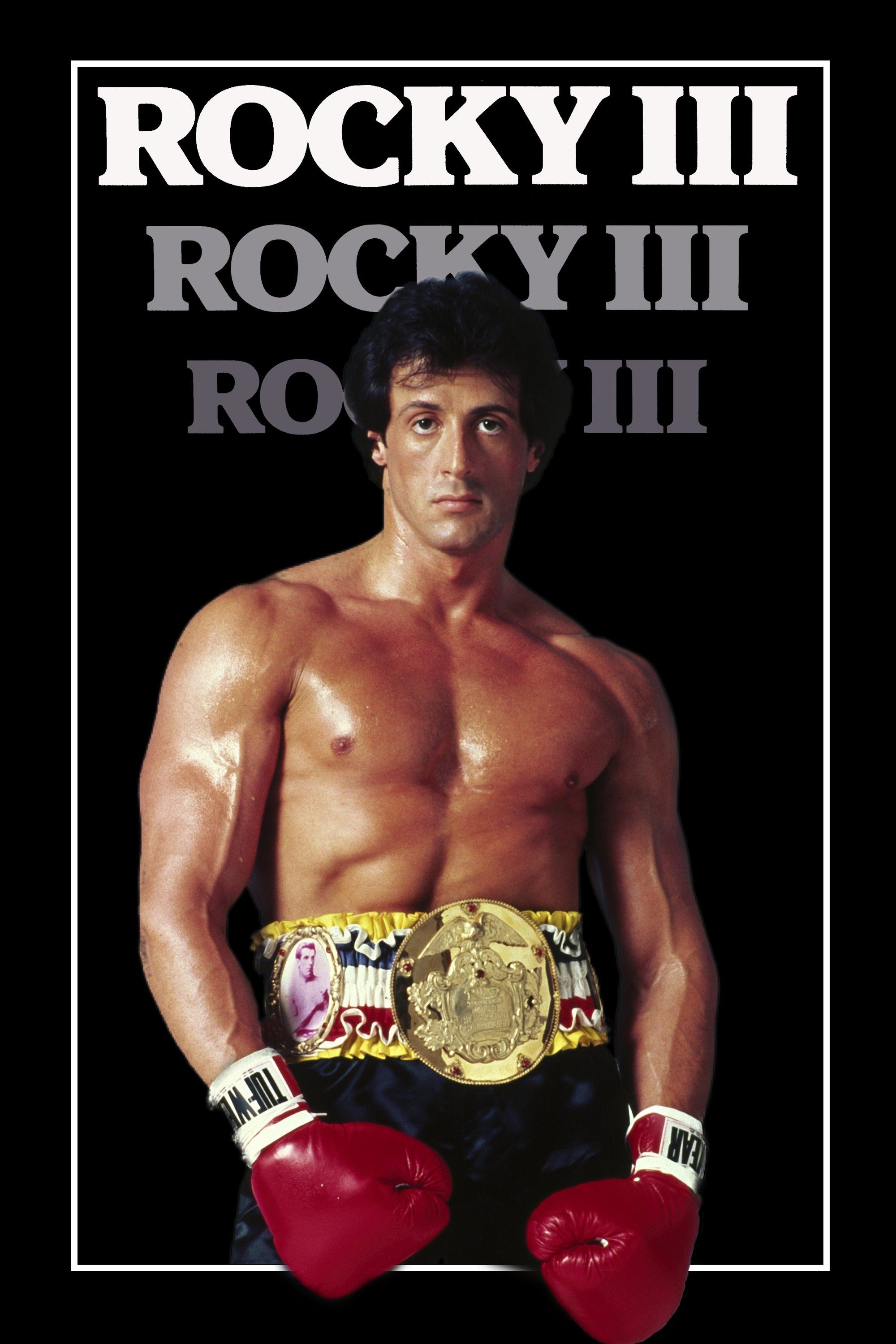
In the third installment of the “Rocky” series, Rocky Balboa is the heavyweight champion of the world and enjoying a life of fame and fortune. However, he loses his edge and is defeated by a hungry and ruthless challenger named Clubber Lang. With the help of his former rival, Apollo Creed, Rocky must rediscover his fighting spirit to reclaim his title.
“Rocky III” was a massive box office success and is famous for introducing the iconic song “Eye of the Tiger” by Survivor. The film also features a memorable performance by Mr. T as Clubber Lang. It continues the inspiring story of the underdog champion and remains a popular entry in the beloved franchise.
48 Hrs. (1982)
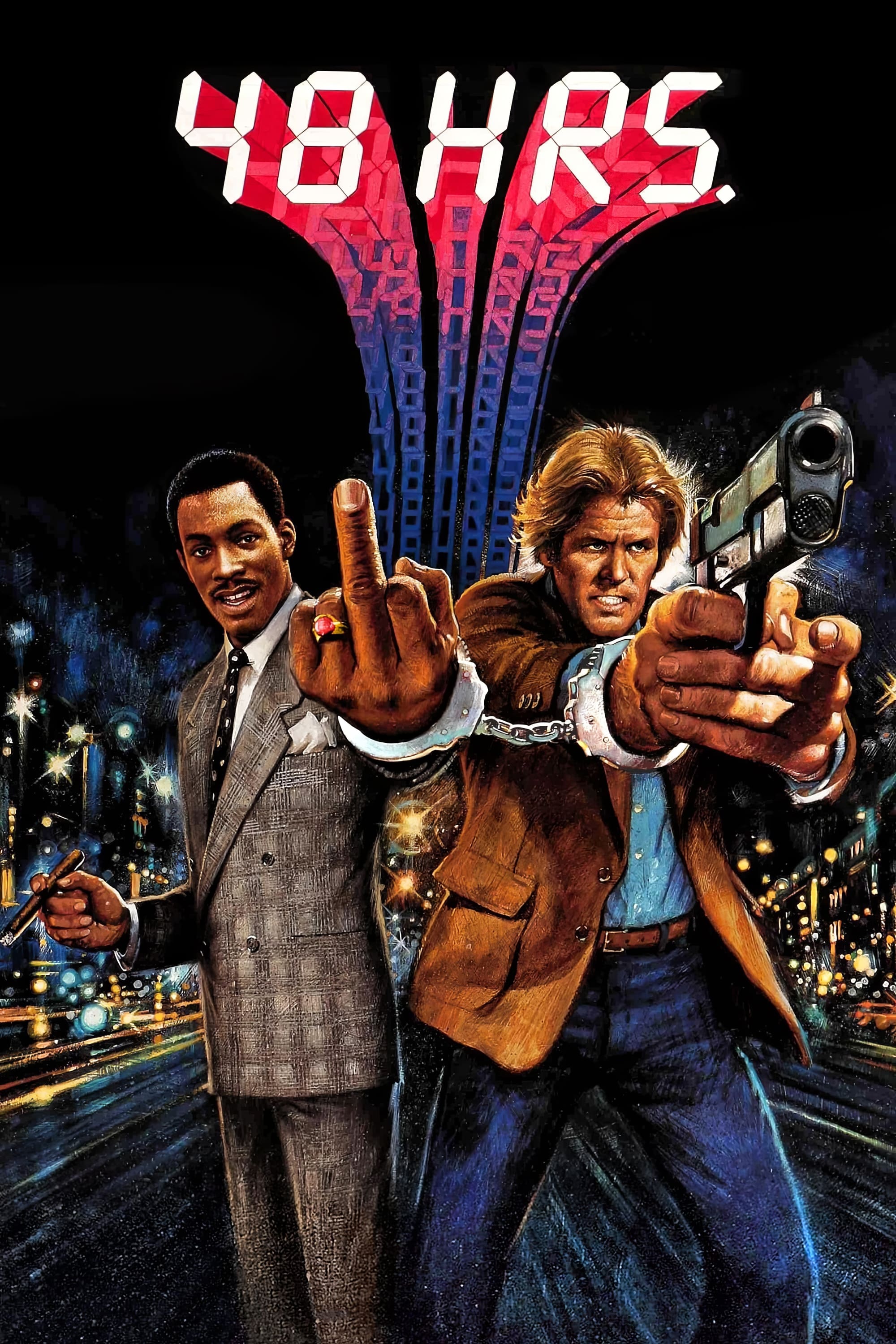
“48 Hrs.” is a buddy cop action-comedy that marked the feature film debut of Eddie Murphy. Nick Nolte plays a tough cop who, in order to catch a pair of cop-killers, gets a fast-talking convict (Murphy) released from prison for 48 hours to help him with the investigation. The two mismatched partners must find a way to work together to solve the case.
The film was a critical and commercial success and is credited with launching the buddy-cop genre that became popular in the 1980s and 1990s. The chemistry between Nolte and Murphy was widely praised, with Murphy’s charismatic and energetic performance making him a breakout star. “48 Hrs.” is remembered for its blend of action and comedy.
Conan the Barbarian (1982)
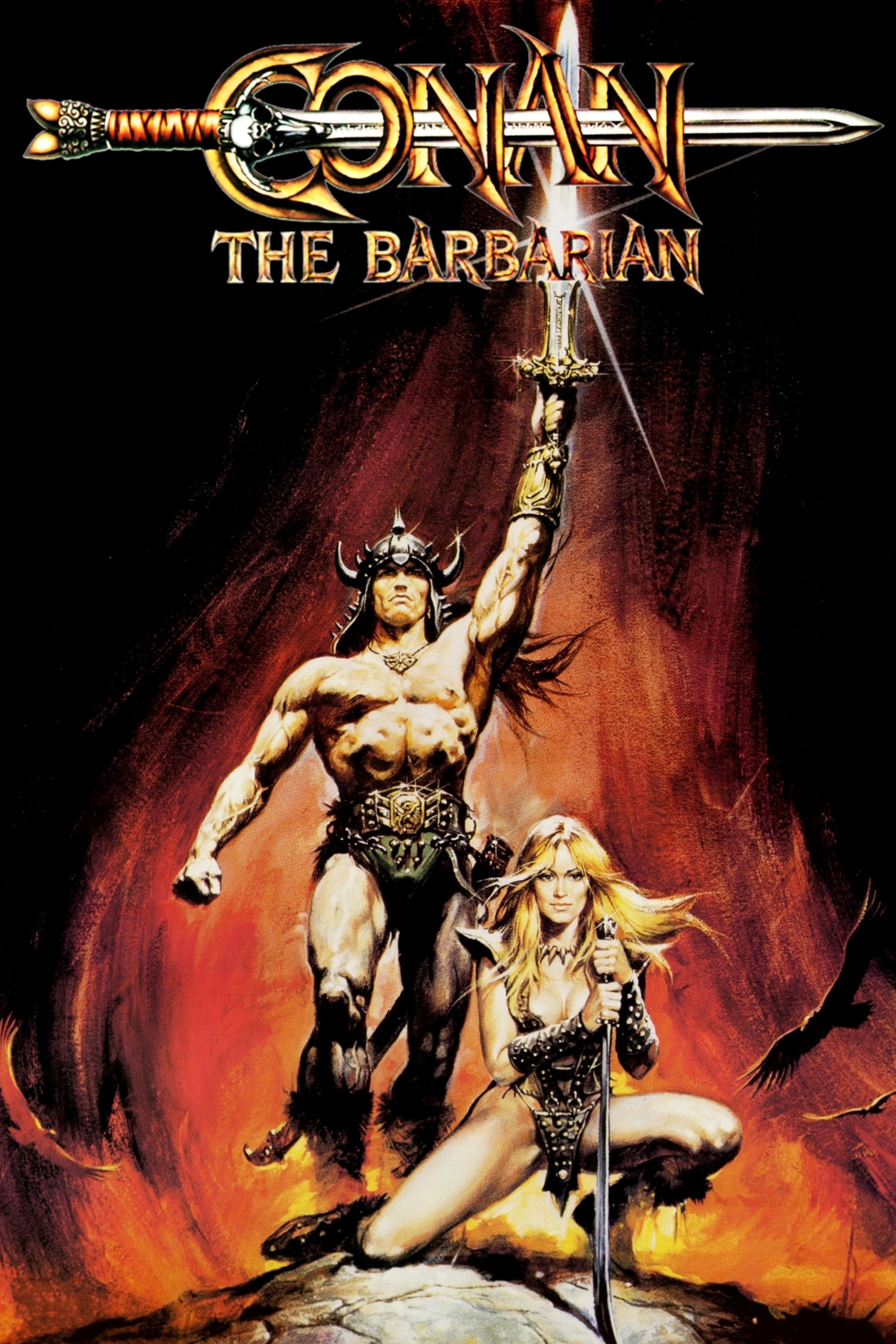
Arnold Schwarzenegger stars as the titular hero in this epic sword-and-sorcery film. After his parents are killed and he is sold into slavery as a child, Conan grows into a powerful warrior. Once freed, he embarks on a quest for revenge against the sorcerer who destroyed his family. The film is known for its grand scale and violent action sequences.
“Conan the Barbarian” was a commercial success and was instrumental in launching Schwarzenegger’s career as a leading man in action films. The movie’s gritty tone and epic storytelling helped to define the sword-and-sorcery subgenre in cinema. It has since become a cult classic and a favorite among fans of fantasy films.
The Verdict (1982)
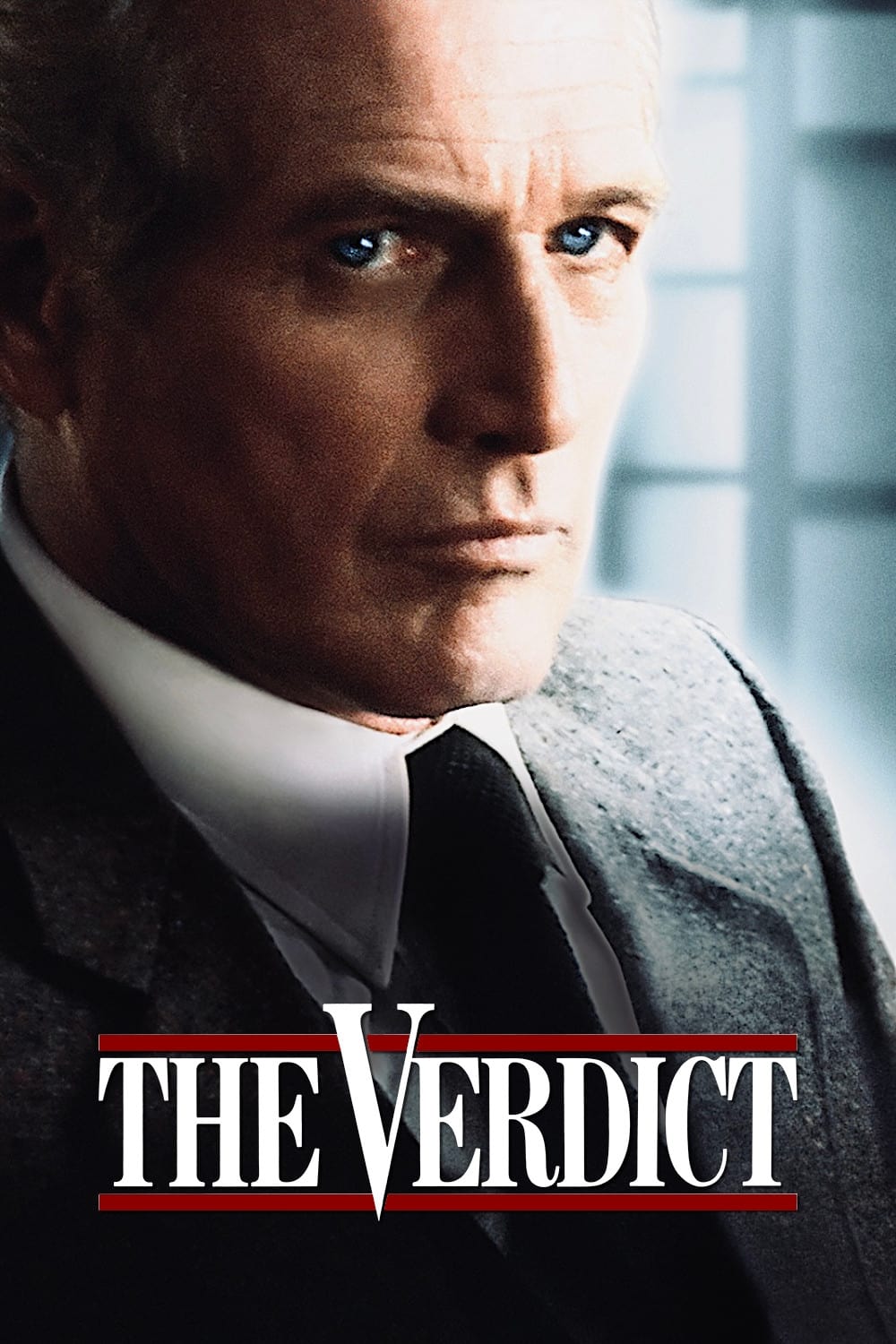
“The Verdict” is a legal drama directed by Sidney Lumet and starring Paul Newman in one of his most acclaimed roles. Newman plays a washed-up, alcoholic lawyer who takes on a medical malpractice case that he sees as a chance for redemption. Instead of taking a quick settlement, he decides to take the case to trial against a powerful and well-funded legal team.
The film received five Academy Award nominations, including Best Picture, Best Director, and Best Actor for Newman. It is praised for its compelling screenplay by David Mamet and Newman’s powerful performance. “The Verdict” is regarded as a classic of the courtroom drama genre.
Sophie’s Choice (1982)
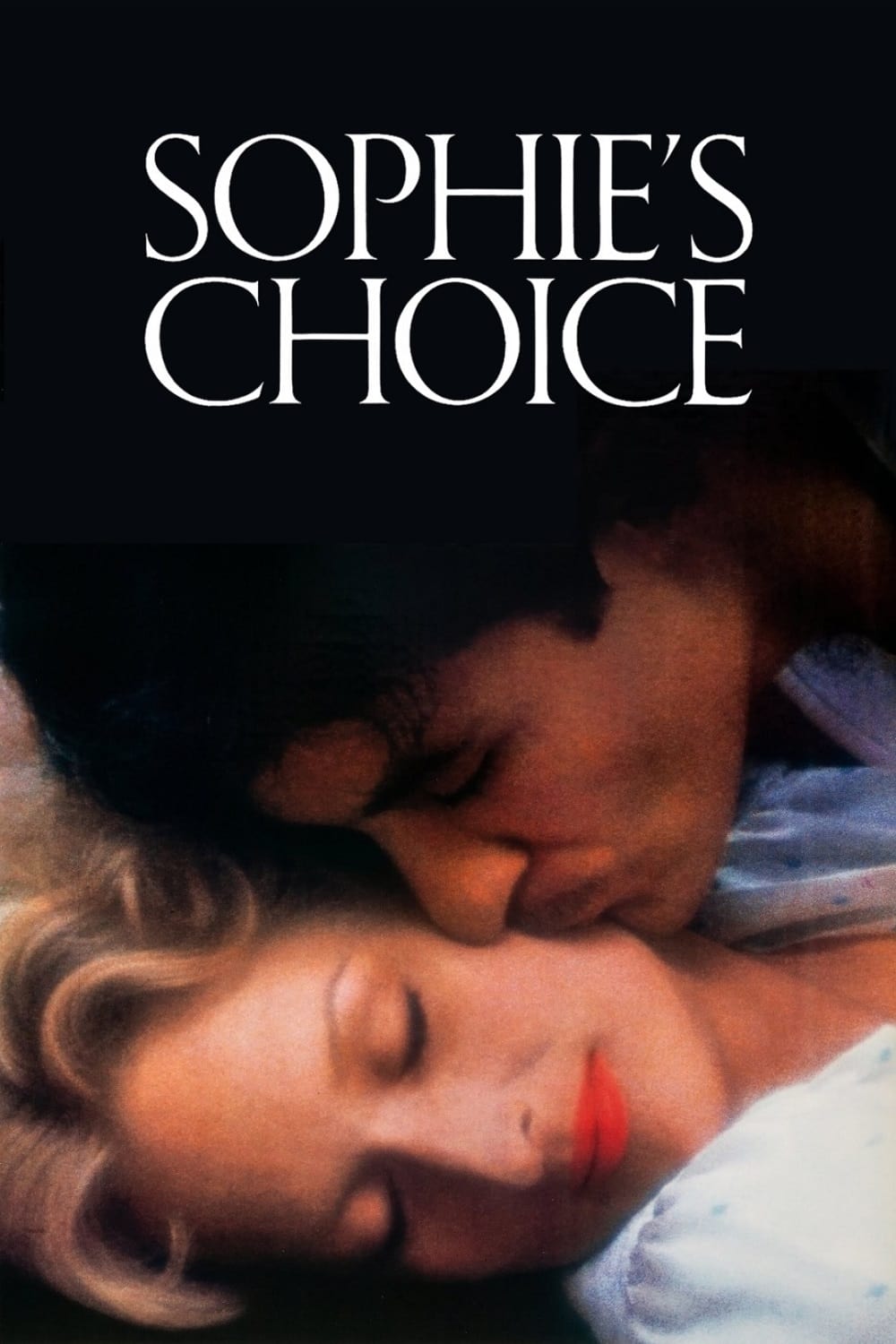
Meryl Streep won an Academy Award for Best Actress for her powerful performance in “Sophie’s Choice.” The film tells the story of Sophie, a Polish immigrant living in Brooklyn after World War II, through the eyes of a young aspiring writer. As he gets to know Sophie and her volatile lover, he learns of her traumatic past as a survivor of a Nazi concentration camp.
The film is a deeply moving and tragic drama that explores the lasting impact of trauma and the difficult choices people are forced to make. Streep’s portrayal of Sophie is widely considered one of the greatest performances in film history. The movie is a powerful adaptation of William Styron’s novel.
Das Boot (1981)
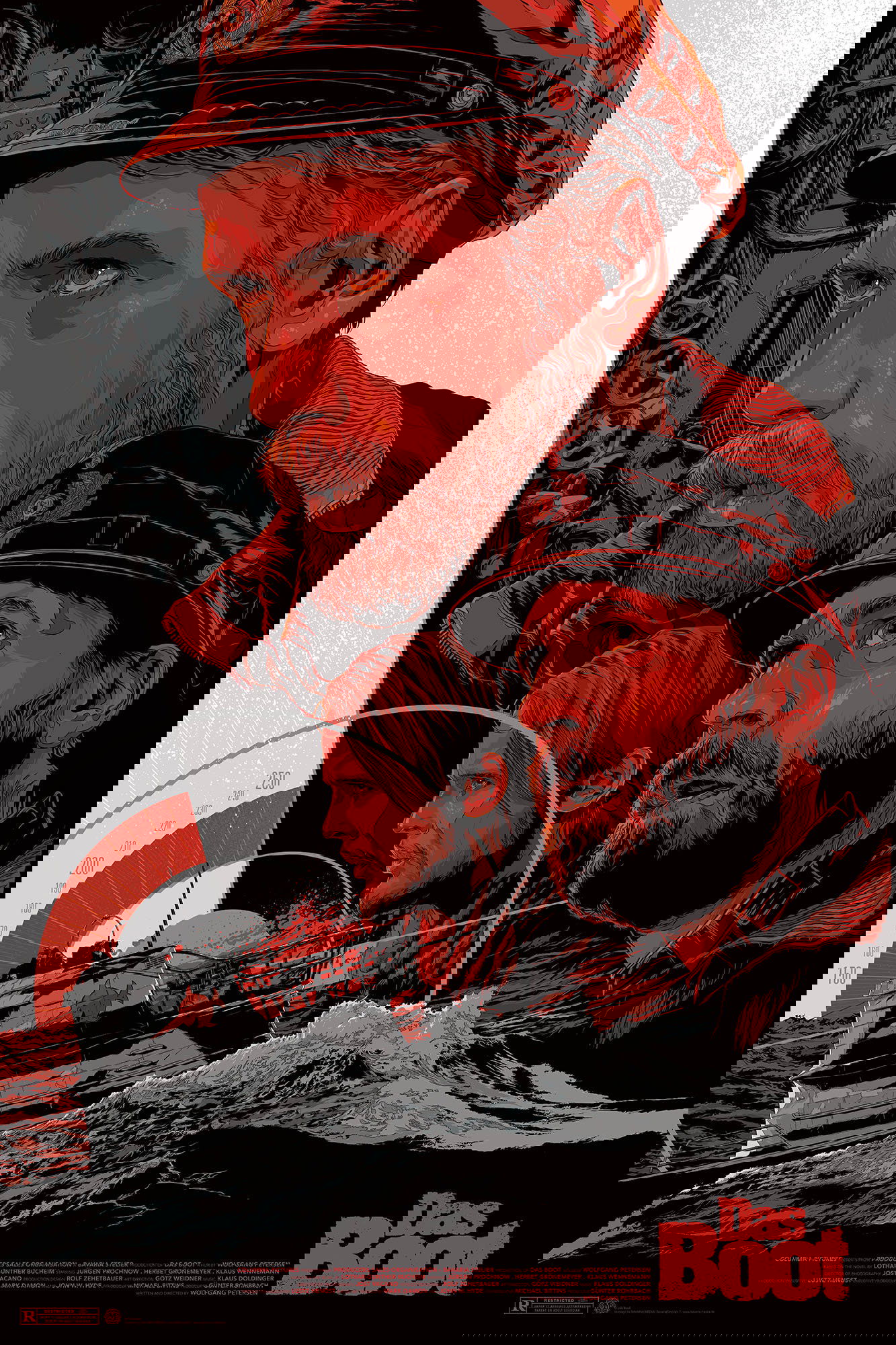
This German film provides a realistic and claustrophobic look at life aboard a German U-boat during World War II. The story follows the crew as they face intense boredom, terrifying battles, and the constant threat of death deep beneath the ocean’s surface. The film is known for its authentic portrayal of the physical and psychological toll of submarine warfare.
“Das Boot” was a critical success worldwide and received six Academy Award nominations, a rare achievement for a foreign-language film, following its US theatrical release in 1982. It is praised for its suspenseful direction, strong performances, and immersive sound design. The film is now considered a classic of war cinema and one of the greatest submarine movies ever made.
Gandhi (1982)
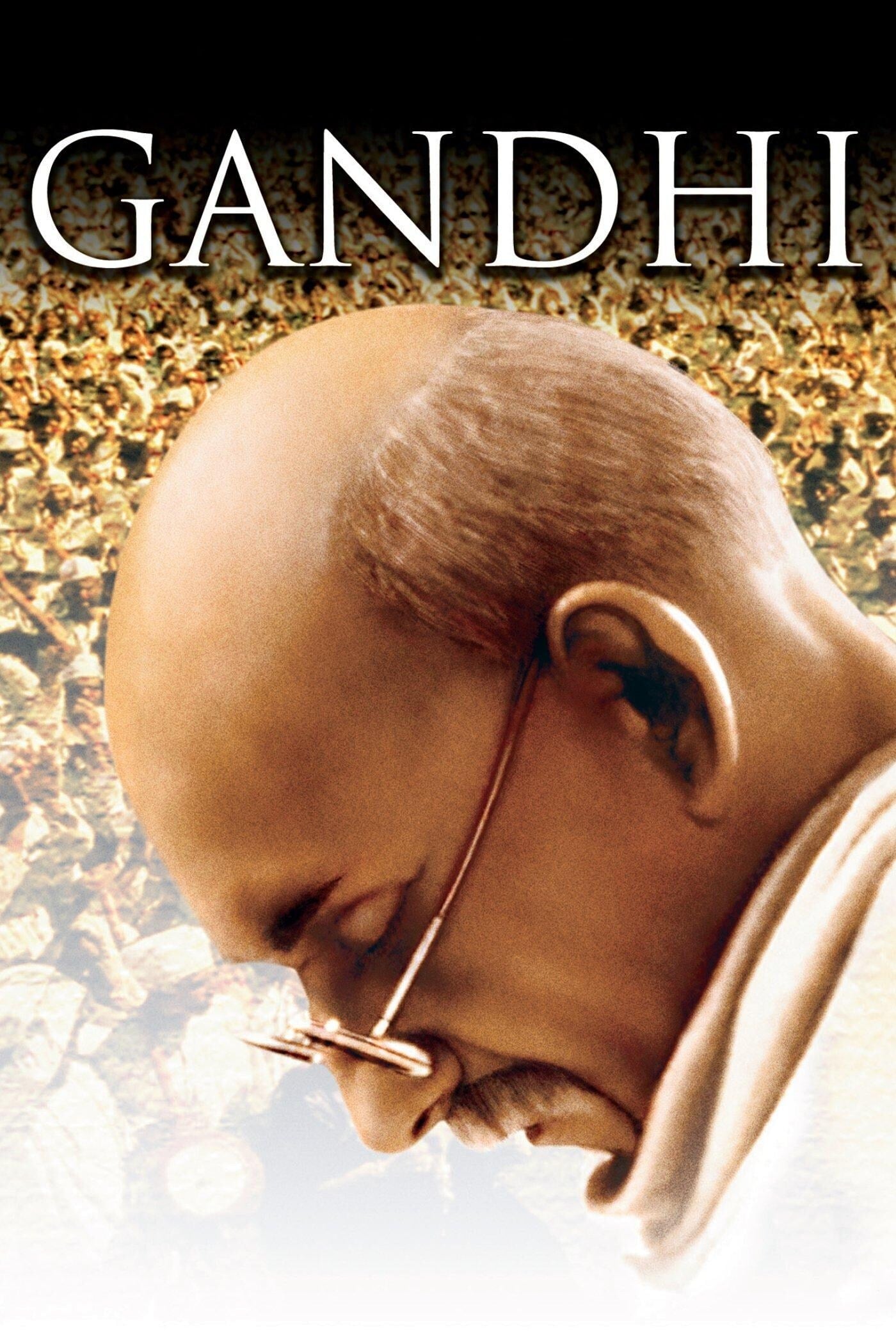
Richard Attenborough’s epic biographical film chronicles the life of Mahatma Gandhi, the leader of India’s non-violent independence movement against British rule. Ben Kingsley stars in the title role, a performance that earned him the Academy Award for Best Actor. The film follows Gandhi’s journey from a young lawyer in South Africa to a revered international figure.
“Gandhi” was a major critical and commercial success, winning eight Academy Awards, including Best Picture and Best Director. The film is praised for its grand scale, historical accuracy, and Kingsley’s transformative performance. It is a powerful and inspiring portrait of one of the 20th century’s most important figures.
The King of Comedy (1982)
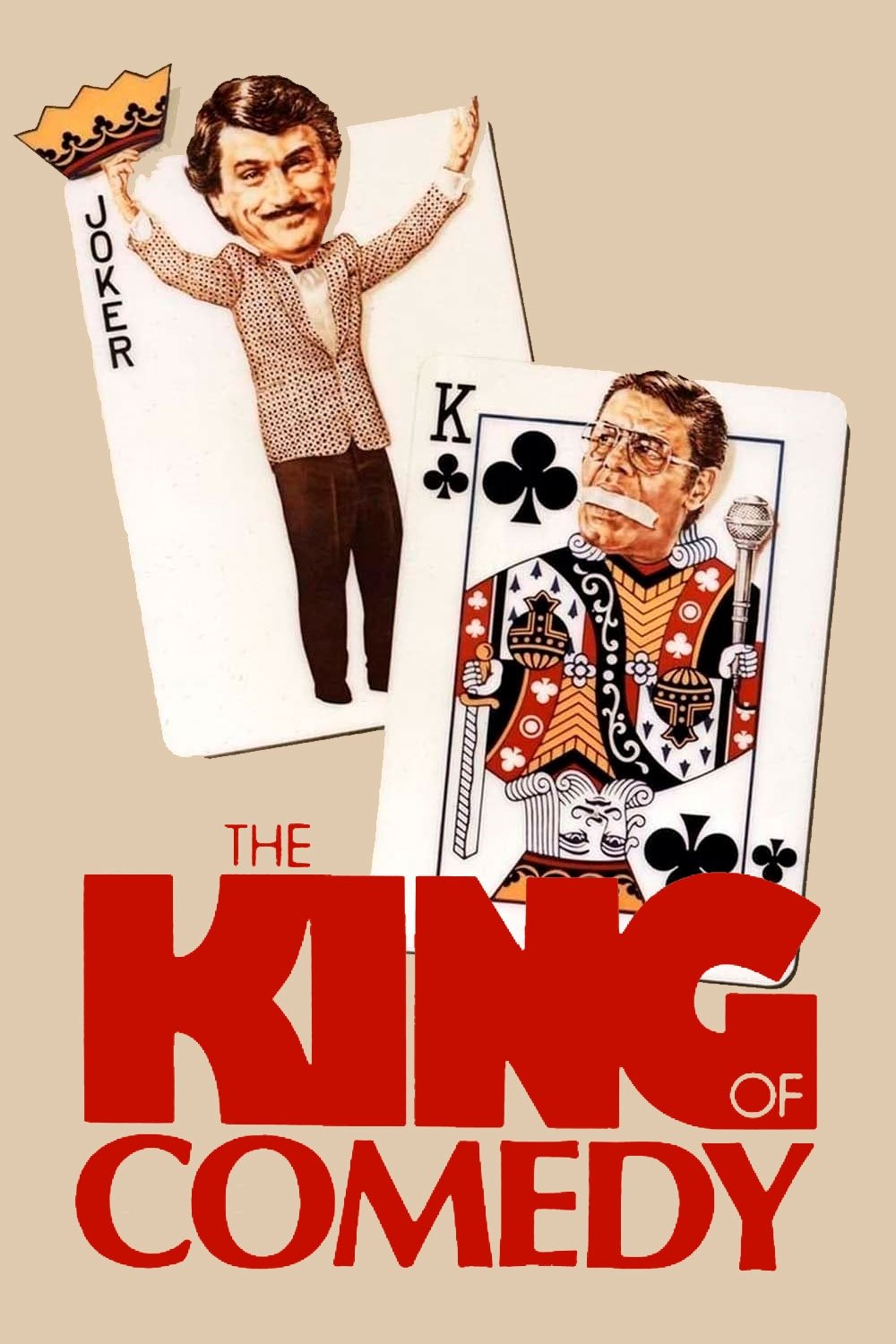
In this dark comedy directed by Martin Scorsese, Robert De Niro plays Rupert Pupkin, an aspiring but delusional stand-up comedian who will do anything to get his big break. He becomes obsessed with a successful late-night talk show host, played by Jerry Lewis, and resorts to kidnapping him in an attempt to secure a guest spot on his show.
While “The King of Comedy” was not a commercial success at the time of its release, it has since been recognized as one of Scorsese’s most underrated films. The movie offers a sharp and unsettling critique of celebrity culture and the pursuit of fame. De Niro’s performance as the unnerving Pupkin is considered one of his best.
Creepshow (1982)
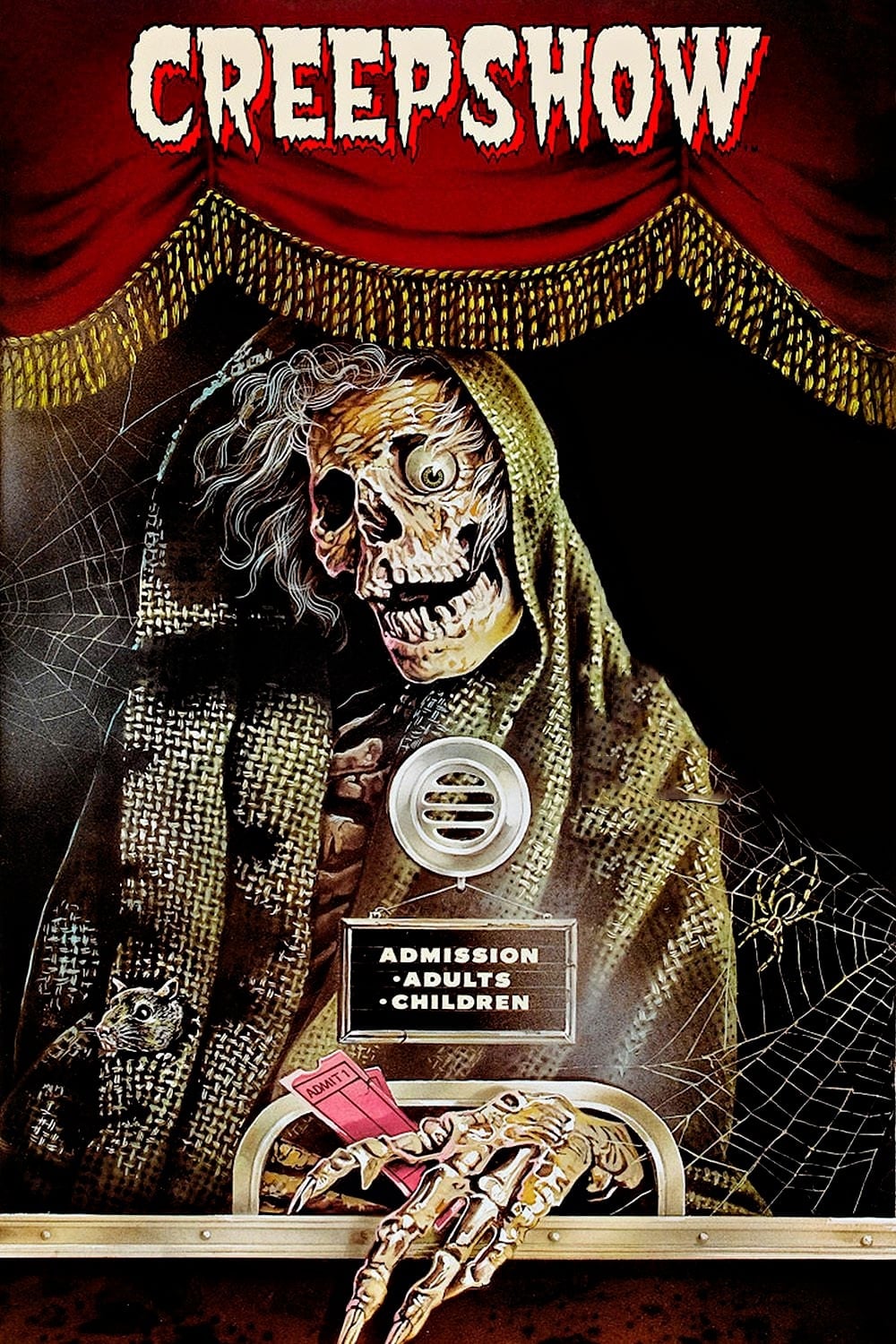
“Creepshow” is a horror-comedy anthology film directed by George A. Romero and written by Stephen King, in his screenwriting debut. The film pays homage to the E.C. horror comics of the 1950s, presenting five ghoulish tales of terror and dark humor. The stories involve a vengeful father, a man-eating meteor, a buried-alive cuckold, a monster in a crate, and a bug-obsessed billionaire.
The film has become a cult classic among horror fans for its blend of scares and campy fun. It successfully captures the look and feel of a comic book, using colorful lighting and animated panels to transition between stories. “Creepshow” is a fun and frightening collaboration between two masters of the horror genre.
Tron (1982)
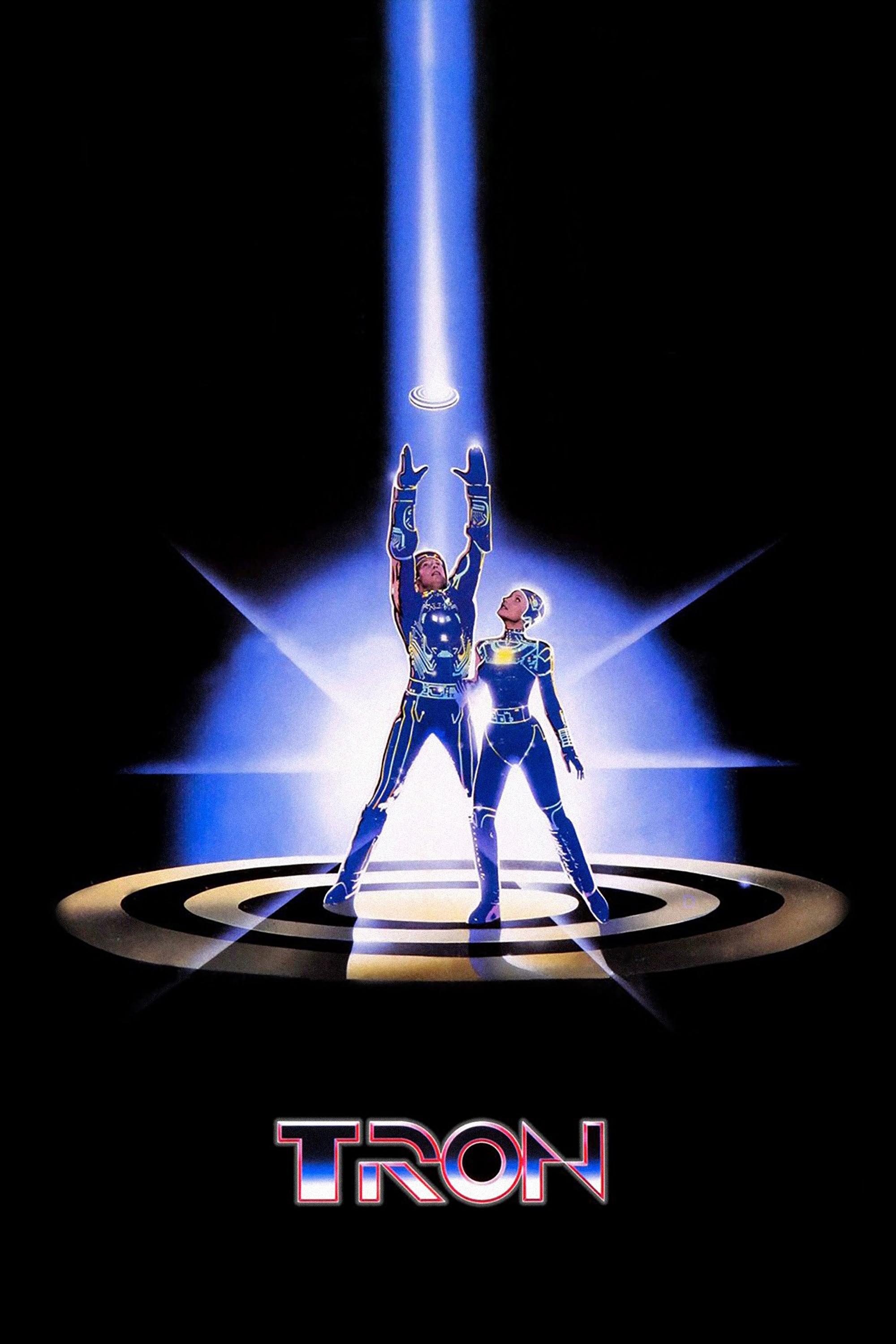
This science fiction action-adventure film from Disney was one of the first movies to make extensive use of computer-generated imagery (CGI). The story follows a computer programmer who is transported inside a computer world and must compete in deadly games to escape. He teams up with other programs to overthrow the malevolent Master Control Program that rules the digital realm.
“Tron” was a moderate success at the box office but has since gained a significant cult following for its groundbreaking visual effects and imaginative concept. Its unique aesthetic and pioneering use of computer animation were highly influential, paving the way for future developments in CGI. The film is a landmark in the history of special effects in cinema.

