


Movies from 1996 That Are Now Considered Classics


The year 1996 was a notable one for movies. It was a time when independent films were gaining mainstream attention, and big-budget blockbusters were pushing the limits of special effects. This mix created a rich and diverse cinematic landscape. Many films from this year have since become cultural touchstones, remembered for their unique stories, memorable characters, and influence on future filmmaking. From gritty crime thrillers and smart horror movies to sweeping romances and laugh-out-loud comedies, the films of 1996 left a lasting mark on audiences and the industry.
Looking back, it’s clear that 1996 was a year that produced a remarkable number of movies now considered classics. These films not only achieved success at the box office or with critics at the time, but they have also endured, finding new audiences and continuing to be celebrated decades later. Whether they launched the careers of major stars, redefined a genre, or simply told a powerful story, the movies on this list represent some of the best that 1996 had to offer and remain essential viewing.
Fargo (1996)
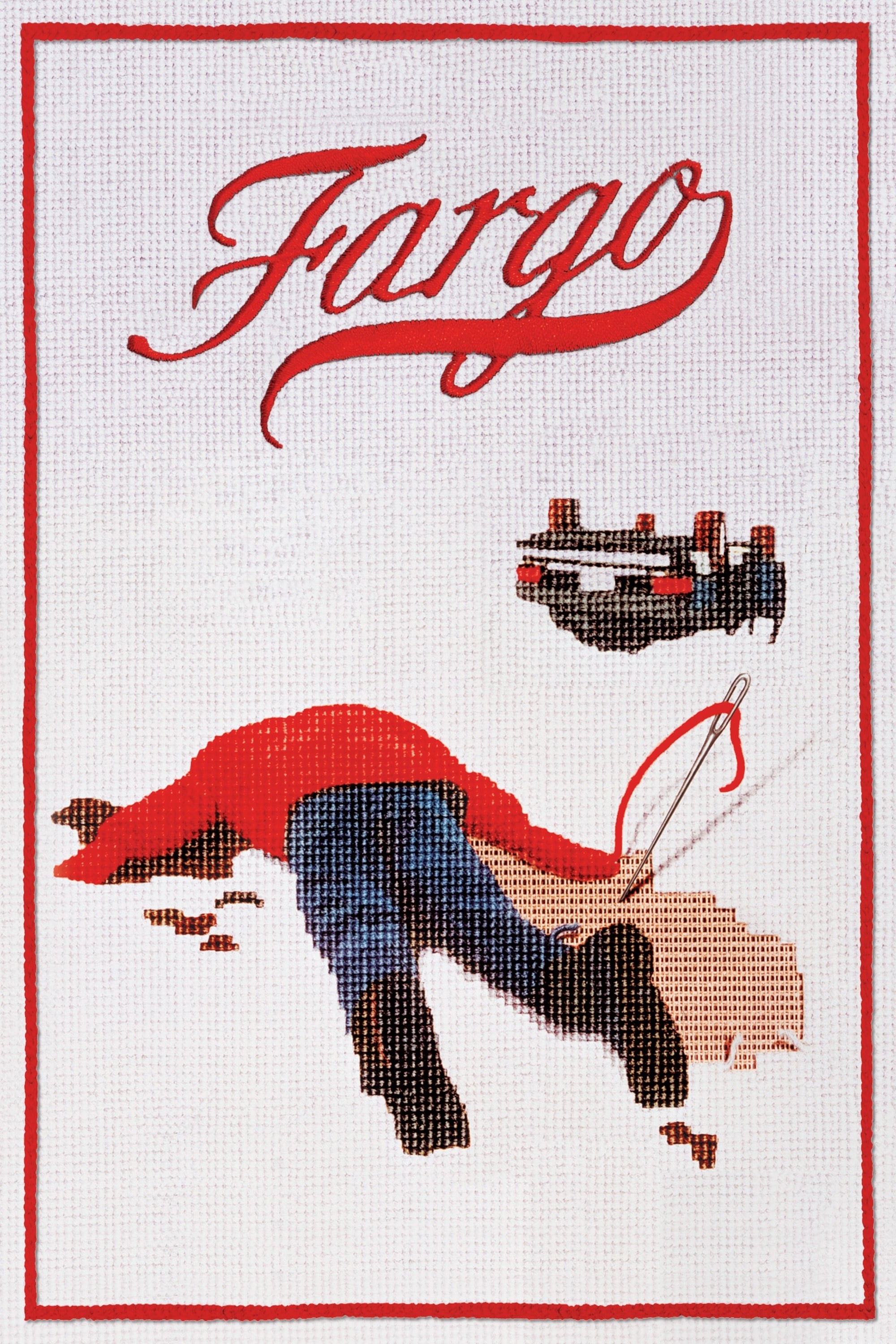
Directed by the Coen brothers, Fargo is a crime film known for its dark humor and unique setting. The story follows a desperate car salesman in Minnesota who hires two criminals to kidnap his wife to collect a ransom from his wealthy father-in-law. The plan goes terribly wrong, and the ensuing chaos is investigated by the very pregnant and very capable police chief, Marge Gunderson. The film’s blend of brutal violence and quirky, everyday dialogue created a tone that was unlike anything else at the time.
Fargo was a critical and commercial success, earning seven Academy Award nominations. Frances McDormand won the Oscar for Best Actress for her portrayal of Marge, and the Coen brothers won for Best Original Screenplay. The film’s distinctive style and memorable characters have made it a modern classic. It also inspired a successful television series of the same name, which premiered in 2014 and captures the original film’s unique spirit.
Scream (1996)
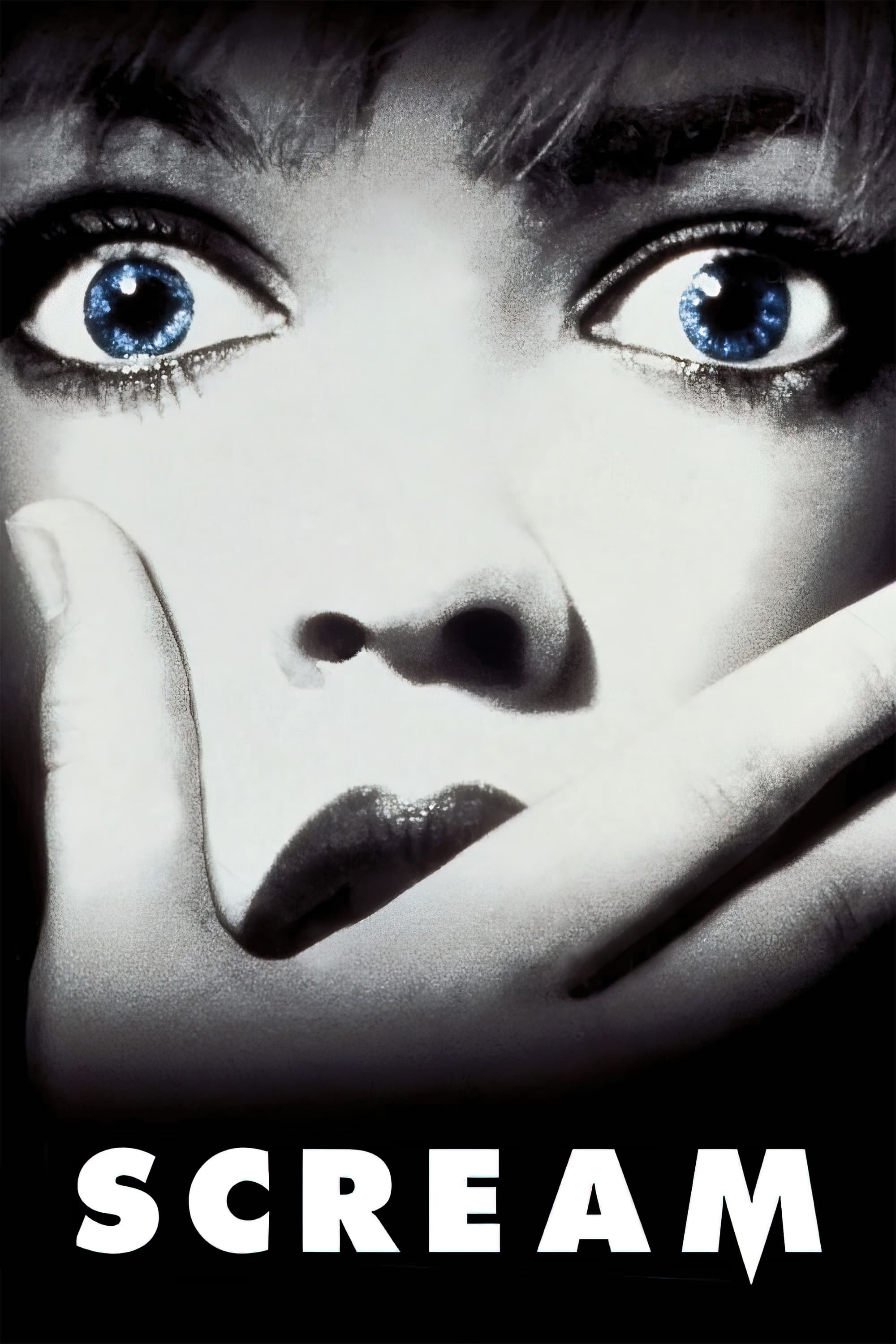
Scream revitalized the horror genre in the 1990s. Directed by Wes Craven, the film is a slasher movie with a clever, self-aware twist. The story centers on a high school student, Sidney Prescott, who is targeted by a new killer known as Ghostface a year after her mother’s murder. What made Scream different was its characters, who were fans of horror movies themselves and understood the clichés and rules of the genre.
This meta-commentary, combined with genuine suspense and scares, made the film a huge box office hit. It was praised for its smart script, written by Kevin Williamson, which both celebrated and deconstructed horror tropes. Scream became a cultural phenomenon, leading to a successful franchise of sequels and a television series, and it is credited with ushering in a new era of self-referential horror films.
Independence Day (1996)
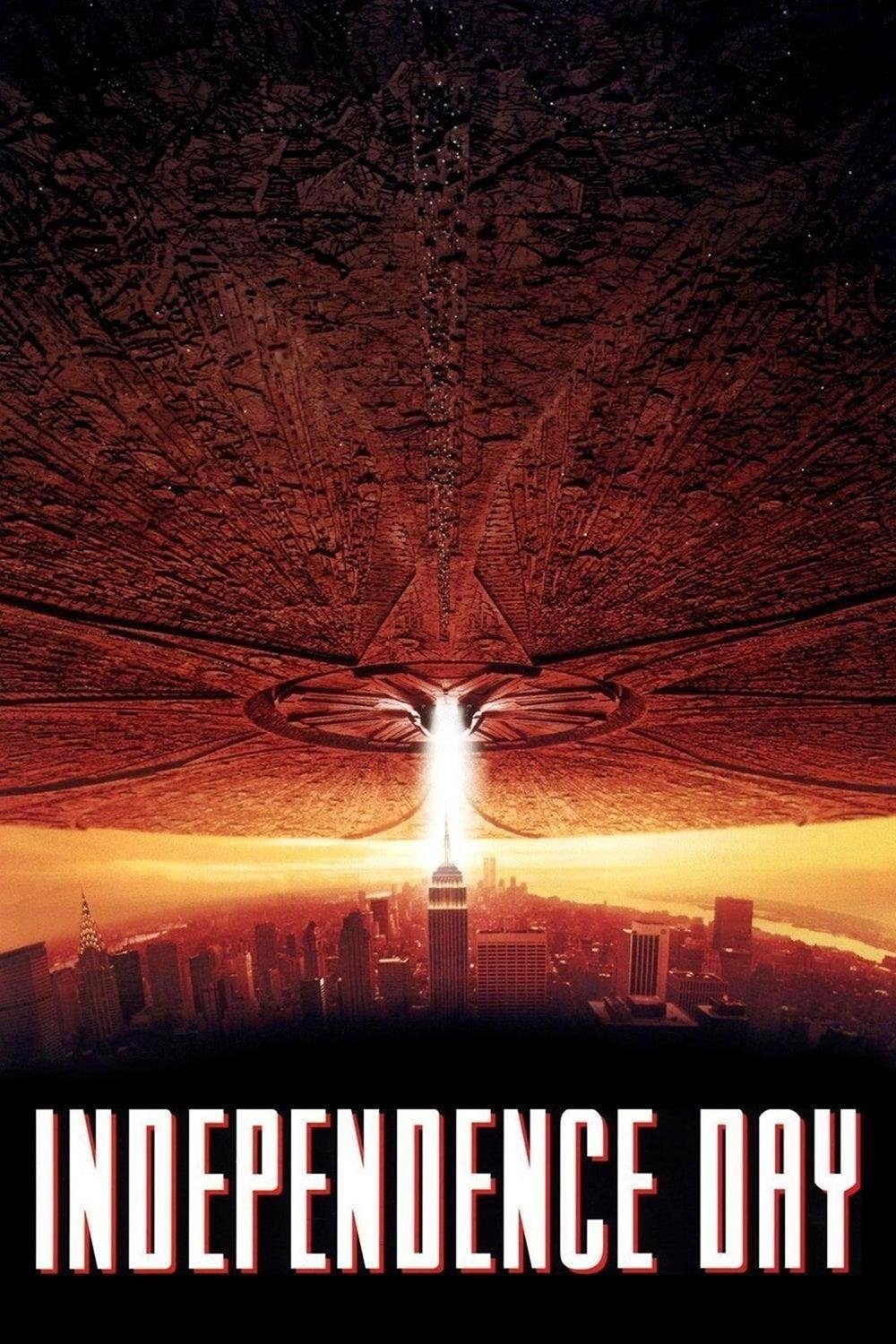
Independence Day was the ultimate summer blockbuster of 1996. Directed by Roland Emmerich, this science-fiction action film depicts a massive alien invasion. Giant spaceships appear over major cities around the world, leading to widespread destruction. The film follows a diverse group of people, including the President of the United States, a cocky fighter pilot, and a satellite expert, as they come together to fight back against the invaders.
With its groundbreaking special effects and large-scale disaster sequences, Independence Day set a new standard for event movies. It was the highest-grossing film of 1996, captivating audiences with its spectacle and patriotic spirit. The movie’s memorable scenes, such as the destruction of the White House, and its iconic lines have cemented its place as a classic of the sci-fi action genre.
Jerry Maguire (1996)
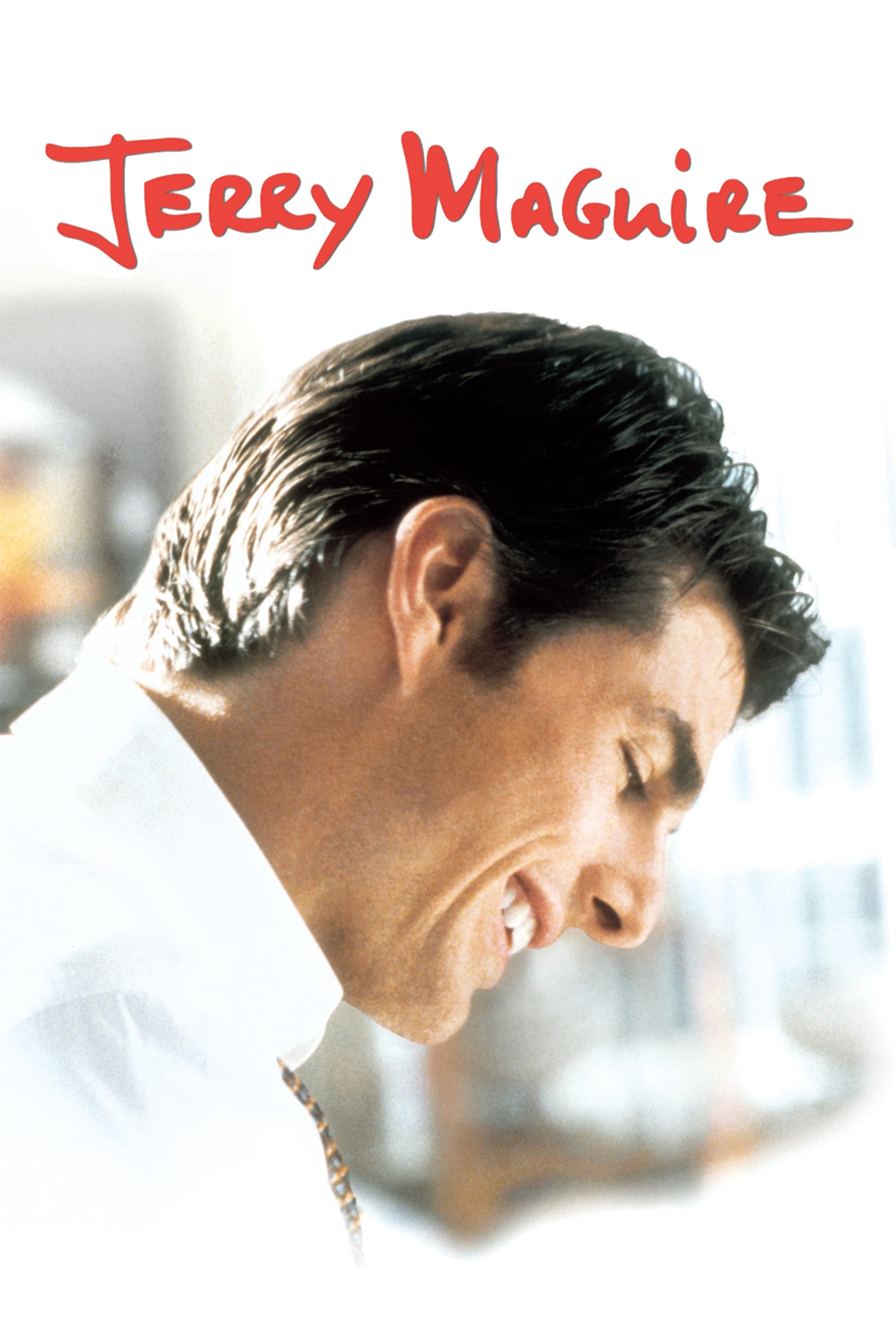
Jerry Maguire is a romantic comedy-drama that became a cultural sensation. The film, written and directed by Cameron Crowe, stars Tom Cruise as a successful sports agent who has a moral epiphany and is fired from his job. He starts his own agency with a single, loyal colleague and one volatile client, a football player named Rod Tidwell. The story follows Jerry’s struggle to succeed on his own terms while also navigating his relationship with a single mother, Dorothy Boyd.
The film was a huge success, loved by both critics and audiences for its heartfelt story and memorable performances. Cuba Gooding Jr. won the Academy Award for Best Supporting Actor for his energetic role as Rod Tidwell. Jerry Maguire is remembered for its iconic and often-quoted lines, such as “Show me the money!” and “You had me at ‘hello’,” which have become permanent fixtures in pop culture.
Trainspotting (1996)
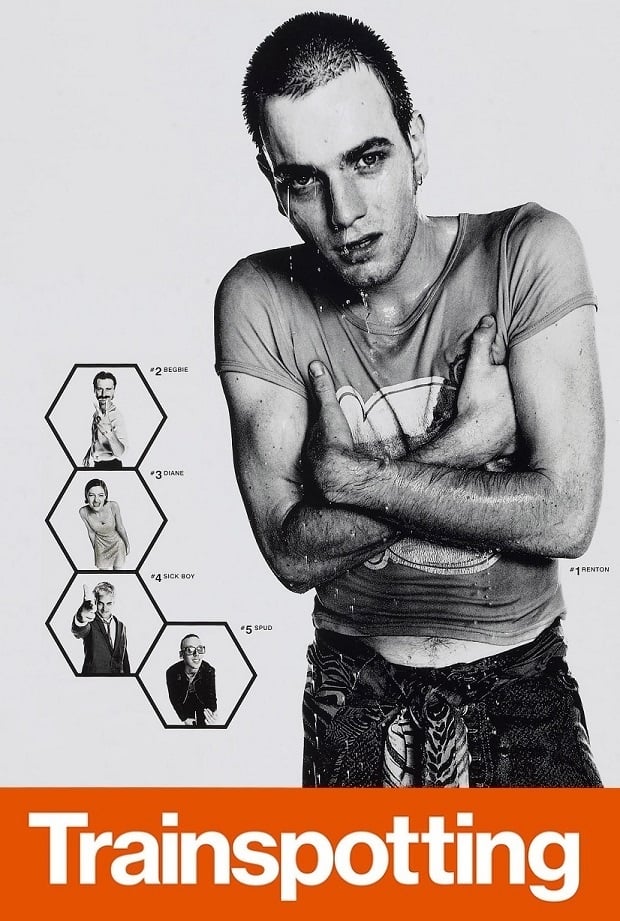
Directed by Danny Boyle, Trainspotting is a British black comedy-drama that offers a raw and energetic look at a group of heroin addicts in Edinburgh. The film is based on the novel by Irvine Welsh and follows the main character, Mark Renton, as he tries to overcome his addiction amidst the chaos of his friends’ lives. The movie is known for its frenetic pace, stylish visuals, and an iconic soundtrack that featured artists like Iggy Pop and Underworld.
Trainspotting was a cultural phenomenon and a major international success. It was praised for its unflinching yet non-judgmental portrayal of drug addiction and its dark, witty script. The film launched the international careers of its cast, including Ewan McGregor, and is considered a landmark of 1990s British cinema. Its bold style and challenging subject matter have made it an enduring cult classic.
The English Patient (1996)
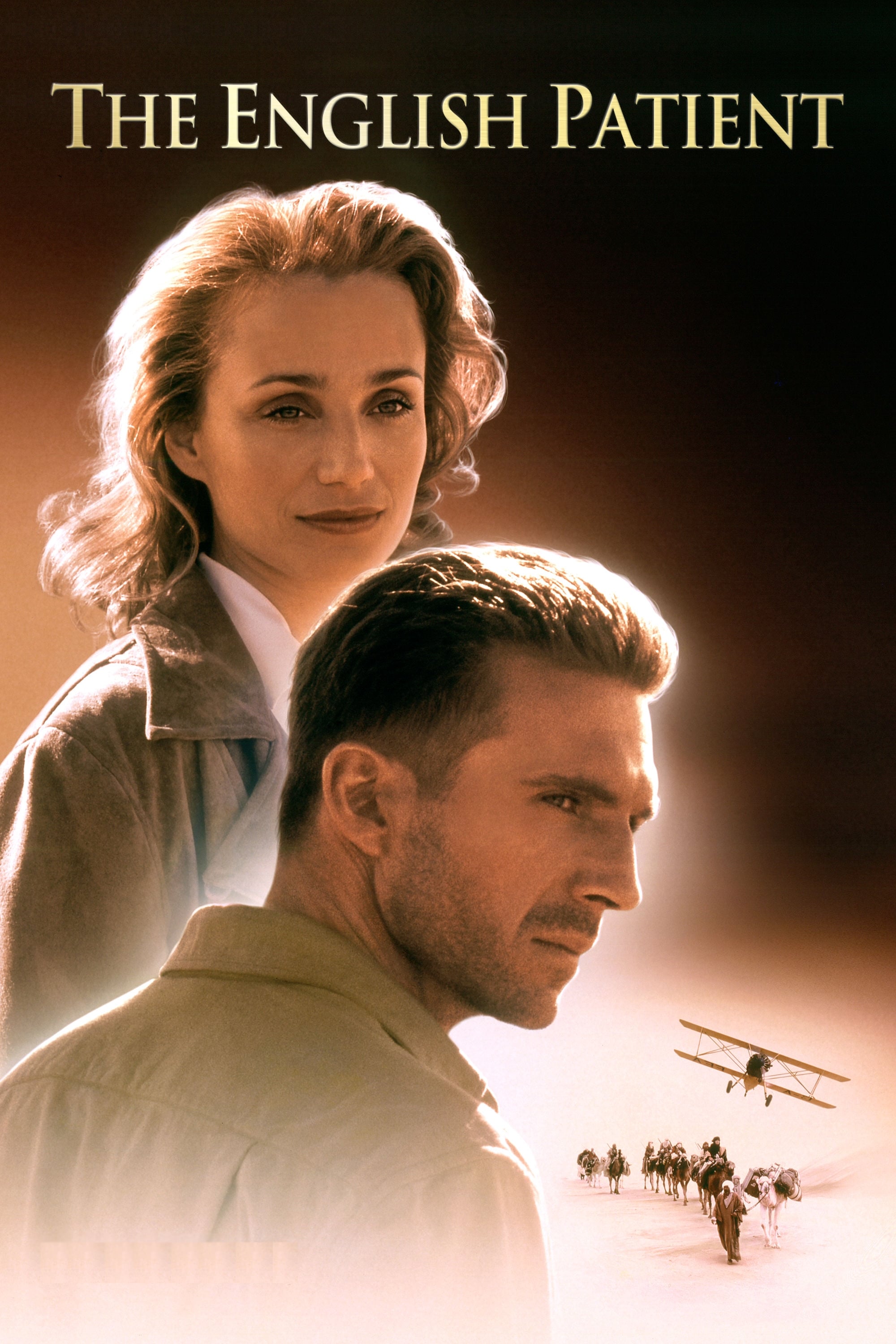
The English Patient is a sweeping romantic drama that dominated the Academy Awards in 1997. The film, directed by Anthony Minghella, is based on the novel by Michael Ondaatje. Its story is told through flashbacks as a badly burned man, a Hungarian cartographer named Count Almásy, recounts his life and a fateful love affair in North Africa before World War II to his Canadian nurse in an Italian monastery at the end of the war.
The film was celebrated for its beautiful cinematography, complex narrative, and powerful performances. It won nine Oscars, including Best Picture and Best Director, making it one of the most acclaimed films of the decade. The English Patient is remembered as a grand, old-fashioned epic, a type of film that was becoming less common in the 1990s, and it remains a benchmark for literary adaptations.
Mission: Impossible (1996)
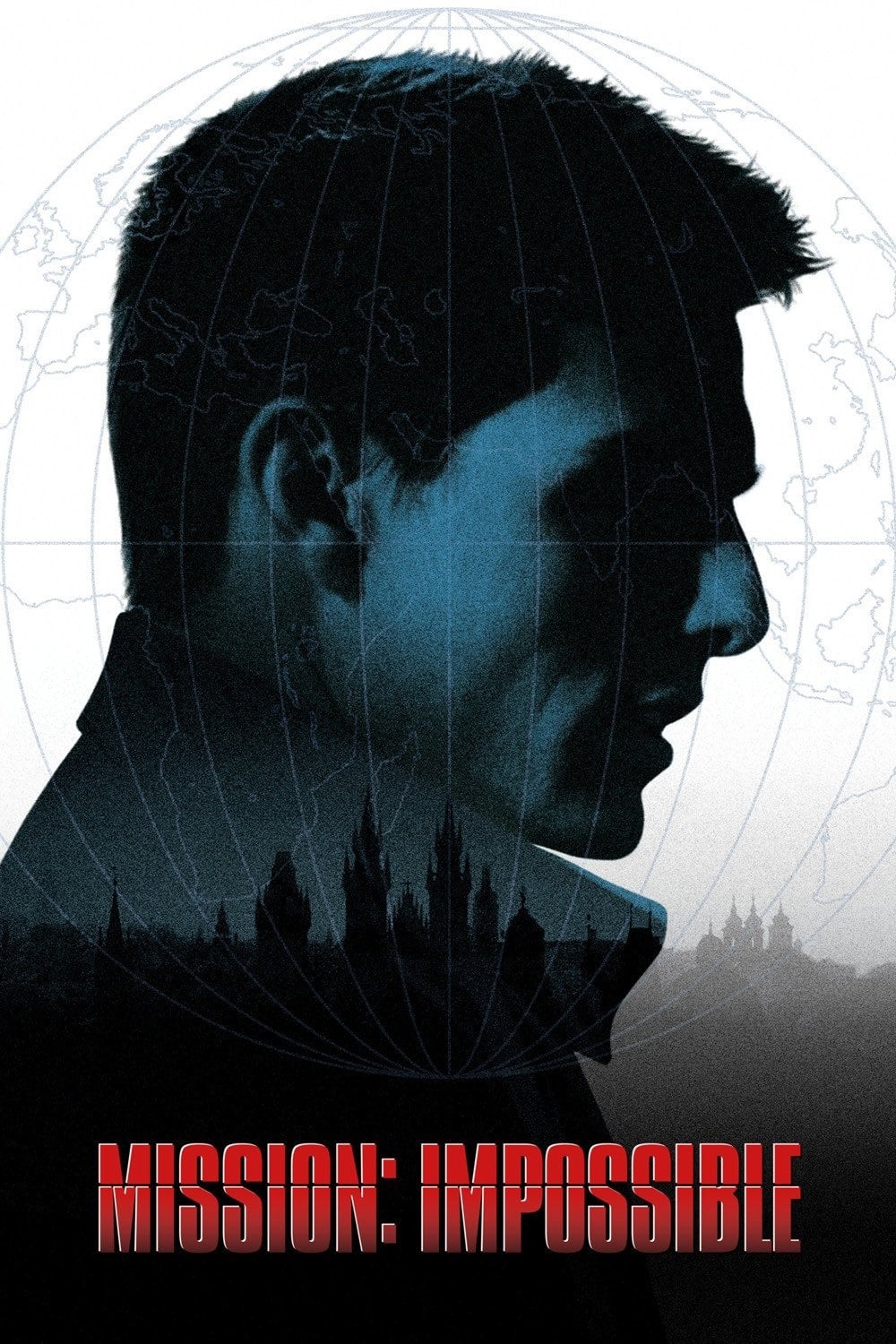
The first film in the long-running franchise, Mission: Impossible brought the classic 1960s television series to the big screen with spectacular results. Directed by Brian De Palma, the movie stars Tom Cruise as Ethan Hunt, an agent for the Impossible Missions Force (IMF). After a mission goes wrong and his entire team is eliminated, Ethan is framed as a traitor and must go on the run to uncover the real mole.
The film was a massive box office success, praised for its intricate plot, suspenseful set pieces, and Cruise’s commitment to performing his own stunts. The iconic scene where Ethan Hunt dangles from a wire in a secure vault is one of the most recognizable moments in modern action cinema. Mission: Impossible successfully launched a multi-billion dollar franchise that continues to be popular with audiences around the world.
Twister (1996)
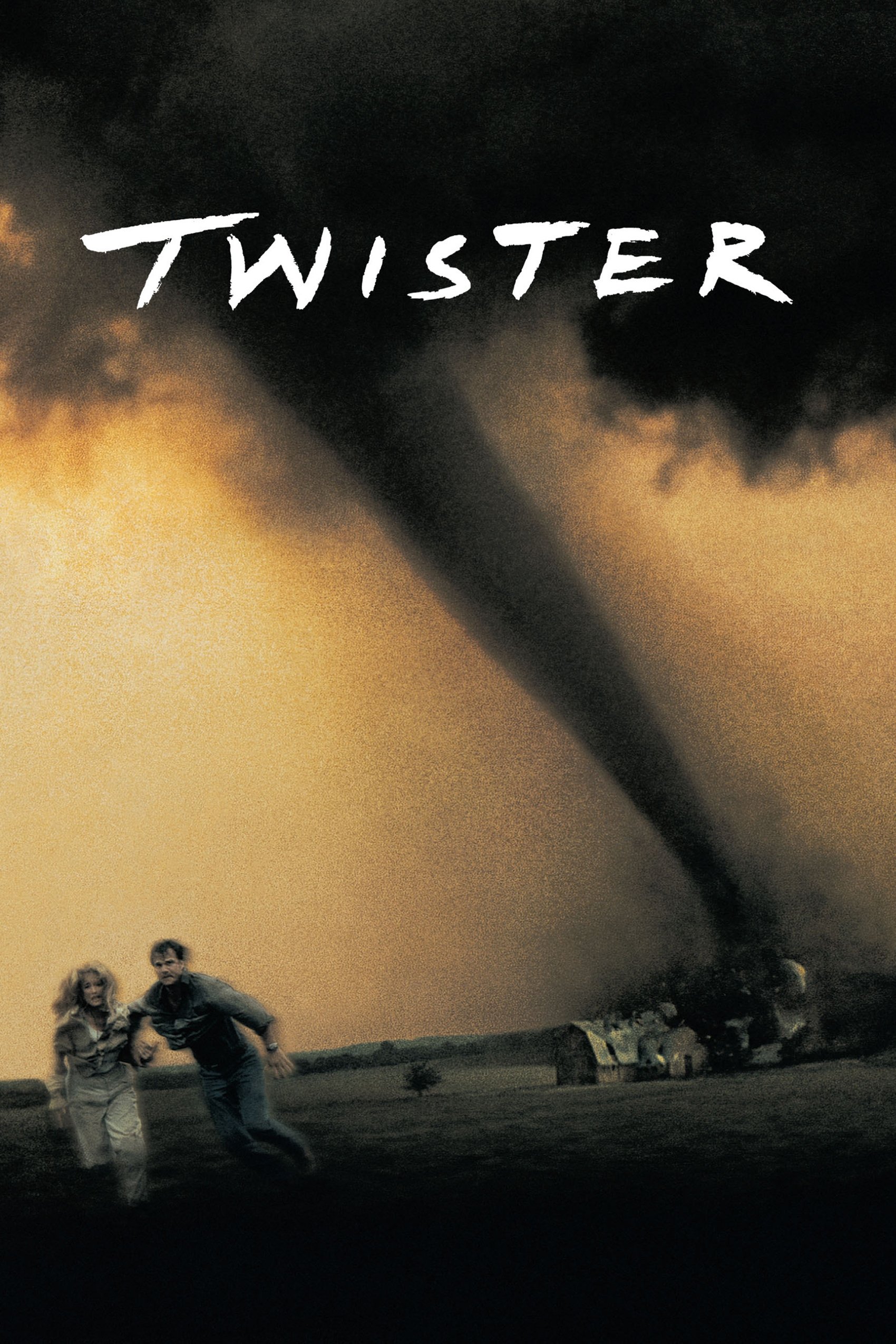
Twister was a disaster film that blew audiences away with its state-of-the-art special effects. The movie centers on a team of storm chasers in Oklahoma who are trying to deploy a new device to study tornados. The story follows a soon-to-be-divorced couple, played by Helen Hunt and Bill Paxton, who are forced to work together one last time to test their creation during a severe tornado outbreak.
Directed by Jan de Bont, Twister was a huge commercial success, becoming the second-highest-grossing film of 1996. The film’s groundbreaking CGI, which brought the powerful and terrifying tornados to life, was its main draw. It set a new benchmark for visual effects in disaster movies and remains a thrilling and entertaining example of the genre.
The Rock (1996)
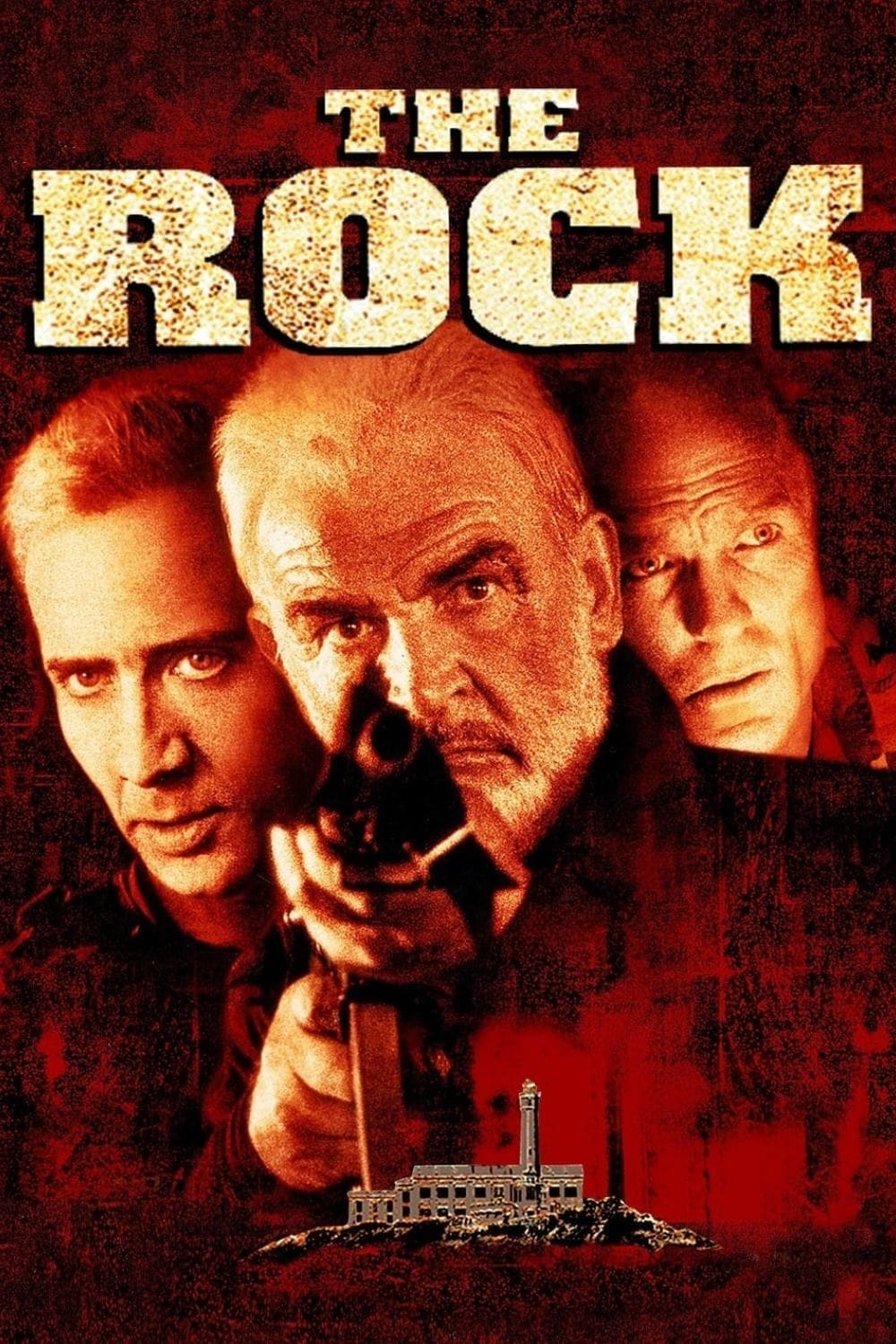
The Rock is a high-octane action thriller directed by Michael Bay. The film stars Sean Connery as a former British spy who is the only man to have ever escaped from Alcatraz prison. He is recruited by the government to help a team of Navy SEALs, led by a chemical weapons expert played by Nicolas Cage, break into the now-fortified island prison. Their mission is to stop a rogue group of Marines who have taken hostages and are threatening to launch rockets filled with nerve gas on San Francisco.
The film was a massive box office hit, known for its non-stop action, explosive set pieces, and the great chemistry between its lead actors. The Rock is often regarded as one of Michael Bay’s best films, praised for its thrilling pace and entertaining performances. It has become a classic of the 1990s action genre and a fan favorite.
Romeo + Juliet (1996)

Baz Luhrmann’s Romeo + Juliet is a bold and stylish adaptation of William Shakespeare’s famous play. The film sets the classic story of two star-crossed lovers in a modern-day city called Verona Beach, where the Montagues and Capulets are rival gangs. While the setting is contemporary, with guns instead of swords and news reports instead of a chorus, the film retains Shakespeare’s original dialogue.
This unique blend of modern visuals and classic language made the film a hit, especially with younger audiences. Leonardo DiCaprio and Claire Danes starred as the titular lovers, and their performances were widely praised. The film’s vibrant, MTV-inspired aesthetic and popular soundtrack made Shakespeare accessible to a new generation and solidified its status as a creative and influential adaptation.
Shine (1996)
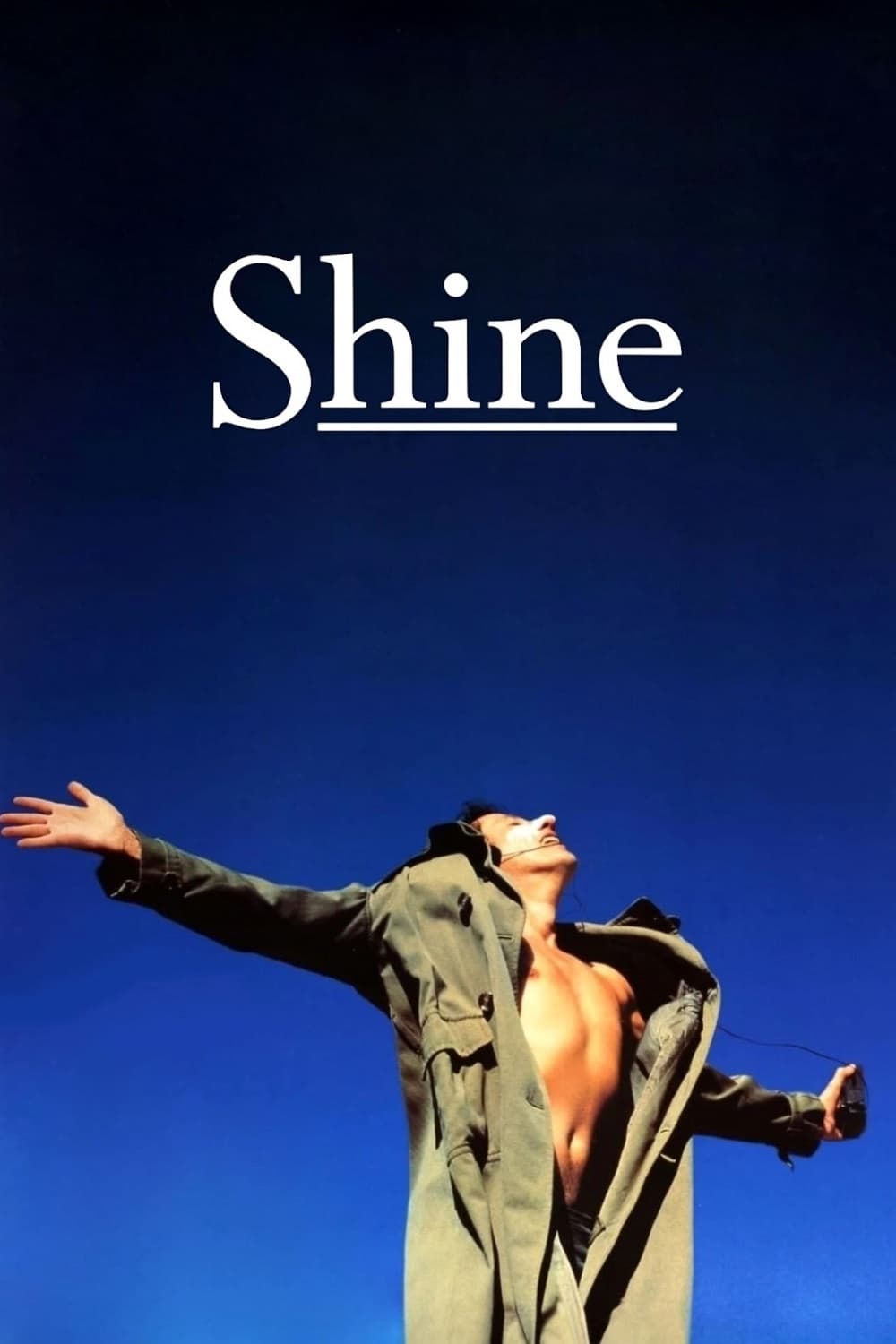
Shine is an Australian biographical film that tells the powerful story of pianist David Helfgott. Directed by Scott Hicks, the movie follows Helfgott’s life from his childhood as a piano prodigy dominated by his demanding father, through his struggles with mental illness, to his eventual return to the concert stage. The film is a moving portrayal of a brilliant artist’s breakdown and recovery.
Geoffrey Rush, who played the adult David Helfgott, delivered a stunning performance that earned him the Academy Award for Best Actor. The film was a critical and commercial success, praised for its emotional depth and incredible music. Shine brought Helfgott’s story to international attention and is remembered as a powerful and inspiring drama.
Sling Blade (1996)
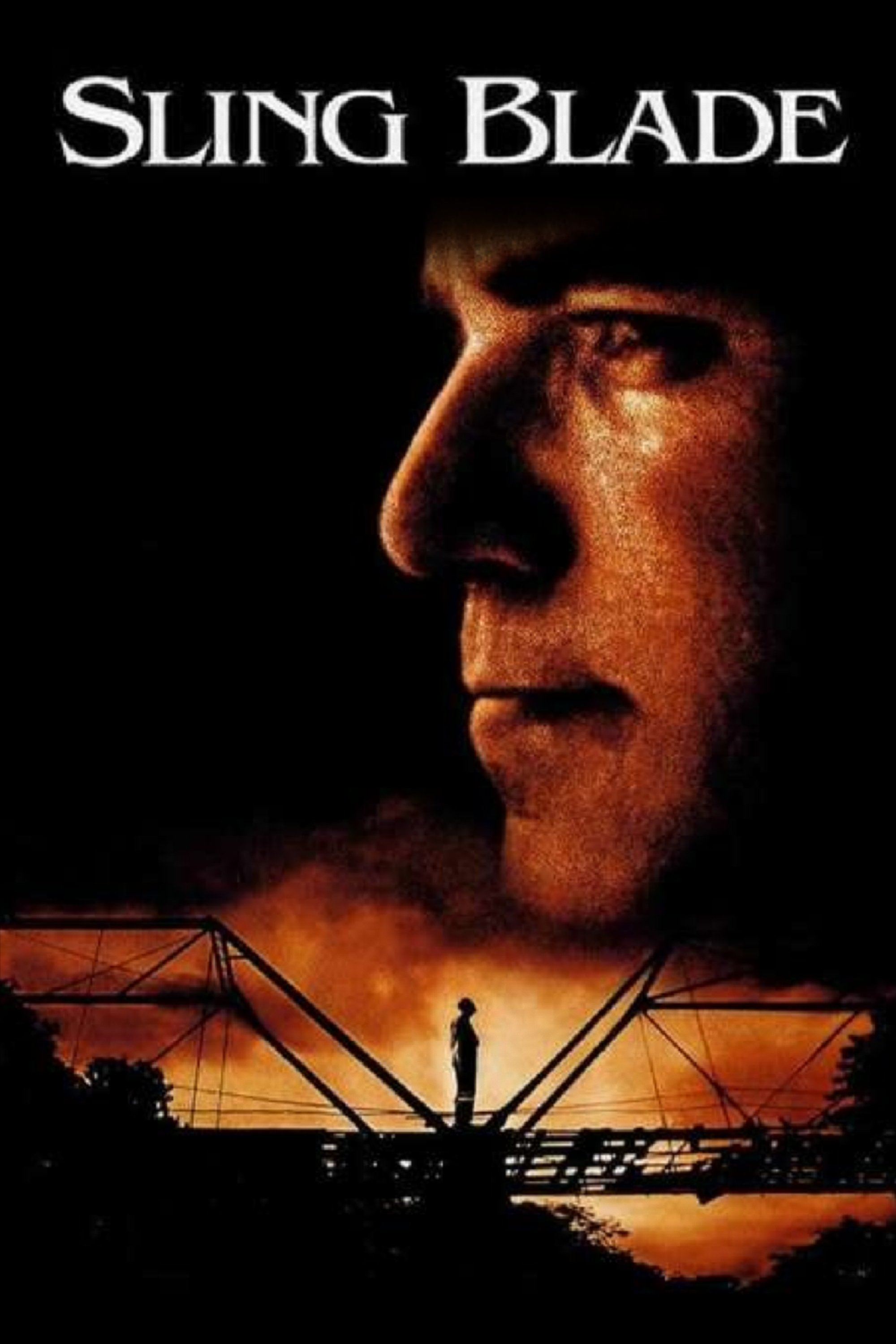
Sling Blade is a quiet yet powerful drama that was a true passion project for Billy Bob Thornton. He not only starred in the lead role but also wrote and directed the film. The story centers on Karl Childers, a man with an intellectual disability who is released from a psychiatric hospital decades after killing his mother and her lover. He returns to his small hometown and forms a bond with a young boy, but must confront the violent past he tried to leave behind.
Thornton’s performance as Karl, with his distinct voice and posture, was widely acclaimed, and he won the Academy Award for Best Adapted Screenplay. Sling Blade was celebrated for its compelling characters and emotionally resonant storytelling. The film was a breakthrough for Thornton and is regarded as a masterpiece of independent filmmaking in the 1990s.
The Crucible (1996)
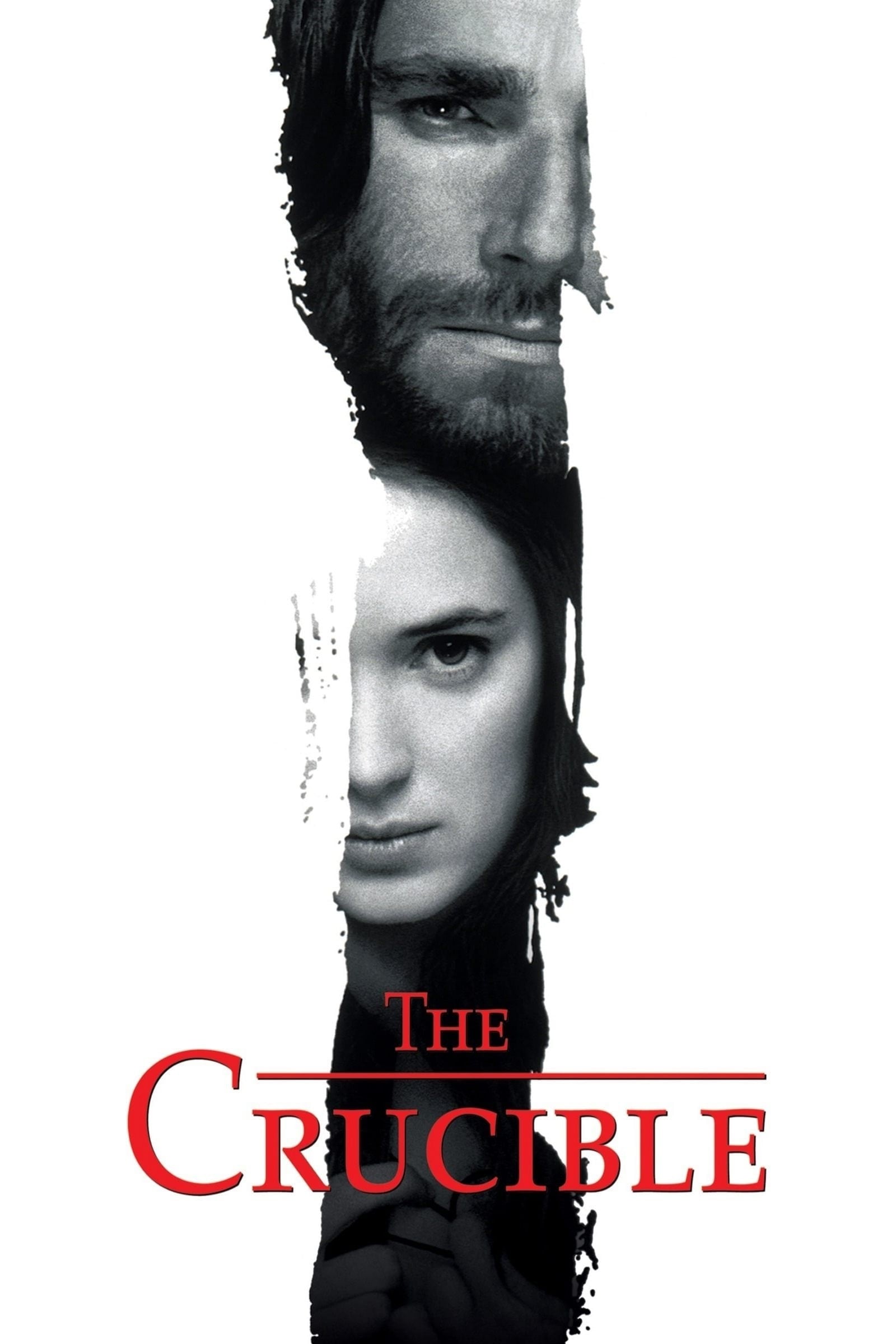
This film is a powerful adaptation of Arthur Miller’s classic 1953 play of the same name. The story is a dramatized and partially fictionalized account of the Salem witch trials that took place in the Massachusetts Bay Colony during 1692–93. The plot revolves around a group of young women who are discovered dancing in the woods, leading to accusations of witchcraft that tear the community apart. A farmer named John Proctor finds himself caught in the hysteria when his former servant accuses his wife.
Directed by Nicholas Hytner, the film featured a screenplay written by Arthur Miller himself, who adapted his own play. It starred Daniel Day-Lewis as John Proctor and Winona Ryder as his accuser, Abigail Williams. The film was praised for its intense performances and for faithfully capturing the play’s themes of mass hysteria, religious extremism, and the struggle for personal integrity. It remains a vital and relevant work.
Primal Fear (1996)
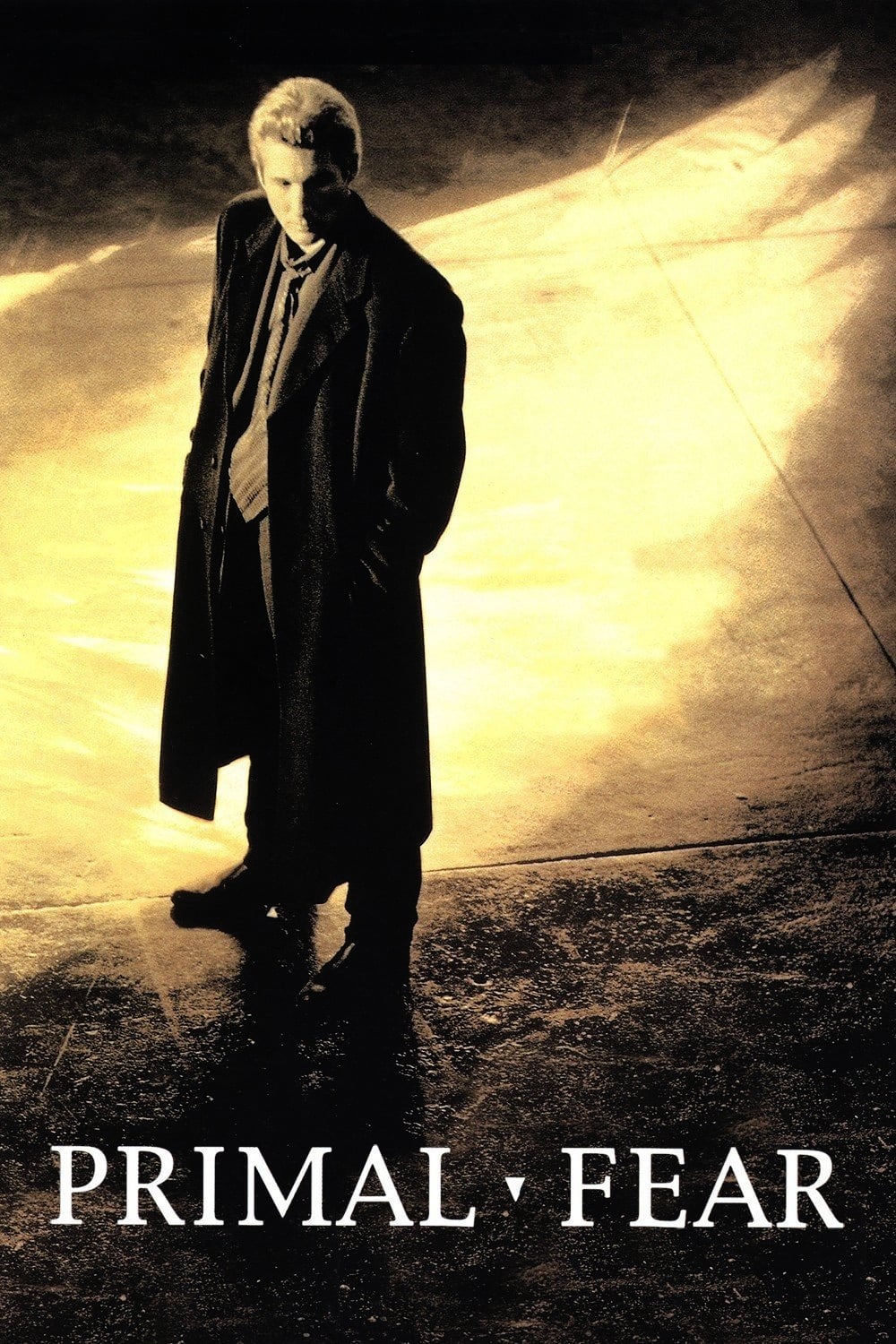
Primal Fear is a legal thriller that is best known for its stunning plot twist and a star-making debut performance. The film stars Richard Gere as a hotshot defense attorney who takes on a high-profile case pro bono. He defends an altar boy who is accused of murdering a prominent archbishop. The young man appears to be innocent and suffering from a multiple personality disorder, making the case far more complex than it first appears.
The film is a gripping courtroom drama, but it was Edward Norton’s performance as the accused altar boy that stole the show. It was his very first film role, and he earned an Academy Award nomination for Best Supporting Actor. The shocking ending of Primal Fear has made it a memorable and frequently discussed thriller, and it launched Edward Norton into stardom.
The Birdcage (1996)
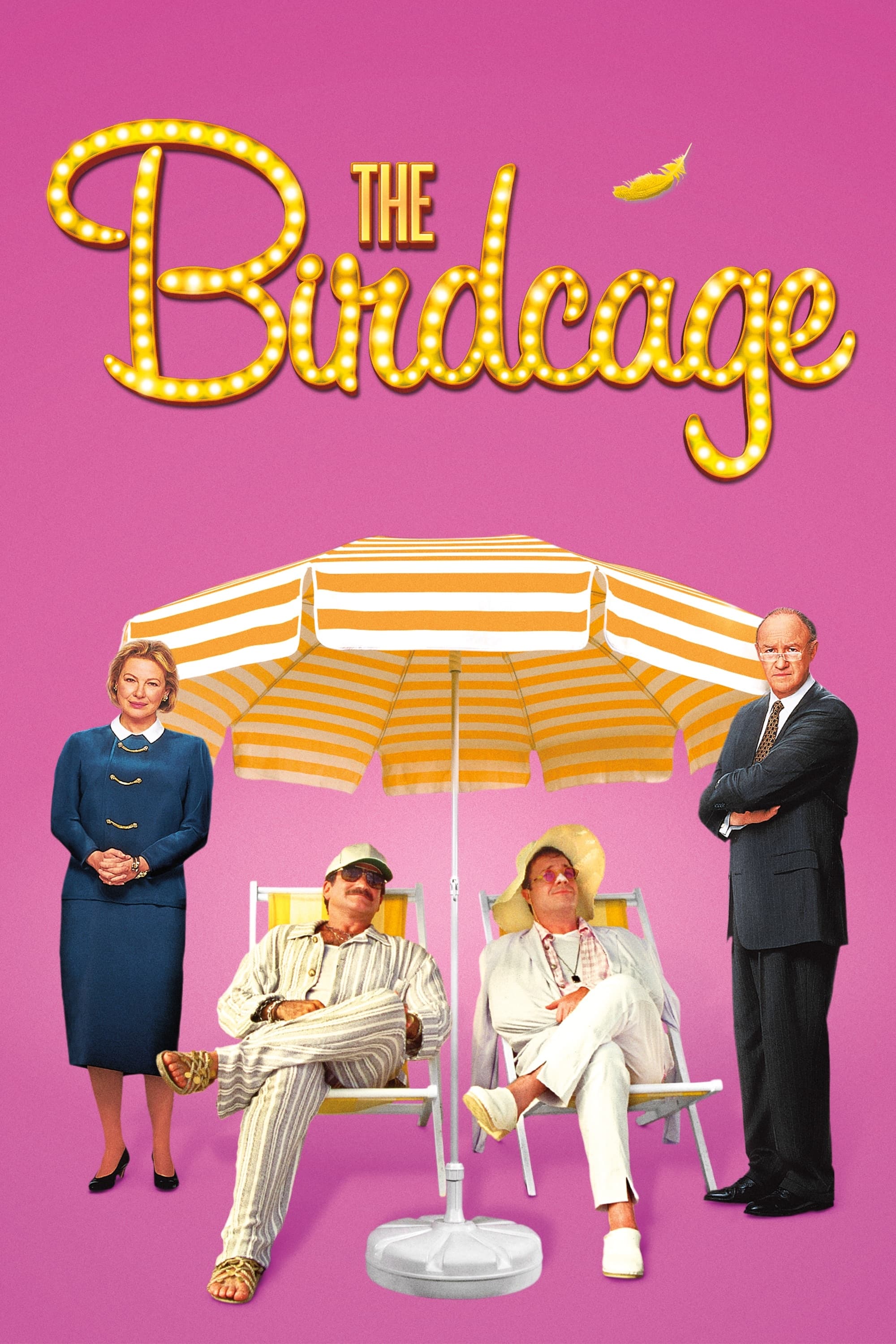
The Birdcage is a hilarious and heartwarming comedy directed by Mike Nichols. The film is an American remake of the French farce La Cage aux Folles. It stars Robin Williams as Armand Goldman, the owner of a popular drag club in South Beach, and Nathan Lane as his partner Albert, the club’s star performer. Their lives are turned upside down when Armand’s son announces he is engaged to the daughter of a conservative, right-wing senator.
The comedy comes from the couple’s desperate and chaotic attempts to pretend to be a traditional, heterosexual family for a dinner with the future in-laws. The film was a huge box office success, praised for its witty script by Elaine May and the brilliant comedic performances from its entire cast, especially Nathan Lane. The Birdcage was also celebrated for its positive and humane portrayal of a gay couple, which was still relatively rare for a mainstream Hollywood comedy at the time.
A Time to Kill (1996)
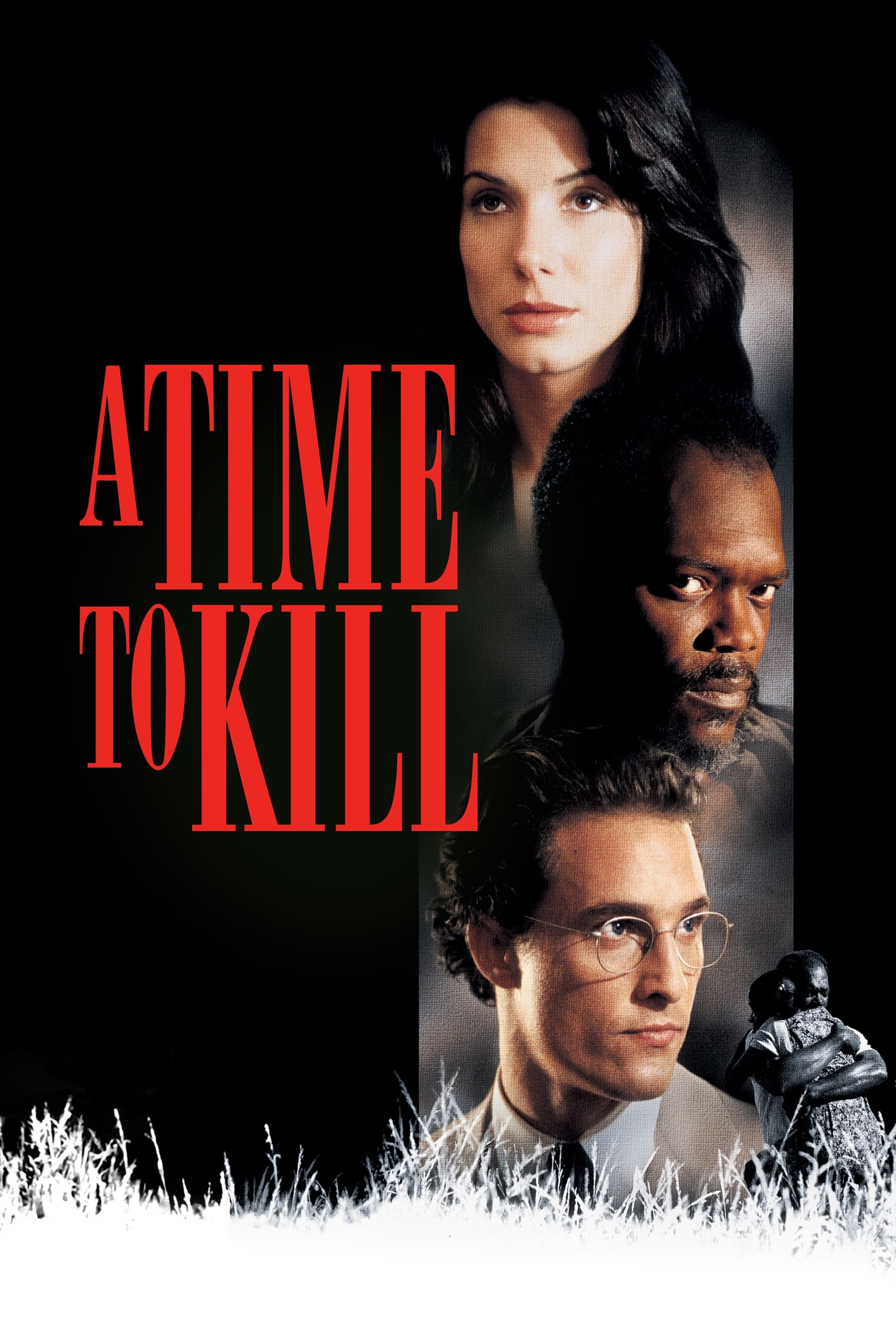
Based on the John Grisham novel of the same name, A Time to Kill is a tense courtroom drama that tackles difficult themes of race and justice in the American South. The story is set in Mississippi, where a young Black girl is brutally assaulted by two white men. Her father takes justice into his own hands and is then put on trial for murder. A young, idealistic lawyer, along with his sharp-witted assistant, defends the father in a highly publicized and racially charged case.
The film, directed by Joel Schumacher, featured a star-studded cast, including Matthew McConaughey in a breakout leading role, alongside Sandra Bullock and Samuel L. Jackson. A Time to Kill was a major box office success, and it was praised for its powerful performances and for not shying away from its controversial subject matter. The film sparked conversations about race and the legal system and remains a potent and thought-provoking drama.
From Dusk Till Dawn (1996)
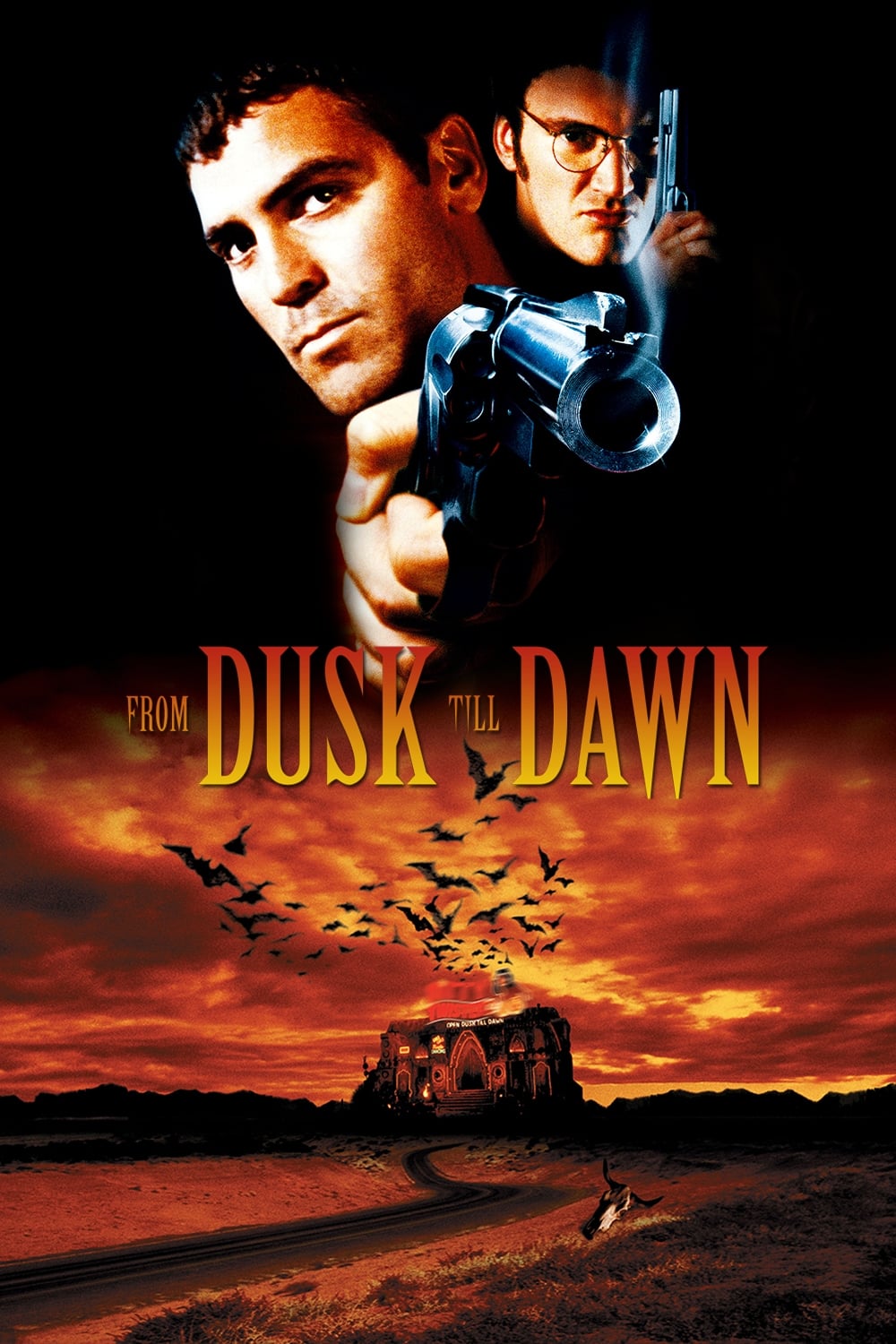
From Dusk Till Dawn starts as a gritty crime thriller and then abruptly shifts into a wild, over-the-top vampire movie. Directed by Robert Rodriguez and written by Quentin Tarantino, the film follows two fugitive brothers who kidnap a family to help them cross the border into Mexico. They seek refuge in a remote trucker bar, only to discover that the entire establishment is run by vampires.
The film’s sudden and extreme genre switch is its most famous feature, shocking audiences who were expecting a straightforward crime story. It stars George Clooney in one of his first major film roles alongside Tarantino himself as the criminal brothers. From Dusk Till Dawn quickly became a cult classic, celebrated for its action, humor, and unique blend of genres.
That Thing You Do! (1996)
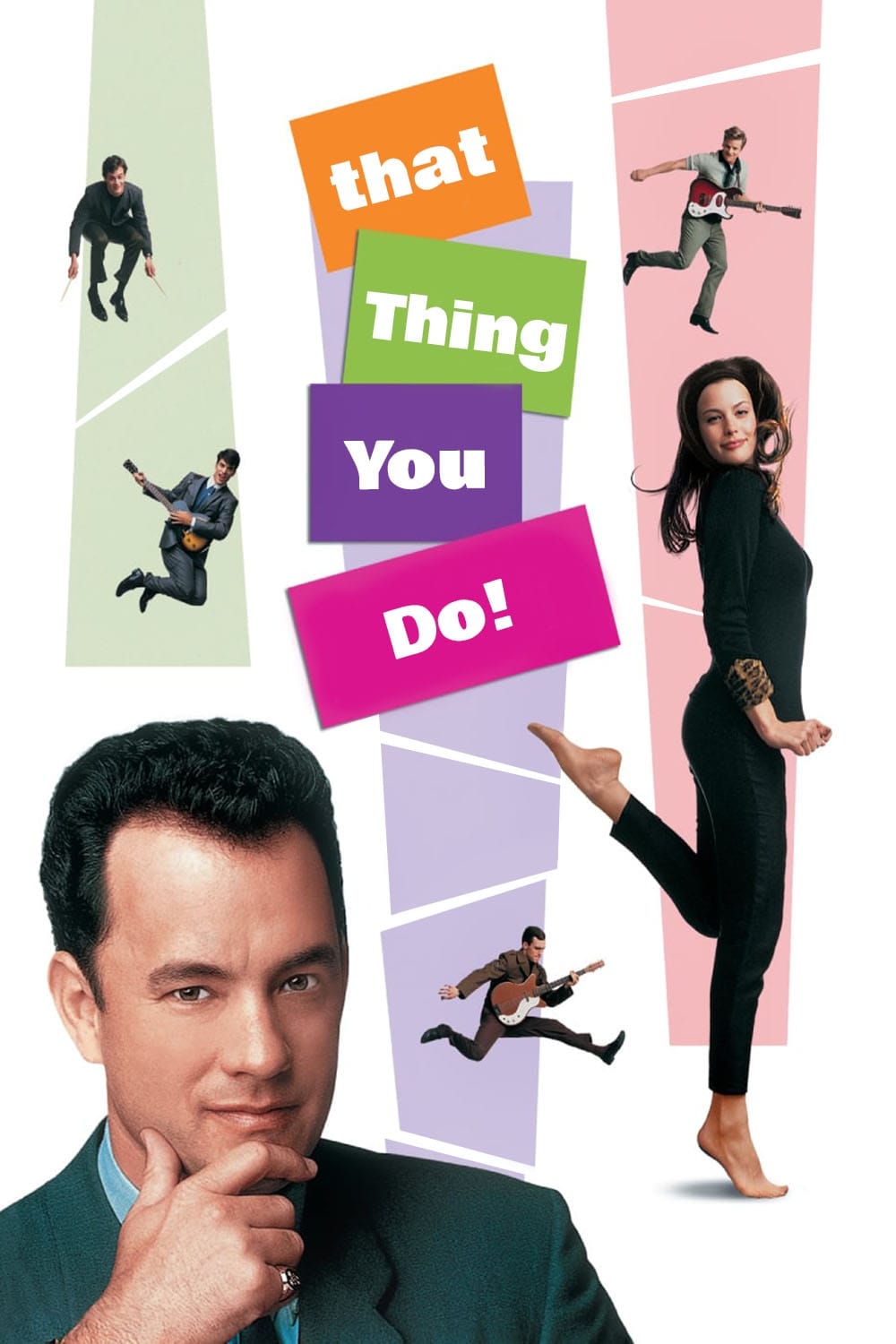
That Thing You Do! is a charming and upbeat film that captures the excitement of sudden pop stardom. The movie was written and directed by Tom Hanks, who also co-stars. It tells the story of a fictional 1960s band from Pennsylvania called The Wonders who rocket to fame after their catchy song, “That Thing You Do!,” becomes a massive hit. The film follows their journey from playing in local talent shows to national television appearances and the pressures that come with fame.
The film was praised for its fun and nostalgic atmosphere, as well as its incredibly catchy original music, written by Adam Schlesinger. The title song was a genuine hit in the real world. That Thing You Do! is remembered as a feel-good movie with a lot of heart, perfectly capturing a moment of pop music history. It has become a beloved cult favorite over the years.
The Nutty Professor (1996)
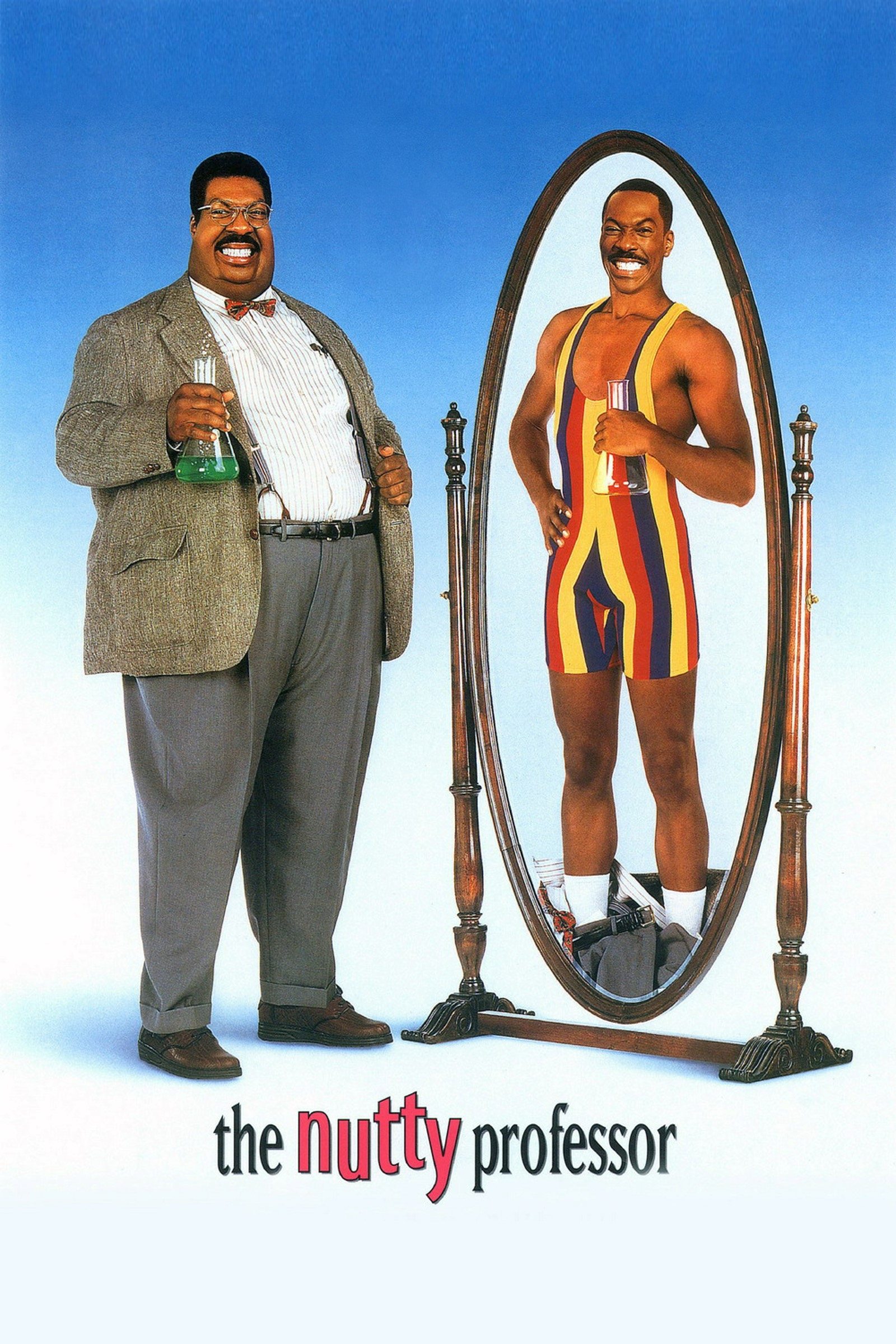
The Nutty Professor is a slapstick comedy that showcased the incredible comedic talents of Eddie Murphy. A remake of the 1963 Jerry Lewis film, this version stars Murphy as Sherman Klump, a kind-hearted but morbidly obese university professor. To win the affection of a colleague, he invents a serum that temporarily transforms him into the thin, charismatic, but obnoxious Buddy Love.
What makes the film a classic is Eddie Murphy’s remarkable performance, as he plays not only Sherman and Buddy but also five other members of the Klump family, all buried under heavy prosthetics and makeup. The dinner scenes with the entire Klump family are comedy highlights. The film was a huge box office hit and was praised for its groundbreaking makeup effects, which won an Academy Award.
Mars Attacks! (1996)
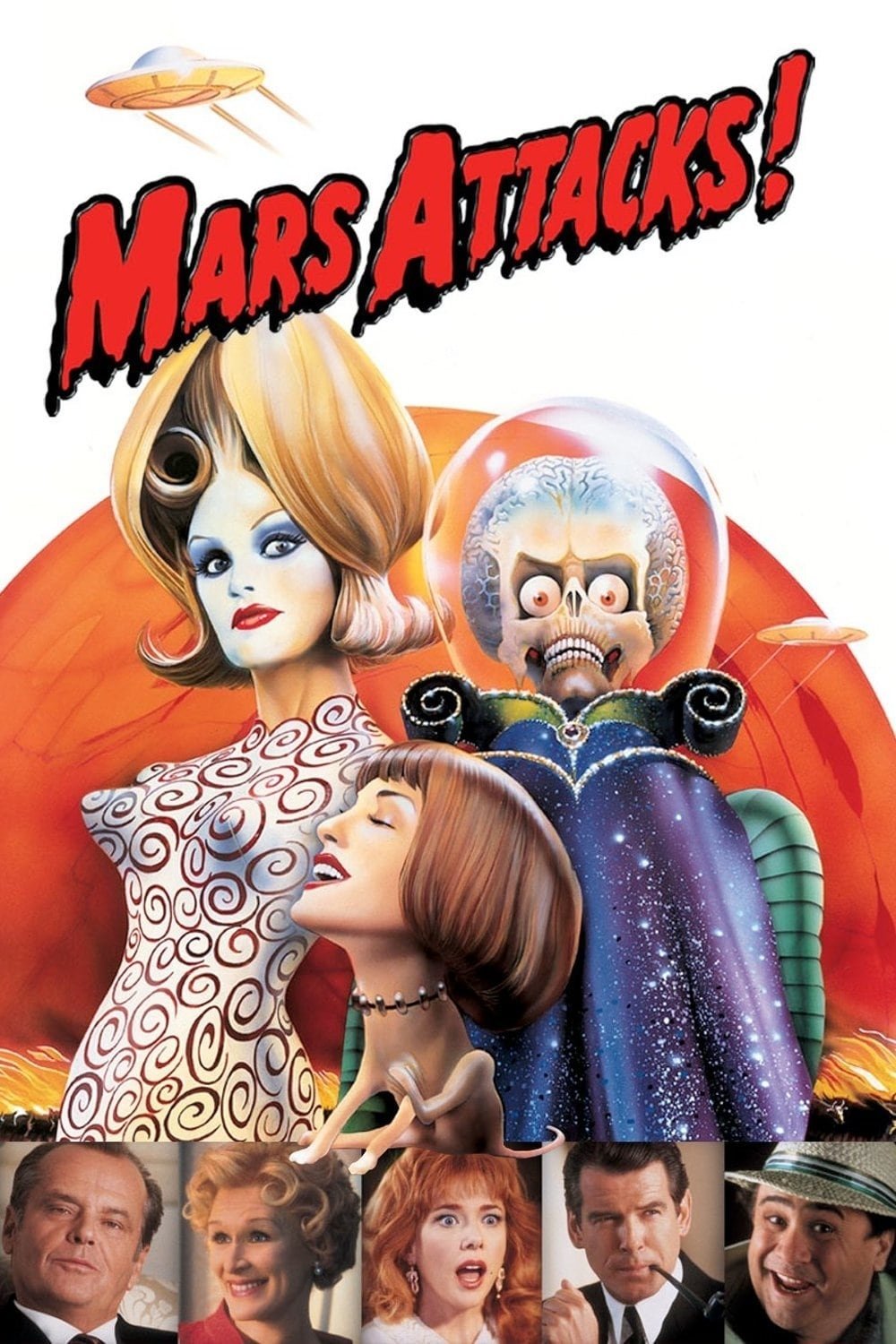
Mars Attacks! is a science-fiction comedy that parodies classic B-movies from the 1950s. Directed by Tim Burton, the film features a massive, star-studded ensemble cast and depicts a chaotic invasion of Earth by Martians with giant brains and a twisted sense of humor. Despite humanity’s attempts to communicate peacefully, the Martians gleefully cause destruction and mayhem around the globe.
The film’s deliberately campy style and black humor received a mixed reaction from critics and audiences at the time, especially when compared to the more serious alien invasion film of the same year, Independence Day. However, Mars Attacks! has since become a cult classic, appreciated for its unique, anarchic spirit and its quirky, memorable alien design.
Space Jam (1996)
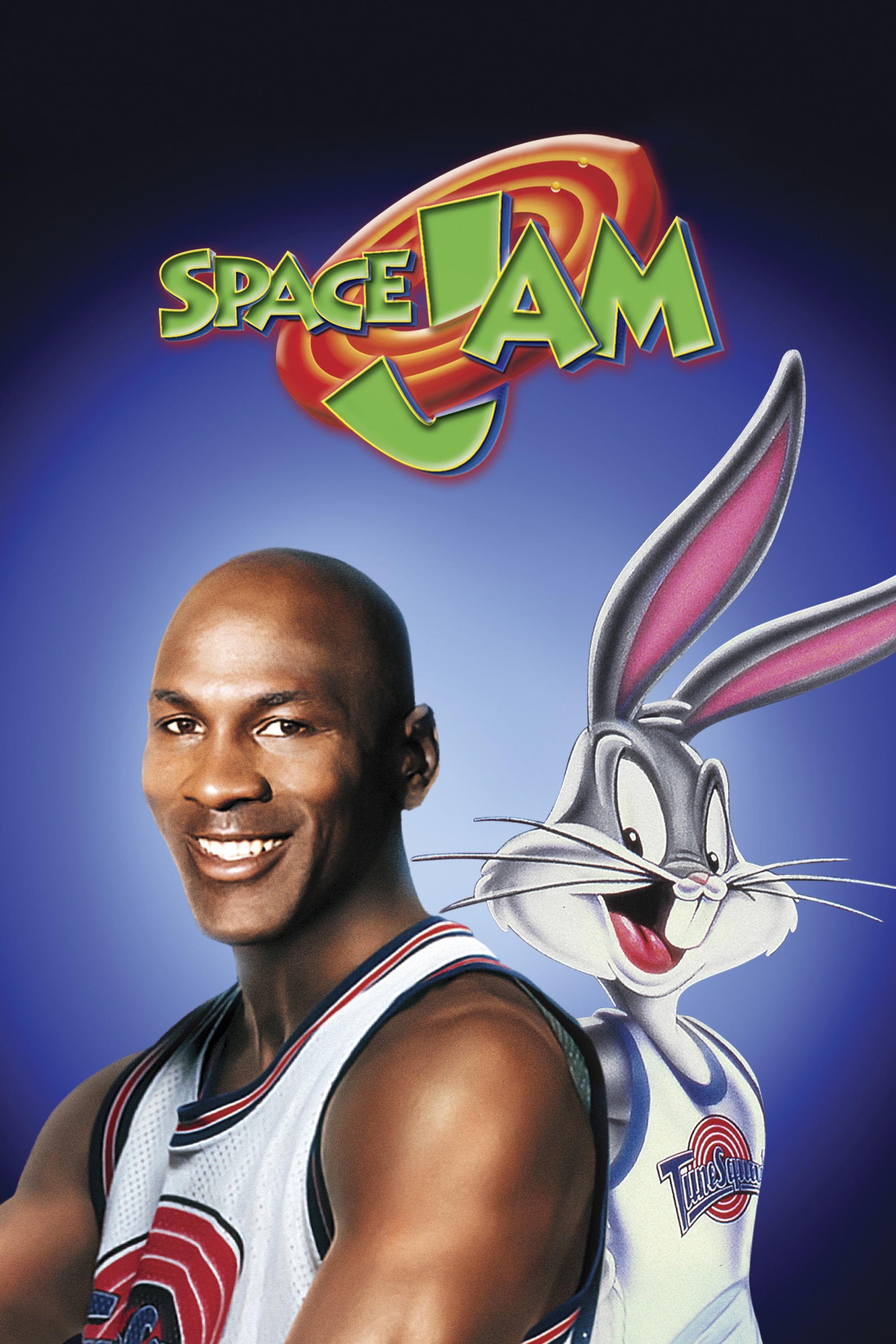
Space Jam is a family-friendly film that combined live-action and animation in a truly unique way. The movie stars basketball superstar Michael Jordan as himself. The story begins with his retirement from basketball, but he is soon pulled into the world of the Looney Tunes. Bugs Bunny and his friends need Jordan’s help to win a basketball game against a group of aliens who want to enslave them for their outer space theme park.
The film was a huge box office success, especially with younger audiences who loved seeing a sports icon team up with beloved cartoon characters. The technology used to blend the live-action and animated elements was impressive for its time. Space Jam became a 90s cultural touchstone, remembered for its fun premise, popular soundtrack, and for capturing Michael Jordan at the height of his global fame.
Beavis and Butt-Head Do America (1996)
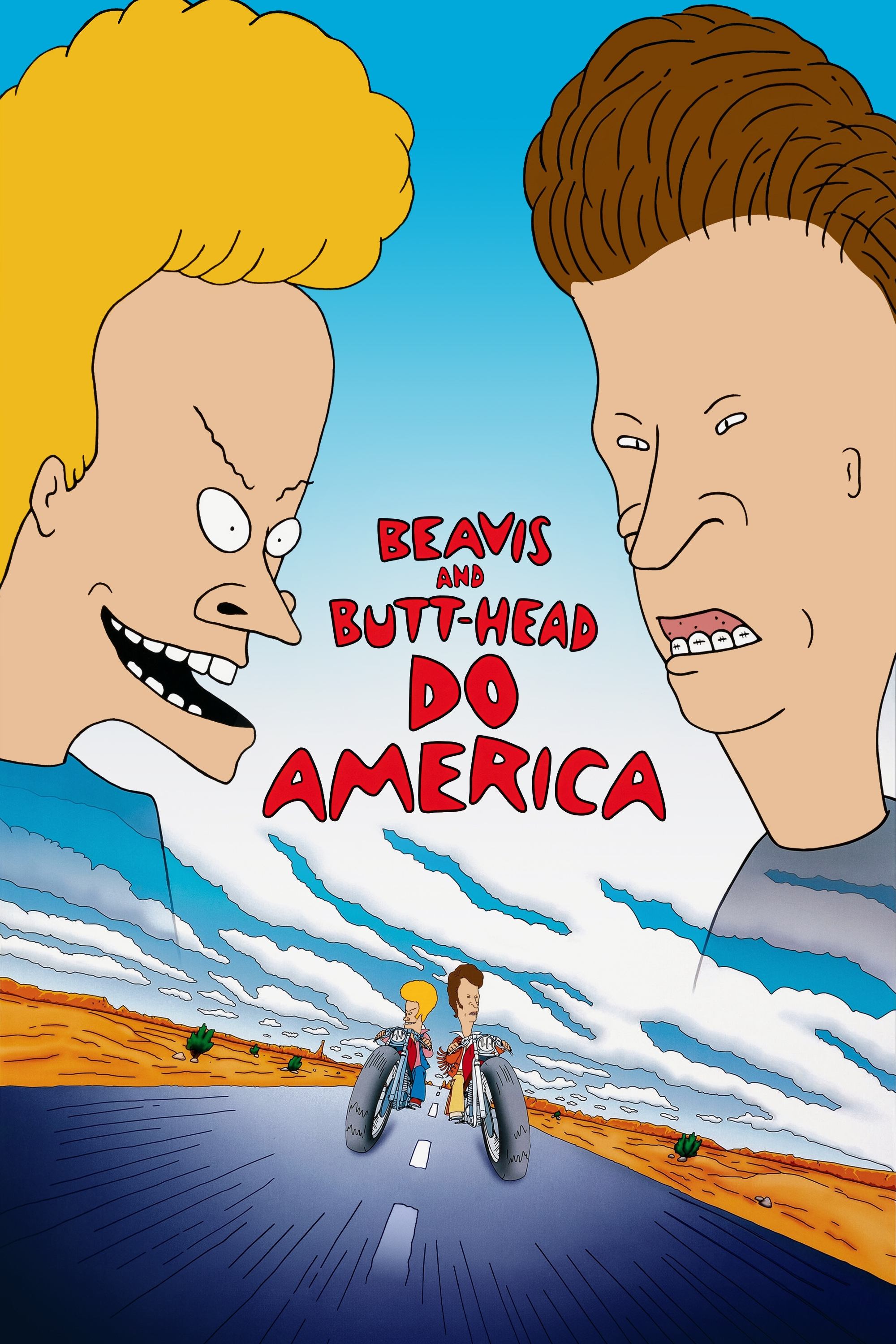
Beavis and Butt-Head Do America successfully brought MTV’s most famous animated idiots to the big screen. The film follows the dim-witted teenage duo on a cross-country adventure after their beloved television is stolen. They unknowingly become entangled in a dangerous plot involving a deadly bioweapon, all while mistakenly believing they are being paid to score with a woman.
The film was a surprise box office hit and was well-received by critics, who praised its surprisingly clever and satirical humor. It managed to expand the world of Beavis and Butt-Head beyond their couch without losing the simple, crude charm of the original TV show. The movie remains the highest-grossing film from MTV Productions and is a nostalgic favorite for fans of 90s animation.
The Cable Guy (1996)
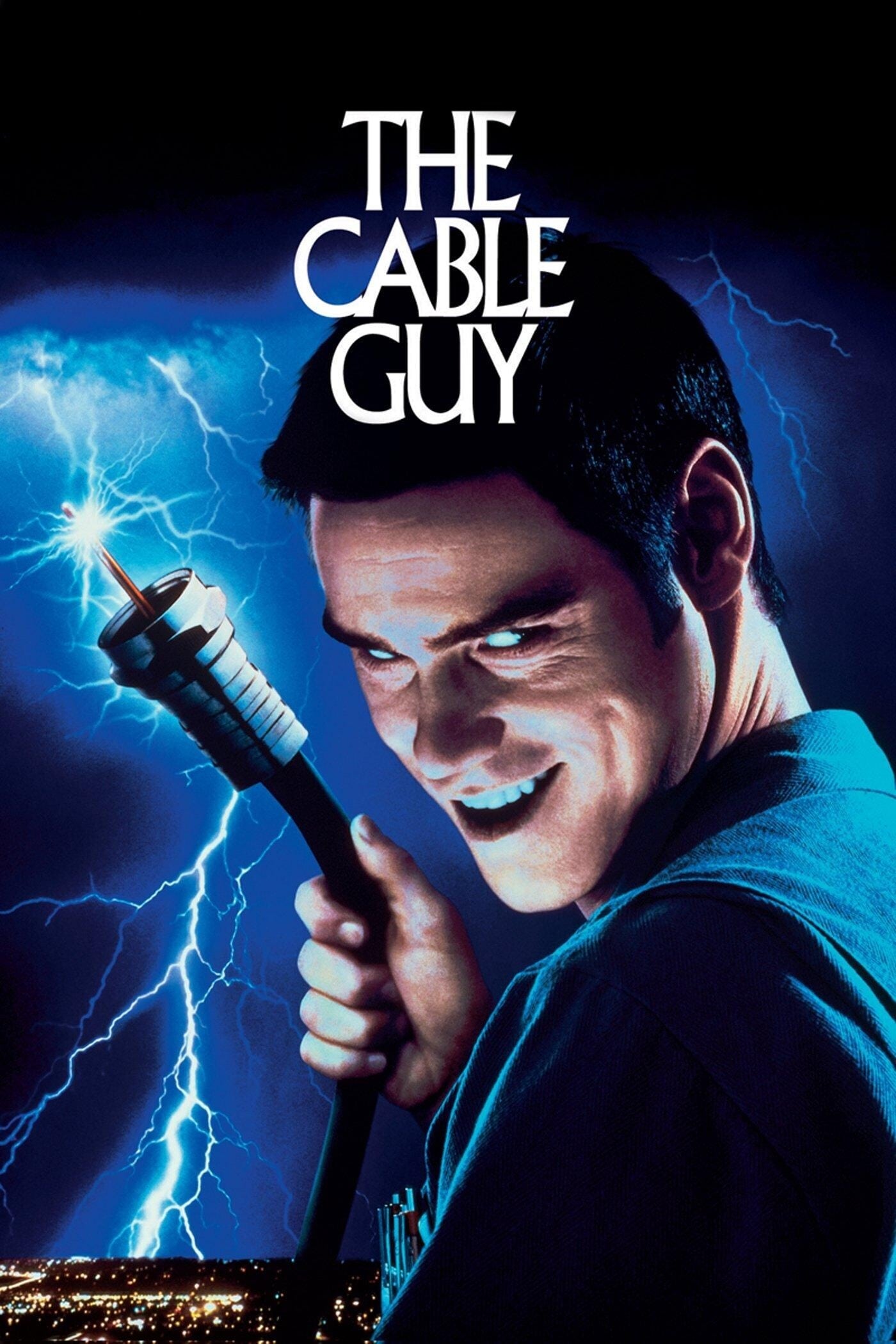
At the time of its release, The Cable Guy was considered a dark and risky departure for its star, Jim Carrey. The film is a black comedy directed by Ben Stiller, in which Carrey plays an eccentric and lonely cable installer who becomes obsessed with a customer, played by Matthew Broderick. His desperate attempts at friendship quickly turn into a campaign of stalking and psychological torment.
The film’s dark tone was not what audiences expected from Carrey, who was known for much broader, family-friendly comedies. As a result, it received a mixed response and was a modest box office success compared to his other films of the era. Over time, however, The Cable Guy has been re-evaluated and is now considered a cult classic, praised for its satirical take on media obsession and for Carrey’s daring and unsettling performance.
Kingpin (1996)

From the Farrelly brothers, the directors of Dumb and Dumber, came the bowling comedy Kingpin. The film stars Woody Harrelson as Roy Munson, a former professional bowling champion whose career was cut short after a rival tricked him, causing his bowling hand to be amputated. Years later, he is a washed-up, alcoholic salesman who discovers a promising new bowling talent in an Amish man named Ishmael, played by Randy Quaid.
Together, they hit the road to a high-stakes bowling tournament in Reno, facing off against Roy’s old nemesis. The film is filled with the Farrelly brothers’ signature gross-out humor and absurd situations. While not a huge box office hit initially, Kingpin gained a large following on home video and is now regarded as a cult classic, with a standout comedic performance from Bill Murray as the villainous bowler, Ernie McCracken.
Matilda (1996)
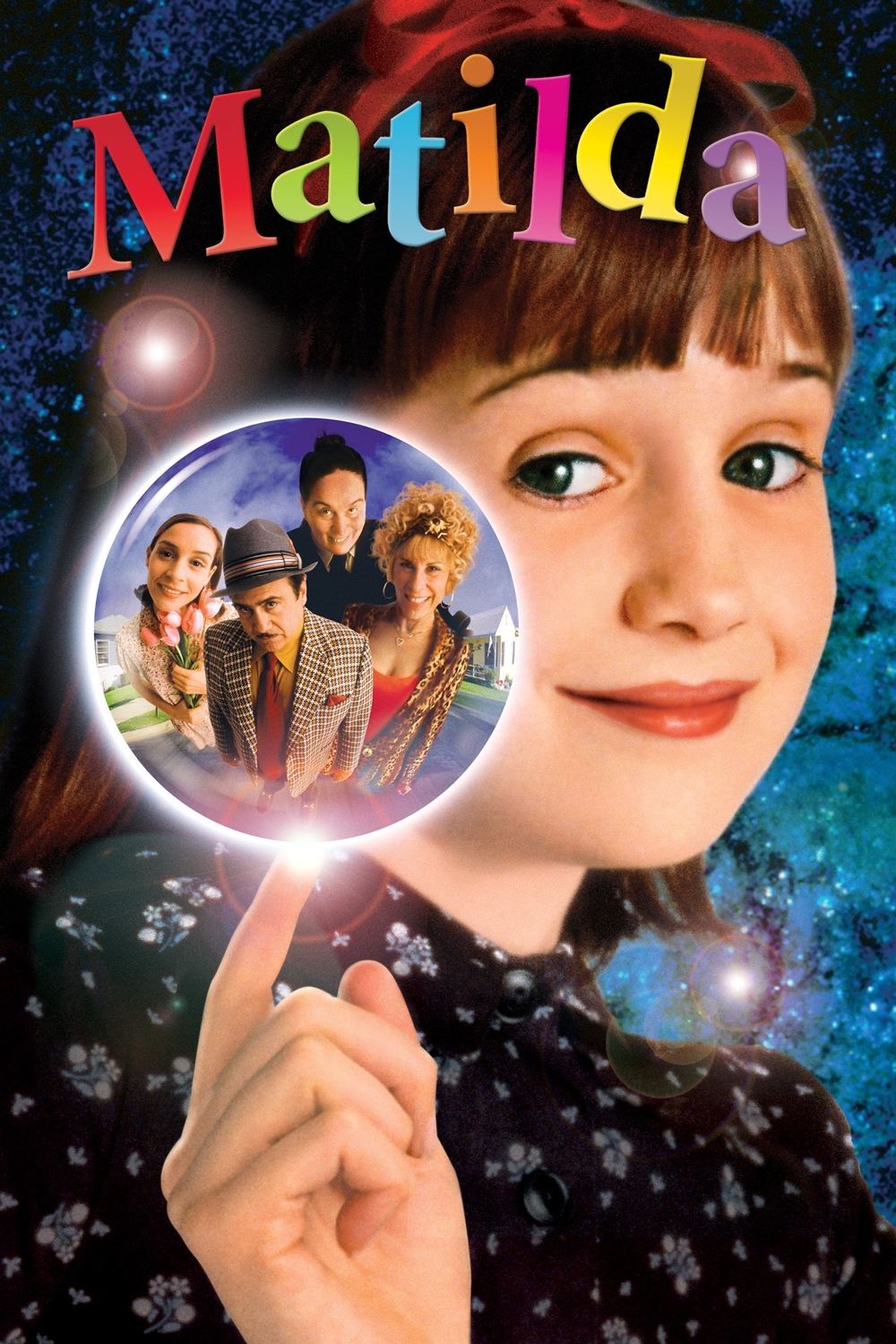
Matilda is a beloved family film based on the classic children’s book by Roald Dahl. The story is about a brilliant young girl with neglectful and boorish parents who discovers she has telekinetic powers. She uses her intellect and her newfound abilities to deal with her cruel family and her tyrannical school principal, the terrifying Miss Trunchbull.
Directed by Danny DeVito, who also co-stars as Matilda’s father, the film perfectly captures the dark humor and whimsical charm of Dahl’s writing. While it was not a major box office success upon its release, Matilda became incredibly popular through home video and television broadcasts. It is now considered a classic children’s movie, celebrated for its empowering message, memorable characters, and the heartwarming relationship between Matilda and her kind teacher, Miss Honey.
101 Dalmatians (1996)
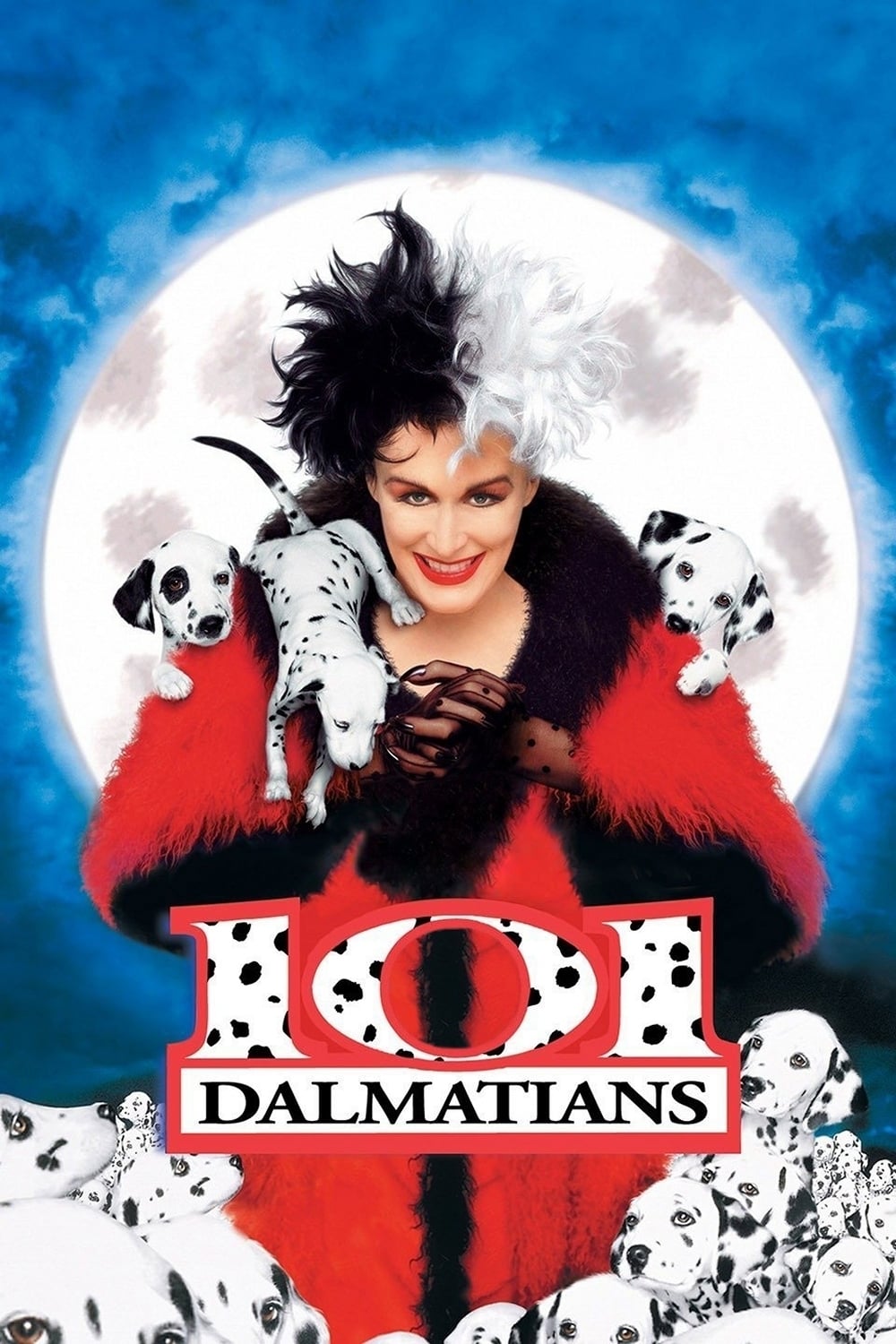
This live-action remake of Disney’s 1961 animated classic brought the story of Pongo and Perdita to a new generation. The film follows a video game designer and a fashion designer who fall in love and get married, and their dalmatians do the same. When their puppies are born, they attract the attention of the villainous Cruella de Vil, a high-fashion mogul who wants to turn the puppies into a fur coat.
The standout element of the film was Glenn Close’s magnificent and over-the-top performance as Cruella de Vil. She perfectly embodied the animated character’s wickedness and flair, earning a Golden Globe nomination for her role. The film was a massive commercial success, praised for its visual style, the adorable puppy actors, and Close’s iconic portrayal of one of Disney’s greatest villains.
The Hunchback of Notre Dame (1996)
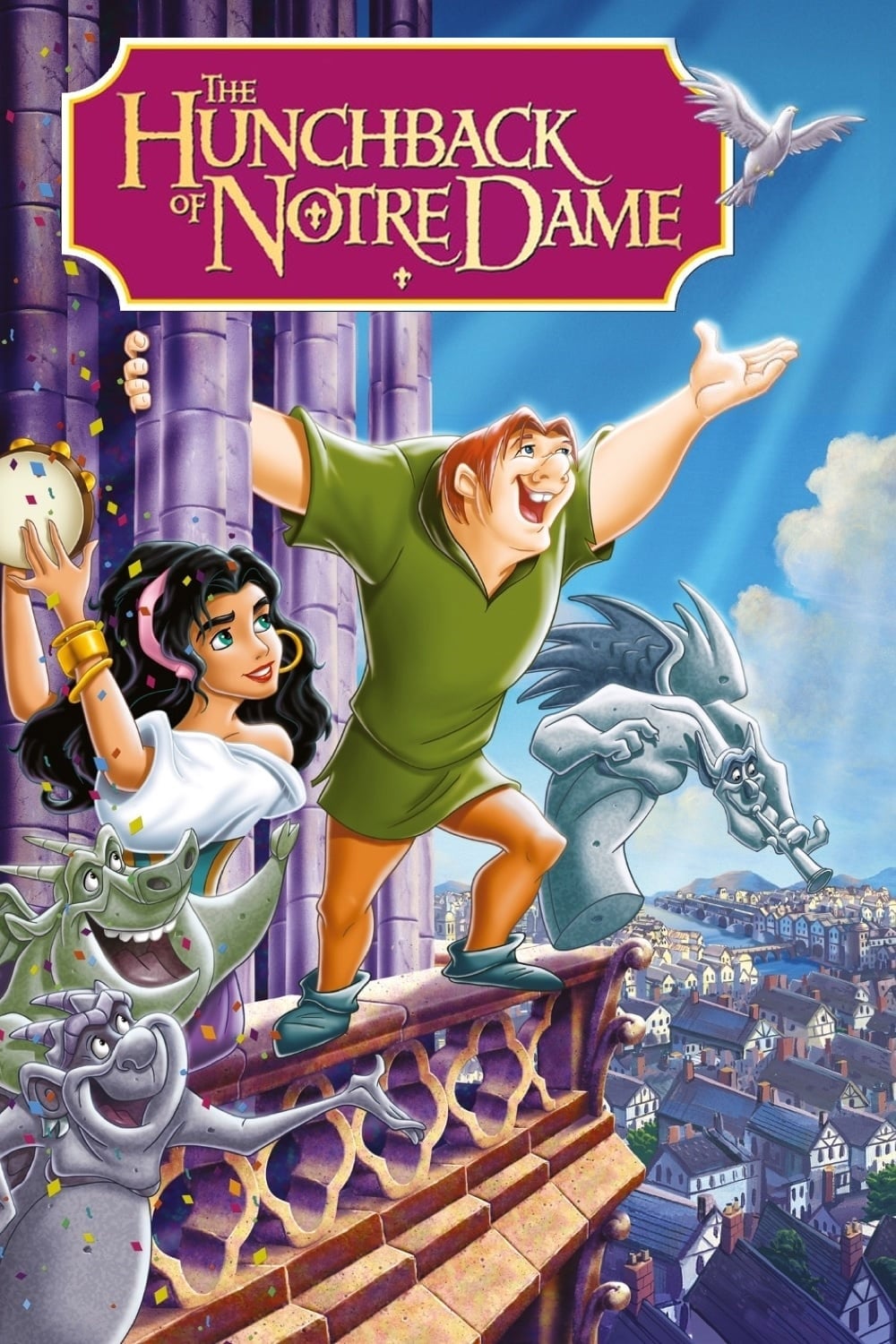
The Hunchback of Notre Dame is considered one of the darkest and most mature films from the Disney Renaissance era. Based on the Victor Hugo novel, the story follows Quasimodo, the deformed bell-ringer of Notre Dame Cathedral, who lives in isolation under the control of the cruel Judge Frollo. He dreams of living among the people of Paris and finds his first real friend in a kind and rebellious Romani woman named Esmeralda.
The film was praised for its stunning animation, particularly the detailed depiction of the Notre Dame Cathedral, and its powerful musical score by Alan Menken and Stephen Schwartz. It tackles unusually complex themes for a Disney film, including religious hypocrisy, prejudice, and lust. Because of its mature subject matter, it stands out in the Disney canon and is appreciated by many for its artistic ambition and emotional depth.
Big Night (1996)
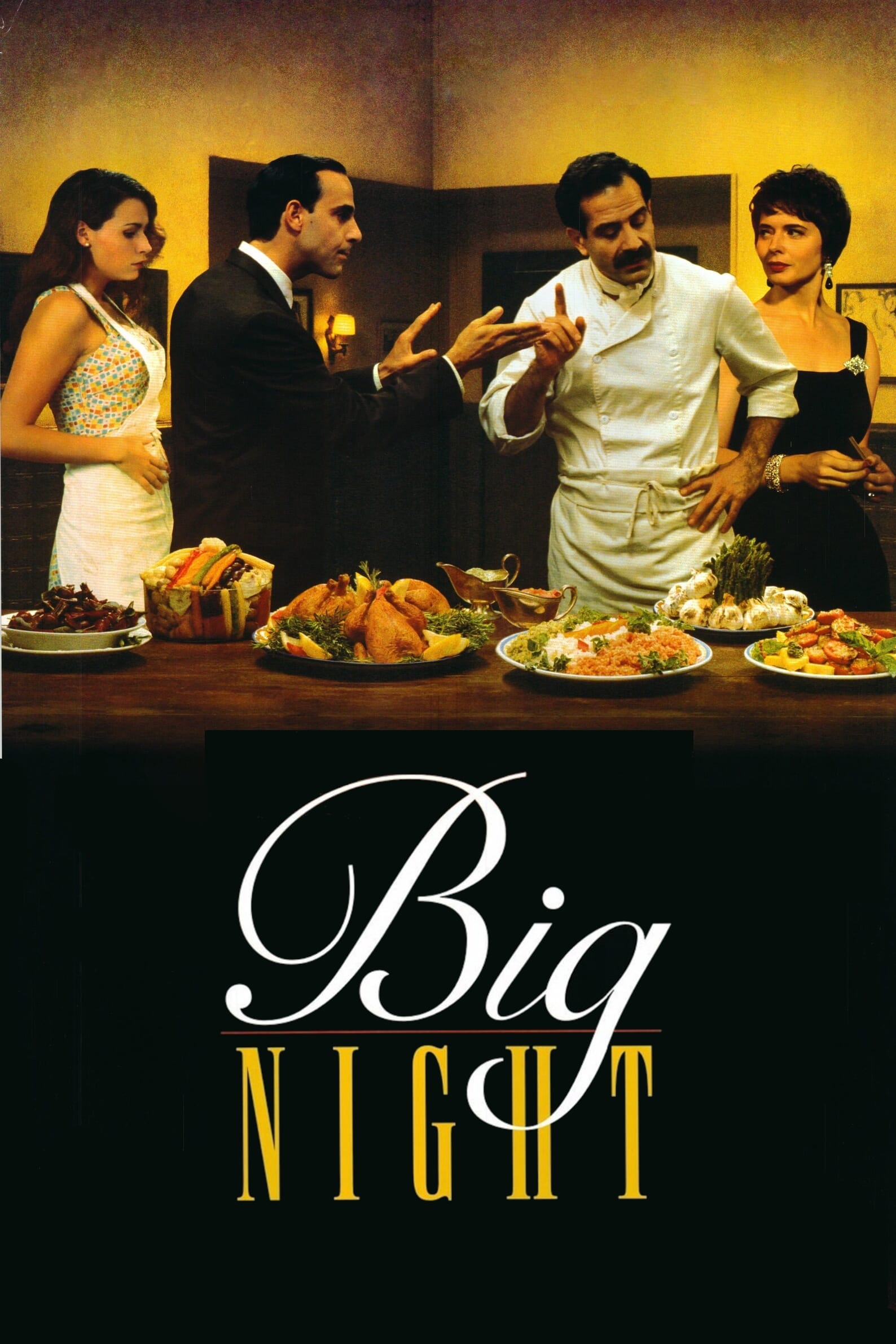
Big Night is a critically acclaimed independent film about two immigrant brothers trying to run an authentic Italian restaurant in 1950s New Jersey. One brother is a brilliant, perfectionist chef, while the other is the practical front-of-house manager. Their restaurant is failing because their food is too authentic for the locals’ tastes. In a final, desperate attempt to save their business, they pour all of their resources into preparing a magnificent feast for a famous singer who is supposed to dine there.
The film, co-directed by and starring Stanley Tucci and Campbell Scott, is a heartfelt celebration of food, family, and artistic integrity. The final scene, a long, silent take of the two brothers making an omelet, is particularly famous and moving. Big Night was a critical darling and won the Grand Jury Prize at the Sundance Film Festival, and it remains a beloved classic for food lovers and film fans alike.
Lone Star (1996)
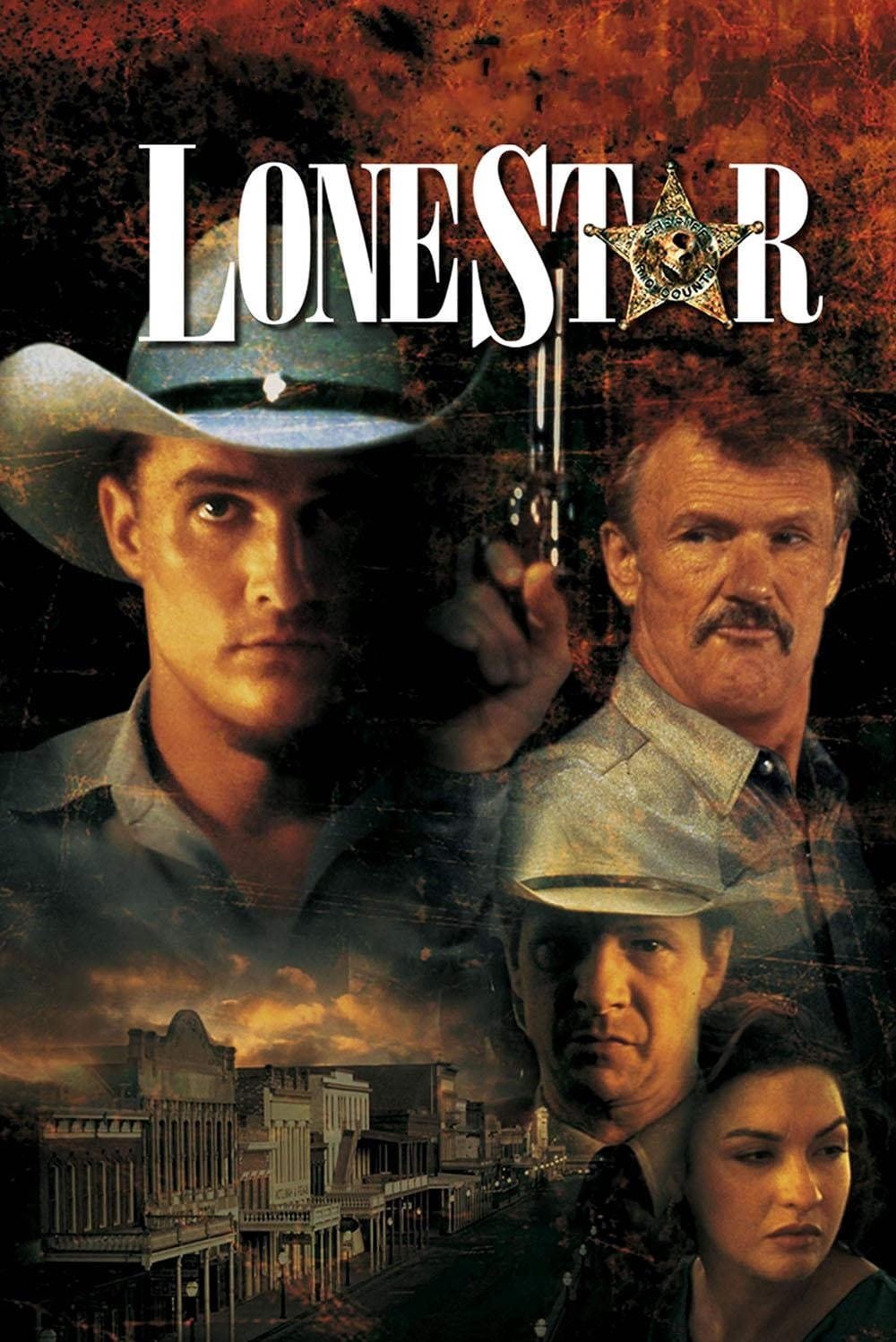
Lone Star is a neo-western mystery film written and directed by John Sayles. The story is set in a small Texas town on the U.S.-Mexico border. The town’s sheriff, Sam Deeds, begins investigating a 40-year-old murder case after the skeleton of a notoriously corrupt and racist former sheriff is discovered in the desert. As he digs into the past, he uncovers long-buried secrets that connect to his own father, who was a local hero, and the town’s complex racial history.
The film was highly praised by critics for its intelligent and multi-layered script, which masterfully weaves together the past and the present. It explores themes of history, memory, and the relationships between the town’s Anglo, Mexican-American, and Black communities. Lone Star is considered a masterpiece of 1990s independent cinema, celebrated for its rich character development and thoughtful examination of American identity.
Secrets & Lies (1996)

Secrets & Lies is a British drama from director Mike Leigh, known for his unique filmmaking style that relies heavily on improvisation. The film tells the story of Hortense Cumberbatch, a young Black optometrist in London who, after the death of her adoptive parents, decides to search for her birth mother. She is shocked to discover that her mother, Cynthia Purley, is a lonely, working-class white woman.
The film follows their hesitant and emotional journey as they build a relationship, and the impact this revelation has on Cynthia’s already dysfunctional family. The film was universally acclaimed for its raw, realistic, and deeply moving performances, particularly from Brenda Blethyn as Cynthia and Marianne Jean-Baptiste as Hortense. It won the prestigious Palme d’Or at the Cannes Film Festival and is regarded as a powerful and compassionate look at family, identity, and reconciliation.

