


Movies “Ruined” by Hype, Not the Script

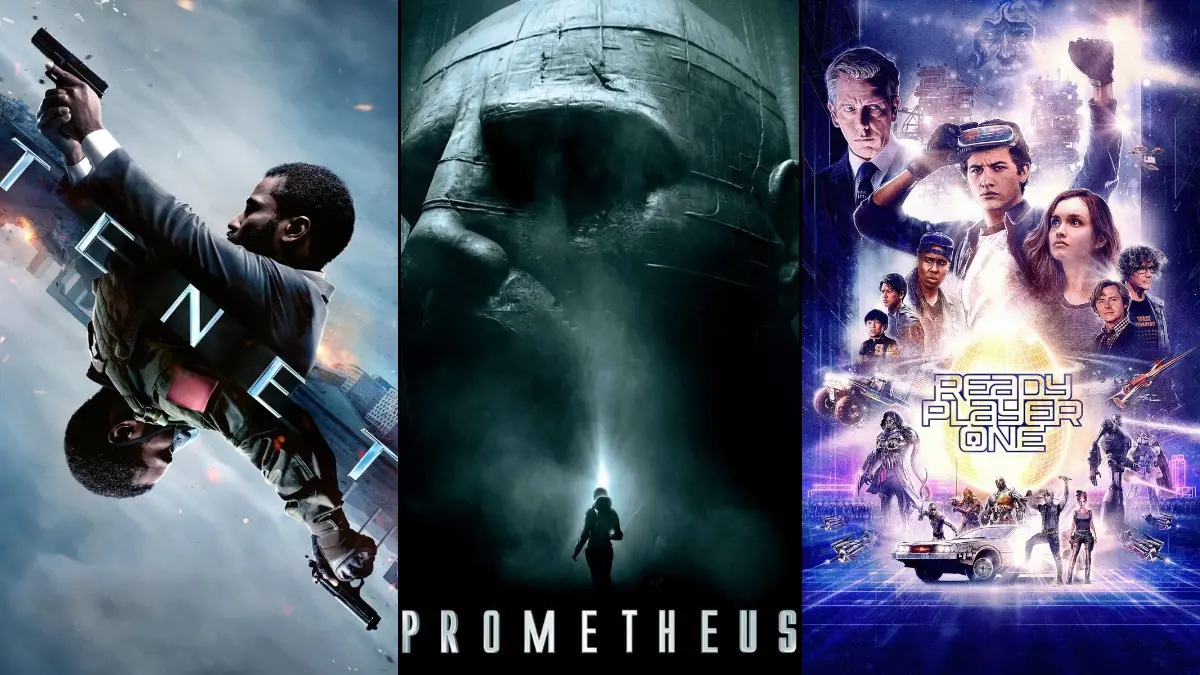


Big marketing, festival buzz, and viral trailers can set sky-high expectations that no story could realistically meet. The films below weren’t undone by their screenplays so much as by the atmosphere around them—massive ad spends, record pre-sales, mystery-box campaigns, star-studded press tours, or awards chatter that promised the moon. Here’s a look at how publicity, timing, and cultural moment shaped audience reception, regardless of what was actually on the page.
‘Avatar’ (2009)

James Cameron’s ‘Avatar’ arrived with groundbreaking 3D technology and a global rollout that emphasized its visual innovations across premium formats. The film’s motion-capture pipeline and stereoscopic cameras were heavily featured in pre-release coverage. Marketing partnered with exhibitors to highlight IMAX and RealD screenings as the “intended” experience. Merchandise, video game tie-ins, and cross-promotions broadened awareness beyond traditional sci-fi audiences.
‘The Blair Witch Project’ (1999)
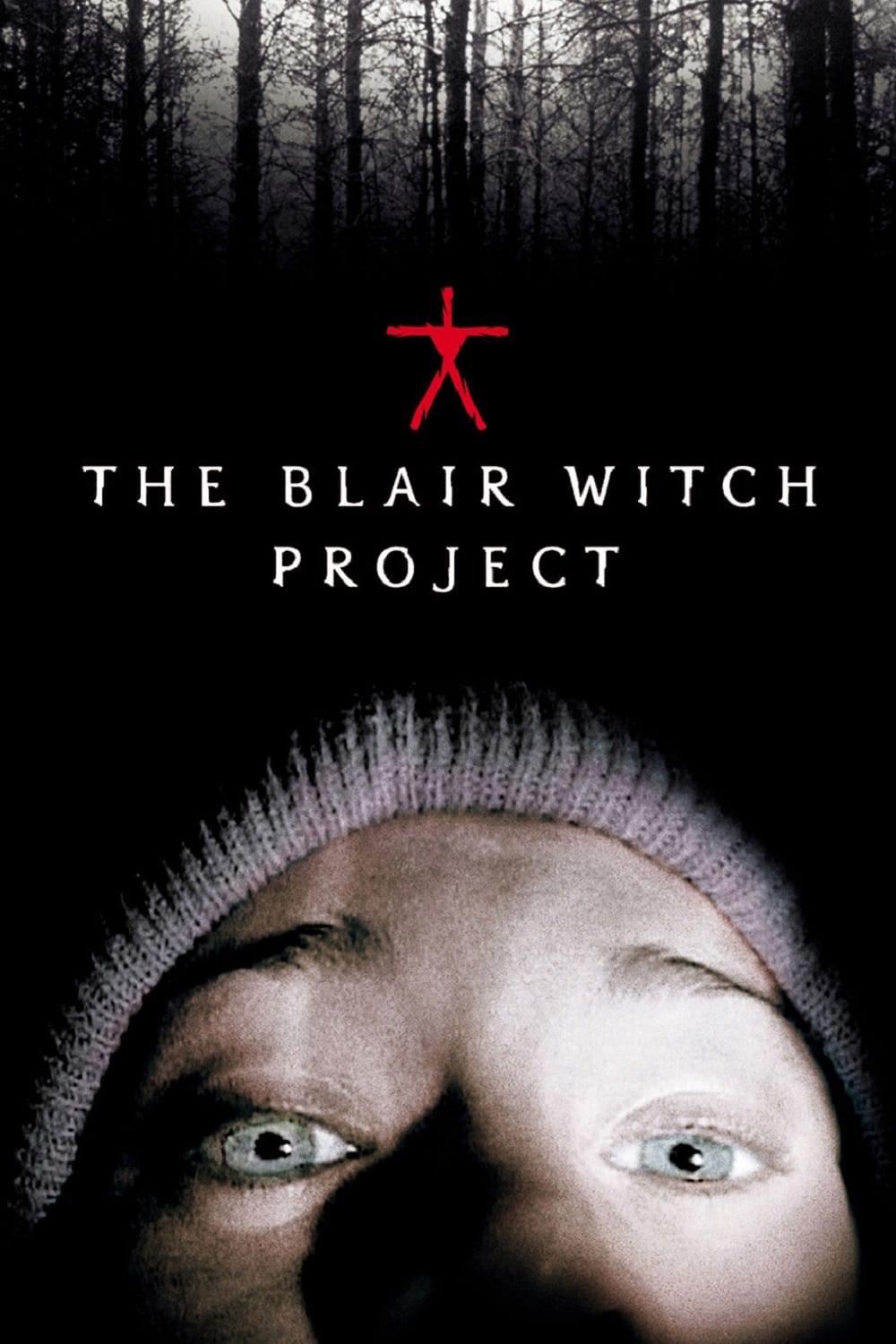
‘The Blair Witch Project’ leveraged one of the earliest large-scale viral campaigns, including faux-documentary websites and missing-person posters that blurred fiction and reality. Its microbudget production was contrasted in headlines against substantial box-office returns. Festival buzz and midnight screenings fueled word-of-mouth, and a later TV special presented the folklore as investigative material. The minimalist footage was presented as “found,” which amplified curiosity before wide release.
‘Prometheus’ (2012)
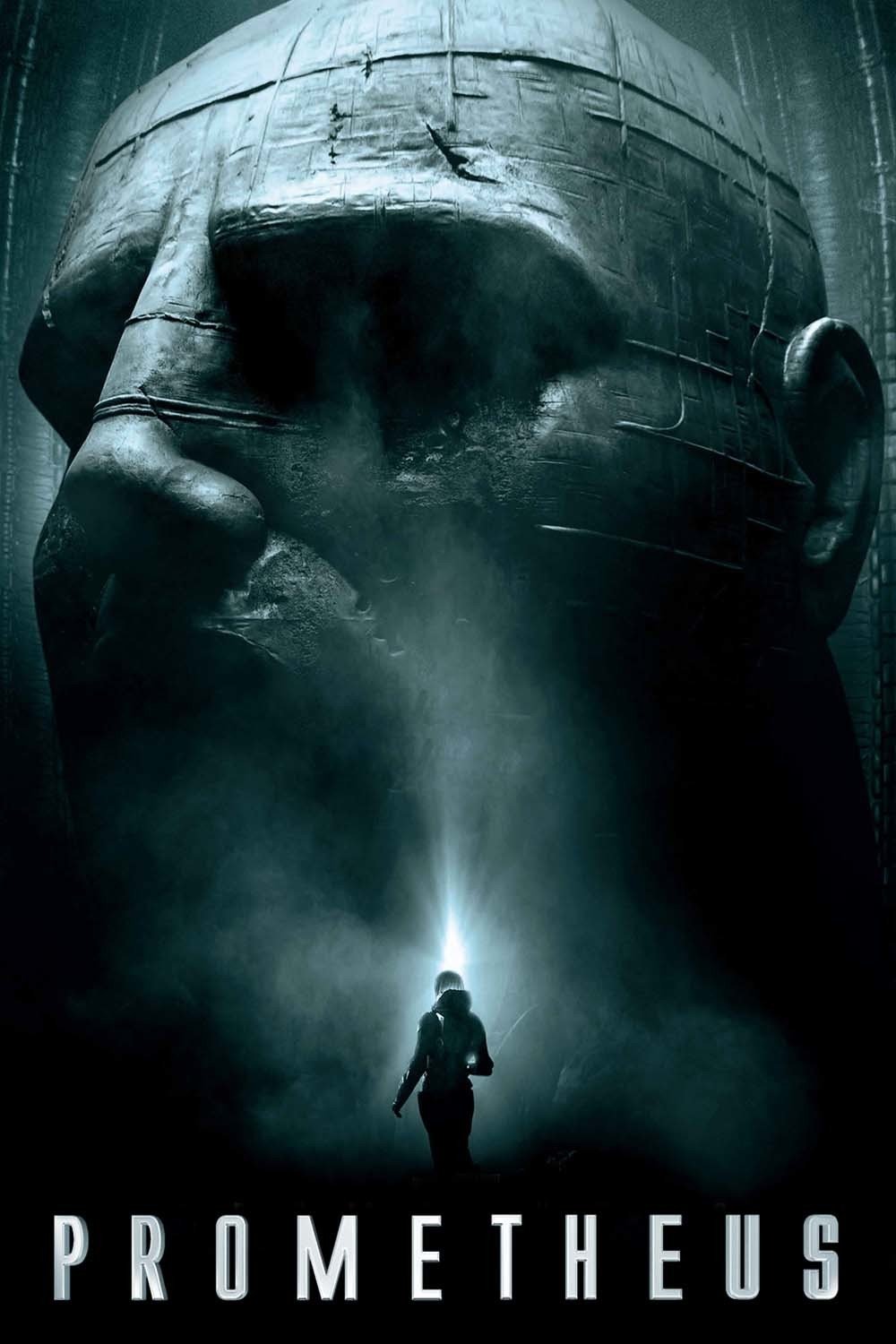
Ridley Scott’s ‘Prometheus’ ran an extended transmedia campaign with fictional corporate videos, TED-style talks, and viral websites tied to the Weyland brand. Teasers emphasized connections to the ‘Alien’ universe while keeping plot specifics deliberately opaque. The ensemble cast and high-end production design were showcased through behind-the-scenes featurettes. Cross-platform reveals paced out new details over months, sustaining speculation until opening weekend.
‘The Matrix Revolutions’ (2003)
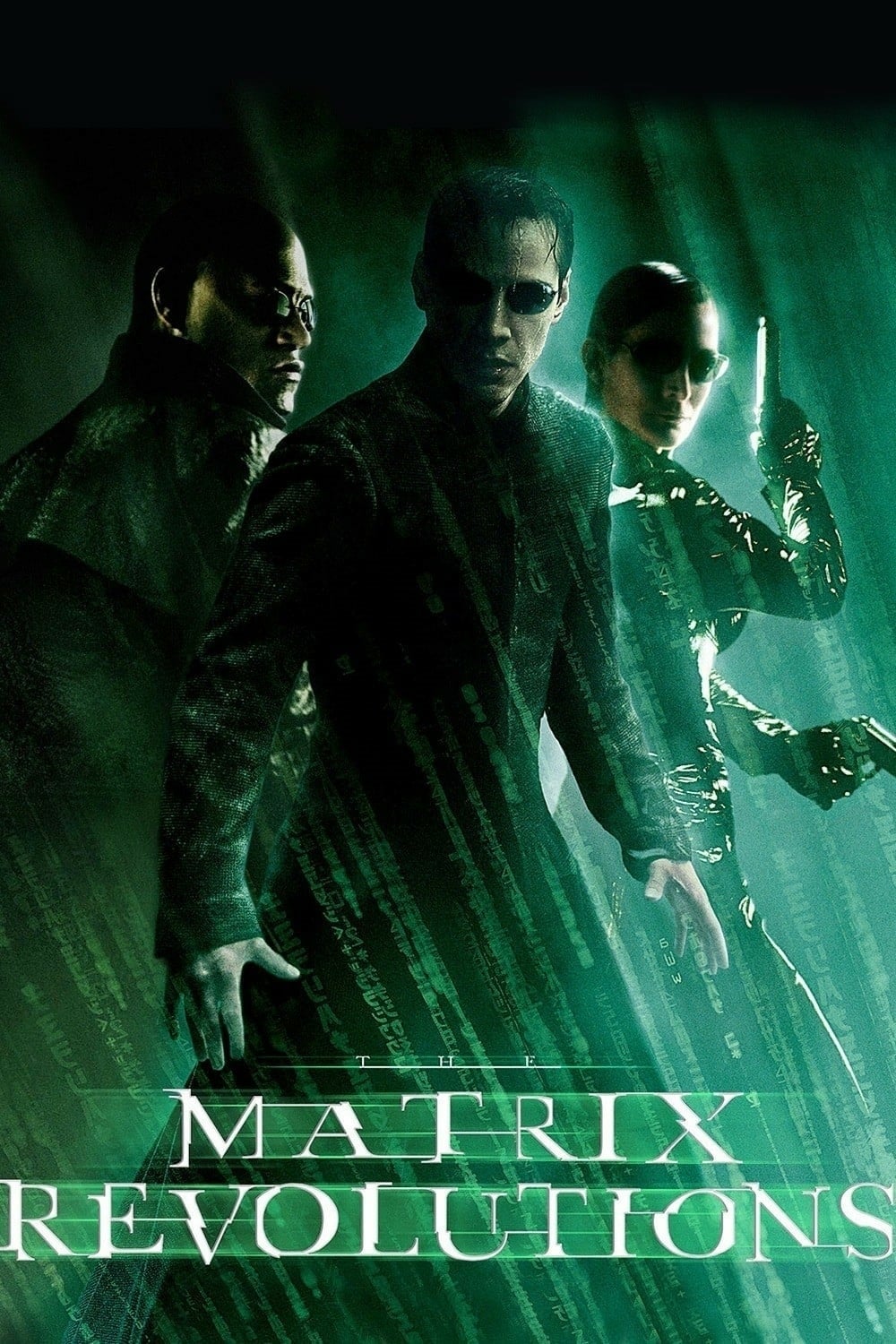
‘The Matrix Revolutions’ followed a coordinated global release that premiered the film simultaneously across multiple time zones. Trailers highlighted large-scale VFX battles and wrapped up threads seeded in ‘The Matrix Reloaded’ and related tie-ins like ‘The Animatrix’ and video games. The studio’s campaign leaned on the franchise’s cultural footprint, from fashion to music videos. Branded partnerships and network specials revisited the saga’s lore ahead of launch.
‘Suicide Squad’ (2016)
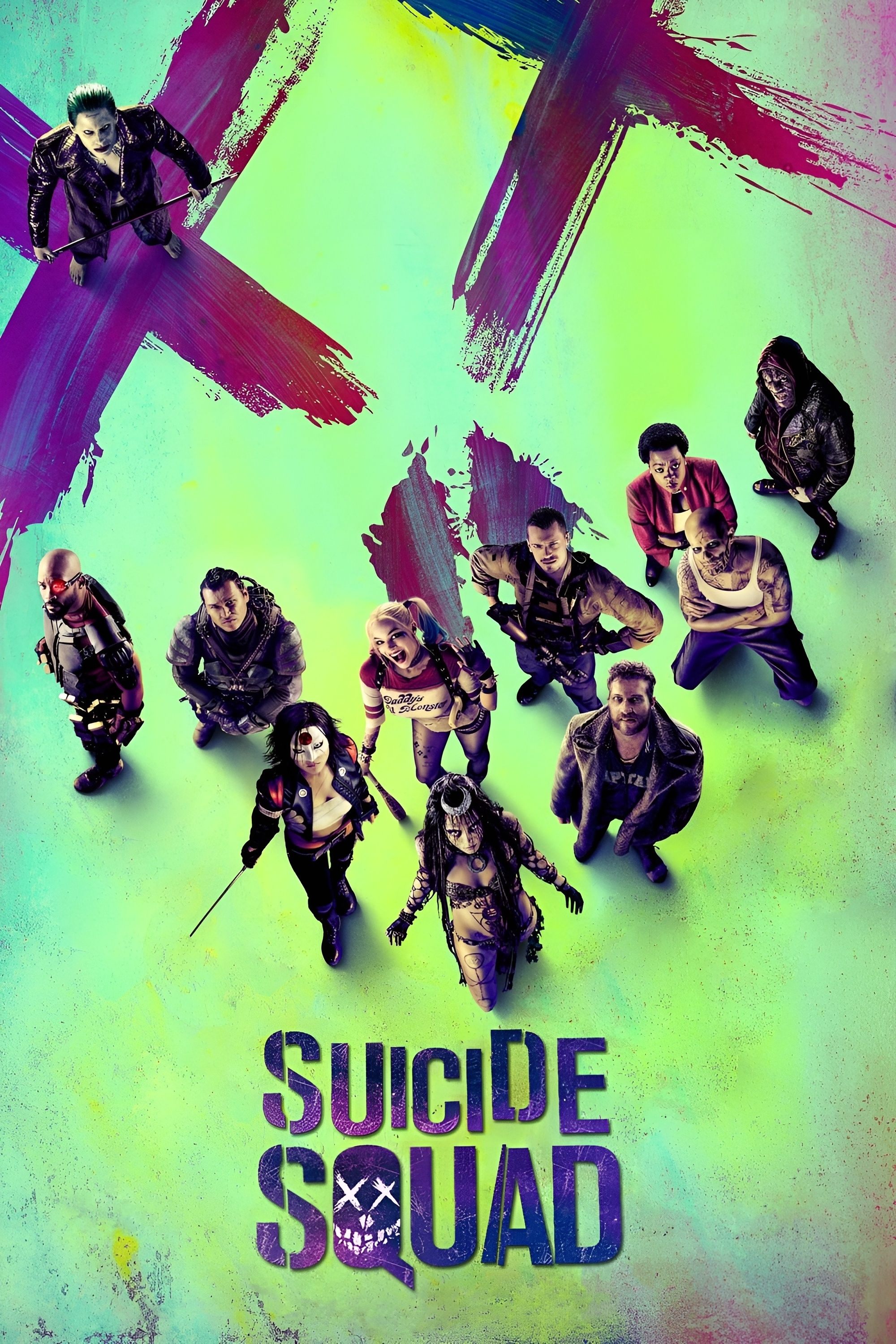
‘Suicide Squad’ received a saturation campaign featuring character-centric posters, pop-song needle drops in trailers, and convention reveals focused on the team’s antihero lineup. The marketing emphasized a neon-soaked visual identity and introduced individual backstories through TV spots. Fan-favorite characters and celebrity cameos were teased across late-night appearances and social media. Tie-ins with apparel and collectibles turned the roster into recognizable icons before release.
‘The Dark Knight Rises’ (2012)
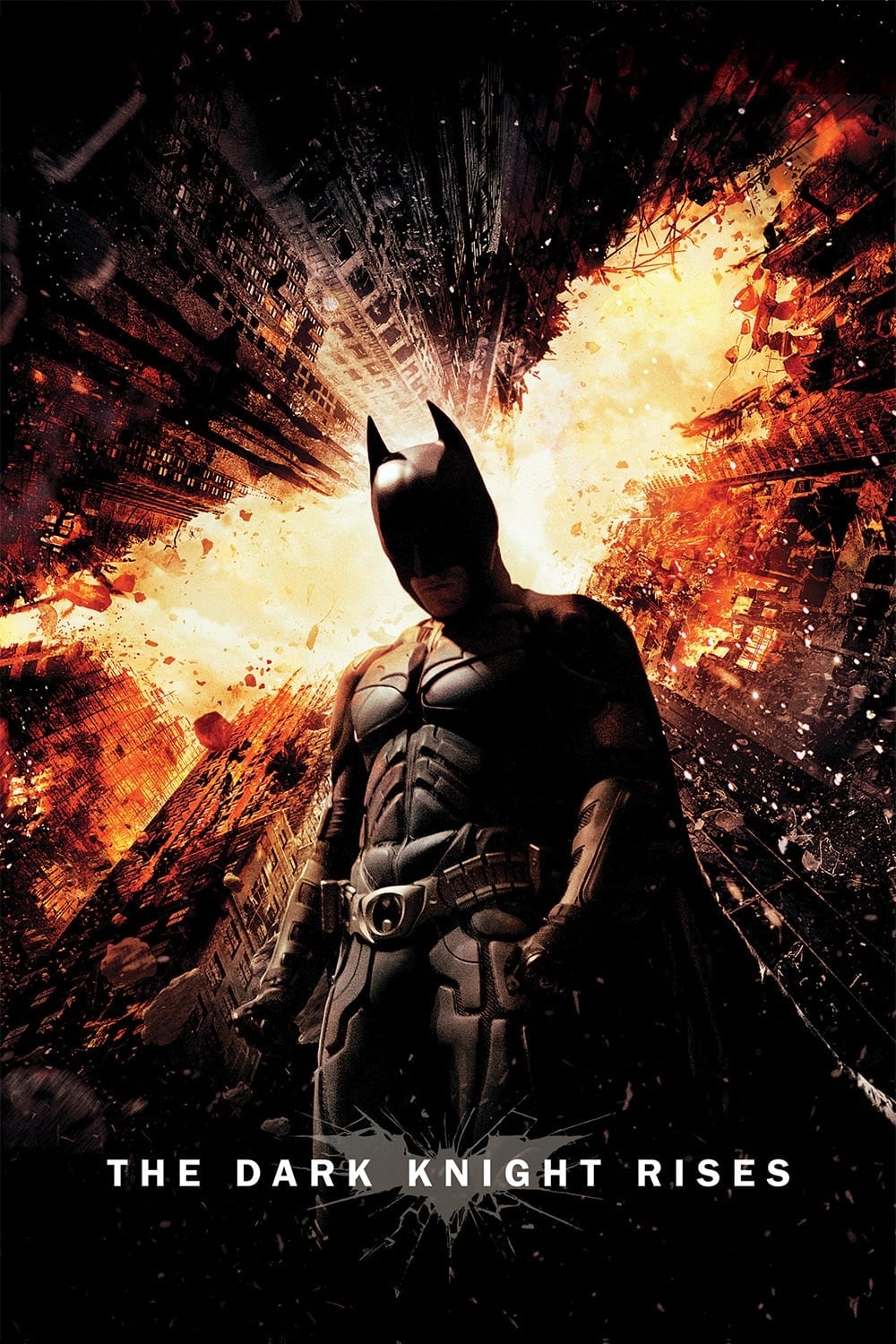
Christopher Nolan’s ‘The Dark Knight Rises’ built on the previous film’s enormous cultural impact with an ARG, stadium trailer debuts, and city-scale location shoots that generated daily headlines. IMAX prologues and ticket pre-sales framed the theatrical experience as an event. Media coverage focused on the trilogy’s culmination, exploring themes, stunts, and practical effects in long-form features. Premium-format availability and marathon screenings amplified anticipation.
‘La La Land’ (2016)
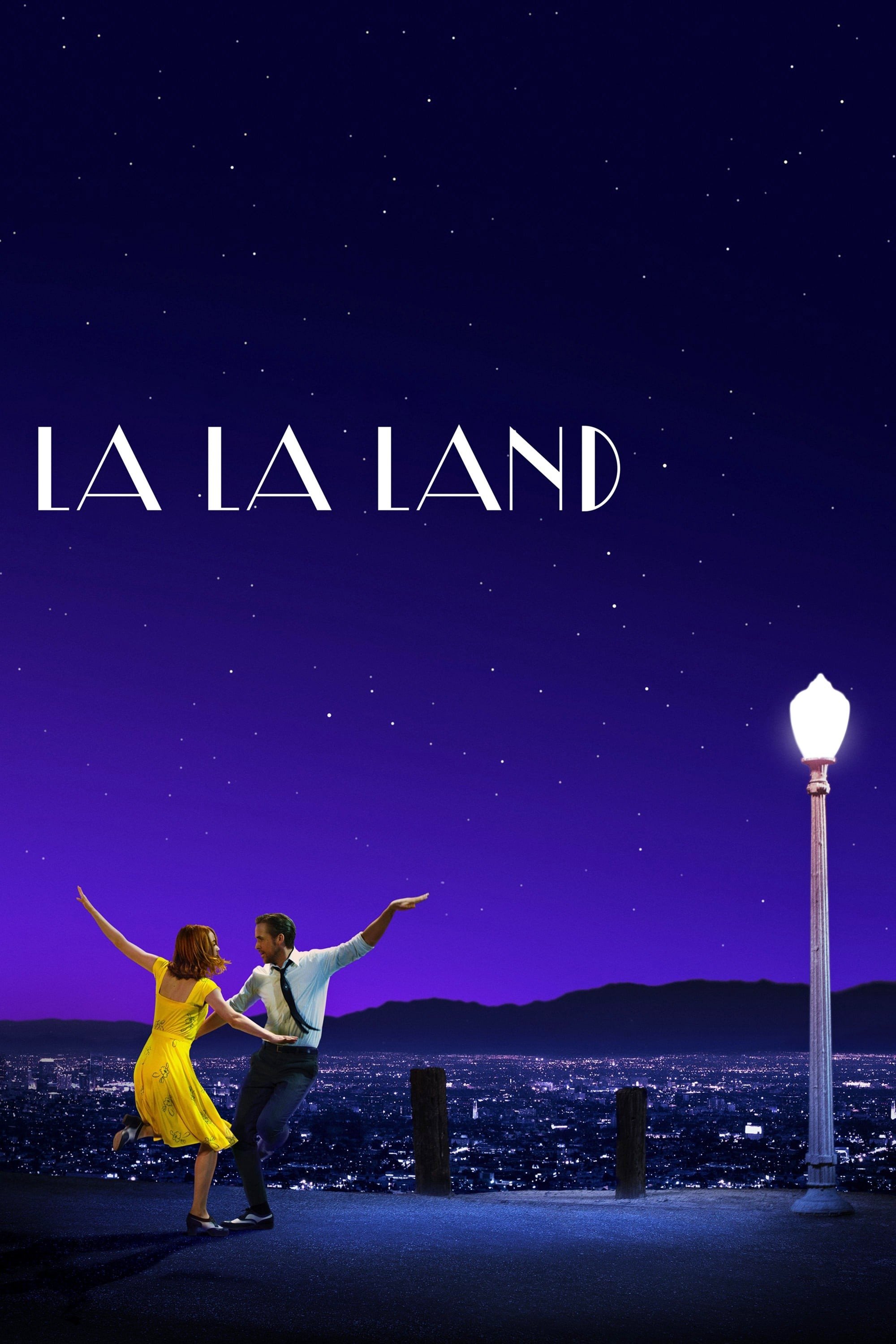
‘La La Land’ entered wide release after a wave of festival prizes and end-of-year critics’ lists positioned it as a major awards frontrunner. Marketing showcased original songs, on-location set pieces, and classic Hollywood homages. Cast performances appeared on high-profile talk shows and live musical events, boosting soundtrack visibility. The campaign emphasized a return to big-screen musicals, encouraging repeat theatrical attendance.
‘Bird Box’ (2018)
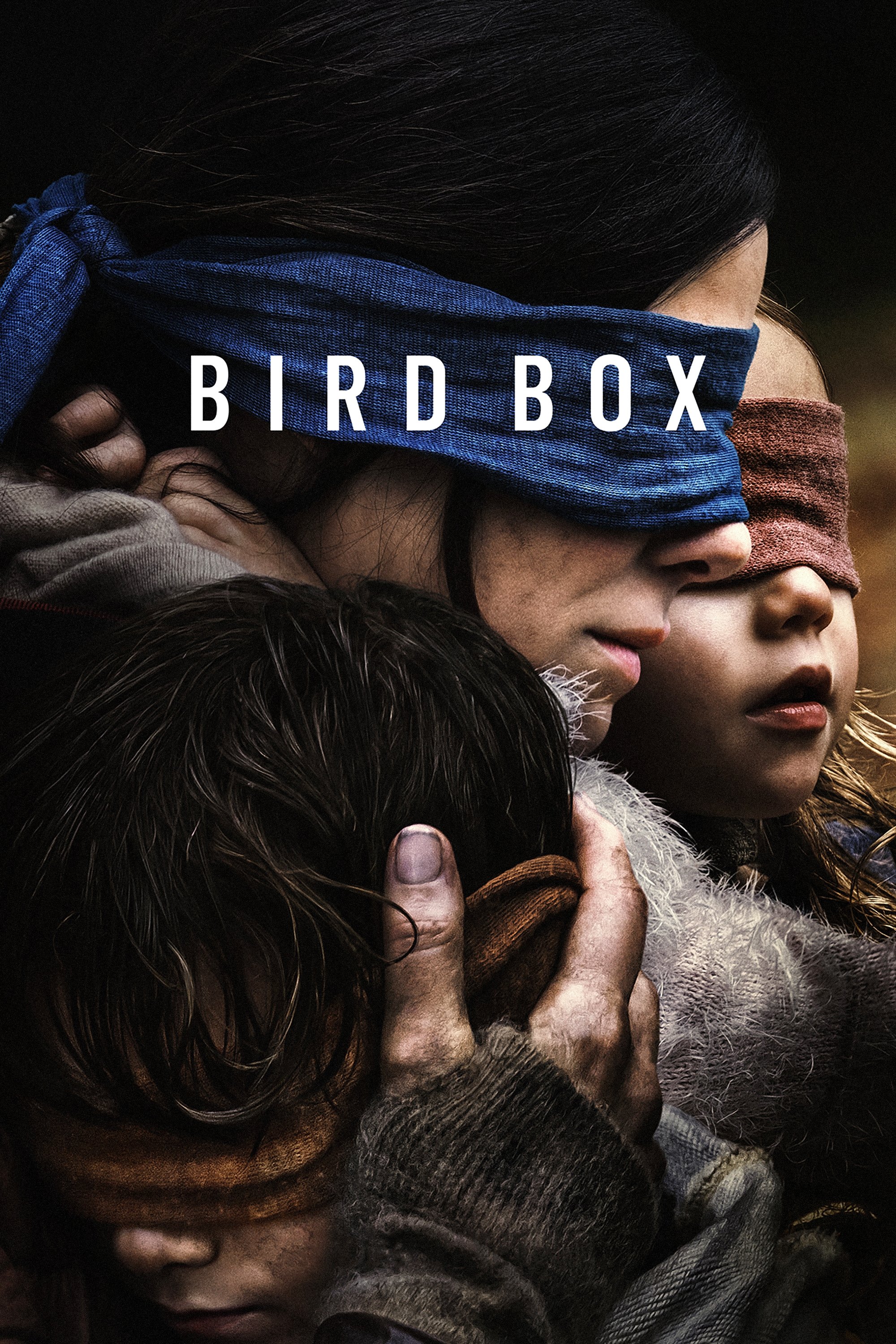
‘Bird Box’ was propelled by a streaming platform’s global push, including viral social challenges and meme-ready imagery centered on blindfolds. The film’s release strategy highlighted immediate worldwide availability and a star-led ensemble. Official accounts promoted themed content, while third-party parodies extended reach. Press notes about viewership milestones kept the title in news cycles beyond opening week.
‘Hereditary’ (2018)

‘Hereditary’ premiered at a major film festival with midnight slots and critical pull quotes emphasizing intensity and craft. A24’s campaign used unsettling visual motifs, curated trailers, and limited early screenings to generate conversation. The film’s familial themes and centerpiece performances were spotlighted in director interviews and feature profiles. Specialty-theater partnerships and Q&As sustained engagement across art-house markets.
‘The Witch’ (2015)
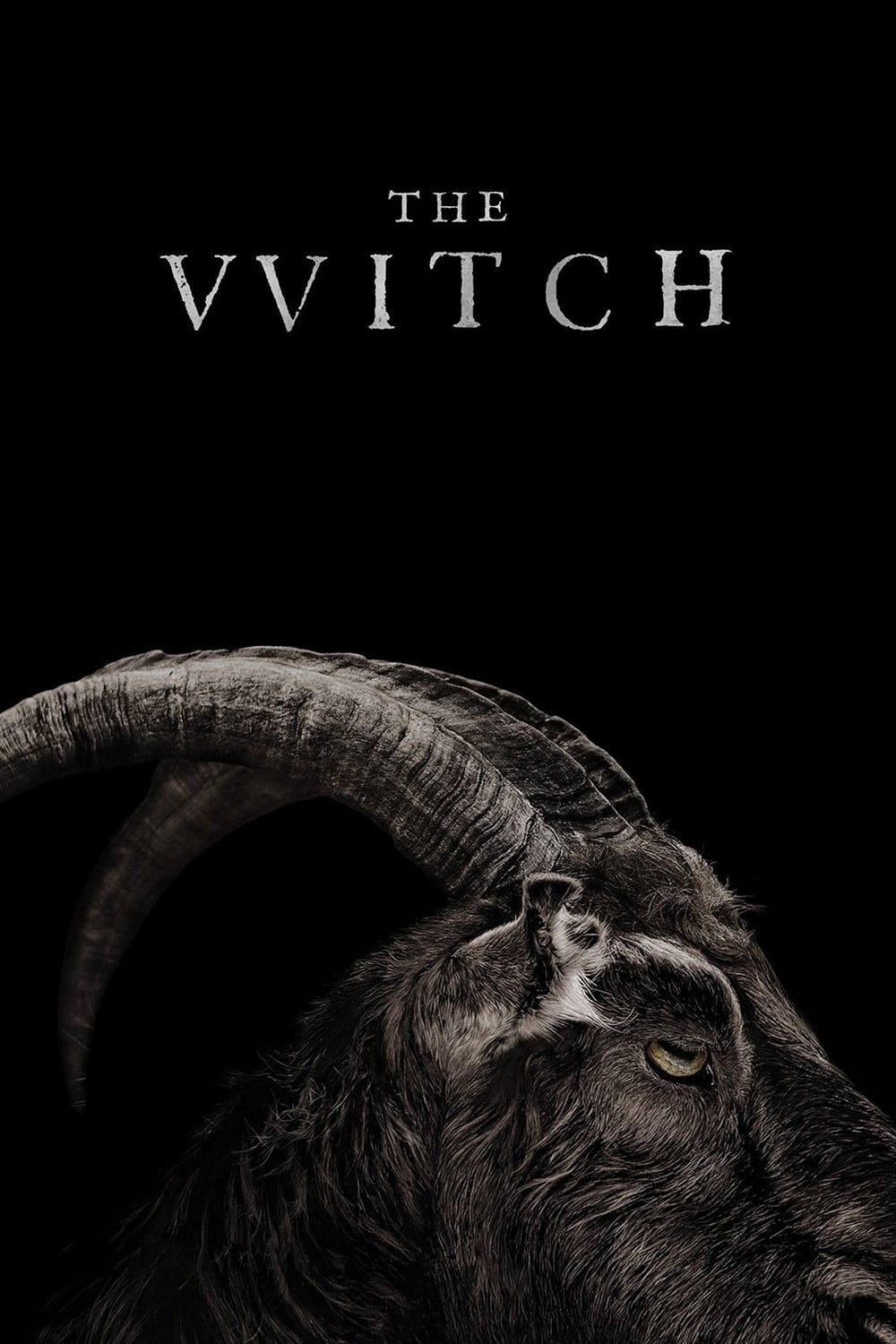
‘The Witch’ leaned on historical authenticity, period dialogue, and minimalist design in both trailers and press materials. Festival premieres and awards in genre categories positioned it as a standout independent horror release. The campaign highlighted research into folklore and religious anxieties, with production diaries and interviews discussing dialect coaching and costuming. Poster art and stills emphasized stark imagery over jump-scare marketing.
‘Nope’ (2022)
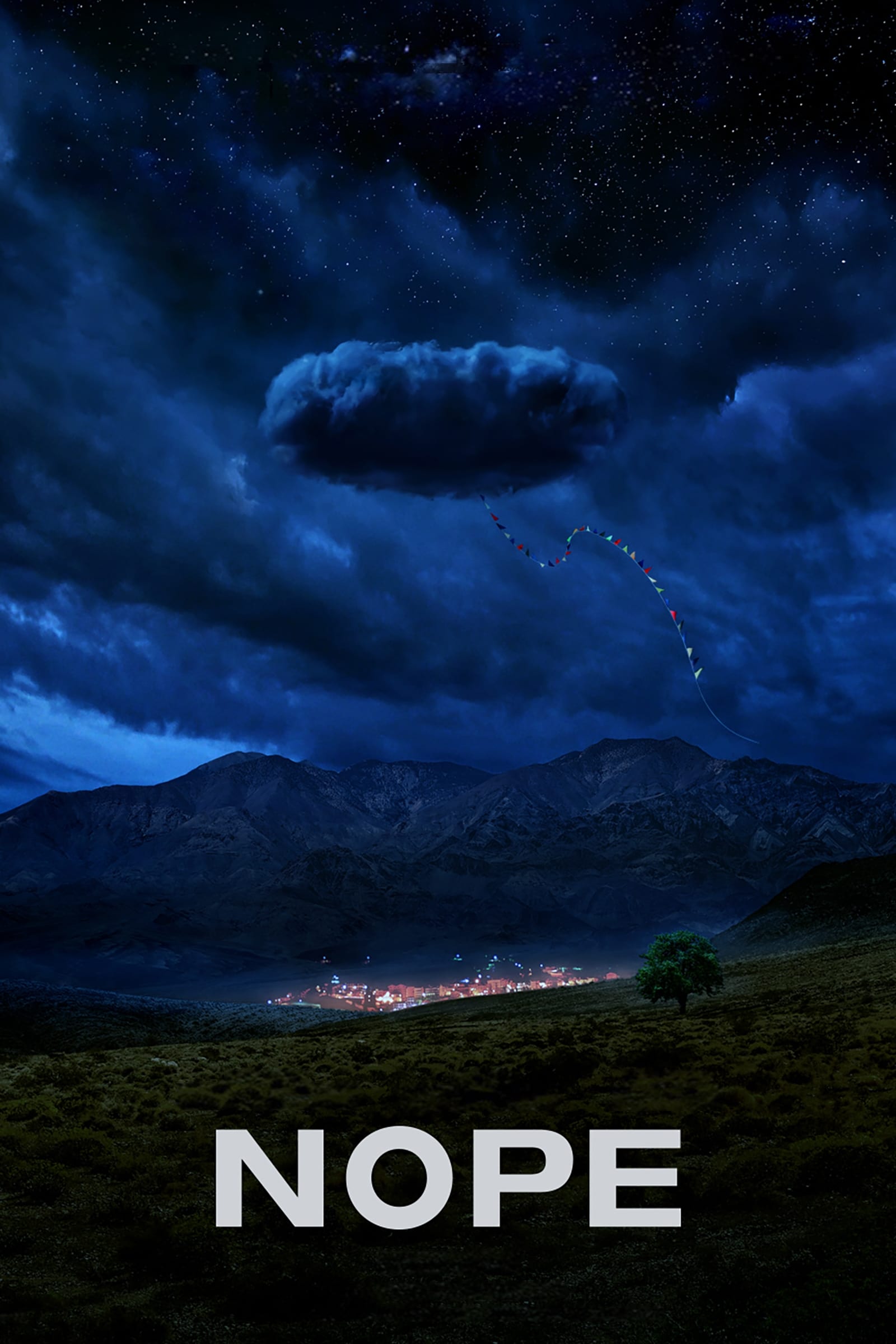
‘Nope’ deployed teaser campaigns that concealed plot specifics while foregrounding spectacle shots of skies and rural landscapes. The studio emphasized Jordan Peele’s previous box-office success and reputation for high-concept genre. TV spots, QR codes, and ARG-style breadcrumbs pointed to fictional businesses tied to the story world. Premium-format endorsements and exclusive behind-the-scenes content underscored scale and technical craft.
‘Tenet’ (2020)
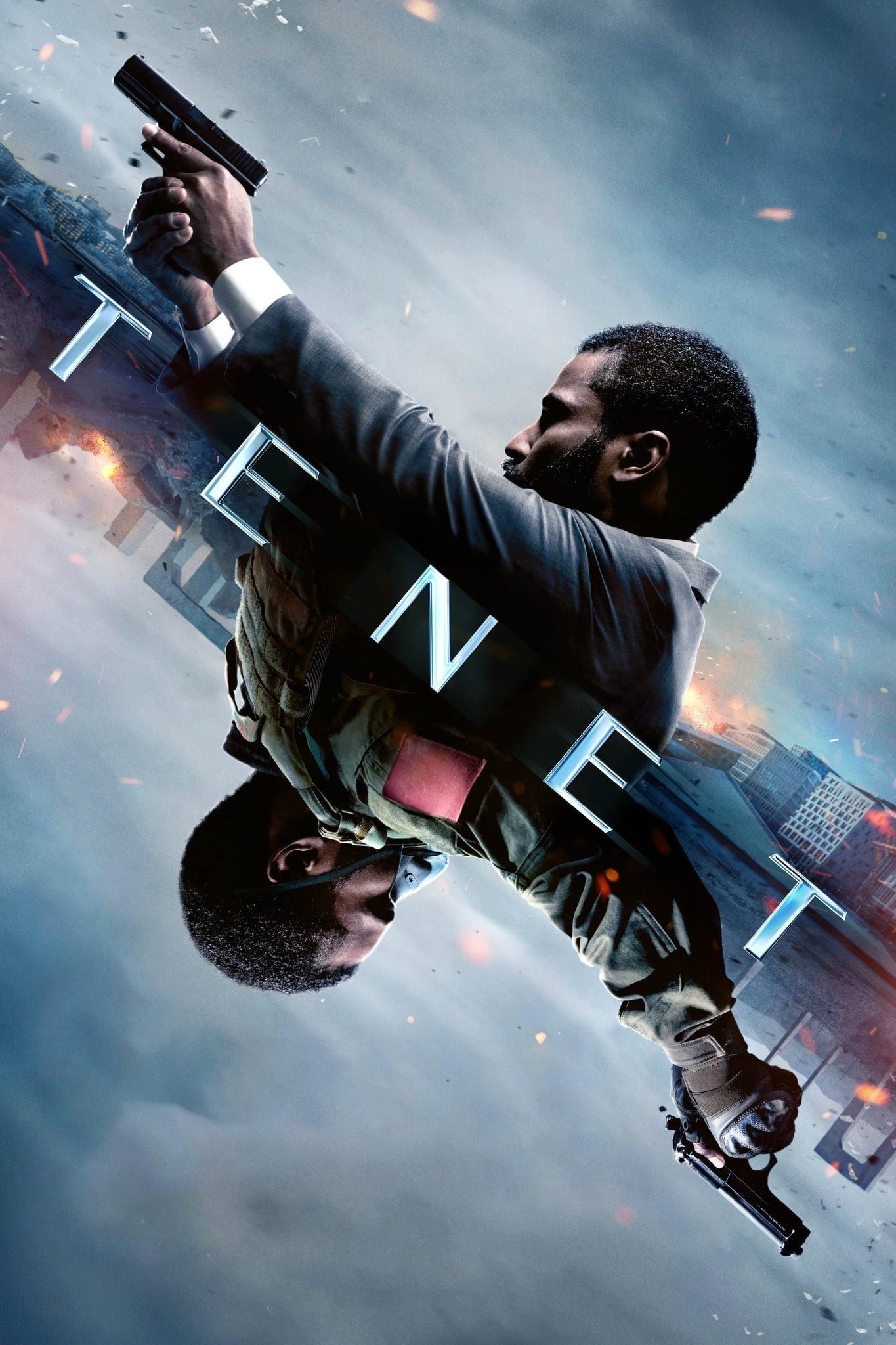
‘Tenet’ was marketed as the theatrical “comeback” after widespread cinema shutdowns, with messaging focused on large-format sound and image. The campaign highlighted practical effects, time-inversion set pieces, and globe-trotting production. Staggered international dates and theatrical exclusivity were central to coverage. Pre-show IMAX previews and engineering breakdowns of stunt work framed it as a must-see in theaters.
‘Interstellar’ (2014)
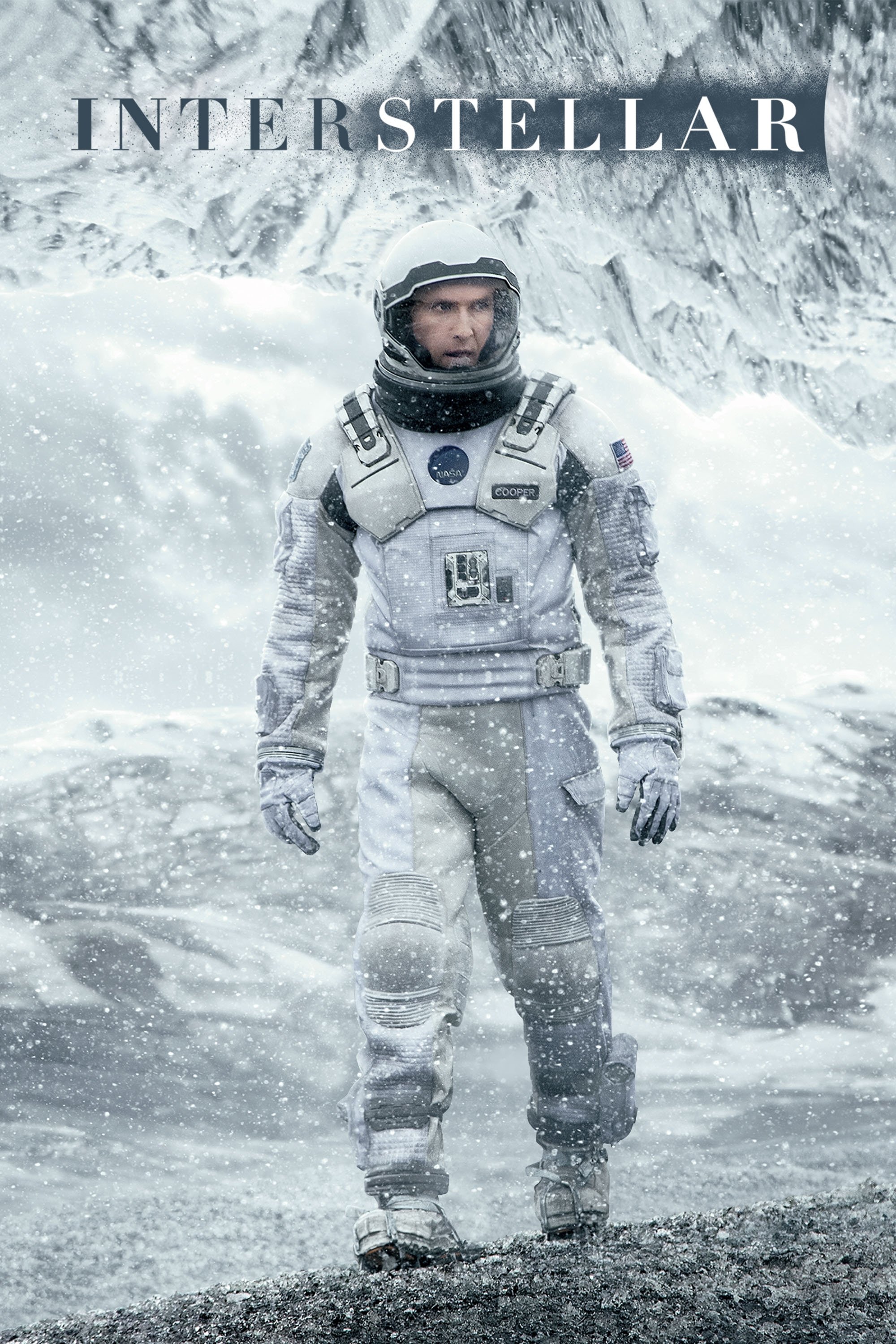
‘Interstellar’ positioned its cosmic imagery and scientific advisors at the heart of the marketing, including educational featurettes and museum partnerships. Trailers emphasized familial stakes alongside astrophysical concepts like black holes and wormholes. The production collaborated with a prominent physicist, and those consultations became a recurring press angle. IMAX film prints and special screenings targeted audiences seeking premium audiovisual experiences.
‘Star Wars: Episode I – The Phantom Menace’ (1999)
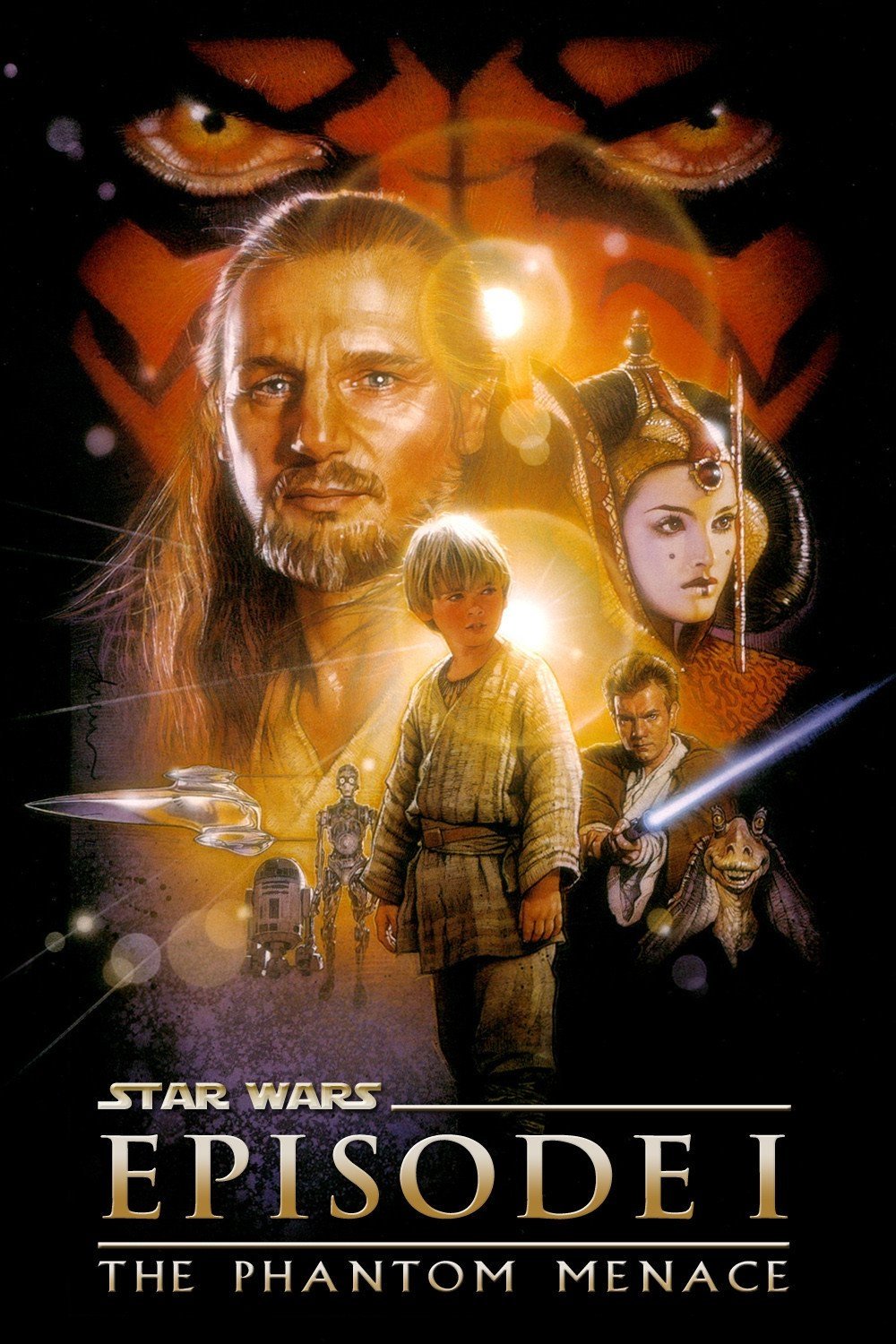
‘Star Wars: Episode I – The Phantom Menace’ rolled out with unprecedented merchandising, trailer events, and celebratory magazine covers. Midnight toy releases and fast-food promotions brought the brand into mainstream retail months in advance. Ticket lines and advance sales were covered as news events. Documentary specials and behind-the-scenes books chronicled set construction, creature shops, and digital effects innovation.
‘The Village’ (2004)
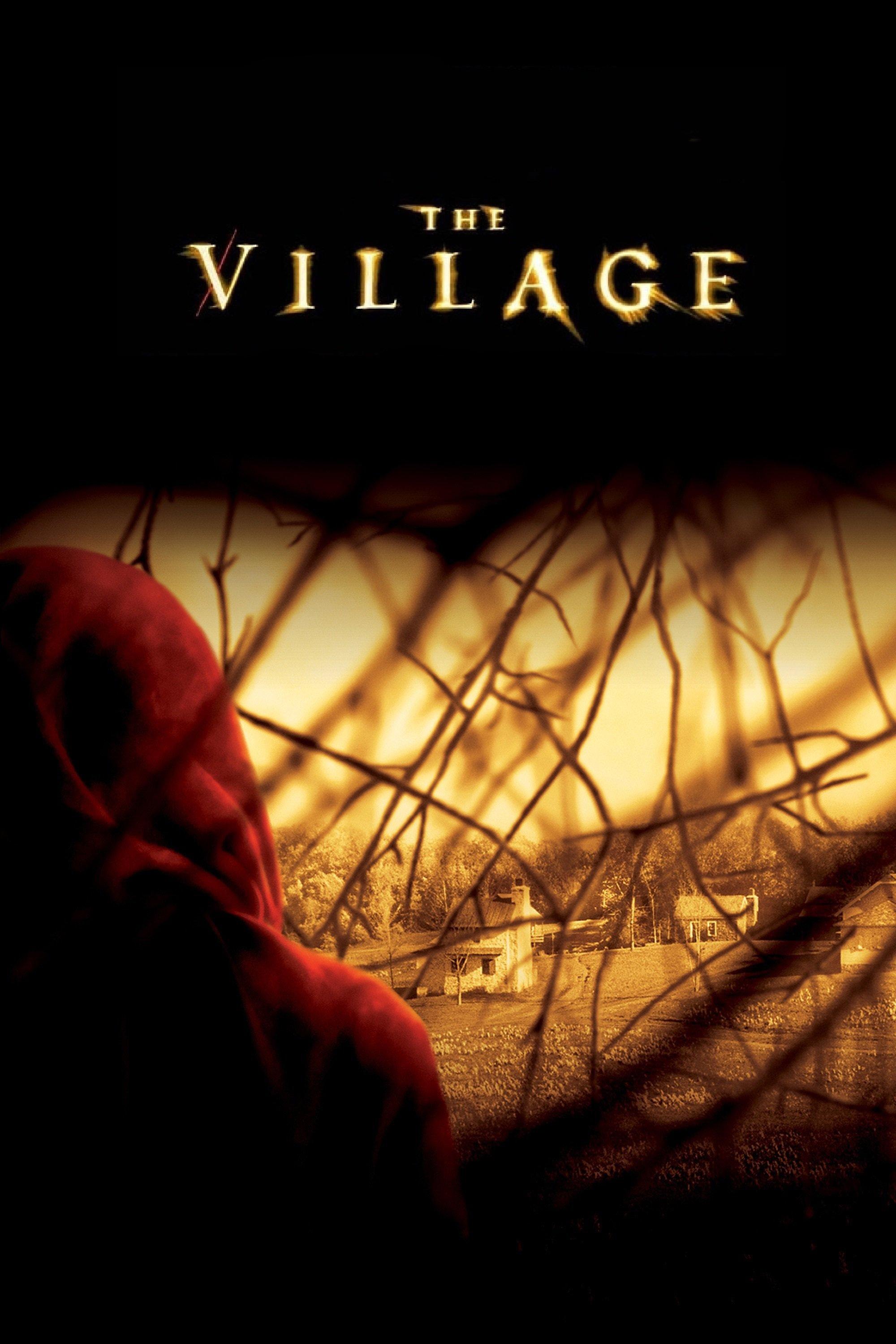
‘The Village’ used enigmatic trailers and a secrecy-first approach that centered on atmosphere over plot clarity. The campaign leaned into the director’s reputation for twist-driven narratives, encouraging speculation. Location photography and color symbolism were teased through posters and featurettes. Press tours focused on production design, score collaboration, and the ensemble’s period costuming.
‘Cloverfield’ (2008)
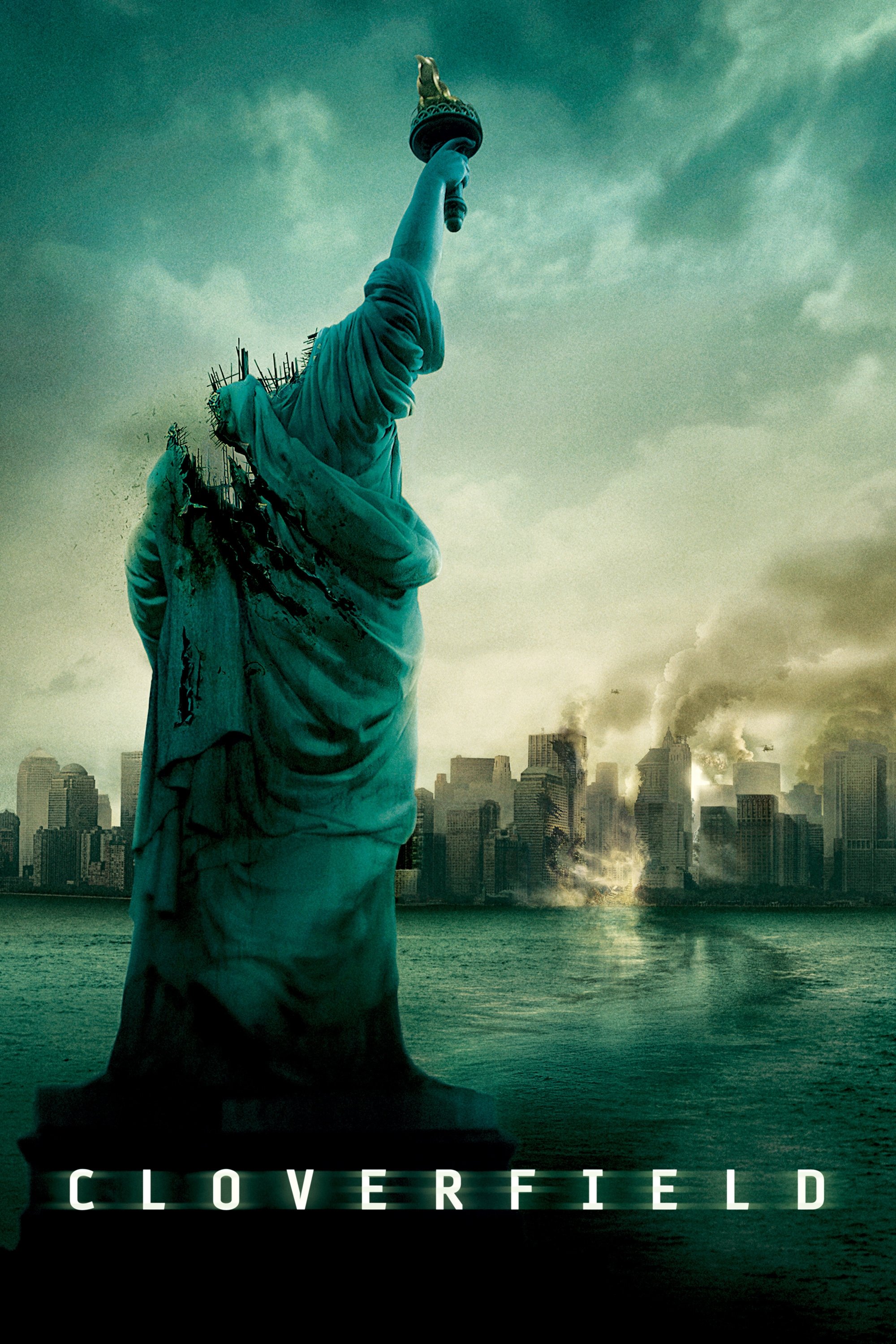
‘Cloverfield’ launched with a surprise teaser that withheld the title, followed by a layered ARG featuring fictional companies and hidden URLs. Handheld footage and first-person perspective were presented as signature elements. Viral clues connected character pages, phone numbers, and in-world news clips. The approach encouraged online communities to decode materials week by week.
‘Godzilla’ (1998)

‘Godzilla’ employed a mass-market blitz with cryptic taglines, larger-than-life outdoor ads, and partnerships that placed the creature silhouette across consumer products. Teasers minimized direct views of the monster to build curiosity. Tie-in soundtracks and music videos expanded reach on television and radio. Cross-promotional deals with retail and automotive brands gave the campaign broad exposure.
‘Batman v Superman: Dawn of Justice’ (2016)
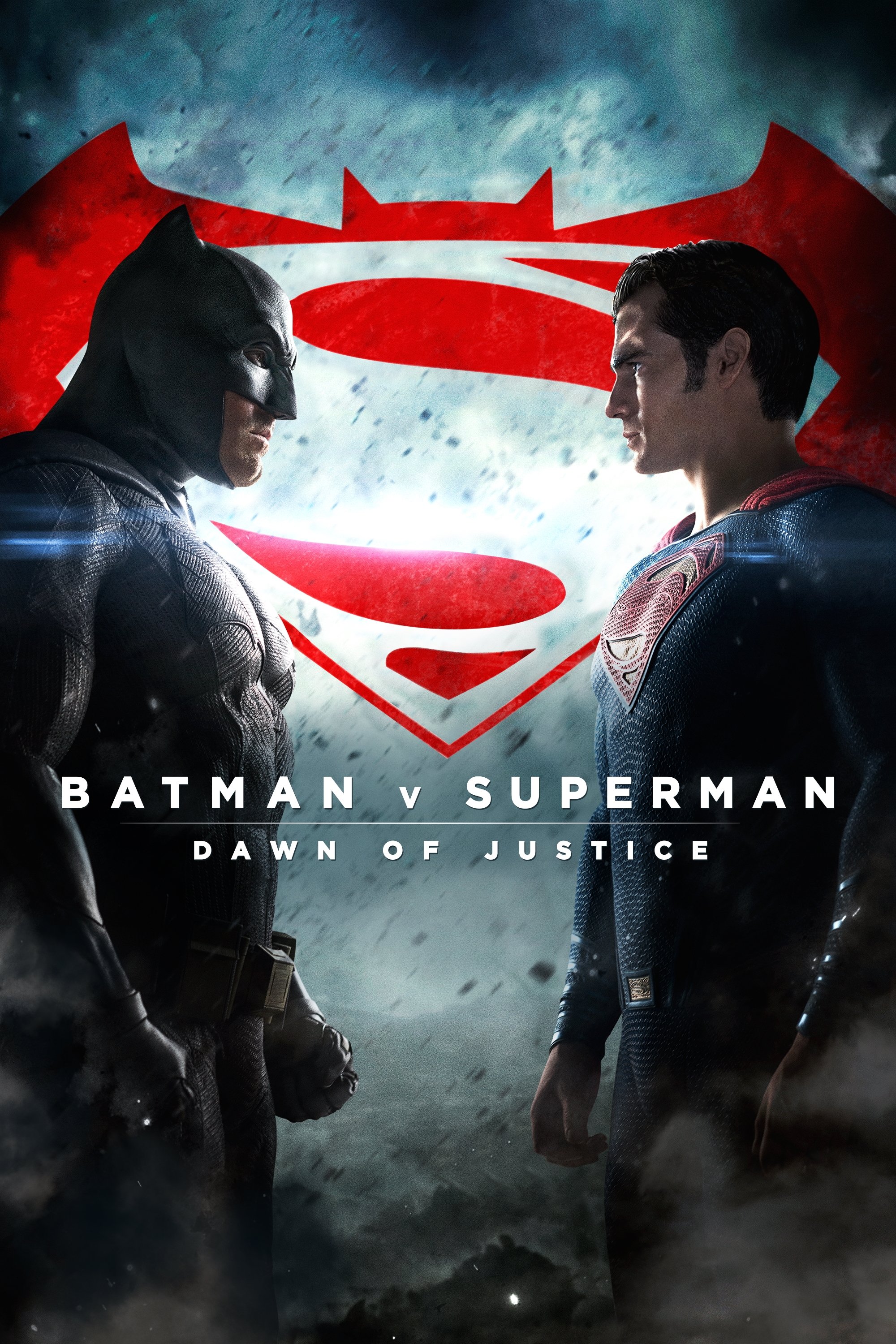
‘Batman v Superman: Dawn of Justice’ capitalized on the first modern big-screen pairing of the two iconic characters, announced years ahead at a fan convention. Trailers emphasized clash imagery, cameos from future franchise figures, and world-building. Branded collaborations, collectible lines, and premium tickets reinforced event status. International press tours and TV spots highlighted expanded universe plans.
‘Eternals’ (2021)
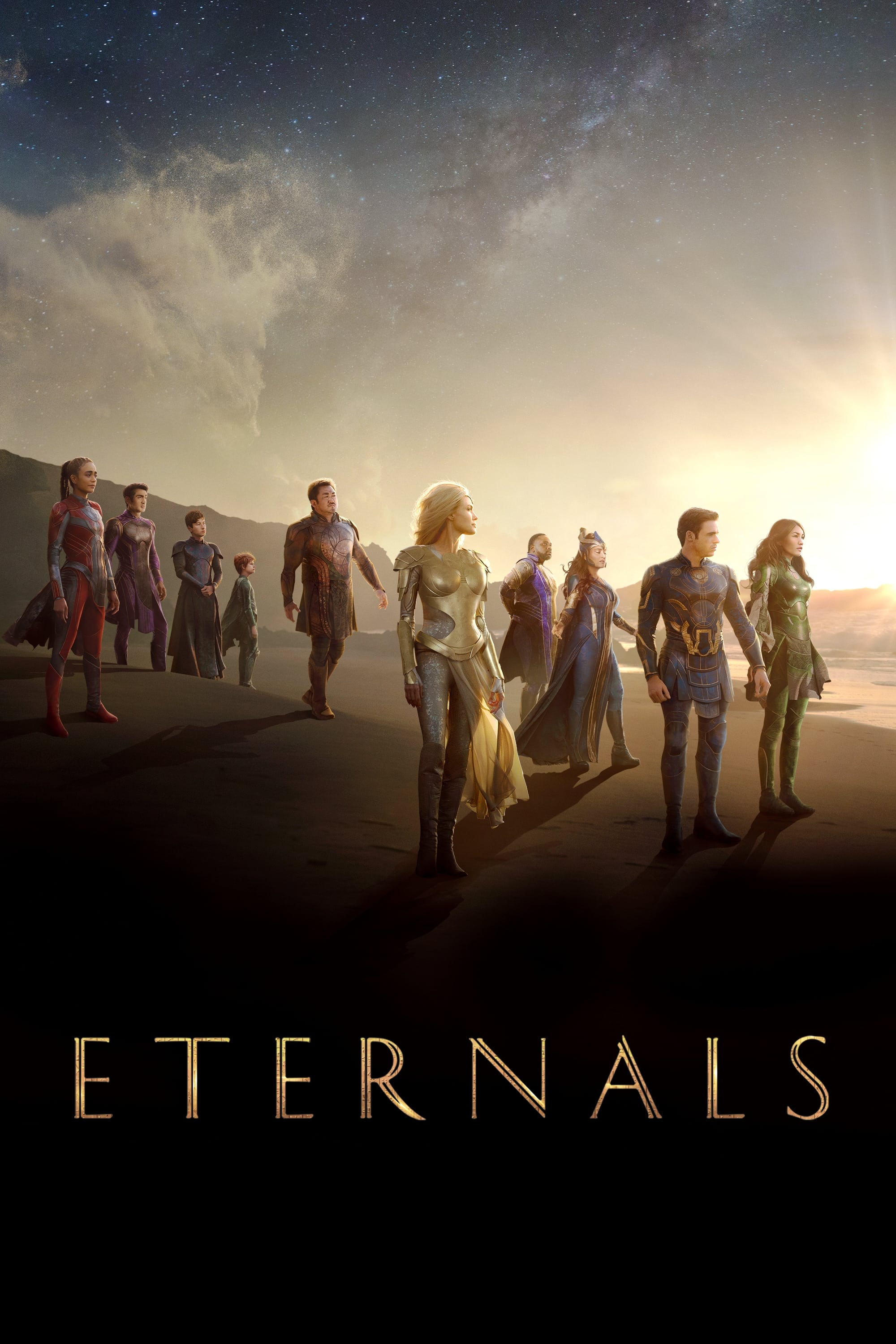
‘Eternals’ promoted its award-winning director, on-location cinematography, and an ensemble spanning multiple languages and backgrounds. The studio used early looks at costumes and powers to introduce a less familiar corner of its universe. Featurettes spotlighted practical locations and natural light, differentiating it from greenscreen-heavy peers. Tie-ins with streaming spin-offs and publishing seeded character histories.
‘The Happening’ (2008)
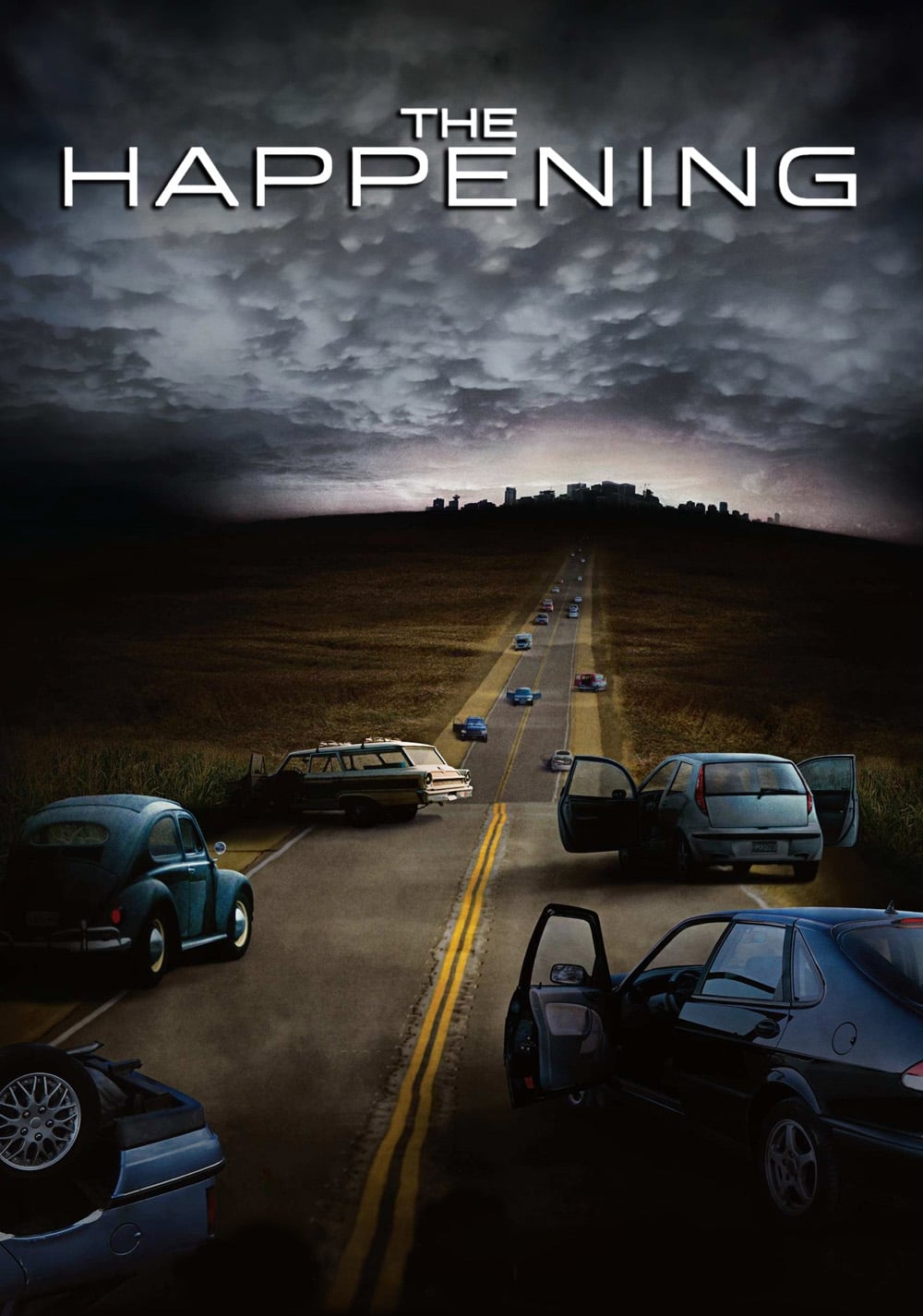
‘The Happening’ leaned into brand recognition with trailers that promised a high-concept mystery. Campaign materials emphasized eerie mass-behavior sequences and environmental imagery. Interviews and TV spots highlighted the film’s rating and practical set pieces. The release window positioned it as a summer counterprogramming thriller.
‘Don’t Worry Darling’ (2022)
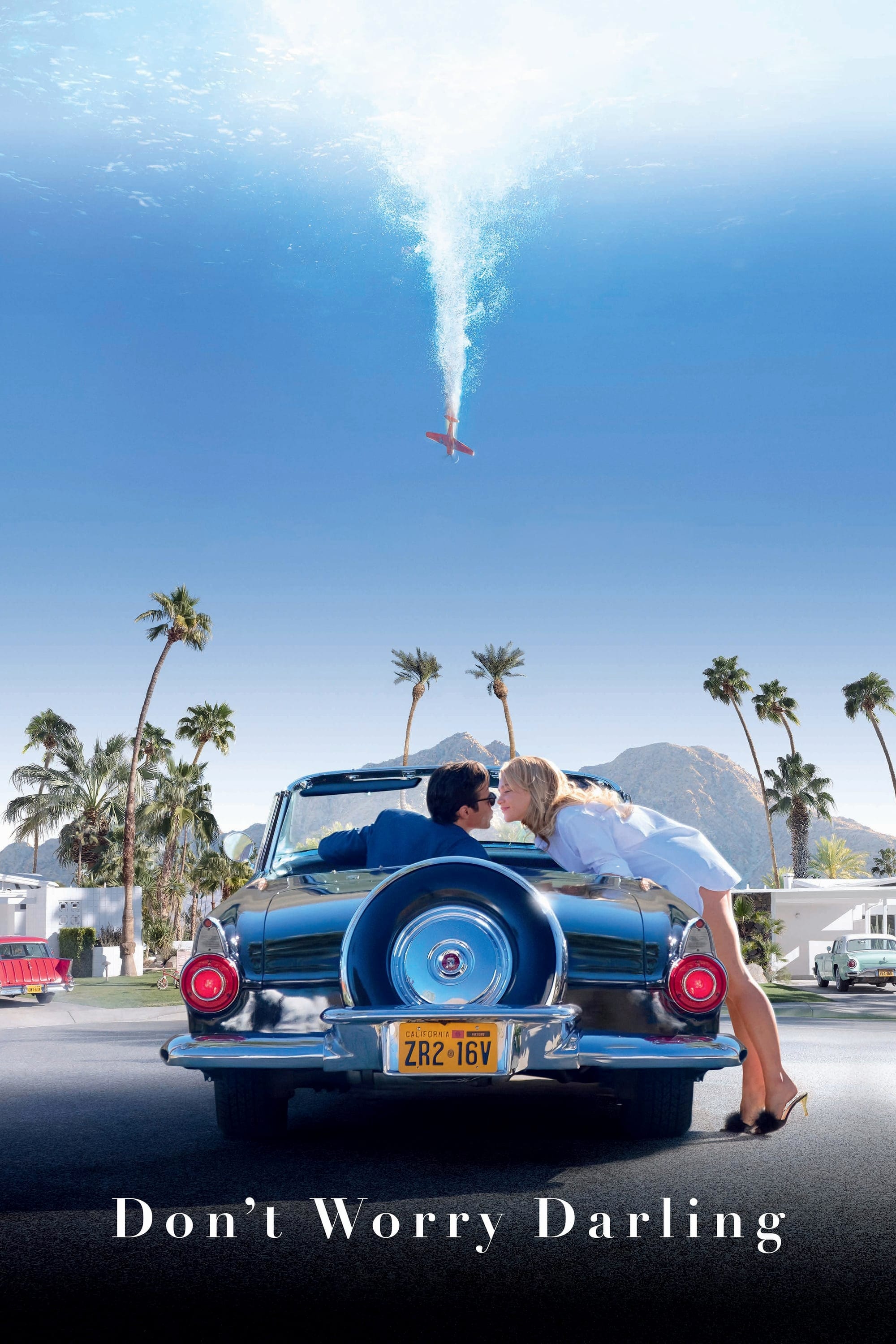
‘Don’t Worry Darling’ was promoted through film-festival premieres, fashion-forward red carpets, and a soundtrack-driven trailer. Coverage centered on production design, mid-century aesthetics, and choreography elements used in the narrative. The ensemble’s social media reach amplified every new clip and poster. Distributor messaging foregrounded the theatrical experience and the scale of sets built on location.
‘Spring Breakers’ (2012)
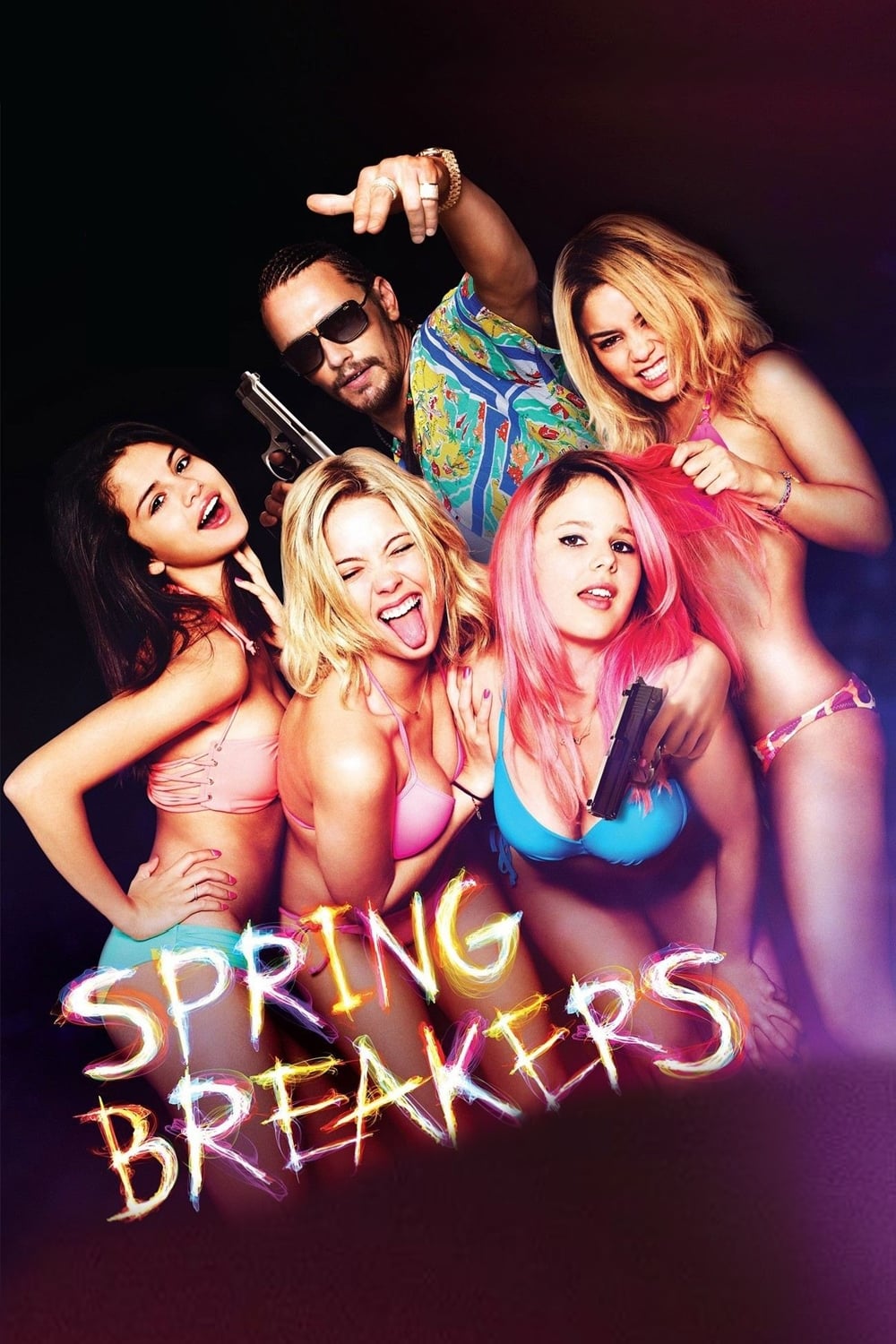
‘Spring Breakers’ utilized provocative neon-forward posters and trailers that contrasted its art-house director with pop-culture casting. Festival receptions and specialty-theater rollouts targeted cinephile audiences first, then broadened with viral GIFs and music tie-ins. Press focused on the film’s cinematography and editing style, including collaborations with frequent crew members. The campaign balanced shock imagery with auteur branding.
‘Drive’ (2011)
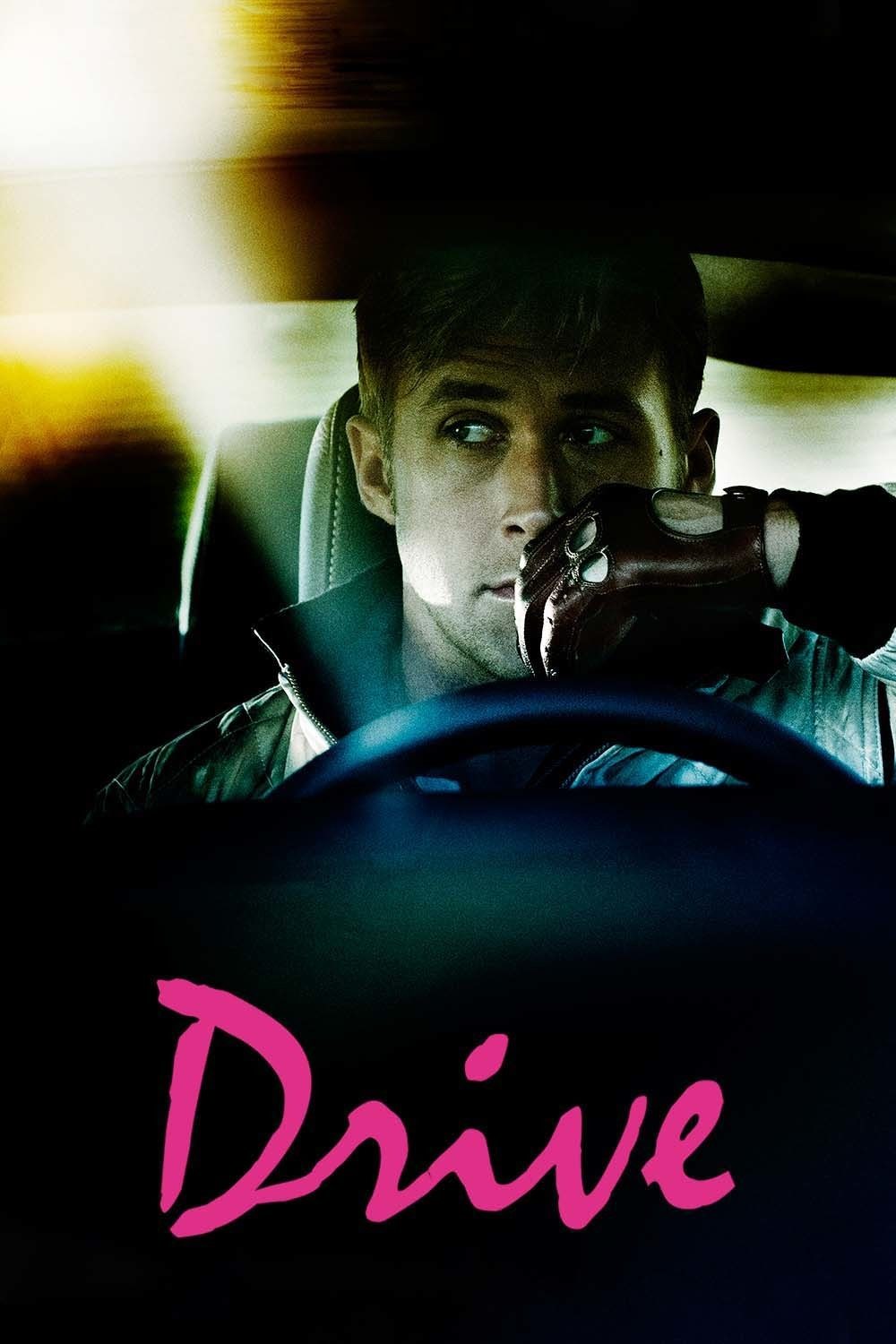
‘Drive’ premiered at a major European film festival, winning a prize that shaped early coverage toward style and craft. Marketing showcased the synth-driven score, minimalist dialogue, and a distinct visual palette. Posters and trailers highlighted stunt coordination and practical chase work overseen by an experienced second-unit team. Soundtrack releases and vinyl pressings extended the film’s presence beyond theaters.
‘Joker’ (2019)
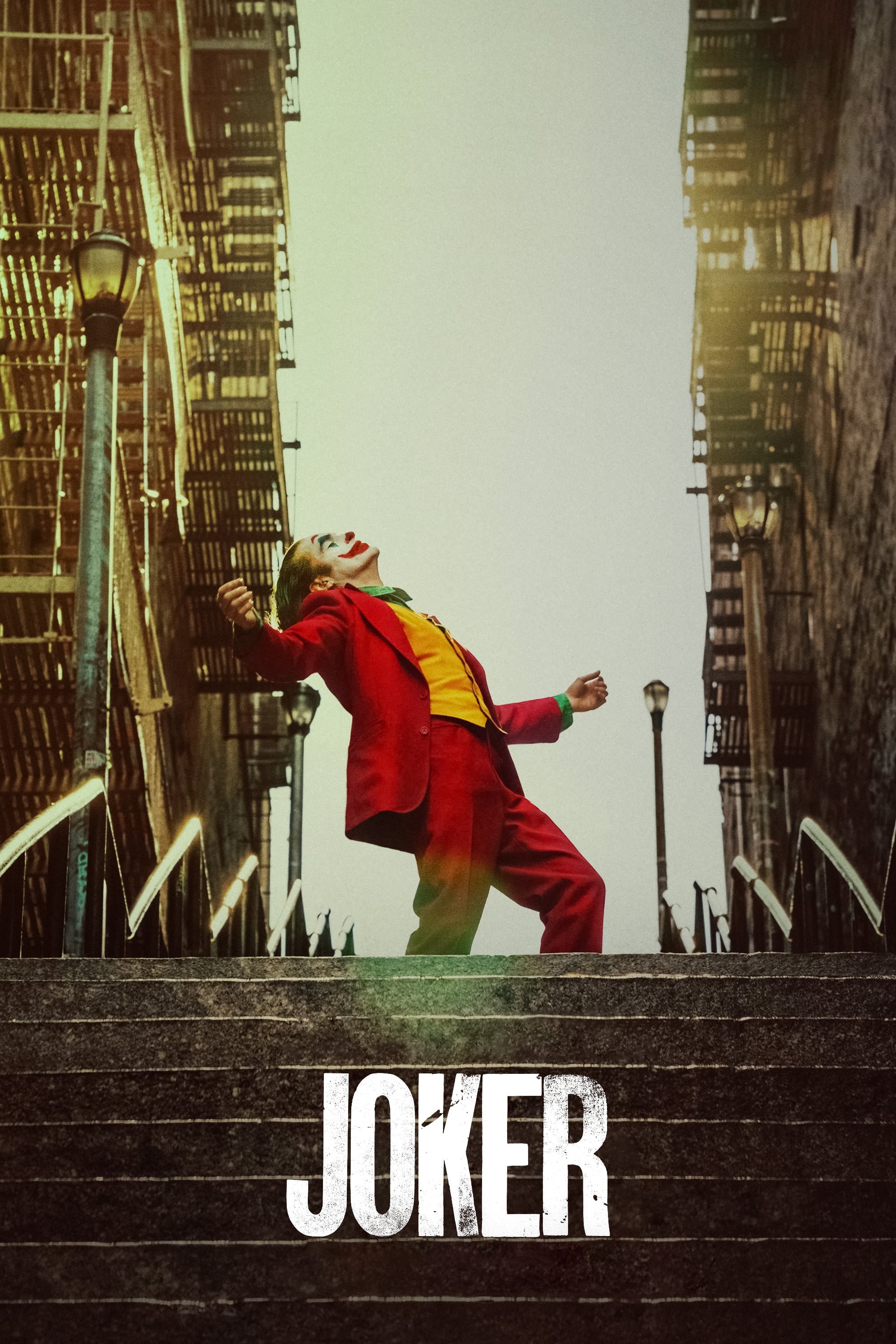
‘Joker’ centered its campaign on a character study approach, with test-footage teasers of makeup and costuming released months ahead. The film’s festival premiere and top prize became a recurring headline that extended awareness into awards season. Publicity emphasized a standalone narrative separate from ongoing franchise timelines. City-location shoots and production design features underlined the period setting and influences.
‘Inception’ (2010)
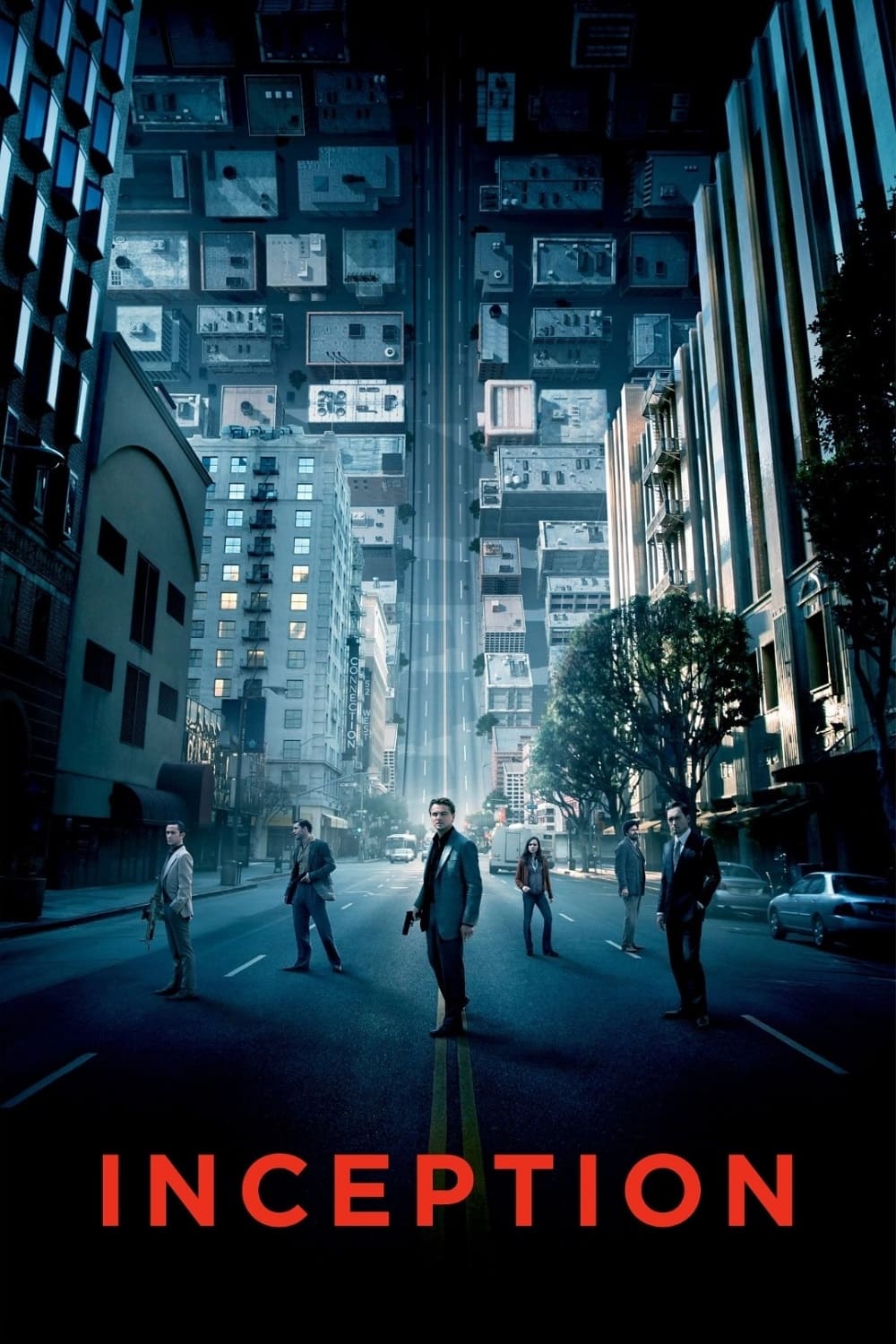
‘Inception’ marketed its high-concept premise with puzzle-box teasers that highlighted zero-gravity stunts and city-bending effects. Featurettes detailed wire work, large-scale sets, and in-camera techniques. A robust viral campaign introduced in-world corporations and dossiers to hint at dream-heist mechanics. Partnerships with premium-format exhibitors framed the release as a demonstration of large-scale sound design and image clarity.
‘Tron: Legacy’ (2010)
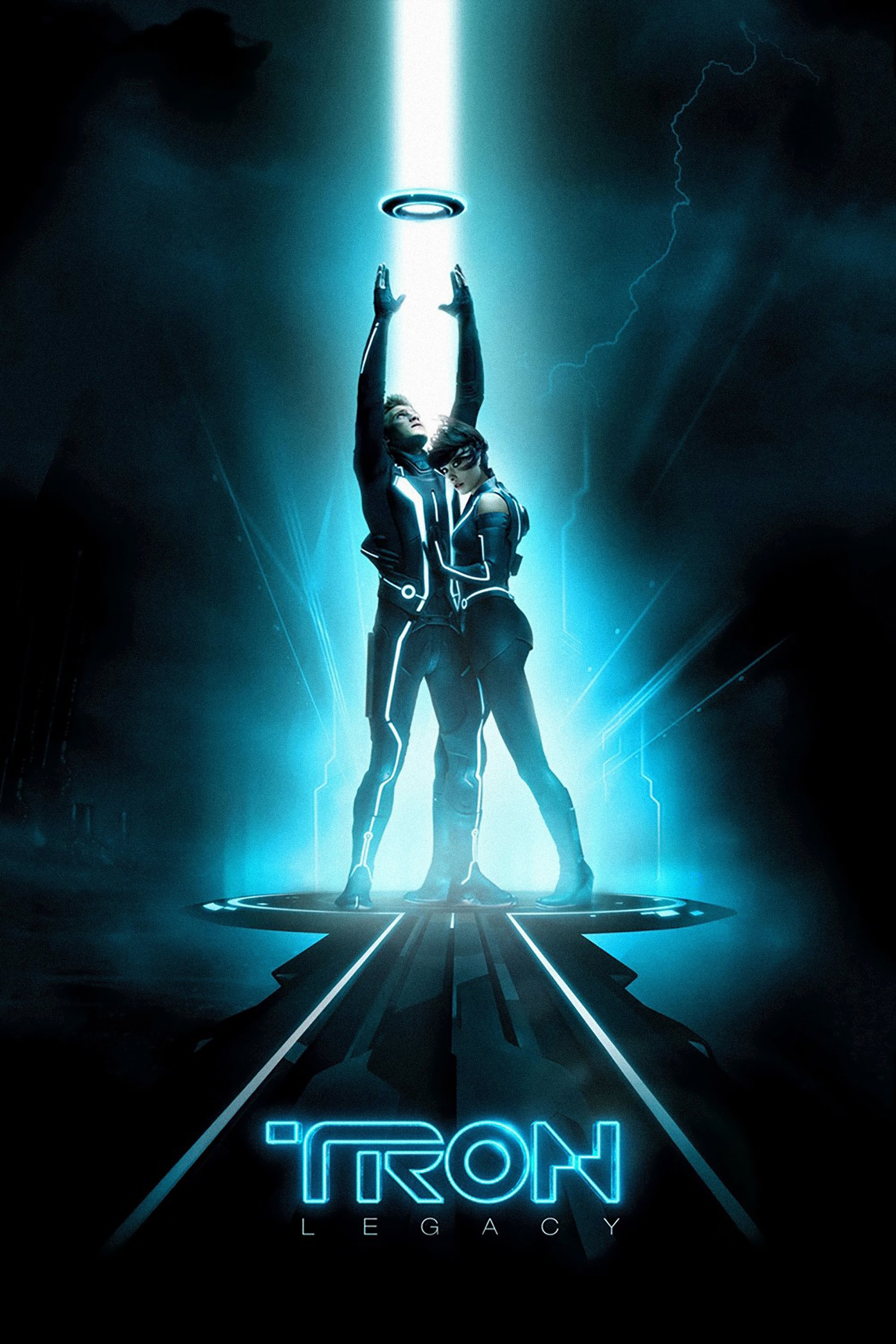
‘Tron: Legacy’ built momentum with an extended ARG centered on the “Flynn Lives” campaign and secret screenings at fan conventions. The marketing spotlighted a Daft Punk soundtrack, releasing teasers and music videos that doubled as promotion. IMAX partnerships and behind-the-scenes features emphasized custom cameras and light-suit design. A cross-media push included video games, merchandise, and theme-park tie-ins to reintroduce the property to new audiences.
‘Jupiter Ascending’ (2015)
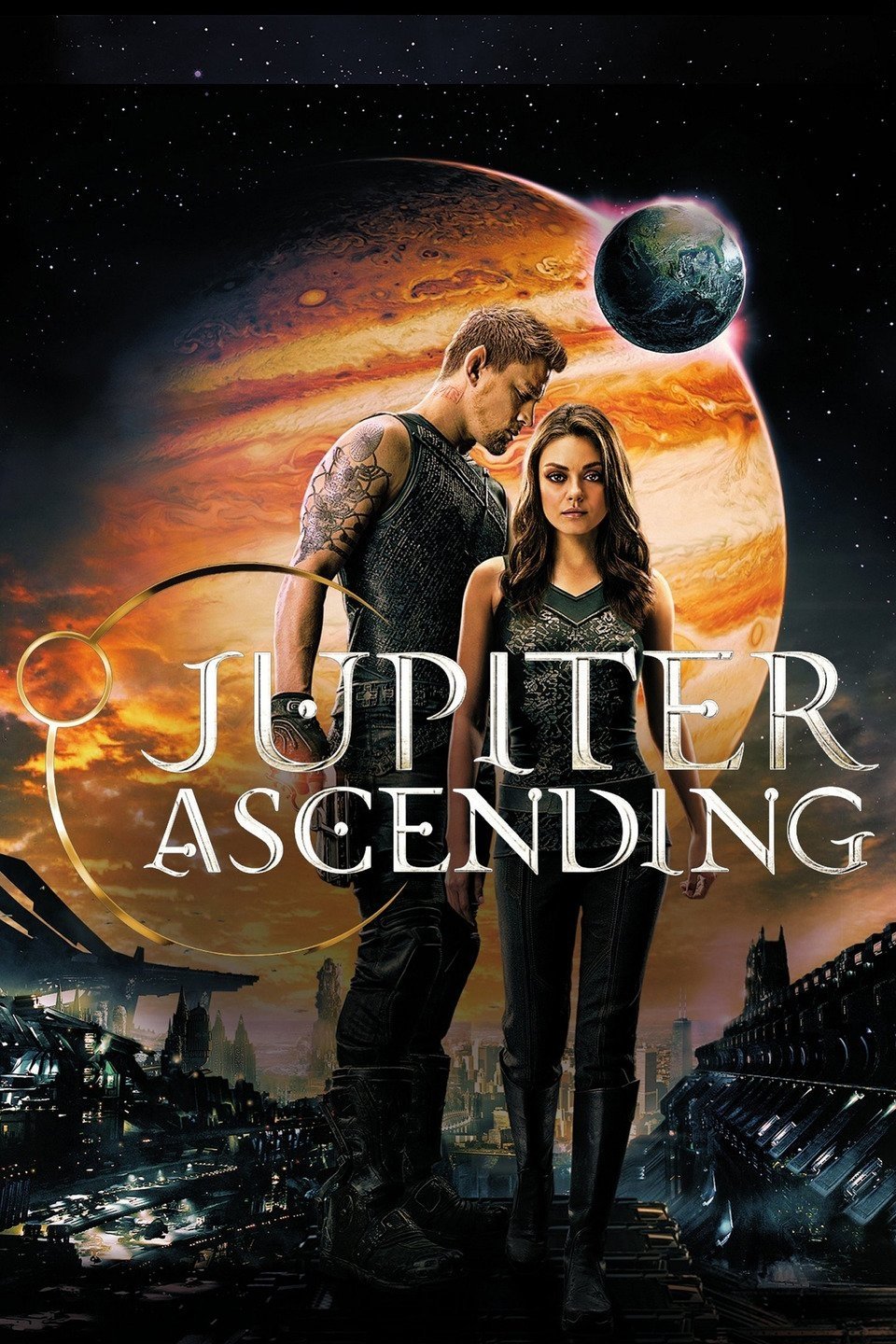
‘Jupiter Ascending’ was promoted on the scale of its visual world-building, with trailers leaning on elaborate spacecraft, species, and costume design. Release-date shifts kept it in headlines, while featurettes focused on wire-work stunts and city-scale CG environments. The studio positioned it as an original space opera from high-profile creators, highlighting the score and large-format presentations. International press tours and character posters introduced the lore before most plot details were public.
‘Indiana Jones and the Kingdom of the Crystal Skull’ (2008)
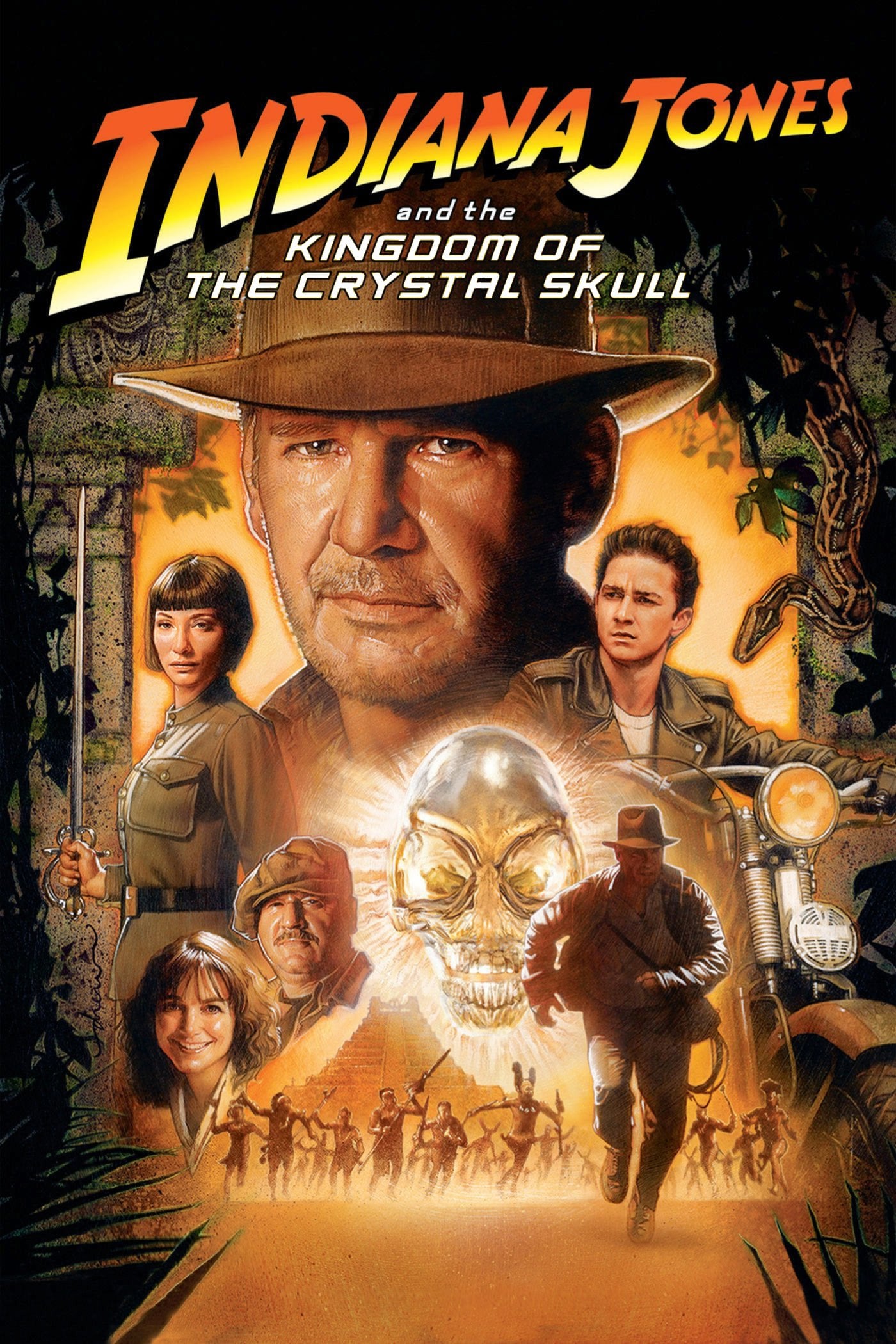
‘Indiana Jones and the Kingdom of the Crystal Skull’ returned a legacy franchise with a broad consumer rollout across fast food, toys, and apparel. Teasers used iconic imagery—hats, whips, and maps—while withholding many story specifics. Magazine covers and network specials revisited the character’s history and stunt tradition. The campaign framed the film as a once-in-a-generation reunion of star, director, and composer.
‘The Last Airbender’ (2010)
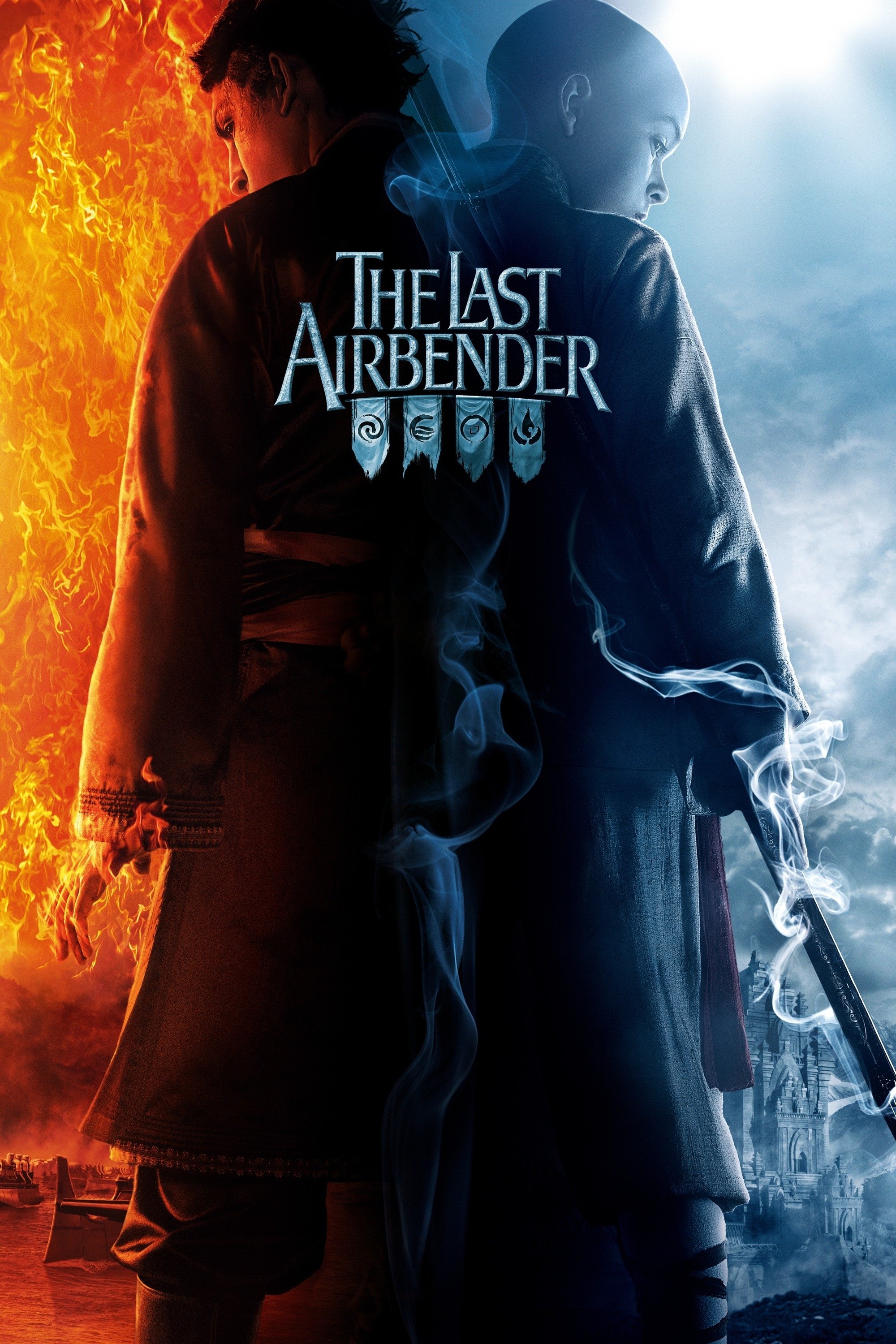
‘The Last Airbender’ leveraged a built-in fanbase from an animated series through TV spots on youth networks and cast appearances at fan conventions. Posters and trailers emphasized elemental effects and martial-arts choreography. A late-stage 3D conversion created premium-format upcharges and was central to pre-release advertising. Tie-ins extended to toys, books, and branded snacks that introduced characters and nations to wider audiences.
‘The Golden Compass’ (2007)
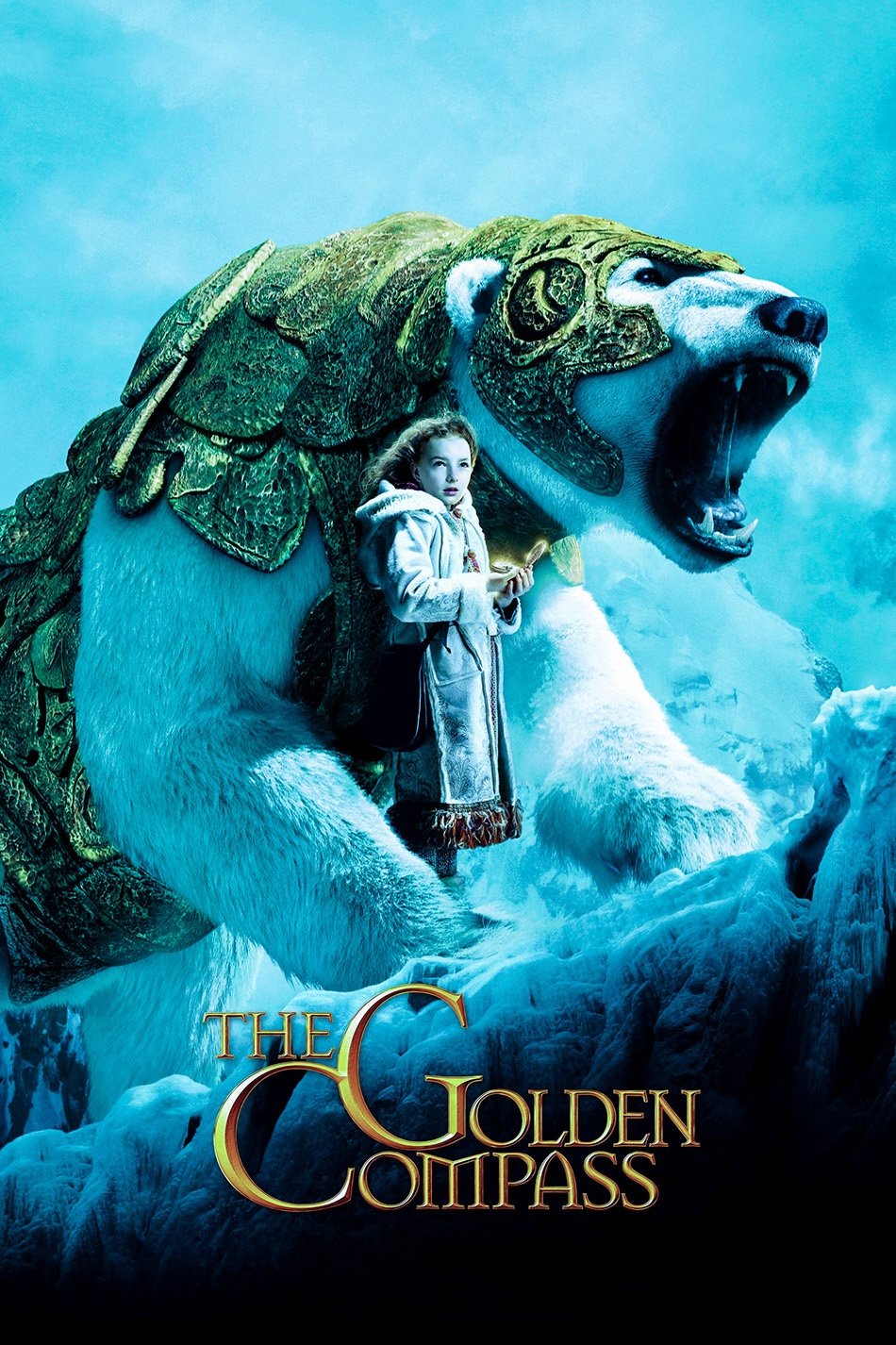
‘The Golden Compass’ showcased creature animation and armored bears in trailers, positioning VFX as the headliner. Tie-in editions of the source novels, art books, and interactive websites expanded the world’s terminology and lore. International casting and lavish sets were highlighted in behind-the-scenes features. Retail partnerships and holiday-timed promotion aimed to place the brand alongside other family fantasy tentpoles.
‘The Cloverfield Paradox’ (2018)
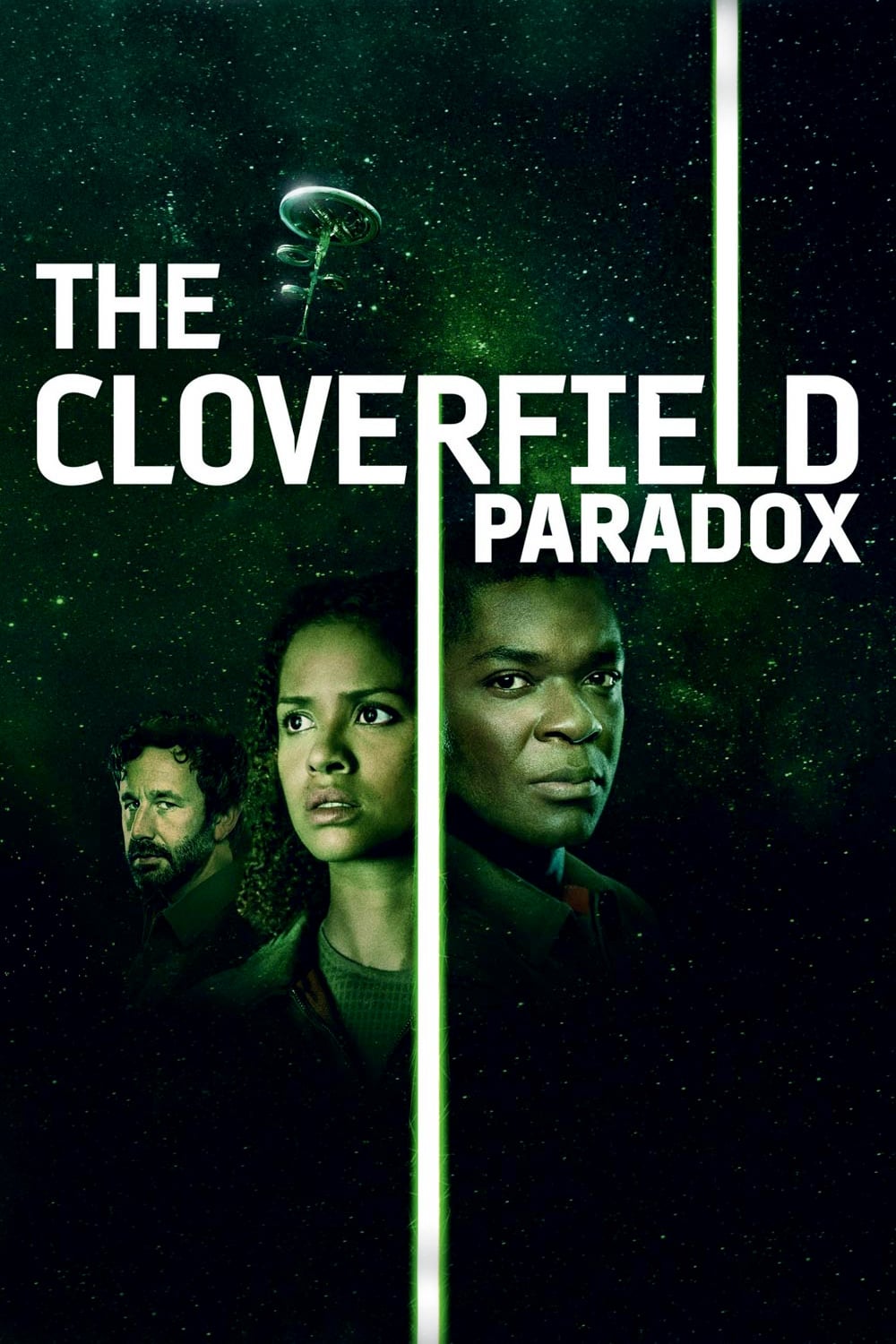
‘The Cloverfield Paradox’ executed a surprise-release strategy, announcing availability immediately after a championship football broadcast. The campaign capitalized on brand recognition from prior entries while offering no traditional theatrical window. A short teaser during the game drove viewers directly to streaming within minutes. The approach made the release itself the headline, dominating entertainment news cycles for the night.
‘The Mummy’ (2017)
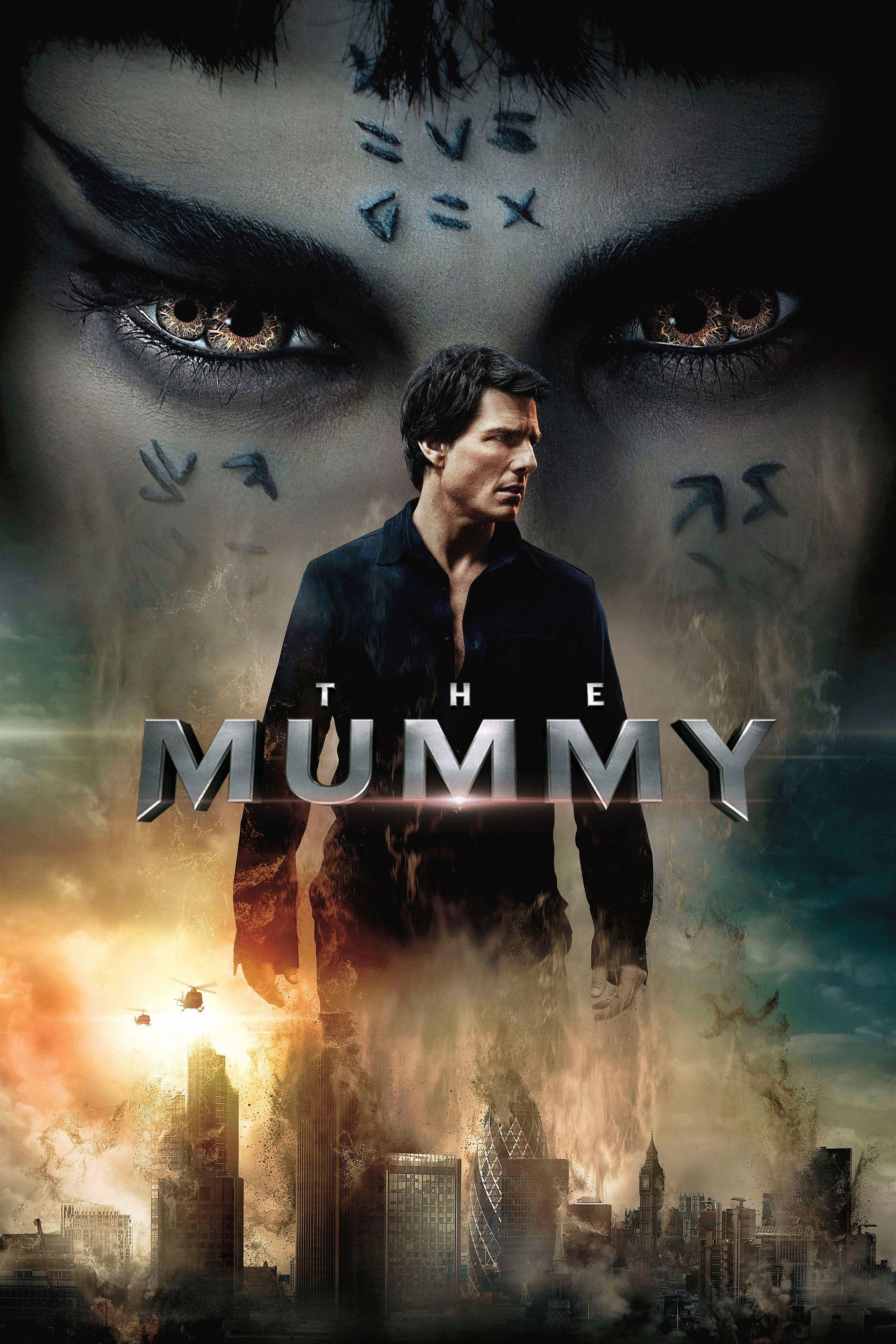
‘The Mummy’ launched as the opening chapter of a planned shared universe, revealed in a widely circulated cast photo and branding assets. Trailers spotlighted plane-crash set pieces and location shoots across deserts and London landmarks. Cross-promotions included ride overlays, apparel, and premium-format endorsements. Press materials emphasized practical stunts, large-scale sets, and a new continuity connecting classic monster properties.
‘Morbius’ (2022)
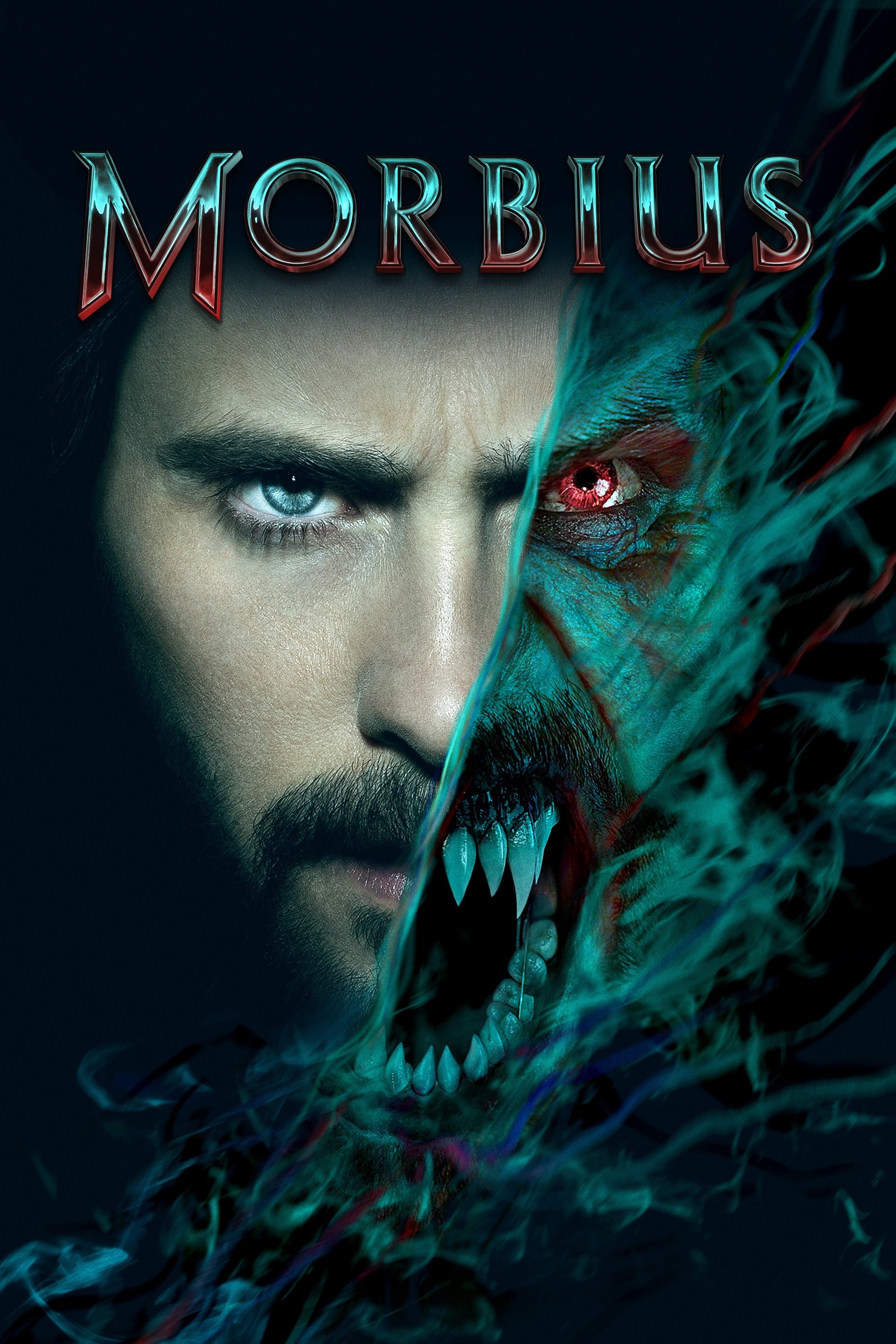
‘Morbius’ combined comic-book recognition with character-introduction featurettes that explained powers, origin, and connections to a broader superhero catalog. Teasers leaned on transformation effects and nocturnal action while highlighting cameos and crossover hints. Social media chatter—both earnest and ironic—kept the title trending, prompting an unusual second theatrical run. International trailers varied villain reveals and timeline cues to appeal to different markets.
‘Valerian and the City of a Thousand Planets’ (2017)
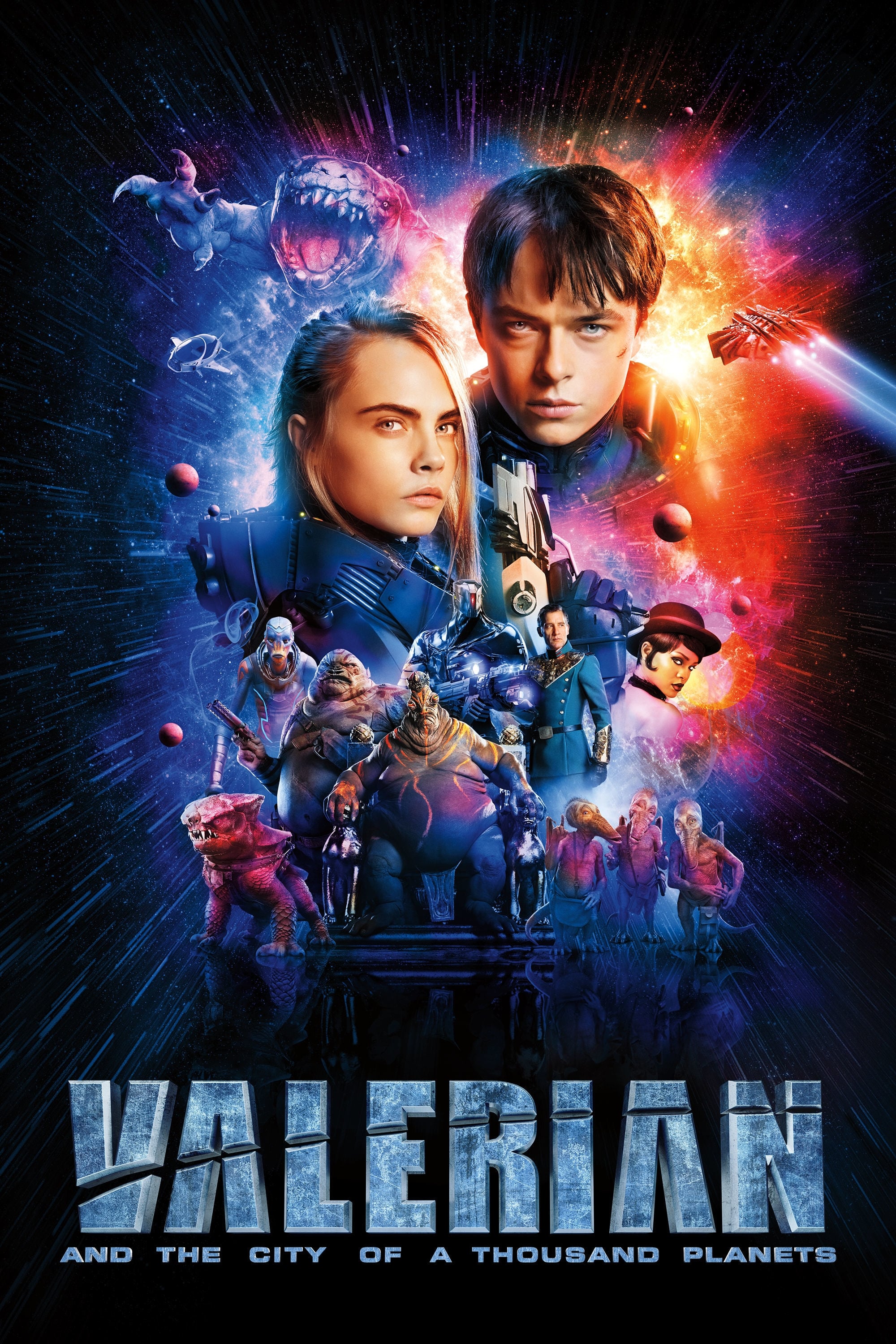
‘Valerian and the City of a Thousand Planets’ centered promotion on its dense alien ecosystems and color-saturated production design. Featurettes profiled concept artists, digital creature pipelines, and costume houses to underline artistry. Music-driven trailers showcased kinetic editing and expansive set pieces. Early footage reveals at festivals and conventions positioned it as a visual-effects showcase from a known sci-fi stylist.
‘Cats’ (2019)
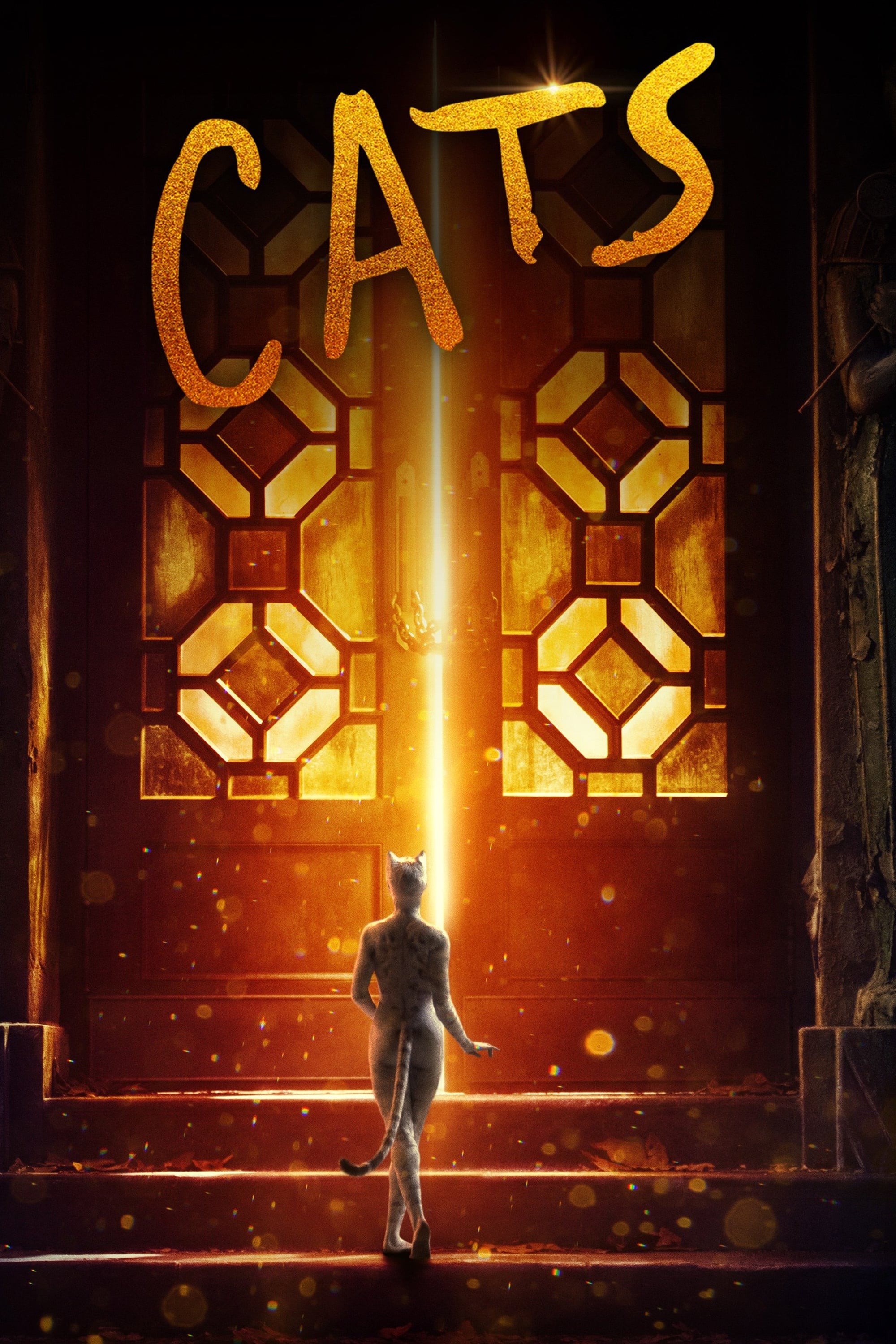
‘Cats’ marketed a star-heavy ensemble and introduced “digital fur technology” as a headline innovation in trailers and press notes. Teaser drops prioritized recognizable songs and choreography, paired with glossy magazine spreads of character designs. Music releases, late-night performances, and awards-season calendar placement extended visibility. The campaign underscored the stage-to-screen adaptation angle, spotlighting set construction and dance rehearsals.
‘Spectre’ (2015)
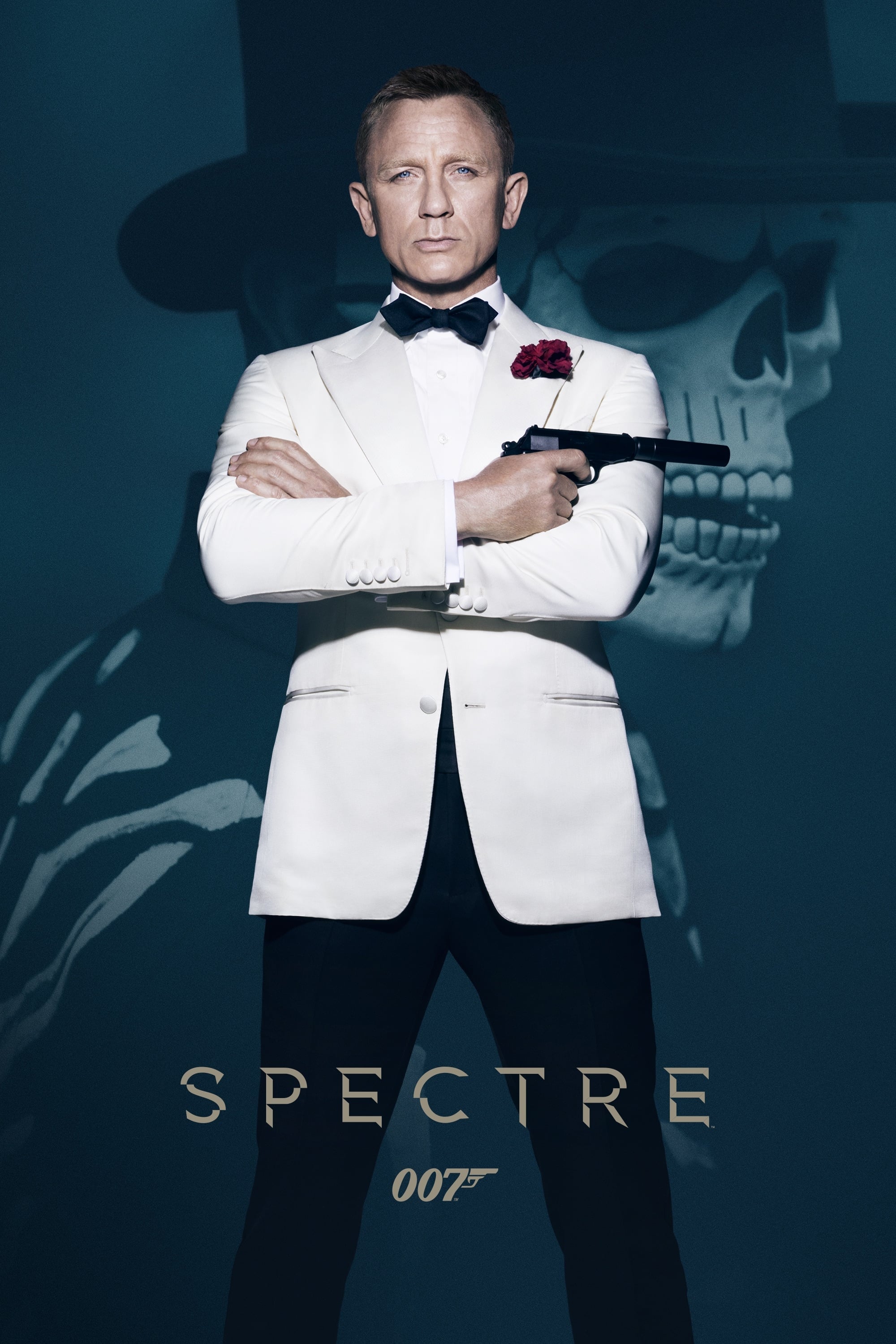
‘Spectre’ promoted heritage elements—gadgets, tailored suits, and signature vehicles—through luxury brand partnerships and location spotlights. The theme song rollout became an event of its own, with chart-focused promotion and music video drops. Featurettes emphasized practical stunt driving, alpine action, and long-take choreography. The campaign also highlighted returning characters and lineage connections to earlier entries.
‘Man of Steel’ (2013)
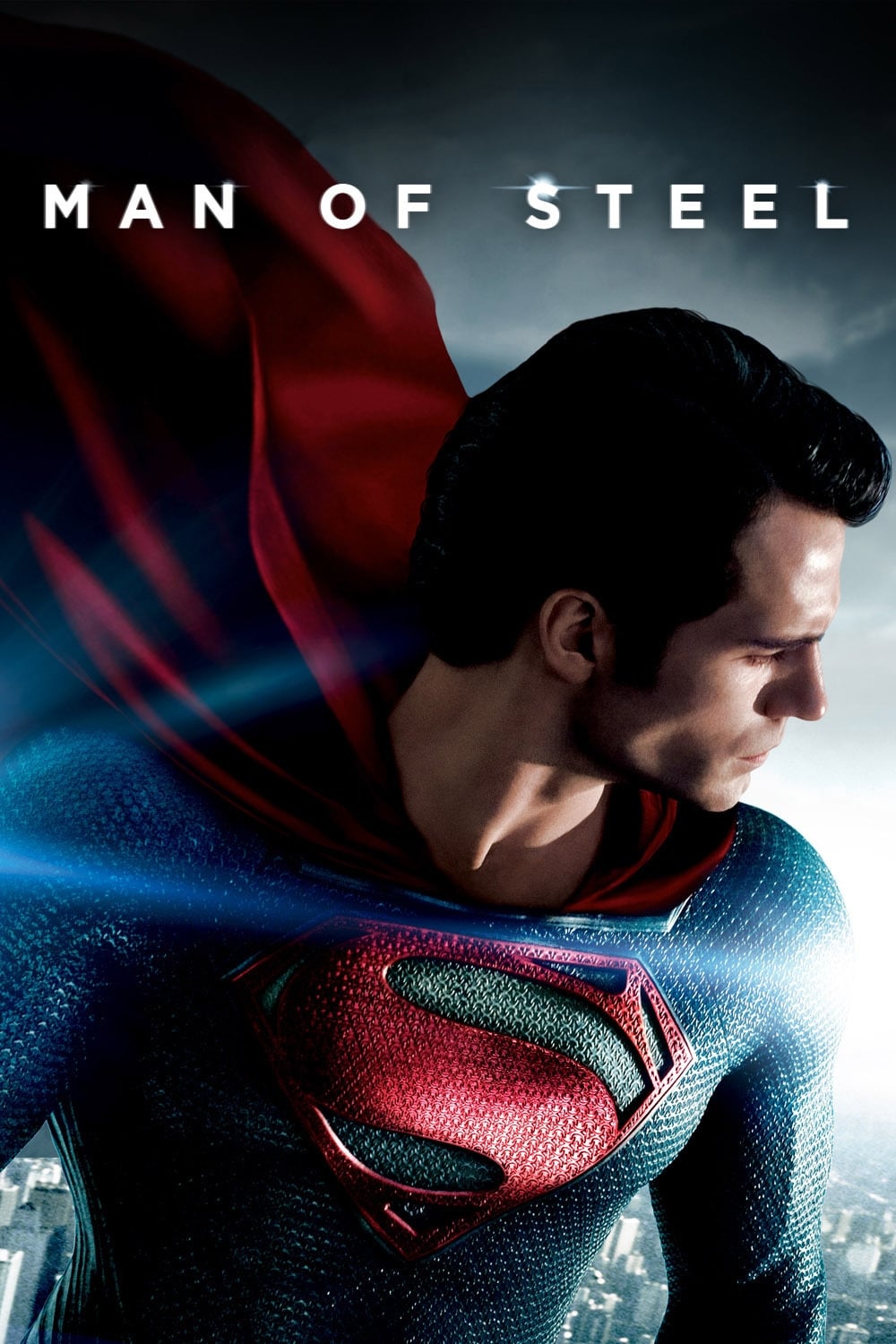
‘Man of Steel’ framed its rollout with solemn teaser reels attached to major blockbusters, paired with soaring voiceovers and restrained imagery. Viral elements introduced in-world documents and military briefings that hinted at first-contact themes. Press coverage emphasized a producer-director pairing and a grounded approach to the character’s origin. Large-format presentations and sound-mix features promoted the theatrical experience as definitive.
‘Watchmen’ (2009)
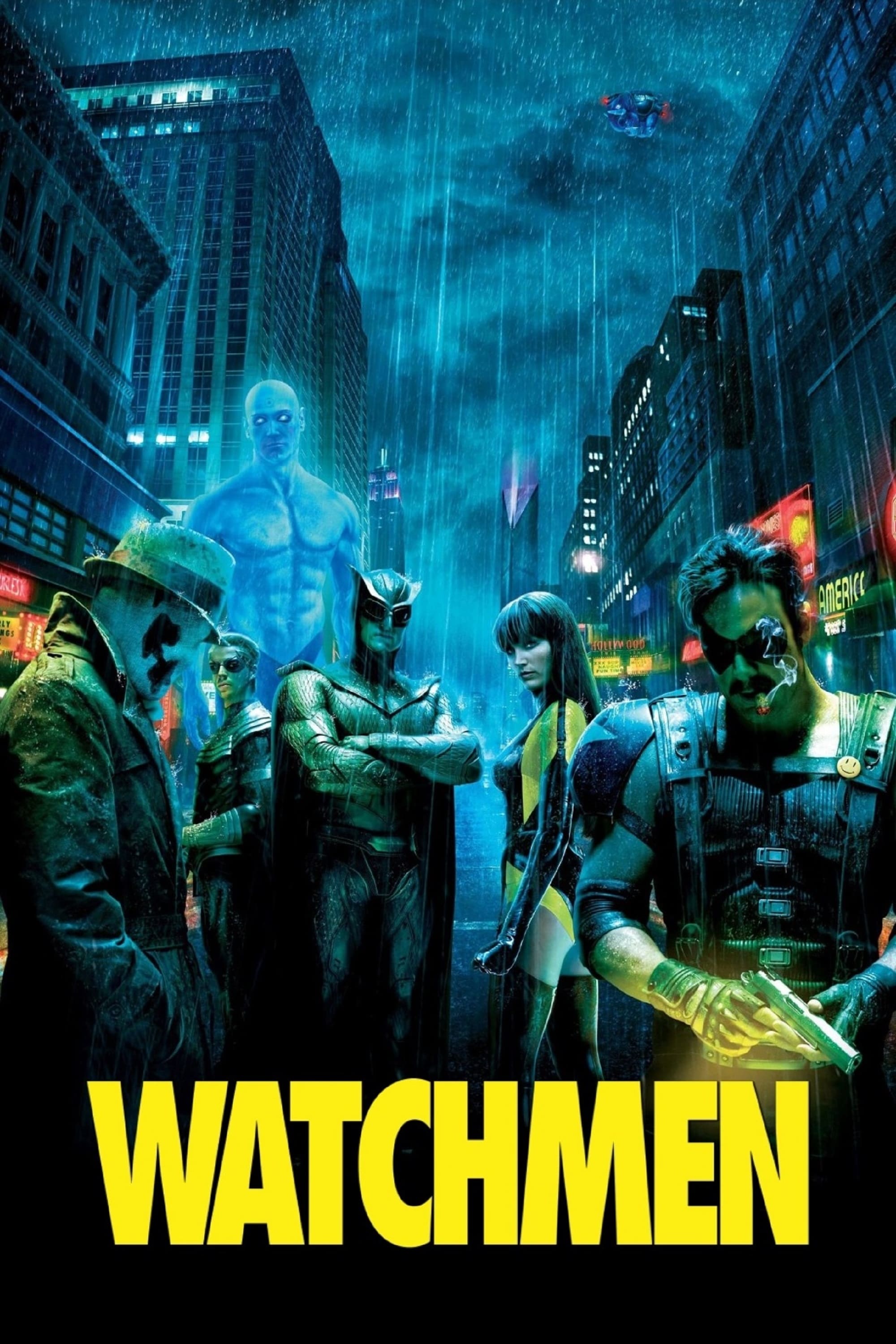
‘Watchmen’ leaned on fidelity to its graphic-novel source, with trailers reproducing frame-accurate compositions and needle-drop cues. Tie-in motion comics, art books, and featurettes spotlighted prop builds and period costuming. Marketing highlighted a restricted rating and adult tone to differentiate it from other superhero releases. Conventions featured cast panels and curated displays of sets and archival material.
‘King Kong’ (2005)

‘King Kong’ documented its production through video diaries that offered weekly looks at creature animation, miniatures, and location shoots. The studio emphasized collaboration with a leading effects house, releasing tech breakdowns of motion capture and digital environments. Tie-ins included video games, collectible statues, and companion books that mapped Skull Island in detail. The film’s December placement aligned with holiday audiences and awards coverage.
‘Ready Player One’ (2018)
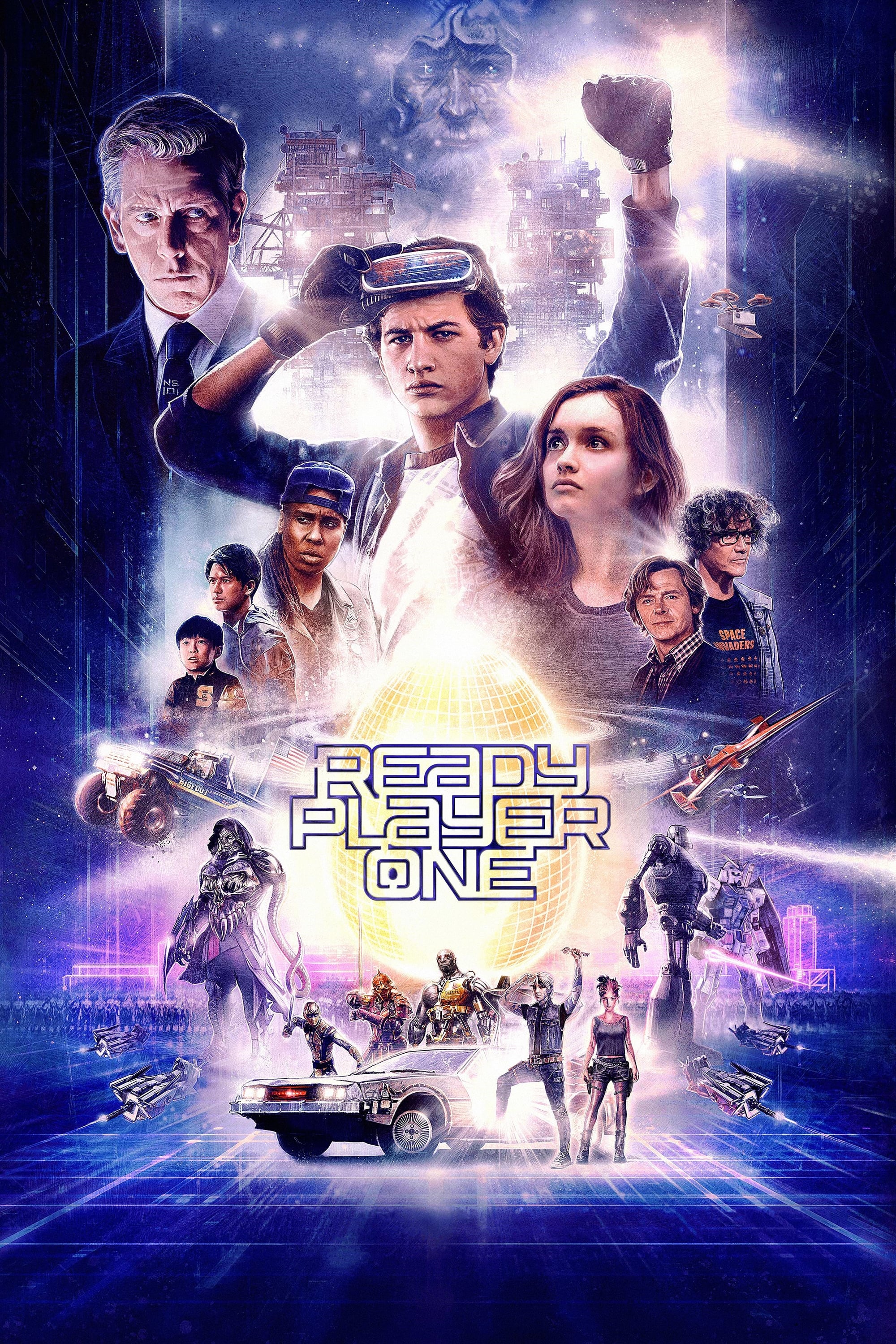
‘Ready Player One’ promoted a collage of licensed pop-culture references, showcasing avatars, vehicles, and Easter-egg hunts in trailers. Featurettes explained performance-capture stages and virtual-camera work used to navigate digital sets. The marketing partnered with gaming platforms, VR demos, and convention installations to court tech-savvy viewers. Posters and TV spots alternated between real-world drama and spectacle inside the simulated arena.
Tell us which titles you think were most propelled by pre-release buzz rather than the stories themselves in the comments!

