


Movies That Are Almost Impossible to Watch Till the End



Some films push form, length, structure, or subject matter so far that finishing them becomes a real challenge. The reasons vary a lot, from extreme realism to radical minimalism to vast running times that test anyone’s focus. What unites them is ambition and a willingness to take risks that most releases never attempt.
This list gathers features known for difficult content, unconventional technique, or epic duration. You will find everything from austere long takes to documentary testimonies and experimental sound design. Each entry includes clear facts about the story, style, and production choices that make the film demanding, so you can decide what to try next and how to approach it.
‘Sátántangó’ (1994)
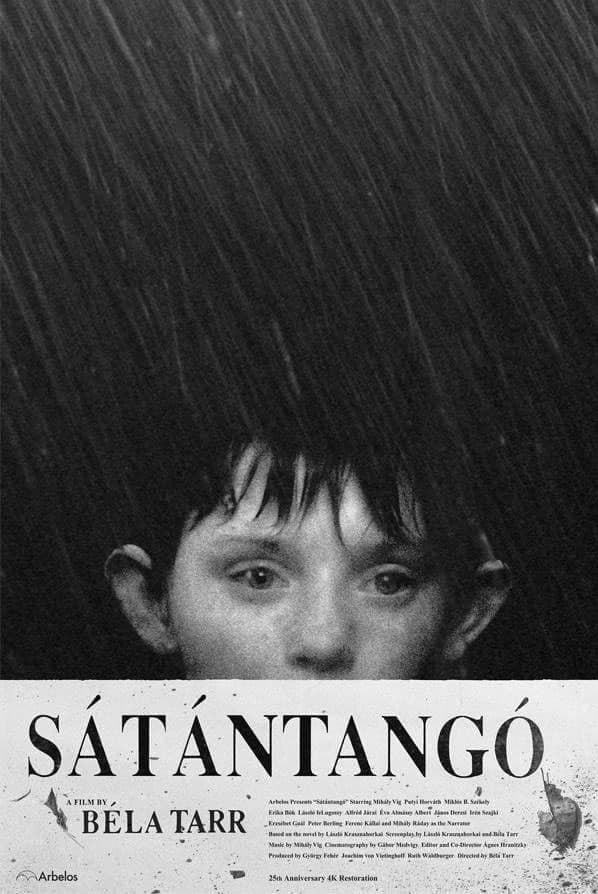
Béla Tarr adapts the novel by László Krasznahorkai into a black and white epic that runs well over seven hours. The story follows a collapsing collective farm as characters drift through rain soaked plains, with the narrative arranged in chapters that advance, rewind, and mirror each other like steps of a tango.
Cinematographer Gábor Medvigy employs very long takes and slow tracking shots that unfold in real time. The film’s soundscape leans on ambient weather and sparse music by Mihály Víg, and the production is known for its meticulous blocking that lets scenes play out without cutting.
‘Jeanne Dielman, 23, quai du Commerce, 1080 Bruxelles’ (1975)

Directed by Chantal Akerman, this film observes three consecutive days in the life of a widowed mother in Brussels. The camera is mostly fixed, framing domestic tasks at a measured pace that reveals small variations in routine as the days progress.
Delphine Seyrig leads a cast that performs repeated gestures with exact timing, turning everyday actions into the film’s primary subject. The minimalist approach has influenced subsequent slow cinema, with scholars noting its precise choreography of space, action, and silence.
‘Shoah’ (1985)
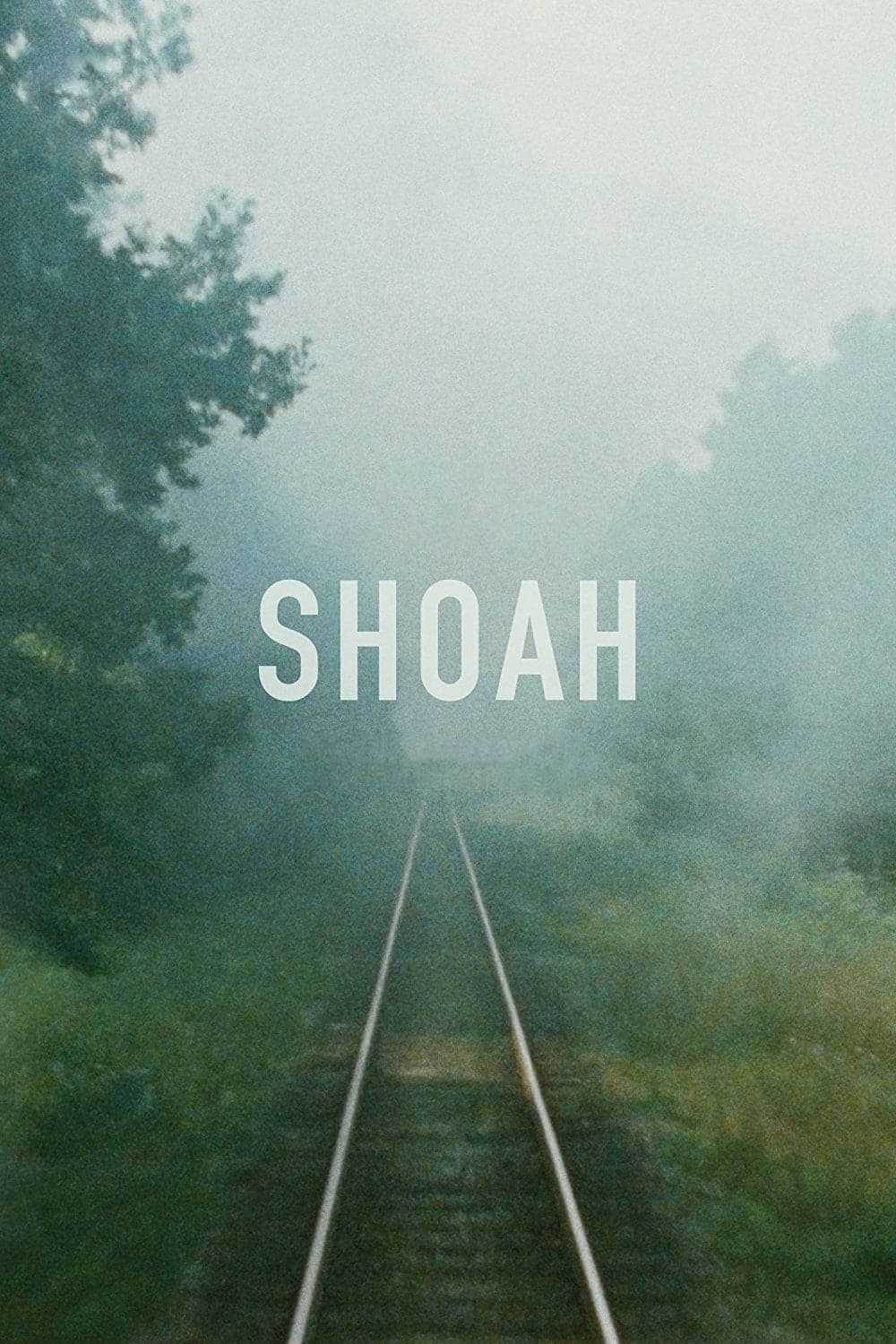
Claude Lanzmann’s documentary runs about nine and a half hours and relies on extensive interviews with survivors, witnesses, and former officials. It avoids archival footage and instead returns to present day locations, connecting spoken testimony to physical spaces.
Multiple languages are spoken, with interpreters used on camera, and the film’s structure groups testimonies by theme across very long sequences. The result documents memory through faces, voices, trains, and fields, recorded over many years of production.
‘Come and See’ (1985)
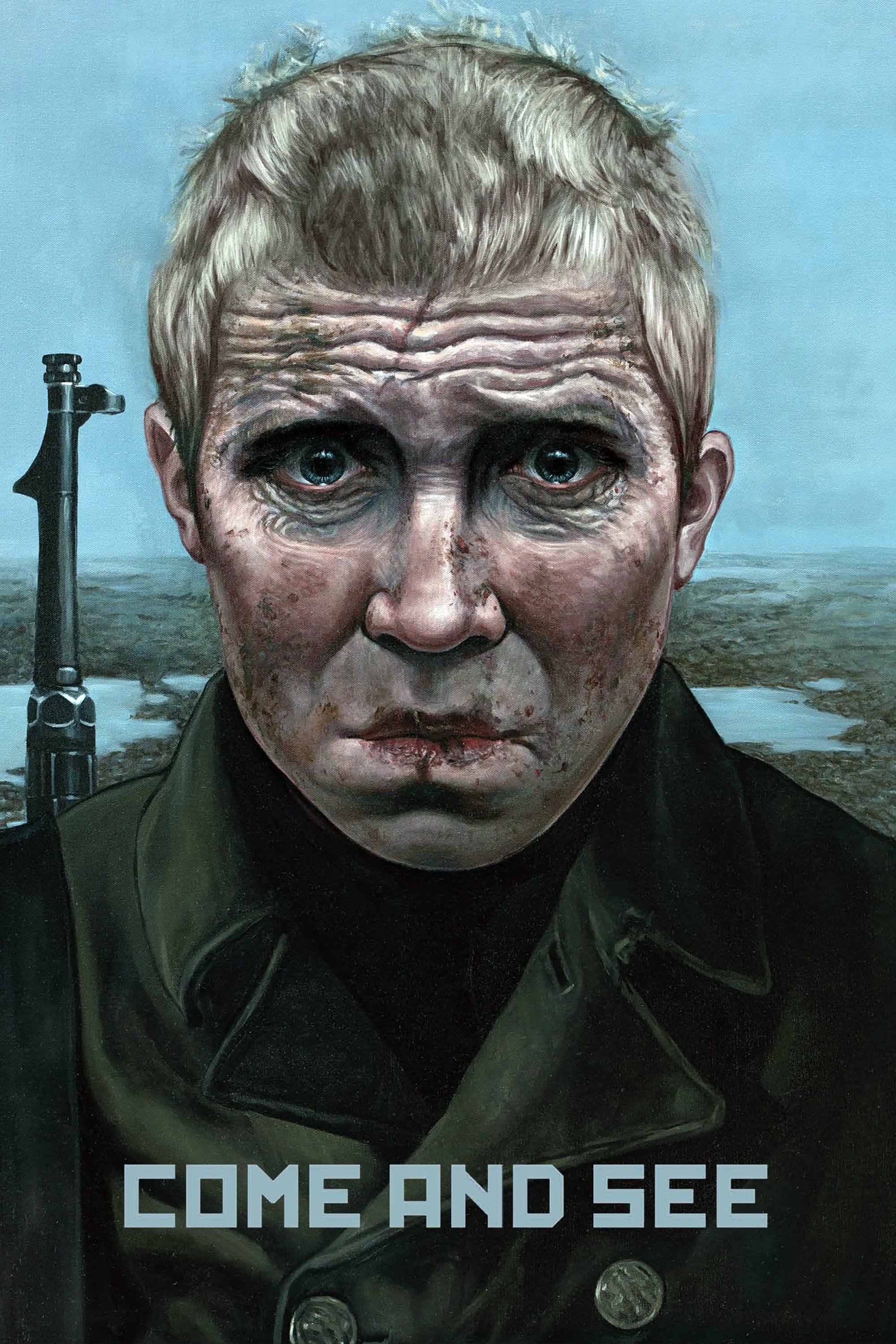
Elem Klimov’s wartime drama follows a Belarusian teenager who joins partisan fighters and moves through villages during an occupation. The film blends handheld movement with tight close ups as the character witnesses events that reshape his perception.
Sound design uses ringing tones and distorted mixes to represent subjective experience. Natural light, extended takes, and location shooting in rural settings add to a sense of immediacy, with production logistics involving large crowd scenes and pyrotechnics.
‘Salò, or the 120 Days of Sodom’ (1975)

Pier Paolo Pasolini transposes the Marquis de Sade’s novel to the final days of the Italian Social Republic. The narrative is arranged into sections that the film labels as circles, each focusing on a different phase within a closed villa overseen by authority figures.
The production uses formal, static compositions and choreographed group scenes that contrast with the transgressive acts depicted. Distribution histories record bans, trims, and legal disputes in multiple territories, and the film remains a frequent subject in censorship studies.
‘A Serbian Film’ (2010)
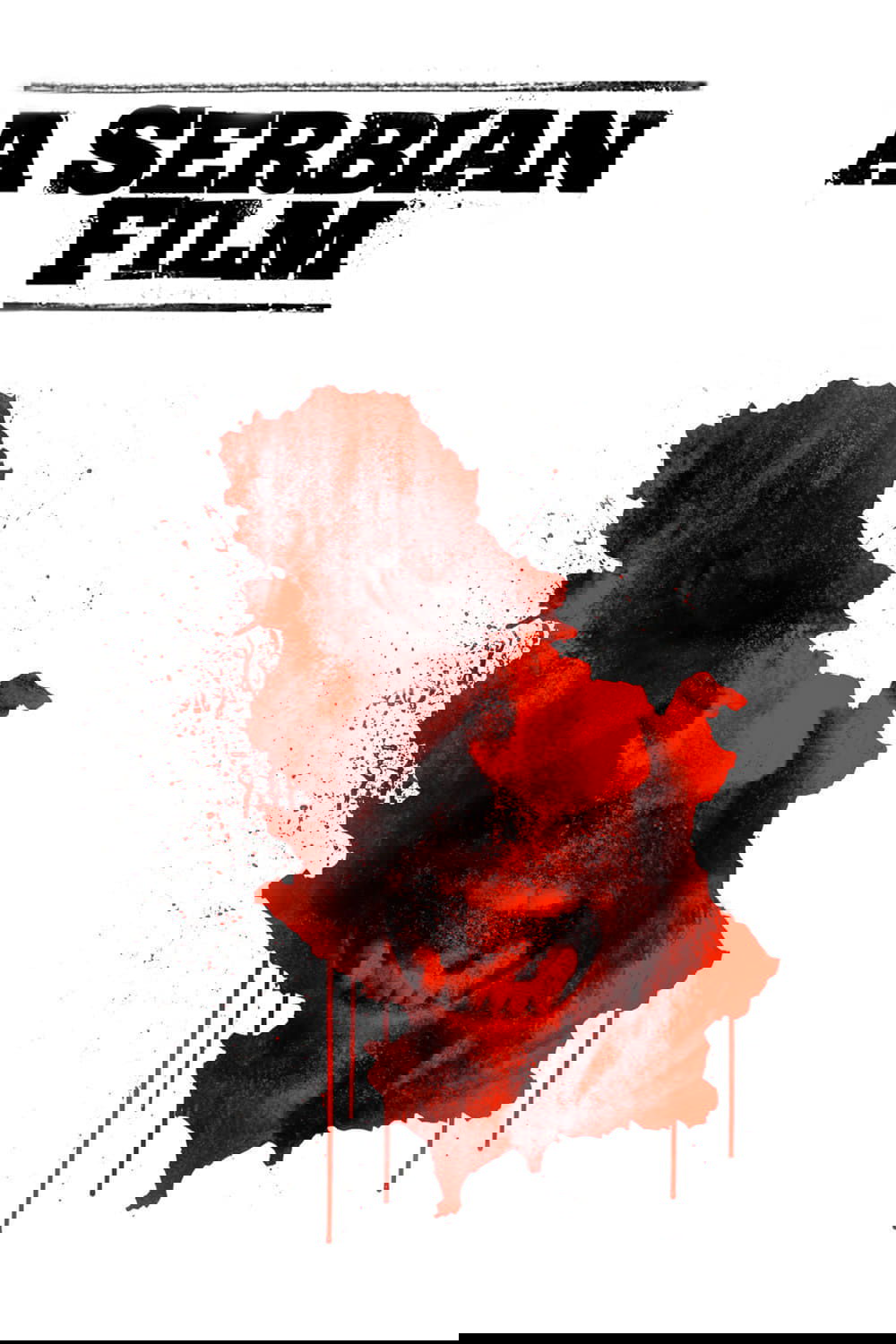
Directed by Srđan Spasojević, the plot centers on a retired performer drawn into a project that conceals criminal activity. The story is structured as a descent from a staged set into real violence, with contracts and consent manipulated by the antagonists.
International releases appeared in varied versions due to cuts ordered by boards in several countries. Practical effects and production design create a claustrophobic environment, and marketing and festival screenings generated ongoing debates about classification.
‘Irreversible’ (2002)
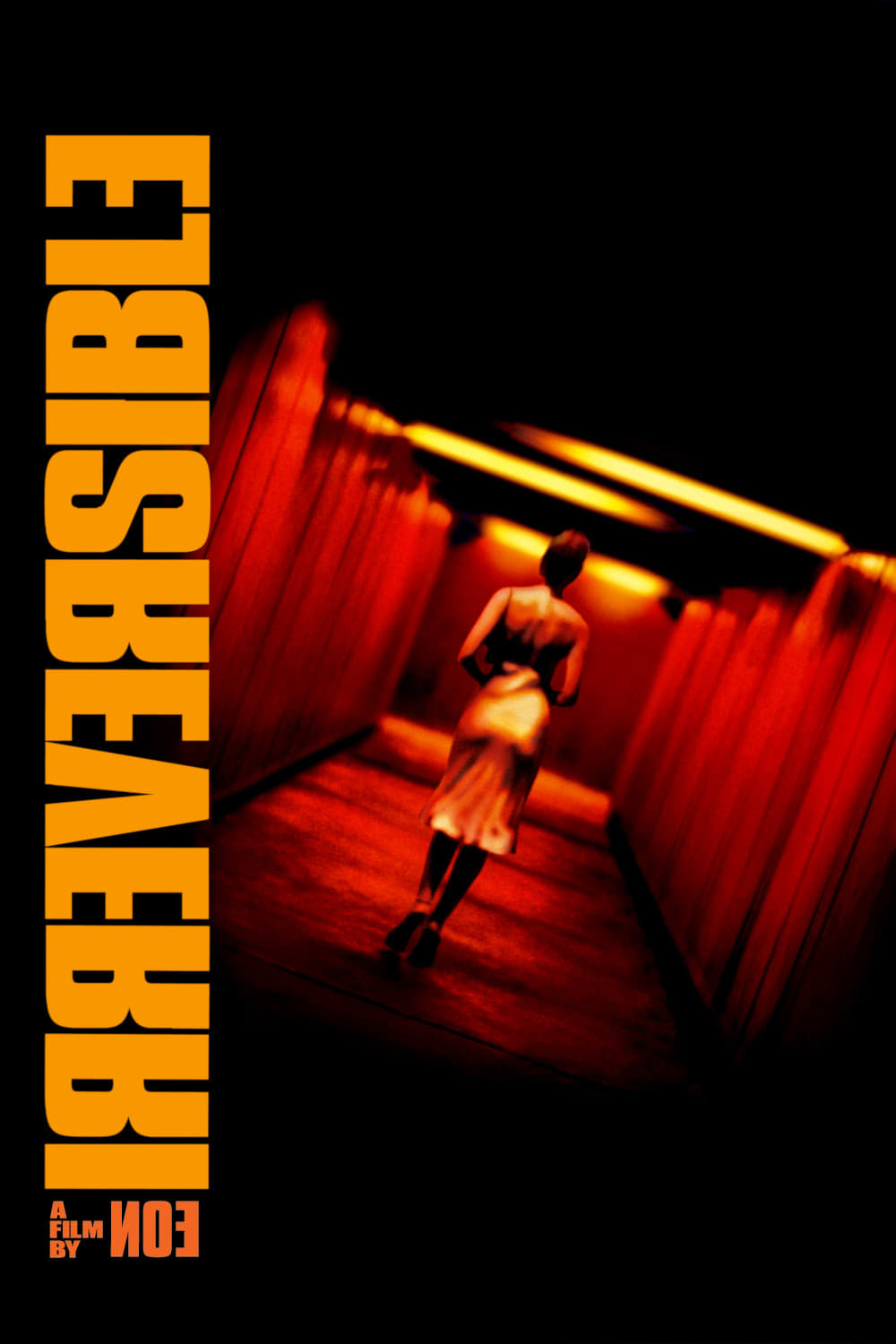
Gaspar Noé presents events in reverse order, starting with the aftermath and moving backward to earlier scenes. The opening features a mobile camera and loud low frequency sound that was reported to cause discomfort in theaters.
The film uses hidden cuts within swirling movements and includes a pivotal sequence staged as a single unbroken shot. Performances by Monica Bellucci and Vincent Cassel anchor the structure, while digital effects and color timing create a harsh, red tinted palette in certain sections.
‘Antichrist’ (2009)
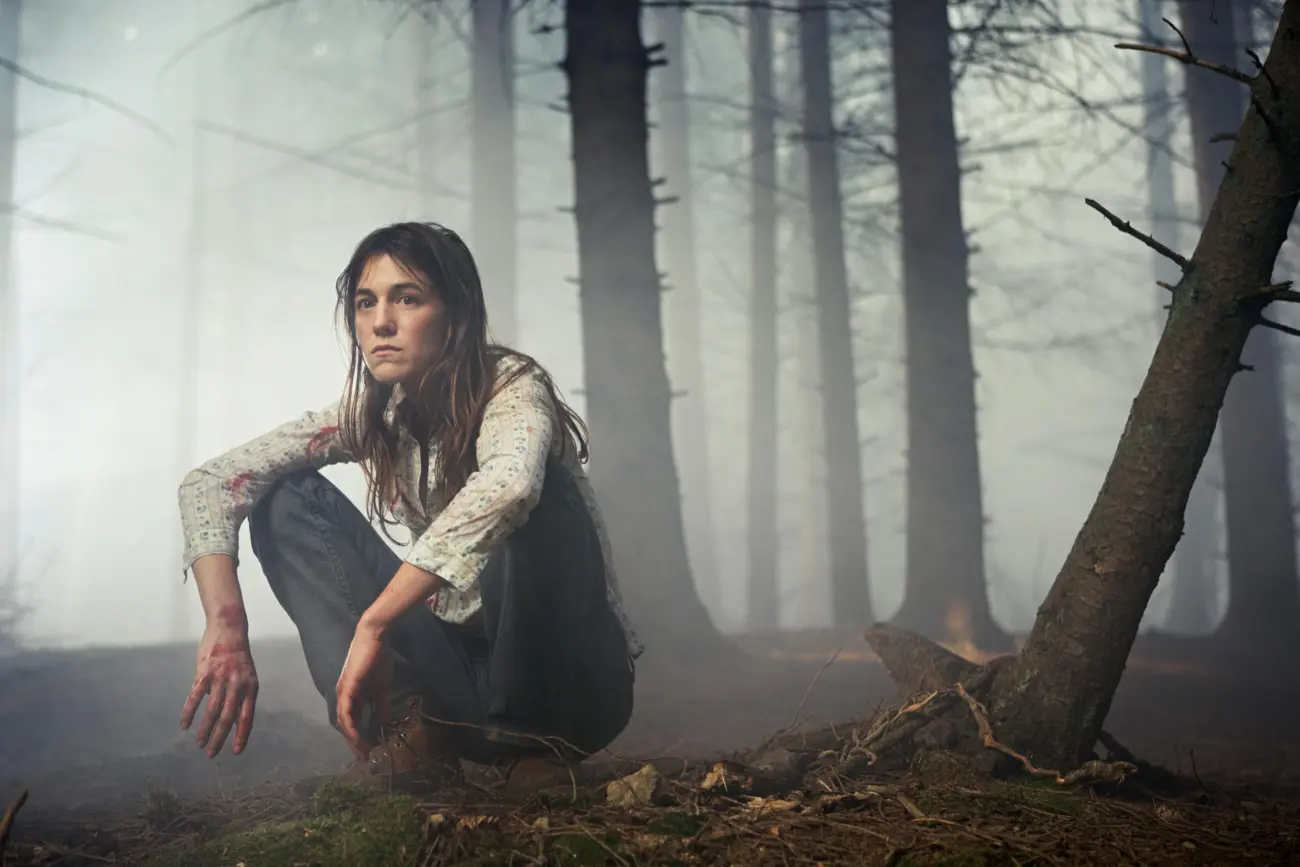
Lars von Trier tells a story about a couple who retreat to a forest cabin after a tragedy. The film divides into titled chapters that move from grief counseling to isolation in a natural setting, with imagery that shifts between slow motion tableaux and handheld passages.
The production shot in Europe with a small cast, and the sound mix layers wind, creaking wood, and animal calls over sparse dialogue. Graphic prosthetic effects, stylized color, and dream sequences contribute to a tone that oscillates between psychological drama and folktale.
‘The Human Centipede (First Sequence)’ (2009)
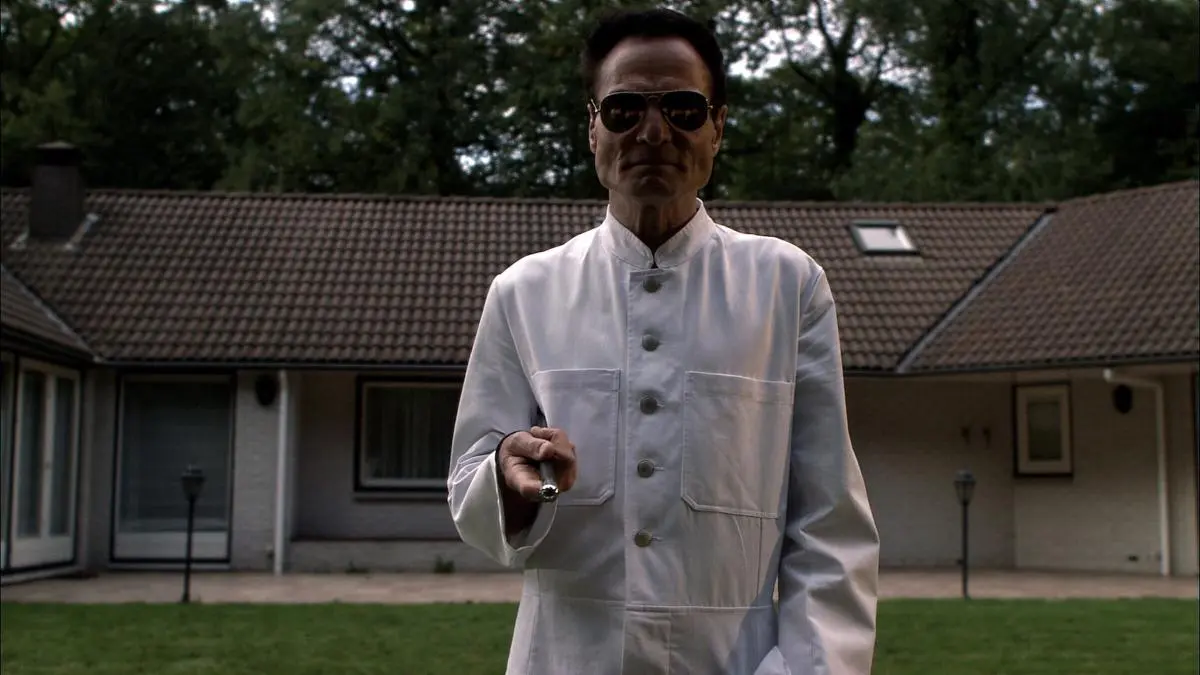
Tom Six wrote and directed this Dutch produced horror film about a surgeon who abducts three tourists. The narrative confines most action to a single house and a makeshift operating space, emphasizing medical props and clinical procedures.
Makeup and costume departments designed practical appliances to suggest surgical outcomes without reliance on computer graphics. The film’s concept led to follow up entries with different formats, and the original became a frequent reference point in discussions of body horror.
‘Cannibal Holocaust’ (1980)

Ruggero Deodato frames the story as a rescue team that recovers film cans from a missing crew in the Amazon. The footage within the film shows the crew’s interactions with local tribes as their methods escalate for the sake of sensational scenes.
Production took place on location in rainforests with an Italian and Colombian team, and included staged violence alongside real animal killings that later drew legal and ethical criticism. The director was briefly charged during the release period and brought cast members to court to demonstrate that staged deaths were simulated.
‘Martyrs’ (2008)
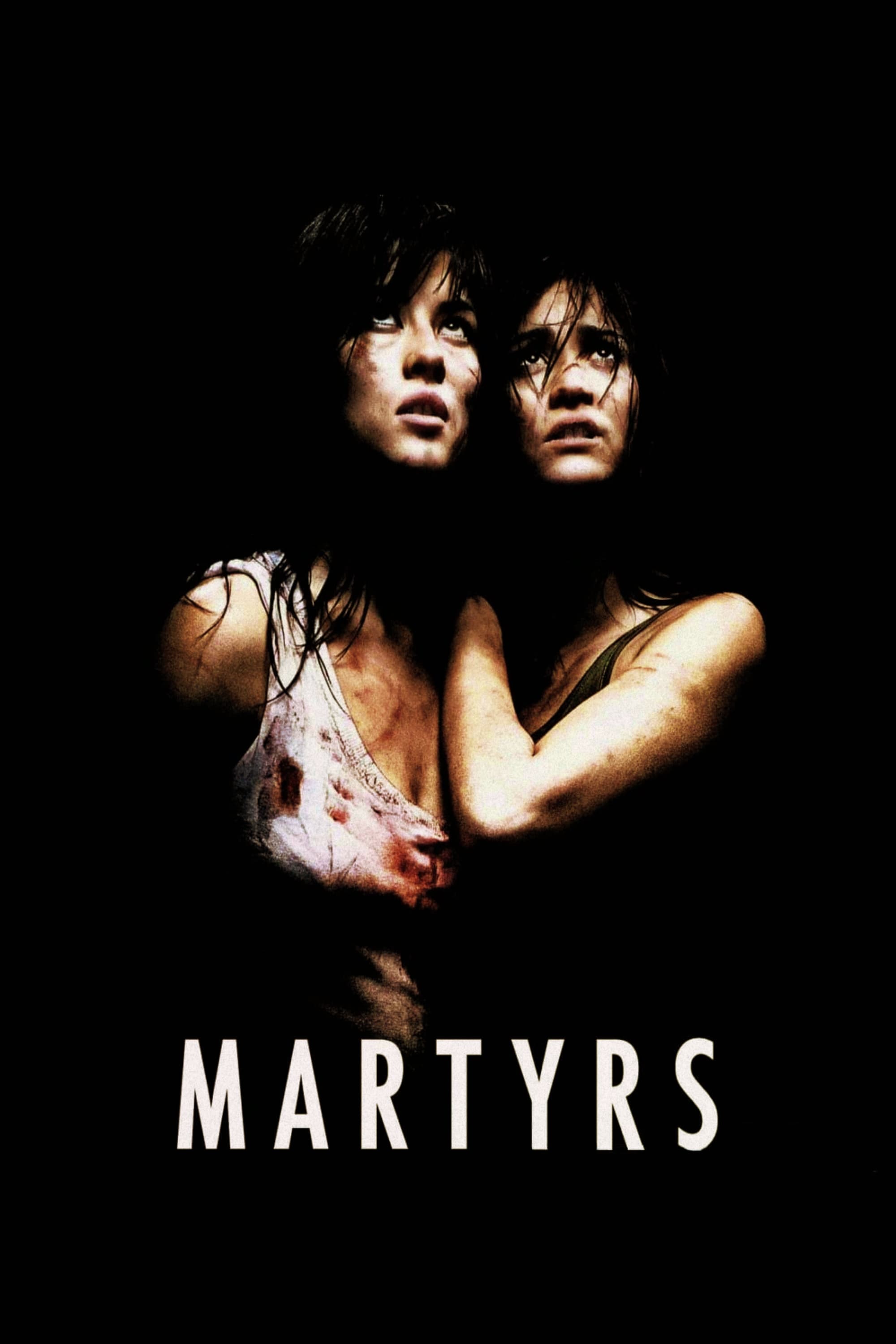
Pascal Laugier’s film begins with an escapee from a facility and follows the consequences as she reconnects with a childhood friend. The story pivots halfway through into a new setting that reveals the goals of a secretive organization.
The production is associated with the New French Extremity wave, with extensive makeup effects for injuries and prosthetics. The film was distributed in different cuts, and an English language remake was later produced with altered tone and plot details.
‘The Painted Bird’ (2019)
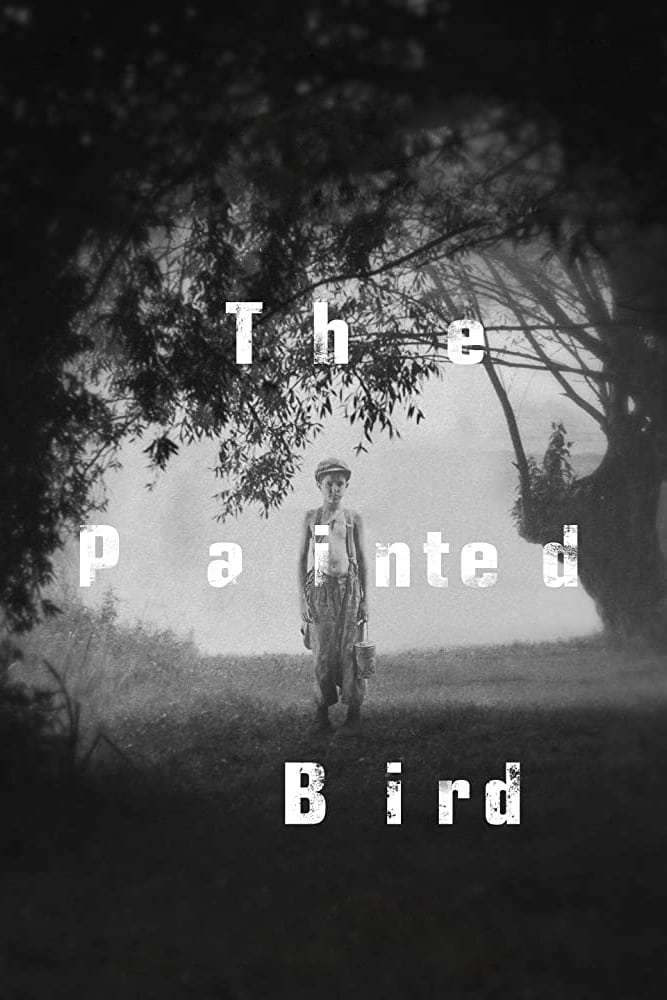
Václav Marhoul adapts Jerzy Kosiński’s novel as a black and white odyssey across unnamed regions in Eastern Europe. A young boy travels from village to village, meeting figures who offer brief shelter or cause harm, creating a chaptered structure.
The film uses the constructed language Interslavic to avoid tying the story to a single nation. It was photographed in academy ratio with wide angle lenses and features cameos by international actors, with long takes that emphasize landscape and weather.
‘The Act of Killing’ (2012)
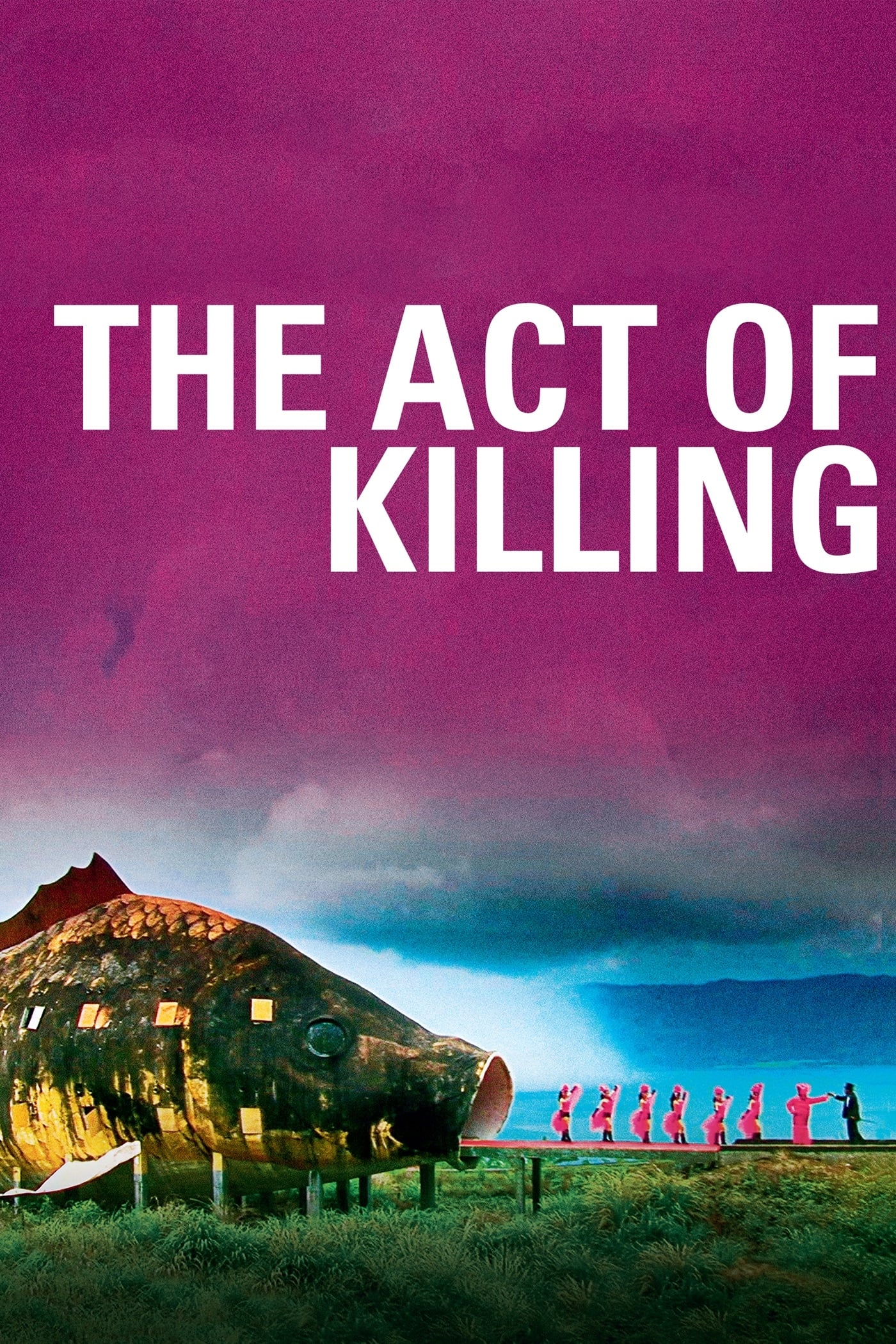
Joshua Oppenheimer’s documentary invites former paramilitary leaders to reenact past crimes in styles inspired by their favorite films. The participants design costumes, sets, and staging for sequences that mirror their own memories, creating a record of performance and confession.
The project involved years of fieldwork and collaboration with Indonesian crew members who appear in the credits as anonymous for safety. Executive producers include Werner Herzog and Errol Morris, and a companion documentary titled ‘The Look of Silence’ followed later with a focus on victims’ families.
‘Requiem for a Dream’ (2000)
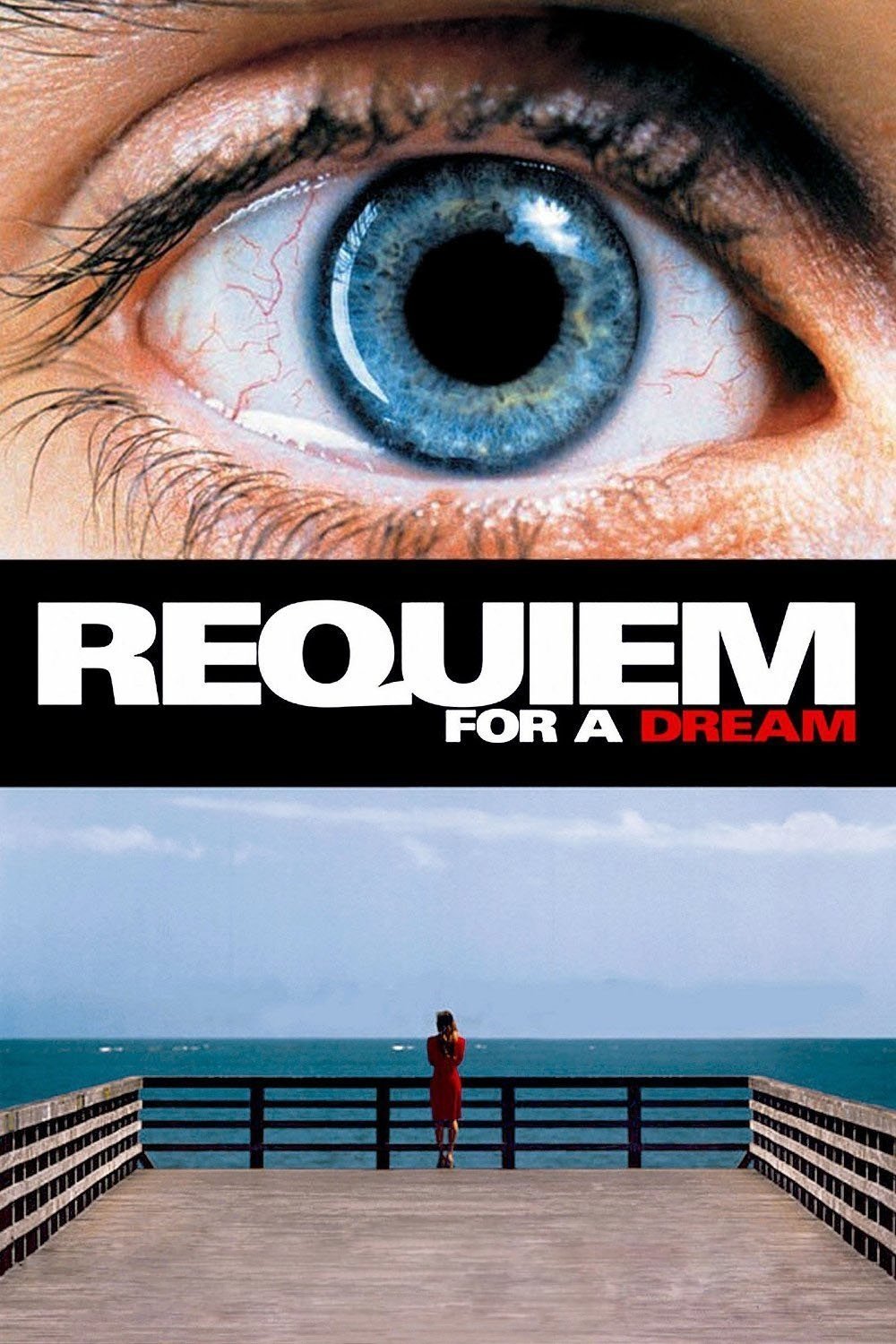
Darren Aronofsky follows four characters in Brooklyn whose lives intersect through dependency and scams. The editing uses rapid montages known as hip hop cuts, split screens, and repetitive visual cues linked to each character.
Composer Clint Mansell scored the film with the Kronos Quartet, creating motifs that recur at turning points. The production built a color coded palette for seasons, and the script adapts Hubert Selby Jr’s novel with dialogue preserved directly in several scenes.
‘Threads’ (1984)
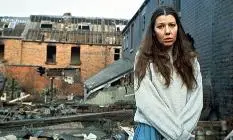
This BBC produced docudrama depicts the impact of a nuclear exchange on the city of Sheffield. It combines fictional characters with staged news bulletins, maps, and public information graphics to track fallout, infrastructure collapse, and long term health effects.
Location shooting in northern England used practical debris and makeup to show injuries and environmental damage. The broadcast drew high audience numbers, and repeat airings and classroom use kept it in circulation for years, with content advisories often shown beforehand.
‘The Turin Horse’ (2011)
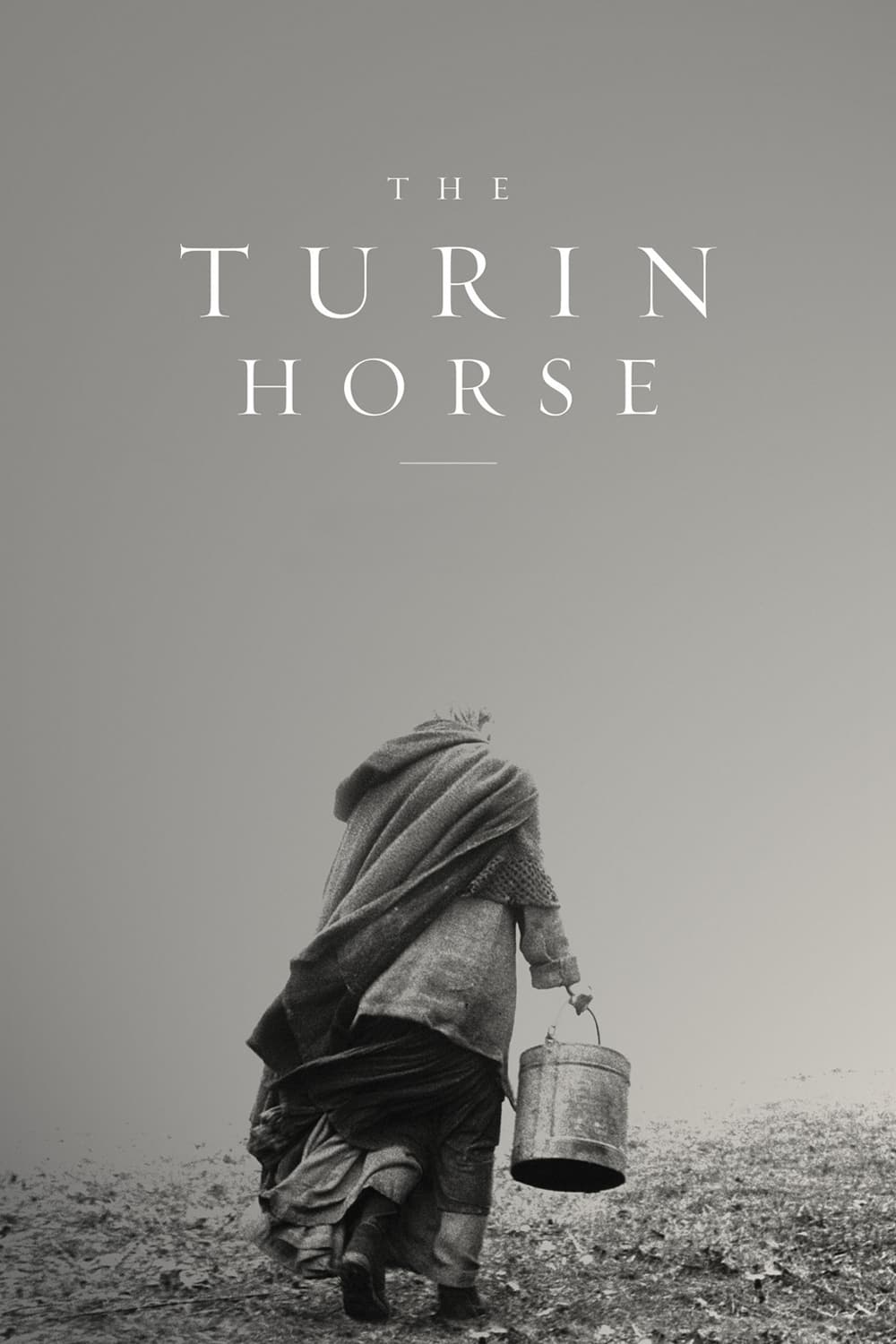
Béla Tarr and Ágnes Hranitzky present six days in the life of a farmer and his daughter in a barren landscape. The narrative repeats set routines of dressing, drawing water, boiling potatoes, and tending a horse that refuses to work.
Black and white cinematography and very long takes create a hypnotic rhythm, with Mihály Víg’s score cycling a limited theme. Sparse dialogue and harsh weather effects were captured on location, and the director has described the film as his final feature.
‘Eraserhead’ (1977)
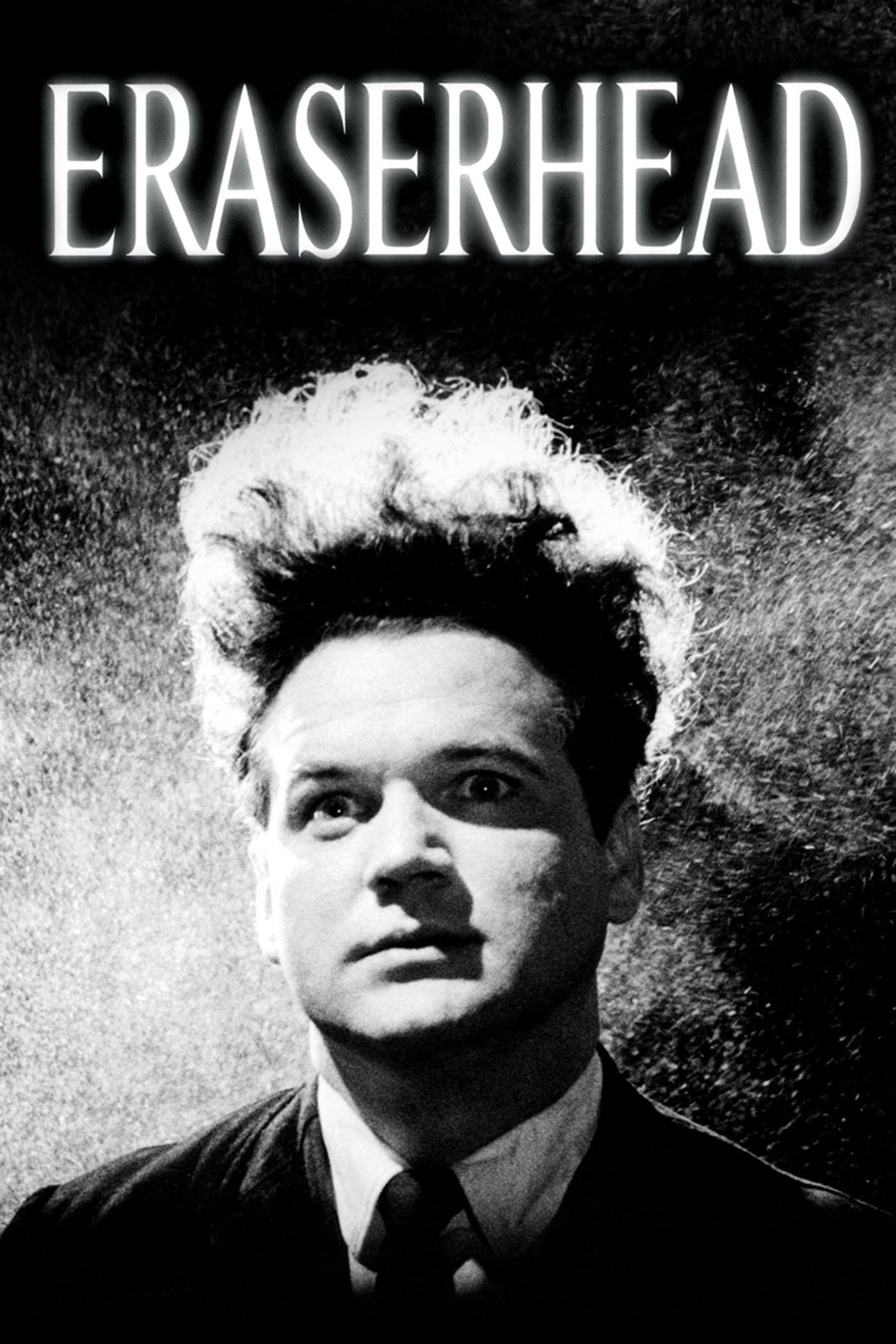
David Lynch’s first feature presents a dreamlike world of factories, dim apartments, and a small crying infant. The plot follows Henry Spencer as he navigates encounters with neighbors and visions that appear in his radiator.
The film’s sound design uses industrial hums, hisses, and drones that Lynch created with Alan Splet during a long post production period. Midnight screenings in the United States sustained its reputation, and the film’s practical creature effects remain a subject of technical curiosity.
‘The Passion of the Christ’ (2004)
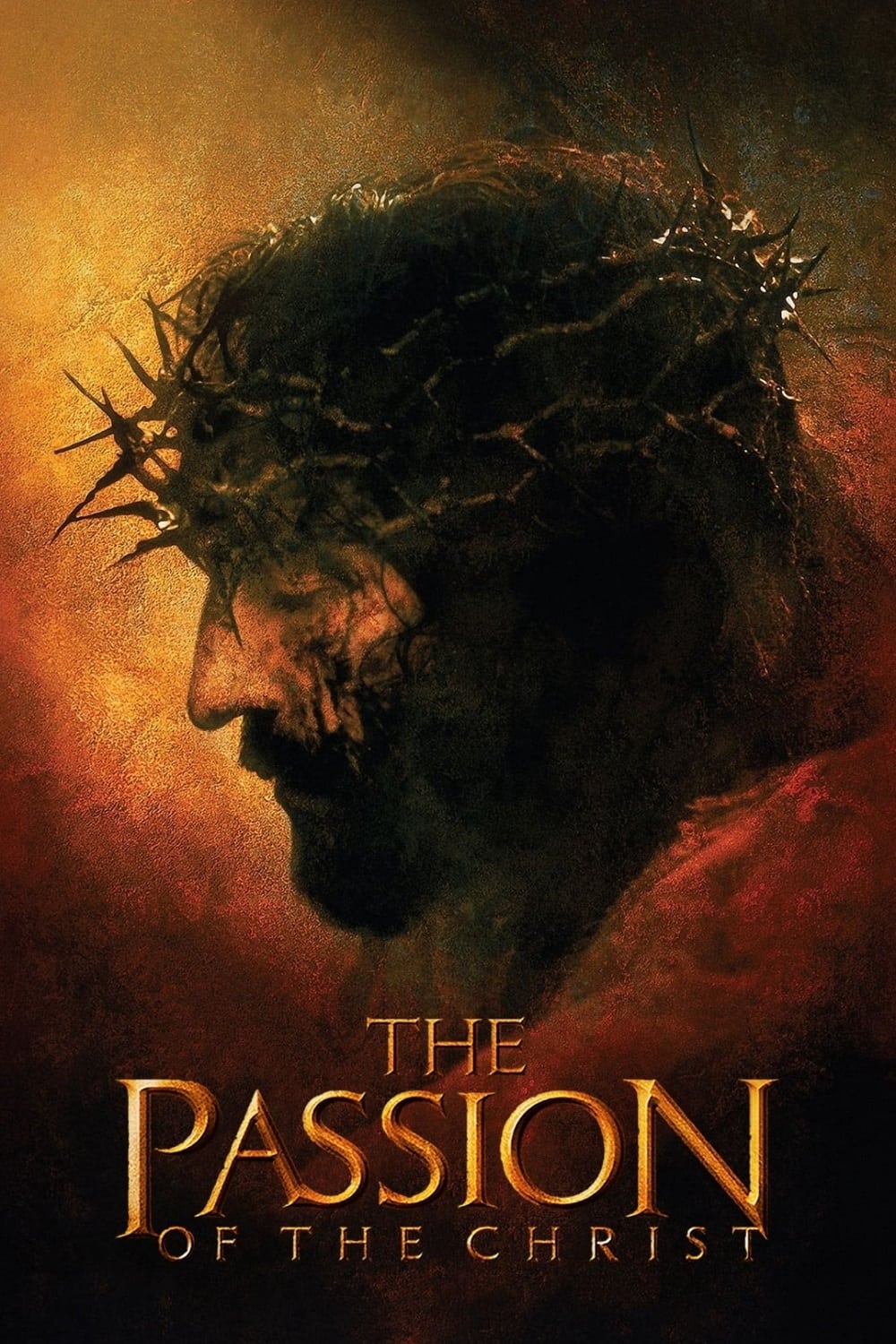
Mel Gibson focuses on the final hours of Jesus of Nazareth, from arrest to execution and burial. Dialogue is delivered in Aramaic, Latin, and Hebrew with subtitles, and the script incorporates passages from multiple gospel accounts.
Makeup and prosthetic effects required extensive daily applications for the lead actor, while location work used sets in Italy and Morocco. The film earned a rare commercial success for a non English language release and later inspired discussions of a follow up project.
‘Climax’ (2018)
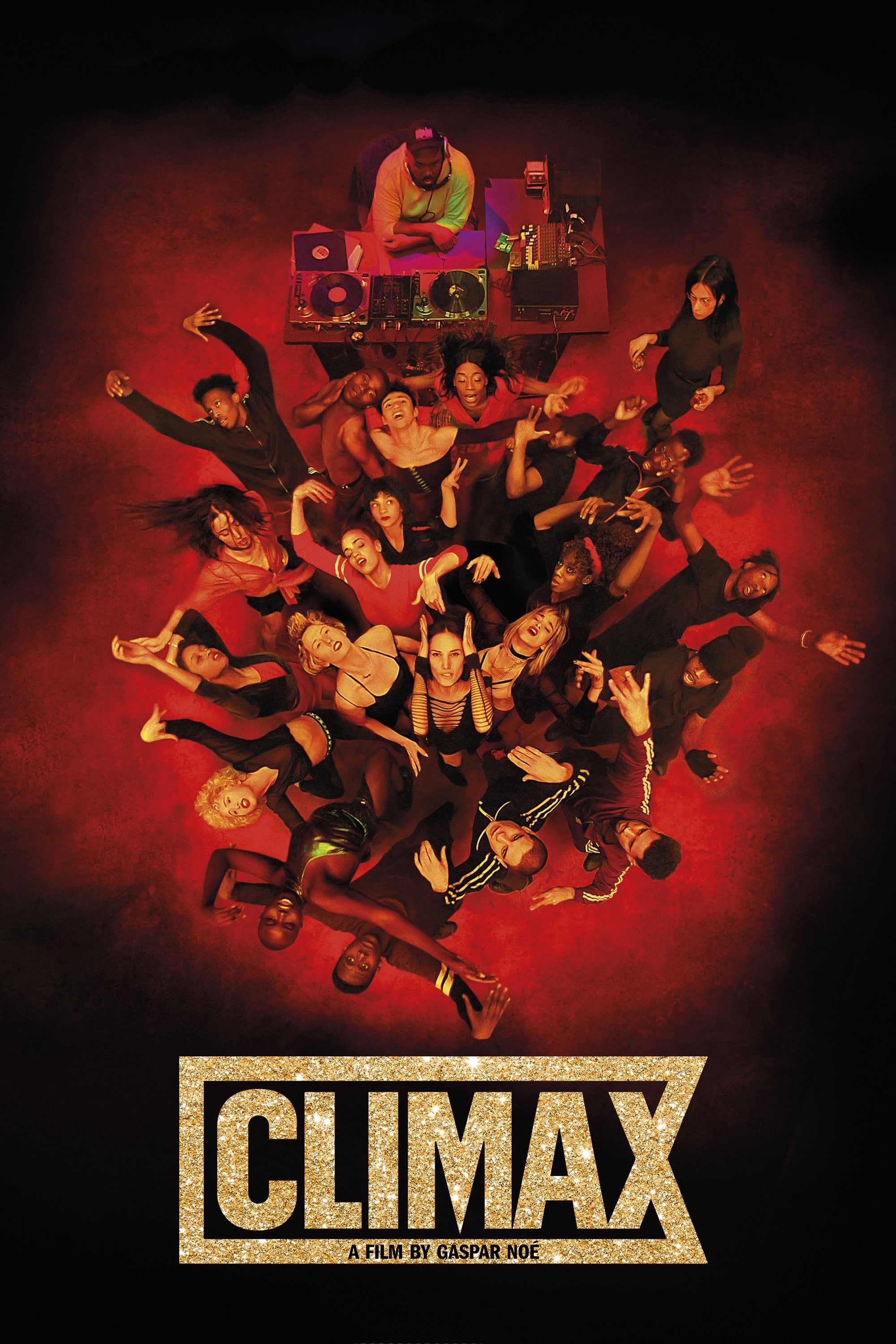
Gaspar Noé follows a dance troupe that wraps rehearsal in a remote building and celebrates with a party. The story plays out over one night as the group discovers their communal drink has been spiked, and interpersonal tensions spiral.
The film features long takes with choreography by Nina McNeely and an opening dance number captured with overhead and circular camera moves. Music supervision draws from house and electronic tracks, and casting includes professional dancers who also perform dialogue.
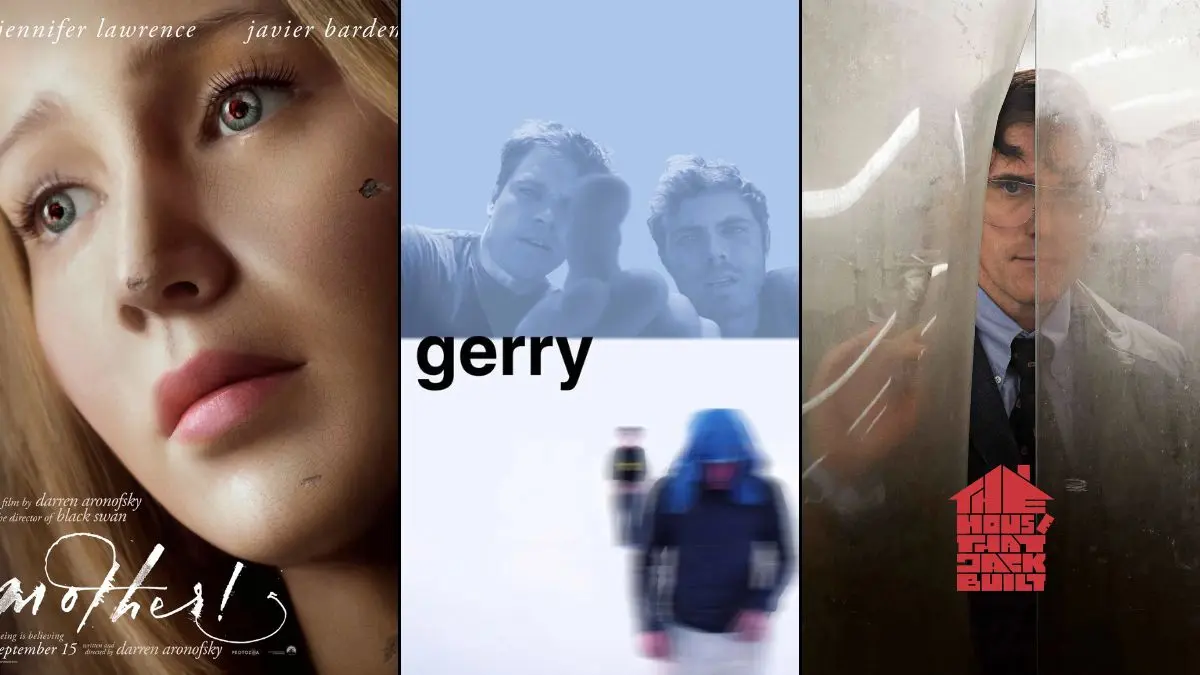
‘mother!’ (2017)
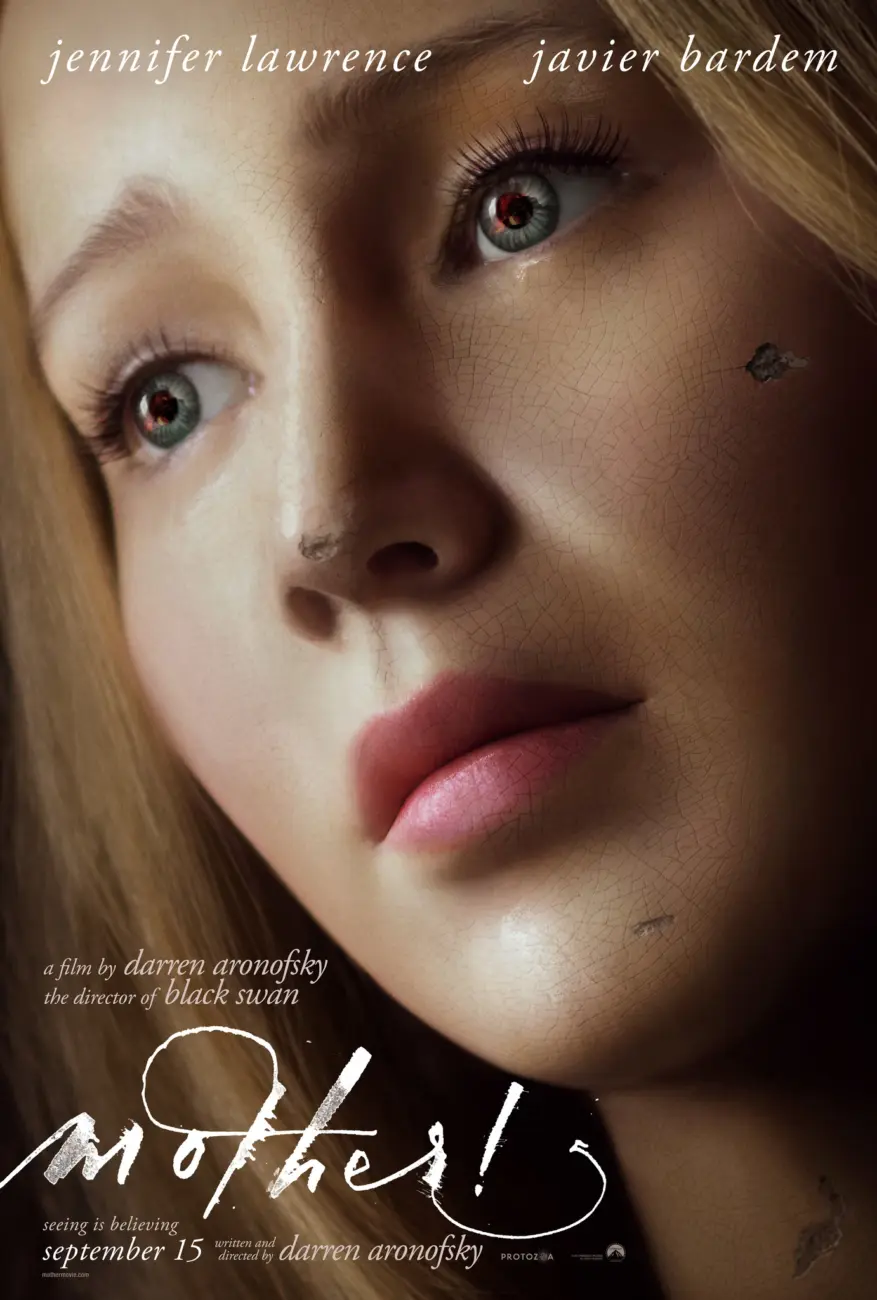
Darren Aronofsky stages an allegorical story inside a single house where a couple receives uninvited guests whose demands escalate. The camera frequently stays close to the protagonist’s face, using tight compositions and subjective movement through hallways and rooms.
Production took place on a built set that allowed walls to move for complex blocking. The sound mix emphasizes footsteps, whispers, and knocks to create unease, and the film’s marketing deliberately concealed its symbolic framework before release.
‘Gerry’ (2002)
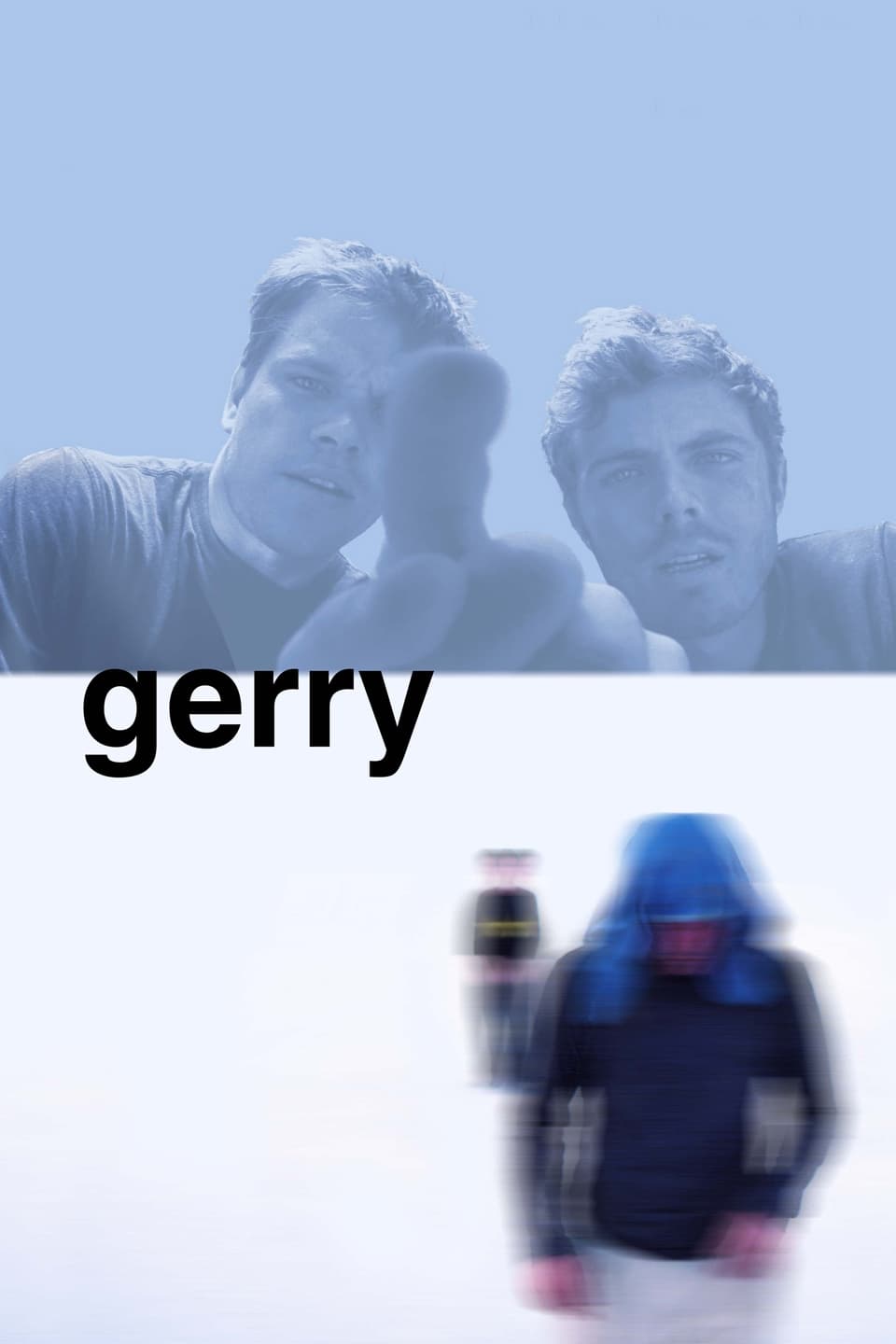
Gus Van Sant centers on two friends who wander off a trail and lose their bearings in a vast desert. Dialogue is sparse and largely improvised, with long passages that show walking, resting, and attempts to navigate by landmarks.
Cinematography by Harris Savides features extended takes and very wide frames that dwarf the characters within natural scenery. The soundtrack is minimal, and editorial pacing allows real time durations for treks, which required careful planning for light and terrain.
‘Funny Games’ (1997)
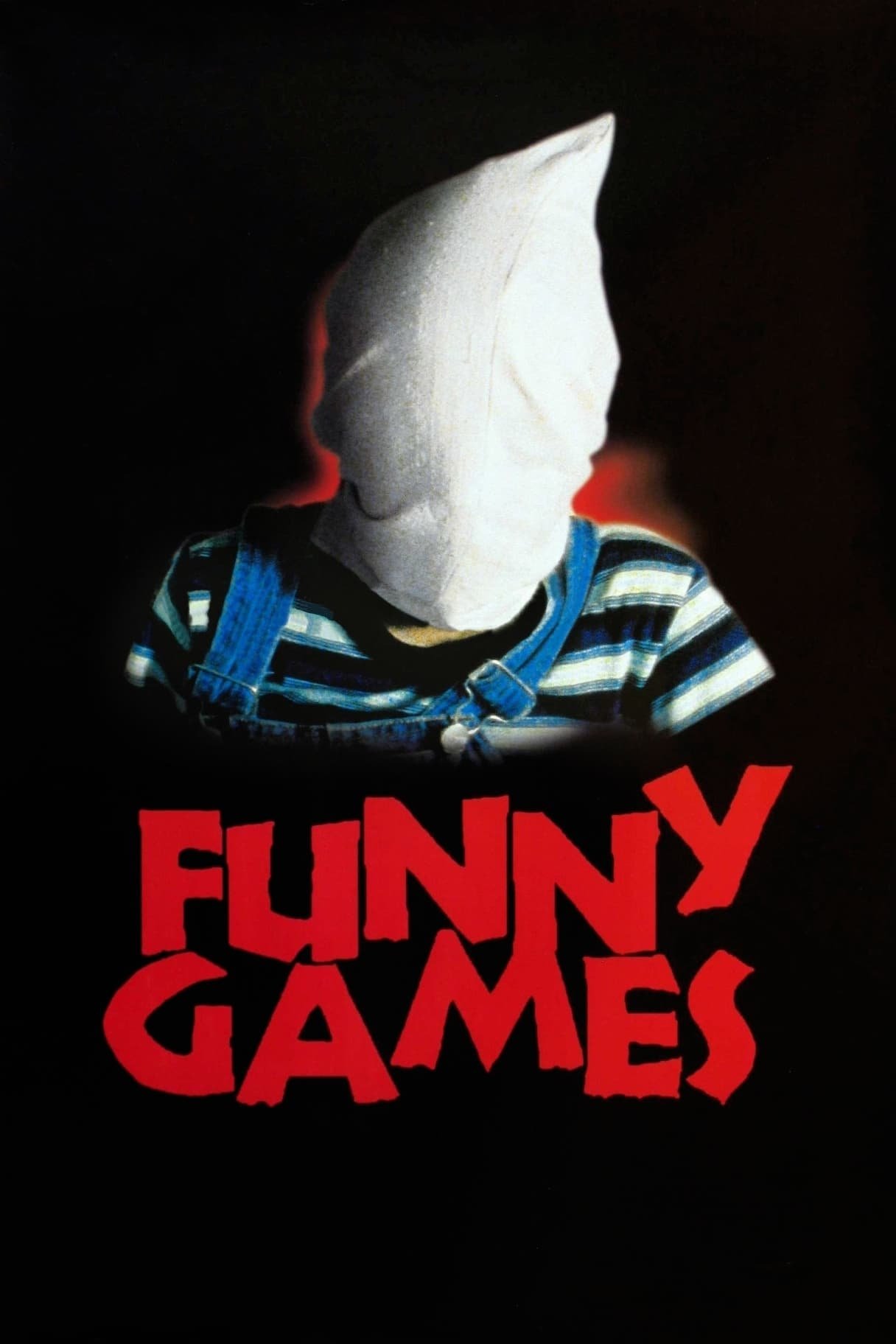
Michael Haneke’s home invasion drama follows a family at a lakeside house visited by two polite young men. The screenplay introduces games that force participation, and the camera often refuses to show violence directly, holding instead on empty rooms or faces.
The director later created an English language version that reproduces shots and edits almost exactly, with the same structure and character names. The original is frequently discussed for its moments of audience address and manipulation of thriller expectations.
‘The House That Jack Built’ (2018)
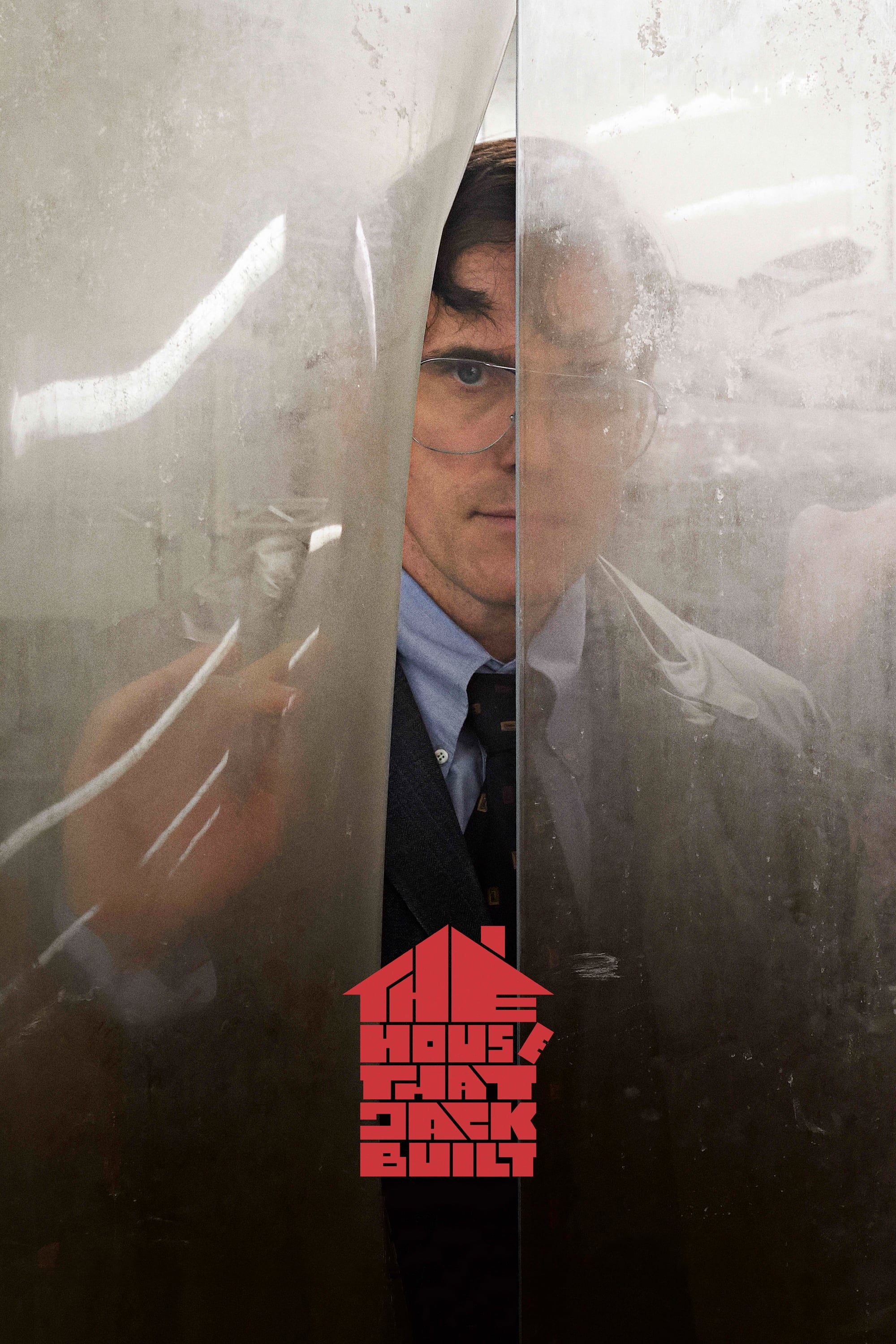
Lars von Trier structures the story as five incidents retold by a meticulous protagonist during a conversation that frames the film. Each incident showcases an approach to planning, materials, and concealment, presented with dry narration and visual references to art and architecture.
The production used prosthetic makeup, practical blood rigs, and digital clean up across multiple shooting locations. A longer director’s cut premiered at a festival screening, and the project reunited the director with composer Victor Reyes for cues that thread the chapters.
Share the titles you would add or replace in the comments so everyone can compare viewing plans.

