


Movies that Aren’t Afraid of Politics

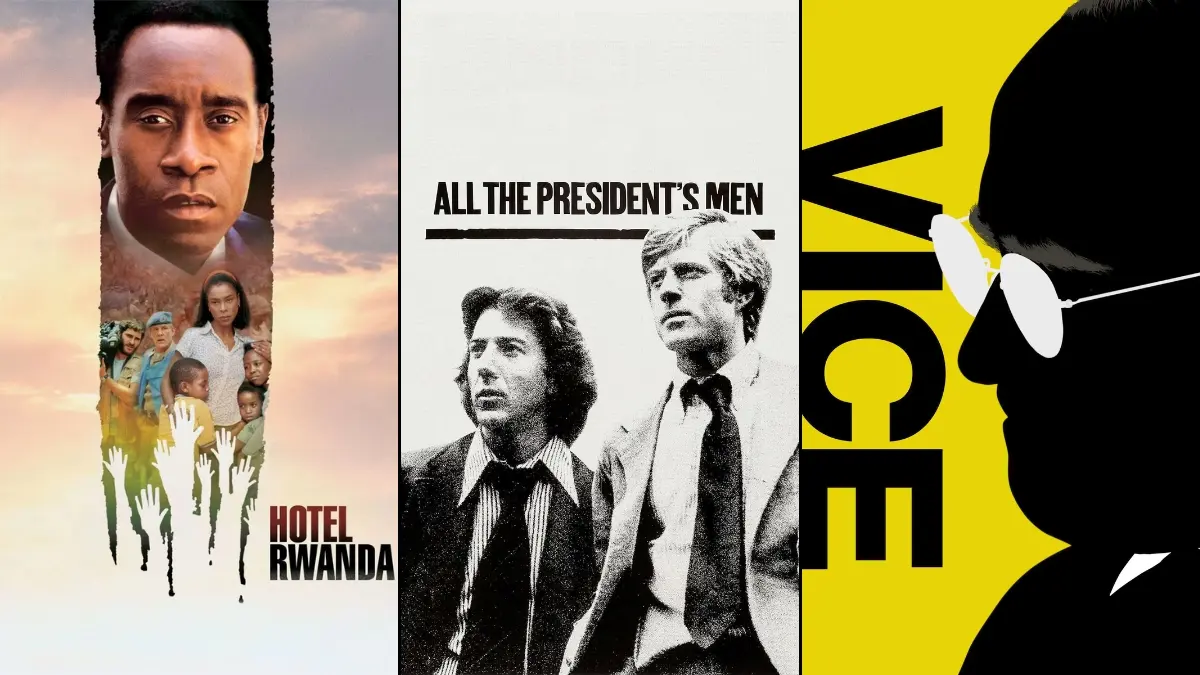


Politics has always shaped the stories we tell onscreen, from whistleblower dramas to sharp satires and historical reconstructions. The 25 films below dive directly into elections, coups, surveillance, propaganda, human rights, and the machinery of power, drawing on real events, official records, and lived experiences. Each entry includes concrete context—directors, settings, source material, and what specific political moment or policy it tackles—so you can quickly see how each one engages with the world beyond the frame.
‘All the President’s Men’ (1976)
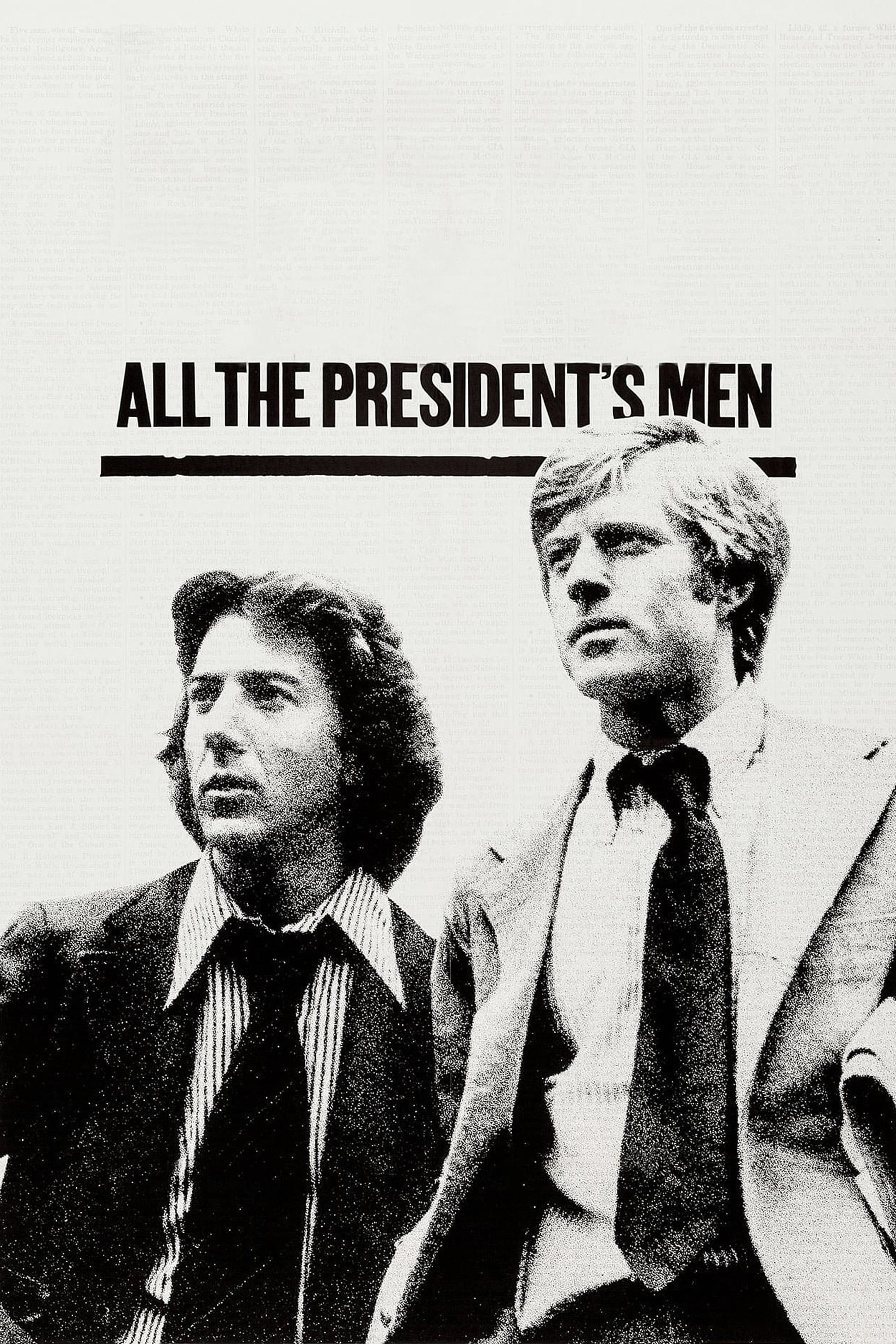
Directed by Alan J. Pakula, this newsroom procedural follows Washington Post reporters Bob Woodward and Carl Bernstein as they trace a burglary to a wider conspiracy. It’s based on the reporters’ nonfiction book and shows the mechanics of sourcing, verification, and editorial oversight. The film documents the Watergate investigation, spotlighting campaign funds, federal agencies, and executive-branch pressure on the press.
‘Z’ (1969)
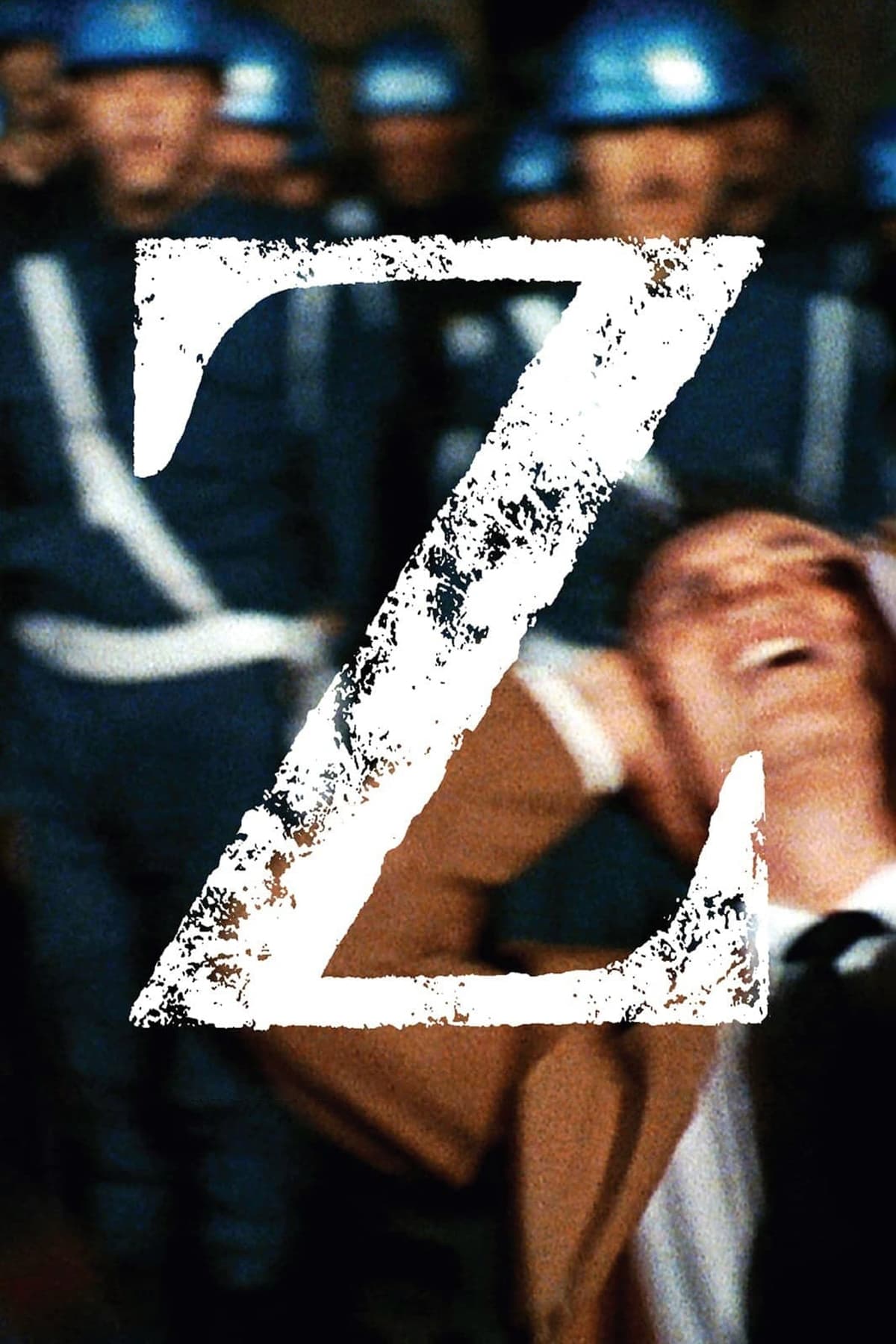
Costa-Gavras adapts Vassilis Vassilikos’s novel inspired by the assassination of Greek politician Grigoris Lambrakis. The film depicts a judge’s inquiry into a “traffic accident” that unravels into a portrait of a state apparatus using police and paramilitary groups. It illustrates how official language, censorship, and intimidation work together to obscure political violence.
‘The Battle of Algiers’ (1966)
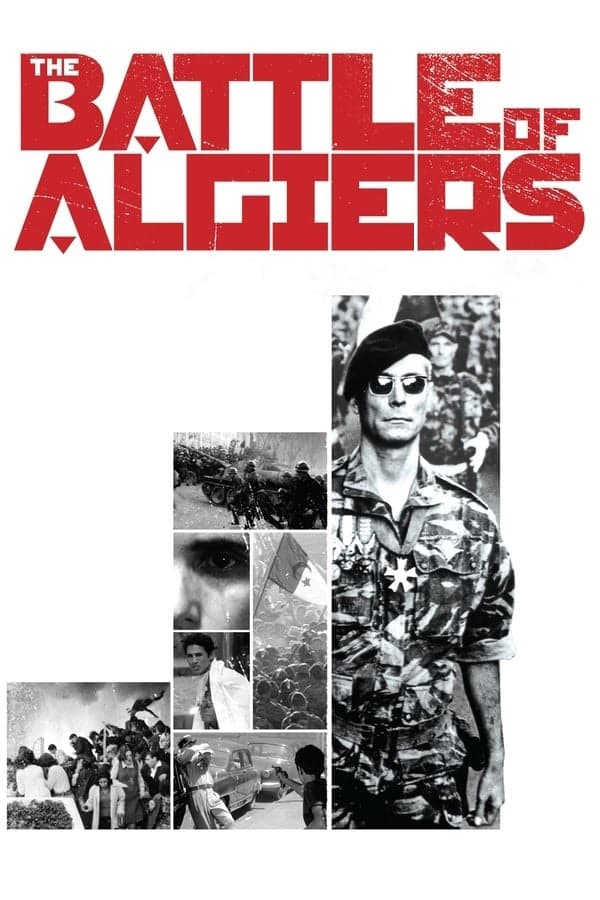
Gillo Pontecorvo dramatizes urban guerrilla warfare between the National Liberation Front and French authorities in Algiers. Shot in a documentary style with nonprofessional actors, it details curfews, bombings, and counterinsurgency tactics, including systematic torture. Military training programs have studied its portrayal of insurgency and occupation.
‘Dr. Strangelove or: How I Learned to Stop Worrying and Love the Bomb’ (1964)
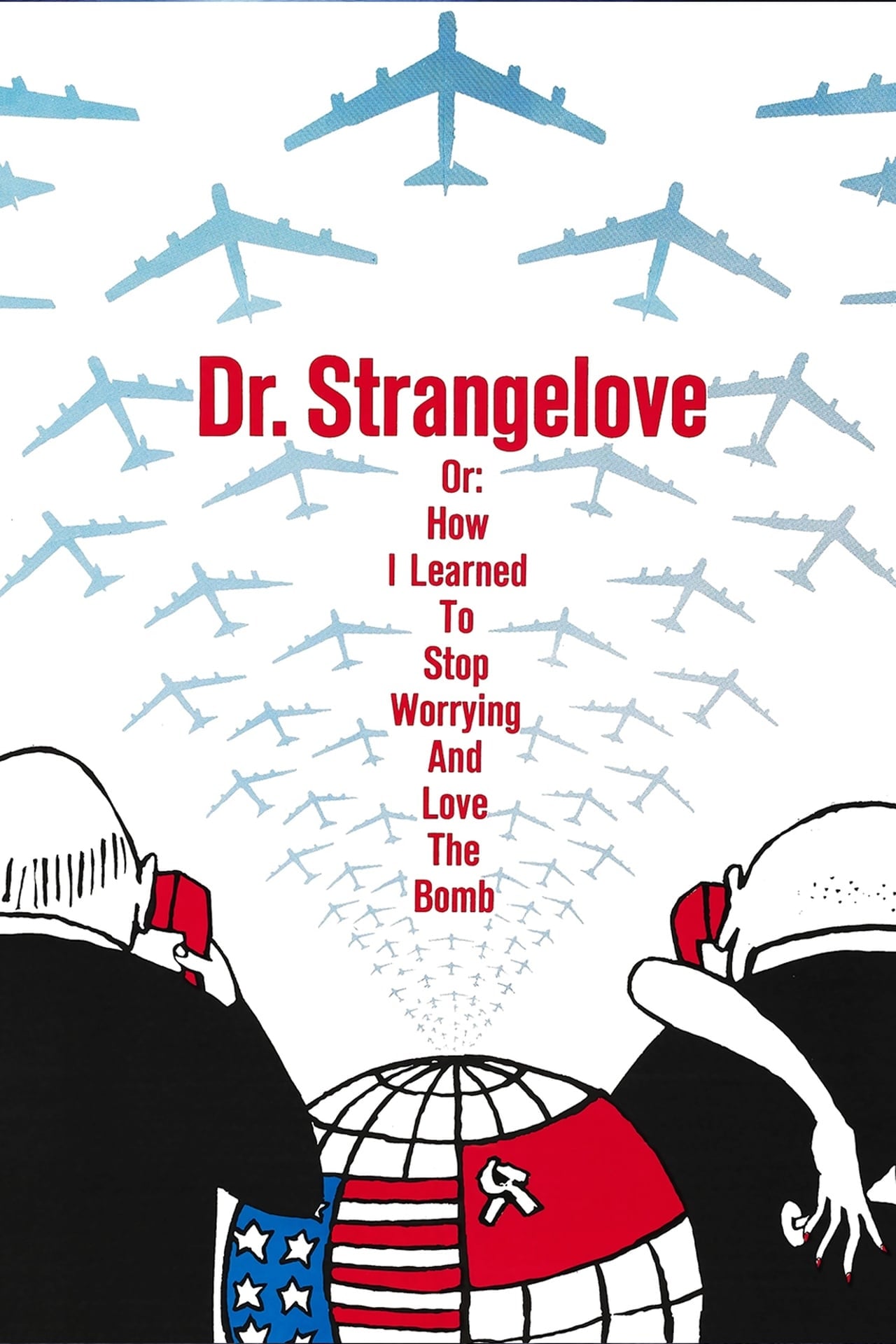
Stanley Kubrick’s satire examines nuclear command-and-control, deterrence theory, and the perils of delegated launch authority. It maps the chain of decisions from a rogue order to the War Room, highlighting fail-safes, bomber protocols, and diplomatic backchannels. The film draws on real strategic concepts like mutually assured destruction and second-strike capability.
‘Network’ (1976)
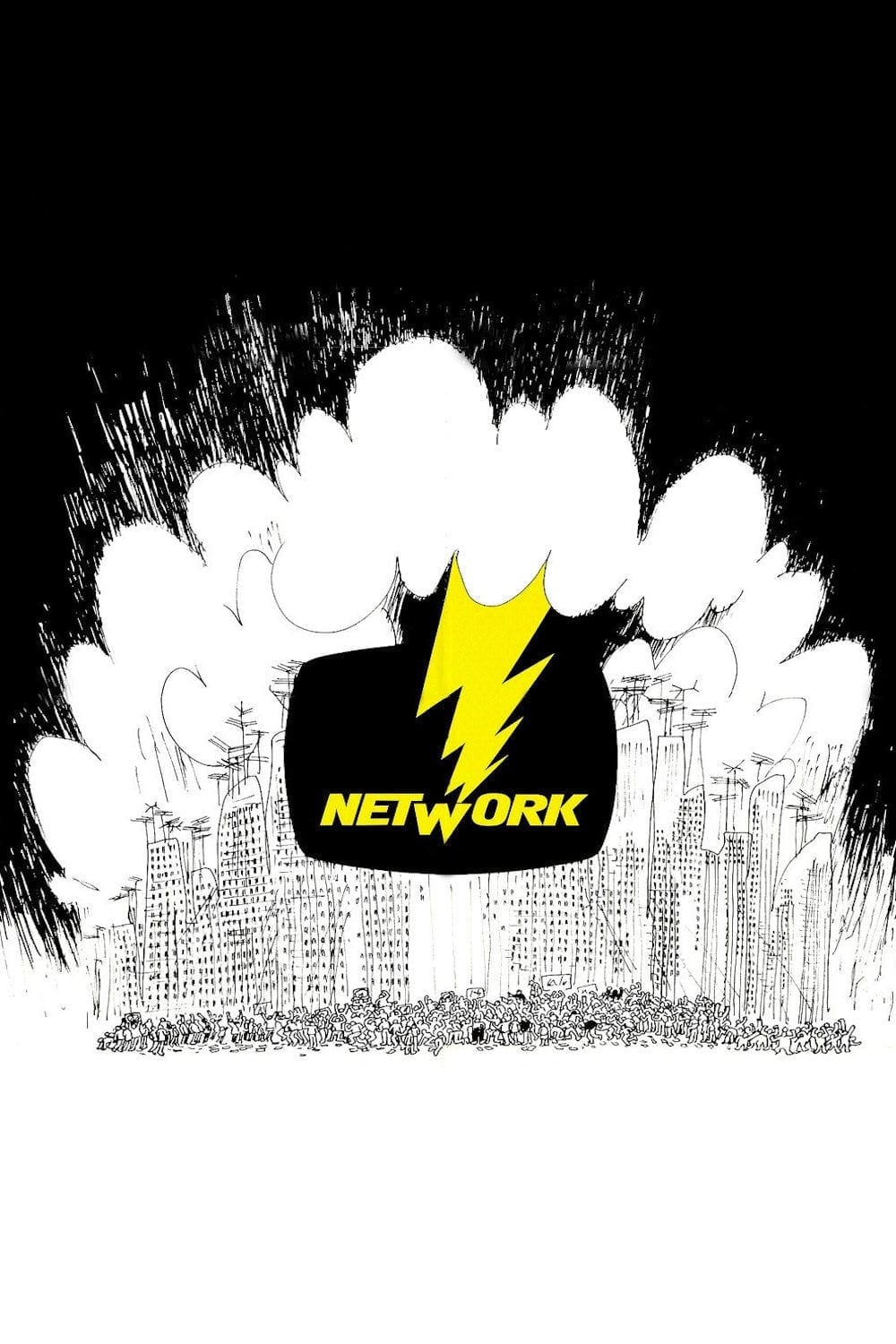
Directed by Sidney Lumet and written by Paddy Chayefsky, this drama tracks a television network turning political anger into ratings. It shows how news divisions, corporate owners, and advertisers intersect, influencing editorial choices. The story explores the commodification of public outrage and its implications for civic discourse.
‘JFK’ (1991)
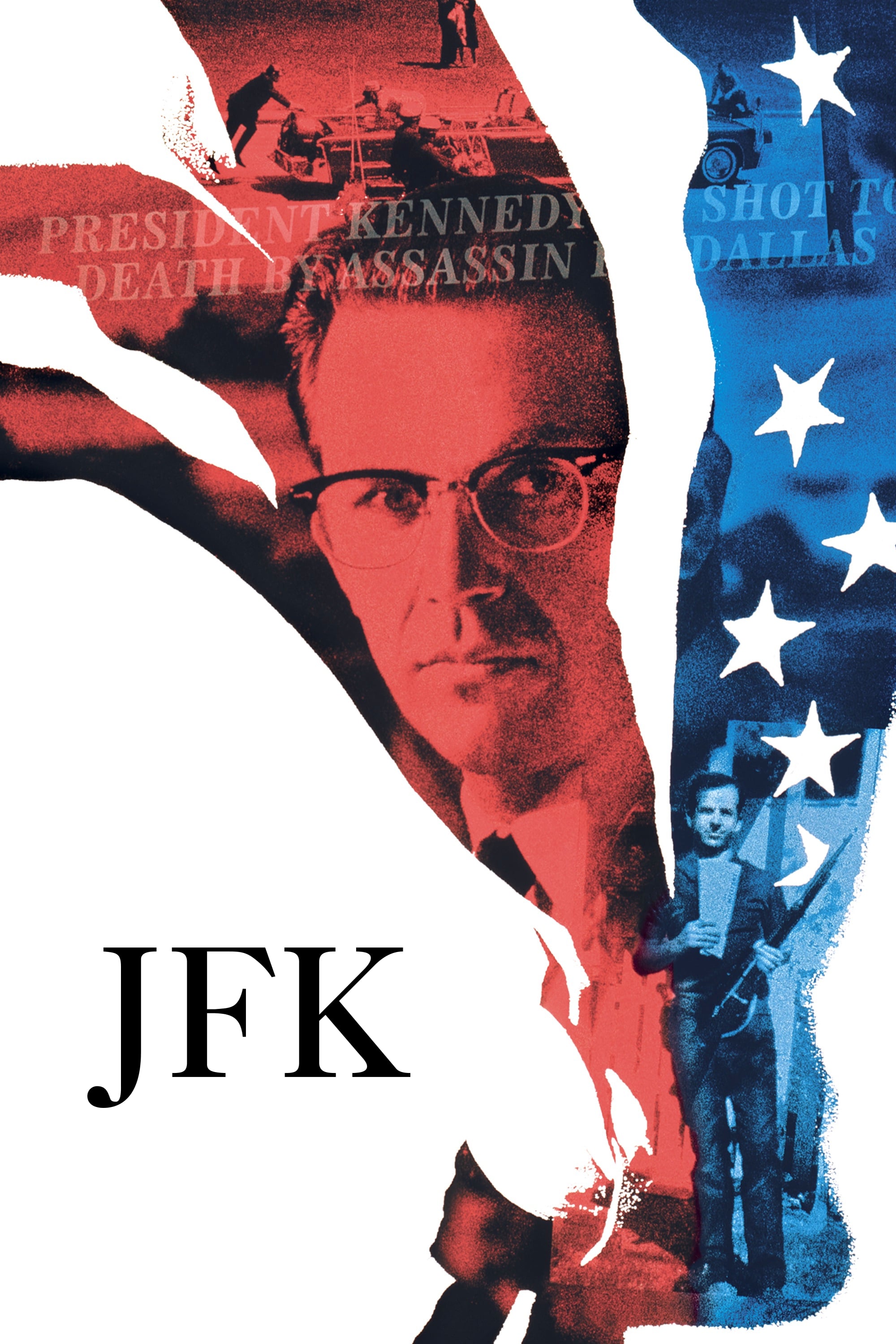
Oliver Stone’s film follows New Orleans District Attorney Jim Garrison’s attempt to reopen the investigation into the assassination of President John F. Kennedy. It interweaves trial scenes, archival material, and speculative threads, drawing on court transcripts and declassified documents. The film renewed public attention to records transparency and spurred interest in official files.
‘Selma’ (2014)
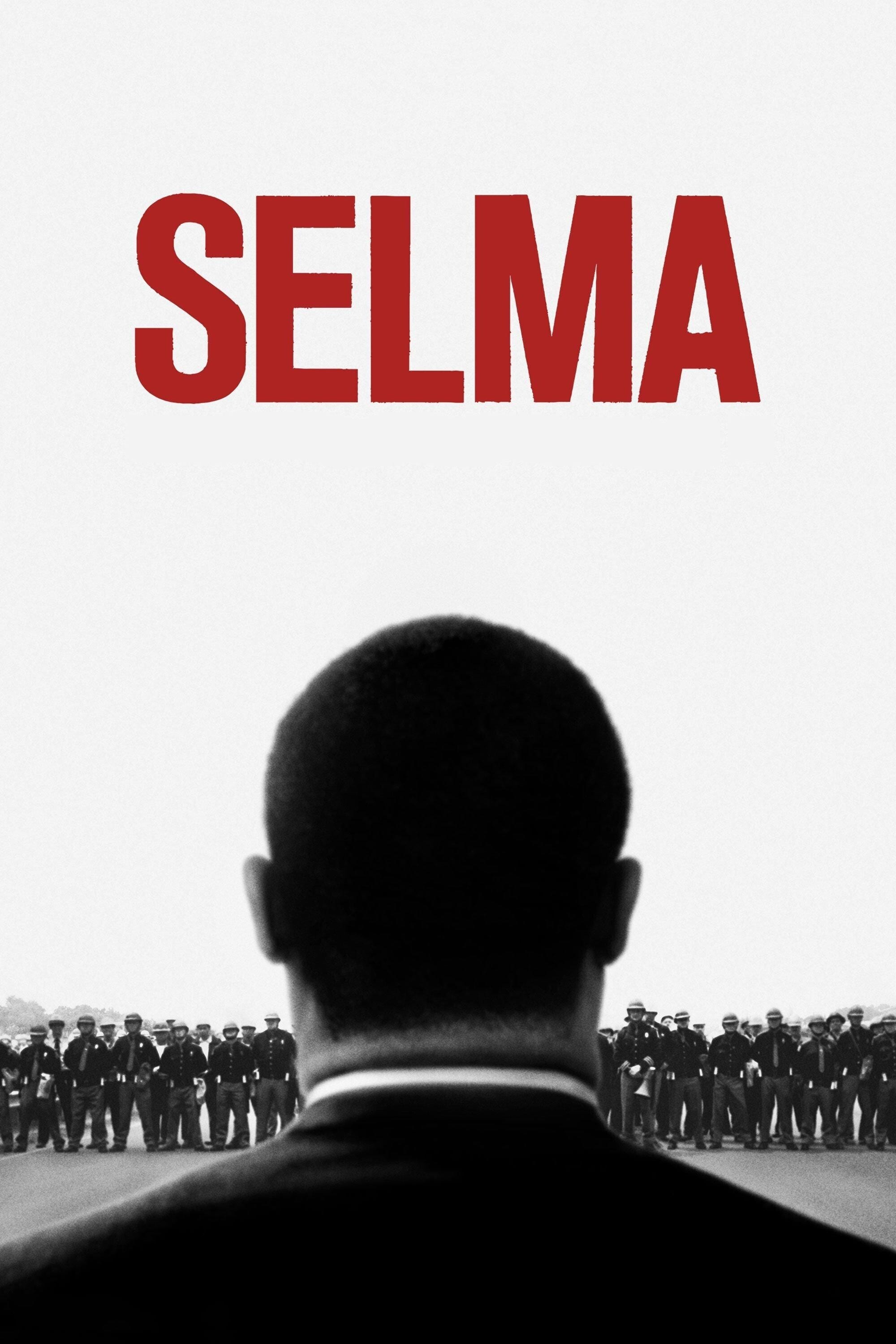
Ava DuVernay focuses on the voting-rights campaign led by activists in Alabama, centering strategy meetings, federal negotiations, and public demonstrations. It shows grassroots organizing, legal challenges, and media tactics used to pressure lawmakers. The story tracks the pathway from local action to national legislation expanding ballot access.
‘The Post’ (2017)
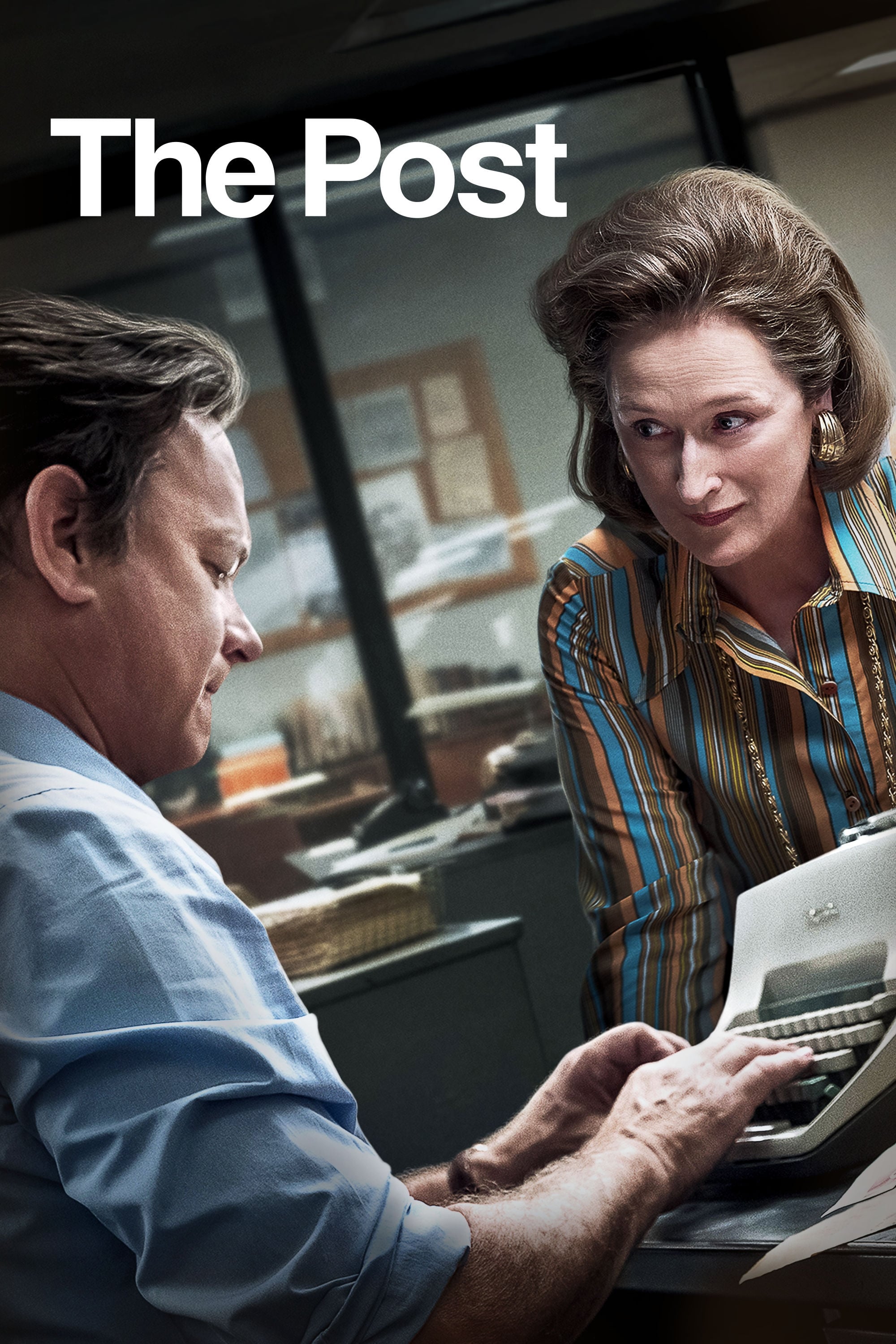
Steven Spielberg dramatizes The Washington Post’s decision to publish the Pentagon Papers. The film details legal risks, editorial deliberations, and injunctions that tested press freedom against claims of national security. It draws on the real newsroom’s collaboration with legal counsel and other outlets.
‘Vice’ (2018)
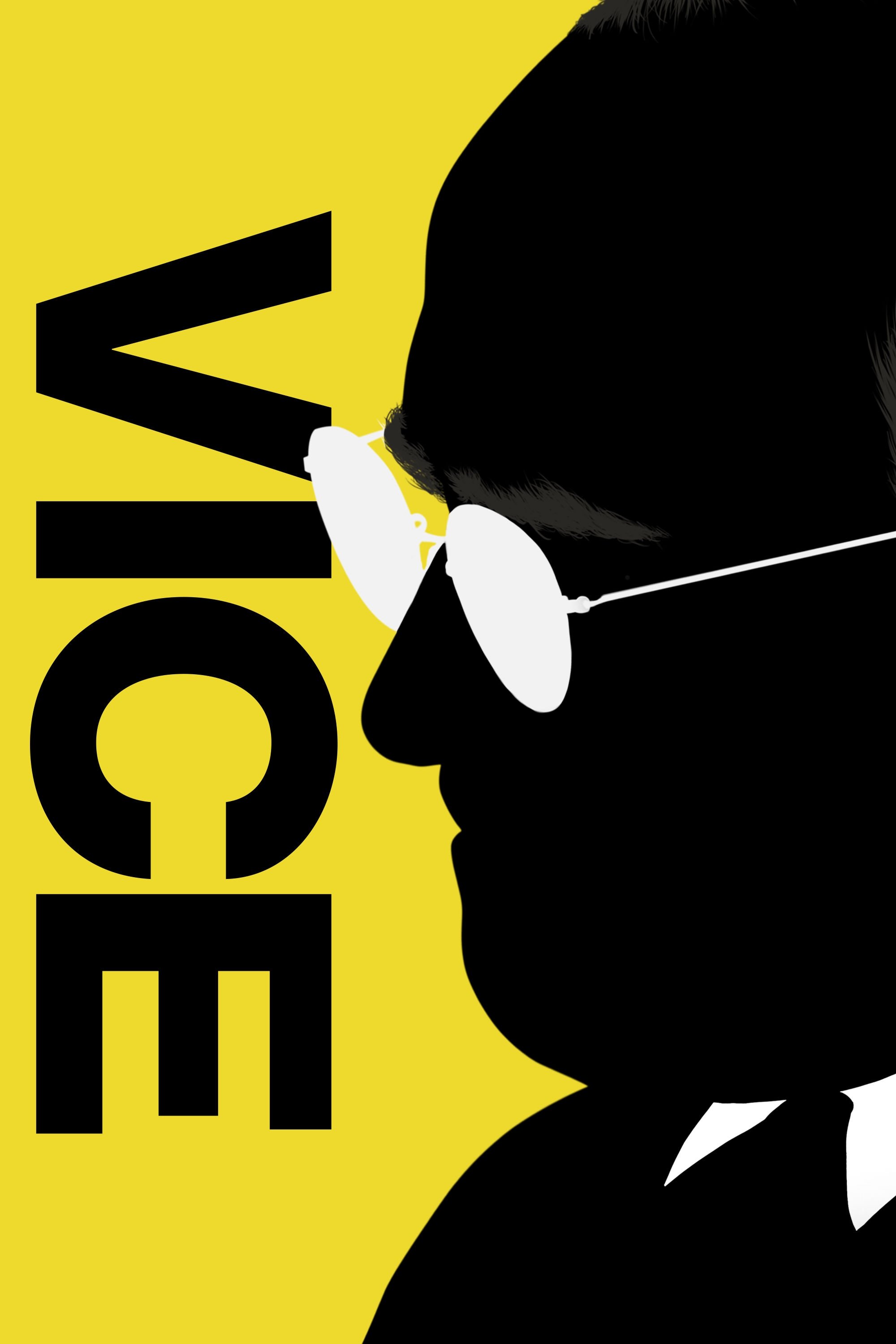
Adam McKay’s biographical film follows Dick Cheney’s rise through congressional staff roles, corporate leadership, and executive-branch positions. It depicts policy processes around energy, surveillance, detention, and the use of executive power. The narrative references memos, task forces, and legal opinions that shaped post-attack governance.
‘The Lives of Others’ (2006)
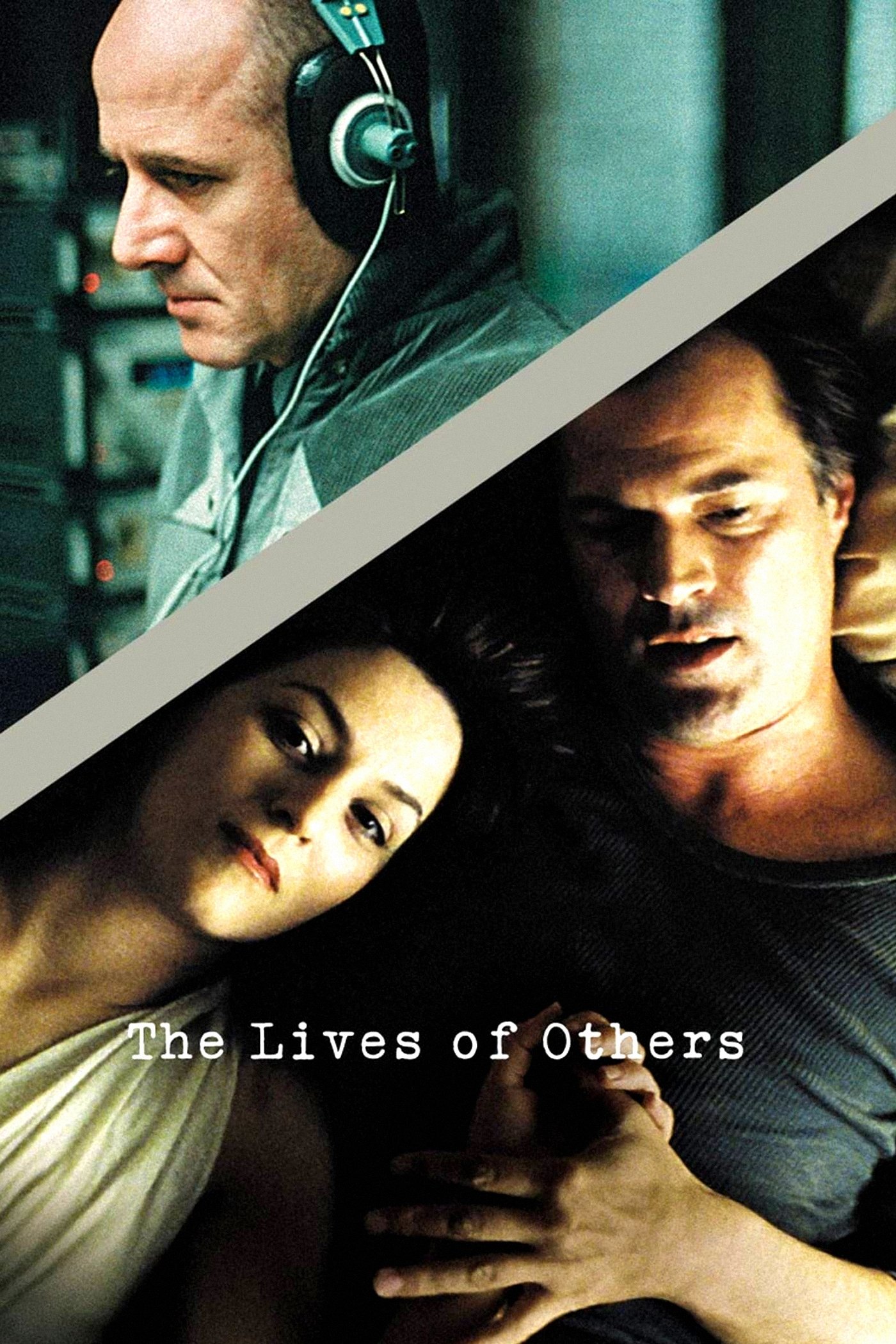
Florian Henckel von Donnersmarck examines surveillance culture under the Stasi in East Germany. The film portrays wiretapping, informant networks, and the bureaucratic procedures that managed citizen files. It shows the personal and artistic pressures created by state security monitoring.
‘Persepolis’ (2007)
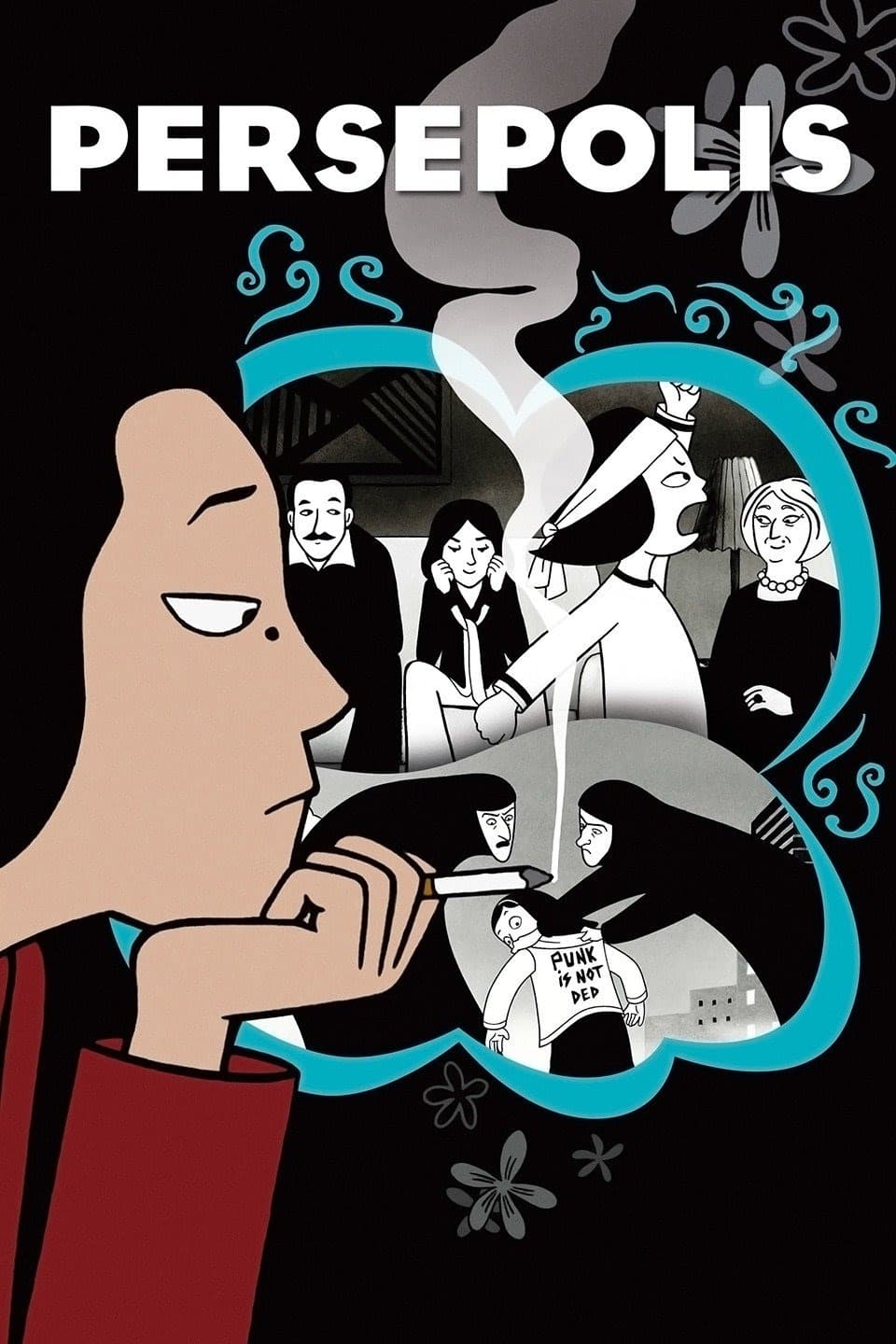
Marjane Satrapi adapts her autobiographical graphic novels about growing up during and after the Iranian Revolution. The animated film covers school rules, morality police, exile, and the tension between public conformity and private belief. It provides a citizen’s-eye view of ideology, censorship, and cultural change.
‘V for Vendetta’ (2005)
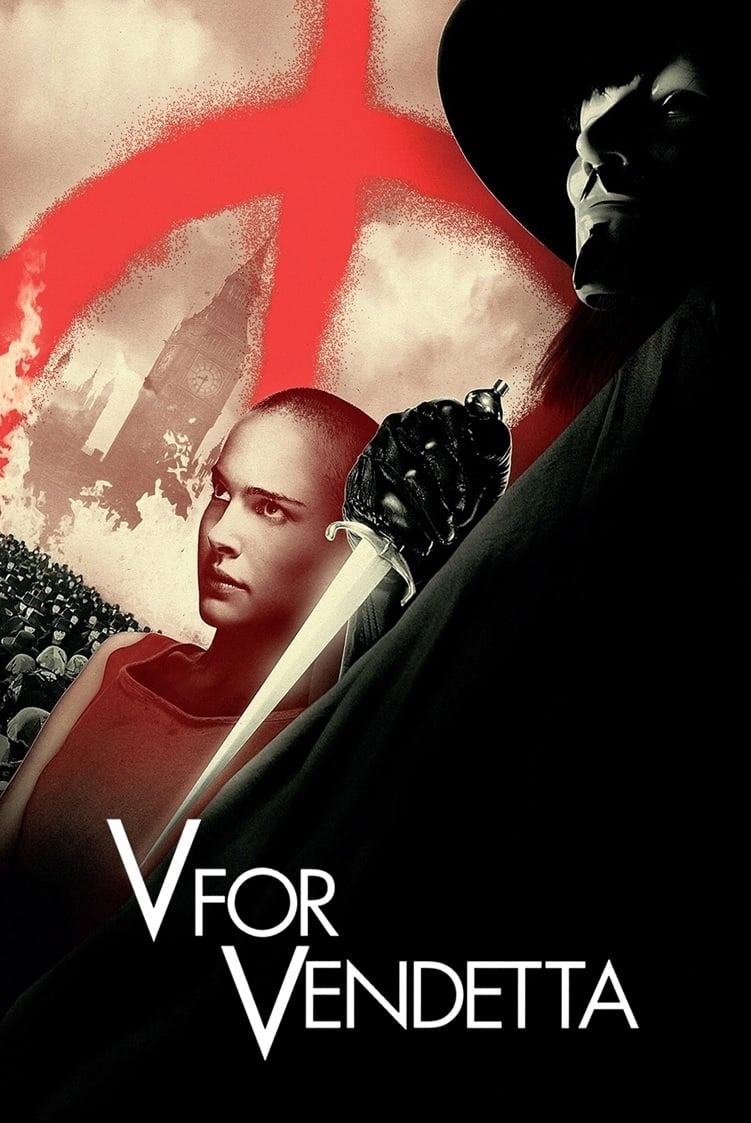
Based on the graphic novel by Alan Moore and David Lloyd, this story follows an anonymous vigilante confronting an authoritarian government in Britain. It depicts curfews, secret prisons, biosecurity abuses, and state-run media shaping public perception. The film’s imagery has been adopted by protest movements referencing civil liberties.
‘Missing’ (1982)
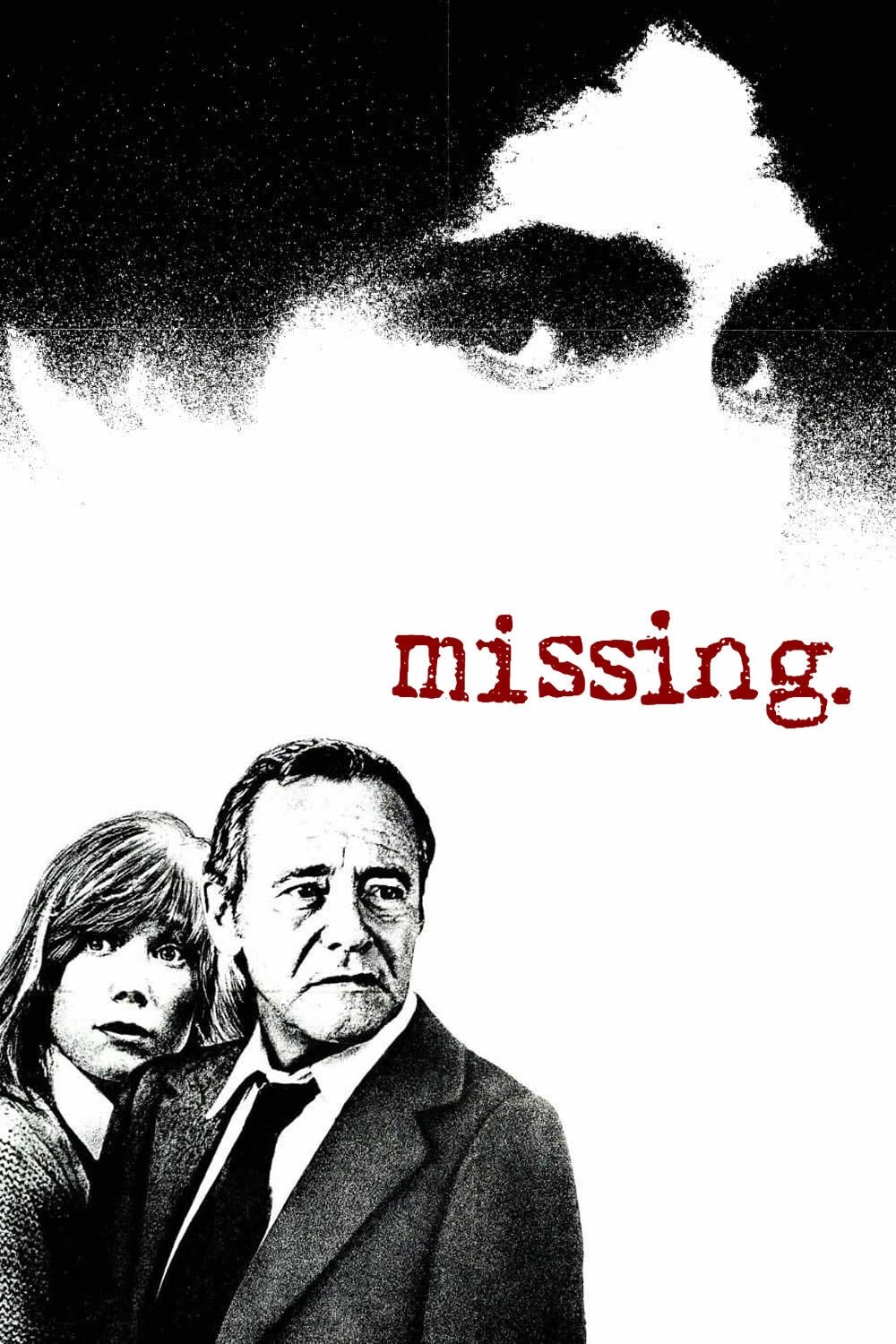
Costa-Gavras dramatizes the search for American writer Charles Horman after a military coup in Chile. The film shows embassy interactions, declassified cables, and the challenges families face navigating official channels. It highlights coordination between local forces and foreign interests during regime change.
‘The Act of Killing’ (2012)
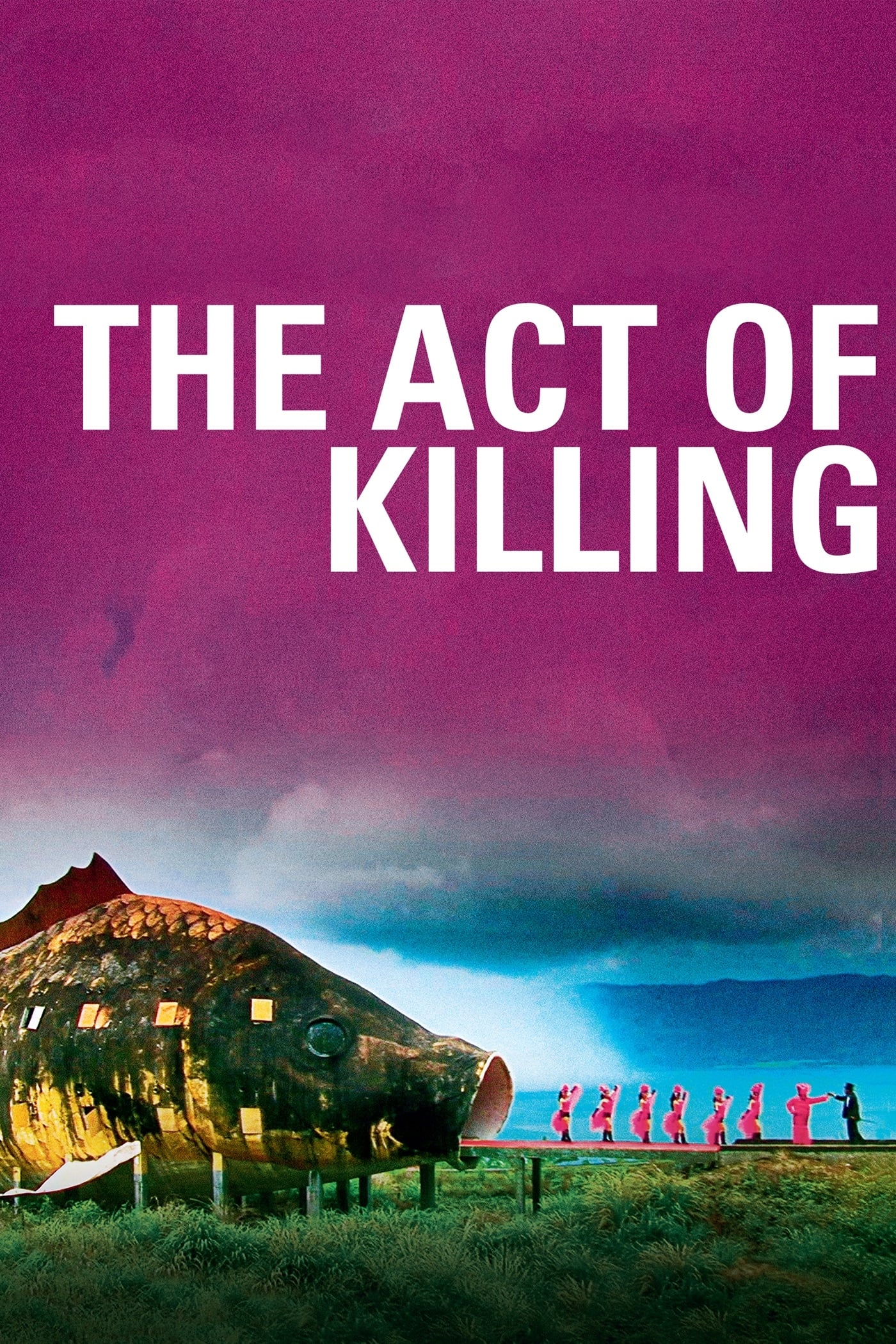
Joshua Oppenheimer’s documentary invites former Indonesian death-squad members to reenact their crimes using cinematic genres. Interviews and staged scenes reveal propaganda narratives and community power structures that persisted long after the violence. The film prompted international discussion about accountability and historical memory.
‘Thirteen Days’ (2000)
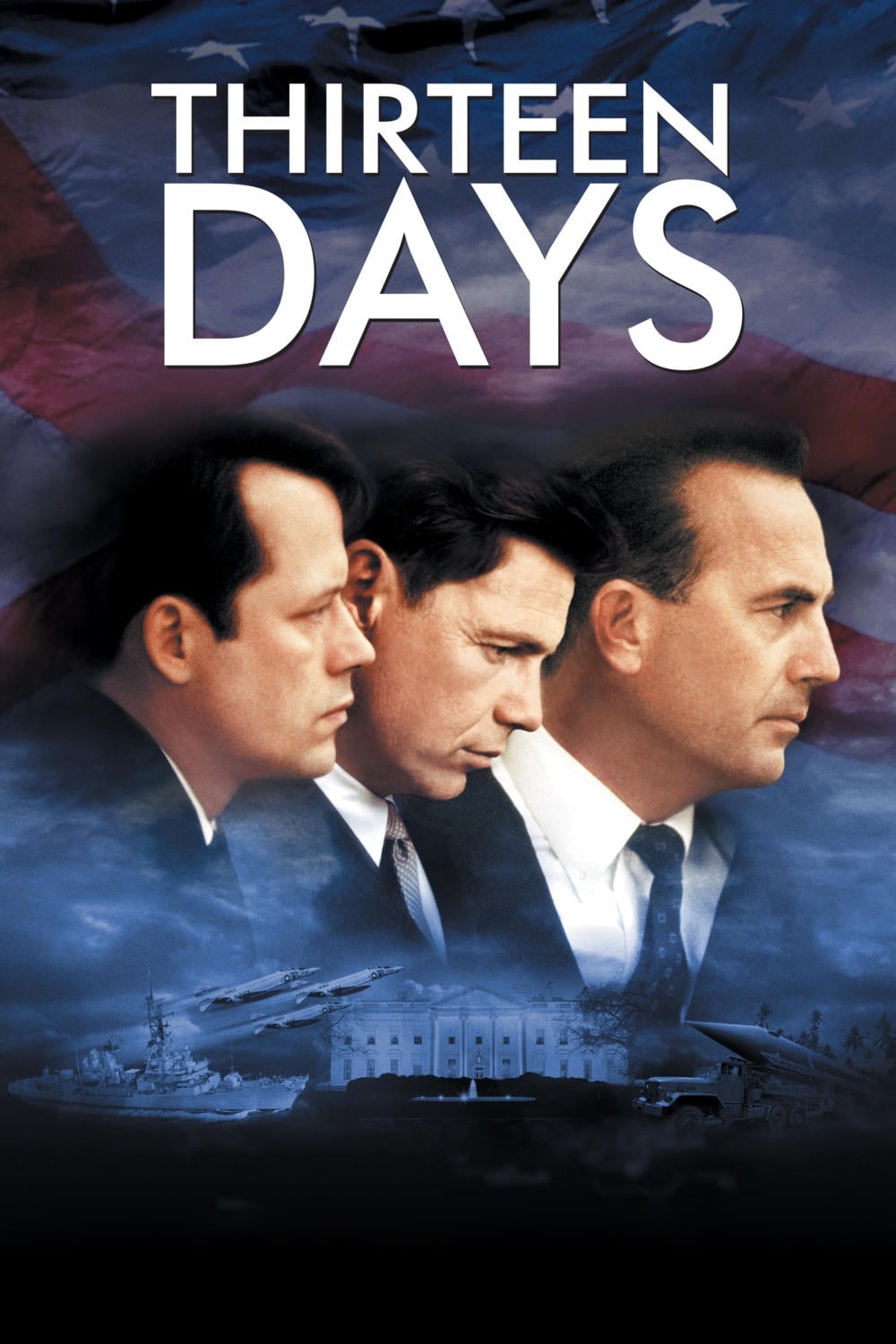
This political thriller reconstructs the Cuban Missile Crisis from the perspective of U.S. decision-makers. It covers reconnaissance flights, naval quarantine plans, and backchannel diplomacy with the Soviet Union. The film draws on tapes, memos, and participant recollections to chart escalation and de-escalation.
‘The Baader Meinhof Complex’ (2008)
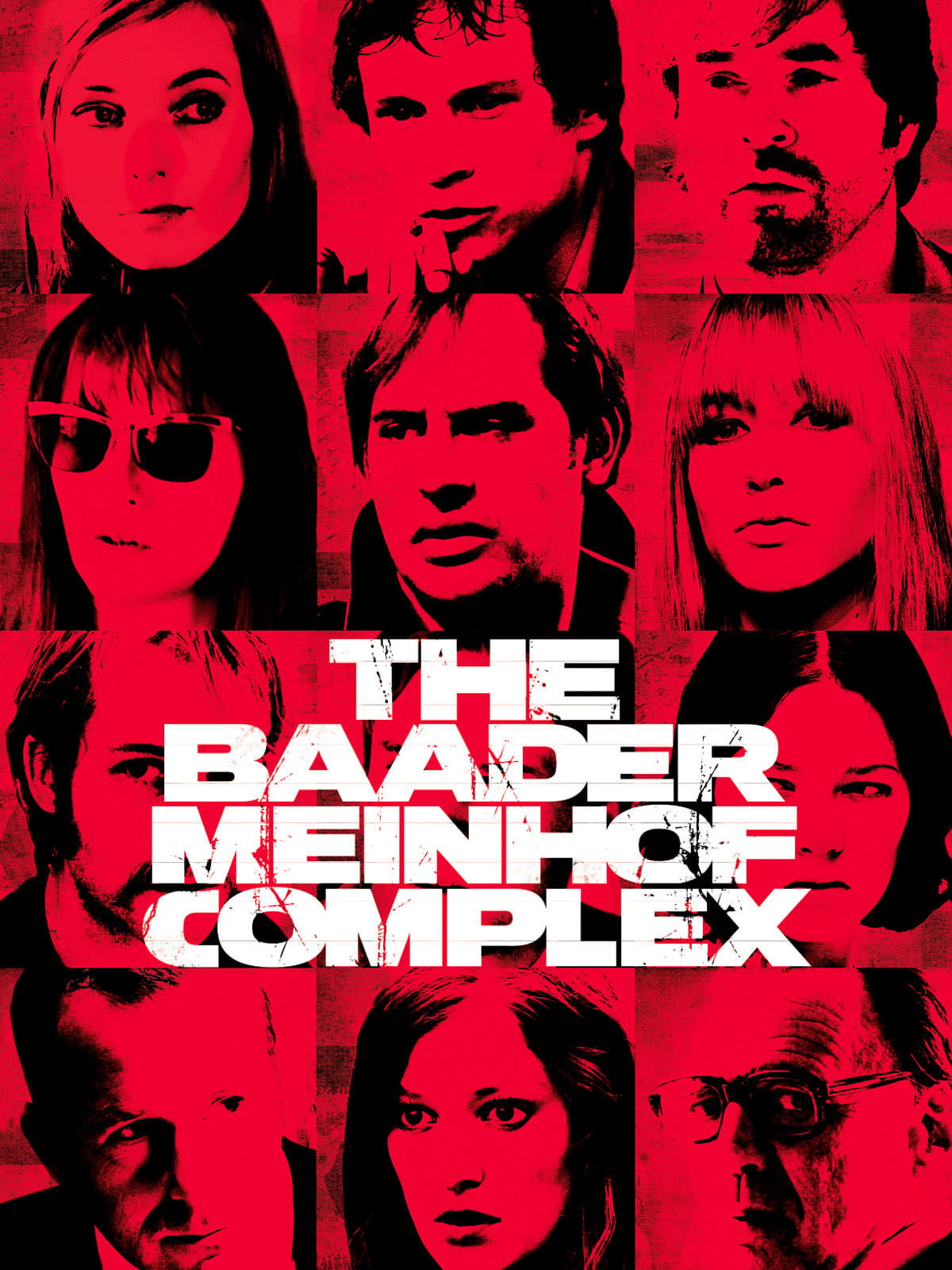
Uli Edel’s film chronicles the Red Army Faction in West Germany, tracing protests, bombings, and state responses. It examines how policing, media coverage, and courtroom proceedings shaped public understanding of political violence. The story is based on Stefan Aust’s nonfiction account and extensive case records.
‘In the Name of the Father’ (1993)
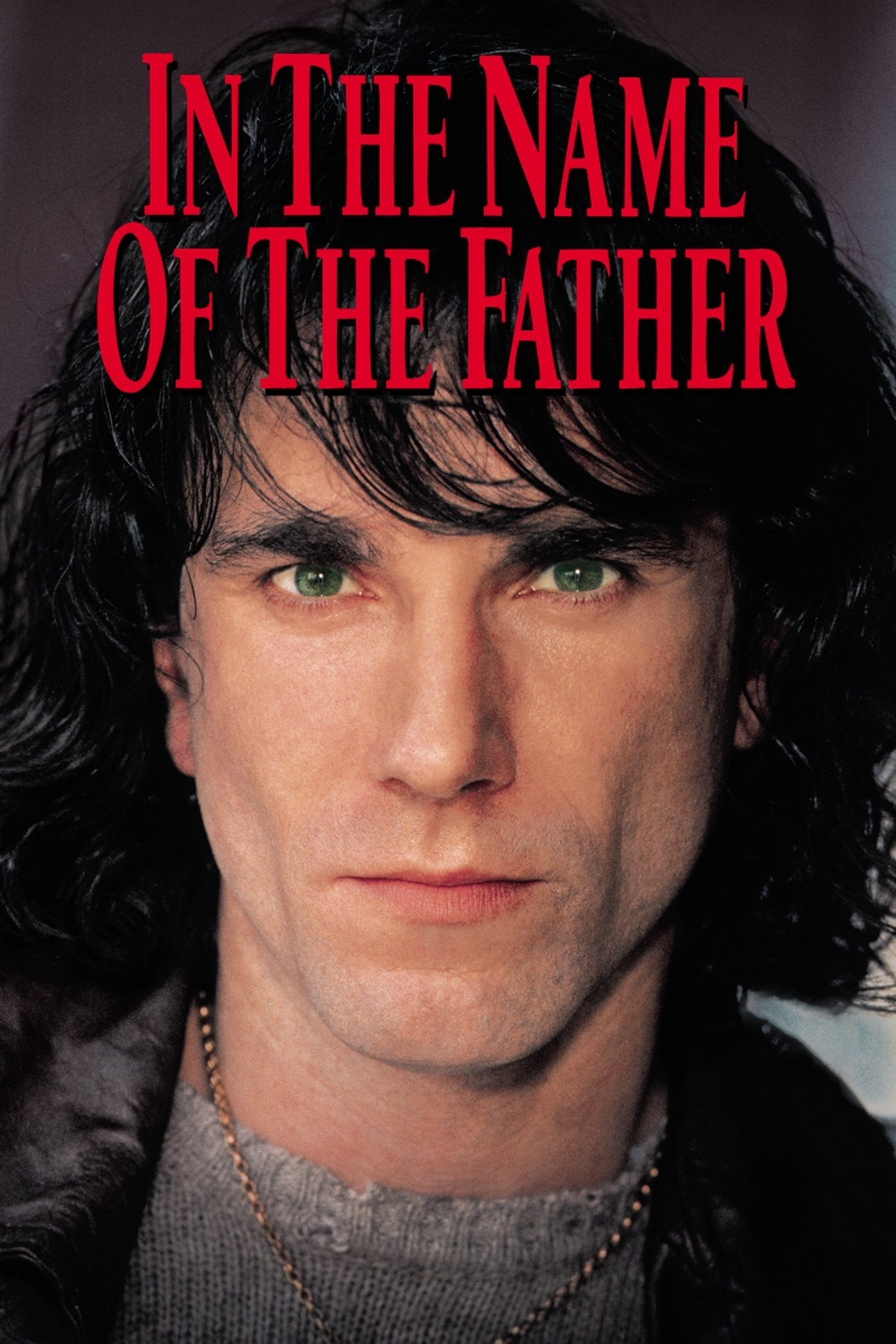
Jim Sheridan’s drama recounts the wrongful conviction of the Guildford Four after IRA bombings in England. It shows coerced confessions, evidence handling, and judicial appeals that eventually exposed miscarriages of justice. The film draws from Gerry Conlon’s autobiography and legal documents.
‘Zero Dark Thirty’ (2012)

Kathryn Bigelow depicts the hunt for Osama bin Laden, following intelligence analysis, field operations, and interagency coordination. It addresses detainee interrogations, surveillance methods, and diplomatic sensitivities in allied countries. The production consulted public records and open-source reporting to outline the operational timeline.
‘The Report’ (2019)
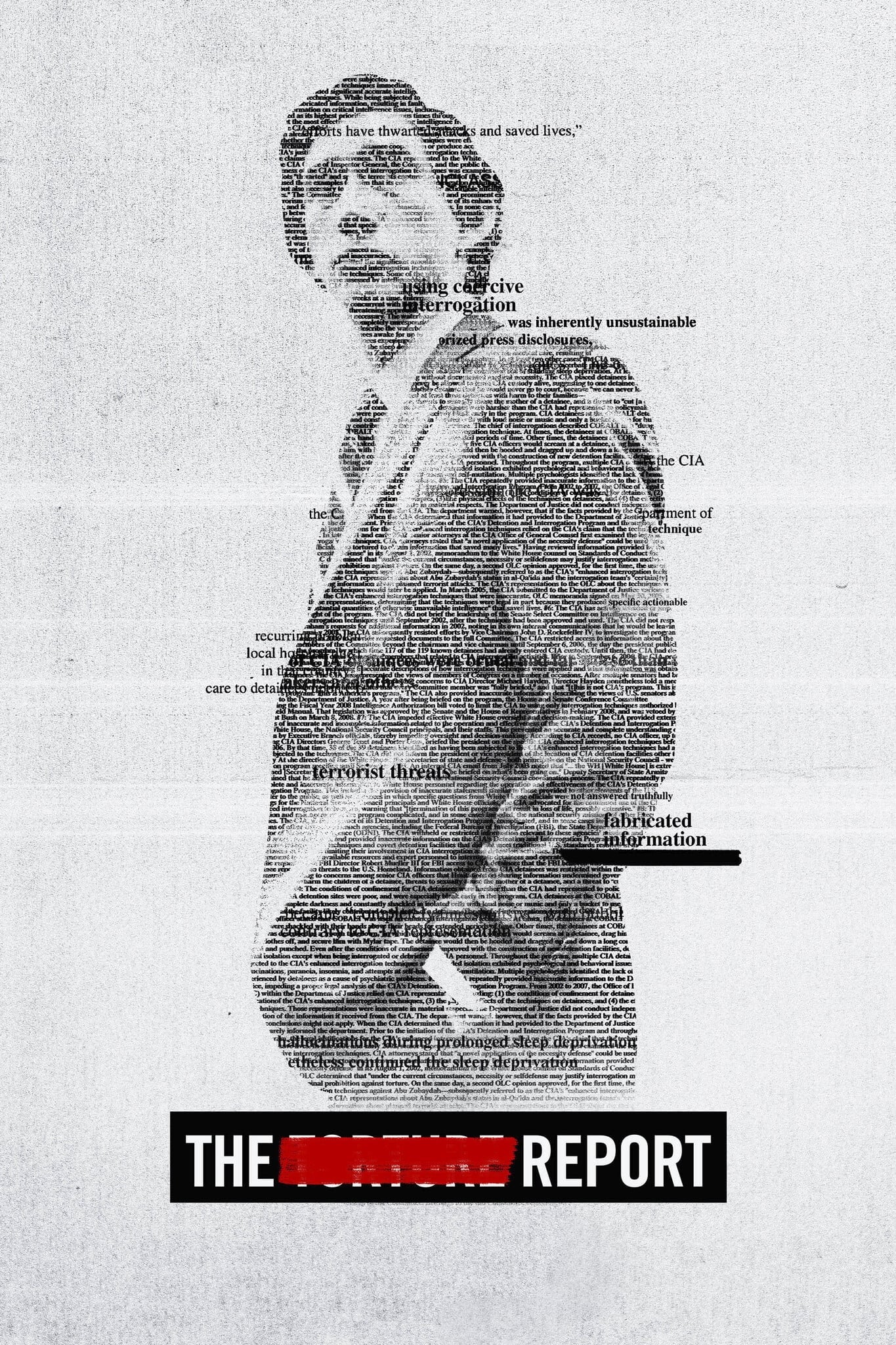
Scott Z. Burns dramatizes the U.S. Senate investigation into the CIA’s detention and interrogation program. The film details document retrieval, classification battles, and negotiations over what could be released. It is anchored in the Senate’s executive summary and public statements by officials.
‘Hotel Rwanda’ (2004)
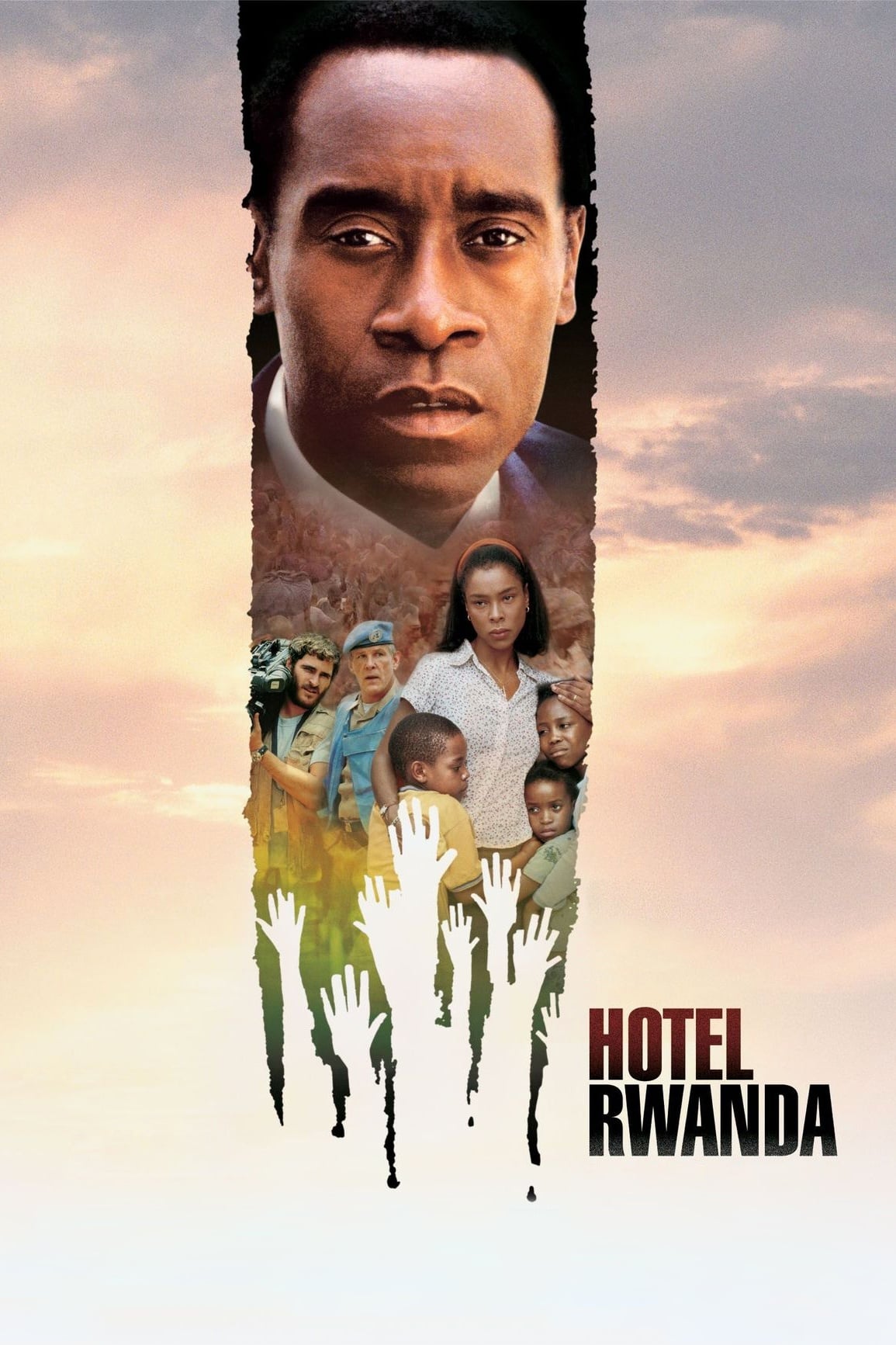
Terry George’s film follows a hotel manager who shelters refugees during the genocide in Rwanda. It depicts the role of UN forces, media coverage, and international diplomatic hesitation. The narrative is based on survivor testimonies and accounts of humanitarian coordination.
‘Syriana’ (2005)
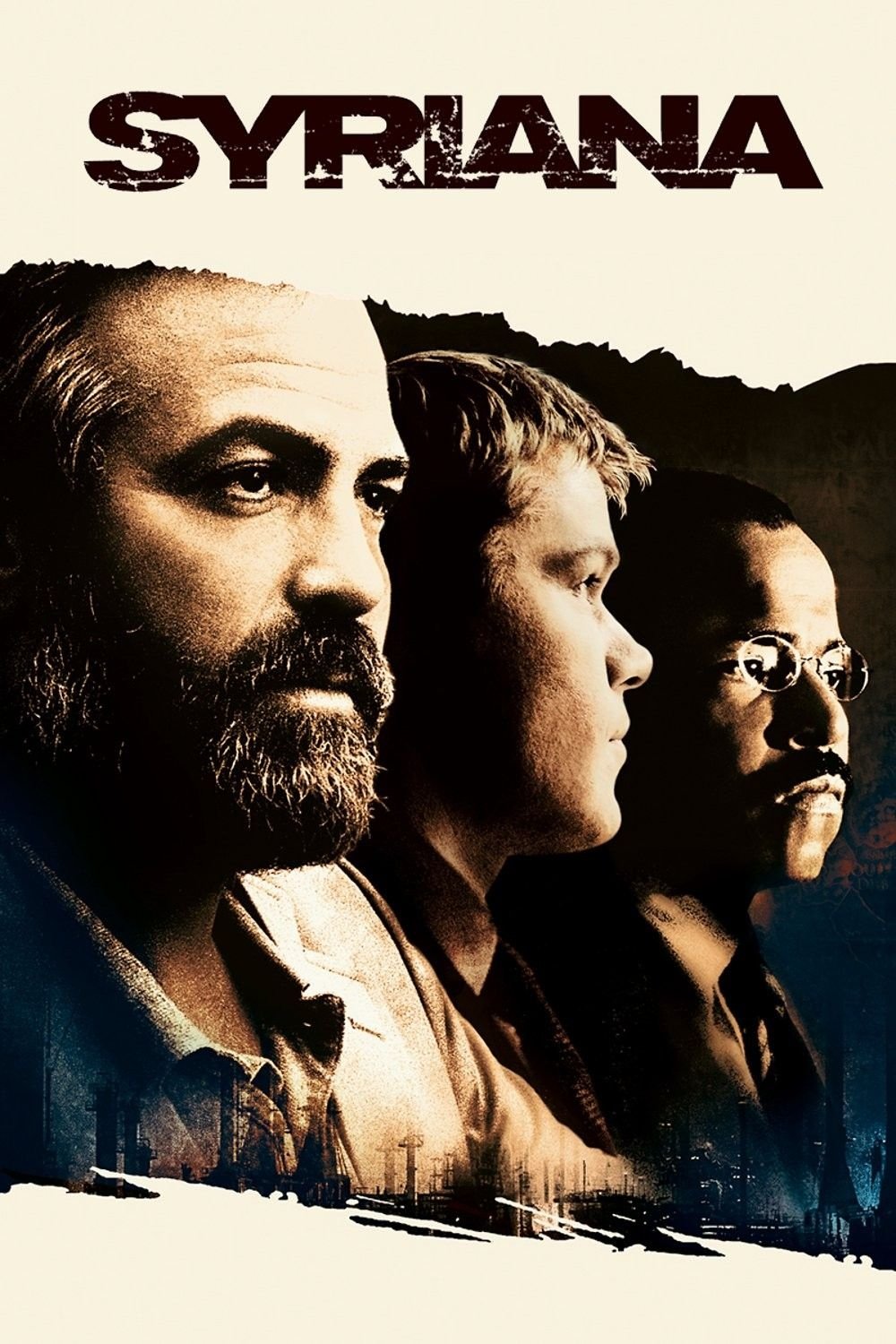
Stephen Gaghan weaves interlinked stories about the global oil industry, spanning intelligence work, corporate mergers, and Middle Eastern politics. It shows how regulatory decisions, lobbying, and resource concessions shape international relations. The screenplay draws inspiration from memoirs by former operatives and investigative reporting.
‘The Constant Gardener’ (2005)
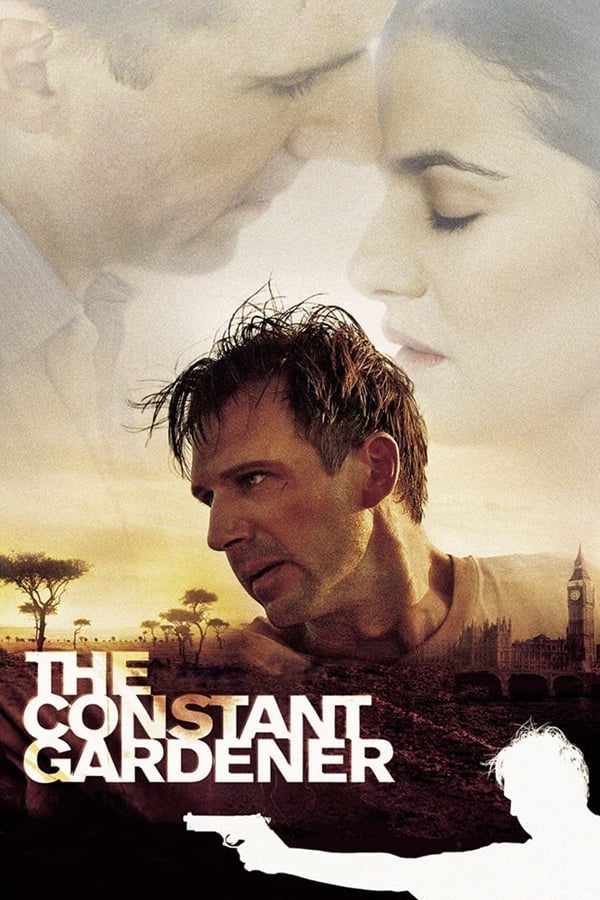
Based on John le Carré’s novel, this thriller investigates pharmaceutical trials and corporate conduct in Kenya. It traces diplomatic correspondence, medical ethics, and the risks faced by local whistleblowers. The production incorporated research on clinical trial oversight and development policy.
‘The Insider’ (1999)
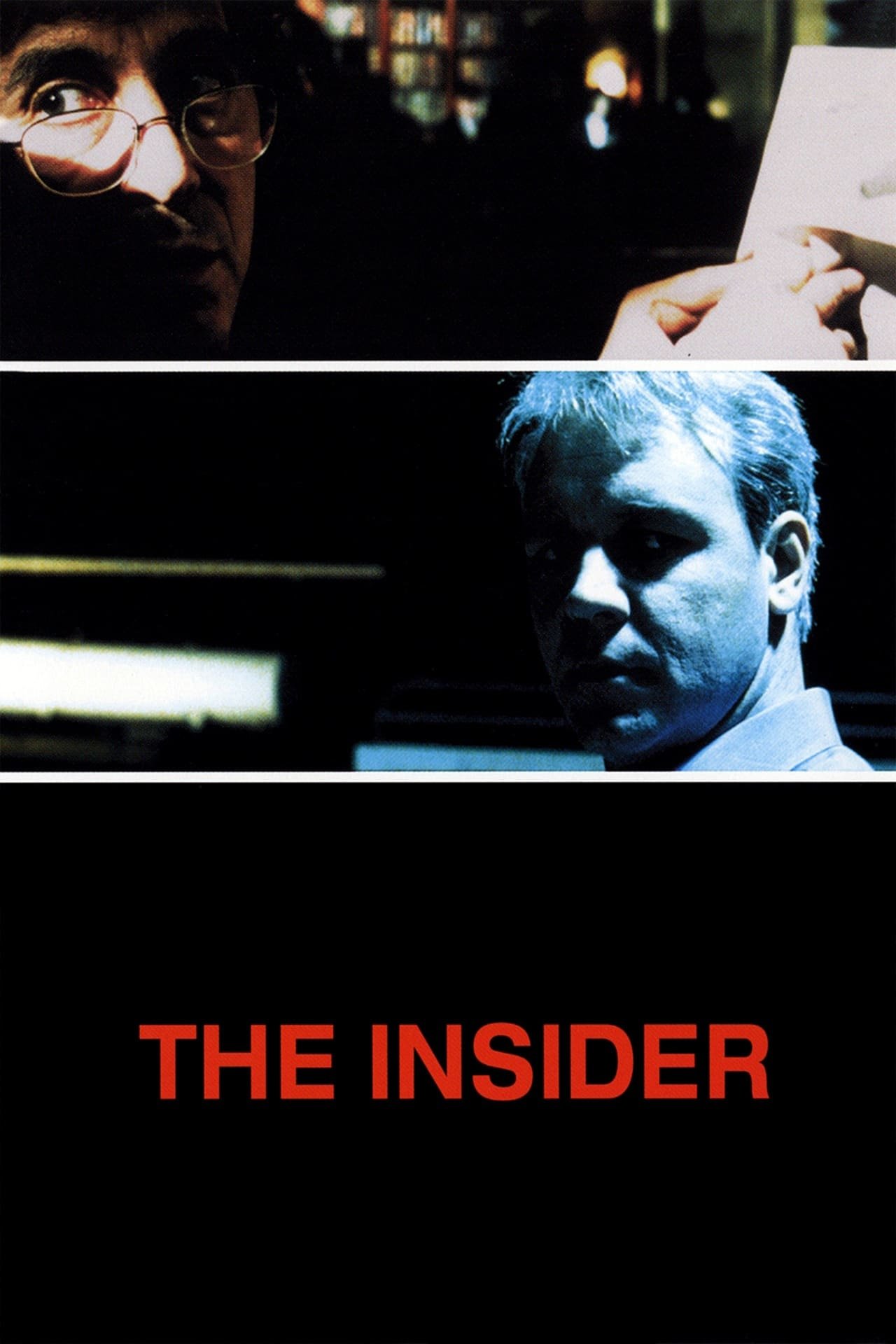
Michael Mann’s film recounts a whistleblower’s disclosures about the tobacco industry. It covers nondisclosure agreements, source protection, and legal challenges to a television news segment. The story is adapted from investigative journalism and litigation records.
‘City of God’ (2002)
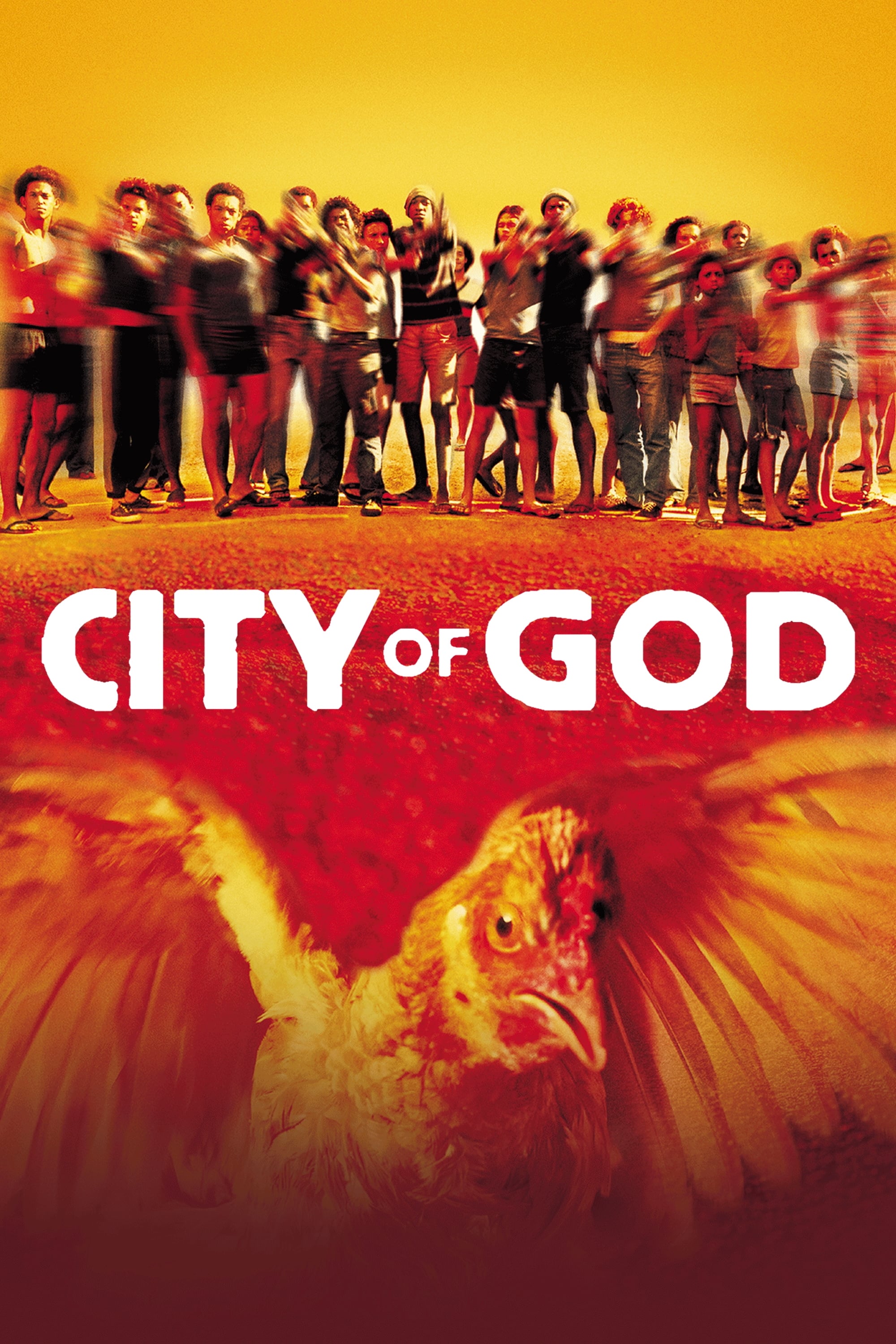
Fernando Meirelles and Kátia Lund depict the rise of organized crime in Rio de Janeiro’s favelas and its interaction with policing and politics. The film shows how urban policy, poverty, and informal economies shape violence and local governance. It draws from Paulo Lins’s novel based on real events and interviews.
‘Pan’s Labyrinth’ (2006)

Guillermo del Toro sets a dark fairy tale against the backdrop of postwar Spain under authoritarian rule. The film juxtaposes mythic trials with military checkpoints, informants, and reprisals in rural communities. Production design and narrative details reflect historical realities of resistance and state control.
Share your picks that take big swings at real-world power in the comments—what would you add to the list?

