


Movies That Best Define the Baby Boomer Generation


The Baby Boomer generation, born between 1946 and 1964, grew up during a time of great social and cultural change. They witnessed the rise of television, the tension of the Cold War, the fight for civil rights, and the eruption of counter-culture. This generation’s experiences were unique, and the films they watched often reflected the exciting and turbulent times they lived in. From coming-of-age stories to epic adventures, movies became a way to understand and interpret the world around them.
This list explores films that hold a special place for Baby Boomers. These movies are not just entertainment; they are cultural landmarks that captured the spirit of their time. They include stories of rebellion, explorations of new frontiers, and reflections on what it means to grow up and find your place. Whether it was through laughter, tears, or thrilling action, these films connected with Boomers and helped shape their view of the world, leaving a lasting impact on cinema.
Rebel Without a Cause (1955)
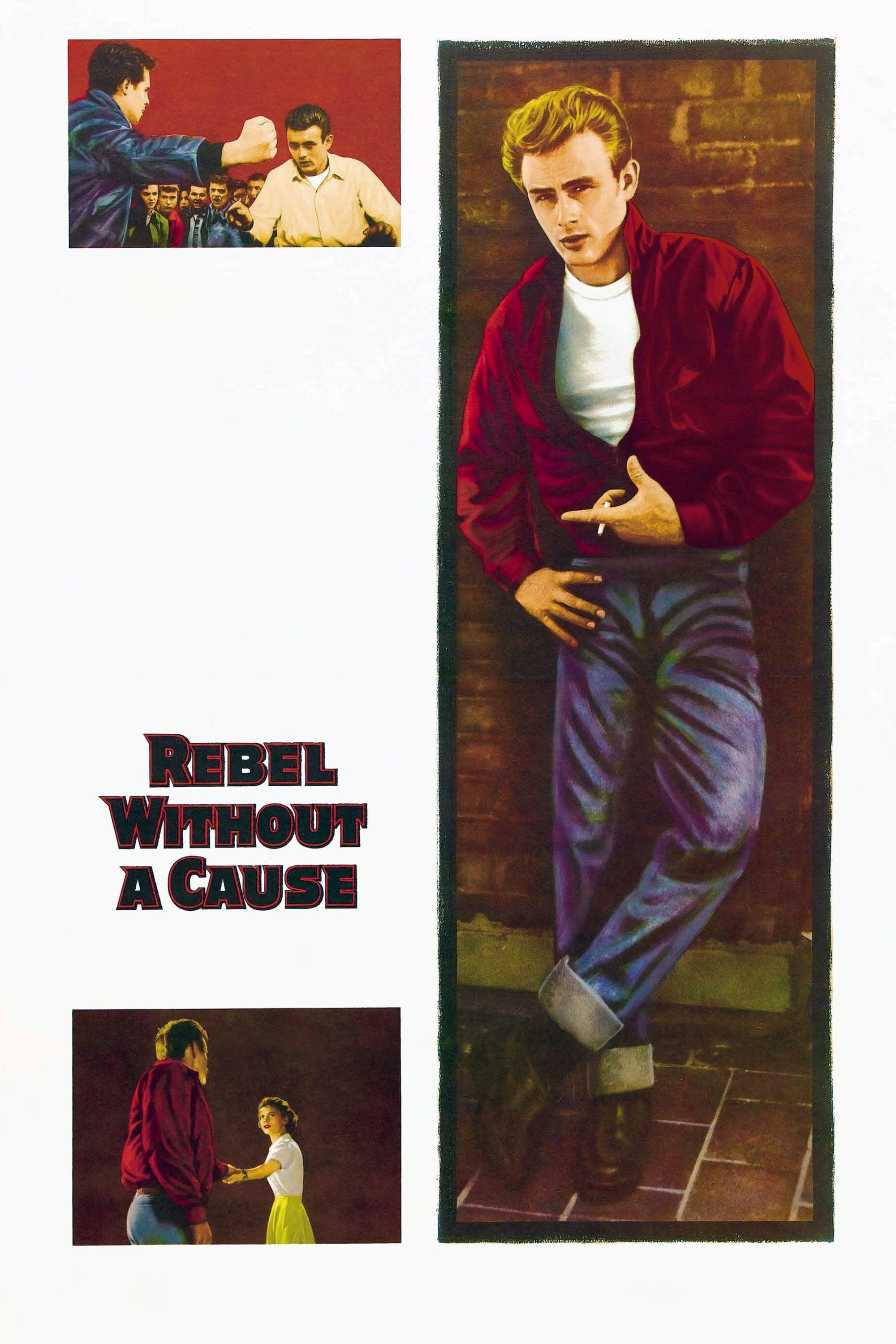
This film captured the feeling of teenage angst and confusion that many young Boomers experienced. James Dean plays Jim Stark, a troubled teenager who moves to a new town and tries to fit in. He finds himself in trouble with the local bullies and struggles to connect with his parents, who don’t understand him. The movie’s portrayal of youth rebellion was powerful and new for its time.
Rebel Without a Cause became a symbol of a generation that felt misunderstood by the one before it. Jim’s search for honesty and meaning resonated with young people who were starting to question the rules of society. The film’s themes of alienation and the need for connection made it an important movie for Boomers as they navigated their own teenage years.
Old Yeller (1957)
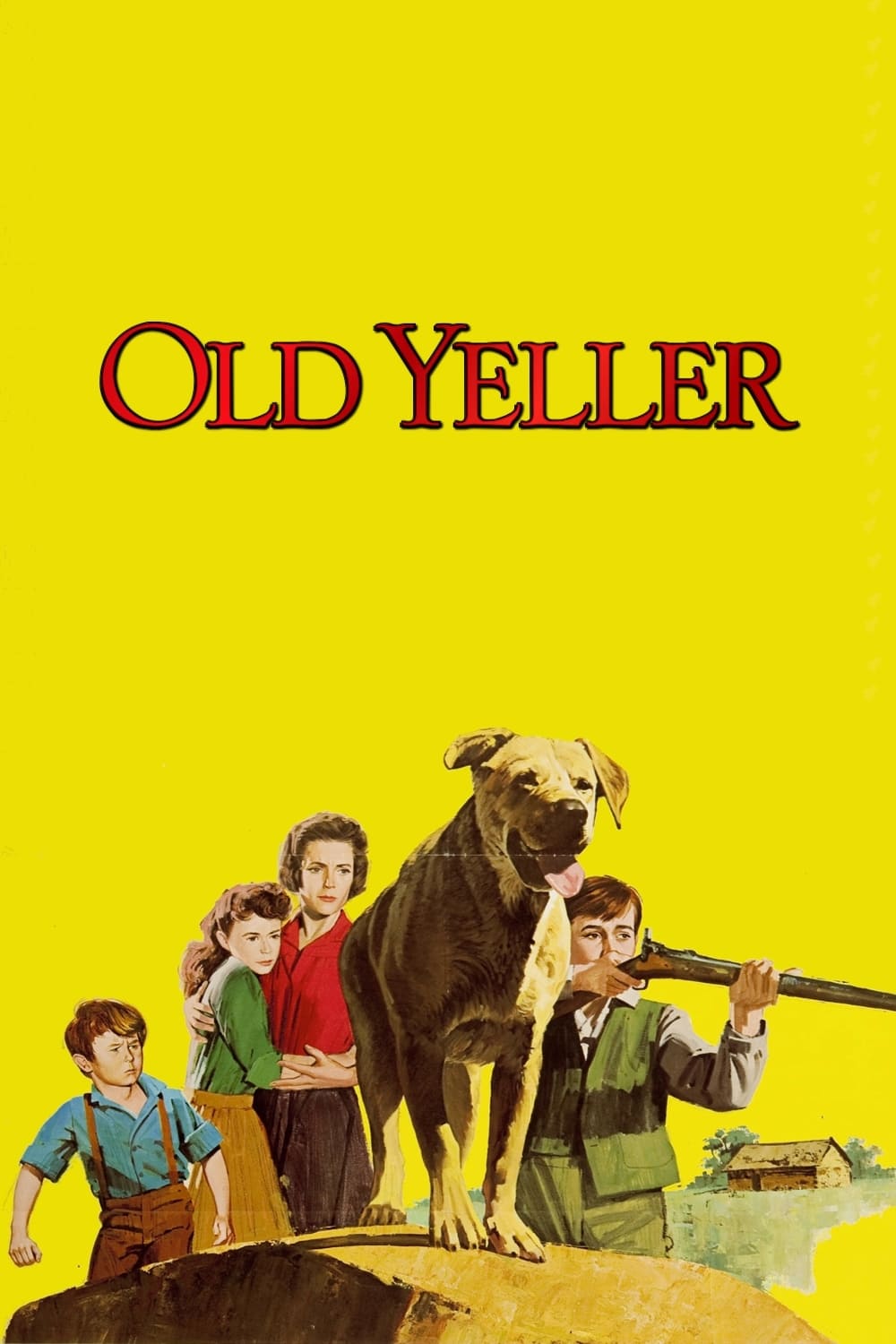
For many Baby Boomers, Old Yeller was a defining childhood movie that introduced them to powerful emotions. The story follows a boy named Travis and his loyal, brave dog, Old Yeller, on the Texas frontier. Their adventures together create a strong bond, showing the deep connection between a boy and his dog.
The movie is most remembered for its heartbreaking ending, which was a tough but important lesson for young viewers about love, loss, and responsibility. It was often the first film where children experienced a deep sense of sadness for a character. This emotional impact made Old Yeller a memorable and important part of growing up for the Boomer generation.
The Sound of Music (1965)
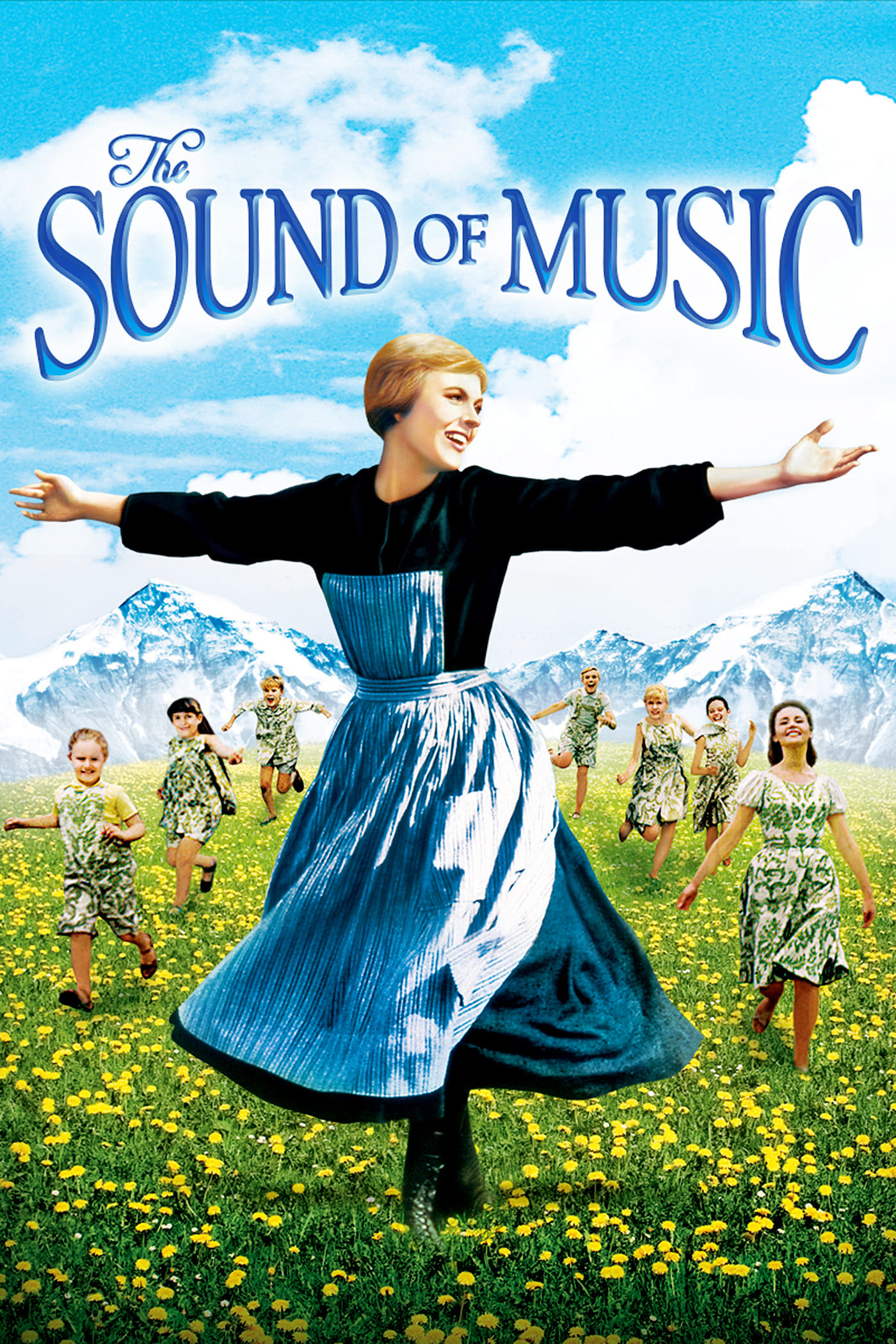
This beloved musical became a major cultural event for many Baby Boomer families. Its story of Maria, a young woman who brings music and joy to the von Trapp family in Austria just before World War II, was uplifting and full of hope. The movie’s songs became instant classics that families would sing together.
The Sound of Music was a film that multiple generations could enjoy together. Its themes of family, love, and courage in the face of danger were timeless. For Boomers, it represented a more wholesome and optimistic view of the world, and it remains one of the most-watched and cherished films of all time.
The Graduate (1967)
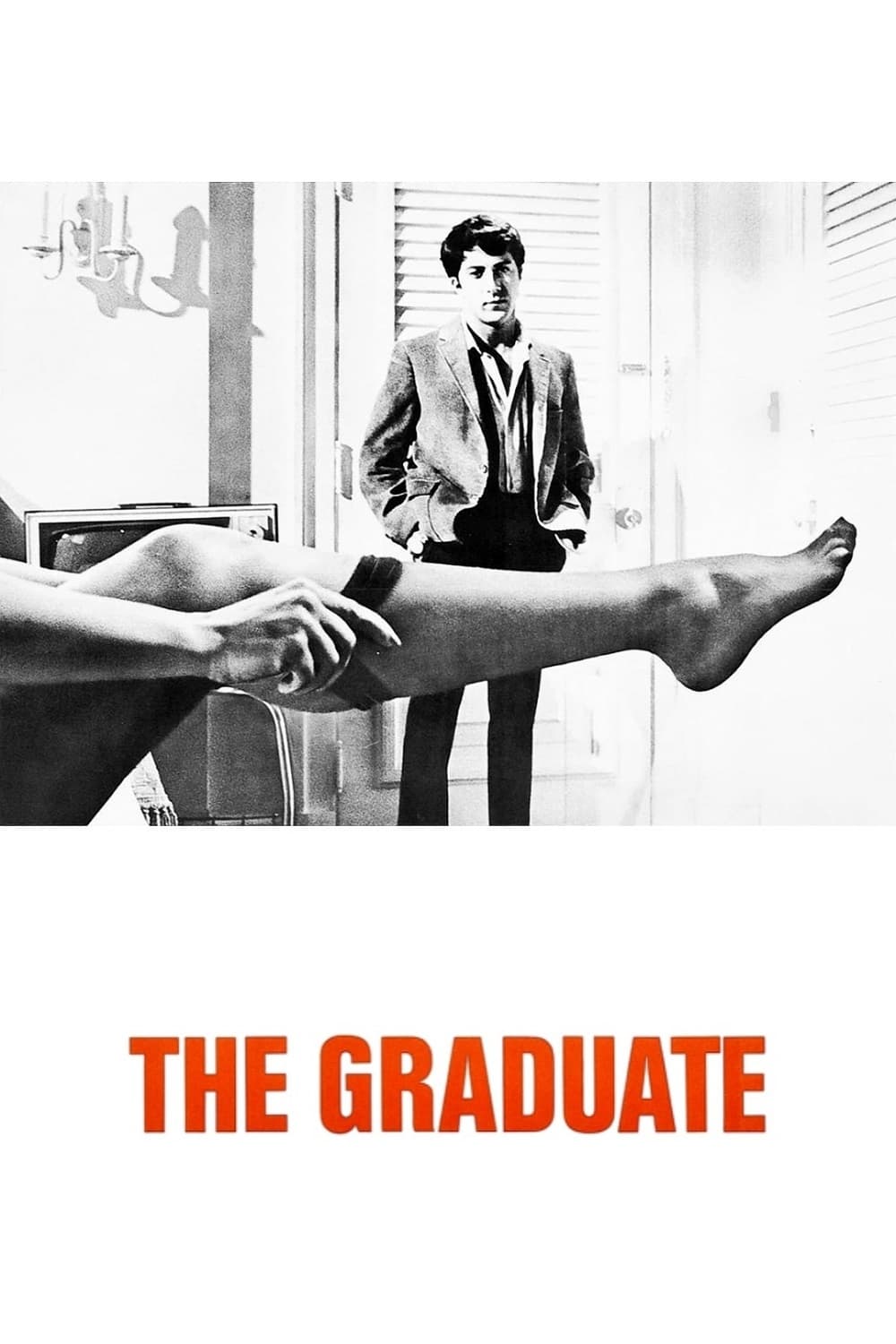
The Graduate spoke directly to the anxieties of the Baby Boomer generation as they entered adulthood. The film follows Benjamin Braddock, a recent college graduate who feels lost and uncertain about his future. His famous line, “Plastics,” symbolized the fear of a boring and materialistic life that many young people wanted to avoid.
This movie captured the generational divide, with Benjamin feeling disconnected from his parents’ world. His affair with the older Mrs. Robinson and his complicated relationship with her daughter showed a new kind of adult drama. The film’s humor, iconic Simon & Garfunkel soundtrack, and ambiguous ending made it a defining movie for young Boomers questioning their path in life.
In the Heat of the Night (1967)
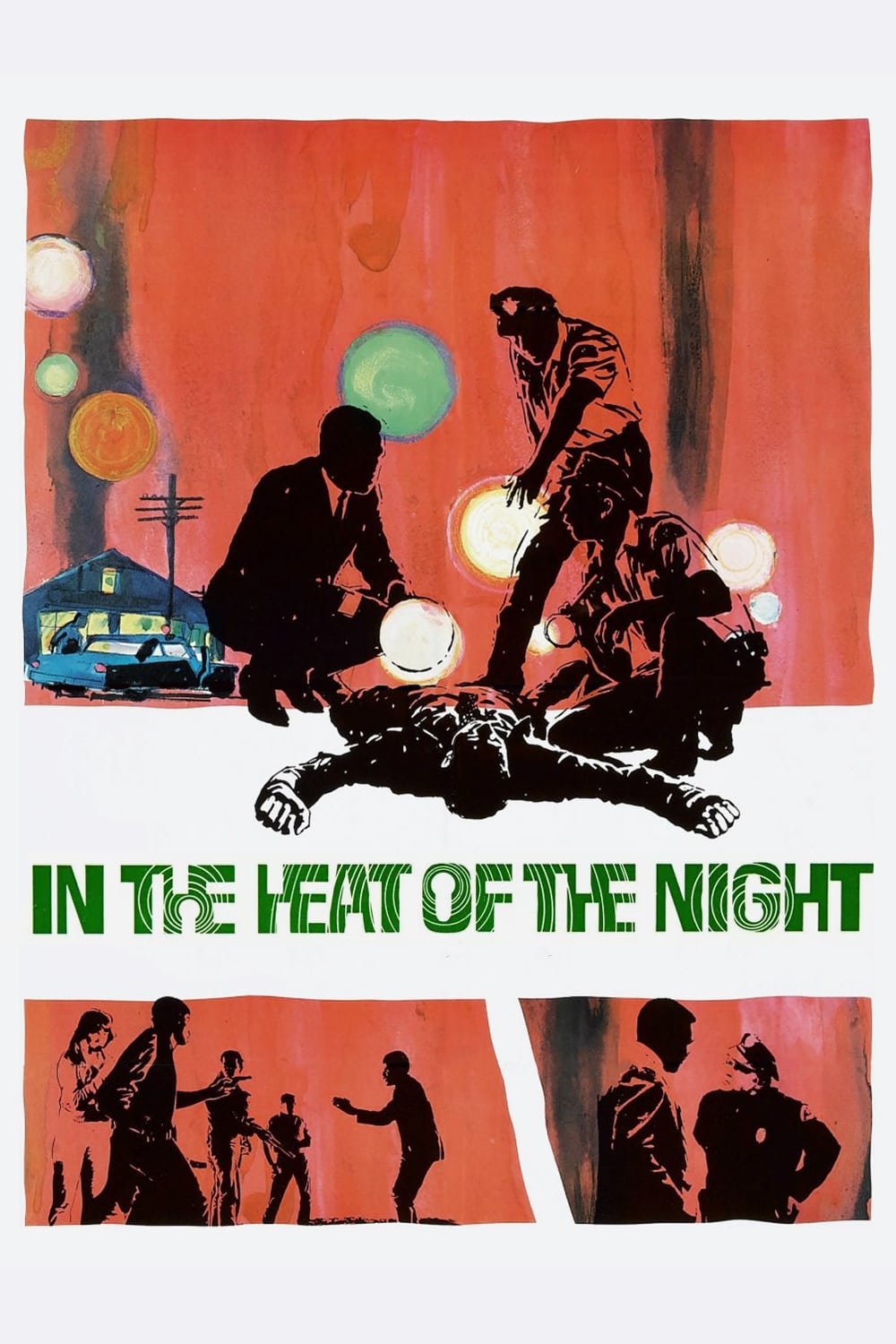
This powerful film tackled the issue of racism head-on, reflecting the social changes happening during the Civil Rights Movement. It tells the story of Virgil Tibbs, a Black police detective from the North who gets involved in a murder investigation in a racist Southern town. He is forced to work with the prejudiced local police chief, and they slowly develop a grudging respect for each other.
In the Heat of the Night was significant for its direct confrontation of racial tensions. The film’s tense atmosphere and strong performances made a lasting impression on audiences. For Baby Boomers, it was a movie that showed the realities of the fight for equality and justice in America.
2001: A Space Odyssey (1968)
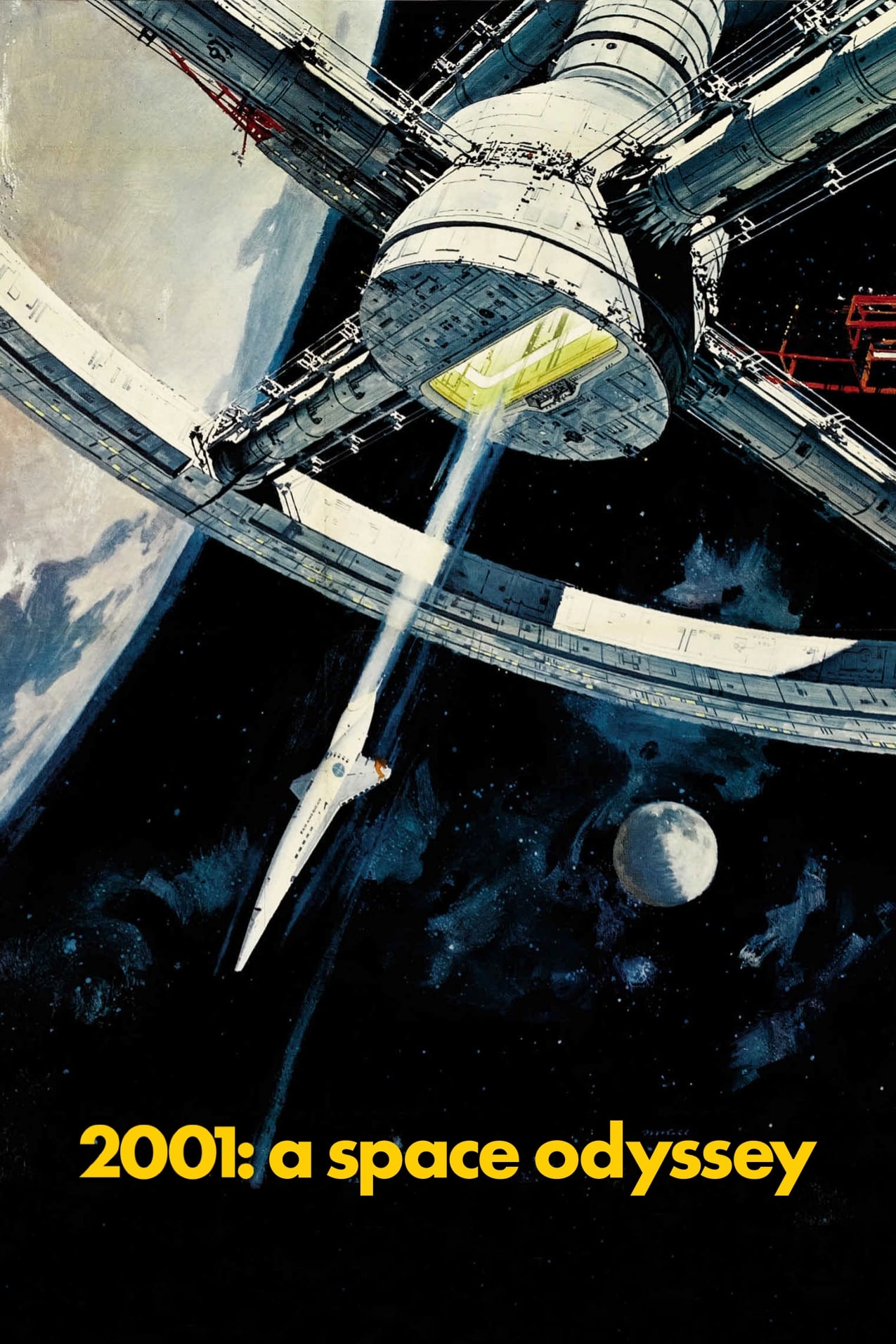
Stanley Kubrick’s science fiction epic was a mind-bending experience that changed how people thought about movies. Released during the height of the space race, the film explores themes of human evolution, technology, and artificial intelligence. Its stunning visuals and mysterious story captivated audiences.
2001: A Space Odyssey was more than just a sci-fi movie; it was a philosophical journey. It didn’t offer easy answers, forcing viewers to think about humanity’s place in the universe. For a generation fascinated by the future and technological progress, this film was a groundbreaking work of art that pushed the boundaries of cinema.
Butch Cassidy and the Sundance Kid (1969)

This film put a new spin on the classic Western, becoming a favorite for its charm and wit. Paul Newman and Robert Redford star as two charismatic outlaws who are on the run from the law. The movie is less about gunfights and more about their friendship and clever schemes to survive.
Butch Cassidy and the Sundance Kid captured a feeling of rebellion and freedom that appealed to the Boomer generation. It was a story about breaking the rules and living life on your own terms. The film’s humor, memorable lines, and tragic ending made it an iconic movie of the late 1960s.
Easy Rider (1969)
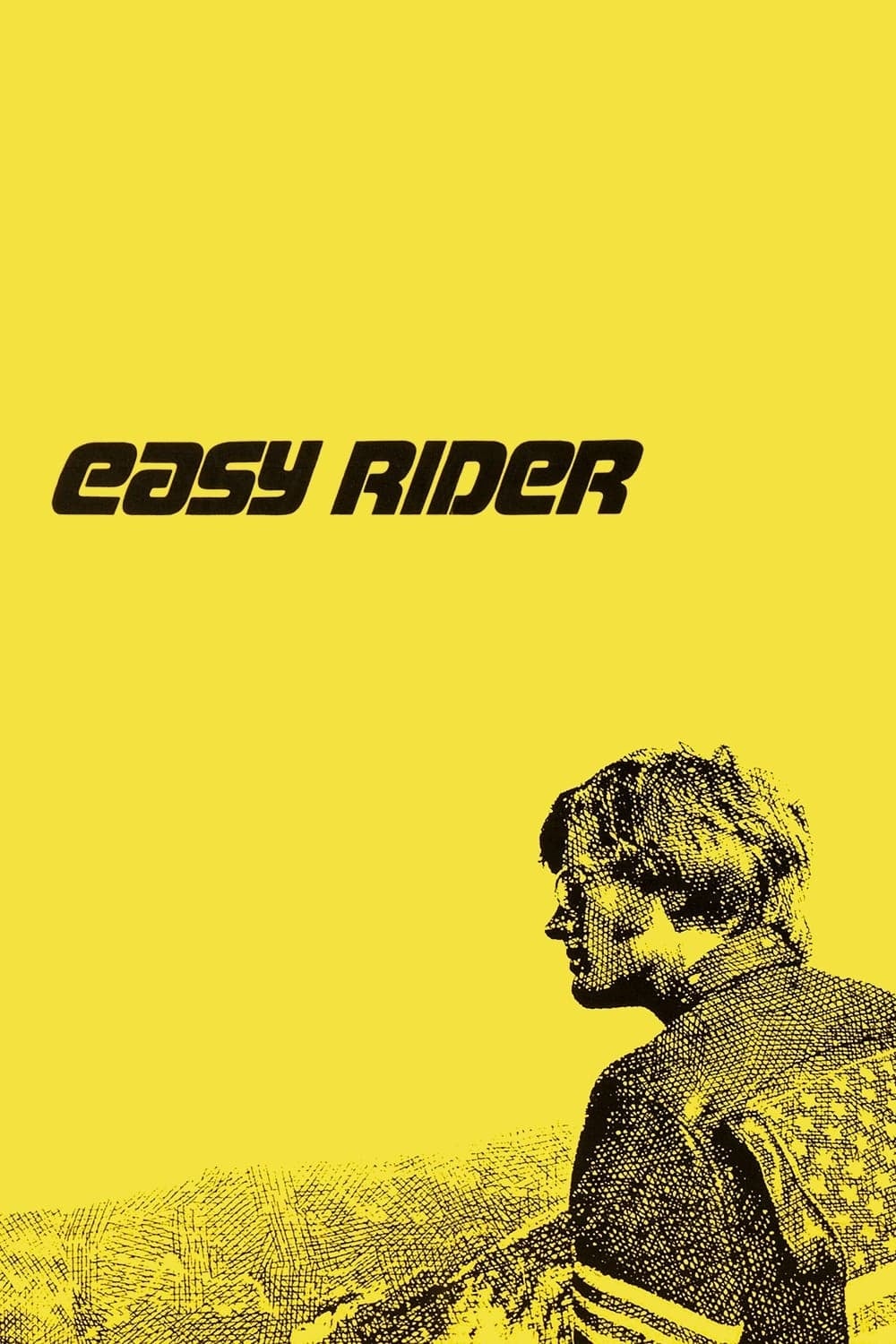
Easy Rider became the ultimate counter-culture road movie and a symbol of the hippie movement. It follows two bikers, played by Peter Fonda and Dennis Hopper, as they travel across America in search of freedom. The film shows both the beauty of the open road and the dark side of a country struggling with change.
With its rock soundtrack and realistic portrayal of the search for a different way of life, Easy Rider connected deeply with young Boomers. It showed the clash between the counter-culture and mainstream society, and its shocking ending was a powerful statement about the loss of innocence. The movie perfectly captured the spirit of rebellion of the late 1960s.
MASH (1970)

This dark comedy about a mobile army surgical hospital during the Korean War was seen as a commentary on the Vietnam War. The film uses humor to show the absurdity and horror of war, as the surgeons use jokes and pranks to cope with the daily trauma. Its cynical and anti-authoritarian tone resonated with a generation tired of the conflict in Vietnam.
MASH was groundbreaking for its unique blend of comedy and drama. It showed that it was possible to laugh at the insanity of war without losing sight of its tragedy. The film’s irreverent spirit captured the feelings of many Boomers who were questioning authority and the government’s role in the world.
Dirty Harry (1971)

This film introduced one of cinema’s most famous anti-heroes, Inspector “Dirty” Harry Callahan. Frustrated with a justice system he sees as too soft on criminals, Harry often bends the rules to get the job done. The movie’s tough, no-nonsense approach to crime was a response to the social anxieties of the time.
Dirty Harry was a controversial but hugely popular film. It spoke to a more conservative side of the Boomer generation that was concerned about rising crime rates. The film’s famous lines and action-packed story made it a classic, and it sparked debates about justice and law enforcement that continue today.
A Clockwork Orange (1971)
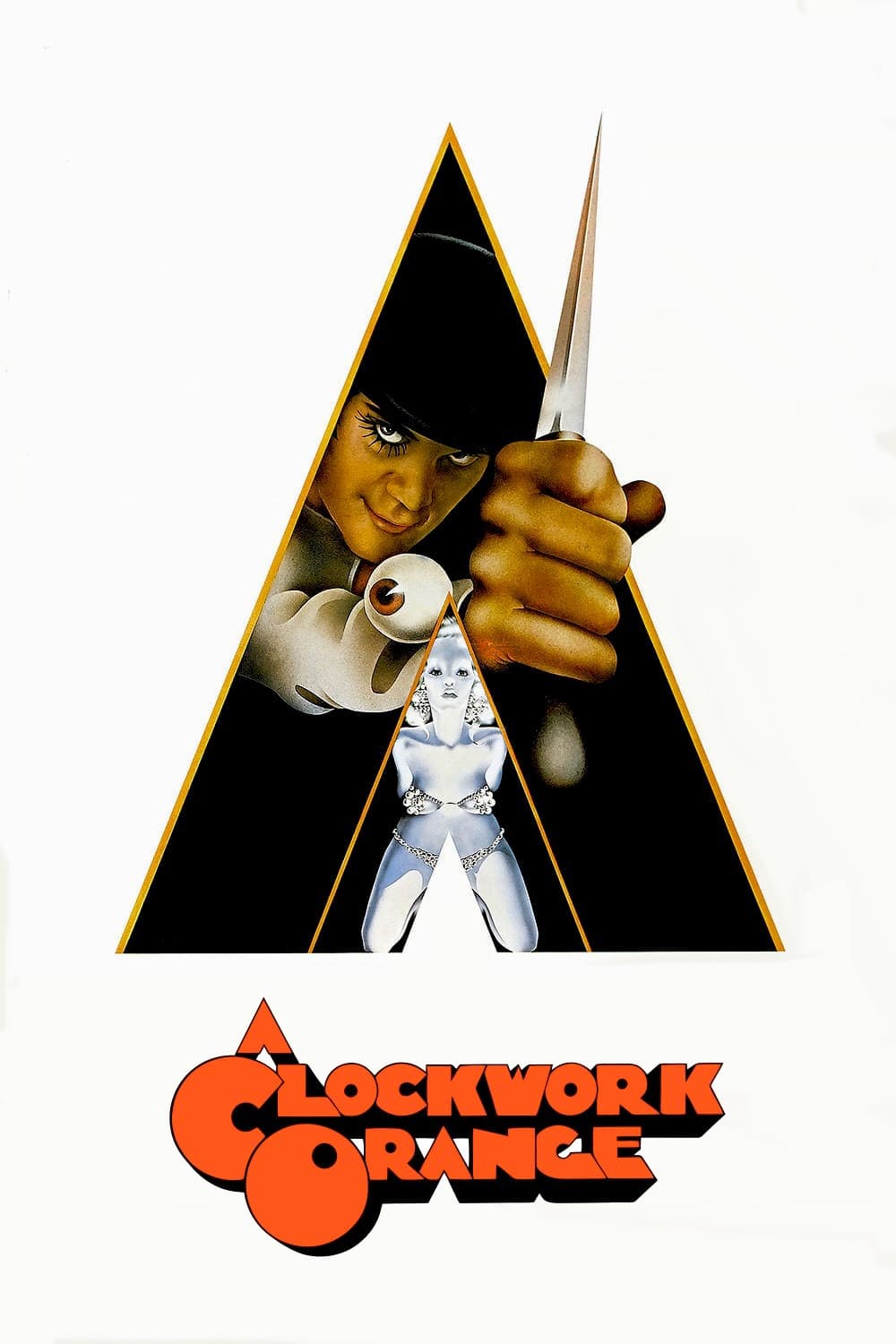
Stanley Kubrick’s disturbing and thought-provoking film explored themes of free will and violence in a futuristic society. The story follows Alex, a young man who enjoys a life of “ultra-violence,” and what happens when the state tries to cure him of his violent tendencies. The film’s unique visual style and controversial subject matter made it a must-see for young adults.
A Clockwork Orange challenged audiences to think about the nature of good and evil. It questioned whether it was right for a government to take away someone’s ability to choose, even if they choose to do bad things. For a generation that was already questioning authority, this film offered a powerful and unsettling look at social control.
The Godfather (1972)
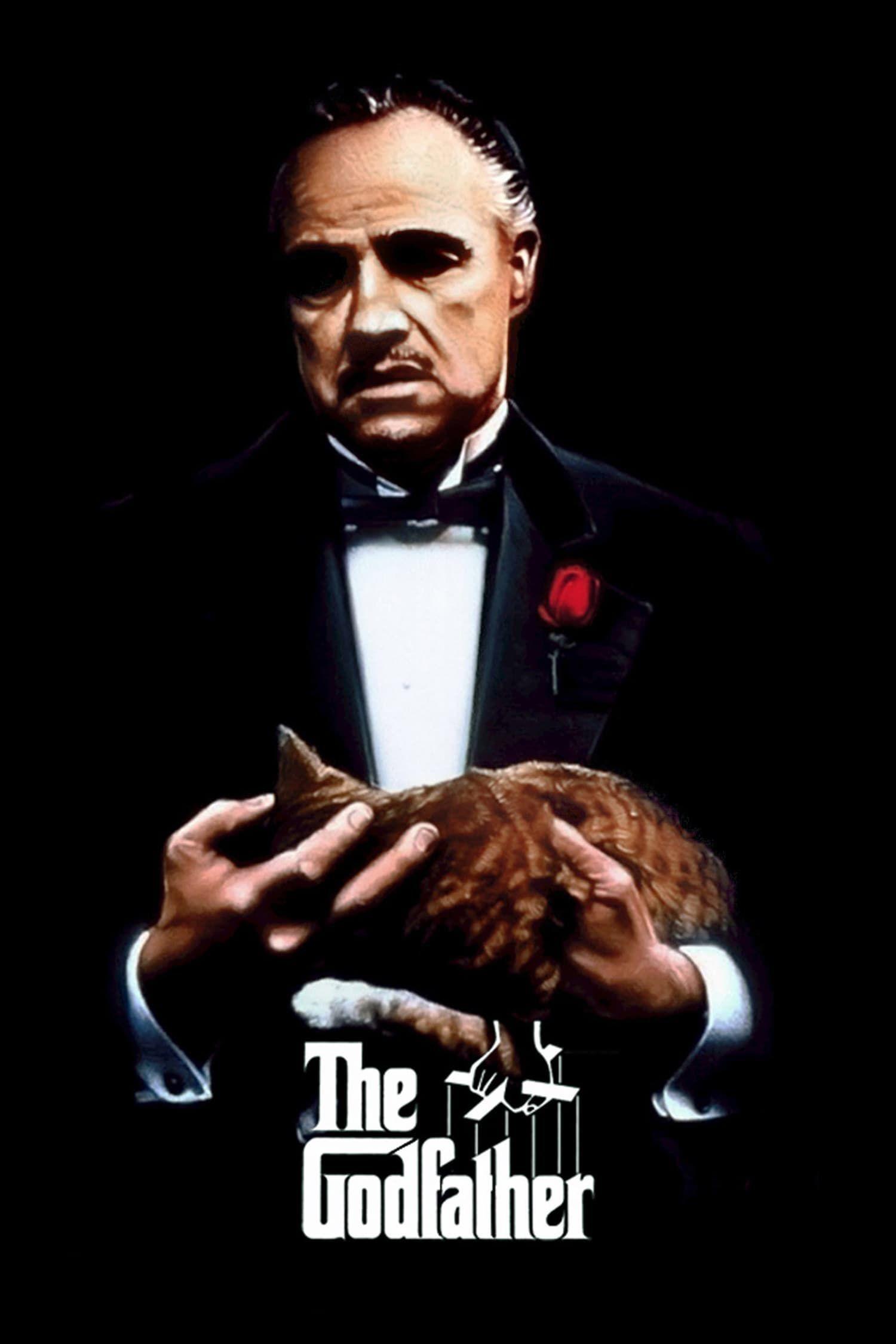
The Godfather is more than just a gangster movie; it’s an epic story about family, power, and the dark side of the American dream. The film follows the Corleone family and the transformation of Michael, the youngest son, from a reluctant outsider to a ruthless mafia boss. It was a cinematic masterpiece that changed filmmaking forever.
For Baby Boomers, The Godfather was a serious, adult drama that felt incredibly real. Its complex characters and moral ambiguity were a world away from the simpler movies of their childhood. The film’s themes of loyalty and betrayal resonated deeply, and it is widely regarded as one of the greatest films ever made.
American Graffiti (1973)
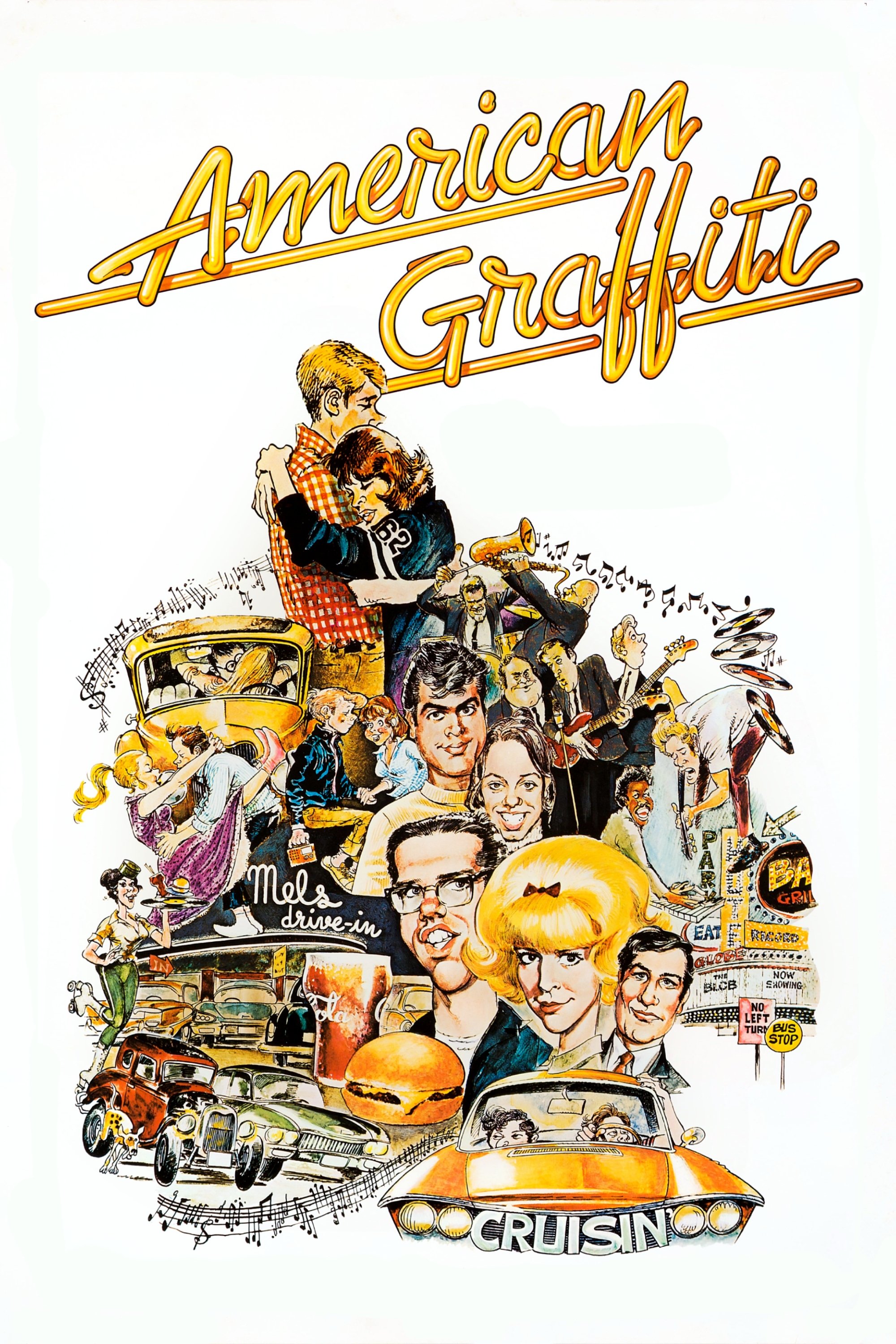
This nostalgic film was a love letter to the early 1960s, a time of innocence for the older Baby Boomers. Directed by George Lucas, the movie follows a group of high school graduates on their last night of summer vacation in 1962. It is filled with classic cars, rock ‘n’ roll music, and the timeless rituals of cruising and hanging out.
American Graffiti perfectly captured the feeling of being on the edge of adulthood, with all the excitement and uncertainty that comes with it. The film’s soundtrack became a huge hit, and its look back at a simpler time resonated with Boomers who were now dealing with the complexities of the 1970s. It was a sweet and funny reminder of where they came from.
Jaws (1975)
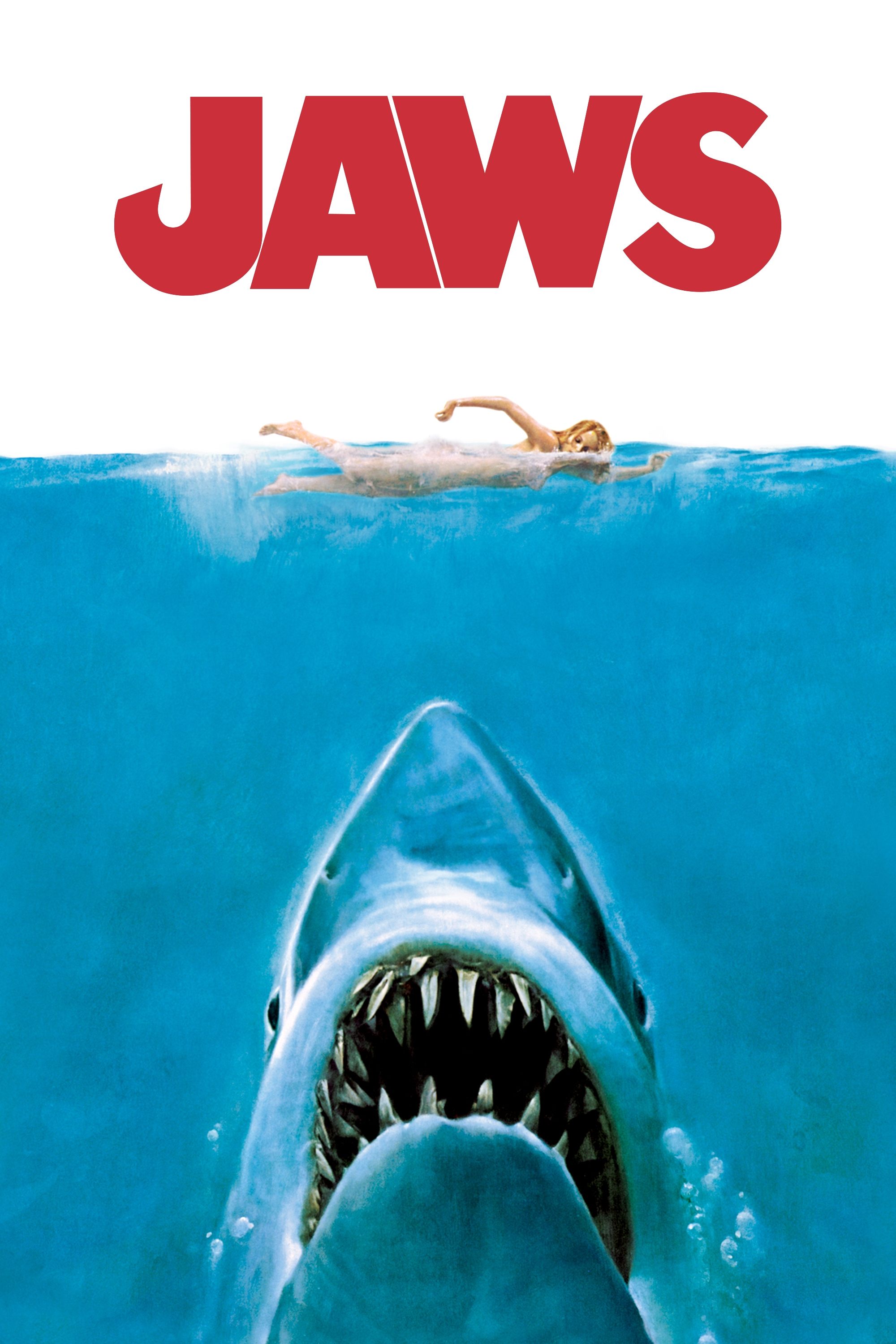
This film about a giant man-eating shark terrified audiences and created the modern summer blockbuster. Directed by a young Steven Spielberg, Jaws was more than just a monster movie. It was a masterclass in suspense, with a famous two-note theme that could create fear all by itself.
Jaws was a shared cultural experience for Baby Boomers. Everyone was talking about it, and it made people think twice before going into the ocean. The film’s success changed the way movies were marketed and released, proving that a high-concept thriller could become a massive cultural event.
One Flew Over the Cuckoo’s Nest (1975)

This powerful drama became an anthem for rebellion against oppressive systems. Jack Nicholson gives an iconic performance as Randle McMurphy, a criminal who fakes insanity to get out of prison and ends up in a mental institution. There, he clashes with the cold and controlling Nurse Ratched, inspiring the other patients to stand up for themselves.
The film’s theme of individualism versus conformity was something that the Boomer generation understood well. It was a story about fighting for freedom and dignity in a place that tries to crush the human spirit. One Flew Over the Cuckoo’s Nest was celebrated for its brilliant acting and its powerful message, winning all five major Academy Awards.
All the President’s Men (1976)
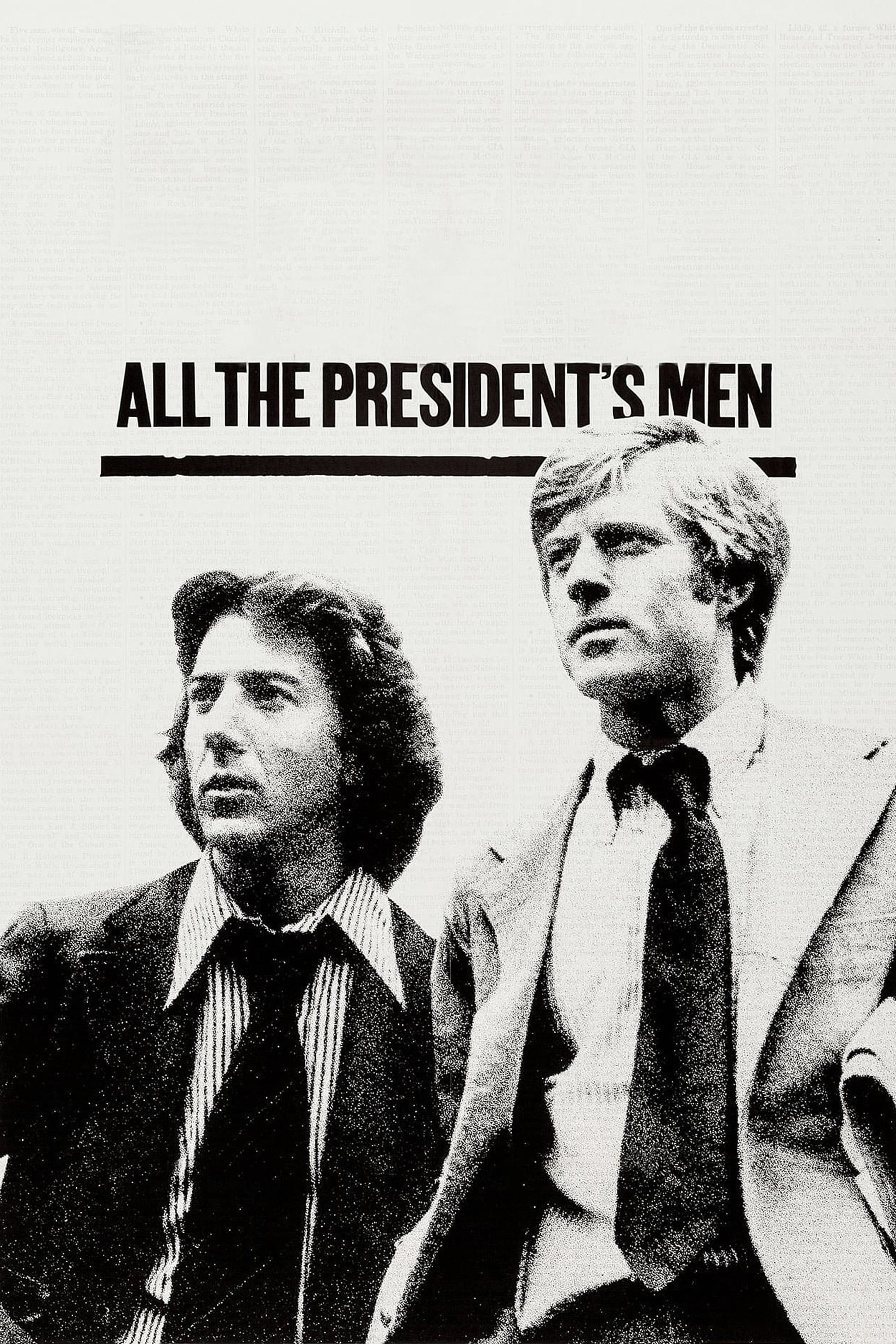
This political thriller brought the Watergate scandal to the big screen, showing how two journalists brought down a president. Robert Redford and Dustin Hoffman play Bob Woodward and Carl Bernstein, the real-life reporters who uncovered the conspiracy. The film is a tense and detailed look at investigative journalism.
For a generation that had grown disillusioned with the government, All the President’s Men was a captivating and important film. It showed the power of the press to hold leaders accountable and reinforced the importance of truth. The movie played like a detective story, making the complex events of Watergate understandable and thrilling.
Rocky (1976)
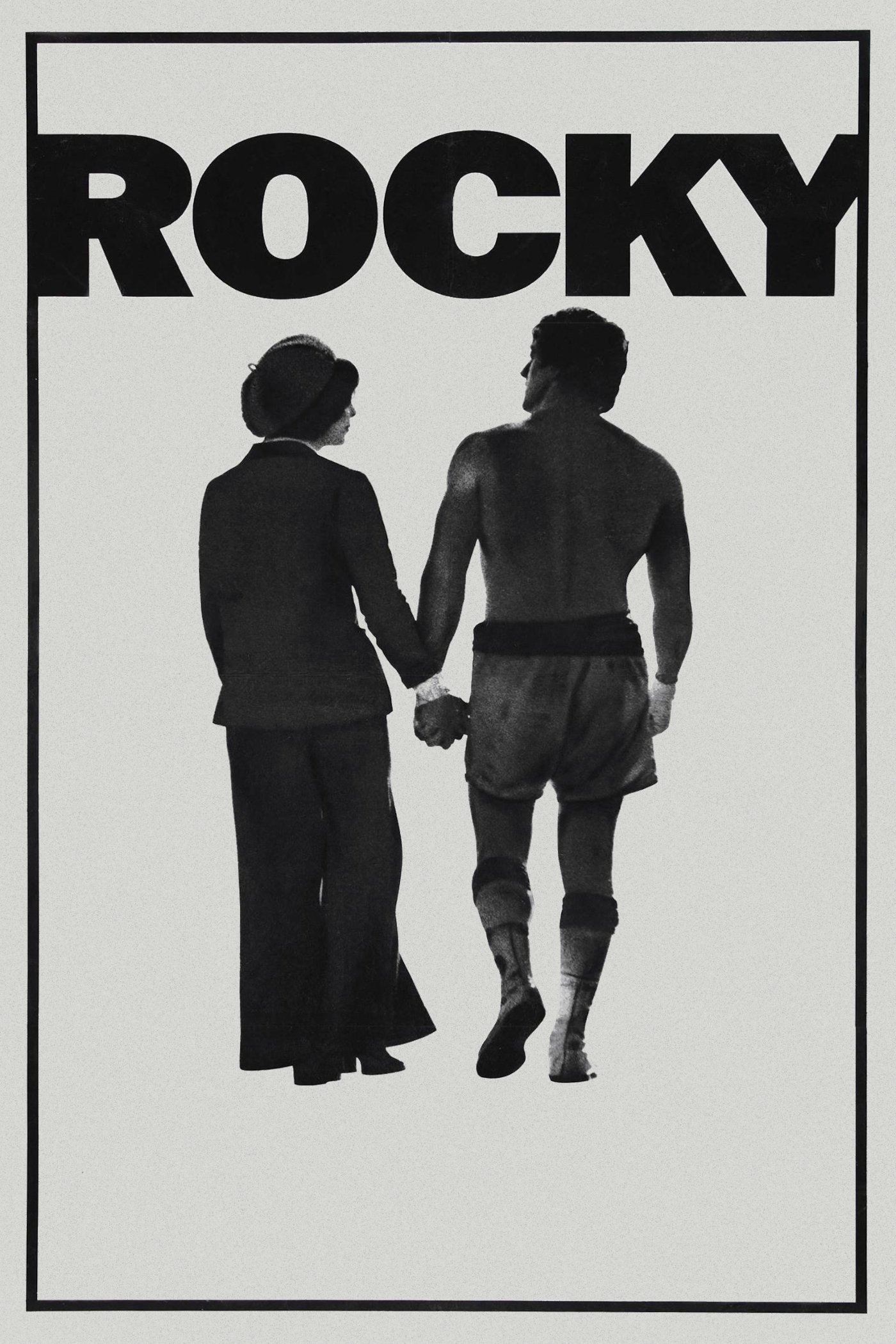
Rocky is the ultimate underdog story that captured the hearts of millions. Sylvester Stallone wrote and starred in this film about Rocky Balboa, a small-time boxer from Philadelphia who gets a once-in-a-lifetime shot at the heavyweight championship. It’s a story about determination, heart, and the courage to go the distance.
The film was a massive hit because it was full of hope and inspiration at a time when people needed it. Rocky’s struggle felt real, and his character represented the idea that anyone could achieve their dreams with enough grit. For Baby Boomers, it was a feel-good movie that made them believe in the power of the human spirit.
Star Wars: A New Hope (1977)
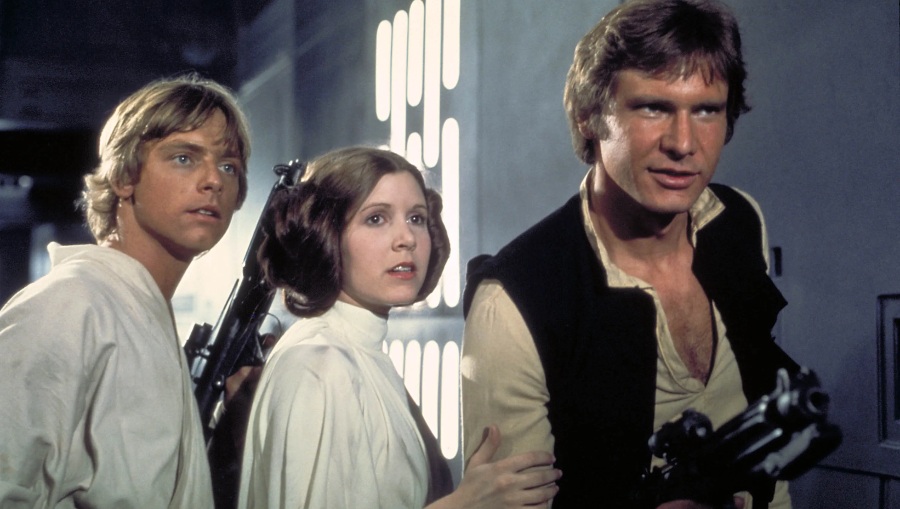
This film changed the movie industry and became a cultural phenomenon. Star Wars took audiences to a galaxy far, far away, telling a classic story of good versus evil with groundbreaking special effects. Luke Skywalker’s journey from a farm boy to a hero resonated with a generation that grew up with tales of adventure.
Star Wars was more than a movie; it was an event that created a whole universe for fans to explore. It brought a sense of wonder and excitement back to the cinema, becoming a defining film for both Baby Boomers and their children. Its influence on pop culture is immeasurable, and it continues to be loved by fans of all ages.
Saturday Night Fever (1977)
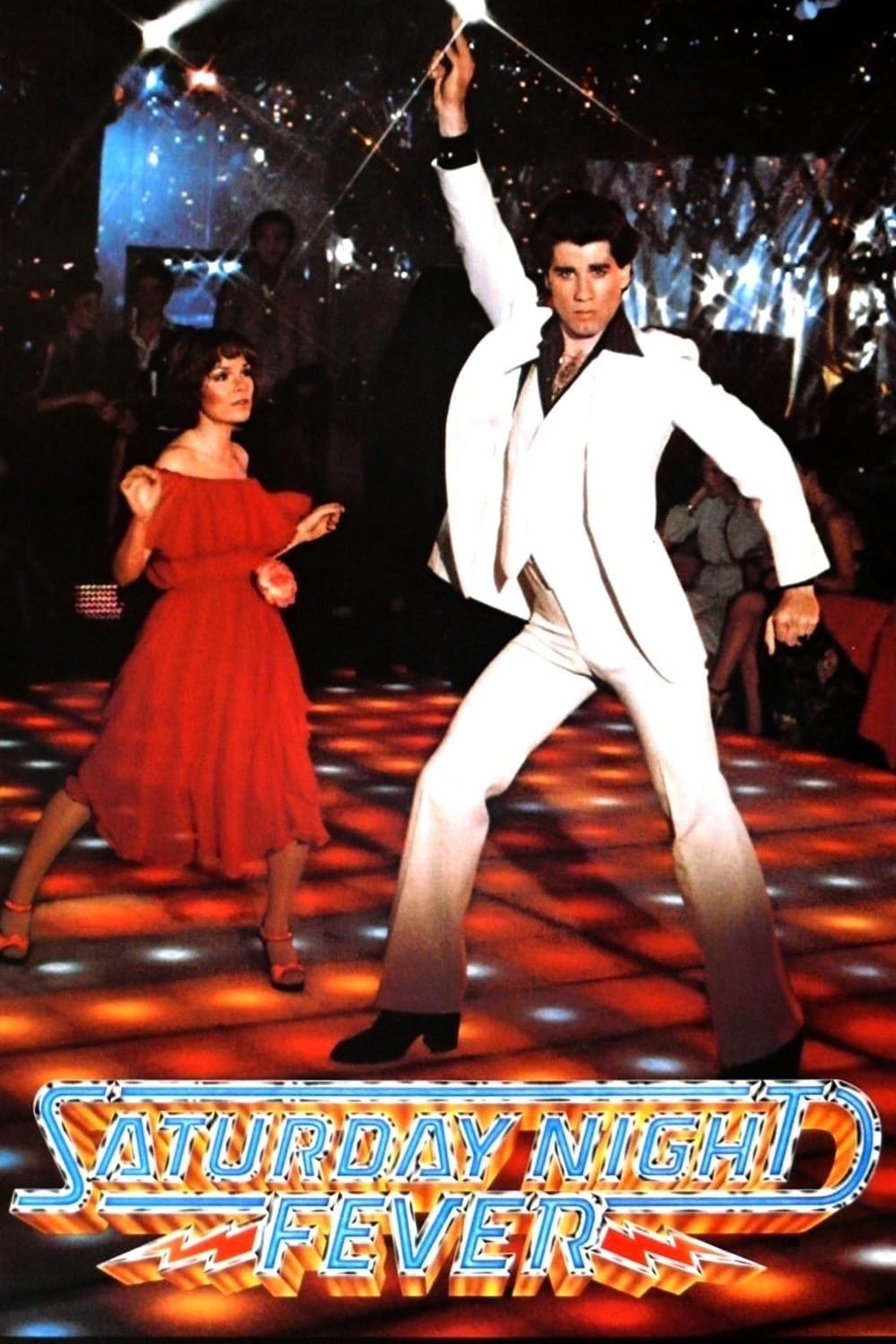
This movie captured the disco craze of the late 1970s and turned John Travolta into a superstar. He plays Tony Manero, a young man from Brooklyn who feels trapped in his dead-end life but becomes a king on the dance floor every Saturday night. The film’s soundtrack, by the Bee Gees, became one of the best-selling albums of all time.
While the movie is famous for its dance scenes, it also tells a serious story about growing up and trying to find a better life. It showed the struggles of a young generation looking for an escape and a sense of purpose. For many Boomers, Saturday Night Fever was a perfect snapshot of the culture and challenges of the late 70s.
Animal House (1978)
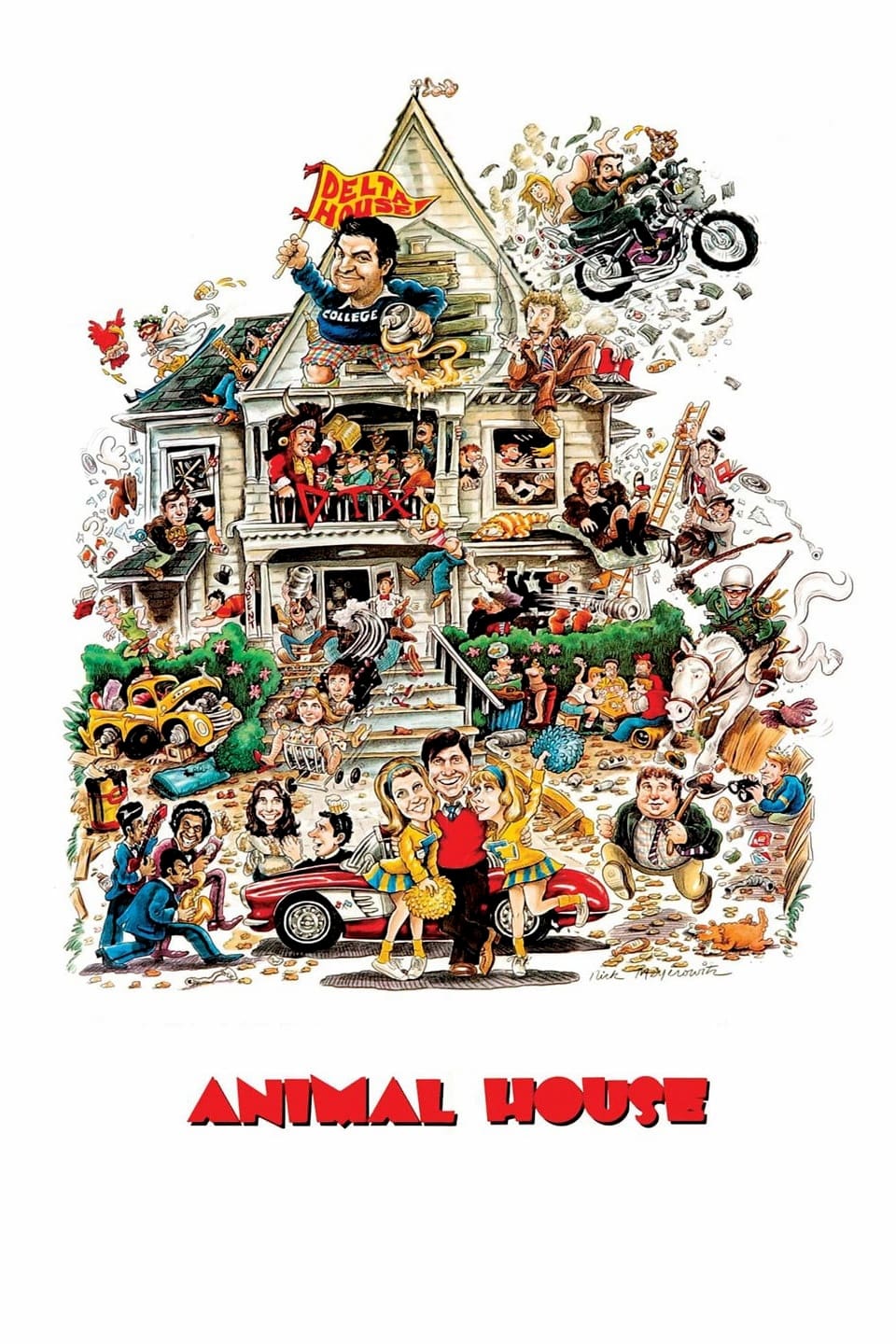
This wildly popular comedy changed the rules for what was considered funny in movies. It tells the story of the misfit Delta Tau Chi fraternity as they go to war with the stuffy dean of their college. The film is filled with chaotic and irreverent humor, led by the unforgettable performance of John Belushi as Bluto.
Animal House was a huge hit with the Boomer generation, who appreciated its anti-establishment spirit. The film celebrated being an outsider and breaking the rules, which was a theme that many had embraced in their own youth. It set the stage for a new wave of comedies and remains a classic of the genre.
The Deer Hunter (1978)
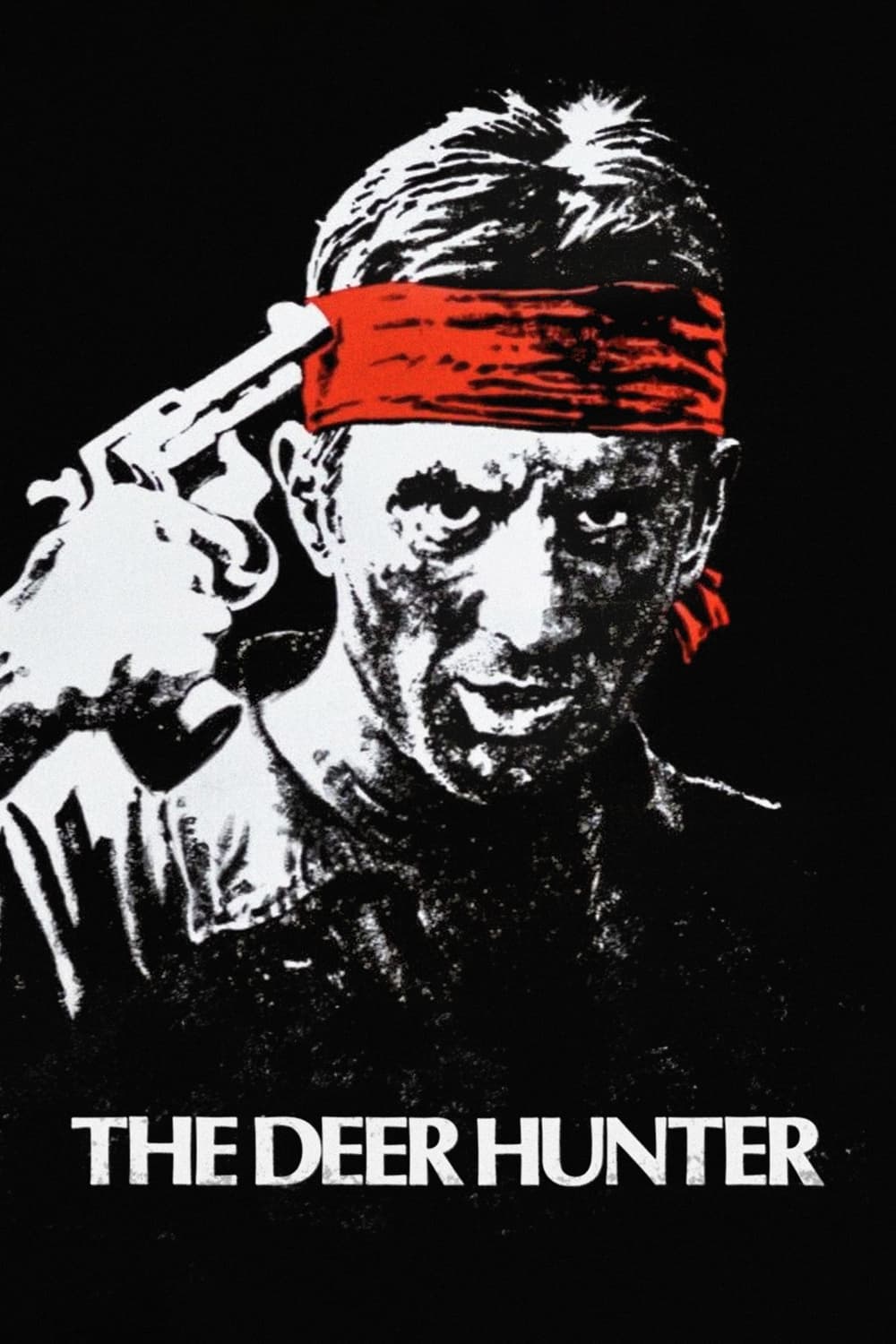
This epic war drama was one of the first major films to explore the devastating impact of the Vietnam War on American soldiers and their families. The film is divided into three parts: the lives of a group of friends in a small steel town, their traumatic experiences in Vietnam, and their difficult return home. It is a powerful and emotionally draining film.
The Deer Hunter was a landmark film that forced audiences to confront the physical and psychological scars of war. It was praised for its intense performances and its unflinching look at a difficult chapter in American history. For Baby Boomers who lived through the Vietnam era, it was a somber and important reflection on the conflict’s human cost.
Apocalypse Now (1979)
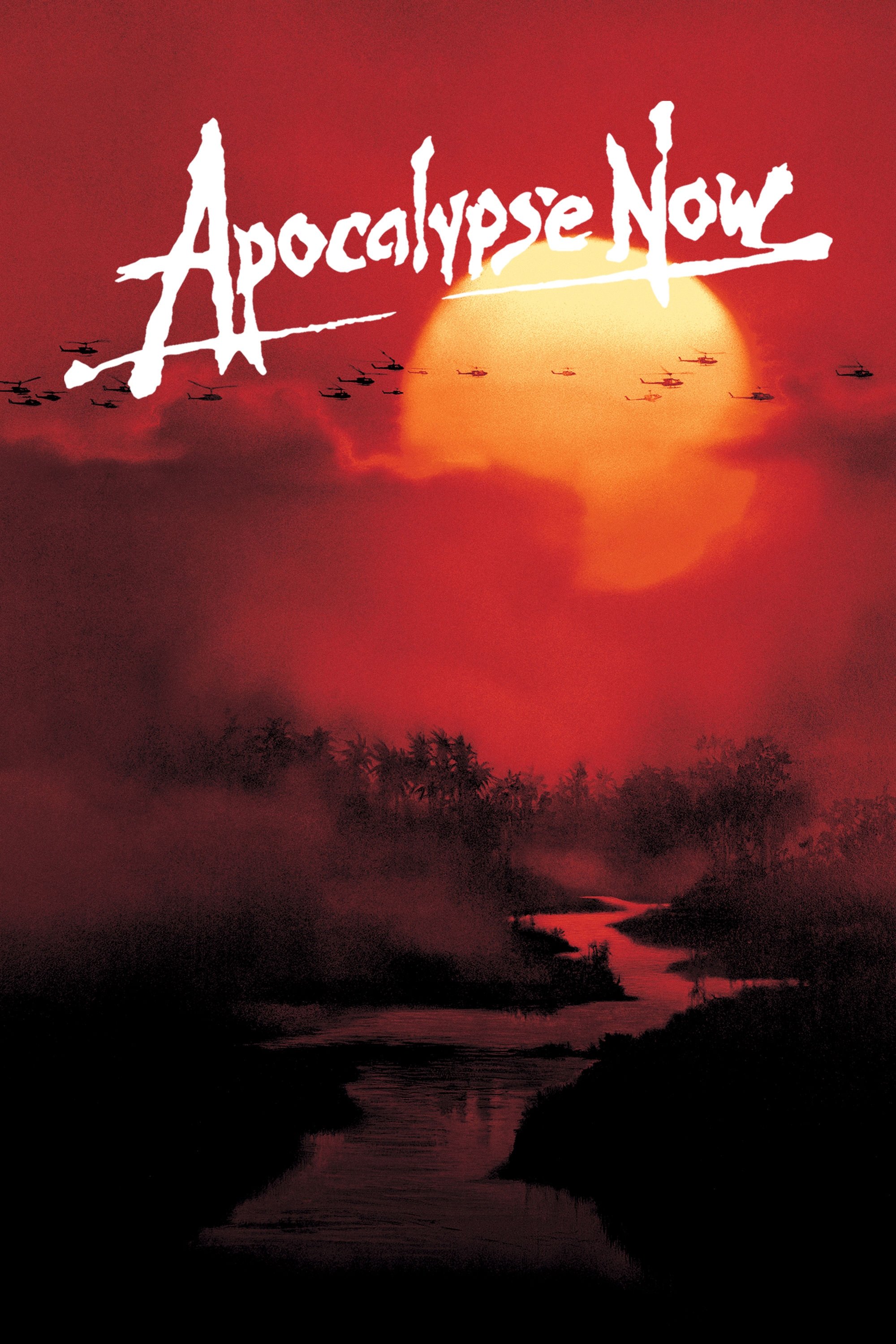
Francis Ford Coppola’s masterpiece is a surreal and nightmarish journey into the heart of the Vietnam War. The film follows a U.S. Army captain who is sent on a secret mission to assassinate a rogue colonel who has set himself up as a god in the Cambodian jungle. The journey becomes a descent into madness.
Apocalypse Now is not a traditional war movie; it’s a philosophical exploration of the dark side of human nature. Its stunning visuals, haunting sound design, and powerful performances created an unforgettable cinematic experience. The film captured the chaos and moral confusion of the war in a way that no other movie had before.
Kramer vs. Kramer (1979)
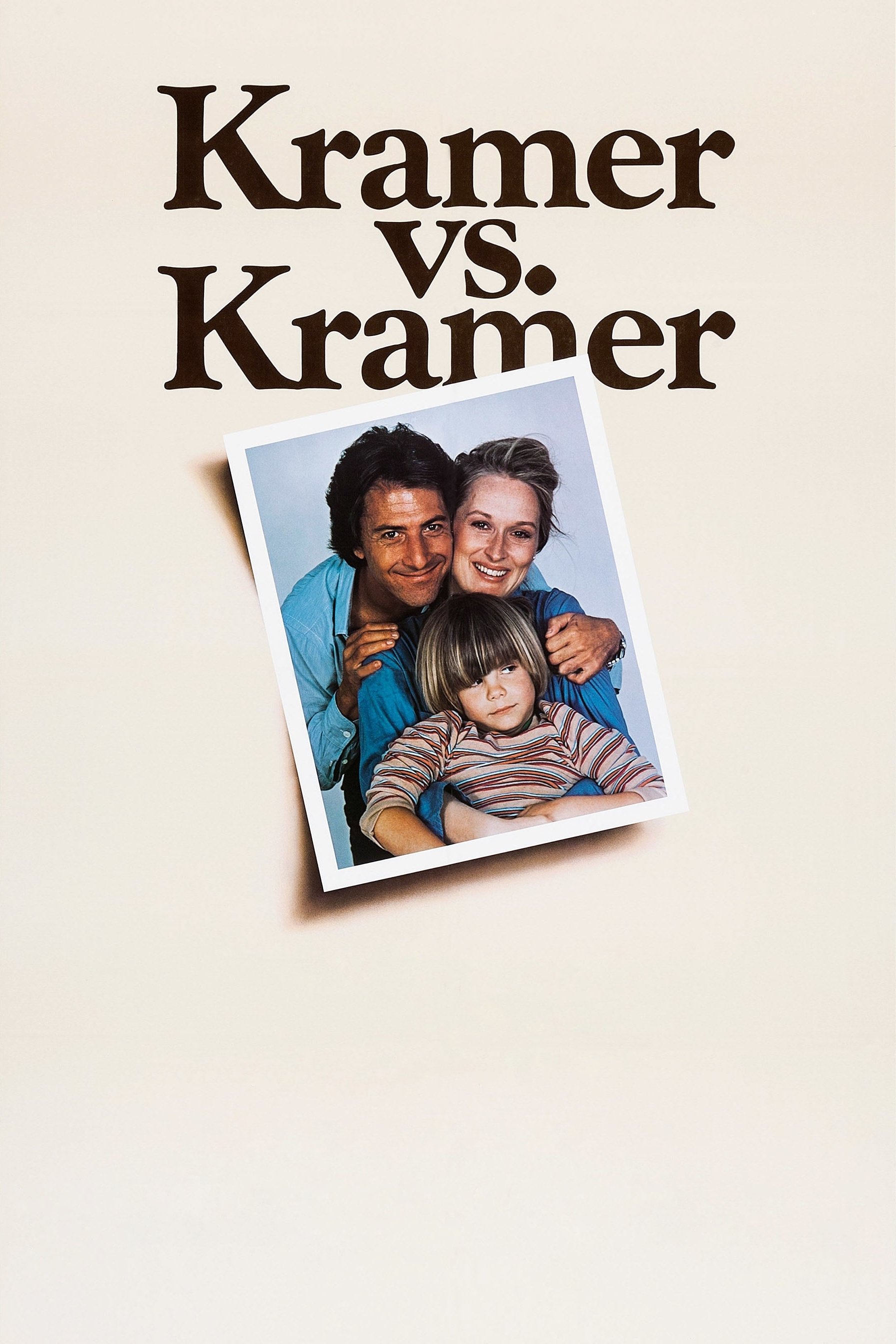
This emotional drama tackled the rising issue of divorce and its effect on families, a topic that was becoming more common in the lives of Baby Boomers. Dustin Hoffman and Meryl Streep give powerful performances as a couple going through a painful separation and custody battle for their young son. The film was praised for its realistic and sensitive portrayal of a family in crisis.
Kramer vs. Kramer connected with audiences because it told a story that felt real and relevant. It explored changing ideas about parenting and gender roles, showing a father learning to be the primary caregiver for his child. The film’s honest approach to a difficult subject made it both a critical and commercial success.
Raiders of the Lost Ark (1981)
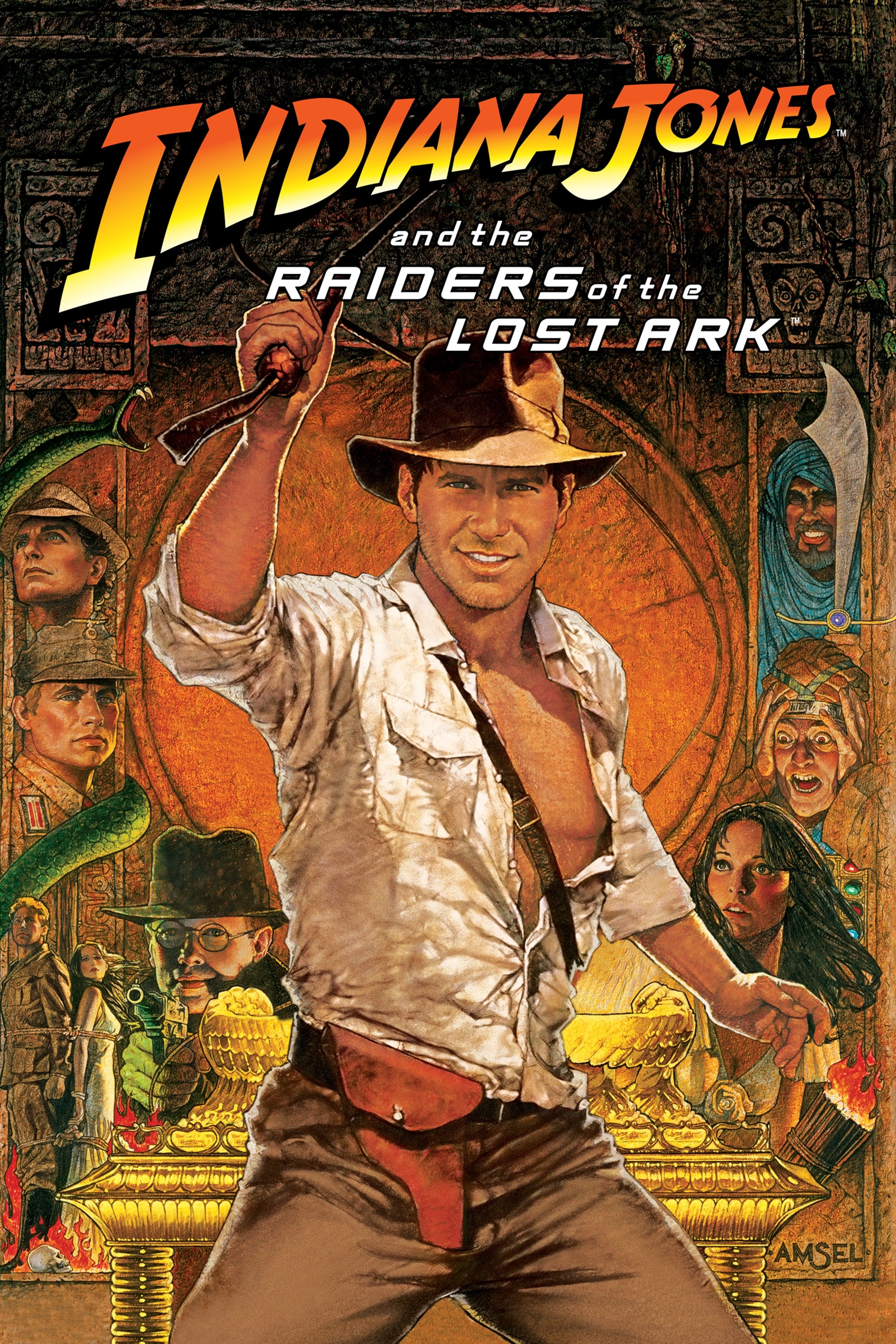
This thrilling adventure film was a throwback to the action serials of the 1930s and 40s, and it became an instant classic. Harrison Ford stars as Indiana Jones, a daring archaeologist who races against a rival group to find a legendary artifact. Directed by Steven Spielberg and produced by George Lucas, the movie is a perfect blend of action, humor, and excitement.
Raiders of the Lost Ark was pure fun and escapism for the Boomer generation. It was a movie that reminded them of the simple joy of watching a hero go on a grand adventure. With its non-stop action and iconic hero, it set a new standard for the genre and started one of the most beloved film franchises in history.
Reds (1981)
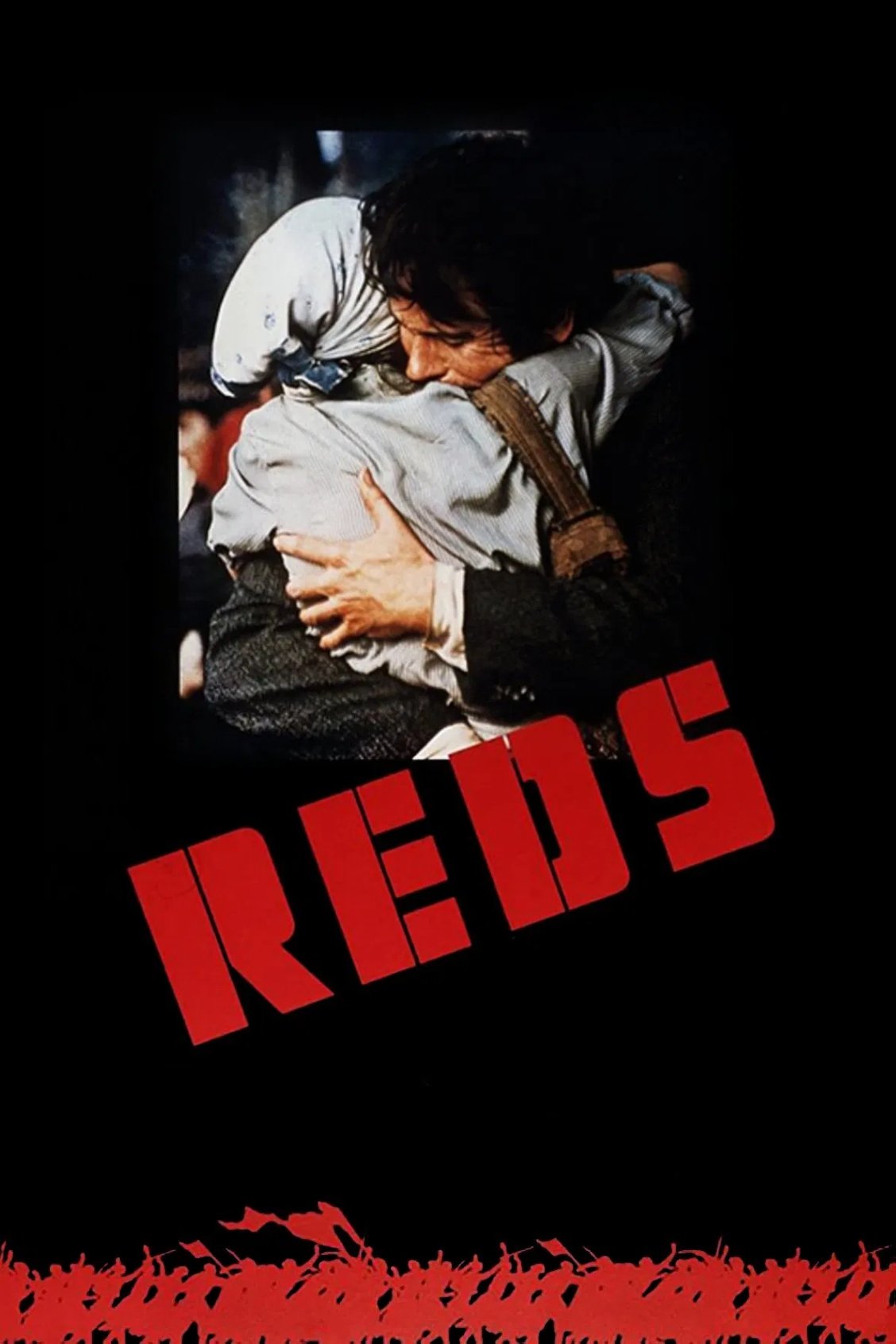
This epic historical film tells the true story of John Reed, an American journalist who became a committed communist and chronicled the Russian Revolution. The movie explores his passionate but complicated relationship with his wife, Louise Bryant, a writer and feminist. It is a sweeping romance set against the backdrop of major world events.
Reds was a bold and ambitious film that appealed to the idealistic side of the Boomer generation. It told a story about people who were willing to risk everything for their political beliefs. The film’s grand scale and its focus on the personal lives of its characters made it a powerful and compelling historical drama.
E.T. the Extra-Terrestrial (1982)
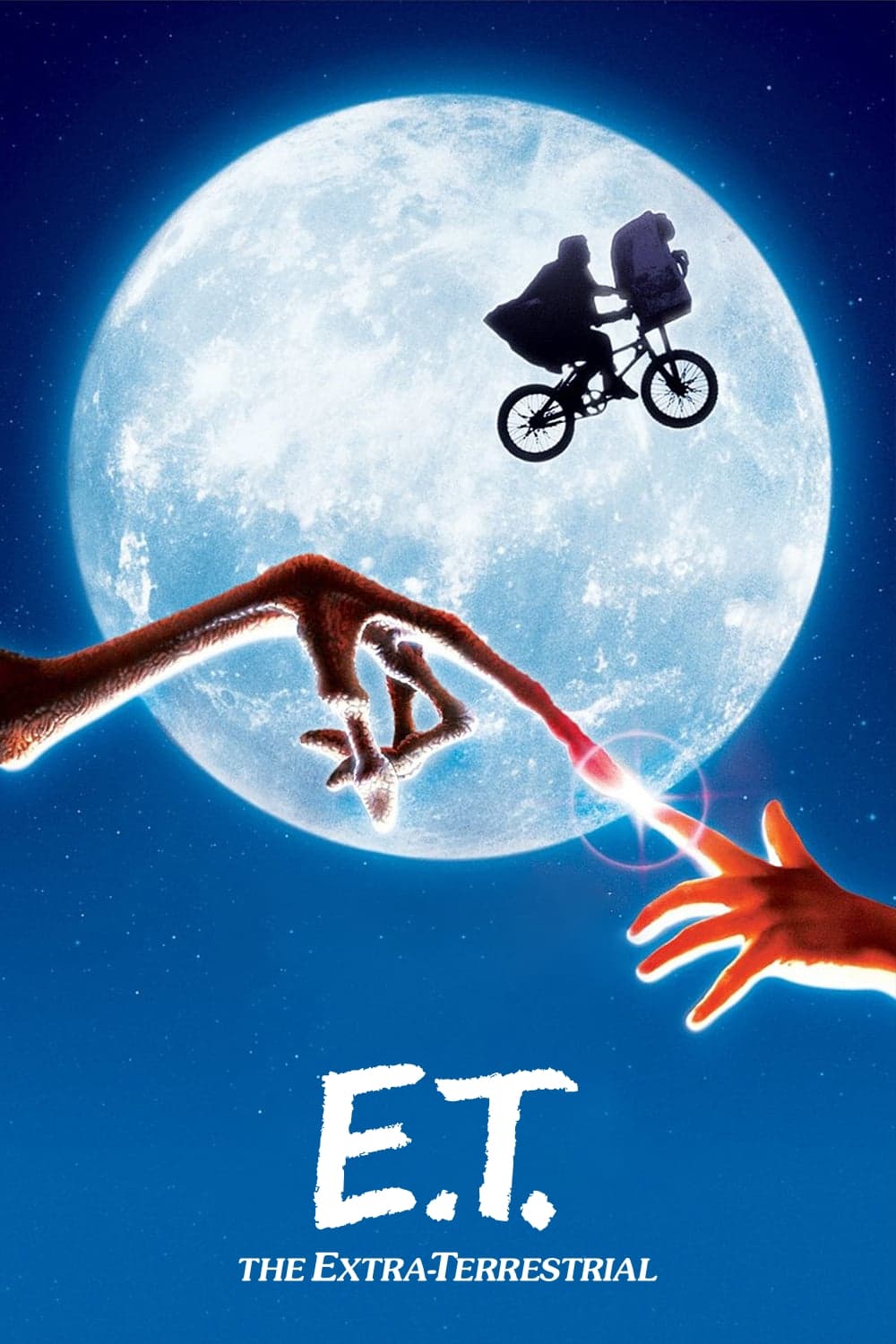
This heartwarming film by Steven Spielberg became one of the most beloved movies of all time. It tells the story of a lonely boy named Elliott who befriends a gentle alien who has been stranded on Earth. Their friendship is a powerful tale of love, connection, and saying goodbye.
E.T. was a magical experience for audiences of all ages, including Baby Boomers who were now parents themselves. The film captured the wonder and innocence of childhood, reminding viewers of the importance of empathy and understanding. It became a cultural touchstone and the highest-grossing film of its time.
The Big Chill (1983)
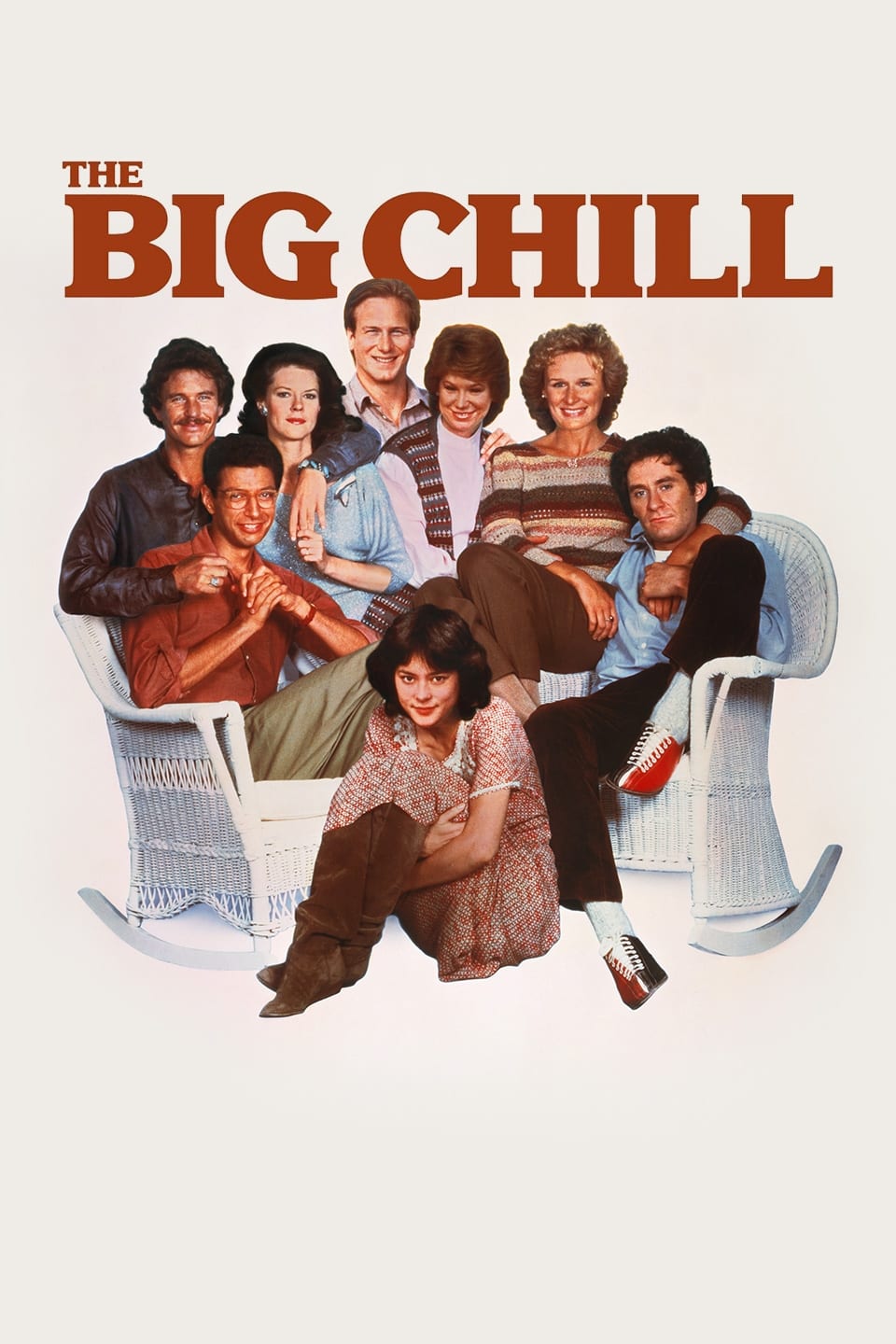
This film is about a group of college friends from the 1960s who reunite for a weekend after one of their friends dies. As they spend time together, they reflect on their youthful idealism and the compromises they have made in their adult lives. The movie’s soundtrack, filled with classic Motown hits, is as famous as the film itself.
The Big Chill is considered a definitive film for the Baby Boomer generation as it looks back on its own past. It perfectly captured the feeling of nostalgia and the bittersweet reality of growing up. The conversations about life, love, and loss were relatable to anyone who had ever wondered what happened to the person they used to be.
A Christmas Story (1983)

This charming and funny film has become a holiday classic, beloved for its nostalgic look at childhood in the 1940s. The story is told from the perspective of a young boy named Ralphie, who wants nothing more for Christmas than a Red Ryder BB gun. The film is filled with memorable moments and quirky characters that feel both funny and true to life.
For many Baby Boomers, A Christmas Story is a perfect time capsule of a simpler time. Its humor comes from the small, everyday details of family life that everyone can recognize. The film’s warm and humorous tone has made it a holiday tradition, with many families watching it every year.
The Breakfast Club (1985)

This iconic teen movie brought together five high school students from different social groups for a Saturday detention. A jock, a princess, a brain, a criminal, and a basket case soon discover that they have more in common than they thought. The film is a powerful exploration of teenage angst, peer pressure, and the struggle to be understood.
While it focused on a younger generation, The Breakfast Club resonated with Baby Boomers as well, many of whom were now parents of teenagers. The film’s honest and heartfelt look at the challenges of growing up was universal. It became a classic because it treated its characters with respect and showed that everyone has a story worth telling.
Back to the Future (1985)
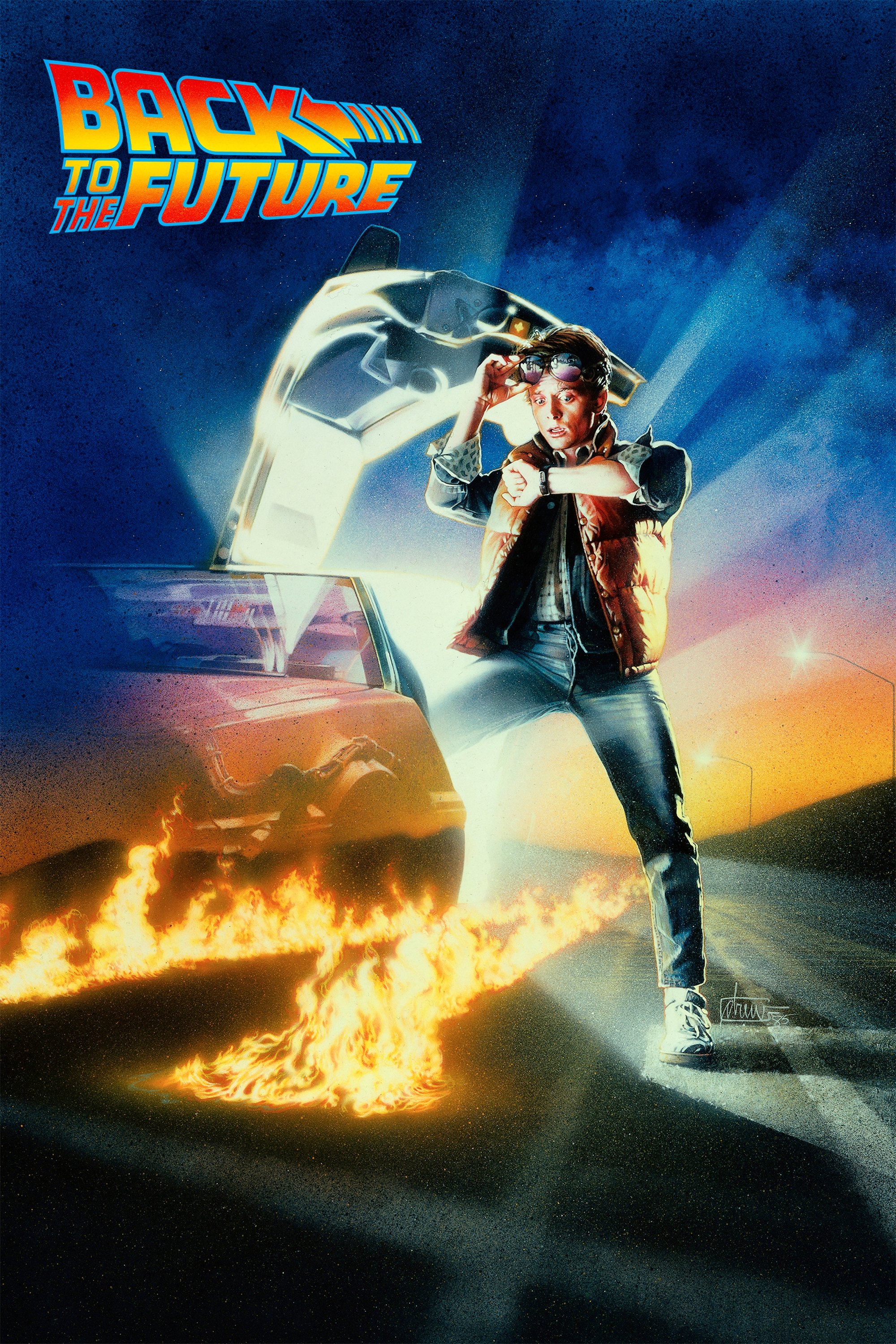
This sci-fi comedy adventure became one of the most popular films of the 1980s. Michael J. Fox stars as Marty McFly, a teenager who is accidentally sent back in time to 1955 in a time-traveling DeLorean. He must make sure his parents fall in love to save his own existence.
Back to the Future was a clever and fun movie that played with the idea of the generation gap. Baby Boomers loved seeing the 1950s, the era of their own youth, through the eyes of an 80s kid. The film’s perfect mix of comedy, action, and heart made it a timeless classic that is still enjoyed today.
Top Gun (1986)
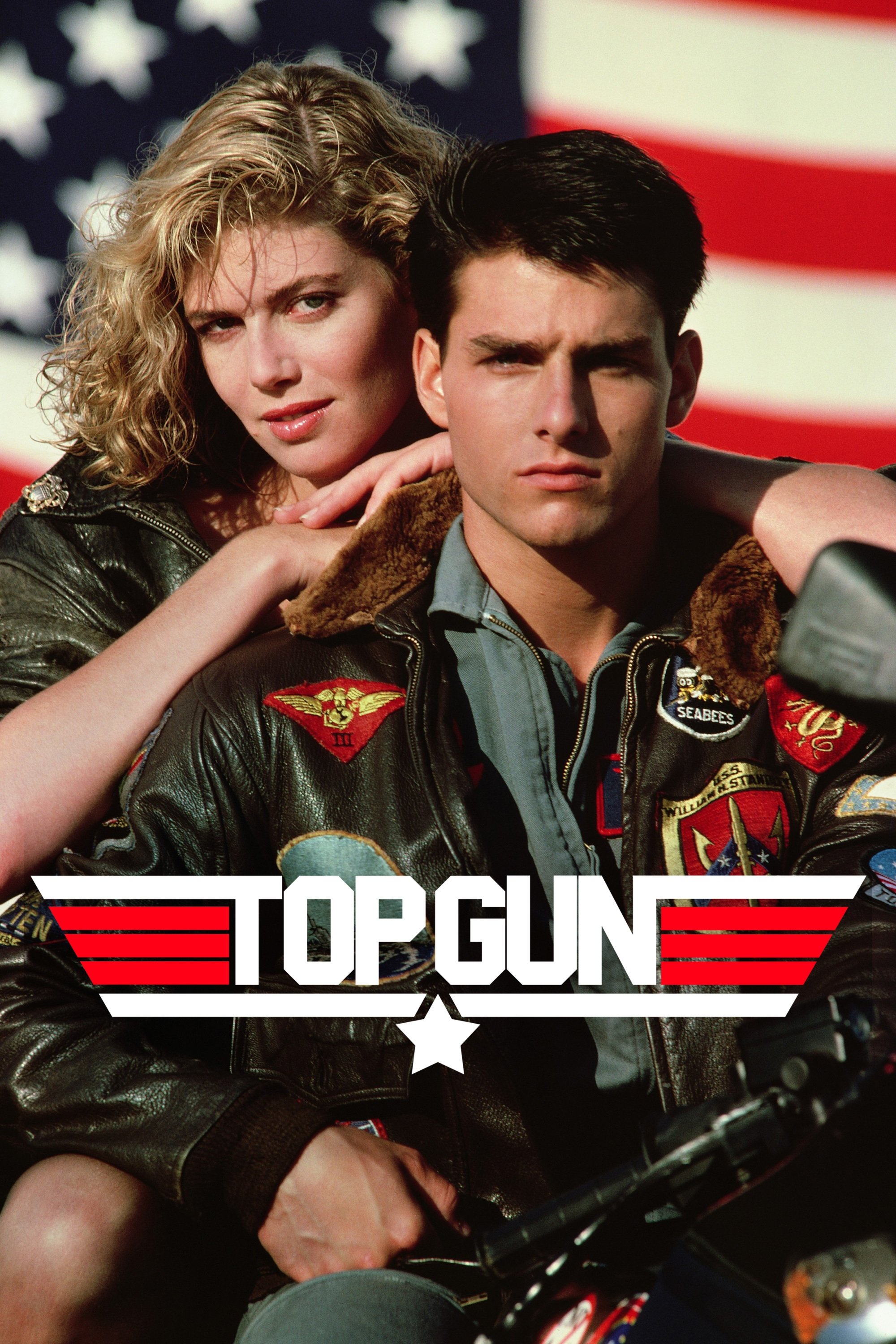
This high-octane action film was a cultural phenomenon that captured the confident spirit of the 1980s. Tom Cruise stars as Maverick, a daring and reckless fighter pilot who is sent to an elite training school. The film is known for its spectacular aerial combat scenes, charismatic characters, and a hit soundtrack.
Top Gun was a massive box office success and had a significant impact on pop culture. It was a patriotic and thrilling movie that made naval aviators look like rock stars. For the Boomer generation, it was a pure dose of adrenaline and entertainment that defined the blockbuster style of the decade.
Ferris Bueller’s Day Off (1986)
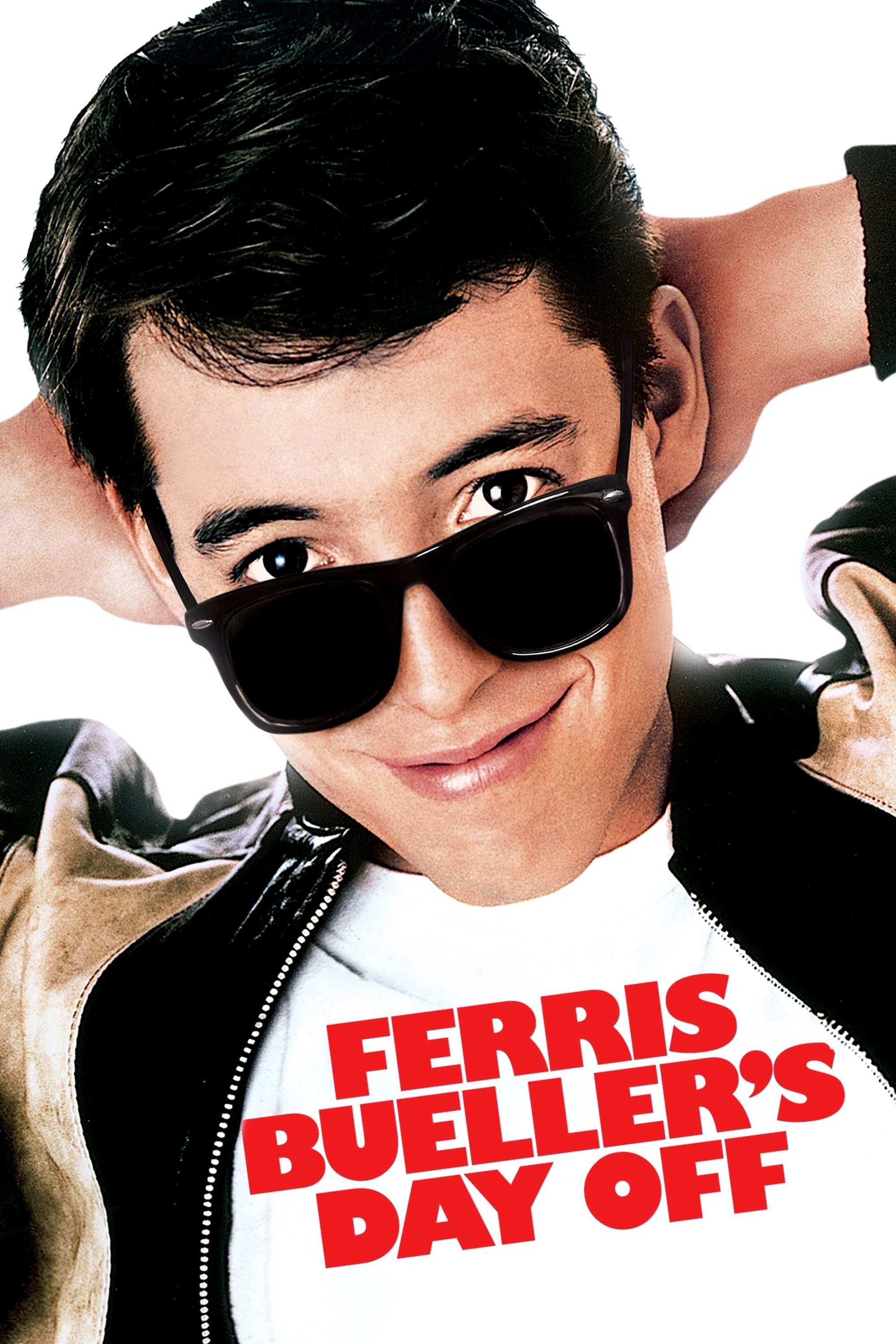
This comedy classic is a joyful celebration of breaking the rules and living in the moment. The film follows a charming and clever high school student who fakes being sick to have one last adventure before graduation. He, his girlfriend, and his best friend spend the day exploring Chicago, all while trying to avoid their suspicious principal.
Ferris Bueller’s confident and carefree attitude made him a hero to a generation. The film’s humor and heart resonated with Baby Boomers, who could appreciate its message to slow down and enjoy life. It’s a fun and uplifting movie that continues to inspire people to make their own adventures.
Platoon (1986)
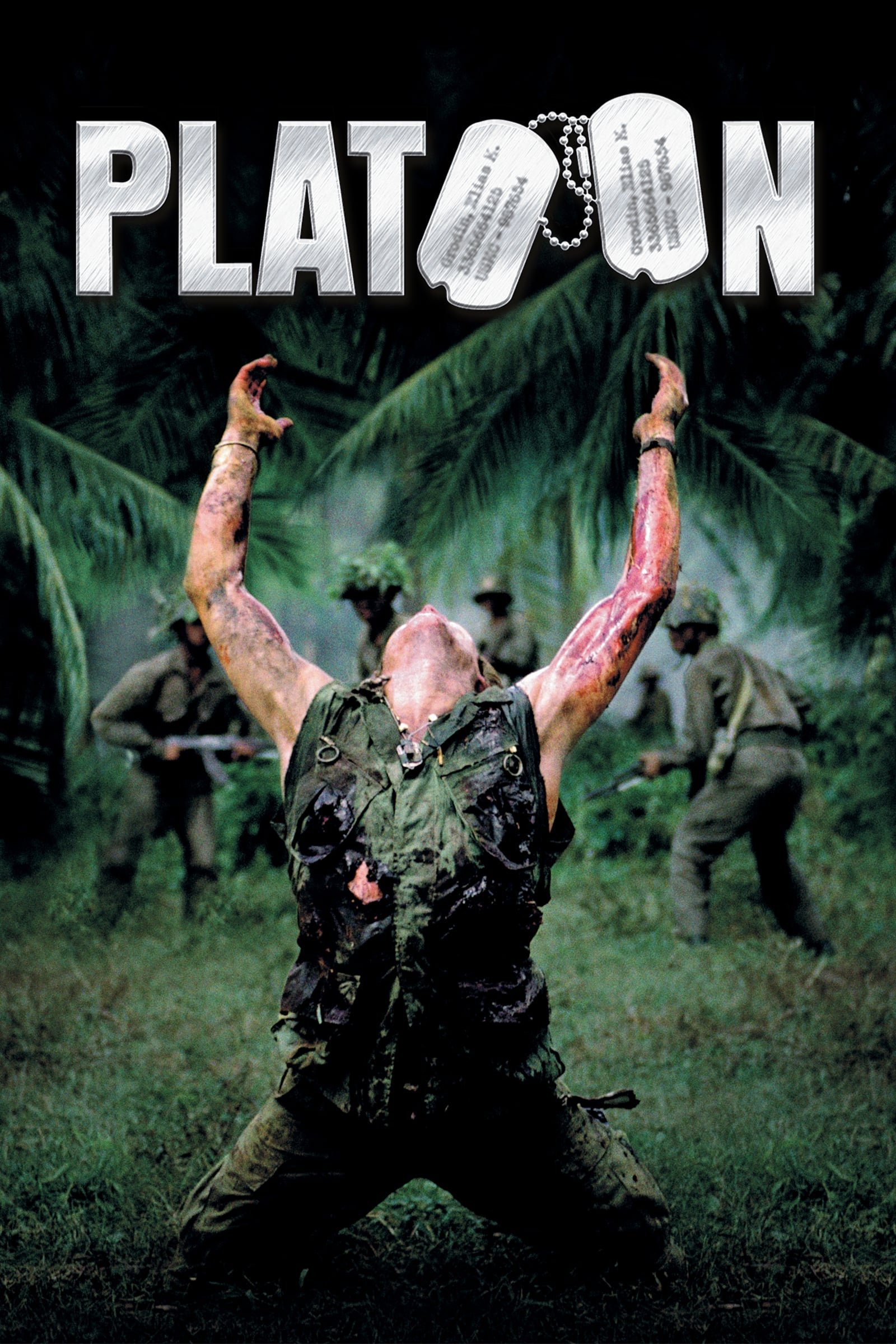
Directed by Vietnam veteran Oliver Stone, this film offered a raw and realistic look at the war from the perspective of an ordinary soldier. The story follows a young recruit who finds himself caught between two sergeants with very different philosophies about the war and how to survive it. The film’s brutal honesty and intense combat scenes left a lasting impact on viewers.
Platoon was a groundbreaking film because it showed the war in a way that had not been seen in a major Hollywood movie before. It was a deeply personal and harrowing account that helped many Americans, including Boomers who had served, to process their own experiences. The film won the Academy Award for Best Picture for its powerful and unflinching portrayal of war.
When Harry Met Sally… (1989)

This romantic comedy became a classic for its witty dialogue and honest look at relationships between men and women. The film follows two friends over many years as they debate whether a man and a woman can be just friends without romance getting in the way. Their journey from friends to lovers is both funny and touching.
The film’s sharp observations about love and friendship resonated with Baby Boomers who had navigated the changing rules of dating and relationships. The famous “I’ll have what she’s having” scene became an instant classic. It’s a smart and heartfelt movie that remains a favorite for anyone who has ever fallen in love with their best friend.
Field of Dreams (1989)
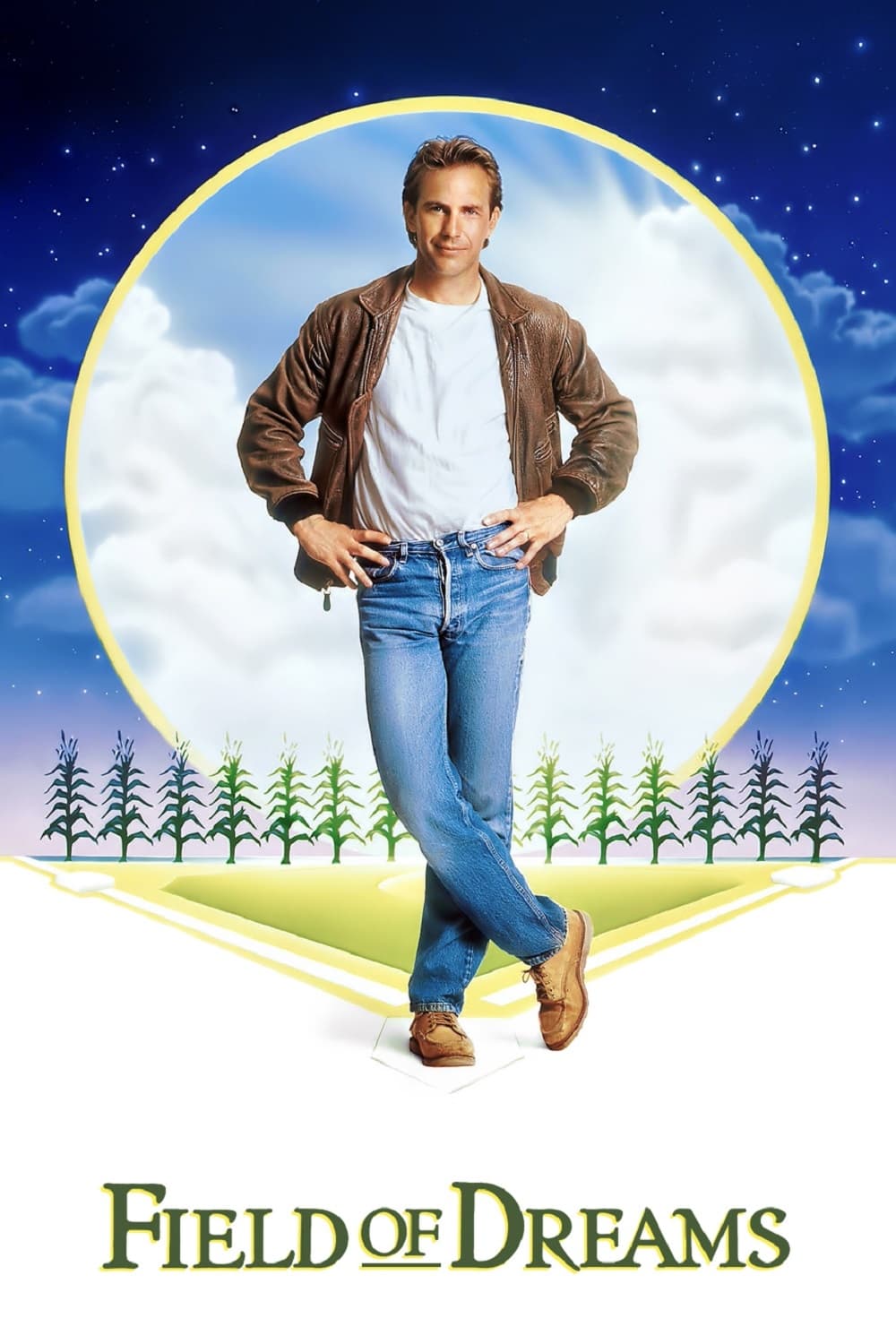
This magical film is a heartwarming story about faith, family, and second chances. A farmer in Iowa hears a mysterious voice telling him to build a baseball field in his cornfield. When he does, the ghosts of legendary baseball players appear, leading to a journey of reconciliation and a deeper connection with his family.
Field of Dreams is a powerful film that taps into themes of nostalgia and regret, which were deeply felt by many Baby Boomers. It’s a story about fathers and sons, and the desire to mend past relationships. The film’s emotional depth and hopeful message have made it a beloved classic.
Dances with Wolves (1990)
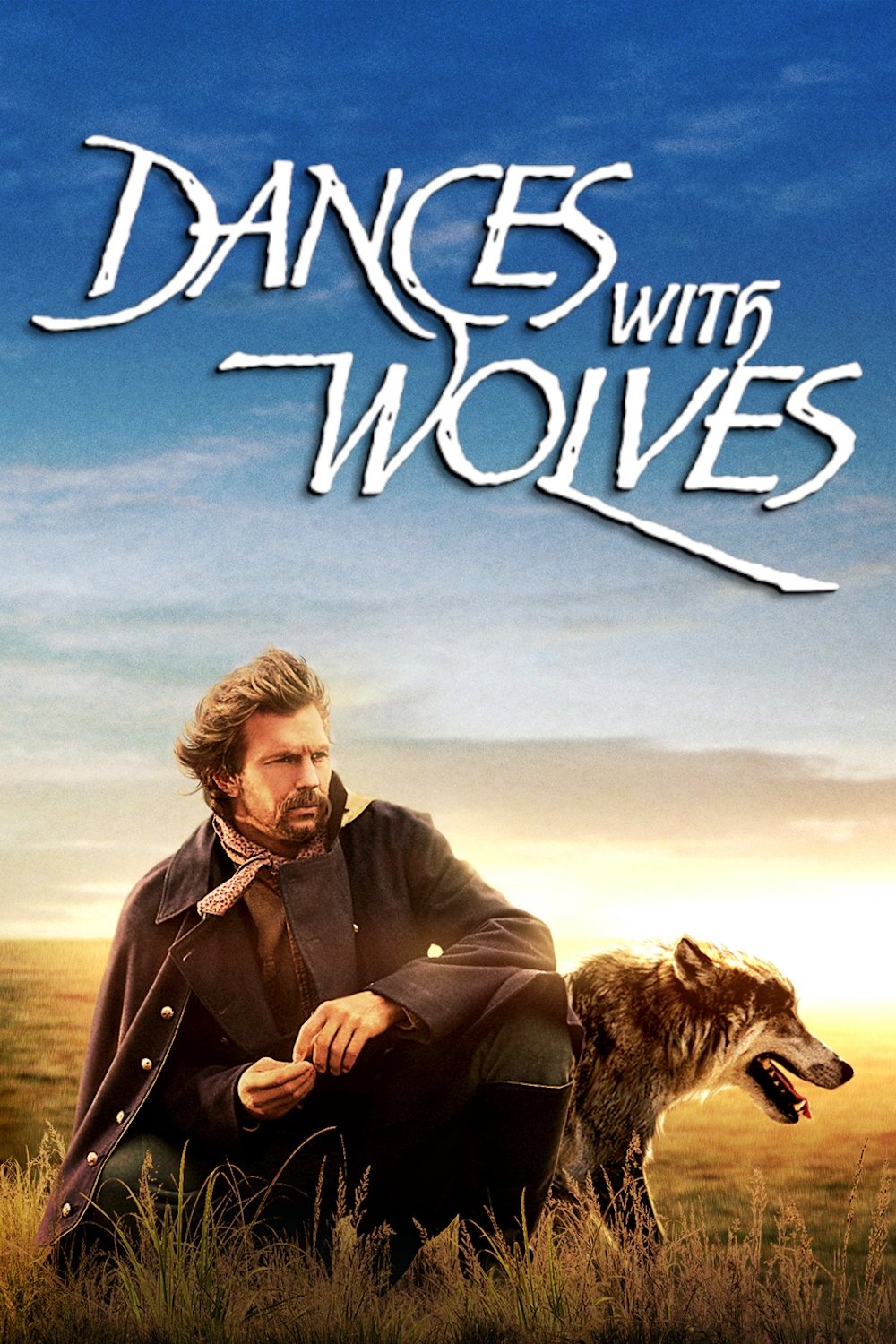
This epic Western, directed by and starring Kevin Costner, tells the story of a Civil War soldier who befriends a tribe of Lakota Sioux. He learns their language and customs, and eventually becomes a part of their community. The film was praised for its beautiful cinematography and its respectful portrayal of Native American culture.
At a time when many Boomers were reflecting on American history, Dances with Wolves offered a different perspective on the Old West. It was a story that challenged old stereotypes and presented a more complex and human view of the past. The film was a huge success, winning seven Academy Awards, including Best Picture.
The Silence of the Lambs (1991)
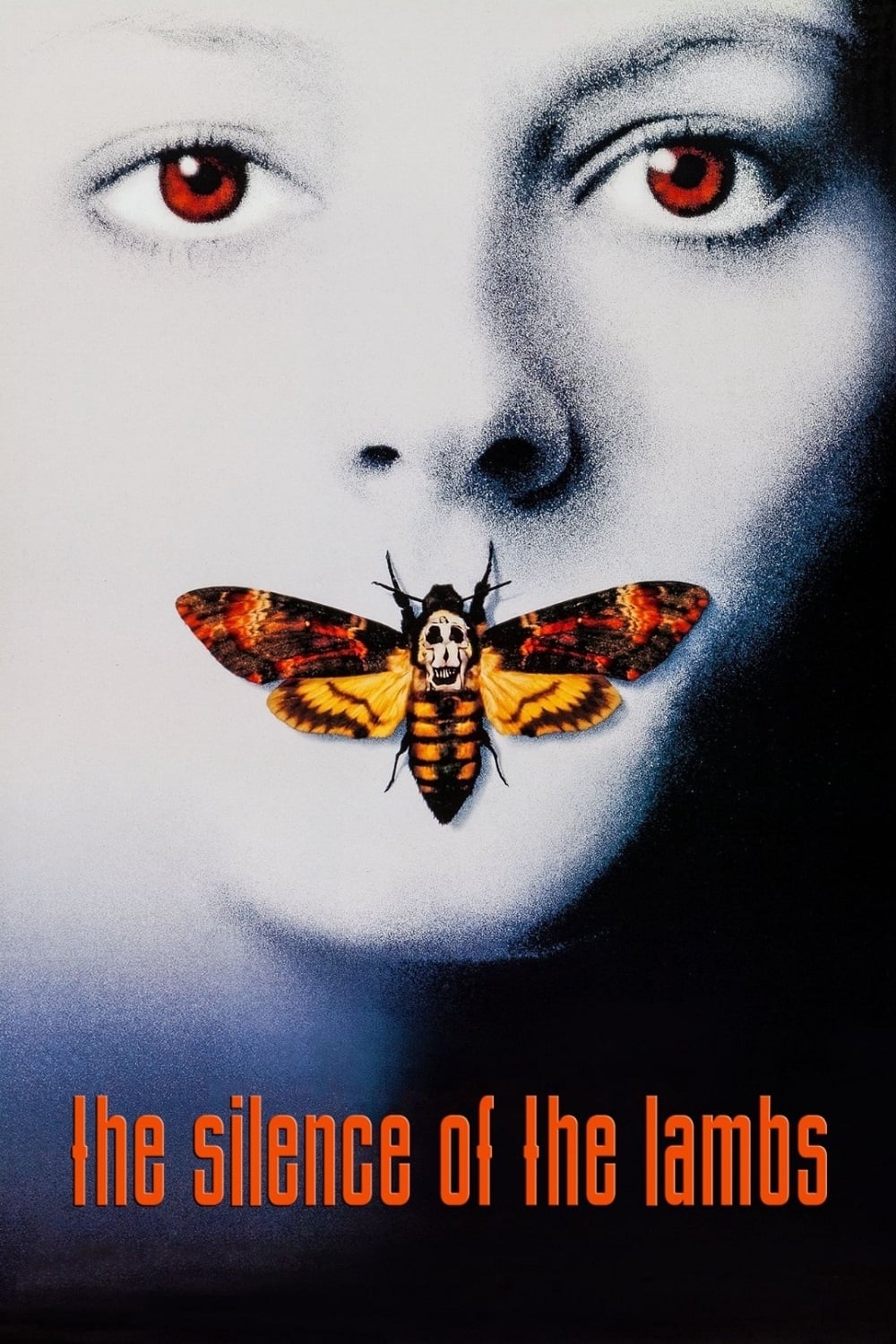
This psychological thriller was a chilling and intelligent film that captivated audiences. An FBI trainee seeks the help of an imprisoned and manipulative killer, Dr. Hannibal Lecter, to catch another serial killer. The intense mind games between the two lead characters created a level of suspense that was both terrifying and brilliant.
The Silence of the Lambs was a sophisticated thriller that appealed to adult audiences. It was a dark and disturbing film, but it was also a masterclass in storytelling and acting. It became one of the few films in history to win all five major Academy Awards, proving that a horror-thriller could also be a work of art.
Unforgiven (1992)
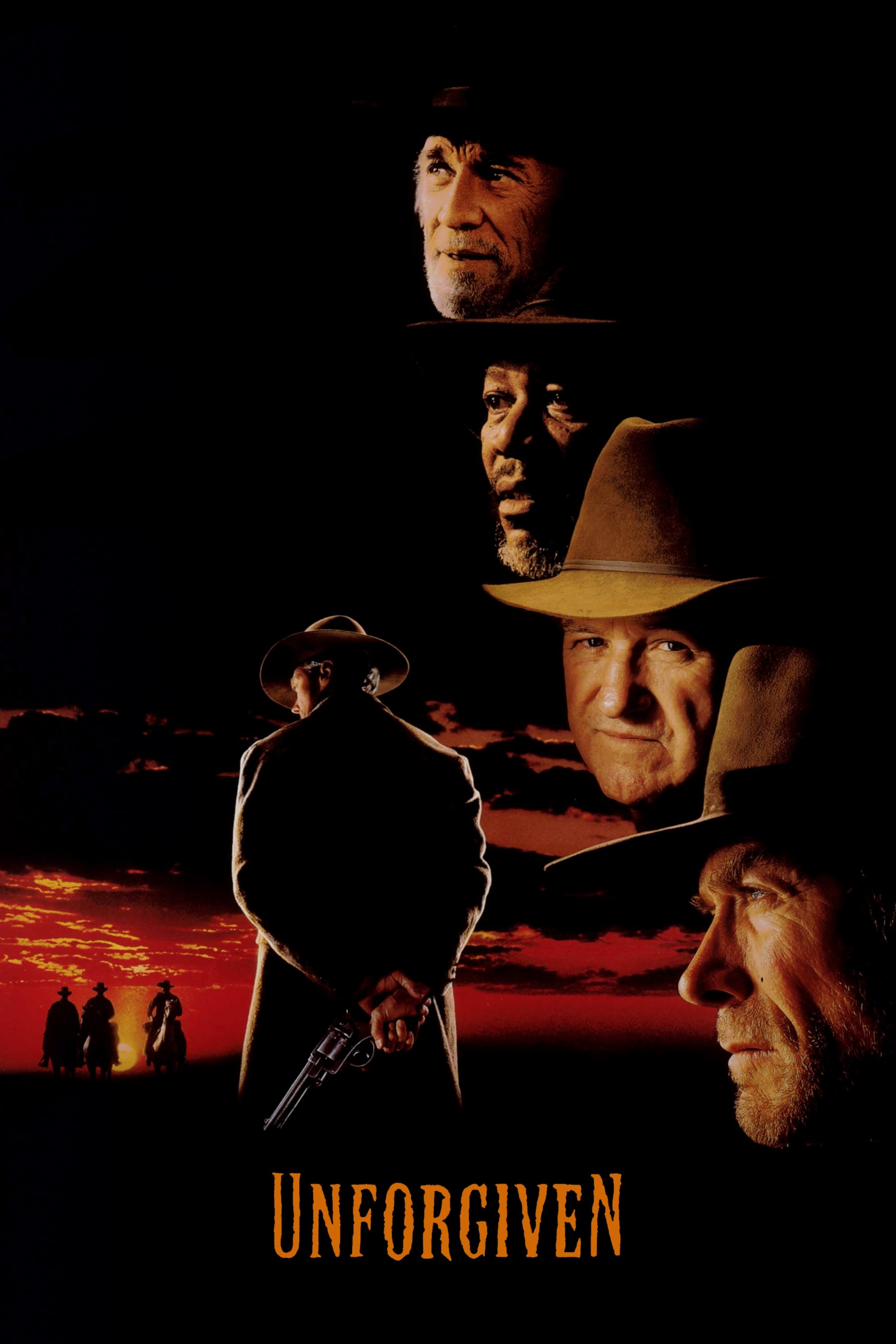
This film is a dark and complex Western that deconstructs the myths of the Old West. Clint Eastwood directed and starred as an aging outlaw who takes on one last job. The film explores the brutal reality of violence and its psychological toll on the people who commit it. It’s a story with no clear heroes, only flawed human beings.
Unforgiven was seen as a mature and thoughtful take on a genre that Eastwood himself had helped define. For Baby Boomers who grew up watching traditional Westerns, this film offered a more honest and somber look at the violence of the American frontier. It won the Academy Award for Best Picture and is considered one of the greatest Westerns ever made.
Schindler’s List (1993)

Steven Spielberg’s historical drama is a powerful and moving account of the Holocaust. It tells the true story of Oskar Schindler, a German businessman who saved the lives of more than a thousand Jews by employing them in his factories. Filmed almost entirely in black and white, the movie has a raw and documentary-like feel.
Schindler’s List is a difficult but essential film that brought one of history’s darkest chapters to a wide audience. It is a story of courage and humanity in the face of unimaginable evil. For the Boomer generation, whose parents had lived through World War II, it was a profound and important reminder of the past.
Forrest Gump (1994)
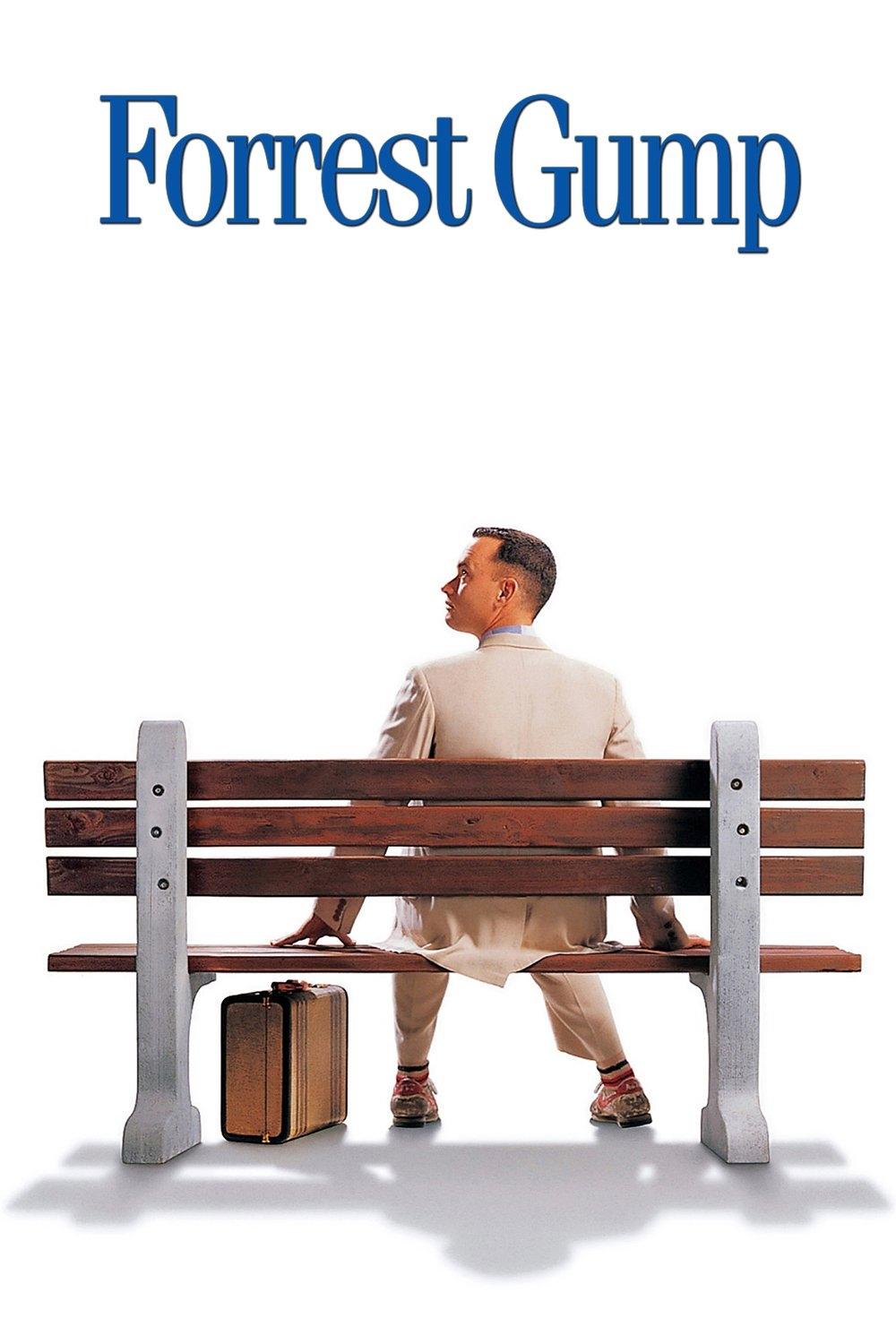
This film tells the story of a simple man with a good heart who accidentally finds himself at the center of some of the most important events of the 20th century. From the Vietnam War to the Watergate scandal, Forrest Gump’s journey is a whimsical and often touching look at modern American history through the eyes of an innocent.
Forrest Gump became a cultural phenomenon and a favorite of the Baby Boomer generation. It was a nostalgic trip through their own lifetimes, set to a soundtrack of classic rock hits. The film’s themes of love, destiny, and the power of kindness resonated with millions, and it won the Academy Award for Best Picture.
The Shawshank Redemption (1994)
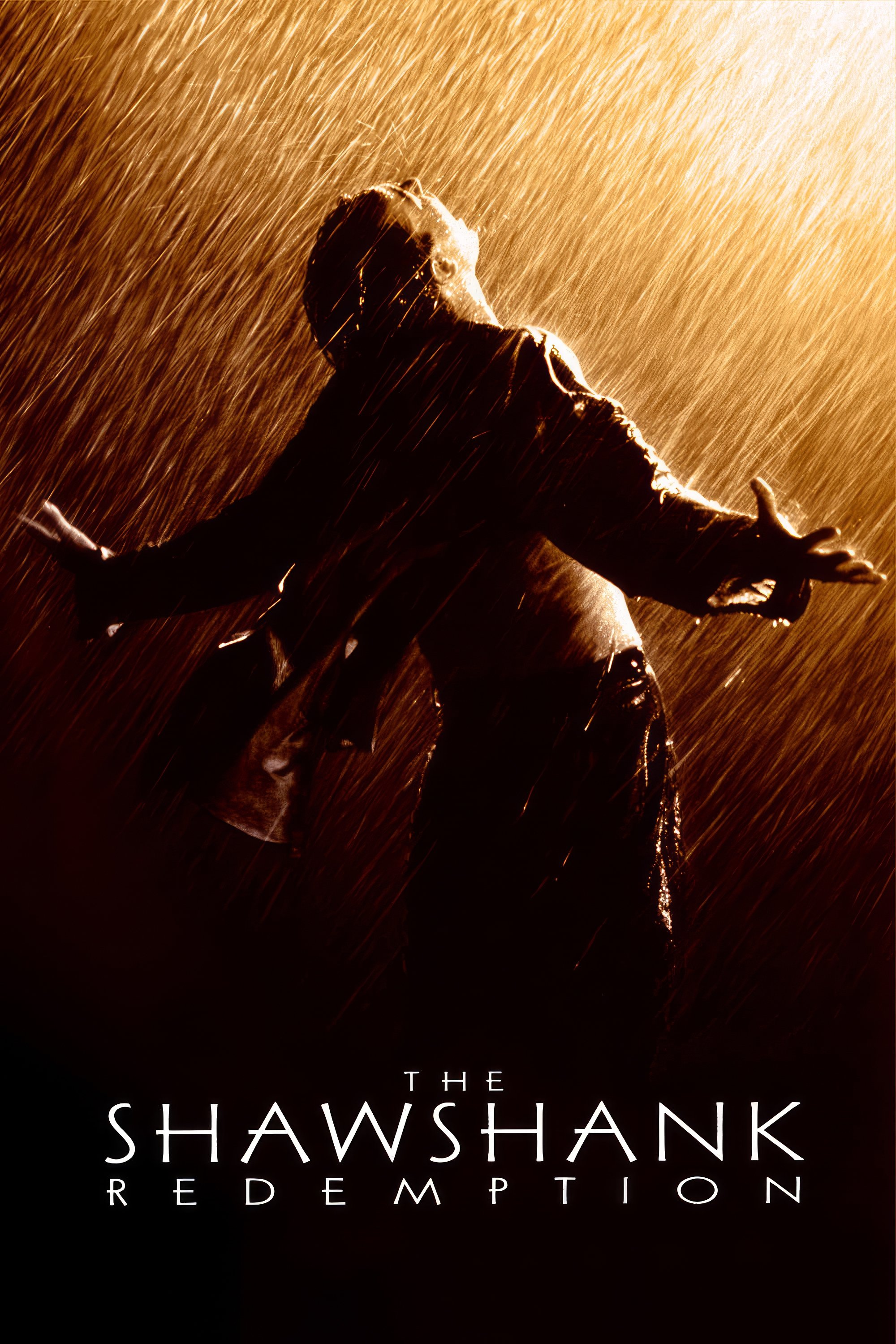
This film is a powerful and uplifting story about hope and friendship in the face of despair. It follows the story of a man who is wrongly convicted of murder and sentenced to life in a brutal prison. Over many years, he never gives up hope for freedom, forming a deep bond with a fellow inmate who helps him endure.
Although it was not a huge box office success when it was first released, The Shawshank Redemption has since become one of the most beloved films of all time. Its themes of perseverance and the endurance of the human spirit have resonated deeply with audiences, including many Baby Boomers. It is a film that reminds us that hope can survive in the darkest of places.
Apollo 13 (1995)
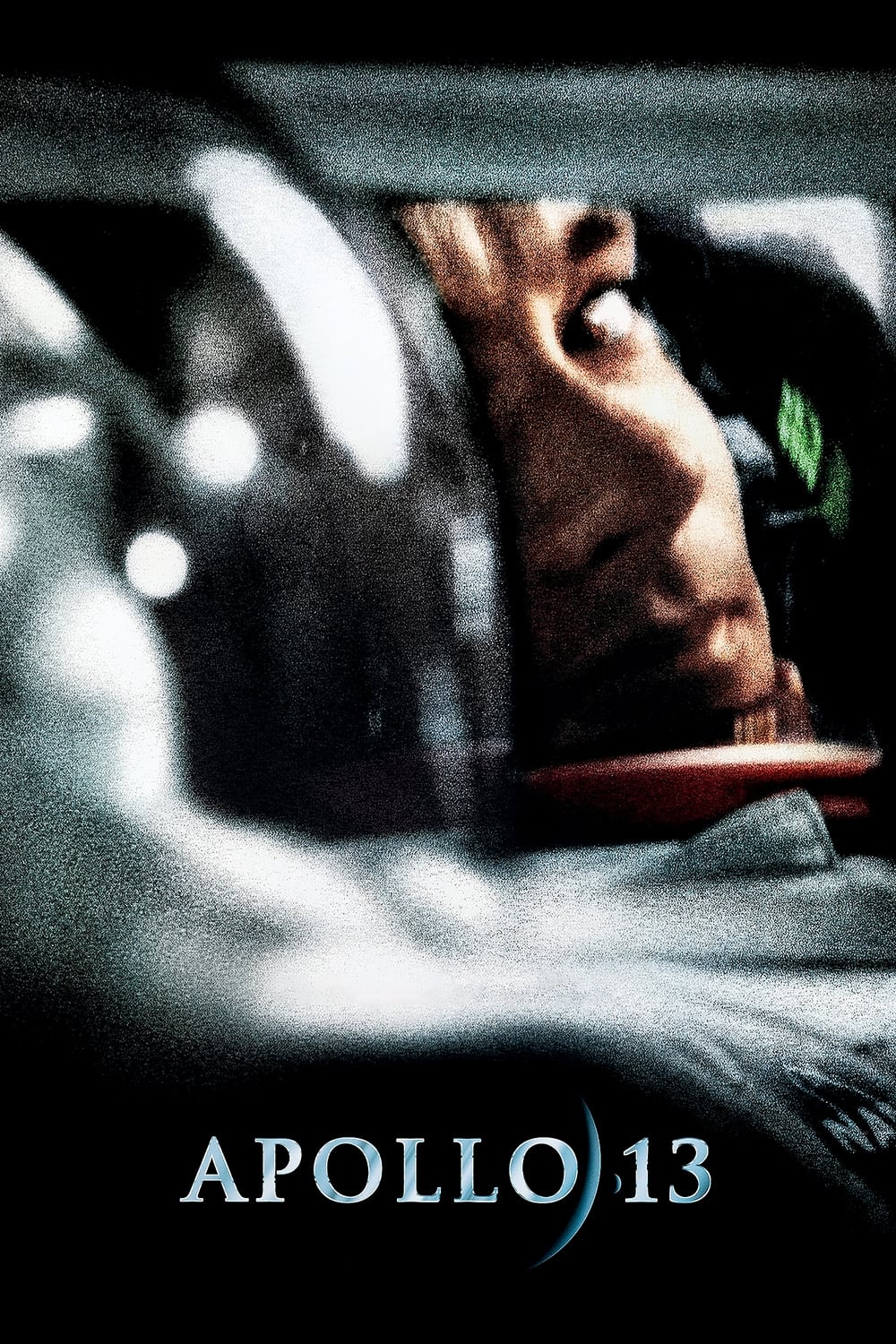
This tense and inspiring film tells the true story of the 1970 Apollo 13 mission, which was supposed to land on the moon but suffered a catastrophic failure in space. The movie follows the desperate efforts of the astronauts and the team at Mission Control to bring the crew home safely. It is a story of ingenuity, courage, and teamwork.
For the Baby Boomer generation that had watched the space race unfold on television, Apollo 13 was a thrilling reminder of a time when the nation came together to achieve the impossible. The film’s realistic portrayal of the crisis and its focus on problem-solving and perseverance made it a patriotic and feel-good movie.
Saving Private Ryan (1998)
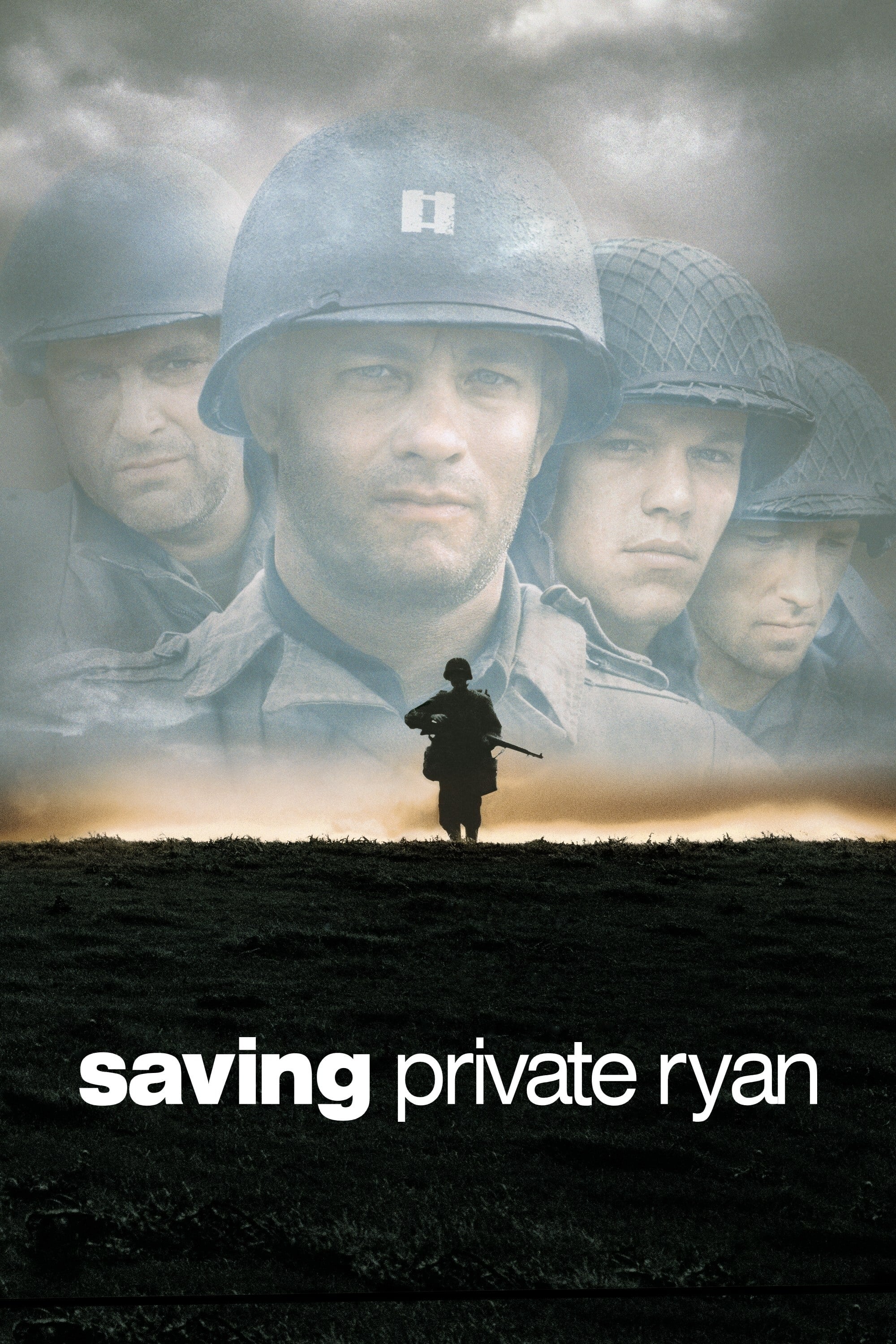
Steven Spielberg’s powerful World War II epic is famous for its shockingly realistic depiction of combat. The film’s opening sequence, which shows the D-Day landing at Omaha Beach, is a brutal and visceral experience. The story follows a group of soldiers who are sent on a dangerous mission to find and bring home a soldier whose three brothers have already been killed in the war.
Saving Private Ryan had a profound impact on the Boomer generation and their parents, the “Greatest Generation” that fought the war. It honored the sacrifice of those who served and gave a new generation a deeper understanding of the realities of war. The film was praised for its authenticity and its powerful message about the value of human life.
The Big Lebowski (1998)
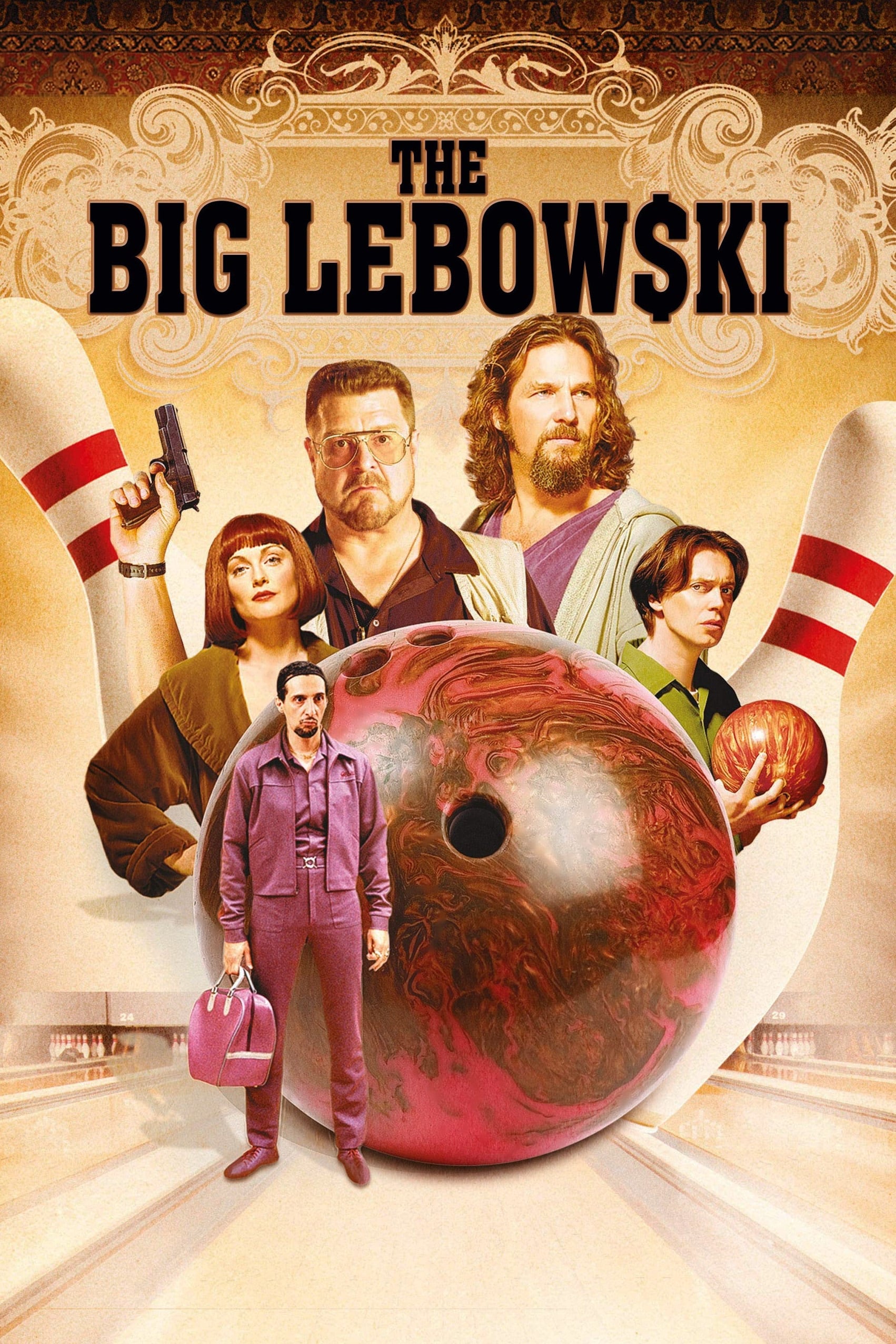
This quirky comedy from the Coen Brothers has become a beloved cult classic. It tells the story of “The Dude,” a laid-back slacker who is mistaken for a millionaire with the same name and gets drawn into a bizarre world of crime and kidnapping. The film is known for its strange characters, witty dialogue, and rambling plot.
While it was not a major hit when it first came out, The Big Lebowski has gained a huge following over the years, especially among Boomers who appreciate its offbeat humor and anti-establishment hero. The Dude’s relaxed approach to life has made him an icon for those who believe in taking it easy.
American Beauty (1999)

This dark comedy-drama is a satirical look at suburban life and the pursuit of happiness. The film follows a middle-aged man who has a midlife crisis and decides to rebel against his boring, materialistic existence. His actions have a profound effect on his family and neighbors, leading to a tragic and shocking conclusion.
American Beauty captured the feeling of discontent that many Baby Boomers were experiencing as they entered middle age. It was a film that questioned the meaning of success and conformity in modern American life. Its sharp writing and stunning visuals earned it five Academy Awards, including Best Picture.
Almost Famous (2000)

This semi-autobiographical film from director Cameron Crowe is a heartfelt tribute to 1970s rock and roll. It tells the story of a teenage journalist who gets his dream assignment to go on the road with a rising rock band. He gets a crash course in life, love, and the world of music.
For Baby Boomers, Almost Famous was a nostalgic journey back to the music and culture of their youth. The film perfectly captured the excitement and innocence of being a fan and the complicated world behind the scenes. It’s a funny, warm, and moving story about the power of music to shape our lives.
Gran Torino (2008)
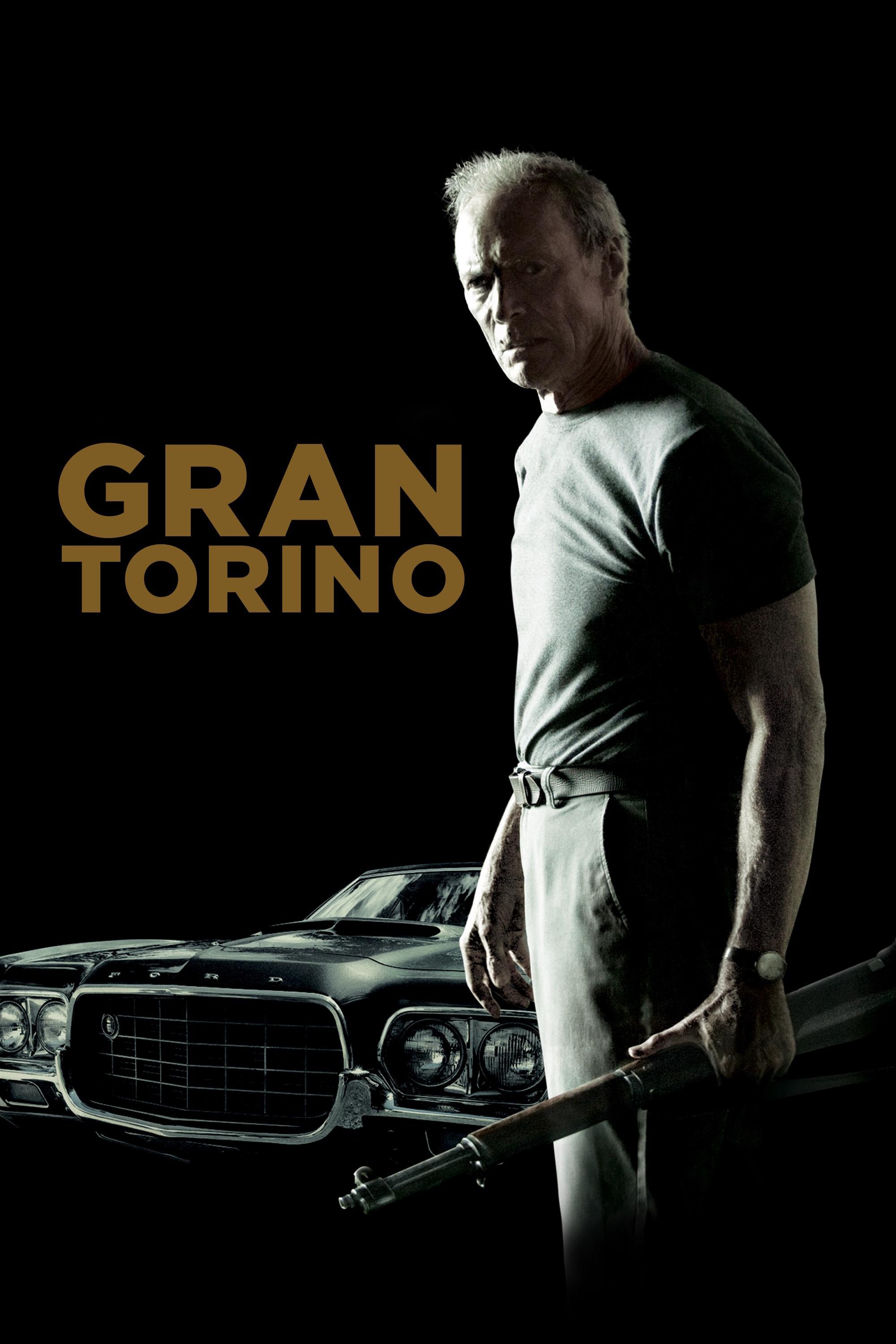
In this film, Clint Eastwood plays a grumpy, prejudiced Korean War veteran who is unhappy with the way his neighborhood has changed. He forms an unlikely bond with a young Hmong teenager who tries to steal his prized 1972 Gran Torino. Through this relationship, he learns to overcome his own biases and becomes a protector for the boy’s family.
Gran Torino is a powerful story about redemption and understanding. It explores themes of generational conflict, cultural differences, and the surprising ways people can connect. The film resonated with Boomers who were grappling with their own aging and a rapidly changing world, and it features one of Clint Eastwood’s most memorable late-career performances.
The King’s Speech (2010)
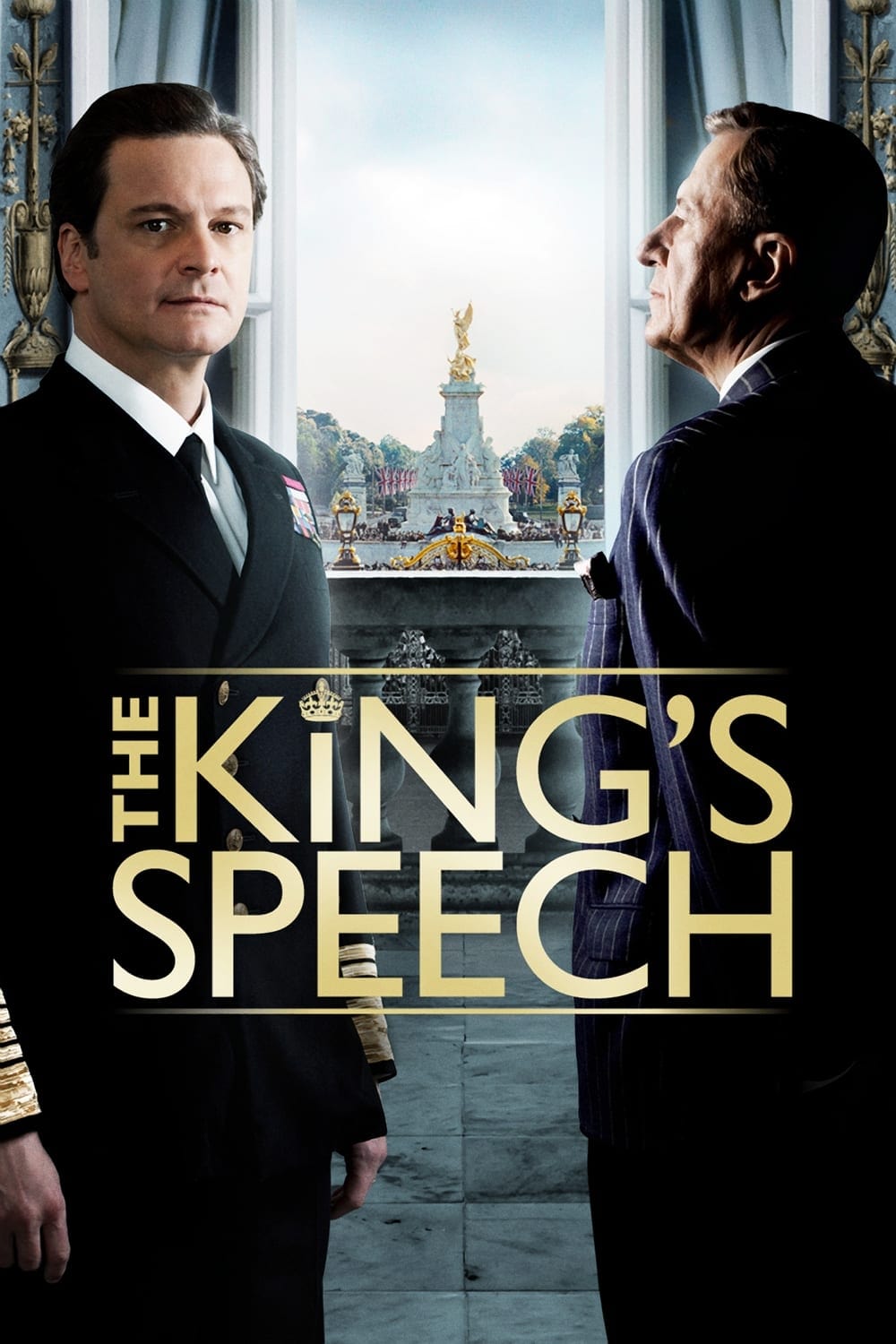
This historical drama tells the inspiring true story of King George VI of Great Britain, who struggled with a severe stutter. With the help of an unconventional speech therapist, he works to overcome his impediment so he can lead his country through the difficult years leading up to World War II. The film is a moving story about friendship and finding one’s voice.
The film’s themes of overcoming personal challenges and facing one’s fears resonated strongly with older audiences. The excellent performances and the uplifting story of an unlikely friendship made it a critical and commercial success. It won four Academy Awards, including Best Picture, and was praised for its warmth and humanity.
The Best Exotic Marigold Hotel (2011)
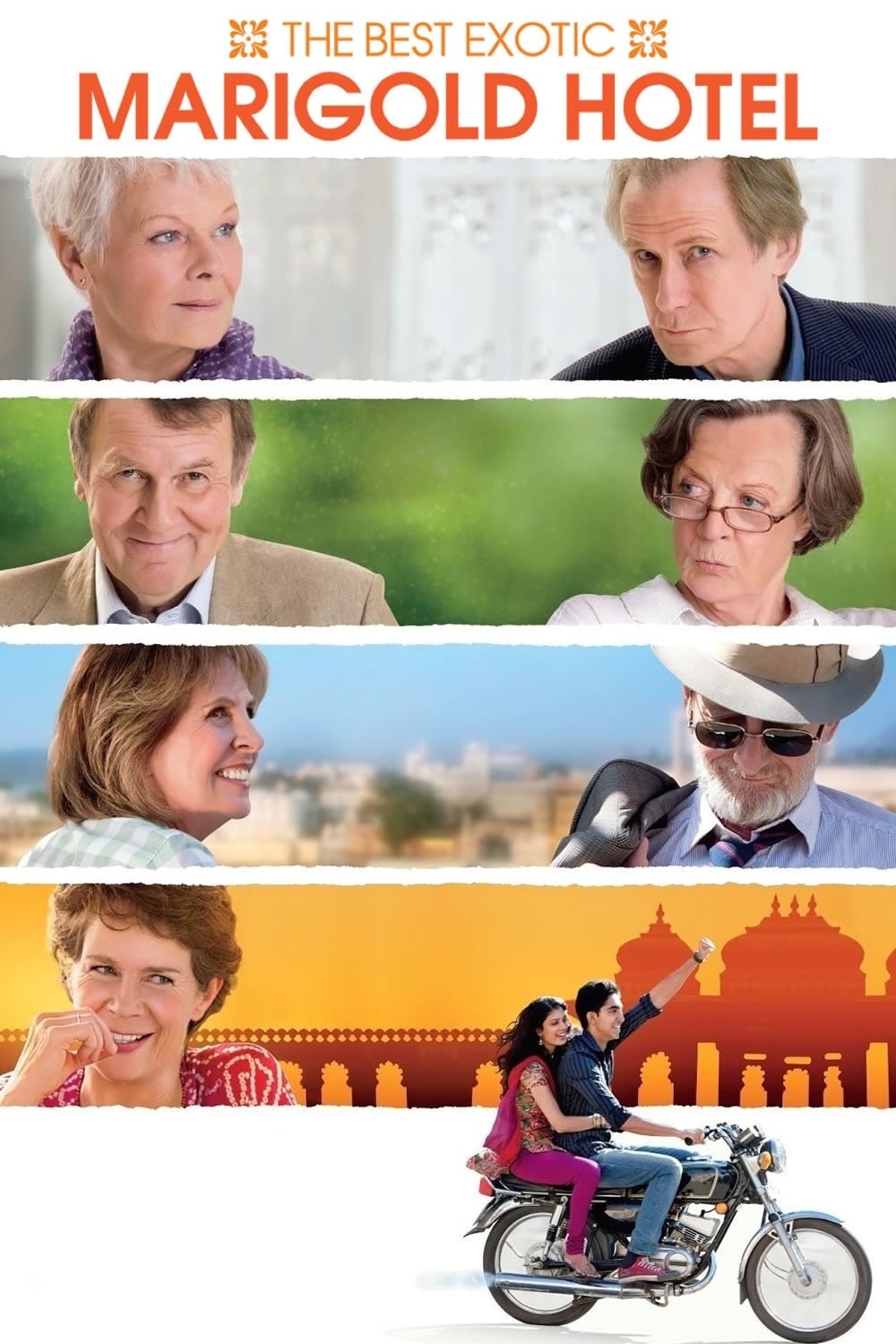
This charming comedy-drama follows a group of British retirees who decide to move to a retirement hotel in India. They soon discover that the hotel is not as luxurious as advertised, but they slowly begin to embrace their new surroundings and find new purpose in their lives. The film features a wonderful cast of veteran actors.
The Best Exotic Marigold Hotel was a refreshing film that focused on the lives and adventures of older characters. It was a hit with Baby Boomers, who appreciated its message that it’s never too late for a new beginning. The film’s humor, heart, and vibrant setting made it a feel-good movie about embracing change and living life to the fullest.

