


Movies That Bombed at Box Office But Still Got Sequels



A movie’s success is often measured by its box office numbers. When a film costs more to produce and market than it earns in theaters, it’s called a box office bomb. This usually stops any plans for a franchise. Studios invest large amounts of money, and a poor return often means the end of the road for that story and its characters. The goal of a blockbuster is to make a significant profit, and failing to do so is a clear sign that audiences were not interested enough.
However, some movies find a second life after leaving theaters. Strong sales on DVD and Blu-ray, high viewership on streaming services, or the growth of a passionate cult following can convince studios to take another chance. Sometimes, a film that failed in one market, like the United States, was a big success internationally. This renewed interest or overseas performance can be enough to justify the cost of making a sequel, hoping that the audience has finally caught up with the film’s vision.
Blade Runner (1982)
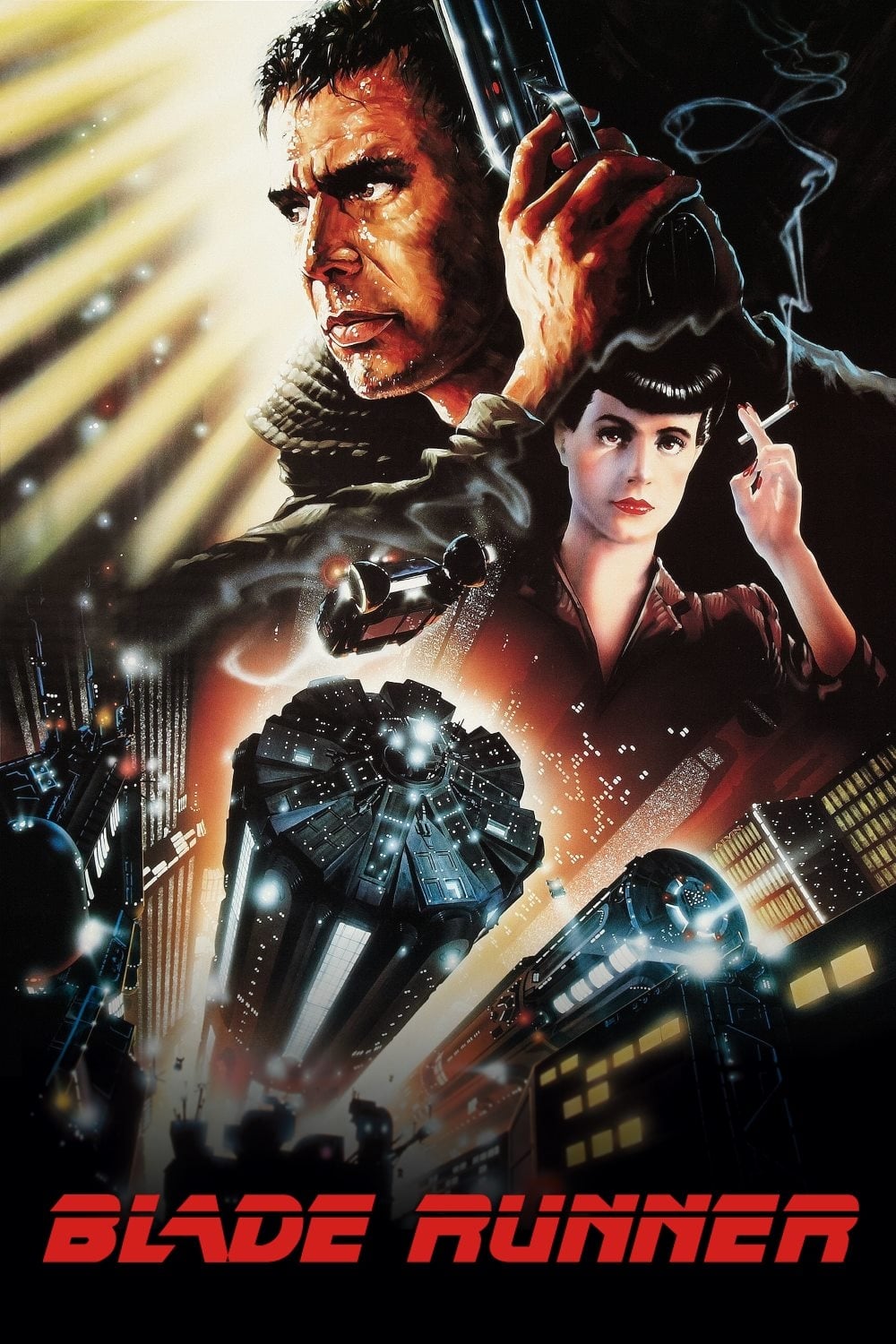
Ridley Scott’s Blade Runner is now a science fiction classic, but it did not perform well when it was first released. The film had a budget of about $30 million but only made around $41 million at the worldwide box office. This was a disappointing result for a movie with its ambitious visuals and well-known star, Harrison Ford. Critics were divided, and audiences at the time did not connect with its dark, thoughtful tone.
Over the years, Blade Runner developed a massive cult following. Positive reappraisals from critics and strong home video sales, including several different cuts of the film, showed that there was a dedicated audience. This enduring popularity led to the production of a sequel, Blade Runner 2049, which was released 35 years later in 2017. The sequel was highly praised by critics but also struggled at the box office.
The Thing (1982)
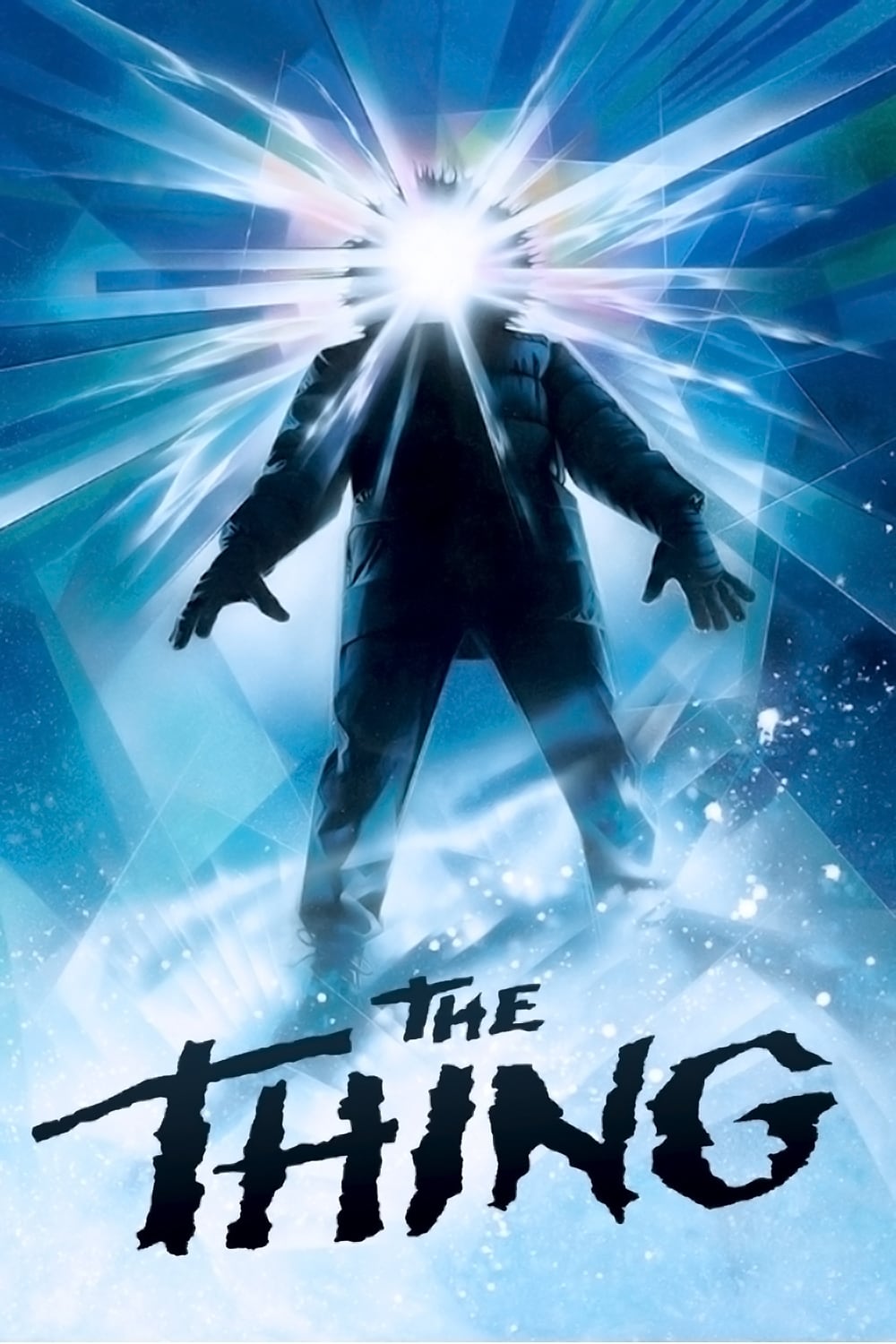
John Carpenter’s horror film The Thing is another classic that failed financially upon its release. It was made with a budget of $15 million and earned just $19.6 million in theaters. At the time, audiences and critics reacted negatively to its bleak and graphic horror. The film’s dark, untrusting mood was not what moviegoers were looking for during the summer of E.T. the Extra-Terrestrial.
Despite the poor initial reception, The Thing became a huge hit on home video and television. Its reputation grew immensely, and it is now considered one of the greatest horror films ever made. This long-lasting success led to a prequel, also titled The Thing, which was released in 2011. The prequel tells the story of the Norwegian research team whose destroyed base is discovered at the beginning of the original film.
Tron (1982)
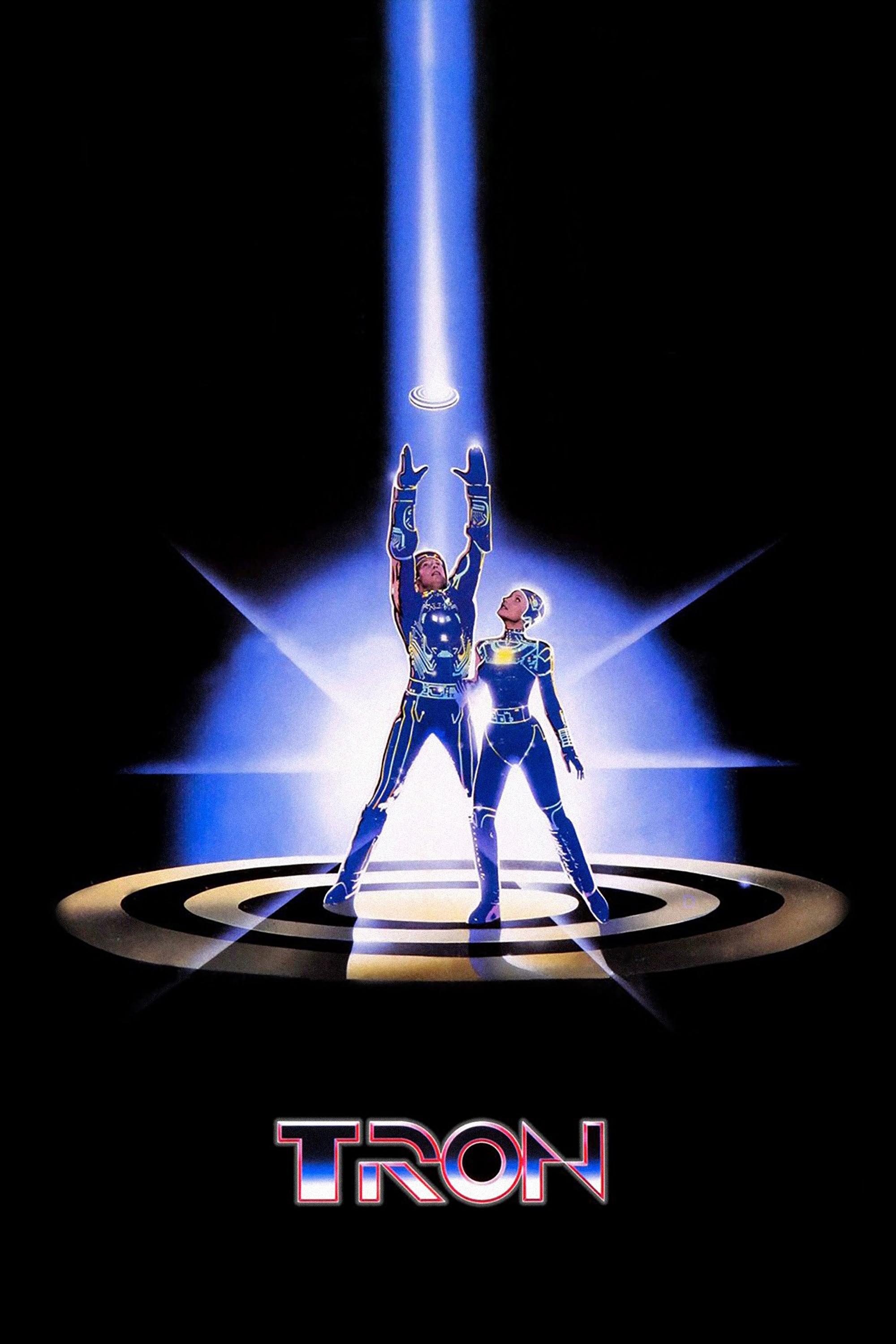
Disney’s Tron was a groundbreaking film for its use of computer-generated imagery, but its box office performance was modest. With a budget of $17 million, the movie grossed $50 million worldwide. While not a massive flop, it was not the major hit that Disney had hoped for, and its earnings were considered a disappointment given its innovative special effects.
The film became a cult classic due to its unique visual style and pioneering effects. An entire generation of viewers discovered Tron through television and home video, creating a dedicated fanbase. This sustained interest eventually convinced Disney to produce a sequel, Tron: Legacy, which was released 28 years later in 2010. The sequel followed the son of the original protagonist as he entered the same digital world.
Highlander (1986)

Highlander was a fantasy action film that did not succeed at the U.S. box office. The movie had a budget of $19 million and earned only $12.9 million worldwide, with less than $6 million of that coming from North America. The film’s mix of historical fantasy and modern action, along with its rock soundtrack by Queen, did not initially connect with a large audience.
The movie’s fortunes turned around completely with the rise of home video. It became a huge rental hit, and its catchphrase, “There can be only one,” became famous. The success on VHS led to a franchise that included four theatrical sequels, a television series, an animated series, and more. The film’s enduring cult status proved that box office numbers are not always the final word on a movie’s success.
The Rocketeer (1991)
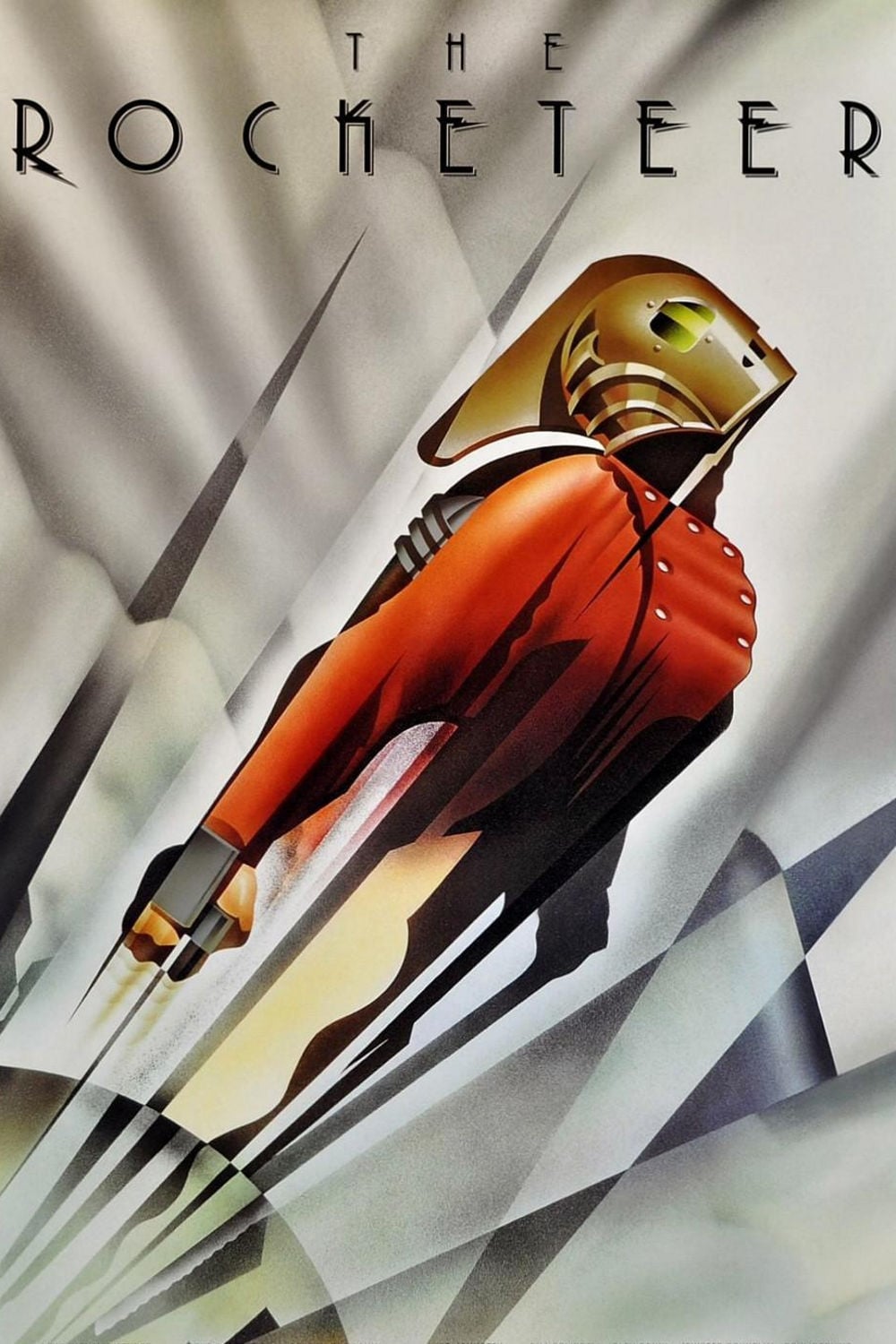
Disney’s The Rocketeer was a throwback to 1930s adventure serials, but it failed to take off at the box office. The film had a production budget of $35 million but only managed to gross $46.7 million worldwide. The studio had hoped the film would be a major summer hit and the start of a new franchise, but the box office returns were not strong enough to justify an immediate sequel.
Despite its financial disappointment, The Rocketeer gained a loyal cult following over the years, praised for its earnest tone and thrilling action sequences. This lasting affection from fans kept the property alive. In 2019, a sequel in the form of an animated television series, also titled The Rocketeer, was released. The show followed the adventures of a young girl who becomes the new Rocketeer.
Army of Darkness (1992)
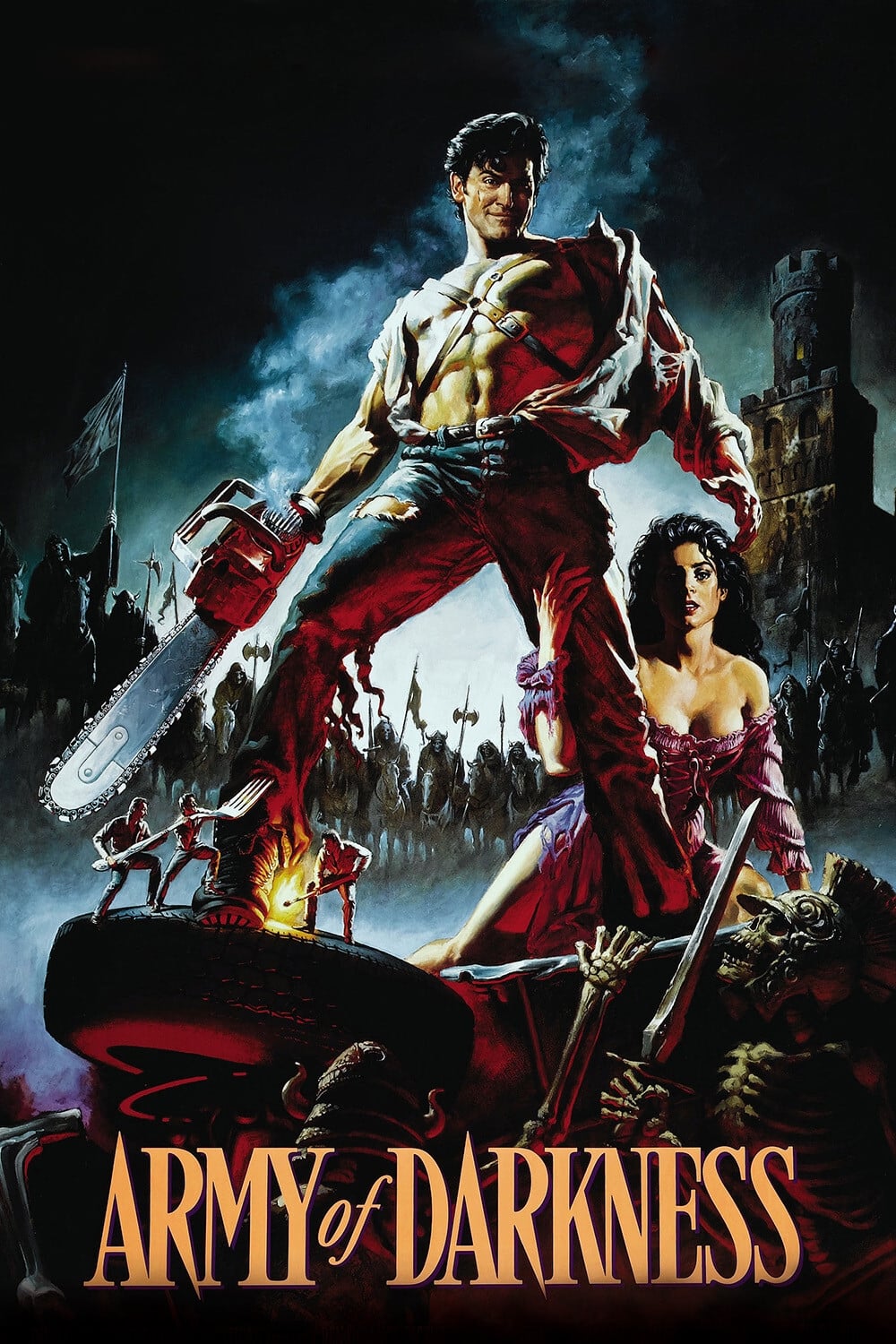
The third film in the Evil Dead series, Army of Darkness, was not a box office success. It was made on a budget of about $11 million and earned $21.5 million at the global box office. While it did make back its production cost, the marketing expenses meant the film was not profitable during its theatrical run. Its quirky blend of horror, comedy, and fantasy proved difficult to market to a wide audience.
The film became a major cult classic, thanks to strong home video sales and its memorable one-liners. The character of Ash Williams grew into a horror icon. This enduring popularity led to a continuation of the story in the television series Ash vs Evil Dead, which premiered in 2015. The show ran for three seasons and was a direct sequel to the events of Army of Darkness.
Super Mario Bros. (1993)
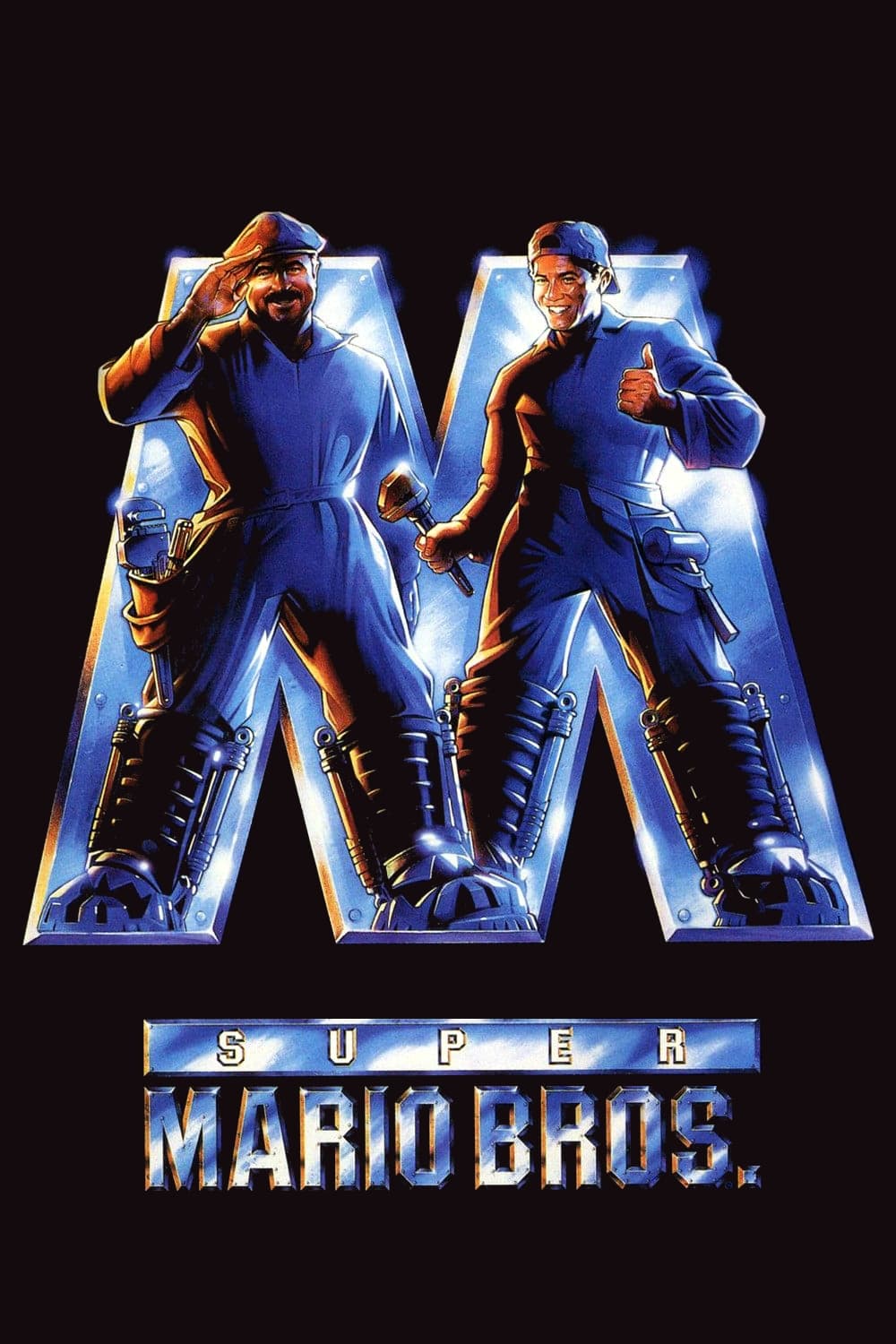
The first major Hollywood adaptation of a video game, Super Mario Bros., was a famous box office bomb. The film cost an estimated $48 million to make but only grossed around $20.9 million worldwide. It was widely criticized by critics and fans of the game for its strange, dark tone, which was very different from the bright and colorful world of the Nintendo games.
The film’s failure was so significant that it became a cautionary tale in Hollywood for years. However, it also developed a cult following, with some viewers appreciating its bizarre and unique take on the source material. Decades later, the enduring popularity of the Mario character led to a new animated film, The Super Mario Bros. Movie, which was released in 2023. This new movie was a massive global success, proving the character’s lasting appeal.
Showgirls (1995)

Showgirls is one of the most famous box office flops of its time. The controversial, adult-rated film had a budget of around $45 million and made just over $37 million at the worldwide box office. It was widely mocked by critics and received a record number of Razzie Award nominations for its perceived bad acting and writing.
After its theatrical failure, Showgirls found a new identity as a cult classic on home video. Audiences began to appreciate it as an over-the-top, satirical comedy. This midnight movie status made it a profitable rental title for years. In 2011, a direct-to-video sequel of sorts, Showgirls 2: Penny’s from Heaven, was released, with the original film’s star, Rena Riffel, writing, directing, and starring.
Starship Troopers (1997)
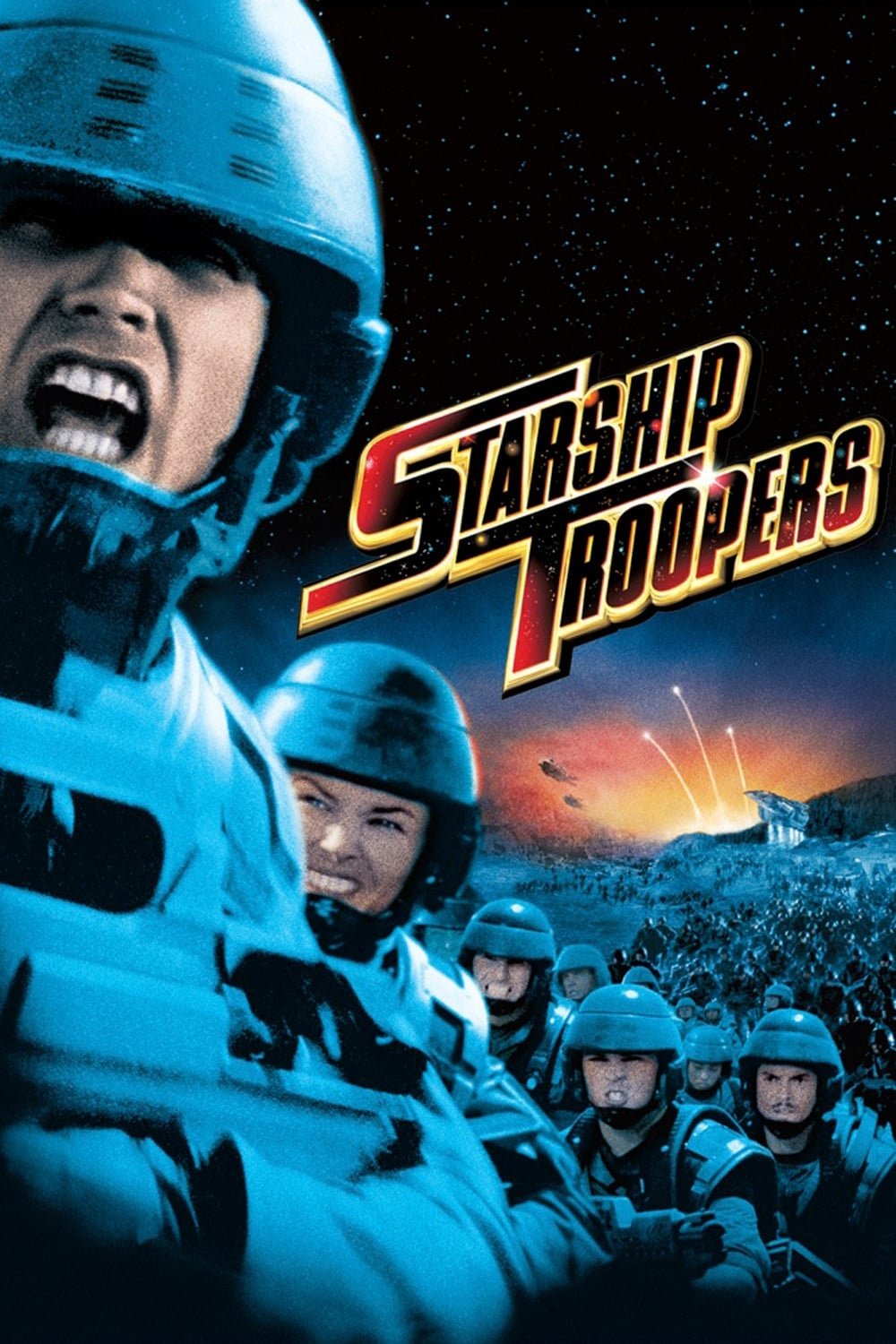
Paul Verhoeven’s Starship Troopers was a satirical science fiction film that many audiences and critics took as a straightforward action movie. It had a large budget of around $105 million and grossed $121.2 million worldwide. While it eventually made a small profit, its box office was considered a major disappointment in the U.S. market given its cost.
The film gained a strong cult following on video, where viewers began to better appreciate its satirical critique of militarism. This success in the home video market was enough to launch a franchise. Two direct-to-video live-action sequels, Starship Troopers 2: Hero of the Federation (2004) and Starship Troopers 3: Marauder (2008), were produced, along with two animated sequels.
The Big Lebowski (1998)
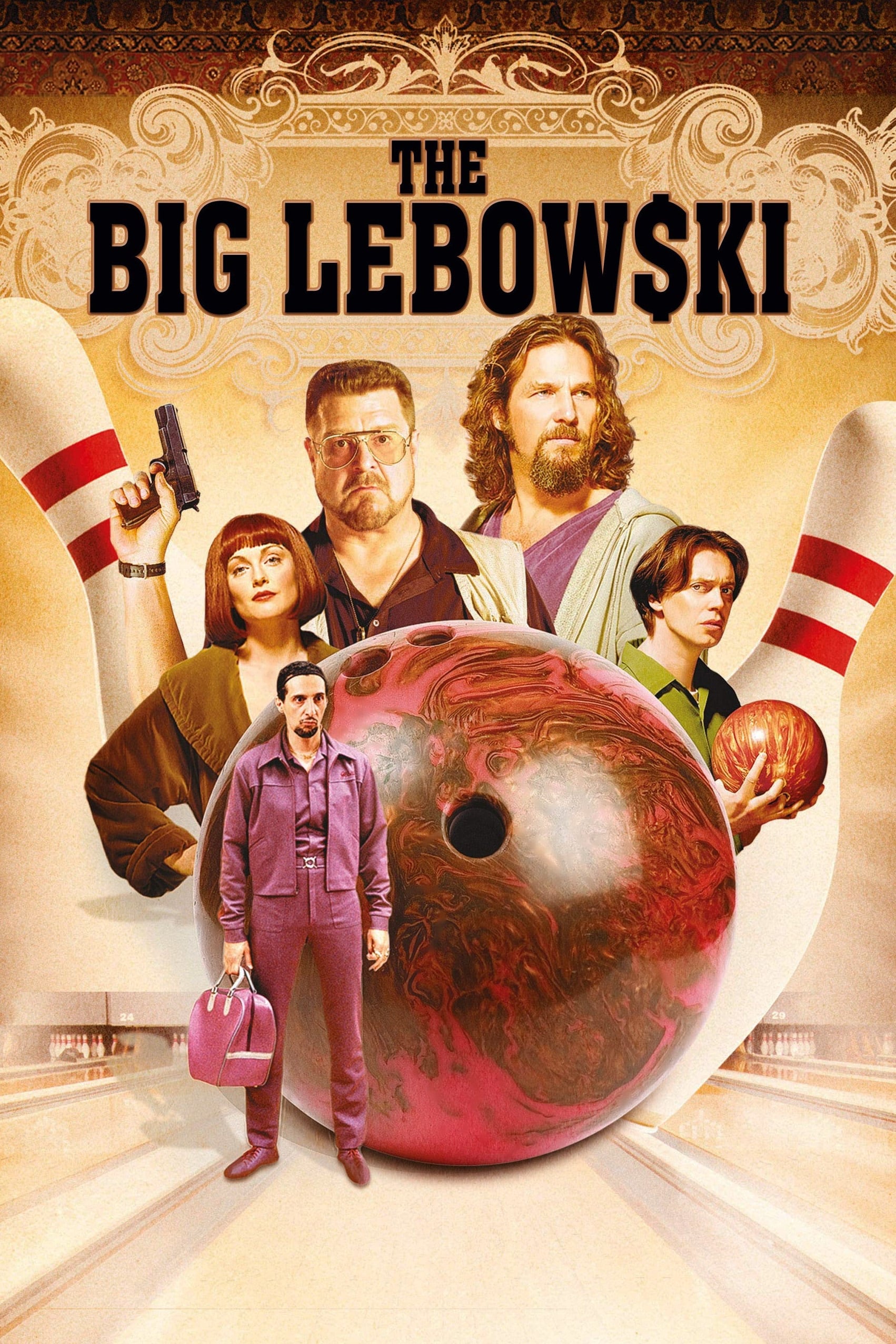
The Coen Brothers’ comedy The Big Lebowski was not a hit when it was first released. The film had a budget of $15 million and earned only $17 million at the U.S. box office. Its quirky, rambling plot and unique characters did not immediately connect with mainstream audiences, and it received mixed reviews from critics who were unsure what to make of it.
Over time, The Big Lebowski became an enormous cult phenomenon. The main character, “The Dude,” became a cultural icon, and the film’s dialogue is quoted by fans around the world. This massive following led to a spin-off film called The Jesus Rolls, which was released in 2019. The movie follows the character of Jesus Quintana from the original film.
Fight Club (1999)

Directed by David Fincher, Fight Club was a highly anticipated film that underperformed at the box office. With a budget of over $63 million, it grossed just $37 million in the United States, though its worldwide total reached $101 million. Studio executives were reportedly disappointed with the results, and the film’s dark themes and controversial subject matter made it a difficult sell for the marketing department.
Fight Club found its true audience on DVD, where it became a massive success and a defining cult classic of its generation. The film’s reputation grew immensely, and it is now considered a landmark film of the 1990s. The story was continued in the form of a graphic novel, Fight Club 2, which was written by the original book’s author, Chuck Palahniuk, and published in 2015.
Office Space (1999)

Mike Judge’s workplace comedy Office Space was a box office failure. The film was made with a budget of $10 million but earned only $12.2 million in theaters. Its dry, satirical humor about corporate culture did not attract a large audience during its initial run, and the film quickly disappeared from cinemas.
The movie became a huge cult hit through home video and constant airings on cable television channels like Comedy Central. People who worked in office environments strongly related to its characters and situations, and it became a widely quoted and beloved comedy. This cult status led to a spiritual sequel of sorts in the 2009 film Extract, also written and directed by Mike Judge and exploring similar themes of workplace dissatisfaction.
Titan A.E. (2000)
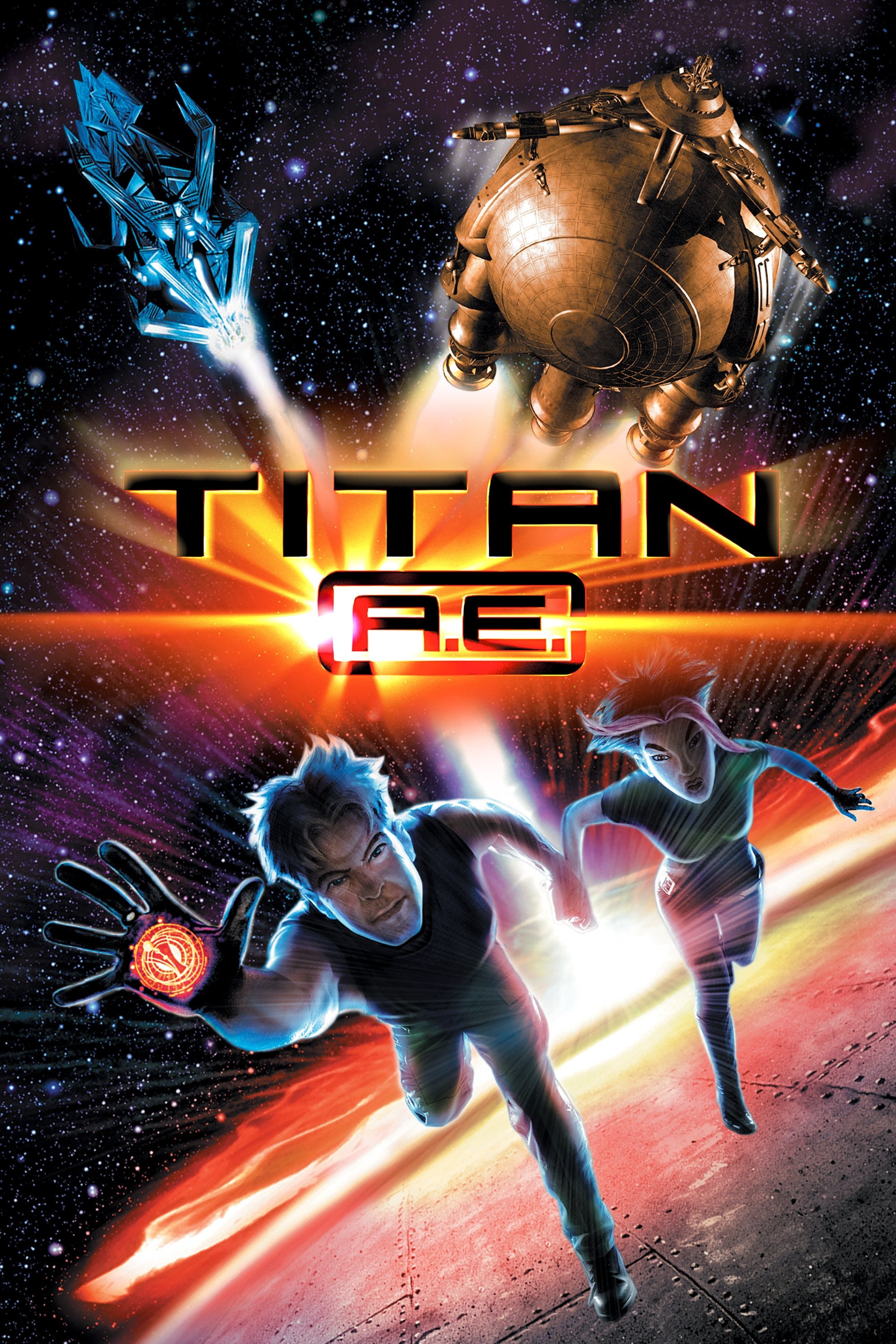
The animated science fiction film Titan A.E. was a major box office bomb that led to the closure of Fox Animation Studios. The movie had a reported budget between $75 and $90 million but only grossed $36.8 million worldwide. Its mix of traditional animation and computer-generated imagery was praised, but the story failed to connect with audiences.
Despite its financial failure, the film developed a small but dedicated following who admired its ambition and visual style. The story was set to continue in a planned sequel. Before the first film’s release, the writers had already completed a script for a sequel, but the disastrous box office performance of Titan A.E. led to the immediate cancellation of any further plans.
Josie and the Pussycats (2001)
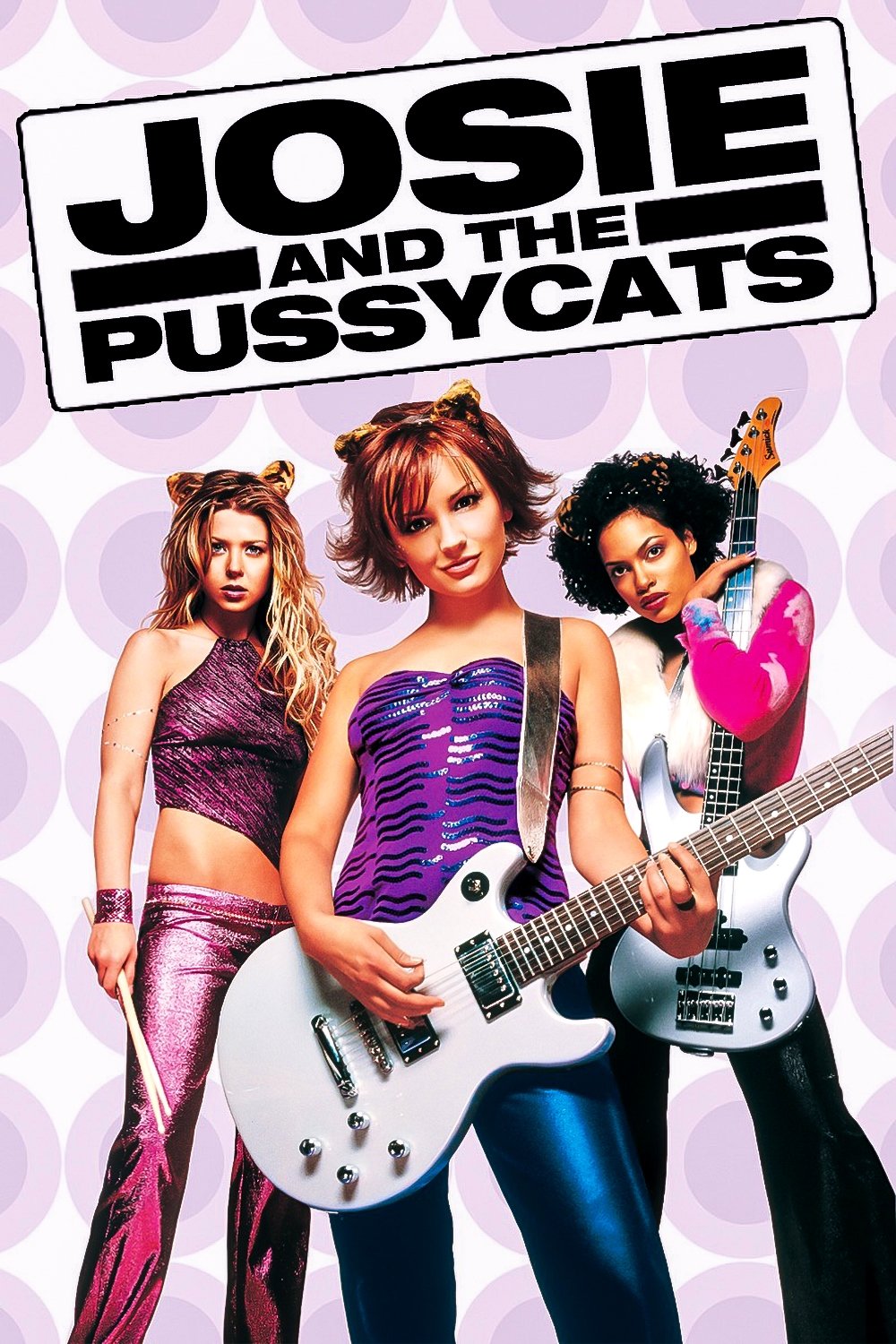
The musical comedy Josie and the Pussycats was a box office disaster. Based on the popular comic book and cartoon, the film had a budget of around $39 million but made only $14.9 million worldwide. Its satirical take on consumerism and the music industry was largely missed by audiences and critics at the time, who dismissed it as just another teen movie.
Years later, the film was reassessed and gained a significant cult following. Viewers came to appreciate its sharp satire and catchy soundtrack. This renewed interest led to a reunion of the cast and filmmakers for the film’s anniversary. The characters also returned in the television series Riverdale, with the show featuring a new version of Josie and the Pussycats as part of its larger universe.
Zoolander (2001)
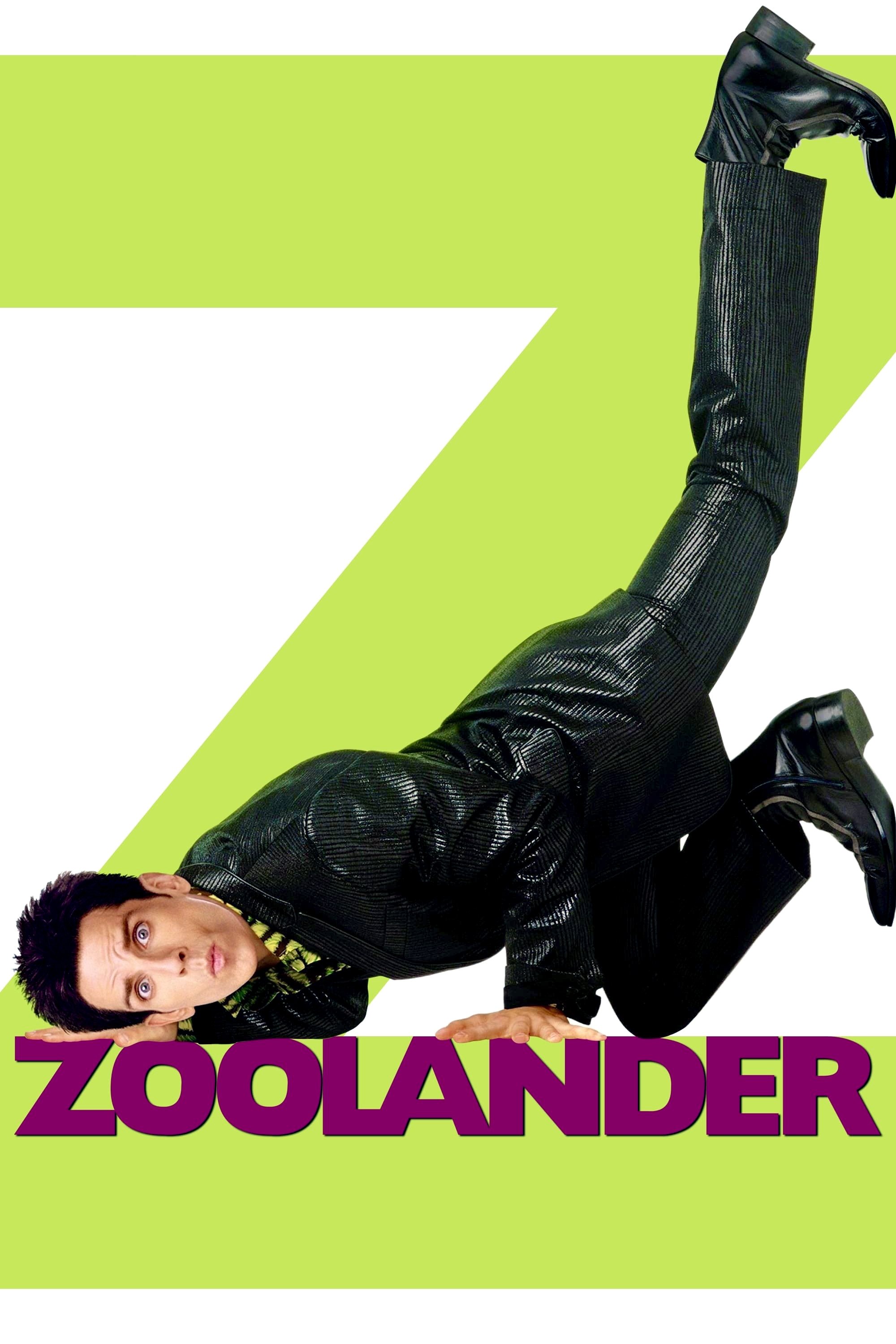
The comedy Zoolander, starring and directed by Ben Stiller, had a modest box office performance. With a budget of $28 million, it grossed $60.8 million worldwide. However, its release came shortly after the September 11th attacks, which greatly affected the public mood and likely hurt its box office potential. The results were seen as underwhelming for a mainstream comedy.
The film became incredibly popular on DVD and through television broadcasts, with its characters and quotes becoming iconic. The demand for a sequel grew over many years as its fanbase expanded. This persistent cult following eventually led to the release of Zoolander 2 in 2016, fifteen years after the original. The sequel brought back the original cast but was not as well-received.
The Chronicles of Riddick (2004)
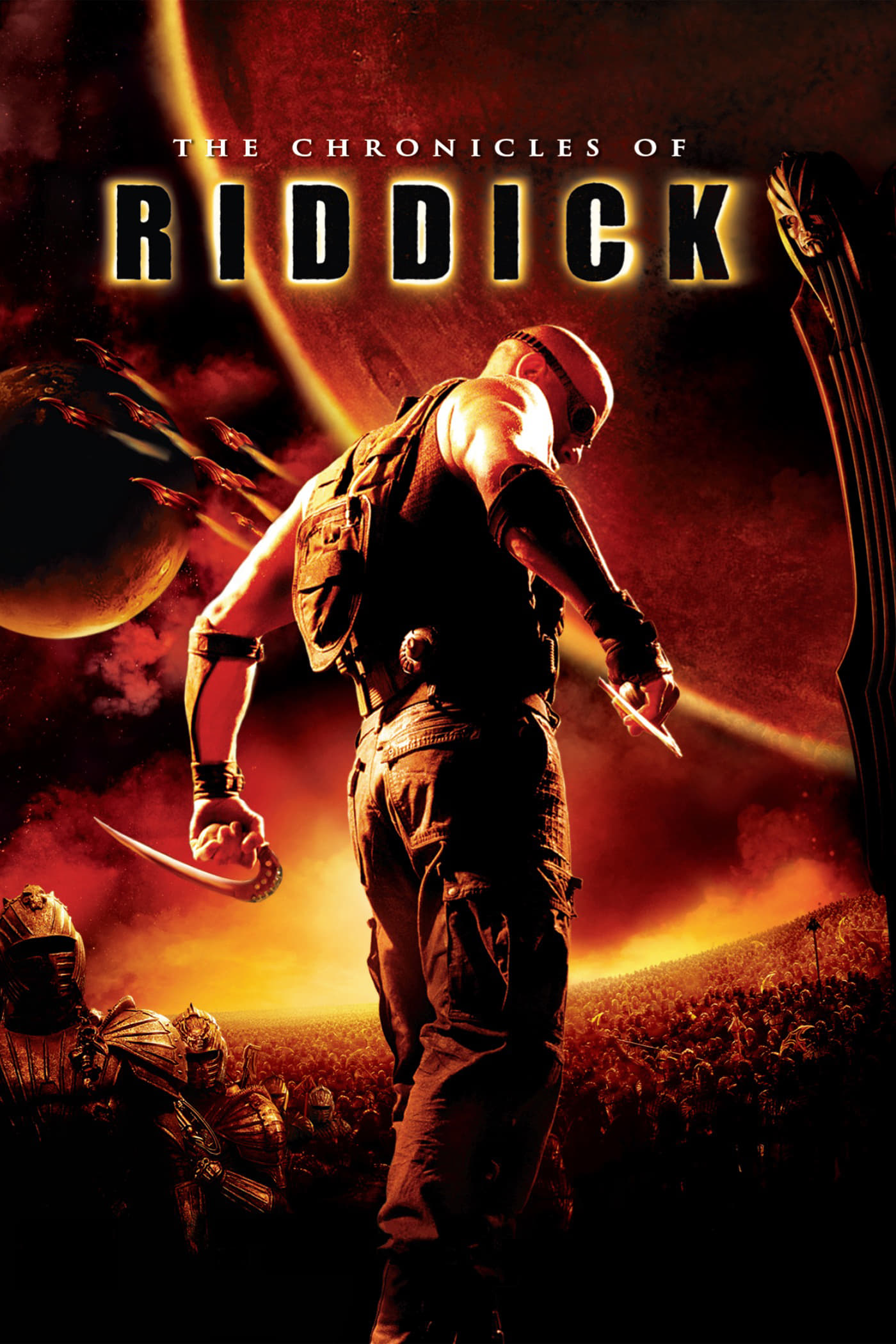
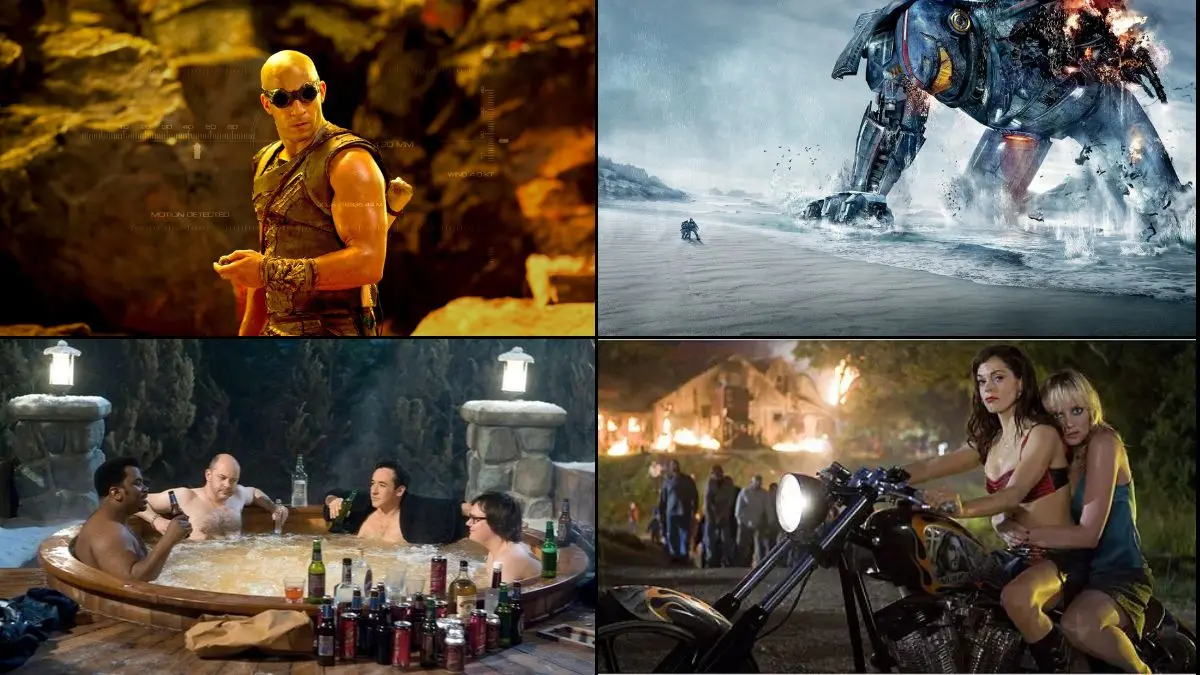
Hoping to launch a major franchise, Universal Pictures invested heavily in The Chronicles of Riddick, a sequel to the small-scale 2000 horror hit Pitch Black. The sequel had a massive budget of around $105 million but only grossed $115.8 million worldwide. These numbers represented a major financial loss for the studio after marketing costs were factored in.
Despite the box office failure, the character of Riddick, played by Vin Diesel, remained popular. The film performed well on DVD, which helped build the case for another installment. Vin Diesel himself championed the effort to make another film, eventually securing the rights to the character. A third film, titled Riddick, was released in 2013. It returned to the smaller scale of the first movie and was a modest success.
Crank (2006)
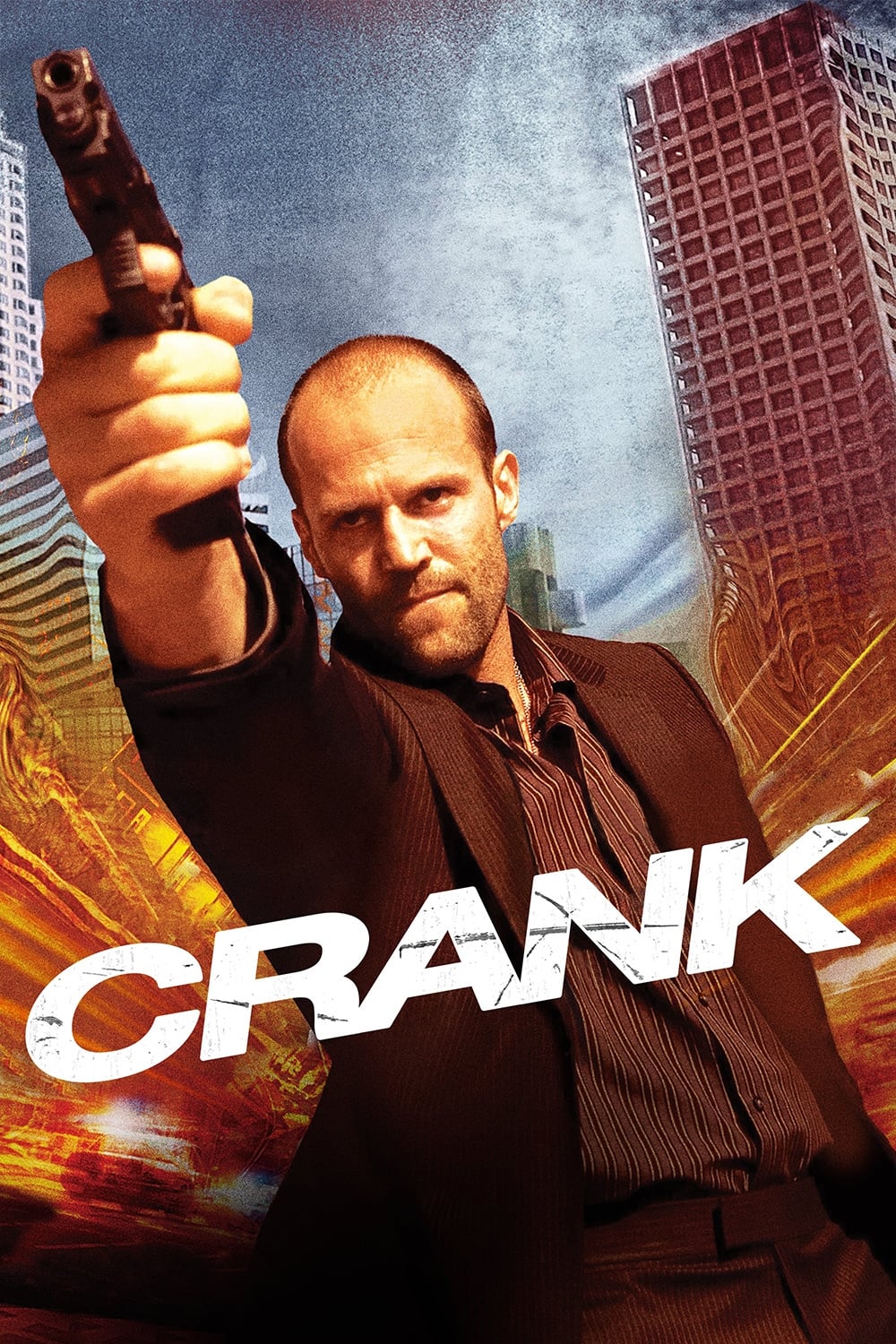
The high-octane action film Crank was a moderate success at the box office. It was produced on a small budget of $12 million and earned $42.9 million globally. While profitable, it was not a huge blockbuster hit during its theatrical run. Its over-the-top style and non-stop action, however, made it stand out.
The movie found a larger audience on home video, where its unique and frantic energy earned it a cult following. The positive reception in the home market was strong enough for the studio to greenlight a sequel. Crank: High Voltage was released in 2009, picking up immediately after the first film’s ending and escalating the absurd action even further.
Grindhouse (2007)

Grindhouse, the double-feature collaboration between directors Quentin Tarantino and Robert Rodriguez, was a notable box office bomb. The project, which included the films Planet Terror and Death Proof, was made for about $67 million but only grossed $25.4 million worldwide. The three-hour-plus runtime and the unusual double-feature concept proved confusing for mainstream audiences.
Despite the financial failure of the Grindhouse experiment, the fake trailers included in the film were very popular. This led to two of those trailers being turned into actual feature films. Machete, directed by Robert Rodriguez, was released in 2010 and was successful enough to get its own sequel. Hobo with a Shotgun was also produced as a feature film in 2011.
Hot Tub Time Machine (2010)

The comedy Hot Tub Time Machine performed decently but was not a major box office smash. With a production budget of $36 million, it grossed $64.6 million worldwide. These numbers were solid but not strong enough to make a sequel seem like a certainty. The film’s premise involved a group of friends who travel back to the 1980s via a hot tub.
The movie became a hit in the home video market, finding a much larger audience after its theatrical run. Its consistent performance on DVD and digital platforms showed that there was a dedicated fanbase for its particular brand of humor. This post-theater success convinced the studio to move forward with a sequel, and Hot Tub Time Machine 2 was released in 2015.
Scott Pilgrim vs. the World (2010)
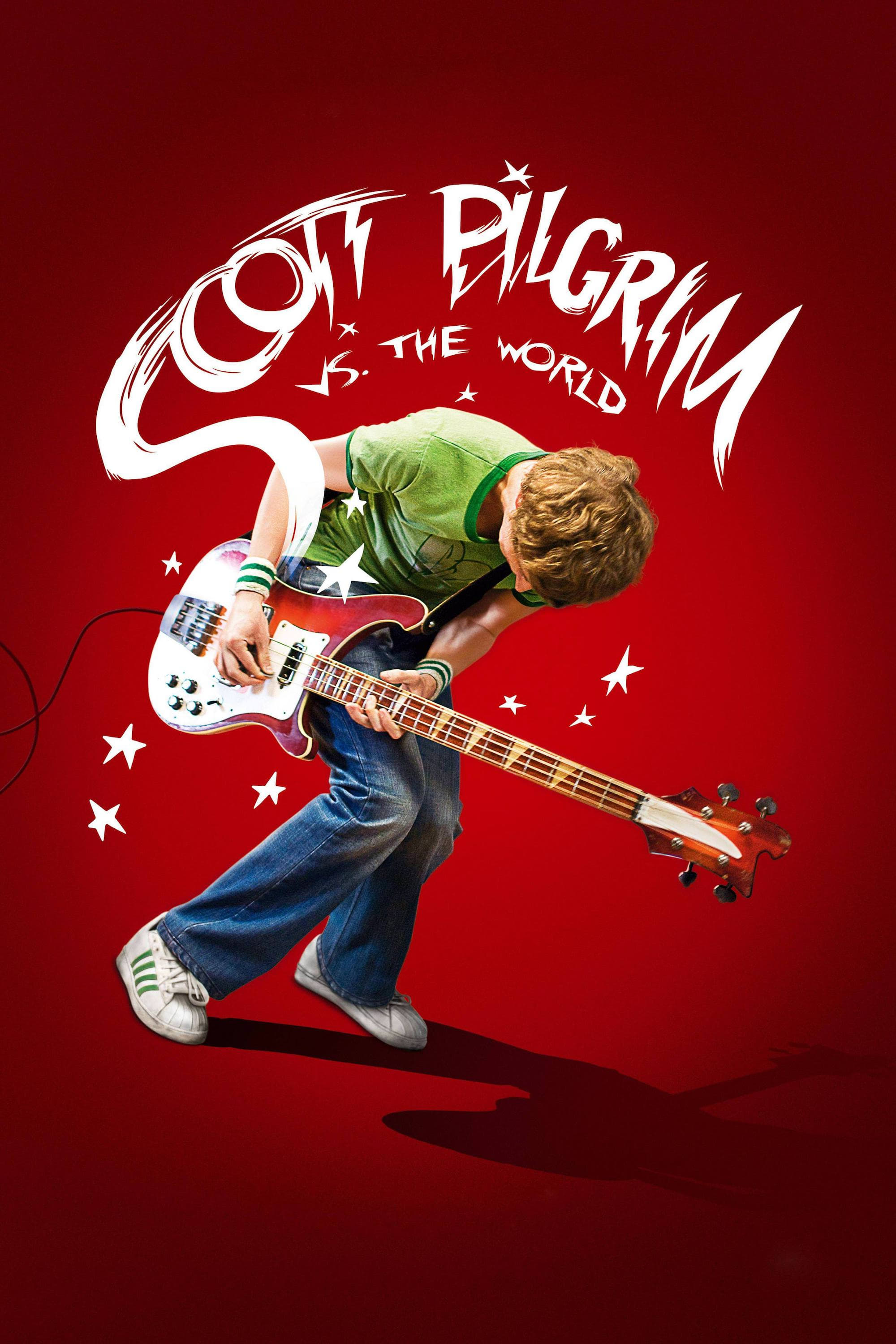
Edgar Wright’s Scott Pilgrim vs. the World is a prime example of a film that bombed in theaters but became a beloved cult classic. The visually inventive movie cost around $60 million to produce but only earned $47.7 million at the global box office. Despite positive reviews from critics, its unique style, which blended video game and comic book aesthetics, did not connect with a wide audience.
The film’s popularity exploded on home video and streaming, where it found a passionate audience that appreciated its creativity and humor. This dedicated fanbase kept the movie relevant for years. In 2023, the original cast returned to voice their characters in an animated Netflix series titled Scott Pilgrim Takes Off, which served as a new adaptation and expansion of the original story.
Dredd (2012)
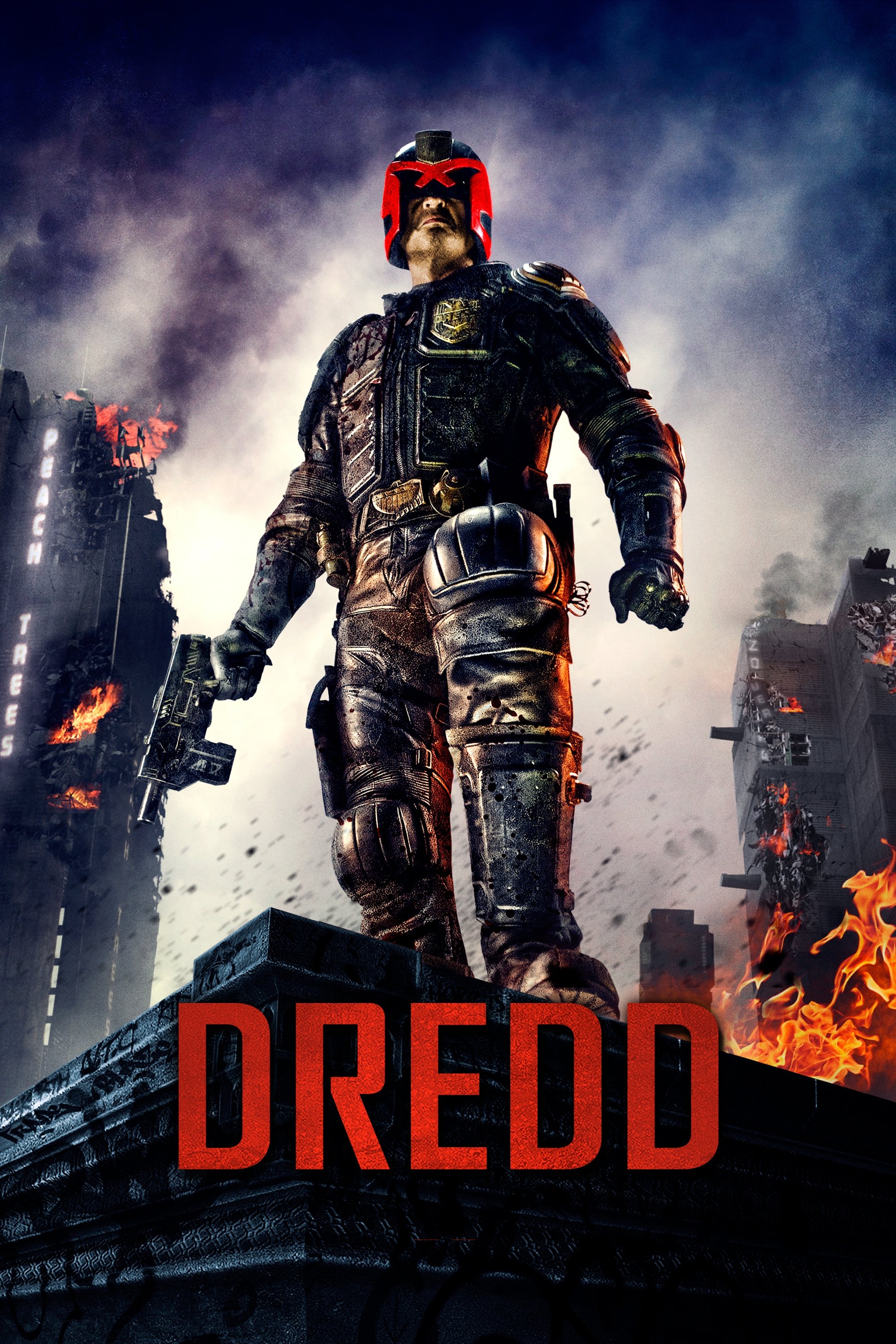
Dredd was a gritty adaptation of the popular British comic book character Judge Dredd. The film was made with a budget of around $45 million but failed to find an audience in theaters, grossing only $41.5 million worldwide. It was a significant box office bomb, and plans for a trilogy were immediately shelved.
However, the film was praised by critics and fans of the comic for its faithfulness to the source material. It went on to become a massive seller on DVD and Blu-ray. This impressive home media performance sparked a long-running and passionate fan campaign, “Make a Dredd Sequel,” which has kept interest in the property alive for years, with discussions about a potential TV series continuation.
Pacific Rim (2013)
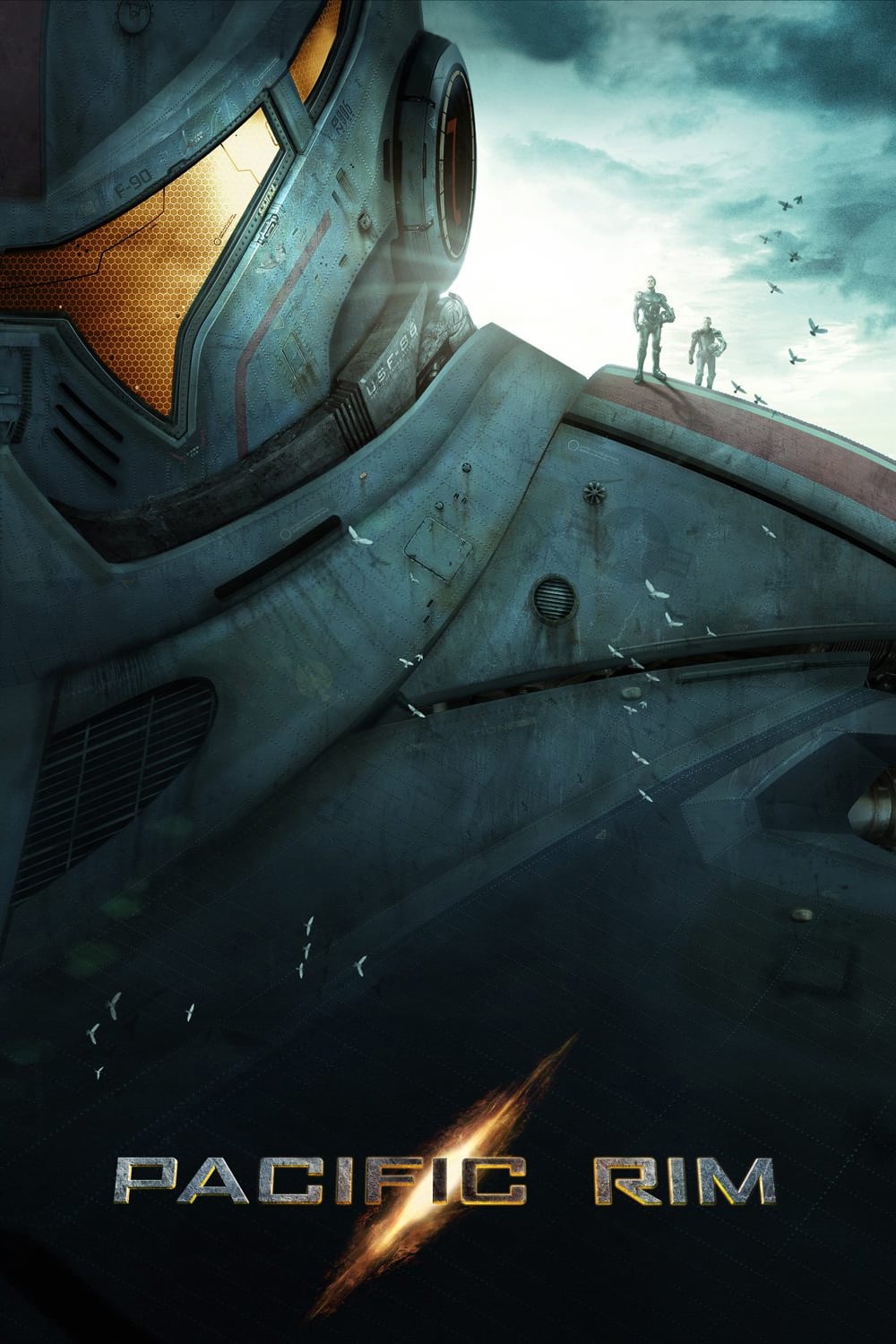
Guillermo del Toro’s giant-robots-versus-monsters movie Pacific Rim was a box office disappointment in North America. The film had a large budget of $190 million and earned just over $101 million domestically. These numbers would have normally spelled the end for any potential franchise.
The film’s saving grace was its massive success in international markets, especially in China. It grossed over $309 million overseas, bringing its worldwide total to $411 million. This strong international performance, combined with solid merchandise sales, was enough to convince the studio to produce a sequel. Pacific Rim: Uprising was released in 2018.
The Man from U.N.C.L.E. (2015)
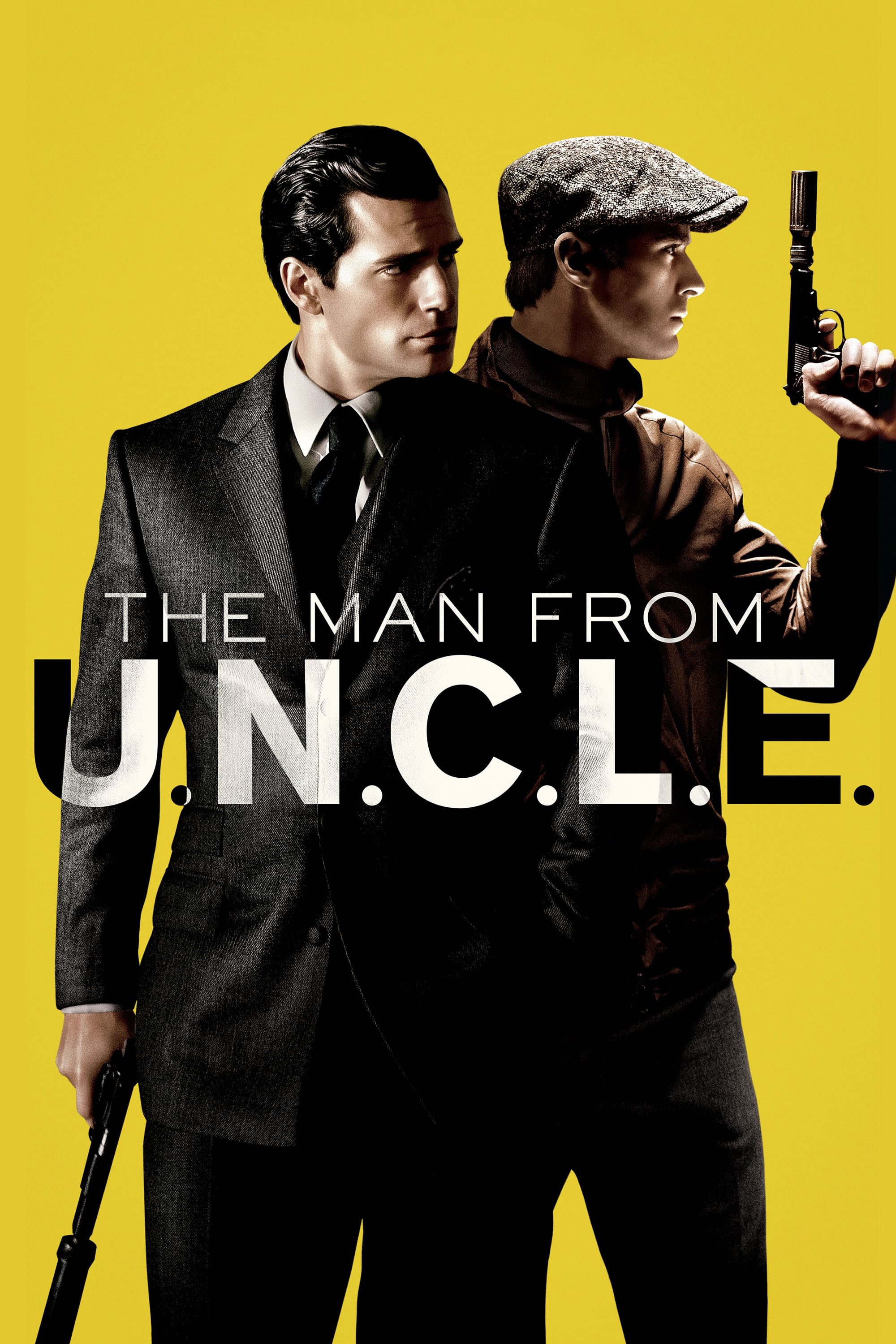
Guy Ritchie’s stylish spy film The Man from U.N.C.L.E. underperformed at the box office. Based on the 1960s television series, the movie had a budget of $75 million but only grossed $107 million worldwide. This was not the start to a new franchise that the studio had hoped for, as the film struggled to find a large audience during a competitive summer movie season.
Despite the lackluster box office, the film was well-received by those who saw it, earning praise for its style, humor, and the chemistry between its leads. It developed a strong following after its theatrical run, with fans frequently calling for a sequel. The actors have expressed interest in returning, and there have been persistent rumors and discussions about a potential sequel script being written.
Blade Runner 2049 (2017)
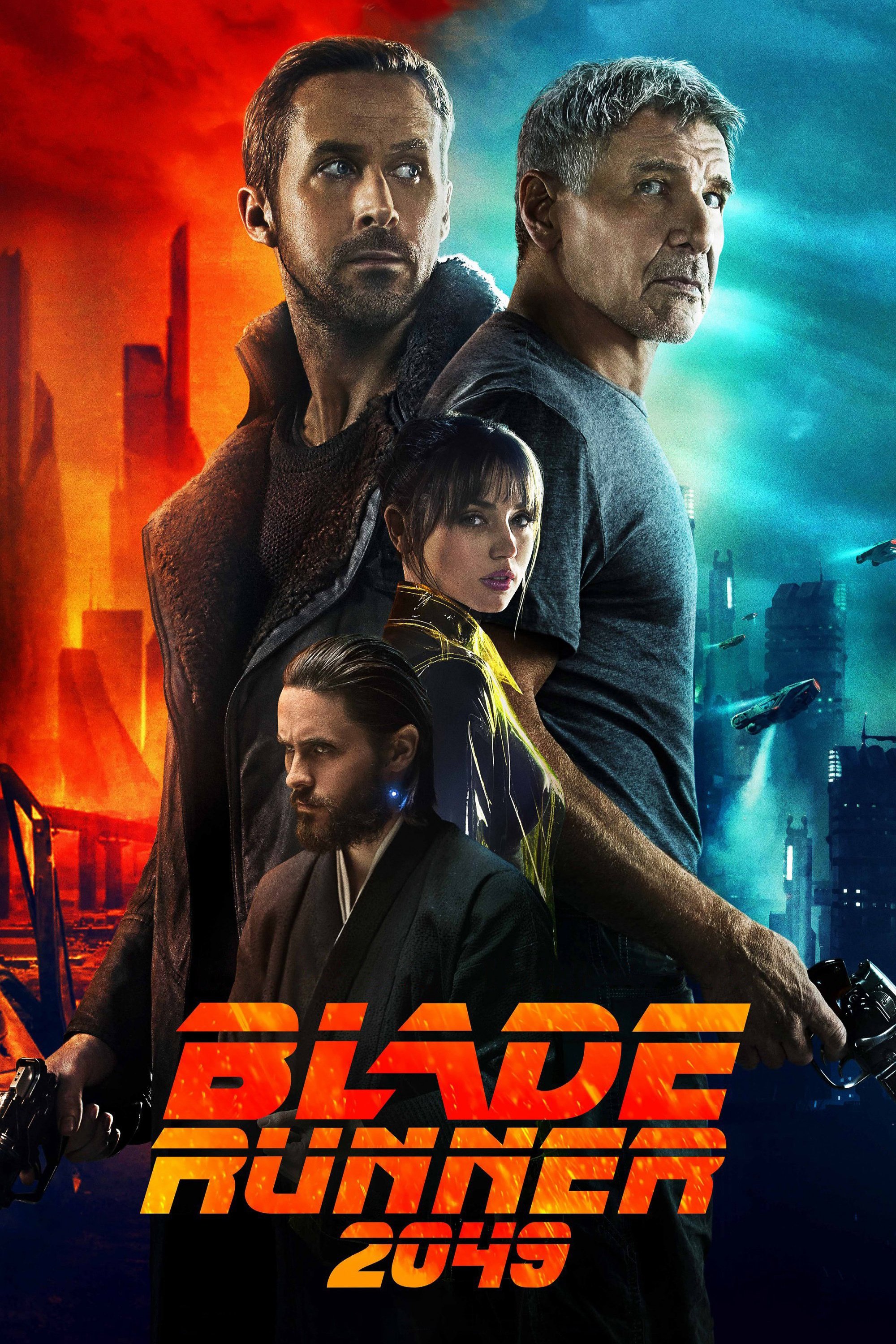
The sequel to the 1982 classic, Blade Runner 2049, received widespread critical acclaim, with many calling it one of the best films of the year. However, like its predecessor, it struggled to find a mass audience. With a production budget of around $150 million, the film grossed $260.5 million worldwide. While a respectable number, it was considered a financial disappointment given its high cost and marketing expenses.
The film’s strong critical reception and its performance on home video helped solidify the legacy of the Blade Runner franchise. The story was continued in a new medium with the animated series Blade Runner: Black Lotus. The show, which premiered in 2021, is set in the timeline between the original film and Blade Runner 2049, expanding the world and its lore.
Beyond Skyline (2017)
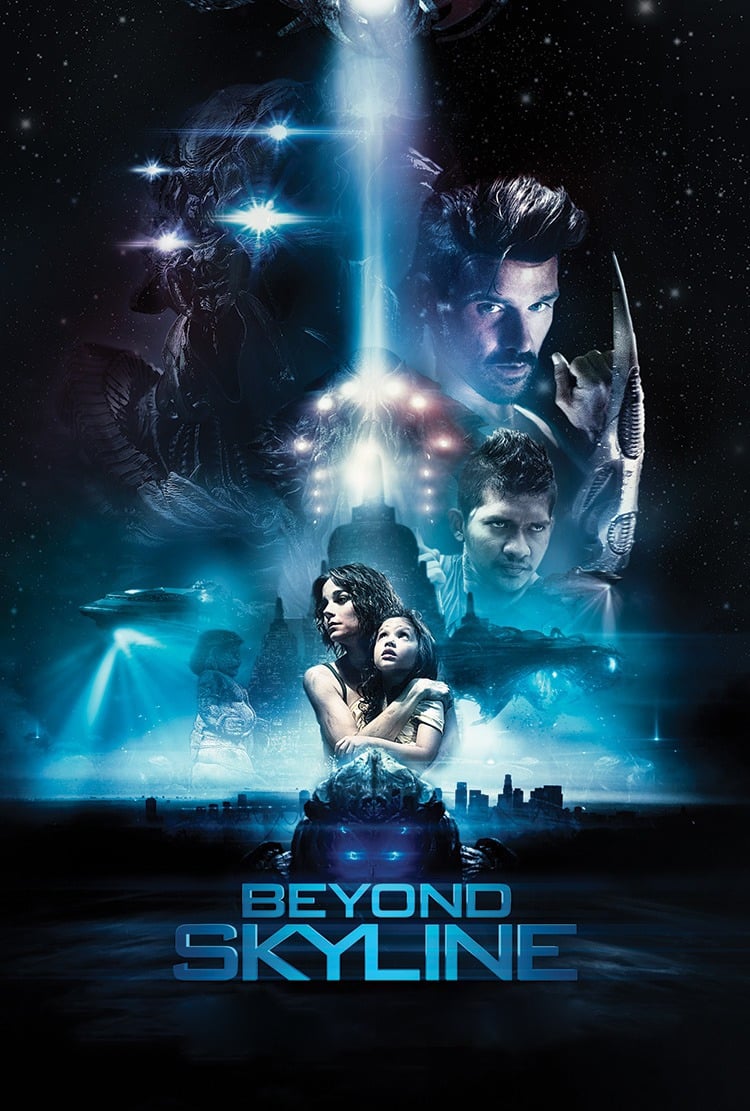
The 2010 alien invasion film Skyline was a modest financial success due to its low budget, but it was widely panned by critics. A sequel seemed unlikely. However, a second film, Beyond Skyline, was released seven years later. It was made with a different creative team and received a limited theatrical release before moving to streaming and video-on-demand.
Beyond Skyline gained a much better reception from genre fans than the original, praised for its surprising action and creativity. This positive word-of-mouth in the sci-fi community led to the production of a third film. The trilogy was completed with the release of Skylines in 2020, which continued the story and further expanded the series’ universe.
Mortal Engines (2018)

Mortal Engines, produced by Peter Jackson, stands as one of the biggest box office bombs in recent history. The fantasy epic had a budget of over $100 million and is estimated to have lost the studio more than $175 million after it grossed only $83.7 million worldwide. The film was based on a popular book series, but its complex world failed to attract moviegoers.
The movie was intended to be the first installment of a long-running series, as it was based on the first of four books. The disastrous financial performance of the first film, however, meant that any plans for direct sequels were quickly and permanently cancelled. The failure of Mortal Engines ensured that the rest of the book series would not be adapted for the big screen.
Terminator: Dark Fate (2019)
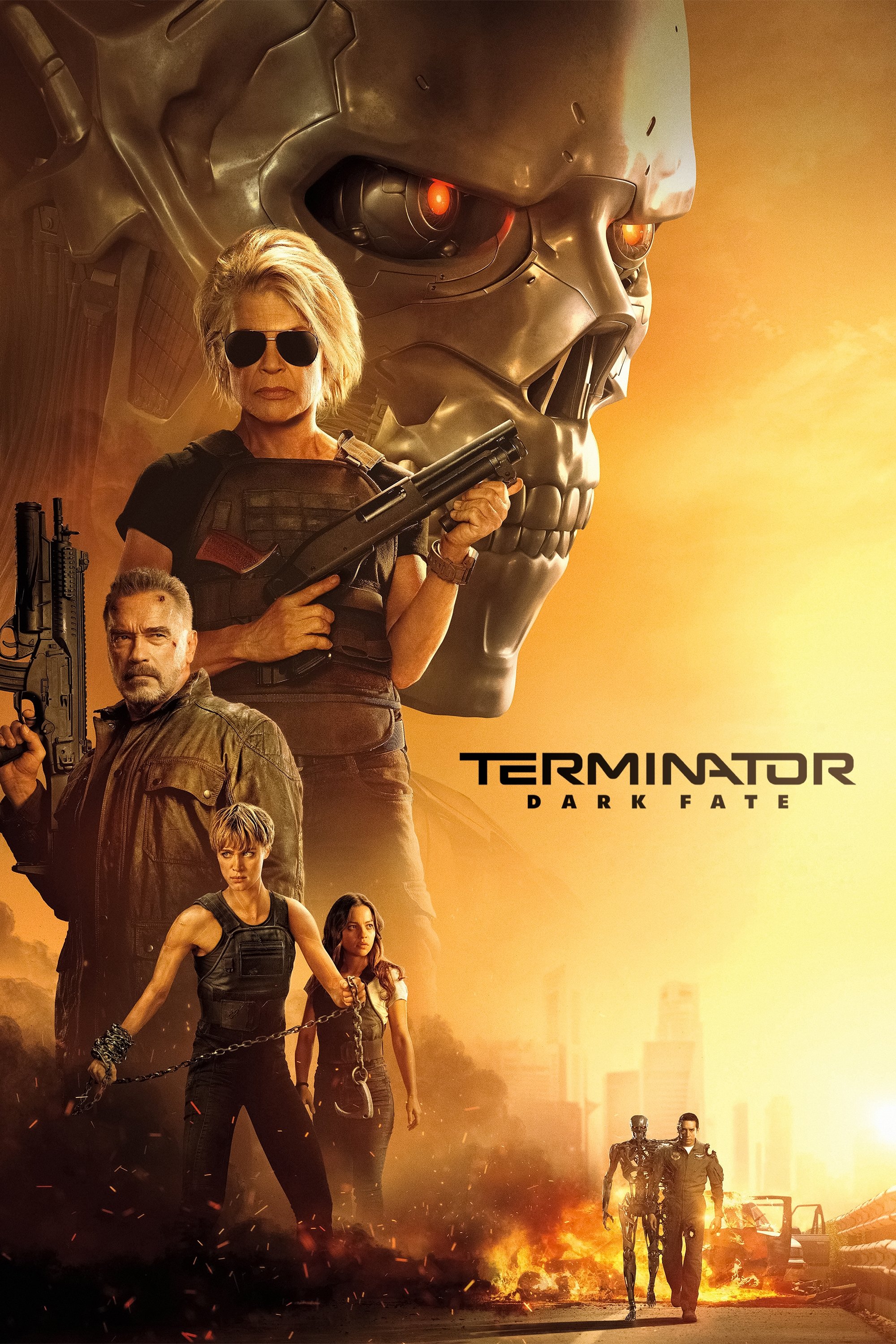
Terminator: Dark Fate was an attempt to reboot the Terminator franchise by acting as a direct sequel to Terminator 2: Judgment Day. Despite the return of original creator James Cameron as a producer and Linda Hamilton as Sarah Connor, the film was a major box office bomb. It had a budget of around $185 million but grossed only $261 million worldwide, resulting in a loss of over $120 million for the studio.
The film was planned as the first of a new trilogy that would continue the story. However, due to its massive financial failure, all plans for subsequent films were cancelled. The poor reception from audiences and the disappointing box office return marked the end of this particular timeline for the long-running science fiction franchise.
The Last Duel (2021)
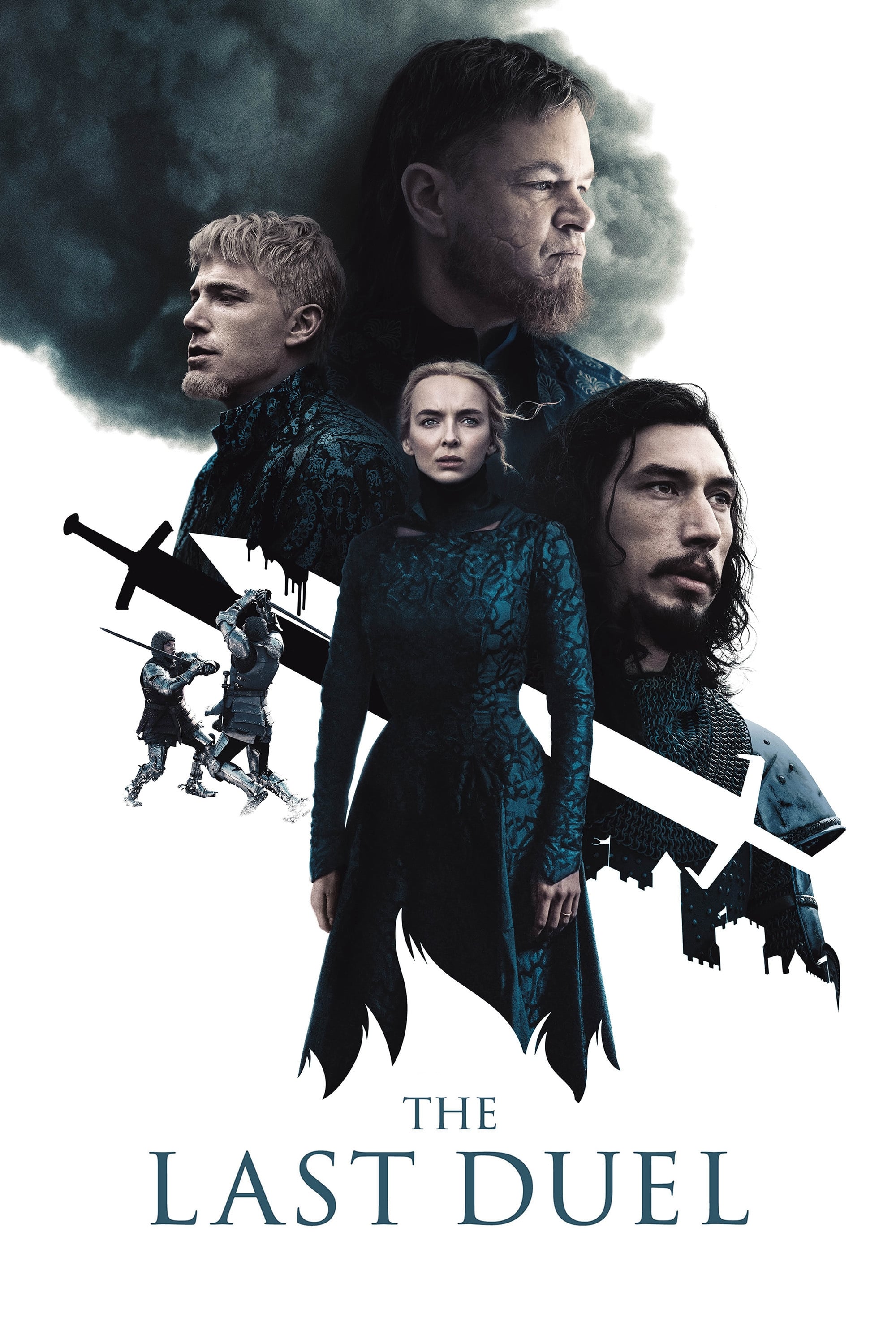
Directed by Ridley Scott, The Last Duel was a historical drama with a major cast that included Matt Damon, Adam Driver, and Ben Affleck. The film received positive reviews from critics but was a catastrophic failure at the box office. With a budget of $100 million, it grossed only $30.6 million worldwide, making it one of the biggest bombs of the year.
While there are no plans for a direct sequel to the self-contained story of The Last Duel, its financial failure did not stop its director and star from immediately collaborating on another film. Ridley Scott and the film’s lead actor, Joaquin Phoenix, who worked together on the classic film Gladiator, reunited for the historical epic Napoleon. This subsequent film focused on a different historical figure but followed a similar path of large-scale historical filmmaking.
Dungeons & Dragons: Honor Among Thieves (2023)
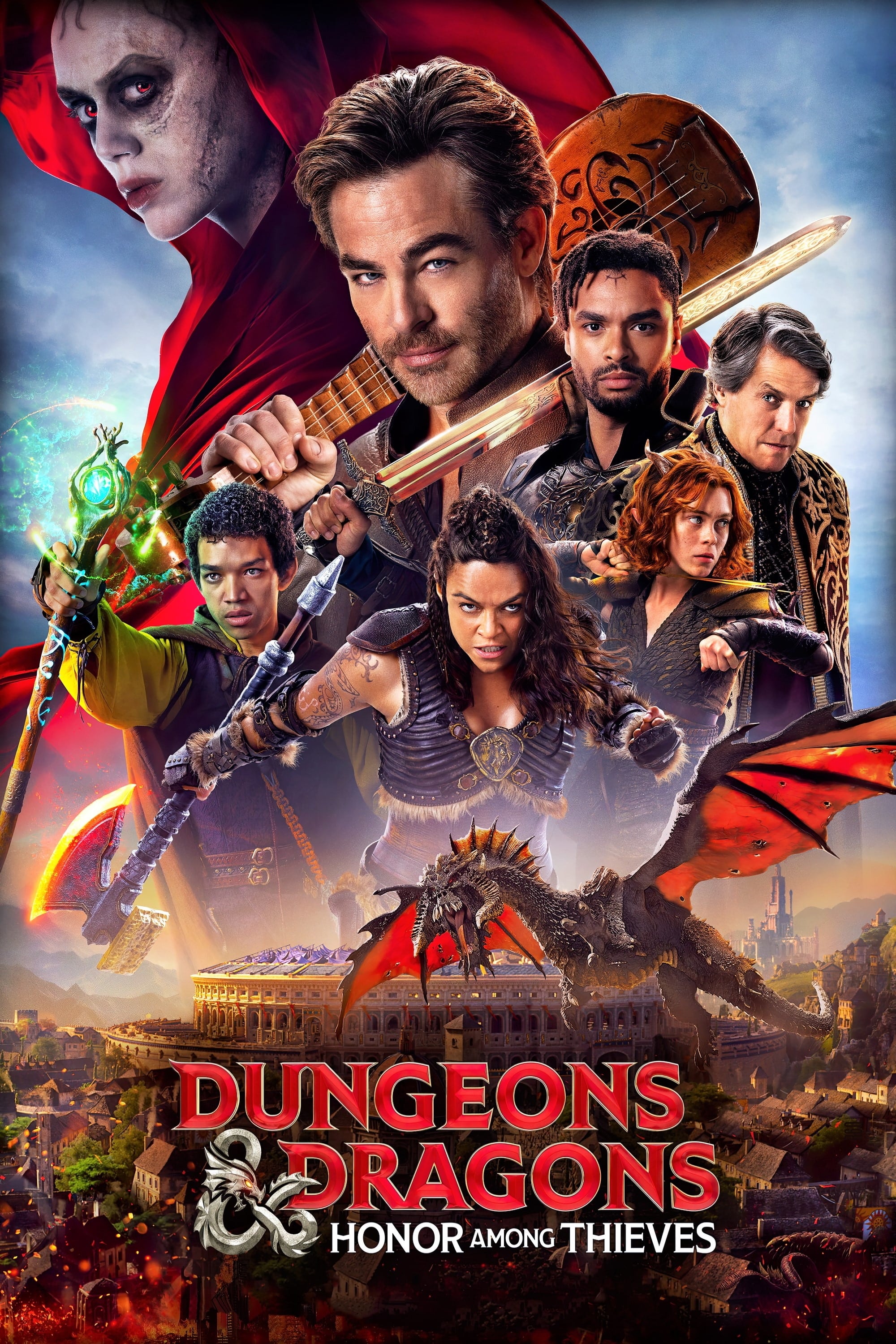
The fantasy adventure Dungeons & Dragons: Honor Among Thieves received very positive reviews from both critics and audiences, who praised its humor, action, and faithful spirit to the game. However, it struggled at the box office. The movie cost about $150 million to produce but earned just $208 million worldwide. This total was not enough for the film to be considered a financial success.
Despite the disappointing box office, the film’s strong reception and good performance on streaming services have kept hopes for a sequel alive. The studio and the filmmakers have expressed a desire to make another film, and a new television series set in the same universe has been in development. The positive buzz could be enough to justify another adventure in this world.
The King’s Man (2021)

A prequel to the successful Kingsman series, The King’s Man faced numerous delays before its release. The film had a budget of around $100 million but only managed to gross $126 million globally. This performance was a significant drop from the previous two films in the franchise and was considered a box office disappointment, partly due to the challenging theatrical market at the time.
Even with the prequel’s soft box office, the studio still has plans to continue the main story. A third film in the primary series, tentatively titled Kingsman: The Blue Blood, is reportedly still in development. This sequel would continue the adventures of the characters Eggsy and Harry Hart from the first two popular films, demonstrating the studio’s confidence in the core franchise despite the prequel’s performance.

