


Movies That Fell to Backlash, Not Bad Filmmaking

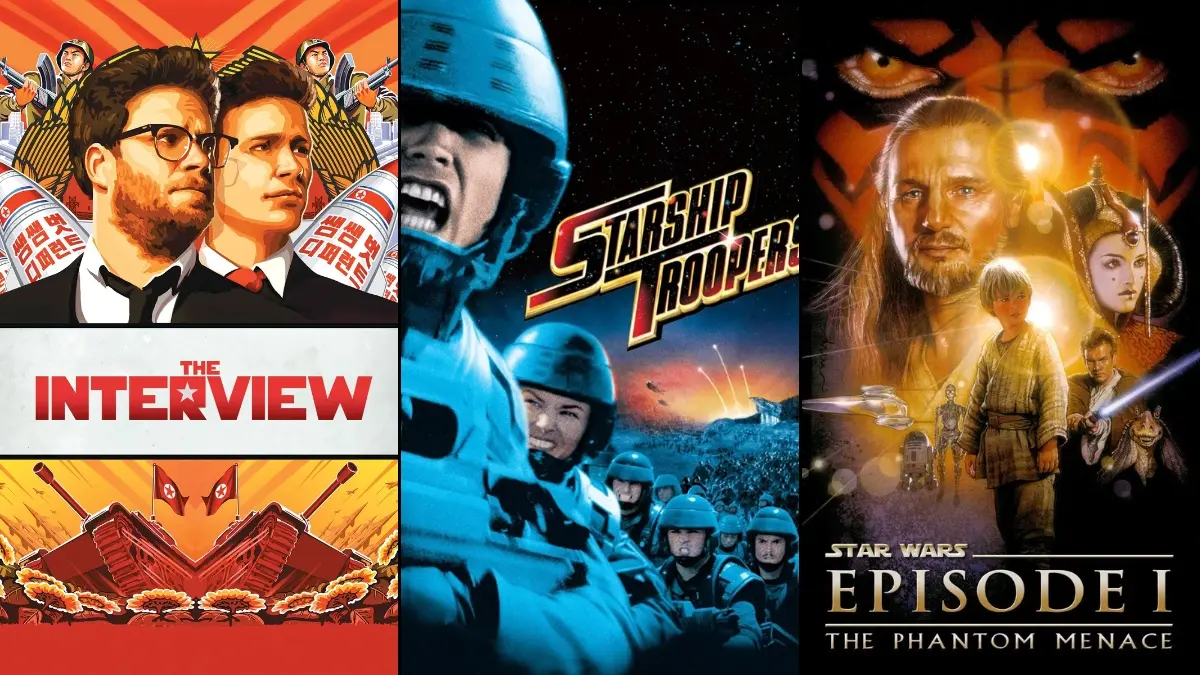


Hype, expectations, and cultural flashpoints can overwhelm a film long before audiences settle into their seats. Marketing choices, casting decisions, franchise lore debates, and broader social controversies have each sparked pile-ons that shaped a movie’s reputation more than what’s actually on the screen. Here are films whose narratives were often drowned out by noise—campaigns, protests, or fan wars—rather than craft alone.
‘Star Wars: The Last Jedi’ (2017)
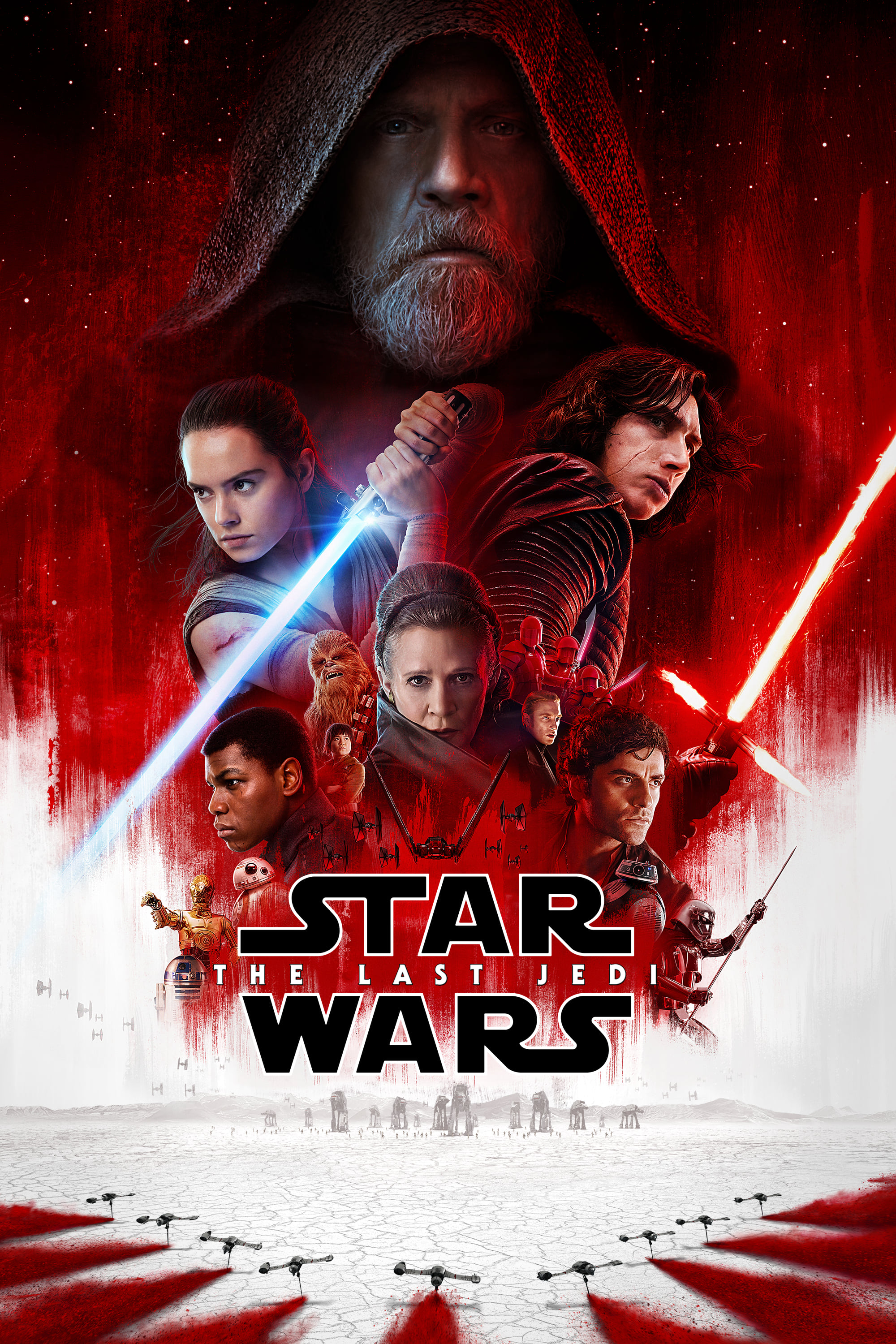
A coordinated wave of fan campaigns targeted the film’s character arcs, tone shifts, and subversions of franchise mythology. Review-bombing and petition drives attempted to delegitimize its place in the saga. Despite the uproar, it drew strong global receipts and extensive critical attention, becoming a focal point for debates about authorship and canon in large franchises.
‘Batman v Superman: Dawn of Justice’ (2016)
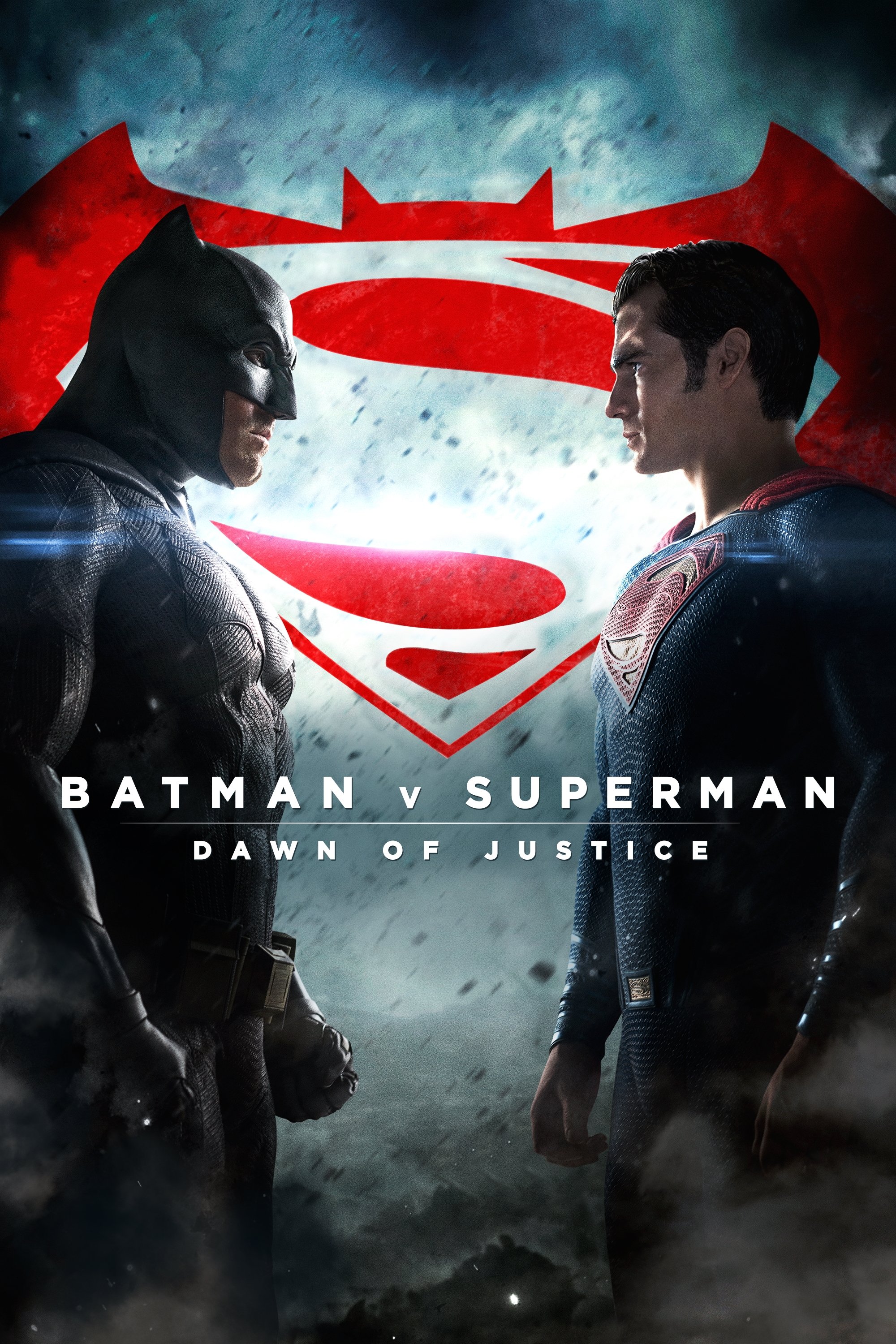
Pre-release teasers and leaks fueled polarized expectations that hardened into online backlash after opening weekend. Disputes centered on tonal darkness, narrative structure, and the portrayal of iconic heroes. A later extended cut re-ignited conversation by restoring plot elements and action beats that had been trimmed for theatrical release.
‘Ghostbusters’ (2016)
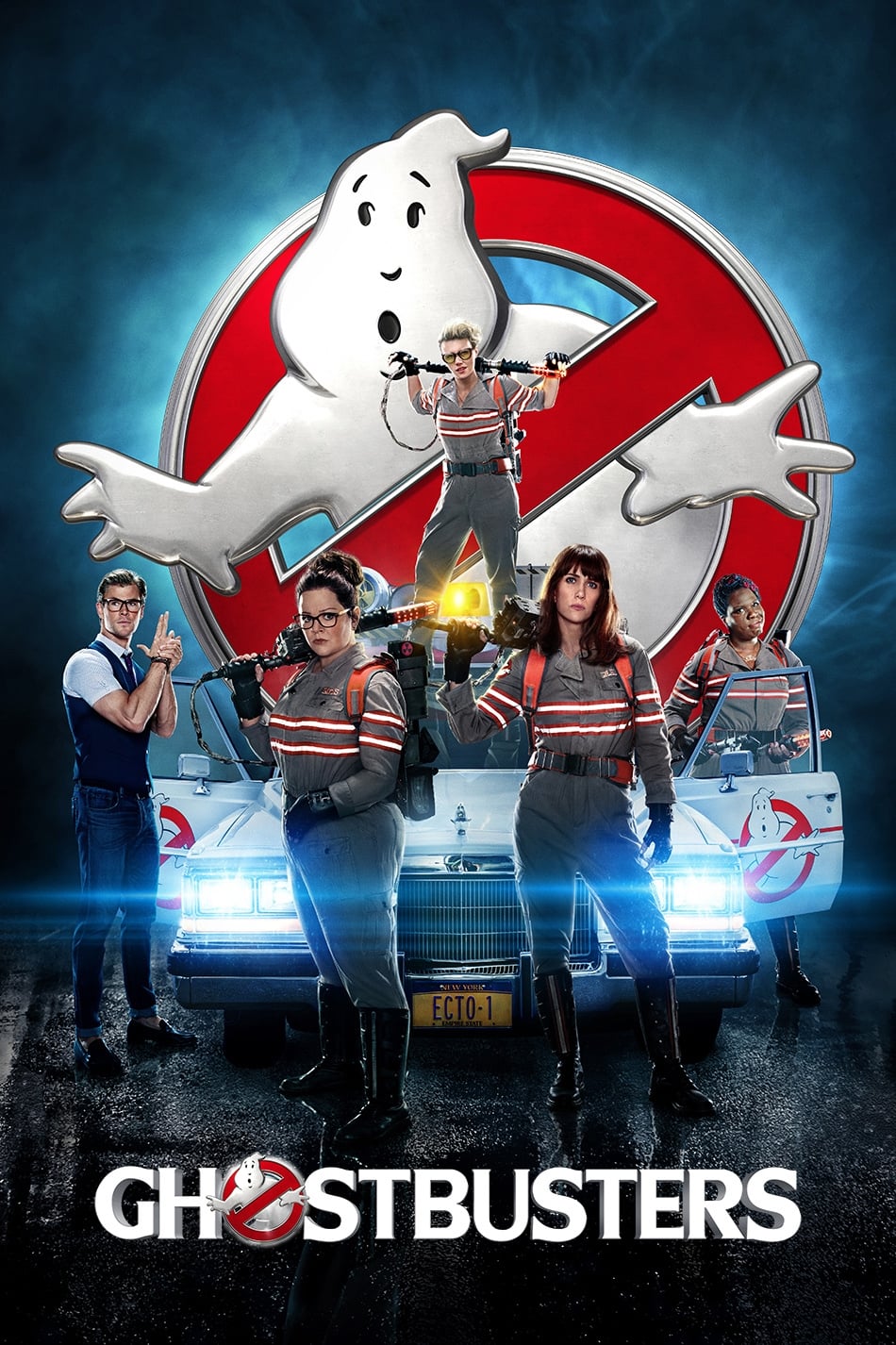
The announcement of an all-female team triggered a sustained, highly visible online campaign against the project. Trailer downvotes and targeted harassment became a case study in culture-war dynamics around legacy properties. The film’s rollout pivoted to address the hostility while maintaining a wide theatrical release and a full merchandise program.
‘Eternals’ (2021)

Early aggregation scores were swamped by culture-war commentary about casting, queer representation, and the film’s mythic approach. Organized downvoting waves coincided with platform policy changes designed to curb brigading. The ensemble still posted robust international earnings and introduced key cosmic lore for future installments.
‘The Interview’ (2014)
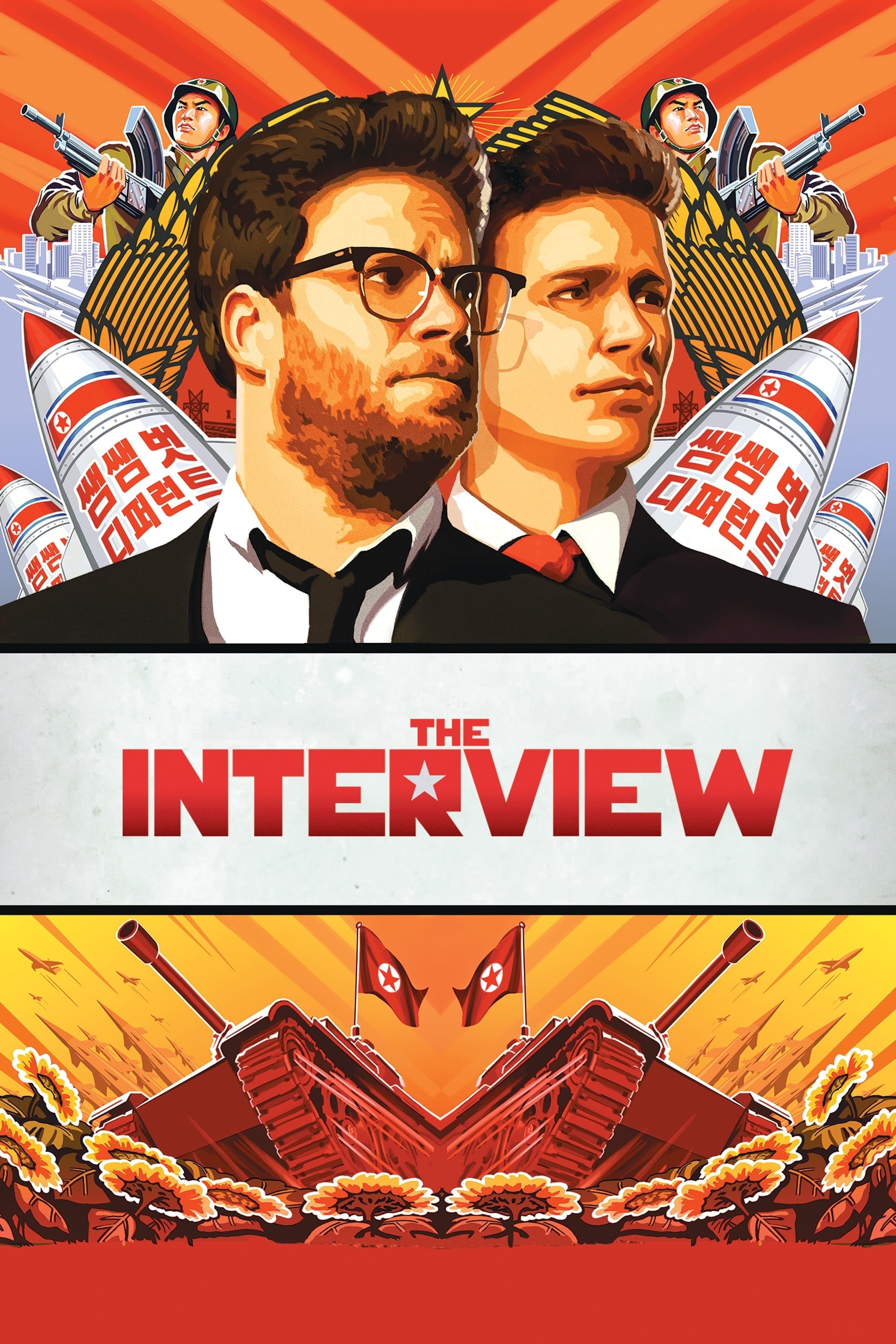
A cyberattack tied to the film’s subject matter led to threats against exhibitors and an unprecedented shift in release strategy. Major theater chains pulled out, and the studio pivoted to a limited theatrical and digital rollout. The episode sparked government statements, insurance questions, and industry-wide conversations about security and free expression.
‘The Last Temptation of Christ’ (1988)
Religious organizations mounted protests, boycotts, and pickets against the adaptation’s theological framing. Several cities saw attempts to block screenings, while some international markets faced outright bans. The controversy catalyzed public debates about artistic license, faith representation, and the boundaries of censorship.
‘Noah’ (2014)
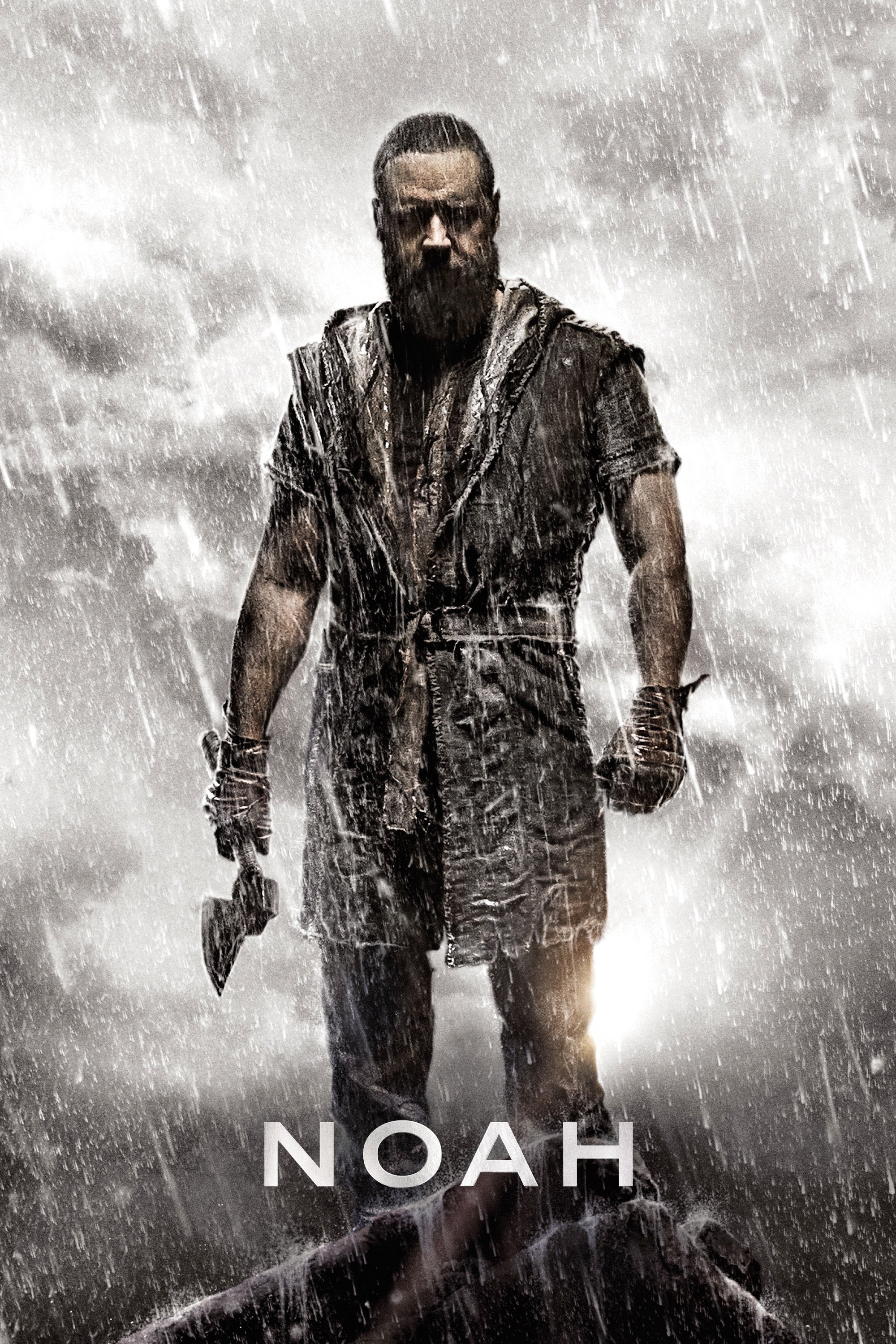
Faith-based groups criticized deviations from scripture and the inclusion of fantastical elements, prompting content disclaimers in certain territories. Marketing was re-targeted to manage expectations between religious audiences and mainstream viewers. Despite the uproar, the film’s large-scale production design and visual effects remained a talking point worldwide.
‘Joker’ (2019)
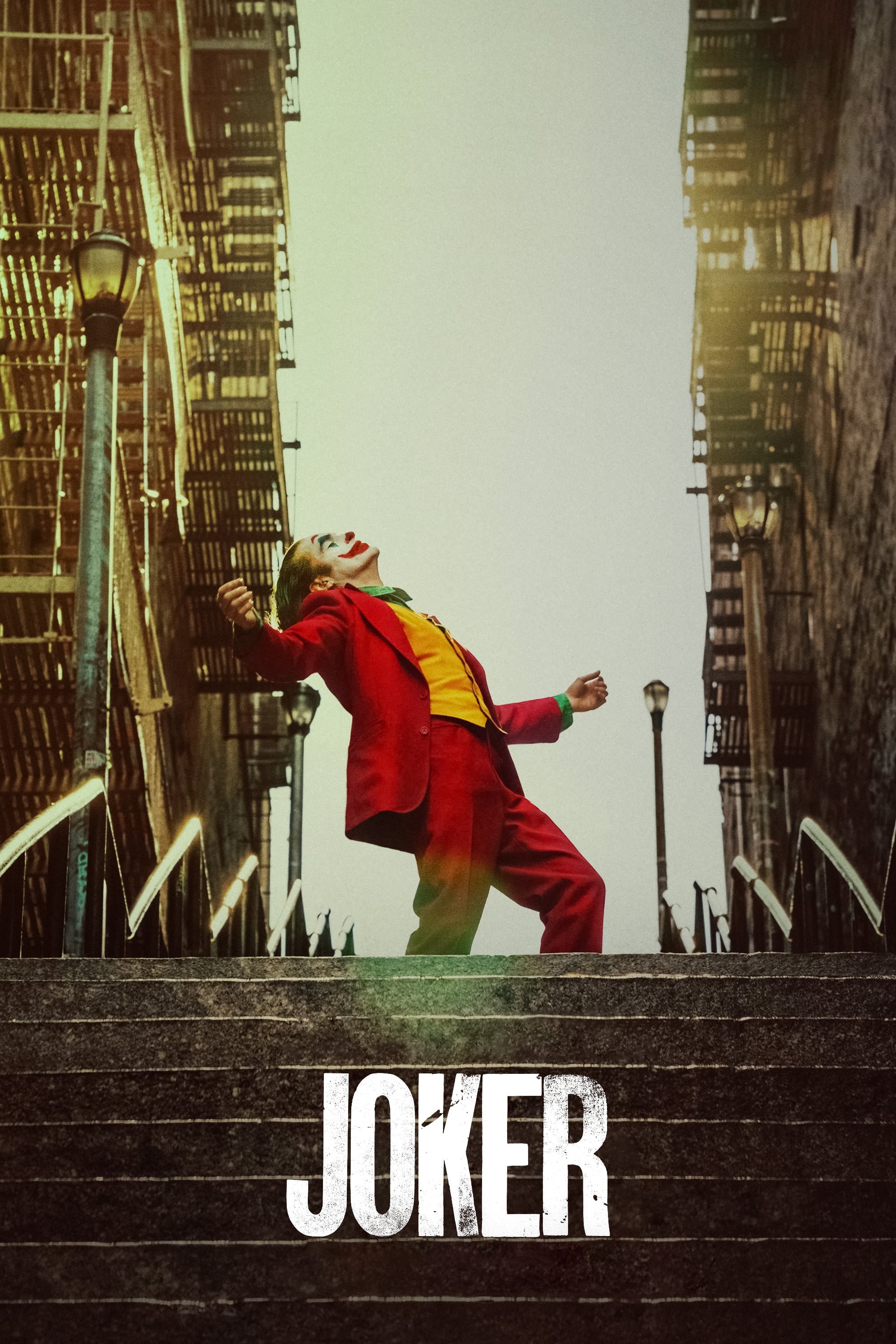
Public officials and advocacy groups raised concerns about potential violence, leading to heightened theater security and policy reminders. Some venues restricted costumes, and law enforcement coordinated with exhibitors during opening weekend. The film’s festival awards and box-office performance unfolded alongside ongoing debates about media influence and responsibility.
‘The Hunt’ (2020)

A politically charged premise drew criticism from across the spectrum, prompting a postponed release. Marketing was retooled with a satirical framing to clarify intent before the theatrical return. The film’s distribution strategy became an early example of flexible scheduling and premium at-home availability.
‘Cuties’ (2020)

A misjudged poster and summary on a major platform triggered global outrage that conflated marketing materials with the film’s actual narrative. Petitions, political statements, and legal inquiries followed in multiple regions. The distributor apologized for promotional choices while the film remained accessible with updated positioning.
‘Starship Troopers’ (1997)
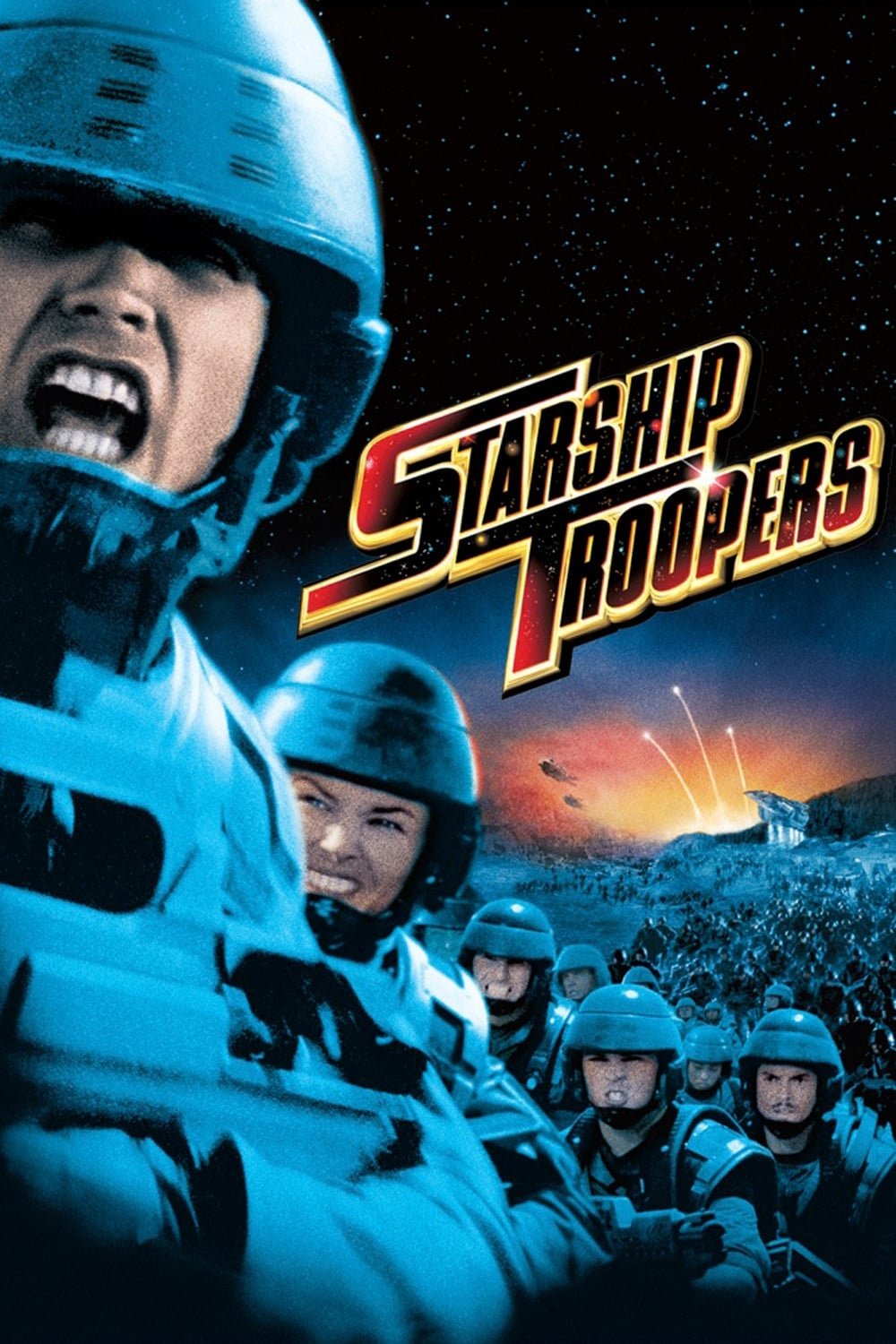
Initial marketing emphasized surface-level action, obscuring the film’s satirical approach to militarism and propaganda. Many viewers assessed it without the context of the source novel’s adaptation choices and the director’s prior satire. Over time, scholarly and critical writing reframed the conversation, highlighting intentional design and world-building.
‘Fight Club’ (1999)

Pre-release coverage fixated on depictions of violence and consumer rebellion, leading to cautious studio messaging and some advertiser pullbacks. The home-video cycle reshaped the audience, but the initial reception was colored by alarmed commentary. Later editions and retrospectives documented production choices, visual techniques, and narrative structure in depth.
‘Showgirls’ (1995)

An NC-17 rating limited advertising and traditional exhibition, and moral debates overshadowed discussion of choreography and production scale. Theatrical performance suffered amid media sensationalism about explicit content. Subsequent reappraisals traced the film’s midnight-movie circuit, documenting new audience patterns and academic interest.
‘The Wolf of Wall Street’ (2013)
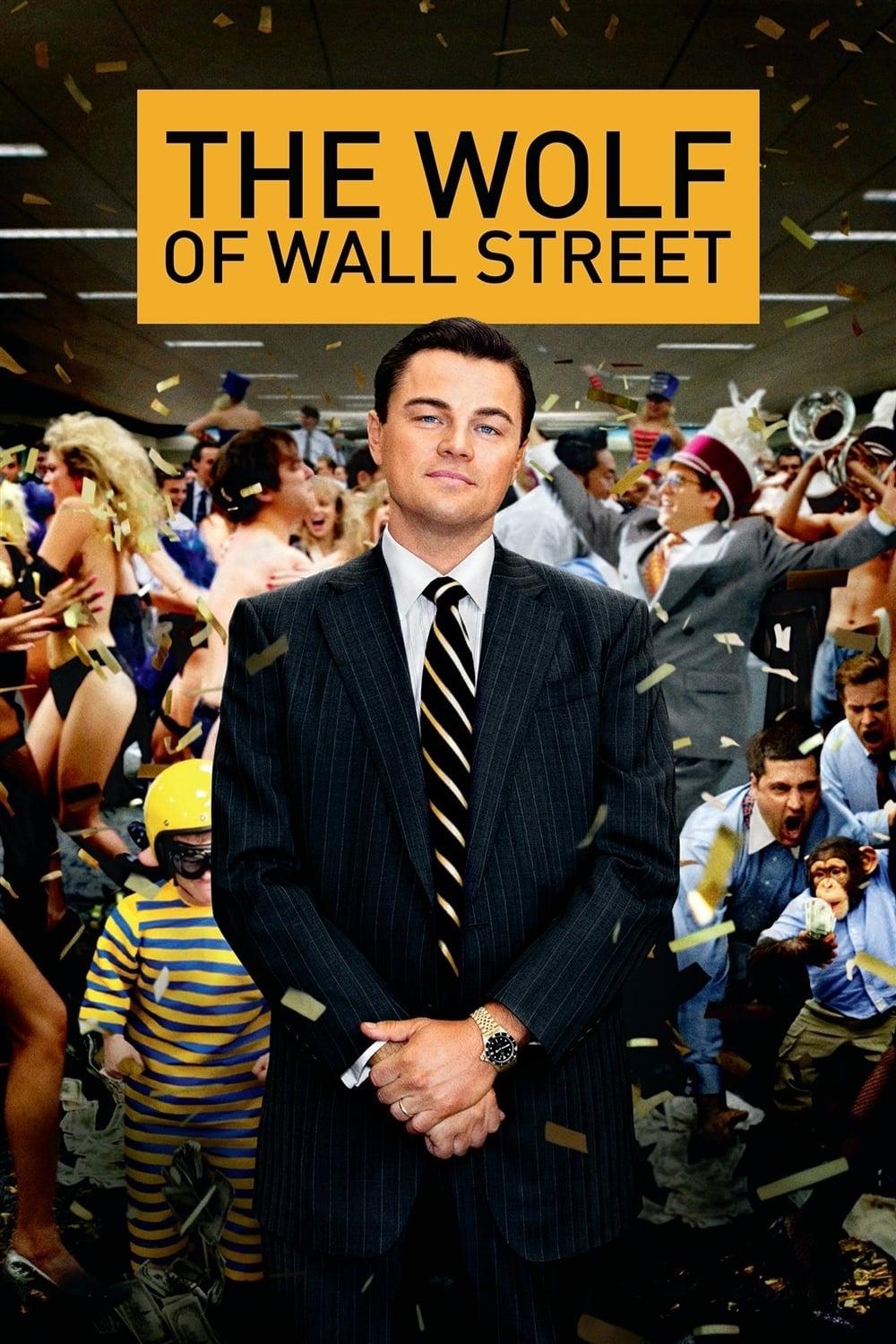
Commentators accused the film of glamorizing criminal excess, prompting public complaints and industry op-eds during award season. The production’s rapid-fire improvisation and long takes were often overlooked in early discourse. Financial-fraud victims and advocacy groups entered the conversation, pushing the studio to clarify context.
‘Mother!’ (2017)

Aggressive marketing teasers and a secretive campaign set expectations that clashed with an allegorical narrative, leading to walkouts and rare audience-score lows. Security and spoiler protocols kept plot details out of mainstream coverage until release. The resulting debate centered on symbolism, content warnings, and the limits of mainstream psychological horror.
‘Speed Racer’ (2008)
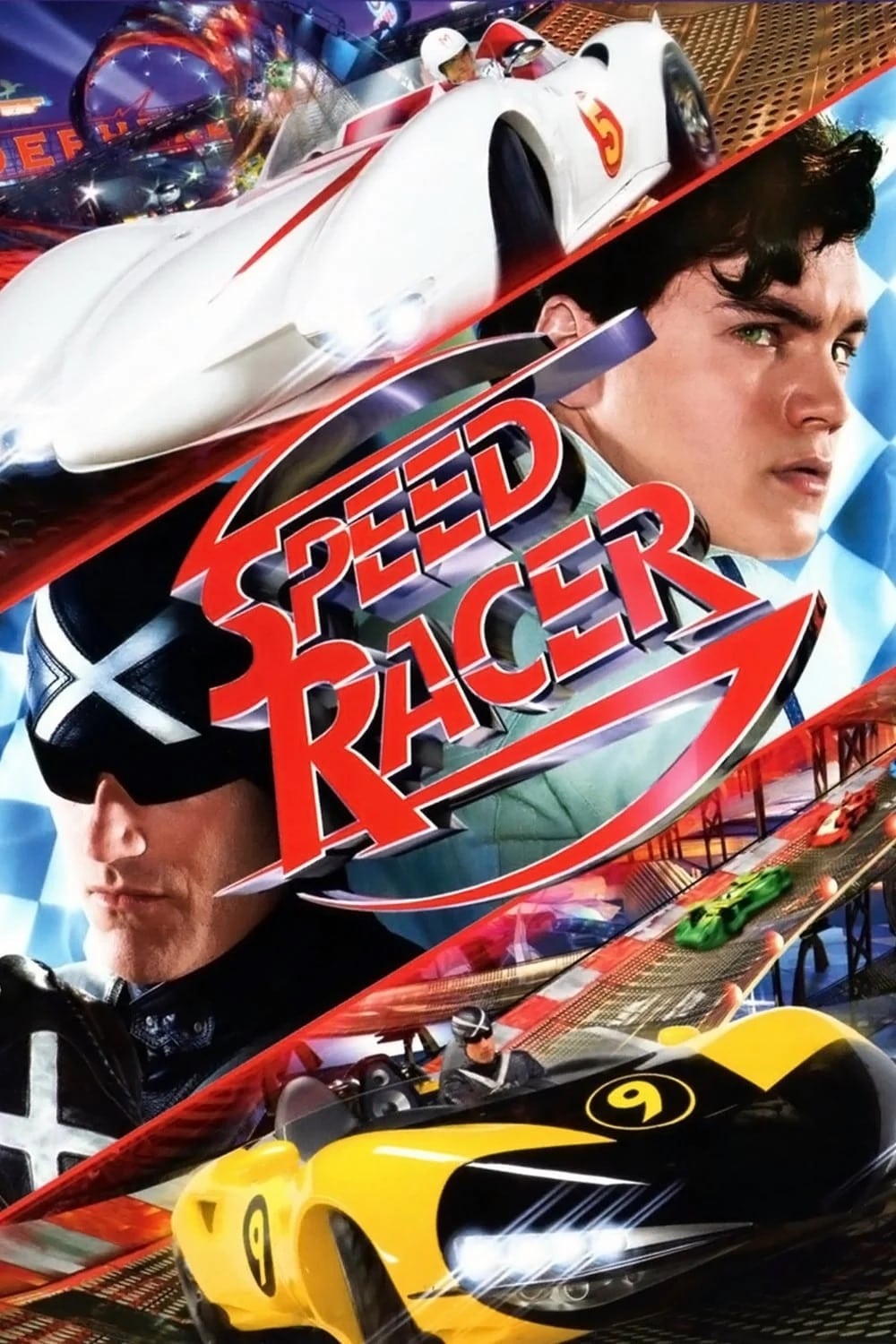
Early trailers highlighted saturated digital imagery that clashed with prevailing tastes, prompting skepticism about visual effects and tone. Merchandise partners leaned into family branding while critics debated the film’s editing grammar. Its later cult following emerged alongside advancements in high-frame-rate displays and HDR home releases.
‘Cloud Atlas’ (2012)
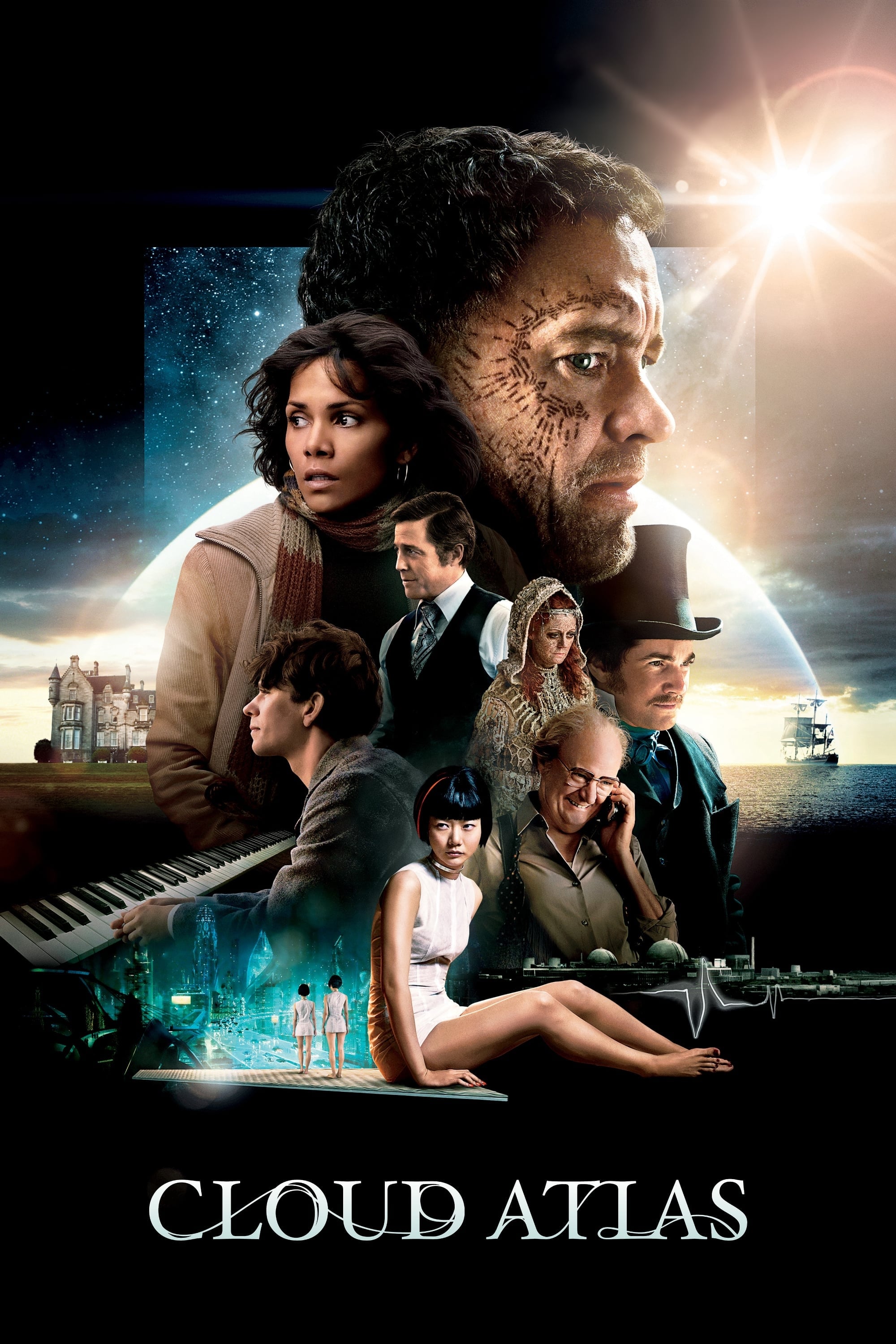
Casting choices involving cross-racial makeup drew criticism that overshadowed discussion of structure and editing. International financing created a complex distribution patchwork, affecting marketing consistency. The film’s multiple timelines and recurring motifs were documented through production notes and extensive composer interviews.
‘John Carter’ (2012)
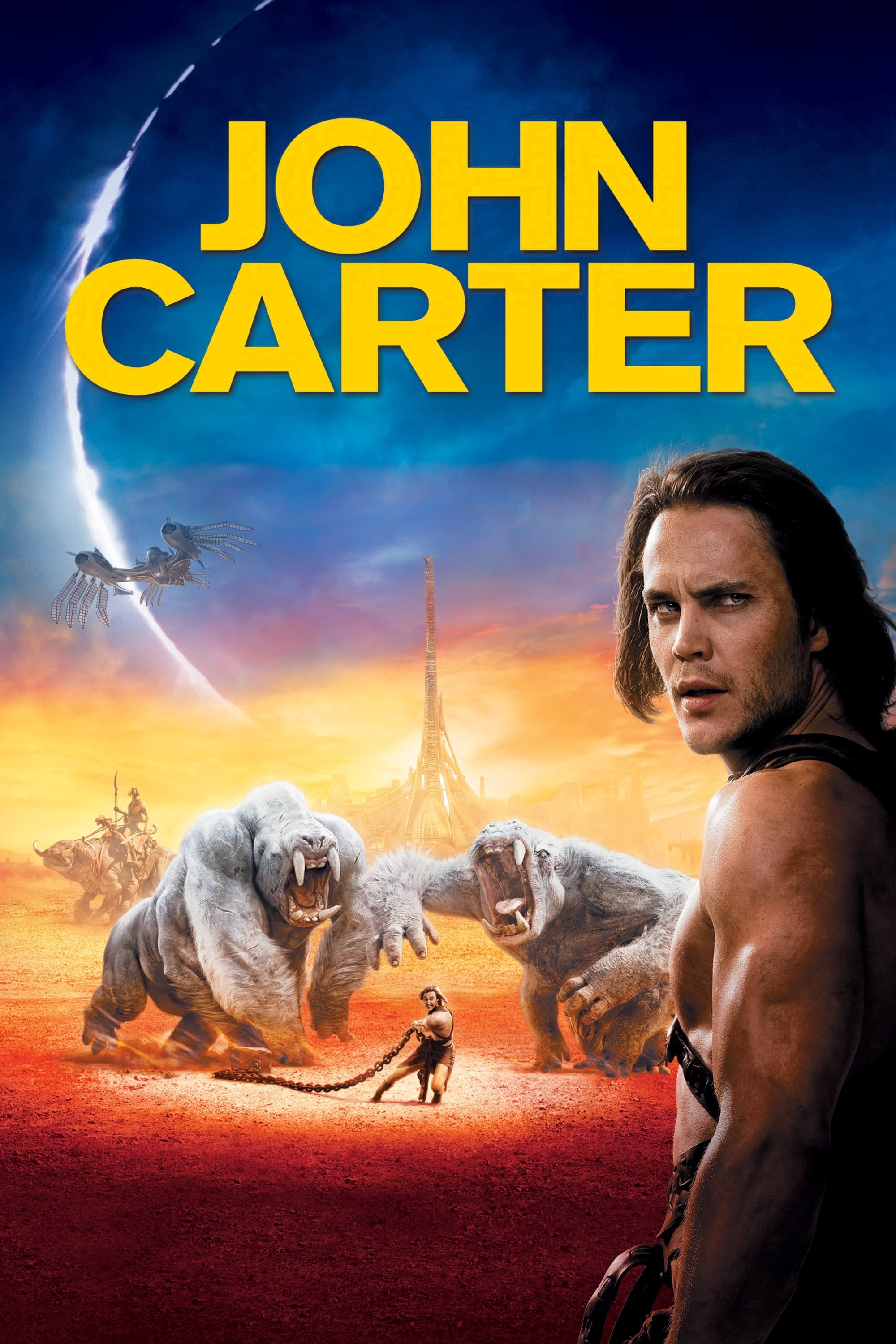
Brand recognition challenges and a late title change fueled confusion about the story’s pulp origins. Media coverage fixated on budget headlines, turning the release into a referendum on studio risk. Tie-in campaigns and international rollouts struggled to establish a clear identity amid the noise.
‘The Matrix Reloaded’ (2003)
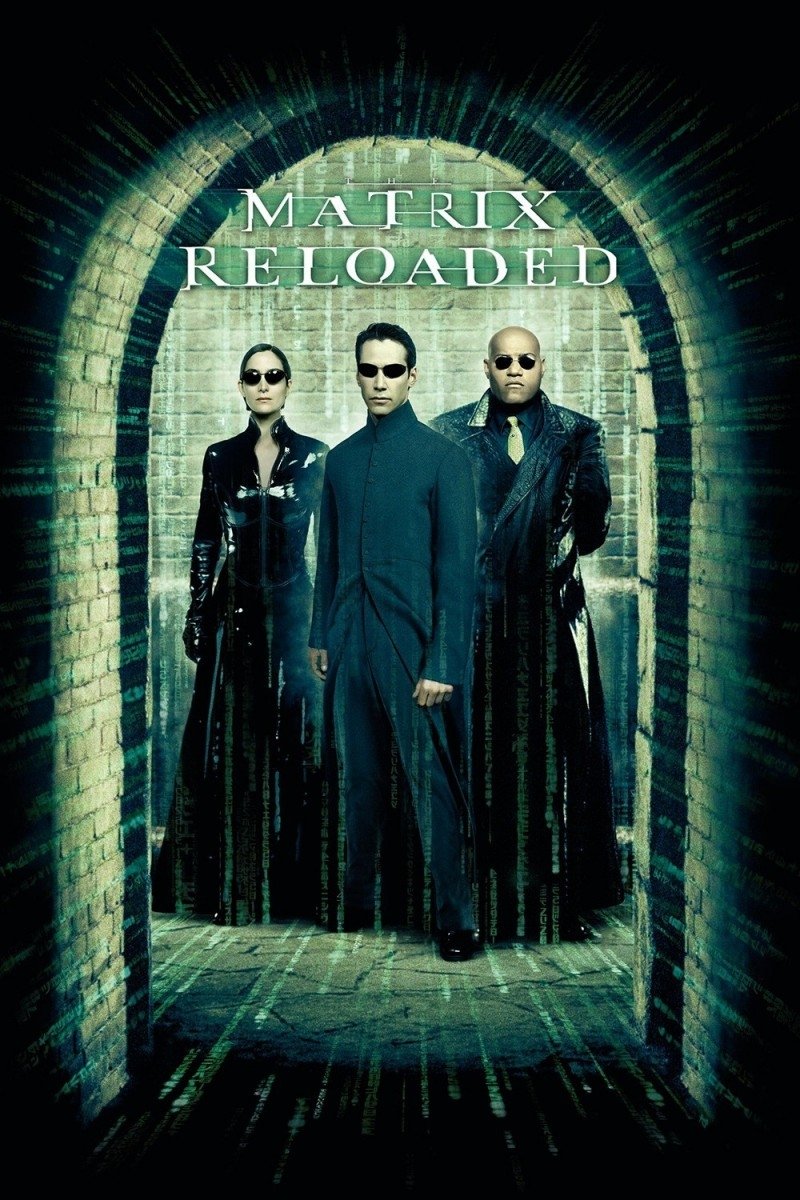
Franchise expectations collided with a denser philosophical focus, provoking backlash over exposition and architected world rules. A cross-media strategy spanned animated shorts, a video game, and companion materials that some viewers skipped. The freeway chase and systemic lore were heavily documented in production featurettes and stunt reels.
‘Alien³’ (1992)

Leaked plot points about character fates sparked fan anger months before release. Multiple script drafts and reshoots created a public narrative of turmoil that dominated coverage. A later assembly cut mapped the editorial history and restored locations and subplots.
‘Prometheus’ (2012)
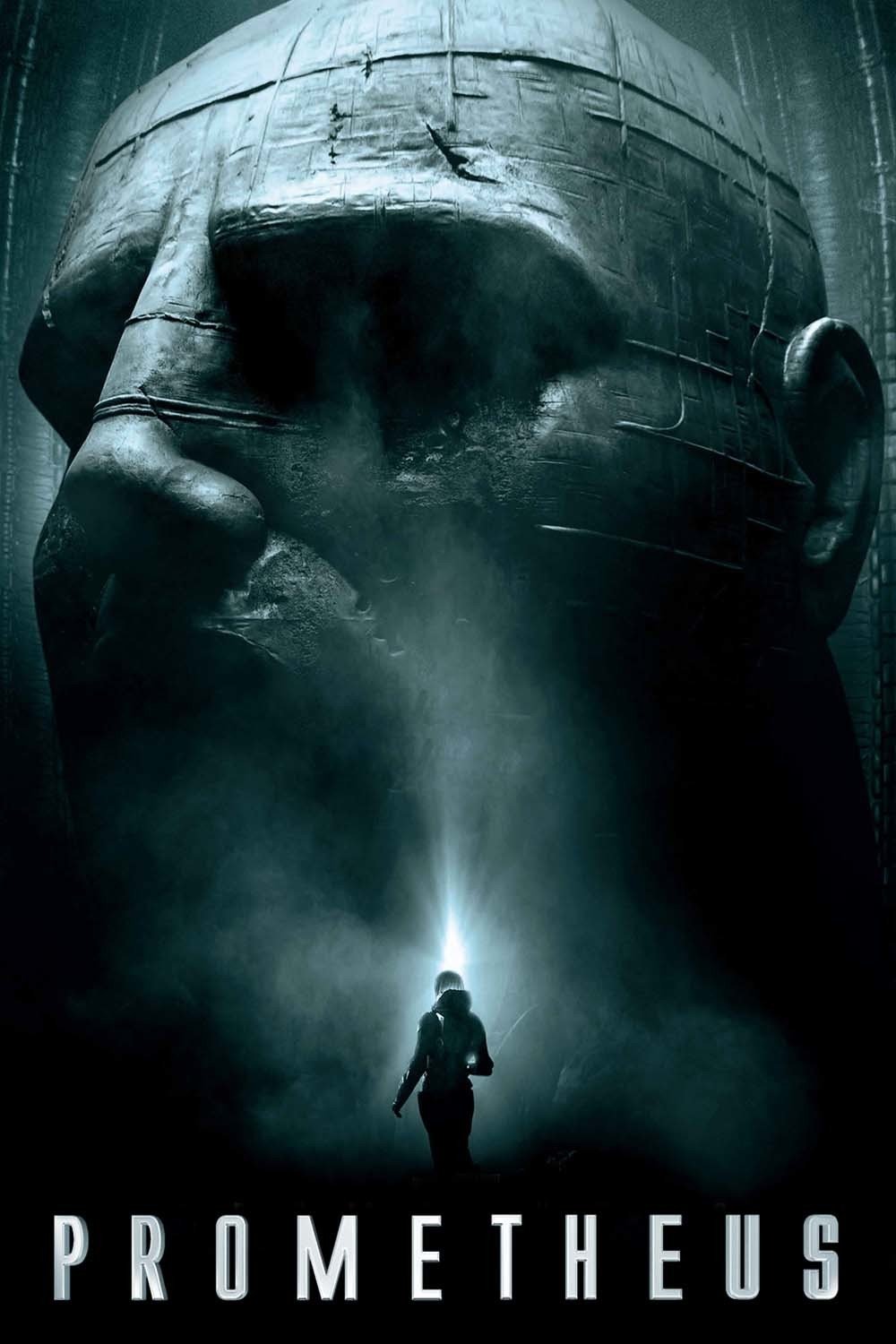
Debate centered on creature-design lineage and how the film reinterpreted existing franchise mythology. Viral marketing seeded pseudo-corporate videos and websites that many viewers missed, fueling confusion about backstory. The production’s design archives and art books detail the engineering of sets and biomechanical aesthetics.
‘The Hobbit: An Unexpected Journey’ (2012)
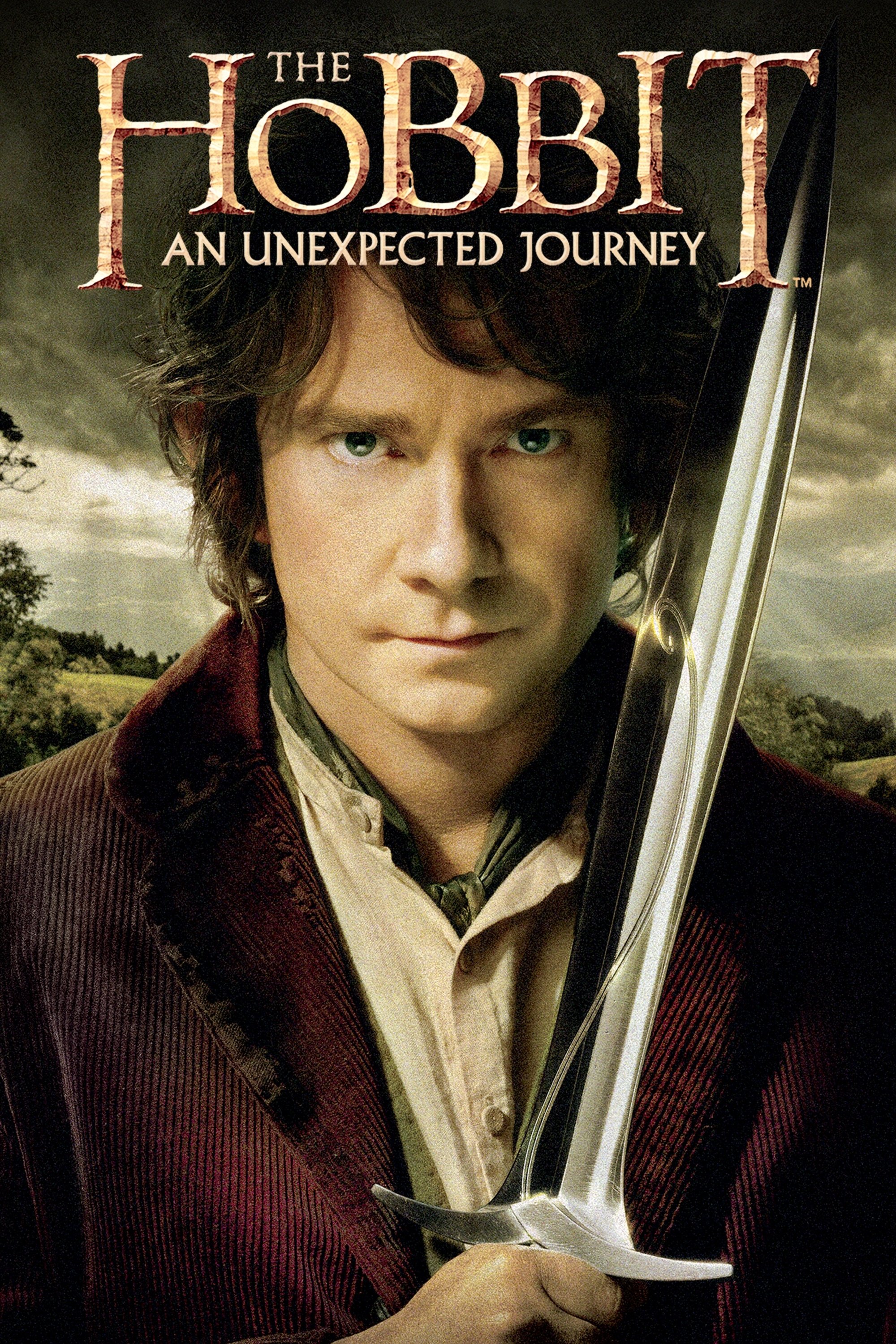
High-frame-rate exhibition prompted visible divide among early audiences, with some theaters offering multiple projection formats. Discussions about visual texture and motion handling dominated tech coverage. The studio coordinated with exhibitors to adjust showtimes and educate viewers on format differences.
‘The Passion of the Christ’ (2004)
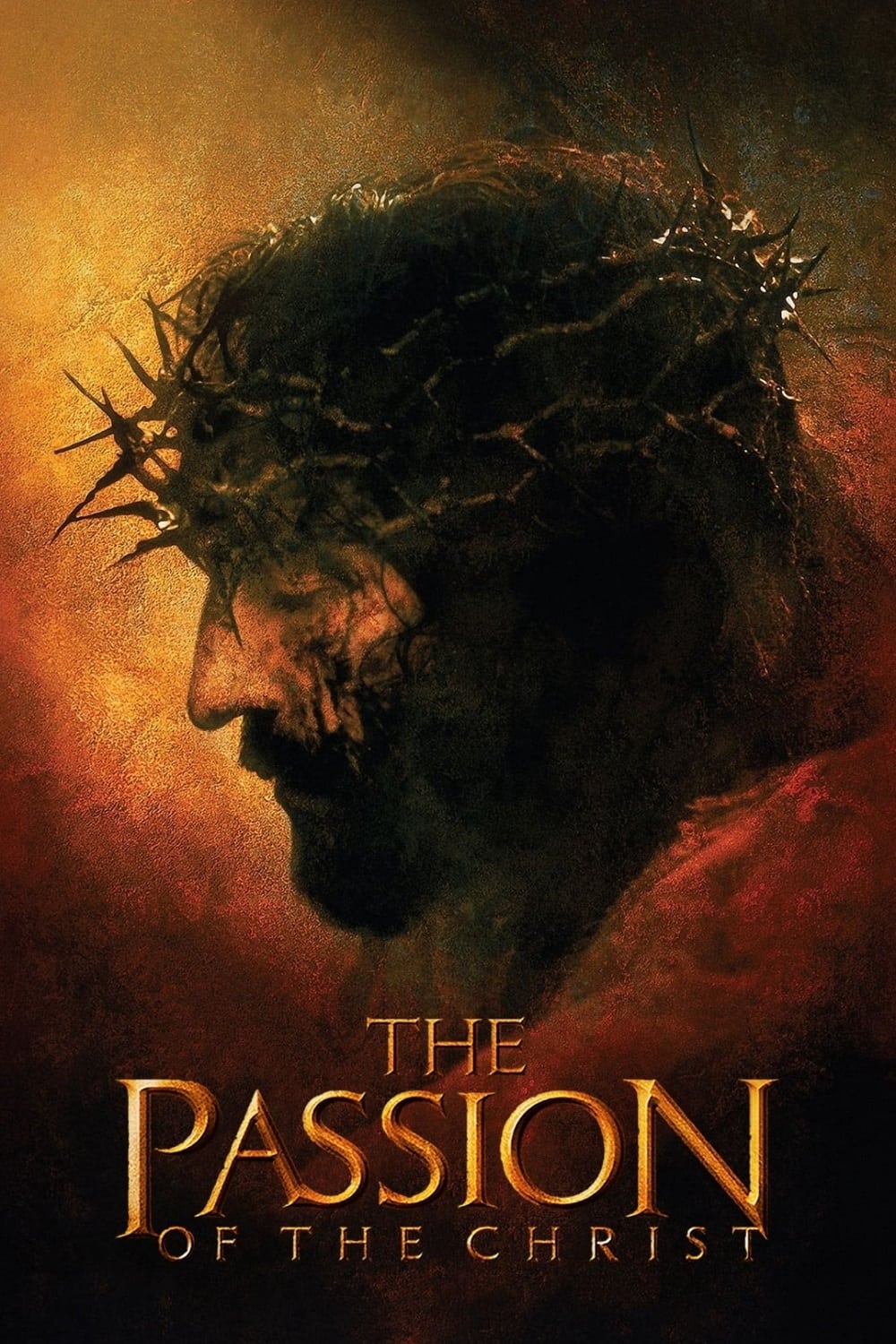
Interfaith organizations debated historical portrayal and language choices, driving extraordinary media attention. Subtitled Aramaic and Latin dialogue spurred accessibility discussions and targeted church-group screenings. The film’s release strategy leveraged grassroots outreach, ticket block-buys, and specialized venue partnerships.
‘The King of Comedy’ (1982)
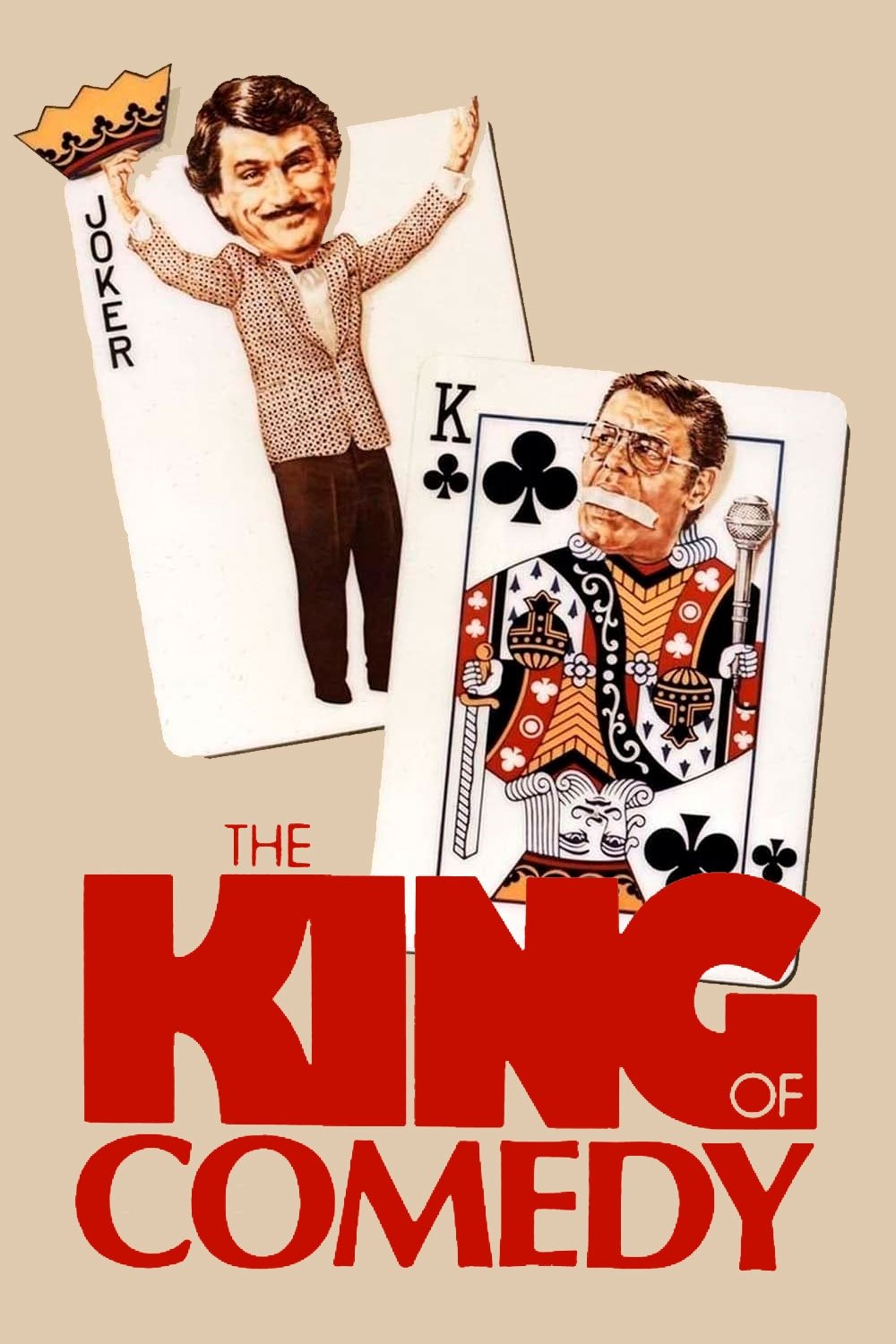
Initial audiences and some critics rejected its uncomfortable tone, leading to muted domestic results despite prominent talent. Over time, curators traced its influence on portrayals of celebrity obsession and parasocial dynamics. Archival interviews document deliberate choices in staging, performance style, and location shooting.
‘Star Wars: Episode I – The Phantom Menace’ (1999)
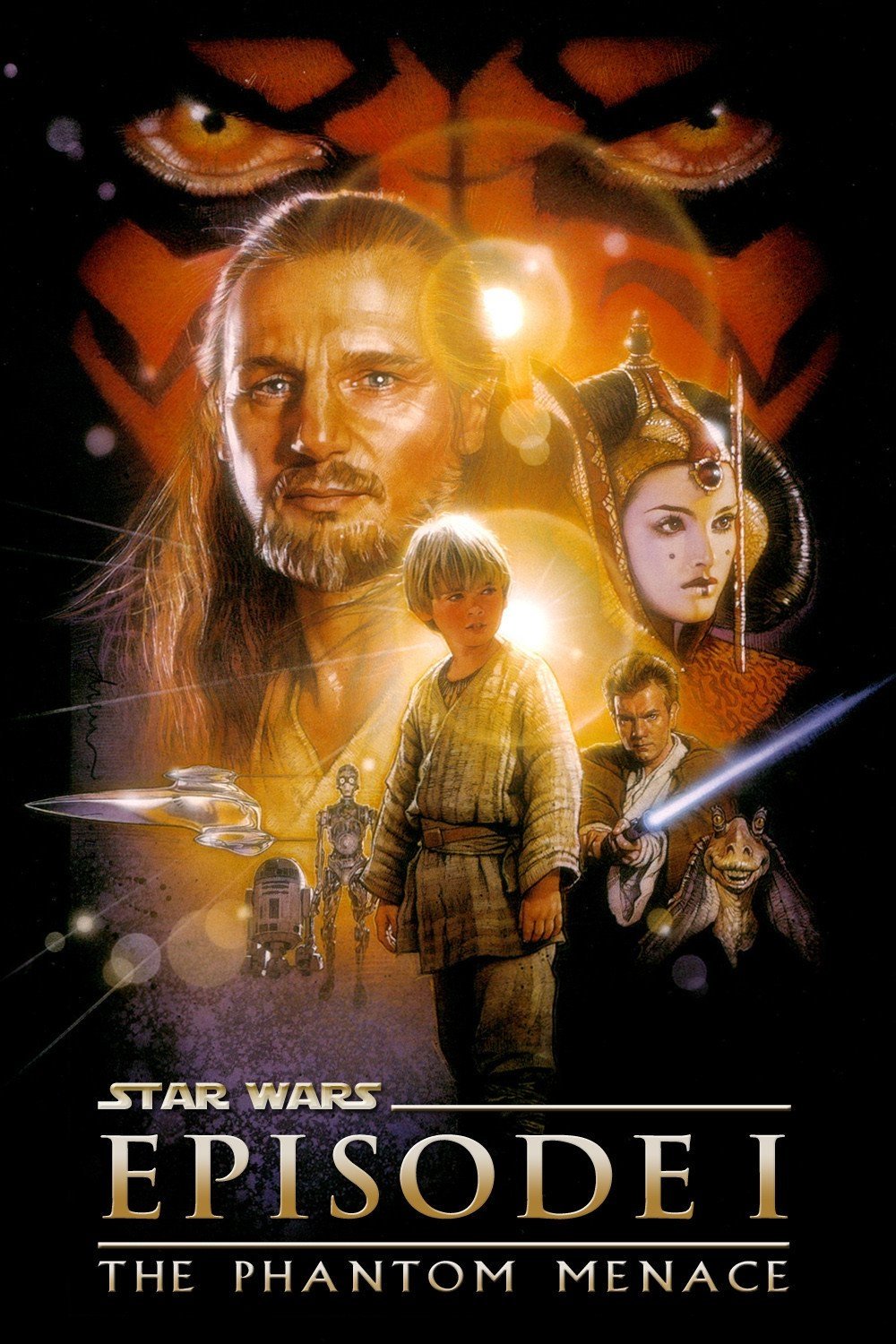
Fan expectations attached to a generational franchise produced immediate backlash over character portrayal and dialogue. Toy lines, novelizations, and a massive marketing push created saturation that shaped perception before release. Production featurettes later outlined pioneering digital effects and miniature work that were often lost in the initial furor.
Share the movies you think were most overshadowed by backlash in the comments!

