


Movies That Sparked Controversies


Cinema has long been a mirror to society, reflecting not only the beauty and complexity of human life but also the tensions, debates, and disagreements that shape culture. Throughout history, certain films have ignited passionate discussions, protests, bans, and even legal battles. Whether due to political messages, depictions of taboo subjects, or challenges to moral standards, these works have proven that the silver screen can be just as provocative as it is entertaining.
The following list explores films that sparked notable controversies around the world. From religious outrage to political uproars, from accusations of obscenity to battles over representation, these movies demonstrate that art is never created in a vacuum. Sometimes the conversations they ignite are as memorable as the films themselves.
‘The Last Temptation of Christ’ (1988)
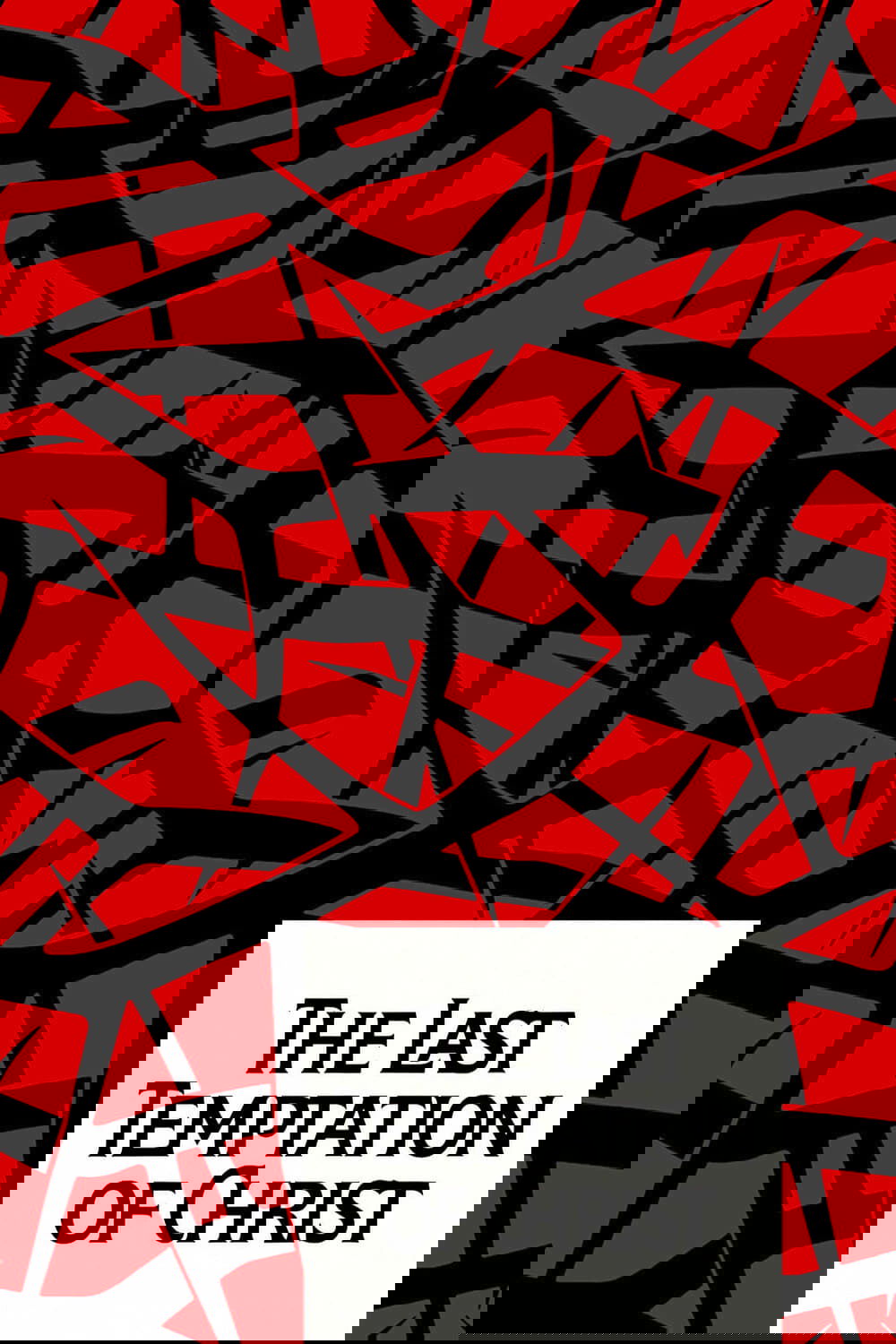
Martin Scorsese’s adaptation of Nikos Kazantzakis’ novel was met with protests, bans, and even death threats. Critics of the film condemned its depiction of Jesus experiencing human temptations, including sexual desire, which they considered blasphemous. Religious groups around the world called for boycotts and lobbied governments to prevent its release.
Despite the uproar, defenders of the movie praised its exploration of faith, morality, and humanity. Many saw it as a sincere spiritual work that dared to confront theological questions in a unique way. Decades later, it remains a benchmark for debates over religious representation in film.
‘A Clockwork Orange’ (1971)
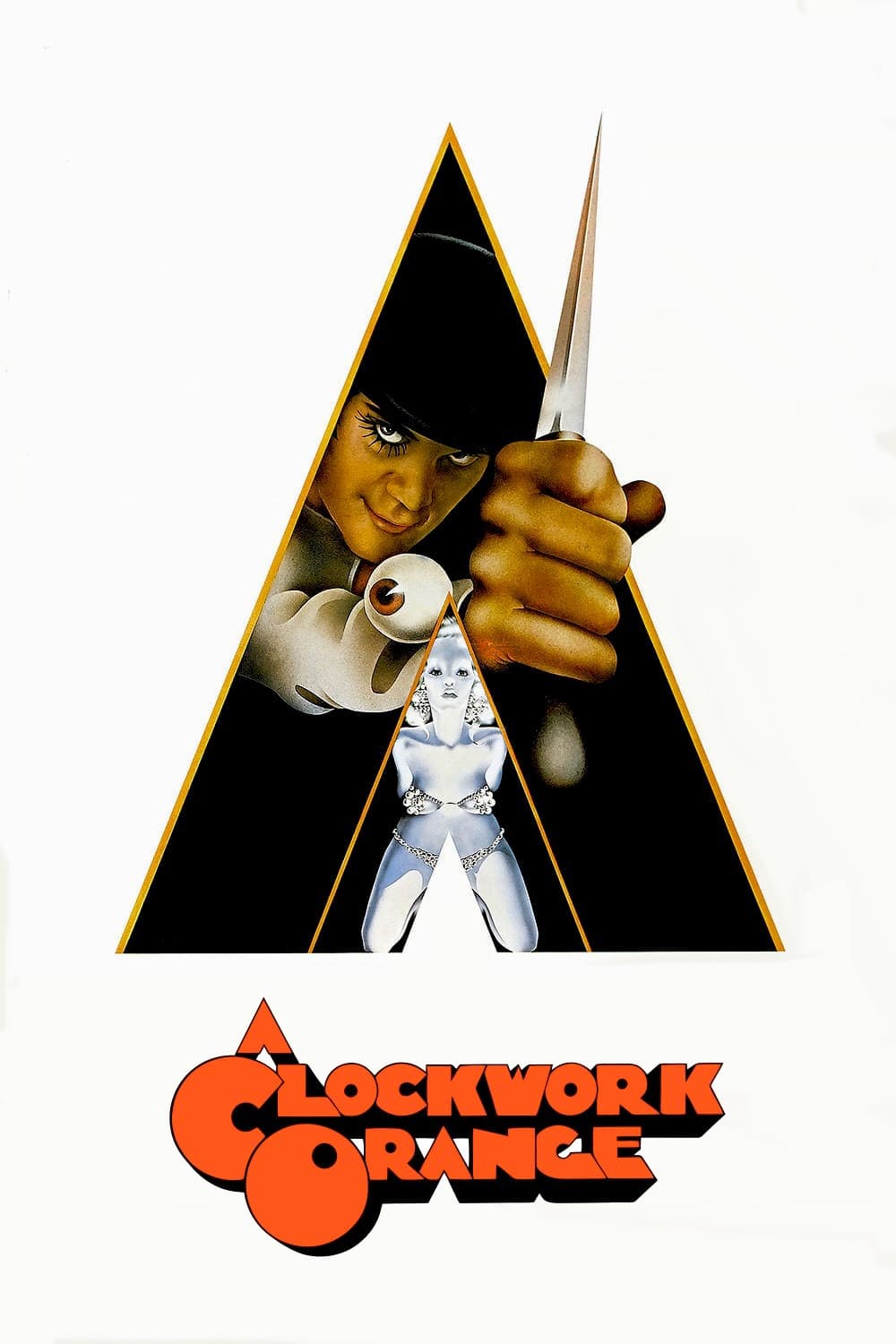
Stanley Kubrick’s adaptation of Anthony Burgess’ novel shocked audiences with its graphic depictions of violence and sexual assault. The British press accused the film of glorifying “ultraviolence,” and reports emerged of copycat crimes allegedly inspired by the movie.
The controversy was so intense that Kubrick withdrew the film from circulation in the UK for nearly three decades. Today, it’s regarded as a dystopian classic that examines free will, state control, and the psychological effects of violence.
‘The Passion of the Christ’ (2004)
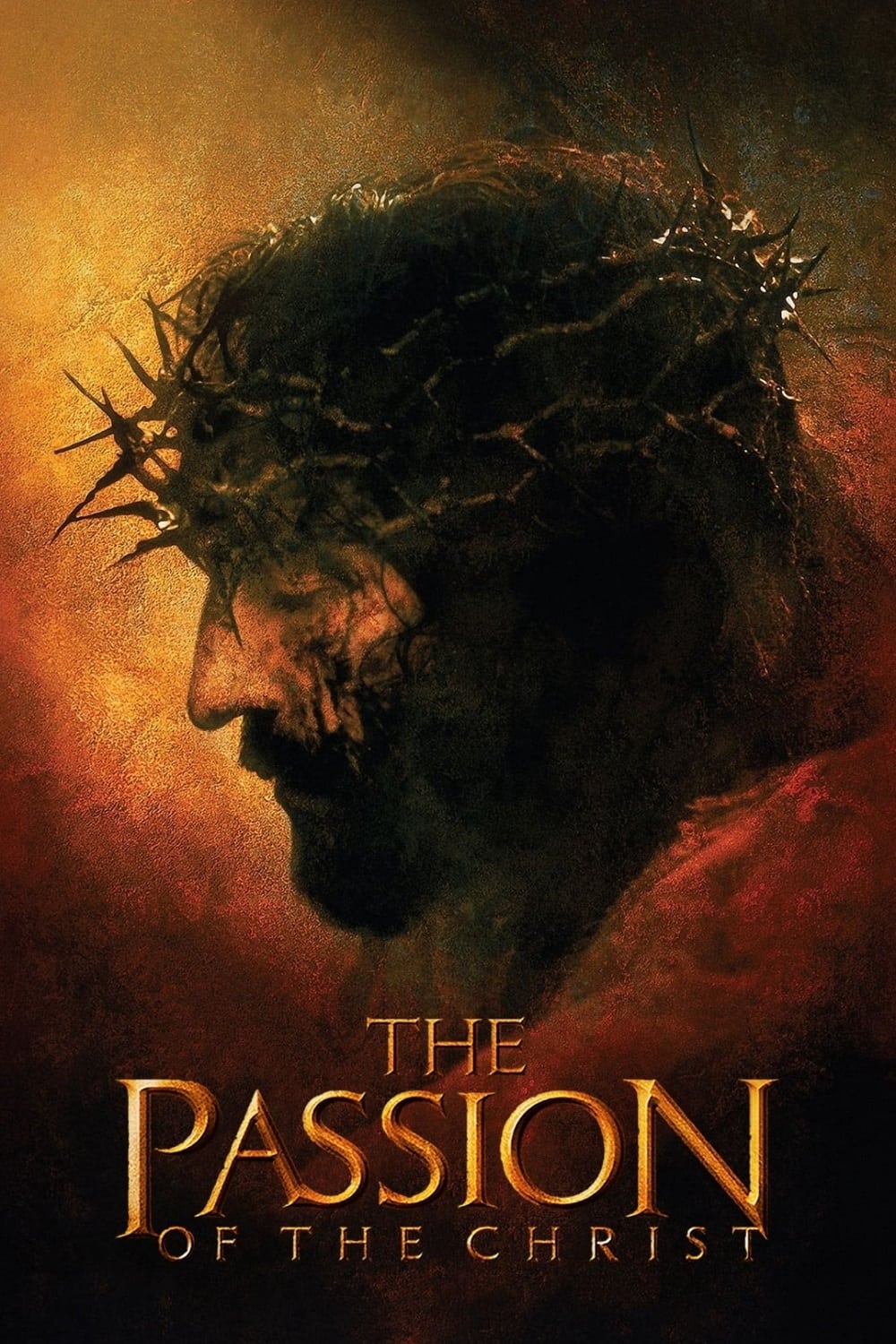
Mel Gibson’s portrayal of Jesus’ crucifixion was hailed by some as a masterpiece of religious filmmaking, while others criticized it for extreme violence and alleged antisemitic overtones. Jewish organizations voiced concern over how certain biblical passages were interpreted on screen.
The film’s graphic depictions of torture also shocked audiences, leading to debates over whether it was an act of devotion or an exploitation of suffering. Regardless, it became a cultural phenomenon and one of the highest-grossing religious films in history.
‘Natural Born Killers’ (1994)
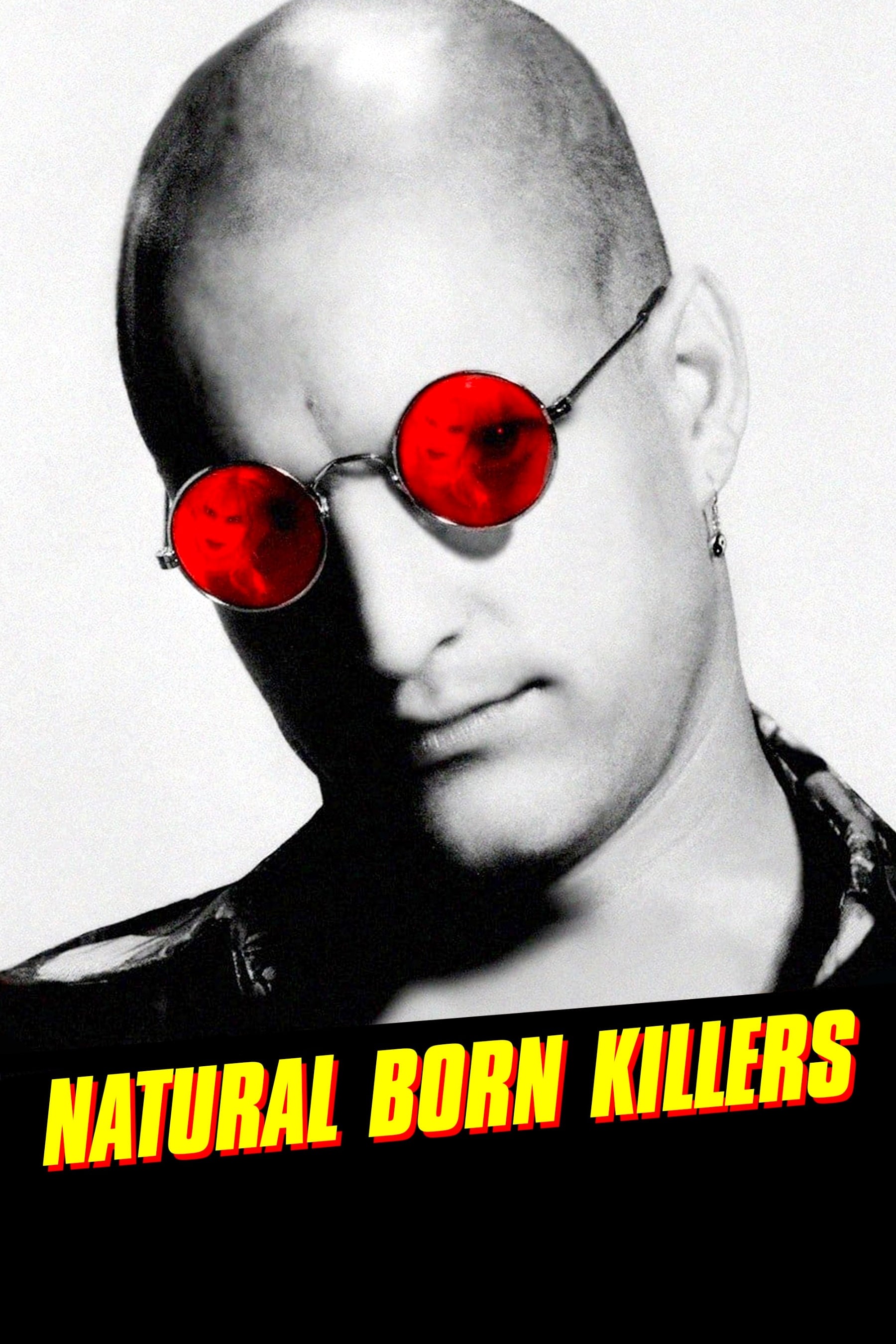
Oliver Stone’s satirical crime film became a lightning rod for accusations of promoting violence. Several real-life crimes were linked to the movie, with perpetrators allegedly citing it as inspiration. Lawsuits were even filed against Stone and Warner Bros., though most were dismissed.
The film’s blend of media critique, surreal imagery, and graphic brutality polarized critics and audiences alike. For some, it was a scathing indictment of how mass media glorifies violence; for others, it was part of the very problem it claimed to condemn.
‘Triumph of the Will’ (1935)
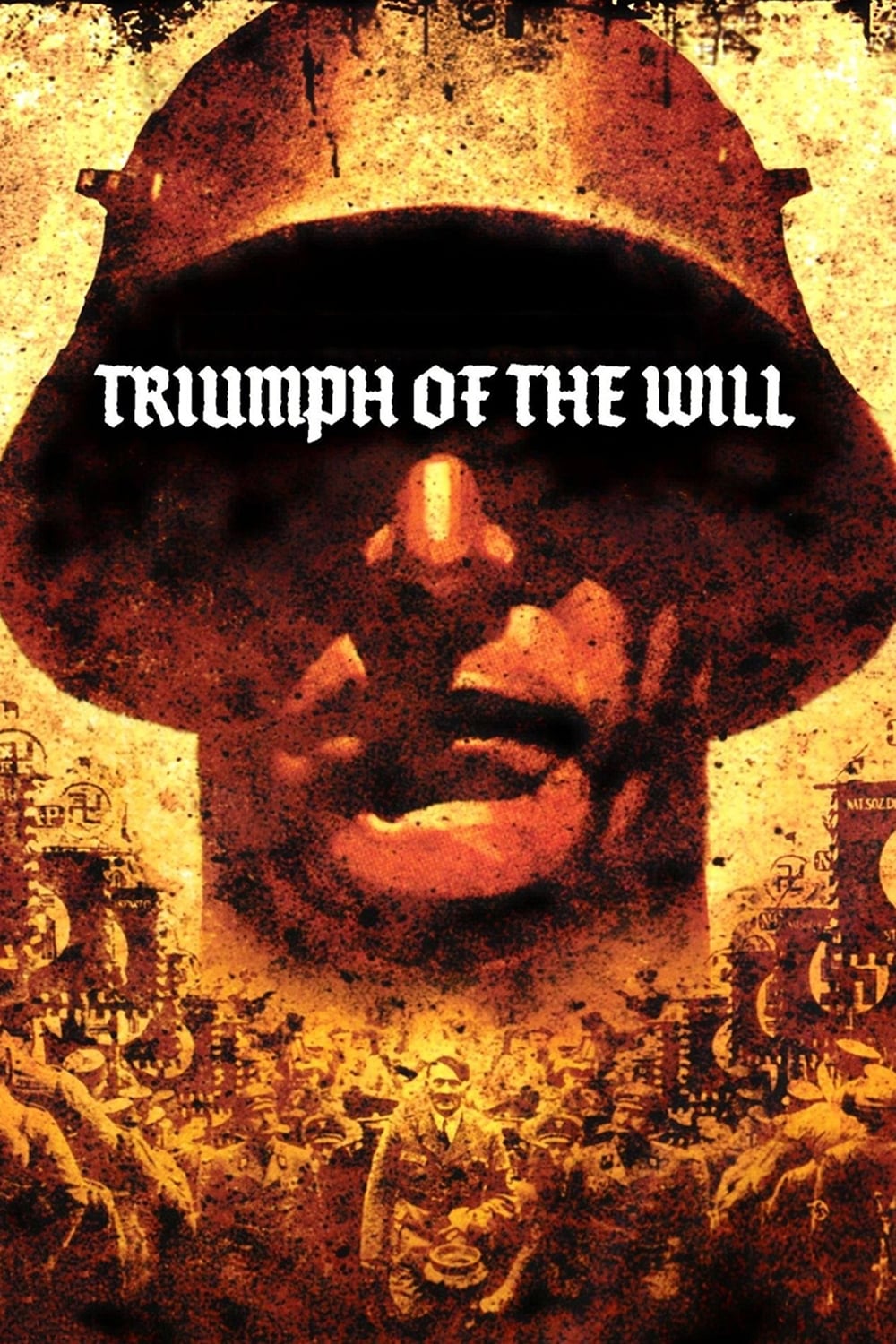
Leni Riefenstahl’s Nazi propaganda documentary remains one of the most controversial films ever made. Though often praised for its pioneering cinematography, it was created to glorify Adolf Hitler and the Nazi Party.
Its artistry and technical innovation cannot be separated from its political purpose, leading to decades of debate about whether it should be preserved or suppressed. The film continues to spark discussions about the ethics of artistic skill in service of immoral causes.
‘The Birth of a Nation’ (1915)
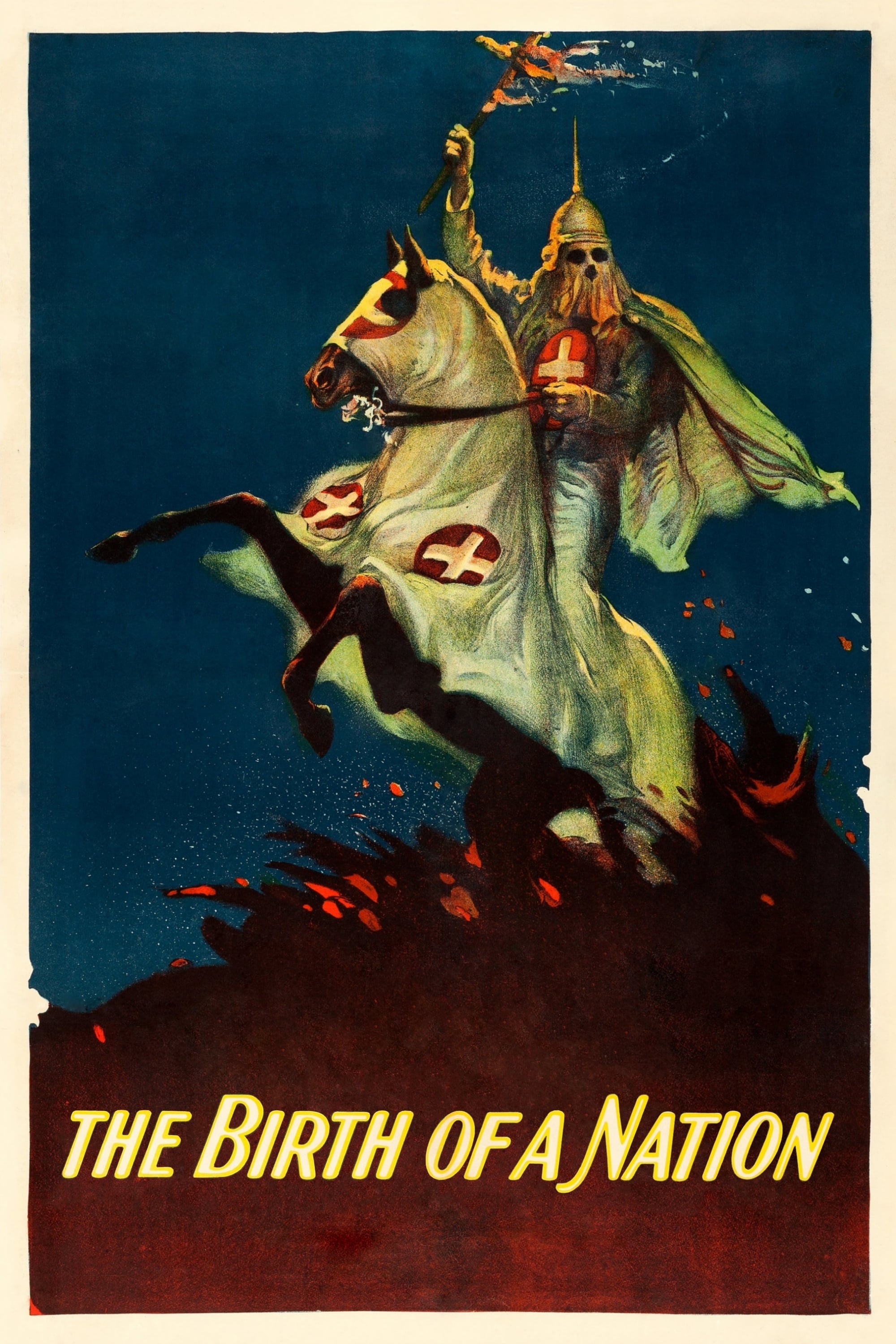
D.W. Griffith’s Civil War epic was groundbreaking in film technique but infamous for its racist portrayals and glorification of the Ku Klux Klan. Upon release, it fueled racial tensions and inspired Klan recruitment drives.
Civil rights groups protested its screenings, and many cities attempted to ban it. While it is an important part of film history, it remains a disturbing reminder of cinema’s power to spread harmful ideology.
‘Cannibal Holocaust’ (1980)
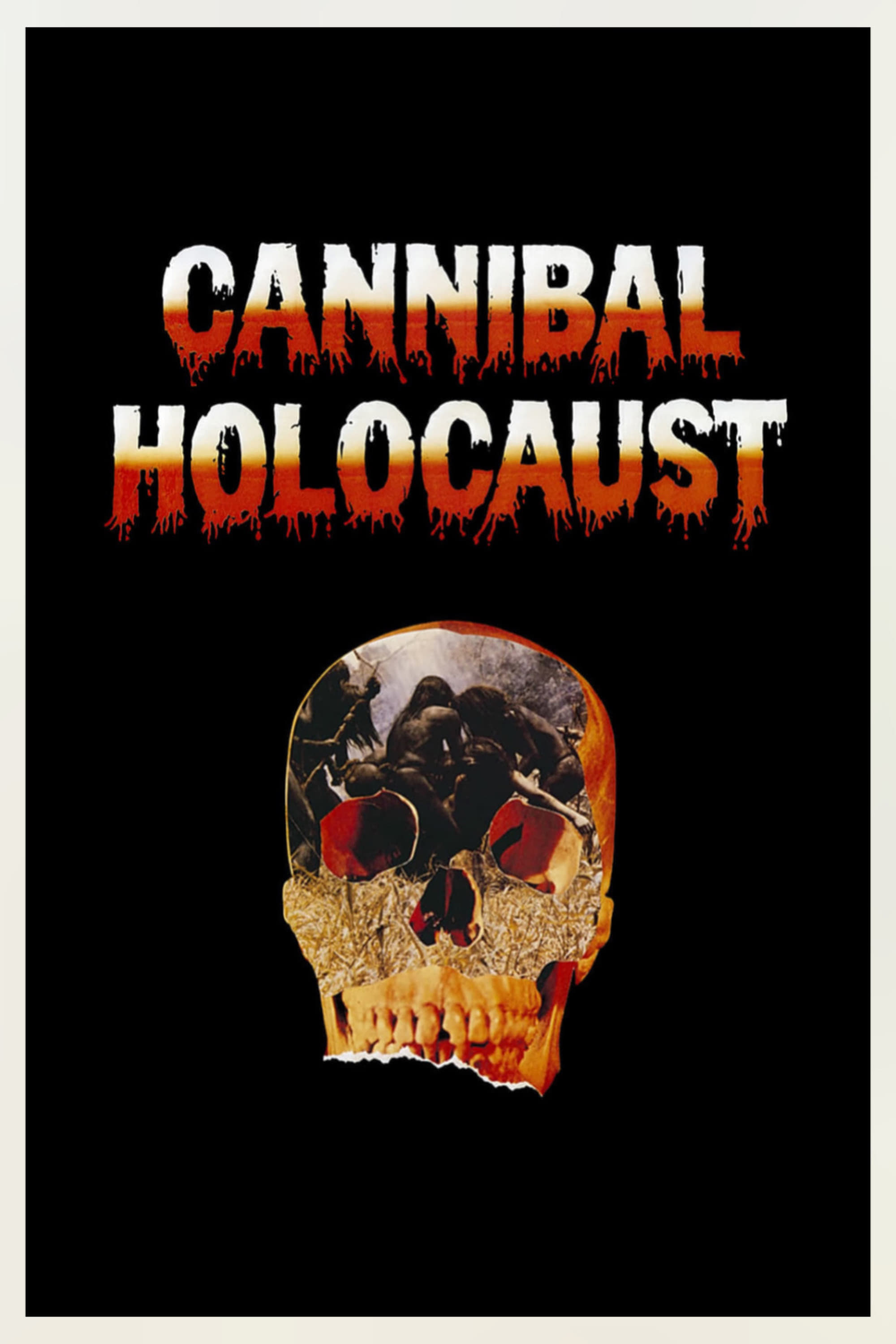
This Italian exploitation film became notorious for its graphic violence and realistic gore, which led authorities to believe it was a genuine snuff film. Director Ruggero Deodato was arrested and had to prove that the actors were still alive.
Its scenes of real animal killings added to the outrage, prompting bans in multiple countries. The movie is still debated for its blending of horror fiction with shockingly real imagery.
‘Salò, or the 120 Days of Sodom‘ (1975)

Pier Paolo Pasolini’s final film adapted the Marquis de Sade’s infamous novel into a brutal allegory about fascism. Featuring graphic sexual violence and torture, it was banned in many countries for obscenity.
Even among art-house circles, it is one of the most divisive films ever made. Some call it a vital political statement; others see it as irredeemably exploitative.
‘The Interview’ (2014)
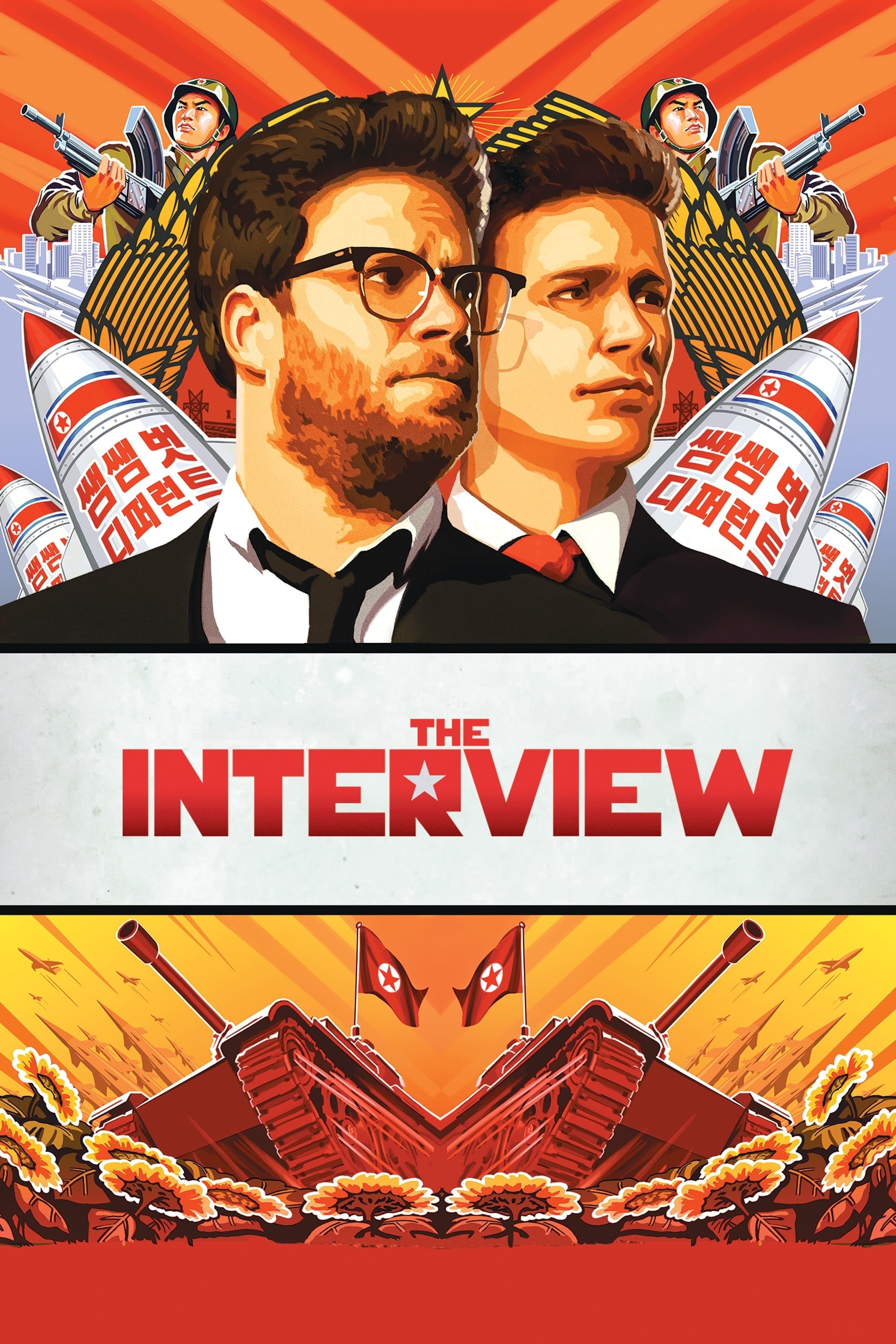
Seth Rogen and James Franco’s comedy about assassinating North Korean leader Kim Jong-un triggered an international incident. North Korea condemned the film and allegedly sponsored a cyberattack on Sony Pictures in retaliation.
The threats led to canceled screenings and a limited digital release. The controversy reignited debates about free speech, political satire, and corporate self-censorship in the face of international pressure.
‘The Da Vinci Code’ (2006)

Ron Howard’s adaptation of Dan Brown’s bestseller sparked condemnation from the Vatican and other religious authorities for its alternative take on Christian history. The film’s suggestion that Jesus married Mary Magdalene and fathered children was labeled blasphemous.
Despite the backlash, the film was a box office hit and encouraged millions to question historical narratives. Its controversy became part of its marketing appeal, helping it to dominate public discourse for months.
‘Basic Instinct’ (1992)
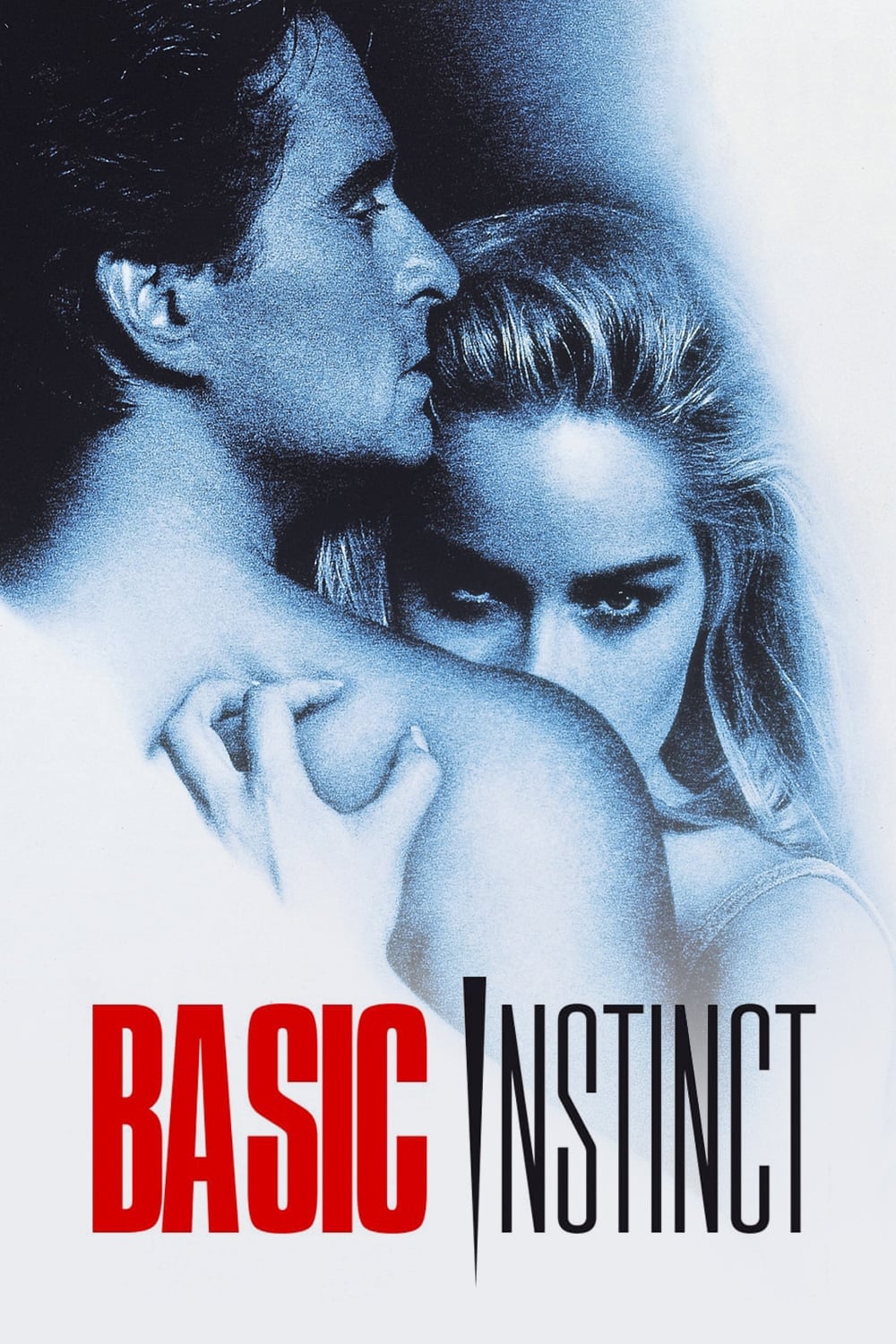
Paul Verhoeven’s erotic thriller was attacked by LGBTQ+ activists for its portrayal of bisexual women as dangerous and murderous. The infamous interrogation scene featuring Sharon Stone also sparked debates about sexual exploitation on set.
While critics were divided on its artistic merit, the movie became a cultural phenomenon and a symbol of 1990s erotic cinema. Its controversy helped cement its status in pop culture.
‘The Texas Chain Saw Massacre’ (1974)
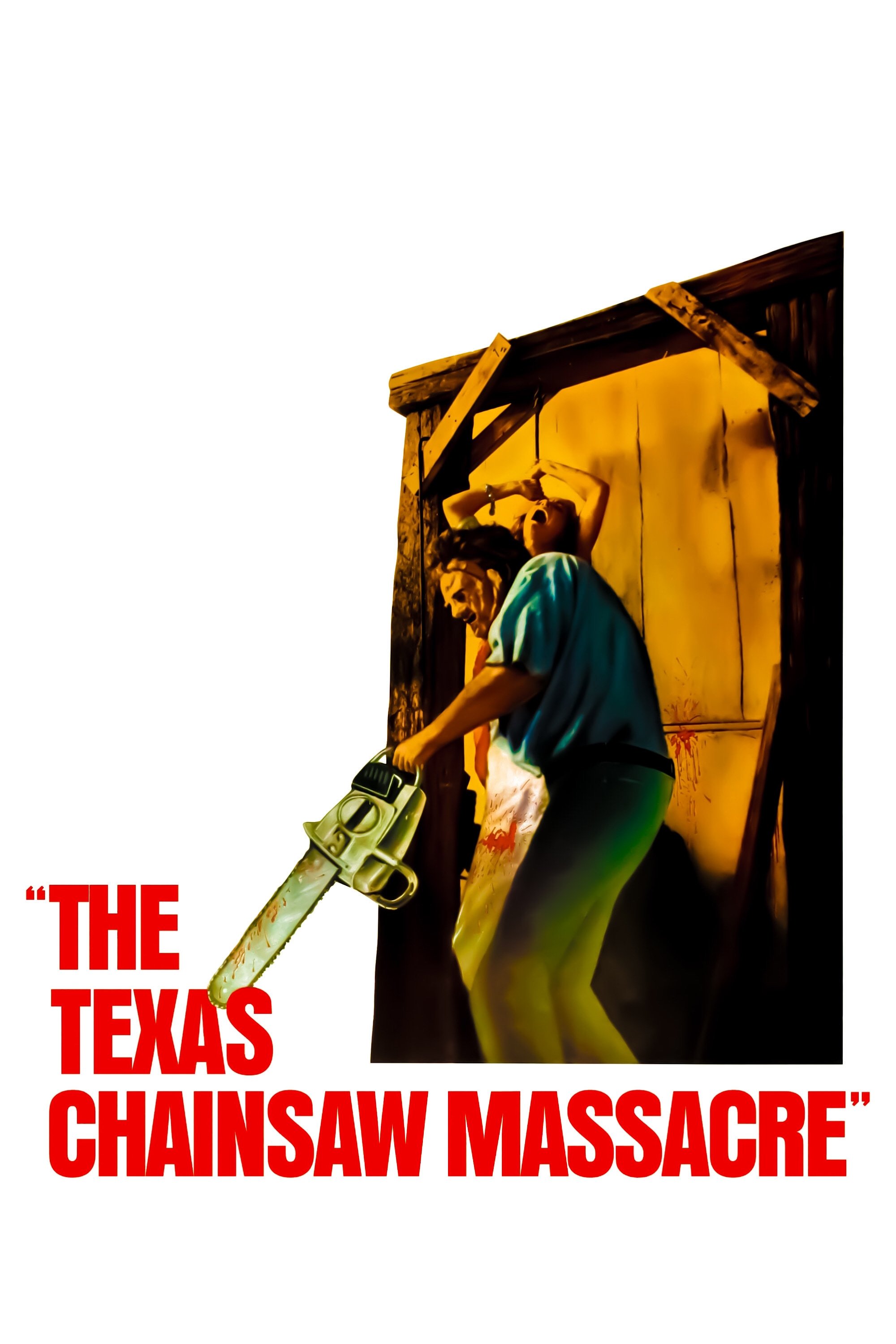
Tobe Hooper’s horror masterpiece was initially banned or heavily censored in multiple countries due to its intense violence and disturbing imagery. The gritty, documentary-like style made its brutality seem even more real.
Despite its limited release, the film became a cult hit and influenced generations of horror filmmakers. The controversy only amplified its legend.
‘Joker’ (2019)
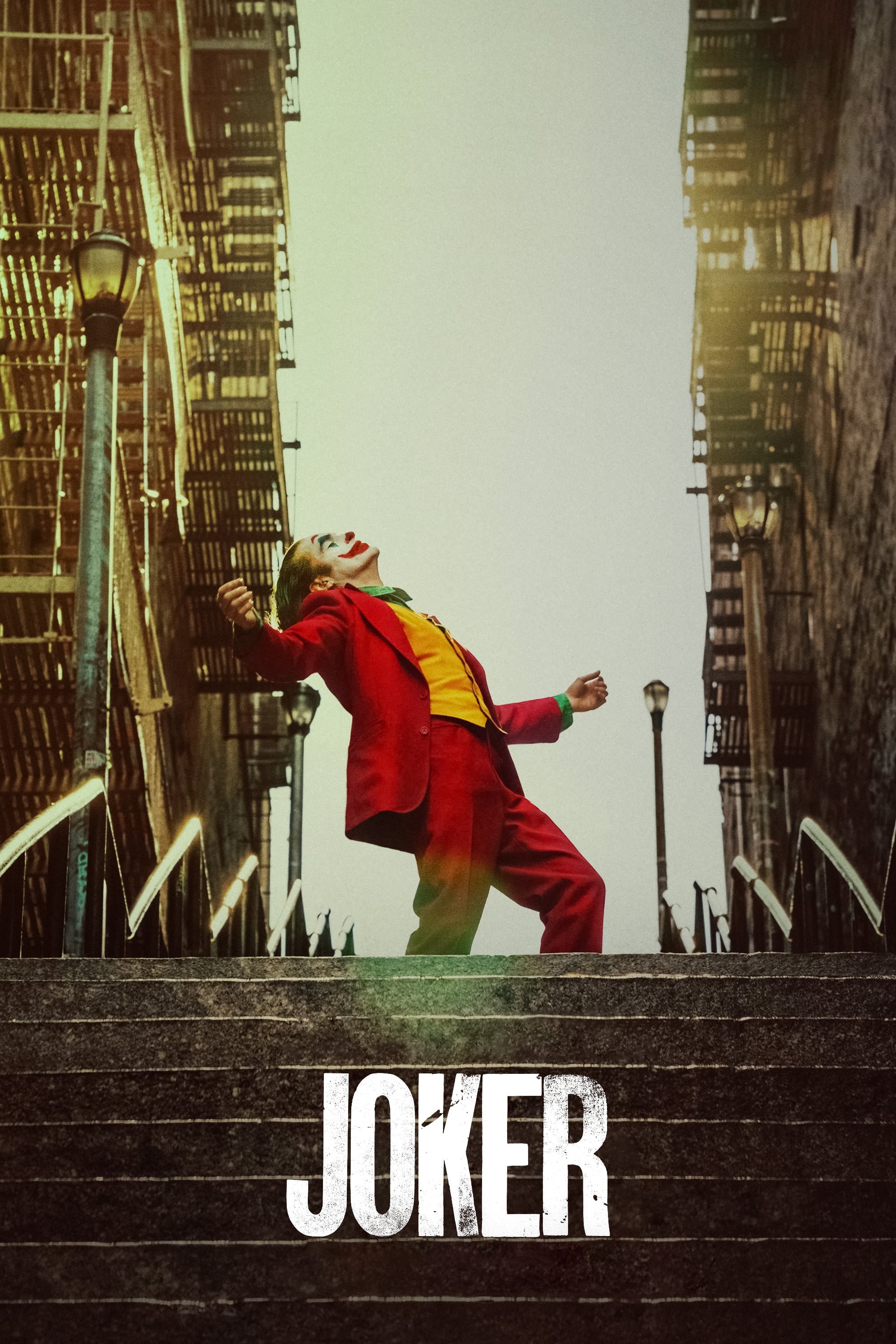
Todd Phillips’ origin story for Batman’s arch-nemesis was accused of glorifying violence and potentially inspiring real-world attacks. Authorities increased security at theaters during its opening weekend.
The debate centered on whether the film’s depiction of an alienated, violent loner was socially irresponsible or a necessary critique of societal neglect. Regardless, it became one of the most talked-about movies of the year.
‘South Park: Bigger, Longer & Uncut’ (1999)
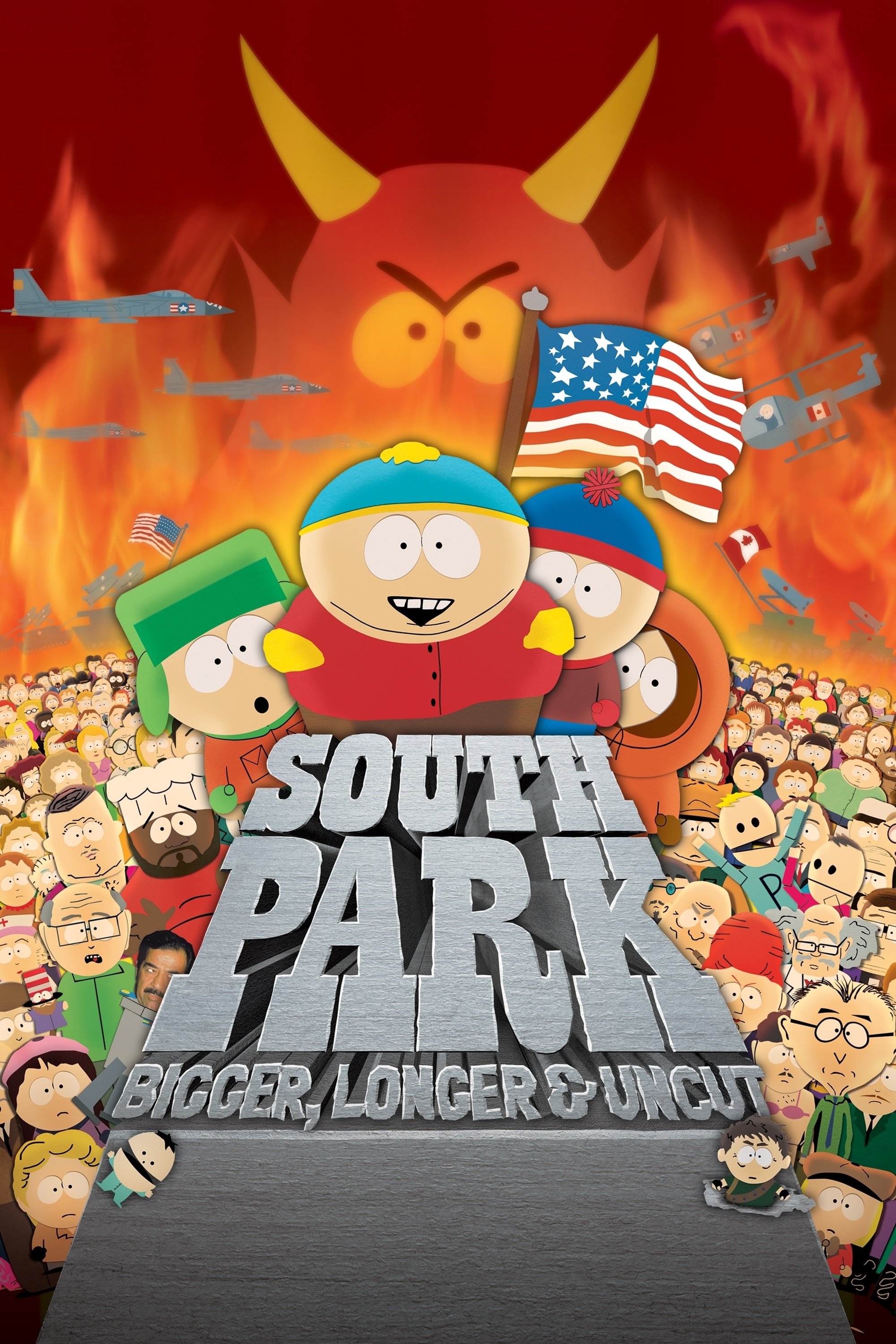
This animated musical from Trey Parker and Matt Stone pushed boundaries with its crude humor, profanity, and satirical attacks on censorship. Multiple countries demanded cuts or outright banned the film.
Supporters saw it as a bold defense of free speech, while detractors labeled it juvenile and offensive. It remains a milestone in adult animation’s clash with censorship.
‘The Wolf of Wall Street’ (2013)
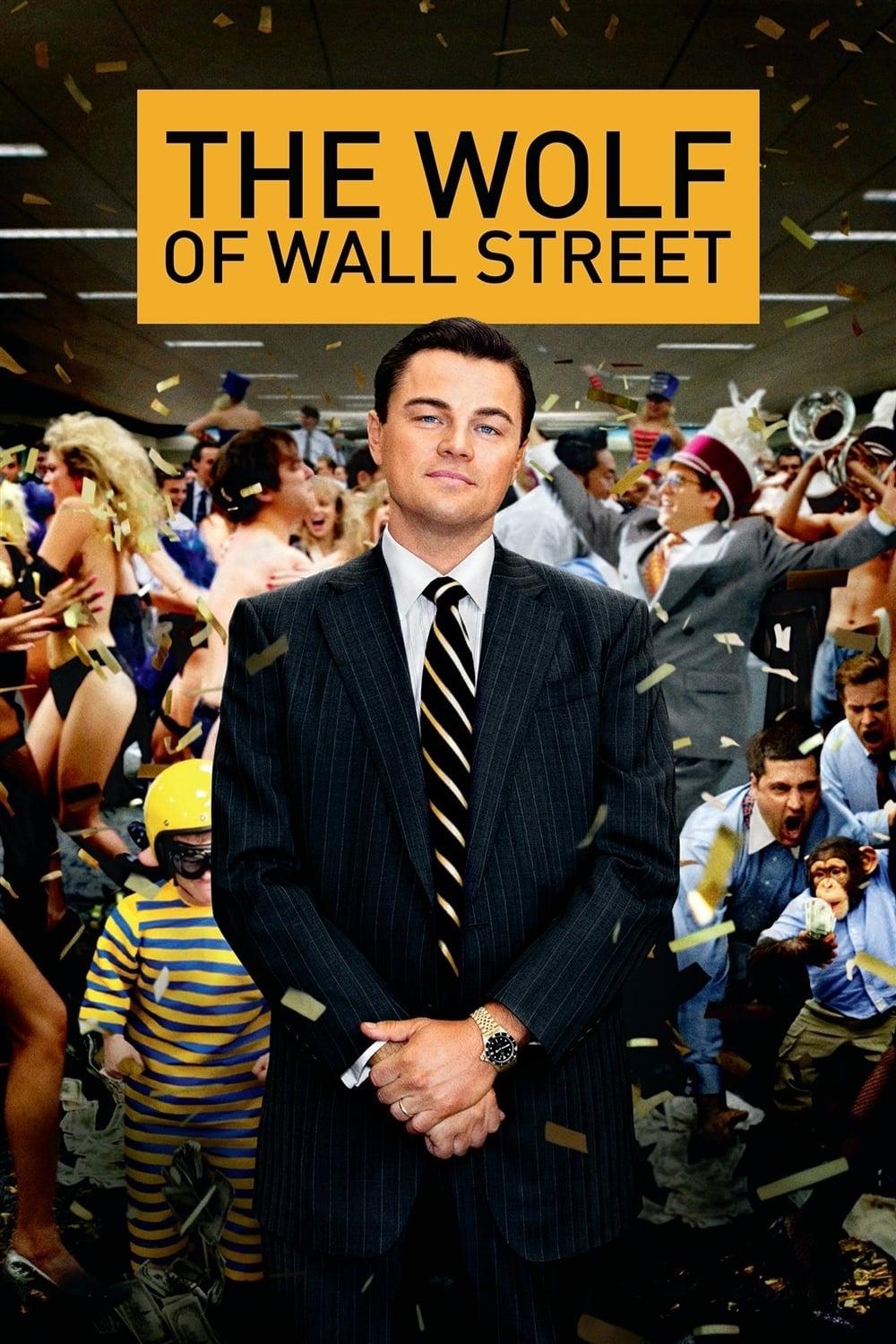
Martin Scorsese’s wild portrayal of stockbroker Jordan Belfort’s excesses was criticized for glorifying greed, drug abuse, and misogyny. Some argued it failed to condemn its morally bankrupt protagonist.
Supporters countered that the film was an unflinching satire of excess and corruption. Regardless of intent, the controversy fueled its massive popularity.
‘Showgirls’ (1995)

Paul Verhoeven’s NC-17 drama was widely panned for its graphic sexual content and perceived misogyny. Critics called it exploitative, while moral groups decried its release in mainstream theaters.
Over time, however, it developed a cult following that embraced its over-the-top style. The film’s notoriety remains one of its defining features.
‘Fahrenheit 9/11’ (2004)
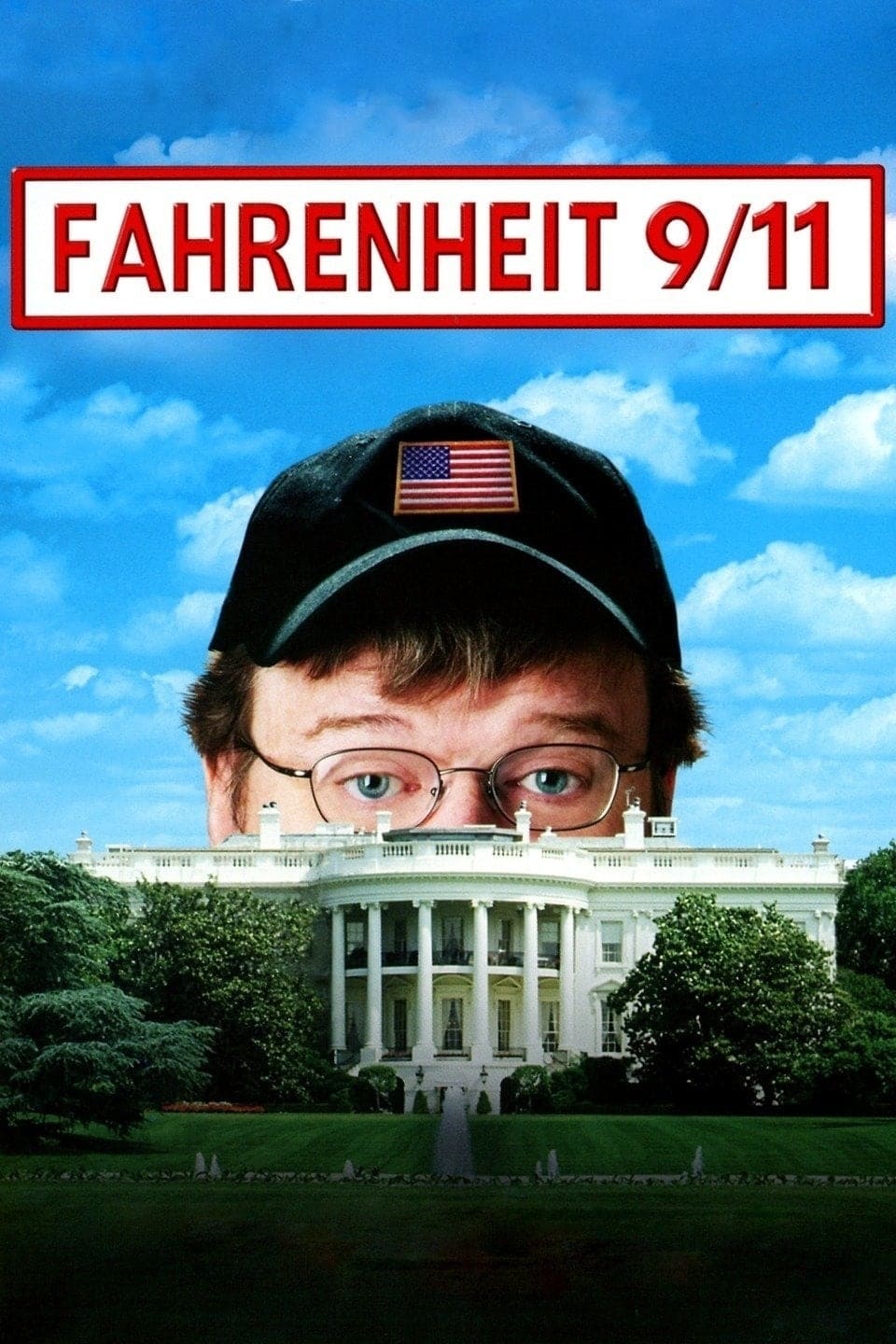
Michael Moore’s political documentary criticizing the Bush administration’s handling of the September 11 attacks and the Iraq War polarized audiences. Supporters hailed it as courageous journalism; detractors called it propaganda.
Its release during an election year intensified the political stakes, leading to heated debates about media bias and patriotism.
‘Team America: World Police’ (2004)
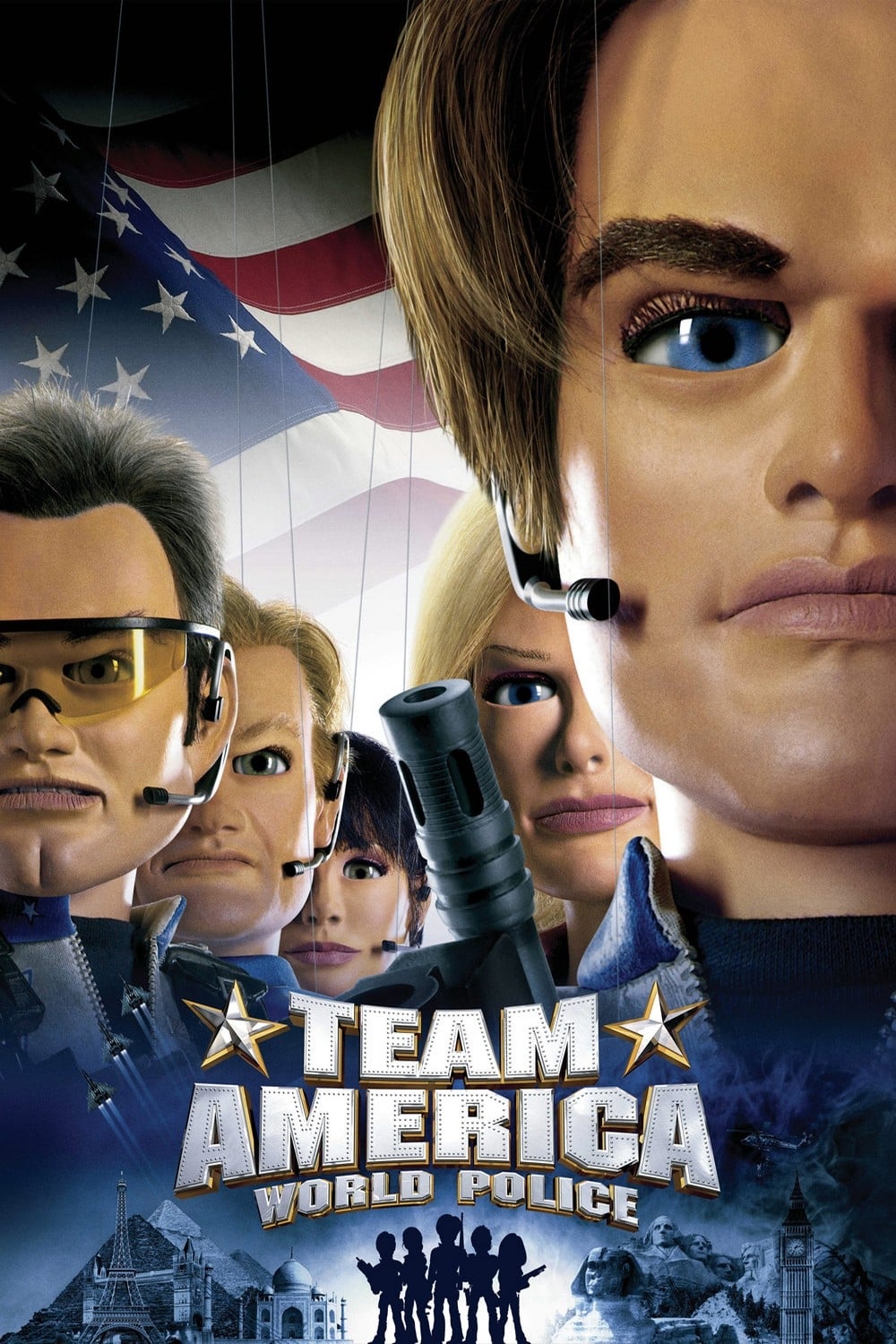
Using crude puppet animation, Trey Parker and Matt Stone skewered American foreign policy and celebrity activism. Some viewers found its humor racist or insensitive.
The film’s depiction of political leaders and celebrities prompted diplomatic complaints and bans in several countries. Despite—or because of—the outrage, it gained a devoted fanbase.
‘Eyes Wide Shut’ (1999)

Stanley Kubrick’s final film was surrounded by rumors of behind-the-scenes disputes and censorship. Its depiction of sexual rituals led to edits for the U.S. release.
The film’s mysterious tone and erotic content polarized critics, with some praising it as a haunting masterpiece and others finding it cold and indulgent.
‘Midnight Cowboy’ (1969)
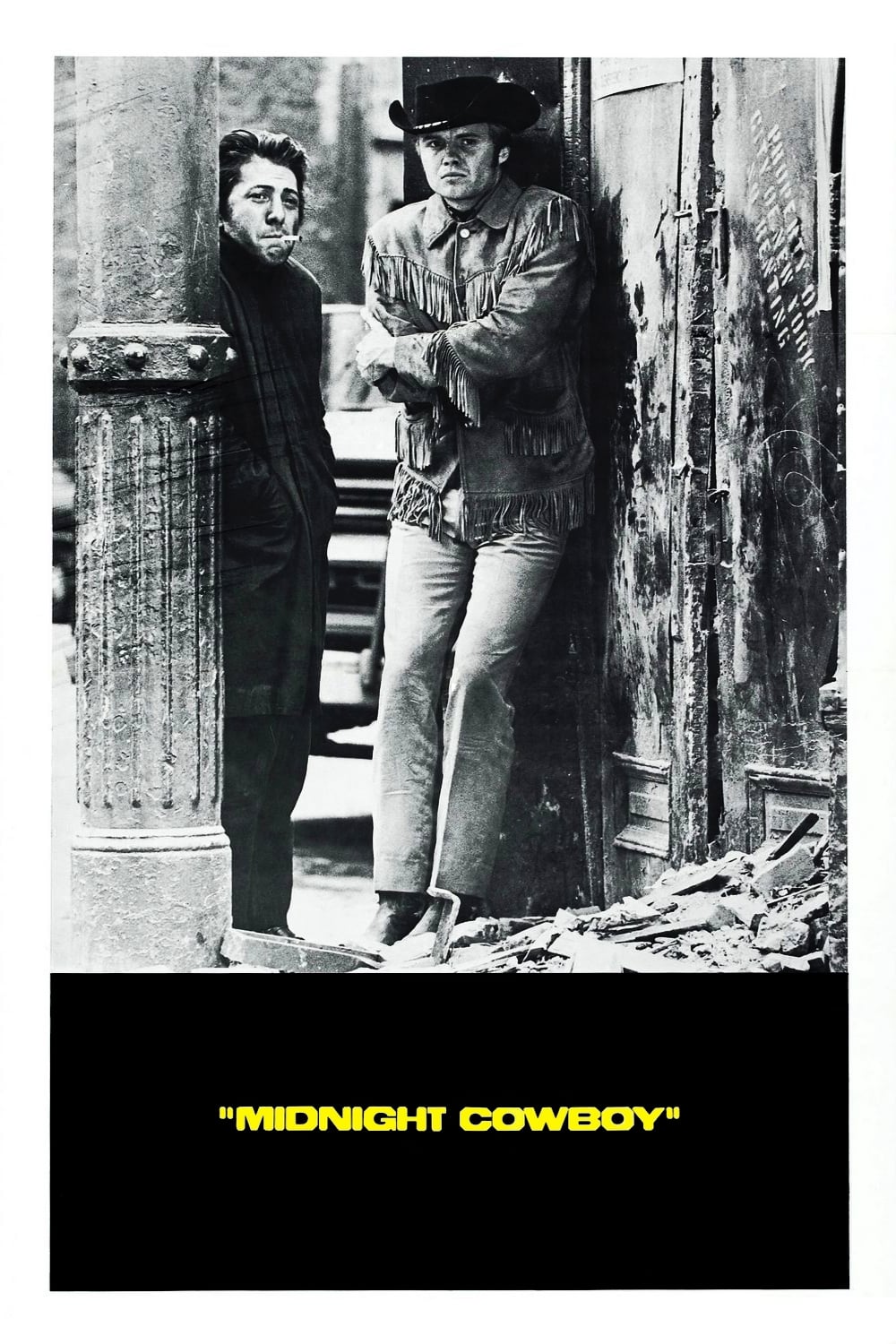
John Schlesinger’s gritty drama about a male hustler and his sickly friend shocked audiences with its frank depiction of sex work and homosexuality. It initially received an X rating in the United States.
Despite this, it went on to win the Academy Award for Best Picture, proving that controversial subject matter could be embraced by mainstream audiences.
‘The Exorcist’ (1973)

William Friedkin’s supernatural horror about a possessed young girl caused fainting, vomiting, and walkouts in theaters. Religious groups condemned it as blasphemous.
The graphic depictions of demonic possession and crude language from a child actor were groundbreaking for the time, fueling its notoriety.
‘Crash’ (1996)
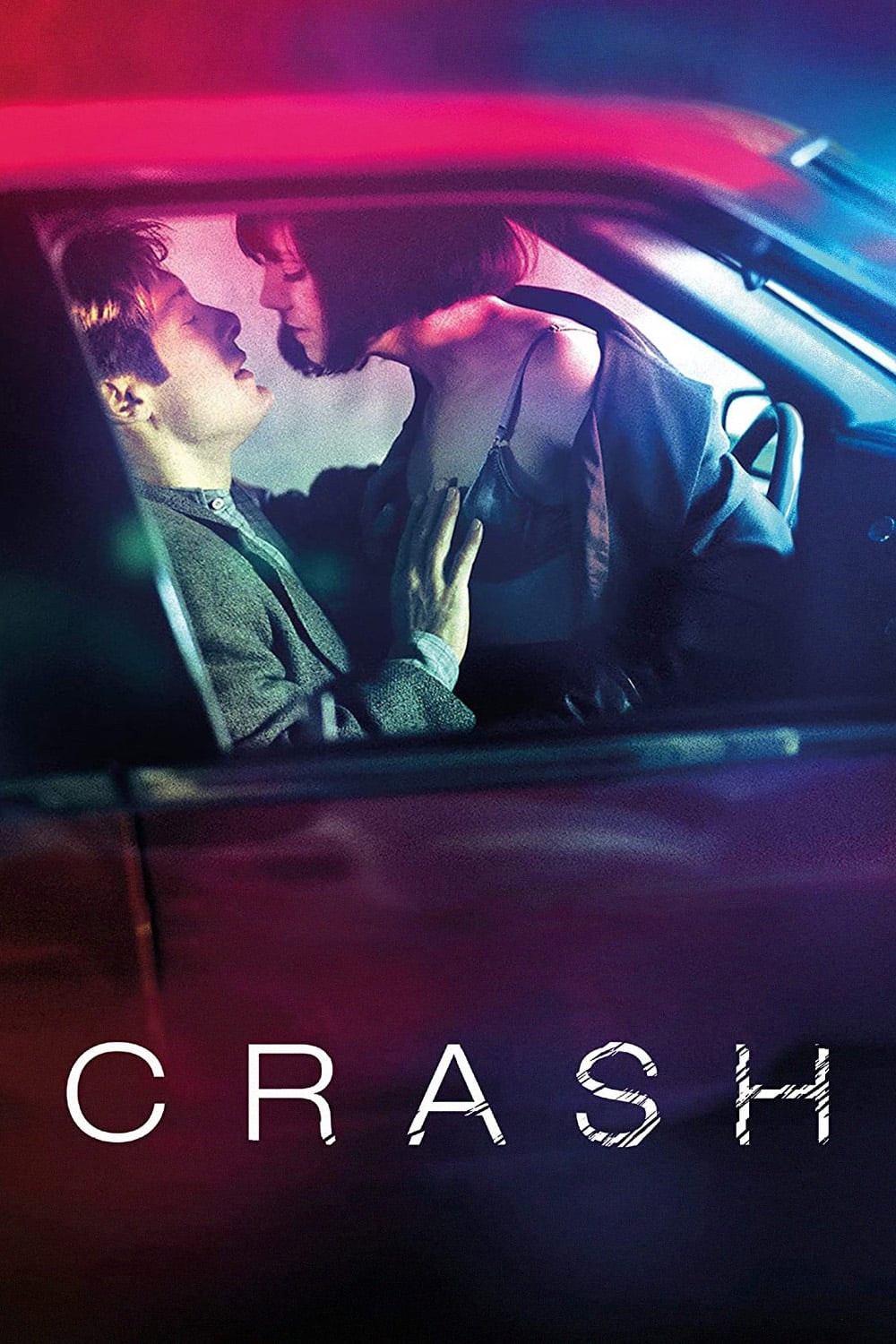
David Cronenberg’s film about people sexually aroused by car crashes faced bans in several countries. Critics debated whether it was art or pornography.
Its taboo subject matter made it a lightning rod for discussions about the limits of cinematic exploration.
‘The Human Centipede (First Sequence)‘ (2009)
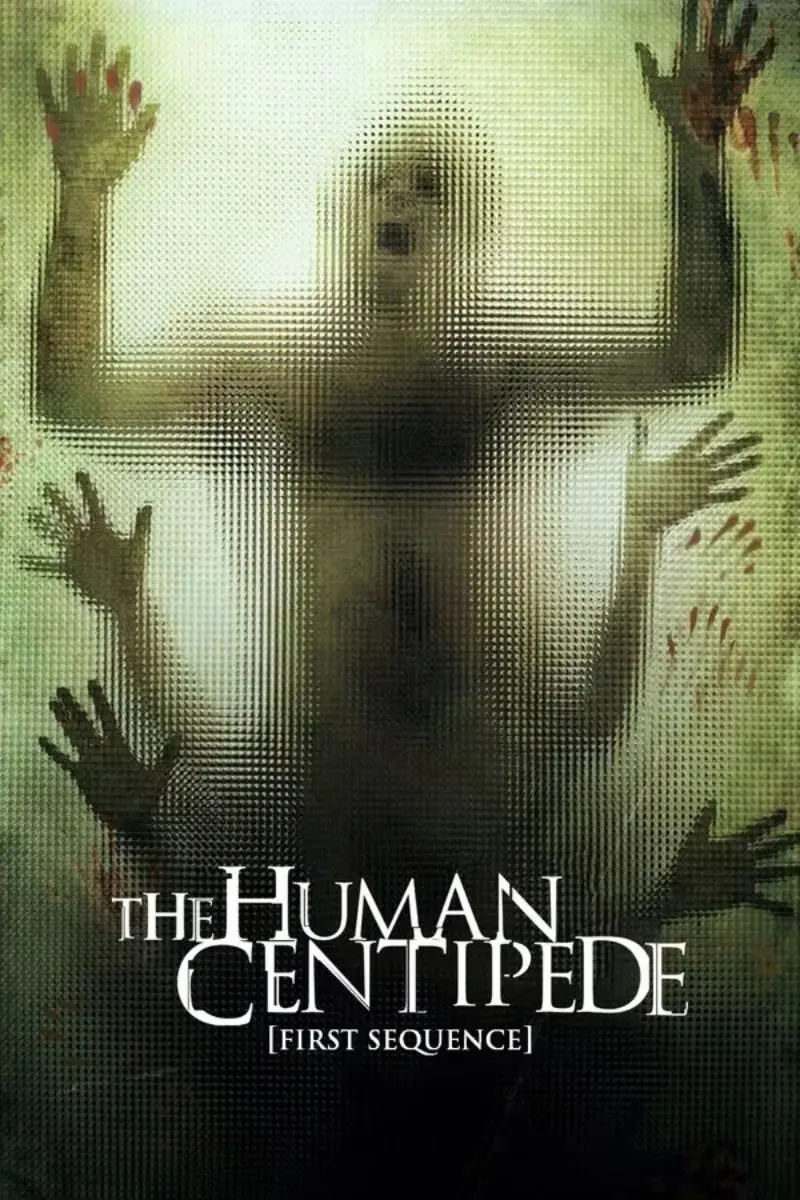
Tom Six’s grotesque horror concept—surgically connecting people mouth-to-anus—was widely condemned as exploitative and disturbing. Many theaters refused to show it.
Despite the disgust, it spawned sequels and became a cult phenomenon in extreme horror circles.
‘Blue Is the Warmest Color‘ (2013)
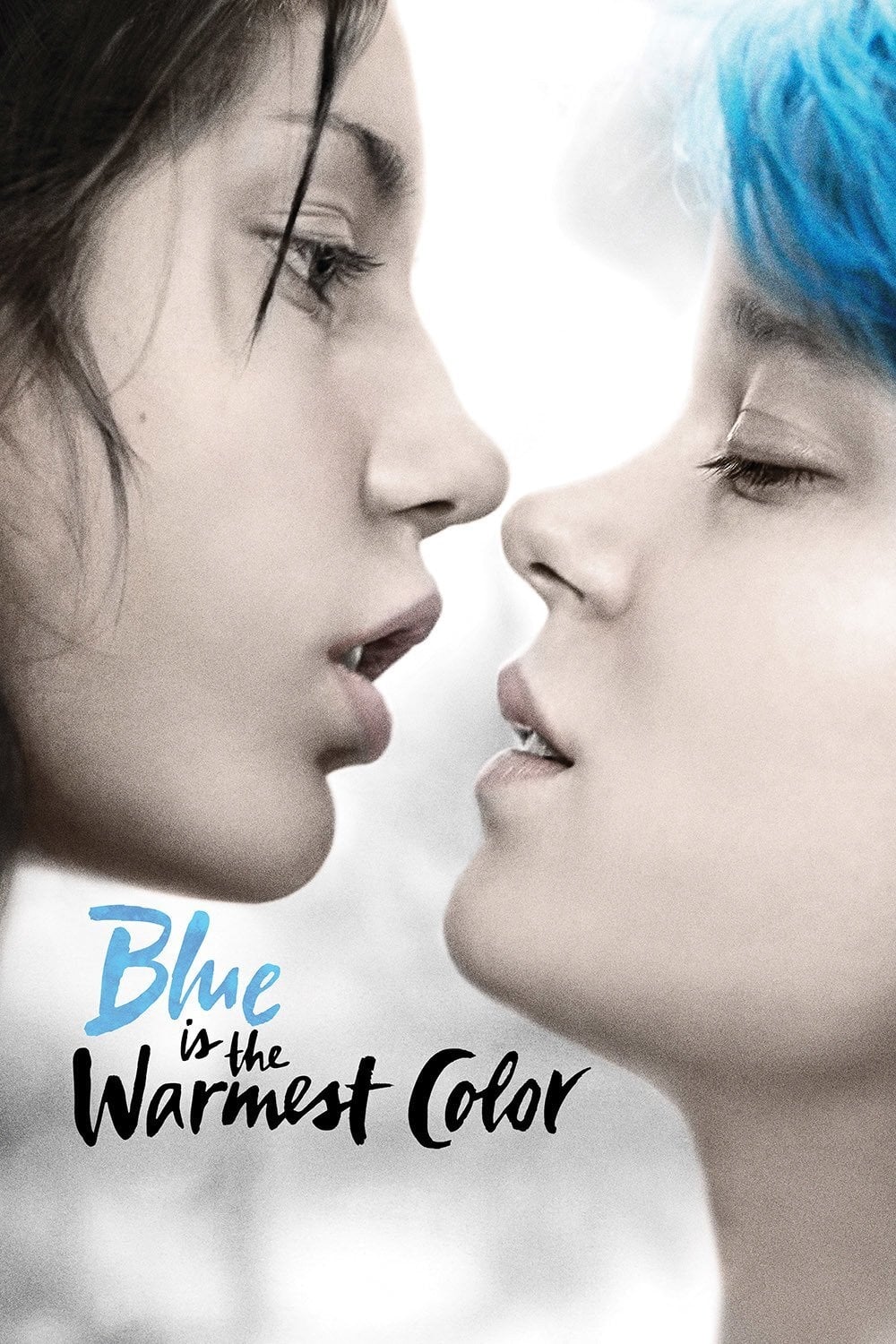
While praised for its emotional storytelling, Abdellatif Kechiche’s lesbian romance was criticized for its explicit sex scenes and allegations of exploitative working conditions for the actresses.
The behind-the-scenes disputes became as famous as the film itself, overshadowing its artistic achievements.
‘Last Tango in Paris’ (1972)
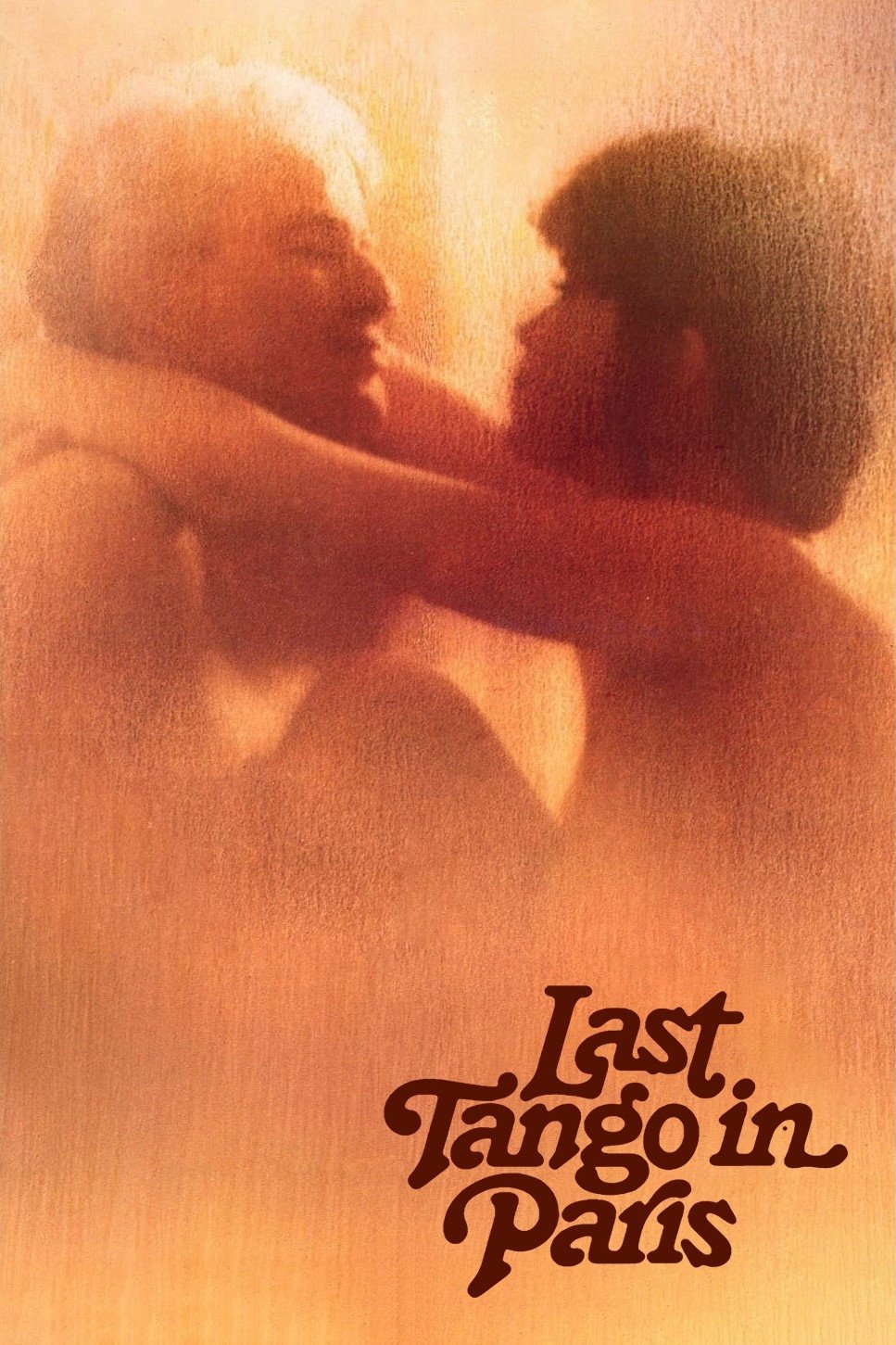
Bernardo Bertolucci’s erotic drama became infamous after revelations that a controversial scene involving Maria Schneider was filmed without her informed consent.
The ethical questions surrounding the production have since dominated discussions of the film, sparking debates about abuse in the film industry.
‘The House That Jack Built’ (2018)
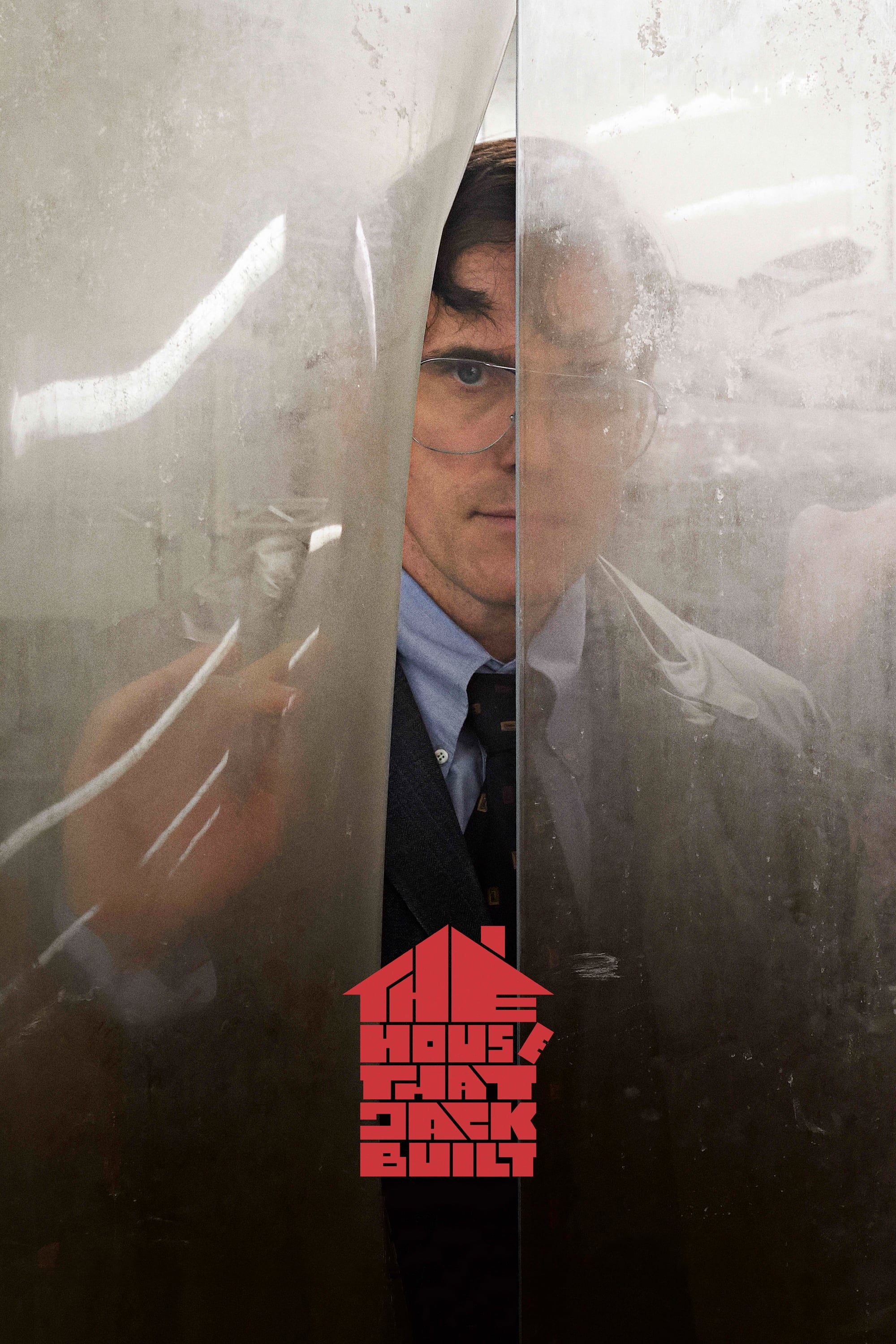
Lars von Trier’s film about a serial killer was accused of reveling in its graphic violence. Many audience members walked out during its Cannes premiere.
Von Trier defended it as an exploration of art and morality, but its polarizing nature cemented its place among the most controversial films in recent memory.
‘Battle Royale’ (2000)
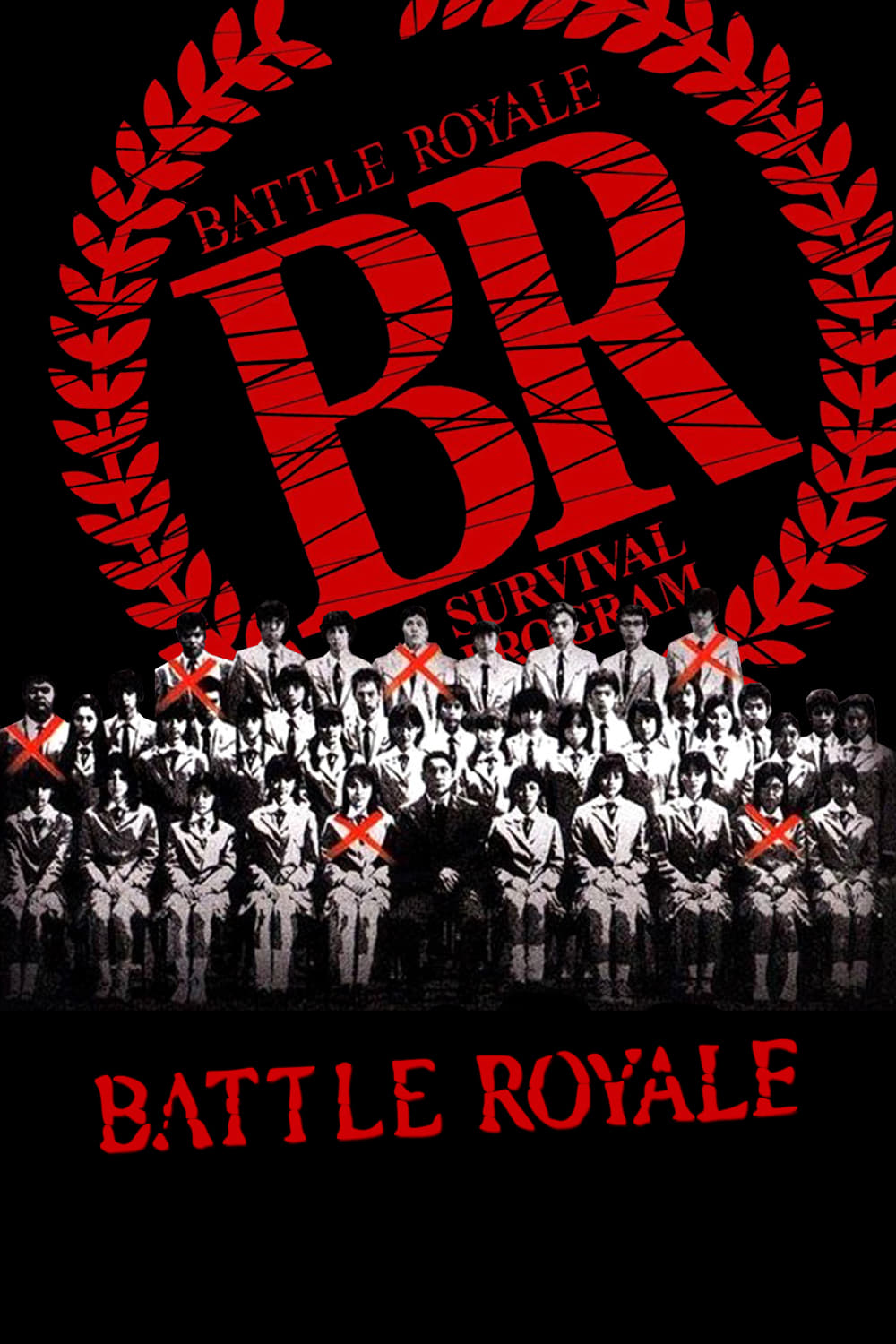
Kinji Fukasaku’s Japanese thriller about students forced to kill each other was banned in several countries for its violence and perceived social commentary on youth culture.
It later gained cult status, inspiring countless imitators in books, films, and television.
‘Gone with the Wind’ (1939)
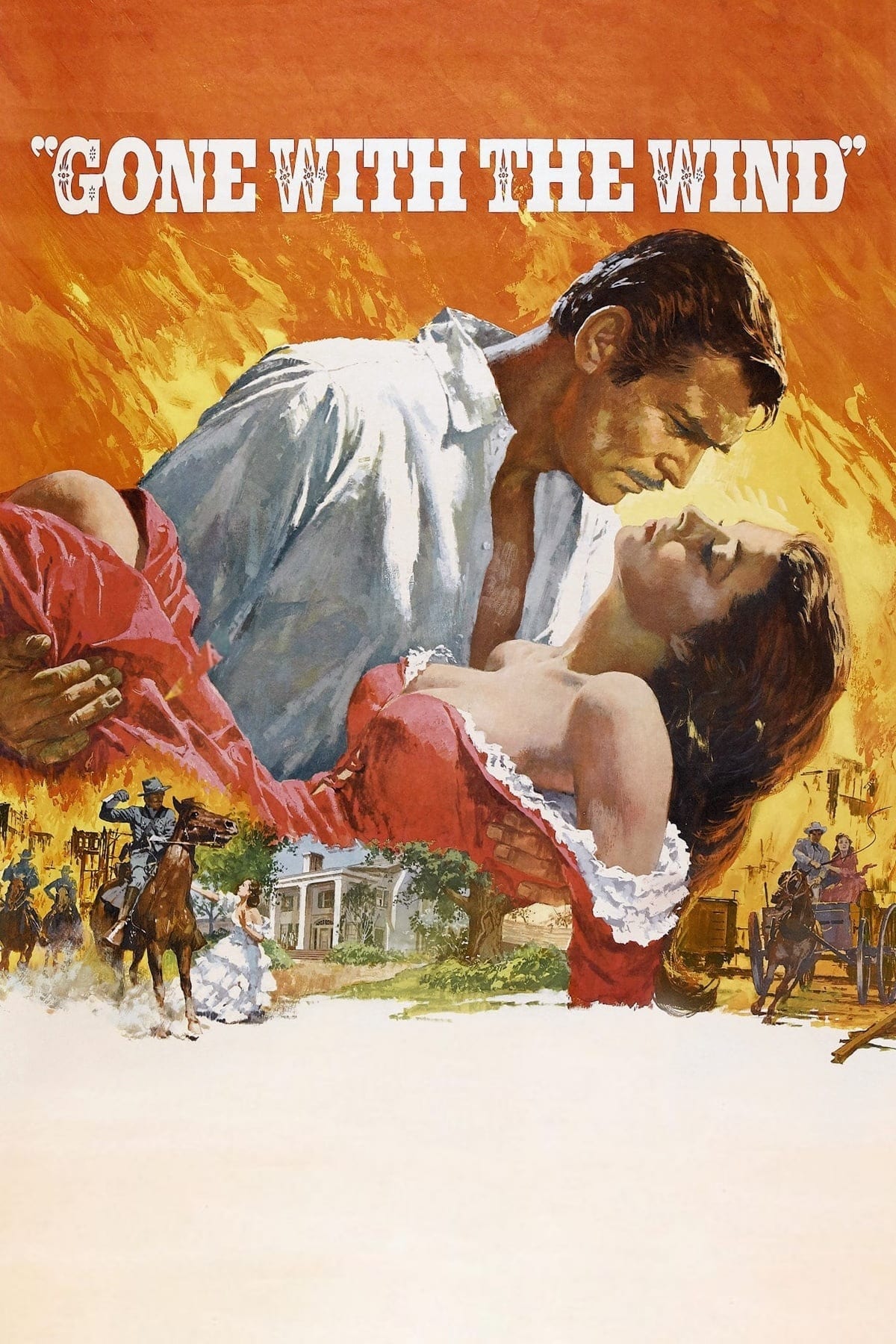
While beloved as a romantic epic, the film has faced decades of criticism for romanticizing the Confederacy and its portrayal of slavery.
In recent years, streaming services have added disclaimers to contextualize its historical content.
‘Pink Flamingos’ (1972)
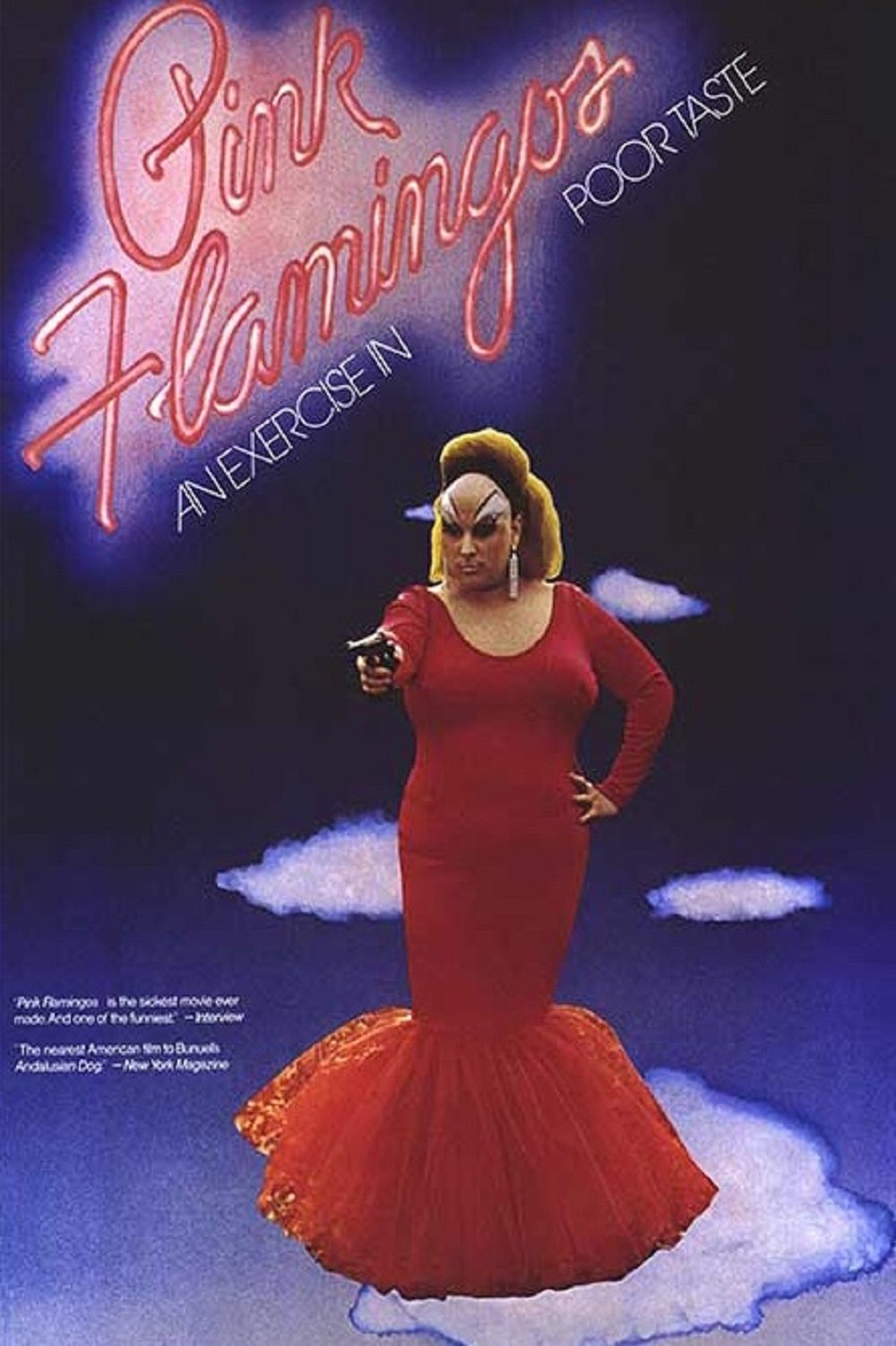
John Waters’ shock comedy was designed to offend, featuring outrageous and taboo-breaking scenes. It was banned in multiple countries.
Its cult following has embraced it as a celebration of bad taste and outsider art.
‘Kids’ (1995)
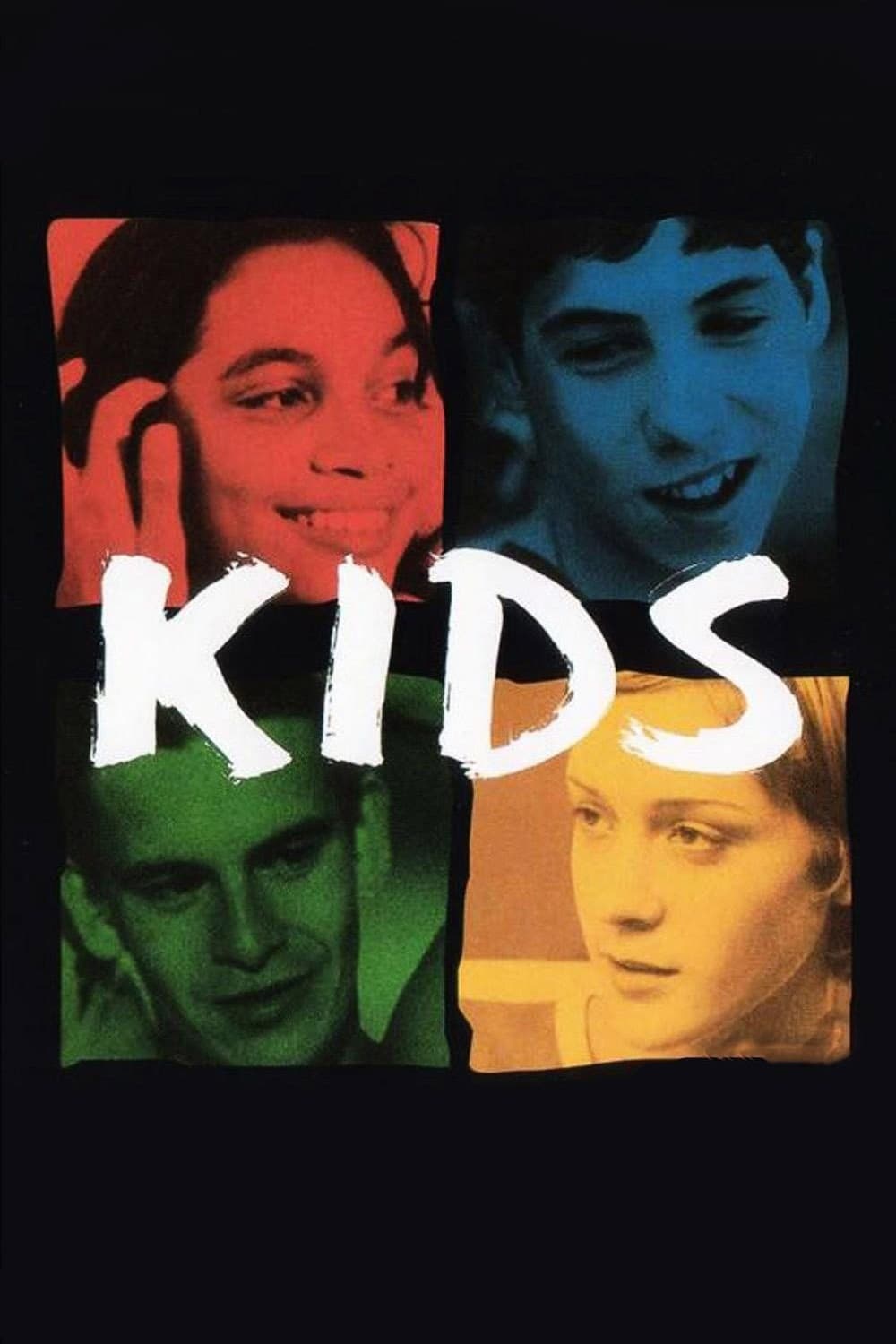
Larry Clark’s unflinching look at urban teens engaged in sex, drugs, and risky behavior drew accusations of exploitation and obscenity.
The controversy didn’t stop it from becoming a touchstone in independent cinema.
‘The Hateful Eight’ (2015)
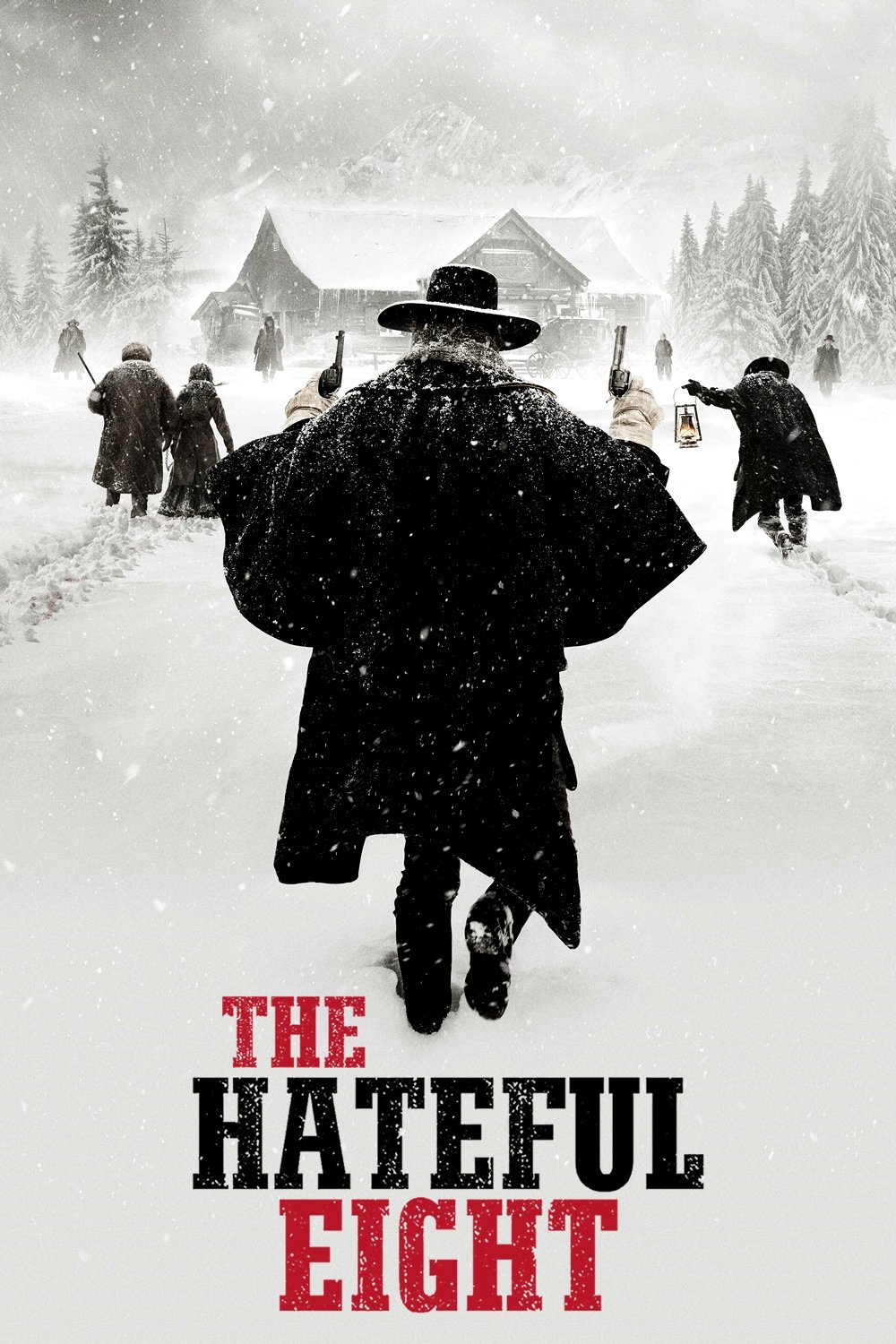
Quentin Tarantino’s western drew ire for its use of racial slurs and depictions of violence against women.
Fans praised it as a throwback to tense, dialogue-driven filmmaking, while detractors saw it as indulgent and offensive.
‘Brokeback Mountain’ (2005)
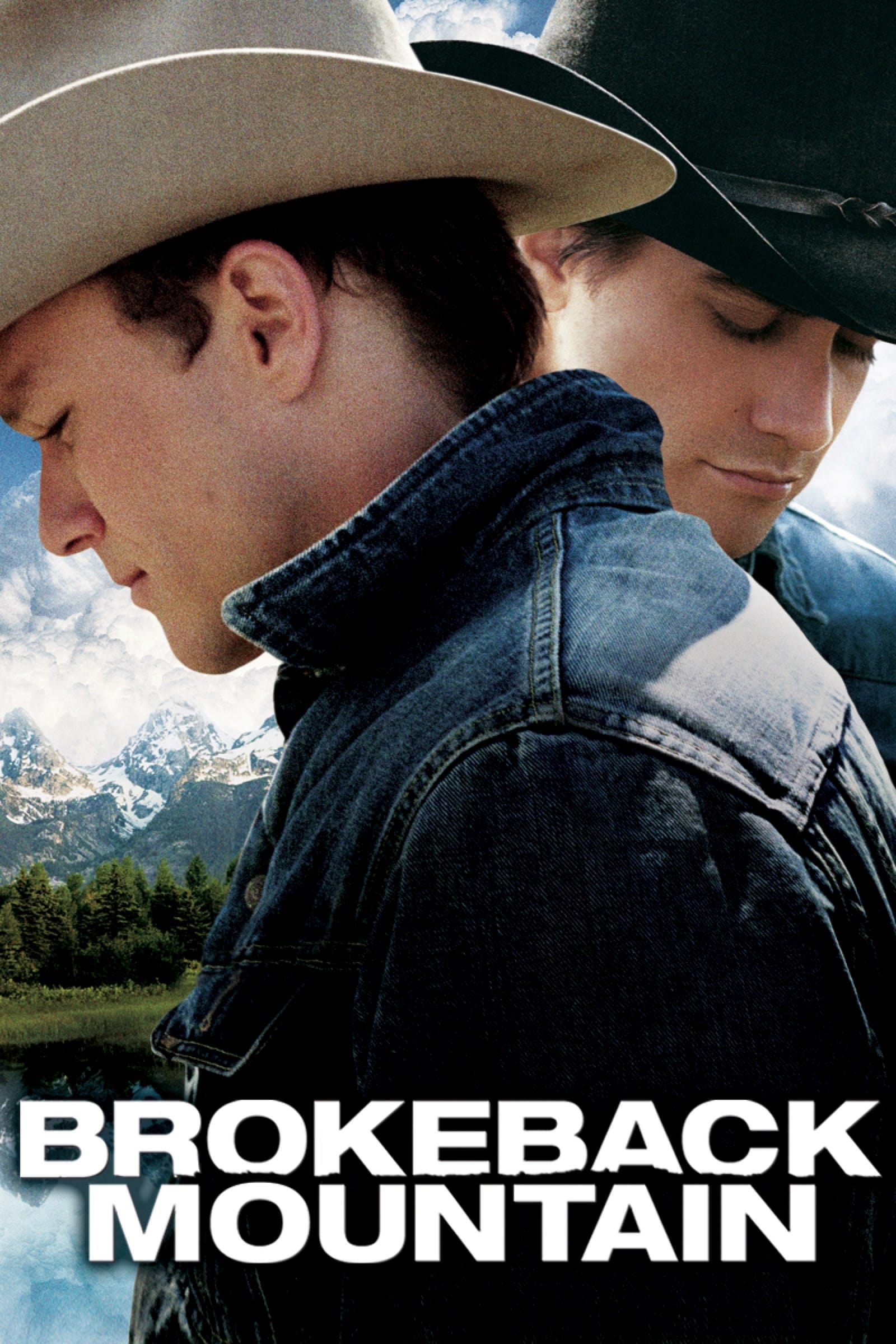
Ang Lee’s love story between two men faced boycotts and bans from conservative groups.
Its critical and commercial success marked a milestone for LGBTQ+ representation in mainstream cinema.
‘I Spit on Your Grave’ (1978)
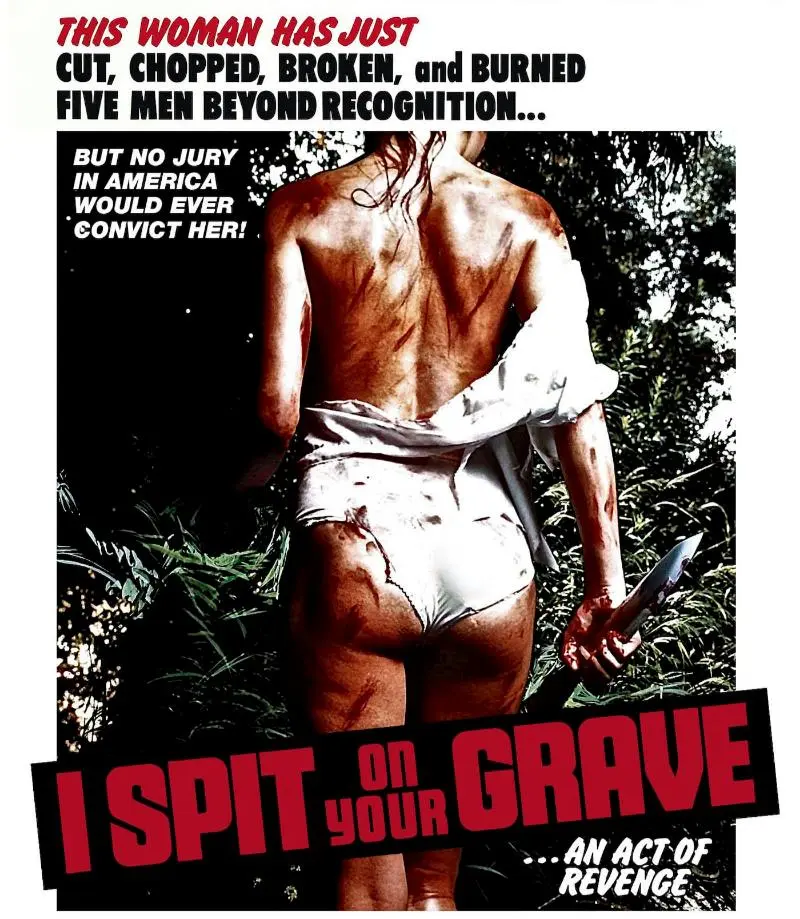
This revenge thriller was condemned for its prolonged sexual violence, which many saw as exploitative rather than empowering.
It remains one of the most notorious examples of the “rape-revenge” subgenre.
‘Caligula’ (1979)
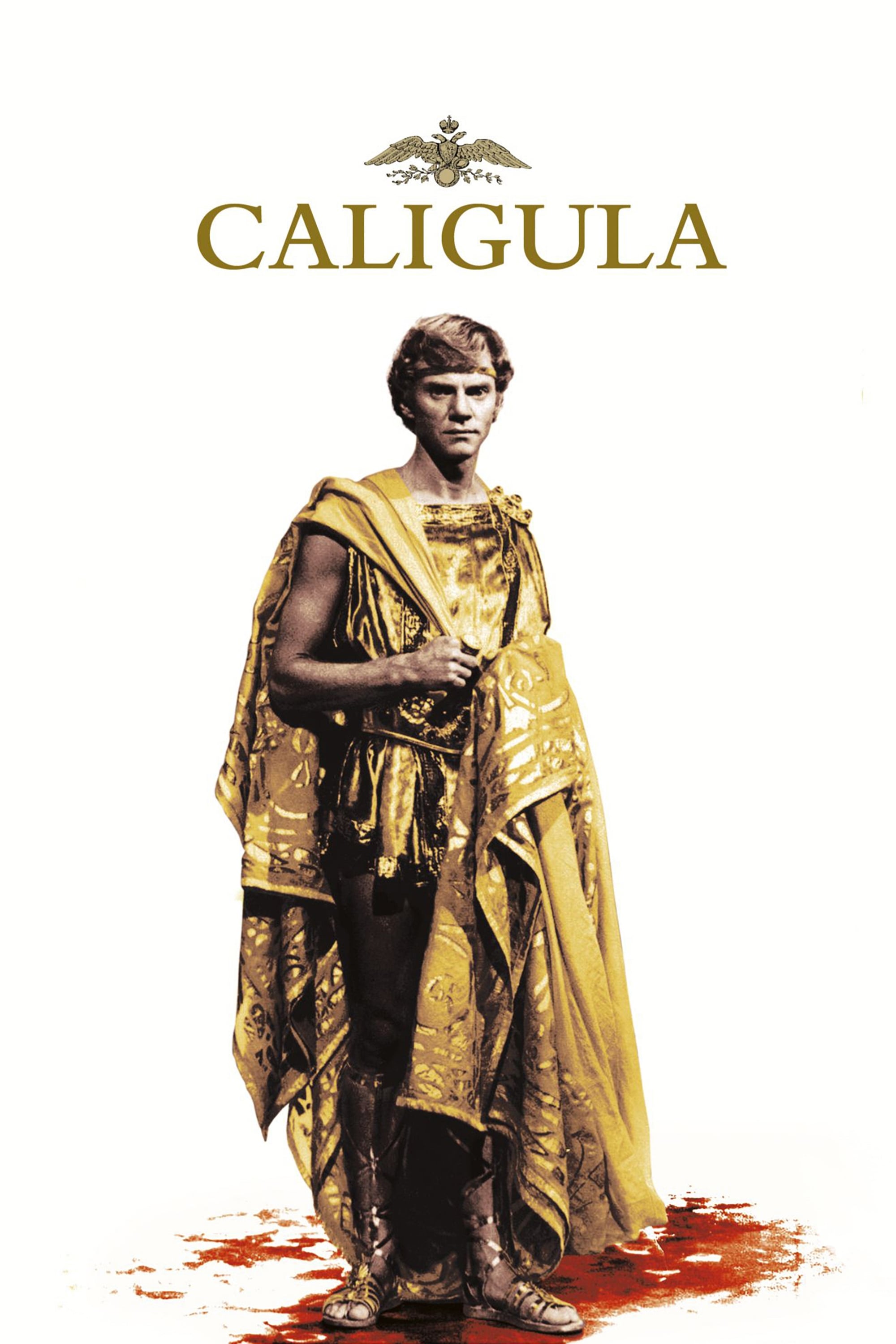
Funded by Penthouse magazine, this historical epic mixed lavish sets with explicit sex scenes, leading to censorship and outrage.
The behind-the-scenes battles between the director and producers only added to its infamy.
‘The Great Dictator’ (1940)
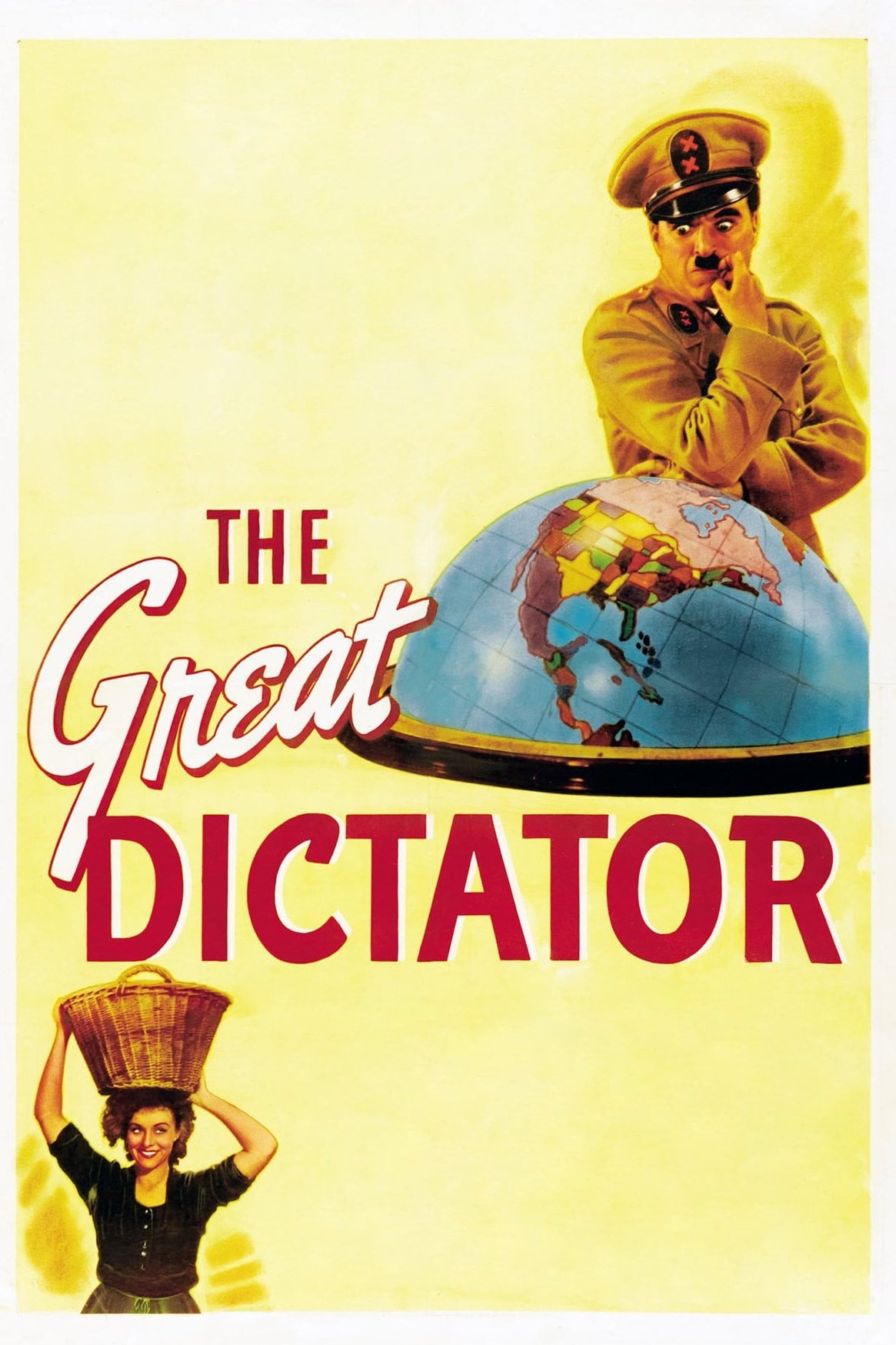
Charlie Chaplin’s satire of Hitler was banned in Nazi-occupied countries and criticized for mixing comedy with political seriousness.
Today, it’s hailed as a brave artistic statement against fascism.
‘The Lion King’ (1994)
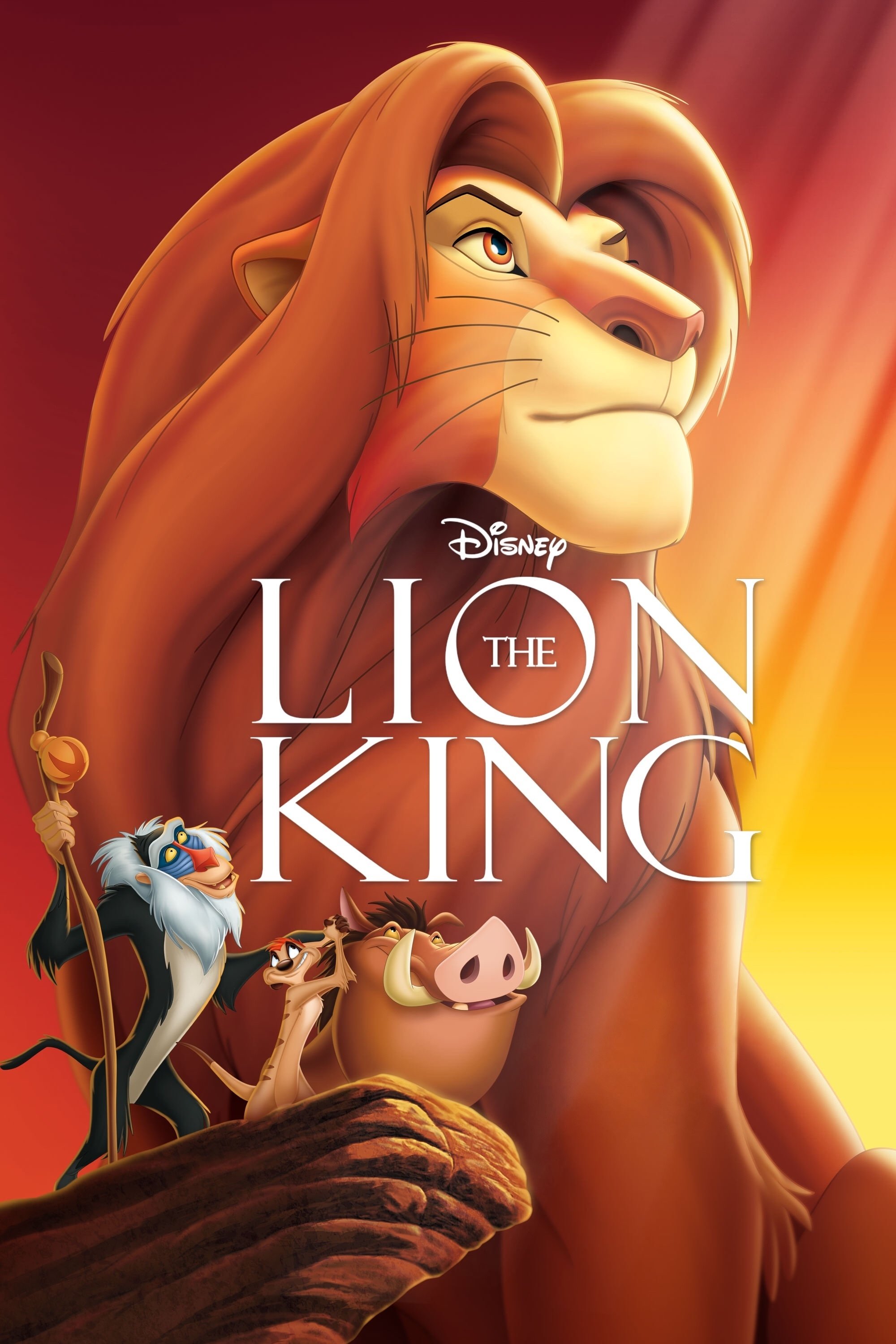
While beloved, the animated classic faced accusations of plagiarism from the Japanese anime ‘Kimba the White Lion’.
The dispute never reached court, but it remains a topic of debate among animation fans.
‘The Death of Stalin’ (2017)
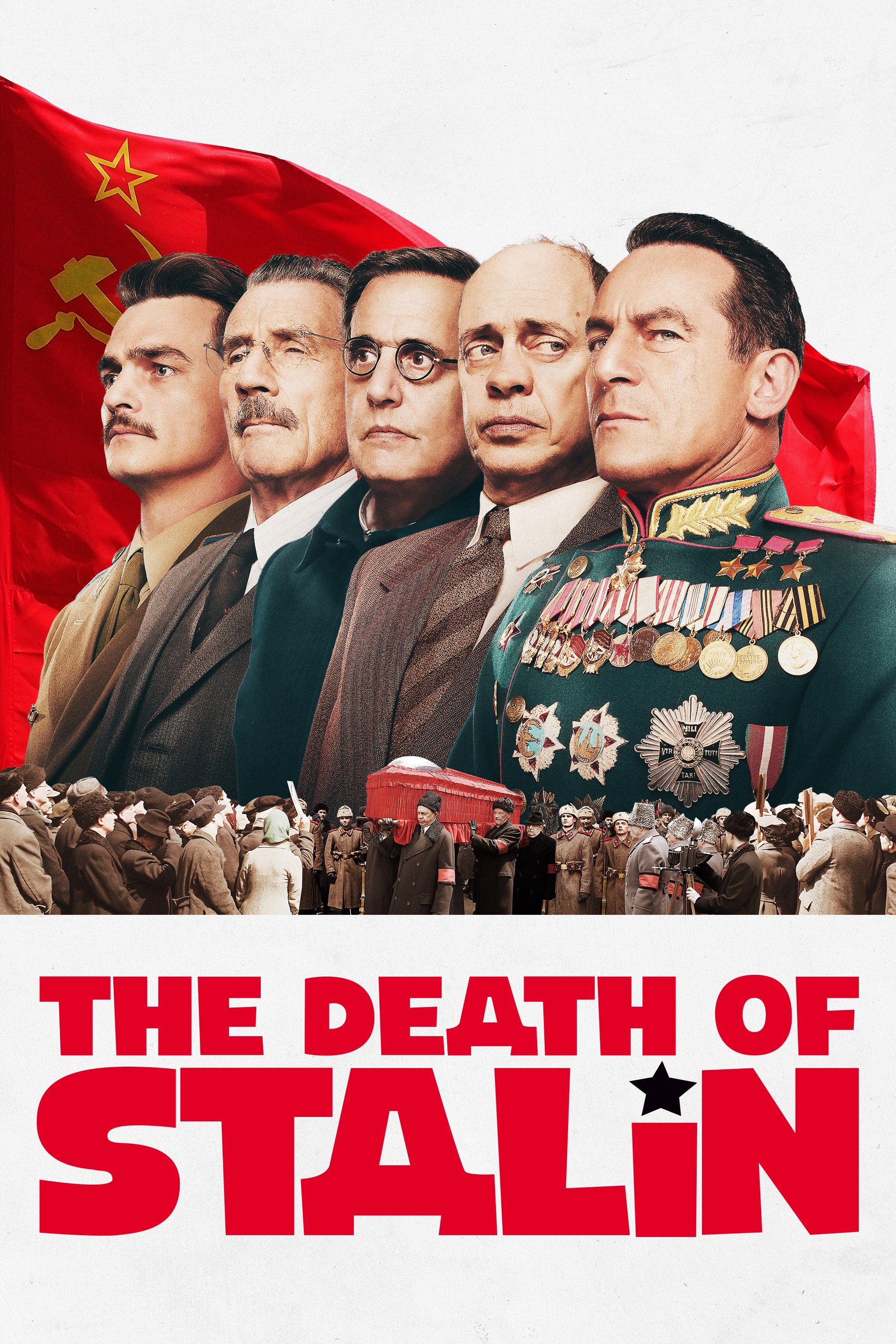
This political satire was banned in Russia for mocking Soviet leaders.
It was praised internationally for its dark humor and sharp writing, but the backlash underscored how history and politics remain sensitive subjects.
‘Pulp Fiction’ (1994)
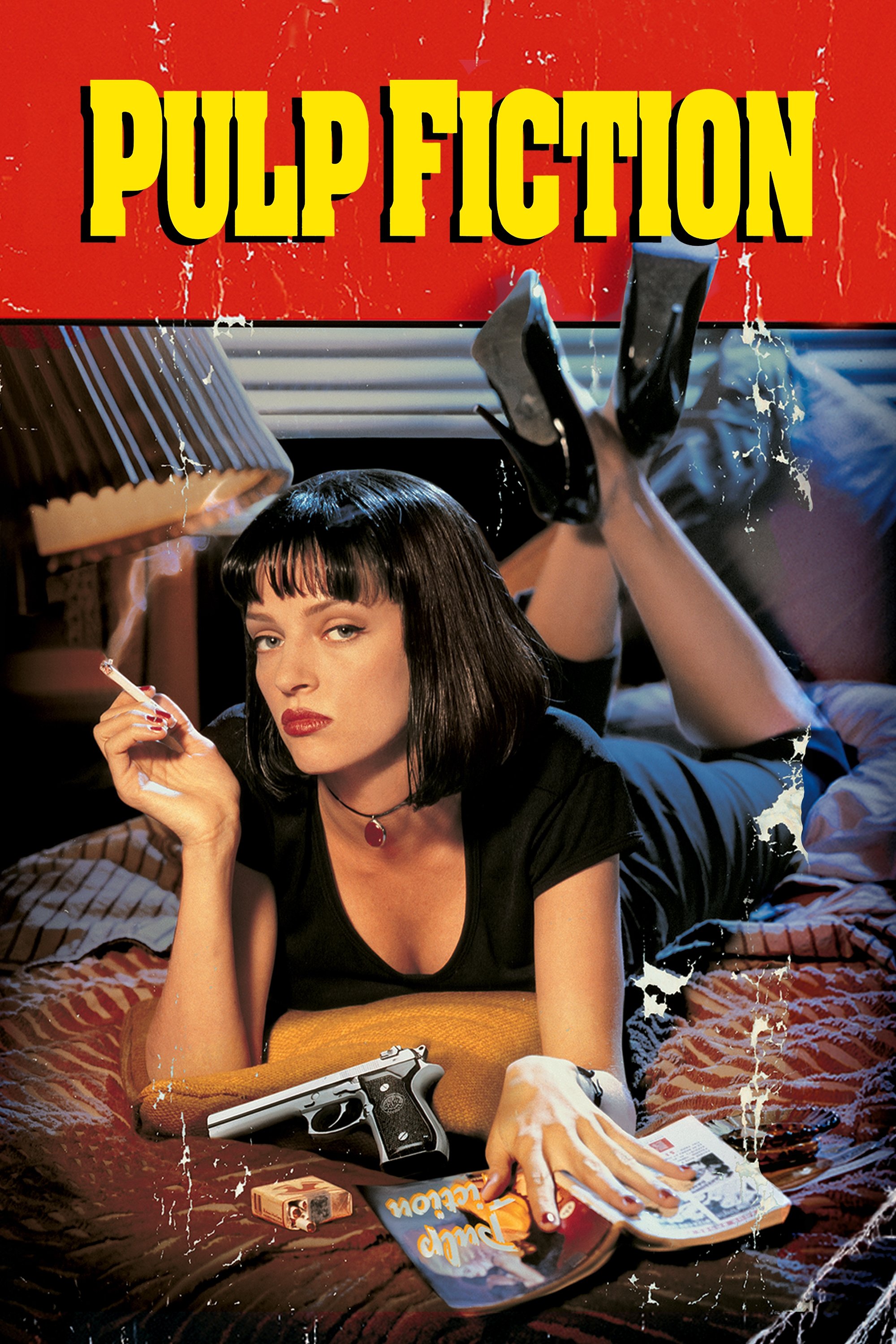
Quentin Tarantino’s nonlinear crime epic shocked audiences with its violence, profanity, and pop culture irreverence.
Its moral ambiguity sparked debates, but it ultimately reshaped independent cinema.
‘Apocalypse Now’ (1979)
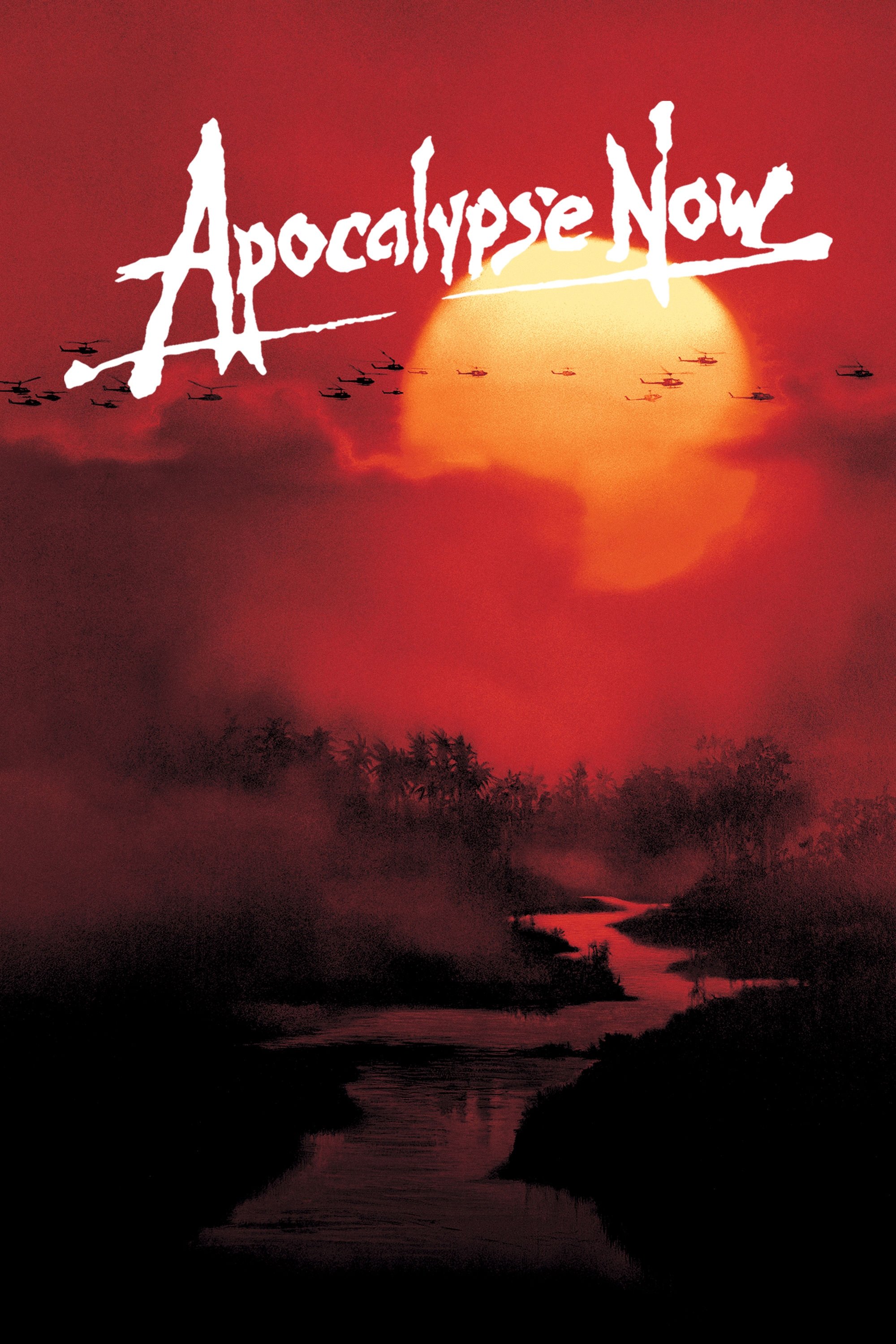
Francis Ford Coppola’s Vietnam War epic was criticized for its chaotic production and depictions of violence.
It has since been recognized as one of the greatest war films ever made, its controversy part of its legend.
‘The Blair Witch Project’ (1999)
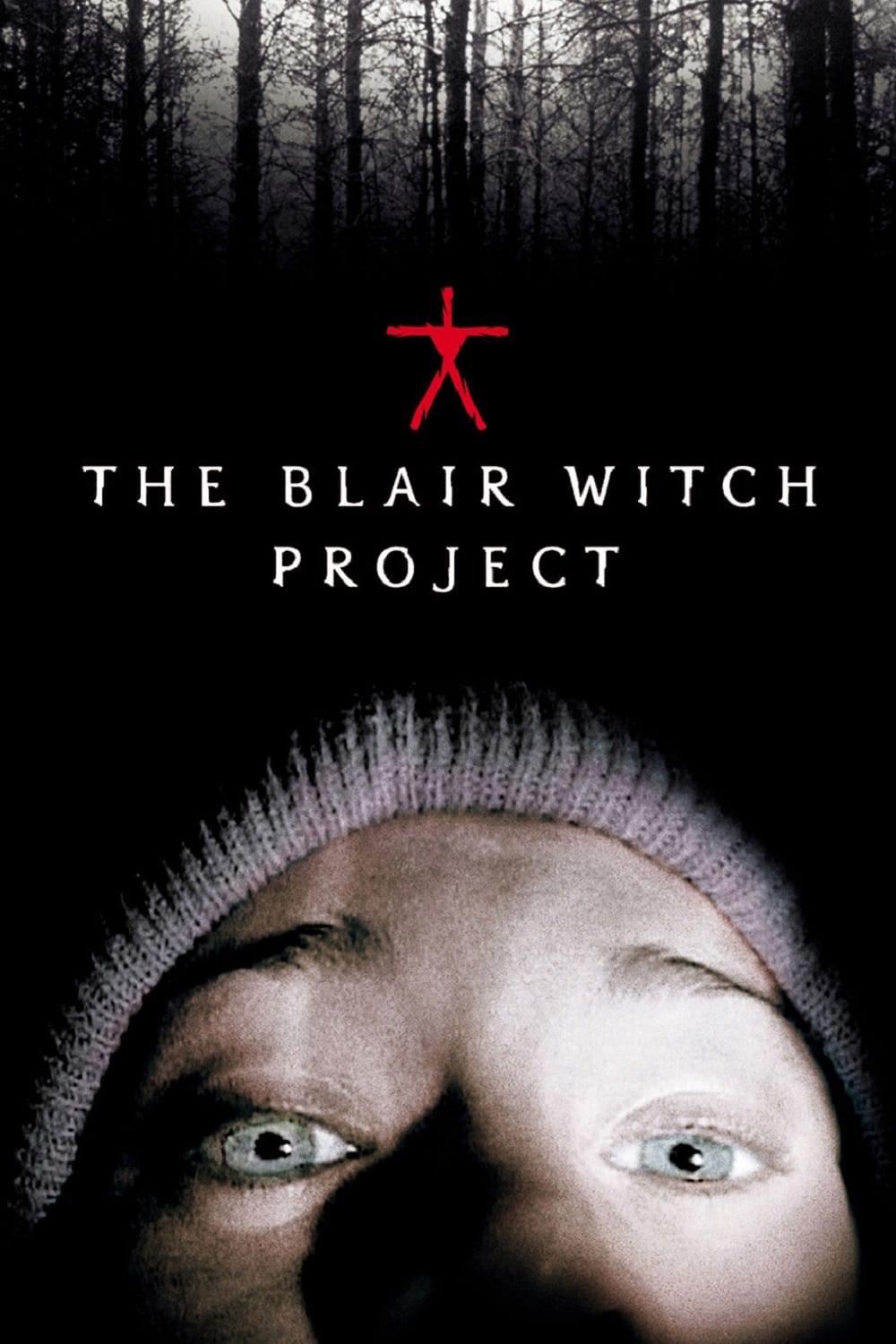
Marketed as real found footage, the film misled some viewers into believing its events were true.
The viral marketing and ethical questions about blurring fiction and reality fueled its notoriety.
‘Ghost in the Shell’ (2017)
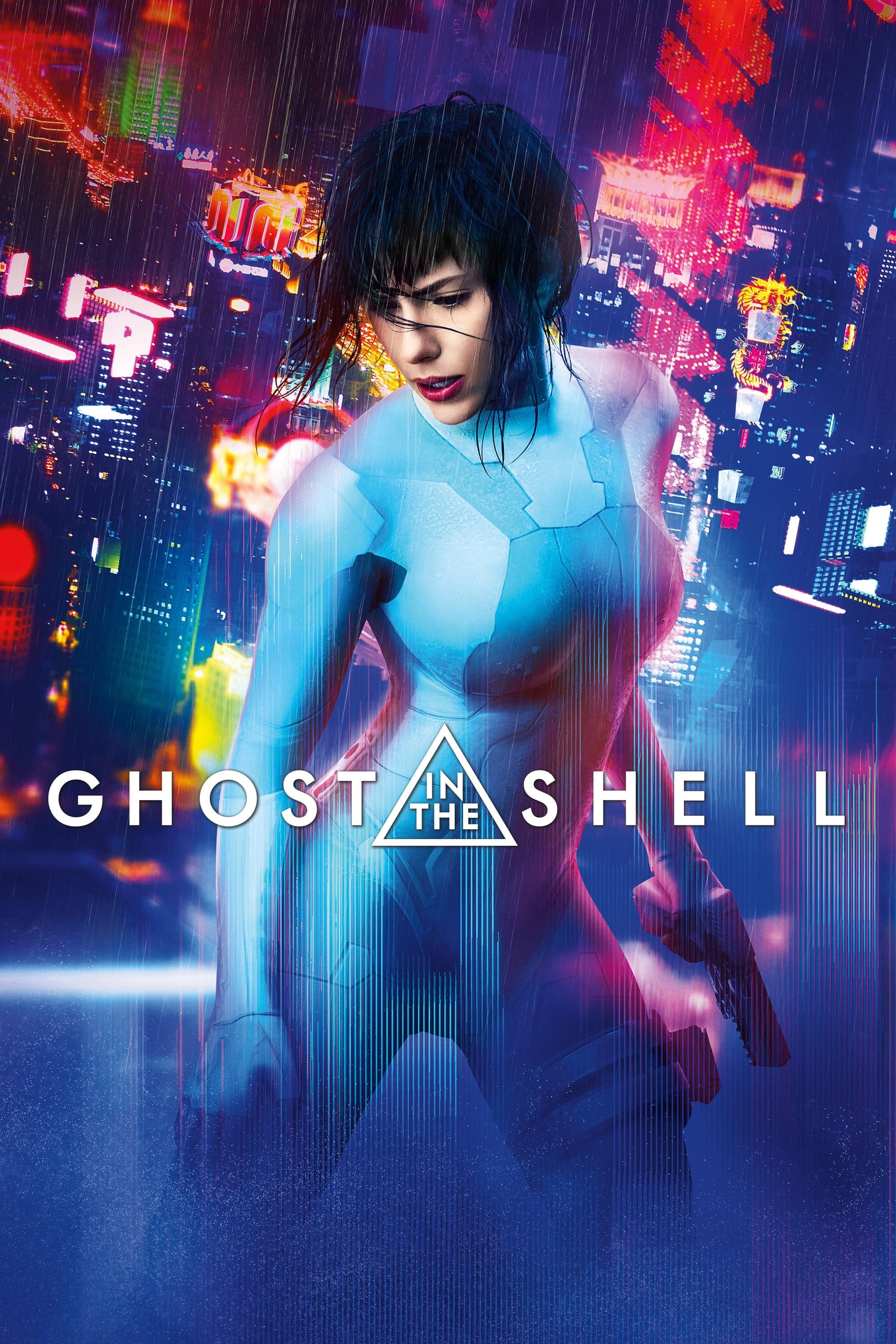
This live-action adaptation of the anime faced backlash for casting Scarlett Johansson in a role many felt should have gone to an Asian actress.
The debate over Hollywood whitewashing dominated discussion of the film.
‘Don’t Look Up’ (2021)
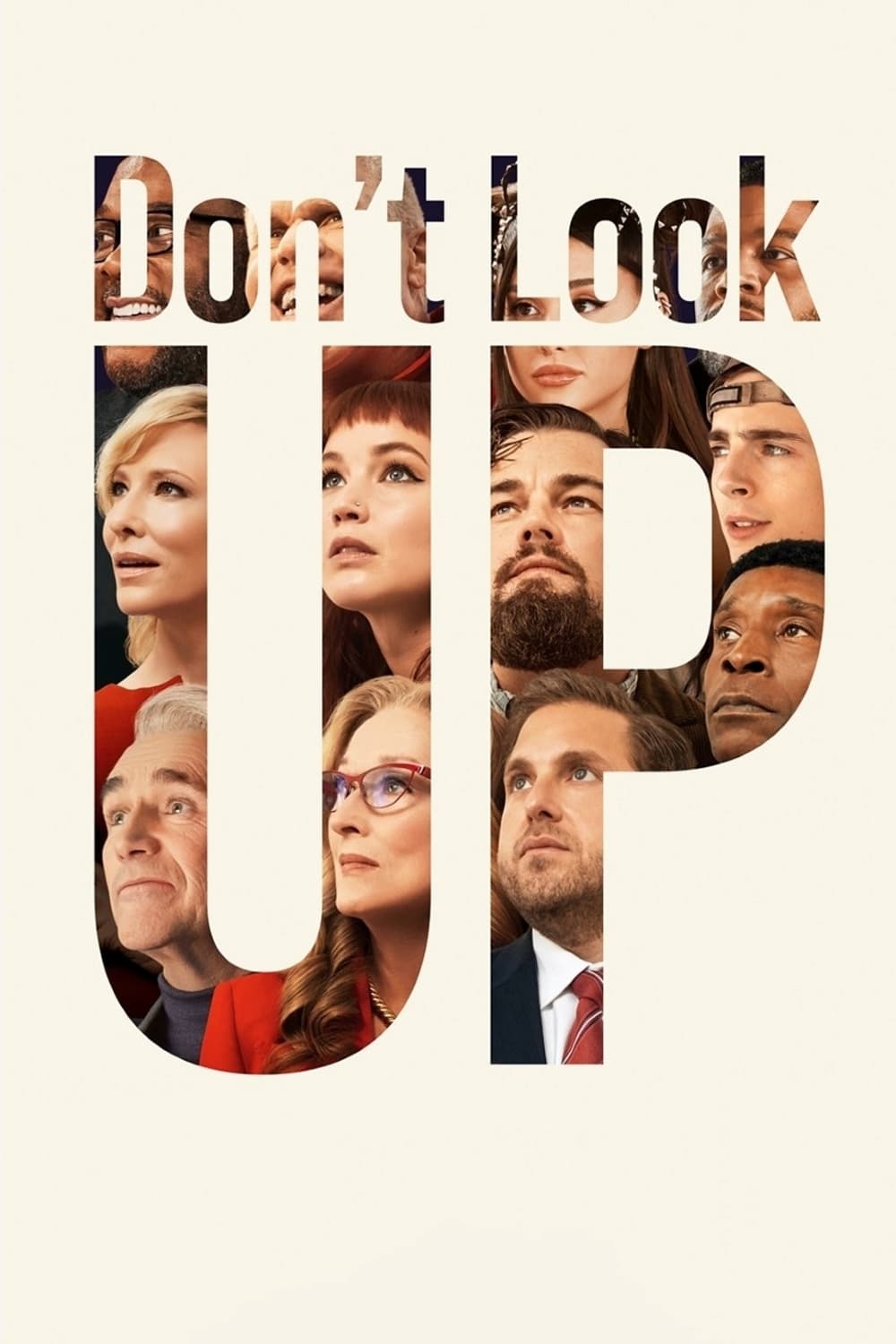
Adam McKay’s climate change satire divided audiences over whether it was a brilliant allegory or smug political preaching.
Its polarizing reception reflected the very divides it sought to address.
‘The Matrix Reloaded’ (2003)
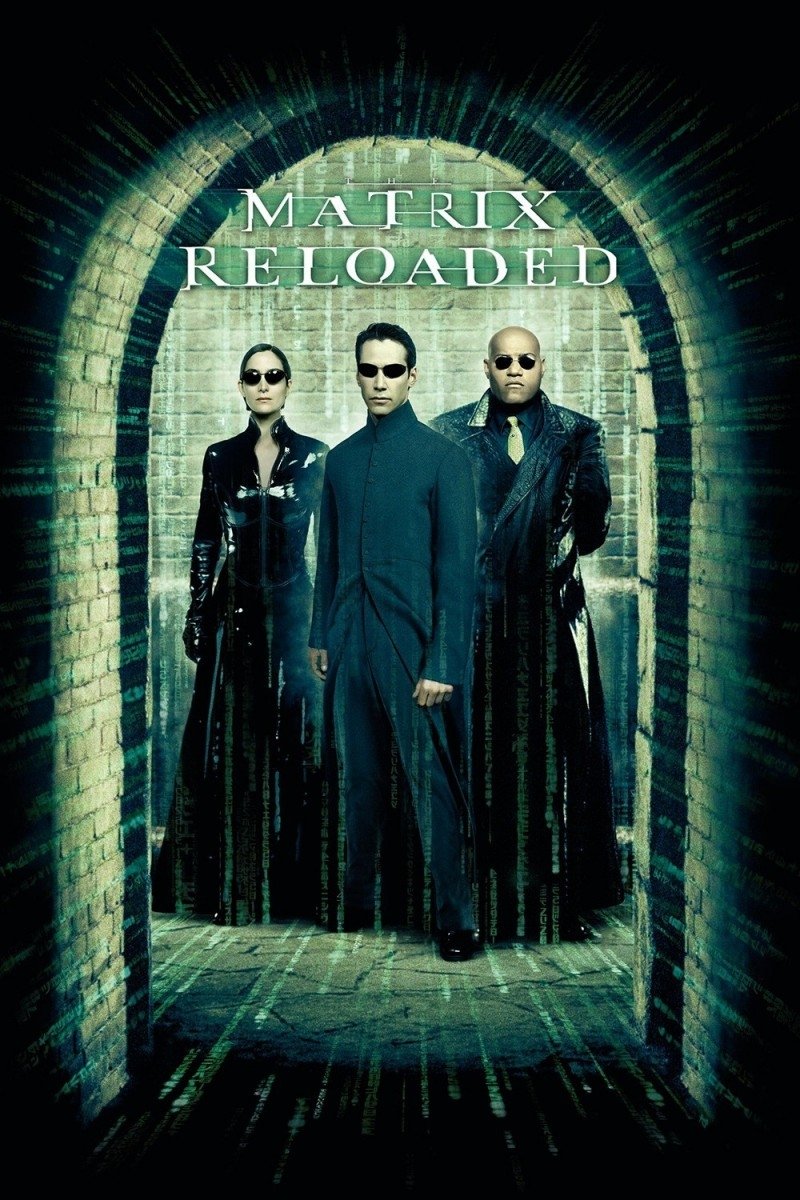
While commercially successful, it faced criticism for convoluted philosophy and overblown action, disappointing fans of the original.
Its ambitious scope became part of a larger debate over the nature of sequels.
‘American Psycho’ (2000)

Mary Harron’s adaptation of Bret Easton Ellis’ novel was attacked for its violence and misogyny.
Christian Bale’s performance eventually turned it into a cult classic, with its satire more appreciated over time.
‘Beetlejuice’ (1988)
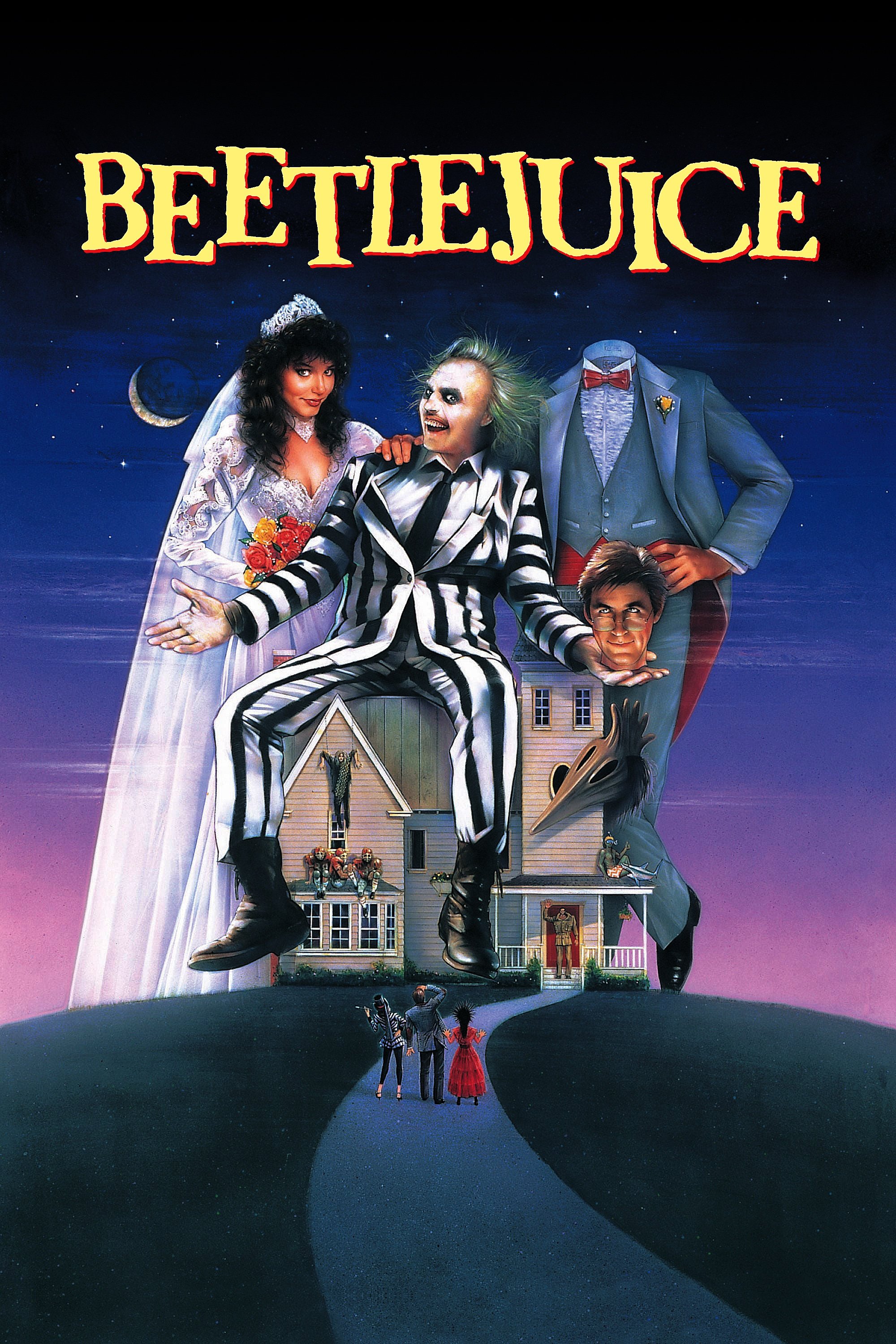
Though now beloved, its use of crude humor in a family-oriented fantasy led to parental complaints.
It became a case study in how dark comedy can walk a fine line between charming and offensive.
What other controversial films did we miss? Share your thoughts in the comments below!

