


Movies That Sparked Social Changes



Movies can do more than entertain. They can shine a light on issues, shift perspectives, and inspire action. From exposing injustices to challenging norms, some films have left a lasting mark on society. They’ve sparked movements, changed laws, or made people rethink their beliefs.
This list covers 50 movies that did just that. Each one tackled a tough topic—racism, inequality, war, or more—and made a real impact. Some led to policy changes, others fueled global conversations. Let’s dive into these films that shaped the world.
‘The Birth of a Nation’ (1915)
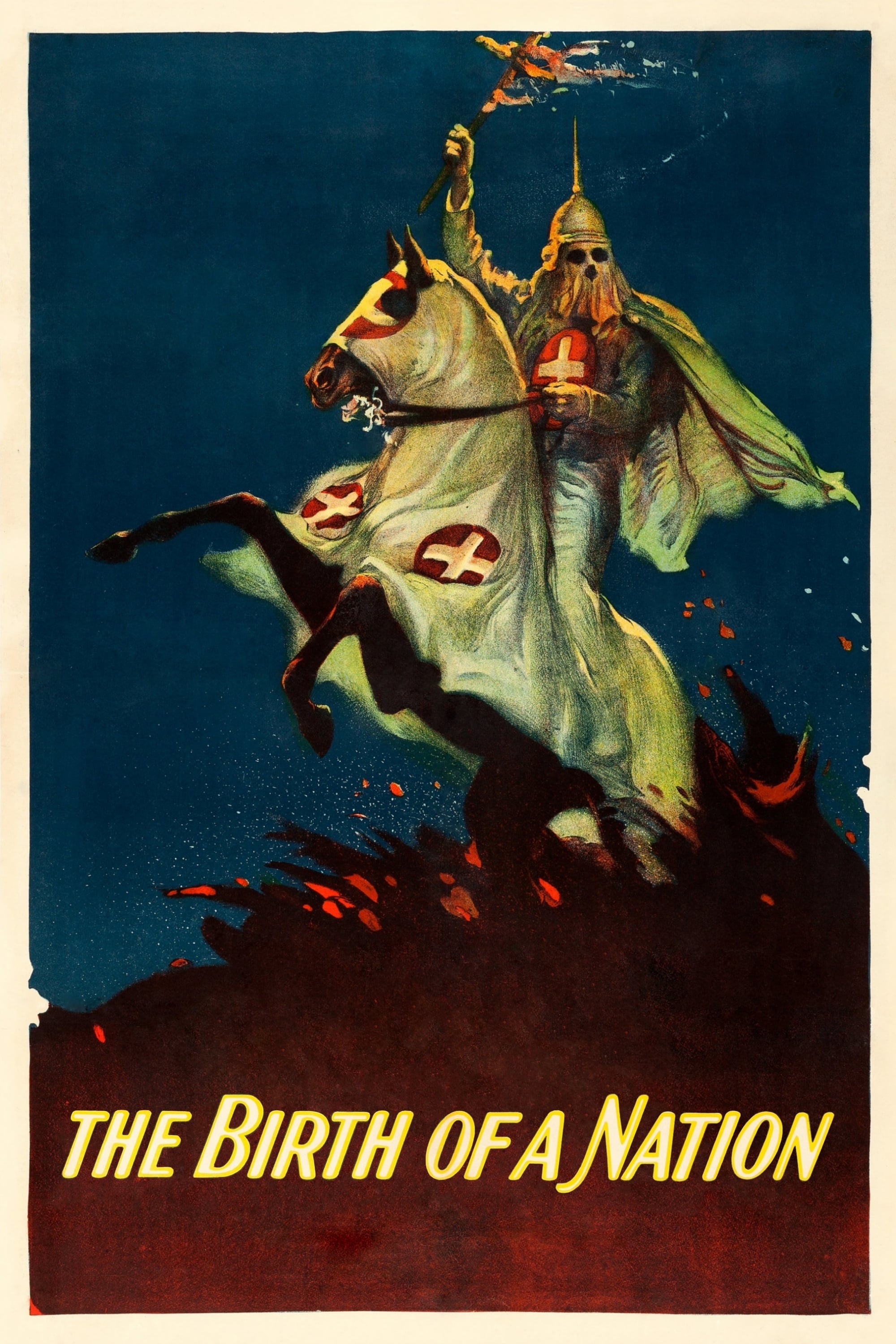
This silent film by D.W. Griffith changed how movies were made. It introduced new camera angles and storytelling techniques. But it also glorified racism and the Ku Klux Klan. Its impact was huge, spreading harmful stereotypes about Black people.
The film was a hit, even screened at the White House. It fueled racist attitudes and inspired the Klan’s revival. While a cinematic milestone, its legacy is dark, showing how films can harm society if they spread hate.
‘The Jazz Singer’ (1927)

This film brought sound to movies, ending the silent era. It used the Vitaphone system, letting audiences hear dialogue and music. Al Jolson’s line, “You ain’t heard nothin’ yet,” became iconic. It changed how films were made and watched.
Sadly, it also used blackface, reflecting the era’s racism. This sparked debates about racial stereotypes in entertainment. Its technical leap forward came with a cost, highlighting the need for better representation in media.
‘Bambi’ (1942)

This animated classic broke hearts with the death of Bambi’s mother. It made hunting seem cruel to many viewers. The film’s emotional pull led to the ‘Bambi effect,’ where people turned against recreational hunting. Hunter numbers dropped by half after its release.
It became a symbol for animal rights. The film showed how even a cartoon could sway public opinion. It pushed people to rethink their relationship with nature and wildlife.
‘Gentleman’s Agreement’ (1947)
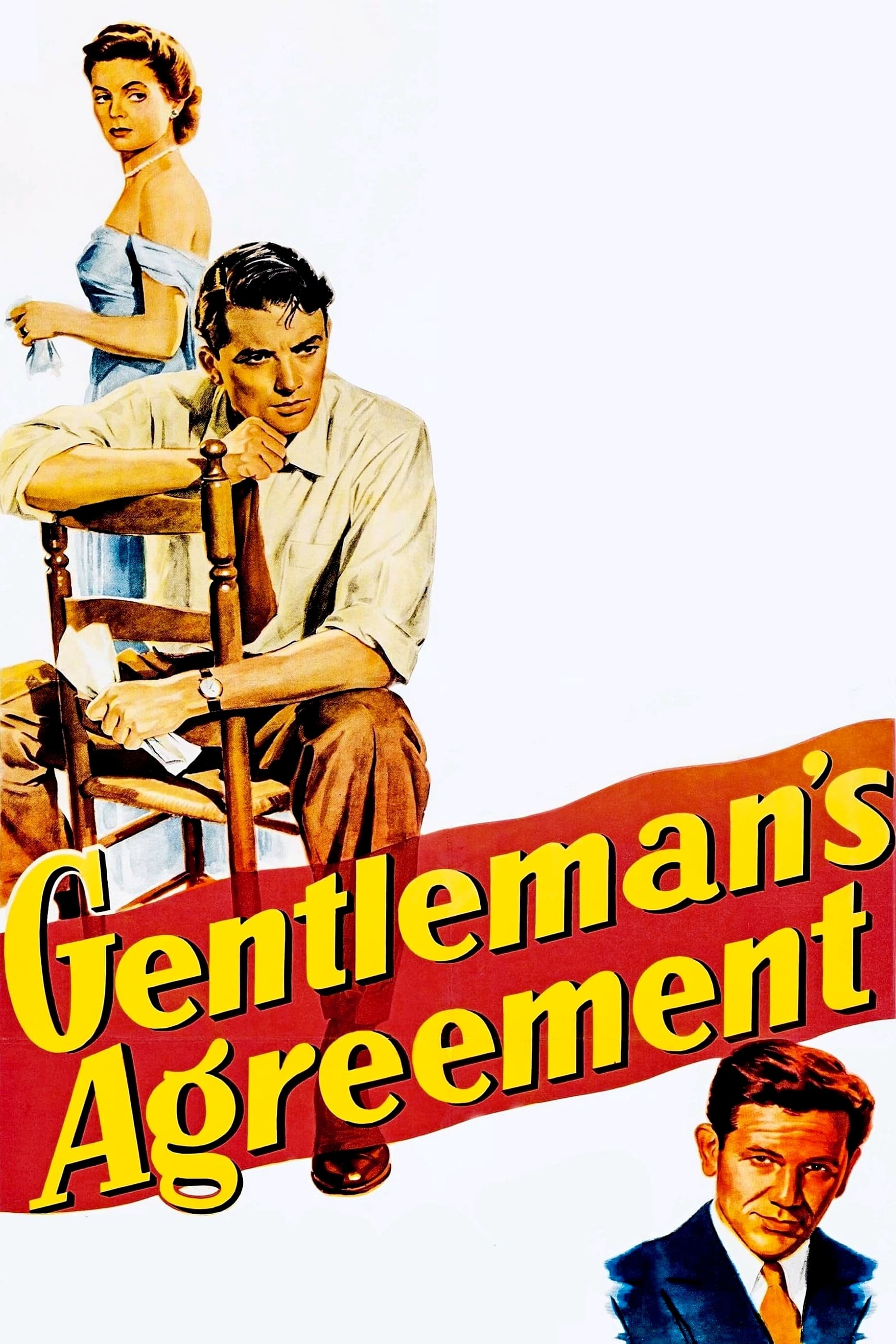
This drama tackled anti-Semitism in America. It follows a journalist posing as Jewish to expose discrimination. The film revealed how prejudice worked in everyday life, from jobs to housing. It won Oscars and sparked talks about tolerance.
After its release, many started questioning social norms around religion and identity. It didn’t end anti-Semitism, but it made people face it head-on. The film proved stories could challenge deep-rooted biases.
‘The Defiant Ones’ (1958)
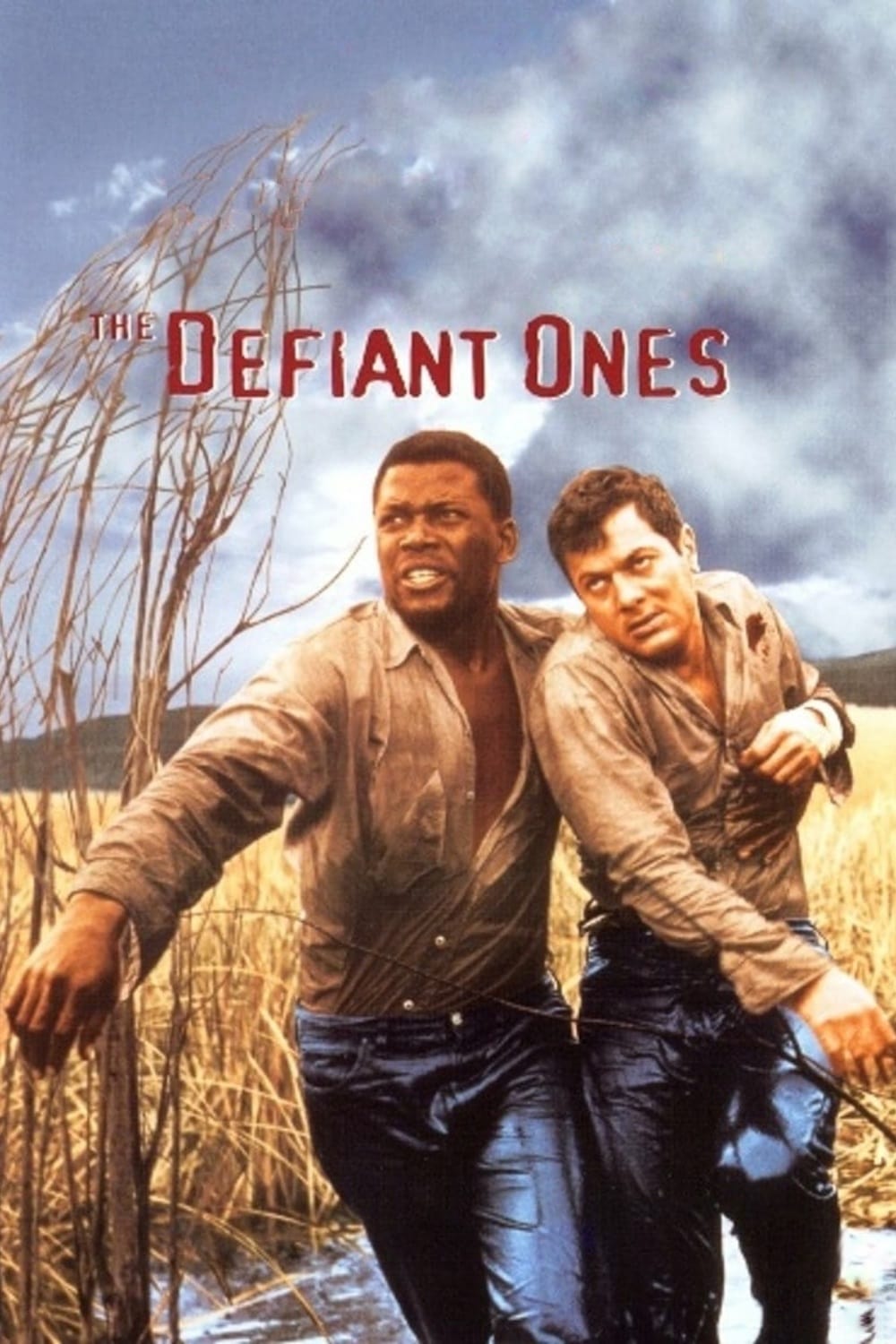
This film showed two escaped prisoners—one Black, one white—chained together. Their struggle to survive forced them to confront racism. The story’s raw look at racial tension was bold for its time. It pushed audiences to think about equality.
It influenced the Civil Rights Movement’s growing momentum. People saw how cooperation across racial lines could work. The film’s message of unity resonated, making it a cultural touchstone.
‘To Kill a Mockingbird’ (1962)
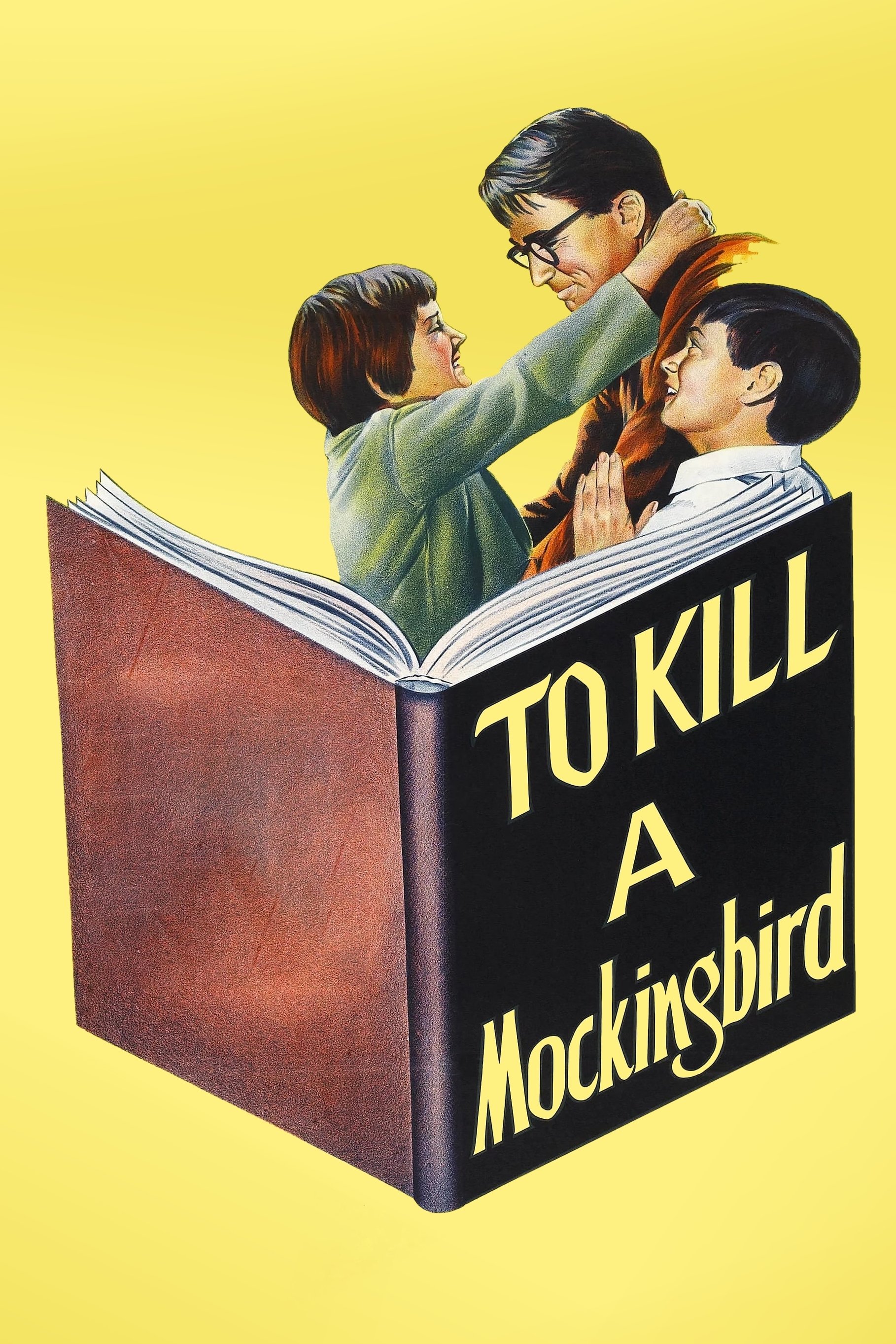
This adaptation of Harper Lee’s novel tackled racism in the South. It follows a lawyer defending a Black man wrongly accused of a crime. The story exposed the deep injustices in the legal system. It became a powerful call for fairness.
The film inspired discussions about race and justice during the Civil Rights era. Schools used it to teach empathy and equality. Its impact lingers, reminding us to stand against prejudice.
‘Guess Who’s Coming to Dinner’ (1967)
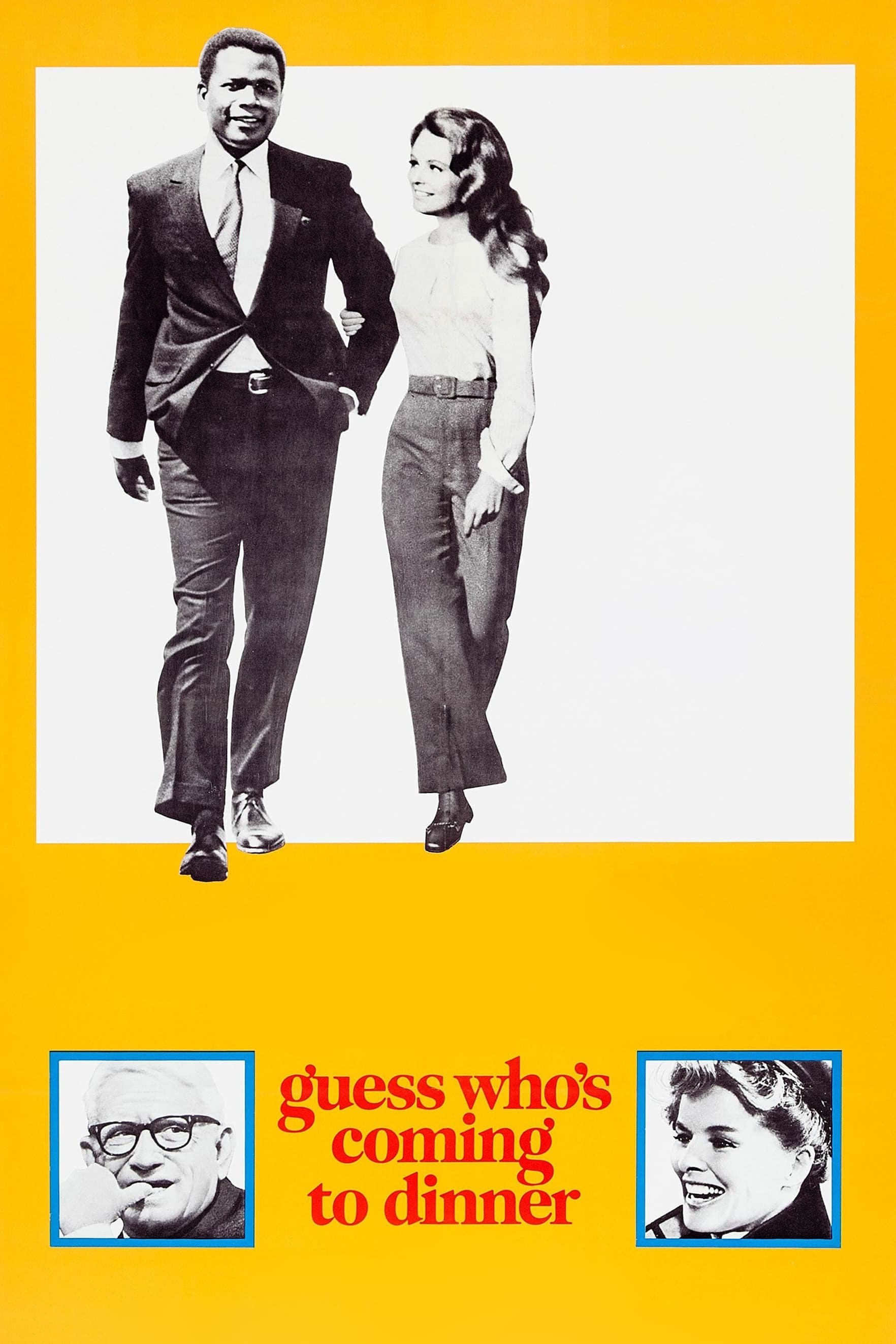
This film showed a white woman bringing her Black fiancé home to meet her parents. It tackled interracial relationships when they were still controversial. The story forced viewers to face their own biases. It was a bold move for mainstream cinema.
Released during the Civil Rights Movement, it helped normalize interracial love. It didn’t erase racism, but it opened minds. The film’s success showed people were ready for change.
‘Easy Rider’ (1969)

This counterculture film followed two bikers across America. It captured the spirit of rebellion against mainstream values. The movie spoke to youth frustrated with war and conformity. It became a symbol of freedom and dissent.
It influenced the 1960s cultural shift, inspiring activism and alternative lifestyles. The film’s raw energy pushed boundaries in storytelling. It showed how movies could reflect and shape a generation’s ideals.
‘All the President’s Men’ (1976)
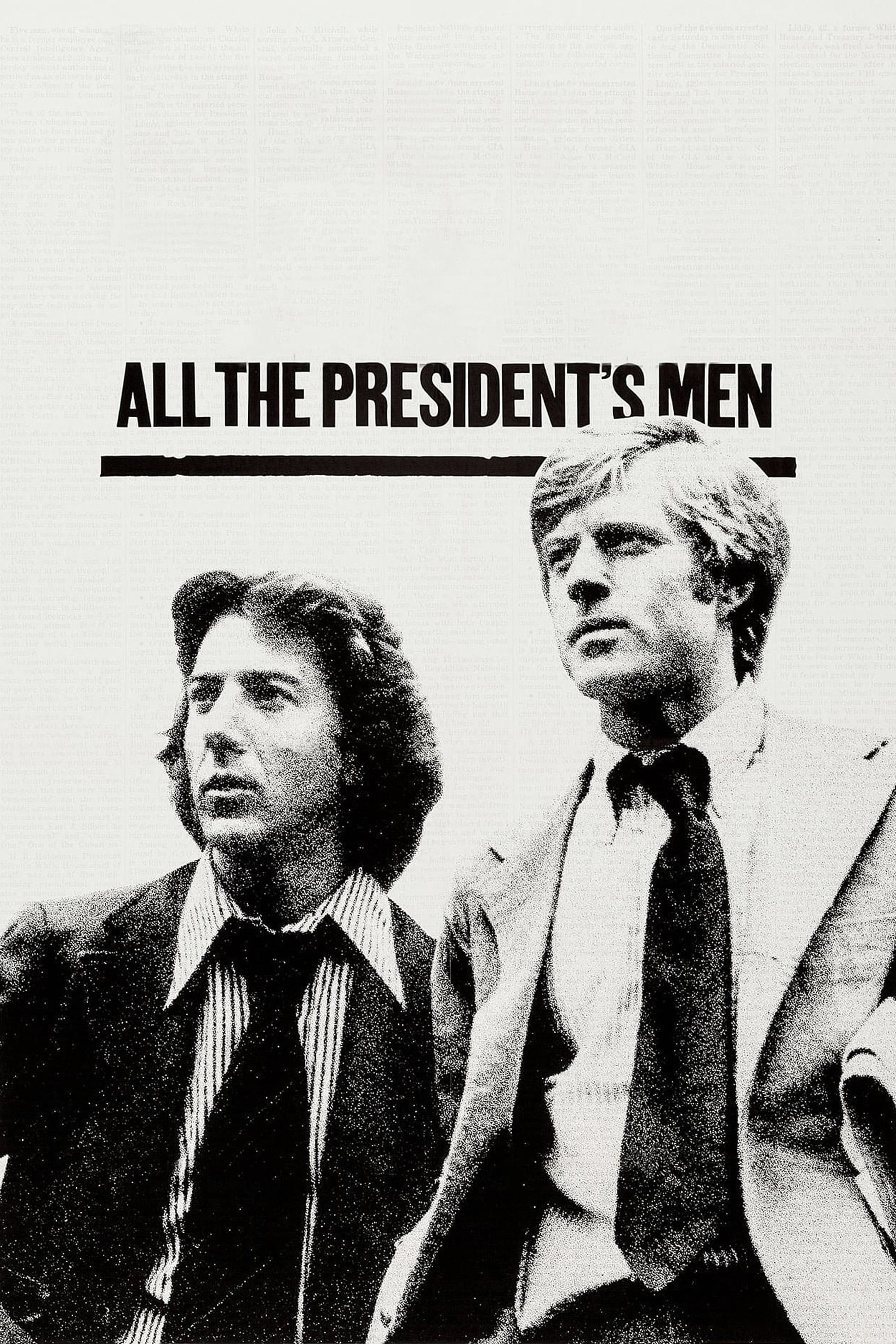
This film follows journalists uncovering the Watergate scandal. It showed how the press could hold power accountable. The story inspired trust in investigative journalism. After its release, journalism schools saw a spike in enrollment.
It also changed how people viewed the media’s role in democracy. Conservatives and liberals reacted differently, but the film sparked debate about press freedom. It proved movies could influence political attitudes.
‘Gandhi’ (1982)
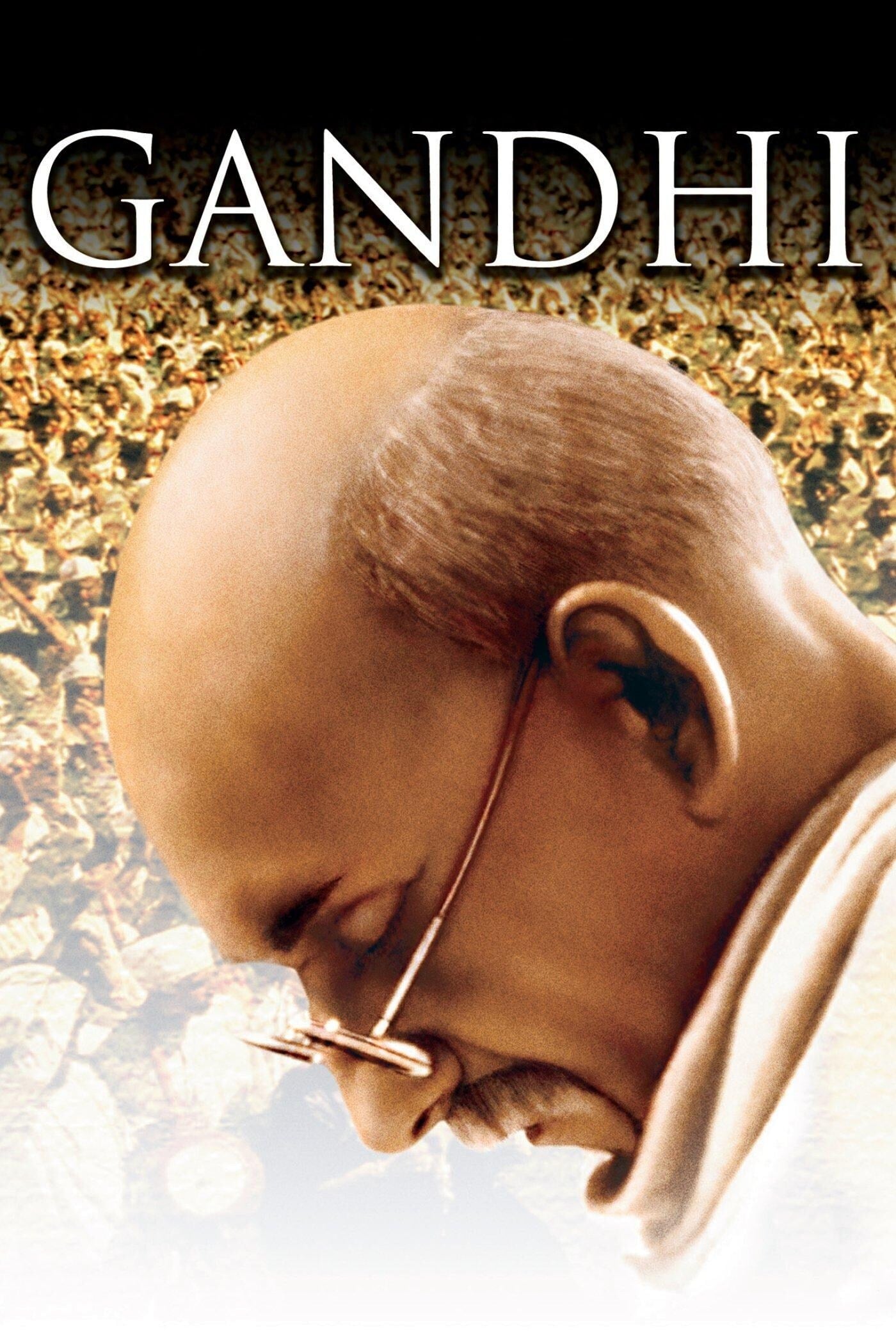
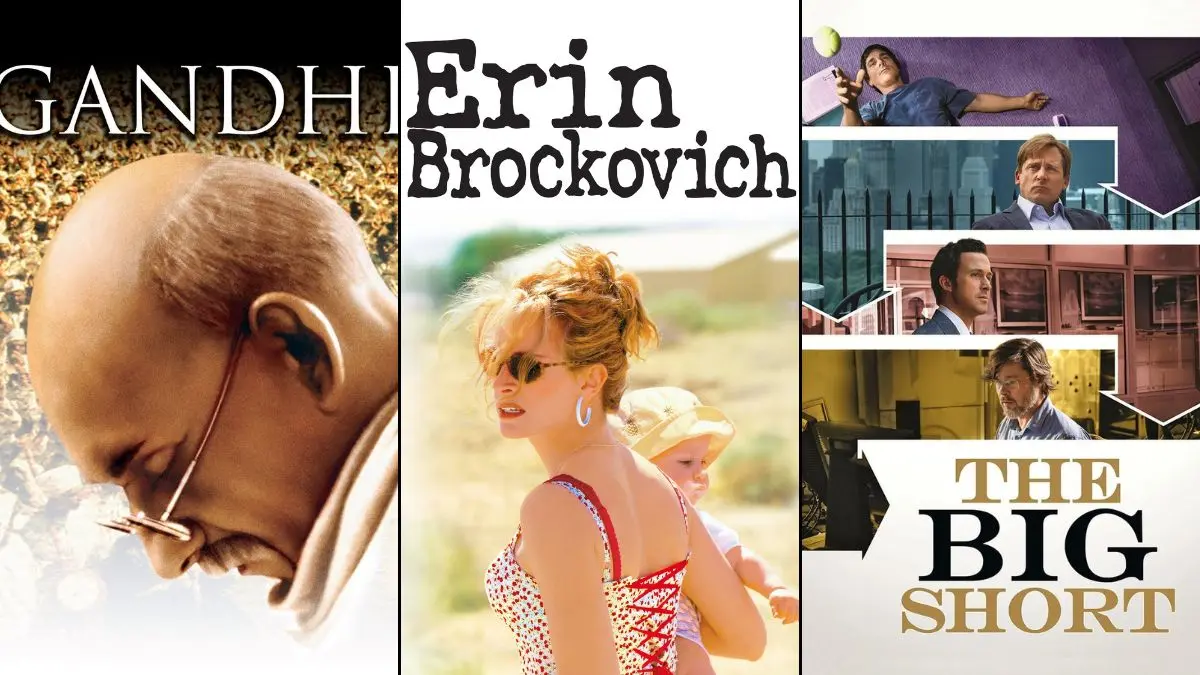
This biography of Mahatma Gandhi showed his fight for India’s independence. It highlighted nonviolent resistance as a powerful tool. The film’s epic storytelling inspired millions to admire Gandhi’s principles. It won eight Oscars, including Best Picture.
It reignited global interest in nonviolence during political struggles. Activists drew inspiration from Gandhi’s story. The film showed how one person’s ideals could spark worldwide change.
‘The Day After’ (1983)

This TV movie showed a nuclear war’s aftermath. Watched by 100 million people, it made the idea of nuclear winter real. It scared viewers into thinking about the arms race. Even President Reagan was moved, rethinking Cold War policies.
The film helped push for nuclear disarmament talks. It wasn’t the only factor, but it shaped public fear and urgency. This movie proved TV could sway global politics.
‘The Thin Blue Line’ (1988)
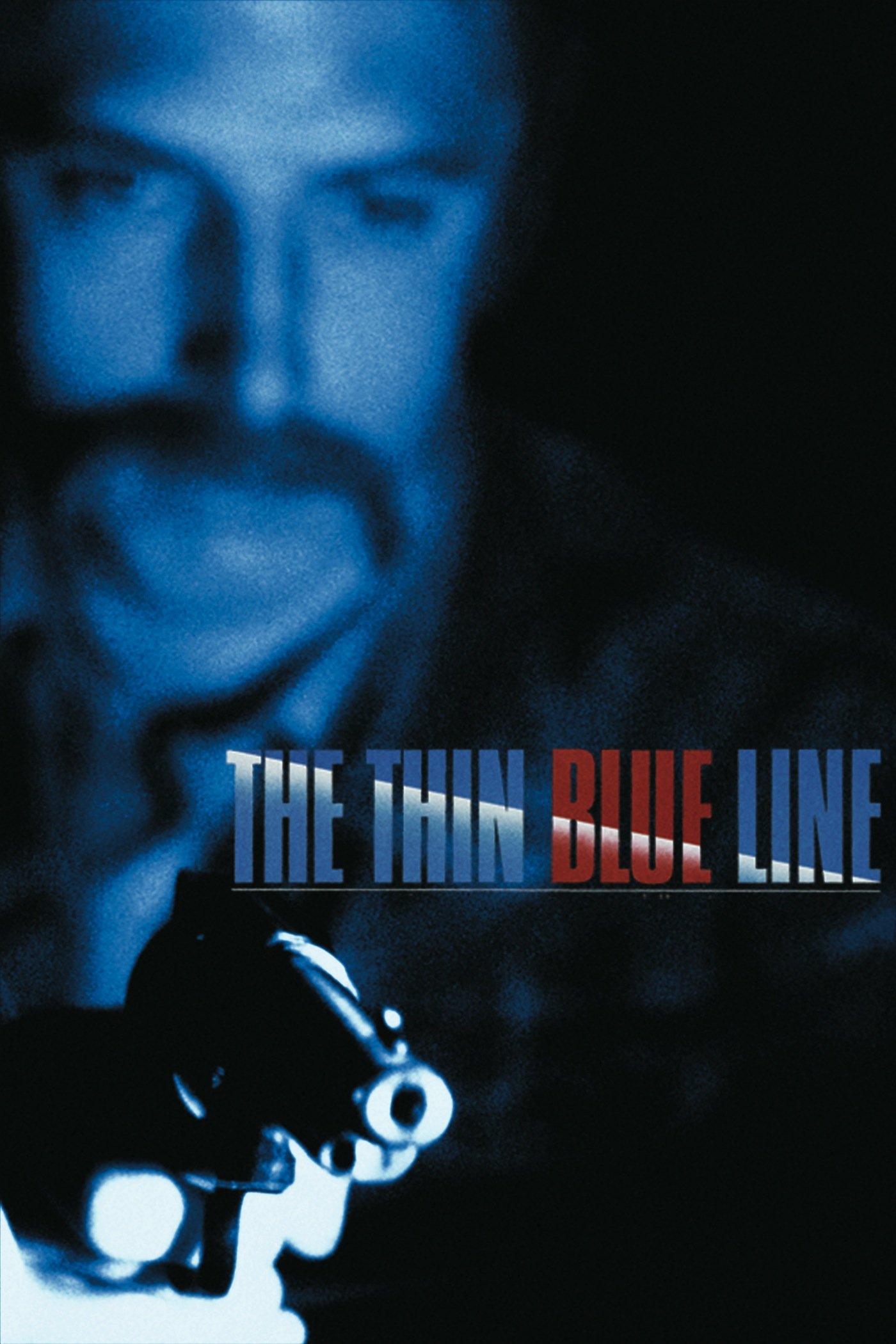
This documentary exposed a wrongful conviction in a murder case. It used reenactments to show flaws in the justice system. The film’s evidence was so compelling it led to Randall Dale Adams’ retrial and release. Few films can claim to save a life.
It changed how people viewed true crime stories. It also pushed for reforms in criminal justice. The film showed the power of storytelling to correct wrongs.
‘A Short Film About Killing’ (1988)
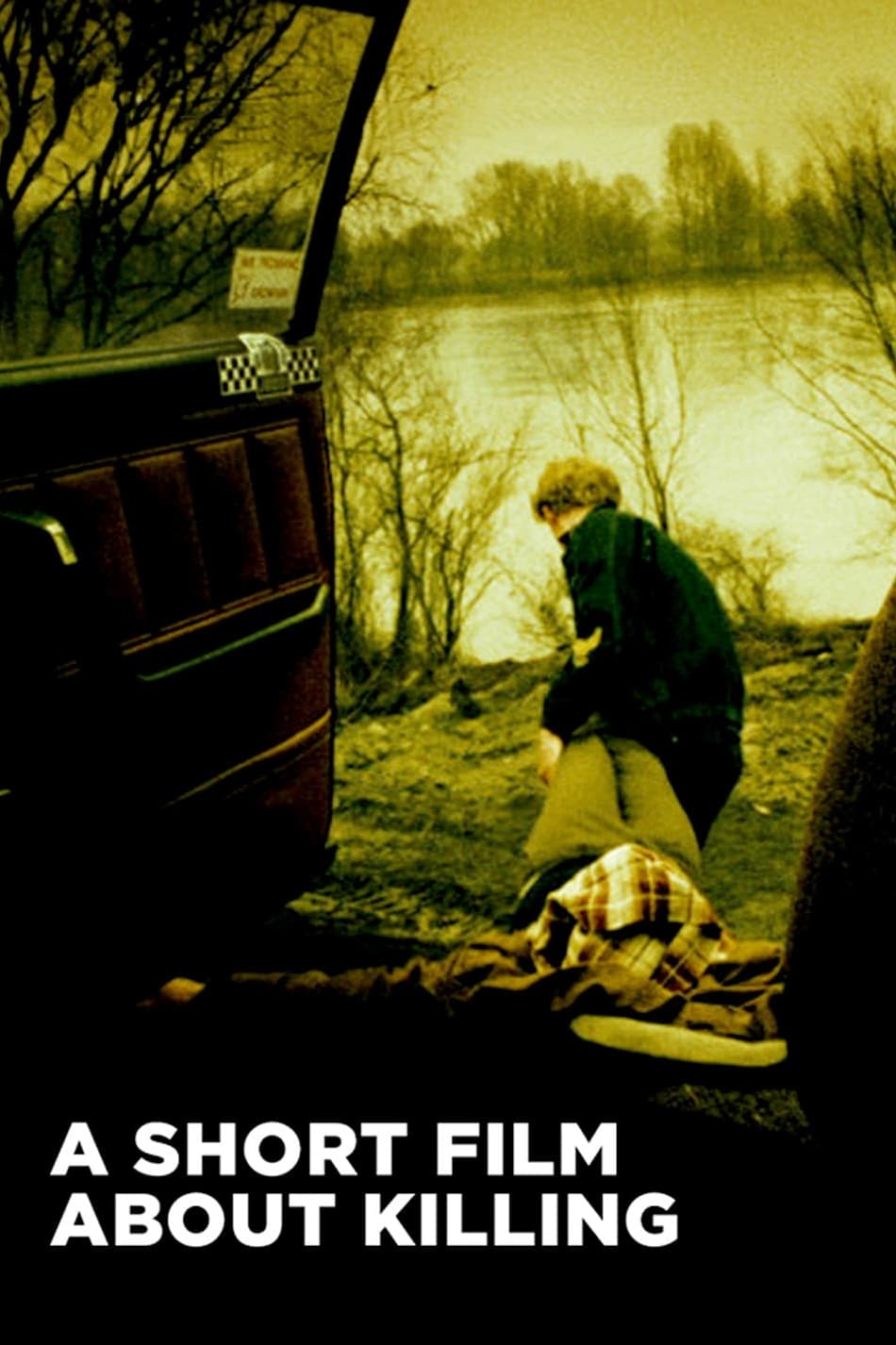
This Polish film showed a brutal execution to critique the death penalty. Its raw portrayal sparked heated debates in Poland. Many credit it with helping end capital punishment there. The film’s grim tone forced viewers to question justice.
It influenced lawmakers and public opinion across Europe. The film’s stark style made its message hit hard. It proved cinema could drive policy change.
‘Do the Right Thing’ (1989)
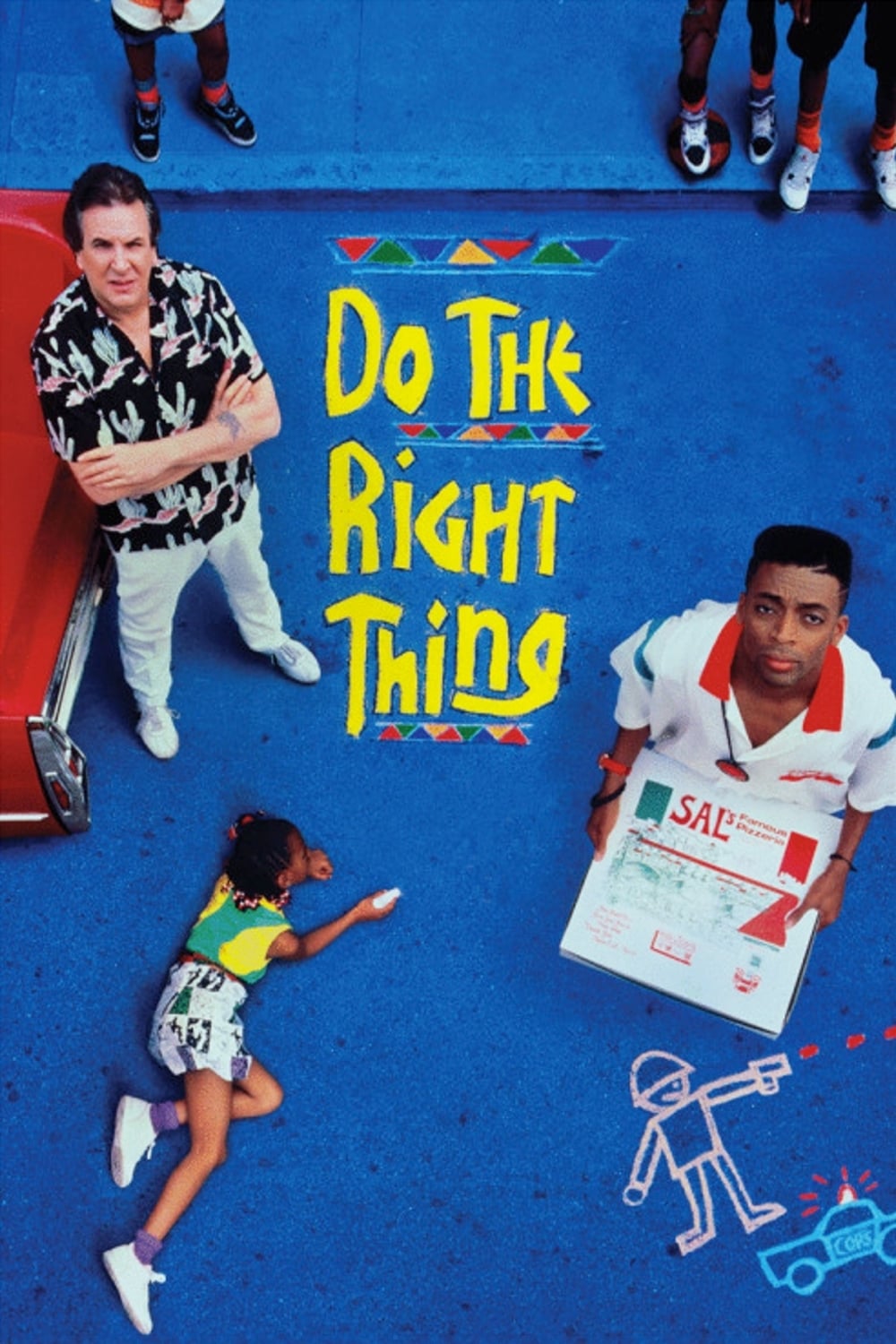
Spike Lee’s film explored racial tensions in a Brooklyn neighborhood. It showed how small conflicts could explode into violence. The story didn’t shy away from tough truths about systemic racism. It became a cultural lightning rod.
It fueled discussions during the Black Lives Matter movement years later. The film’s bold style and message pushed for racial justice. It remains a touchstone for activism.
‘JFK’ (1991)
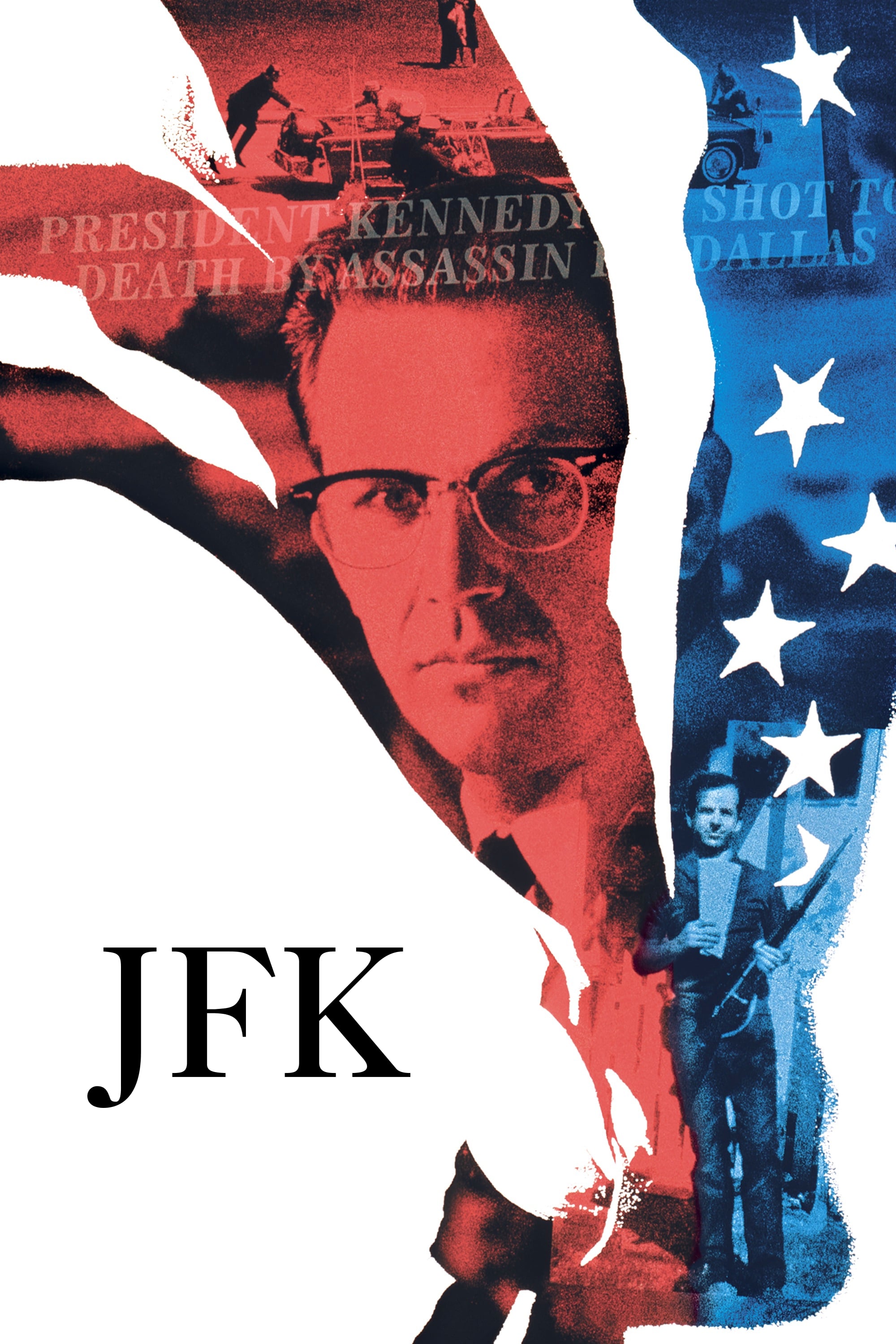
Oliver Stone’s film questioned the official story of Kennedy’s assassination. It stirred controversy with its conspiracy theories. Historians criticized it, but it led to the 1992 Assassination Records Collection Act. This made previously classified documents public.
The film showed how movies could spark political action. It didn’t prove a conspiracy, but it got people talking. Its impact on transparency laws was undeniable.
‘Schindler’s List’ (1993)

Steven Spielberg’s film depicted the Holocaust through one man’s efforts to save Jews. It was a gut-punch, showing the era’s horrors. Spielberg gave his profits to Jewish communities, founding the Righteous Persons Foundation. The film boosted Holocaust Museum visits.
It forced audiences to confront genocide’s reality. Schools used it to teach about tolerance. Its emotional weight made history feel urgent and personal.
‘Philadelphia’ (1993)
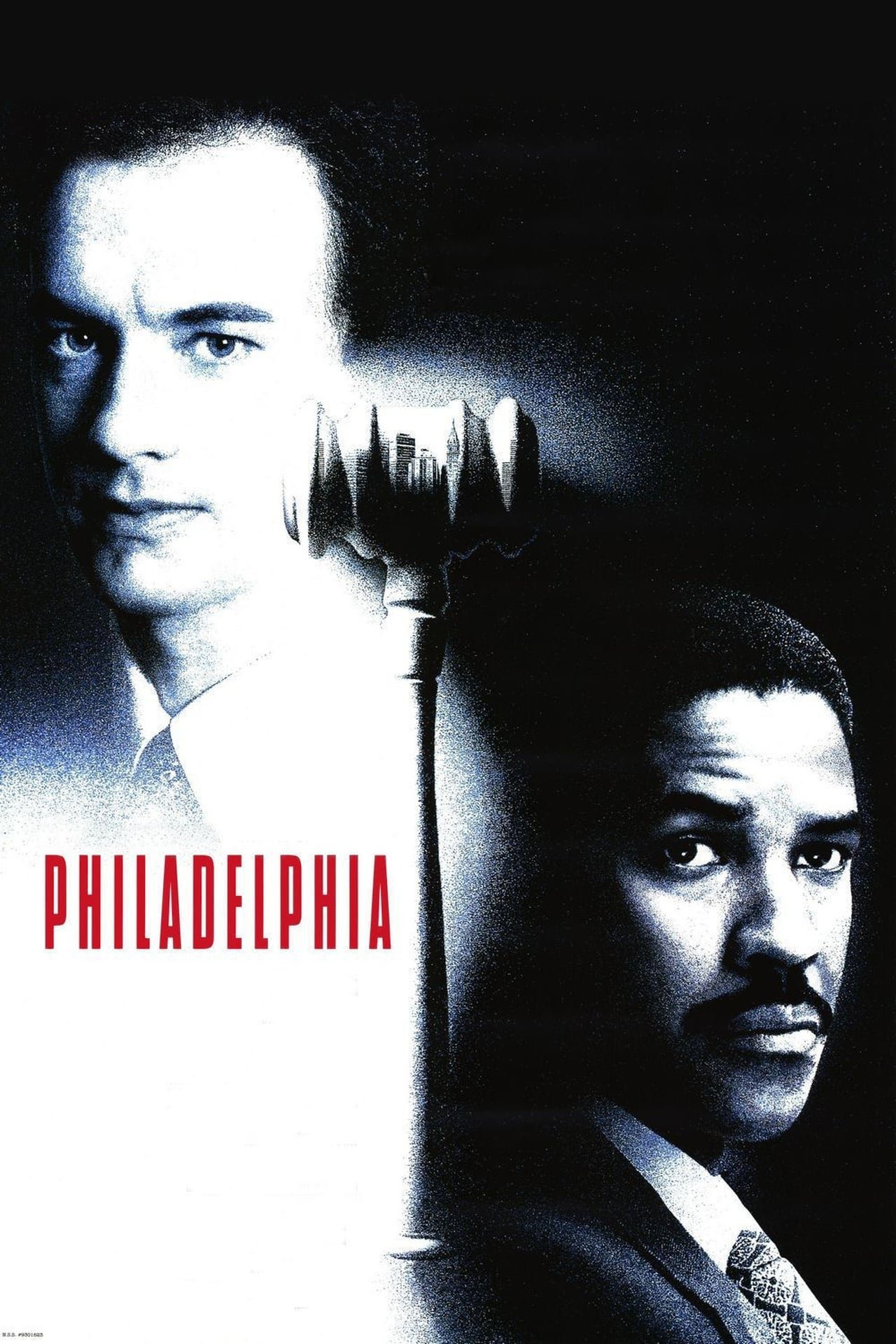
This film tackled the AIDS crisis and homophobia. It showed a lawyer fired for his illness and orientation. Tom Hanks’ performance humanized victims of the epidemic. At the time, AIDS was still stigmatized, and the film broke that taboo.
It helped shift public views toward empathy. The film’s global reach started conversations about acceptance. It was a step toward destigmatizing HIV/AIDS.
‘Forrest Gump’ (1994)
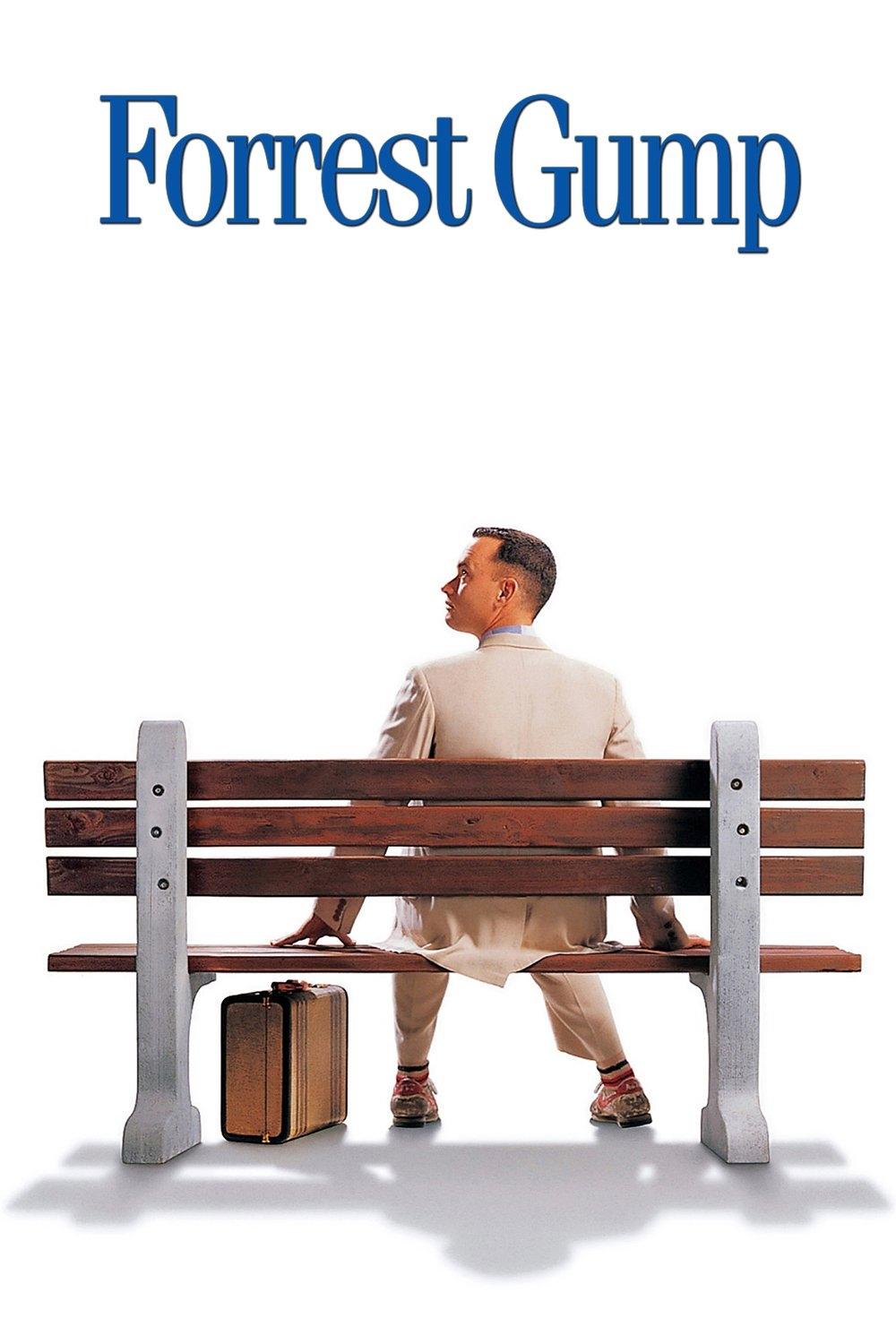
This film followed a man with disabilities through decades of history. It showed his resilience and kindness despite prejudice. The story challenged stereotypes about intellectual disabilities. It became a cultural phenomenon, quoted everywhere.
It didn’t spark a movement, but it shaped attitudes about inclusion. People started seeing ability over disability. The film’s warmth made its message stick.
‘Braveheart’ (1995)
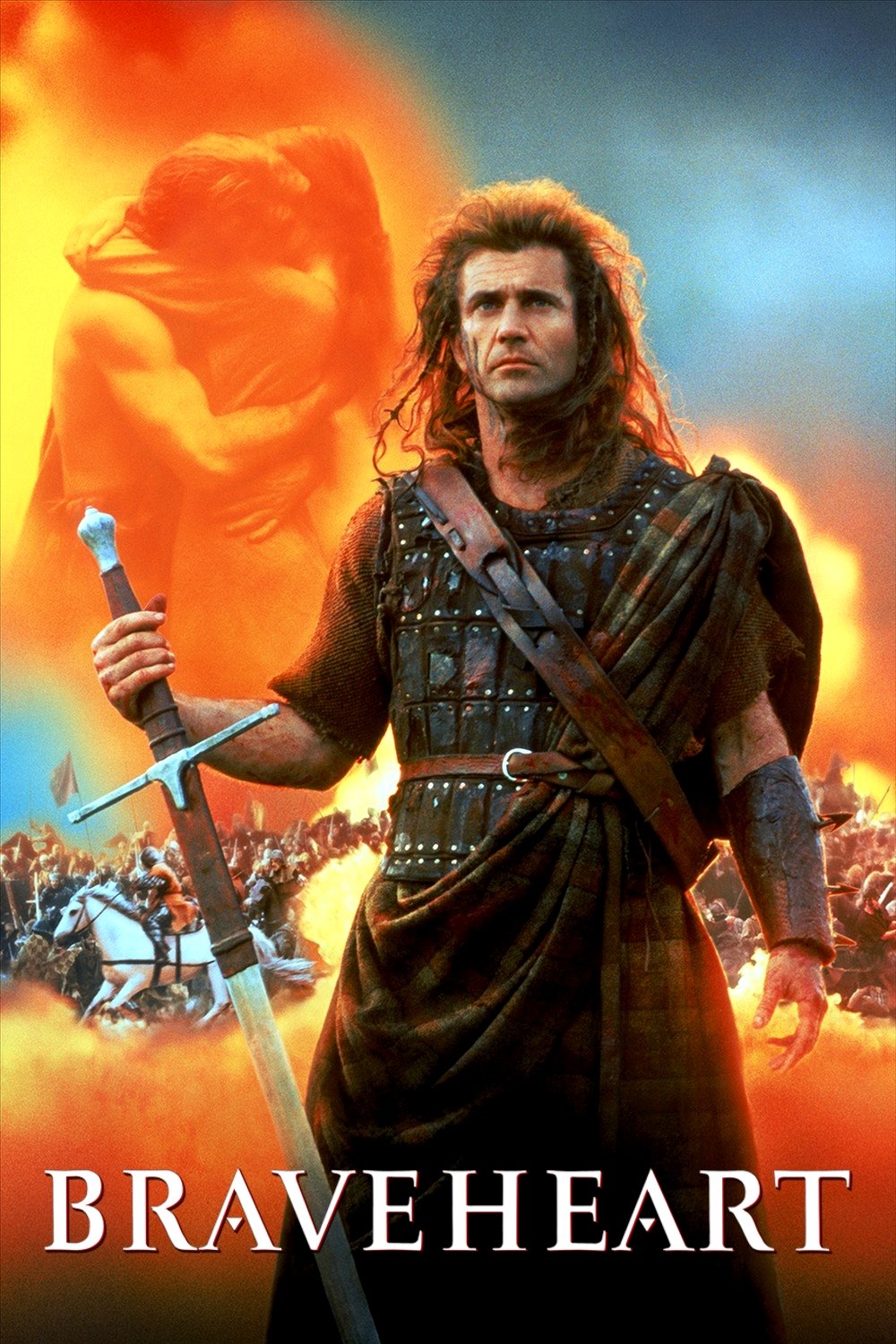
This epic about William Wallace stirred Scottish pride. It dramatized the fight against English rule. While not fully accurate, it inspired a surge in Scottish nationalism. The 1995 devolution referendum gained traction partly because of it.
The film’s battle cry, “They’ll never take our freedom,” became a rally call. It showed how historical dramas could fuel modern politics. Its impact on identity was real.
‘Dead Man Walking’ (1995)
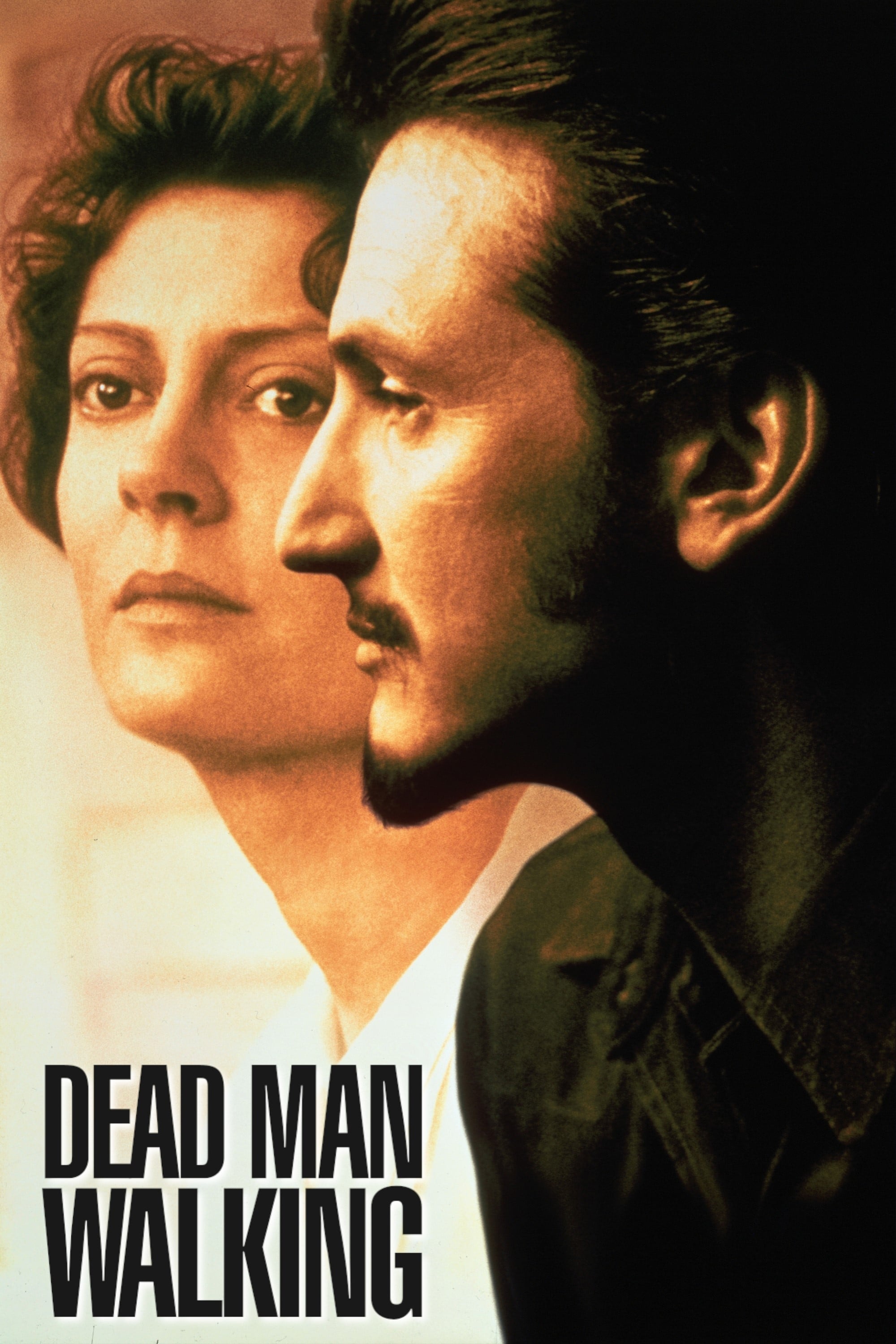
This film explored the death penalty through a nun and a convict. It didn’t pick a side but showed both humanity and flaws in the system. The story made viewers question capital punishment. It sparked debates about justice and morality.
It influenced anti-death penalty activism in the U.S. The film’s balanced approach made its message powerful. It showed how stories could challenge legal norms.
‘The Matrix’ (1999)
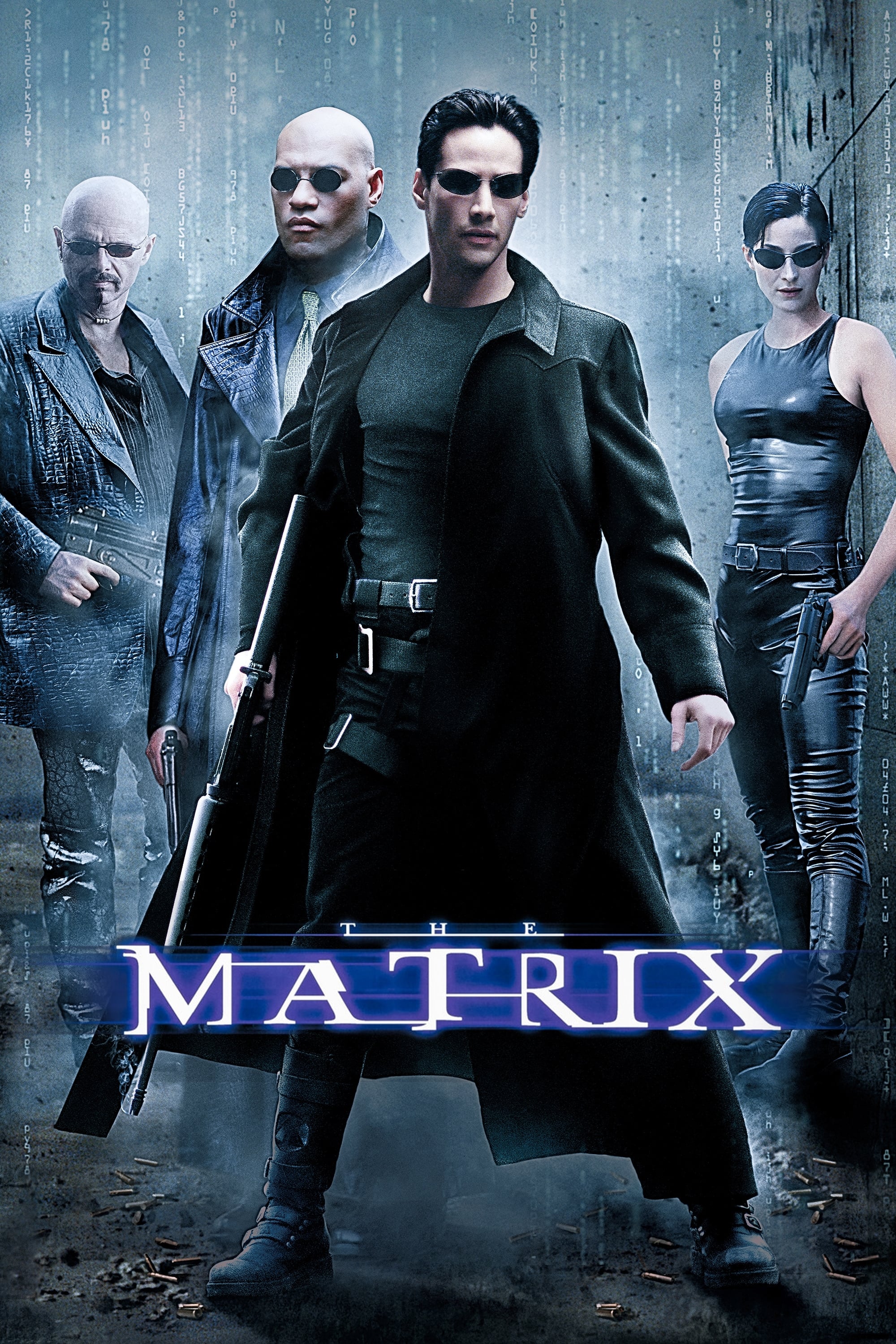
This sci-fi hit introduced big ideas about reality and control. It mixed philosophy with action, questioning society’s systems. The film’s “red pill” became a symbol for waking up to hard truths. It influenced pop culture and online movements.
Some groups, like men’s rights activists, misused its message. Still, it sparked debates about freedom and technology. The film showed how ideas could ripple through society.
‘Erin Brockovich’ (2000)

This true story showed a single mom taking on a polluting corporation. It exposed how big companies harmed communities. The real case led to a $333 million settlement. The film inspired environmental activism and trust in grassroots efforts.
It made people believe one person could make a difference. Women especially connected with its strong lead. The film proved real stories could drive change.
‘Bowling for Columbine’ (2002)
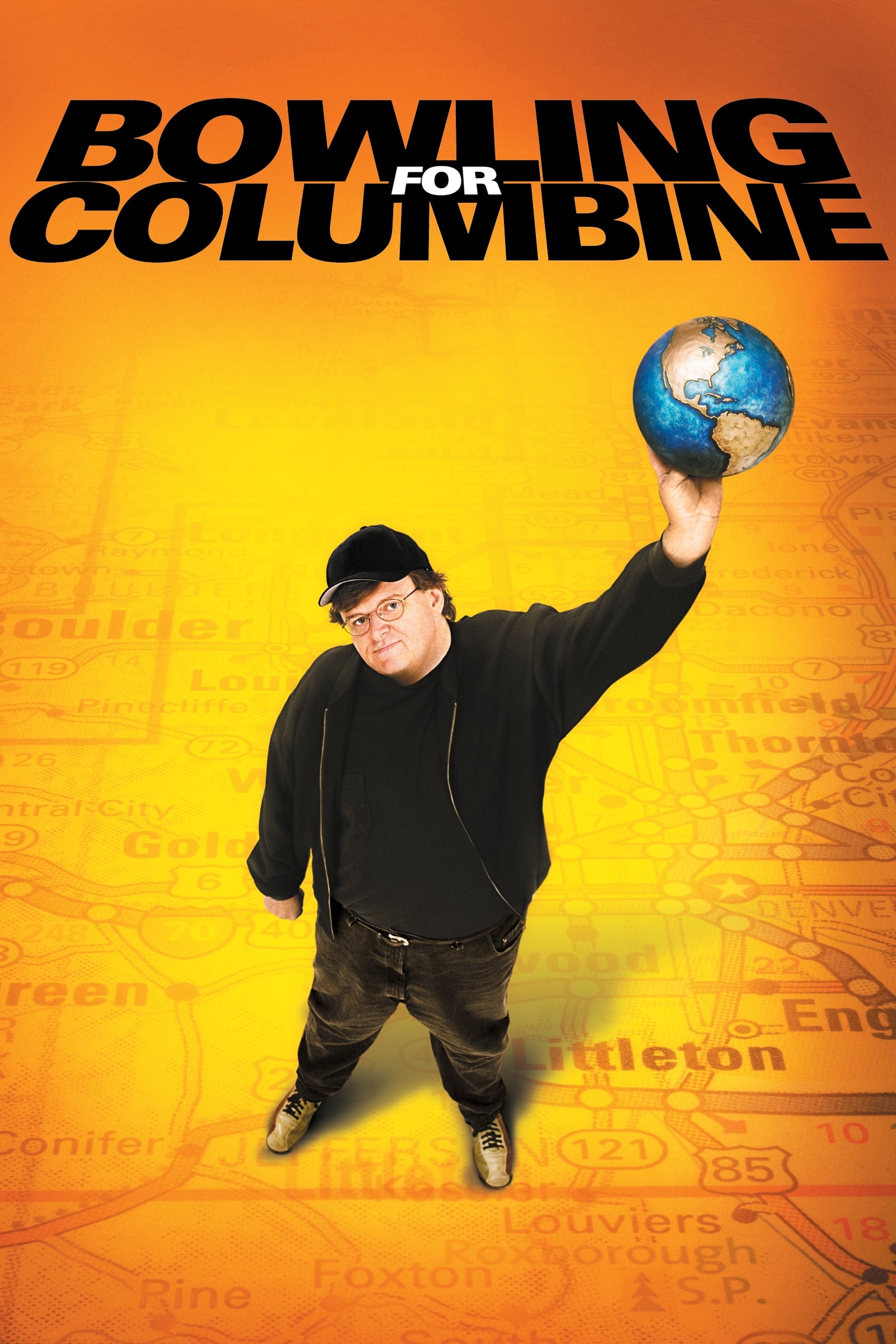
Michael Moore’s documentary tackled gun violence in America. It linked the Columbine shooting to broader issues like fear and gun culture. Kmart stopped selling ammunition after Moore confronted its executives. The film won an Oscar.
It fueled the gun control debate, inspiring activists. Its bold style made people rethink America’s relationship with guns. The film showed documentaries could shift policy.
‘Super Size Me’ (2004)

This documentary followed a man eating only McDonald’s for a month. It exposed fast food’s health risks. Just weeks after its release, McDonald’s dropped its “super-size” option. The film sparked a push for healthier eating.
It changed how people viewed fast food chains. Schools and parents started focusing on nutrition. The film proved one person’s experiment could impact an industry.
‘An Inconvenient Truth’ (2006)
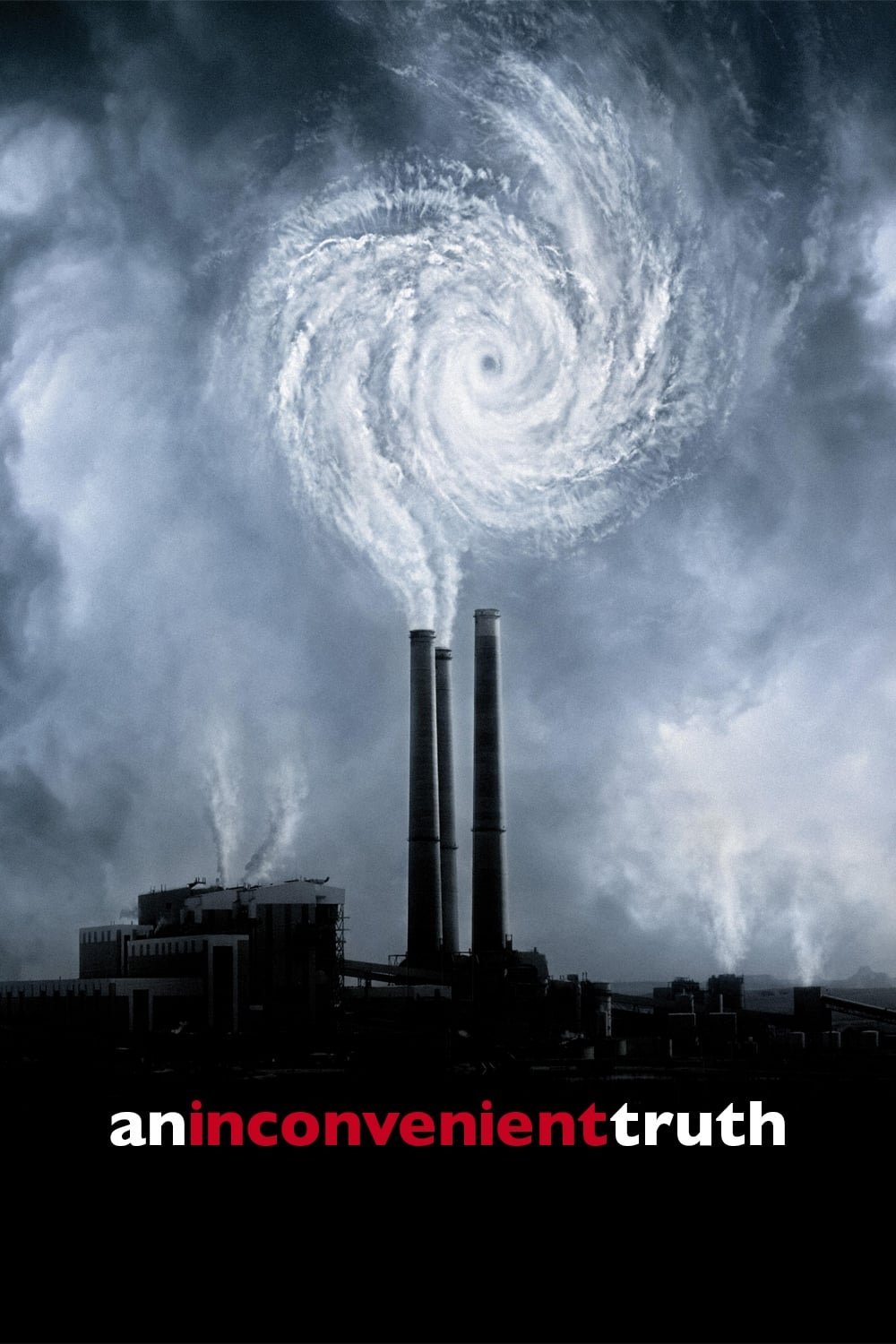
Al Gore’s documentary explained climate change in clear terms. It used data and visuals to show the planet’s crisis. The film made global warming a mainstream issue. It won an Oscar and inspired environmental movements.
It pushed governments and people to act on climate. Schools used it to teach sustainability. The film showed how facts on screen could drive urgency.
‘The Lives of Others’ (2006)
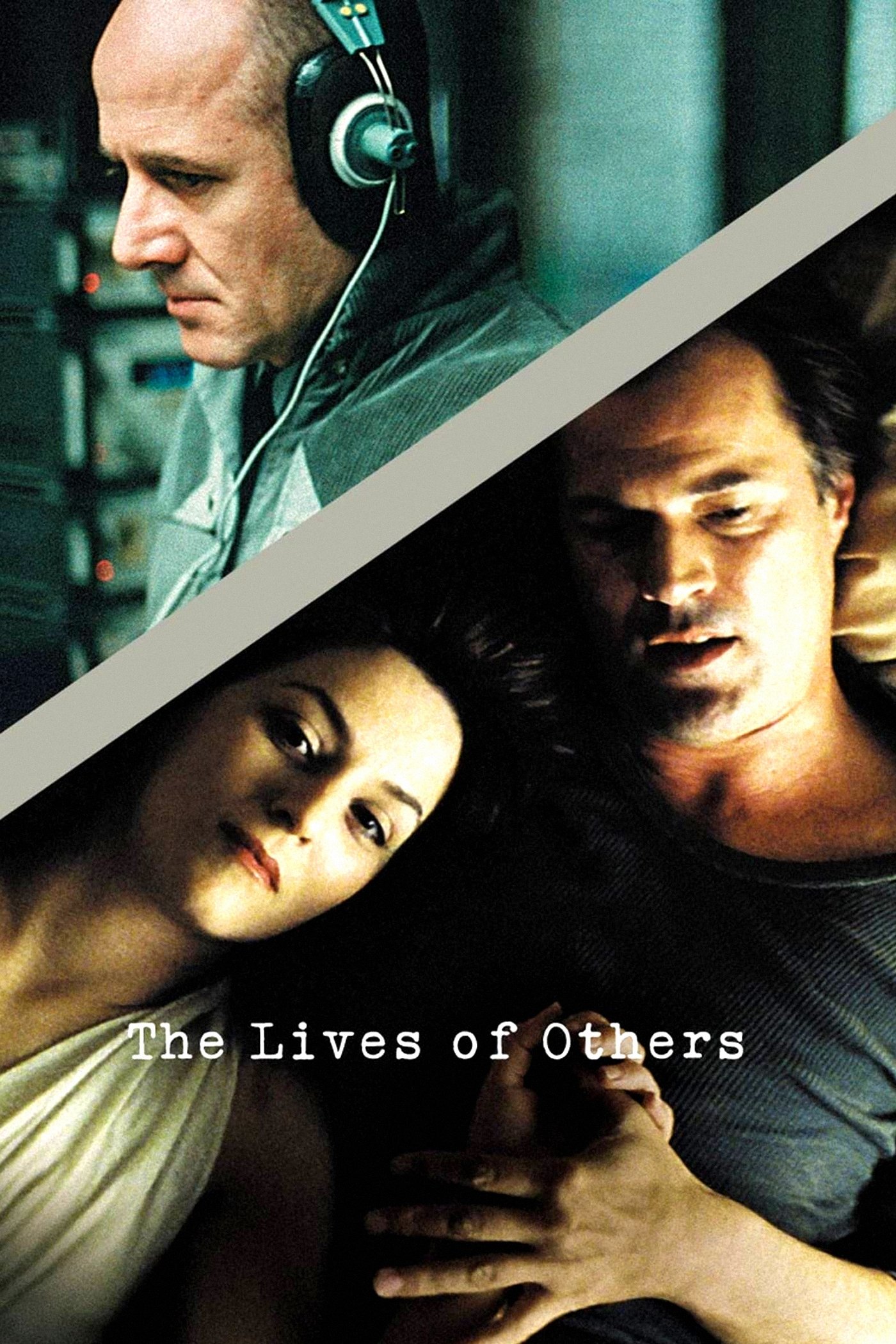
This German film showed life under East Germany’s secret police. It exposed the paranoia and control of a surveillance state. The story humanized both oppressors and victims. It won an Oscar for Best Foreign Film.
It sparked discussions about privacy and government overreach. The film’s impact reached beyond Germany, resonating in debates about freedom. It showed how foreign films could influence globally.
‘Persepolis’ (2007)
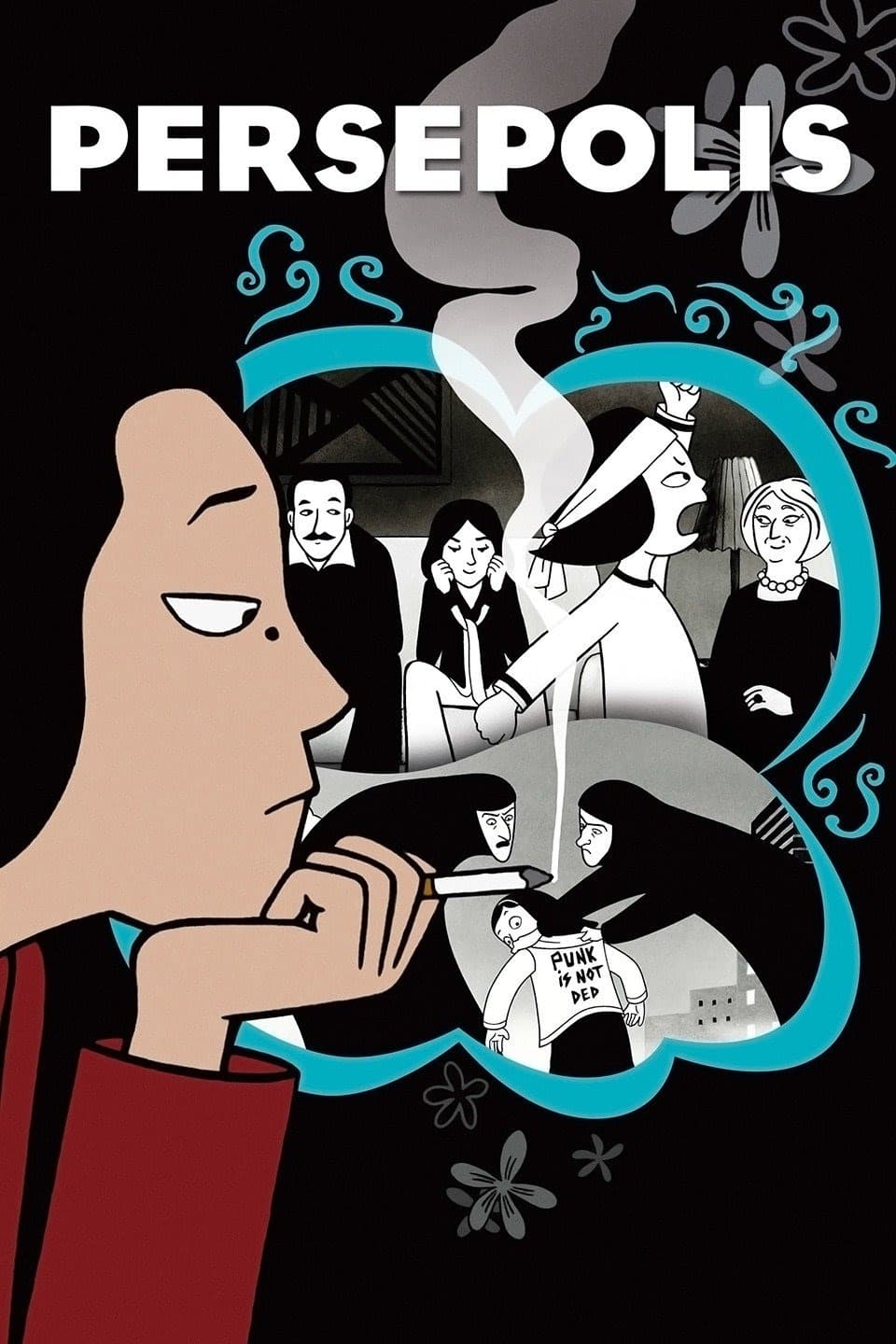
This animated film told a girl’s story during Iran’s Islamic Revolution. It showed the personal cost of political upheaval. The film’s unique style made heavy themes accessible. It was nominated for an Oscar.
It gave a human face to Iran’s struggles, challenging Western stereotypes. The film inspired empathy for women in oppressive regimes. It proved animation could tackle serious issues.
‘Milk’ (2008)
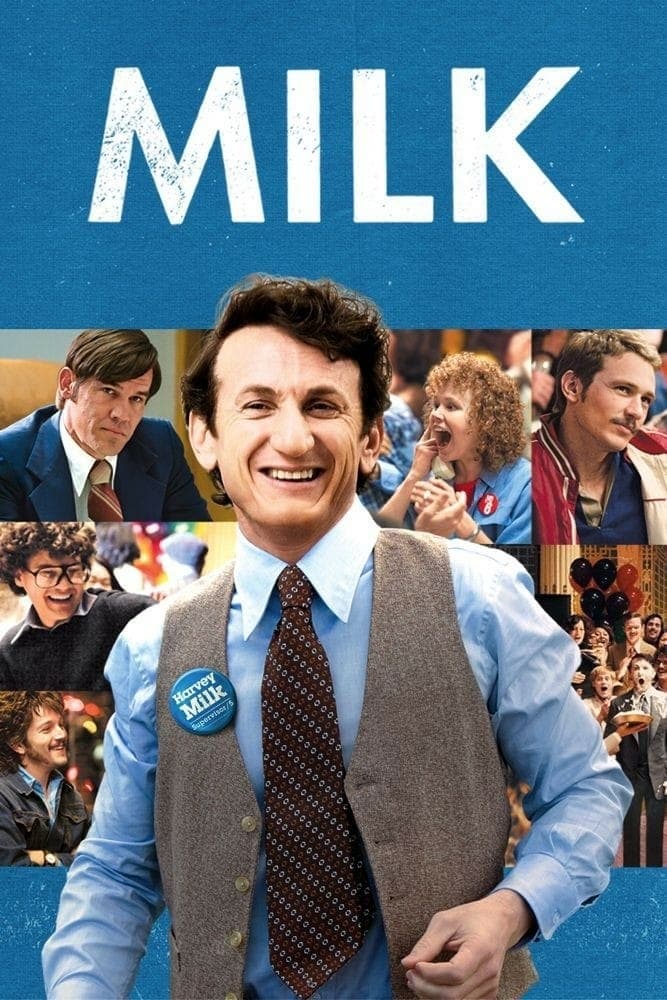
This biography of Harvey Milk, a gay rights activist, showed his fight for equality. It highlighted the struggles of the LGBTQ+ community. The film won two Oscars, including Best Actor for Sean Penn. It inspired pride and activism.
It boosted the push for marriage equality in the U.S. The film’s timing, during Prop 8 debates, amplified its impact. It showed how biopics could fuel movements.
‘The Hurt Locker’ (2008)

This war film showed the psychological toll of bomb disposal in Iraq. It avoided glorifying combat, focusing on stress and trauma. The film won six Oscars, including Best Picture. It changed how war was depicted.
It sparked conversations about soldiers’ mental health. Veterans’ groups used it to advocate for better care. The film proved war movies could shift public focus.
‘Made in Dagenham’ (2010)
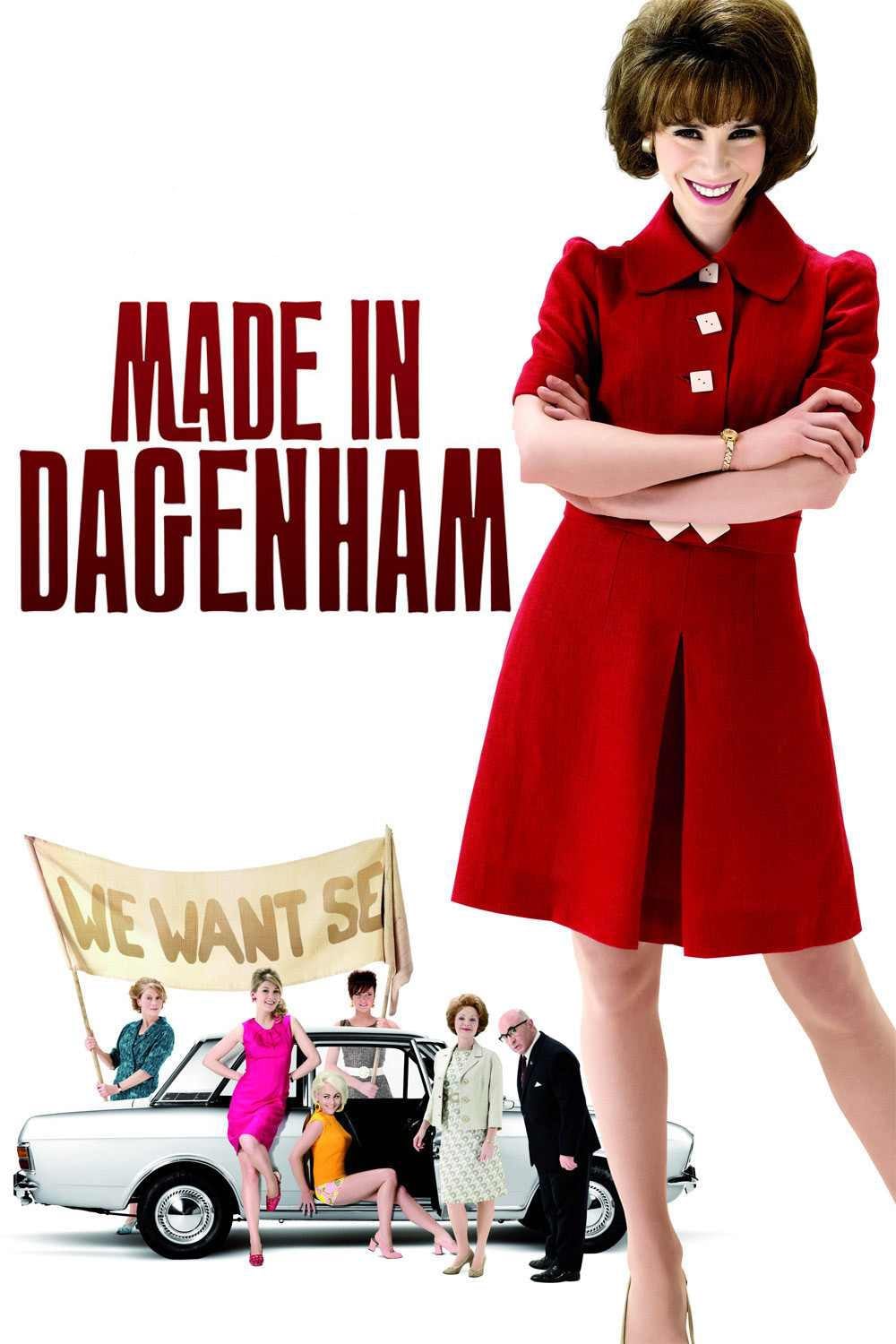
This film told the true story of women striking for equal pay in 1960s England. It showed their fight against a car company and societal norms. The strike led to the UK’s Equal Pay Act of 1970. The film brought their story to life.
It inspired modern feminism and labor rights movements. The film’s focus on everyday women made it relatable. It showed how history could motivate change.
‘Blackfish’ (2013)
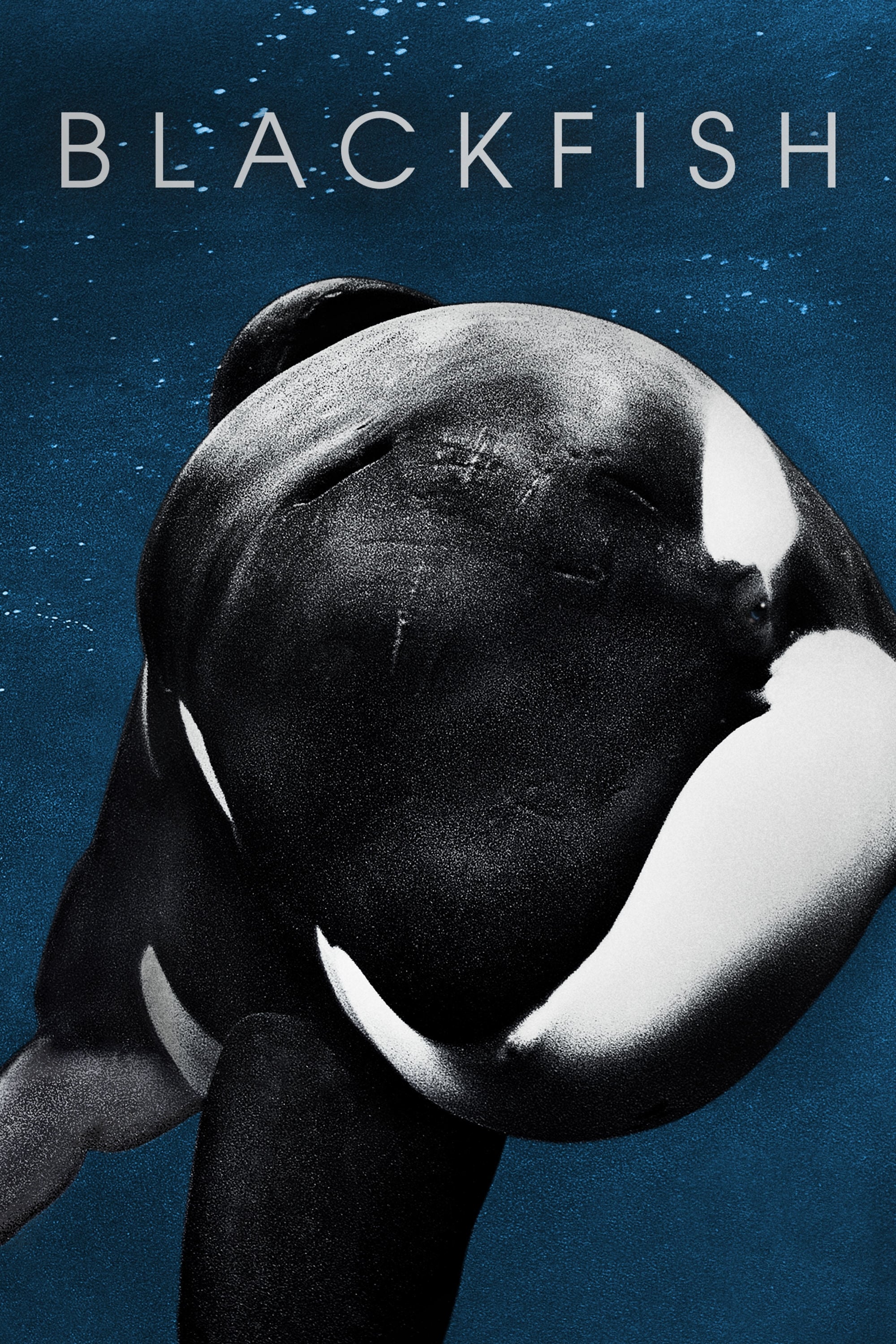
This documentary exposed the mistreatment of orcas at SeaWorld. It focused on Tilikum, a captive whale linked to deaths. After its release, SeaWorld’s attendance and stock plummeted. The company ended its orca breeding program.
The film fueled the animal rights movement. It changed how people viewed marine parks. Its impact showed how one documentary could reshape an industry.
‘The Wolf of Wall Street’ (2013)
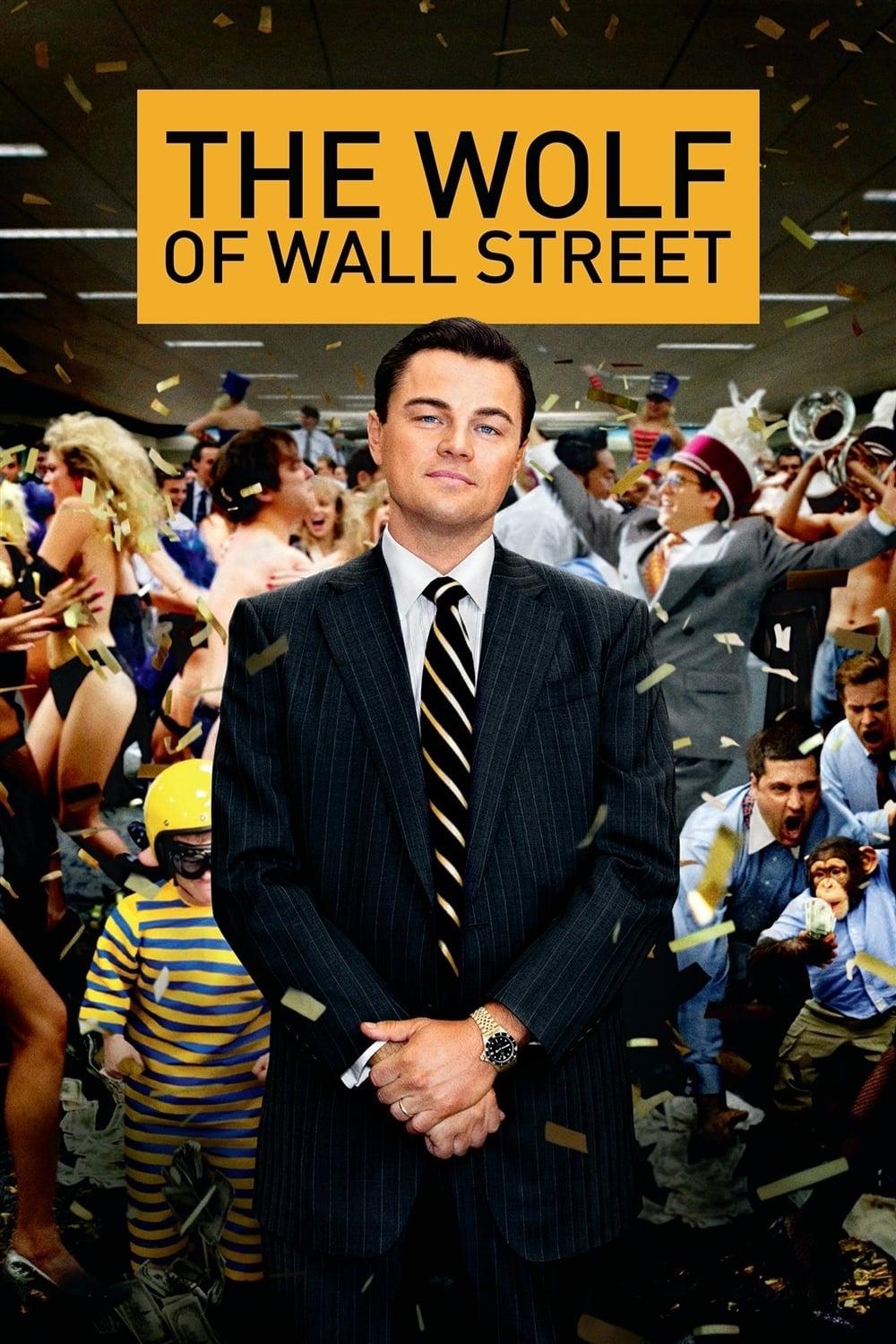
This film showed the excesses of finance culture through a stockbroker’s rise and fall. It exposed greed and corruption in Wall Street. The story sparked talks about financial reform. It was a box office hit.
It didn’t change laws, but it shaped views on capitalism’s flaws. People debated wealth inequality more openly. The film proved entertainment could spark serious discussions.
‘Selma’ (2014)
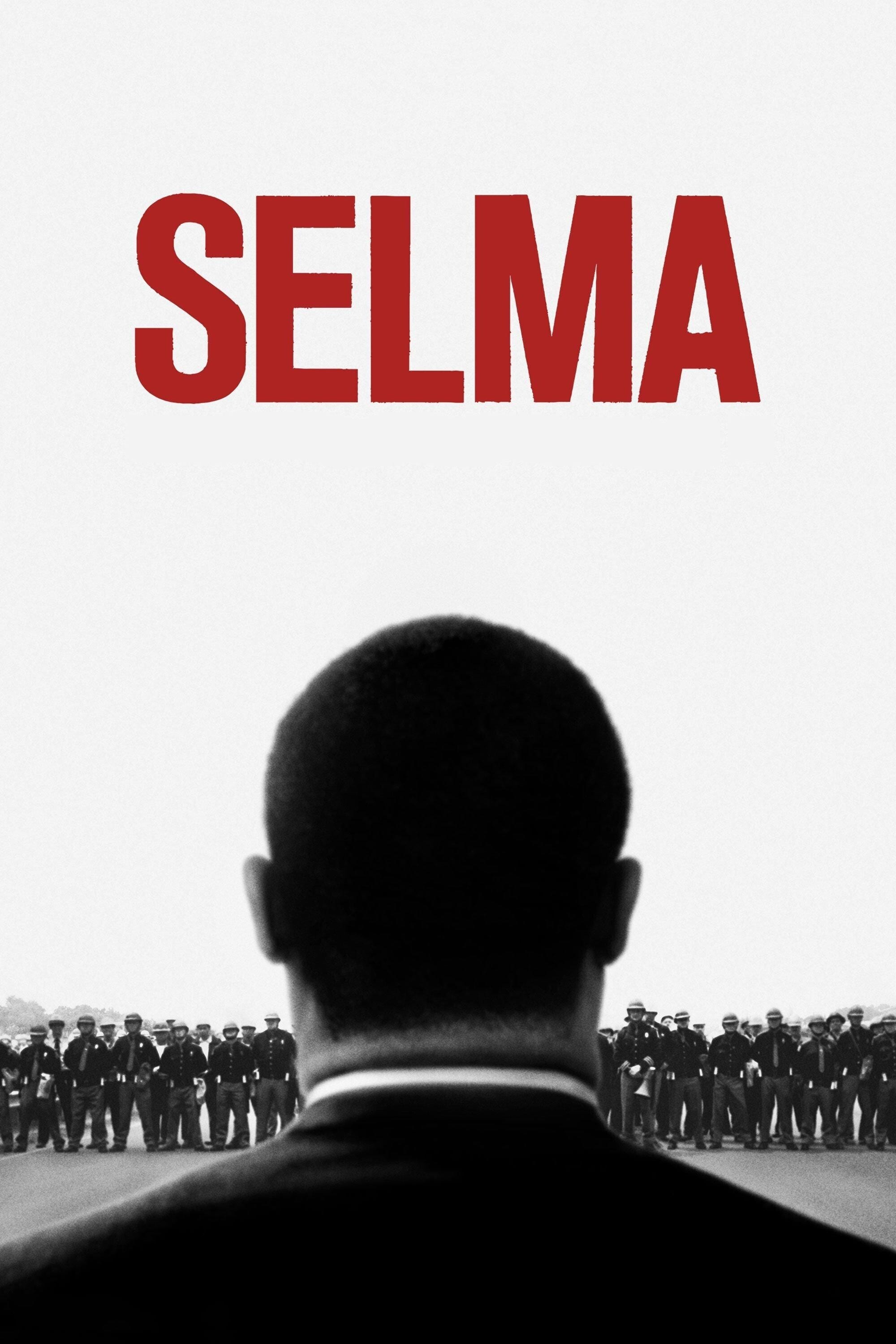
This film depicted Martin Luther King Jr.’s fight for voting rights. It showed the 1965 Selma marches and systemic racism. Released during renewed racial tensions, it connected past struggles to modern ones. It was nominated for Best Picture.
It boosted the Black Lives Matter movement. The film inspired activism and taught history to new generations. It showed how timely stories could reignite justice fights.
‘The Big Short’ (2015)
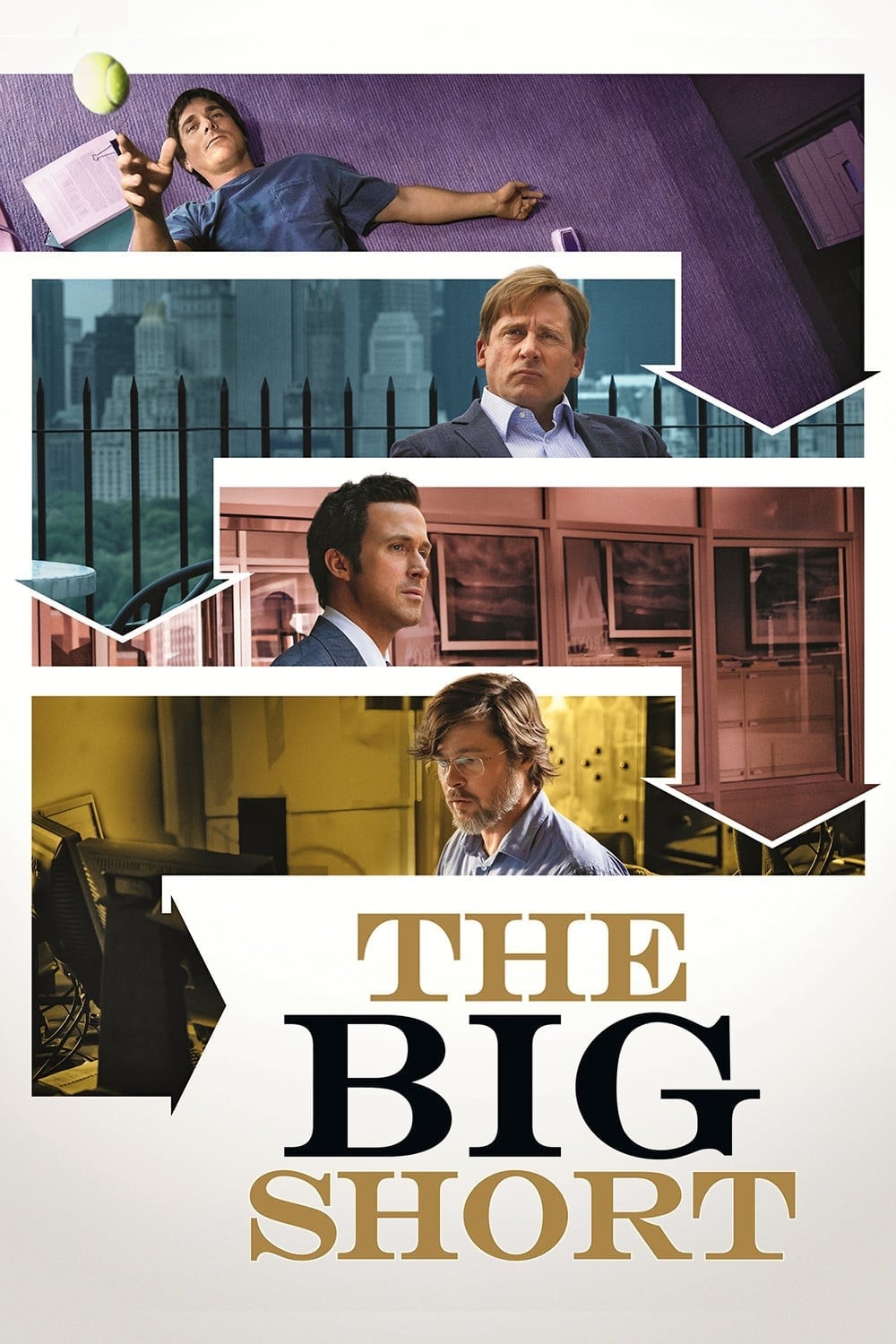
This film explained the 2008 financial crisis through quirky storytelling. It showed how greed and bad systems led to collapse. The movie made complex finance issues clear. It was a critical and commercial success.
It sparked calls for banking reforms. People started questioning Wall Street’s power. The film proved humor could make tough topics hit home.
‘Before the Flood’ (2016)
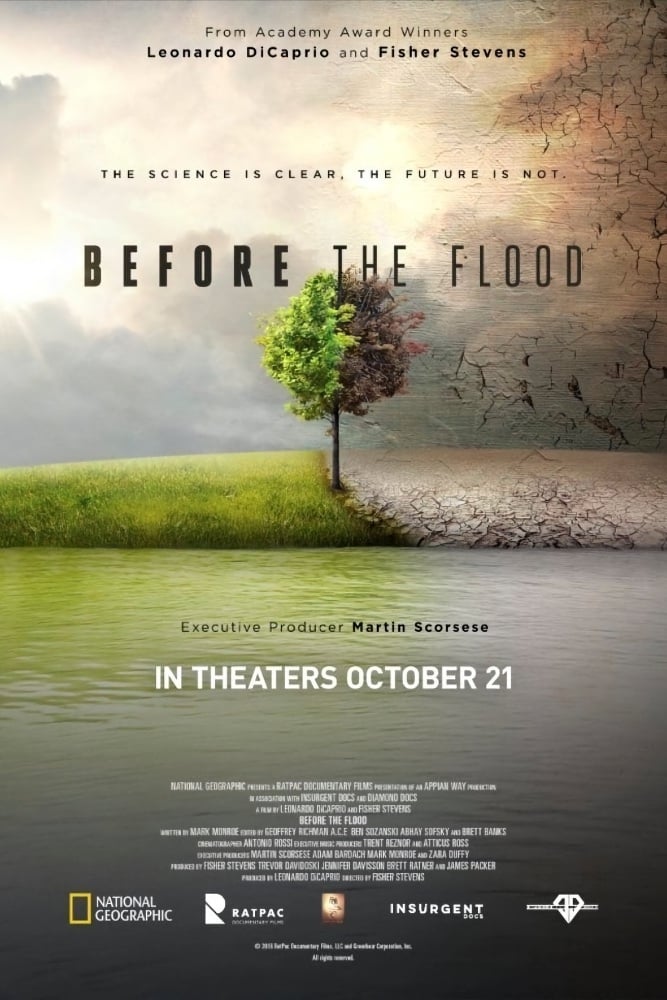
Leonardo DiCaprio’s documentary tackled climate change. It showed real impacts, from melting ice to dying reefs. The film pushed for global action on the environment. It reached millions through National Geographic.
It inspired younger activists and kept climate talks alive. Schools and groups used it to teach urgency. The film showed how star power could amplify science.
‘Get Out’ (2017)
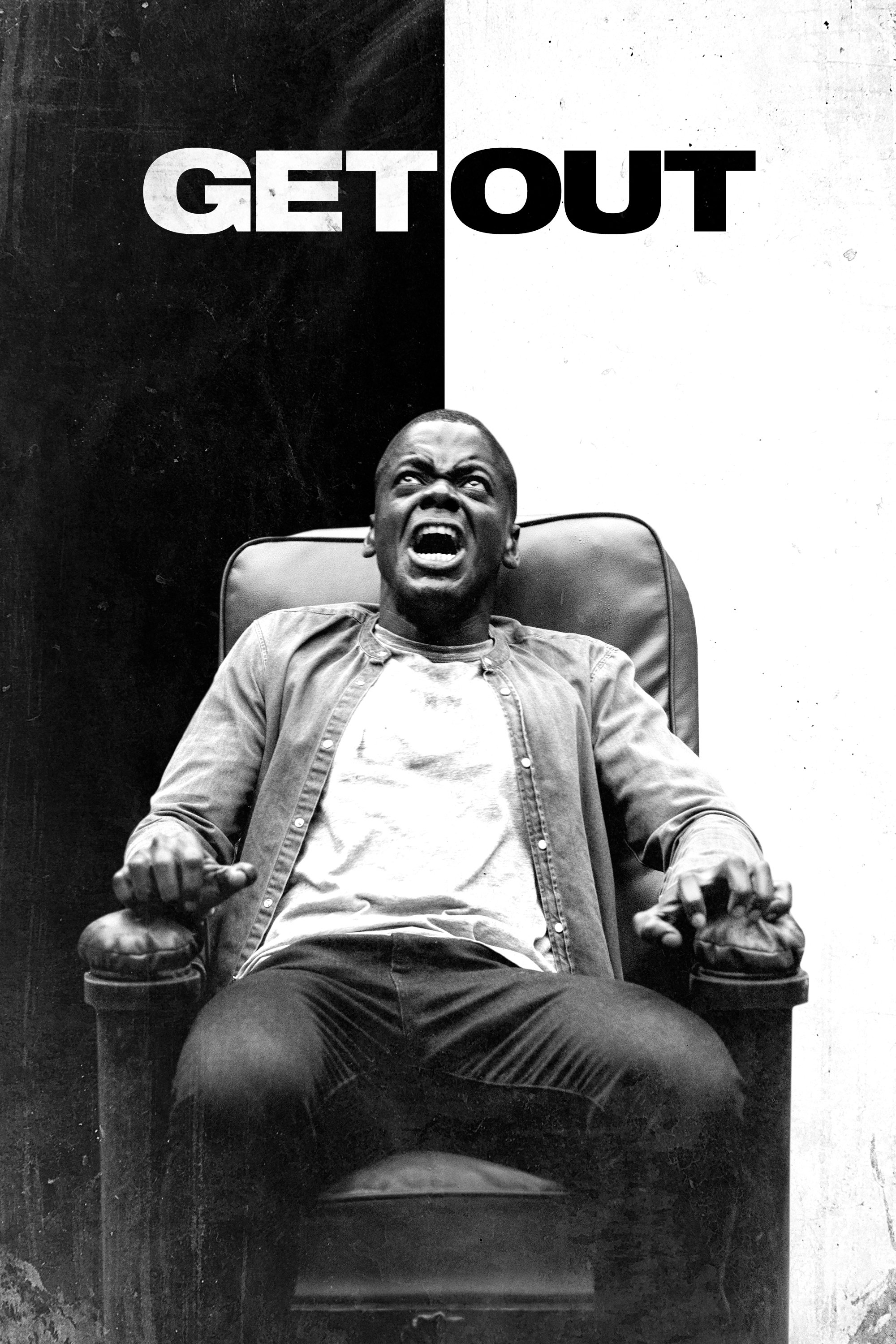
Jordan Peele’s horror film tackled racism in a subtle, chilling way. It showed how liberal hypocrisy could mask prejudice. The film was a critical and box office hit. It won an Oscar for Best Screenplay.
It sparked talks about systemic racism and microaggressions. The film’s cultural impact grew with Black Lives Matter. It proved genre films could drive deep change.
‘Three Billboards Outside Ebbing, Missouri’ (2017)
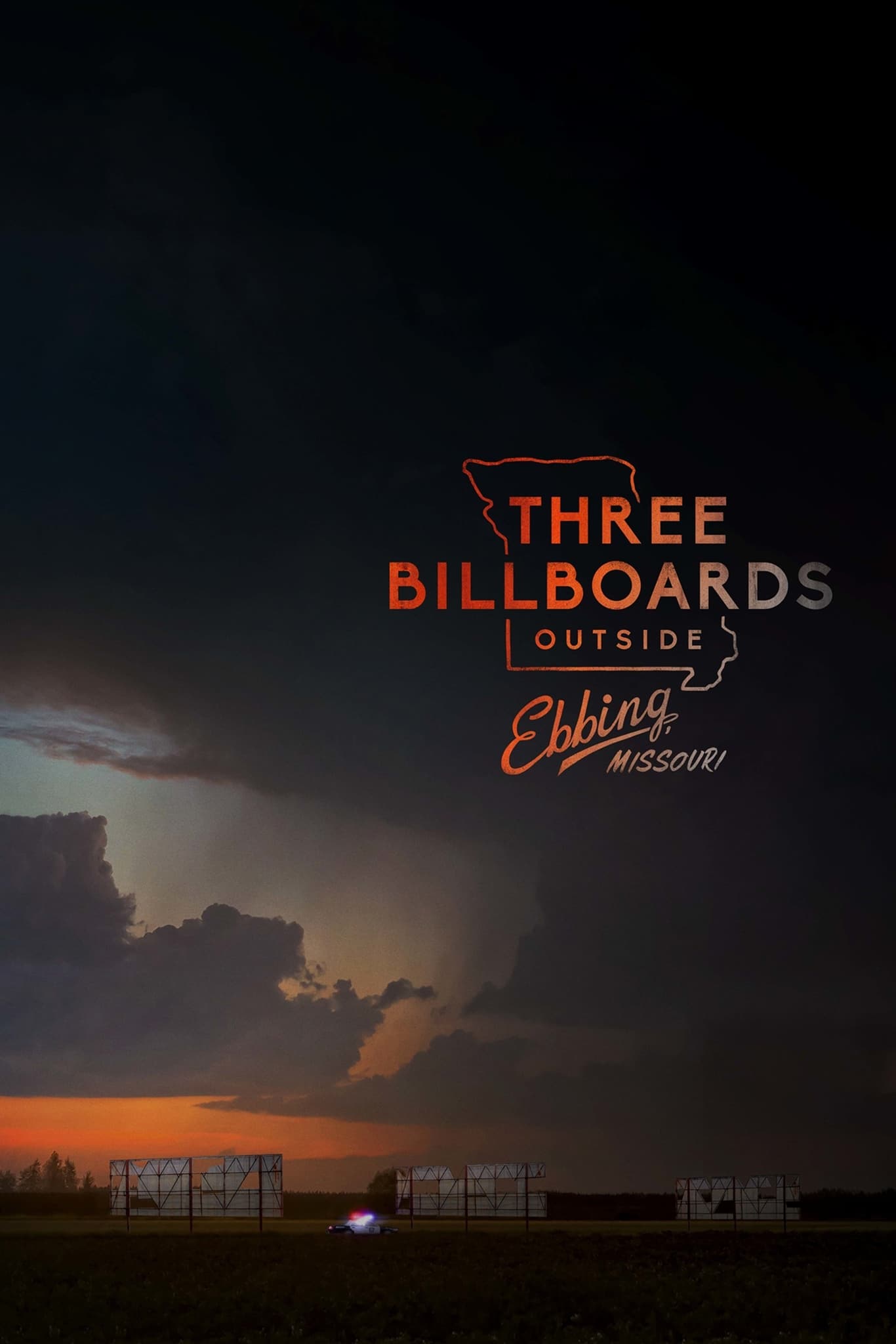
This film showed a mother demanding justice for her daughter’s murder. Its raw story tackled grief, racism, and police failure. The billboards became a real-world protest symbol. The film won two Oscars.
It inspired activists to use bold tactics for justice. The film’s mix of humor and pain made its message stick. It showed how small-town stories could resonate globally.
‘The Post’ (2017)
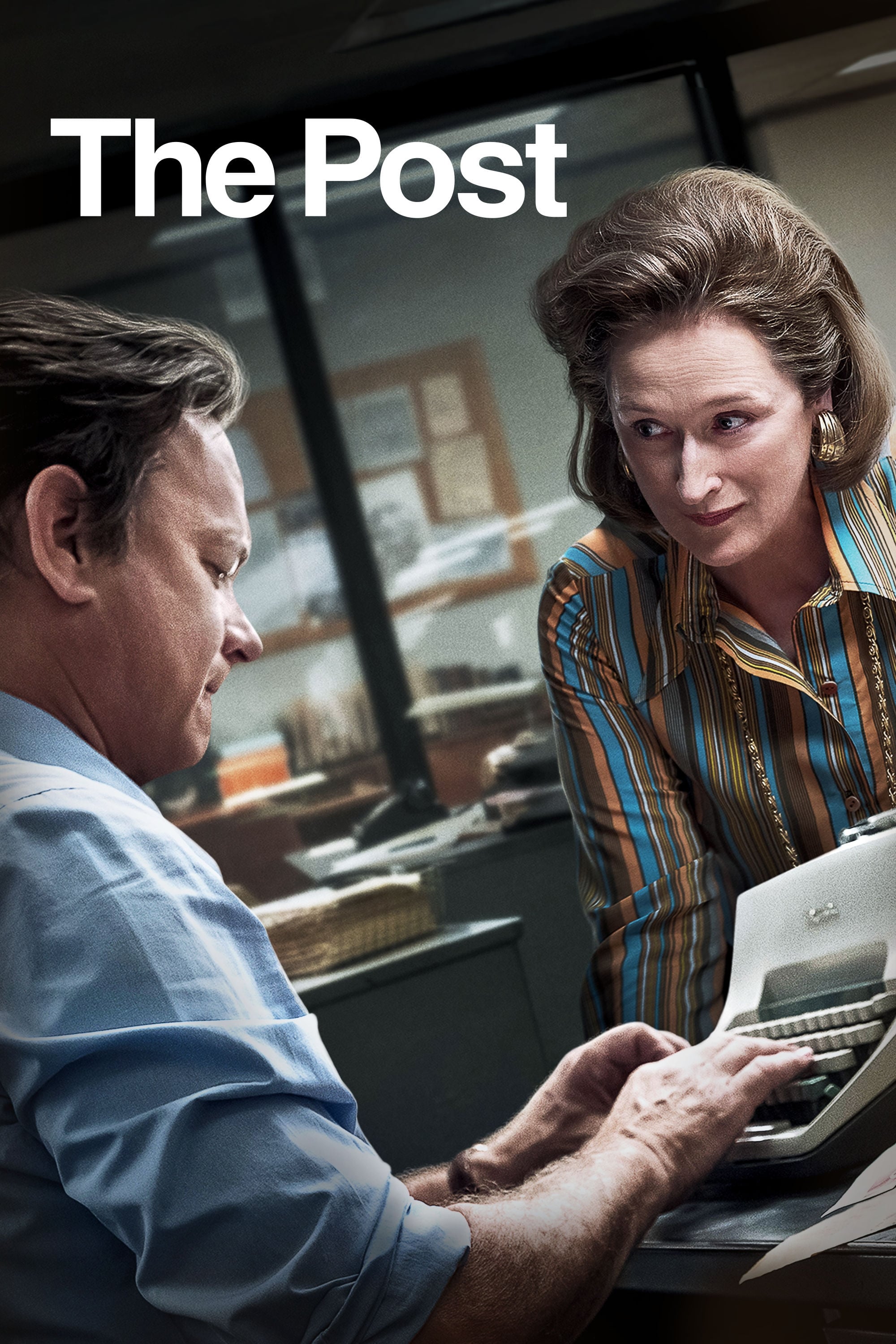
This film showed the Washington Post’s fight to publish the Pentagon Papers. It highlighted press freedom and government secrecy. The story, set in the 1970s, felt timely during modern media battles. It was critically acclaimed.
It inspired trust in journalism during a skeptical era. The film’s focus on a female publisher also boosted feminist discussions. It proved history could speak to today.
‘Black Panther’ (2018)
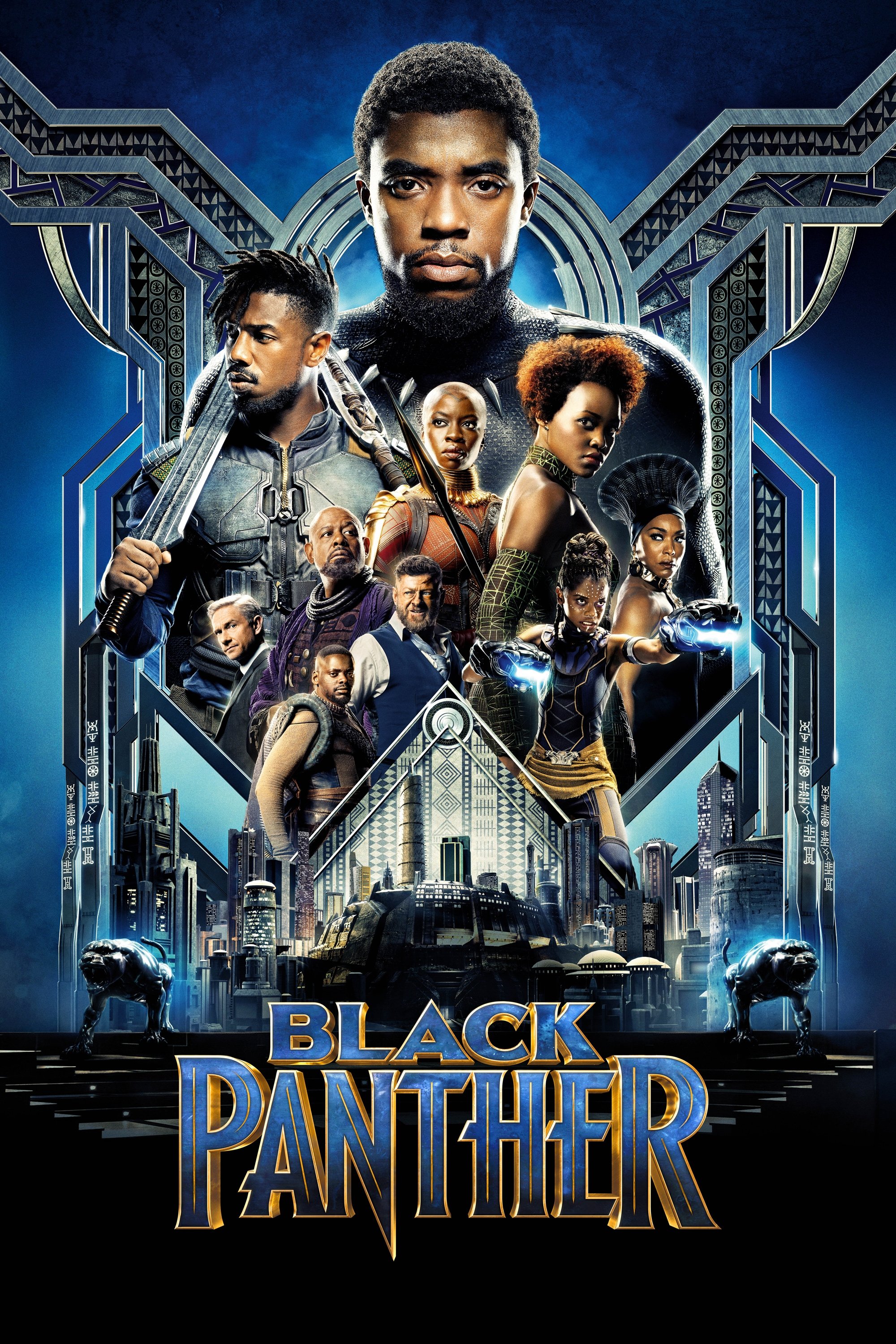
This superhero film celebrated African culture and Afrofuturism. It showed a Black hero leading a vibrant nation. The movie broke box office records, earning $1.3 billion. It proved diverse stories could dominate globally.
It inspired pride in Black identity and fueled diversity in film. Fans embraced its themes of empowerment. The film showed superheroes could change culture.
‘Crazy Rich Asians’ (2018)

This romantic comedy featured an all-Asian cast, a rare move for Hollywood. It tackled class and cultural identity. The film was a global hit, earning over $230 million. It proved Asian-led stories could succeed.
It pushed for better representation in media. The film’s success opened doors for diverse casting. It showed how fun stories could break barriers.
‘Parasite’ (2019)

Bong Joon-ho’s thriller exposed class inequality through a twisted tale. It showed the gap between rich and poor in South Korea. The film won four Oscars, including Best Picture. It was a global phenomenon.
It sparked talks about wealth disparity worldwide. The film’s universal themes hit hard in many countries. It proved foreign films could shift global perspectives.
‘The Social Network’ (2010)

This film showed the messy rise of Facebook. It exposed ambition, betrayal, and tech’s impact on society. The story made people question social media’s role in life. It won three Oscars.
It influenced debates about privacy and tech power. People started rethinking their online habits. The film showed how one company’s story could reflect bigger issues.
‘Just Mercy’ (2019)
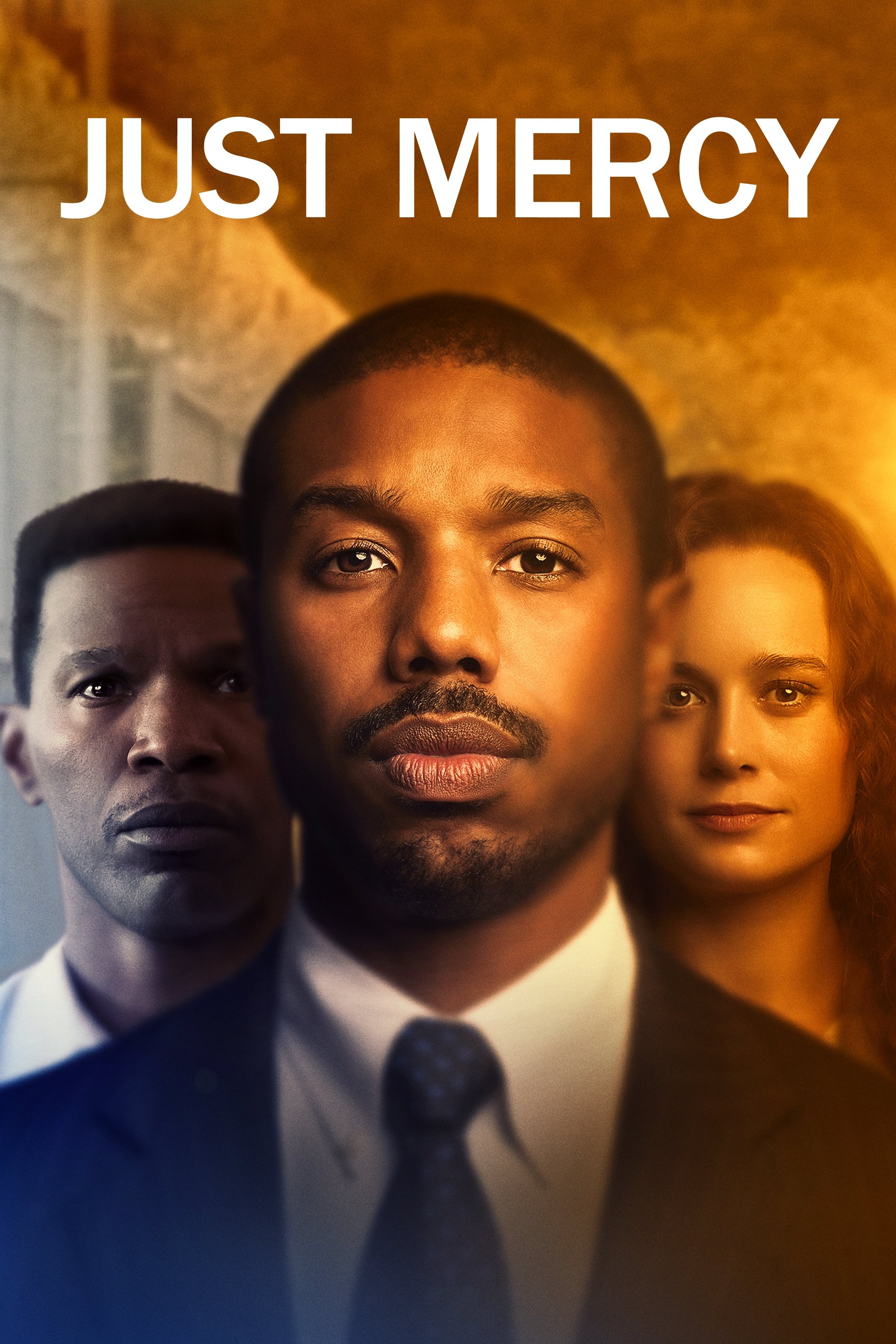
This legal drama told the true story of a lawyer fighting for a wrongly convicted Black man. It exposed racial bias in the justice system. The film was praised for its powerful message. Warner Bros. offered free rentals to raise awareness.
It boosted calls for criminal justice reform. The film inspired activism against systemic racism. It showed how true stories could push for fairness.
‘Roma’ (2018)
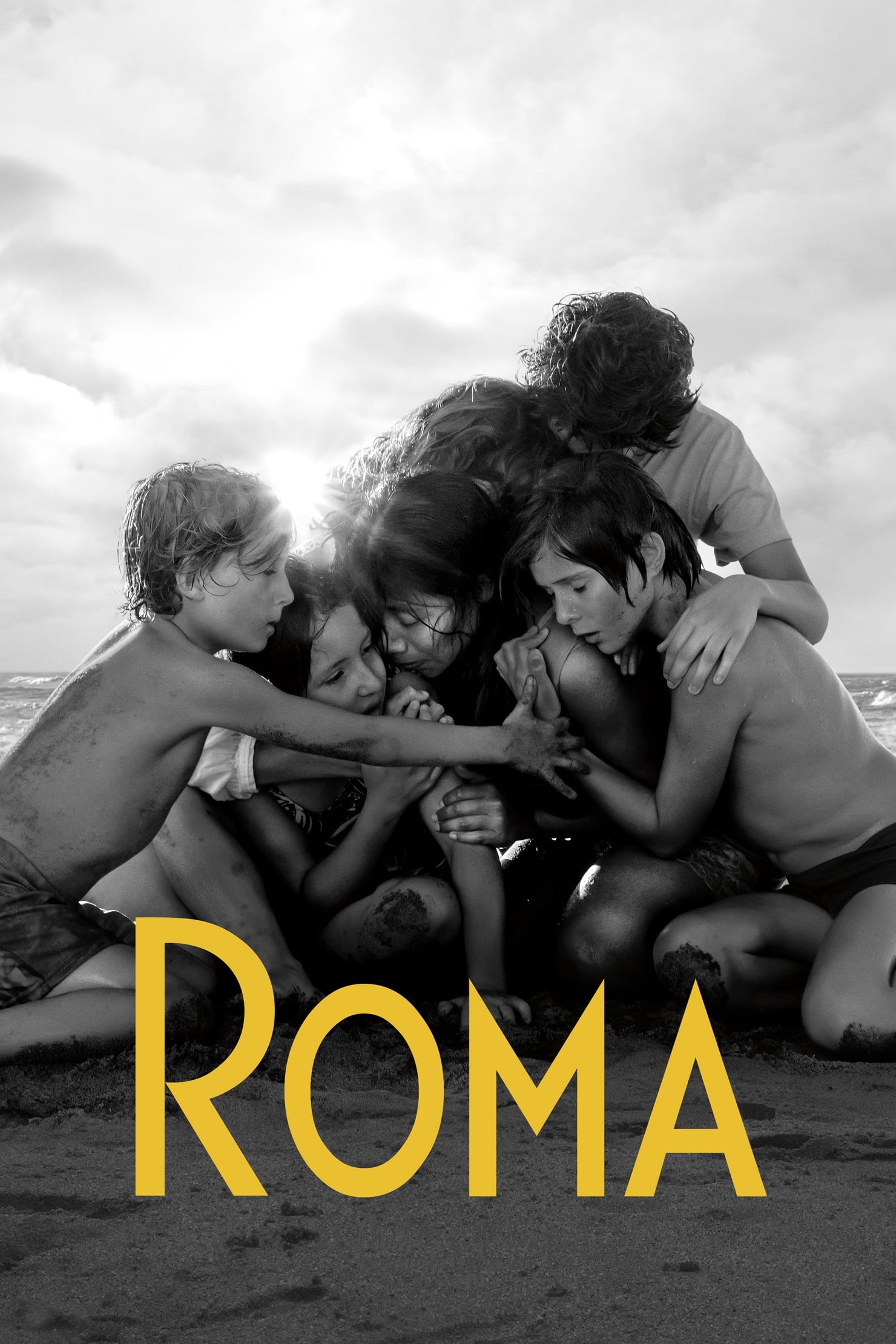
This film followed an Indigenous maid in 1970s Mexico. It highlighted class, race, and gender struggles. Yalitza Aparicio’s Oscar nomination was historic for Indigenous women. The film was a critical darling.
It sparked talks about domestic workers’ rights. Labor protections gained attention globally. The film showed how personal stories could drive systemic change.
‘The Farewell’ (2019)

This dramedy explored cultural identity through a Chinese-American family. It showed the clash between Eastern and Western values. The film was a critical hit, praised for its heart. It resonated with immigrant communities.
It pushed for more Asian stories in film. The film’s success helped diversify Hollywood. It showed how family tales could spark cultural understanding.
‘Knives Out’ (2019)
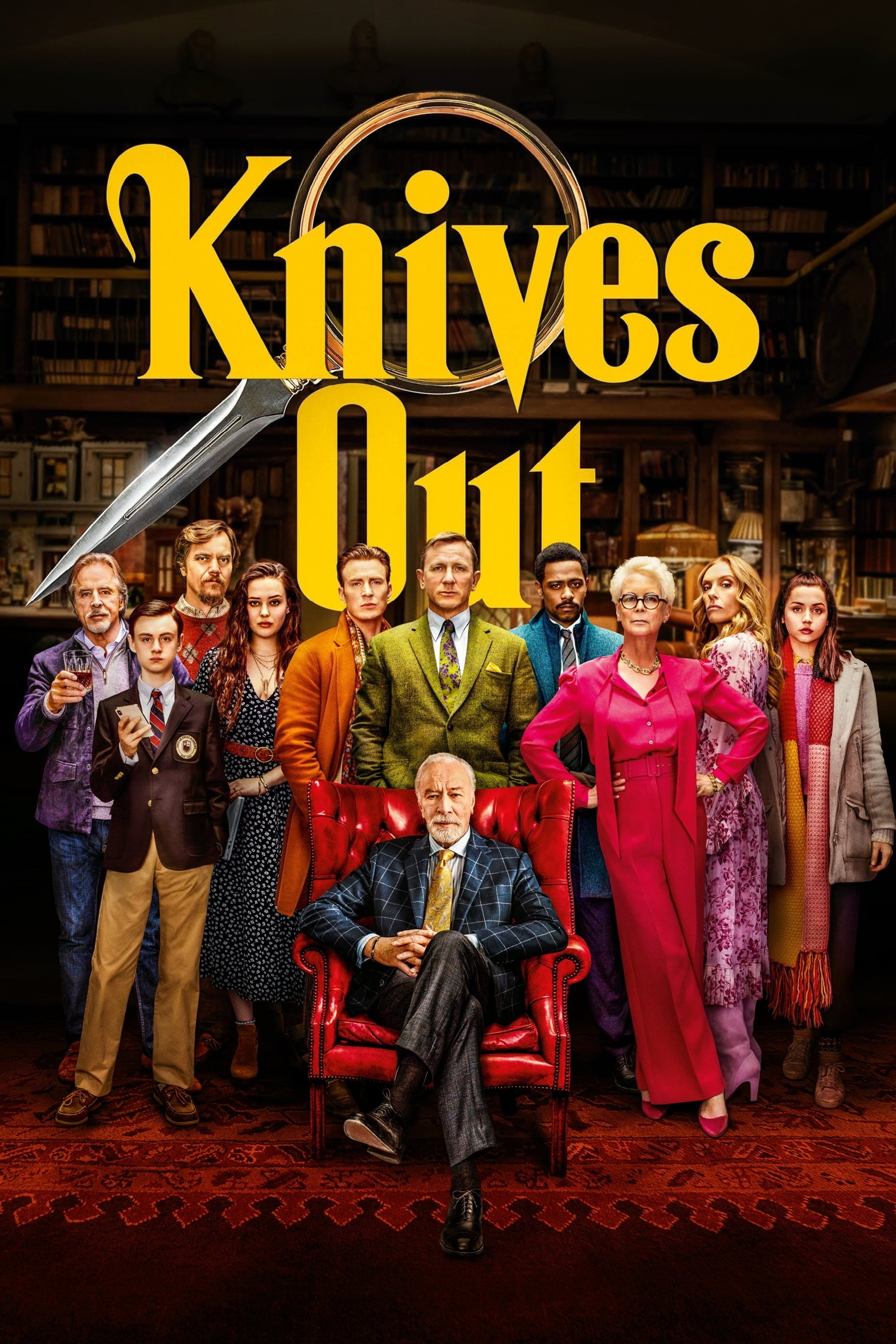
This whodunit used humor to tackle class and privilege. It showed a wealthy family’s flaws through a murder mystery. The film was a box office and critical success. It spawned a franchise.
It fueled talks about wealth inequality and entitlement. The film’s sharp wit made its social critique accessible. It proved genre films could carry big messages.
‘Promising Young Woman’ (2020)
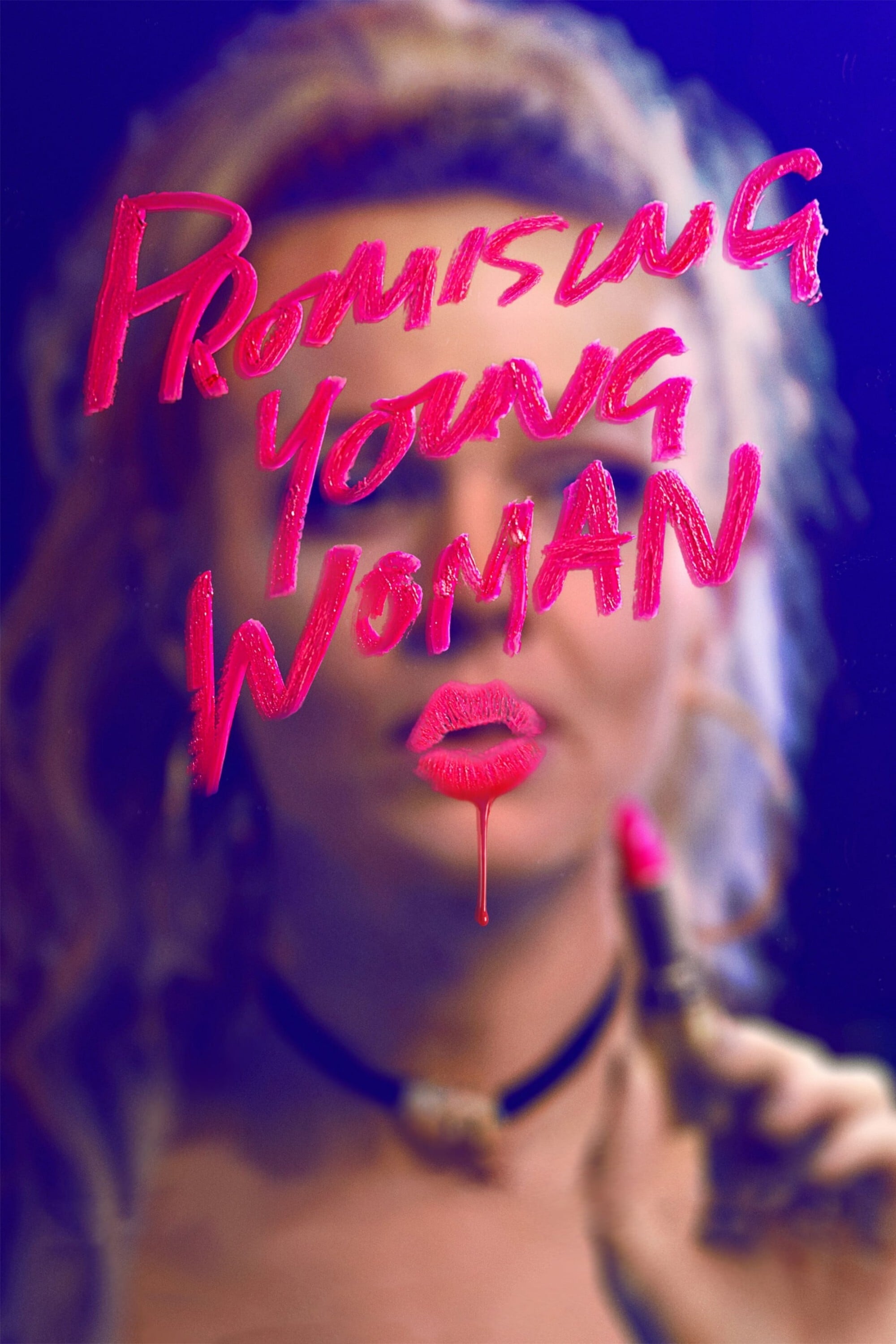
This dark comedy tackled rape culture and revenge. It showed a woman confronting systemic sexism. The film won an Oscar for Best Screenplay. Its bold tone sparked heated discussions.
It boosted the #MeToo movement’s momentum. People debated justice and accountability for abusers. The film showed how fresh storytelling could amplify feminist issues.
‘Minari’ (2020)

This film followed a Korean-American family chasing the American Dream. It showed their struggles with poverty and identity. The film was critically acclaimed, earning six Oscar nominations. It resonated with immigrant audiences.
It pushed for more diverse stories in Hollywood. The film’s quiet power sparked empathy for outsiders. It showed how personal tales could reflect universal struggles.
‘Nomadland’ (2020)

This film followed a woman living as a modern nomad after economic hardship. It exposed the struggles of America’s working poor. The film won three Oscars, including Best Picture. It was a critical triumph.
It sparked talks about economic inequality and labor rights. The film’s raw honesty inspired empathy for marginalized workers. It showed how quiet stories could make noise.
‘She Said’ (2022)

This film showed journalists exposing Harvey Weinstein’s abuses. It detailed the #MeToo movement’s origins. The story was based on the real investigation by New York Times reporters. It was critically praised.
It inspired more women to speak out against harassment. The film boosted calls for accountability in Hollywood. It showed how journalism stories could drive social change.
Which of these films inspired you to think differently about the world? Share your thoughts in the comments and let us know what other movies sparked change for you!

