


Movies That Were Banned in the U.S. For Religious Reasons

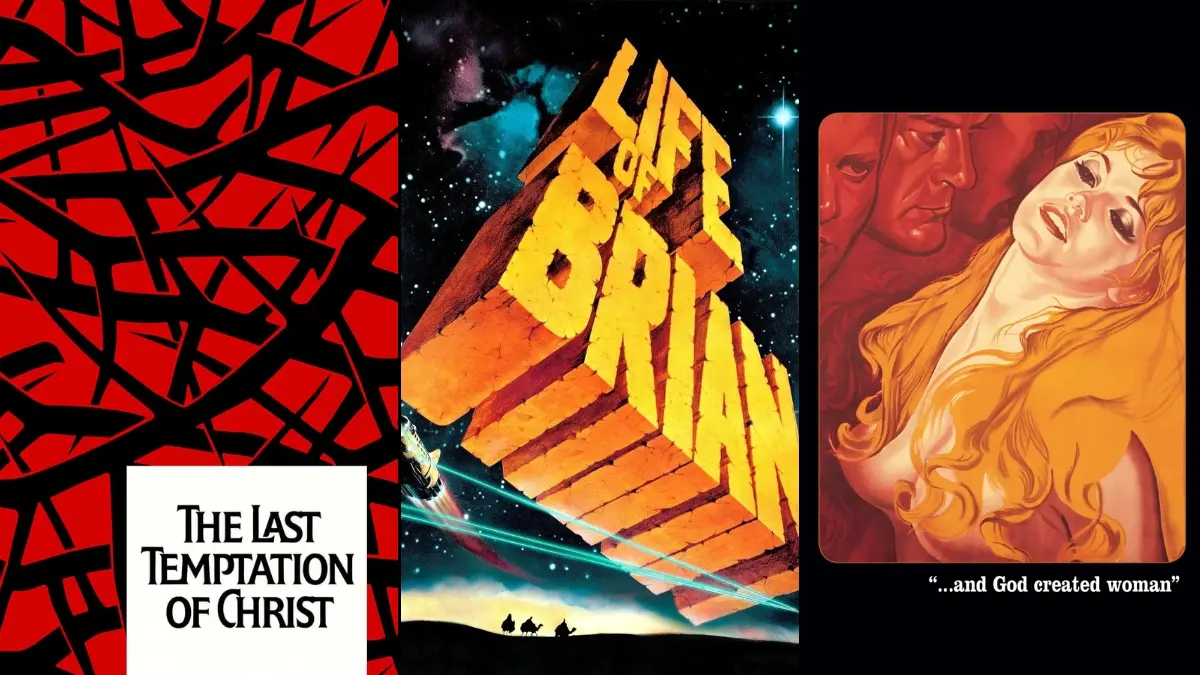


Throughout the 20th century, the intersection of cinema and religion frequently led to intense legal and social conflicts within the United States. Many films faced censorship or outright bans from local municipal boards, often influenced by powerful religious organizations like the Catholic Legion of Decency. These bans were typically justified on the grounds of sacrilege, blasphemy, or perceived threats to public morality based on religious standards. While the 1952 Supreme Court ruling in ‘The Miracle’ case significantly limited the power of state censors, localized bans and religious boycotts continued to shape the American cinematic landscape for decades. This history reflects the long-standing tension between artistic expression and the preservation of traditional religious values.
‘L’amore’ (1948)
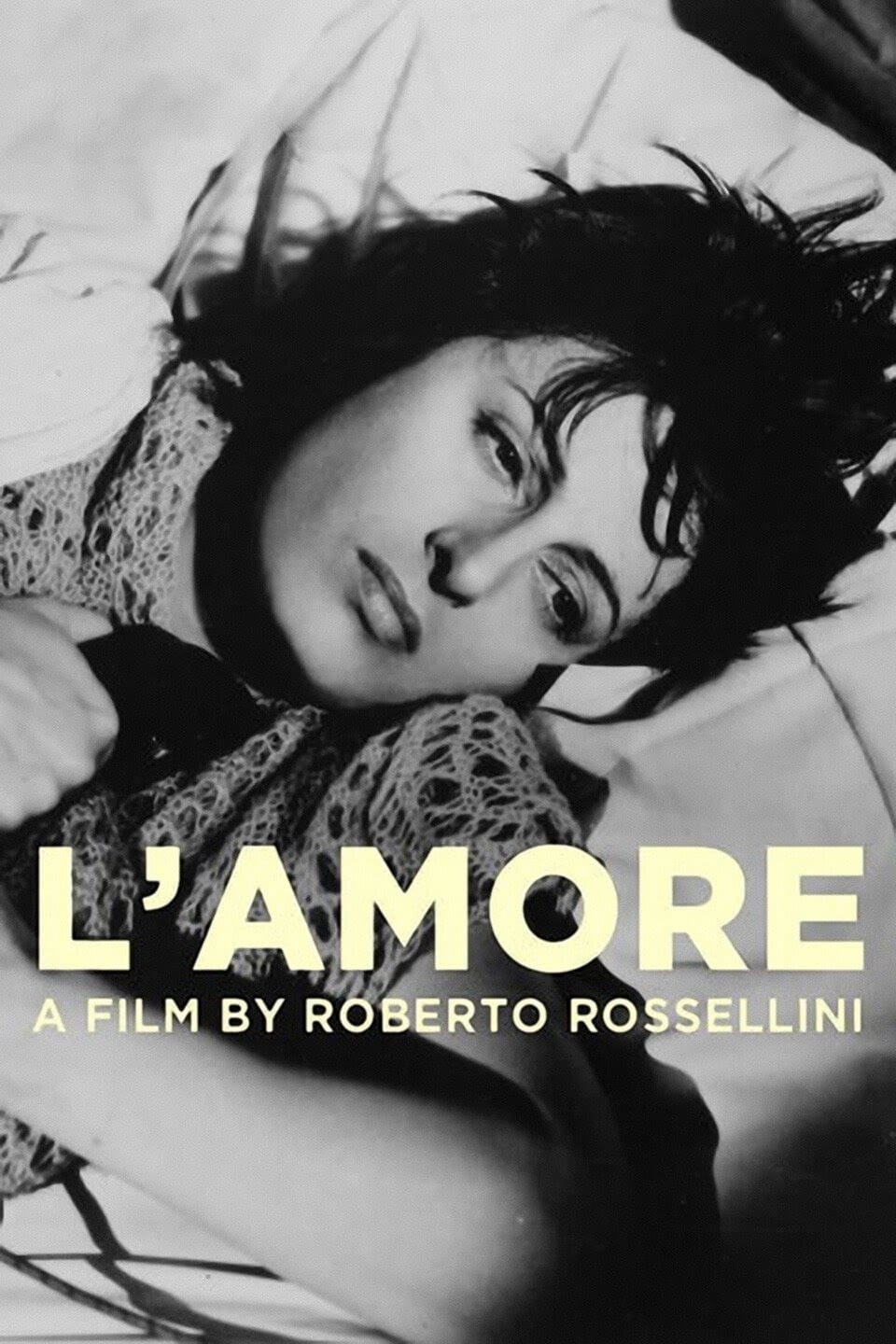
This Italian film tells the story of a simple-minded peasant woman who believes her pregnancy is a divine miracle after an encounter with a stranger she thinks is Saint Joseph. The New York State Board of Regents banned the film on the grounds that it was sacrilegious following a campaign by the Catholic Legion of Decency. The resulting legal battle reached the Supreme Court in the case of Joseph Burstyn, Inc. v. Wilson. This landmark ruling established that films were protected under the First Amendment and that “sacrilege” was not a constitutional basis for government censorship.
‘Life of Brian’ (1979)
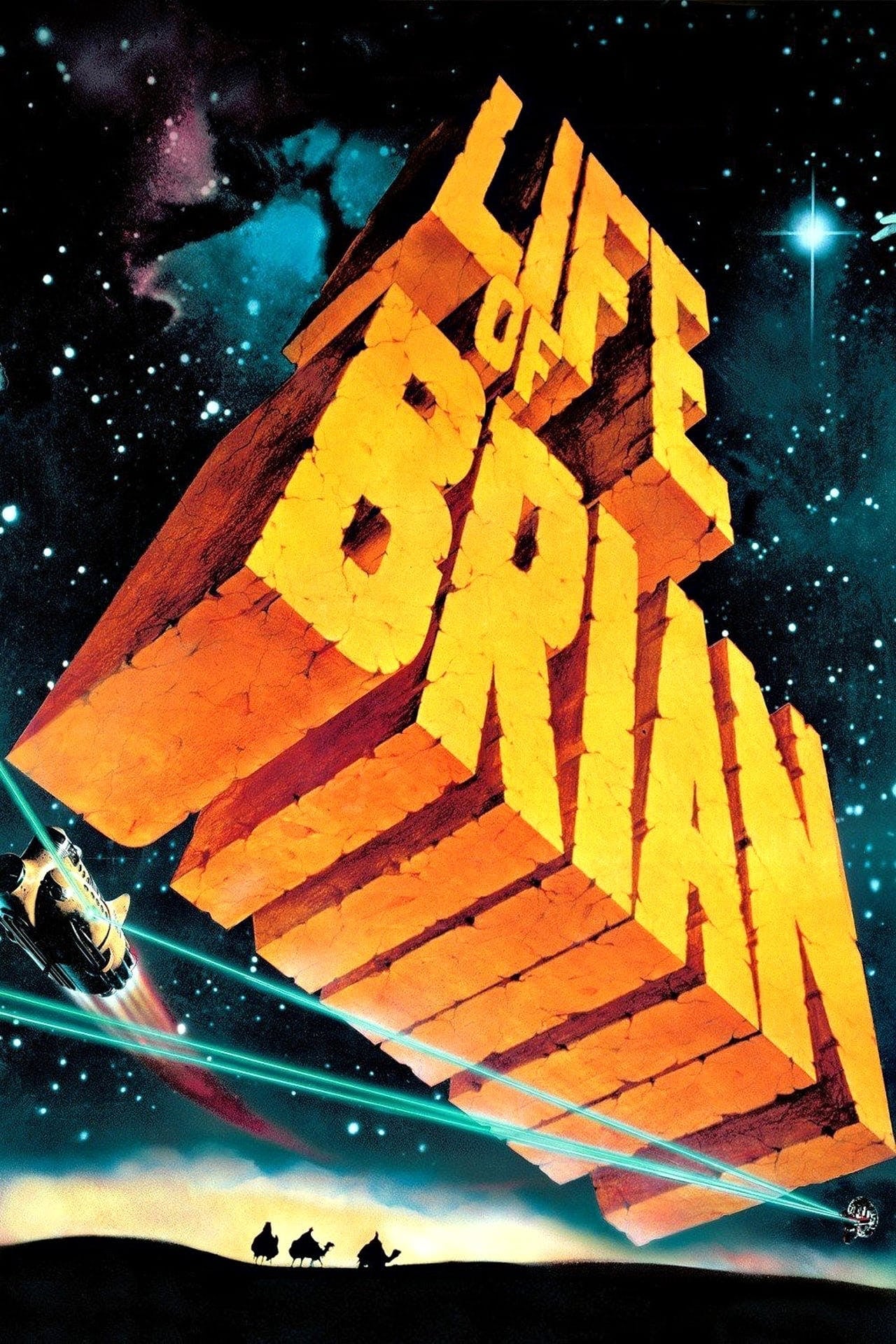
This comedy follows Brian Cohen, a man born on the same day as Jesus who is mistakenly identified as a messiah. Upon its release, the film faced intense backlash from religious organizations that viewed it as a blasphemous parody of the Gospel. Several local governments in the United States, including those in Georgia and South Carolina, passed municipal bans to prevent the film from being screened. Protesters picketed cinemas across the country, claiming the movie mocked the foundations of Christianity. Despite these local bans, the film became a commercial success and is now regarded as a masterpiece of religious satire.
‘The Last Temptation of Christ’ (1988)
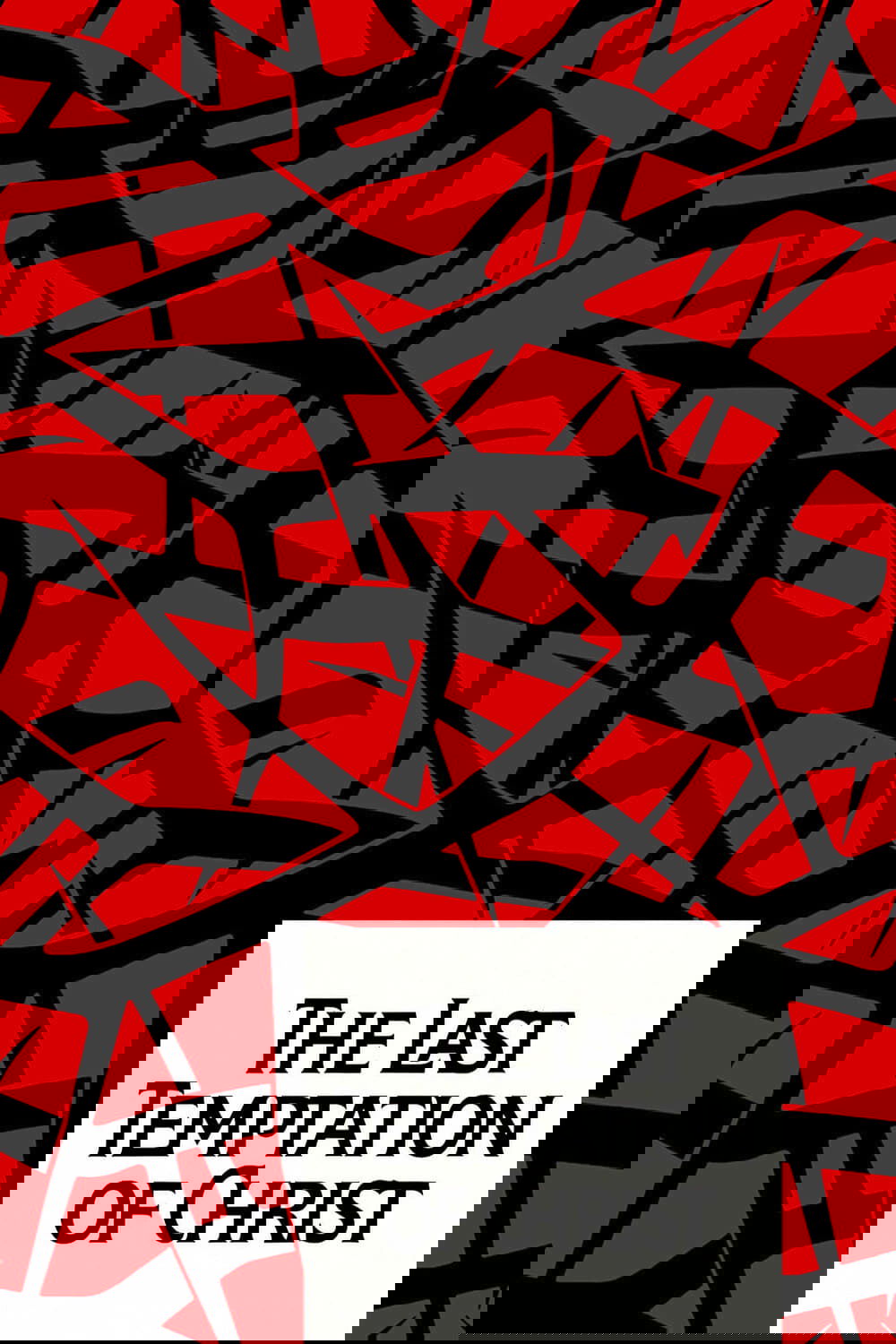
Director Martin Scorsese adapted this film from Nikos Kazantzakis’s novel, which explores a fictionalized account of Jesus’s internal struggles with earthly temptations. A specific dream sequence depicting Jesus living a secular life with Mary Magdalene sparked nationwide outrage among religious groups. Municipalities in states like Georgia and Oklahoma passed local bans to block the film from community theaters. Major theater chains also refused to screen the movie in many regions due to public pressure and security concerns. The film remains one of the most controversial religious depictions in American cinematic history.
‘Hail Mary’ (1985)
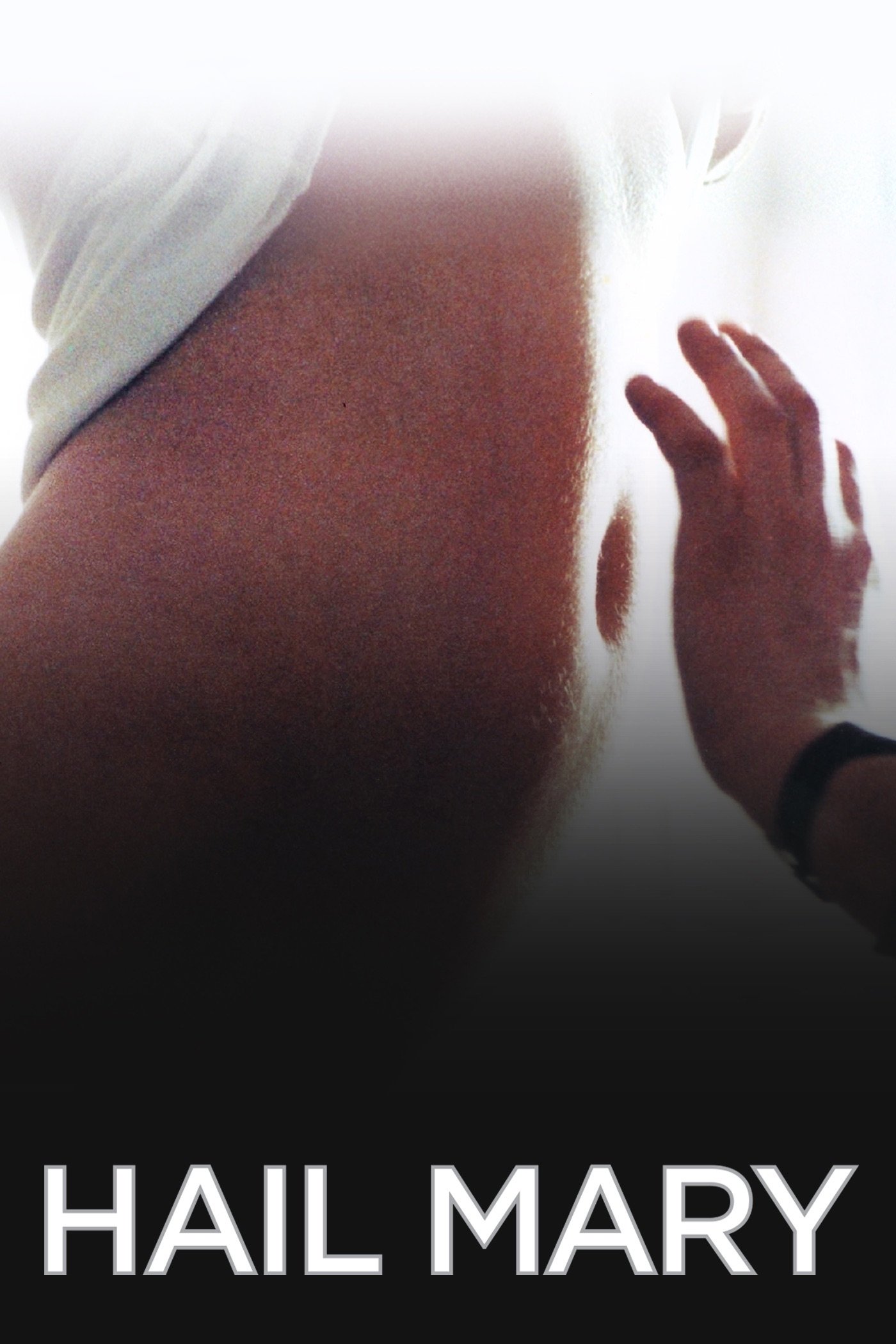
Directed by Jean-Luc Godard, this film provides a modern-day retelling of the virgin birth, setting the story in a gas station and a taxi company. The film was condemned by the Catholic Church and led to organized protests across the United States. Many cities and local theater owners refused to screen the film after being pressured by religious leaders who found the depiction of Mary sacrilegious. In Boston, the film was temporarily blocked from exhibition as protesters gathered outside theaters to recite the rosary. The controversy ensured the film had a very limited and difficult distribution path in the American market.
‘The Profit’ (2001)

This independent film features a fictionalized account of a cult leader whose life closely mirrors that of Scientology founder L. Ron Hubbard. Shortly after its premiere, a Florida court issued a permanent injunction that effectively banned the film from being distributed or screened in the United States. The legal action was tied to the Church of Scientology, which claimed the film could prejudice a then-ongoing court case involving one of its members. The ban lasted for years, making ‘The Profit’ one of the few modern films to be legally suppressed in the U.S. through a court order.
‘The Devils’ (1971)
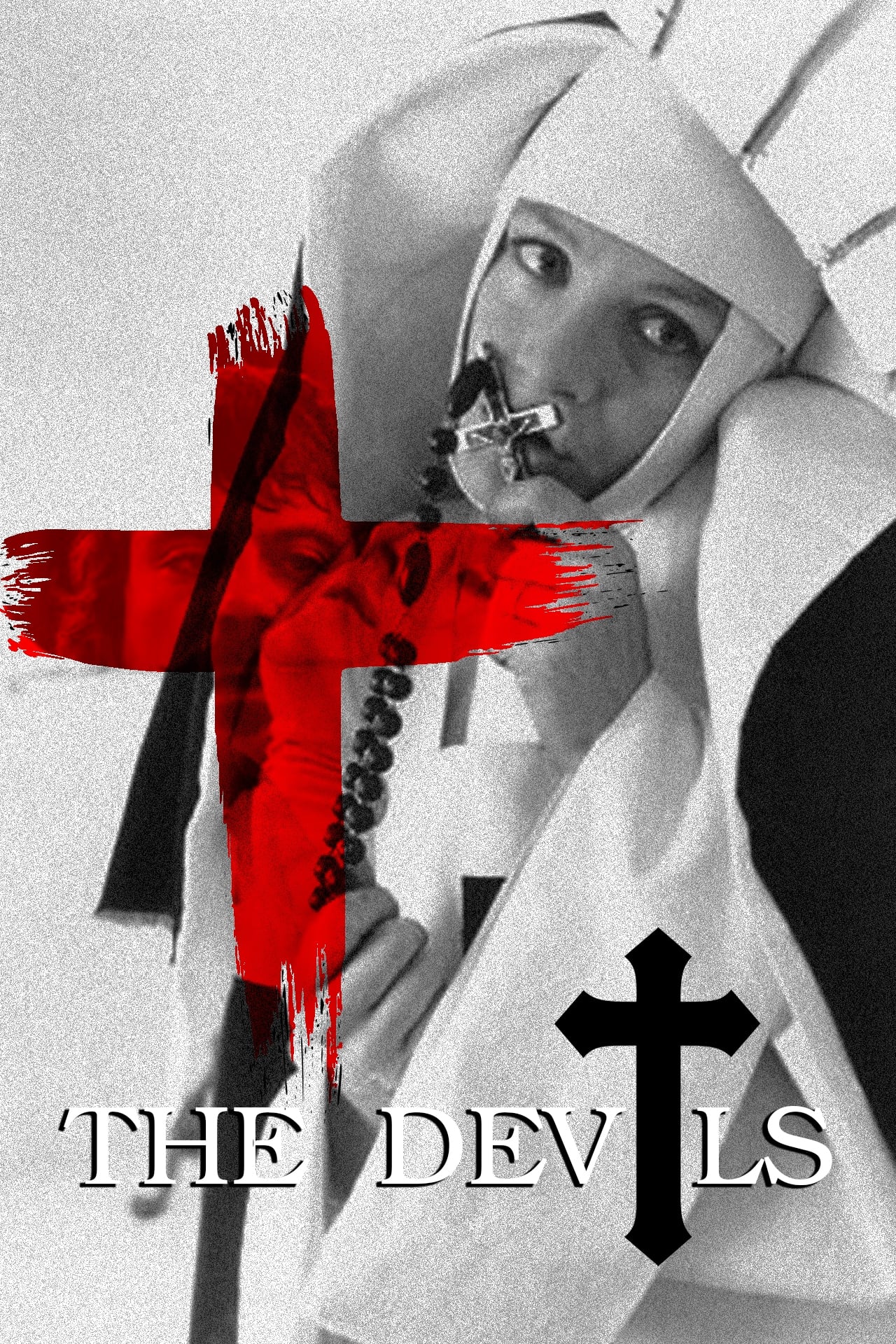
Ken Russell directed this historical drama about a 17th-century priest accused of witchcraft by a group of possessed nuns. The film’s intense mix of religious fervor, political intrigue, and sacrilegious imagery led to its ban in several U.S. municipalities. Local censorship boards and religious organizations found the depictions of the clergy and religious icons to be offensive and blasphemous. Even after significant edits, the film remained unavailable in many American cities for decades. Its controversial status has made it a symbol of the struggle between artistic expression and religious moral codes.
‘Viridiana’ (1961)
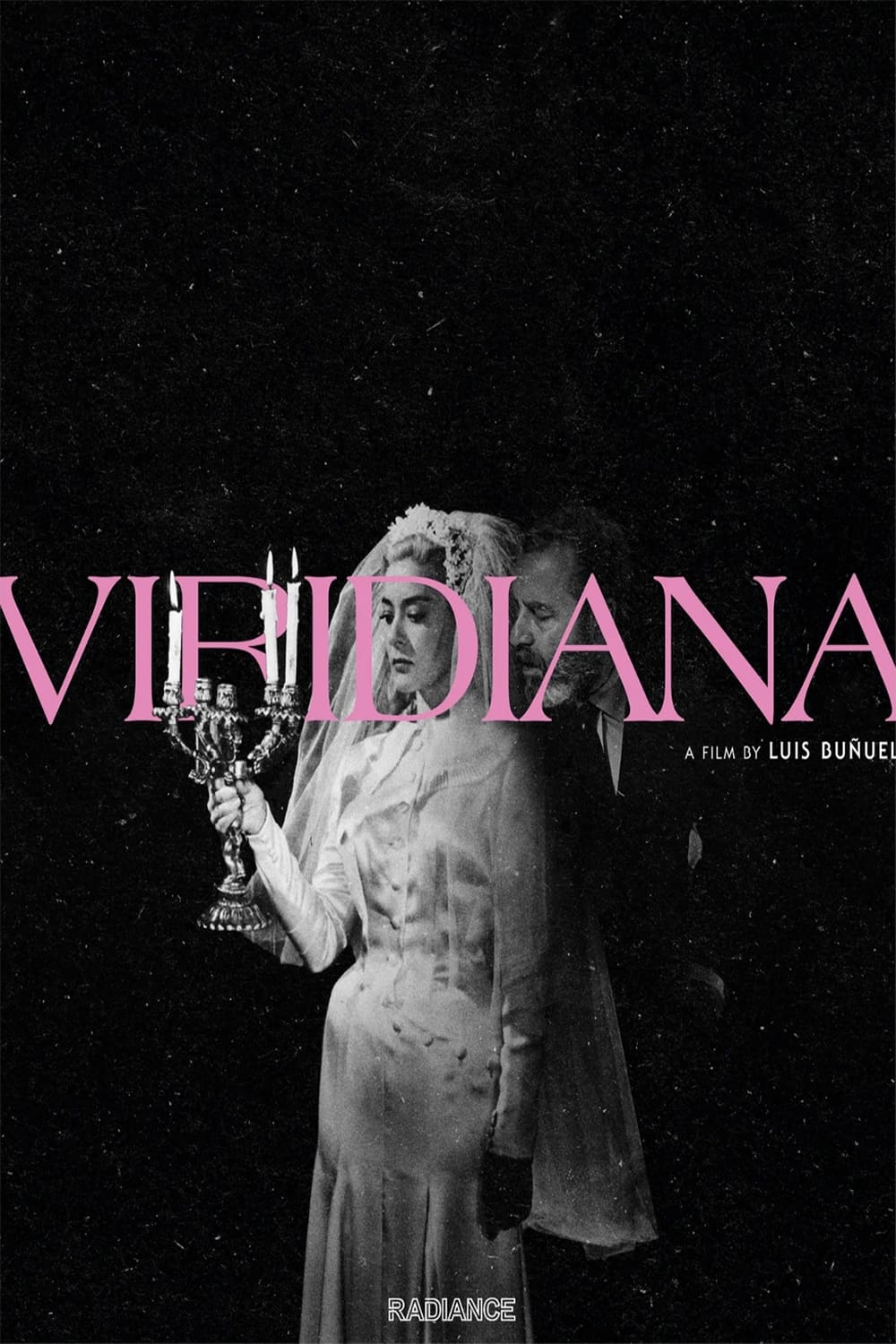
Luis Buñuel’s film follows a young novice who attempts to maintain her religious principles while dealing with her uncle’s unwanted advances and a group of ungrateful beggars. The film features a provocative sequence that parodies Leonardo da Vinci’s ‘The Last Supper’, which led to its condemnation by the Vatican. In the United States, several local censorship boards banned the film for its perceived anti-clericalism and blasphemous themes. It was seized in some jurisdictions and remained difficult to view in its uncut form for many years. The film’s critical success eventually overshadowed the initial religious bans.
‘Baby Doll’ (1956)
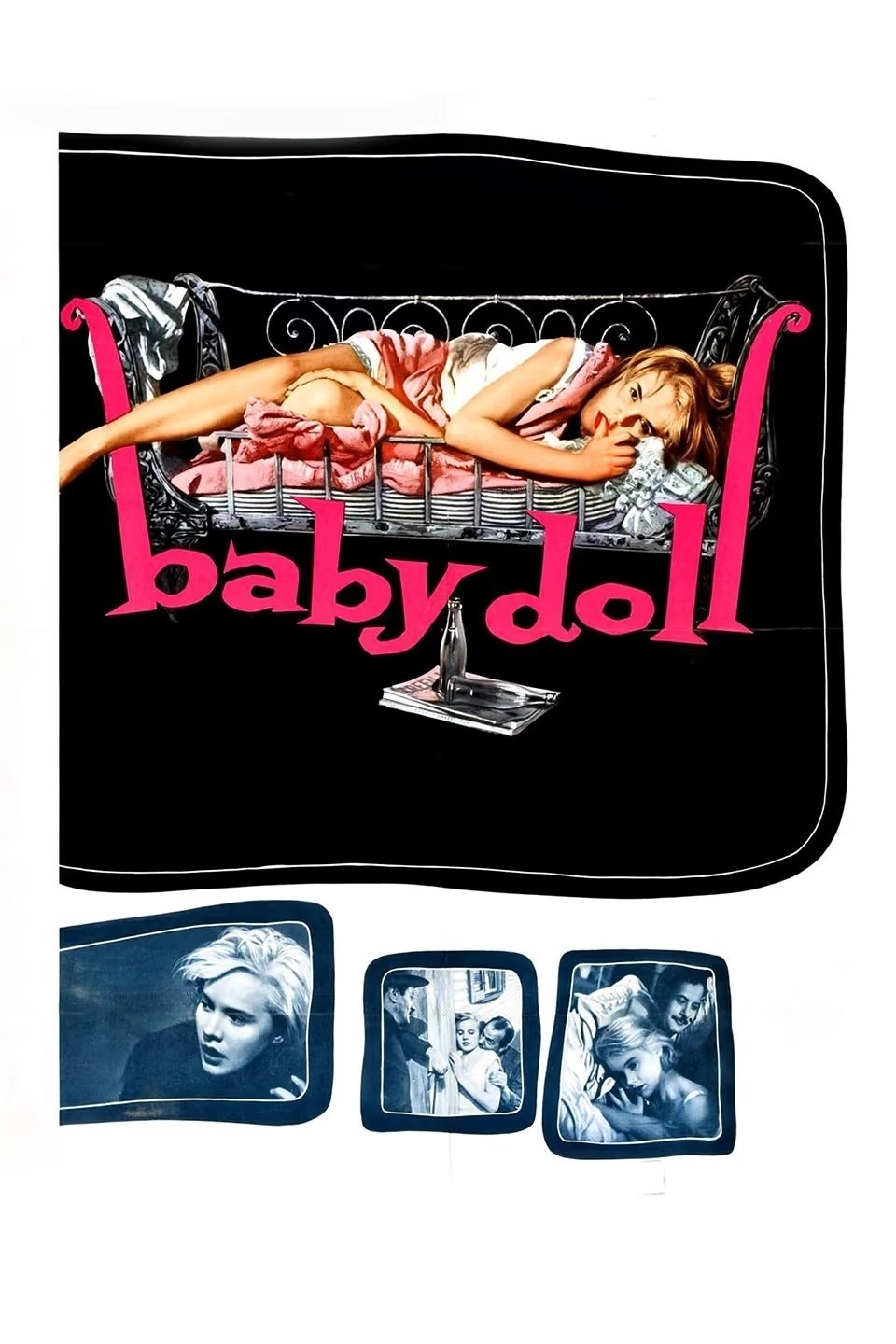
This film, written by Tennessee Williams, tells the story of a middle-aged man and his teenage bride who has not yet consummated their marriage. Cardinal Francis Spellman of New York condemned the film from the pulpit of St. Patrick’s Cathedral, urging Catholics to boycott it as a matter of religious duty. Following this condemnation, the film was banned in Albany, New York, and several other cities across the country. Local theater owners were pressured to pull the film by religious organizations that viewed the content as immoral. This controversy marked one of the last major instances of the Catholic Church successfully influencing local film bans.
‘The Moon is Blue’ (1953)
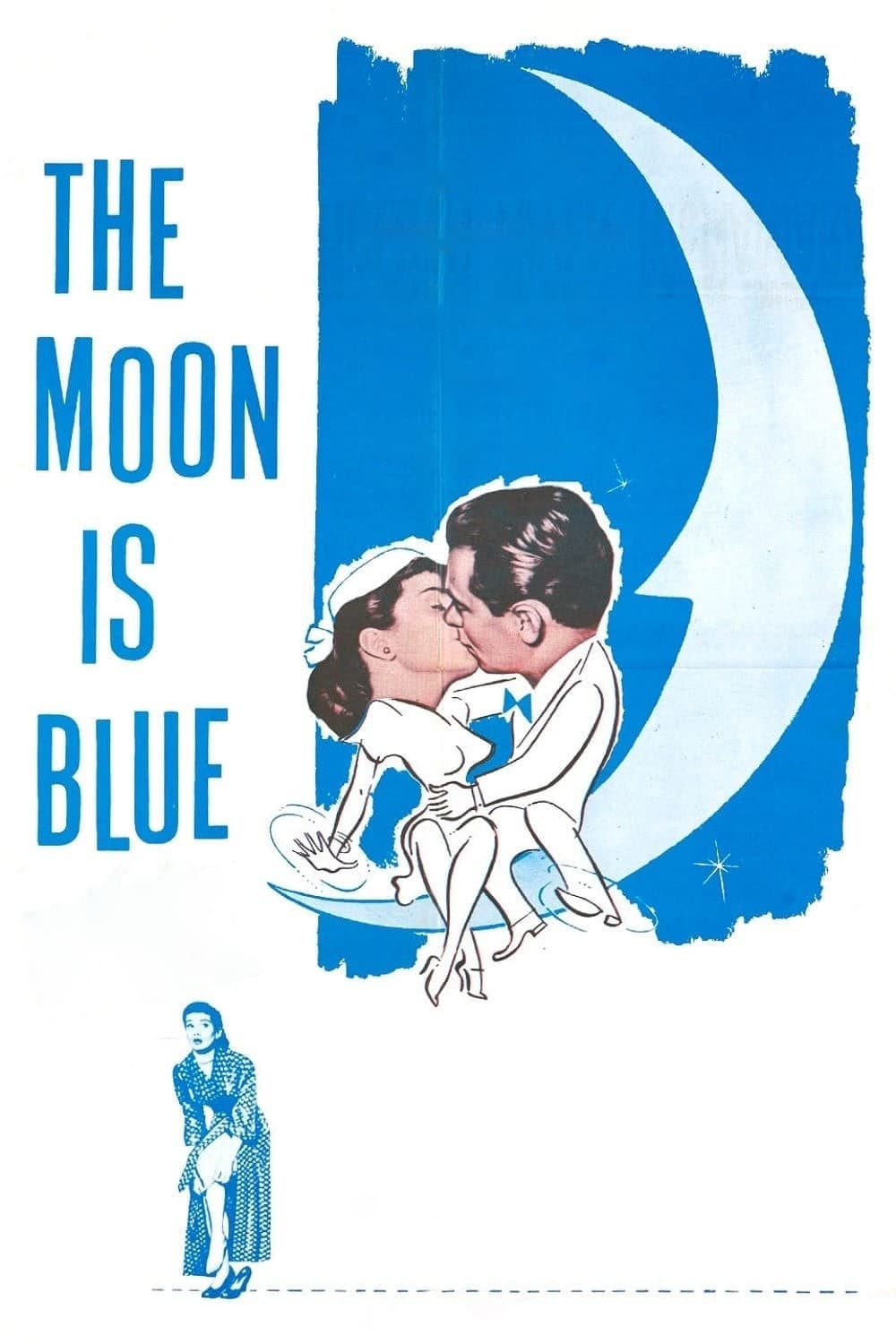
This romantic comedy became a focal point of censorship because it used words like “virgin” and “mistress,” which violated the Motion Picture Production Code. The film was condemned by the Legion of Decency, leading to bans in Jersey City, New Jersey, and several other municipalities. Local censors argued that the film’s lighthearted treatment of premarital sex was an affront to religious and moral standards. Director Otto Preminger released the film without the Production Code seal, challenging the authority of the censors. The film’s eventual success helped lead to the decline of the Hays Code and local religious censorship.
‘L’Âge d’or’ (1930)
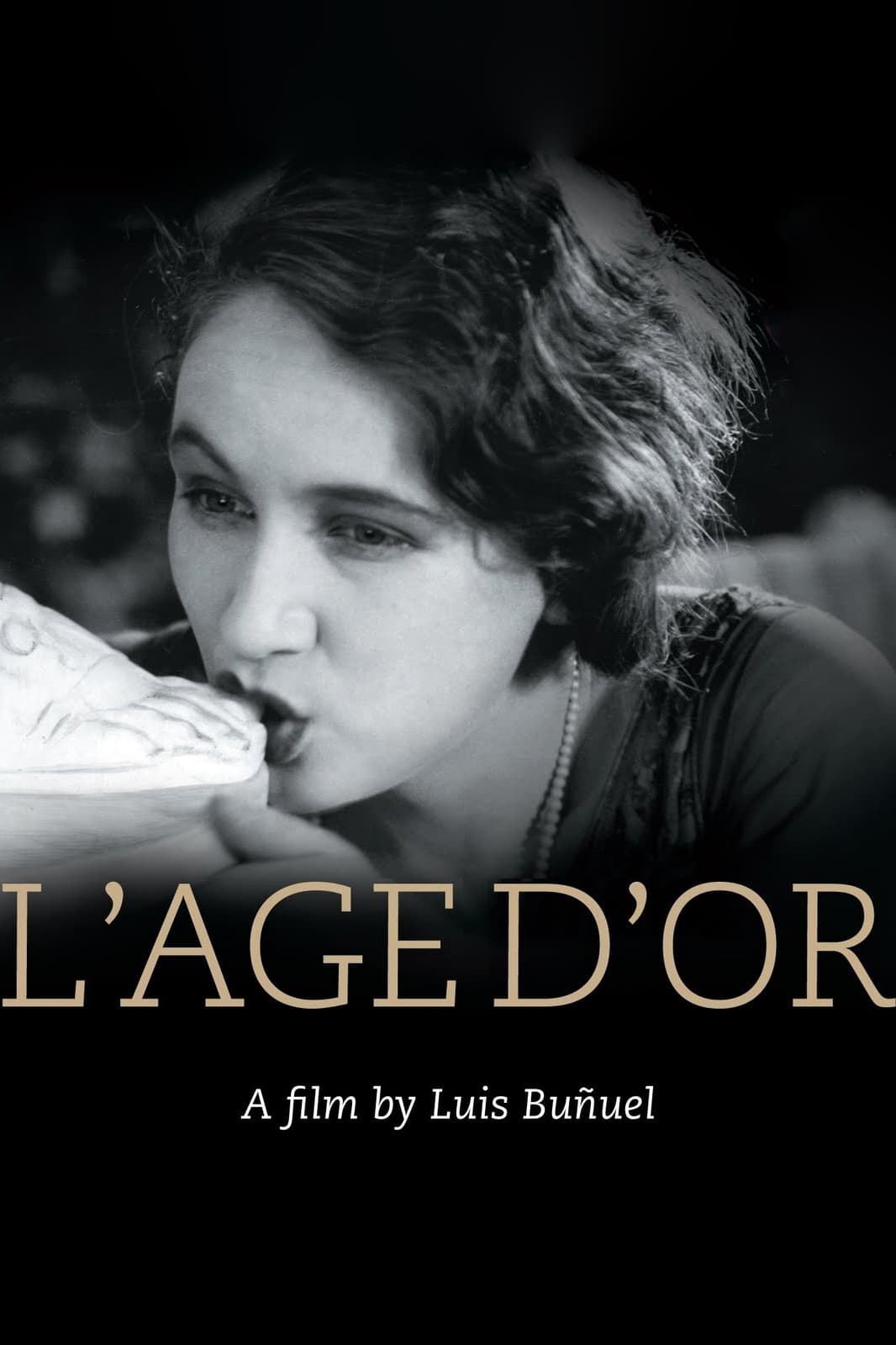
Collaboratively written by Luis Buñuel and Salvador Dalí, this Surrealist film is a scathing critique of the Catholic Church and bourgeois society. It features various sacrilegious scenes, including one involving a character who resembles Christ. When the film arrived in the United States, it was frequently seized by customs and banned by local authorities who deemed it blasphemous. Religious groups organized protests to prevent its exhibition, citing its anti-religious sentiment as a danger to public order. For decades, the film was nearly impossible to see in America due to these long-standing restrictions.
‘Häxan’ (1922)
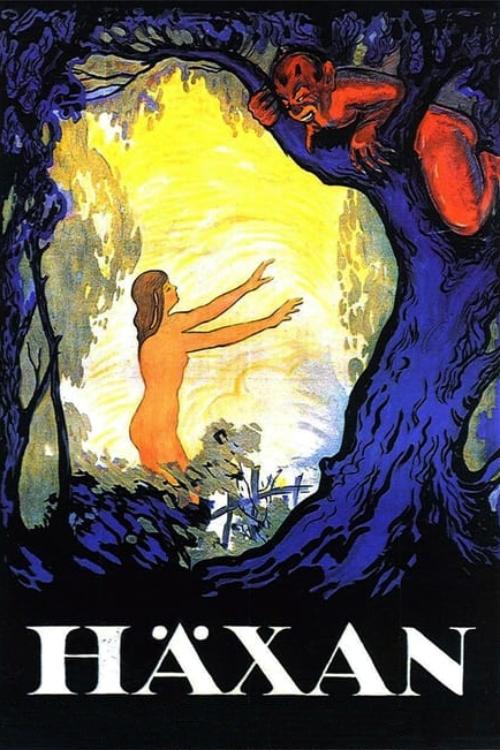
This Swedish-Danish silent film explores the history of witchcraft, demonology, and the Inquisition through vivid and often disturbing imagery. Upon its entry into the United States, the film was heavily censored and banned in several states for its sacrilegious content. Religious authorities were particularly offended by the depictions of the devil and the portrayal of the medieval church’s inquisitorial methods. Many viewers and censors at the time found the film’s blend of documentary and horror to be an attack on religious institutions. It remained a banned or heavily edited work in the U.S. until its rediscovery by modern audiences.
‘The Outlaw’ (1943)
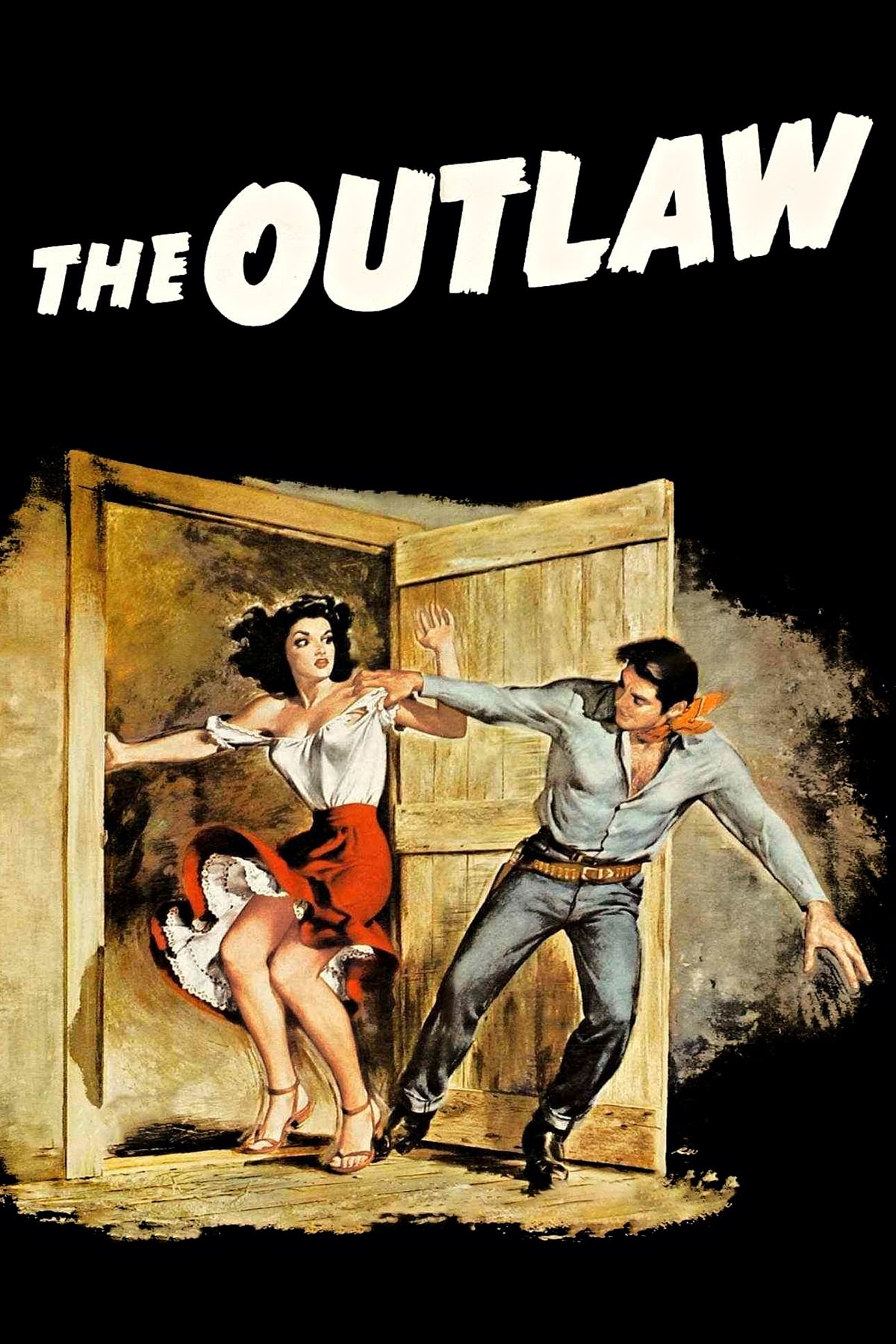
Produced by Howard Hughes, this Western became famous for its focus on Jane Russell’s cleavage, which drew the ire of the Catholic Legion of Decency. The organization gave the film a “condemned” rating, leading to bans in several American cities and a lengthy battle with the Motion Picture Production Code. Religious leaders argued that the film promoted immorality and was a direct threat to the religious values of the community. Hughes fought the bans for years, often using the controversy as a marketing tool to increase public interest. The film was eventually released widely after several edits and years of legal disputes.
‘La Dolce Vita’ (1960)
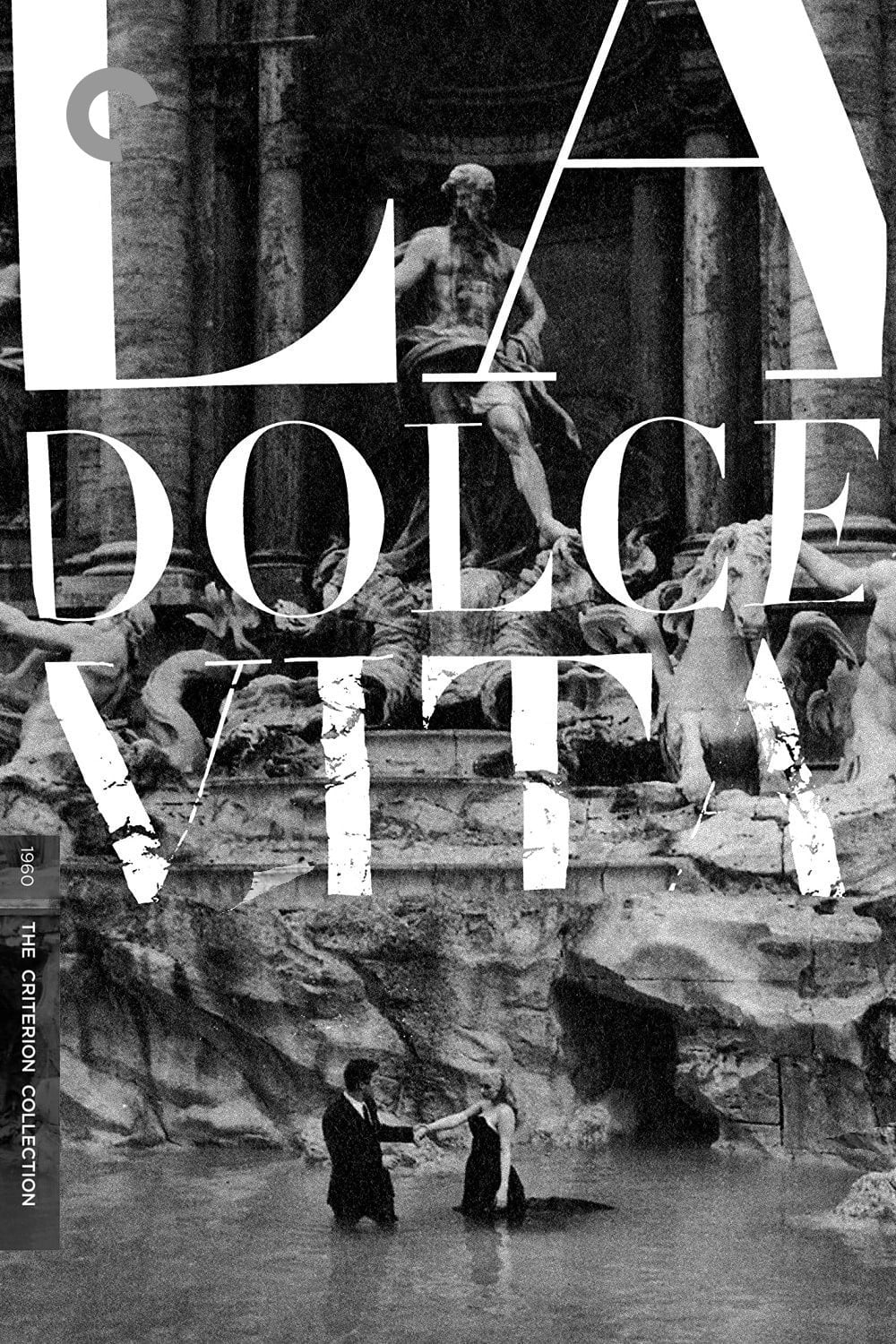
Federico Fellini’s masterpiece opens with a helicopter transporting a statue of Christ over the city of Rome, a scene that many religious leaders found mocking. The Catholic Church officially condemned the film, leading to localized bans in various parts of the United States. Censors in certain municipalities blocked the film’s release, citing its depictions of decadence and its perceived disrespect toward religious icons. Despite these obstacles, the film’s artistic merit led it to become a global success and a cornerstone of Italian cinema. The initial religious bans are now viewed as a reaction to the film’s honest exploration of spiritual vacuum.
‘Ecstasy’ (1933)

This Czech film starring Hedy Lamarr gained notoriety for a brief scene of nudity and its depiction of female sexual desire. U.S. Customs seized the film upon arrival, and it was subsequently banned in several states for being obscene and sacrilegious. The Legion of Decency campaigned heavily against its exhibition, arguing that it violated the moral and religious codes of American society. The film’s distributor fought through the courts for years to get an edited version released to the public. It remains a significant example of how religious moralism influenced federal and local censorship in the 1930s.
‘The Message’ (1976)
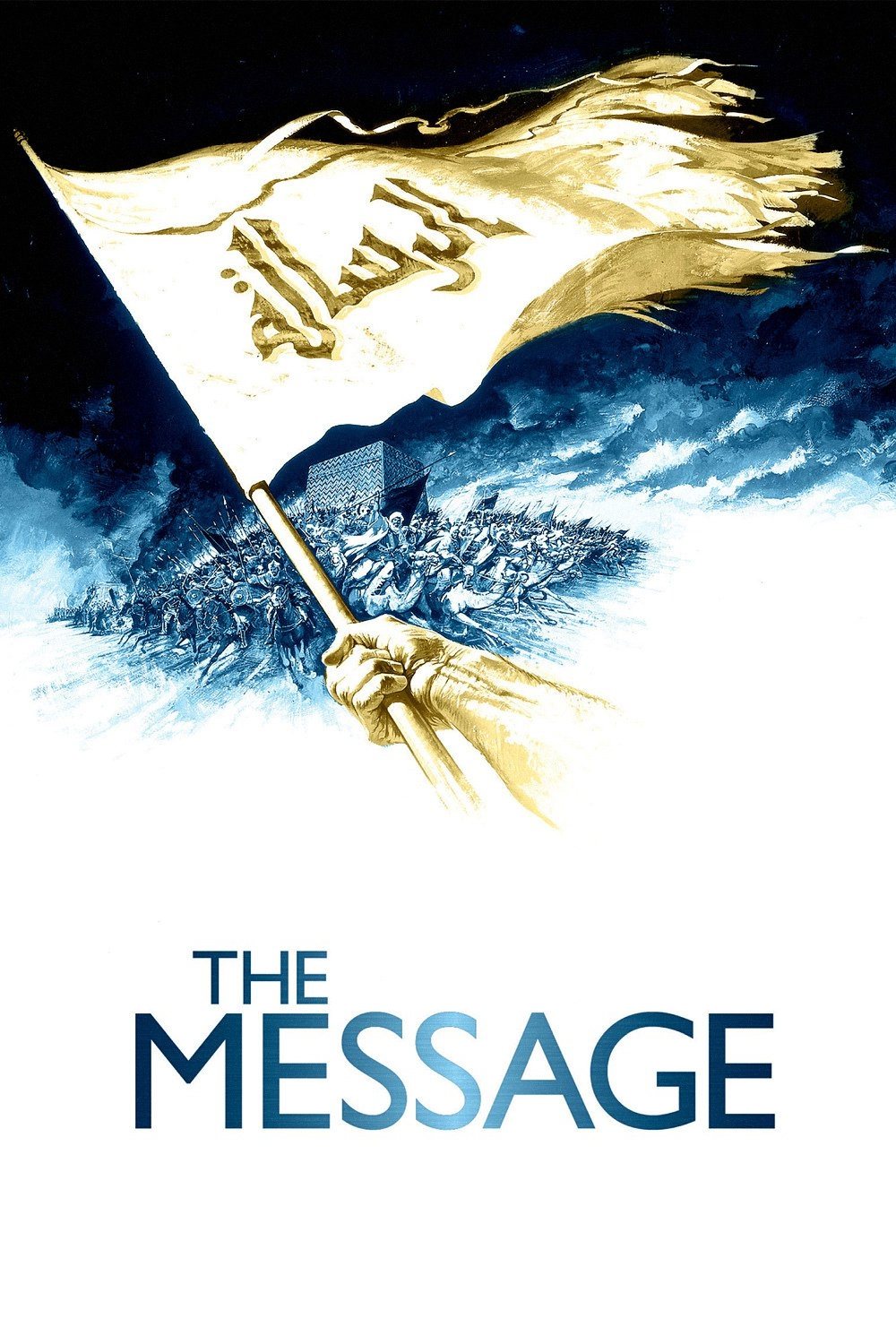
Also known as ‘Mohammad, Messenger of God’, this film chronicles the life of the Prophet Muhammad without ever showing his face or voice. Despite its adherence to Islamic conventions, the film was banned in several U.S. cities following the Hanafi Siege in Washington, D.C. The hostage-takers mistakenly believed the film featured a physical depiction of the Prophet, which is forbidden in Islam. Fear of further violence led many theater owners to pull the film from exhibition across the country. The ban was a result of religious sensitivity and the security risks associated with the misunderstanding of the film’s content.
‘Theorem’ (1969)
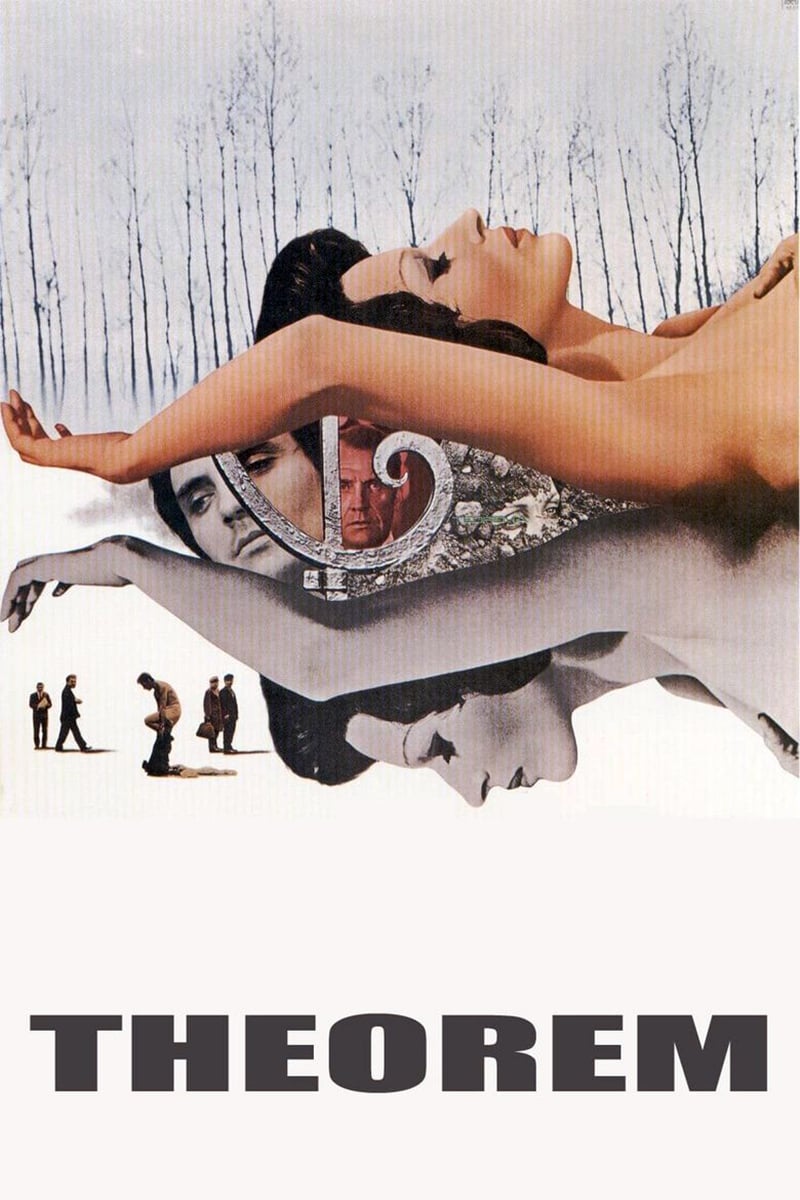
Pier Paolo Pasolini’s ‘Teorema’ involves a mysterious stranger who enters the lives of a bourgeois family and seduces every member. The film was initially praised by some liberal Catholic groups but was later condemned by the Vatican for its provocative themes. In the United States, local authorities in several jurisdictions banned the film for being sacrilegious and obscene. The director’s use of sexual encounters as a metaphor for divine intervention was found to be highly offensive by religious conservatives. These bans limited the film’s reach to arthouse theaters in a few major cities.
‘Stromboli’ (1950)

Directed by Roberto Rossellini and starring Ingrid Bergman, this film was caught in a storm of controversy due to the real-life affair between the director and the actress. Because both were married to other people at the time, religious groups in the United States organized a massive boycott and demanded a ban on the film. Several states and local municipalities blocked the film’s release, citing the “immoral” conduct of its creators as a violation of religious standards. The scandal even led to Bergman being denounced on the floor of the United States Senate. The ban was based on the perceived moral and religious failings of the individuals involved rather than the film’s actual content.
‘The King of Kings’ (1927)

Cecil B. DeMille’s silent epic about the life of Jesus was one of the most successful films of its era, but it was not without controversy. Some local censorship boards in the United States banned the film because it depicted the face of Jesus, which some denominations considered sacrilegious at the time. There were also concerns from Jewish organizations about the film’s portrayal of certain biblical figures, which led to edits and local restrictions. DeMille famously required his lead actor to sign a contract forbidding him from being seen in “unholy” places during production to appease religious critics. Despite these localized bans, the film remained a staple of religious education for decades.
‘The French Line’ (1954)
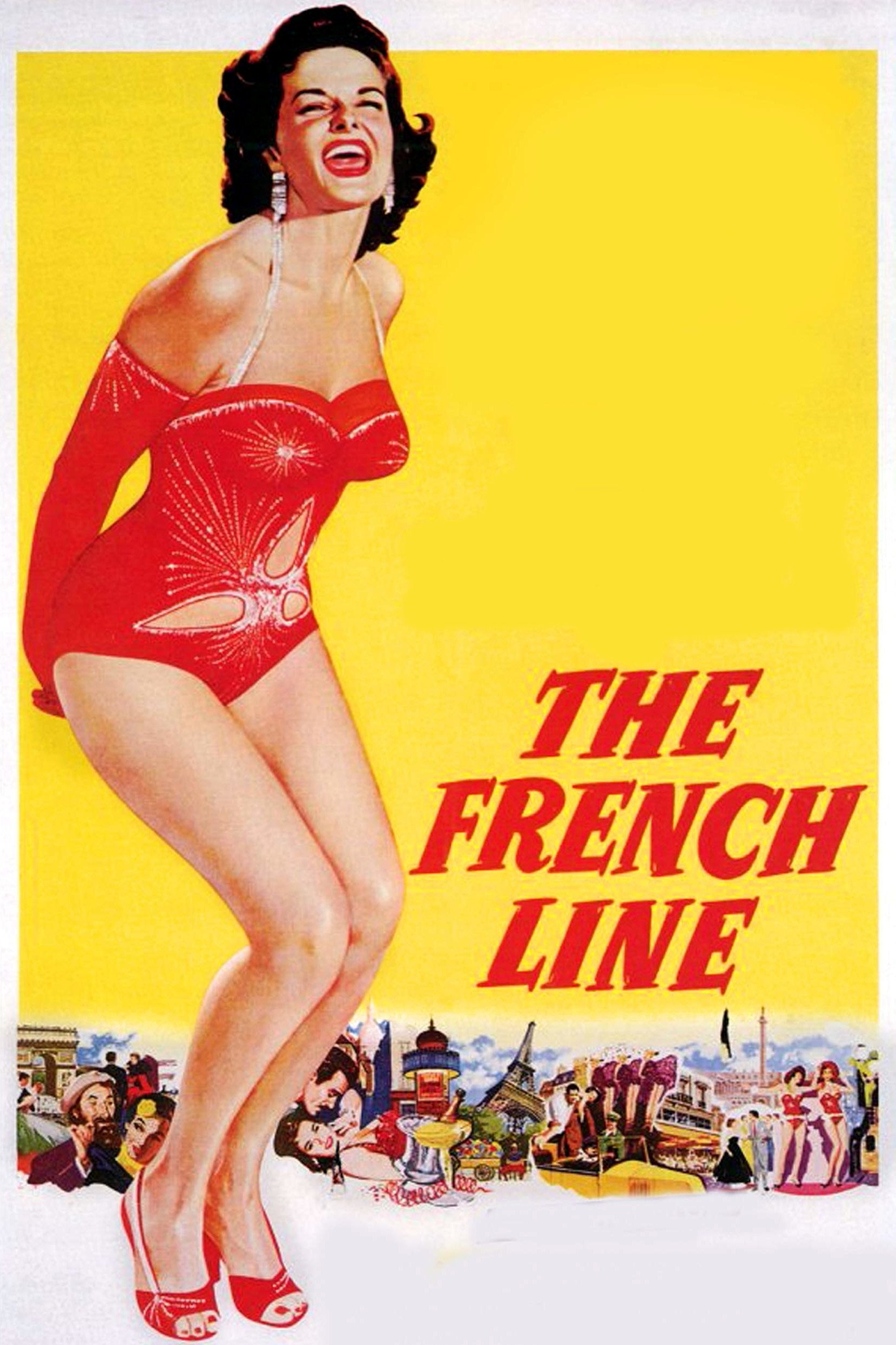
This musical starring Jane Russell was another production that ran afoul of the Catholic Legion of Decency and the Production Code. The film was banned in several American cities, including St. Louis and Boston, due to a dance sequence that religious leaders deemed suggestive and immoral. The Archbishop of St. Louis went as far as to forbid Catholics in his diocese from seeing the film under pain of sin. These religious bans were strictly enforced by local theater owners who feared losing their Catholic patronage. The film eventually required significant changes to secure a wider release in the United States.
‘Forever Amber’ (1947)
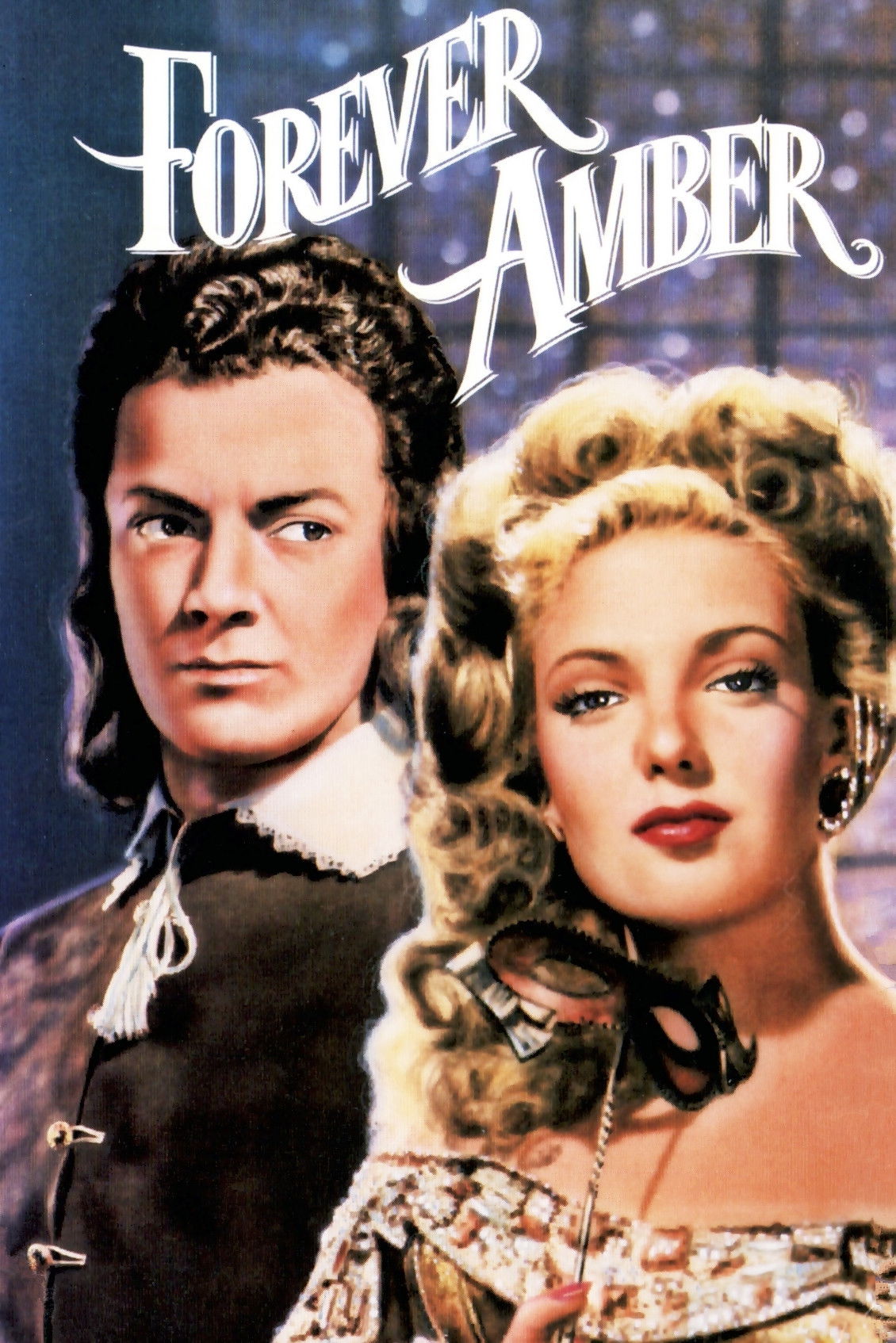
Based on a popular novel, this historical drama faced immediate condemnation from the Catholic Church upon its release. The Legion of Decency gave it a “condemned” rating, leading to its ban in several states and municipalities. Religious leaders argued that the film glorified a woman of “easy virtue” and lacked the necessary moral compensation required by religious standards. The studio was forced to add a prologue and change the ending to satisfy censors and lift the bans. This case demonstrated the significant power that religious organizations held over Hollywood studios during the mid-20th century.
‘Sadie Thompson’ (1928)
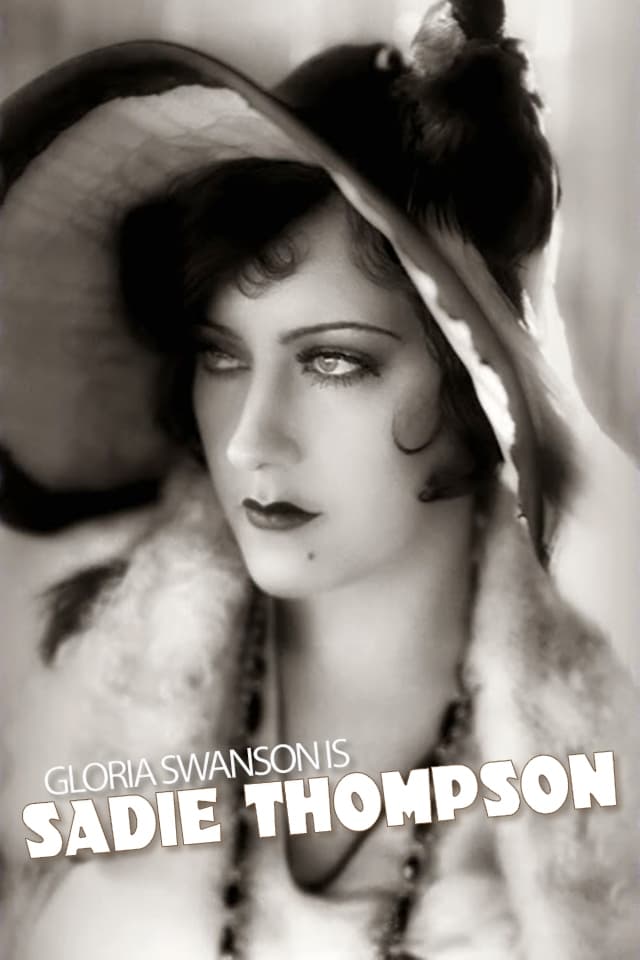
Gloria Swanson starred in this silent film adaptation of a W. Somerset Maugham story about a prostitute and a fanatical reformer. The film’s depiction of a hypocritical religious figure led to significant pressure from the Will Hays office and religious groups to ban the movie. Several local censorship boards blocked its exhibition, citing its disrespectful portrayal of men of the cloth. Swanson had to navigate intense negotiations to ensure the film could be shown in major markets. The controversy focused on the perceived attack on the dignity of religious professions.
‘Duel in the Sun’ (1946)
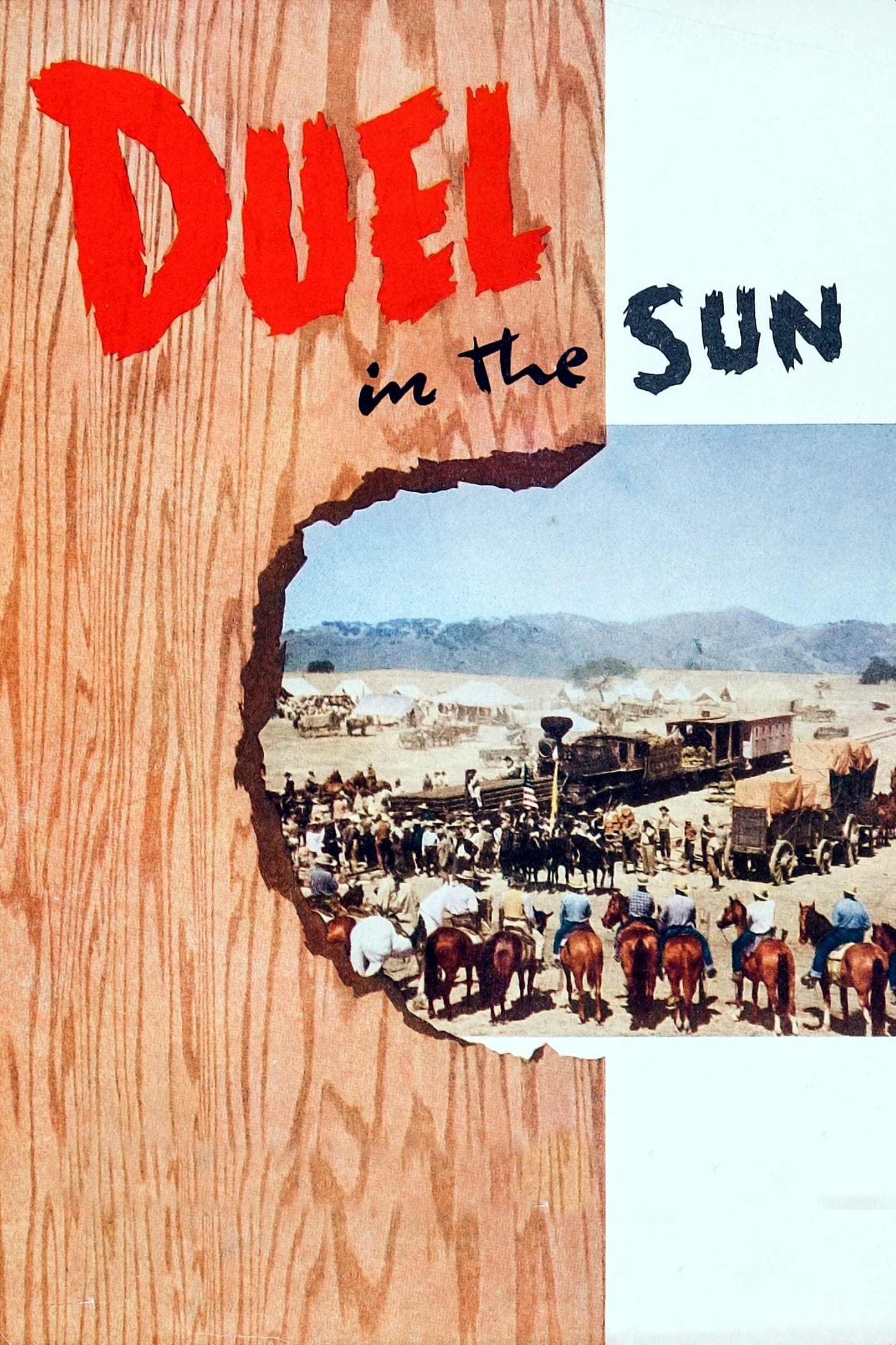
This epic Western was nicknamed “Lust in the Dust” due to its suggestive content and intense romantic scenes. The Catholic Legion of Decency condemned the film, leading to bans in several American cities and threats of boycotts against theaters. Religious leaders found the film’s depiction of passion and morality to be inconsistent with Christian teachings. Producer David O. Selznick was forced to make numerous cuts to the film to appease these religious authorities and allow for a broader distribution. The ban highlighted the ongoing tension between Hollywood’s commercial interests and religious moral oversight.
‘Island of Lost Souls’ (1932)
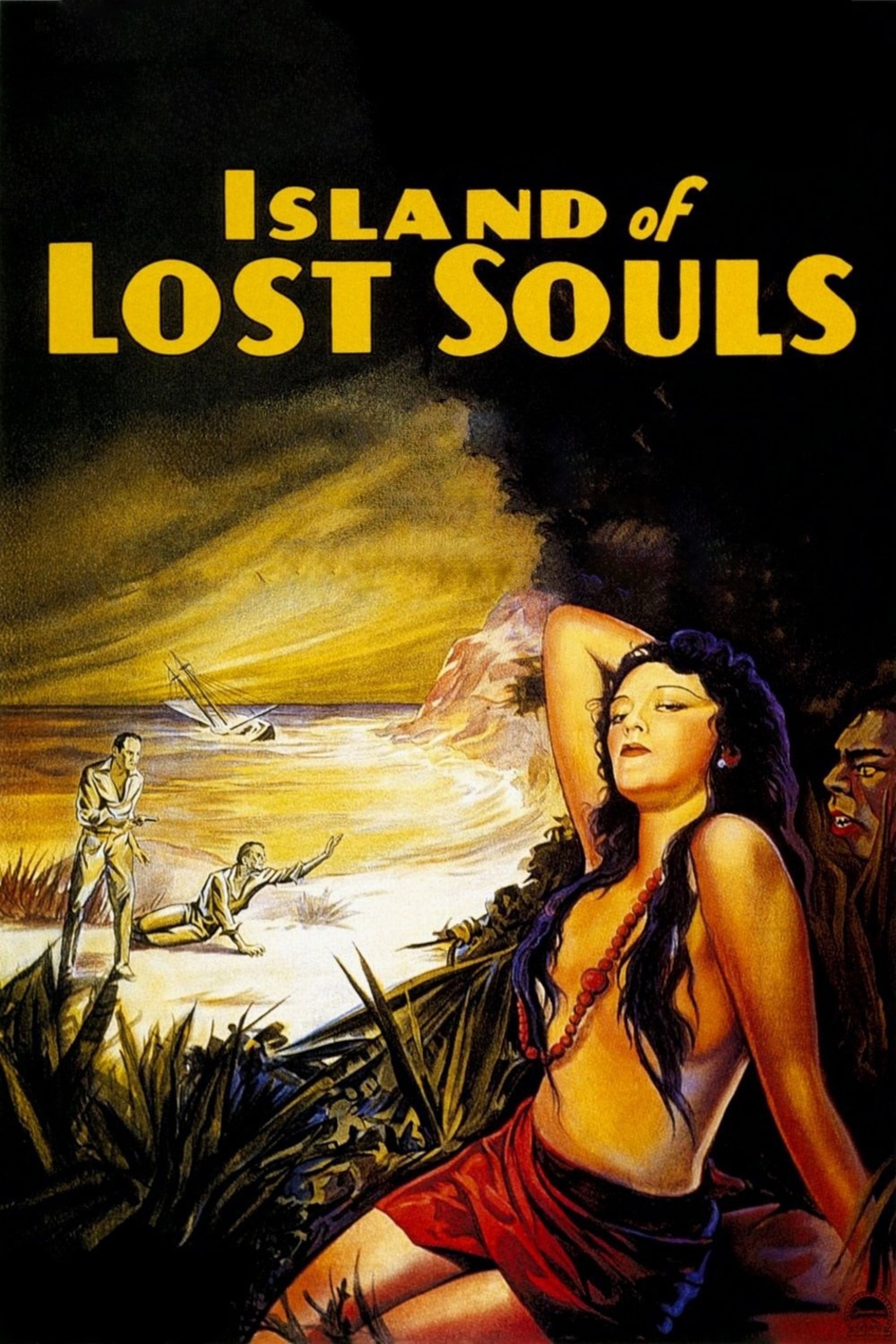
This adaptation of H.G. Wells’s ‘The Island of Doctor Moreau’ was banned in several U.S. cities for “defying the laws of God.” Censors and religious groups were appalled by the film’s themes of humans “playing God” through scientific experimentation and evolution. The depiction of man-beast hybrids was considered sacrilegious and an affront to the divine order of creation. The film was restricted in many jurisdictions for decades, and it remained one of the most heavily censored horror films of the Pre-Code era. Its religious bans were a direct response to its perceived scientific arrogance.
‘Rain’ (1932)

Joan Crawford starred in this talkie remake of ‘Sadie Thompson’, which faced similar religious opposition as its predecessor. The film’s portrayal of a missionary who succumbs to his own lust was deemed an insult to religious institutions by several municipal censorship boards. Local bans were enacted in various parts of the country to prevent the public from seeing a man of God in such a negative light. Religious organizations argued that the film undermined the authority and moral standing of the clergy. The film’s limited availability during its initial release was a direct result of these localized religious bans.
‘The Story of Temple Drake’ (1933)
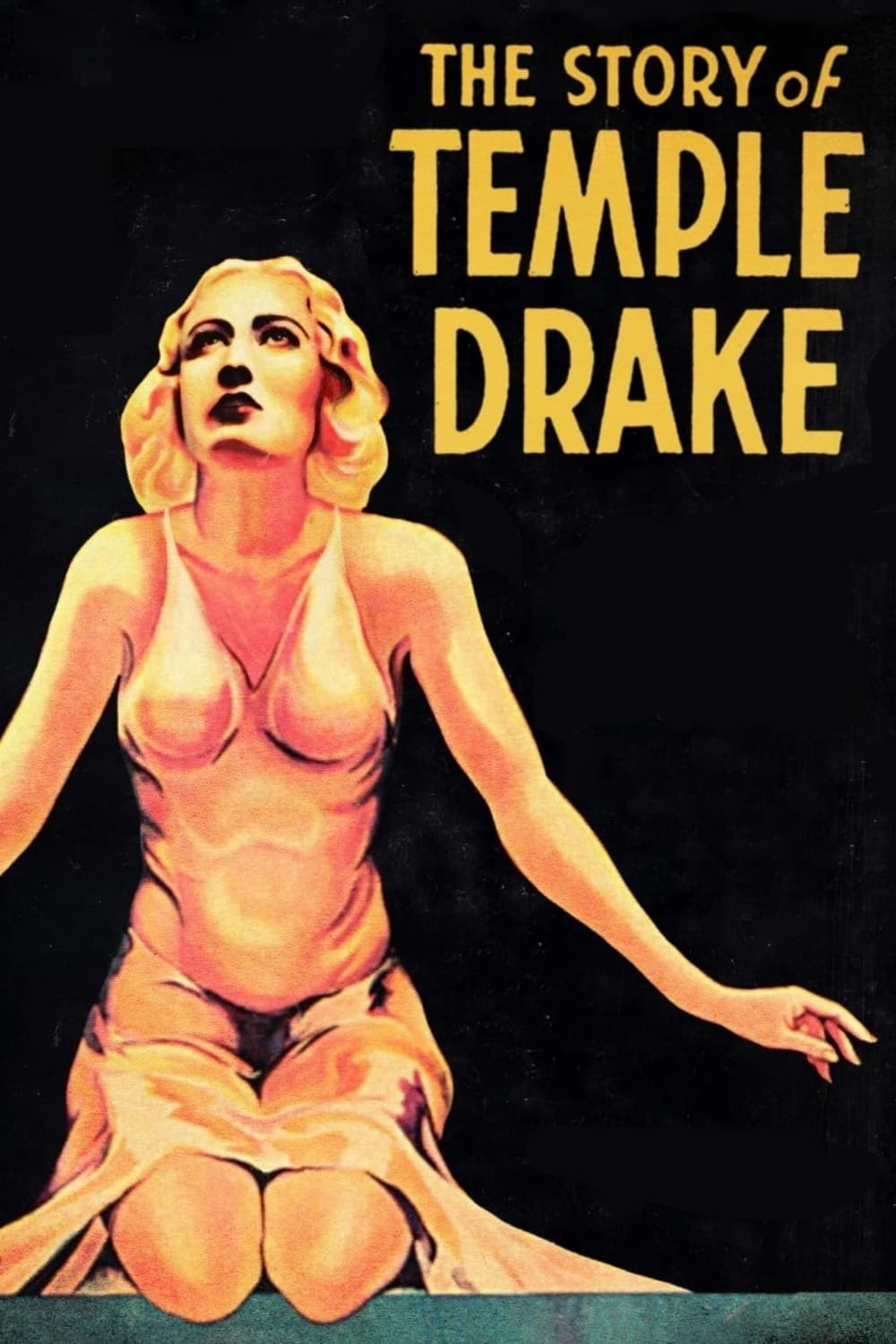
Based on William Faulkner’s novel ‘Sanctuary’, this film’s depiction of sexual violence and moral decay led to a massive outcry from religious groups. It was banned in numerous American cities and became a primary target for the newly formed Legion of Decency. Religious leaders cited the film as a prime example of why stricter censorship was needed to protect the moral fiber of the nation. The backlash against this film was so severe that it contributed to the strict enforcement of the Production Code in 1934. It remained out of circulation for decades due to its controversial reputation.
‘Martin’ (1977)
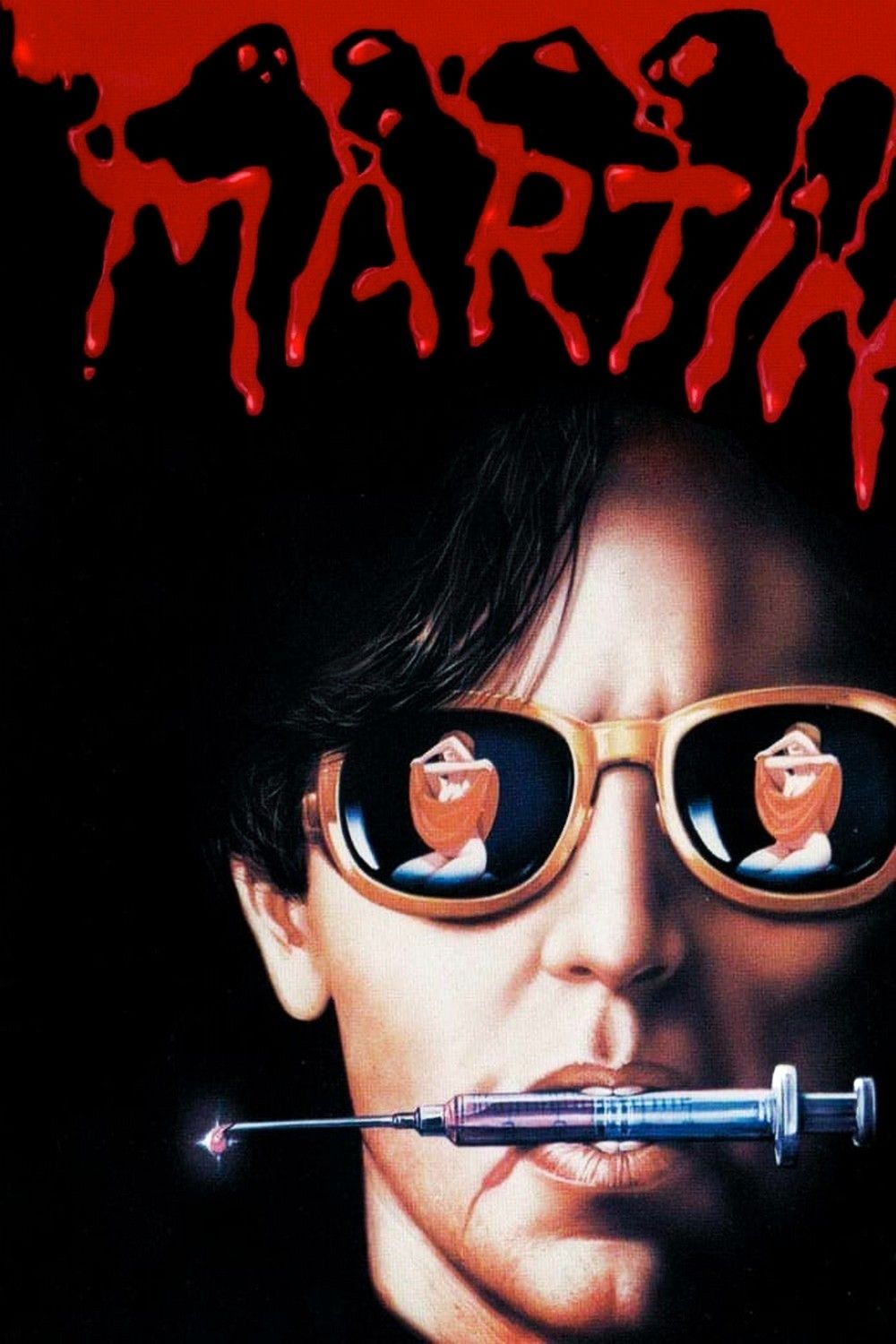
George A. Romero’s film about a young man who believes he is a vampire explores themes of religious obsession and the loss of faith. The film faced local bans and screening blocks in certain conservative regions of the United States due to its graphic content and its subversion of religious motifs. Local authorities and religious groups found the film’s critique of traditional religious structures to be offensive. The movie’s depiction of bloodletting within a religious context was particularly polarizing for censors. These localized restrictions made the film a difficult find for audiences outside of major urban centers.
‘The Decameron’ (1971)
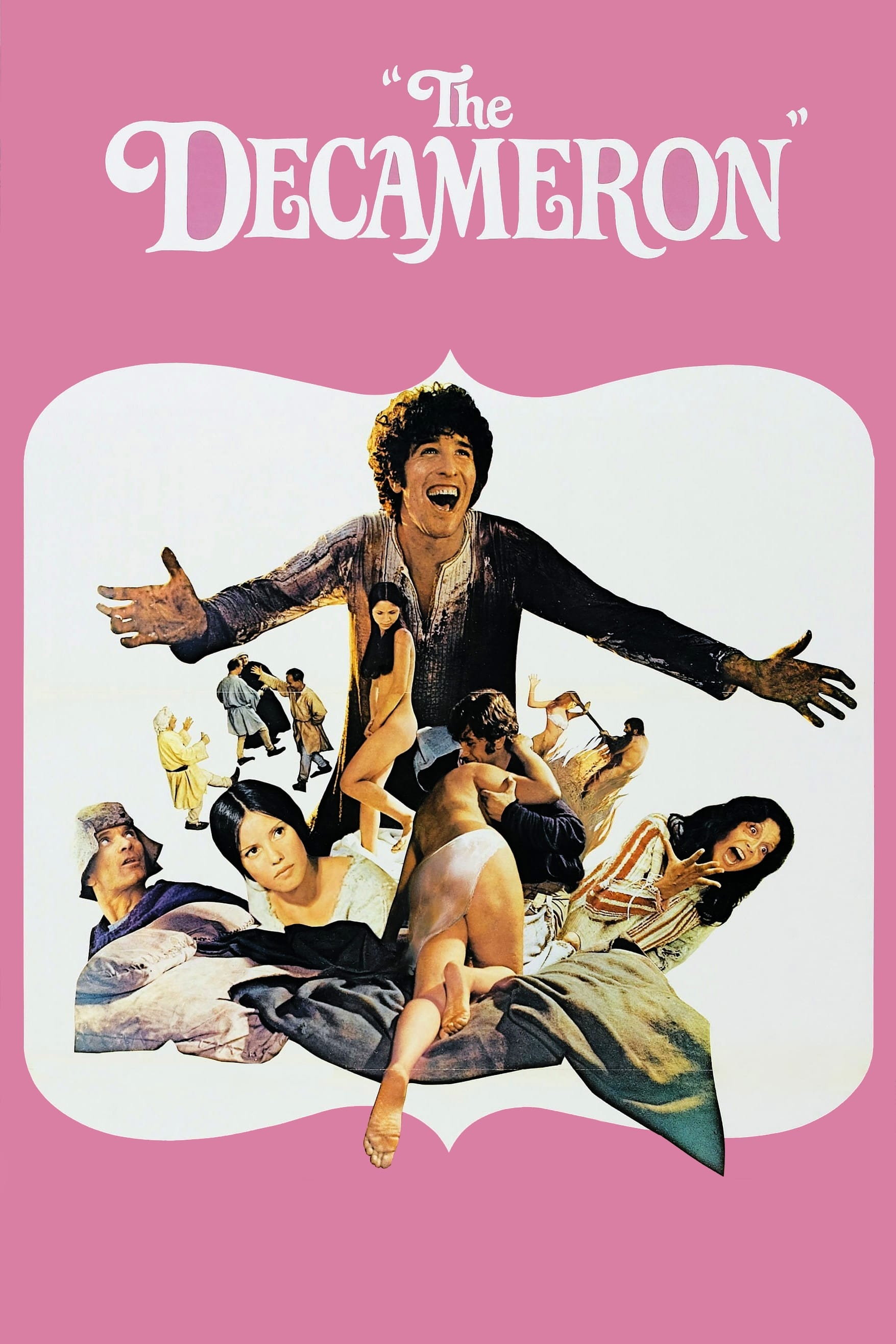
Another film by Pier Paolo Pasolini, this adaptation of Boccaccio’s stories features several tales that mock the hypocrisy of the medieval clergy. The film’s mixture of nudity and anti-clerical humor led to its ban in several U.S. cities on the grounds of obscenity and sacrilege. Religious organizations picketed theaters and pressured local officials to revoke screening permits. Pasolini’s intentional blurring of the sacred and the profane was a direct challenge to the religious sensibilities of the time. The film’s distribution in America was marked by frequent legal challenges and seizures.
‘Pink Flamingos’ (1972)
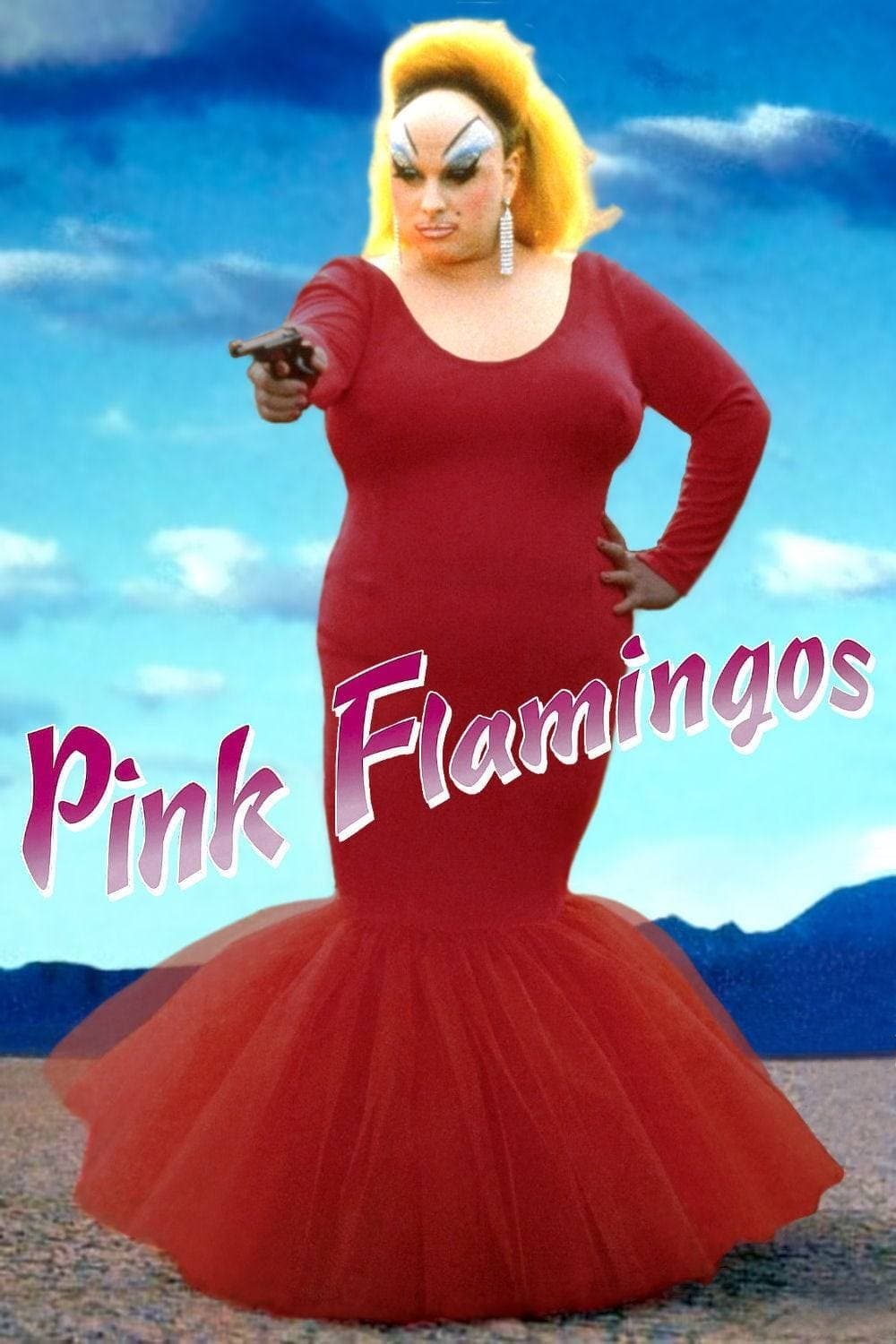
John Waters’s transgressive masterpiece was banned in several American cities for being both sacrilegious and obscene. The film contains imagery that local censorship boards found to be a deliberate insult to religious and moral standards. Several municipalities utilized laws prohibiting the exhibition of sacrilegious material to prevent the film from playing in local cinemas. While the film eventually became a celebrated cult classic, its early history was defined by legal battles and religious condemnation. The bans were often cited as a reaction to the film’s extreme rejection of traditional values.
‘The Sin of Madelon Claudet’ (1931)
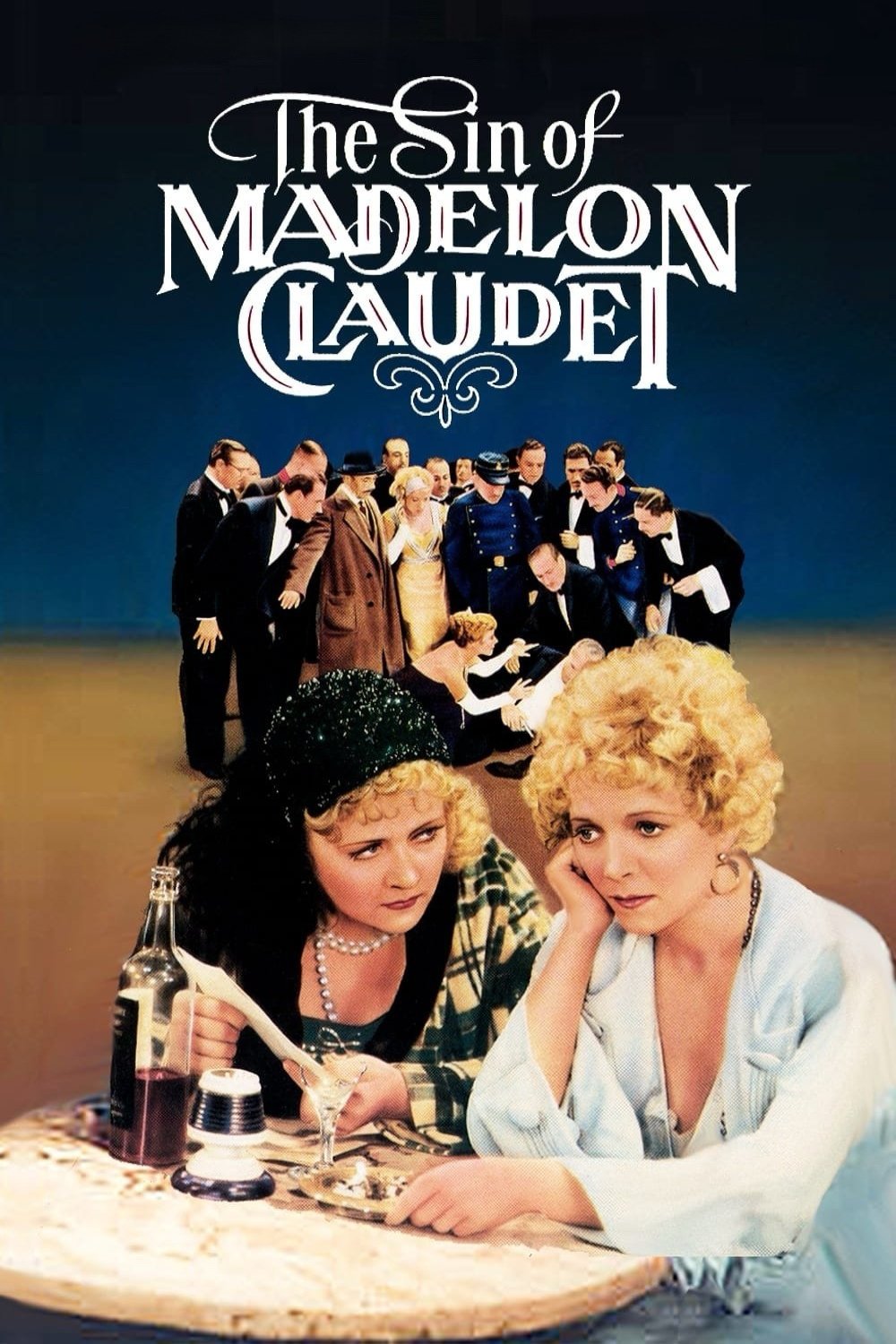
This film follows a woman who turns to a life of crime and sin to support her son, eventually finding redemption in a way that bothered religious censors. Upon its release, several local boards banned the film for its “immoral” depiction of motherhood and its failure to provide a sufficiently religious moral lesson. The Catholic Church and other religious groups argued that the film’s ending was insufficient in condemning the protagonist’s actions. These bans were part of a broader movement to ensure that films adhered to a strict religious-moral framework. The film had to be modified in various jurisdictions to meet these localized demands.
‘…And God Created Woman’ (1956)

This Brigitte Bardot vehicle was a lightning rod for controversy in the United States due to its frank depiction of female sexuality. The Legion of Decency condemned the film, leading to bans in cities like Lake Placid, New York, and various municipalities in the South. Religious leaders argued that the film promoted paganism and was a direct threat to the Christian sanctity of marriage. The film’s distributor was involved in several legal battles to overturn these local bans, which were based on the film’s perceived immorality. The controversy helped the film become a massive box office hit elsewhere, sparking the “foreign film” craze in America.
Tell us in the comments what you think about these controversial films and the history of censorship in the United States.

