


Movies That Were Clearly Money Laundering Schemes




The film industry often involves complex financial structures and international funding, but occasionally, the line between aggressive accounting and criminal activity is crossed. Over the years, several high-profile and independent productions have been scrutinized for their roles in money laundering and tax evasion. Federal investigations and court documents have revealed instances where movies served as vehicles to hide the origins of illicit funds or to fraudulently claim government tax incentives. These cases range from massive international political scandals to small-scale independent operations that existed only on paper.
‘The Wolf of Wall Street’ (2013)
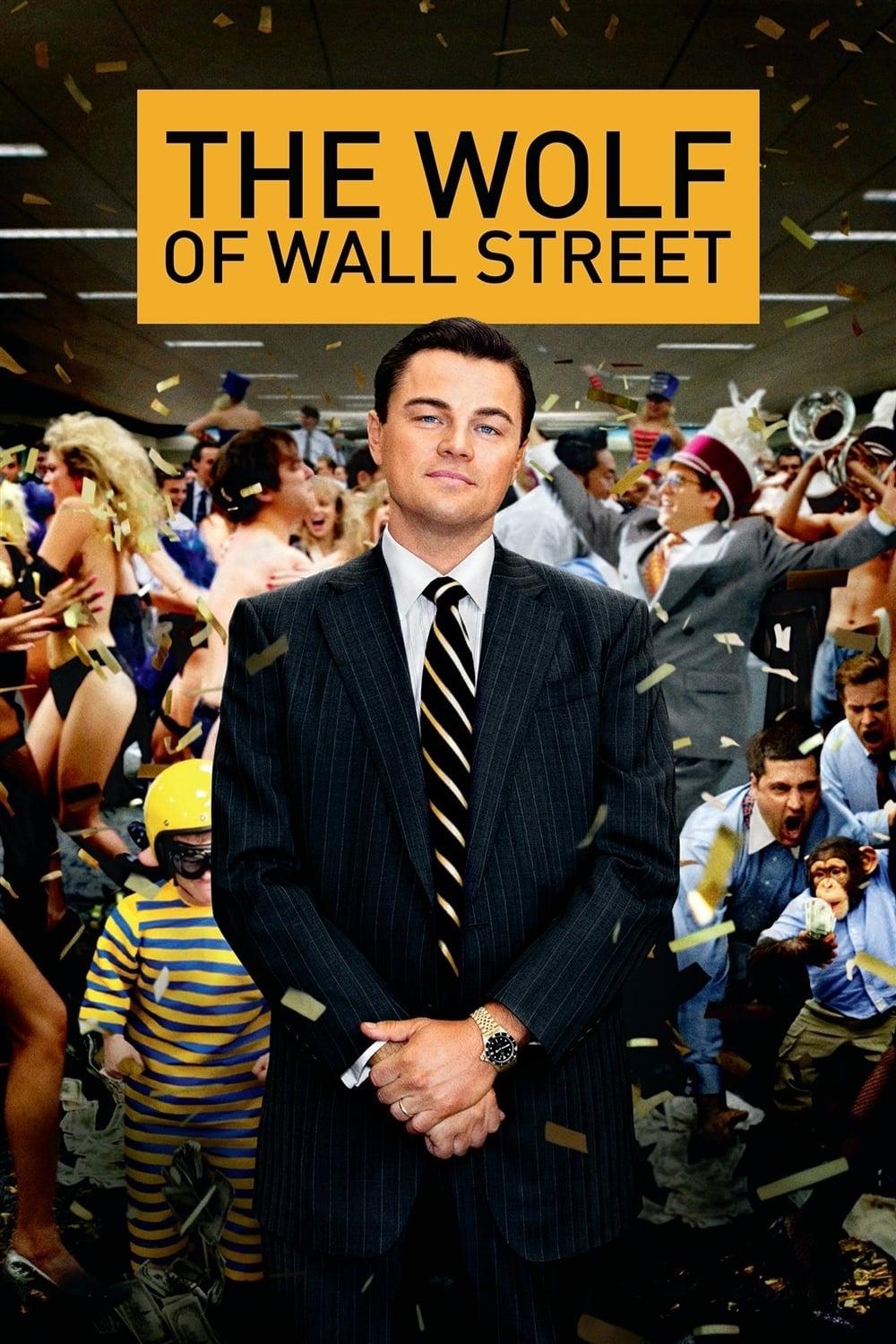
This Academy Award-nominated film was at the center of the 1Malaysia Development Berhad scandal, also known as the 1MDB heist. Federal investigators determined that over $100 million used to produce the movie was siphoned from a Malaysian state investment fund. Red Granite Pictures, co-founded by Riza Aziz, settled with the United States Department of Justice for $60 million to resolve claims of laundering stolen money. The investigation even led to actor Leonardo DiCaprio surrendering a Picasso painting and an Oscar that were gifted to him by the financiers.
‘Dumb and Dumber To’ (2014)

The sequel to the 1994 comedy hit was also caught in the crosshairs of the 1MDB investigation involving Red Granite Pictures. United States authorities filed civil forfeiture complaints to seize the rights and future profits of the film, alleging they were acquired with misappropriated foreign funds. Prosecutors detailed how tens of millions of dollars were laundered through shell companies before being invested in the production. The settlement reached by the production company ultimately included the relinquishment of rights associated with this specific project.
‘Daddy’s Home’ (2015)

Starring Will Ferrell and Mark Wahlberg, this family comedy was another project identified by the Department of Justice as being funded with illicit Malaysian capital. The 1MDB investigation revealed that the money used to bankroll the film came from a web of offshore accounts managed by fugitive financier Jho Low. These funds were intended for Malaysian economic development but were instead diverted to Hollywood productions. As with other Red Granite titles, the movie’s financial history remains linked to one of the largest kleptocracy cases in global history.
‘Horns’ (2013)

This dark fantasy film featuring Daniel Radcliffe was part of the initial wave of productions financed by Red Granite Pictures using disputed funds. While the creative team and cast were not implicated in the wrongdoing, the company’s internal ledger became a primary focus for federal agents tracking the 1MDB money trail. The film represents the early efforts of the production company to establish itself as a major Hollywood player through the use of massive, unverified capital. It remains cited in legal documentation regarding the systematic embezzlement of the Malaysian sovereign wealth fund.
‘Out of the Furnace’ (2013)
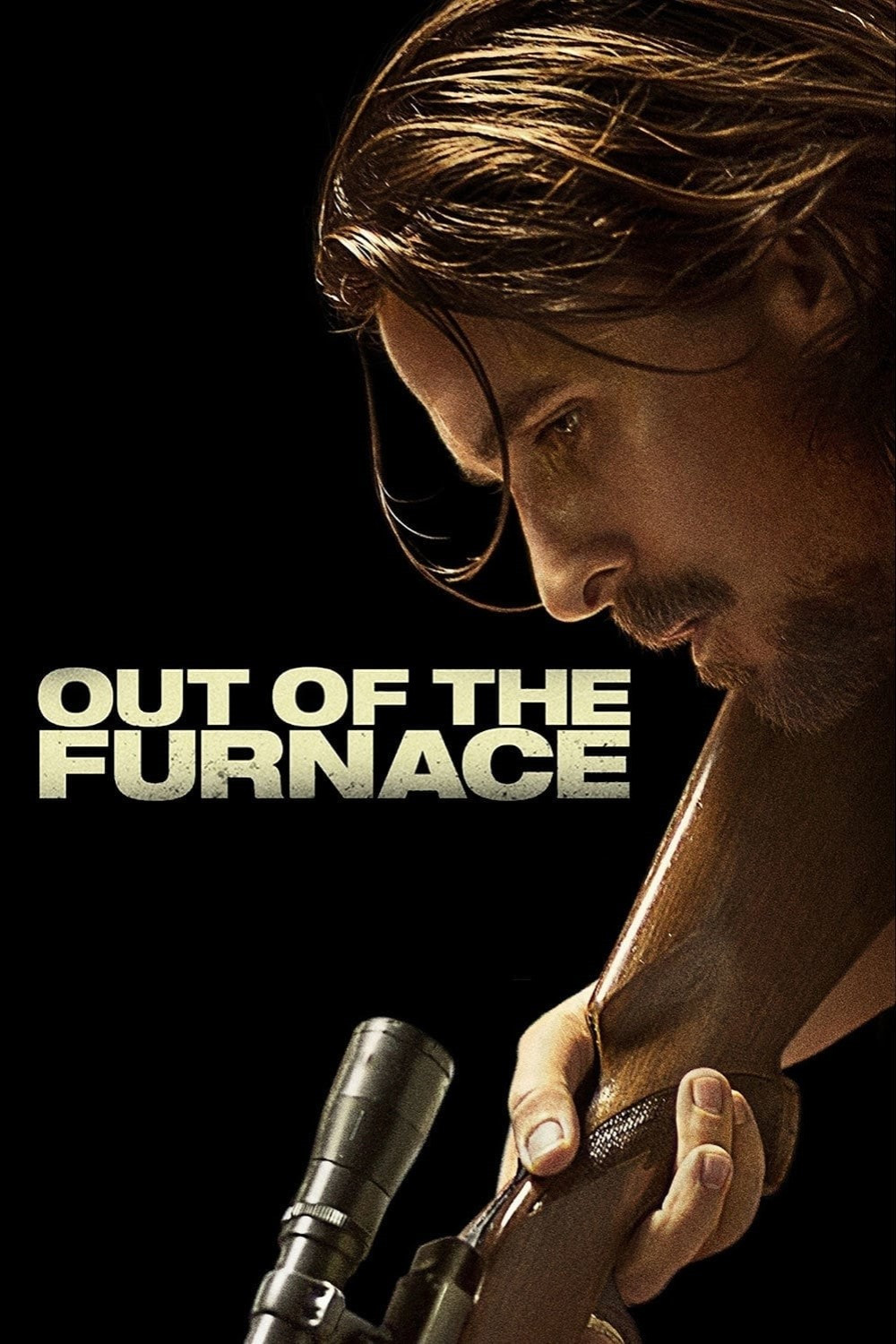
Red Granite Pictures served as an executive producer on this gritty thriller, which starred Christian Bale and Woody Harrelson. During the 1MDB trials, it was revealed that the production company utilized misappropriated funds to secure high-profile talent and distribution deals. Federal prosecutors alleged that the money funneled into the film was part of a larger scheme to legitimize billions of dollars stolen from the Malaysian public. The film’s inclusion in the Department of Justice complaint highlighted the broad reach of the laundering operation across various genres.
‘Friends with Kids’ (2011)
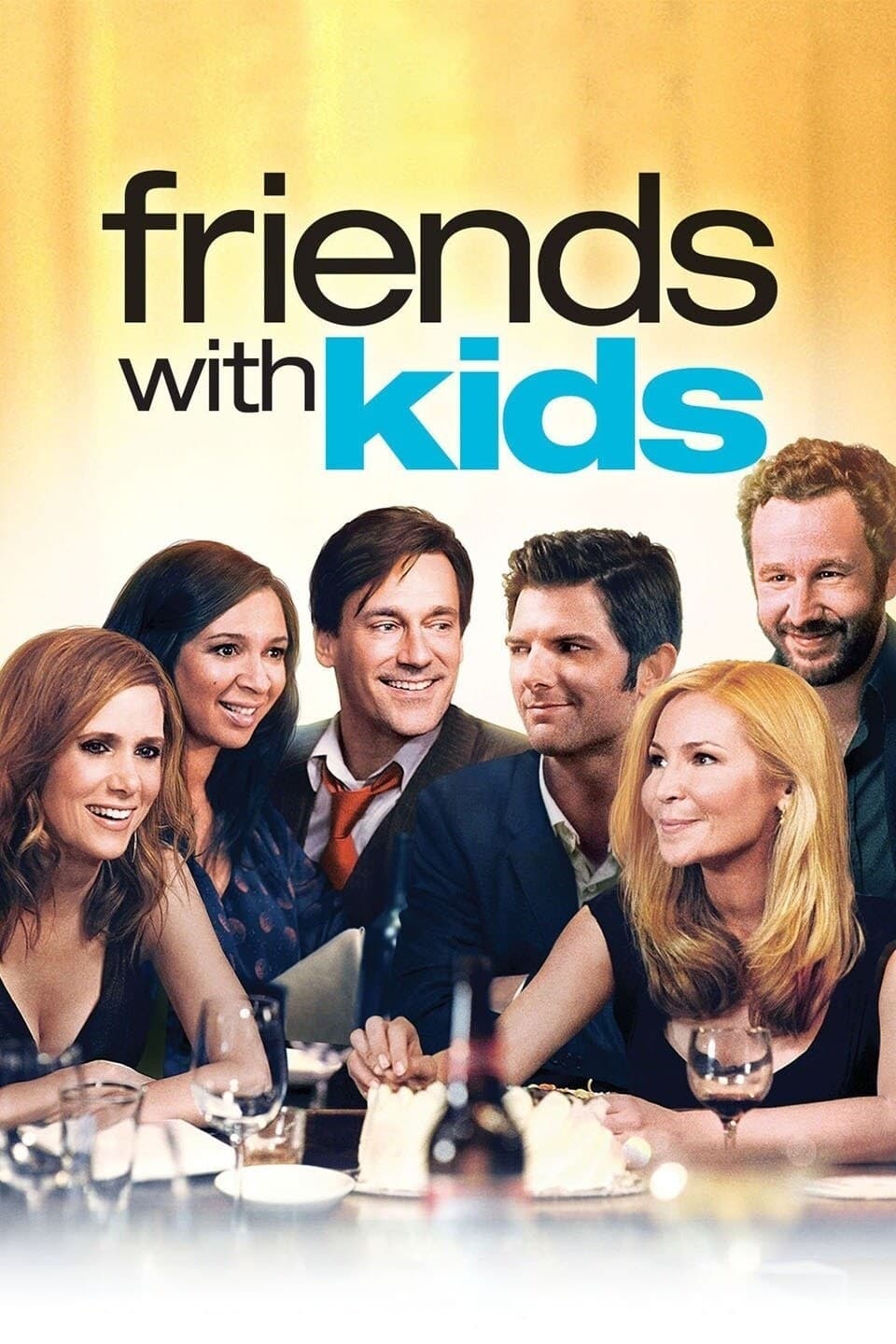
This romantic comedy was the debut production for Red Granite Pictures and served as the entry point for the company into the American film market. At the time of its release, the sudden appearance of a deep-pocketed production company with no prior history raised eyebrows among industry veterans. Later investigations confirmed that the company’s launch and its first films were backed by money tied to the 1MDB scandal. The film’s financing served as an early example of how illicit funds could be used to purchase legitimacy in the entertainment industry.
‘Papillon’ (2017)
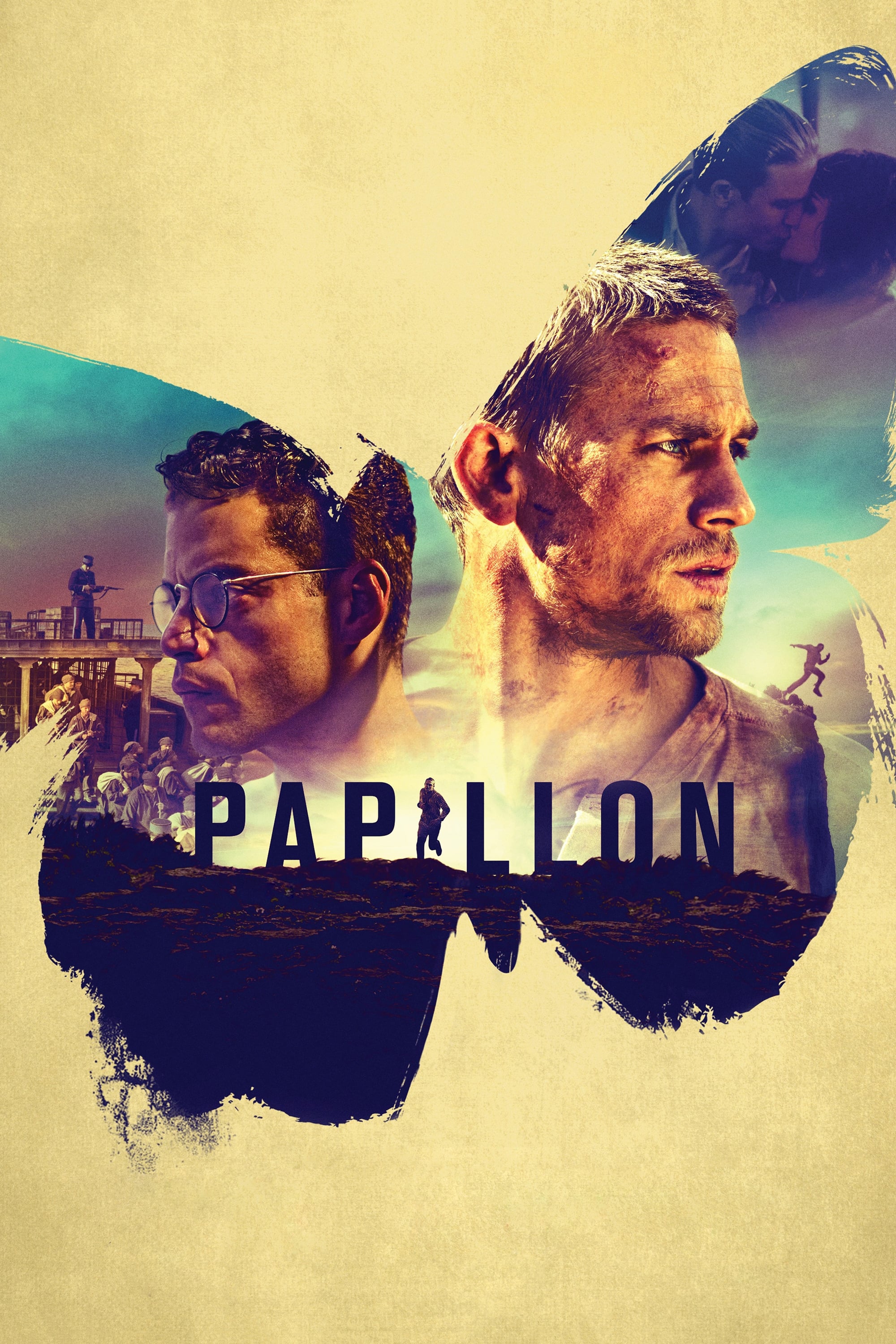
A remake of the 1973 classic, this film was one of the last projects associated with Red Granite Pictures before the company was dissolved following the 1MDB fallout. The production relied on the same controversial funding sources that triggered global criminal investigations. While the film was released theatrically, its financial legacy is overshadowed by the arrest and charging of the company’s co-founders. The legal scrutiny surrounding the movie eventually led to the collapse of the studio’s ability to finance further projects.
‘My All American’ (2015)

The distribution and marketing of this sports drama were funded through a fraudulent scheme orchestrated by William Sadleir, the former CEO of Aviron Pictures. Sadleir was charged by the Department of Justice for embezzling nearly $14 million from an investment fund to pay for personal luxury expenses and a Beverly Hills estate. He allegedly used a sham company to create fake invoices for advertising services that were never actually provided to the film. This case exposed how movie distribution budgets could be manipulated to mask the theft of investor capital.
‘Kidnap’ (2017)

This thriller starring Halle Berry became part of a larger federal fraud case involving Aviron Pictures and its leadership. Prosecutors alleged that the company’s executive misappropriated millions of dollars in media credits that were supposed to be used for the film’s promotion. By creating a character named ‘Amanda Stevens’ and posing as her in emails, the CEO managed to deceive investors about where their money was going. The film’s financial records were used as evidence of a multi-year conspiracy to defraud a New York-based investment fund.
‘The Strangers: Prey at Night’ (2018)

As another title distributed by Aviron Pictures, this horror sequel was linked to the fraudulent financial activities of William Sadleir. The Department of Justice documented how the company’s leadership laundered investor money through accounts that appeared to be for legitimate media agencies but were actually controlled by the CEO. These activities included the creation of forged documents to satisfy the requirements of a $75 million investment. The film’s release was financially underpinned by funds that were later proven to be part of an elaborate embezzlement operation.
‘A Private War’ (2018)

This biographical drama about journalist Marie Colvin was among the films cited in the criminal indictment against the head of Aviron Pictures. While the film received critical acclaim for its storytelling, its backend financial operations were riddled with fraudulent schemes involving sham advertising credits. Investigators discovered that the funds allocated for the film’s theatrical release were frequently diverted into the CEO’s personal accounts. This case served as a prominent example of how even prestige films can be utilized as cover for white-collar crime.
‘Destination Wedding’ (2018)

Featuring Keanu Reeves and Winona Ryder, this romantic comedy’s distribution was managed by the scandal-ridden Aviron Pictures. The company’s fraudulent practices involved promising investors that their capital would be spent on “P&A” or prints and advertising, which is a standard industry expense. However, federal charges revealed that significant portions of these funds were actually laundered to support a lavish lifestyle for the company’s founder. The movie’s accounting was eventually unpicked by the FBI as part of a $30 million fraud investigation.
‘Serenity’ (2019)

This thriller was one of the final films handled by Aviron Pictures before the federal arrest of its chief executive. The movie’s financial structure was part of a larger $75 million investment scheme that was later found to be based on forged records and shell companies. Prosecutors noted that the CEO used his “talent for selling stories” to convince large funds to invest in movies that were effectively fronting for theft. The legal fallout eventually led to a guilty plea for wire fraud related to the handling of the film’s budget.
‘After’ (2019)

The distribution of this successful teen drama was overseen by the same leadership that was later convicted of defrauding BlackRock and other investment groups. Authorities alleged that the revenue and expenses associated with the film were part of a deceptive accounting practice designed to hide multi-million dollar embezzlements. The CEO of the distribution company reportedly used a fake identity to communicate with lenders while moving money into personal accounts. Despite the film’s box office success, its internal financial history remains a central piece of a major federal fraud case.
‘Chori Chori Chupke Chupke’ (2001)

This high-profile Bollywood production was at the center of a landmark case involving organized crime and film financing in India. Police arrested producer Nazim Rizvi and financier Bharat Shah, alleging that the movie was funded by the underworld don Chhota Shakeel. Taped conversations between the filmmakers and the mafia revealed that the criminal syndicate was using the movie to launder “black money” into the legitimate economy. The Indian government eventually seized the film’s prints, and it was released under court-ordered supervision after the producers were convicted.
‘Devdas’ (2002)

As one of the most expensive Indian films ever made at the time, this production faced heavy scrutiny due to its financier’s ties to criminal organizations. Bharat Shah, who bankrolled the project, was investigated and eventually convicted of concealing information regarding the underworld’s influence in the film industry. While the movie went on to be a massive commercial and critical success, its funding was repeatedly cited in trials involving the nexus between the Mumbai mafia and film studios. The case fundamentally changed how movie financing was regulated in India to prevent money laundering.
‘A Landscape of Lies’ (2011)
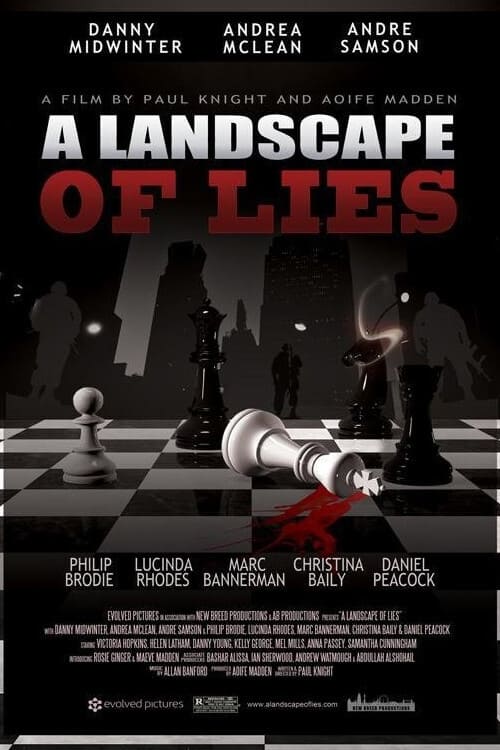
This British independent film was created as a direct cover for a multi-million pound tax fraud scheme. The producers claimed a budget of £19 million to fraudulently obtain tax credits and VAT repayments from the UK government, while only spending approximately £84,000 to actually make the movie. The cast and crew were reportedly unaware that the project was intended as an alibi to satisfy tax authorities who were investigating the suspicious claims. The producers were eventually jailed for over six years after the movie was proven to be a financial sham.
‘Whispers’ (2015)

Part of a £1 million tax fraud operation, this film was utilized by brothers Craig and Carl Rees to submit fraudulent Film Tax Relief claims. The pair claimed that the production was a British-based project to qualify for government incentives, when in reality, much of the paperwork was forged. Investigators discovered that the brothers had inflated their expenses and created a façade of legitimacy to steal public funds. The scheme was eventually dismantled by HM Revenue and Customs, leading to a 14-year total prison sentence for the brothers.
‘Starsuckers’ (2009)
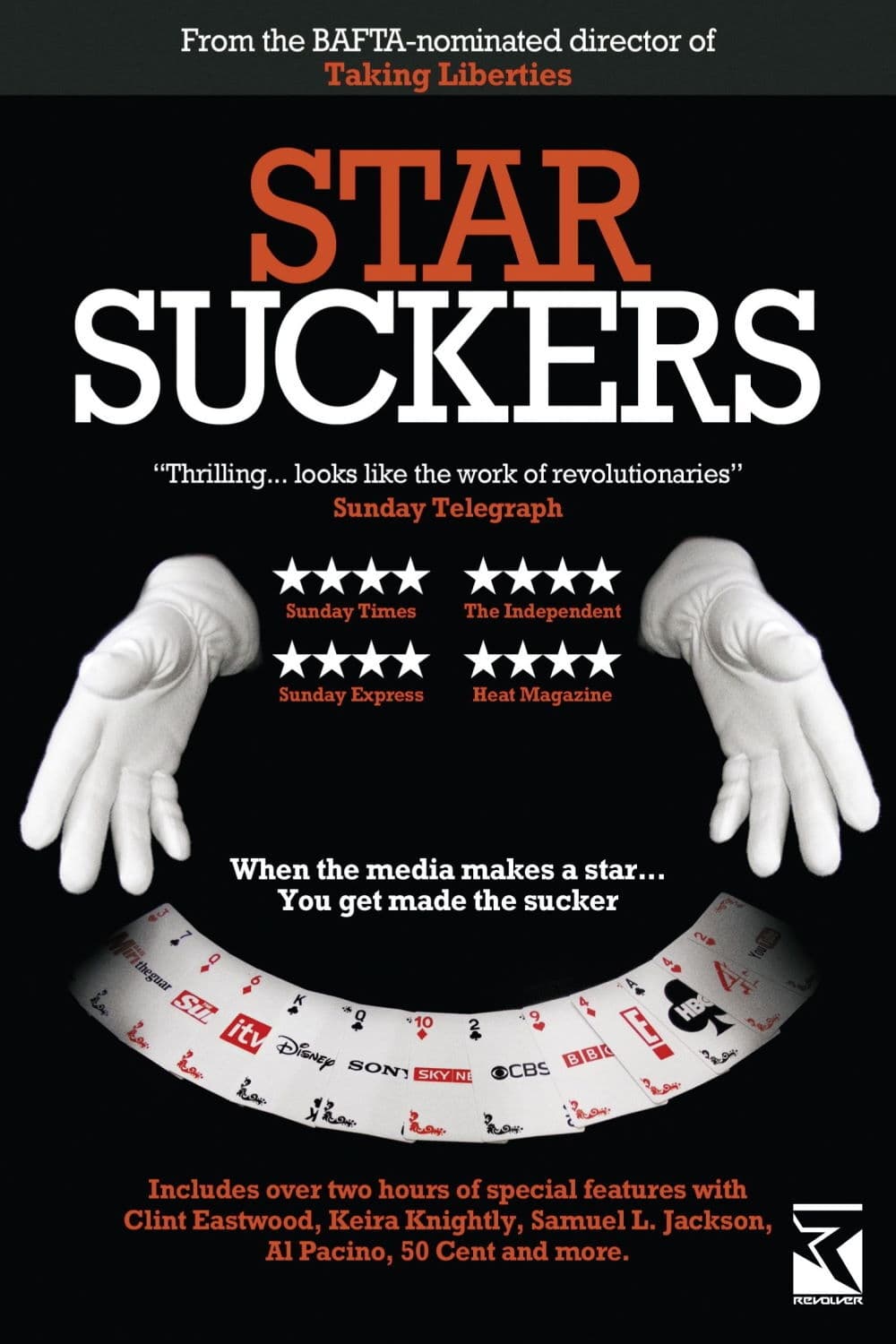
While this was a legitimate documentary, its production was used by an accountant to anchor a £2.2 million tax scam. The producers were found to have submitted vastly inflated invoices to tax authorities to allow wealthy investors to claim massive tax relief. The court heard that the investors were “motivated by pure greed” and had no real interest in the film industry other than the financial returns from the fraud. The ringleader of the scheme, a former partner at a major accounting firm, was eventually jailed for eight years.
‘Alone in the Dark’ (2005)

Directed by Uwe Boll, this video game adaptation was financed using a controversial German tax law that allowed investors to write off 100% of their investment. This loophole effectively made it more profitable for wealthy Germans to invest in a box-office failure than a success, leading many to label the productions as “tax write-off schemes.” While legal at the time, the government eventually closed the loophole in 2005 due to its widespread abuse by filmmakers who ignored market viability. This film remains a prime example of the “soft money” era that prioritized production over quality.
‘BloodRayne’ (2005)

This action film utilized the same German tax shelter system to secure a high-budget cast despite a lackluster script and production plan. The financial structure allowed investors to claim immediate tax losses, which served as a major incentive for funding movies that were expected to fail at the box office. Critics often pointed to the film’s disproportionately high budget compared to its visual output as evidence of a purely financial motivation for its existence. The closing of the German tax loophole shortly after its release effectively ended this specific type of investment strategy.
‘In the Name of the King: A Dungeon Siege Tale’ (2007)

With a reported budget of $60 million, this fantasy epic was among the last major projects to benefit from the German tax incentive system. The discrepancy between its massive cost and its poor commercial performance fueled public perception that the film was a vehicle for financial maneuvering rather than art. Financial analysts noted that the production’s primary goal appeared to be the generation of tax losses for its backers. Following this film, the German government implemented much stricter regulations on film financing to prevent similar tax-driven schemes.
Share your thoughts on these infamous film scandals in the comments.

