


Movies that Were Ruined by Studio Interference



The relationship between a filmmaker and their audience is built on the expectation of quality storytelling and visual craftsmanship. Occasionally, a production goes so spectacularly wrong that the person behind the lens feels a professional obligation to address the failure directly. These public admissions of regret range from apologies for offensive casting decisions to candid confessions regarding studio interference or technical shortcomings. While some directors distance themselves from their work, others issue sincere pleas for forgiveness to the fans who spent time and money on their vision.
‘Shanghai Fortress’ (2019)
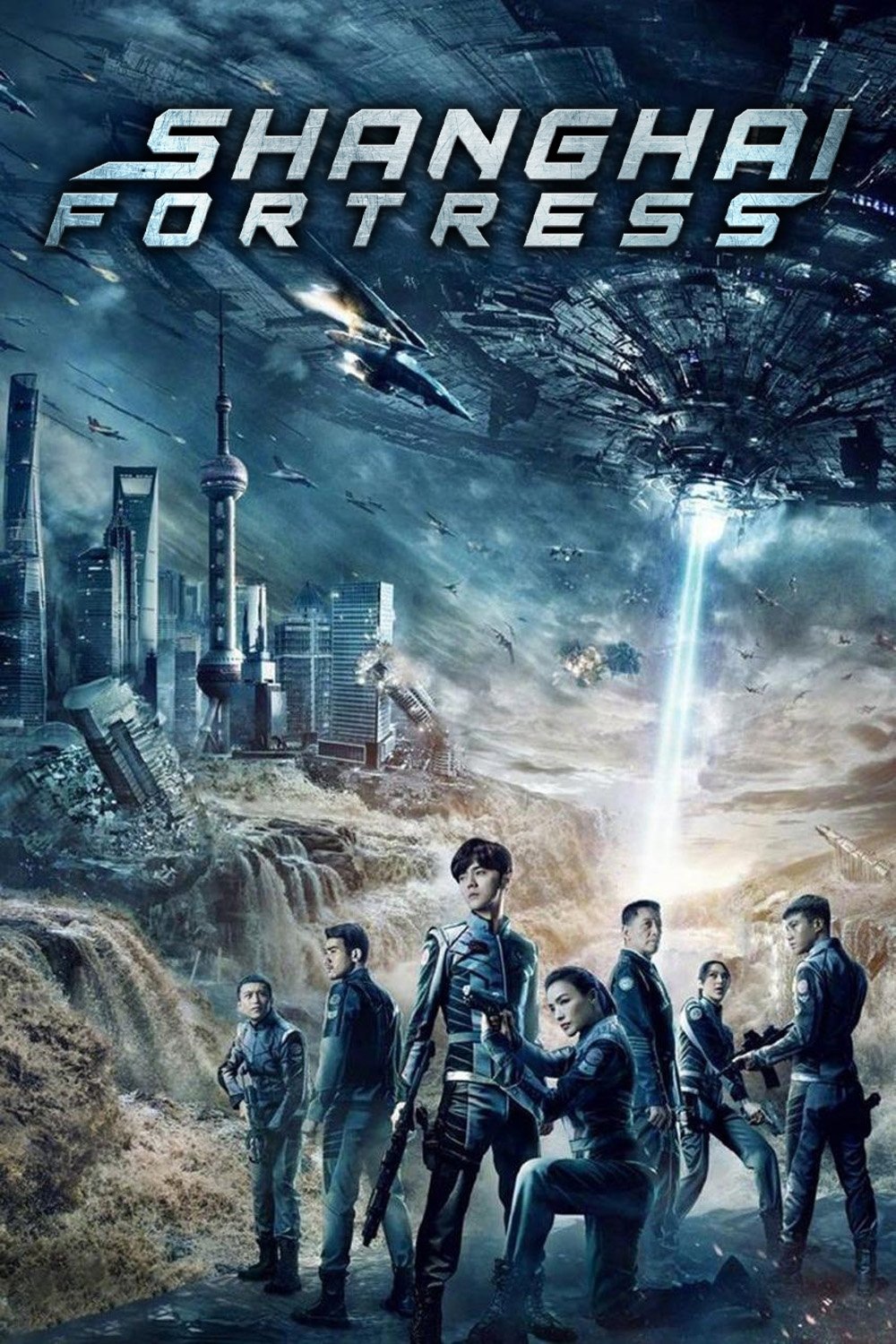
Director Teng Huatao issued a public apology on social media after this high-budget Chinese science-fiction film failed to meet expectations. The movie follows a group of young heroes defending Earth from an alien invasion, but it was heavily criticized for its inconsistent tone and weak screenplay. Huatao admitted that the film’s failure was his responsibility and expressed regret for disappointing fans of the genre. He stated that he had hoped the project would push the industry forward but acknowledged that the final product missed the mark. This rare moment of accountability from a major director highlighted the immense pressure surrounding big-budget international productions.
‘The Snowman’ (2017)
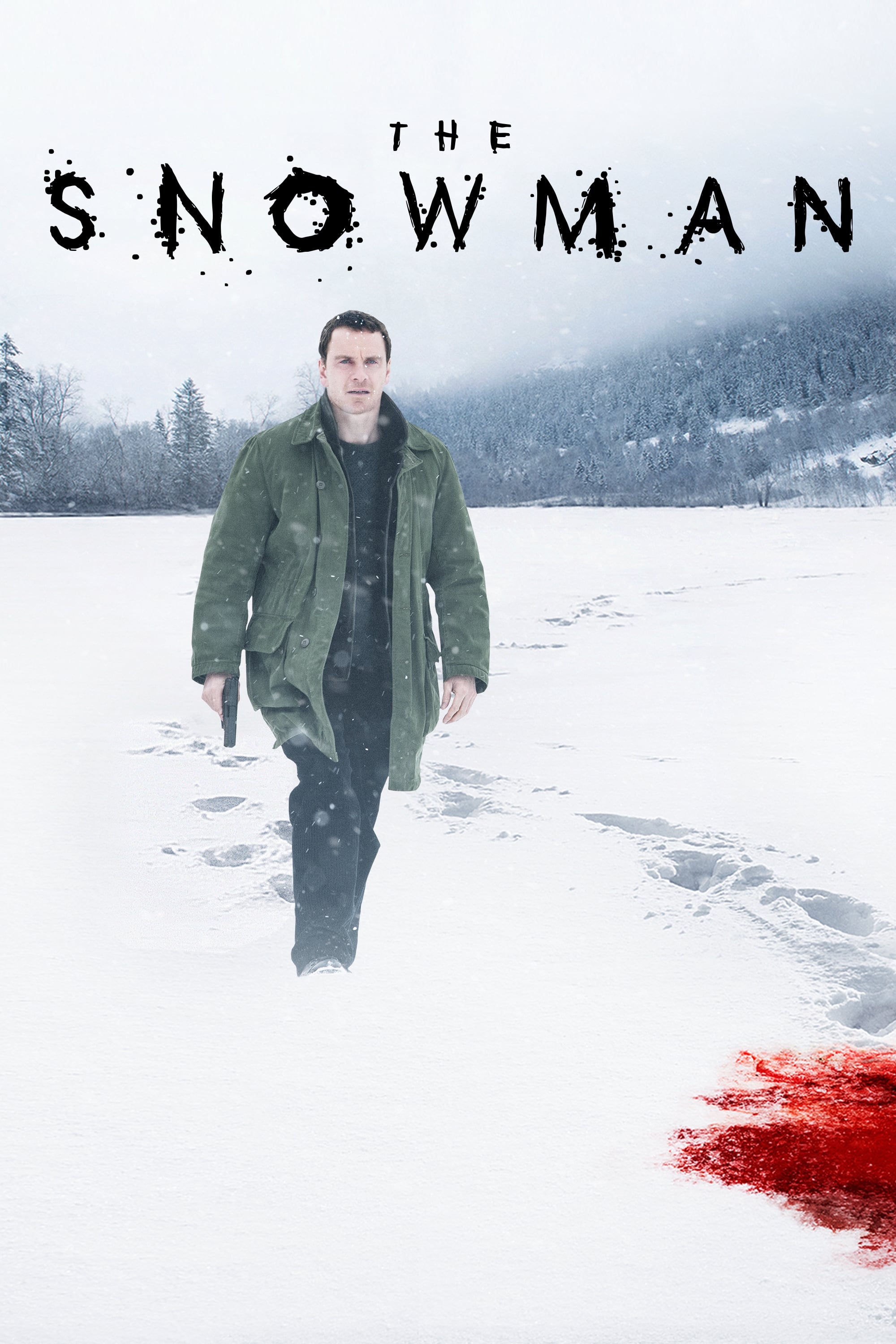
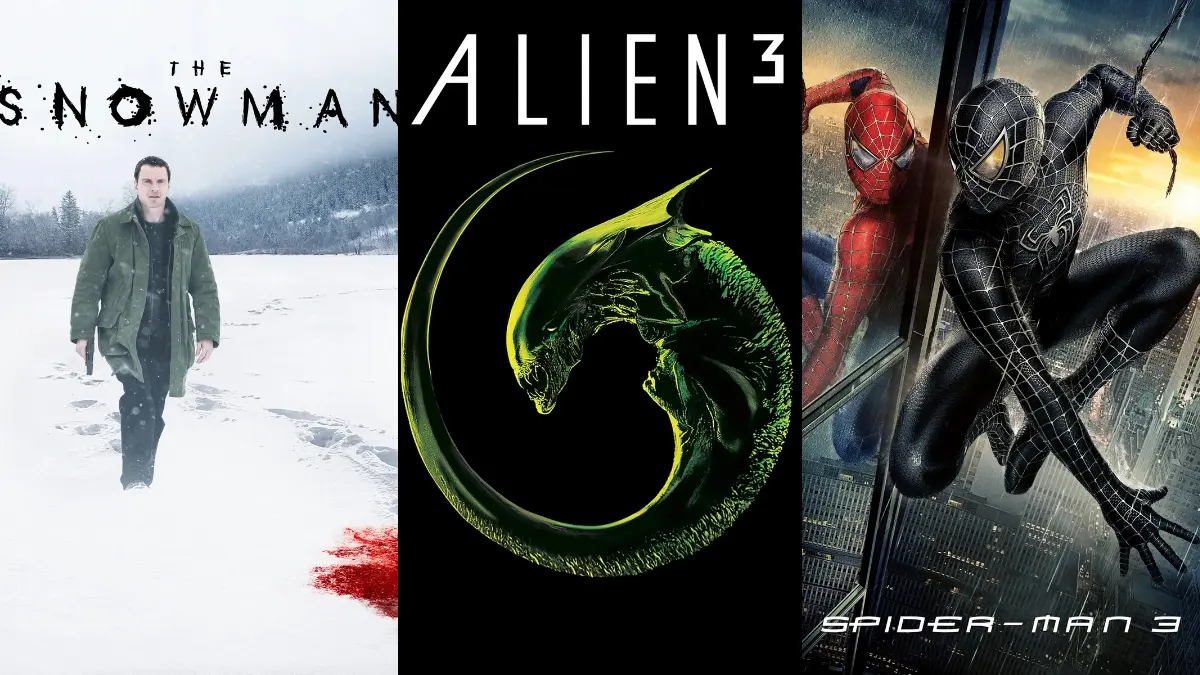
Tomas Alfredson publicly addressed the disjointed nature of this crime thriller, which was based on the popular novel by Jo Nesbø. The film stars Michael Fassbender as a detective investigating a series of gruesome murders in the snowy landscapes of Norway. Alfredson revealed that a significant portion of the script was never filmed due to a rushed production schedule in Oslo. This led to massive narrative gaps that the director admitted made the story difficult to follow for many viewers. He expressed deep disappointment that the film could not be completed to the standard he and the audience expected.
‘Gods of Egypt’ (2016)
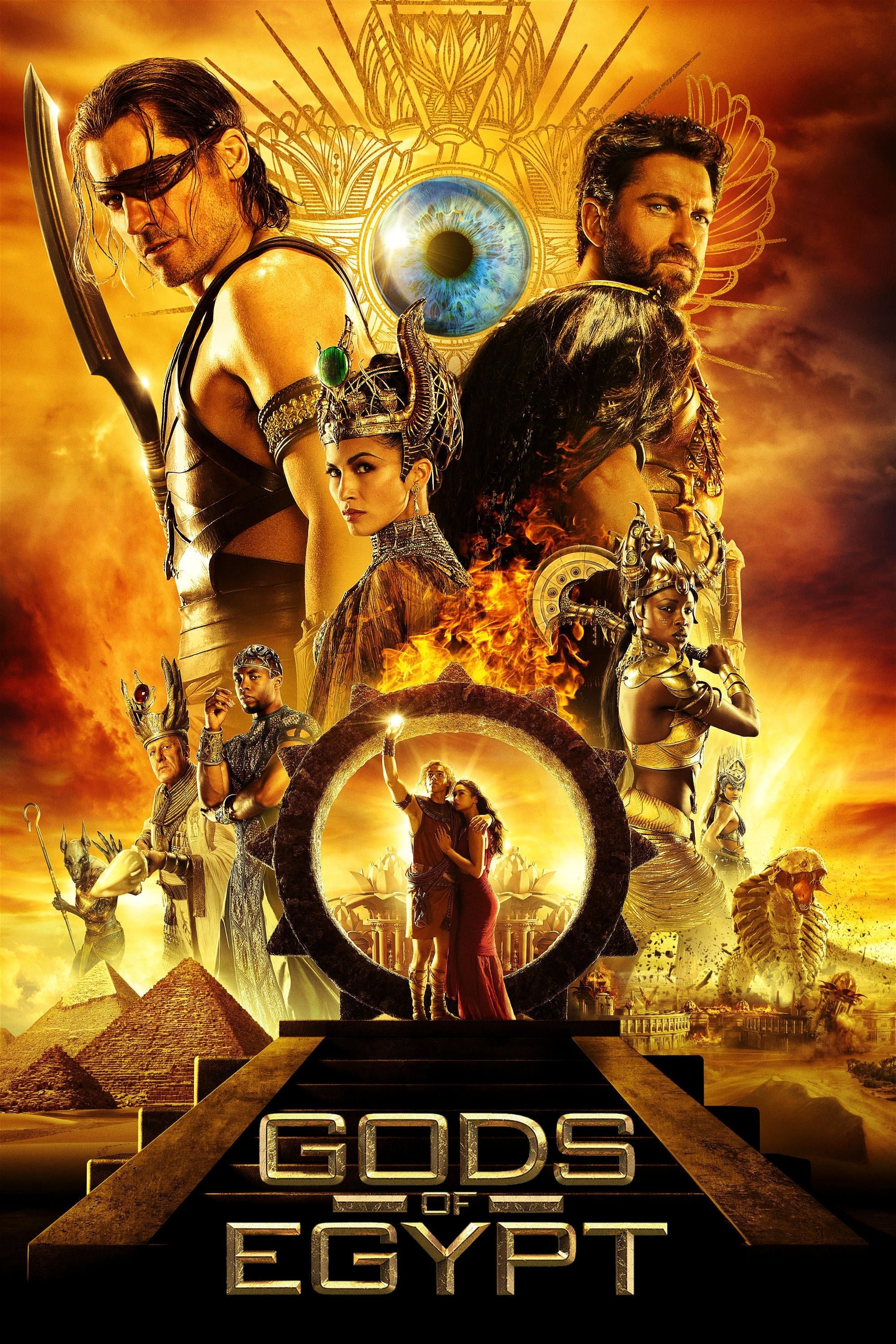
Director Alex Proyas and the studio behind this mythological epic issued an apology shortly before its release regarding the lack of diversity in the principal cast. The film depicts ancient Egyptian deities embroiled in a massive power struggle, yet the lead roles were primarily filled by white actors. Proyas acknowledged that the casting process failed to reflect the ethnic reality of the setting and apologized for the oversight. Beyond the casting controversy, the movie faced criticism for its heavy reliance on digital effects and a convoluted plot. Despite the apology, the film struggled to find an audience and was panned for its lack of cultural authenticity.
‘Fantastic Four’ (2015)
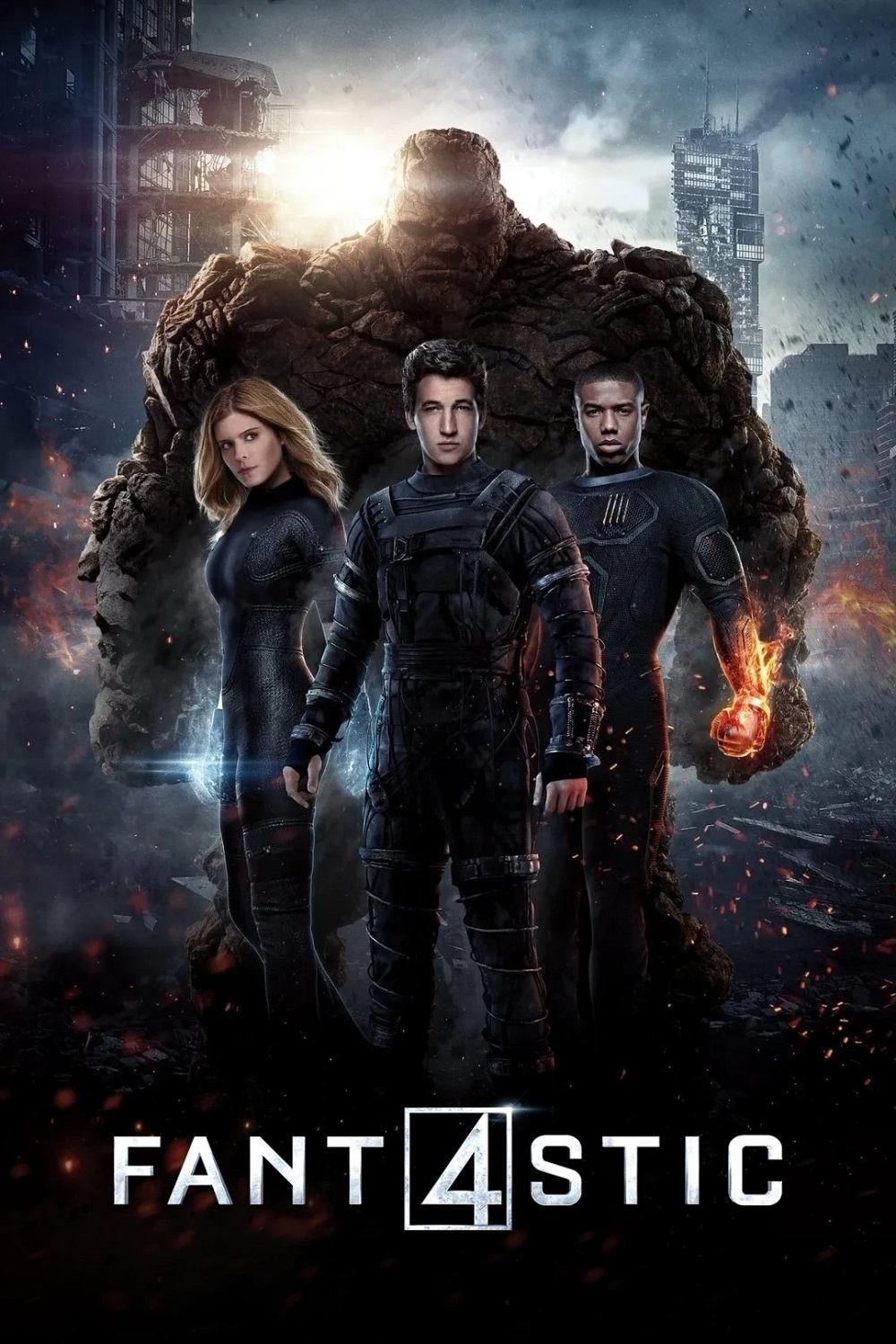
Josh Trank famously took to social media just hours before the premiere of this superhero reboot to distance himself from the theatrical cut. The film reimagines the origins of Marvel’s iconic team but suffered from a notoriously difficult production involving extensive reshoots. Trank claimed that he had a “fantastic version” of the movie a year prior that would have received better reviews than the studio-mandated final product. His public statement served as both an apology to fans and a critique of the creative compromises forced by the production process. The movie’s critical and commercial failure effectively halted plans for a direct sequel.
‘Thor: The Dark World’ (2013)
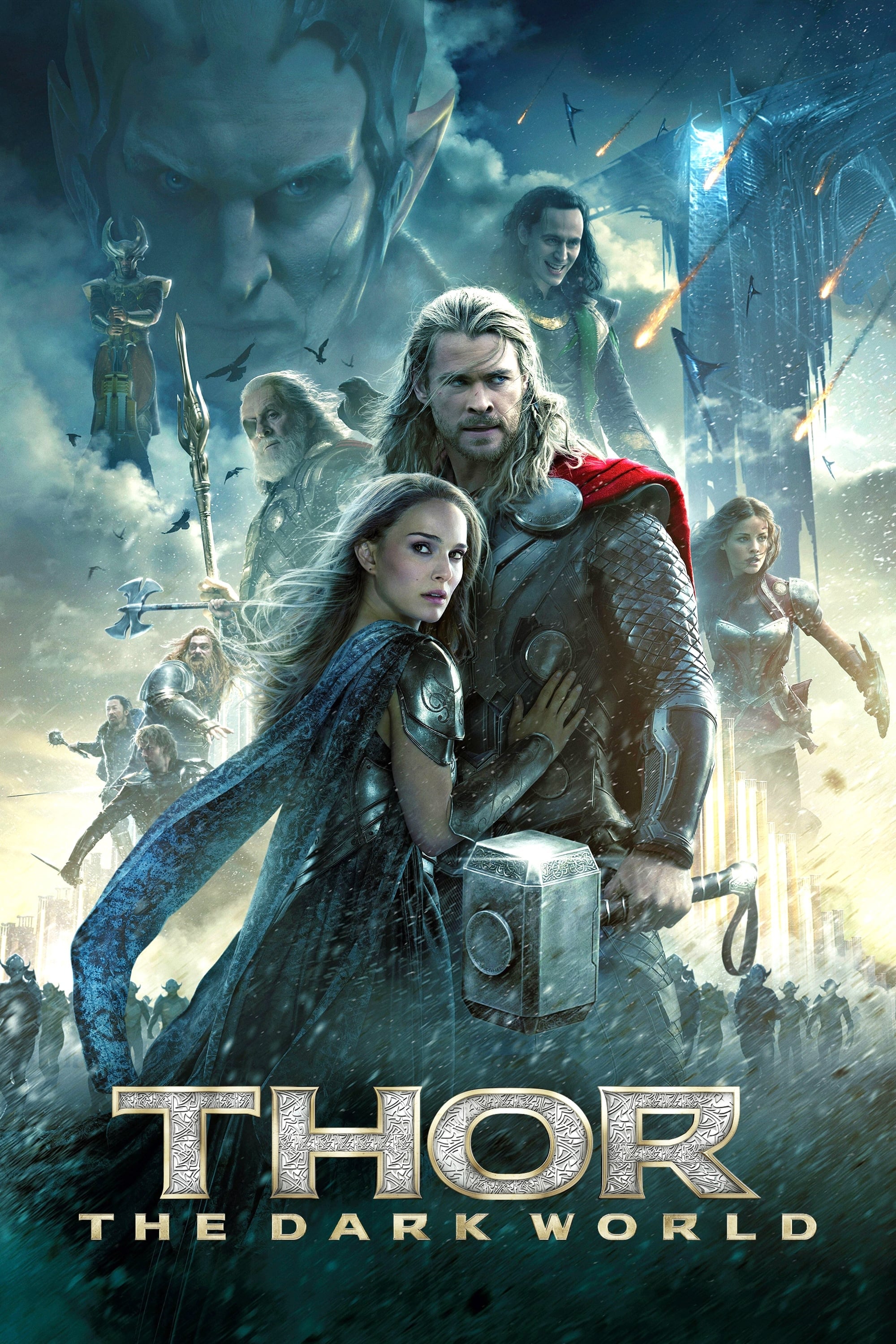
Alan Taylor has been candid about his dissatisfaction with the second installment of the ‘Thor’ franchise within the Marvel Cinematic Universe. The story involves the titular hero battling a race of Dark Elves led by Malekith, who seeks to plunge the universe into eternal darkness. Taylor later expressed regret over the editing process, stating that the film was radically altered in post-production against his original vision. He apologized for the final result, noting that the experience made him wary of working on large-scale studio blockbusters. The director felt that the heart of the story was lost in favor of traditional superhero tropes and mandatory franchise links.
‘Elysium’ (2013)
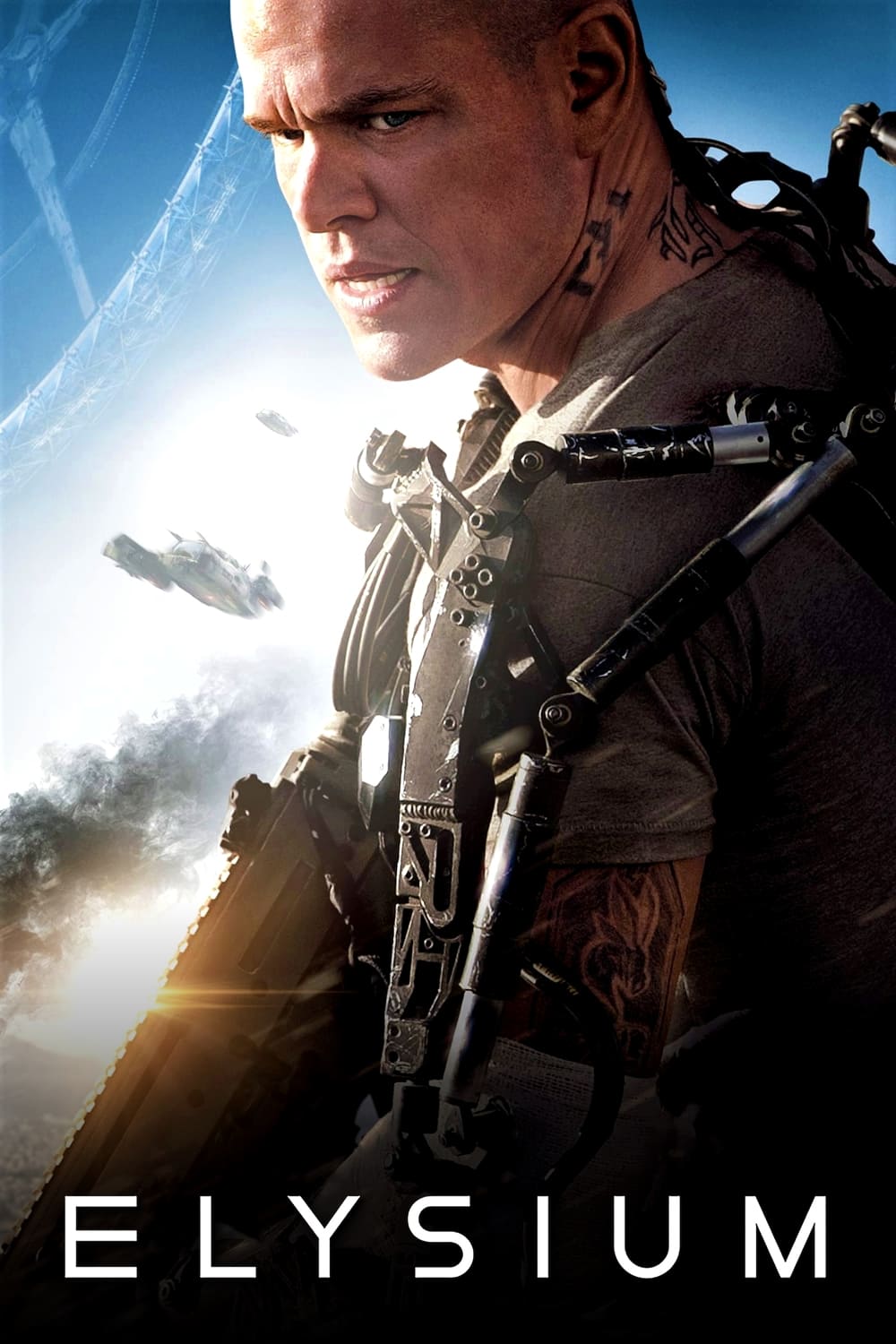
Neill Blomkamp admitted in interviews that he felt he “f*cked up” the execution of this socially conscious science-fiction film. Set in a future where the wealthy live on a pristine space station while the poor suffer on a ruined Earth, the movie explores themes of class and healthcare. Blomkamp noted that while the visual world-building was successful, the script and narrative development were lacking. He publicly apologized for not delivering a story that lived up to the potential of the film’s initial concept. The director’s honesty about the project’s flaws provided a rare look into the self-criticism of a modern filmmaker.
‘Green Lantern’ (2011)
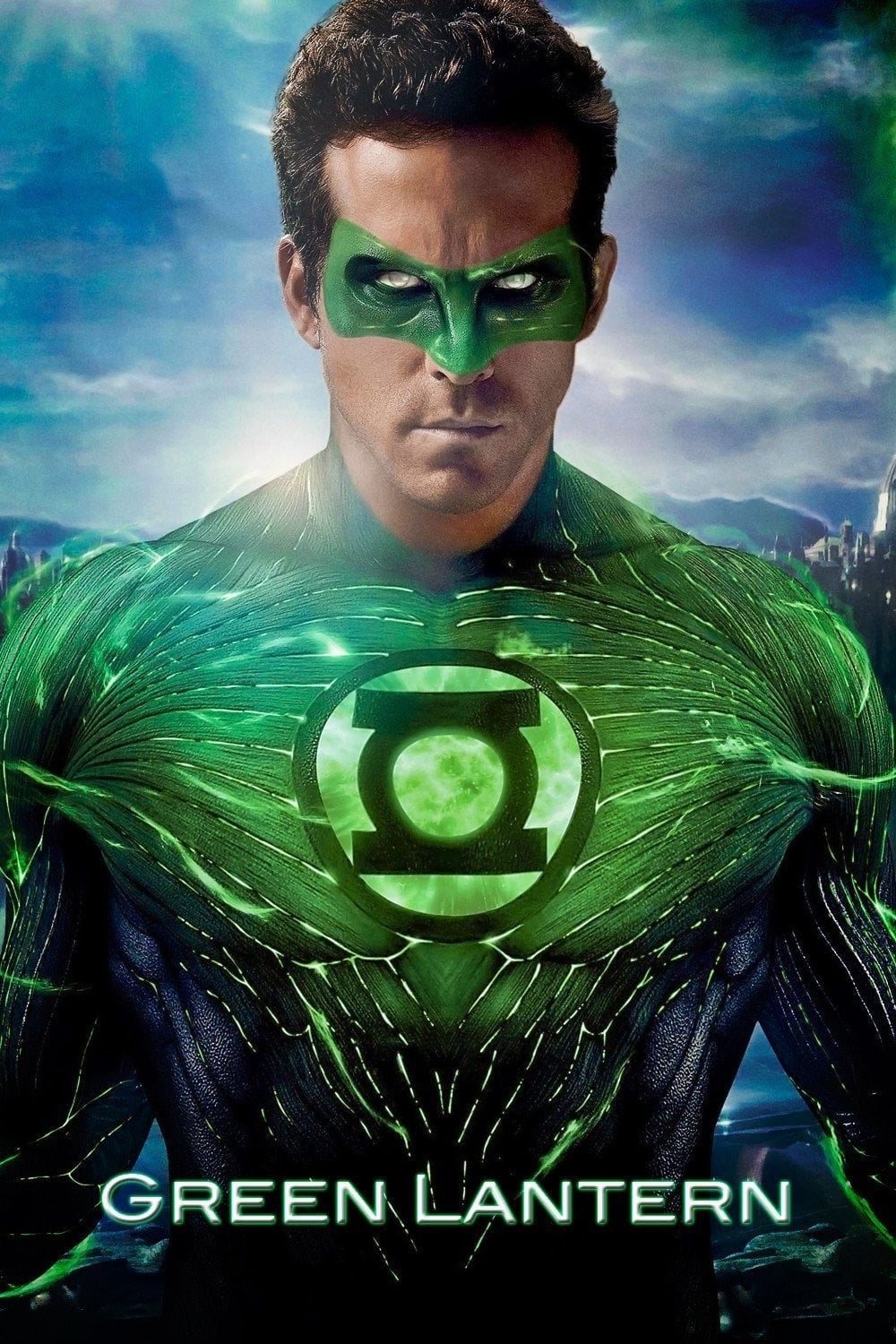
Martin Campbell has openly stated that he should never have directed this big-screen adaptation of the iconic DC Comics character. The film follows pilot Hal Jordan as he is chosen by an alien ring to join an intergalactic police force. Campbell admitted that the movie simply did not work and took responsibility for its failure to resonate with audiences and critics. He cited the massive budget and the complex nature of the visual effects as factors that complicated the creative process. His public reflections on the project highlighted the challenges of translating certain comic book properties into cohesive cinematic experiences.
‘Transformers: Revenge of the Fallen’ (2009)
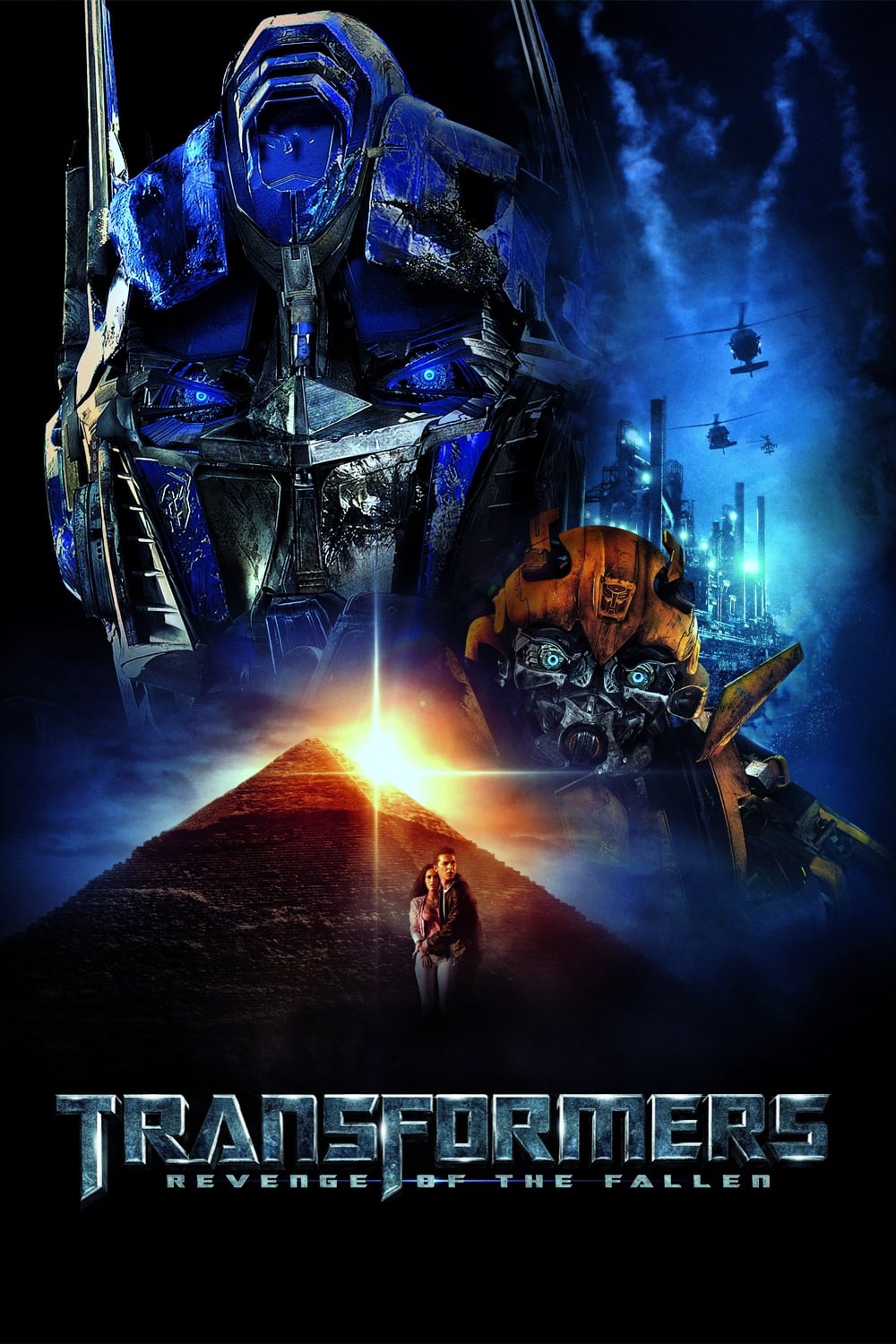
Michael Bay was surprisingly frank about the quality of the second entry in the ‘Transformers’ live-action series. The director acknowledged that the film’s development was severely hampered by the 2007–2008 Writers Guild of America strike. Bay admitted that starting production with a mere fourteen-page treatment led to a “crap” story that relied too heavily on action sequences. He apologized to fans for the messy narrative, explaining that the time constraints made it impossible to craft a proper script. Despite his apologies, the film was a massive commercial success, though it remains a low point for critics.
‘Babylon A.D.’ (2008)
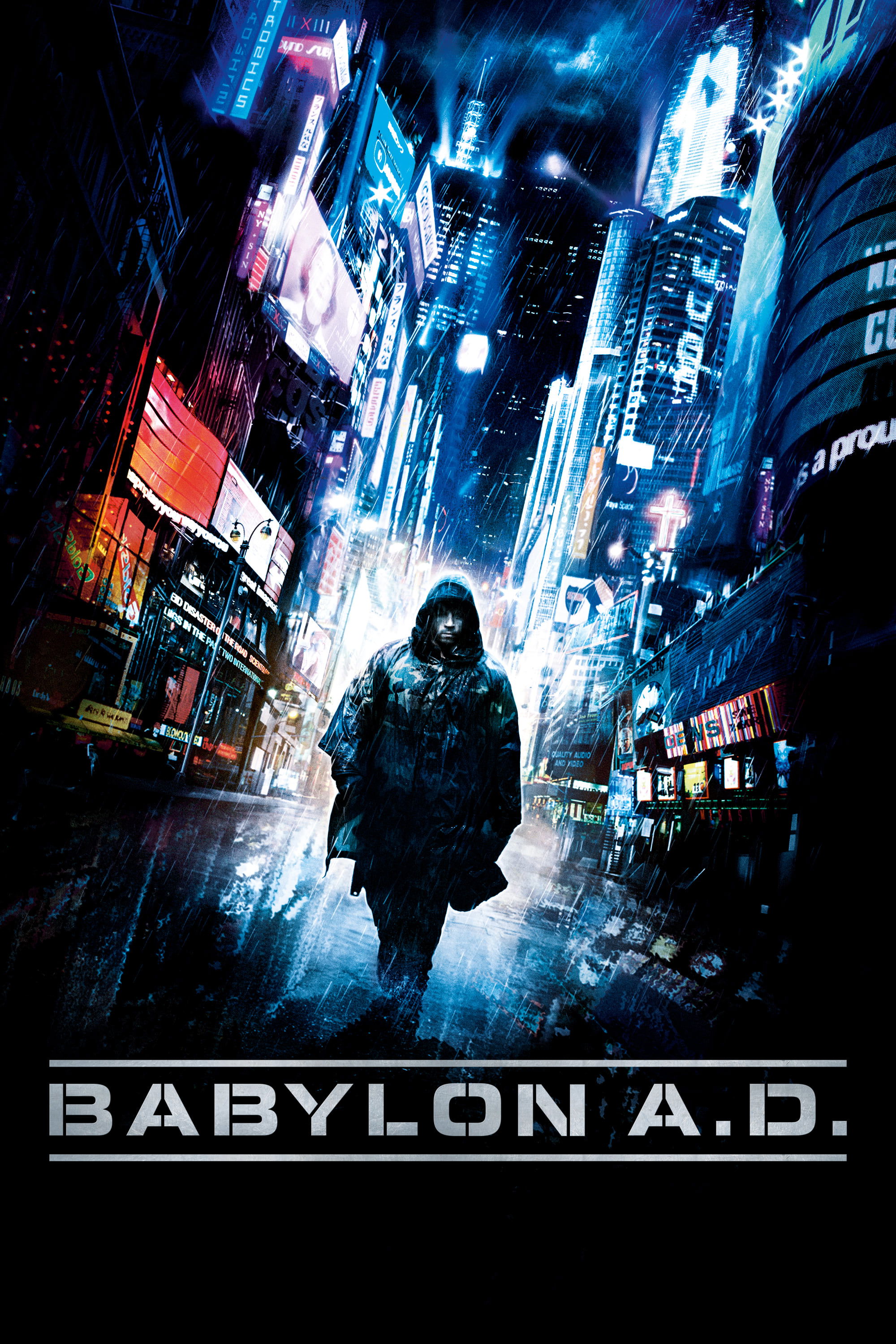
Mathieu Kassovitz launched a scathing public attack on his own film before its theatrical release, calling it “pure violence and stupidity.” The science-fiction thriller stars Vin Diesel as a mercenary transporting a mysterious young woman across a dystopian landscape. Kassovitz complained that 20th Century Fox interfered with the production, cutting vital scenes and turning the project into a standard action flick. He apologized to the audience for the final product, claiming it was no longer his movie and that viewers should avoid seeing it. The director’s vocal disapproval effectively sabotaged the film’s promotional campaign and box-office potential.
‘Spider-Man 3’ (2007)
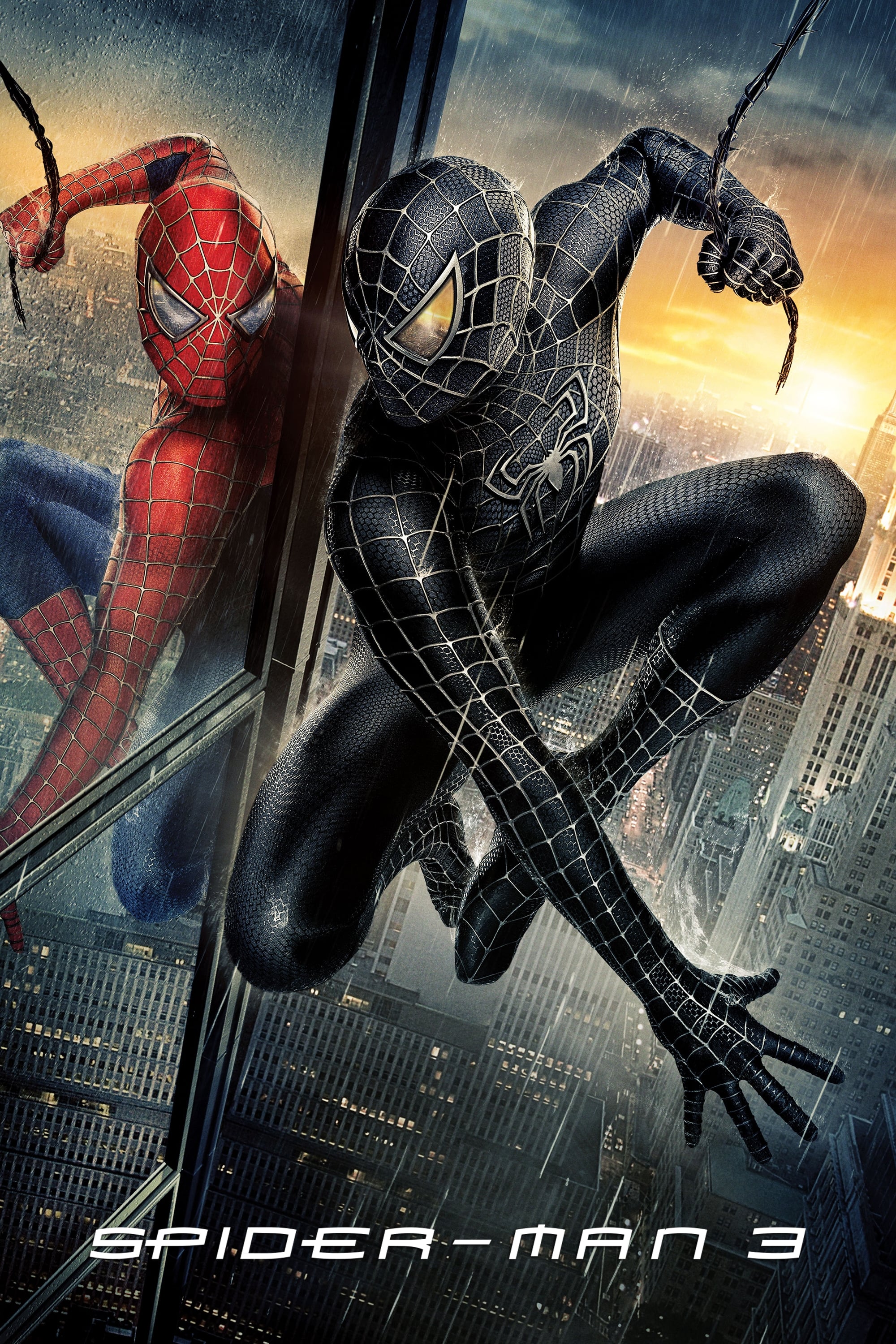
Sam Raimi admitted during a podcast interview that the third installment of his ‘Spider-Man’ trilogy “just didn’t work.” The film faced significant criticism for attempting to juggle too many villains, including Sandman, Venom, and the New Goblin. Raimi acknowledged that he didn’t personally believe in all the characters he was forced to include, which hampered his ability to tell a cohesive story. He apologized to the fans who felt let down by the conclusion of the beloved franchise. His admission of failure came as he reflected on the difficulty of maintaining creative control within a major studio system.
‘The Brown Bunny’ (2003)
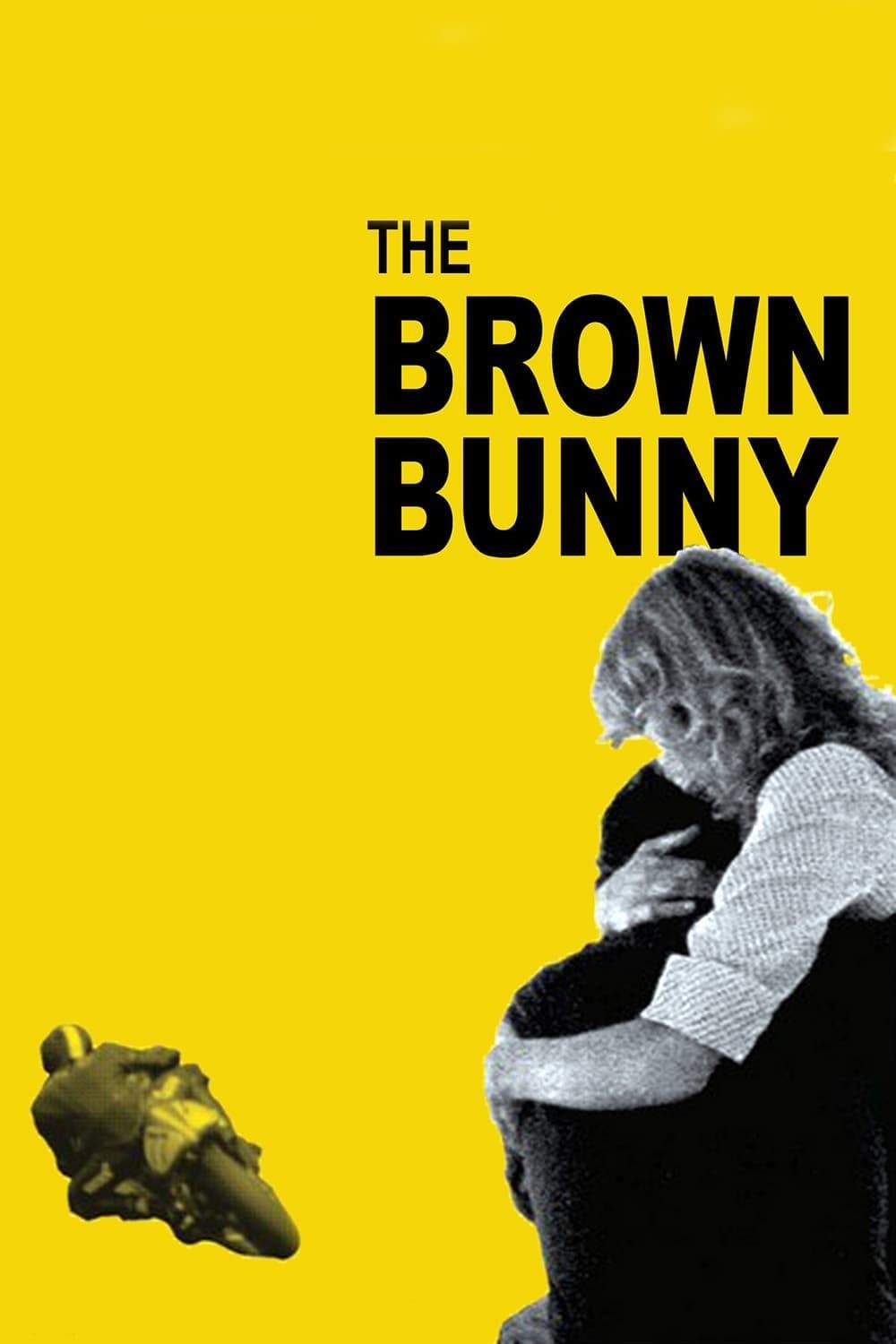
Vincent Gallo issued a public apology after his experimental road movie was met with intense hostility during its screening at the Cannes Film Festival. The film follows a motorcycle racer on a cross-country journey as he mourns a lost love, culminating in a controversial and unsimulated sexual scene. Critics at the festival famously booed the screening, leading to a public feud between Gallo and renowned critic Roger Ebert. Gallo eventually apologized for the film’s pacing and certain creative choices, later releasing a re-edited version that was better received. He expressed regret for any offense caused by the project’s most provocative moments.
‘Gigli’ (2003)
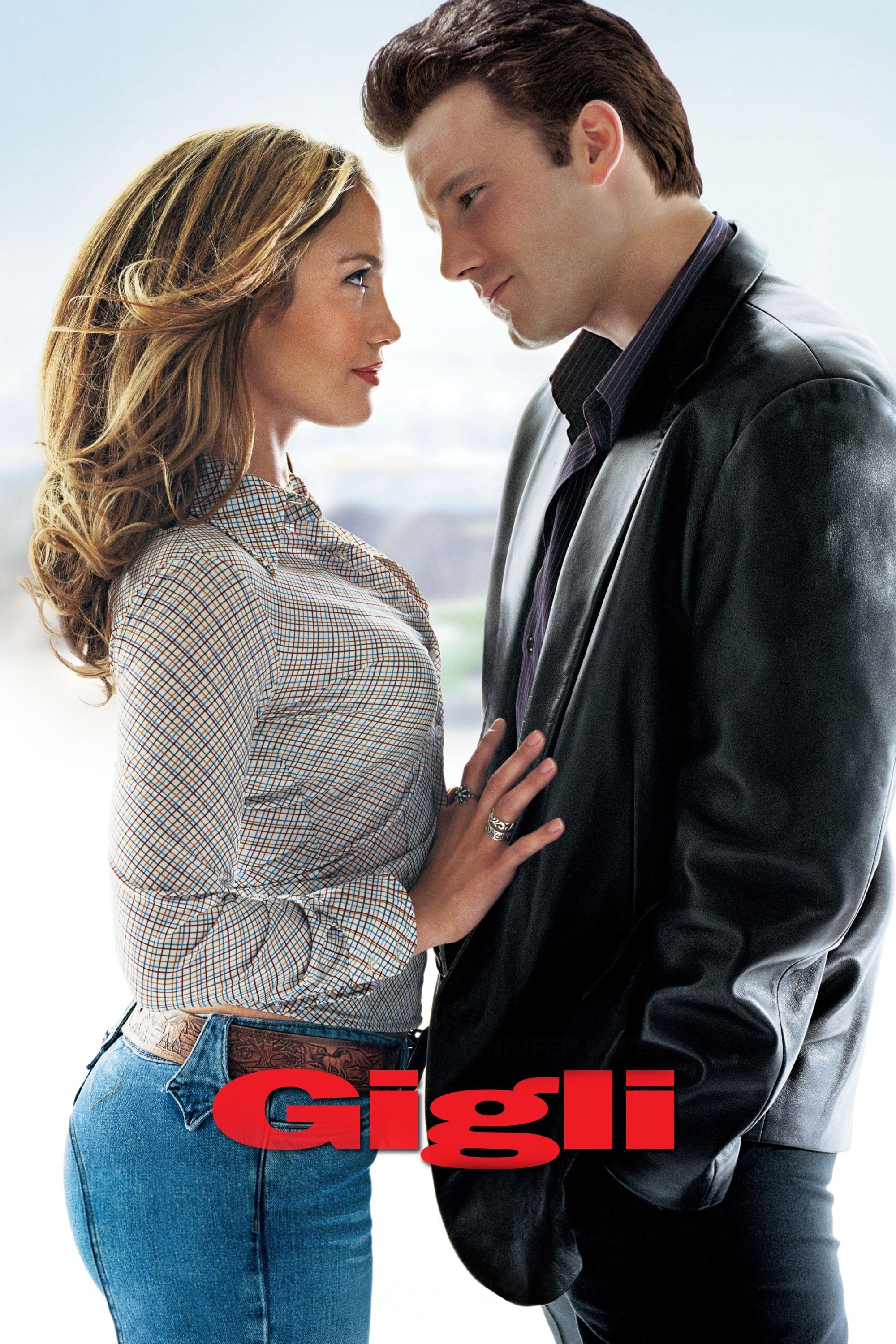
Martin Brest has described this romantic crime comedy as a “bloody mess” and a project he would rather forget. Starring Ben Affleck and Jennifer Lopez, the film became synonymous with box-office failure and critical derision upon its release. Brest revealed that the movie underwent radical changes in the editing room that stripped away its original themes and purpose. He publicly acknowledged that the final version was unrecognizable to him and apologized for the disappointment it caused. The director’s career effectively stalled after the film’s release, and he has spoken about it only a handful of times in the decades since.
‘Psycho’ (1998)
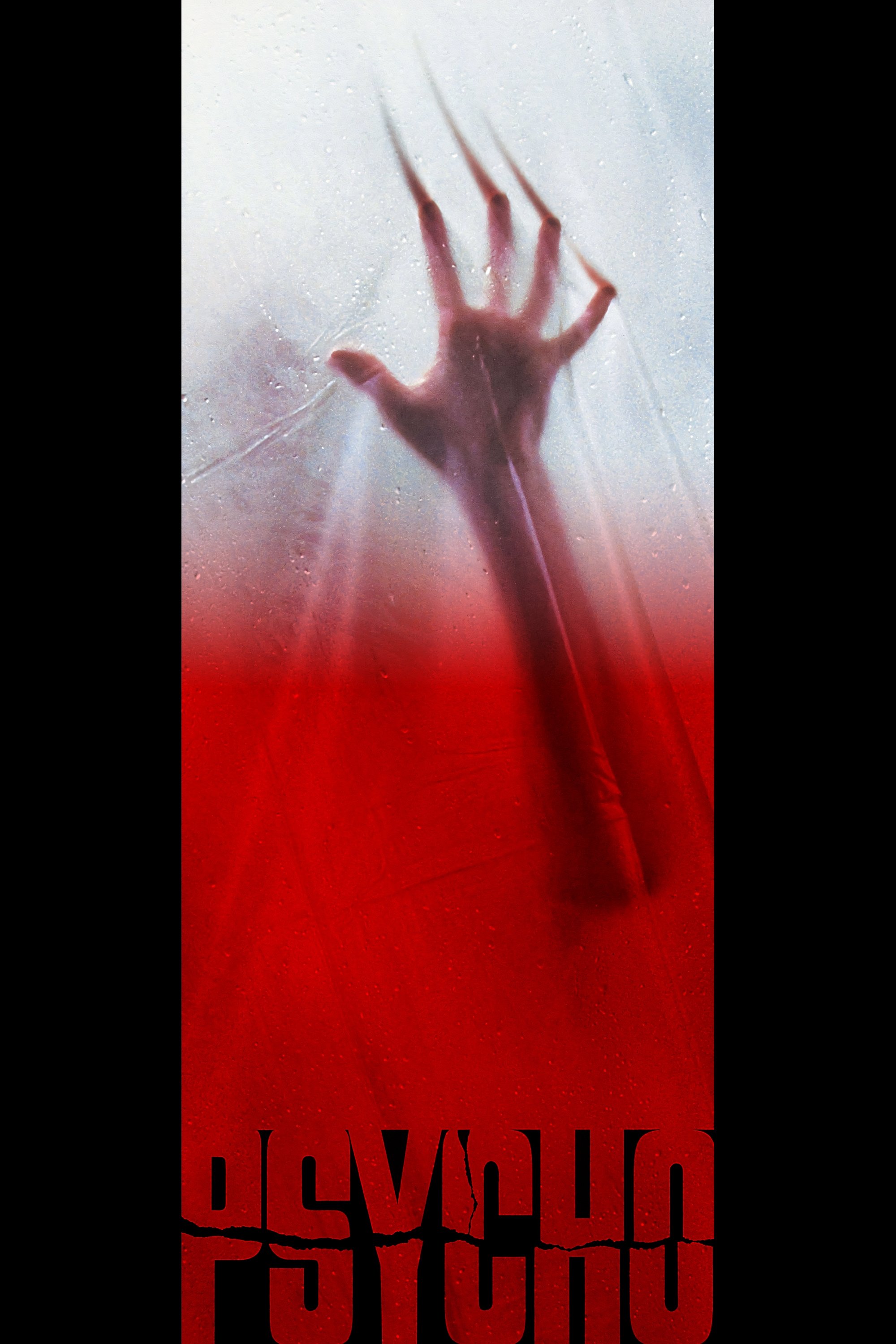
Gus Van Sant has candidly discussed the failure of his shot-for-shot remake of Alfred Hitchcock’s horror masterpiece. The film sought to replicate the 1960 original with modern actors and color cinematography, but it was largely viewed as an unnecessary exercise. Van Sant admitted that the project was an experimental failure and apologized for not bringing something new to the material. He explained that the goal was to see if a classic could be perfectly recreated, only to discover that the magic of the original was tied to its specific era and direction. The movie serves as a cautionary tale about the limits of cinematic homage.
‘Godzilla’ (1998)

Roland Emmerich has frequently expressed regret over taking on this American reimagining of the legendary Japanese monster. The director admitted that he was never a fan of the original ‘Godzilla’ and only agreed to the project because of a lucrative deal from the studio. He intentionally designed the creature as a giant lizard rather than a traditional kaiju to distance himself from the source material. Emmerich later apologized for the film’s departure from the fans’ expectations and its focus on spectacle over substance. He noted that his lack of passion for the character was evident in the final, poorly received product.
‘Batman & Robin’ (1997)
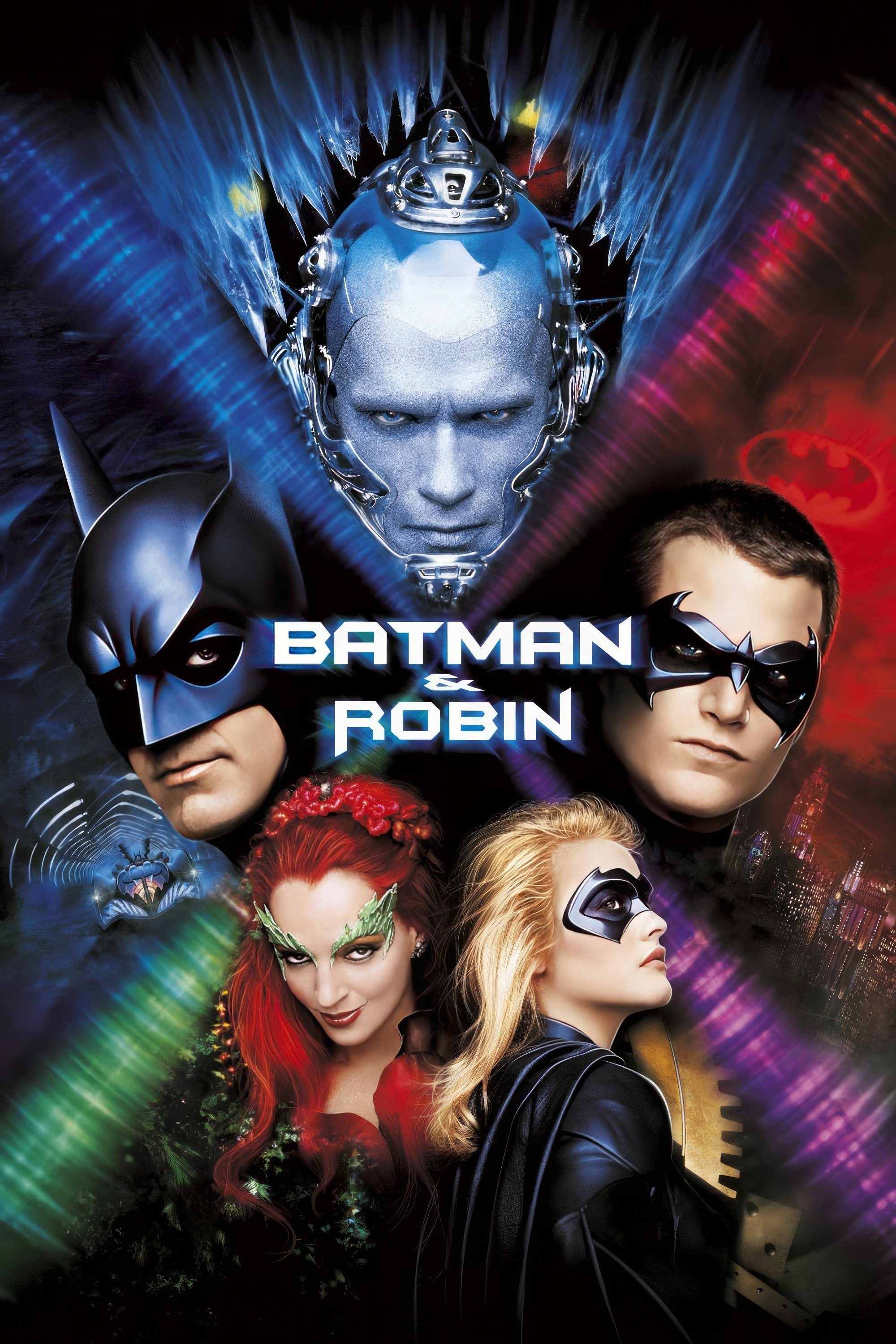
Joel Schumacher became famous for his frequent and sincere apologies regarding the fourth film in the original ‘Batman’ series. The movie was lambasted for its campy tone, bright colors, and the addition of “bat-nipples” to the hero’s costume. Schumacher admitted that his intention was simply to entertain, but he acknowledged that he had disappointed a massive fanbase. He took full responsibility for the project’s failures and often apologized in DVD commentaries and retrospective interviews. The film’s poor reception led to a hiatus for the character on the big screen until Christopher Nolan’s 2005 reboot.
‘Super Mario Bros.’ (1993)
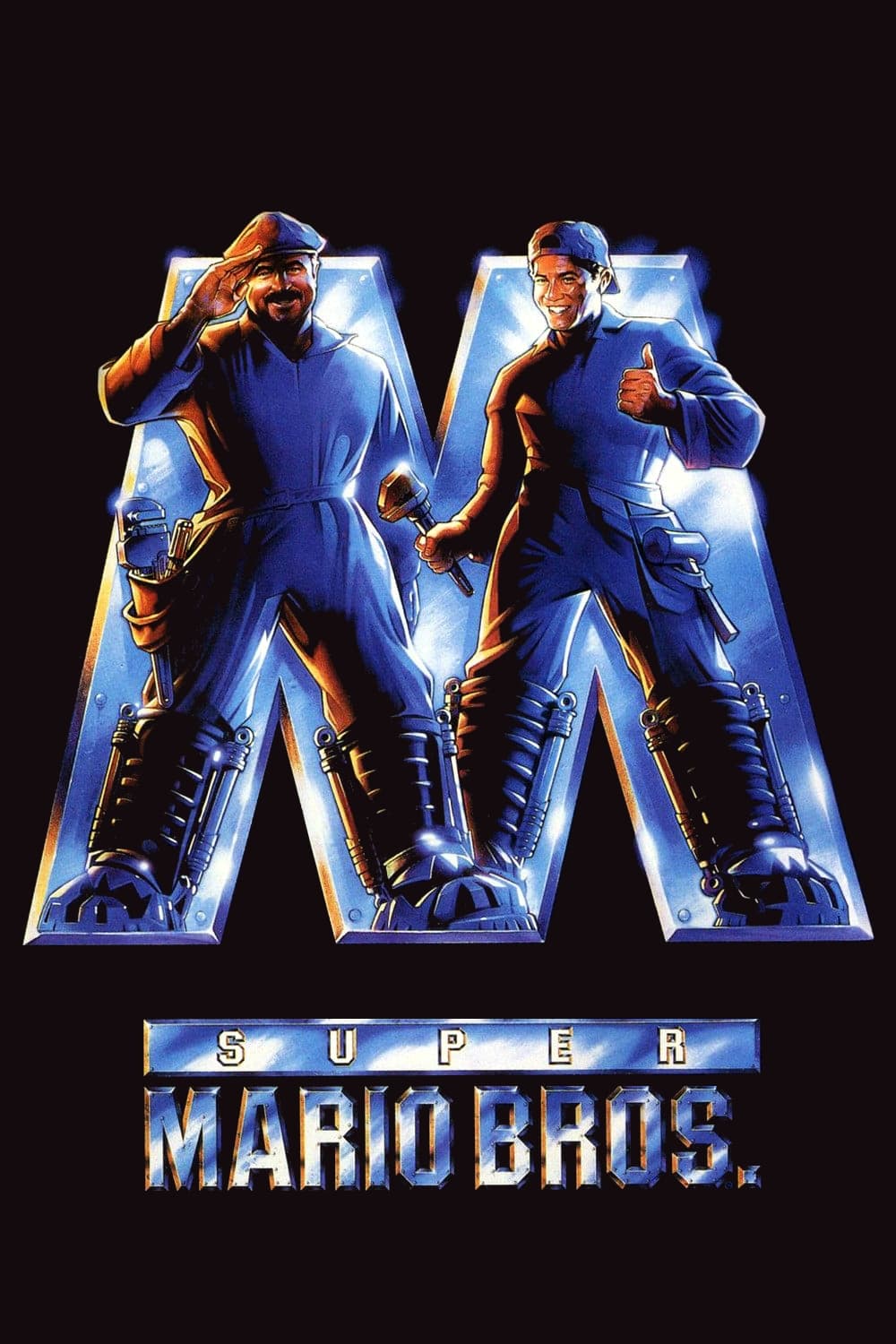
Rocky Morton and Annabel Jankel have both apologized for the bizarre and disjointed live-action adaptation of the iconic Nintendo video game. The film drastically reimagined the Mushroom Kingdom as a dystopian, cyberpunk city, alienating fans of the family-friendly source material. The directors cited a chaotic production environment and constant script rewrites as the reasons for the movie’s failure. Morton eventually apologized to the audience at a special screening, admitting that the final product did not represent the game or their original vision. Despite its initial failure, the film has since gained a small cult following for its strange creative choices.
‘Alien³’ (1992)
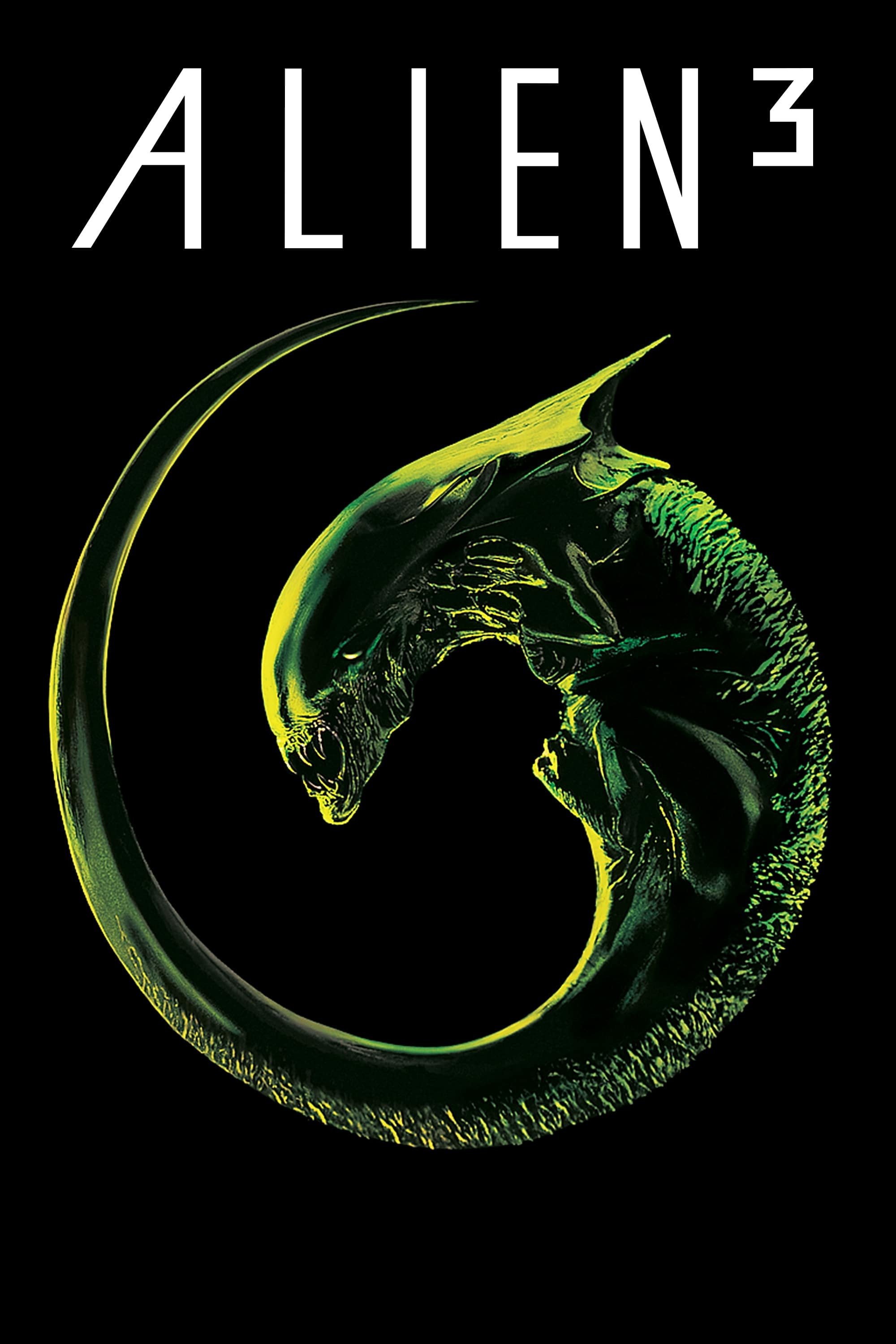
David Fincher made his directorial debut with this troubled sequel but has since disowned the film entirely. The production was plagued by studio interference, script changes, and a lack of a clear creative direction from the start. Fincher has stated in numerous interviews that he hates the movie more than anyone else and apologized for the experience it provided to the fans. He felt that the constant battles with the studio prevented him from making a film he could be proud of. The director’s refusal to participate in later home media releases for the movie underscores his deep-seated regret.
‘Dune’ (1984)

David Lynch has long maintained that this adaptation of Frank Herbert’s seminal novel is his only true professional failure. The film was an ambitious attempt to bring the complex world of Arrakis to life, but it was marred by extensive cuts and studio-mandated changes. Lynch felt that he was denied final cut privilege, resulting in a version that he found unrecognizable and embarrassing. He has publicly apologized for the movie, stating that the experience taught him to never work without creative control again. Even as other directors have found success with the material, Lynch remains pained by his own version.
‘At Long Last Love’ (1975)
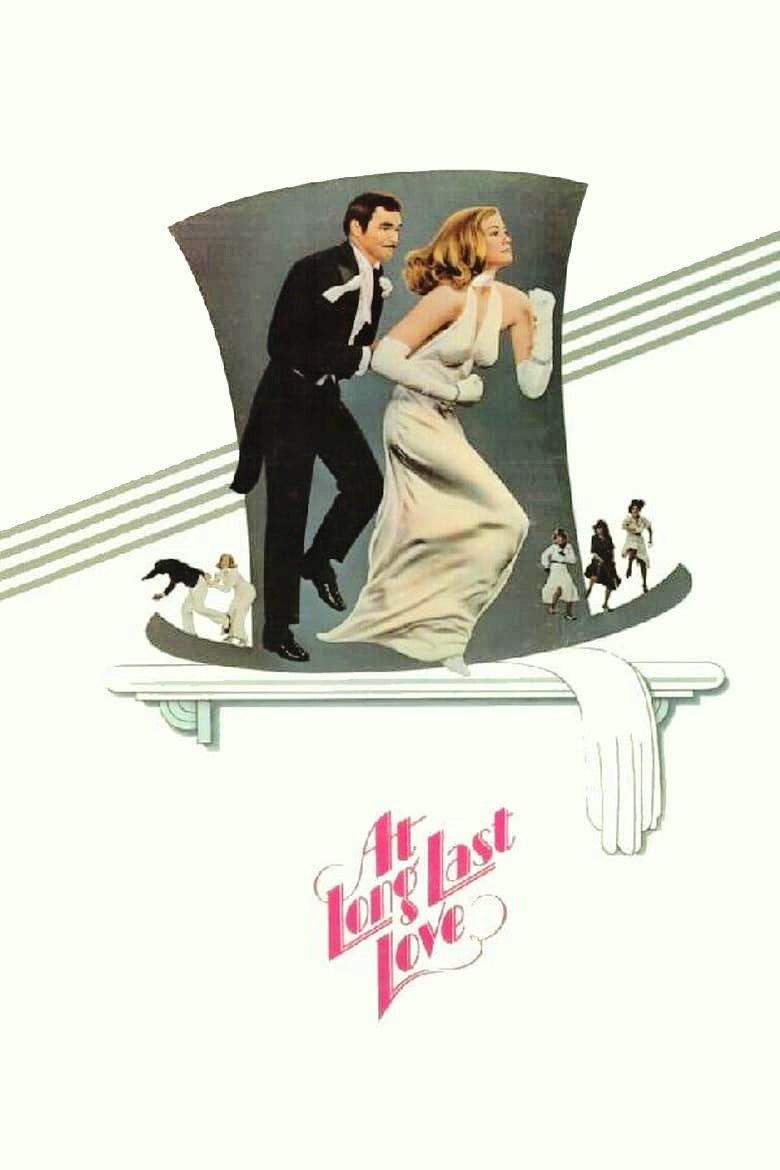
Peter Bogdanovich took the unusual step of taking out a full-page apology in Hollywood trade newspapers following the failure of this musical. The film was an attempt to recapture the glamour of 1930s musical comedies, but it was panned for its lackluster performances and poor pacing. Bogdanovich admitted in his public letter that he had overestimated his own ability to translate the genre for a modern audience. He expressed deep regret to both the critics and the viewers who felt his ambition had outpaced his talent. This act of public contrition remains one of the most famous examples of a director owning a failure.
‘Fear and Desire’ (1953)
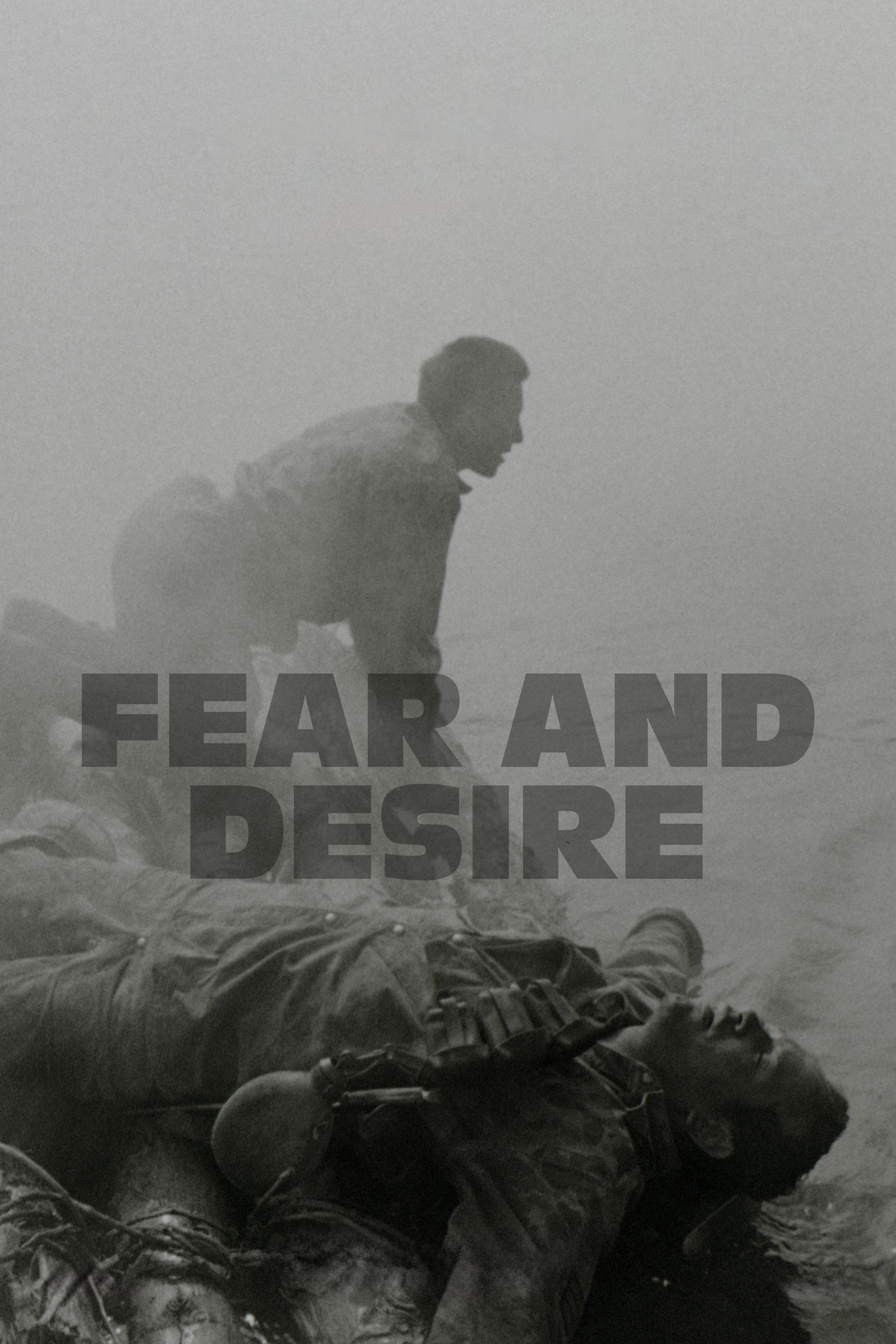
Stanley Kubrick spent much of his later career trying to suppress his directorial debut, calling it a “bumbling amateur film exercise.” The war drama follows a group of soldiers trapped behind enemy lines, exploring psychological themes that Kubrick would later master. The director was so ashamed of the film’s technical shortcomings and stilted dialogue that he reportedly tried to buy up all remaining prints to prevent public screenings. He publicly apologized for the movie’s quality, describing it as something akin to a child’s drawing on a refrigerator. Despite his disapproval, the film remains of interest to historians and fans of his later masterpieces.
Share your own experiences with these cinematic letdowns in the comments.

