


Movies That Were Supposed to Be Flops, but Turned Out Hits

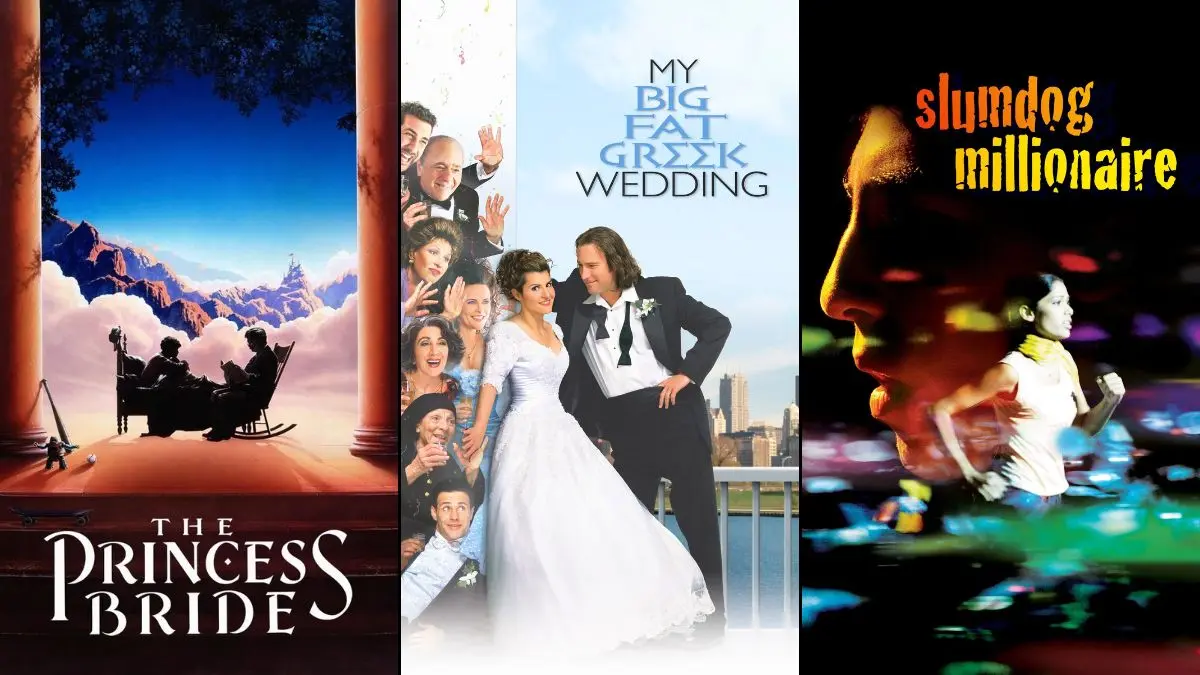


Some movies seem doomed from the start. Studios doubt them, critics scoff, or audiences just aren’t interested—until they are. These films defy the odds, turning skepticism into success through strong word-of-mouth, unexpected appeal, or sheer brilliance.
Here’s a list of 30 movies that were expected to bomb but became massive hits. From quirky comedies to gritty thrillers, these films proved everyone wrong and found their place in cinematic history.
The Shawshank Redemption (1994)
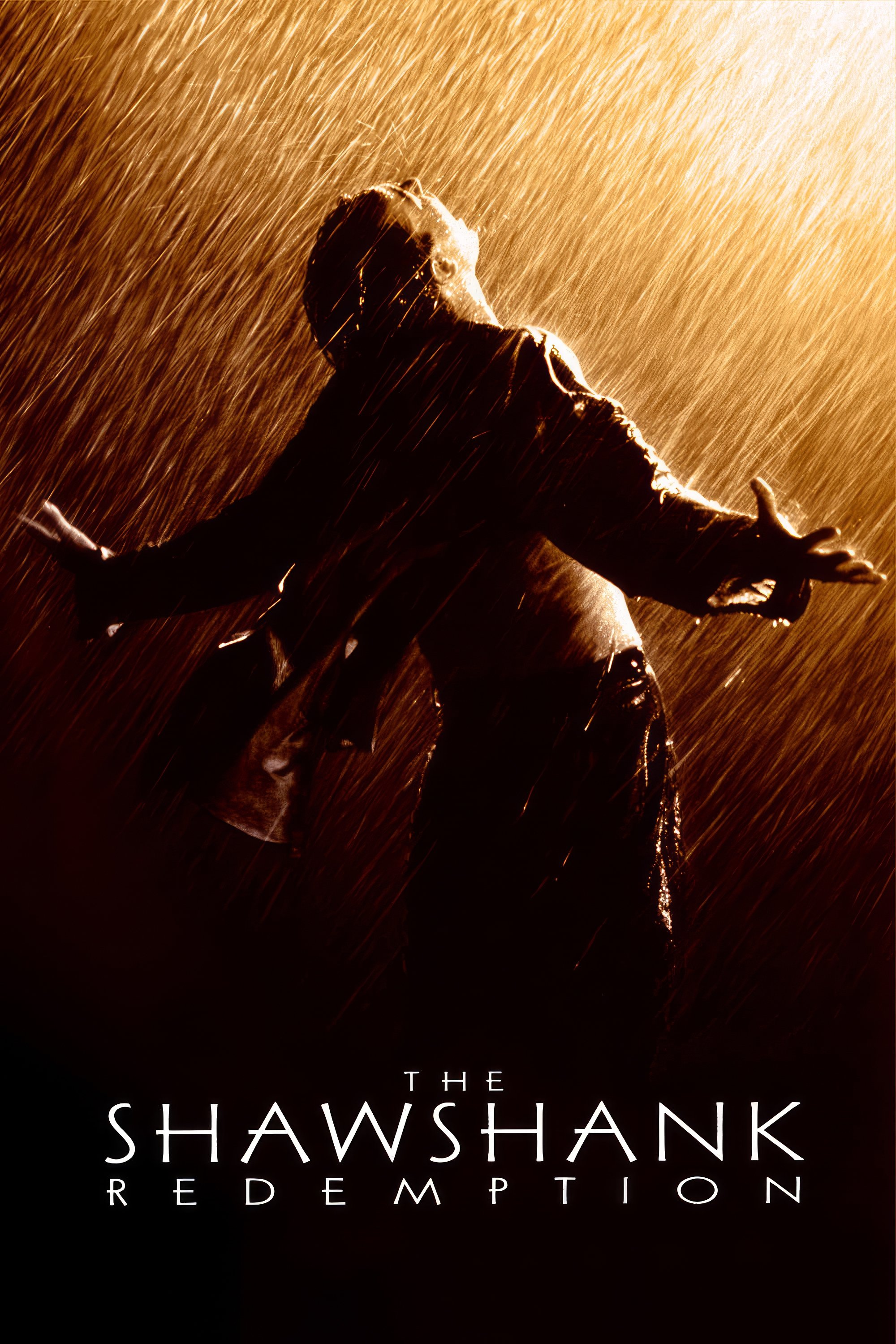
Nobody expected much from ‘The Shawshank Redemption’ when it hit theaters. Based on a Stephen King novella, it had a quiet story about hope and friendship in a prison. Critics liked it, but the title confused people, and it faced tough competition from ‘Pulp Fiction’ and ‘Forrest Gump’. It barely made $18 million against a $25 million budget.
Word-of-mouth saved it. VHS rentals and TV airings turned it into a beloved classic. It earned seven Oscar nominations and now tops many “best movies” lists. Fans still quote lines like “Get busy living or get busy dying.”
Rocky (1976)
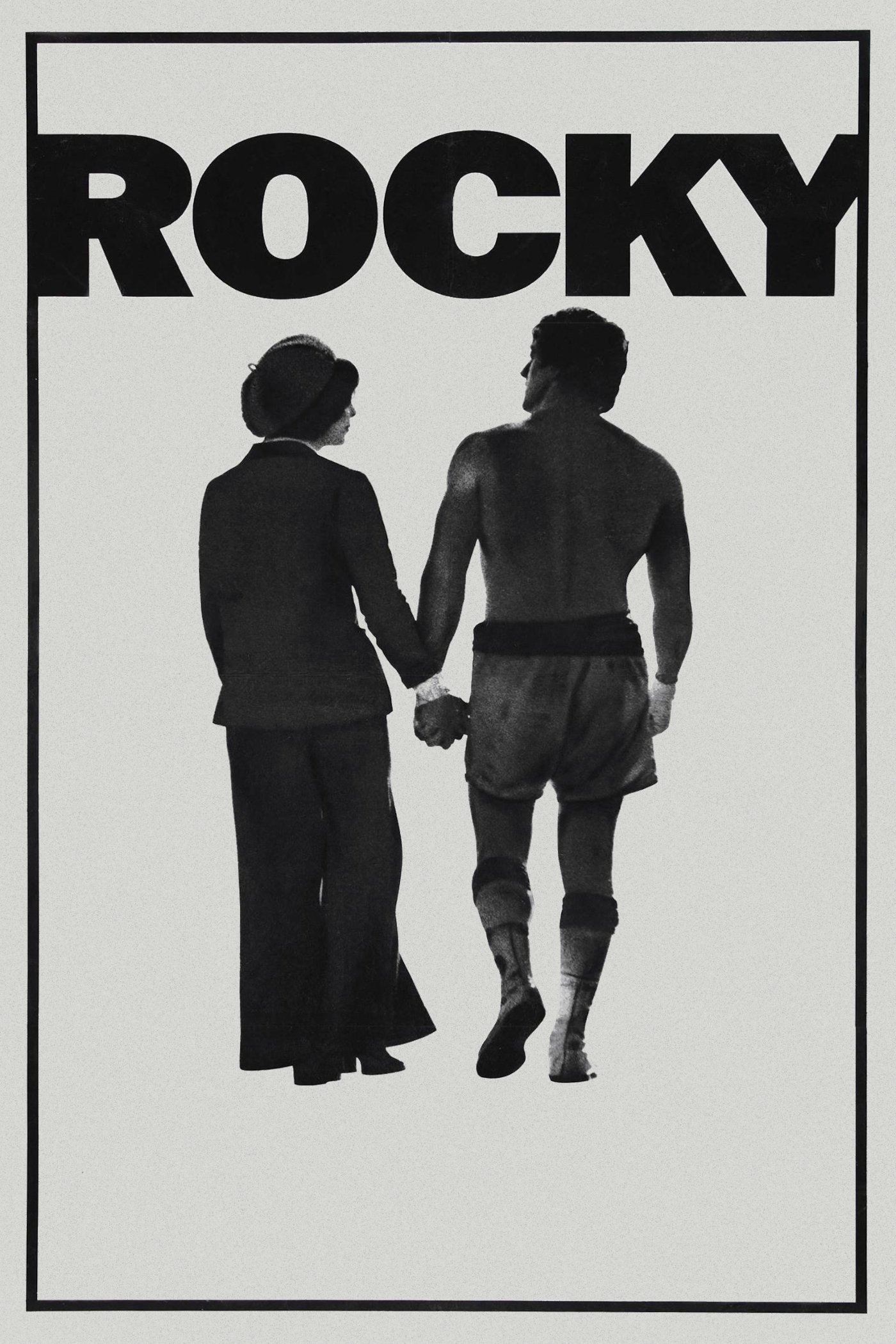
‘Rocky’ was a low-budget underdog story, much like its main character. Written by and starring an unknown Sylvester Stallone, it was shot on a $1 million budget. Studios thought it was too small and gritty to compete with flashier films. Early screenings didn’t inspire much confidence either.
The film struck a chord with audiences. Its raw emotion and inspiring tale of a boxer’s rise grossed $225 million worldwide. It won three Oscars, including Best Picture, and launched a franchise that’s still going strong.
The Matrix (1999)
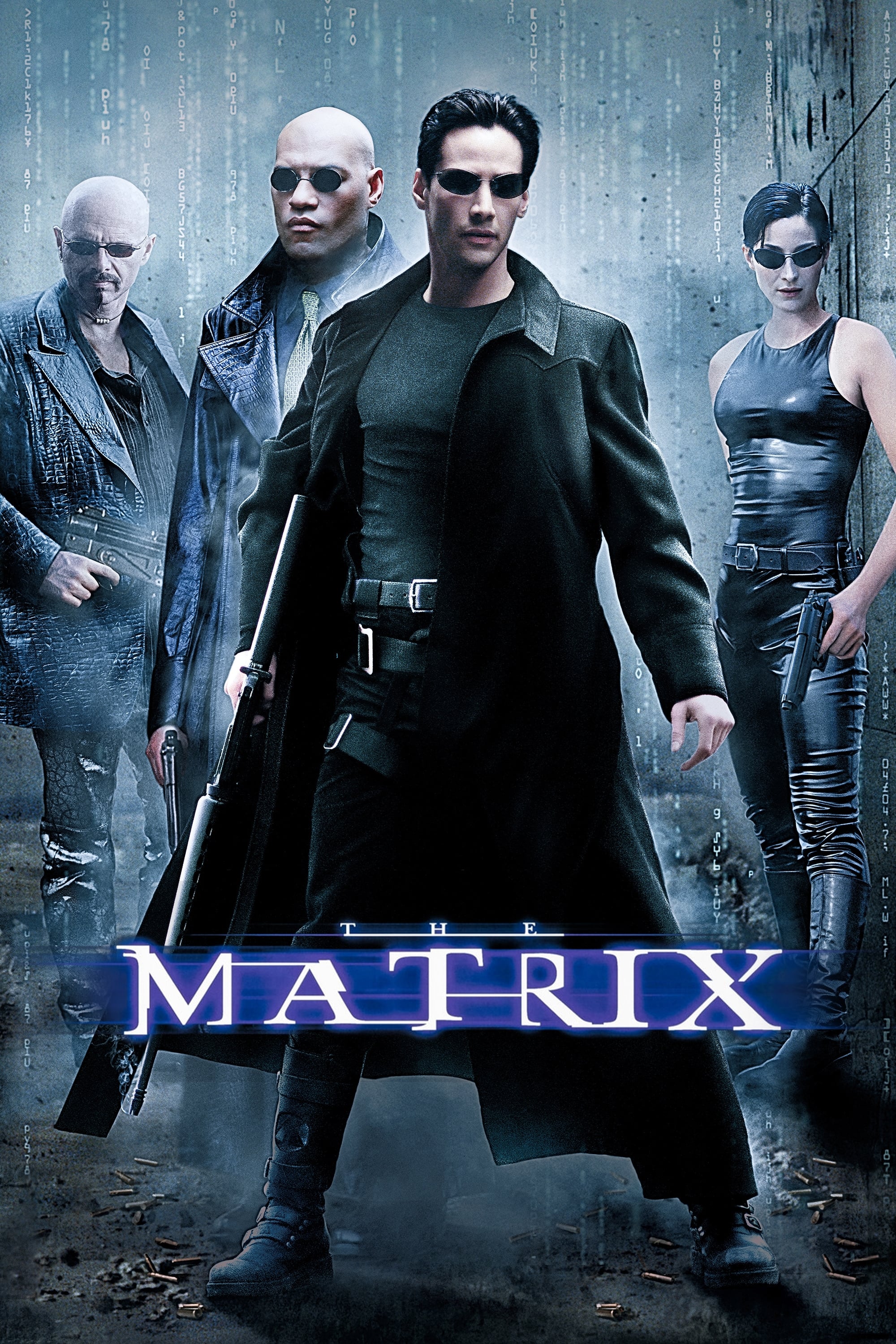
‘The Matrix’ sounded like a risky bet. A sci-fi film with a complex plot, unknown directors, and a $63 million budget wasn’t an easy sell. Studios worried its mix of philosophy, martial arts, and computer effects would confuse audiences. Early buzz was lukewarm at best.
It blew everyone away. Groundbreaking visuals and a gripping story pushed it to $460 million globally. It redefined action films, inspired countless imitations, and became a cultural phenomenon with its red pill-blue pill metaphor.
Titanic (1997)
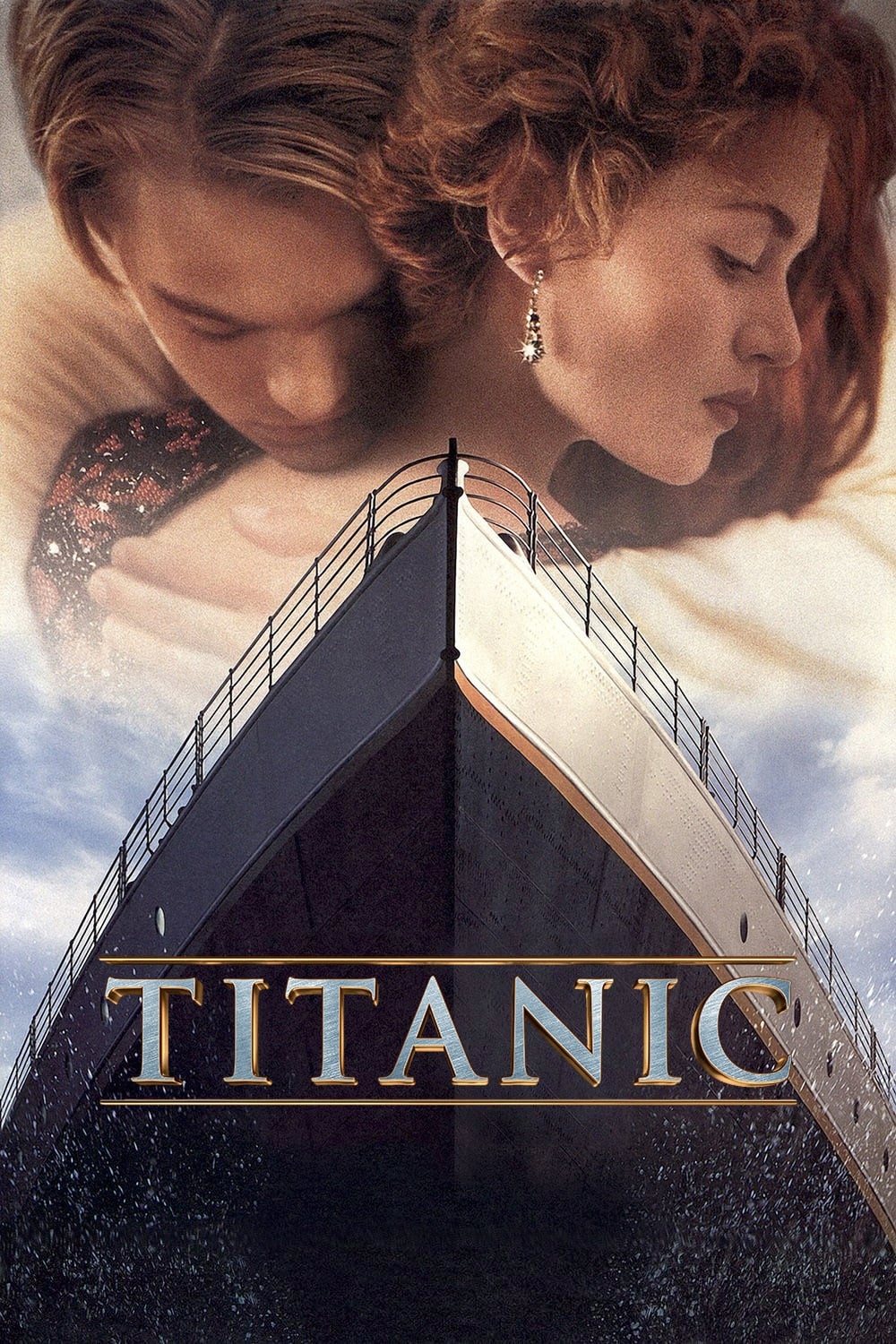
‘Titanic’ was a disaster waiting to happen—ironically. Its $200 million budget was astronomical at the time, and production delays fueled rumors of a flop. Critics called it bloated, and many doubted a three-hour romance about a sinking ship would draw crowds.
It became a juggernaut. James Cameron’s epic grossed $1.8 billion worldwide, making it the first film to hit $1 billion. Its emotional depth and stunning visuals kept audiences coming back, cementing it as a cultural milestone.
Star Wars (1977)
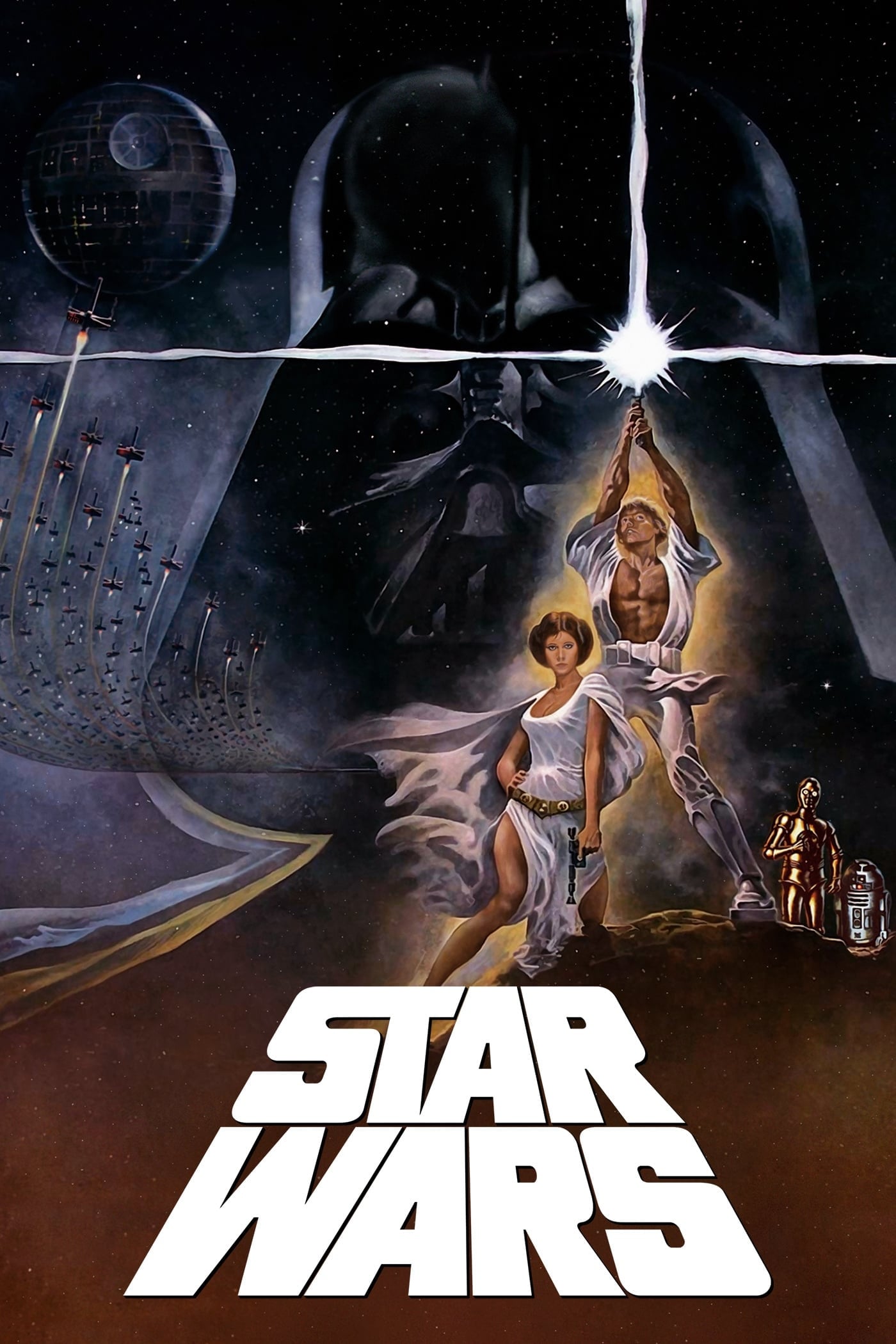
‘Star Wars’ was a gamble nobody believed in. George Lucas’s space opera was mocked as a kids’ movie with weird aliens and a $11 million budget. Studios thought sci-fi was dead, and even some actors on set didn’t take it seriously. Fox expected it to tank.
It changed cinema forever. With $775 million in global earnings, it became a pop culture titan. Its innovative effects and mythic storytelling sparked a franchise that’s still a global obsession.
Jaws (1975)
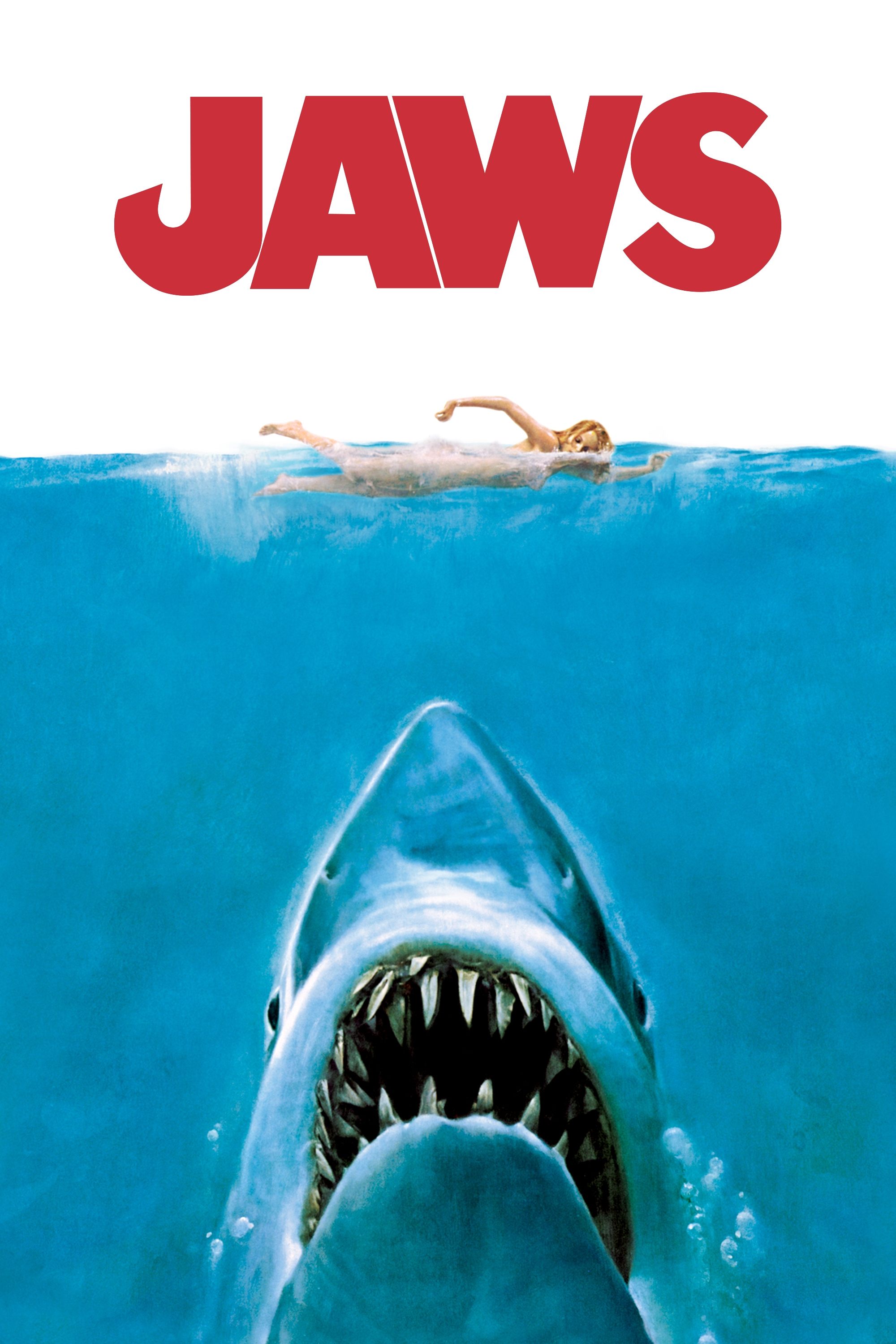
‘Jaws’ was a mess during production. A malfunctioning mechanical shark, budget overruns, and a young director named Steven Spielberg made studios nervous. Its $9 million budget ballooned, and early previews suggested a cheesy monster flick. Many predicted it would sink.
It became the first summer blockbuster. Grossing $470 million worldwide, it redefined how movies were marketed and released. Its suspense and iconic score kept audiences terrified and thrilled.
Home Alone (1990)
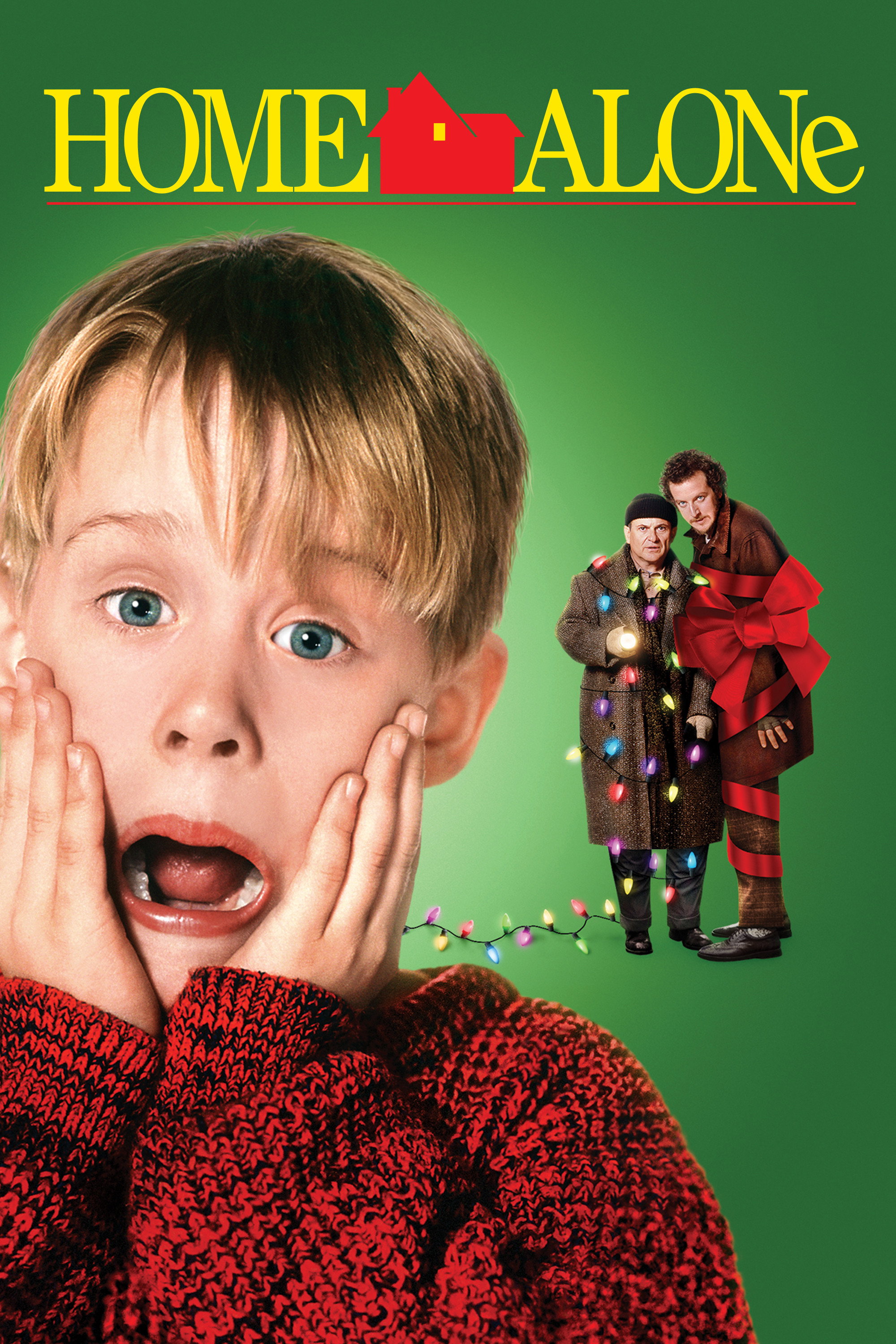
‘Home Alone’ was a risky holiday comedy. A kid outsmarting burglars sounded like a one-note joke, and its $18 million budget wasn’t small for a family film. Studios doubted it would stand out during the crowded Christmas season. Early buzz was modest.
It became a holiday classic. The film grossed $476 million globally, driven by Macaulay Culkin’s charm and slapstick humor. It’s still a must-watch every December for millions.
The Blair Witch Project (1999)
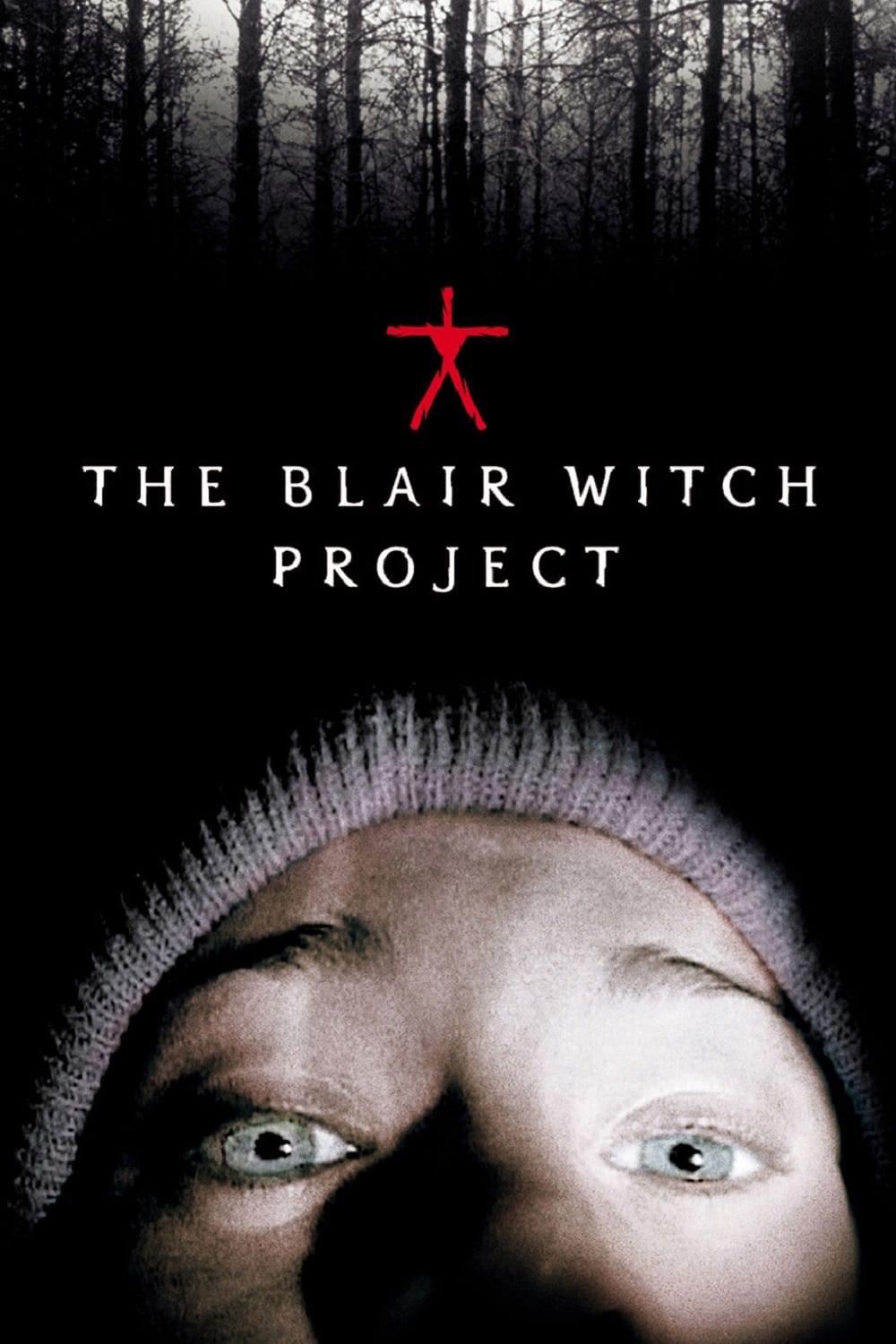
‘The Blair Witch Project’ was a low-budget horror experiment. Shot for $60,000, it relied on unknown actors and a shaky-cam style. Distributors thought its raw look and lack of stars would turn audiences off. Marketing it as “found footage” seemed like a gimmick.
It terrified the world. With a viral marketing campaign, it grossed $248 million globally. Its influence on horror and independent filmmaking is still felt today.
My Big Fat Greek Wedding (2002)
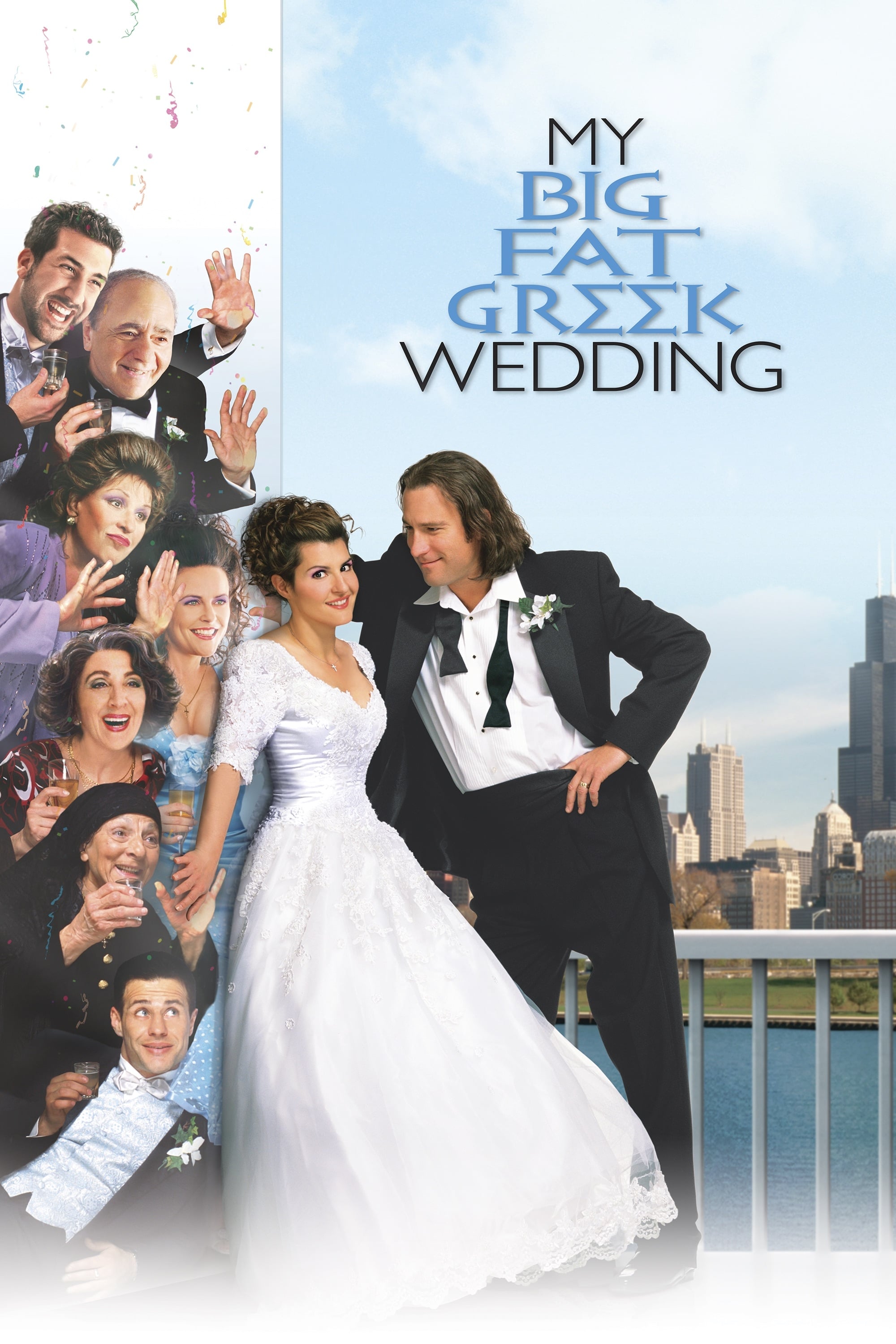
‘My Big Fat Greek Wedding’ was a small romantic comedy with no big names. Made for $5 million, it focused on a quirky Greek-American family. Studios saw it as a niche project with limited appeal. Early screenings didn’t generate much excitement.
Word-of-mouth made it a phenomenon. It grossed $368 million worldwide, becoming one of the most profitable rom-coms ever. Its charm and relatability won over audiences everywhere.
Slumdog Millionaire (2008)
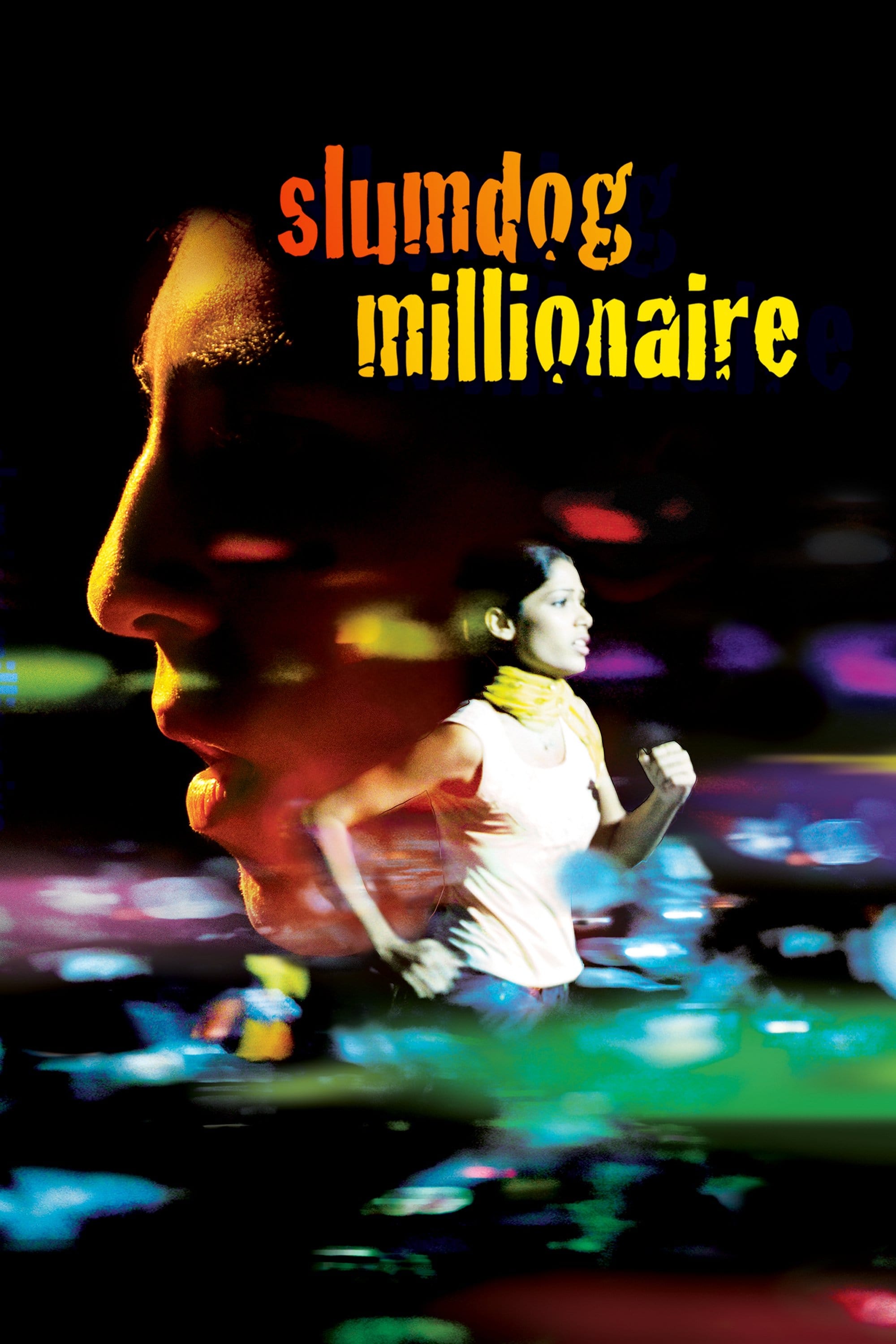
‘Slumdog Millionaire’ faced an uphill battle. A British-Indian drama with unknown actors and a $15 million budget wasn’t an easy sell. After a limited release, it nearly went straight to DVD. Studios doubted its mix of gritty poverty and game-show glitz would connect.
It swept the Oscars and hearts. Strong reviews and festival buzz pushed it to $377 million globally. Its uplifting story and vibrant energy made it a global hit.
Austin Powers: International Man of Mystery (1997)
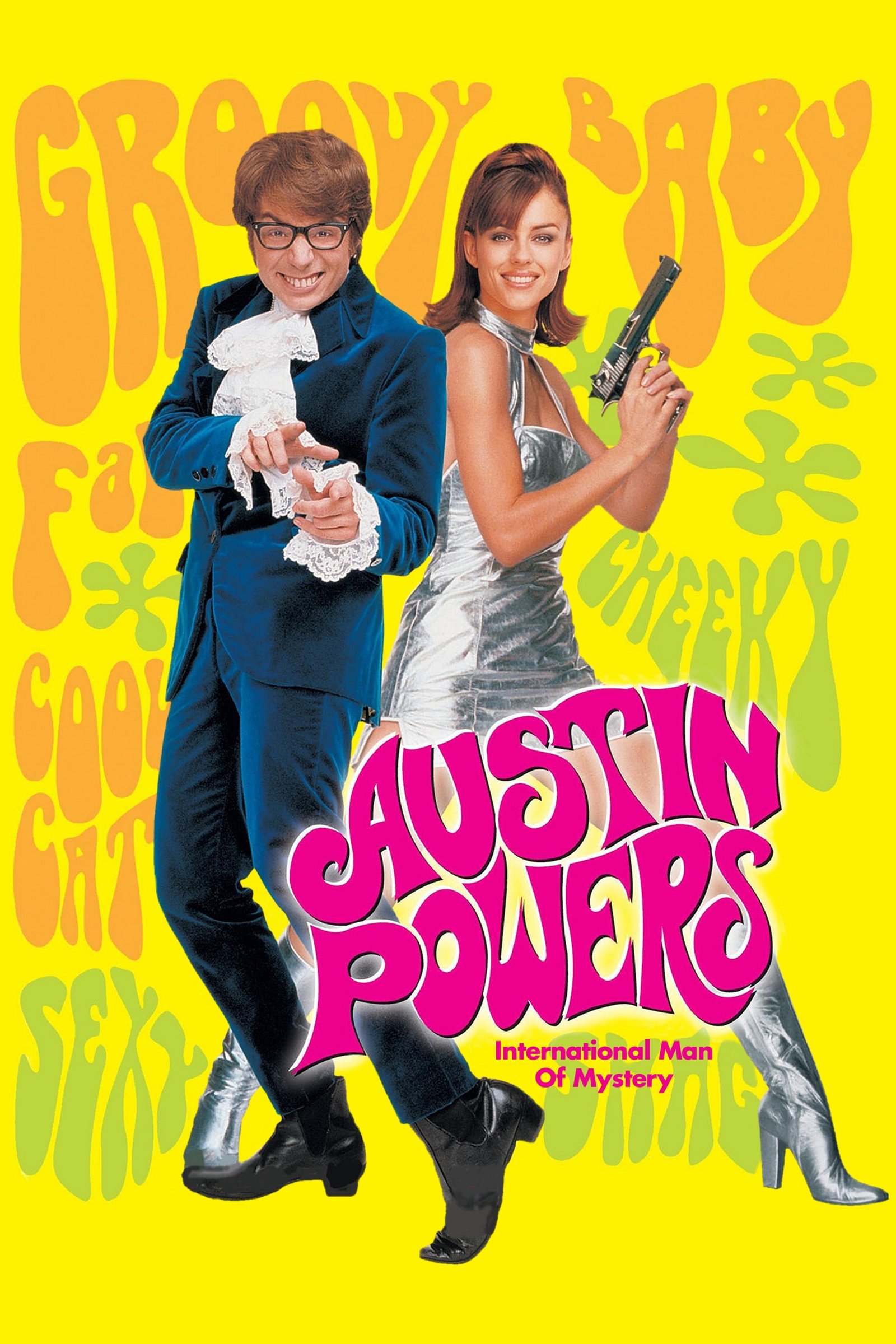
‘Austin Powers’ was a quirky spy spoof with a $16.5 million budget. Mike Myers wasn’t a huge star, and its retro humor felt risky. Studios expected it to flop, especially against summer blockbusters. It barely broke even during its theatrical run.
Home video turned it into a cult hit. It grossed $67 million initially but exploded on VHS, leading to sequels that made hundreds of millions. “Yeah, baby!” became a catchphrase.
Fight Club (1999)

‘Fight Club’ was a dark, violent satire that scared studios. Its $63 million budget and controversial themes about consumerism and rebellion seemed like a hard sell. Test screenings confused audiences, and critics were divided. Fox braced for a disaster.
It became a cultural touchstone. Though it only grossed $100 million initially, home video and cable airings built a massive following. Its bold ideas and quotes like “We are not special snowflakes” endure.
The Rocky Horror Picture Show (1975)
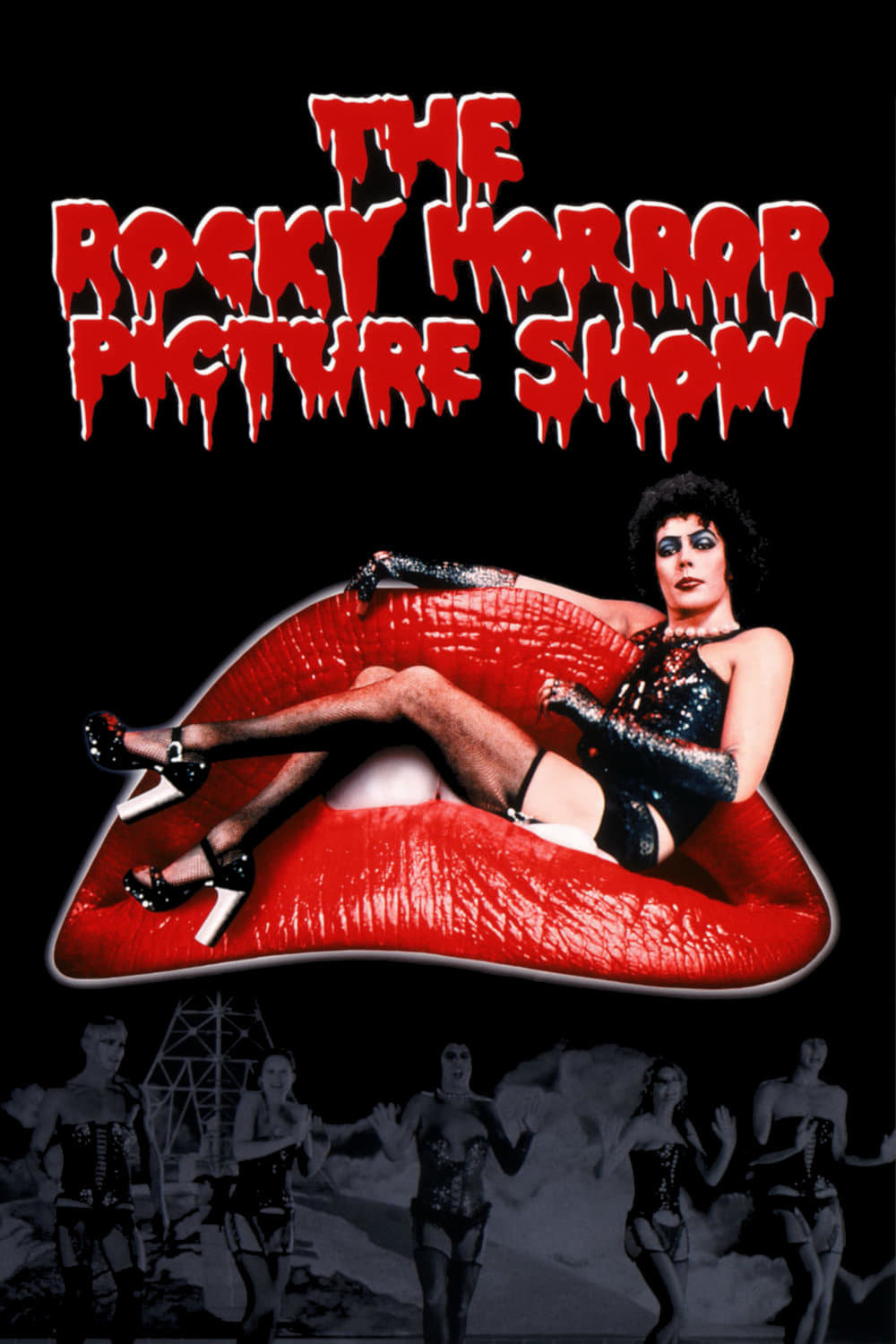
‘The Rocky Horror Picture Show’ was a bizarre musical with a $1.4 million budget. Its mix of sci-fi, horror, and campy songs baffled studios. It flopped hard, pulling in just $1 million initially. Theaters pulled it after a week.
Midnight screenings saved it. Fans embraced its weirdness, turning it into a cult phenomenon with $139 million over decades. Interactive showings with sing-alongs keep it alive today.
Hocus Pocus (1993)
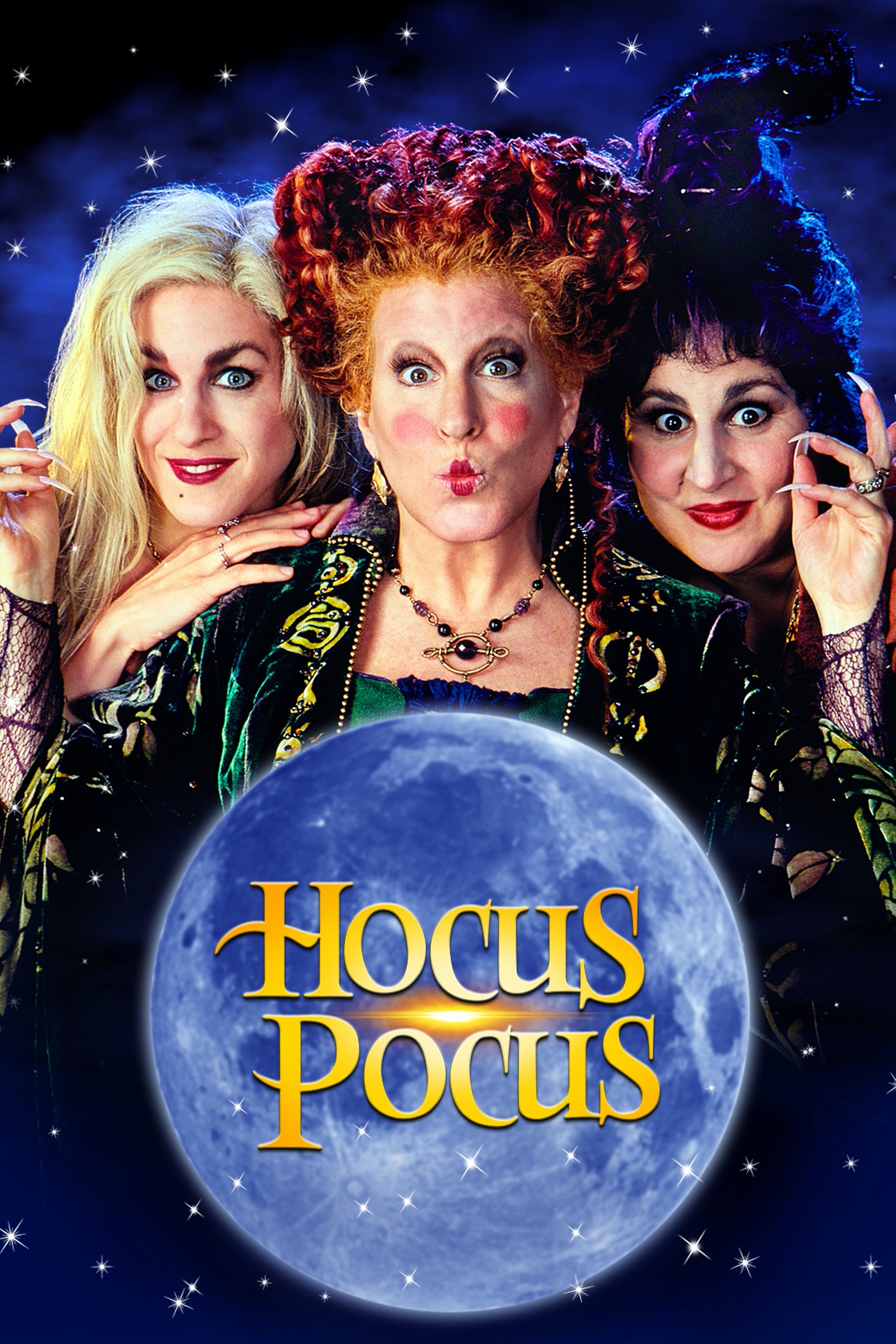
‘Hocus Pocus’ was a Disney kids’ movie with a $28 million budget. Its witchy comedy faced a tough summer release against ‘Jurassic Park’. Critics panned it, and it only grossed $39 million. Studios wrote it off as a misfire.
Home video and TV airings made it a Halloween staple. Its quirky charm and Bette Midler’s performance won fans, leading to a sequel decades later.
Willy Wonka & the Chocolate Factory (1971)
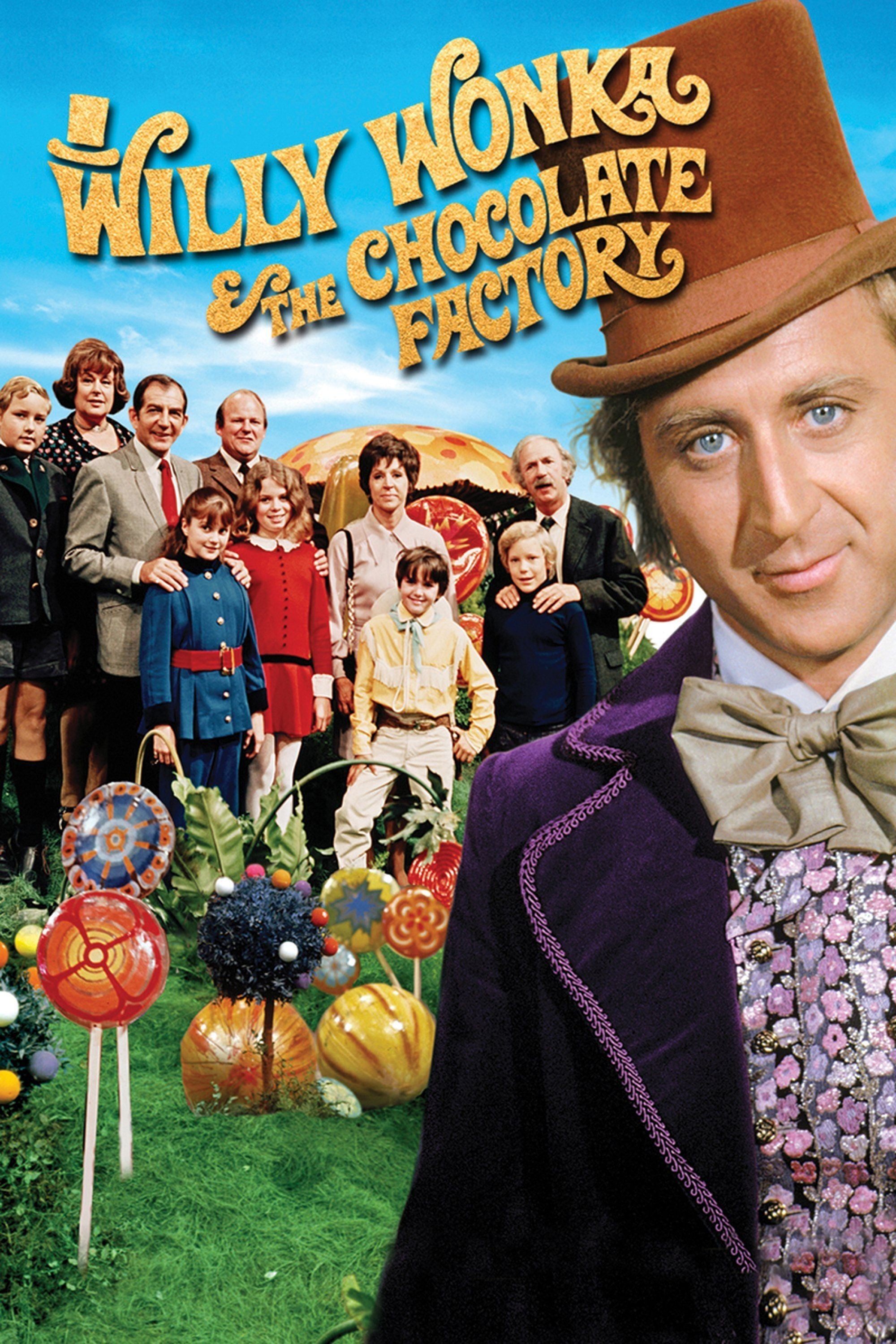
‘Willy Wonka & the Chocolate Factory’ was a troubled production. Made for $3 million, it faced script issues and a disgruntled Roald Dahl. Critics found it too dark for kids, and it only earned $4 million initially. Studios expected it to fade.
VHS and TV turned it around. Its whimsical story and Gene Wilder’s iconic performance made it a family favorite, grossing millions more over time.
It’s a Wonderful Life (1946)
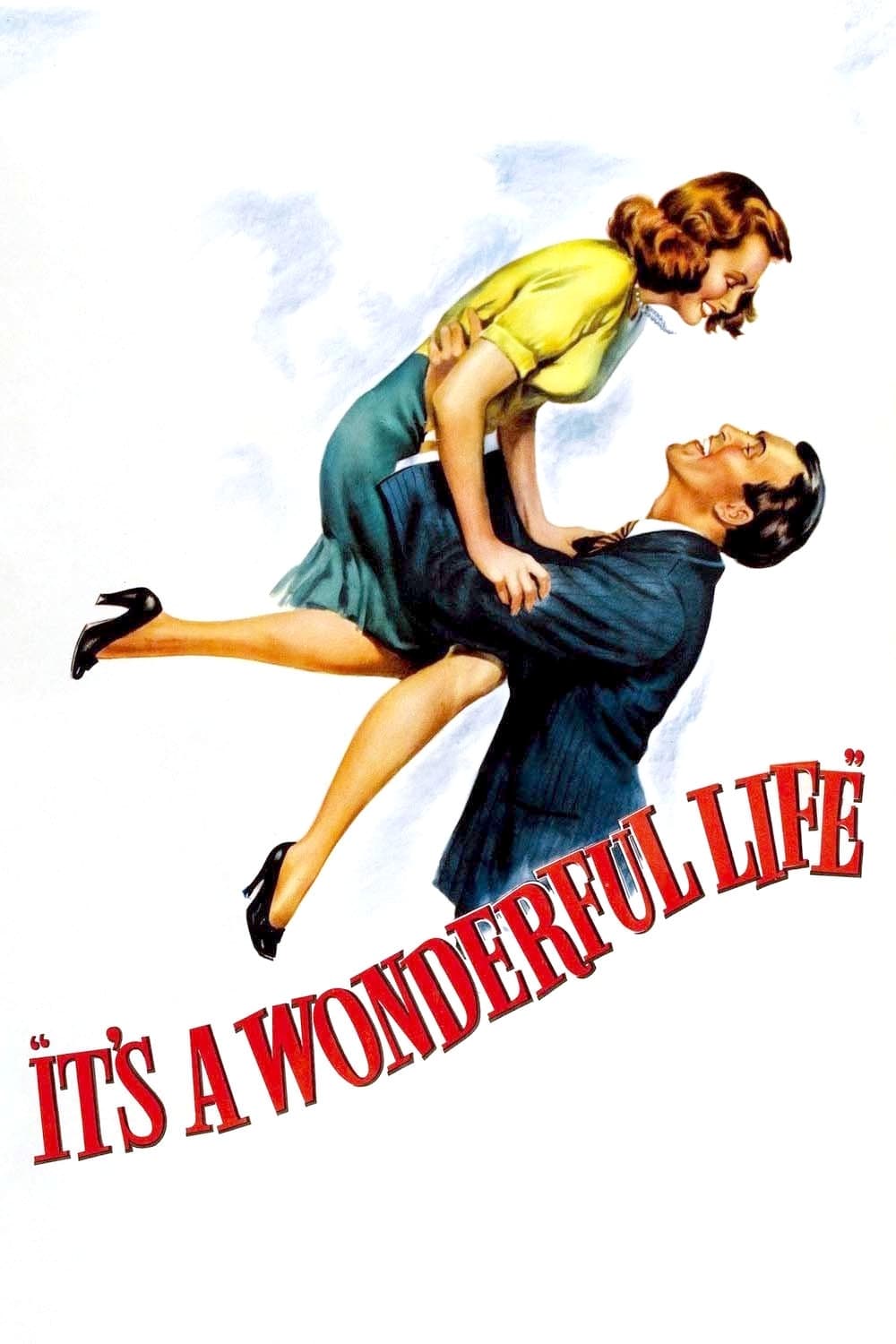
‘It’s a Wonderful Life’ was a post-war drama with a $3.2 million budget. Audiences wanted escapism, not a heavy story about sacrifice. It grossed just $3.3 million and got mixed reviews. Frank Capra’s masterpiece seemed destined for obscurity.
TV airings made it a holiday classic. Public domain status helped it reach millions, and it’s now a beloved tradition with timeless themes of hope.
Blade Runner (1982)
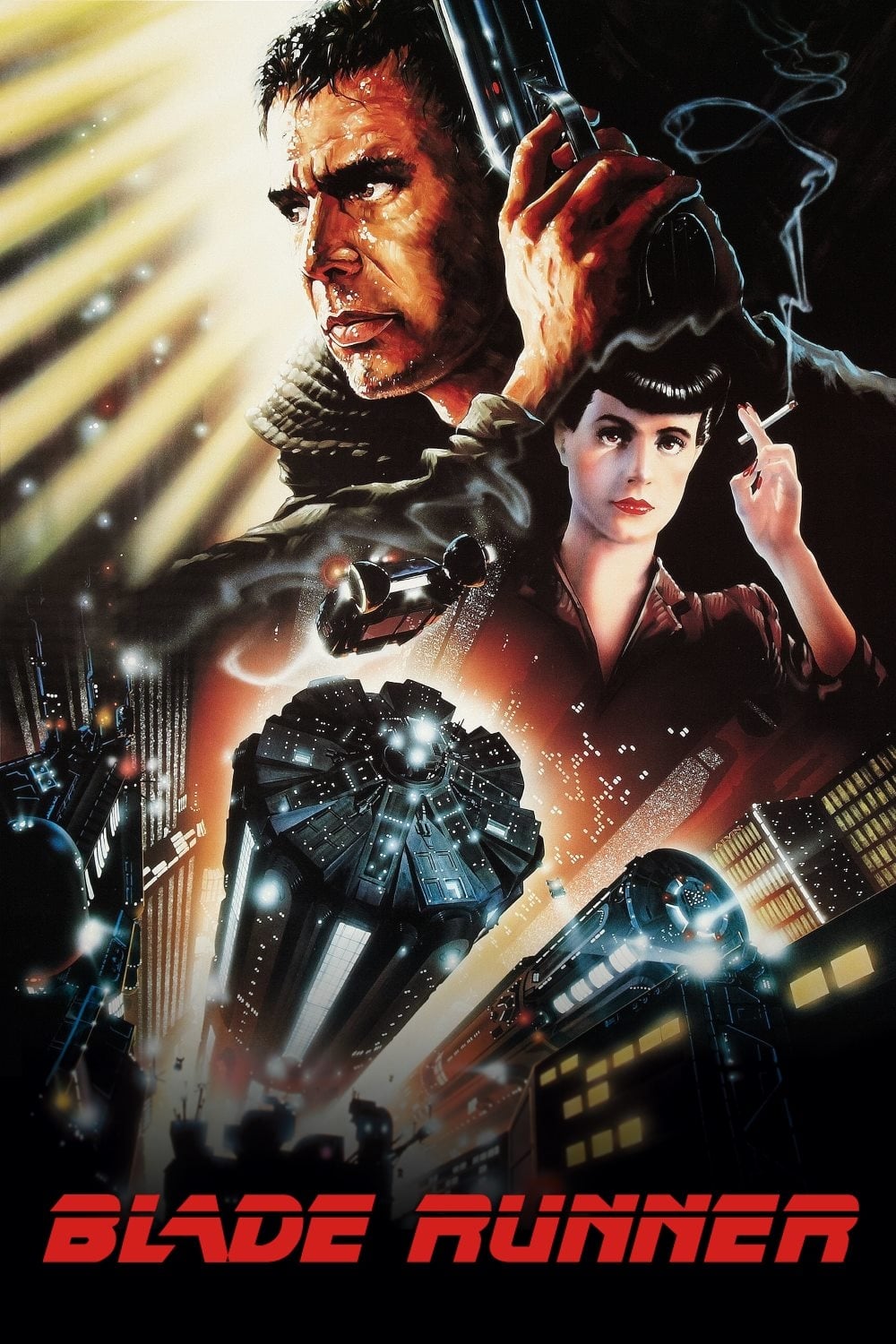
‘Blade Runner’ was a sci-fi gamble with a $28 million budget. Its dark, slow-paced story confused audiences expecting a ‘Star Wars’-style hit. Released alongside ‘E.T.’, it grossed just $41 million. Critics were harsh, and studios called it a flop.
The director’s cut and home video built its legacy. Its dystopian vision influenced sci-fi, and it’s now a classic with a passionate fanbase.
The Iron Giant (1999)
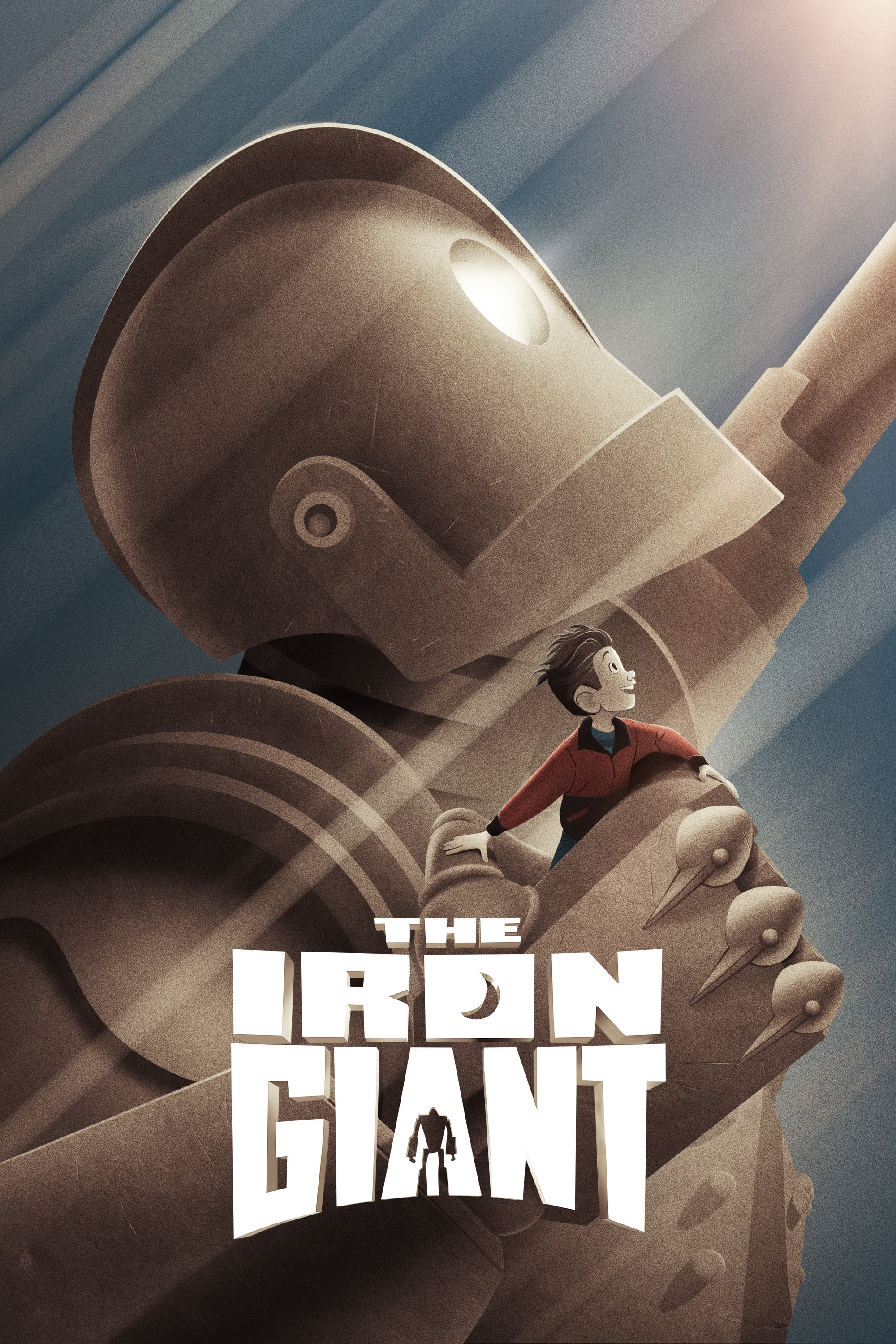
‘The Iron Giant’ was an animated film with a $50 million budget. Warner Bros. botched its marketing, and it faced stiff competition from ‘The Sixth Sense’. It grossed just $31 million, and critics initially overlooked it.
Home video and critical reappraisal made it a classic. Its heartfelt story and anti-war message resonated, earning it a loyal following and cultural impact.
Children of Men (2006)
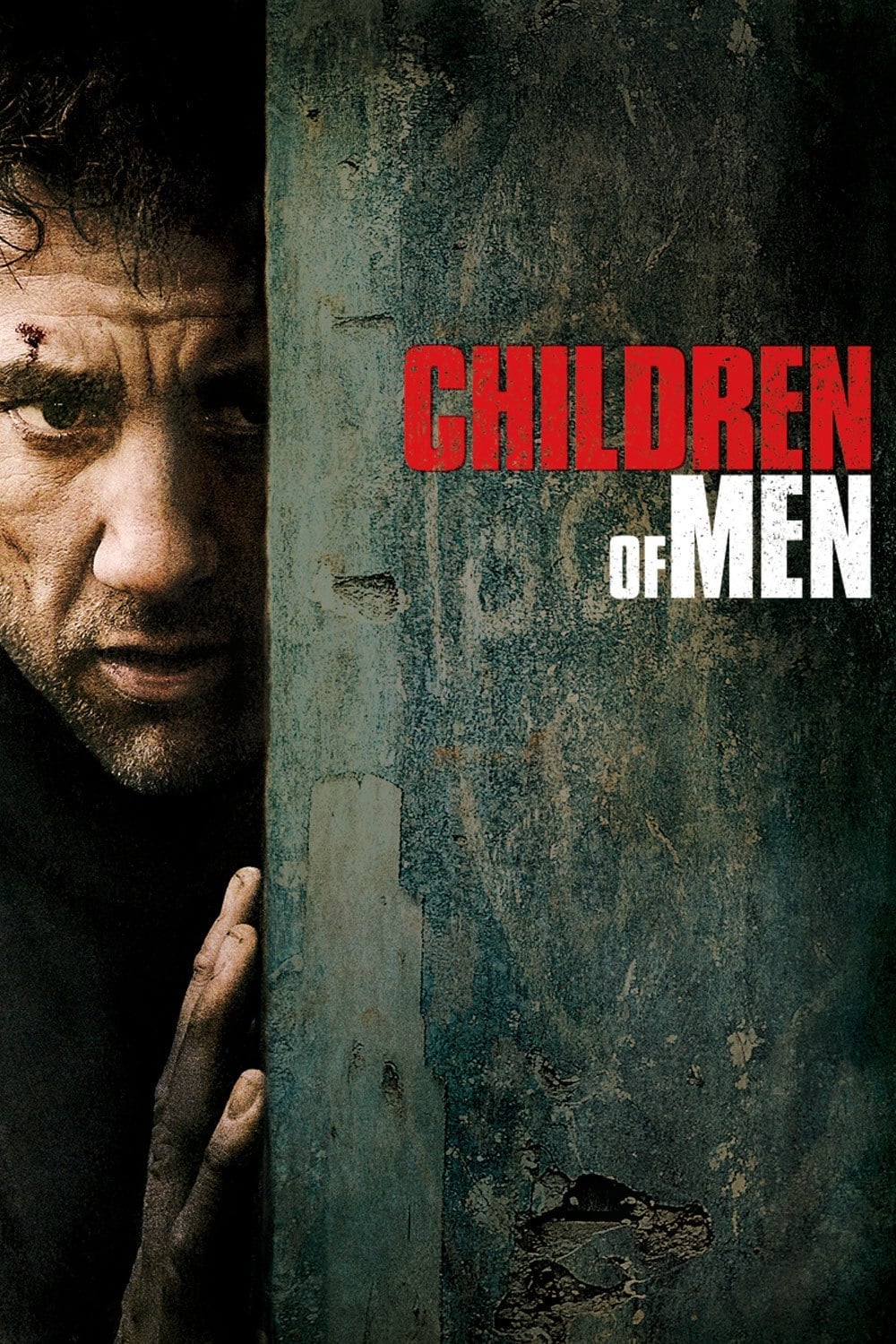
‘Children of Men’ was a dystopian thriller with a $76 million budget. Its grim story and Christmas Day release seemed like a mismatch. It grossed just $70 million, and studios expected it to fade against holiday blockbusters.
Critical praise and home video turned it around. Its stunning cinematography and timely themes made it a cult hit, often cited as a modern masterpiece.
Dazed and Confused (1993)
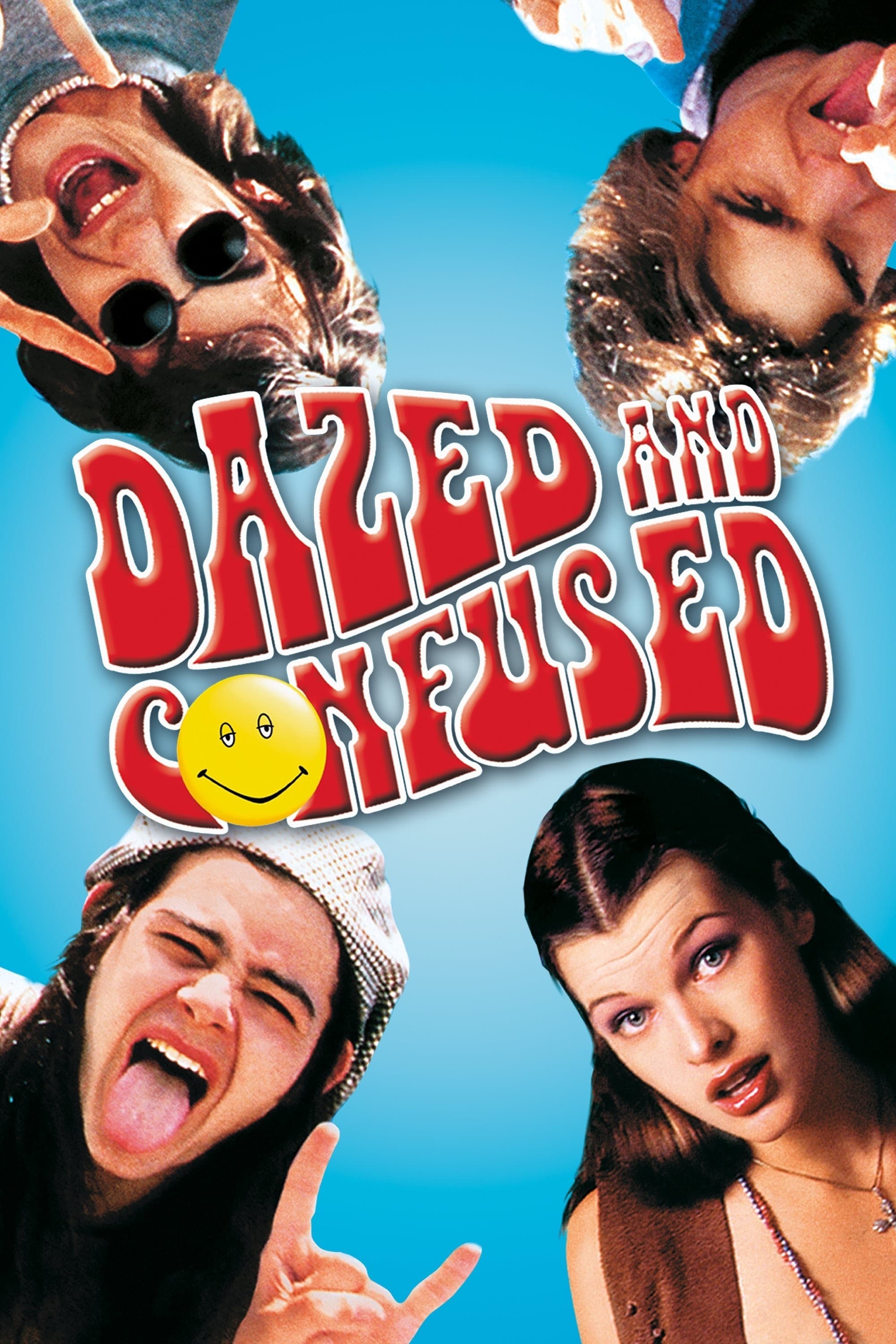
‘Dazed and Confused’ was a $6.9 million coming-of-age comedy with no big stars. Universal didn’t know how to market its ensemble cast and 1970s nostalgia. It grossed just $8 million, and critics gave it mixed reviews.
VHS and cable made it a cult classic. Its quotable lines and relatable characters resonated with teens, cementing its place in pop culture.
Office Space (1999)
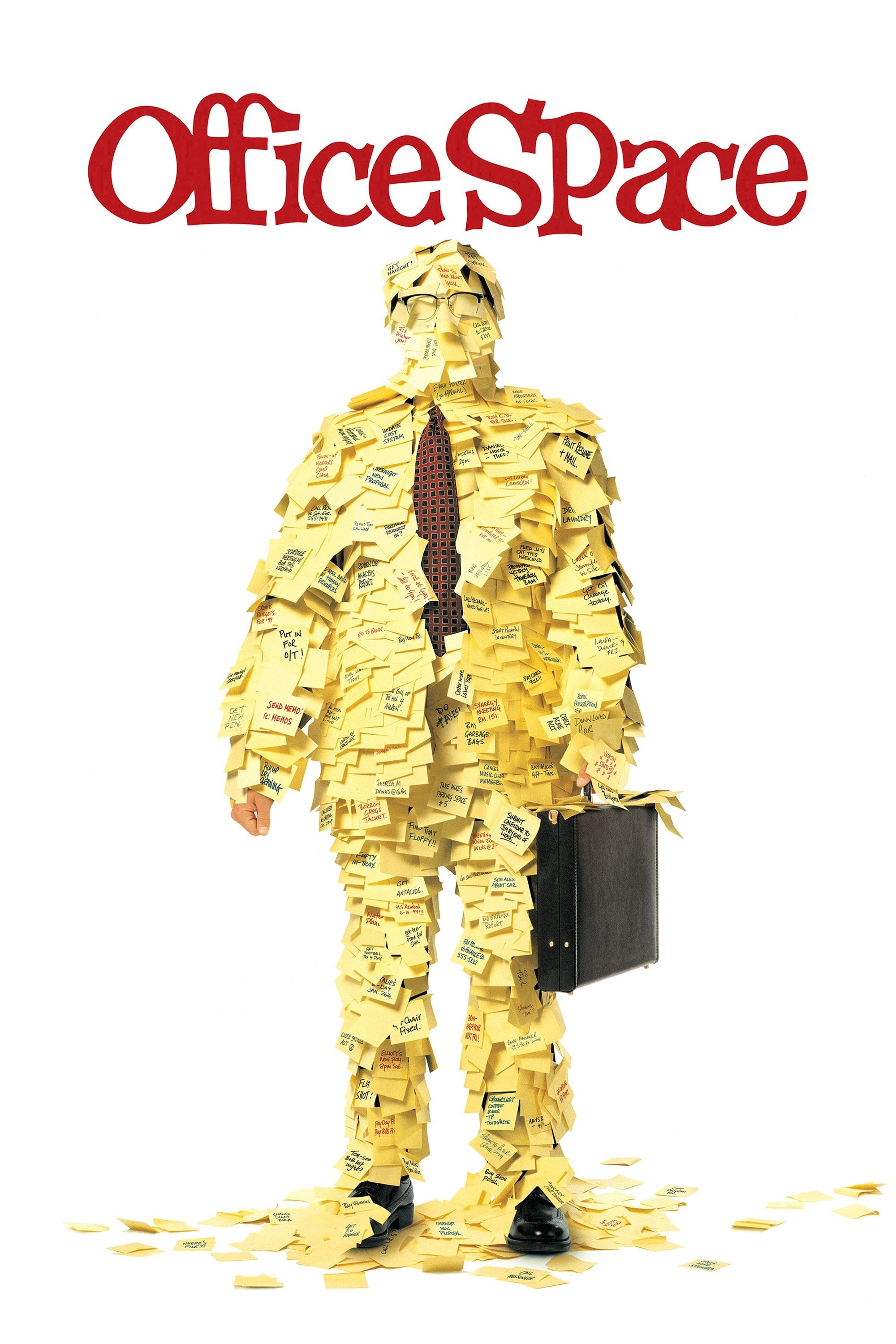
‘Office Space’ was a $10 million satire about cubicle life. Fox didn’t push it, expecting its niche humor to flop. It grossed just $12 million, and critics were lukewarm. The studio quickly moved on.
Home video and TV airings made it a hit. Its deadpan take on workplace drudgery struck a chord, and lines like “PC Load Letter” became iconic.
The Big Lebowski (1998)
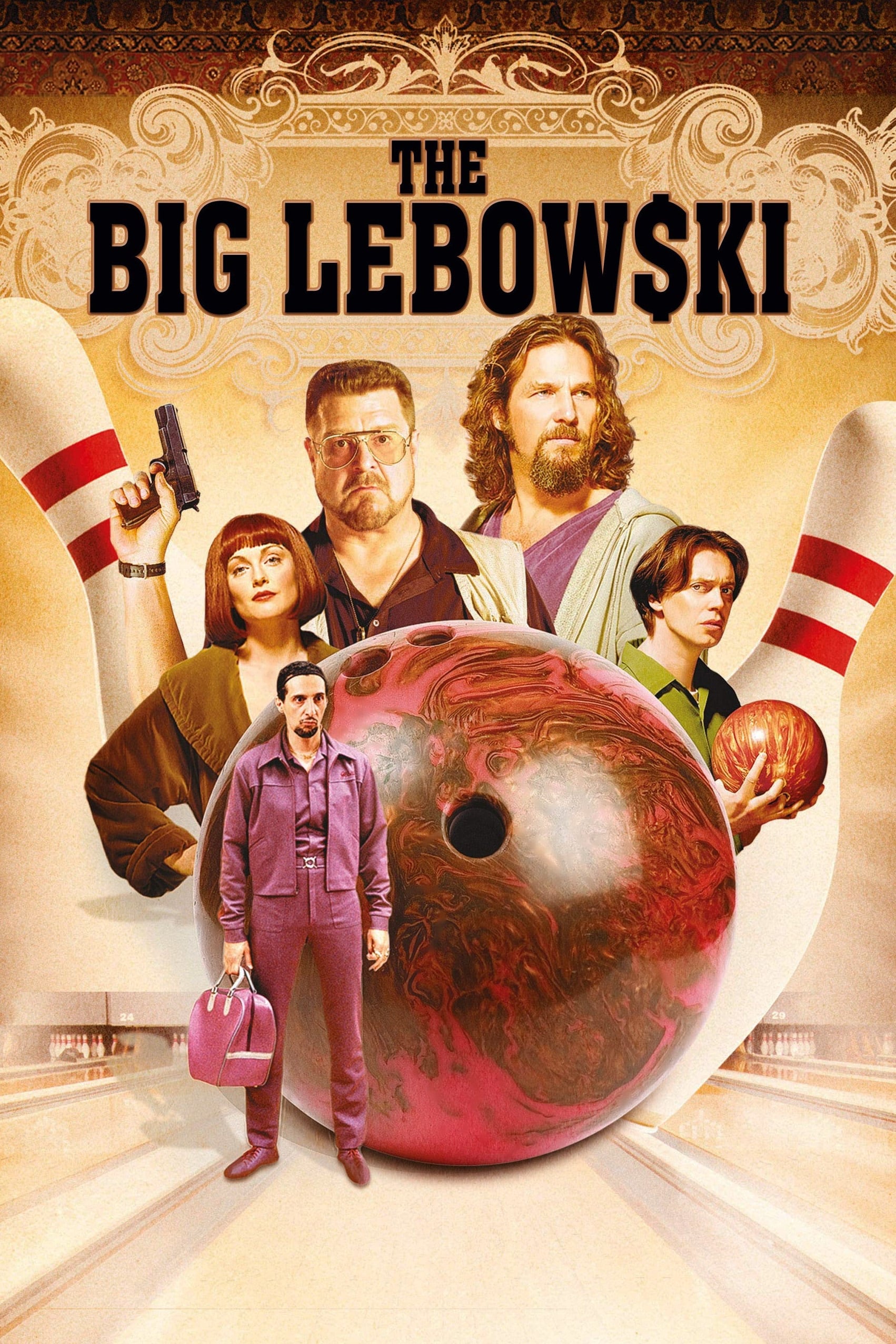
‘The Big Lebowski’ was a $15 million Coen Brothers comedy. Its oddball plot about a slacker mistaken for a millionaire confused test audiences. It grossed $46 million but barely broke even. Critics didn’t fully embrace it.
VHS and DVD turned it into a cult phenomenon. Fans loved “The Dude” and his quirky world, making it one of the most quoted comedies ever.
The Princess Bride (1987)
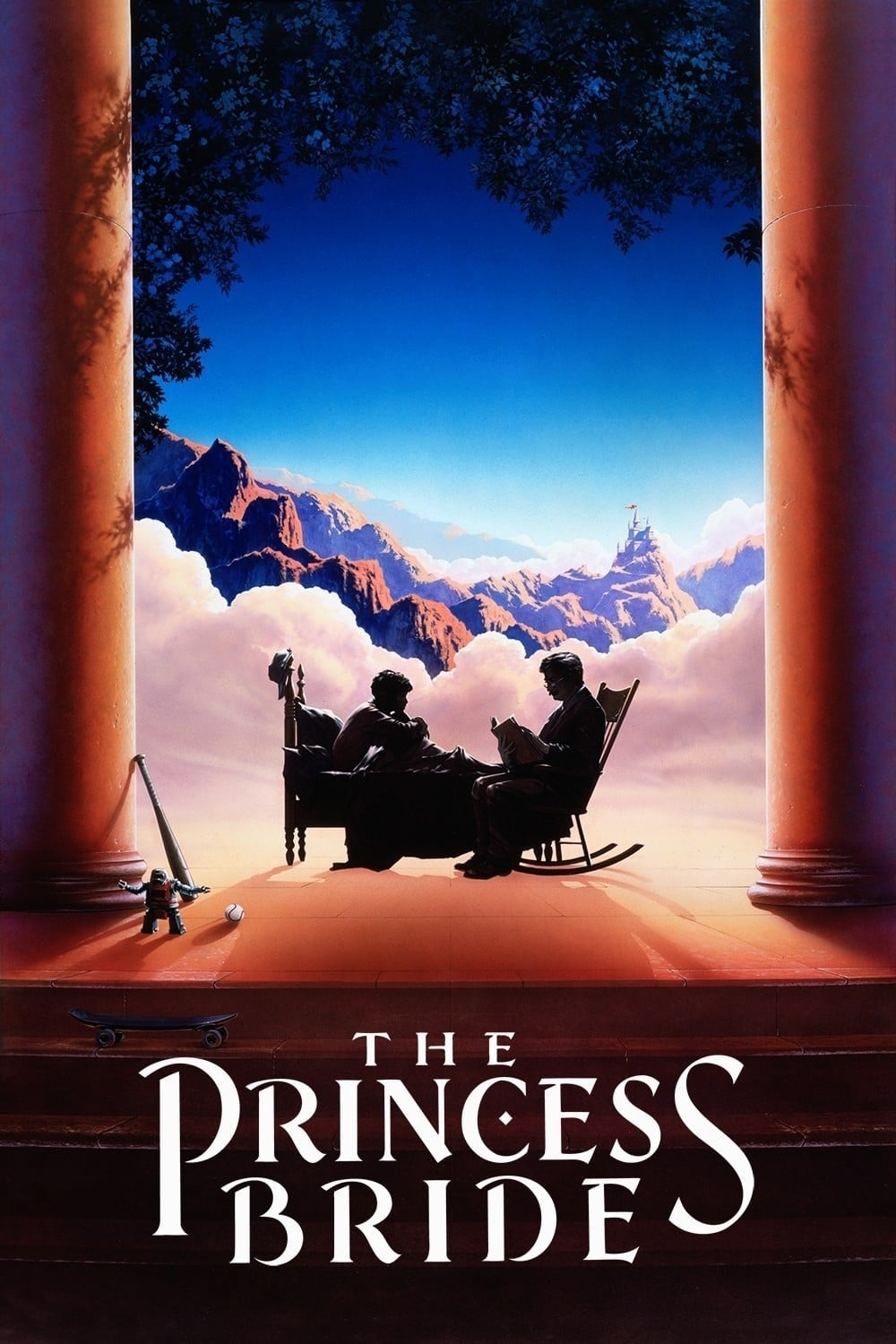
‘The Princess Bride’ was a $16 million fairy tale with no major stars. Its mix of romance, comedy, and adventure baffled marketers. It grossed $30 million, barely breaking even, and critics gave it modest praise.
Home video made it a family favorite. Its witty script and memorable lines like “Inconceivable!” built a massive following, leading to endless fan devotion.
Donnie Darko (2001)
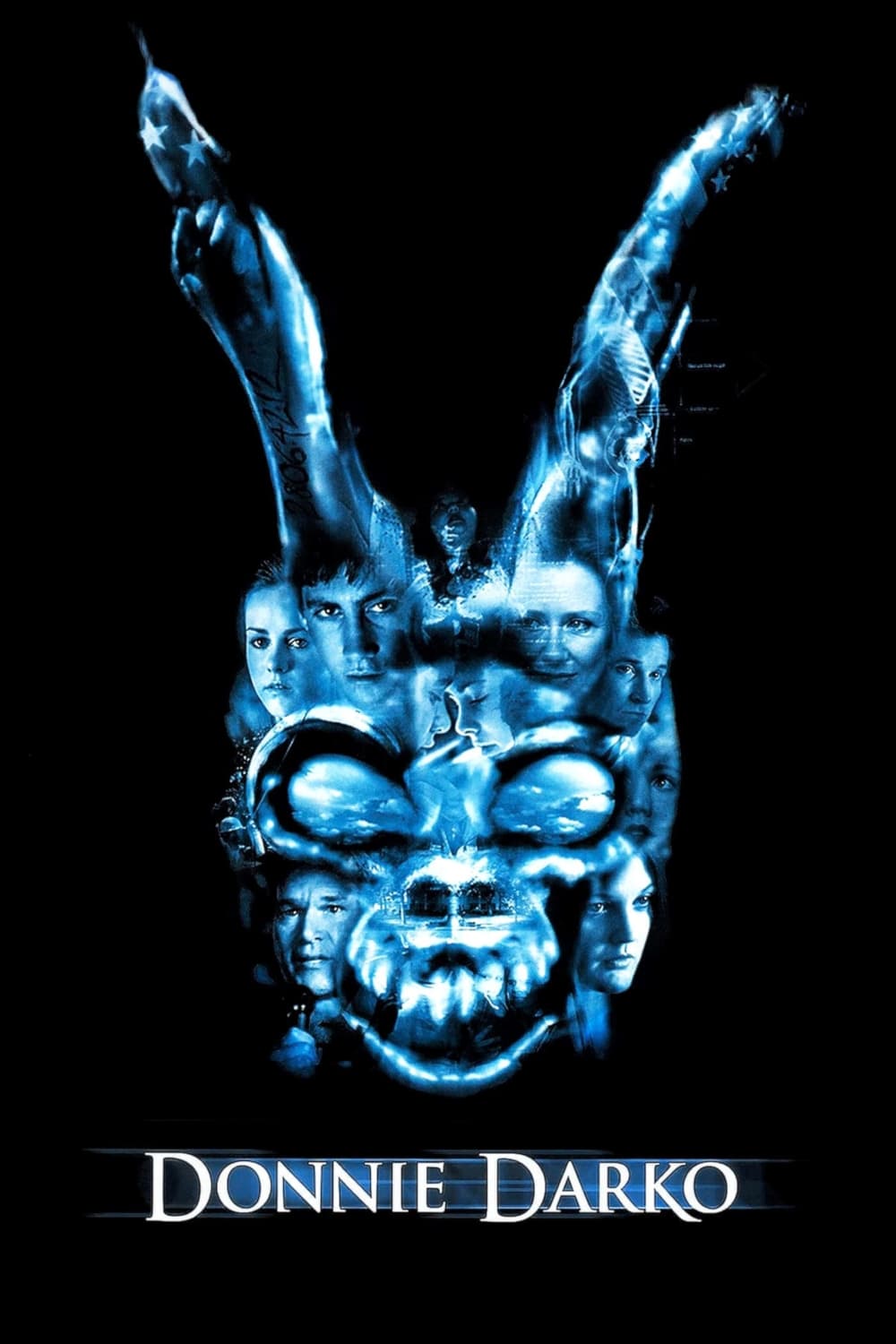
‘Donnie Darko’ was a $4.5 million sci-fi drama with a complex plot. Its dark tone and unknown cast made distributors skeptical. It grossed just $7.5 million after a limited release post-9/11, a tough time for heavy themes.
A director’s cut and DVD sales sparked a cult following. Its mind-bending story and Jake Gyllenhaal’s breakout role made it a fan obsession.
The Thing (1982)
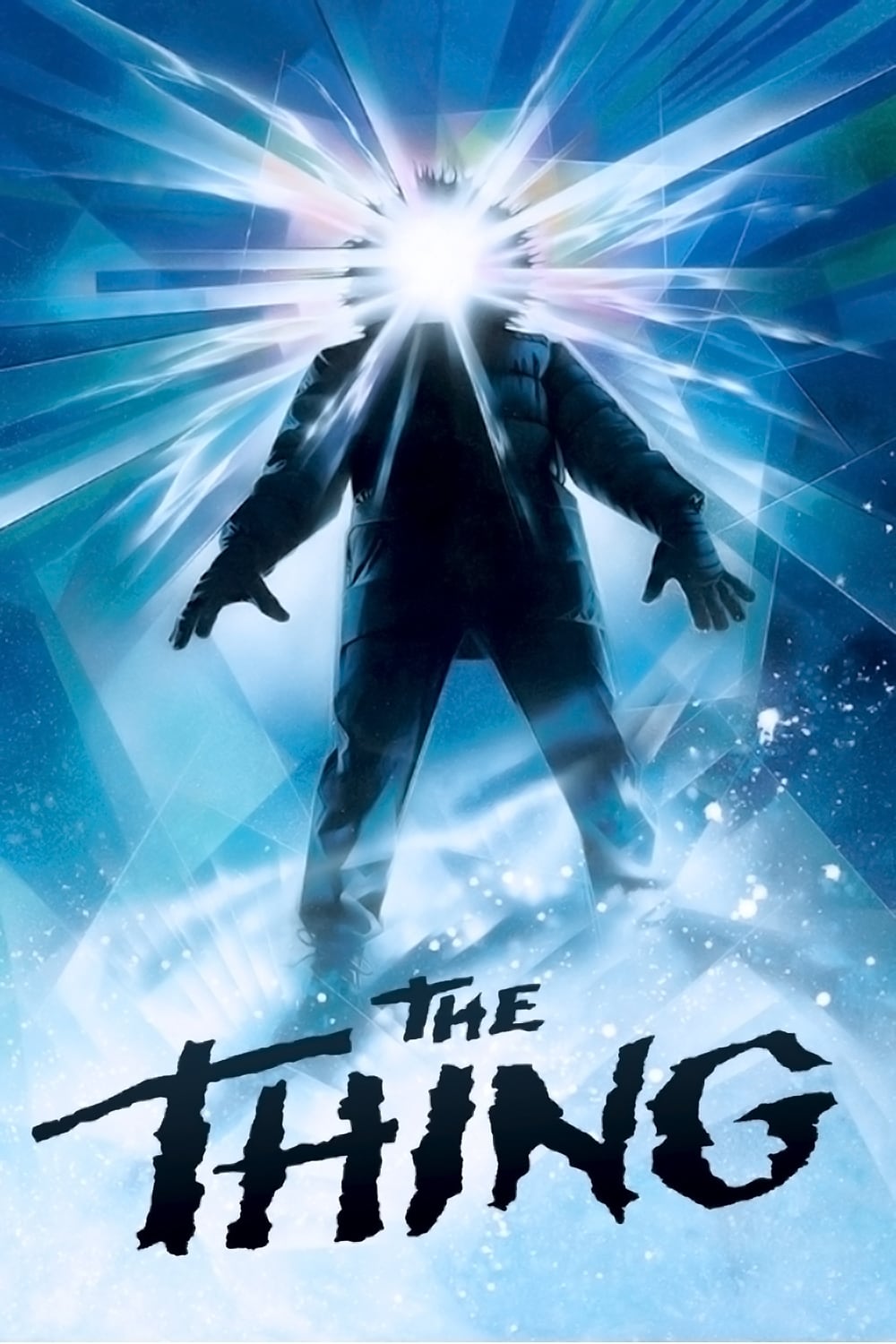
‘The Thing’ was a $15 million horror remake by John Carpenter. Released against ‘E.T.’, its grim tone and gory effects turned audiences off. It grossed $19 million, and critics called it too bleak.
Home video and reappraisal made it a sci-fi horror classic. Its paranoia and groundbreaking effects influenced the genre, earning it a devoted fanbase.
Clue (1985)
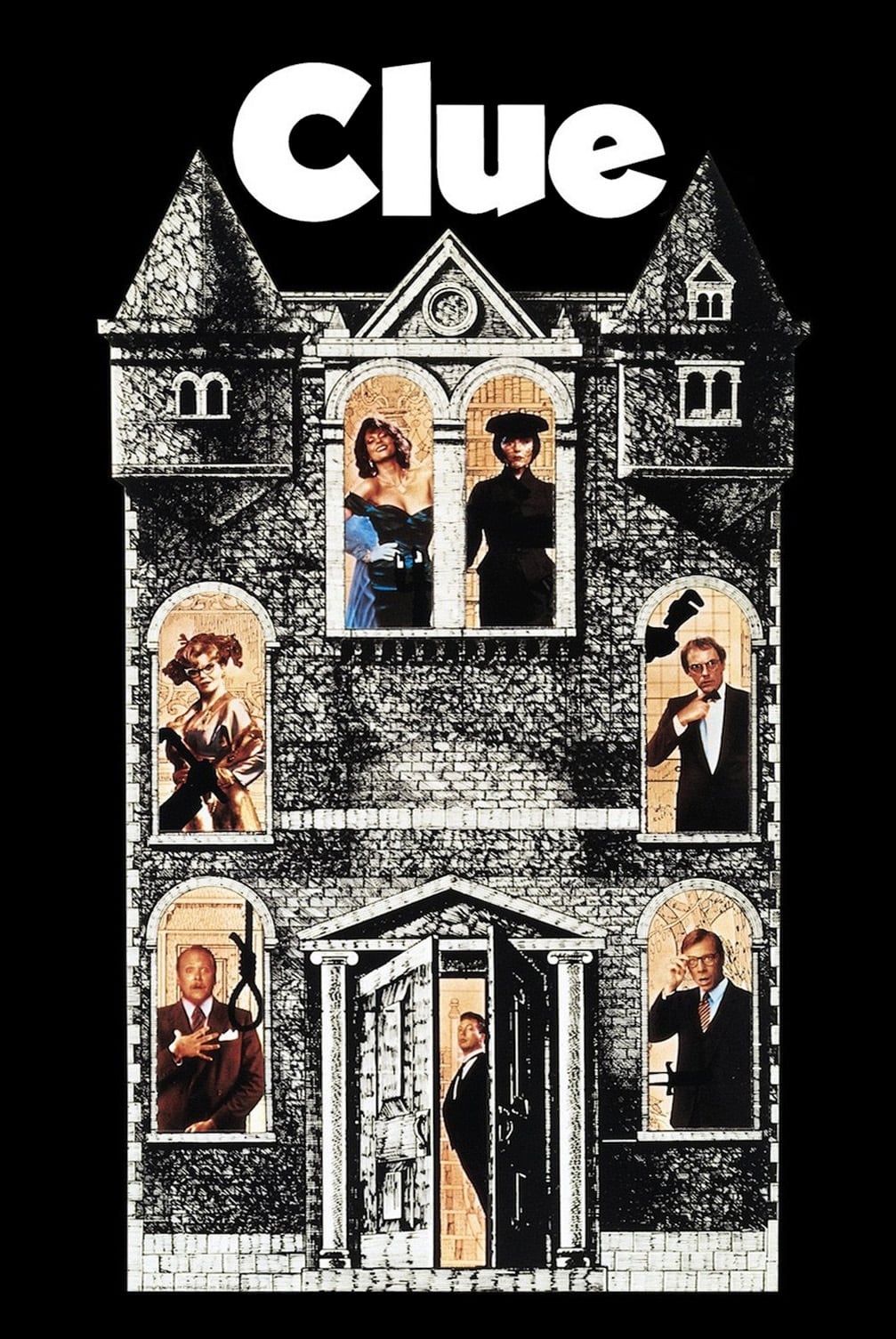
‘Clue’ was a $15 million comedy based on a board game. Its multiple endings confused audiences, and it grossed just $14.6 million. Critics gave mixed reviews, and studios expected it to disappear.
Cable and VHS turned it into a cult hit. Its zany humor and all-star cast, led by Tim Curry, made it a fan favorite for group viewings.
Napoleon Dynamite (2004)
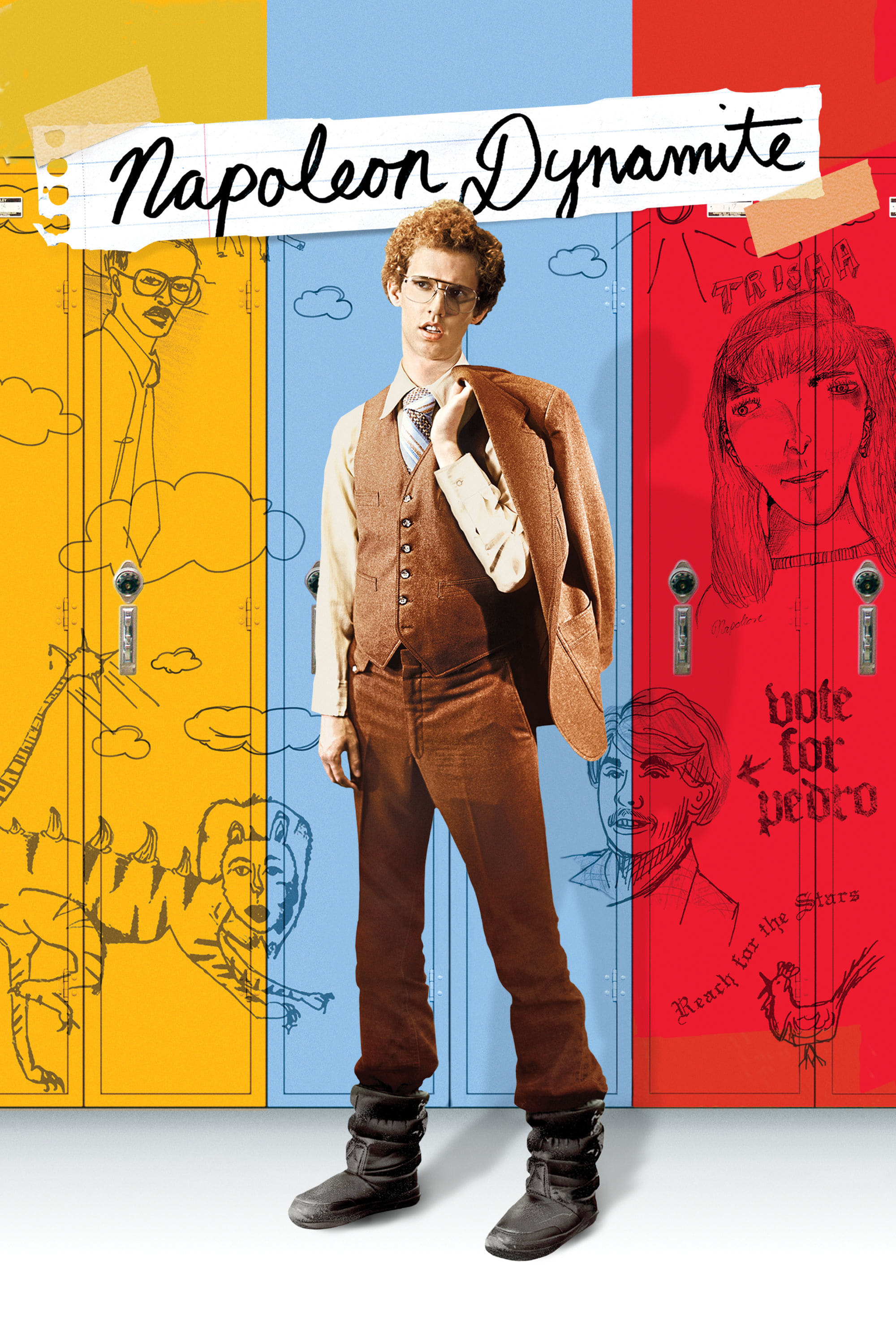
‘Napoleon Dynamite’ was a $400,000 indie comedy with no stars. Its quirky humor about a nerdy teen seemed too niche. It faced a tough sell at festivals, and distributors doubted its wide appeal.
Word-of-mouth made it a phenomenon. It grossed $46 million, and its oddball charm spawned catchphrases like “Vote for Pedro” that still resonate.
Mad Max (1979)
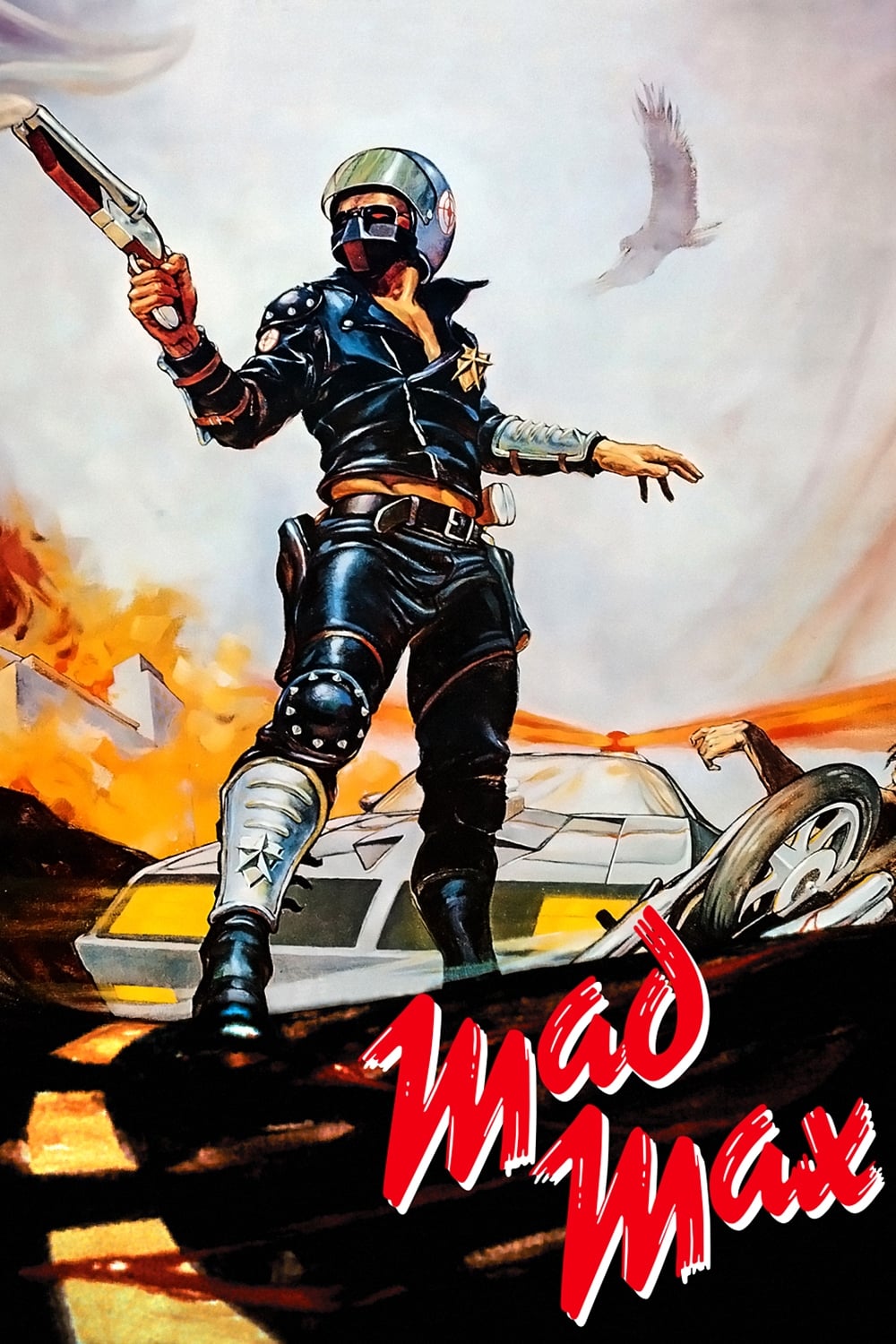
‘Mad Max’ was a $350,000 Australian action film. Its gritty violence and unknown director, George Miller, made distributors wary. It faced censorship issues and limited U.S. release, with dubbed dialogue that turned off viewers.
It became a global hit, grossing $100 million. Its raw energy and dystopian world launched a franchise and made Mel Gibson a star.
Grease (1978)
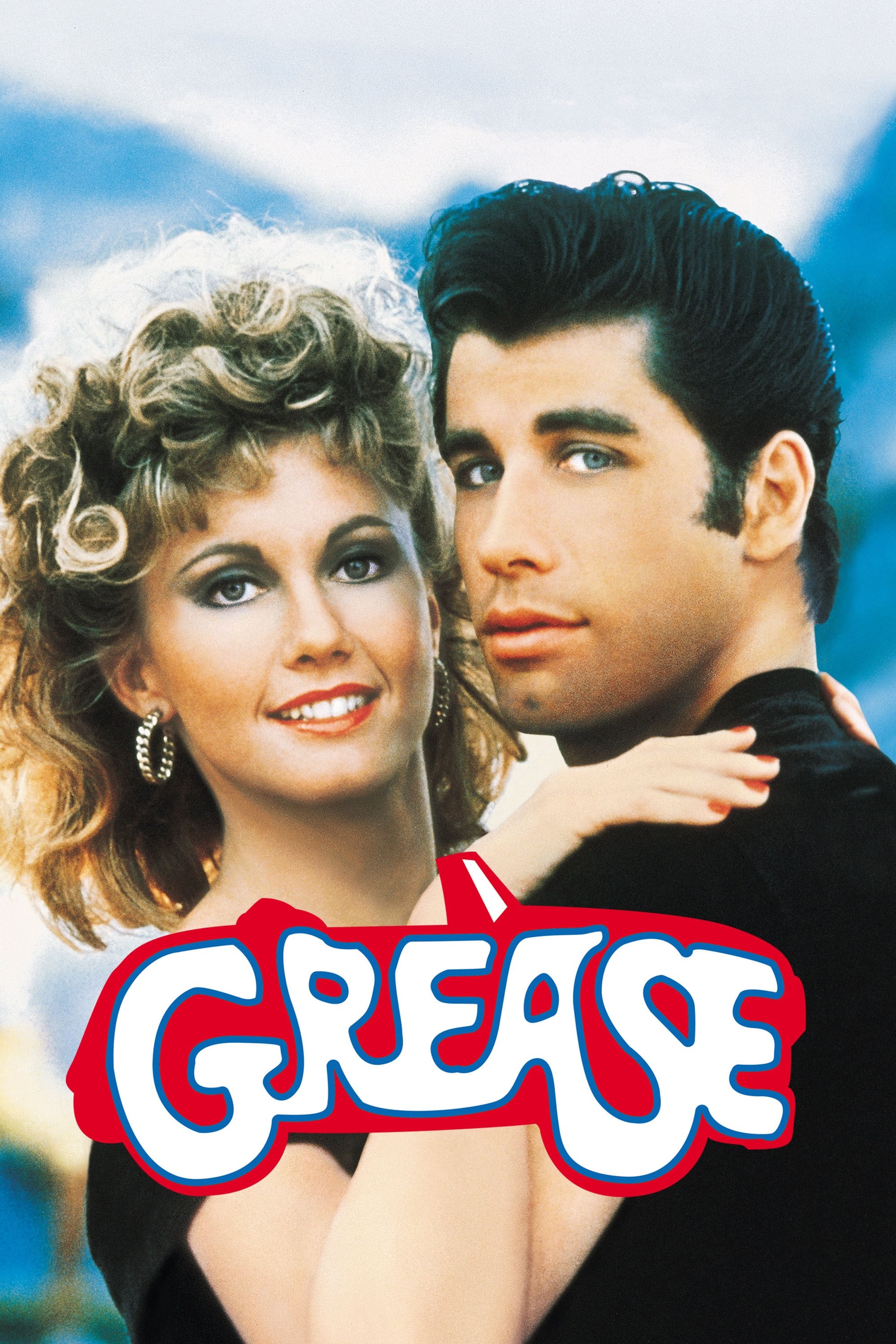
‘Grease’ was a $6 million musical with a fading genre. Studios doubted a 1950s nostalgia trip would draw crowds, especially with John Travolta as a rising but unproven star. Early buzz was tepid.
It became a cultural juggernaut. Grossing $396 million, its catchy songs and chemistry between Travolta and Olivia Newton-John made it a timeless hit.
Pulp Fiction (1994)
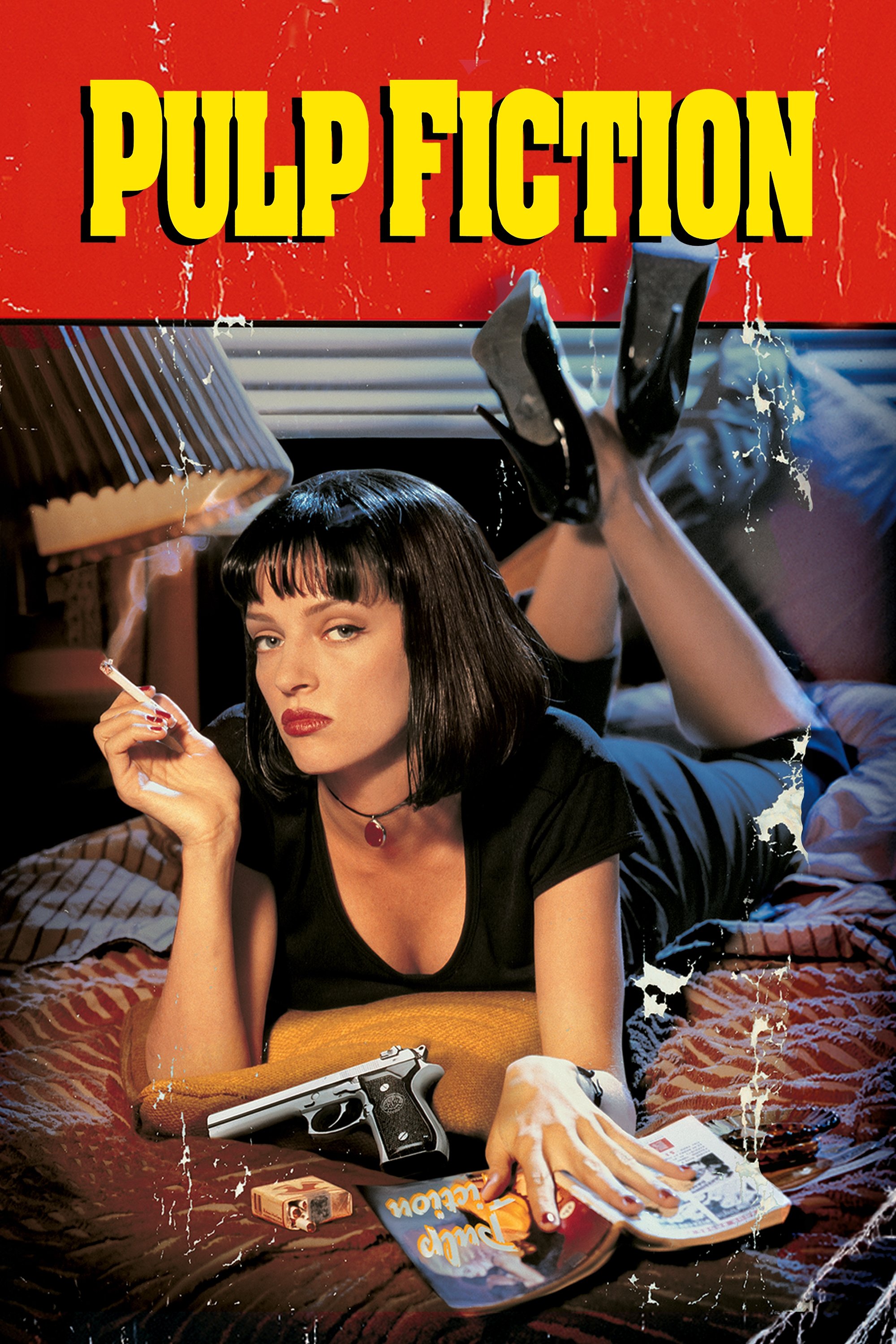
‘Pulp Fiction’ was a $8 million indie with a nonlinear plot. Studios thought its violence and quirky dialogue would alienate audiences. Miramax took a chance, but expectations were low for a wide release.
It redefined cinema. Grossing $213 million, it won an Oscar for Best Screenplay and made Quentin Tarantino a household name with its bold style.
What’s your favorite movie that defied the odds and became a hit? Share your thoughts in the comments!

