


Movies With the Absolute Best Post-Credits Scenes

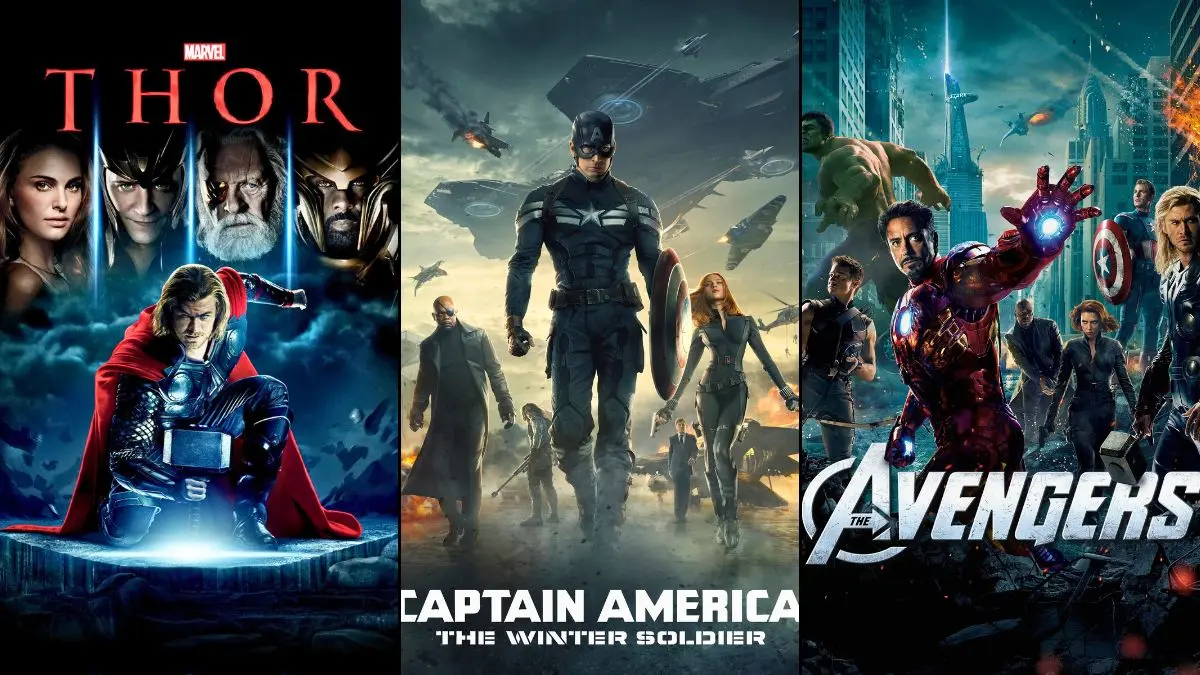


From superhero teases to sly comedy tags and franchise game-changers, post-credits scenes have become a must-watch tradition that rewards anyone who sticks around. Here are forty films whose stingers deliver concrete reveals, character payoffs, or future setup worth staying seated for, with clear details on what each scene shows and why it matters to the story that follows.
‘Iron Man’ (2008)
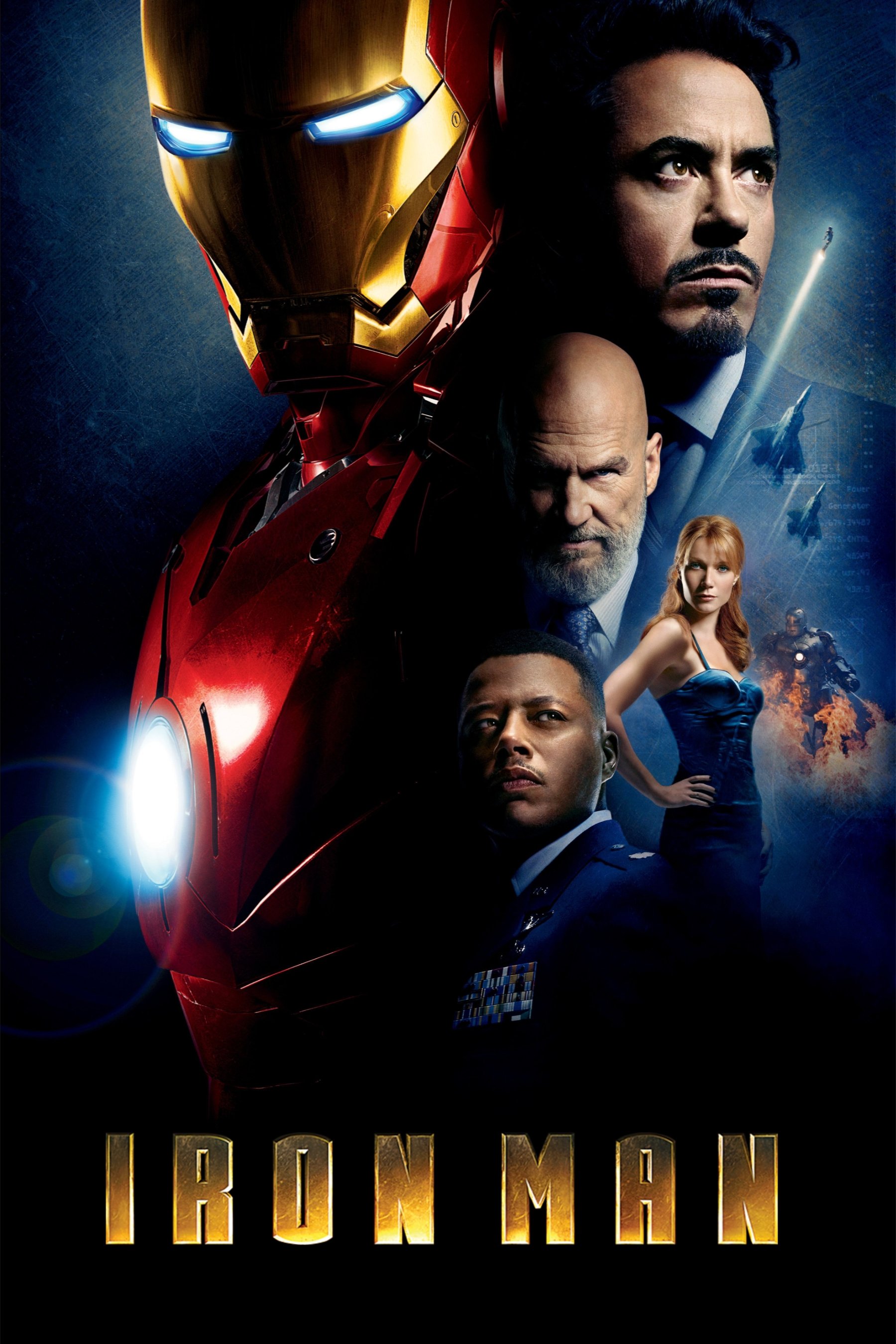
The stinger introduces Nick Fury in Tony Stark’s home, outlining the “Avengers Initiative.” It marks the first on-screen connection between separate Marvel characters. The scene establishes that other heroes exist in this world beyond Tony. It directly seeds the team-up films that follow.
‘The Incredible Hulk’ (2008)
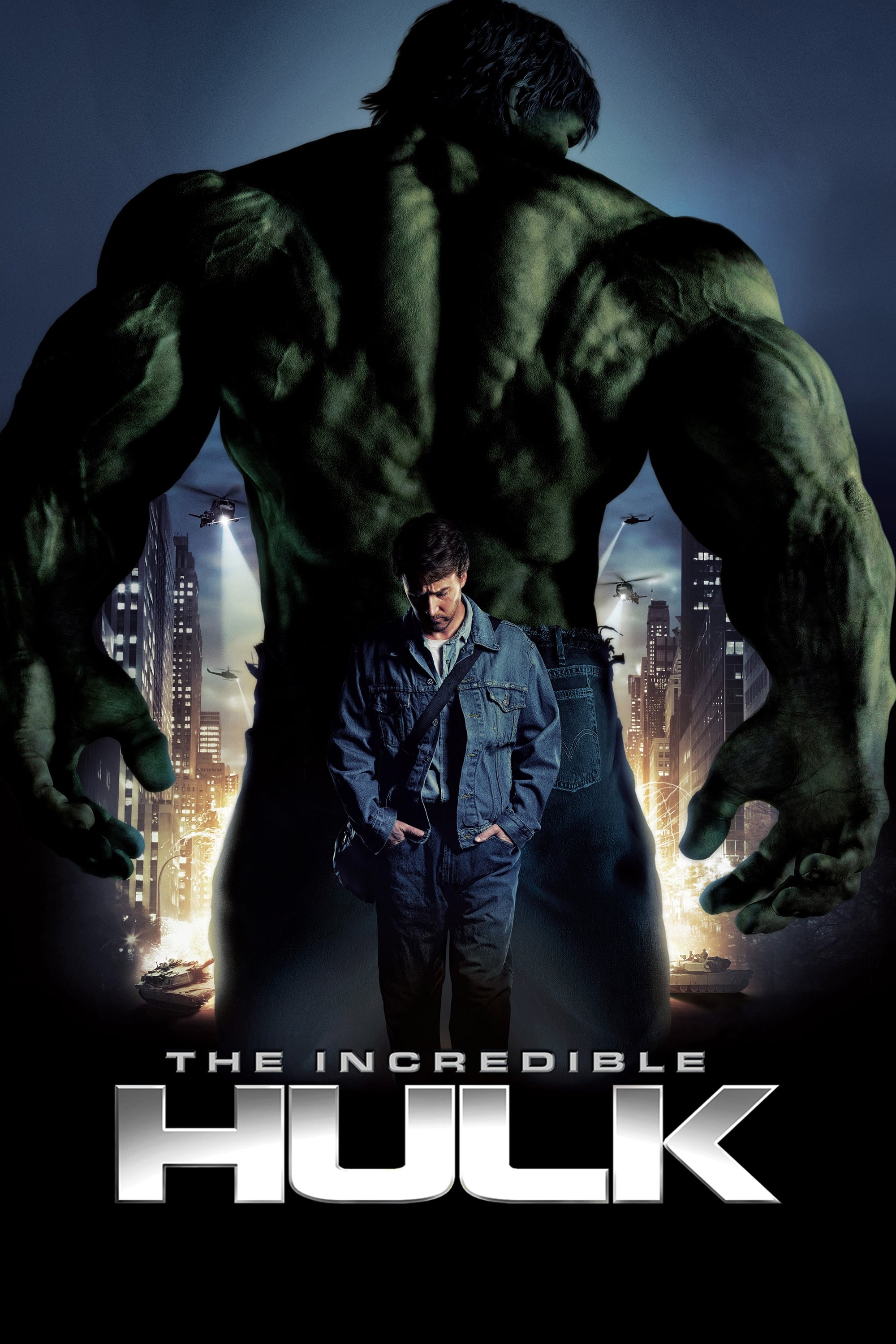
A brief bar meeting shows Tony Stark approaching General Ross. The moment confirms shared continuity with ‘Iron Man.’ It signals an interest in forming a team to respond to emerging threats. This ties Hulk’s story to broader events already in motion.
‘Thor’ (2011)
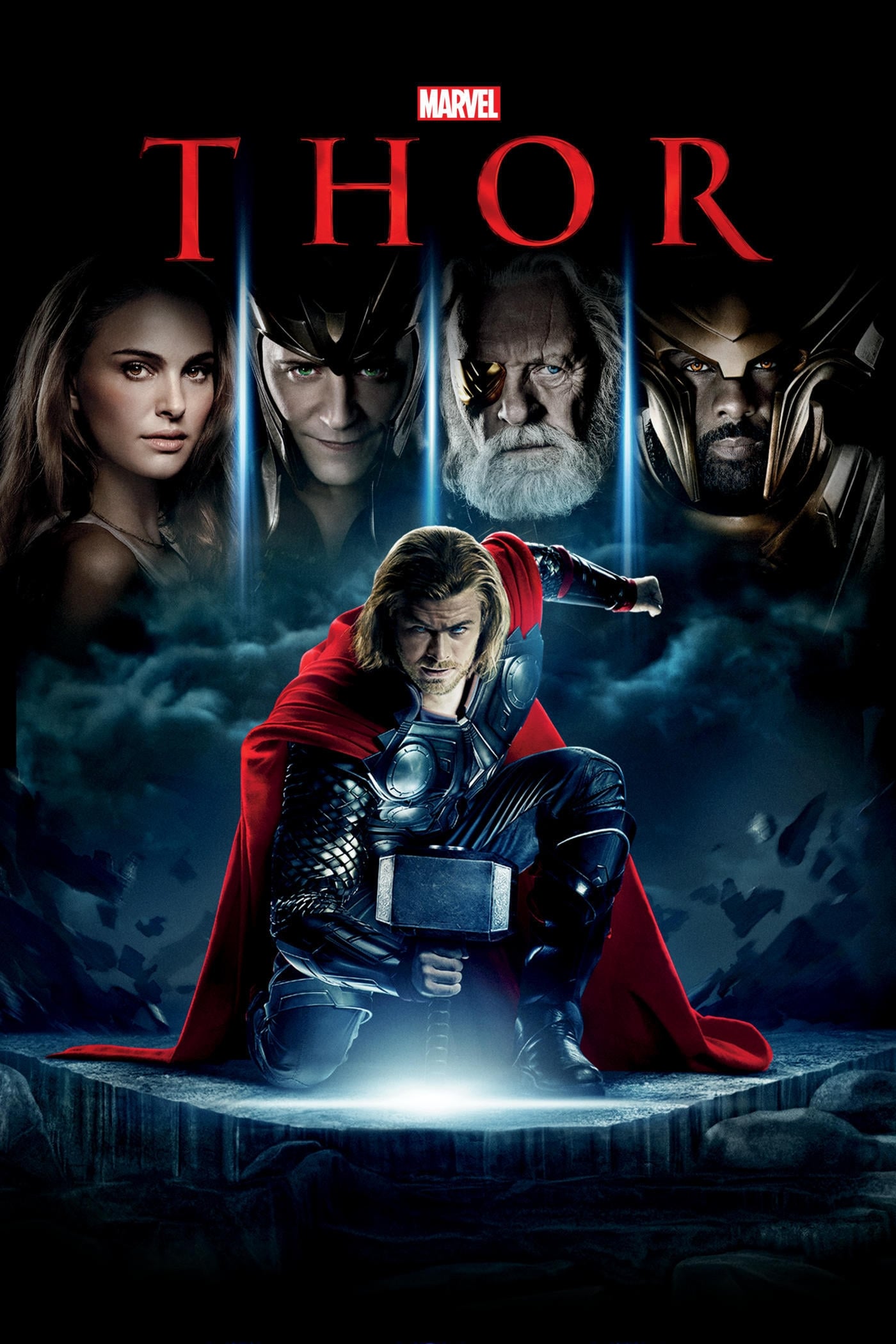
A mid-credits scene shows Dr. Selvig meeting Nick Fury to study a strange cube, with Loki observing. The object is the Tesseract, later revealed to house a powerful artifact. Loki’s presence confirms he survived and is manipulating events. This sets up conflicts that soon involve multiple heroes.
‘Captain America: The Winter Soldier’ (2014)
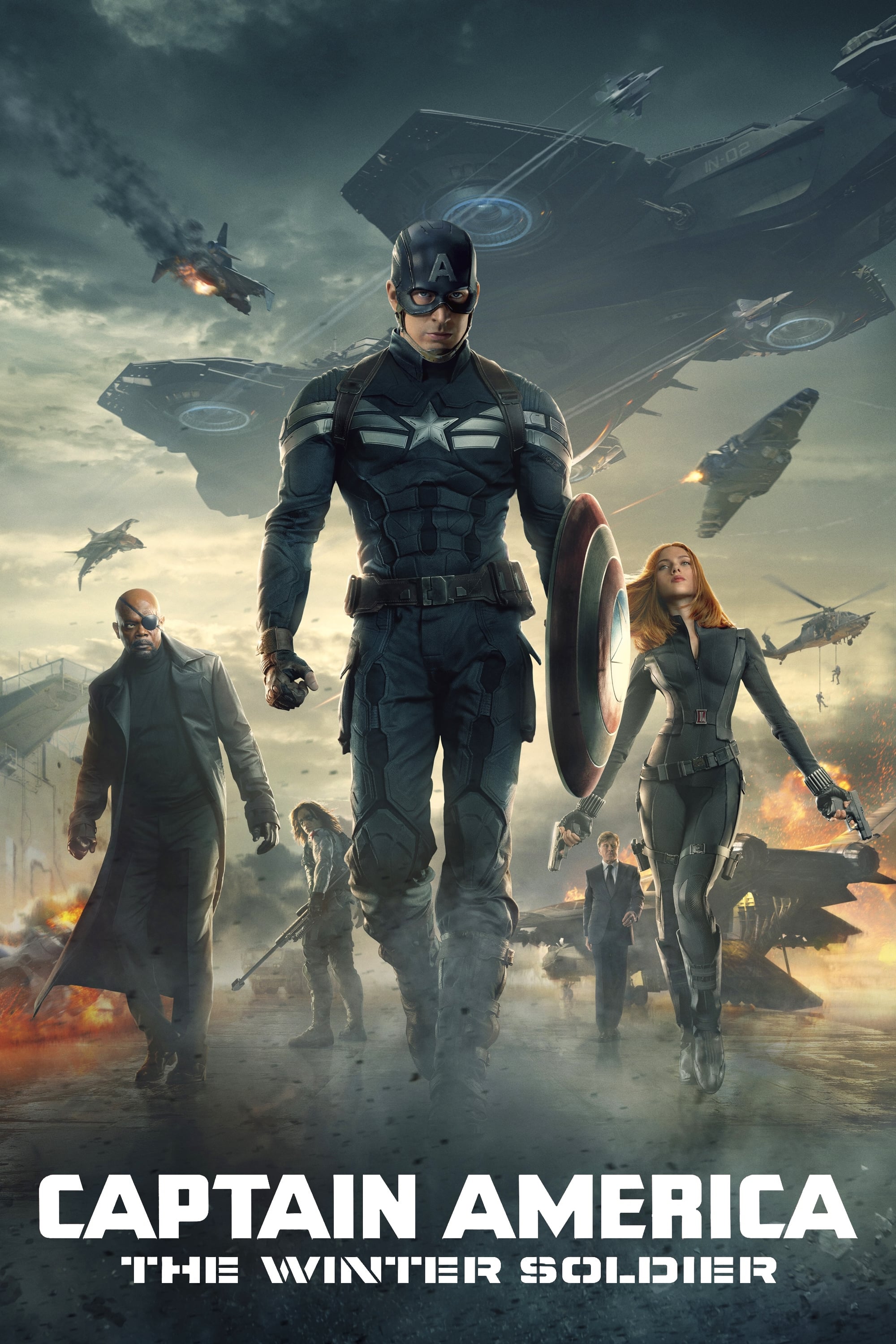
The tag reveals Pietro and Wanda Maximoff in a Hydra facility. It confirms experimentation using a cosmic artifact’s energy. Their powers are introduced without full backstory, keeping their status ambiguous. The scene directly tees up their next major appearance.
‘Captain America: Civil War’ (2016)
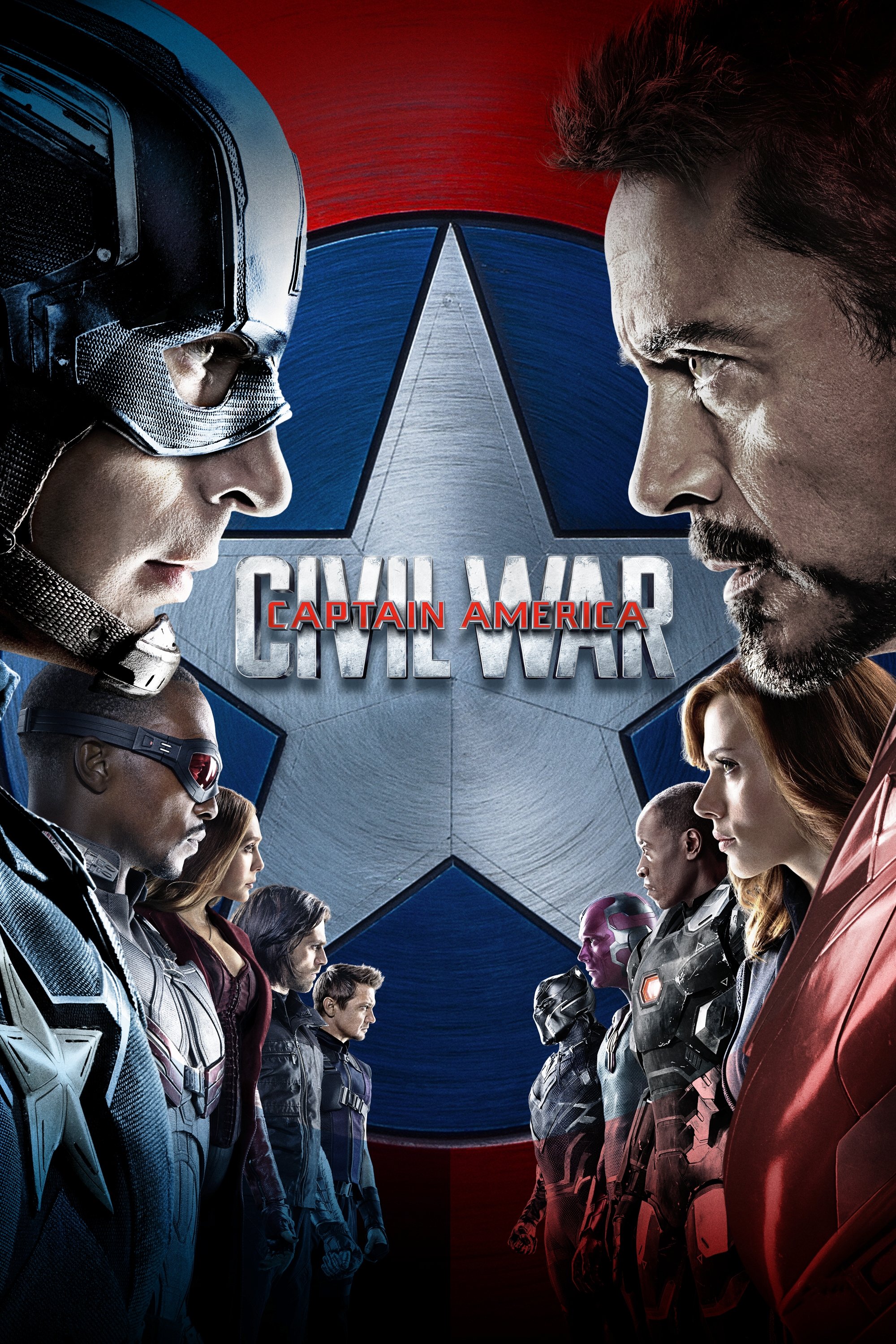
One scene shows Bucky placed in cryostasis in Wakanda for safety. Another introduces Peter Parker’s new tech upgrade at home. The Wakanda reveal positions the nation as a key ally and advanced power. The Parker moment quietly outlines how Stark’s support elevates Spider-Man’s capabilities.
‘The Avengers’ (2012)
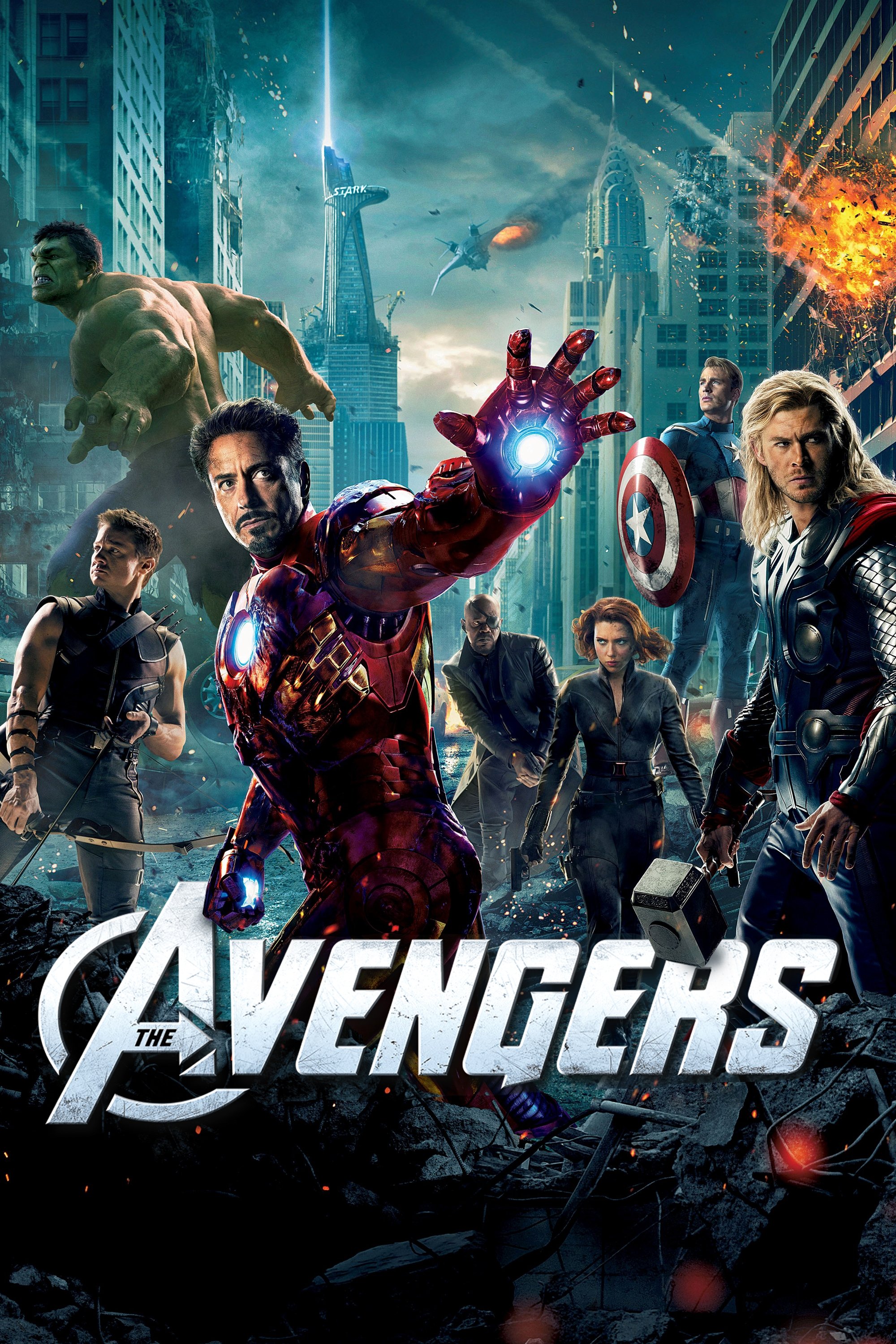
A mid-credits reveal shows the mastermind behind the alien invasion, identifying a cosmic warlord. The final tag features the team silently eating shawarma after the battle. The first sets the main long-term antagonist’s involvement. The second offers a quiet epilogue that confirms the group’s survival and location.
‘Avengers: Age of Ultron’ (2015)
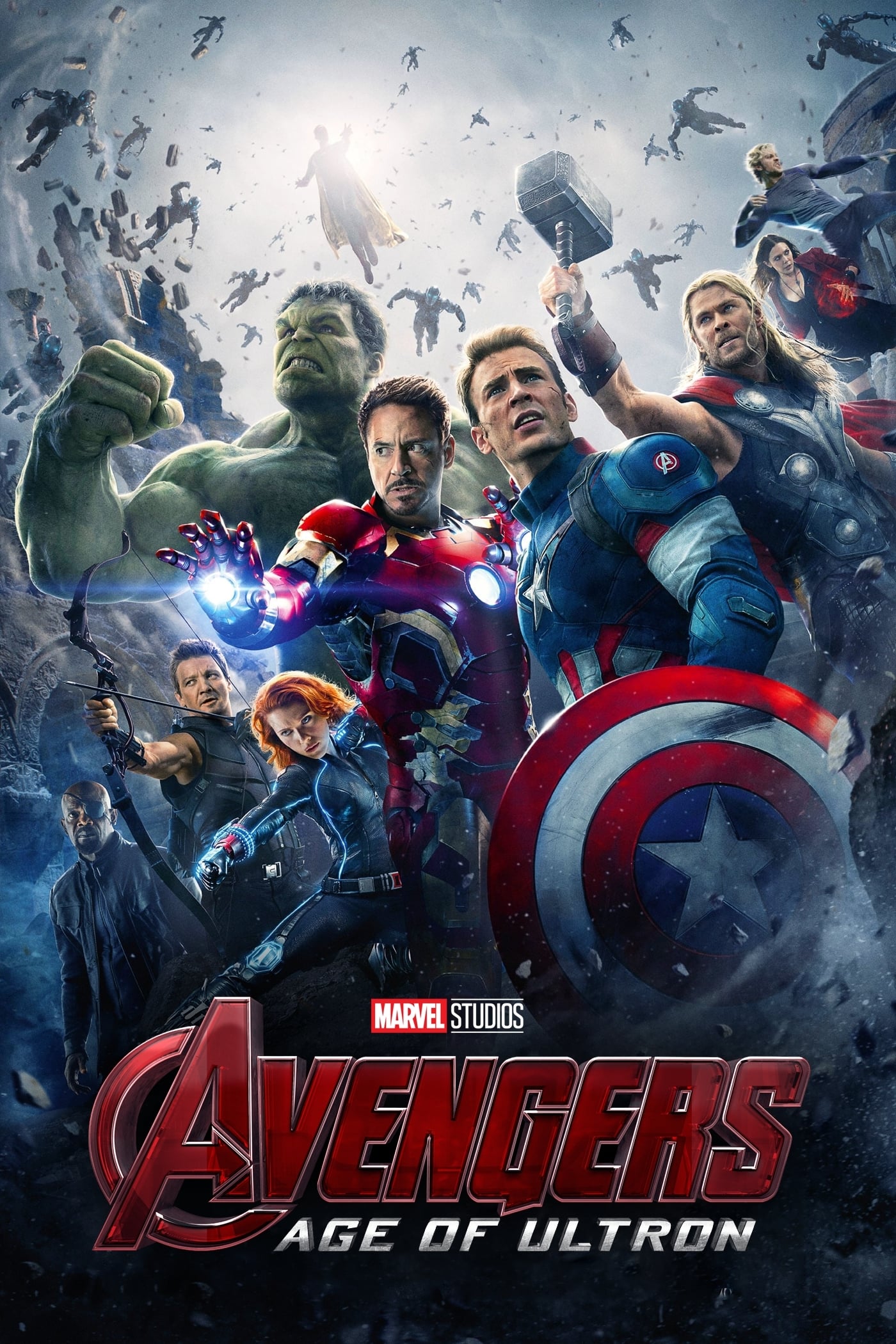
A vault opens to a powerful gauntlet as a familiar foe vows to act directly. The scene confirms he will collect the remaining artifacts himself. It clarifies that proxy agents have failed. This transitions the threat from background manipulation to hands-on pursuit.
‘Guardians of the Galaxy’ (2014)
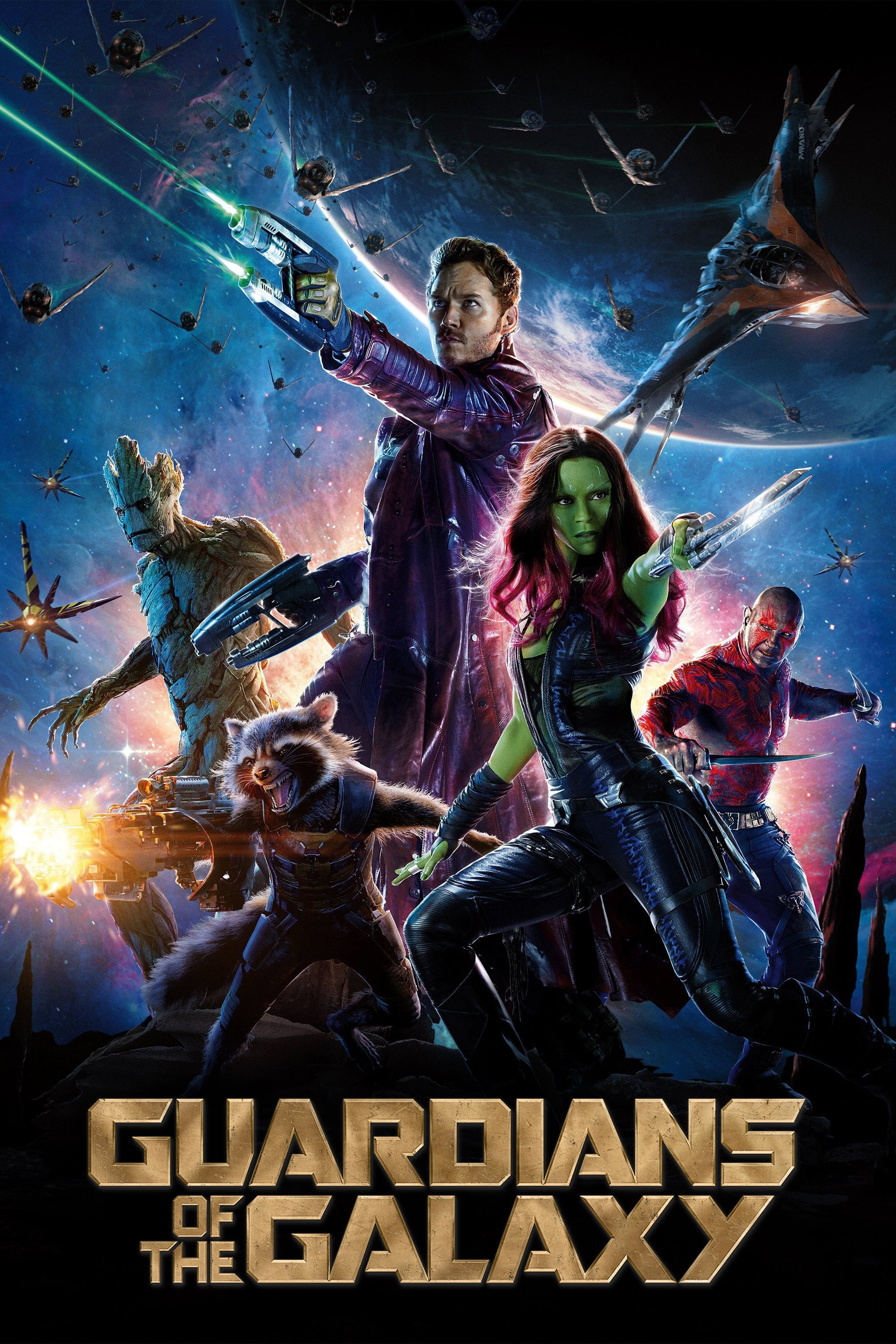
The tag returns to the Collector’s ruined museum, where unusual captives appear, including a talking duck. It confirms that the cosmic corner of this universe hosts deep-cut characters. The cameo signals Marvel’s willingness to adapt unexpected properties. It also shows the aftermath of an earlier explosion.
‘Guardians of the Galaxy Vol. 2’ (2017)
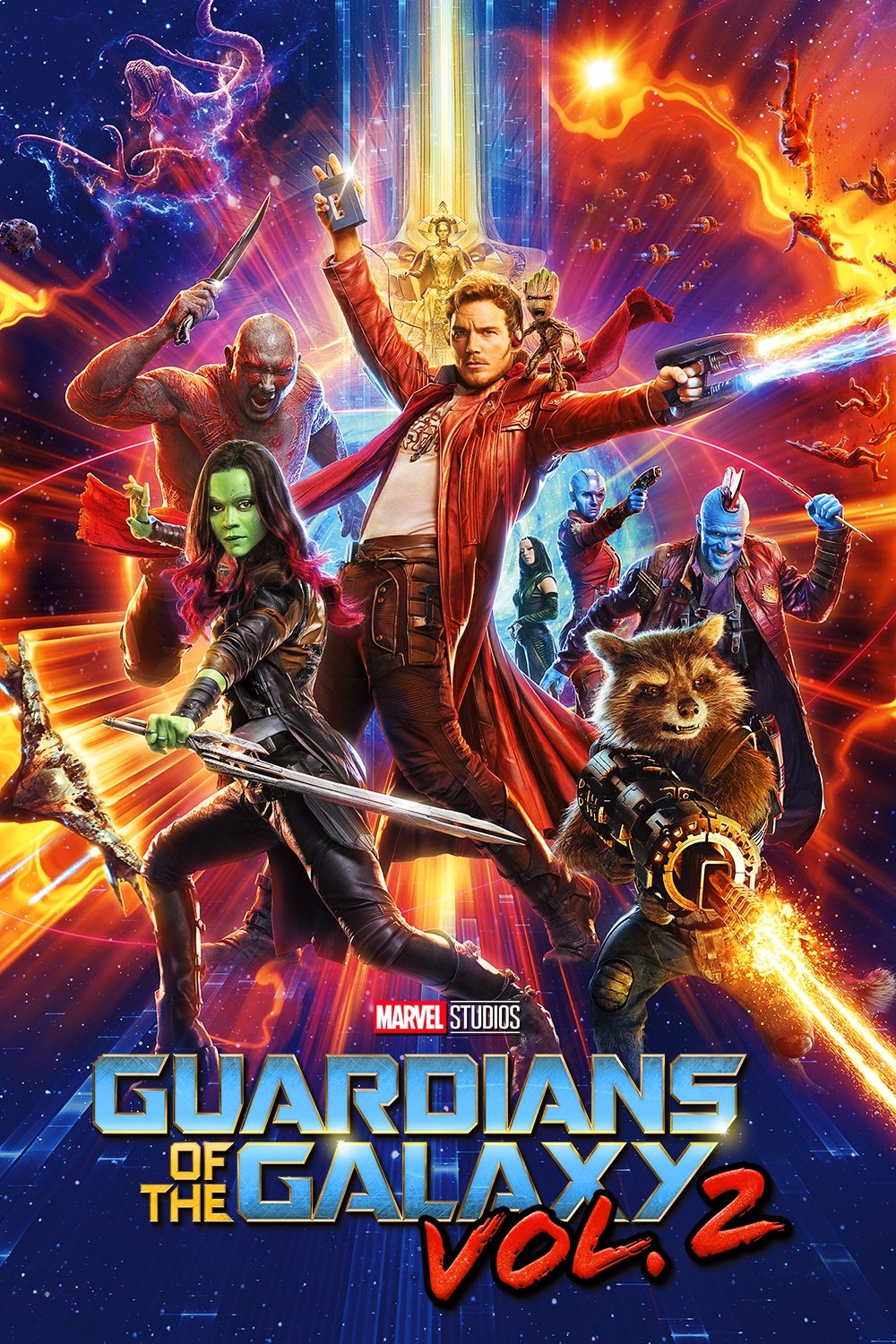
Multiple tags deliver character updates and future teases, including a cocoon hinting at a powerful artificial being. Another shows Kraglin practicing with Yondu’s arrow. Additional bits revisit adolescent Groot’s growth. Together they map several plot threads that future entries can pick up.
‘Ant-Man’ (2015)
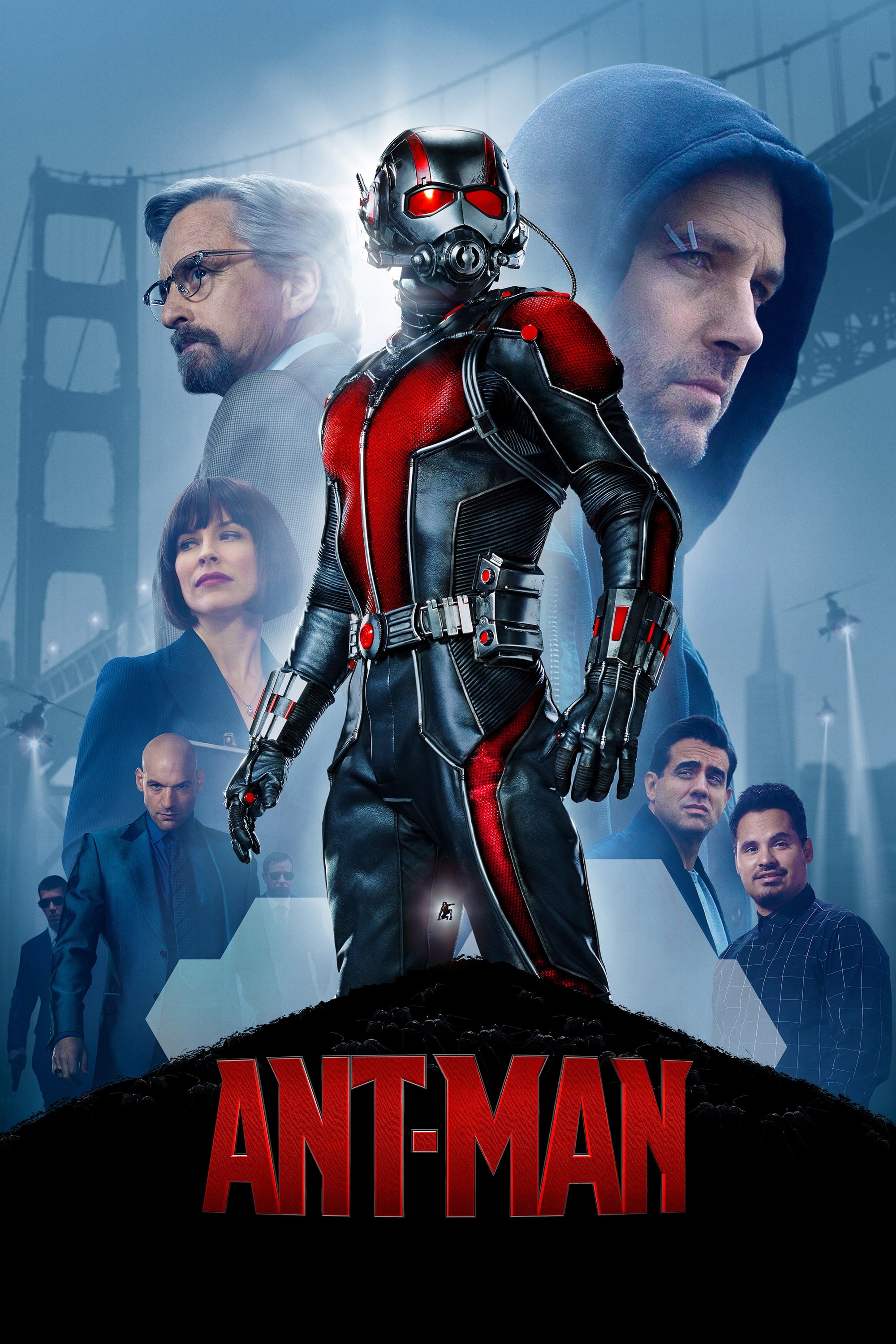
A mid-credits scene unveils the Wasp suit, signaling Hope van Dyne’s upcoming role. The post-credits shows a recovered piece of tech that becomes important later. The tags clarify that shrinking technology will evolve beyond one user. They also foreshadow a change in the team’s lineup.
‘Ant-Man and the Wasp’ (2018)

One tag shows a quantum-realm experiment interrupted by a sudden, unexplained event that strands Scott. Another features a persistent drum-playing ant at home. The first ties directly into a larger crossover crisis. The second provides a status check at Scott’s residence amid the chaos.
‘Ant-Man and the Wasp: Quantumania’ (2023)
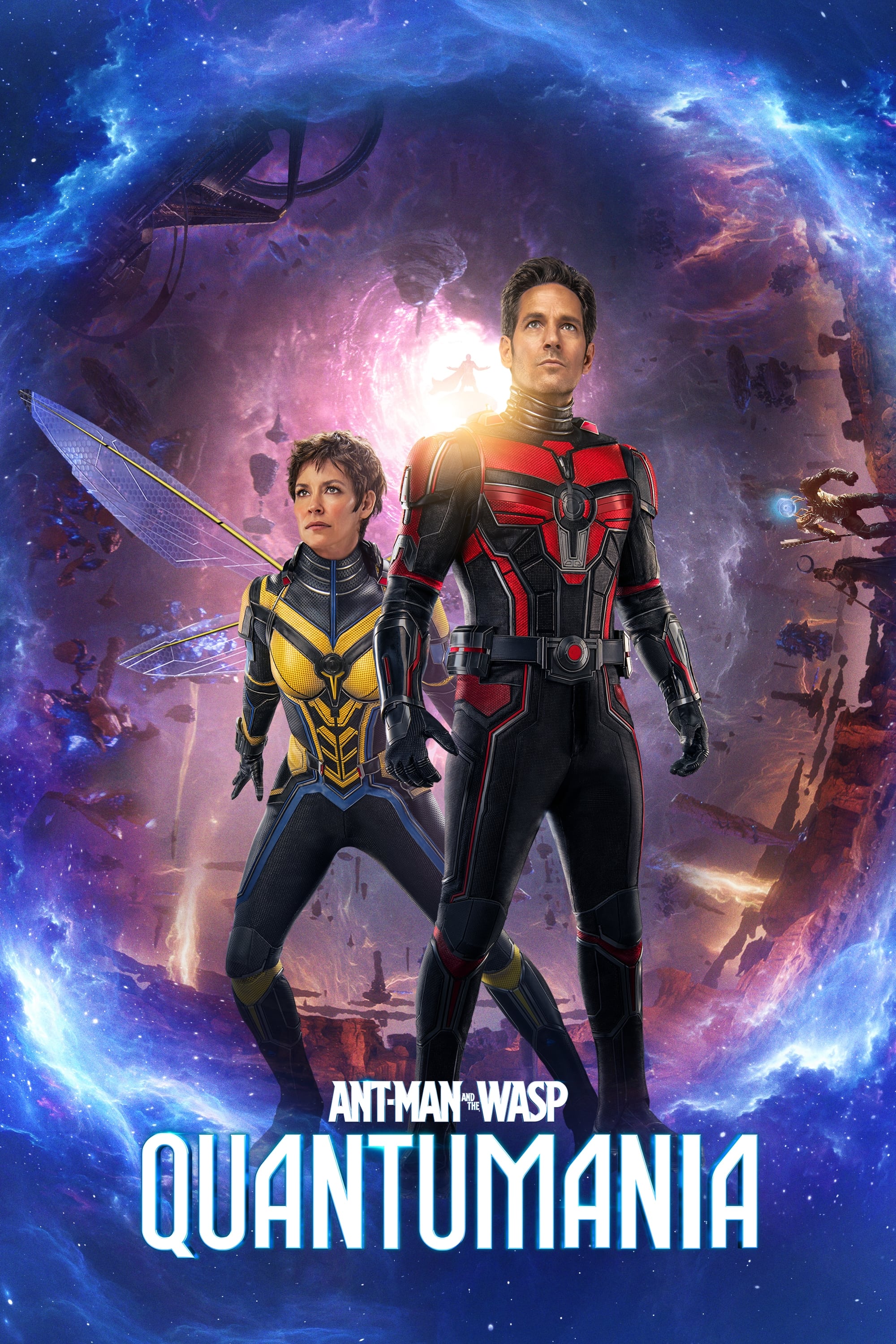
A council gathering reveals numerous variants of a time-bending antagonist. Another scene shows two familiar scientists attending a historical lecture by a variant. The first confirms a multiversal escalation across timelines. The second places key heroes on a path to investigate that threat.
‘Doctor Strange’ (2016)
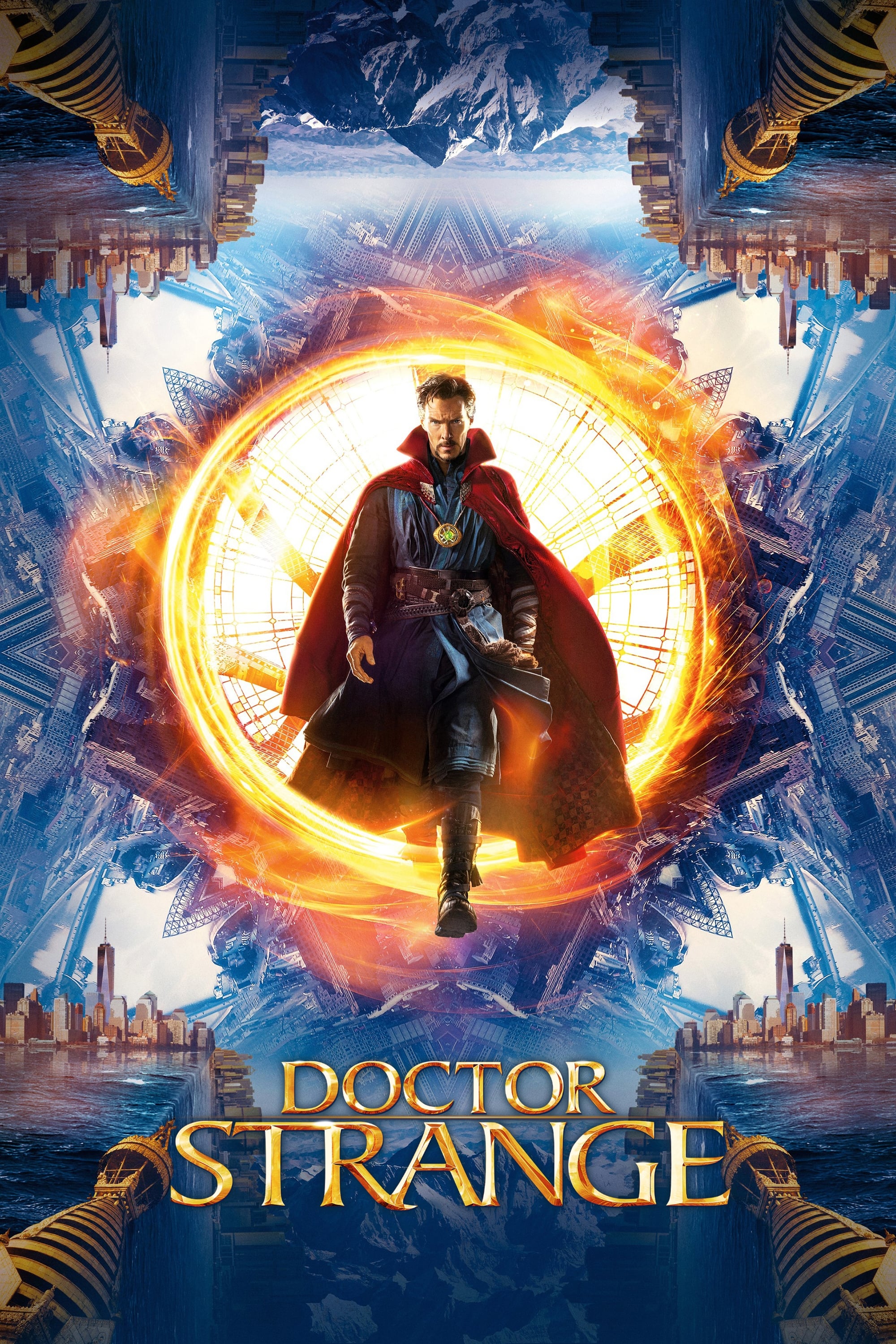
One tag features Strange discussing a troublesome trickster with a fellow hero, pointing toward an imminent team-up. Another shows Mordo visiting a former ally and removing his magic. The first positions Strange as an advisor in broader conflicts. The second establishes Mordo’s shift in philosophy and future opposition.
‘Doctor Strange in the Multiverse of Madness’ (2022)
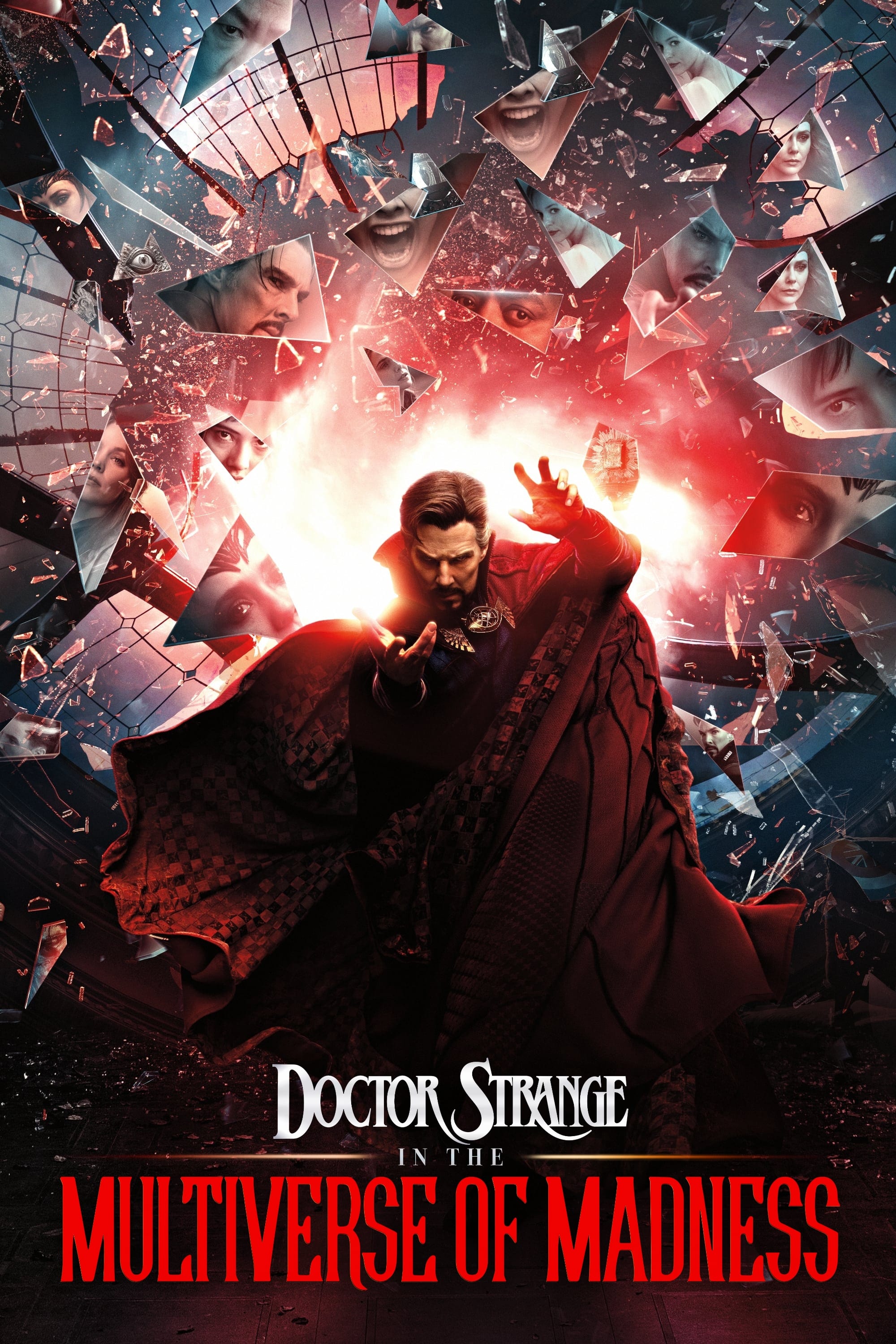
A mid-credits visit from a sorcerer from another dimension invites Strange on a new mission. The post-credits returns to a street vendor first seen earlier, ending a running gag. The mid-credits introduces a major comic character and new location. The final bit resolves a spell’s lingering effect.
‘Black Panther’ (2018)
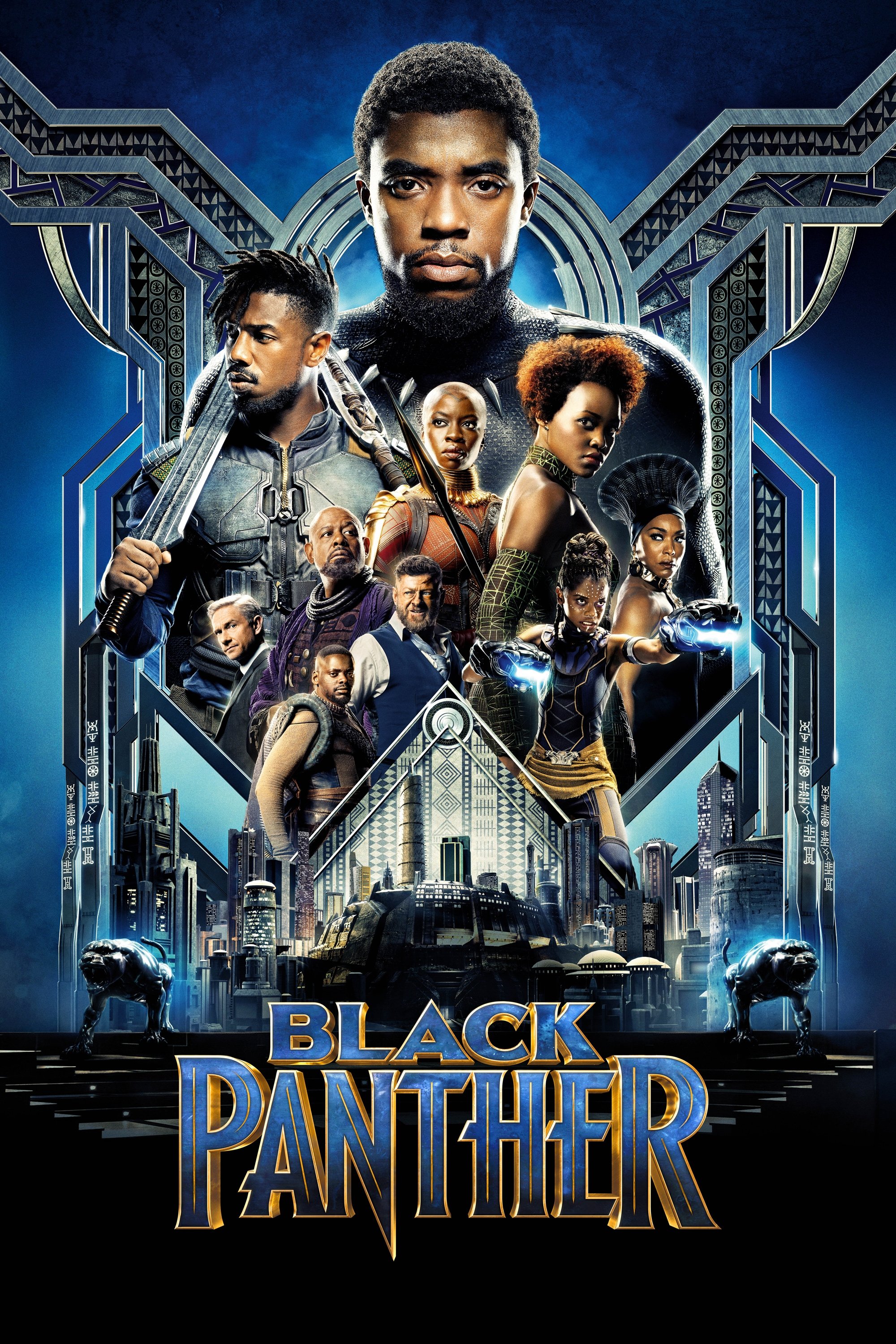
One tag has T’Challa addressing world leaders to reveal his nation’s true status. The other shows Shuri helping a convalescing outsider. The first formalizes Wakanda’s engagement with the global community. The second provides a bridge to future alliances.
‘Black Panther: Wakanda Forever’ (2022)
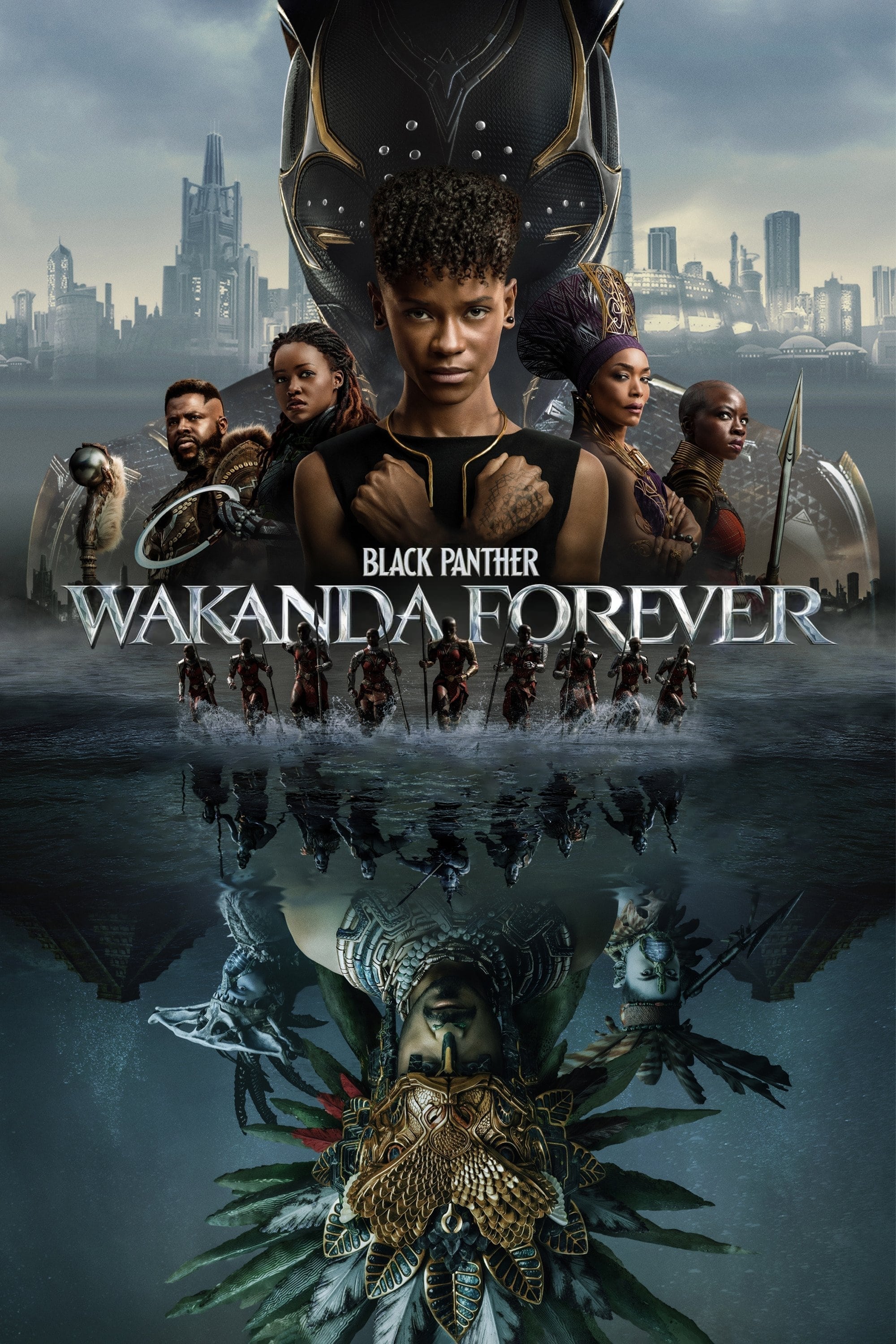
A beachside reveal introduces a young child connected to the late king. The scene quietly outlines succession possibilities without reshaping the immediate plot. It provides context for family decisions made during the story. It also gives a personal resolution to the film’s central loss.
‘Spider-Man: Homecoming’ (2017)

A prison conversation hints that a group of criminals wants Spider-Man’s identity. Another tag features a school public-service clip with a certain star guest. The first confirms organized interest in targeting the hero beyond petty crime. The second plays with audiences’ expectations about waiting through credits.
‘Spider-Man: Far From Home’ (2019)
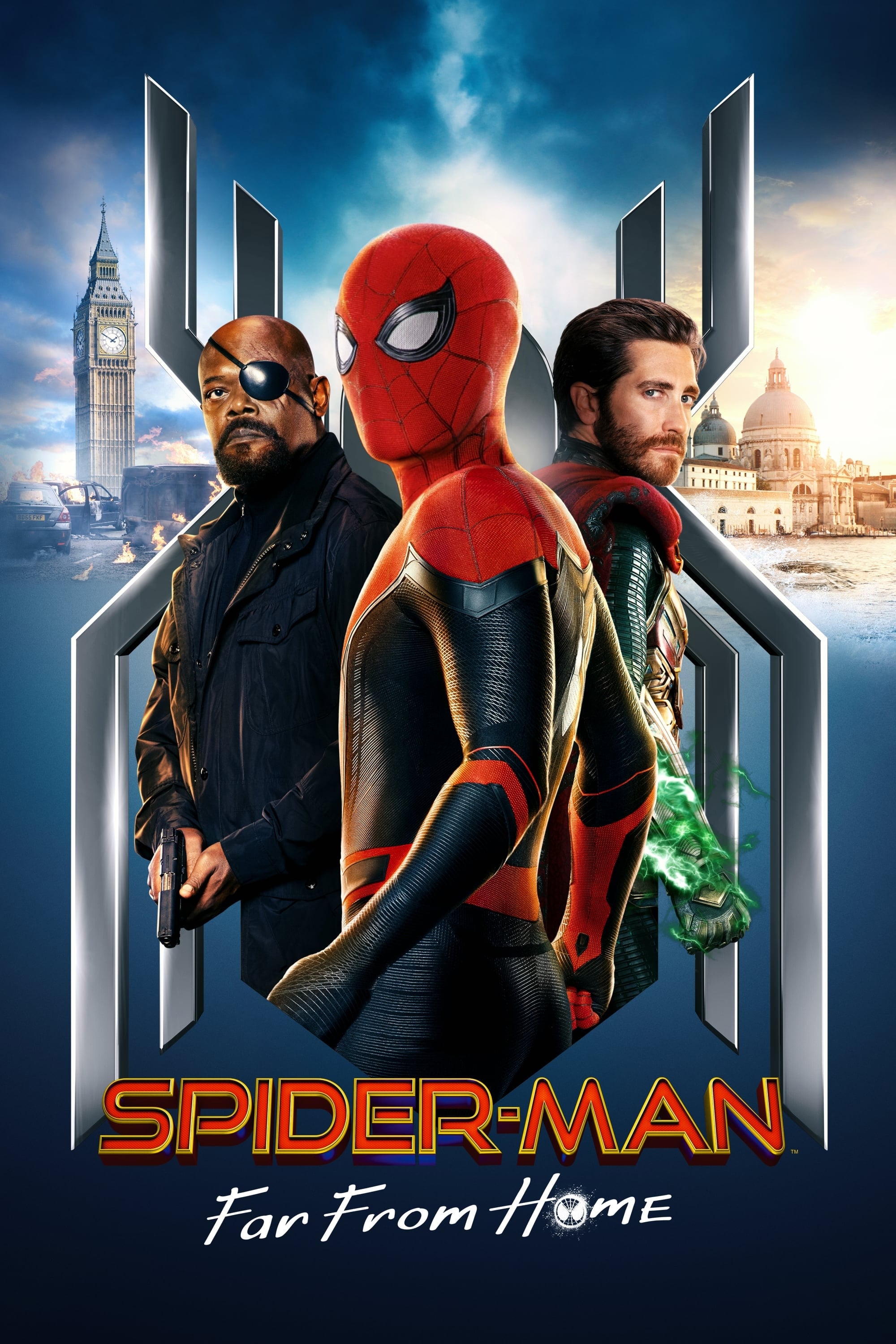
A news broadcast reveals Spider-Man’s secret identity to the public. It attributes false claims to a now-dead foe via a sensationalist outlet. A separate tag shows two familiar shapeshifters covering for a missing mentor. These reveals set up a public crisis and confirm off-world activity.
‘Spider-Man: No Way Home’ (2021)
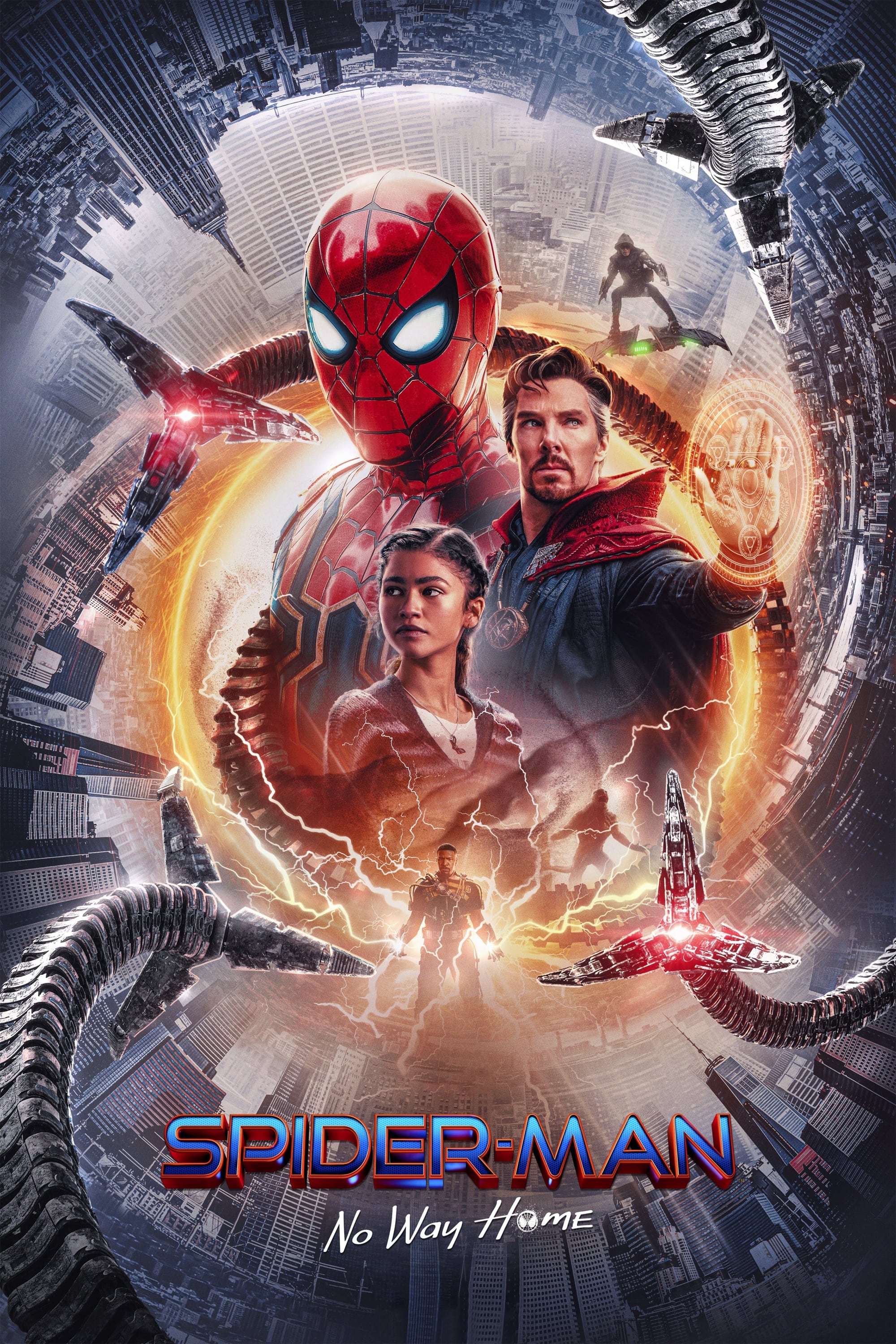
A bar conversation features a visitor from another universe puzzling over this world’s heroes before departing. A tiny trace left behind suggests future crossover possibilities. The scene clarifies how multiversal travelers are returned to their origins. It also plants a seed for a symbiote story on new ground.
‘Captain Marvel’ (2019)
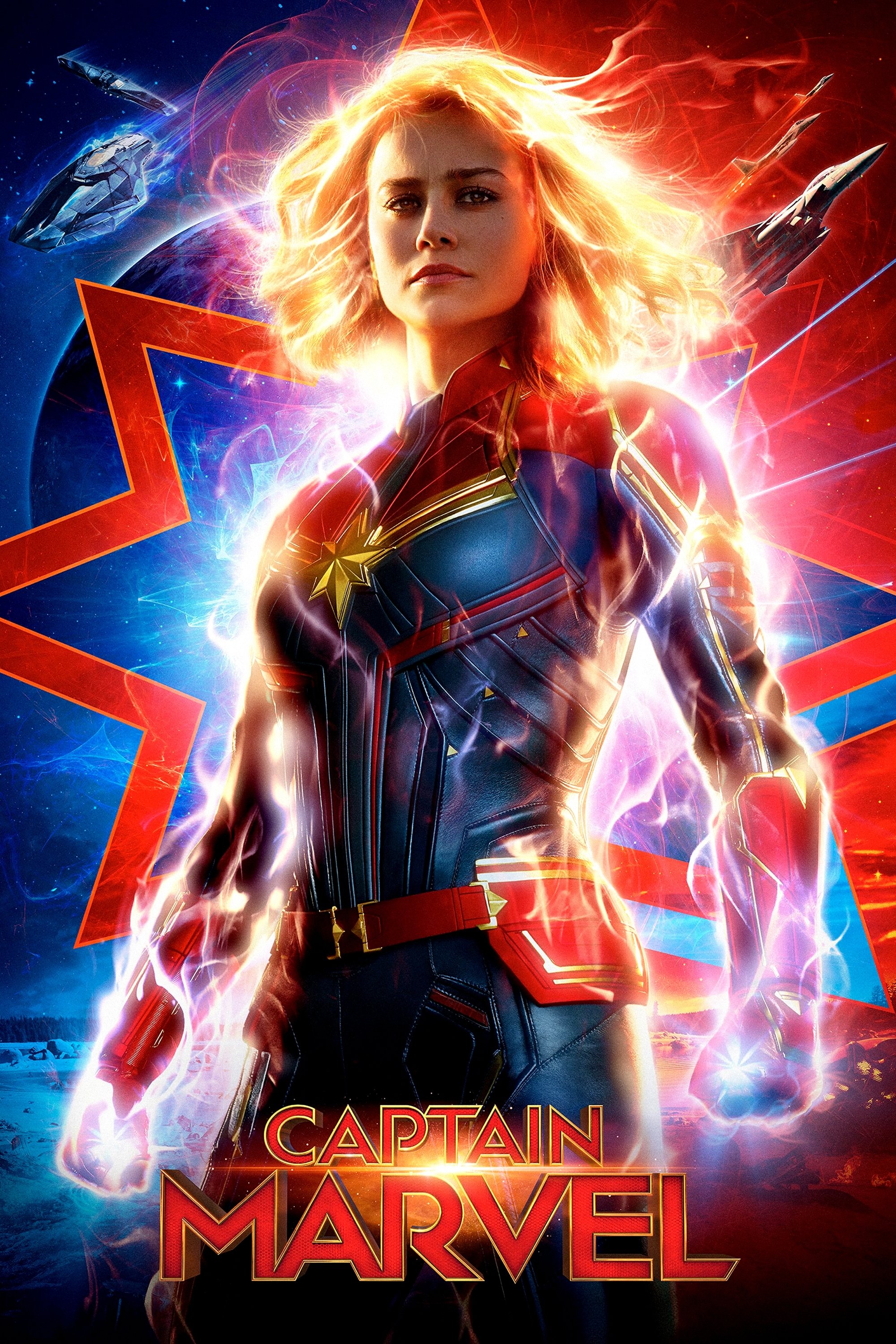
A beeper device suddenly activates in a secure facility, summoning a new ally. Another tag shows a catlike creature coughing up a cosmic cube on a desk. The first connects ‘Captain Marvel’ directly to an ongoing crisis faced by Earth’s defenders. The second explains how a lost artifact returns to custody.
‘Eternals’ (2021)
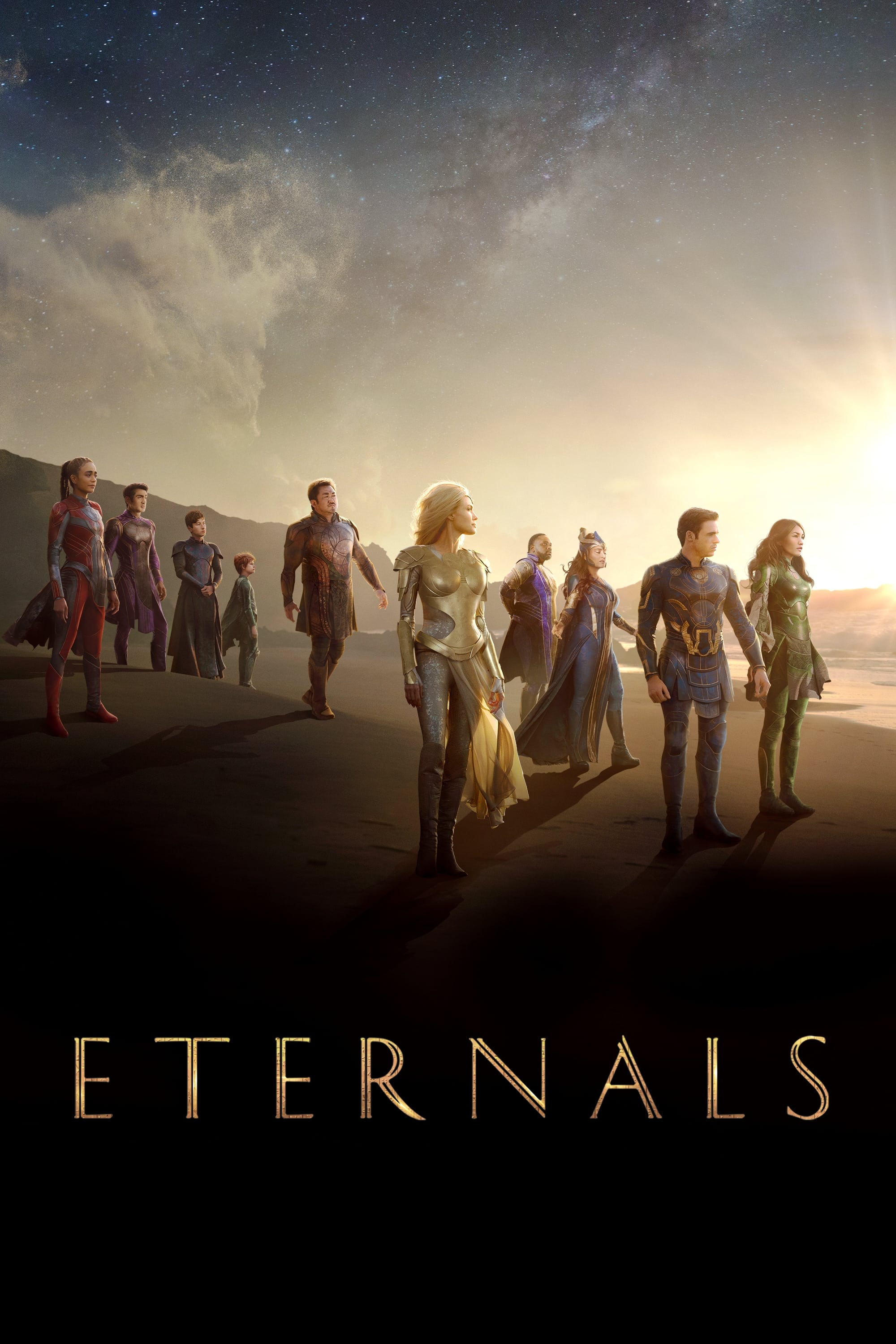
A mid-credits arrival introduces two cosmic figures boarding the heroes’ ship. The post-credits shows a human character confronting a mysterious blade while hearing a warning voice. The first expands the roster with royal and diminutive visitors. The second teases an ancient legacy and a future partnership.
‘Shang-Chi and the Legend of the Ten Rings’ (2021)

A mid-credits meeting analyzes the rings’ signal with help from veteran heroes. The post-credits returns to a criminal organization under new leadership. The first places the rings within a larger cosmic map. The second confirms a power shift with implications for future stories.
‘Justice League’ (2017)
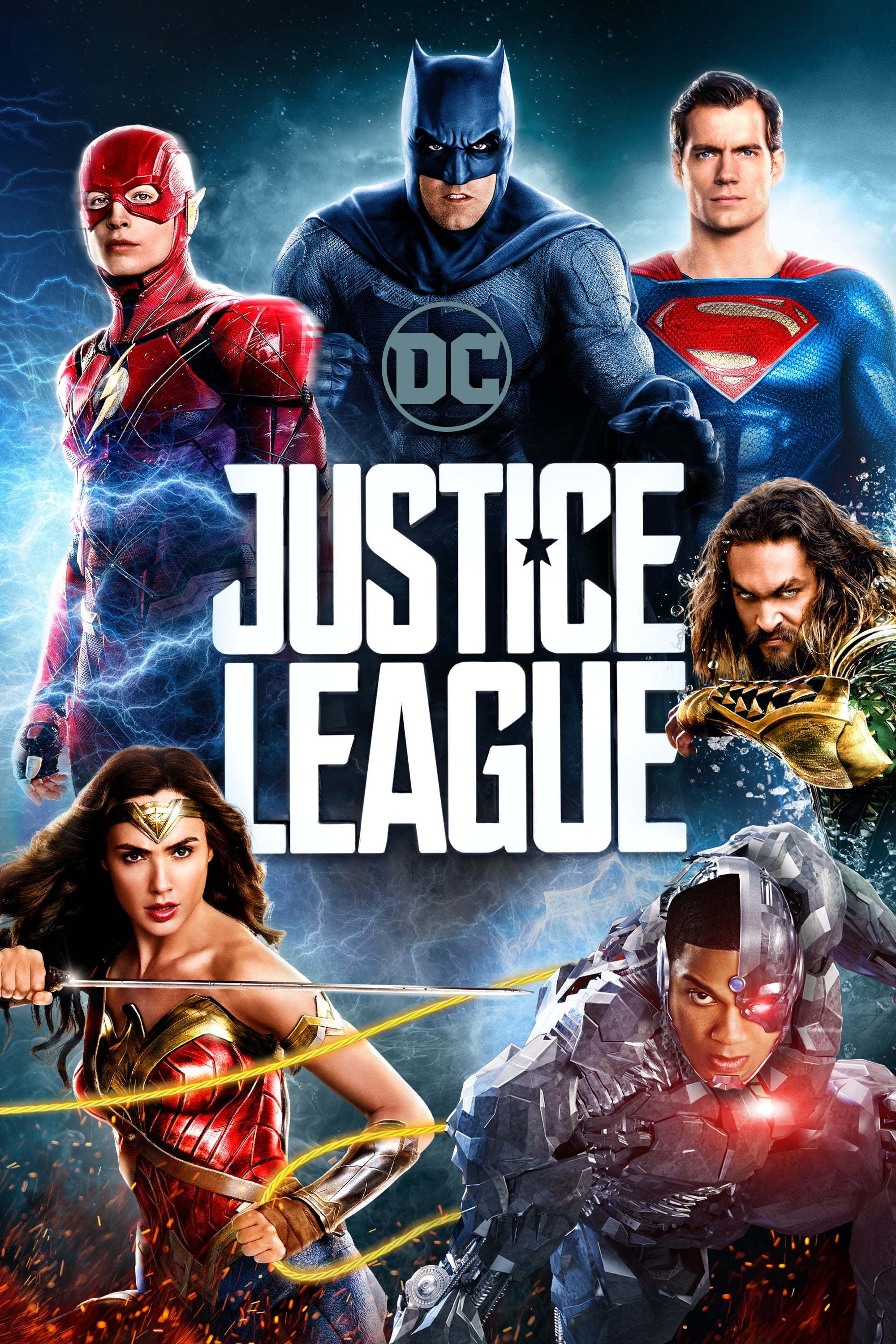
A prison breakout reveals a mastermind on a yacht meeting a masked mercenary. The exchange mentions forming a counter-team. It signals that villains plan to mirror the heroes’ approach. It also introduces a new player who specializes in tactical operations.
‘Aquaman’ (2018)

The stinger shows a wounded pirate rescued by a conspiracy-minded scientist. The pair agrees to collaborate against the title hero. The scene confirms the pirate’s survival after an earlier defeat. It sets both characters on a collision course with Atlantis.
‘Shazam!’ (2019)
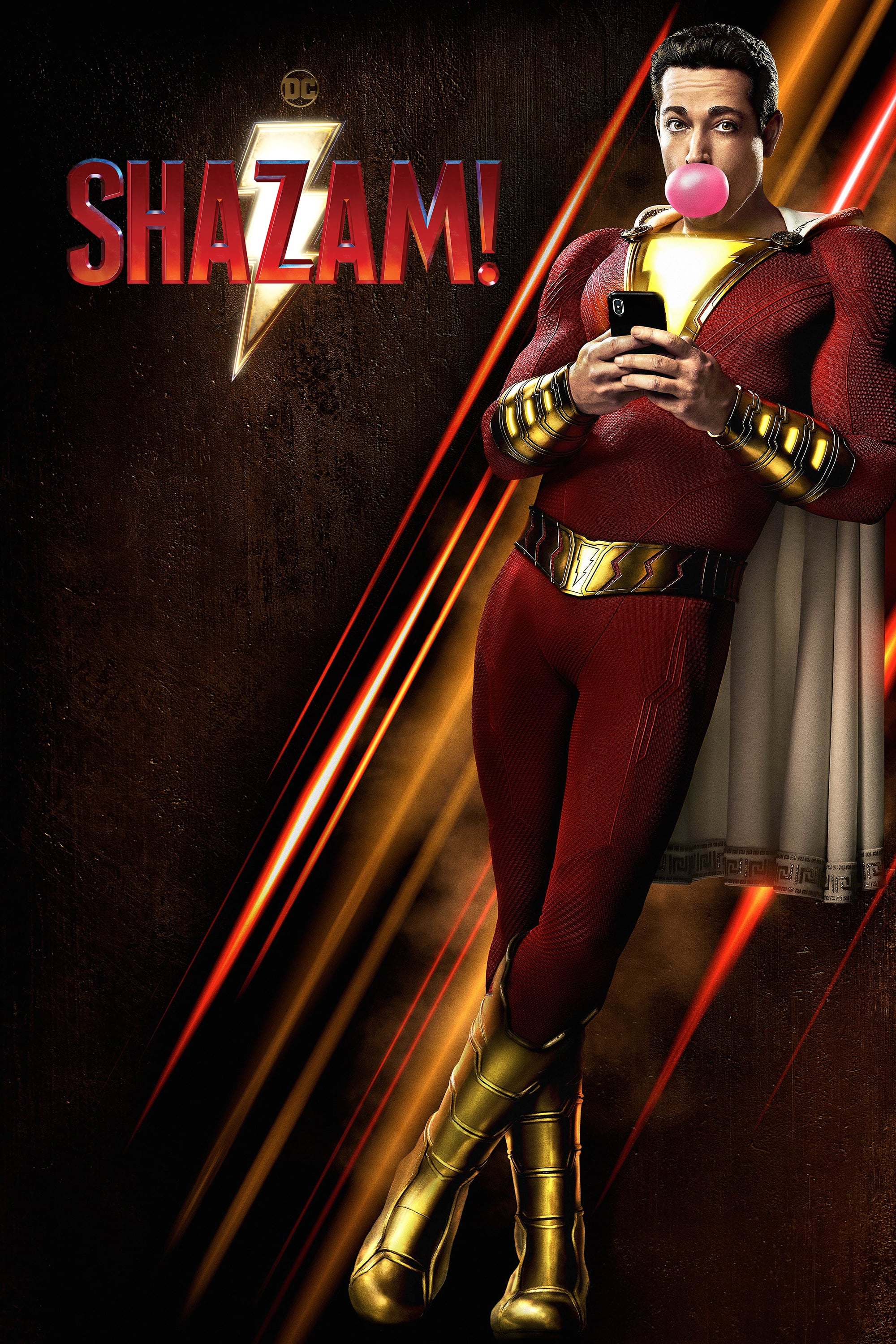
A classroom fishbowl conversation winks at another hero’s aquatic abilities. Another tag tests a power with a caged animal and yields no result. The first clarifies that these heroes share a world with established icons. The second underscores the limits of certain abilities in a playful way.
‘Shazam! Fury of the Gods’ (2023)
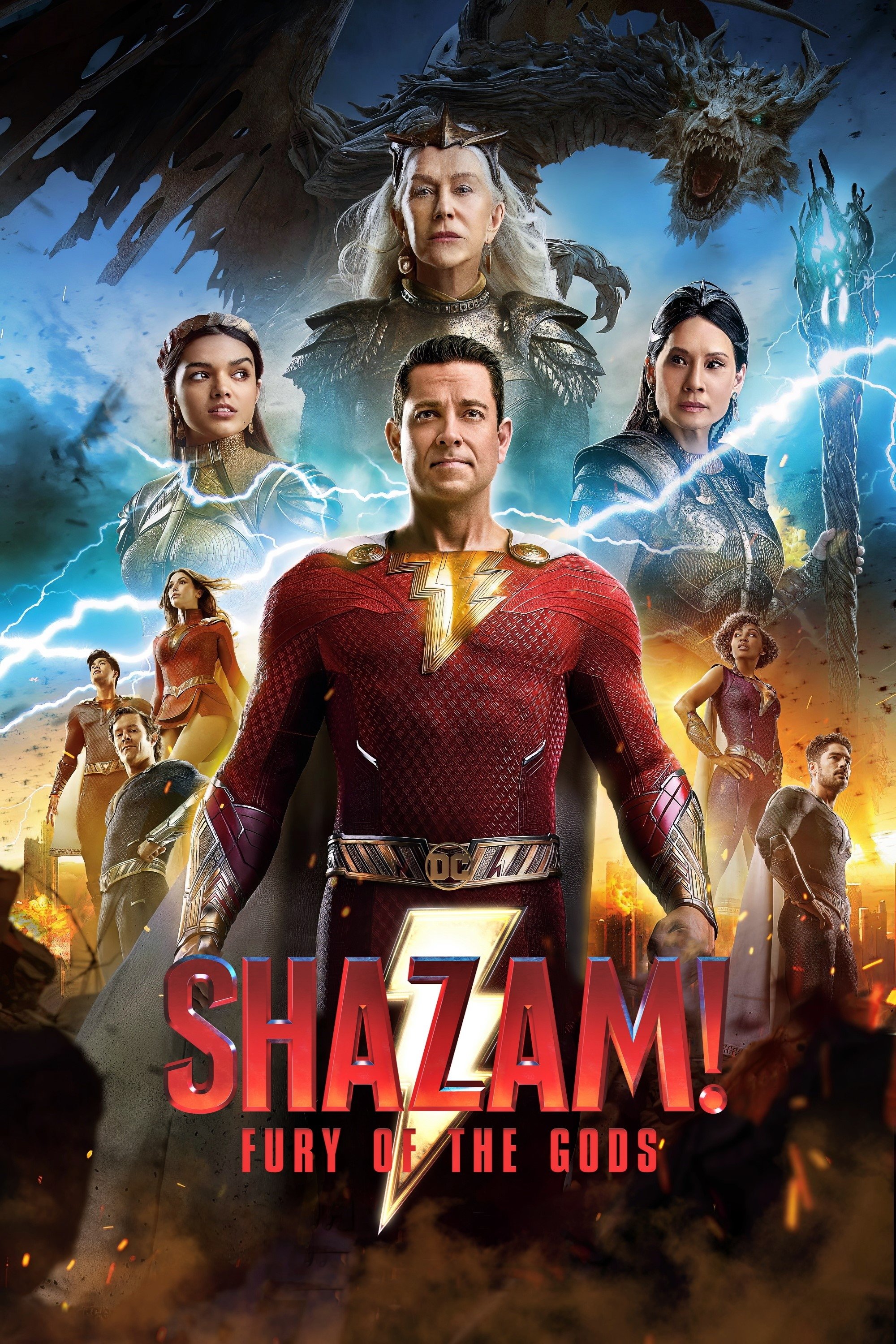
A recruitment attempt by two agents from a covert team reaches the young hero. Another scene returns to a talking caterpillar plotting from a cell. The first folds the character into a wider organizational network. The second maintains an ongoing villain thread from the previous film.
‘Green Lantern’ (2011)
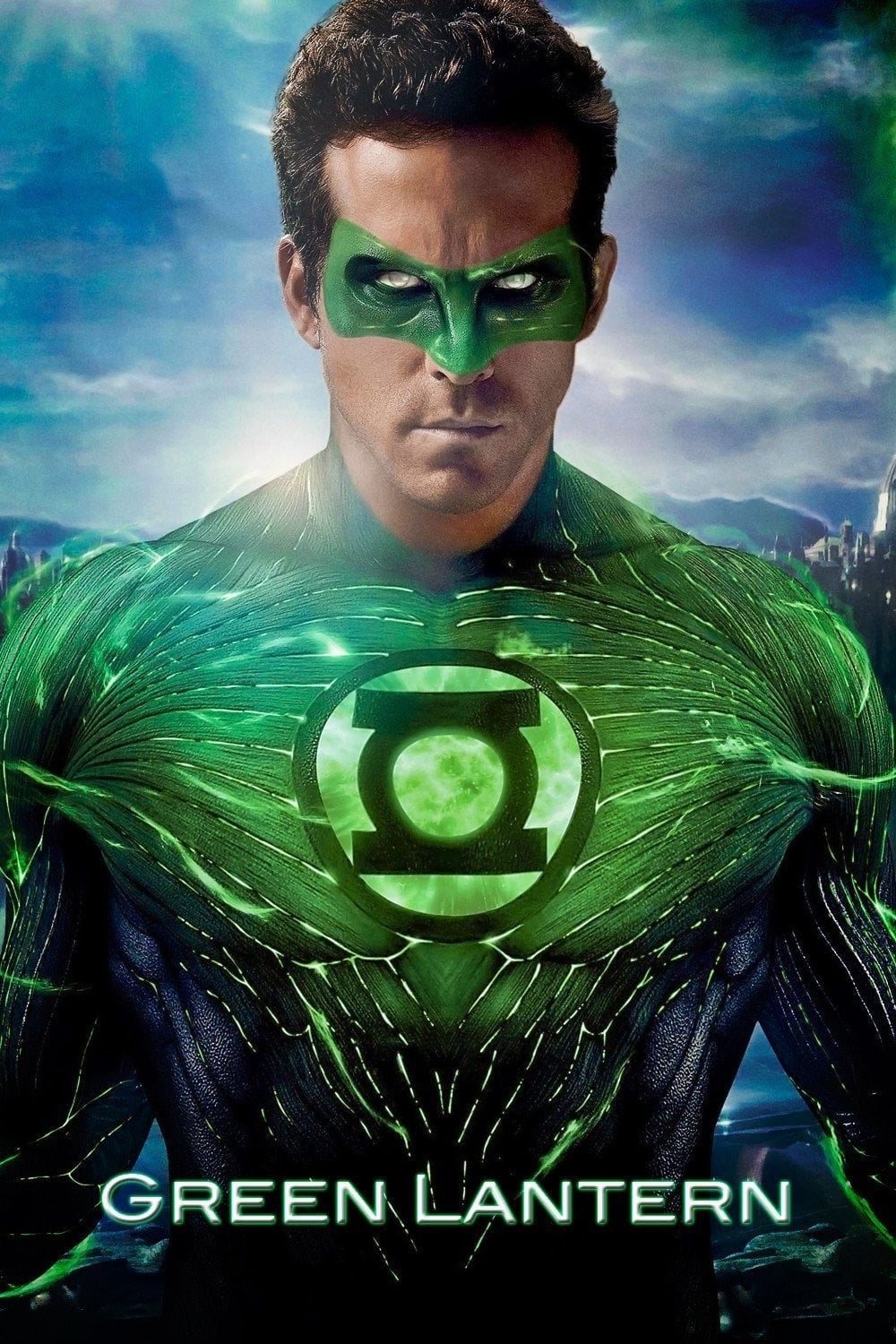
The tag shows a respected corps member donning a fear-based ring and changing allegiance. This confirms the existence of an alternate emotional spectrum. It signals a turn toward a classic adversarial identity. The moment reframes a mentor figure as a potential threat.
‘Venom’ (2018)
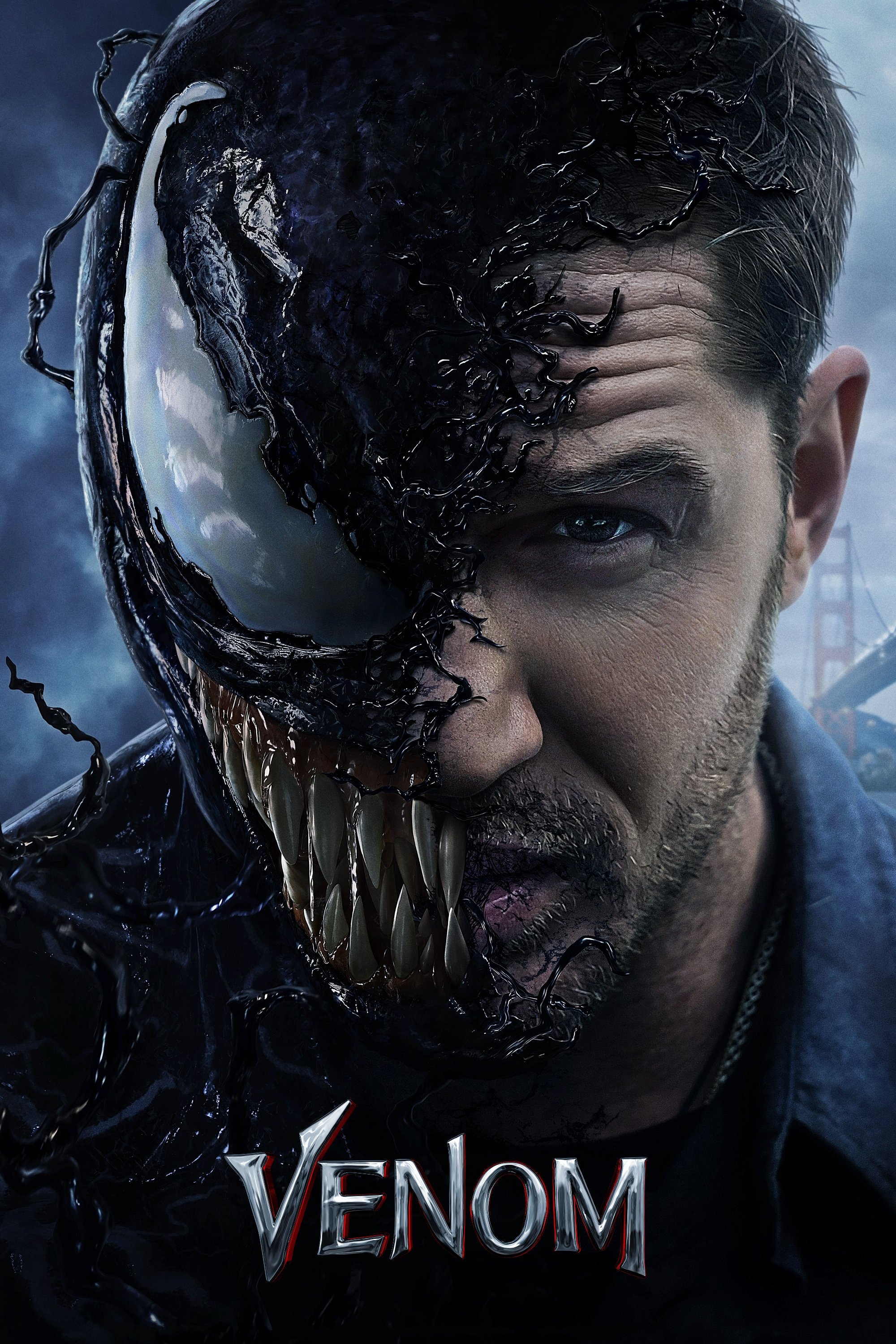
A prison visit introduces an inmate with a distinct hairstyle and a promise of chaos. The scene names a future symbiote host. It establishes the next film’s primary antagonist before any official showdown. It also sets location details that later become important.
‘Venom: Let There Be Carnage’ (2021)

A sudden shift transports the lead characters to a different universe’s hotel room. A televised face appears on the screen that they do not recognize. The moment demonstrates fragile barriers between worlds. It places the symbiote within reach of new figures.
‘X-Men: The Last Stand’ (2006)
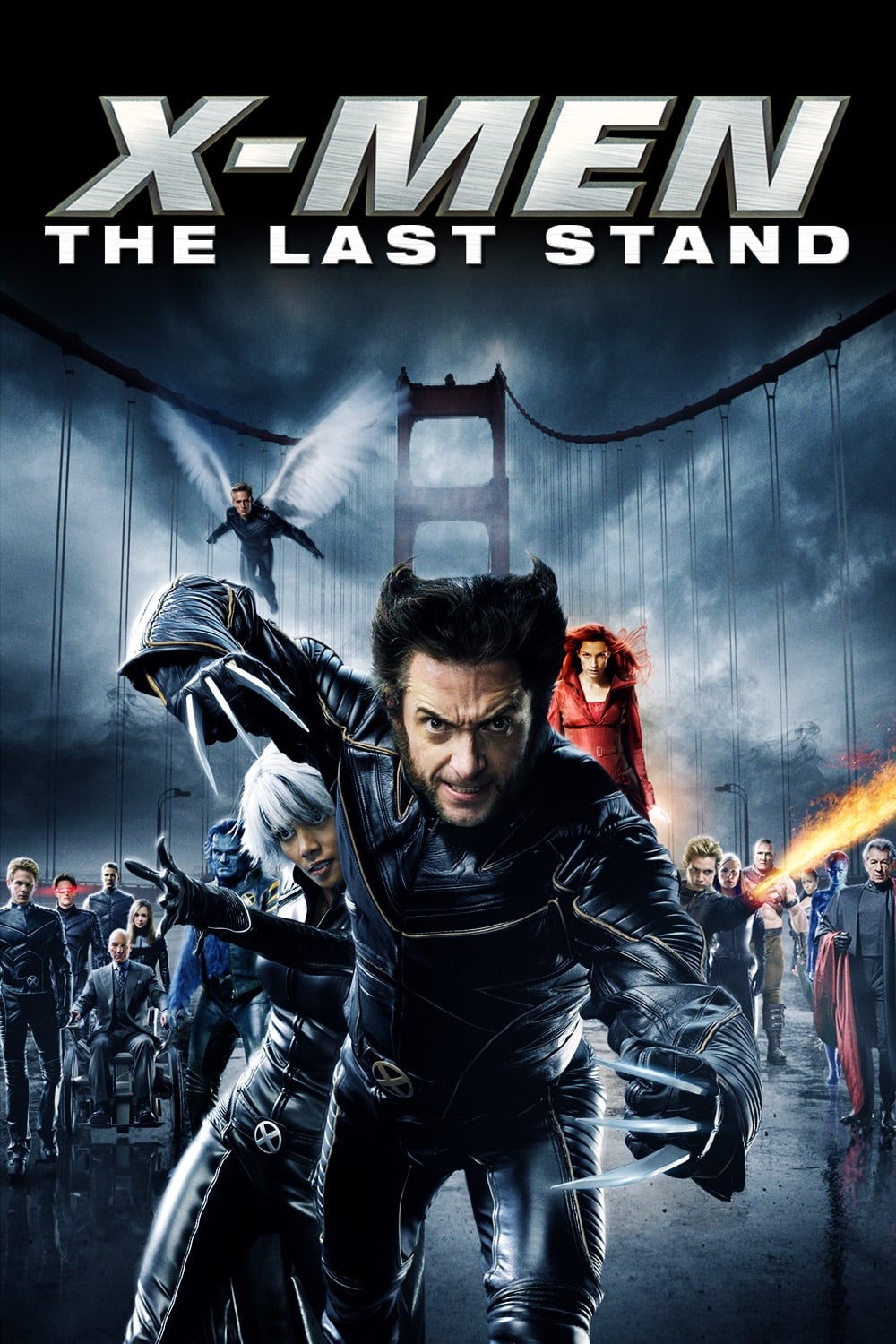
A hospital room reveals a comatose patient responding to a familiar voice. This suggests a consciousness transfer that preserves a leader’s mind. The scene explains how a key mentor might return despite earlier events. It uses a lecture concept from class to justify the outcome.
‘X-Men Origins: Wolverine’ (2009)

Different theatrical versions teased two outcomes, including a survivor awakening in rubble. Another cut showed the protagonist in a bar abroad. These tags confirm that an experimental subject remains active. They also hint at separate paths the character could take.
‘The Wolverine’ (2013)

An airport reunion brings two powerful figures to recruit the protagonist. Metal objects halt midair as a familiar power manifests. The tag establishes that a global threat is rising again. It bridges a standalone story to team-based events.
‘Deadpool’ (2016)
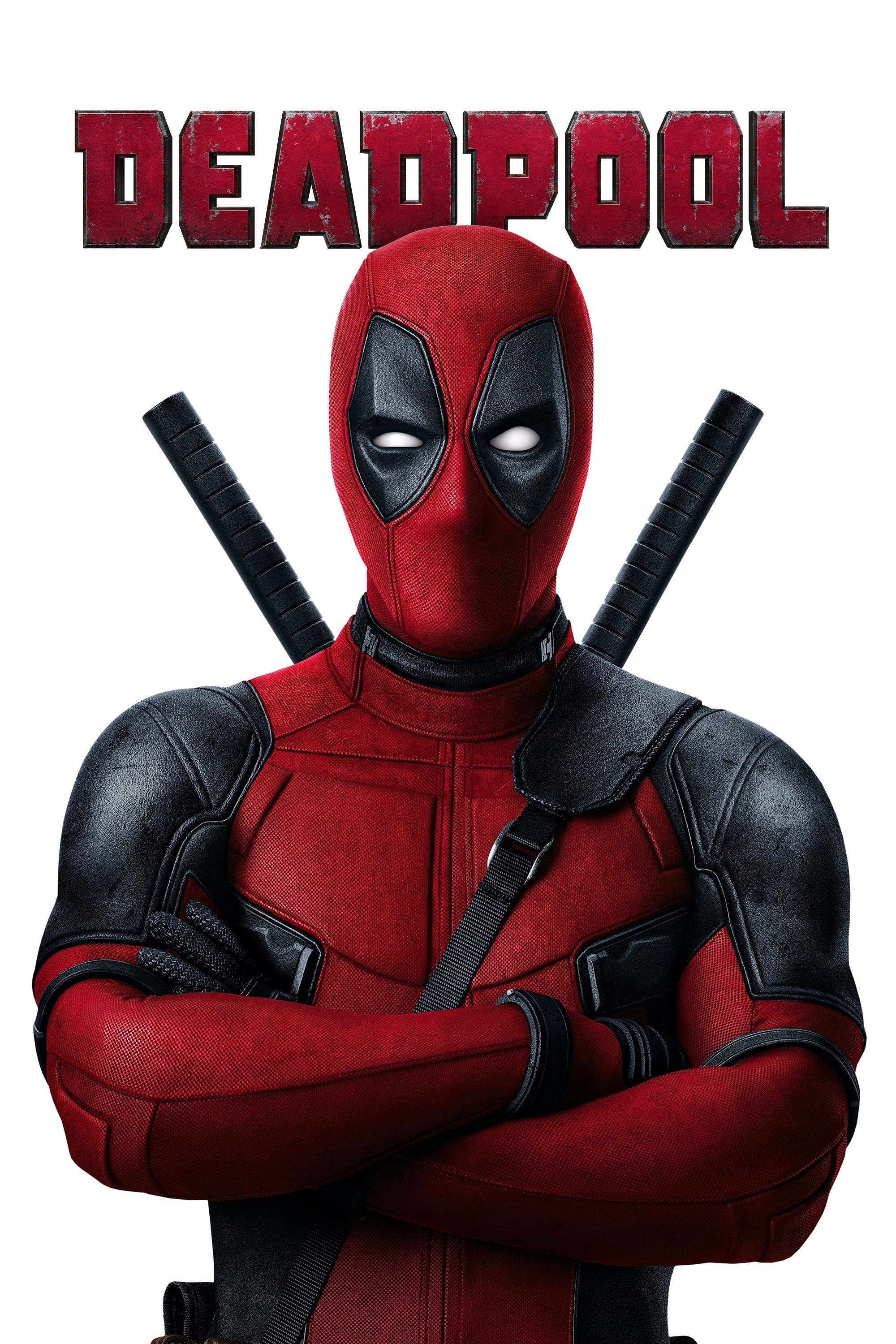
A hallway appearance references a classic comedy’s curtain call format. The speaker teases a sequel villain and budget considerations. The scene directly names a time-traveling adversary. It also confirms an intent to return with additional characters.
‘Deadpool 2’ (2018)

A montage shows the hero using a time device to correct multiple catastrophes. It revisits earlier scenes with altered outcomes. The tag removes tragic events from the timeline within the story’s logic. It also humorously addresses continuity across separate films.
‘Pacific Rim’ (2013)
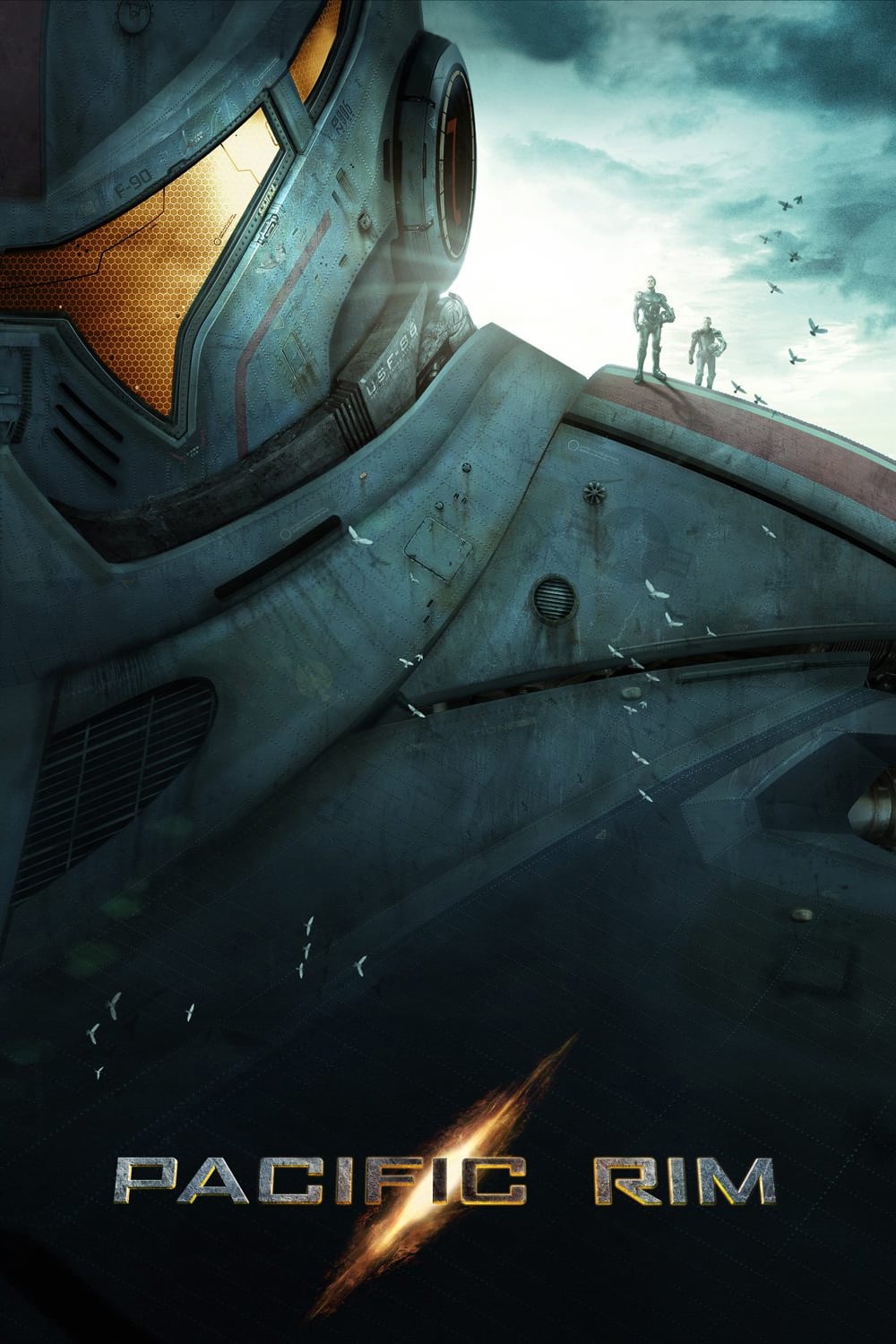
A final tag shows a black-market dealer cutting his way out of a kaiju carcass, still alive. This confirms he survived an earlier explosion. It implies continued demand for kaiju parts. It also suggests that underground trade will persist after the main battle.
‘Kong: Skull Island’ (2017)

A debriefing projects cave paintings of other giant creatures. The images confirm a larger ecosystem of titans. The tag formally connects the film to future monster confrontations. It places the expedition team under a covert organization’s umbrella.
‘Godzilla: King of the Monsters’ (2019)
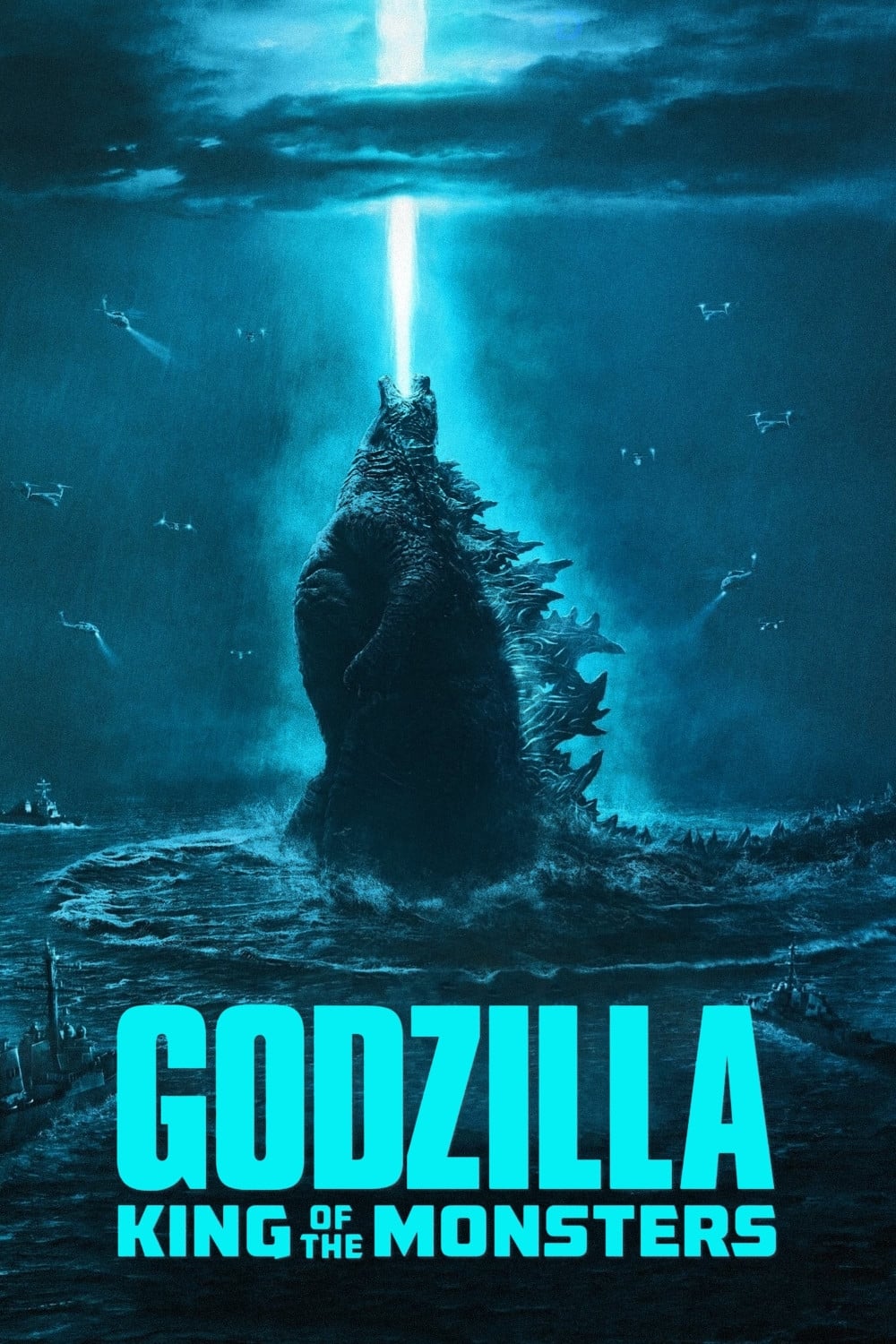
A coastal scene shows fishermen with a severed monster head collected by an eco-terrorist. The acquisition sets up potential regeneration or experimentation. It indicates that parts of defeated creatures carry power. The tag plants a key asset for future plans.
‘Pirates of the Caribbean: At World’s End’ (2007)

A family scene reveals a supernatural captain returning to shore after a long absence. The moment pays off a rule about the duty of the sea’s ferryman. It confirms that a curse still governs a lead character’s life. It also shows the personal cost of that role on loved ones.
‘Pirates of the Caribbean: Dead Men Tell No Tales’ (2017)

A bedroom vision hints that a long-defeated foe may have returned. The shot suggests that breaking a maritime curse had unintended effects. It reopens a villain storyline thought resolved. The tag positions the next chapter to address lingering magic.
‘Ferris Bueller’s Day Off’ (1986)

After the credits, Ferris steps into the hallway to tell viewers to go home. The scene acknowledges the audience directly. It clarifies that no further footage is coming. This early example helped popularize playful tags that close the loop with viewers.
‘The Super Mario Bros. Movie’ (2023)
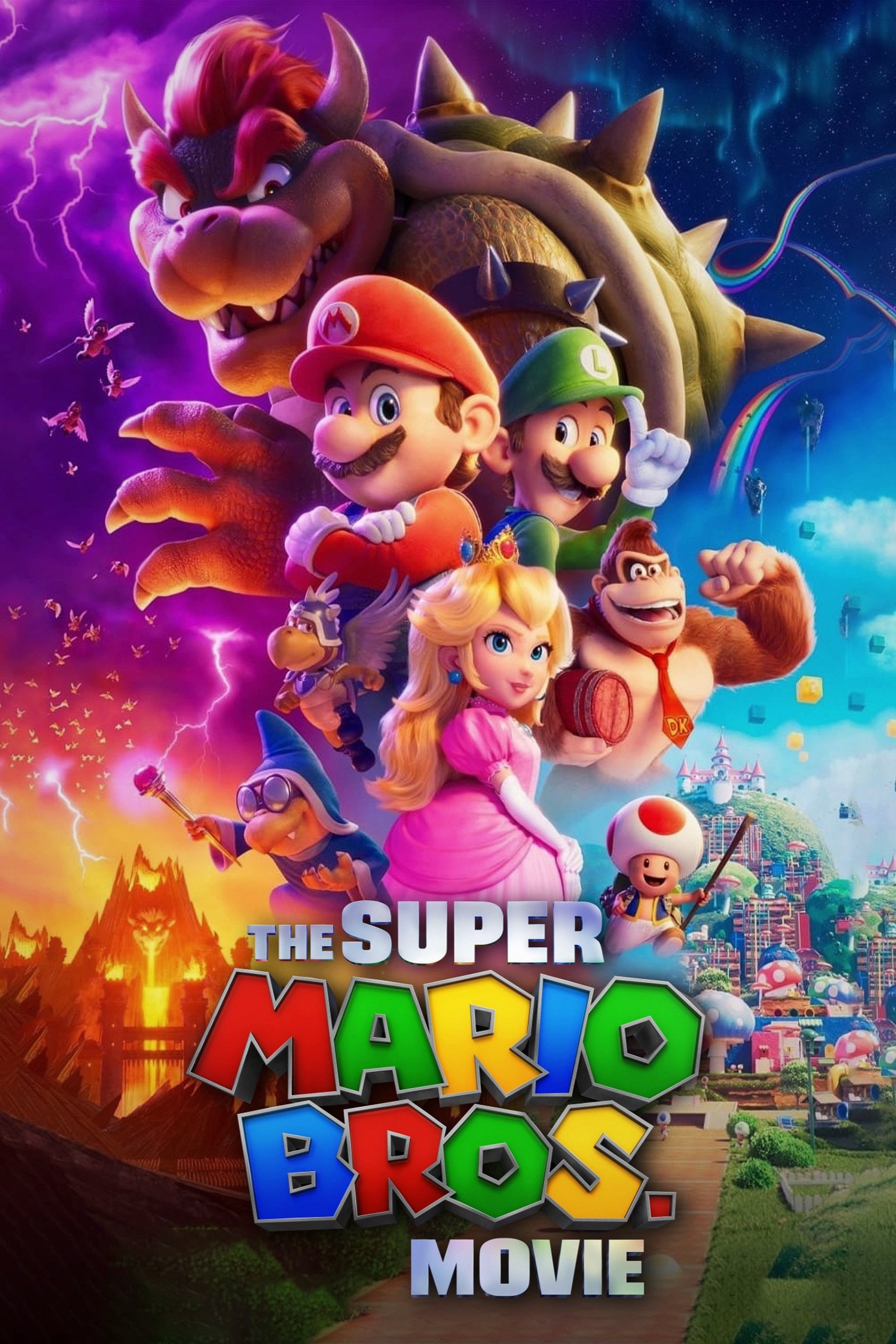
A sewer sequence reveals a familiar egg tucked away beneath the city. The tag introduces a major character from the game series who has not yet appeared. It signals where the next story may expand. It also confirms that the portal between worlds had broader effects.
Share the post-credits scene you never skip in the comments!

