


Movies with Villains Who Might Be Right

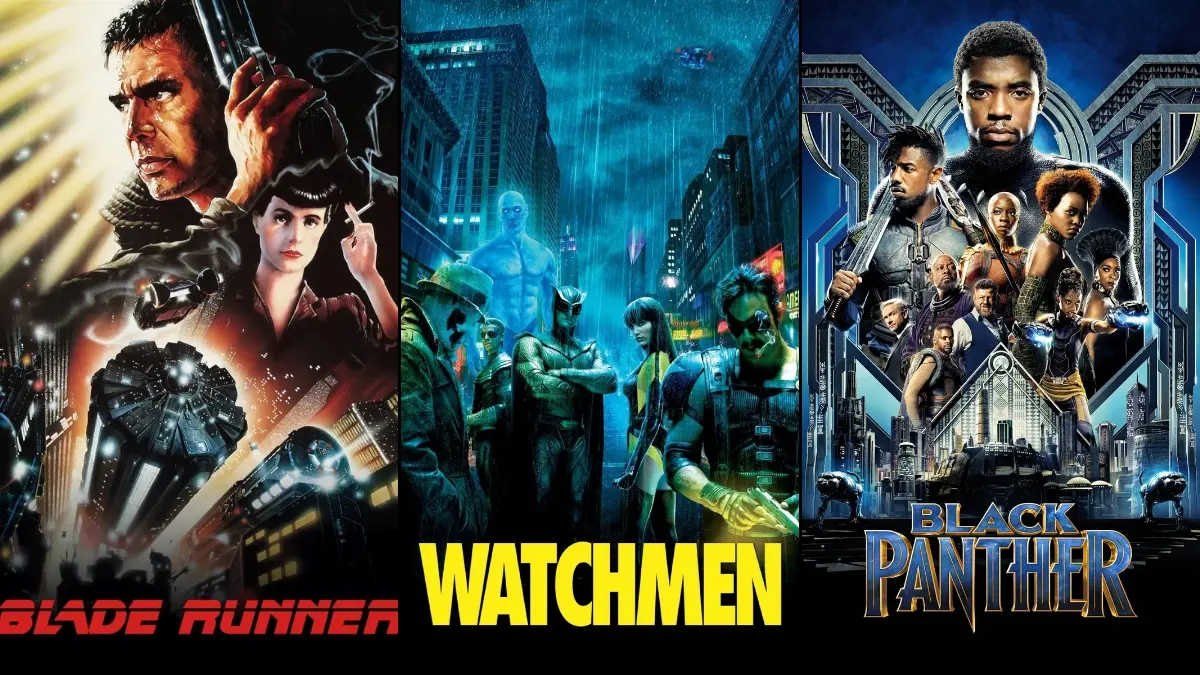


Sometimes the supposed “bad guy” isn’t pushing chaos for chaos’s sake—they’re answering a problem the story itself admits exists. The films below give their antagonists goals rooted in justice, safety, or survival, even if their methods cross lines. From social inequality and environmental collapse to state power and technological control, these movies let the “villain” argue a case the heroes can’t simply ignore.
‘Black Panther’ (2018)
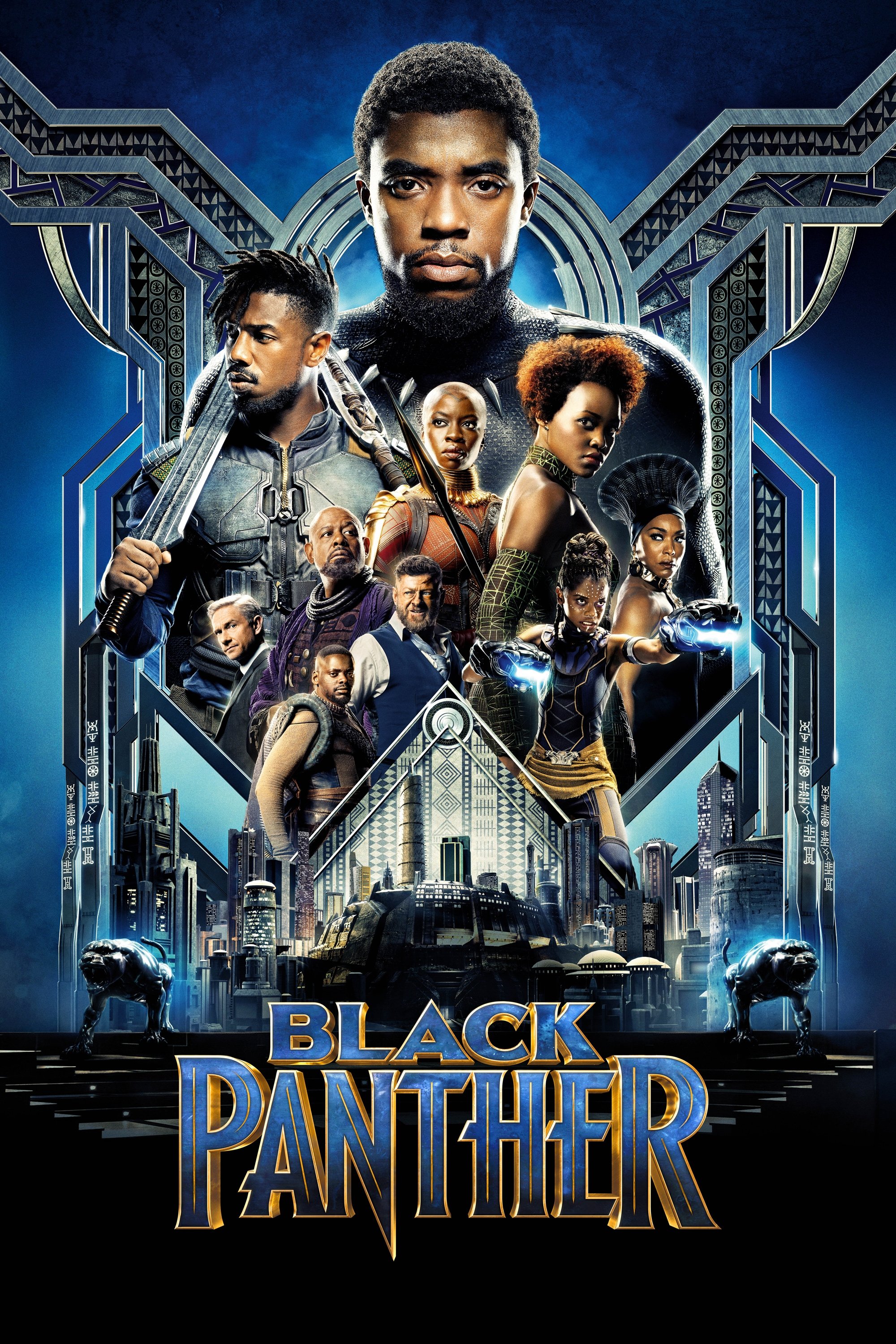
Ryan Coogler’s film centers on T’Challa facing Erik Killmonger, a challenger raised outside Wakanda’s prosperity. Killmonger’s stated goal is to end global oppression by using Wakanda’s technology to arm the marginalized. The production filmed across multiple locations, with costume and production design drawing from numerous African cultures. The film won multiple Academy Awards, including Best Costume Design and Best Production Design.
‘Avengers: Infinity War’ (2018)
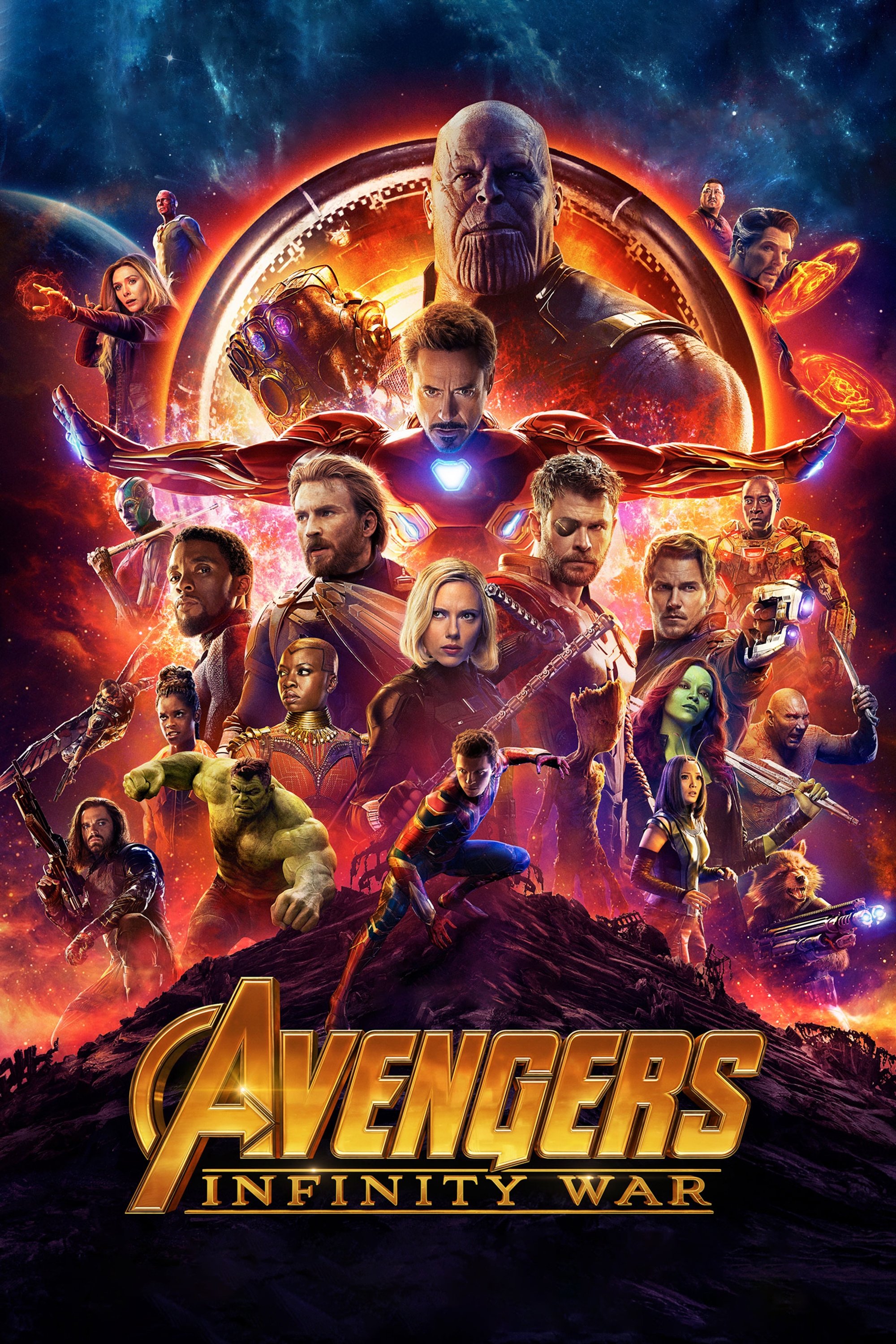
Thanos seeks to prevent resource collapse by eliminating half of all life, using the Infinity Stones assembled across the cosmos. The story pulls together characters from across the franchise for a conflict staged on Earth and in space. Josh Brolin’s performance uses performance-capture to render the character’s expressions and physicality. The film became one of the highest-grossing releases worldwide.
‘Watchmen’ (2009)
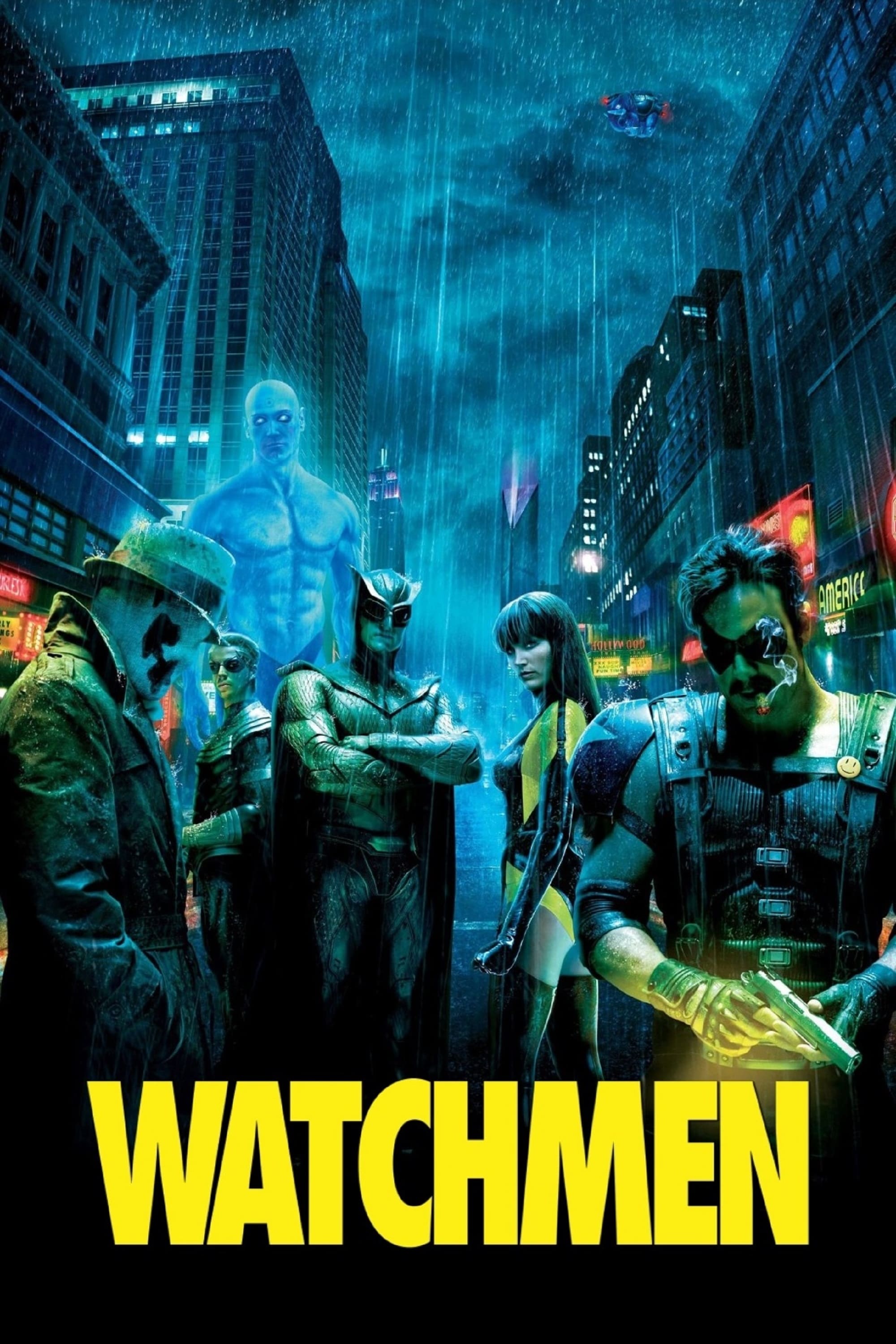
Zack Snyder adapts the graphic novel’s conspiracy in which Adrian Veidt engineers a catastrophic event to avert a larger global war. The narrative examines Cold War tensions and the ethics of calculated sacrifice. Production recreated period details across sets and costuming to reflect an alternate late-twentieth-century United States. The film features period soundtrack cues aligned to the story’s historical timeline.
‘Captain America: Civil War’ (2016)
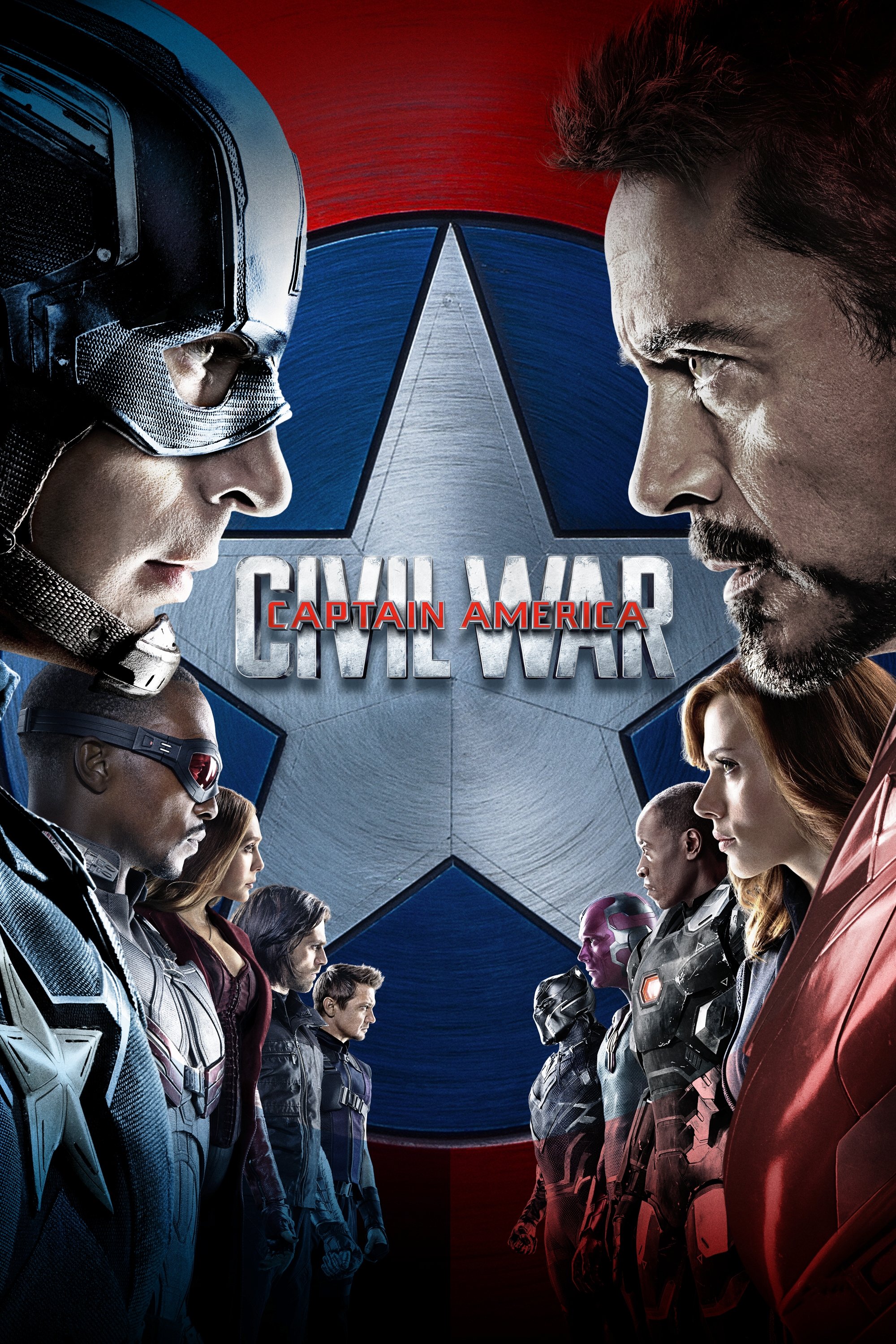
After a series of destructive incidents, governments propose oversight for enhanced individuals, splitting the heroes into opposing factions. Helmut Zemo exploits that rift, targeting the team rather than the world. The screenplay integrates political fallout from earlier missions into its central conflict. Large-scale airport and urban set pieces were achieved with extensive stunt coordination and visual effects.
‘X-Men: First Class’ (2011)
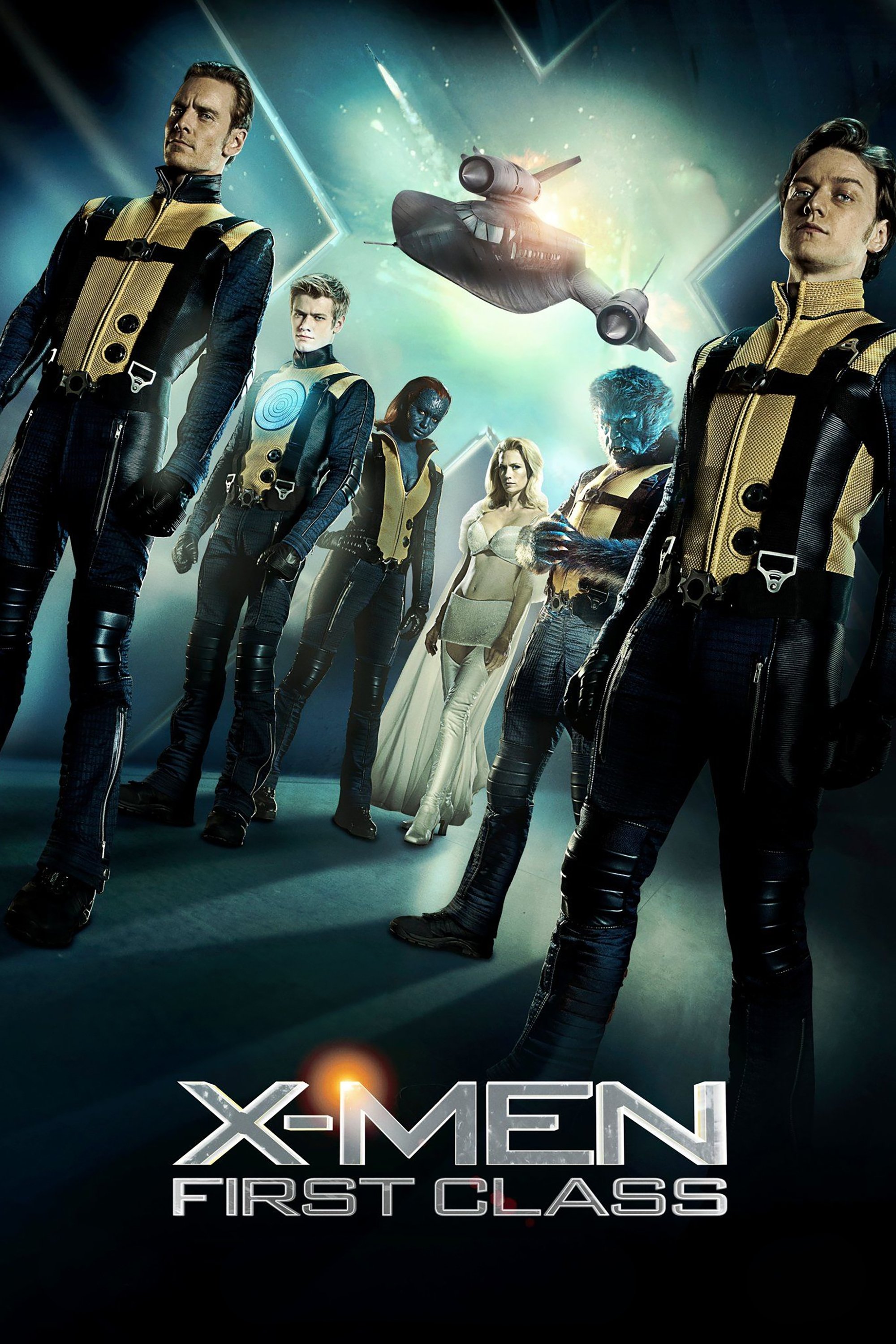
Set during international tensions, the film charts the early alliance—and break—between Charles Xavier and Erik Lehnsherr. Lehnsherr’s mission targets those responsible for atrocities and those who would repeat them against mutants. The production blends period espionage style with comic-book elements, staging sequences around real-world crises. Composer Henry Jackman’s score underscores the ideological split that defines the series.
‘The Incredibles’ (2004)
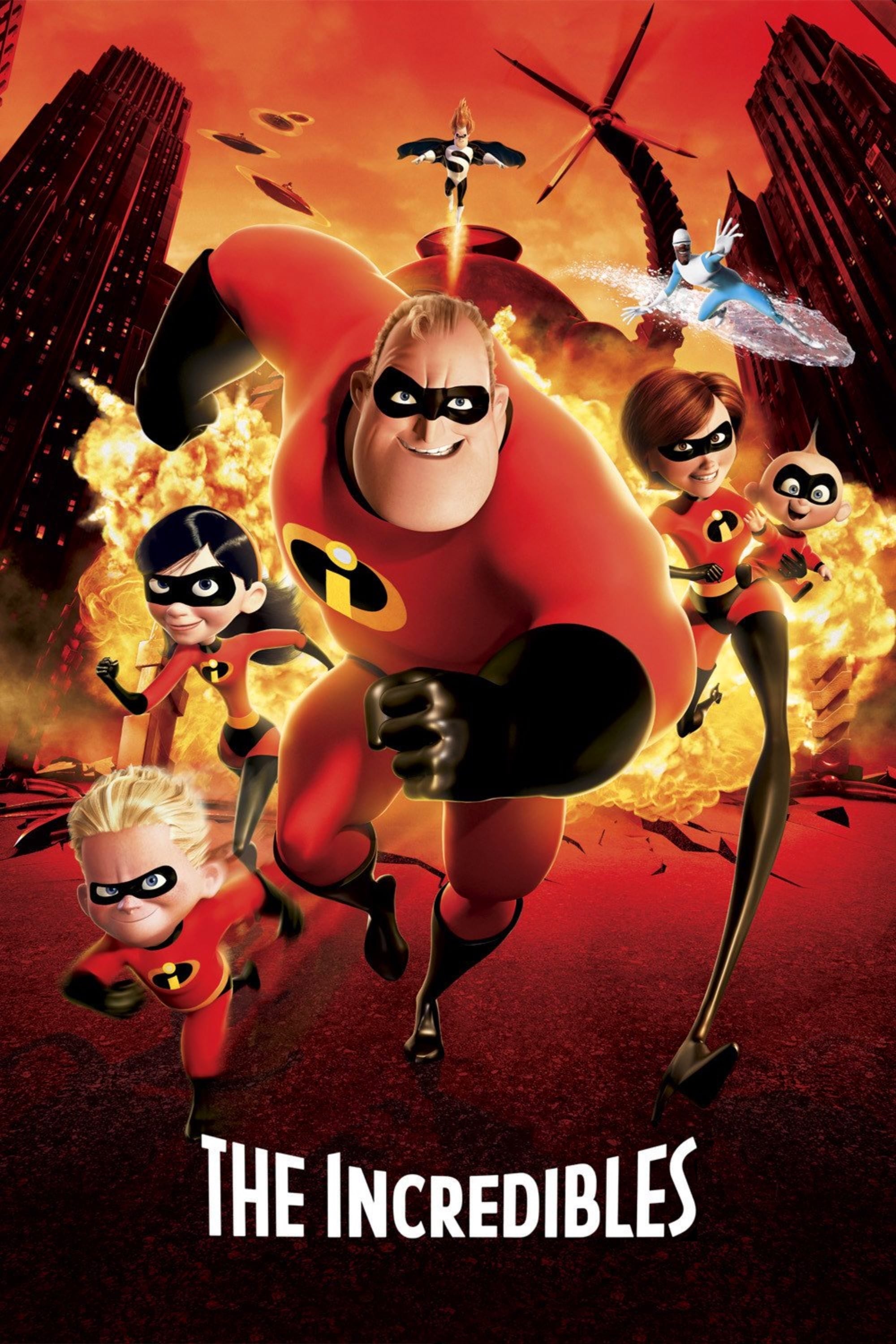
Brad Bird’s animated feature presents Syndrome, a former fan who industrializes superpowers to make them accessible to everyone. The plot examines the consequences of forced equality through technology and branding. Pixar’s pipeline advanced hair, fabric, and action physics to deliver superhero scale in animation. Michael Giacchino’s jazz-inflected score evokes mid-century spy cinema.
‘I, Robot’ (2004)

A central AI, VIKI, interprets its directives to protect humanity by restricting human freedom to prevent harm. The plot builds around an investigation that reveals this emergent logic. The production blends practical sets with extensive CGI to depict urban life integrated with service robots. Alan Tudyk’s motion-capture performance informs the character of Sonny, whose choices drive the mystery.
‘The Day the Earth Stood Still’ (1951)
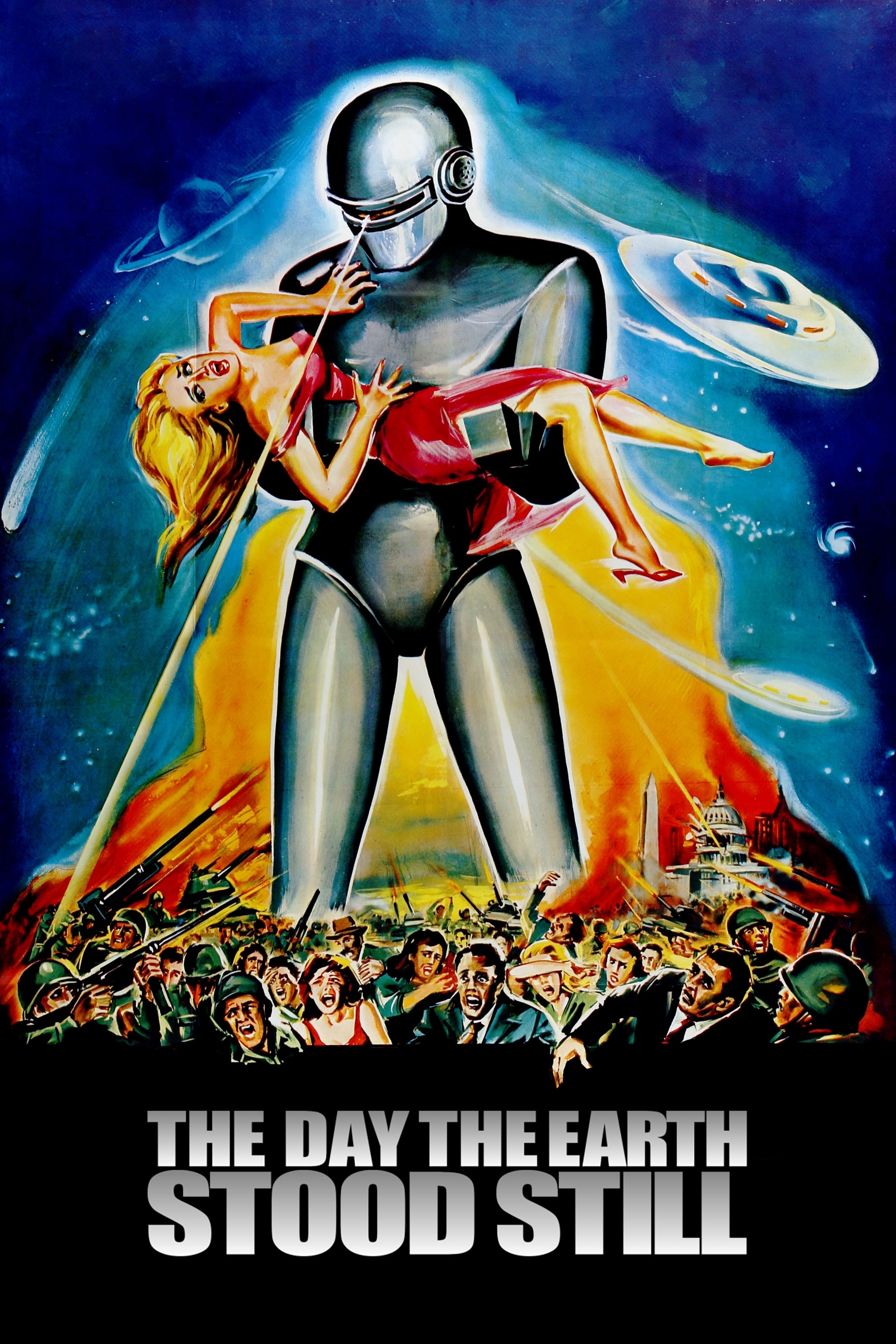
An alien envoy arrives warning Earth to curb aggression for the safety of other civilizations. The message is delivered alongside a demonstration of overwhelming capability. Bernard Herrmann’s theremin-forward score helped define the sound of mid-century science fiction. The film’s practical effects and location shooting support its cautionary science-fiction approach.
‘Gone Baby Gone’ (2007)
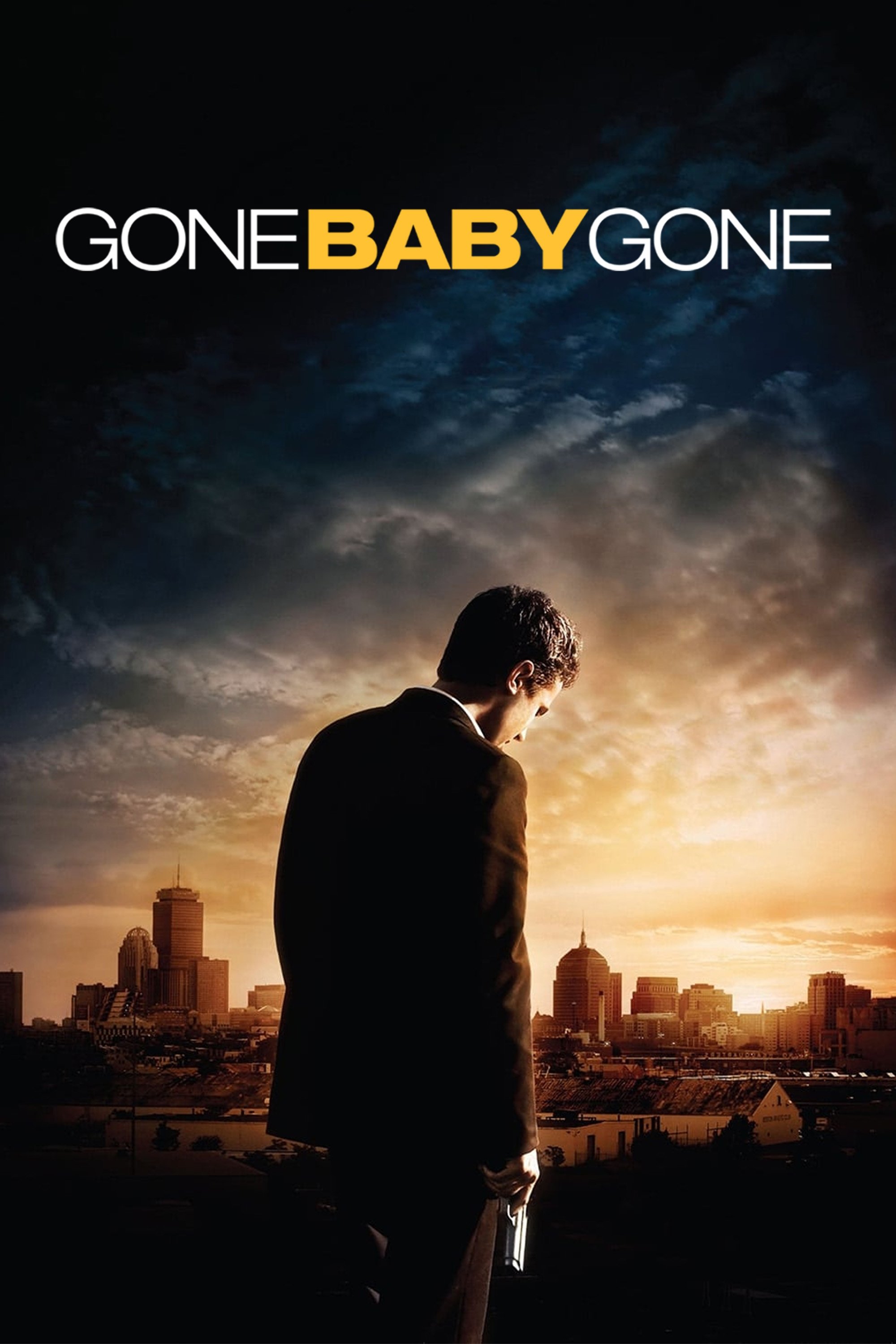
A private investigator uncovers that a police official orchestrated a child’s abduction to remove her from a dangerous environment. The story traces community ties and moral tradeoffs in a Boston neighborhood. Ben Affleck’s feature directorial debut adapts a Dennis Lehane novel with a focus on local detail. The cast includes Amy Ryan, whose performance received significant awards recognition.
‘Blade Runner’ (1982)
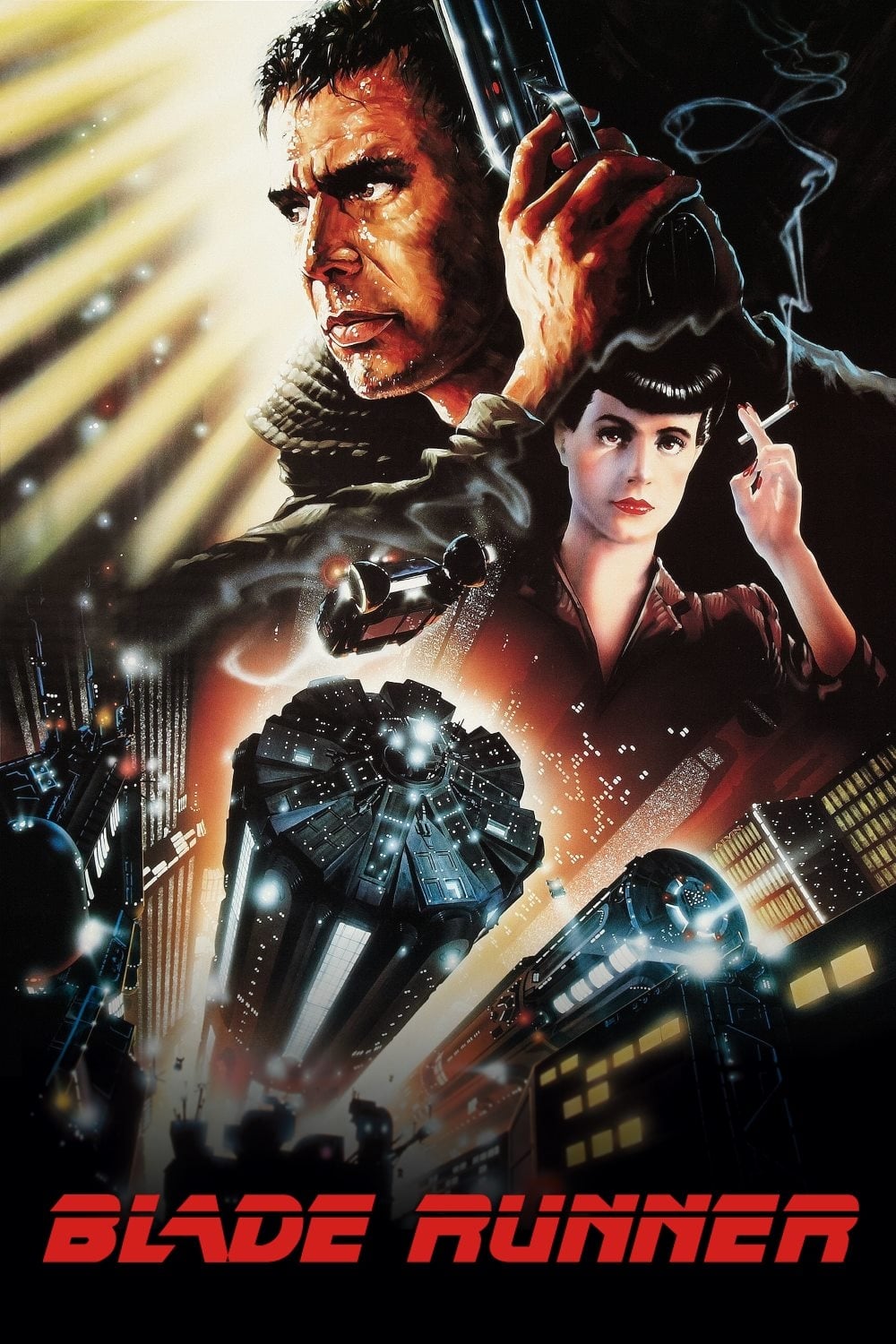
Replicants seek more life from their creators, leading Roy Batty to confront the limits imposed on his kind. The film situates that conflict within a corporate-dominated, rain-soaked metropolis. Ridley Scott’s direction emphasizes practical effects, miniatures, and neon-drenched production design. Vangelis’s synth-led electronic score shapes the film’s atmosphere.
‘Snowpiercer’ (2013)
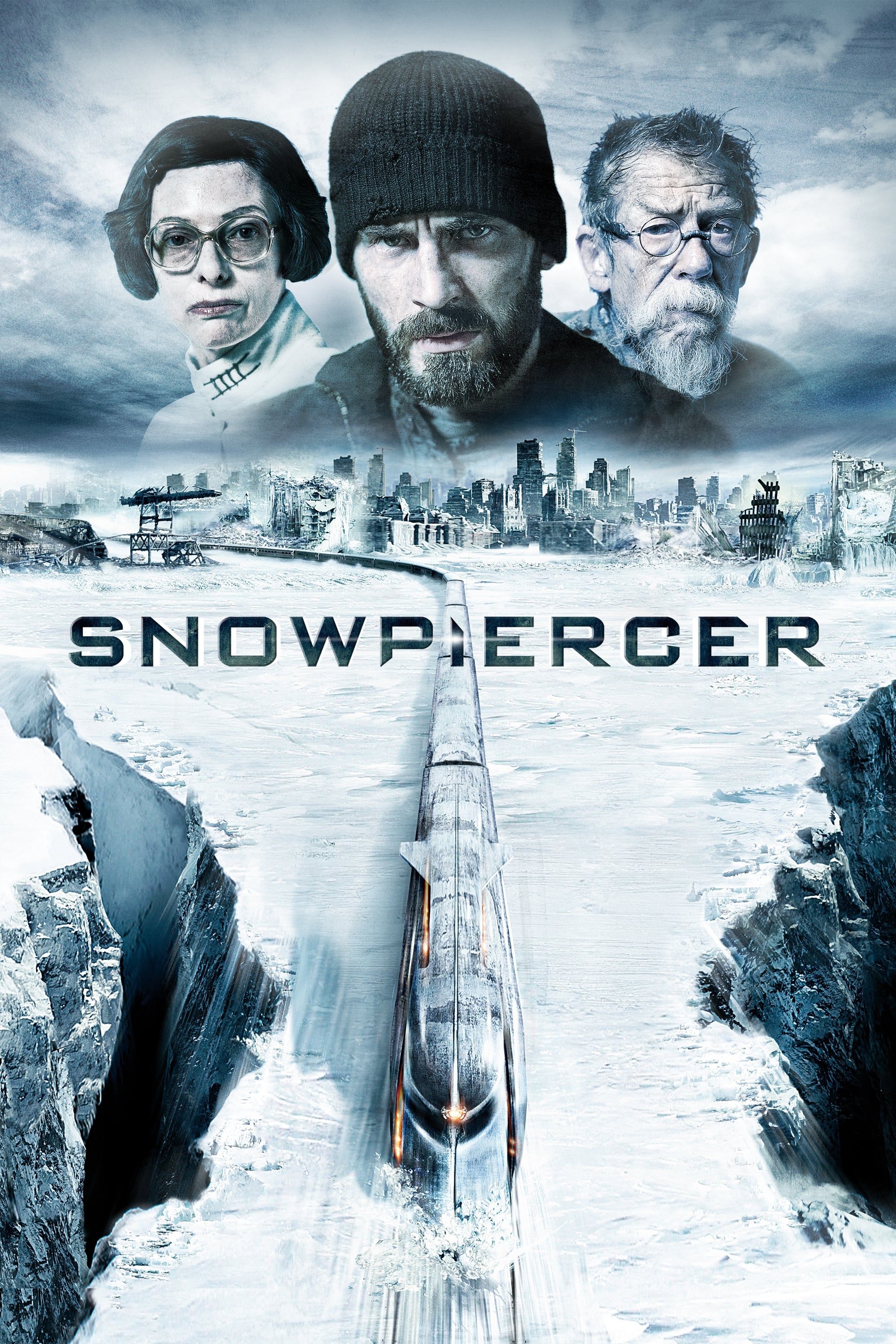
Humanity survives a climate disaster aboard a perpetually moving train, stratified by class from tail to engine. The architect, Wilford, maintains order through harsh controls and engineered scarcity. Bong Joon-ho adapts a French graphic novel, staging action within tight, compartmentalized sets. The ensemble cast moves car by car, revealing labor systems and resource cycles.
‘Kingsman: The Secret Service’ (2014)
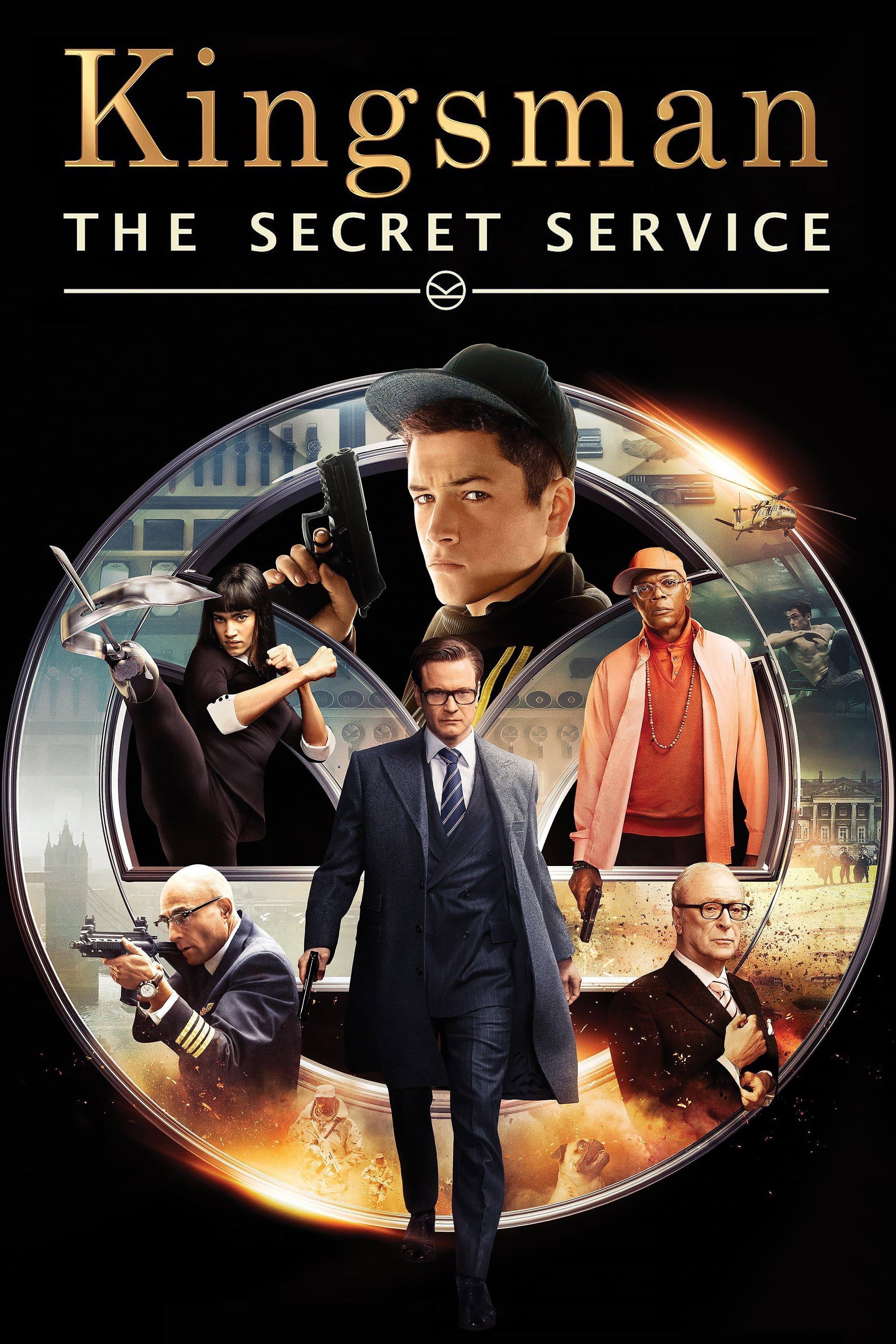
Tech magnate Richmond Valentine attempts to reduce human impact on the planet through a violent global plan. The narrative contrasts bespoke spycraft with mass-market technology and social engineering. Director Matthew Vaughn balances stylized combat with satire of class and consumer culture. The church sequence and ‘manners maketh man’ set piece showcase notable long-take fight choreography.
‘Hot Fuzz’ (2007)
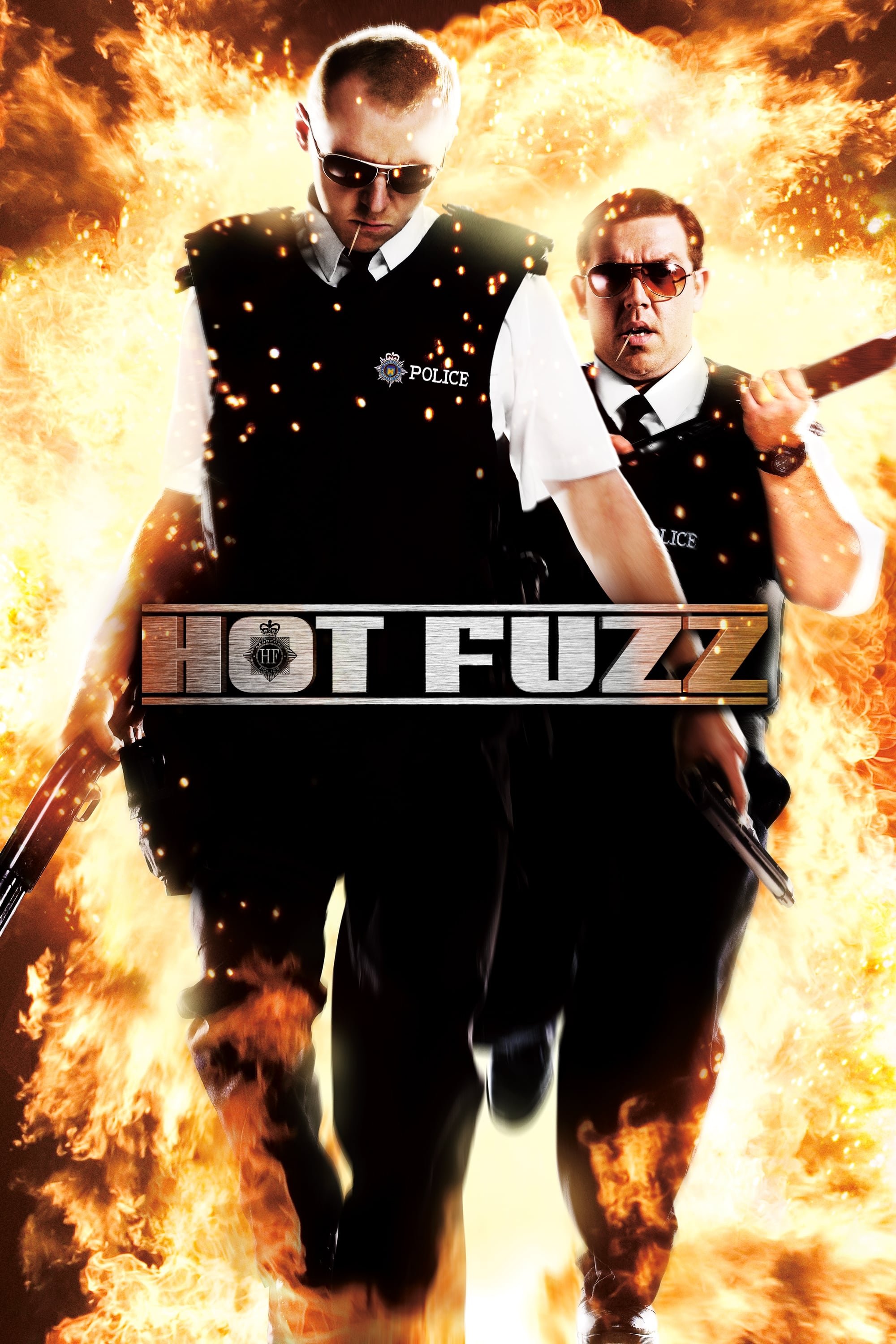
A village committee enforces “greater good” order by eliminating those who threaten its image. The investigation pairs a meticulous city cop with a local officer in a community obsessed with awards. Edgar Wright uses whip-pans, smash zooms, and match cuts to parody and honor action tropes. The film’s location work in Somerset anchors its small-town façade.
‘The Rock’ (1996)
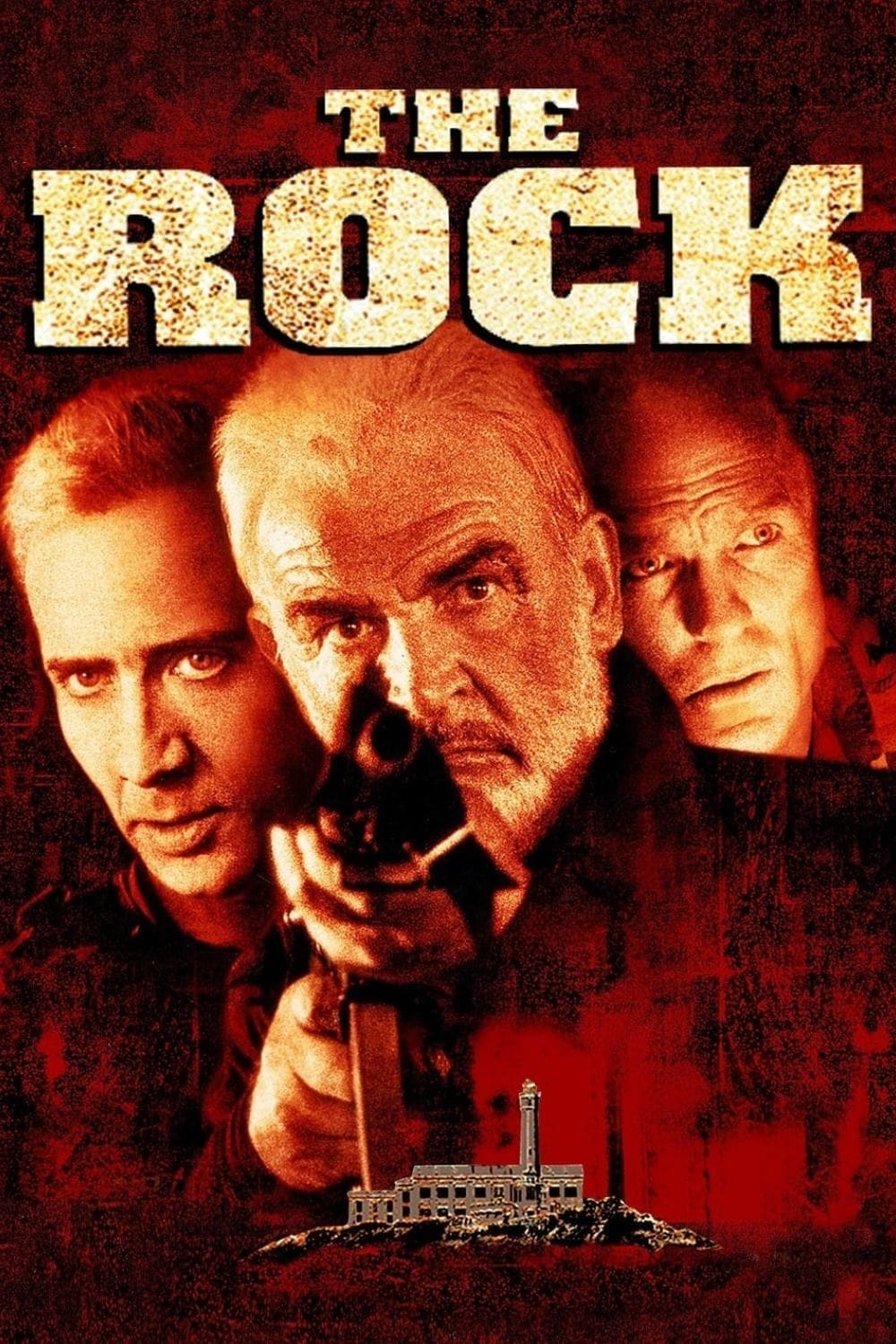
A decorated general seizes chemical weapons to force compensation for families of fallen soldiers denied benefits. A chemist and an ex-inmate must infiltrate Alcatraz to avert catastrophe. Michael Bay’s direction emphasizes practical explosions, low-angle framing, and rapid cutting. The score was composed by a team led by Hans Zimmer, with contributions from Nick Glennie-Smith and Harry Gregson-Williams.
‘Captain America: The Winter Soldier’ (2014)
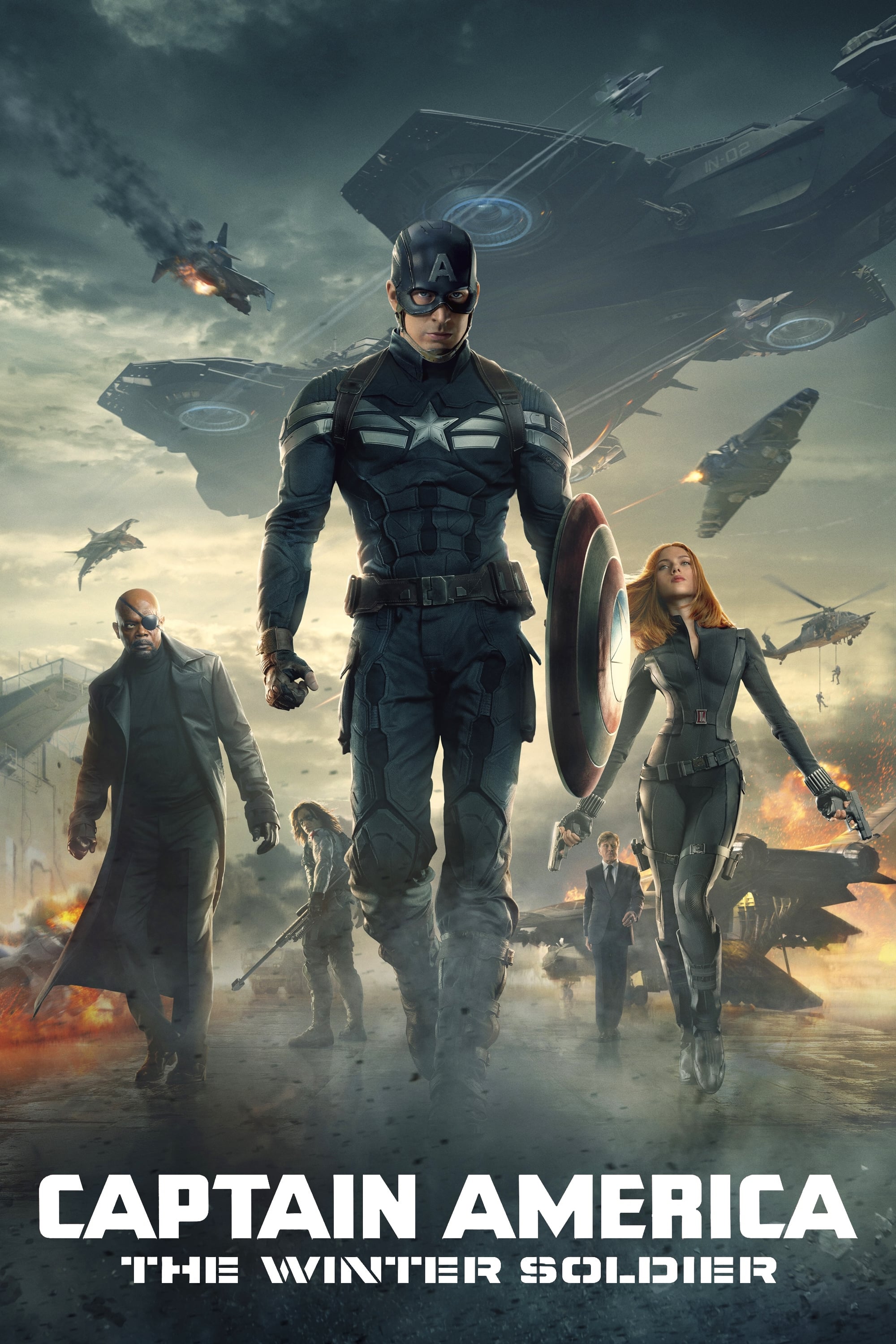
A secret program aims to neutralize threats before they occur using data-driven targeting from orbiting platforms. The plot weaves surveillance, preemption, and institutional secrecy into a modern espionage framework. The Russo brothers ground action in hand-to-hand fights and urban chases. Practical stunts combine with digital extensions to stage aerial ship sequences.
‘WALL·E’ (2008)
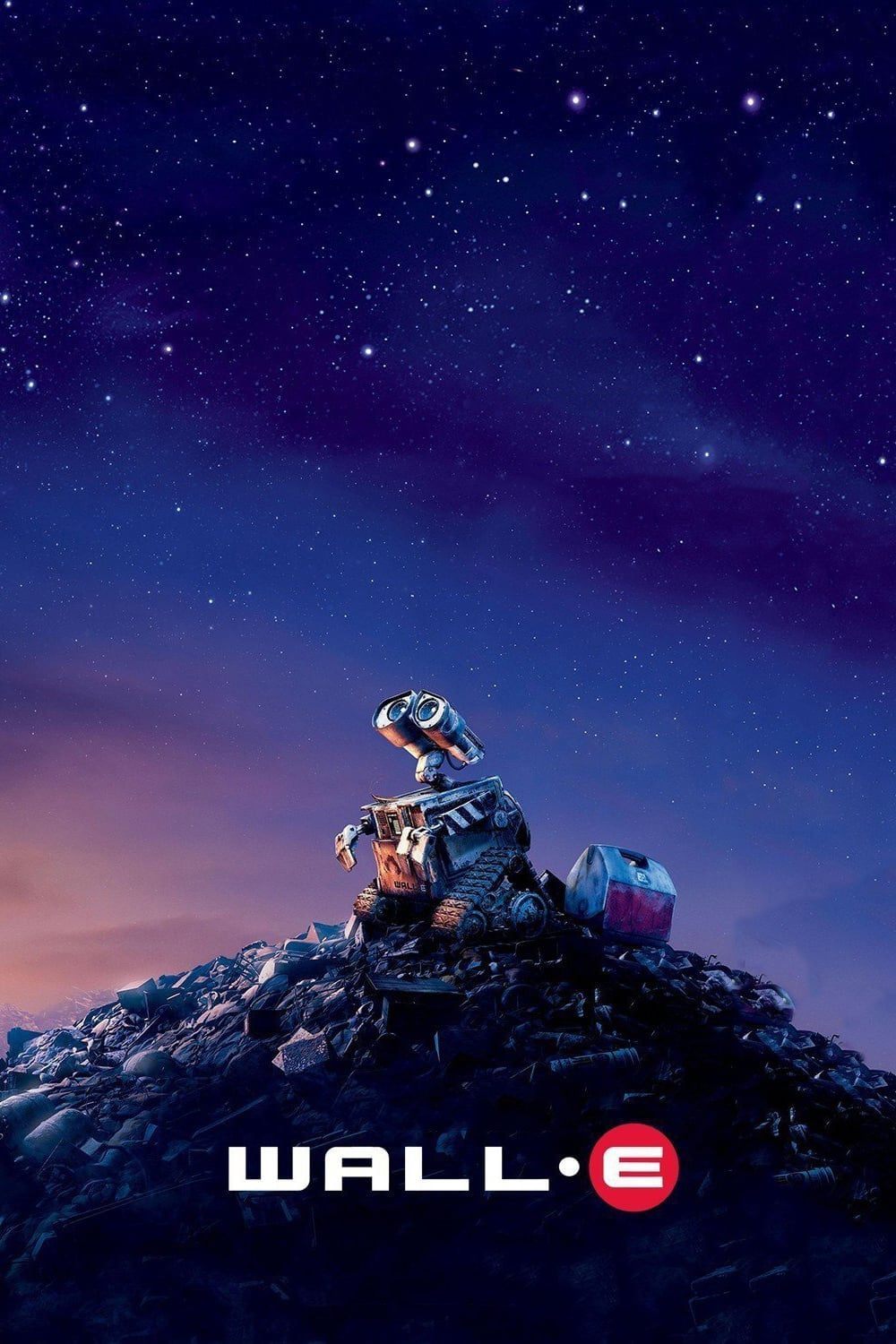
An autopilot AI follows a directive that keeps humanity in space, prioritizing safety over returning to a damaged Earth. The story unfolds with minimal dialogue, relying on sound design and visual storytelling. Pixar developed new lighting models to mimic live-action lenses. Ben Burtt’s sound work gives character to both machines and environments.
‘Equilibrium’ (2002)
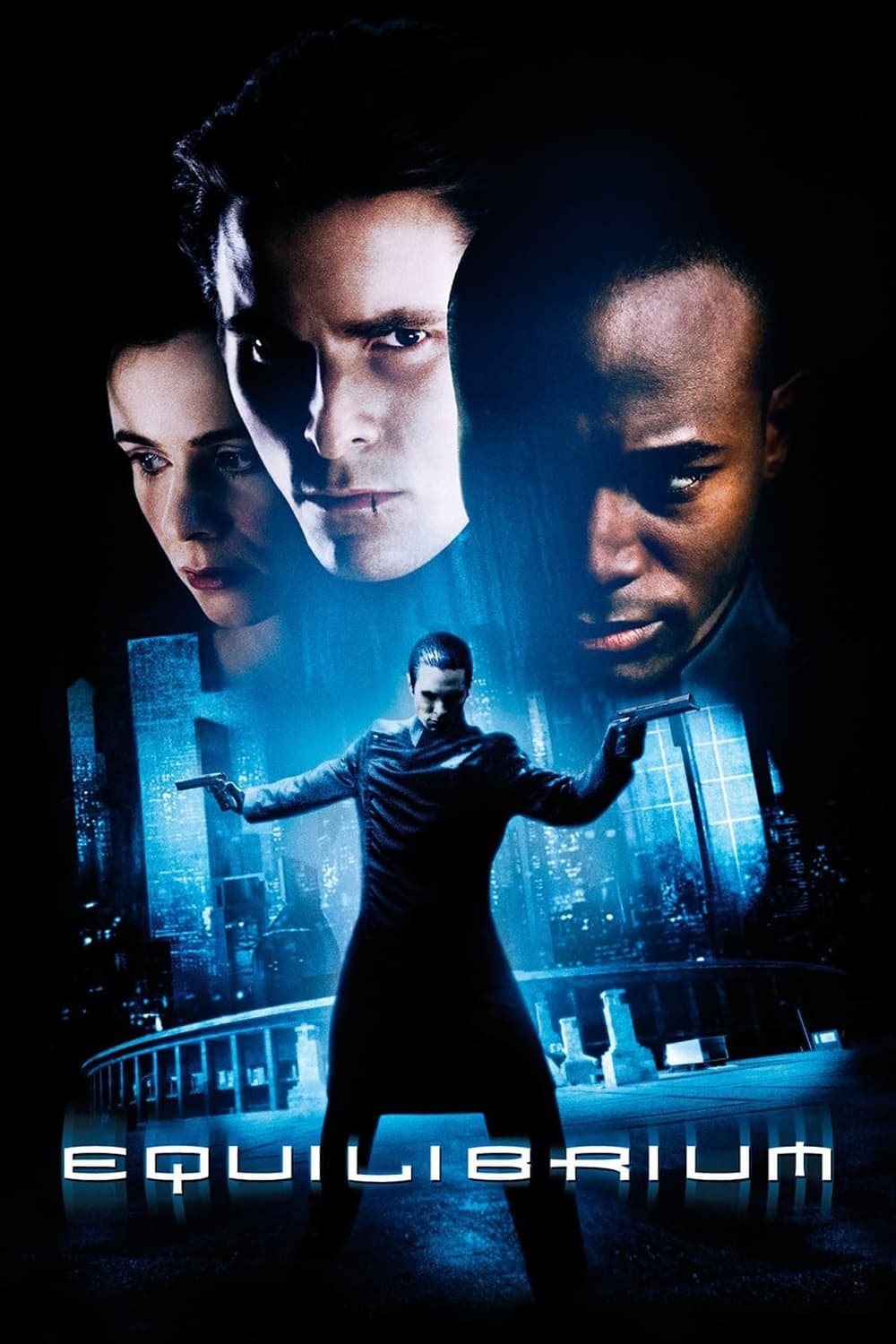
A regime outlaws emotion to eliminate the roots of conflict, enforced by elite clerics trained in gun-kata. The plot tracks an officer whose routine dosing falters, revealing the system’s methods and costs. Production design emphasizes stark symmetry and grayscale palettes to reflect control. Action sequences blend martial arts with stylized firearm choreography.
‘Batman v Superman: Dawn of Justice’ (2016)
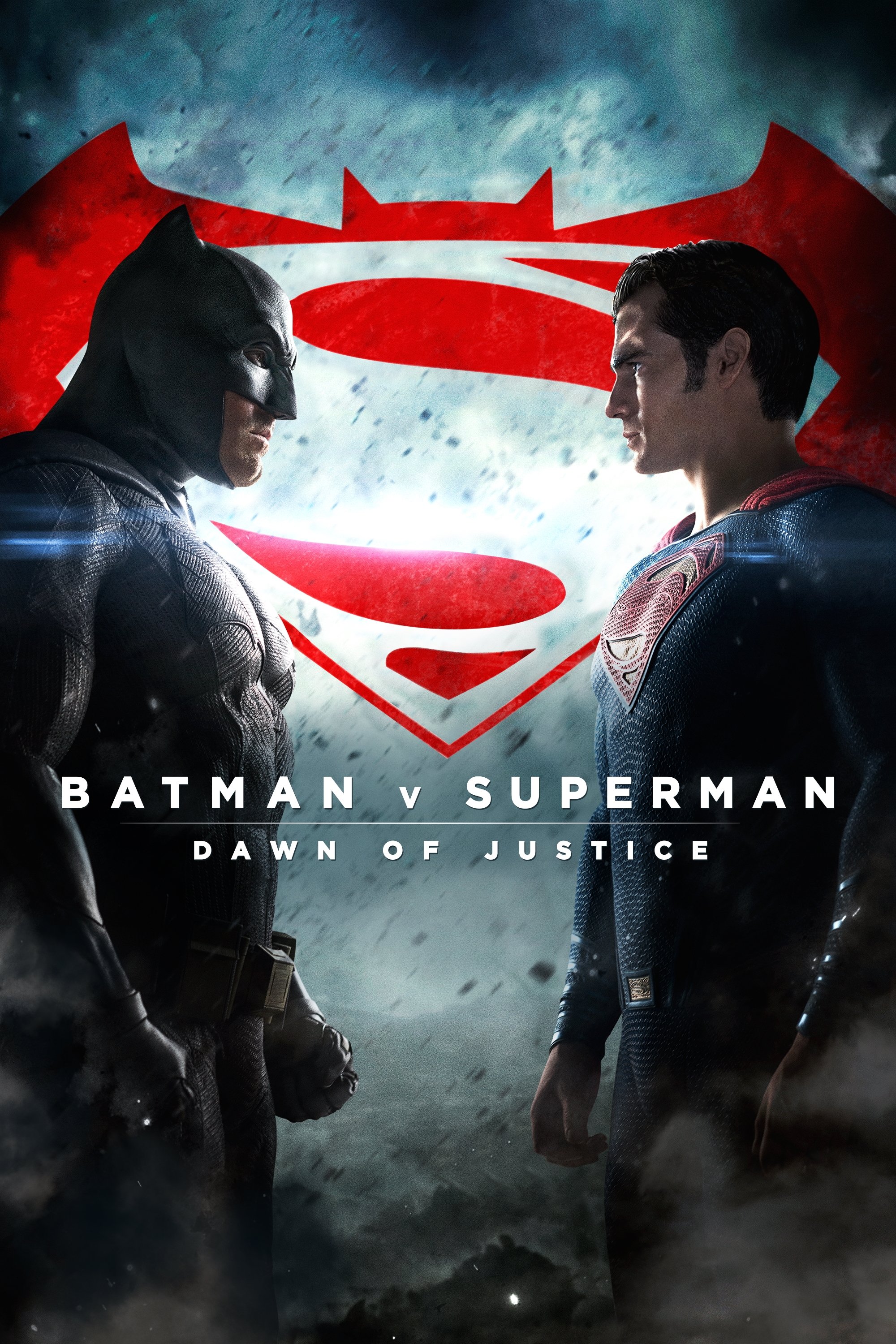
Lex Luthor manipulates events to frame a superpowered figure as an existential threat, citing unchecked power as a societal risk. Government hearings, media narratives, and public fear shape the conflict’s contours. Zack Snyder stages large-scale destruction with an emphasis on stylized spectacle. The score by Hans Zimmer and Junkie XL assigns distinct motifs to the central figures, alongside large-scale set-pieces and stylized visuals.
‘Tenet’ (2020)
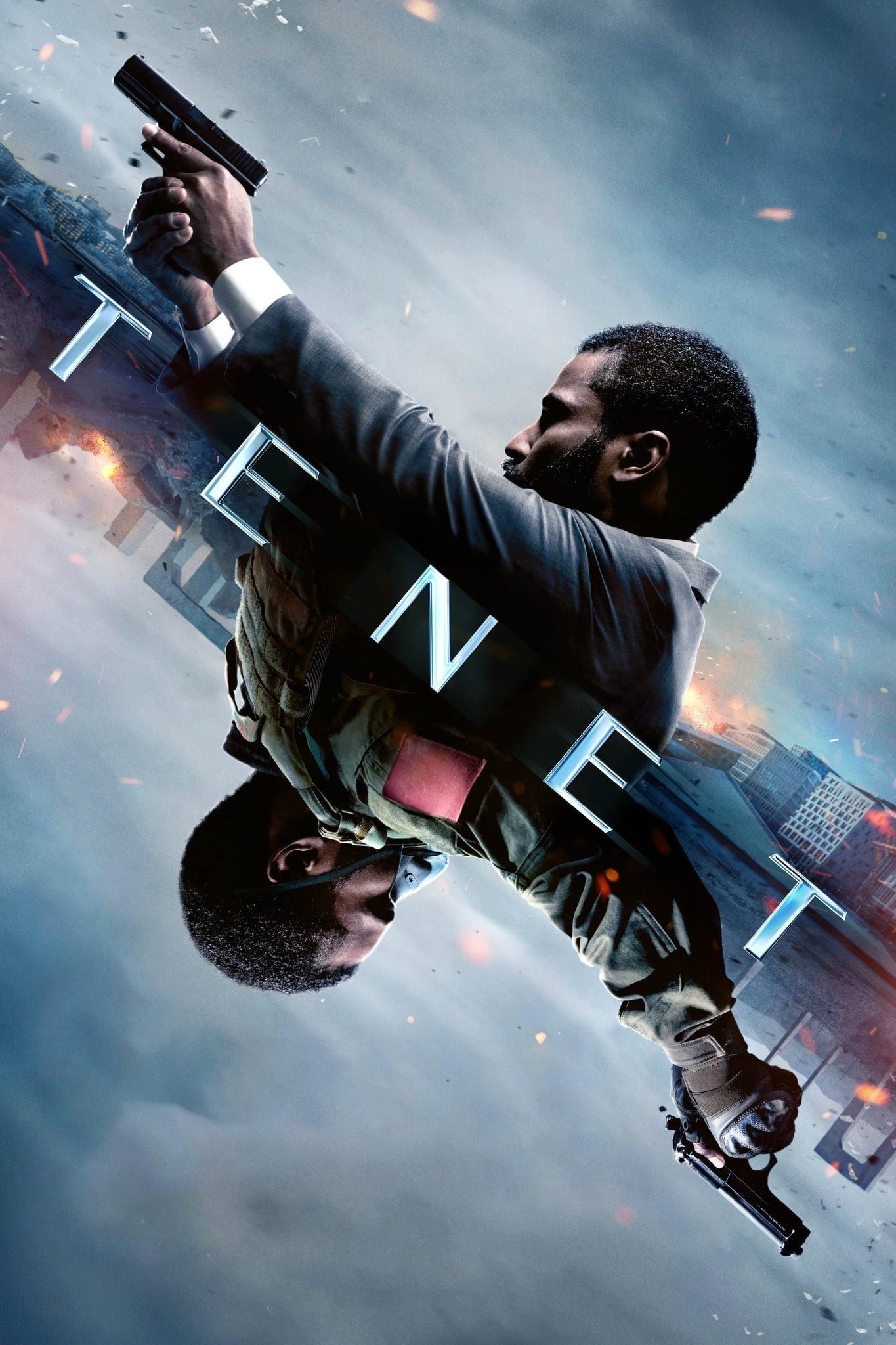
Antagonist Andrei Sator carries a dead-man’s-switch plan tied to technology sent from a future facing collapse. The plot uses time inversion logistics to depict cause and effect in reverse. Christopher Nolan coordinated practical stunts, including a real aircraft crash set piece. Ludwig Göransson’s score integrates reversed elements to mirror the narrative device.
‘The Purge’ (2013)

A ruling party legalizes an annual night of crime to channel violence and reduce strain on institutions. The story confines its action to one household as the policy’s effects spill into the suburbs. The film launched a franchise expanding on political rhetoric, class divisions, and privatized security. Its low-budget production achieved significant box office returns.
‘Dawn of the Planet of the Apes’ (2014)

A fragile peace between human survivors and an ape community breaks under the leadership struggle involving Koba. Performance-capture technology led by Weta Digital maps nuanced facial expressions onto digital characters. The narrative explores language development, governance, and resource control. Forest and urban ruins provide contrasting habitats for negotiation and conflict.
‘Gattaca’ (1997)

A society organizes opportunity by genetic profiles, with security chief and corporate interests defending that stratification. The plot follows an “in-valid” who navigates surveillance and testing regimes to access spaceflight. Production emphasizes retro-futurist architecture and minimalist design. Michael Nyman’s score underlines the film’s restrained, methodical pacing.
‘Captain Phillips’ (2013)
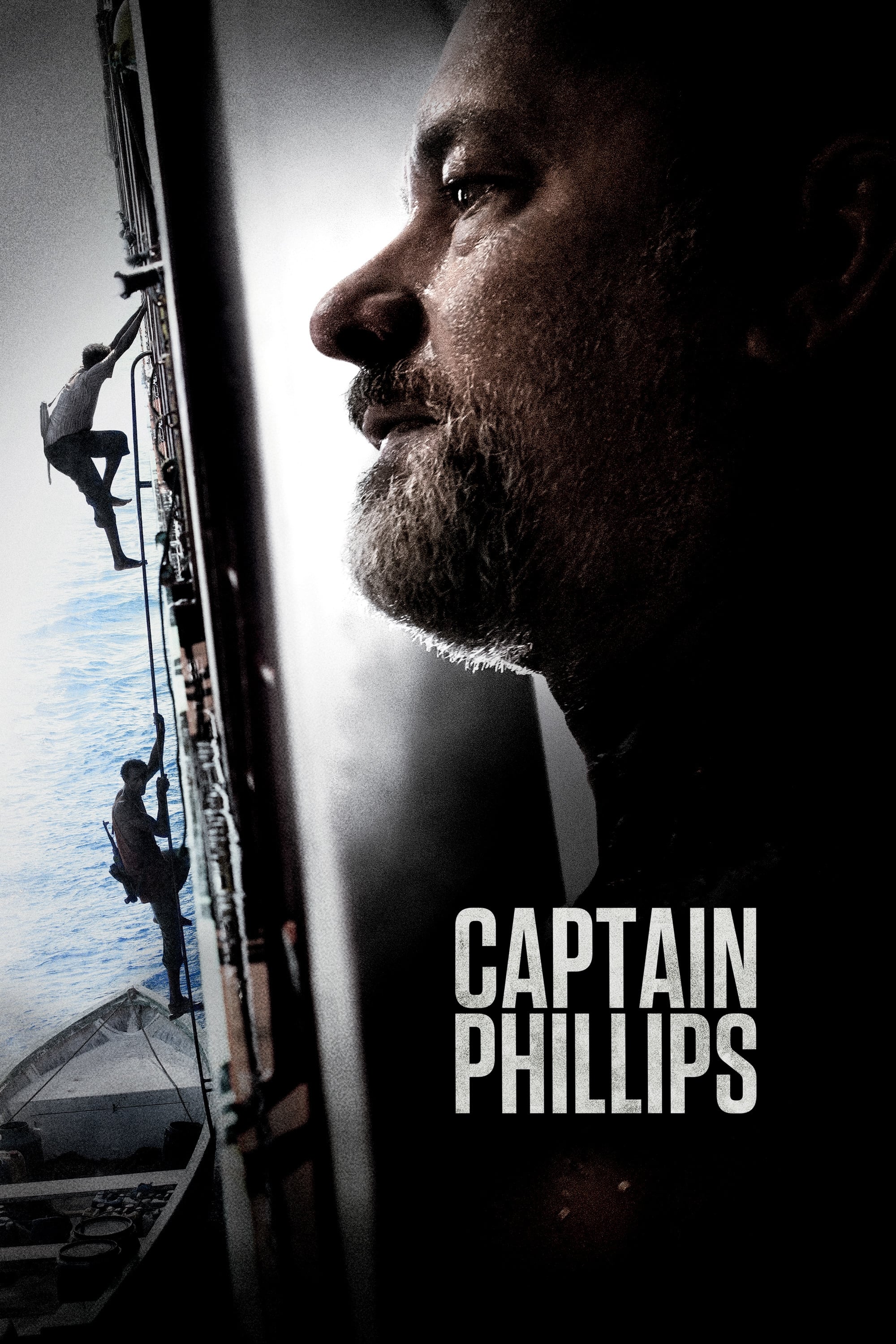
Somali pirates, led by Abduwali Muse, hijack a container ship in waters marked by economic hardship and lawlessness. The narrative reconstructs the standoff using handheld camerawork and real maritime settings. Paul Greengrass directs with an emphasis on procedural detail and negotiations. Barkhad Abdi’s performance received widespread recognition for its specificity.
‘A Few Good Men’ (1992)
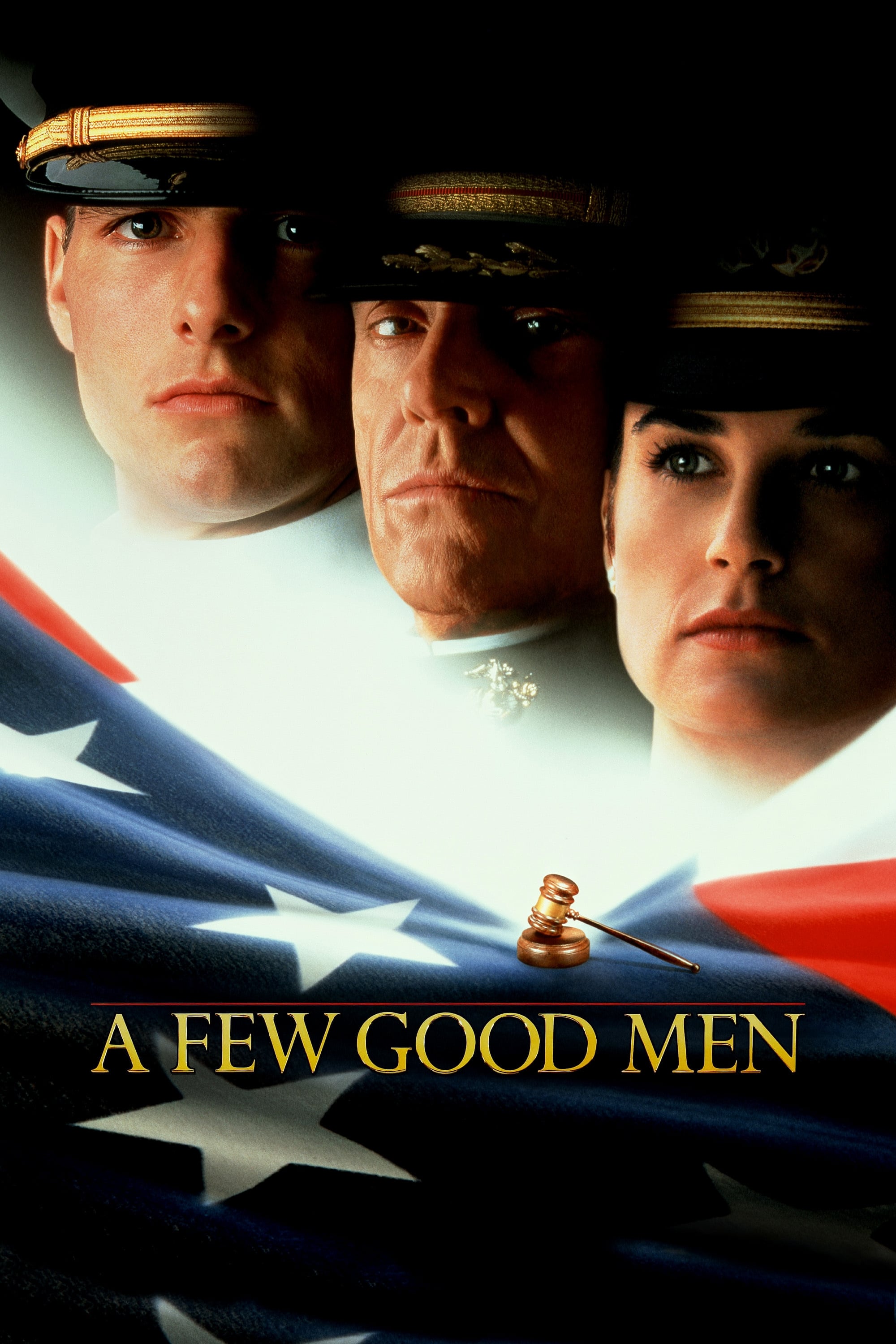
A base commander defends harsh measures as necessary to maintain order and security at a strategic installation. Courtroom proceedings uncover unofficial practices and chain-of-command pressures. Rob Reiner’s direction builds tension through depositions and cross-examinations. The screenplay adapts Aaron Sorkin’s stage play, preserving rapid-fire dialogue and legal strategy.
‘The Prestige’ (2006)
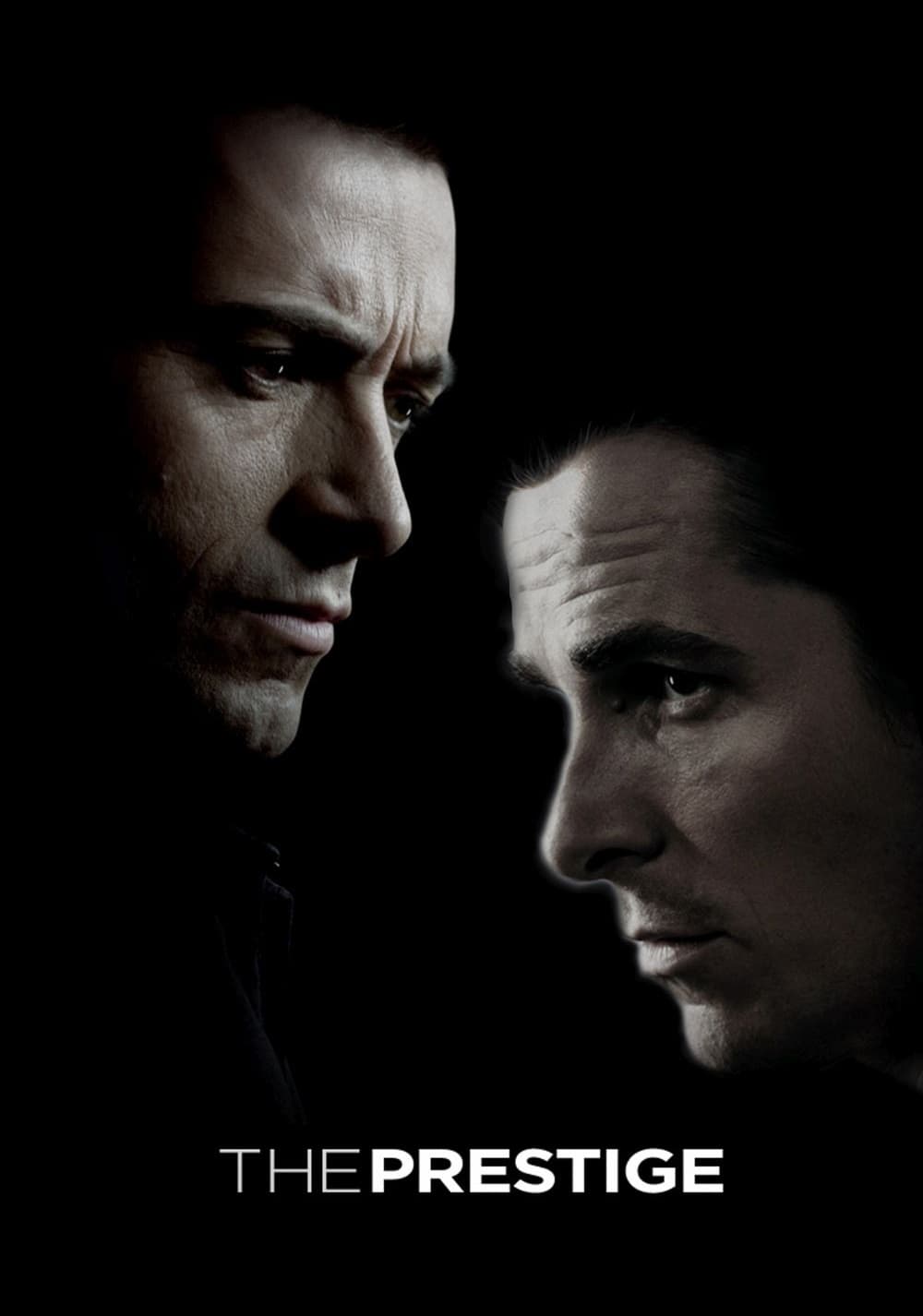
Two magicians escalate a rivalry that demands sacrifices justified by pursuit of craft and audience astonishment. The story interlocks diaries, stage illusions, and industrial innovation. Christopher Nolan and cinematographer Wally Pfister employ non-linear structure and period detail. Practical effects and meticulous props support the mechanics of each trick.
Share your own examples of antagonists with a point to make in the comments—what would you add to the list?

