


Movies You Actually Have to Watch Twice

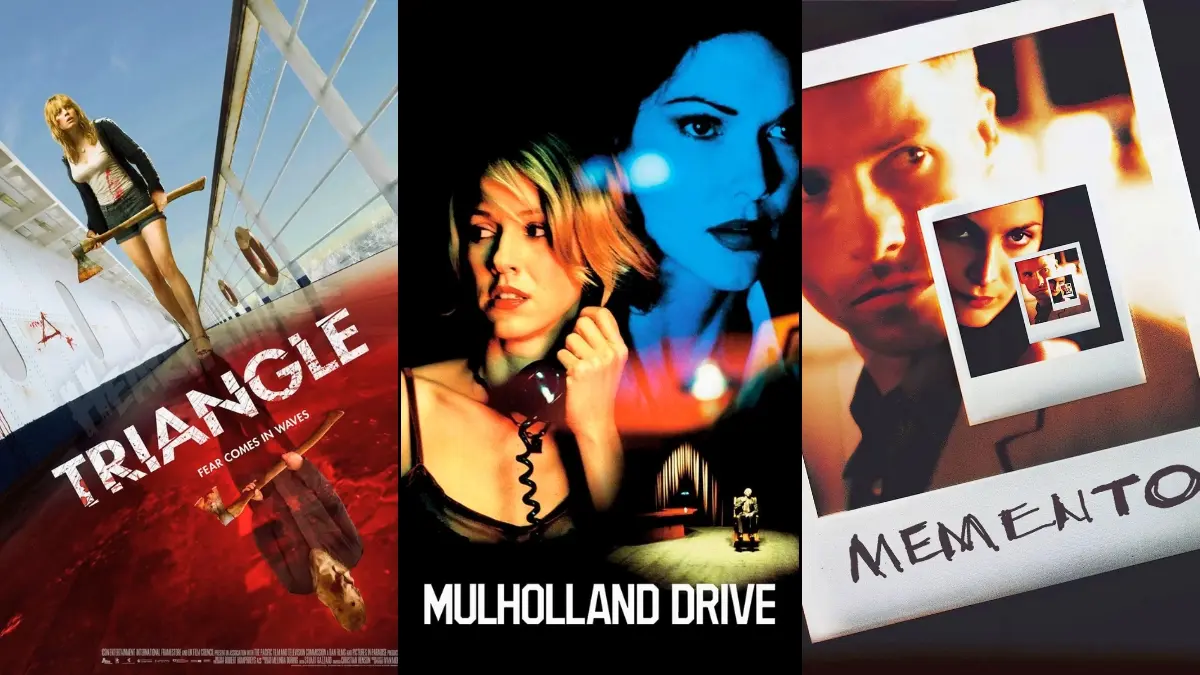


Some films are built like puzzles—deliberate structures of timelines, unreliable narrators, and hidden visual or dialogue cues that only fully click after a second pass. The entries below use nonlinear editing, perspective shifts, recursive plots, or symbolic layering that reward a rewatch once you know what the story is actually doing. If you pay attention to framing, sound design, and how scenes mirror each other, you’ll spot setups and payoffs that quietly reshape the narrative. Here are twenty-five titles where a second viewing isn’t a luxury—it’s how the design reveals itself.
‘Memento’ (2000)
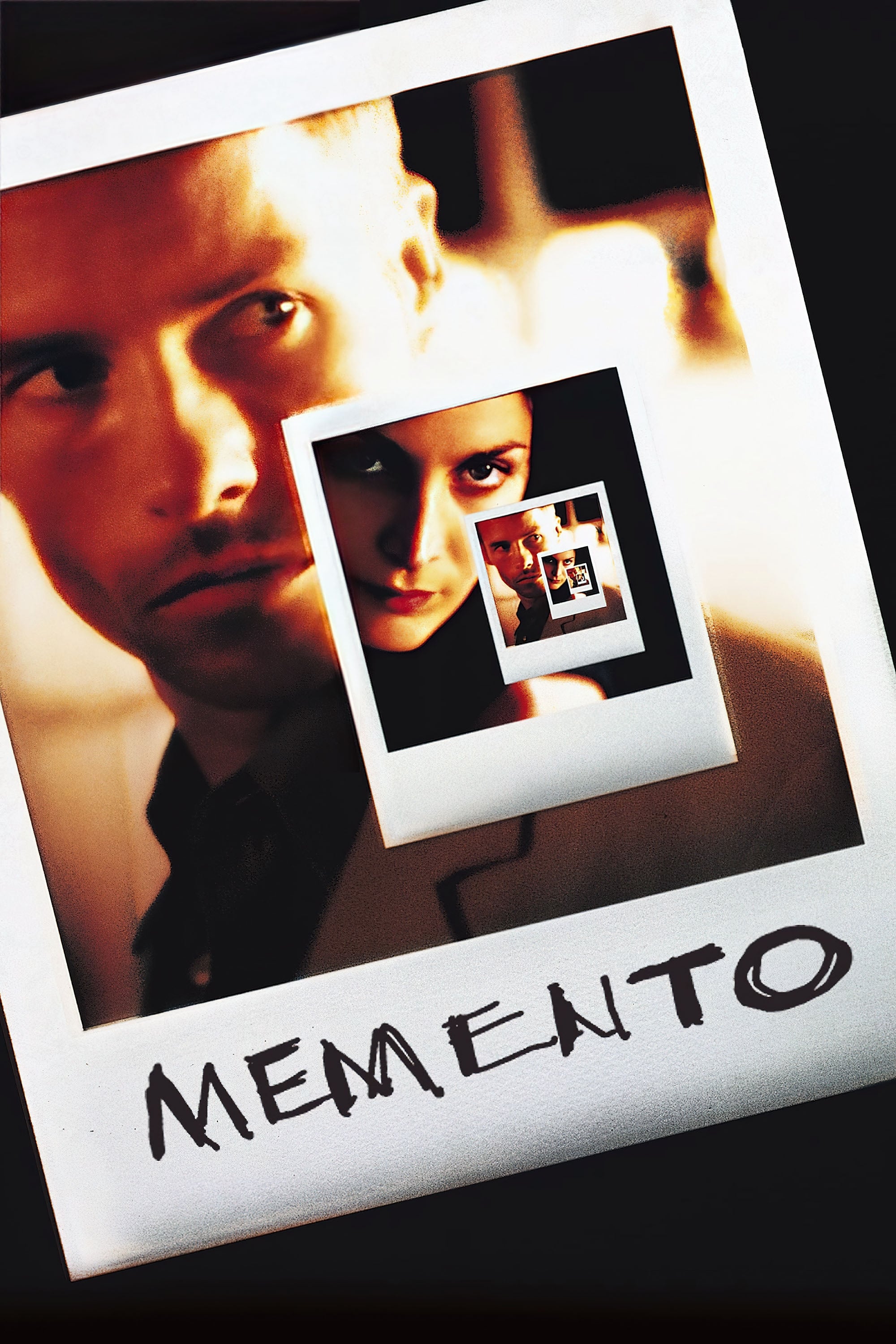
Christopher Nolan structures ‘Memento’ with alternating color and black-and-white sequences that converge in the final scene, aligning the viewer with a protagonist who cannot form new memories. The reverse chronology demands attention to props, tattoos, and Polaroids as information carriers. Dialogue often restates facts with subtle variations, cueing the difference between recorded notes and subjective recollection.
‘Inception’ (2010)
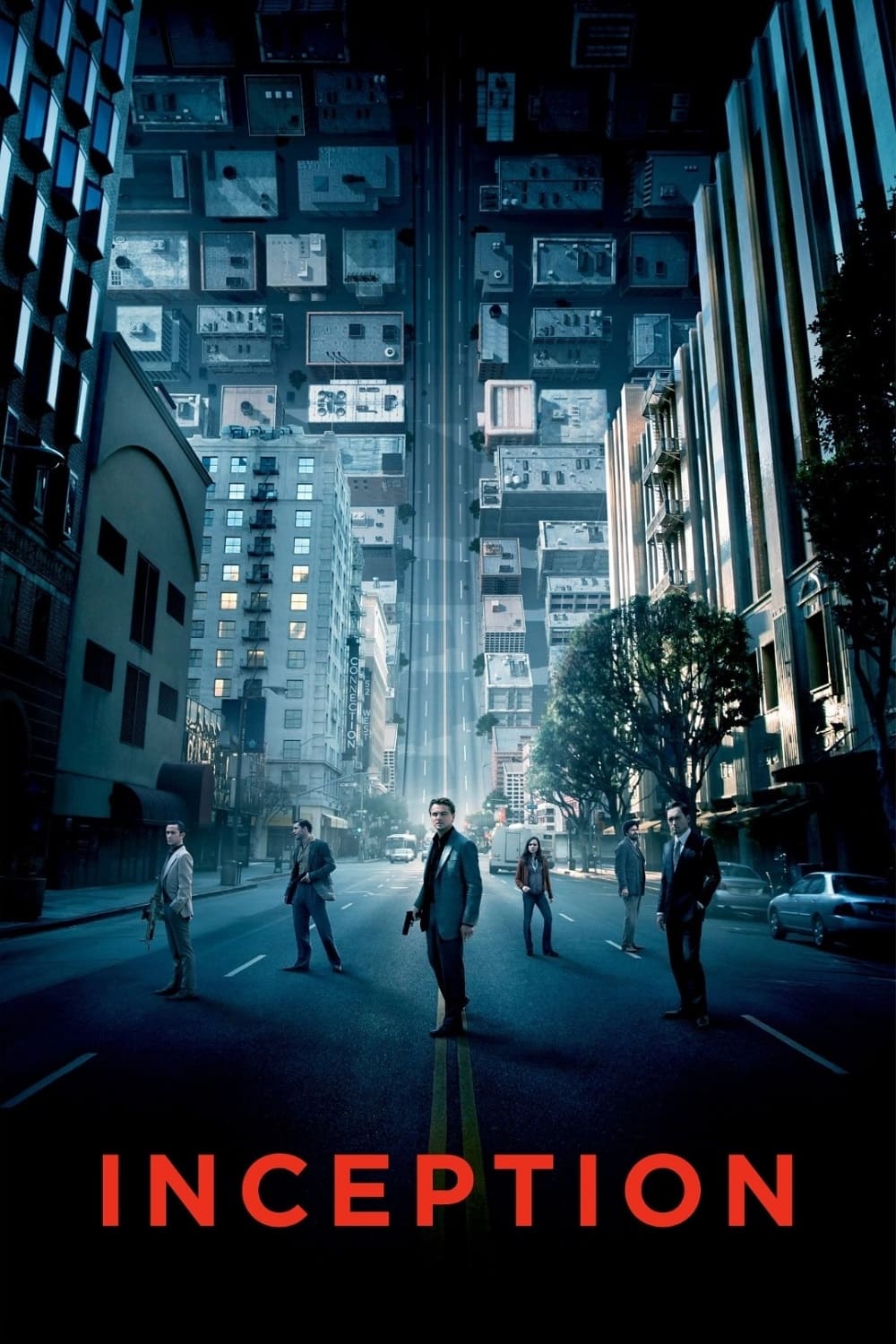
‘Inception’ nests dream layers with distinct time dilations, so rewatching helps track how actions in one level echo into another. Production design assigns each dream architect a signature look and physics, aiding layer identification. Hans Zimmer’s score and sound cues compress and expand temporal perception in parallel with on-screen events.
‘Fight Club’ (1999)

‘Fight Club’ uses voiceover, jump cuts, and fourth-wall breaks to seed clues about character identity and scene continuity. Repeated locations and overlapping schedules map how two figures occupy the same social spaces. Visual insertions and name gags function as breadcrumb trails that align once the narrative reveals its organizing principle.
‘Mulholland Drive’ (2001)
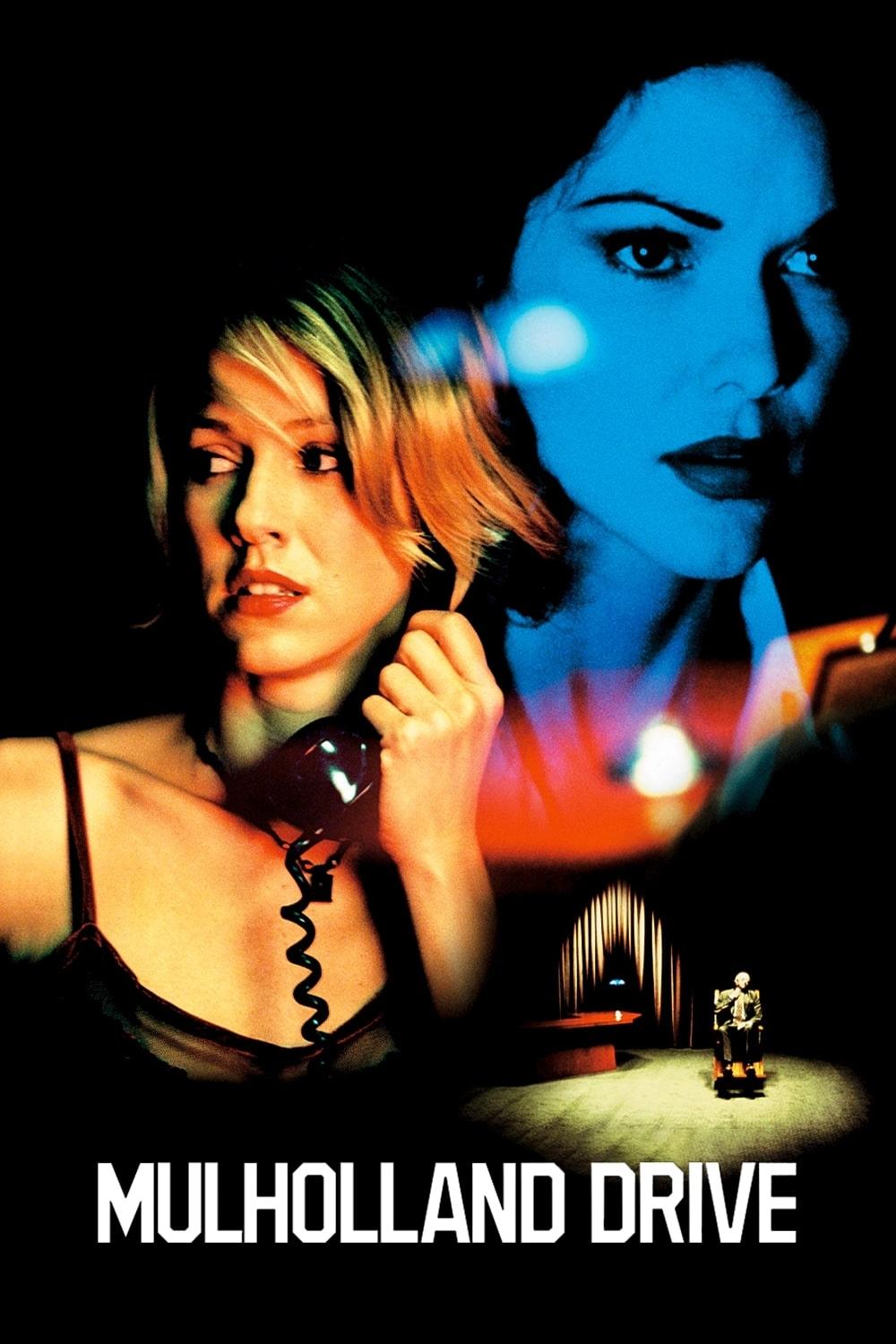
David Lynch splits ‘Mulholland Drive’ into dreamlike and waking segments that recast earlier scenes with new identities and motives. Mirrors, doubles, and repeated venues mark transitions between realities. The Club Silencio sequence provides an explicit key to the film’s performance-and-illusion framework.
‘Donnie Darko’ (2001)
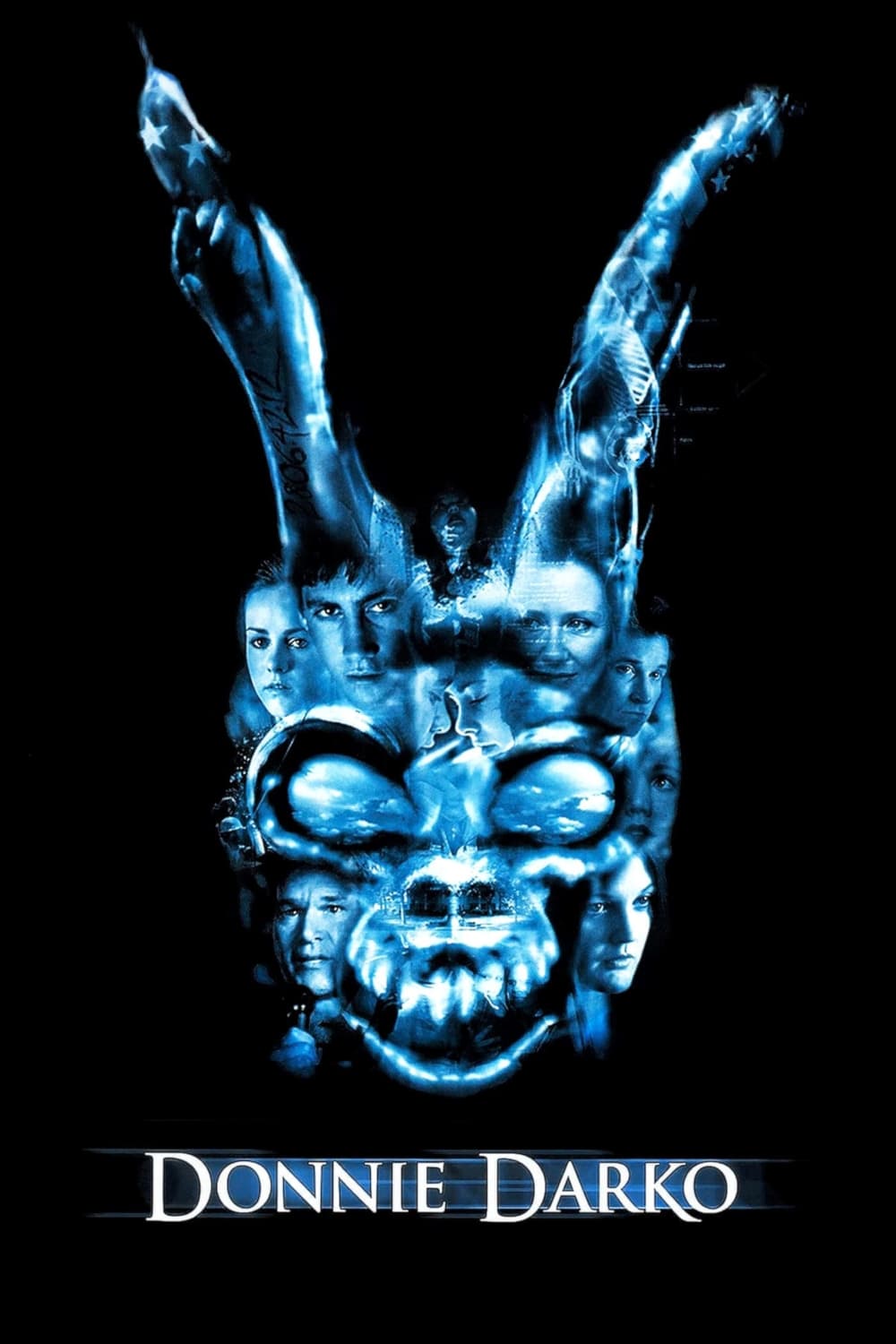
‘Donnie Darko’ interlaces teenage drama with tangential time mechanics and coded notes about manipulated dead and living. The feature’s accompanying text artifacts—like the in-story book—offer rules that clarify later scenes. Musical montages synchronize character arcs with temporal resets that become clearer on revisit.
‘The Sixth Sense’ (1999)
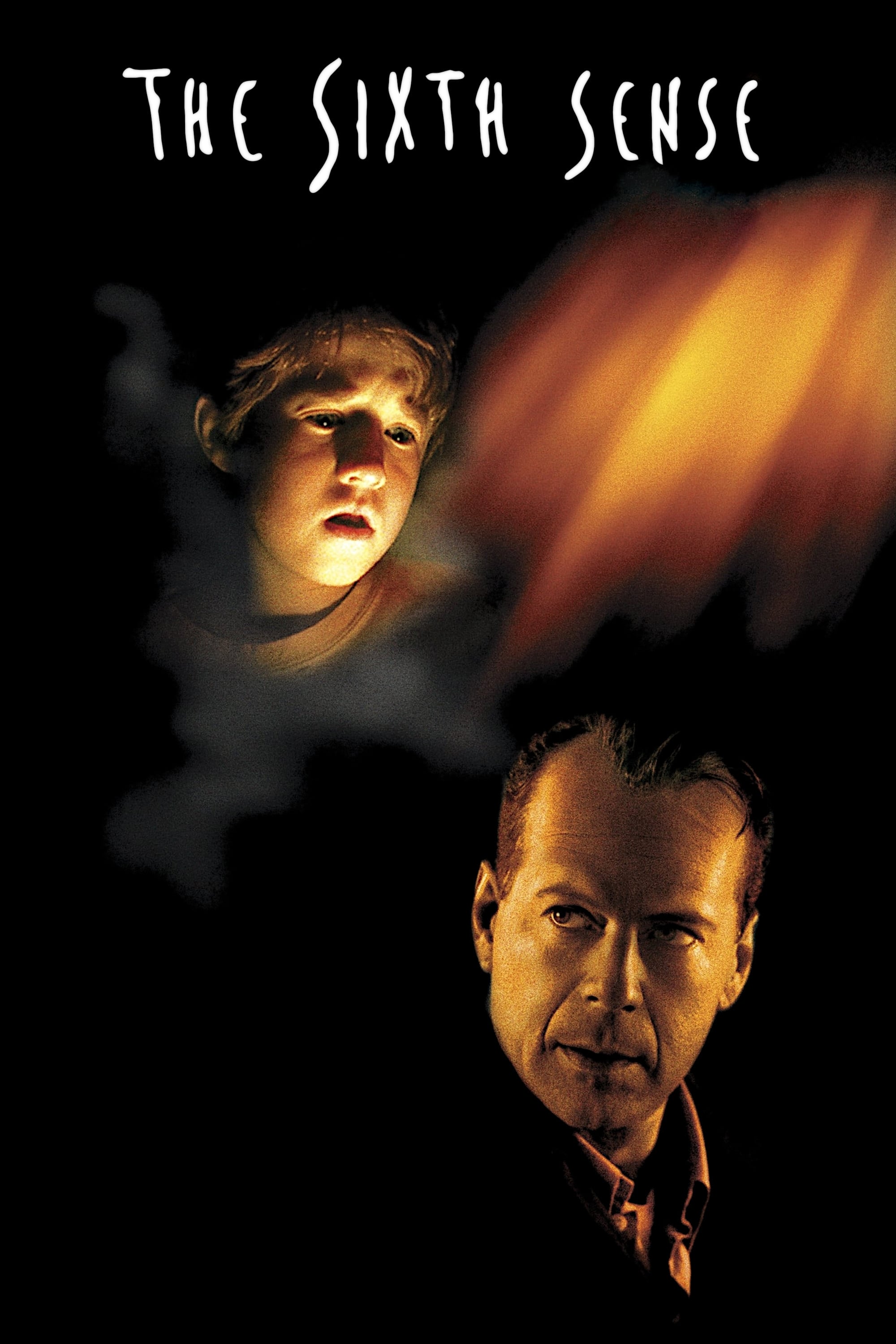
‘The Sixth Sense’ choreographs camera placement and blocking to isolate a central character from physical interaction cues. Color motifs flag the presence of unresolved emotional states in key objects. Dialogue double-loads common phrases with literal and supernatural meanings that crystallize after the reveal.
‘Oldboy’ (2003)
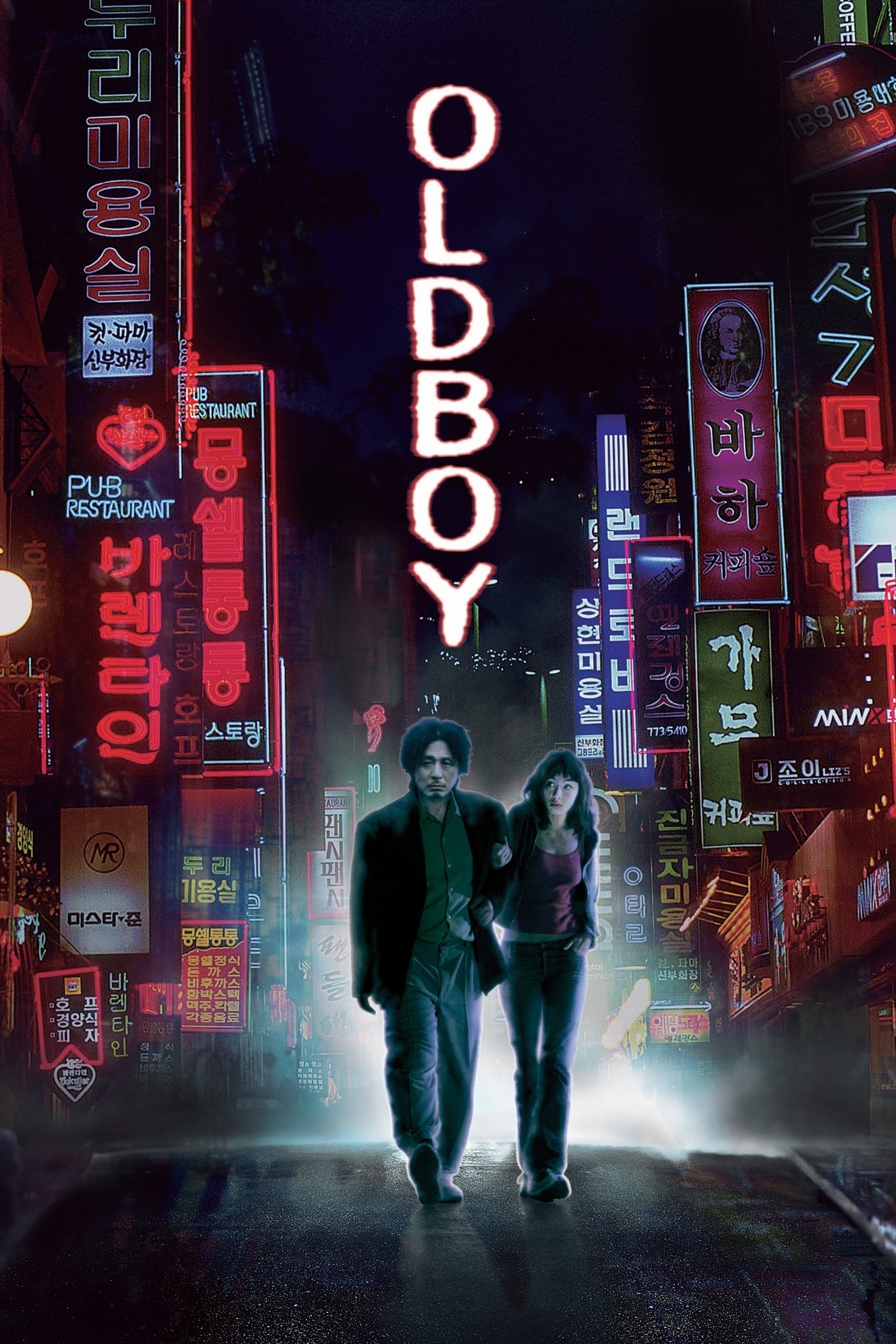
‘Oldboy’ builds its mystery through confined timelines, withheld relationships, and parallel investigations. Prop repetition—like photographs and recordings—documents memory reconstruction. The corridor fight sequence’s staging also encodes narrative resilience and progression across a single take.
‘Primer’ (2004)
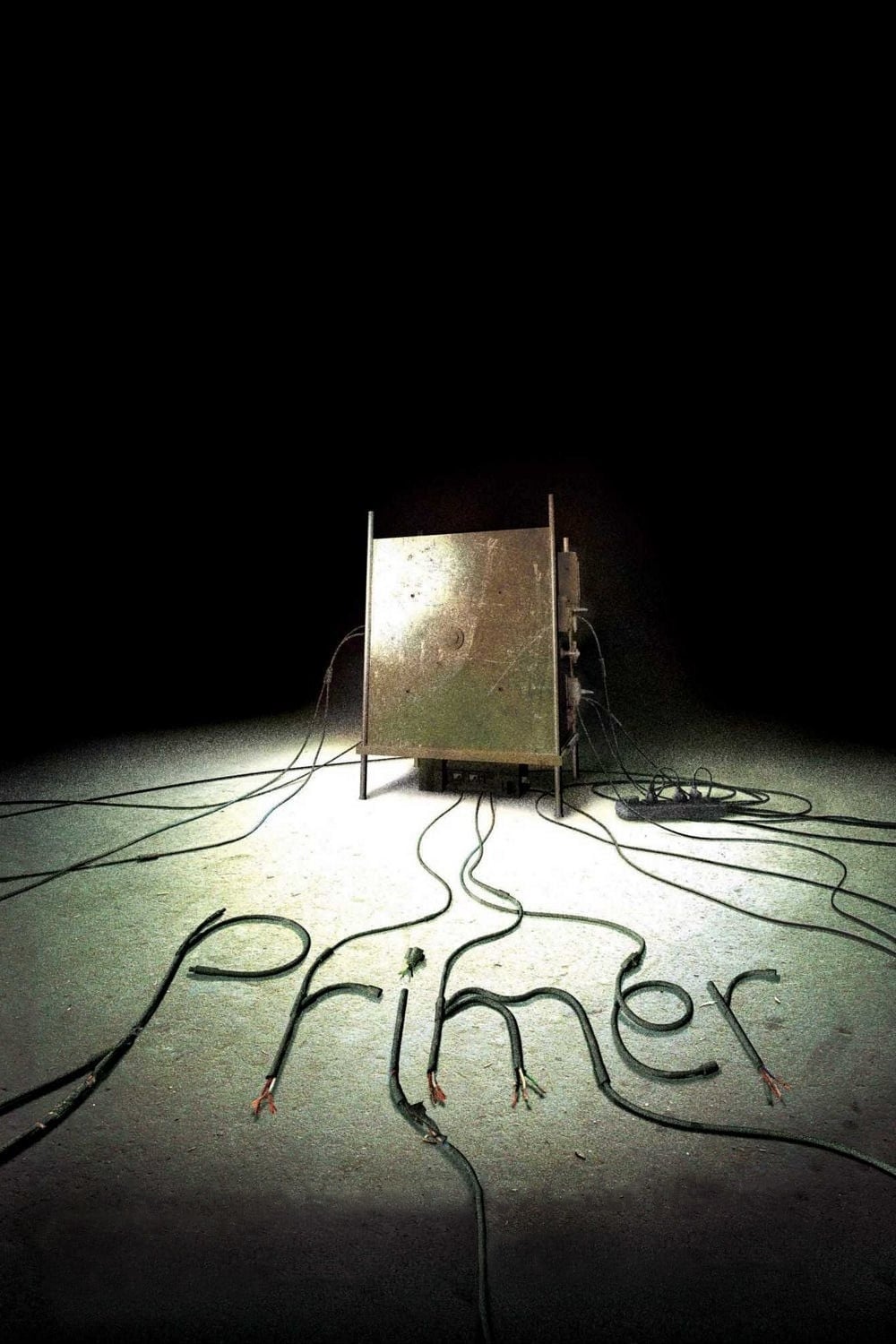
‘Primer’ presents overlapping time loops with minimal exposition, relying on technical dialogue and sound bridges to signal branching. Wardrobe, injuries, and background noise serve as loop identifiers. A second watch allows mapping of “A” and “B” versions of events to a coherent timeline chart.
‘The Prestige’ (2006)
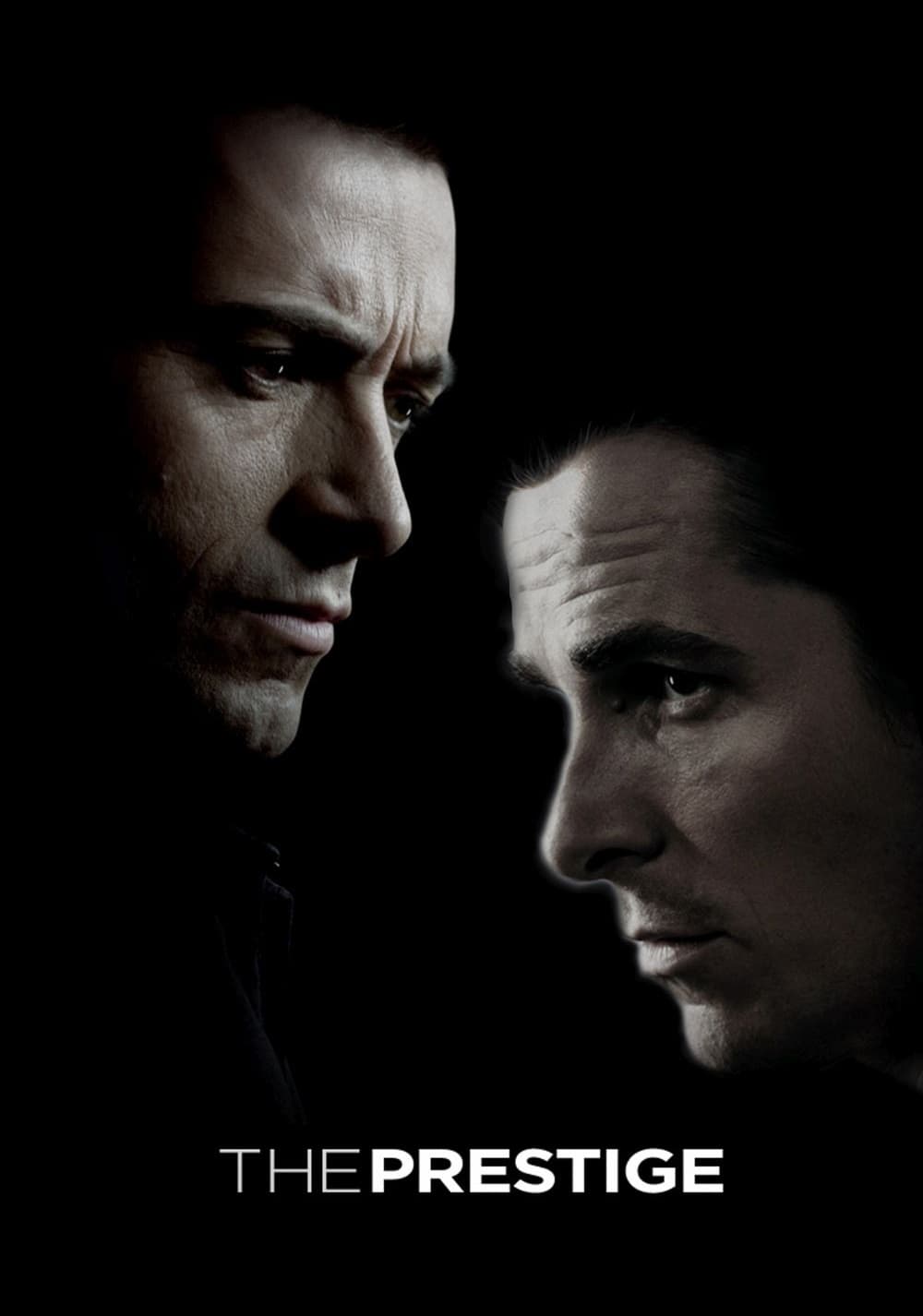
‘The Prestige’ mirrors stage-magic structure—pledge, turn, prestige—across diaries and dueling narrations. Props like birds, hats, and transport devices create visual rhymes that explain character strategies. Cross-cut reading sequences hide key disclosures in plain sight until prior assumptions are re-evaluated.
‘Arrival’ (2016)
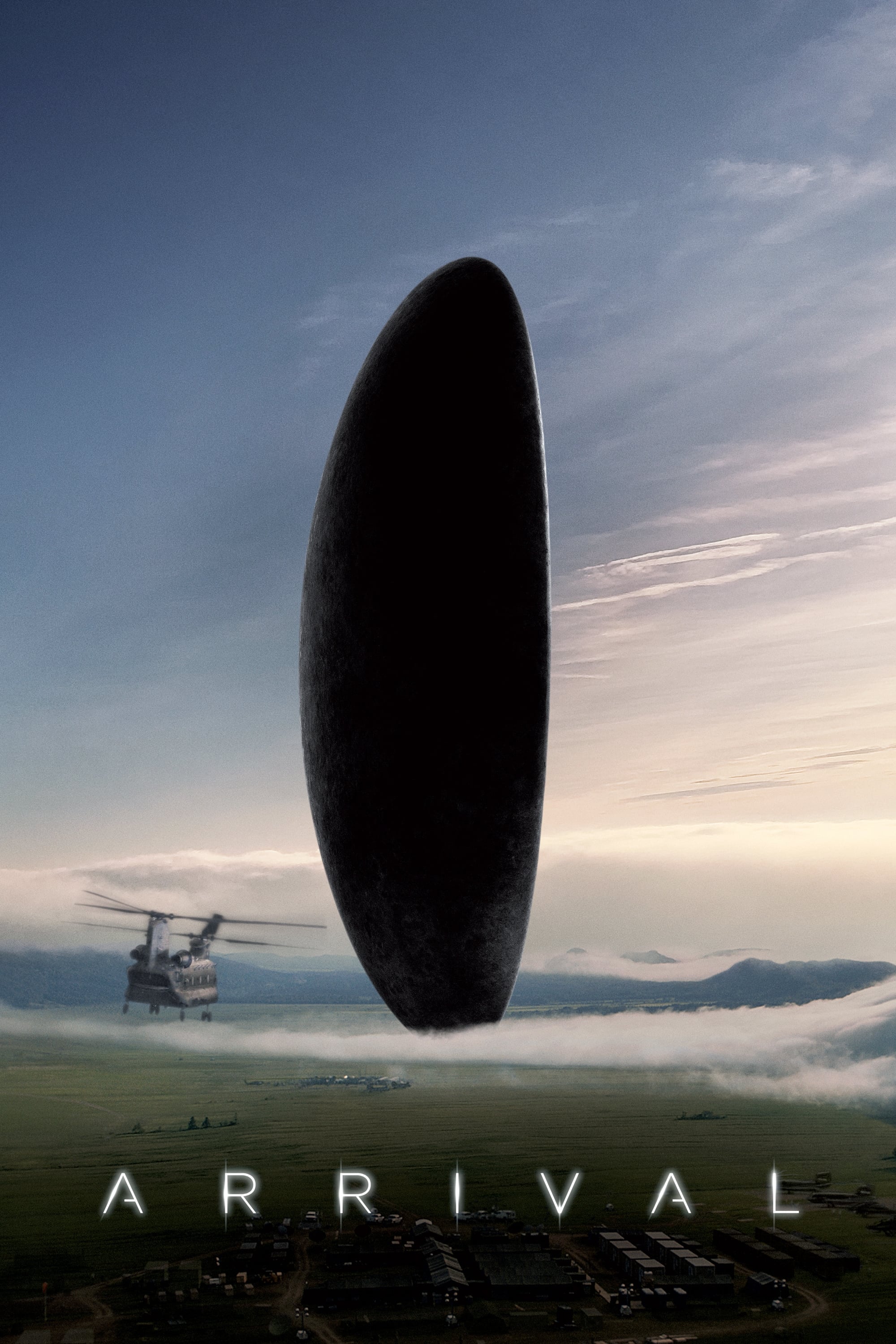
‘Arrival’ uses non-linear perception to reassign what the opening images represent once linguistic fluency is achieved. The heptapod logograms visually encode simultaneous meaning, reflected in the film’s editorial rhythm. Music and sound design bridge scenes that occur at different points in perceived time.
‘Interstellar’ (2014)
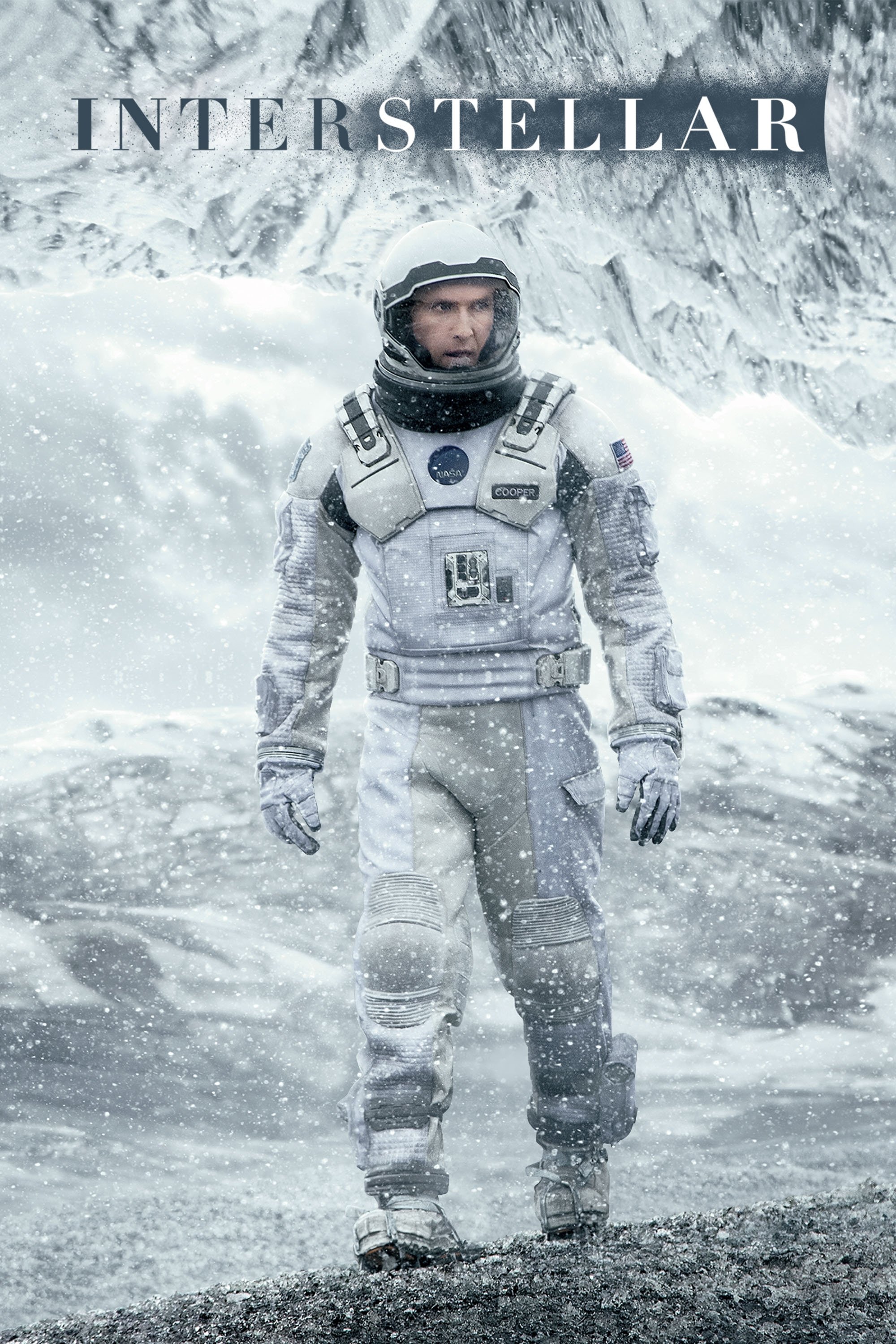
‘Interstellar’ embeds relativity into its structure, with gravitational time dilation creating asynchronous family timelines. The tesseract sequence reframes earlier domestic footage as part of a closed causal loop. Recurring watch ticks and dust patterns serve as signals across dimensions.
‘Shutter Island’ (2010)
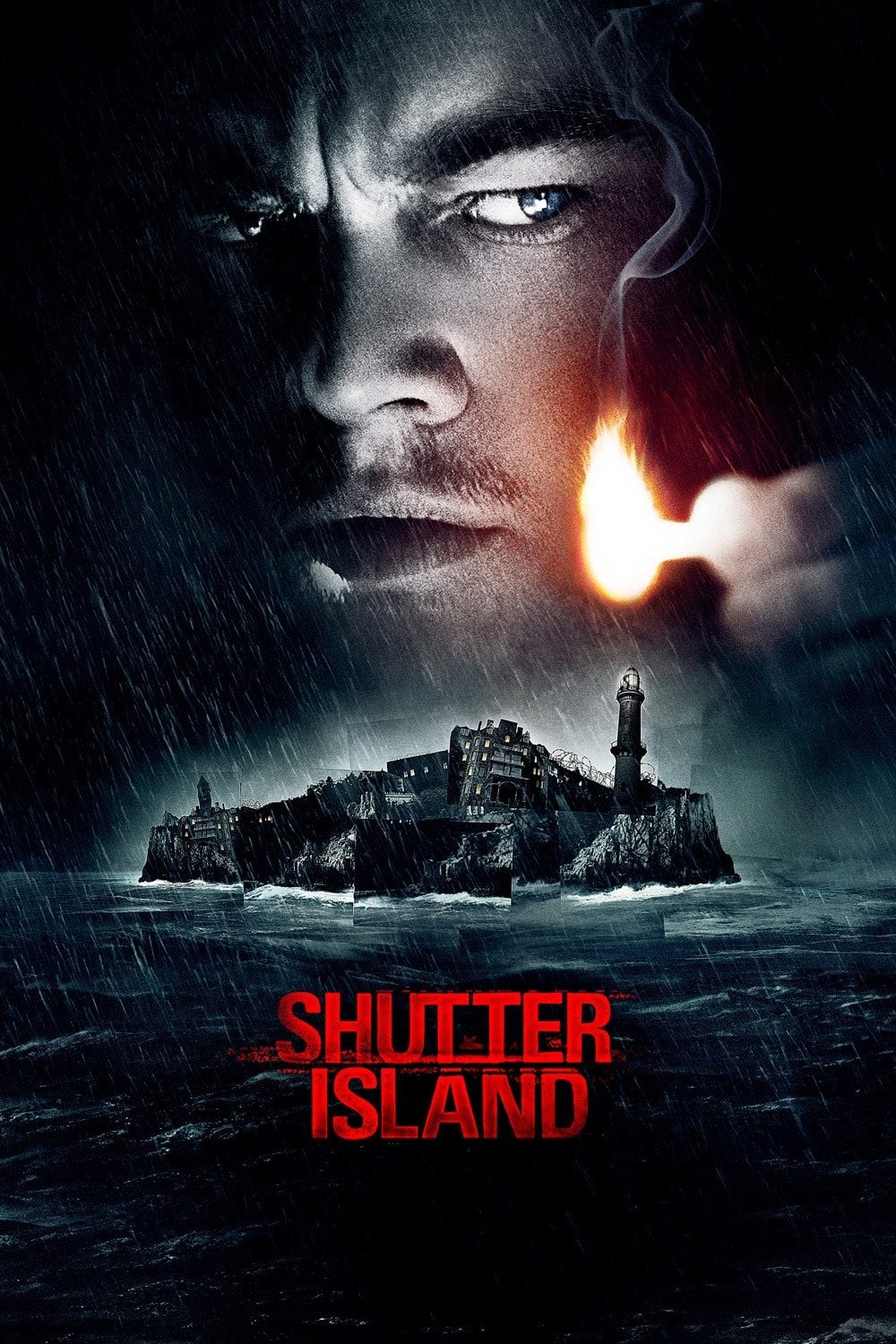
‘Shutter Island’ deploys medical records, missing-person protocols, and procedural steps that subtly misdirect. Dream imagery recycles real details with altered contexts, indicating therapeutic role-play. Set design—particularly the lighthouse and ward layouts—maps the investigation’s psychological boundaries.
‘Tenet’ (2020)
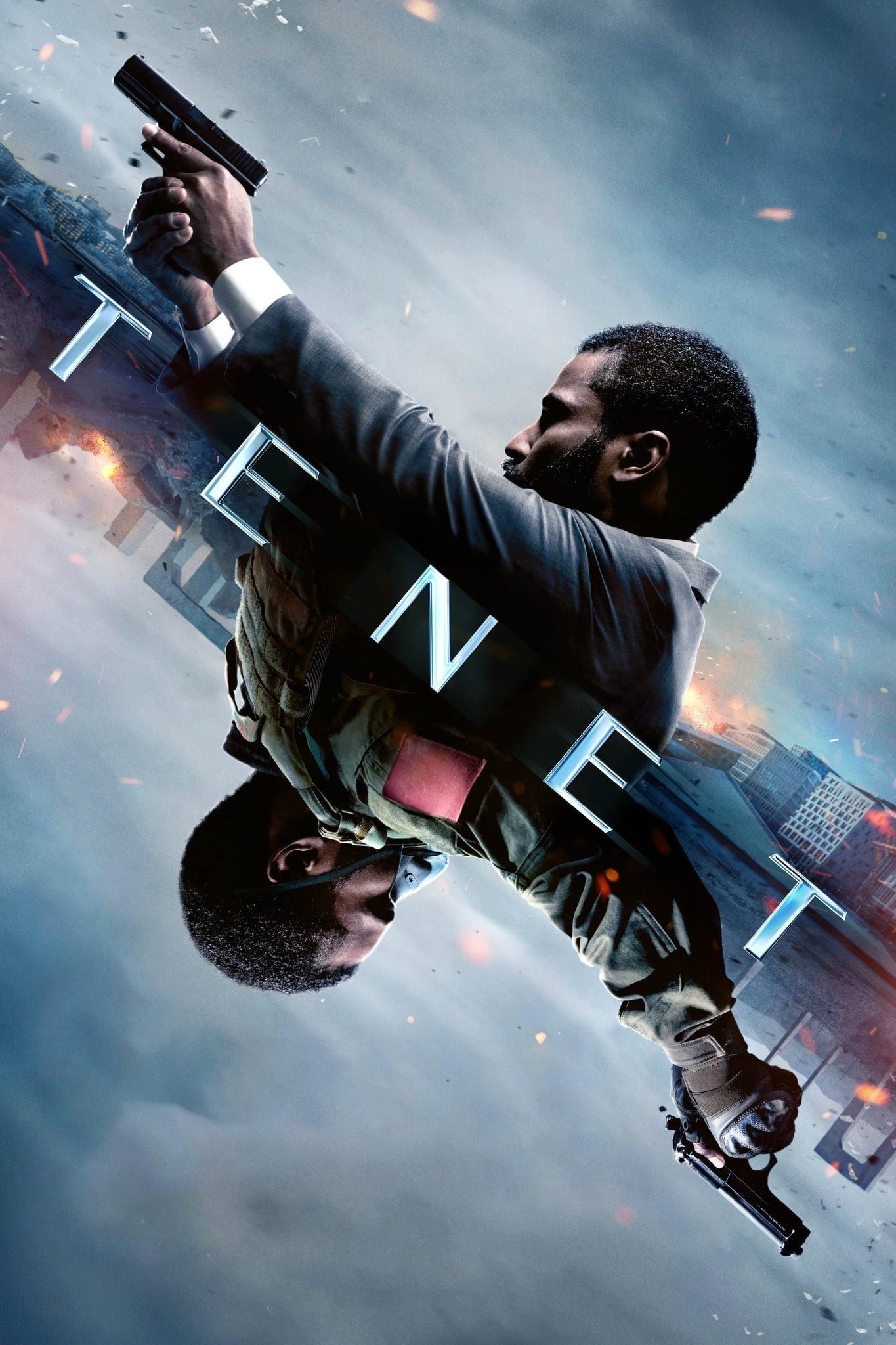
‘Tenet’ uses inversion mechanics where entropy runs backward for people and objects, creating mirrored action scenes. Color coding, oxygen use, and hand signals distinguish forward from inverted operations. The temporal pincer movement structure becomes legible when tracking synchronized objectives on both timelines.
‘The Usual Suspects’ (1995)
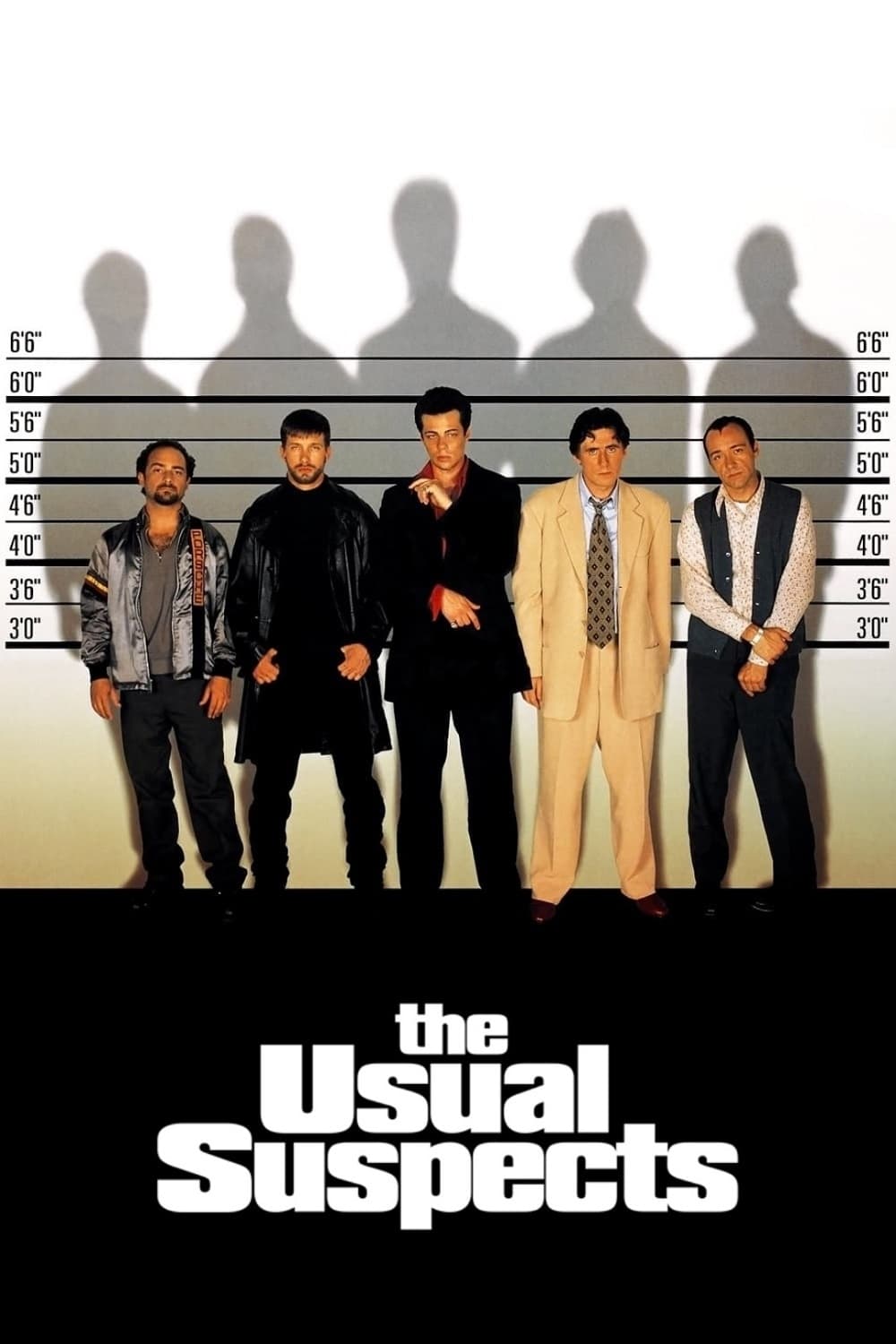
‘The Usual Suspects’ nests an interrogation narrative inside unreliable testimony, sourcing details from environmental prompts. Character aliases, ship names, and cargo manifests link the heist to a larger mythology. The closing montage recontextualizes prior scenes by tracing how details entered the story.
‘Coherence’ (2013)
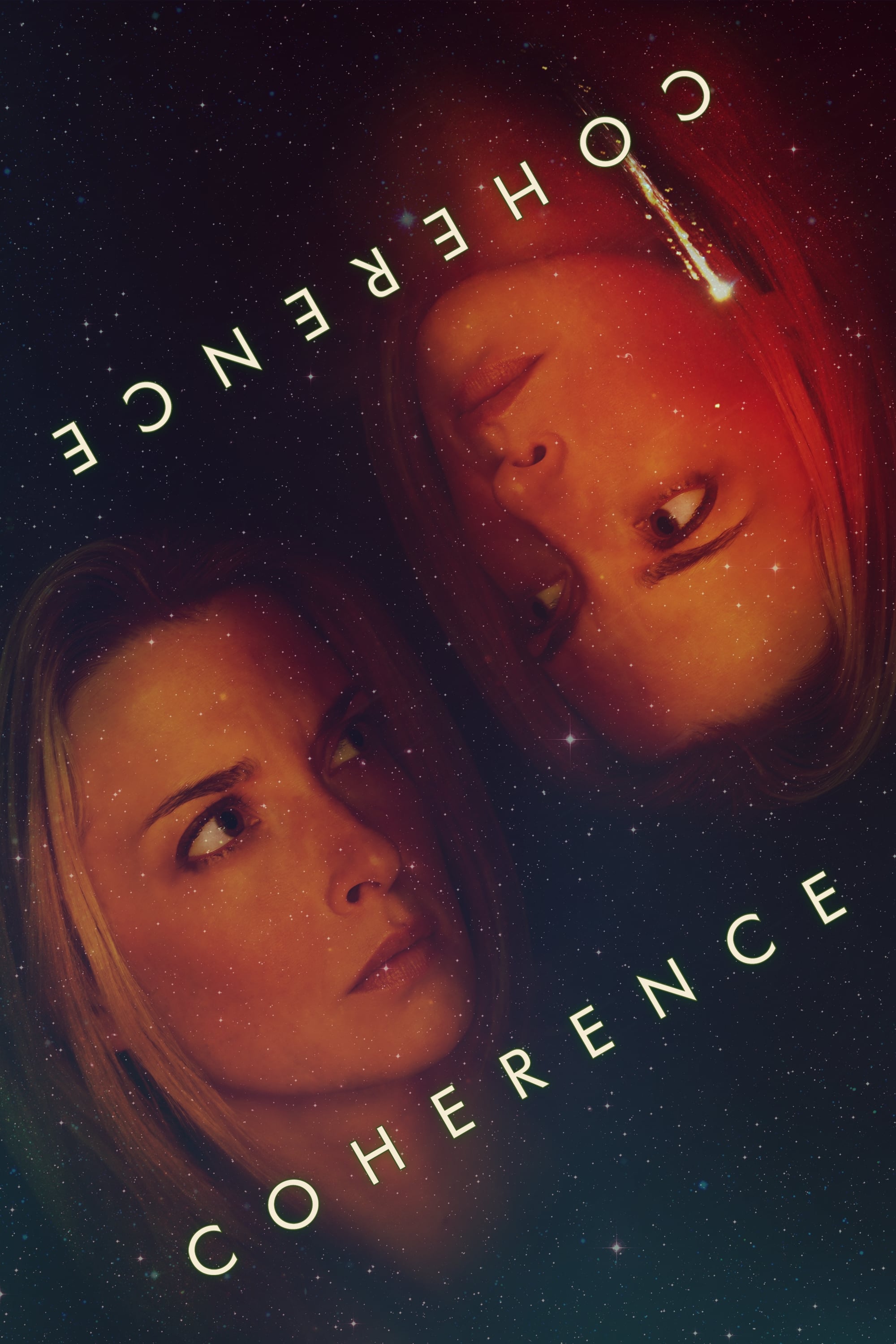
‘Coherence’ stages a dinner party during a cosmic anomaly that splits realities, with household items used to label branches. Improvised dialogue and handheld coverage create continuity markers viewers can catalog on revisit. Door codes, glow sticks, and note papers act as a DIY multiverse map.
‘Triangle’ (2009)

‘Triangle’ constructs a looping maritime scenario where cause and effect feed each other across cycles. Costume damage, blood placement, and object positions become anchors for orientation. The film’s structure forms a Möbius strip that explains repeated encounters with identical events.
‘Enemy’ (2013)
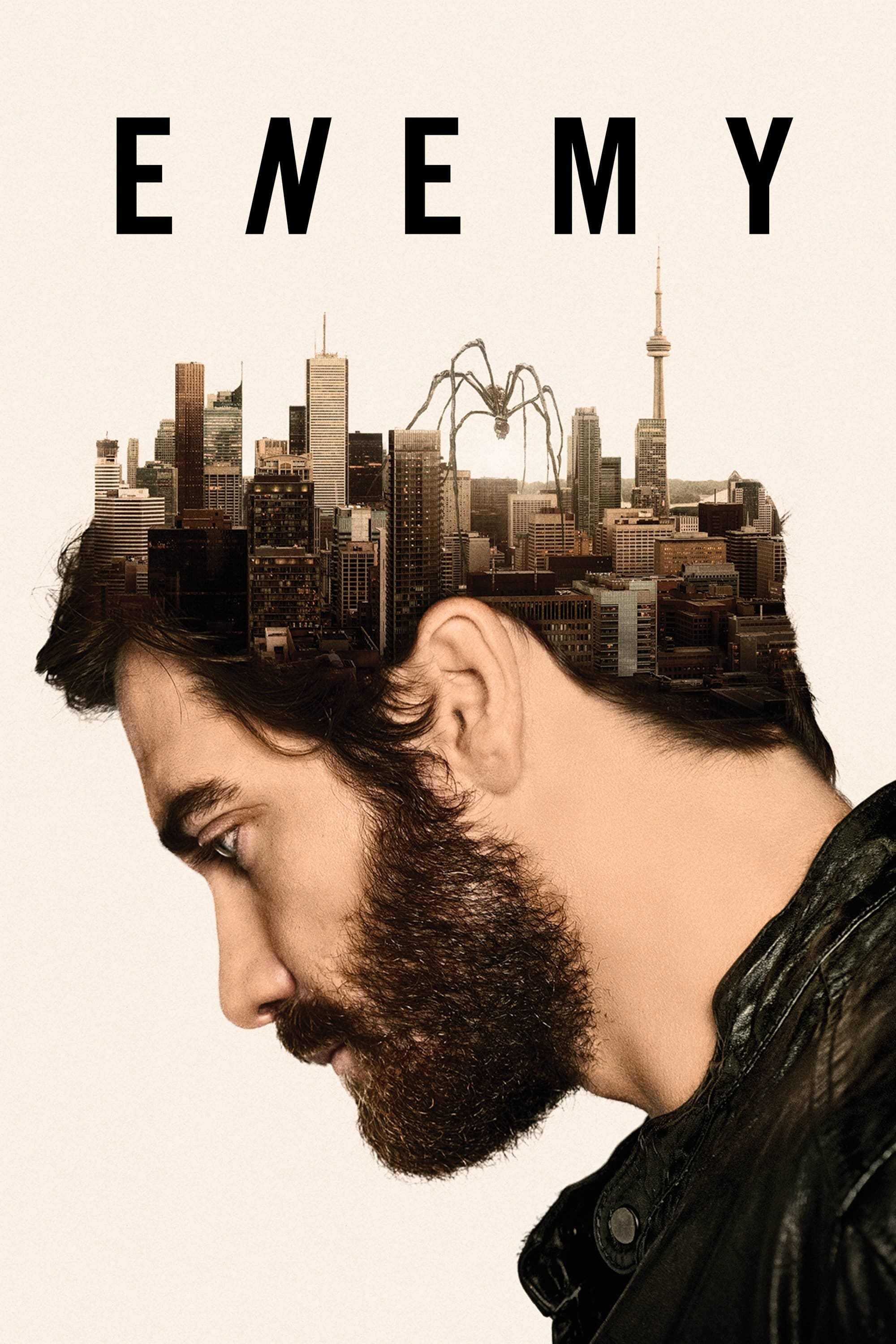
‘Enemy’ juxtaposes two identical men in parallel routines, using architecture and color palettes to separate spaces. Recurrent motifs—spiders, webs, and underground venues—point to psychological states. The final image reframes earlier interactions as symbolic rather than literal, inviting pattern tracking.
‘Annihilation’ (2018)
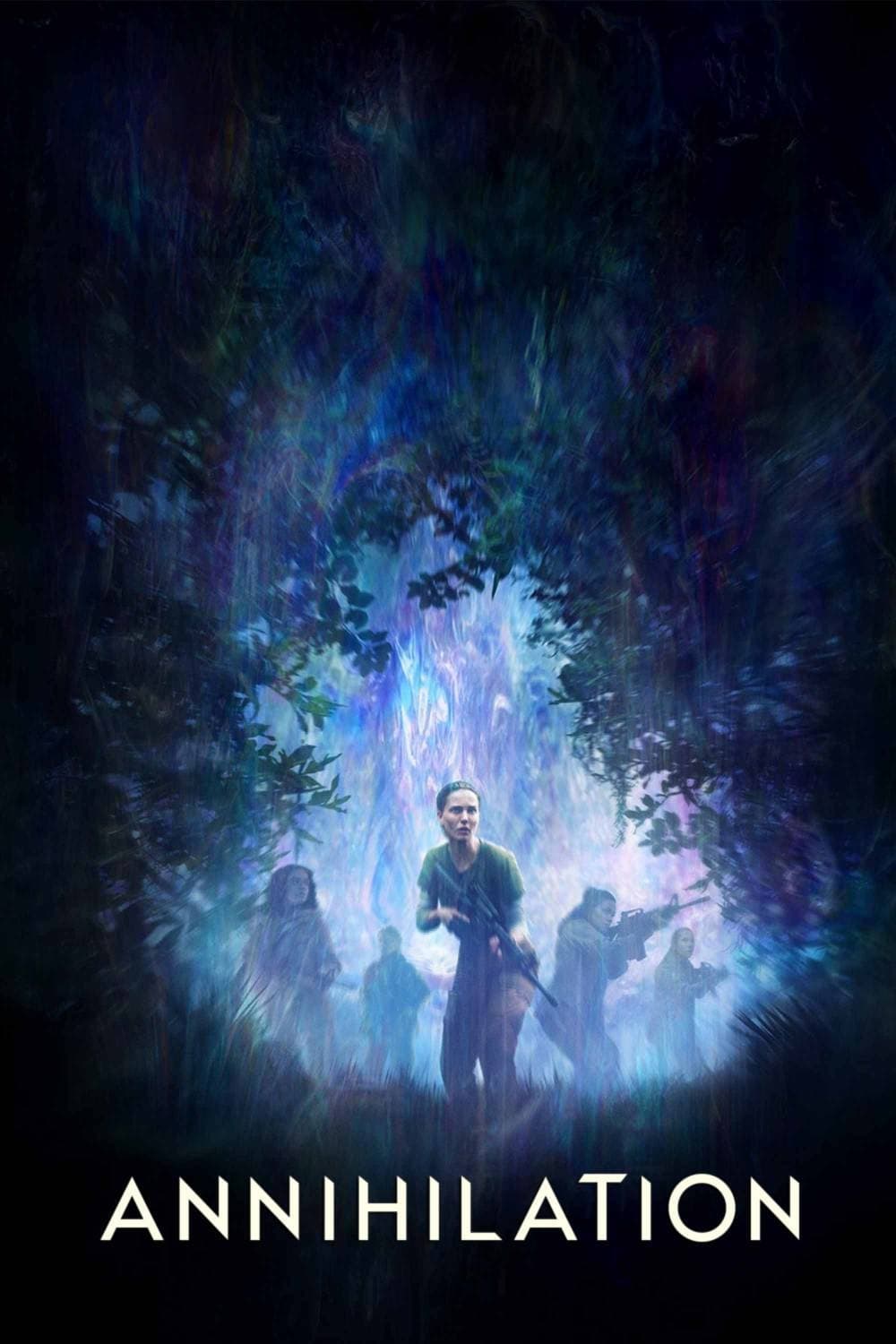
‘Annihilation’ applies refraction as a governing principle, altering DNA, sound, and memory within a quarantined zone. Environmental set pieces—flowering deer, human-shaped plants—mirror character histories. The lighthouse sequence consolidates visual echoes that clarify prior mutations.
‘Synecdoche, New York’ (2008)
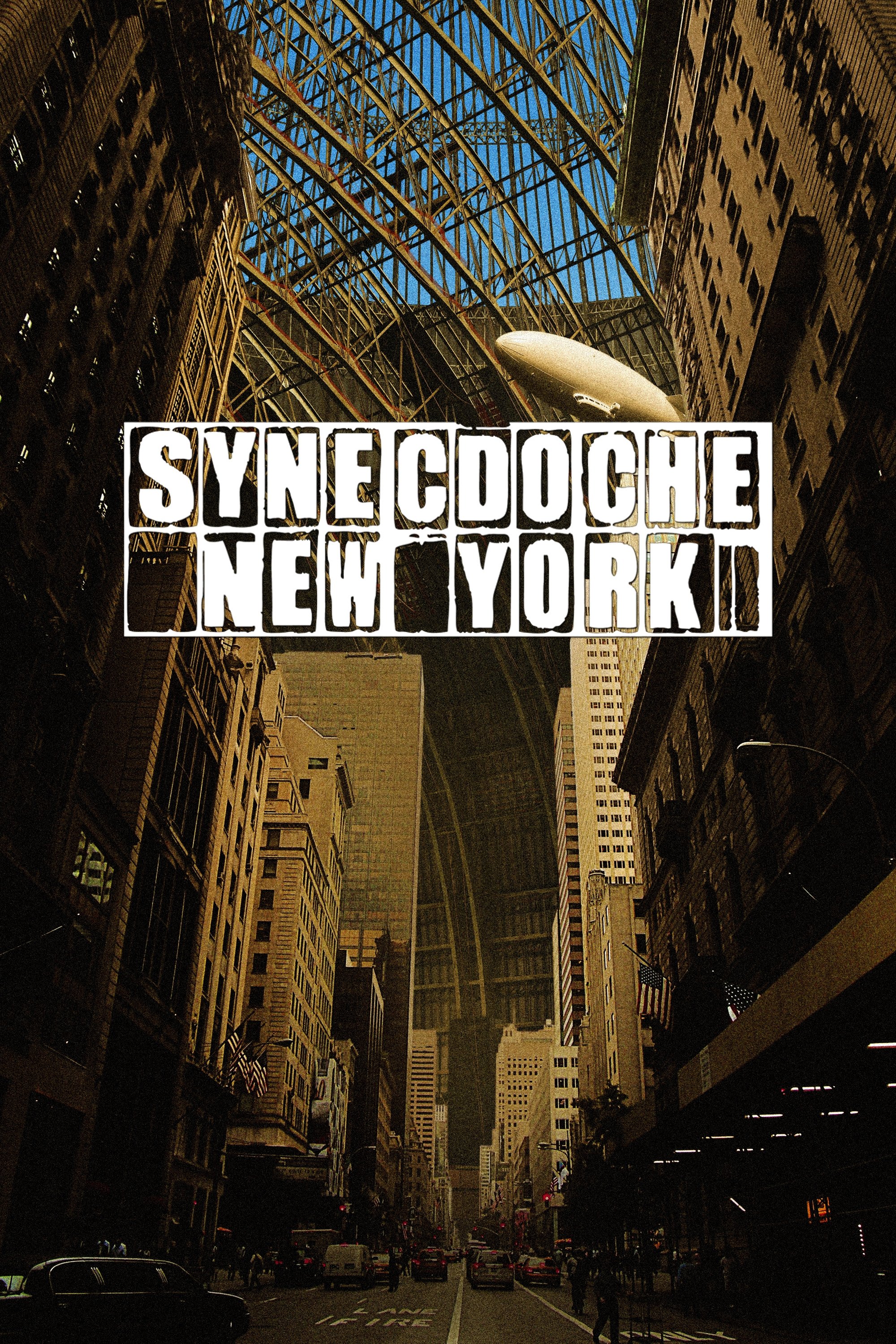
‘Synecdoche, New York’ expands a theater production into a city-sized replica that folds time and casting into itself. Role substitutions, duplicated apartments, and recursive sets blur creator and creation. Props like the burning house and paint-marked calendar track deteriorating perception.
‘2001: A Space Odyssey’ (1968)
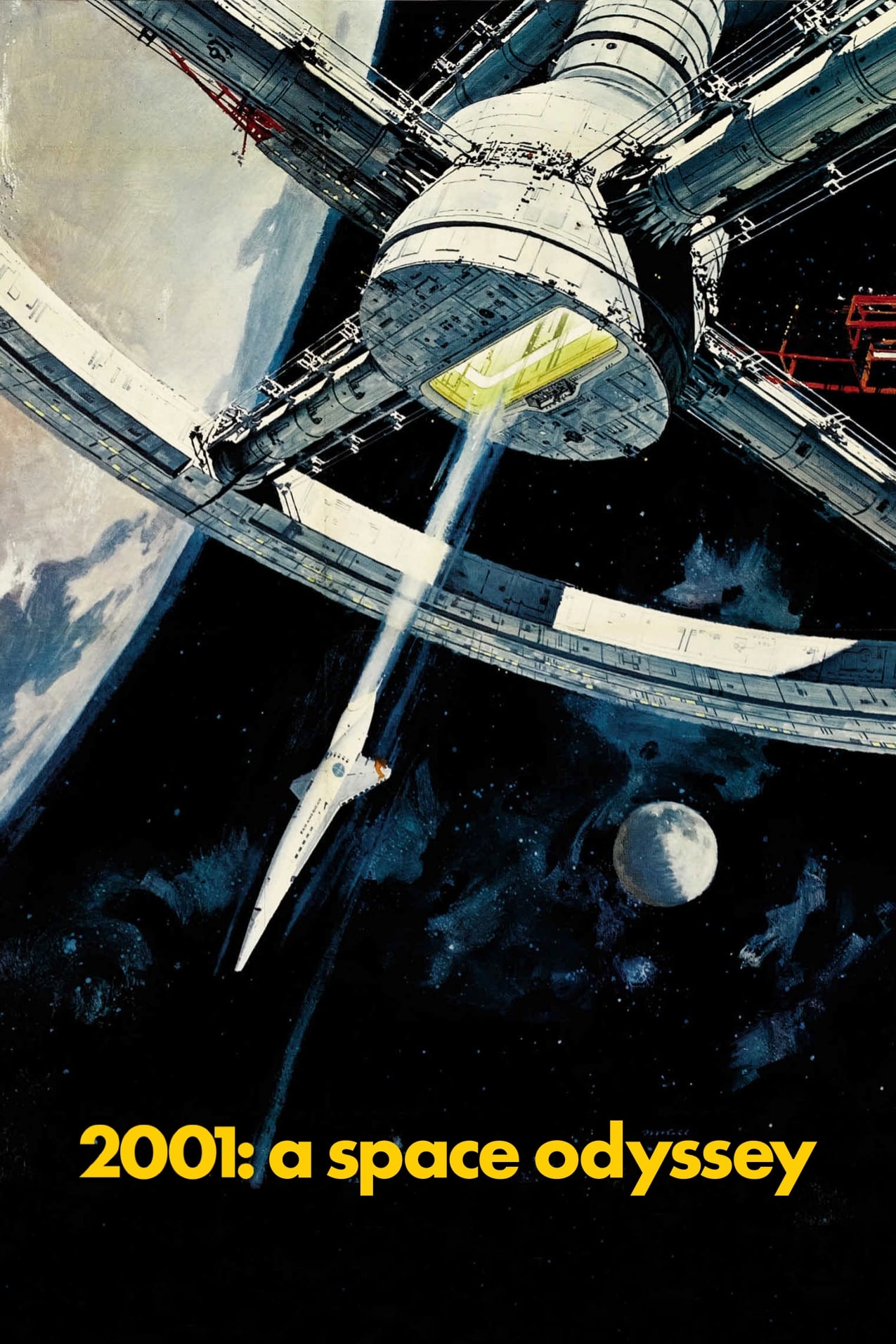
‘2001: A Space Odyssey’ divides into distinct movements linked by evolutionary leaps, with minimal dialogue guiding interpretation. The match-cut from bone to spacecraft encodes technological continuity. The Stargate sequence uses abstract imagery and sound to depict nonverbal contact and transformation.
‘Rashomon’ (1950)
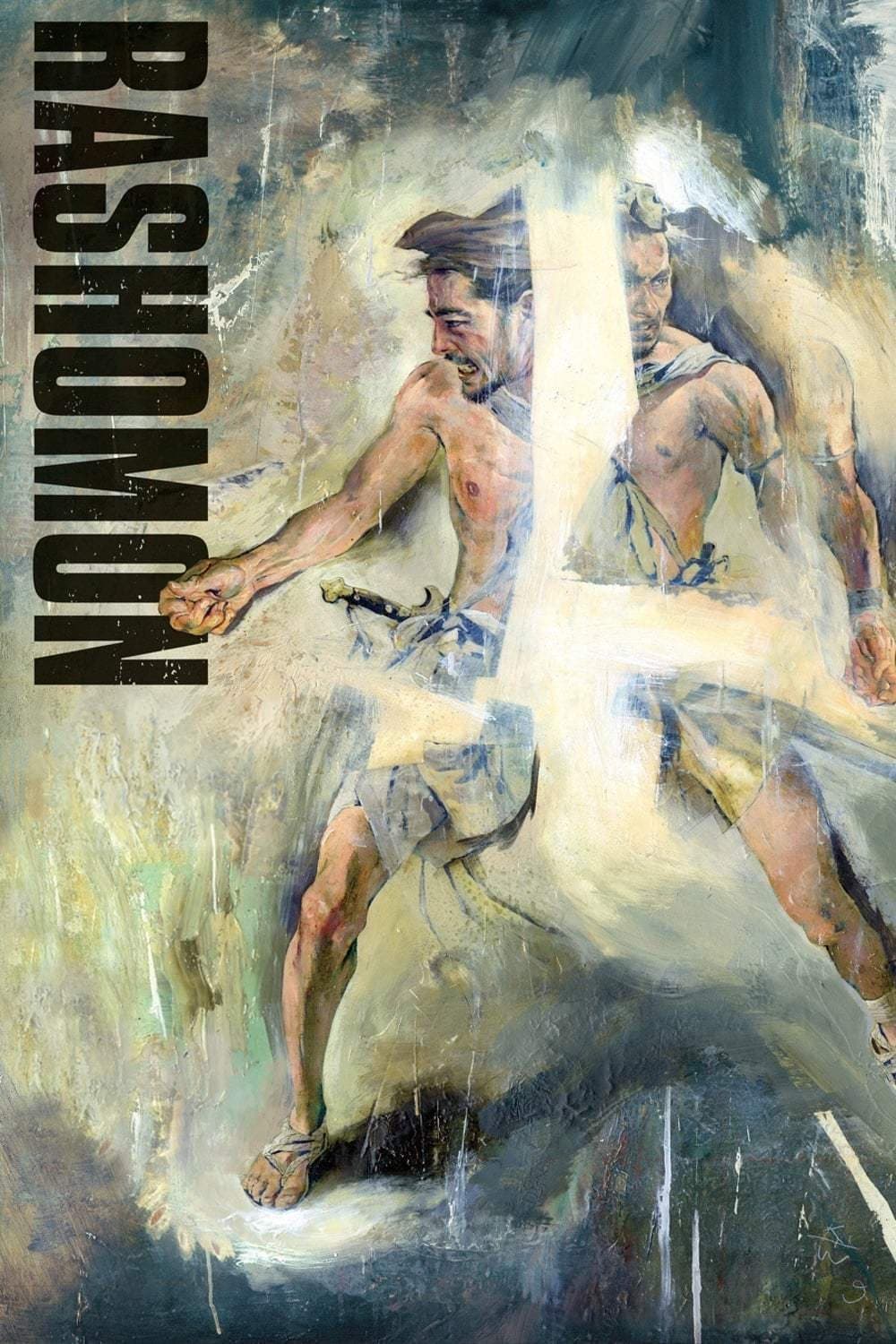
‘Rashomon’ presents a single incident told from multiple viewpoints, each shaped by self-serving memory. Changes in weather, camera angles, and performance style mark the storyteller’s influence. The structure popularized the “Rashomon effect,” where conflicting accounts complicate truth-finding.
‘Persona’ (1966)
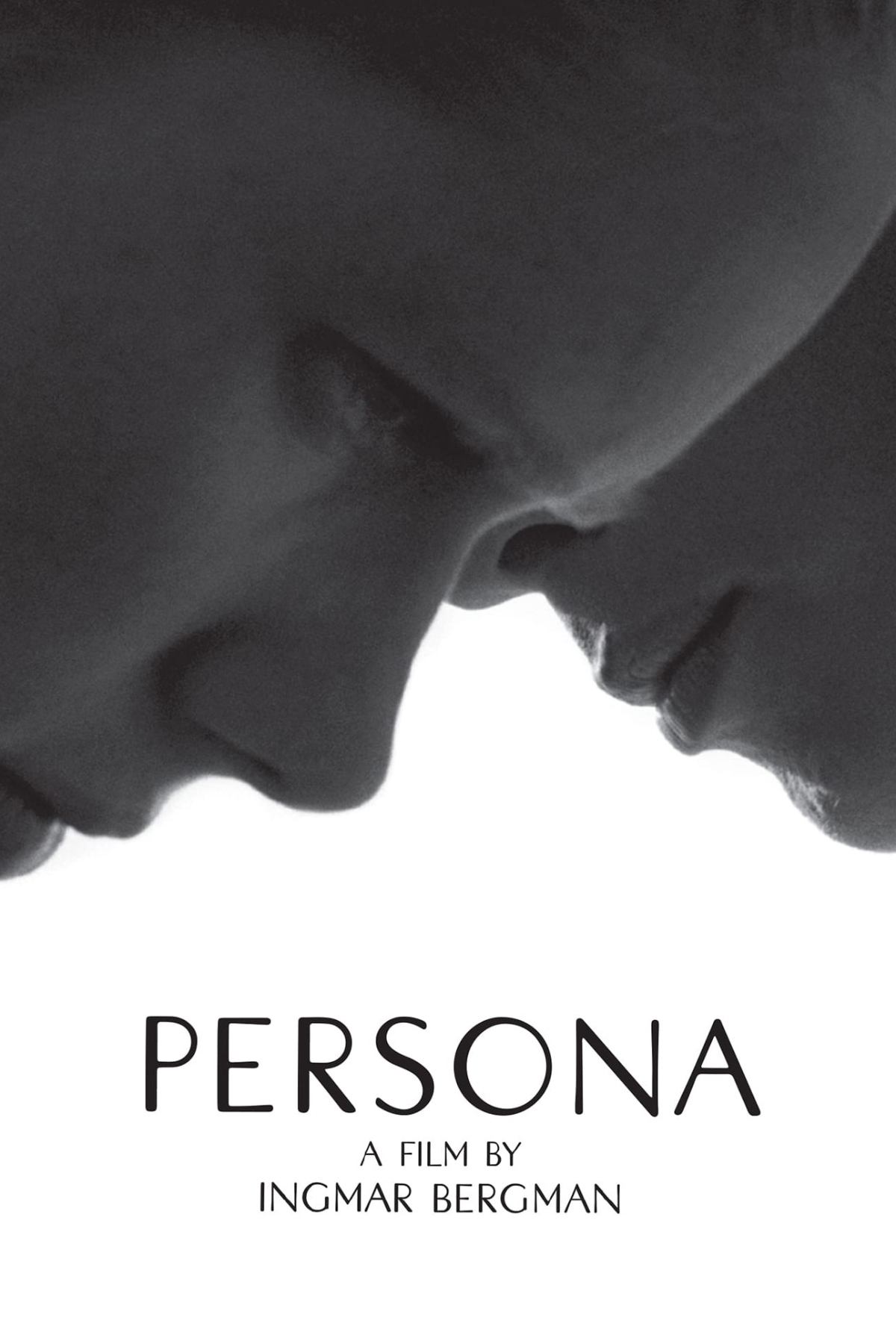
‘Persona’ fuses performer and nurse through mirrored shots, split faces, and overlapping monologues. Film leader burns and jump cuts foreground cinema as an object, not just a window. Repeated stories swap speakers, demonstrating identity transference at the formal level.
‘The Others’ (2001)
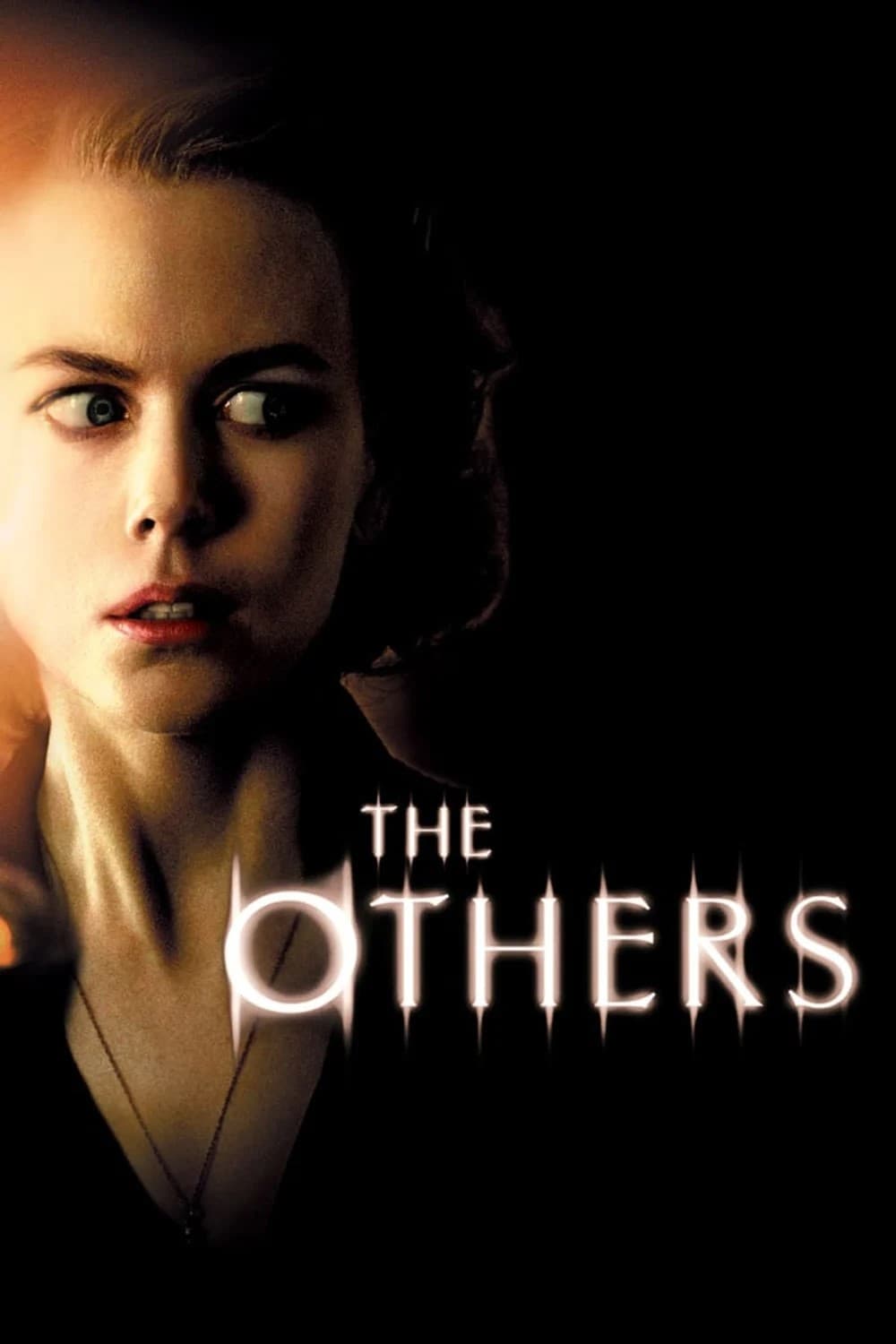
‘The Others’ isolates characters in a light-sensitive household, using strict rules about curtains and lamps to stage reveals. Photographs, music sheets, and war memorabilia connect the setting to off-screen events. Spatial geography within the house primes the closing turn without explicit foreshadowing.
‘The Butterfly Effect’ (2004)
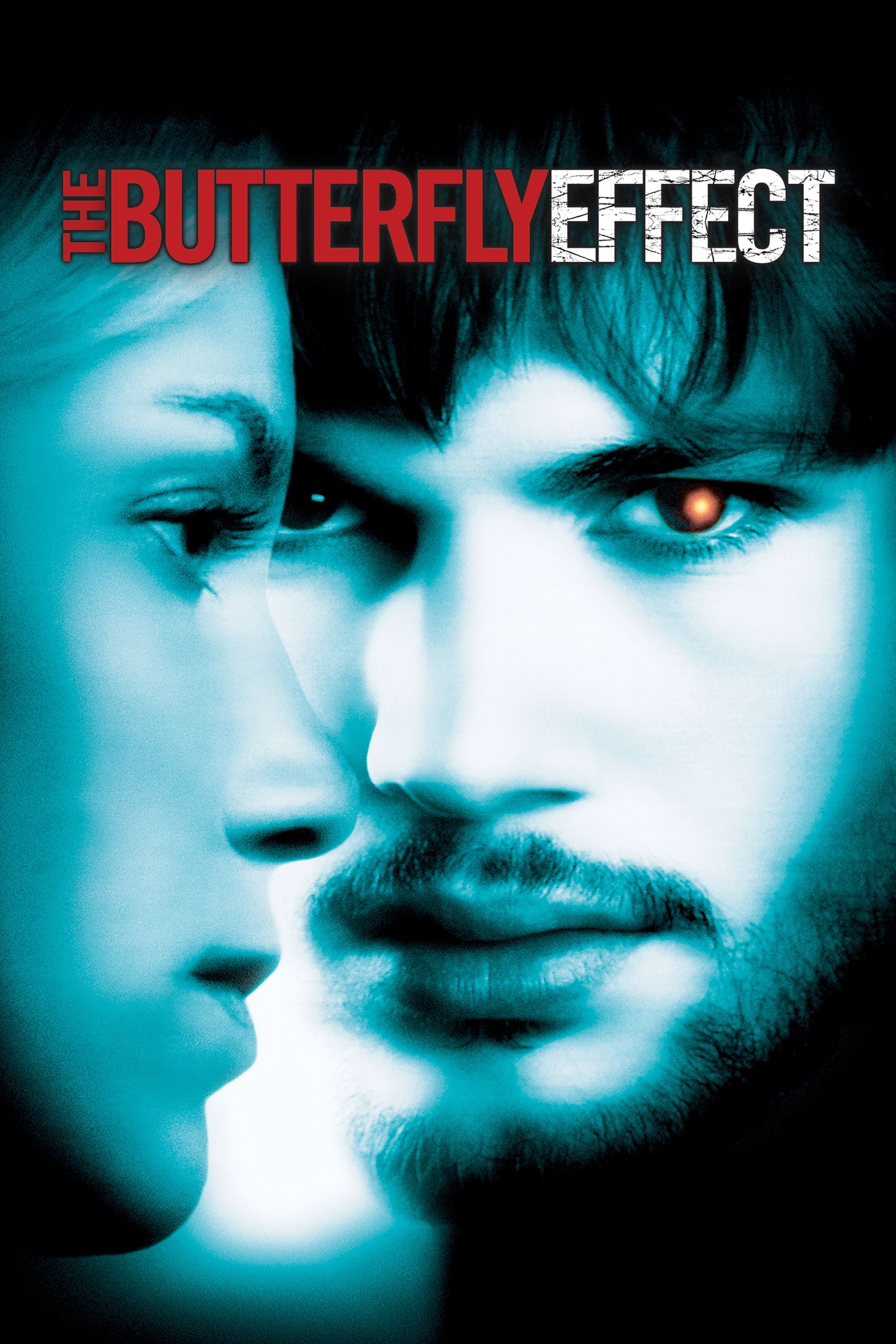
‘The Butterfly Effect’ tracks a diary-based method of temporal revision that produces cascading changes. Scene revisits keep identical setups while altering character dynamics, enabling direct comparison. Physical and psychological markers provide continuity between iterations of the timeline.
‘Mother!’ (2017)

‘Mother!’ compresses a creation-destruction cycle into a single household, mapping guests and rituals onto allegorical figures. Sound design escalates from domestic creaks to crowd chaos as chapters unfold. Repeated objects and circular endings establish a loop that clarifies the film’s symbolic architecture.
Share the one you think most rewards a second viewing—and why—in the comments.

