


Movies You Will Never Understand (No Matter How Many Times You Watch Them)

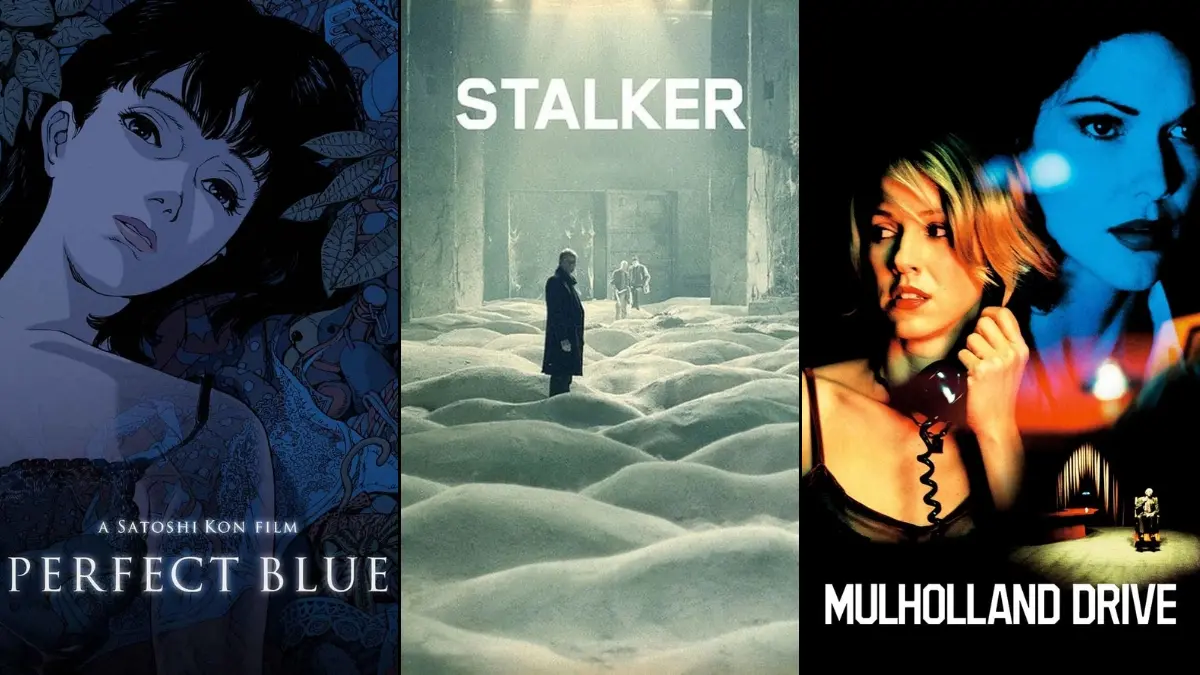


Some films build their reputations on riddles, puzzles, and storytelling choices that keep viewers sifting through clues long after the credits. They lean on nonlinear structure, unreliable narrators, fragmented editing, and symbols that point in several directions at once. The result is cinema that invites close reading and rewards attention to dialogue, design, and sound as much as plot.
This list gathers titles that use techniques like dream logic, recursive timelines, and nested realities. You will find productions that grew from abandoned pilots, shoestring experiments that mapped out intricate charts, and large scale studio releases that applied scientific ideas to action set pieces. Each entry highlights concrete details that can help you track how these stories are built.
‘Mulholland Drive’ (2001)
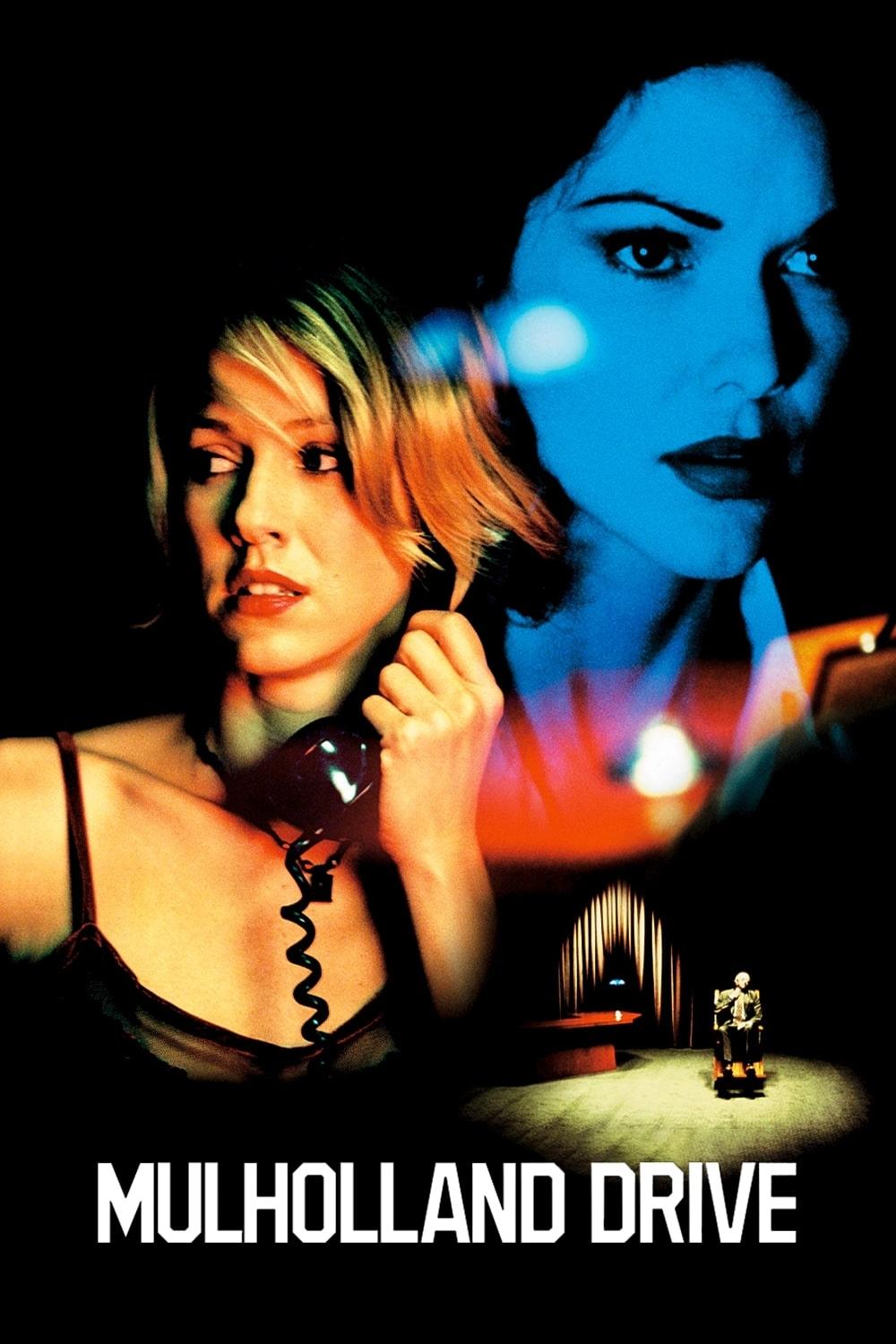
David Lynch shaped this feature from a television pilot and expanded it with new scenes and a revised structure. The story follows an aspiring actor who arrives in Los Angeles and a woman with amnesia, then shifts identities and settings while weaving auditions, apartments, and a mysterious blue box into the arc. Key locations like the diner on Sunset and the Club Silencio space anchor the chronology even when the characters do not.
Angelo Badalamenti composed a score that links scenes with recurring motifs, and Lynch uses long takes, close mic dialogue, and abrupt sound cues to signal transitions between states of mind. The film features multilingual exchanges and cameo appearances by filmmakers and musicians, and it uses props like the blue key to mark turning points between story layers.
‘Primer’ (2004)
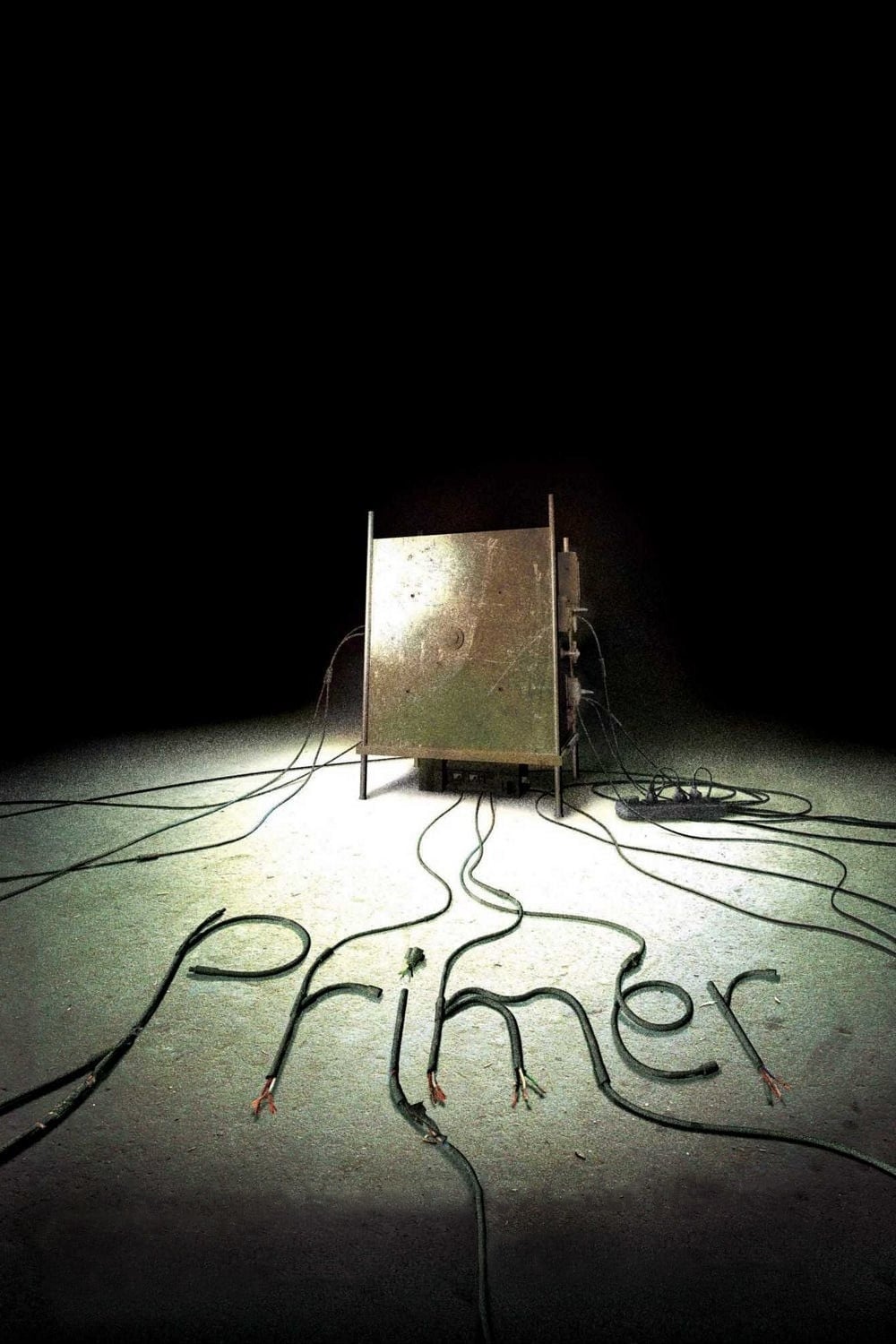
Shane Carruth wrote, directed, edited, and scored this microbudget production about two engineers who discover a way to manipulate time inside a garage project. The film presents rapid technical dialogue about failsafes, redundancy, and power draw while following the partners through storage units, hotel rooms, and suburban offices as they iterate on the device.
Carruth tracked overlapping trips with a detailed continuity map that guided haircuts, clothing changes, and audio continuity. Voiceover logs, earpiece recordings, and duplicate notebooks function as records inside the story, and the mix deliberately keeps some conversations partially buried under ambient noise to reflect the messy process that drives the plot.
‘Tenet’ (2020)
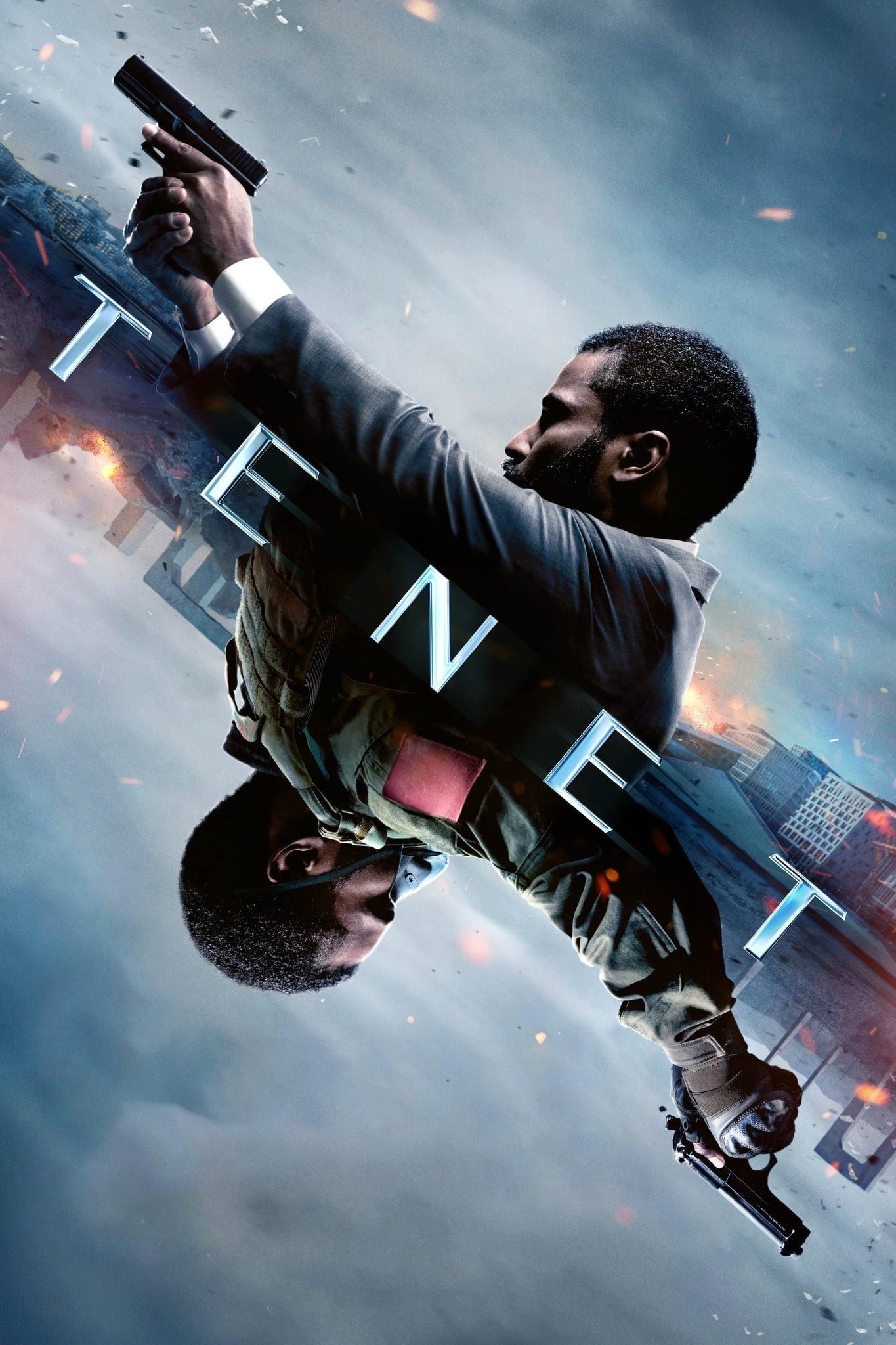
Christopher Nolan built action sequences around inversion of entropy, which allows people and objects to move in reverse relative to normal time. The Protagonist learns procedures for breathing, fighting, and driving under inversion, and the film carefully pairs forward and inverted versions of the same event at an airport, on a highway, and at a secret facility.
Production staged large scale practical effects including the crash of a real passenger plane and coordinated mirrored logistics for performers and camera crews. Ludwig Göransson’s score incorporates reversed elements, and the screenplay explains algorithms, dead drops, and turnstile devices that govern how teams synchronize movements across timelines.
‘Memento’ (2000)
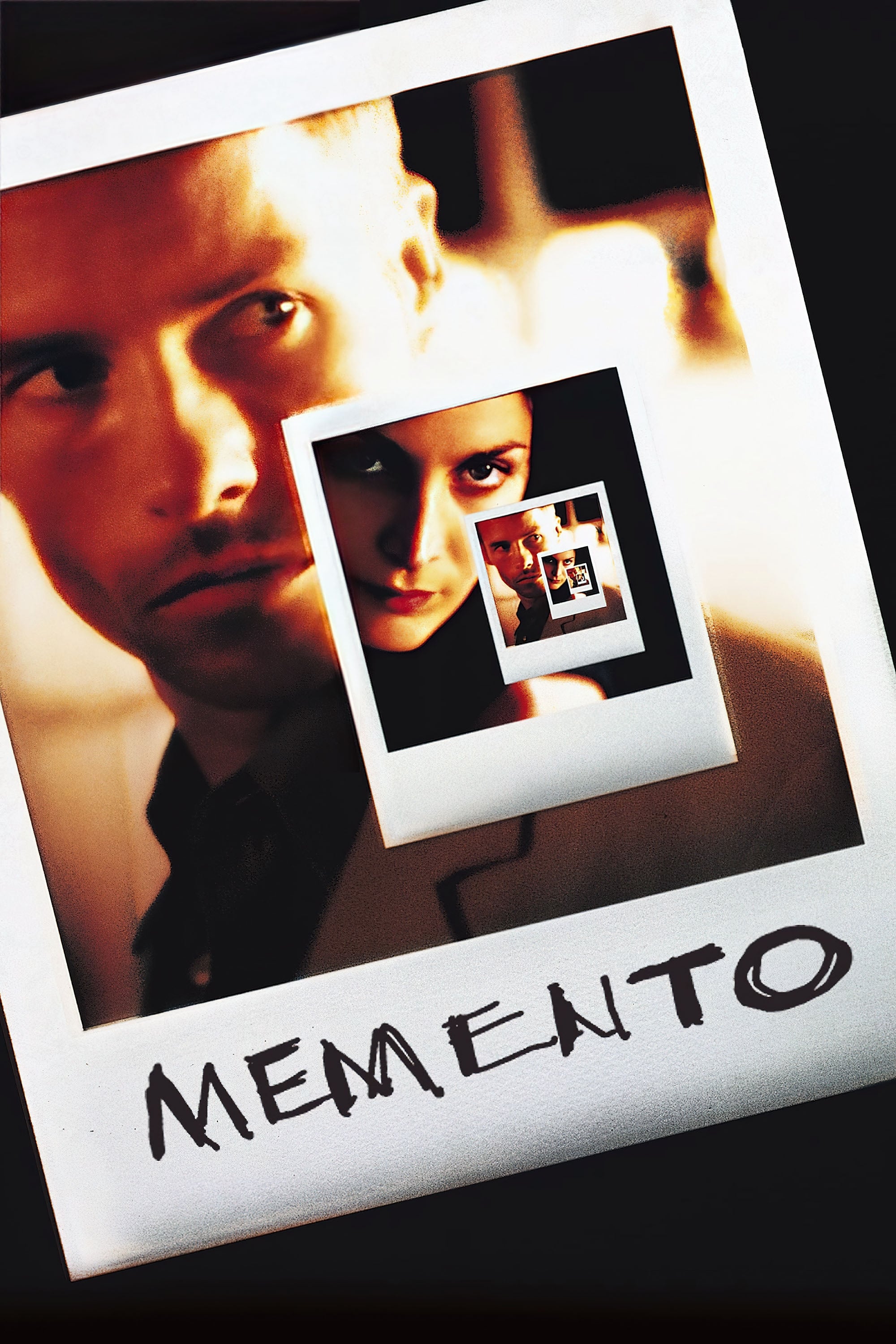
The narrative alternates color scenes presented in reverse order with black and white scenes presented in chronological order. Leonard Shelby documents clues about a crime using instant photos and tattoos, and the film shows how he labels people, places, and cars to maintain orientation after each memory reset.
Editor Dody Dorn and Christopher Nolan used scene transitions that match image or sound to link the two timelines. Props like the Jaguar, motel receipts, and phone records serve as anchors within the structure, and the final reveal recontextualizes earlier conversations by placing them at different points in the chain than viewers first assumed.
‘Inception’ (2010)
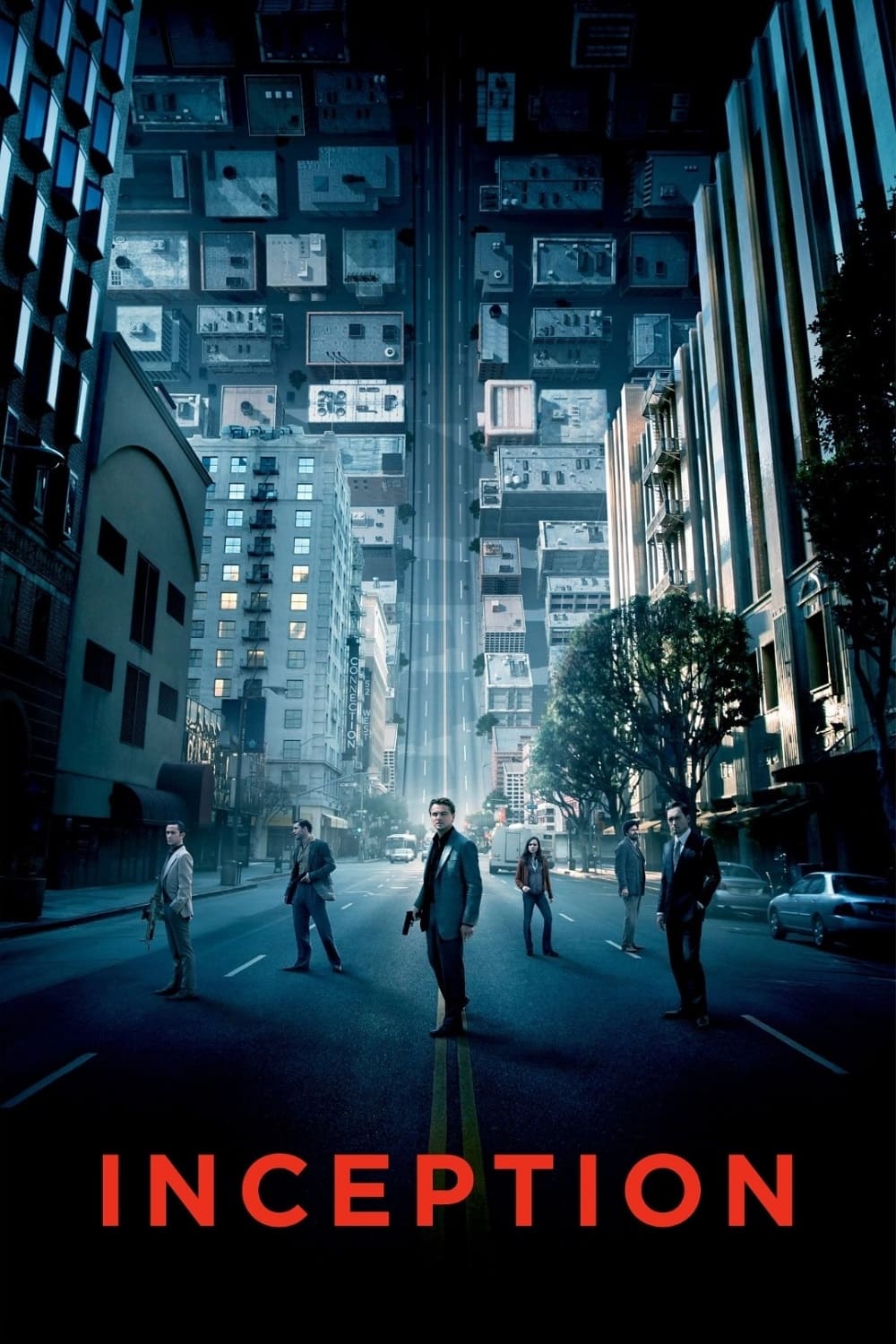
A team enters layered dream spaces to plant an idea in a corporate heir while dealing with security projections and a past that follows the lead architect. The plot explains rules for shared dreaming, time dilation across levels, and the use of kicks to exit, and it assigns roles like extractor, forger, and chemist to clarify responsibilities within the crew.
Visual effects integrate practical builds with digital extensions so that a spinning corridor fight, a folding city, and a mountainside compound read as physical environments. The script outlines totems that test reality, and the score by Hans Zimmer uses a motif related to a slowed down source track, which mirrors the time mechanics inside the story.
‘Synecdoche, New York’ (2008)
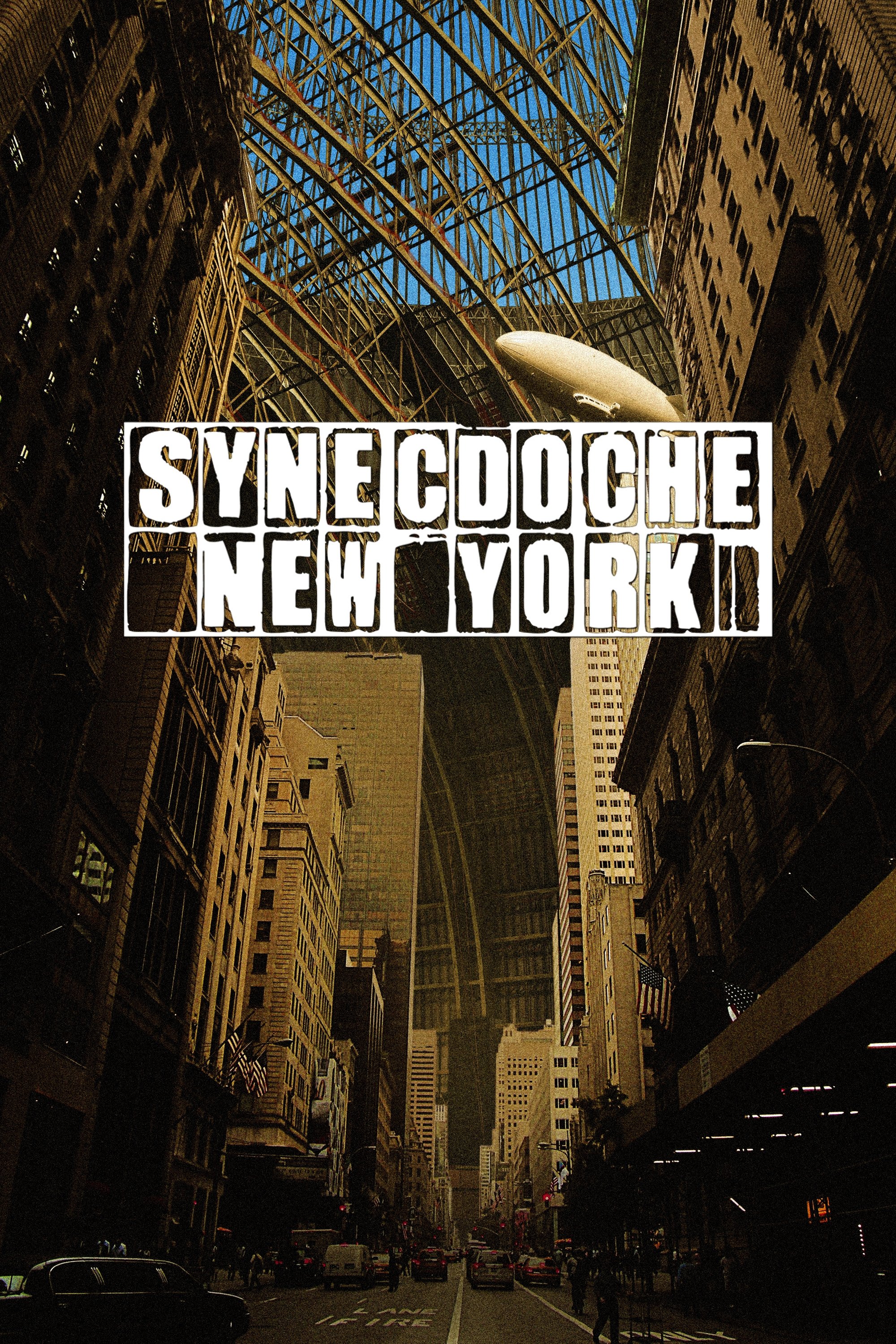
A theater director receives a grant and constructs an ever expanding rehearsal inside a warehouse, recreating city blocks, apartments, and relationships with actors who shadow real people. The project grows to include doubles of doubles and a replica of the warehouse itself, and role assignments change as performers age and move between parts.
Charlie Kaufman uses production design to externalize memory and health records, and the film tracks paperwork, diaries, and address changes while the rehearsal runs without a fixed opening night. The cast list includes actors who trade character names with their counterparts, and the sound mix layers stage directions over daily routines to show how life and rehearsal converge.
‘Donnie Darko’ (2001)
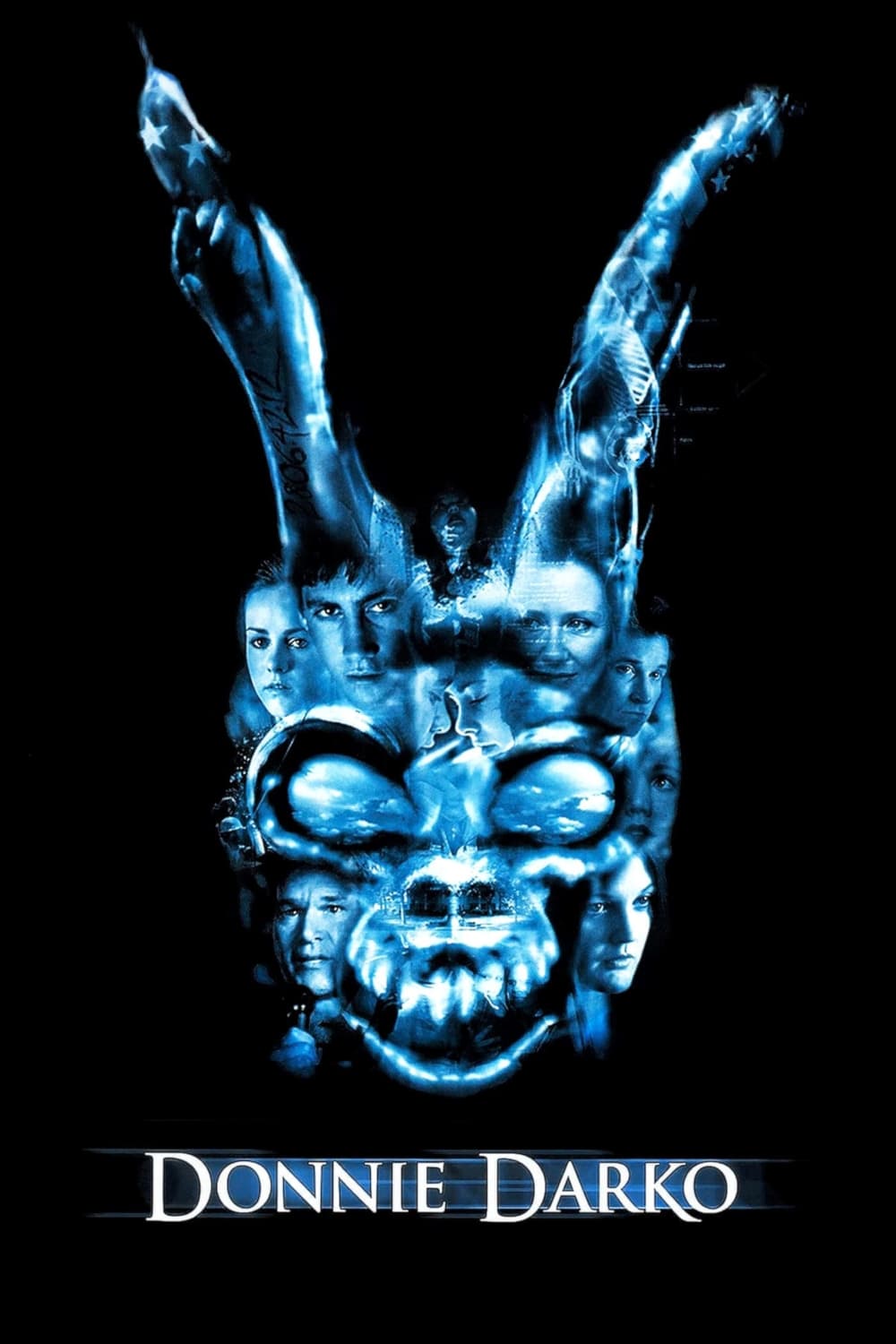
A teenager encounters a figure in a rabbit suit who announces a countdown, and the story follows class assignments, therapy sessions, and midnight walks while a mysterious jet engine crashes into a bedroom. The narrative references a fictional book titled The Philosophy of Time Travel, which outlines concepts like tangent universes and Manipulated Living that appear in the plot.
The film ties character arcs to school plays, Halloween events, and a community meeting that involves a motivational speaker. Music cues from period tracks mark time within the calendar, and a director’s cut introduces on screen chapter pages from the fictional book that clarify definitions used by the characters.
‘Coherence’ (2013)
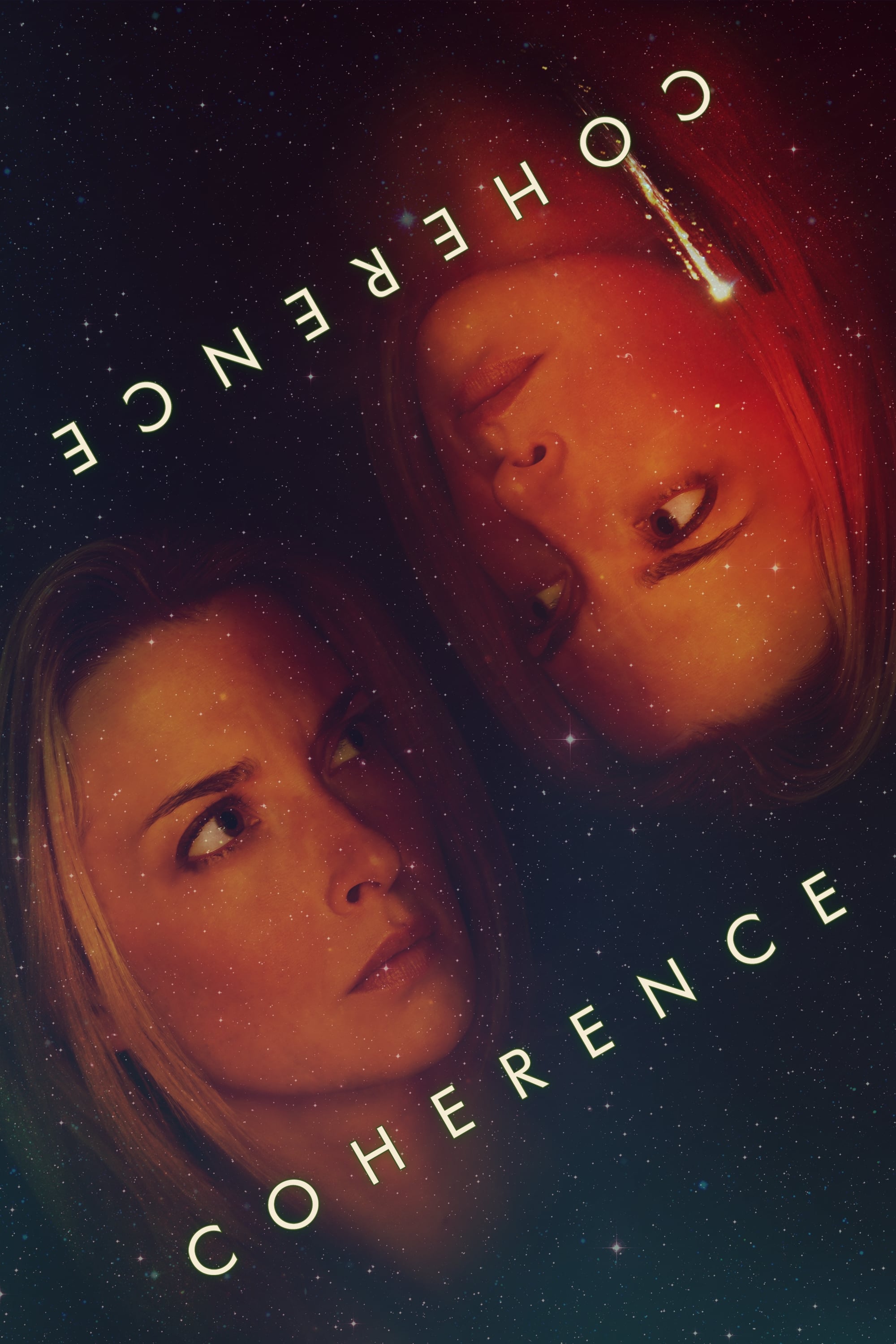
Friends gather for dinner on a night when a comet passes, and a power outage prompts visits to identical houses on the same block where not every group matches the one that left. The production shot with a small crew and improvised dialogue guided by note cards, which preserved surprise as actors discovered color codes and photographs that did not align with their own histories.
Glow sticks and numbered boxes act as tracking tools inside the story, and multiple versions of the same characters overlap as the night progresses. The film uses subtle changes in costume, handwriting, and smudges on a door to help viewers sort which house and which group they are watching at a given moment.
‘Enemy’ (2013)
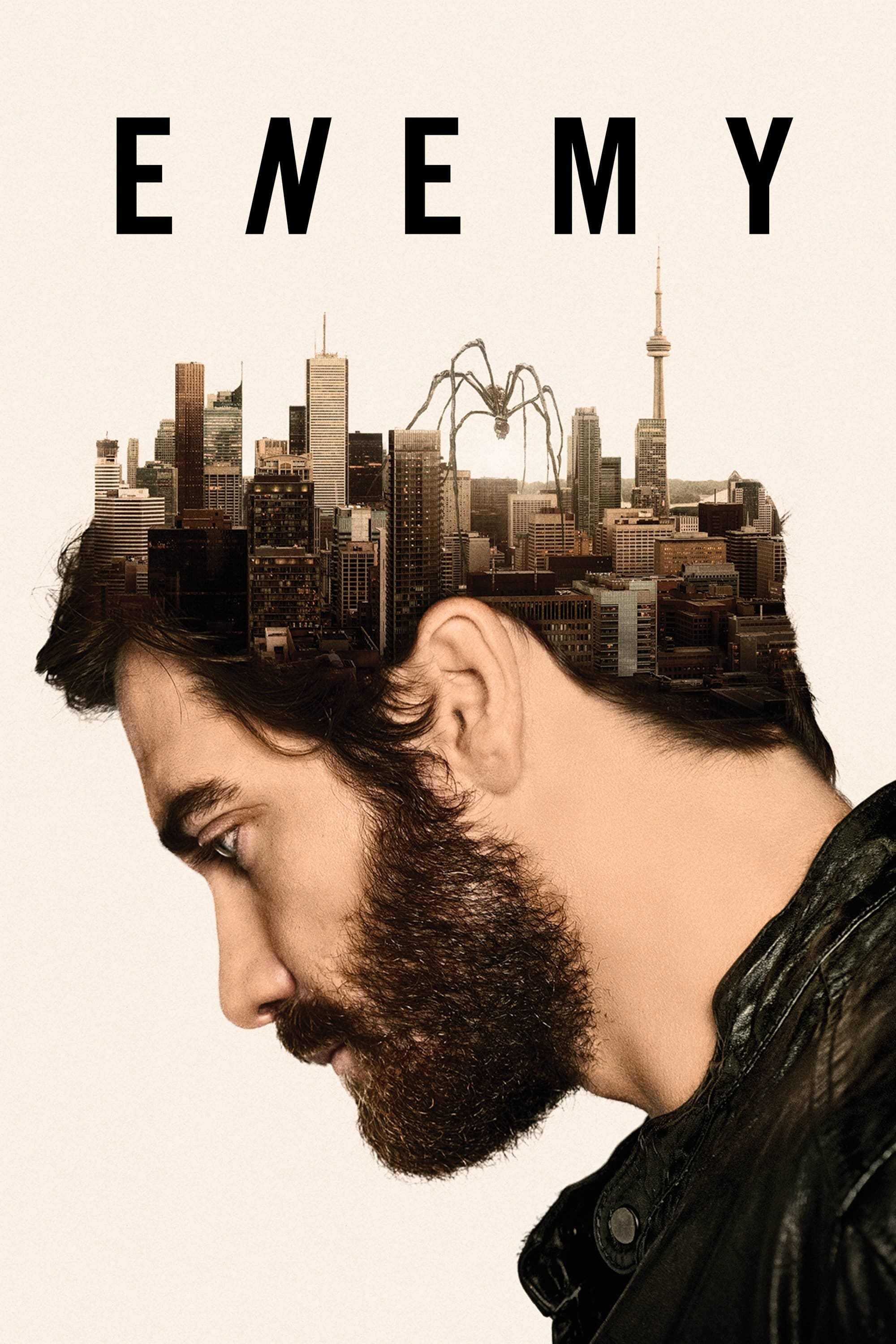
A history professor notices an actor on a rented disc who looks exactly like him and begins to search for the man, which leads to meetings in apartments, hotel rooms, and on a film set. The city appears in a desaturated palette, and recurring images of spiders and web structures turn up in classroom lectures, dreams, and architecture.
Denis Villeneuve adapts a novel that explores duplication through diary entries and casting, and Jake Gyllenhaal performs both roles with mirrored gestures that are not fully identical. Production used Toronto locations that emphasize overpasses and concrete towers, and the final scene deploys a sudden image that reframes earlier conversations without explicit explanation.
‘Upstream Color’ (2013)
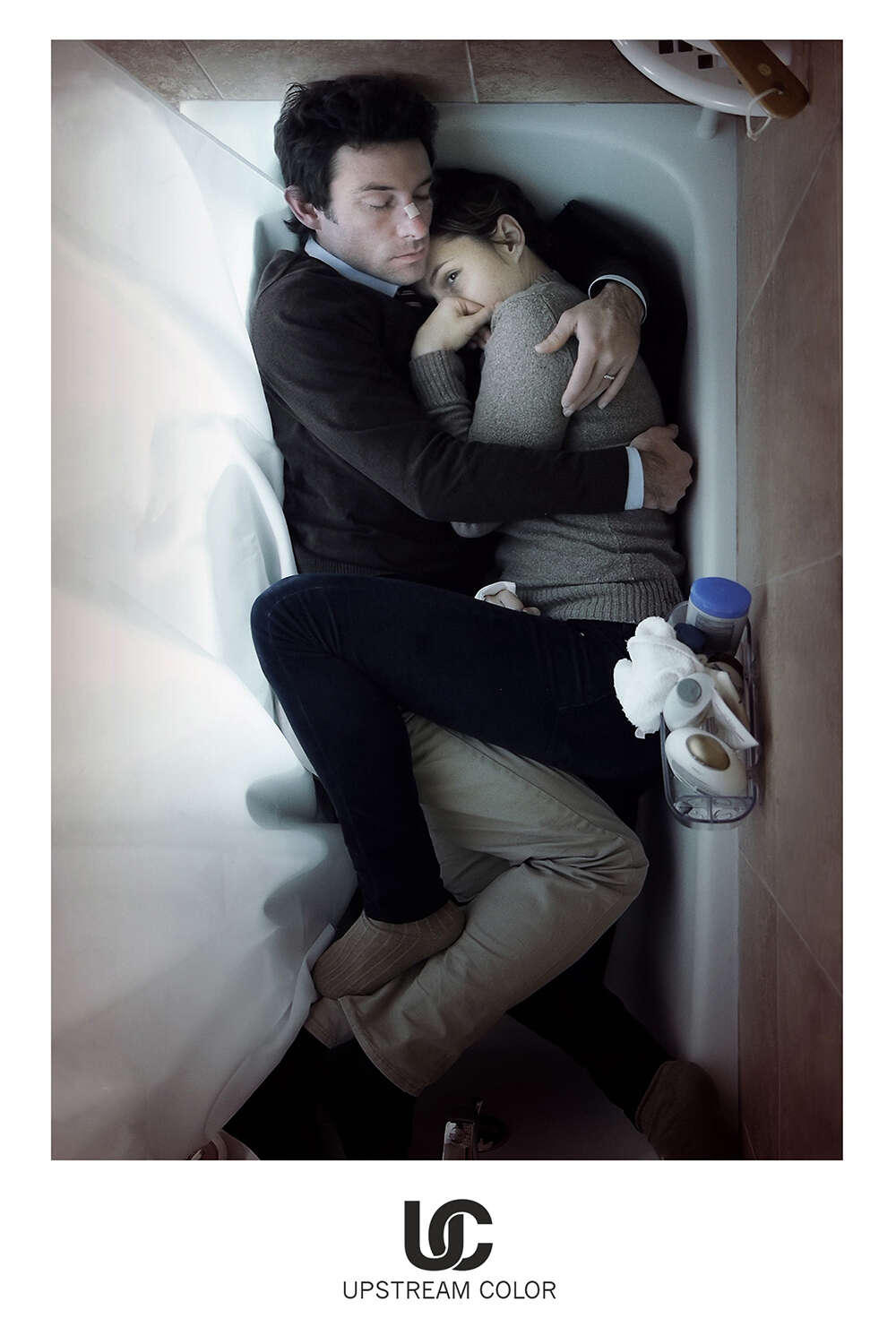
A criminal uses a parasitic organism to place victims under suggestion, which leads two people to rebuild their lives as they discover symptoms that match. The story follows a cycle involving humans, pigs, and orchids, and it tracks how sound and behavior move between species with almost no expository dialogue.
Shane Carruth relies on rhythmic editing and precise Foley work so that water, paper, and rail sounds cue specific connections. The film uses color and repeated actions like transcribing text from a book to link characters across locations, and it maps the organism’s lifecycle through a sampler who records tones in a field.
‘Under the Silver Lake’ (2018)
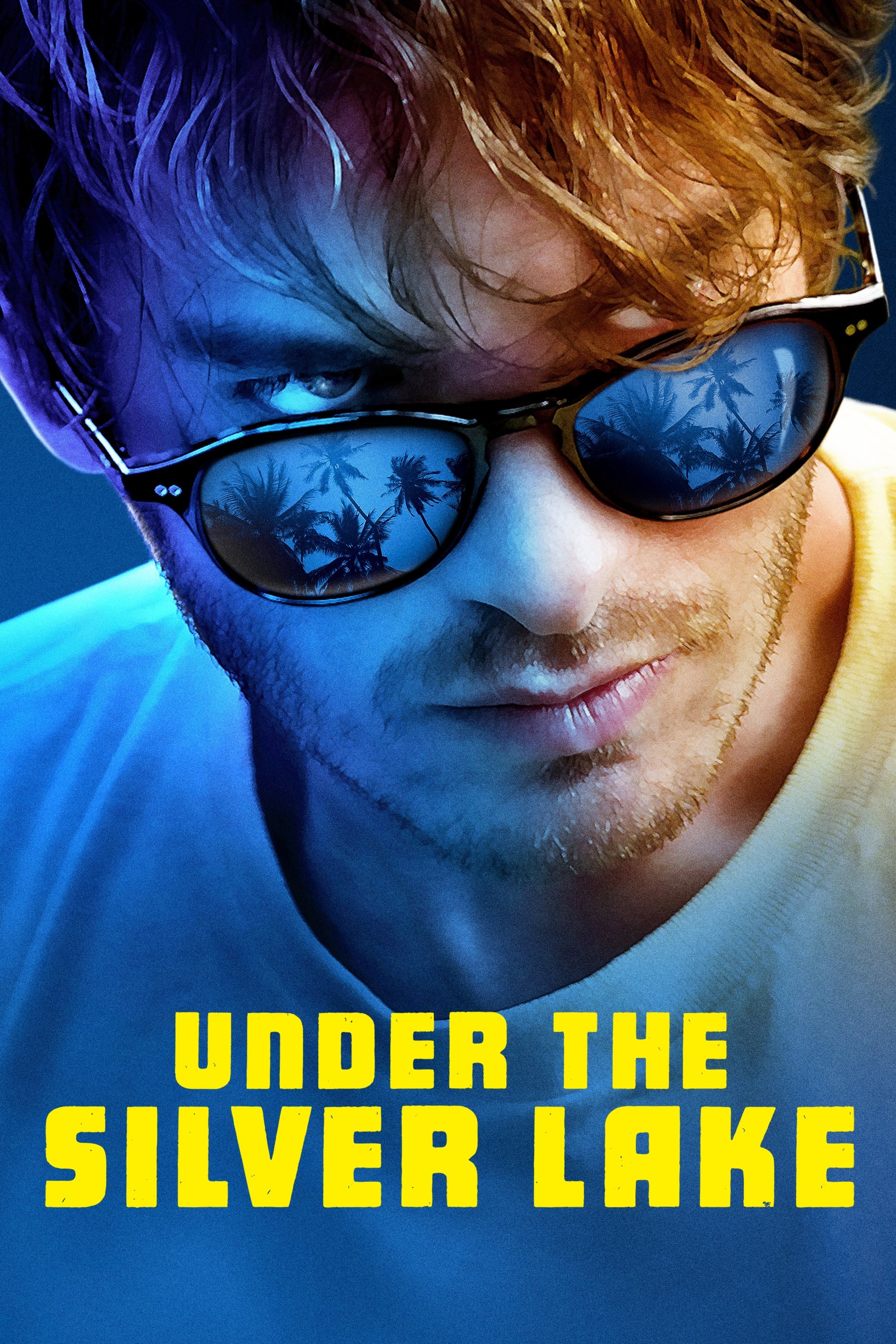
A Los Angeles drifter chases codes that he believes are hidden in songs, billboards, and local zines after his neighbor disappears. The search moves through reservoirs, hillside parties, and old theaters, and it references urban myths about animal killings and underground bunkers.
The film includes ciphers based on number grids, repeated hand signs, and patterns in a pop song that is played backward to reveal a message. David Robert Mitchell threads in comic books and silent era trivia, and he marks routes on city maps to trace how clues link neighborhoods that are far apart on foot.
‘The Tree of Life’ (2011)
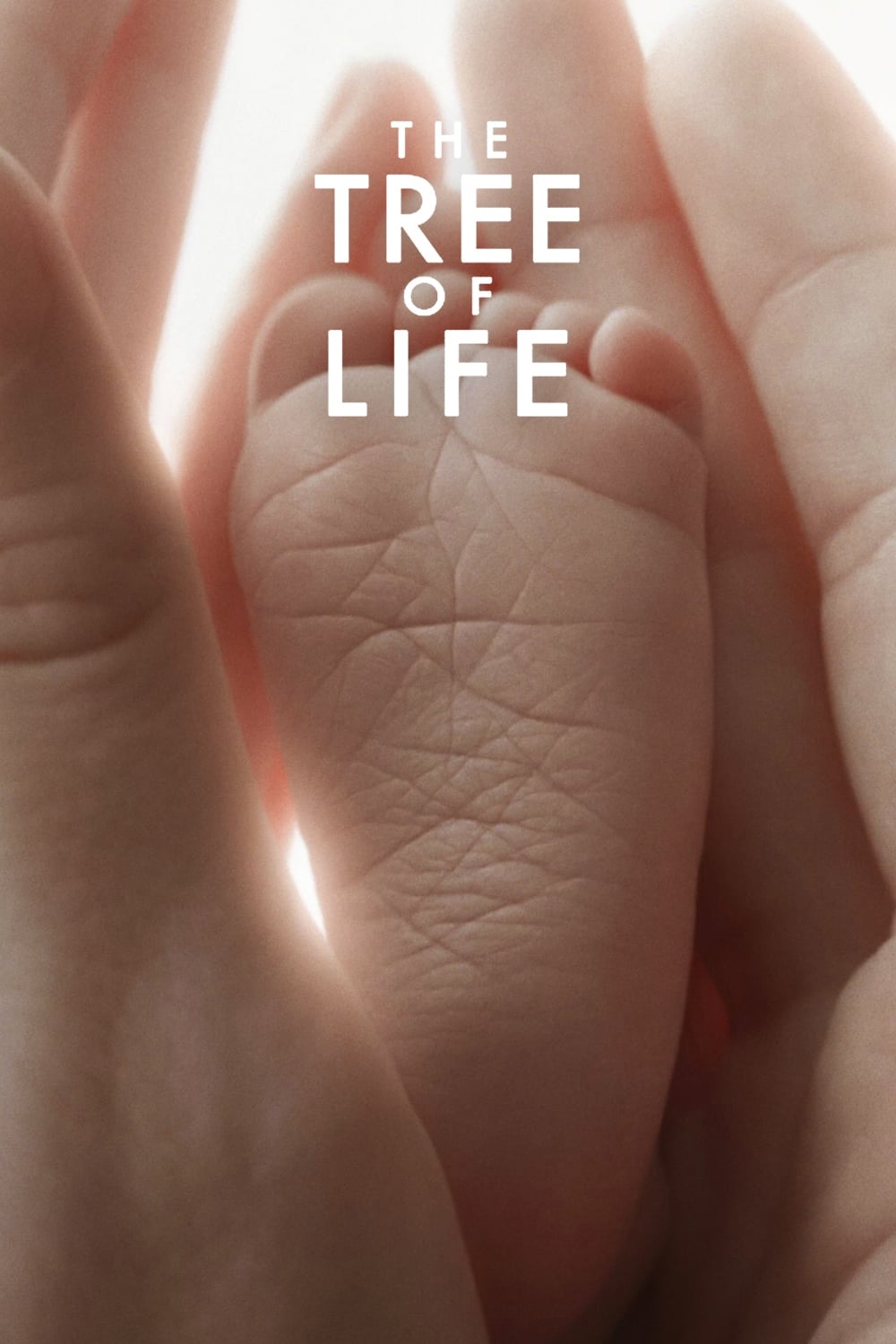
Terrence Malick intercuts a family story in Texas with sequences that depict cosmic formation, cellular growth, and landscapes that extend beyond the characters. Emmanuel Lubezki’s cinematography uses natural light and wide lenses, and the camera often floats near the ground with fluid movement that connects interiors and exteriors.
The soundtrack blends choral works and classical pieces with a contemporary score, and Malick stages scenes with overlapping whispers that function as prayers or memories. Production shot with minimal artificial light and used practical effects like dye tanks for some cosmic imagery, which gave nondigital textures to shots of space and water.
‘Stalker’ (1979)

Three men travel through an area known as the Zone toward a room that is said to grant desires, and the journey takes them through tunnels, rail lines, and flooded spaces. The screenplay draws from a novel by Arkady and Boris Strugatsky, and it sets rules about guides, markers, and traps that are not visible to the eye.
The film shifts between sepia and color, and it features long takes that follow the travelers as they place nuts tied with cloth to mark a safe path. Industrial locations near a river and a power plant provide concrete textures, and recurring subjects like water, wind, and dogs contribute to a consistent atmosphere across the route.
‘2001: A Space Odyssey’ (1968)
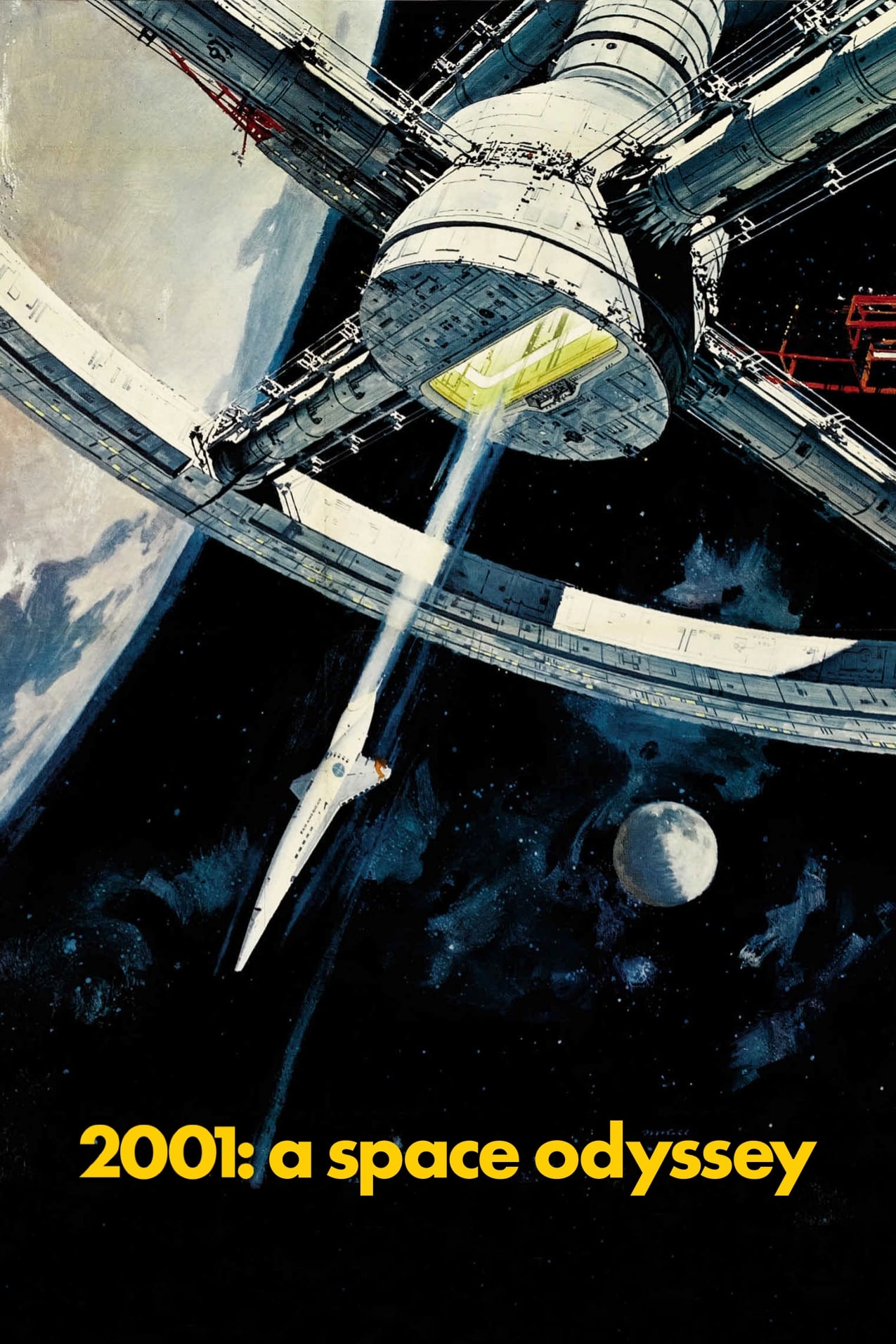
The film is divided into sections that include a prehistoric prologue, a lunar discovery, a voyage with the HAL 9000 computer, and a final sequence that presents images through slit scan photography. Stanley Kubrick worked with NASA consultants and shot with large format processes to achieve star fields and weightless movement inside rotating sets.
György Ligeti’s choral pieces and other classical works accompany scenes without traditional dialogue for long stretches. The design of the monolith, the behavior of HAL, and the placement of spacecraft all follow carefully plotted scales and alignments, and the final images link back to earlier motifs through repeated forms and colors.
‘Mirror’ (1975)

Andrei Tarkovsky structures the film around memories, dreams, and poems by his father Arseny Tarkovsky, which are read over images of fields, apartments, and wartime scenes. The same performer plays both the mother and the former wife, and voices from offscreen blend with newsreel material that interrupts domestic sequences.
The film alternates black and white with color and introduces elements like levitation, rain indoors, and fire that appears in unexpected places. Production locations include the director’s family dacha, and the editing associates gestures and objects rather than cause and effect, which makes dialogue function as one layer among many.
‘Persona’ (1966)
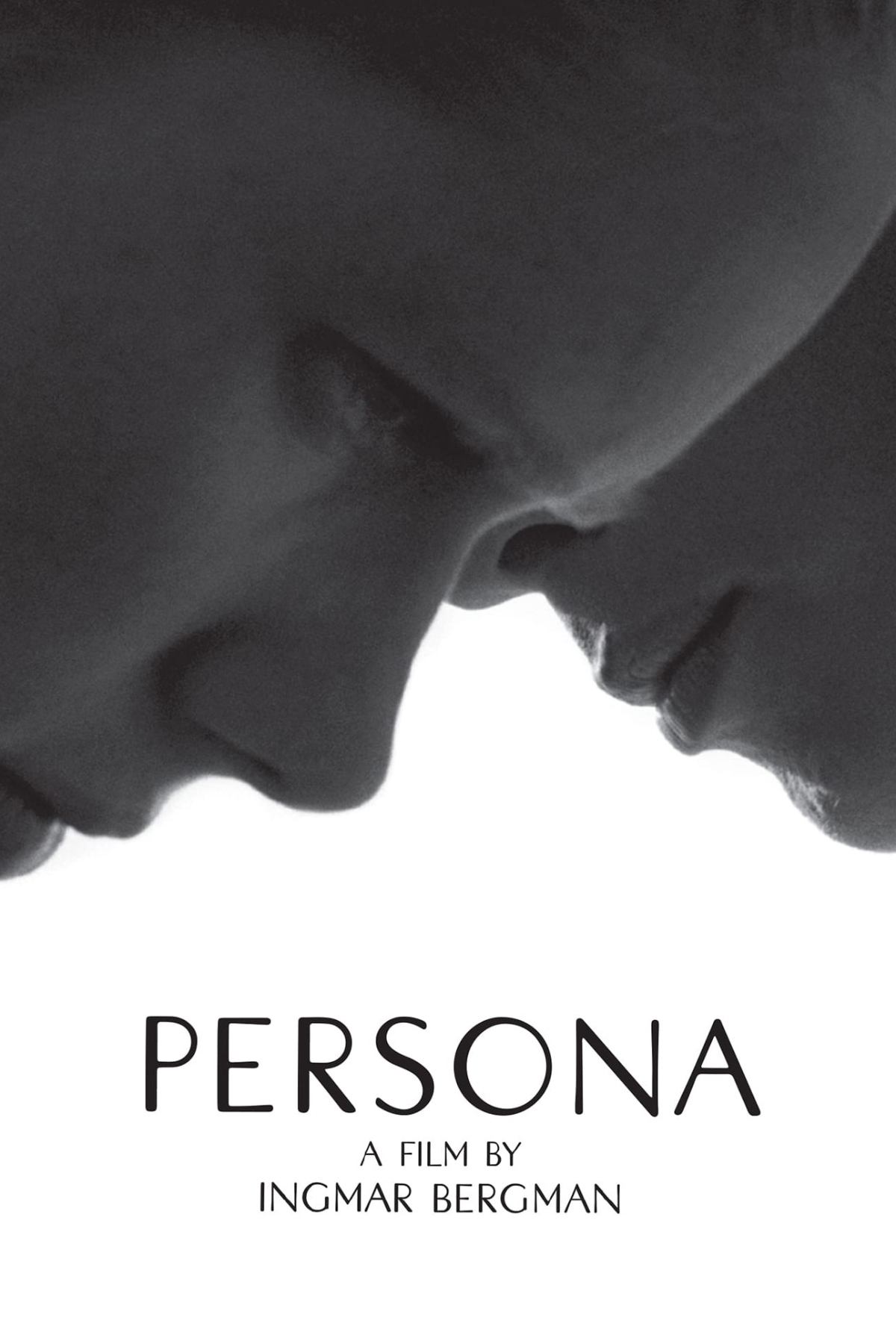
An actor named Elisabet Vogler stops speaking during a performance and retreats to an island with a nurse named Alma, where the two women share letters, confessions, and a photograph that becomes a focal point. Ingmar Bergman opens with a montage that shows a projector, a nail through a hand, and a boy reaching toward a screen, which announces cinema as a subject.
Sven Nykvist’s cinematography is famous for close framing of faces that merge as the story proceeds. The film includes a split frame moment where the two women’s faces align, and it breaks the image with burn marks that imitate damaged celluloid, which emphasizes the material of film as part of the drama.
‘The Holy Mountain’ (1973)
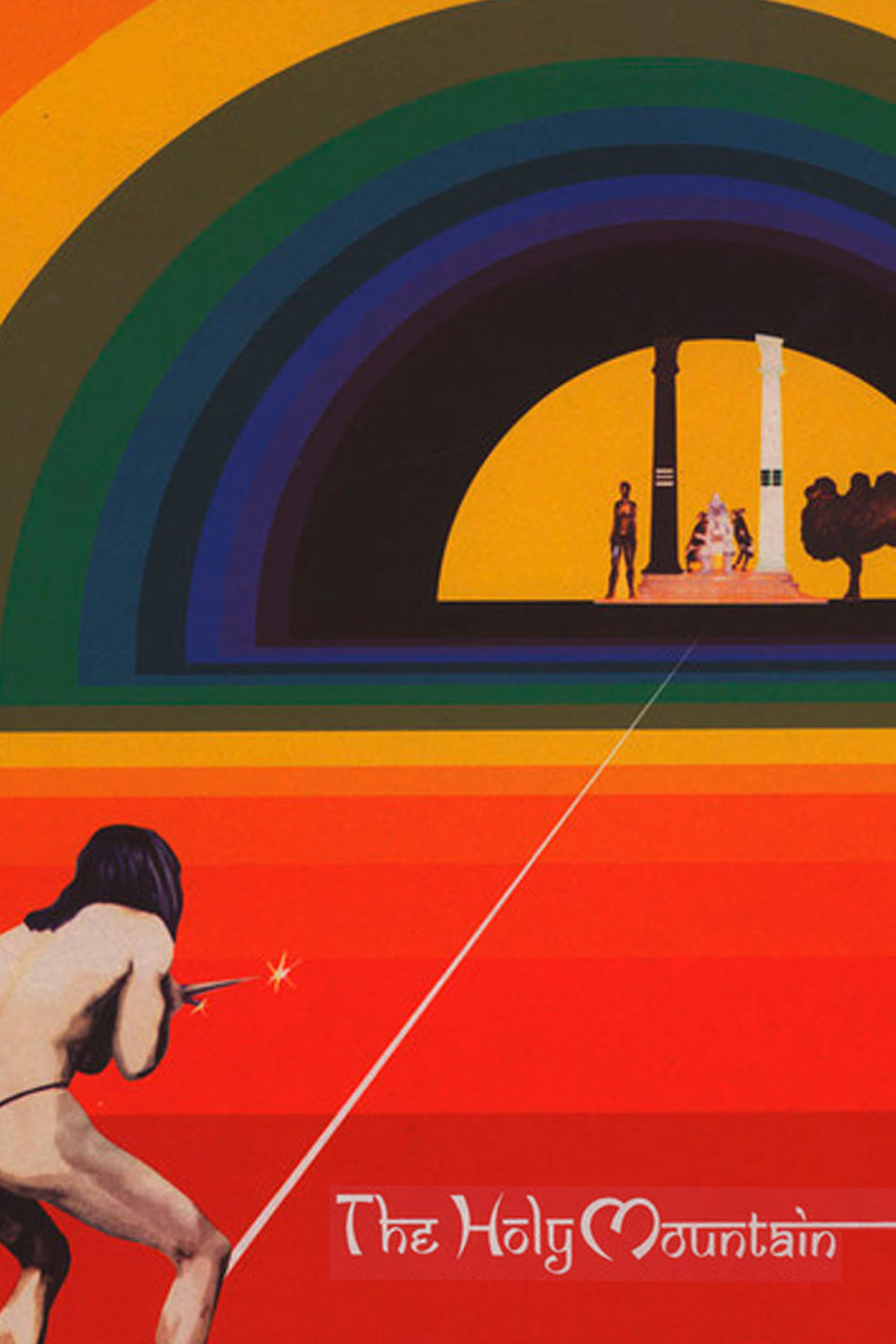
Alejandro Jodorowsky presents an alchemist who gathers planetary avatars and trains them in disciplines that relate to their industries, then leads them on a quest toward a summit where enlightenment is promised. The production uses elaborate sets filled with tarot symbols, gold leaf, and live animals, and it stages rituals with precise color coding.
The score blends percussion, organs, and chants, and Jodorowsky appears on screen as the guide. The film concludes with a reveal that exposes cameras and crew, which reframes the entire journey as performance, and it catalogs the participants with tableaux that reference paintings, sculptures, and occult diagrams.
‘El Topo’ (1970)
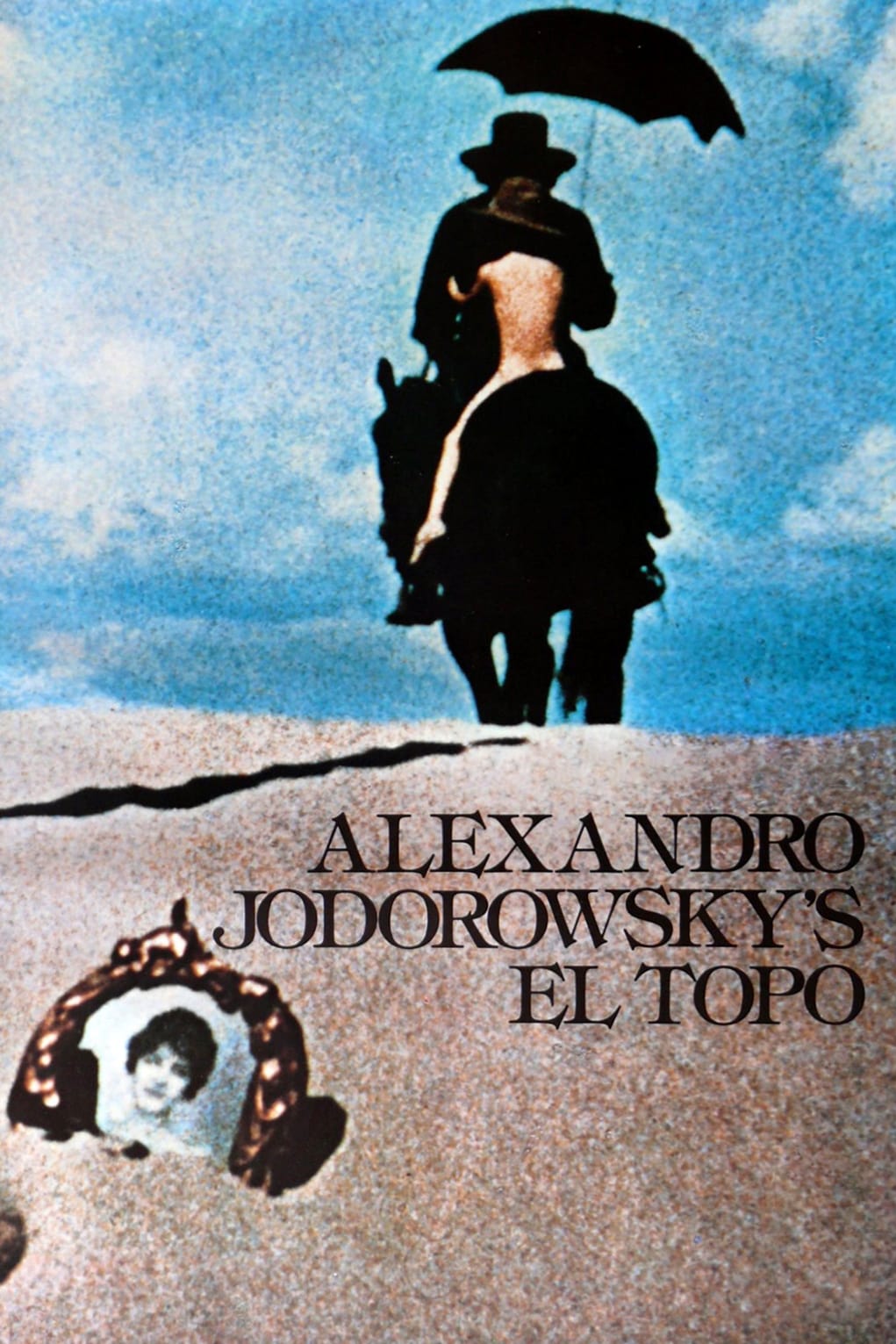
A gunslinger travels through deserts and encounters four masters, each with a specific lesson tied to marksmanship, asceticism, or perception. The story incorporates religious iconography, circuses, and outcasts living in a cave network, and it follows a cycle of violence, injury, and recovery that redirects the hero’s goals.
Jodorowsky cast his son in the opening section and used handmade props and costumes that blend frontier attire with ceremonial dress. The film became a midnight phenomenon, and its structure moves from duels to spiritual apprenticeship to a plan for excavation that involves explosives and a procession through a town.
‘The Fountain’ (2006)
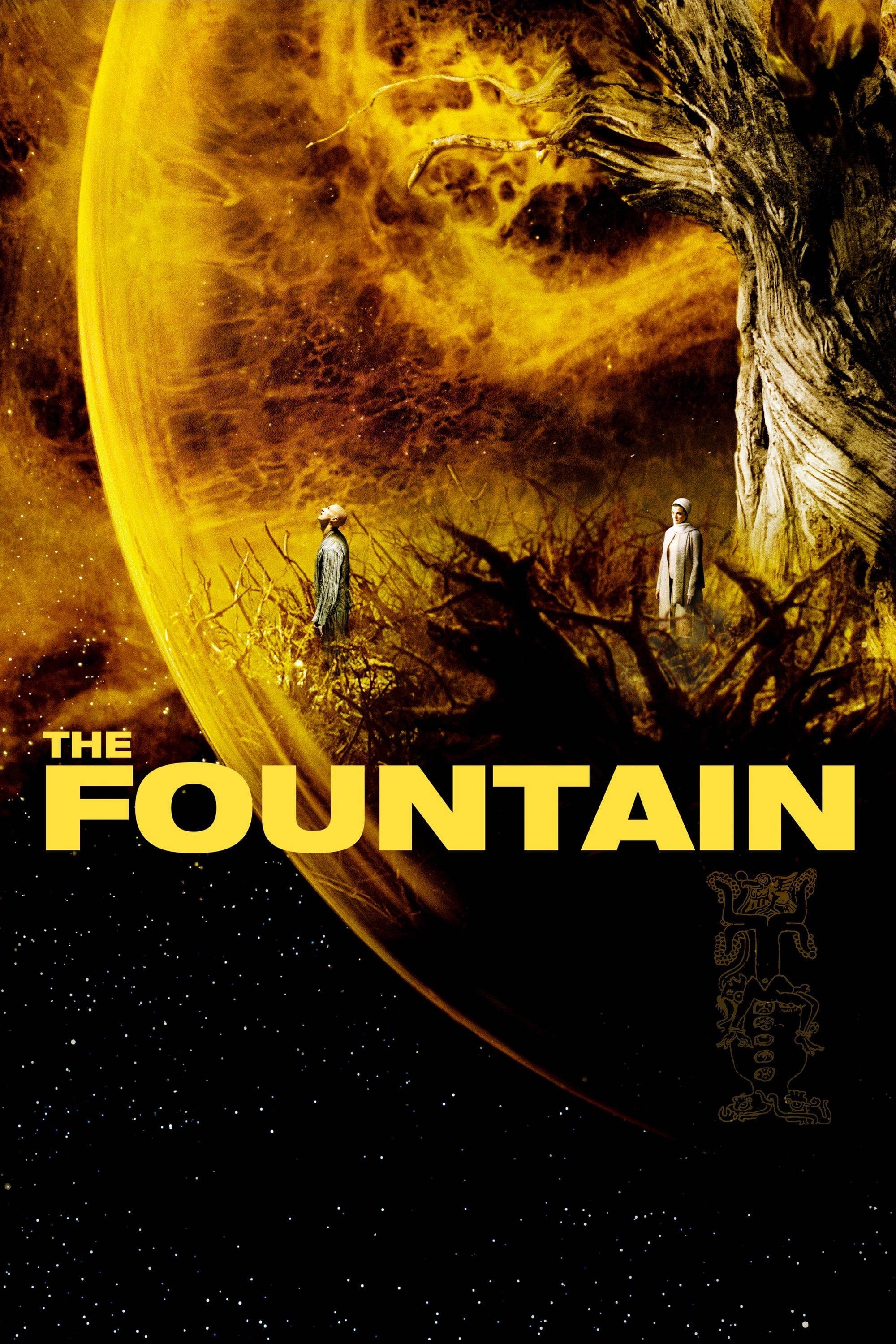
Darren Aronofsky connects three narratives that mirror each other through images like trees, rings, and bubbles, and he casts the same performers across settings that include a research lab, a colonial expedition, and a meditative voyage. The screenplay references Mesoamerican myth and medical trials while tracking a search for a cure.
Visual effects used macro photography of chemical reactions to create nebula like textures, which allowed the film to avoid fully digital space imagery. Clint Mansell’s score repeats a theme across strings, piano, and choral layers, and the sound of a heartbeat links scenes where the timelines echo one another.
‘Eraserhead’ (1977)
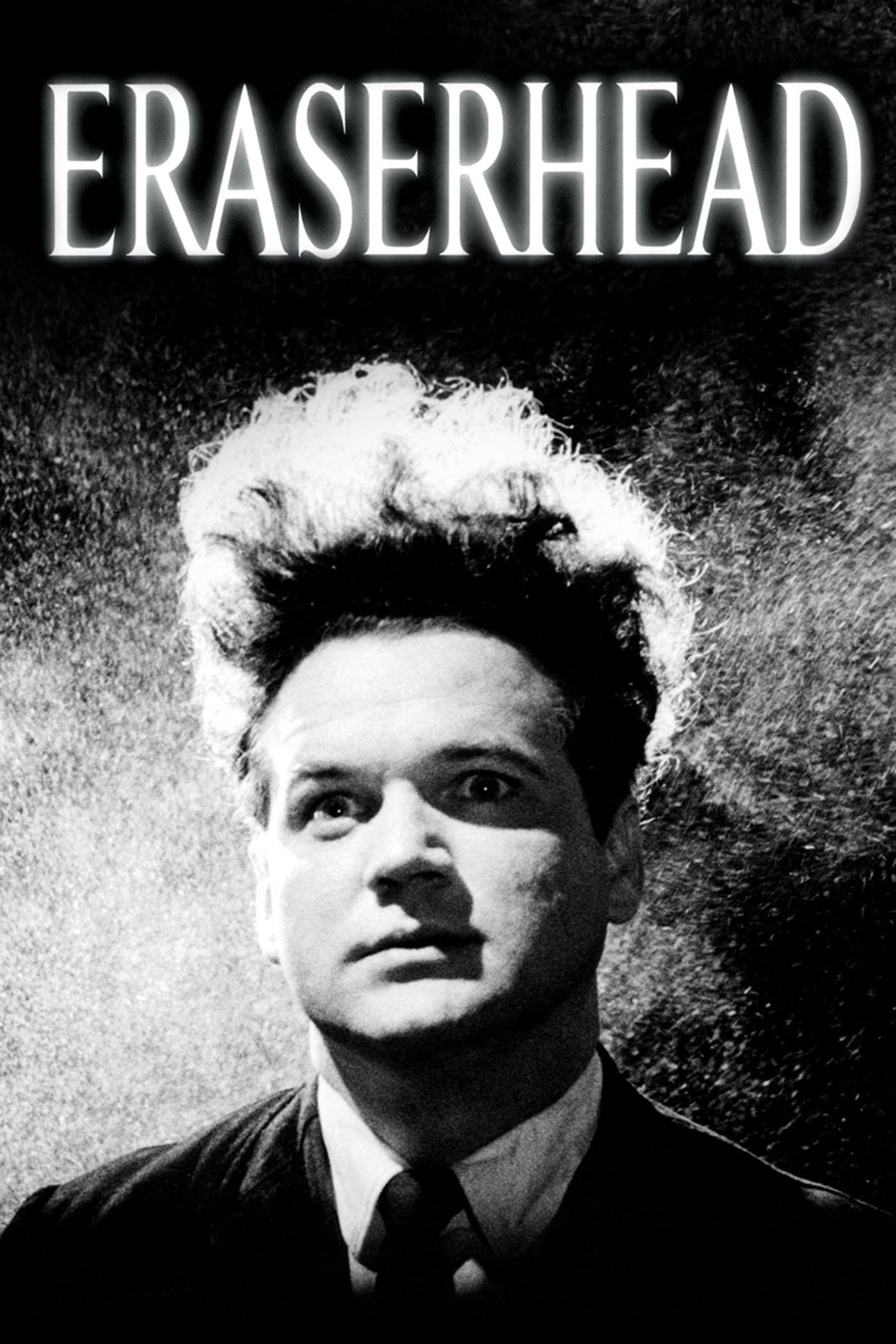
David Lynch stages an industrial city where Henry Spencer navigates a claustrophobic apartment, a dinner with unusual poultry, and the care of an infant that does not look human. The film’s sound design by Alan Splet layers machine hum, wind, and squeals to build a continuous environment that underscores each scene.
Lynch shot over an extended period while working at a film institute, and the production used handmade sets, found props, and stop motion inserts. The Lady in the Radiator appears in a stage with crushed plaster, and practical effects create fluids and textures that interact with performers in camera.
‘Lost Highway’ (1997)
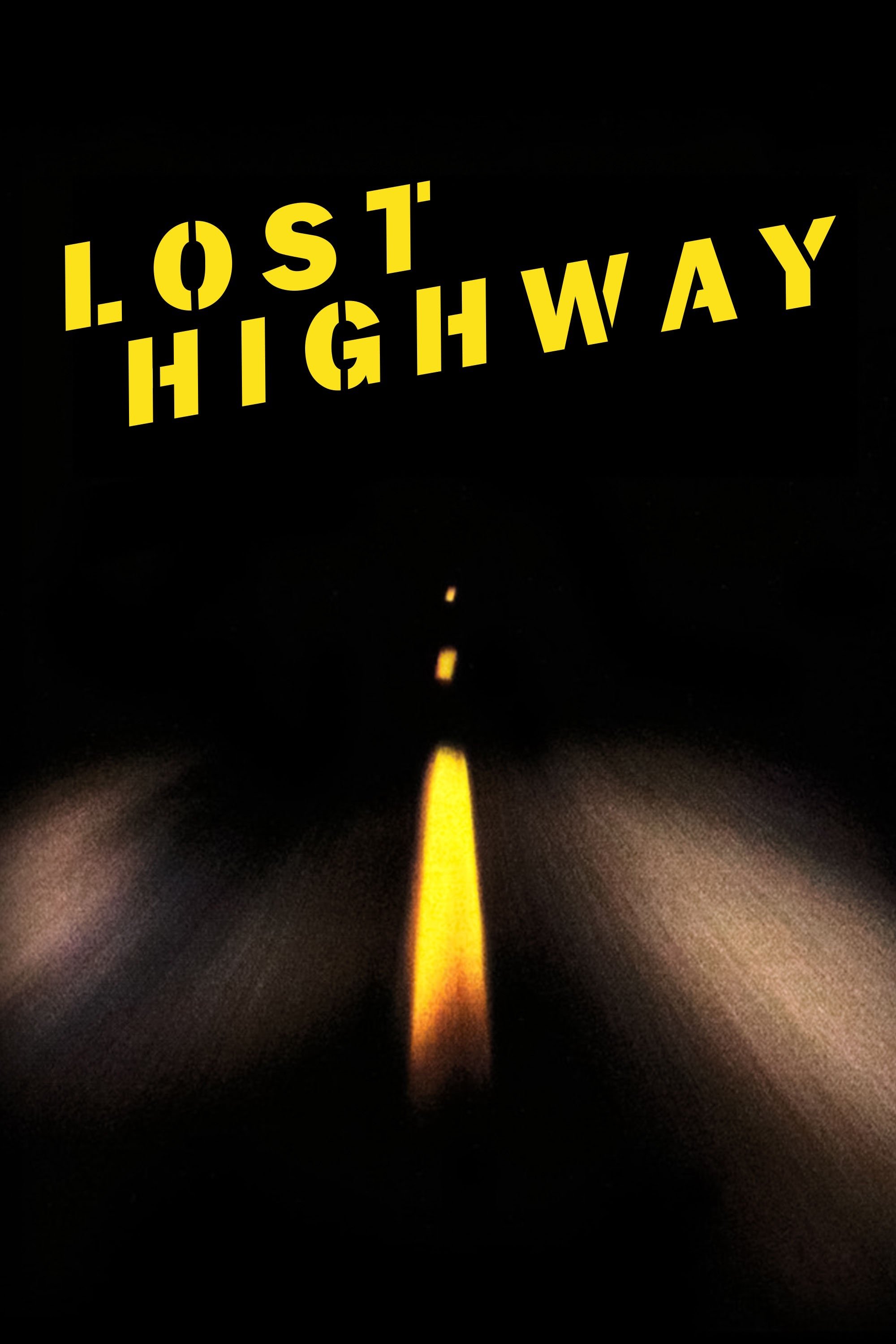
A musician receives a message from a stranger who appears both at a party and inside a videotape, and the story later follows a mechanic who becomes involved with a gangster and a pair of women who share a name. The narrative swaps identities midstream and returns to a desert house where the first section began.
Trent Reznor supervised the soundtrack, which mixes industrial tracks with jazz standards, and the camera frequently glides through hallways and along freeways at night. The film uses security tapes, intercoms, and voice recordings as evidence inside the story, and the final scene loops to an earlier moment with altered details.
‘Perfect Blue’ (1997)
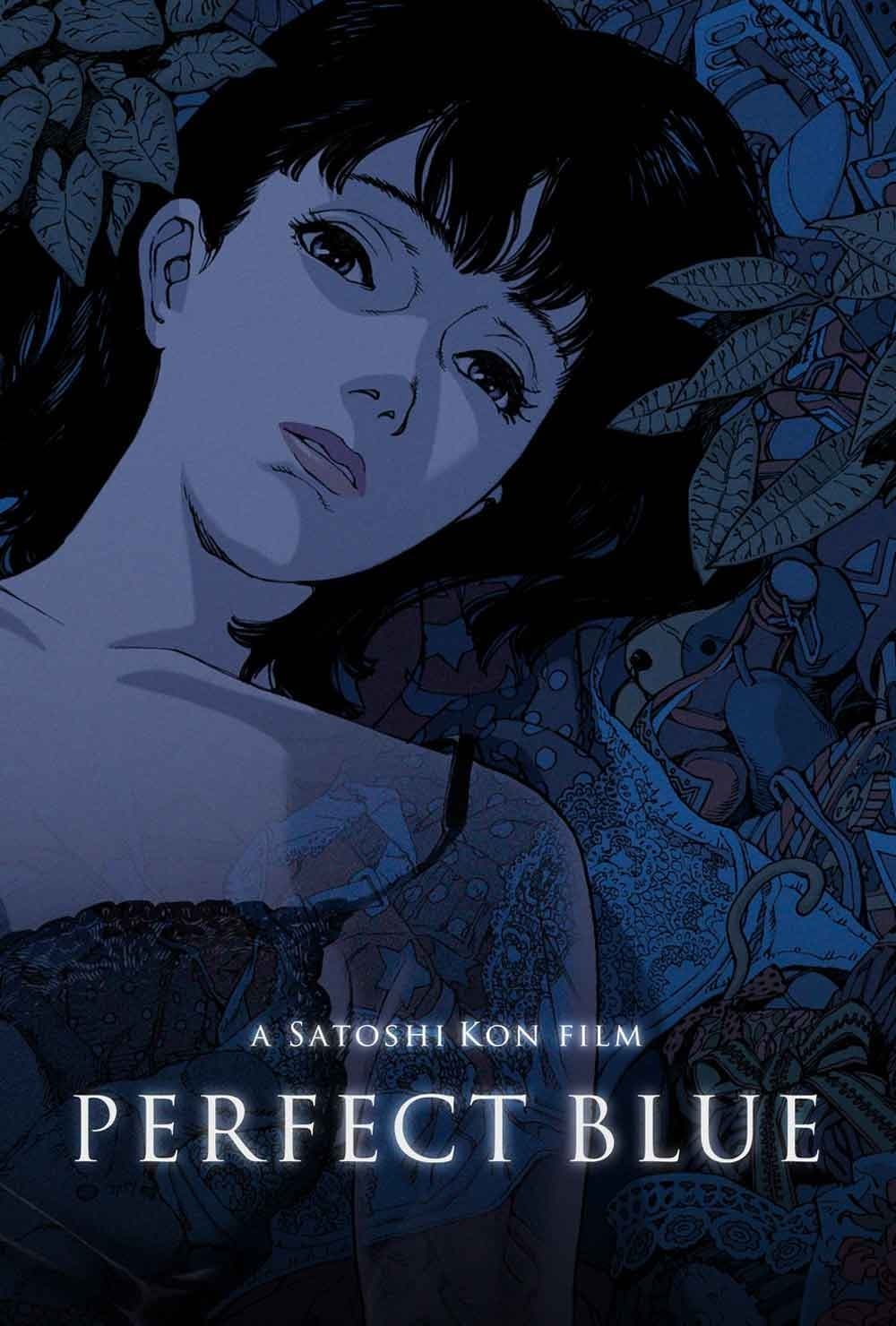
An idol named Mima Kirigoe leaves a music group for acting and begins to receive messages from a stalker while a website documents her life with posts she did not write. Scenes from a television crime show overlap with Mima’s daily experience, and shot reverse shot structures blur whether she is on set or off.
Satoshi Kon edits so that costume changes, mirrors, and lighting shifts create false continuities between takes. The production references idol culture and management contracts, and it depicts agency meetings, script readings, and photo shoots that mark how public image is constructed and exploited inside the industry.
‘Paprika’ (2006)

A device called the DC Mini lets therapists enter patients’ dreams, and the theft of prototypes causes dream images to spill into waking life. A parade of appliances, dolls, and signs becomes a recurring phenomenon that draws characters into a collective vision.
Satoshi Kon cross cuts a detective story, a corporate plot, and sessions with a scientist who uses an avatar named Paprika. Composer Susumu Hirasawa provides electronic themes that reappear when dreams intrude on offices and streets, and the animation maps perspective shifts by folding rooms into impossible spaces.
‘Last Year at Marienbad’ (1961)
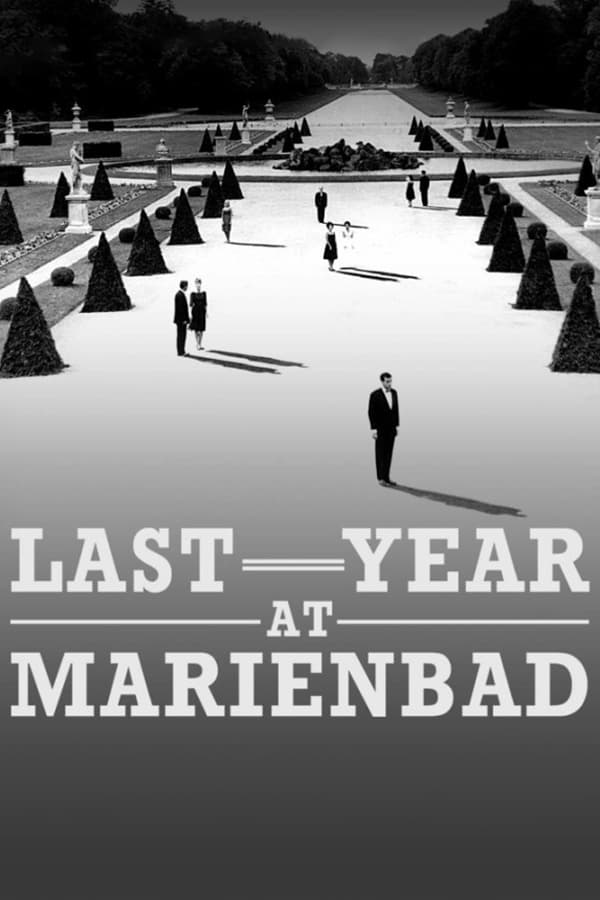
A man recounts a past meeting with a woman at a grand hotel and attempts to persuade her that they planned to leave together, while she insists that no such plan exists. The story repeats lines of dialogue and resets camera positions in hallways and gardens, which makes it hard to confirm what did or did not occur.
Alain Robbe Grillet wrote the script with instructions about movement and architecture, and Alain Resnais shot long tracking shots through baroque interiors. A game resembling Nim recurs between guests, and the score uses organ and strings that mirror the ritual quality of the conversations and the blocking.
‘Holy Motors’ (2012)
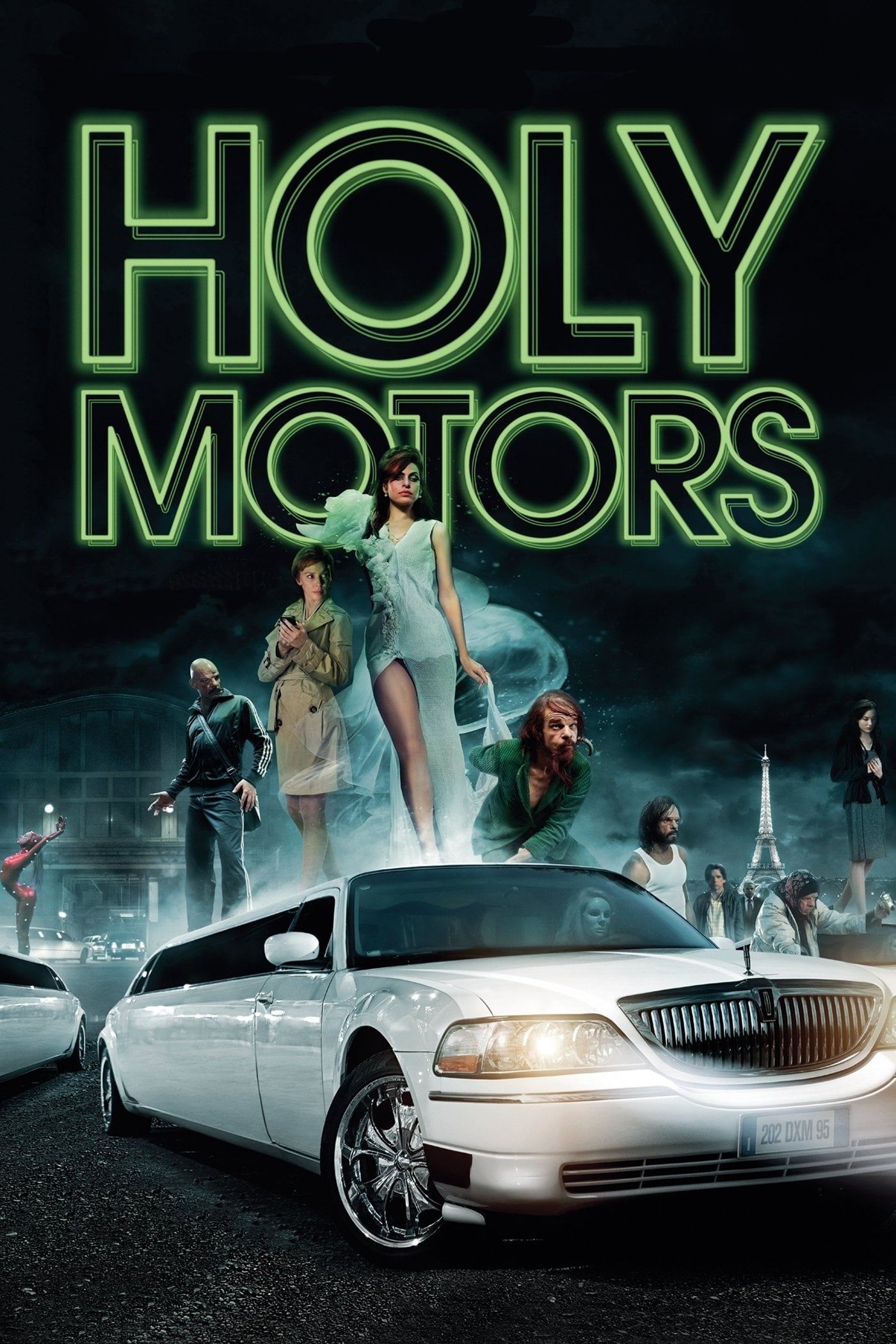
A performer named Monsieur Oscar travels across Paris in a limousine and steps out for a series of assignments, each of which requires a new identity, makeup, and wardrobe. The jobs include a motion capture session, a street encounter with a model, and a family reunion that may not be real.
Leos Carax links these episodes with an accordion interlude and a return of a character named Merde from an earlier anthology film titled ‘Tokyo!’. The production shows the inside of the limousine as a mobile dressing room with racks, mirrors, and a small stage, and it ends with a coda that speaks through the cars themselves.
Share the titles that puzzle you the most in the comments so everyone can compare notes and trade concrete clues you have spotted.

