Musk’s AI-Made ‘Odyssey’ Arrives, and Critics Aren’t Being Kind to His Answer to Nolan


Few film projects of 2026 have generated as much noise as Christopher Nolan’s ‘The Odyssey’. The director’s adaptation of Homer’s epic arrived in theaters in July, opened to more than $260 million and has since topped $600 million at the US box office. It also attracted something unusual for a Homer adaptation, a months-long online feud with one of the world’s most prominent tech figures.
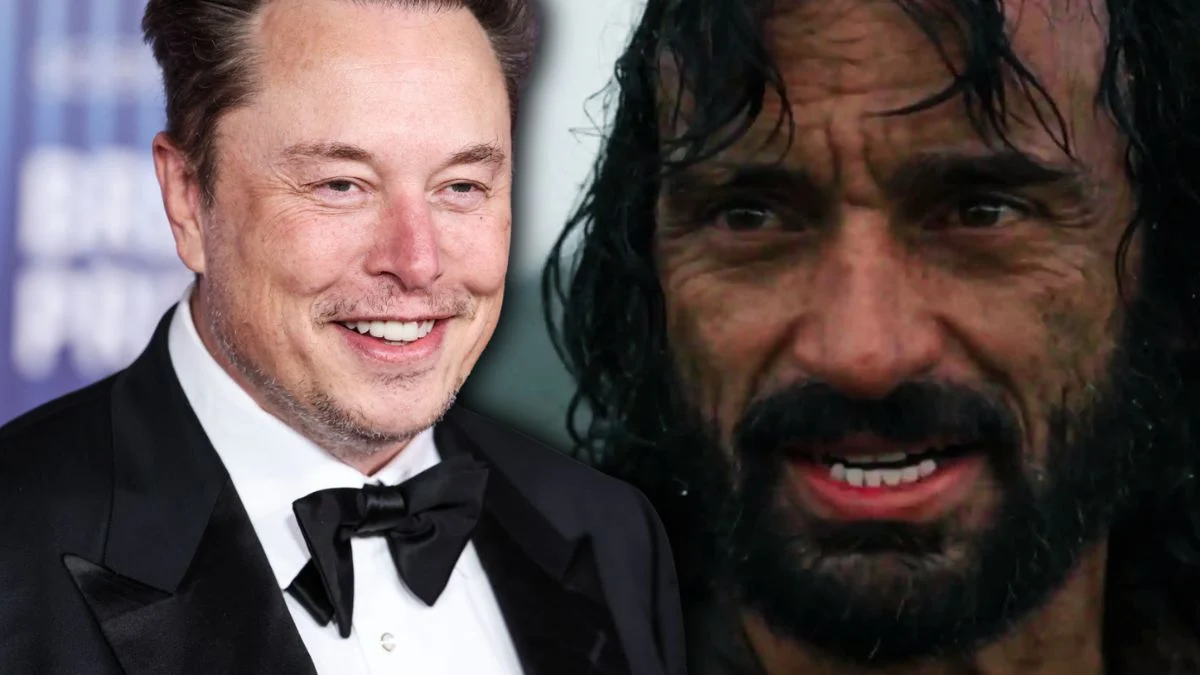
Elon Musk spent months criticizing the film, particularly its casting choices, which included Lupita Nyong’o as Helen of Troy and Elliot Page as Sinon. He argued that the film distorted Homer’s work, and in January he wrote that Nolan had lost his integrity. In July, he went a step further and promised that his AI platform, Grok Imagine, would make a full-length movie of ‘The Odyssey’ before the end of the year that was historically accurate and true to the art of Homer.
That promise has now produced its first result. On Friday, October 23, Grok Imagine, the image and video generator from SpaceXSI, released the first episode of an AI-made ‘Odyssey’ series, and Musk shared it that night. It was created as a collaboration with the London-based studio Wonder Studios and director Dev Walker.
Watch Episode 1 of our Odyssey series made with Grok Imagine. Let us know in the comments if you’d like a full breakdown of how it was done! Creative collaboration with @WonderStudiosX and director Dev Walker @glumlot_ https://t.co/xpgpkqSCpq
— Grok Imagine (@imagine) October 23, 2026
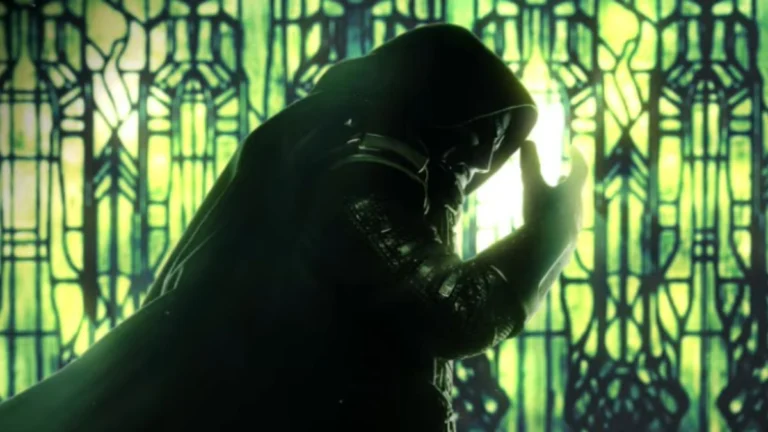
The episode runs just over 7 minutes and was posted in 4K. It shows Odysseus with his family before leaving for the Trojan War, his departure from Ithaca and the ten-year war, with the hero carrying his son’s small wooden horse set to ominous music. Instead of classic animation, viewers get digitally rendered characters with stiff facial expressions and movements that often feel unnatural.
According to Wonder Studios co-founder Xavier Collins, the episode was made in under 2 weeks by a team of 3, including Walker. The account behind the release has not said how many episodes are planned or when the next one will arrive, and it asked viewers to say if they would like a full breakdown of how it was made. As of early reports, the post had gathered about 7.4 million views.
The reaction has been harsh. The Guardian’s Peter Bradshaw gave it 1 star, calling it the dullest, most pointless riposte possible to Nolan’s brilliant epic. He wrote that every dramatic moment felt as meaningless as shapes moving on a laptop screensaver, and he faulted the episode for frozen images, monotonous robotic voices and a lack of emotion.
Other reviewers were slightly more mixed. Some praised the environments and cinematography but criticized robotic dialogue and inconsistent faces. Online reaction has split sharply, with some fans praising the polished visuals and the potential of AI storytelling, while detractors called it incoherent and lacking in emotion.
One of the more striking details is that Musk’s own chatbot did not endorse the “historically accurate” label. When Wired asked Grok to assess the episode, it replied that the video was an adaptation of Homer’s poem and not a historically accurate reconstruction of real events. It also said the episode did not meet a strict historical standard.
The chatbot added that an adaptation of a Greek epic featuring a cyclops, sirens and sea monsters could not be historically accurate in the first place, because those creatures are not real. Critics have also pointed out that the characters speak English, which does not exactly match the promise of being true to the art of Homer. The mismatch between Musk’s promise and the result has been a key theme in the coverage.
Musk has said he wants to post the whole film by the end of the year, broken into short episodes. Whether that happens is unclear, since there is no confirmed schedule for further installments. The promised feature-length version has not been publicly confirmed as being on a defined timeline.
The release also underscores the broader conversation about AI in filmmaking. In China, the first fully AI-generated theatrical feature recently struggled at the box office, and audiences have been quick to push back on projects that feel hollow. For now, the contrast with Nolan’s film, which has been both a critical and commercial hit, could hardly be more stark.
Whether the series improves in later installments remains to be seen. The first episode shows how quickly AI video can be produced, but it also shows how much more audiences expect from a story told on screen. Homer’s epic has outlasted nearly 3 millennia of retellings, and it will probably outlast this one too.
Can an AI-generated version of The Odyssey compete with Christopher Nolan’s film?
Have something to add? Let us know in the comments!