


Mystery Movies You Have to Watch Twice to Understand

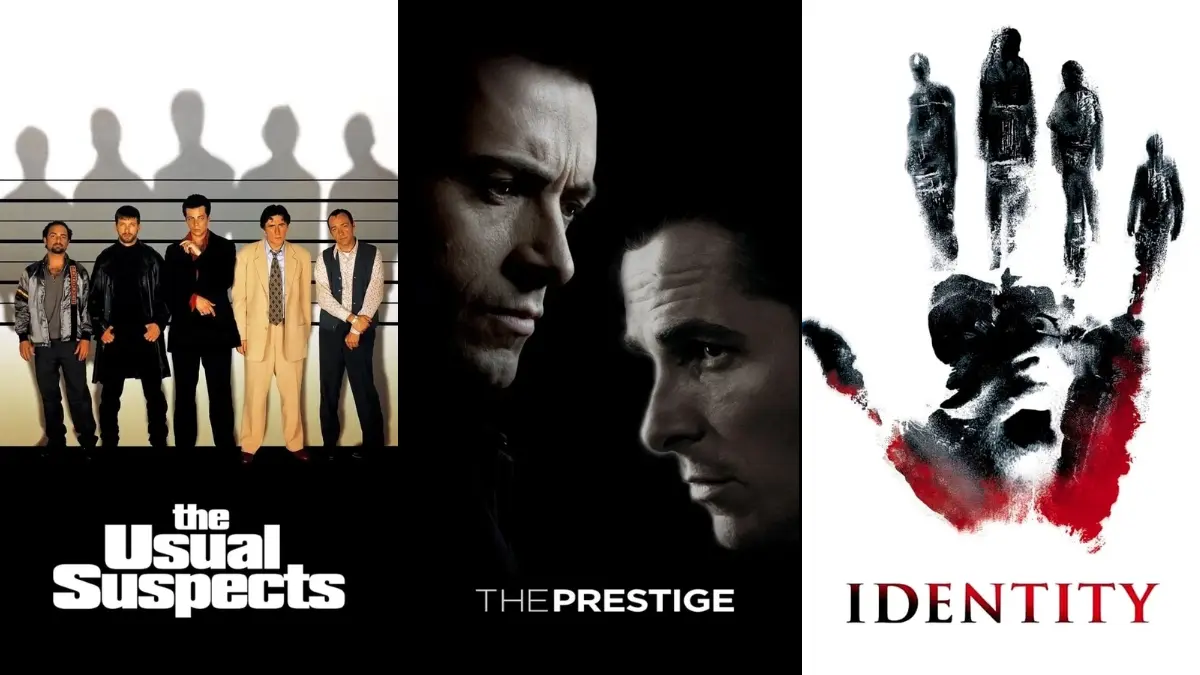


Some mysteries tell you everything up front and hide the answer in plain sight. Others scatter the trail across timelines, false clues, and unreliable memories until the whole picture only locks into place when you circle back and look again.
This list gathers films that reward a second viewing with story mechanics that click together more clearly once you know what to watch. You will find shifting identities, nested journals, time loops, and clever production choices that carry clues inside the sound, editing, and set design.
‘Memento’ (2000)
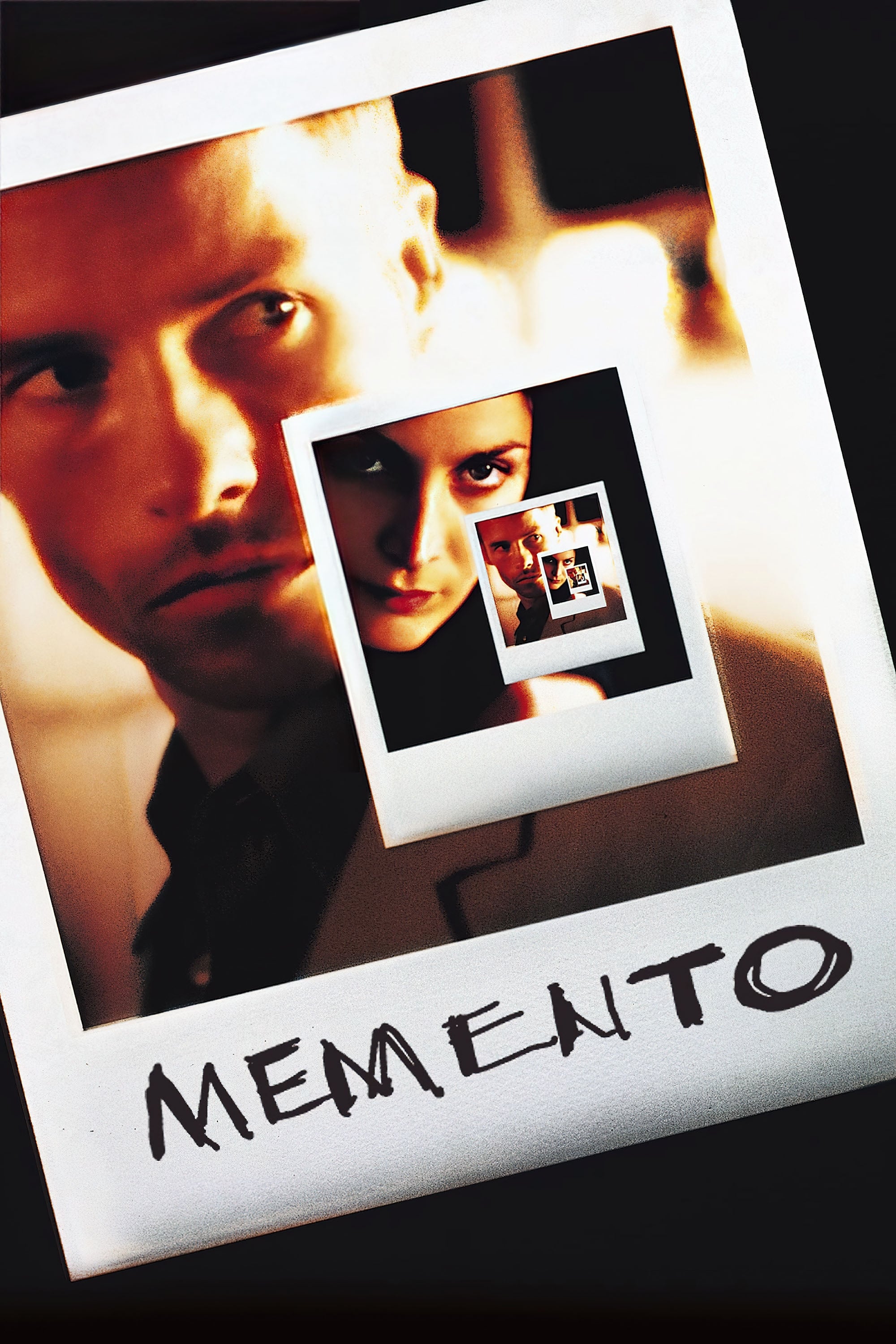
Christopher Nolan structures ‘Memento’ with color scenes that move backward and black and white scenes that move forward so the two threads meet at a single midpoint. The plot follows Leonard Shelby, a man with short term memory loss who relies on tattoos and Polaroids to track people and facts that will fade for him within minutes.
The screenplay adapts an idea from Jonathan Nolan’s story ‘Memento Mori’ and places the viewer inside Leonard’s condition by denying a stable timeline. Key information hides in the order of scenes, in the text on Leonard’s body, and in small details on photos that change as he revises what he thinks he knows.
‘Mulholland Drive’ (2001)
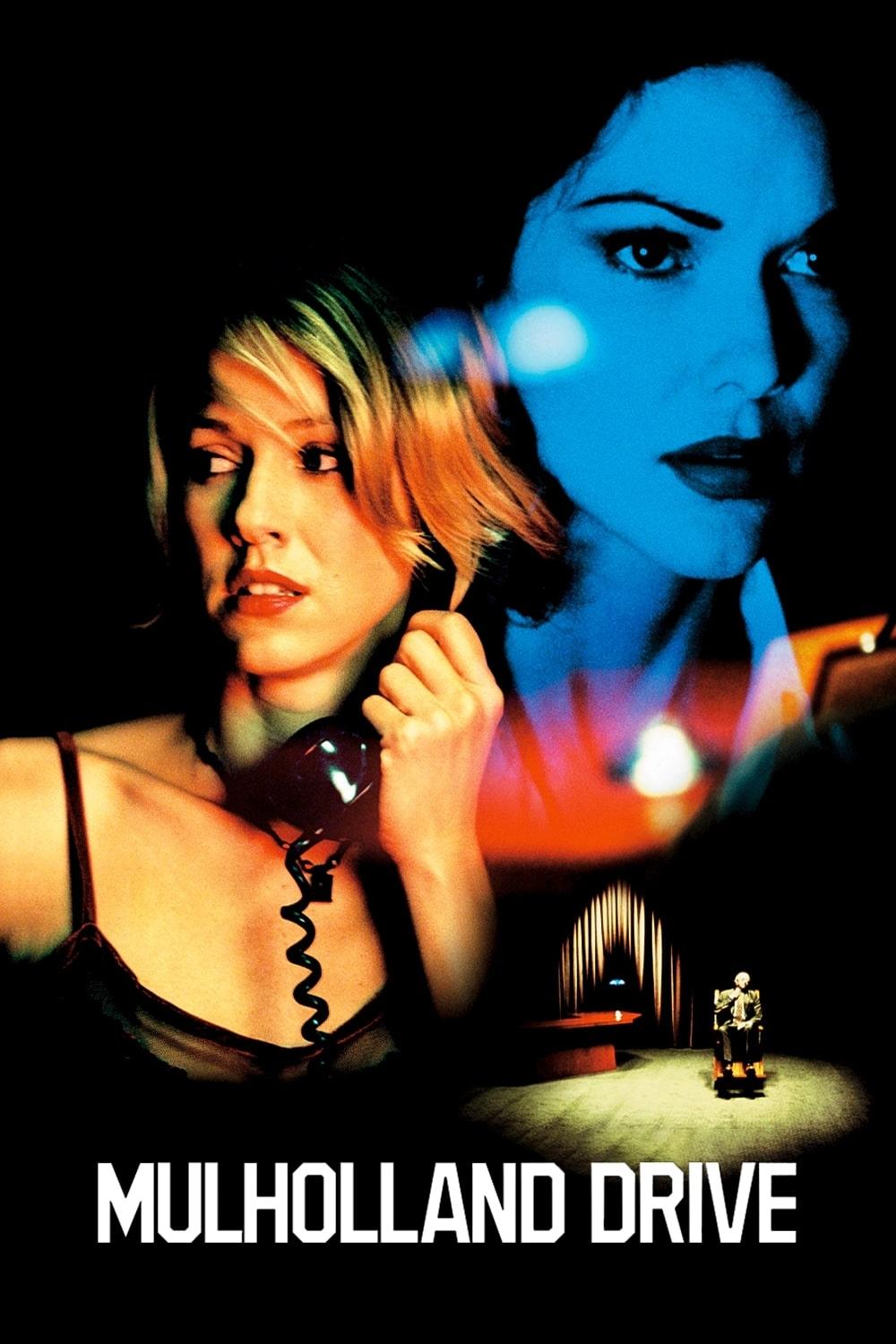
David Lynch developed ‘Mulholland Drive’ from a television pilot that he later expanded into a feature, which helps explain its shifting narrative and character identities. Naomi Watts and Laura Harring play two women whose names and roles appear to realign midway through the film, with crucial clues buried in recurring props and coded performances.
The Club Silencio sequence, a mysterious blue box and key, and a printed list of clues that accompanied the home release all point viewers toward a pattern of dream and waking life that reframes earlier scenes. Locations across Los Angeles and references to Hollywood casting and reinvention serve as literal and symbolic guides to the puzzle.
‘The Prestige’ (2006)
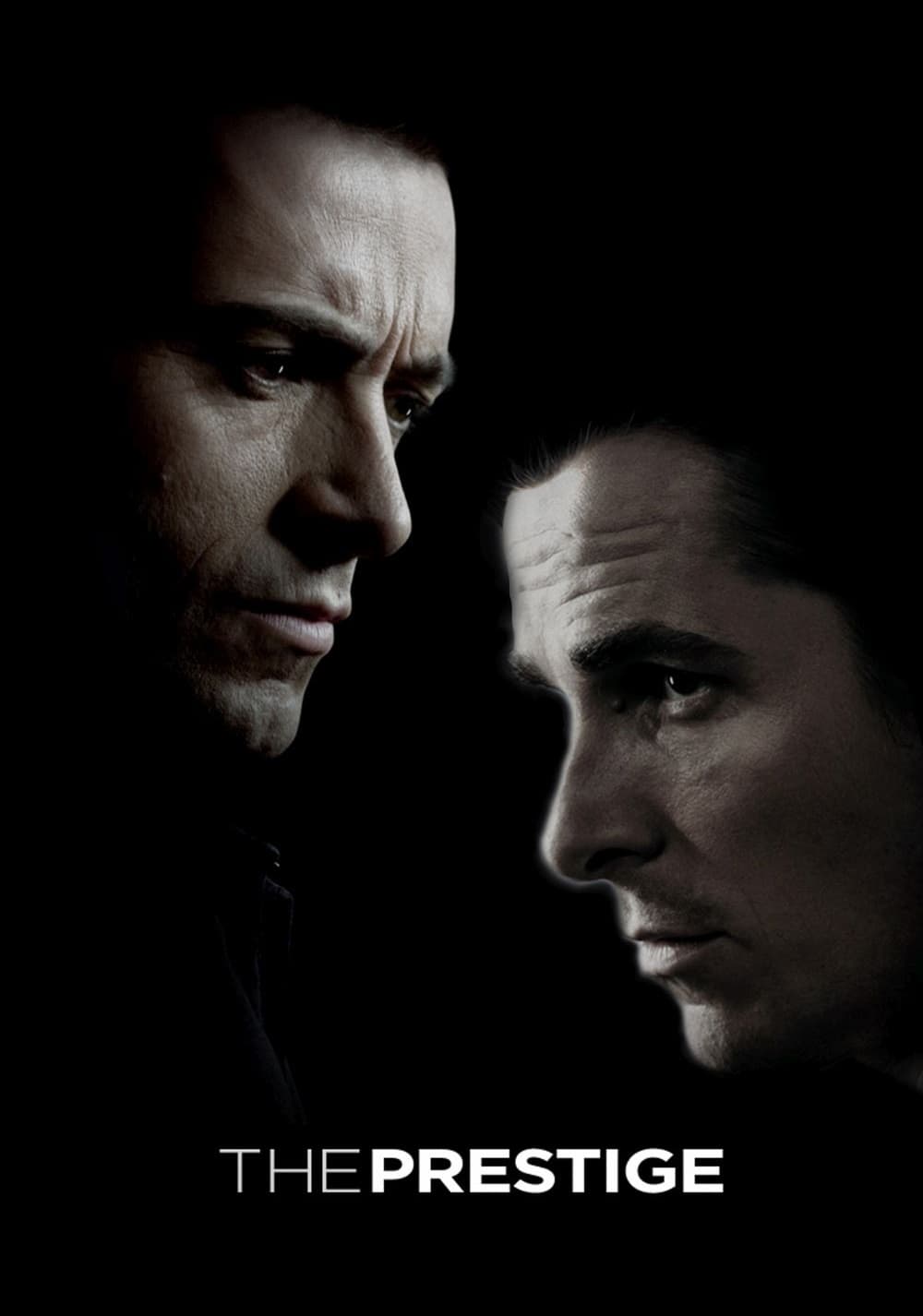
‘The Prestige’ follows rival magicians Alfred Borden and Robert Angier whose lives intertwine through sabotage, misdirection, and dueling secrets. The story jumps through time using diary entries that one magician reads inside the other’s journal, creating a nesting effect that feeds the mystery.
Nikola Tesla’s machine, the transported man trick, and the physical toll of stagecraft all function as plot devices that later reveal a hidden method. Casting includes Christian Bale and Hugh Jackman, and the production places special emphasis on practical illusions that mirror the narrative design.
‘Shutter Island’ (2010)
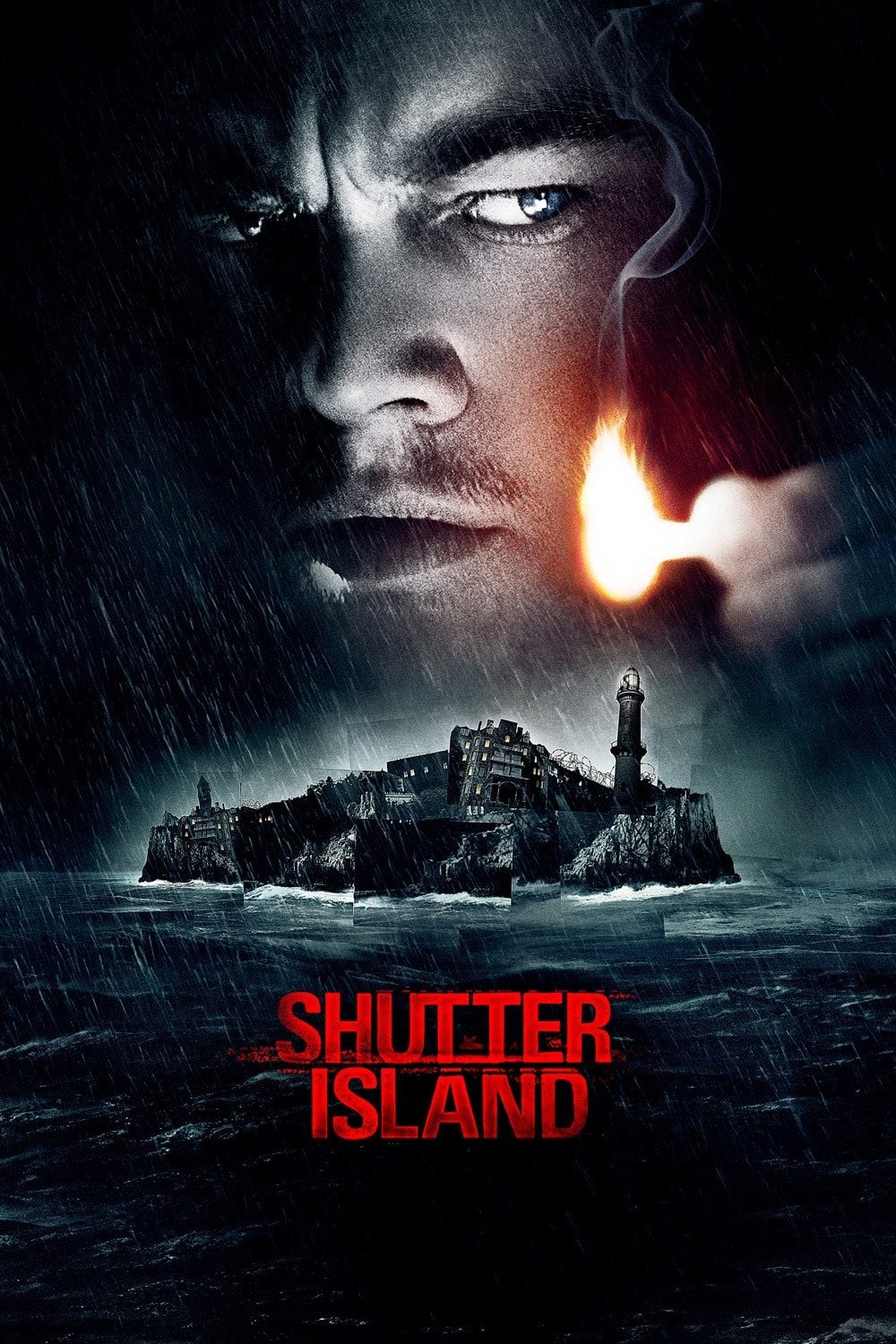
Martin Scorsese sets ‘Shutter Island’ in a remote psychiatric facility where a U.S. Marshal named Teddy Daniels investigates a missing patient during a violent storm. The setting allows the staff of Ashecliffe Hospital to control information, with questionnaires, notes, and coded patient interactions supplying pieces of the larger plan.
Based on a novel by Dennis Lehane, the film uses medical records, war memories, and staged encounters to test Daniels’ grasp of reality. Production design choices such as ward architecture, chalkboards, and chalked diagrams act as signposts that become clearer on a second run.
‘Donnie Darko’ (2001)
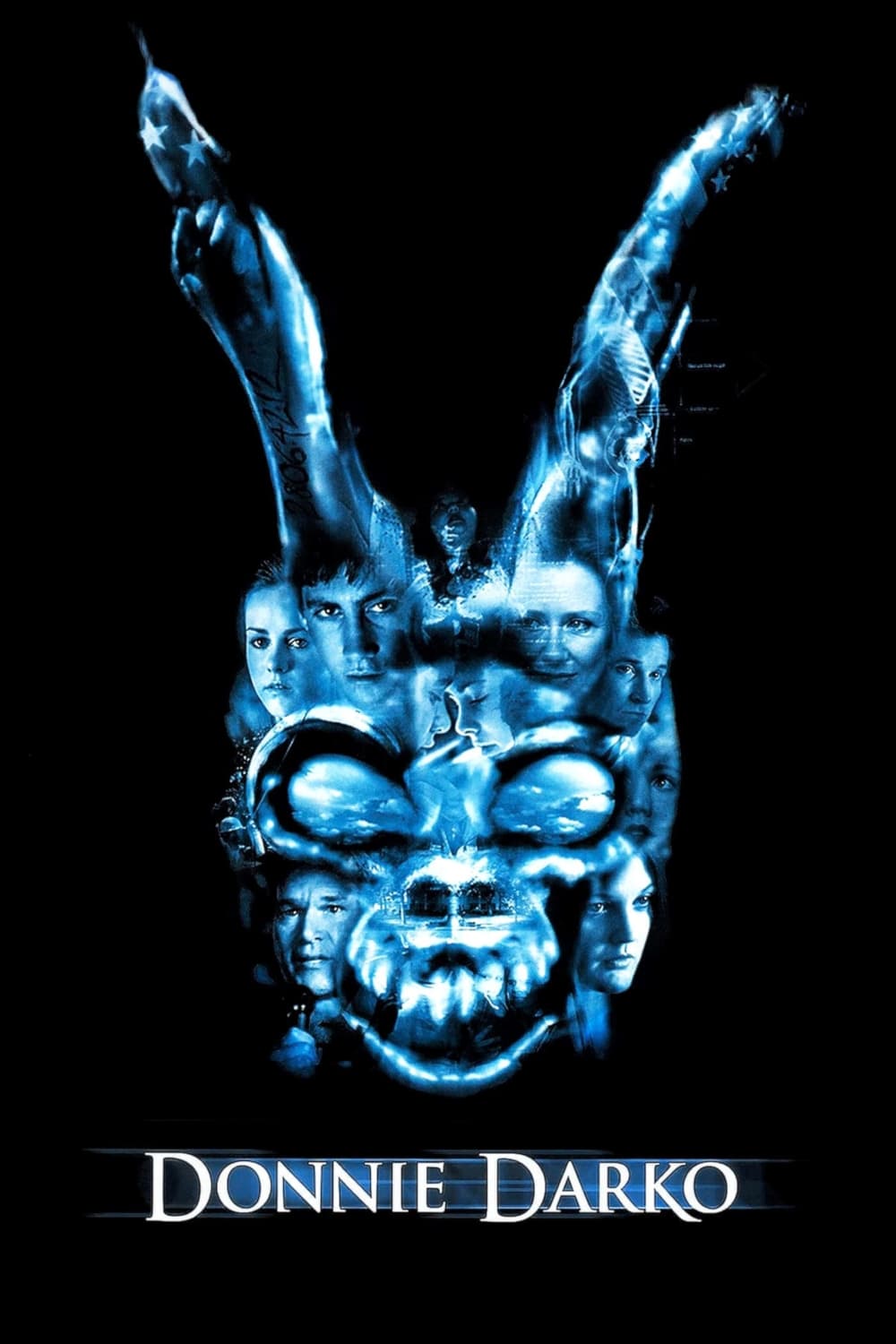
‘Donnie Darko’ presents a suburban teen confronted by visions of a figure named Frank who warns him about a looming disaster. The narrative introduces concepts of a tangent universe, manipulated living, and artifacts that fall out of place, which connect to an in story text called ‘The Philosophy of Time Travel’.
The film’s clues live in classroom lessons, numbers written on the arm, and repeated images that track where timelines split. The director’s cut includes extra material that spells out the rules in more detail, and the cast features Jake Gyllenhaal, Jena Malone, and Drew Barrymore.
‘Primer’ (2004)
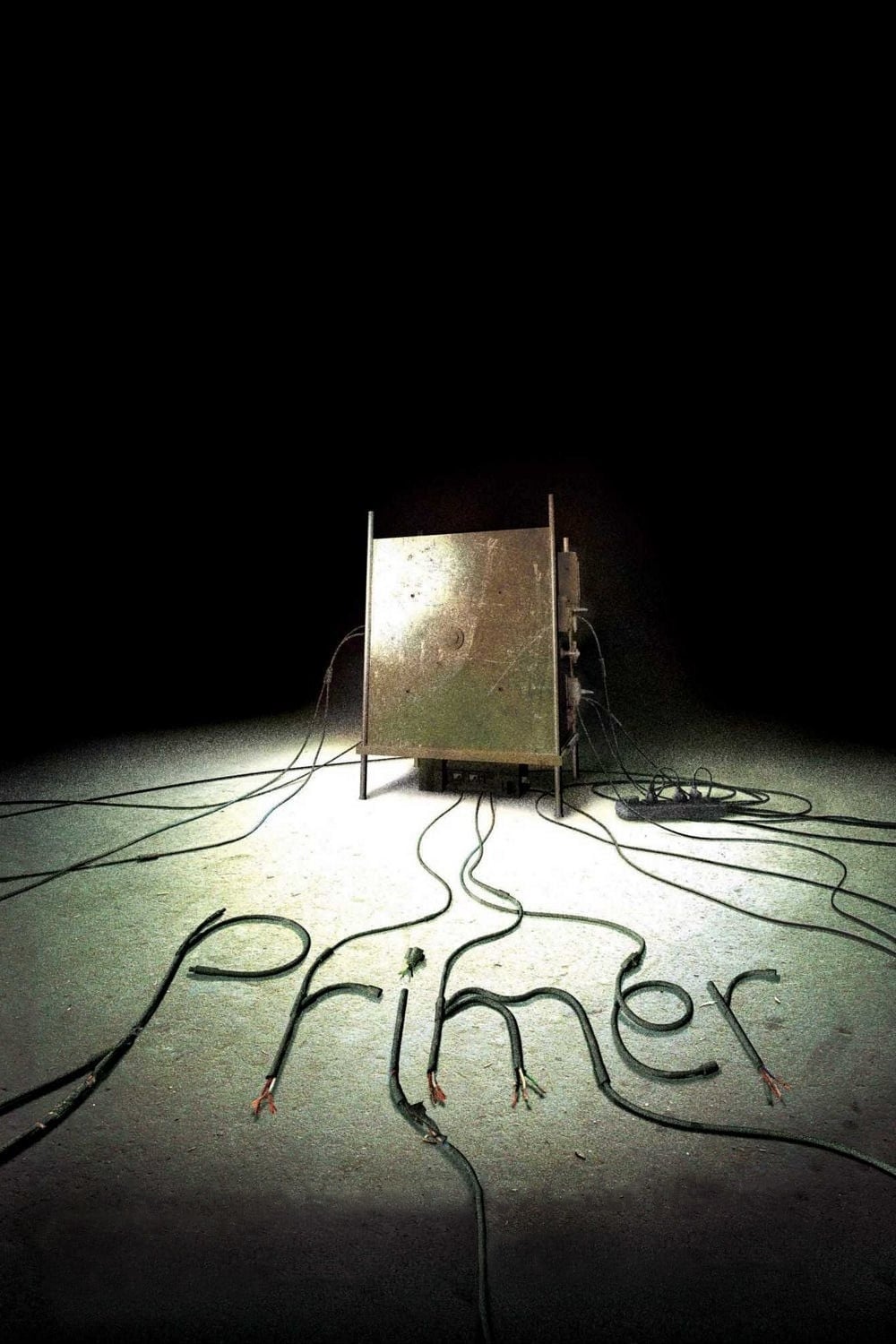
‘Primer’ follows engineers who accidentally discover a way to travel backward within a limited window and begin to stack trips to gain advantage. Dialogue leans into technical language about failsafes, redundancy, and causality, which makes the timeline overlap easy to miss on a first pass.
Shane Carruth wrote, directed, scored, and acted in the film, which was made on a very small budget and shot in Dallas in offices and garages. The minimal presentation hides multiple versions of the same characters in the same spaces, and the audio mix and wardrobe choices help track who is where in the loop.
‘The Sixth Sense’ (1999)
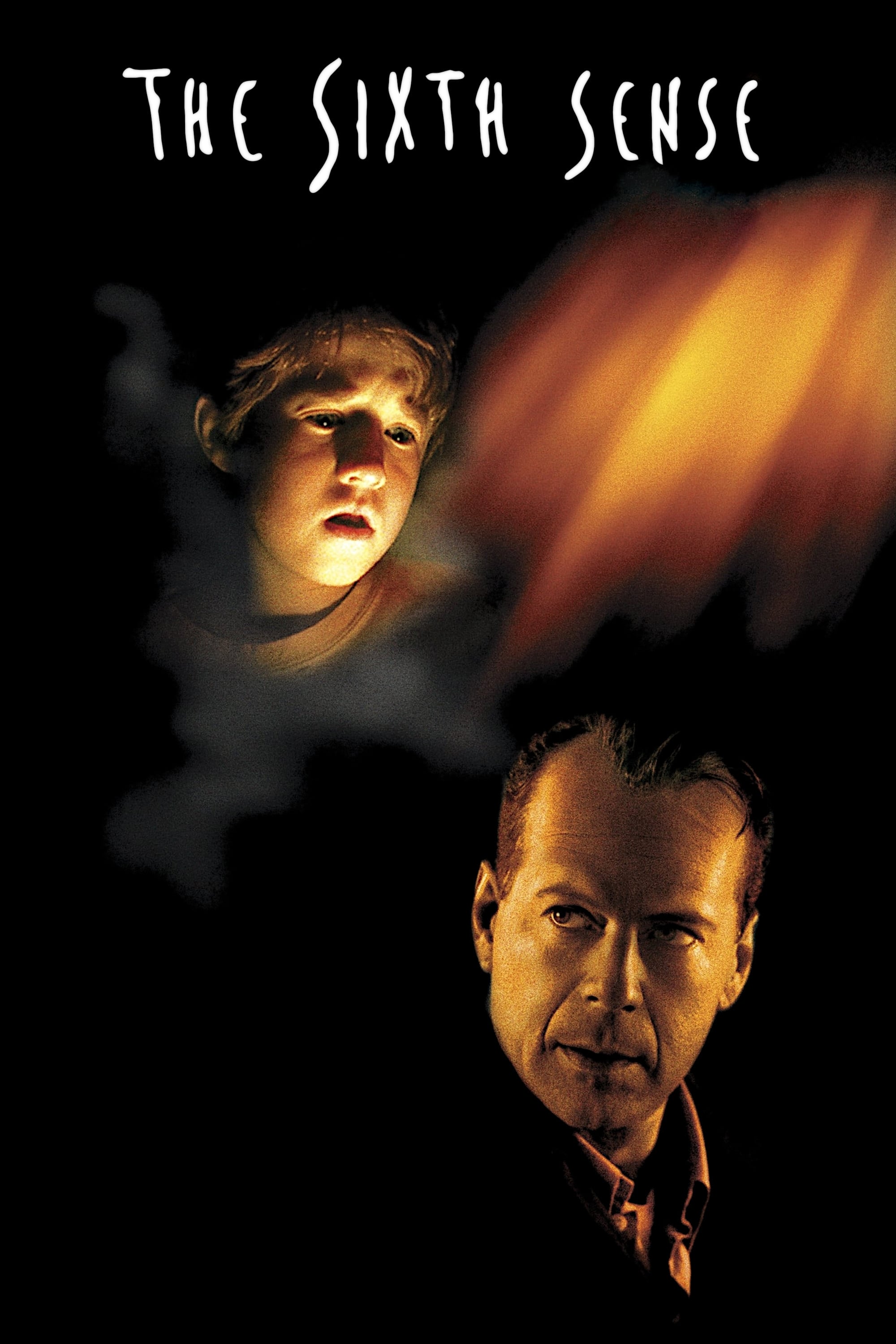
‘The Sixth Sense’ follows a child psychologist who begins working with a young boy who reports seeing people who do not know they are dead. The story plants evidence in the staging of conversations, the use of color accents, and what characters physically interact with inside a room.
Philadelphia locations ground the narrative while tiny continuity choices set up the reveal without calling attention to themselves. Nods to earlier scenes become visible once you understand the rules that govern which characters can truly connect with which objects.
‘Fight Club’ (1999)

‘Fight Club’ adapts Chuck Palahniuk’s novel about an office worker who meets a soap maker and starts an underground fighting group that evolves into something larger. Visual and audio cues signal the duality at the heart of the plot, including single frame flashes and repeated lines that read differently later.
The film features Edward Norton, Brad Pitt, and Helena Bonham Carter, and it uses an unreliable narrator to deliver key exposition. Production design embeds clues in apartment damage, wardrobe changes, and props that line up with the club’s rules and the project it spawns.
‘The Usual Suspects’ (1995)
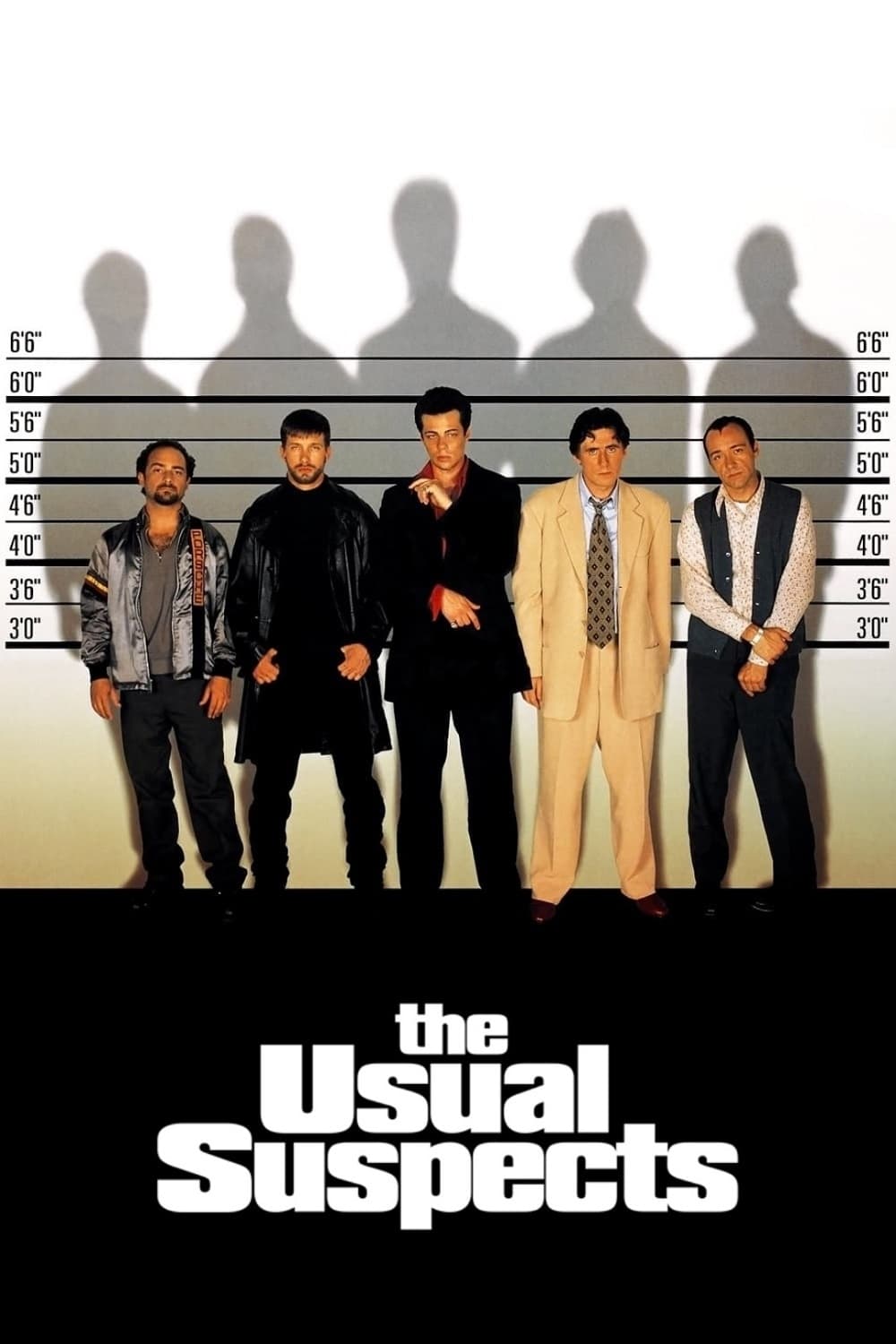
‘The Usual Suspects’ revolves around a police interrogation of a small time con artist named Verbal Kint after a deadly event on a dock. The story unfolds through his recounting of a heist crew and a mythical crime boss named Keyser Söze whose identity becomes the core mystery.
The script uses names, places, and objects around the interview room to influence the tale being told, which rewards close attention to what appears in the frame. The film earned awards for its screenplay and for Kevin Spacey’s performance, and it remains structured around a final image that reframes earlier claims.
‘Se7en’ (1995)
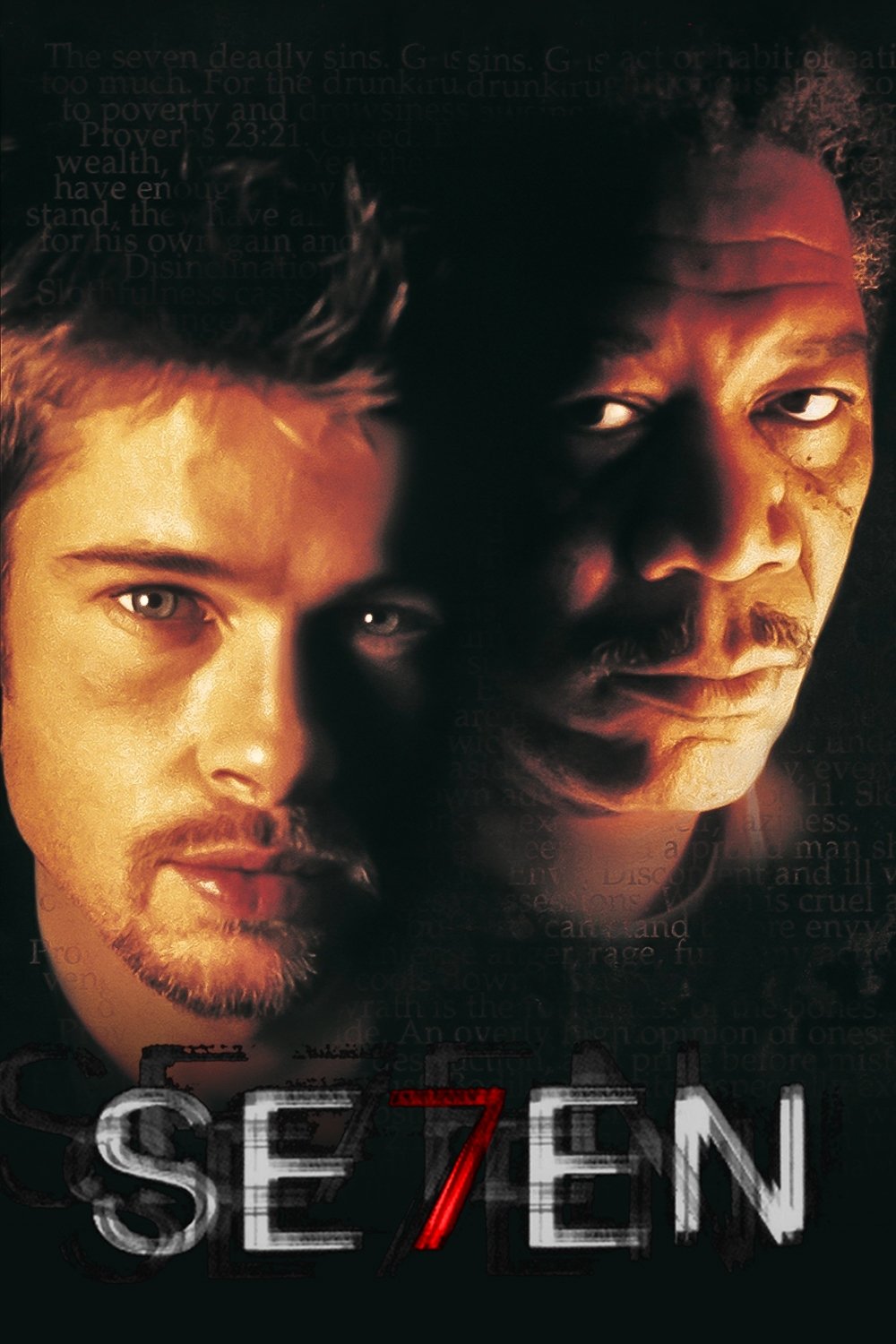
‘Se7en’ partners a new detective with a veteran as they hunt a killer who stages crimes around the seven deadly sins. The case file approach lets the audience track books, fingerprints, and ledger notes that accumulate into a pattern the detectives only slowly see.
The production builds an unnamed, rain soaked city where libraries, notebooks, and dim apartments hold research and trophies. When the investigation reaches the final crime, earlier evidence about planning and surveillance helps explain how the killer stayed ahead.
‘Coherence’ (2013)
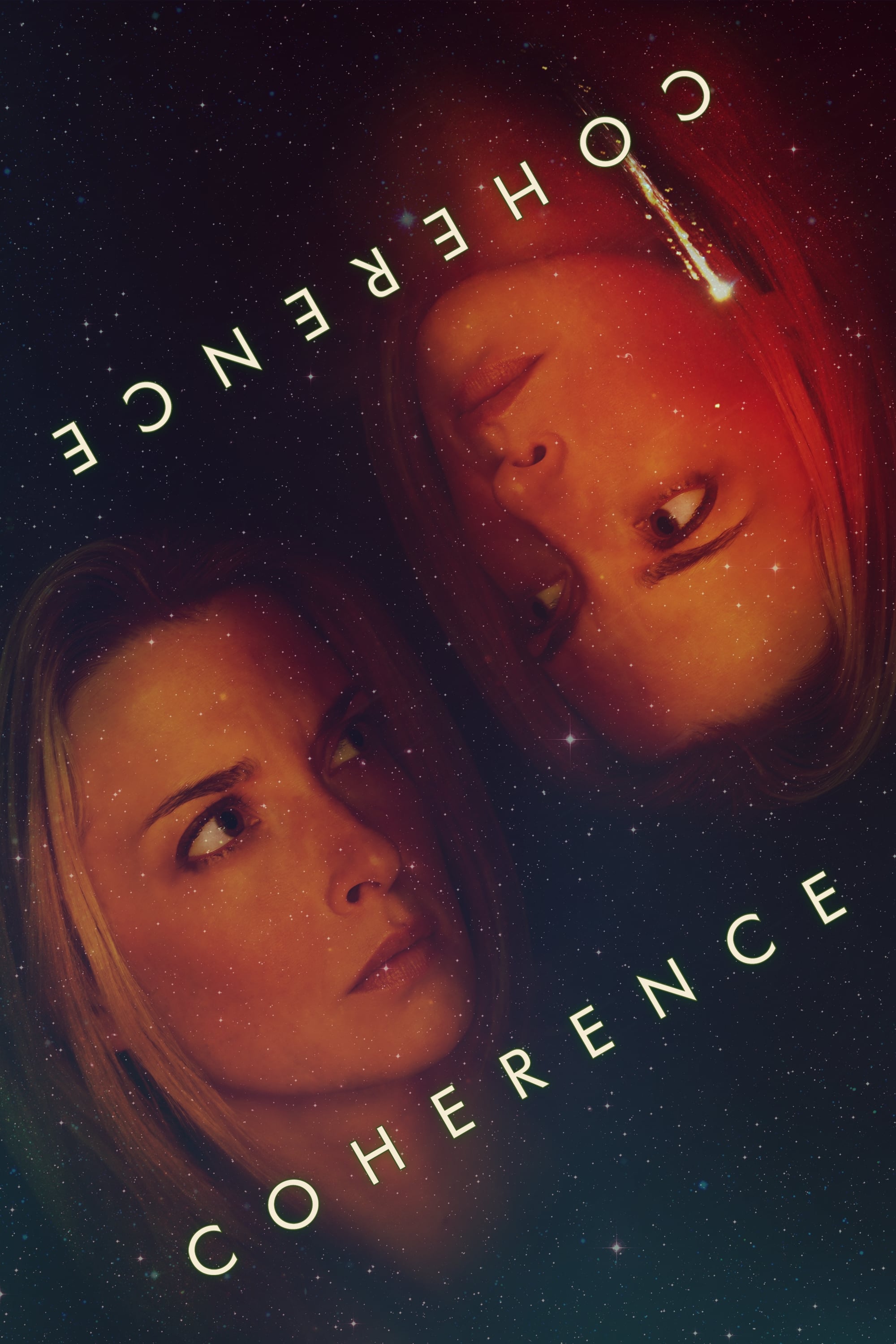
‘Coherence’ takes place during a dinner party on the night a comet passes overhead and reality begins to fracture into multiple versions. The small cast navigates power outages, duplicated items, and shifting relationships as the house becomes a map of crossing timelines.
The film was shot largely without a traditional script, with actors receiving scene prompts so reactions would feel spontaneous. Colored glow sticks, numbered photographs, and a metal box serve as practical markers the characters use to track which house and which group they are dealing with.
‘The Machinist’ (2004)
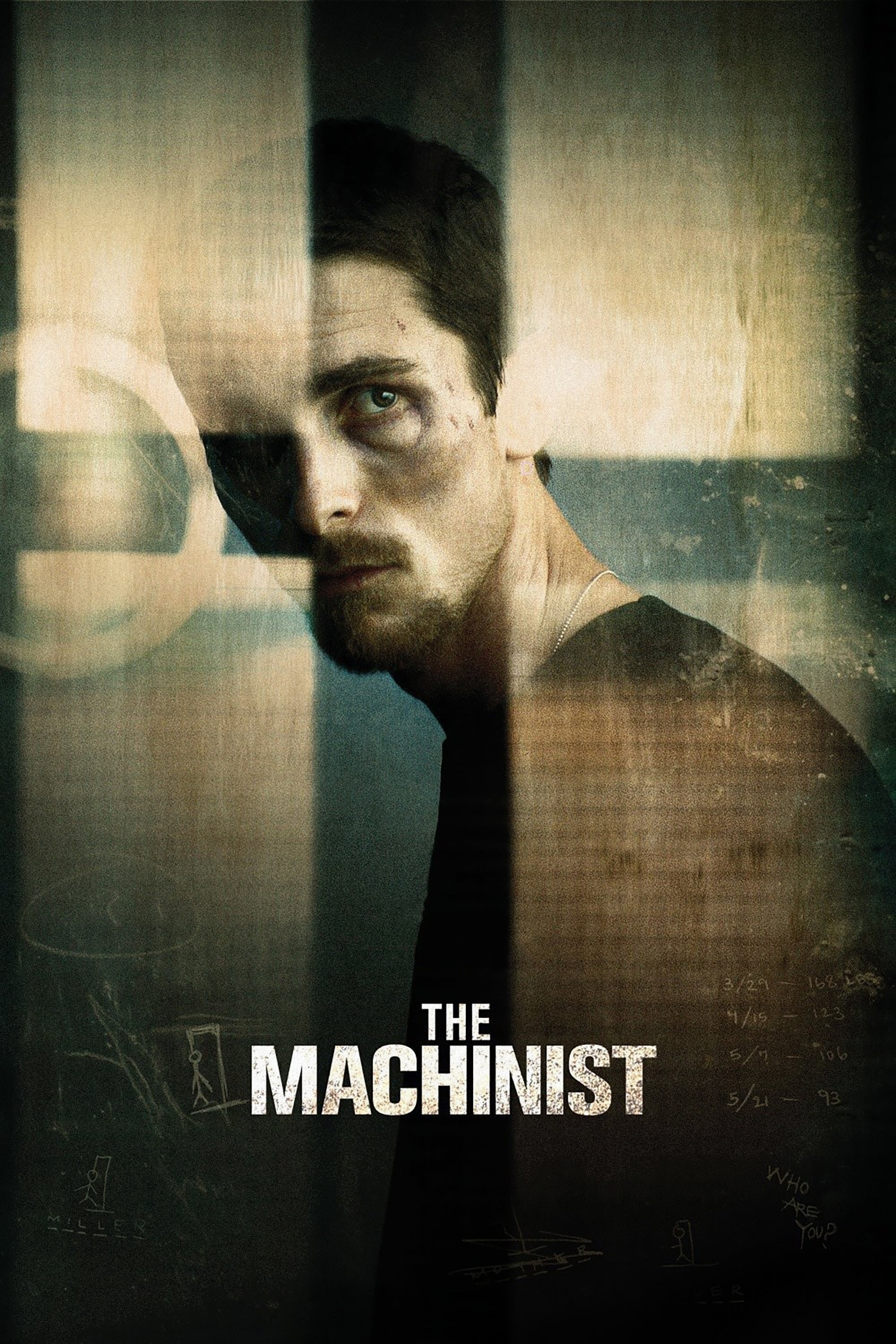
‘The Machinist’ follows Trevor Reznik, a factory worker who has not slept in a very long time and begins to experience frightening gaps in memory. A co worker named Ivan, notes pinned around an apartment, and a refrigerator chart of post its become the breadcrumbs that trace his decline.
Christian Bale underwent a dramatic weight loss for the role, and the production filmed in Barcelona while representing an American industrial city. Repeated symbols, a photograph with missing edges, and ride attractions at an amusement park all contribute to the central reveal.
‘The Others’ (2001)
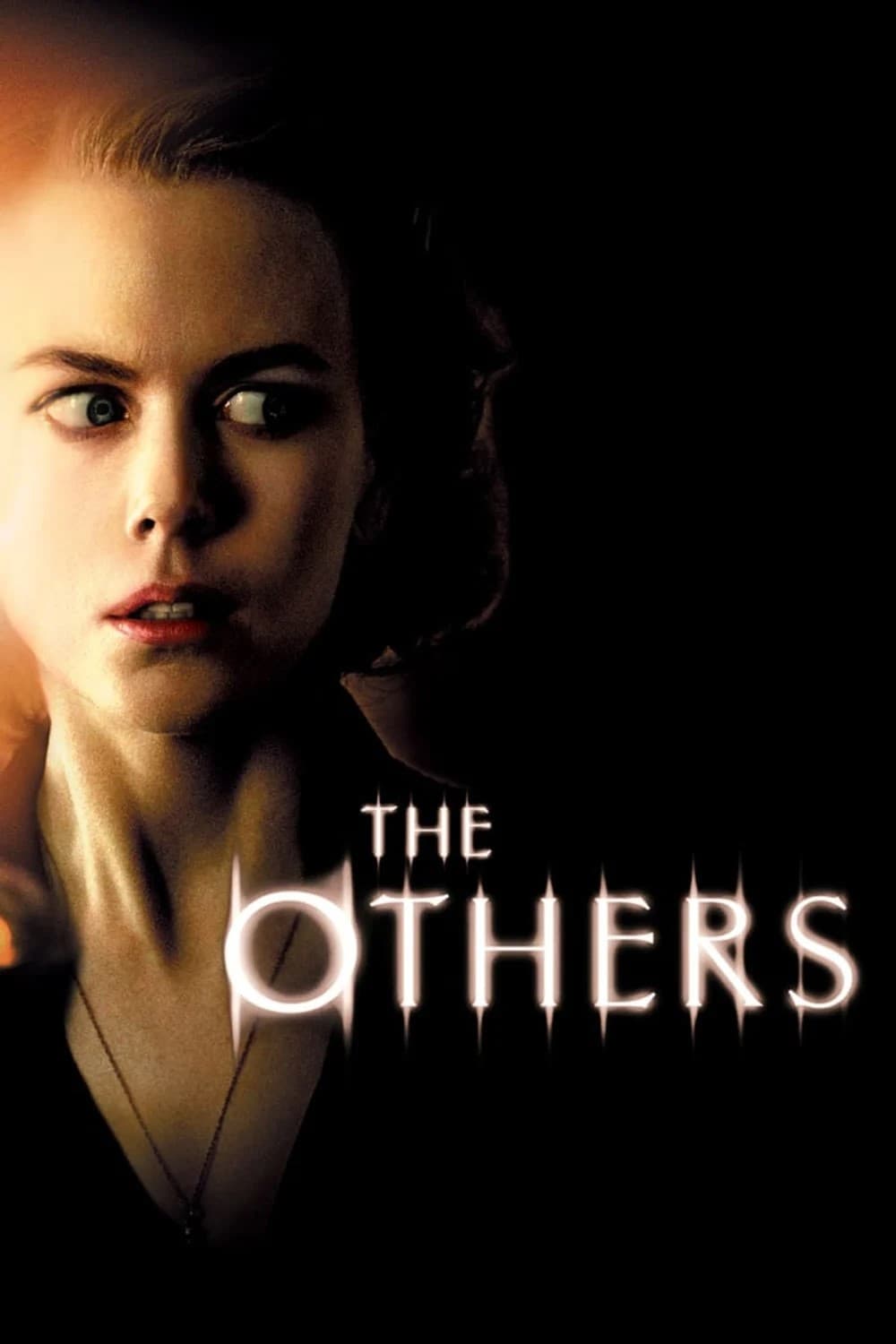
‘The Others’ places a mother and her two photosensitive children in a foggy mansion where staff arrive with strict rules about light and doors. The household keeps a book of mourning photographs and hears noises that suggest another presence moving through the rooms.
Nicole Kidman leads the cast, and Alejandro Amenábar wrote the score and directed, creating a restrained style that relies on sound and blocking. The plot uses rationed candles, curtains, and house layout to control what is visible, and the ending recasts many earlier scenes.
‘Identity’ (2003)
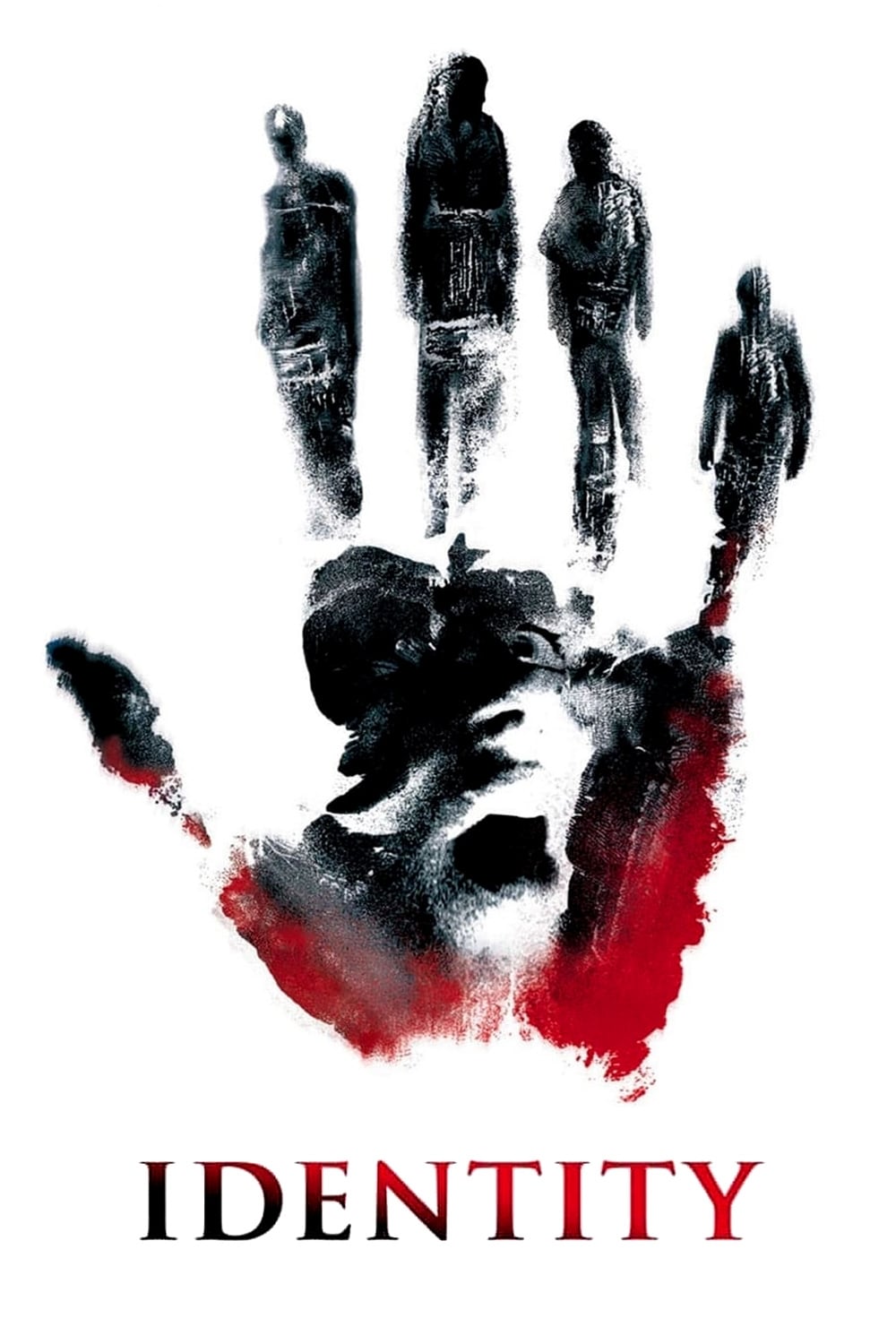
‘Identity’ brings ten strangers to a desert motel during a storm where they begin to die one by one while they search for a link that explains why they are together. The narrative intercuts with the case of a convicted killer whose mental state may hold the key to the massacre.
James Mangold directs a cast that includes John Cusack, Ray Liotta, and Amanda Peet, and the script nods to the structure of ‘And Then There Were None’. Room keys, a birthday coincidence, and the backstories of the guests form a code that points to a single origin.
‘The Game’ (1997)
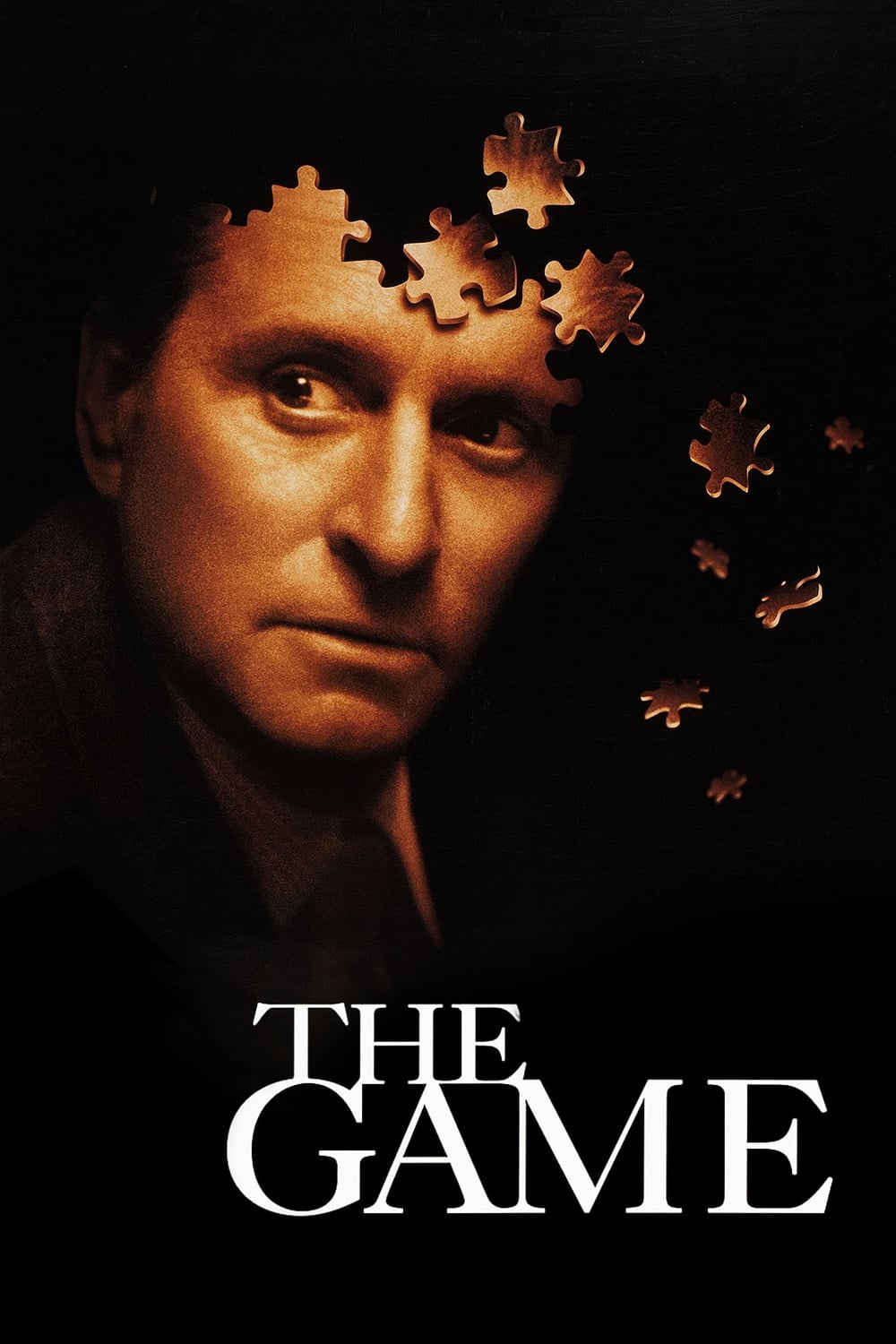
‘The Game’ follows wealthy banker Nicholas Van Orton after his brother gives him a voucher for a service that promises to change his life. A company called Consumer Recreation Services stages tests that blur the line between play and threat across San Francisco landmarks.
Clues arrive as phone calls, television interruptions, and planted acquaintances, with each beat designed to draw Van Orton deeper. The production uses real city locations and practical stunts so that props and documents can serve as evidence within the story world.
‘The Wicker Man’ (1973)
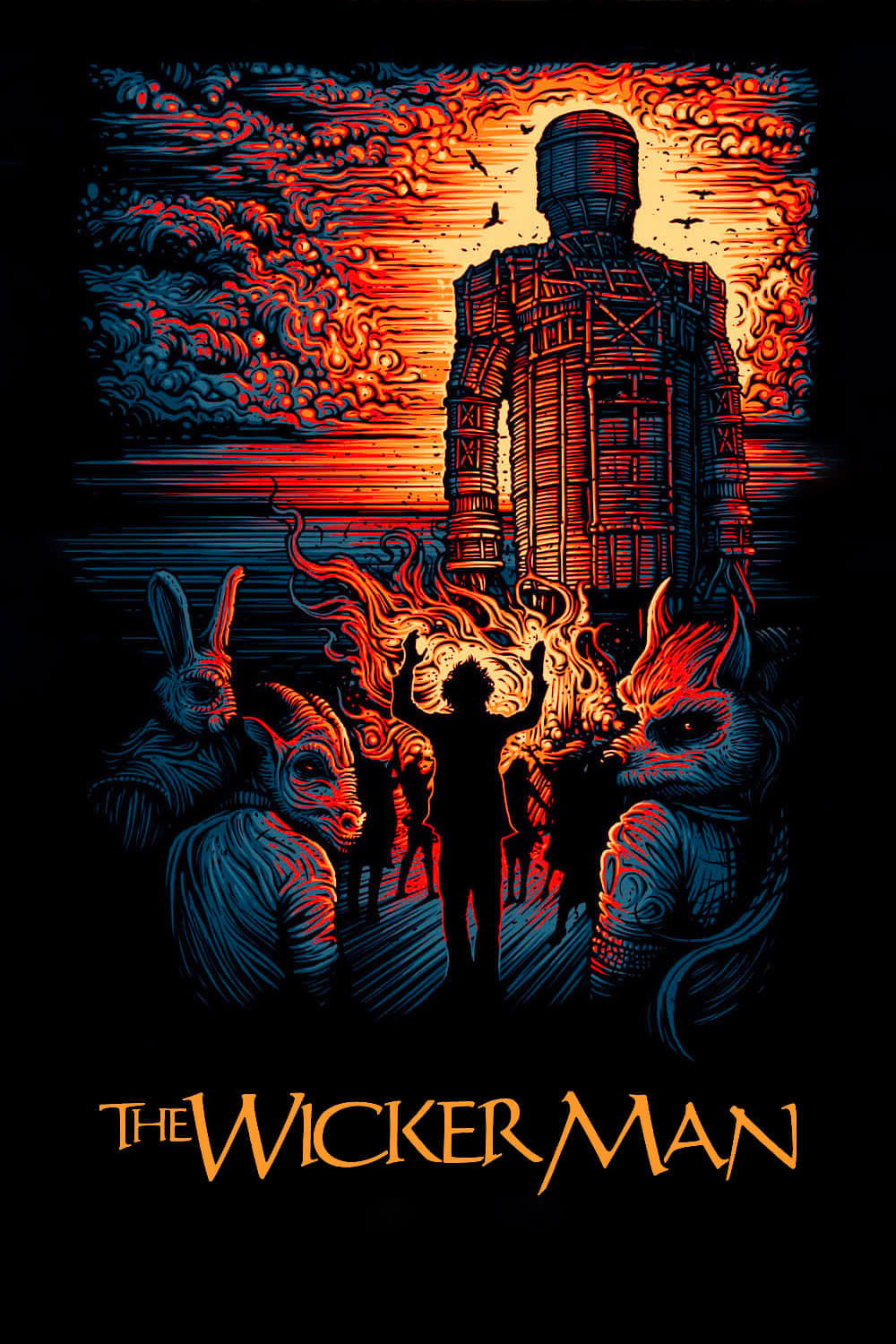
‘The Wicker Man’ sends a devout police sergeant to a remote Scottish island to search for a missing girl whose classmates insist does not exist. The community follows old fertility rites and refuses to cooperate, which forces the officer to decode songs, dances, and harvest customs.
Christopher Lee and Edward Woodward lead the cast, and multiple cuts of the film circulate with differences in scene order and character emphasis. Photographs, school registers, and the local landlord’s tales give the viewer the same case files the investigator handles, which helps the finale land with brutal logic.
‘The Big Sleep’ (1946)
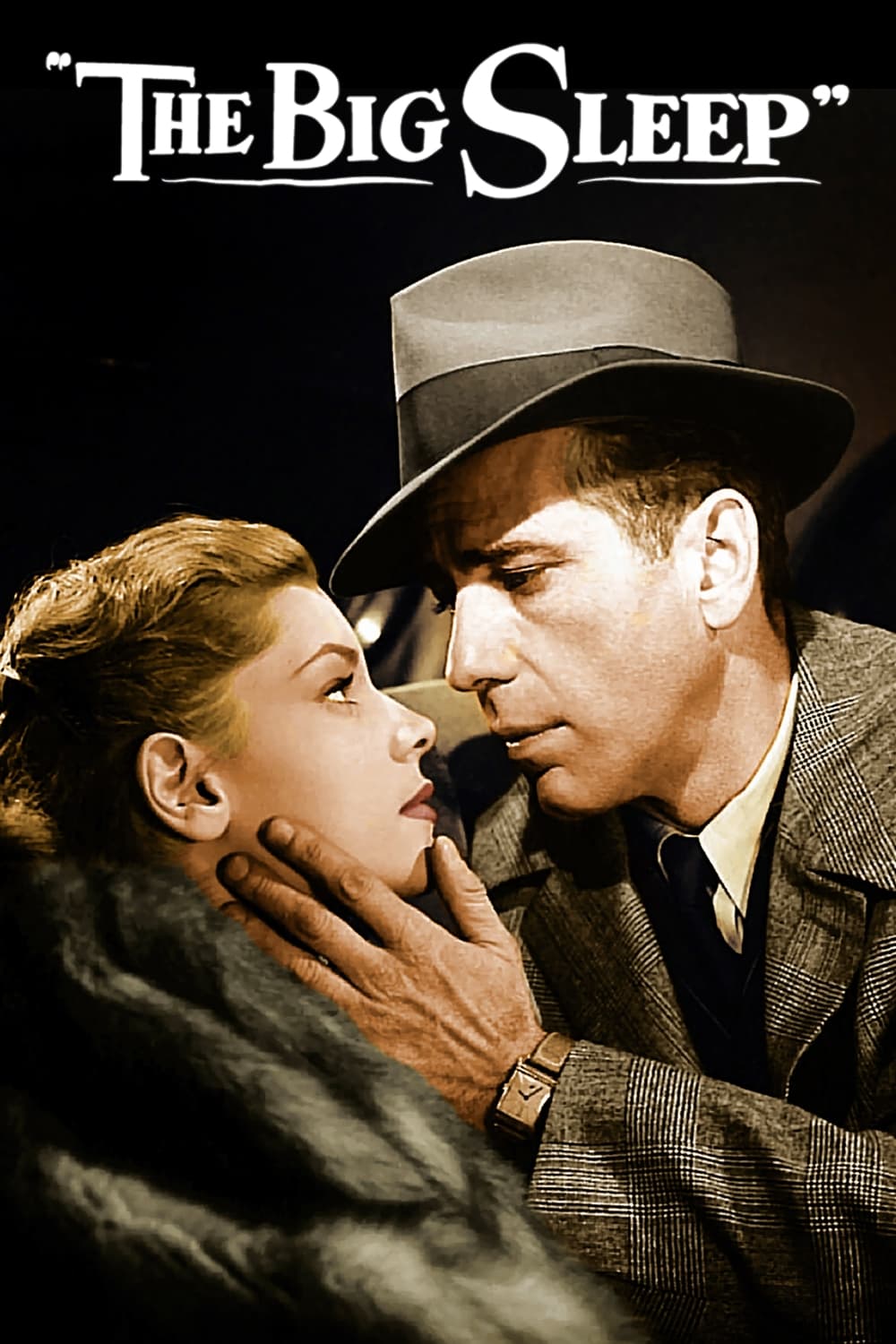
‘The Big Sleep’ adapts Raymond Chandler’s novel about private detective Philip Marlowe, who is hired by a wealthy family and becomes entangled in blackmail and murder. The plot is famous for its complexity, with overlapping rackets and missing persons that force the viewer to map conversations carefully.
Humphrey Bogart and Lauren Bacall headline, and the film’s release history includes a version that was reworked to highlight their chemistry. Bookstore scenes, coded photographs, and shifting testimonies supply the data that unlock who is covering for whom across the city.
‘Chinatown’ (1974)
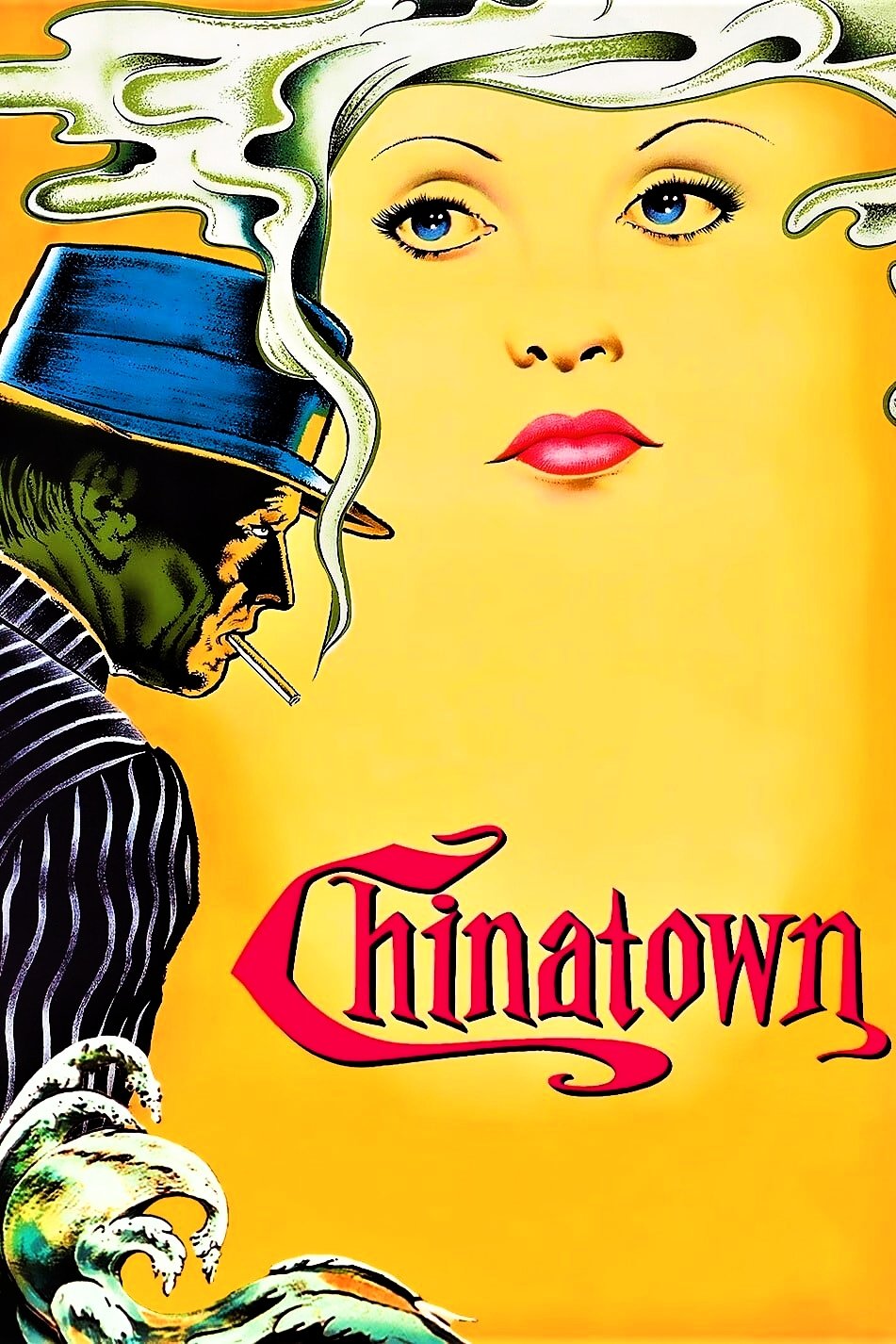
‘Chinatown’ follows private investigator J. J. Gittes as he uncovers a web of water rights theft and family secrets in Los Angeles. Survey maps, dried riverbeds, and late night water dumping tie the civic conspiracy to a personal tragedy that the case slowly exposes.
Jack Nicholson and Faye Dunaway star in a film written by Robert Towne, with production design that recreates period municipal offices and courtrooms. The title points to a district that symbolizes a place where normal rules do not work, and the final scene reframes the limits of justice set earlier.
‘The Girl with the Dragon Tattoo’ (2009)
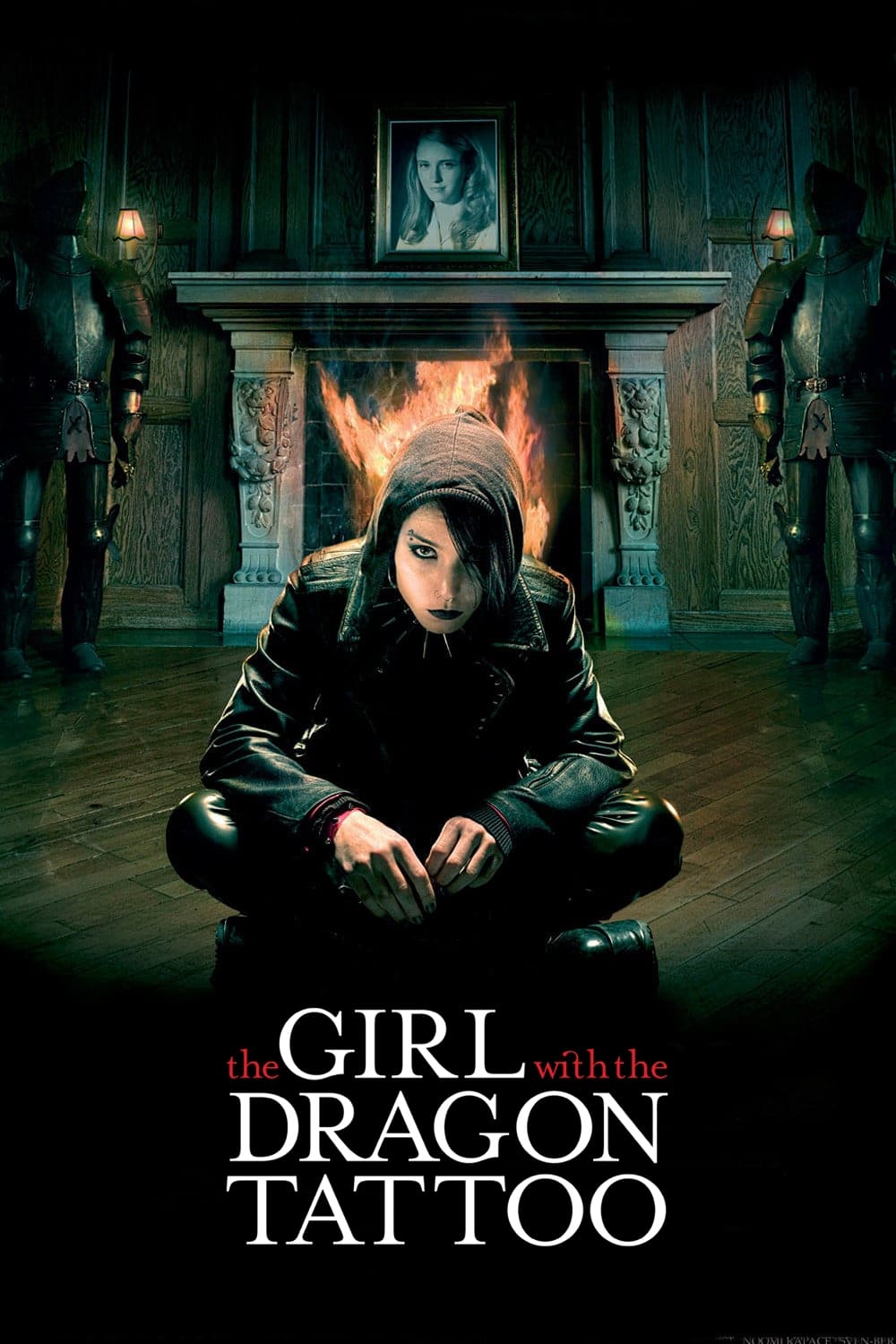
‘The Girl with the Dragon Tattoo’ introduces journalist Mikael Blomkvist and hacker Lisbeth Salander as they investigate a decades old disappearance tied to a powerful family. The search moves through corporate archives, family photo albums, and a private island whose bridge controls entry and exit.
This Swedish adaptation stars Michael Nyqvist and Noomi Rapace and launched two sequels that continue the characters’ stories. The investigation relies on research methods such as scanning negatives and assembling a wall of names that reveal a serial pattern.
‘Oldboy’ (2003)
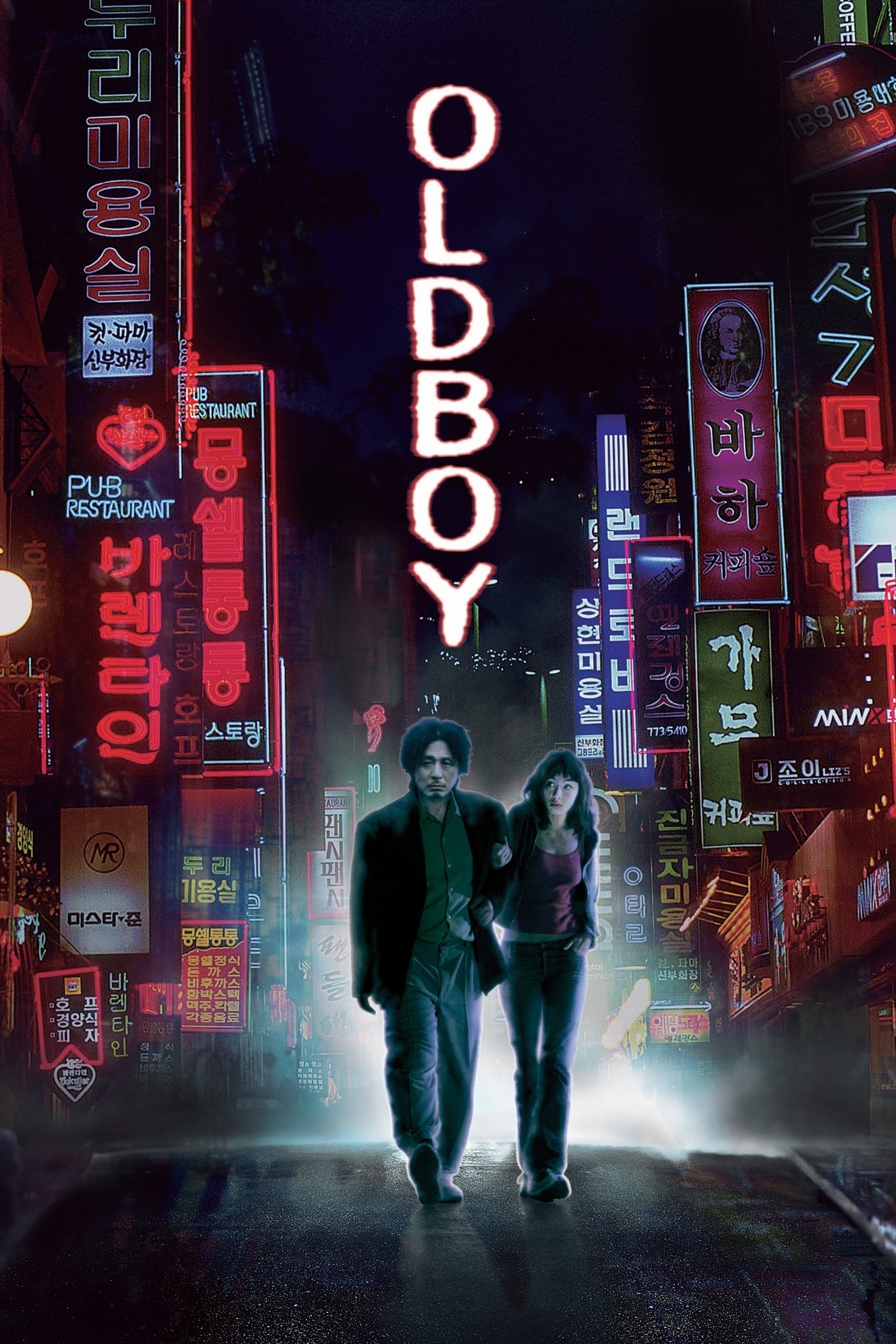
‘Oldboy’ follows Oh Dae su, who is abducted and held in a private prison for many years with no explanation, then abruptly released and told to find his captor. He tracks clues through dumpling shops, school records, and a hypnotist, using food wrappers and phone logs to trace a path.
Park Chan wook builds set pieces like the corridor fight, which was staged in a single long take and became a signature sequence. The story is adapted from a Japanese manga and ties the motive to an event from the past that meticulous research finally uncovers.
‘Enemy’ (2013)
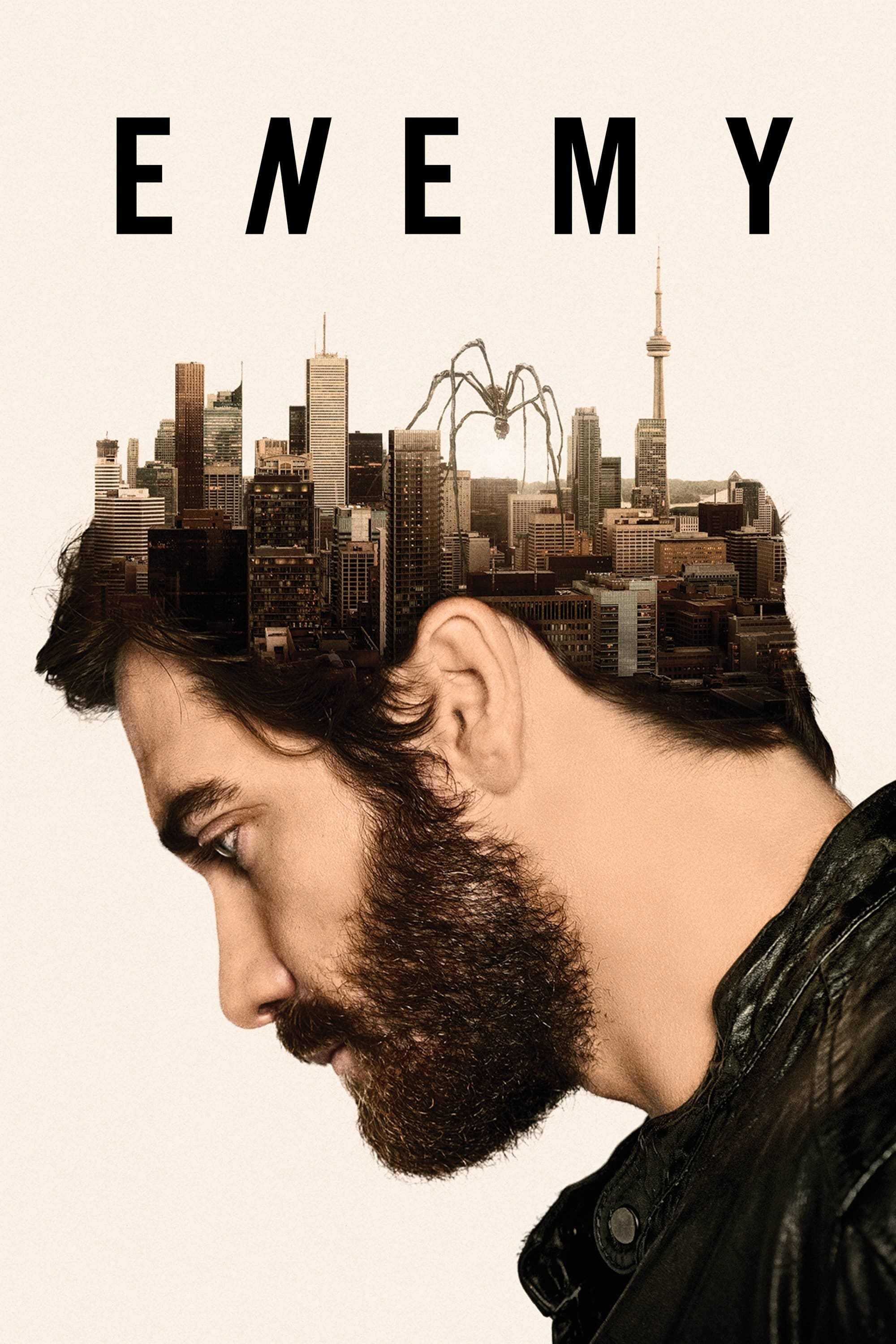
‘Enemy’ centers on a history professor who notices an actor who looks exactly like him and begins to investigate the double’s identity. The city of Toronto appears in distinctive landmarks and overpasses that repeat like a pattern, and spiders show up as visual motifs that mark the film’s symbolic layer.
Denis Villeneuve directs Jake Gyllenhaal in dual roles, and the adaptation draws from José Saramago’s novel ‘The Double’. Production choices such as a yellow tinted palette and mirrored interiors give extra hints about whether a scene belongs to one man or the other.
‘Dark City’ (1998)
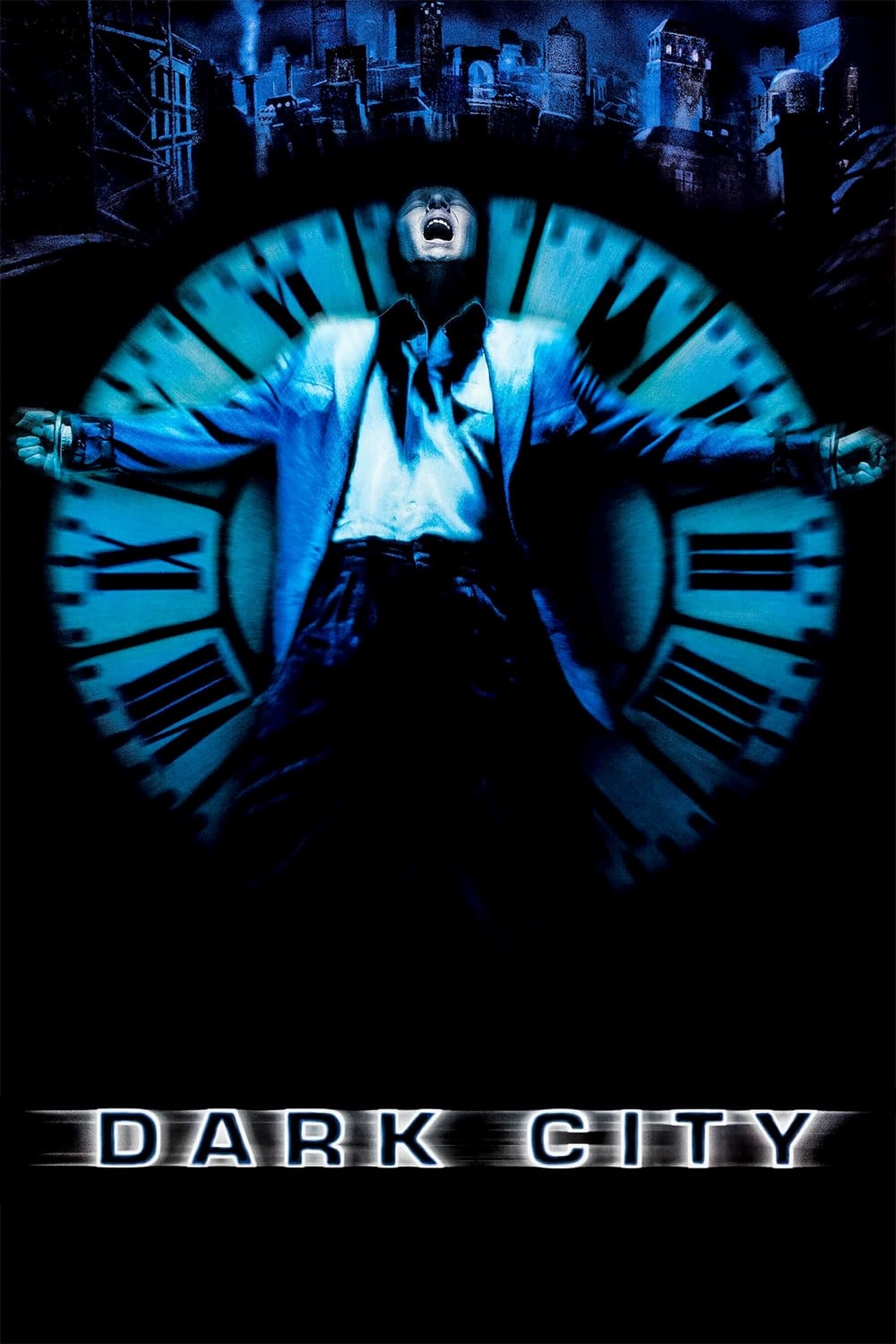
‘Dark City’ opens with a man who wakes in a bathtub with no memory while a secretive group known as the Strangers changes the city each night. Buildings shift, identities reset, and the sun never rises, which supplies a mechanical explanation for the characters’ confusion.
Director Alex Proyas uses miniatures, practical sets, and a noir visual style to build a world where clocks and spirals serve as clues. An extended cut restores scenes that clarify the rules of tuning, and the story’s final reveal explains why the city map and ocean line matter.
‘Predestination’ (2014)
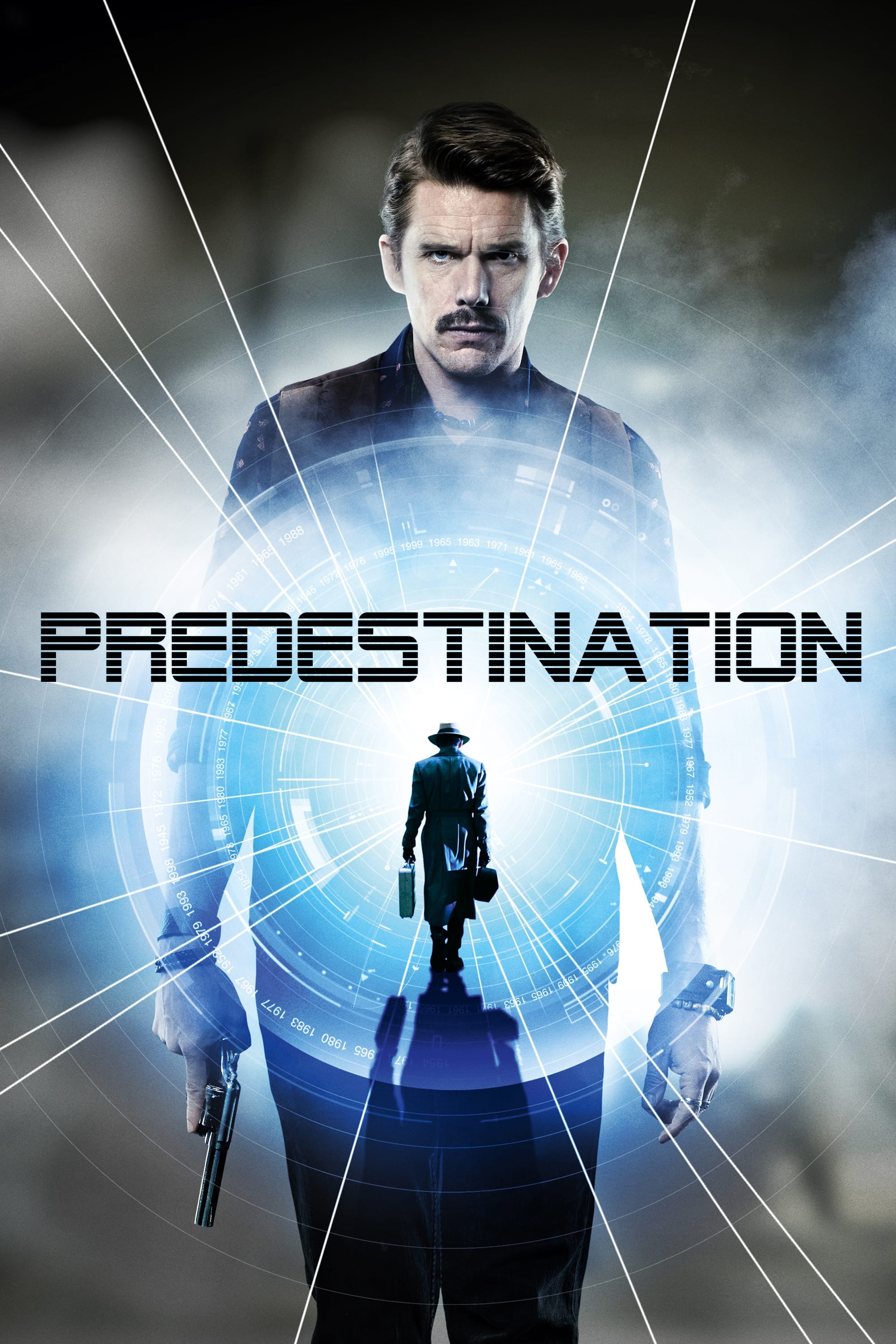
‘Predestination’ follows a temporal agent on a mission to stop a bomber while a bartender listens to a customer recount a life story that loops back on itself. The plot relies on bootstrap paradox logic, where cause and effect circle until every identity links.
Based on Robert A. Heinlein’s story ‘All You Zombies’, the film stars Ethan Hawke and Sarah Snook and uses makeup and costuming to carry characters across eras. Visual markers such as a violin case, a distinctive scar, and recruitment forms help map who becomes whom.
‘Tenet’ (2020)
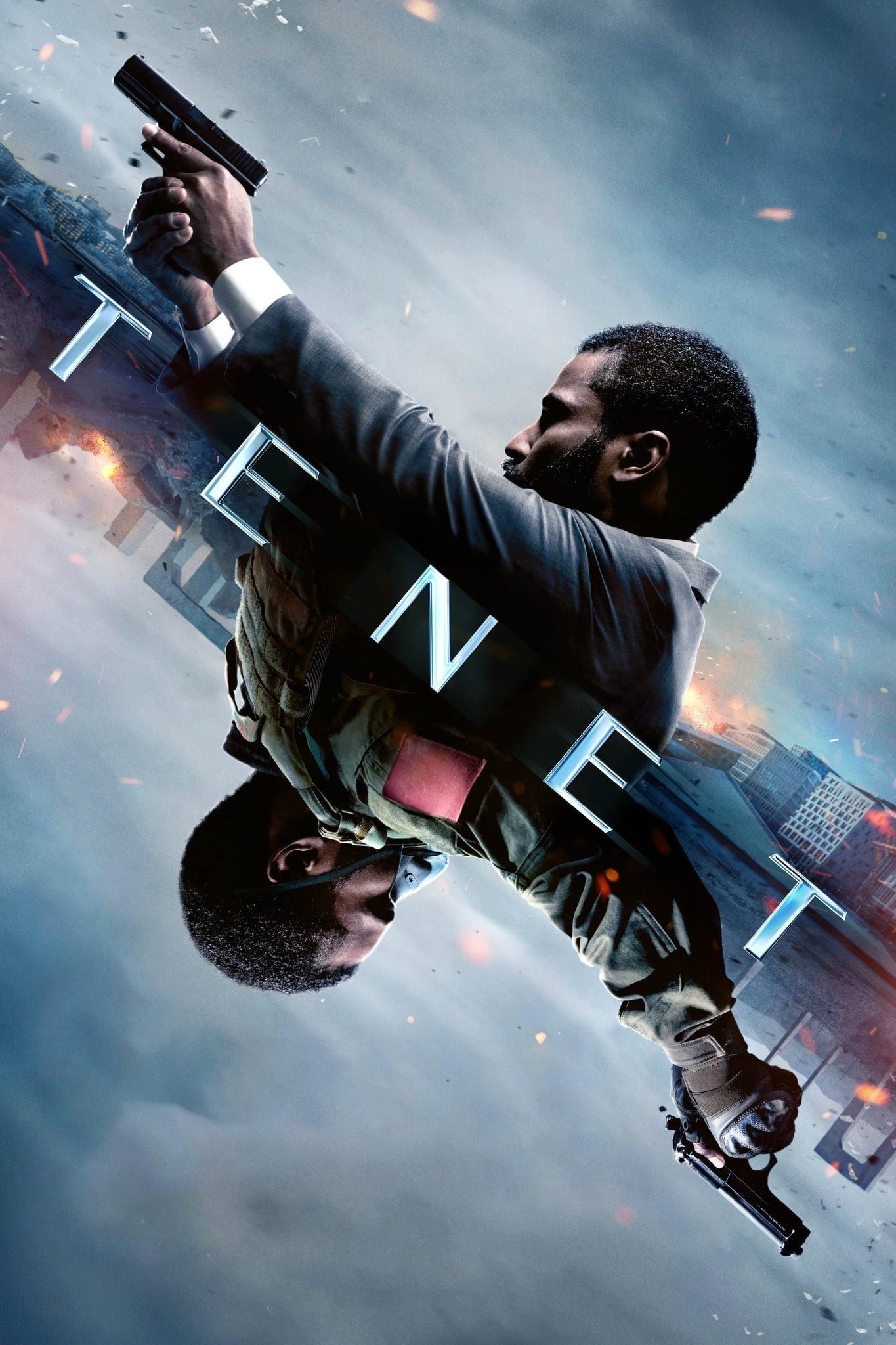
‘Tenet’ builds a spy plot around technology that inverts the entropy of objects and people so they move backward through time relative to the world. The Protagonist learns about turnstiles, inverted bullets, and temporal pincer movements that coordinate teams moving in opposite directions.
The production shot large scale set pieces with limited digital effects and sprinkled names from the Sator Square across characters and locations. Sator, Arepo, Opera, Tenet, and Rotas appear as company names and venues, which gives an extra layer of order to the mission plan.
‘Perfect Blue’ (1997)
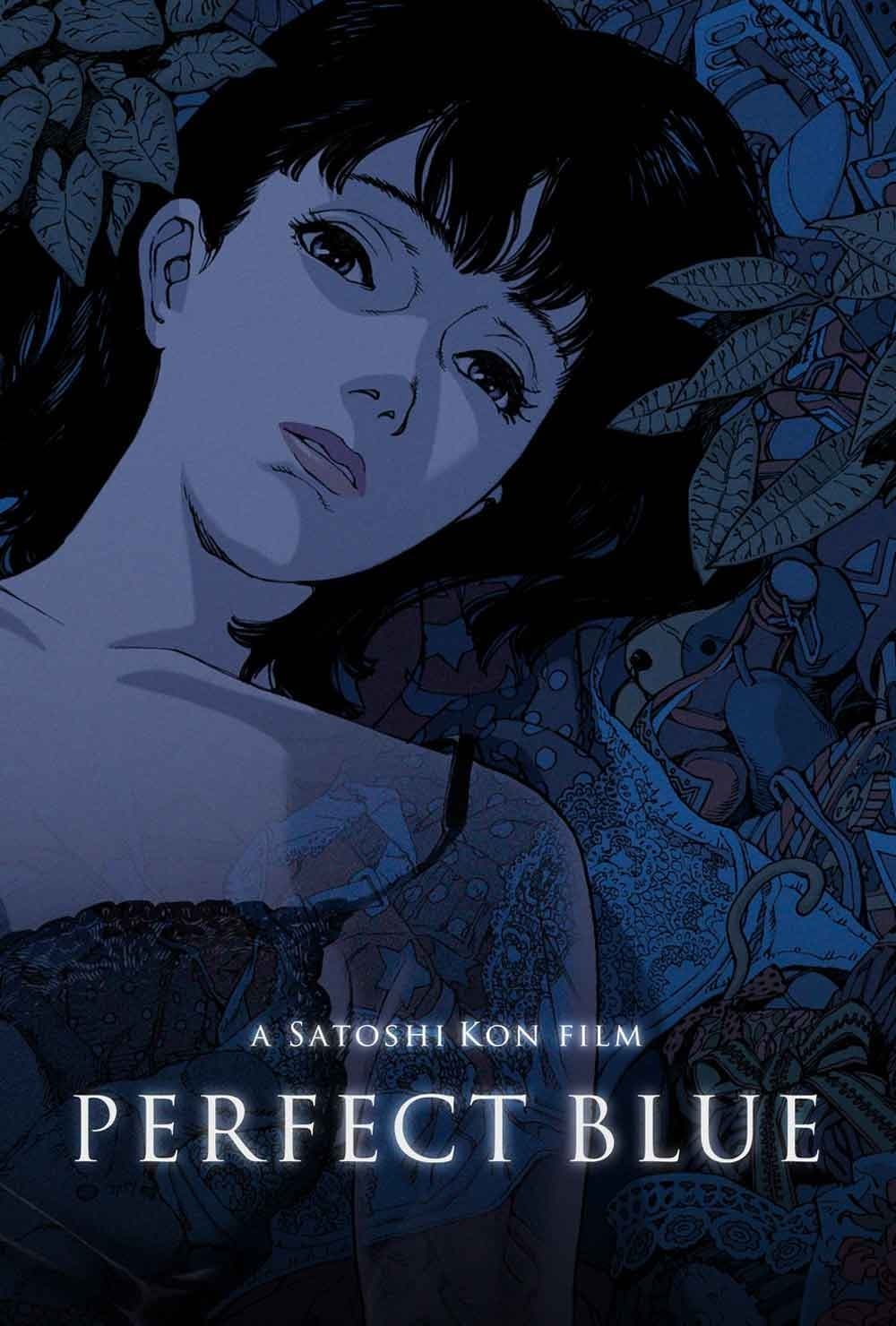
‘Perfect Blue’ is an animated thriller about Mima, a pop idol who leaves her group to become an actress and begins to experience a dangerous blurring between performance and reality. A website called Mima’s Room mirrors her life with diary entries she did not write, which deepens the identity crisis.
Director Satoshi Kon uses match cuts and scene transitions that glide from a television set to a real set and back without clear boundaries. The film examines publicity, stalking, and the pressure of image control in the entertainment industry while seeding clues in props, scripts, and call sheets.
Share your favorite head scratching mystery picks in the comments and tell everyone which scenes made you hit restart right away.

