


Mystery Movies You Will Never Understand (No Matter How Many Times You Watch Them)



Some mysteries tie up every thread and send you home satisfied. Others leave trails that loop back on themselves and clues that point in different directions depending on the light. This list gathers films that build their puzzles from shifting identities, unreliable timelines, and narrative traps that keep changing shape when you think you have them pinned down.
You will find crime stories that bend into dream logic, science fiction tales that treat physics like a maze, and psychological sagas where memory refuses to behave. Each entry notes who made it, what it is about, and which storytelling tools it uses to keep the answers just out of reach.
‘Mulholland Drive’ (2001)
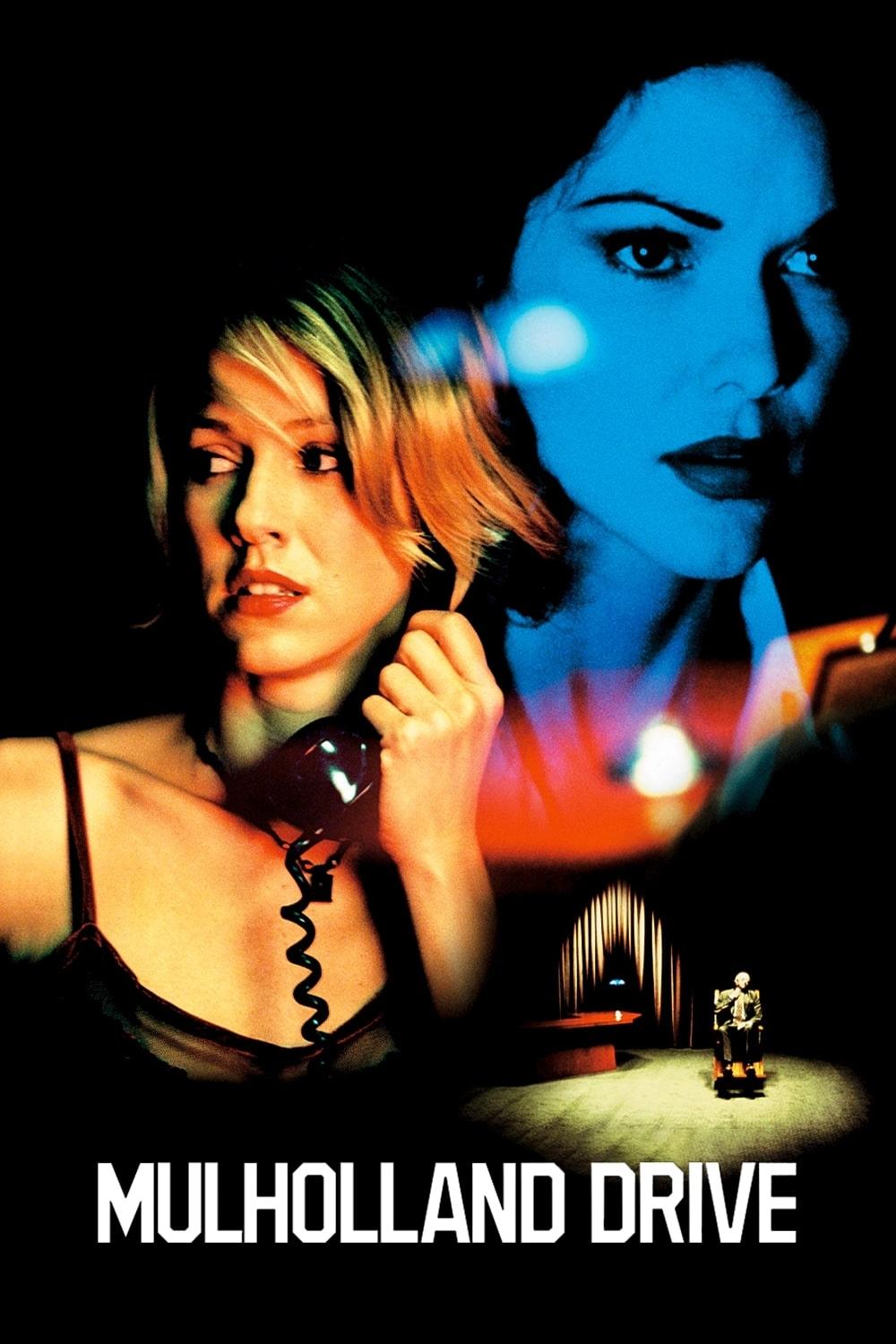
David Lynch directs ‘Mulholland Drive’ with Naomi Watts and Laura Harring leading a story that begins with an amnesiac woman and an aspiring actor crossing paths in Los Angeles. The film uses parallel narrative tracks, coded identity swaps, and locations that reappear with altered meanings to fold a Hollywood mystery into a labyrinth of dreams and performance.
It features recurring motifs such as a blue key and a blue box, a club sequence where performance and reality blur, and characters who appear in changed roles across different sections. Angelo Badalamenti’s score and sound design mark shifts in perspective while editor Mary Sweeney’s structure intercuts seemingly separate plots that later mirror each other.
‘Primer’ (2004)
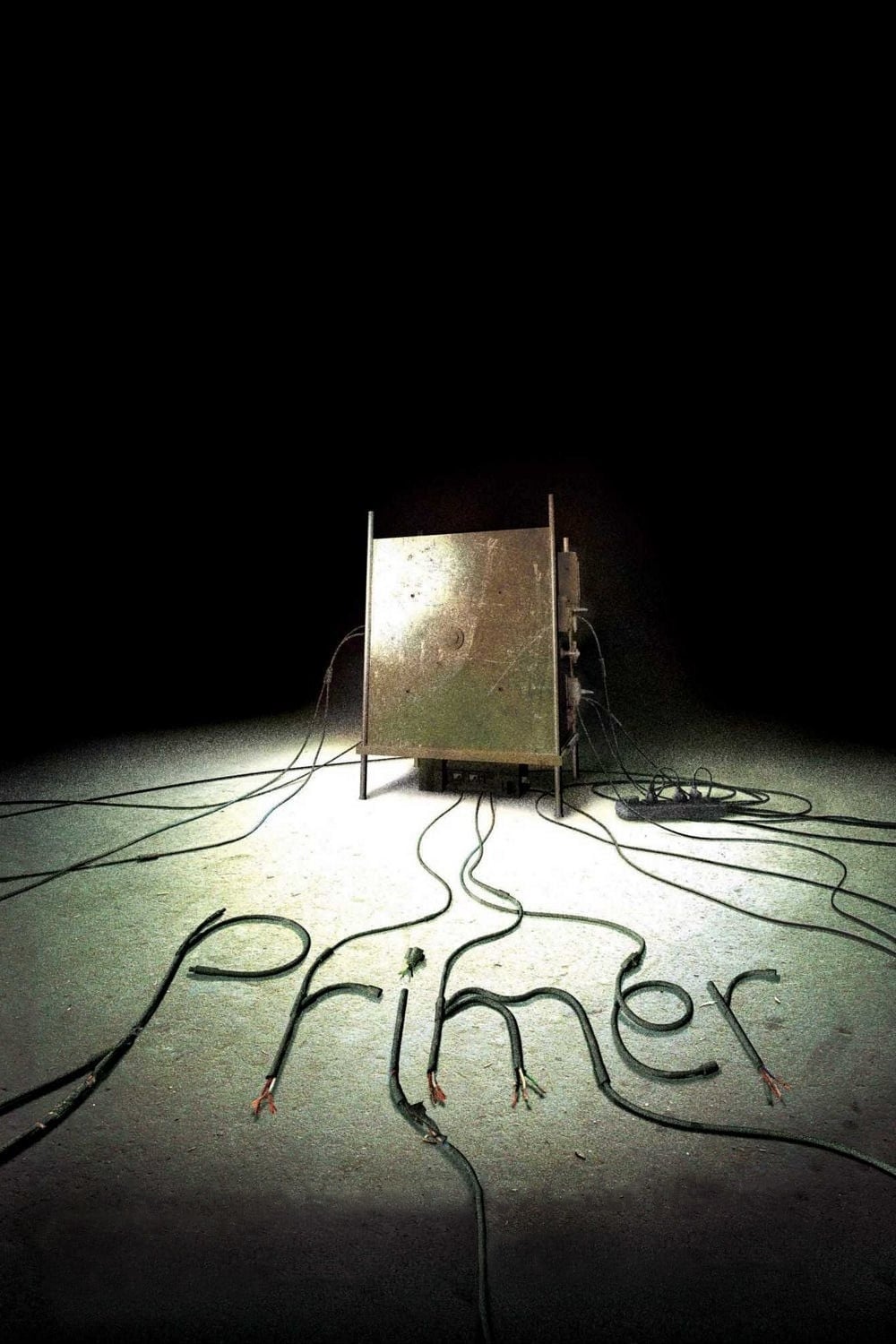
Shane Carruth writes, directs, edits, and stars in ‘Primer’, which follows two engineers who accidentally create a time altering device in a garage. The film presents overlapping timelines and duplicate versions of its characters in a tightly compressed style that expects the viewer to track technical dialogue and offscreen actions.
It was shot on 16 mm with a minimal budget and uses jump cuts and abrupt scene transitions to skip routine explanations. The story’s diary entries, recorded phone calls, and altered voice tapes serve as primary evidence as the plot branches into multiple iterations of the same events.
‘Inland Empire’ (2006)
‘Inland Empire’ is David Lynch’s first feature shot on consumer grade digital video and it stars Laura Dern in multiple roles that bleed into one another. The film begins with an actor taking a part in a troubled production and expands into nested stories, stage sets that turn into living spaces, and scenes that loop back with altered context.
Polish language sequences and a recurring family of rabbit headed characters function as cross currents that interrupt cause and effect. The production embraced an evolving script, which allowed scenes to be built around discovered locations and recurring visual clues that reappear with new meanings.
‘Lost Highway’ (1997)
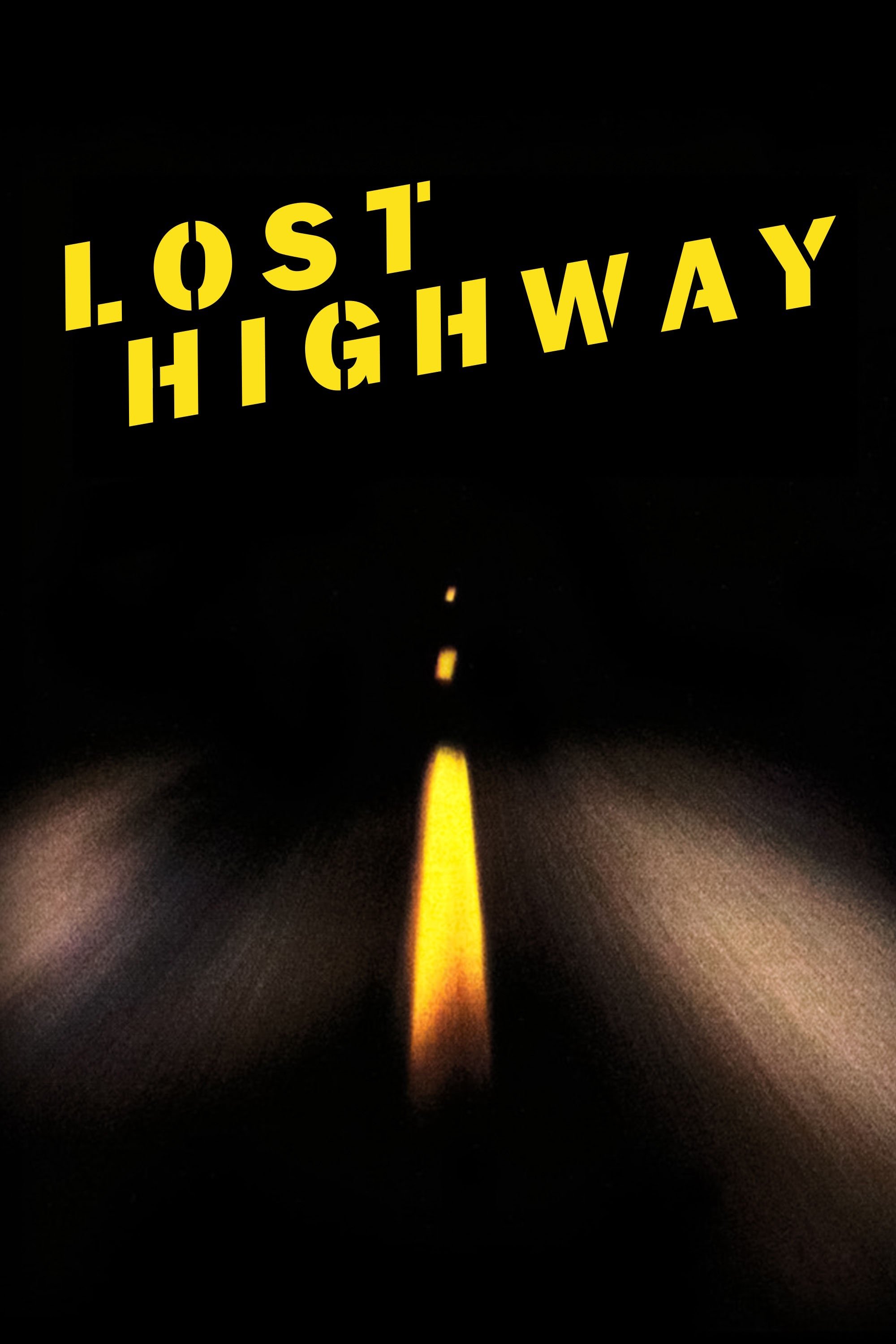
In ‘Lost Highway’, Bill Pullman and Patricia Arquette anchor a story that splits its protagonist into two different men following a violent crime. The film presents a cyclical structure where events seem to restart with different identities while a mysterious figure appears at multiple points to confirm that time and place are unstable.
Lynch and co writer Barry Gifford structure the plot as a loop that connects surveillance tapes, missing time, and Los Angeles noir locations. Angelo Badalamenti and Trent Reznor curate the soundtrack, which marks the film’s transitions between domestic spaces, desert roads, and crime scenes.
‘Tenet’ (2020)
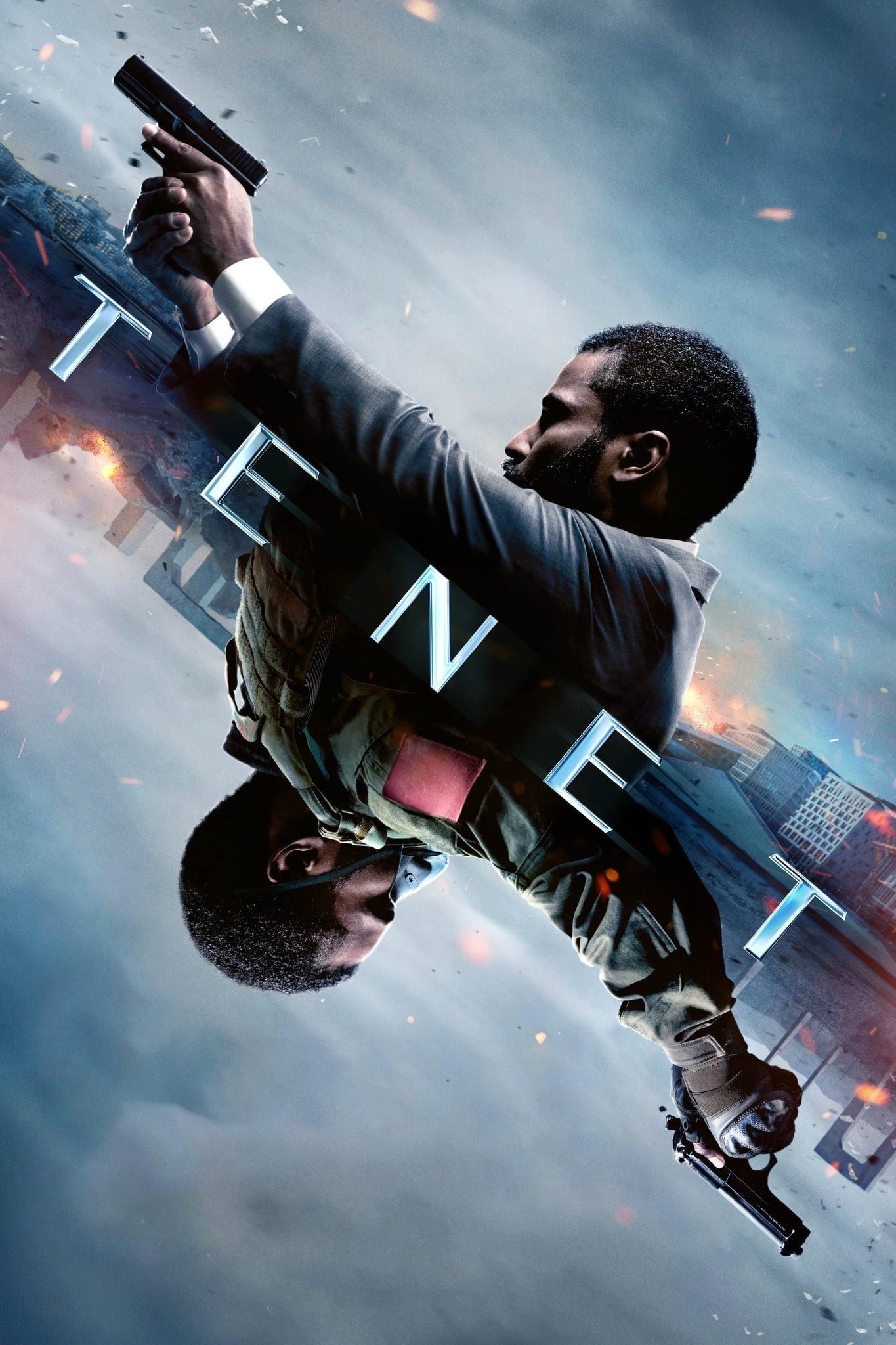
Christopher Nolan’s ‘Tenet’ follows an operative who learns to use time inversion to prevent a global catastrophe. The plot mechanics rely on entropy reversal where objects and people travel backward through events, which produces set pieces that unfold in opposite directions at the same time.
The production staged large scale practical effects including a jumbo jet crash sequence and mirrored combat where choreography was rehearsed both forward and backward. Ludwig Göransson’s score integrates reversed elements, and the film’s color coding and oxygen mask details signal which characters are moving in which temporal direction.
‘Memento’ (2000)
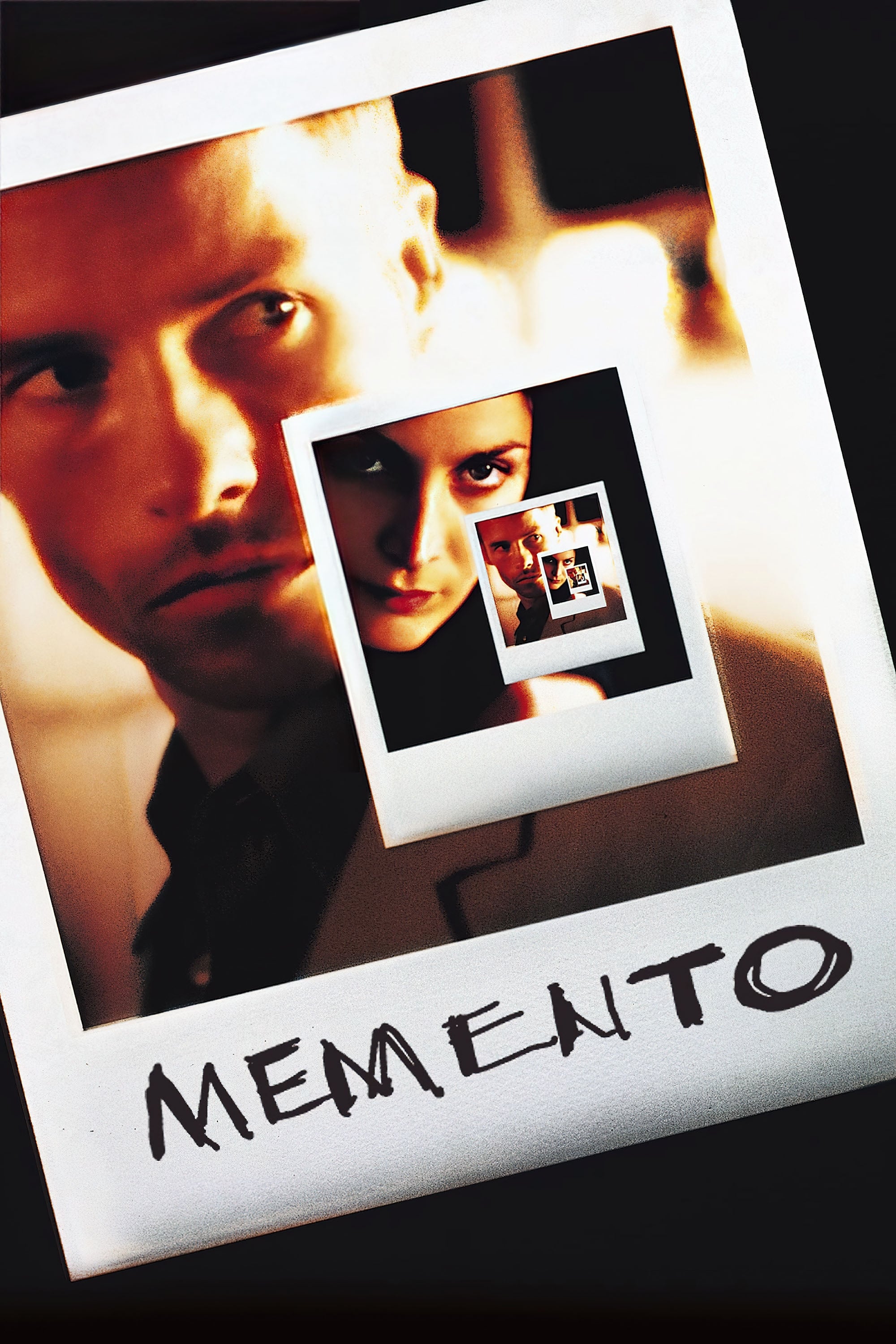
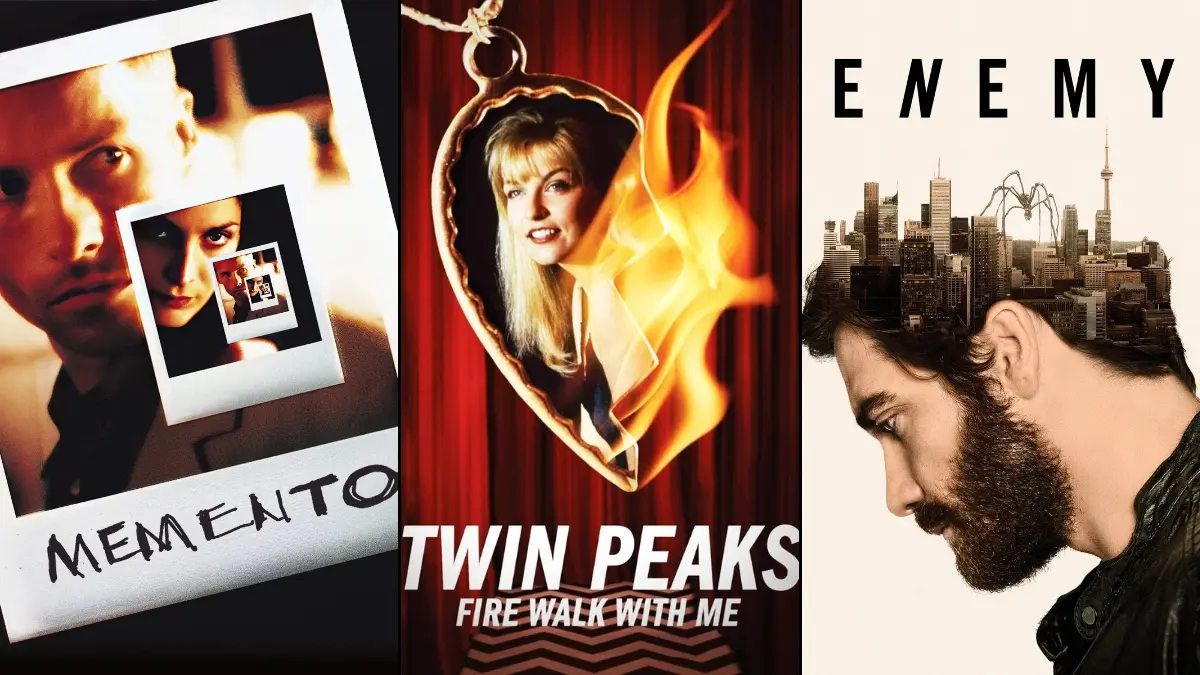
‘Memento’ centers on Leonard Shelby, played by Guy Pearce, who suffers from anterograde memory loss and hunts for his wife’s killer using notes and tattoos. The story alternates between color scenes that move backward and black and white scenes that move forward, which join at a single point that reframes the case.
Christopher Nolan structures the plot so that each color scene begins where the previous one ended, forcing the audience to share the character’s limited recall. The film’s prop evidence, including Polaroids and written instructions, functions as the primary investigative record within the narrative.
‘Donnie Darko’ (2001)
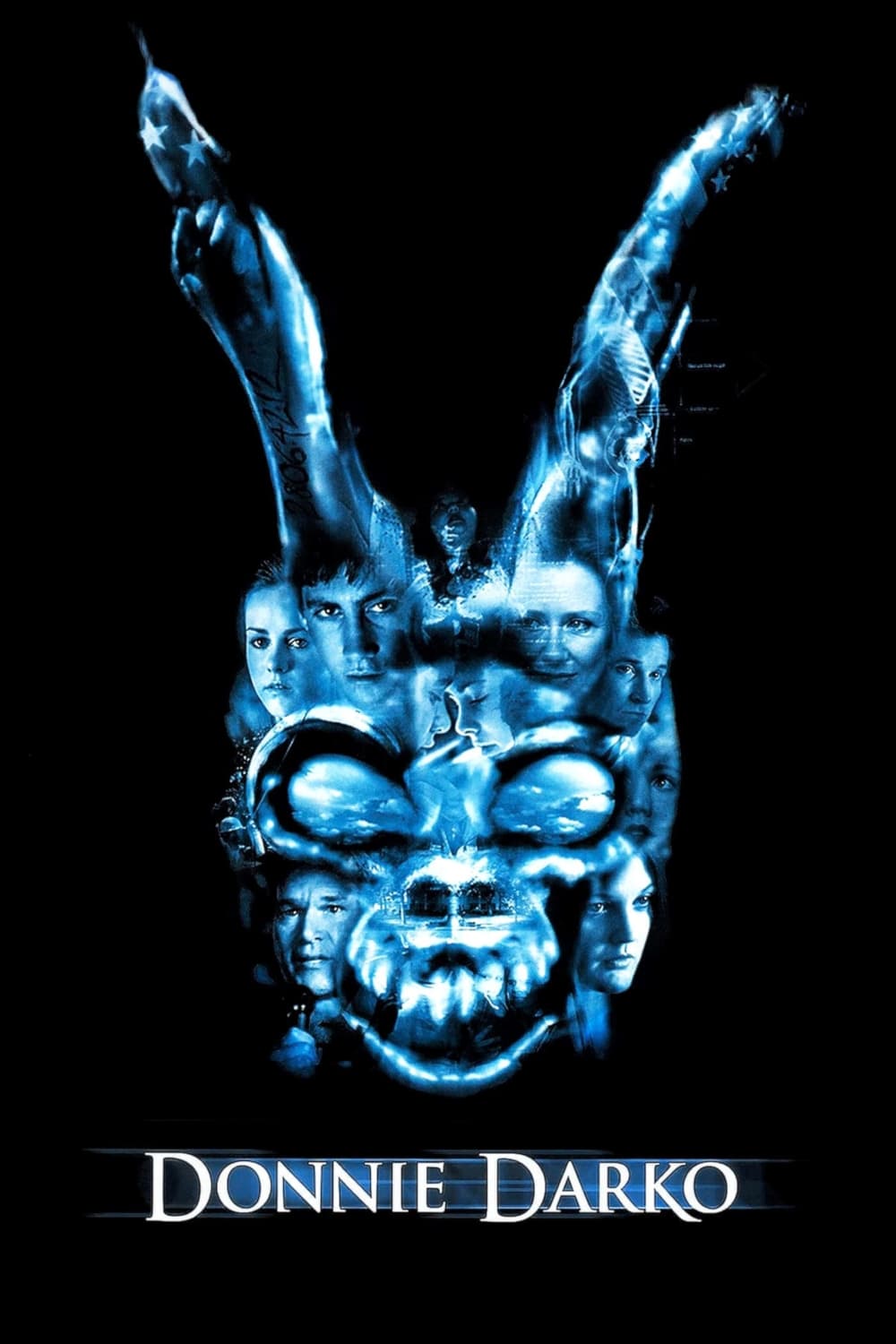
In ‘Donnie Darko’, Jake Gyllenhaal plays a teenager guided by a figure in a rabbit costume after a near miss with a falling engine. The story introduces a tangent reality and a countdown to a defined event while characters receive artifacts and information that influence the timeline.
A series of classroom lessons, therapy sessions, and physics references outline rules that govern manipulated events in the town. Director Richard Kelly uses recurring images, including water and portals, along with period music cues to mark key shifts in the story’s path.
‘Under the Silver Lake’ (2018)
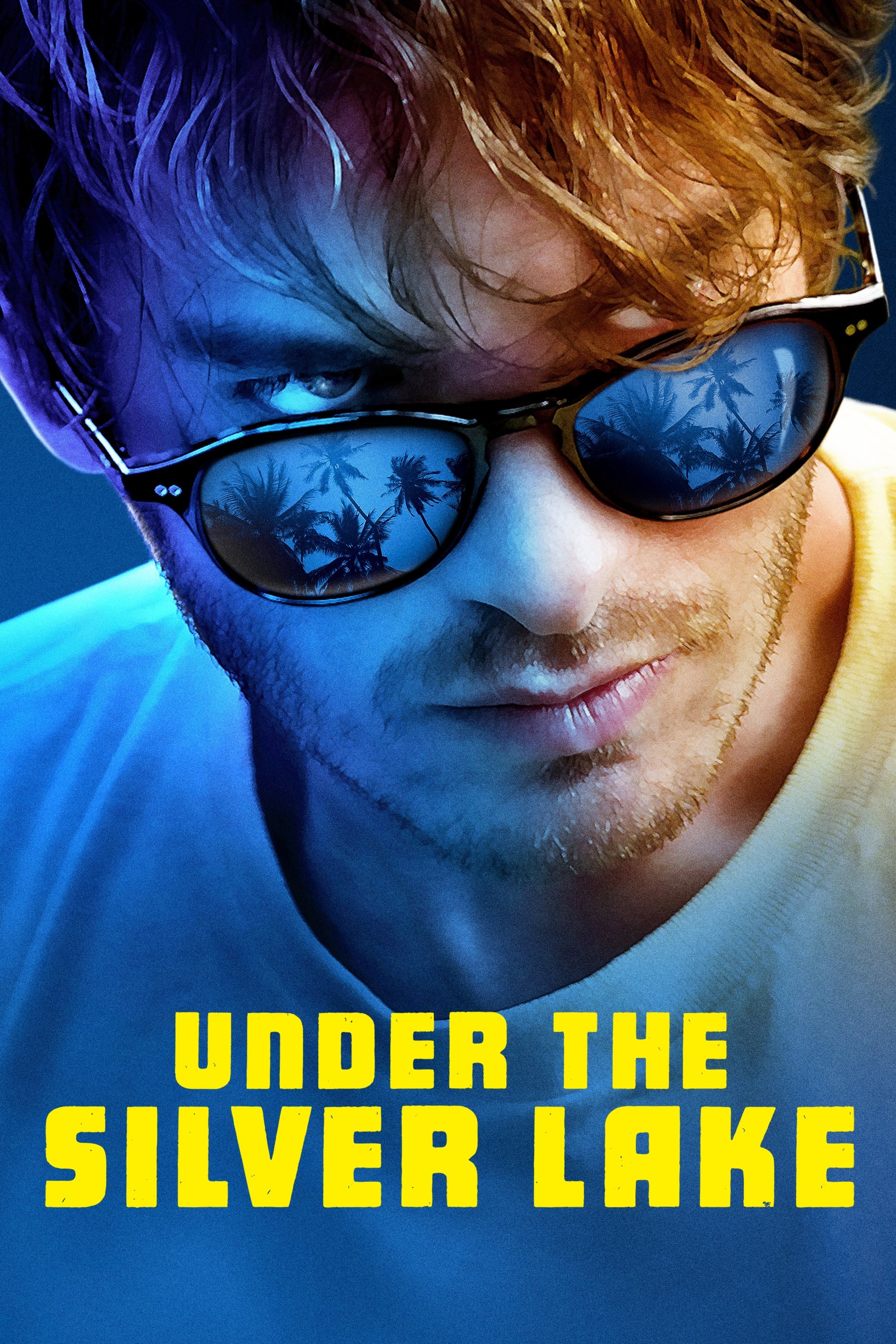
‘Under the Silver Lake’ follows Andrew Garfield as a drifting Los Angeles resident who investigates the disappearance of a neighbor. The film layers pop culture ciphers, zines, and coded songs over a map of the city that leads to hidden meetings, forgotten tunnels, and a string of urban legends.
Writer director David Robert Mitchell uses scavenger hunt structures and puzzle solving sequences that connect billboard symbols, comic panels, and video game references. The geography of Echo Park and surrounding neighborhoods provides a physical grid that links bars, vintage shops, and secluded hillsides.
‘Perfect Blue’ (1997)
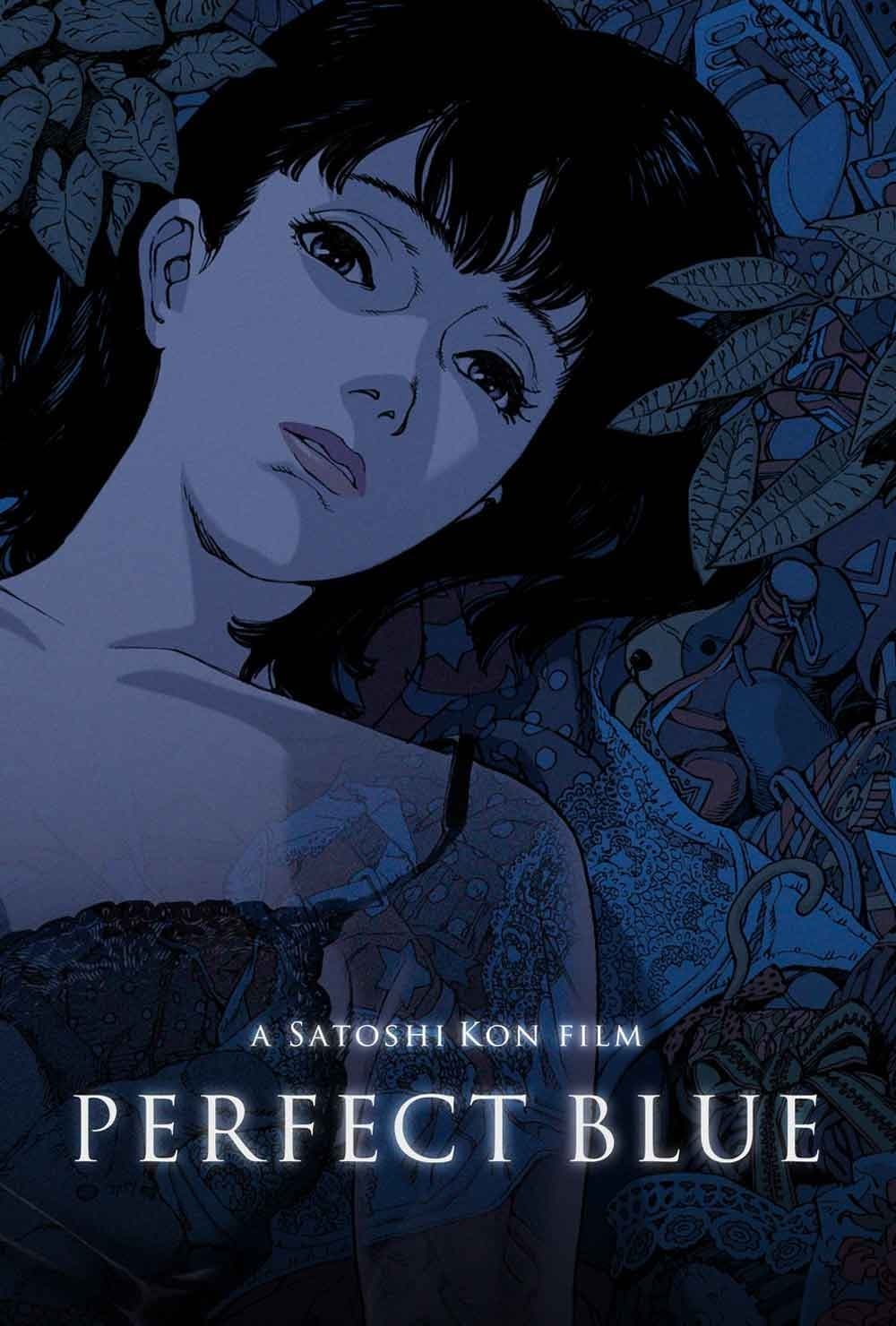
‘Perfect Blue’ is a psychological thriller from director Satoshi Kon about a pop idol who transitions into acting and faces a violent stalker. The film explores identity slippage through screenplay read throughs, staged scenes within scenes, and televised footage that reappears within the story as if it were real.
Kon uses match cuts and rapid perspective shifts to fuse performance and lived experience while background elements repeat across different settings. The production blends traditional cel animation with digital techniques and uses reflections, screens, and mirrors as recurring devices that complicate point of view.
‘Paprika’ (2006)

‘Paprika’, directed by Satoshi Kon, follows researchers who use a device that allows therapists to enter patients’ dreams. When the device is stolen, dream images spread into the waking world and a parade of objects storms through the city as boundaries collapse.
The film adapts a novel by Yasutaka Tsutsui and features sequences where film screens become corridors and paintings become doorways. Composer Susumu Hirasawa’s music uses vocal sampling to shape scenes where characters jump between dreams that stack on each other like floors in a building.
‘Coherence’ (2013)
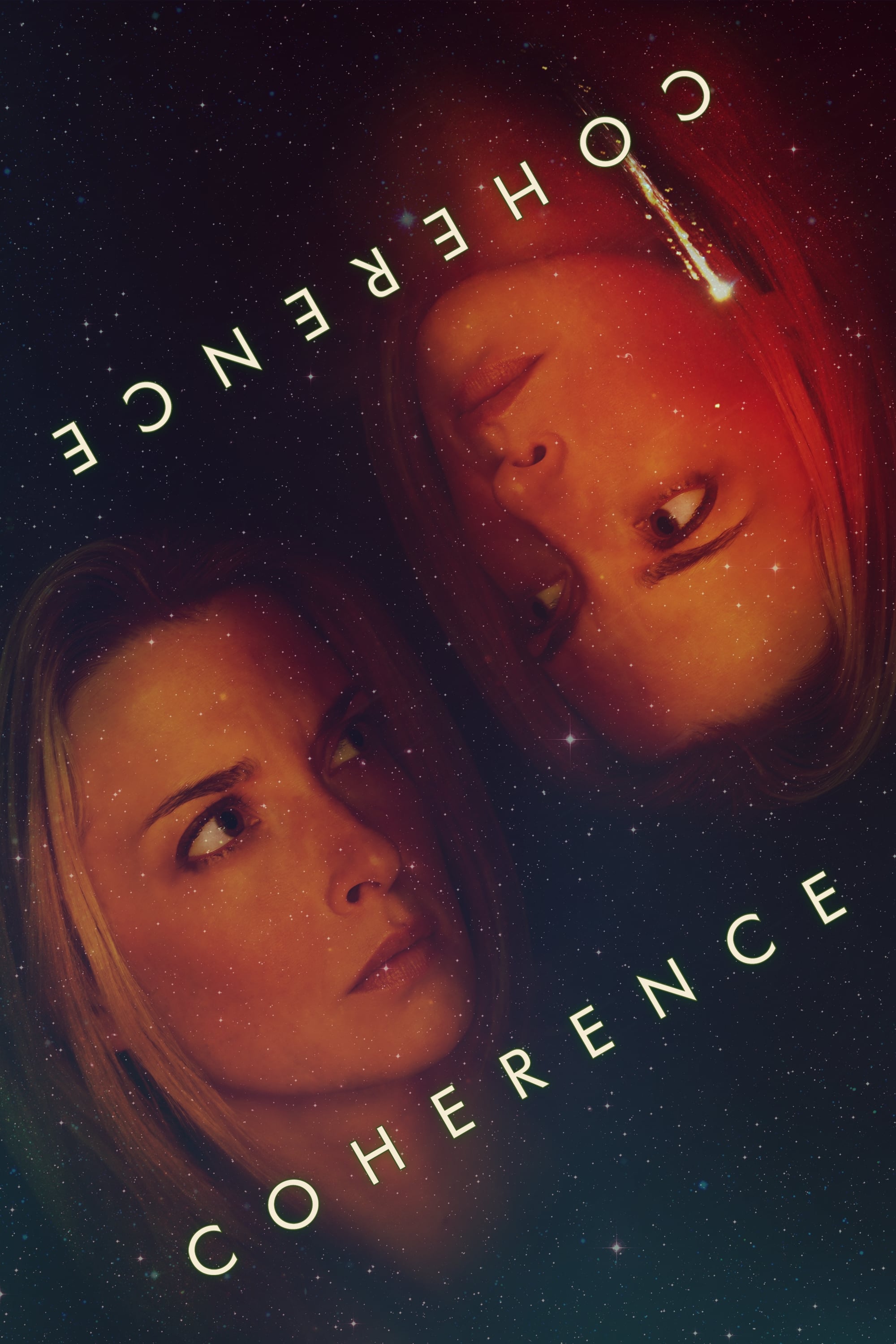
‘Coherence’ tracks a dinner party on the night a comet passes overhead and strange duplicates begin to appear. The production shot largely without a traditional script and used note cards to assign information to actors, which generates natural dialogue as characters discover clues in real time.
Glow stick colors, numbered photos, and a cardboard box of identifiers function as a catalog for parallel groups. The film uses slight camera changes and continuity details to signal when the story has shifted to another version of the house.
‘Upstream Color’ (2013)
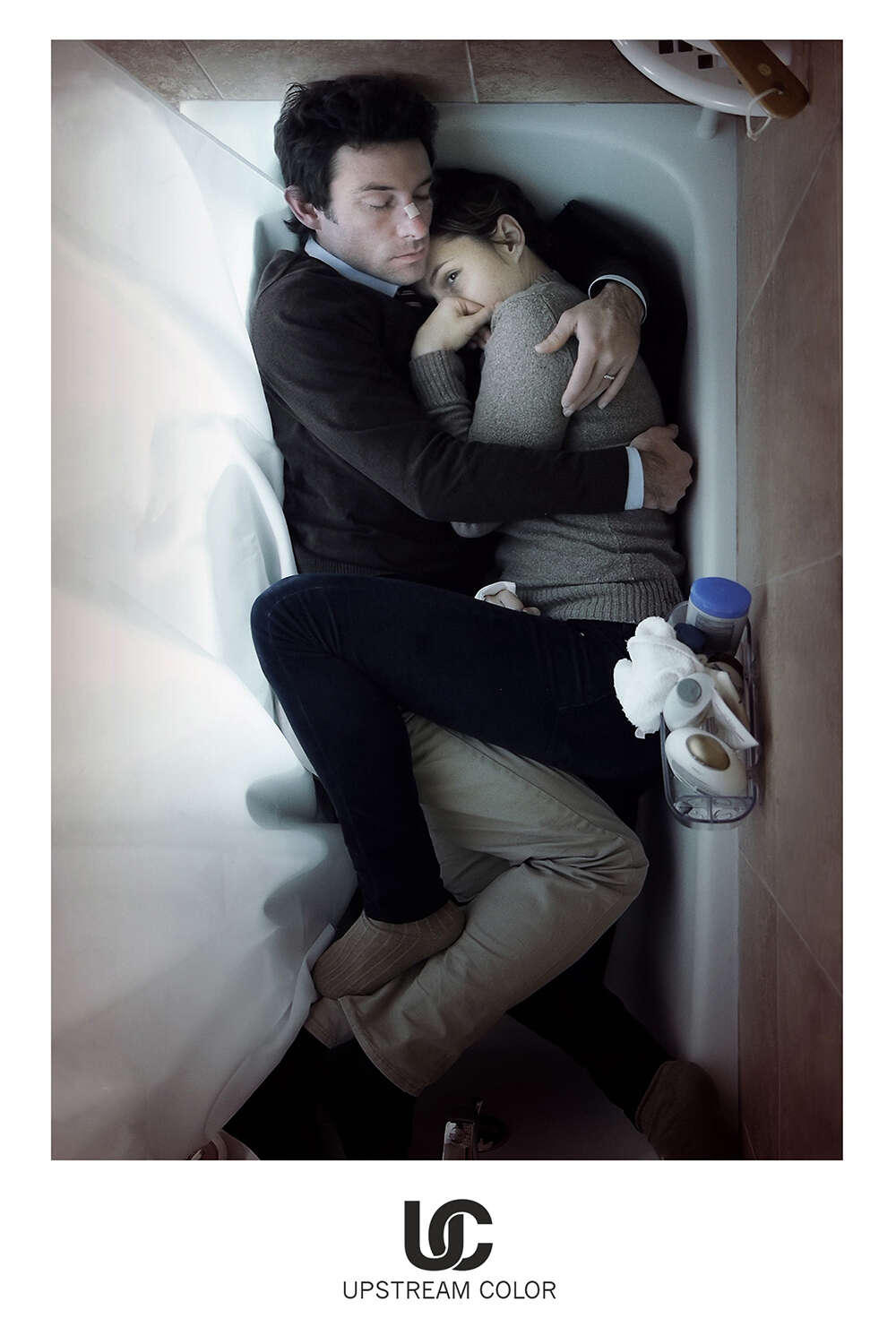
In ‘Upstream Color’, Amy Seimetz and Shane Carruth portray two people bound by a parasite that links human behavior to animals and plants. The plot follows a cycle that begins with a thief, moves to a pig farmer, and ends with a form of recovery that echoes across species.
Sound design is central as voices blend into environmental noise and music takes over scenes where dialogue is minimal. Recurring passages from a classic text, trains that appear at key moments, and underwater imagery connect the characters’ memories to the natural world.
‘Enemy’ (2013)
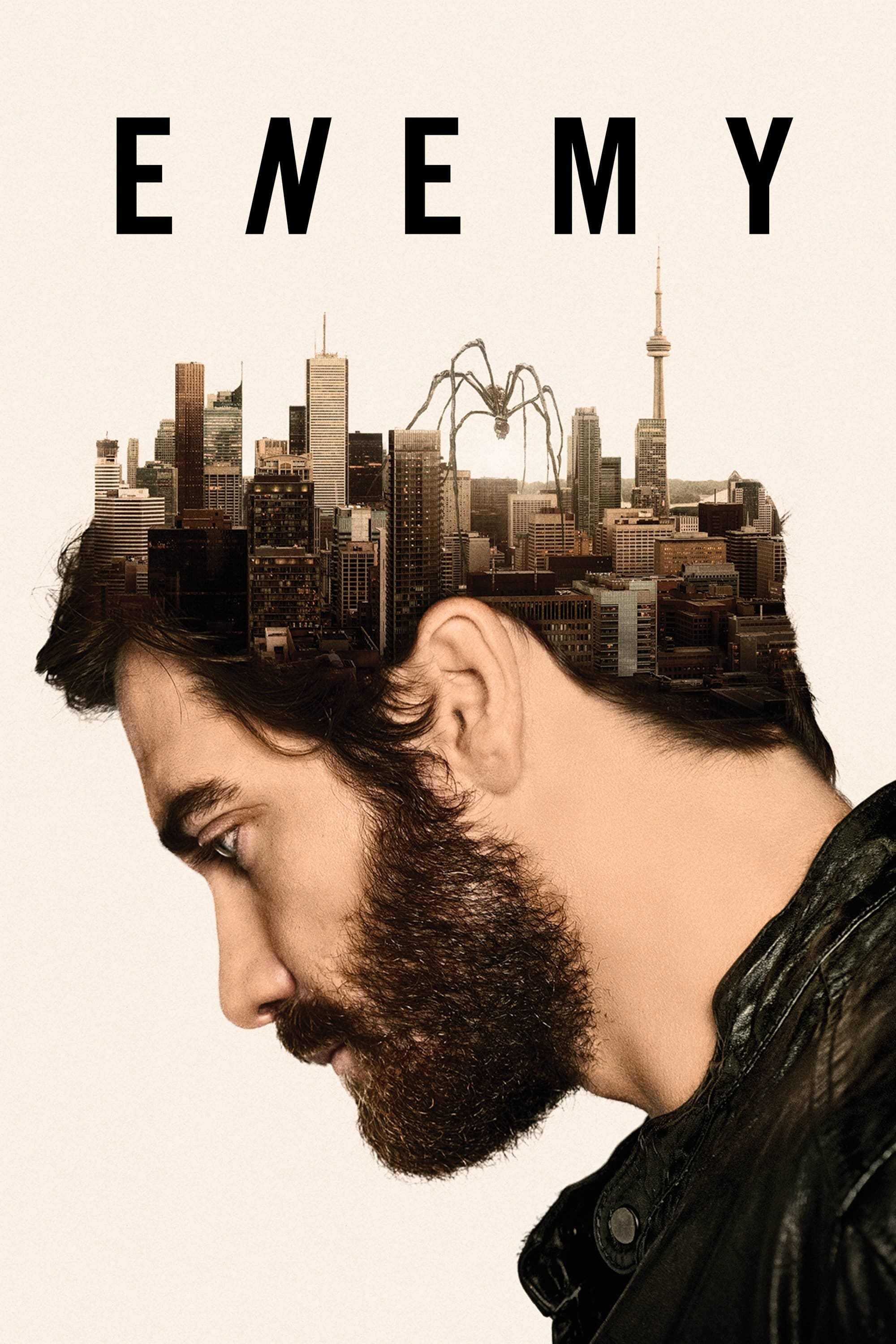
Denis Villeneuve’s ‘Enemy’ stars Jake Gyllenhaal as a history lecturer who discovers a bit part actor who looks exactly like him. The film builds a network of doubles, apartment buildings, and corridors that repeat across different story lines while a tarantula motif appears in background images and dreams.
It is adapted from a novel by José Saramago and uses a limited color palette that emphasizes surveillance like observation. The score by Danny Bensi and Saunder Jurriaans and the use of Toronto locations create a closed circuit feeling that supports the theme of duplication.
‘Triangle’ (2009)
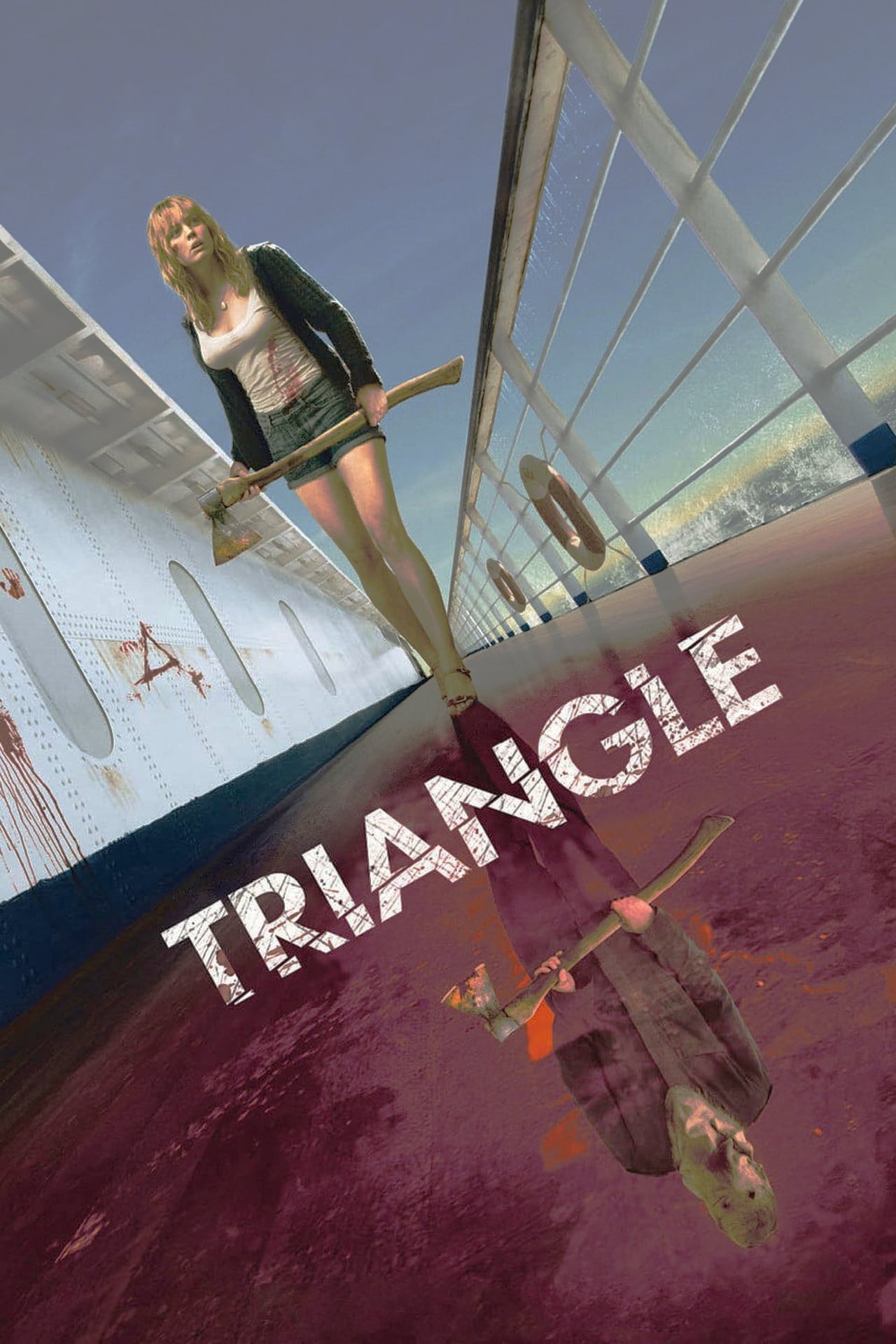
‘Triangle’ follows a group of friends who board an ocean liner after a boating accident and encounter versions of themselves. The plot relies on a looping structure where cause and effect repeat with small changes, and a ship name that references Greek myth points to the cycle at work.
Mirrors, masks, and a repeating bag of items catalog each loop while corridor geography remains consistent from pass to pass. The film uses clock faces and weather markers to time the iterations so the audience can track where they are in the sequence.
‘The Wailing’ (2016)
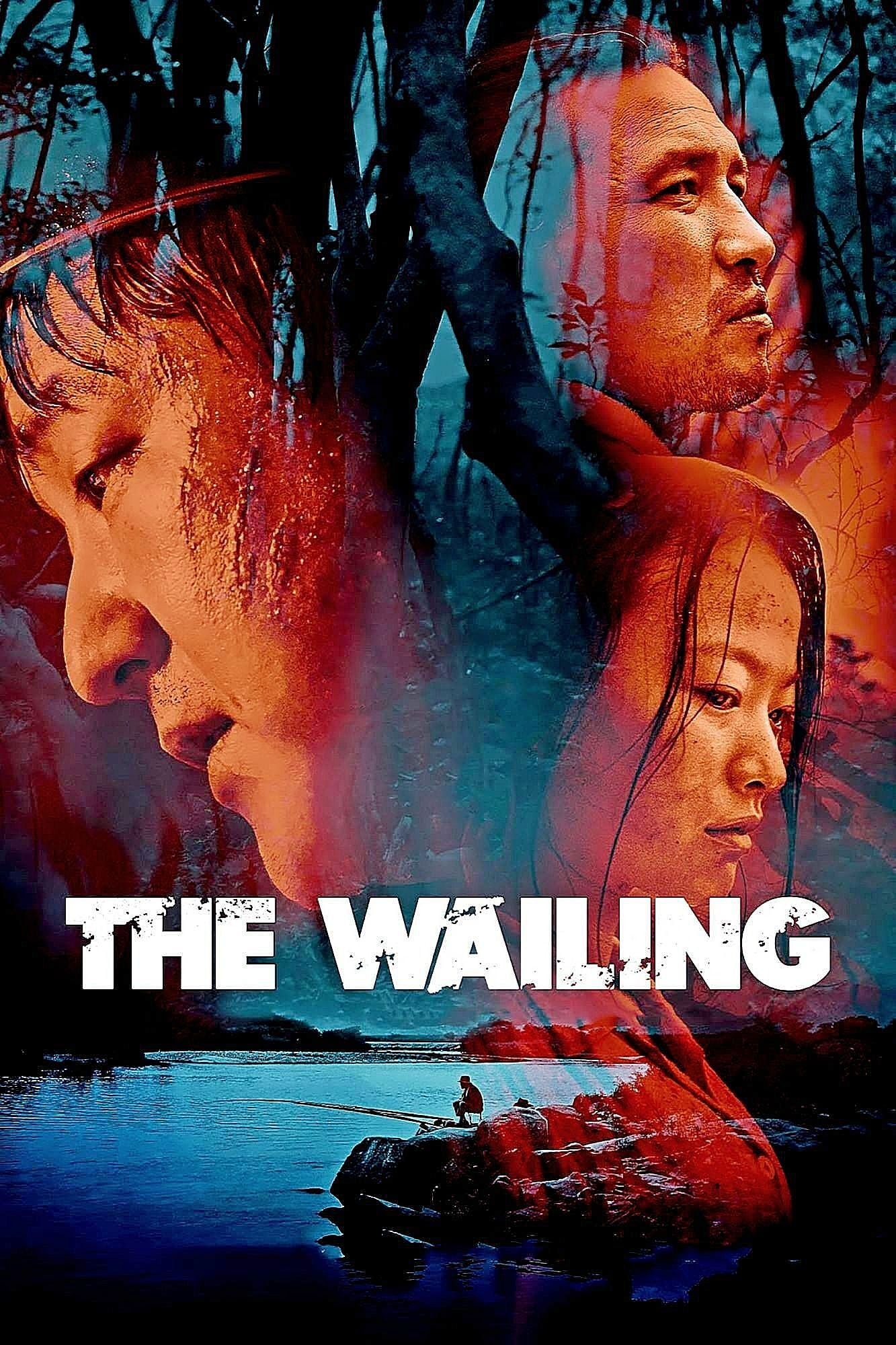
‘The Wailing’ is a rural crime and horror mystery from director Na Hong jin that centers on a series of unexplained deaths in a small Korean village. A local police officer investigates, and the arrival of a stranger and a shaman introduces ritual practices and conflicting explanations for the outbreaks.
The film stages an extended ritual sequence that mirrors the investigation and places faith, medicine, and folklore in direct tension. Mountains, muddy footpaths, and household shrines provide recurring locations where evidence accumulates and then dissolves into contradictory signs.
‘The Machinist’ (2004)
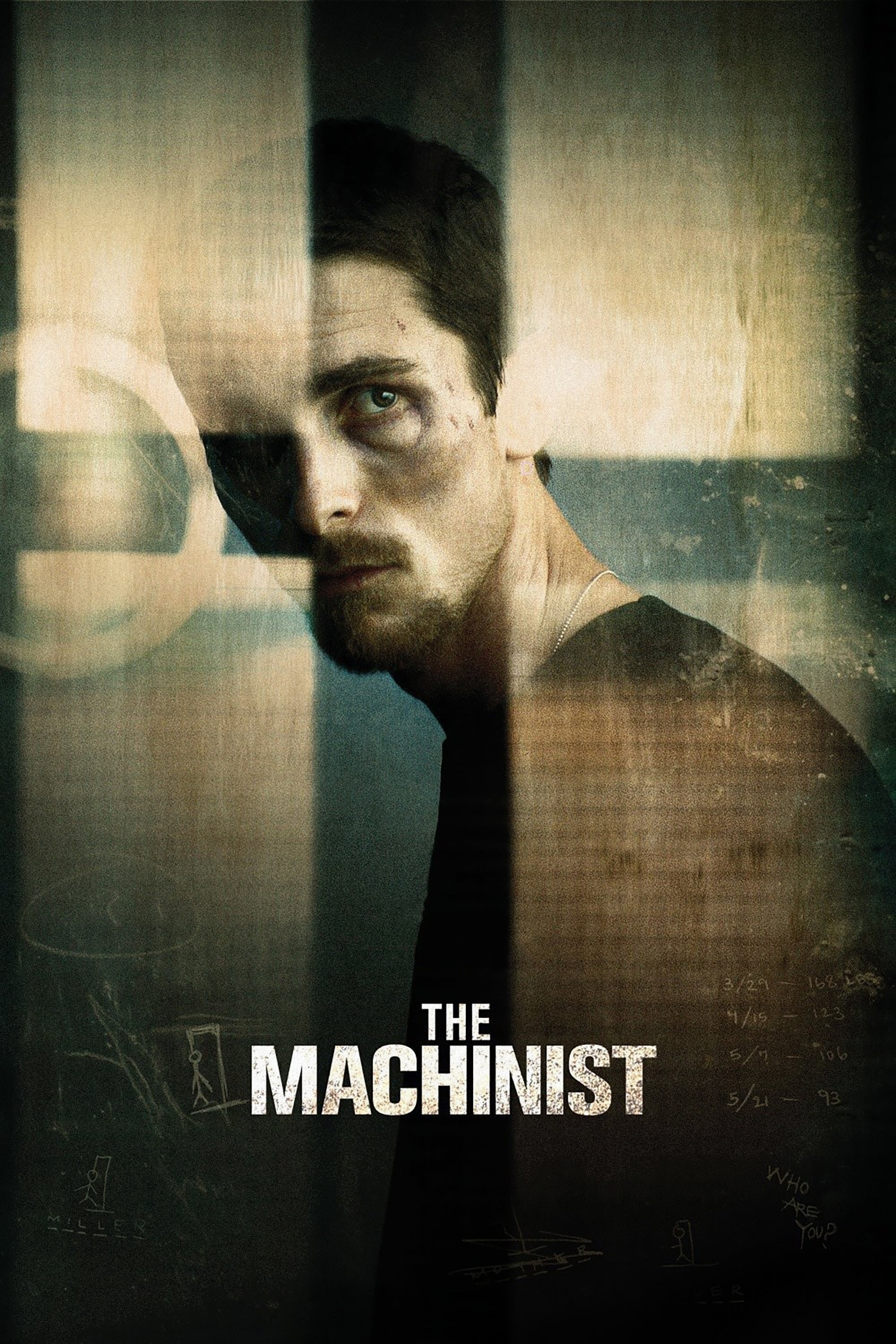
In ‘The Machinist’, Christian Bale plays a factory worker suffering from extreme insomnia who begins finding cryptic notes and encountering a coworker who may not exist. The environment includes heavy machinery, an apartment with hidden clues, and a diner that repeats across days as the character tries to verify events.
The production is known for Bale’s drastic physical transformation and for set design that emphasizes fluorescent lighting and underpopulated spaces. The film uses written reminders, photographs, and workplace incident reports to anchor a narrative where memory and guilt collide.
‘Shutter Island’ (2010)
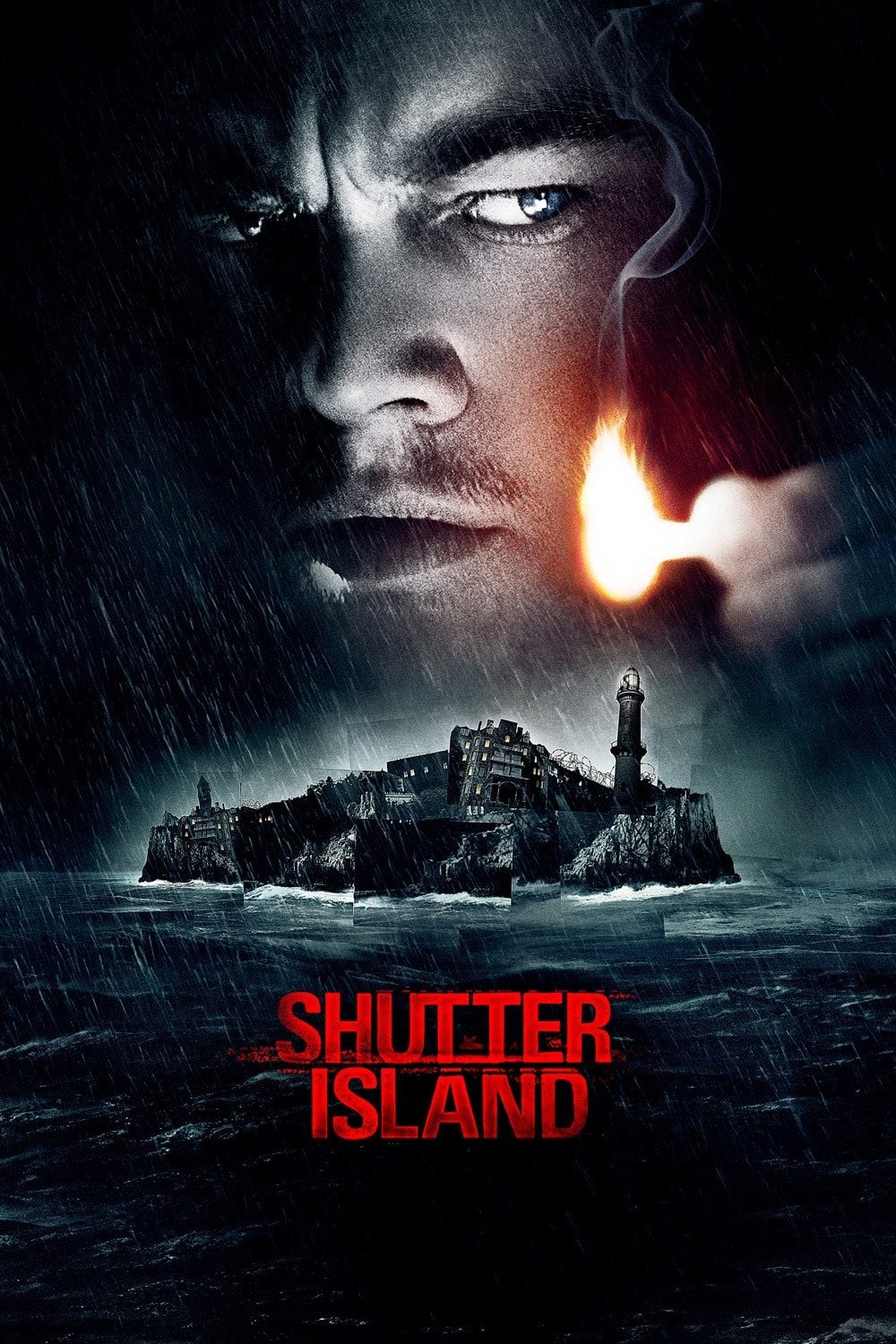
‘Shutter Island’ features Leonardo DiCaprio as a U.S. Marshal sent to a remote psychiatric facility to investigate a disappearance. The institution’s records, patient interviews, and storm disrupted power systems create obstacles that complicate the search for a single missing person.
Martin Scorsese and editor Thelma Schoonmaker build the story with flashbacks, medical files, and role specific protocols that structure the investigation. The lighthouse, the cliffside caves, and the restricted ward serve as checkpoints where new information forces a reassessment of earlier scenes.
‘Annihilation’ (2018)
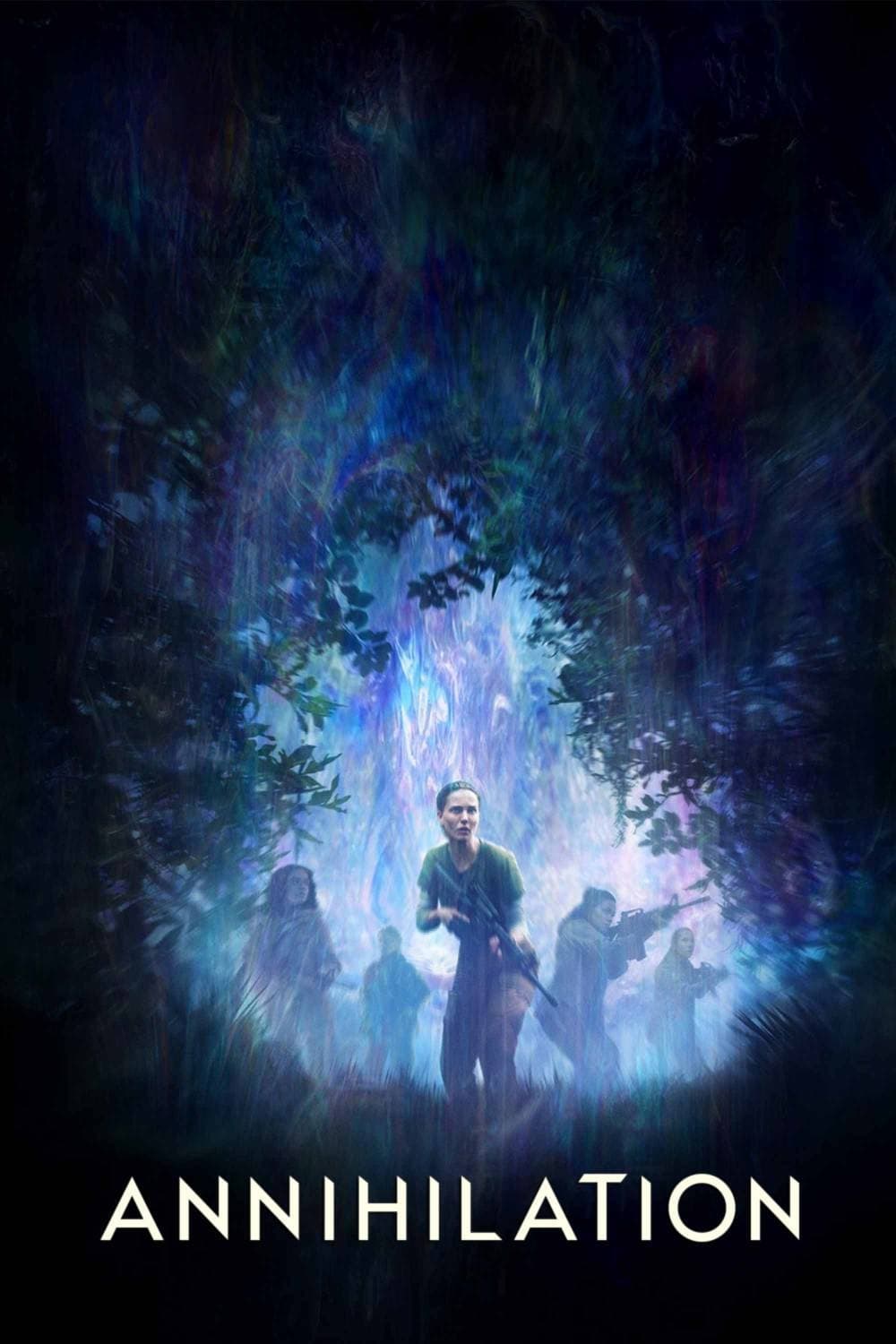
In ‘Annihilation’, a team enters a quarantined zone nicknamed the Shimmer where biology mutates in contact with a mysterious source. The film documents a scientific expedition with video logs, samples, and maps that degrade as the environment refracts information along with DNA.
Writer director Alex Garland structures the narrative around field notes and recovered footage that record discoveries inside abandoned bases and overgrown pools. The lighthouse sequence uses visual echoes to show how time and identity behave inside the Shimmer’s boundary.
‘Resolution’ (2012)
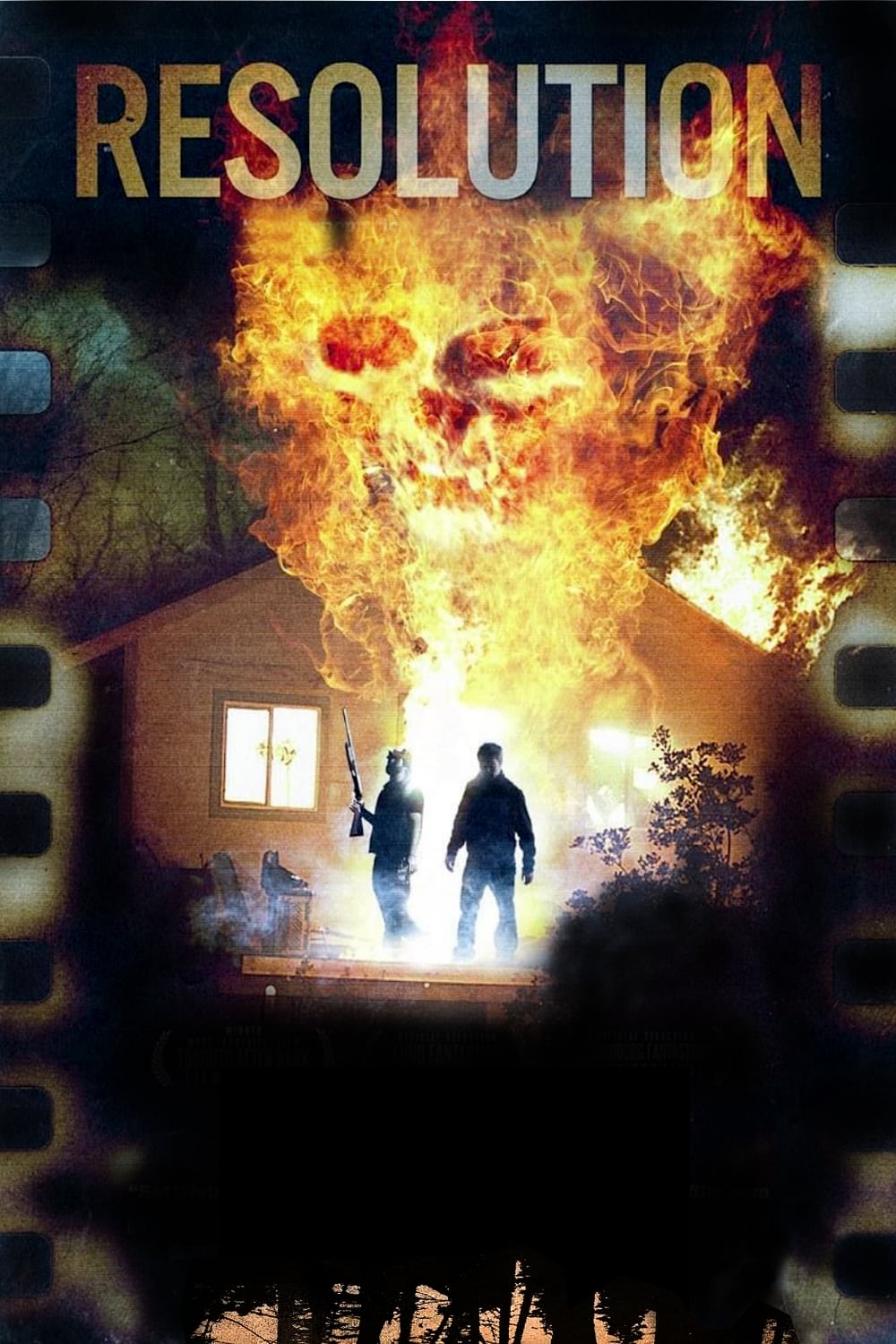
‘Resolution’ follows a man who handcuffs his friend in a remote cabin to force a sobriety break and then uncovers a stack of strange recordings. The area around the cabin contains objects and media that replay different endings for people who passed through the same place.
Directors Justin Benson and Aaron Moorhead place Super 8 film, VHS tapes, and audio reels as artifacts that reset stories once they are found. The nearby tribal land, a cave system, and a derelict house create a map where narratives intersect and restart.
‘The Endless’ (2017)
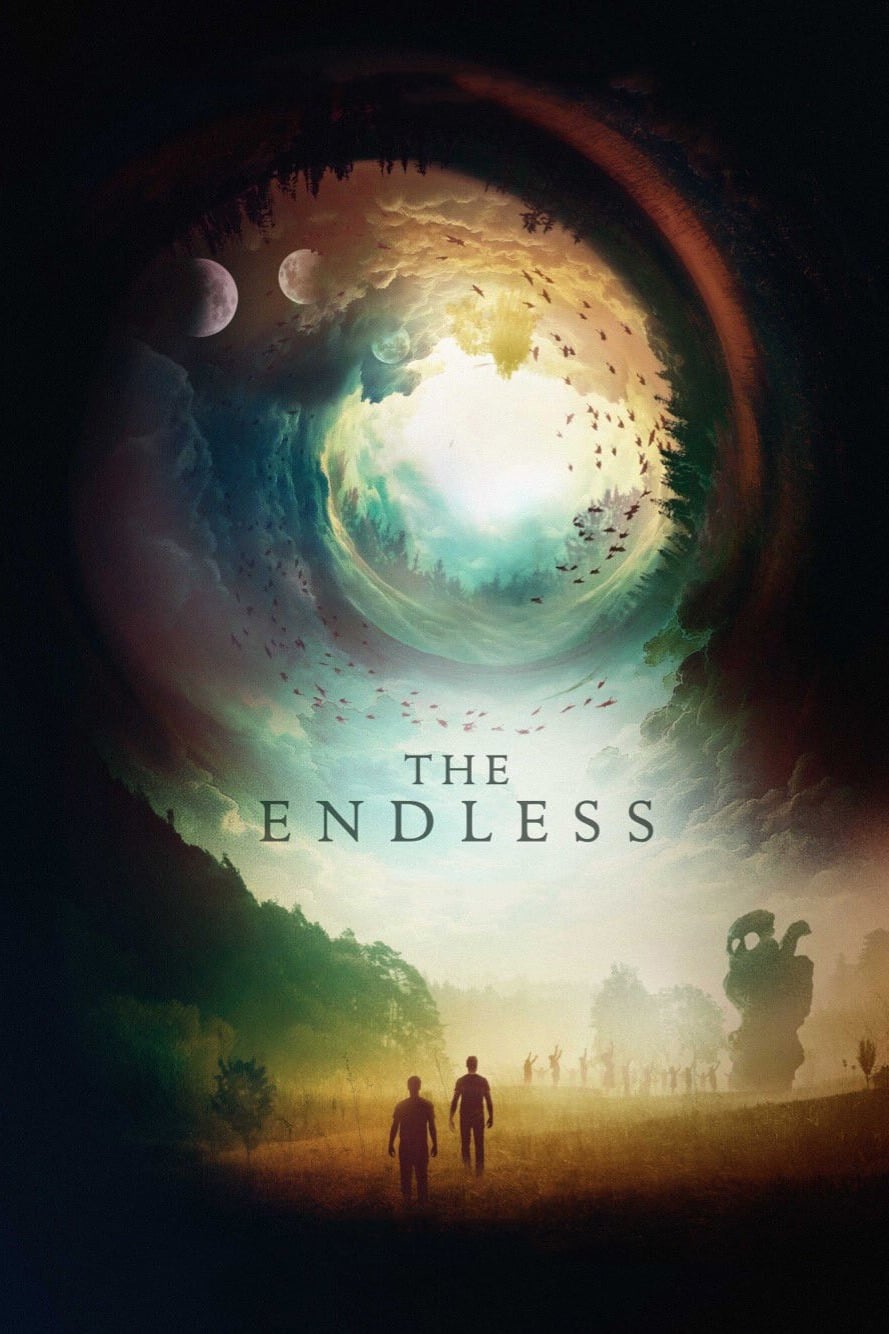
‘The Endless’ returns to the world introduced in ‘Resolution’ as two brothers revisit a commune they escaped years earlier. The site is governed by repeating time phenomena that trap residents in loops of varying lengths, each marked by a physical boundary and a distinct behavioral pattern.
The film catalogs these loops using camp landmarks like a tug of war rope, a nearby tent, and a rustic house that resets at set intervals. It integrates sky events, homemade videos, and symbols in the camp logo that connect to earlier recordings from the shared universe.
‘Twin Peaks: Fire Walk with Me’ (1992)
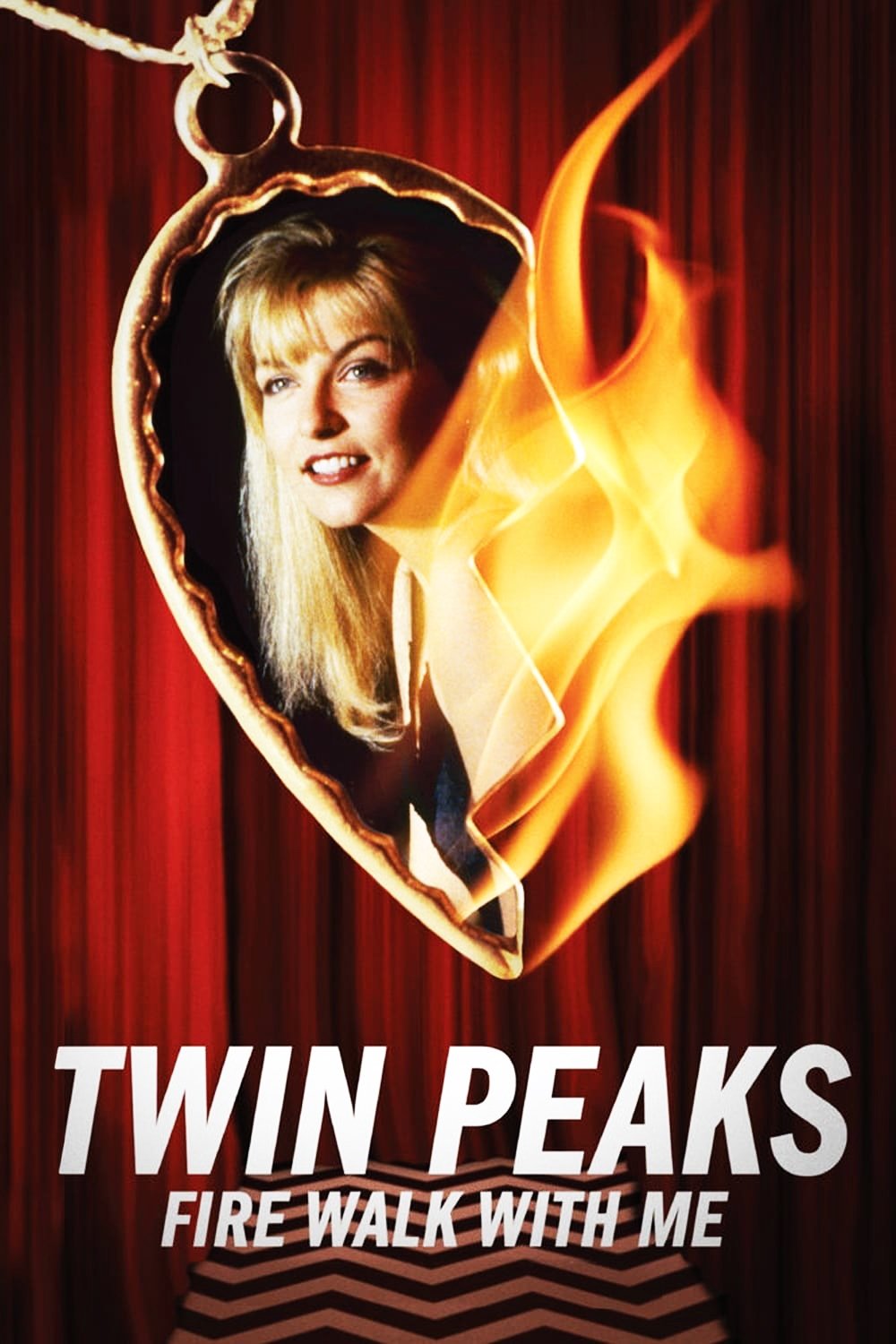
‘Twin Peaks: Fire Walk with Me’ serves as a prequel to the television series and centers on Laura Palmer during the days before her death. The film introduces agents investigating another case, then narrows to Laura’s home and the presence known as Bob who appears in visions and in physical spaces.
David Lynch uses red room sequences, coded hand signs, and a ring that passes between characters to connect the film to the show’s mythology. The soundtrack by Angelo Badalamenti and Julee Cruise, the Roadhouse setting, and the town’s recurring locations build a closed world where symbols cross between dreams and daily life.
‘Possession’ (1981)
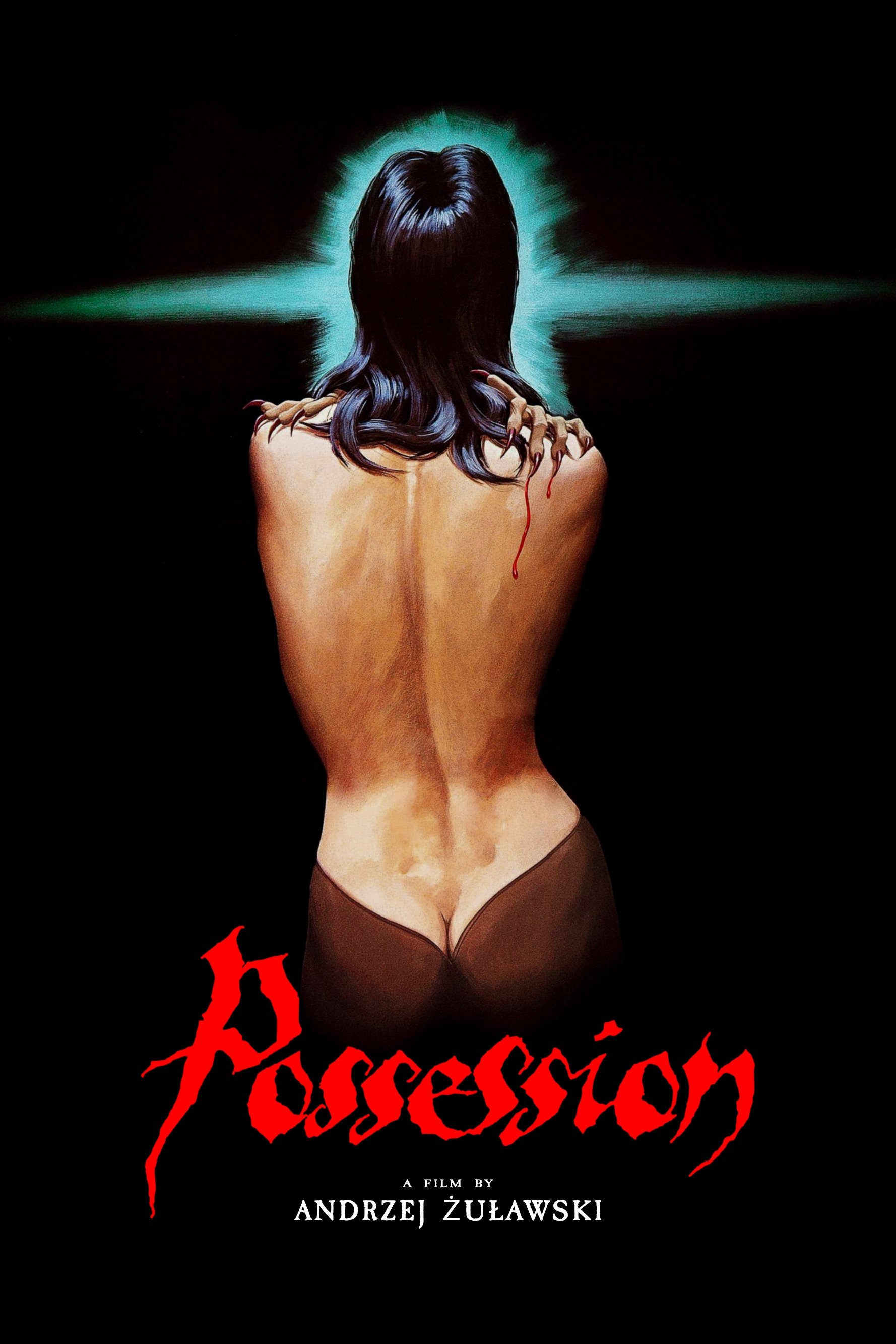
‘Possession’ is set in West Berlin and follows a couple whose marriage disintegrates alongside a series of violent incidents and mysterious transformations. Isabelle Adjani and Sam Neill lead a story that navigates apartments, a tunnel underpass, and a divided city that reflects the characters’ split realities.
Director Andrzej Żuławski stages extended handheld sequences and intense physical performances that push the mystery into body horror territory. The film features doppelgangers, clandestine meetings, and a secretive apartment filled with evolving evidence that defies ordinary investigation.
‘Stalker’ (1979)

In Andrei Tarkovsky’s ‘Stalker’, a guide leads two clients into the Zone, a restricted area with a rumored room that grants desires. The journey follows railroad tracks, flooded rooms, and overgrown industrial sites where physics and geography appear to shift without notice.
Long takes and ambient sound place emphasis on terrain and ritual rather than conventional clue gathering. Objects like a thrown nut tied to cloth, a telephone in a ruined building, and a dog that appears mid journey function as markers within a space that resists mapping.
‘Beyond the Black Rainbow’ (2010)
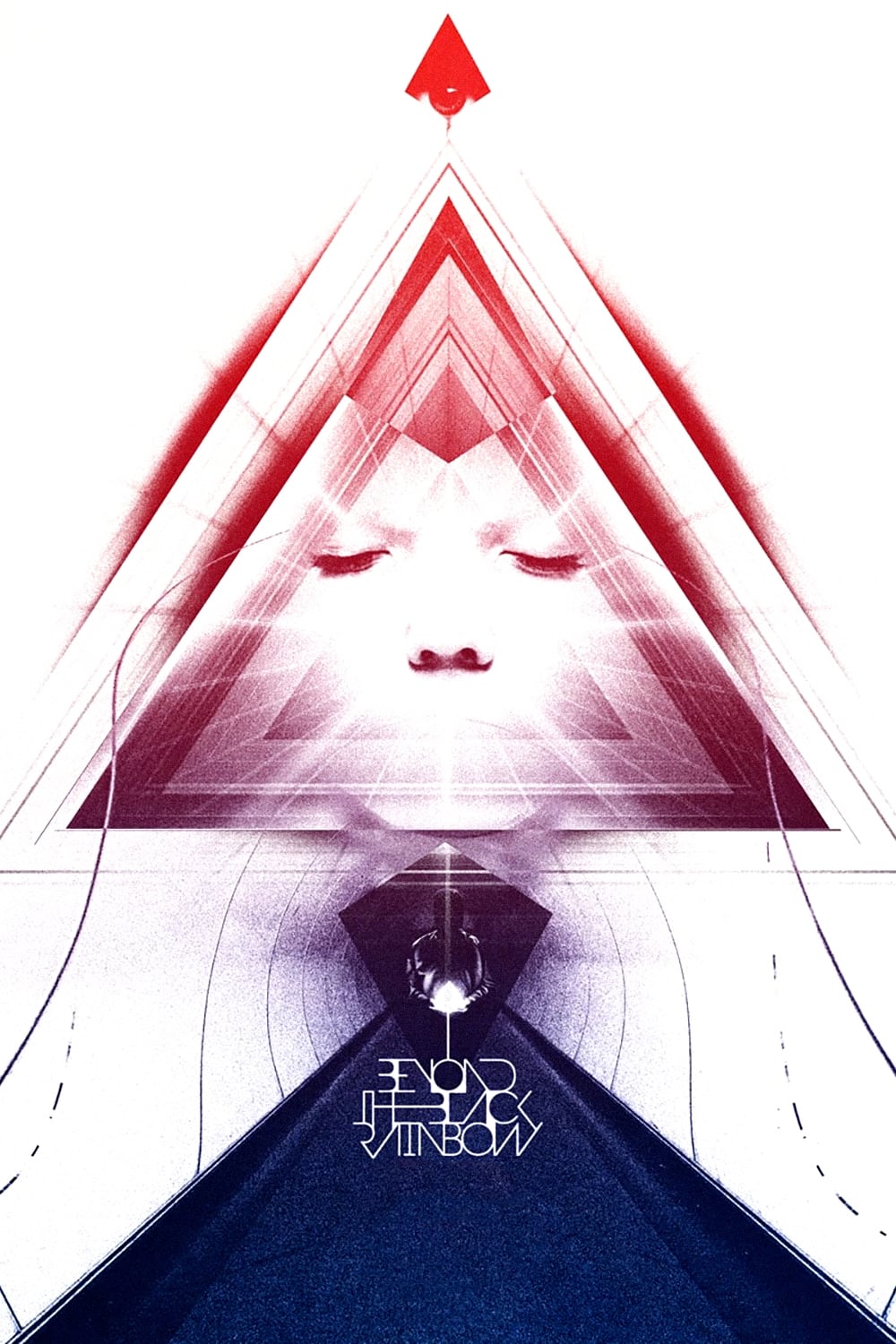
‘Beyond the Black Rainbow’ is directed by Panos Cosmatos and is set inside the Arboria Institute, a research facility that houses a young woman with psychic abilities. The story unfolds through therapy sessions, security footage, and intercom broadcasts that reveal a failed enlightenment program and its controlling doctor.
The film uses slow camera moves, minimal dialogue, and an analog synthesizer score by Sinoia Caves to create a closed system of rules. Visual cues like a glowing triangular device, a black dome, and a garden chamber catalog the institute’s experimental architecture.
‘A Cure for Wellness’ (2016)

‘A Cure for Wellness’ follows a corporate emissary sent to a remote Alpine spa to retrieve his company’s CEO. The facility maintains strict wellness regimens, water treatments, and a history tied to an aristocratic family, which the investigator uncovers through archives and restricted areas.
Director Gore Verbinski uses tiled corridors, subterranean pools, and an aquifer system as the backbone of the mystery. Dental records, medical files, and an array of glass jars serve as procedural evidence that connects the spa’s present to its hidden past.
Share your favorite unsolvable mystery film in the comments and tell us which clue kept you thinking the longest.

