


Nordic Series You Are Sleeping On (but Shouldn’t)

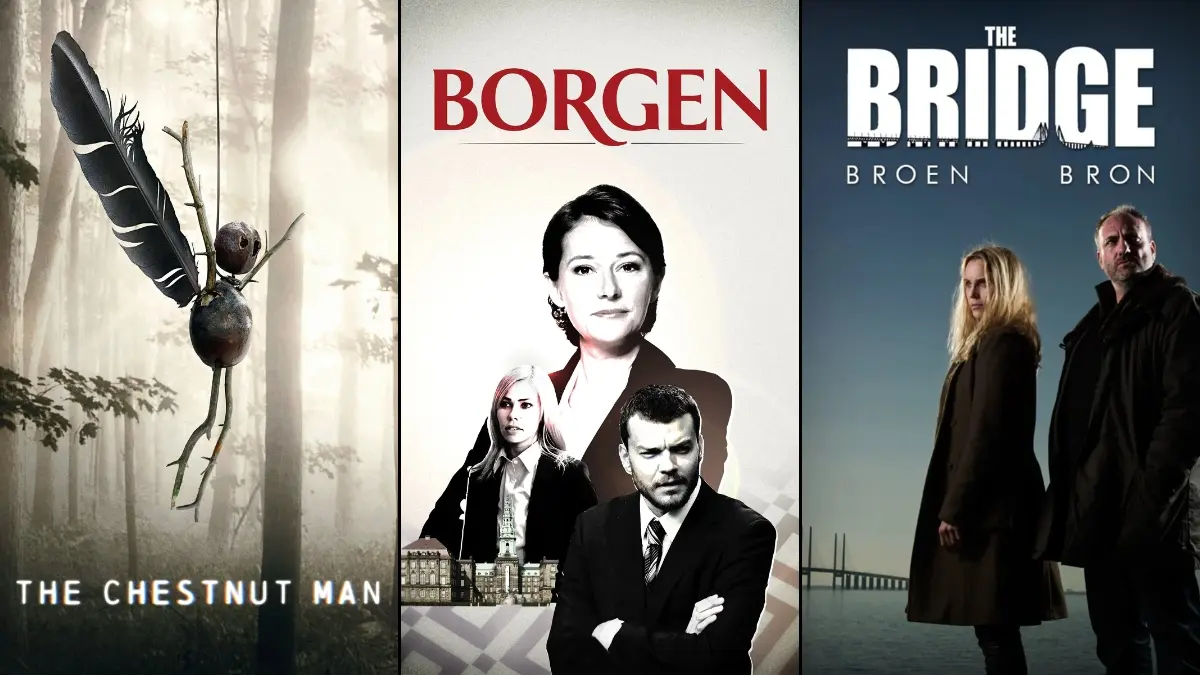


Nordic television has become a global export thanks to layered storytelling, stark landscapes, and a mix of crime, politics, and folklore that feels unlike anything else on TV. This list highlights series from Denmark, Finland, Iceland, Norway, and Sweden across police procedurals, political dramas, and modern myth, with details on creators, settings, and what each show focuses on. You’ll find public broadcasters like DR and SVT alongside Netflix originals, plus novel adaptations and writer-driven originals. Use it as a map to Nordic noir, prestige drama, and genre swings that built the region’s reputation for precise, character-first TV.
‘Borgen’ (2010–2022)
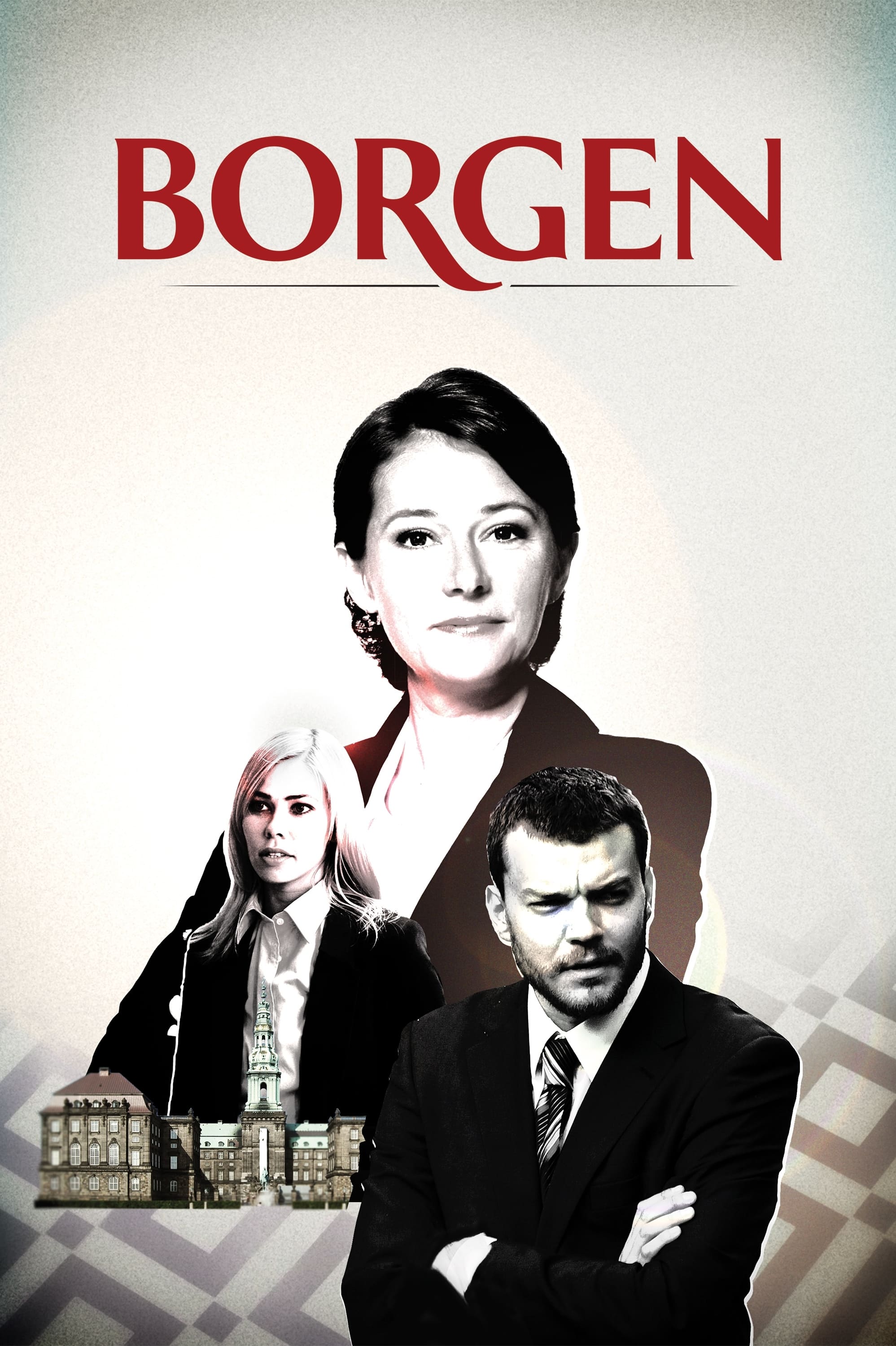
Created by Adam Price for DR, ‘Borgen’ follows Danish politician Birgitte Nyborg as she navigates coalition governments, media pressure, and policy trade-offs in Copenhagen. Much of the production used DR’s studios and real political locations for authenticity. The cast features Sidse Babett Knudsen, Pilou Asbæk, and Birgitte Hjort Sørensen. The series later continued with a co-production involving Netflix and DR under the subtitle ‘Borgen – Power & Glory’.
‘The Bridge’ (2011–2018)
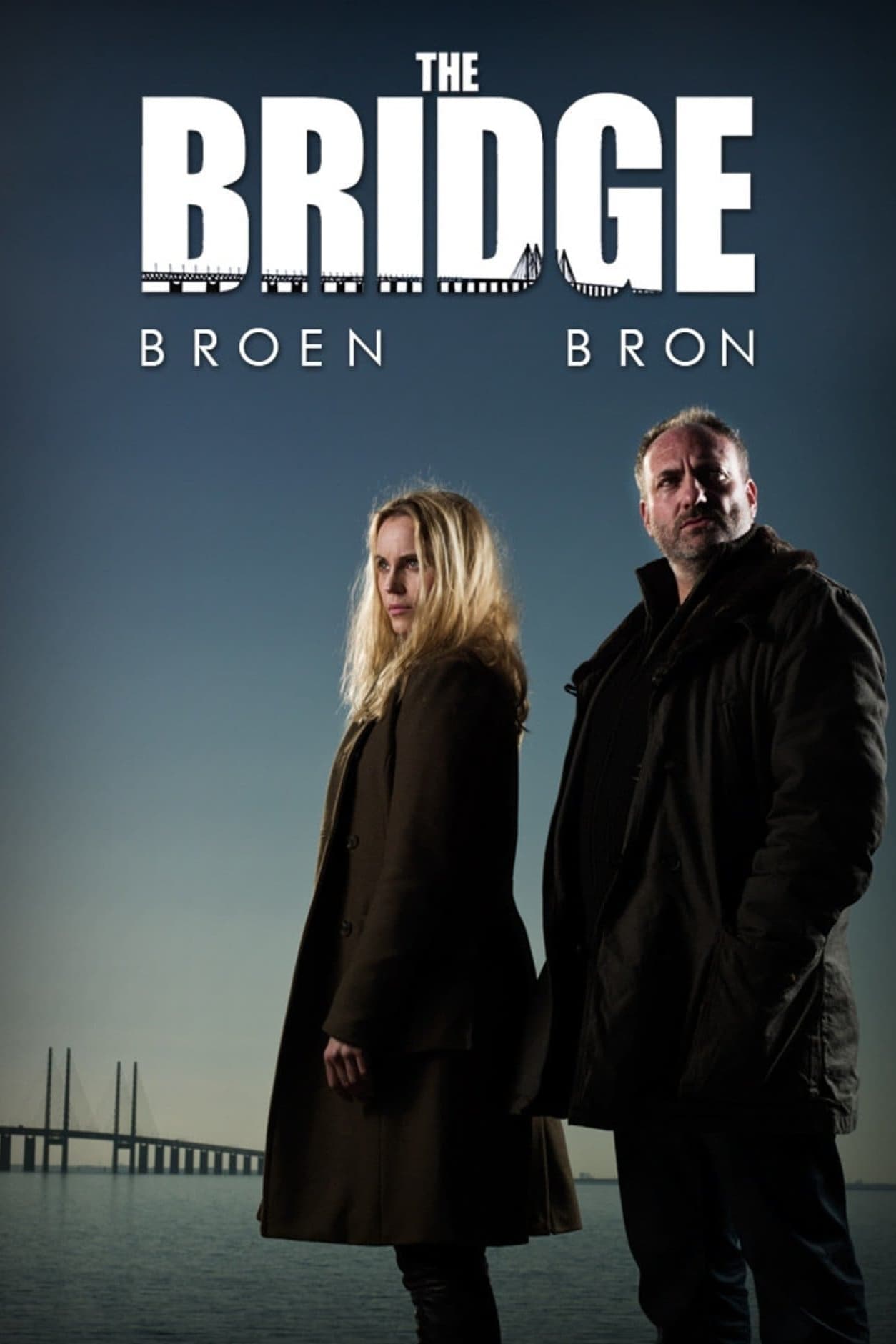
A joint production between Sweden’s SVT and Denmark’s DR, ‘The Bridge’ opens with a body found on the Øresund Bridge linking Malmö and Copenhagen. The investigation pairs Swedish detective Saga Norén with Danish detective Martin Rohde and later Henrik Sabroe. The show is known for bilingual dialogue, cross-border policing procedures, and the use of the Øresund region as a narrative engine. It spawned multiple international remakes set on other border crossings.
‘The Killing’ (2007–2012)
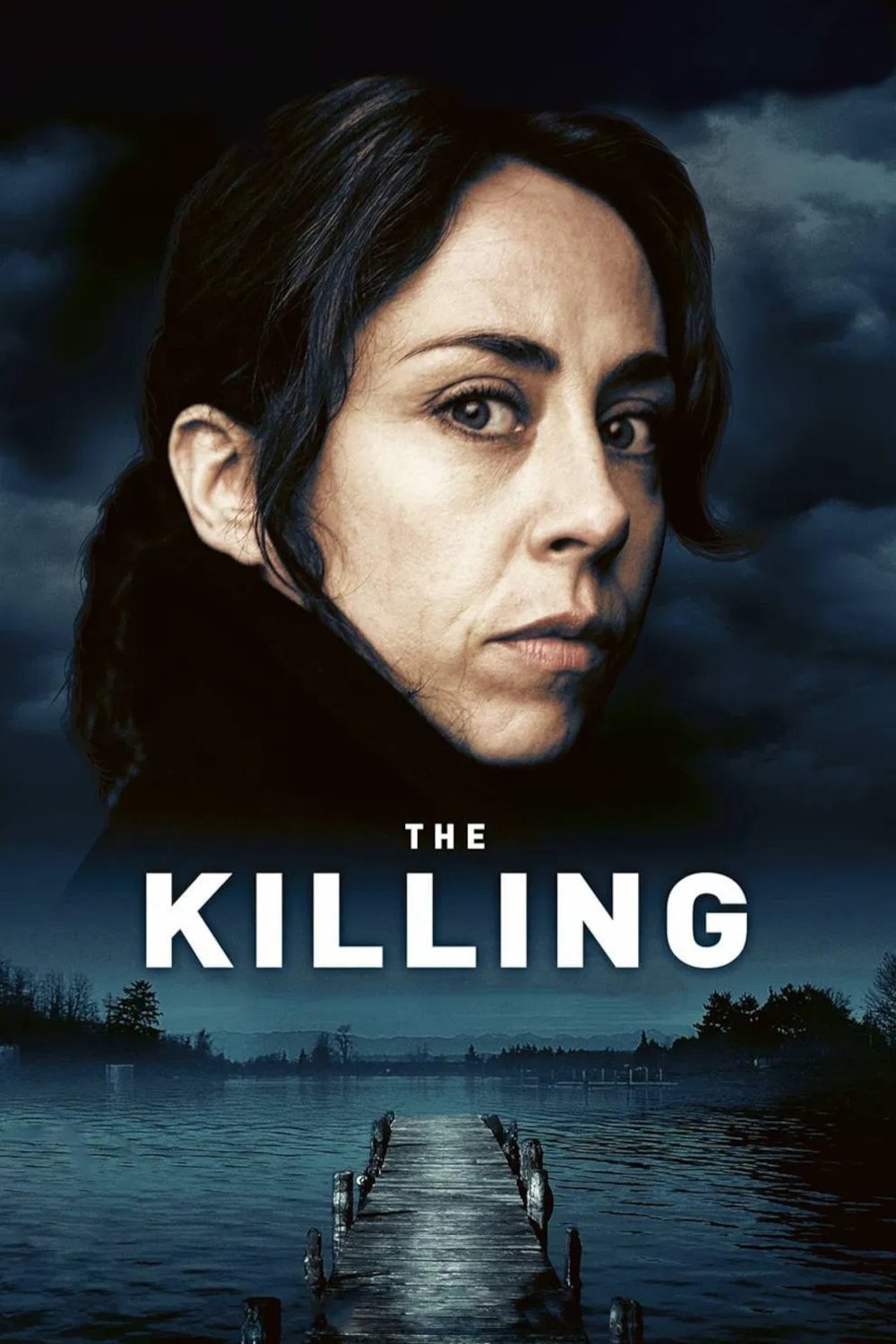
Produced by DR and created by Søren Sveistrup, ‘The Killing’ centers on Detective Sarah Lund and casework that unfolds over extended story arcs. The series employs a day-by-day structure that tracks forensics, politics, and family perspectives in parallel. Its knitwear became an unexpected cultural signature, but the production is anchored by meticulous procedural detail. The show inspired a U.S. adaptation and helped popularize the term “Nordic noir.”
‘Trapped’ (2015–2021)
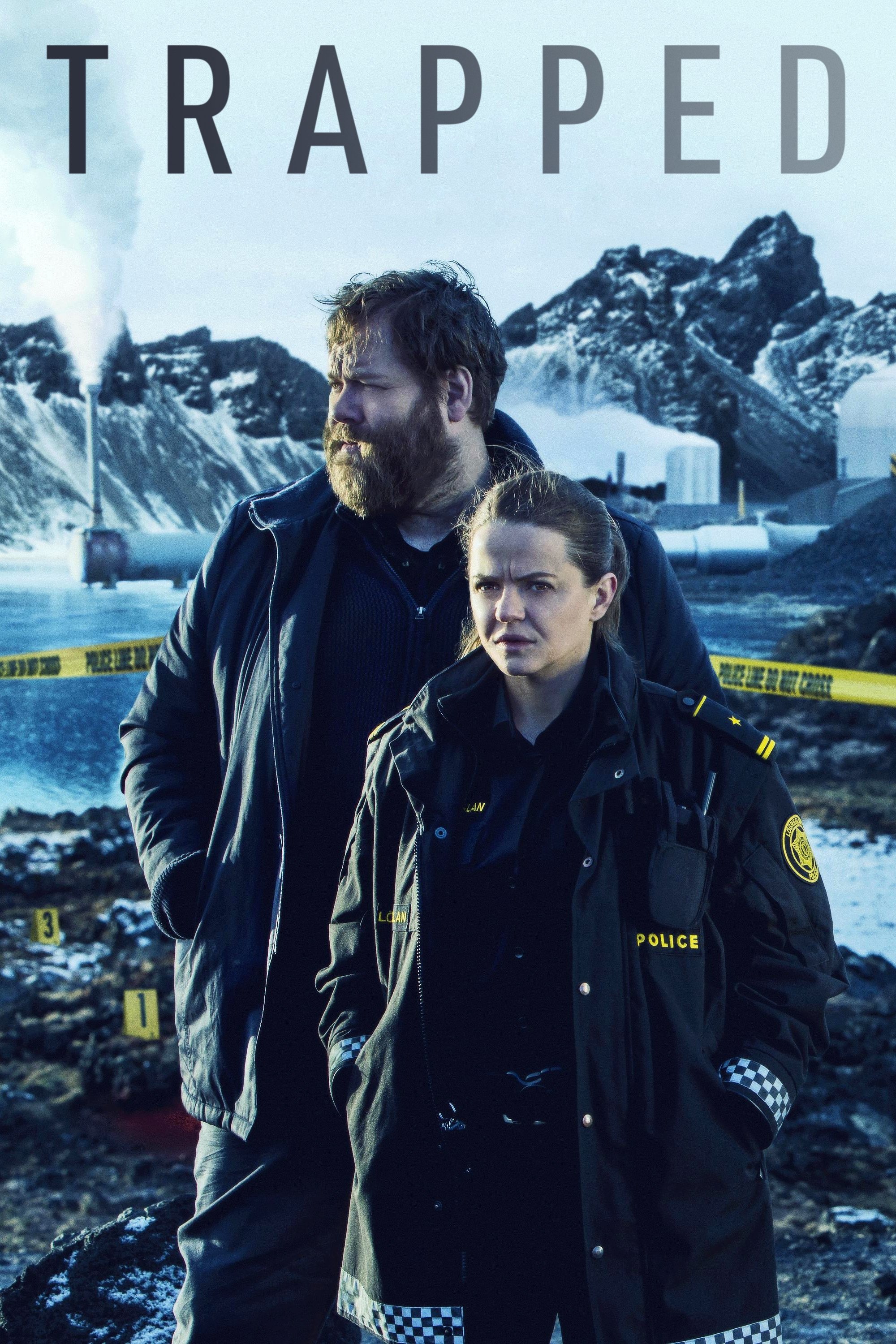
Icelandic series ‘Trapped’ (‘Ófærð’) was created by Baltasar Kormákur and set in a small town isolated by severe weather after a ferry arrives. Police chief Andri Ólafsson leads investigations complicated by geography, limited resources, and shifting local alliances. Filming took place in locations like Siglufjörður and Reykjavík, with extensive use of practical snowbound environments. The third installment continued the story under the title ‘Entrapped’.
‘Occupied’ (2015–2020)
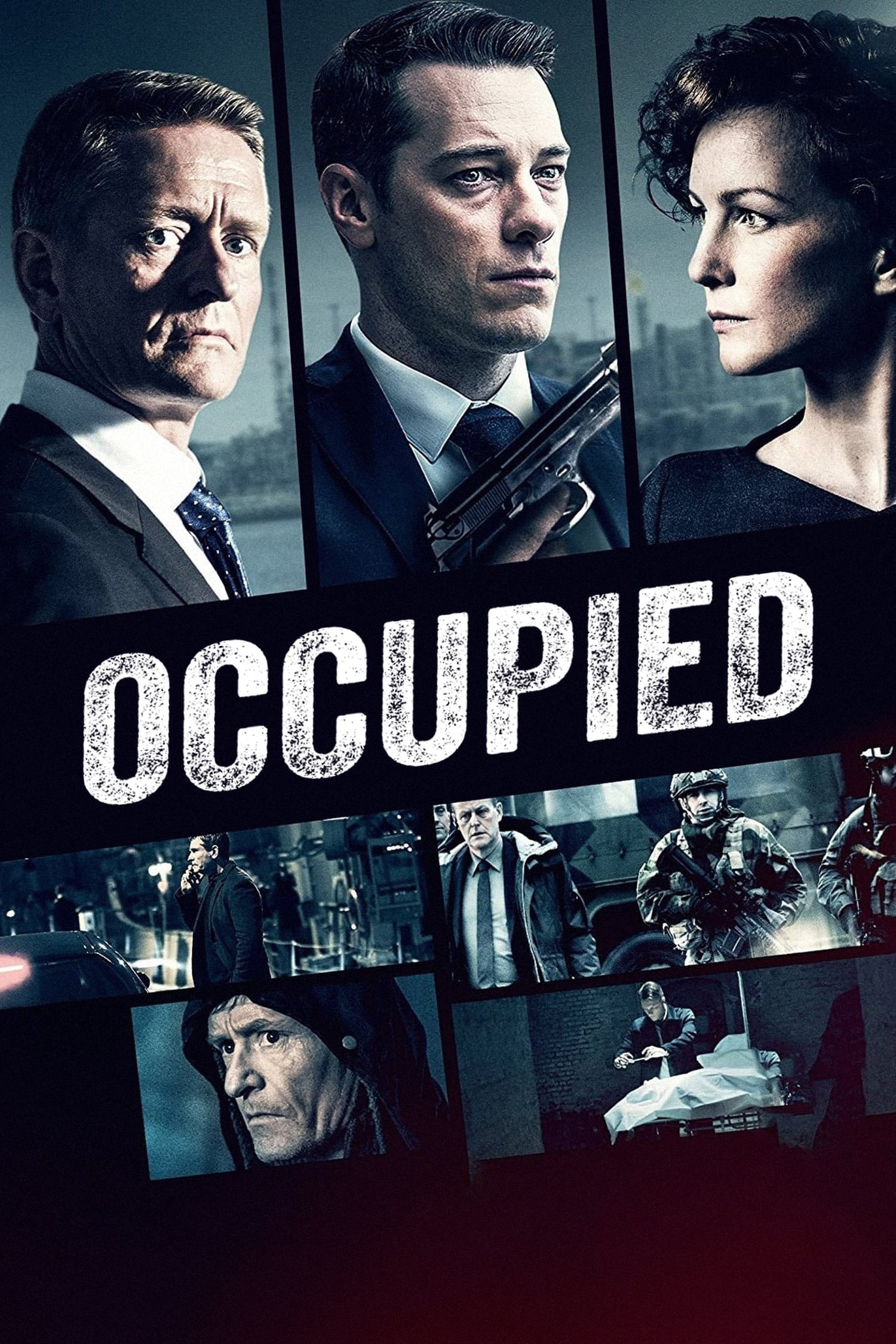
‘Occupied’ (‘Okkupert’) is a Norwegian political thriller based on an idea by Jo Nesbø, following an energy crisis that triggers a geopolitical standoff involving Norway and Russia. The series explores cabinet decision-making, media framing, and civil resistance. It was produced by TV 2 Norway with support from Viaplay and shot around Oslo and other Norwegian locales. The narrative uses contemporary energy policy and international law as plot scaffolding.
‘Ride Upon the Storm’ (2017–2018)

Created by Adam Price, ‘Ride Upon the Storm’ (‘Herrens veje’) focuses on a Danish family of priests and the intersection of faith, ambition, and institutional expectations. The story examines theological education, parish politics, and personal crises within the Church of Denmark. Lars Mikkelsen leads a cast working across Copenhagen and Zealand locations. The production emphasizes ritual, doctrine, and intergenerational dynamics rather than procedural crime.
‘Rita’ (2012–2020)
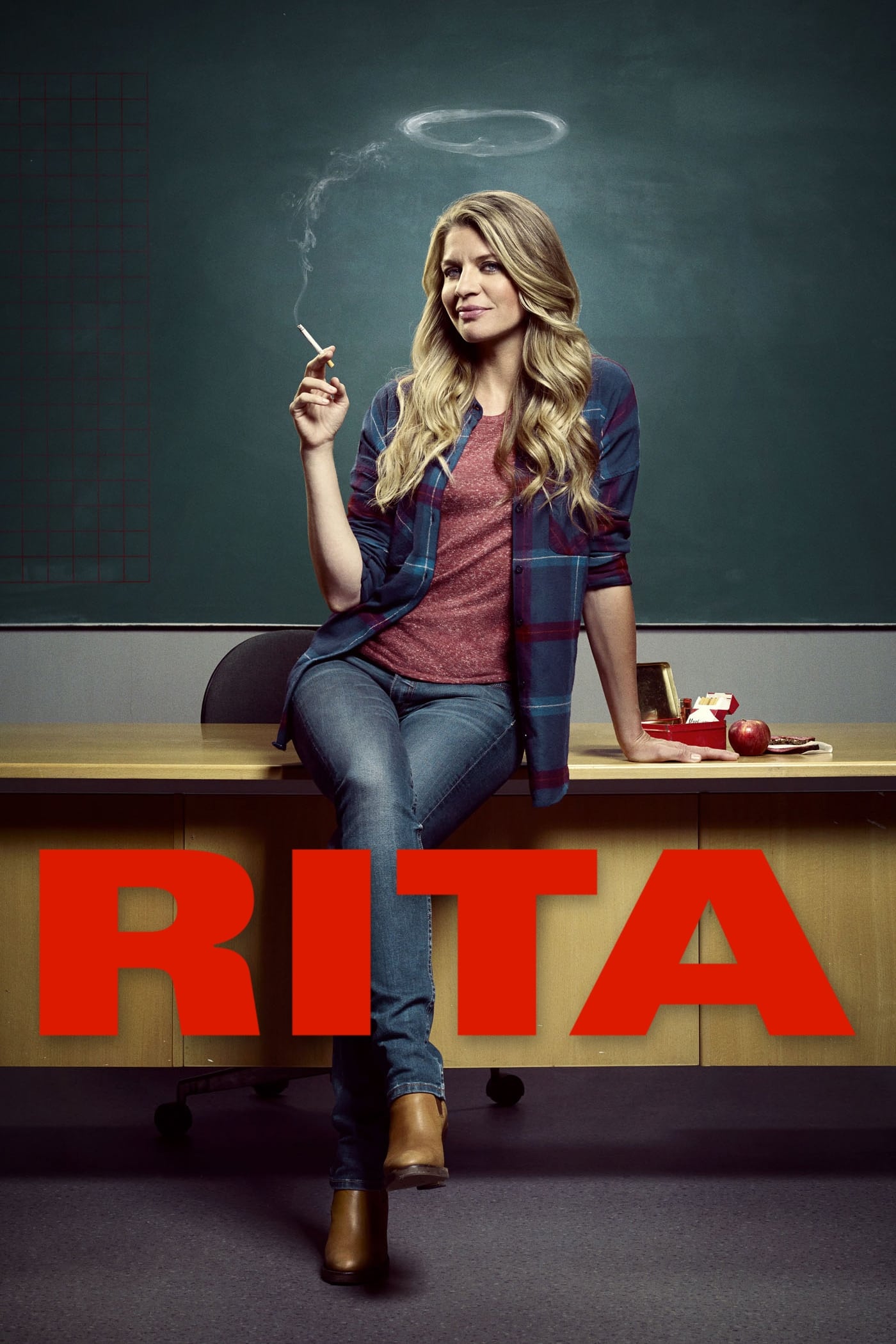
A Danish dramedy from TV 2 and later Netflix, ‘Rita’ centers on a teacher navigating school policy, student welfare, and parent relations. The show uses classroom scenarios to illustrate educational reforms and social services in practice. Filming relied on local schools re-dressed as the fictional setting. The ensemble explores staff rooms, municipal oversight, and the impact of legislation on day-to-day teaching.
‘Norsemen’ (2016–2020)
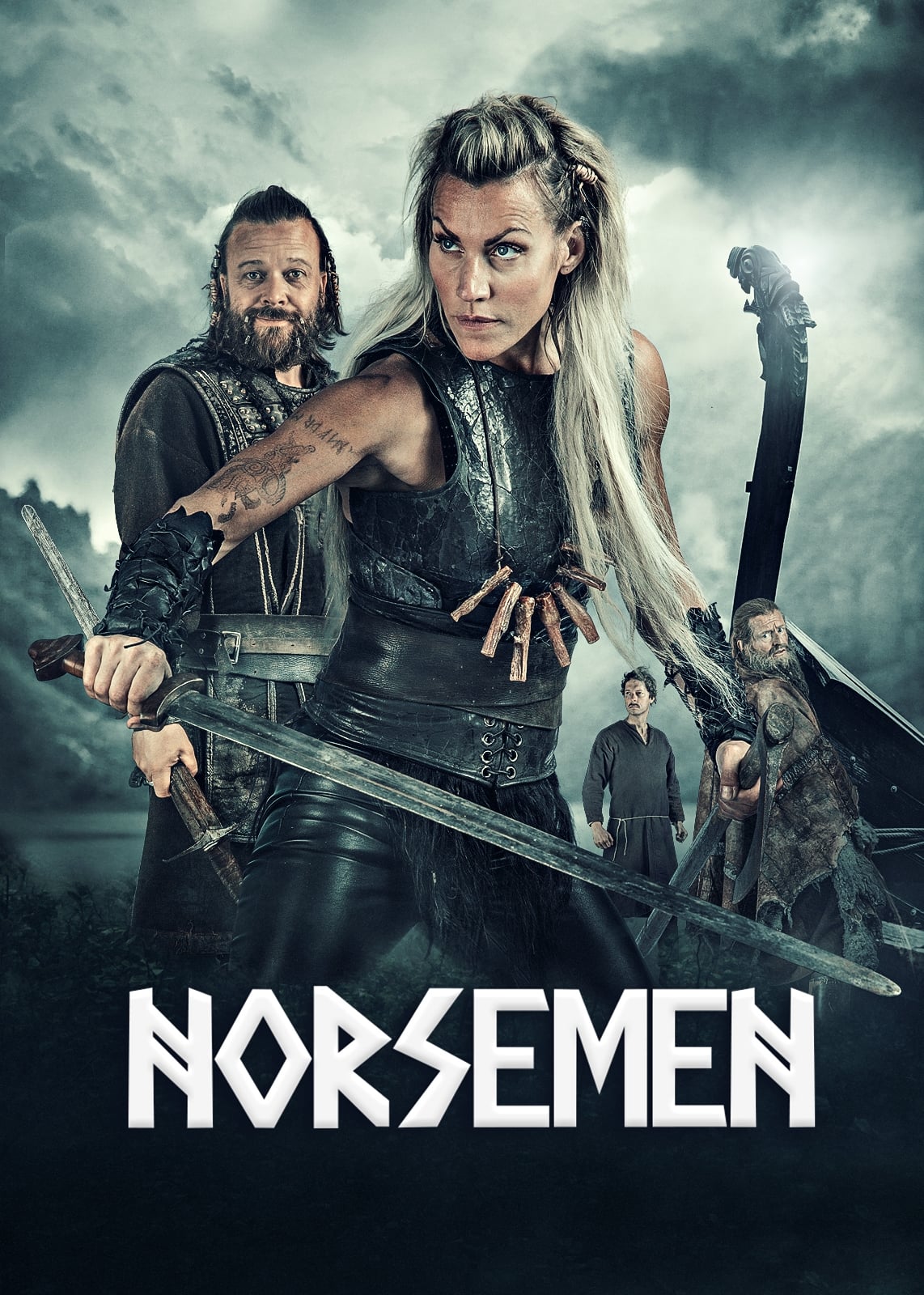
Norwegian series ‘Norsemen’ (‘Vikingane’) is a historical satire shot in dual versions, one in Norwegian and one in English. The production was filmed around Rogaland with period sets, costumes, and ships built to portray a village circa the Viking Age. Storylines involve raiding logistics, chieftain succession, and cultural exchange framed through deadpan humor. The bilingual approach allowed simultaneous domestic and international releases.
‘Before We Die’ (2017–2019)
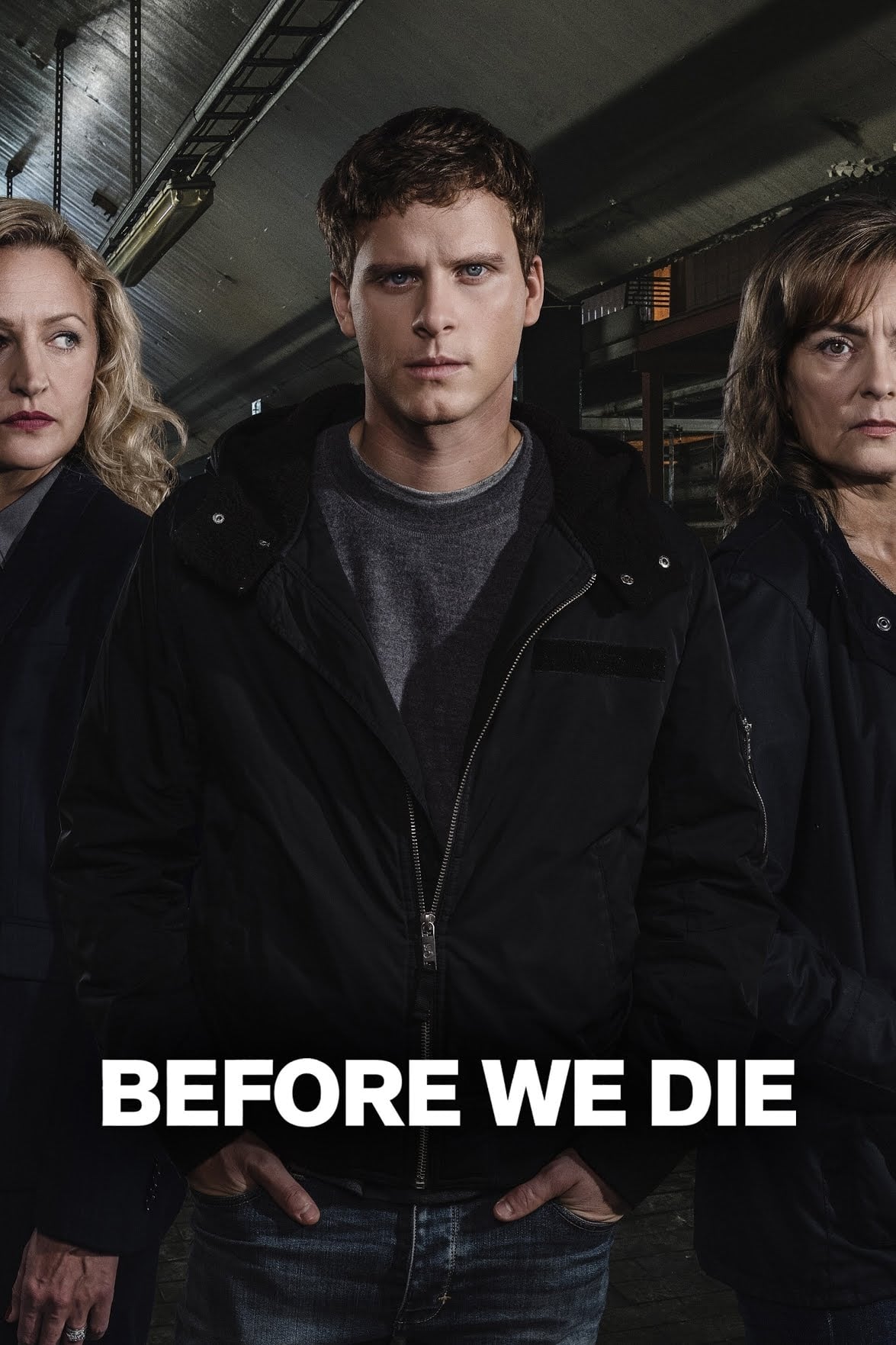
Swedish series ‘Before We Die’ (‘Innan vi dör’) follows a Stockholm police officer drawn into organized crime through an undercover operation. The narrative uses encrypted communications, biker gangs, and informant handling to structure its casework. Broadcast by SVT, it features urban locations and restaurant settings as plot hubs. A British remake later adapted the concept to a different city and force structure.
‘Deadwind’ (2018–2021)
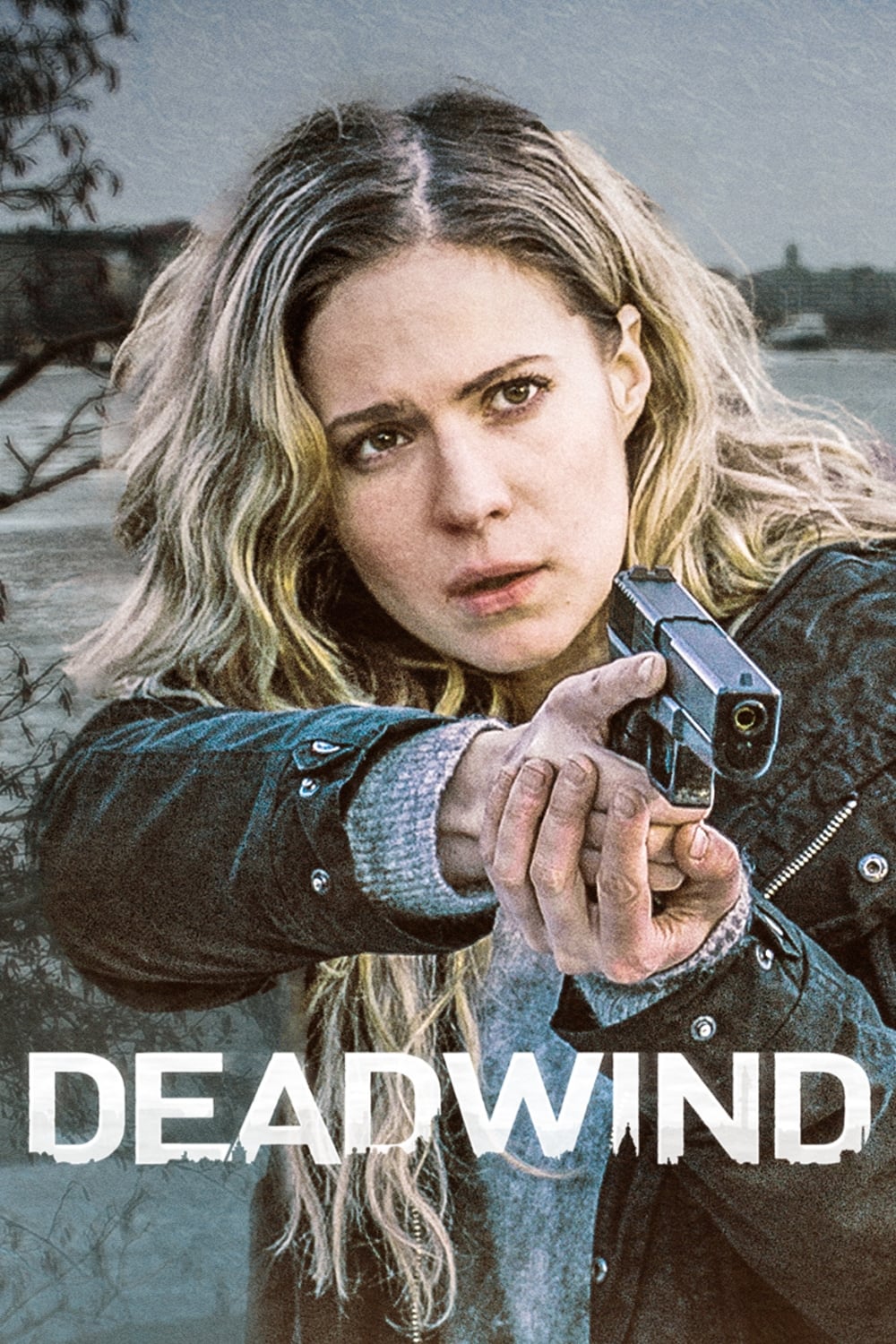
Finnish crime drama ‘Deadwind’ (‘Karppi’) was created by Rike Jokela, Jari Olavi Rantala, and Kirsi Porkka for Yle and Netflix. Detective Sofia Karppi investigates homicides tied to business, politics, and Helsinki development projects. The series integrates Finnish corporate governance and environmental permitting into its cases. It combines location shoots across Helsinki with a focus on forensic routines and inter-agency collaboration.
‘Bordertown’ (2016–2019)
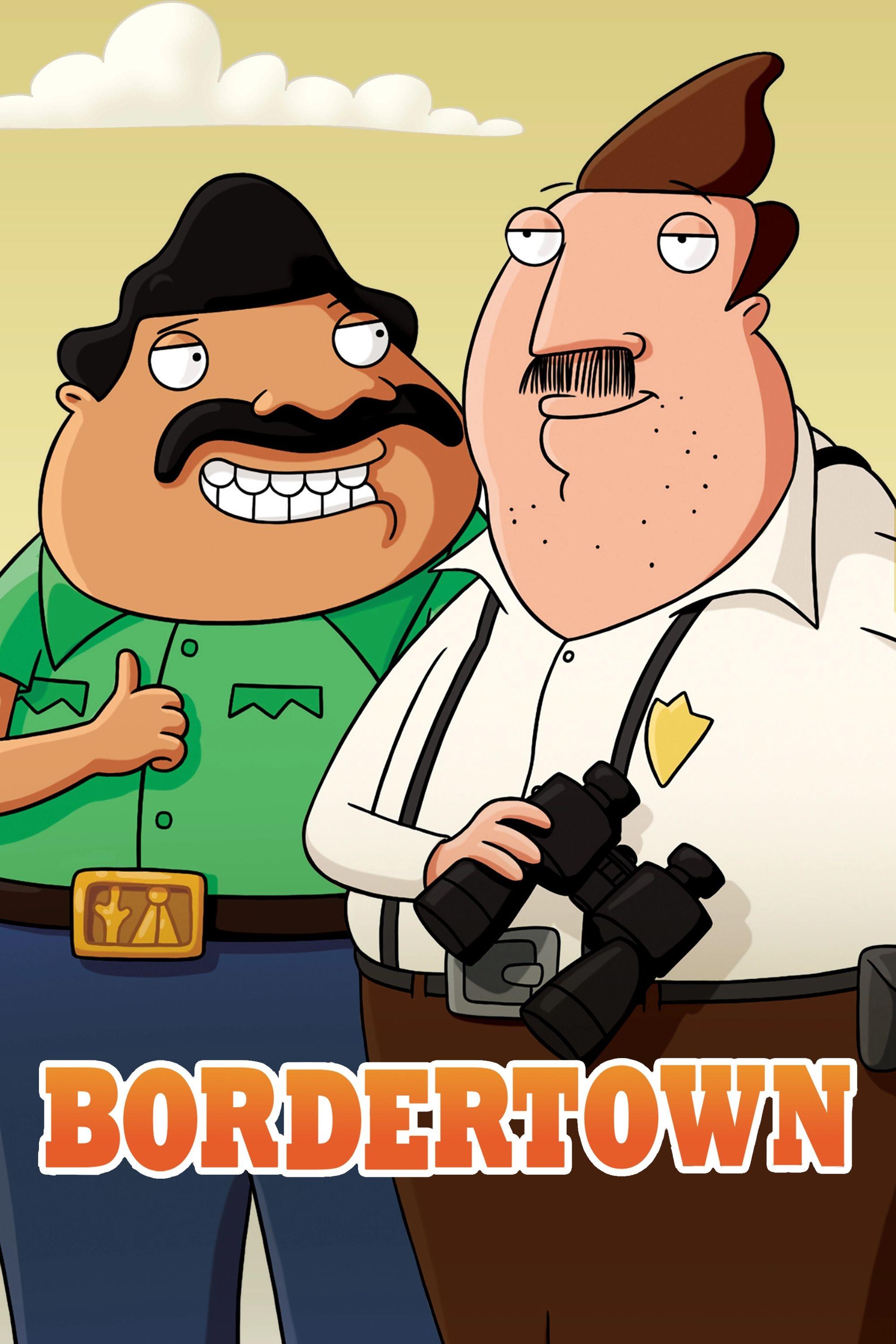
‘Bordertown’ (‘Sorjonen’) is a Finnish crime series about Detective Kari Sorjonen, who relocates to Lappeenranta near the Russian border. Cases often exploit cross-border jurisdiction, trafficking routes, and family impacts. The show was produced by Fisher King Production for Yle and later distributed internationally. It uses a case-within-case structure, with multi-episode arcs forming larger seasonal threads.
‘Jordskott’ (2015–2017)
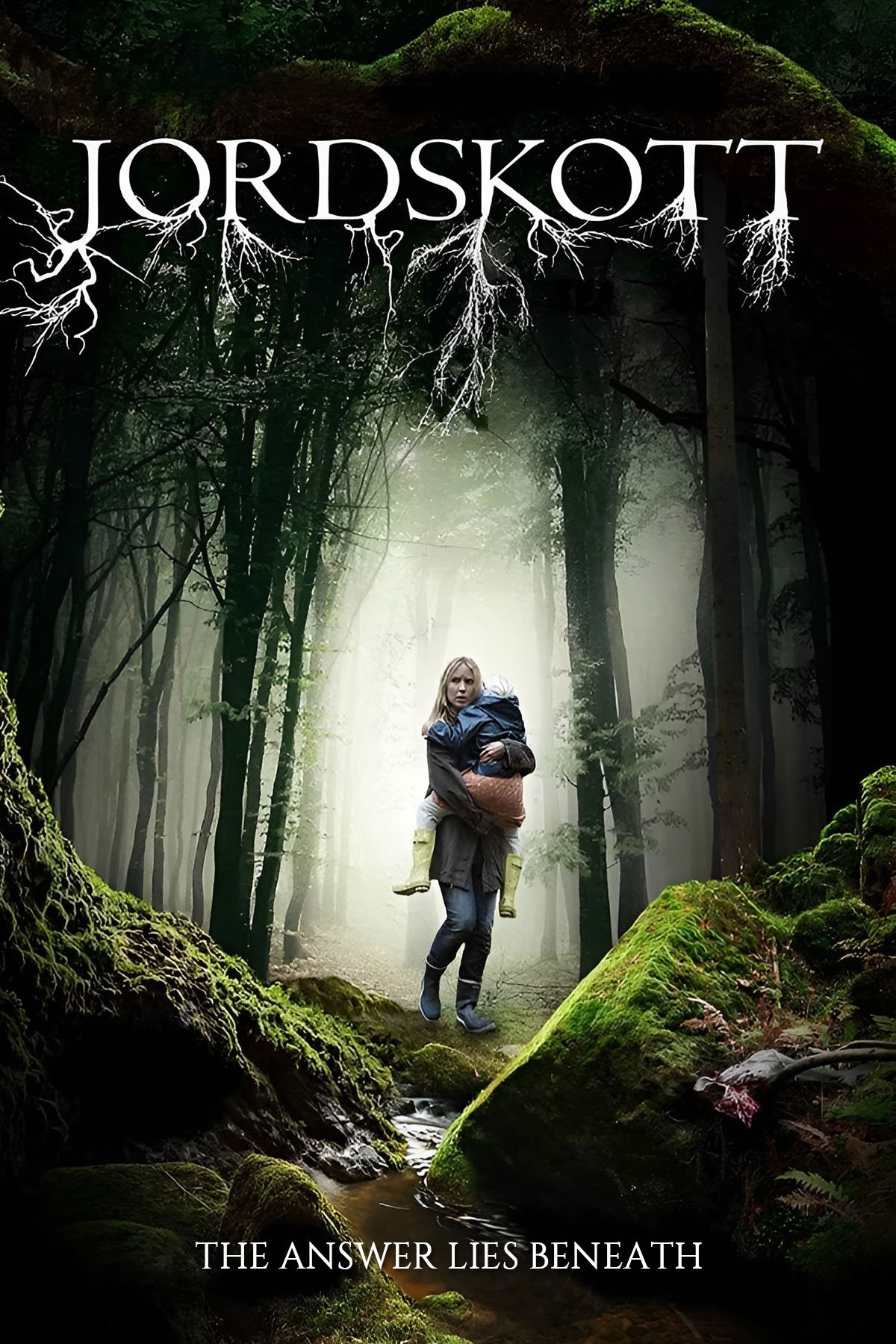
Sweden’s ‘Jordskott’ blends crime investigation with Nordic folklore, set around the forested town of Silverhöjd. The plot connects missing persons to corporate forestry, land rights, and mythic elements. Produced for SVT, it features extensive location work in wooded areas and small-town infrastructure. The series is noted for integrating environmental themes with procedural storytelling.
‘The Valhalla Murders’ (2019–2020)
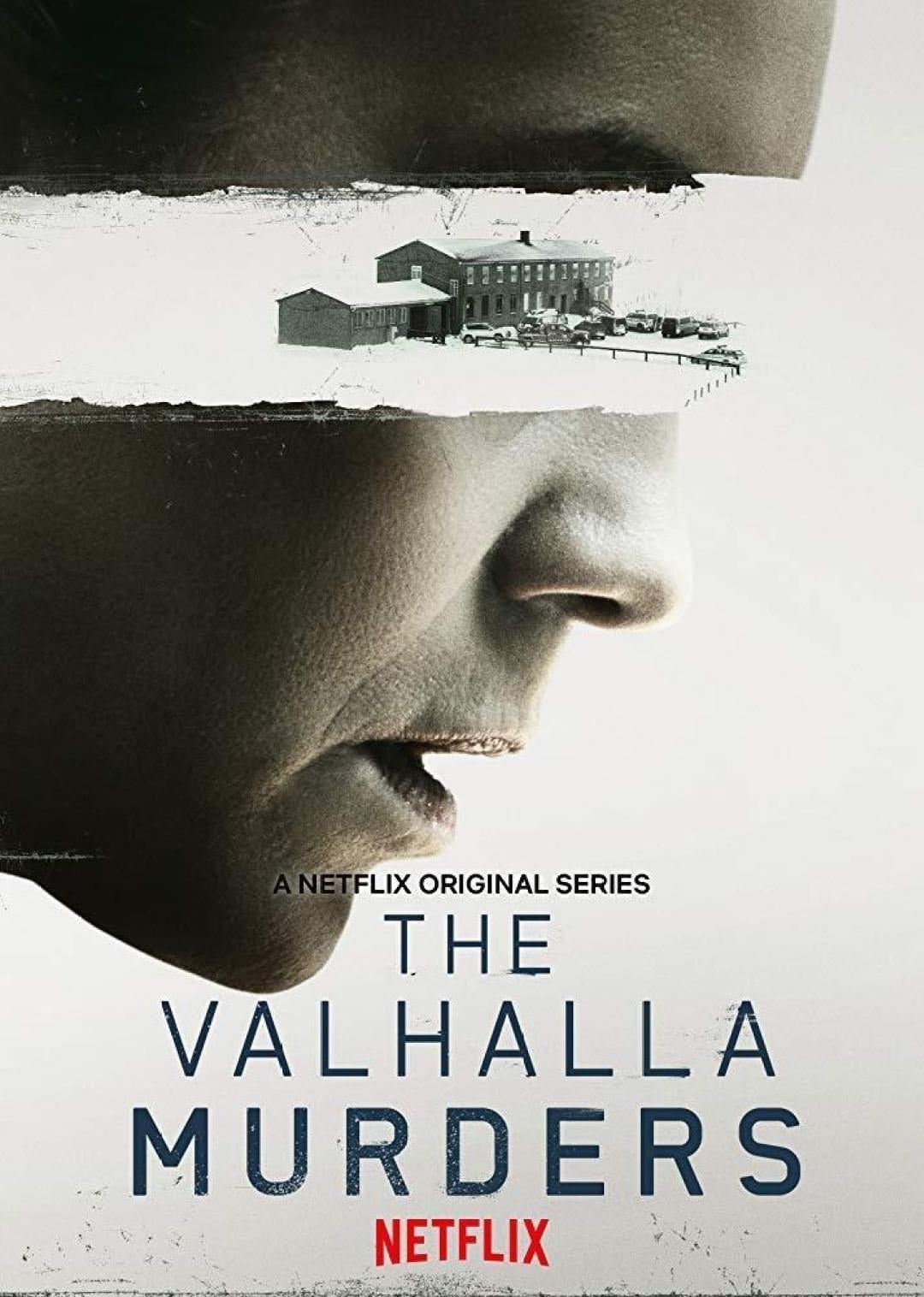
An Icelandic limited series from RÚV and Netflix, ‘The Valhalla Murders’ (‘Brot’) follows investigators tracking homicides linked to an old state institution. The production drew on contemporary Reykjavik locations and rural sites for contrast. It examines archival secrecy, institutional accountability, and survivor testimony. The show was praised for police methodology details and the use of Iceland’s winter light in scene design.
‘Rebecka Martinsson’ (2017–2020)
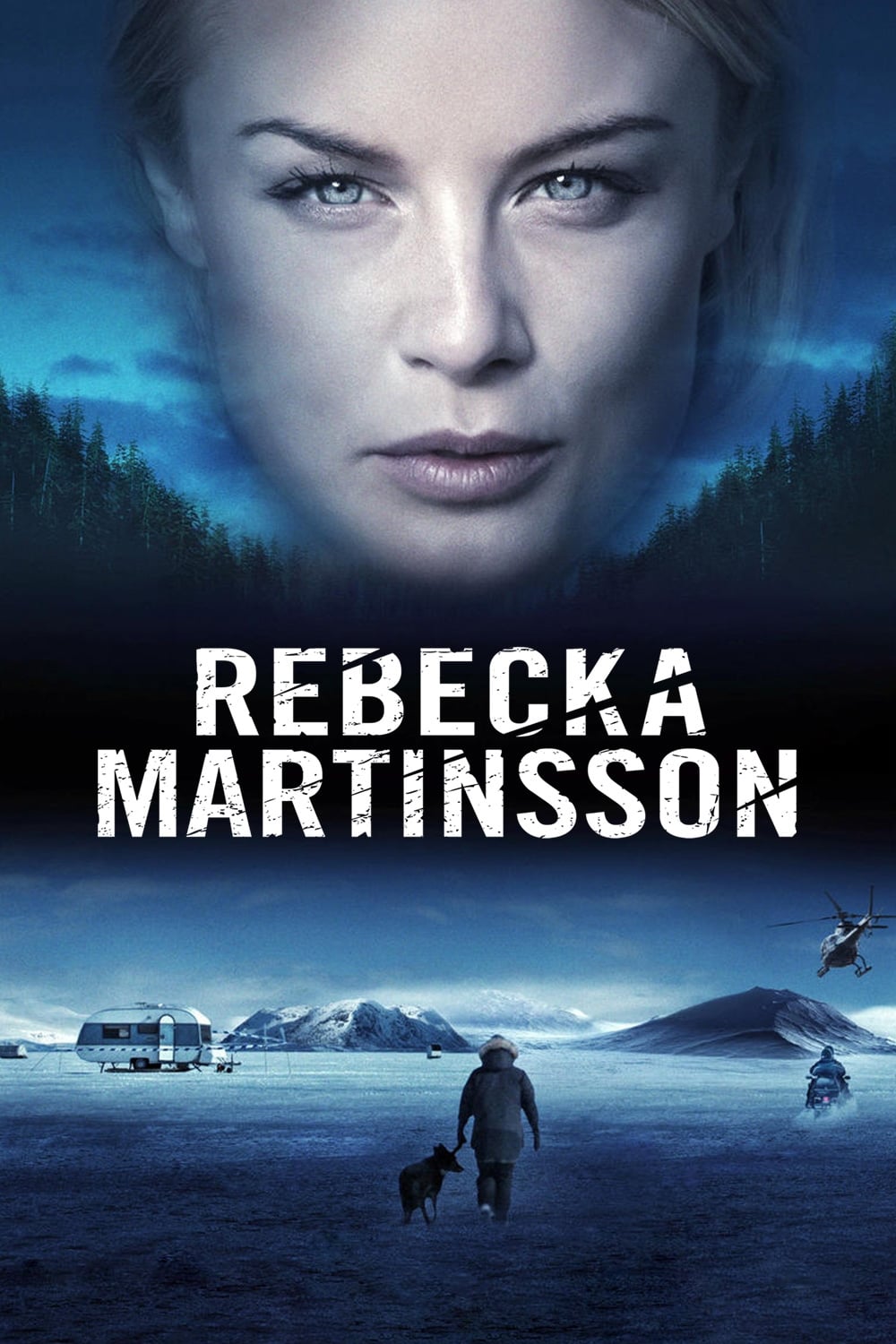
Based on Åsa Larsson’s novels and produced for TV4, ‘Rebecka Martinsson’ follows a Stockholm lawyer returning to Kiruna in Swedish Lapland. Cases incorporate mining operations, Sami culture, and remote community dynamics. The series employs real northern locations and seasonal conditions to shape investigations. Casting changes between seasons are woven into the narrative without altering the setting’s legal and social frameworks.
‘Follow the Money’ (2016–2019)

Danish series ‘Follow the Money’ (‘Bedrag’) investigates financial crime, moving from renewable-energy fraud to banking and investment schemes. It portrays regulators, prosecutors, and corporate insiders across Copenhagen’s business districts. Produced by DR, the show focuses on compliance, shell structures, and whistleblowing procedures. Each season pivots to a new corner of white-collar crime while maintaining an overlapping cast.
‘Wisting’ (2019–2023)
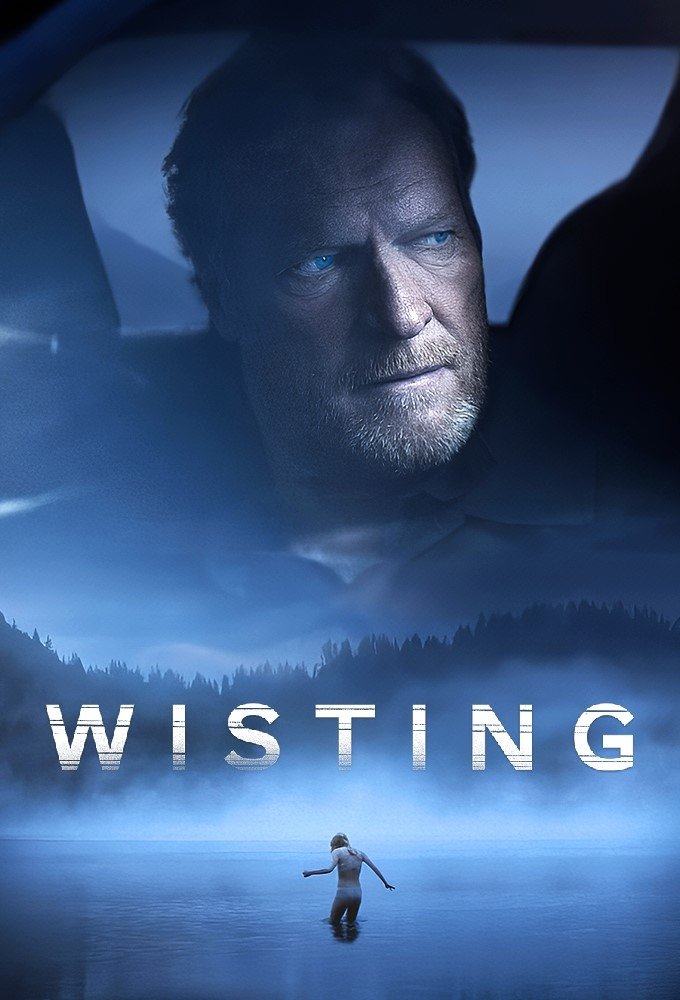
Norwegian crime drama ‘Wisting’, based on Jørn Lier Horst’s novels, follows Chief Inspector William Wisting in Larvik. Cases involve international cooperation, missing persons, and cold-case methodologies. The series was produced for Viaplay and Norway’s TV 3 with location shoots along the Vestfold coast. It frequently incorporates joint task forces and inter-Nordic police collaboration.
‘Thin Blue Line’ (2021–2022)
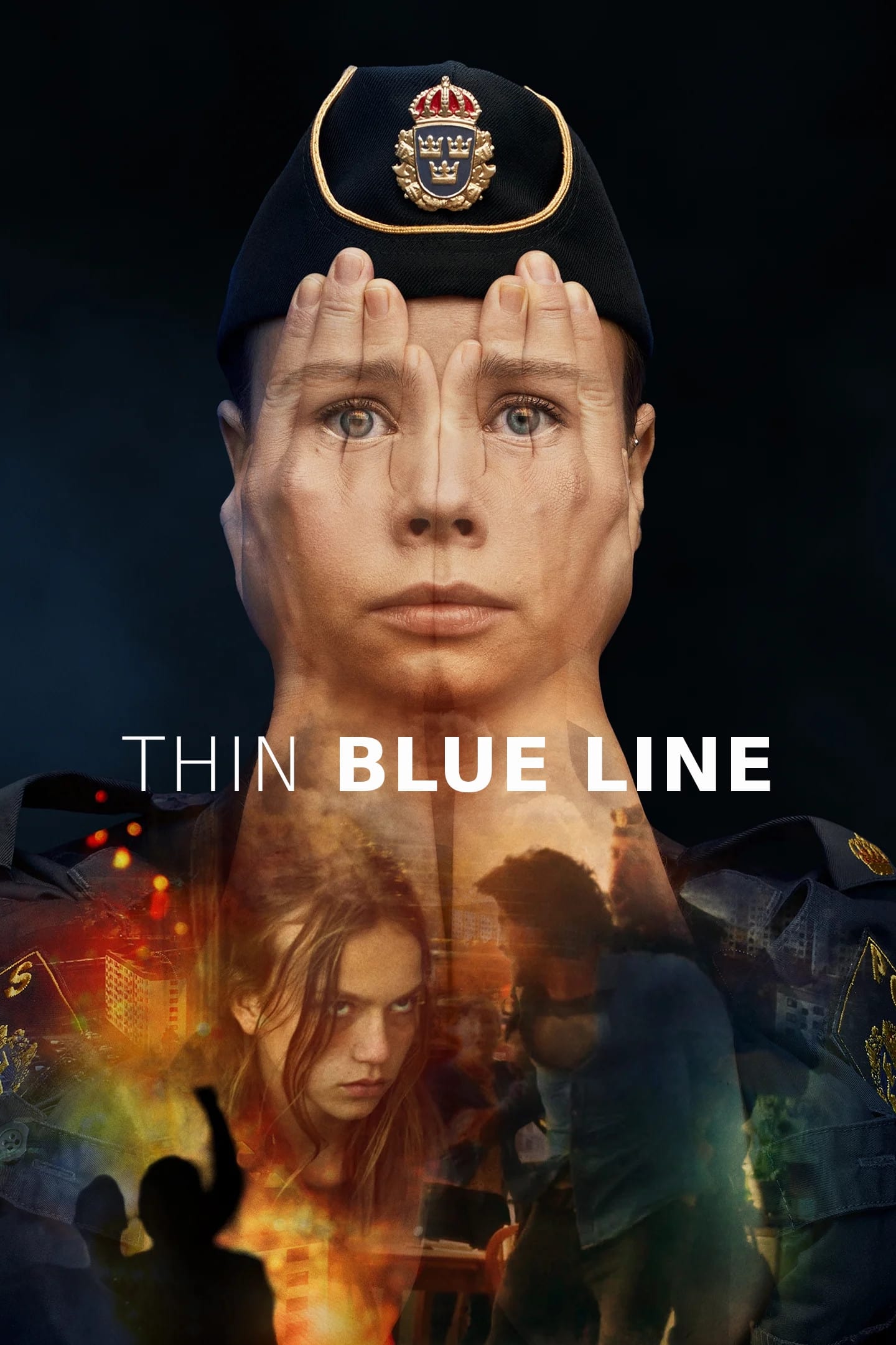
‘Thin Blue Line’ (‘Tunna blå linjen’) is a Swedish ensemble drama set in Malmö, focusing on patrol officers’ shifts and community interactions. The production uses documentary-style camerawork and real city districts. Storylines track dispatch protocols, social services interfaces, and incident reporting. SVT commissioned the series with an emphasis on municipal realities and frontline procedures.
‘The Rain’ (2018–2020)
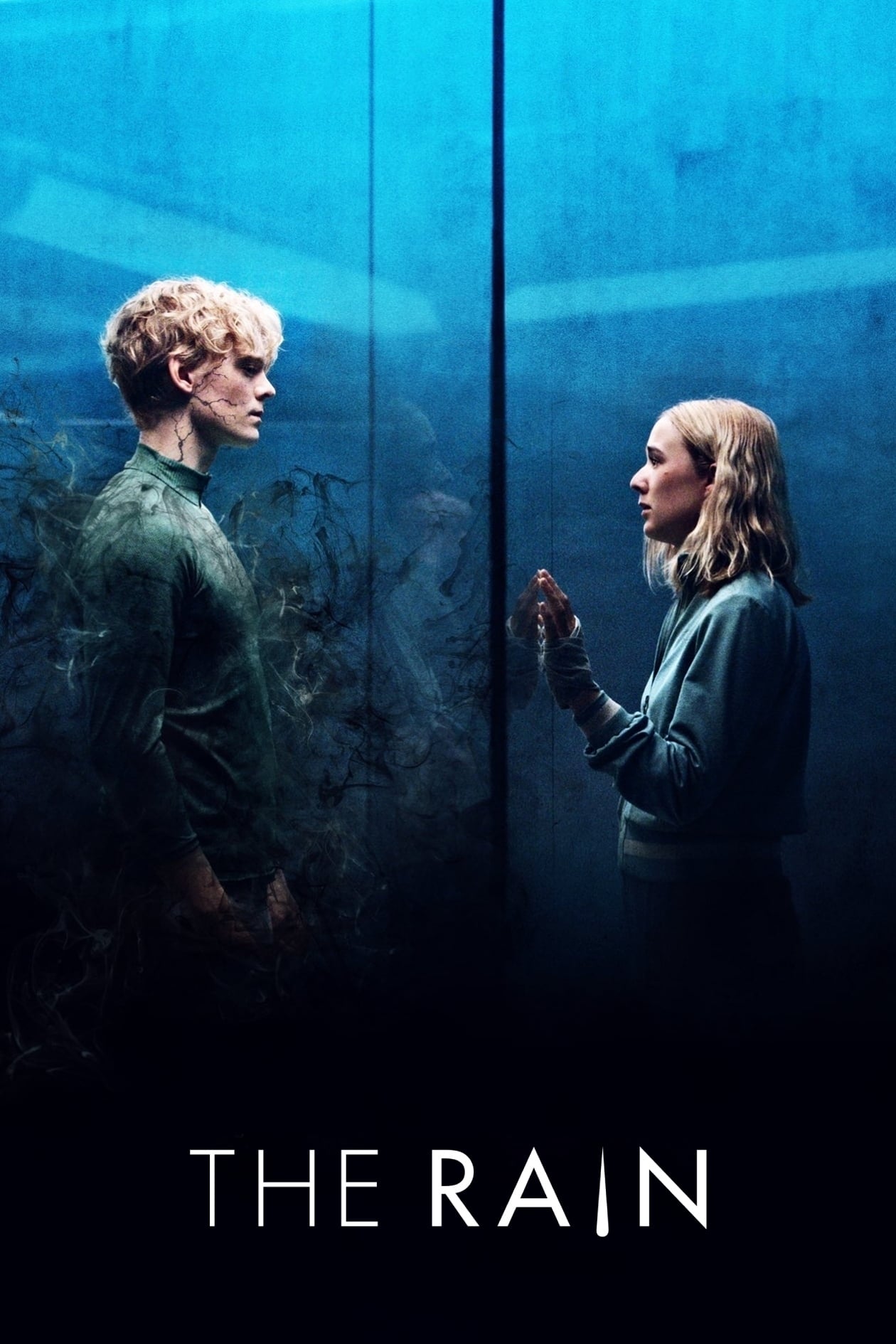
Danish sci-fi drama ‘The Rain’ follows siblings surviving after a pathogen carried by rainfall devastates Scandinavia. The series was produced by Miso Film for Netflix with shoots across Denmark and Sweden. It explores quarantine zones, research facilities, and supply-chain collapse through a traveling-group format. Scientific institutions and corporate labs function as recurring locations and plot drivers.
‘Caliphate’ (2020)
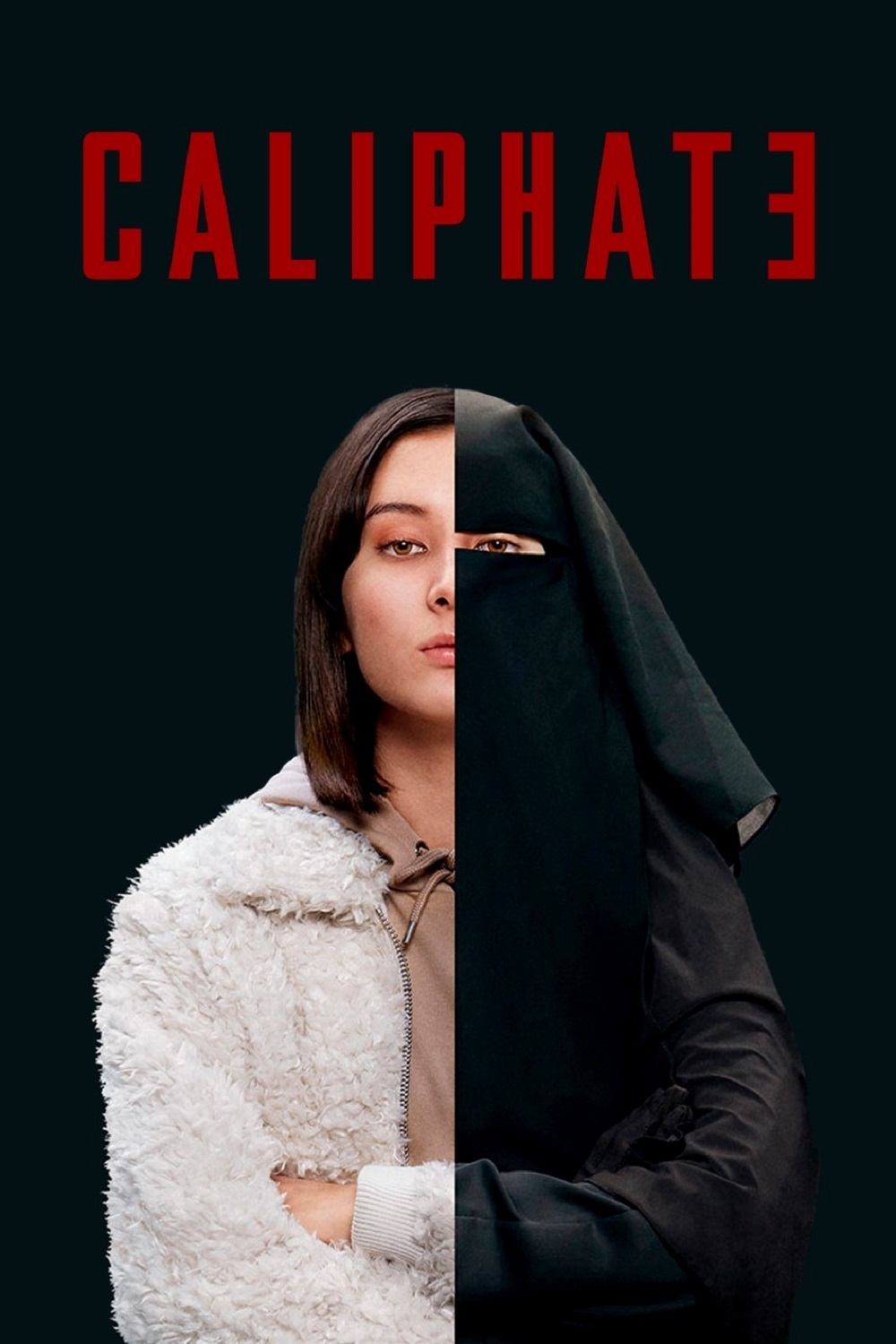
Swedish series ‘Caliphate’ (‘Kalifat’) from SVT and Filmlance follows security services and families entangled with radicalization and foreign conflict. The narrative alternates between Swedish domestic operations and overseas scenes. It presents school settings, social-worker roles, and digital surveillance as procedural elements. The production consulted subject-matter experts to depict recruitment pathways and prevention efforts.
‘Quicksand’ (2019)
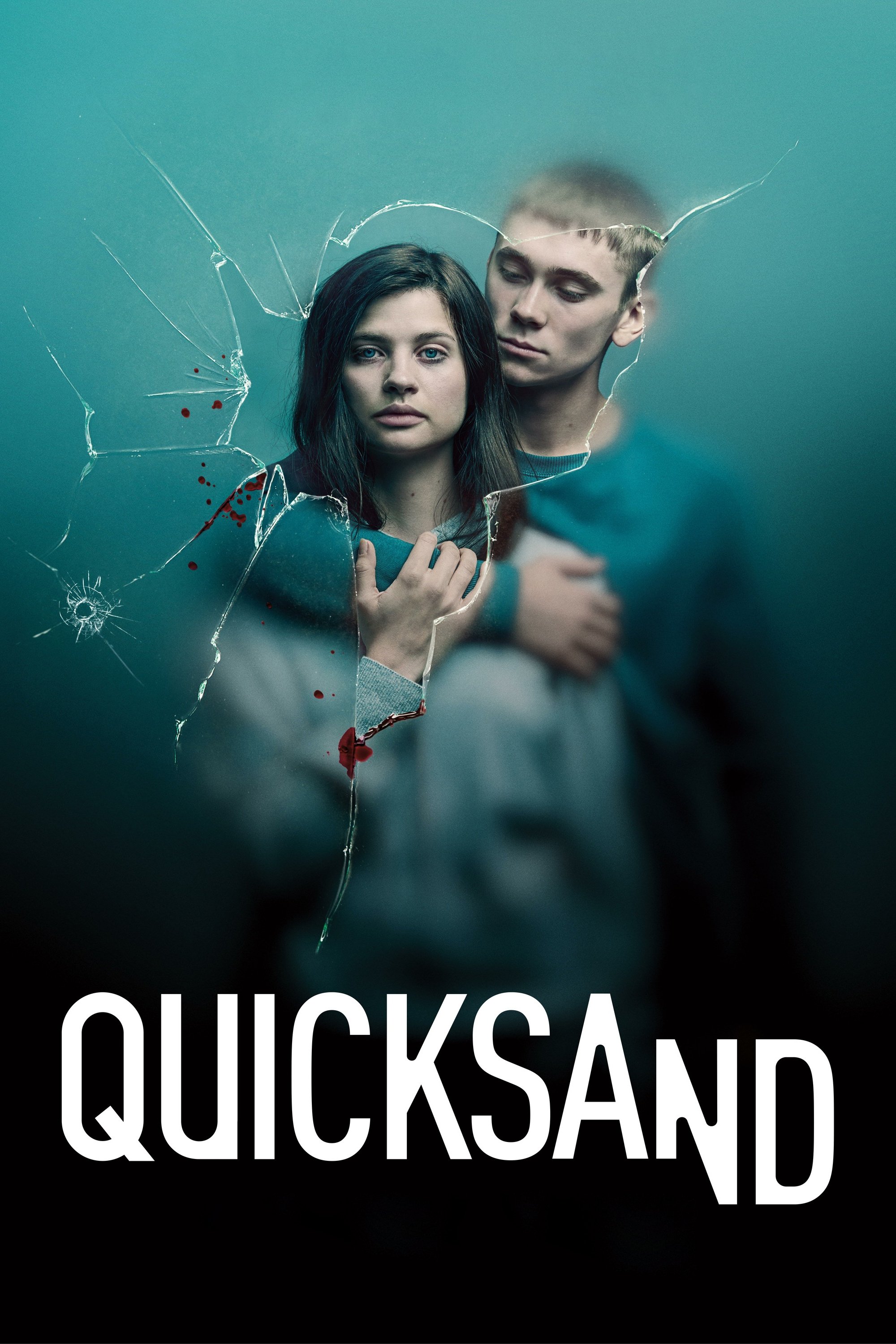
‘Quicksand’ (‘Störst av allt’) adapts Malin Persson Giolito’s novel into a courtroom-centered limited series set in Stockholm. The show intercuts trial proceedings with personal and school life through a structured flashback approach. Produced by Netflix and FLX, it emphasizes legal strategy, forensic evidence, and witness testimony. The series uses affluent district locations to contextualize socioeconomic aspects of the case.
‘The Chestnut Man’ (2021)

A Danish limited series produced by SAM Productions for Netflix, ‘The Chestnut Man’ adapts Søren Sveistrup’s novel into a Copenhagen homicide investigation. The plot uses forensic markers and child-welfare casefiles to connect victims. Police work unfolds across municipal offices, urban neighborhoods, and the national forensics lab. Practical effects and location shoots contribute to its grounded procedural style.
‘Katla’ (2021)
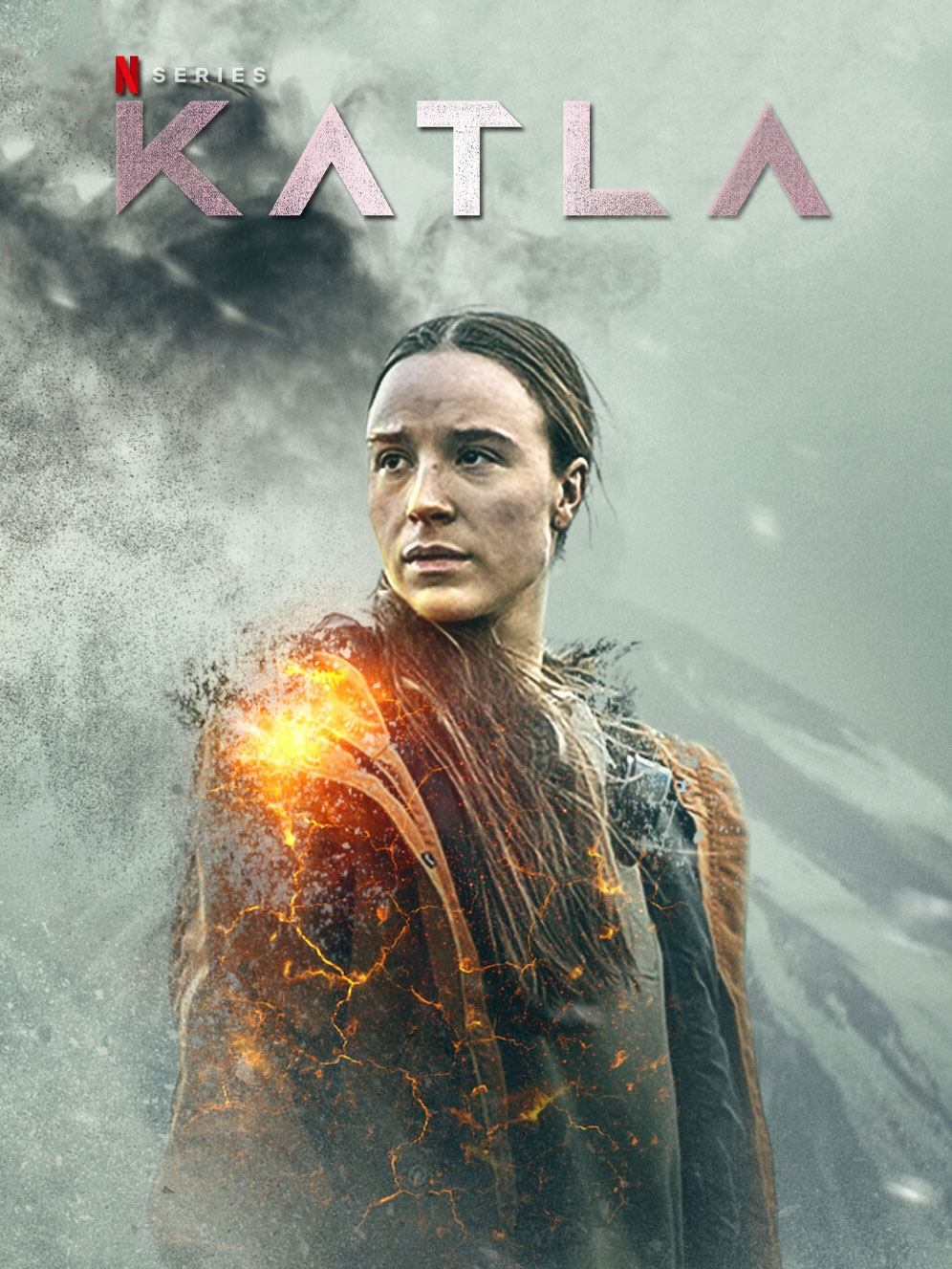
Icelandic series ‘Katla’, created by Baltasar Kormákur and Sigurjón Kjartansson, is set in a town near an active subglacial volcano. The story blends geologic phenomena with personal mystery after unusual events follow an eruption. Produced for Netflix and filmed in Iceland, it features black-sand plains, lava fields, and evacuation zones. Scientific field camps and emergency operations serve as recurring backdrops.
‘Darkness: Those Who Kill’ (2019–2023)
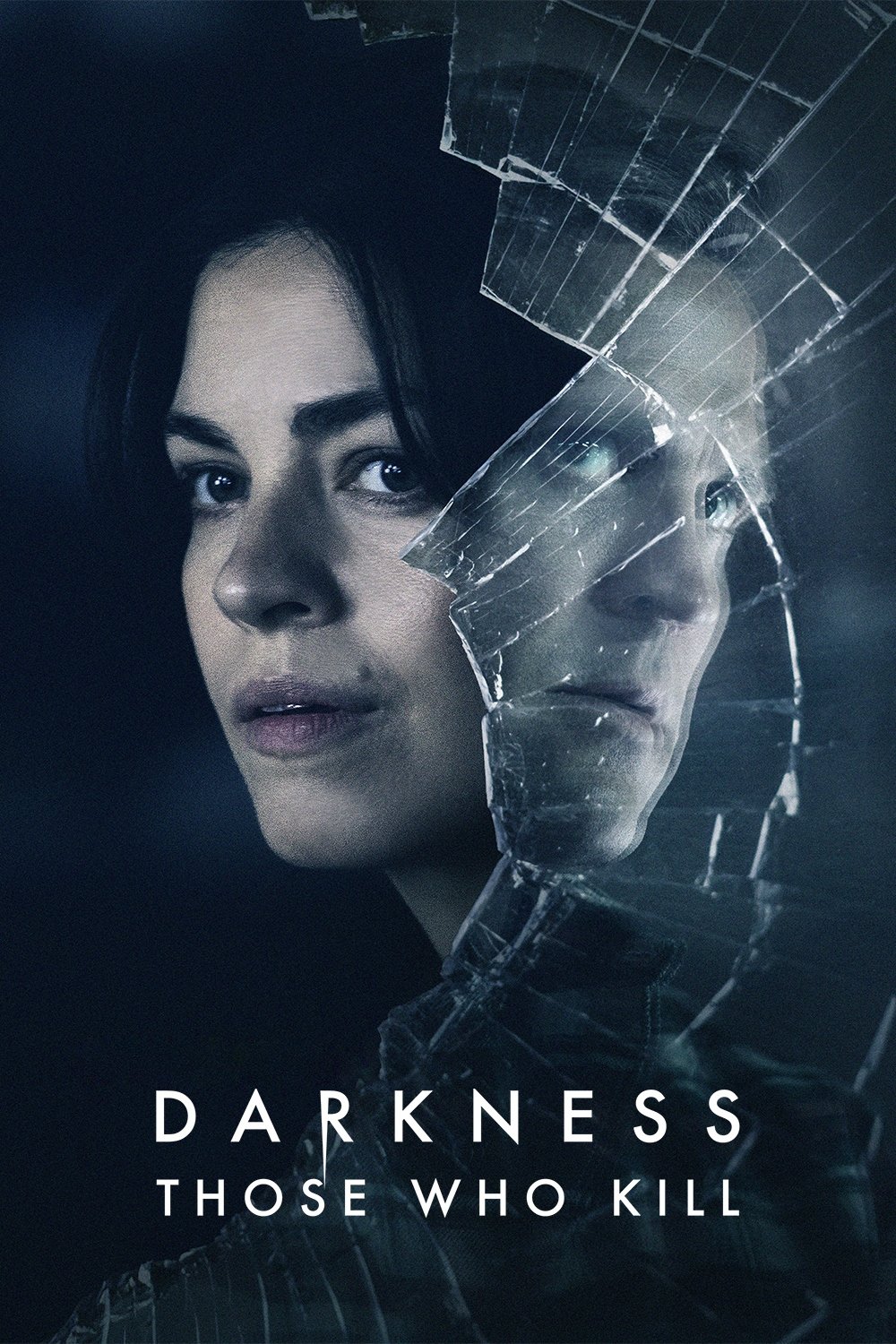
A rebooted Danish crime format from Viaplay and TV 2, ‘Darkness: Those Who Kill’ (‘Den som dræber – Fanget af mørket’) follows a profiler-detective pairing on serial-crime cases. Episodes track offender profiling, victimology, and search-area analysis. The production favors location work around Copenhagen and Zealand. Case arcs emphasize behavioral units and interdepartmental coordination.
‘Young Wallander’ (2020–2022)
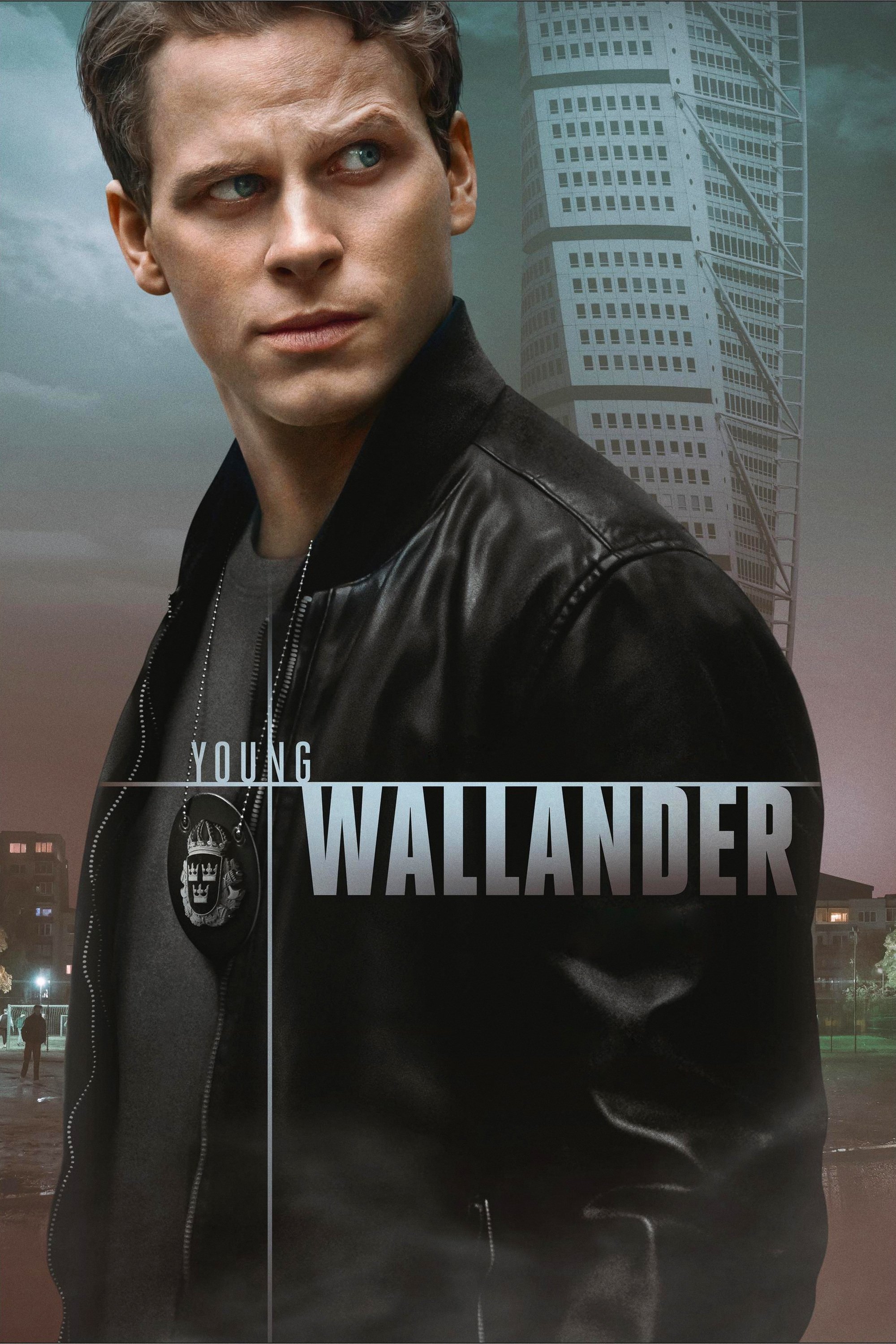
A Netflix series produced with Yellow Bird, ‘Young Wallander’ reimagines the iconic detective at the start of his career in a contemporary setting. It integrates modern policing tools, social media, and urban redevelopment in Malmö. The production employs international crews and English-language dialogue for global release. Visual design nods to Swedish crime traditions while using present-day case structures.
‘Unit One’ (2000–2004)
Danish police series ‘Unit One’ (‘Rejseholdet’) follows a national mobile task force supporting local precincts across the country. The format allows weekly cases set in different towns, highlighting jurisdictional differences and investigative logistics. Produced by DR, it features early appearances from actors who became regionally prominent. The show won an International Emmy and helped establish the modern Danish procedural template.
‘Mammon’ (2014–2016)
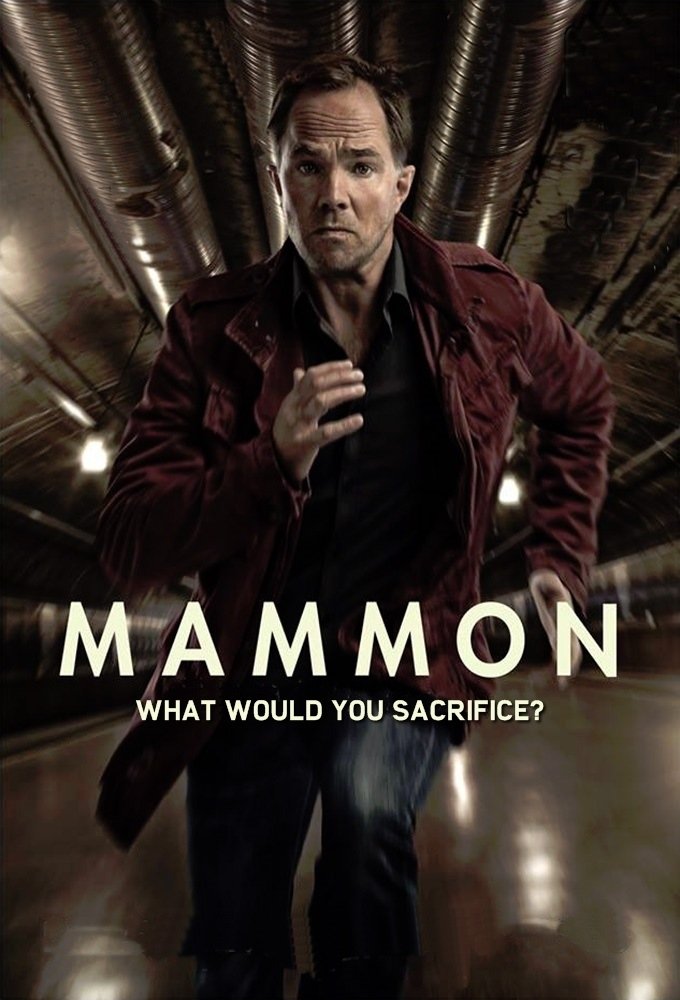
Norwegian thriller ‘Mammon’ follows an investigative journalist who uncovers financial and political corruption with international ramifications. Produced for NRK, it uses Oslo locations and newsroom settings to trace leaks, whistleblowers, and market manipulation. The plotline weaves together cabinet offices, boardrooms, and media outlets to show how information moves. It features coordinated police and regulatory responses as probes expand across agencies.
‘Dicte’ (2013–2016)
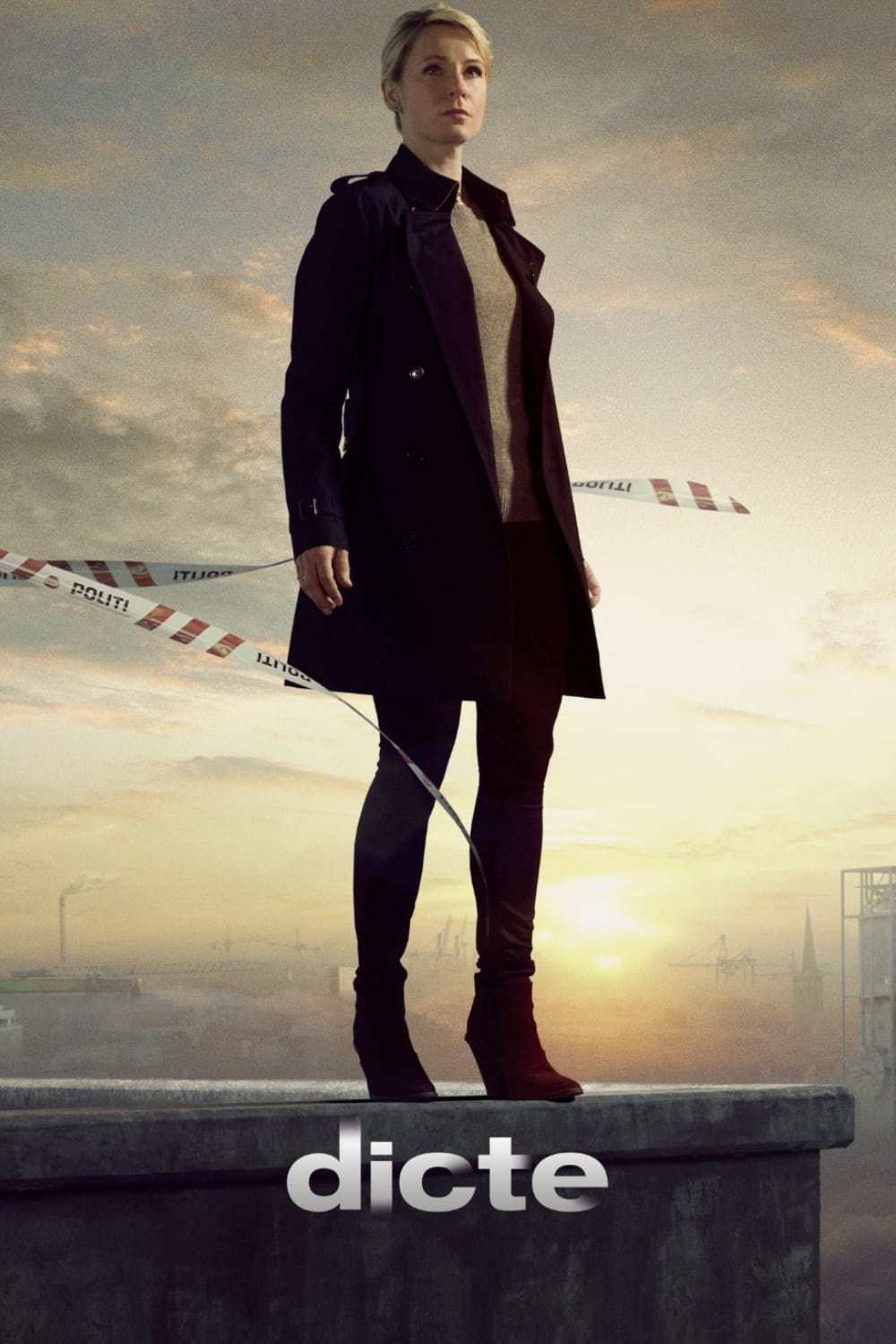
Danish series ‘Dicte’ centers on a crime reporter in Aarhus whose cases intersect with police investigations. Based on Elsebeth Egholm’s novels, it focuses on source cultivation, newsroom ethics, and the practicalities of local reporting. Production uses hospitals, ports, and municipal offices as recurring backdrops. The show highlights collaboration and friction between editorial priorities and detective work.
‘Modus’ (2015–2017)
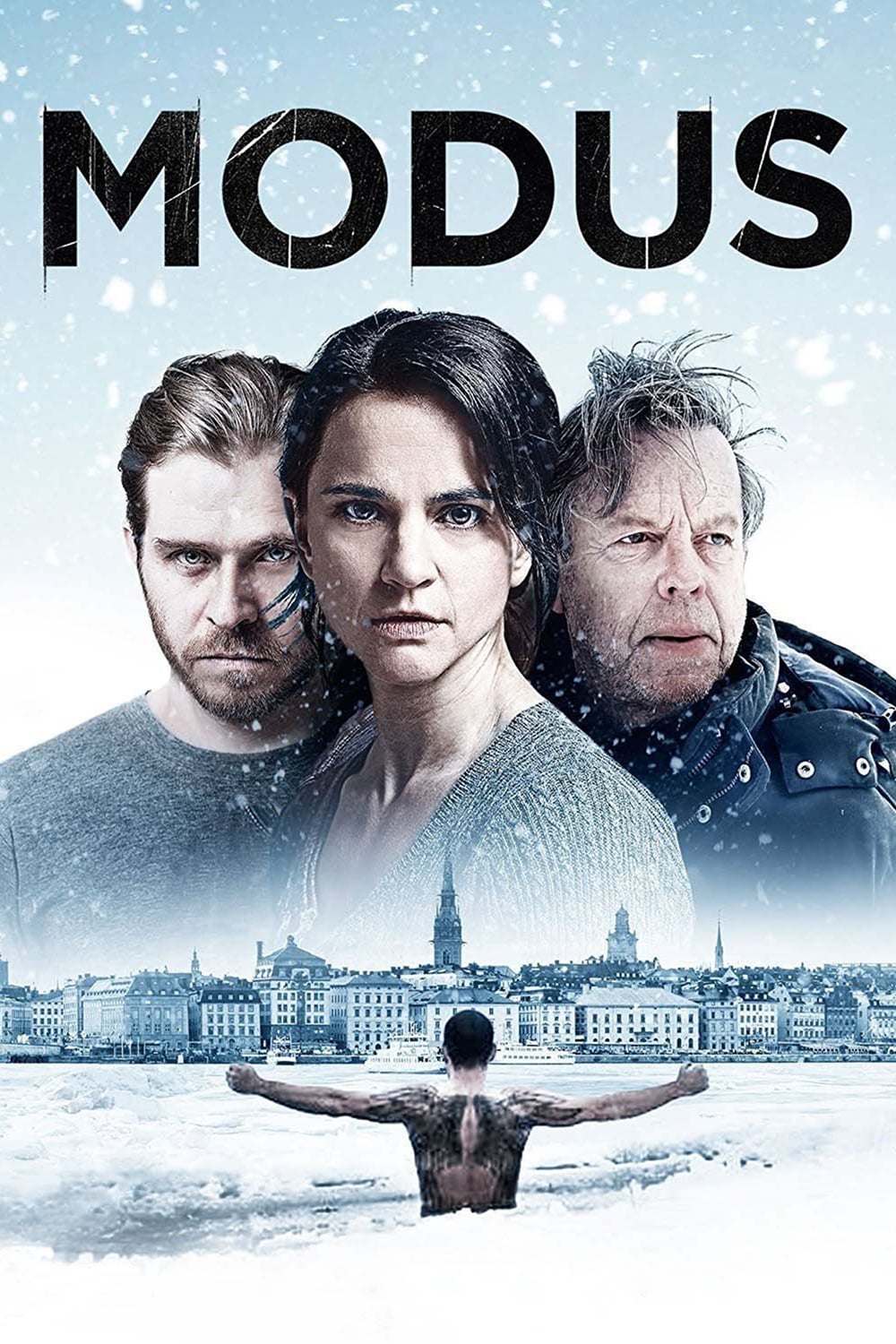
Swedish drama ‘Modus’ adapts crime novels by Anne Holt and follows profiler Inger Johanne Vik as multiple investigations test security services. Filmed across Stockholm and other cities, it depicts operational planning, witness protection, and digital surveillance. The series incorporates church settings, political venues, and international links. Broadcast by TV4, it blends family life with professional risk management in law enforcement.
‘Arne Dahl’ (2011–2015)
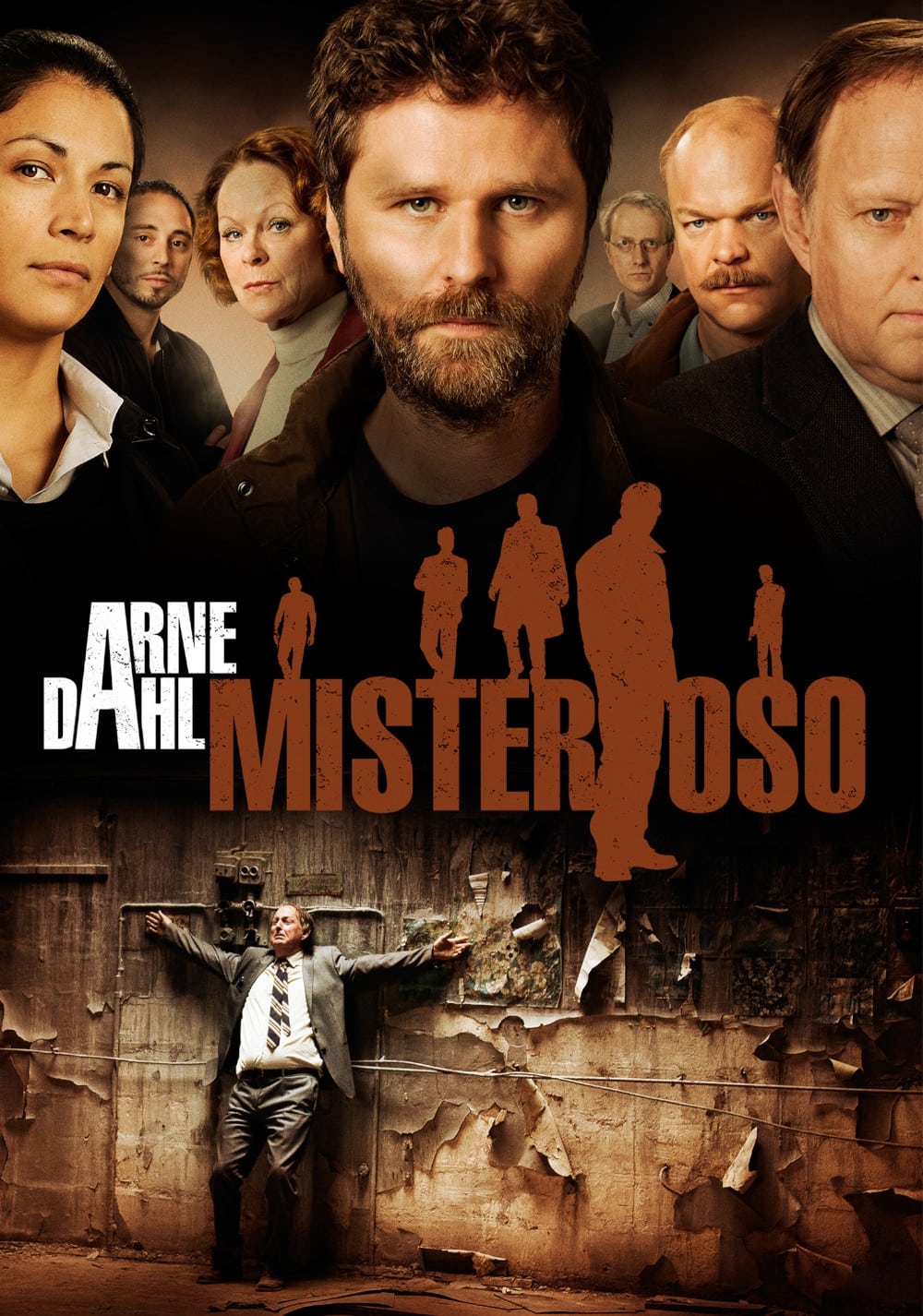
‘Arne Dahl’ adapts Jan Arnald’s A Unit novels about a special team handling complex violent crime and organized networks. Produced for SVT, it assigns multi-national cases that require Europol contacts and jurisdictional coordination. Episodes emphasize forensic labs, stakeouts, and undercover tradecraft. The ensemble format lets specialists lead distinct case arcs while maintaining continuity in unit procedures.
‘Springfloden’ (2016–2019)
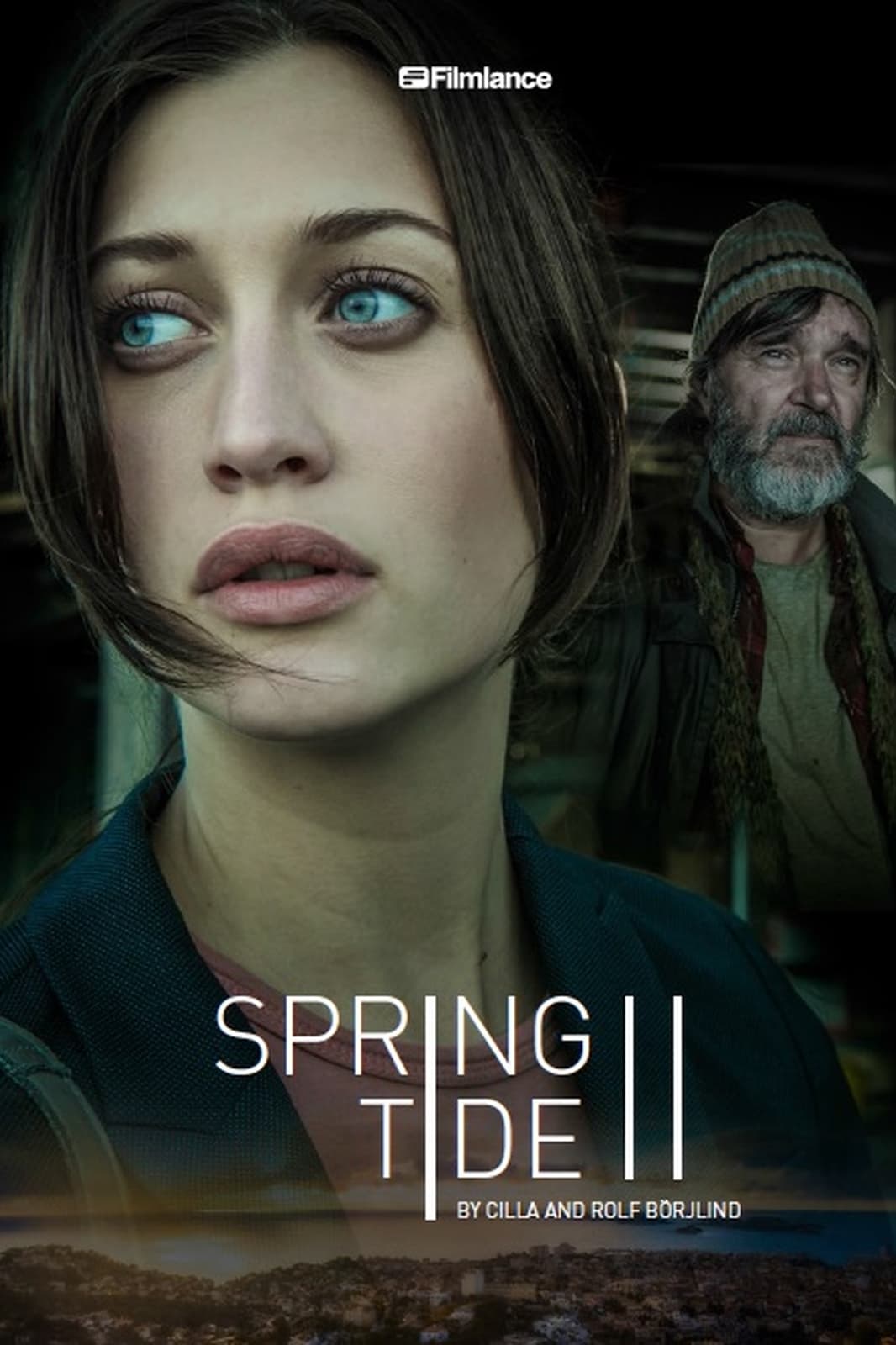
Swedish series ‘Spring Tide’ (‘Springfloden’) is based on novels by Cilla and Rolf Börjlind and follows a police student working cold cases with a retired detective. It uses Stockholm’s archipelago, urban construction sites, and academic settings to structure inquiries. Financial records, property registries, and archival footage play key roles in breakthroughs. The narrative frequently contrasts fieldwork with classroom methodology.
‘The Lawyer’ (2018–2020)
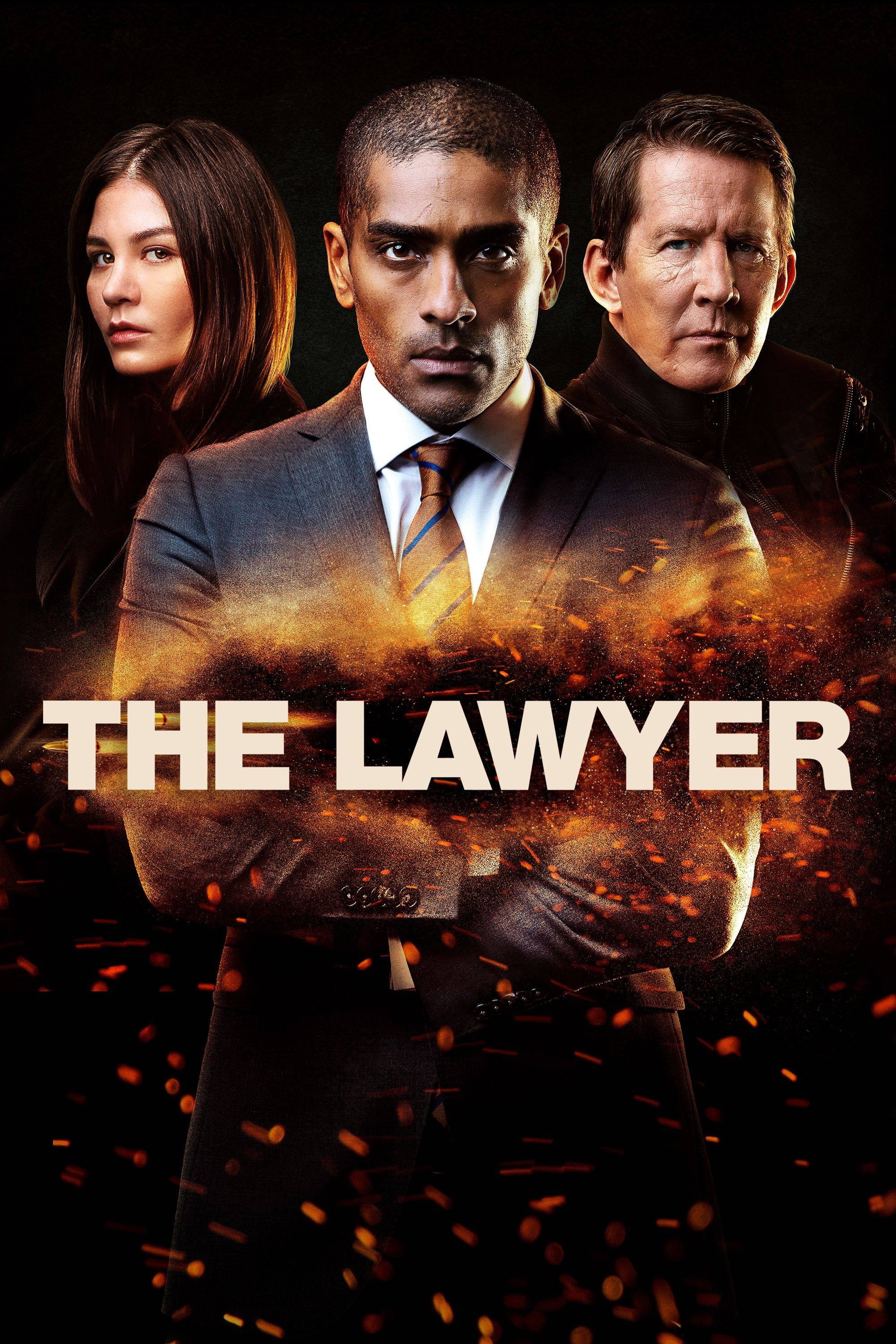
Nordic legal thriller ‘The Lawyer’ (‘Advokaten’) follows attorney Frank Nordling as cases connect him to cross-border crime. Created with input from crime writers and produced for Viaplay, it moves between Copenhagen and Malmö. The show details plea strategies, client confidentiality dilemmas, and cooperation with authorities. It features port facilities, nightclubs, and corporate fronts as operational spaces.
‘Stella Blómkvist’ (2017–2021)

Icelandic series ‘Stella Blómkvist’ follows a sharp-tongued defense lawyer navigating high-profile cases tied to power and media. Set in Reykjavík, it uses courts, ministries, and newsrooms to track legal maneuvers and investigations. The show adapts novels by an anonymous author, maintaining a focus on case files and political intrigue. Visuals highlight neon-lit nightlife alongside official institutions.
‘Arctic Circle’ (2018–2022)
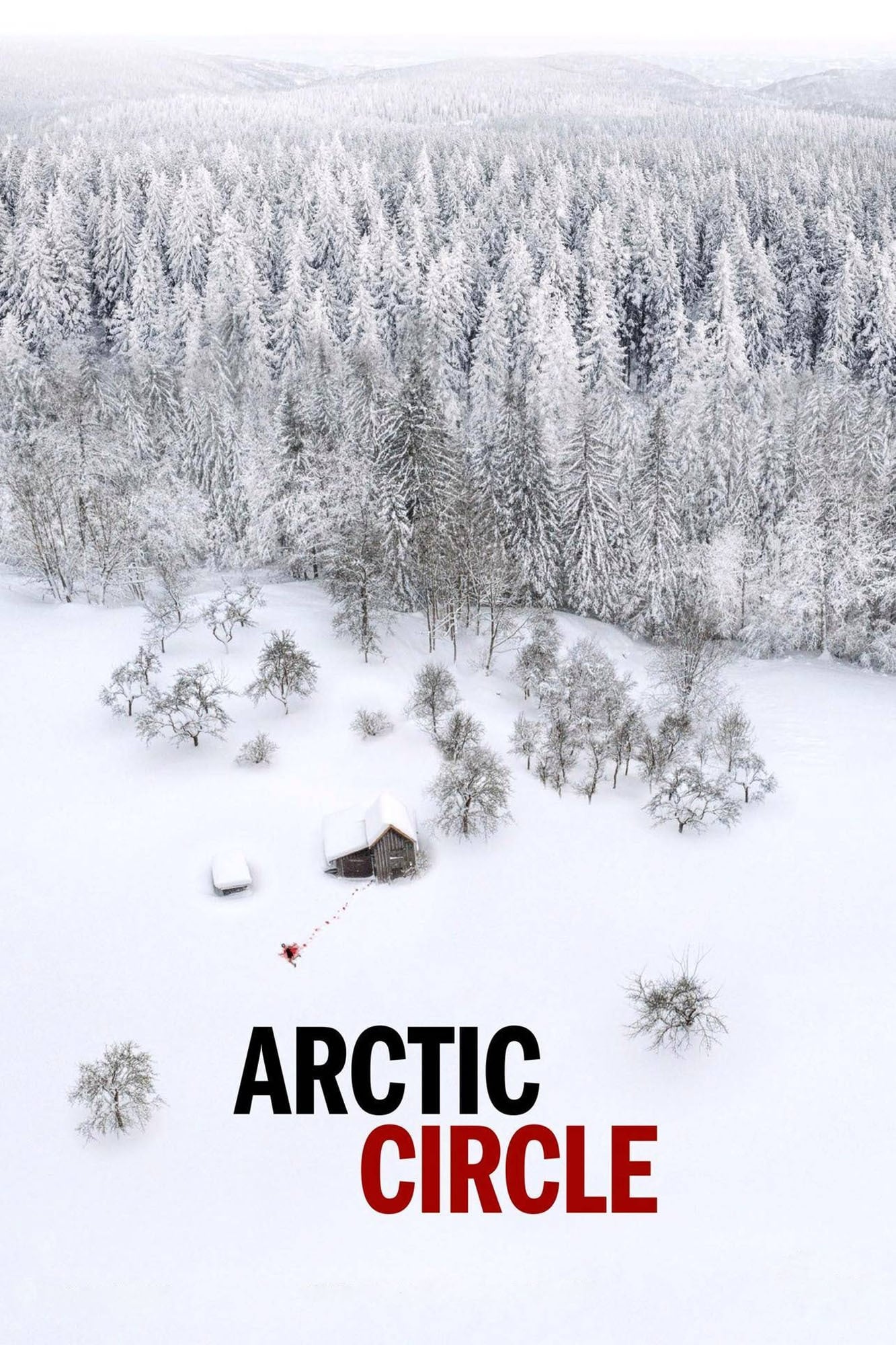
Finnish thriller ‘Arctic Circle’ (‘Ivalo’) pairs a Lapland police officer with a medical specialist after a pathogen is discovered in a remote cabin. Production showcases winter roads, border posts, and field clinics in the far north. The plot features lab analysis, quarantine protocols, and international coordination. It contrasts small-town policing with the logistics of biomedical containment.
‘All the Sins’ (2019–2022)
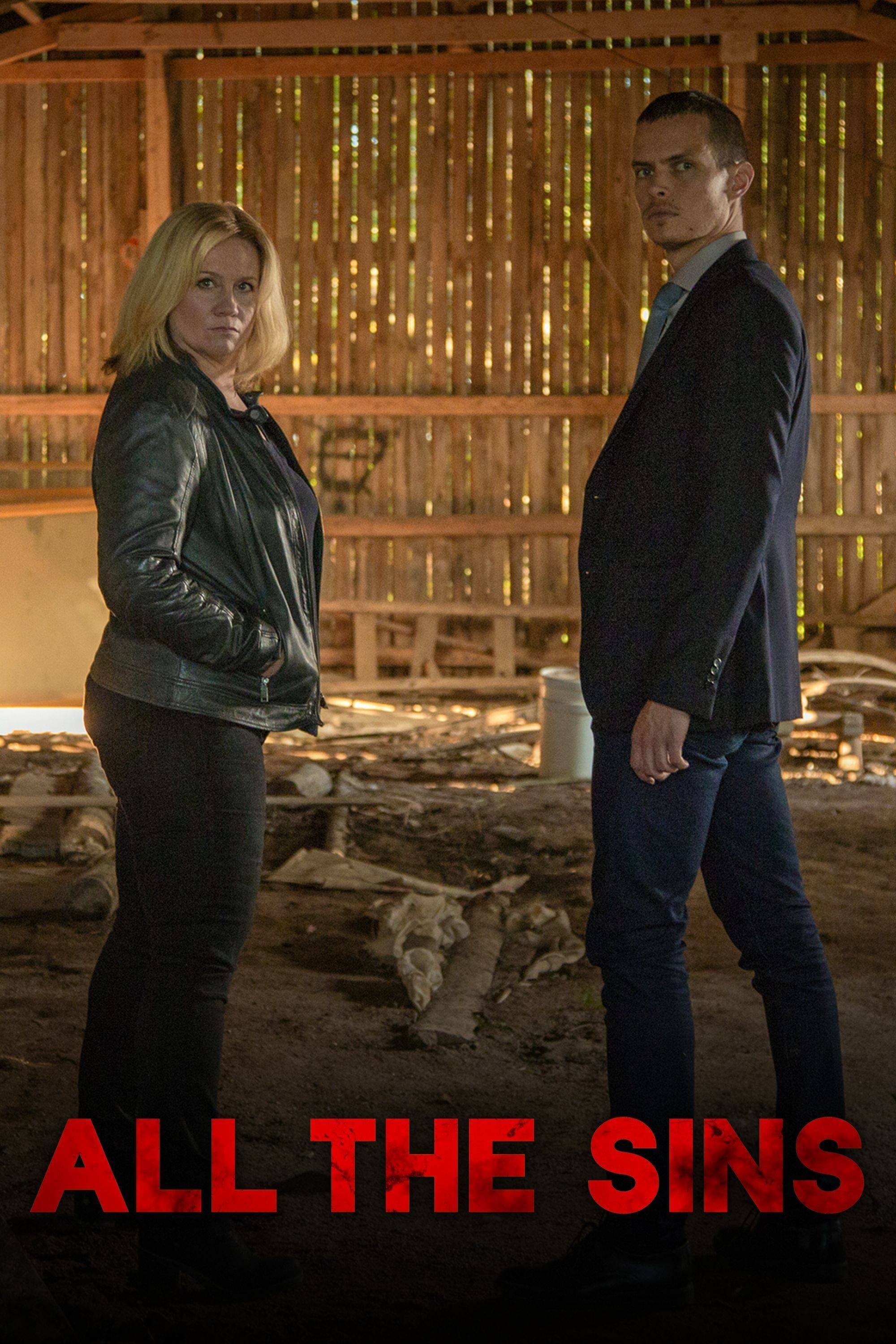
Finnish series ‘All the Sins’ (‘Kaikki synnit’) investigates homicides in a conservative northern community with strong religious traditions. The story examines confession, social norms, and local authority structures as detectives work the case. It uses lakes, forests, and village halls to ground interrogations and searches. Linguistic detail and community dynamics shape interview strategy and lead generation.
‘Greyzone’ (2018)
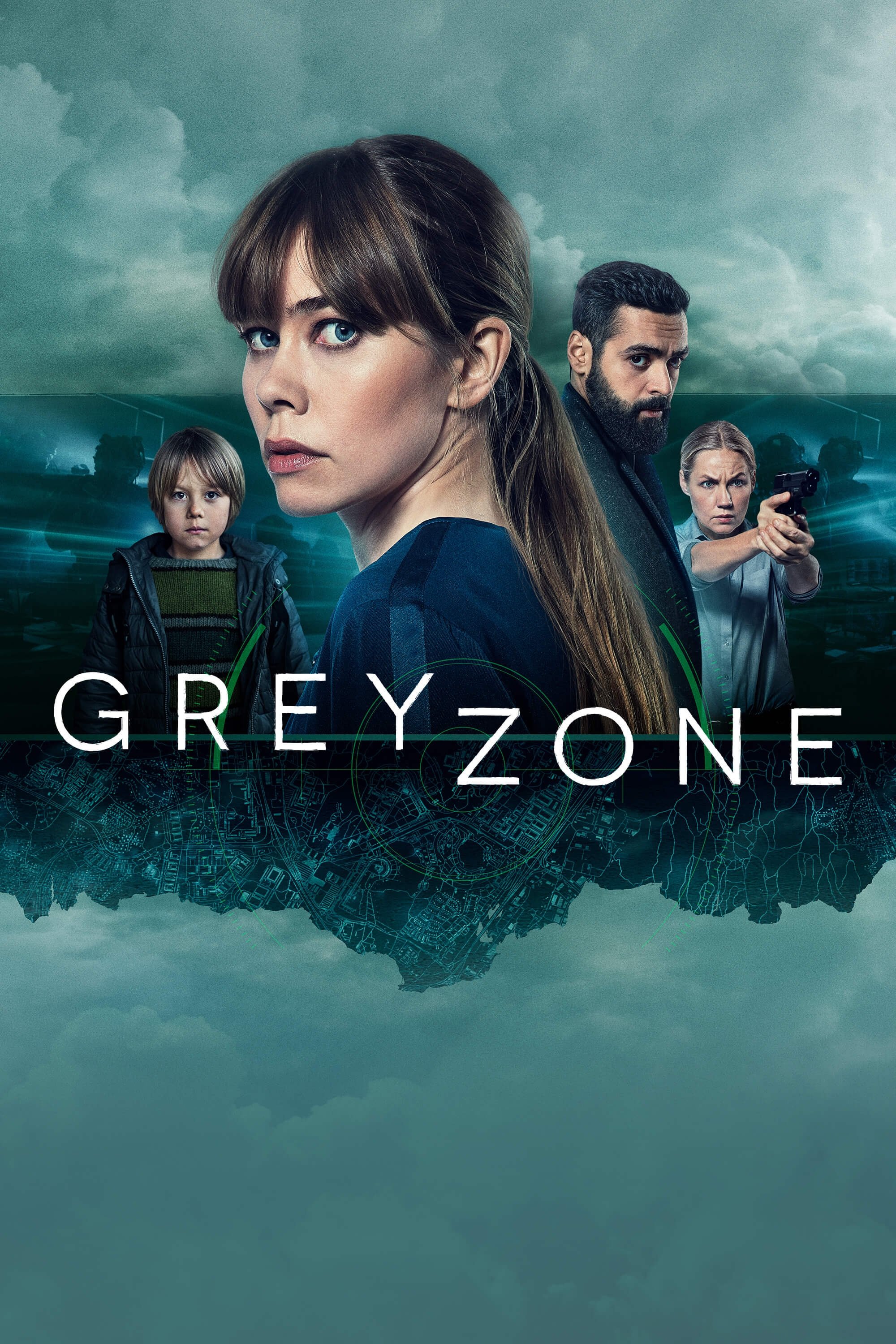
Danish–Swedish thriller ‘Greyzone’ follows an engineer entangled with a terror cell while intelligence services run parallel operations. It presents drone technology, export controls, and counter-surveillance tactics in detail. Filming spans Copenhagen and Stockholm with airport, harbor, and tech campus settings. The narrative tracks negotiations, monitoring warrants, and emergency response preparedness.
‘DNA’ (2019–2023)
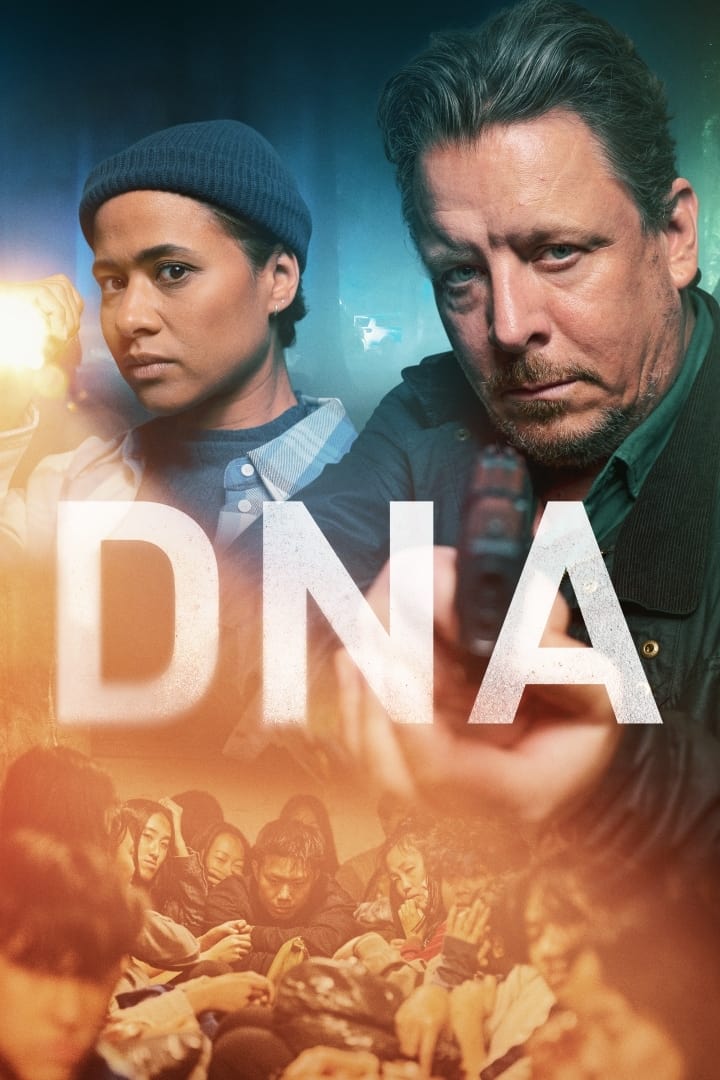
Danish crime series ‘DNA’ centers on a detective who reopens cases after discovering errors in genetic records. Produced by DR with Nordic partners, it focuses on genealogical databases, chain-of-custody issues, and international data-sharing. The investigation crosses borders as familial matches surface. Police labs and child-welfare agencies are recurring locations that drive the procedural steps.
‘State of Happiness’ (2018–2022)
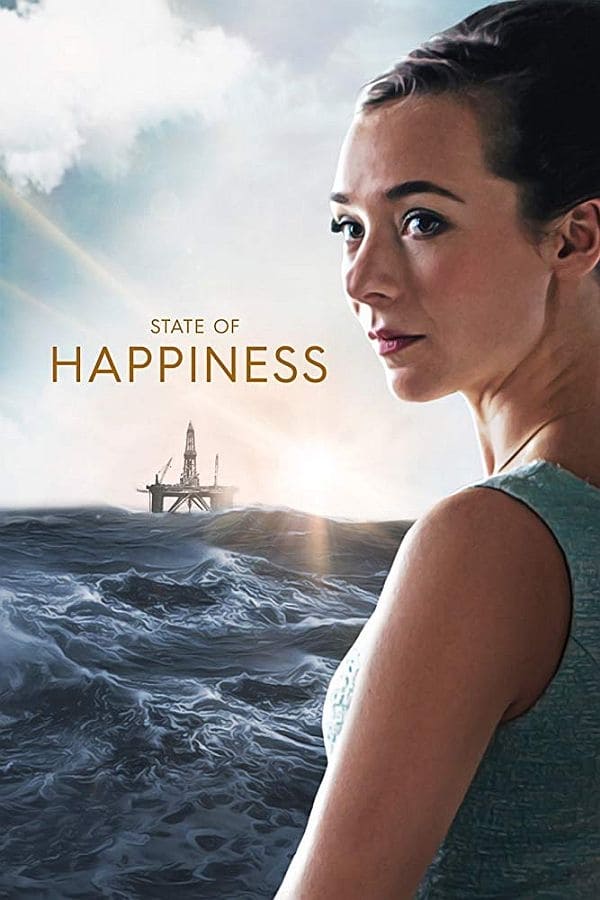
Norwegian period drama ‘State of Happiness’ (‘Lykkeland’) traces the early oil era in Stavanger through industry, labor, and municipal planning. The production recreates offices, rigs, and training facilities to show how exploration shifted local life. It follows regulatory changes, corporate bids, and offshore safety standards. Costumes and sets reflect rapid urban growth and new professional roles.
‘The Legacy’ (2014–2017)
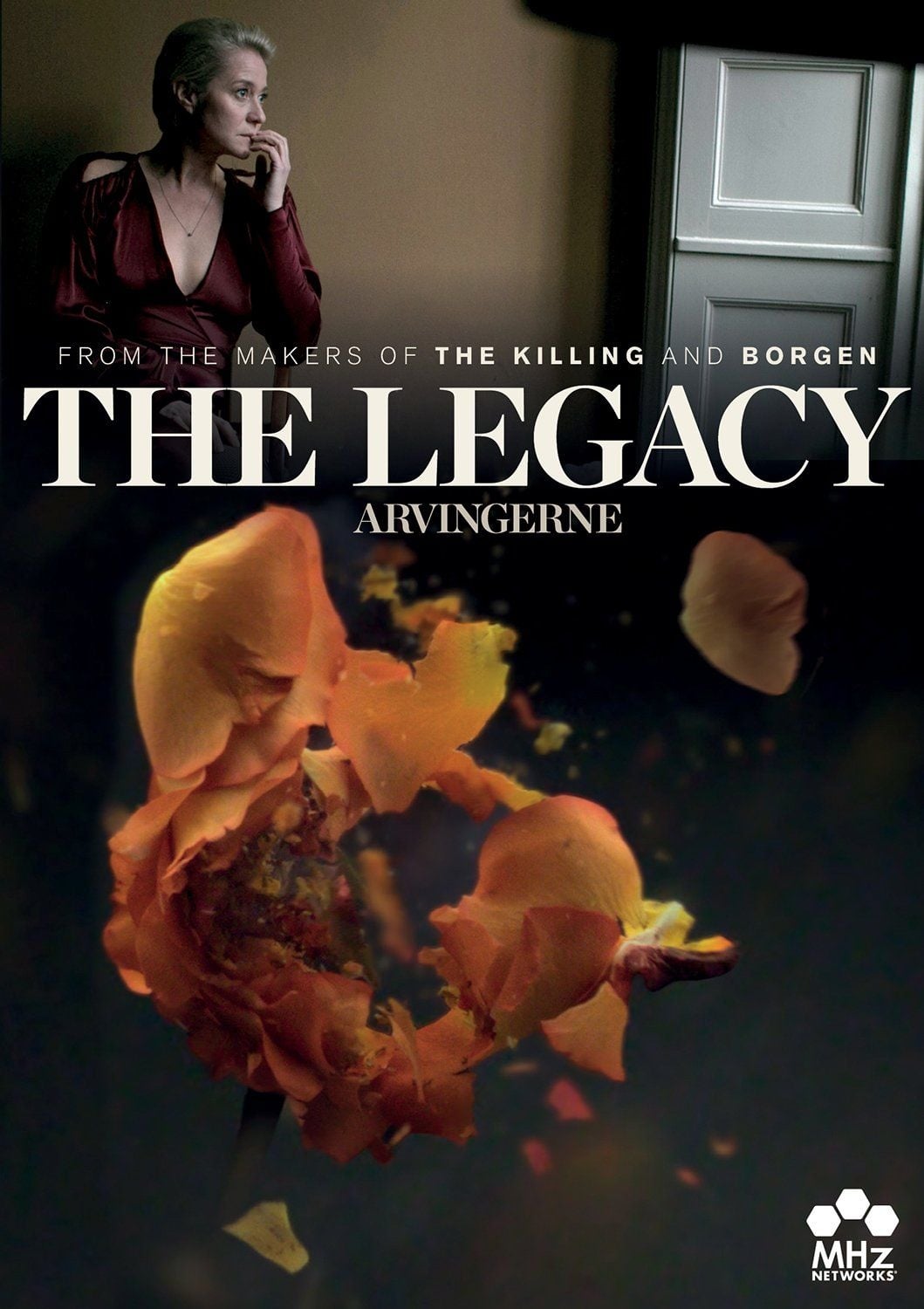
Danish family saga ‘The Legacy’ (‘Arvingerne’) looks at inheritance law, estate management, and the art world after a renowned artist’s death. Produced by DR, it uses a country manor, galleries, and legal chambers as the main arenas. The plot covers wills, trusts, and valuation disputes. It also tracks how household logistics and property renovations affect settlement outcomes.
‘Monster’ (2017)
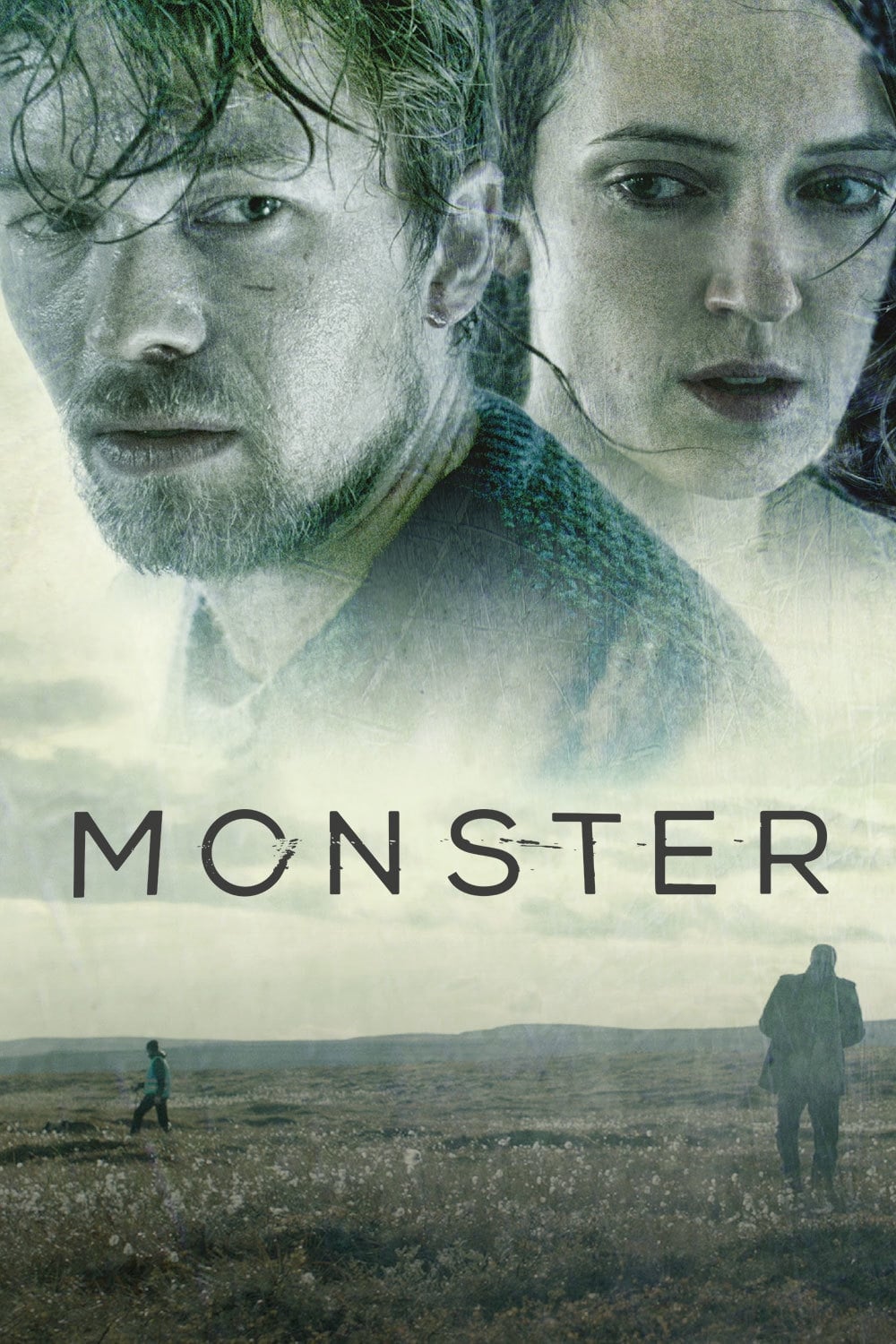
Norwegian series ‘Monster’ sets a murder investigation against the tundra and fjords of Finnmark. The show follows joint operations between local police and national units as search areas expand. Snowbound terrain, reindeer herding routes, and border-adjacent zones influence tactics. Interrogations take place in churches, community halls, and sparse precinct offices.
‘Trom’ (2022– )
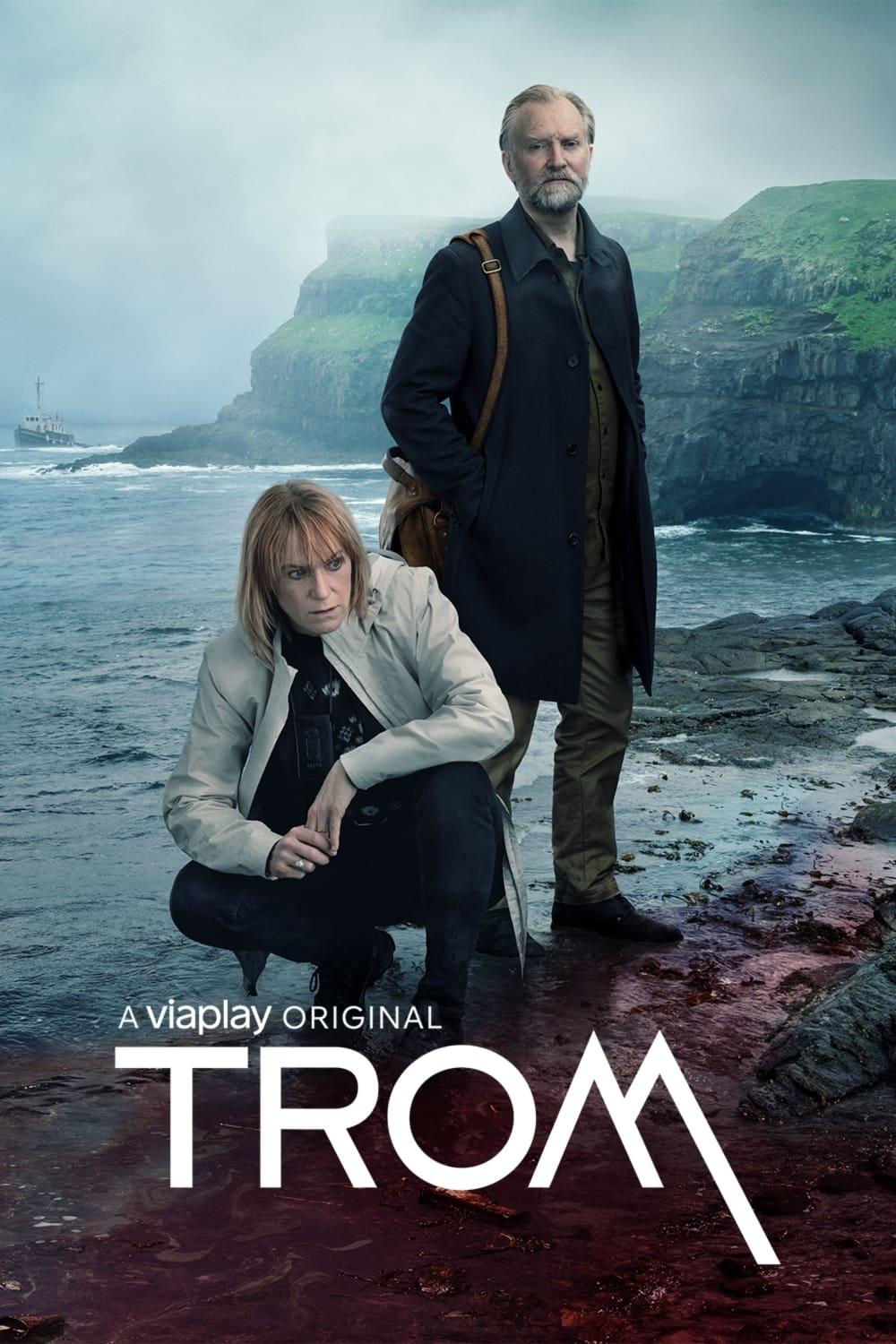
Set in the Faroe Islands, ‘Trom’ follows journalist Hannis Martinsson as a missing-person case leads into fishing quotas, activism, and local power structures. Filmed around Tórshavn and coastal villages, it highlights ferry links, tunnels, and sea weather constraints. The series uses newsroom routines, police interviews, and NGO offices to advance the investigation. It foregrounds how island logistics shape timelines and evidence handling.
Share the Nordic shows you think people overlook most—and the one you’re starting next—in the comments.

