


On-Set Feuds That Changed Movies Forever



Hollywood is known for its glamour and movie magic. But behind the scenes, things are not always so perfect. Sometimes, actors and directors who work together on a film do not get along. These disagreements, known as on-set feuds, can cause a lot of problems during filming. They can create a tense atmosphere on set and make it difficult for everyone to do their best work.
When these conflicts happen, they can change a movie in big ways. A fight between a star and a director might lead to a character being killed off earlier than planned. An argument between two actors could make their on-screen chemistry feel awkward or forced. In some cases, a feud can even cause a project to be completely changed or an actor to be replaced. These on-set battles show that the drama behind the camera can be just as intense as the stories being told on screen.
Blade: Trinity (2004) (Wesley Snipes and David S. Goyer)
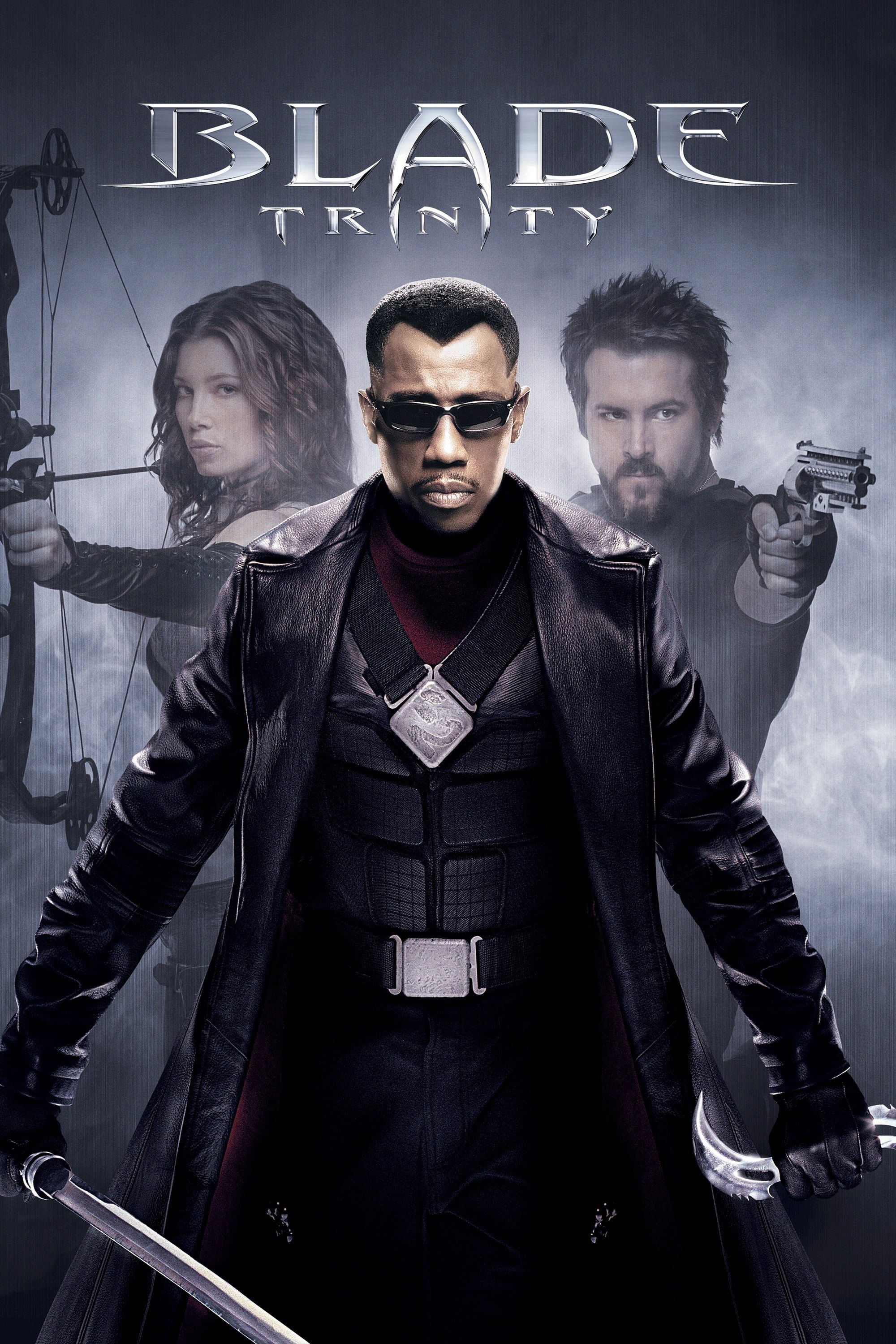
The set of “Blade: Trinity” was famously difficult, largely due to issues between star Wesley Snipes and director David S. Goyer. Snipes was reportedly unhappy with the script and the production. His co-star, Patton Oswalt, recounted that Snipes spent much of his time in his trailer and would only communicate with Goyer through Post-it notes, which he signed “From Blade.”
This lack of cooperation had a major impact on the final film. Snipes allegedly refused to shoot many of his scenes, forcing the production to use his stunt double for wide shots. In one instance, Snipes reportedly wouldn’t open his eyes for a scene, requiring the effects team to CGI them in later. The tension culminated in an alleged physical altercation, after which Goyer reportedly hired bikers as his security.
The Notebook (2004) (Ryan Gosling and Rachel McAdams)
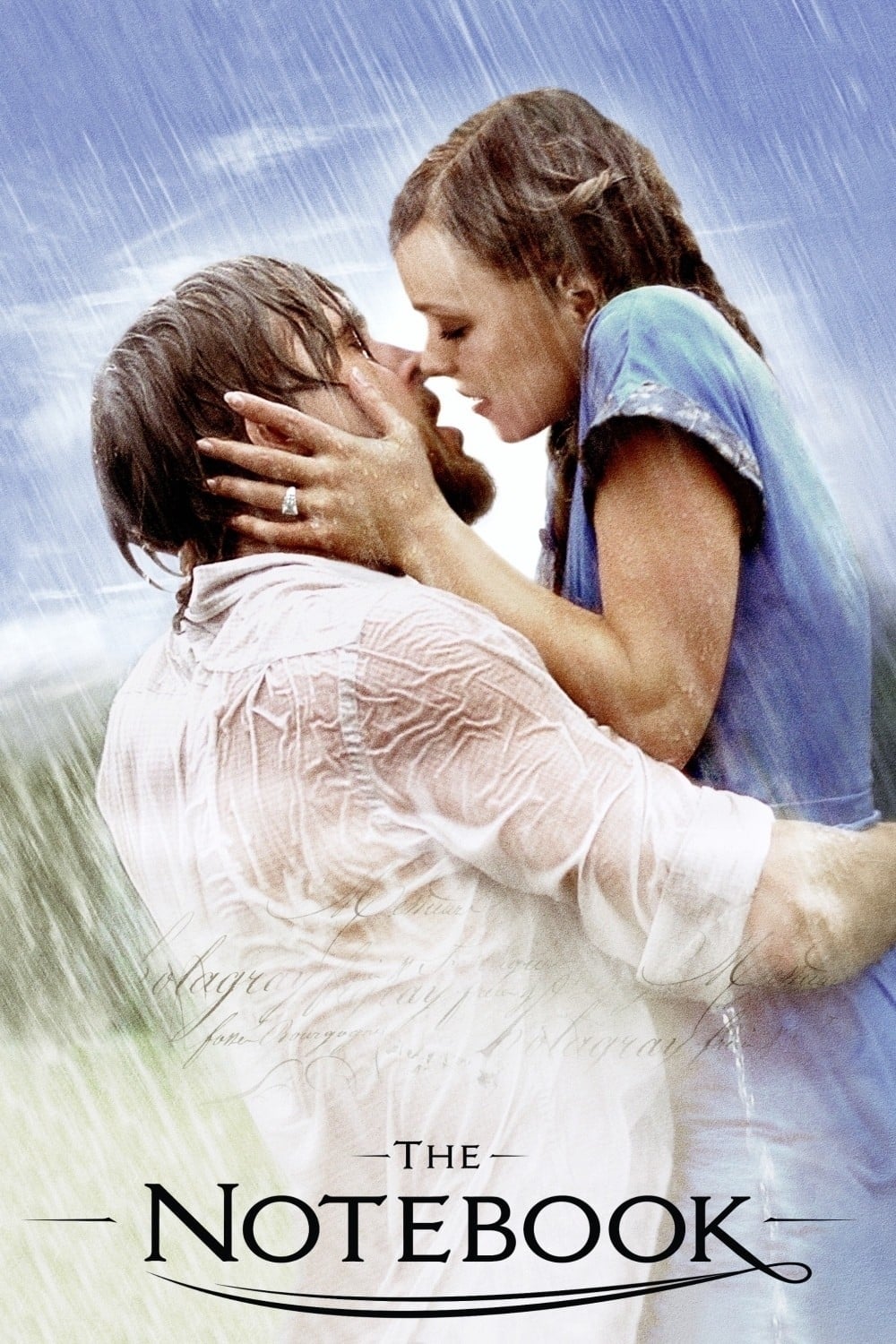
“The Notebook” is a beloved romance, but the lead actors, Ryan Gosling and Rachel McAdams, did not have a smooth start. Their on-screen chemistry as Noah and Allie is iconic, yet behind the scenes, they frequently clashed. Director Nick Cassavetes revealed that their relationship was very contentious at the beginning of the shoot.
The tension reached a boiling point when Gosling asked the director to bring in another actress to read McAdams’ lines off-camera because he felt he was “not getting anything” from her performance. This led to a heated argument between the two stars. However, after they aired their grievances, their working relationship improved, and they famously went on to date in real life for several years after the film was completed.
Mad Max: Fury Road (2015) (Tom Hardy and Charlize Theron)
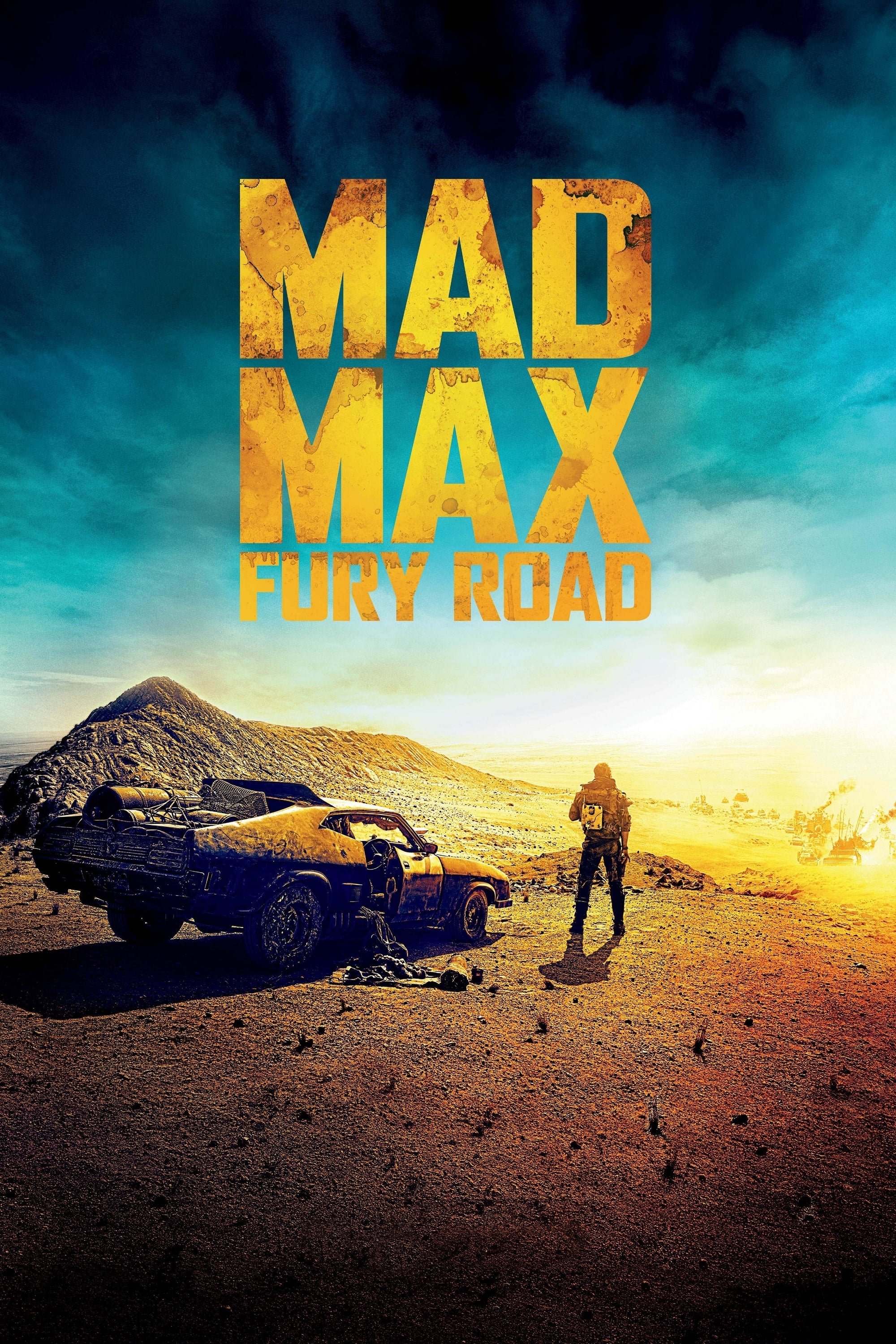
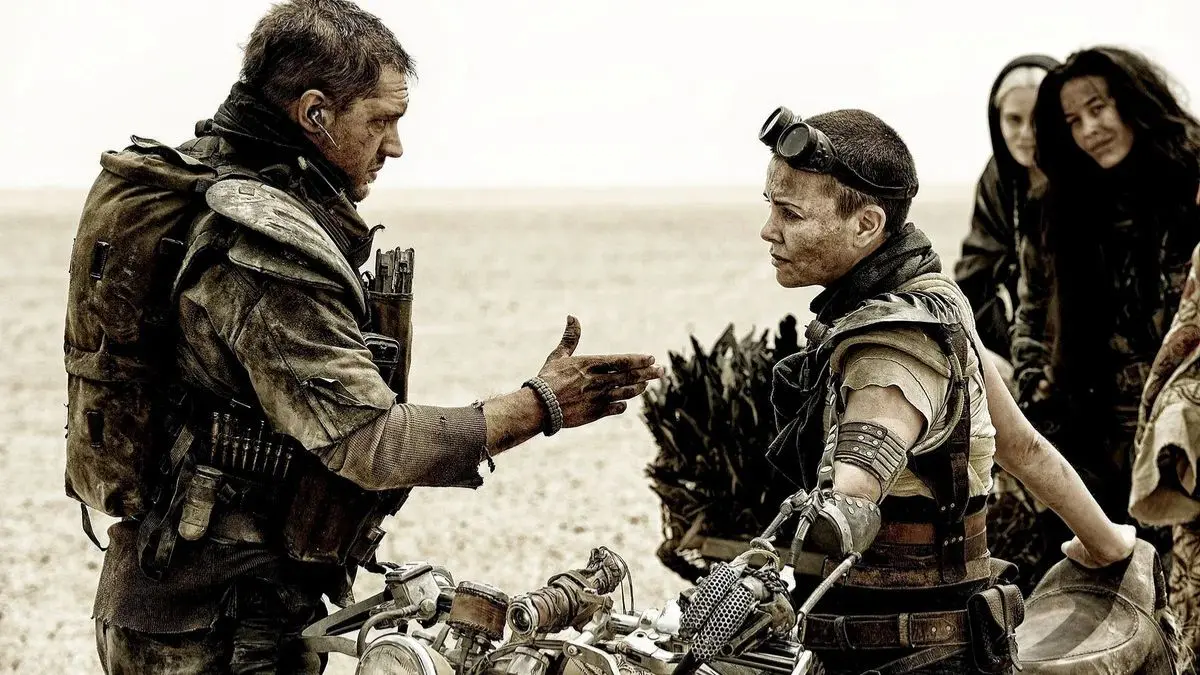
The production of “Mad Max: Fury Road” was a long and difficult one, and the relationship between its two leads, Tom Hardy and Charlize Theron, was just as challenging. The harsh desert filming conditions and a demanding schedule created a tense environment. Theron was known for her discipline and punctuality, while Hardy was often late to the set.
This clash in work styles led to a major confrontation. After Hardy arrived several hours late one day, Theron yelled at him for his lack of professionalism. The atmosphere became so difficult that Theron requested a female producer be present as a mediator. Both actors have since acknowledged that the pressure of the roles and the tough production contributed to their feud, but that it also mirrored the adversarial relationship of their characters.
Batman Forever (1995) (Jim Carrey and Tommy Lee Jones)
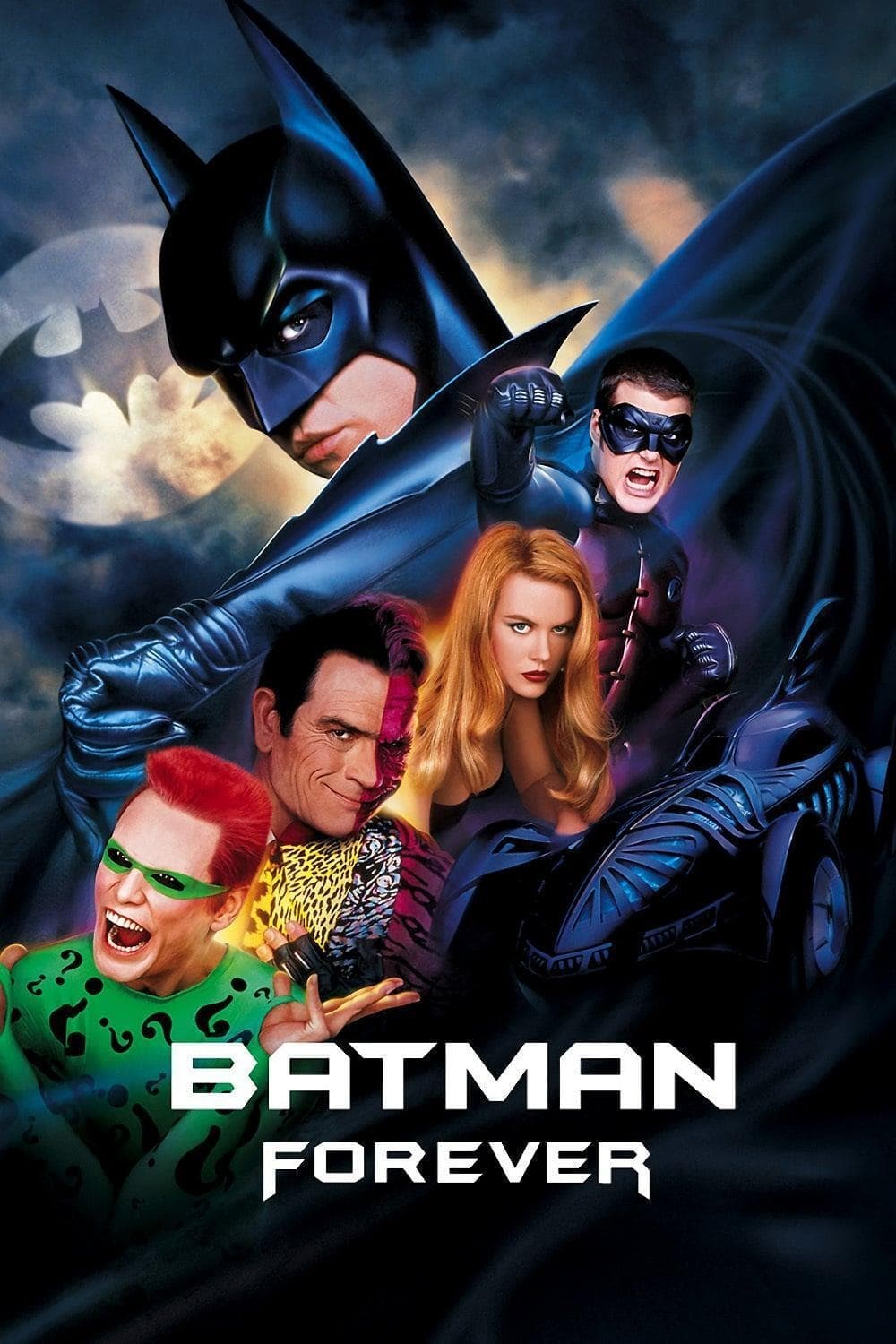
On the set of “Batman Forever,” the conflict was between the film’s two villains, The Riddler and Two-Face. Jim Carrey, who played The Riddler, was at the height of his comedic fame, while Tommy Lee Jones, who played Two-Face, was a more serious, Oscar-winning actor. Jones reportedly did not appreciate Carrey’s energetic and improvisational style.
Carrey recalled one particular encounter in a restaurant where Jones told him, “I hate you. I really don’t like you.” When Carrey asked what the problem was, Jones replied, “I cannot sanction your buffoonery.” The tension between the two actors was palpable on set, and it likely contributed to their characters’ separate and distinct villainous arcs in the movie rather than a more collaborative evil partnership.
Terminator Salvation (2009) (Christian Bale and Shane Hurlbut)
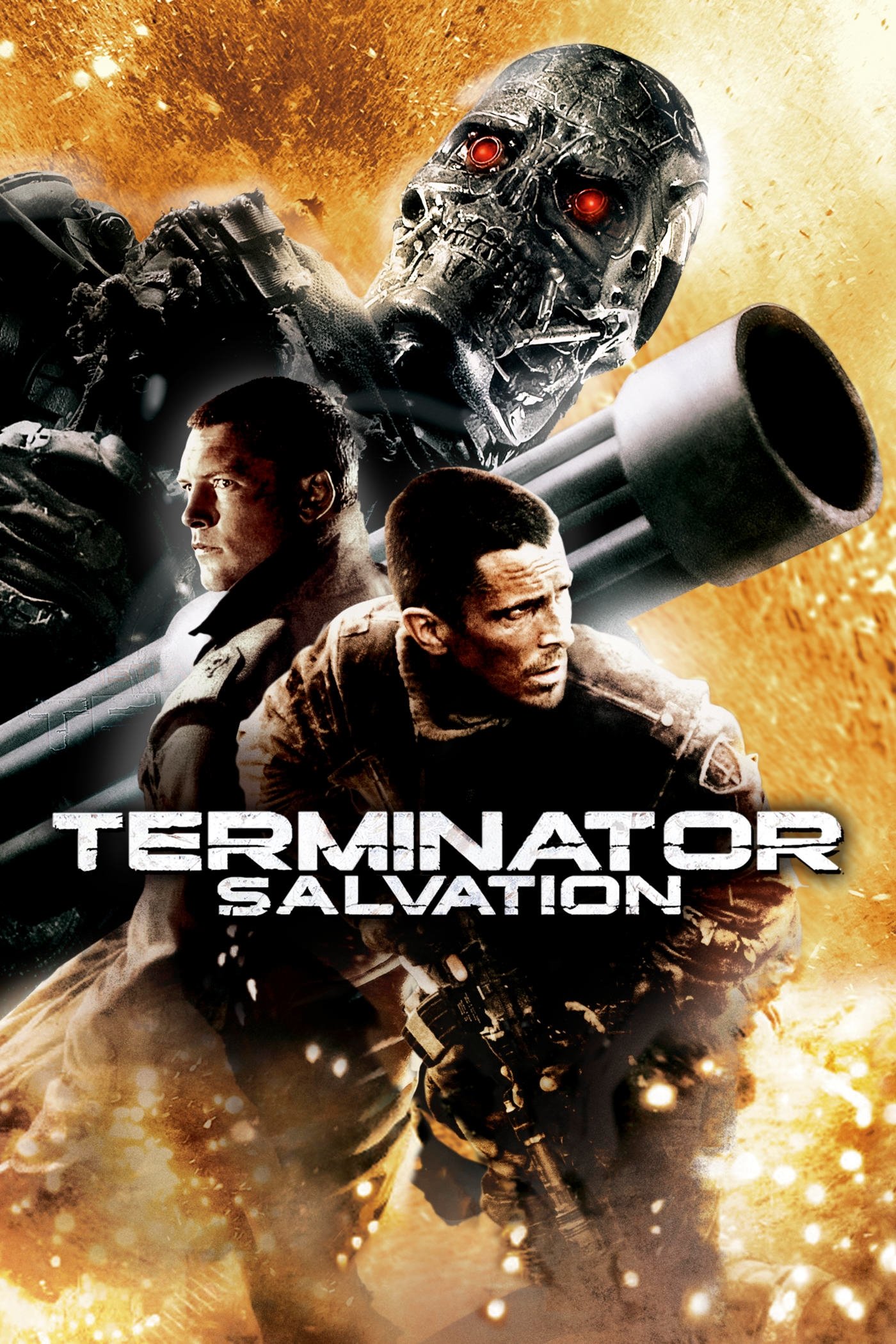
One of the most infamous on-set incidents occurred during the filming of “Terminator Salvation.” A recording was leaked of star Christian Bale yelling at the director of photography, Shane Hurlbut. Hurlbut had accidentally walked into Bale’s line of sight during an intense scene, breaking the actor’s concentration.
Bale’s profanity-laced tirade was shocking to the public and became a viral sensation. In the recording, Bale threatened to quit the film if Hurlbut was not fired. Though they reportedly made up the same day and continued to work together, the incident became more famous than the movie itself. Bale later issued a public apology, calling his behavior “inexcusable.”
Three Kings (1999) (George Clooney and David O. Russell)
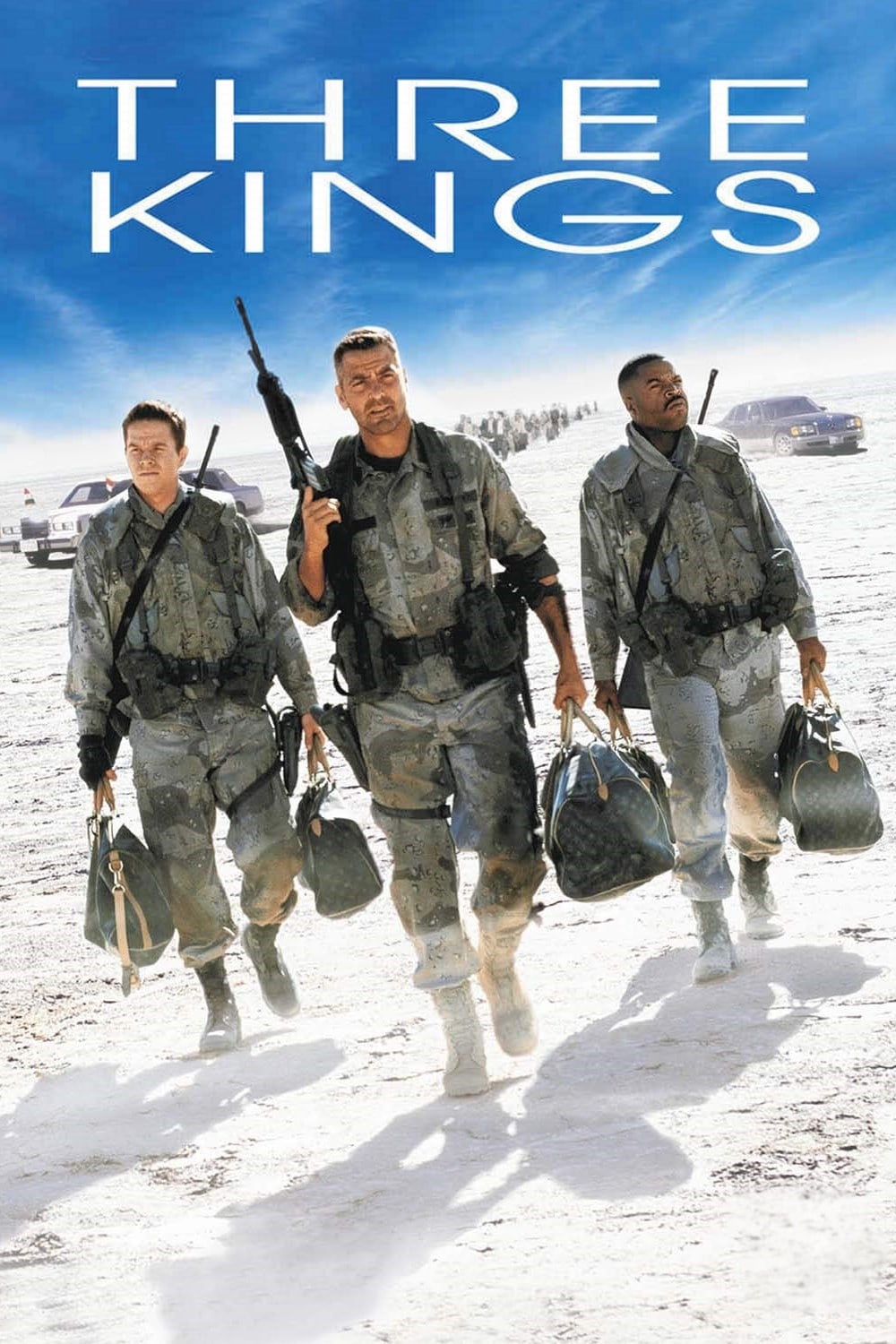
The set of the war film “Three Kings” was the site of a major conflict between star George Clooney and director David O. Russell. Clooney was concerned about Russell’s treatment of the crew and extras, and the tension between the two escalated throughout the production.
The feud came to a head in a physical altercation after Russell allegedly headbutted Clooney. Clooney has since said he would never work with Russell again, calling the experience the worst of his professional life. The conflict didn’t stop the film from being a critical success, but it ended any future collaboration between the star and director.
Jaws (1975) (Robert Shaw and Richard Dreyfuss)
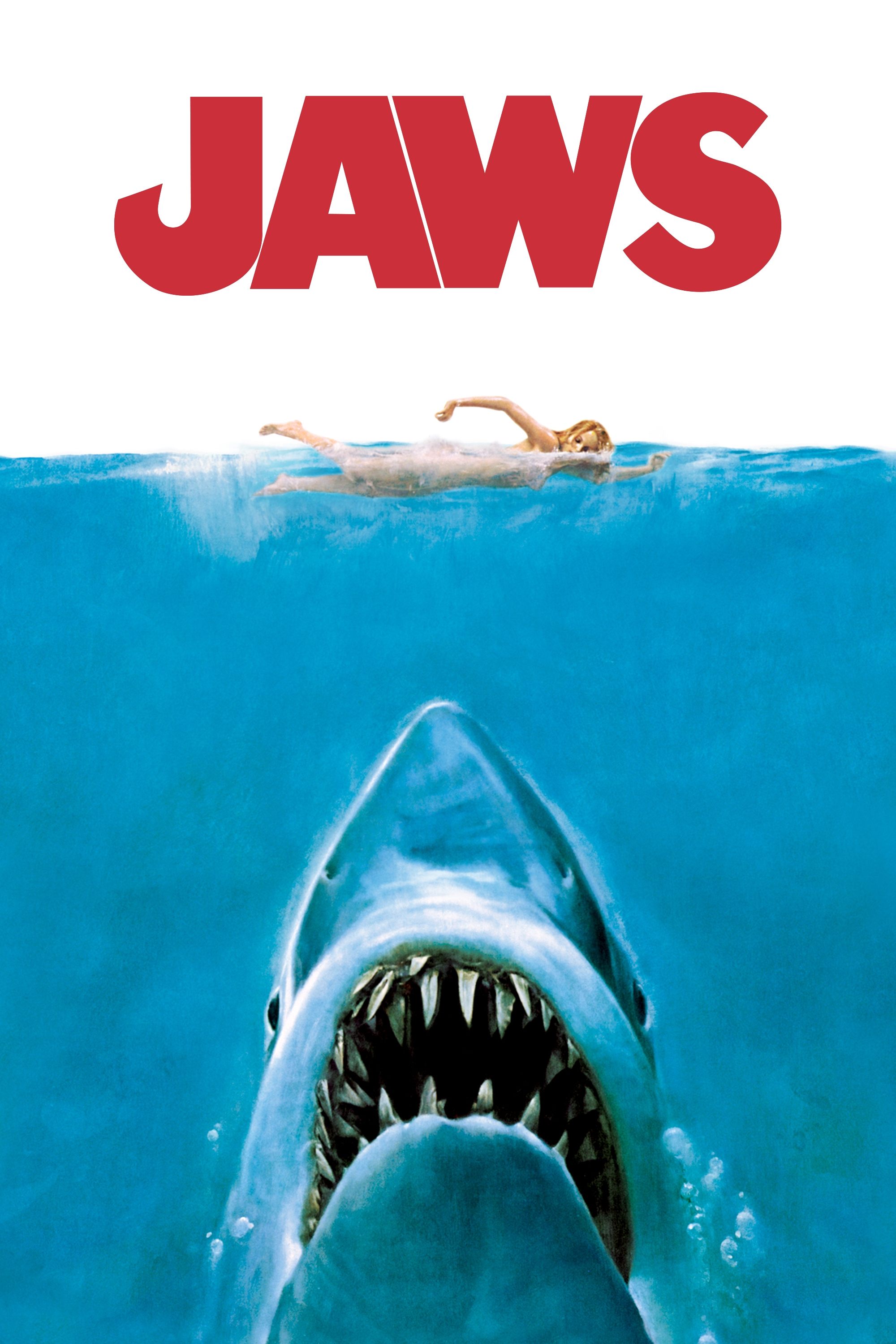
The on-screen tension between the seasoned shark hunter Quint and the young oceanographer Hooper in “Jaws” was mirrored by a real-life feud between the actors who played them. Robert Shaw, a veteran actor with a reputation for being a heavy drinker, frequently taunted his younger co-star, Richard Dreyfuss.
Shaw would often make fun of Dreyfuss’s acting and physical appearance, leading to a tense atmosphere on the already difficult shoot. Dreyfuss has said that while Shaw was kind in private, he became a tormentor on set. Director Steven Spielberg believes this real-life animosity actually enhanced their performances, making the conflict between their characters feel more authentic.
I Love Trouble (1994) (Julia Roberts and Nick Nolte)
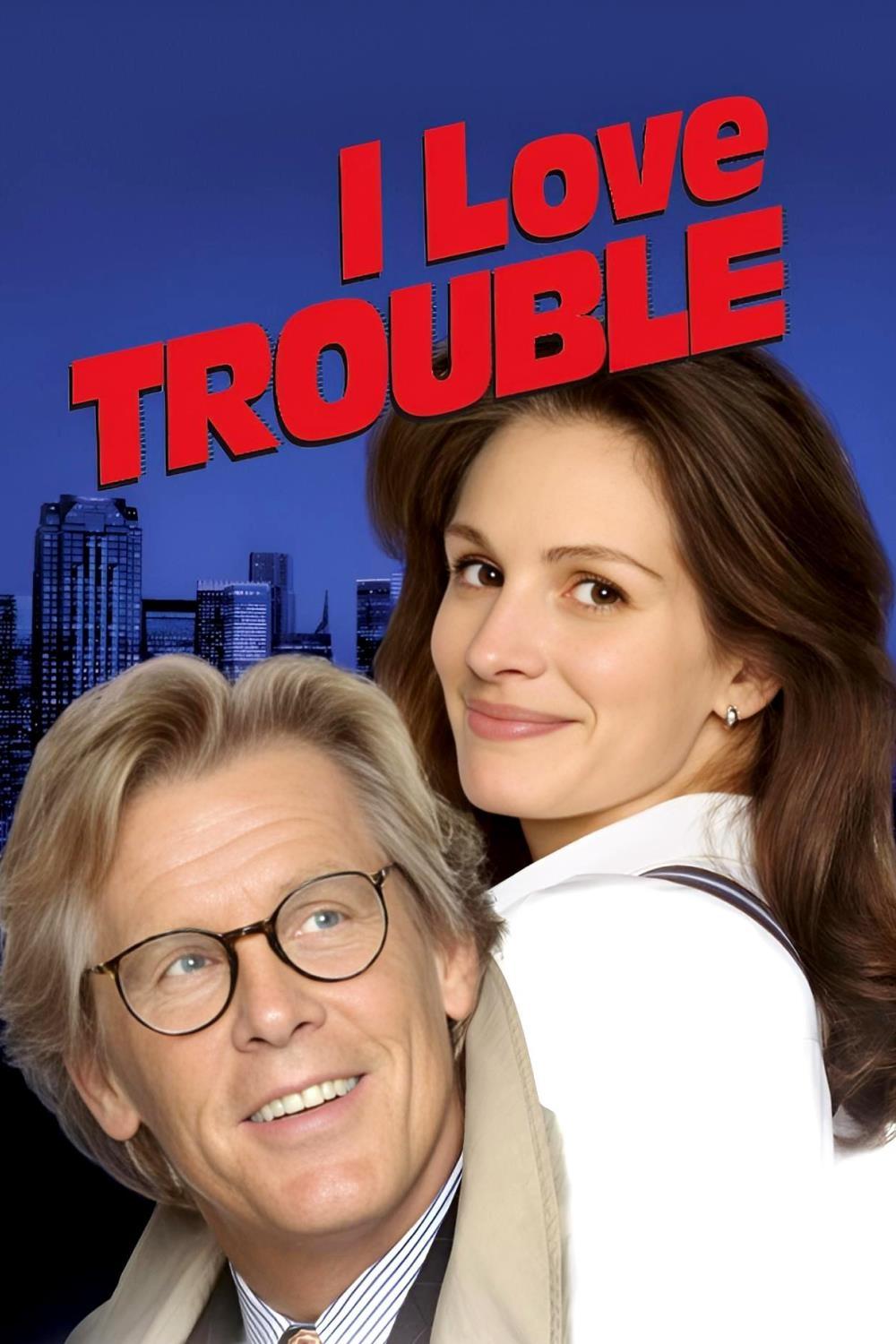
The romantic comedy “I Love Trouble” was ironically named, given the relationship between its stars, Julia Roberts and Nick Nolte. The two actors reportedly disliked each other from the very beginning. Roberts called Nolte “completely disgusting,” while Nolte said Roberts was “not a nice person.”
Their mutual dislike made creating on-screen chemistry nearly impossible. The tension was so bad that they allegedly filmed many of their scenes separately, using stand-ins to read lines. The resulting lack of connection between the two leads was noted by critics and is often cited as a major reason for the film’s poor reception.
Charlie’s Angels (2000) (Lucy Liu and Bill Murray)
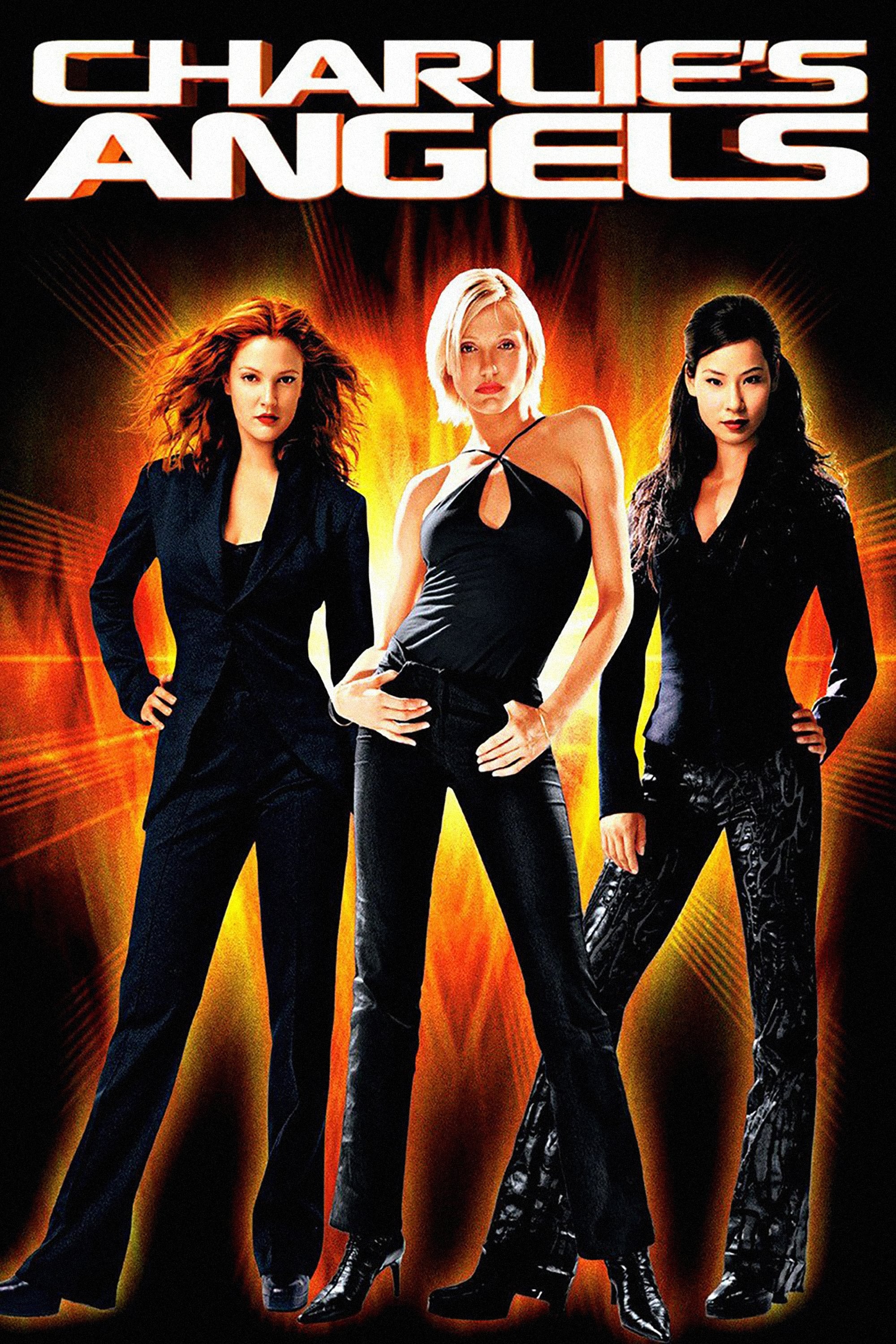
During the filming of “Charlie’s Angels,” a dispute arose between Bill Murray and Lucy Liu. According to Liu, the conflict began during a rehearsal for a scene that had been rewritten while Murray was absent. She stated that Murray began to “hurl insults” at her.
Liu did not back down and confronted Murray about his language, which she described as “inexcusable and unacceptable.” The argument reportedly became so heated that the two had to be separated. The feud ultimately led to Murray not returning for the sequel, “Charlie’s Angels: Full Throttle,” where his character, Bosley, was replaced by a new character played by Bernie Mac.
What Ever Happened to Baby Jane? (1962) (Bette Davis and Joan Crawford)
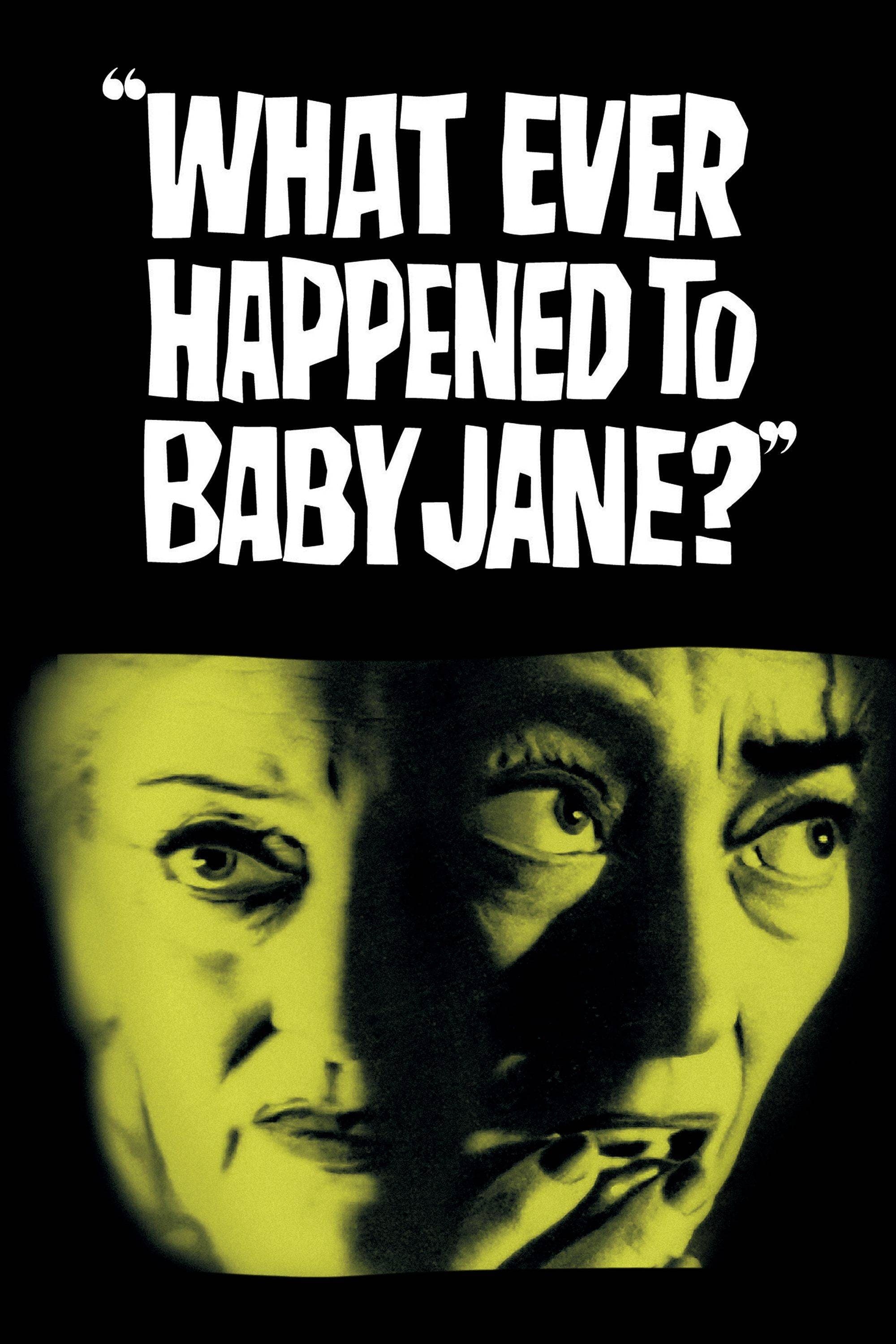
The rivalry between Bette Davis and Joan Crawford is one of the most legendary in Hollywood history, and it came to a head on the set of “What Ever Happened to Baby Jane?”. The two actresses had been competitors for years, and their mutual dislike was well known. This tension was deliberately used by the studio to promote the psychological thriller, which featured the two stars as feuding sisters.
On set, their animosity was not just an act. In one scene where Davis’s character had to physically attack Crawford’s, she allegedly made real contact, leaving Crawford in need of stitches. In retaliation, for a scene where Davis had to drag Crawford across the floor, Crawford supposedly wore a weightlifter’s belt under her dress to make herself heavier. Their off-screen hatred fueled their on-screen performances, making the film a chilling and memorable classic.
The Fast and the Furious Franchise (Vin Diesel and Dwayne Johnson)
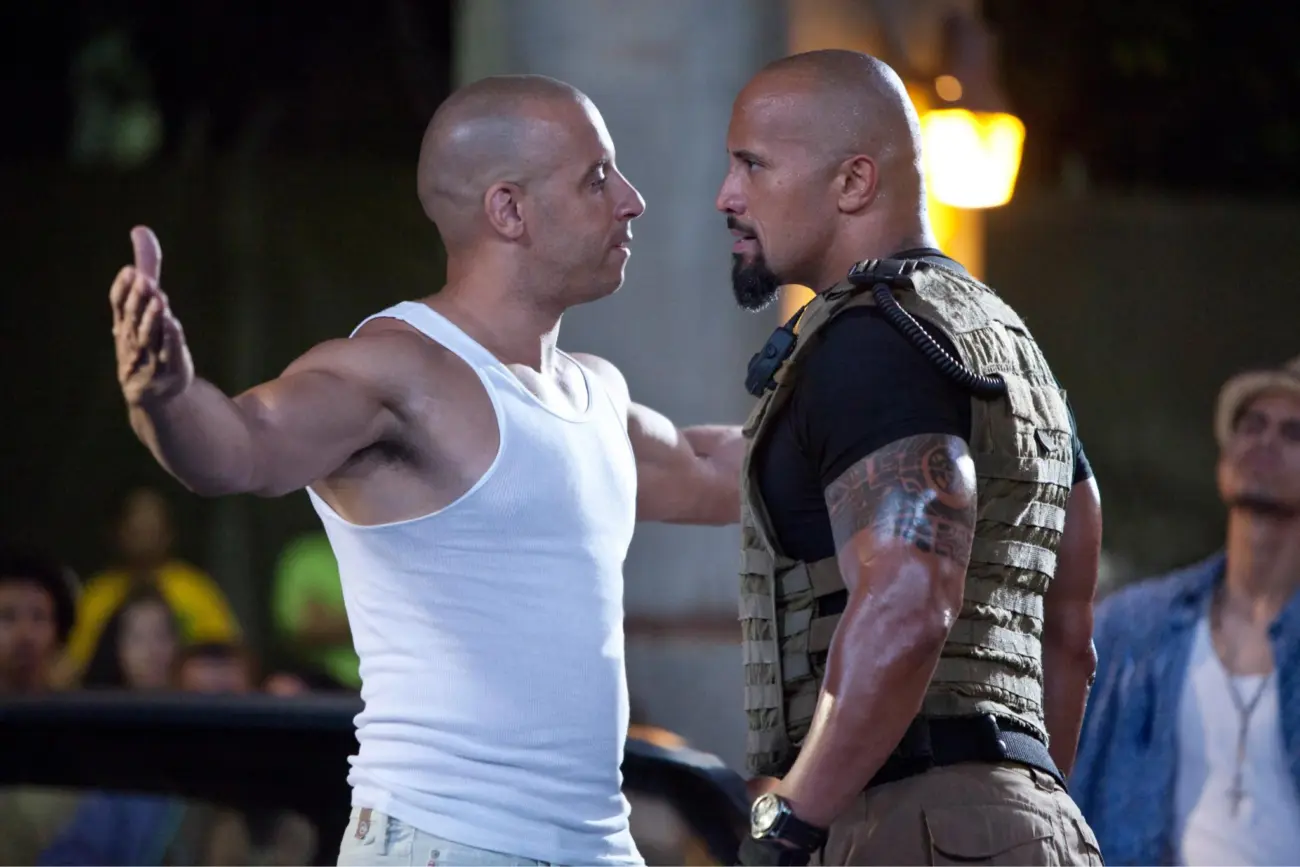
A modern Hollywood feud erupted between two of action’s biggest stars, Vin Diesel and Dwayne “The Rock” Johnson, during the filming of “The Fate of the Furious.” The conflict became public when Johnson posted on social media, calling out an unnamed male co-star for their unprofessional behavior. It soon became clear he was referring to Diesel, the franchise’s longtime star and producer.
The core of their dispute reportedly stemmed from a clash of work ethics and creative differences. Johnson’s social media post led to a face-to-face confrontation, but the tension remained. Their feud resulted in them filming their scenes for “The Fate of the Furious” separately. Johnson did not appear in the next installment, “F9,” but did star in the spin-off “Hobbs & Shaw.” Despite Diesel publicly asking Johnson to return, Johnson initially declined, calling the plea manipulative before eventually making a surprise return to the franchise.
Sex and the City (2008) (Sarah Jessica Parker and Kim Cattrall)
The friendship between Carrie, Samantha, Charlotte, and Miranda was the heart of “Sex and the City,” but the relationship between Sarah Jessica Parker and Kim Cattrall was far from friendly. Rumors of a feud circulated for years, often centered around salary disputes. Cattrall reportedly felt that Parker, who was also an executive producer, earned significantly more and received preferential treatment.
The tension became very public after the second film. A planned third movie was scrapped, with many reports blaming Cattrall’s demands. Cattrall has stated that she simply did not want to return to the role and that she and her co-stars were “colleagues, not friends.” The feud intensified in 2018 when Cattrall publicly criticized Parker for offering condolences after her brother’s death, calling her “cruel.” This long-running conflict meant Cattrall’s character, Samantha, was absent from the revival series “And Just Like That…,” only appearing for a brief cameo.
Kramer vs. Kramer (1979) (Dustin Hoffman and Meryl Streep)
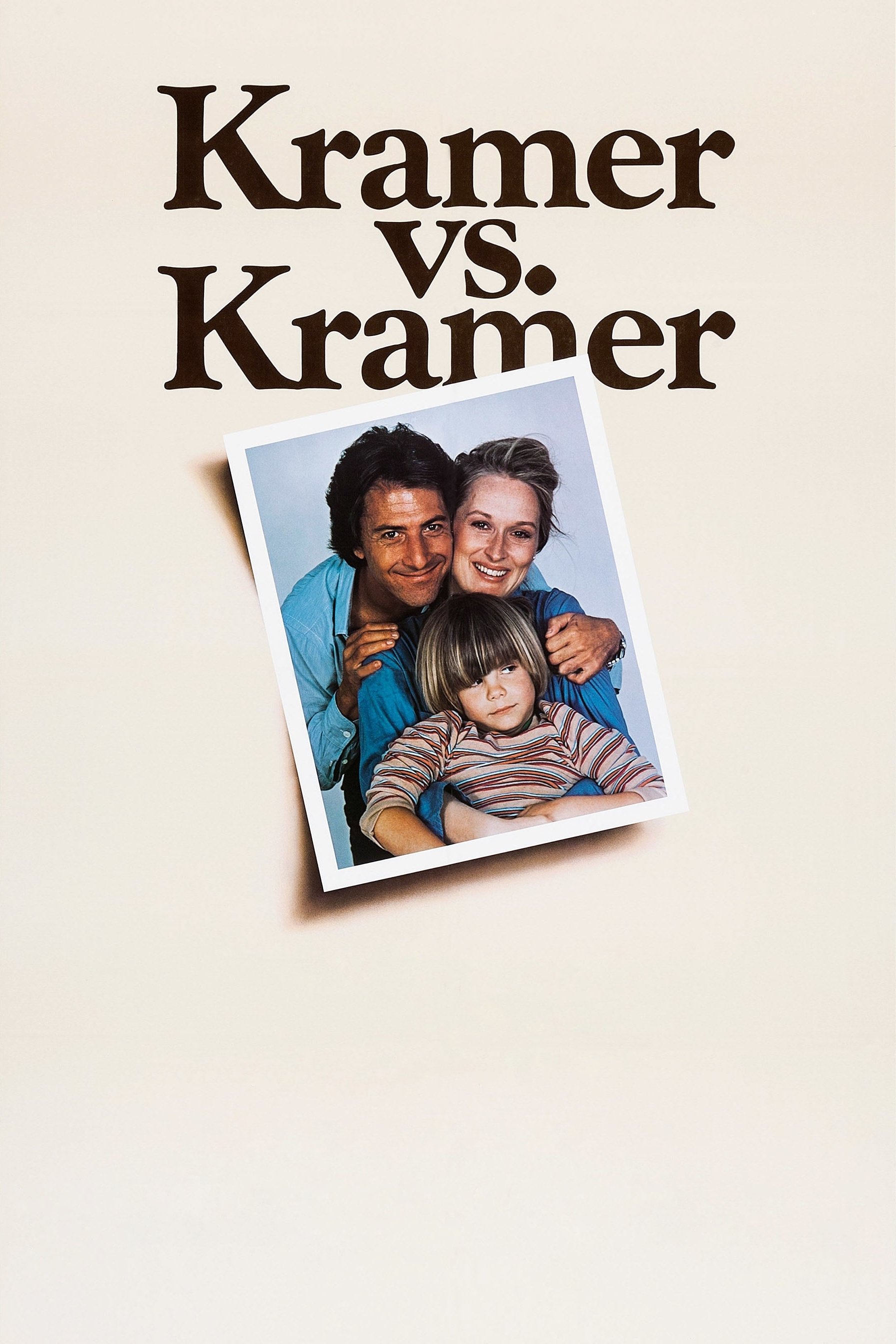
The drama in “Kramer vs. Kramer” was not limited to the screen. Dustin Hoffman, a dedicated method actor, used aggressive tactics to provoke a more authentic performance from his co-star, Meryl Streep. During the making of the intense divorce drama, Hoffman reportedly taunted Streep about her recently deceased partner, John Cazale, and engaged in other confrontational behavior.
In one of the film’s most dramatic scenes, Hoffman slapped Streep for real, a move that was not scripted. Streep later stated that this was “overstepping.” While the film was a massive success, winning Academy Awards for both Hoffman and Streep, the on-set experience was difficult. The two actors have not worked together since the film was completed.
American History X (1998) (Edward Norton and Tony Kaye)
The conflict on “American History X” was between the film’s star, Edward Norton, and its director, Tony Kaye. Norton, who was unhappy with the initial cut of the film, used his influence to re-edit the movie to give his character more screen time. This resulted in a version of the film that was significantly different from the director’s vision.
Kaye was so incensed by the studio’s decision to release Norton’s version that he tried to have his own name removed from the credits, attempting to replace it with “Humpty Dumpty.” He spent a significant amount of his own money on ads in trade publications denouncing Norton and the studio. The public battle over the film’s final cut has become a famous example of the power struggles that can occur between a director and a star.
Apocalypse Now (1979) (Marlon Brando and Francis Ford Coppola)
The production of “Apocalypse Now” is legendary for its chaotic and difficult nature, and a significant part of the turmoil involved star Marlon Brando. Brando arrived on the set in the Philippines overweight and unprepared. He had not read Joseph Conrad’s “Heart of Darkness,” the book on which the film is based, and had not learned his lines.
This forced director Francis Ford Coppola to make drastic changes. He spent days reading the script aloud to Brando and decided to shoot the actor mostly in shadow to hide his weight gain. This creative choice, born out of necessity, ended up contributing to the mysterious and imposing nature of Brando’s character, Colonel Kurtz. The struggles between the director and his star are a major focus of the documentary “Hearts of Darkness: A Filmmaker’s Apocalypse.”
Any Given Sunday (1999) (LL Cool J and Jamie Foxx)
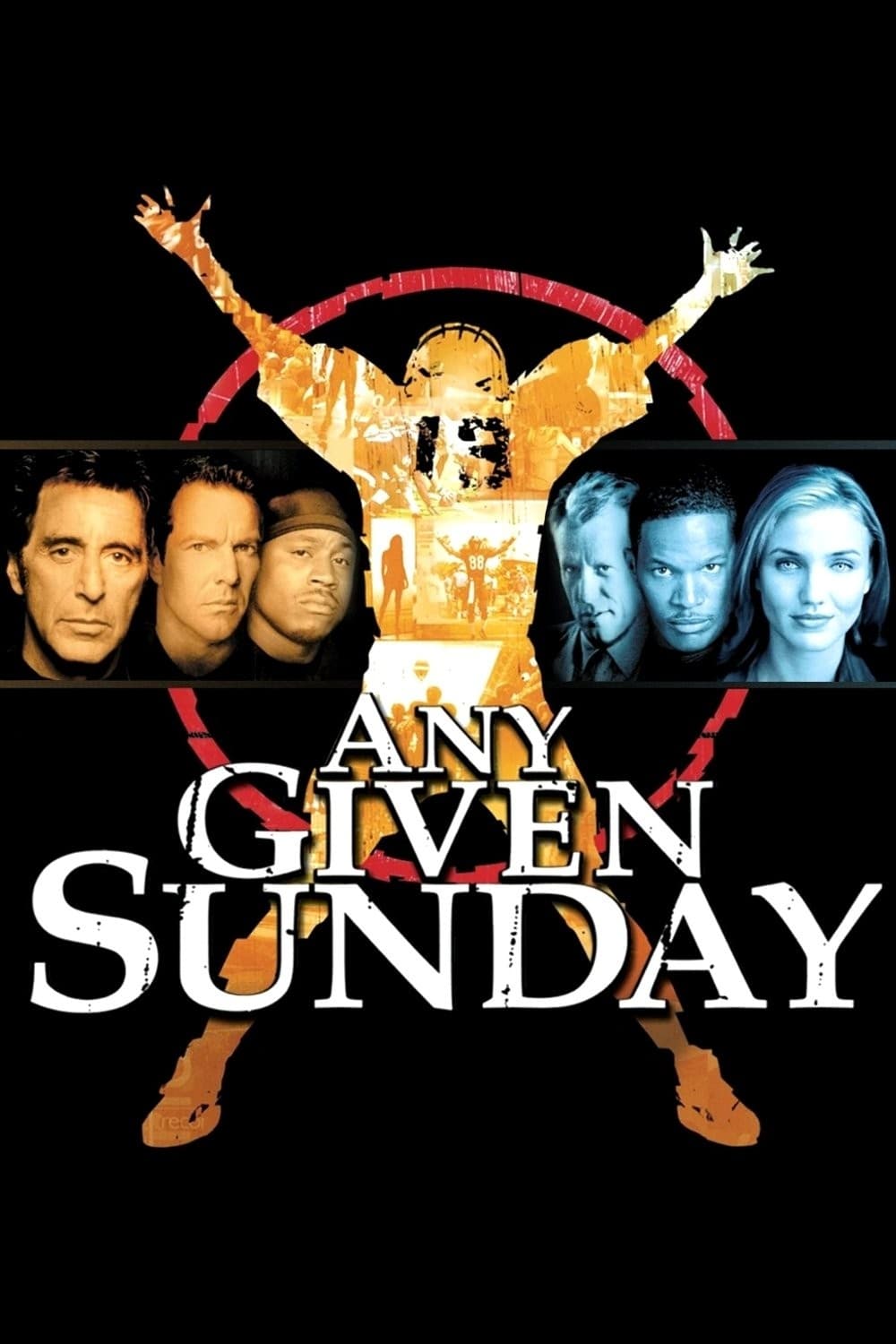
During the filming of Oliver Stone’s football drama “Any Given Sunday,” the on-screen rivalry between two characters spilled over into a real-life altercation. LL Cool J and Jamie Foxx, who played rival teammates, reportedly got into a physical fight during a scene. Foxx claimed that LL Cool J was being overly aggressive during their scripted fight.
The tension escalated, and a real fight broke out between the two actors, with Foxx reportedly filing a police report afterward. While they have since reconciled and can laugh about the incident, the fight was a moment of genuine conflict on a set known for its intense atmosphere. Director Oliver Stone was even said to have encouraged the actors’ rivalry to add realism to their performances.
Star Wars (1977) (Anthony Daniels and Kenny Baker)
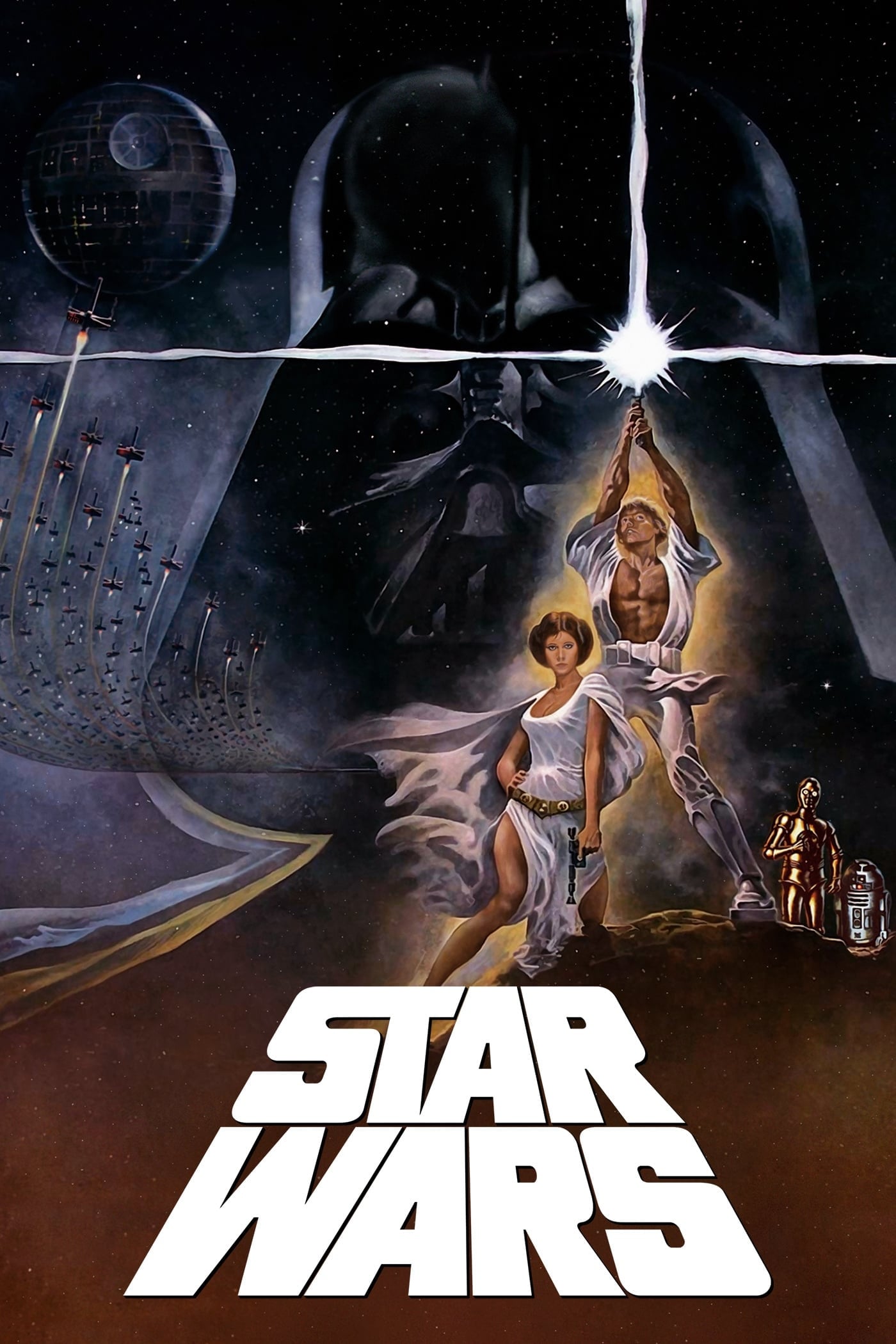
They played one of the most beloved duos in cinema history, but the actors inside C-3PO and R2-D2 did not share their characters’ bond. Anthony Daniels (C-3PO) and Kenny Baker (R2-D2) had a difficult relationship that lasted for decades. Baker accused Daniels of being rude and dismissive, claiming Daniels once called him a “little man” and ignored him on set.
For his part, Daniels has suggested the feud was one-sided and fueled by Baker. The physical constraints of their costumes meant they had very little interaction during filming, which may have contributed to their lack of a relationship. Despite their personal differences, their on-screen chemistry as the bickering but inseparable droids remains a highlight of the “Star Wars” saga.
An Officer and a Gentleman (1982) (Richard Gere and Debra Winger)
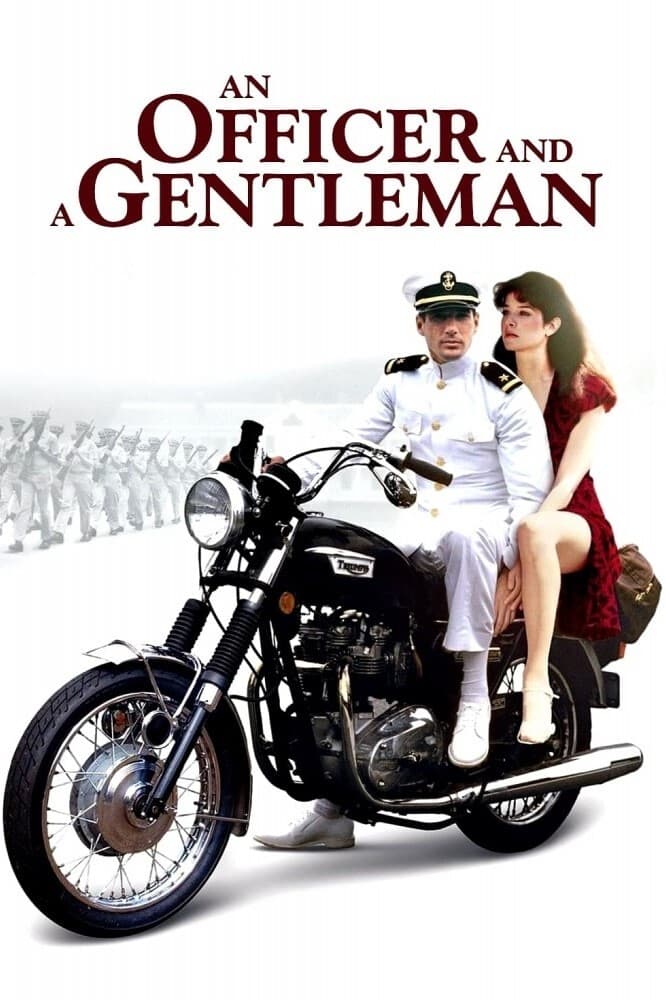
“An Officer and a Gentleman” is a classic romance, but its stars, Richard Gere and Debra Winger, had no love for each other off-screen. Winger was famously outspoken about her dislike for the production and her co-star. She has called Gere a “brick wall” to work with and compared the set to a toxic environment.
Their lack of off-screen rapport made filming a challenge, and the two reportedly kept their distance when the cameras weren’t rolling. Winger has also been critical of the film’s director, Taylor Hackford. Despite the on-set animosity, the film was a box-office hit, and the chemistry between the two leads was praised by critics, proving that sometimes on-screen magic can be created even in the most difficult circumstances.
Lawless (2012) (Tom Hardy and Shia LaBeouf)
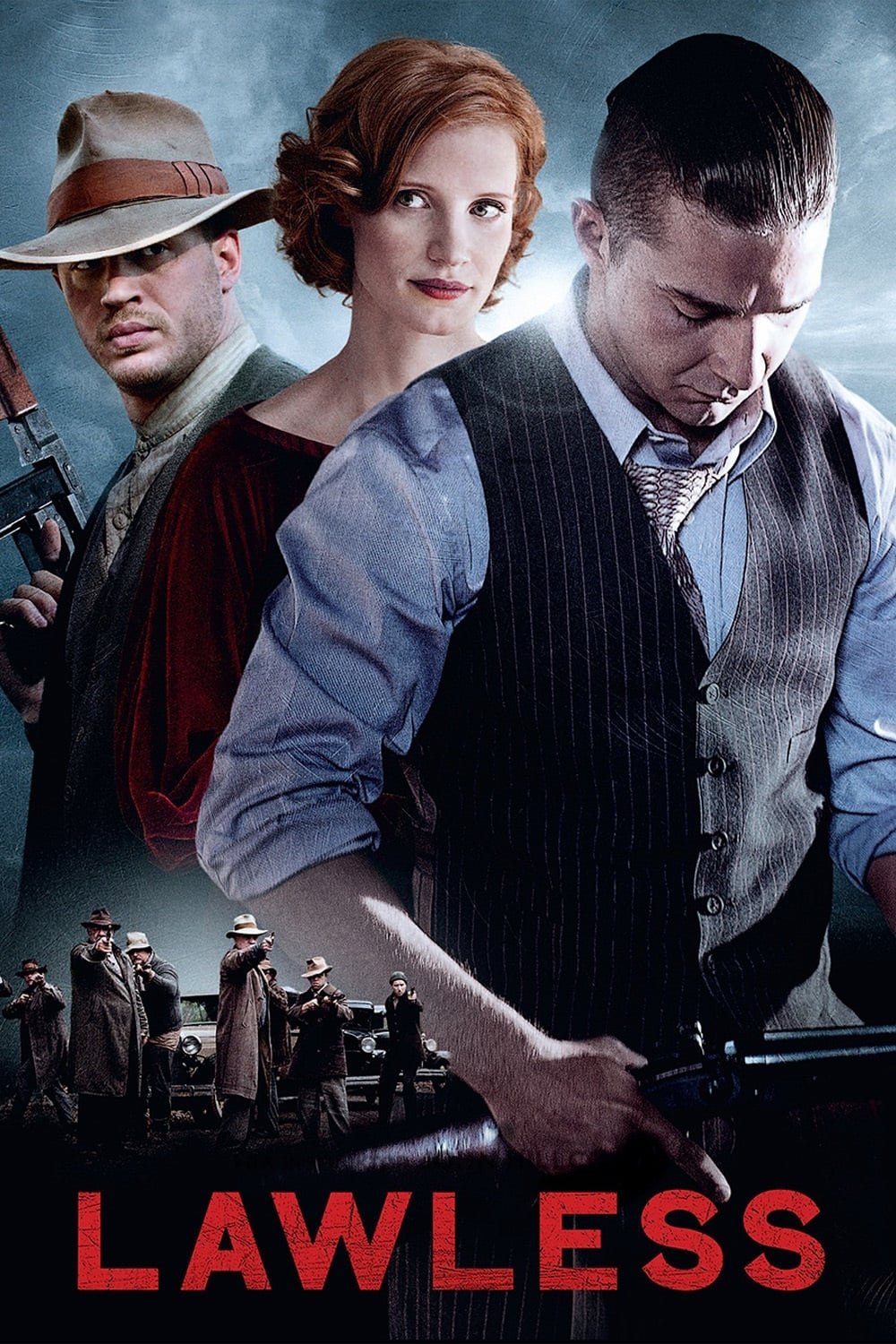
The set of the Prohibition-era drama “Lawless” was reportedly a place of high tension, particularly between co-stars Tom Hardy and Shia LaBeouf. Both actors are known for their intense, method-style acting, and their on-set relationship was said to be volatile. LaBeouf claimed that their conflicts sometimes turned physical.
LaBeouf has said that he once knocked Hardy out, a story that Hardy has confirmed, though he humorously downplayed the incident. The director, John Hillcoat, acknowledged that there was tension between the two actors but felt it ultimately benefited their performances as competitive brothers. The real-life friction added a layer of authenticity to their on-screen dynamic.
Tombstone (1993) (Kurt Russell and Kevin Jarre)
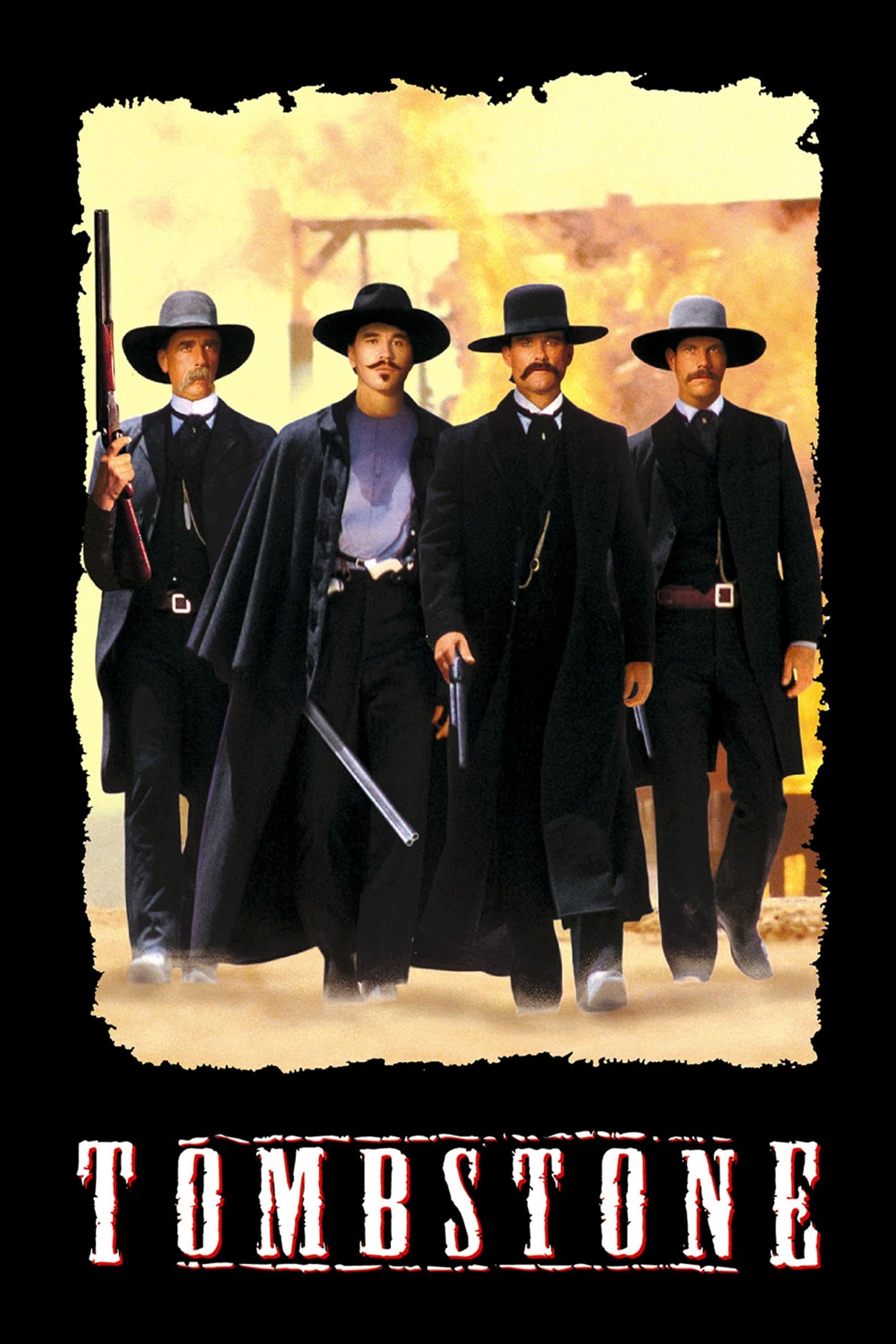
The classic western “Tombstone” had a very troubled production, starting with a change in director. The original director and writer, Kevin Jarre, was fired a month into filming. He was reportedly unable to keep up with the demanding schedule and fell behind, leading the studio to replace him.
Star Kurt Russell, who played Wyatt Earp, reportedly stepped in to keep the production afloat. According to his co-star Val Kilmer, Russell essentially ghost-directed the film, making a shot list every night to ensure the movie got made. While George P. Cosmatos was hired as the official replacement director, it’s widely believed that Russell was the driving force behind the film’s successful completion.
The Island of Dr. Moreau (1996) (Marlon Brando and Val Kilmer)
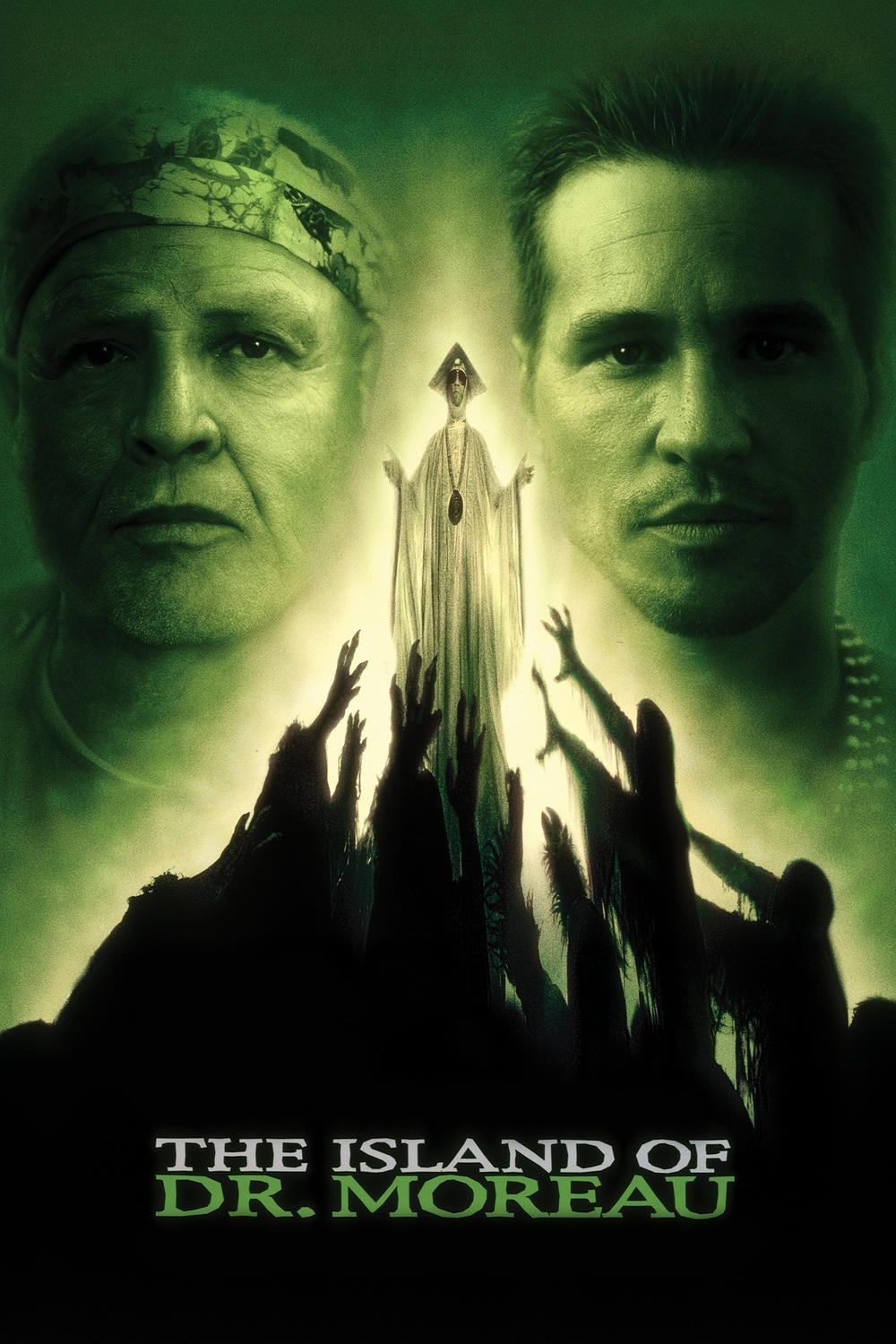
The 1996 remake of “The Island of Dr. Moreau” is famous for its disastrous production, marked by creative clashes and the bizarre behavior of its stars, Marlon Brando and Val Kilmer. Kilmer was reportedly difficult from the start, feuding with the original director, Richard Stanley, who was fired early in the shoot. Kilmer’s relationship with the replacement director, John Frankenheimer, was even worse.
Brando, meanwhile, was in a period of personal turmoil and behaved erratically on set. He refused to learn his lines, instead having them fed to him through an earpiece. The conflict between the eccentric Brando and the confrontational Kilmer, combined with a troubled script and a chaotic filming environment, resulted in a film that was both a critical and commercial failure.
Dirty Dancing (1987) (Patrick Swayze and Jennifer Grey)
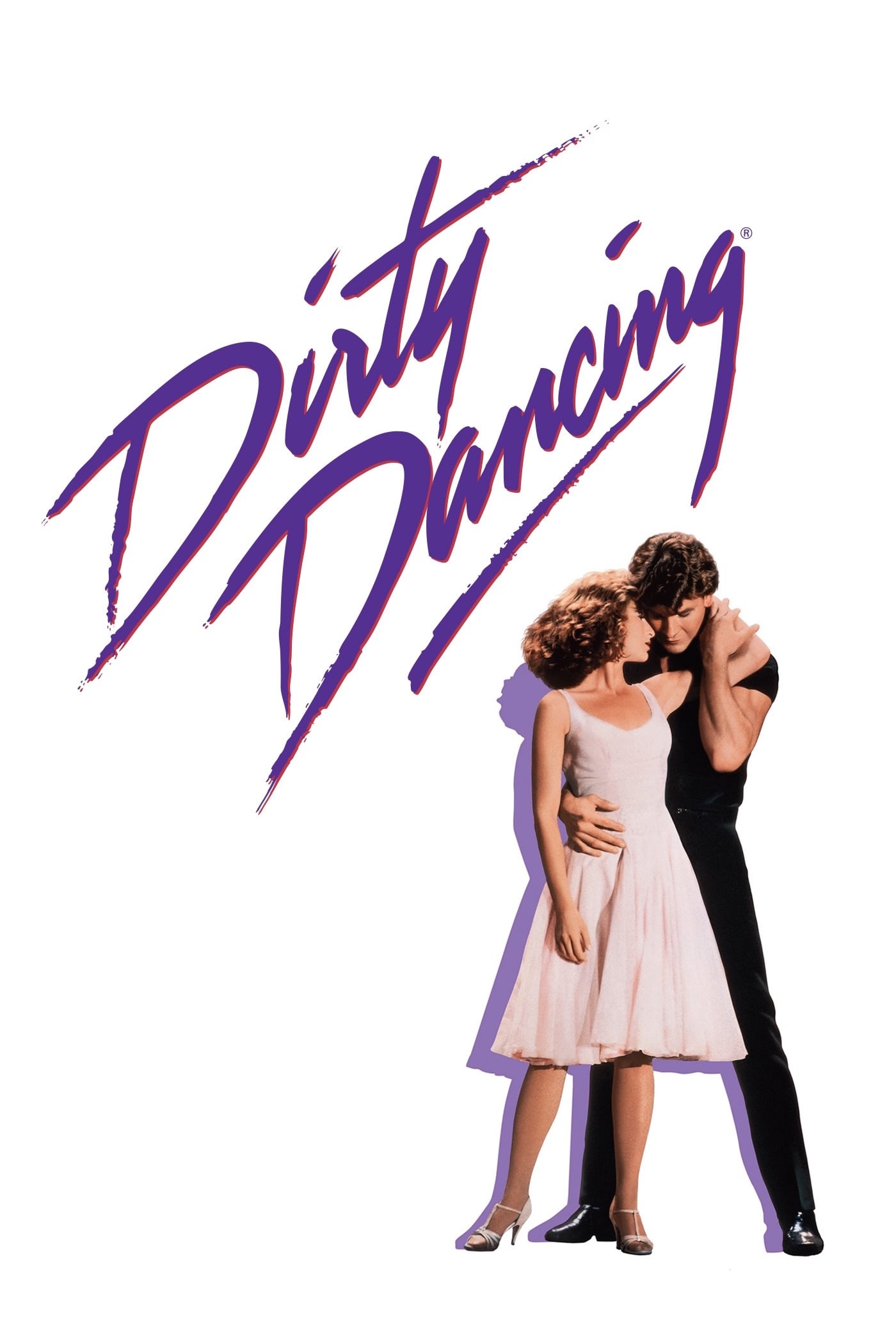
The beloved romance of Johnny and Baby in “Dirty Dancing” hid a tense working relationship between Patrick Swayze and Jennifer Grey. The two had previously worked together on the film “Red Dawn” and had not gotten along. Swayze was a professionally trained dancer who grew frustrated with Grey’s lack of experience and what he saw as her unprofessional behavior.
Grey, in turn, found Swayze to be overbearing. This tension is visible in some scenes, such as when Johnny shows his frustration while teaching Baby to dance; Swayze’s annoyance was reportedly genuine. Despite their friction, they managed to create incredible on-screen chemistry, but both have admitted in memoirs and interviews that they often clashed during the difficult production.

