


Paul Newman’s Career: From ‘The Silver Chalice’ to ‘Cars’

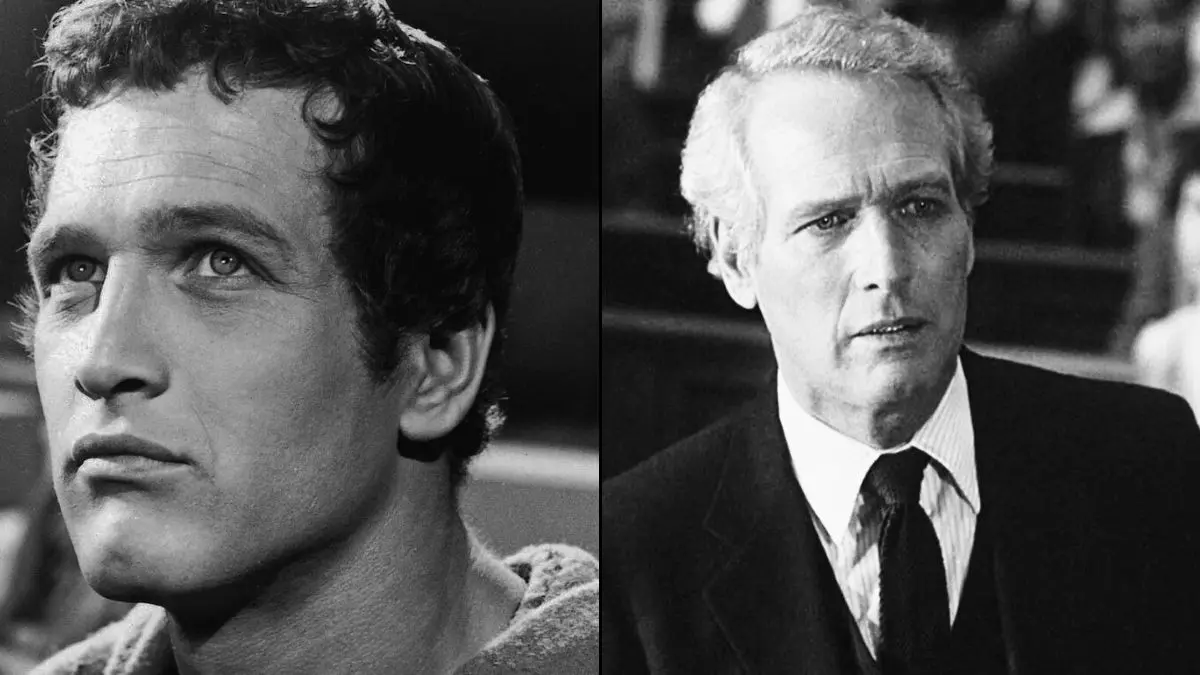


Paul Newman was a true Hollywood legend, a man whose piercing blue eyes and effortless charm made him one of the most iconic stars of his generation. But beyond his good looks, he was a profoundly talented actor, capable of playing complex and rebellious characters that defined an era of filmmaking. His career spanned over fifty years, leaving behind a legacy of unforgettable performances that showcased his incredible range and depth.
From his early days as a promising young actor to his status as an elder statesman of cinema, Newman consistently chose roles that challenged him and his audience. He wasn’t afraid to play flawed anti-heroes, men who struggled with their demons and fought against the system. His work earned him numerous awards, including an Academy Award, and he remains a symbol of classic Hollywood cool and enduring talent.
‘The Silver Chalice’ (1954)

‘The Silver Chalice’ is a biblical epic set in ancient Rome and the Middle East. The story follows a talented Greek silversmith who is sold into slavery and is later commissioned to create a silver chalice to hold the cup used by Jesus at the Last Supper. The film is filled with lavish sets and costumes, attempting to capture the grandeur of the historical period.
This film marked Paul Newman’s screen debut, casting him in the lead role of Basil the silversmith. Newman famously disliked the film and his performance in it, even taking out an ad in a trade paper to apologize when it was later shown on television. Despite his feelings, the role was the first step in what would become a legendary Hollywood career.
‘Somebody Up There Likes Me’ (1956)
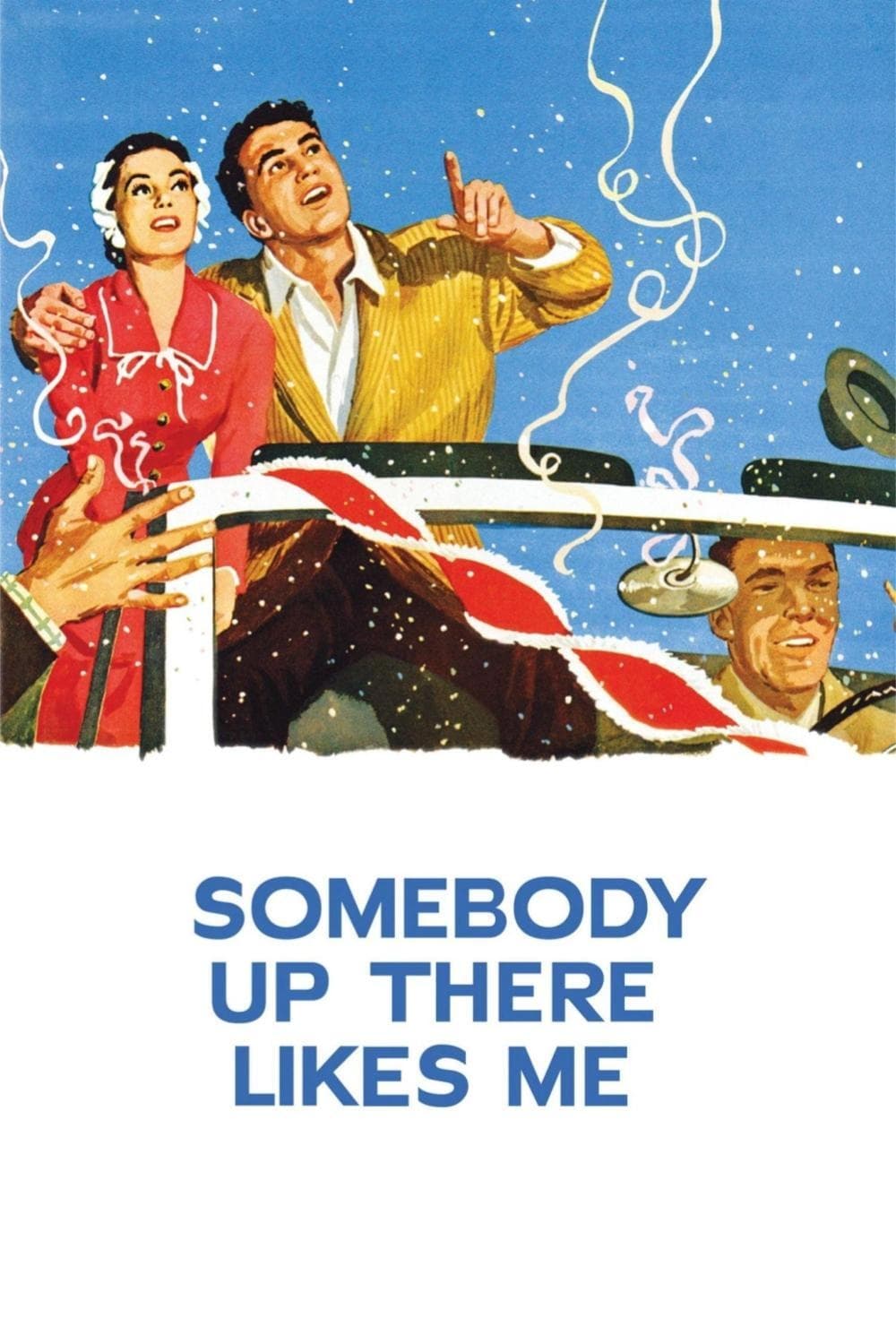
‘Somebody Up There Likes Me’ is a biographical film that tells the true story of Rocky Graziano, a troubled young man who rises from a life of poverty and crime to become a middleweight boxing champion. The movie follows his difficult journey, from his rebellious youth and time in prison to his redemption in the boxing ring and his relationship with his wife.
Newman took on the role of Rocky Graziano after James Dean, who was originally cast, tragically passed away. His performance was a breakout success, capturing Graziano’s raw energy, anger, and vulnerability. The role established Newman as a major new talent in Hollywood and proved he had the charisma and acting chops to carry a film.
‘The Rack’ (1956)

‘The Rack’ is a tense courtroom drama that explores the psychological aftermath of war. The story centers on an American army captain who is put on trial for collaborating with the enemy after returning home from the Korean War. The film delves into the brutal treatment he endured as a prisoner of war and questions the true meaning of loyalty and breaking points.
Paul Newman delivers a powerful and intense performance as Captain Edward W. Hall Jr., the soldier accused of treason. He portrays the character’s deep emotional trauma and the quiet dignity he maintains while facing his accusers, including his own father. The role showcased Newman’s ability to handle complex, dramatic material with great skill.
‘The Helen Morgan Story’ (1957)
‘The Helen Morgan Story’ is a biographical film about the famous torch singer and actress of the 1920s and 30s. The movie traces her rise to fame on Broadway and her subsequent downfall due to alcoholism. It is a dramatic look at the life of a talented performer whose personal struggles ultimately overshadowed her success.
Newman plays Larry Maddux, a charming but shady bootlegger who becomes a significant figure in Helen’s life. His character represents both the glamour and the danger of the era. Newman brings his signature charisma to the role, creating a complex love interest whose actions contribute to Helen’s tragic story.
‘Until They Sail’ (1957)
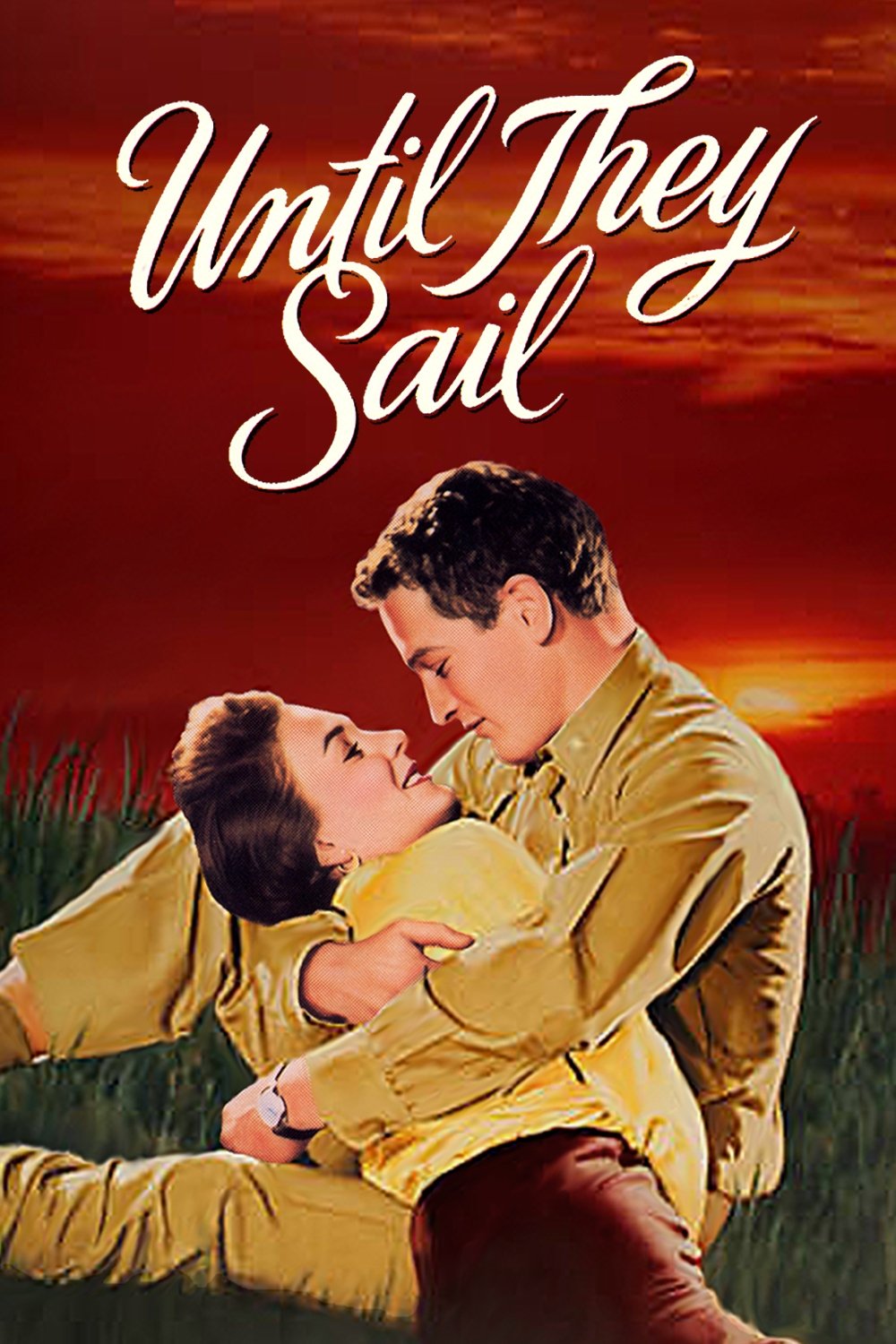
‘Until They Sail’ is a romantic drama set in New Zealand during World War II. The film follows the lives and romantic entanglements of four sisters as a large number of American marines are stationed in their town. The story explores themes of love, loss, and the challenges faced by women on the home front during the war.
In this film, Paul Newman plays Captain Jack Harding, a U.S. Marine officer who becomes involved with one of the sisters. His character is a more reserved and thoughtful figure compared to some of his more rebellious roles. The performance shows a softer, more romantic side of Newman, contributing to the film’s emotional depth.
‘The Long, Hot Summer’ (1958)
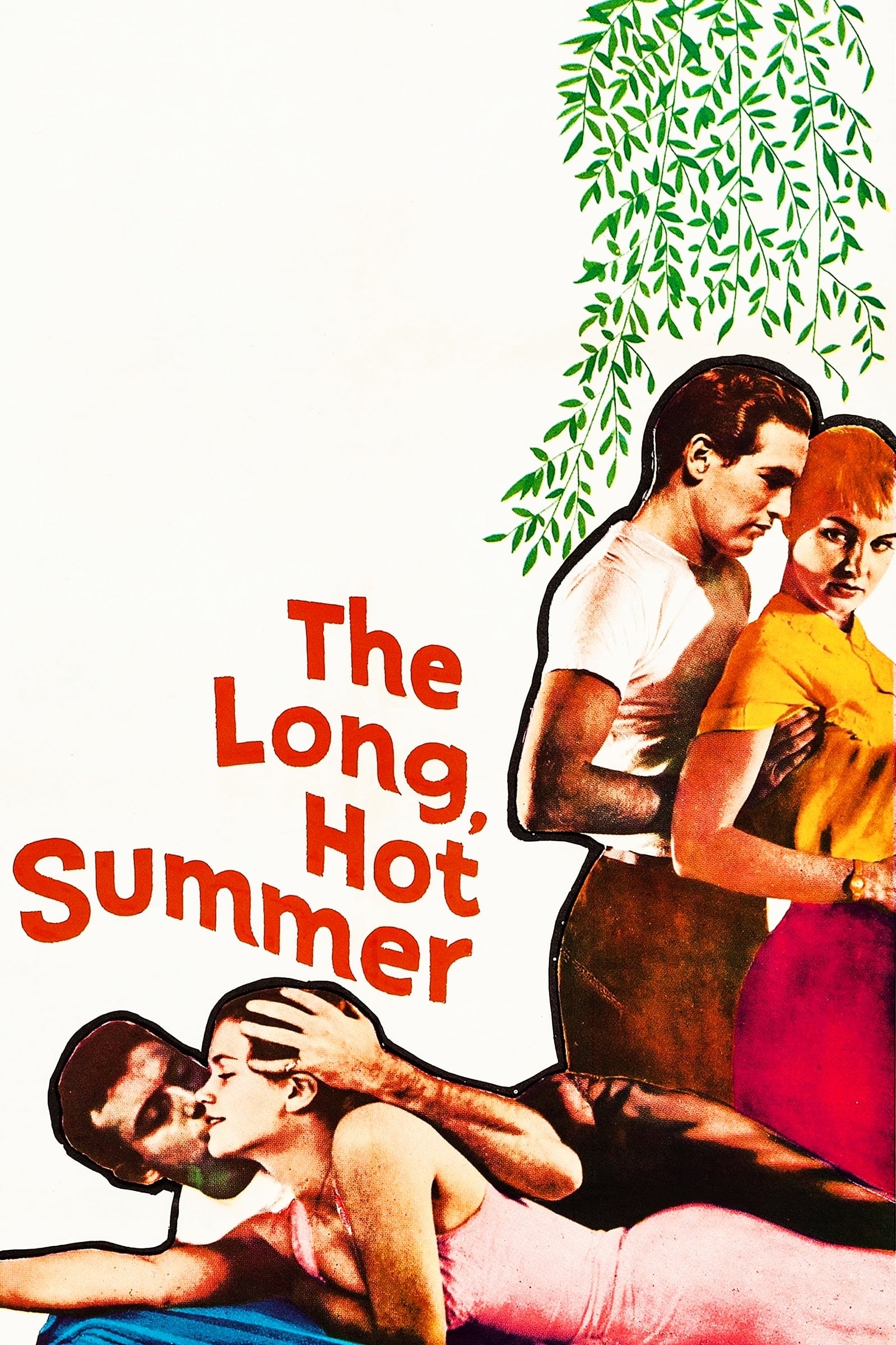
‘The Long, Hot Summer’ is a drama about a confident and ambitious drifter who arrives in a small Mississippi town and quickly gets entangled with the town’s most powerful family. The film is a story of simmering tensions, romantic desires, and power struggles in the sweltering heat of the South. It is also the first film where Newman starred alongside his future wife, Joanne Woodward.
Newman plays Ben Quick, the charming and clever outsider who challenges the authority of the family patriarch. His performance is full of swagger and charisma, perfectly capturing the character’s rebellious spirit and hidden vulnerabilities. The palpable chemistry between Newman and Woodward helped make the film a memorable classic.
‘The Left Handed Gun’ (1958)

‘The Left Handed Gun’ offers a psychological take on the legend of one of the American West’s most famous outlaws. The film portrays Billy the Kid not as a cold-blooded killer, but as a misunderstood and illiterate young man seeking revenge for the murder of his mentor. It is a darker and more character-driven version of the classic Western story.
Paul Newman stars as the legendary outlaw, Billy the Kid. He gives a brooding and intense performance, focusing on the character’s inner turmoil and youthful angst. Newman’s portrayal is a departure from the typical Western hero, presenting a more complex and tragic figure that was a hallmark of his early career.
‘Cat on a Hot Tin Roof’ (1958)
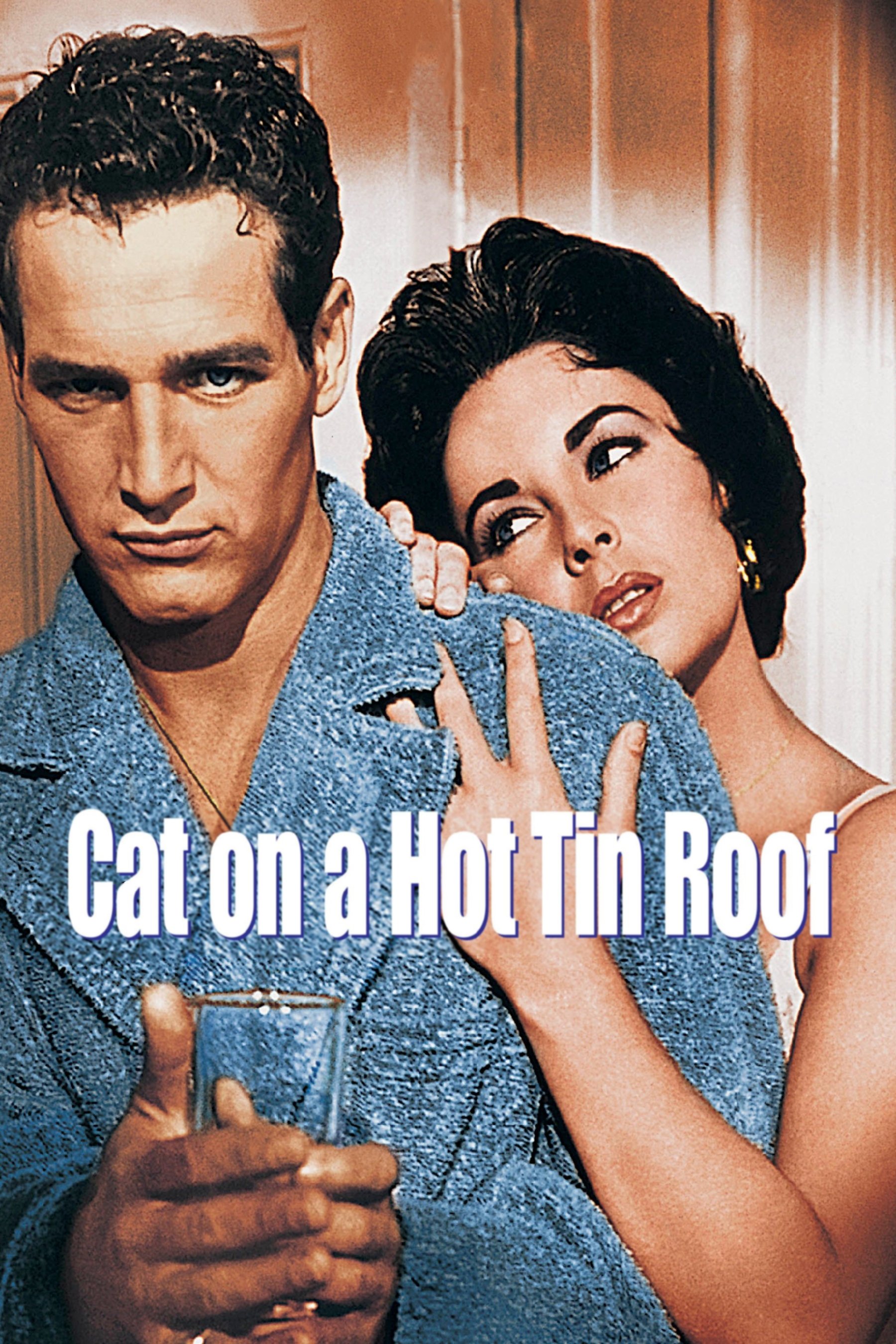
‘Cat on a Hot Tin Roof’ is a film adaptation of Tennessee Williams’ celebrated play. The story revolves around a wealthy Southern family in crisis, focusing on the strained relationship between a troubled former athlete and his fiery wife. The film is a powerful exploration of family secrets, greed, and emotional turmoil, all set during a tense family gathering.
Newman plays Brick Pollitt, the alcoholic and emotionally distant son who is grappling with the death of his friend. His performance is a masterful portrayal of a man tormented by guilt and regret, and his on-screen chemistry with co-star Elizabeth Taylor is electric. The role earned him his first Academy Award nomination and cemented his status as a top star.
‘Rally Round the Flag, Boys!’ (1958)
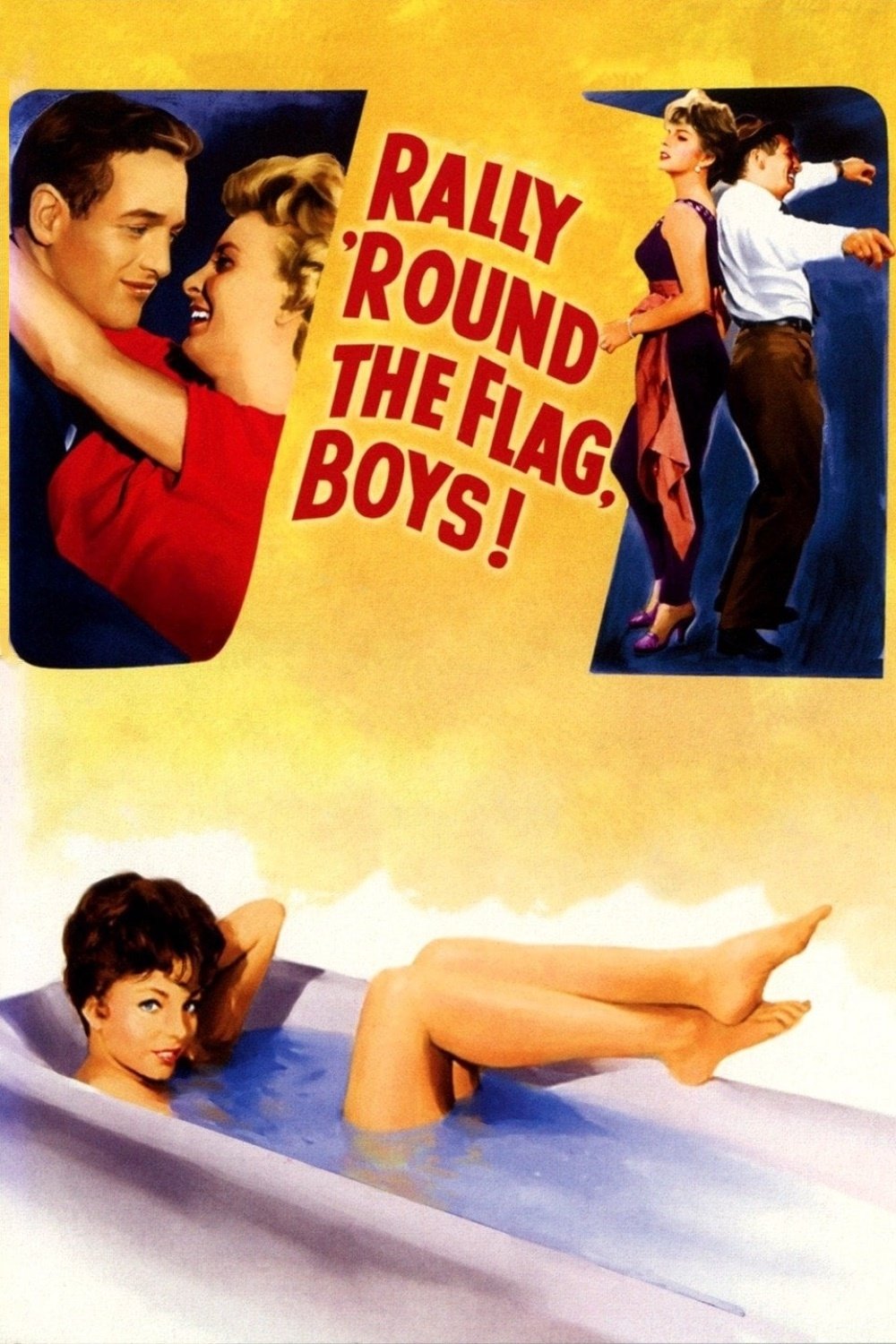
‘Rally Round the Flag, Boys!’ is a comedy about the chaos that ensues when the U.S. military decides to build a secret missile base in a quiet suburban community. The story follows a local man who tries to navigate the resulting town protests, the advances of a flirtatious neighbor, and the neglect of his own wife.
In this comedic romp, Paul Newman plays Harry Bannerman, the frazzled family man caught in the middle of the madness. The role was a departure from his more dramatic work, allowing him to showcase his comedic timing. He stars opposite his wife, Joanne Woodward, and their chemistry adds a layer of charm to this lighthearted satire.
‘The Young Philadelphians’ (1959)
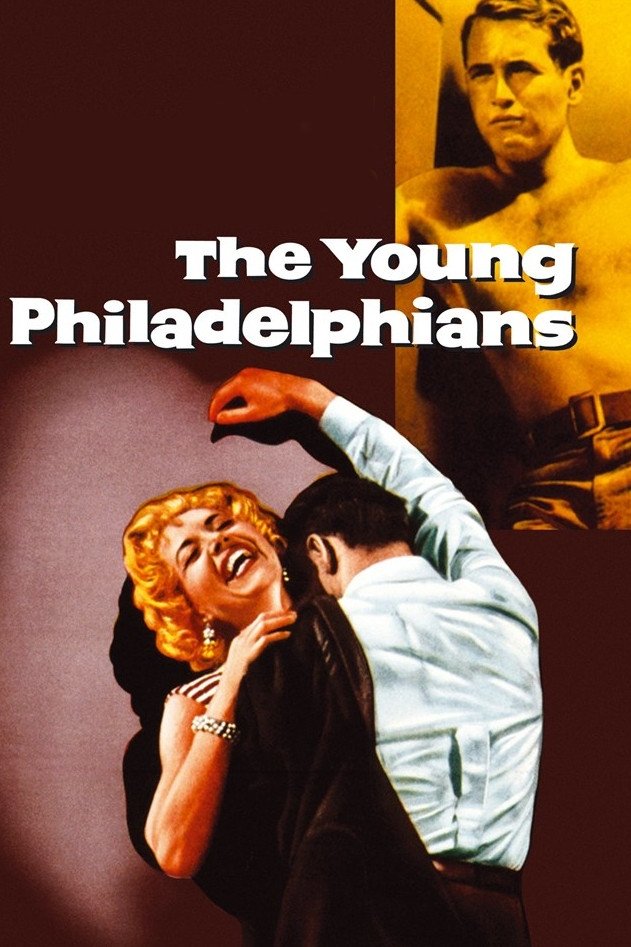
‘The Young Philadelphians’ is a drama about a determined young lawyer from a humble background who is willing to do whatever it takes to climb the social and professional ladder in high-society Philadelphia. The film follows his journey as he navigates complex legal cases, romantic entanglements, and the rigid class system.
Newman stars as Anthony Judson Lawrence, the ambitious lawyer at the center of the story. His performance captures the character’s intense drive and the moral compromises he makes on his way to the top. The role allowed Newman to play a character who is both charming and calculating, showcasing his versatility as an actor.
‘From the Terrace’ (1960)
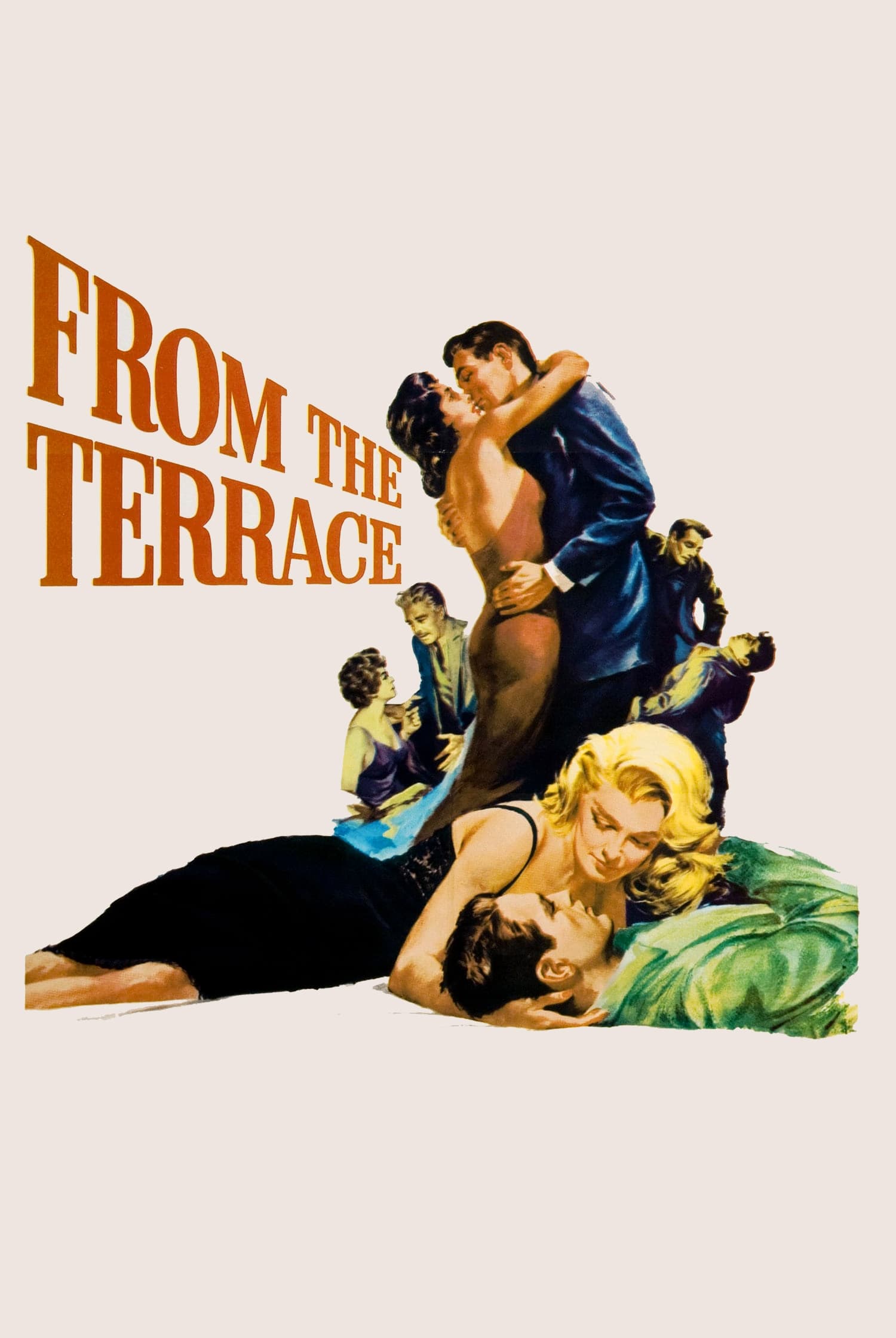
‘From the Terrace’ is a drama that follows the life of a young, ambitious man who is driven to succeed in the world of finance to prove himself to his distant father. The story chronicles his troubled marriage to a wealthy socialite, his affair with another woman, and his disillusionment with the empty pursuit of wealth and status.
Paul Newman plays David Alfred Eaton, the film’s protagonist who seeks love and validation through professional success. He delivers a strong performance as a man who achieves all his material goals only to find himself emotionally bankrupt. The film also reunites him on screen with his wife, Joanne Woodward.
‘Exodus’ (1960)
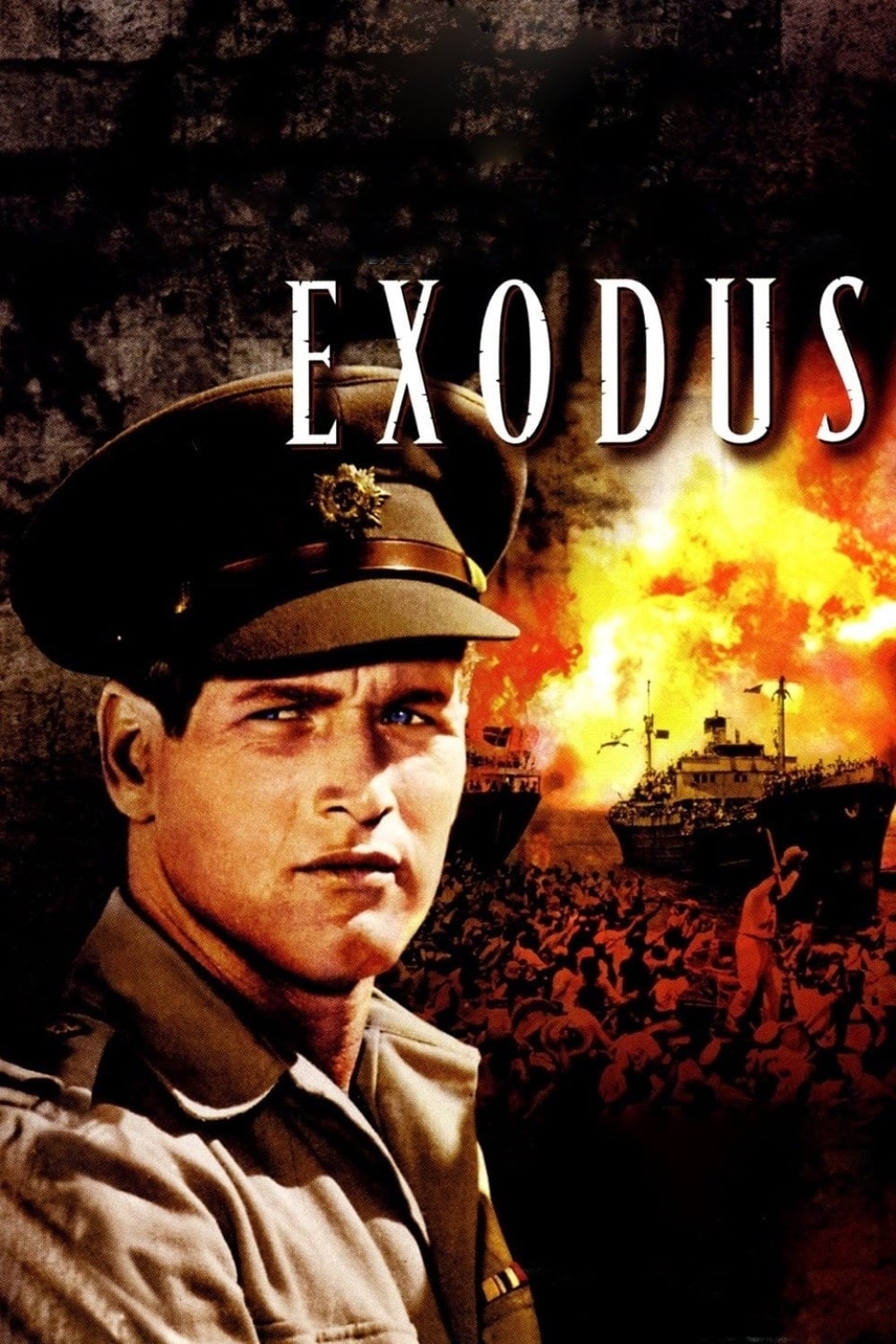
‘Exodus’ is an epic historical drama based on the novel by Leon Uris. The film tells the story of the founding of the state of Israel in the years following World War II. It follows a group of Jewish refugees who illegally sail to Palestine and the subsequent political and military struggles that lead to the birth of the new nation.
Newman stars as Ari Ben Canaan, a charismatic and determined Jewish resistance fighter who becomes a key leader in the movement for Israeli independence. He brings a commanding presence and a quiet intensity to the role, embodying the spirit of a people fighting for their homeland. The film was a massive undertaking and a major international success.
‘The Hustler’ (1961)
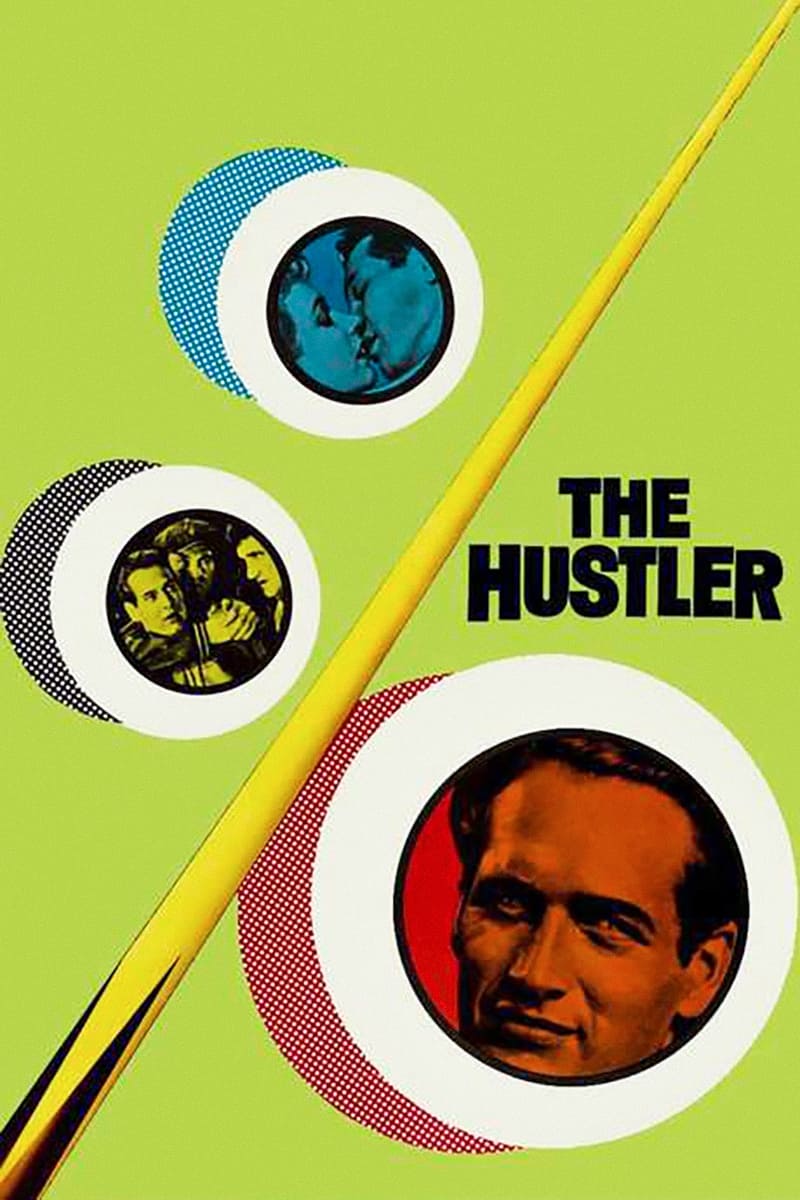
‘The Hustler’ is a gritty and compelling drama set in the world of high-stakes pool. The film follows a talented but self-destructive pool shark who travels the country with his manager, determined to prove he is the best by beating the legendary player Minnesota Fats. It is a dark and atmospheric story about ambition, arrogance, and the price of victory.
Paul Newman gives one of his most iconic performances as “Fast” Eddie Felson, the gifted but flawed hustler. He perfectly embodies the character’s cool confidence and the inner demons that threaten to destroy him. The role is a defining moment in Newman’s career, showcasing his ability to play complex anti-heroes and earning him another Academy Award nomination.
‘Paris Blues’ (1961)
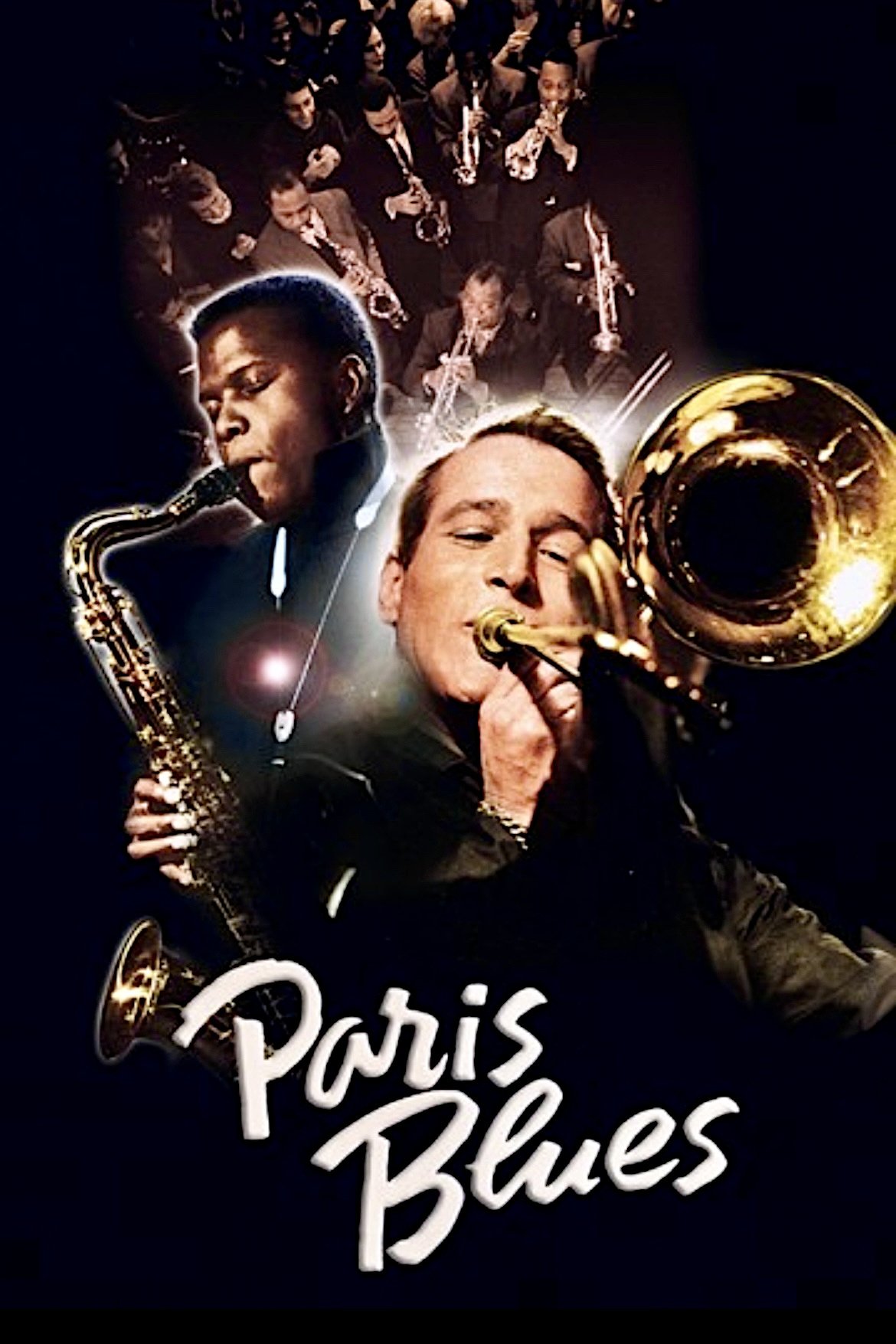
‘Paris Blues’ is a romantic drama about two American jazz musicians living in Paris. The film explores their relationships with two American tourists and the choice they must make between their artistic ambitions in Europe and the pull of returning home to the United States. The movie features a celebrated jazz score by Duke Ellington.
Newman plays Ram Bowen, a talented but serious trombone player who is dedicated to his music above all else. His character struggles with the decision to commit to a relationship or to continue pursuing his dream of becoming a serious composer. The film pairs Newman with Sidney Poitier, and their on-screen friendship is a highlight of the movie.
‘Sweet Bird of Youth’ (1962)
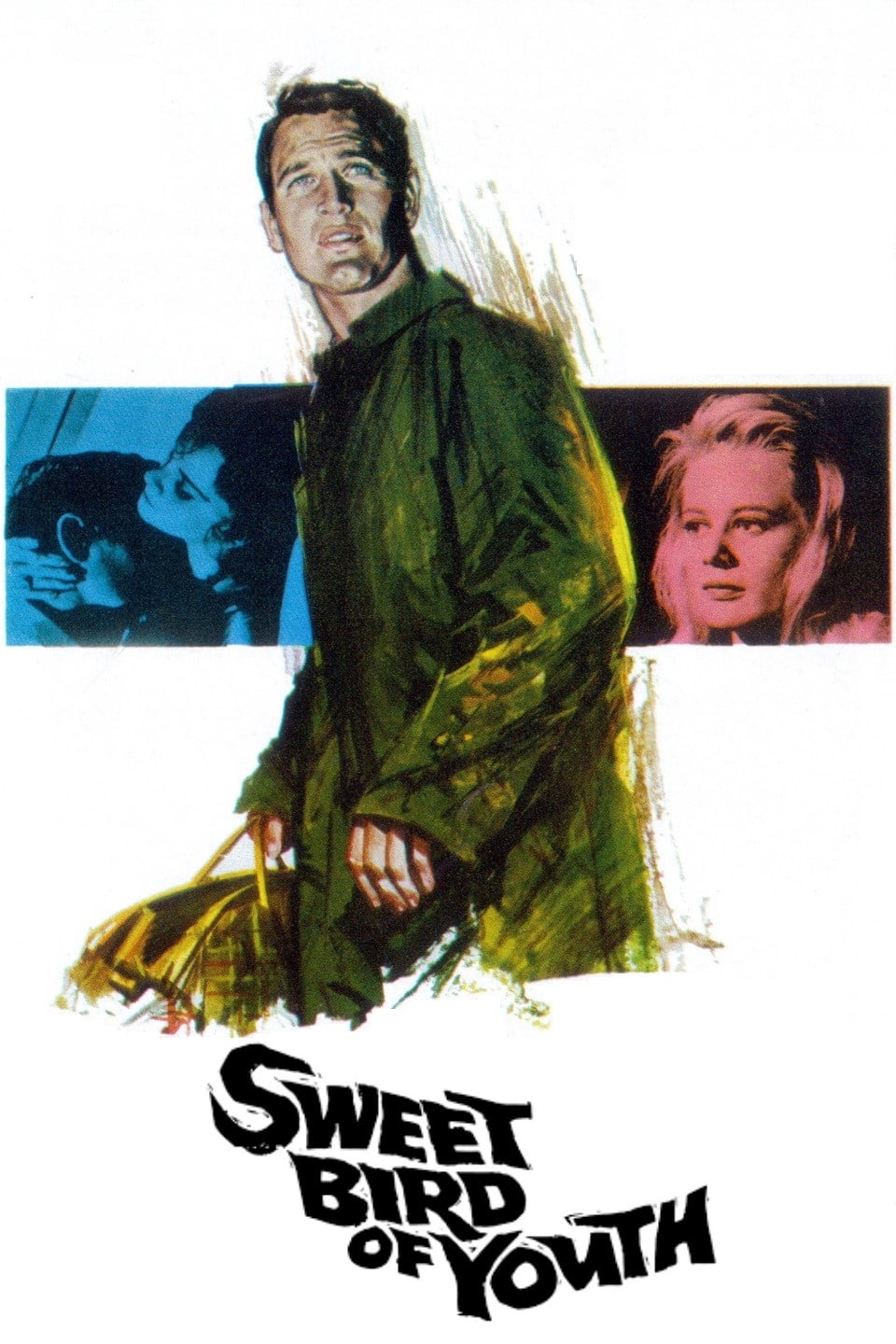
‘Sweet Bird of Youth’ is another film adaptation of a Tennessee Williams play. The story follows a handsome but fading drifter who returns to his Southern hometown with an aging, insecure movie star. He hopes to win back his childhood sweetheart, but he must first confront her powerful and corrupt father, who drove him out of town years earlier.
Newman reprises the role of Chance Wayne, which he had previously played on Broadway. He perfectly captures the character’s desperate charm and the sad reality that his good looks and youth are slipping away. It is a powerful performance that showcases Newman’s ability to play complex, flawed characters from the works of great playwrights.
‘Hemingway’s Adventures of a Young Man’ (1962)
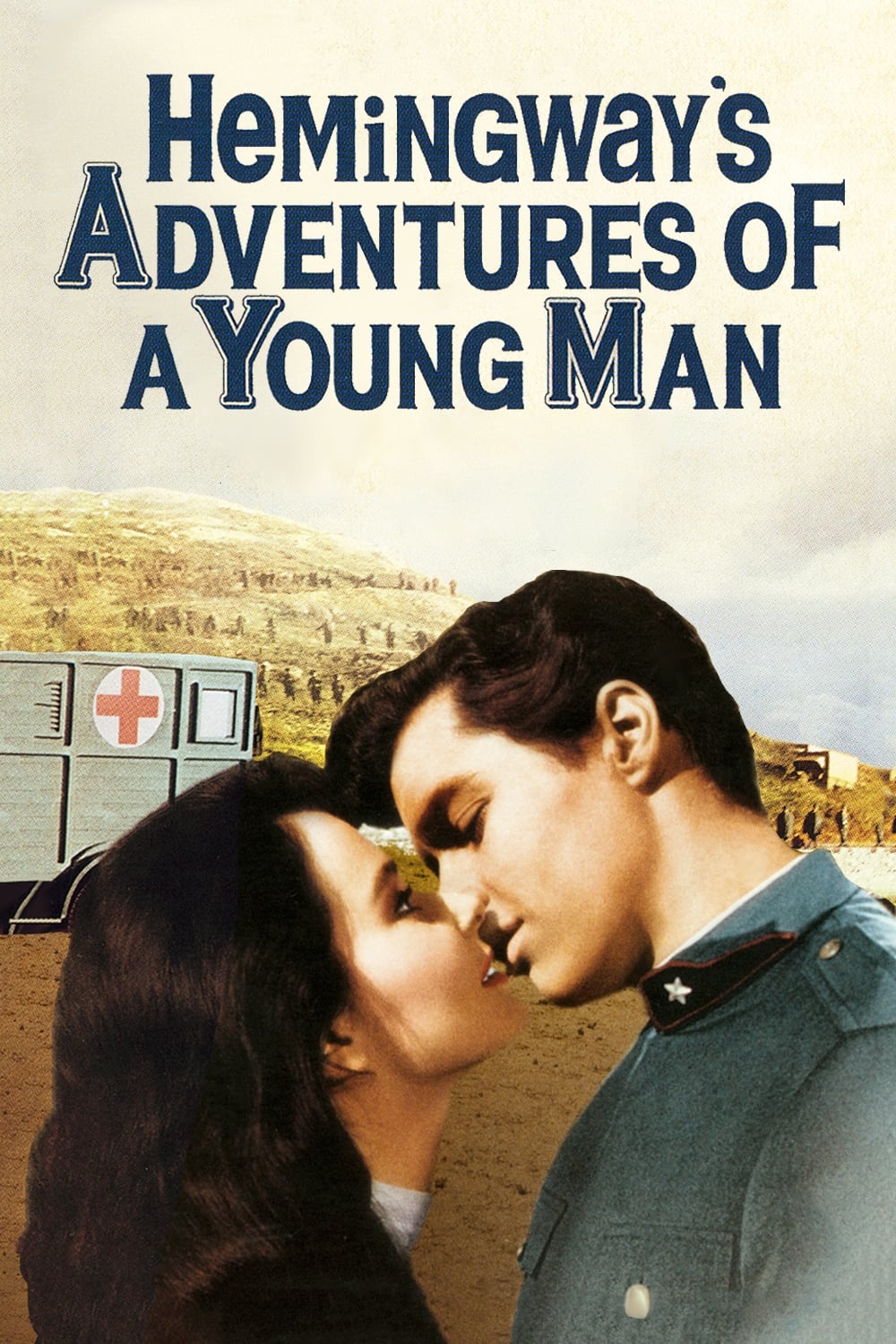
This film is a coming-of-age story based on a series of semi-autobiographical short stories by Ernest Hemingway. The movie follows the adventures of a young man from Michigan who leaves home to experience the world, working various jobs and eventually serving as an ambulance driver in Italy during World War I.
Paul Newman makes a memorable cameo appearance as Ad Francis, a punch-drunk former boxer known as “The Battler.” Although his screen time is brief, his performance is intense and powerful, showcasing the physical and mental toll of a brutal sport. It is a small but impactful role in a film full of notable character actors.
‘Hud’ (1963)
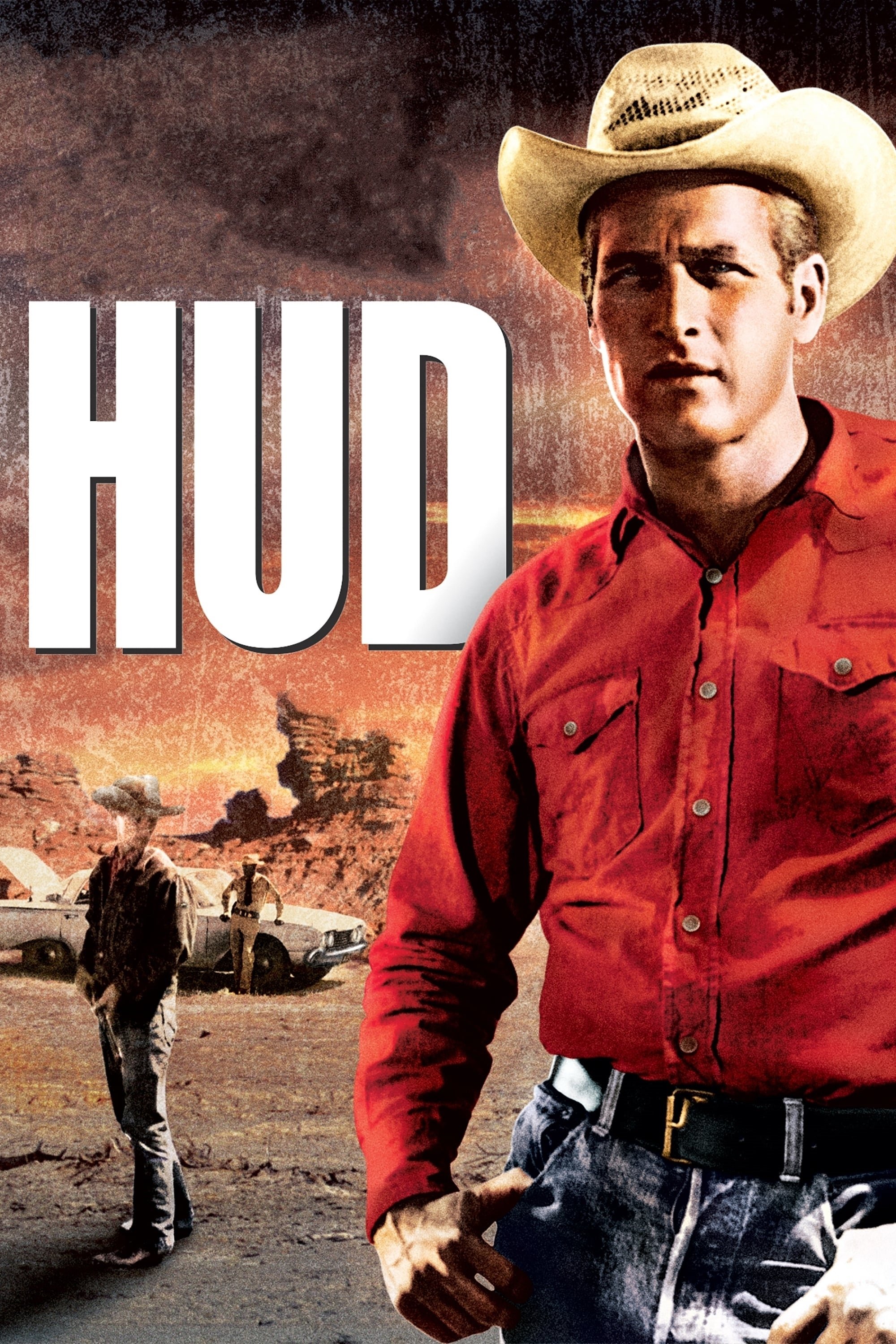
‘Hud’ is a powerful Western drama that tells the story of a strained relationship between a principled old rancher and his arrogant, womanizing son. The film is a stark and unsentimental look at the changing values of the American West and the moral decay represented by its title character. The story is told through the eyes of the young, impressionable nephew caught between the two men.
Newman takes on the challenging role of Hud Bannon, a charming but completely immoral character who cares for no one but himself. It was a risky role, as Hud is a true anti-hero with few redeeming qualities, but Newman’s performance is magnetic. He brings a dangerous charisma to the part, creating one of cinema’s most memorable and complex characters.
‘A New Kind of Love’ (1963)
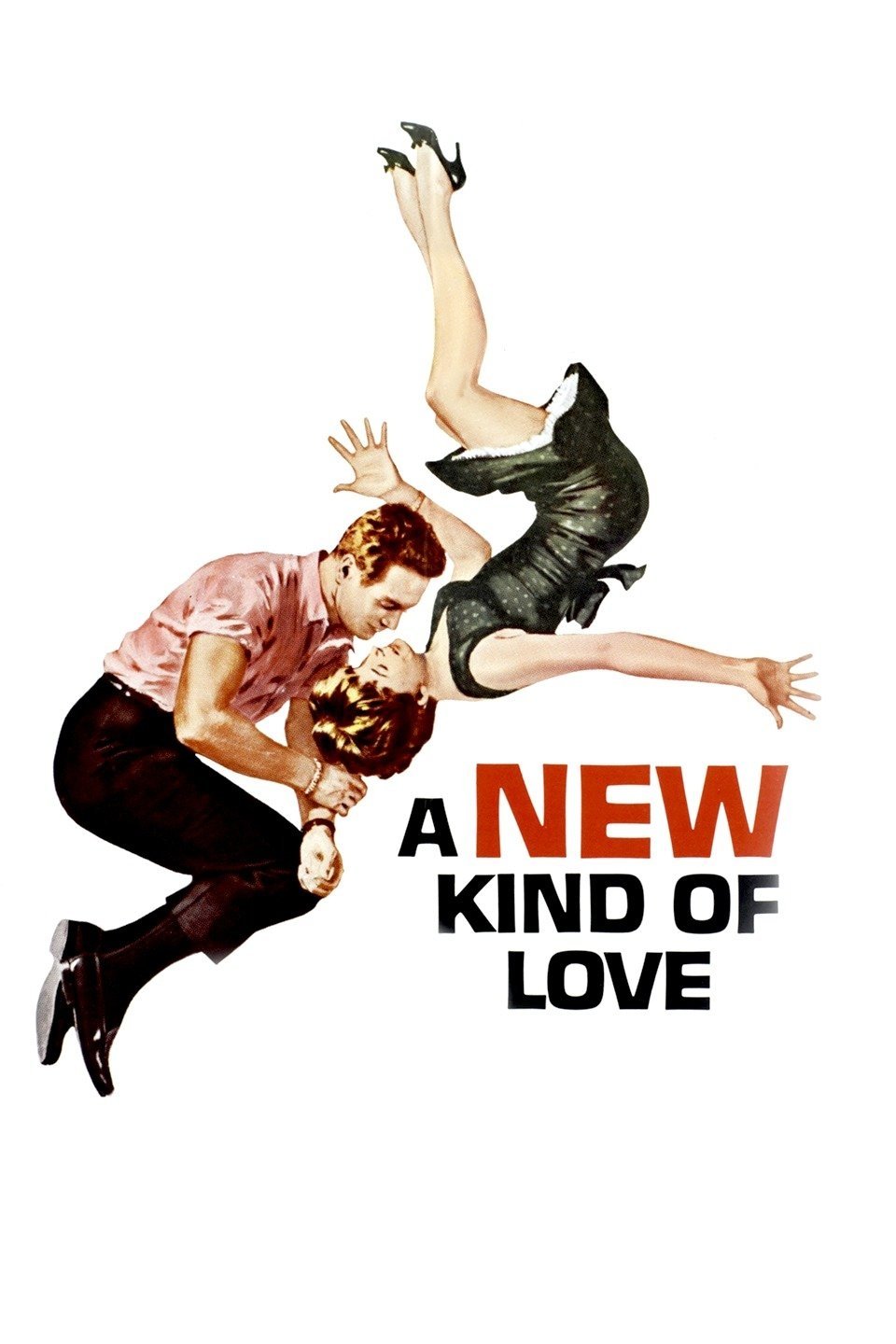
‘A New Kind of Love’ is a romantic comedy that reunites Paul Newman and Joanne Woodward. The story follows a cynical American journalist and a high-fashion buyer who meet in Paris. After a misunderstanding, the fashion buyer transforms her look and pretends to be a high-class call girl to get the journalist’s attention, leading to a series of comedic complications.
Newman plays Steve Sherman, the hard-drinking and womanizing journalist who falls for the transformed fashion buyer. The film gives him a chance to showcase his comedic talents and his natural chemistry with Woodward. It is a light and stylish romantic romp set against the backdrop of the Paris fashion world.
‘The Prize’ (1963)
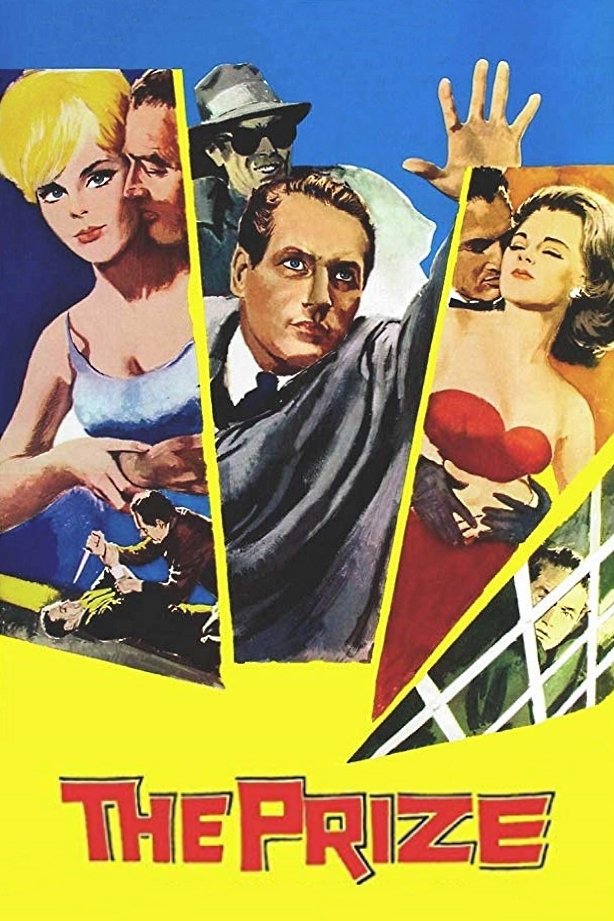
‘The Prize’ is a Cold War spy thriller with comedic elements. The story follows a hard-drinking, womanizing American writer who travels to Stockholm to accept the Nobel Prize in Literature. He soon stumbles upon a communist plot to kidnap another Nobel laureate and replace him with an impostor, forcing him into the role of an unlikely spy.
Paul Newman stars as Andrew Craig, the dissolute writer who becomes an accidental hero. His performance is a fun blend of his signature cool and some lighthearted comedy, as his character bumbles his way through a dangerous international conspiracy. The film is a suspenseful and entertaining ride in the style of Alfred Hitchcock.
‘What a Way to Go!’ (1964)
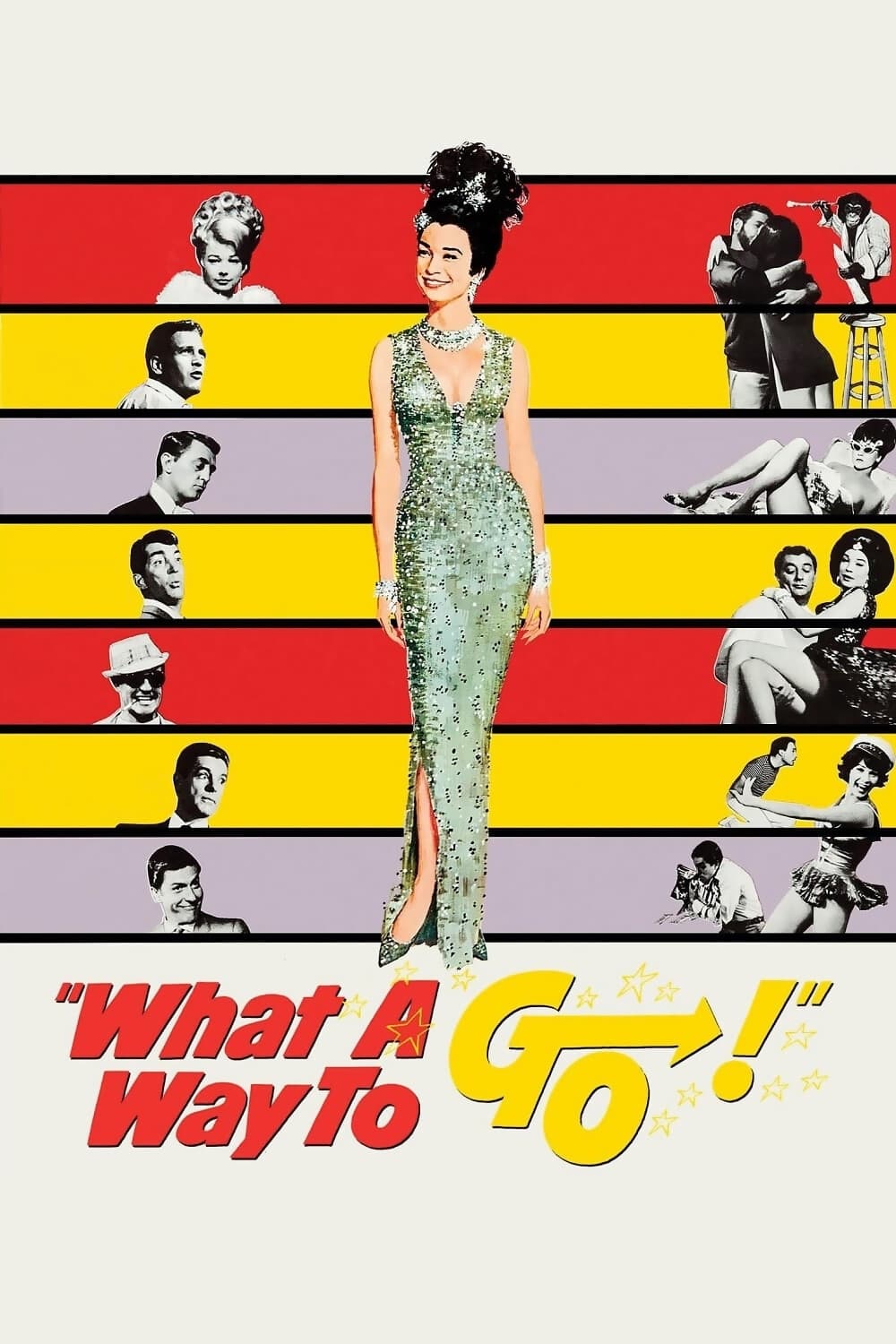
‘What a Way to Go!’ is a lavish black comedy with an all-star cast. The film tells the story of a woman who believes she is cursed, as all of her husbands have become fabulously wealthy and then died tragically. She recounts her four marriages in a series of fantasy sequences, each one a parody of a different film genre.
Newman appears in one of the film’s segments as Larry Flint, a struggling avant-garde artist in Paris who becomes the second husband. His character creates massive paintings with the help of machines, and his “art” eventually leads to his comical demise. It is a brief but memorable comedic performance in a star-studded film.
‘The Outrage’ (1964)

‘The Outrage’ is a Western film that is an American remake of Akira Kurosawa’s masterpiece, ‘Rashomon’. The story is about a violent crime told from the wildly different perspectives of three people who witnessed it: a notorious outlaw, the wife of the victim, and a preacher. The film explores the subjective nature of truth and memory.
In this film, Newman takes on the challenging role of Juan Carrasco, the Mexican outlaw accused of the crime. The part required him to deliver a very theatrical and physically intense performance, a departure from his more naturalistic style. It was a bold and unconventional role for a major star to take on at the time.
‘Lady L’ (1965)
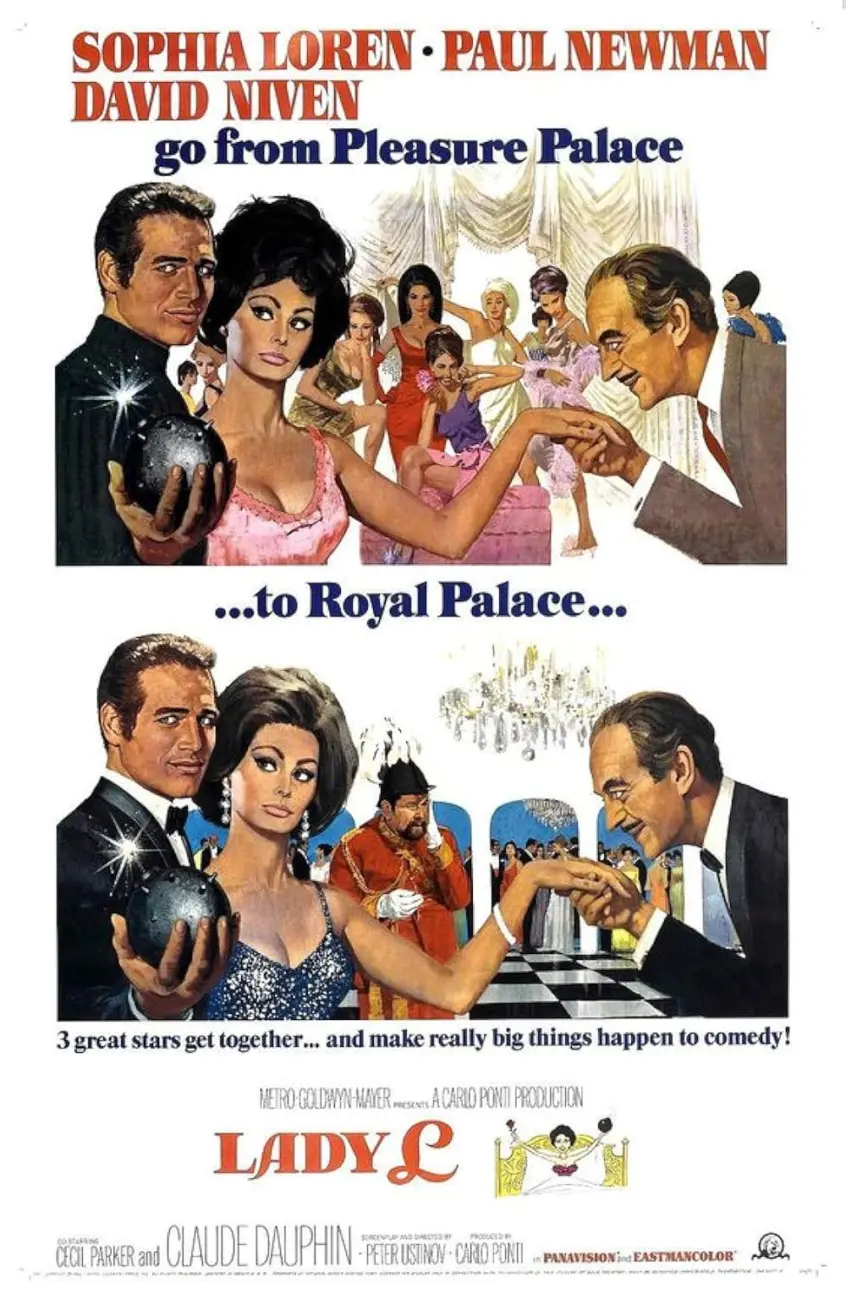
‘Lady L’ is a European comedy that tells the life story of a wealthy and respected elderly woman. In a series of flashbacks, she reveals that she began her life as a poor laundress in Paris who fell in love with an anarchist. The film chronicles her adventurous and romantic past as she became entangled in a plot to assassinate a prince.
Paul Newman plays Armand Denis, the passionate anarchist and the great love of Lady L’s life. The role allows him to play a fiery and idealistic revolutionary, a character full of political fervor and romantic passion. He stars opposite the legendary actress Sophia Loren in this lavish and historical comedy.
‘Harper’ (1966)
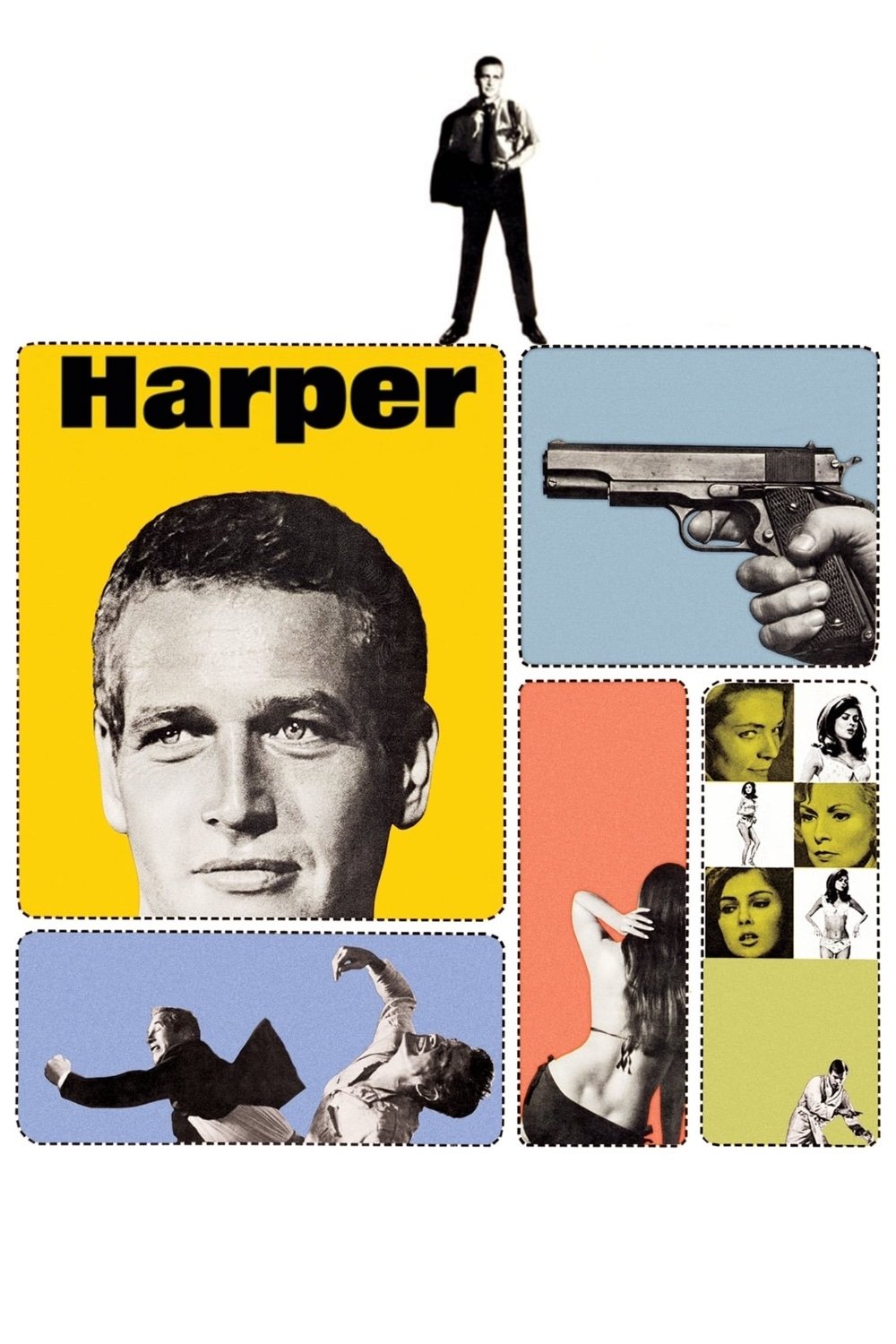
‘Harper’ is a slick and stylish detective mystery that introduces the character of Lew Harper, a cynical and wise-cracking private investigator. He is hired by a wealthy woman to find her missing husband, a case that leads him into a dark and complex world of crime, cults, and corruption in Southern California.
Newman stars as the title character, Lew Harper, and his performance updated the classic private eye for a new generation. He brought a modern coolness and a weary wit to the role, creating a character that was both tough and vulnerable. The film was a major success and is considered a classic of the detective genre.
‘Torn Curtain’ (1966)

‘Torn Curtain’ is a Cold War spy thriller directed by the legendary Alfred Hitchcock. The story follows a prominent American scientist who appears to defect to East Germany, shocking his fiancée and the U.S. government. However, he is actually on a secret mission to steal a scientific formula from an enemy scientist.
Paul Newman plays Professor Michael Armstrong, the American scientist who goes undercover behind the Iron Curtain. The role required him to play a character who is constantly on edge and hiding his true intentions. The film is known for its suspenseful sequences, including a famously brutal and realistic fight scene.
‘Hombre’ (1967)
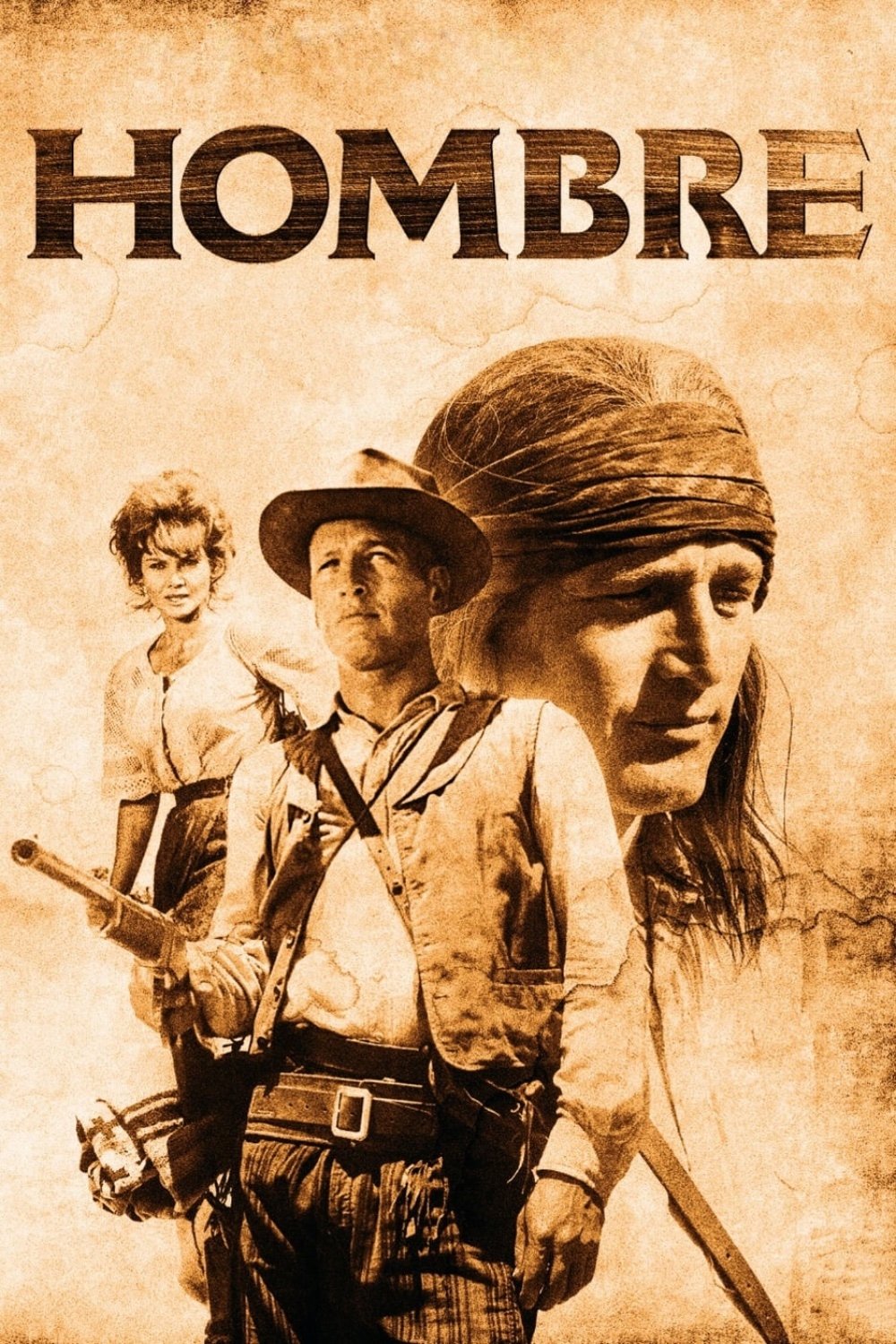
‘Hombre’ is a revisionist Western that explores themes of prejudice and survival. The story follows a white man who was raised by Apaches and now lives as an outcast from both societies. He finds himself on a stagecoach with a group of passengers who once shunned him, and he becomes their only hope of survival when they are attacked by outlaws.
Newman gives a powerful and understated performance as John Russell, the man known as “Hombre.” He portrays the character with a quiet intensity and a deep sense of dignity, saying very little but conveying a great deal through his presence. It is a complex and thoughtful film that challenges the traditional archetypes of the Western genre.
‘Cool Hand Luke’ (1967)
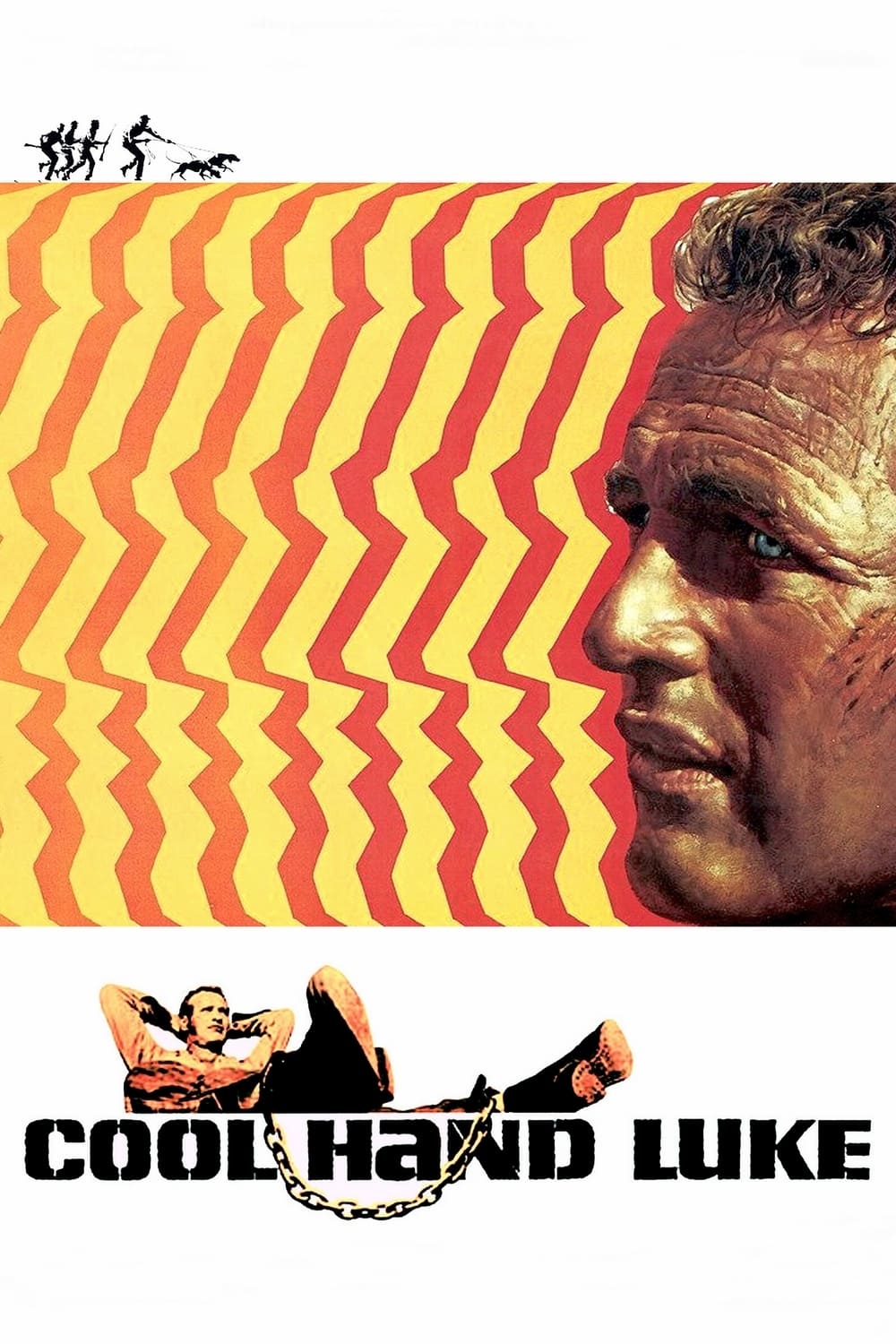
‘Cool Hand Luke’ is a classic drama about a rebellious nonconformist who is sentenced to a Southern chain gang for a petty crime. The film follows his refusal to bend to the will of the brutal prison authorities, as his defiant spirit makes him a hero to his fellow inmates. It is a powerful story about individuality and the struggle against an oppressive system.
Newman’s portrayal of Lucas “Luke” Jackson is one of the most celebrated of his career. He perfectly captures the character’s laid-back charm, quiet determination, and unwavering refusal to be broken. The role solidified his image as a symbol of cool rebellion and earned him another Academy Award nomination for Best Actor.
‘The Secret War of Harry Frigg’ (1968)
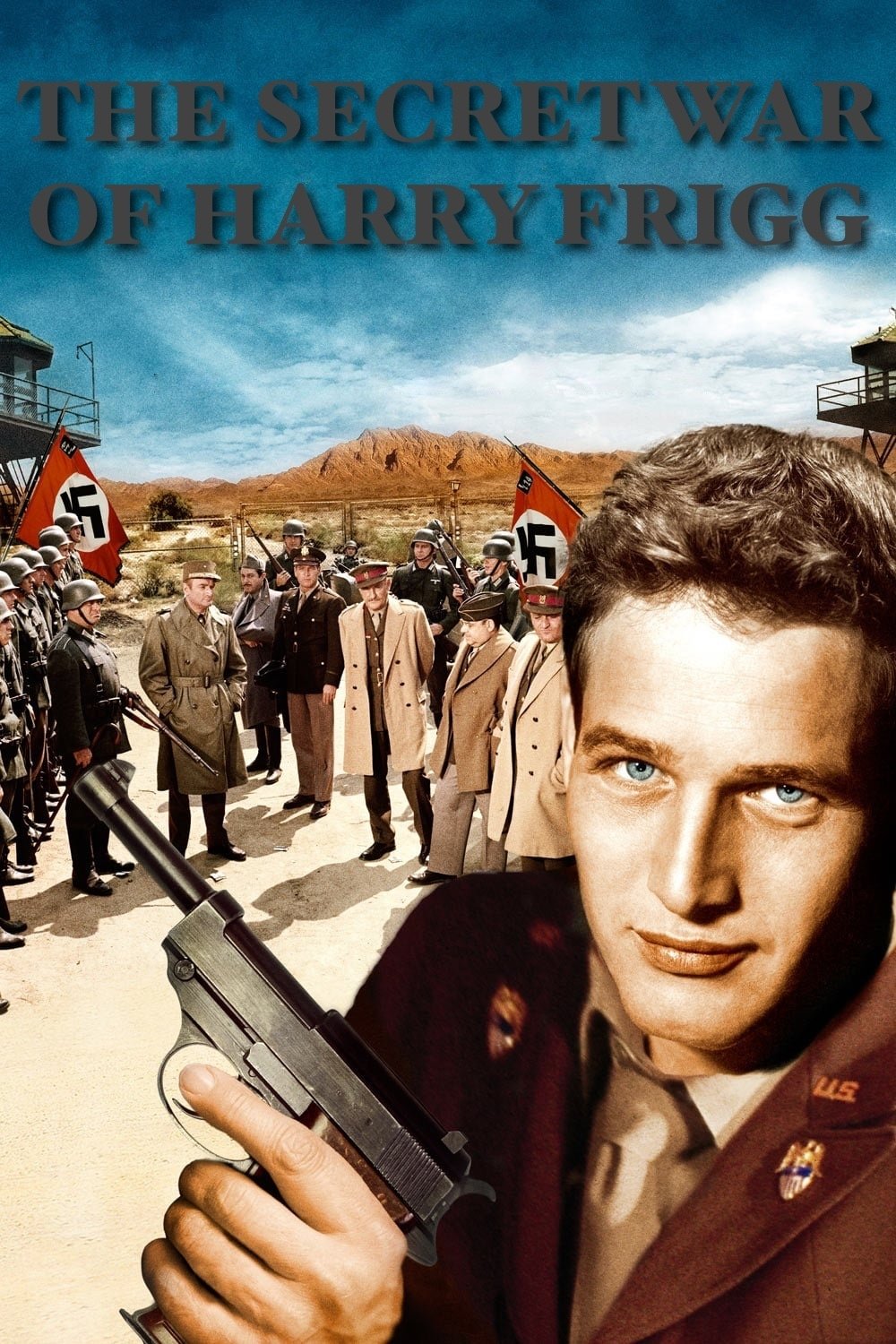
‘The Secret War of Harry Frigg’ is a satirical war comedy set during World War II. The story follows a misfit army private who has a remarkable talent for escaping from military stockades. When five Allied generals are captured and held in a luxurious Italian villa, he is promoted to general and sent on a mission to break them out.
Paul Newman stars in the title role of Harry Frigg, the cynical and undisciplined private who becomes an unlikely hero. The role allows him to showcase his comedic talents, as his character is more interested in enjoying the good life than in performing his duty. It is a lighthearted and entertaining spoof of military films.
‘Winning’ (1969)
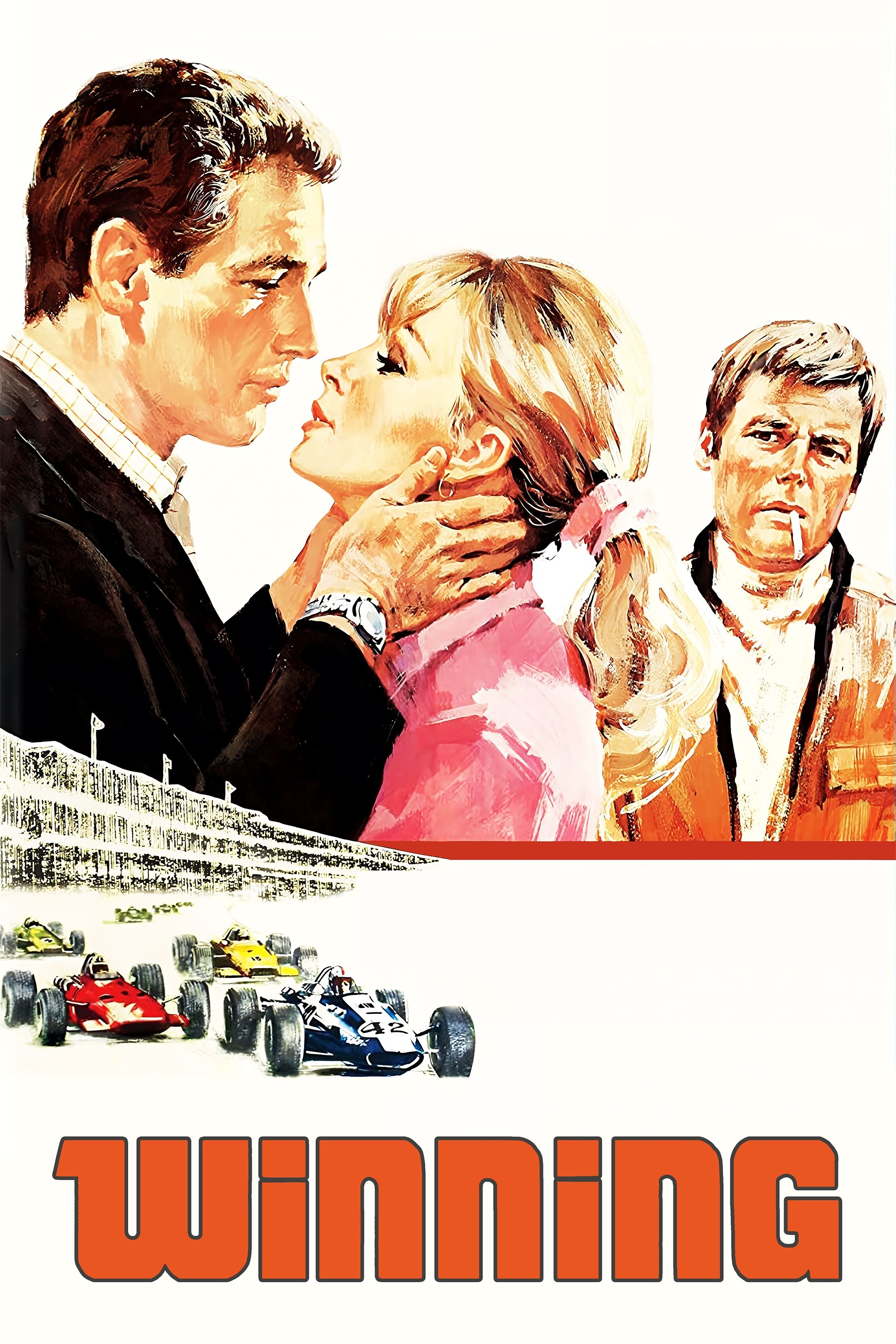
‘Winning’ is a drama set in the high-stakes world of professional auto racing. The film follows a talented and ambitious race car driver whose dedication to winning at all costs threatens to destroy his marriage and his friendship with his biggest rival. The movie features thrilling race sequences filmed at the actual Indianapolis 500.
Newman plays Frank Capua, the driven race car driver. His passion for racing was genuine, and the film ignited a lifelong interest in the sport for him, leading to a second career as a professional driver. The film also reunited him on screen with his wife, Joanne Woodward, who plays his on-screen spouse.
‘Butch Cassidy and the Sundance Kid’ (1969)

‘Butch Cassidy and the Sundance Kid’ is a unique Western that blends action, comedy, and buddy-film elements. The story follows the true-life adventures of two of the most famous outlaws in the American West as they rob banks and trains. When the law starts to close in, they flee to Bolivia with their companion, Etta Place, in search of a new life of crime.
Paul Newman stars as the charming and clever Butch Cassidy, the brains of the outlaw duo. His performance is full of wit and easygoing charisma, and his on-screen chemistry with co-star Robert Redford is legendary. The film was a massive success and remains one of the most beloved buddy movies of all time, largely due to the perfect pairing of its two stars.
‘WUSA’ (1970)

‘WUSA’ is a political drama about a cynical, alcoholic drifter who takes a job as an announcer for a right-wing radio station in New Orleans. He soon becomes entangled in a dangerous political conspiracy funded by a powerful and reactionary local businessman. The film is a dark and critical look at media manipulation and political extremism in America.
Newman plays Rheinhardt, the drifter who lends his voice to a cause he doesn’t believe in. It is a complex and unglamorous role, and his performance captures the character’s moral decay and eventual crisis of conscience. The film, which also starred his wife Joanne Woodward, was a passion project for Newman.
‘Sometimes a Great Notion’ (1971)
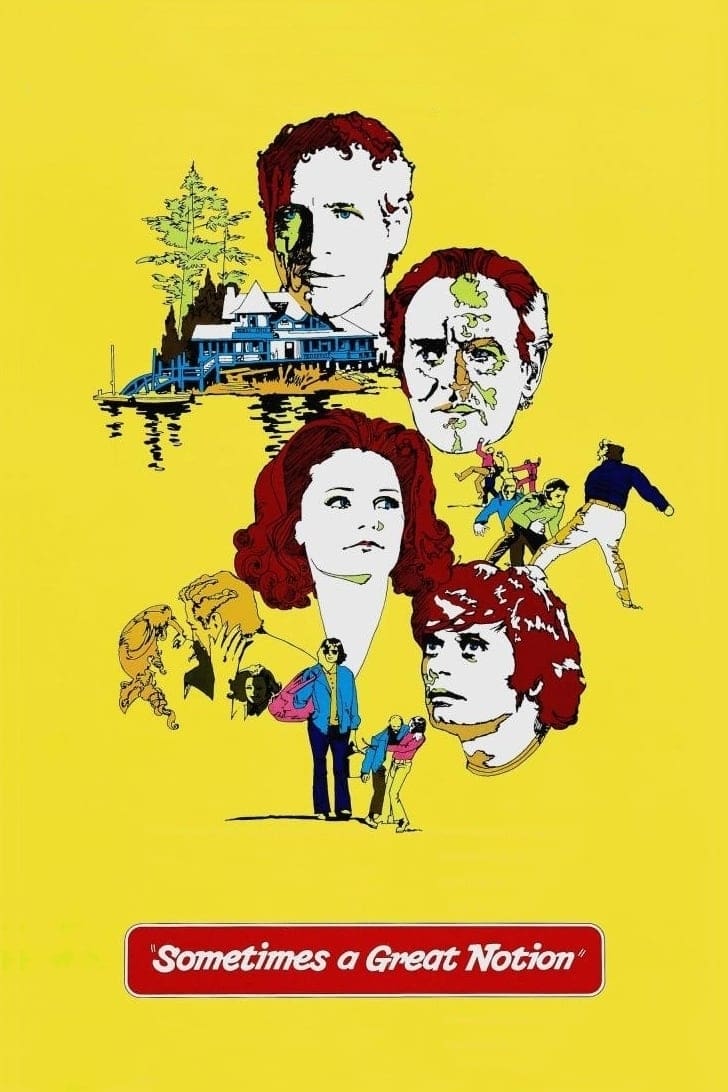
‘Sometimes a Great Notion’ is a drama about a fiercely independent family of loggers in Oregon who refuse to join a local union strike. Their decision makes them outcasts in their own community and leads to a bitter and violent conflict with their neighbors. The film is a powerful story about family loyalty and rugged individualism.
Paul Newman not only stars in the film as the defiant Hank Stamper, but he also directed it. His performance is intense and powerful, embodying the stubborn pride of the Stamper family. The film was a challenging production, but it remains a compelling and visually impressive look at a family at war with the world around them.
‘Pocket Money’ (1972)
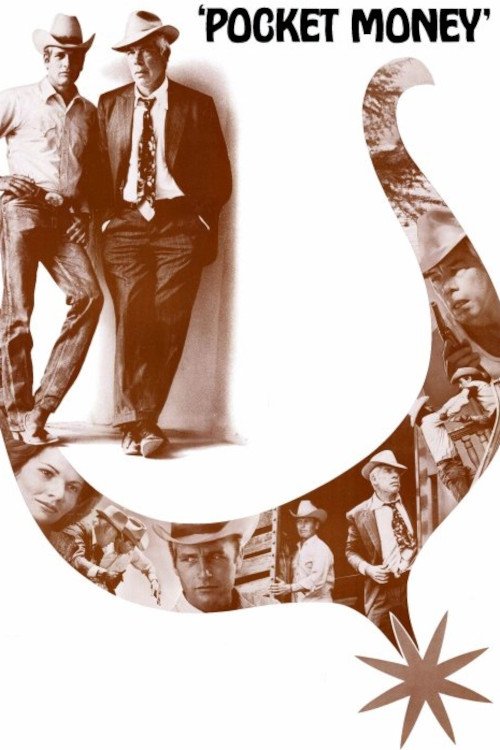
‘Pocket Money’ is a contemporary Western with a comedic tone. The story follows a well-meaning but down-on-his-luck cowboy who gets involved in a shady cattle deal in Mexico. He enlists the help of a shifty friend, and together they stumble through a series of misadventures as they try to transport the cattle across the border.
Newman plays Jim Kane, the honest but naive cowboy at the center of the story. The film pairs him with actor Lee Marvin, and their relaxed, natural chemistry is the highlight of this quirky and low-key film. It is a charming and often humorous look at two old-school cowboys trying to get by in the modern world.
‘The Life and Times of Judge Roy Bean’ (1972)

‘The Life and Times of Judge Roy Bean’ is a comedic and eccentric Western about a real-life outlaw who appoints himself the “law west of the Pecos.” The film follows his journey as he establishes a small town and rules it with his own unique and often brutal brand of justice, all while nursing a lifelong obsession with a famous actress.
Paul Newman stars as the larger-than-life Judge Roy Bean. He delivers a charismatic and humorous performance as the cranky and cantankerous self-appointed judge. The film is a quirky and episodic tale that plays fast and loose with history, with Newman clearly having fun in the over-the-top title role.
‘The Mackintosh Man’ (1973)
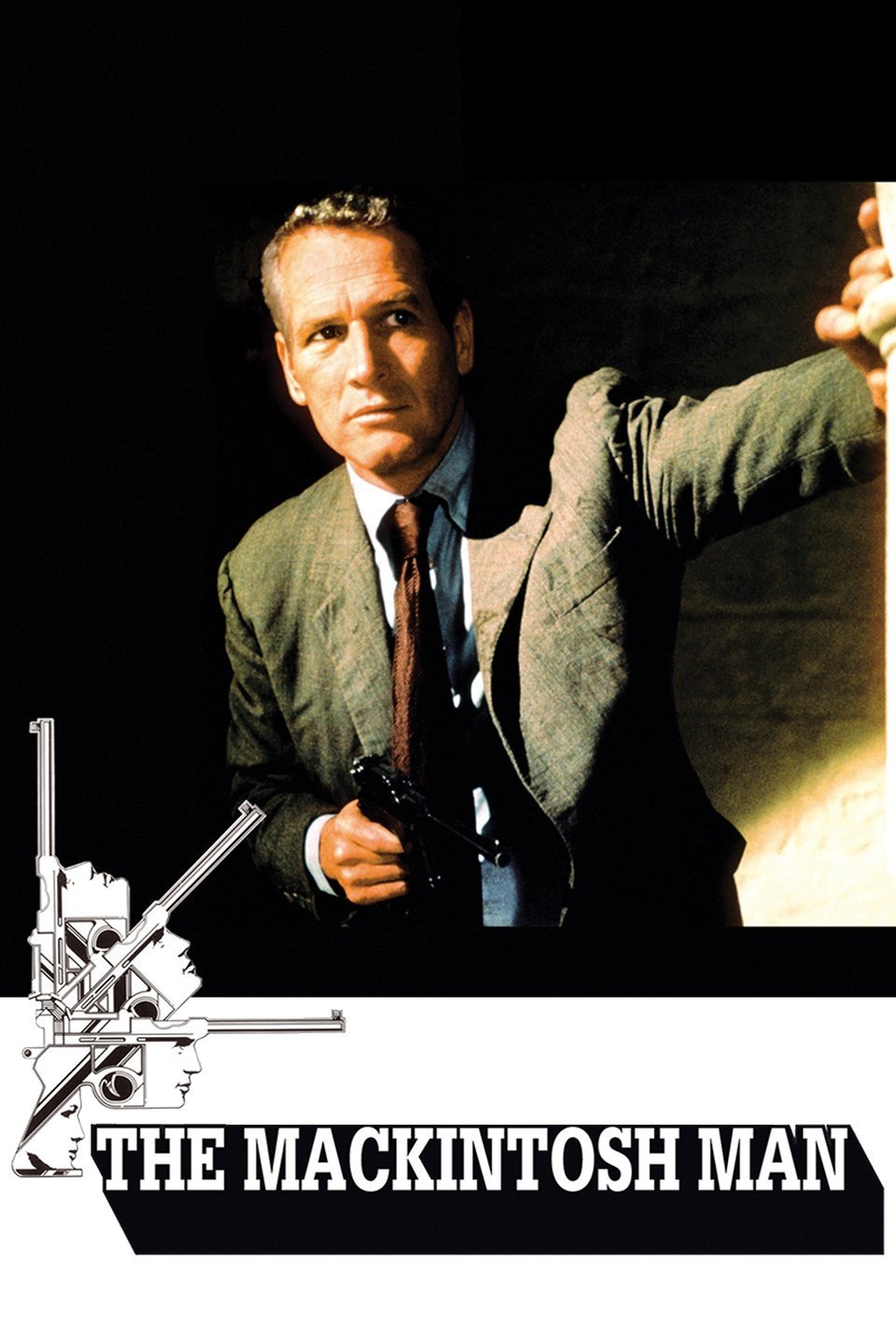
‘The Mackintosh Man’ is a Cold War spy thriller with a complex and twisting plot. The story follows a British intelligence agent who gets himself arrested and sent to prison as part of an elaborate plan to infiltrate a ring of spies. His mission is to break out of prison with a known enemy agent in order to uncover the identity of a high-level traitor.
Newman plays Joseph Rearden, the secret agent who goes deep undercover. The role required him to play a tough, no-nonsense character who must navigate a dangerous world of deception and betrayal. The film is a gritty and suspenseful espionage story set in Britain and Ireland.
‘The Sting’ (1973)
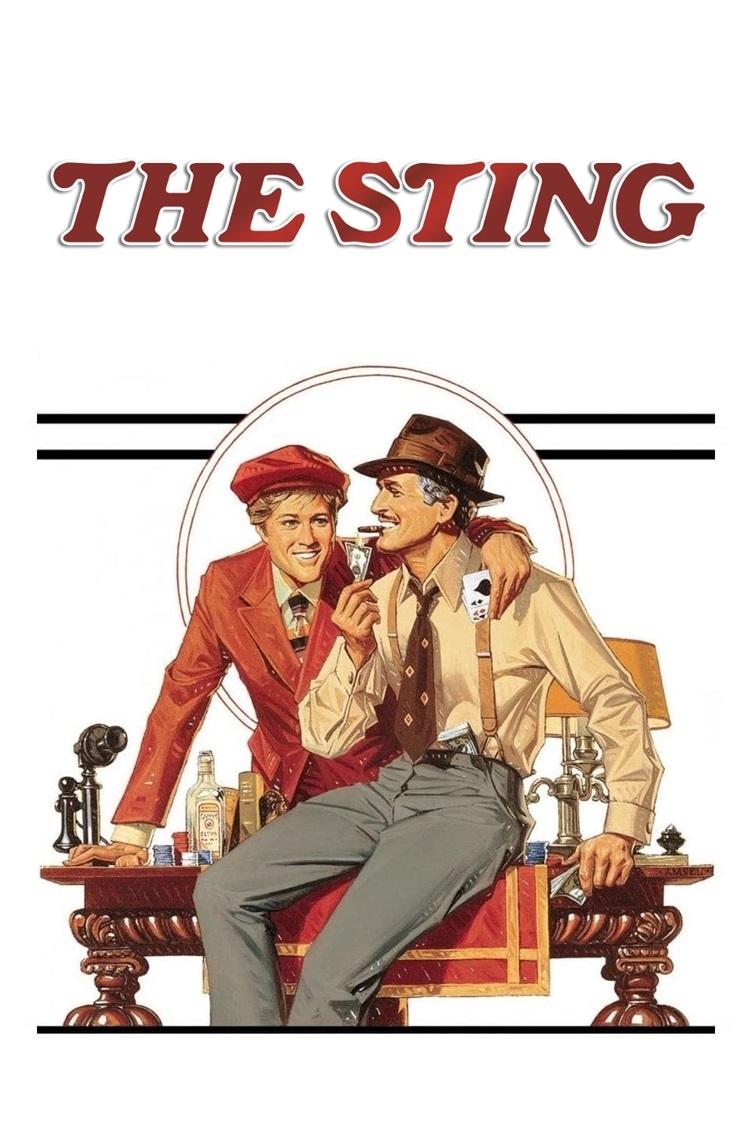
‘The Sting’ is a clever and stylish crime caper that reunites Paul Newman and Robert Redford. Set in the 1930s, the film follows a young grifter who teams up with a master con man to seek revenge on a ruthless crime boss who murdered their mutual friend. Together, they plan an elaborate and complicated scheme, known as “the big con,” to take the boss for all he’s worth.
Newman plays Henry Gondorff, the suave and experienced old-timer who masterminds the sting. He exudes an effortless cool and confidence, delivering a performance that is both commanding and full of charm. The film was a critical and commercial smash hit, winning the Academy Award for Best Picture and becoming another iconic collaboration for Newman and Redford.
‘The Towering Inferno’ (1974)
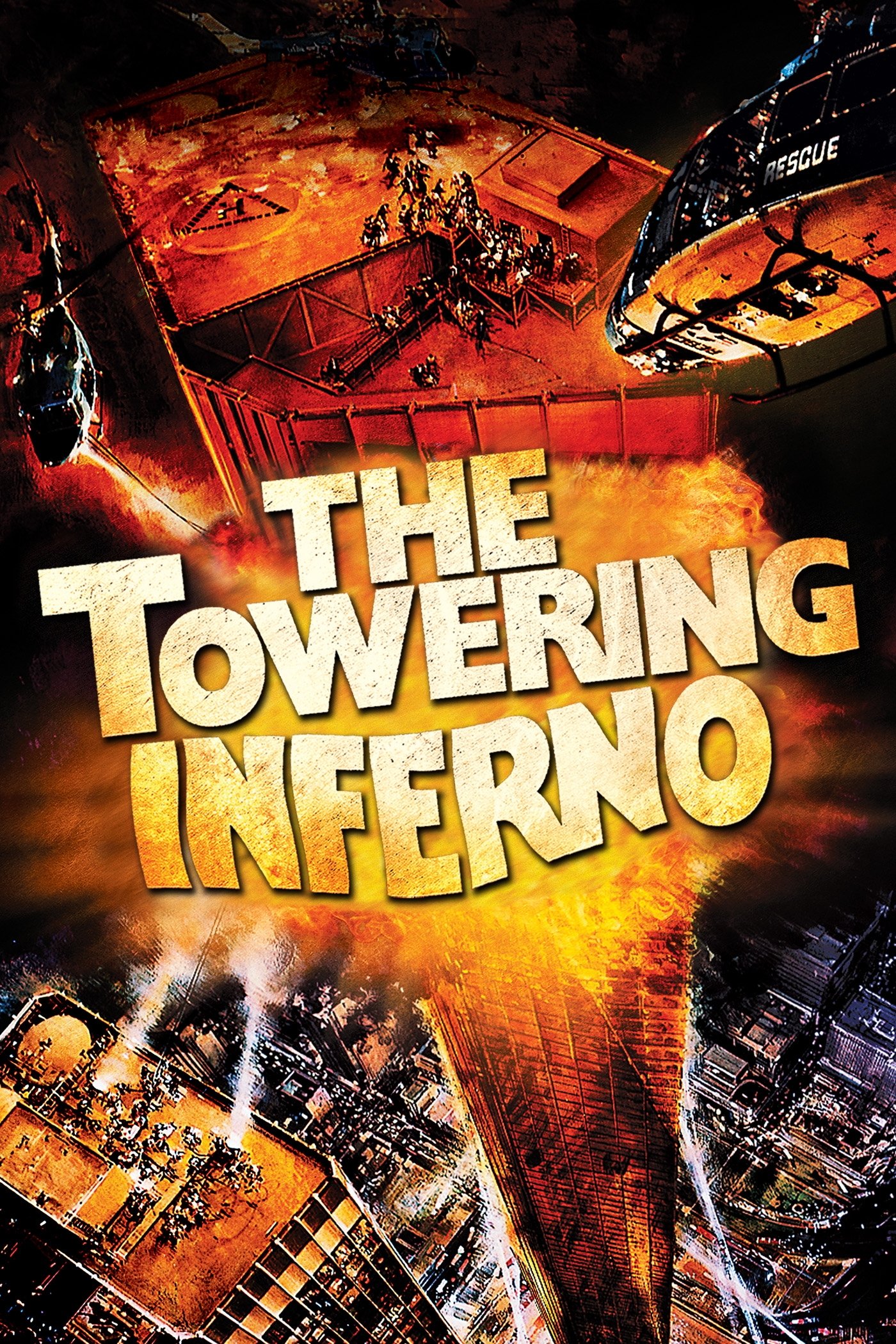
‘The Towering Inferno’ is a classic disaster film with an all-star cast. The story takes place during the dedication ceremony of the world’s tallest skyscraper, when a fire breaks out and traps the guests on the upper floors. As the fire rages, a group of heroes, including the building’s architect and the fire chief, must race against time to save the people inside.
In this high-stakes thriller, Newman plays Doug Roberts, the architect who designed the building. He is one of the central heroes of the film, using his knowledge of the skyscraper to help with the rescue efforts. Newman brings a sense of authority and quiet determination to the role, serving as a steady anchor amidst the film’s spectacular chaos.
‘The Drowning Pool’ (1975)
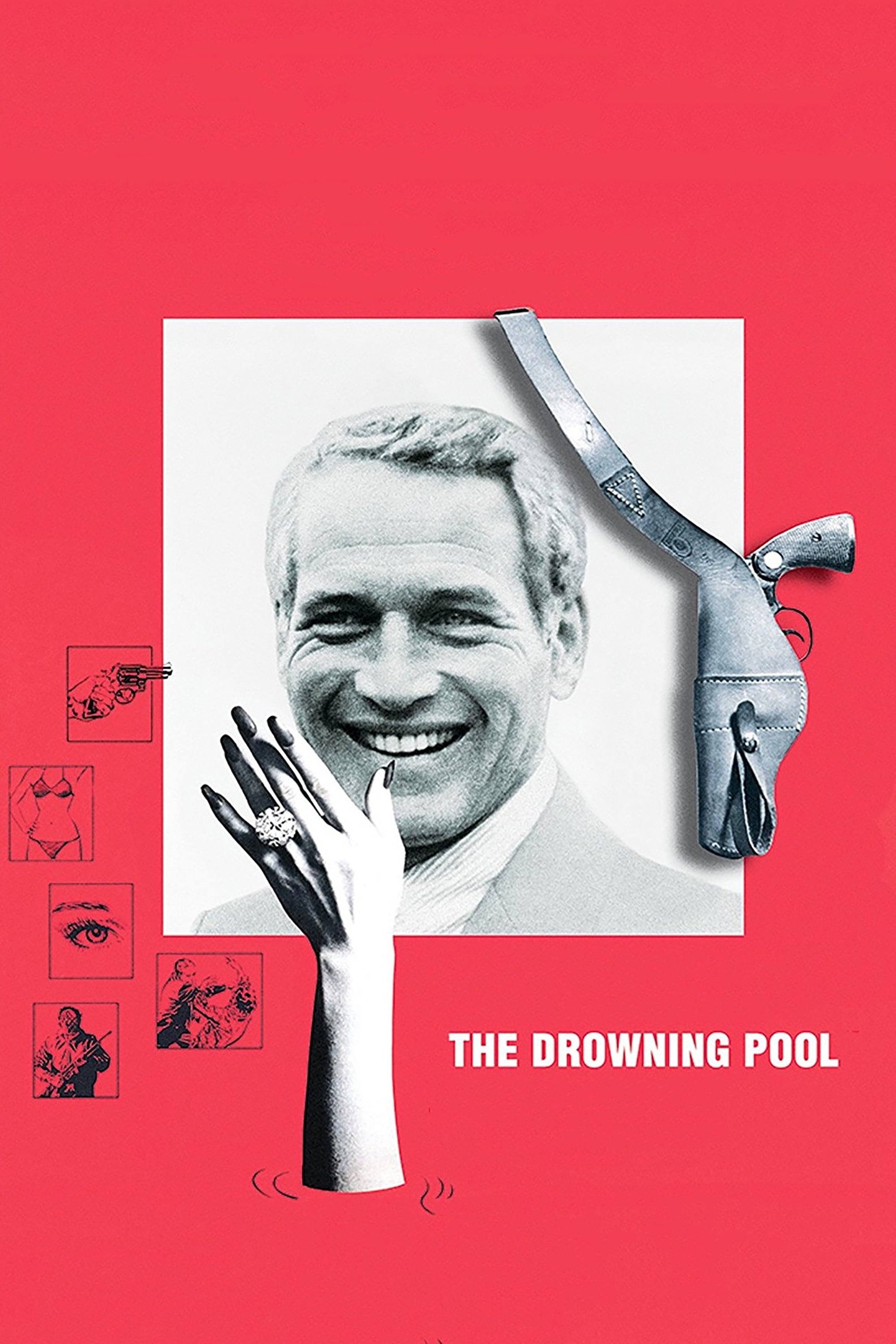
‘The Drowning Pool’ is a detective thriller that sees Paul Newman reprising his role as the private investigator Lew Harper. This time, he travels to Louisiana to help an old flame whose family is being blackmailed. The case quickly pulls him into a complex web of family secrets, corruption, and murder in the Deep South.
Newman once again brings his signature cool and wit to the character of Lew Harper. The sequel is a more somber and complex mystery than its predecessor, and Newman’s performance reflects that, showing an older and more world-weary version of the character. The film also reunites him with his wife, Joanne Woodward, who plays his client.
‘Silent Movie’ (1976)
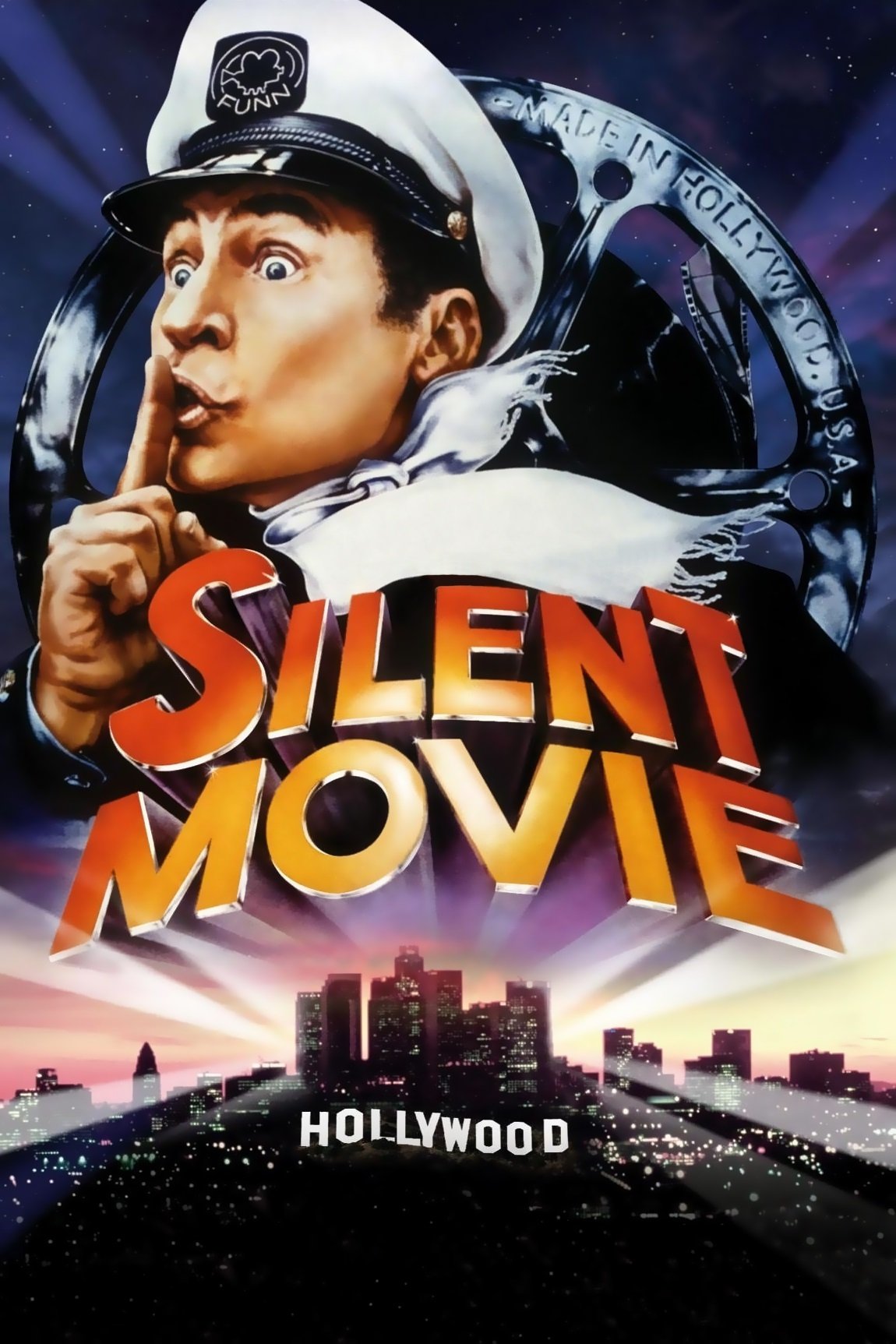
‘Silent Movie’ is a comedy directed by Mel Brooks that is, as the title suggests, almost entirely silent. The film is a loving parody of silent-era comedies, following a down-on-his-luck film director who tries to save his studio by making the first silent movie in forty years. To ensure its success, he tries to recruit a number of major stars to appear in it.
Paul Newman appears as himself in a brief and funny cameo. In a film where the main gimmick is the lack of spoken dialogue, a running gag is that various stars refuse to be in the movie. Newman is shown in a wheelchair, leading the director on a wild chase before turning him down.
‘Buffalo Bill and the Indians, or Sitting Bull’s History Lesson’ (1976)
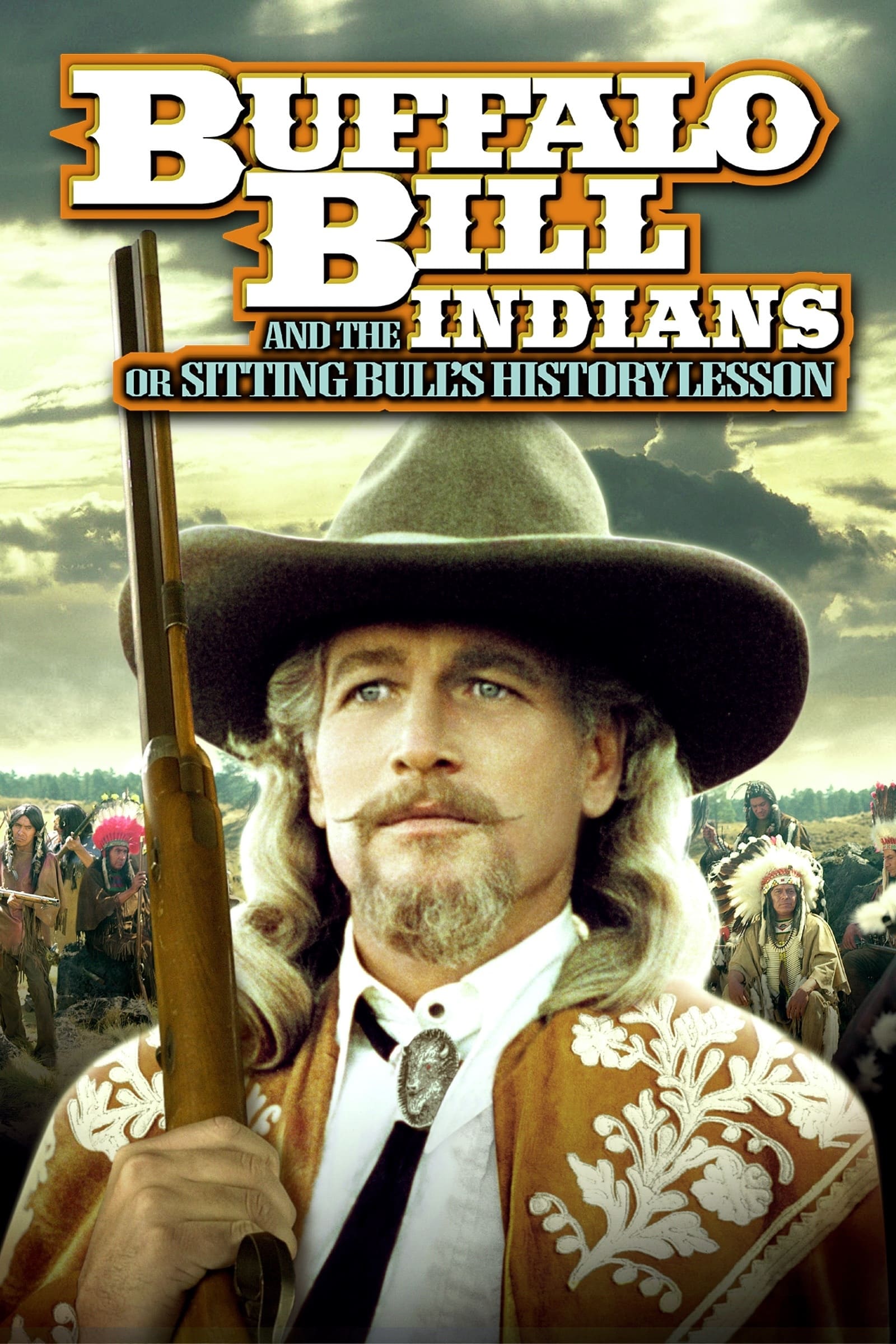
This film is a satirical Western directed by Robert Altman that deconstructs the myths of the American West. The story centers on the famous showman Buffalo Bill and his popular Wild West show. When he hires the legendary Sioux chief Sitting Bull as a new attraction, he is forced to confront the difference between the history he is selling and the reality of what happened.
Newman stars as the legendary showman Buffalo Bill. He portrays him not as a heroic figure, but as a vain and insecure entertainer who is more interested in celebrity than in the truth. It is a complex and critical performance that challenges the heroic image of one of the West’s most iconic figures.
‘Slap Shot’ (1977)
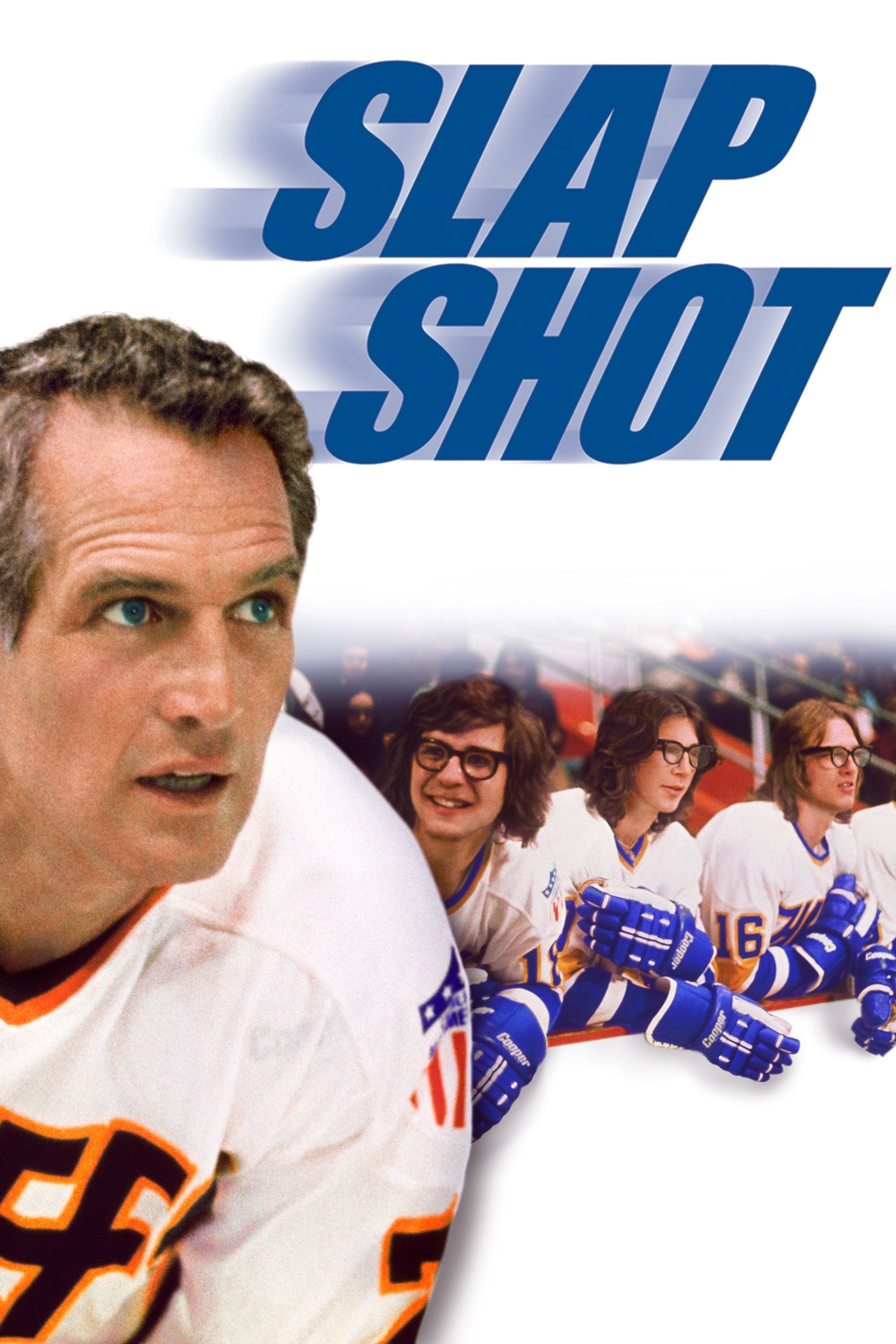
‘Slap Shot’ is a foul-mouthed and hilarious sports comedy about a failing minor league hockey team. To boost ticket sales and save the team from being shut down, the aging player-coach decides to encourage his players to embrace violent, goon-style hockey. The plan works, but it also turns the team into a chaotic and uncontrollable force.
Paul Newman stars as Reggie Dunlop, the cynical and manipulative player-coach who will do whatever it takes to keep his team alive. It is one of his most beloved comedic performances, as he fully embraces the film’s crude humor and fast-paced dialogue. The role showcased a different side of Newman and the film has since become a cult classic.
‘Quintet’ (1979)
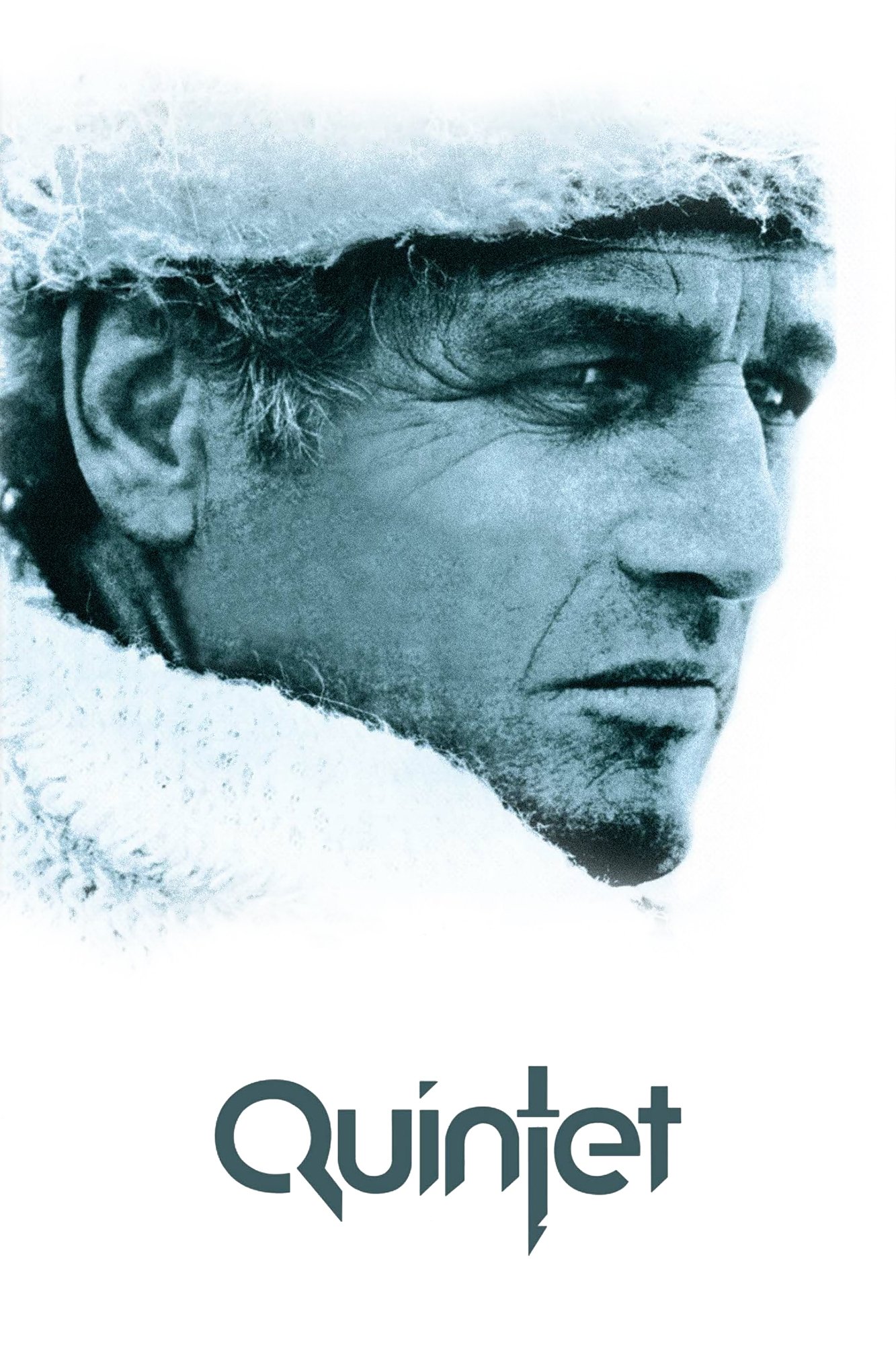
‘Quintet’ is a bleak and challenging science fiction film set in a frozen, post-apocalyptic future. The story follows a seal hunter who travels to a desolate city where the few remaining survivors pass the time by playing a mysterious and deadly board game. When his companion is murdered, he is forced to participate in the game to uncover the truth and survive.
In one of his most unusual roles, Newman plays Essex, the seal hunter trying to navigate this grim, frozen world. The film, directed by Robert Altman, is a slow-paced and philosophical exploration of survival in a dying world. It is an experimental and unconventional film, and Newman’s performance is fittingly somber and restrained.
‘When Time Ran Out…’ (1980)
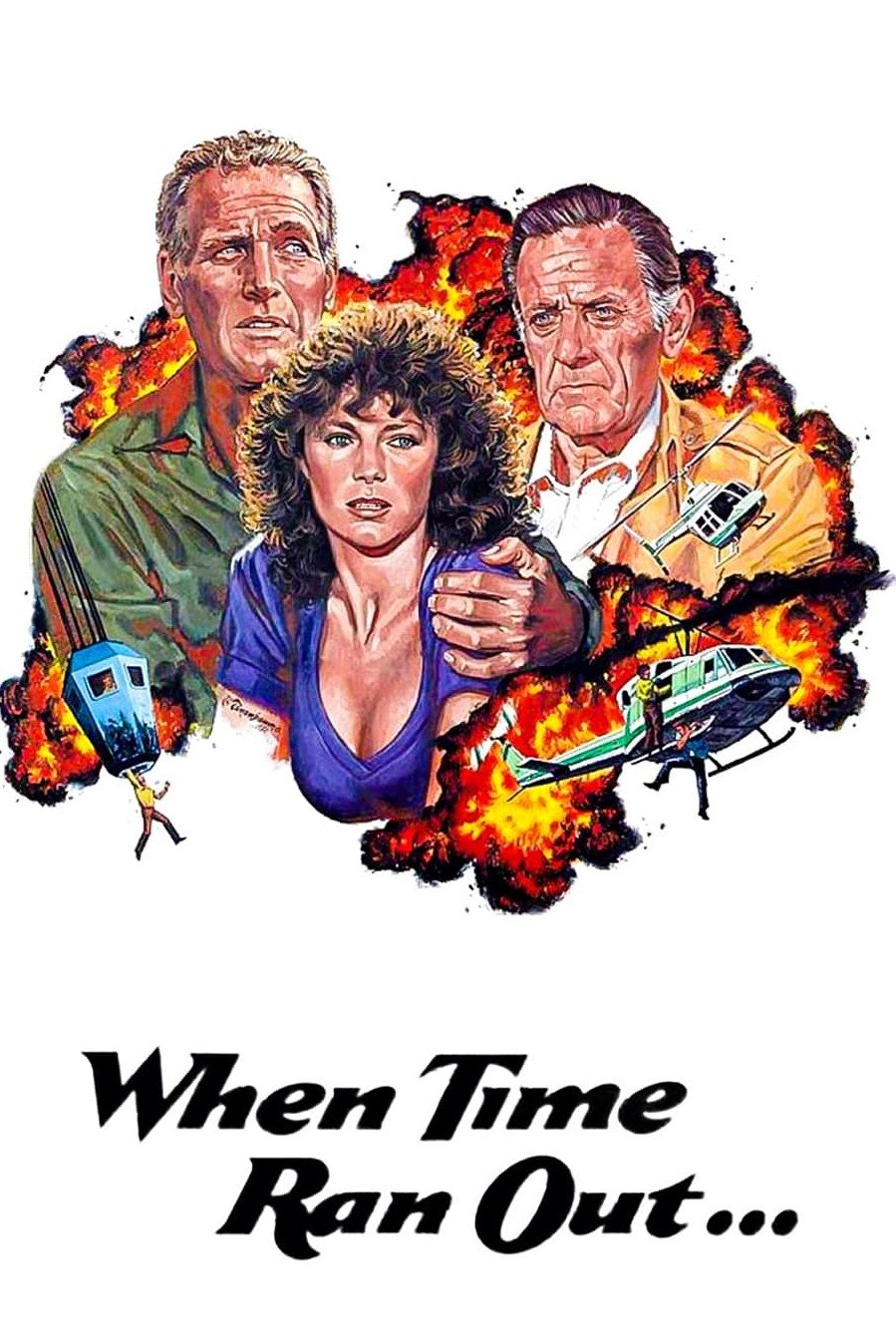
‘When Time Ran Out…’ is a disaster film from producer Irwin Allen, known for hits like ‘The Towering Inferno’. The story is set on a remote Pacific island, where a group of tourists and oil workers are threatened when a dormant volcano suddenly erupts. They must try to escape the island before it is completely destroyed by lava flows and explosions.
Newman plays Hank Anderson, a heroic oil rigger who takes charge and leads a group of survivors on a perilous journey across the island to safety. The film reunited him with many other stars from the disaster movie genre, but it was not as successful as his previous entry in the genre.
‘Fort Apache, The Bronx’ (1981)
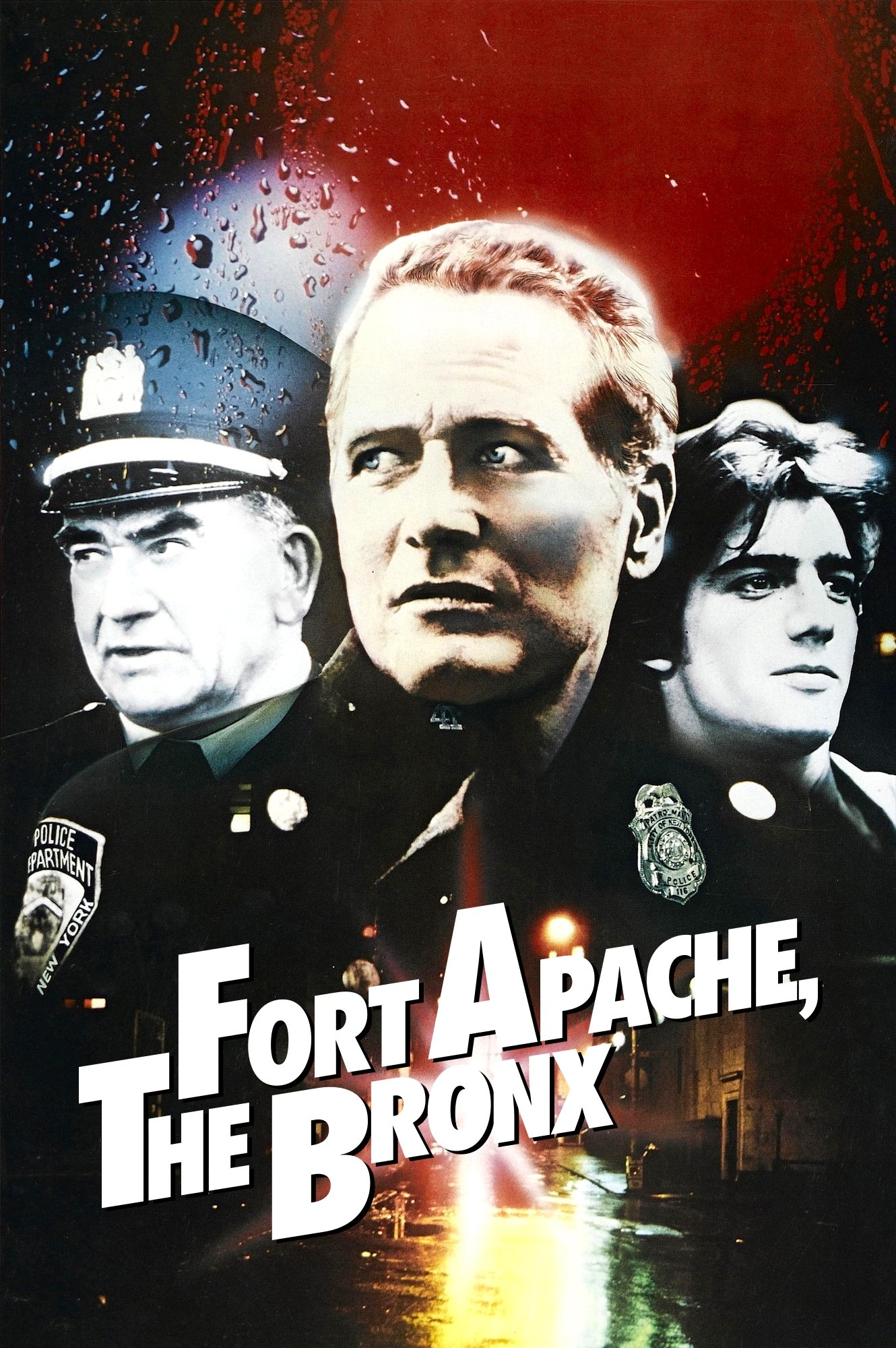
‘Fort Apache, The Bronx’ is a gritty police drama set in a crime-ridden precinct in New York City. The film offers a realistic and often brutal look at the daily lives of two police officers as they deal with the violence, poverty, and corruption that surrounds them. The story follows their efforts to maintain order and their own morality in a seemingly hopeless environment.
Paul Newman delivers a powerful and convincing performance as Murphy, a veteran cop who has become cynical and weary after years on the job. His character serves as a mentor to a younger, more idealistic partner, and Newman perfectly captures the struggles of a good man working in a broken system.
‘Absence of Malice’ (1981)
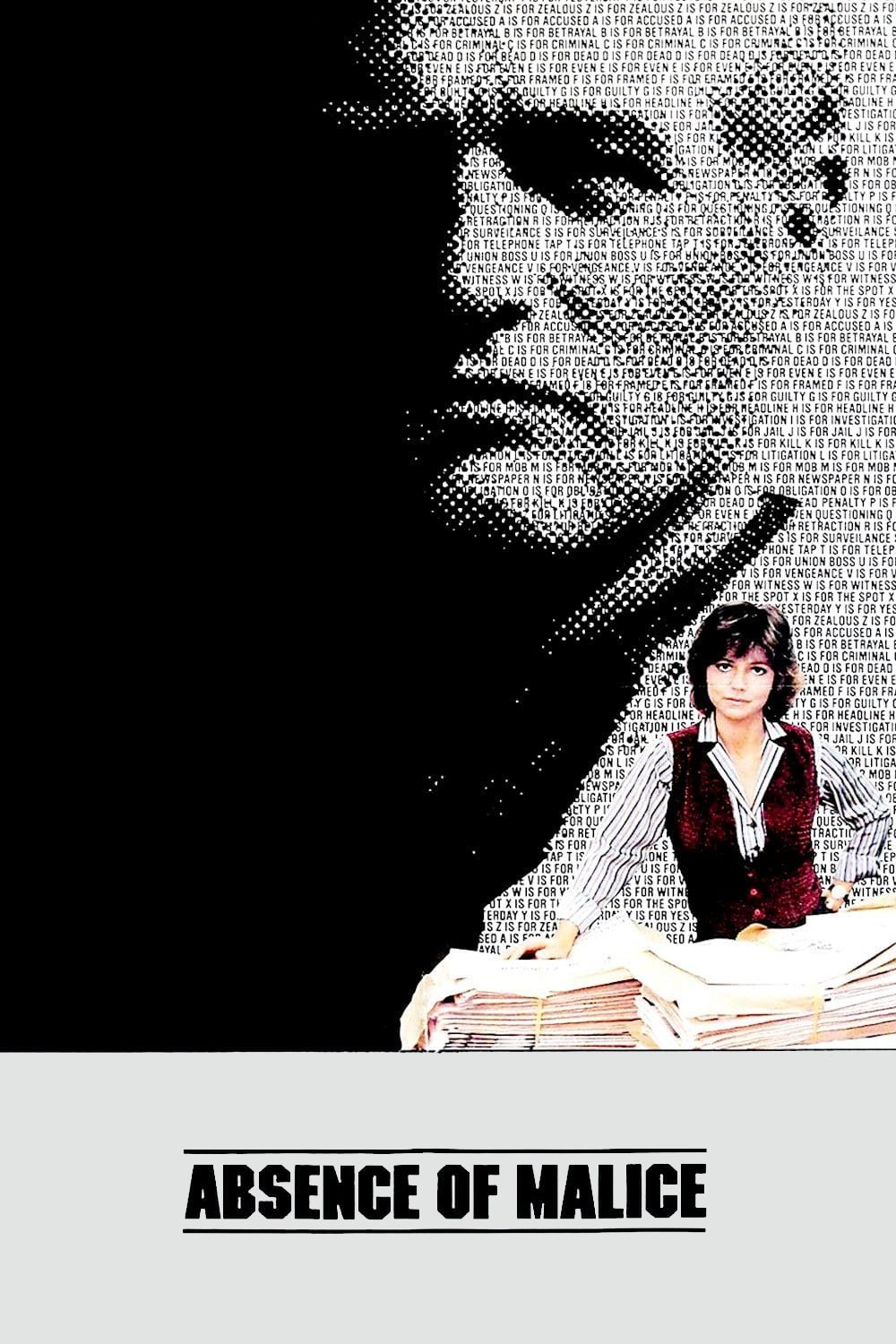
‘Absence of Malice’ is a thriller that explores the power and responsibility of the press. The story follows a respectable businessman whose life is turned upside down when a newspaper reporter, acting on a leak from a federal investigator, wrongly implicates him in the disappearance of a union leader. He must then fight to clear his name and expose the unethical practices that ruined his reputation.
Newman plays Michael Gallagher, the man whose life is destroyed by the false news report. He gives a subtle and intelligent performance as a man who decides to fight back against a powerful institution. The film is a smart and thought-provoking look at the consequences of journalistic malpractice.
‘The Verdict’ (1982)
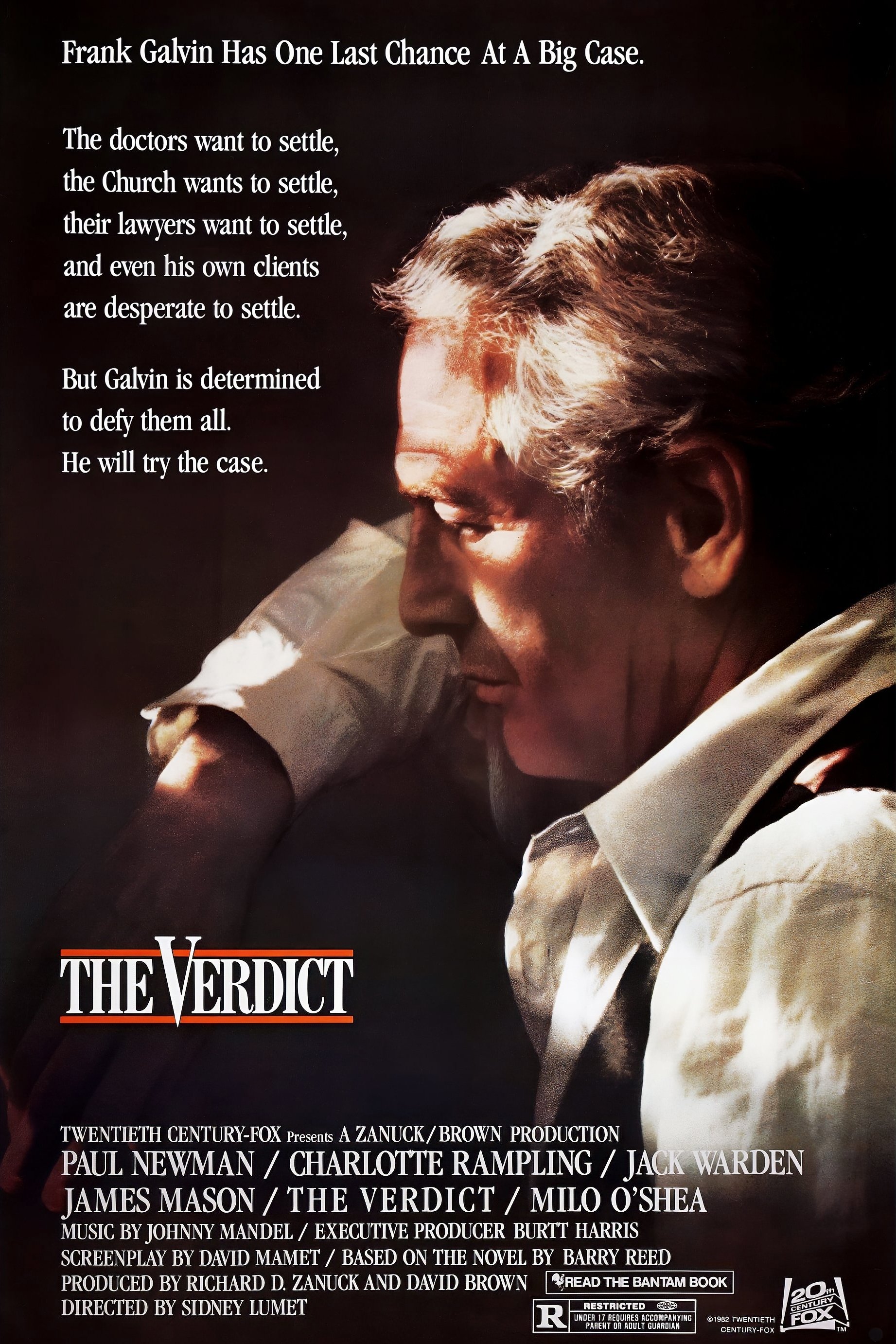
‘The Verdict’ is a gripping courtroom drama about a down-and-out, alcoholic lawyer who is given one last chance to redeem himself. He takes on a medical malpractice case that seems impossible to win, pitting him against a powerful hospital and a team of high-priced lawyers. As he investigates the case, he rediscovers his sense of purpose and his long-lost legal skills.
Newman delivers one of the most powerful performances of his career as the washed-up lawyer Frank Galvin. He completely disappears into the role, masterfully portraying the character’s desperation, vulnerability, and eventual return to greatness. The performance was widely praised by critics and earned him another Academy Award nomination for Best Actor.
‘Harry & Son’ (1984)
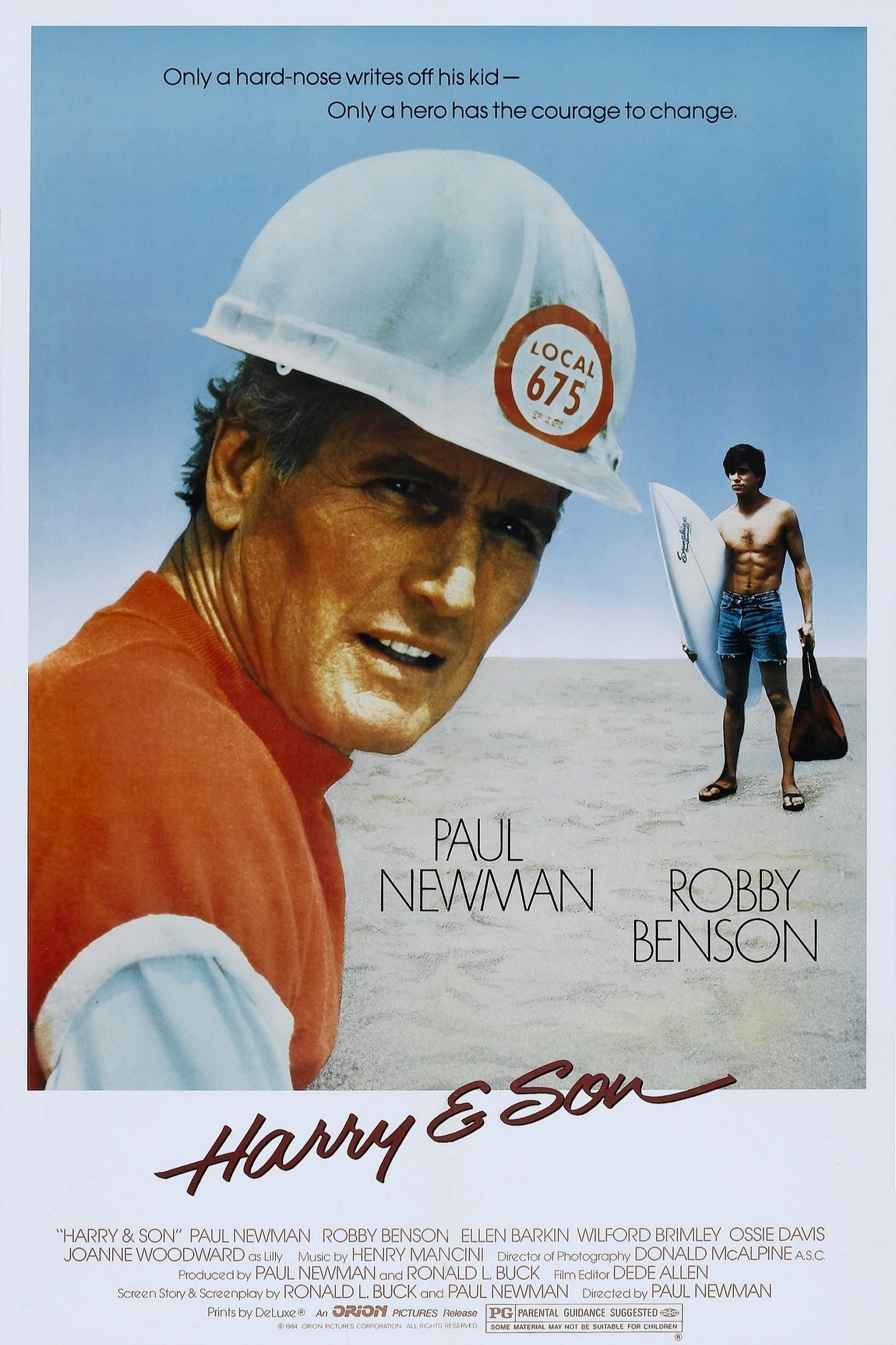
‘Harry & Son’ is a family drama that Paul Newman both directed and starred in. The film explores the difficult relationship between a blue-collar construction worker who has recently been laid off and his aspiring writer son. The two men have very different ideas about life and work, and their conflict forms the emotional core of the story.
Newman plays Harry Keach, the aging and hot-tempered father who struggles to connect with his son. The film was a very personal project for Newman and was dedicated to his own son, Scott, who had died a few years earlier. The performance is raw and emotional, exploring themes of fatherhood, aging, and regret.
‘The Color of Money’ (1986)
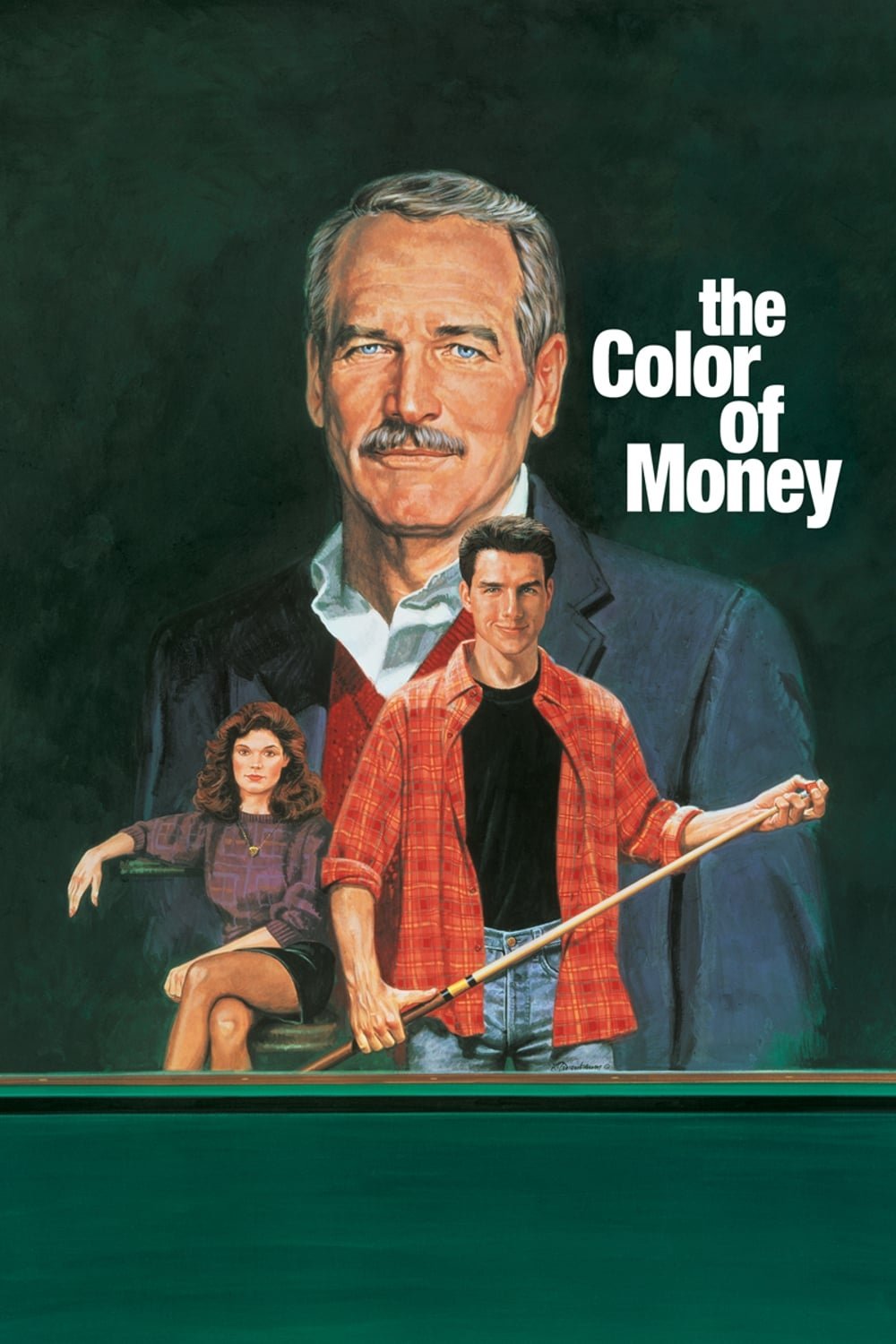
‘The Color of Money’ is the long-awaited sequel to ‘The Hustler’, directed by Martin Scorsese. The film picks up the story of “Fast” Eddie Felson decades later, now a successful liquor salesman who has long since given up playing pool. He takes a talented but arrogant young pool player under his wing, teaching him the art of the hustle and reigniting his own competitive fire.
Reprising his role as Eddie Felson, Paul Newman finally won the Academy Award for Best Actor. His performance is a masterful study of an older, wiser man who is drawn back into the world that nearly destroyed him. He brings a new layer of depth and weariness to the iconic character, creating a performance that is both a tribute to his past and a triumph in its own right.
‘Fat Man and Little Boy’ (1989)
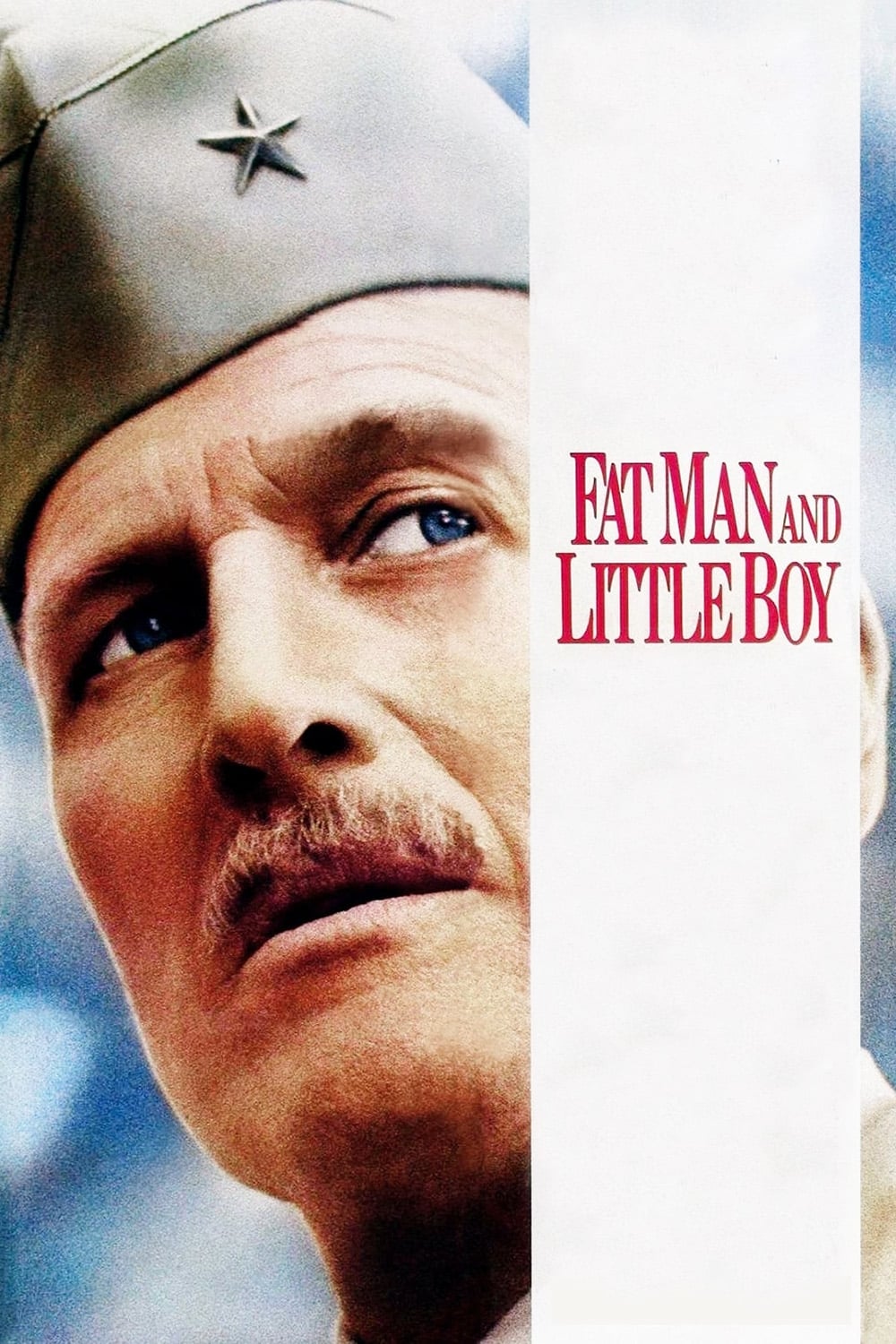
‘Fat Man and Little Boy’ is a historical drama about the Manhattan Project, the top-secret American program to develop the first atomic bomb during World War II. The film focuses on the complex relationship between the project’s military head and its lead scientist as they race against time to create a weapon that will change the world forever.
In this film, Newman plays General Leslie R. Groves, the demanding and pragmatic military officer in charge of the entire project. He delivers a commanding and authoritative performance as a man who must manage a massive secret operation and the brilliant but often difficult scientists working for him.
‘Blaze’ (1989)
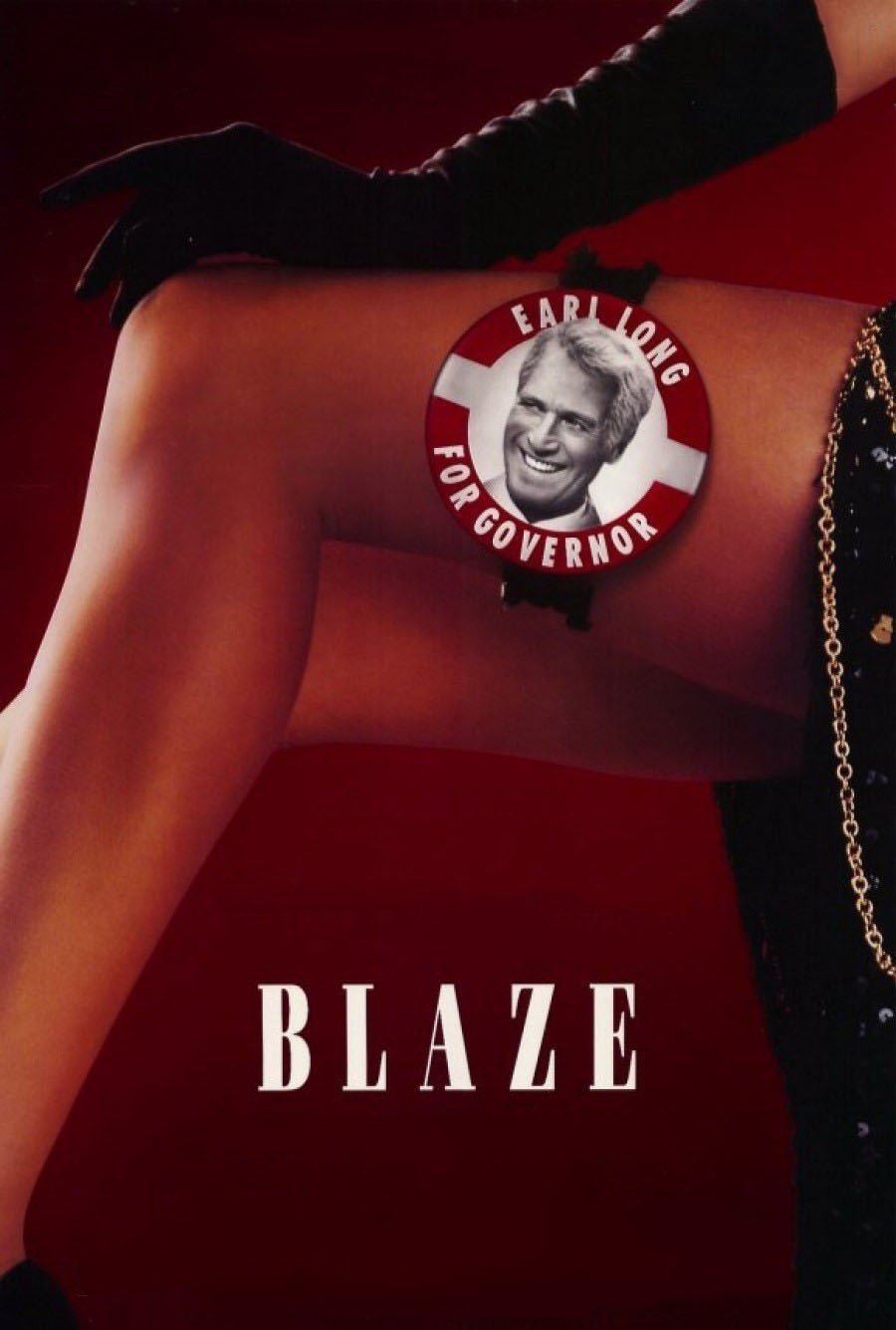
‘Blaze’ is a biographical film based on the real-life love affair between the colorful and controversial Governor of Louisiana, Earl K. Long, and the famous stripper Blaze Starr. The film chronicles their scandalous relationship in the late 1950s, which became a major political issue and a national news story.
Paul Newman gives a charismatic and larger-than-life performance as Governor Earl K. Long. He perfectly captures the folksy charm and political cunning of the legendary Southern politician. It is a fun and energetic role that allowed Newman to play a character who was both a brilliant populist and a man ruled by his passions.
‘Mr. & Mrs. Bridge’ (1990)
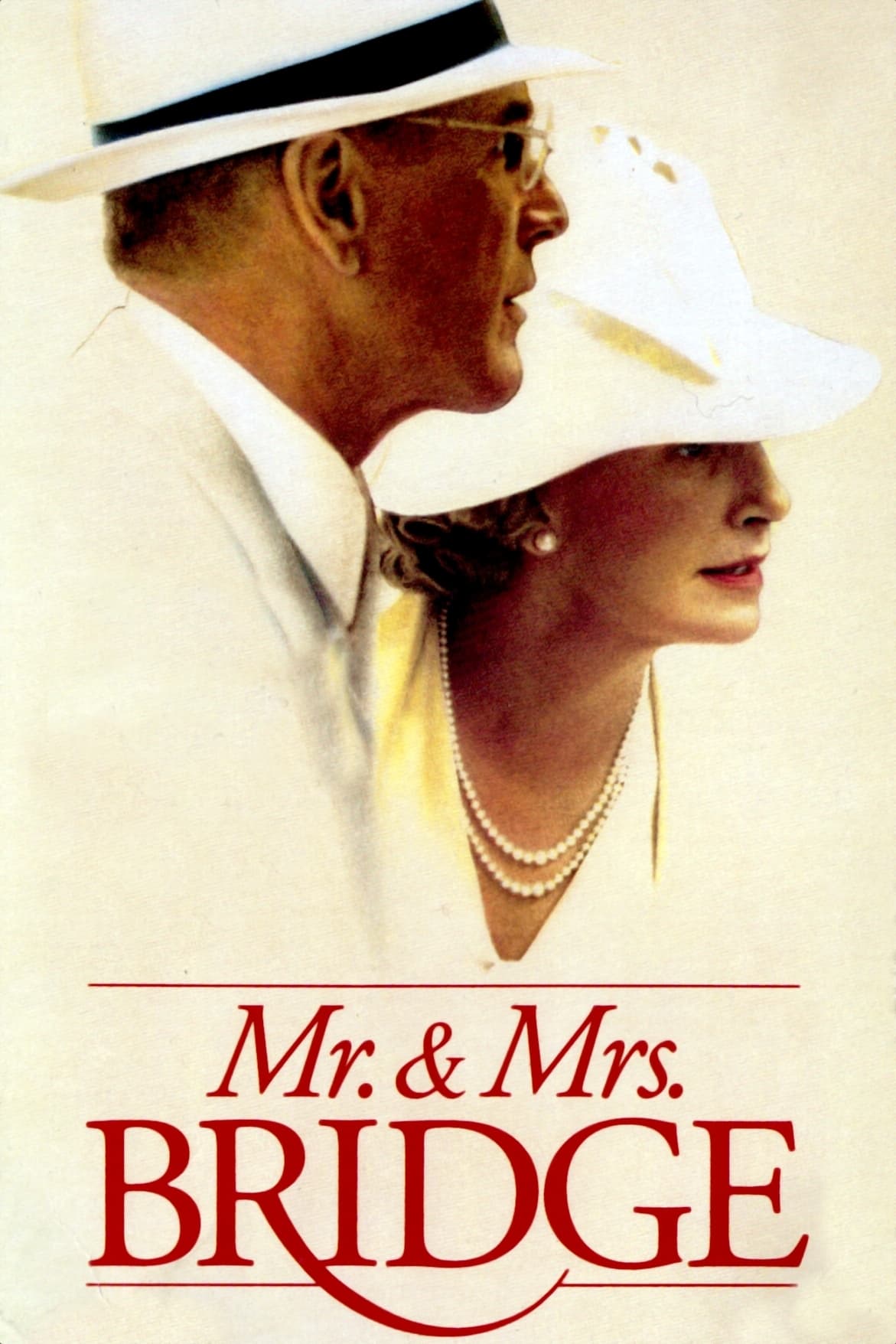
‘Mr. & Mrs. Bridge’ is a quiet and subtle drama about the lives of a conservative, upper-class couple in Kansas City during the 1930s and 40s. The film is a portrait of a traditional marriage and a bygone era, showing how the couple navigates a changing world while holding on to their old-fashioned values.
The film stars the real-life couple of Paul Newman and Joanne Woodward as the title characters. Newman plays Walter Bridge, the emotionally reserved and work-obsessed lawyer who has difficulty expressing his feelings to his wife and children. His performance is a masterpiece of subtlety and restraint, creating a poignant portrait of a man from another time.
‘The Hudsucker Proxy’ (1994)
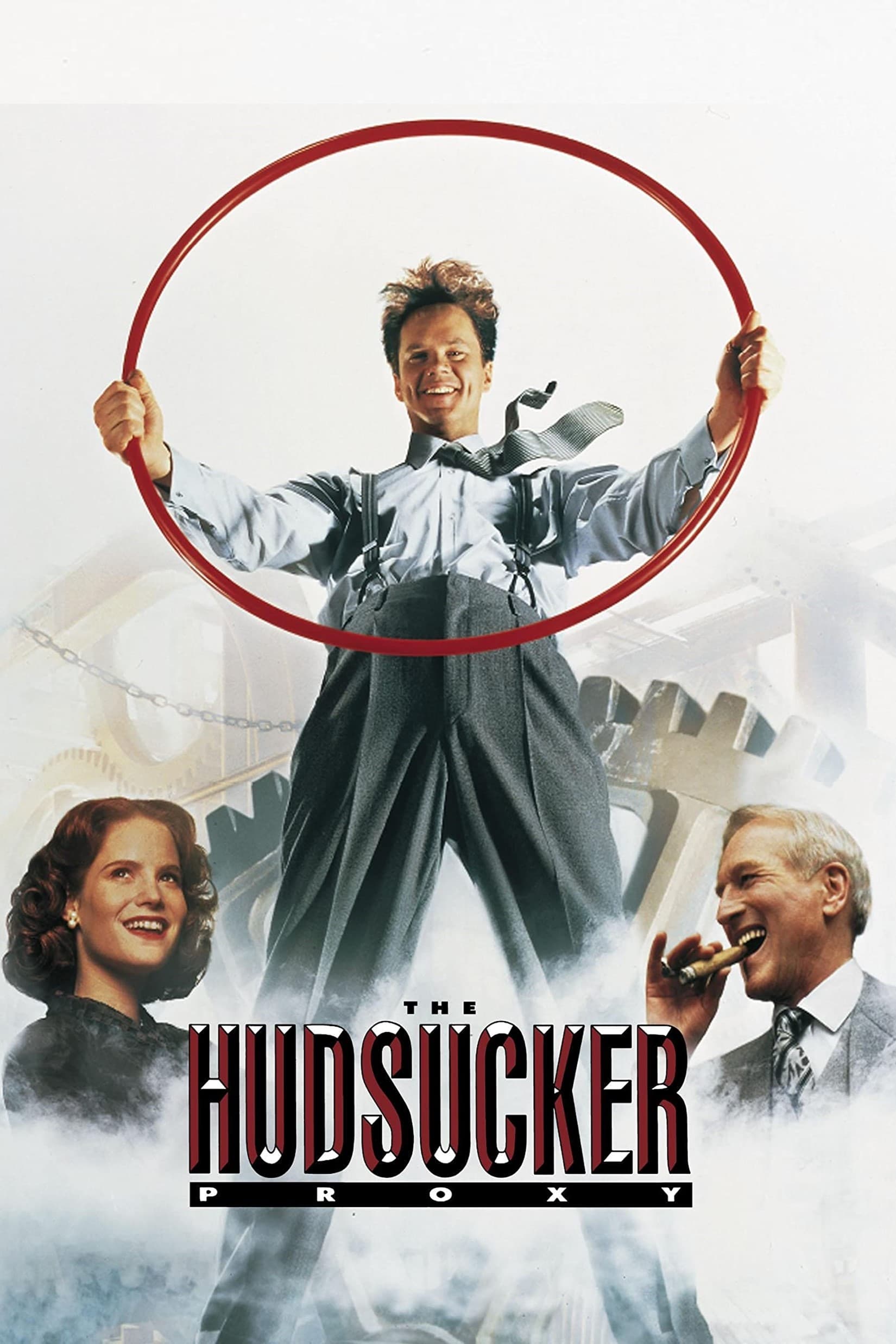
‘The Hudsucker Proxy’ is a screwball comedy from the Coen Brothers that pays homage to the classic comedies of the 1930s and 40s. The story follows a naive business school graduate who is installed as the president of a major corporation as part of a stock scam. To everyone’s surprise, his simple-minded idea for a new product becomes a massive success.
Newman plays Sidney J. Mussburger, the scheming and villainous member of the board of directors who orchestrates the scam. The role gave Newman a chance to play a fast-talking, cigar-chomping villain in a highly stylized comedy. It is a fun and theatrical performance that shows he could fit right into the Coen Brothers’ unique cinematic world.
‘Nobody’s Fool’ (1994)
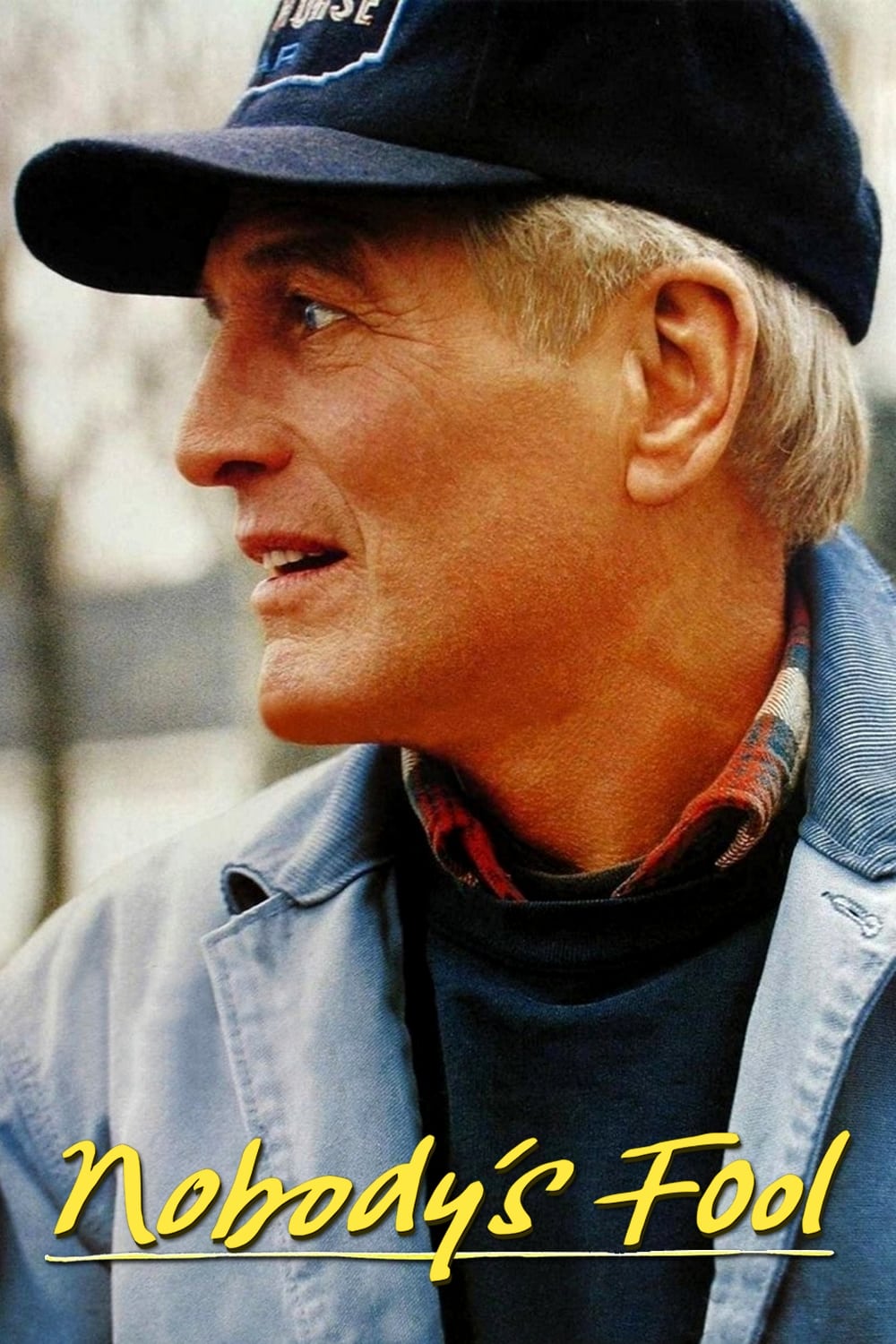
‘Nobody’s Fool’ is a character-driven dramedy about a stubborn and rebellious old man living in a small, snowy town in upstate New York. The film follows his daily life as he works odd jobs, feuds with his rival, and navigates his complicated relationships with his landlady, his estranged son, and the grandson he barely knows.
Newman gives a warm and wonderfully cantankerous performance as Donald “Sully” Sullivan. He perfectly captures the character’s mischievous charm and the underlying regret that he hides beneath his tough exterior. The role earned him yet another Academy Award nomination and is considered one of the finest performances of his later career.
‘Twilight’ (1998)
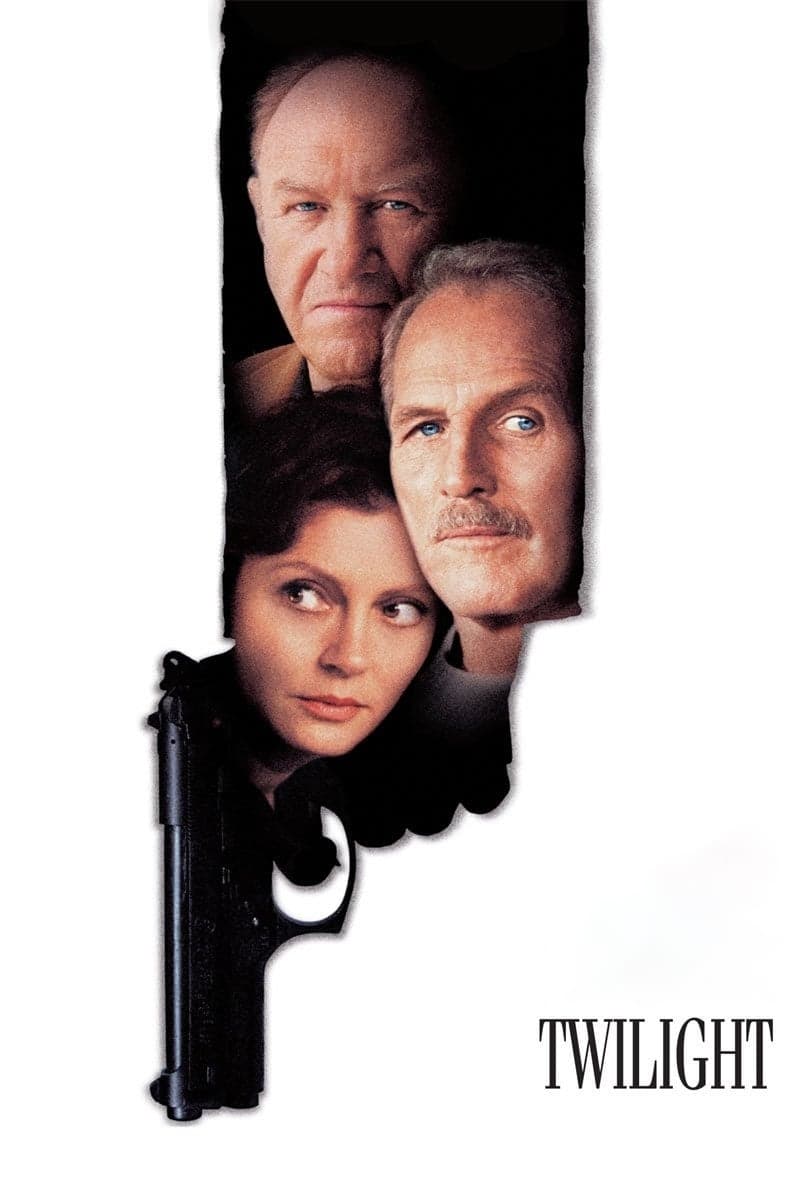
‘Twilight’ is a neo-noir mystery about an aging private investigator who is living with a pair of wealthy, former movie stars. He gets pulled into a complex murder case involving the family’s past, forcing him to confront his own age and mortality. The film is a moody and reflective take on the detective genre.
Paul Newman stars as Harry Ross, the weary private eye at the center of the story. The role is a fitting one for the later stage of his career, as he plays a character looking back on his life and dealing with the limitations of getting older. The film boasts an incredible cast of veteran actors, including Susan Sarandon and Gene Hackman.
‘Message in a Bottle’ (1999)

‘Message in a Bottle’ is a romantic drama based on the novel by Nicholas Sparks. The story follows a newspaper researcher who discovers a tragic love letter in a bottle washed up on a beach. She becomes determined to find the author, a journey that leads her to a grieving boat builder who is still mourning the loss of his wife.
In this film, Newman plays Dodge Blake, the gruff and lonely father of the main character. He delivers a touching and heartfelt performance as a man who wants to see his son find love and happiness again. It is a warm supporting role that adds a layer of emotional depth to the romantic story.
‘Where the Money Is’ (2000)
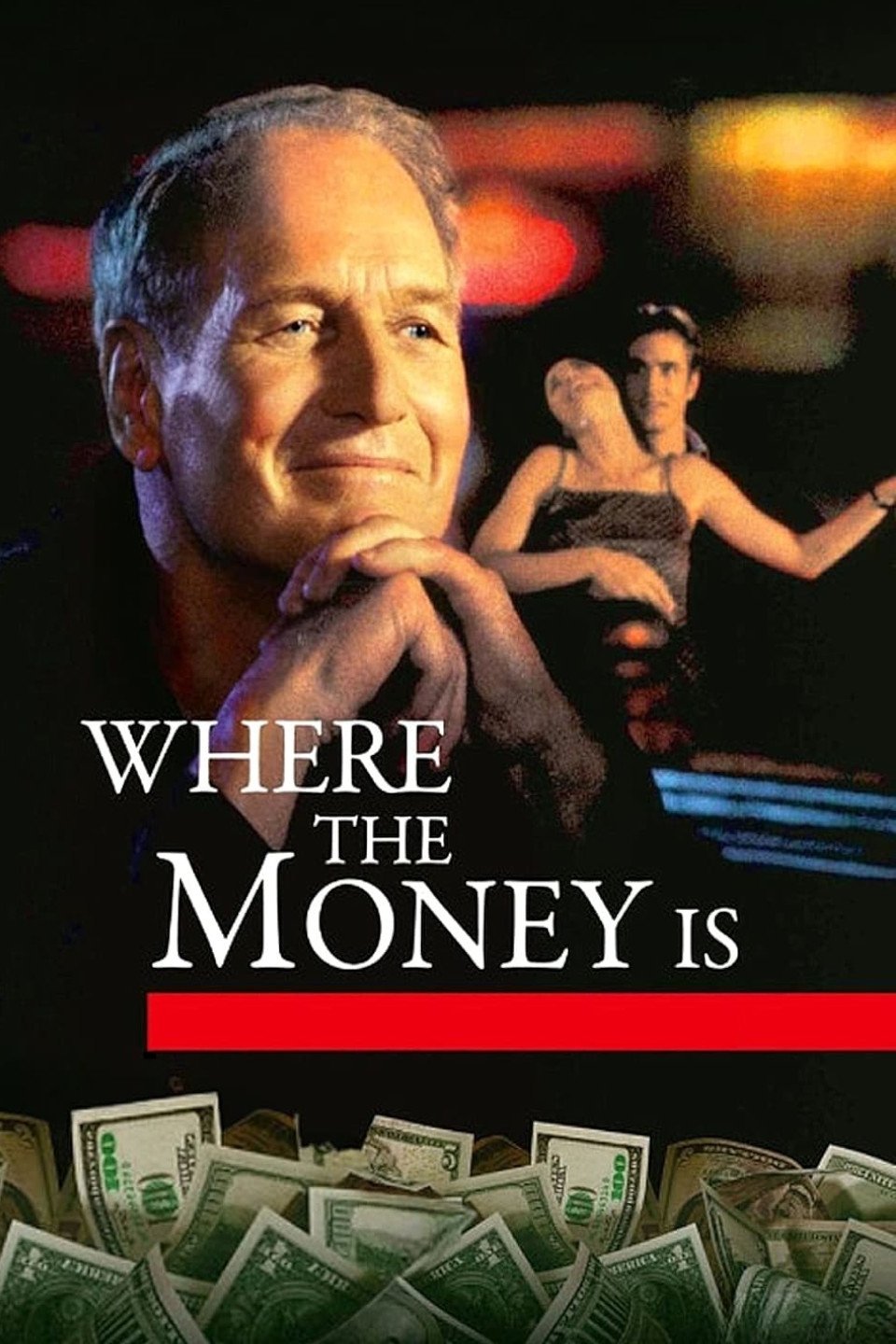
‘Where the Money Is’ is a comedy-drama about a legendary bank robber who fakes a stroke to get transferred from prison to a nursing home. There, he is cared for by a bored nurse who figures out his secret. Instead of turning him in, she convinces him to team up with her to plan one last big heist.
Newman stars as Henry Manning, the clever old bank robber who may or may not be faking his condition. He gives a fun and charming performance, and his chemistry with his younger co-star, Linda Fiorentino, is a highlight of the film. It is a lighthearted caper that shows Newman’s charisma was still as strong as ever.
‘Road to Perdition’ (2002)
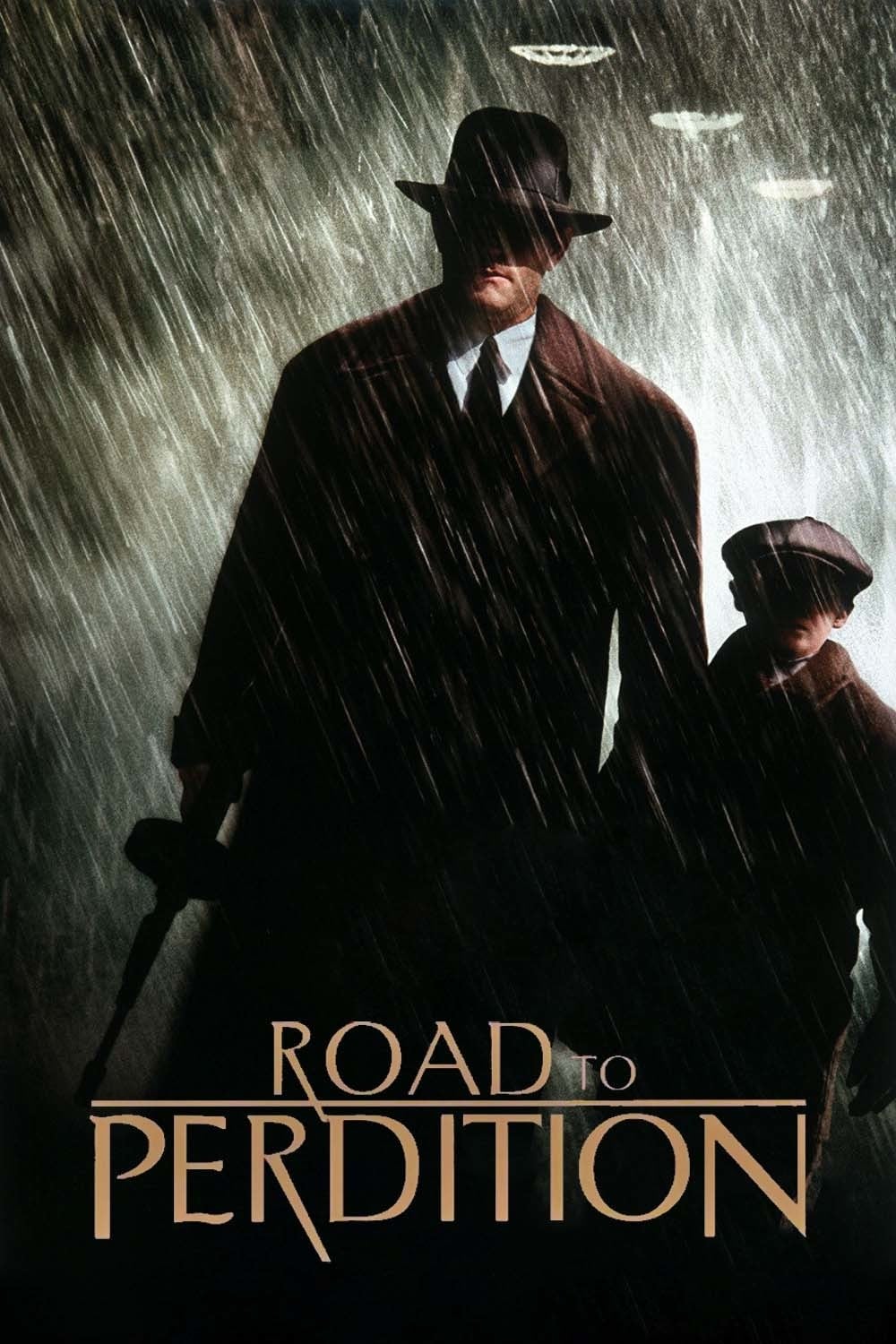
‘Road to Perdition’ is a stylish and somber gangster film set during the Great Depression. The story follows a mob enforcer whose life is shattered when his son witnesses him carrying out a hit. After his wife and other son are murdered, he and his surviving son go on the run, seeking revenge against the crime family he once served.
In his final live-action screen appearance, Paul Newman plays John Rooney, the powerful Irish mob boss. It is a complex and tragic role, as Rooney is both a ruthless gangster and a loving father figure to the man he must now hunt down. Newman’s performance is filled with quiet authority and deep sadness, earning him a final Academy Award nomination for Best Supporting Actor.
‘Cars’ (2006)

‘Cars’ is a popular animated film from Pixar set in a world populated by talking vehicles. The story follows a hotshot rookie race car who gets stranded in a forgotten small town on Route 66. There, he learns about friendship, community, and the importance of slowing down from the town’s quirky and charming residents.
In his final film role, Paul Newman provided the voice for Doc Hudson, a wise and respected old race car with a mysterious past. Newman’s gravelly voice and understated delivery were perfect for the character, bringing a sense of history and gravitas to the retired champion. It was a fitting final performance for a legend of the silver screen.
From his rebellious heroes to his wise old men, which Paul Newman performance do you believe best defines his legendary career?

