


Philip Seymour Hoffman’s Best Roles

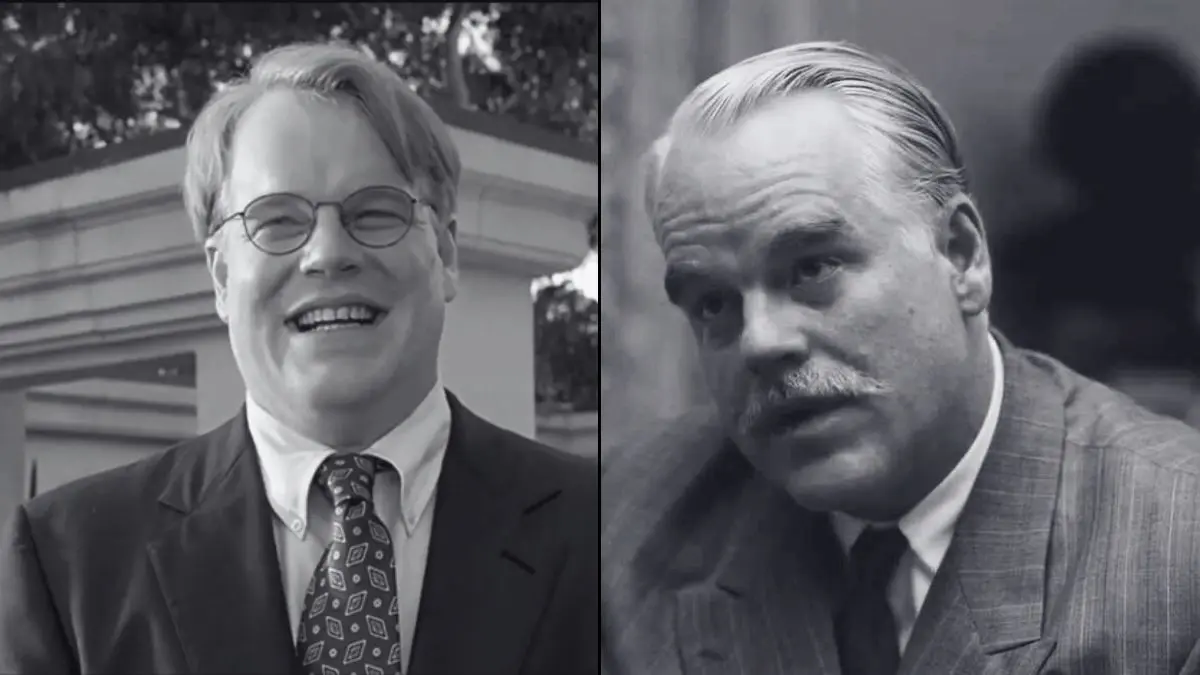


Philip Seymour Hoffman was an actor of incredible range and depth, a true master of his craft who left an indelible mark on cinema. He had the rare ability to disappear completely into his characters, whether he was playing a leading man or a supporting player in a small but memorable role. From quiet vulnerability to explosive intensity, he could convey a universe of emotion with just a subtle shift in his expression or tone of voice. His performances were never just imitations but were fully realized, complex human beings who felt profoundly real and stayed with you long after the credits rolled.
His body of work is a testament to his versatility, spanning across genres from quirky comedies to intense dramas and large-scale blockbusters. He collaborated with some of the most respected directors of his time, consistently elevating every project he was a part of. Hoffman’s talent was in finding the humanity in every character, no matter how flawed or unconventional, making them relatable and unforgettable. His legacy is one of powerful, honest, and fearless acting that continues to inspire audiences and performers alike.
‘A Most Wanted Man’ (2014)
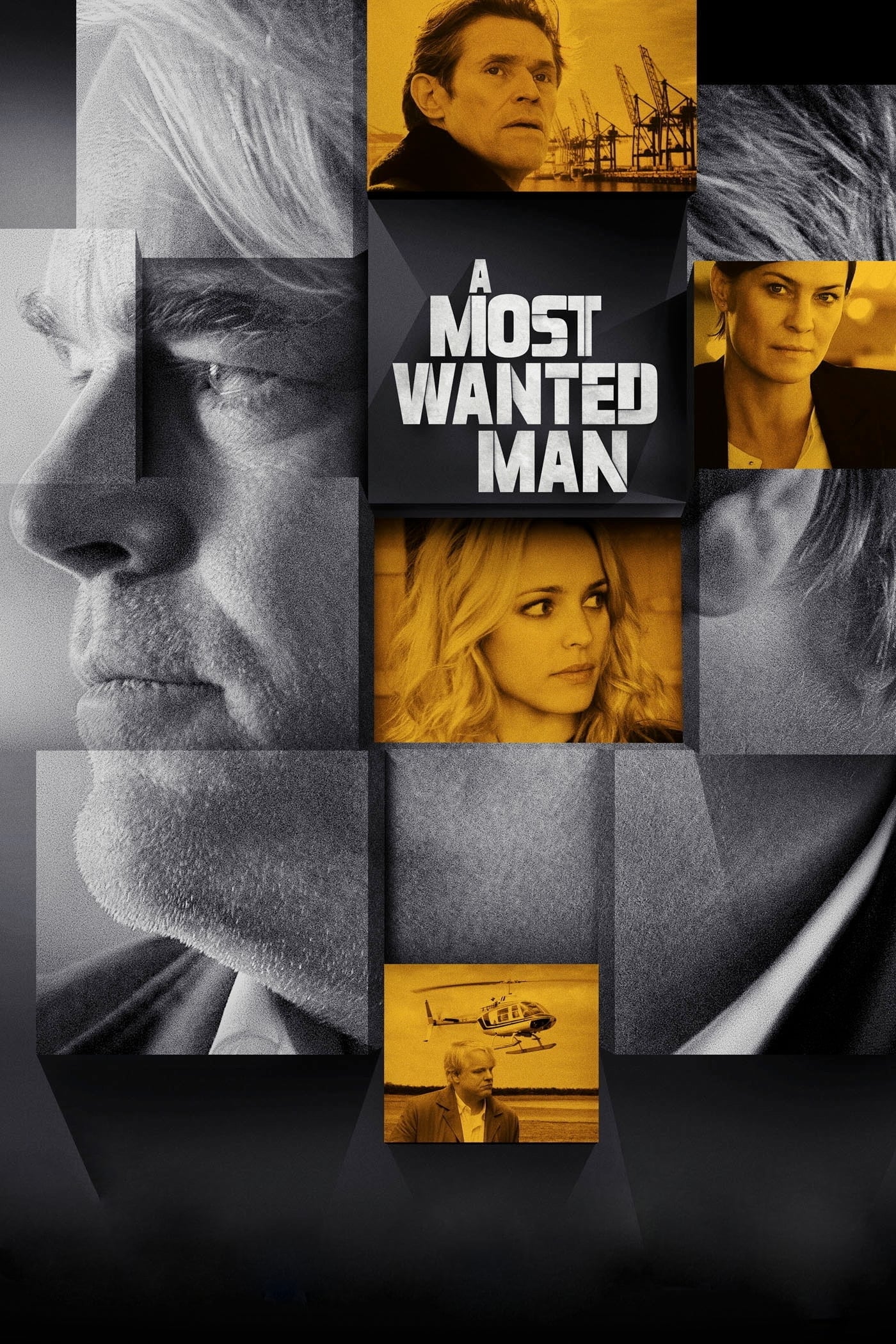
In one of his final film roles, Hoffman plays Günther Bachmann, the head of a covert German anti-terrorism unit. The character is a weary and world-worn spy who prefers the meticulous work of cultivating assets over more aggressive tactics. He is shown to be a brilliant strategist who is constantly battling the bureaucratic politics of his own superiors and rival international intelligence agencies.
The story follows Bachmann and his team as they track a mysterious Chechen immigrant who arrives in Hamburg. Hoffman’s portrayal captures the immense pressure and moral ambiguity of his character’s profession. He portrays a man deeply committed to his mission but who is also grappling with the personal toll of his work and the cynicism of the global intelligence community.
‘The Savages’ (2007)
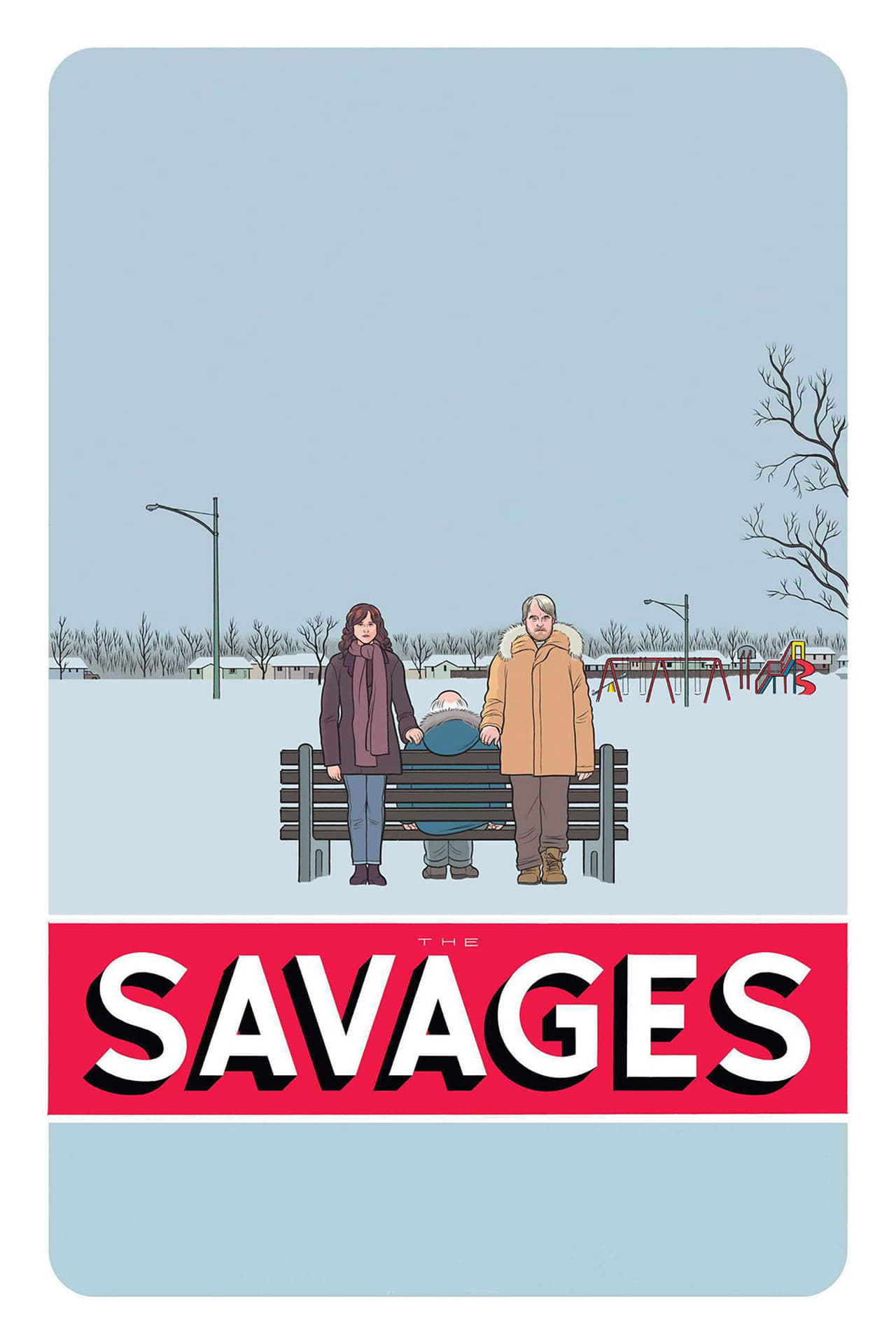
This film features Hoffman as Jon Savage, a neurotic university professor who, along with his sister Wendy, is forced to care for their estranged and aging father. The story delves into the complicated and often strained dynamics of family, responsibility, and mortality. Jon’s character is emotionally reserved and academic, often using intellectualism as a shield against difficult feelings.
As the siblings navigate the challenges of elder care, they are forced to confront their own dysfunctional relationship and the painful memories of their childhood. Hoffman’s performance is a subtle exploration of a man struggling to connect with his family and come to terms with his own unhappiness. The film provides a poignant and often darkly humorous look at the realities of dealing with a parent’s decline.
‘The Master’ (2012)
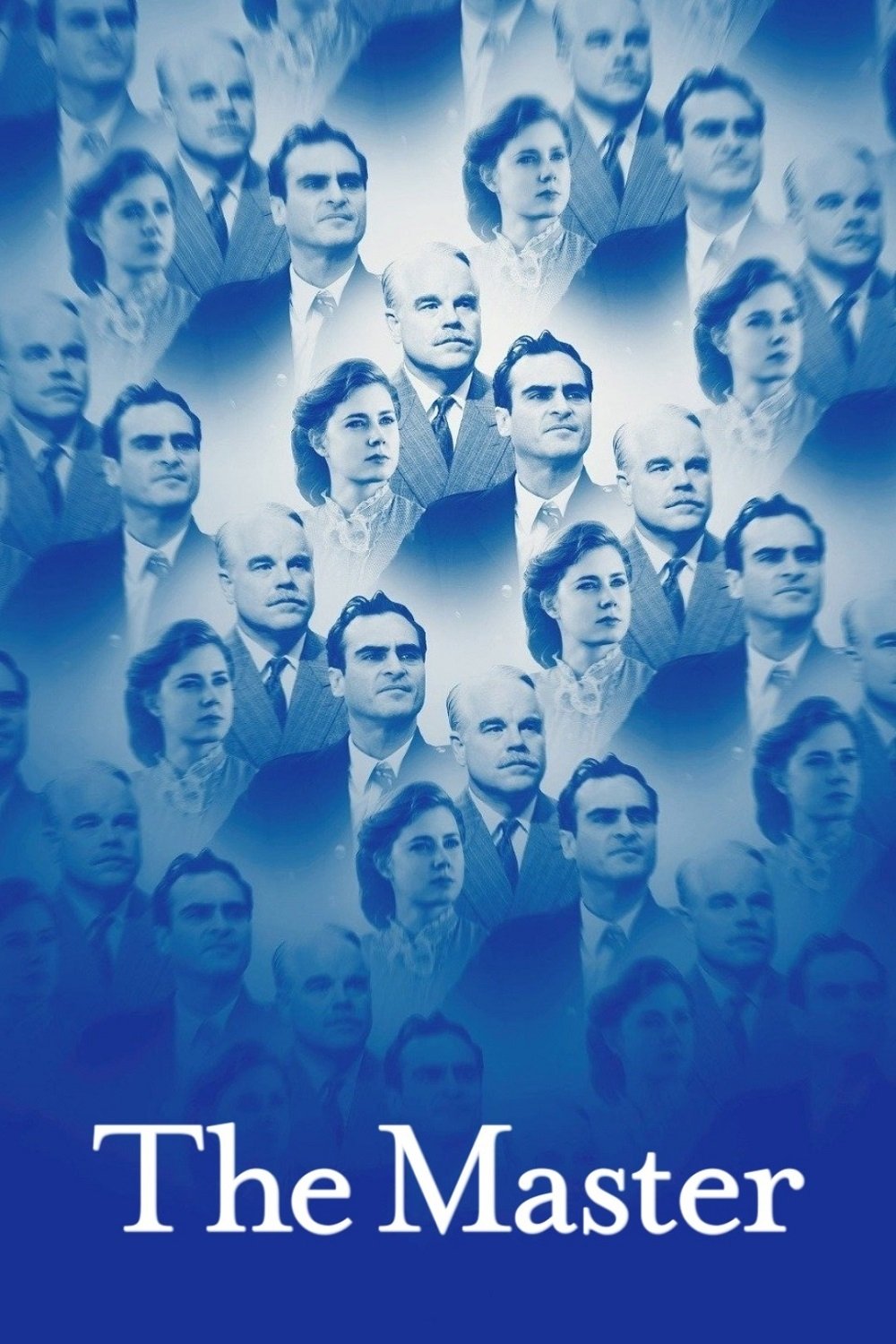
Hoffman delivers a commanding performance as Lancaster Dodd, the charismatic and enigmatic leader of a new philosophical movement called “The Cause.” Dodd is a larger-than-life figure, a brilliant orator and intellectual who draws in followers with his powerful personality and promises of spiritual enlightenment. He presents himself as a sophisticated and benevolent guide for lost souls.
The film centers on the intense and volatile relationship between Dodd and Freddie Quell, a troubled World War II veteran who becomes his right-hand man. Hoffman portrays Dodd with a fascinating mix of charm, intellect, and hidden fury, revealing the deep-seated insecurities and contradictions that lie beneath his confident exterior. The character’s complex psychological makeup is a central element of the film’s narrative.
‘Punch-Drunk Love’ (2002)

In this unconventional romantic comedy, Hoffman plays Dean Trumbell, a scheming mattress store owner who also runs a fraudulent phone-sex hotline. He serves as the primary antagonist to the film’s socially anxious protagonist, Barry Egan. Hoffman’s character is loud, aggressive, and relentlessly intimidating, creating a genuine sense of menace.
When Barry attempts to expose the hotline’s extortion practices, he finds himself in a direct and escalating conflict with Dean and his thuggish employees. The performance is a memorable turn into villainy, providing a chaotic and threatening force that pushes the timid main character to find his own strength. His scenes are full of explosive energy that contrasts sharply with the film’s otherwise sweet and quirky tone.
‘Before the Devil Knows You’re Dead’ (2007)
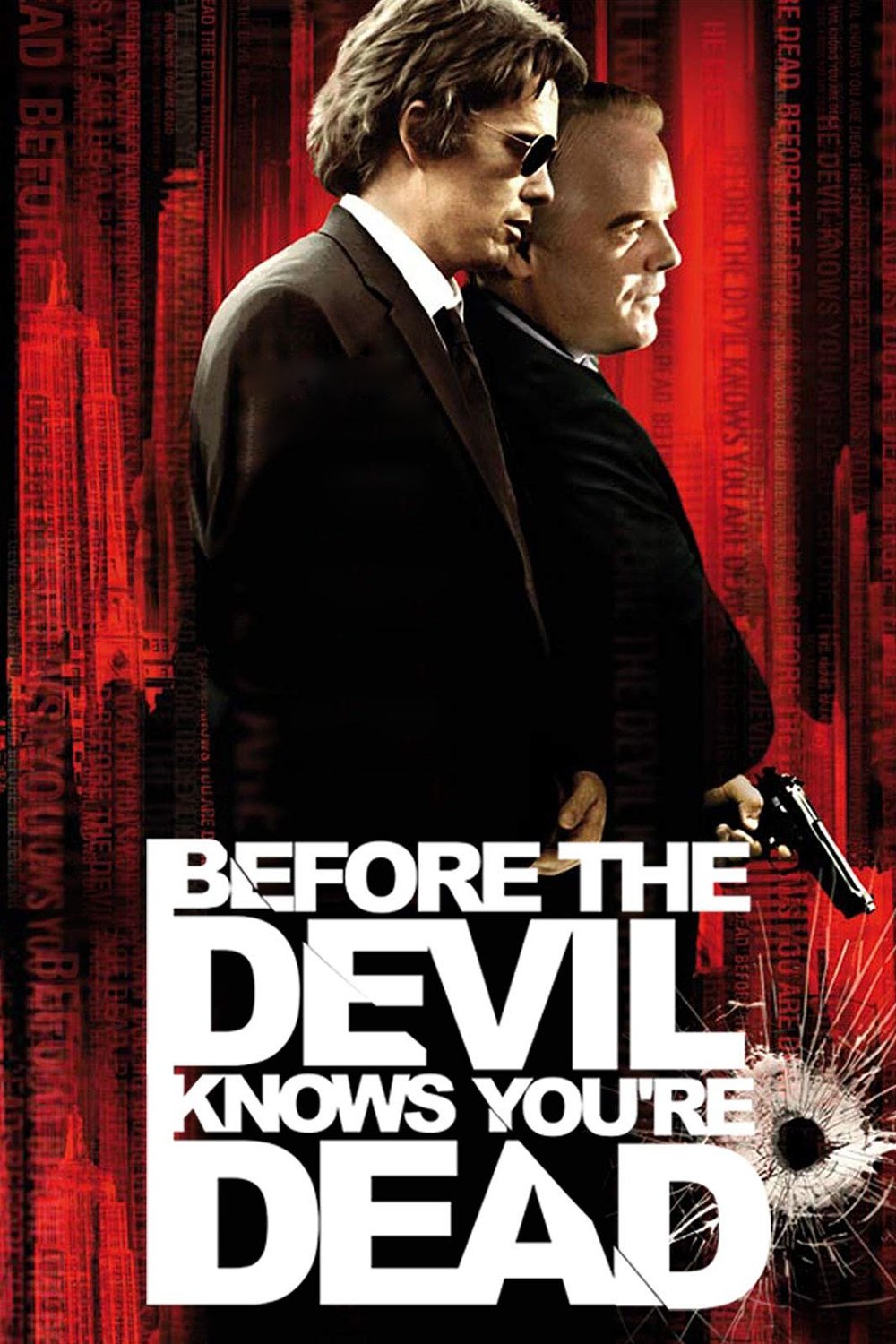
Hoffman stars as Andy Hanson, a high-strung and overextended payroll executive who is secretly embezzling from his company to feed a drug habit. Desperate for cash, he concocts what he believes is a victimless crime by convincing his younger brother to help him rob their own parents’ jewelry store. The character is a man unraveling under immense financial and personal pressure.
The plan goes horribly wrong from the start, setting off a chain reaction of violence, betrayal, and tragedy that tears the family apart. The film is told in a non-linear fashion, gradually revealing the events leading up to the robbery and its devastating aftermath. Hoffman’s portrayal is a raw and gripping look at a man whose greed and desperation lead to his complete ruin.
‘Capote’ (2005)
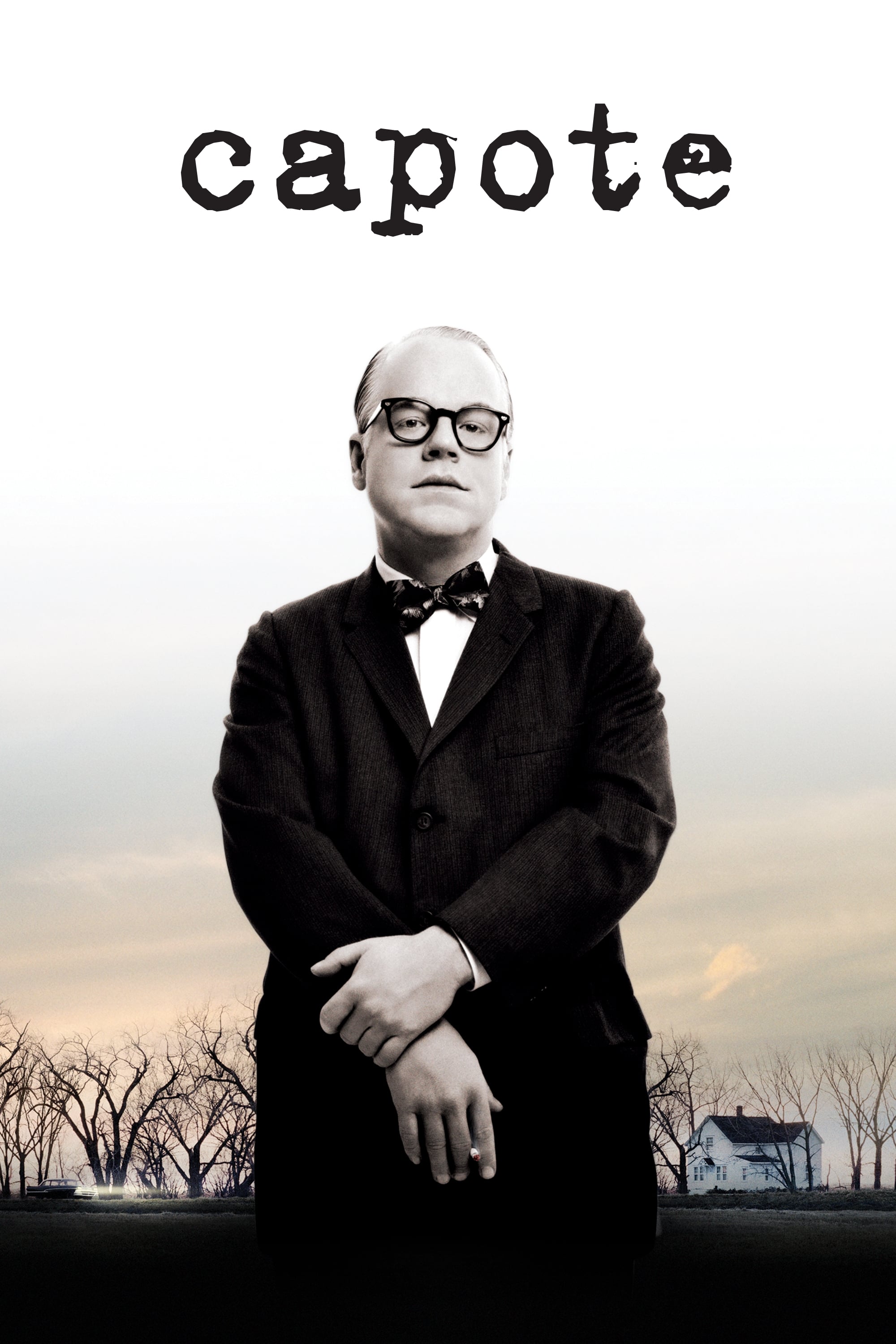
This biographical film features Hoffman in his Academy Award-winning role as the famous author Truman Capote. The film focuses on the period when Capote was researching and writing his groundbreaking non-fiction novel, “In Cold Blood.” Hoffman completely transformed himself for the role, capturing the author’s distinctive voice, mannerisms, and complex personality.
The narrative explores the intricate and ethically fraught relationship Capote developed with the two killers at the center of his book. As he gets closer to his subjects to extract their stories, he finds himself manipulating them for his own artistic ends. The performance delves deep into the ambition, charm, and moral compromises of a brilliant artist chasing his masterpiece.
‘The Talented Mr. Ripley’ (1999)
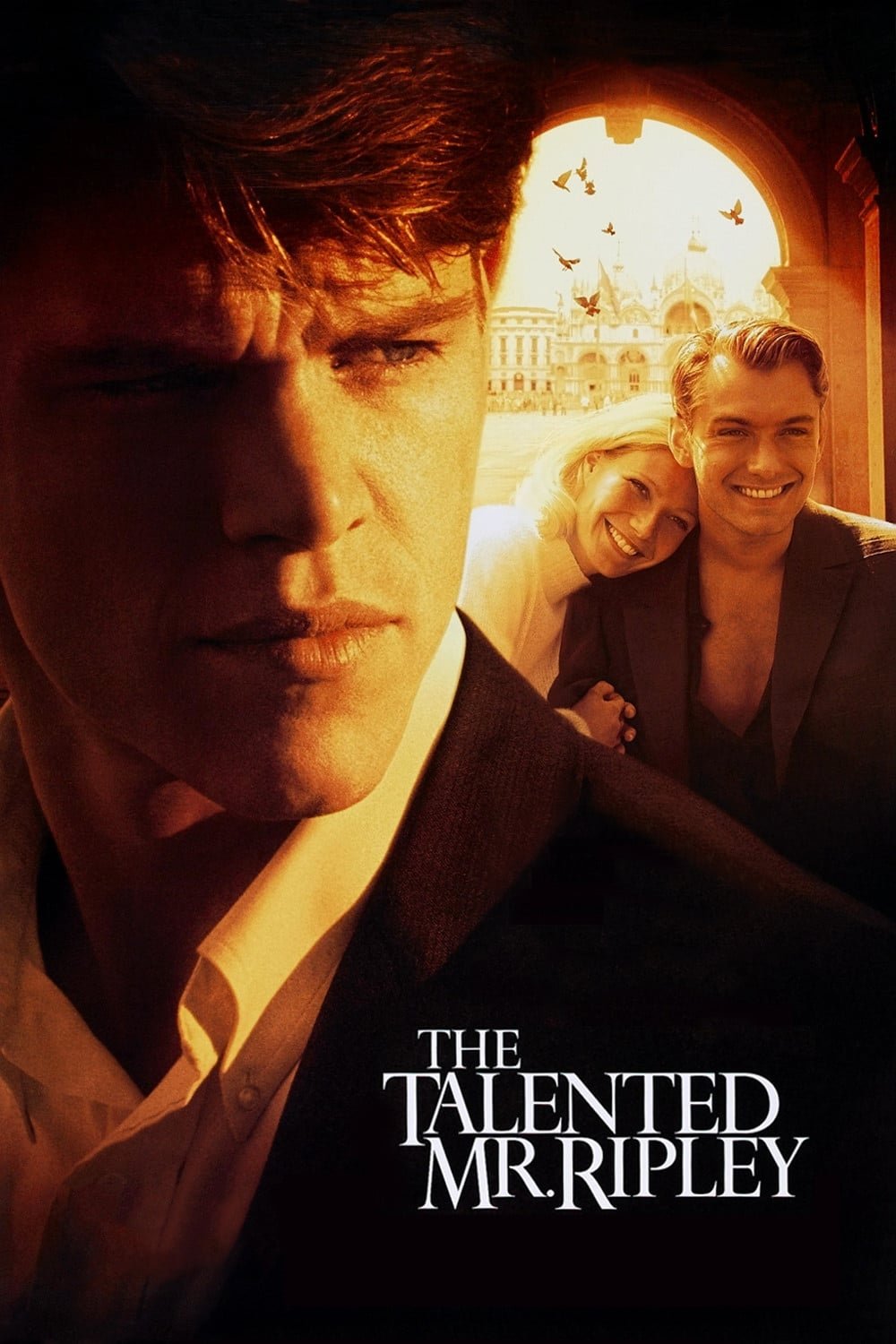
In this psychological thriller, Hoffman plays the role of Freddie Miles, a wealthy, arrogant, and boisterous American expatriate living in Italy. Freddie is a friend of the millionaire playboy Dickie Greenleaf and is immediately suspicious of the film’s protagonist, Tom Ripley. His character is perceptive and unafraid to voice his disdain for Tom.
Freddie’s sharp intuition makes him a significant threat to Tom’s elaborate web of deceit. His presence introduces a major obstacle for the main character as he tries to maintain his false identity. Hoffman’s performance injects the film with a burst of brash energy and serves as a critical turning point in the increasingly dark and suspenseful plot.
‘Doubt’ (2008)
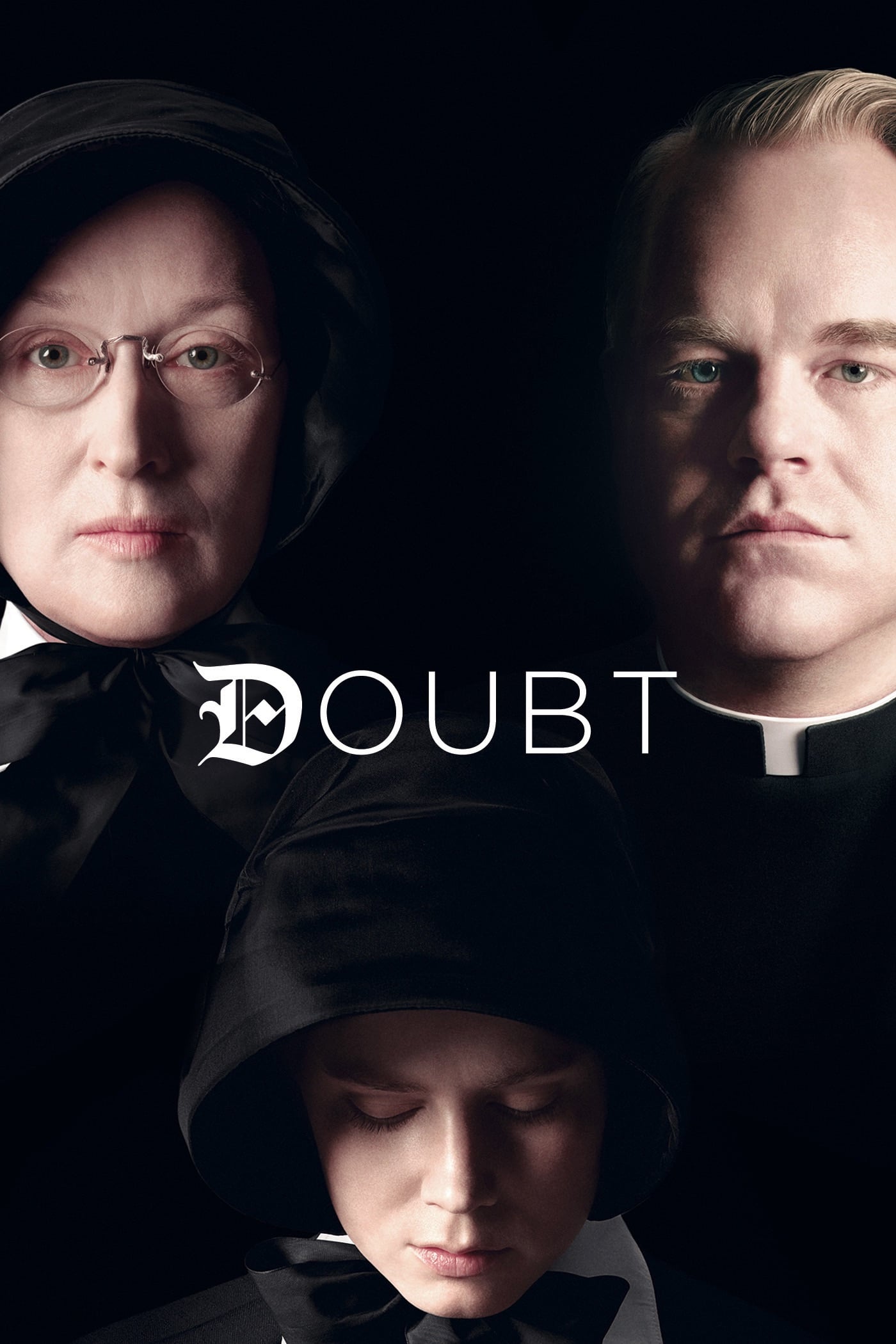
Hoffman plays Father Brendan Flynn, a charismatic and forward-thinking priest at a Catholic school in the Bronx during the 1960s. He is well-liked by the students and champions a more compassionate and modern approach to education, which puts him at odds with the school’s rigid and traditionalist principal, Sister Aloysius Beauvier.
The central conflict of the film arises when Sister Aloysius becomes convinced that Father Flynn has engaged in an inappropriate relationship with the school’s first black student. The story unfolds as a tense battle of wills, built on suspicion and certainty without proof. Hoffman portrays Father Flynn with a compelling ambiguity that leaves the audience questioning his guilt or innocence.
‘Synecdoche, New York’ (2008)
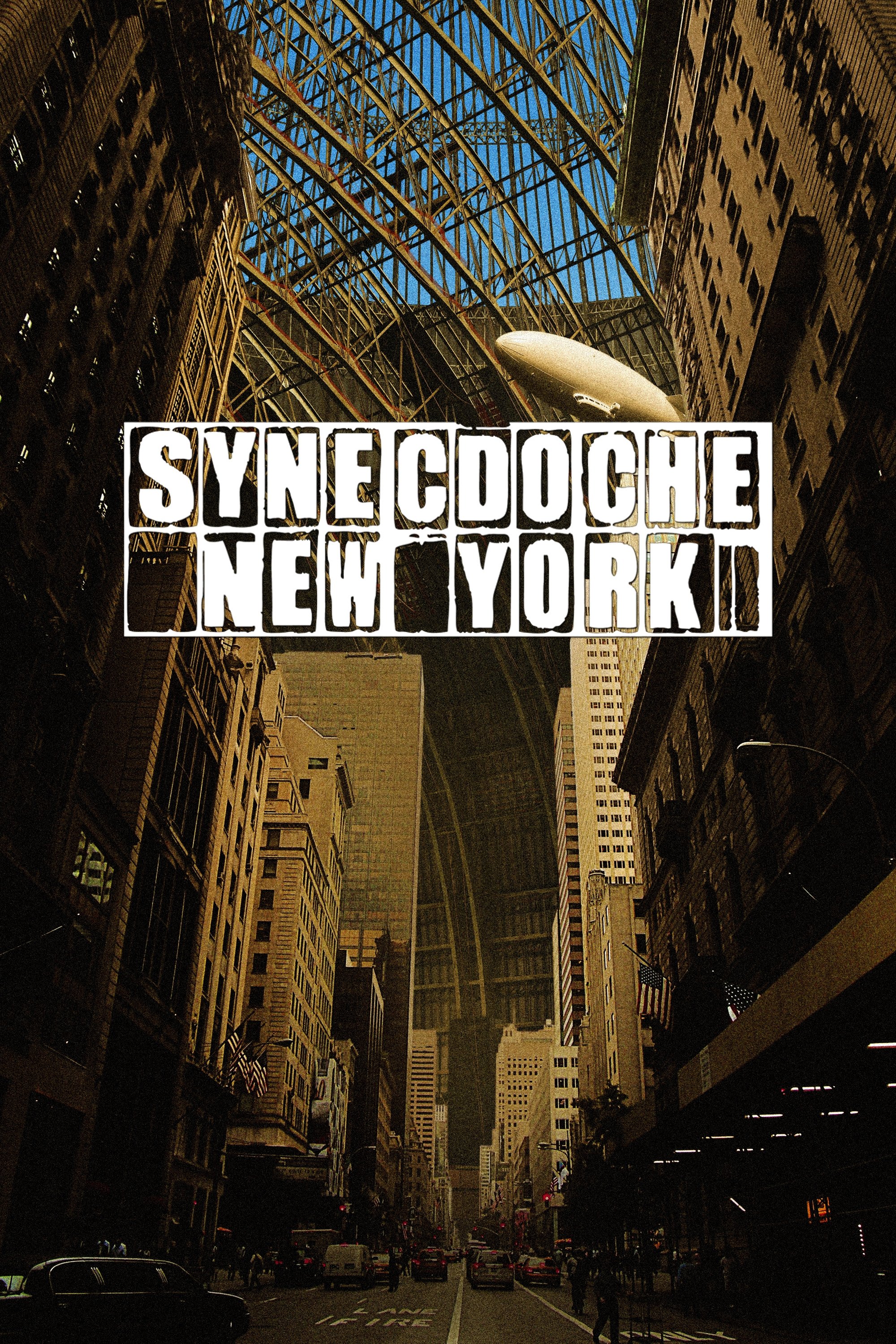
In this complex and ambitious film, Hoffman portrays Caden Cotard, a hypochondriac theater director whose life begins to fall apart. After receiving a prestigious arts grant, he embarks on creating a deeply personal and brutally honest play. He attempts to replicate his own life on a massive scale inside a sprawling warehouse in New York City.
As the years pass, the line between Caden’s reality and his theatrical creation begins to blur completely. He hires actors to play himself and the people in his life, leading to an endlessly recursive and surreal exploration of art, identity, love, and mortality. Hoffman carries the film through its dense and challenging narrative, grounding the abstract concepts in a deeply human performance.
‘Boogie Nights’ (1997)

Hoffman has a memorable supporting role as Scotty J., a shy and insecure boom operator working on adult film sets in the San Fernando Valley. His character is often on the periphery of the main action, quietly observing the more flamboyant personalities within the film’s ensemble cast. He harbors a secret and unrequited love for the film’s lead actor, Dirk Diggler.
One of the movie’s most poignant scenes features Scotty making a clumsy and heartfelt attempt to express his feelings to Dirk, which ends in profound self-loathing and embarrassment. Hoffman’s portrayal is a masterful blend of comedy and tragedy, capturing the character’s deep loneliness and longing for connection in a world focused on surface-level interactions.
‘Almost Famous’ (2000)

Hoffman plays the real-life rock critic Lester Bangs, who serves as a mentor and spiritual guide to the film’s young protagonist, a teenage music journalist named William Miller. Communicating mostly over the phone, Bangs offers William cynical yet passionate advice about the music industry, the nature of fame, and the importance of maintaining journalistic integrity.
Despite having limited screen time, Hoffman’s performance is incredibly impactful. He embodies the spirit of a true music lover who is wary of the corporate machine but still believes in the power of rock and roll. His character’s wisdom and warnings about not getting too close to the rock stars provide an essential grounding force for William’s journey.
‘Scent of a Woman’ (1992)
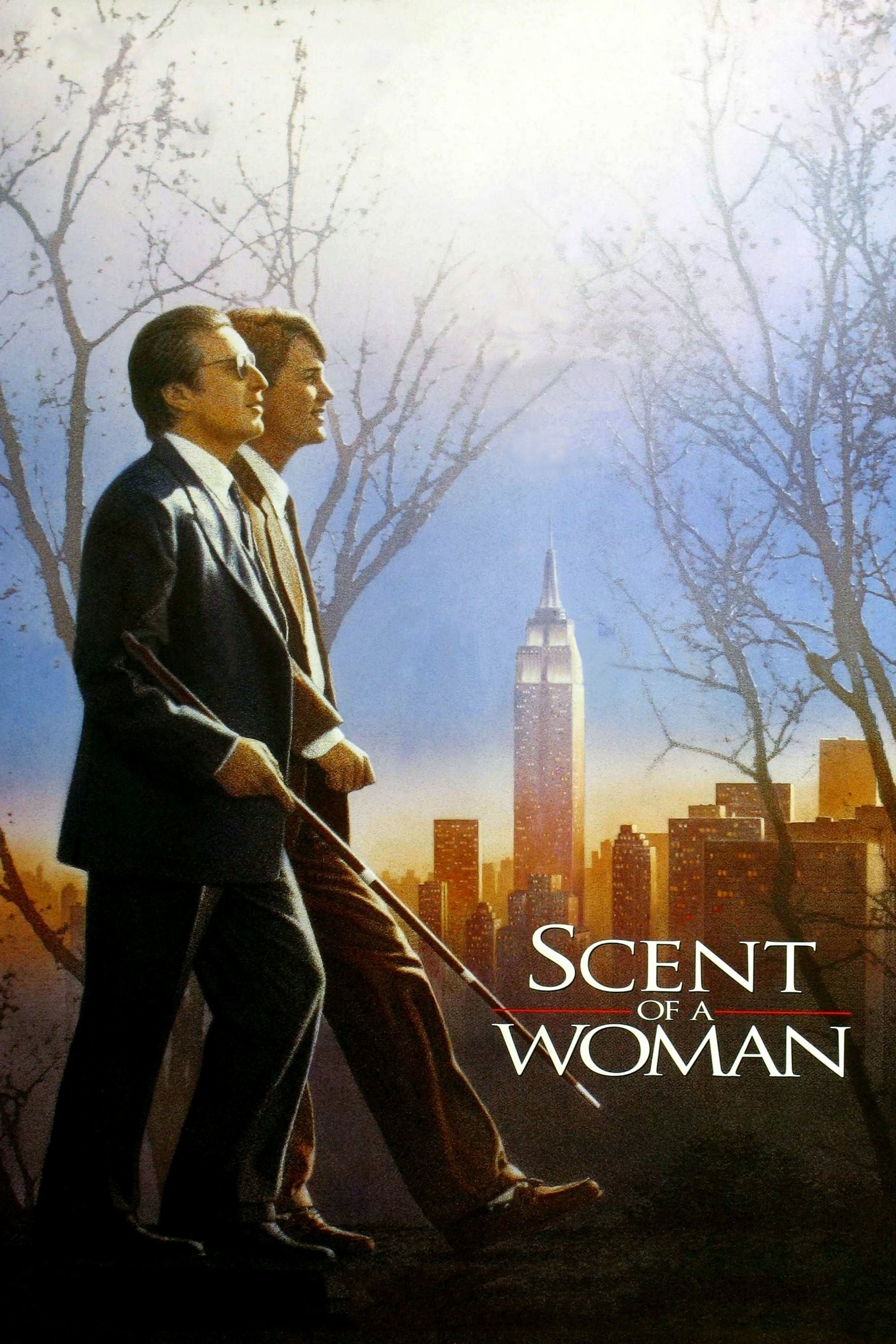
In one of his early screen appearances, Hoffman plays George Willis, Jr., a privileged and conniving prep school student. His character, along with a group of friends, orchestrates a prank intended to embarrass the school’s headmaster. When they are caught, George and the others try to pressure the main character, Charlie Simms, into not revealing their names.
George’s father, a powerful alumnus, attempts to bribe Charlie into silence, creating the central moral dilemma of the film. Hoffman portrays the character with a palpable sense of entitlement and arrogance, serving as a perfect foil to Charlie’s integrity. This role helped to establish his ability to create a fully formed character even in a supporting part.
‘Magnolia’ (1999)

Hoffman portrays Phil Parma, a kind and dedicated nurse providing end-of-life care for a wealthy, dying television producer named Earl Partridge. Phil is a genuinely compassionate character who goes above and beyond his duties to ensure his patient is comfortable. His gentle nature provides a stark contrast to the many emotionally tormented characters in the film.
Upon learning that Earl’s final wish is to see his estranged son, a misogynistic self-help guru, Phil embarks on a frantic mission to locate him and facilitate a reunion. Hoffman’s performance is the film’s emotional anchor, representing a simple and powerful decency in a world filled with pain and regret. His character’s earnest quest for connection is one of the film’s most hopeful storylines.
‘Mary and Max’ (2009)
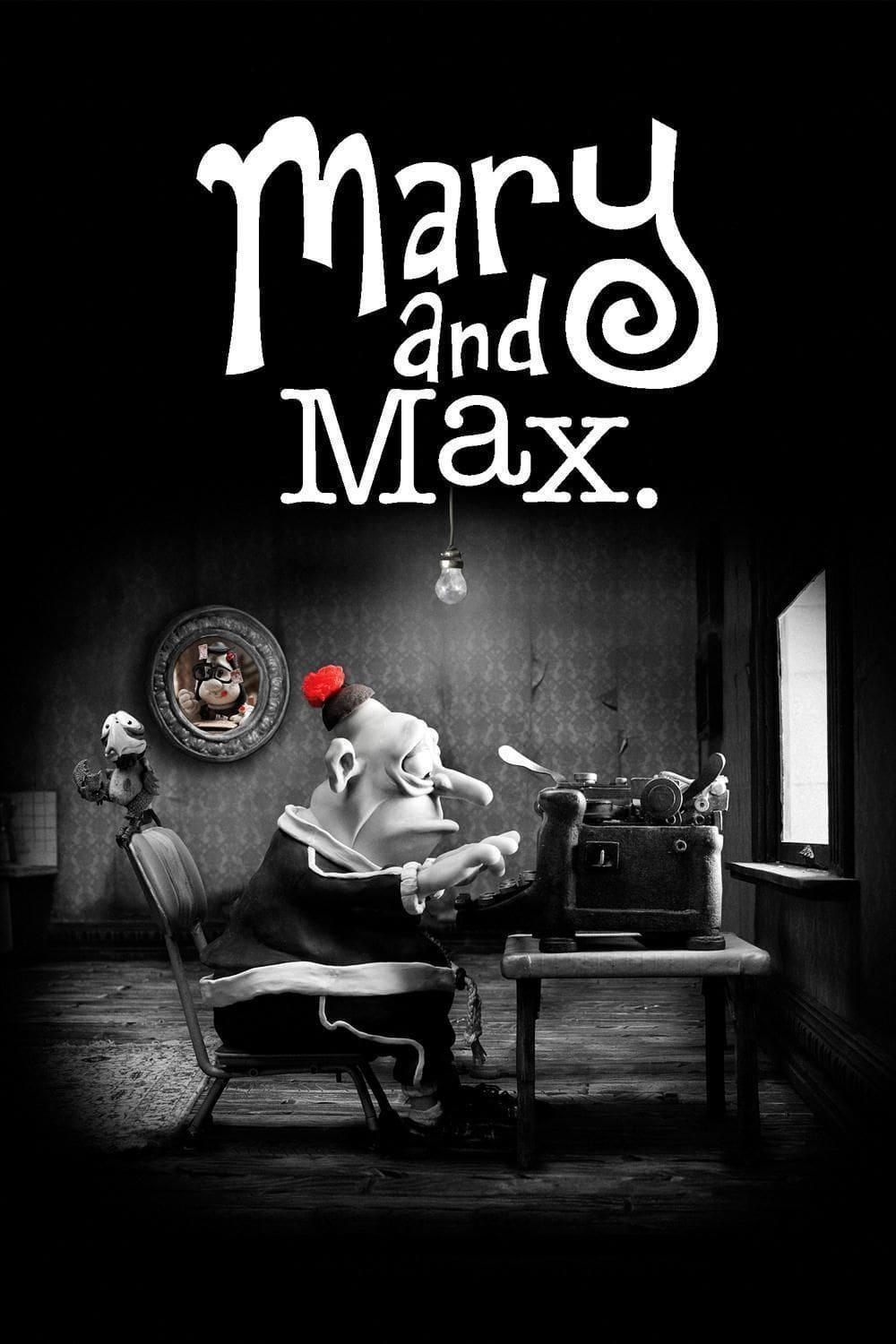
In this acclaimed stop-motion animated film, Hoffman provides the voice for Max Jerry Horovitz, a lonely, obese man living with Asperger’s syndrome in New York City. The story chronicles his decades-long pen-pal relationship with Mary, a young, neglected girl from Australia. Their correspondence becomes a lifeline for both of them.
Through their letters, Max and Mary share their deepest anxieties, insecurities, and observations about the world. Hoffman’s voice work beautifully captures Max’s literal-mindedness, his social difficulties, and his profound sense of isolation. He brings a deep well of emotion and humanity to the animated character, making his journey both heartbreaking and heartwarming.
‘The Big Lebowski’ (1998)
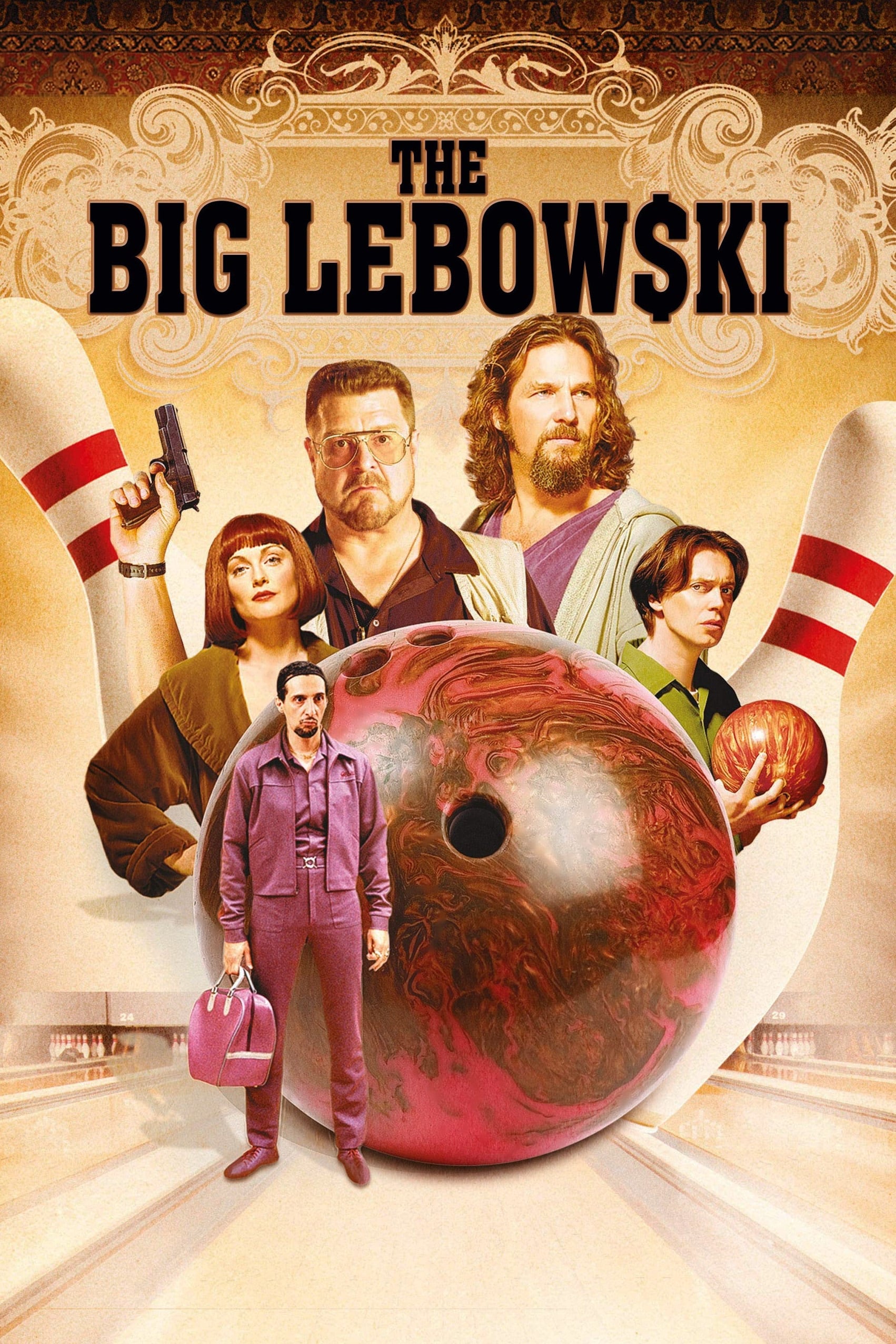
Hoffman delivers a classic comedic performance as Brandt, the impeccably dressed and perpetually anxious personal assistant to the millionaire Jeffrey Lebowski. Brandt is a consummate professional who is completely out of his depth when dealing with the laid-back, chaotic energy of “The Dude.” His interactions are marked by nervous laughter and strained politeness.
Brandt is a man who thrives on order and decorum, so being thrust into a bizarre kidnapping plot is his worst nightmare. He is often seen forcing a tour of the Lebowski mansion or trying to explain complicated financial arrangements to a man who just wants his rug back. Hoffman’s portrayal of the uptight and sycophantic Brandt provides some of the film’s most memorable and funny moments.
Let us know which Philip Seymour Hoffman role is your favorite in the comments below.

