


Quentin Tarantino Claims This Is the Best Film Trilogy of All Time

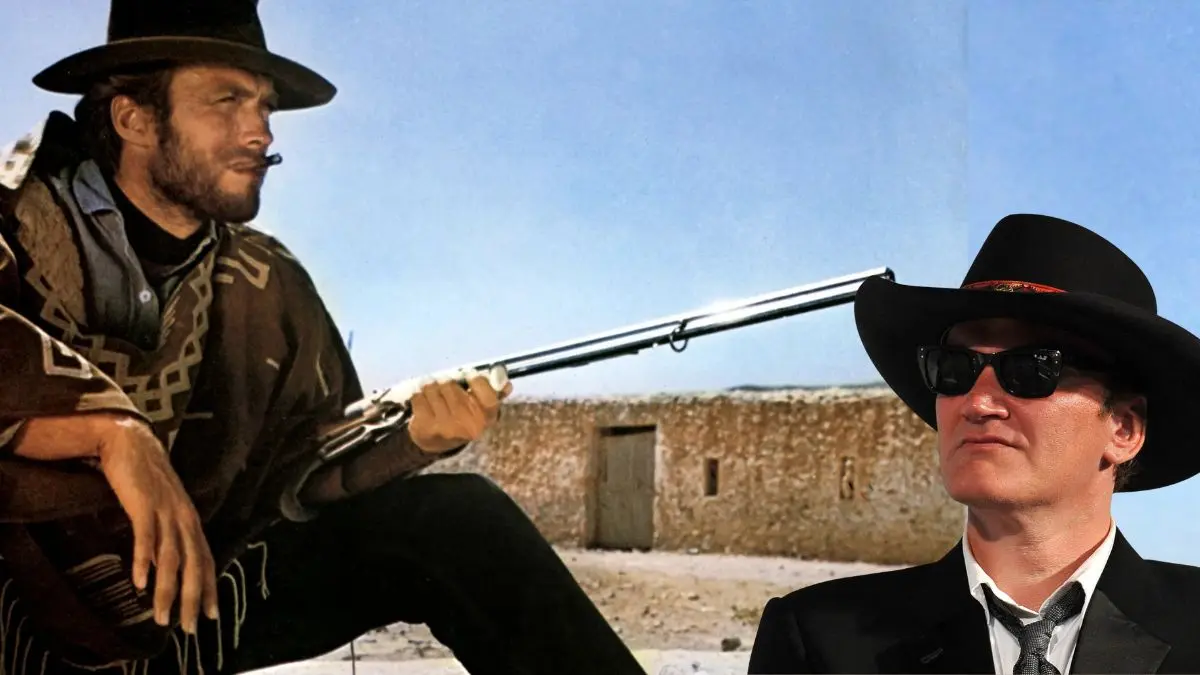


When Quentin Tarantino talks about movies, people in the film world listen. The Oscar-winning director is known for his deep knowledge and strong opinions on cinema. He often shares his favorite films, and his choices carry weight with fans and filmmakers alike. Because of his respected status, his personal movie rankings often create buzz.
Tarantino’s own films, like “Django Unchained” and “The Hateful Eight,” show his love for the Western genre. His unique style often pays tribute to the movies that influenced him. So, when he names the best film trilogy ever, it’s no surprise that it comes from a genre close to his heart. He has praised one particular series as a towering success in filmmaking history.
The director has named Sergio Leone’s “Dollars Trilogy” as the greatest film trilogy ever made. This series of Italian-made “Spaghetti Westerns” includes three iconic movies starring Clint Eastwood. The films are A Fistful of Dollars (1964), For a Few Dollars More (1965), and The Good, the Bad and the Ugly (1966).
Tarantino’s praise for the trilogy is based on a specific belief. He argues that it achieves something that no other trilogy has managed to do. In his view, each film in the series surpasses the one before it in quality and scale.
He explained his reasoning on a podcast, stating that while the first film is great, the second is so big and impressive that it “obliterates the first one.” He feels the third movie does the same to the second, a rare feat in a film series.
The “Dollars Trilogy,” also known as “The Man with No Name Trilogy,” was directed entirely by Sergio Leone. Tarantino believes this single directorial vision is key to its success. The films launched Clint Eastwood to international stardom and popularized the Spaghetti Western genre. The final film of the series, The Good, the Bad and the Ugly, is often considered a masterpiece and the high point of the trilogy.
Tarantino has repeatedly called the trilogy “the greatest achievement in the history of cinema.” His admiration for Leone’s work is evident in his own movies, which often feature elements inspired by the Spaghetti Western style. For a director who has studied film so deeply, this declaration highlights the lasting impact of Leone’s vision.
Quentin Tarantino, a director known for his deep love of film history, has a bold take on the greatest movie trilogy ever made. He’s convinced that the three Westerns directed by Sergio Leone, starring Clint Eastwood, stand above all others. These films, known for their gritty style and iconic characters, redefined the Western genre and left a lasting mark on cinema.
The trilogy follows the mysterious Man with No Name, played by Eastwood with cool intensity. Each film builds on the last, telling standalone stories of bounty hunters, outlaws, and treasure hunts set against dusty landscapes. Tarantino admires how the series improves with every entry, a rare feat for trilogies. He shared this view on the podcast Club Random with Bill Maher, explaining that the consistent vision of Leone as director makes the films feel like a single, evolving masterpiece.
The first film, ‘A Fistful of Dollars’ from 1964, introduces Eastwood as a lone drifter who plays two rival gangs against each other. Inspired by Akira Kurosawa’s ‘Yojimbo’, it brought a fresh, raw edge to Westerns. The second, ‘For a Few Dollars More’ in 1965, pairs Eastwood with Lee Van Cleef as rival bounty hunters tracking a ruthless bandit. It deepens the stakes and sharpens the storytelling. Finally, ‘The Good, the Bad and the Ugly’ in 1966, often called Leone’s masterpiece, follows three gunslingers chasing Confederate gold during the Civil War. With Ennio Morricone’s unforgettable score, it’s a sprawling epic of greed and survival.
Tarantino’s praise isn’t just about style. He loves how Leone’s films blend tension, humor, and moral ambiguity. The trilogy’s influence is huge—its close-up duels and sweeping shots shaped modern action movies. Eastwood’s squinting, cigar-chomping hero became a cultural icon, inspiring countless tough-guy roles.
I find Tarantino’s choice exciting because these films still feel alive. They’re not just old Westerns; they’re bold, stylish stories that grip you. Leone’s knack for pacing and Morricone’s music make every scene pop. Tarantino also contrasts this trilogy with others, like Pixar’s ‘Toy Story’. He respects the animated series but argues its third film perfectly closed the story, while a fourth felt unnecessary. For him, Leone’s trilogy nails the balance of growth and closure.
The films weren’t always loved. Early critics dismissed them as violent or derivative, but time has proven them wrong. ‘The Good, the Bad and the Ugly’ ranks high on IMDb’s top films, and the trilogy’s impact on directors like Tarantino himself is clear in his love for sharp dialogue and tense standoffs.
If you haven’t seen these movies, they’re a must. Available on many streaming platforms, they’re a masterclass in storytelling. Tarantino’s passion for them reminds us why some films never fade—they’re just that good.

