


Quentin Tarantino’s Childhood Favorites: Three Films That Shaped a Legend

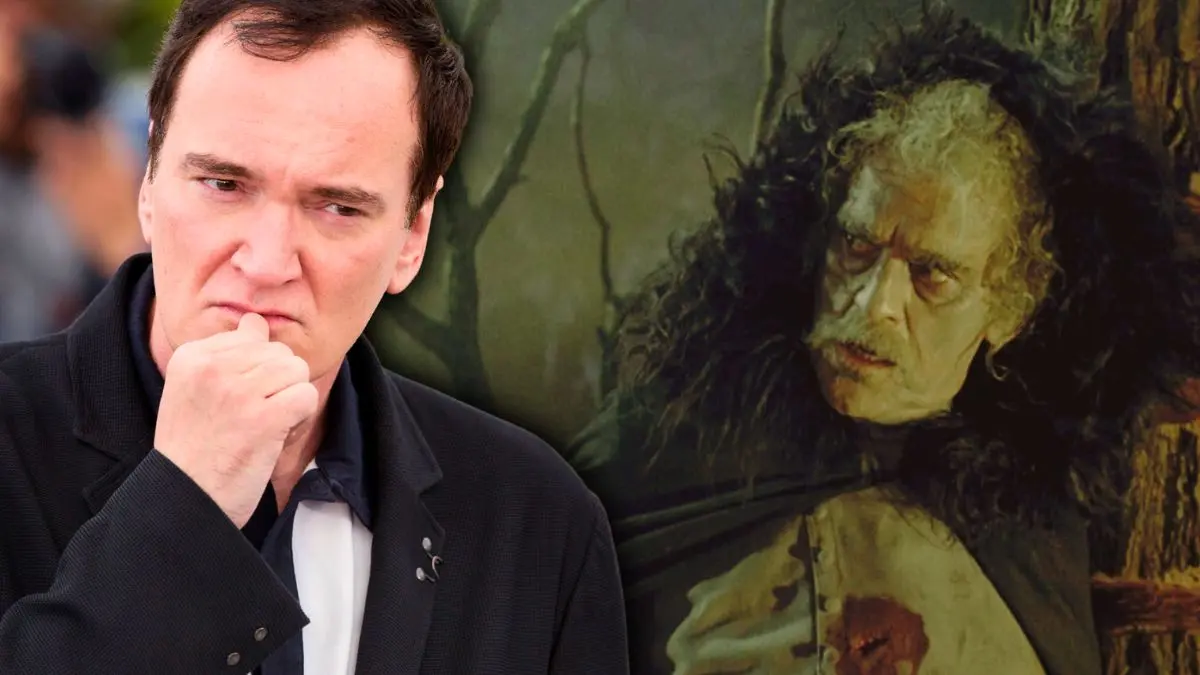


Quentin Tarantino, the legendary director behind Pulp Fiction and Kill Bill, has always been open about the films that shaped his cinematic vision. He revealed three movies from his childhood that left a lasting impression on him: Sergio Leone’s The Good, the Bad and the Ugly (1966), Mario Bava’s Black Sabbath (1963), and Abbott and Costello Meet Frankenstein (1948).
Each of these films has not only influenced Tarantino’s approach to storytelling but has also earned recognition and acclaim from critics and audiences over the decades.
The Good, the Bad and the Ugly is widely regarded as one of the greatest Westerns of all time. Directed by Sergio Leone, the film is notable for its sprawling narrative, iconic standoffs, and Ennio Morricone’s unforgettable score.
Critics praised its operatic style and visual storytelling, noting the way Leone redefined the Western genre by focusing on antiheroes and morally complex characters. When it was released, the film received strong reviews in Europe, though its initial reception in the United States was more mixed.
Over time, however, its reputation has grown exponentially, and today it is considered a masterwork of cinema, frequently appearing on lists of the greatest films ever made. Audiences continue to admire its tension-filled duels, memorable characters, and its influence on modern filmmaking, which is evident in Tarantino’s own work, especially in films like Django Unchained and The Hateful Eight.
Mario Bava’s Black Sabbath is a landmark of Italian horror cinema. Released in 1963, it is an anthology of three chilling stories that helped define the giallo genre.
Critics have long praised Bava for his pioneering visual style, which combines striking cinematography with inventive lighting to create suspense and terror. Black Sabbath was celebrated for its operatic visuals and unique narrative techniques, with reviewers noting that Bava’s work stood out for its bold experimentation with color and camera movement. Even contemporary critics have revisited the film, highlighting its influence on horror filmmakers and its enduring ability to engage audiences with a mix of gothic horror and psychological tension.
Tarantino himself has cited Bava’s operatic approach to cinema as a formative influence, teaching him the importance of style and auteurship in filmmaking.
Abbott and Costello Meet Frankenstein blends comedy and horror, a combination that was unusual for its time but proved immensely popular. Released in 1948, the film stars the iconic comedy duo Abbott and Costello alongside Universal Monsters like Dracula, Frankenstein’s monster, and the Wolfman.
Critics at the time praised the film for its witty dialogue, clever gags, and the seamless integration of horror and comedy. Modern reviews have been similarly appreciative, recognizing it as a pioneering example of genre blending.
The film’s playful approach to mixing scares and laughs laid the groundwork for countless comedies and horror films that followed. For Tarantino, this early exposure to genre hybridity inspired his own experiments in blending violence, humor, and homage in movies like Death Proof and Once Upon a Time in Hollywood.
Together, these three films reveal the foundations of Tarantino’s cinematic style: the operatic tension of Leone, the visual inventiveness of Bava, and the genre-bending creativity of Abbott and Costello. Each has been critically acclaimed in its own right and continues to influence filmmakers today. Tarantino’s admiration for these movies shows how formative experiences with film can shape a director’s approach for decades, illustrating the lasting power of classic cinema.
What do you think about the movies that inspired Tarantino? Share your thoughts in the comments.

