


Ranking the 15 Best Directorial Debuts in Movie History


Every filmmaker starts somewhere, but some burst onto the scene with a debut so powerful it leaves a lasting mark on cinema. These first-time directors didn’t just make movies—they crafted stories that shaped genres, inspired others, and stood the test of time.
From gritty crime tales to haunting horror, these films show what happens when fresh talent meets bold vision. Let’s dive into the 15 best directorial debuts that changed the game, ranked from great to greatest.
15. The Witch (2015)
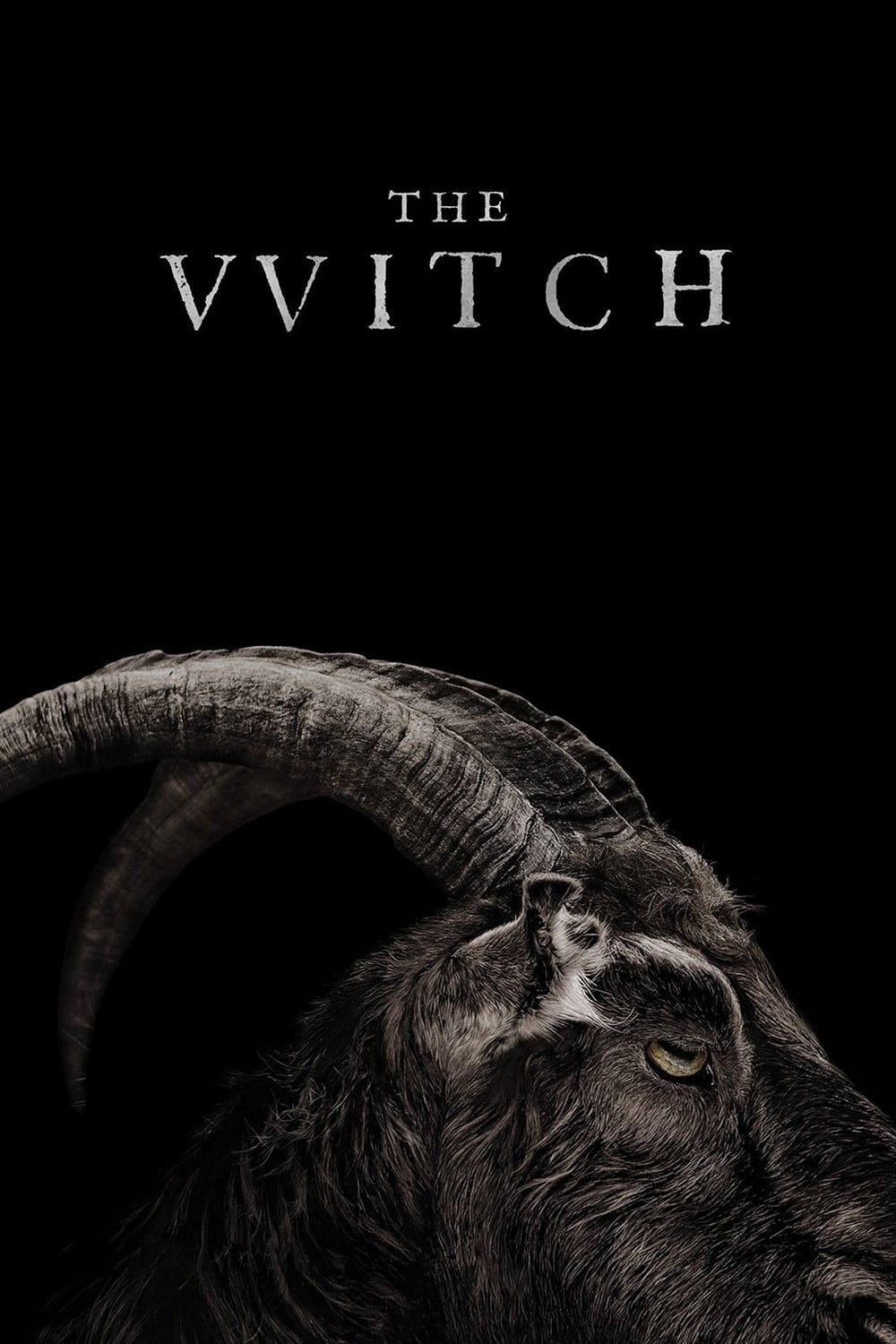
Robert Eggers’ ‘The Witch’ is a chilling dive into 17th-century New England, where a family faces paranoia and supernatural dread. Shot with stark visuals and authentic dialogue drawn from historical records, it’s a slow-burn horror that feels like a grim folktale.
Eggers’ attention to period detail and his ability to build tension with minimal effects made this a standout. The film’s eerie atmosphere and Anya Taylor-Joy’s breakout performance earned it praise at Sundance, cementing Eggers as a bold new voice in horror.
14. The Quiet Girl (2022)
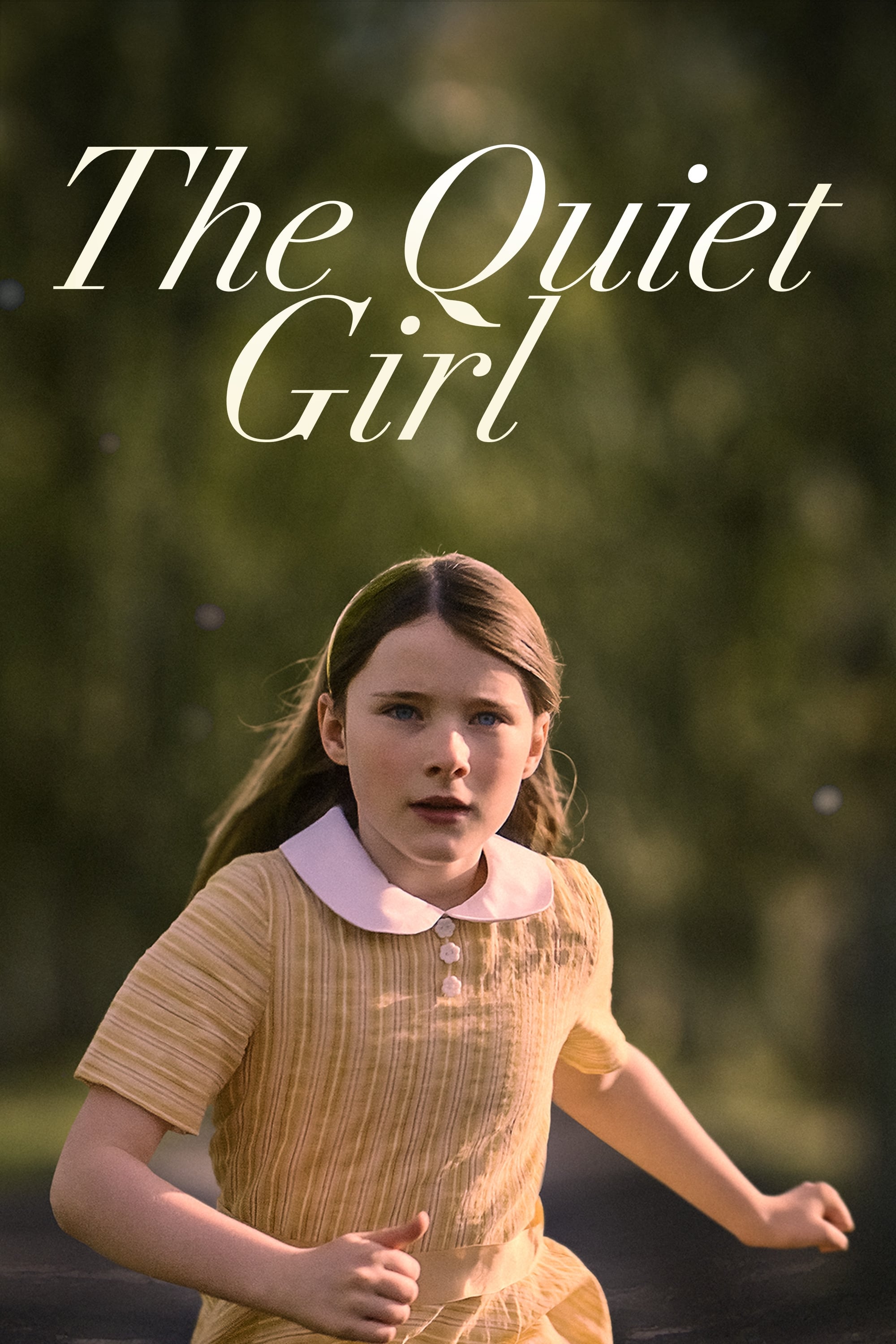
Colm Bairéad’s ‘The Quiet Girl’ is a tender Irish drama about a neglected girl finding care with foster parents. Shot in the Irish language, it’s a quiet story of emotional growth, with stunning performances, especially from young Catherine Clinch.
The film’s gentle pacing and lush cinematography capture rural Ireland’s beauty, earning it an Oscar nomination for Best International Feature. Bairéad’s debut proved small stories can have a big impact, breaking new ground for Irish cinema.
13. Boyz n the Hood (1991)
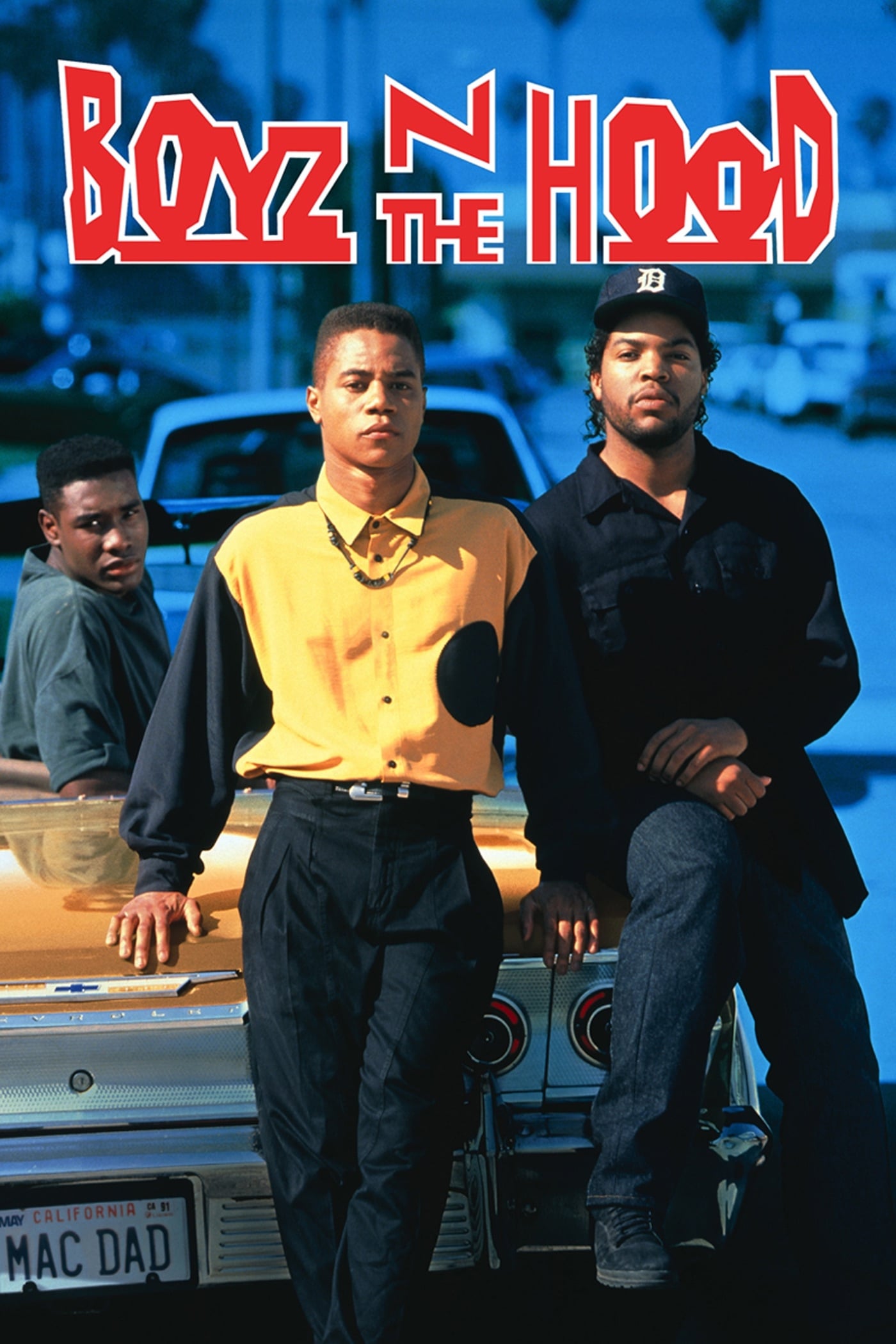
John Singleton’s ‘Boyz n the Hood’ is a raw look at life in South Central LA, following young men navigating gang violence and dreams of a better future. Cuba Gooding Jr. and Ice Cube shine in this heartfelt coming-of-age story.
At just 24, Singleton became the youngest and first Black director nominated for a Best Director Oscar. His honest storytelling and vivid portrayal of community struggles made this a cultural milestone.
12. Breathless (1960)

Jean-Luc Godard’s ‘Breathless’ kicked off the French New Wave with its bold style and carefree energy. The story of a small-time crook and his American girlfriend, played by Jean-Paul Belmondo and Jean Seberg, feels fresh even today.
Godard’s use of jump cuts and handheld cameras broke traditional rules, inspiring countless filmmakers. This debut’s rebellious spirit and cool vibe made it a cornerstone of modern cinema.
11. La Pointe Courte (1955)
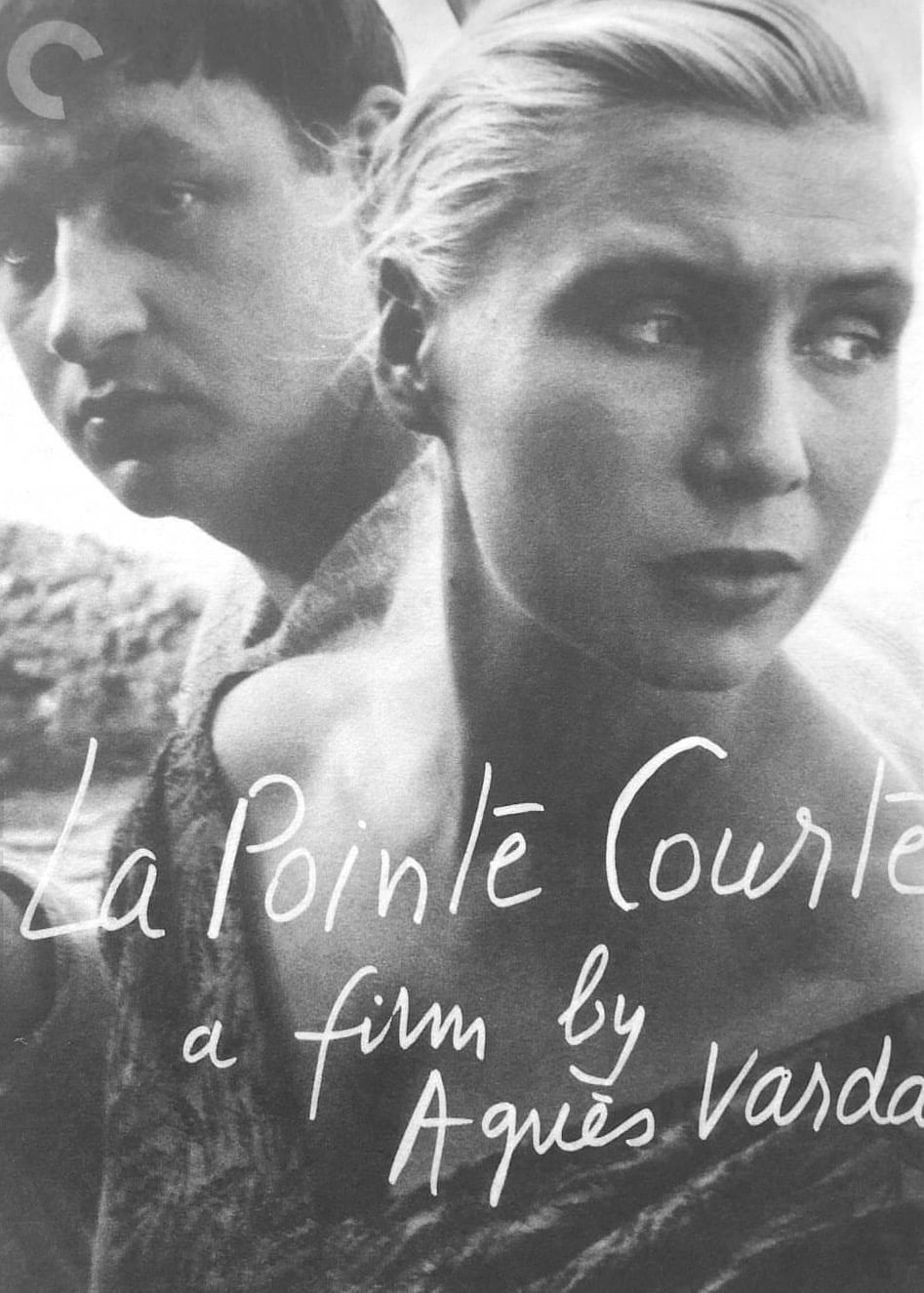
Agnès Varda’s ‘La Pointe-Courte’ blends a couple’s rocky marriage with the daily life of a French fishing village. Its low-budget, documentary-like style laid the groundwork for the French New Wave, predating Godard and Truffaut.
Varda’s sharp eye for human connection and her mix of realism and artful visuals set her apart. This debut is a love letter to working-class life, showcasing her unique voice.
10. The 400 Blows (1959)
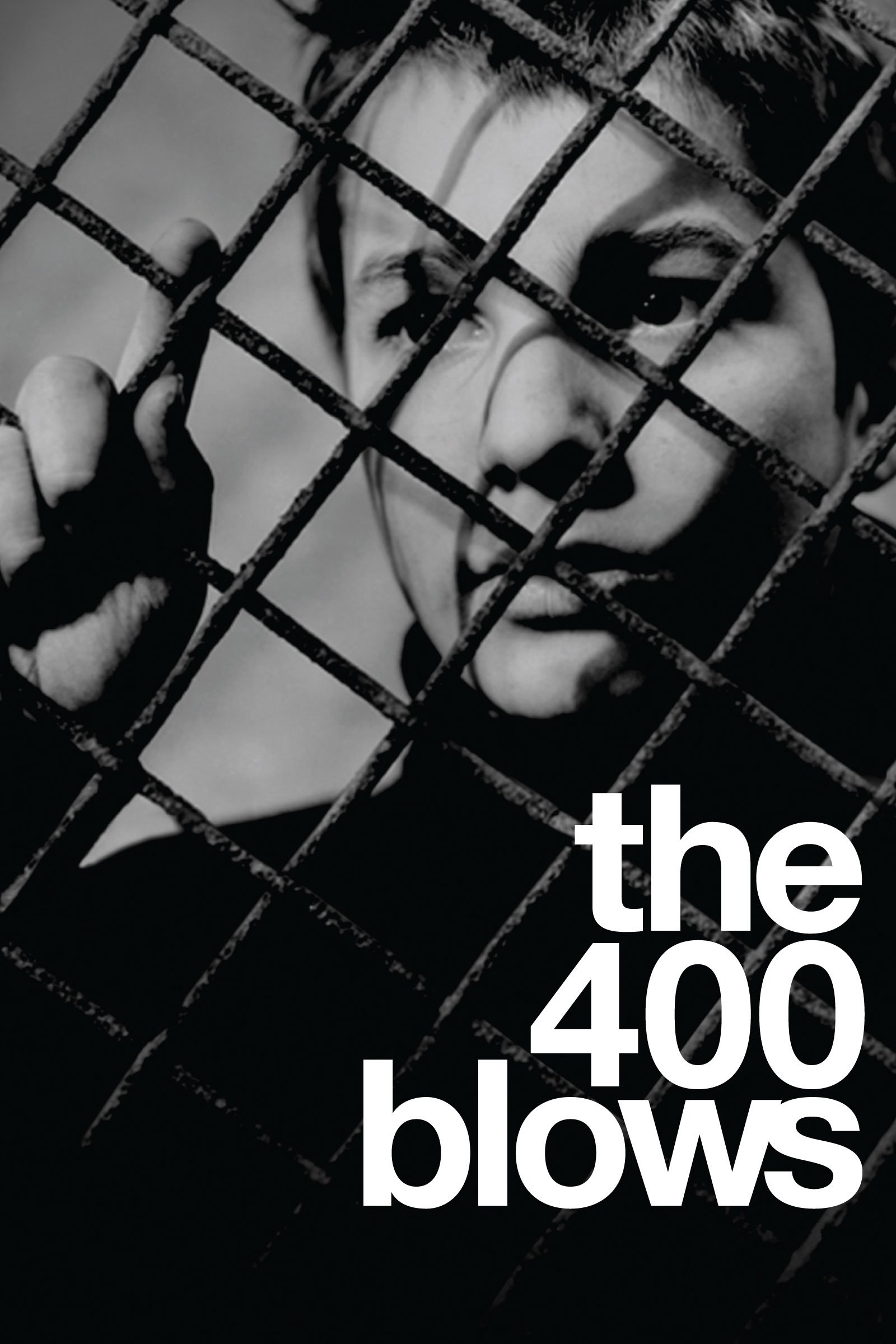
François Truffaut’s ‘The 400 Blows’ follows a troubled teen, Antoine Doinel, as he rebels against a harsh world. Jean-Pierre Léaud’s raw performance anchors this semi-autobiographical tale of youth and freedom.
Truffaut’s sensitive direction and innovative storytelling made this a French New Wave classic. Its honest look at childhood struggles still resonates, marking the start of a legendary career.
9. Pather Panchali (1955)
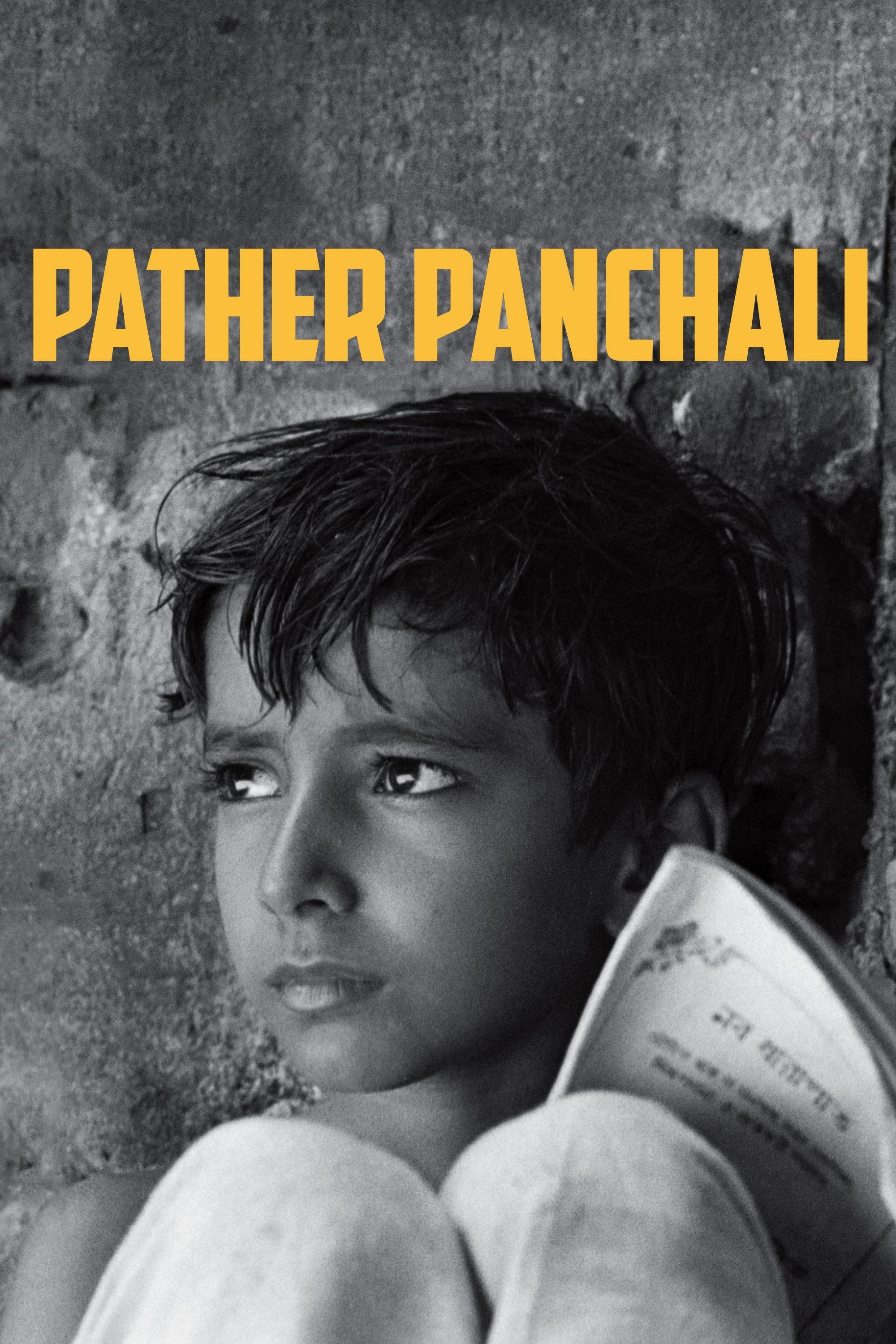
Satyajit Ray’s ‘Pather Panchali’ paints a vivid picture of rural Bengal through the eyes of a young boy, Apu. Its simple yet powerful story of poverty and family bonds moved audiences worldwide.
Ray’s use of natural settings and non-professional actors, inspired by Italian neorealism, created a deeply human film. This debut launched the Apu Trilogy and established Ray as a global cinematic force.
8. Get Out (2017)
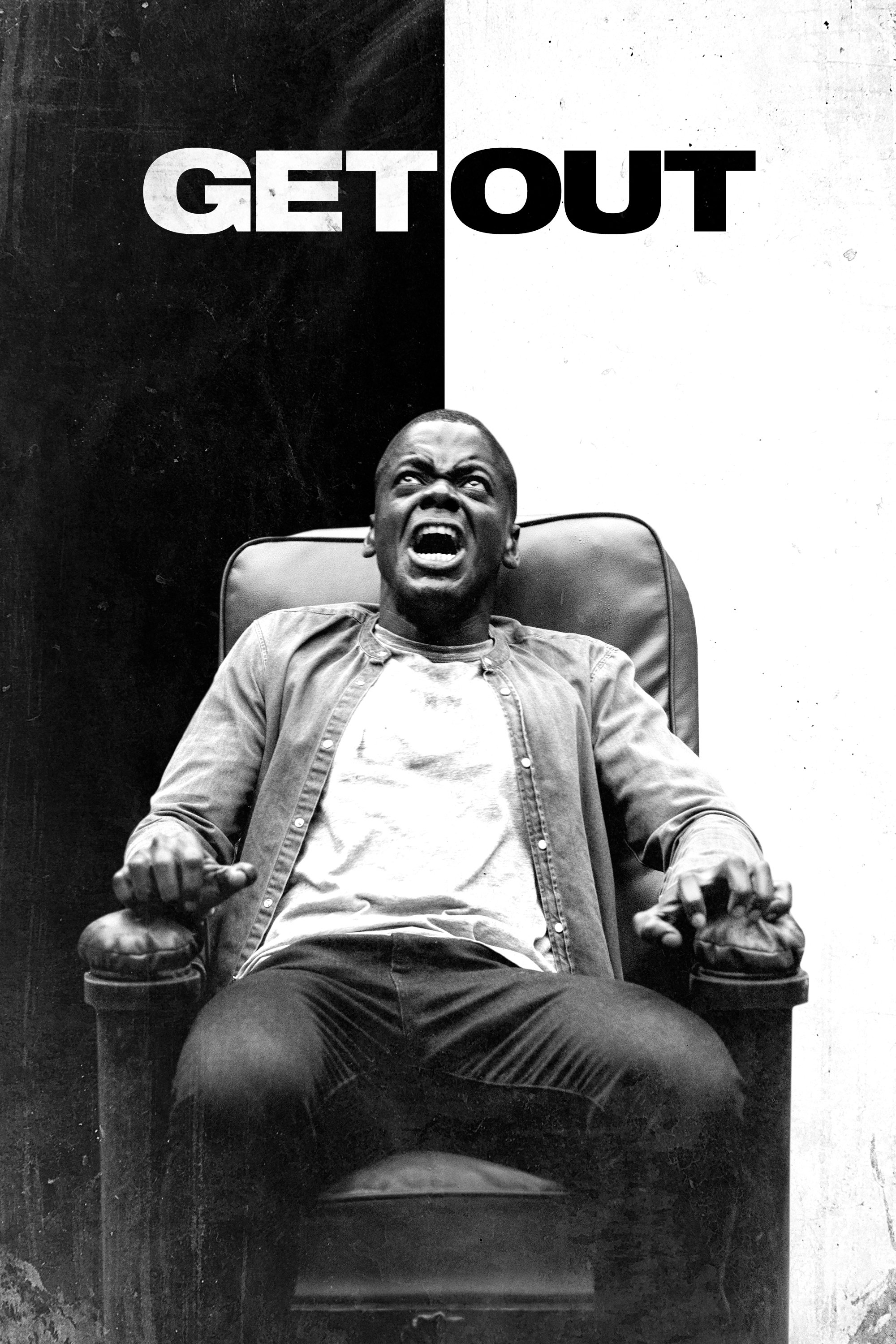
Jordan Peele’s ‘Get Out’ is a sharp horror-thriller about a Black man, played by Daniel Kaluuya, uncovering dark secrets at his white girlfriend’s family estate. It’s a biting take on racism wrapped in suspense.
Peele, known for comedy, stunned with this debut, earning a Best Original Screenplay Oscar. Its blend of social commentary and genre thrills redefined horror, making it a modern classic.
7. Night of the Living Dead (1968)
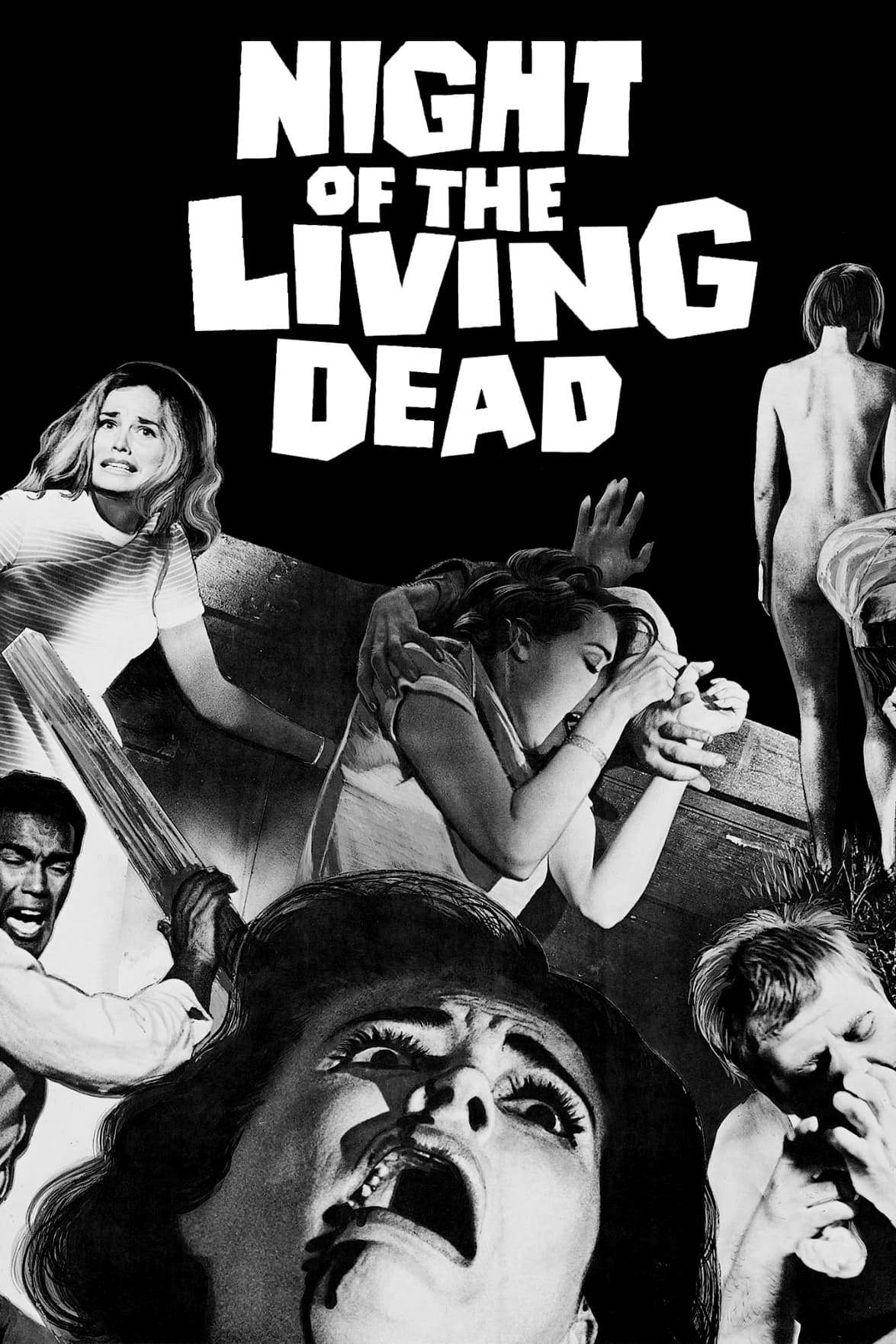
George A. Romero’s ‘Night of the Living Dead’ invented the modern zombie genre. A low-budget horror about survivors trapped in a farmhouse, it mixes gore with social commentary on race and fear.
Romero’s gritty style and bold casting of a Black lead, Duane Jones, broke new ground. This debut’s influence on horror and pop culture remains unmatched, spawning countless imitators.
6. Eraserhead (1977)
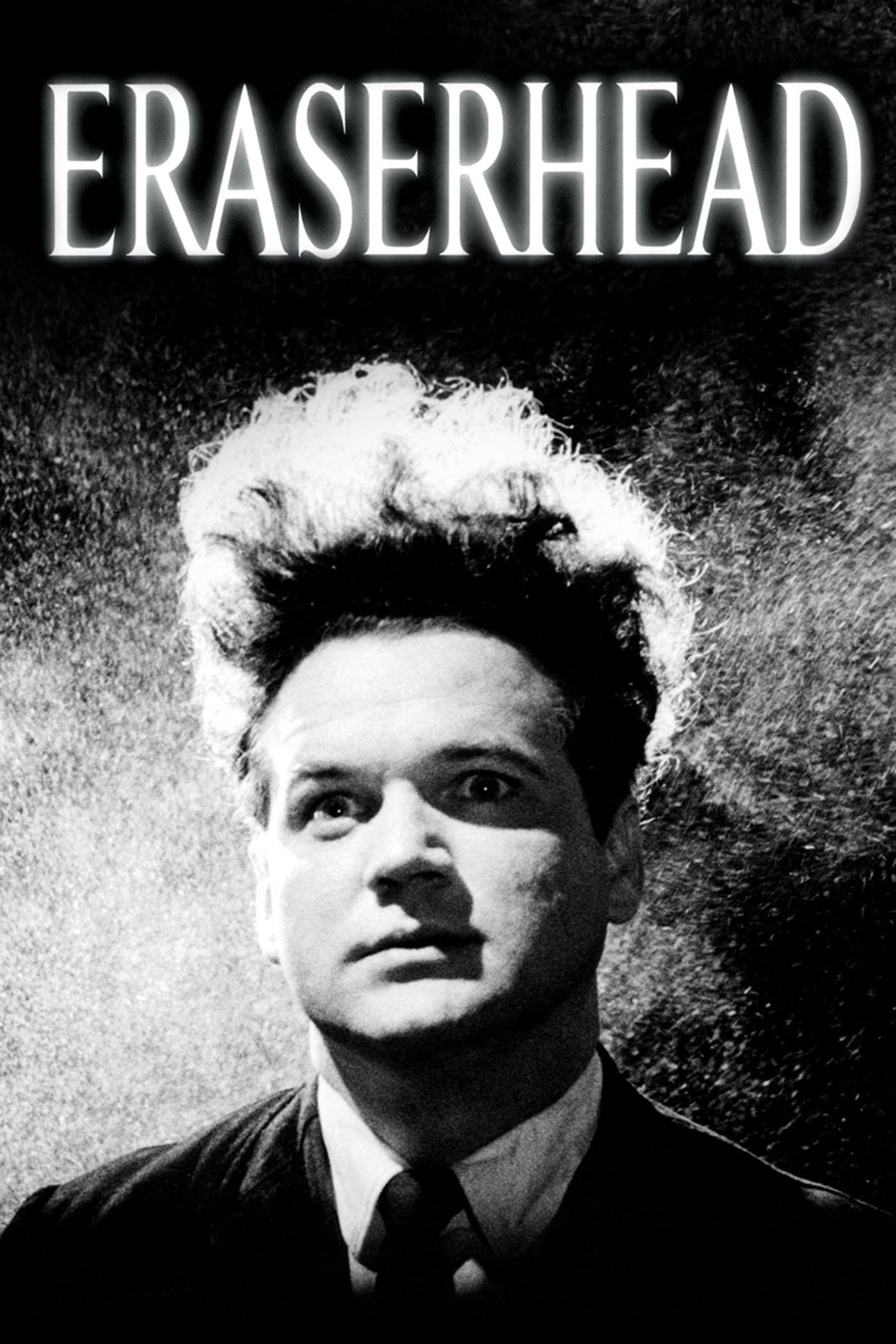
David Lynch’s ‘Eraserhead’ is a surreal nightmare about a man, played by Jack Nance, grappling with fatherhood and a bizarre world. Its haunting visuals and eerie sound design create a unique experience.
Shot over five years on a tiny budget, Lynch’s debut is a masterclass in unsettling storytelling. It laid the foundation for his distinctive career, captivating fans of the strange and surreal.
5. The Night of the Hunter (1955)

Charles Laughton’s ‘The Night of the Hunter’ is a haunting thriller about a sinister preacher, played by Robert Mitchum, chasing two children for stolen money. Its stark visuals and fairy-tale tone stand out.
Despite a poor initial reception, Laughton’s only directorial effort is now a revered classic. Its bold style and emotional depth make it a singular gem in American cinema.
4. Blood Simple (1984)
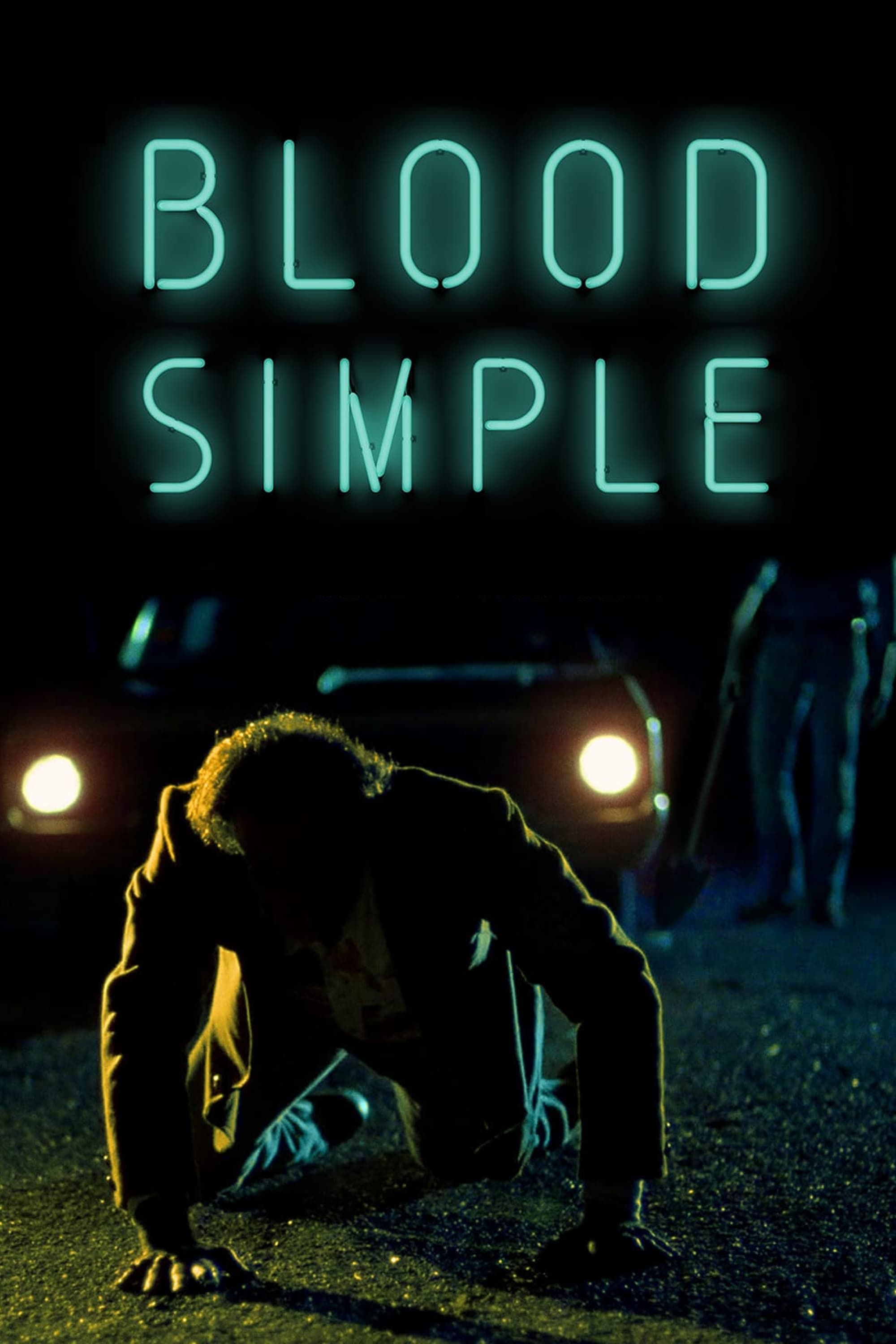
Joel and Ethan Coen’s ‘Blood Simple’ is a tense neo-noir about a bar owner’s deadly plot gone wrong. Frances McDormand’s breakout role and the film’s sharp dialogue set the tone for the Coens’ career.
With clever twists and stylish visuals, this low-budget debut showed their knack for blending dark humor and suspense. It’s a gripping start to their iconic filmography.
3. Reservoir Dogs (1992)
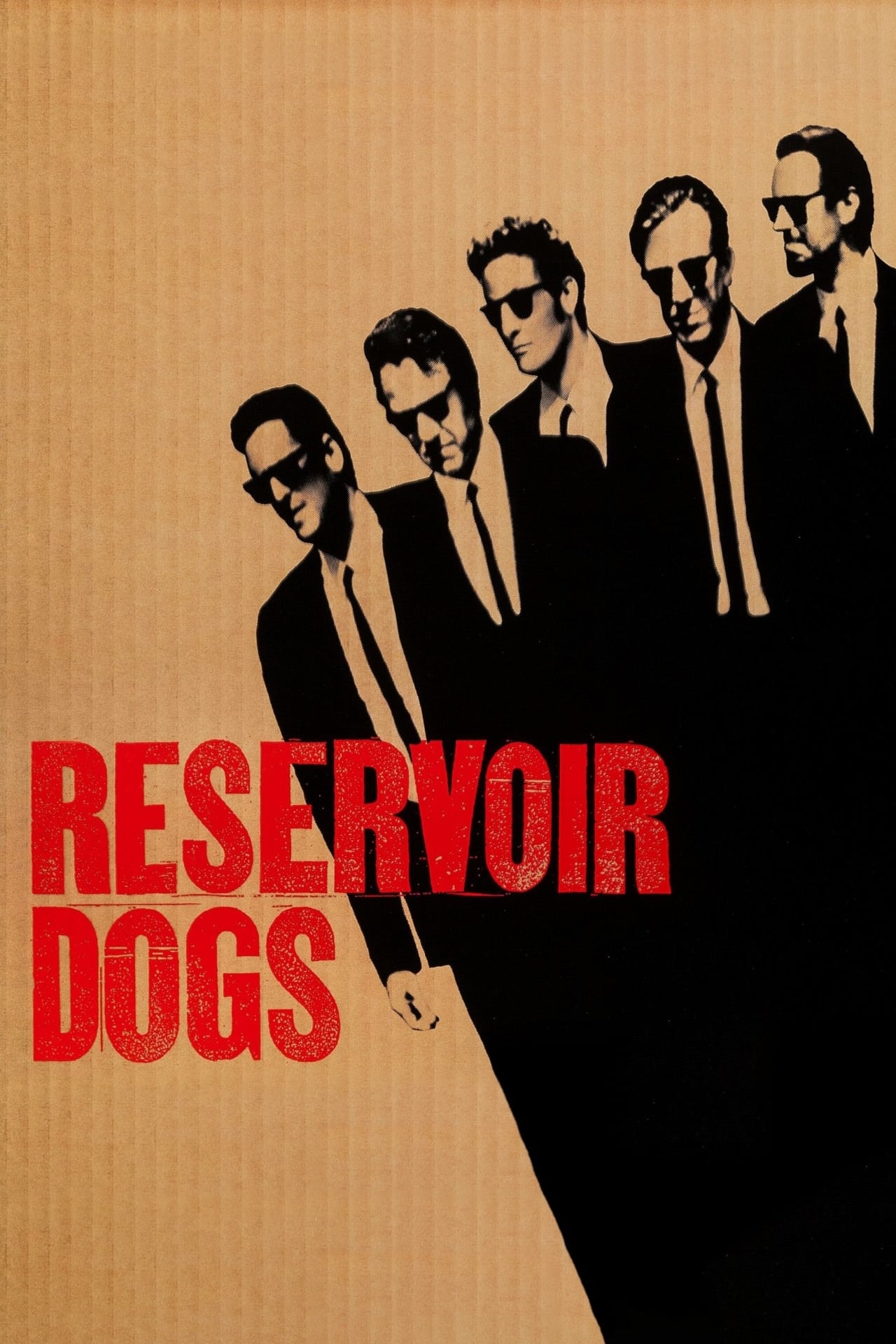
Quentin Tarantino’s ‘Reservoir Dogs’ is a gritty crime drama about a heist gone wrong, told through sharp dialogue and nonlinear storytelling. Tim Roth and Harvey Keitel lead a stellar cast.
Made on a tight budget, Tarantino’s debut became a cult classic, redefining indie cinema. Its bold style and memorable scenes, like the ear-cutting moment, launched a game-changing career.
2. The Maltese Falcon (1941)
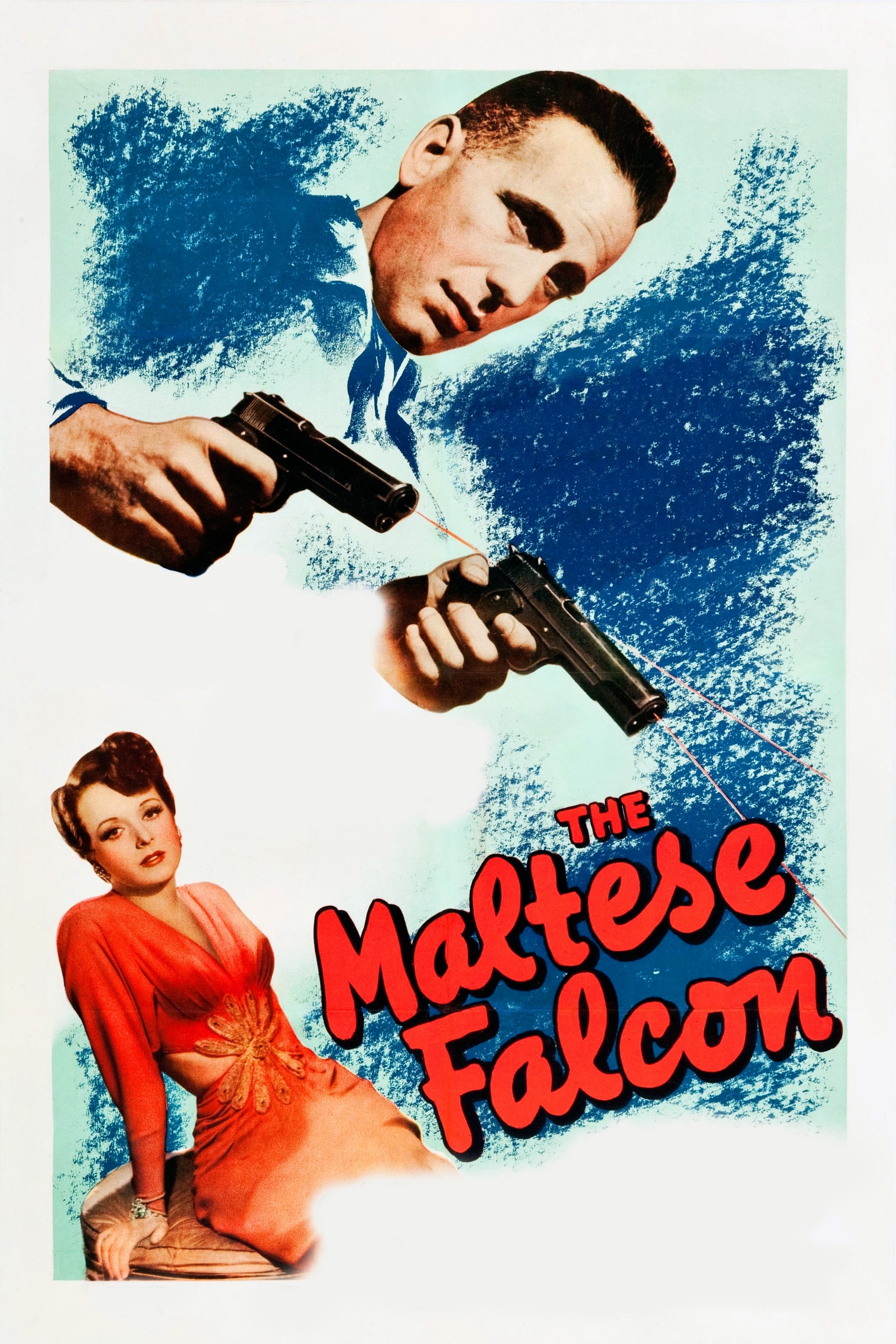
John Huston’s ‘The Maltese Falcon’ is a defining film noir, with Humphrey Bogart as detective Sam Spade chasing a mysterious statuette. Its tight pacing and sharp script set a genre standard.
Huston’s confident direction and knack for suspense earned him an Oscar nomination for the screenplay. This debut’s timeless appeal solidified his place as a Hollywood legend.
1. Citizen Kane (1941)
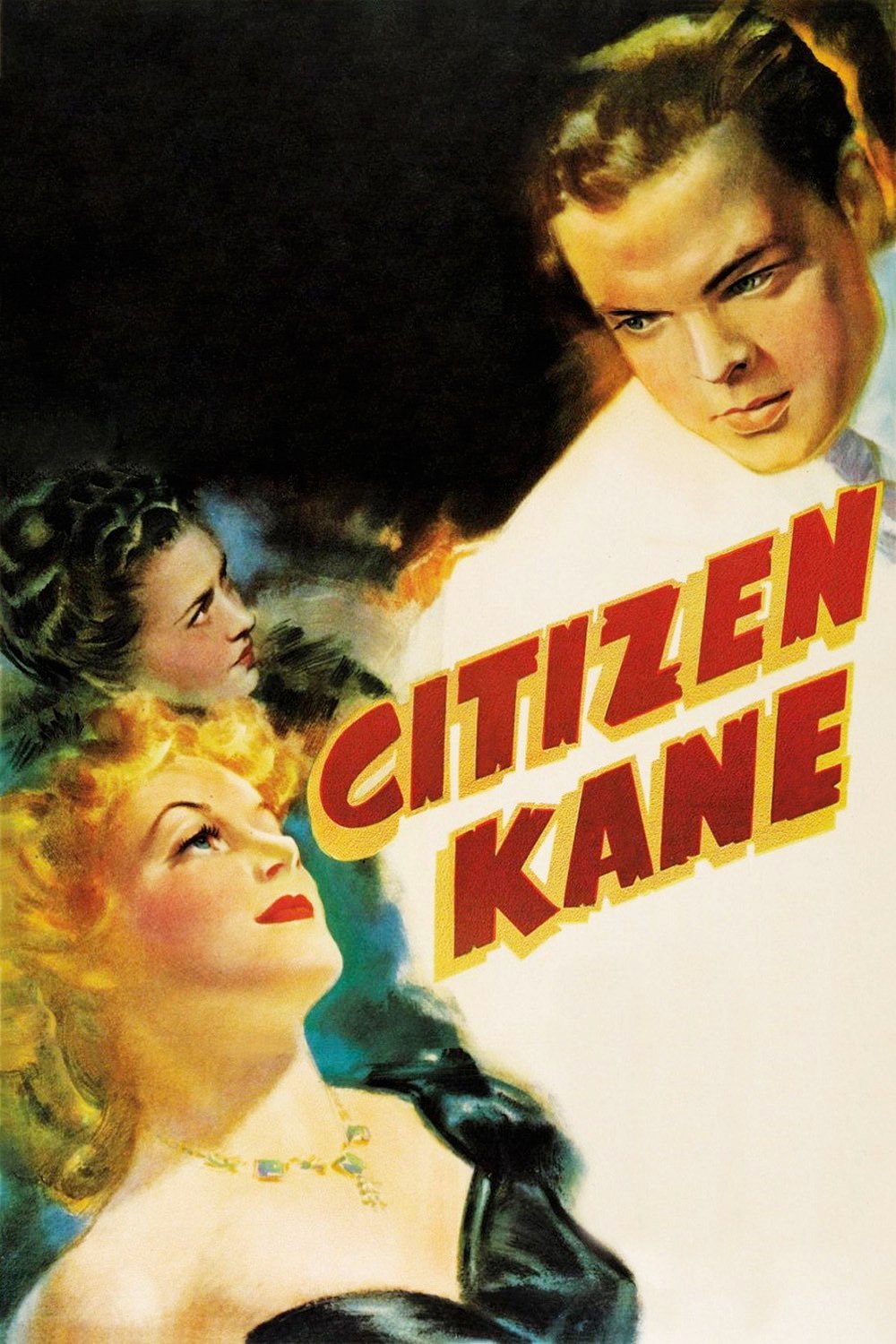
Orson Welles’ ‘Citizen Kane’ redefined filmmaking with its bold story of a media tycoon’s rise and fall. Welles, just 25, starred, co-wrote, and directed this groundbreaking drama, using innovative techniques like deep-focus shots.
Often called the greatest film ever, its nonlinear narrative and striking visuals stunned audiences. Welles’ fearless debut remains a towering achievement, inspiring generations of filmmakers.
Which directorial debut blew you away, or did we miss a hidden gem? Drop your thoughts in the comments!

