


Remakes that Completely Destroyed the Legacy of the Original

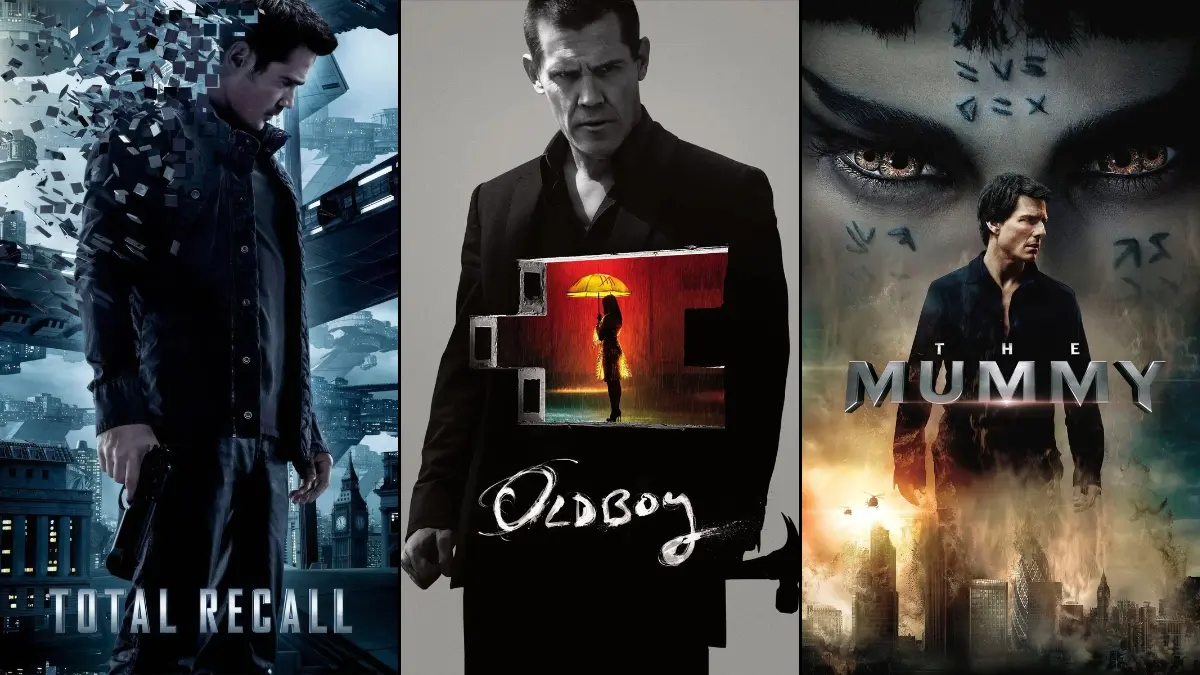


Cinematic history is filled with attempts to modernize classic stories, yet many of these efforts fail to capture the essence of what made the source material iconic. Often, these productions prioritize high-budget visual effects or contemporary star power over the narrative depth and stylistic innovation of the originals. When a remake misses the mark, it can alienate long-time fans and tarnish the reputation of a beloved franchise. The following list examines thirty films that struggled to justify their existence, often resulting in critical failure or significant box office losses.
‘Psycho’ (1998)
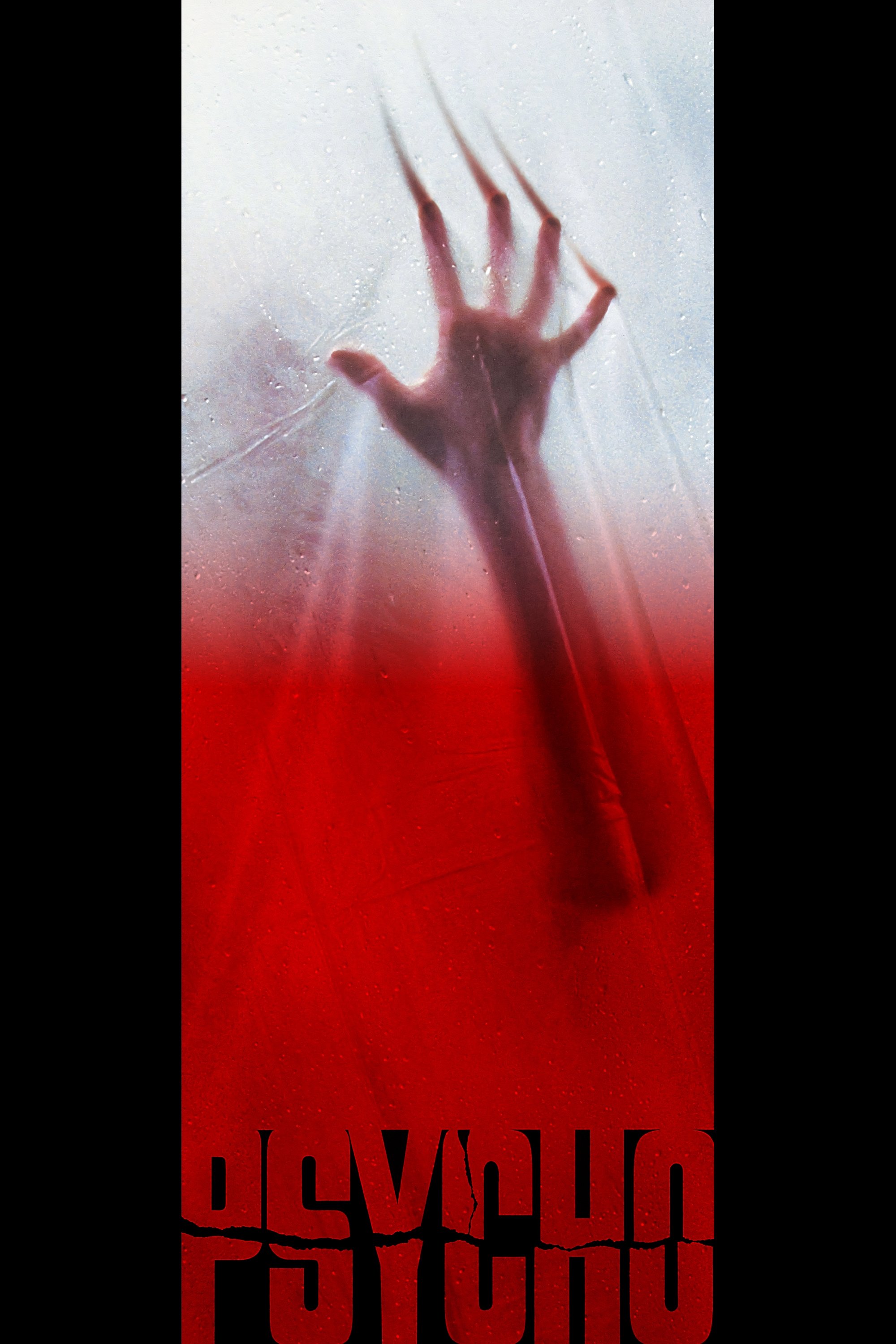
Directed by Gus Van Sant, this project attempted a shot-for-shot recreation of Alfred Hitchcock’s 1960 masterpiece. Despite the addition of color and a new cast including Vince Vaughn, critics argued the film lacked the tension and psychological depth of the black-and-white original. The experiment was largely viewed as unnecessary, as it offered no new artistic perspective on the source material. It remains a frequently cited example of a remake that failed to find its own identity.
‘The Wicker Man’ (2006)
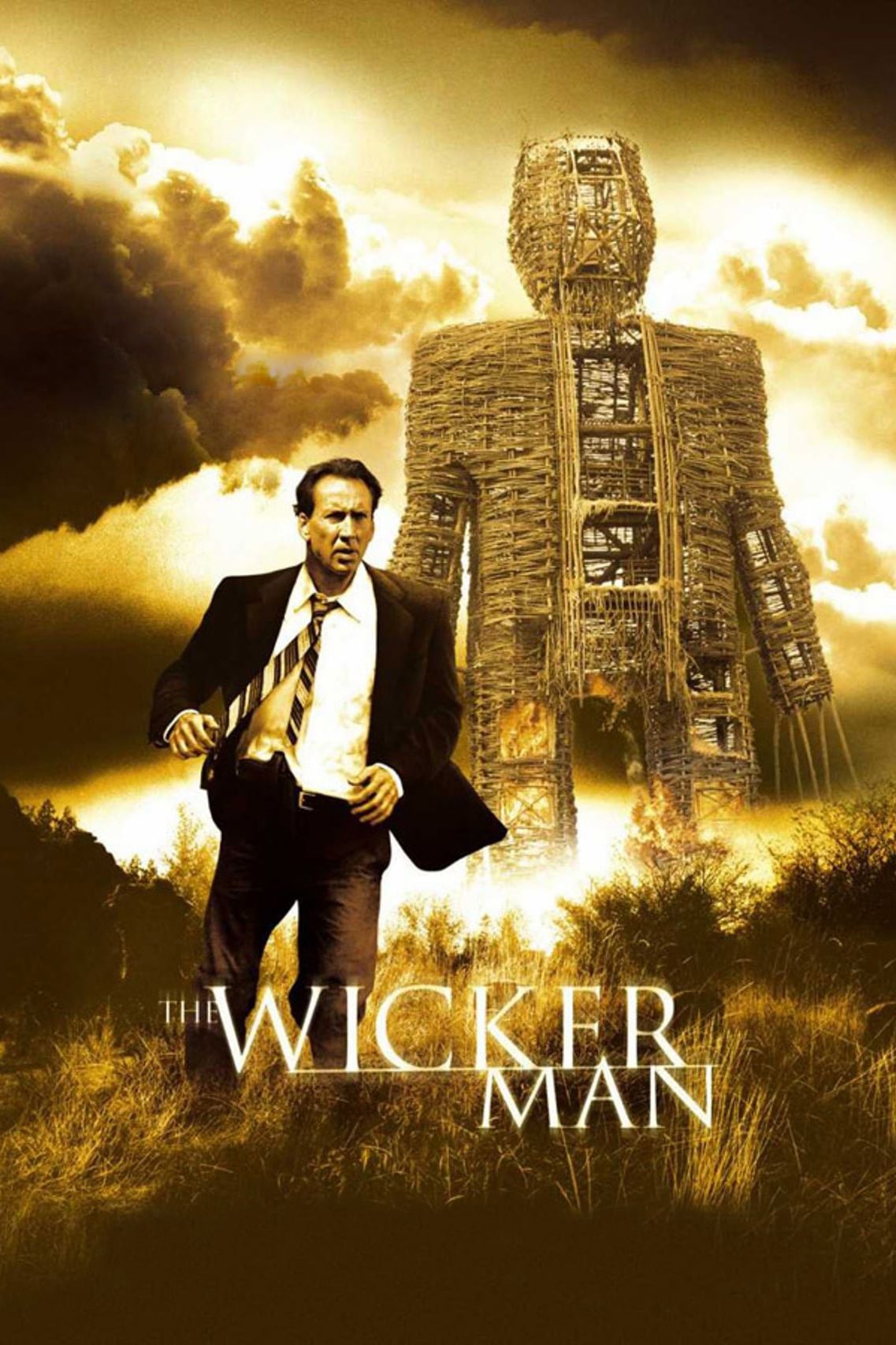
This update of the 1973 British cult classic replaced the original’s folk-horror themes with a plot centered on a neo-pagan island community in Washington state. Nicolas Cage stars as a police officer searching for his missing daughter, but the performance and script were widely ridiculed upon release. The film shifted away from the religious subtext that made the original chilling, opting instead for unintentional comedy. It holds a very low approval rating on major review aggregation platforms.
‘Oldboy’ (2013)
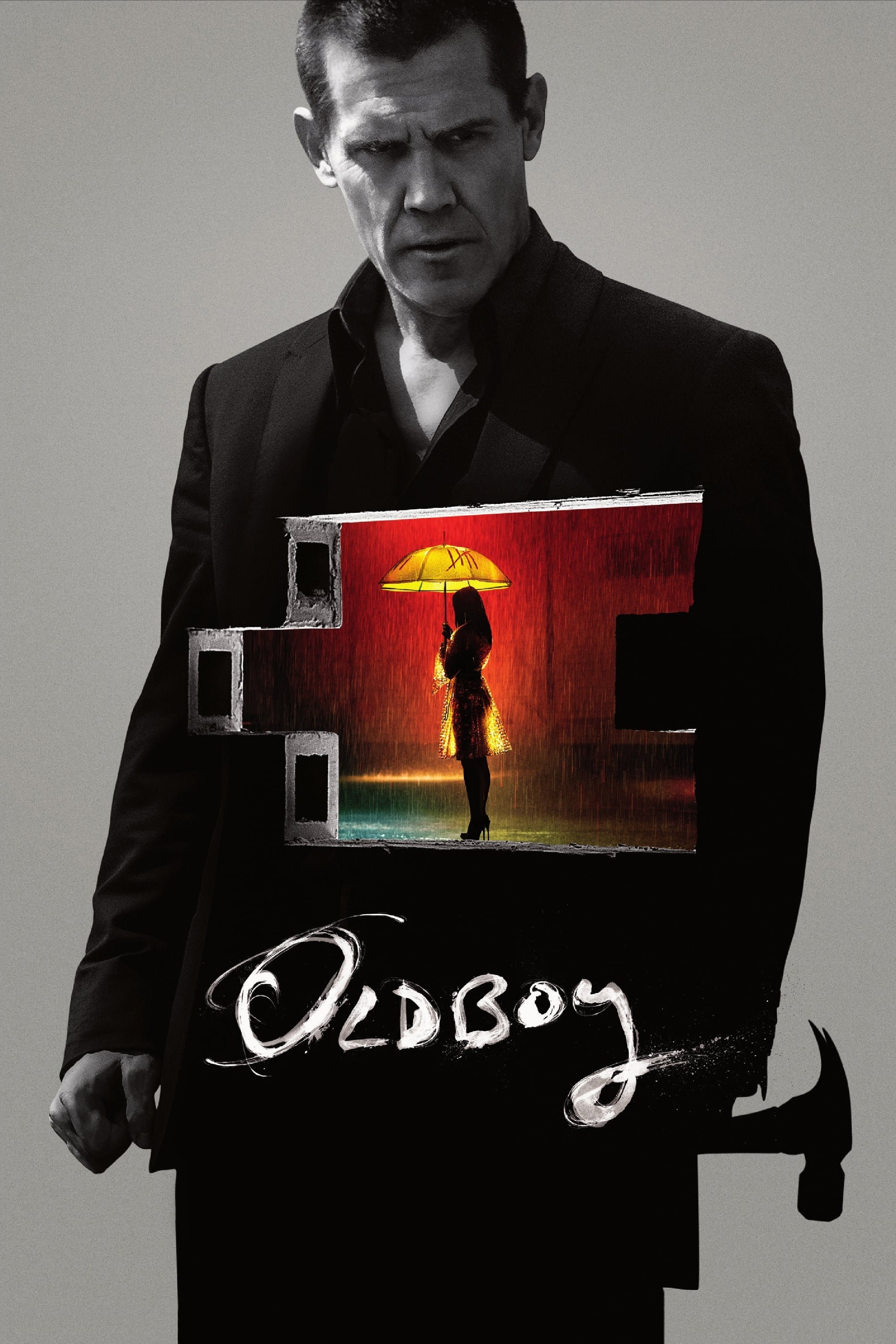
Spike Lee directed this American adaptation of Park Chan-wook’s celebrated 2003 South Korean thriller. While it retained the central premise of a man seeking revenge after years of imprisonment, many felt it lacked the visceral energy and stylistic flair of the original. The ending was altered in a way that critics claimed diluted the emotional impact of the narrative. Ultimately, the film failed to connect with audiences and struggled at the box office.
‘Ben-Hur’ (2016)
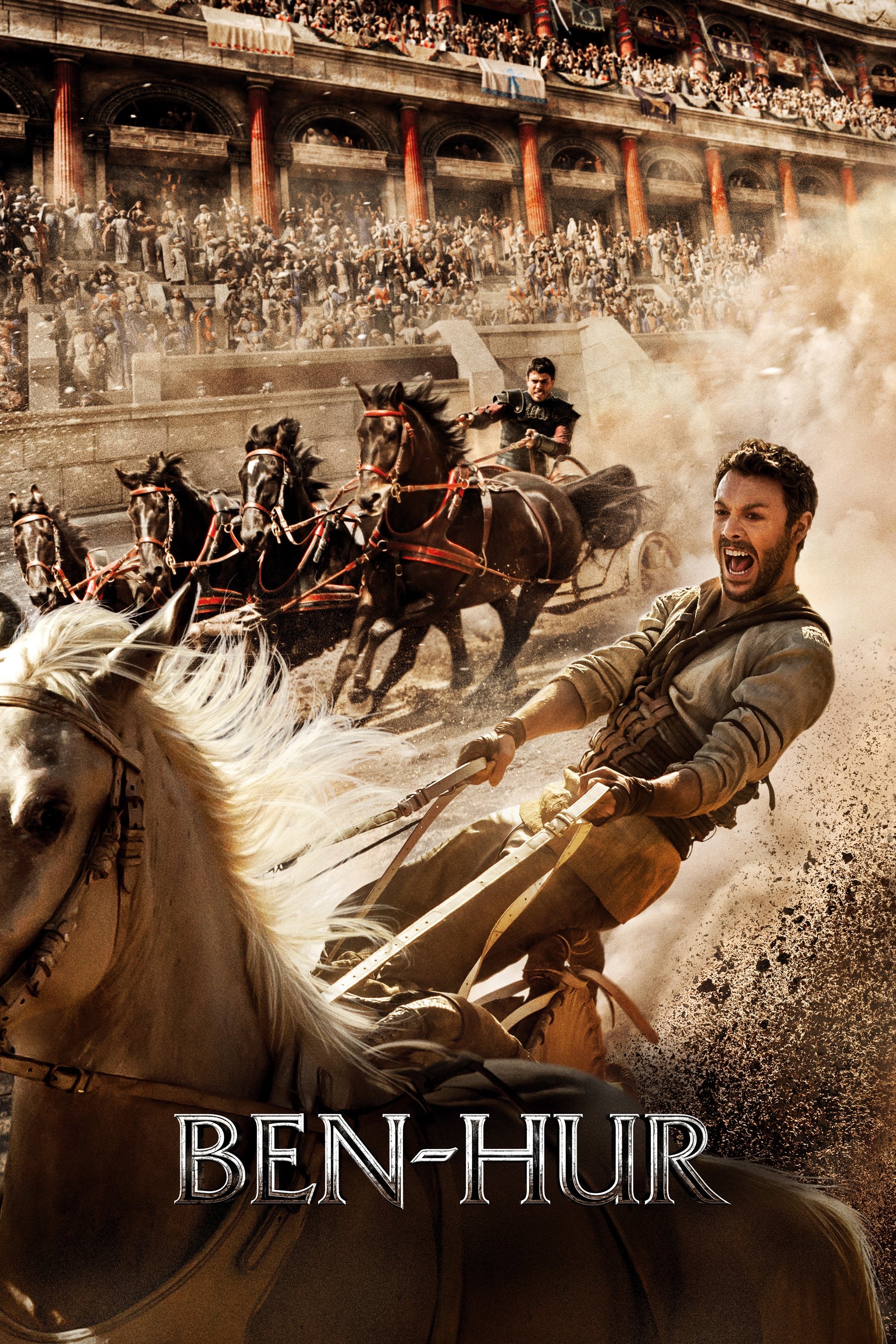
This big-budget retelling of the 1880 novel and 1959 film epic relied heavily on computer-generated imagery for its famous chariot race sequence. Critics noted that the film lacked the grandeur and emotional weight of the version starring Charlton Heston, which won 11 Academy Awards. The production was a significant financial loss for the studios involved, grossing far less than its reported budget. It is often used as a cautionary tale regarding the modernization of classic cinema.
‘The Mummy’ (2017)
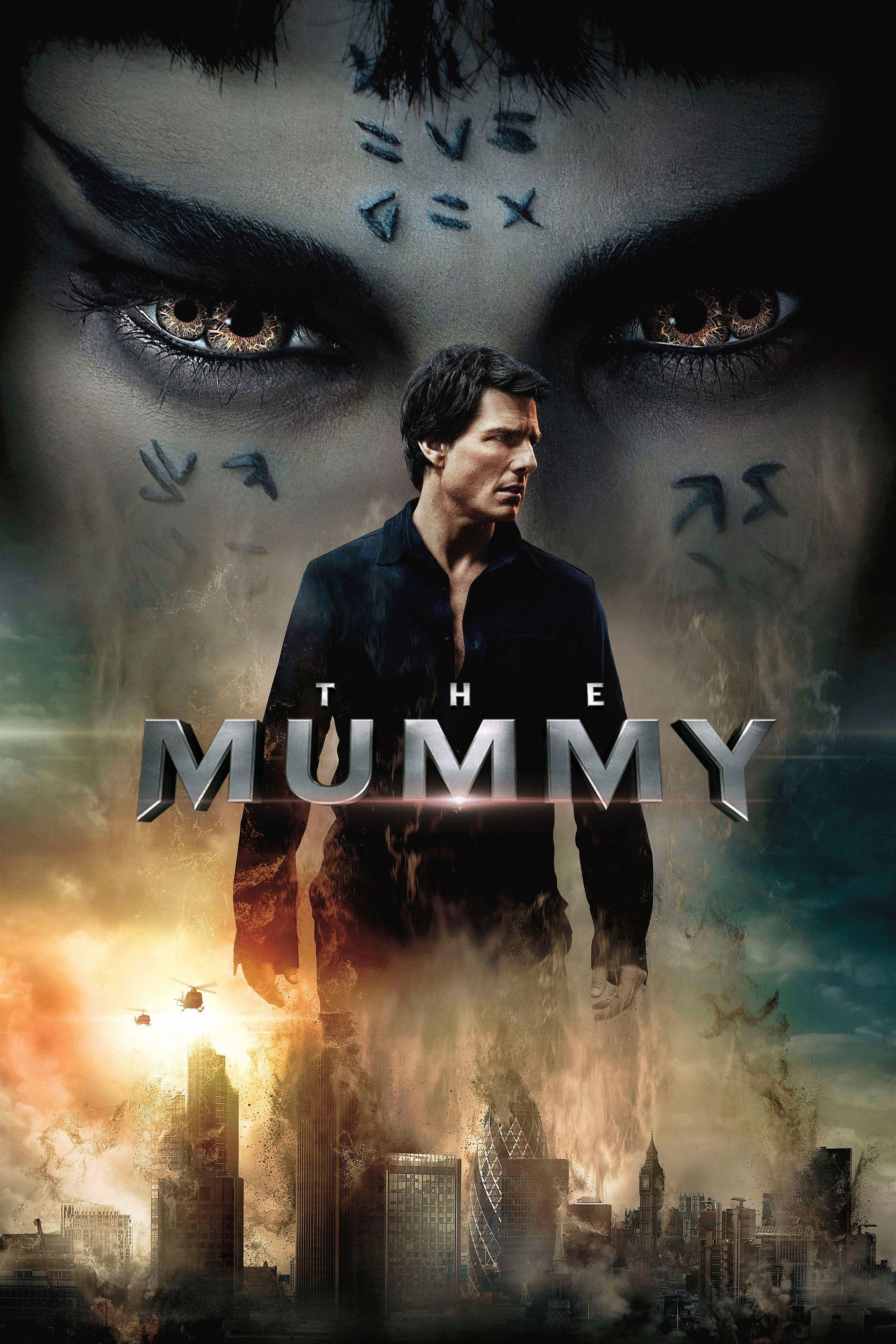
Intended to launch Universal’s Dark Universe, this Tom Cruise-led film pivoted away from the adventure-horror roots of previous iterations. The narrative focused heavily on world-building for a shared cinematic universe rather than establishing a compelling standalone story. Reviews were overwhelmingly negative, citing a disjointed plot and a lack of the charm found in the 1999 version. The failure of the film led to the immediate cancellation of the planned franchise.
‘Rollerball’ (2002)
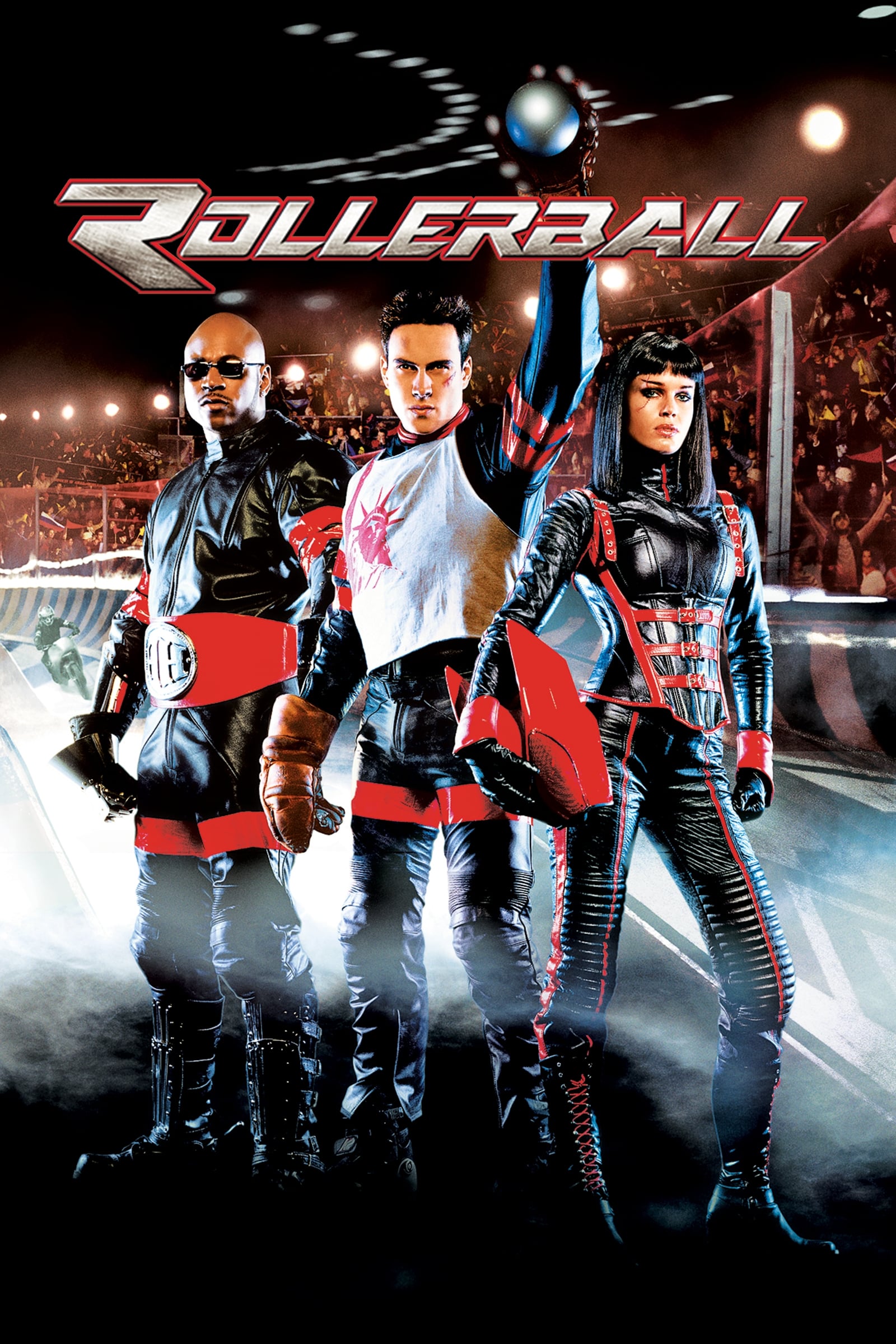
Director John McTiernan attempted to update the 1975 social satire for a modern audience by focusing on extreme sports culture. The remake removed the political and philosophical themes of the original, resulting in a confusing and poorly edited action film. It was both a critical and commercial disaster, earning only a fraction of its production costs. Many fans of the original felt the new version completely misunderstood the intent of the source material.
‘Swept Away’ (2002)
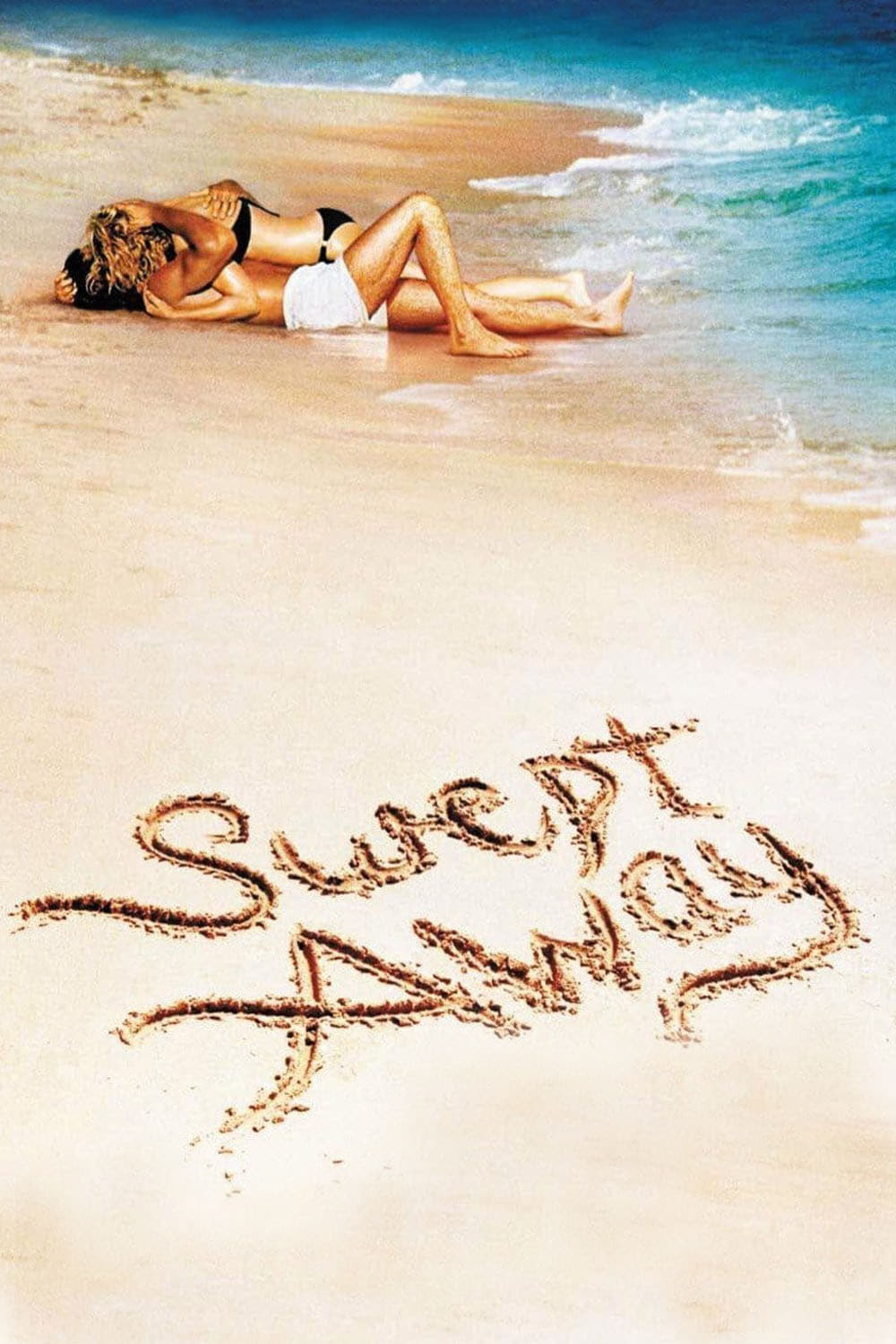
Directed by Guy Ritchie and starring Madonna, this film is a remake of the 1974 Italian cult classic of the same name. The story follows a wealthy socialite and a sailor stranded on a deserted island, but critics found the chemistry between the leads to be non-existent. The film swept the Golden Raspberry Awards, winning five trophies including Worst Picture. It is frequently listed among the worst remakes ever produced in Hollywood history.
‘The Fog’ (2005)
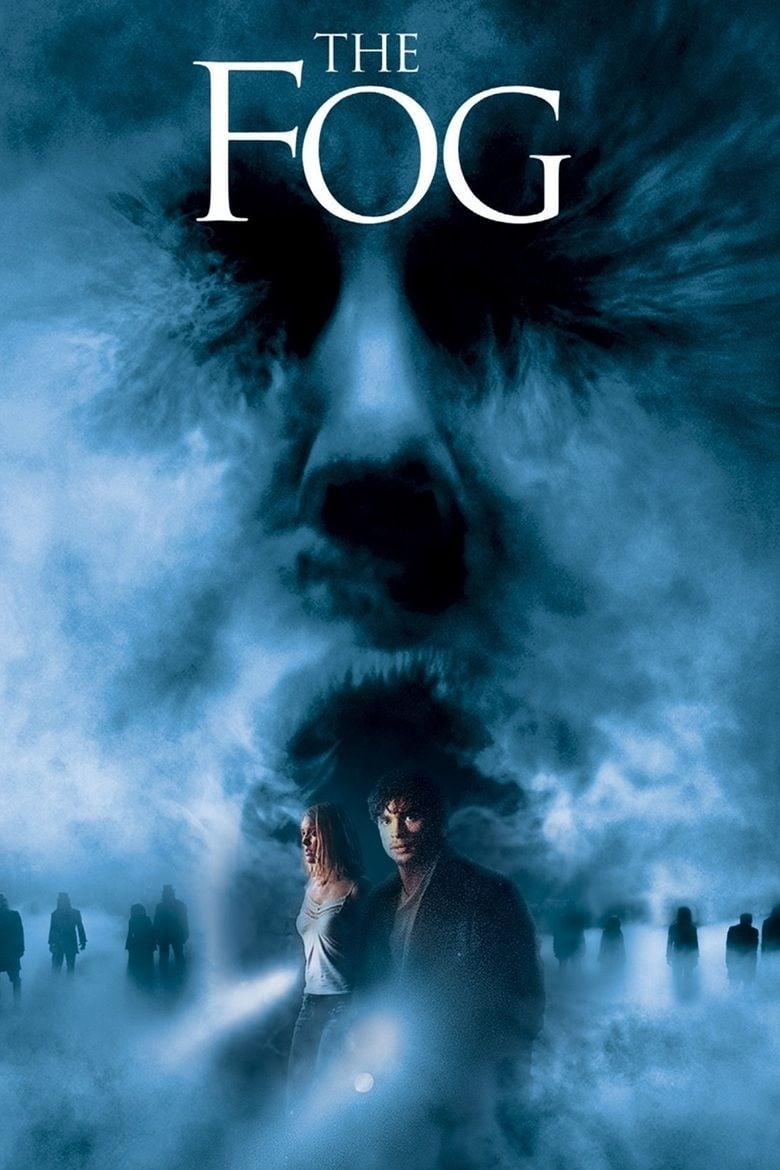
This supernatural horror film attempted to revitalize John Carpenter’s 1980 classic about a vengeful ghost-filled mist. Despite having a modern cast and updated visual effects, the film was criticized for a lack of atmosphere and genuine scares. Reviews highlighted a nonsensical plot and a failure to build the suspense that defined the original work. It currently holds one of the lowest ratings for a horror remake on critical review sites.
‘Get Carter’ (2000)
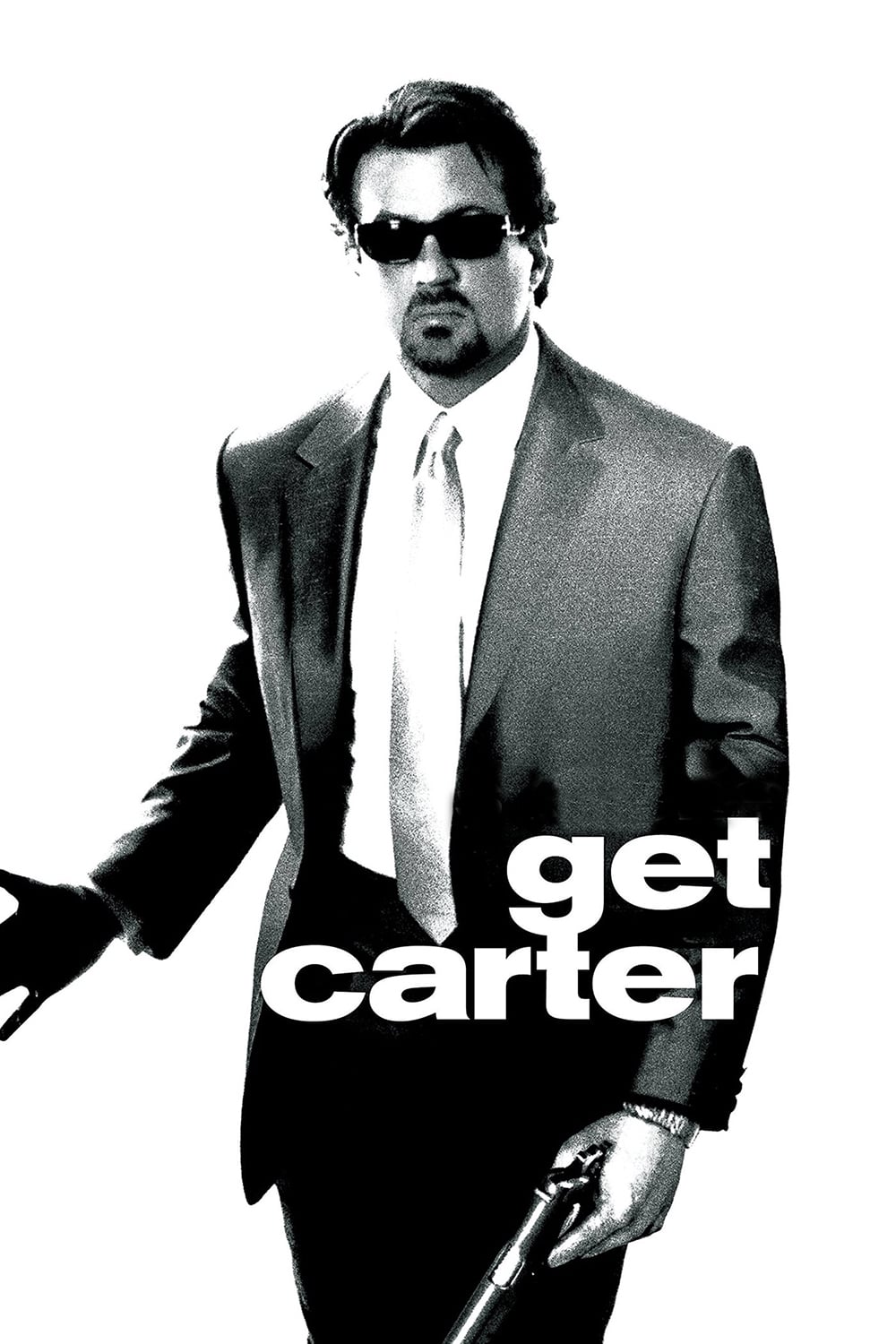
Sylvester Stallone took on the lead role in this remake of the gritty 1971 British crime drama starring Michael Caine. The update moved the setting to Seattle and introduced a more conventional action-oriented approach to the story. Critics felt the film lacked the cold, nihilistic tone that made the original a landmark of the genre. Michael Caine himself appeared in a supporting role, but his presence could not save the film from poor reviews.
‘A Nightmare on Elm Street’ (2010)
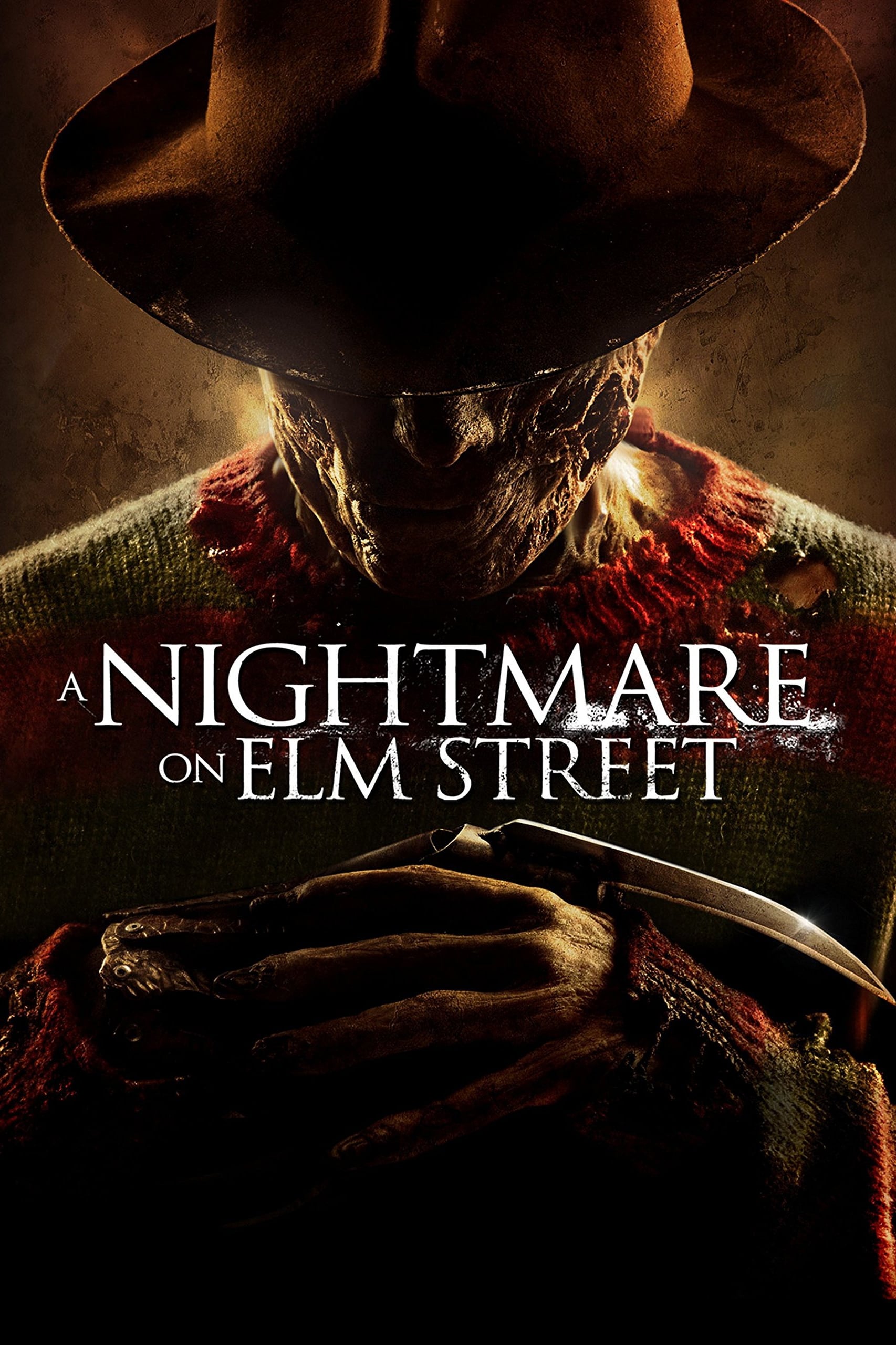
Produced by Michael Bay’s Platinum Dunes, this remake sought to provide a darker origin story for the iconic slasher Freddy Krueger. While Jackie Earle Haley received some praise for his performance, the film was criticized for relying on jump scares rather than psychological horror. Fans felt the new version lacked the creativity and surrealism of Wes Craven’s 1984 original. Despite a strong opening weekend, the film failed to sustain momentum or launch a new series.
‘RoboCop’ (2014)
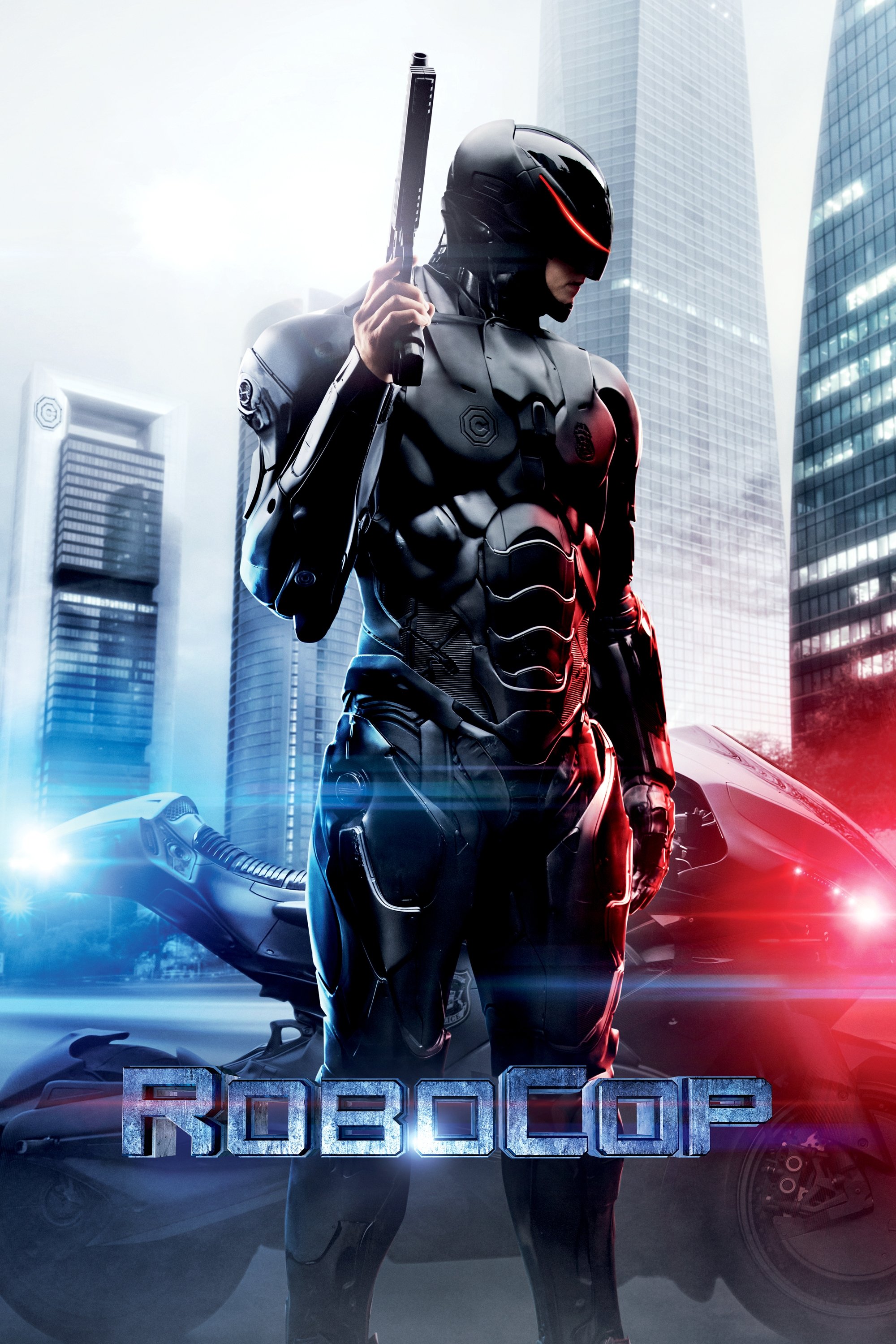
This PG-13 update of the 1987 R-rated classic softened the social satire and graphic violence of the original. While it featured a high-profile cast including Gary Oldman and Samuel L. Jackson, many felt the film lacked the spirit of Paul Verhoeven’s work. The narrative focus on the protagonist’s family life was seen as a distraction from the larger themes of corporate greed and authoritarianism. The film received lukewarm reviews and did not achieve the lasting cultural impact of its predecessor.
‘Total Recall’ (2012)
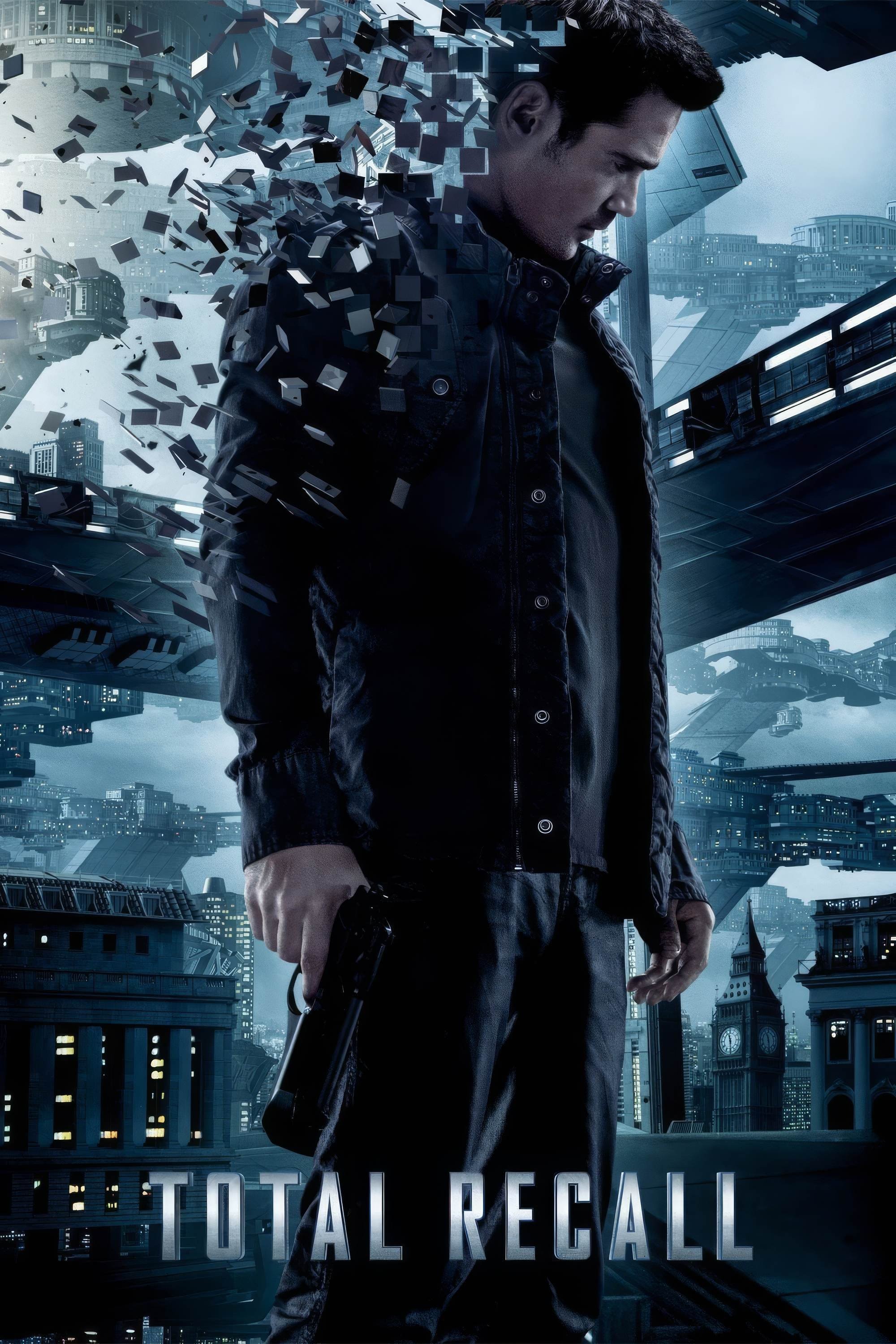
Replacing the Martian setting with a terrestrial transport system, this remake lacked the practical effects and campy charm of the 1990 Schwarzenegger version. Colin Farrell starred as the lead, but the film was often described by critics as a generic sci-fi action movie. Without the visionary direction of Paul Verhoeven, the story’s themes of memory and reality felt underdeveloped. It performed modestly at the box office but was largely forgotten by audiences shortly after release.
‘Point Break’ (2015)
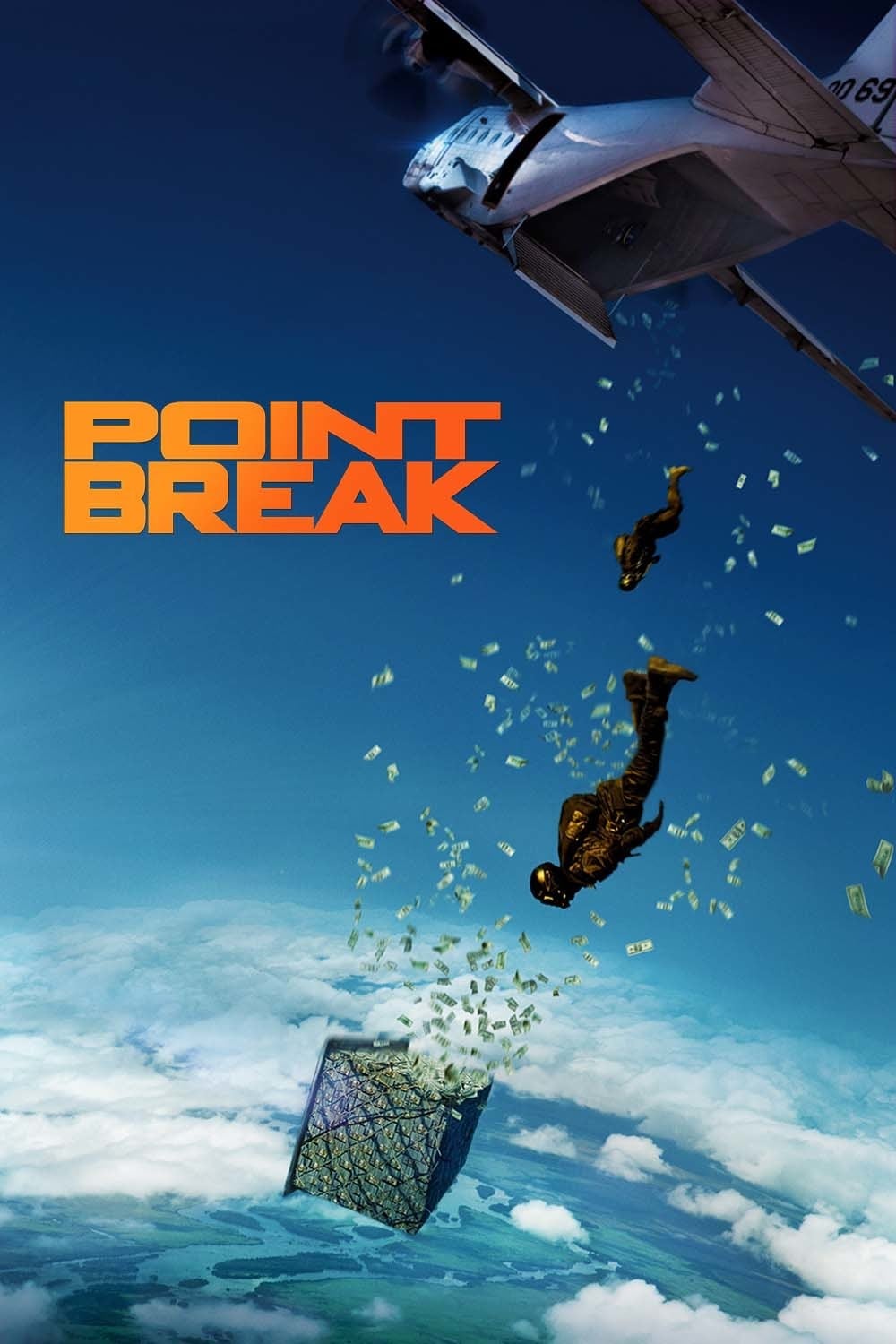
This remake of the 1991 Kathryn Bigelow cult classic replaced surfing with a variety of extreme sports. Critics argued that the film lacked the character development and chemistry between the leads that made the original so popular. The plot, involving a series of complex trials, was viewed as less engaging than the bank-robbing surfers’ story. Despite impressive stunt work, the film failed to capture the spirit of the original.
‘Poltergeist’ (2015)
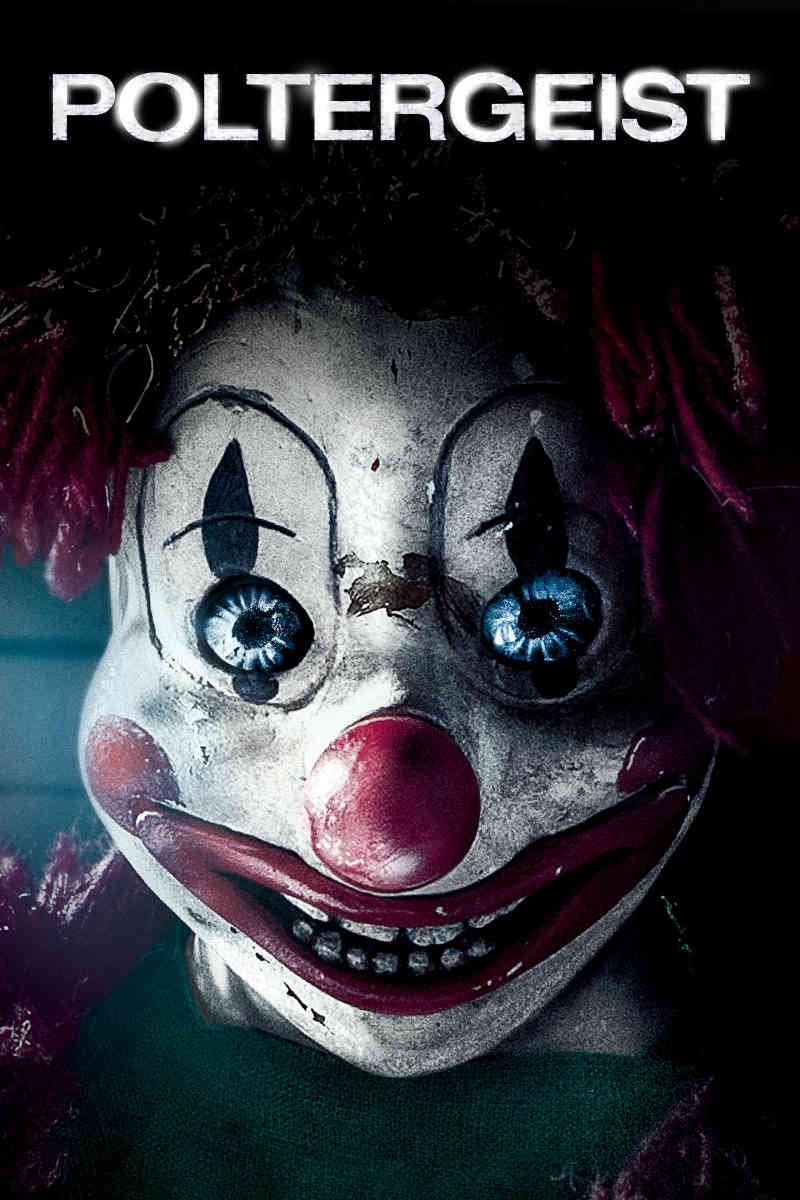
Sam Raimi produced this update of the 1982 Tobe Hooper and Steven Spielberg classic about a family haunted by malevolent spirits. The remake modernized the technology used by the ghosts but was criticized for failing to provide new scares or emotional resonance. Many reviewers felt the film was a by-the-numbers horror project that didn’t justify its existence. It was seen as a shadow of the original, which is widely considered one of the greatest horror films ever made.
‘The Omen’ (2006)
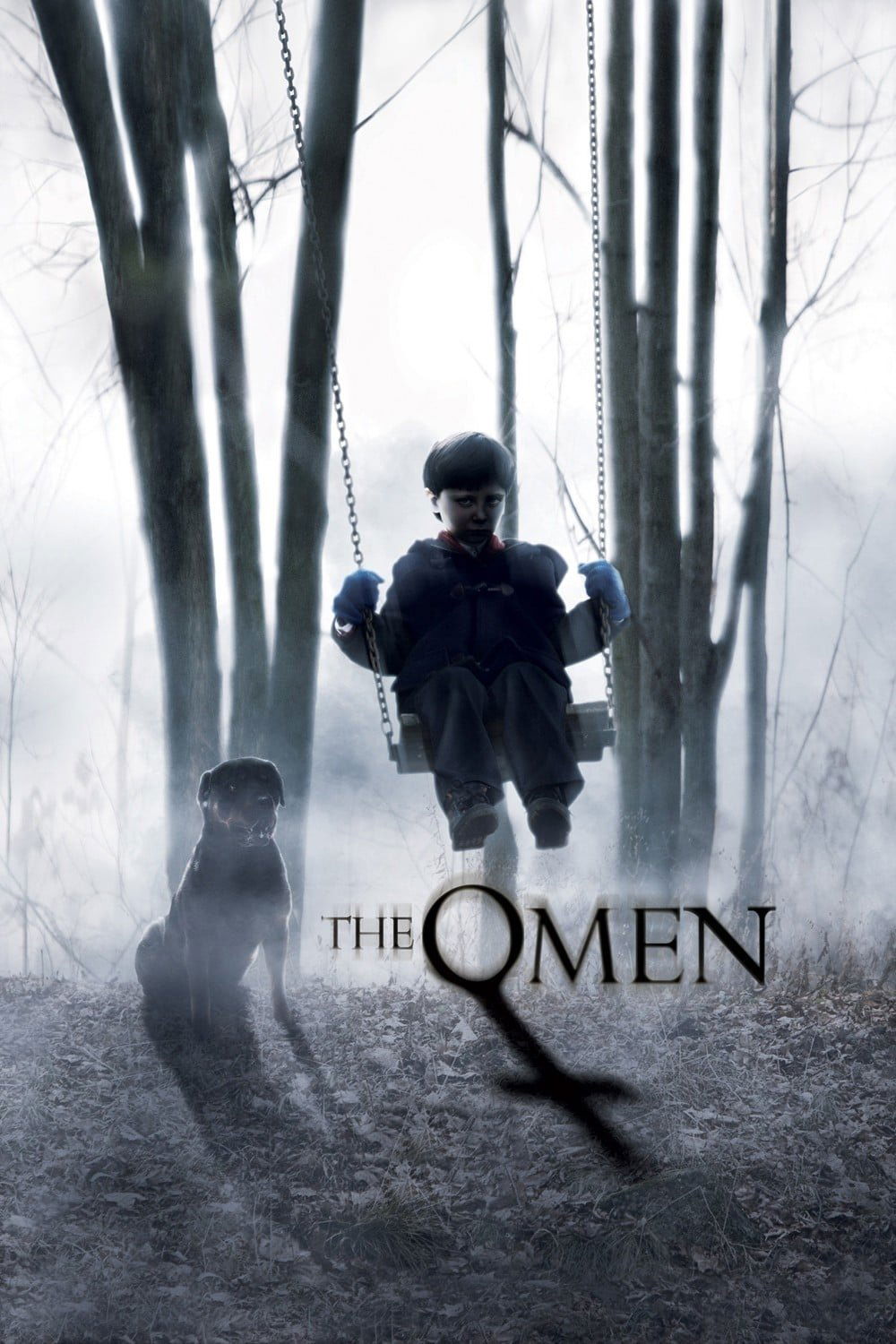
Released on June 6, 2006, to capitalize on the “666” date, this remake stayed extremely close to the 1976 original’s script. Critics noted that the film felt redundant because it added very little to the story of the Antichrist child, Damien. While the cinematography was modern, the lack of narrative innovation led to a lukewarm reception from both fans and critics. It is often cited as a remake that exists primarily for marketing purposes rather than artistic merit.
‘Arthur’ (2011)
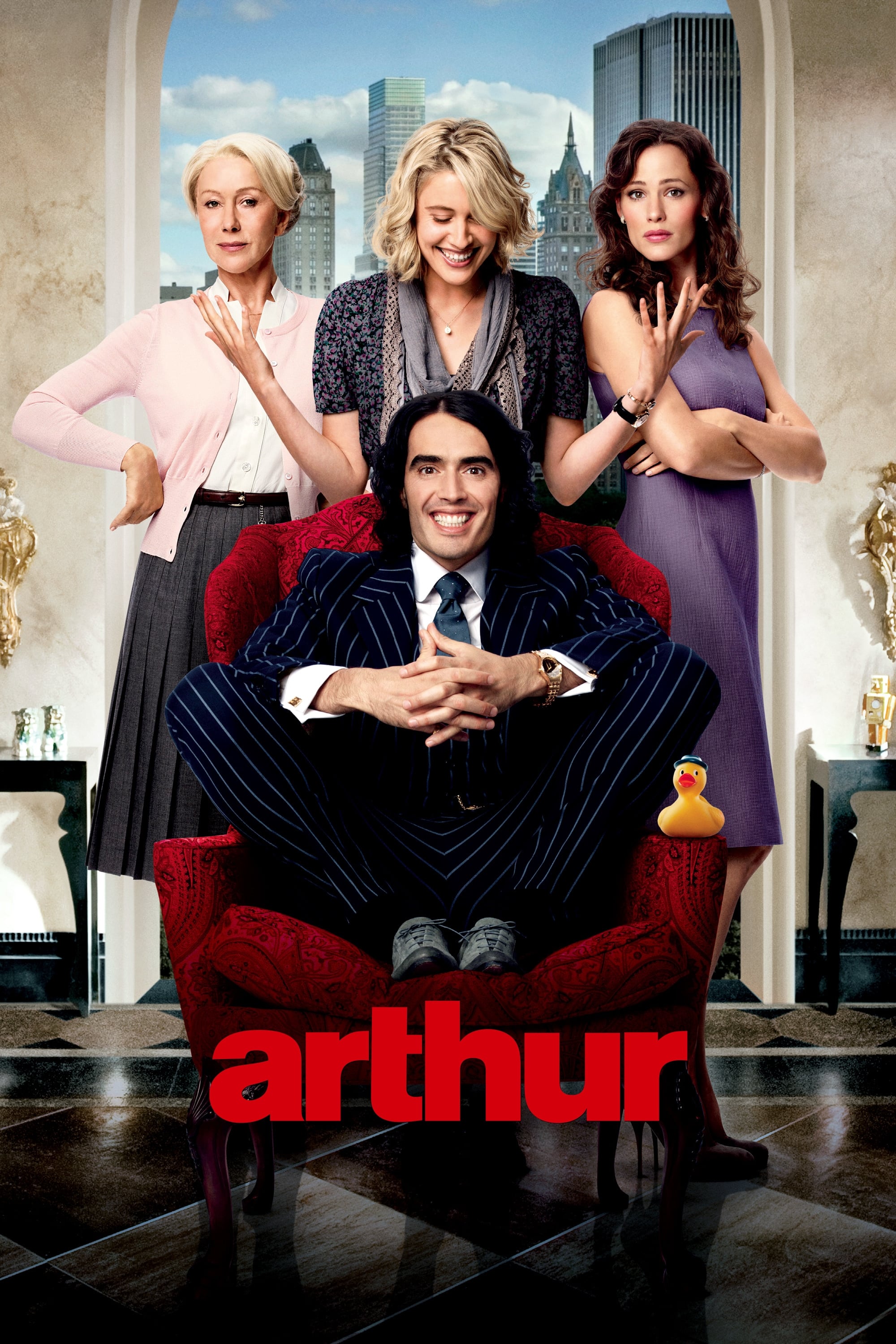
Russell Brand starred in this remake of the 1981 Dudley Moore comedy about a wealthy, drunken playboy. The film struggled to replicate the charm of the original, with many critics finding the updated version of the character more irritating than endearing. Helen Mirren took over the role originally played by John Gielgud, but her performance could not save the thin script. The movie was a commercial failure and received mostly negative reviews.
‘The Stepford Wives’ (2004)

This version of the 1975 horror-thriller opted for a more comedic and satirical tone. Starring Nicole Kidman, the film suffered from a troubled production and a confused ending that contradicted the established logic of the story. Critics felt the shift to comedy undermined the feminist themes and the underlying dread of the original Ira Levin novel. The result was a film that felt inconsistent and failed to resonate with audiences.
‘Red Dawn’ (2012)

Originally filmed with Chinese invaders and later digitally altered to feature North Koreans, this remake of the 1984 Cold War film faced many production hurdles. The story of high school students turned guerrilla fighters lacked the cultural context and tension of the original’s era. Reviewers criticized the acting and the lack of emotional stakes, labeling it a generic action flick. It was a box office disappointment and was panned by fans of the original.
‘The Day the Earth Stood Still’ (2008)
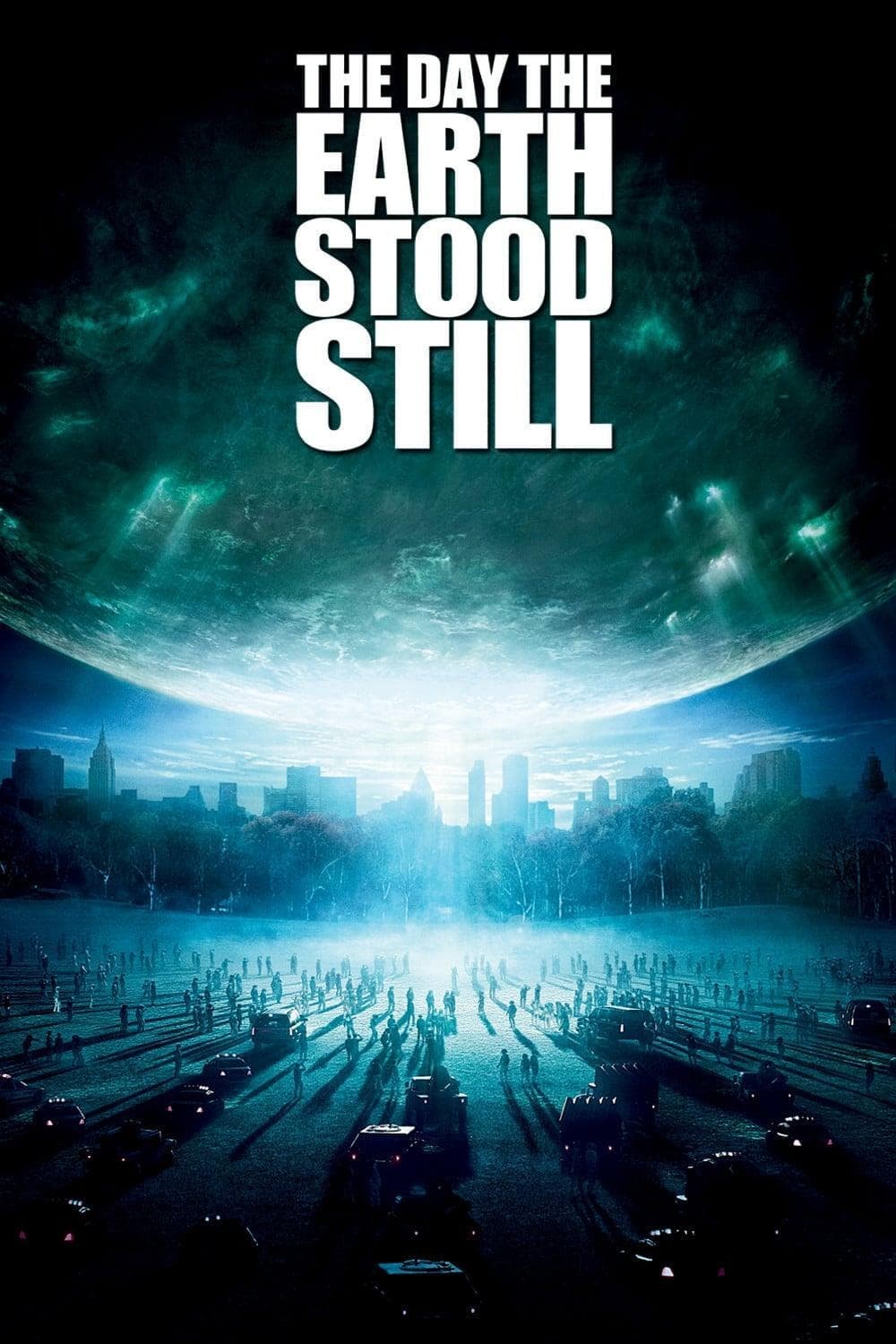
Keanu Reeves played the alien Klaatu in this remake of the 1951 science fiction classic. The film updated the original’s anti-nuclear message to an environmental one, but critics found the execution to be cold and heavy-handed. Much of the focus was placed on large-scale CGI destruction rather than the philosophical questions posed by the first film. It failed to capture the sense of wonder and importance that made the 1951 version a landmark.
‘Planet of the Apes’ (2001)
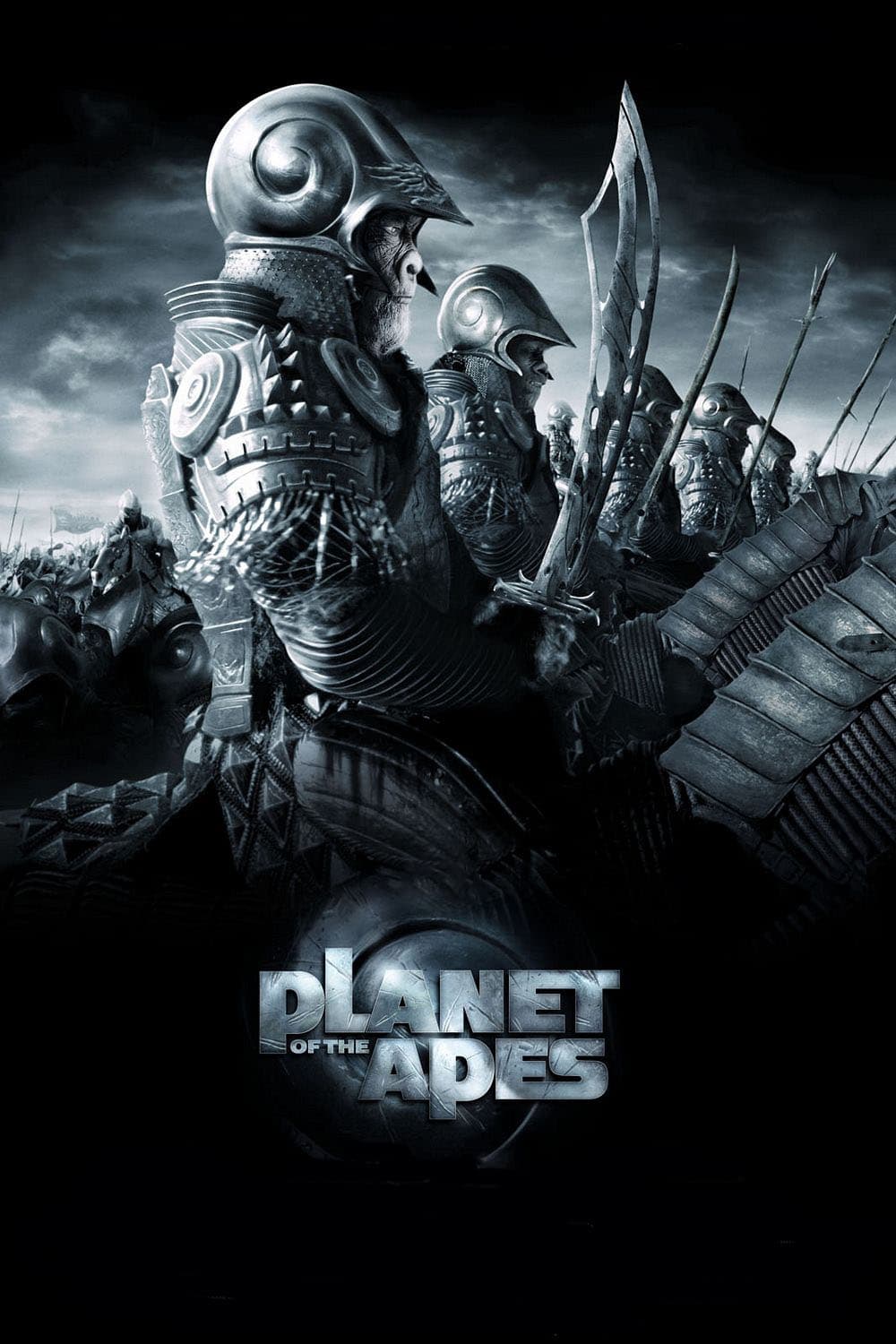
Tim Burton directed this re-imagining of the 1968 classic starring Mark Wahlberg. While the prosthetic makeup by Rick Baker was highly praised, the confusing plot and twist ending were widely criticized. The film lacked the social commentary and tight narrative structure of the original series. Although it was a financial success, the negative reaction from fans and critics led the studio to reboot the franchise again a decade later.
‘Conan the Barbarian’ (2011)

Jason Momoa took over the role made famous by Arnold Schwarzenegger in this 2011 reboot. The film was criticized for its over-reliance on digital blood and a script that lacked the mythic quality of the 1982 version. Critics felt the new film was a generic action movie that failed to understand the character’s literary roots. It was a major box office flop, failing to recoup its production budget.
‘Death Wish’ (2018)
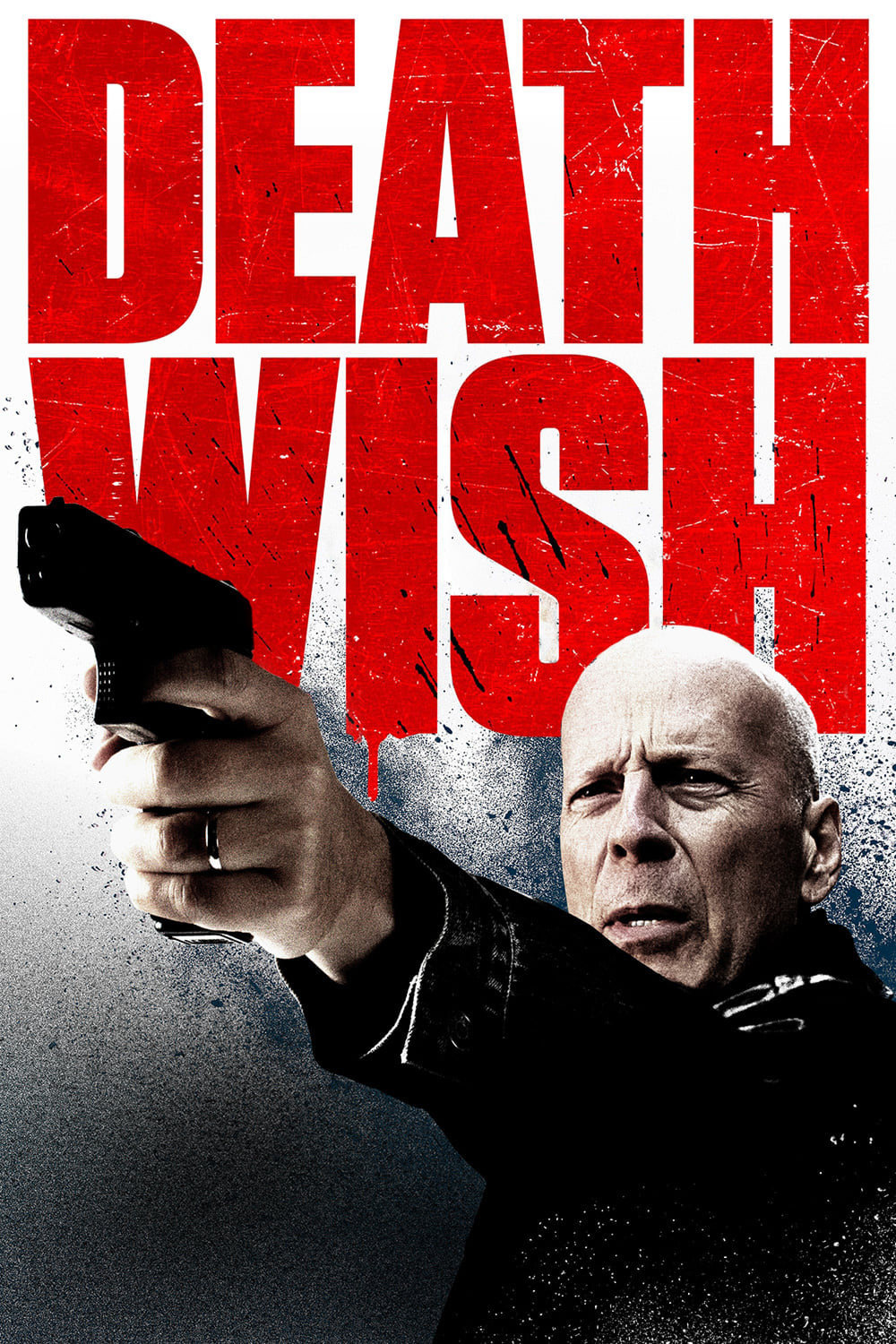
Directed by Eli Roth and starring Bruce Willis, this remake updated the 1974 vigilante drama to modern-day Chicago. The film was criticized for its timing and its treatment of gun violence, with many reviewers finding it tonally deaf. It lacked the grit and moral ambiguity of the original film starring Charles Bronson. The movie received largely negative reviews and failed to spark a revival for the long-running franchise.
‘Dirty Dancing’ (2017)

This made-for-television remake of the beloved 1987 musical was met with near-universal derision. Critics and fans alike felt the three-hour production was overstuffed and lacked the chemistry between the lead actors. The decision to have the characters sing the songs themselves was also a point of contention. It is frequently cited as one of the least successful attempts to recreate a classic musical on screen.
‘Overboard’ (2018)
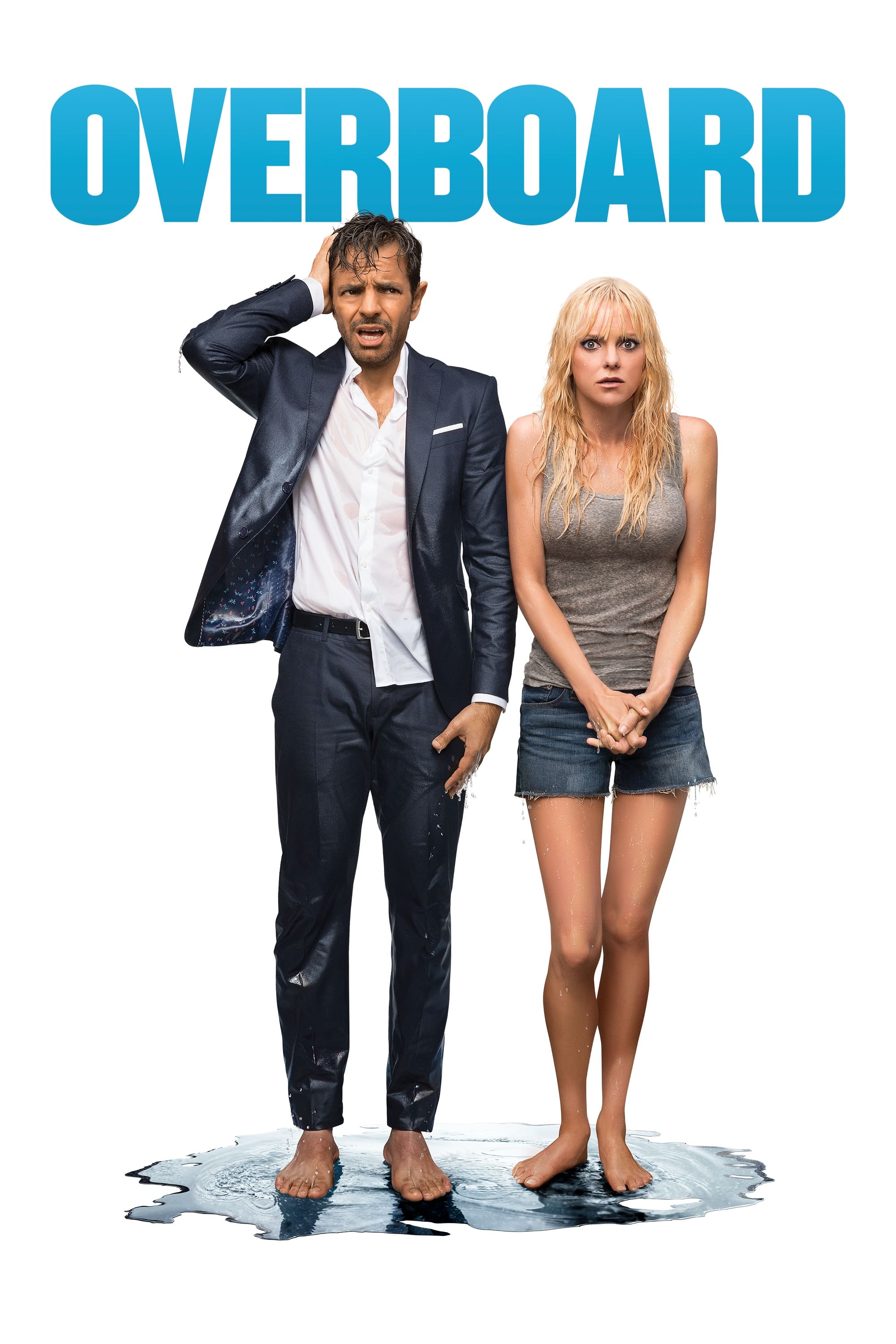
This remake swapped the genders of the original characters from the 1987 Goldie Hawn and Kurt Russell comedy. Anna Faris and Eugenio Derbez starred in the film, which received criticism for its predictable humor and lack of heart. While it performed decently at the box office in some markets, reviewers felt it failed to capture the screwball energy of the original. Many fans of the 80s classic felt the update was unnecessary and lacked the original’s charm.
‘Cabin Fever’ (2016)
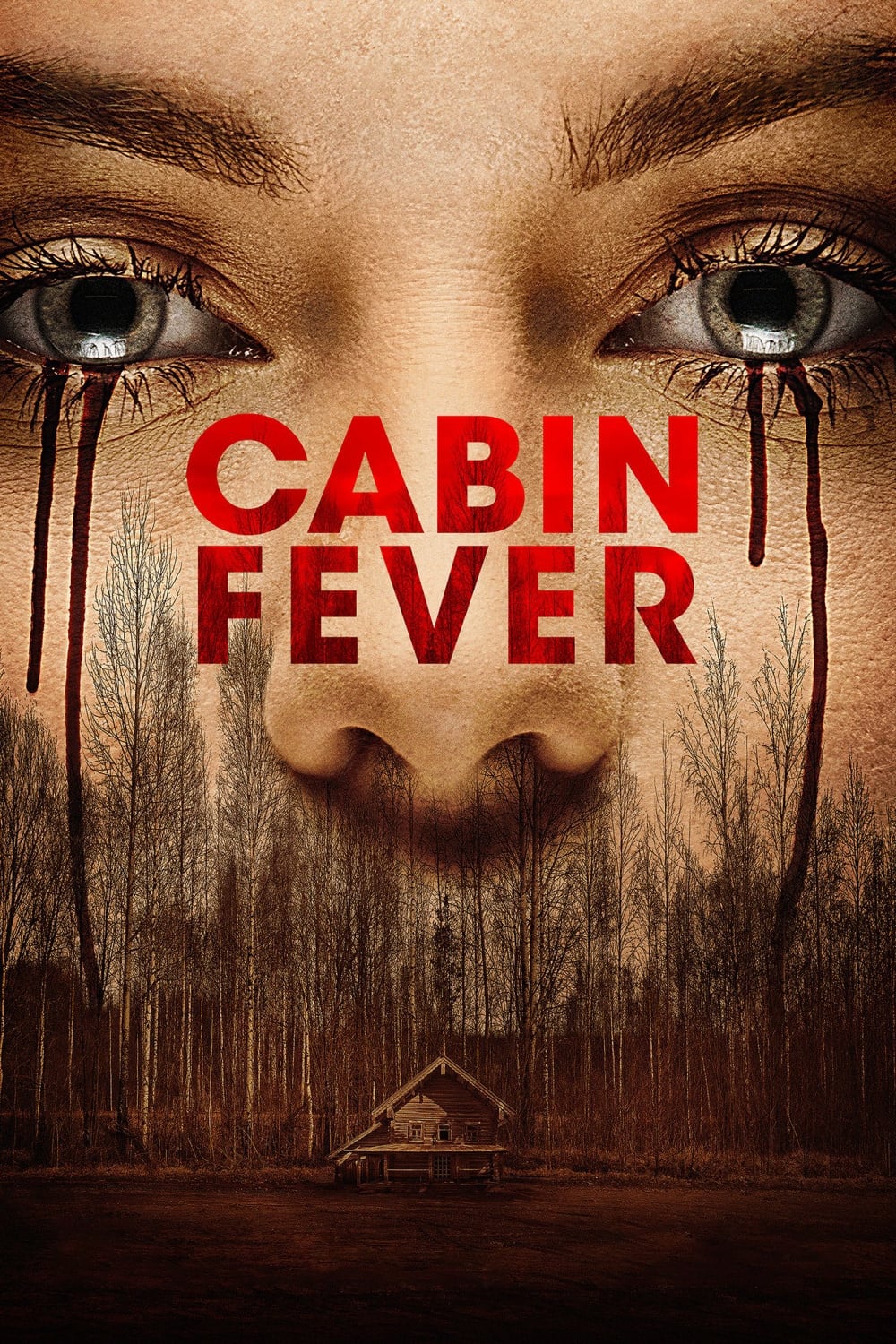
This remake used the exact same script as the 2002 original, a move that baffled many critics. Without any significant changes to the story or the scares, the film was viewed as a redundant exercise in horror cinema. It holds a 0% rating on some review aggregation platforms based on professional critics’ assessments. The production was widely panned for failing to offer a new perspective on the cult favorite source material.
‘Martyrs’ (2015)
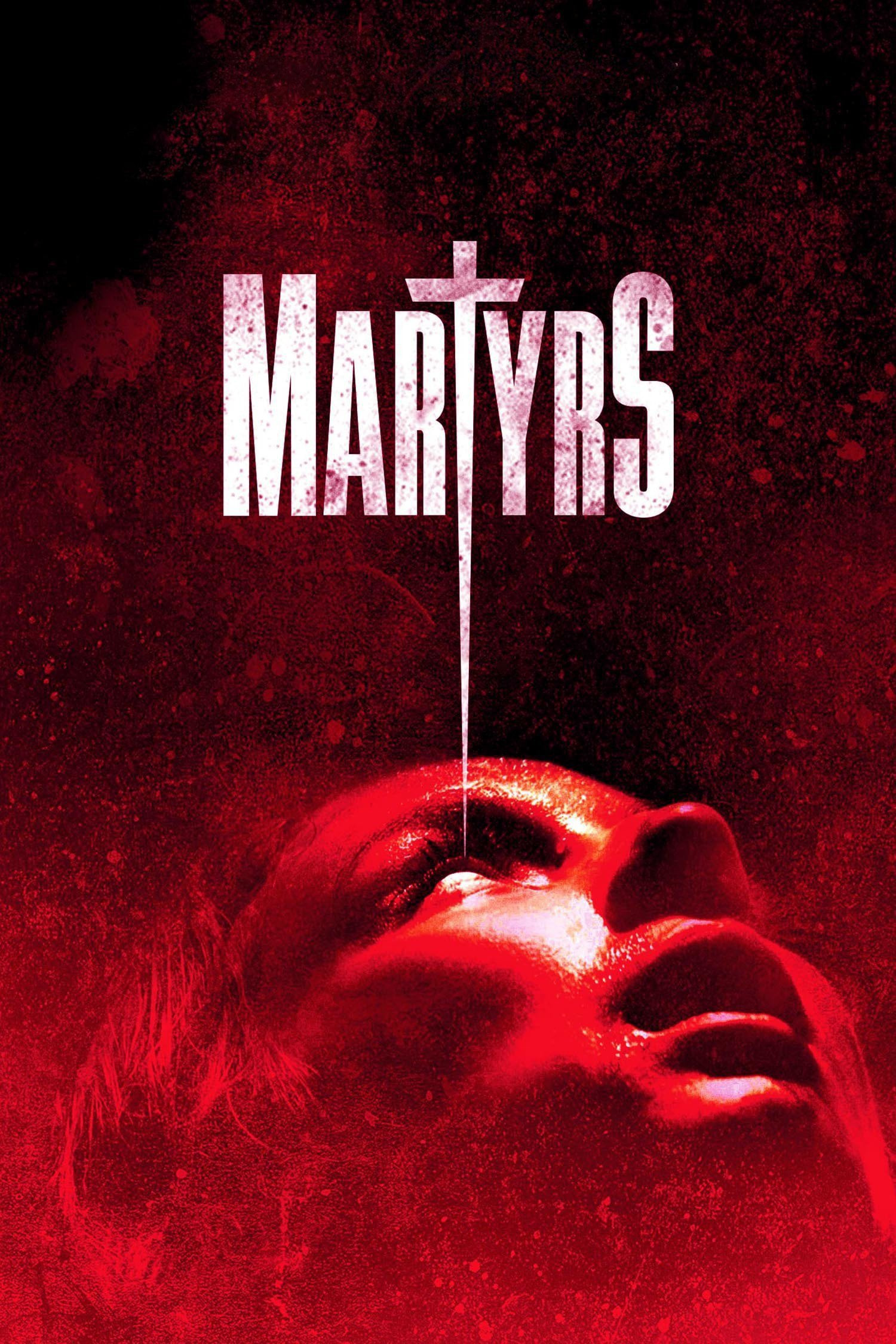
An American remake of the 2008 French New Extremity masterpiece, this film significantly toned down the violence and philosophical despair of the original. Critics argued that by softening the story for a wider audience, the remake lost everything that made the original notable. The ending was altered in a way that many felt betrayed the central themes of the narrative. It was panned by fans of the original French film and largely ignored by general audiences.
‘Straw Dogs’ (2011)
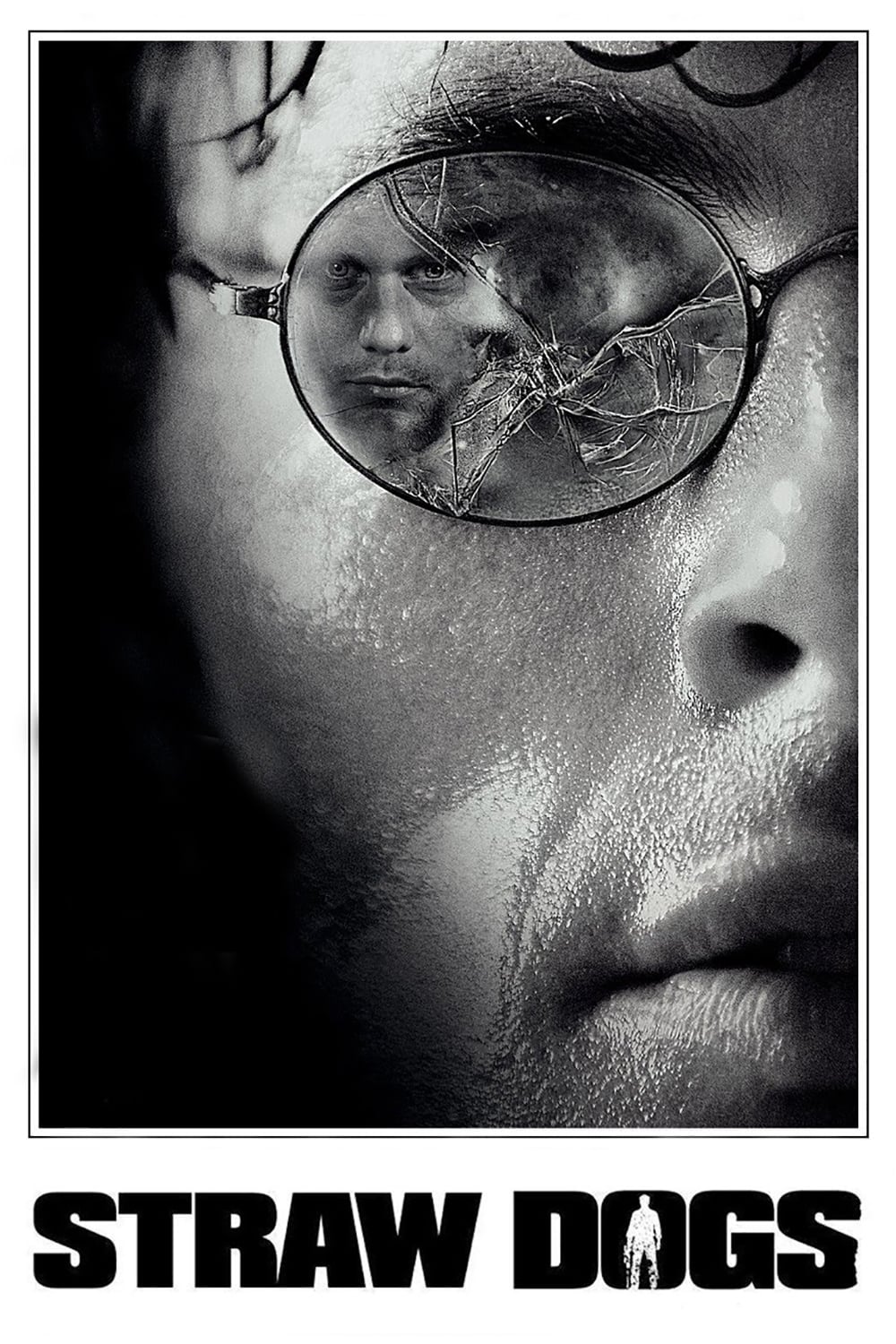
Moving the setting from the English countryside to the American South, this remake of the 1971 thriller struggled to justify its existence. While James Marsden and Alexander Skarsgård gave committed performances, the film lacked the visceral impact and power of the original. Critics felt the update turned a complex psychological study into a standard home invasion movie. It was both a critical and commercial disappointment during its theatrical run.
‘The Haunting’ (1999)
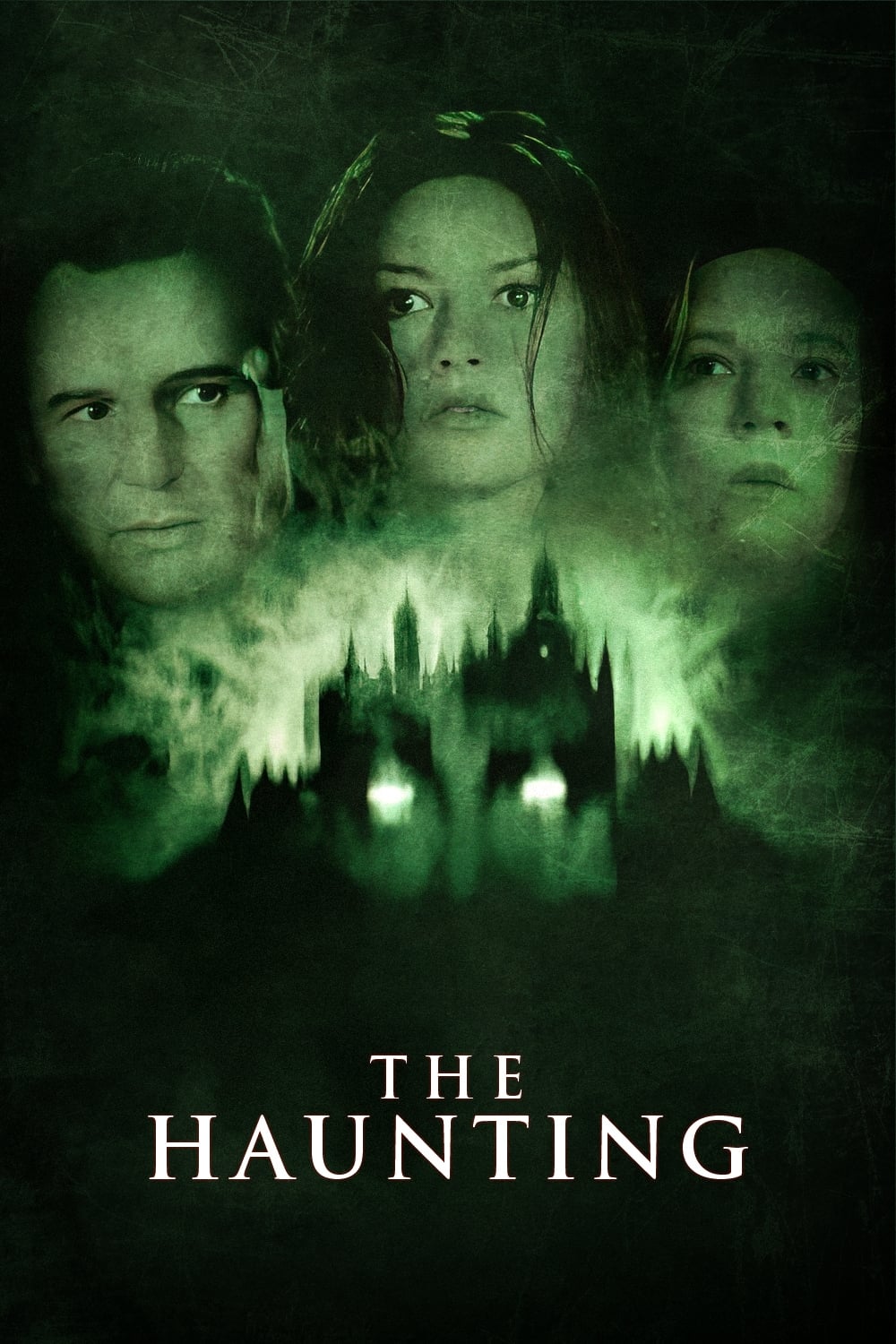
Based on the 1963 film and the underlying novel, this remake traded psychological dread for massive CGI set pieces. Directed by Jan de Bont, the film was criticized for its lack of subtlety and focus on visual spectacle over character development. The 1963 original is considered a masterpiece of restrained horror, while the 1999 version was nominated for several Golden Raspberry Awards. It is often cited as a prime example of how big budgets can ruin atmospheric horror.
‘Clash of the Titans’ (2010)
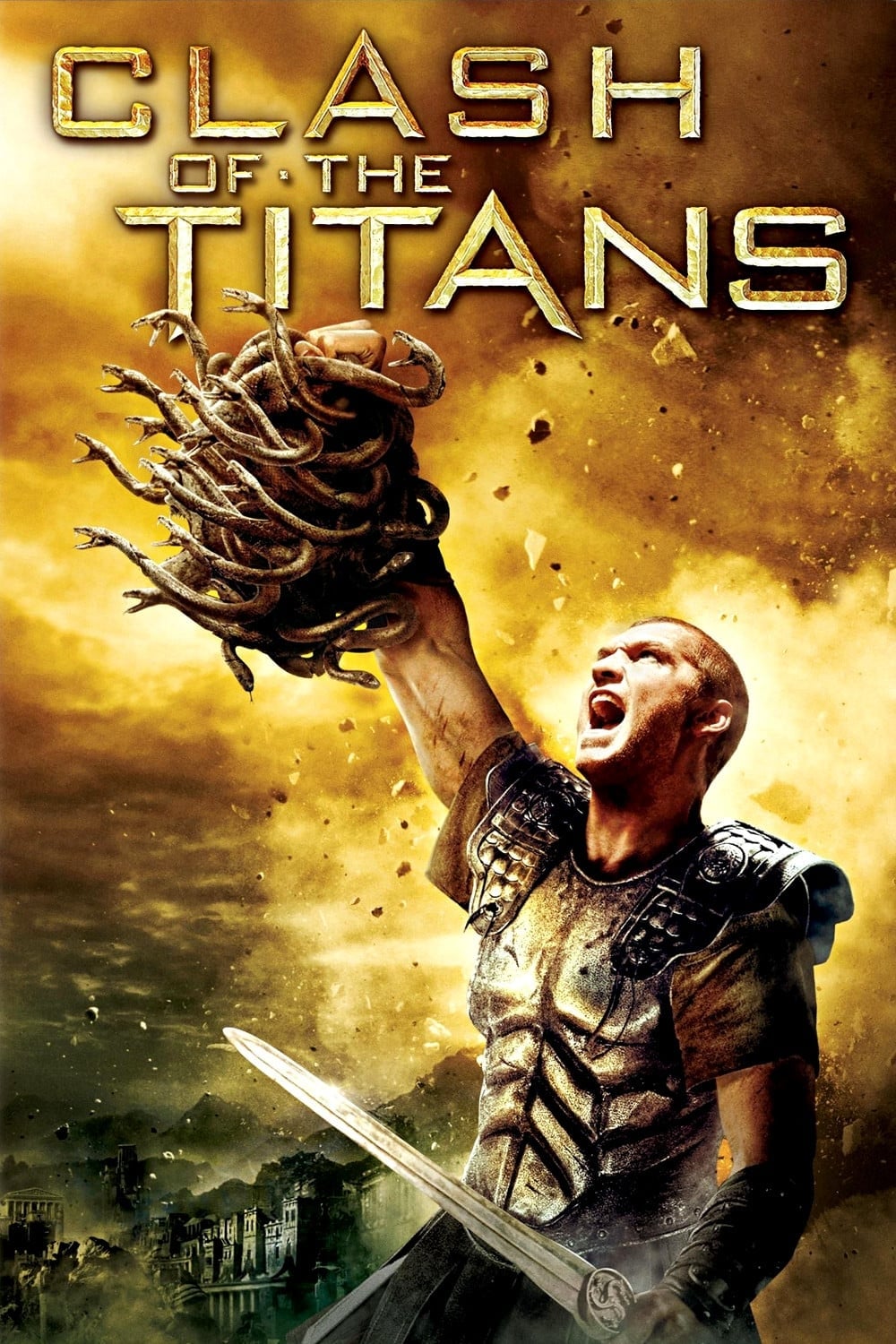
This remake of the 1981 stop-motion classic became famous for its poorly received post-production 3D conversion. While it was a financial success, critics panned the film for its wooden acting and reliance on loud action sequences. The charm of the original creature effects was replaced by generic digital designs. Despite spawning a sequel, the film is generally regarded as a significant step down from the original.
‘Ghostbusters’ (2016)
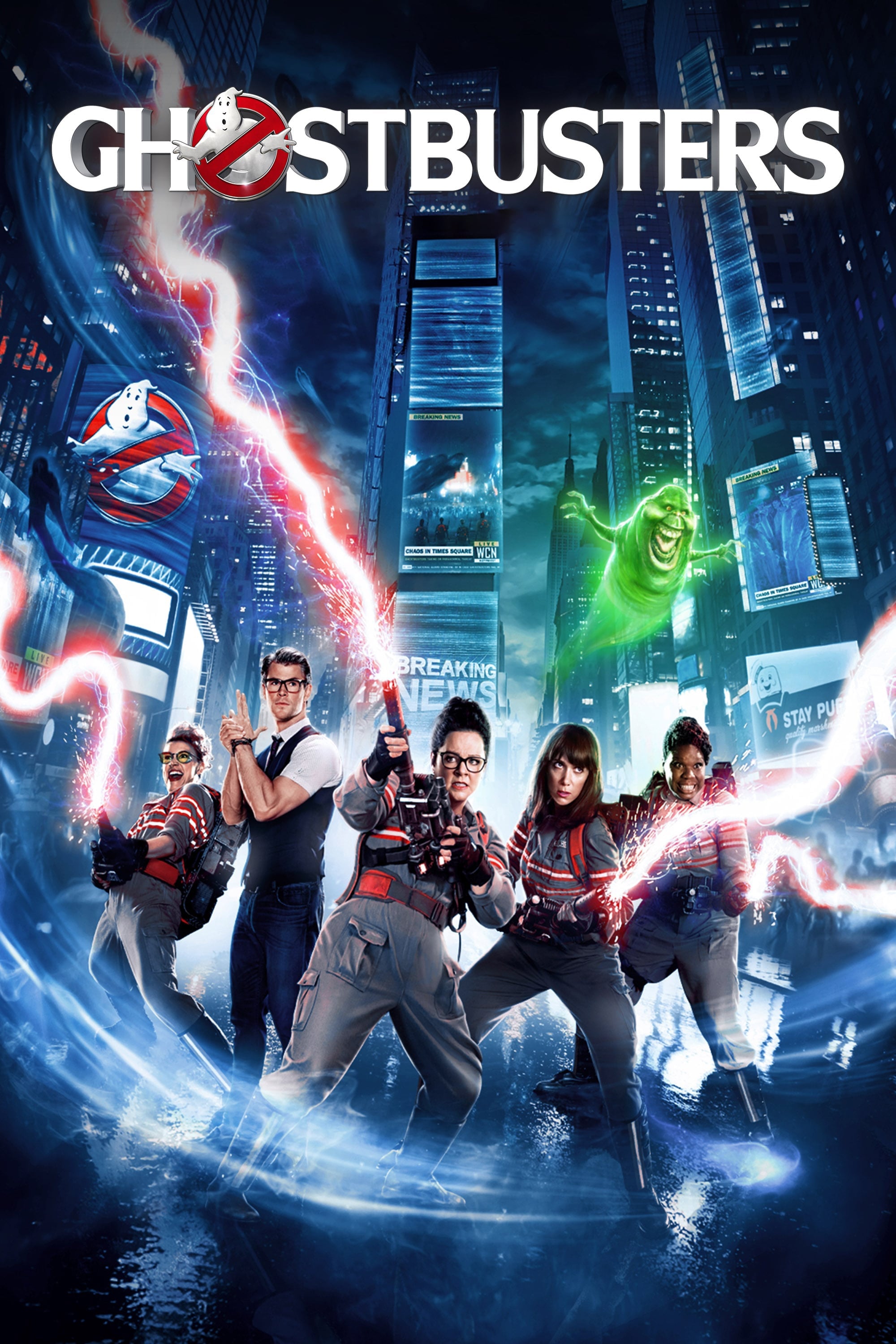
This reboot of the 1984 classic featured an all-female cast and a comedic tone directed by Paul Feig. The film became the center of a massive online controversy prior to its release, which overshadowed the movie itself. While some critics enjoyed the performances, many fans felt the humor did not align with the dry wit of the original. The high production costs and divisive reception led to the studio returning to the original timeline for future installments.
Please share your thoughts on these remakes and which ones you believe were the most unnecessary in the comments.

