Richard Gadd’s ‘Half Man’ Tackles a Sexuality Crisis Head On, but It’s Not the Gay Drama You Were Expecting

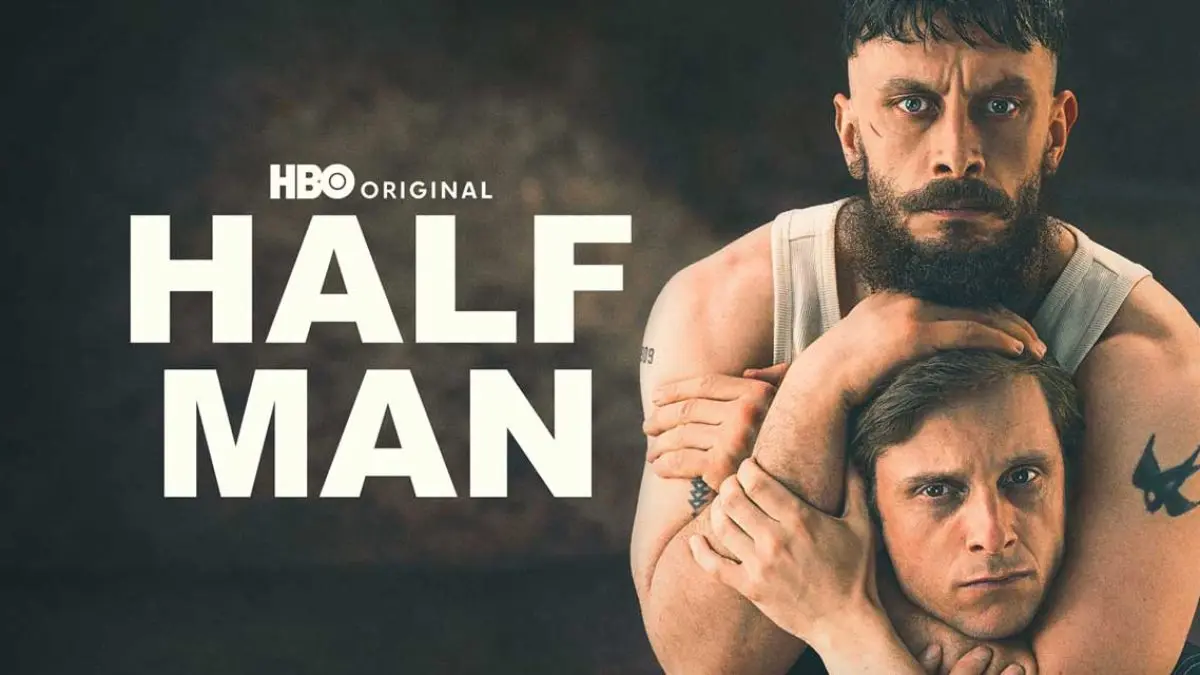

Richard Gadd is back on screen and once again audiences are asking the same questions they had after ‘Baby Reindeer’. Is the show autobiographical, what genre does it actually fit into, and how should viewers read its messy entanglements with sexuality. The latest project, the BBC and HBO co-production ‘Half Man’, has only intensified that conversation, with one query in particular trending across social feeds, namely whether ‘Half Man’ is a gay show.
The short answer is more complicated than a yes or no. ‘Half Man’ explores the explosive impact of a toxic bond between two men, and one of those men is wrestling hard with his attraction to other men. But Gadd has built the series to push past easy categories, and it sits in a very different lane from the sort of glossy queer romance that prestige TV has trained audiences to expect.
So Is ‘Half Man’ Actually a Gay Show
The honest framing is that ‘Half Man’ is a series with significant gay content rather than a traditional gay show. The drama is fundamentally about sibling rivalry, masculinity, and the fragile perception of sexuality, with Niall Kennedy’s queerness sitting as one of several pressure points across six emotionally punishing episodes.
As the brothers grow up, Niall realises that he is gay, but due to the immense homophobia he suffered at school and Ruben’s own homophobic slurs, he lives in fear and shame. At university, trying to start over fresh without the influence of Ruben or his past, Niall meets a boy named Alby and begins to explore his sexuality. The story then tracks what happens when that fragile new chapter collides with the past he keeps trying to outrun.
The show’s stance on gayness seems antithetical to recent packaging of male homosexuality in shows like ‘Heartstopper’ and ‘Heated Rivalry’. There are no swoon worthy first kisses set to indie pop, no community of supportive friends rallying behind a sweet coming out story. The texture is bleaker, sadder, and far more interested in damage than in joy.
Niall’s Sexuality Crisis Sits at the Heart of the Drama
In ‘Half Man’, the first indication of fifteen year old Niall Kennedy’s sexuality is delivered to the audience by a classmate who spits a slur at him in school. The show is uninterested in keeping his orientation a secret and treats it instead as the slow burning fuse that runs underneath every scene of his life. By the time adult Niall is played by Jamie Bell, the damage from that opening playground moment has hardened into something far harder to escape.
Pent up with a love he cannot express, his own toxic masculinity and internalised homophobia are the sole barriers between Niall and his sexuality, not external factors. As an adult, he only seems to hate himself and Ruben more as he feels increasingly humiliated by his inability to accept his own sexuality, even as the world around him does. That is a striking reframing of where queer suffering originates in modern television storytelling.
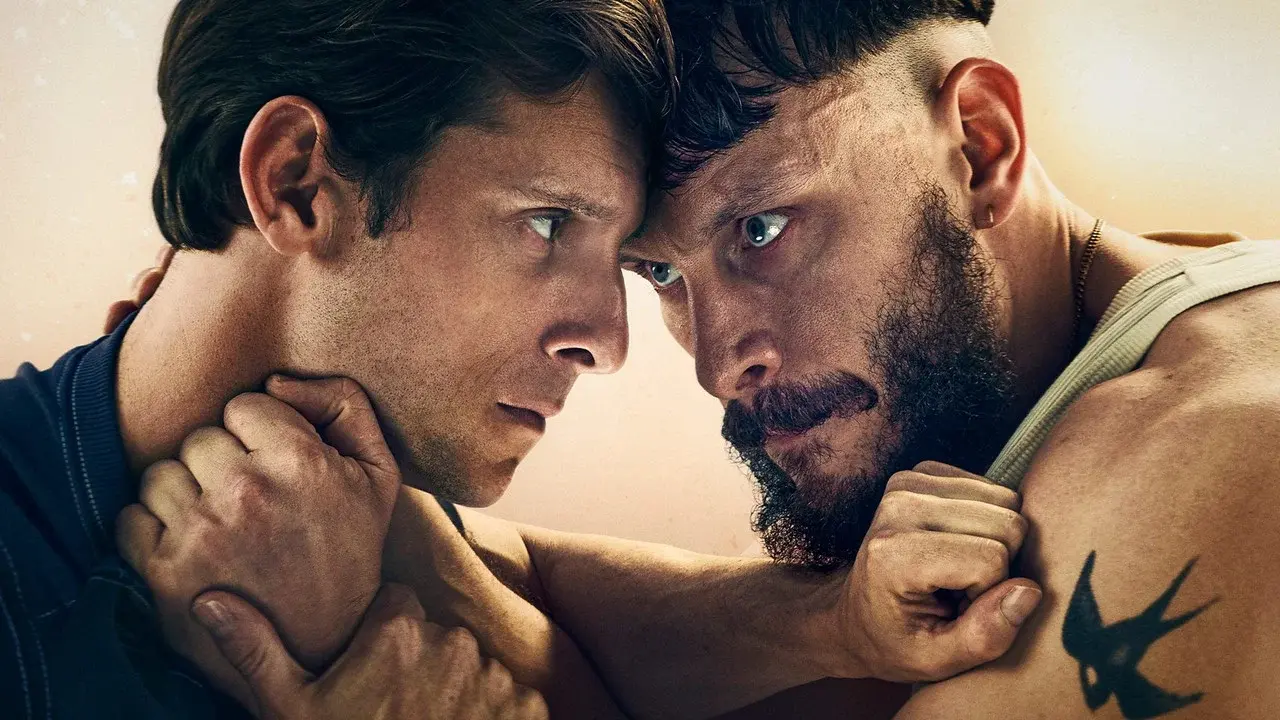
Bell taps into a brokenness, a glass eyed sorrow that has to be seen to be believed, with practically all the suffering in Niall’s life traceable to his internalised homophobia. Critics have singled the performance out as the emotional spine of the entire series. There is no clean catharsis waiting at the finish line for him, only the slow grinding work of learning to live with himself.
Niall also looks up to Ruben, but fears his mood swings, and struggles with his own sexual attraction to his stepbrother. That tangled, almost incestuous undercurrent is part of what makes the show so unsettling. The lines between brotherhood, obsession, and desire blur in a way few mainstream dramas dare to attempt.
Richard Gadd Wanted Something Different From Other Queer Stories
The writer has been candid about why the story looks this way. Speaking with Attitude, Gadd said that when he was going through a sexuality crisis, feeling confused or experiencing any identity struggle, what he felt was missing was something on TV that represented that.
He added that there are people, more than the industry cares to admit in this age of moral and ethical enlightenment, who feel left behind in their own sexuality crisis as the world progresses around them. For Gadd, showing that exact struggle is a kind of duty in his art for the people who feel left behind. That ethos drives every wince inducing choice the show makes about Niall.
Gadd has shared publicly that he identifies as bisexual, and the series is not autobiographical but it was inspired by his own emotional crisis. One of the brothers wrestles with attraction to men in a way that proves self destructive and difficult to confront, which is exactly the kind of nuance Gadd argues mainstream queer TV has quietly stopped making room for.
Why ‘Half Man’ Reframes the Conversation About Male Sexuality
The bigger swing the show takes is connecting Niall’s internal struggle to the broader epidemic of male emotional shutdown. The series taps into themes of identity, vulnerability, and emotional connection that resonate deeply within queer storytelling, especially in how men struggle to articulate affection and belonging in a world shaped by rigid expectations. It functions as a queer story told by way of a masculinity story.
This is not a series about being gay, straight, or bisexual, but more about being okay with who you are and not being okay about the things that have hurt you in your life. That framing has resonated with critics, even those who have otherwise been split on whether the show pulls off its ambitions. The conversations Gadd is starting feel uncomfortably fresh.
On Rotten Tomatoes, the series currently holds an approval rating of seventy seven percent based on fifty two critic reviews, with the consensus crediting Gadd’s broodingly bleak sophomore effort for plumbing the depths of toxic masculinity and repression. So while ‘Half Man’ may not be the gay show some viewers were hoping for, those willing to sit with its discomfort are finding something rare on prestige TV. After watching Niall and Ruben’s decades long collision, where do you land on whether ‘Half Man’ deserves to be called a gay show, or whether Gadd has built something that quietly resists the label entirely?