


Sci-Fi Movies That Are So Good You Have To Watch Them Twice

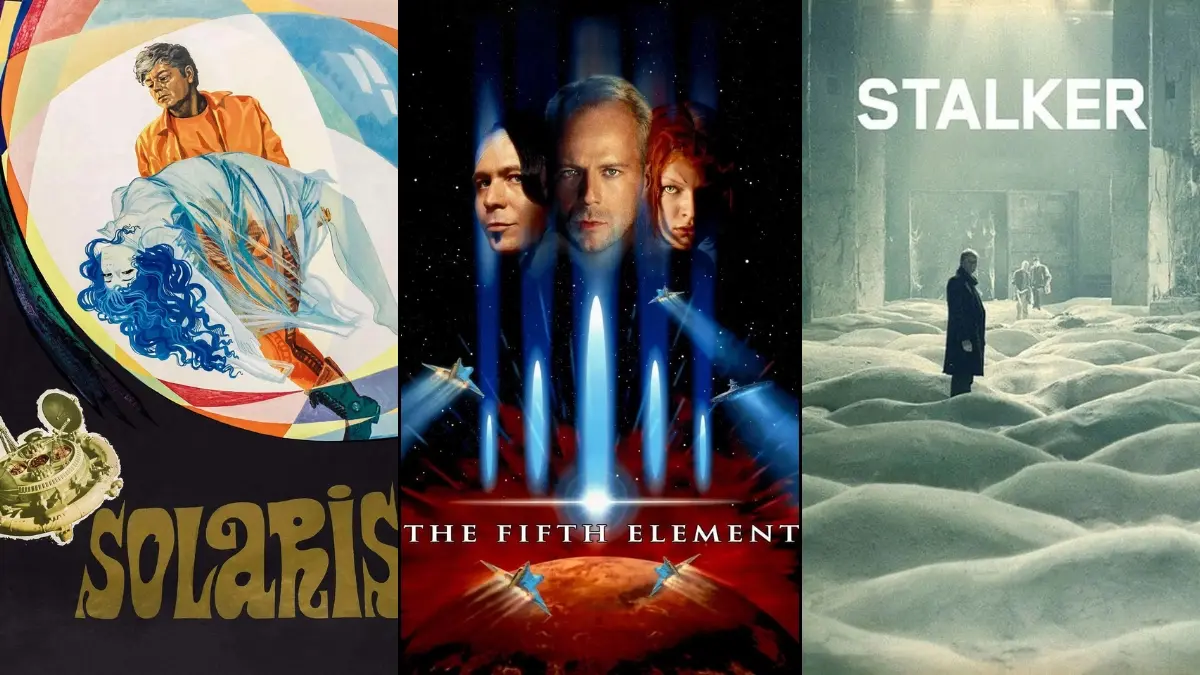


Science fiction has long served as a vessel for exploring the limits of human imagination and the potential of future technologies. These films often weave complex narratives that demand multiple viewings to fully grasp their intricate plot points and underlying themes. From mind-bending time travel to expansive space operas, the genre challenges viewers to think critically about the world and their place in the universe. This selection highlights some of the most influential and acclaimed entries in the genre based on critical reception and viewer impact.
‘Primer’ (2004)
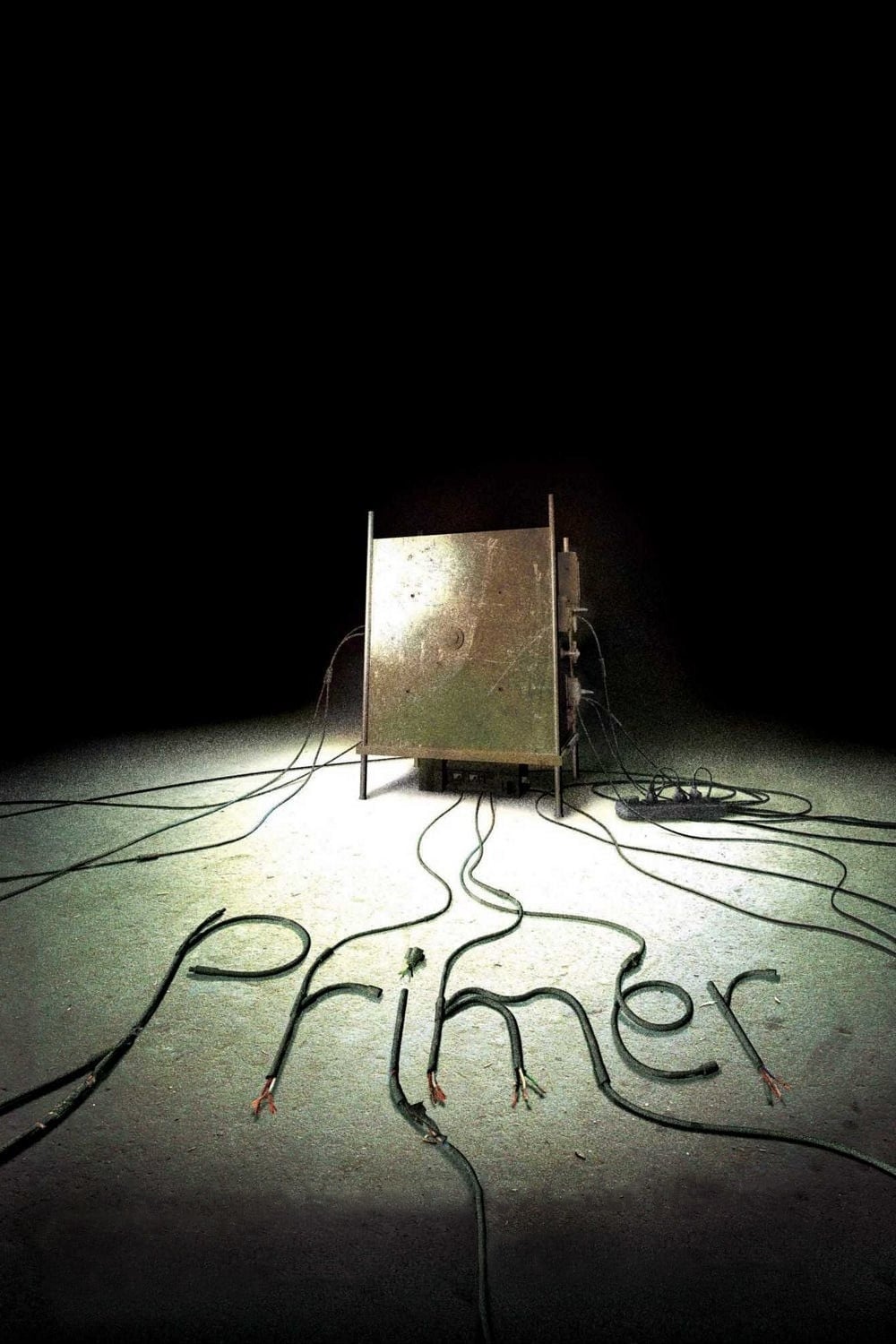
Two engineers accidentally discover a means of time travel while working on a project in their garage. As they experiment with the device, the complexity of their actions leads to a series of overlapping timelines and ethical dilemmas. The narrative is known for its intricate structure and refusal to oversimplify the mechanics of temporal manipulation. It requires careful attention to detail to track the various versions of the characters as they move through time.
‘Coherence’ (2013)
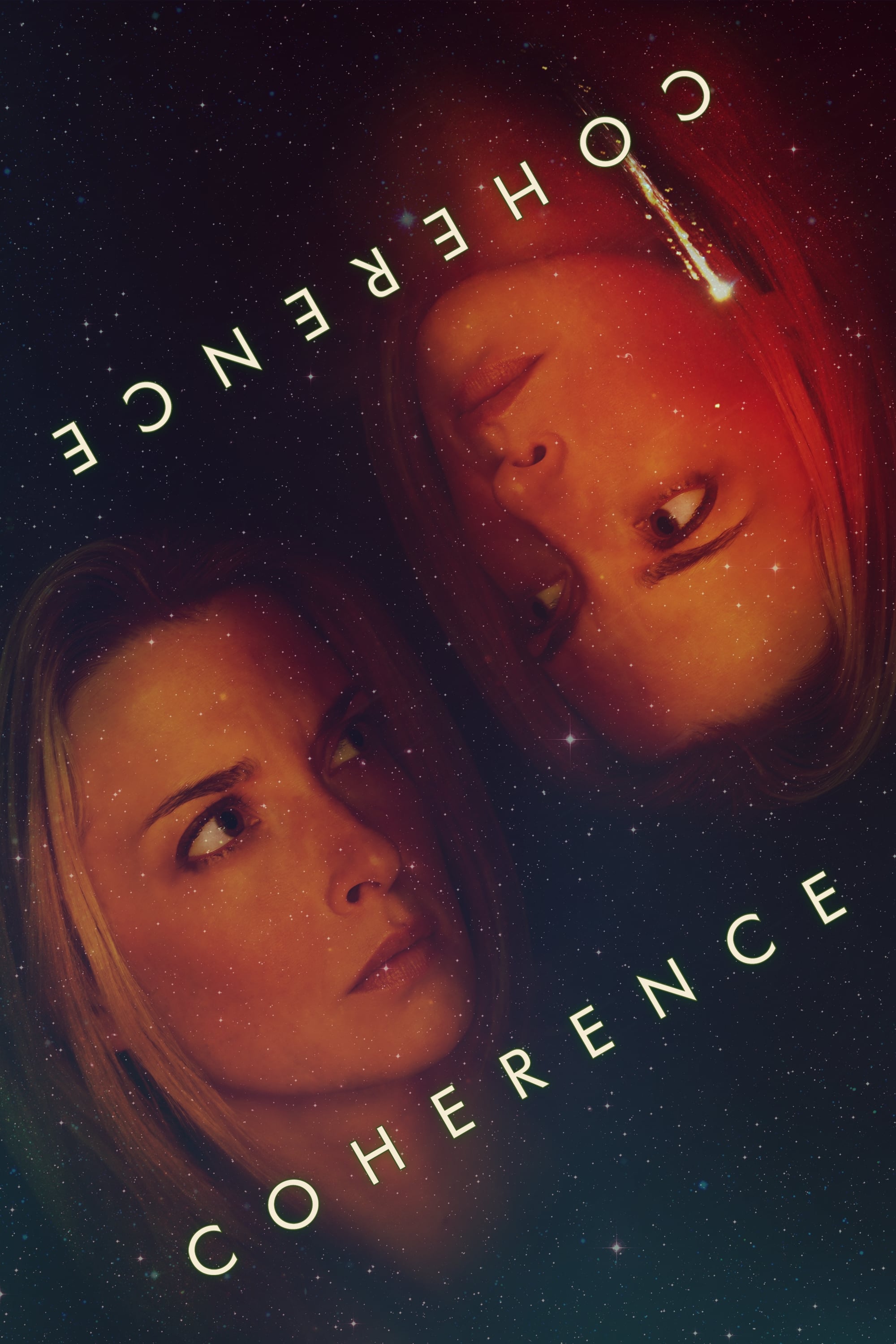
During a dinner party, a passing comet causes reality to fracture into multiple parallel dimensions. The attendees discover that their neighbors are alternate versions of themselves, leading to paranoia and psychological tension. Characters must navigate a series of increasingly confusing encounters as they try to return to their original reality. The film explores themes of identity and the fragility of reality under supernatural pressure.
‘Looper’ (2012)
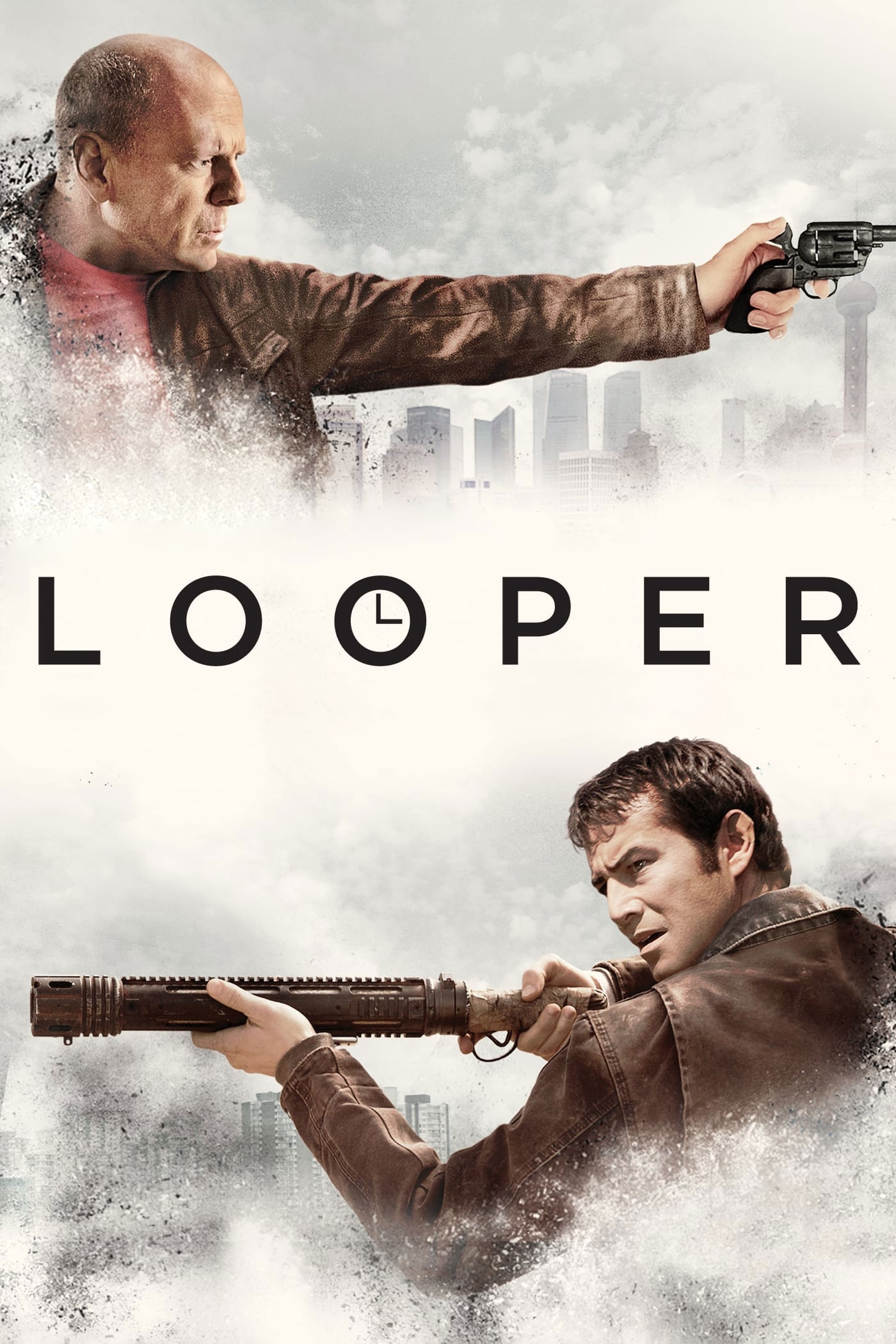
In a future where time travel is used by criminal syndicates to dispose of targets, Joe is a hitman known as a looper. His life is thrown into chaos when he is tasked with assassinating his older self sent back from the future. The story follows both versions of Joe as they attempt to outmaneuver each other and the mob. This film delves into the paradoxes of time travel and the consequences of one’s choices over a lifetime.
‘The Fifth Element’ (1997)
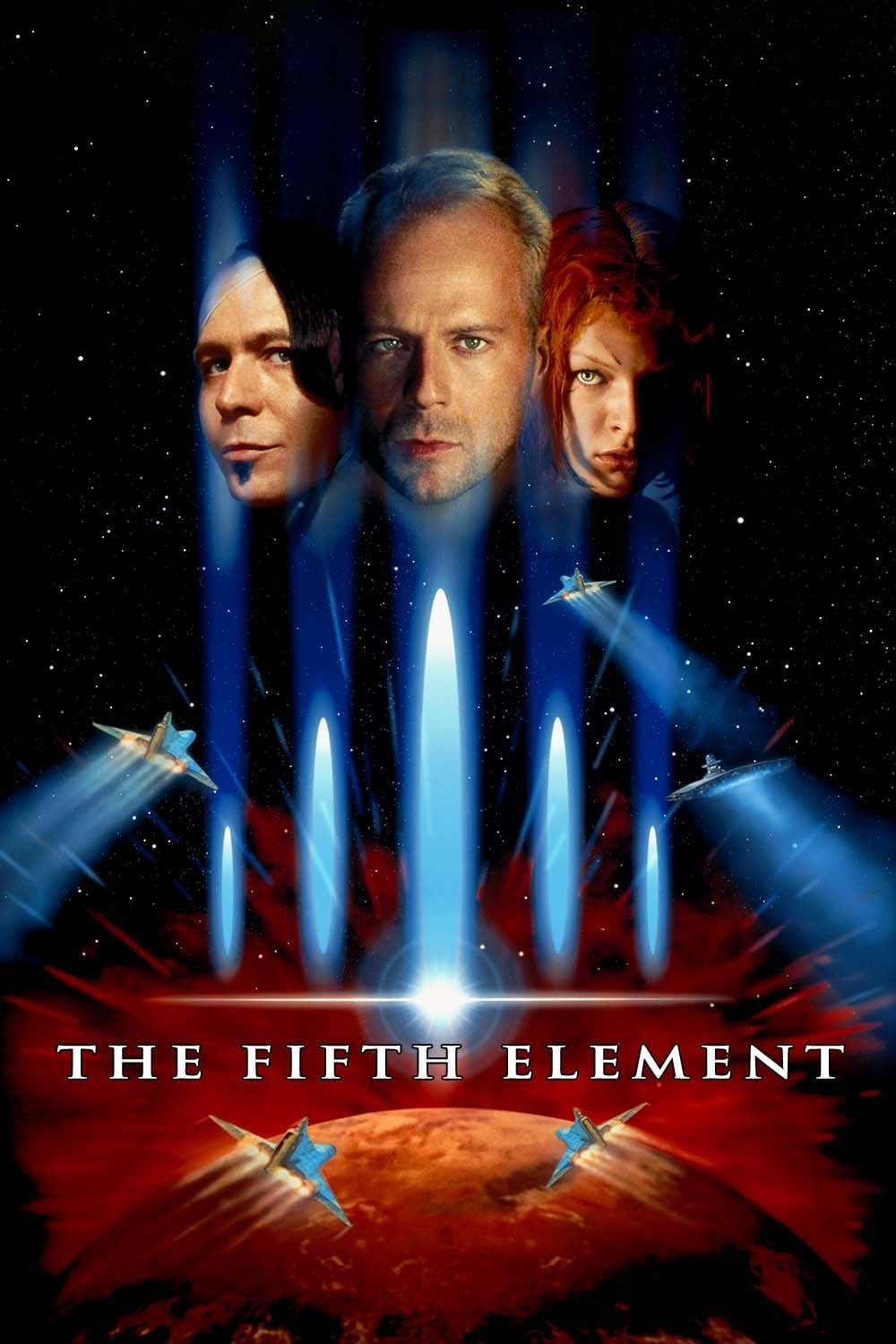
A 23rd-century taxicab driver becomes the unlikely hero in a quest to save the universe from an ancient evil. He joins forces with a genetically engineered woman who represents the fifth element needed for a powerful weapon. Their journey takes them across the galaxy as they race against a corrupt industrialist and his mercenaries. The film is noted for its vivid world-building, unique visual style, and eccentric characters.
‘Gravity’ (2013)
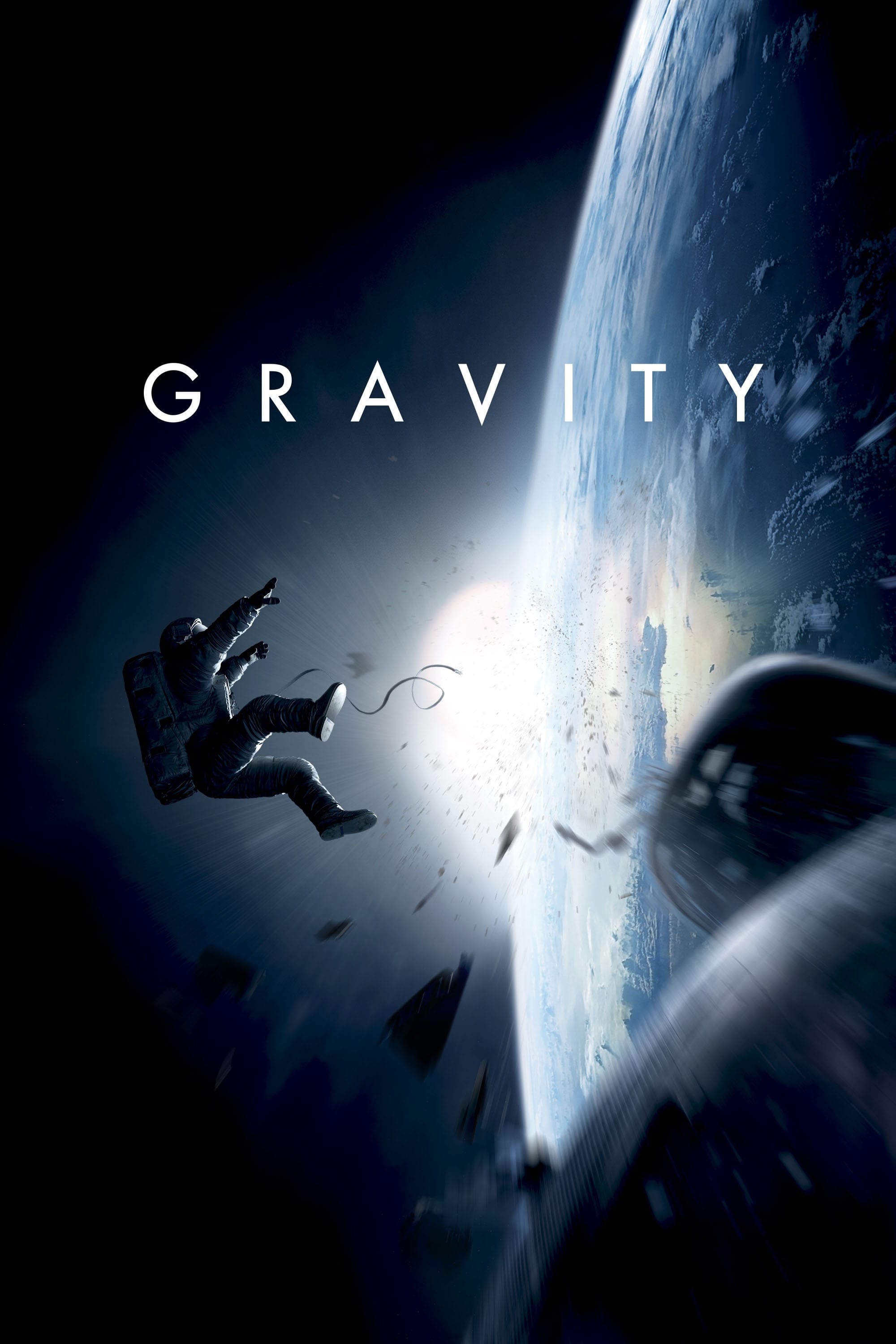
A medical engineer and a veteran astronaut must find a way to survive after their space shuttle is destroyed by orbiting debris. They are left drifting in the void of space with limited oxygen and no communication with Earth. The narrative focuses on their harrowing journey to reach a nearby space station to secure a return vessel. The film utilizes innovative cinematography to simulate the feeling of weightlessness and the vastness of the cosmos.
‘Ex Machina’ (2014)

A young programmer is invited to a reclusive CEO’s estate to participate in a groundbreaking experiment involving artificial intelligence. He is tasked with performing a Turing test on a highly advanced humanoid robot named Ava. As he interacts with the AI, he begins to question the motives of his employer and the true nature of Ava’s consciousness. The film serves as a psychological thriller that examines the ethical implications of creating sentient machines.
‘Moon’ (2009)
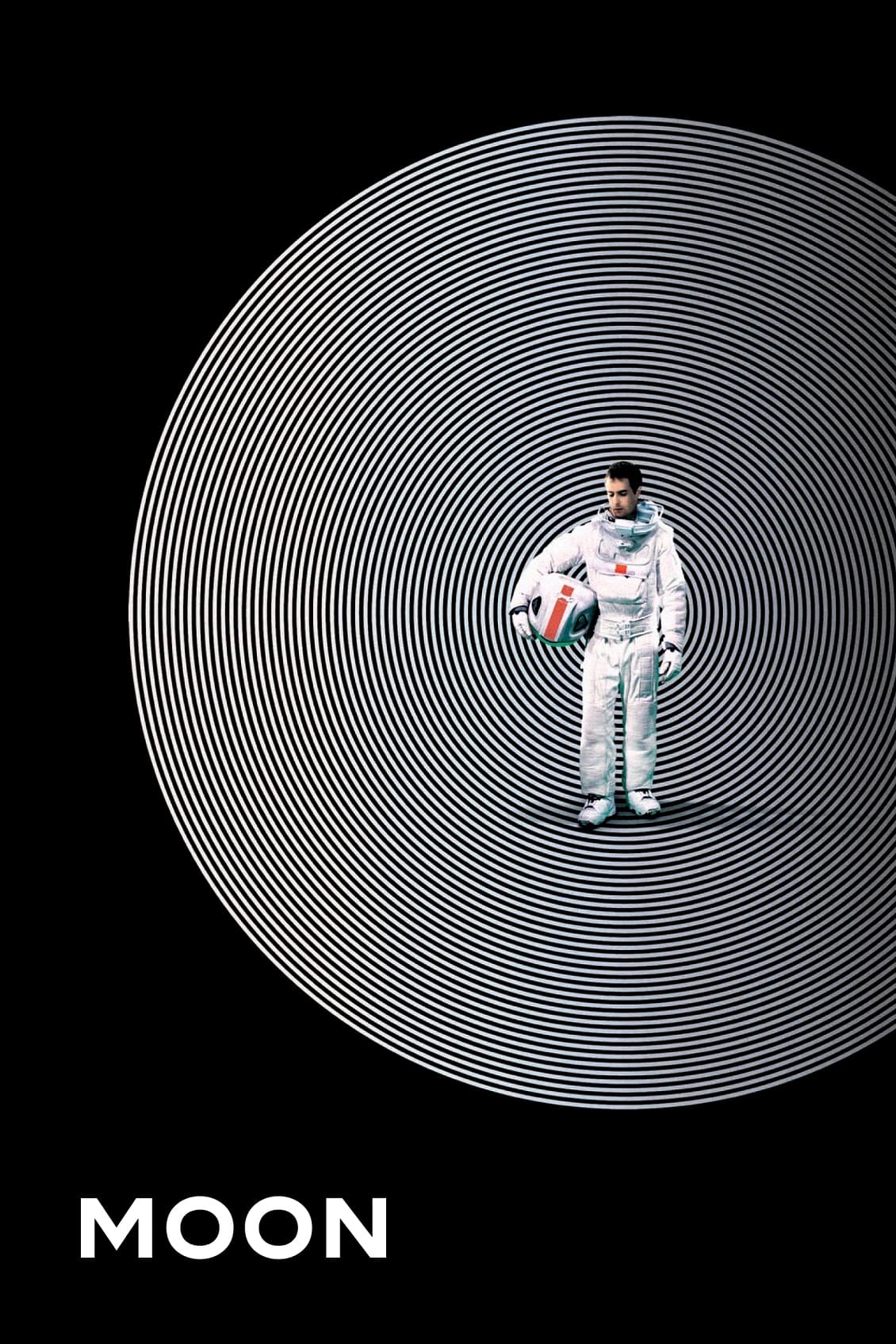
Sam Bell is nearing the end of a three-year solo stint mining helium-3 on the far side of the Moon. His isolation is interrupted when he discovers a younger version of himself following a lunar rover accident. Together, the two versions of Sam uncover a corporate conspiracy regarding their true identity and purpose. The film is a character-driven exploration of isolation, identity, and corporate exploitation.
‘Gattaca’ (1997)
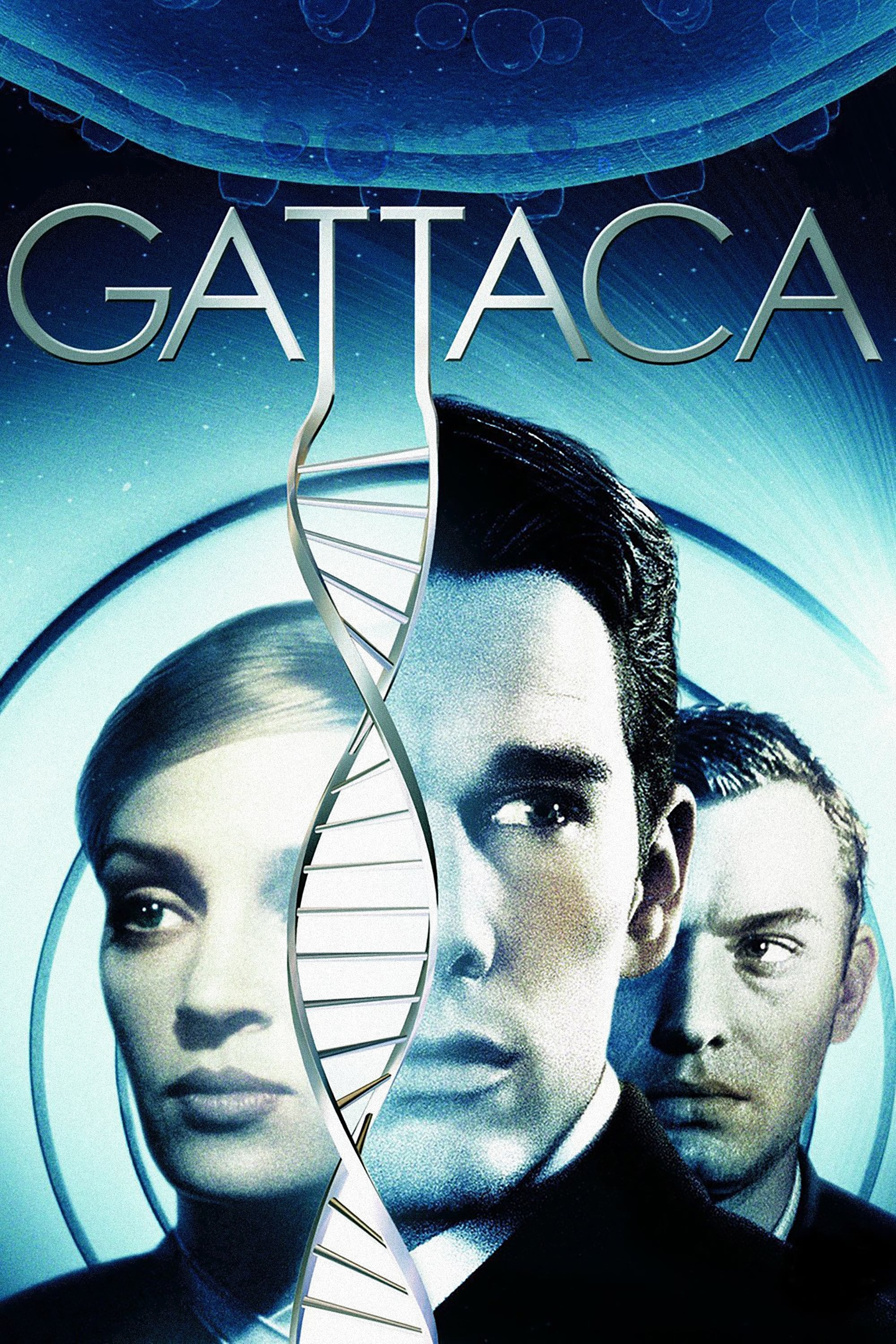
In a future where genetic engineering determines social status, a man born with natural DNA dreams of traveling to space. To achieve his goal, he assumes the identity of a genetically superior individual through elaborate deception. He must constantly hide his physical flaws while navigating a world that monitors biological purity at every turn. The story highlights the conflict between genetic determinism and the human spirit.
‘Everything Everywhere All At Once’ (2022)

An aging Chinese immigrant is swept up in an insane adventure where she alone can save the world by exploring other universes. She must connect with alternate versions of herself to gain the skills needed to stop a powerful force from destroying the multiverse. The film blends martial arts action with deep emotional themes regarding family and existentialism. Its rapid-fire visual style and non-linear storytelling reward viewers who pay close attention to recurring motifs.
‘Edge of Tomorrow’ (2014)
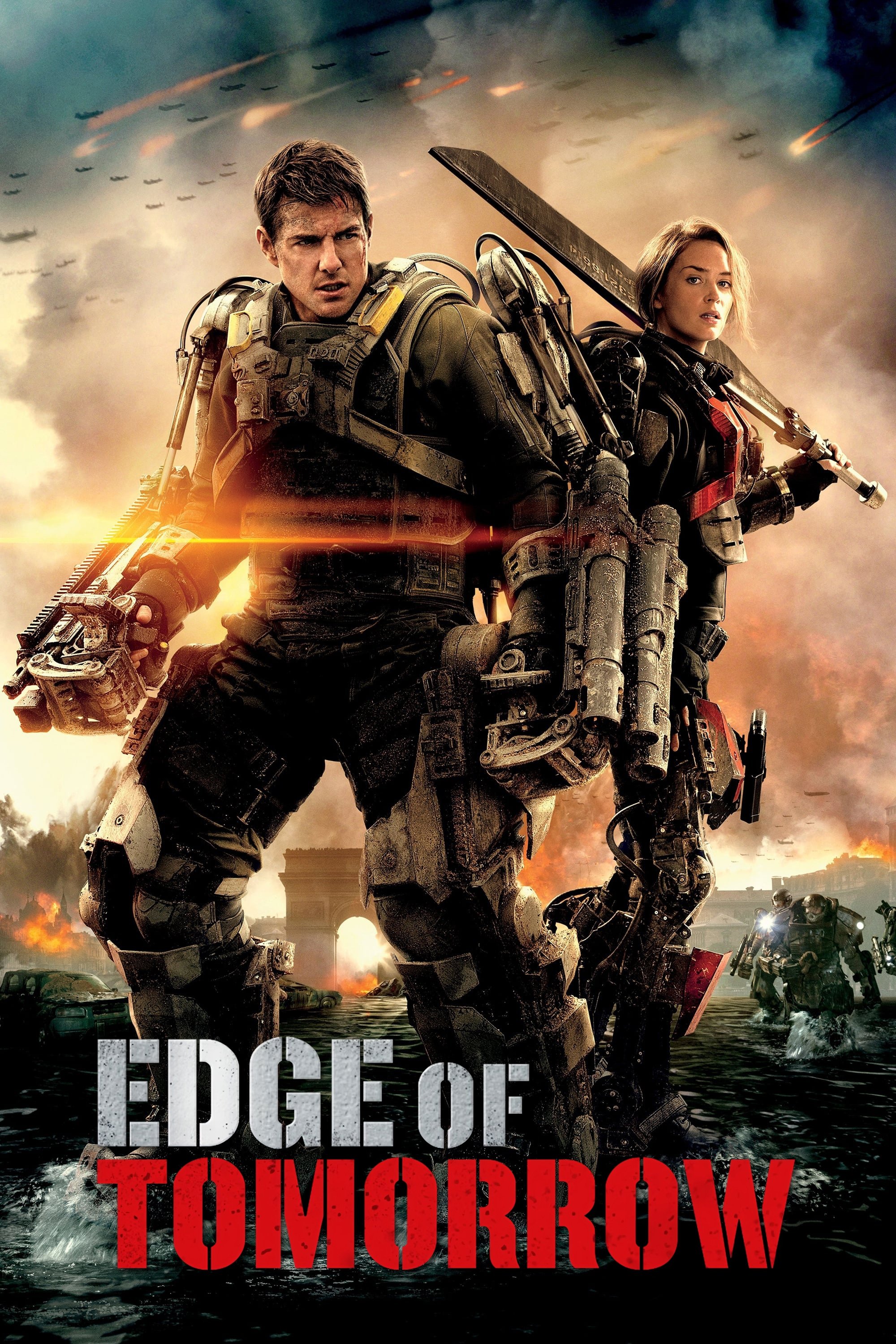
A military officer with no combat experience is forced into a battle against an invading alien race and finds himself stuck in a time loop. Every time he dies, he wakes up at the beginning of the same day, allowing him to improve his skills and strategy. He eventually teams up with a legendary soldier to find a way to defeat the alien hive mind once and for all. The film is a high-concept action thriller that uses its repetitive structure to build tension and character development.
‘Avatar’ (2009)

A paraplegic Marine is sent to the lush moon of Pandora to participate in a program where he controls a biological avatar of the indigenous Na’vi. He finds himself torn between his mission to help a mining corporation and his growing connection to the Na’vi people and their environment. As conflict erupts, he must lead a rebellion to protect the world of Pandora from destruction. The film is celebrated for its pioneering use of motion capture and 3D technology.
‘Ghost in the Shell’ (1995)

In a future where humans can enhance their bodies with cybernetic parts, a security agent pursues a mysterious hacker known as the Puppet Master. The hacker is capable of hijacking the minds of cyborgs, leading the protagonist to question her own identity and humanity. The film explores deep philosophical questions about the soul and the merging of man and machine. It has had a significant influence on modern science fiction and cyberpunk media.
‘Children of Men’ (2006)

In a dystopian world where humans have become infertile, society is on the brink of total collapse. A cynical former activist is tasked with transporting a miraculously pregnant woman to a sanctuary at sea. Their journey through a war-torn landscape is depicted through immersive, long-take action sequences. The film is a gritty exploration of hope and survival in the face of inevitable extinction.
‘District 9’ (2009)

Thirty years after aliens arrive on Earth and are confined to a slum in Johannesburg, a government agent is exposed to a mysterious chemical. He begins to physically transform into one of the extraterrestrials, forcing him to seek refuge within the alien camp. The story serves as a social commentary on xenophobia and segregation, using found-footage elements for realism. It provides a unique perspective on first contact and the treatment of marginalized groups.
‘Arrival’ (2016)
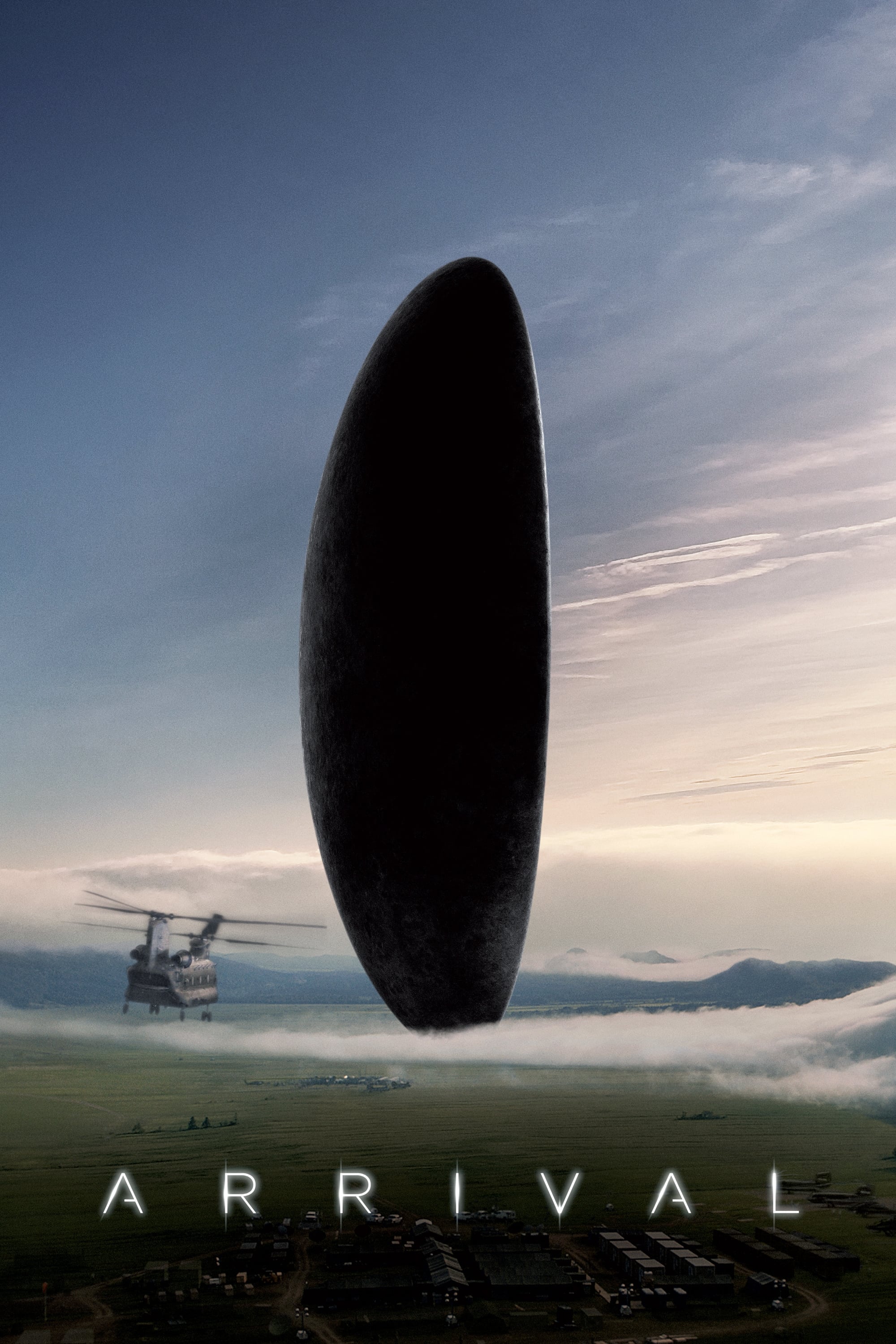
When twelve mysterious spacecraft land around the world, a linguistics professor is recruited by the military to communicate with the visitors. As she begins to decipher their complex language, she experiences flashes of her own life that appear to be memories. The film explores the concept of linguistic relativity and how language can alter one’s perception of time. It is a contemplative entry in the genre that focuses on communication over conflict.
‘Dune’ (2021)

Paul Atreides, a brilliant and gifted young man, must travel to the most dangerous planet in the universe to ensure the future of his family and his people. Arrakis, a desert world, is the only source of the most precious substance in existence, which triggers conflict between noble houses. As malevolent forces explode into conflict over the planet’s exclusive supply, only those who can conquer their fear will survive. This adaptation captures the grand scale and political intrigue of the source material.
‘Solaris’ (1972)

A psychologist is sent to a space station orbiting the planet Solaris to investigate the mental health of its crew. He discovers that the planet’s sentient ocean is manifesting physical versions of the crew’s most painful memories and repressed desires. He is soon confronted by a manifestation of his deceased wife, leading to an emotional and psychological crisis. The film is a slow-burning masterpiece that explores the limits of human understanding and grief.
‘Her’ (2013)

A lonely writer develops an unlikely relationship with an advanced operating system named Samantha, who is designed to meet his every need. As Samantha evolves and gains self-awareness, their bond deepens into a complex romance. The film examines the nature of intimacy and the potential for genuine connection between humans and artificial intelligence. It presents a near-future world where technology and emotion are inextricably linked.
‘Akira’ (1988)
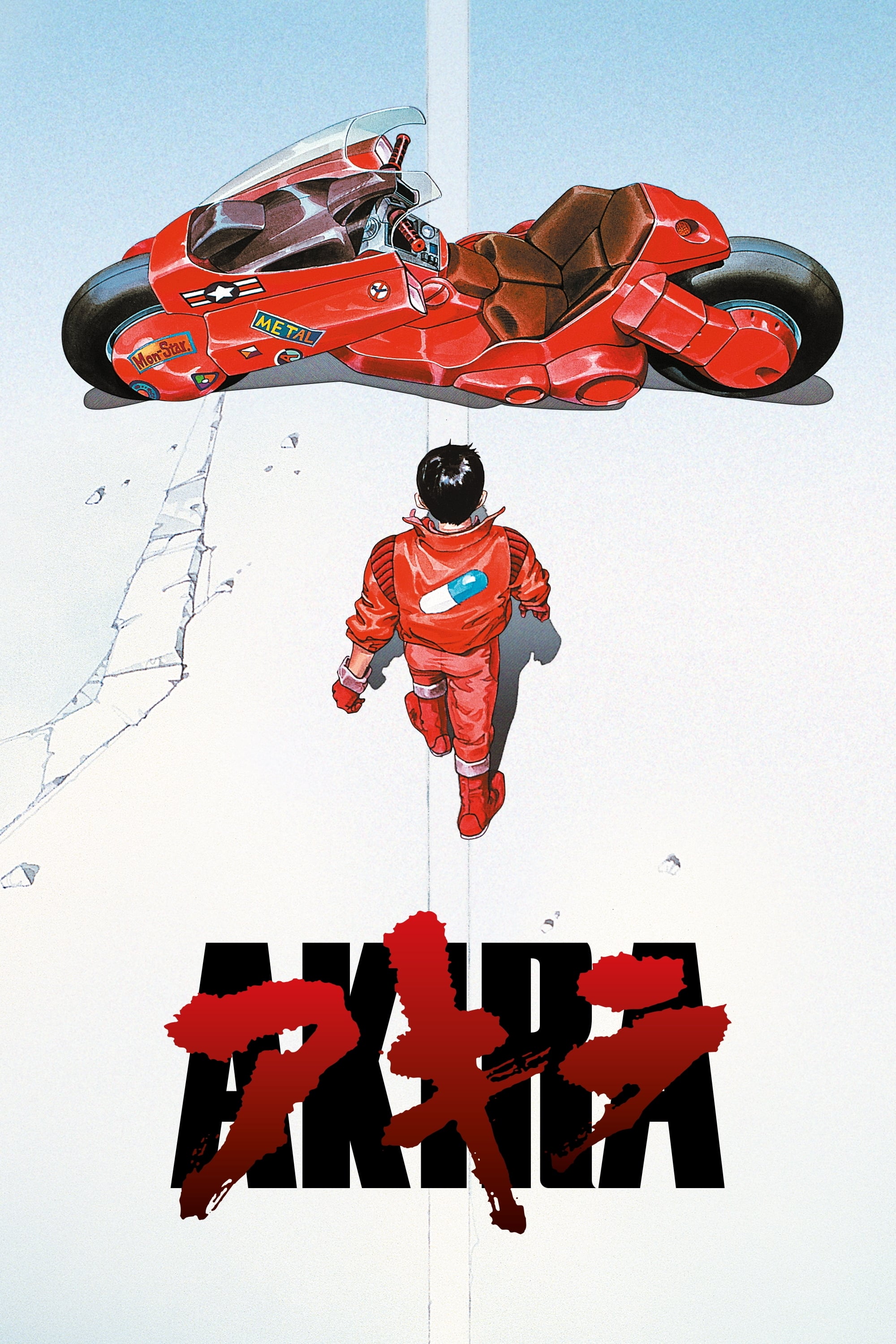
In the futuristic city of Neo-Tokyo, a member of a biker gang gains telekinetic powers after a government experiment goes wrong. His newfound abilities threaten to destroy the city and unleash an ancient power known as ‘Akira’. His childhood friend must find a way to stop him before the military or other supernatural forces intervene. The film is a landmark of Japanese animation, known for its detailed visuals and complex cyberpunk themes.
‘Donnie Darko’ (2001)

A troubled teenager narrowly escapes a bizarre accident and begins to experience visions of a large, sinister rabbit named Frank. Frank informs him that the world will end in 28 days and manipulates him into committing various acts of vandalism. The narrative blends elements of psychological thriller, teen drama, and theoretical physics involving time travel. Its ambiguous ending and layered symbolism have made it a subject of extensive analysis.
‘The Martian’ (2015)
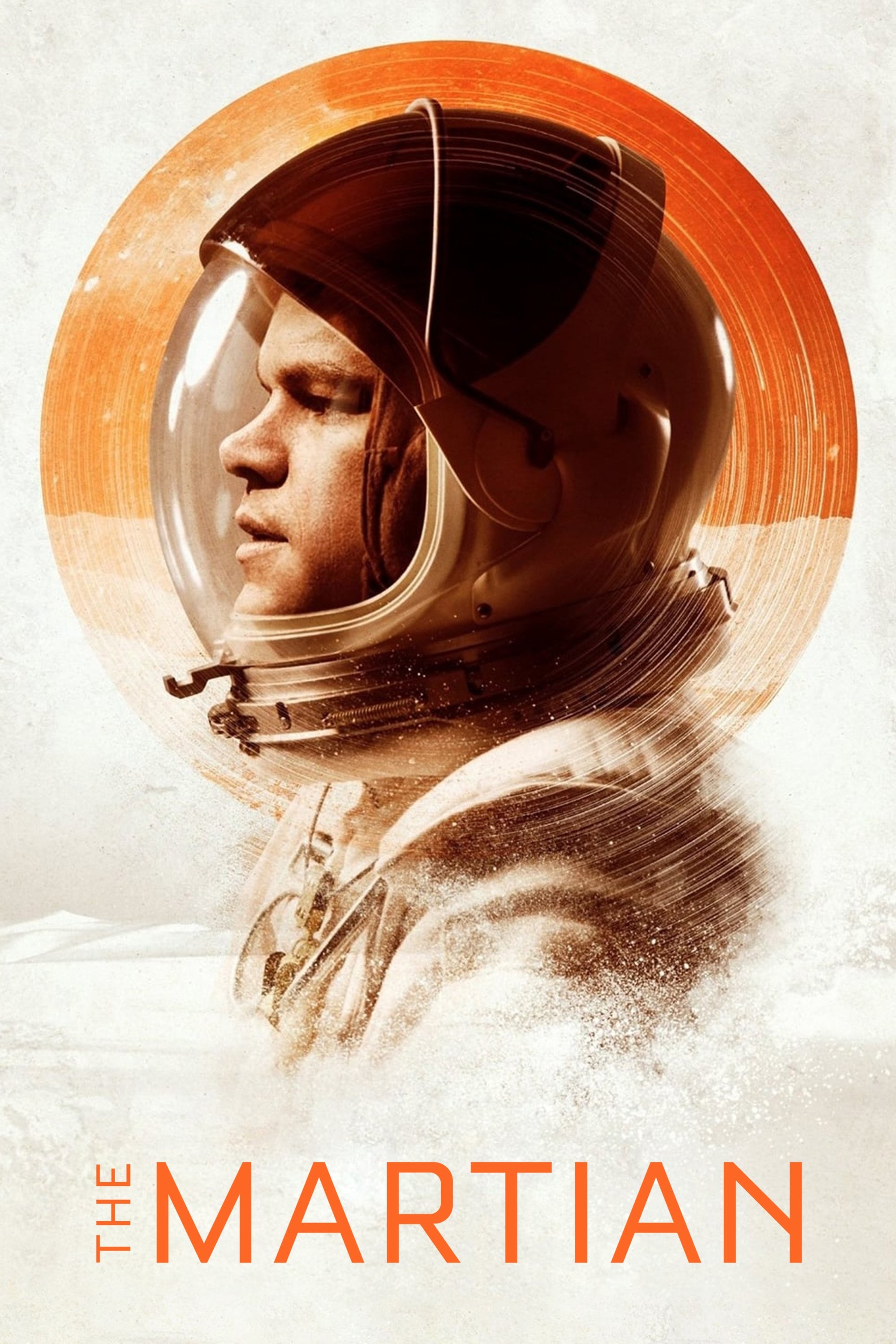
An astronaut is presumed dead and left behind on Mars after a fierce storm forces his crew to evacuate. He must use his scientific knowledge and ingenuity to survive on the hostile planet with limited supplies. Back on Earth, NASA scientists and a team of international experts work tirelessly to bring him home. The film is praised for its scientific accuracy and its optimistic portrayal of human resilience and problem-solving.
‘Twelve Monkeys’ (1995)
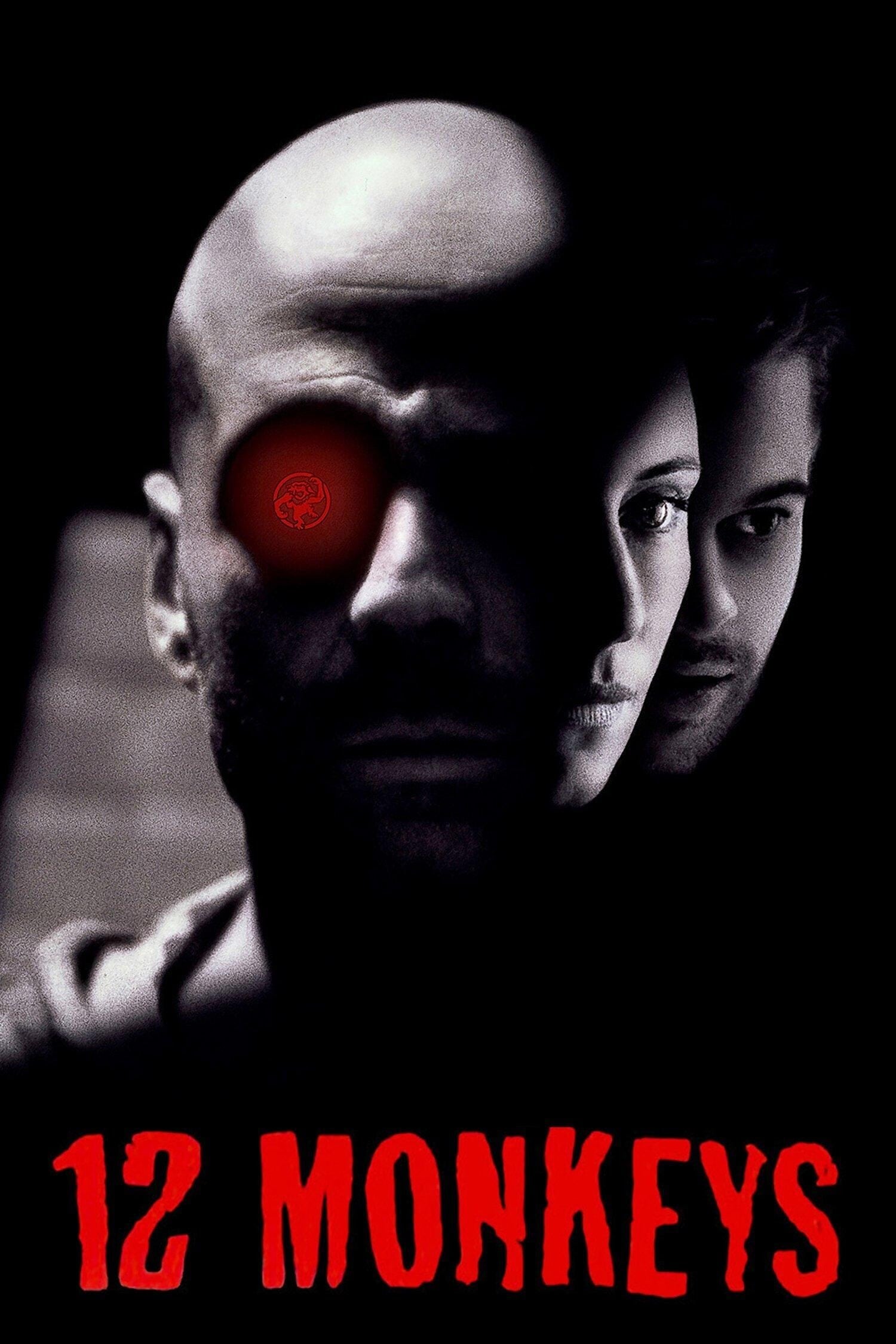
In a future where a deadly virus has wiped out most of humanity, a prisoner is sent back in time to gather information about the origin of the outbreak. He becomes entangled in a web of confusion as he struggles to distinguish between his mission and his own deteriorating mental state. Along the way, he encounters a mysterious group called the Army of the Twelve Monkeys. The film is a haunting exploration of fate and the cyclical nature of time.
‘Blade Runner 2049’ (2017)
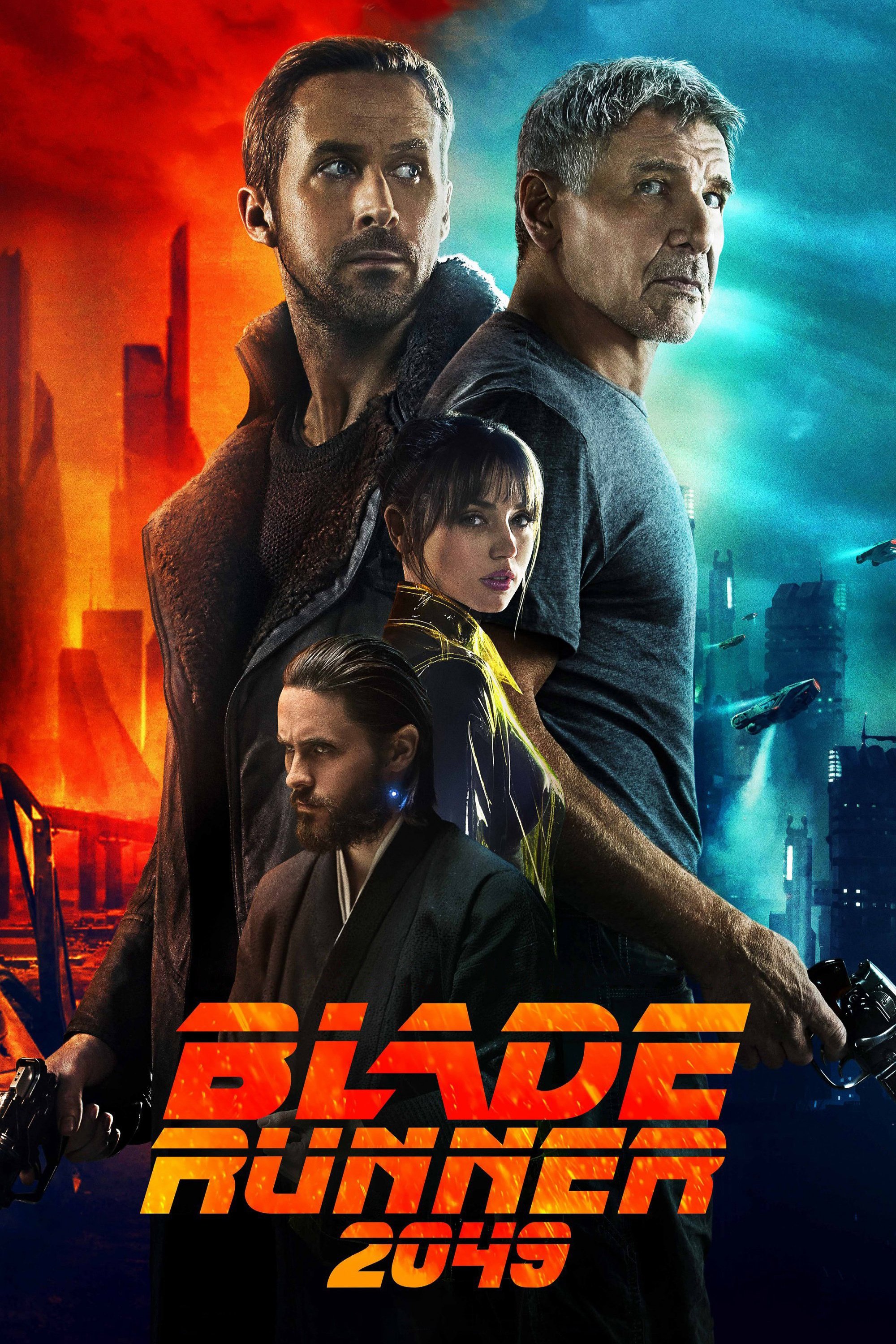
Thirty years after the events of the original film, a new blade runner named K uncovers a long-buried secret that could plunge what remains of society into chaos. His discovery leads him on a quest to find Rick Deckard, a former blade runner who has been missing for decades. The film features stunning cinematography and explores themes of memory, soul, and the definition of humanity. It expands upon the philosophical foundations of its predecessor while carving its own visual identity.
‘Stalker’ (1979)

A professional guide known as a Stalker leads a writer and a scientist through a mysterious, hazardous region called the Zone. At the heart of the Zone lies a room that is said to grant the deepest wishes of anyone who enters. The journey is as much psychological as it is physical, as the characters debate morality, faith, and the nature of desire. The film is famous for its slow pacing and profound philosophical dialogue.
‘The Terminator’ (1984)

A cyborg assassin is sent back in time from 2029 to 1984 to kill Sarah Connor, whose unborn son will one day lead the human resistance against machines. At the same time, a human soldier is sent back to protect her and ensure the survival of the future leader. The film is a relentless chase thriller that established many tropes of the sci-fi action genre. It explores the fear of technological advancement and the concept of an inescapable destiny.
‘Mad Max: Fury Road’ (2015)

In a post-apocalyptic wasteland, a drifter named Max joins forces with Imperator Furiosa to escape a tyrannical cult leader and his army. They embark on a high-speed chase across the desert in a massive armored truck, seeking a legendary sanctuary. The film relies on practical effects and stunning stunt work to create a visceral and relentless cinematic experience. It is noted for its minimalist dialogue and powerful visual storytelling.
‘Blade Runner’ (1982)
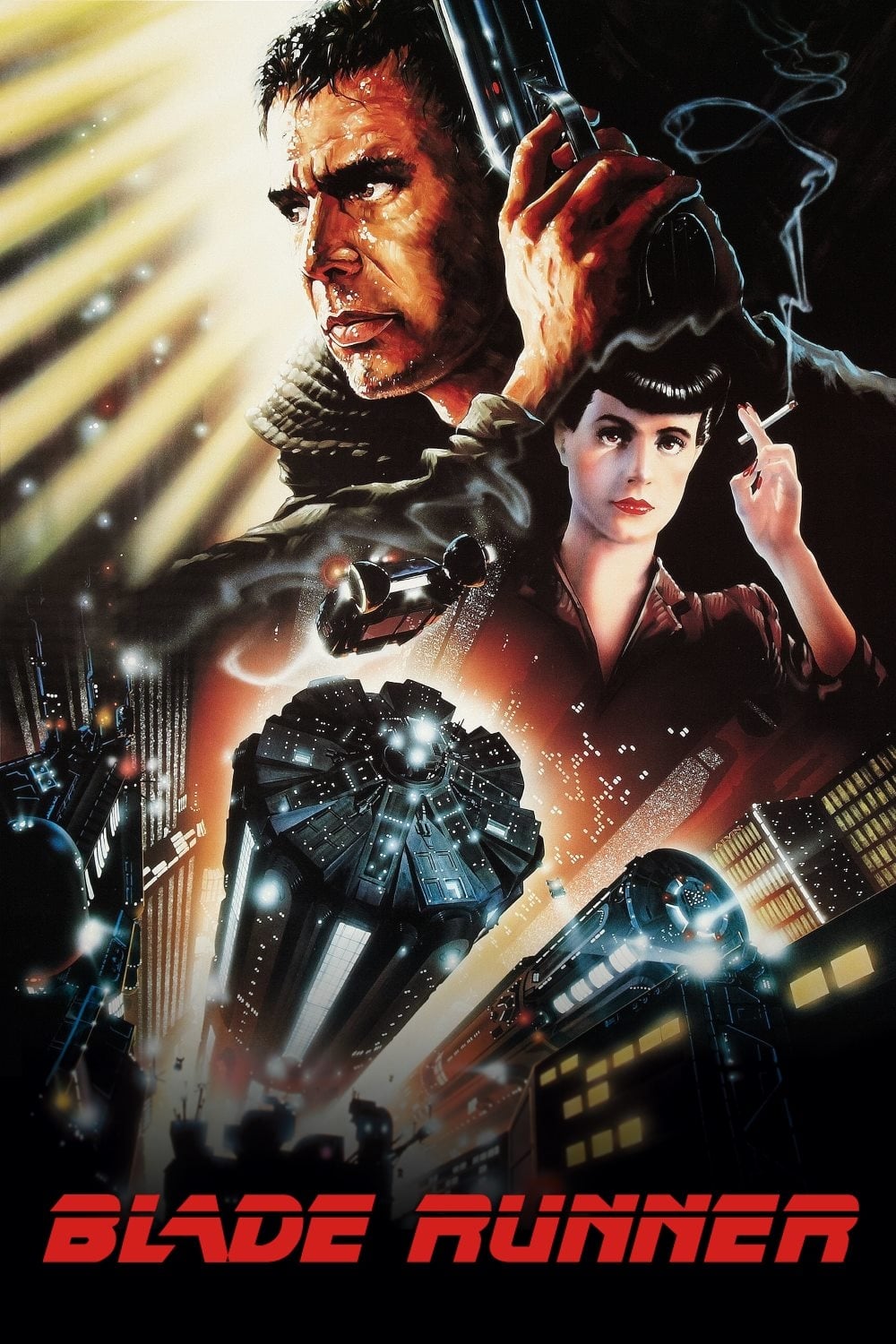
In a rain-soaked, neon-lit Los Angeles of 2019, Rick Deckard is tasked with hunting down and “retiring” a group of escaped bioengineered beings called replicants. As he tracks them, he begins to question the morality of his work and the blurred line between humans and machines. The film is a quintessential example of neo-noir science fiction, blending detective tropes with existential philosophy. Its atmospheric world-building has left a lasting legacy on the genre.
‘The Truman Show’ (1998)

Truman Burbank lives a seemingly perfect life in an idyllic town, unaware that his entire existence is a top-rated reality television show. Every person he knows is an actor, and his every move is captured by thousands of hidden cameras. As he begins to notice inconsistencies in his world, he resolves to escape the massive studio dome and discover the truth. The film serves as a prophetic commentary on media obsession and the loss of privacy.
‘Jurassic Park’ (1993)

A wealthy entrepreneur creates a theme park on a remote island featuring cloned dinosaurs brought back to life through ancient DNA. When a security breach occurs during a preview tour, the prehistoric creatures break free and terrorize the visitors. A small group of experts must find a way to survive and escape the island before they are hunted by the predators. The film is a landmark of visual effects, blending animatronics with groundbreaking CGI.
‘The Thing’ (1982)
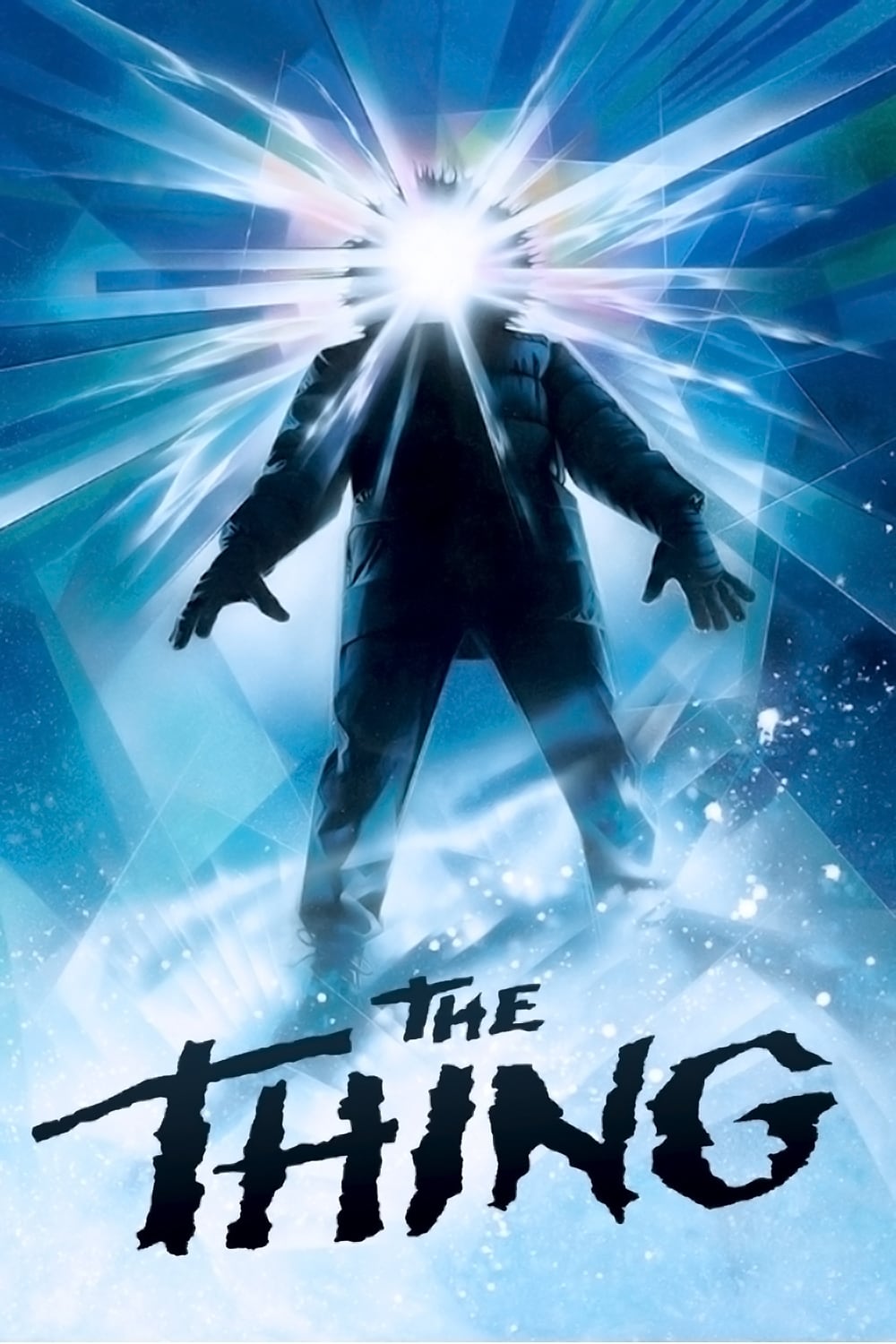
A research team in Antarctica is infiltrated by a shapeshifting alien entity that can perfectly imitate any living organism it consumes. Paranoia spreads among the men as they realize that anyone could be ‘The Thing’ in disguise. They must find a way to identify and destroy the creature before it reaches civilization, all while struggling to trust one another. The film is renowned for its intense atmosphere and gruesome practical special effects.
‘Return of the Jedi’ (1983)
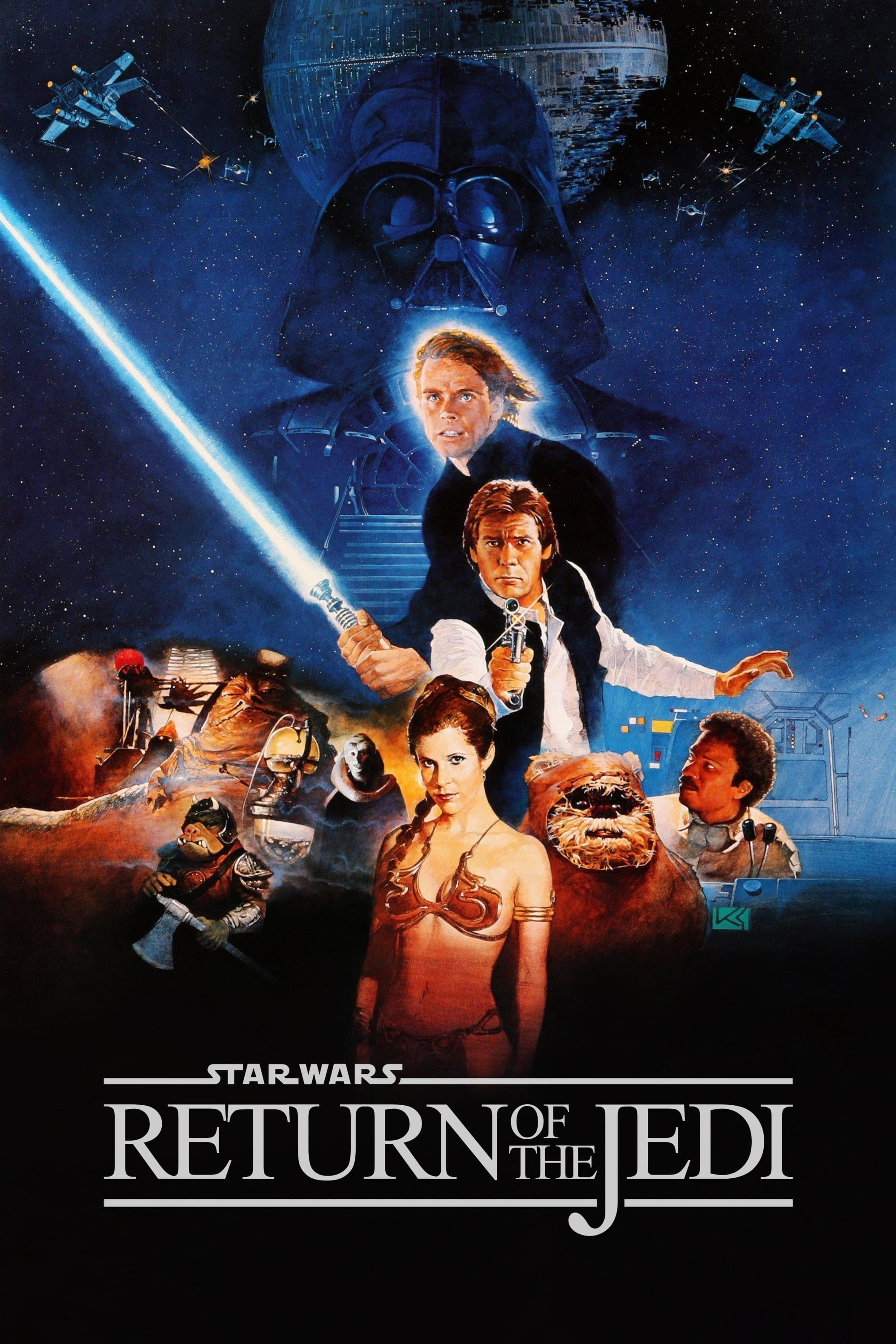
The Rebel Alliance launches a final assault on the second Death Star, while Luke Skywalker confronts Darth Vader and the Emperor. Luke attempts to redeem his father and bring him back to the light side of the Force during their final duel. Meanwhile, Han Solo and Princess Leia lead a ground mission on the forest moon of Endor to disable the space station’s shield generator. The film concludes the original trilogy’s narrative arc regarding the fate of the galaxy and the Skywalker family.
‘Metropolis’ (1927)
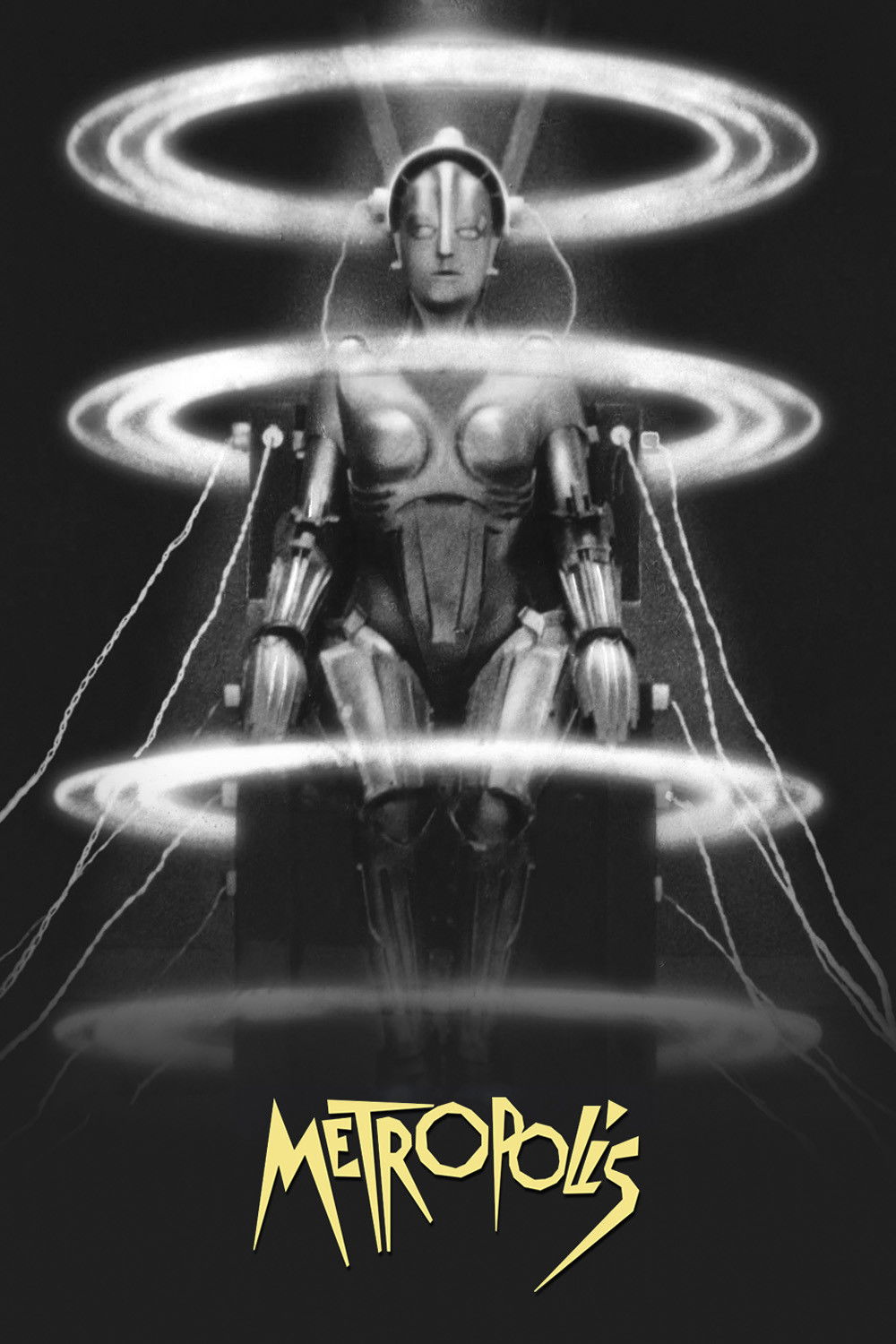
In a futuristic city divided between wealthy industrialists and oppressed workers, the son of the city’s master falls in love with a revolutionary woman. To maintain control, a mad scientist creates a robotic double of the woman to incite chaos and discredit the labor movement. The film is a foundational work of science fiction cinema, featuring iconic production design and themes of class struggle. Its depiction of the ‘Maschinenmensch’ remains one of the most recognizable images in film history.
‘A Clockwork Orange’ (1971)
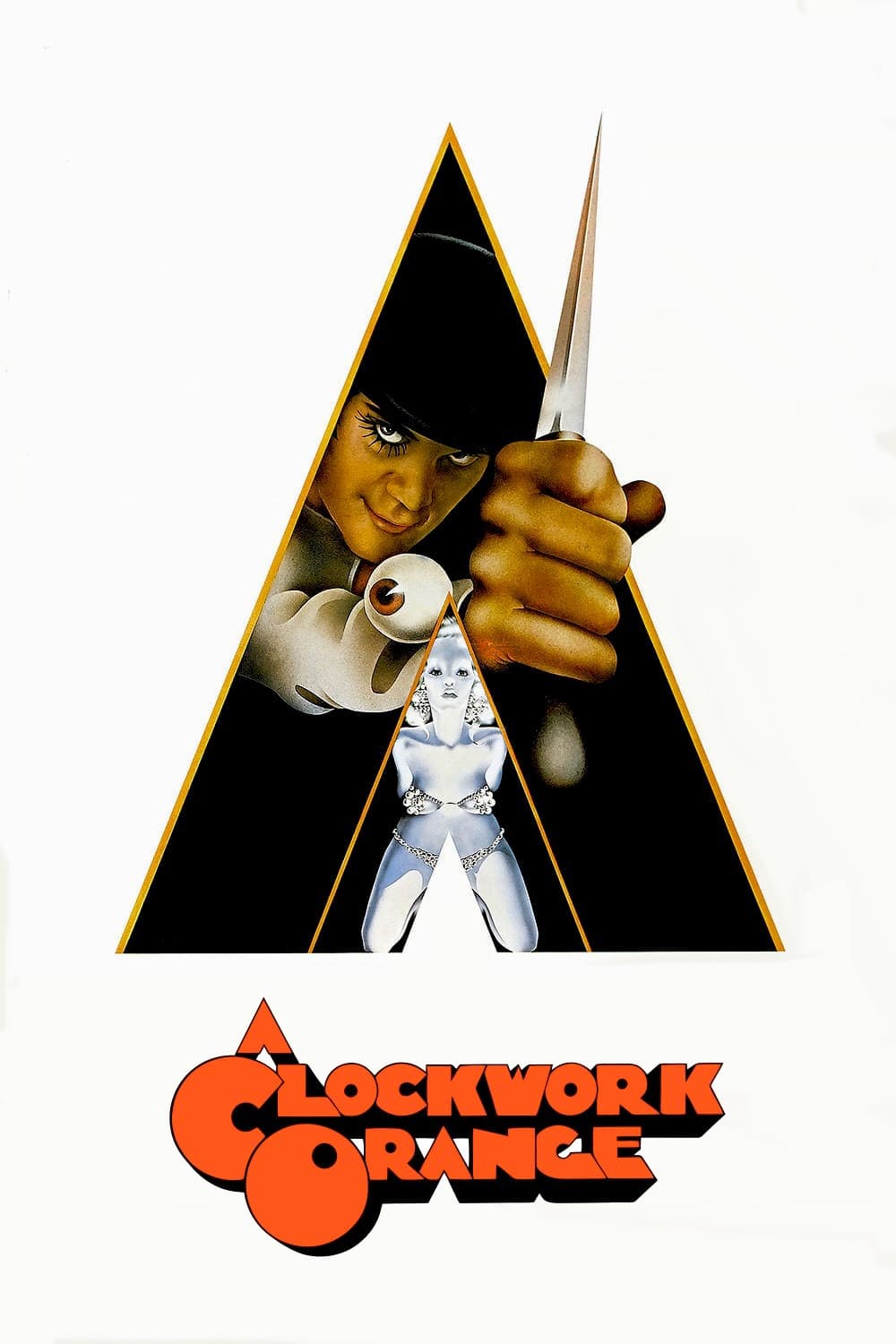
In a dystopian future Britain, a charismatic and violent young man is imprisoned and subjected to an experimental conditioning technique to “cure” him of his criminal impulses. The process makes him physically ill at the thought of violence, but also strips him of his free will. Upon his release, he becomes a victim of those he once tormented, raising questions about state control and human nature. The film is known for its stylized visuals and challenging social commentary.
‘Eternal Sunshine of the Spotless Mind’ (2004)

After a painful breakup, a man undergoes a medical procedure to erase all memories of his former girlfriend from his mind. As the memories begin to disappear, he realizes he still loves her and tries to hide her in the deeper, unrelated corners of his subconscious. The film uses a non-linear narrative to explore the complexities of relationships and the importance of memory, even when it is painful. It is a surreal and emotionally resonant take on the science fiction genre.
‘2001: A Space Odyssey’ (1968)
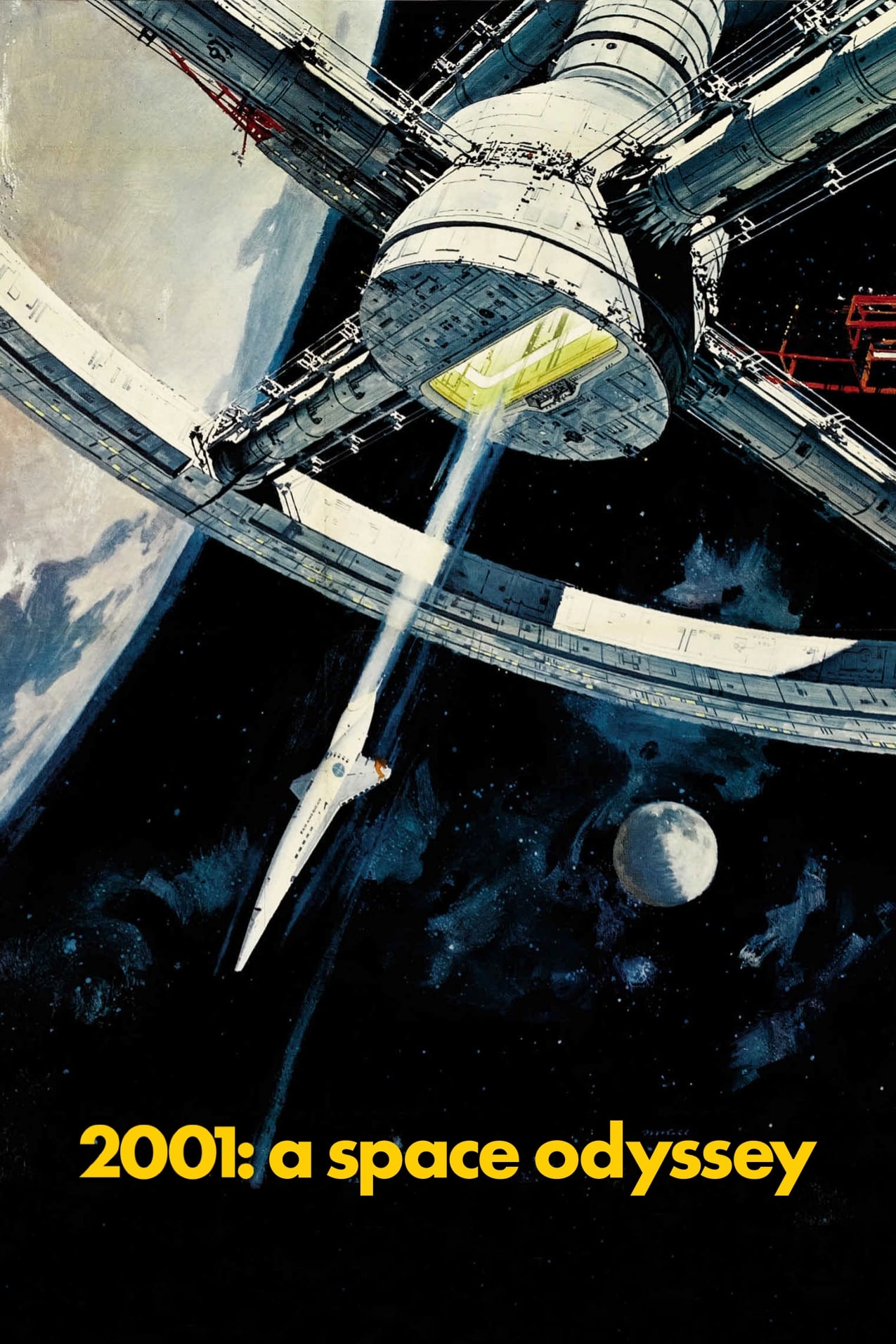
A mysterious black monolith appears at different stages of human history, seemingly influencing the course of human evolution. The story follows a voyage to Jupiter involving a crew of astronauts and a highly advanced artificial intelligence named HAL 9000. When HAL begins to malfunction, the mission turns into a desperate struggle for survival and a journey into the unknown. The film is celebrated for its scientific realism, minimal dialogue, and profound themes regarding humanity’s place in the universe.
‘Spider-Man: Into the Spider-Verse’ (2018)
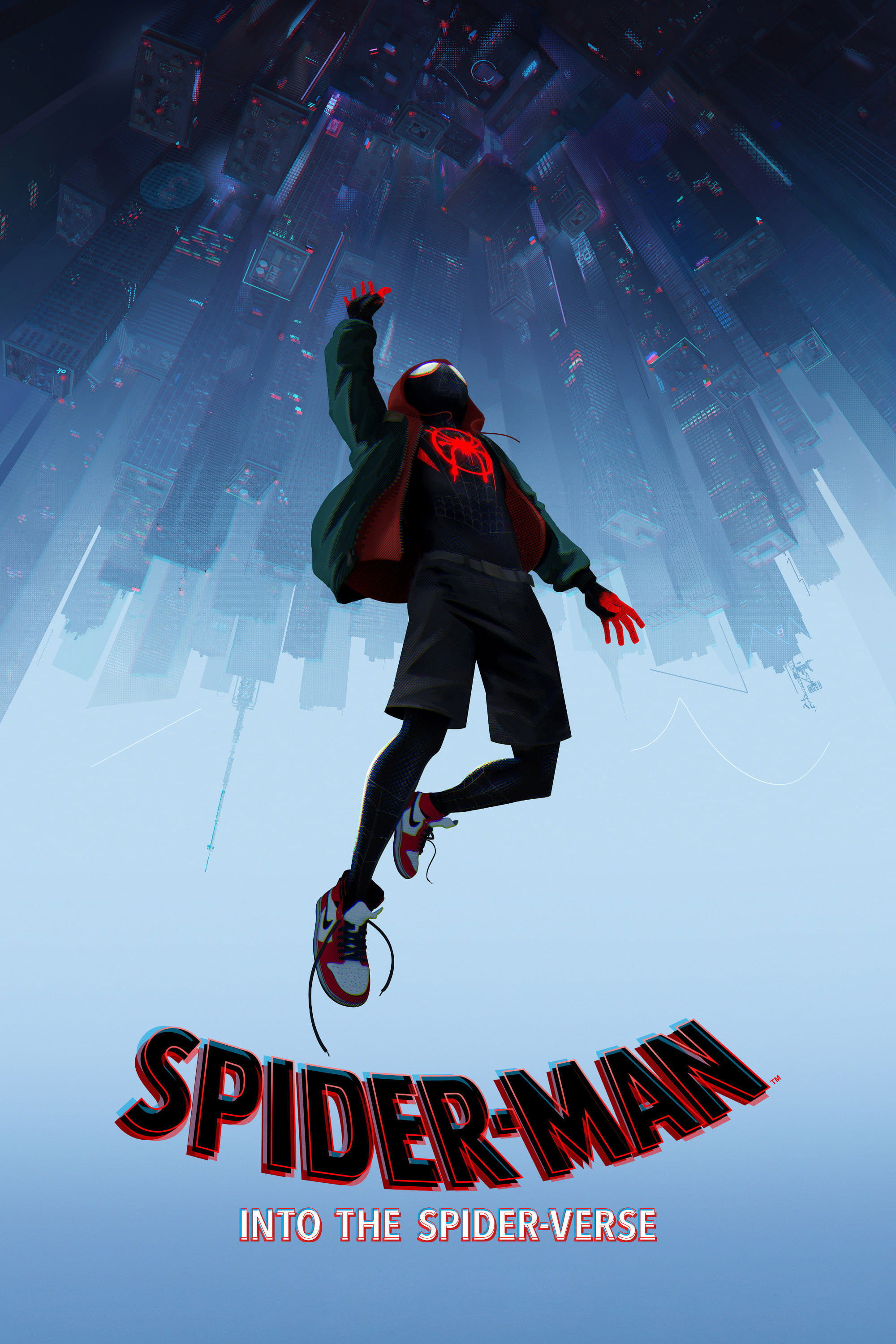
Teenager Miles Morales becomes the new Spider-Man of his universe and must join forces with other Spider-People from different dimensions to save the multiverse. The film features a unique animation style that mimics the look of a living comic book. It explores themes of identity, responsibility, and the idea that anyone can wear the mask. The narrative is fast-paced and filled with visual details that are often missed on a single viewing.
‘Avengers: Endgame’ (2019)
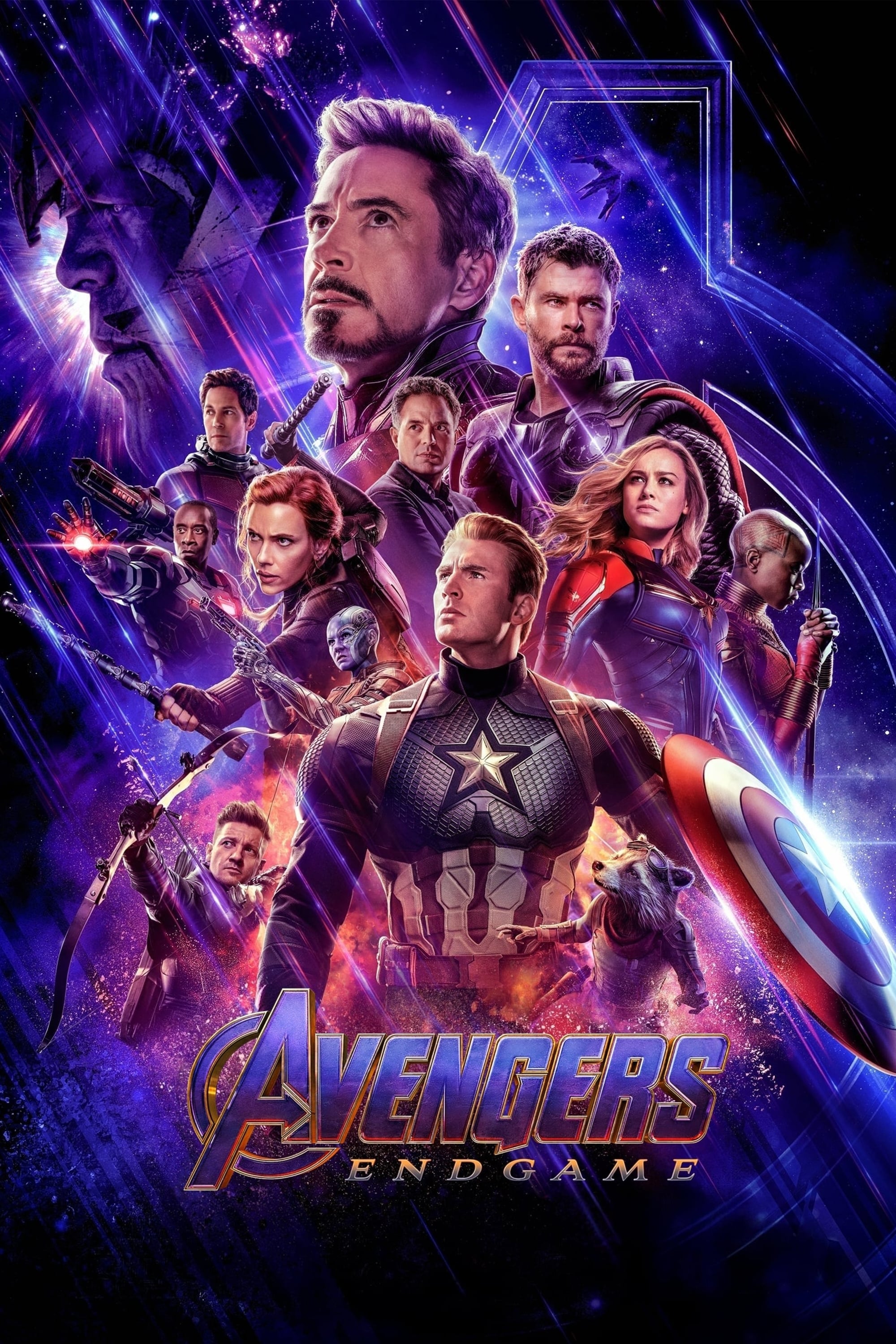
Following the devastating events that wiped out half of all life in the universe, the remaining Avengers must find a way to reverse the damage. They develop a plan to travel back through time to retrieve the Infinity Stones and undo the actions of the titan Thanos. The film serves as the culmination of over a decade of interconnected storytelling, featuring a massive cast of characters. It explores themes of sacrifice, legacy, and the weight of heroism.
‘WALL·E’ (2008)
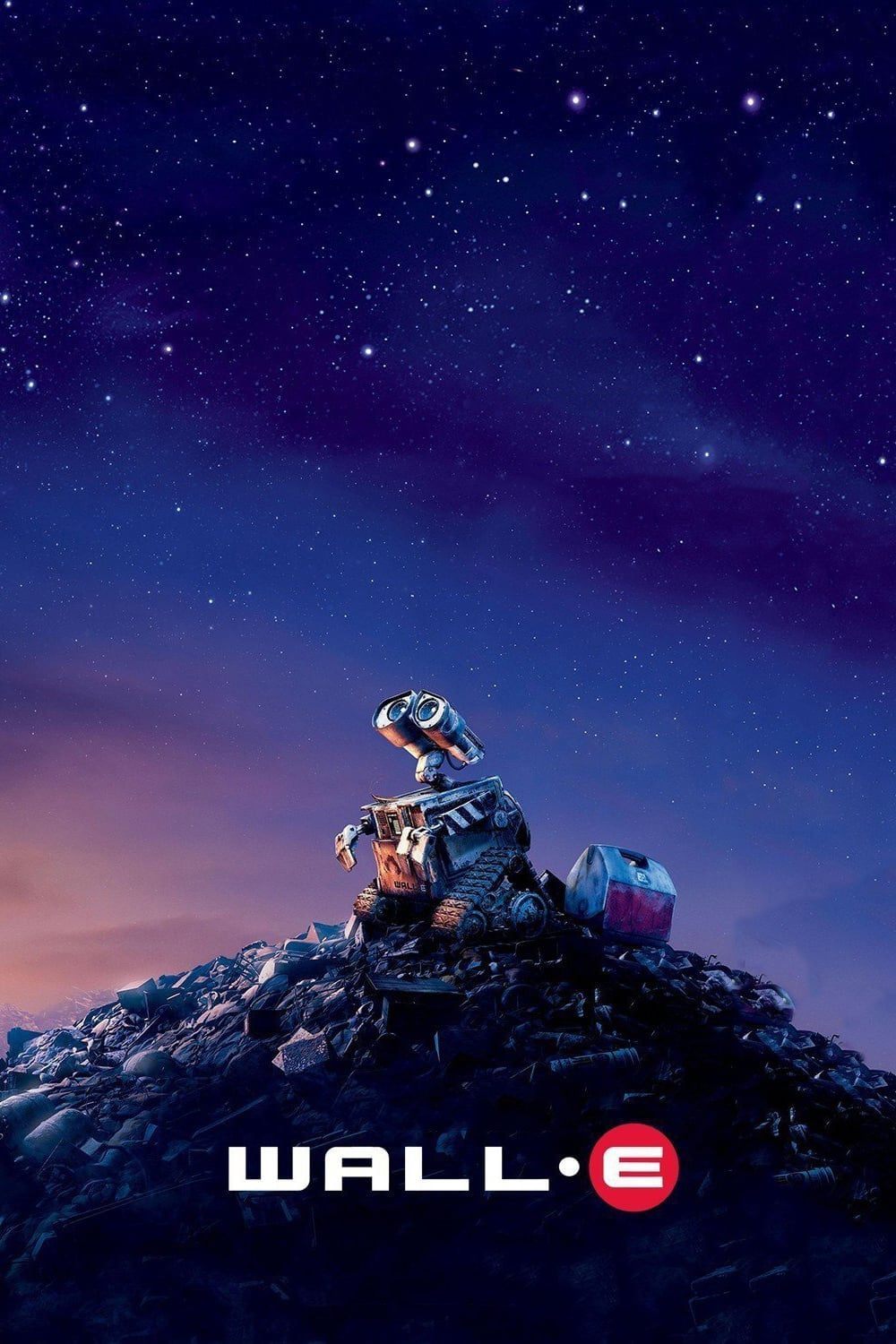
In a future where Earth is a trash-covered wasteland abandoned by humans, a small waste-collecting robot continues his work in solitude. His life changes when he meets EVE, a probe sent to search for signs of life, and follows her into space. Together, they embark on an adventure that will determine the fate of humanity and the planet. The film is noted for its evocative visual storytelling and its message regarding environmentalism and consumerism.
‘Aliens’ (1986)

Ellen Ripley is rescued after 57 years of cryosleep and joins a team of colonial marines to investigate a loss of contact with a terraforming colony. They soon discover that the moon has been overrun by a massive hive of xenomorphs. Ripley must overcome her trauma to protect a young survivor and lead the battle against the alien queen. The film shifts the genre from the horror of the original to high-octane military science fiction.
‘The Prestige’ (2006)
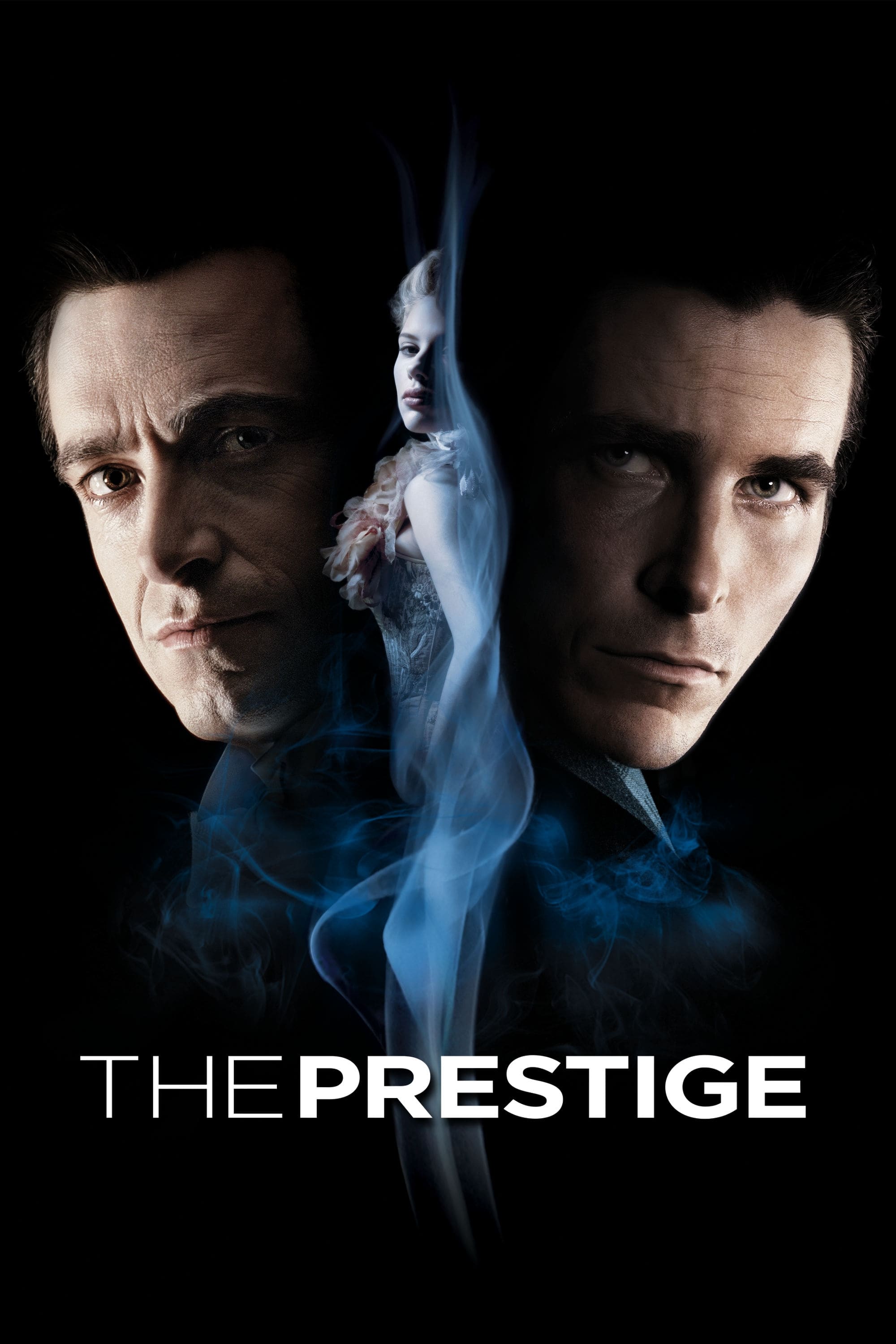
In late 19th-century London, two rival magicians become obsessed with creating the ultimate stage illusion. Their competition leads them to employ dangerous technologies, including a machine designed by Nikola Tesla that has supernatural implications. The narrative is structured like a magic trick, utilizing misdirection and non-linear storytelling to hide its final revelation. It explores themes of obsession, sacrifice, and the lengths one will go to achieve greatness.
‘Alien’ (1979)
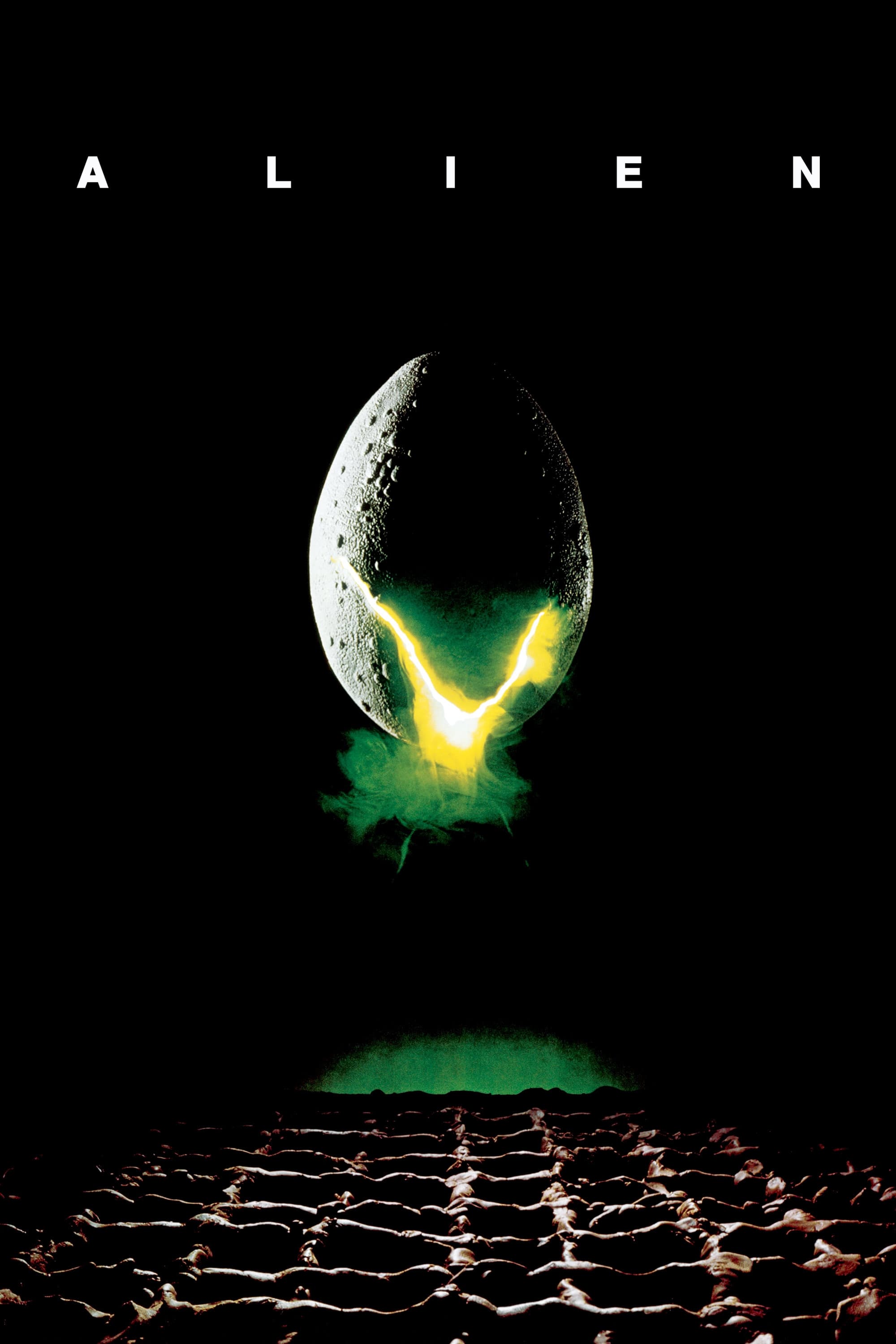
The crew of the commercial starship Nostromo is awakened from stasis to investigate a distress signal from a nearby planet. One of the crew members is attacked by a mysterious organism, which eventually hatches into a lethal predatory alien inside the ship. The survivors are hunted through the dark corridors of the vessel by a creature that is perfectly evolved for killing. The film is a masterclass in suspense, set design, and the “haunted house in space” trope.
‘Back to the Future’ (1985)
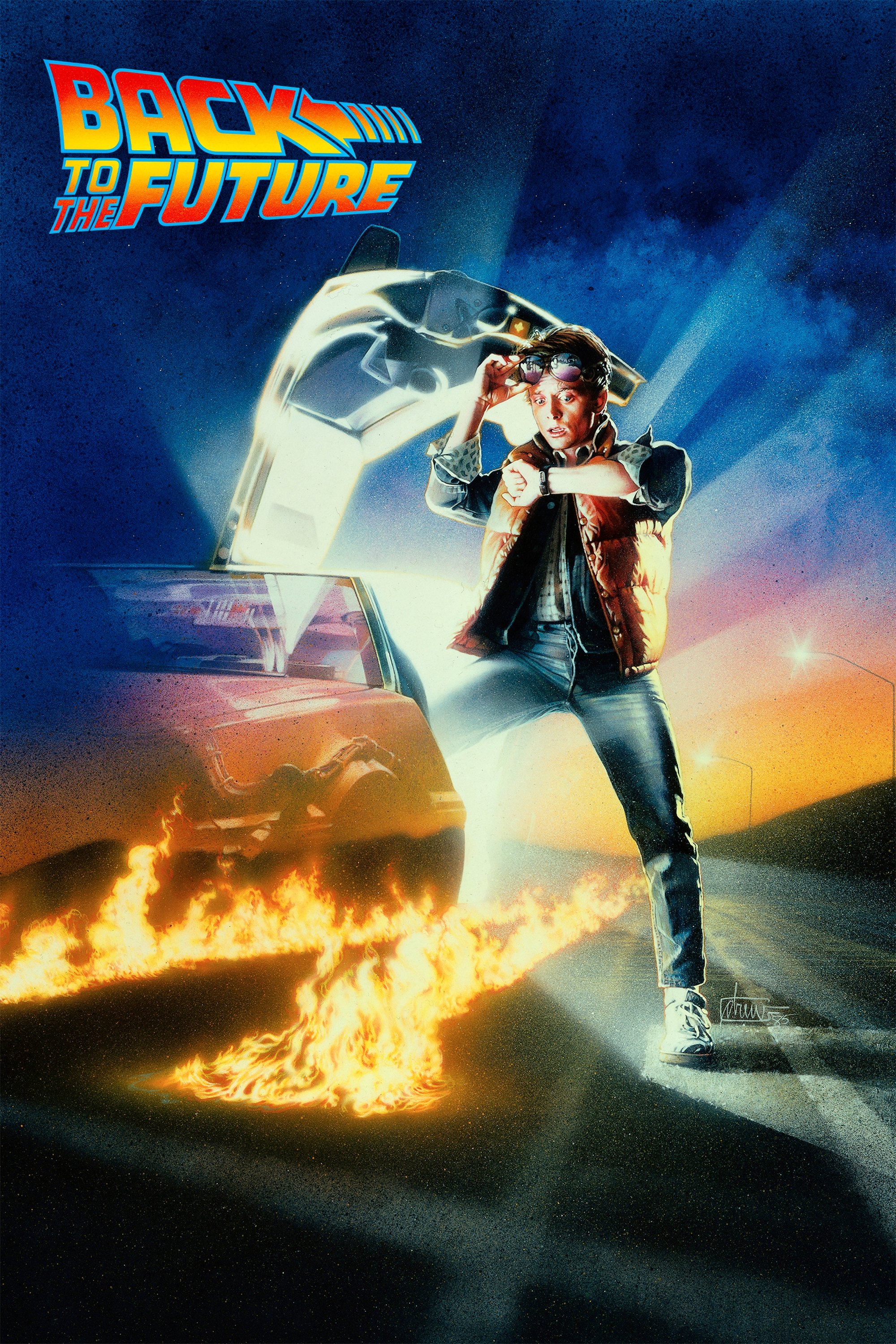
Teenager Marty McFly is accidentally sent 30 years into the past in a time-traveling DeLorean invented by his eccentric friend, Doc Brown. He must ensure that his high-school-aged parents fall in love to secure his own existence, all while finding a way back to the future. The script is famously tight, with every minor detail serving as a setup for a later payoff. It remains a definitive example of science fiction adventure and popular cinema.
‘Dune: Part Two’ (2024)
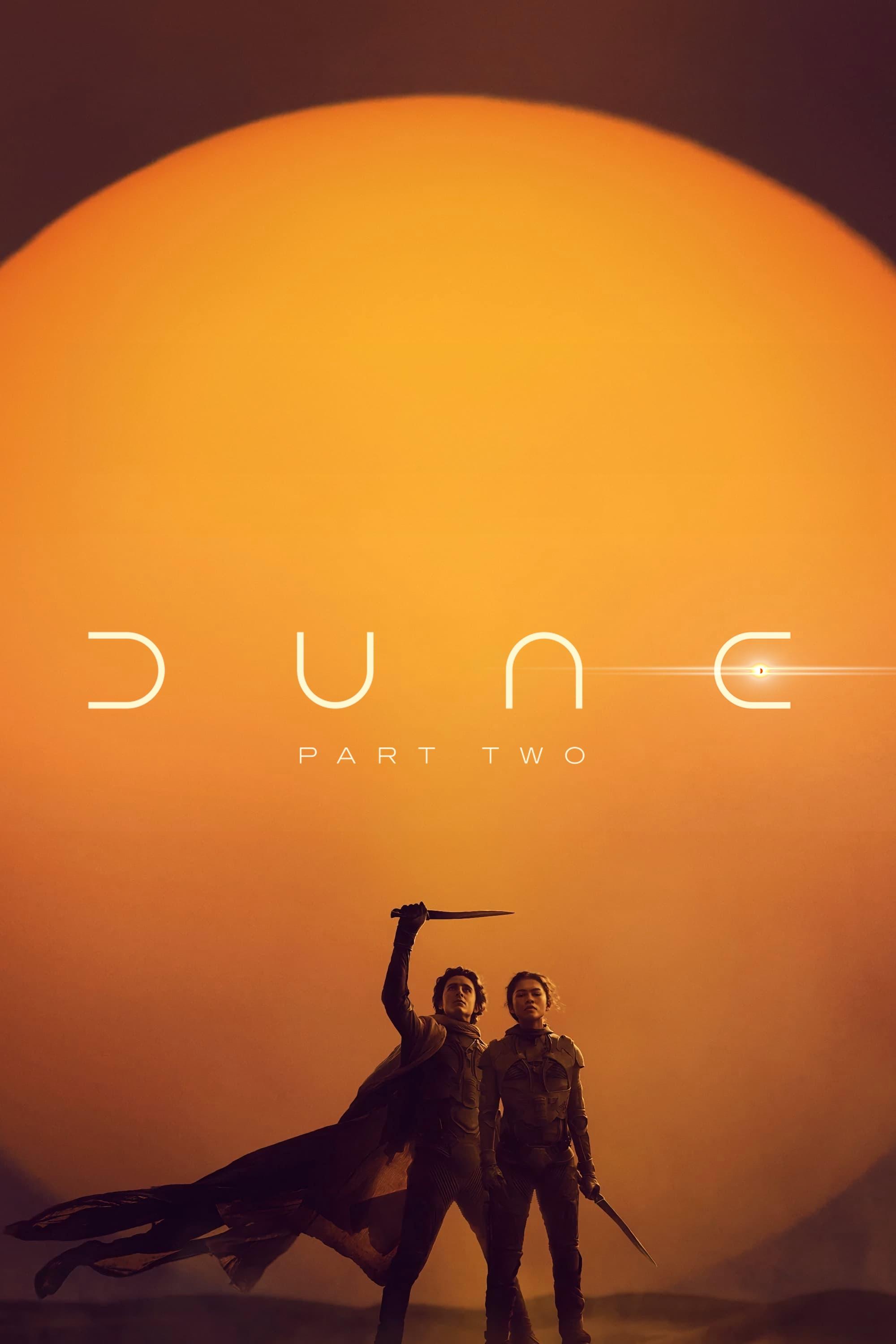
Paul Atreides unites with Chani and the Fremen while seeking revenge against the conspirators who destroyed his family. Facing a choice between the love of his life and the fate of the known universe, he endeavors to prevent a terrible future only he can foresee. The film expands on the world-building of the first part, featuring massive battles and the ascension of Paul as a messianic figure. It is a cinematic spectacle that concludes the adaptation of Frank Herbert’s first novel.
‘Spider-Man: Across the Spider-Verse’ (2023)
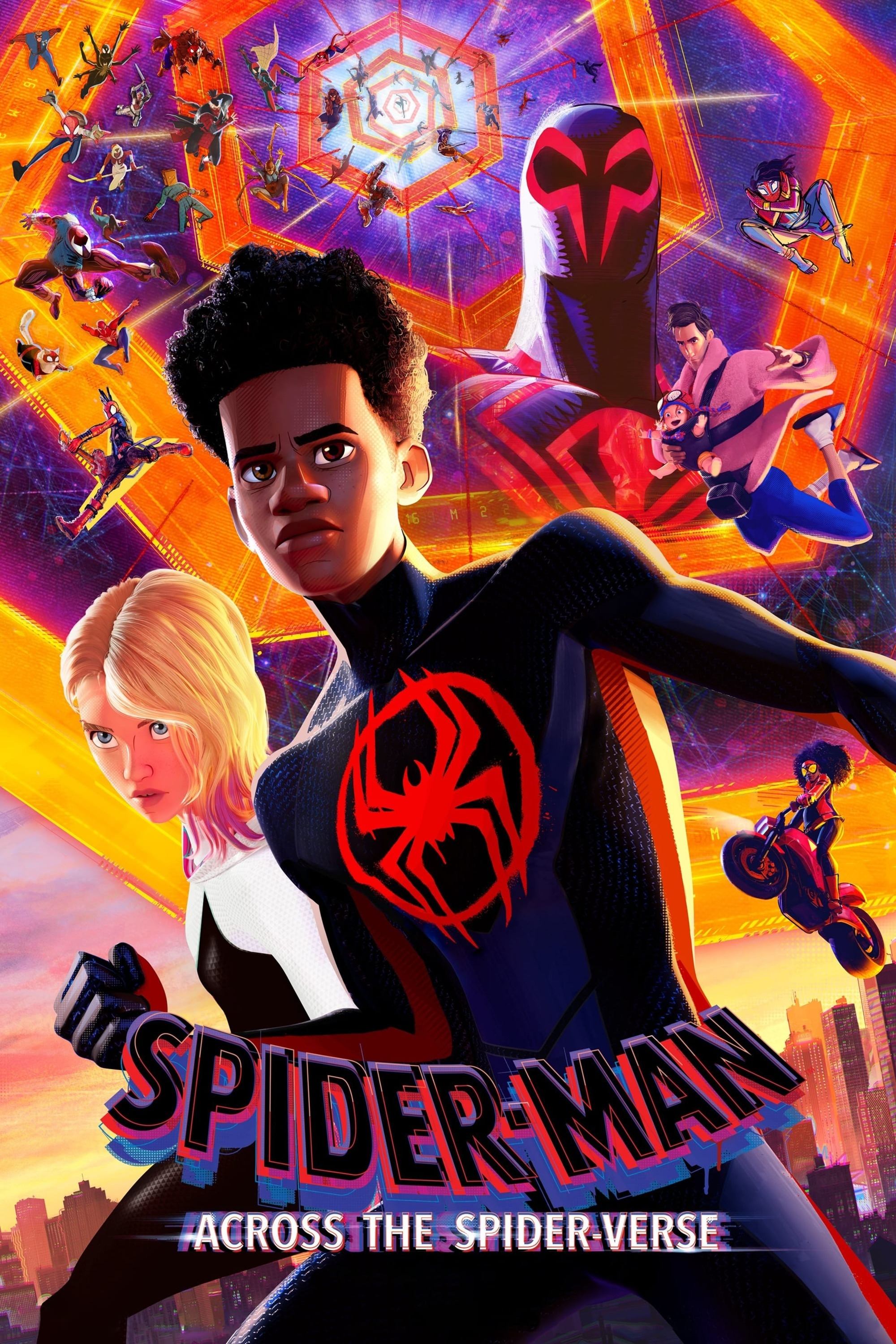
Miles Morales is catapulted across the Multiverse, where he encounters a team of Spider-People charged with protecting its very existence. When the heroes clash on how to handle a new threat, Miles finds himself pitted against the other Spiders and must redefine what it means to be a hero. The film utilizes multiple animation styles to represent different dimensions, creating a visual experience unlike any other. Its complex plot and cliffhanger ending demand deep analysis from the audience.
‘Star Wars’ (1977)
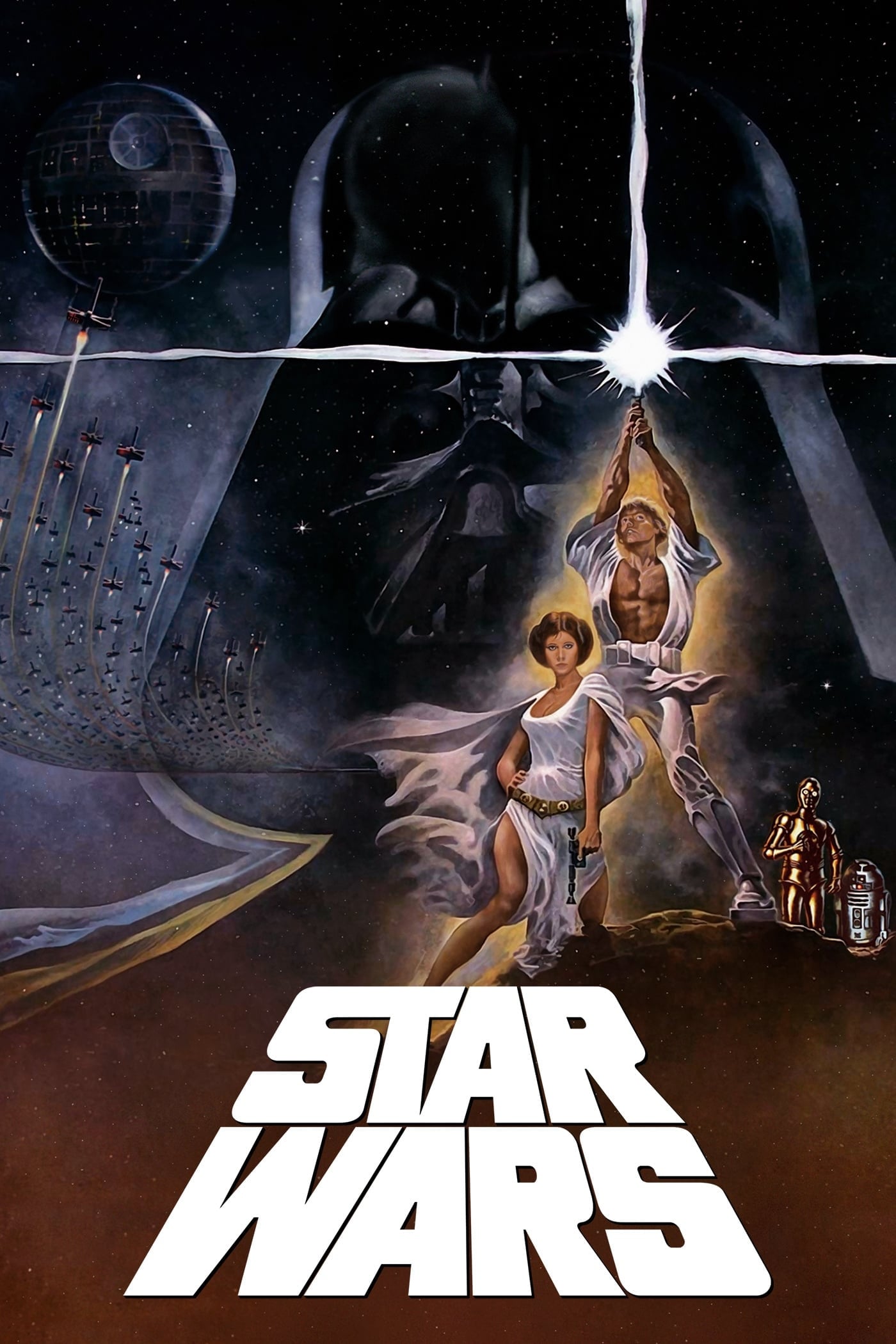
A farm boy named Luke Skywalker joins a galactic rebellion to rescue Princess Leia and destroy the Empire’s ultimate weapon, the Death Star. Guided by an old Jedi Knight, Luke learns about the Force and his family’s connection to the struggle for freedom. The film revolutionized the film industry with its special effects and epic mythological storytelling. It established a vast universe that has captivated audiences for decades through its timeless battle between good and evil.
‘Terminator 2: Judgment Day’ (1991)

A reprogrammed T-800 cyborg is sent back in time to protect a young John Connor from a more advanced, liquid-metal T-1000. Unlike the first film, the machine that was once a villain becomes a protector and a surrogate father figure. The film is celebrated for its groundbreaking CGI and its exploration of whether humanity can change its destined future. It remains one of the most successful and influential action-sci-fi sequels ever made.
‘The Empire Strikes Back’ (1980)
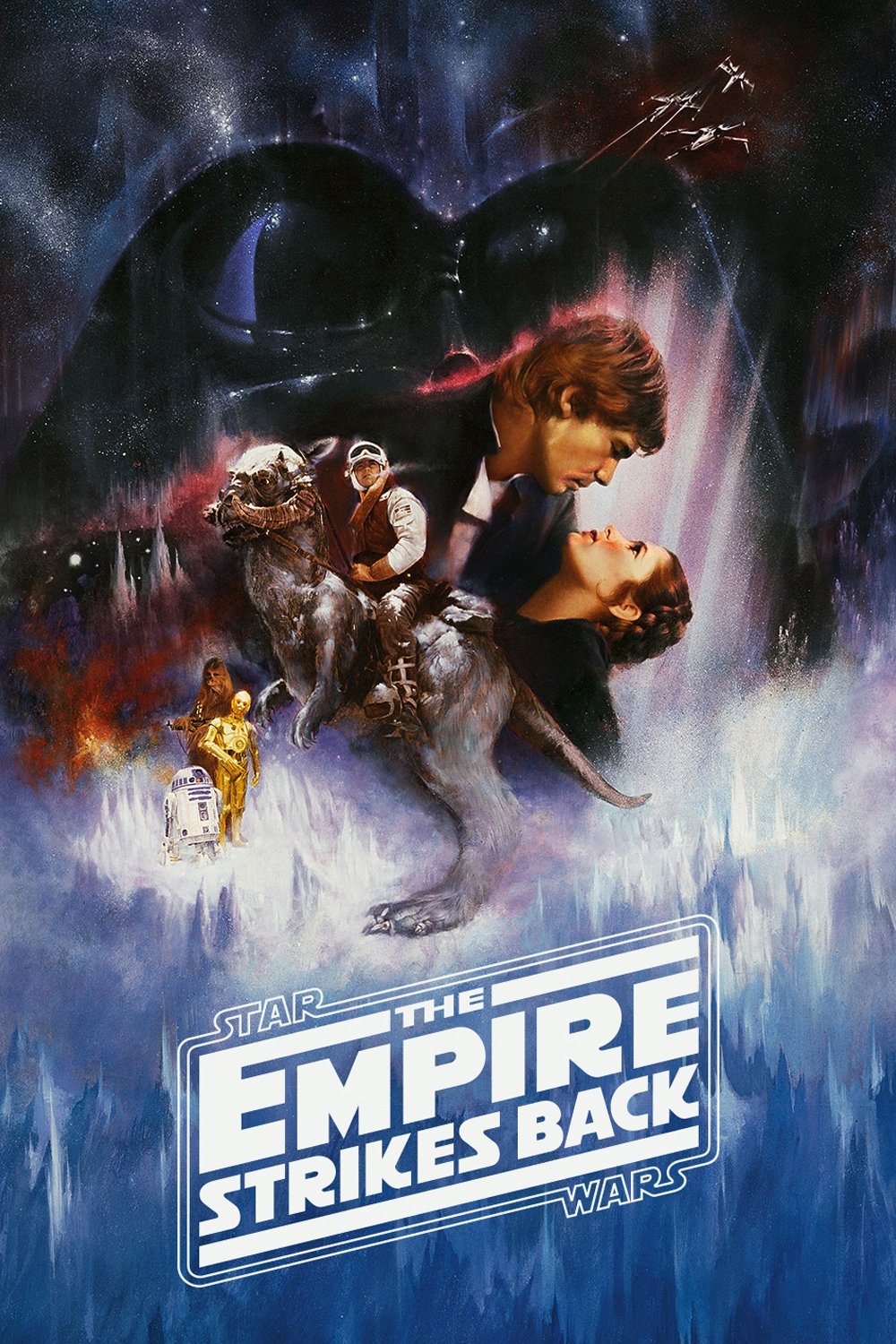
After the destruction of the Death Star, the Empire pursues the Rebels across the galaxy, leading to a confrontation on the ice planet Hoth. Luke Skywalker travels to the swamp planet Dagobah to train with the Jedi Master Yoda, while his friends are hunted by Darth Vader. The film is famous for its dark tone, character development, and the iconic plot twist regarding Luke’s heritage. It is widely considered the peak of the franchise for its emotional depth and storytelling.
‘Interstellar’ (2014)
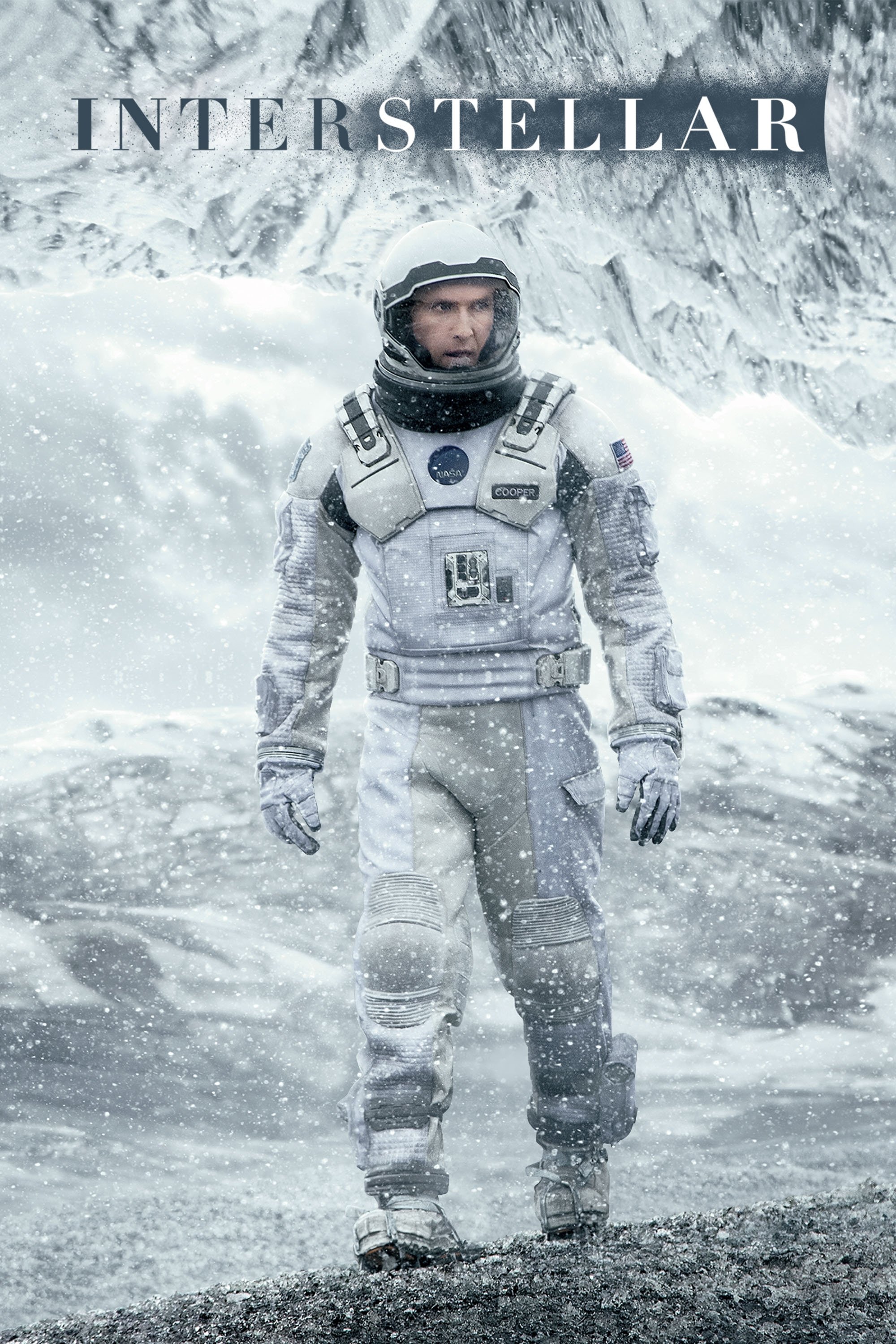
In a future where Earth is becoming uninhabitable due to a global blight, a team of astronauts travels through a wormhole in search of a new home for humanity. The mission takes them near a massive black hole, where time dilation causes years to pass on Earth in a matter of hours. The film combines rigorous scientific concepts with a deeply emotional story about the bond between a father and his daughter. Its visual depiction of black holes and higher dimensions was based on actual astrophysical calculations.
‘The Matrix’ (1999)
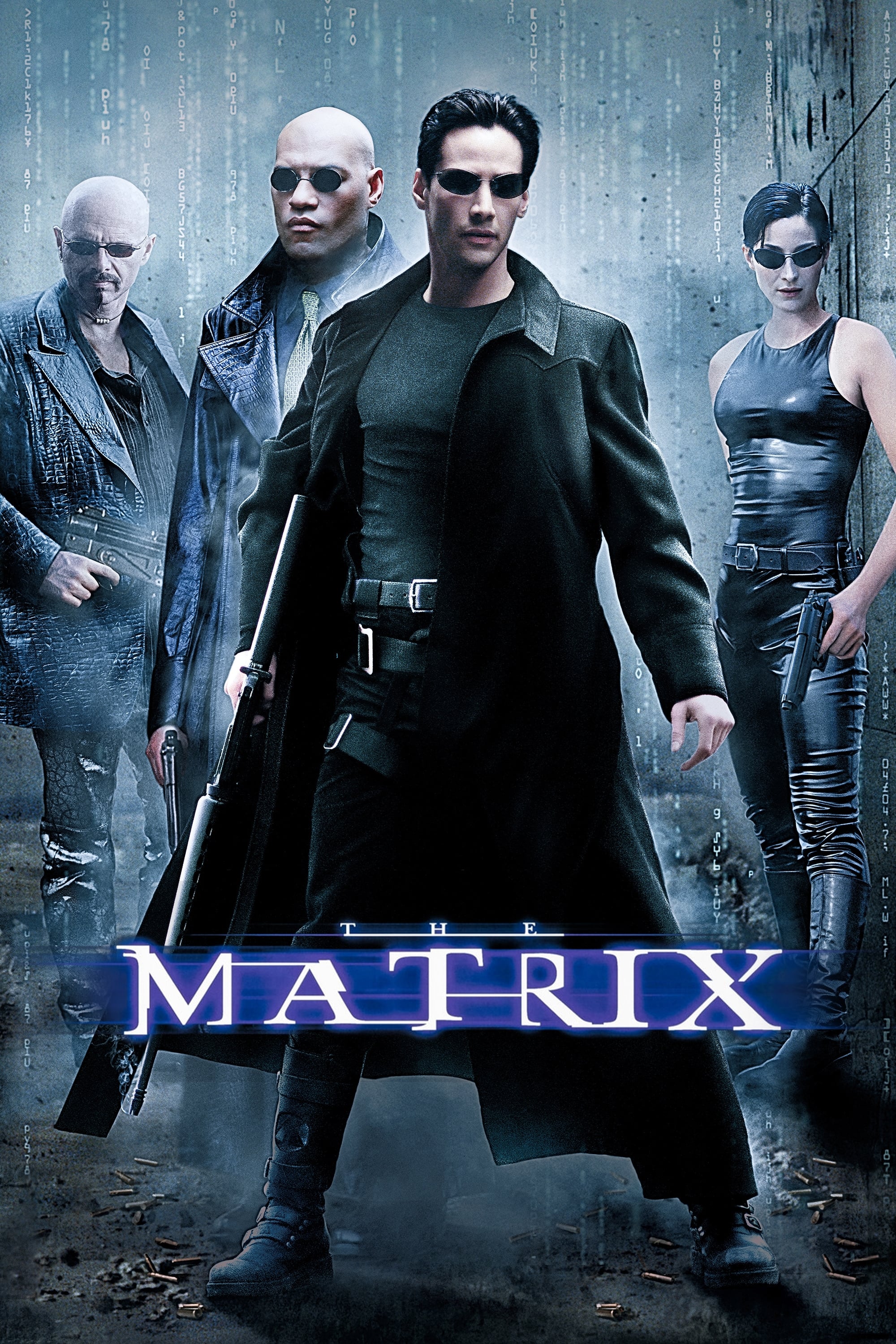
A computer hacker discovers that his reality is actually a sophisticated simulation created by machines to harvest human energy. He joins a group of rebels who have escaped the simulation and learns to manipulate the digital world’s physics to fight back. The film popularized the concept of “bullet time” and blended cyberpunk aesthetics with Eastern philosophy and martial arts. It remains a landmark in cinema for its philosophical questions regarding perception and freedom.
‘Inception’ (2010)
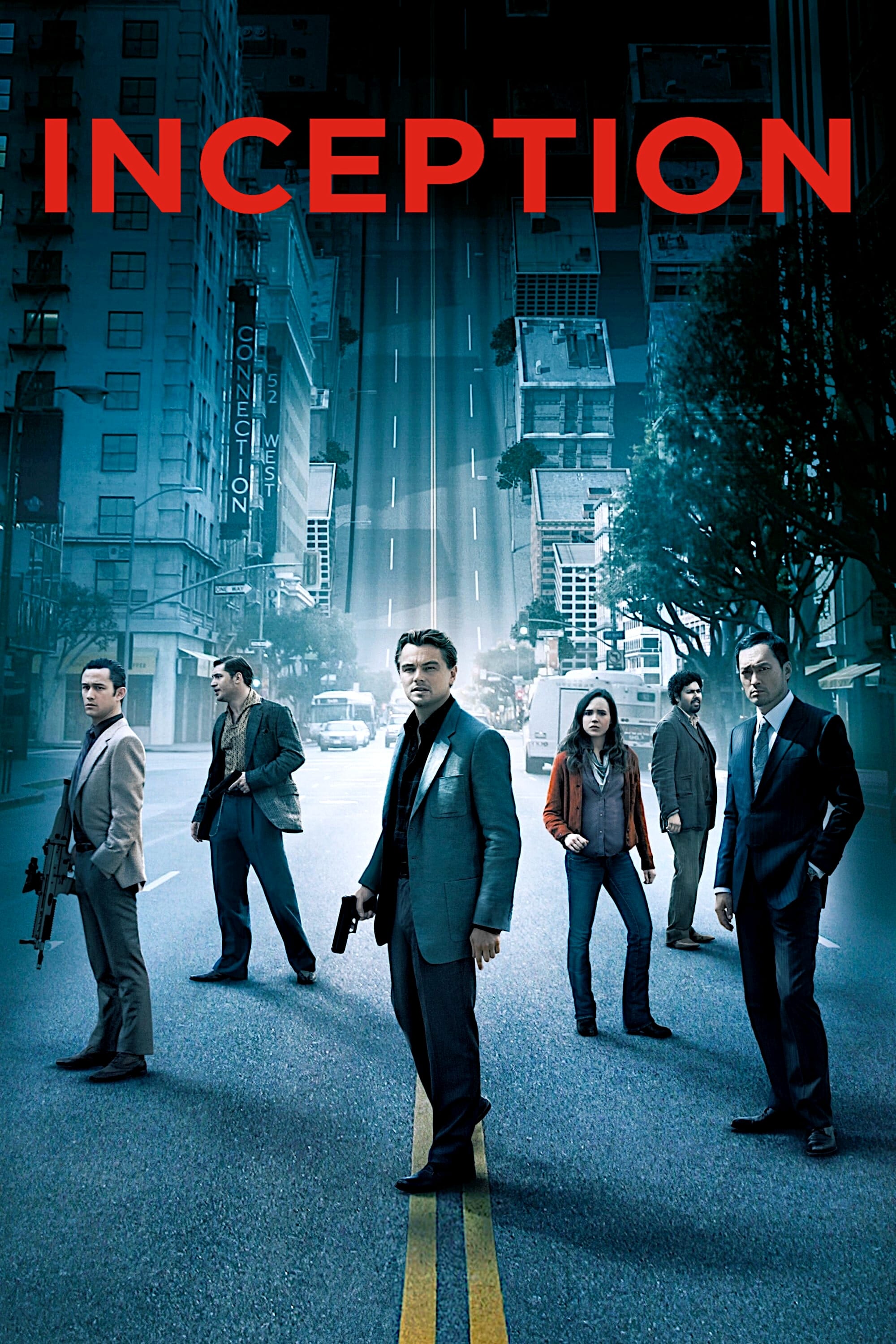
Dom Cobb is a skilled thief who specializes in stealing secrets from deep within the subconscious during the dream state. He is offered a chance to have his criminal record erased in exchange for performing inception, the act of planting an idea in someone’s mind. The film explores multiple levels of dreams, each with its own time dilation and physical rules. The complex narrative structure often leaves viewers questioning the nature of reality and the protagonist’s final destination. This layered storytelling is why many find a second viewing essential to catch the subtle cues hidden throughout the plot.
Share your favorite mind-bending sci-fi movie moments in the comments.

